Review: Chalkface (Sydney Theatre Company)

Venue: Sydney Opera House (Sydney NSW), Sep 15 – Oct 29, 2022
Playwright: Angela Betzien
Director: Jessica Arthur
Cast: Ezra Juanta, Catherine McClements, Michelle Ny, Nathan O’Keefe, Susan Prior, Stephanie Somerville
Images by Prudence Upton

Theatre review
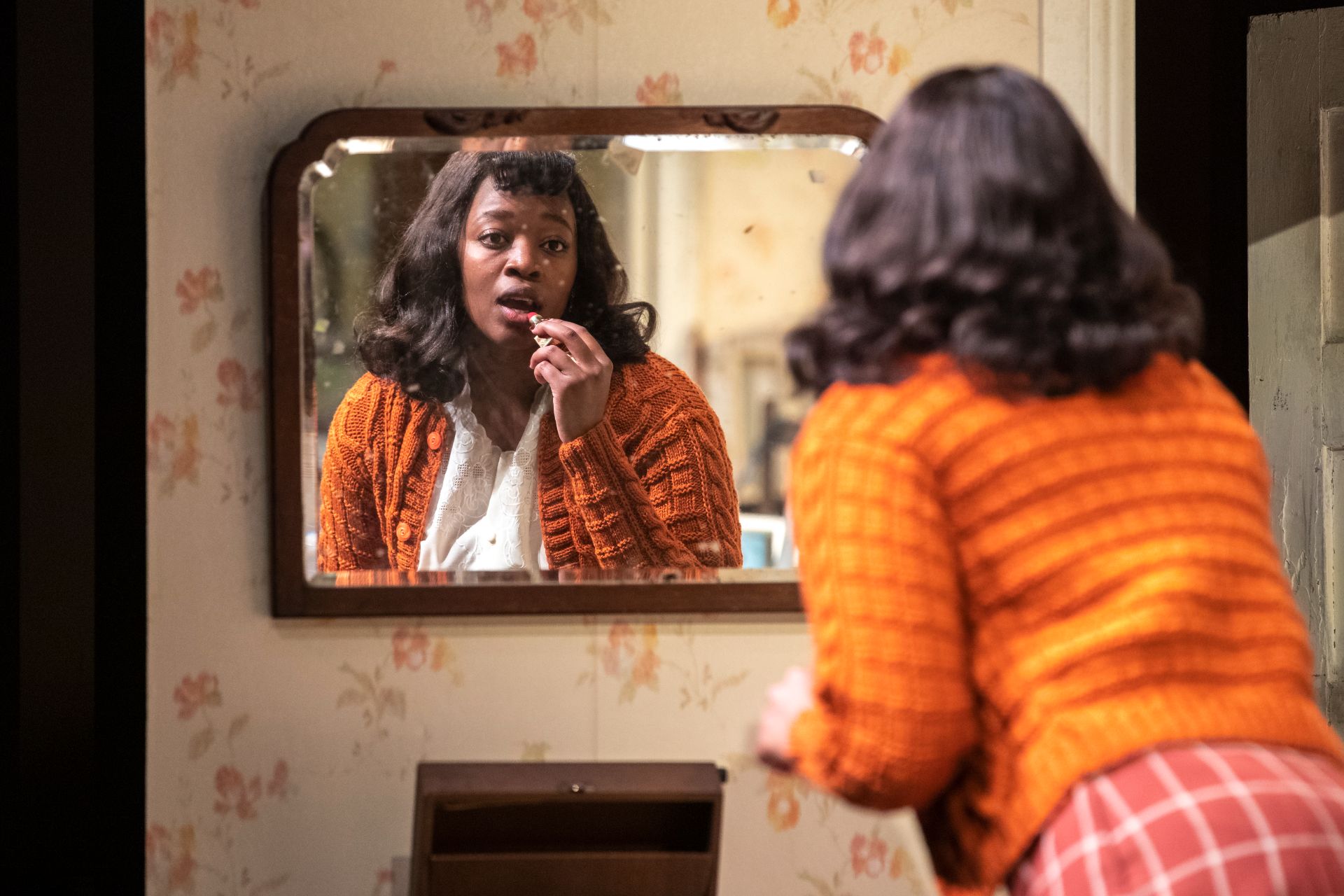
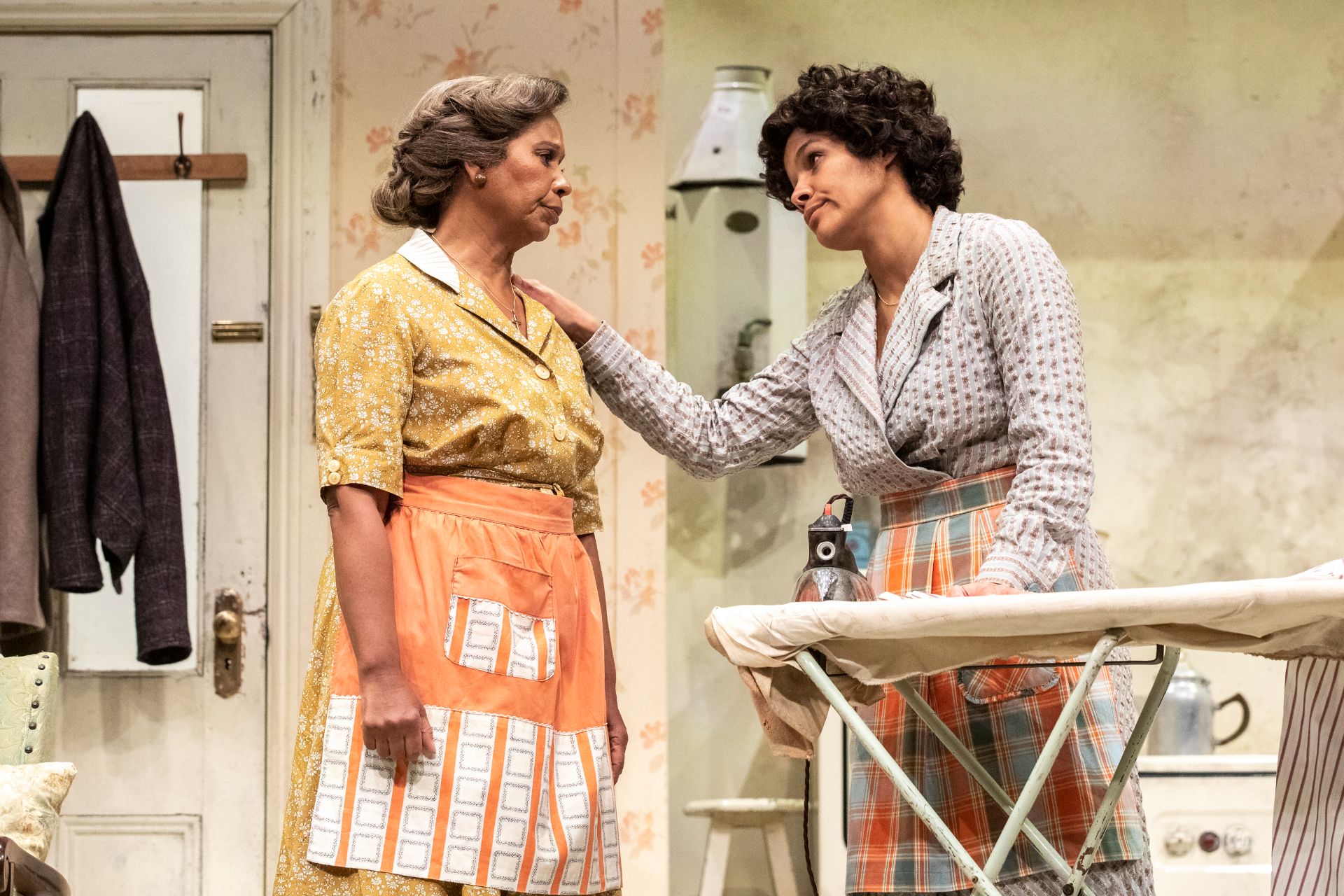
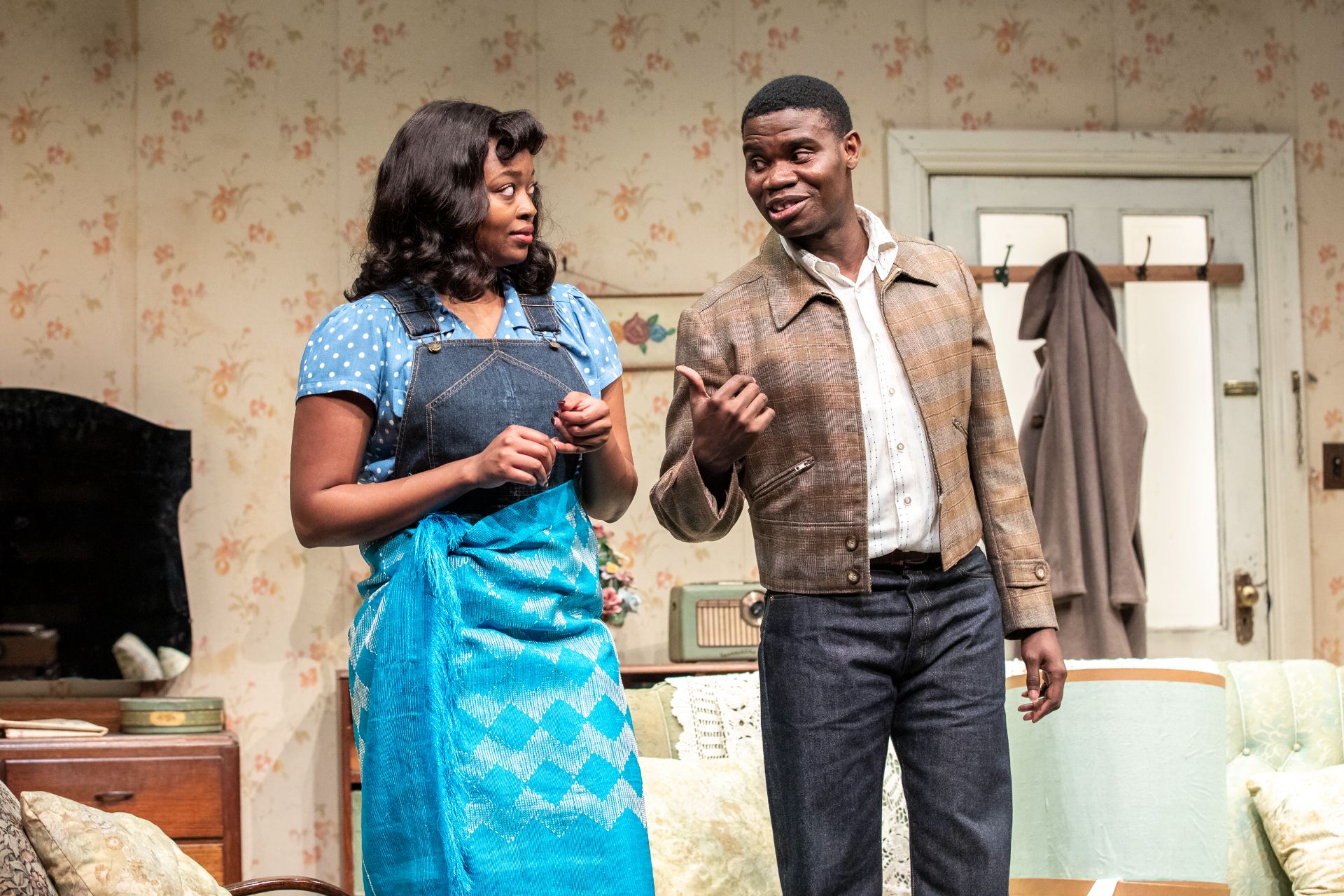
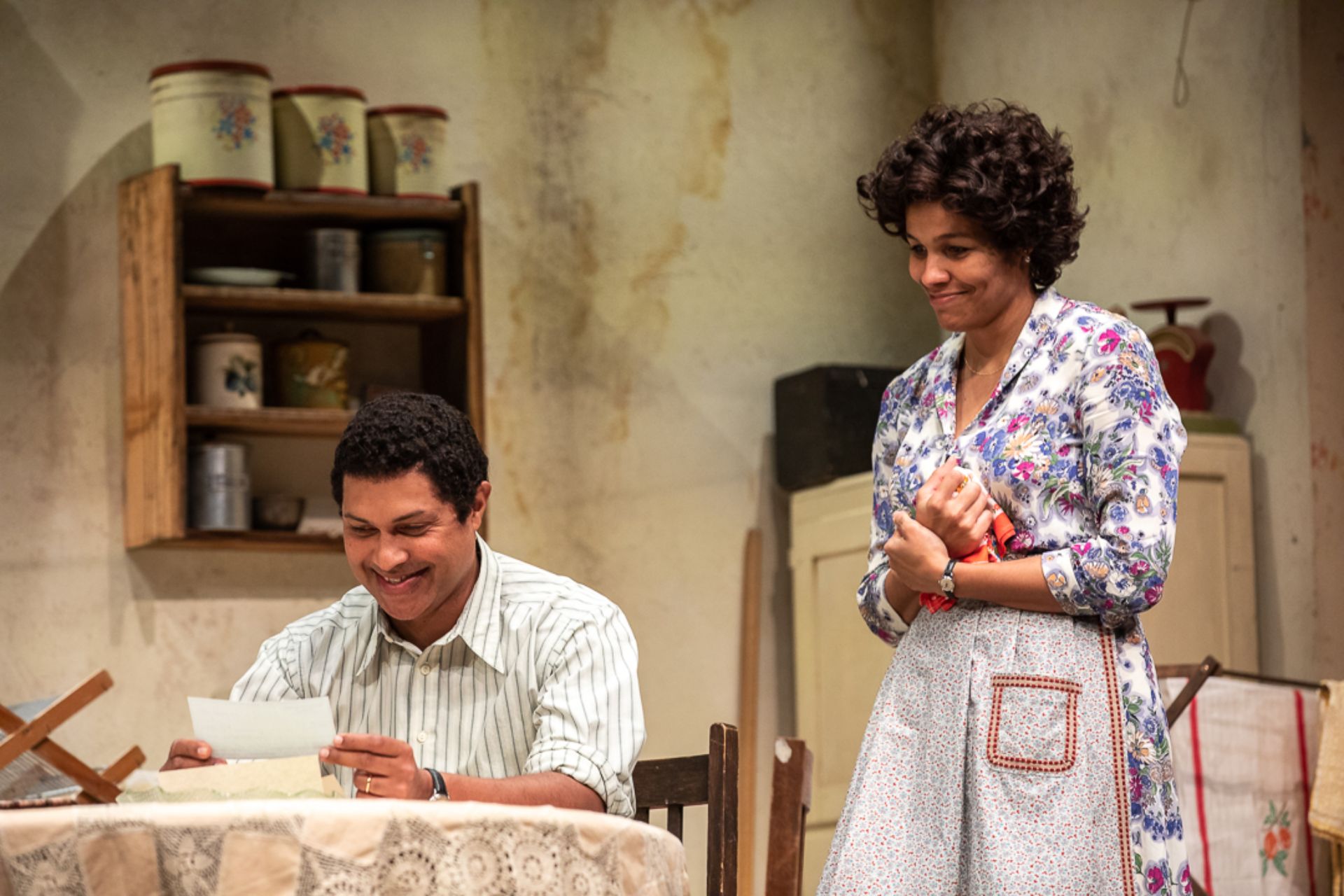
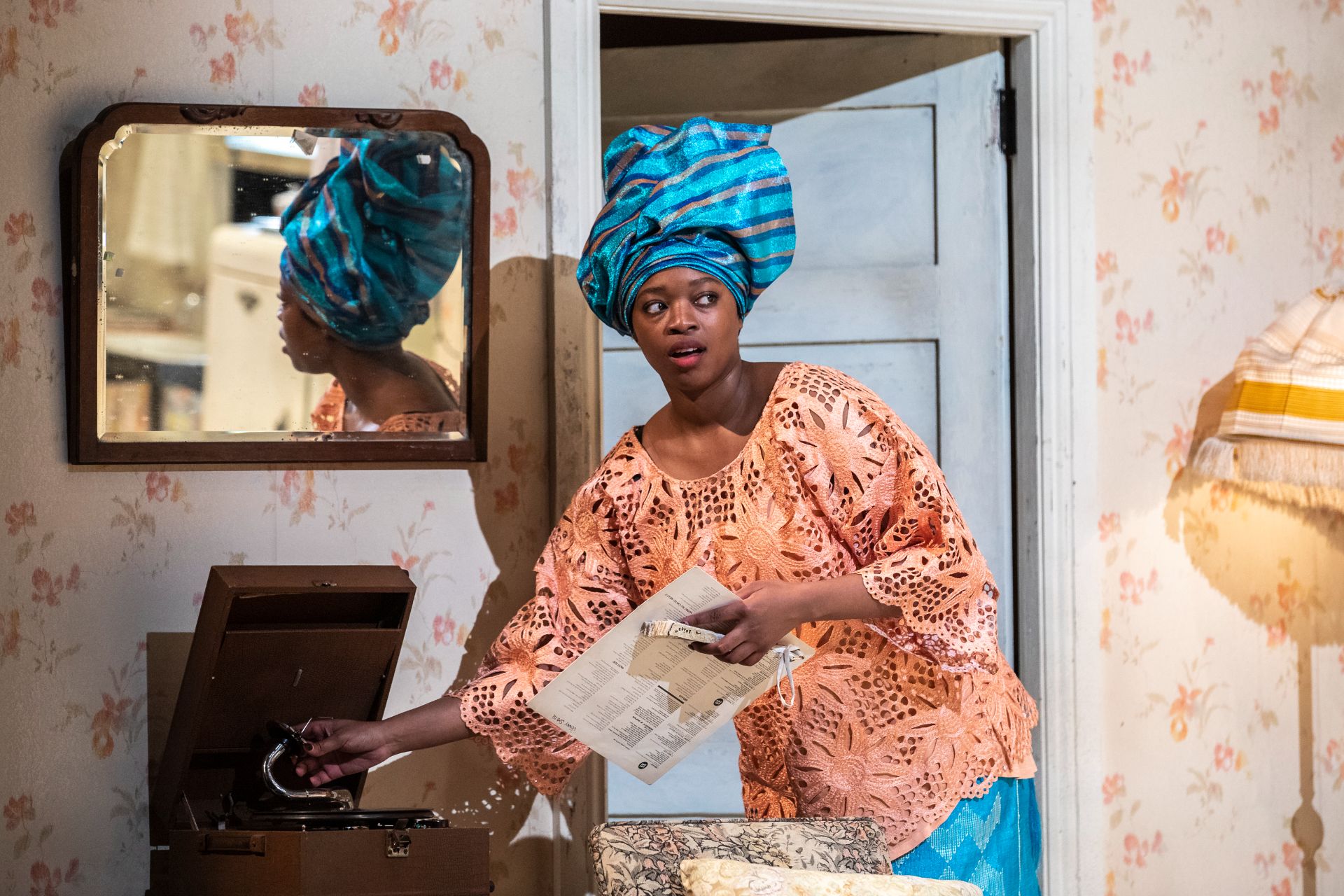
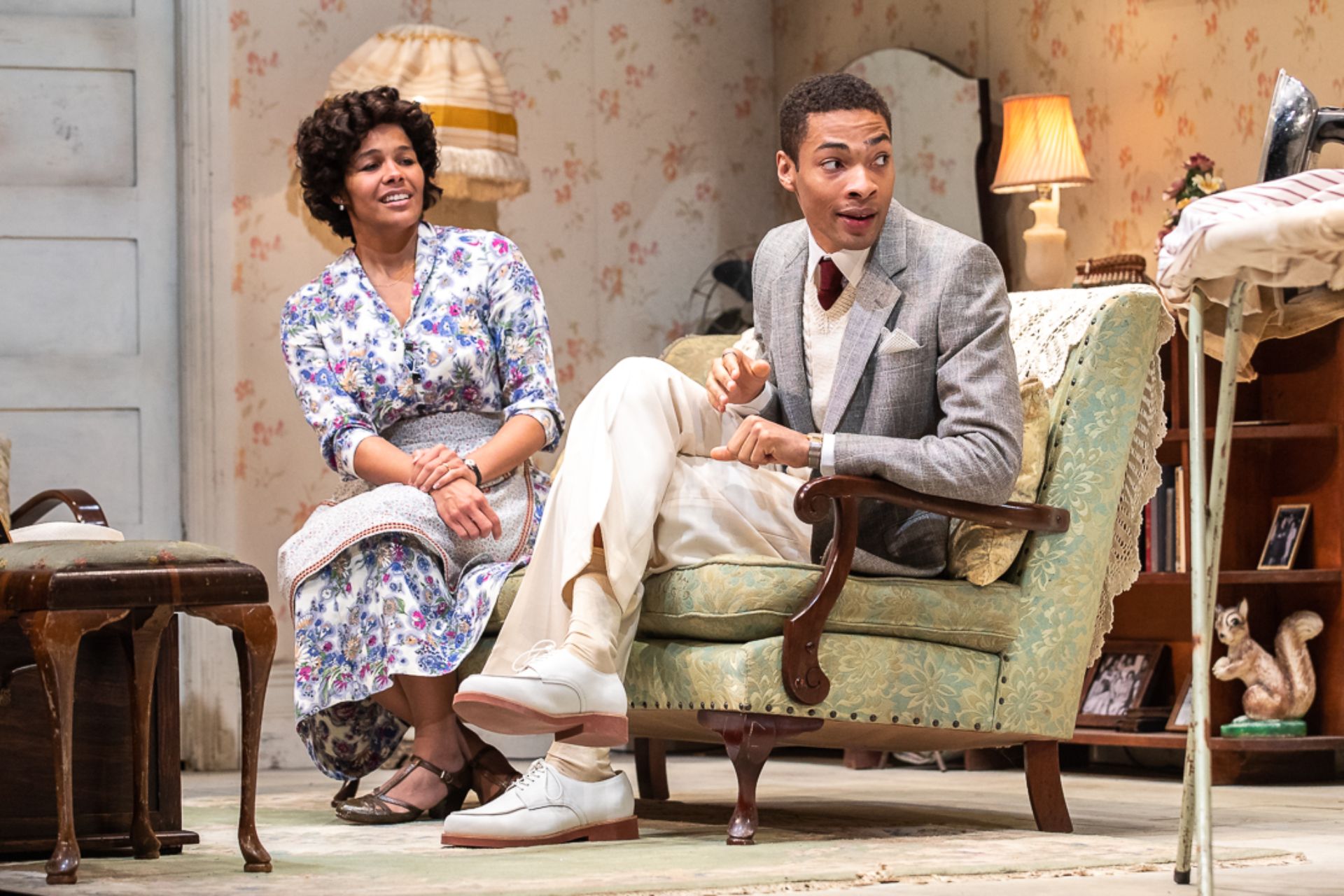
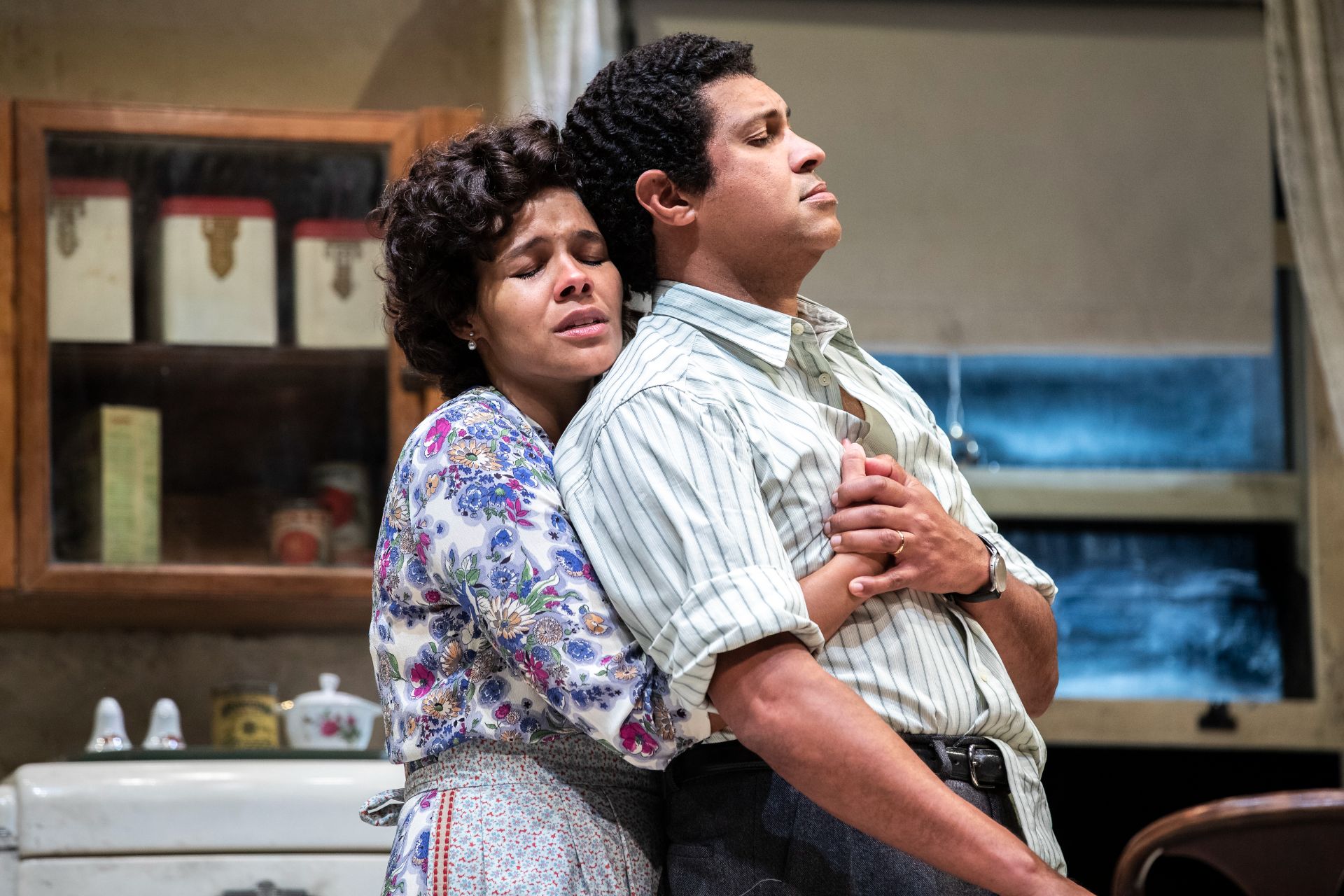
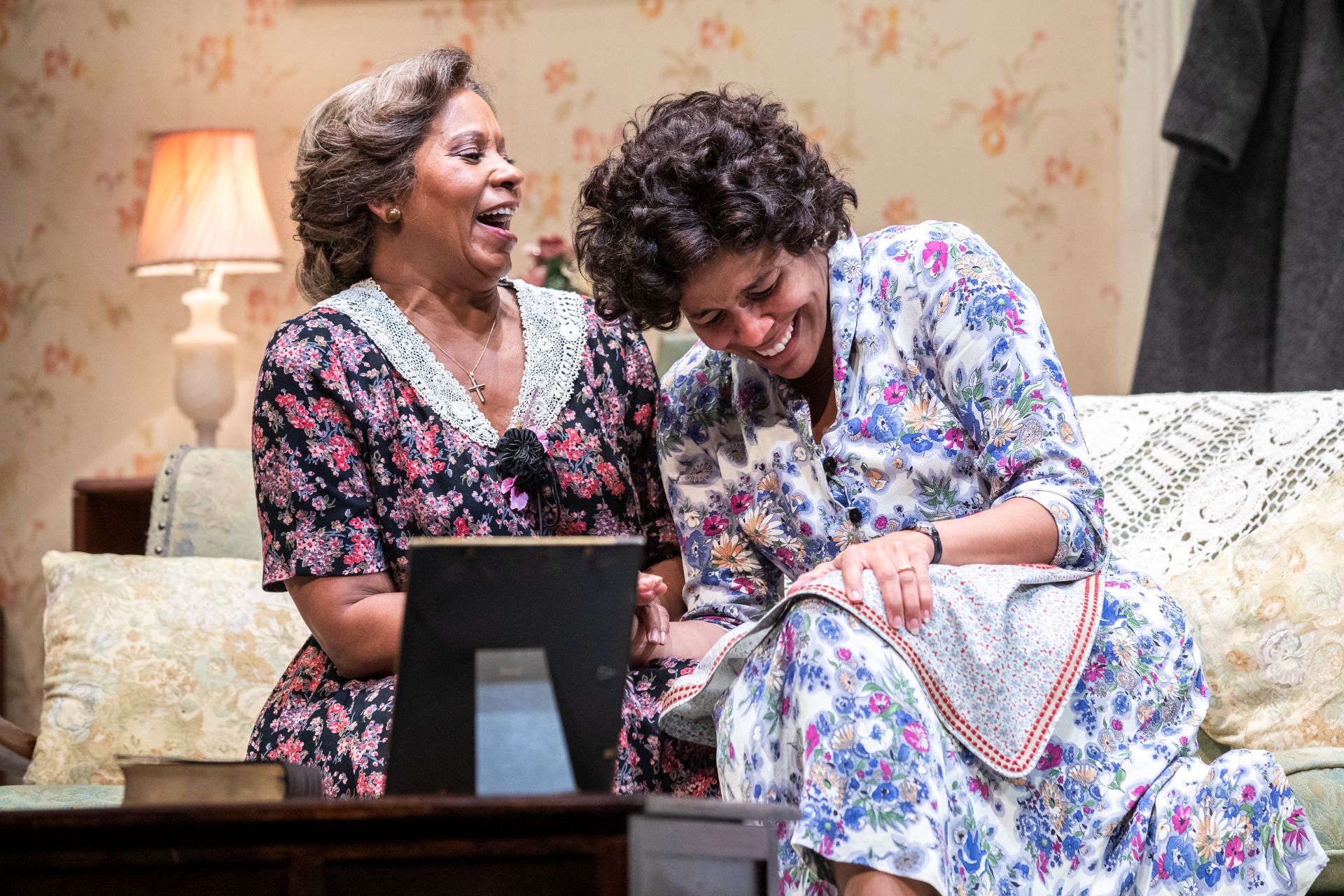
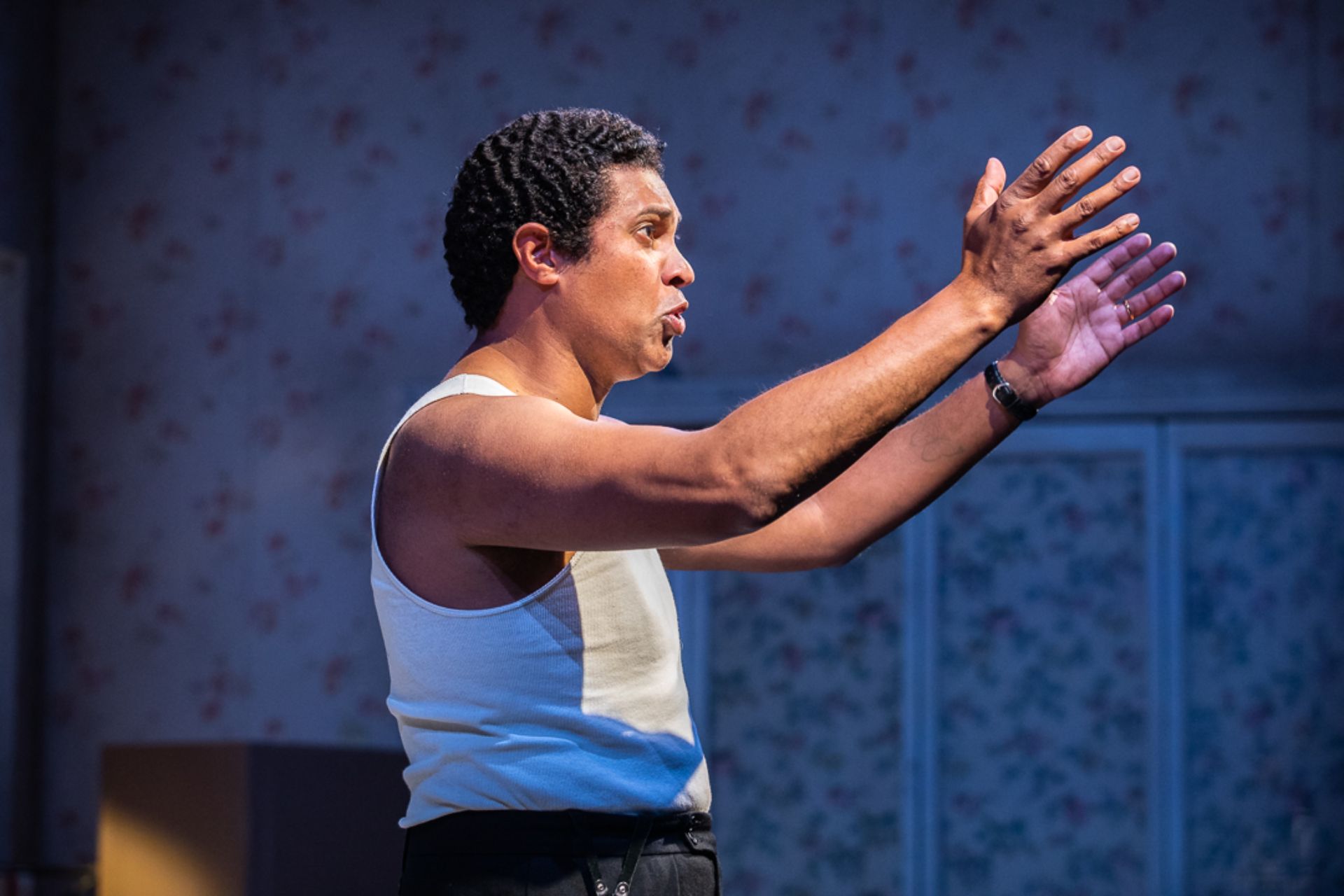
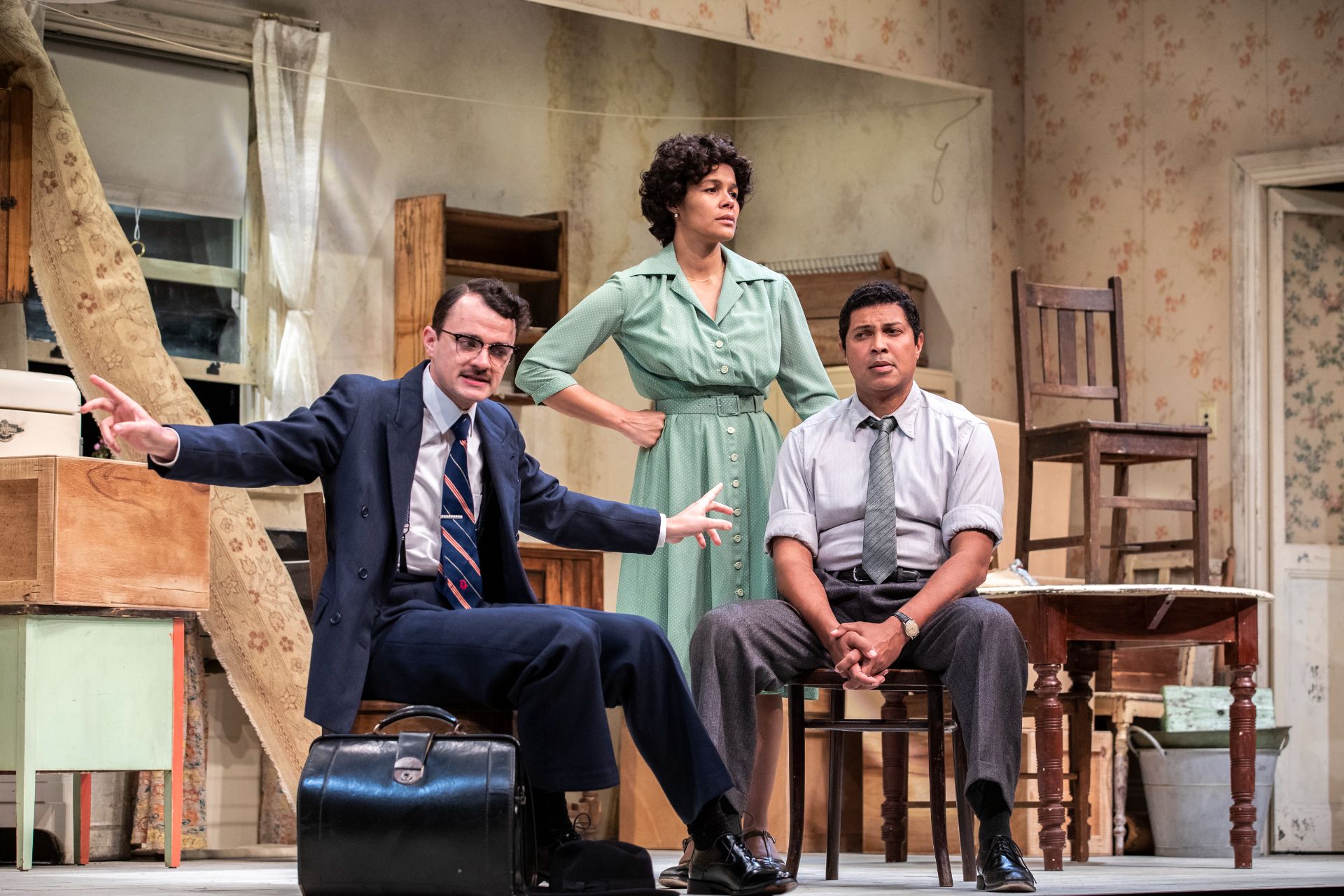
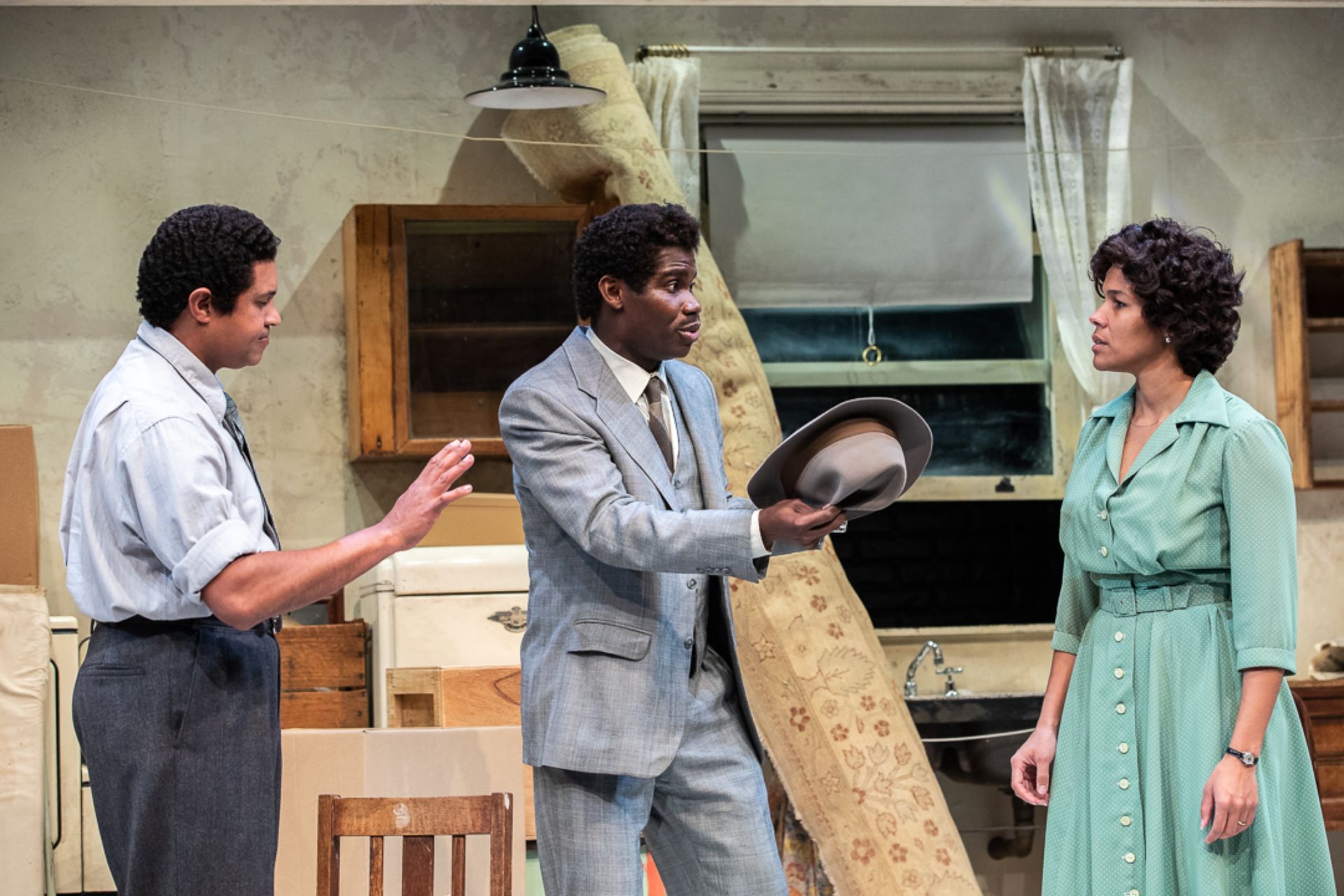
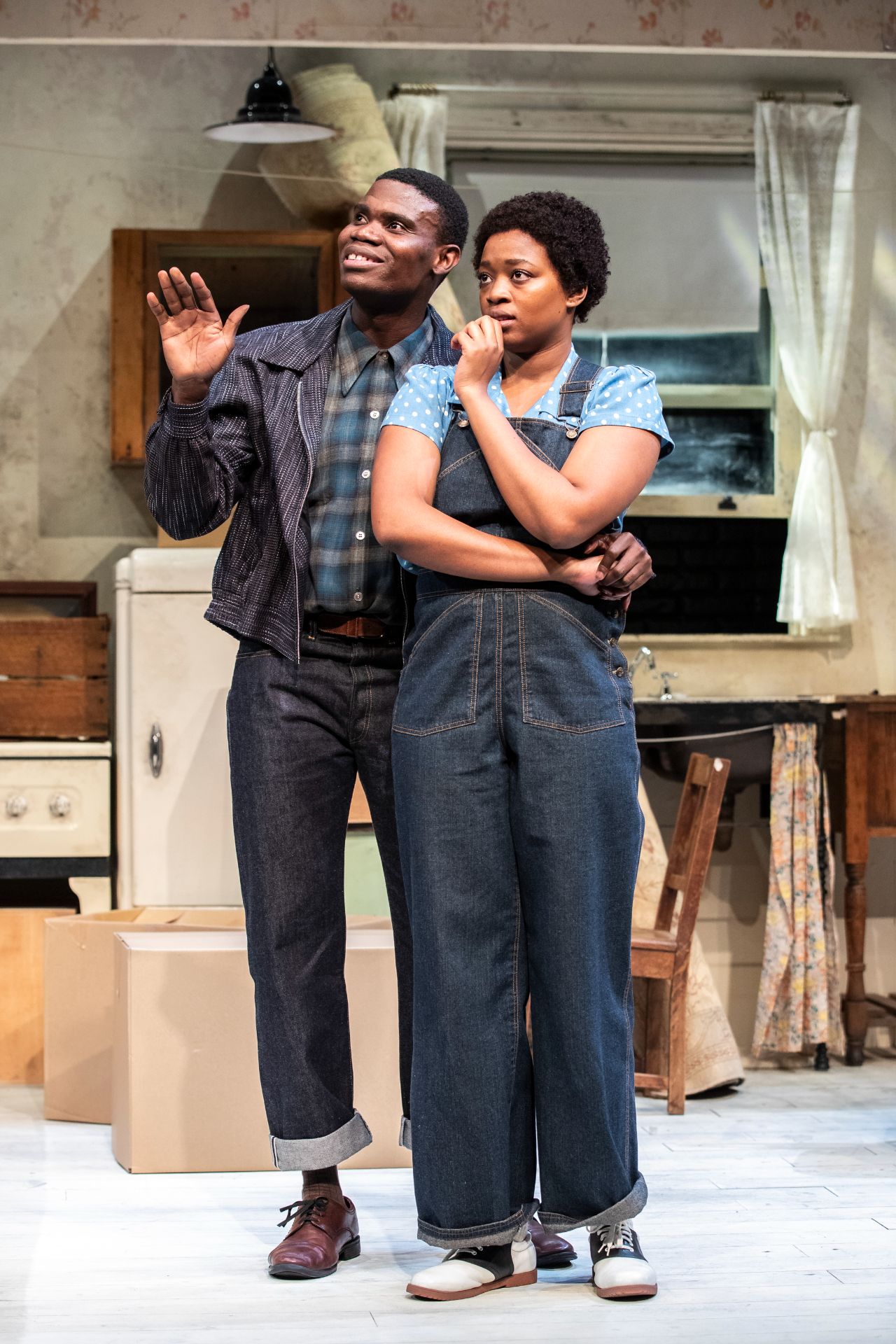
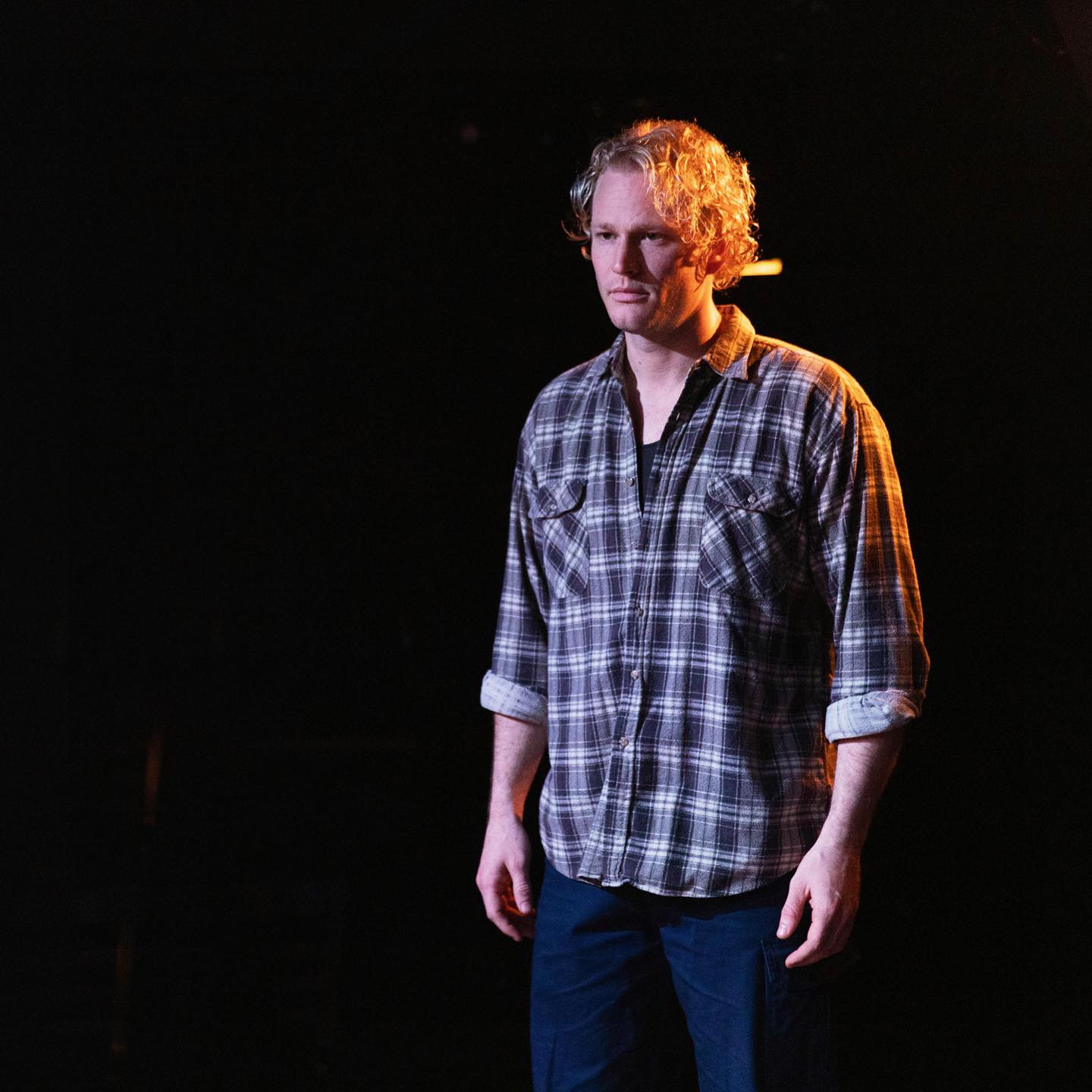
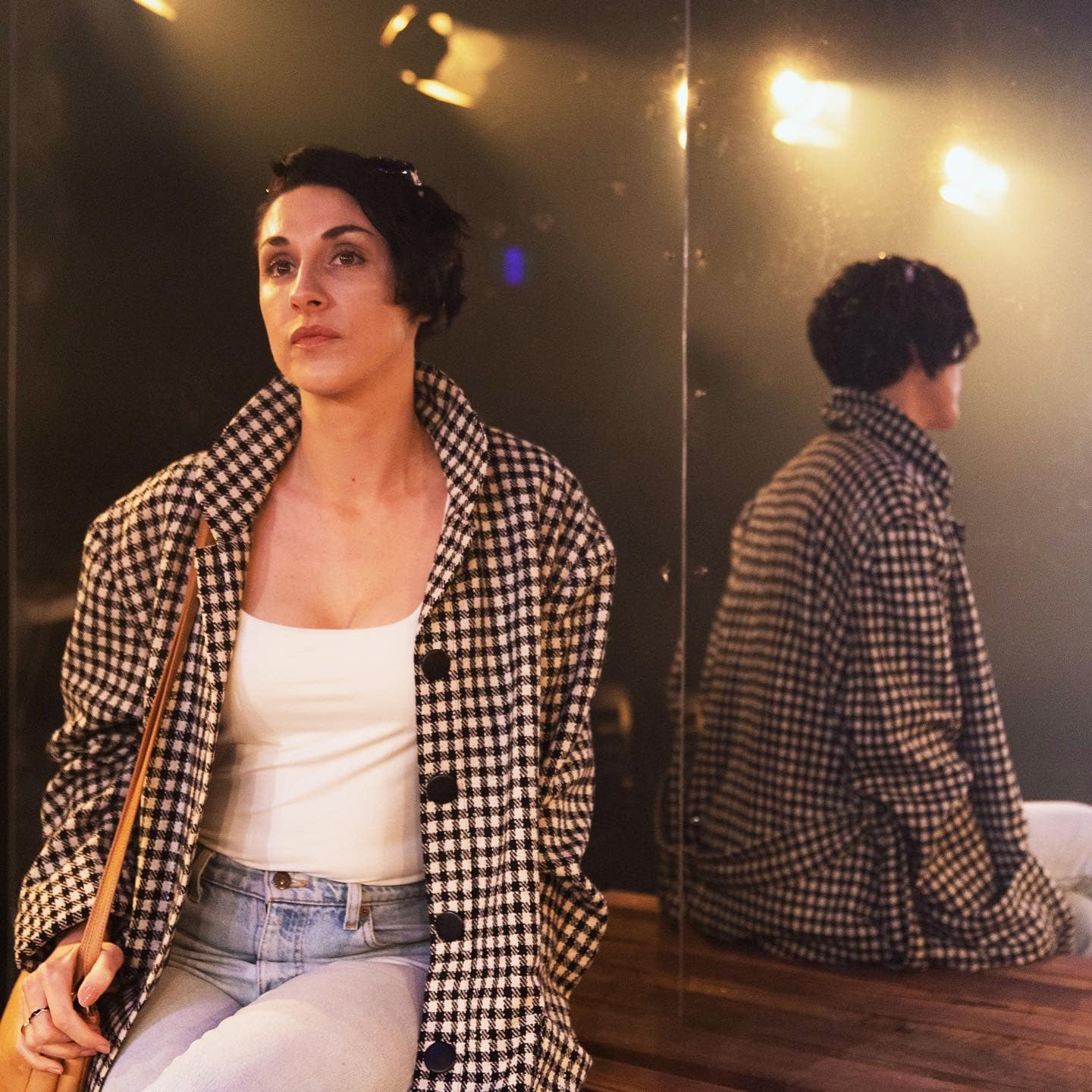
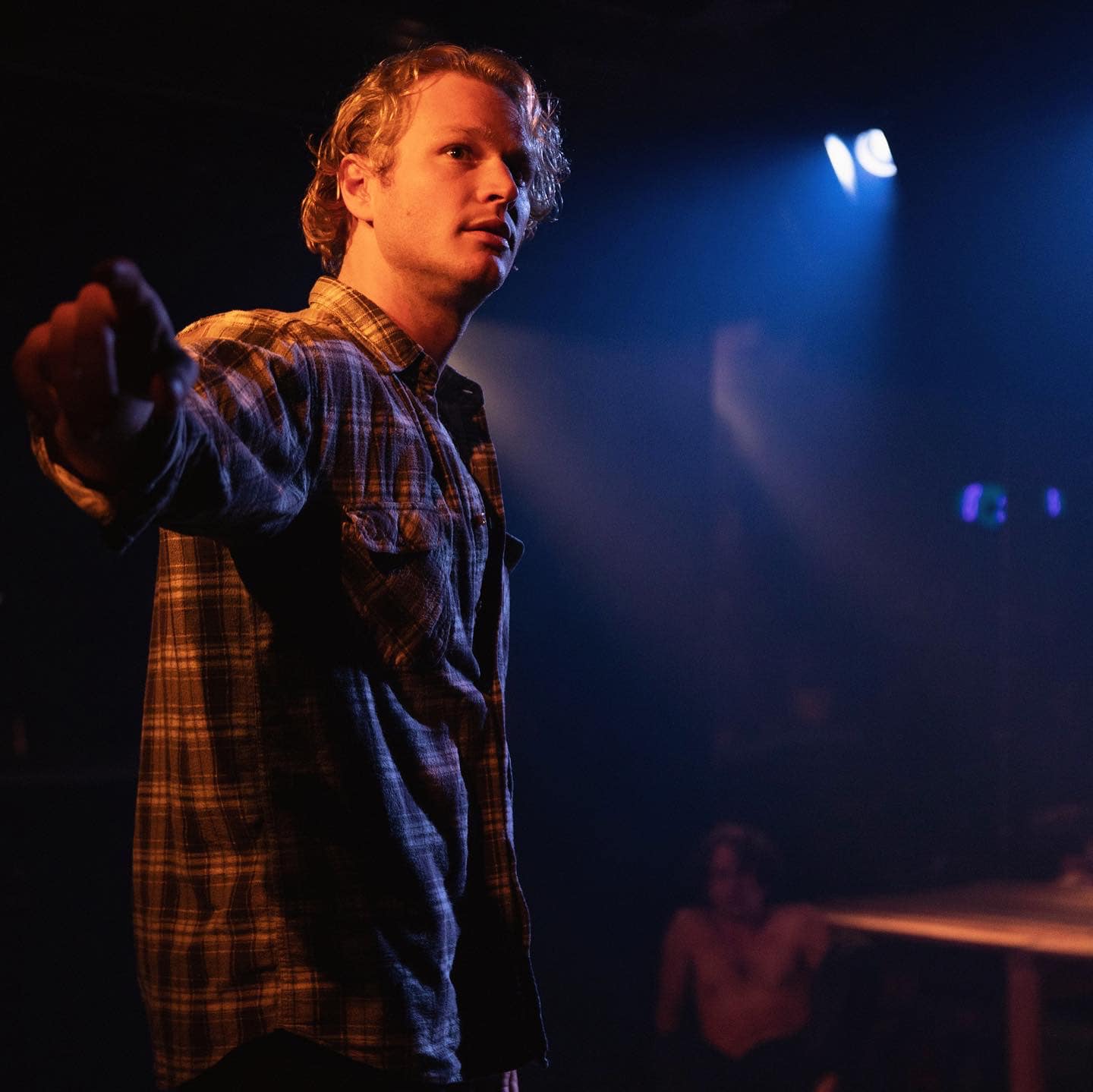
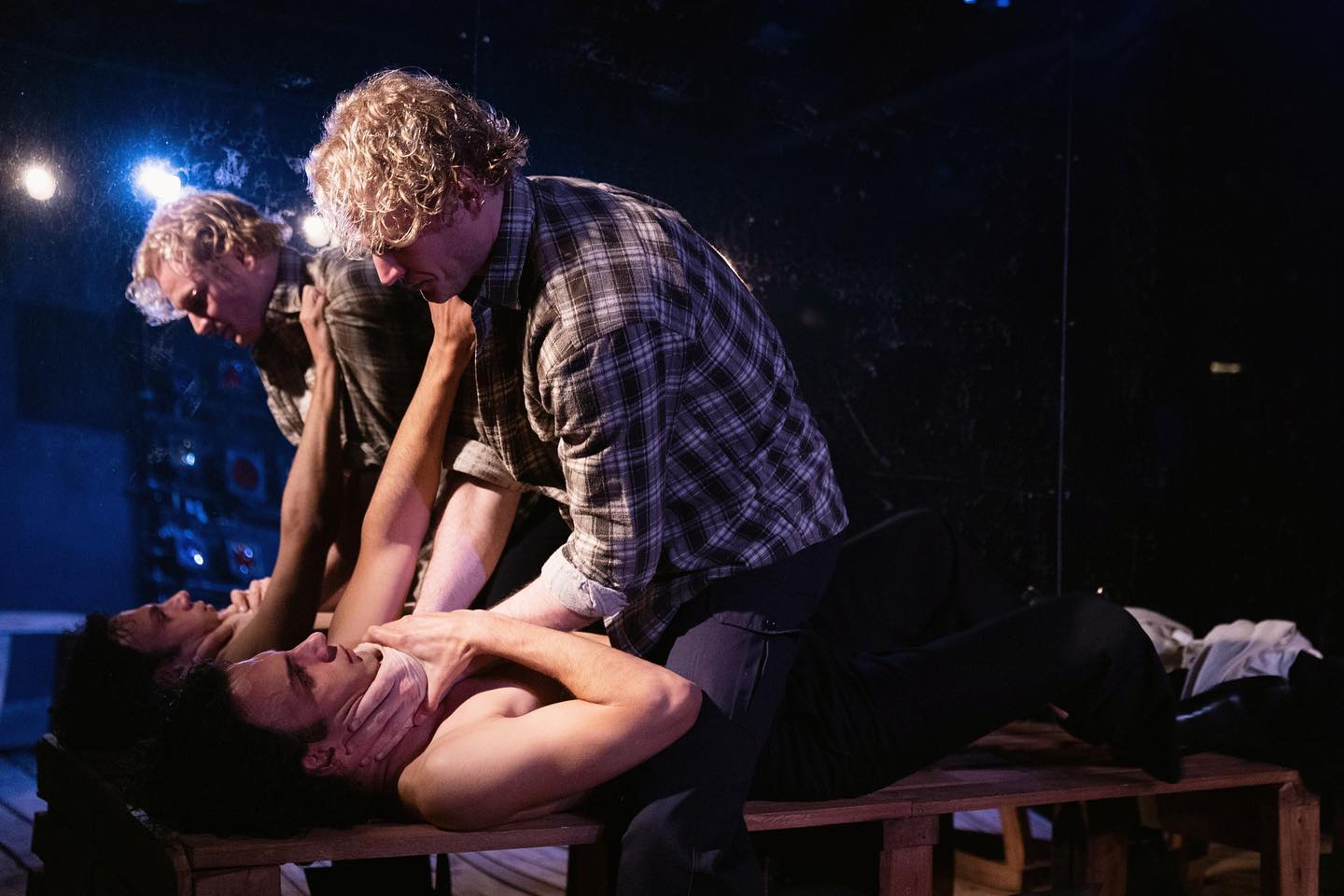
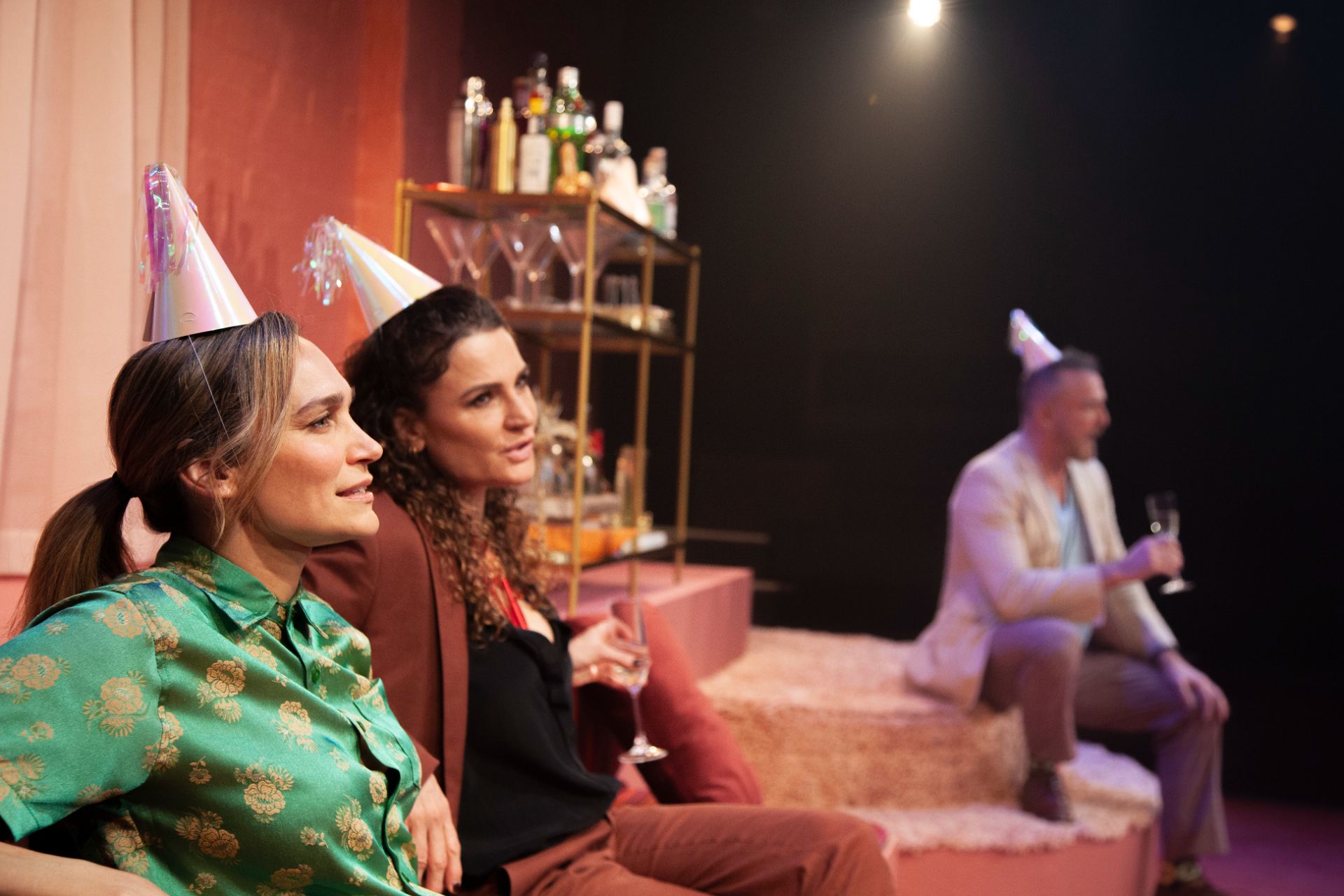
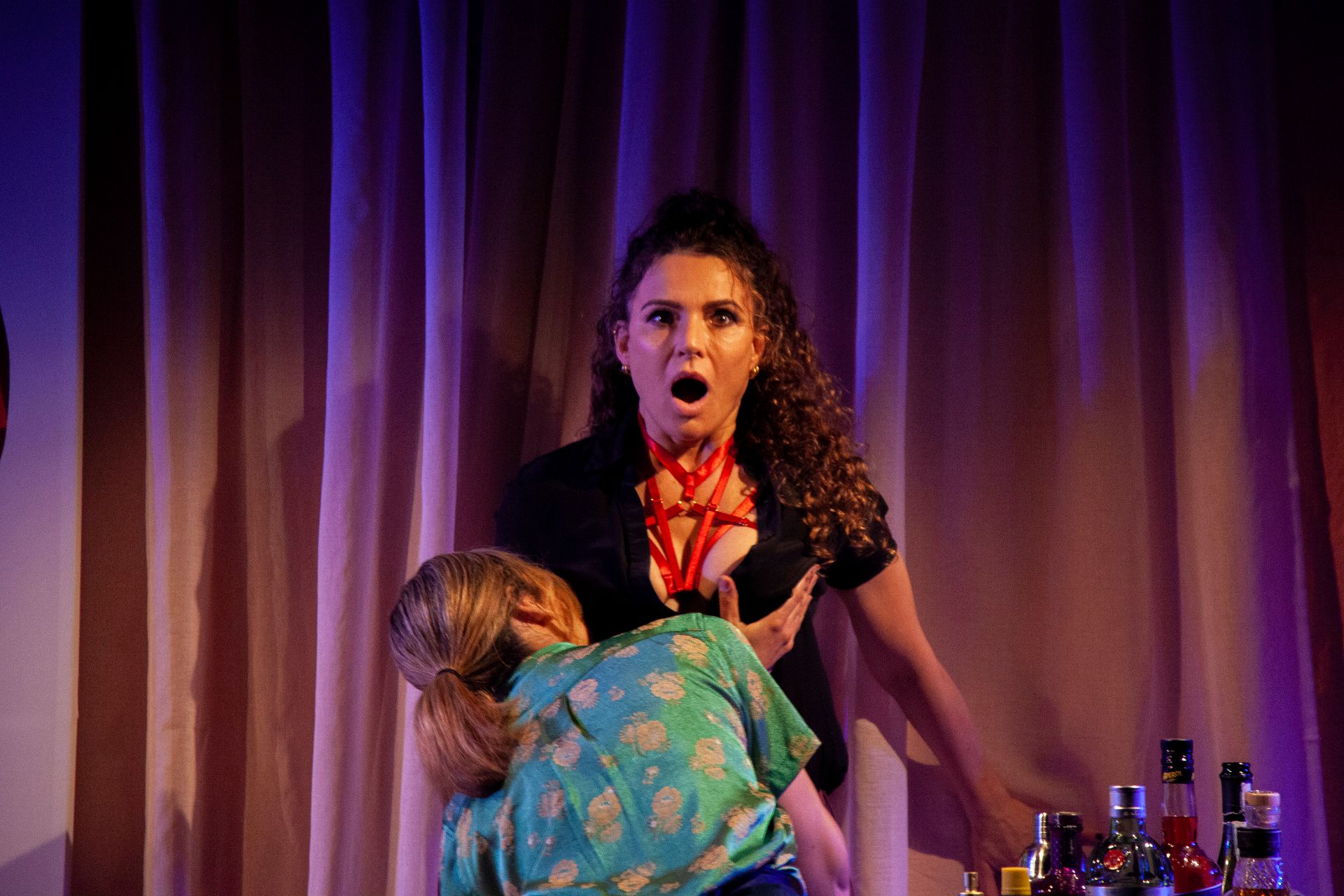
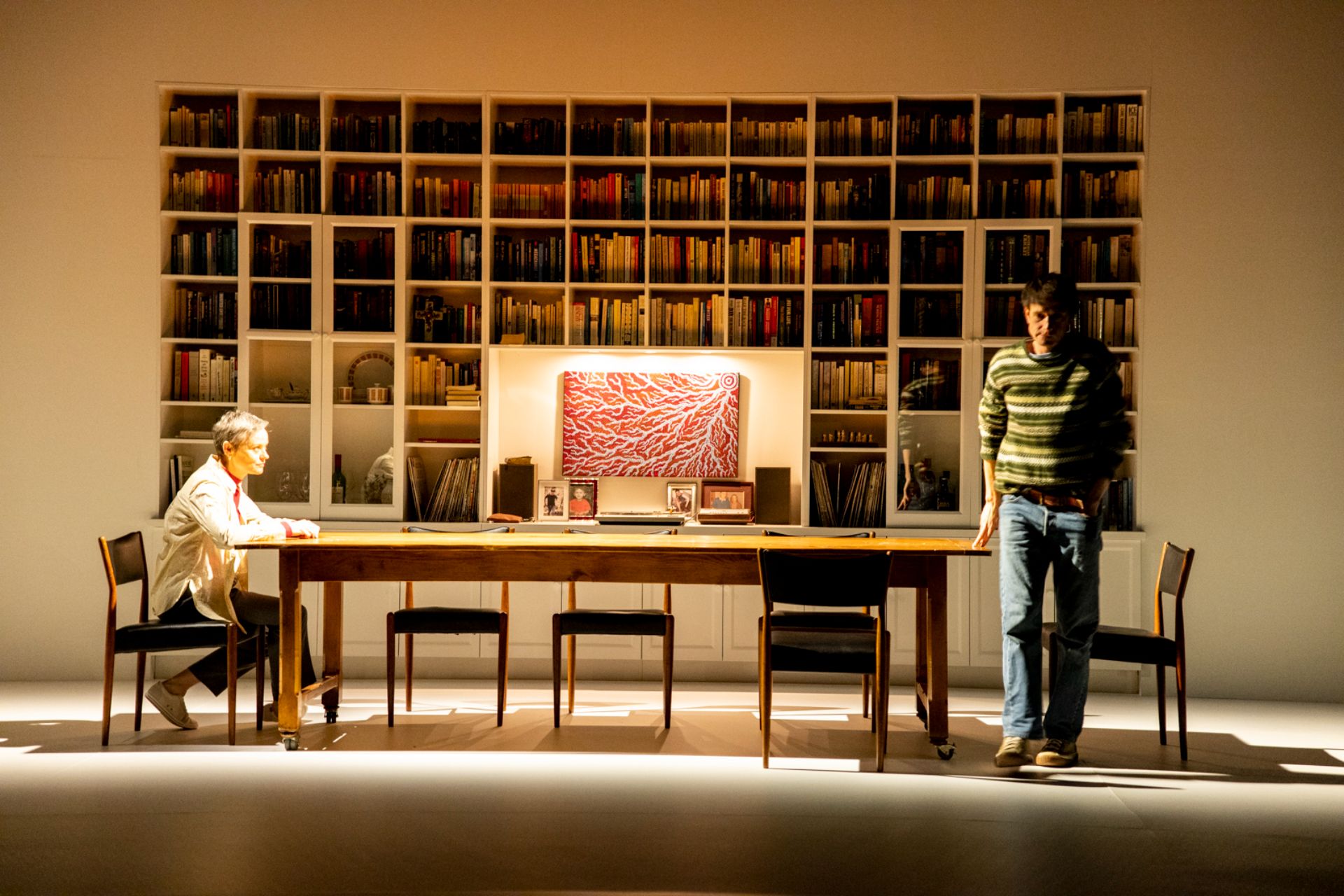
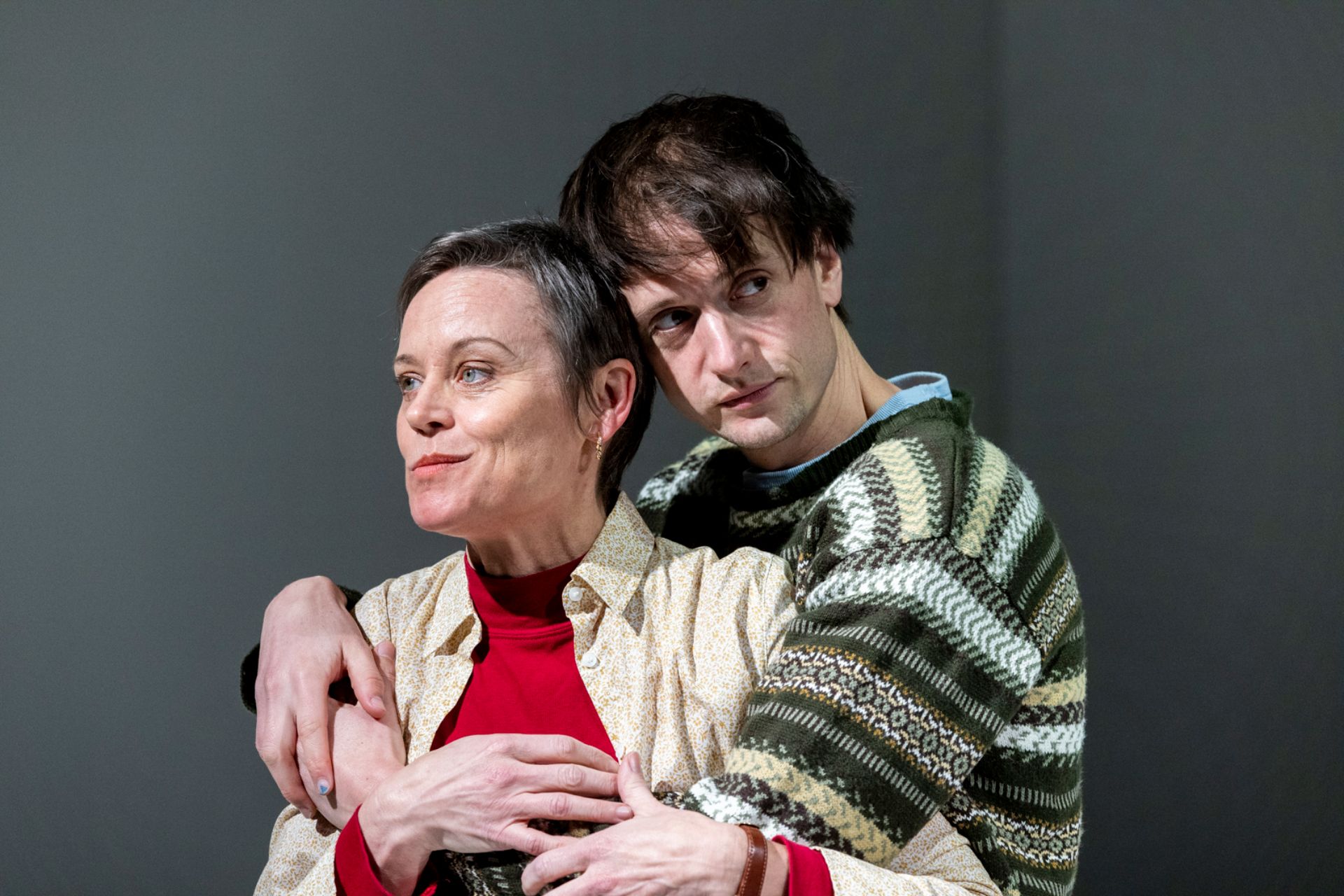
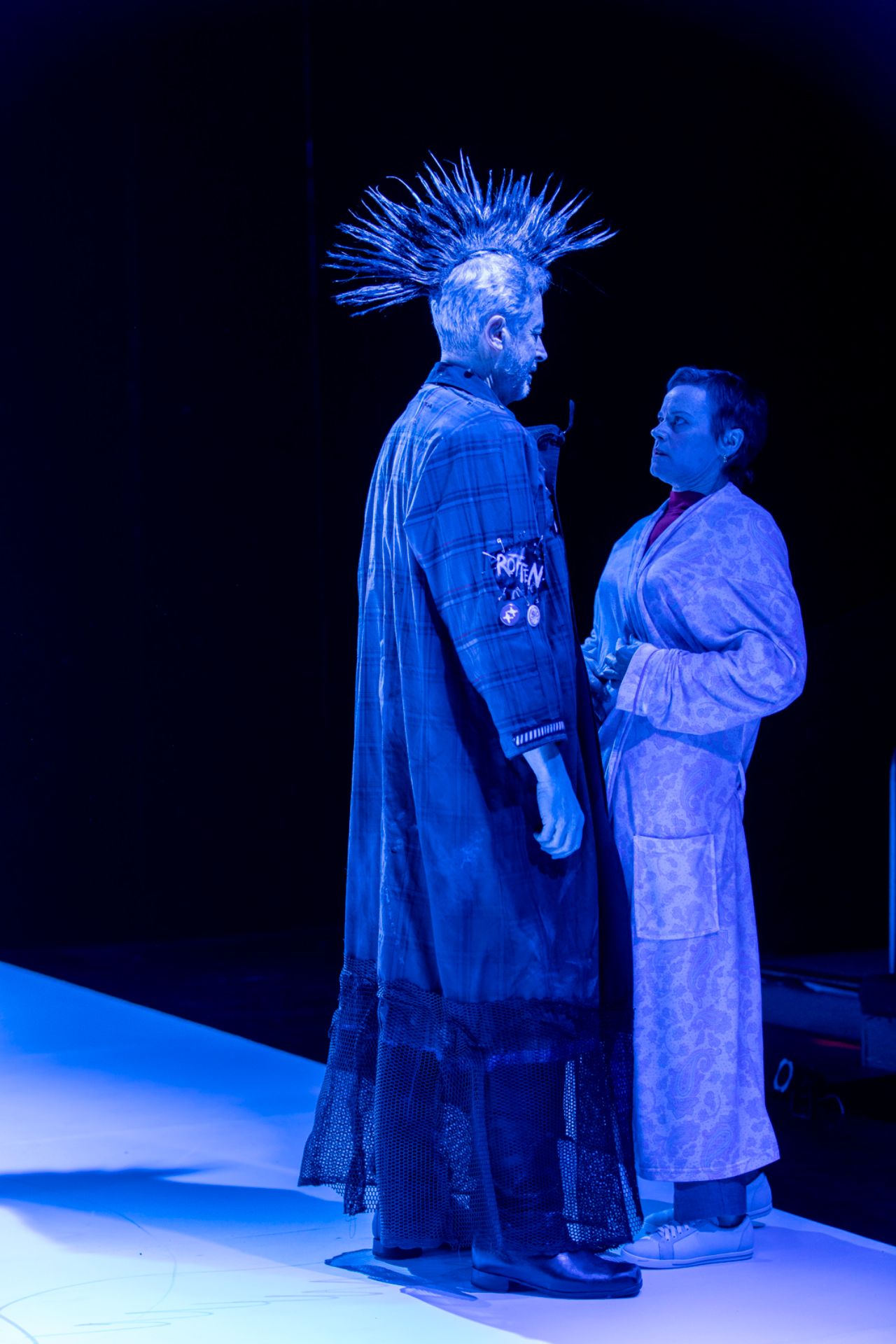
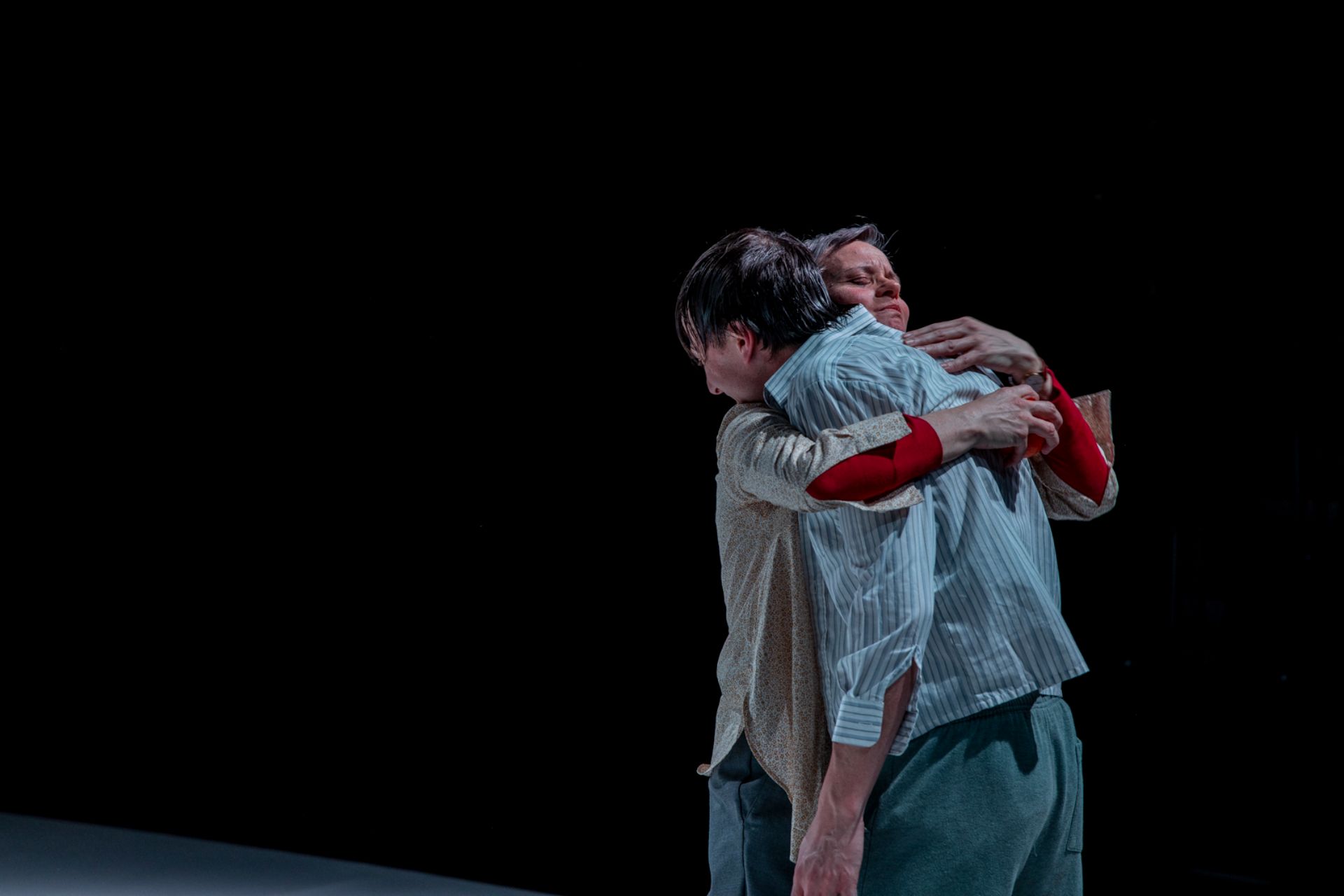
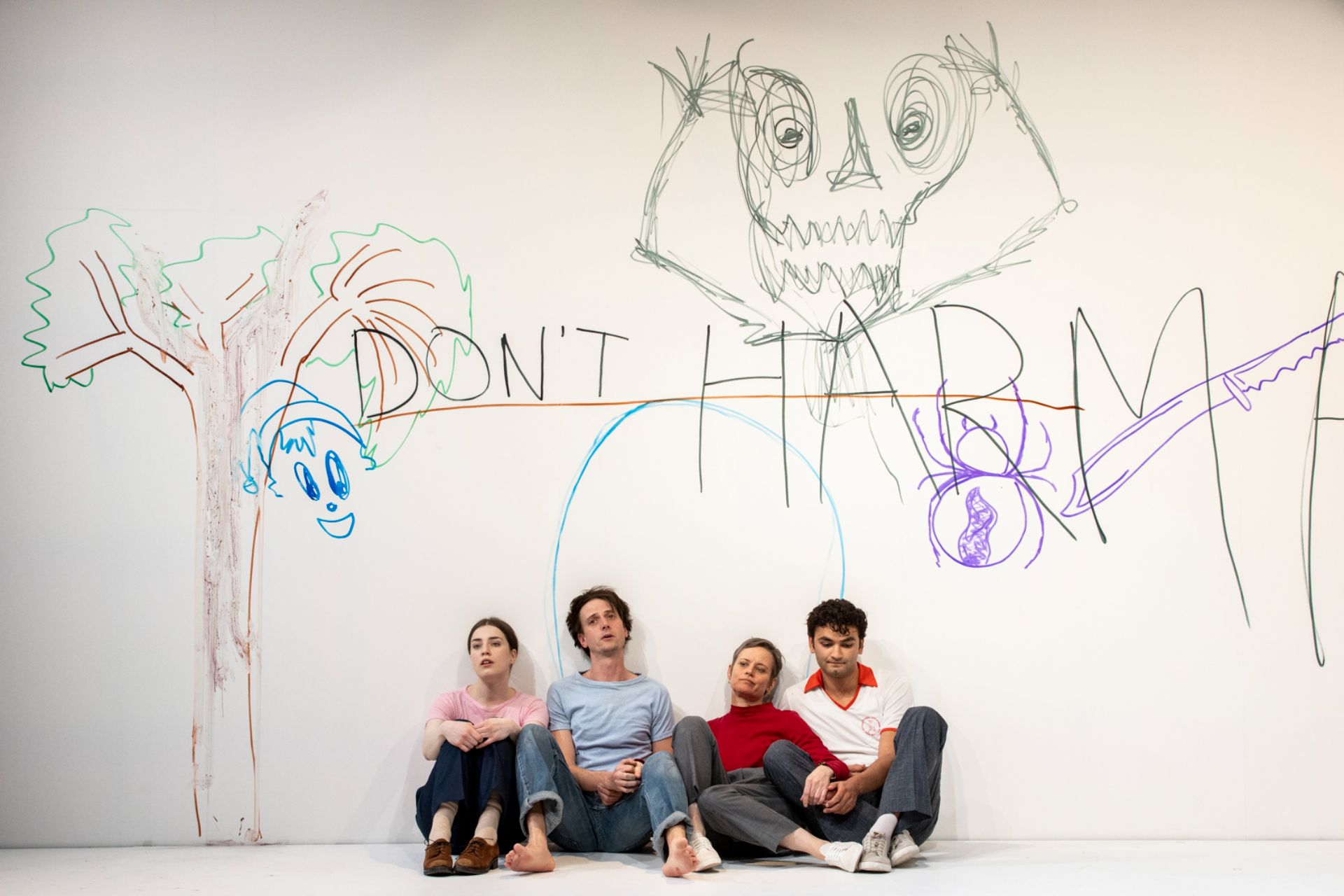
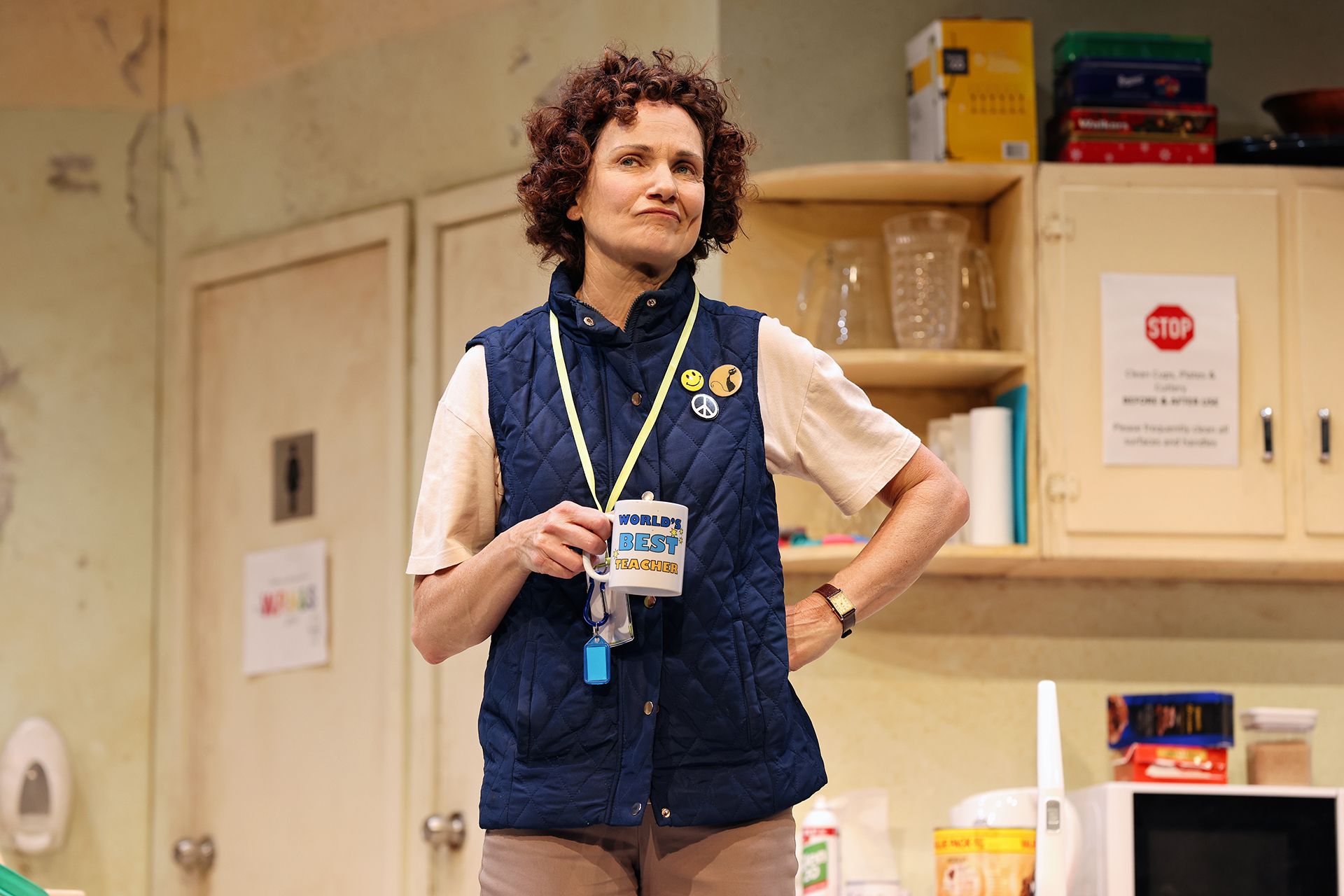
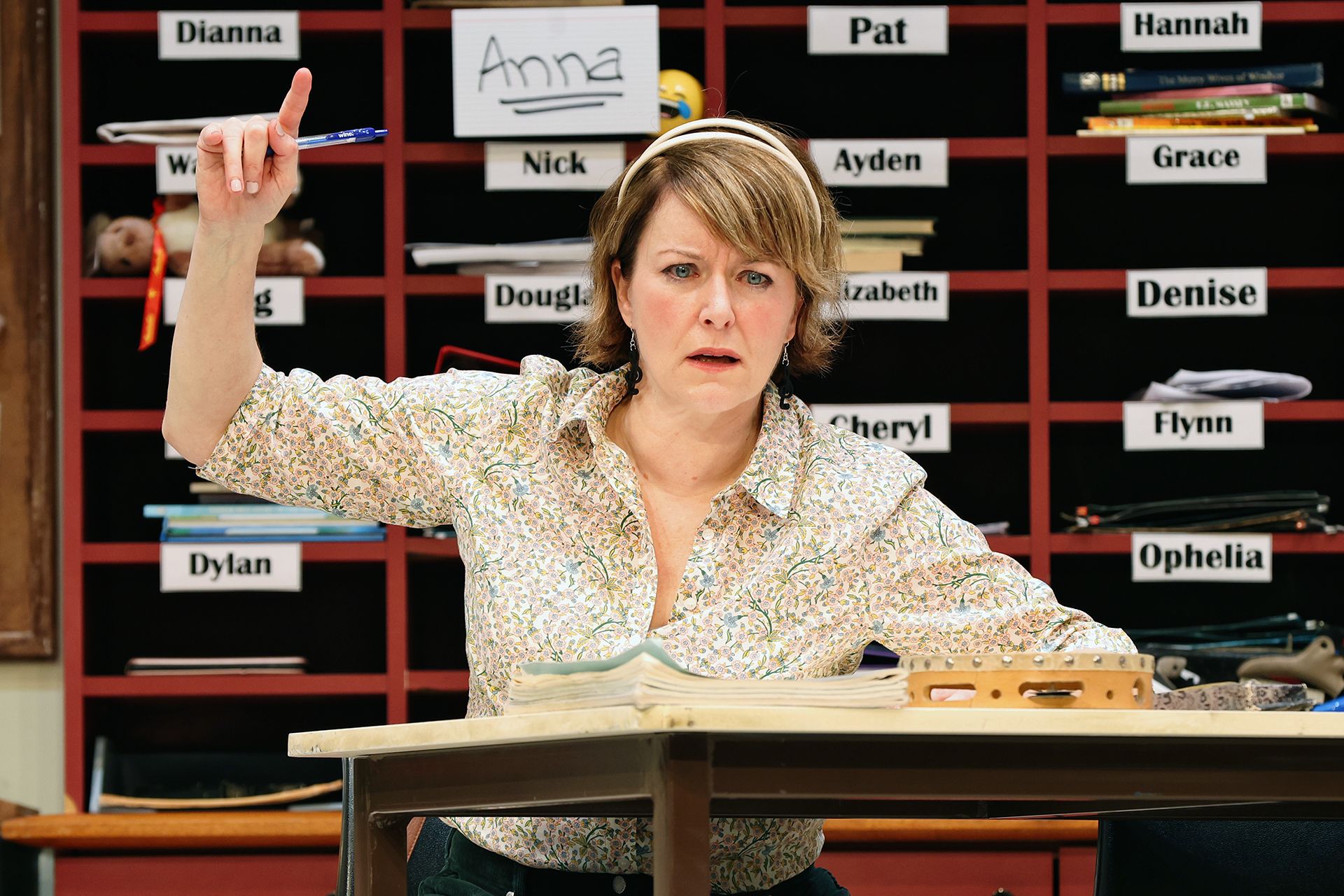
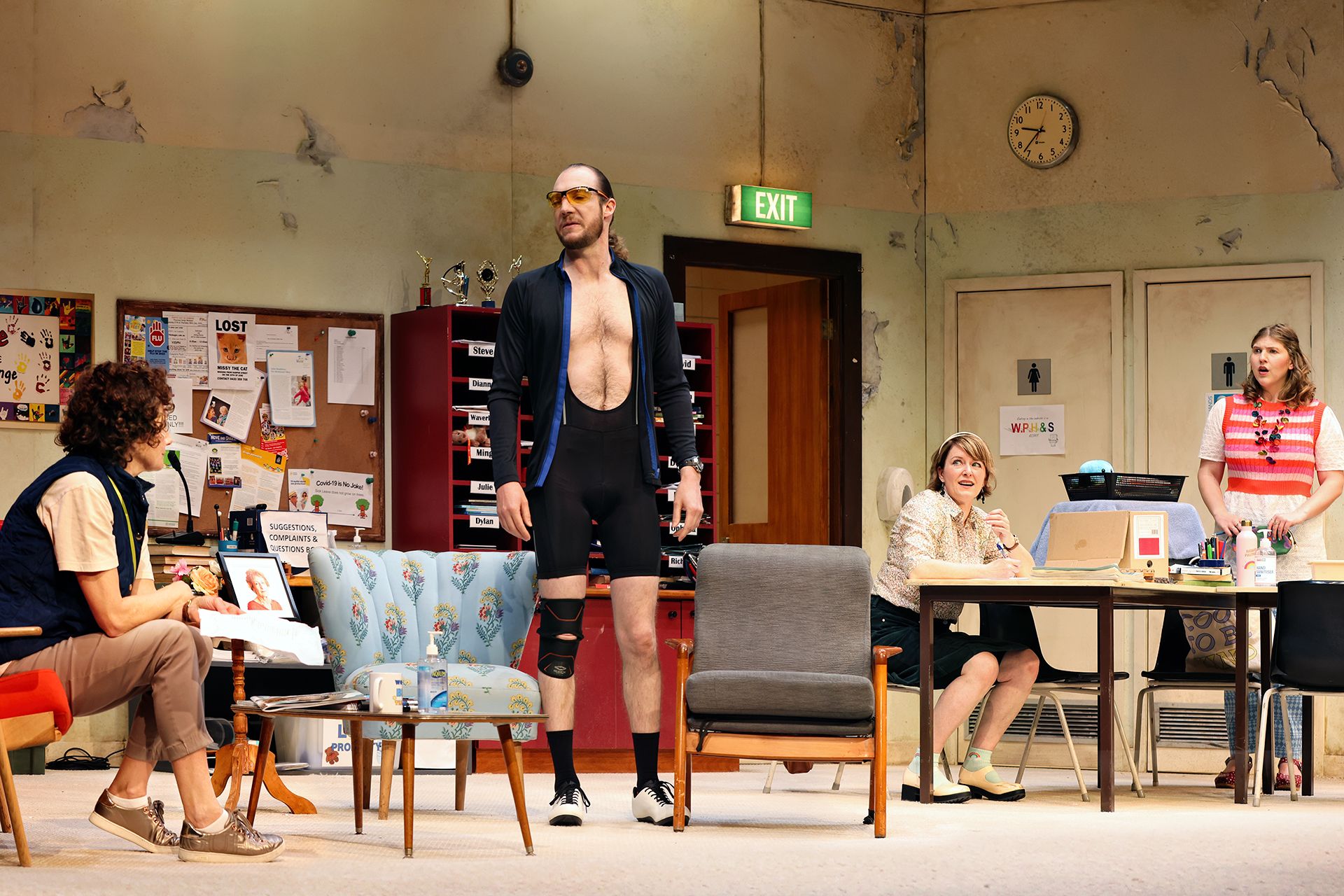
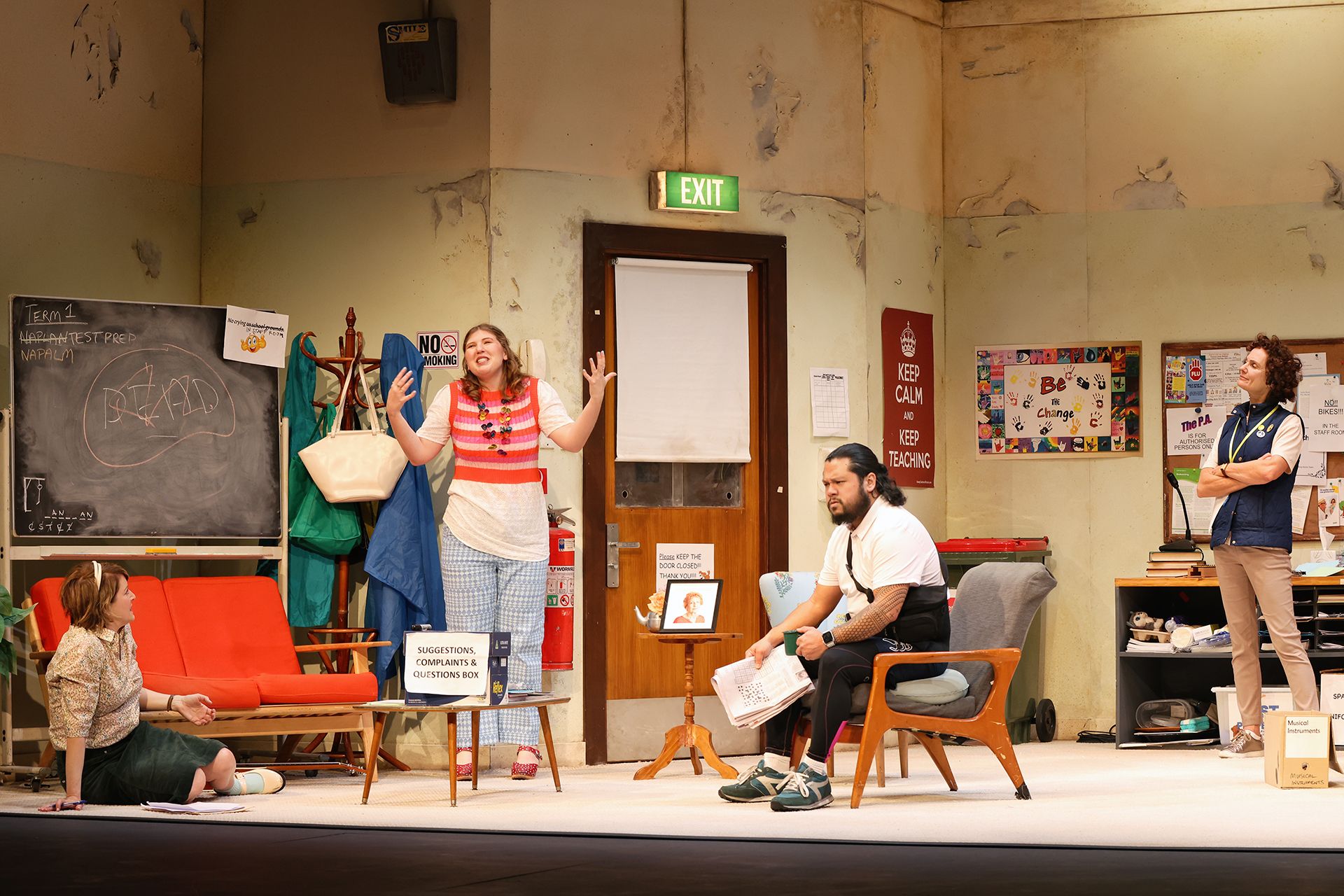
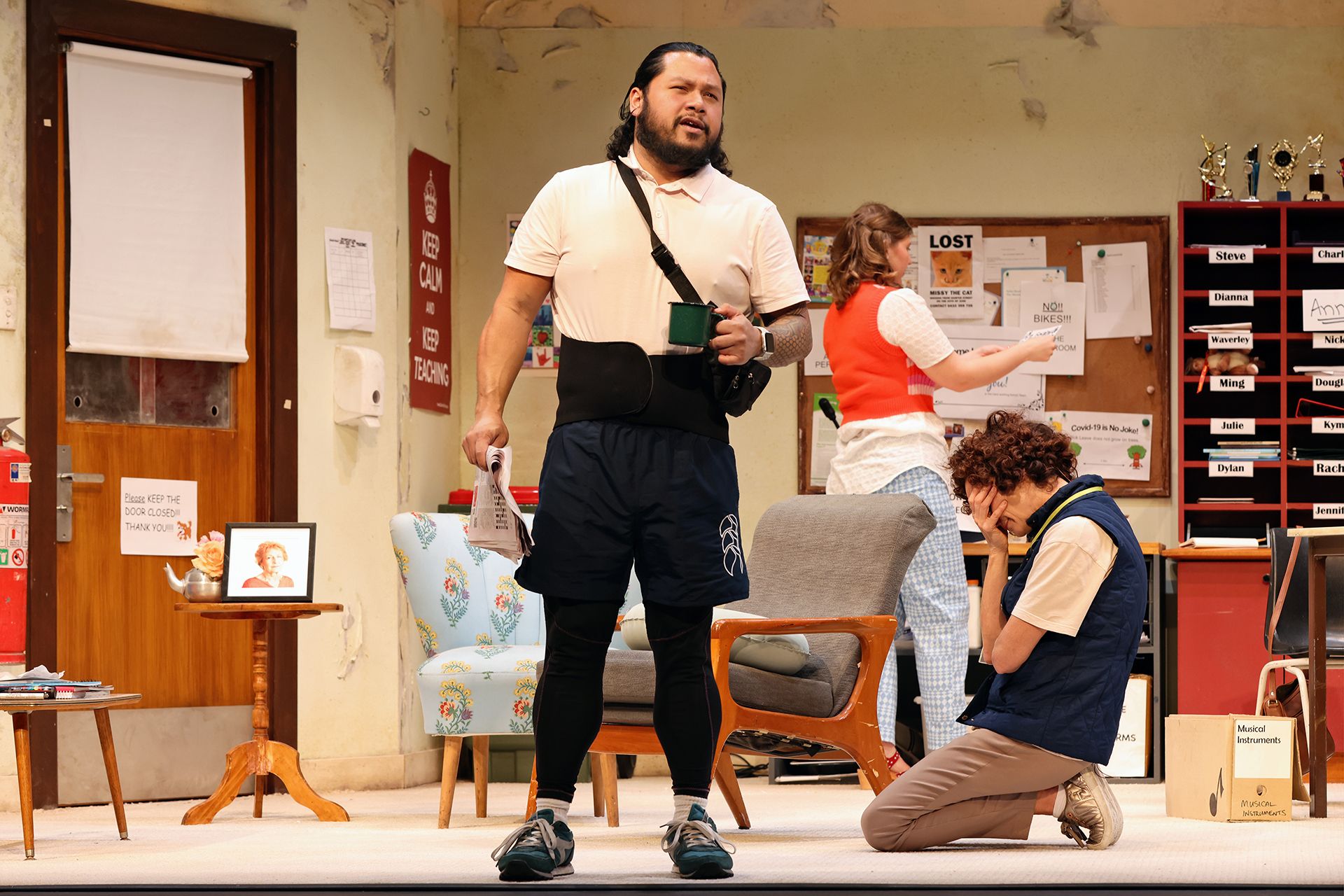
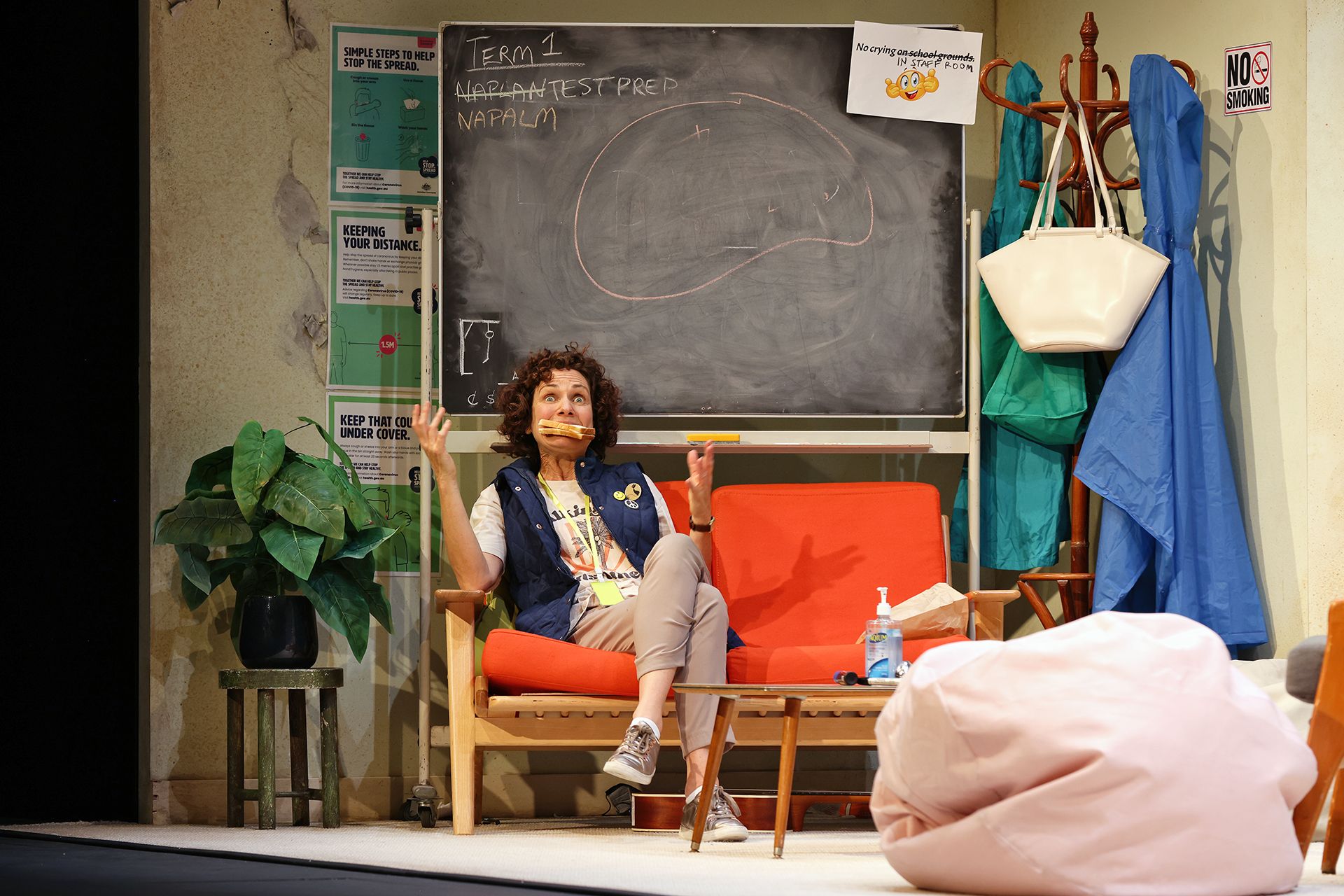
Pat has been teaching for far too long, at West Vale Primary, a government school severely deprived of resources. Everything seems to be falling apart, not least of all its teaching staff. Pat’s palpable cynicism stands in stark contrast, against newcomer Anna, who turns up first day of term, bright-eyed and bushy-tailed, to join the decidedly jaded team. In Angela Betzien’s Chalkface, we look at the public education system, and the people who do all the heavy lifting to keep it running.

Betzien’s keen observations are presented with cutting humour, for a work that delivers many laughs, based on our own refusal to do better for so many teachers and children. It is satisfying satire that inspires debates on our values, especially as they relate to resource allocation, thereby interrogating our priorities as a nation. Direction by Jessica Arthur leans on the writing’s acerbic qualities, for a production that appeals with its gentle irreverence. The comedy manifests in a style of theatricality that is unquestionably bold and mischievous, but the show is ultimately, and unsurprisingly, highly respectful of the teaching profession.

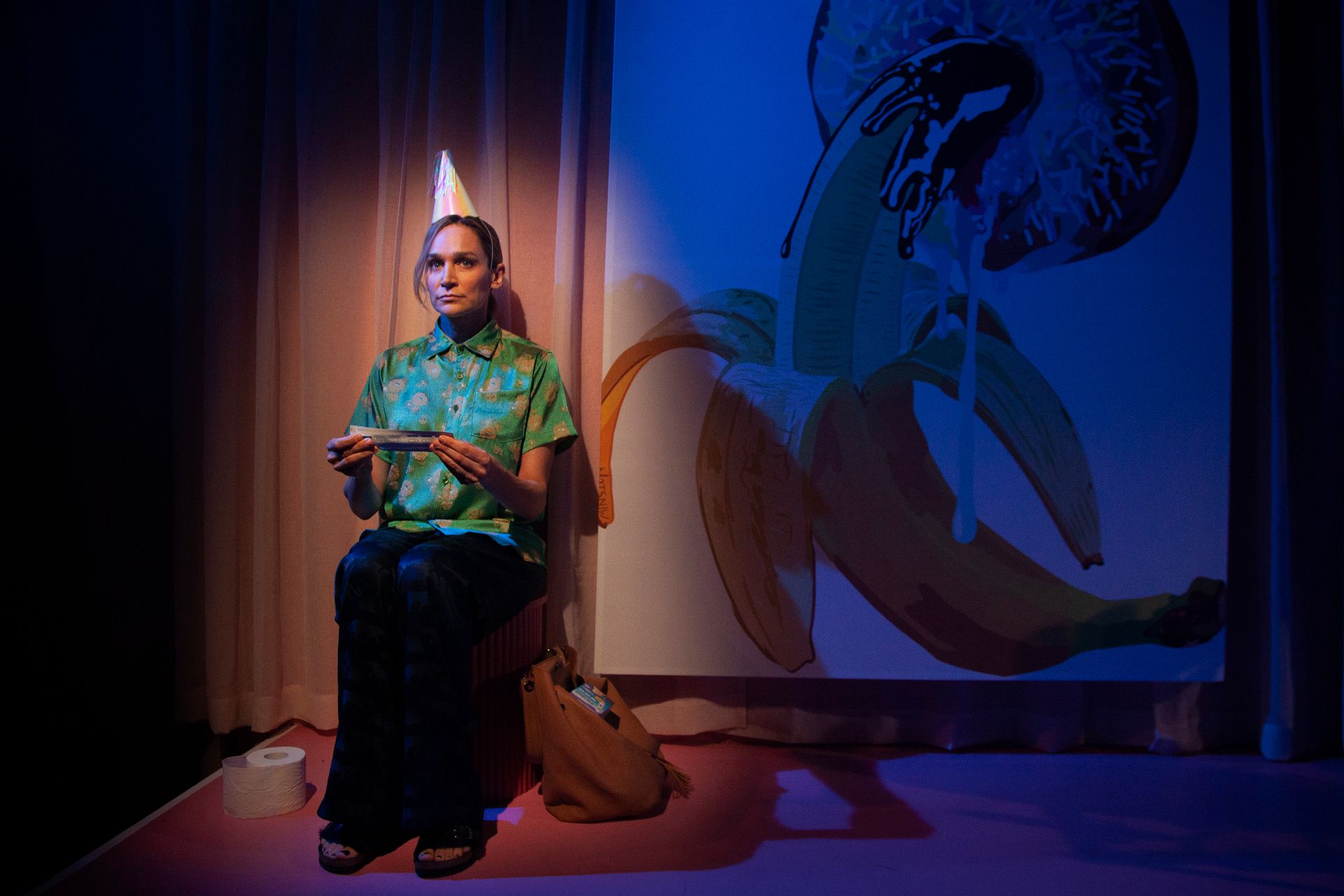
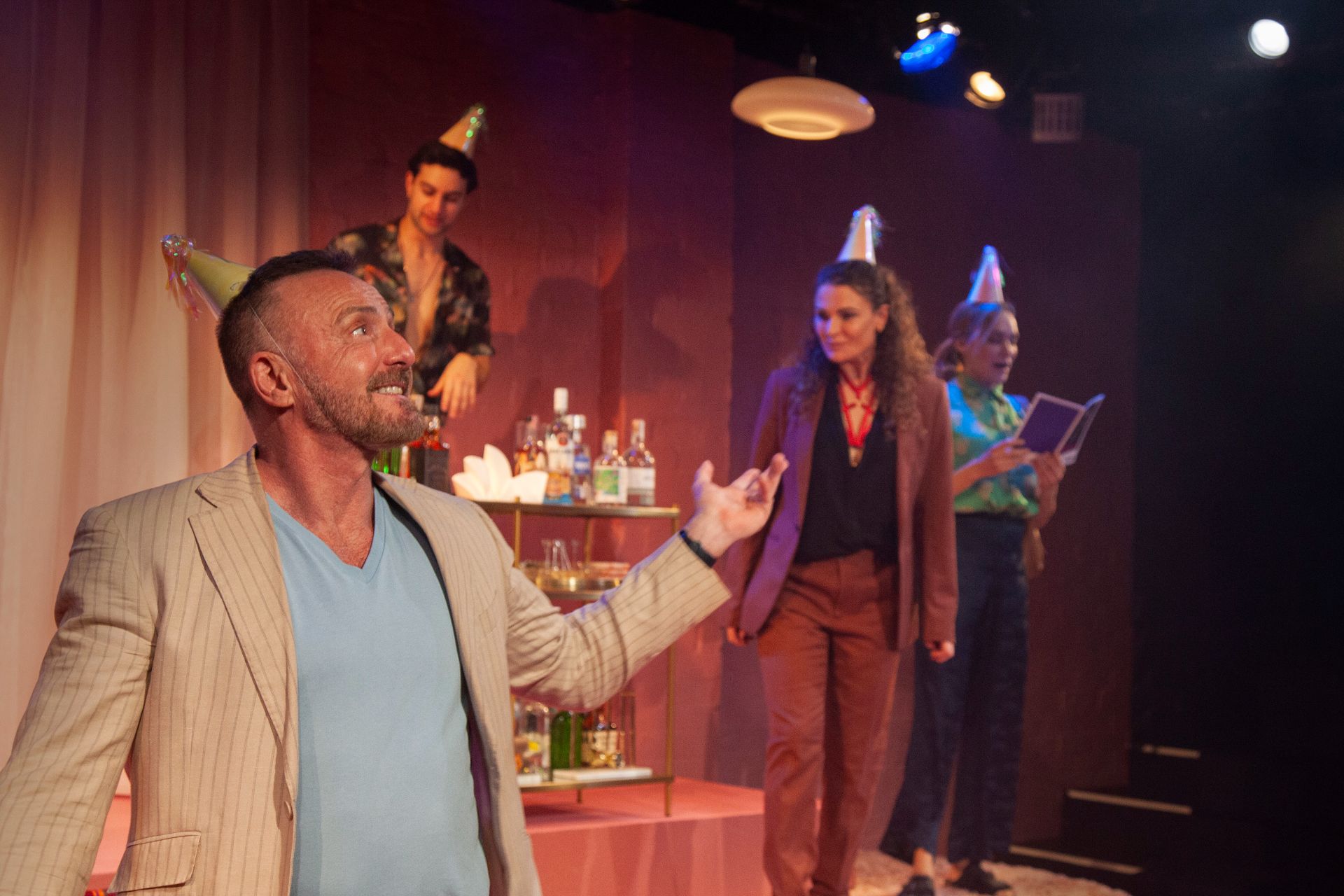
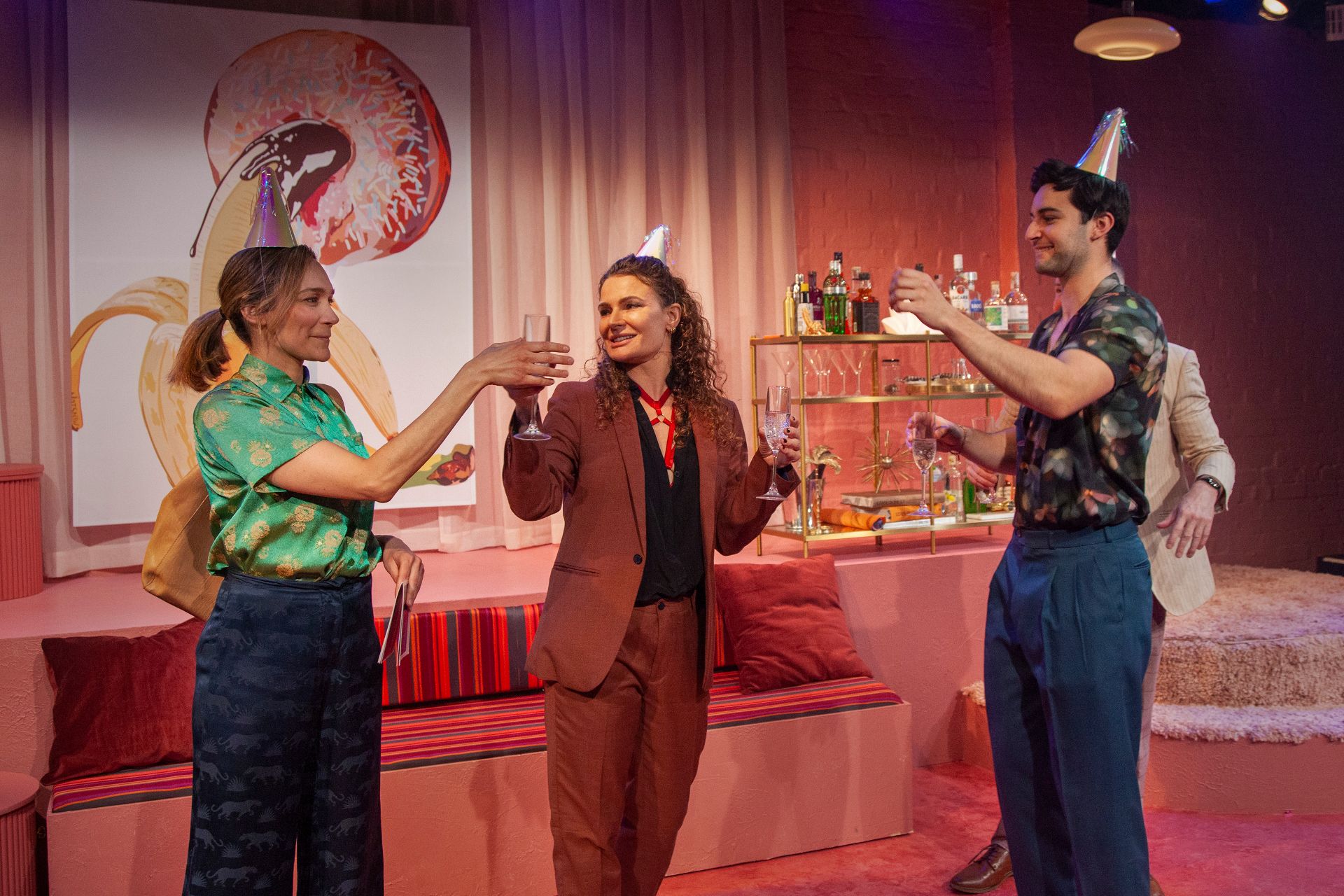
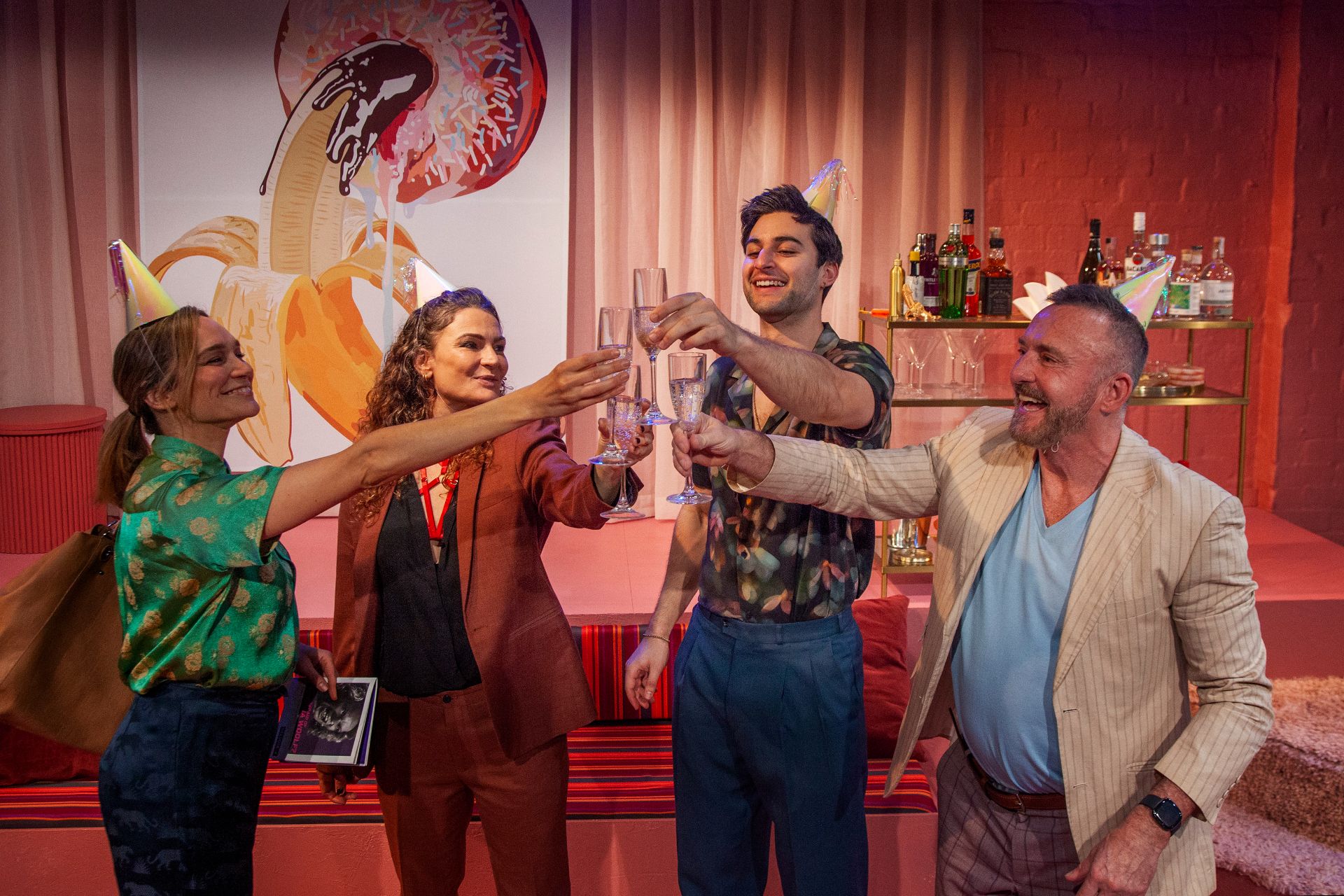
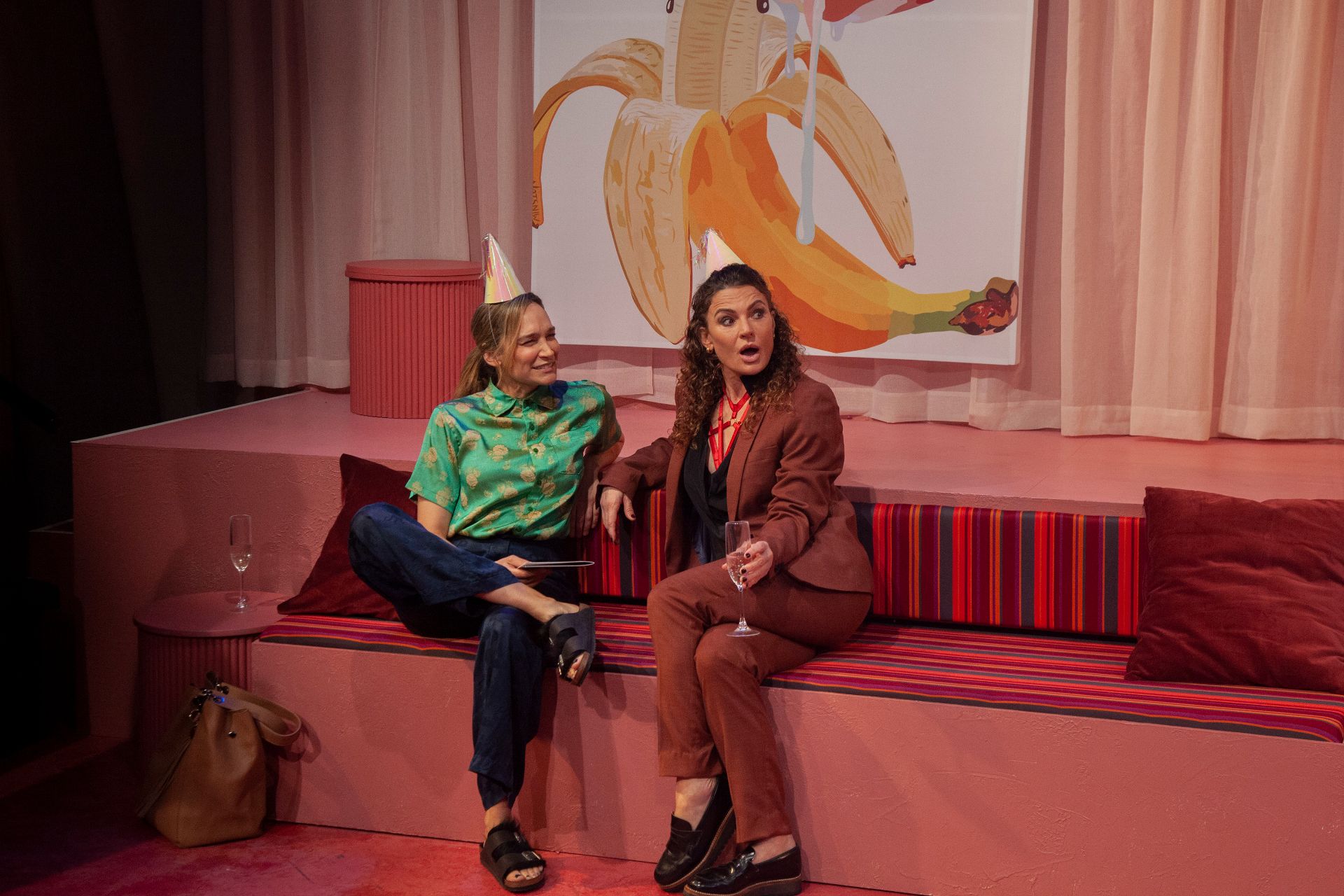
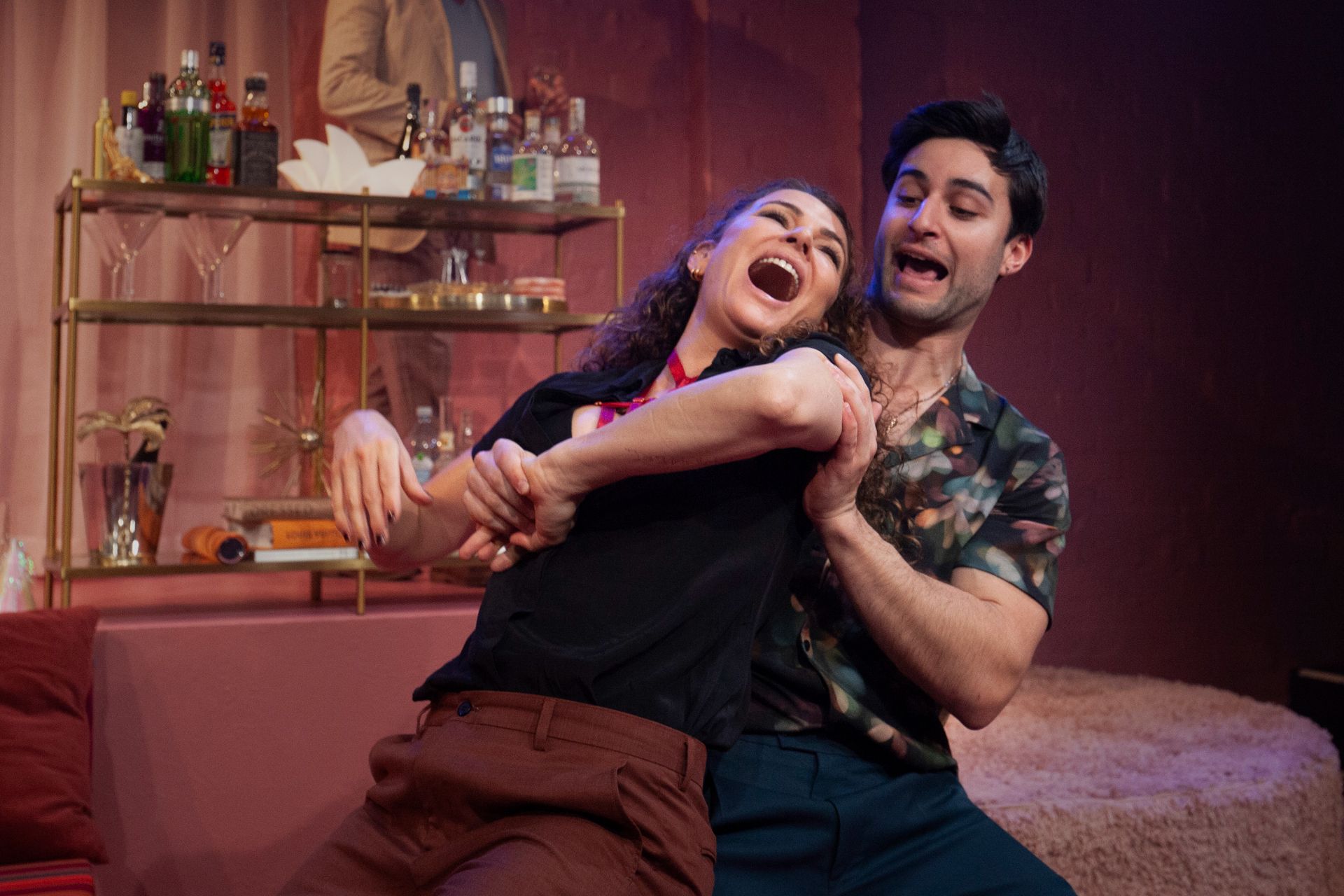
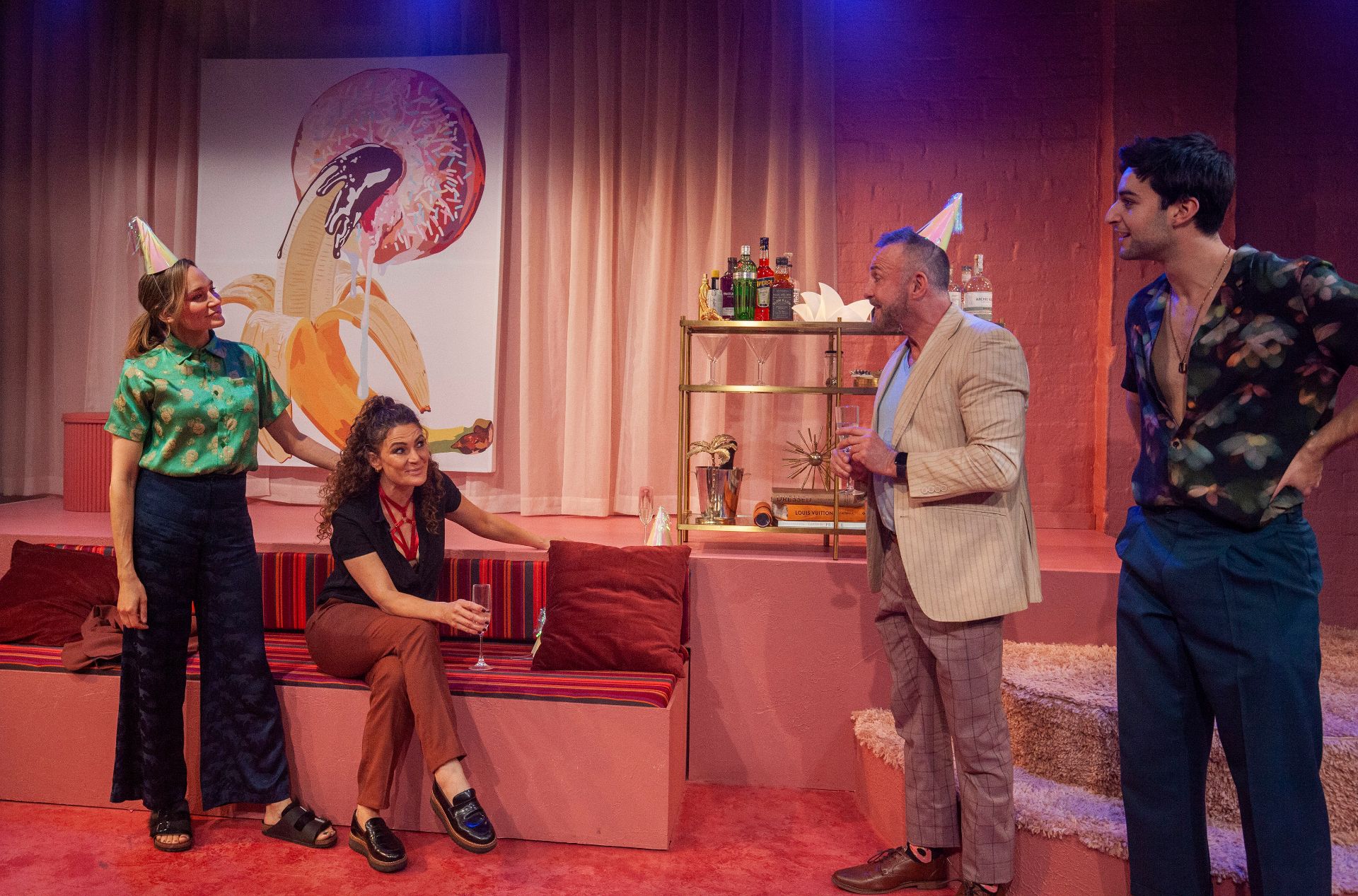
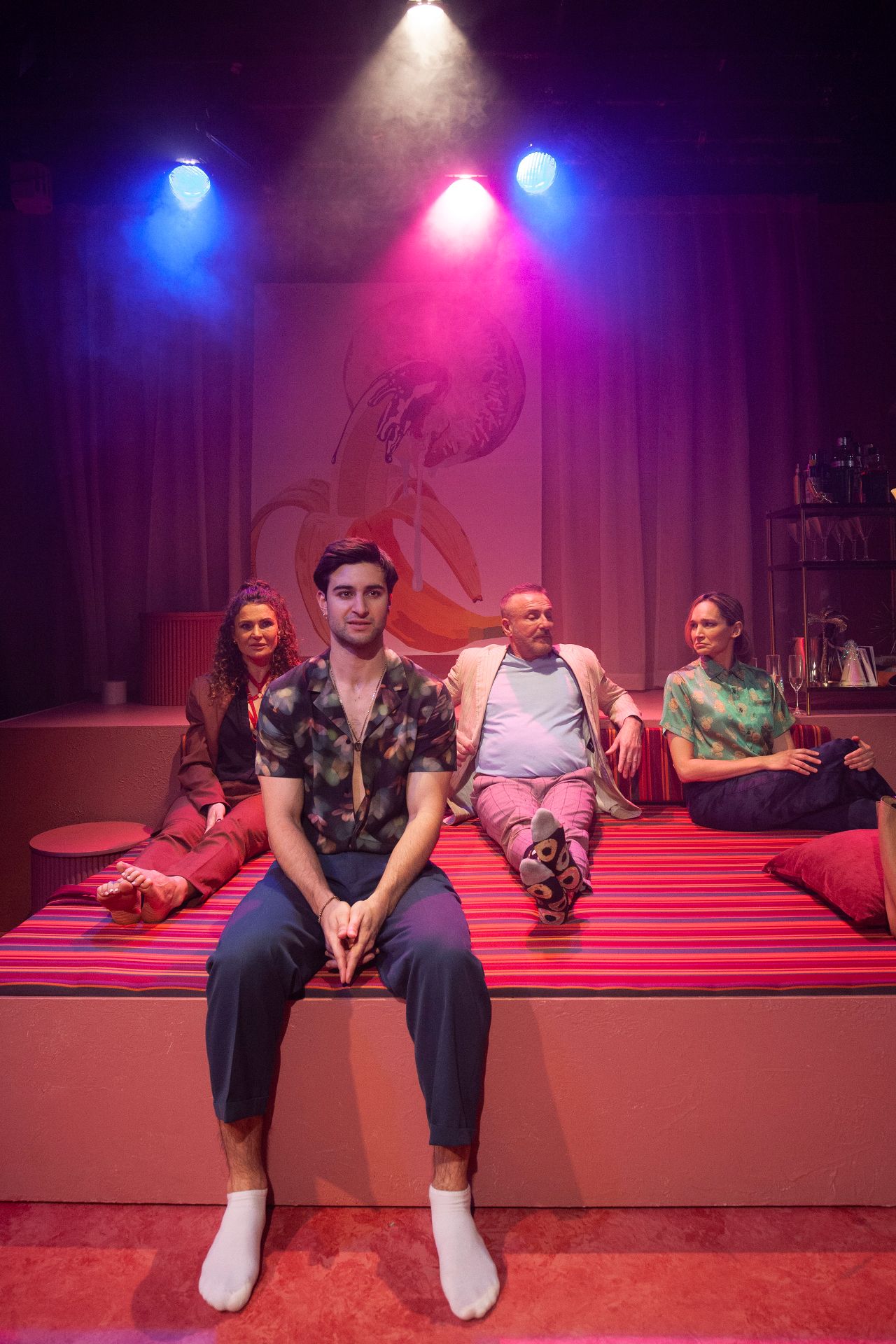
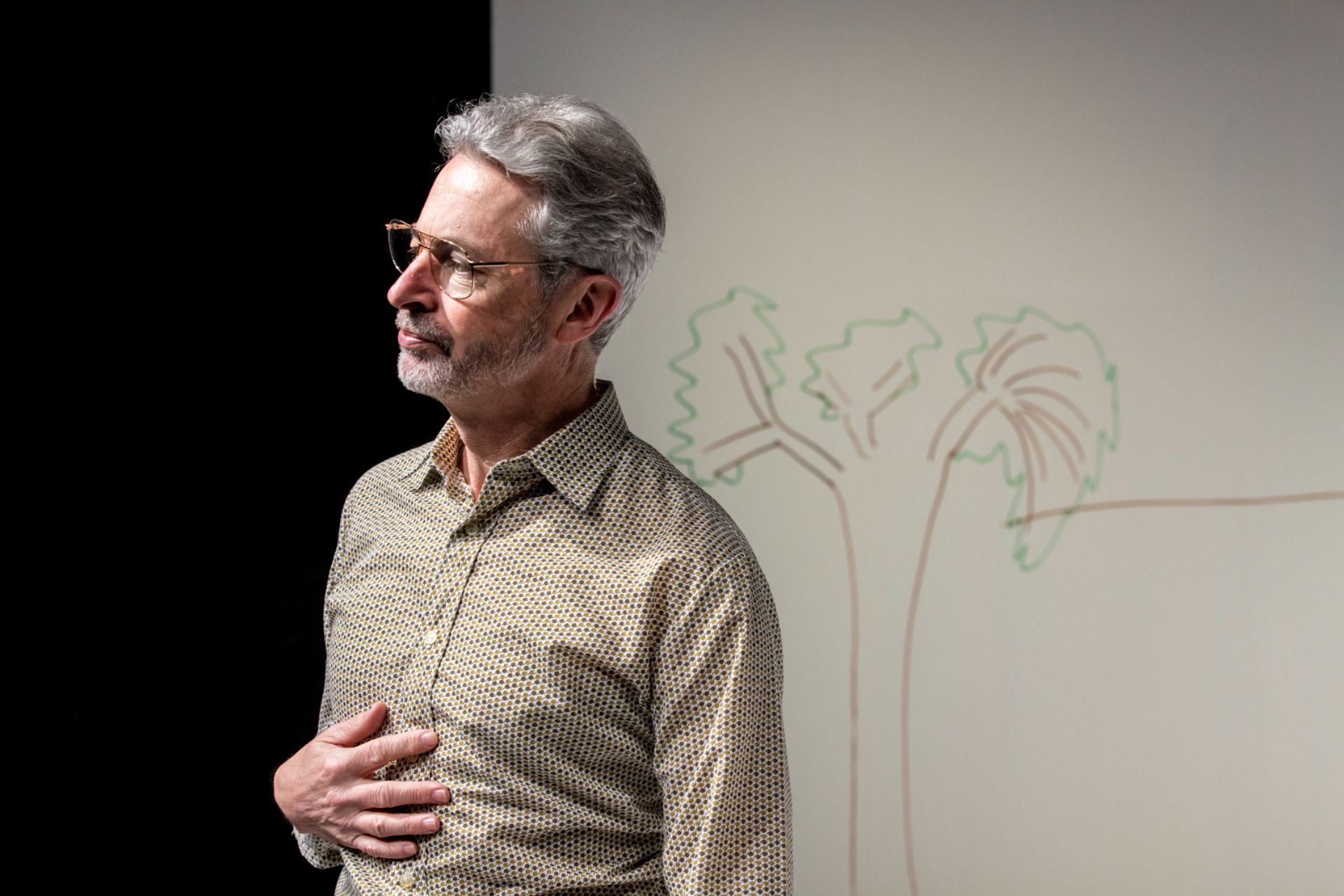
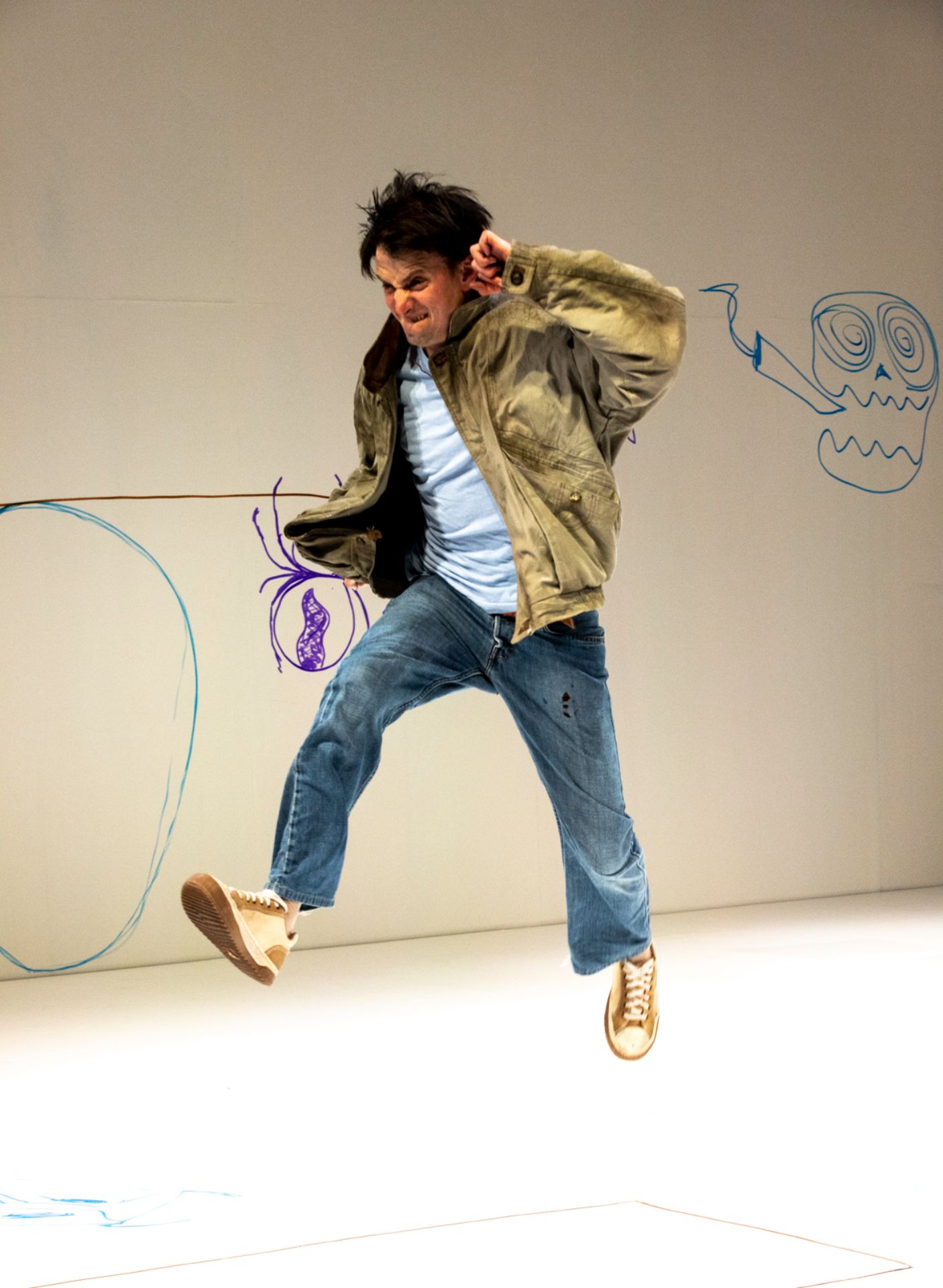
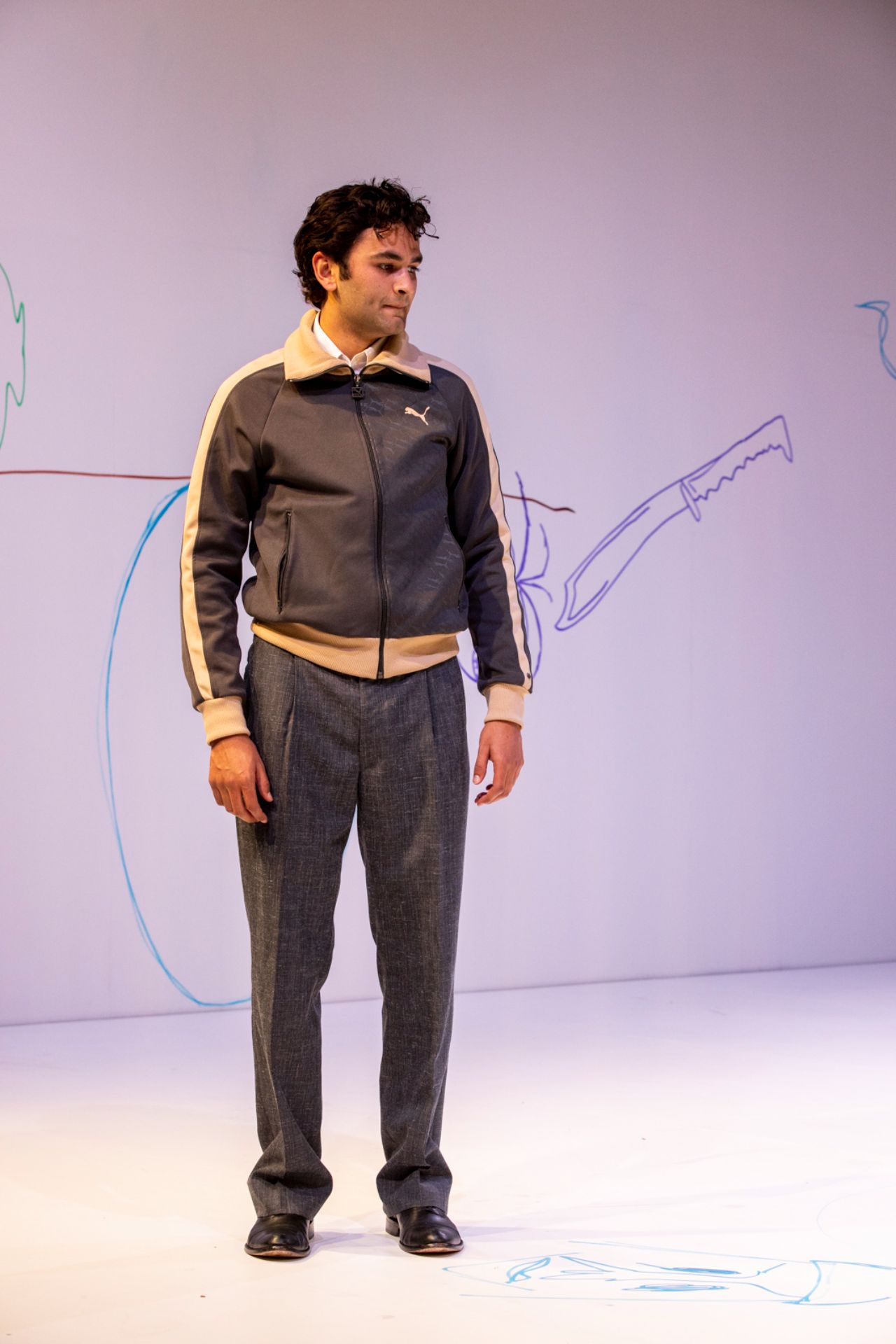
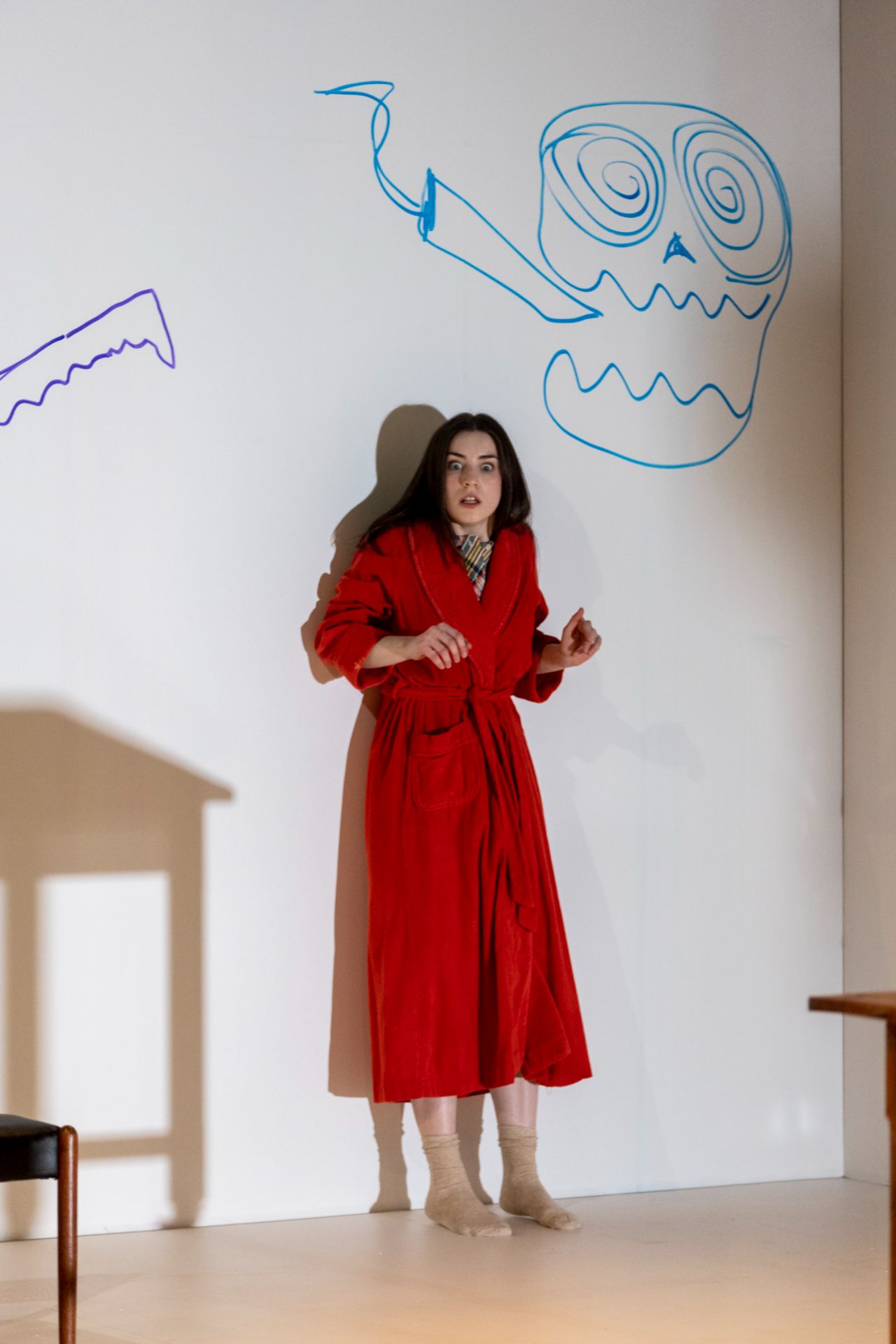
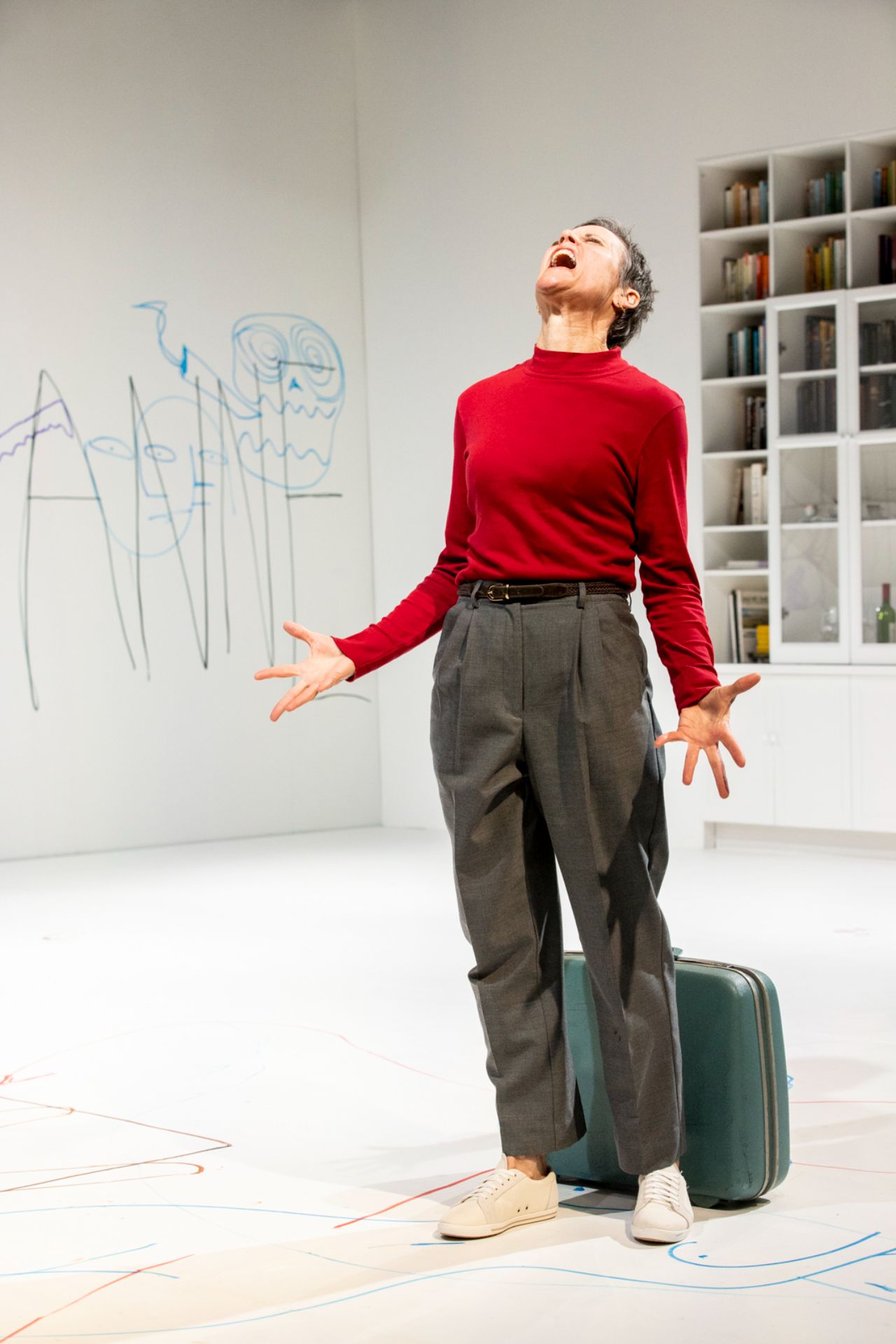
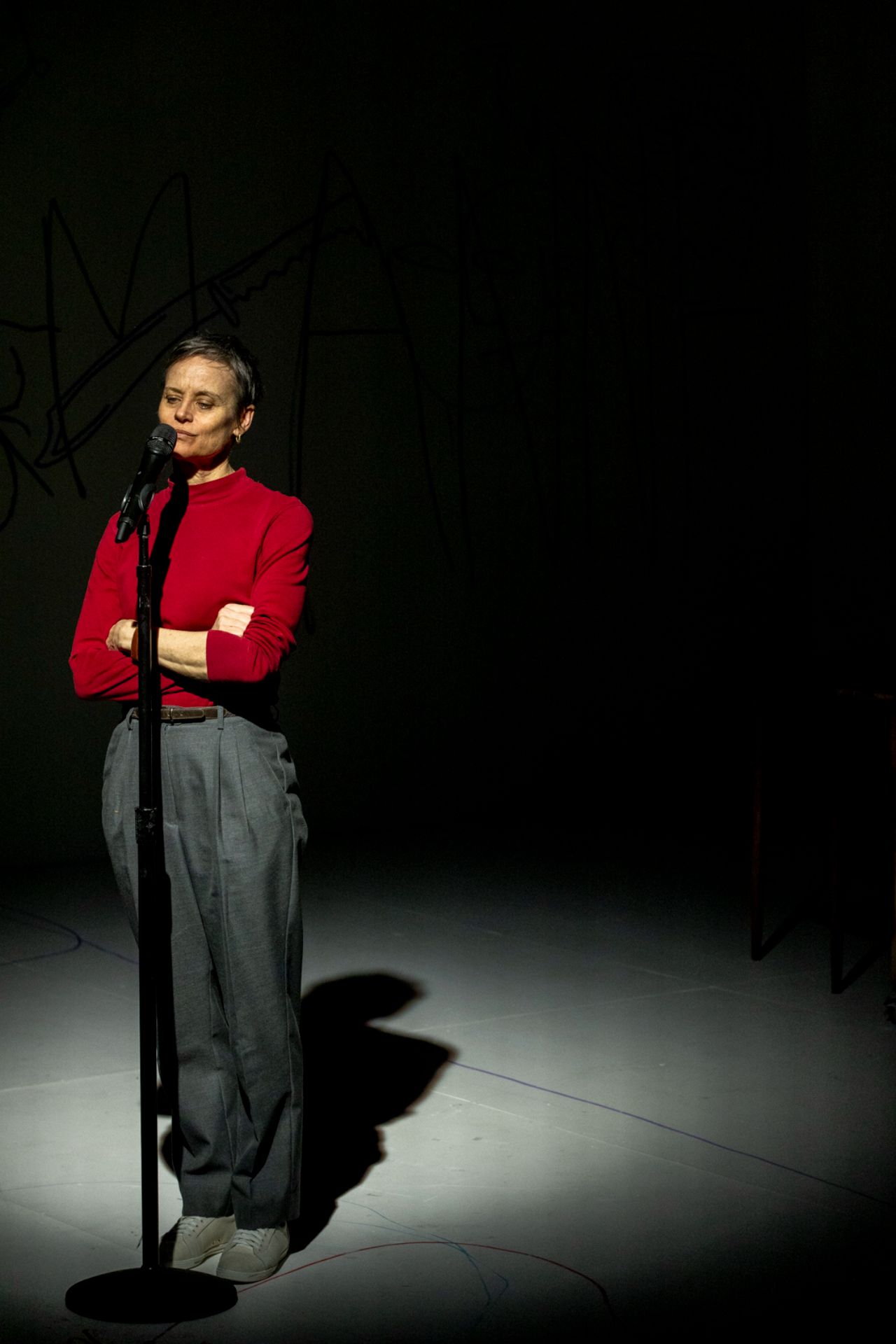
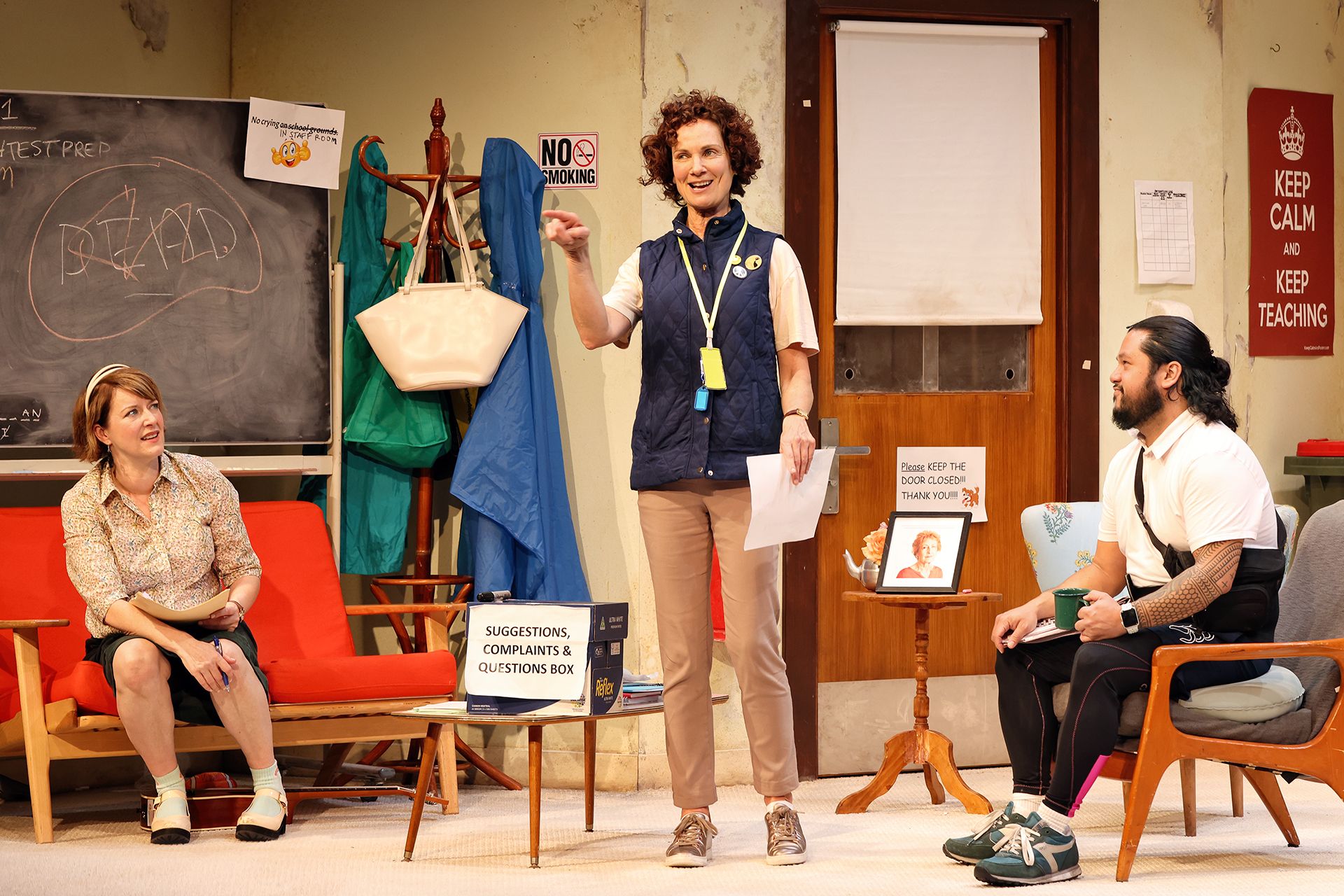
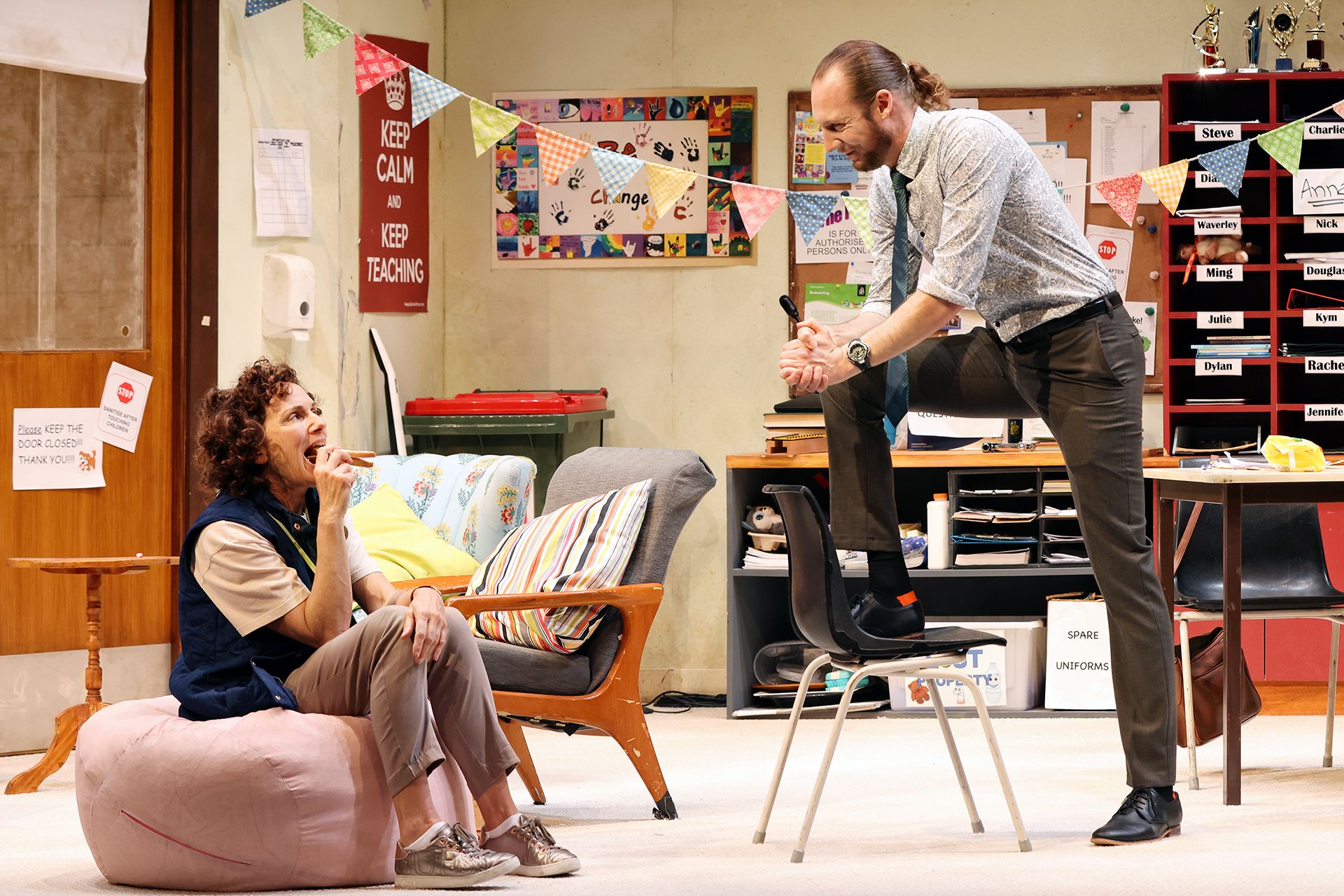
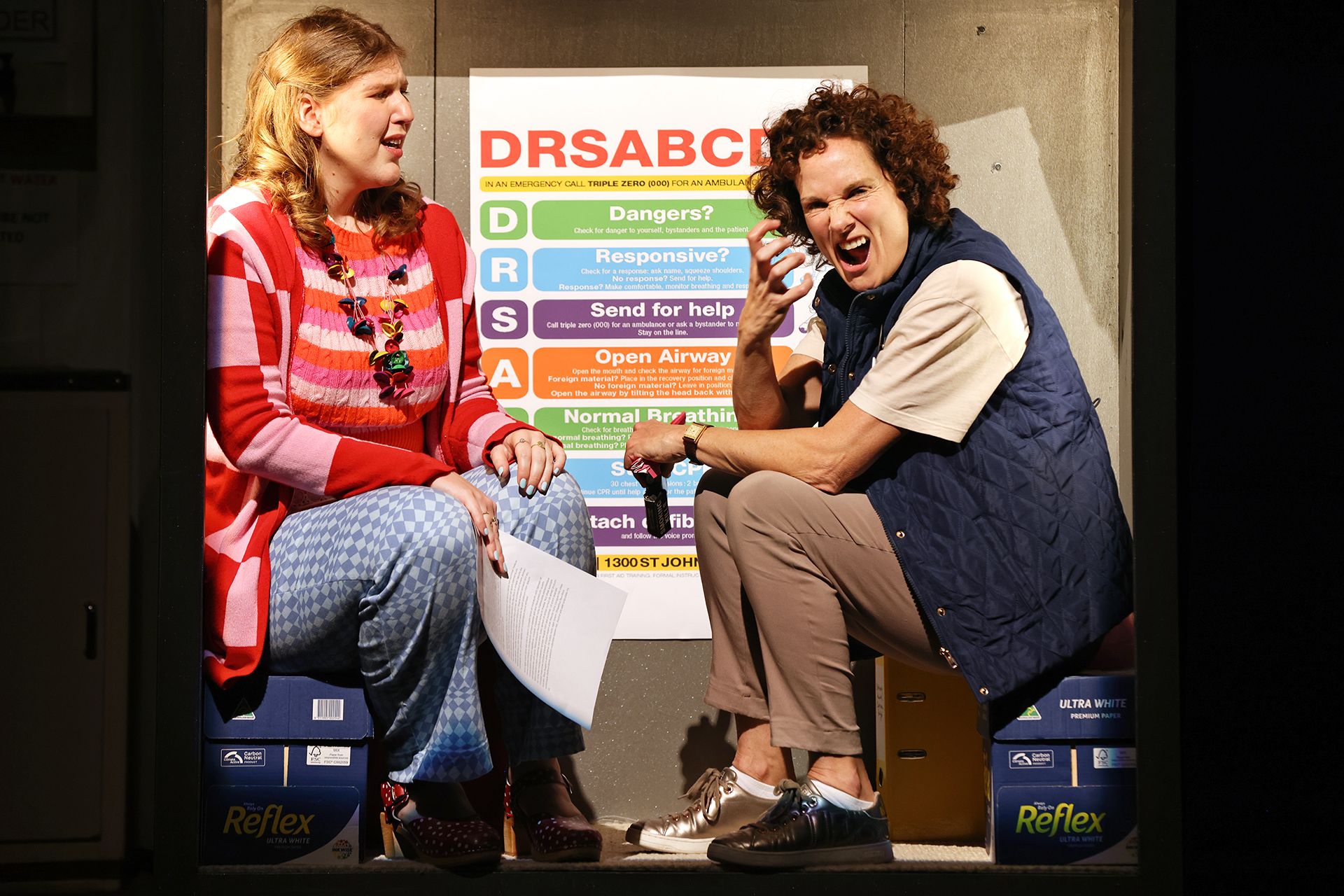
Chalkface features six characters, all of whom are made endearing by Arthur’s thoughtful approach to the depiction of humanity, in the midst of a lot of amusing hullabaloo. Actor Catherine McClements is wonderfully entertaining as the astringent Pat, turning middle-aged grumpiness into something altogether more playful and charming. Her portrayal of the burnt out civil servant drives home a salient point, about our failure to take care of those, who do some of our most important and hard work. Stephanie Somerville does an admirable job, of preventing the idealistic young woman from ever becoming nauseating, with an understated sassiness and confidence, that makes Anna a persuasive presence.

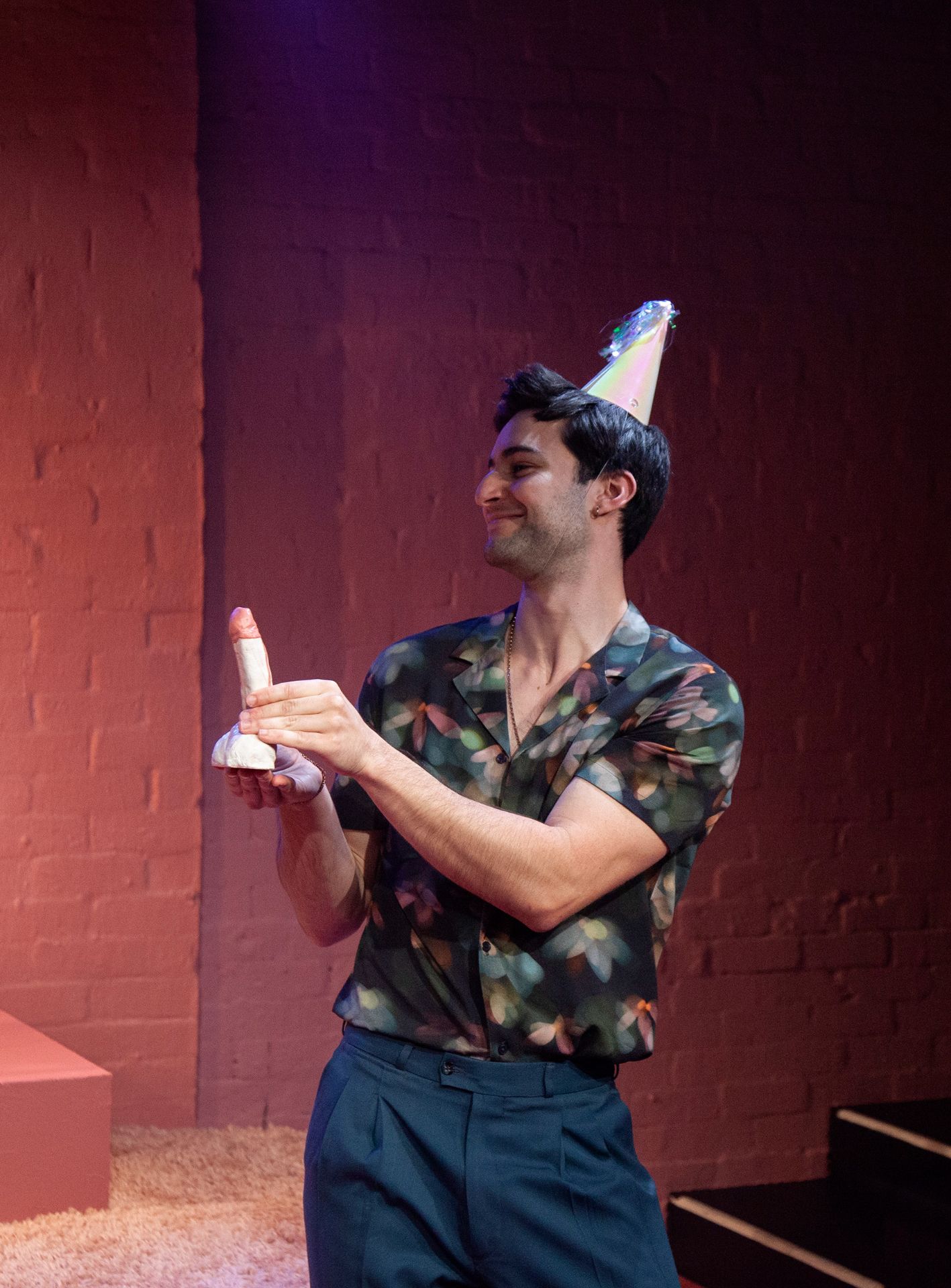
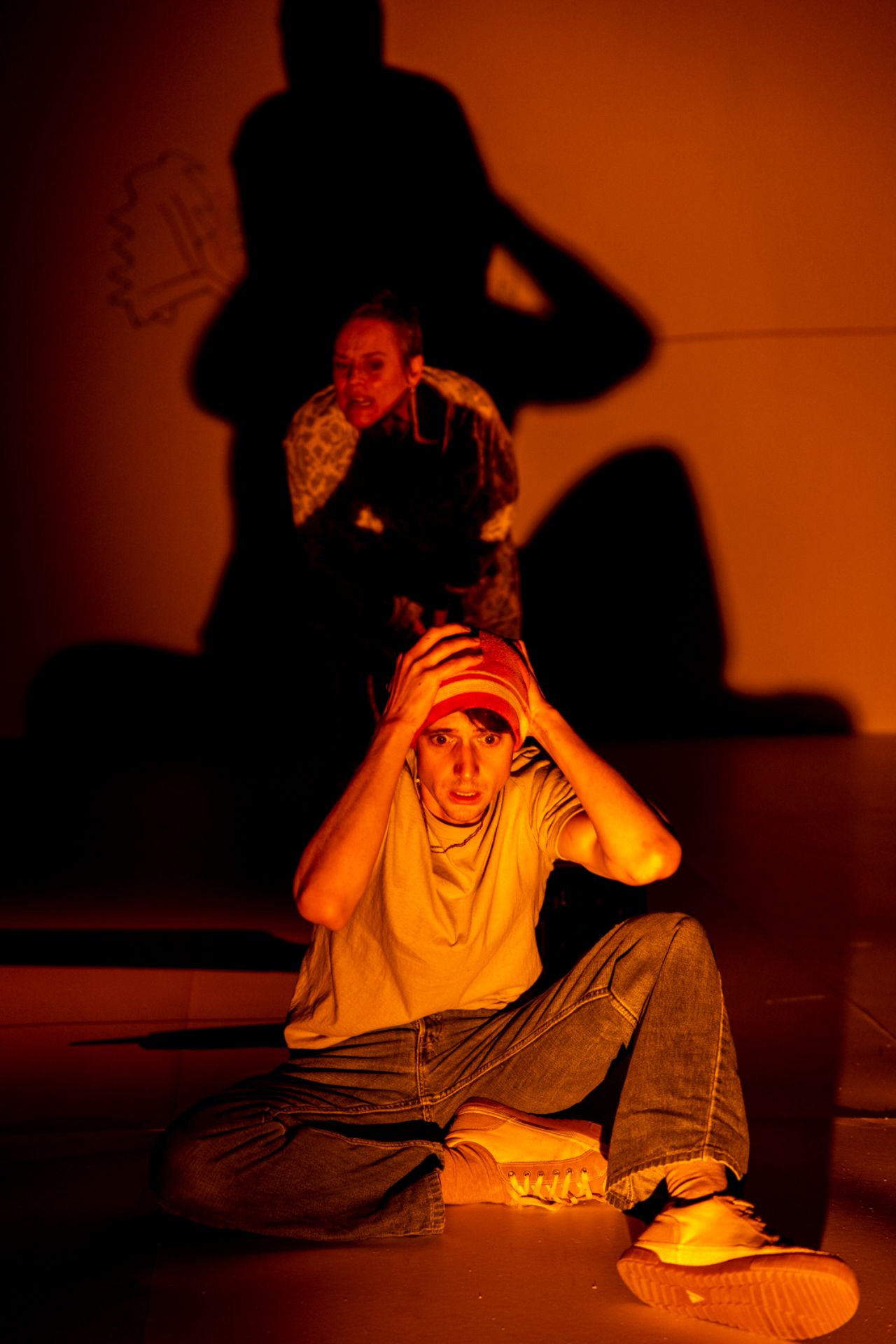
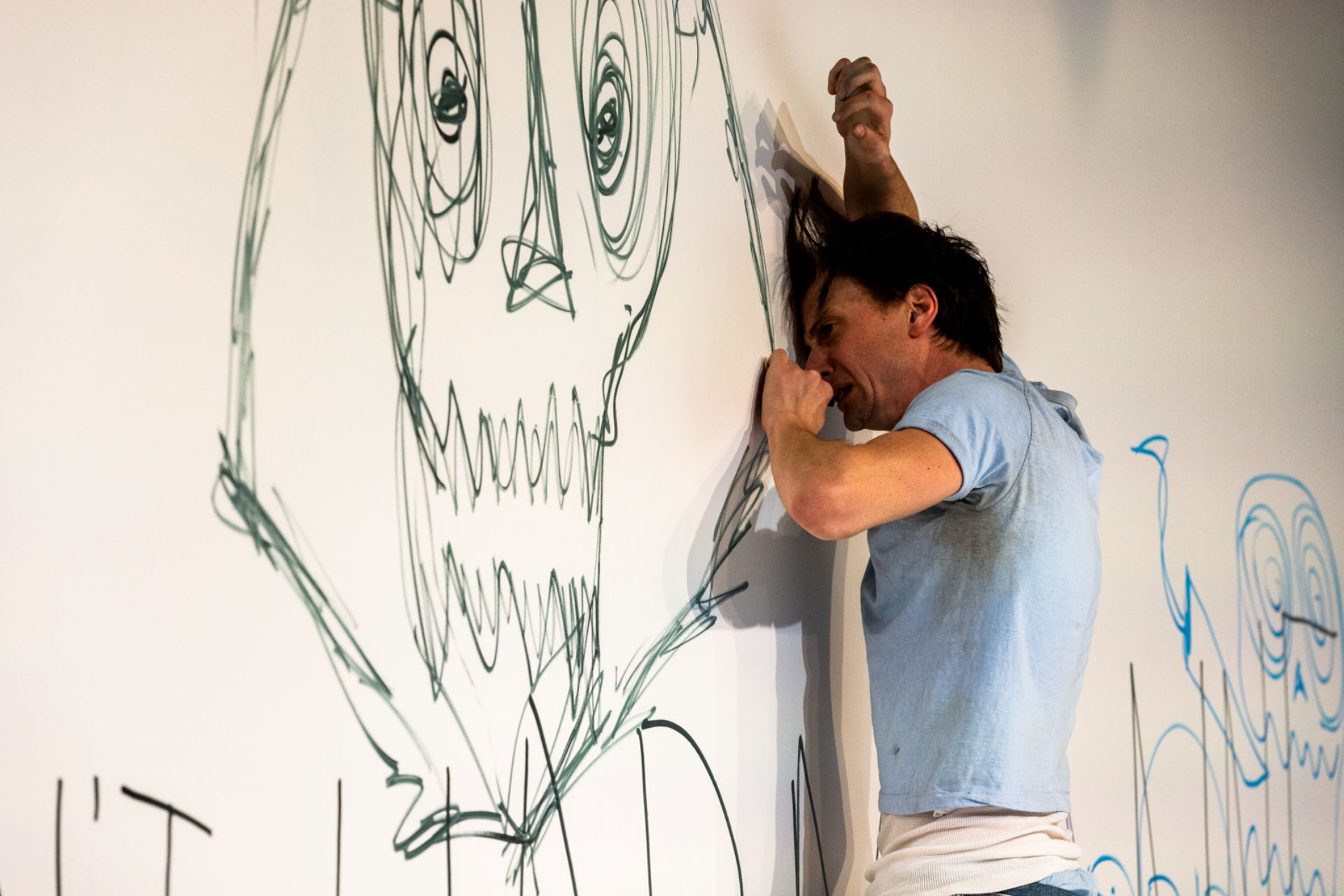
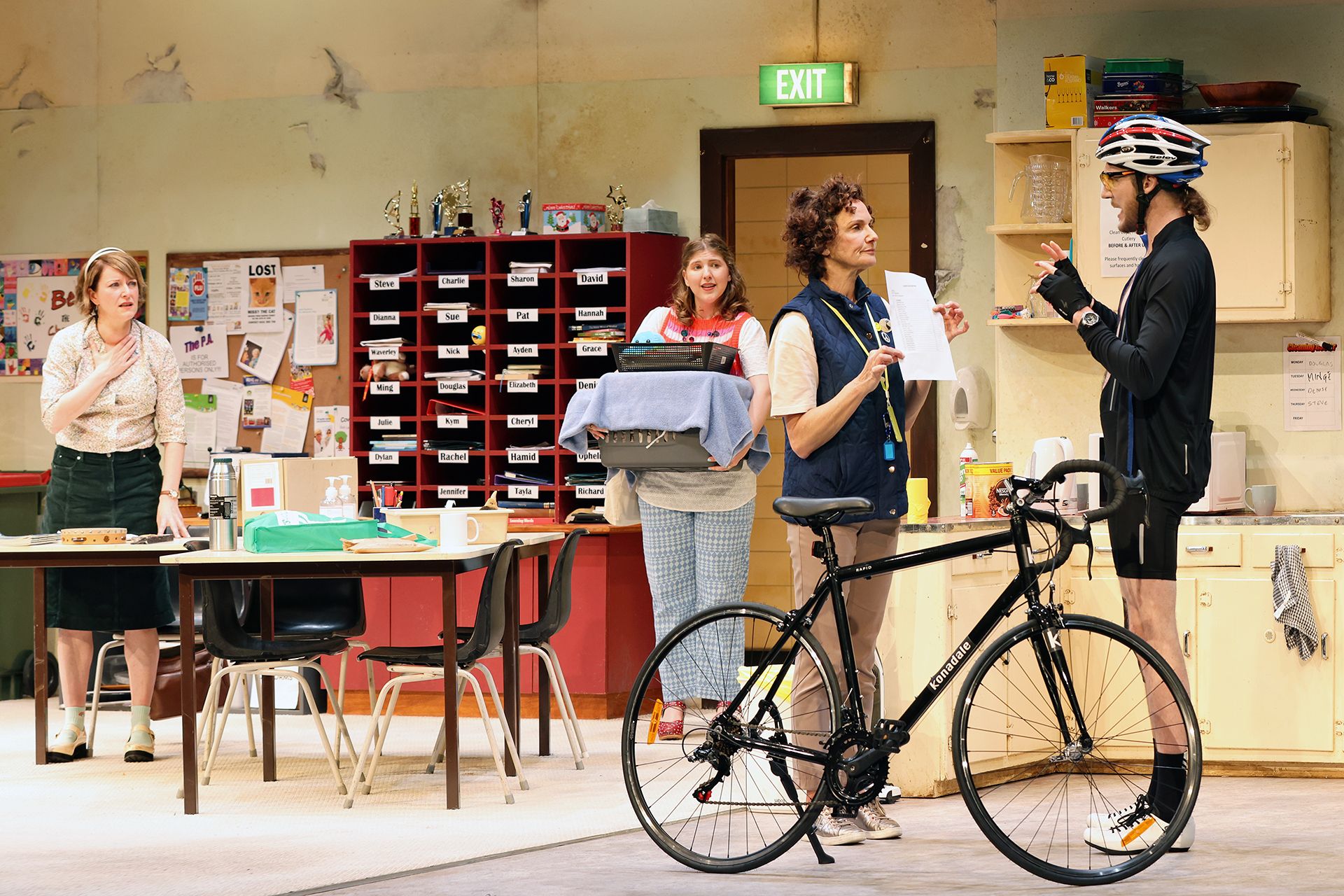
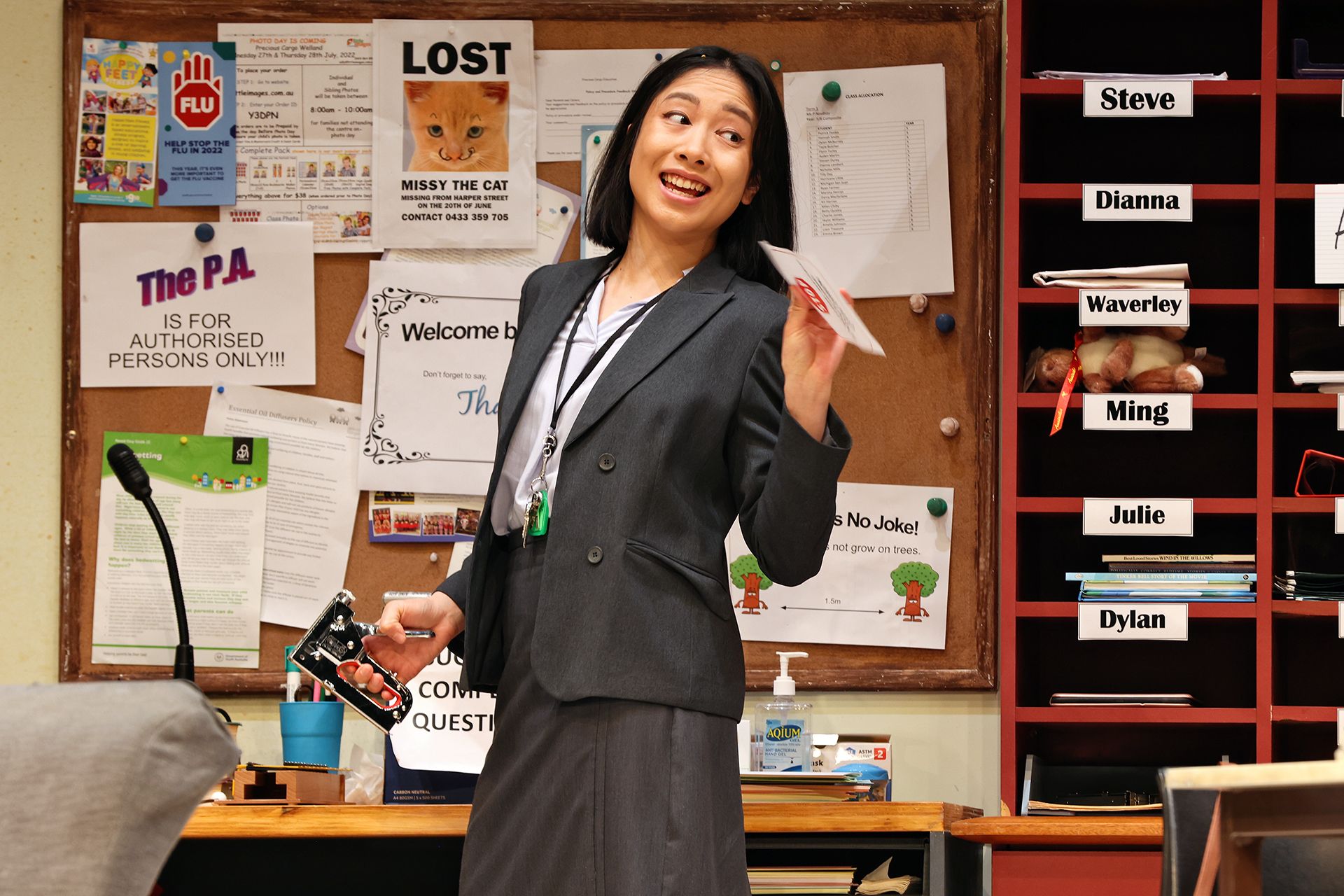
Ezra Juanta and Susan Prior deliver a couple of madcap performances, as Steve and Denise respectively, both with exaggerated eccentricities that enrichen and enliven the storytelling. Similarly outlandish are Michelle Ny and Nathan O’Keefe, who play the slightly villainous members of administrative staff Cheryl and Douglas, bringing unyielding flamboyancy to a relentlessly exuberant presentation.

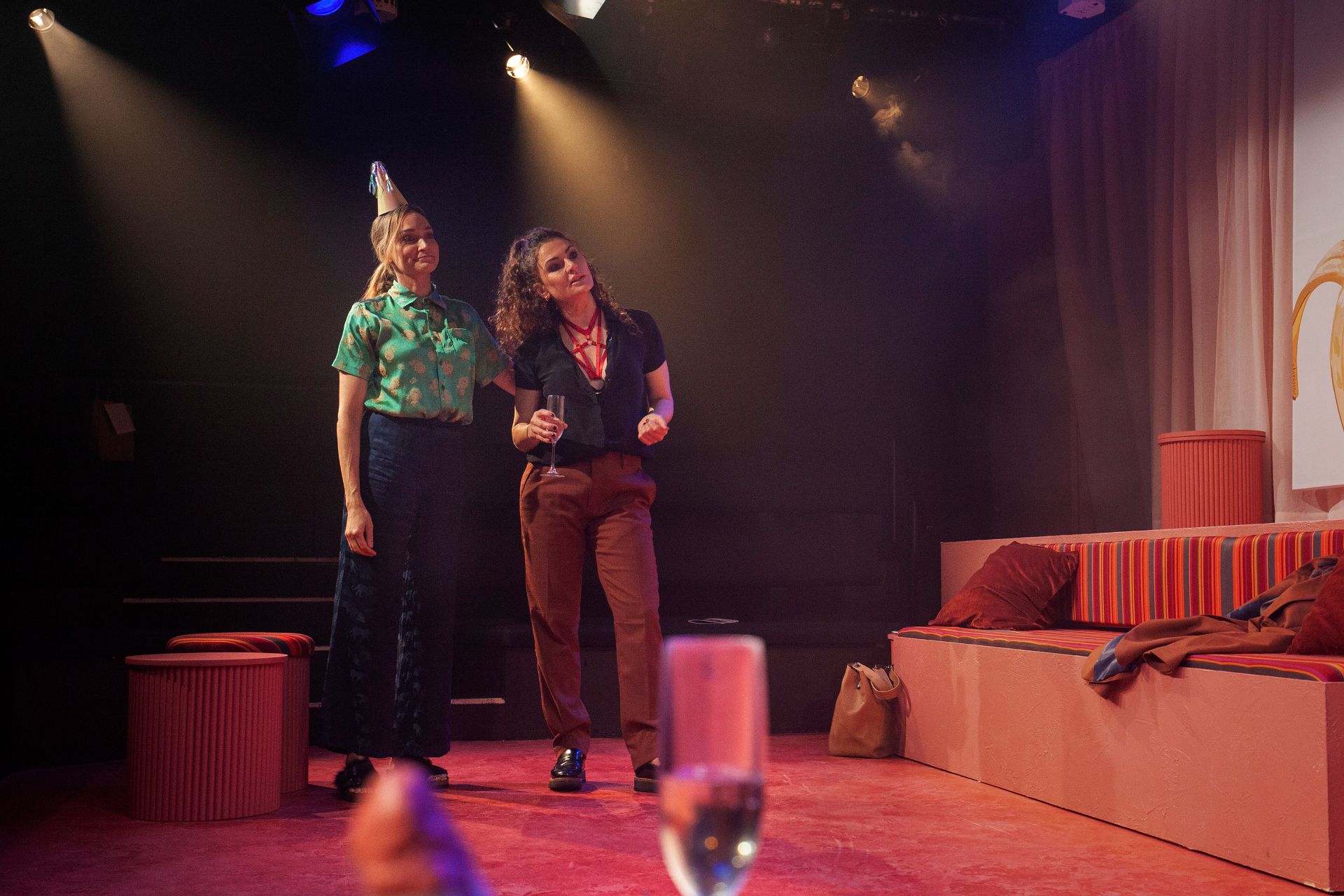
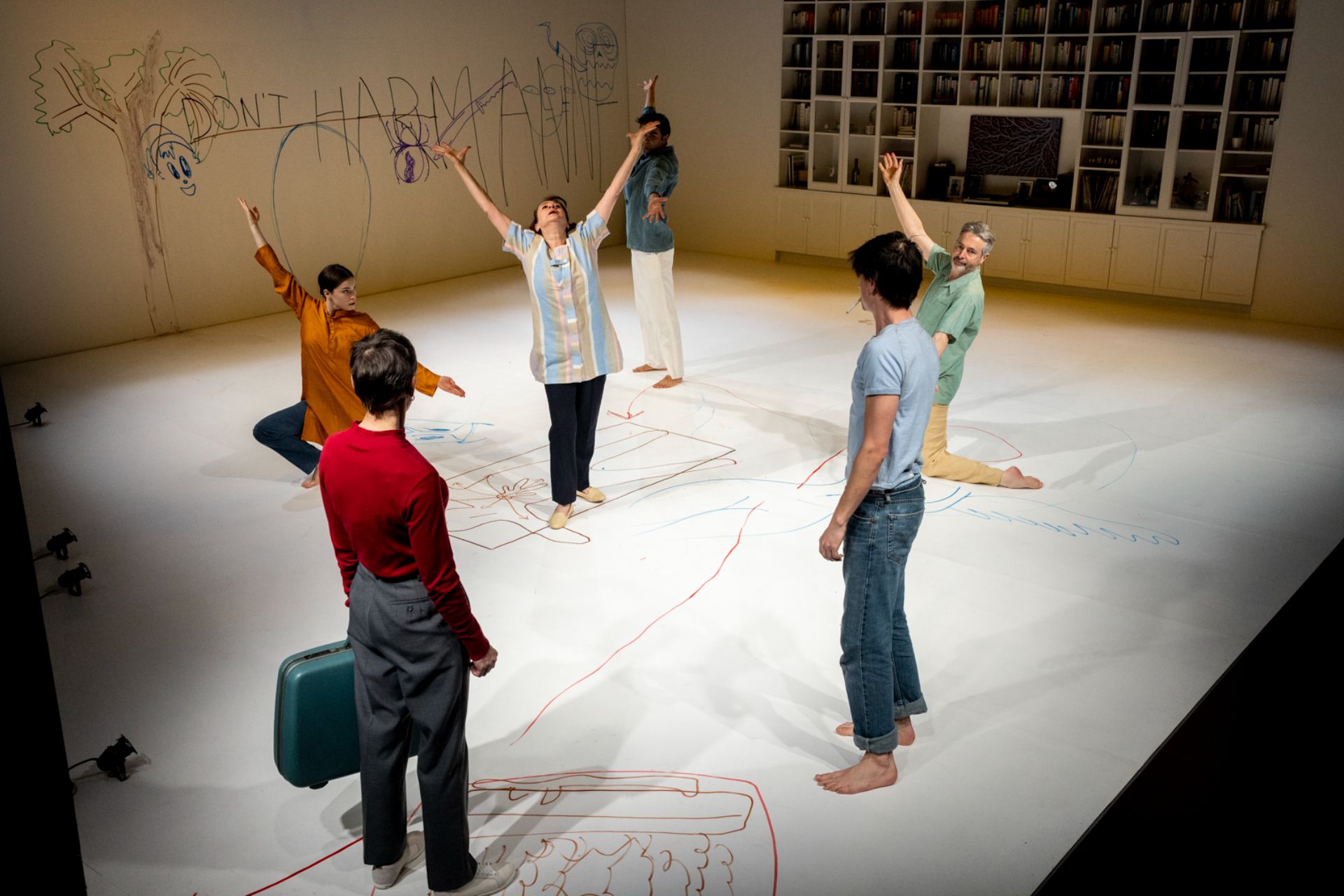
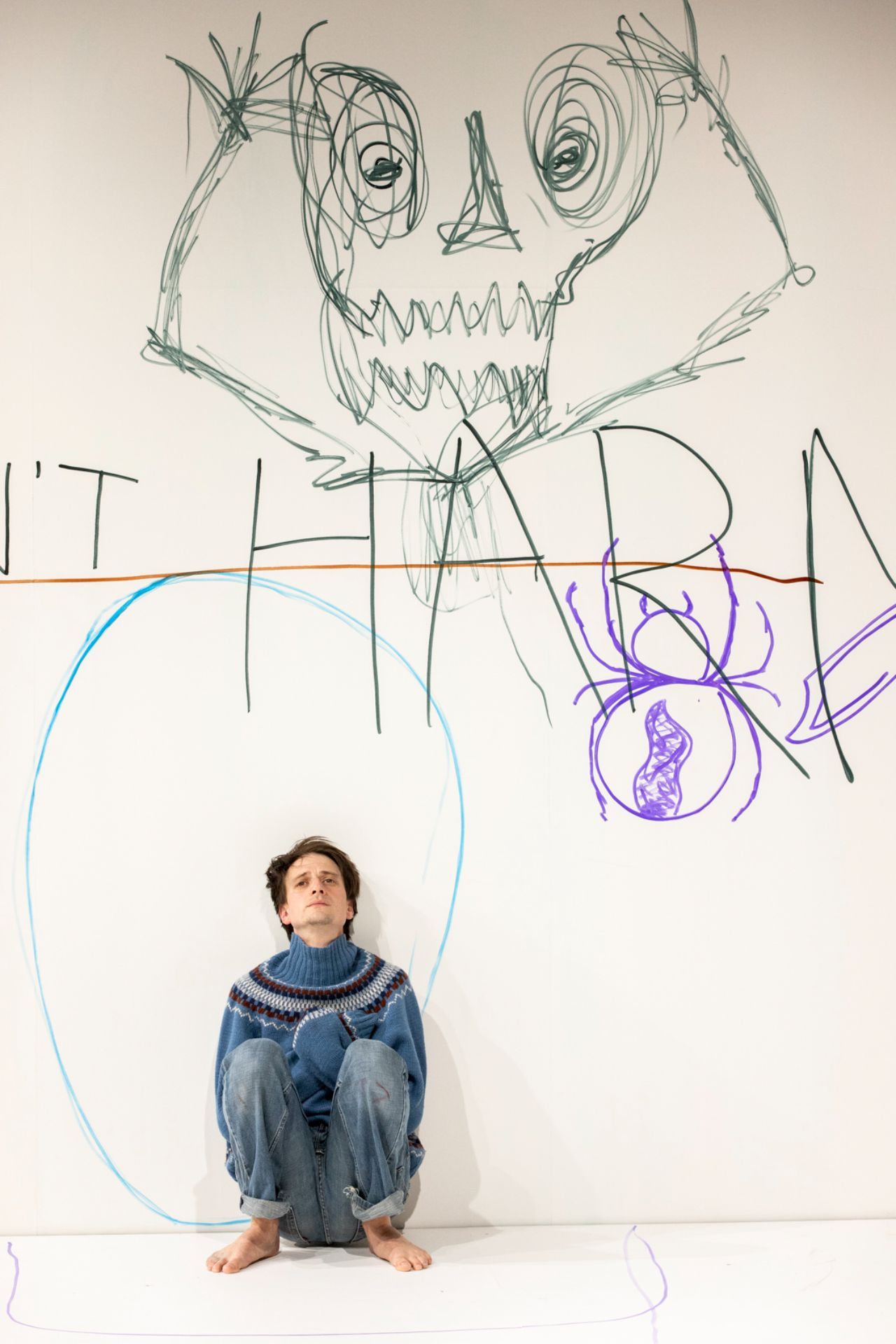
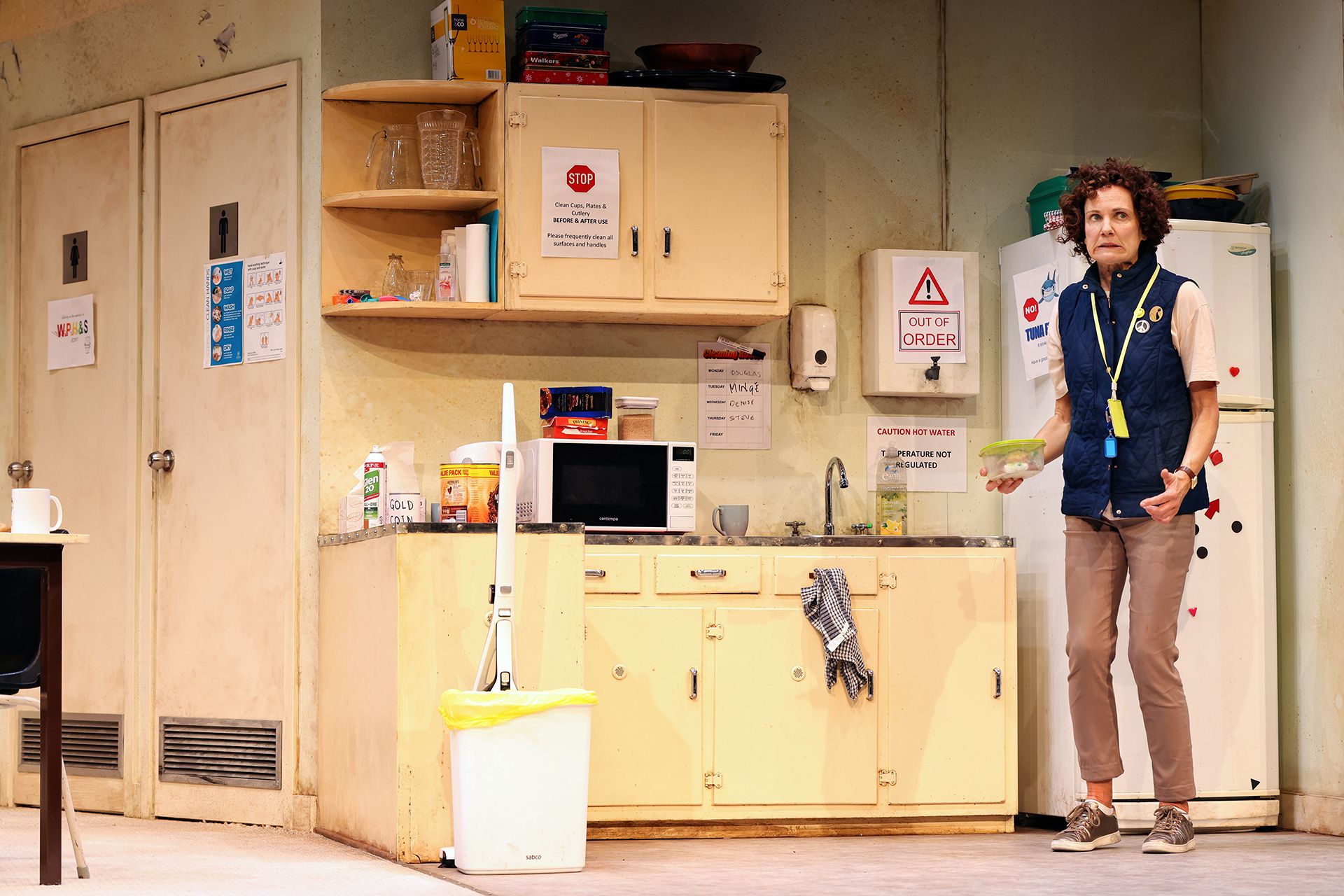
Ailsa Paterson’s set and costume designs offer appropriately comedic renderings of that scrappy world, with an unmistakable sense of disintegration, for the staff room and for the people who occupy it. Lights by Mark Shelton, and music by Jessica Dunn are utilised most vivaciously between scene changes, taking the opportunity to further uplift our spirits.

It goes without saying, that we should always strive to do better for our children. It is incredible however, to witness the extent to which some are willing to sacrifice, in the belief of doing what is right for future generations. There is nothing at all controversial, in saying that our teachers are the bedrock of society, but to suggest that those who contribute the most within our education system, should receive commensurate remuneration, seems to be eternally contentious.
www.sydneytheatre.com.au | www.statetheatrecompany.com.au

Review: Overflow (Darlinghurst Theatre Company)

Venue: Eternity Playhouse (Darlinghurst NSW), Sep 9 – 25, 2022
Playwright: Travis Alabanza
Director: Dino Dimitriadis
Cast: Janet Anderson
Images by Robert Catto

Theatre review
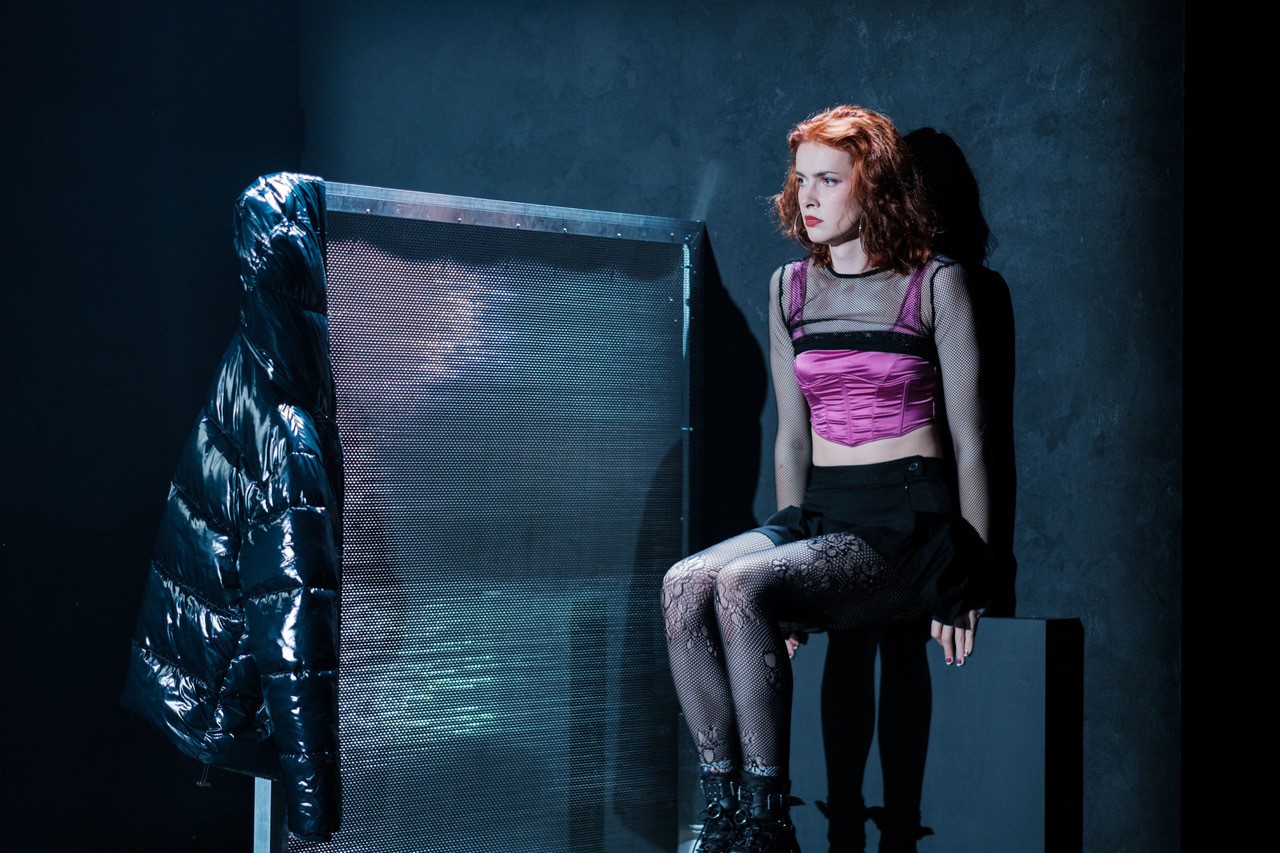
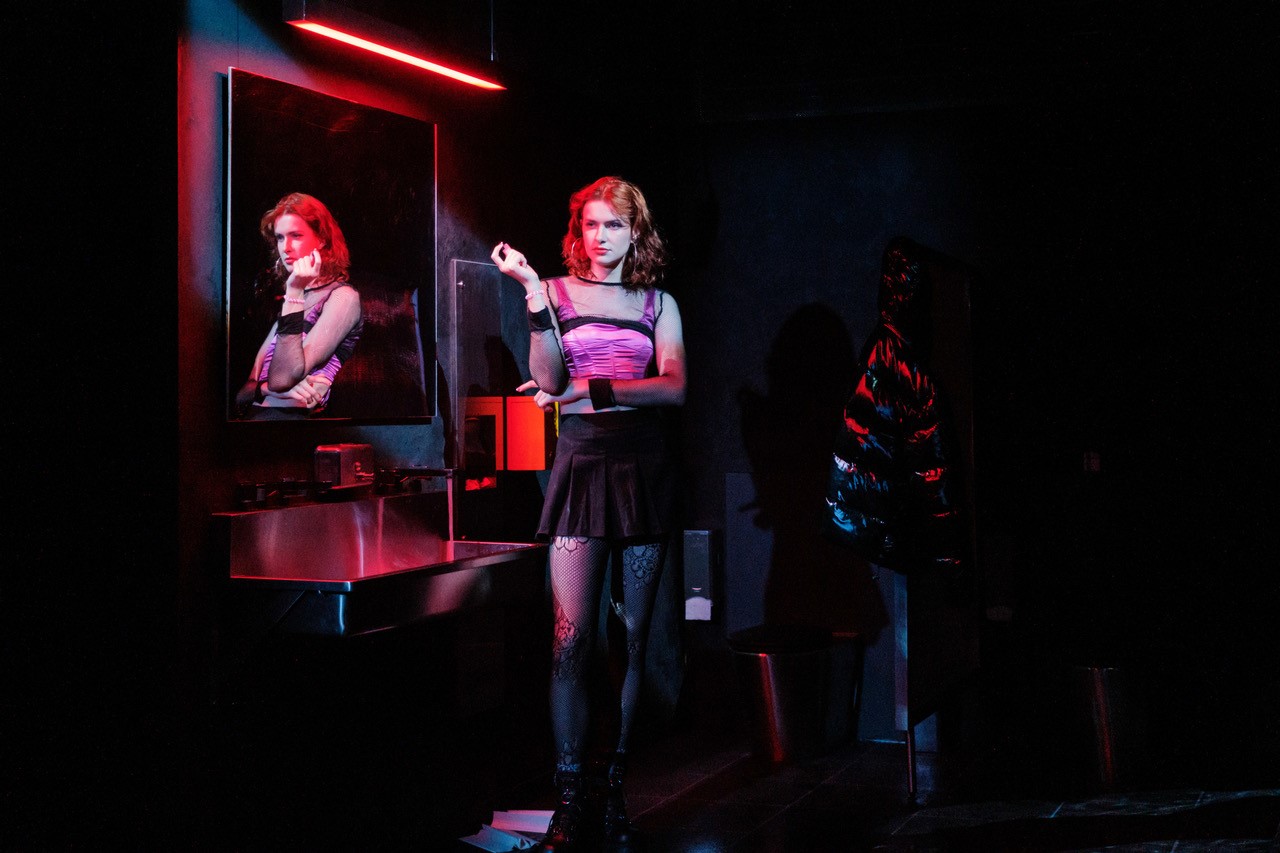
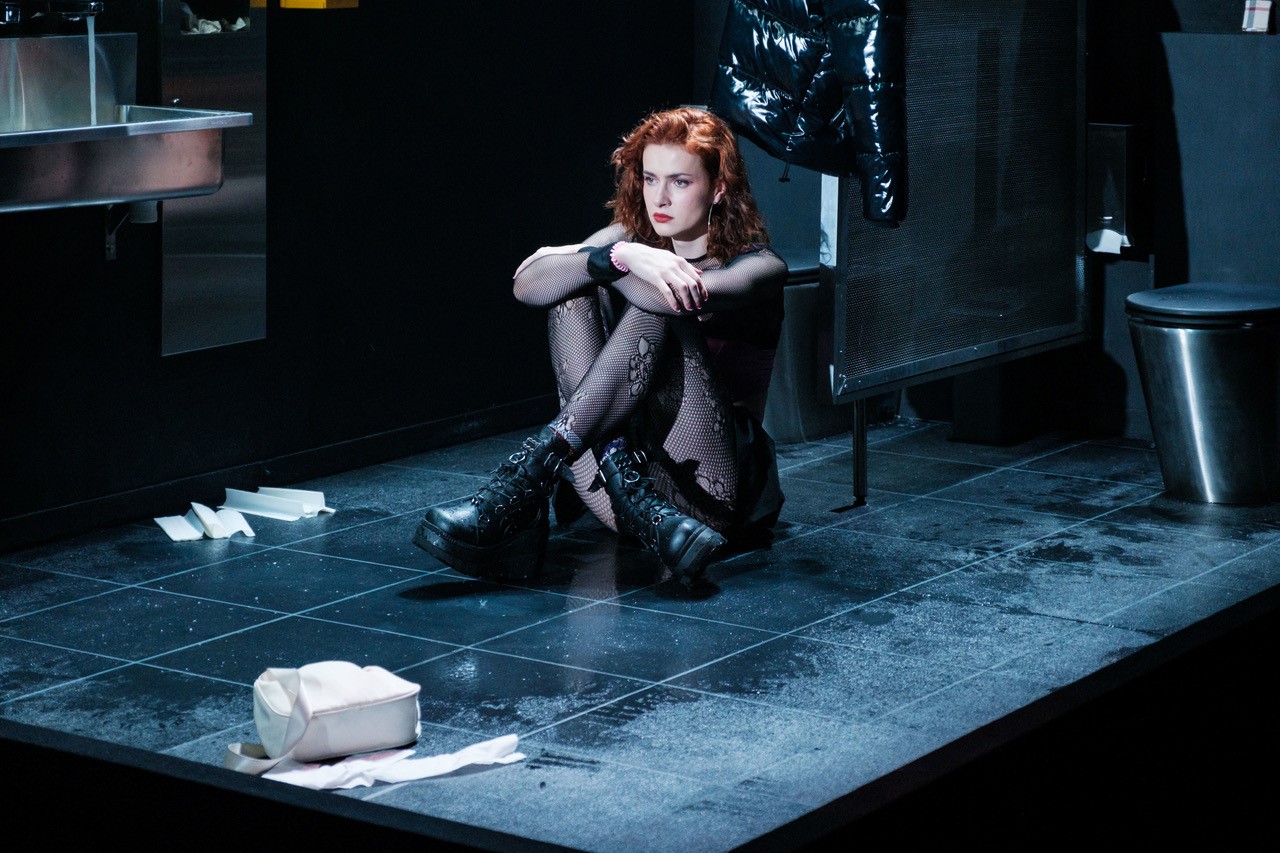
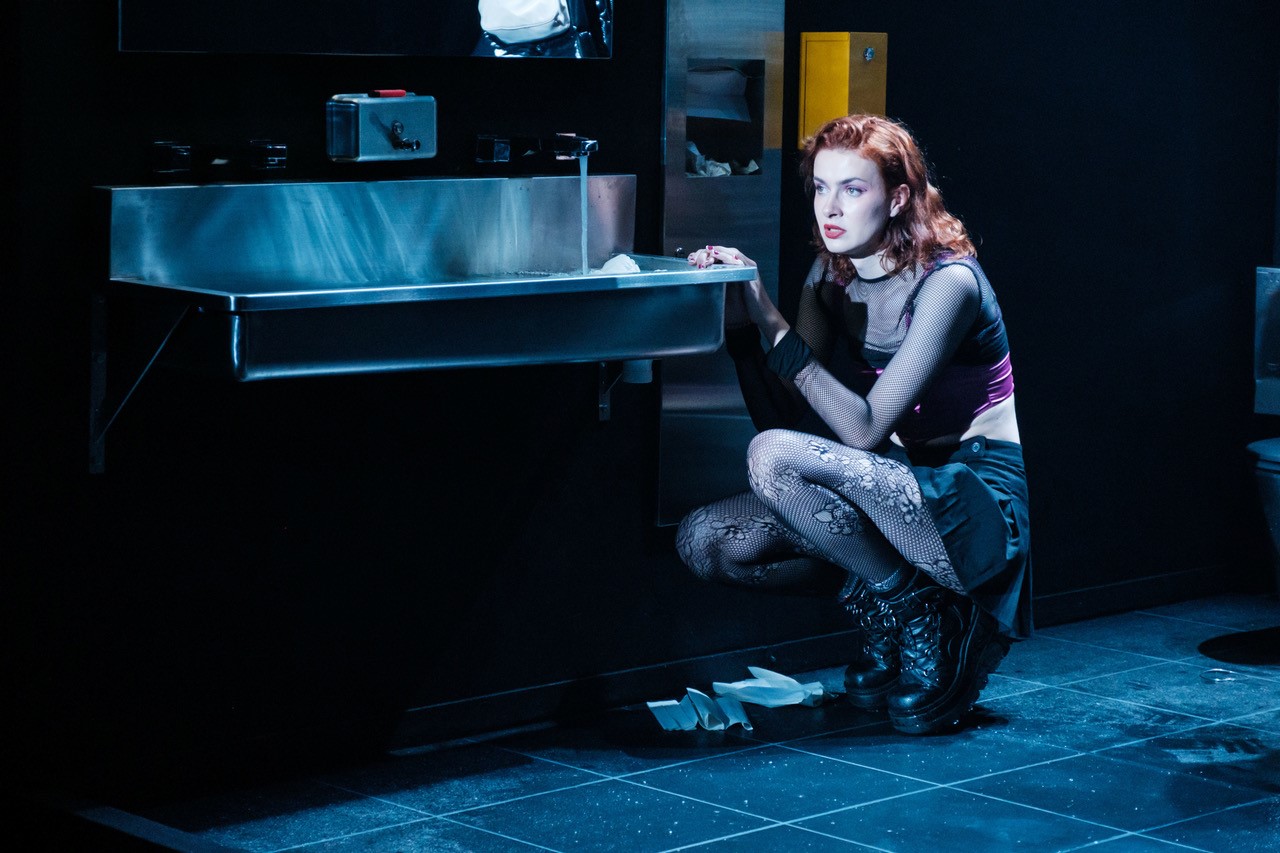
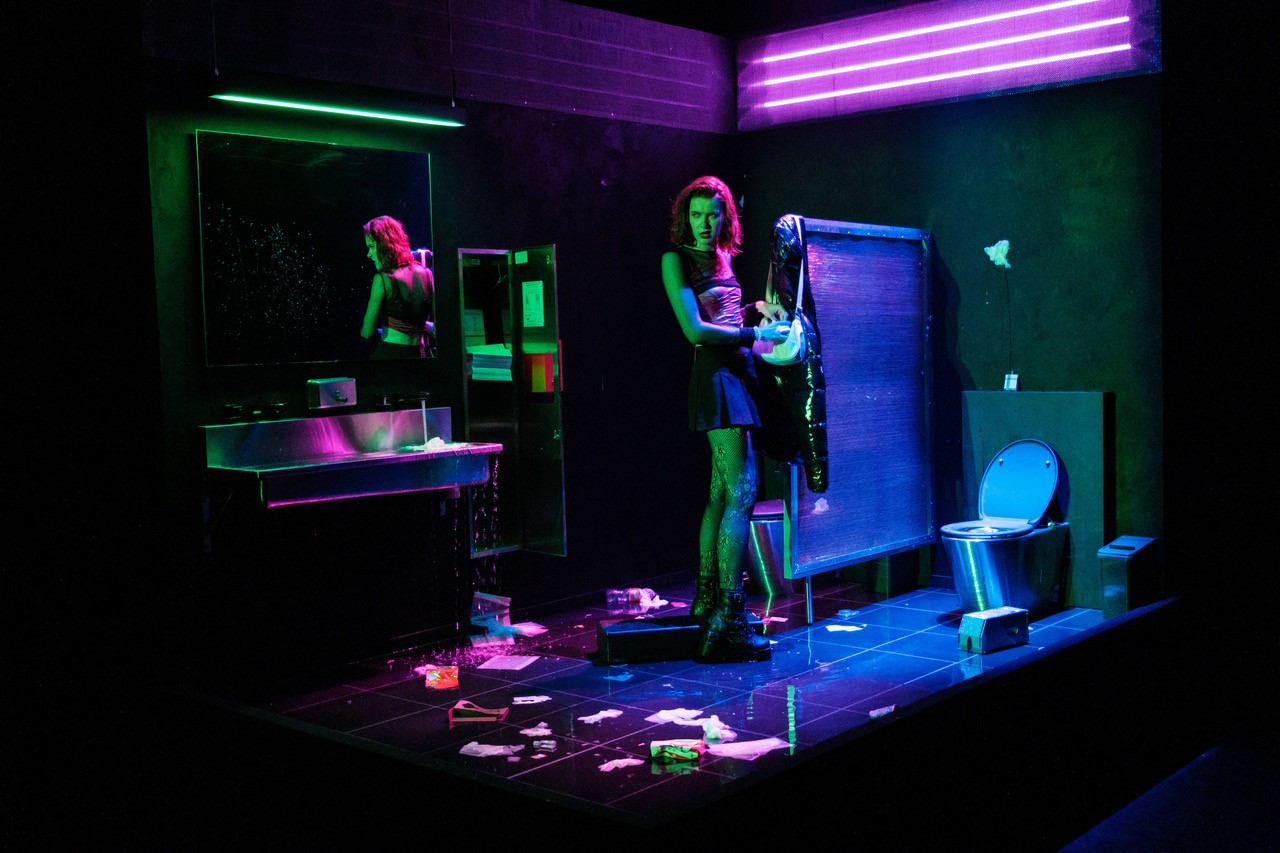
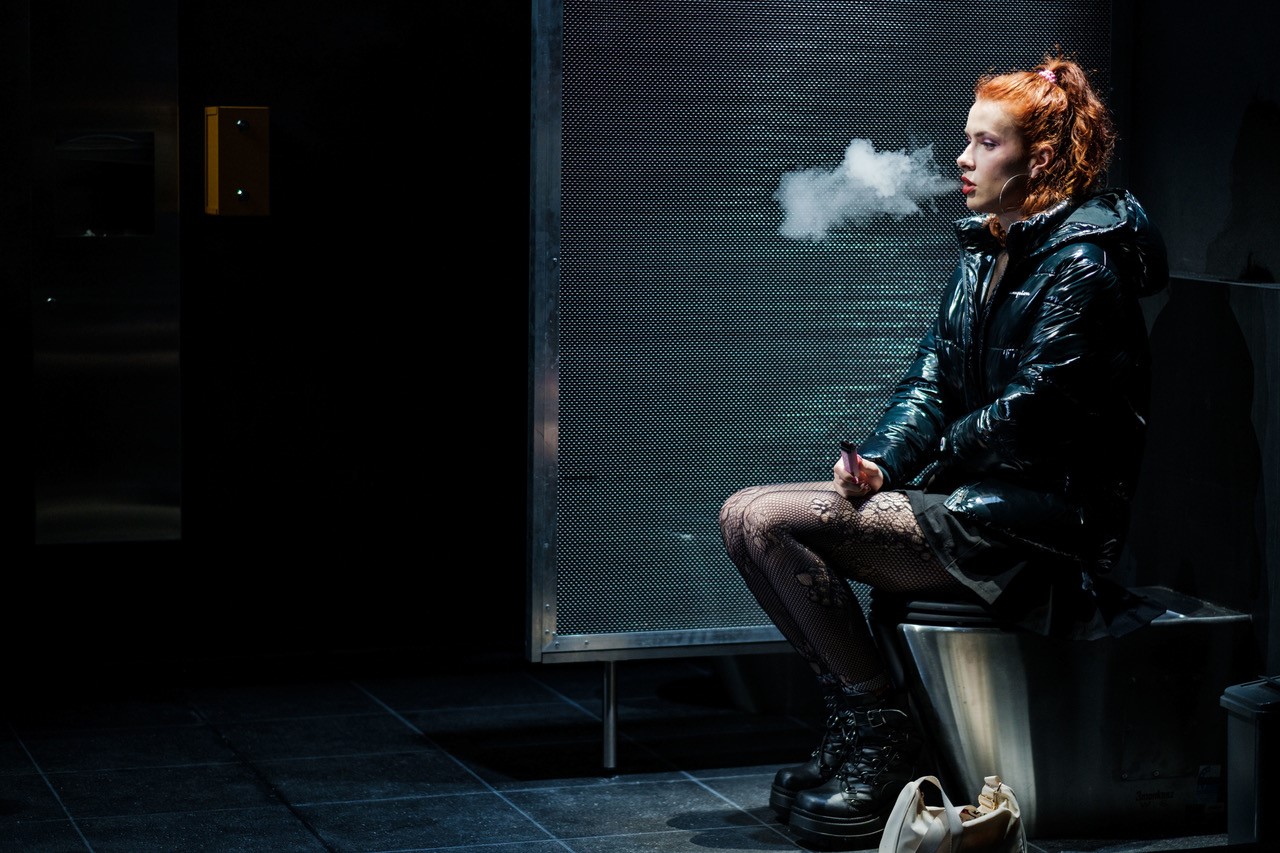
For an hour in a nightclub toilet, Rosie shares her thoughts, reflections and memories. It is perhaps not surprising that she has so much on her mind, being a young trans woman, who has had to navigate everything in life with extraordinary dexterity. It is perhaps not surprising also, that we find Rosie stuck in a public loo, hiding from the constant presence of threatening forces on the outside, as trans people remain some of the world’s most persecuted.

Travis Alabanza’s Overflow is a passionate one-person show, very much of our times. Trans people have always existed, but with the confluence of activism and technology, we find ourselves with a new voice, discovering access that had hitherto been unavailable. Alabanza’s verbosity represents floodgates being finally open, and in Overflow, they talk exhaustively about injustice and struggle, as well as emancipation and inspiration. It is the perspective of a new generation of transness, one filled with jubilation and with anguish.

Alabanza’s keen observations and irrefutable candour, are the ingredients to Overflow‘s immense power and intensity. There is a haphazardness to the work, as an inevitable result of the conceit, involving a person in the midst of trauma trying to find coherence, but under the directorship of Dino Dimitriadis, those fragmentations turn poetic, for a theatrical experience that is perhaps unexpectedly beautiful, in its expressions of frustration, fear and fury.

Janet Anderson plays Rosie with exceptional commitment, and irrepressible sass. It is an exhilarating performance, highly convincing with her depiction of challenges faced by trans communities everywhere. Delivering poignancy at select key moments, Anderson’s vulnerability is perhaps slightly too sparingly mobilised, although the intention of portraying Rosie as self-possessed and spirited, is certainly sagacious.
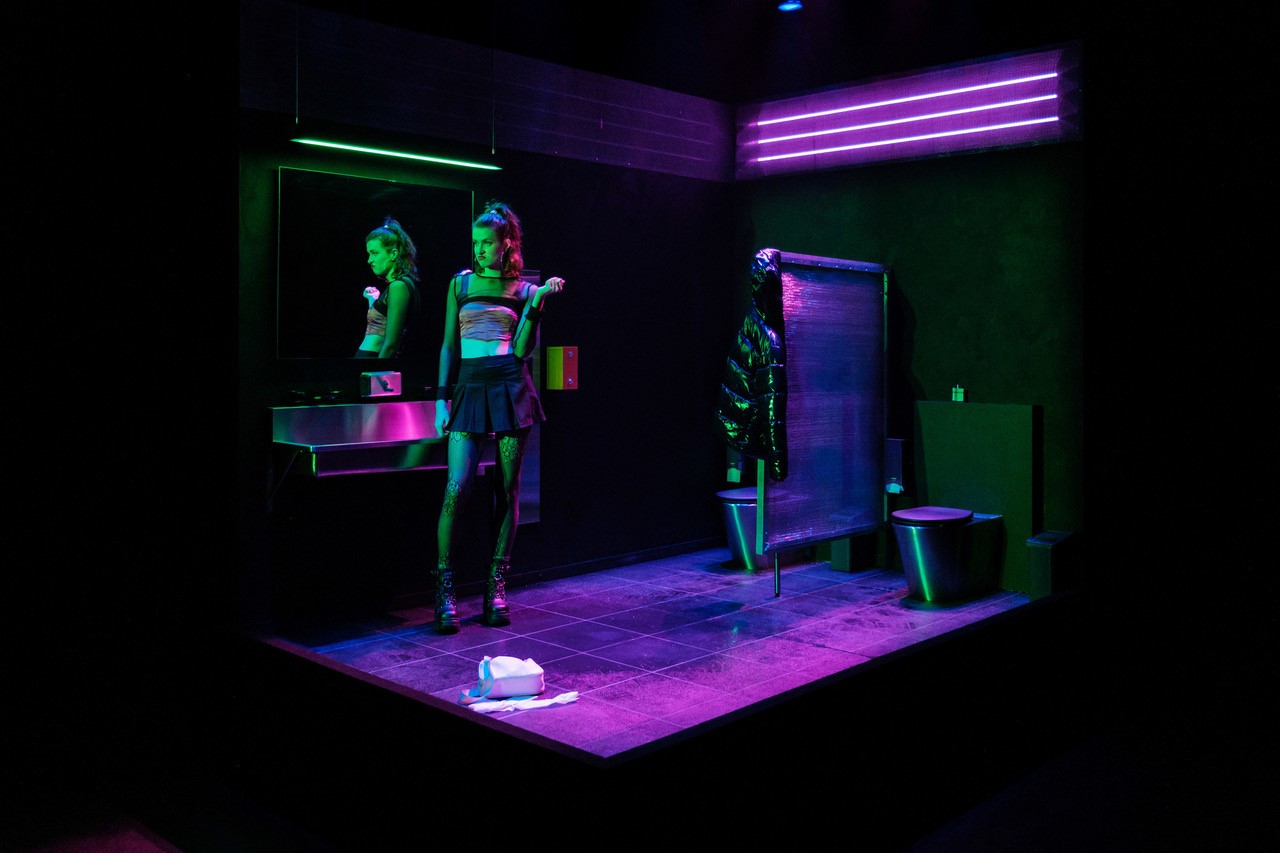
Flawlessly designed, this production of Overflow is an unequivocal treat for the eyes and ears. Set design by Dimitriades uses the claustrophobic scenario to create a tight enclosure, so that our attention is always kept sharply in focus. Costuming by Jamaica Moana conveys the precise era of where we are right now, along with Rosie’s brassy youthfulness. Lights by Benjamin Brockman are an astonishing pleasure, invoking the exuberance of club life, along with its dangerous and foreboding sides, to connect with our complex and contradictory instinctual responses. Sound and music are precisely and imaginatively rendered by Danni A. Espositol, who works intricately with Alabanza’s text, to amplify our emotional reactions for every detail of the play, in an exploration of humanity at its fundamental levels.

With new freedoms, come new forms of retaliation. In some ways, trans and gender non-conforming people have in recent years, found more room to be, but it seems our adversaries are concurrently triggered, and emboldened. Where we had previously felt the palpability of potential threat, that lurking sense of menace has turned into substantiated violence, most notably in places like North America, where more than one trans person is being murdered every day, keeping in mind that we are only an estimated 1.5% of the general population.

It is a legitimate worry that our numbers are too small, to be able to change enough hearts and minds, for the revolution to be completed. The creativity and fortitude we possess however, allow us to reach not one person at a time, but the masses, on the stage and on infinite internet screens. We are the wisest and the most captivating, and in Overflow it is clear that our message of defiance is not to be denied.

www.darlinghursttheatre.com

Review: They Took Me To A Queer Bar (Old Fitz Theatre)

Venue: Old Fitzroy Theatre (Woolloomooloo NSW), Sep 6 – 10, 2022
Writer/Performer: Tommy Misa
Performance Guide: Emma Maye Gibson
Images by Joseph Mayers

Theatre review

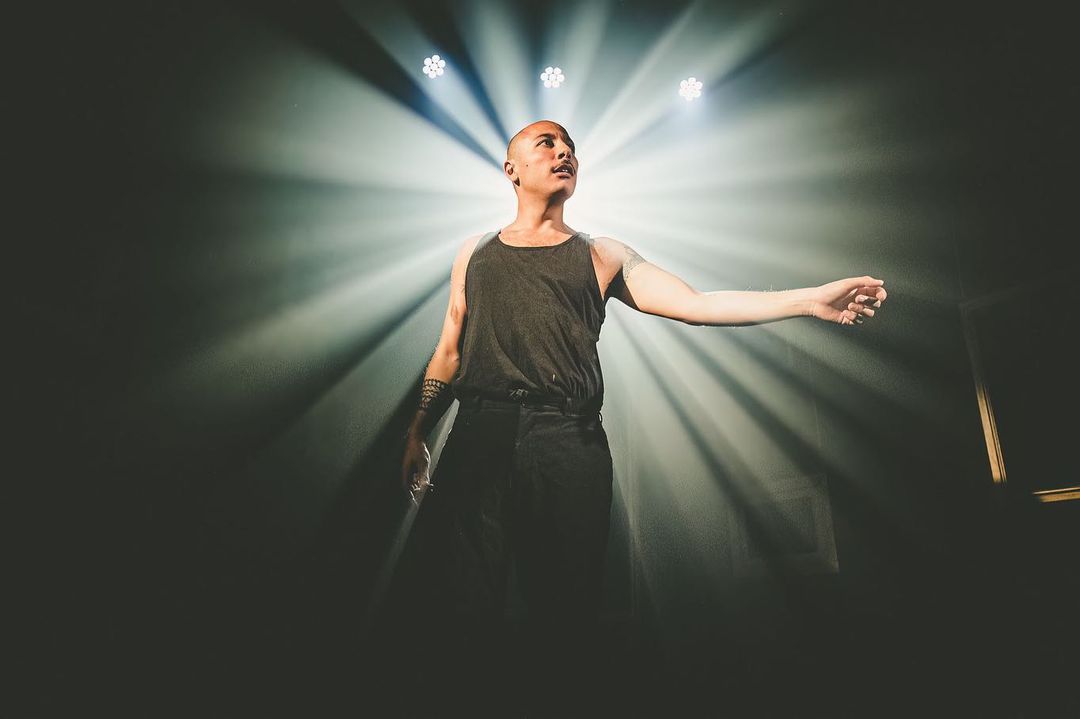
Like many queer people, Tommy Misa comes from a history of ostracism. That common experience of marginalisation however, leads us to forming communities, some of which manifest in bonds stronger than those found in biological families. Misa’s one-person show is about that human need to belong, and that search for a sanctuary, in order that one may feel a sense of validation and acceptance.

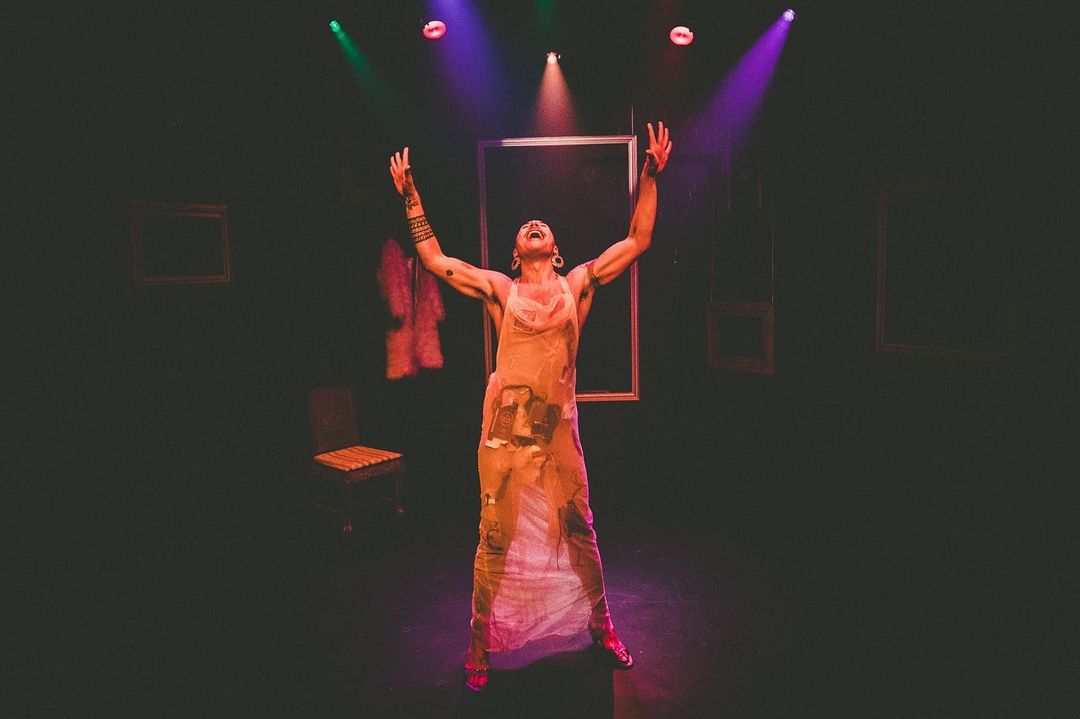
They Took Me to a Queer Bar is a partially autobiographical work, involving a nightclub named Auntie Lavender’s and a drag queen elder Caramello Koala. Misa demonstrates great reverence for both, whilst trying to grapple with the realities of being a queer person-of-colour, connected to Samoa and to Gadigal. Existing in and between both places, yet experiencing a lifetime of rejection, Misa seems only to be able to locate a wholeness and perhaps become self-actualised, after discovering the people of Auntie Lavender’s.

It is a soulful work, with authenticity emerging from the simplicity with which Misa tells their story. There is wonderful humour informed by the irony, that figures centrally in Misa’s attitudes about life in general, the kind that queer and other marginalised people will surely recognise and identify with. Their expressions can be poetic, but are also mundane, and at times vulgar. At just an hour, Misa’s presentation is a sampler of who they are, and an offering of what our values might be, as queer people who have to rely on each other.

Misa’s performance of the work, is heavily dependent on their charisma, which proves limitless. Their captivating presence, is given excellent shape and nuance, by performance guide Emma Maye Gibson, who ensures that every subtle resonance is unmissed. Much is conveyed between the lines, in a work that exemplifies the power of intimate live theatre.

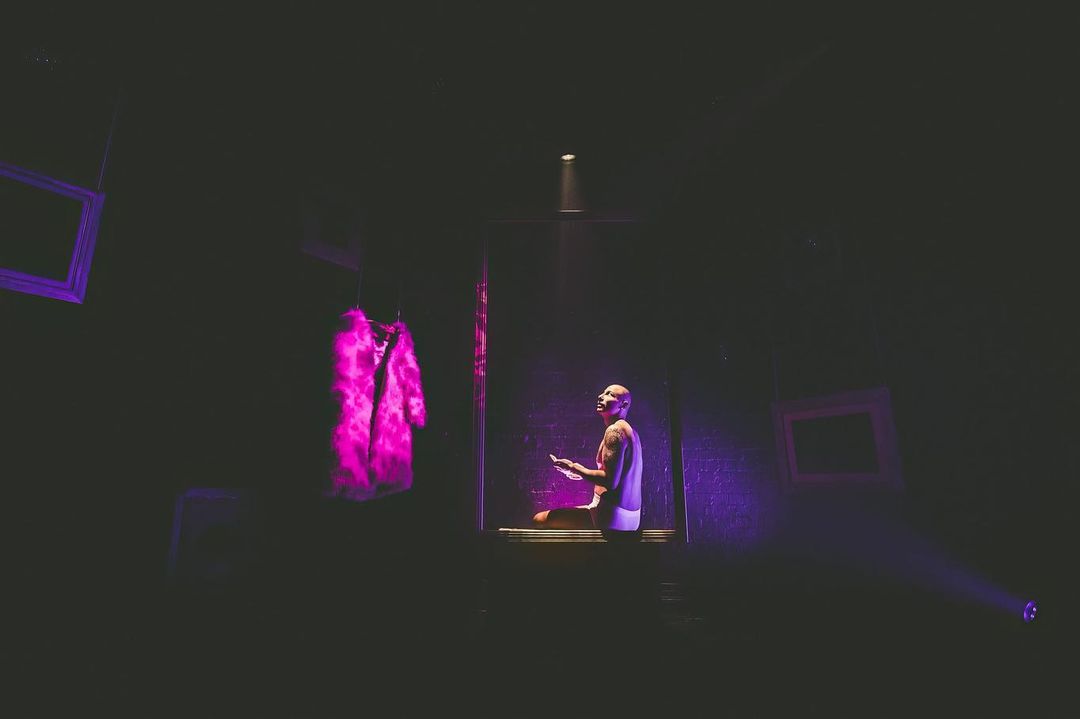
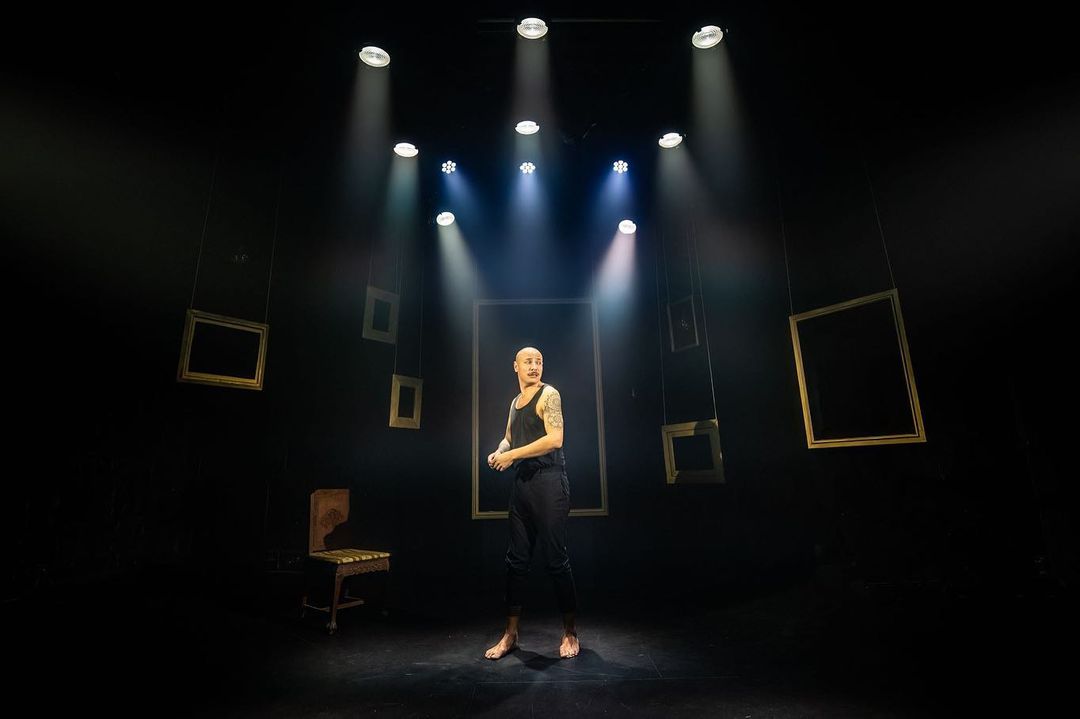
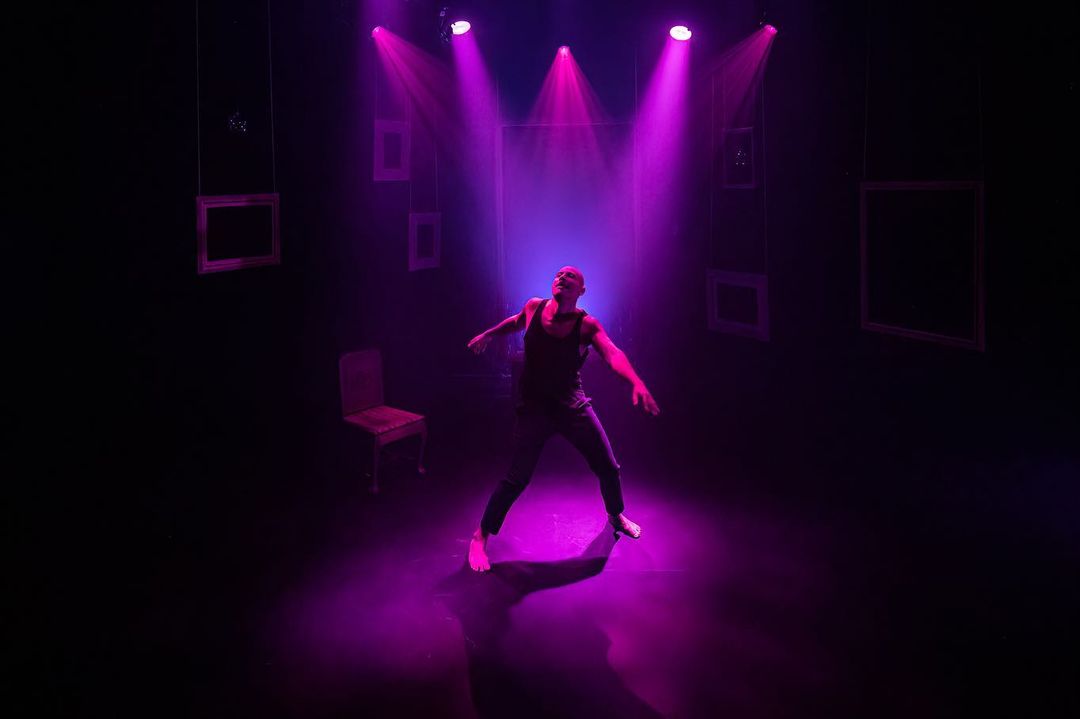
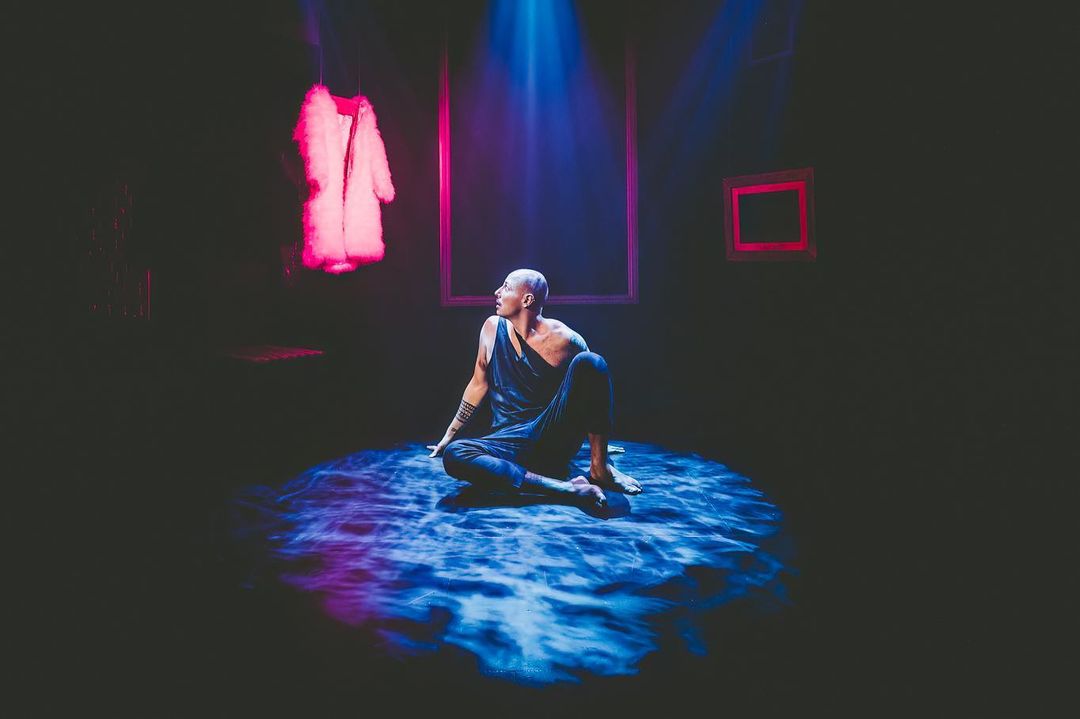
Set design by Misa and Lyndsay Noyes is effective in helping our attention concentrate on the only physicality that matters in this show, which is the performer’s body. Also meaningful, is a garment that appears late in the piece, created by Nicol & Ford, exuding decadence and making a statement about our history as outsiders. Exquisite lights by Frankie Clarke are almost psychedelic in style, tuning the viewers’ mind to a dreamlike frequency, whilst using colour and movement to suggest the characteristic flamboyance of those incapable of being straight. Sound and music by Jonny Seymour glistens, moves and unifies, adding a dimension of sumptuous transcendence to the communal event.

People who have been excluded and made to feel unworthy, will either regurgitate that same venom (onto others and themselves), or they will become capable of being the most loving of all. It is perhaps miraculous, that those who have been so thoroughly broken, can be the ones who do the most for the world. Similarly, it is astonishing to realise that the greatest pride, resides where the most abominable shame used to be. They Took Me to a Queer Bar shows just how unfair things are, but for those who have come out the other end triumphant, there is no better place to be.

www.redlineproductions.com.au

Review: Photograph 51 (Ensemble Theatre)

Venue: Ensemble Theatre (Kirribilli NSW), Sep 2 – Oct 8, 2022
Playwright: Anna Ziegler
Director: Anna Ledwich
Cast: Toby Blome, Garth Holcombe, Robert Jago, Amber McMahon, Jake Speer, Gareth Yuen
Images by Teniola Komolafe

Theatre review
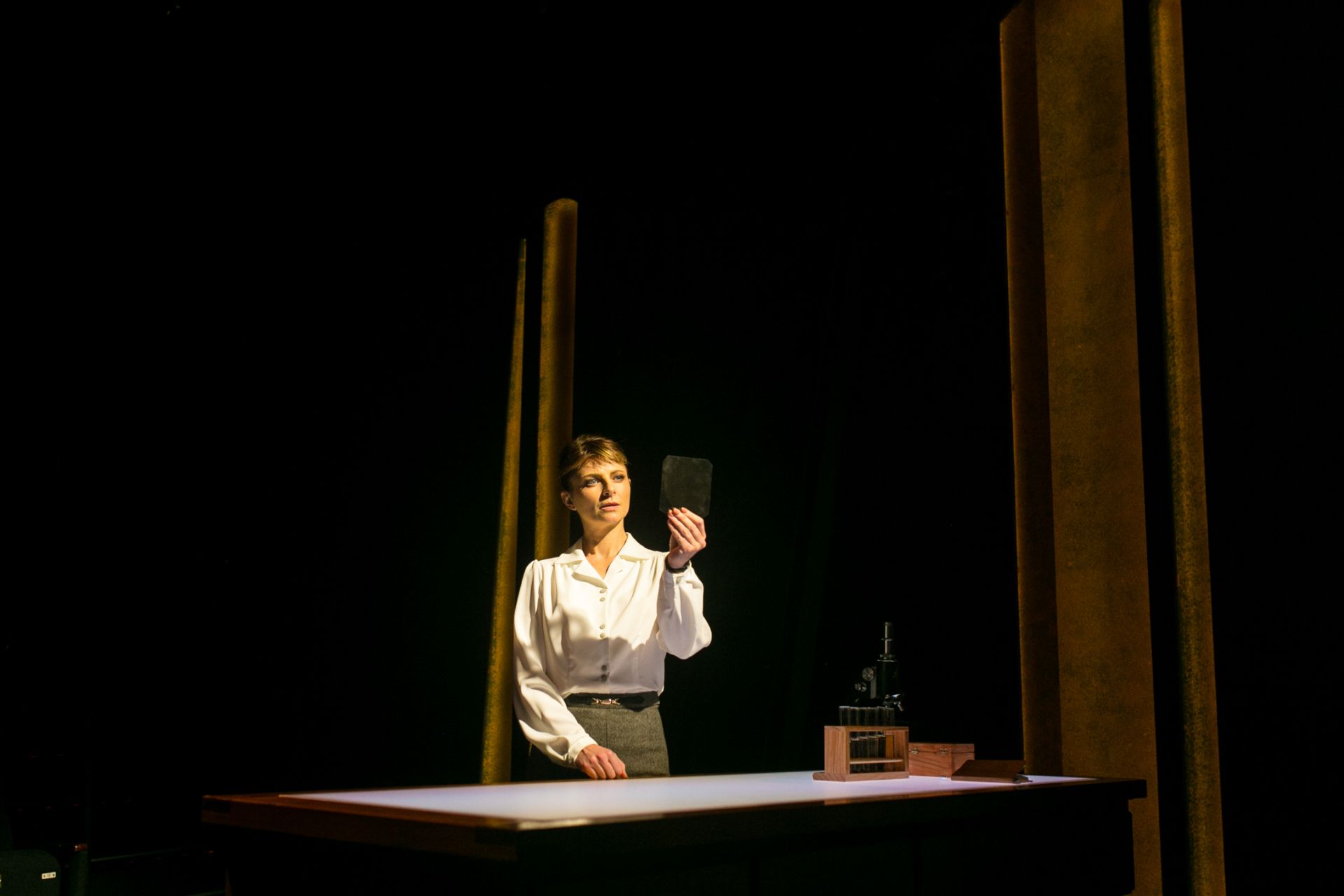
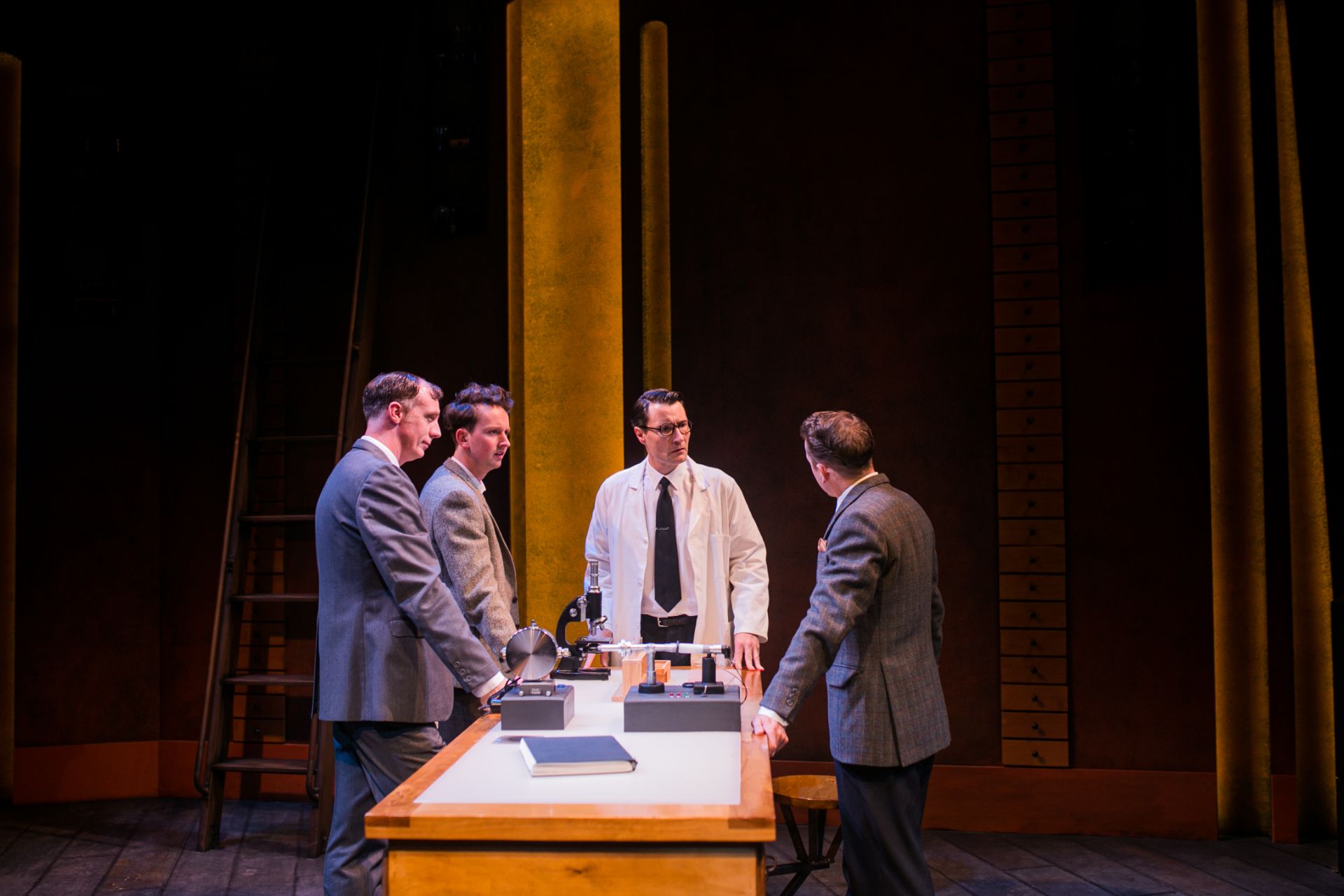
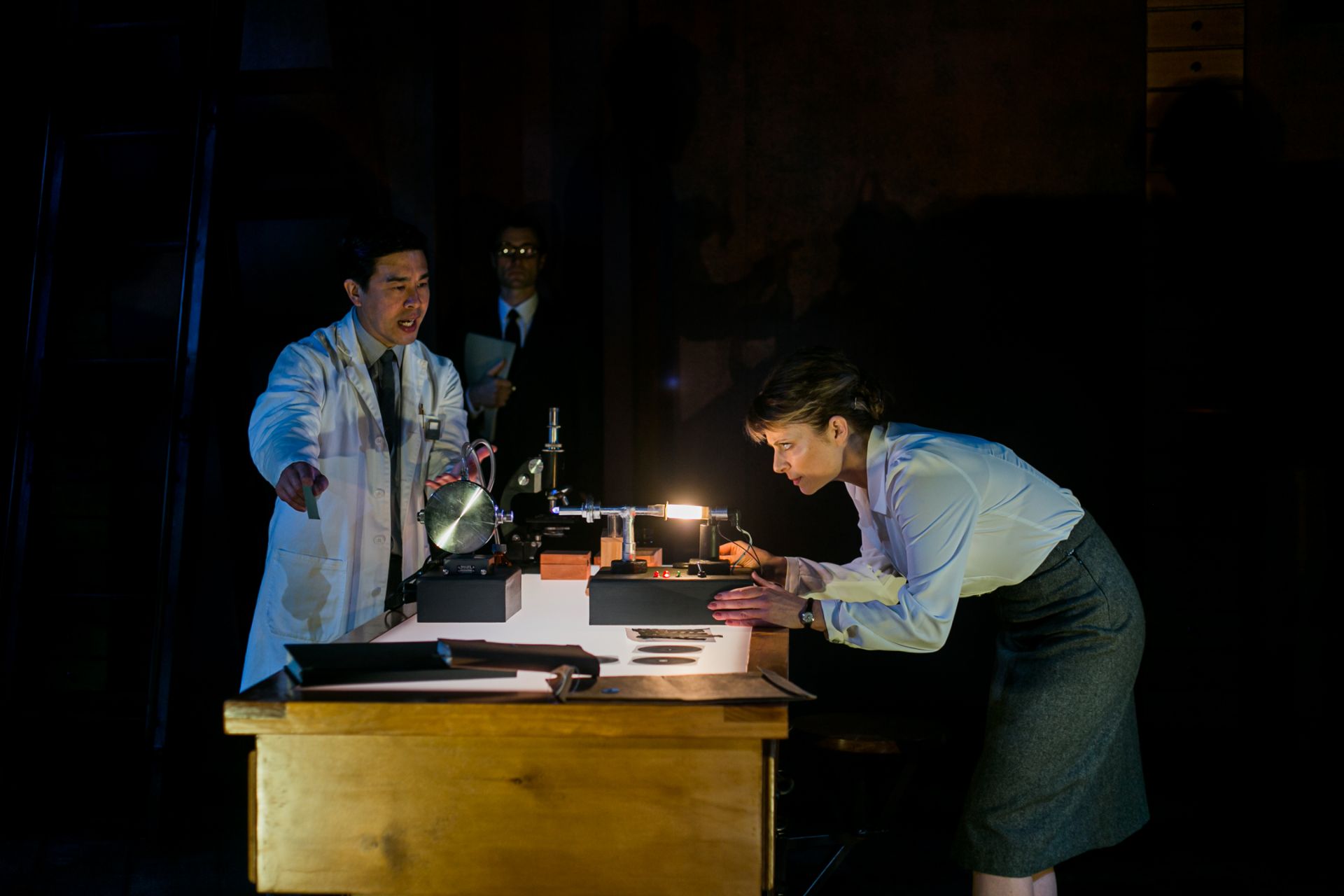
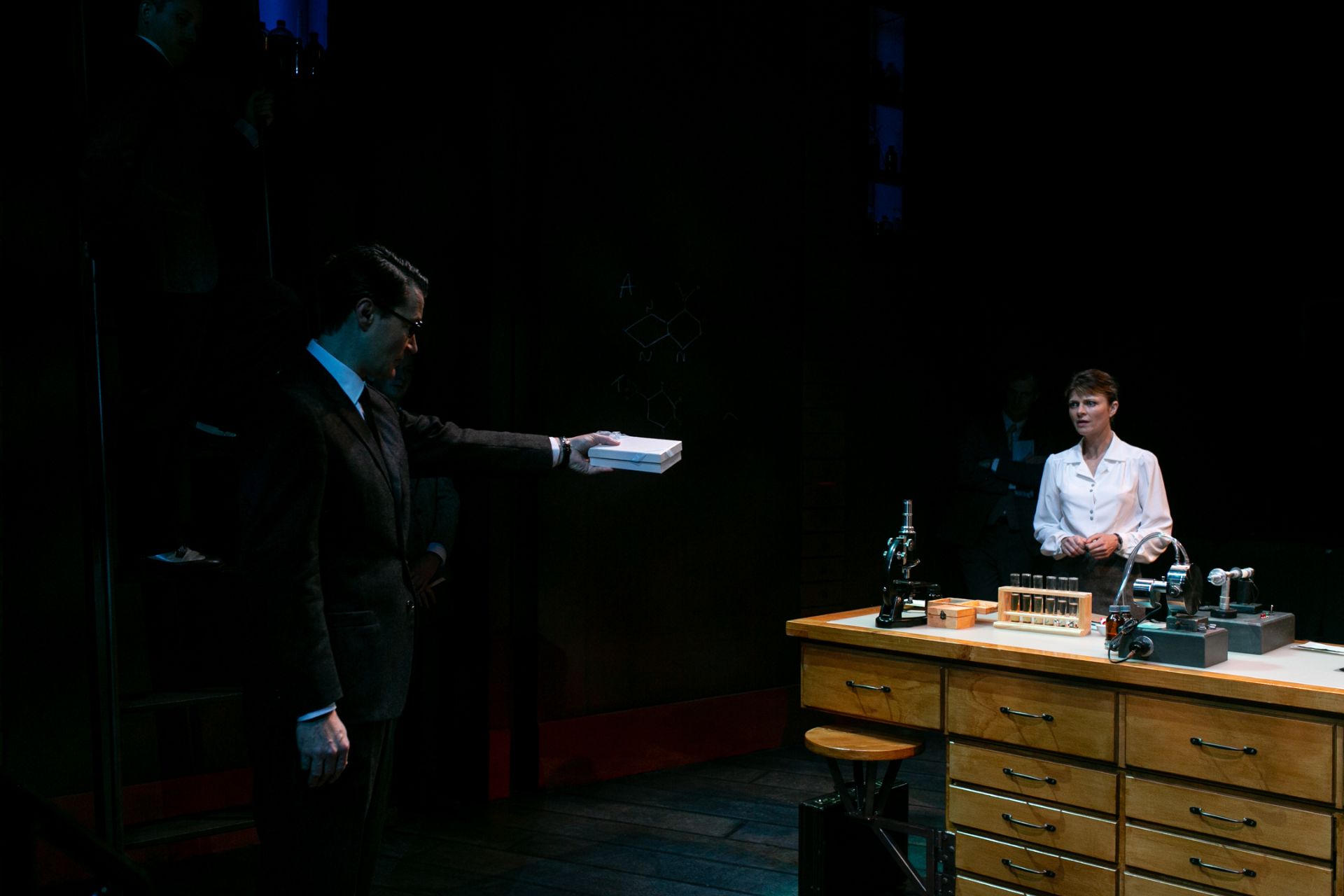
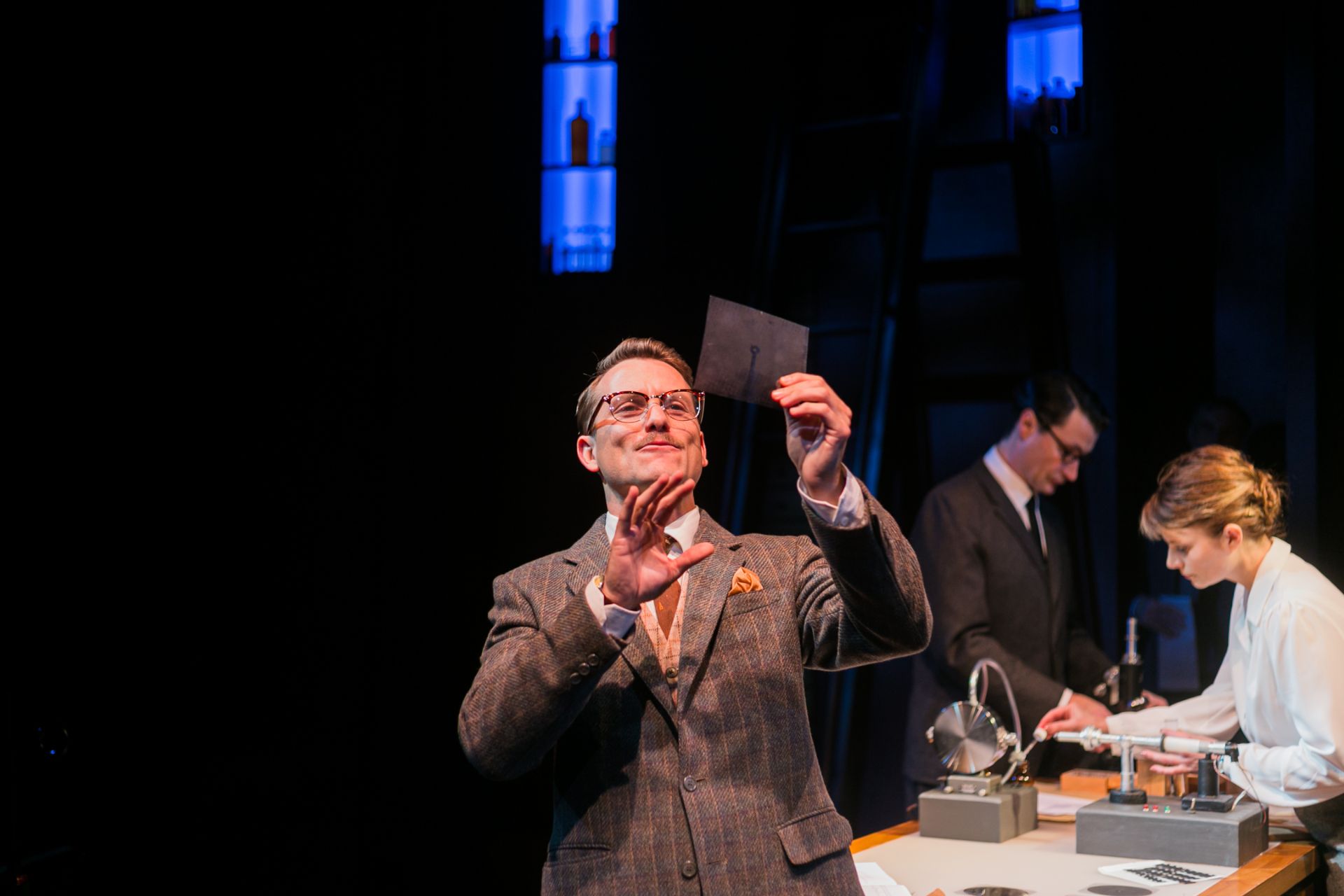
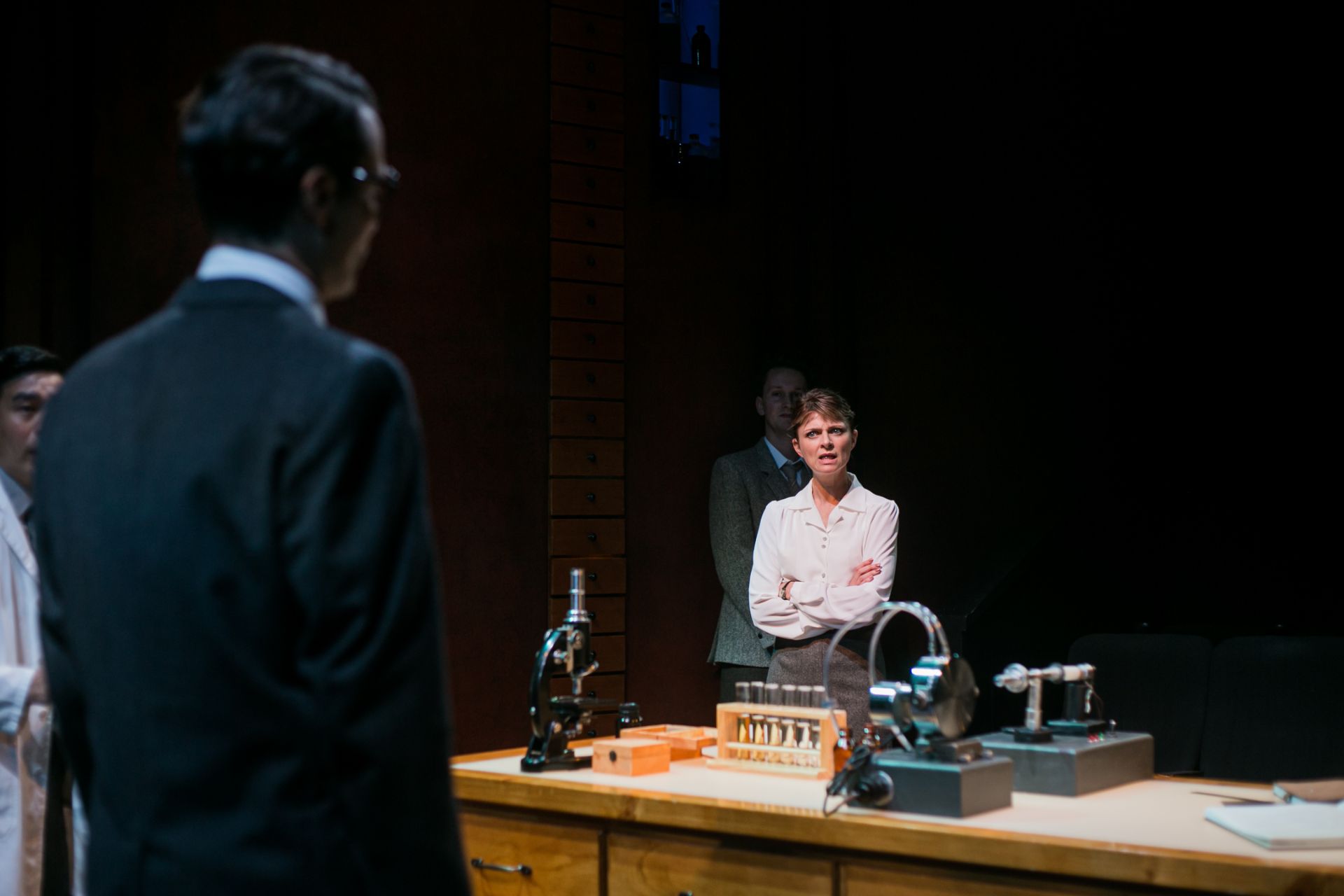
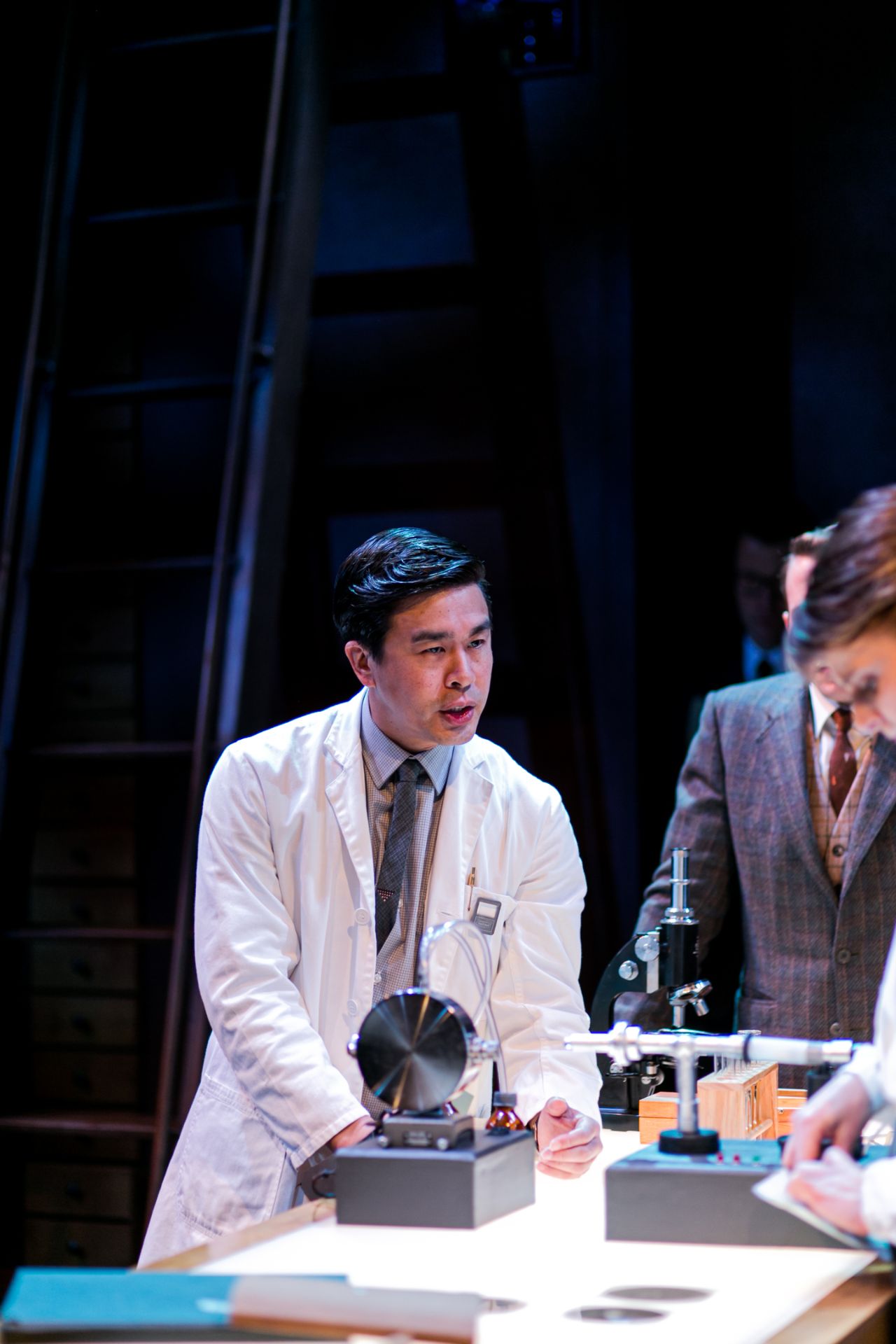
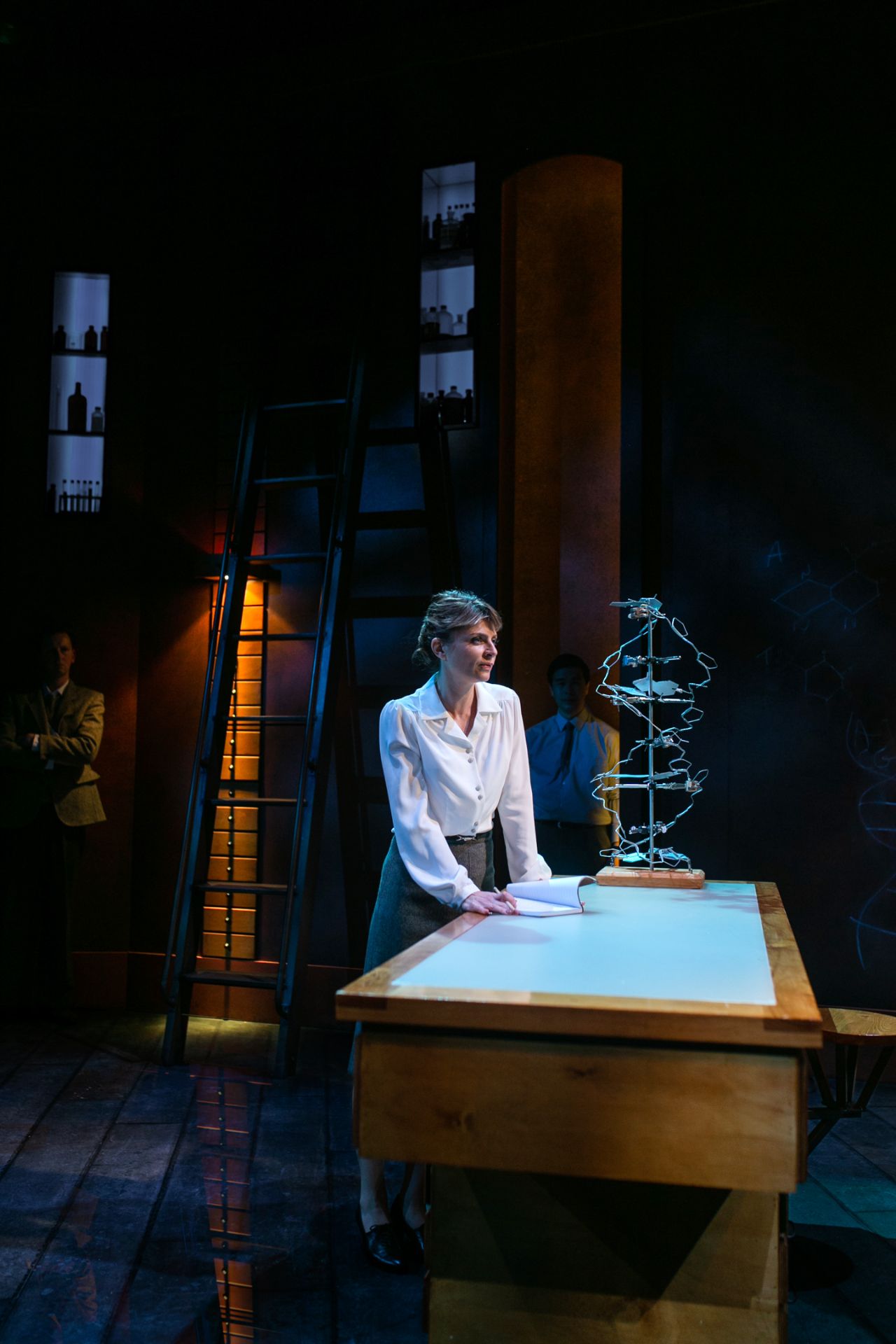
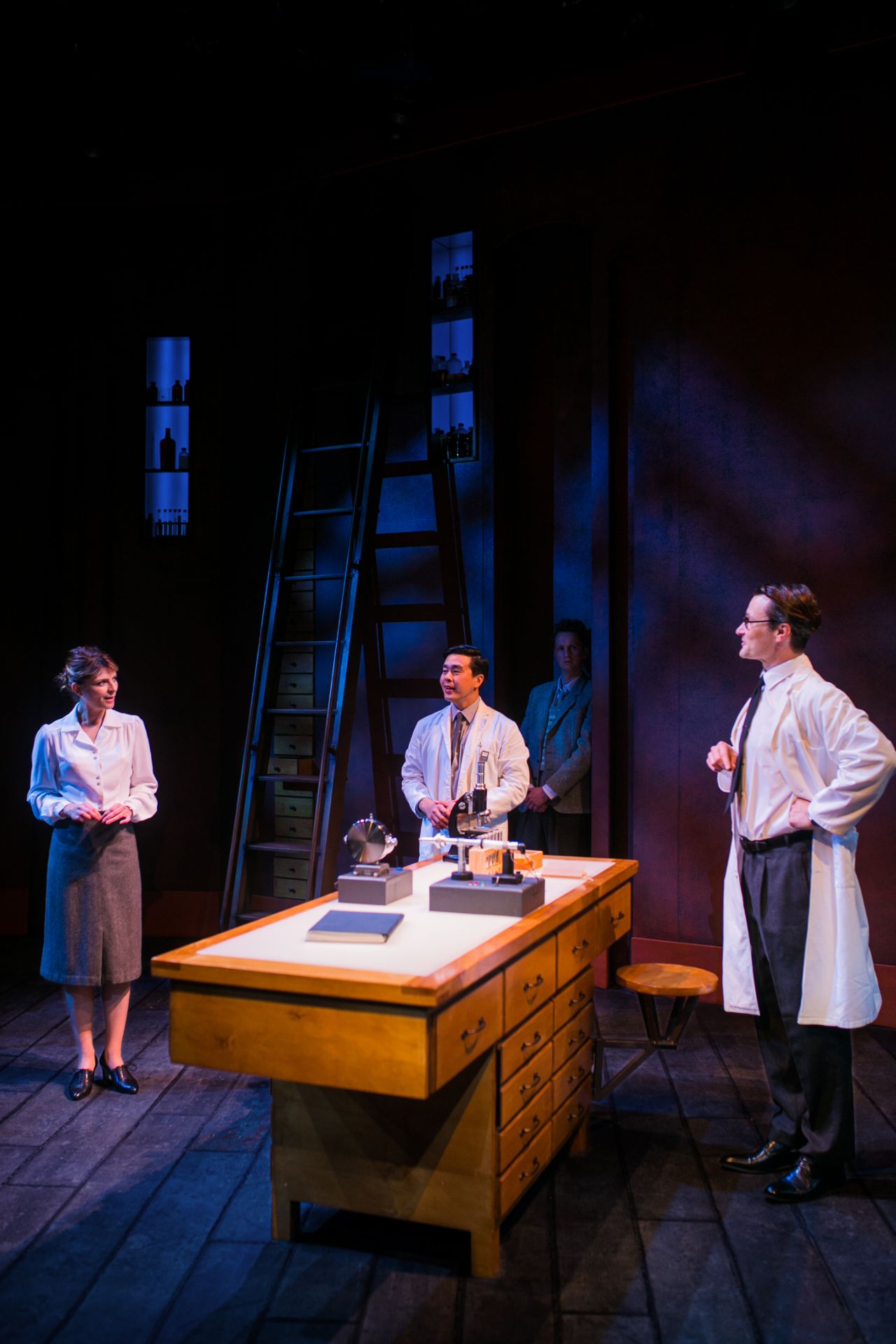
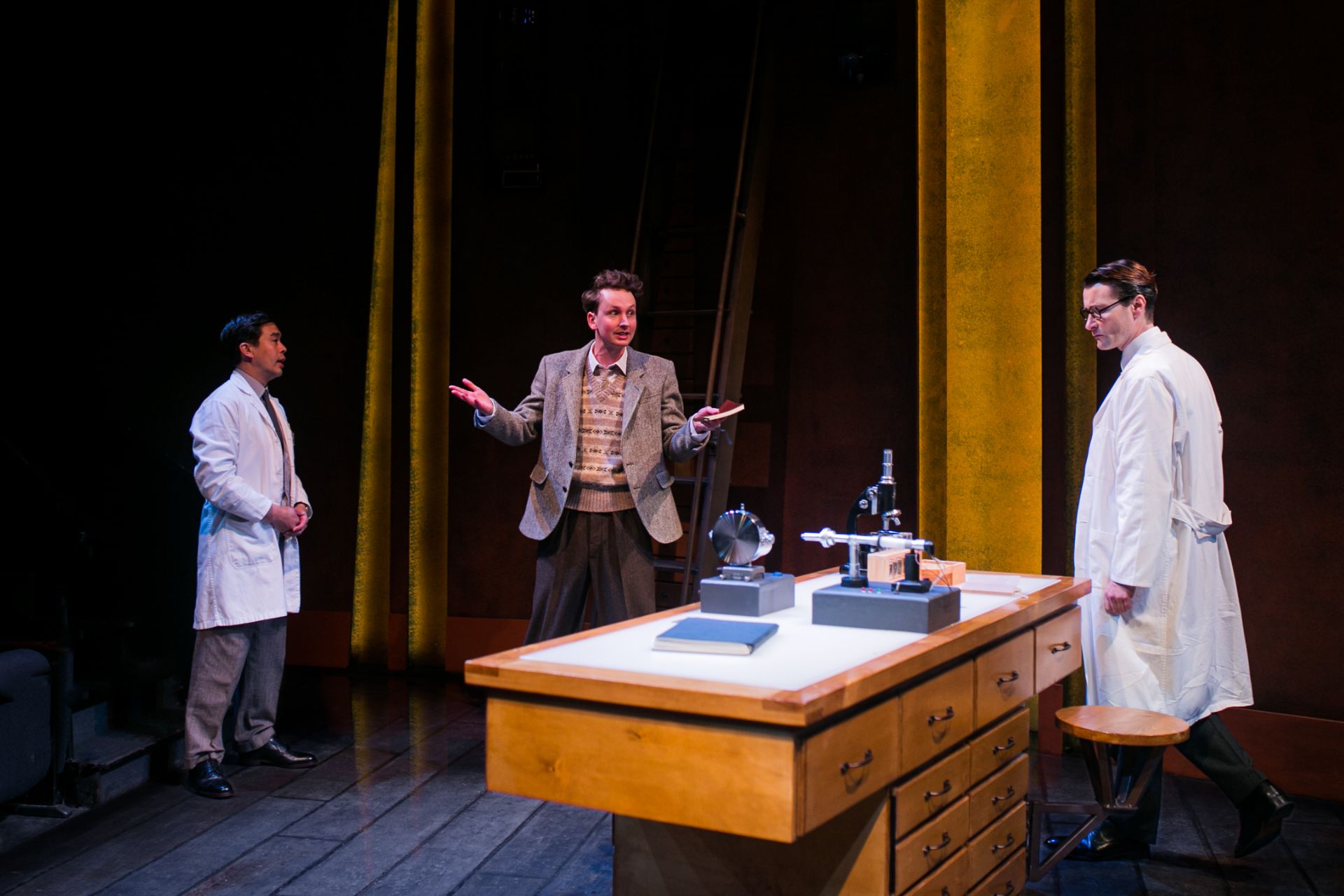
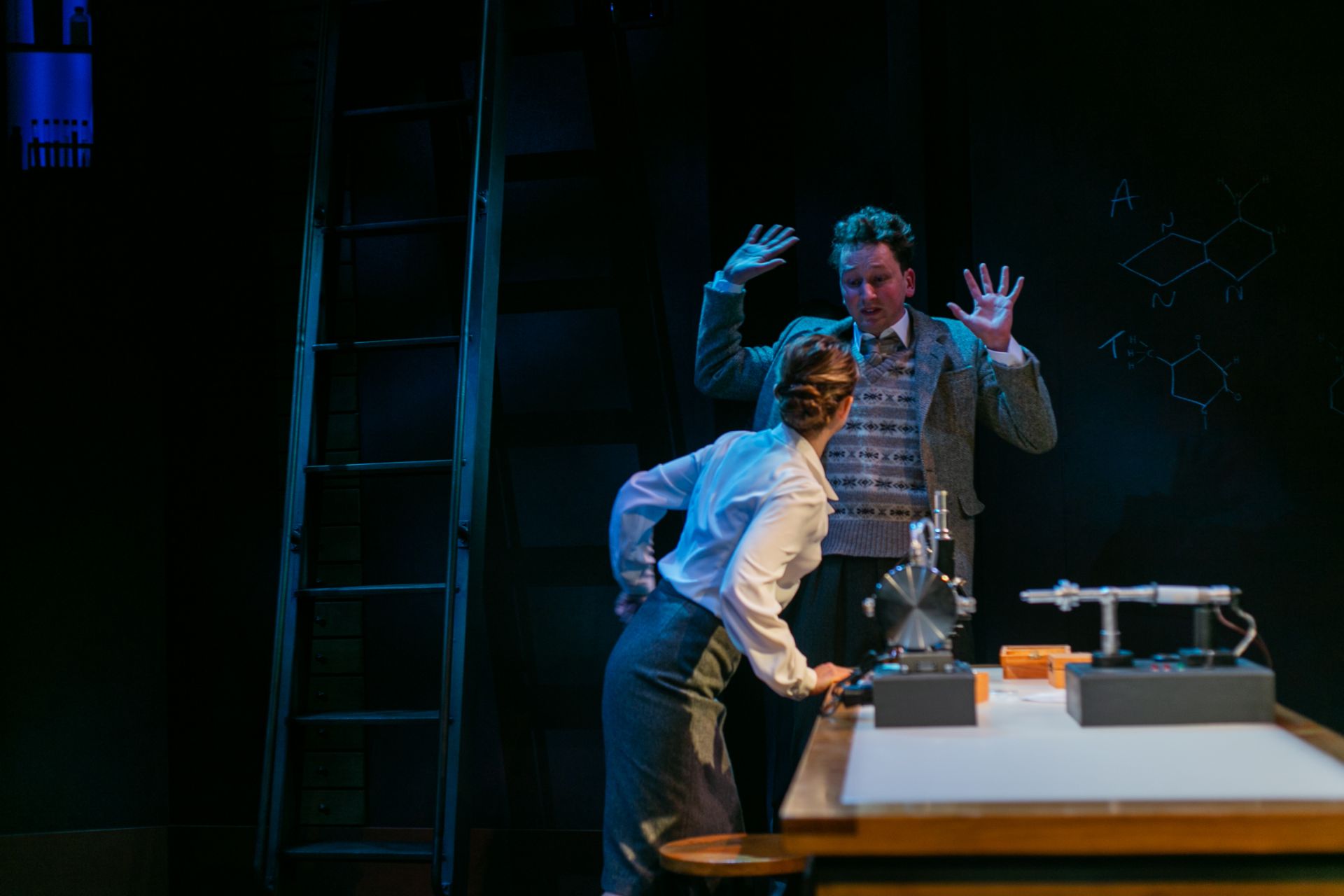
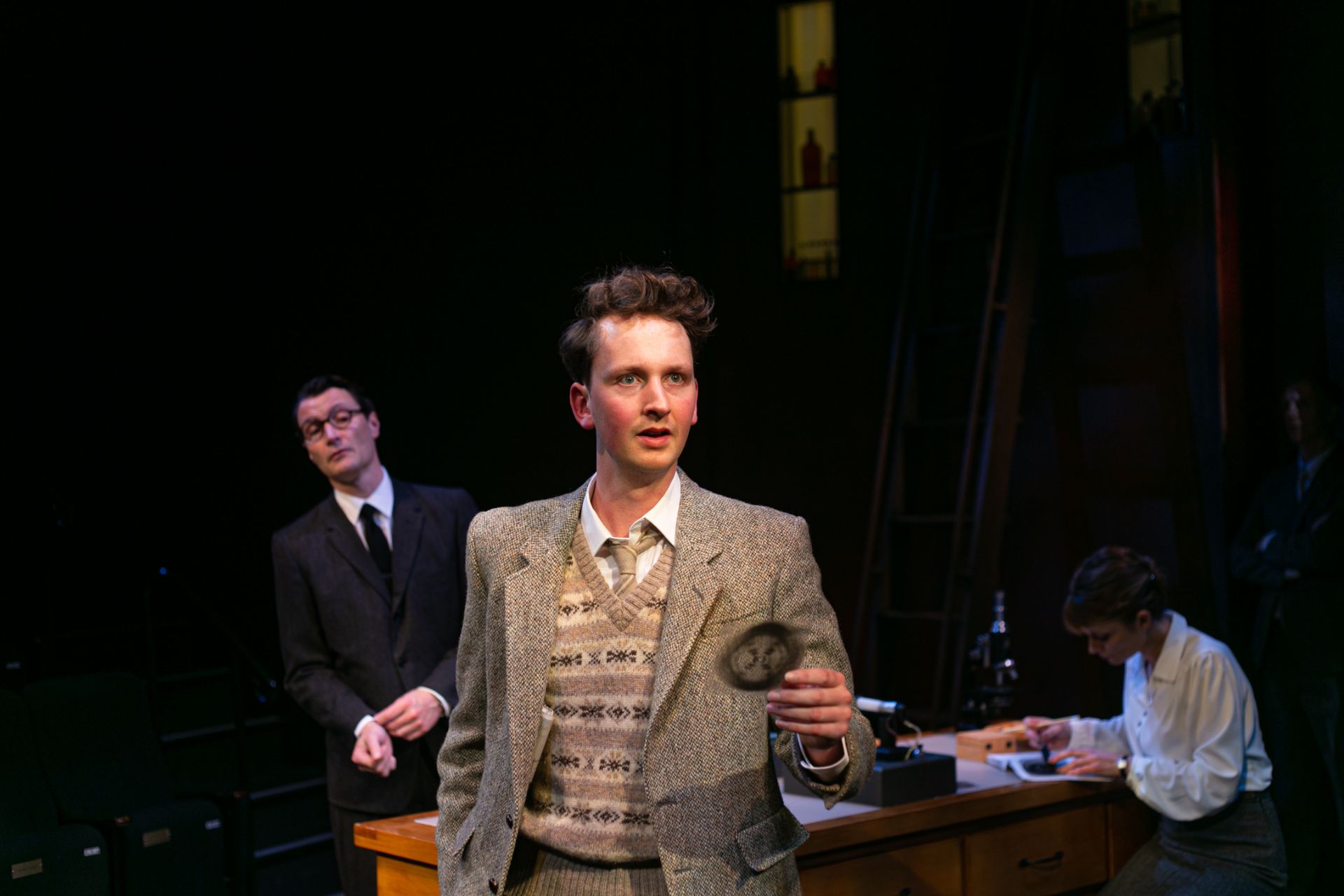
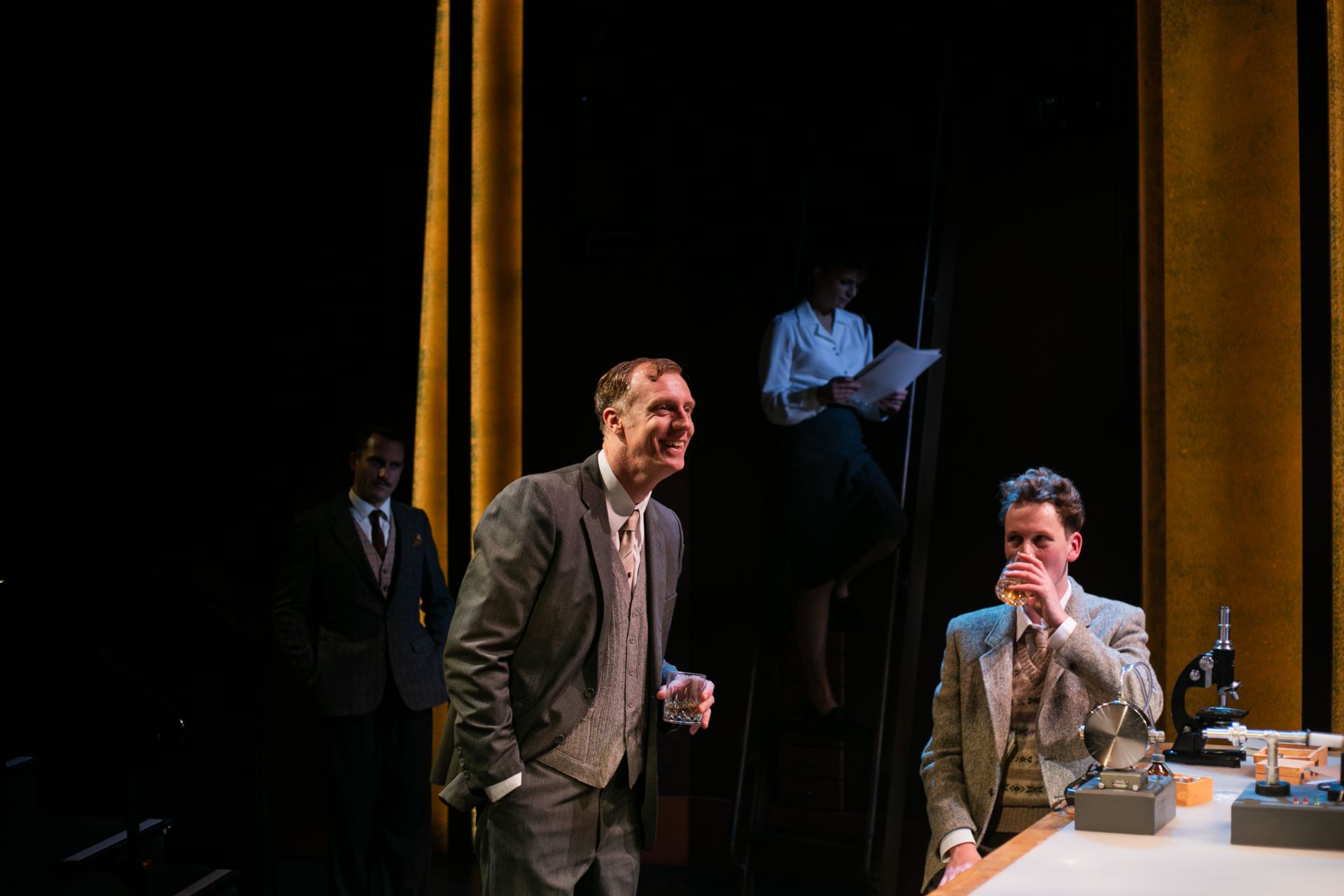
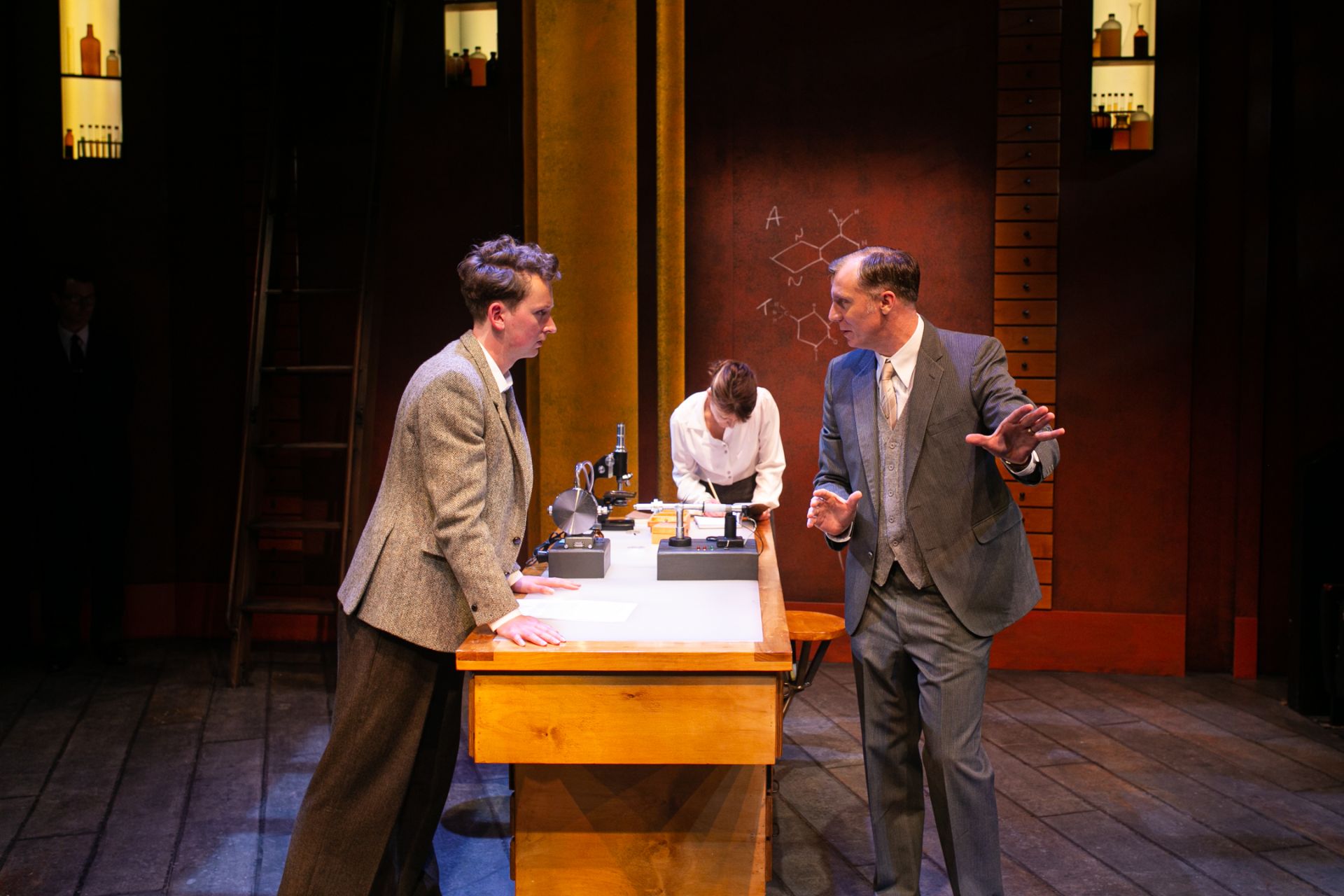
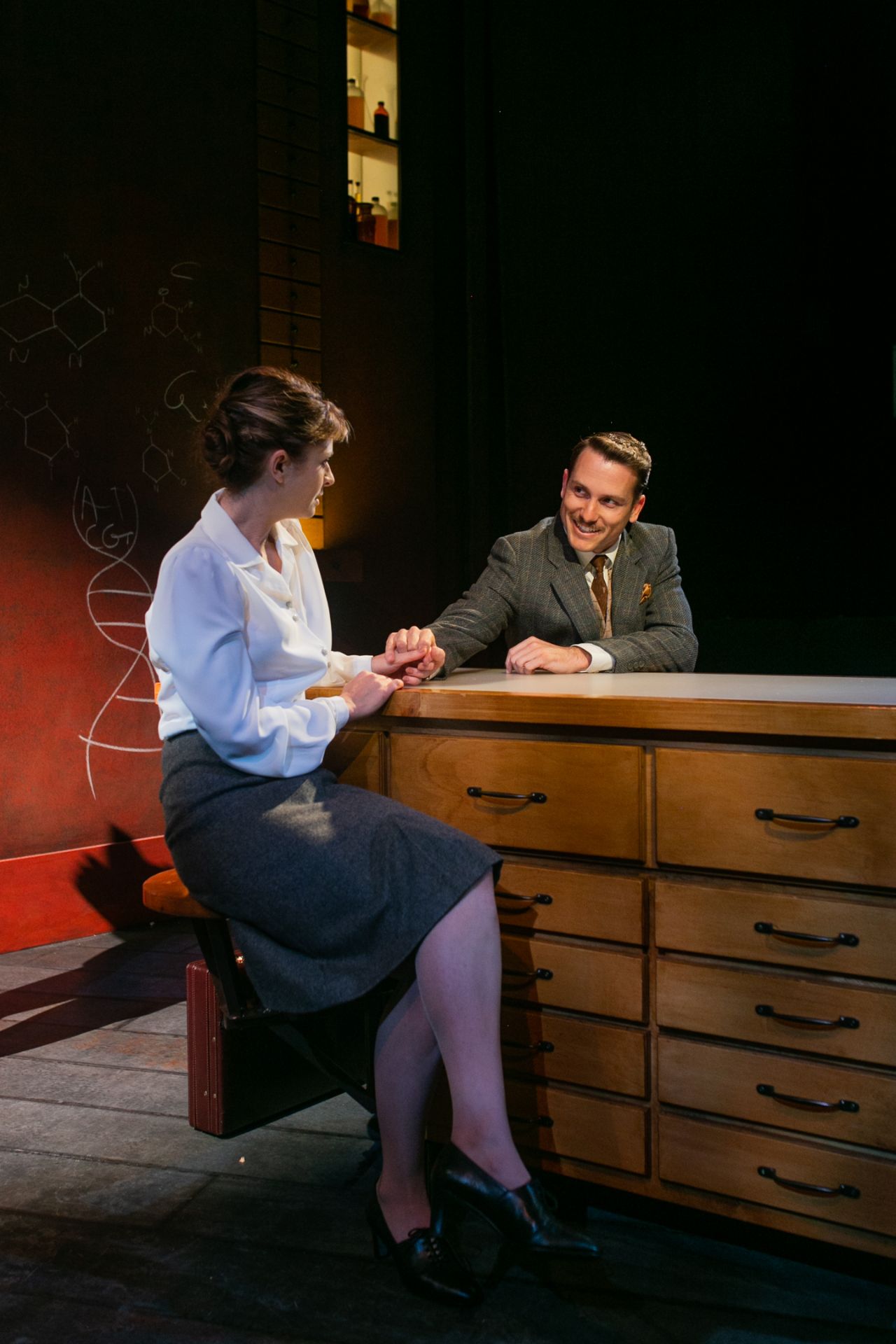
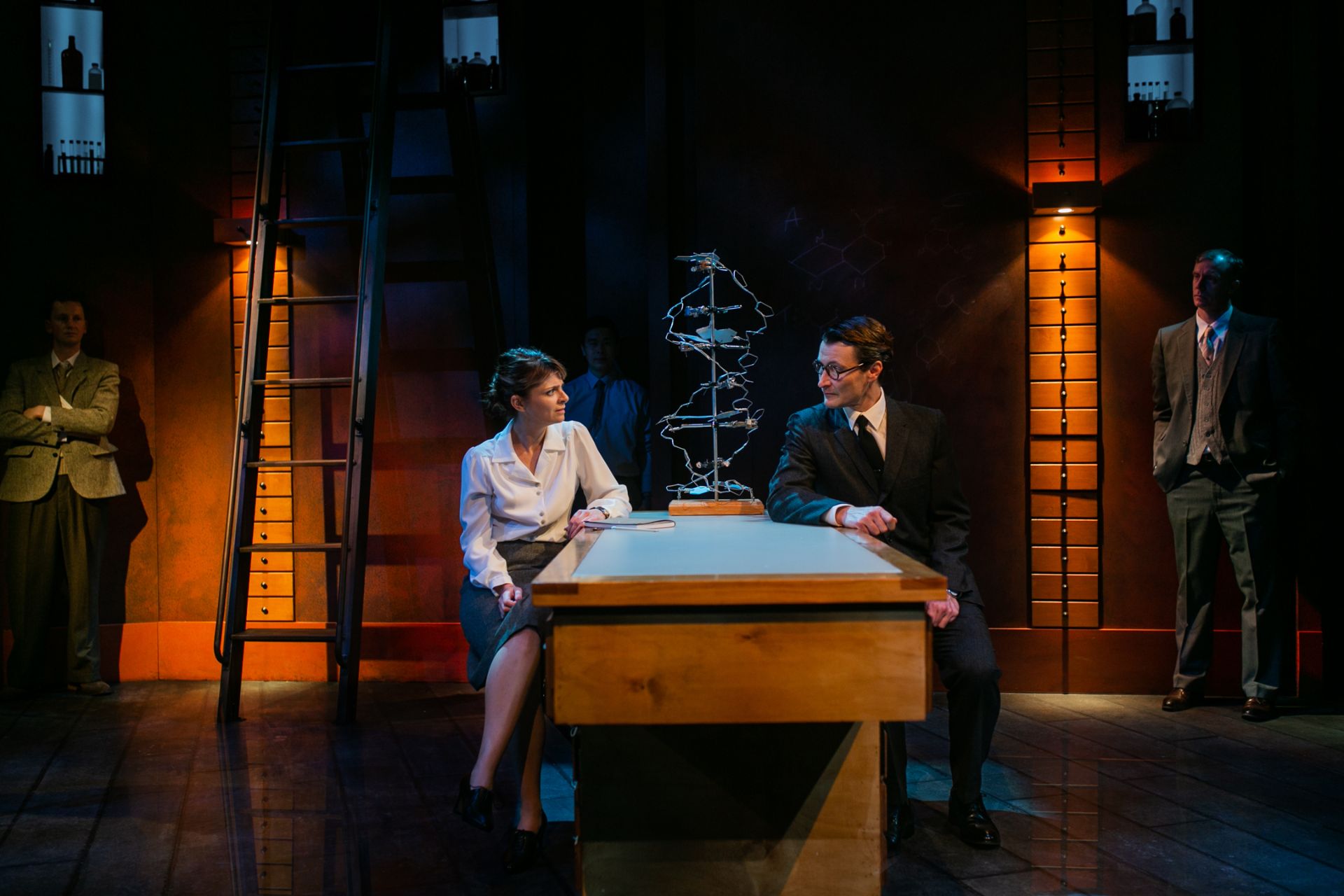
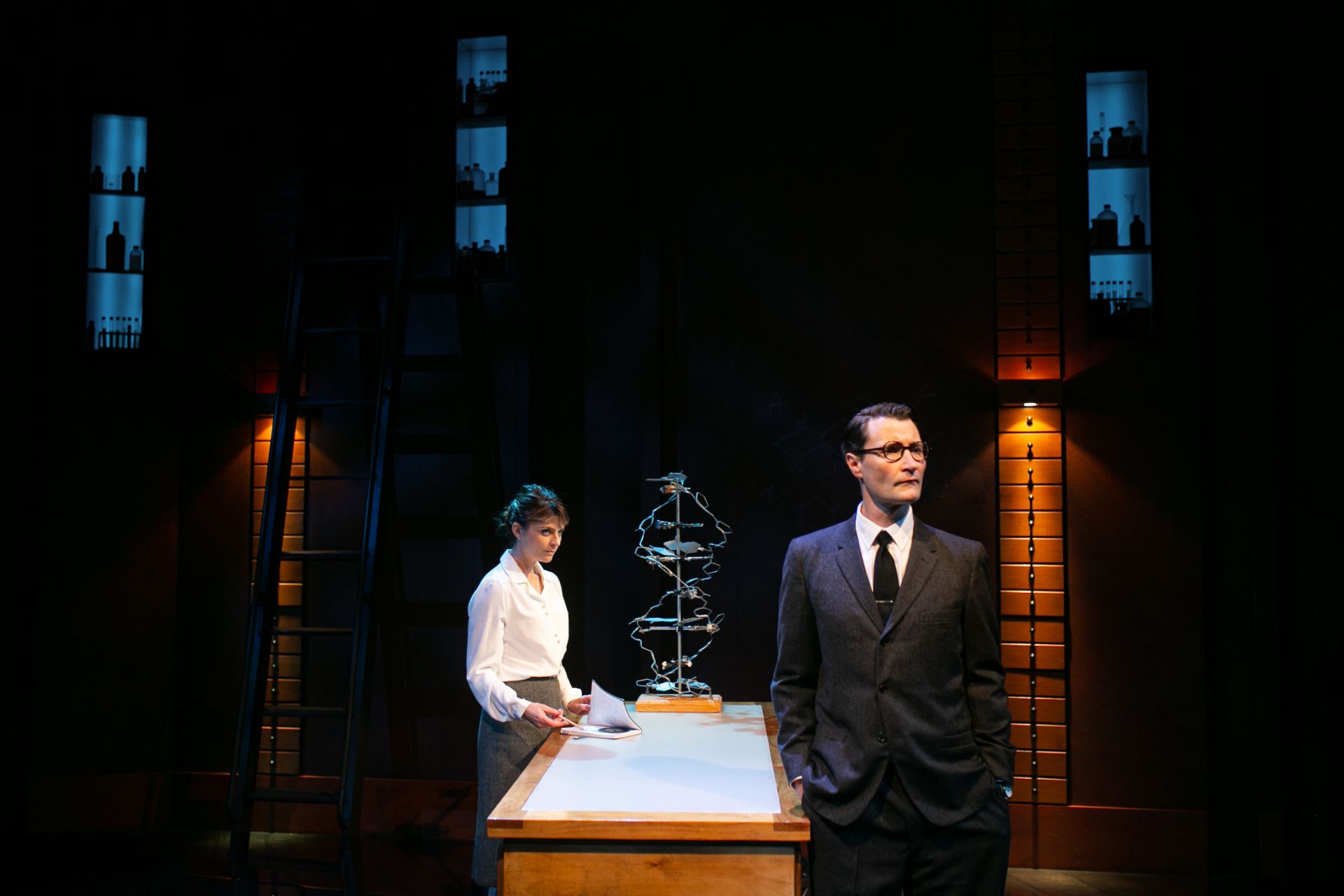
When Dr Rosalind Franklin began working at King’s College London in 1951, full of promise and on the precipice of hugely consequential discoveries, not only was she one of the scarce few women scientists at the institution, she was the only Jew. Anna Ziegler’s Photograph 51 discusses the discrimination Dr Franklin suffered in a man’s world, as it tells the story of the chemist and X-ray crystallographer’s ground-breaking inventions, and how her male colleagues had taken credit for her achievements.

Ziegler’s is a piece of writing with integrity, containing a substantial amount of scientific information that, unfortunately proves difficult to turn entertaining for general audiences. Director Anna Ledwich ensures that all the comedy incorporated into the text, is painstakingly fleshed out, but they never really feel intrinsic to the tale. The core of the exercise, of seeking justice and empathy for Dr Franklin, remains sombre and distant; it is clear what the play intends, but it struggles to connect.

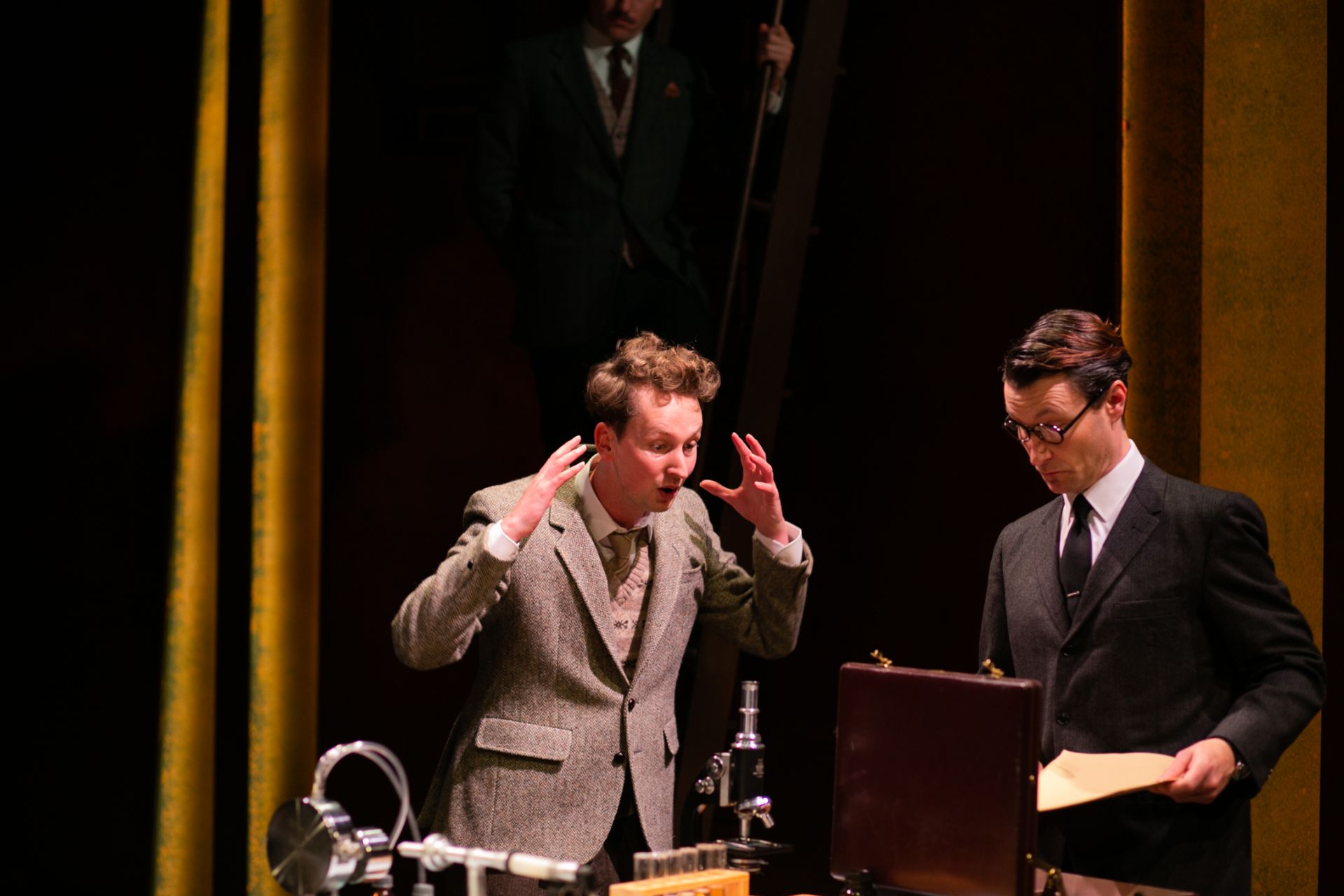
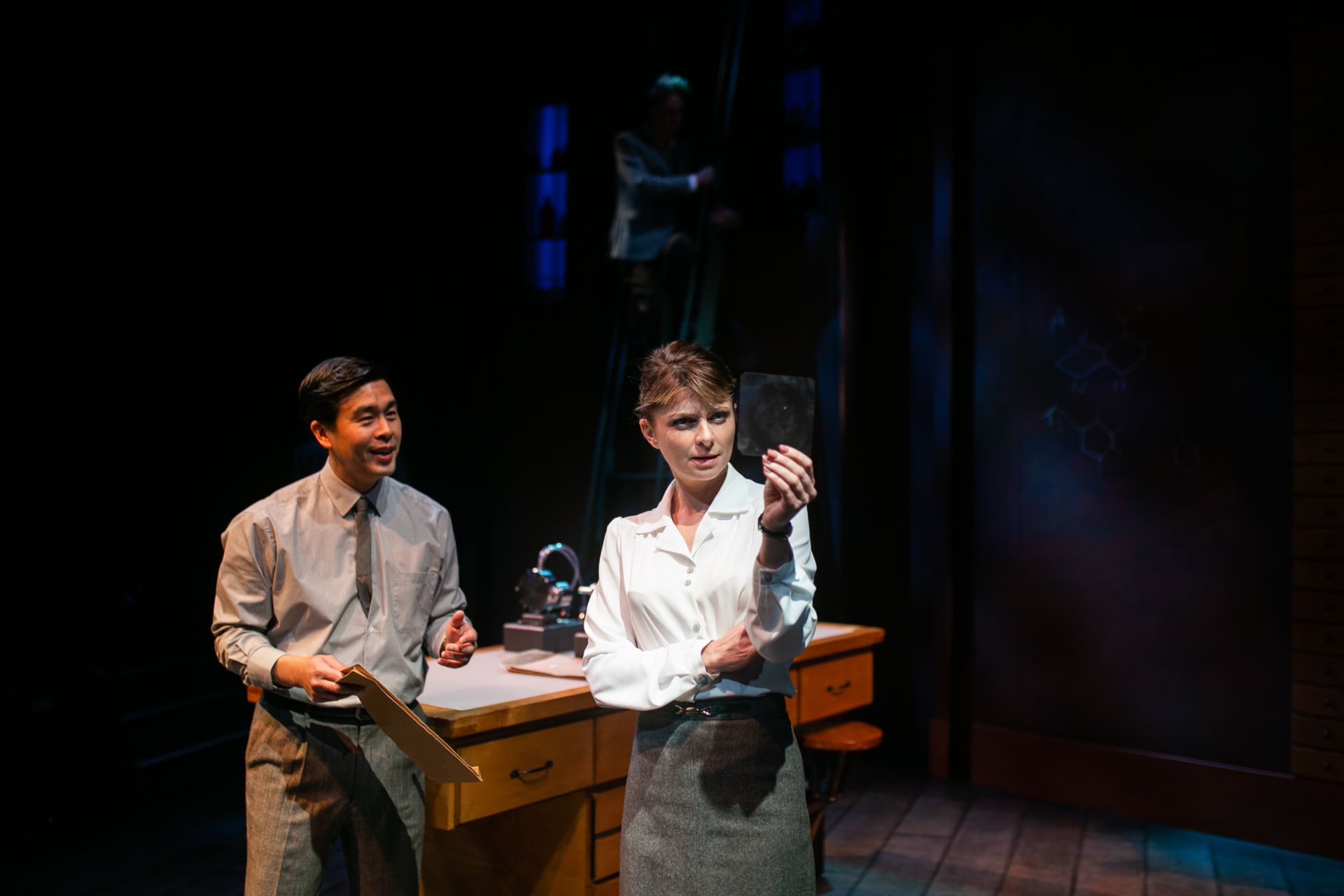
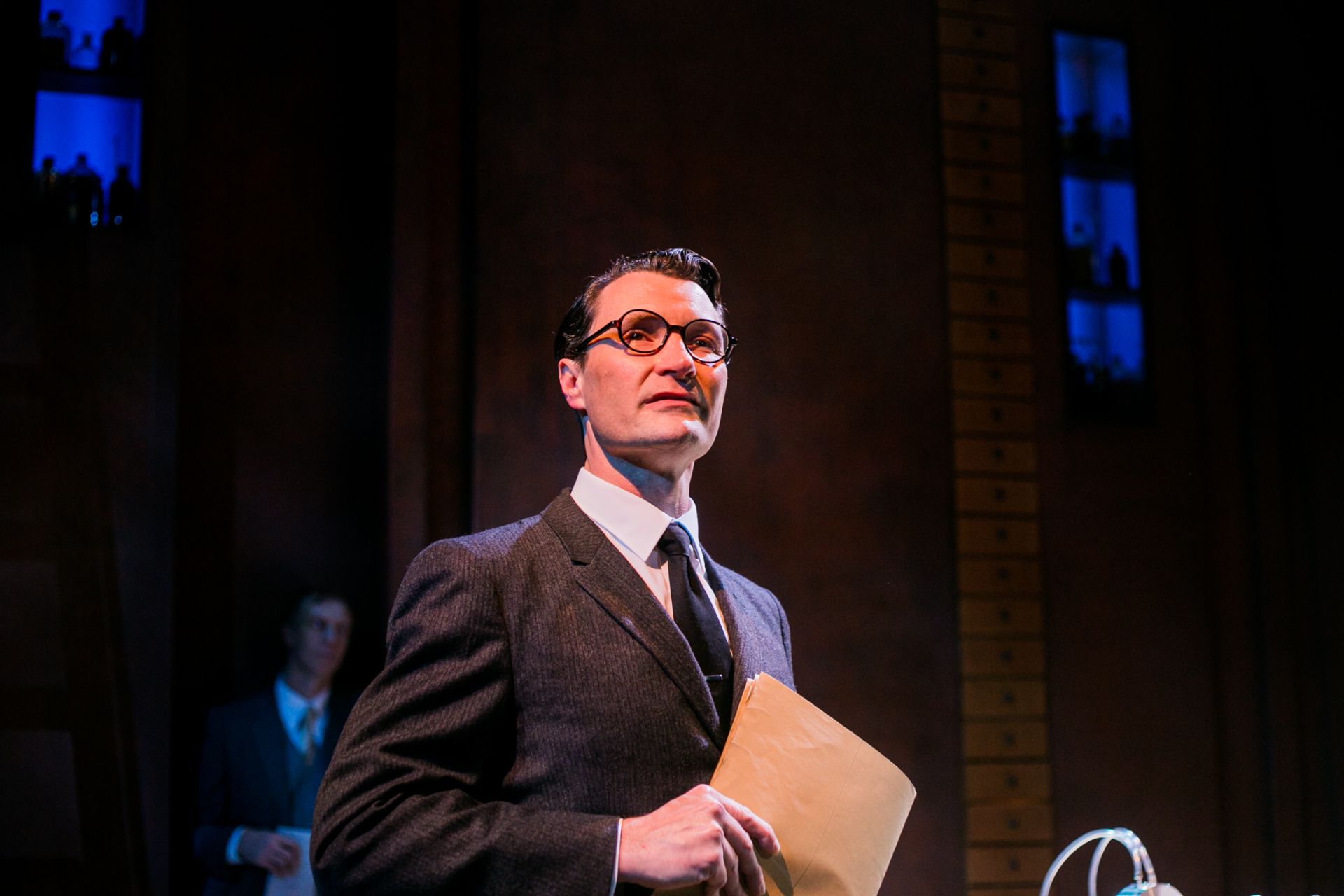
Actor Amber McMahon brings natural charisma to a personality expressly described as charmless, but Dr Franklin’s characteristic coldness only further alienates. Garth Holcombe has greater scope for theatricality, in the role of reluctant associate Dr Wilkins, and succeeds in delivering sporadic moments of genuine amusement. Four additional players (Toby Blome, Robert Jago, Jake Speer and Gareth Yuen) appropriately focus on bringing levity to the piece, but for all the blitheness they wish to introduce to Photograph 51, it insists on a certain aloofness.

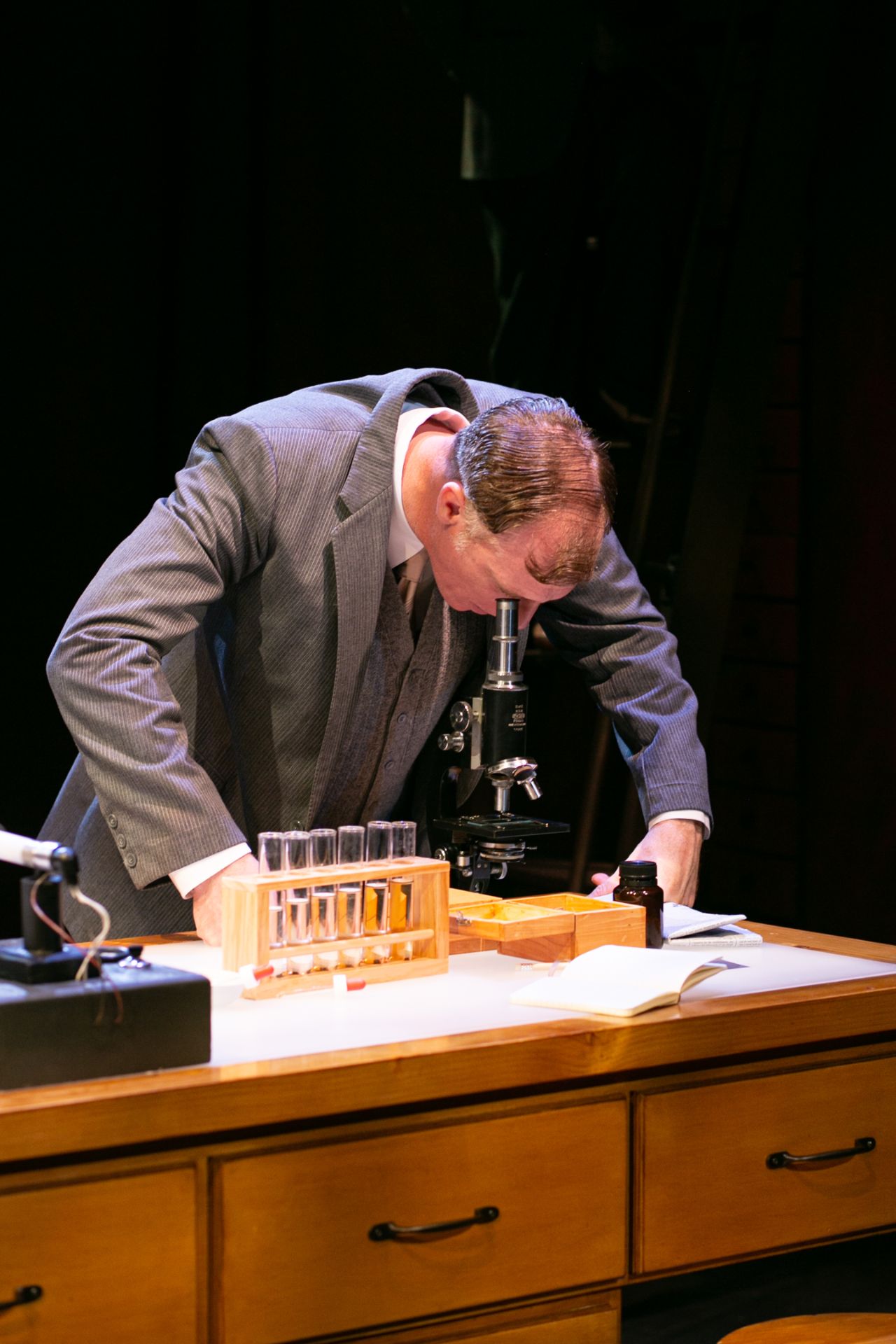
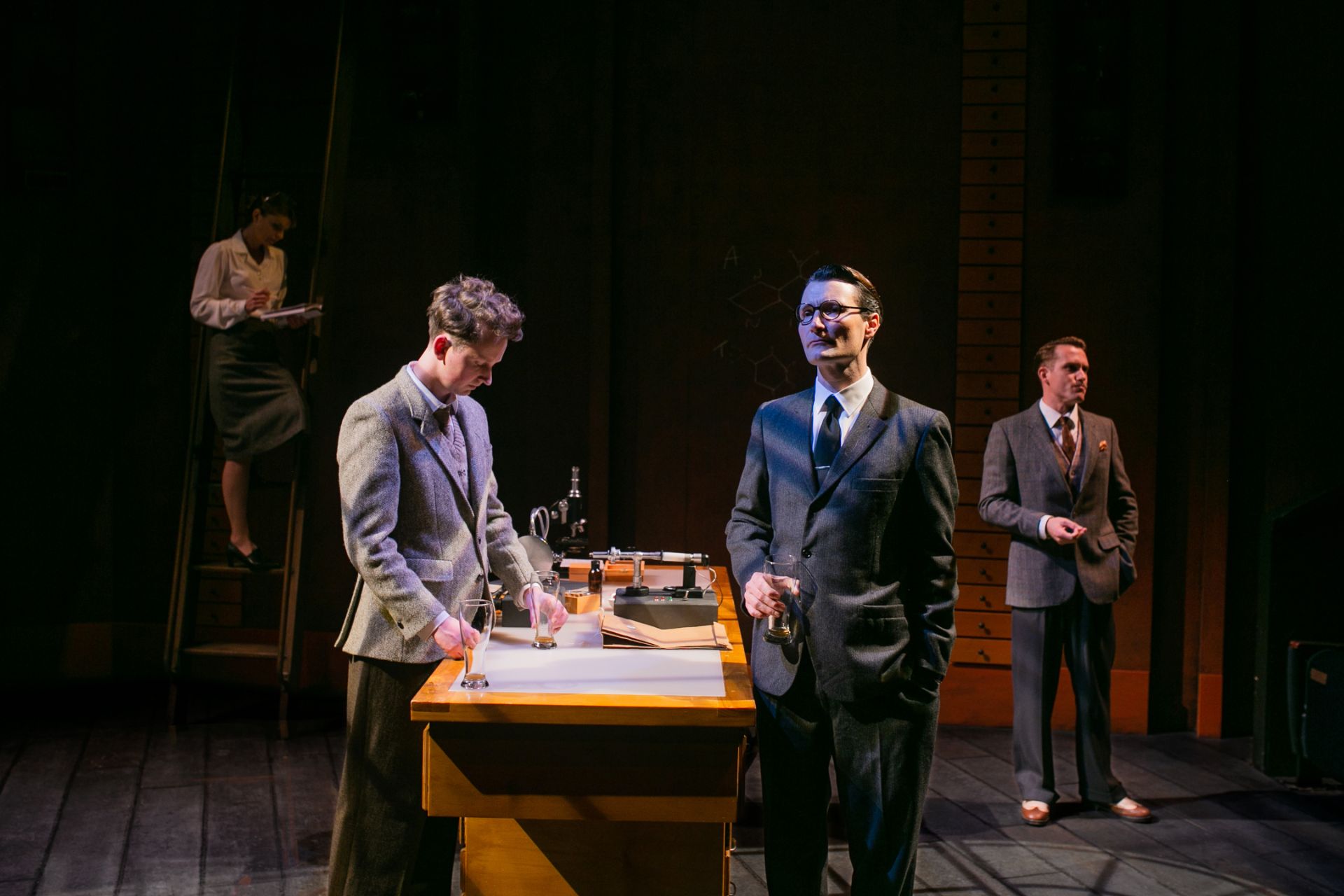
A highlight of the presentation comes in the form of lighting design, by Trudy Dalgleish who conveys  variations to spatial and emotional dimensions, in subtle but satisfying ways. Her sumptuous illumination of Emma Vine’s imaginative and cleverly rendered set design, offers beautiful interpretations of clinical laboratories, sparing us the sterility usually dominant in those rooms. Similarly, Jessica Dunn’s music and sounds attempt to bring a tenderness and a sense of humanity, to a tale that is essentially concerned with the molecular structure of DNA.

It is arguable that little has changed since 1951 in terms of men habitually claiming recognition for women’s work, but it is undeniable that there are mechanisms today that were unavailable to Dr Franklin, that could help women bring disruption to the boys’ club. We have learned to organise, and have access to technologies, that can assist in levelling out the playing field. We have men who now acknowledge gender disparities, and are trying to interrogate the system from within. If only Dr Franklin’s mode of radical thinking in the realm of science, was applied to social justice at a earlier time, it is likely she would have seen a greater glory.

www.ensemble.com.au

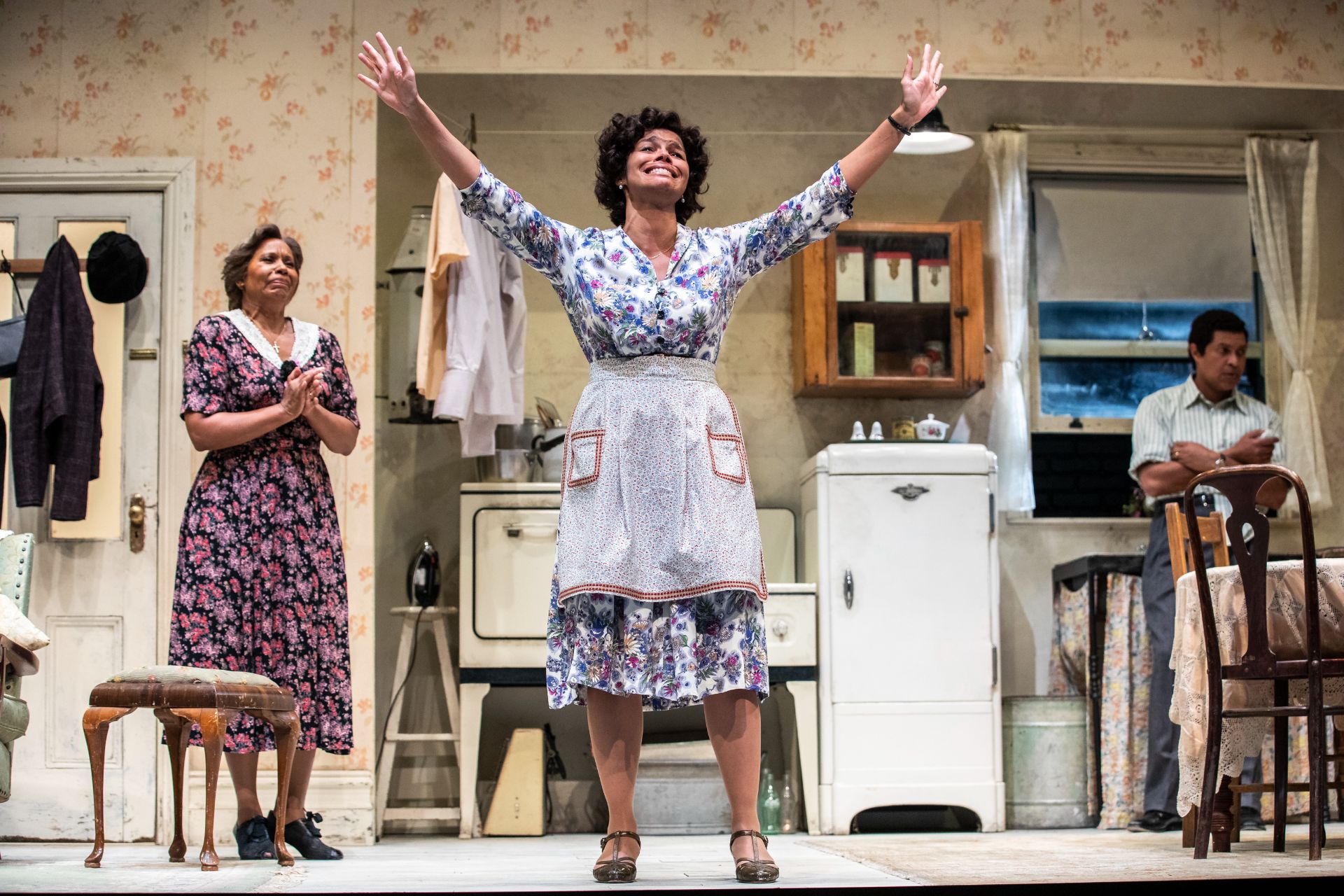
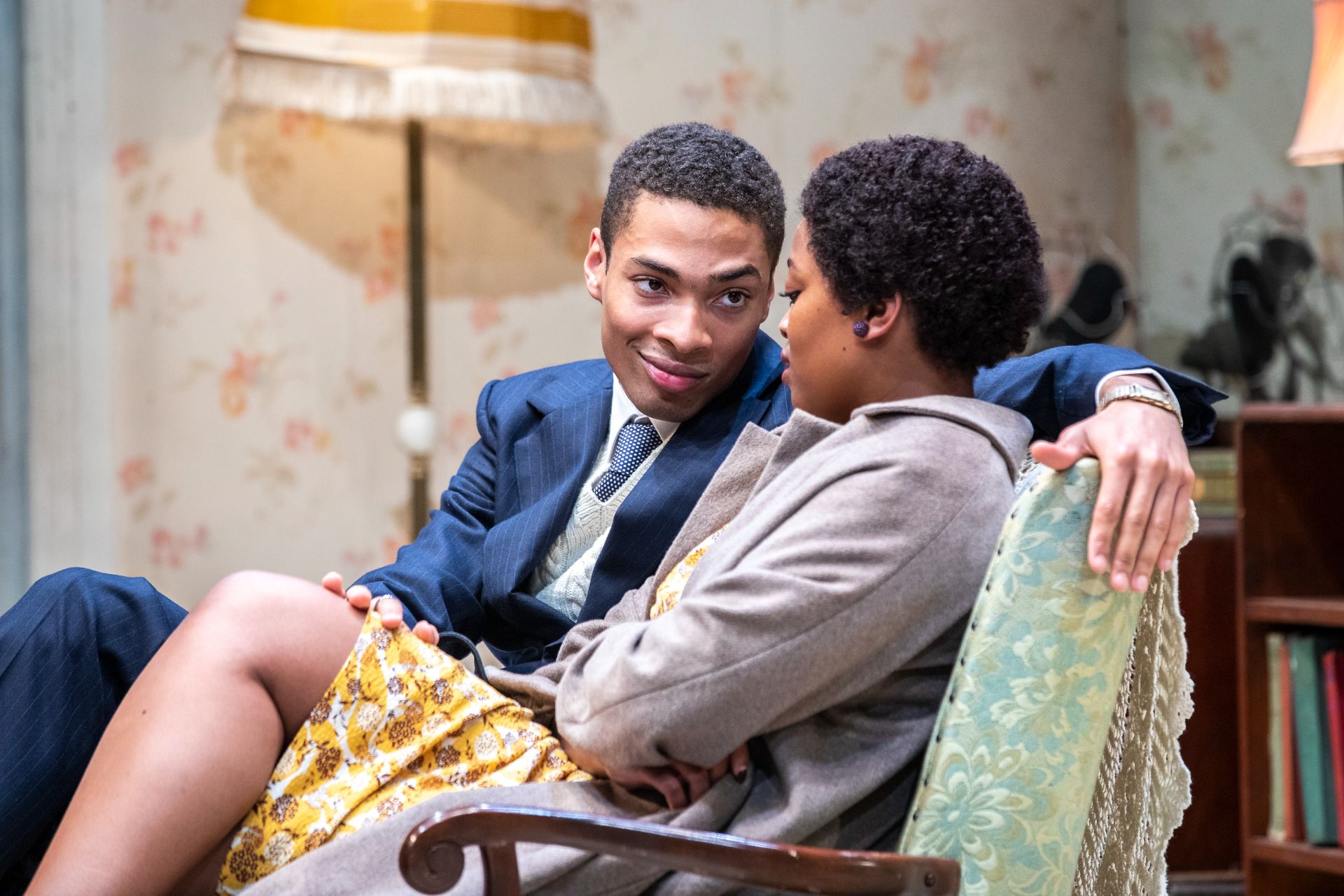
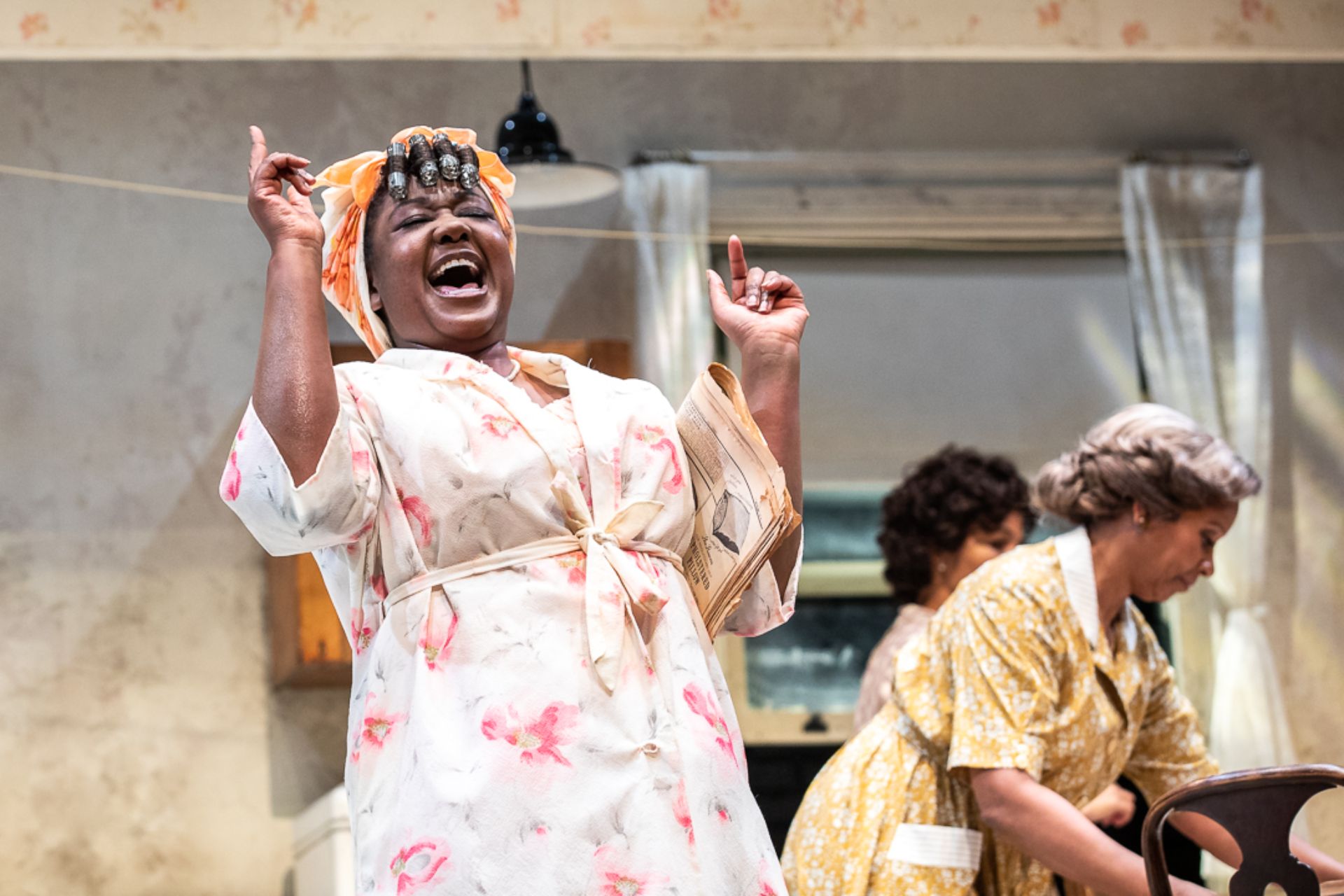
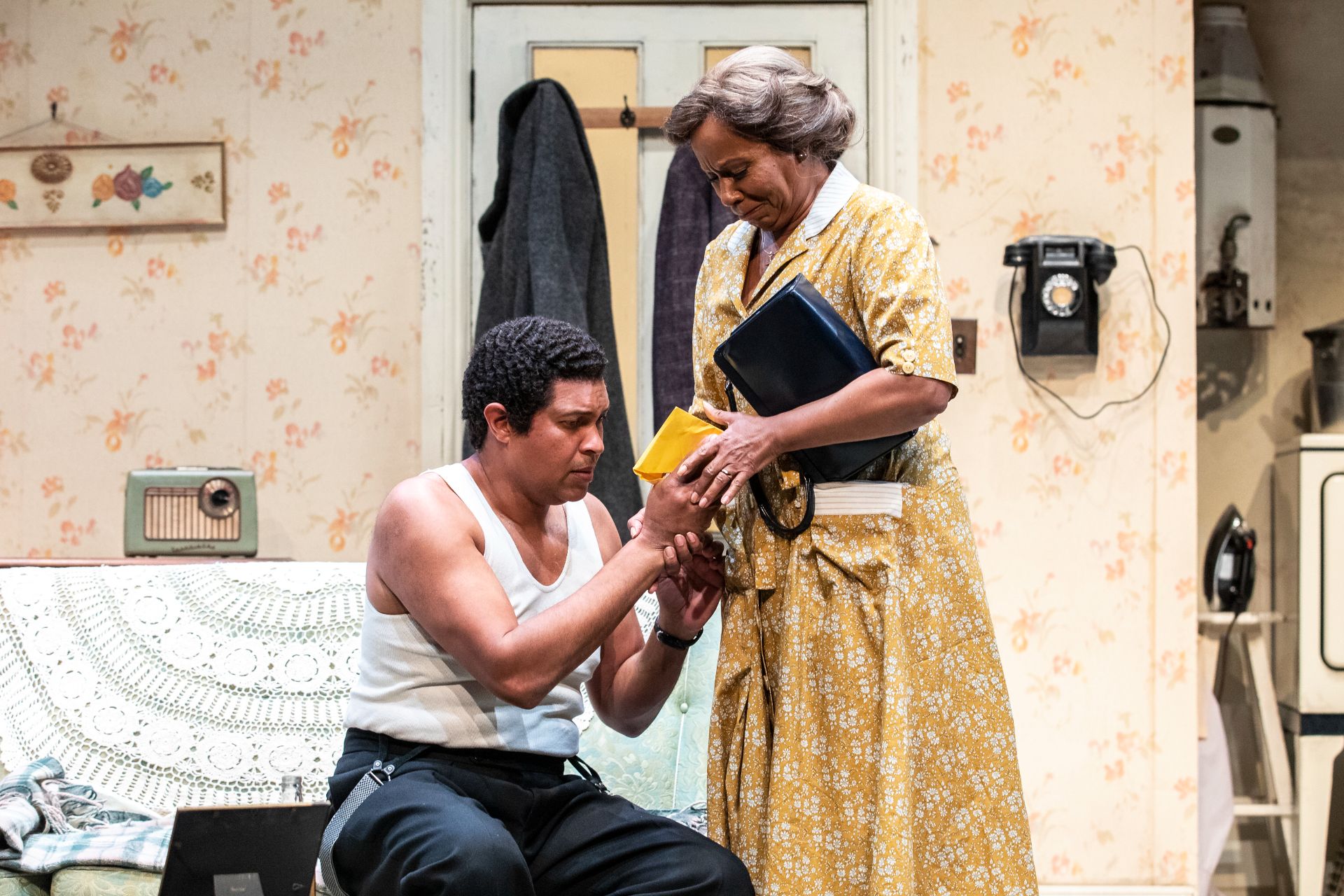
Review: A Raisin In The Sun (Sydney Theatre Company)

Venue: Wharf 1 Sydney Theatre Company (Walsh Bay NSW), Aug 27 – Oct 15, 2022
Playwright: Lorraine Hansberry
Director: Wesley Enoch
Cast: Nancy Denis, Bert LaBonté, Angela Mahlatjie, Zahra Newman, Gayle Samuels, Leinad Walker, Jacob Warner, Adolphus Waylee, Ibrahima Yade
Images by Joseph Mayers

Theatre review

It was 1959 when Lorraine Hansberry’s A Raisin in the Sun debuted on Broadway, telling the story of a Chicago family living in poverty. Lena Younger is waiting for an insurance cheque to arrive, upon the death of her husband. Her son Walter is determined to invest that money in a liquor business, to which Lena has religious objections. The drama is constructed around the $10,000 and how this Black family had needed to lose the head of their household, before they could have a real chance at life.

Appearing between the Montgomery bus boycott of 1955, and Dr. Martin Luther King, Jr.’s 1963 “I Have a Dream” speech at the March on Washington, Hansberry’s ground-breaking play was the first by an African-American woman to be produced on Broadway. With A Raisin in the Sun, Hansberry also became the first African-American writer to win the New York Drama Critics’ Circle Award, so it is no exaggeration, to state that the cultural significance of the work is truly immense.

63 years on, there is little in the play that has diminished in relevance. In fact, with the exacerbation of wealth gaps everywhere, Hansberry’s observations on economic disparities, are as pertinent as they had always been. Her concerns about racial injustice, at our time of renewed vigour for social activism, retain their resonance. Hansberry’s depictions of women within patriarchal systems, were already modern and sophisticated during her times, so feminists too will have the rare pleasure of seeing intelligent and authentic women in a mid-century play, created many years before the second wave.

Director Wesley Enoch honours beautifully Hansberry’s vision, in a production that feels perfectly appropriate, in its choices to be faithful to an original text, that demonstrates itself to require little to no updating. Enoch ensures that all of the politics in A Raisin in the Sun is accentuated, whilst its humour and drama are harnessed robustly, to deliver a show that proves consistently riveting, involving characters that are as spirited as they are enchanting.

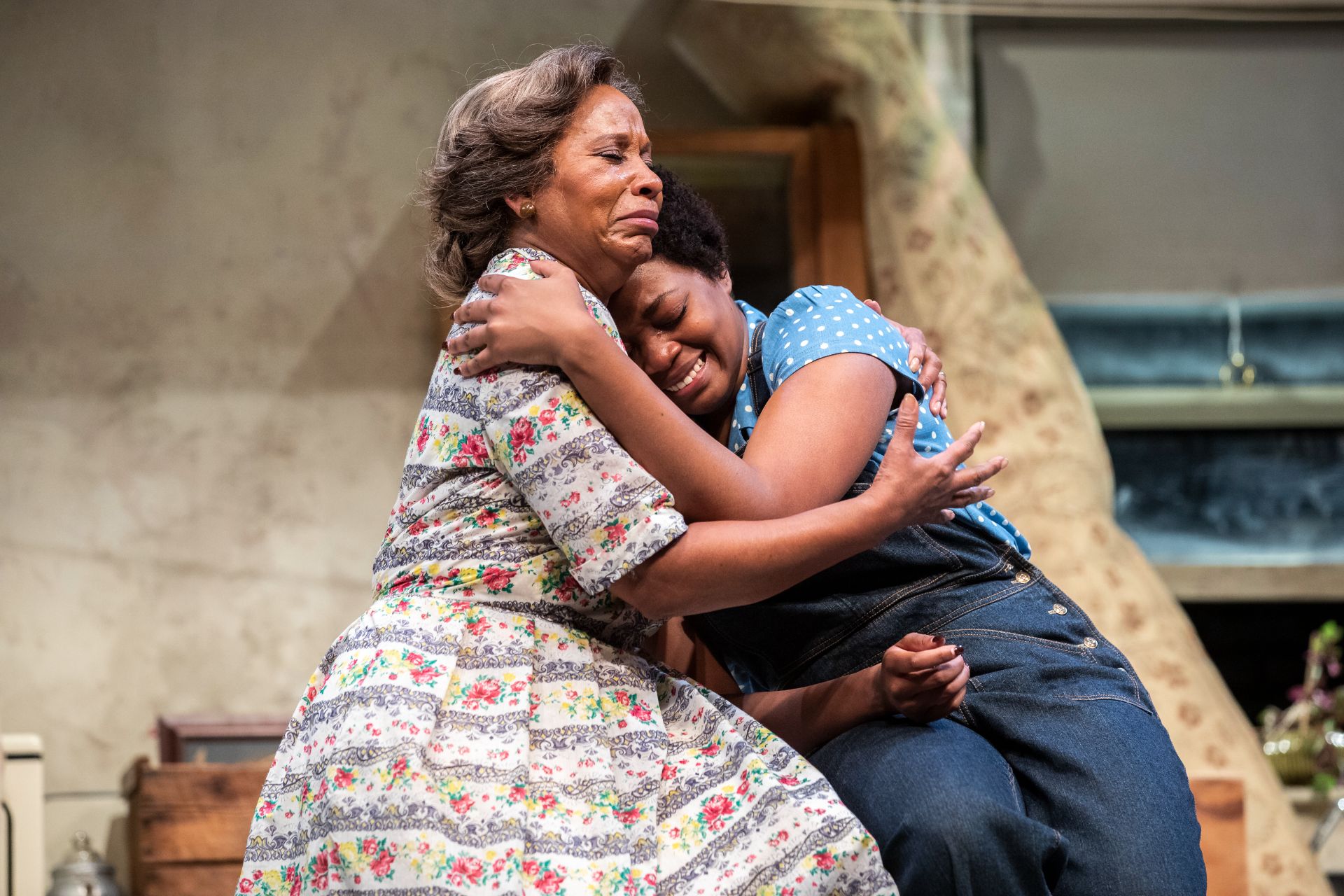
Brimming with charisma is Gayle Samuels, who plays Lena, an older woman who knows the limitations of her only son, but who also understands what he needs, to be able to hold his head high, as a Black man in the United States of America. Samuels’ is a vivacious performance, that conveys both the intensity of emotions for a person in Lena’s position, and the stoicism needed to deal with the challenging circumstances she is given. 

In the role of Walter is Bert LaBonté who brings both dignity and fallibility, to a tale of systemic oppression. Equally vulnerable and compelling, as Walter’s wife Ruth, is Zahra Newman whose determination to fortify a role that can easily be misinterpreted as subservient, is admirably judicious. Walter’s 20-year-old sister Beneatha is performed with astute ebullience, and excellent comic timing, by Angela Mahlatjie, another magnetic presence on a stage filled with marvellous actors. Supporting parts feature Nancy Denis, Leinad Walker, Jacob Warner, Adolphus Waylee and Ibrahim Yade; a cast memorable for their dedication and dazzling talent.
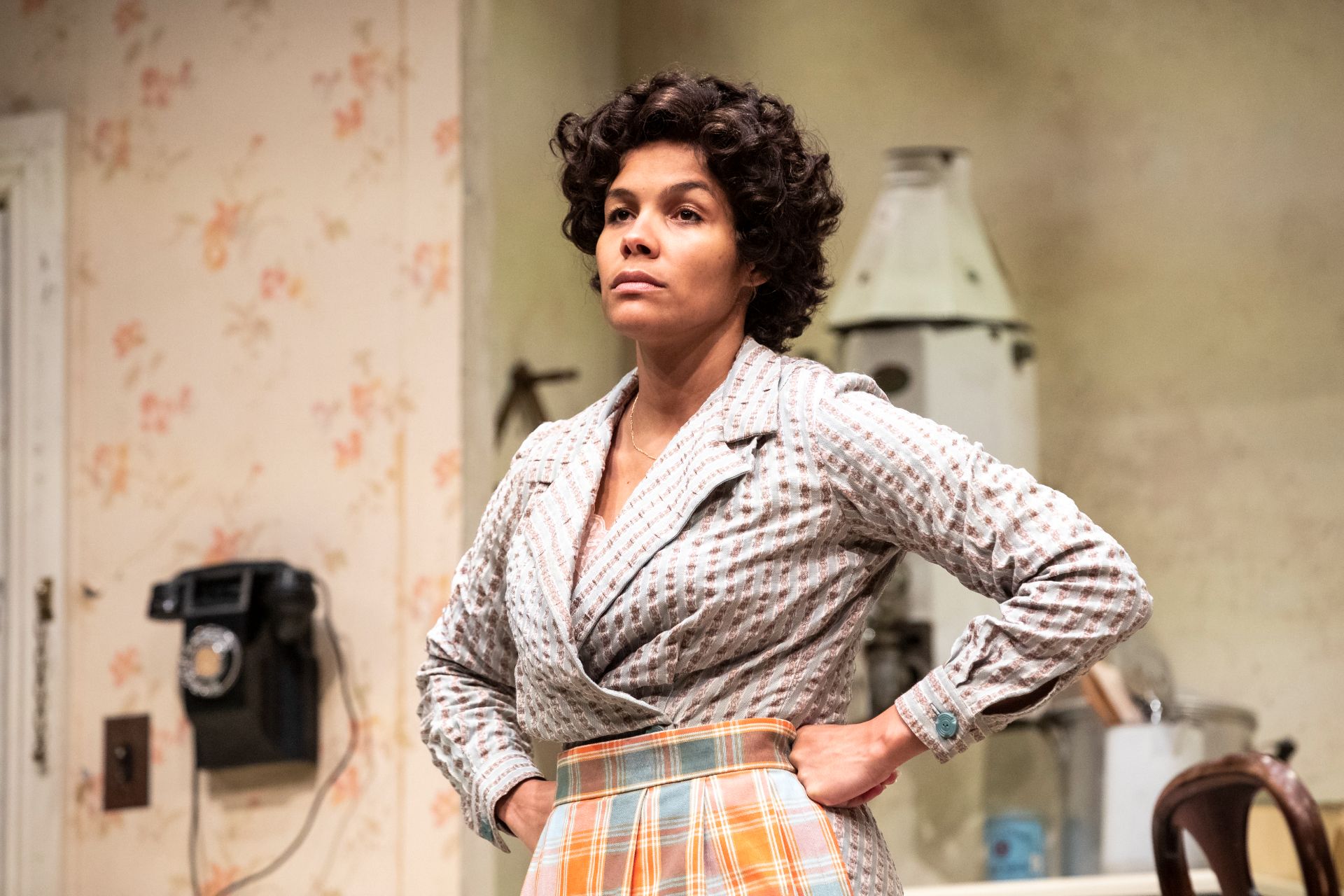
Designed by Mel Page, the presentation is suitably traditional in style, having us travel back decades, only to come to the realisation that so little has changed. Verity Hampson’s lights are similarly circumspect, totally devoid of gimmickry, for a taste of a classic theatre form that can still do so much for hearts and minds. Sound by Brendon Boney is subtly rendered, except during scene changes, in which we are given the opportunity to delight in music reminiscent of twentieth-century North America, the kind of which is underpinned by their African diaspora.

It is not often that we immediately think of slavery as a part of Australian colonial history, but the dispossession and displacement of Black peoples on this land, are at least as traumatic, and are certainly as consequential, as those suffered in other places. We do however, have a deficiency in our language, when discussing the nature of prejudice and violations on this land, having experienced colonisation in ways that are different from the United States, where the legacy of slavery has steered so much of discourse in their activism spaces.

It would appear that the way in which white people have pillaged this land, have over the centuries, manifested in modes of obfuscation, and that the (misguided) idea that we were not built on slavery, means that more explicit avenues of castigation, are not available to those seeking redress today. The atrocities are however utterly real, and learning from the fighters who have come before, even those overseas like Lorraine Hansberry, will always be an invaluable part of our strategies in decolonising this so-called Australia.

www.sydneytheatre.com.au

Review: Tom At The Farm (Kings Cross Theatre)

Venue: Kings Cross Theatre (Kings Cross NSW), Aug 26 – Sep 10, 2022
Playwright: Michel Marc Bouchard
Director:
Danny Ball
Cast: Di Adams, Zoran Jevtic, Rory O’Keeffe, Hannah Raven
Images by Becky Matthews

Theatre review
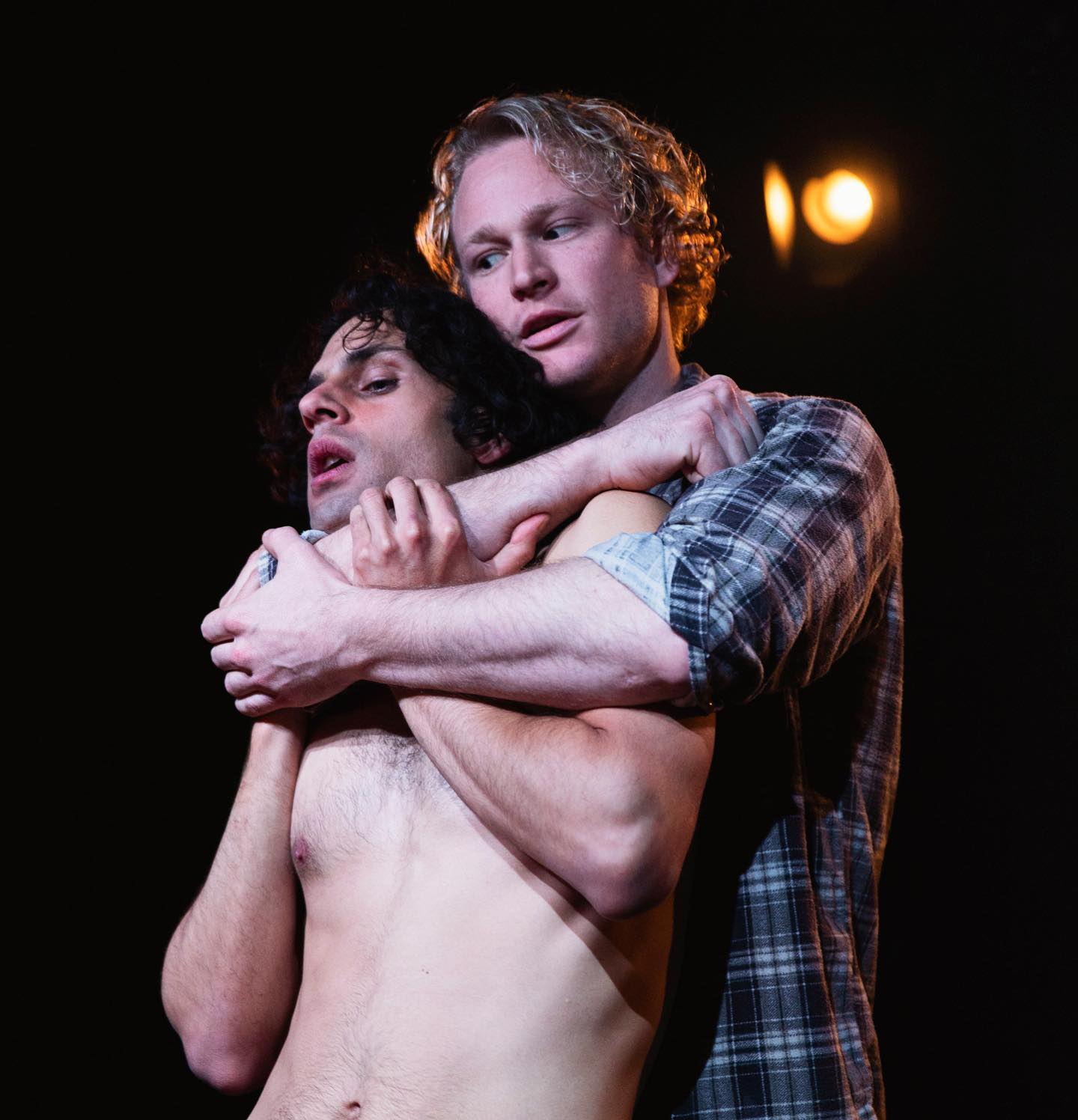
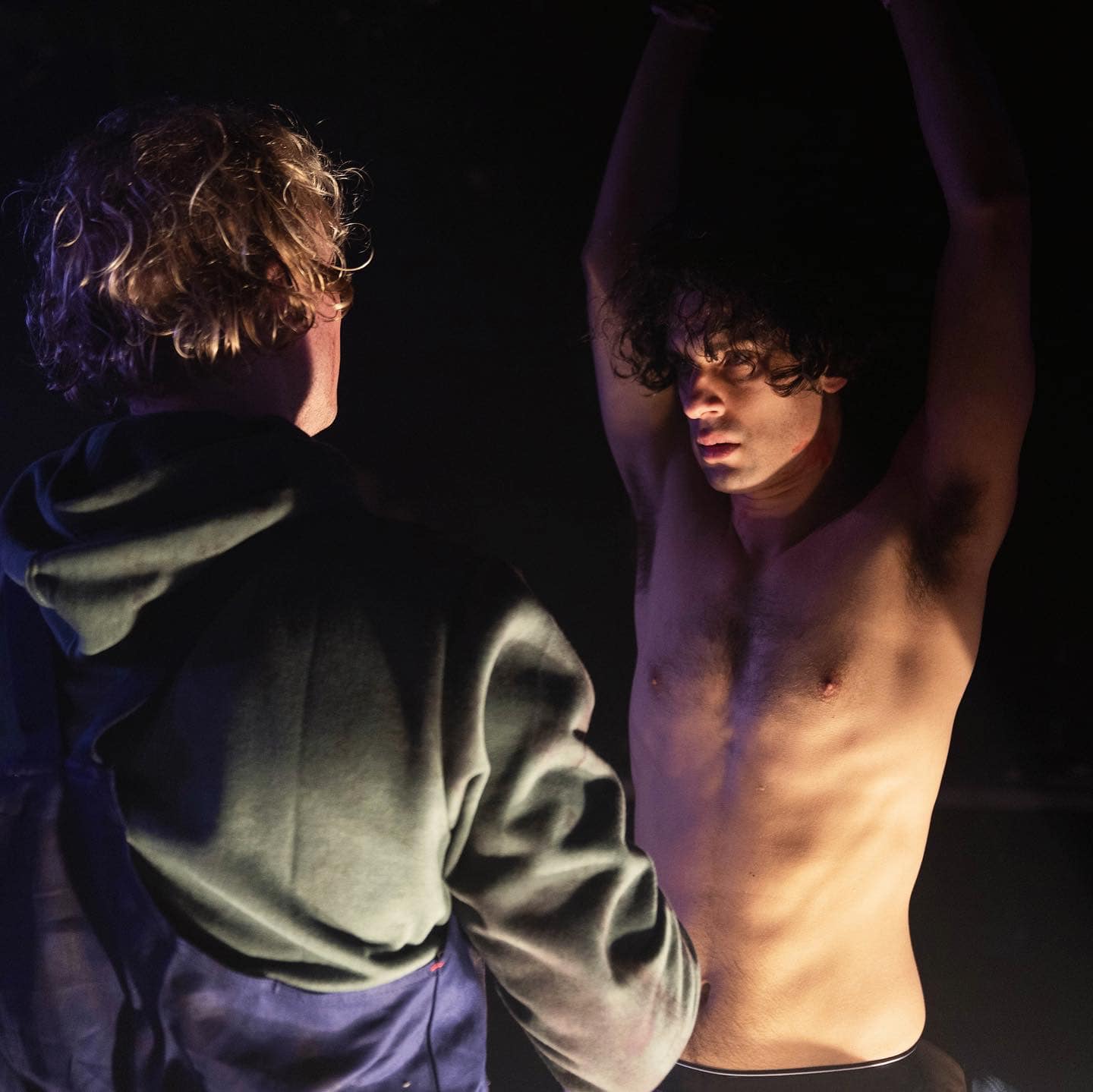
City slicker Tom travels to a farm in rural Ontario, where his boyfriend William’s funeral is being held. William’s mother Agatha remains oblivious to the fact that her son was gay, which makes things very complicated for Tom, who finds himself lured into a longer stay on the property by William’s brother, Francis. Michel Marc Bouchard’s Tom at the Farm, offers a look at homophobia, and its various manifestations. Through Francis, we observe that the hatred toward gay men, although born of ignorance, can easily turn into cruelty and violence, no matter how close in kinship. Bouchard’s writing is beautifully heightened, able to convey realism along with an unmistakeable lyricism, that prevents the story from turning dreary. There are hints of humour that provide delightful reprieve, but Tom at the Farm is certainly a dark tale at heart.

Danny Ball’s direction of the piece luxuriates in that moodiness, and applies a sexual charge to interactions between Tom and Francis, that interrogates Francis’ homophobia, and questions if self-hatred is part of Tom’s own erotic constitution. Kate Beere’s set design, although evocative of rustic agricultural lands, seems restrictive of the actors, who often feel to be positioned uncomfortably. Rachel Adamson’s costumes help to depict the personalities with efficiency and accuracy. Lights by Kate Baldwin and Alice Stafford, bring theatricality to the presentation, and prove to be adept at illustrating the multiple degrees of malaise that the story explores. Music by Chrysoulla Markoulli also adds drama, as well as a great deal of sophistication, to how we experience the show.

Actor Zoran Jevtic demonstrates admirable commitment to the role of Tom, discerningly restraint in his approach, yet able to portray a sense of authenticity for a highly complex study of character. Francis is played by Rory O’Keeffe, who looks every bit the part of a hateful yokel, although his intensity can at times feel overwrought. Di Adams brings a quirky charm to her portrayal of Agatha, skilfully turning likeable, a somewhat deficient woman. Hannah Raven enters late in the narrative, as Natalie, to extend much needed gender balance, and to allow viewers a refreshed access point, for a story that develops to increasingly bizarre territory.

Queer people reside in cities, because we find strength in numbers. Out in the bush, marginalisation is hard to overcome, and conformity becomes de rigueur, for everyone. Tom’s grief propels him to escape into a dangerous place, seduced by the illusion of Francis’ familiar physicality. Where instincts tell him there is security, awaits only degradation and harm. We too can be persuaded that the idyllic beauty of the countryside, but it is without doubt, that rural life is not for everyone.

www.fixedfootproductions.com

Review: Who’s Afraid (25A Belvoir)

Venue: Belvoir St Theatre (Surry Hills NSW), Aug 24 – Sep 11, 2022
Director: Brendon McDonall
Cast: Danielle Cormack, Nicole Da Silva, David Franklin, Joshua Shediak
Images by Kasper Wensveen

Theatre review
It is New Year’s Day 2020, Australia is on fire, and a highly contagious virus is approaching. 2 couples are in a very upper class home, making efforts to fall pregnant. Sarah Walker’s Who’s Afraid is a sex comedy of sorts, involving lesbians Georgia and Nikki, trying to make babies with their gay acquaintances David and Marty, at a time when the world seemed intent on burning itself to the ground.

The concept is fiercely satirical,  for a culture that remains staunchly reverential about human procreation, but execution of the idea is ambivalent at best. There is little about the play that feels sufficiently critical of its characters, so the humour resides instead, with the clumsiness surrounding their negotiations and their various attempts at insemination.

Who’s Afraid has its compelling moments, especially when it makes references to Edward Albee’s Who’s Afraid of Virgina Woolf and lets the couples get dark with their arguments, but its real focus is on delivering laughs with the comedy, which tends to be broad and obvious. Directed by Brendon McDonnall, who although leans in on the corniness, ensures that the story is told with clarity and a degree of nuance.
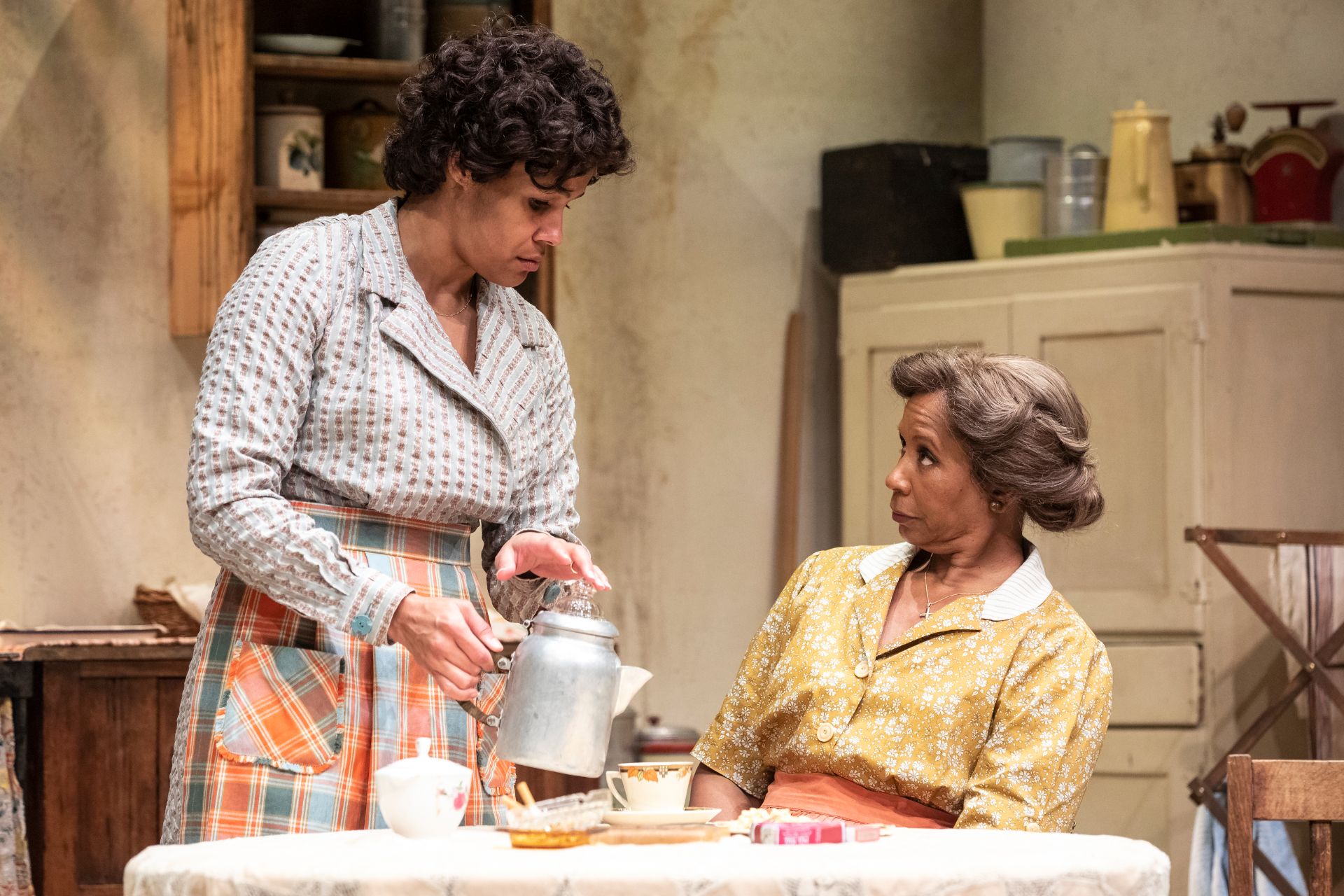
Production design by Grace Deacon is visually appealing, but the assemblage of the house’s multiple rooms on one small stage, proves a real challenge. Martin Kinnane’s lights provide a convincing sense of dimension, for the contrasting tone of each sequence, and Pru Montin’s sound design further enhances the show’s comic qualities.
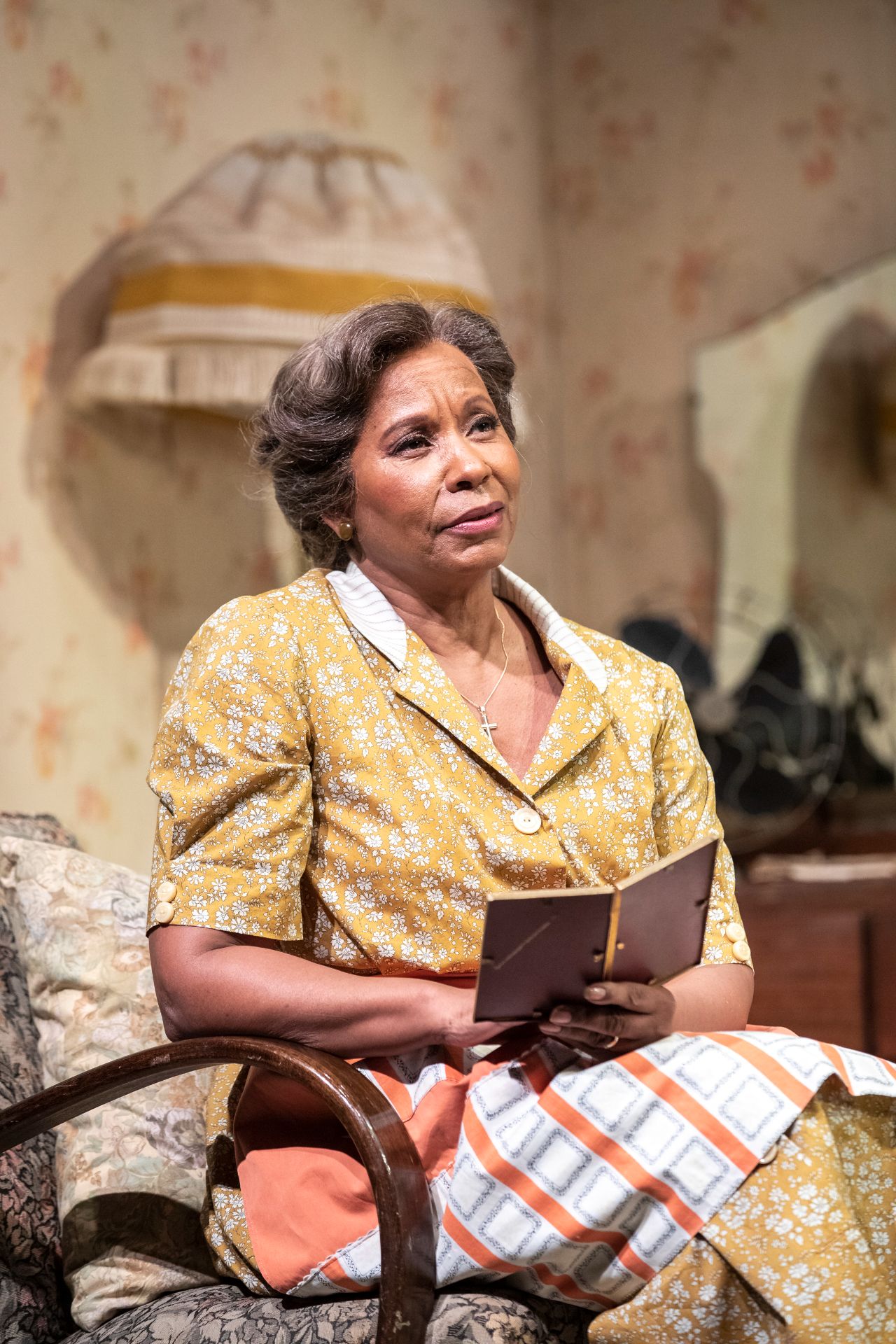
The cast is energetic, and admirably invested in the piece. Danielle Cormack and Nicole Da Silva play Nikki and Georgia respectively, both with captivating presences, and a rambunctious approach that seizes our attention. David Franklin is Marty, similarly intense and almost forceful, in his need to elicit laughter. Joshua Shediak is a more relaxed performer, but no less magnetic as David, impressively demonstrating that restraint is necessary, when everything else is already spelling it all out for the audience.
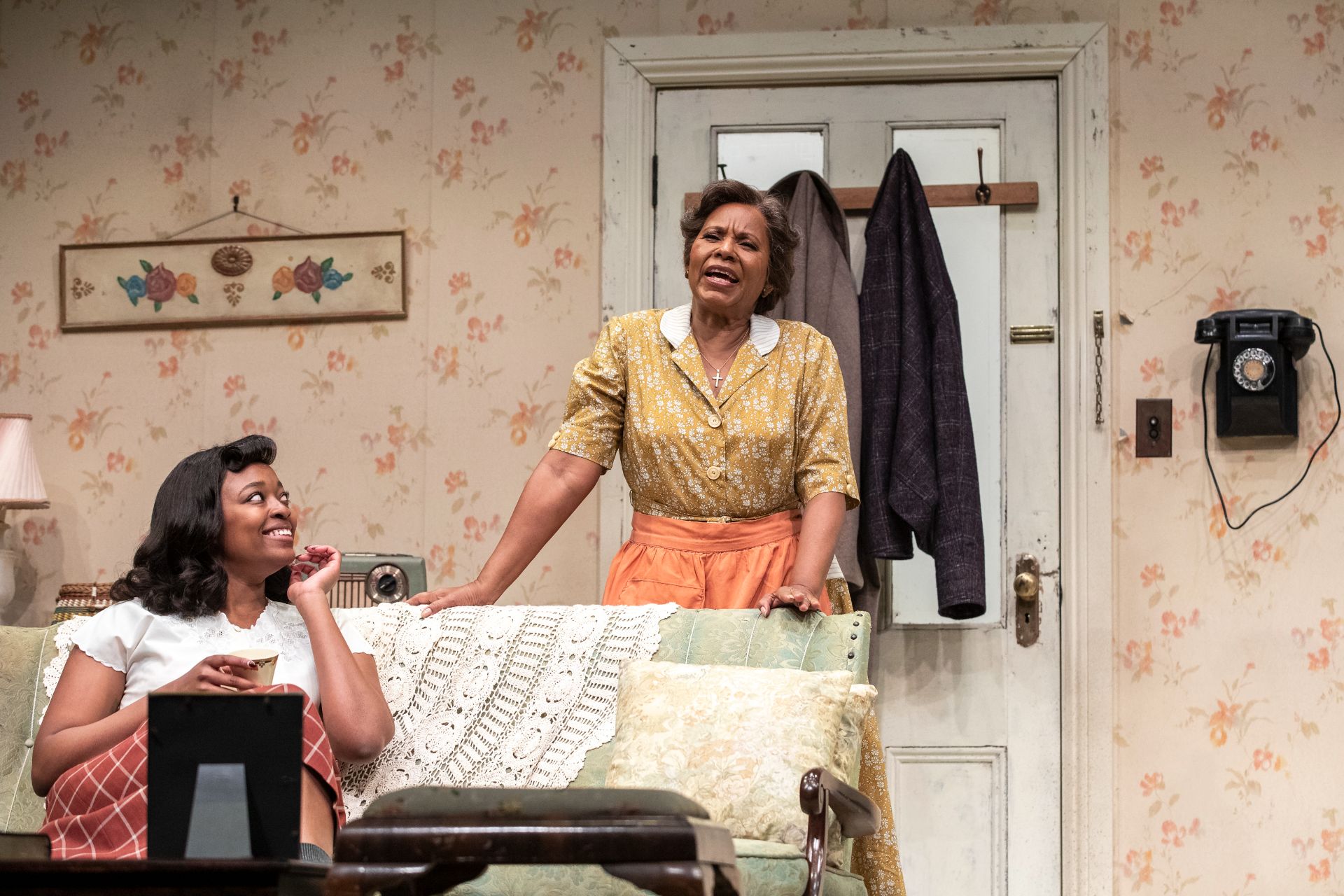
The play’s hesitancy at making stronger and more rigorous arguments, against people having children, is its own worst enemy. An opportunity to be incendiary and controversial, is given up in favour of creating something frivolous, that ultimately offers little to ruminate on. There is no need for any finality to debates on bringing babies into a messed up world, but impassioned discussions on the matter, are certainly the right thing to encourage.

www.fouroneone.tvwww.belvoir.com.au

Review: Whitefella Yella Tree (Griffin Theatre Company)

Suzy Goes See’s 2022 Show of the Year ★★★★★

Venue: SBW Stables Theatre (Darlinghurst NSW), Aug 19 – Sep 23, 2022
Playwright: Dylan Van Den Berg
Director: Declan Greene, Amy Sole
Cast: Callan Purcell, Guy Simon
Images by Brett Boardman

Theatre review
It was the dawn of colonisation, somewhere on this land now known as Australia. Teenagers Neddy and Ty, mountain mob and river mob respectively, would meet at every moon to exchange information, on what the white man is up to, as indications point to their presence beginning to seem a threatening one. Dylan Van Den Berg’s sensational new play, Whitefella Yella Tree tells a multi-faceted story of great importance, with scintillating humour, extraordinary tenderness, and shattering poignancy. Everything one could possibly ask of a playwright, Van Den Berg delivers, through the greatest of acuity and sophistication.

As a work of romance, Whitefella Yella Tree is likely one of the most moving pieces to encounter. Its narrative ventures into the sweetest terrains of innocent young love, only to deal a devastating blow, when it all goes wrong, for two characters we had fallen hopelessly for, from the very first minute. Furthermore, politically, and socially, what the play is able to articulate, are perhaps some of the most pertinent and urgent messages of our time, presented with unparalleled clarity, yet bears the elegance necessary to make the tough pill easy to swallow.

Van Den Berg demonstrates the real power of theatre, as a communal space of imagination and creativity, capable of creating meaning, understanding and consensus. Away from the grips of capitalism, in auditoriums still deemed to be sacred, we congregate to share vulnerabilities and seek truths, and in the case of Whitefella Yella Tree it all happens in only 90 magical minutes.
Declan Greene and Amy Sole are co-directors, marvellous at turning word to flesh, so that we can be thoroughly immersed with all our senses, into the astonishing world of Neddy and Ty, and everything their story represents. Greene and Sole bring incredible detail to the presentation, with resonances to be discovered everywhere our attention resides. The show says so much yet, quite incredibly, Greene and Sole ensure that we are able to absorb it all, helping us form comprehension about each and every issue being raised. Additionally, the show is full of irresistible charm, effortless at eliciting laughter and tears, for an experience as intense with the emotions it provokes, as it does the ideas it inspires.
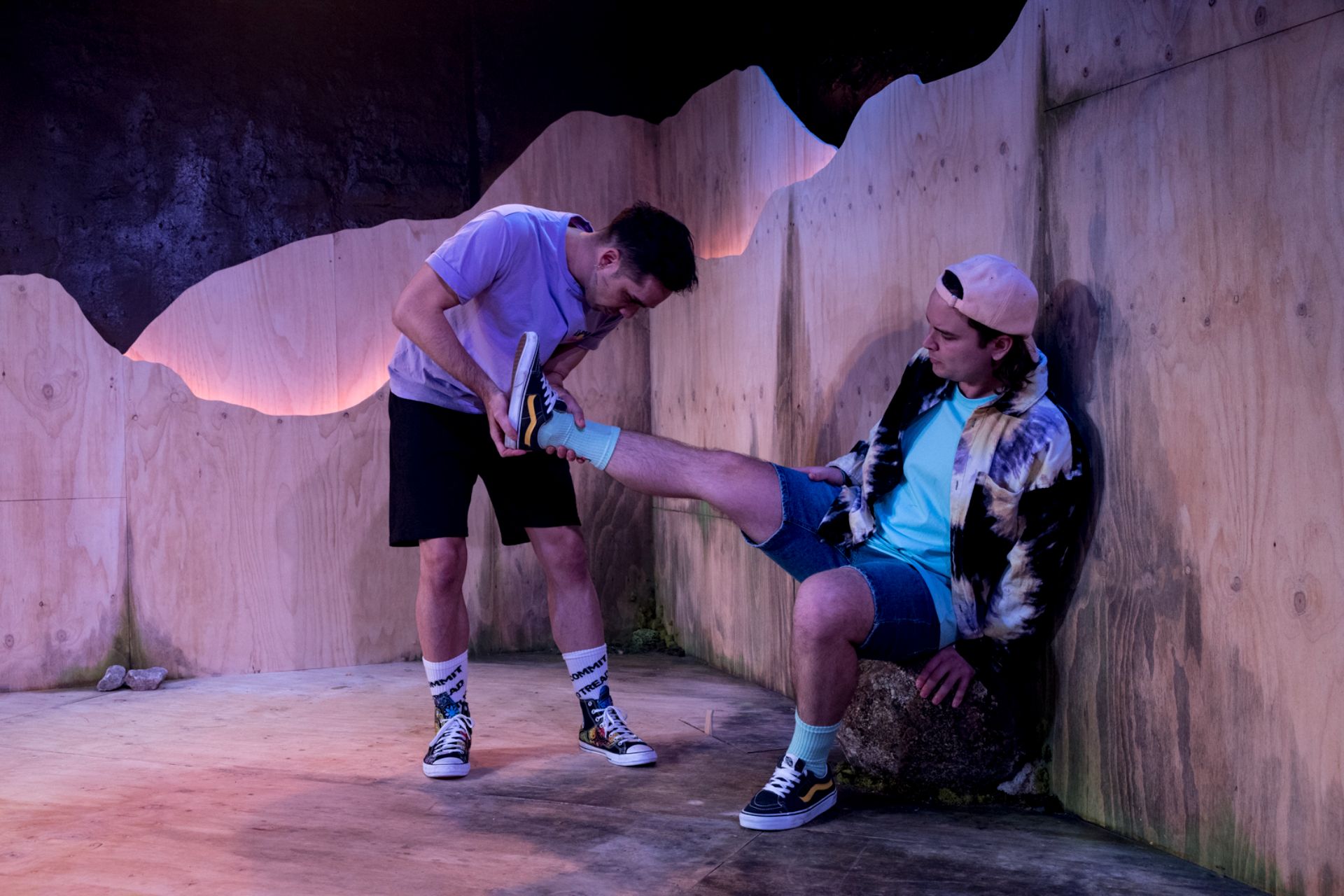
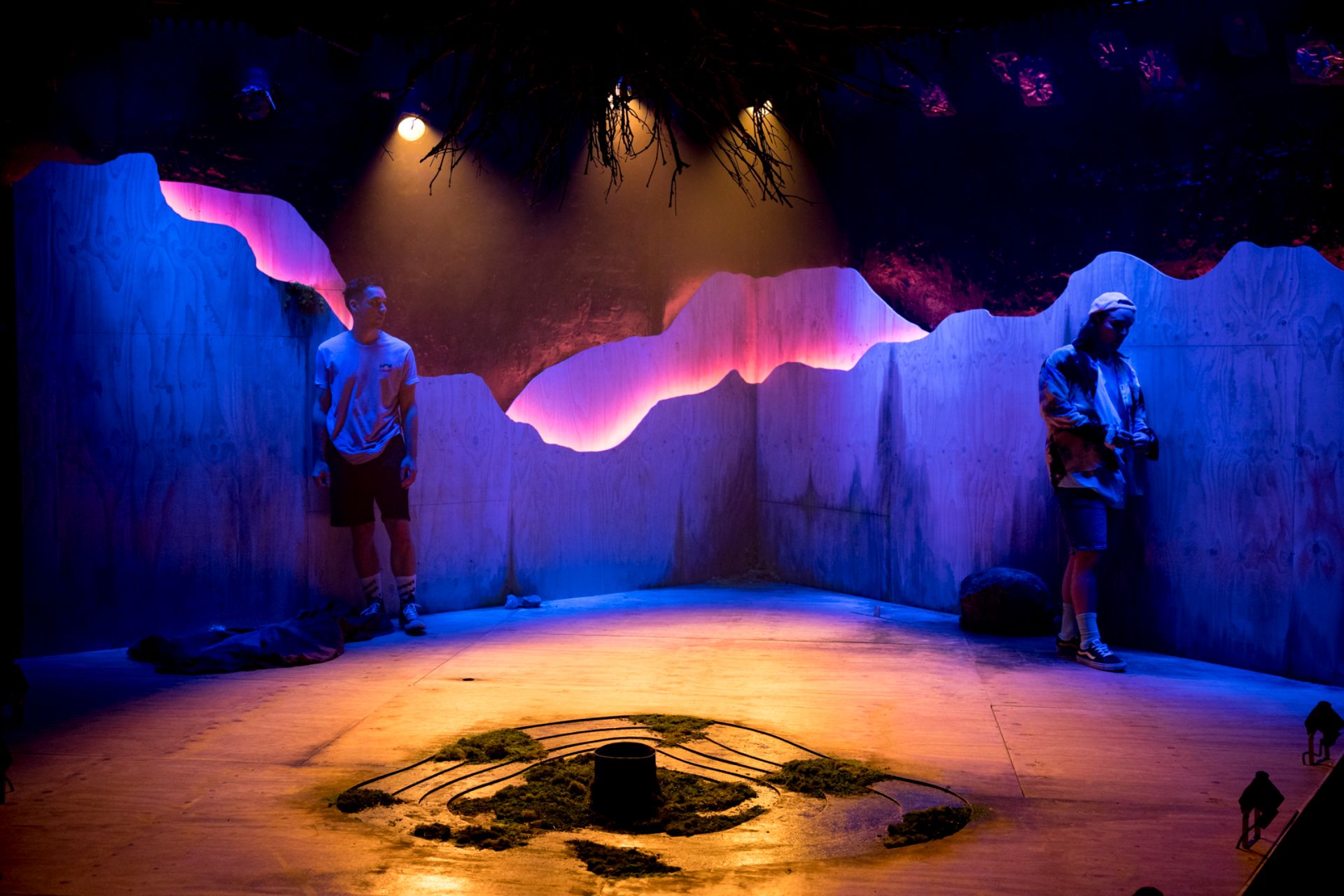
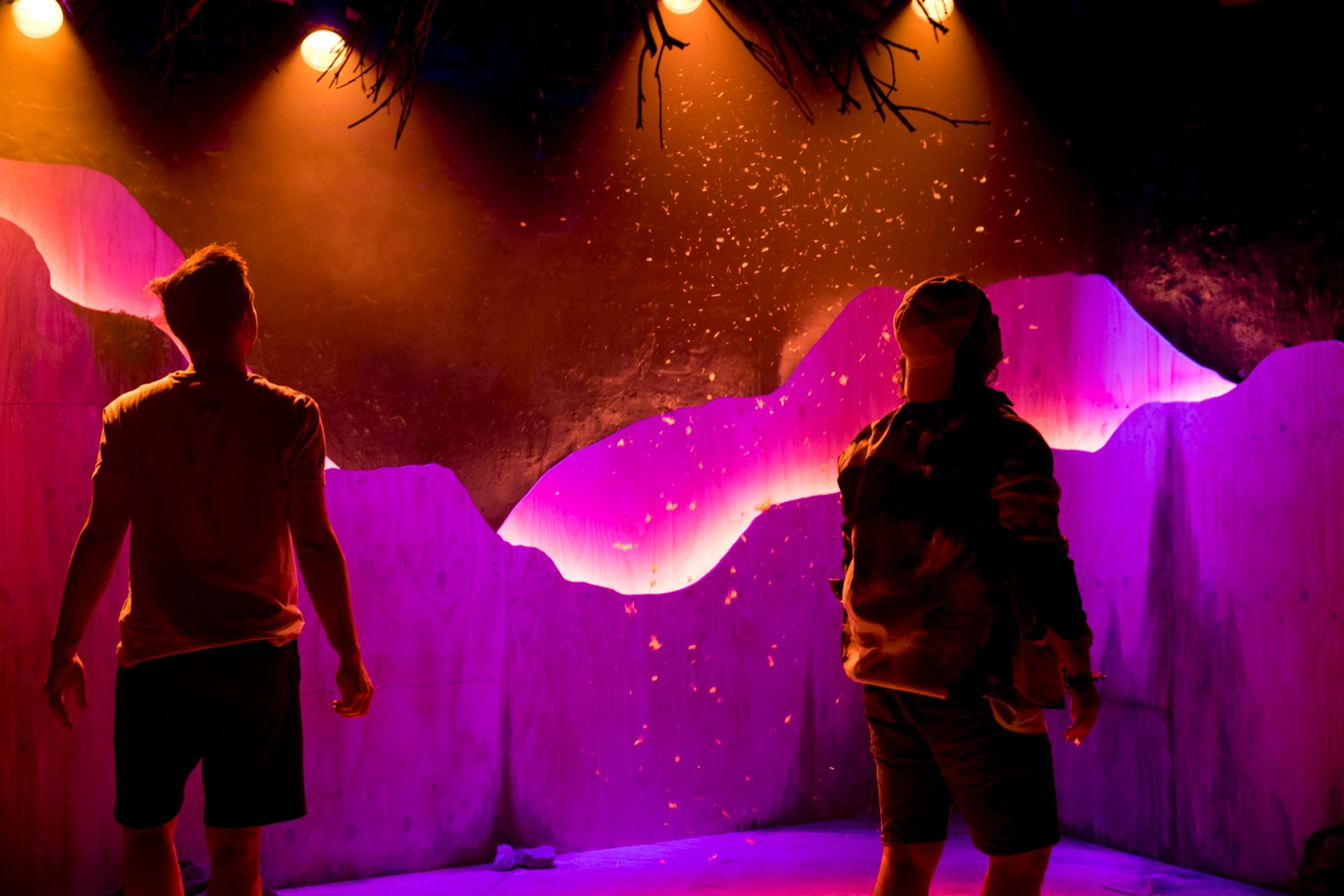
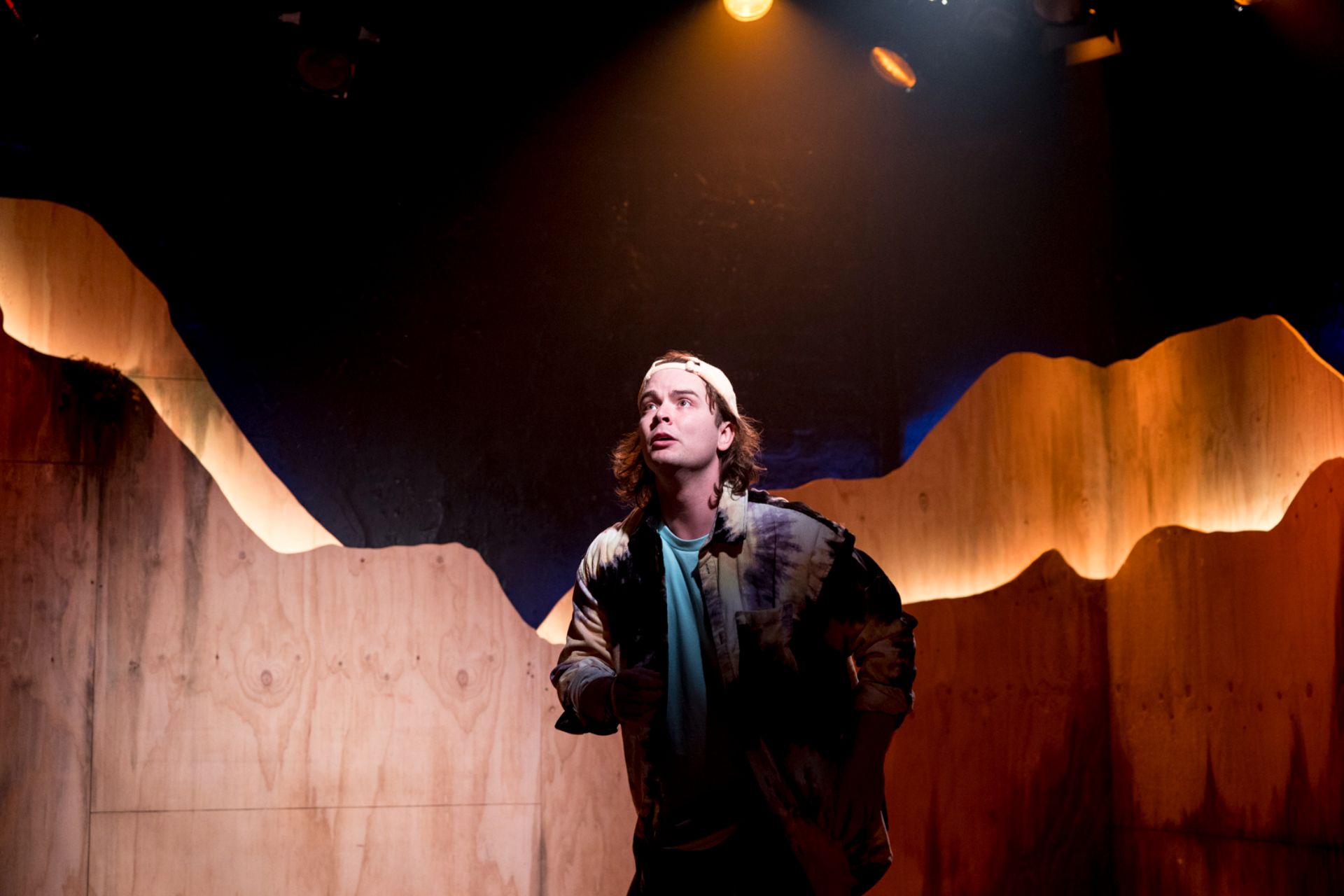
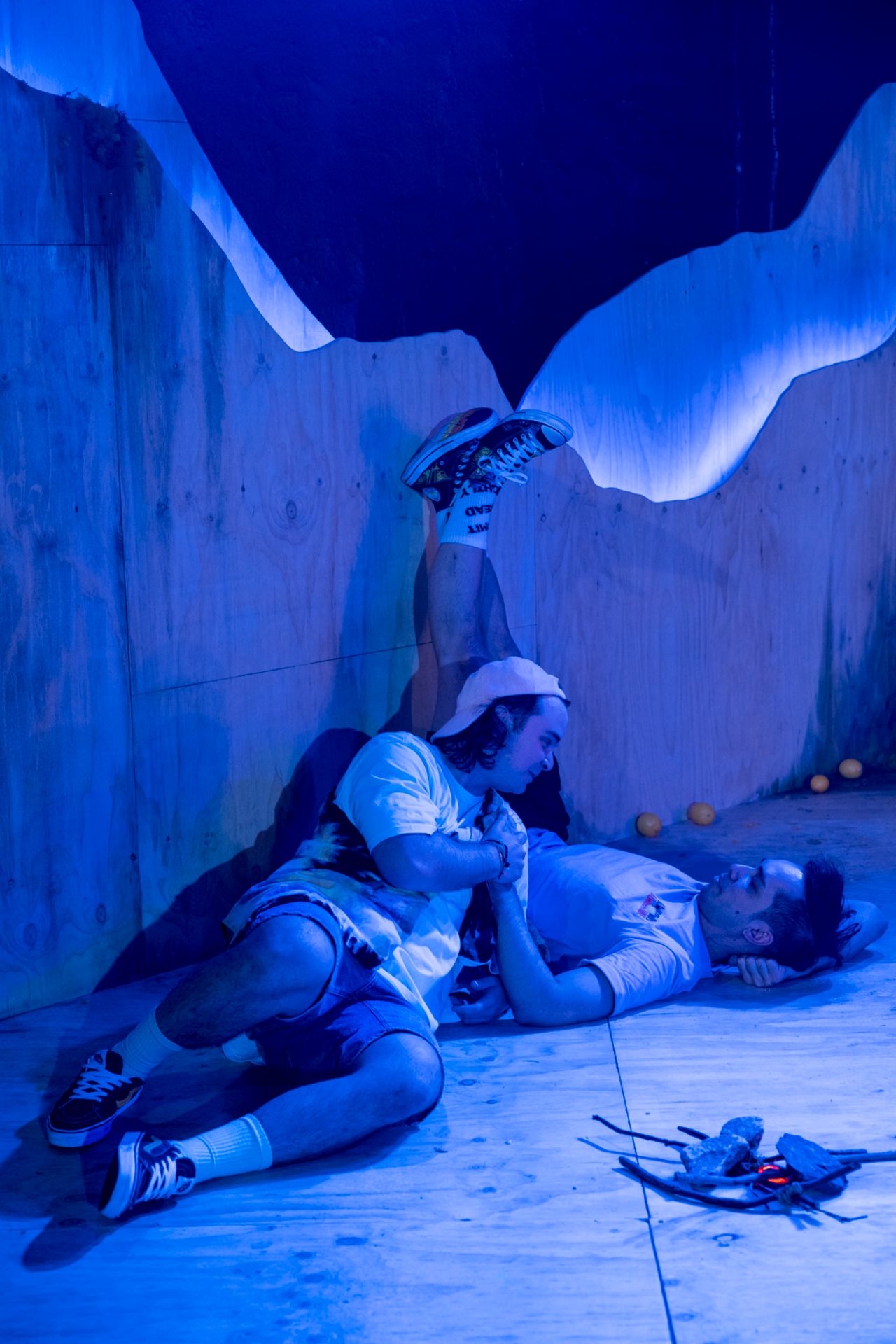
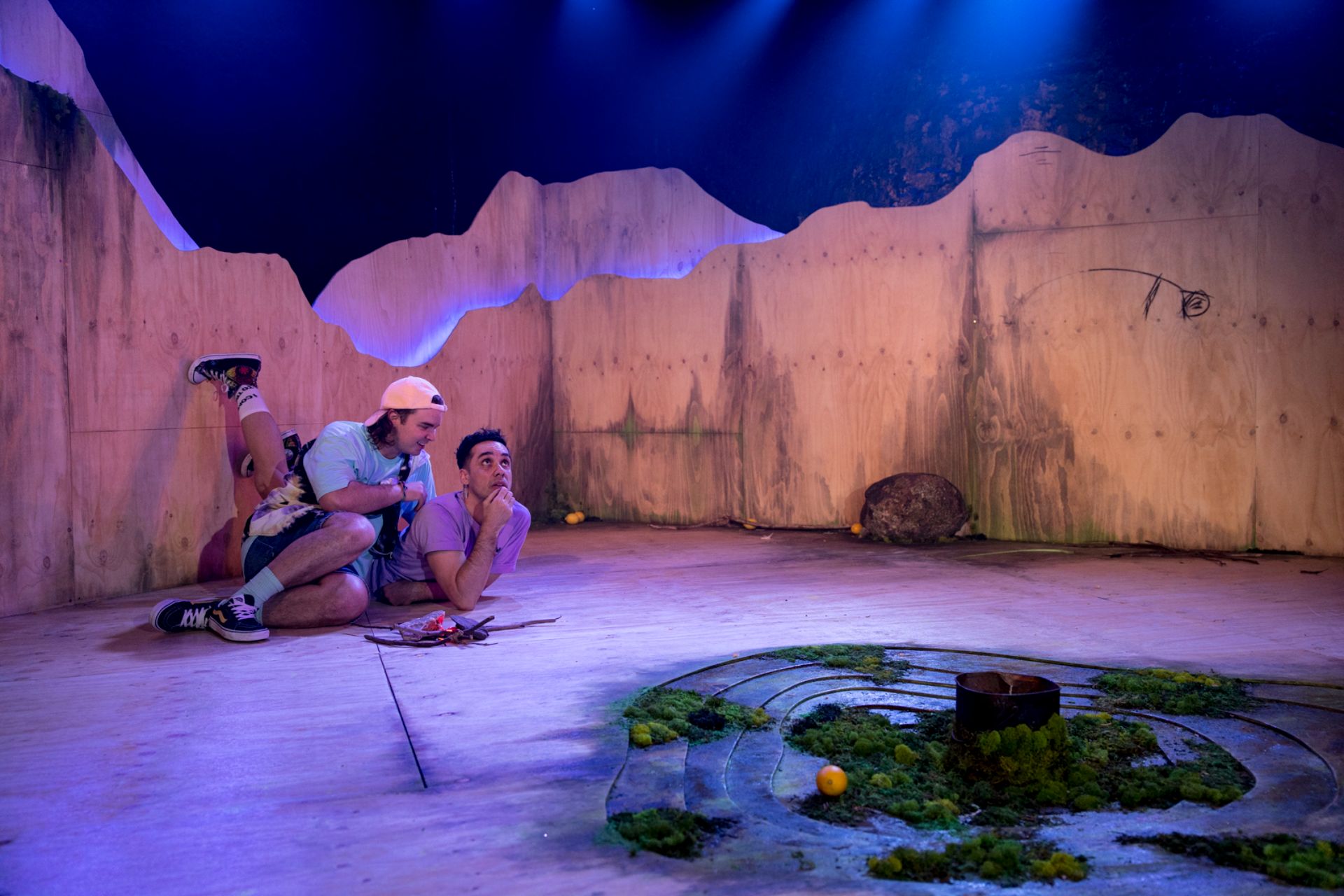
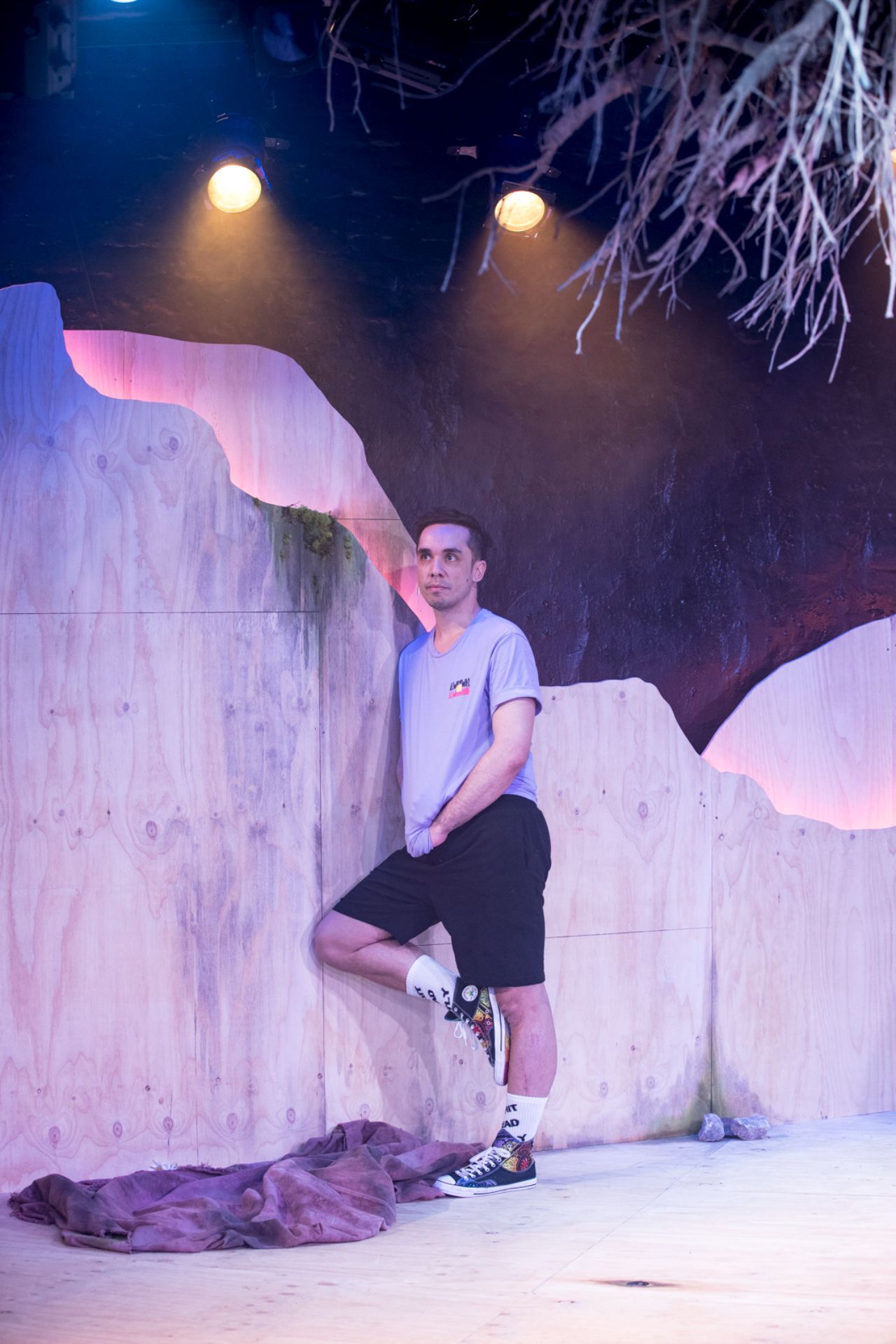
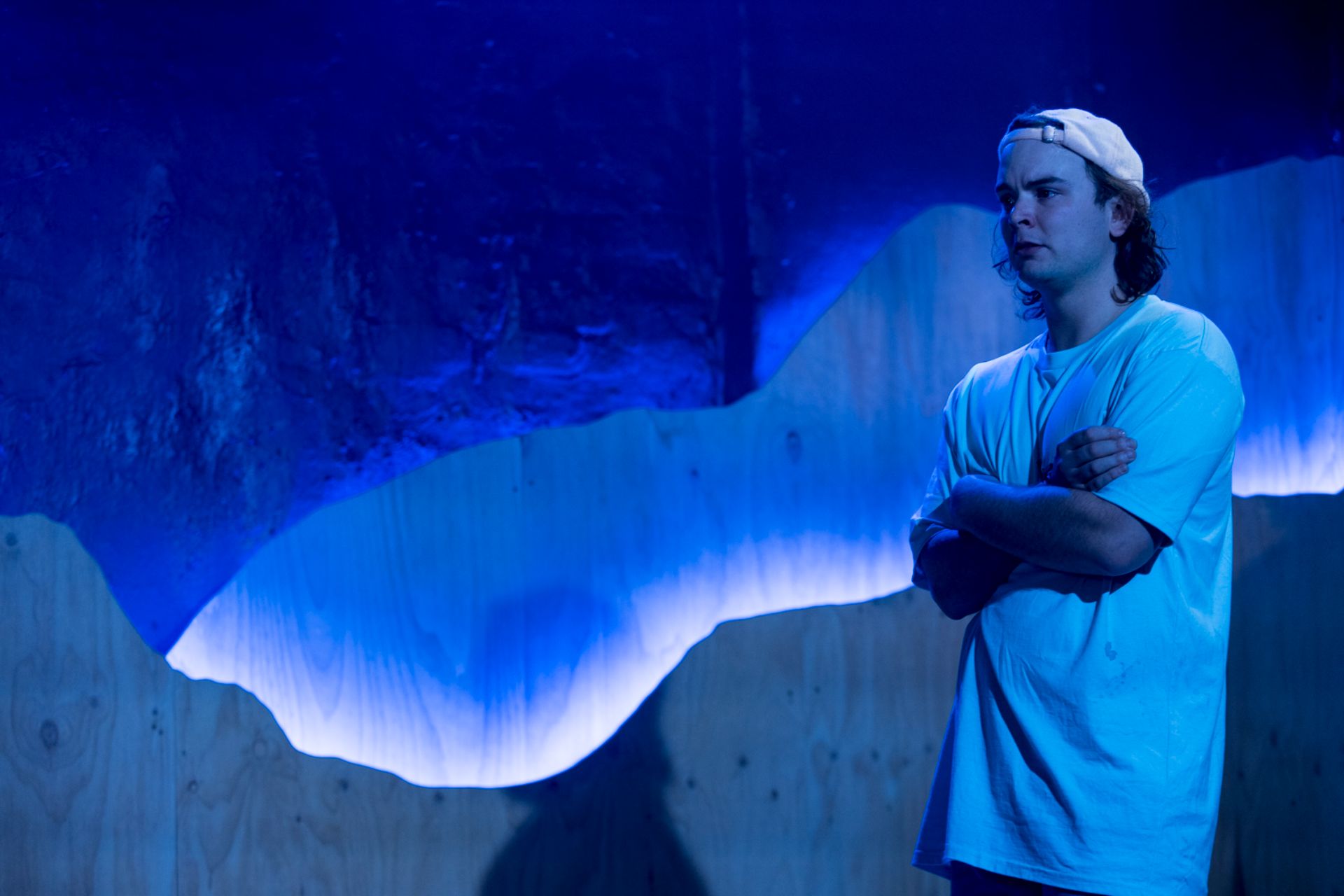
Designed by Mason Browne, the set evokes our mountainscapes with little fuss, and makes a statement about territories being stolen, through a visual emphasis on the very portion of earth, on which the titular tree stands. Browne’s costumes are a delightful expression of Indigenous youth identities, choosing contemporary garb over speculations on what might have been, ironically brings authenticity to the personalities we meet. Lights by Kelsey Lee and Katie Sfetkidis, along with sound and music by Steve Toulmin, manufacture high drama for key revelatory moments, utilising the theatrical form to full effect, addressing both our instincts and intellect, in a show that requires us to think and feel, at every juncture.

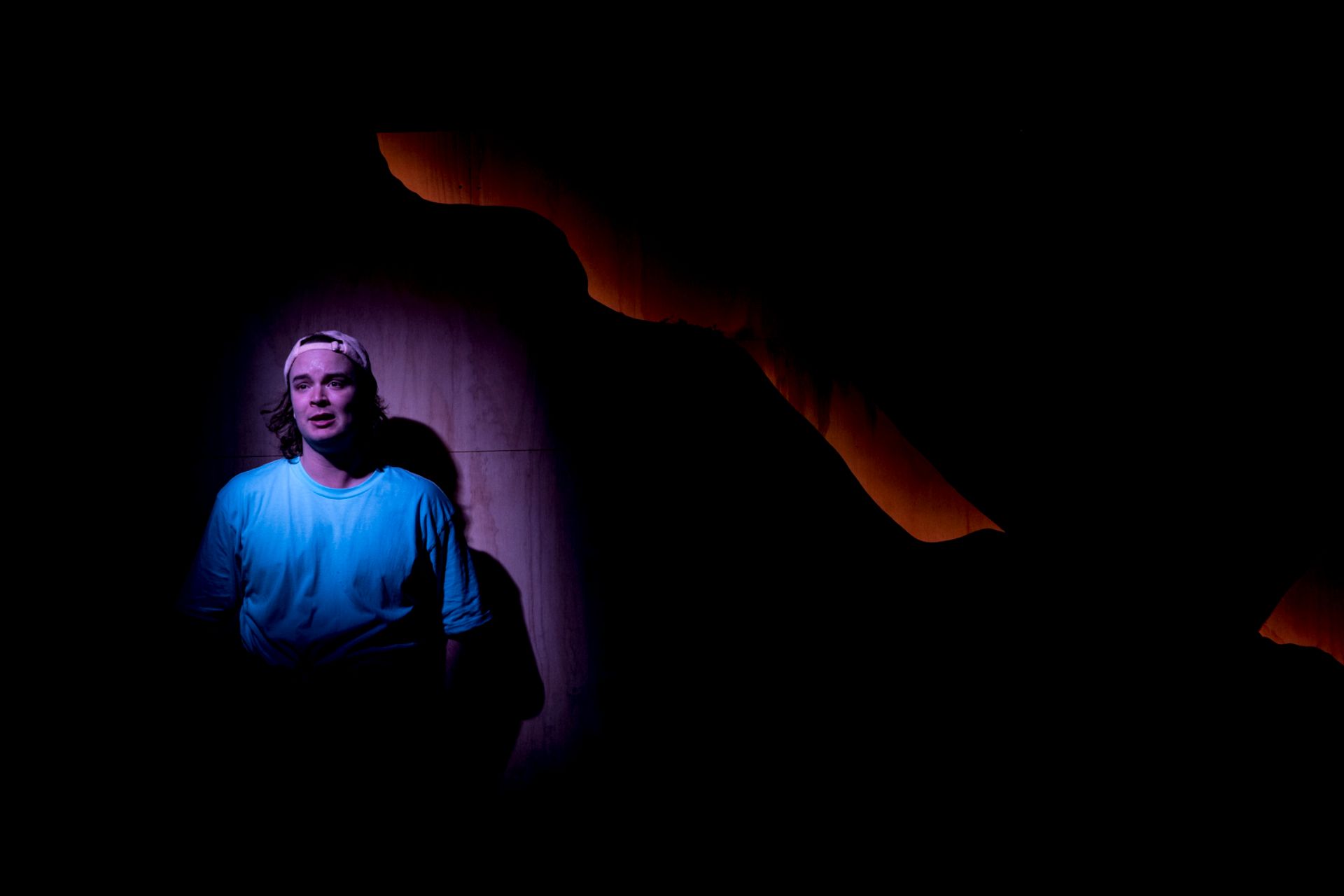
Brilliantly performed by Callan Purcell as Ty, and Guy Simon as Neddy, the pair brings vigorous life to the stage, riotously mischievous at every opportunity. Bringing new meaning to the word “play” in a theatrical context, the two are infectious with their unbridled joy, as they discover the first pangs of passion and lust, in a decolonised tale about boys in love. As the story darkens, the gravity they introduce becomes unequivocally sombre and palpable, with a soulfulness that defies any attempt to disconnect, from all that they wish to impart.

The process of decolonisation may involve a conceptual returning to the times before, but it mostly involves reinvention and imagination. It requires that we interrogate values that are harmful to all who are Indigenous to this land, and seek ways to have them amended, remembering in the process that to address the injustice on Indigenous peoples, will always result in the aggregate progress of all on this land. We simply must no longer accept, that the displacement and disadvantaging of any minority, is a necessary evil for us to sustain a sense of nationhood. A new identity is being forged, and the colonial ways need to be eradicated.

www.griffintheatre.com.au

Review: Tell Me I’m Here (Belvoir St Theatre)

Venue: Belvoir St Theatre (Surry Hills NSW), Aug 20 – Sep 25, 2022
Playwright: Veronica Nadine Gleeson (based on the book by Anne Deveson)
Director: Leticia Cáceres
Cast: Tom Conroy, Deborah Galanos, Nadine Garner, Raj LaBade, Sean O’Shea Ellis, Jana Zvedeniuk
Images by Brett Boardman

Theatre review
Jonathan has schizophrenia, but he is not the only one who suffers its consequences. The story is told from his mother Anne’s perspective, who for obvious reasons, has to keep her wits about her, and is therefore extremely level-headed. Tell Me I’m Here is a stage adaptation by Veronica Nadine Gleeson, based on the 1991 memoir of the aforementioned Anne Deveson. We see the chaos created by Jonathan’s illness, along with a certain stoicism that Anne has to cultivate, in order to manage the challenges presented by her son’s condition.

There is a monotony to the hopeless exasperation expressed in the play, as well as an unrelenting frenzy brought on by the mental disorder. The story often feels stagnant, which is probably an accurate representation of Anne and Jonathan’s lives, but director Leticia Cáceres injects a great amount of energy to the staging, so that our attention is consistently engaged, even if our emotions tend to reflect Anne’s impassive pragmatism. Cáceres also ensures that characters are always depicted with dignity, as we explore the vulnerabilities of their difficult existence. The lead performers embody those admirable yet unenviable qualities with great aplomb.

Nadine Garner plays Anne, with an impressive exactitude that offers fine balance to the naturalism that she instinctively delivers, for this tale of parenthood and heart break. Tom Conroy is inventive in the role of Jonathan, and is suitably wild with a performance memorable for its radiant humanity. The unyielding intensity from both, are given moderation by a jaunty ensemble of four performers, Deborah Galanos, Raj LaBade, Sean O’Shea Ellis and Jana Zvedeniuk, who offer a sense of buoyancy, to a show that is at its heart, full of despondency.

Set design by Stephen Curtis features an imposing bookcase, stuffed with exemplars of breeding and sophistication, as though a reminder that all the refinement in the world, cannot prevent a person from the trauma that life will invariably dispense upon them. Costumes by Ella Butler bear a whimsical charm, that firmly positions all the personalities we encounter, in a realm that straddles perfectly, between theatricality and authenticity. Veronique Bennett’s lights are dynamic, almost busy, in their attempt at providing visual flourish, to accompany a narrative of the disturbed mind. Sound and music by the duo of Alyx Dennison  and Steve Francis are beautifully accomplished, able to convey nuanced textures for an emotional landscape that can otherwise feel too static.

Nature is cruel. The gift of life, comes with the surety of death, and in the process it seems no one leaves unscathed. Even those who are perceived to be awarded a charmed life, must think that the challenges that they do face in private, to be the hardest thing. To witness the torment of those in Tell Me I’m Here however, is a sobering reminder that there are indeed worse spaces to find oneself.

www.belvoir.com.au

Review: The Comedy Of Errors (Bell Shakespeare)

Venue: Sydney Opera House (Sydney NSW), Aug 17 – Sep 17, 2022
Playwright: William Shakespeare
Director: Janine Watson
Cast: Joseph ‘Wunujaka’ Althouse, Julia Billington, Giema Contini, Skyler Ellis, Felix Jozeps, Alex King, Leilani Loau, Ella Prince, Lauren Richardson, Maitland Schnaars
Images by Brett Boardman

Theatre review
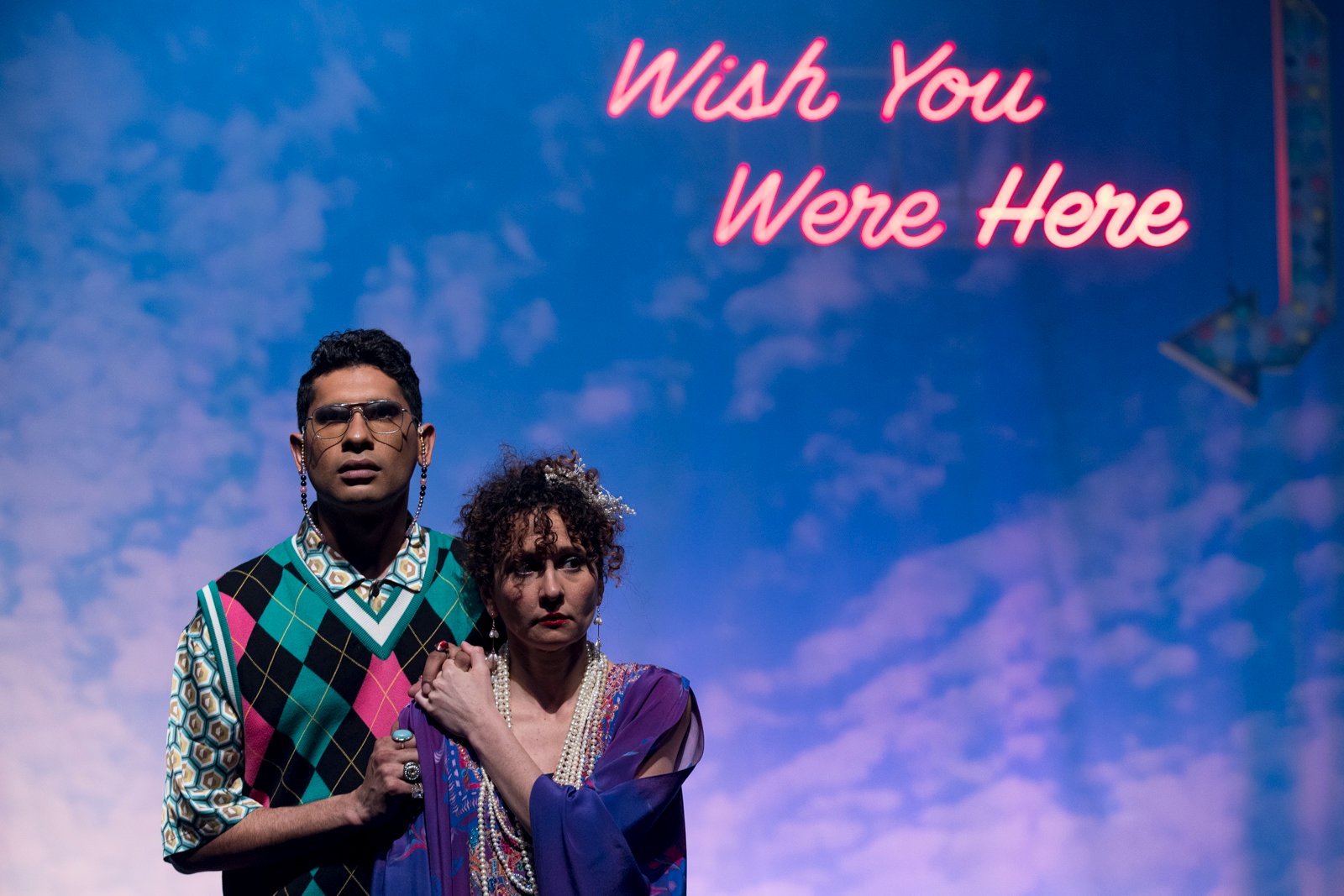
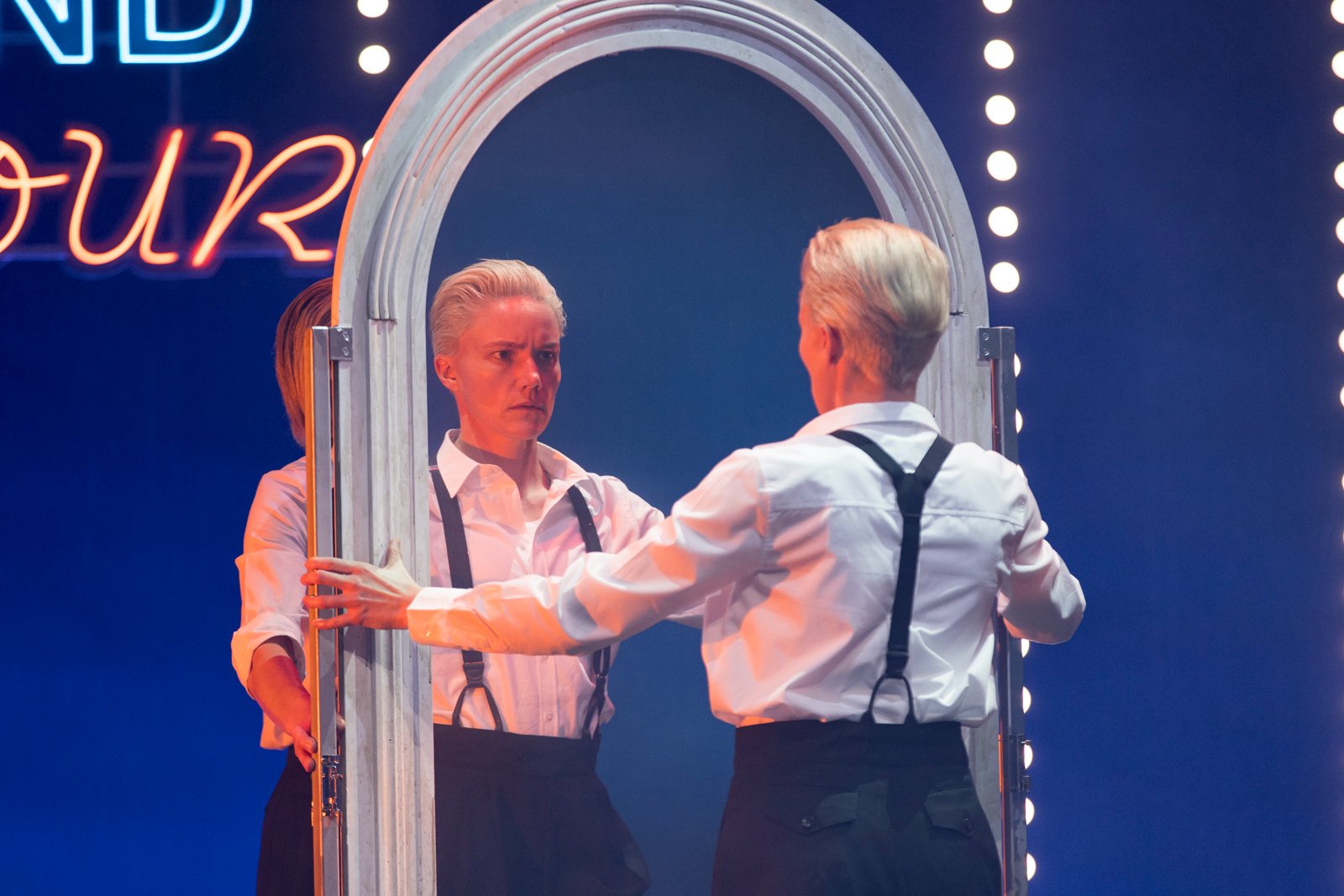
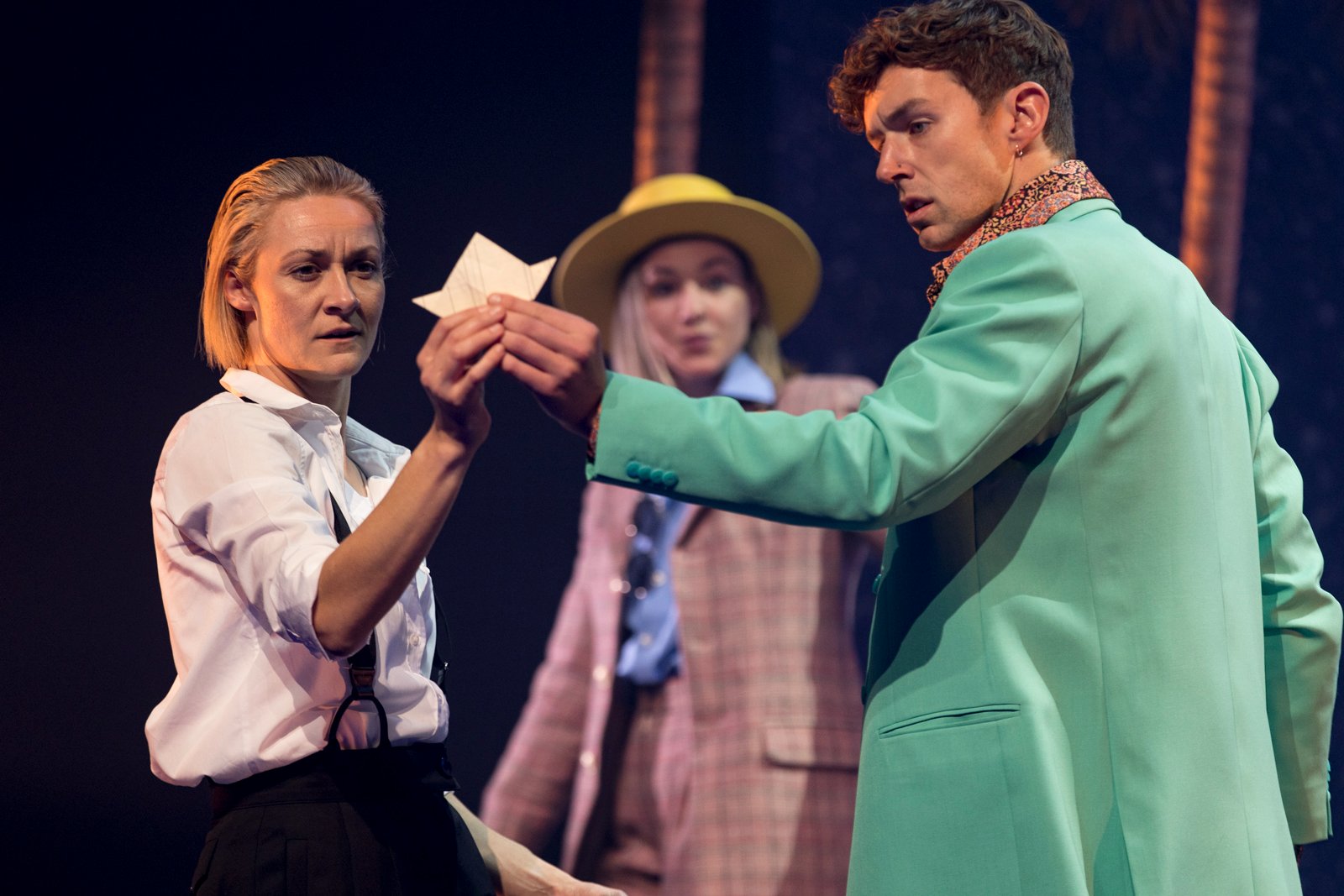
In Shakespeare’s The Comedy Of Errors, two sets of twins cause mayhem in the Greek city of Ephesus, through a series of events involving mixed identities and wild premises. It may be a relic of a play, but centuries on, it still provides an opportunity for theatre makers to present something frolicsome and mirthful, for audiences of any description. In the right hands, it may even demonstrate the changes that have occurred in our cultures over this half a millennium, for it is through adaptations and interpretations, that we may observe our evolution, reflected in the artistic choices being made today.

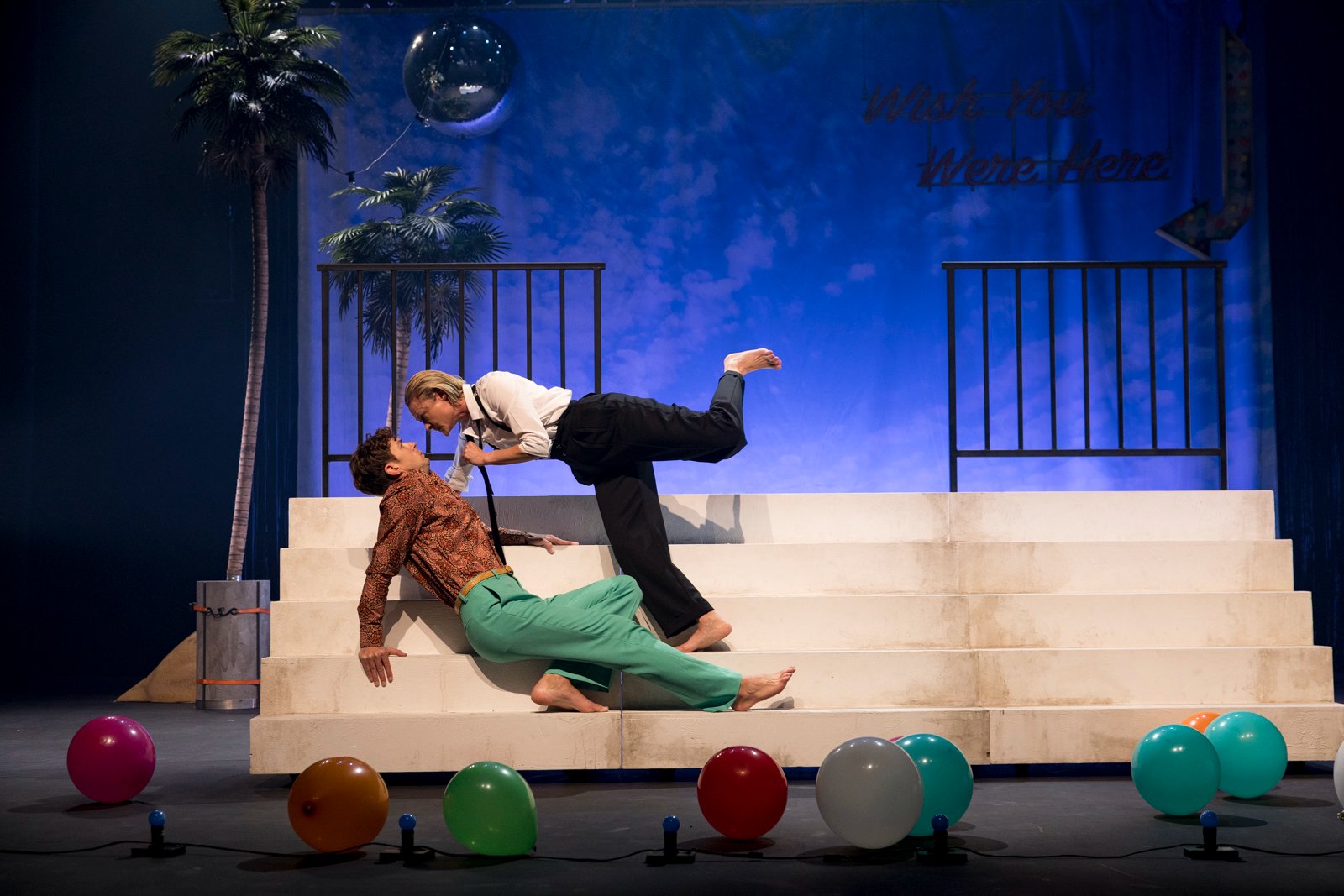
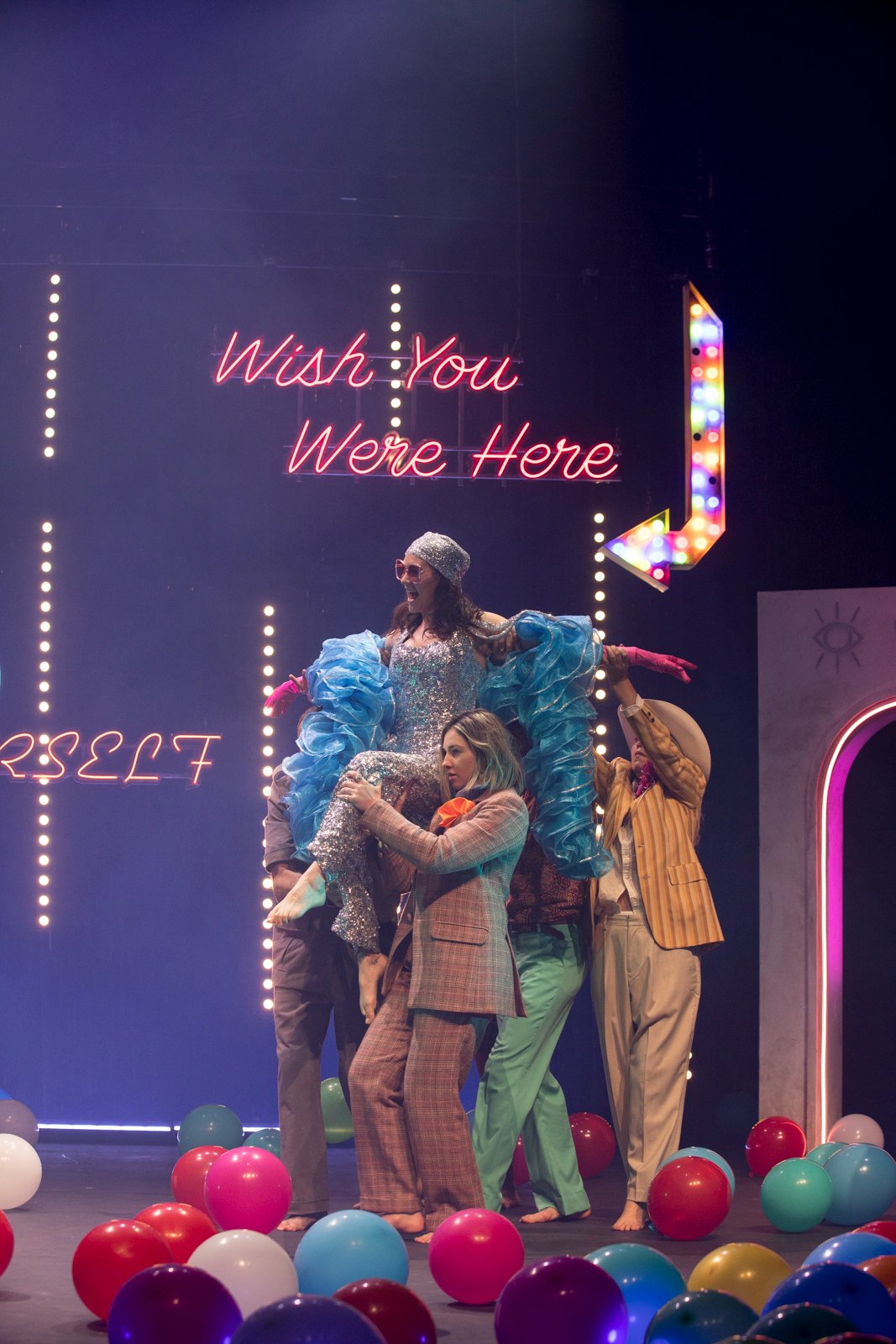
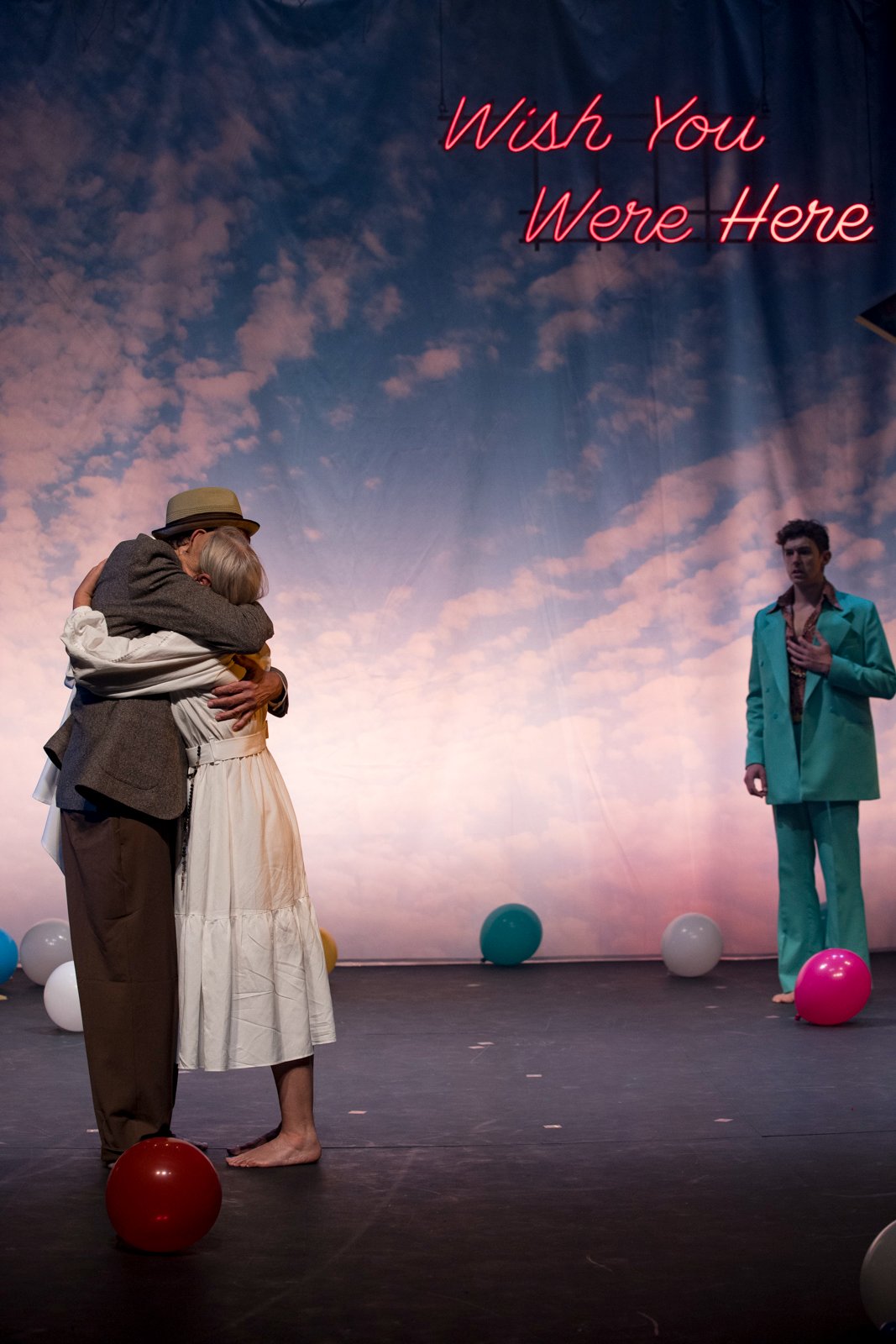
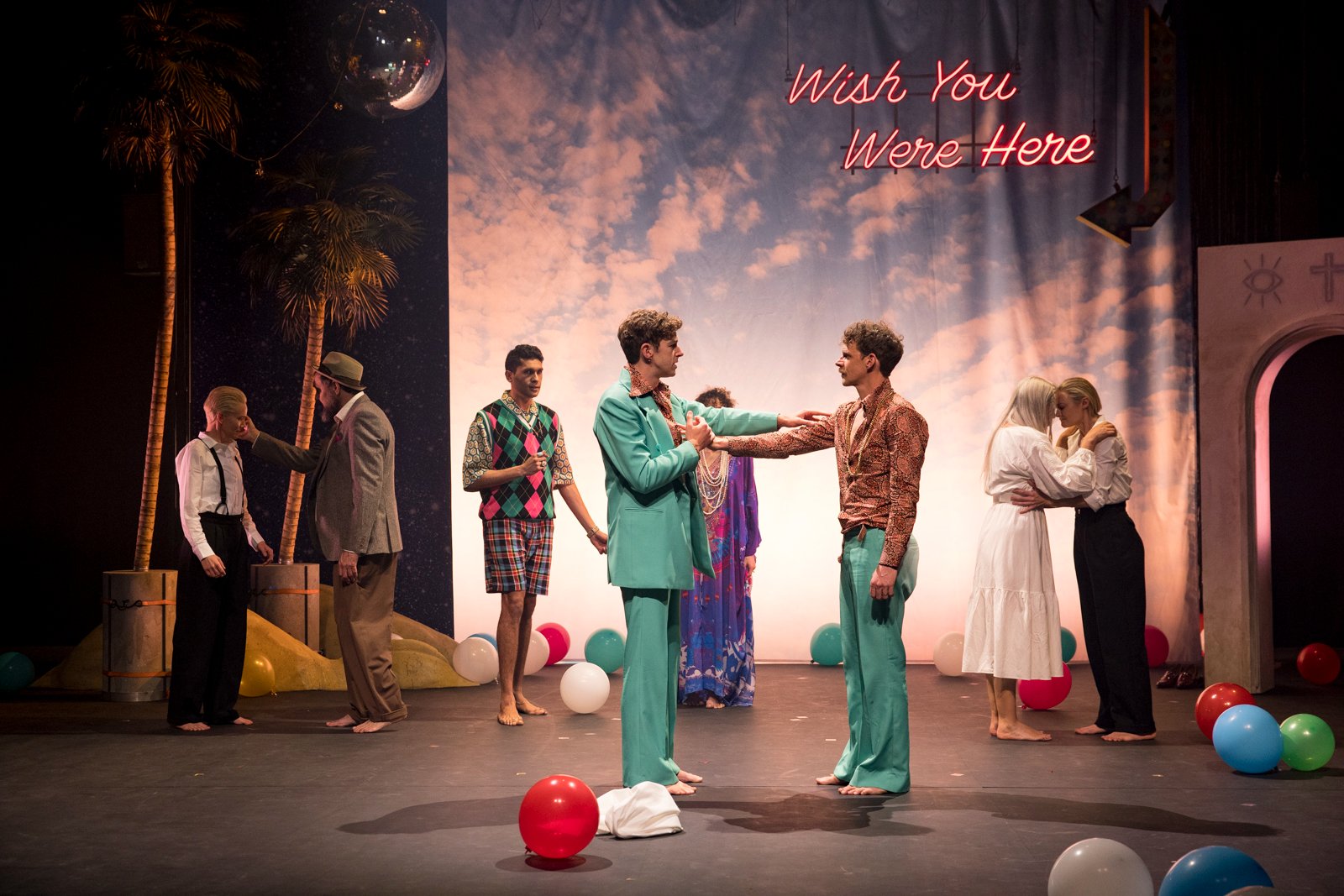
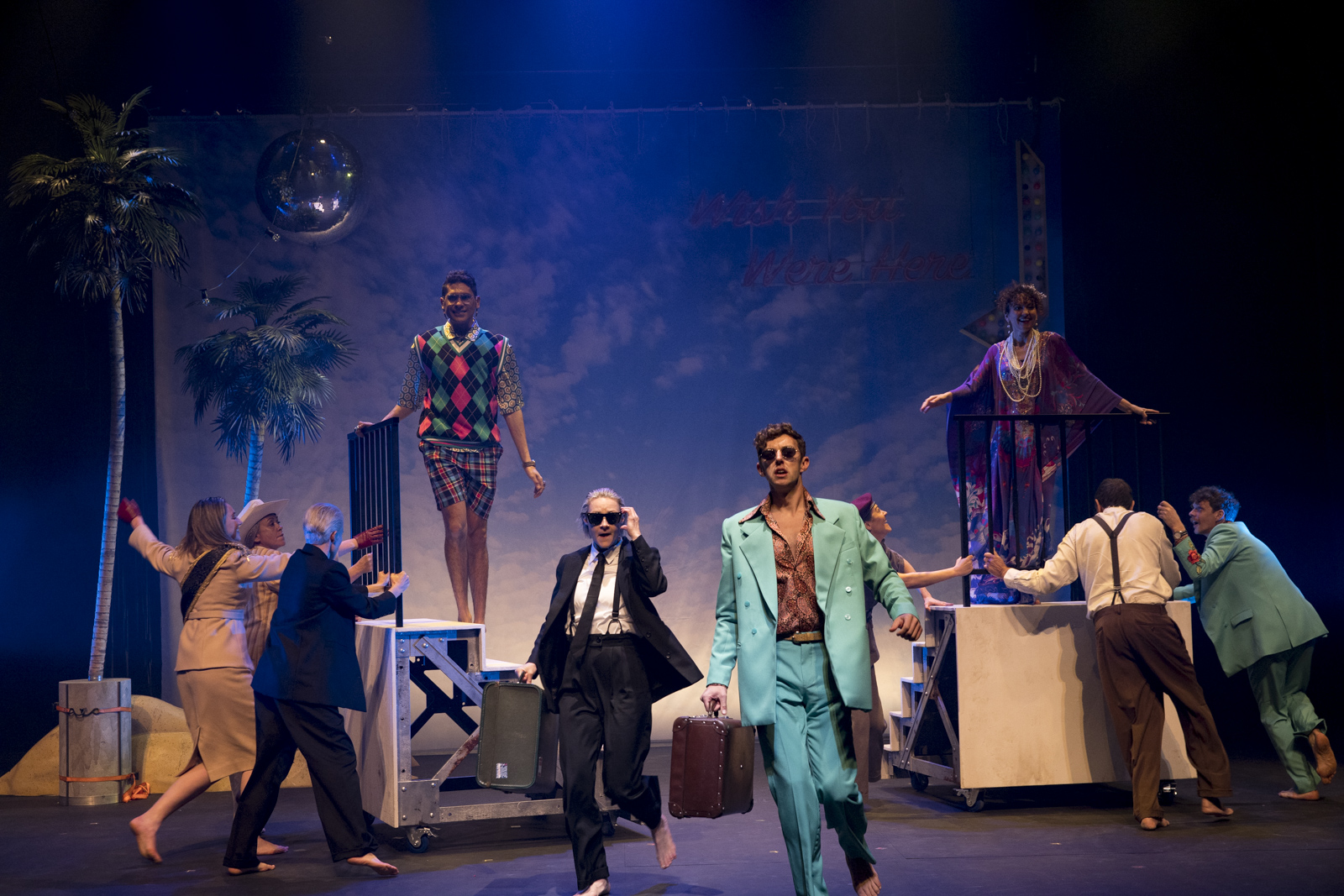
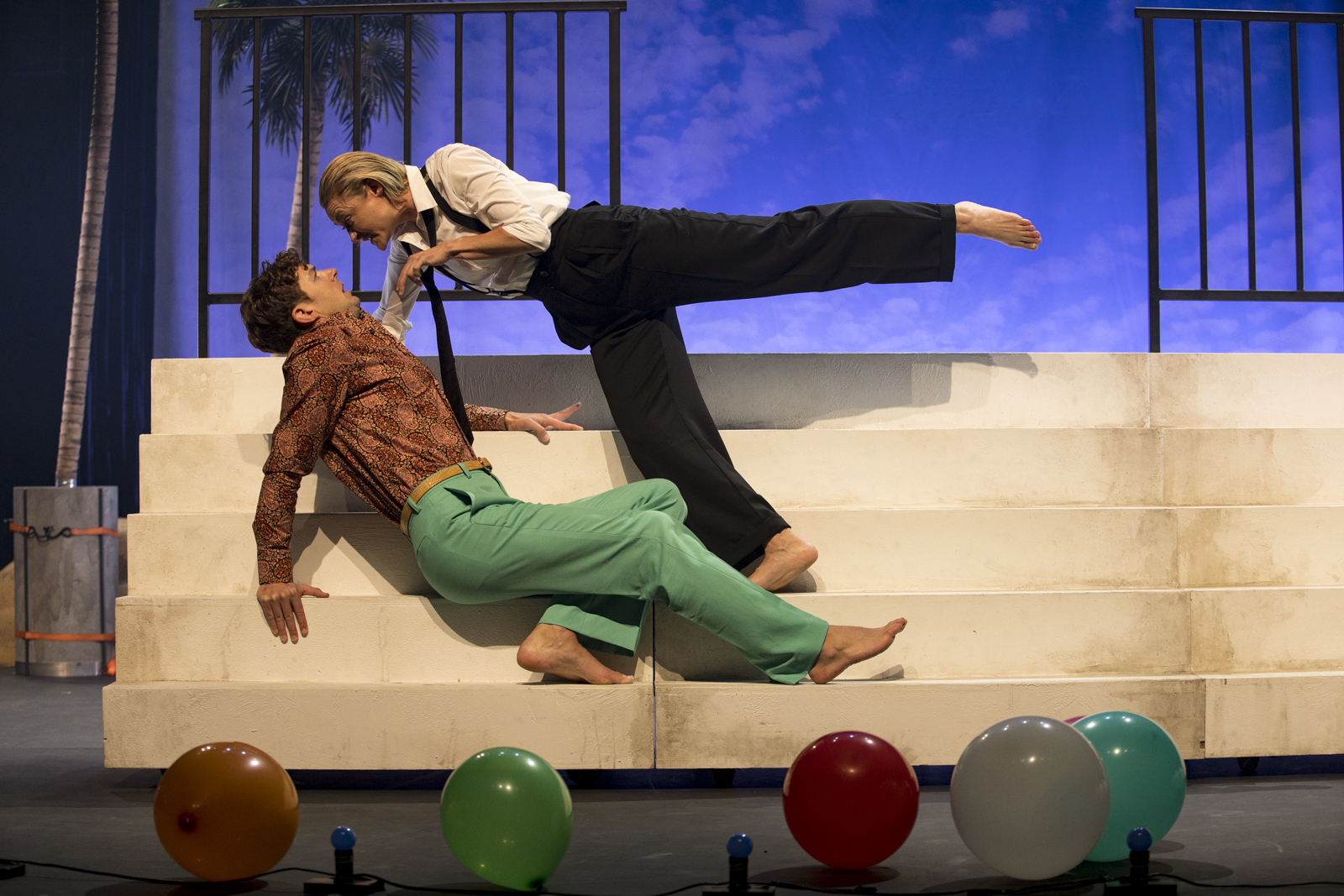
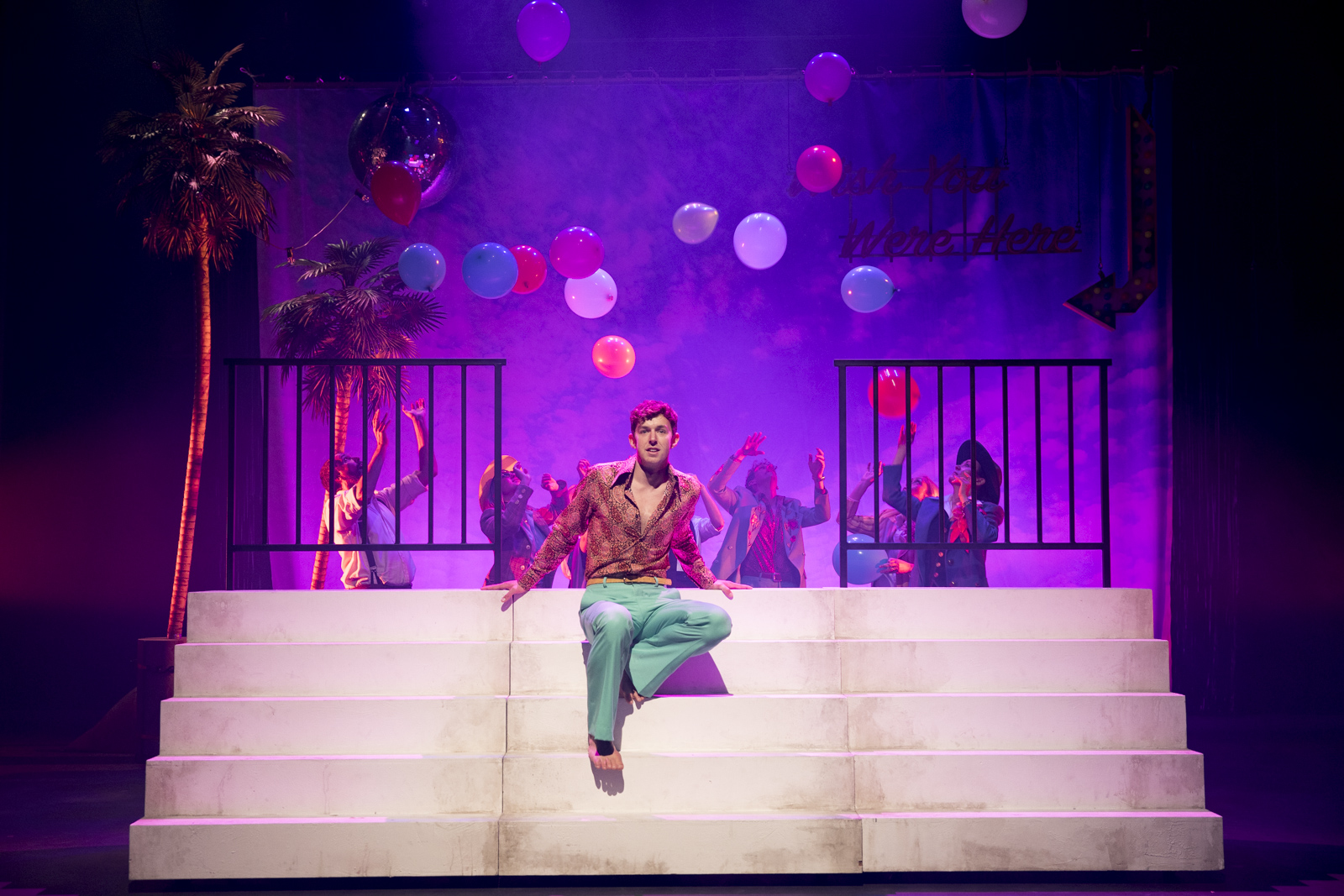
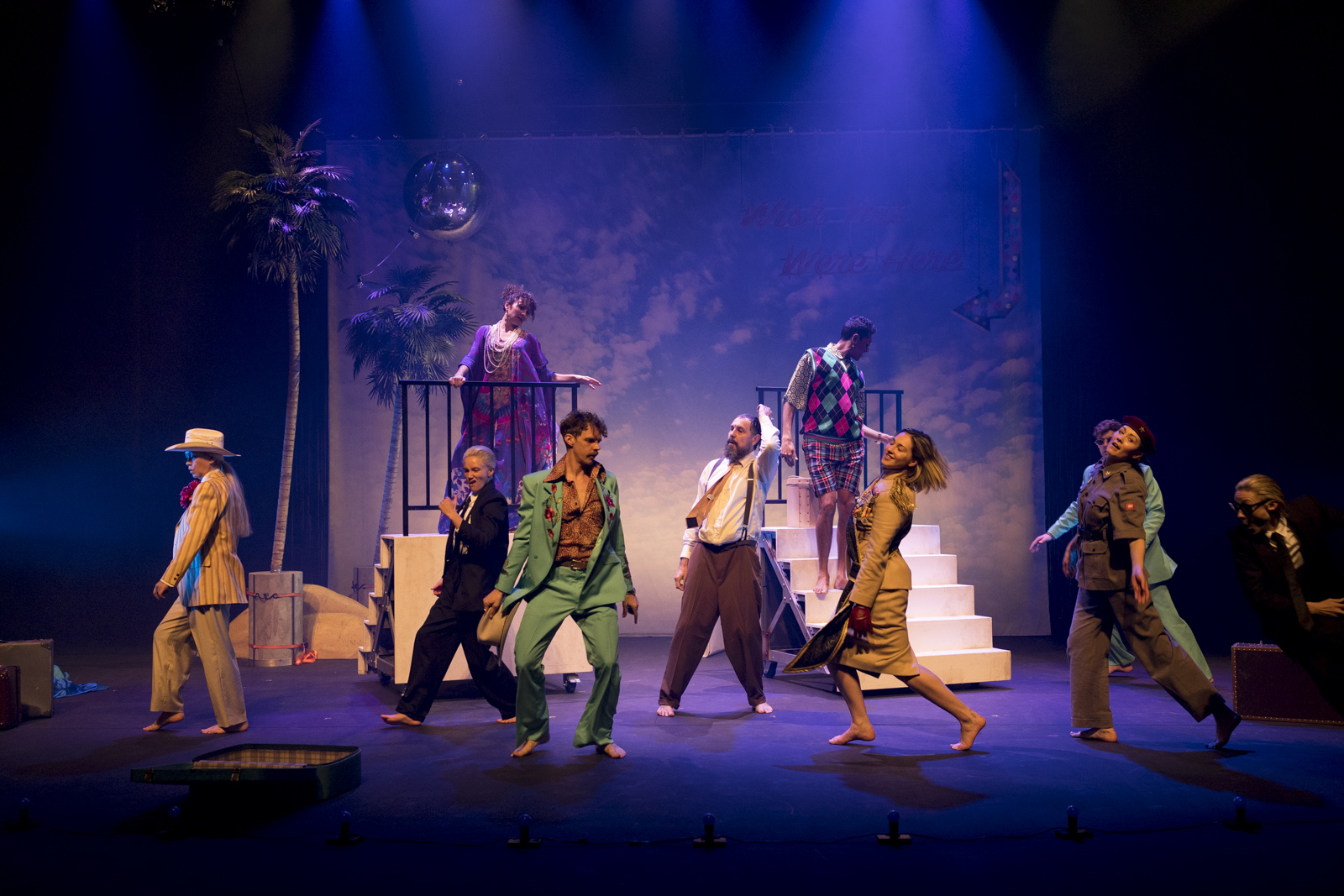
On this occasion, director Janine Watson applies a correspondingly frivolous 1970s disco aesthetic to the staging, but it is the queering of characters and relationships in the story, that forms a constant reminder, that we are indeed living in the twenty-first century. There is an unmistakeable vigour to Watson’s work, with a love for the immediacy of the live format, that truly shines. 

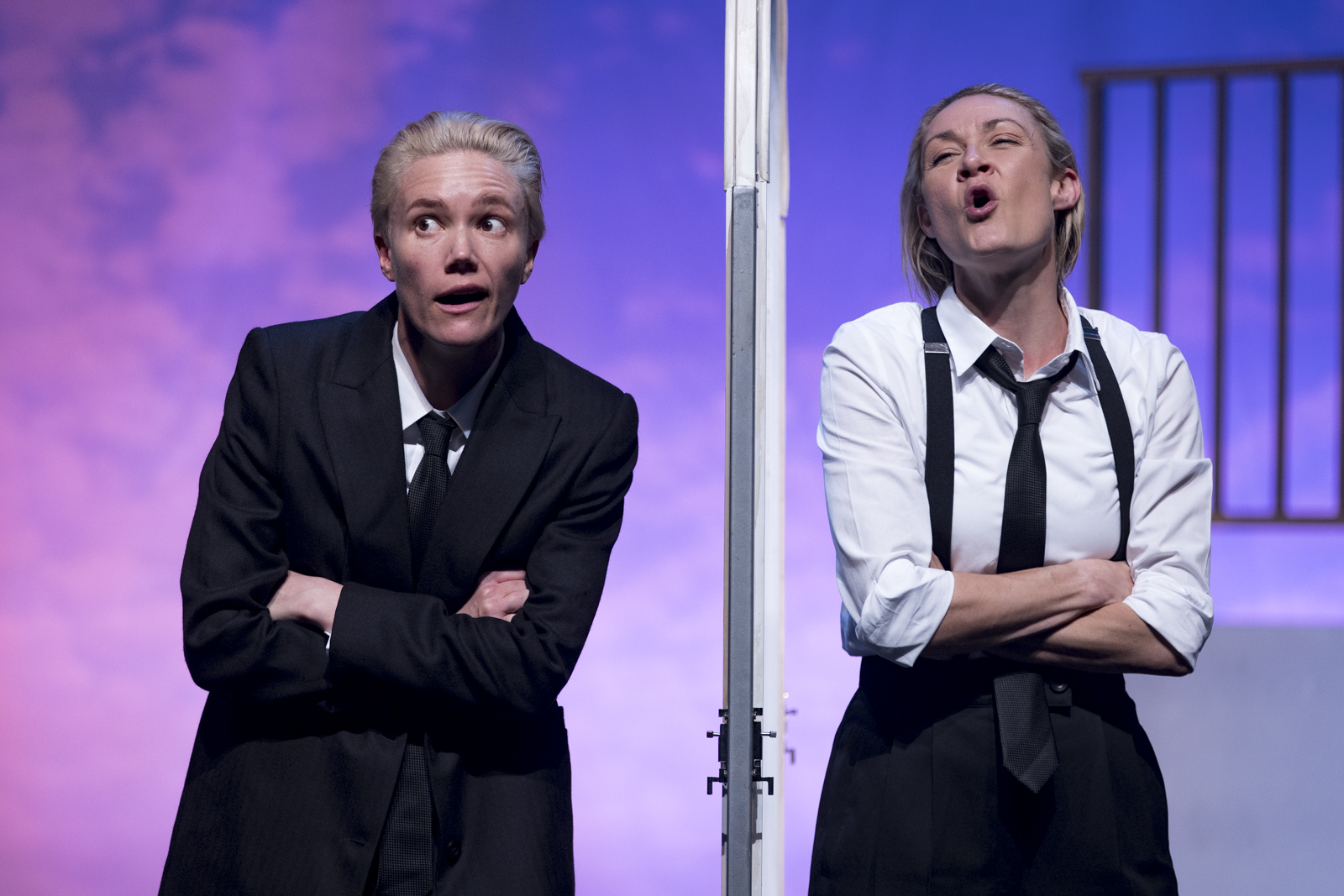
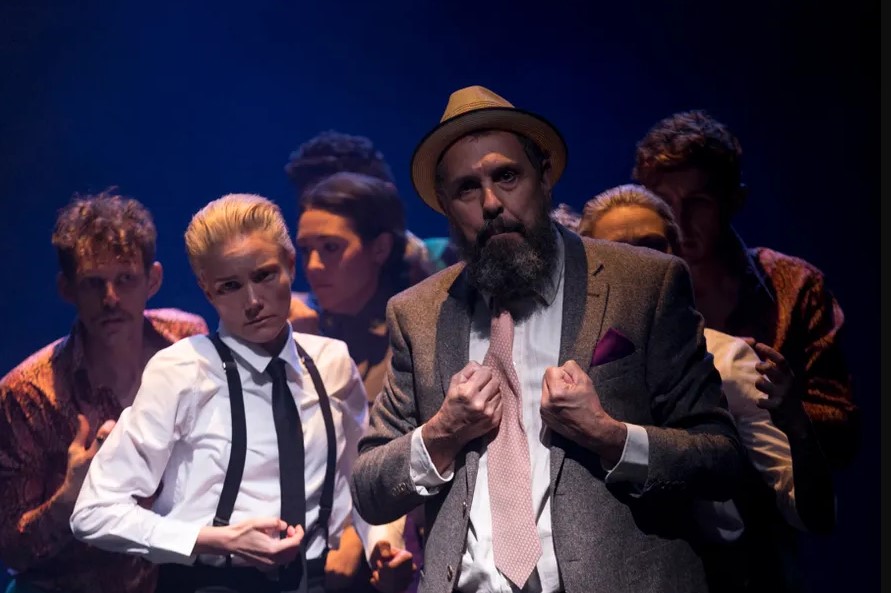
The cast is given plentiful space to wreak havoc, and their mischievousness is resolutely centre stage. Skyler Ellis and Felix Jozeps are the twins named Antipholus, both performers energetic, passionate and effortlessly charismatic. The two servants named Dromio, also twins, are played by Julia Billington and Ella Prince, both inventive and captivating, who turn their parts resoundingly non-binary, for a show memorable for its subtext of gender dismantlement. Giema Contini and Joseph ‘Wunujaka’ Althouse are flamboyant siblings Adriana and Luciano, eliciting some of the biggest laughs with a wonderful camp approach to their humour.

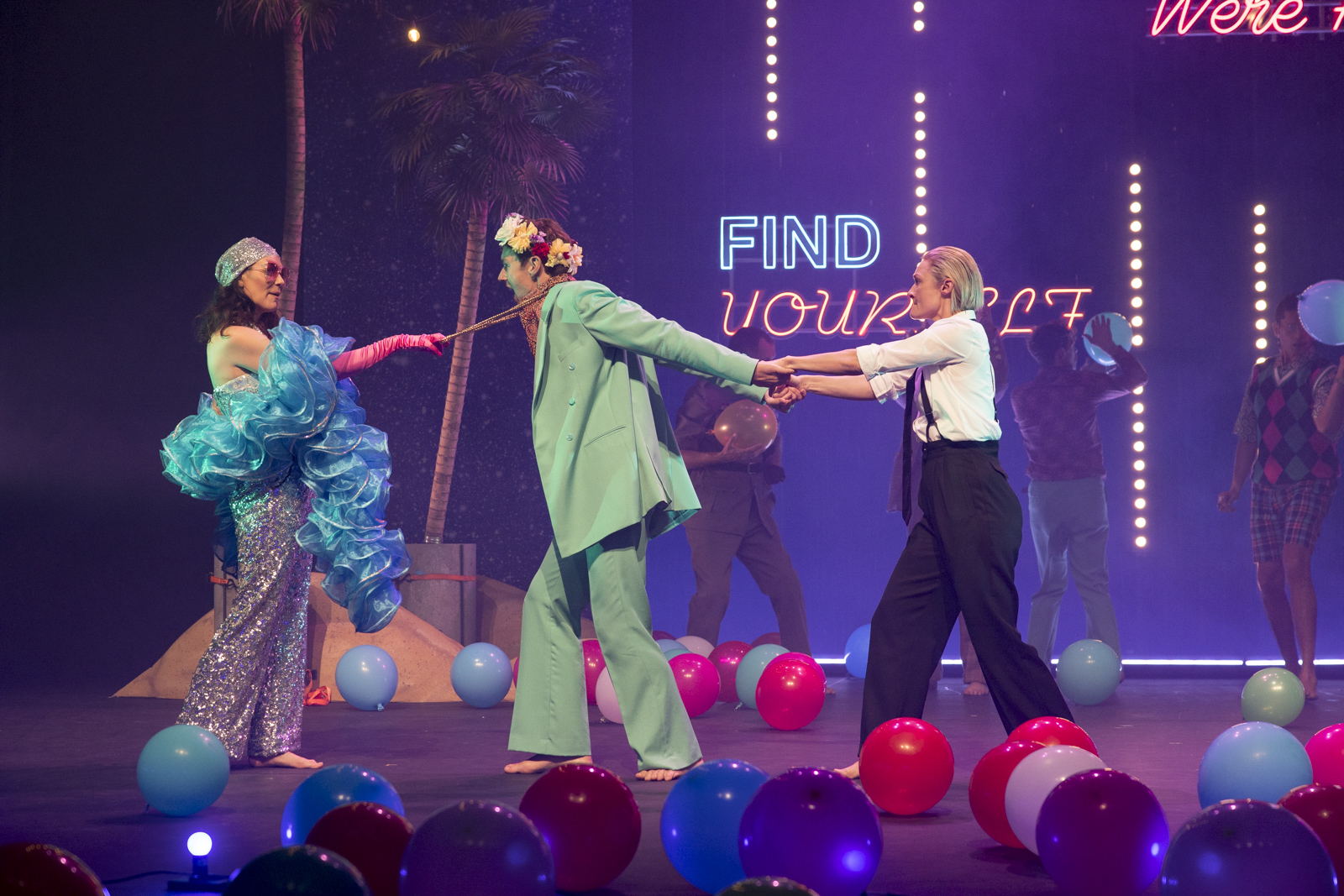
Hugh O’Connor’s set and costume designs are pop infused, colourful manifestations of a lurid fantasy world, in which common sense takes a back seat. Along with lights by Kelsey Lee, this production of The Comedy Of Errors is relentlessly vibrant, in a way that proves visually satisfying. Music and sound by Pru Montin too are not particularly subtle, prominently featuring hits from the disco era that remain gloriously euphoric.

Beneath all the rambunctious activity, lies a central guiding principle of authenticity. The production’s theme is declared with great pride in neon, “Find Yourself”, which must certainly refer to the discovery of one’s purest identity. Even if Shakespeare represents the diametric opposition to one’s own values, it can never be discounted that it is sometimes the very notion of an antithesis, that helps one uncover the truth.

www.bellshakespeare.com.au