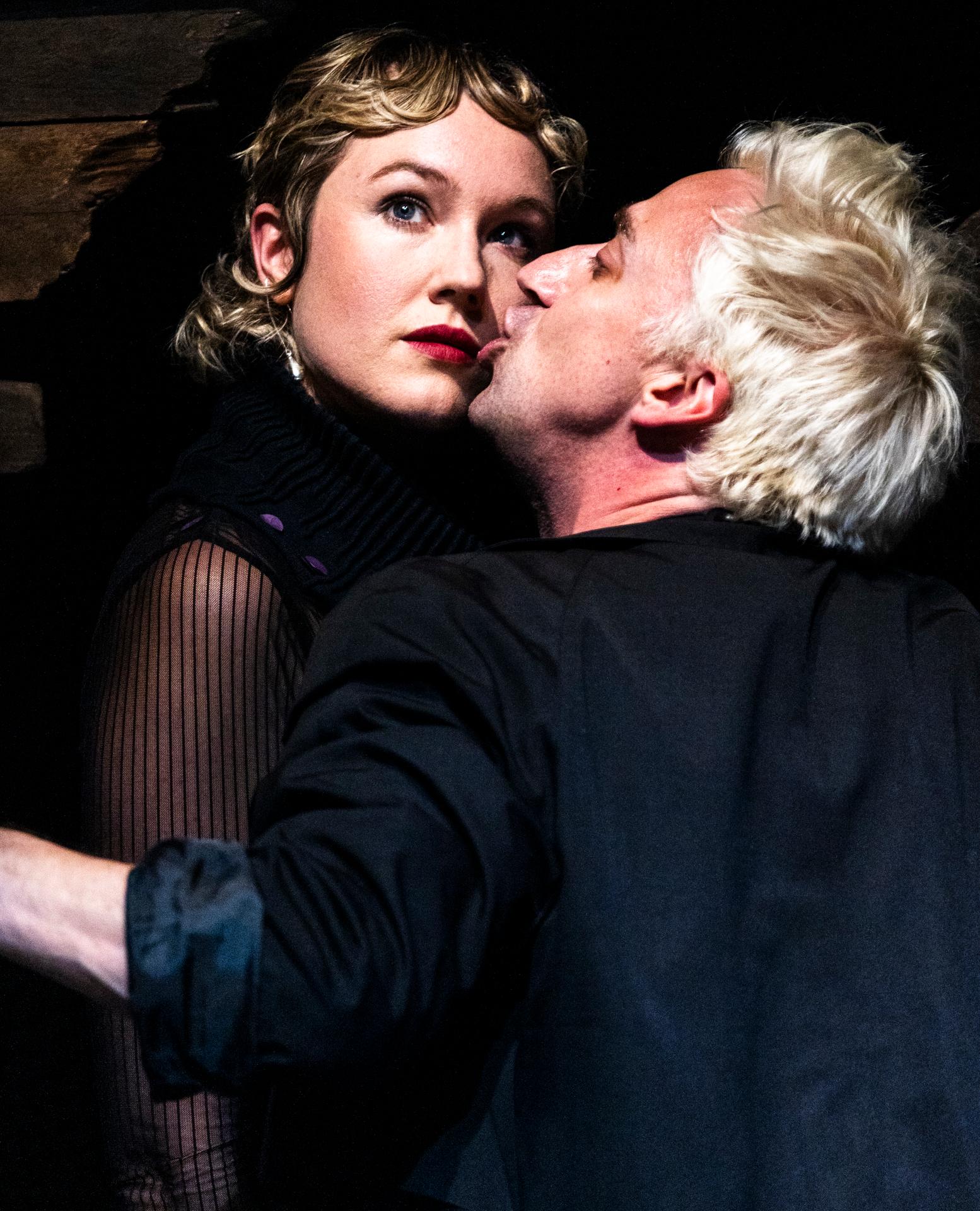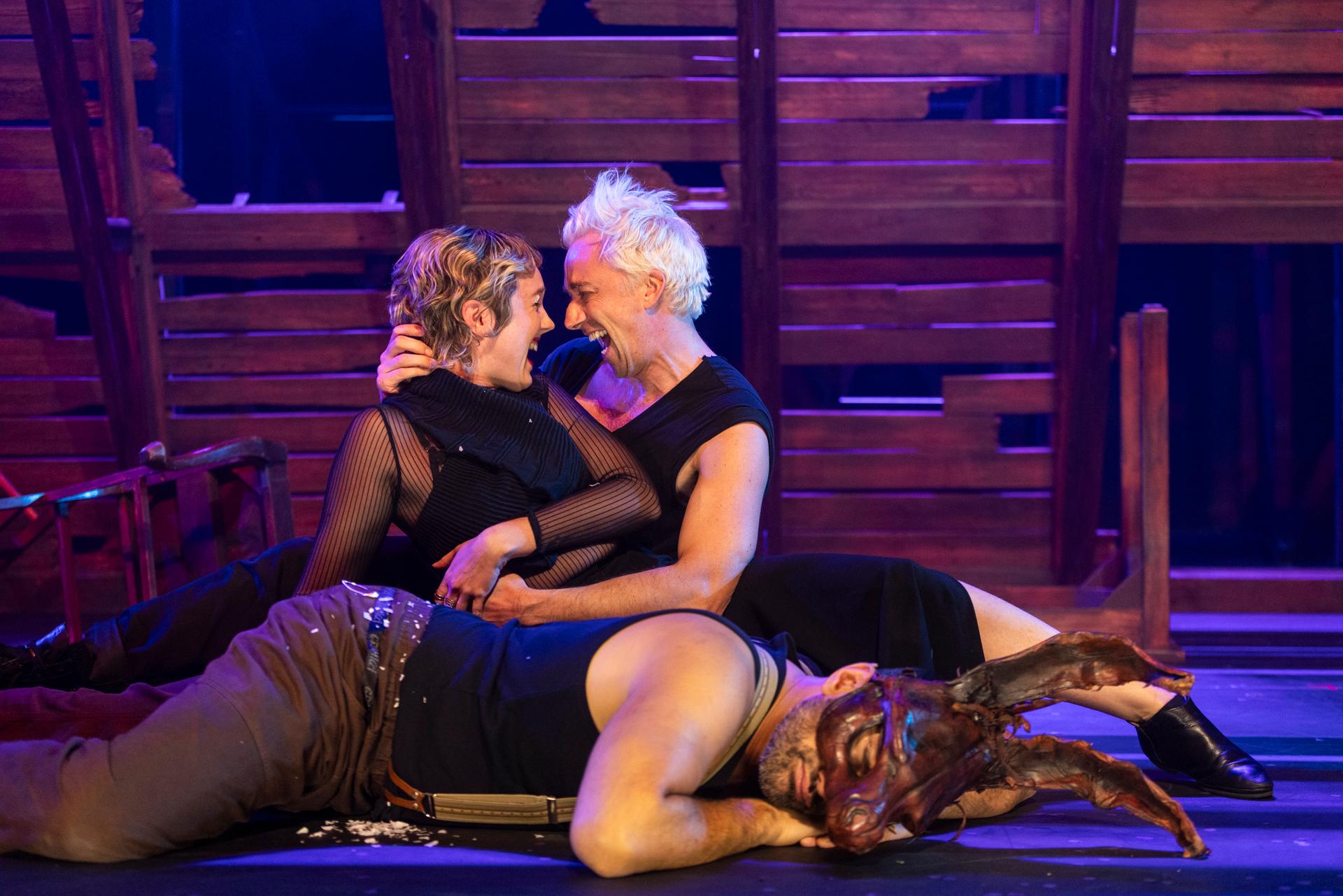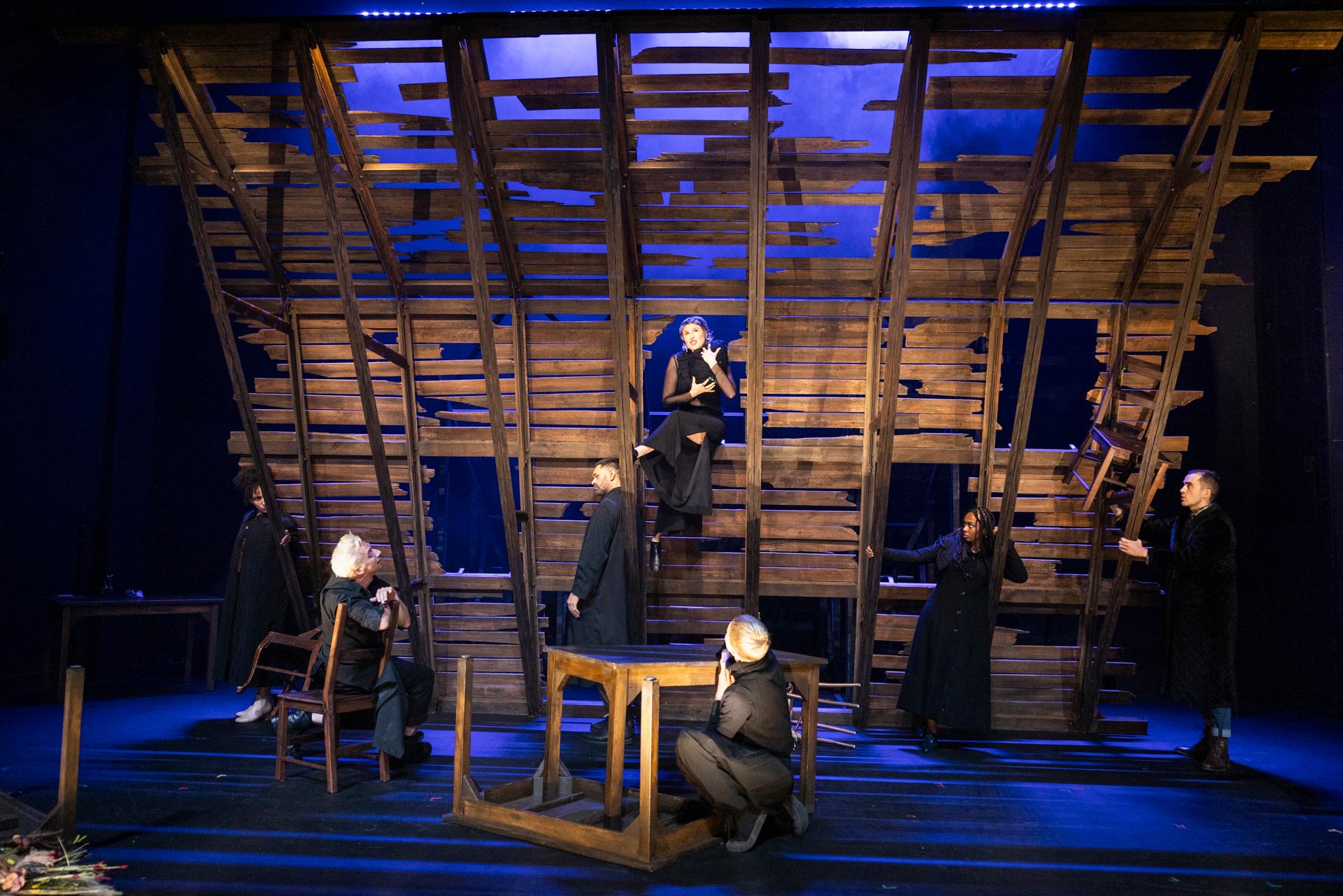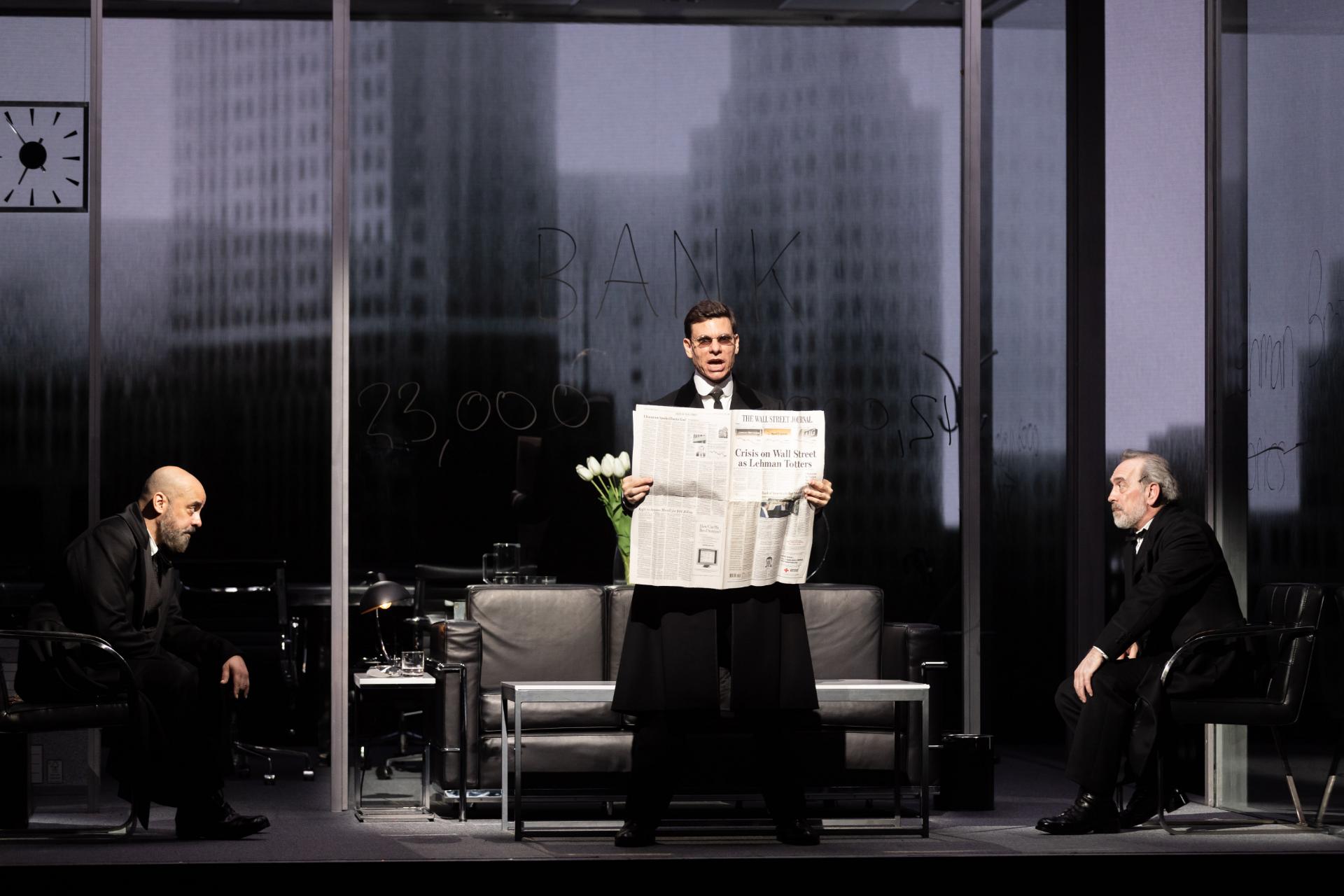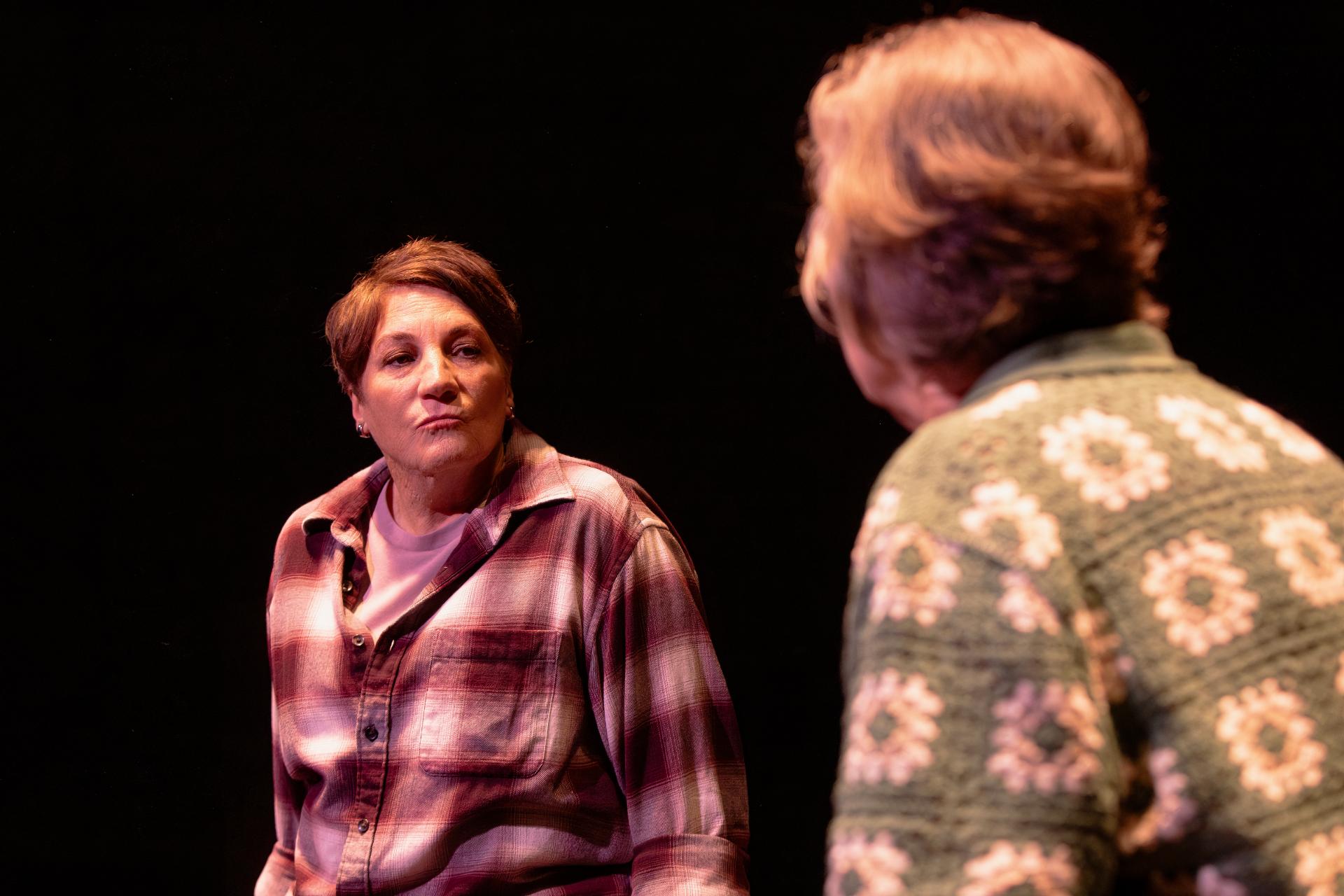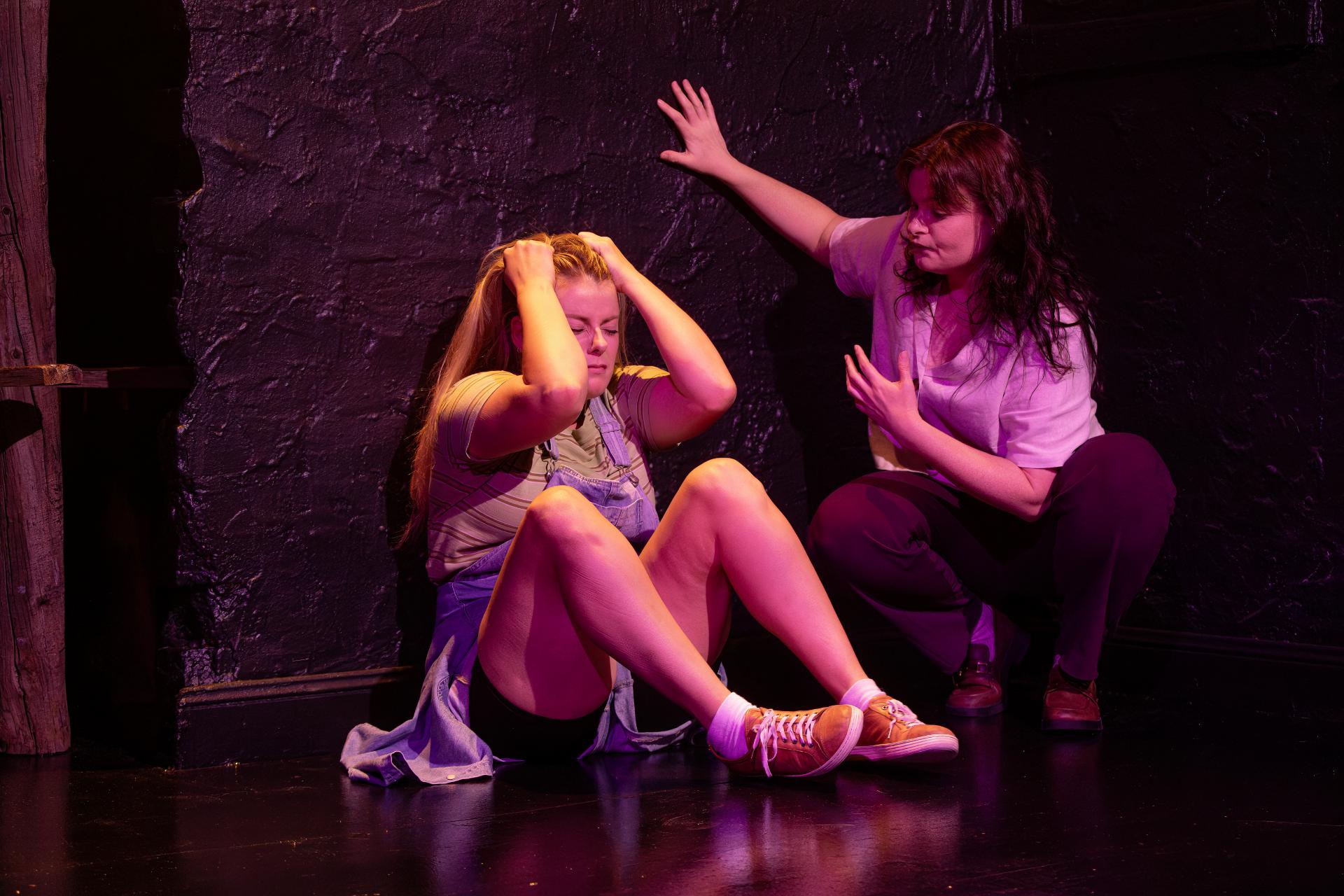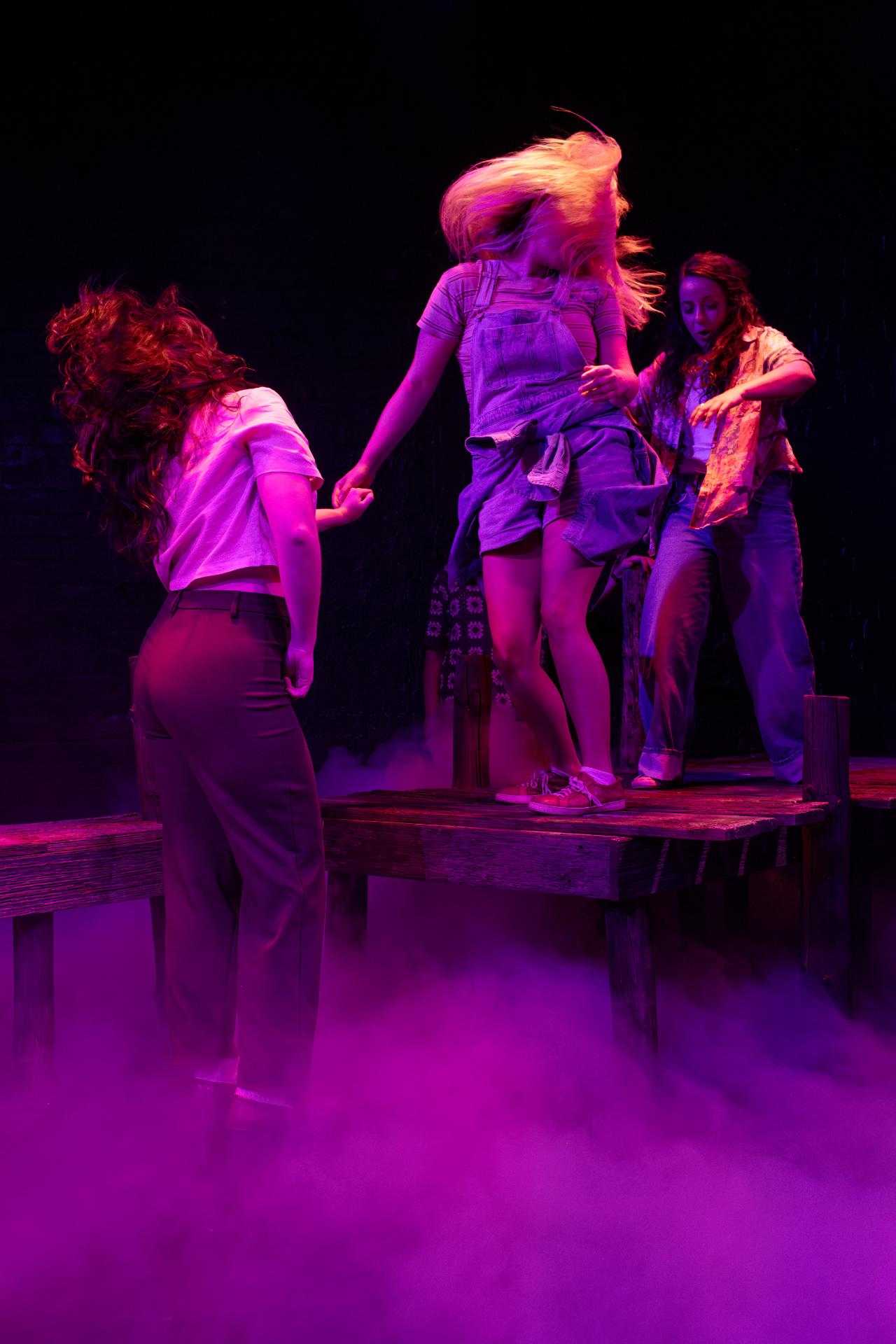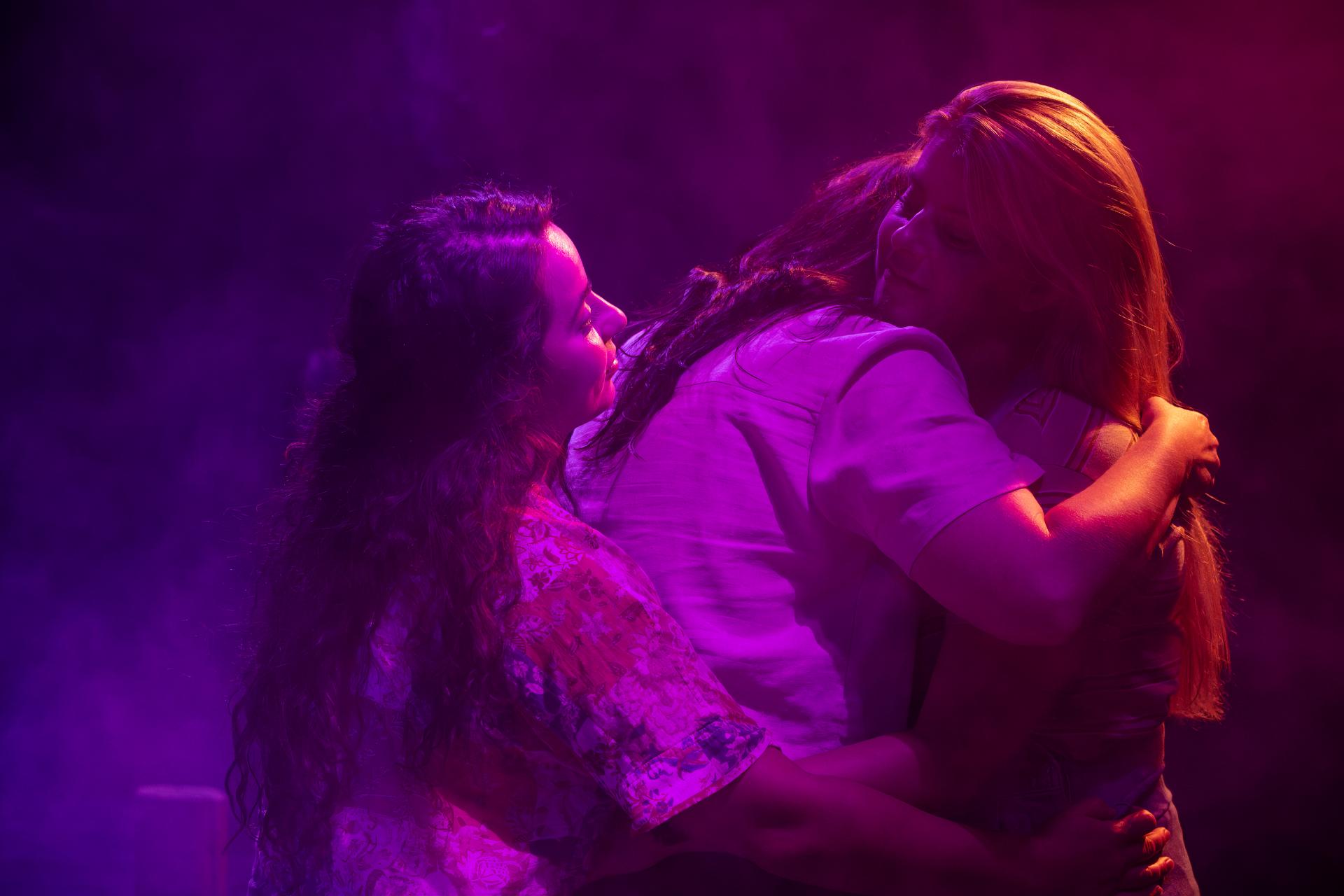
Review: Beauty And The Beast (Capitol Theatre)

Venue: Capitol Theatre (Sydney NSW), from Jun 14 – Dec 24, 2023
Book: Linda Woolverton
Lyrics: Howard Ashman, Tim Rice
Music: Alan Menken
Director: Matt West
Cast: Rohan Browne, Nick Cox, Rodney Dobson, Jackson Head, Gareth Jacobs, Shubshri Kandiah, Hayley Martin, Orlando Steiner, Alana Tranter, Jayde Westaby, Brendan Xavier
Images by 

Theatre review
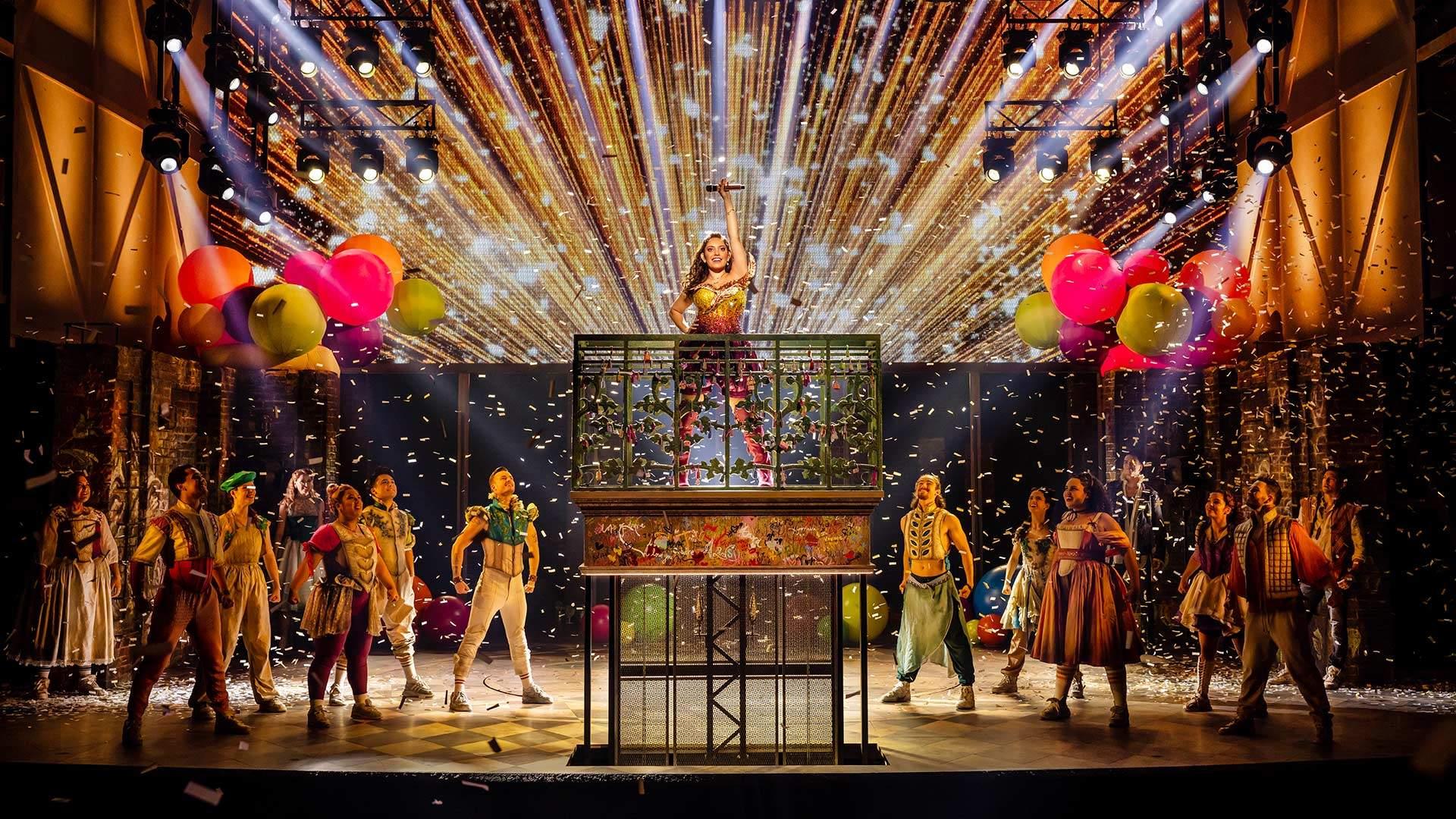
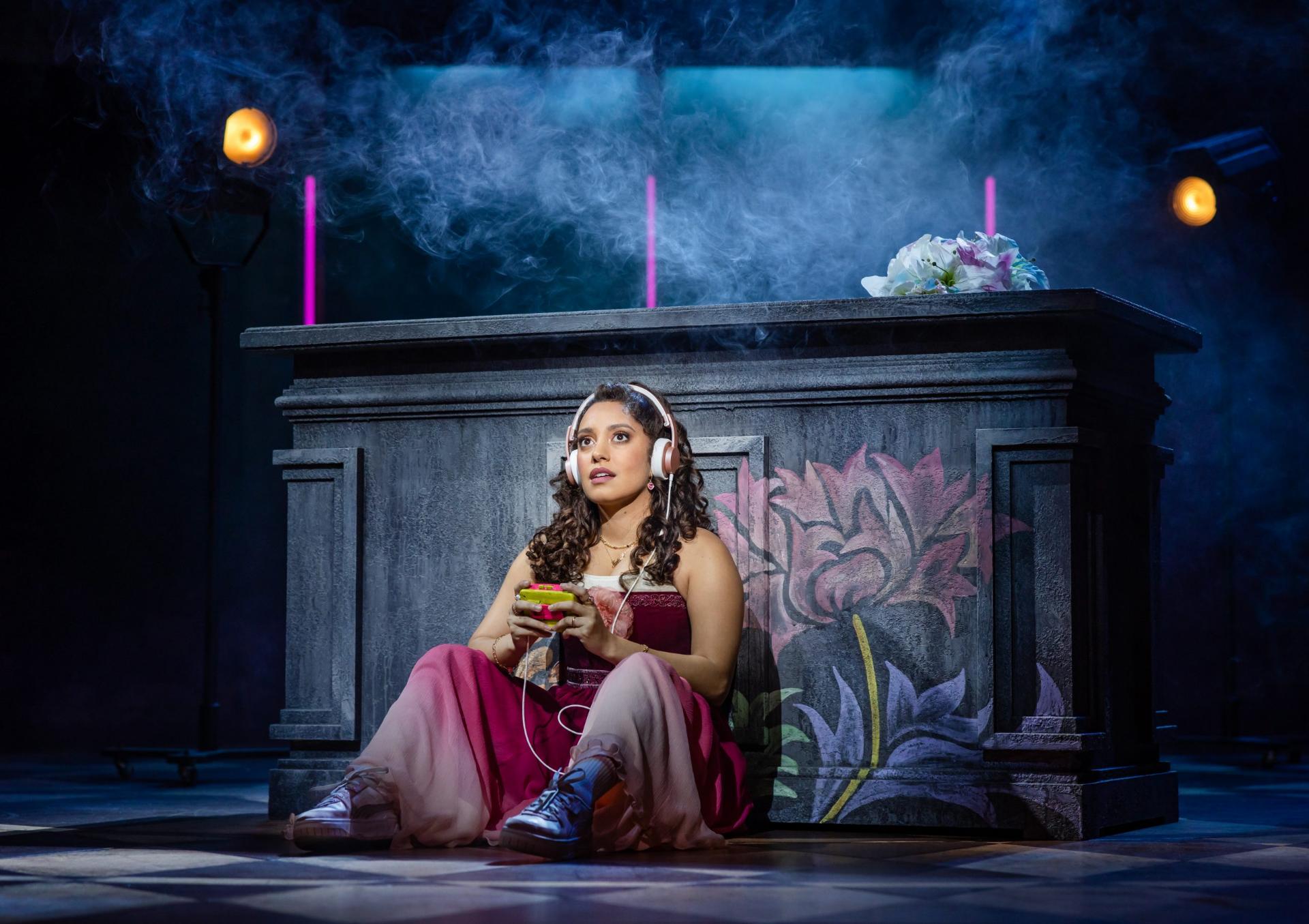
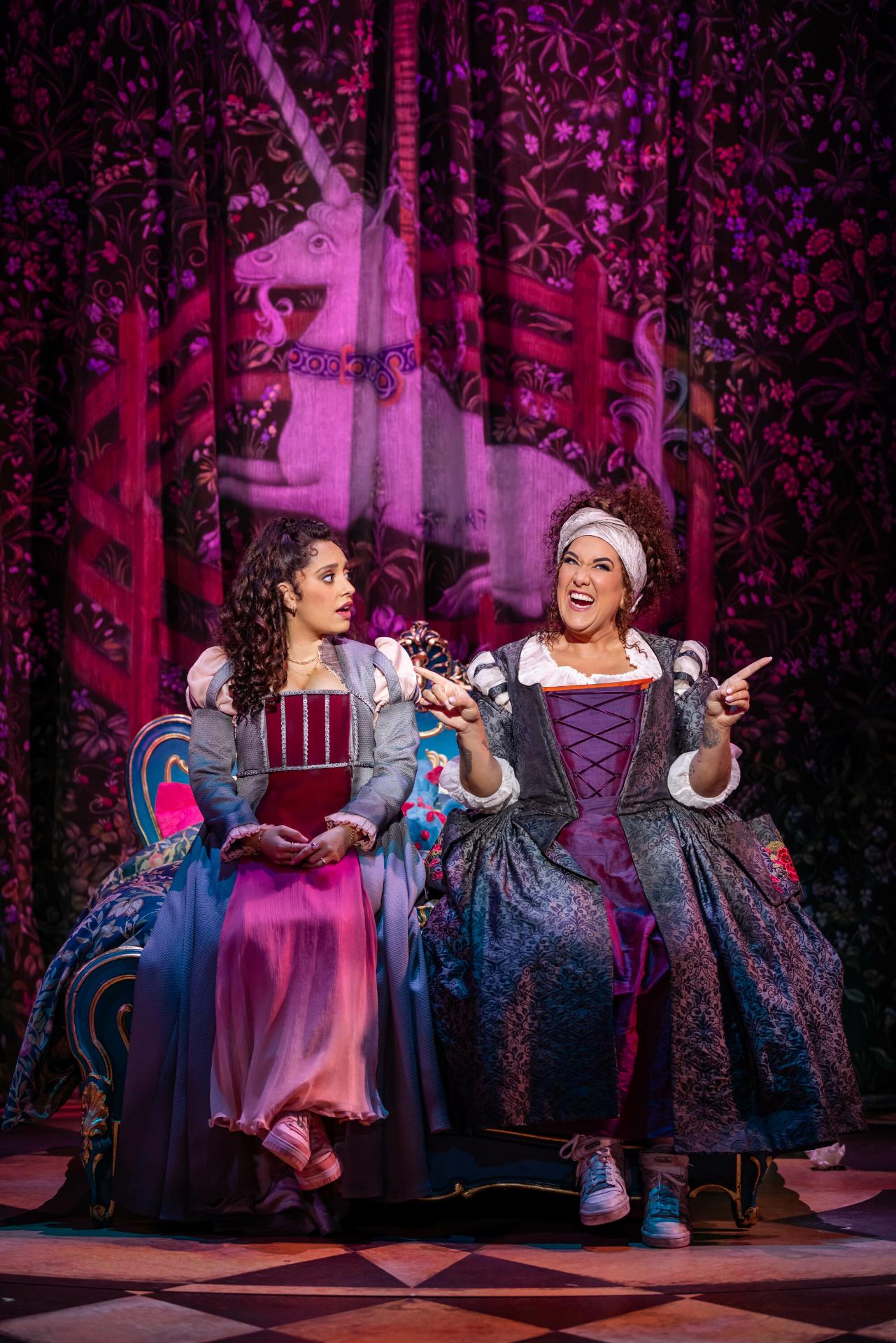
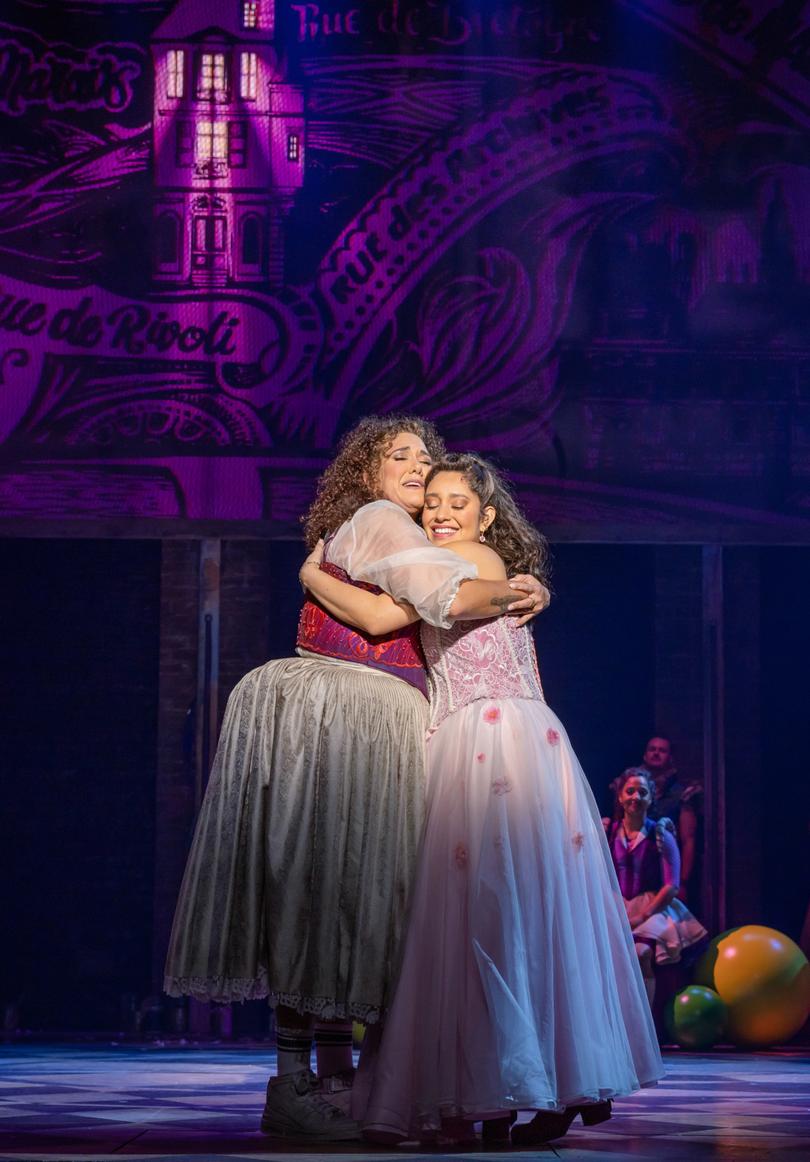
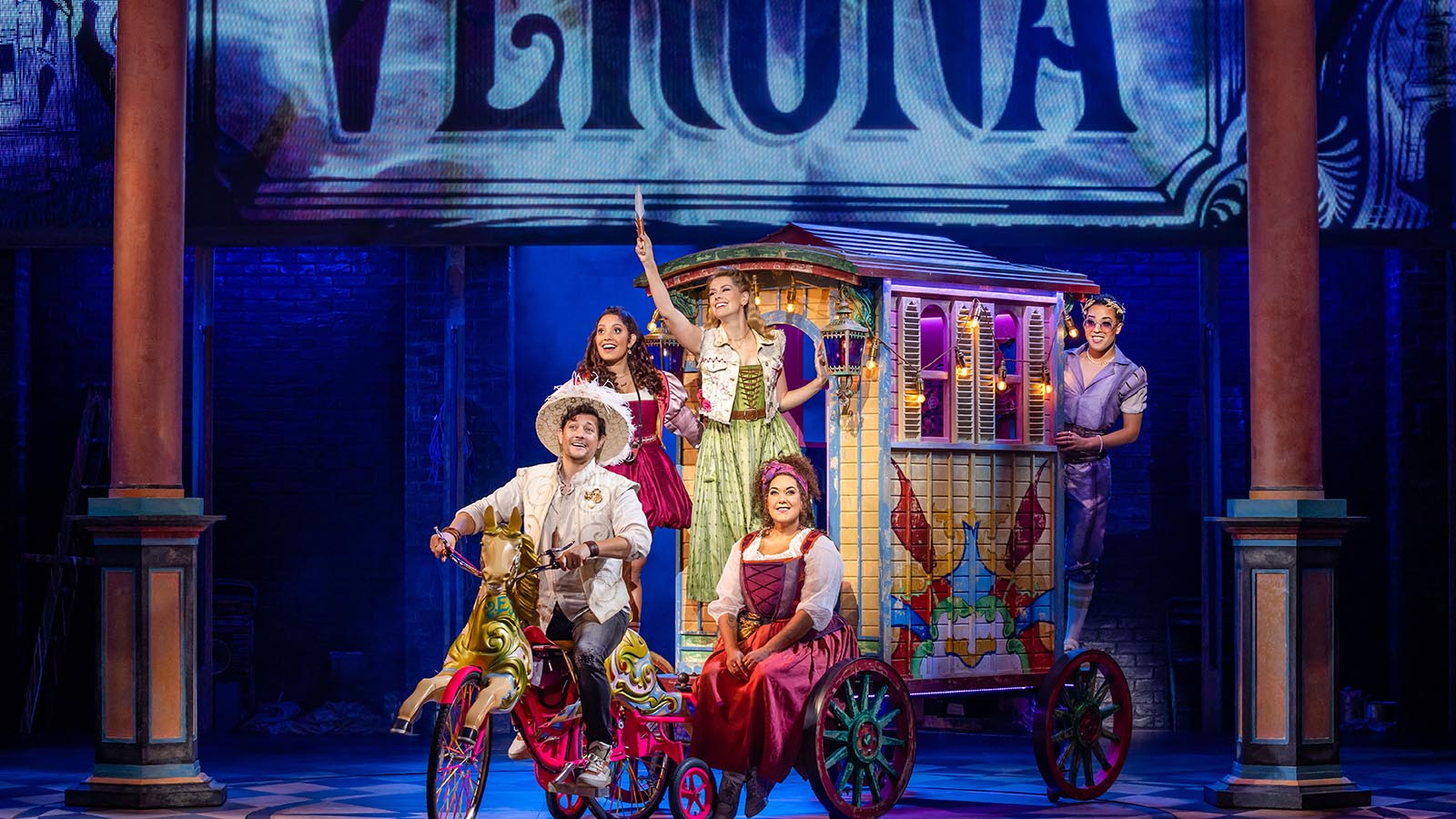
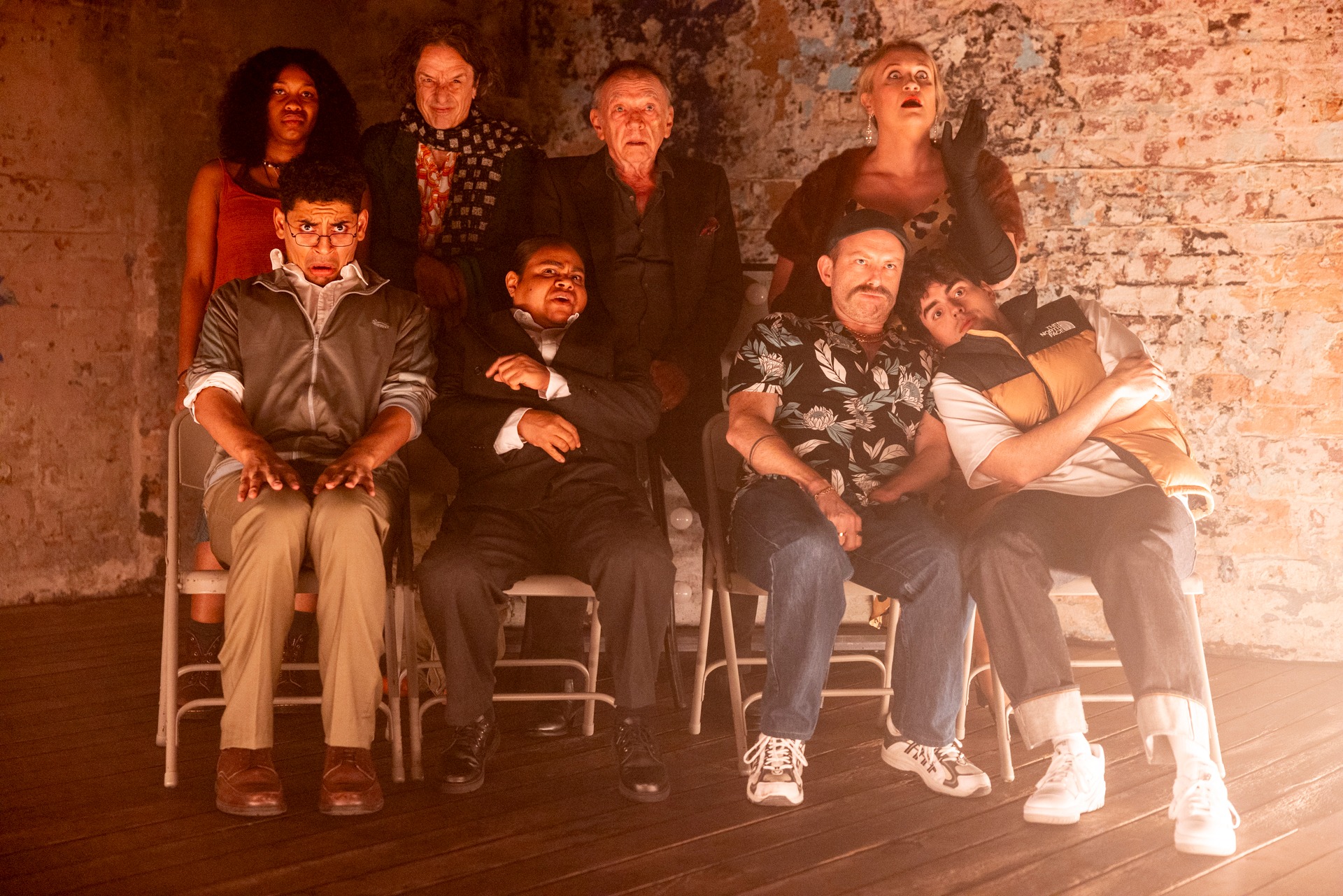
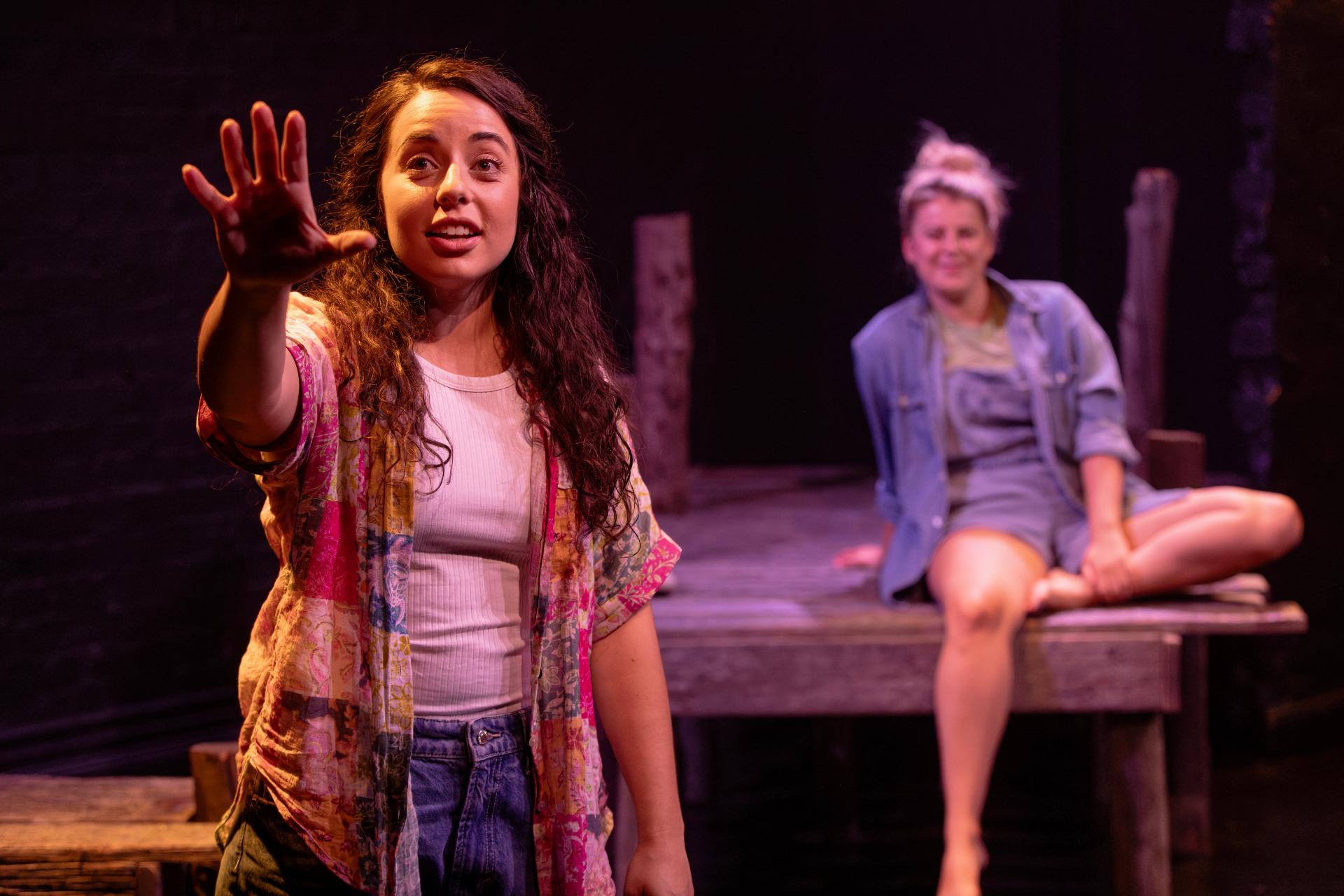
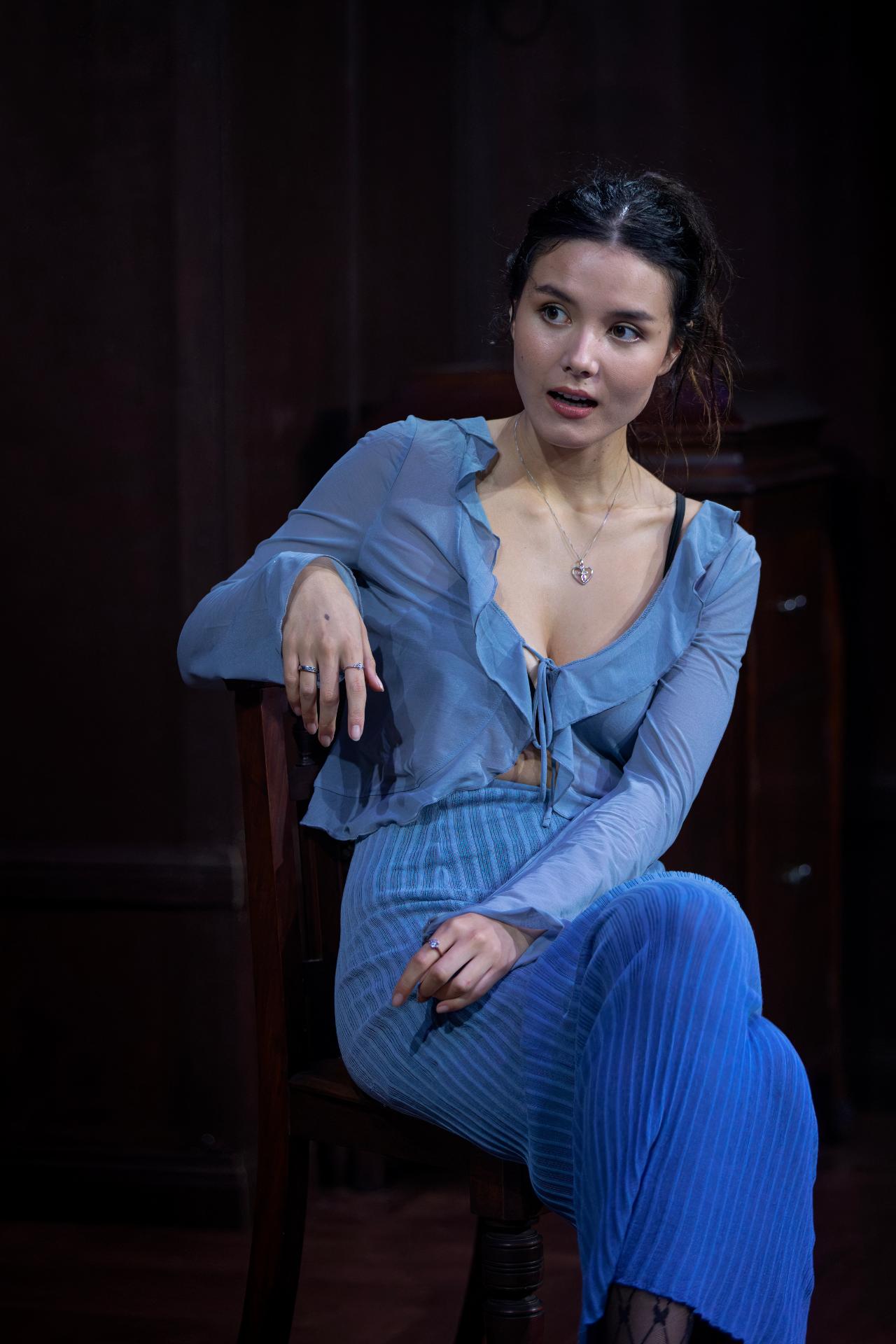
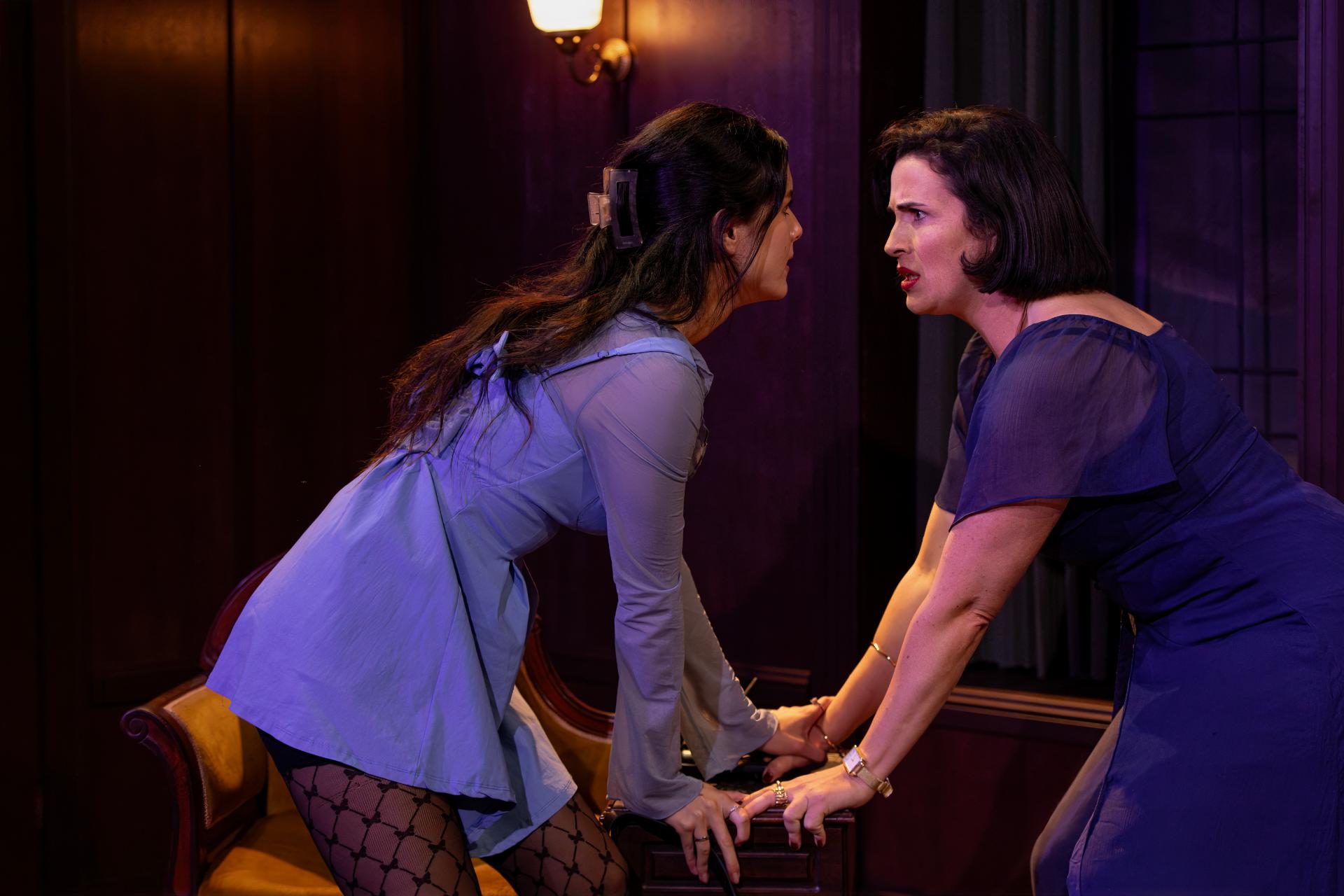
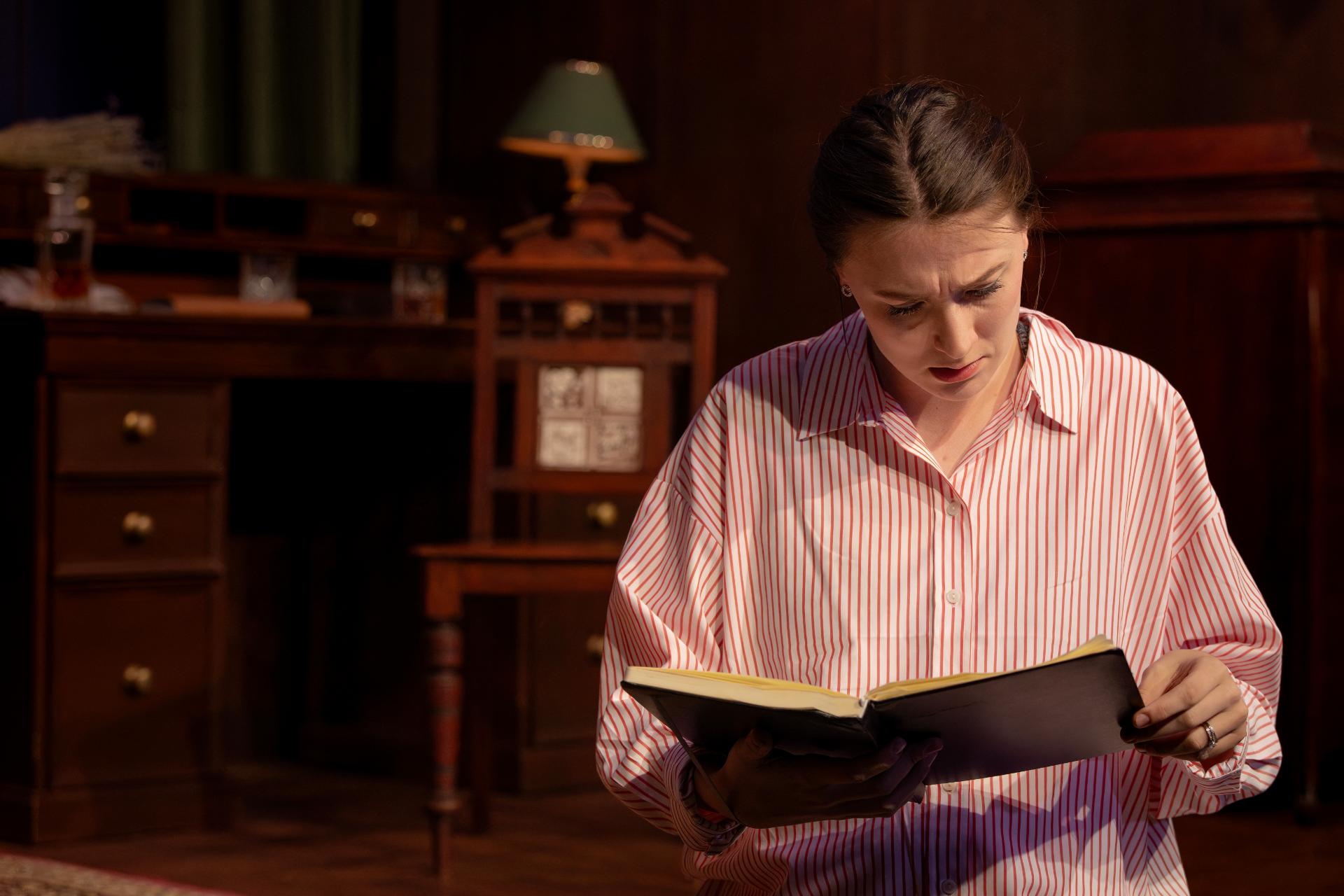
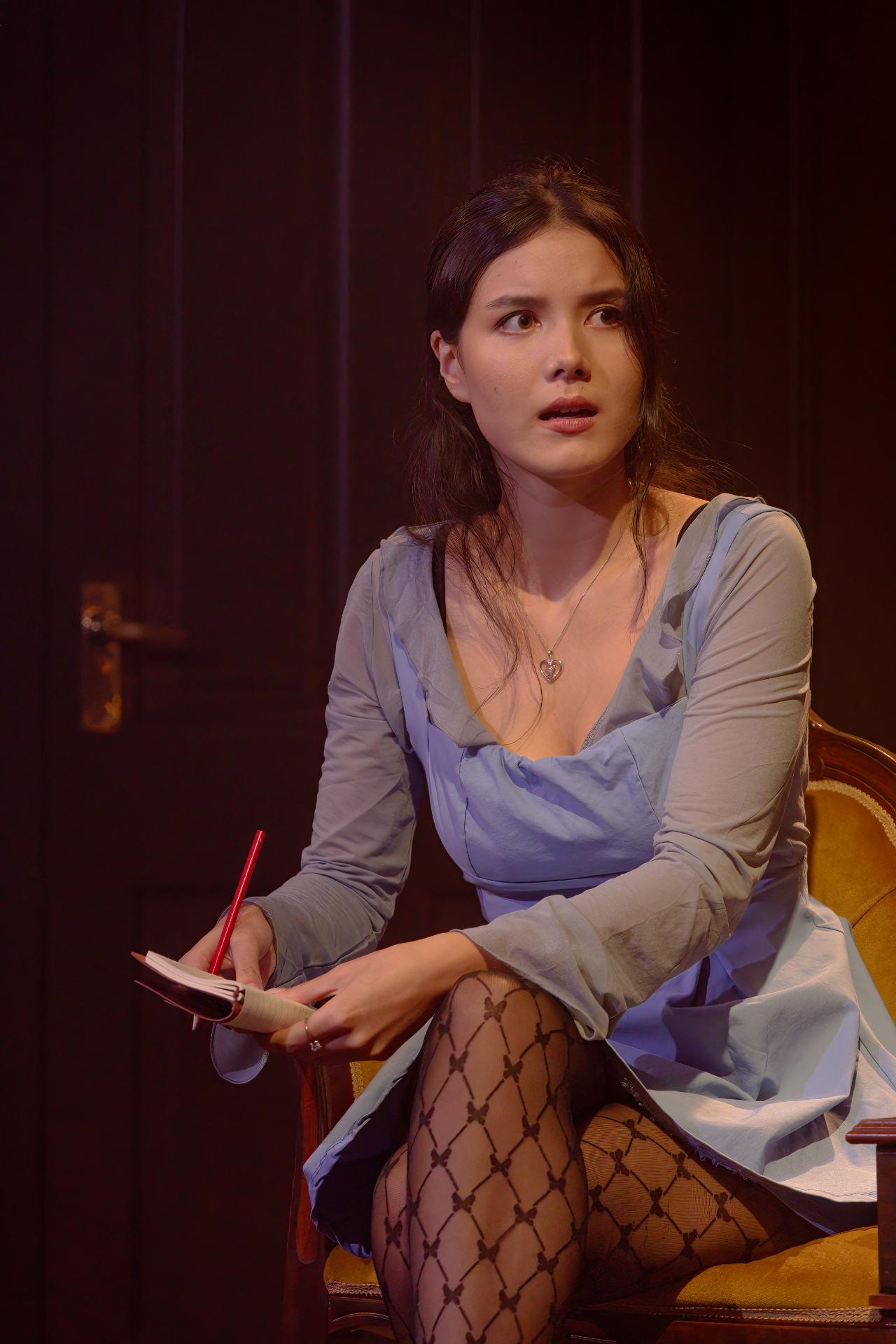
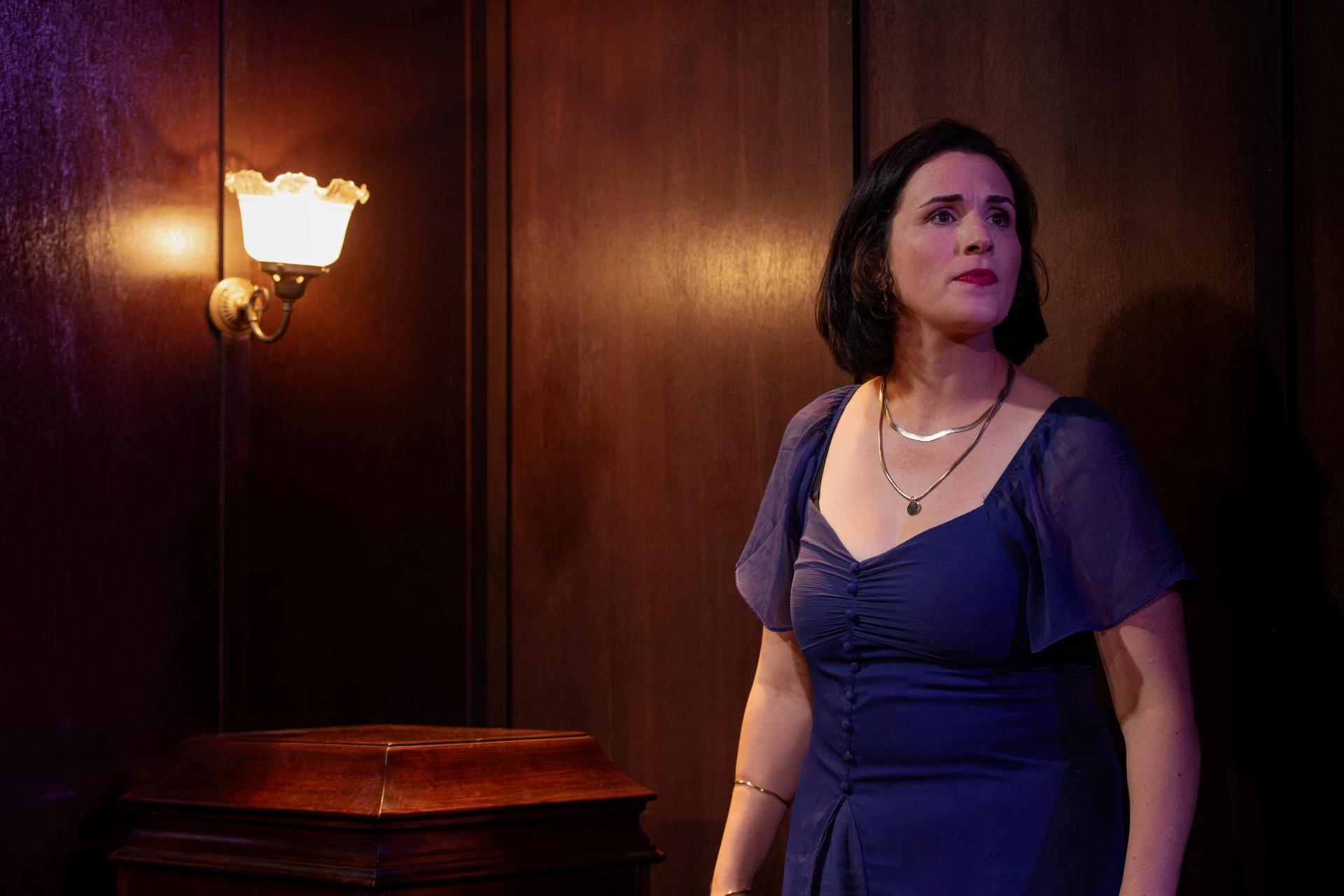
Belle is an avid reader, who lives an idyllic life with her father in a village somewhere in France. Just as she begins to express the need for something more, adventure descends upon her simple provincial existence, when her father is held captive in the castle of the abominable Beast. This stage musical version of Beauty and the Beast first appeared on Broadway in 1994, when the Disney corporation had begun to deviate from the damsel in distress narrative. Even though Belle finds love in a prince, we are thankful that her sense of identity extends far beyond romance and marriage.

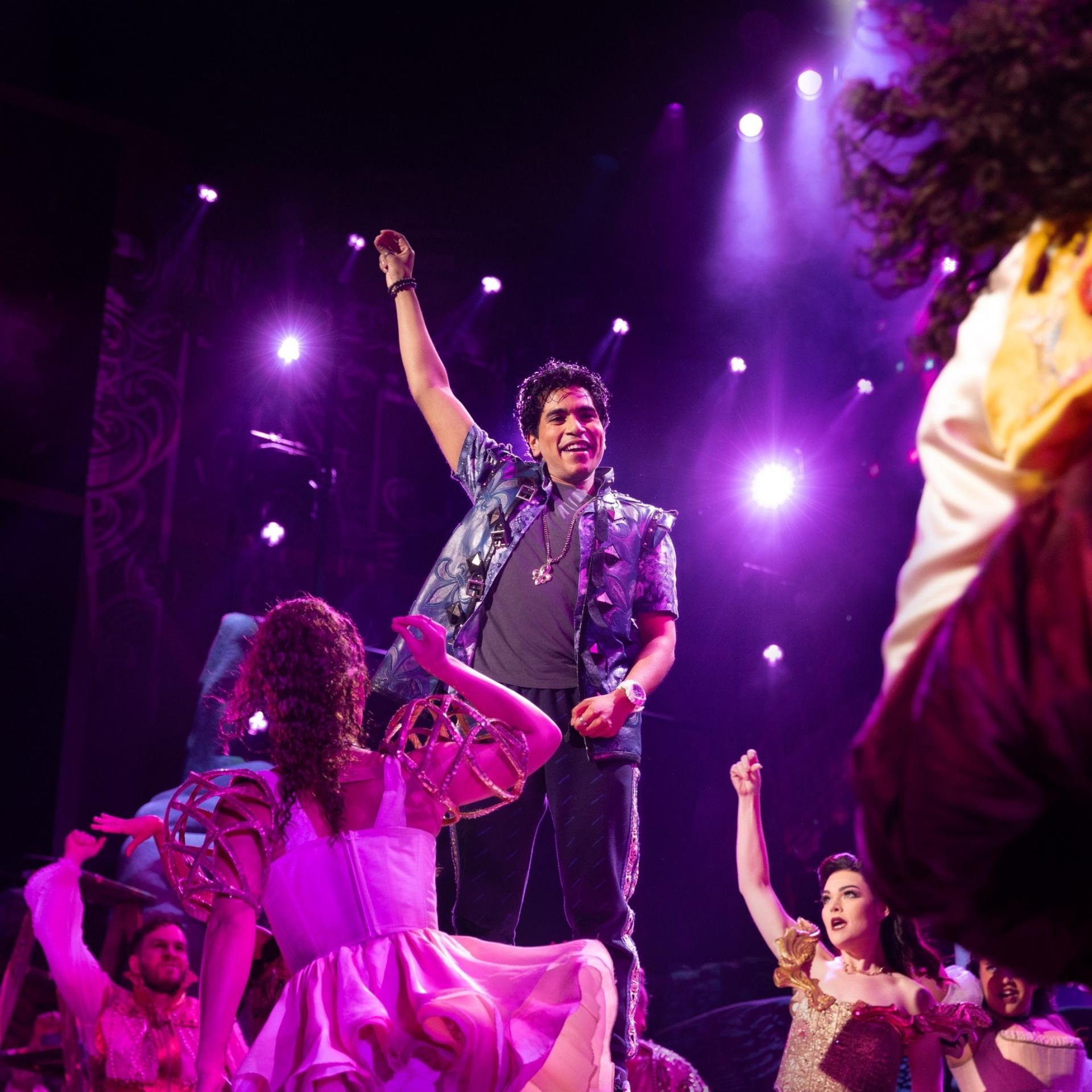
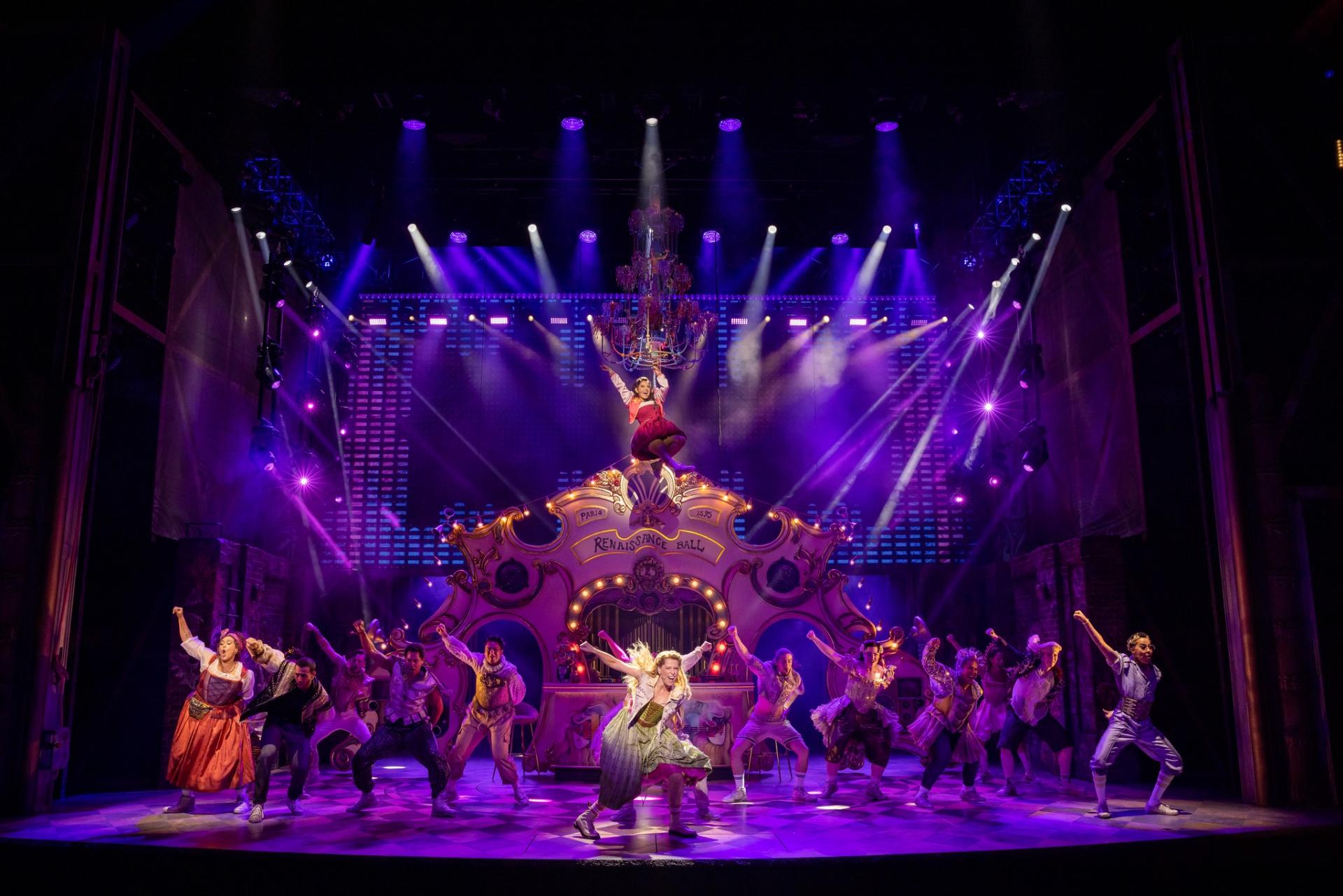
Revisiting the show in 2023, it is Belle’s strength and independence that truly resonates. The production benefits greatly from advancements in technology over these three decades, for some seriously spectacular staging especially notable in the world famous “Be Our Guest” number among others, but the effectiveness of the show is essentially predicated on a narrative about the celebration of humanity. All Beast and his servants want, is to become human again. All Belle wants, is freedom for herself and for her father. It turns out that love is the phenomenon that delivers for everyone at the end, but we know that humanity is the real and fundamental concern in Beauty and the Beast.

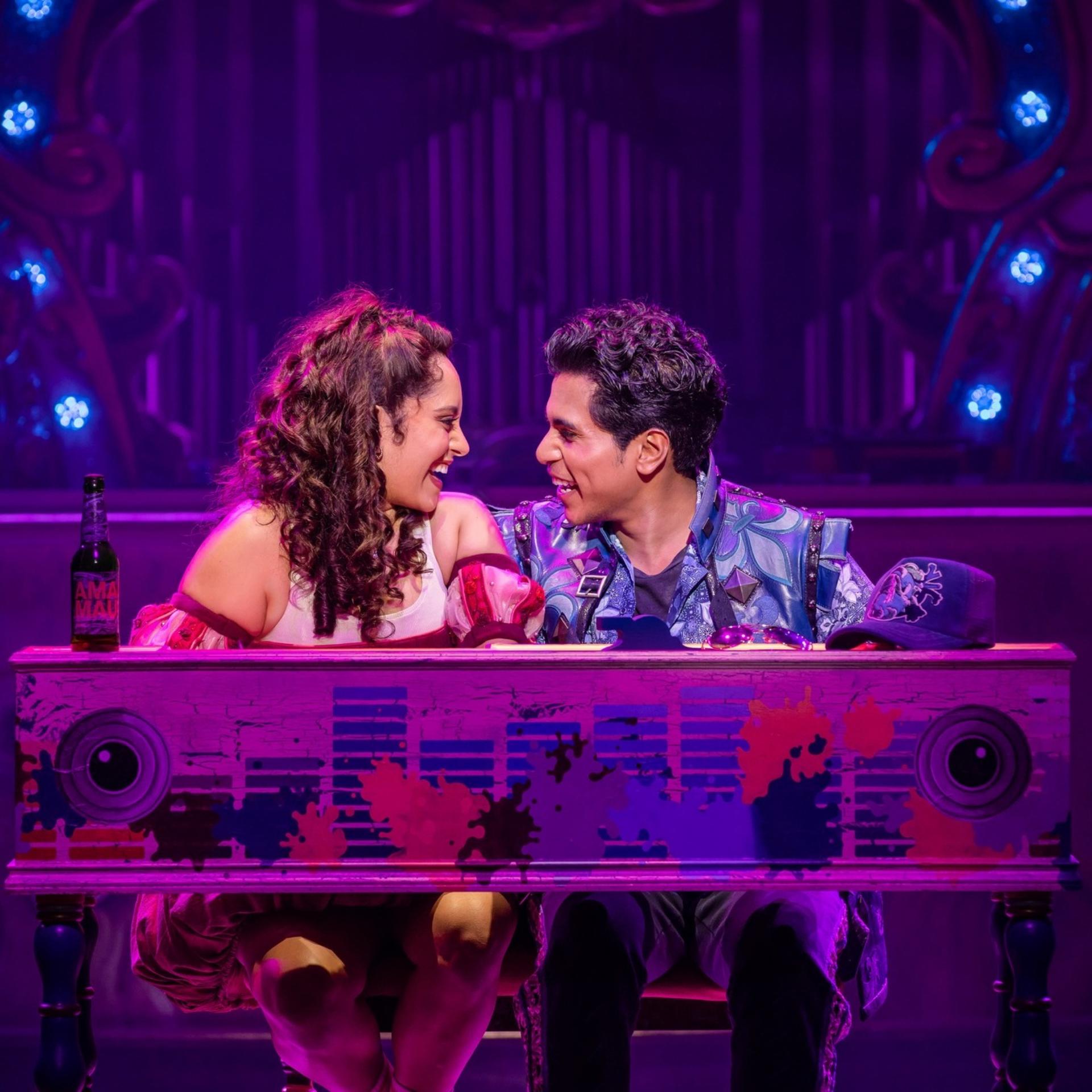
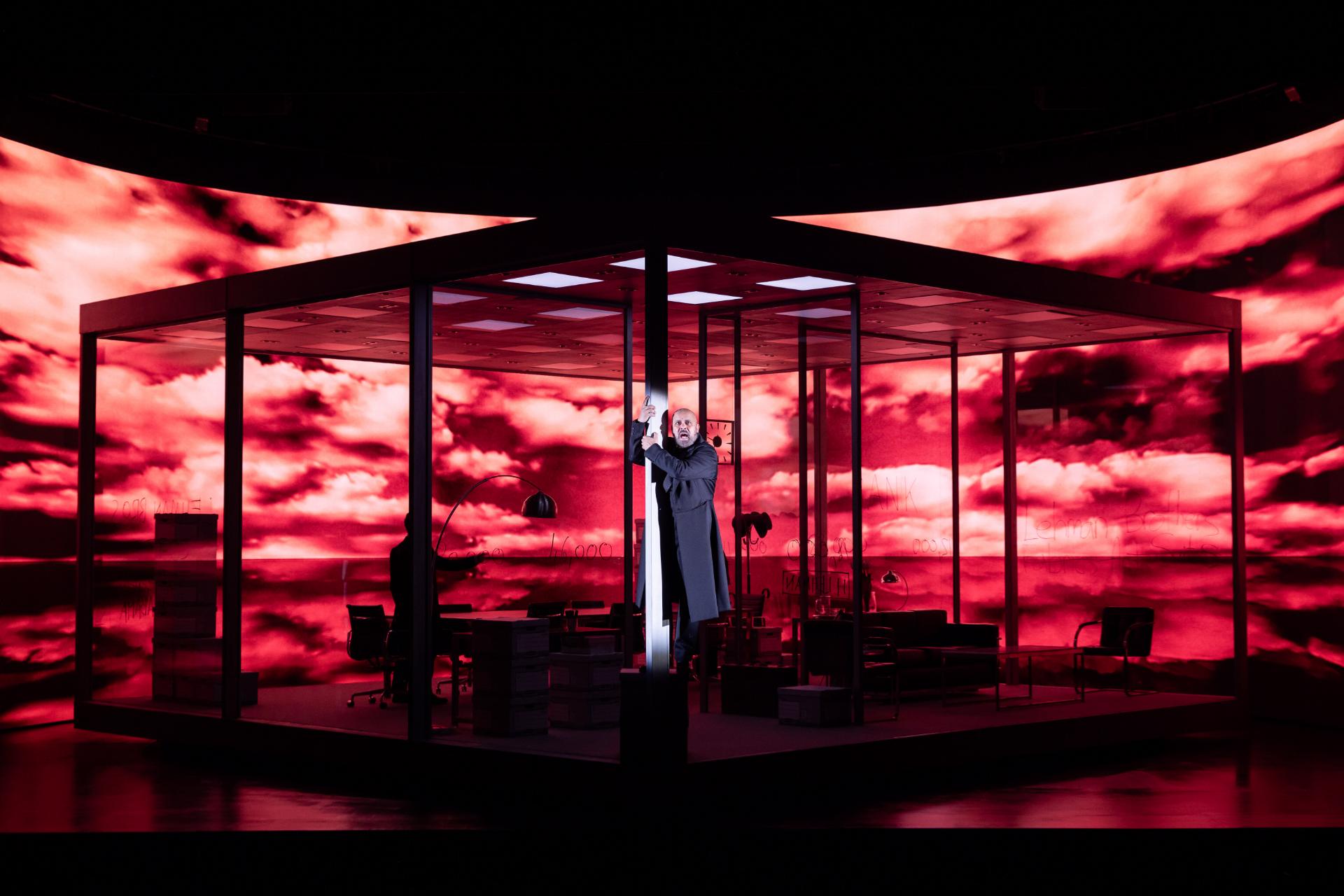
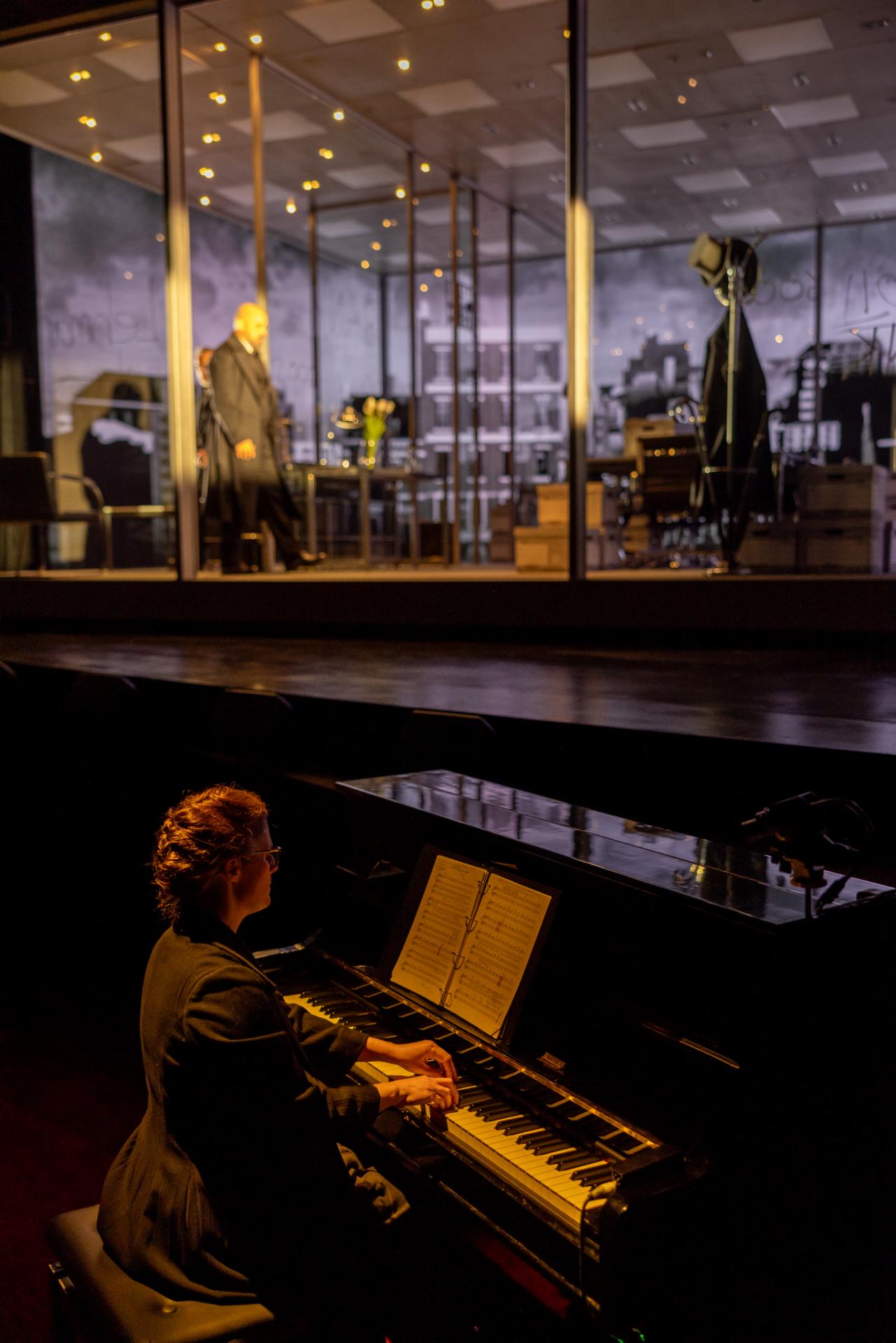
Exceptional stage craft in this production, offers an unparalleled experience of theatrical magic, capable of delighting even the most jaded of audiences. It delivers the kind of sensation that no other art form can; the thrills from witnessing live performance at this level of accomplishment, is quite transcendent. The artistry of a musical performer though, remains crucial to its success, and its star Shubshri Kandiah is so electrifying as Belle, one could imagine the show being equally satisfying without all the extravagant trimmings, just as long as Kandiah is present to bring her astounding talent, skill and soulfulness to the piece.

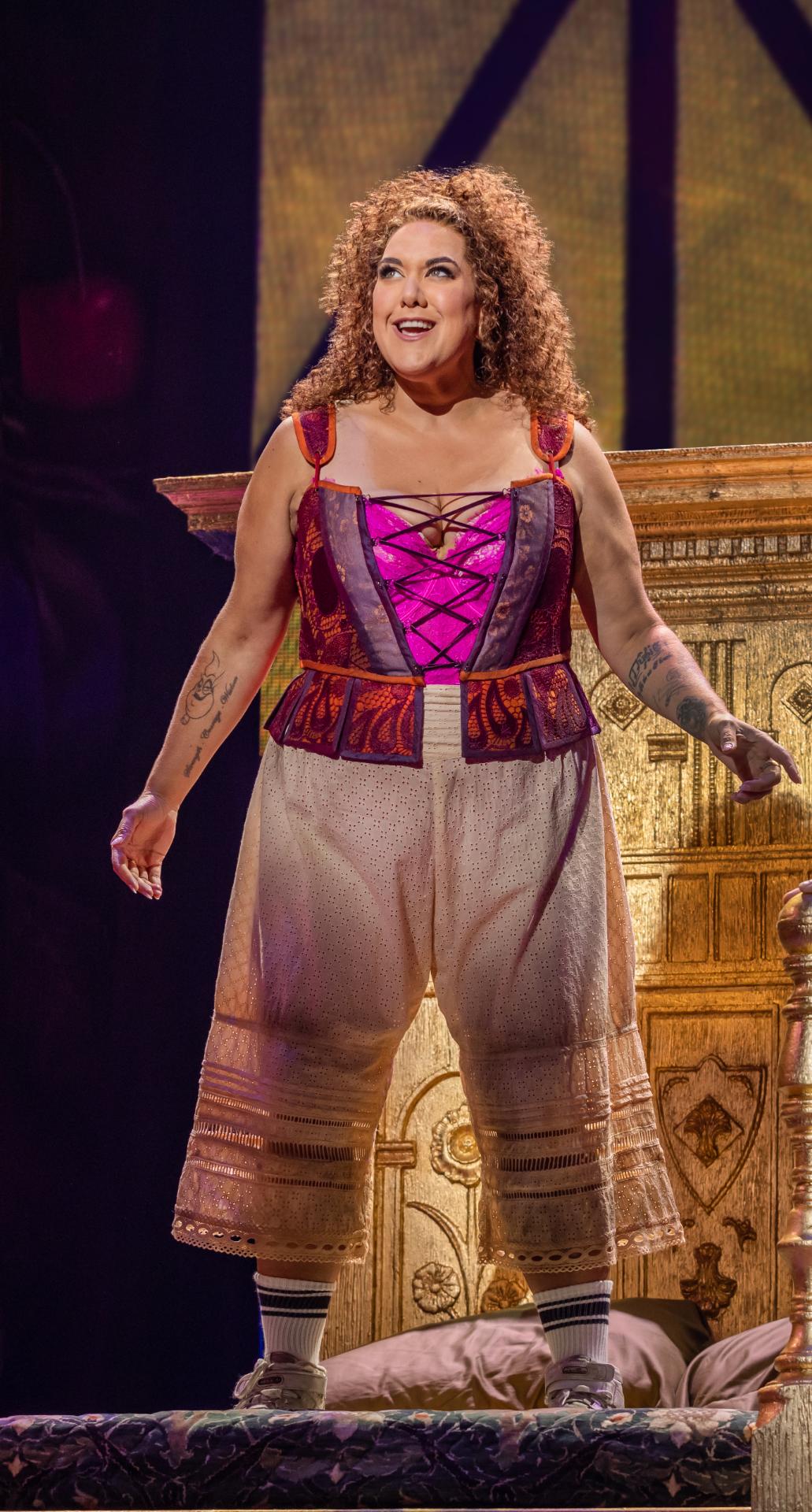
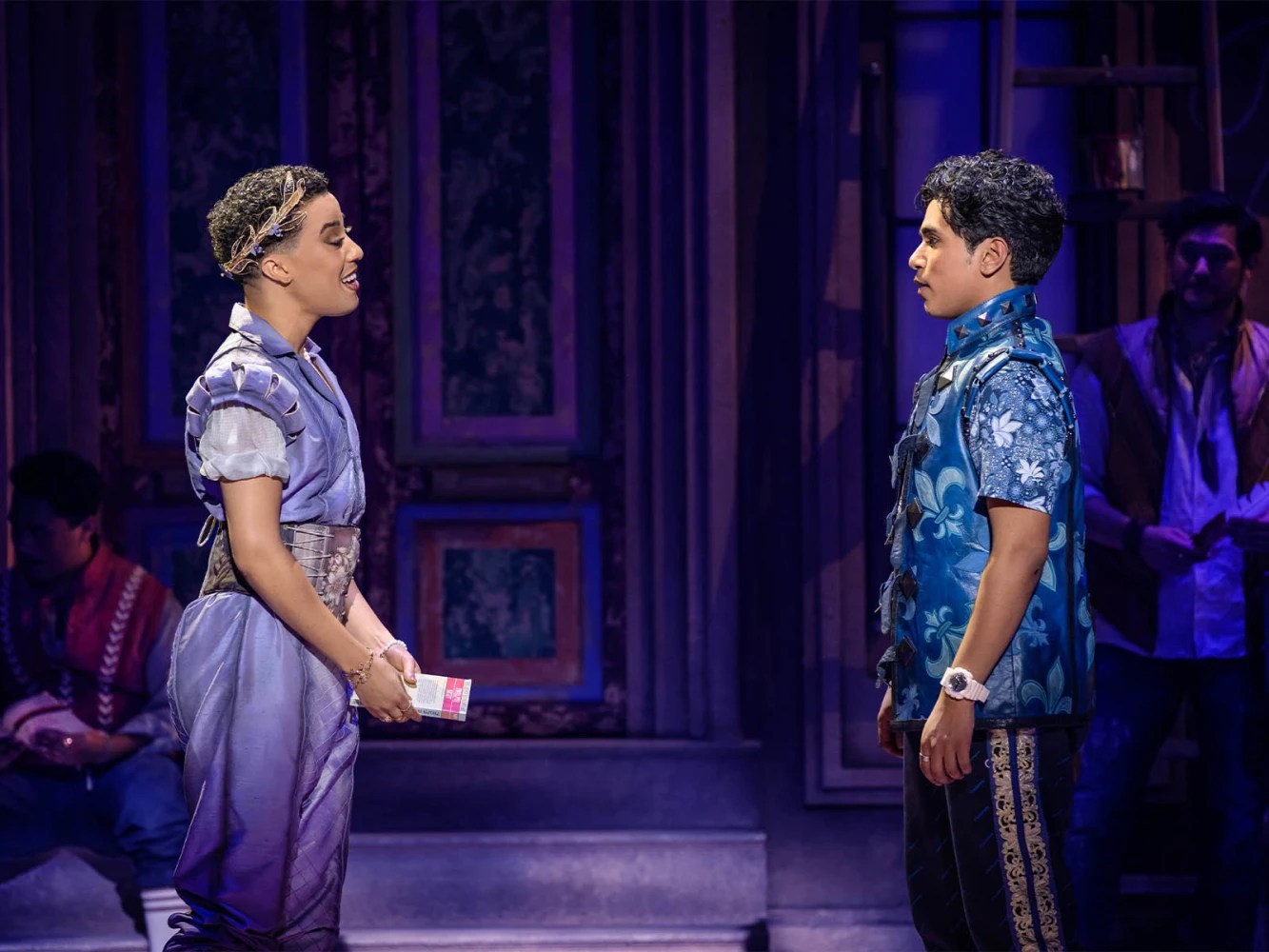
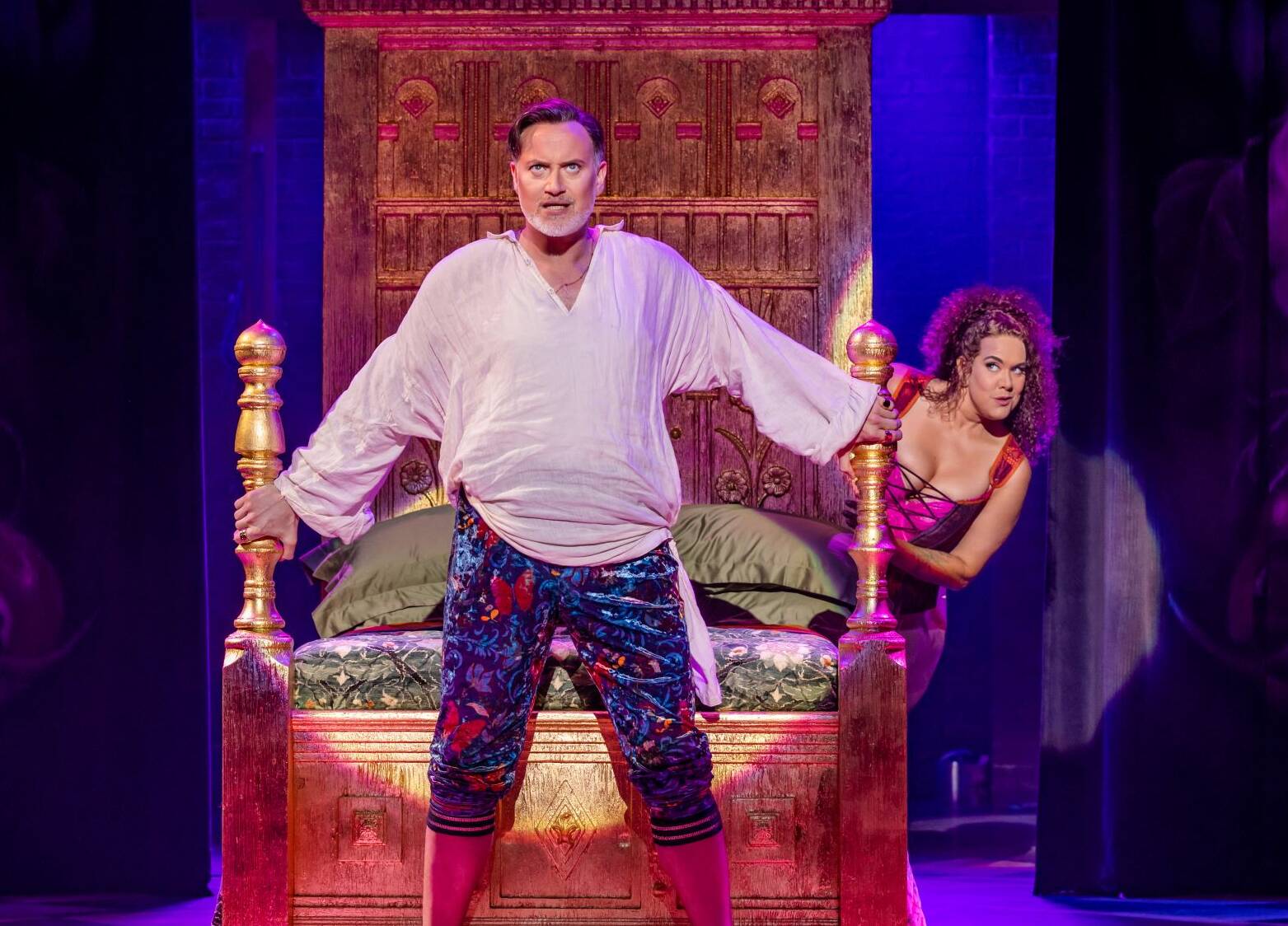
Beast is played by Brendan Xavier, whose flawless singing has us completely bewitched, and is surprising with the tenderness he injects, into depictions of a new masculinity much more suited to our contemporary age. Jackson Head as the cocky Gaston is appropriately conceited and comical, with a precision to his work that proves to be highly engaging. The iconically flamboyant Lumiere is brought to glorious life by Rohan Browne, who demonstrates incredible charisma and power, virtually unmatchable in allure whenever he steps onto the stage. 

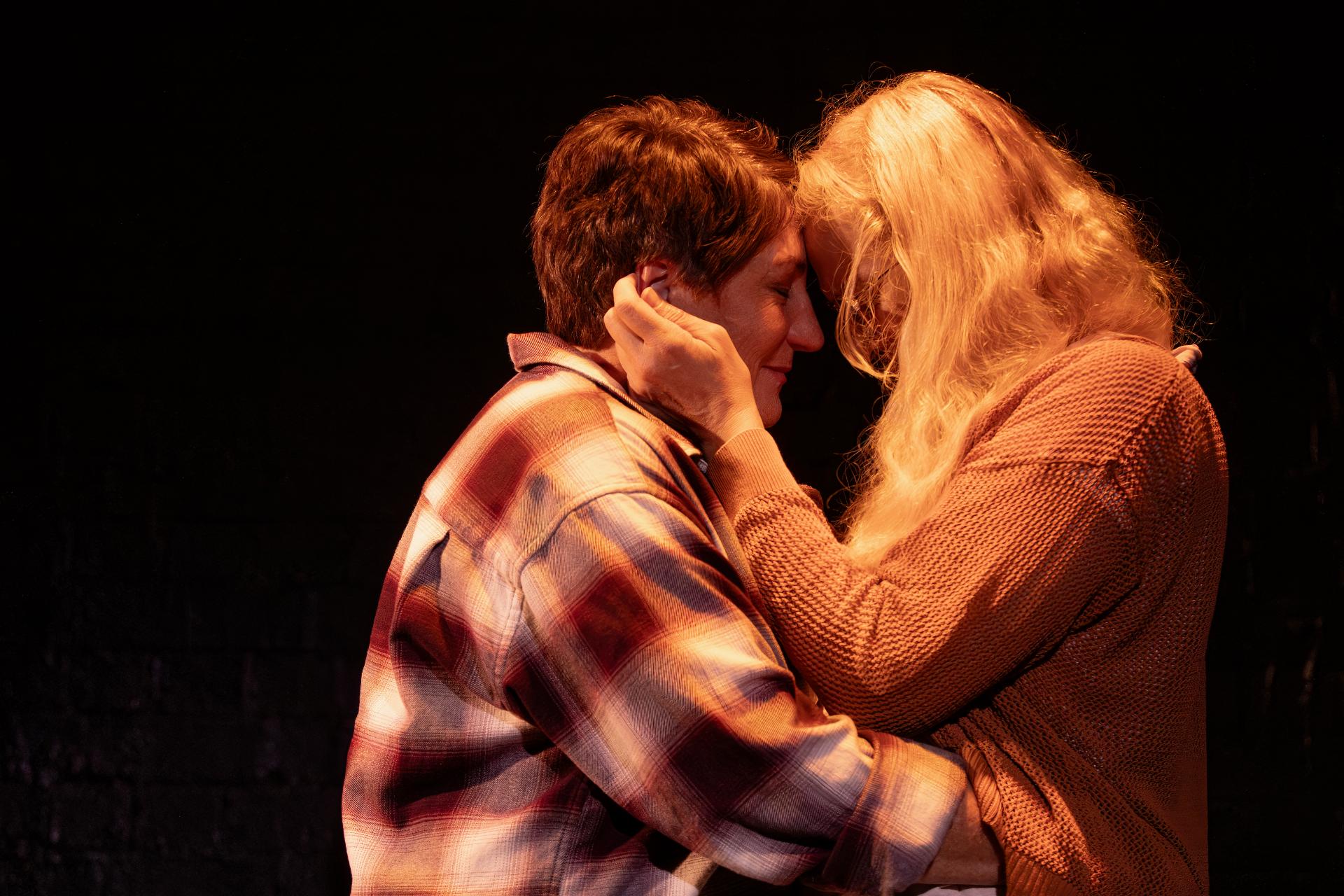
Beast can only turn human again when he is touched by love. In order to survive this existence, we all go through processes of dehumanisation, where over time we become harder, colder, closed off and anesthetised. Romance will not be every person’s salvation, but we can fight determined, against that which wants to turn us brutal and unfeeling. People are capable of loving again, and layers of calluses can be removed, to reveal a weathered but stronger heart, ready for bigger and better.

www.beautyandthebeastmusical.com.au

Review: Benefactors (Ensemble Theatre)

Venue: Ensemble Theatre (Kirribilli NSW), Jun 16 – Jul 22, 2023
Playwright: Michael Frayn
Director: Mark Kilmurry
Cast: Gareth Davies, Megan Drury, Matt Minto, Emma Palmer
Images by Prudence Upton

Theatre review

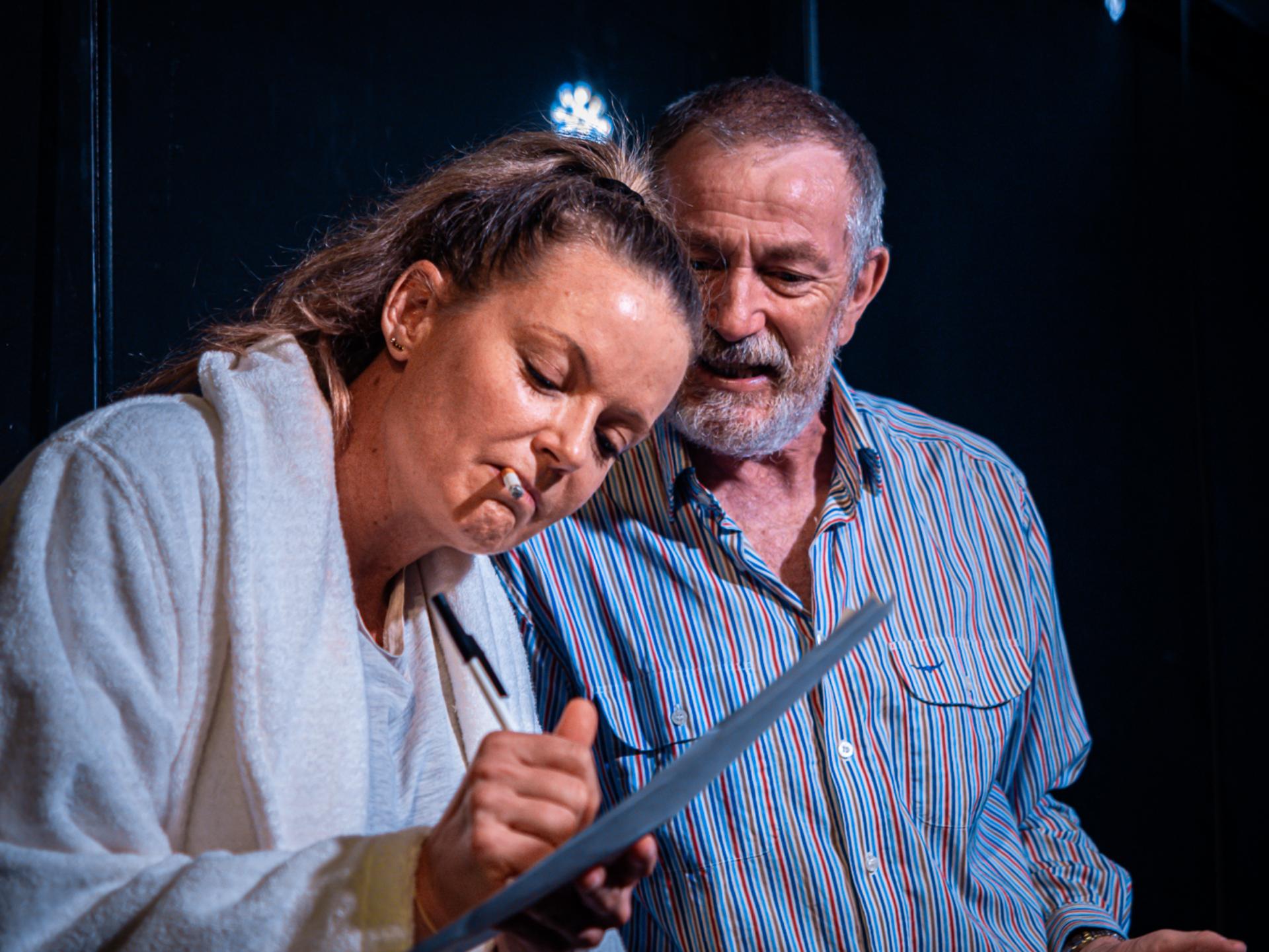
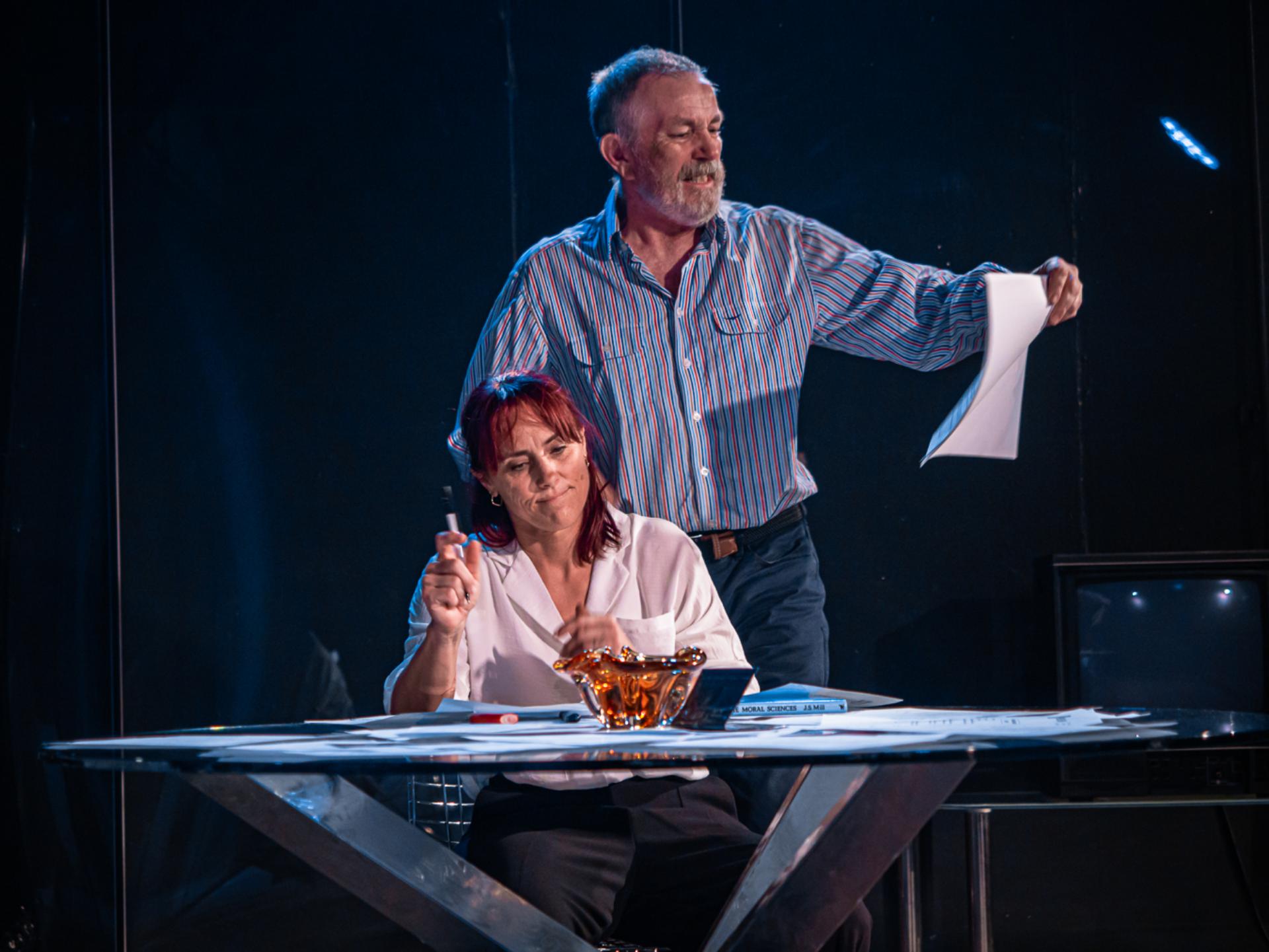
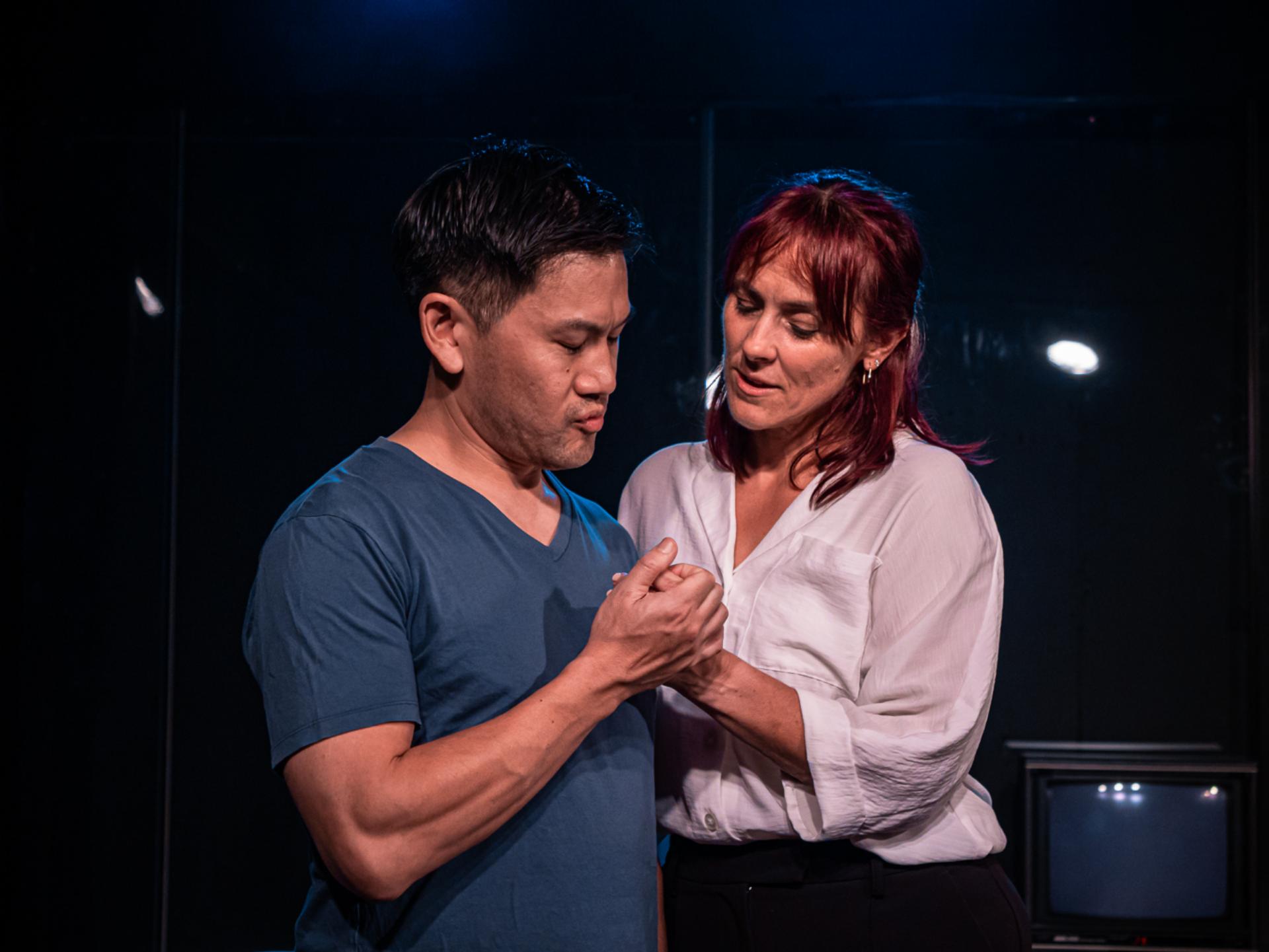
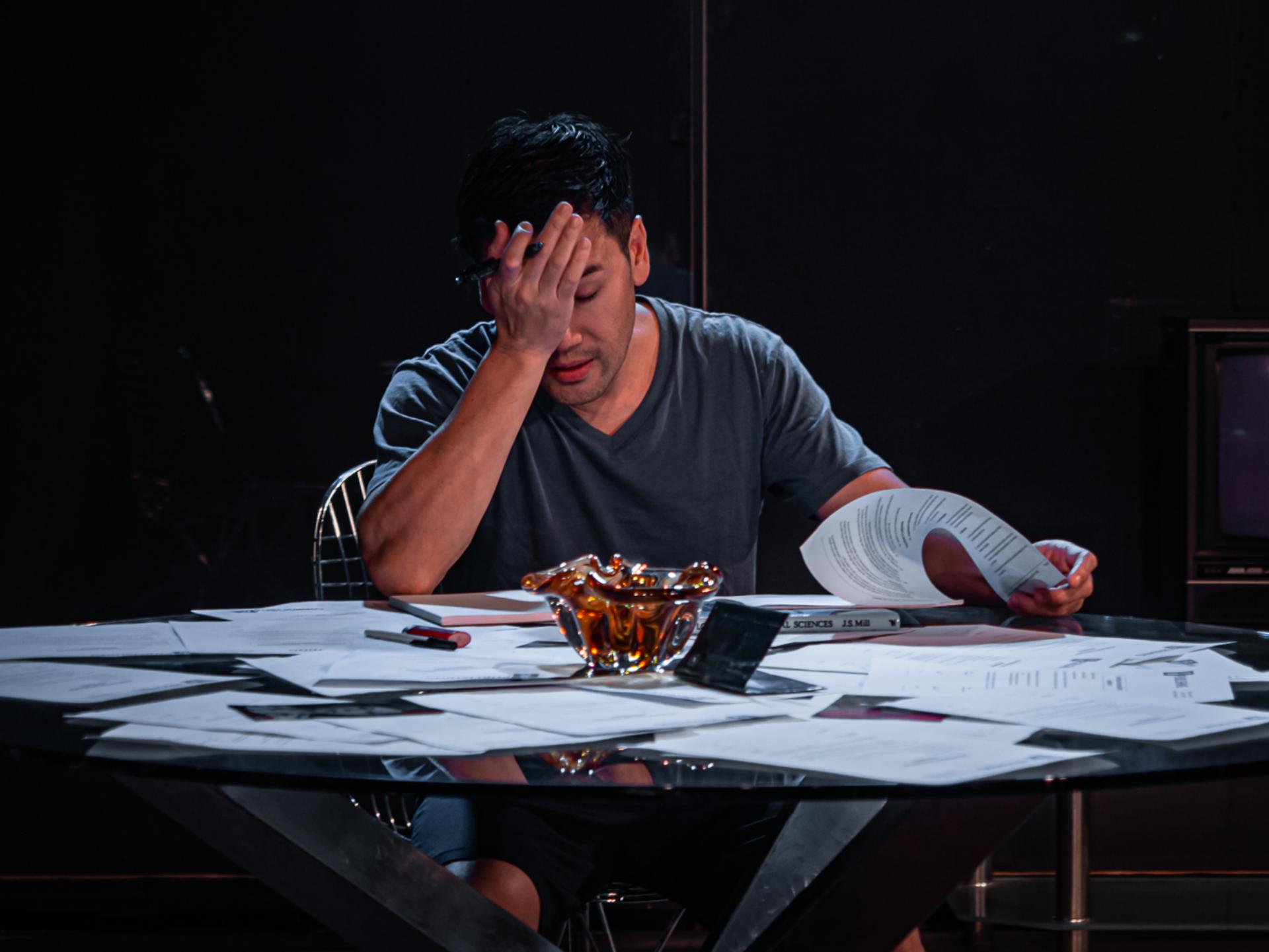
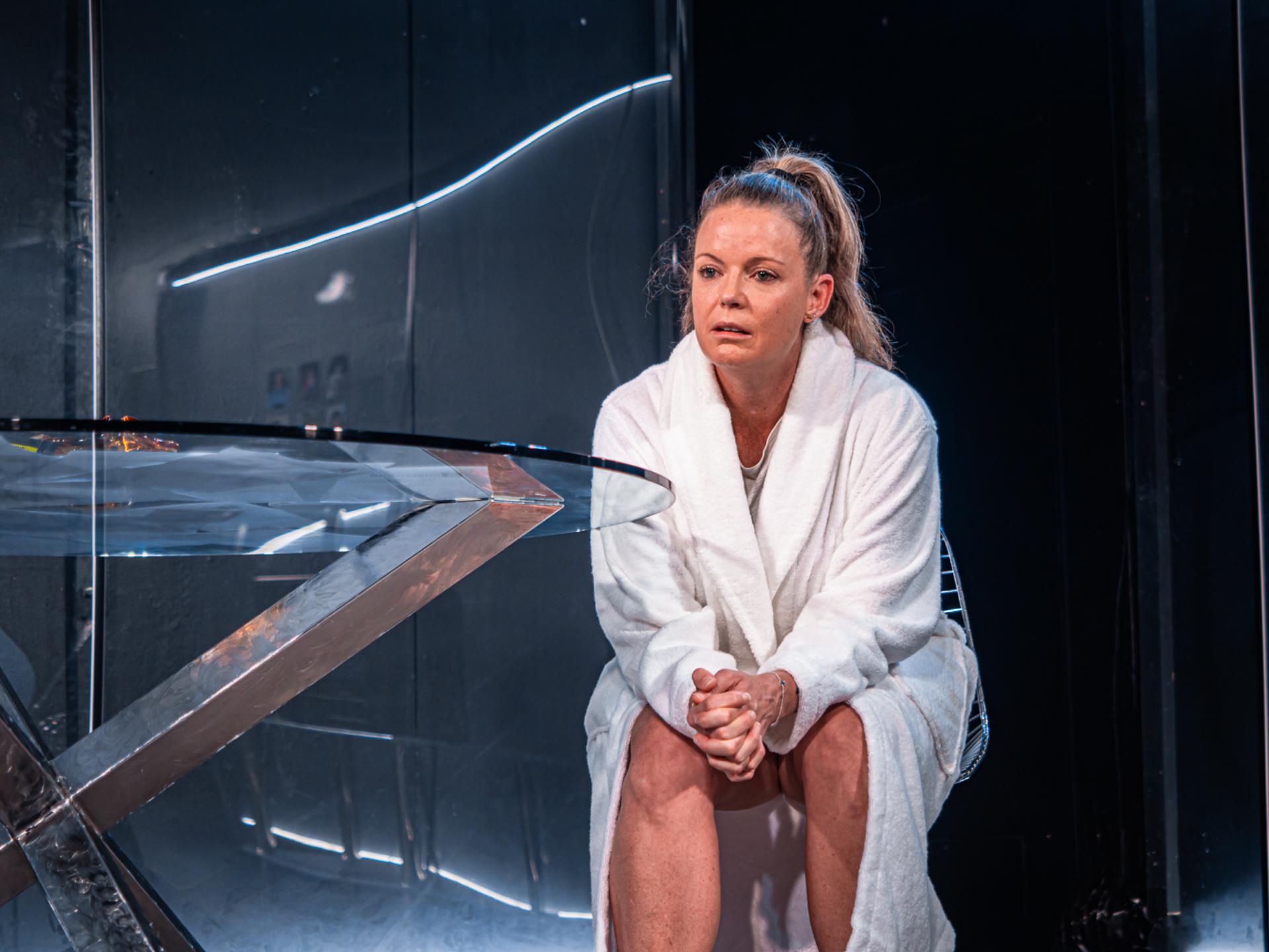
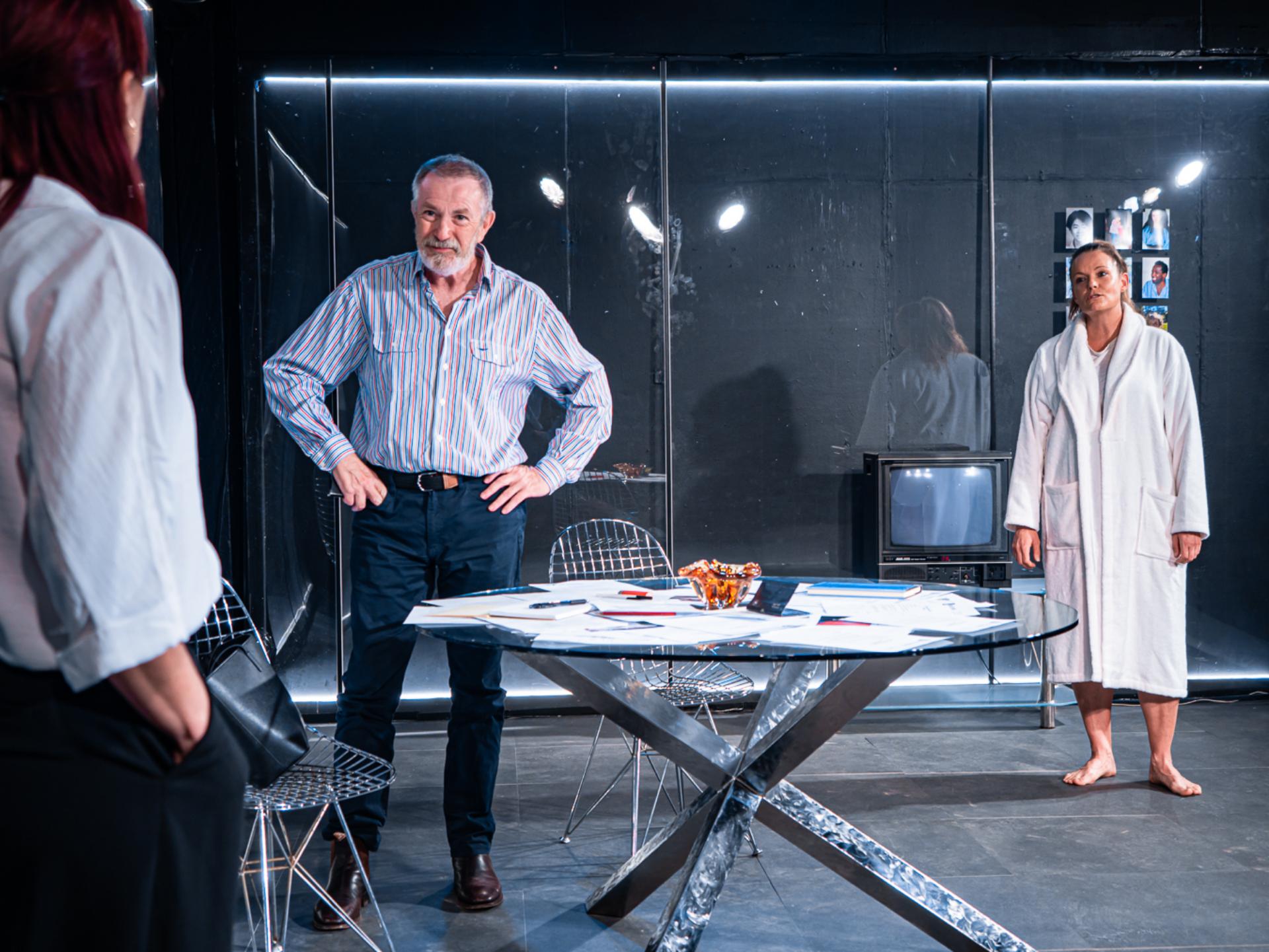
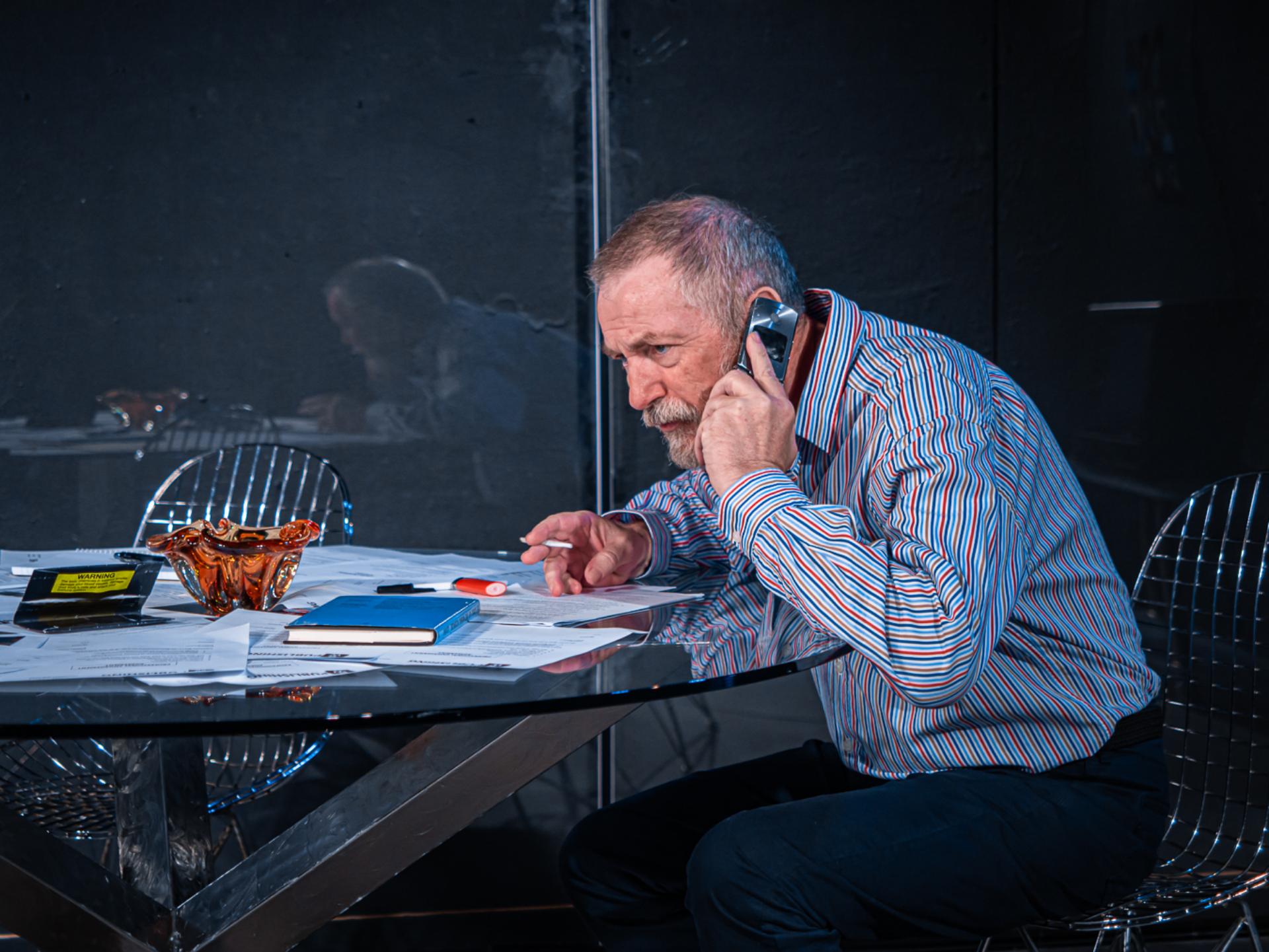
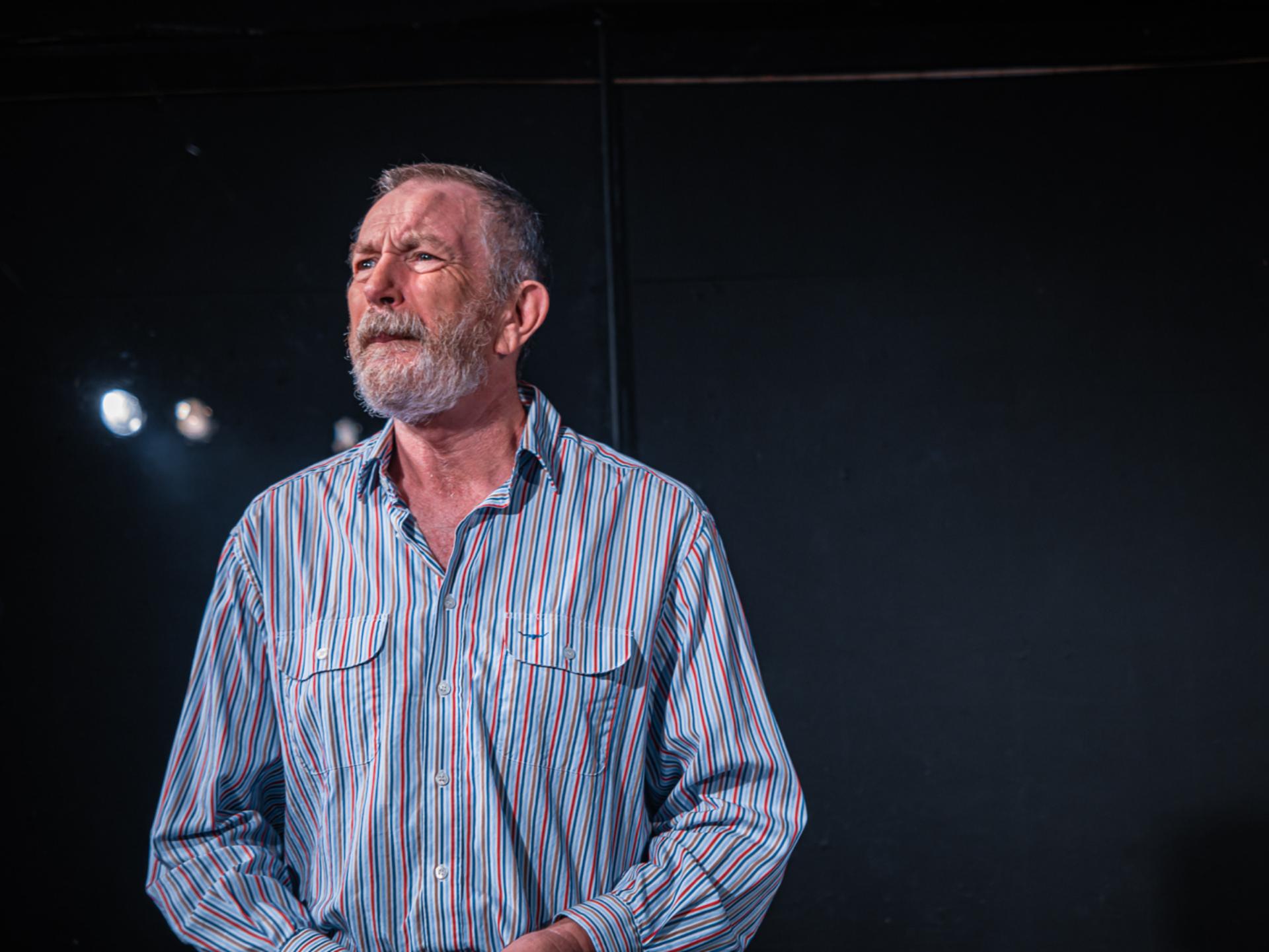
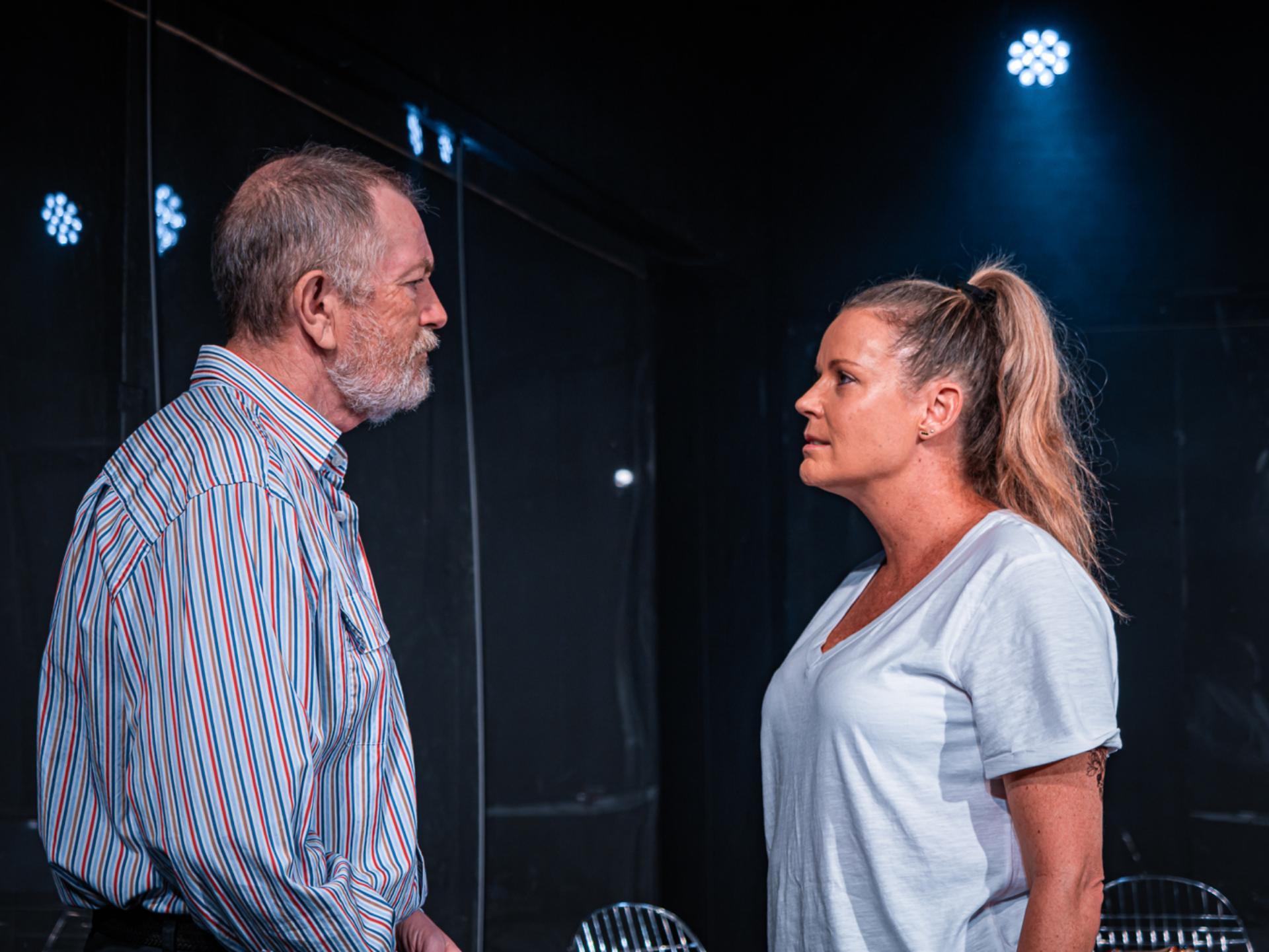
It is the late 1960s and architect David is embarking on a controversial project, of building high-rise housing in South London. Meanwhile his needy neighbour, the newly-divorced Sheila, is employed as David’s secretary, allowing the architect’s wife Jane more time to manage their busy lives. Michael Frayn’s Benefactors is over half a century old, and while its style remains delightfully quirky, the play’s concerns are largely outdated. Gender politics in particular, are presented in ways that, unfortunately, could be described as gruelling and archaic.

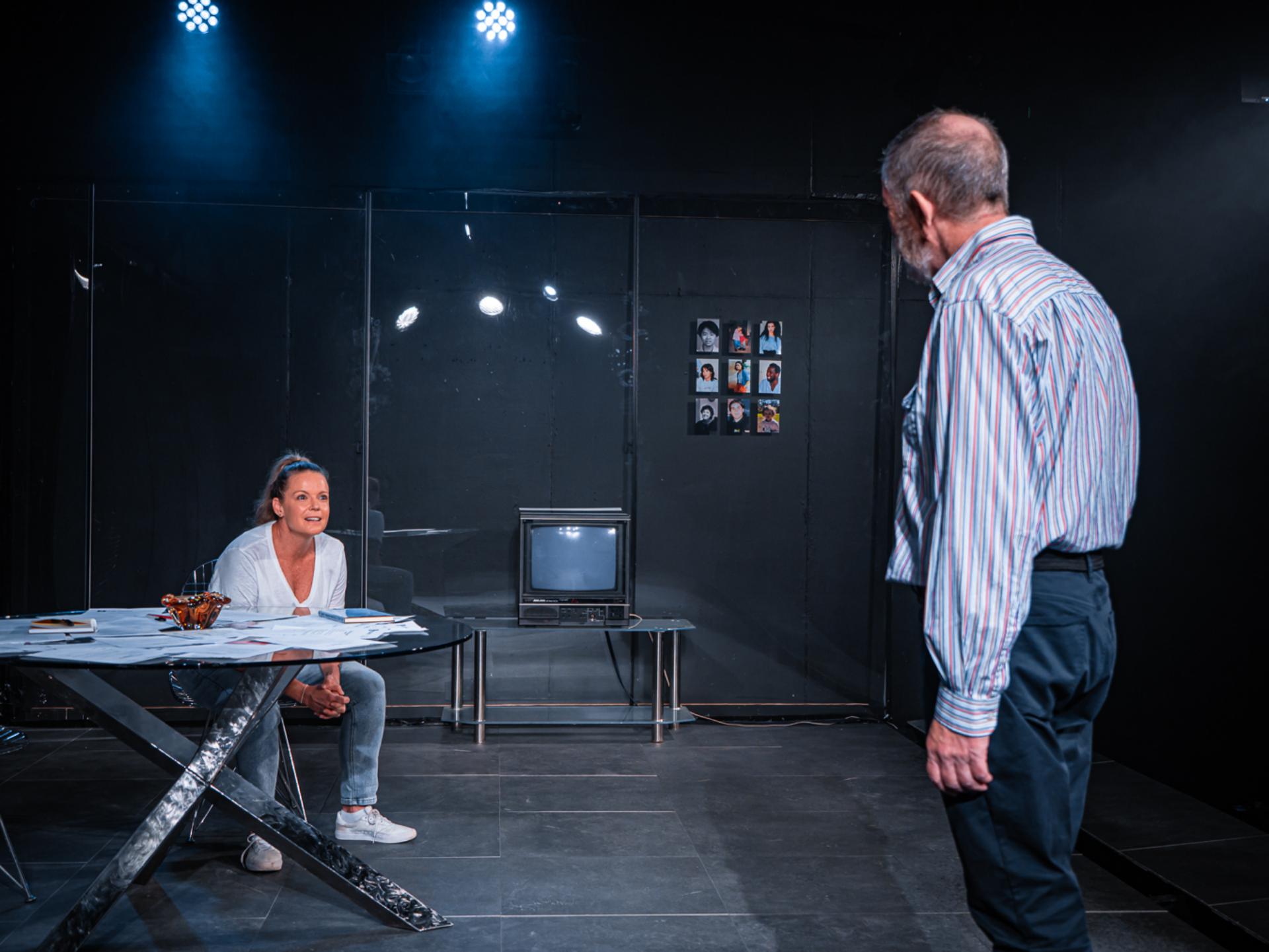
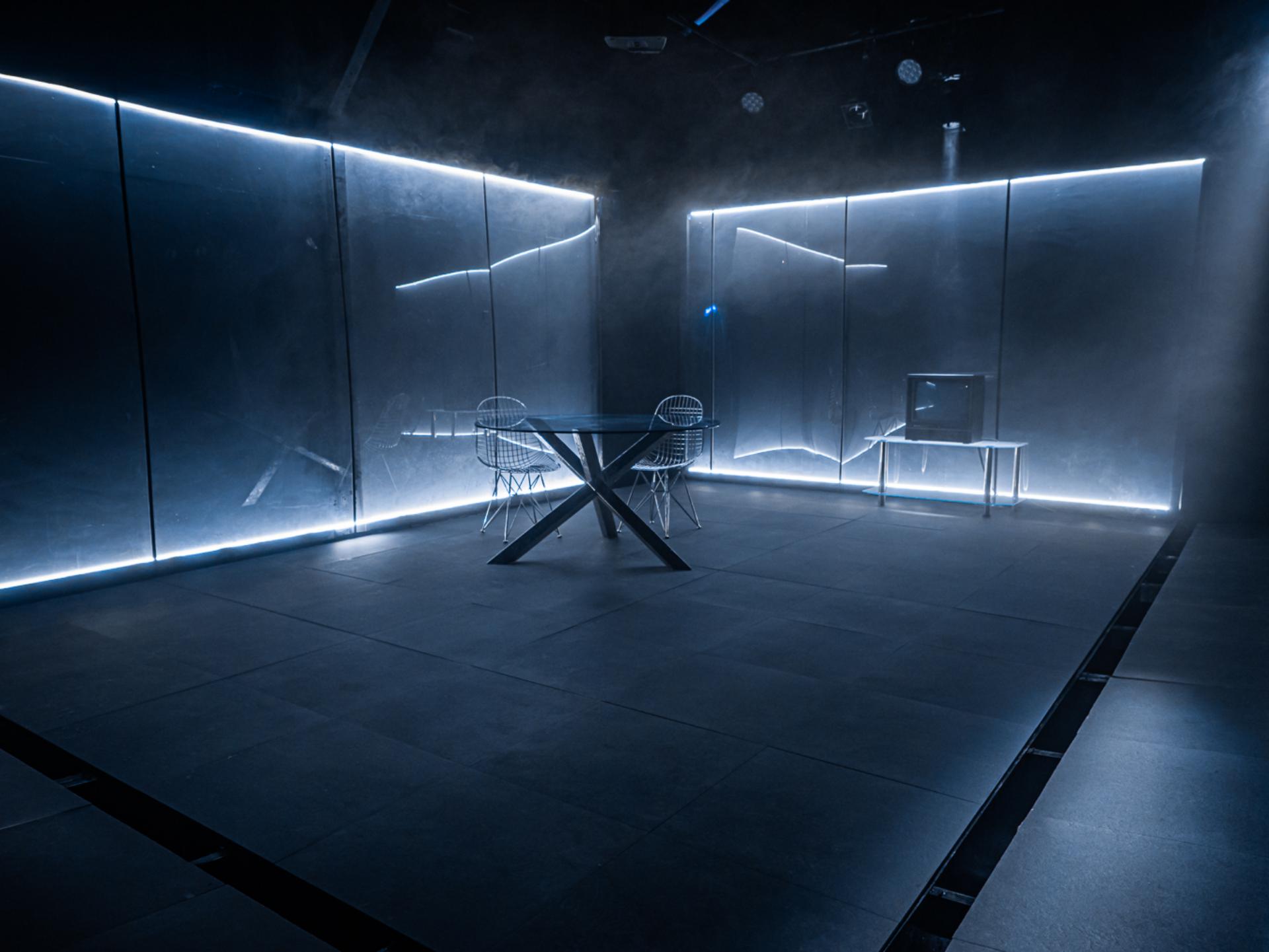
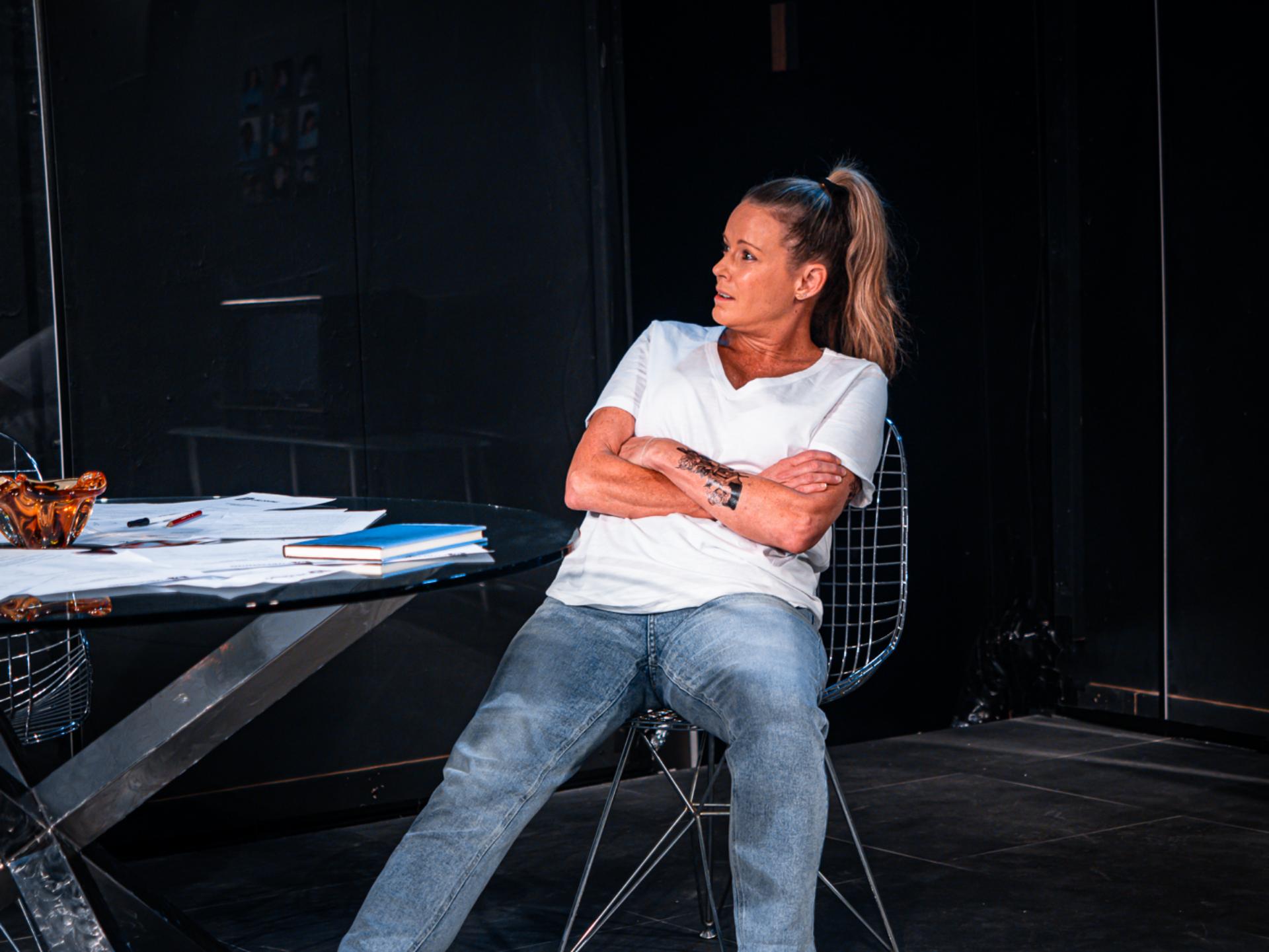
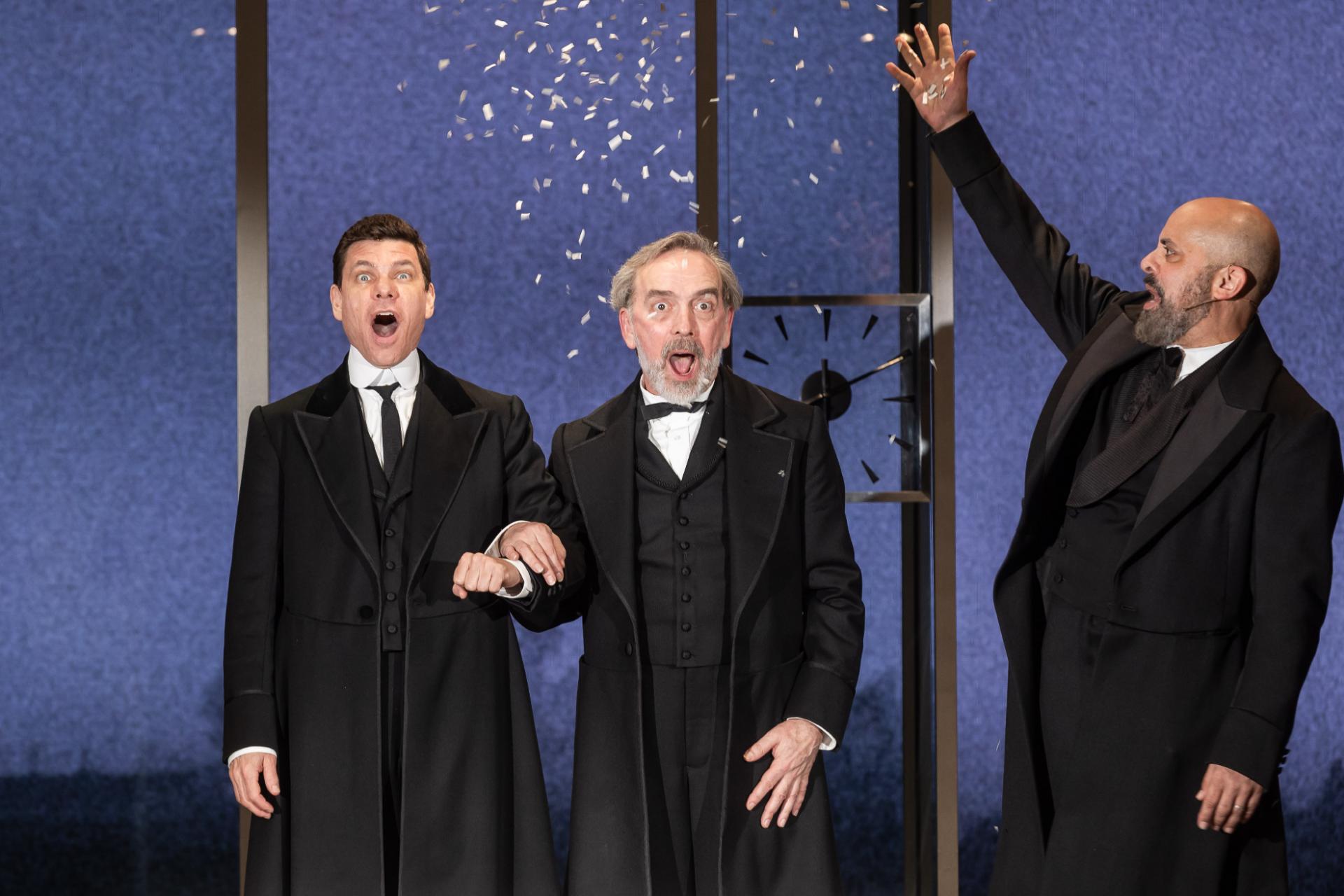
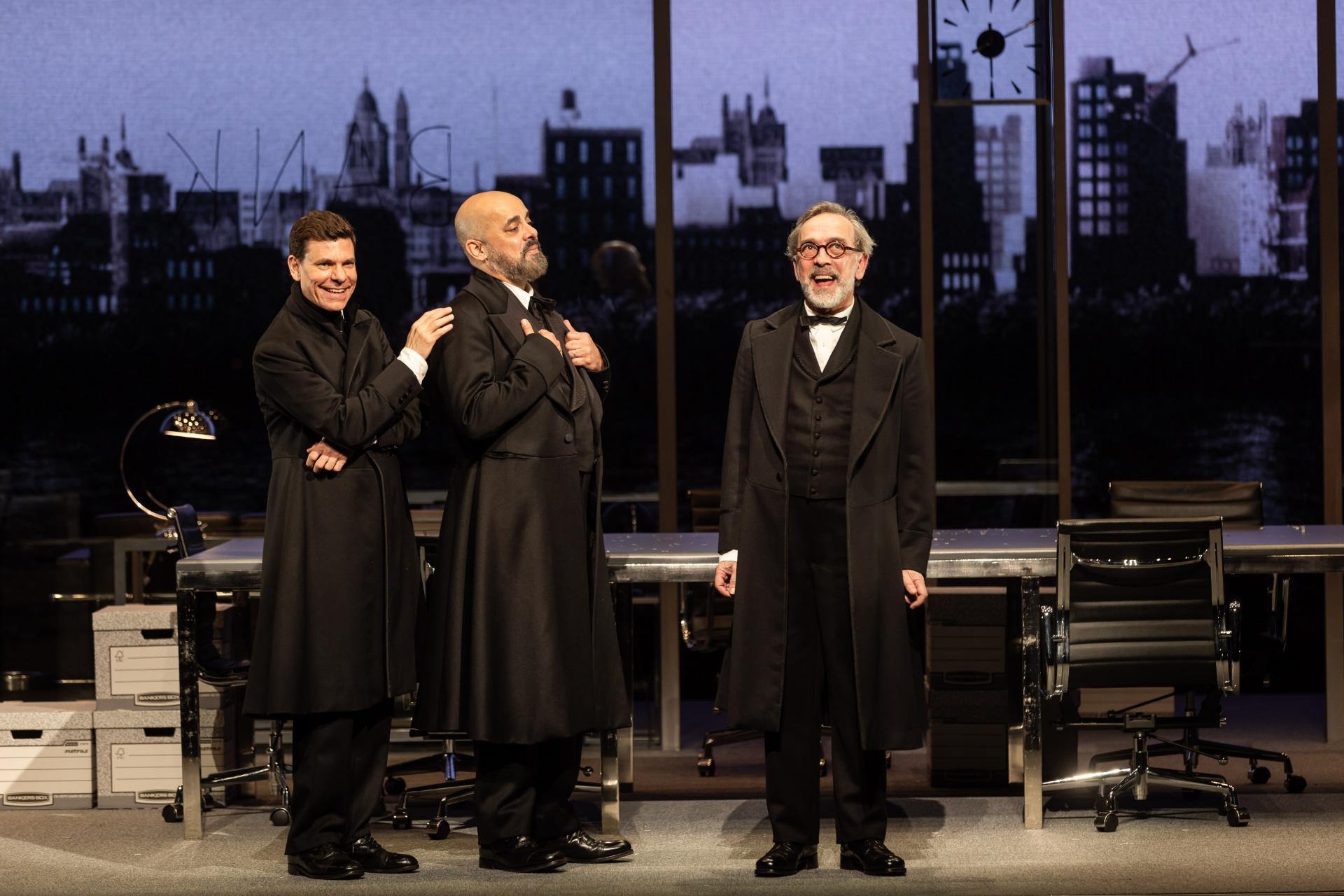
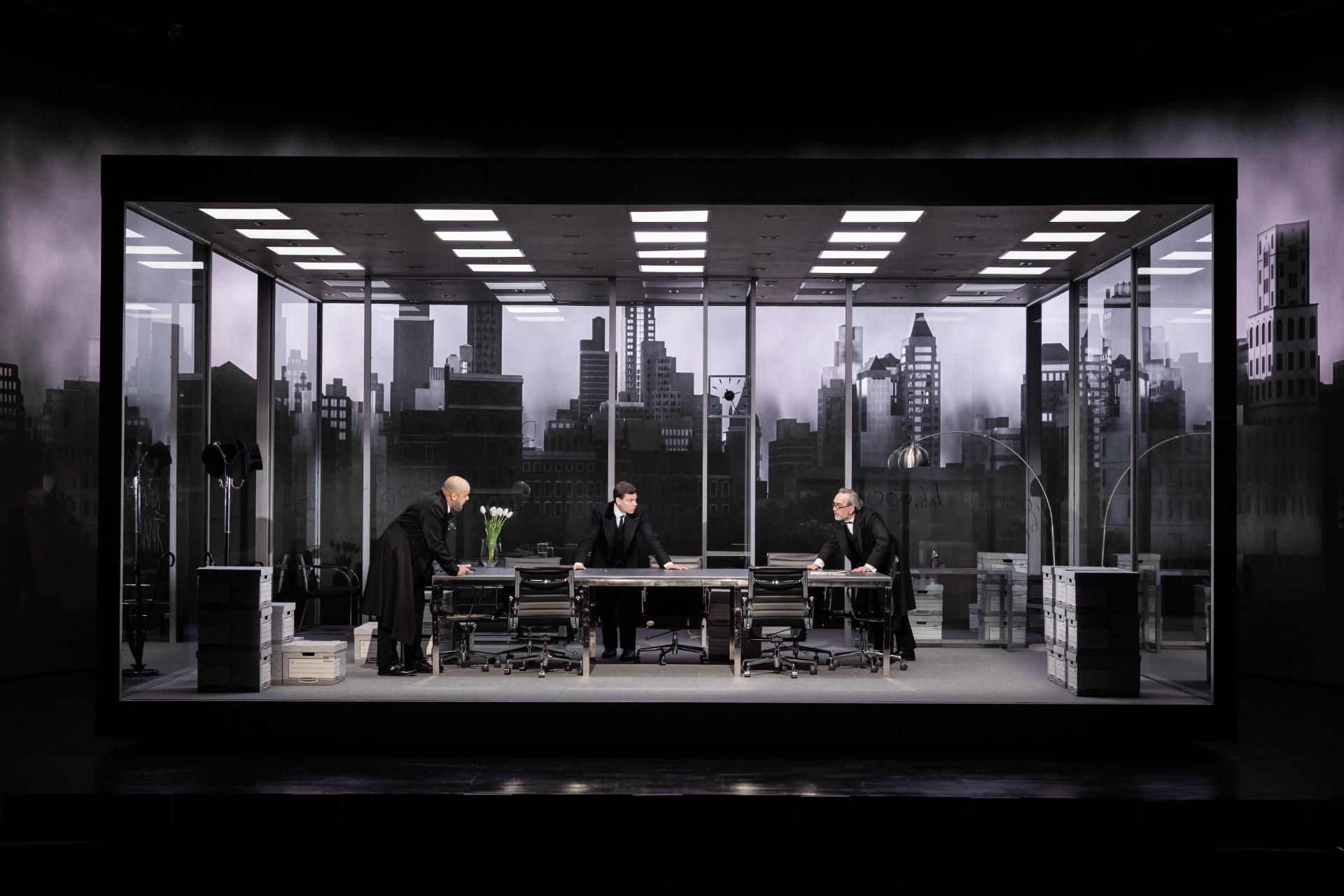
Director Mark Kilmurry may not have modernised Benefactors, but the production is given sustained energy to hold our attention. It bears a comedic rhythm that, although not uproarious, is pleasant enough to keep us engaged. Set design by Nick Fry evokes a Brutalism style typical of mid-century England, along with costumes that are commensurately of the period. Matt Cox’s lights help focus our gaze on a busy stage, making the visual experience feel completely organic and effortless.

Actor Gareth Davies brings great charm to the role of David, not quite able to make the passé humour work, but an enchanting presence nonetheless. Jane is played by a spirited Emma Palmer, whose inexhaustible vigour and commitment, convinces us to sit tight to the end. Megan Drury delivers admirable intensity, as the exasperating Sheila, and Matt Minto’s sense of mischief gives surprising dimension, to David’s adversary Colin.

The 1960s were a time of upheaval and accelerated change. Looking back, some of what we were, has now become barely recognisable. It may at times feel as though progress is a destination beyond reach, but incremental improvements can always be identified, even if setbacks and backlashes are resolutely par for the course. Things do get better, and there are legacies everywhere that furnish validation.

www.ensemble.com.au

Review: Rabbits On A Red Planet (Flight Path Theatre)

Venue: Flight Path Theatre (Marrickville NSW), Jun 7 – 24, 2023
Book and Lyrics: Irving Gregory, Andy Leonard
Music: Ryley Gillen
Director: Isaac Broadbent
Cast: James Burchett, Sara Camara, Isabelle Kohout, Andy Leonard, Jenna Wooley
Images by Anthony Stone

Theatre review

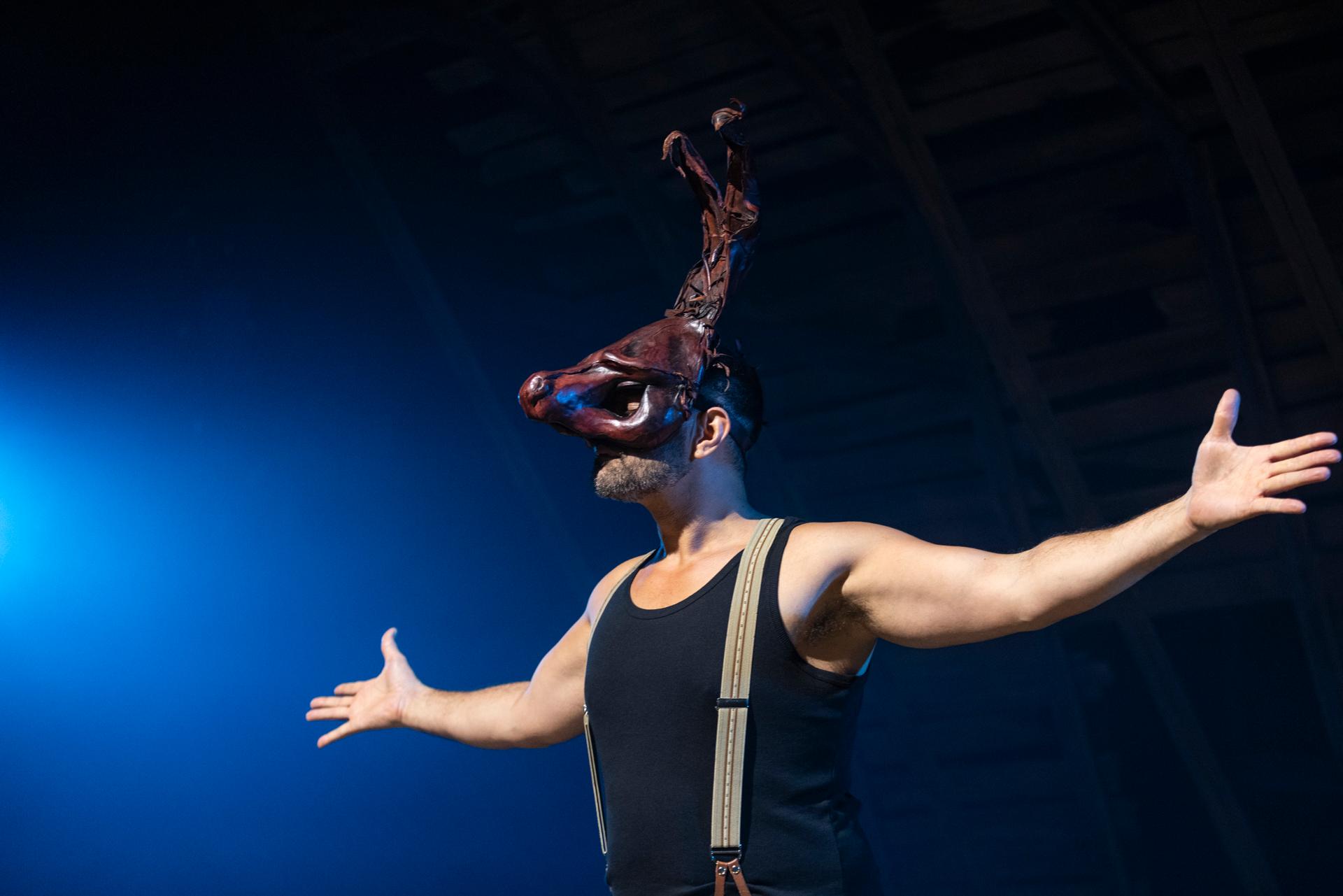
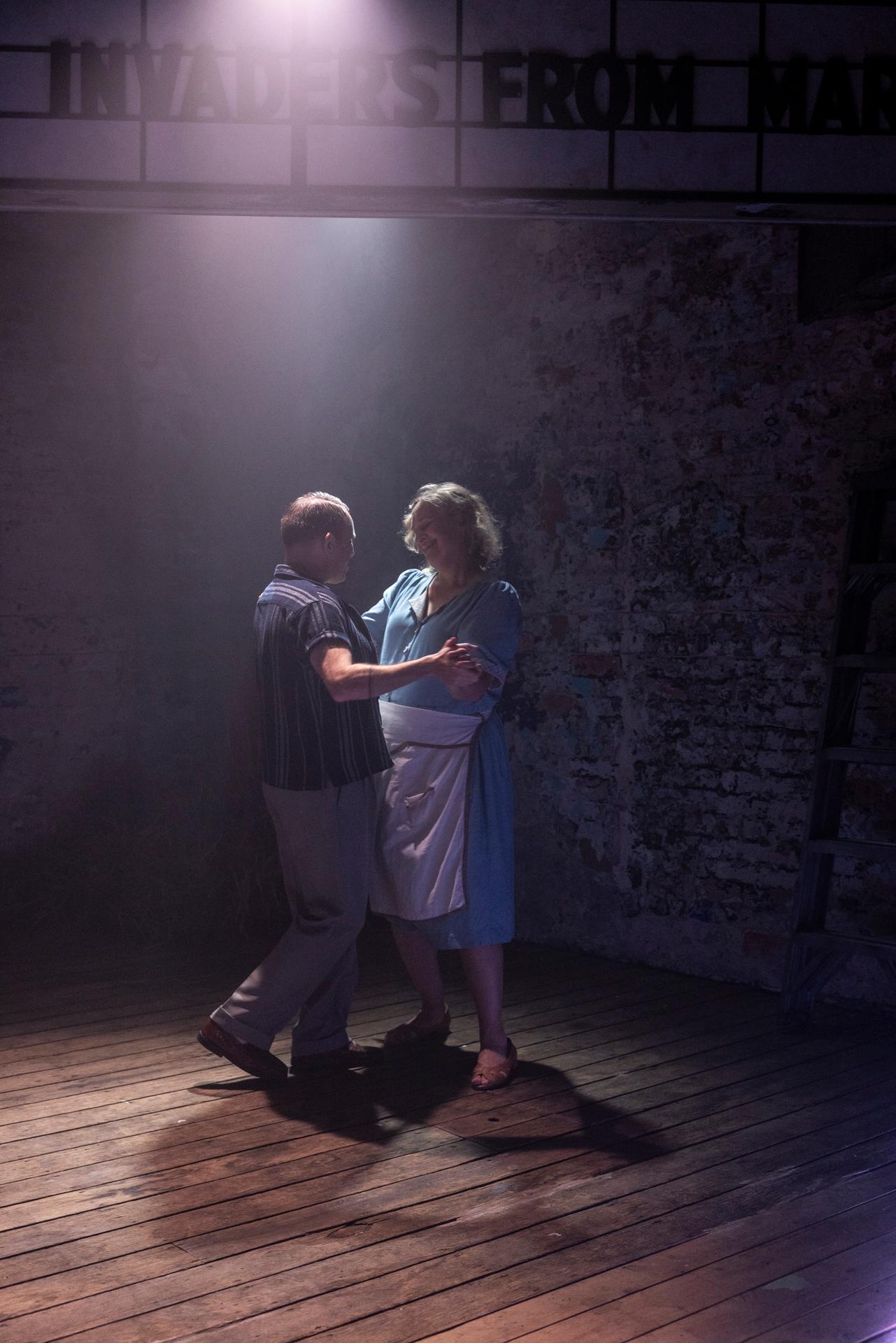
There are giant mutant rabbits running rampant on Earth, and instead of utilising his resources to fix the problem, billionaire Muskas is heading to colonise Mars, so that he can enjoy being king somewhere else. The book and lyrics of Rabbits on a Red Planet are suitably absurd, but they are also relentlessly confusing, making its efforts to amuse appear chaotic and floundering. Composition and music direction by Ryley Gillen can feel overly derivative, but his tunes are not unenjoyable, often with a jaunty character that helps to speed things along.

The production is directed by Isaac Broadbent, who tries to institute a sense of polish and order, for a work that seems still to be in its nascent stages. Lights by Julian Dunne have a tendency to look perfunctory and repetitive, although attempts to provide some dynamism to the action can be discerned. Costume design by Alli Sebastian Wolf are memorable for flamboyant headdresses denoting alien life, and for the billionaire’s convincing spacesuits, demonstrating good use of materials that give the staging a touch of elevation.

The cast comprises James Burchett, Sara Camara, Isabelle Kohout, Andy Leonard and Jenna Wooley, all of whom unimpeachable with their level of commitment to the cause, each impressive with the quality of singing they deliver. The band too, is professional with their performance of the score, gratifying with the precision they bring to each number.

The rabbits have grown terrifying, and although they do not come into view, we know what has been done to them, given this sad state of affairs. It is without doubt that humans excel at acts of self-destruction. Whether we are any good at redemption, remains to be seen.

www.flightpaththeatre.org

Review: The Poison Of Polygamy (Sydney Theatre Company)

Venue: Wharf 1 Sydney Theatre Company (Walsh Bay NSW), Jun 8 – Jul 15, 2023
Playwright: Anchuli Felicia King (based on the novel by Wong Shee Ping, translated by Ely Finch)
Director: Courtney Stewart
Cast: Ray Chong Nee, Hsin-Ju Ely, Silvan Rus, Shan-Ree Tan, Merlynn Tong, Kimie Tsukakoshi, Anna Yen, Gareth Yuen
Images by Prudence Upton

Theatre review

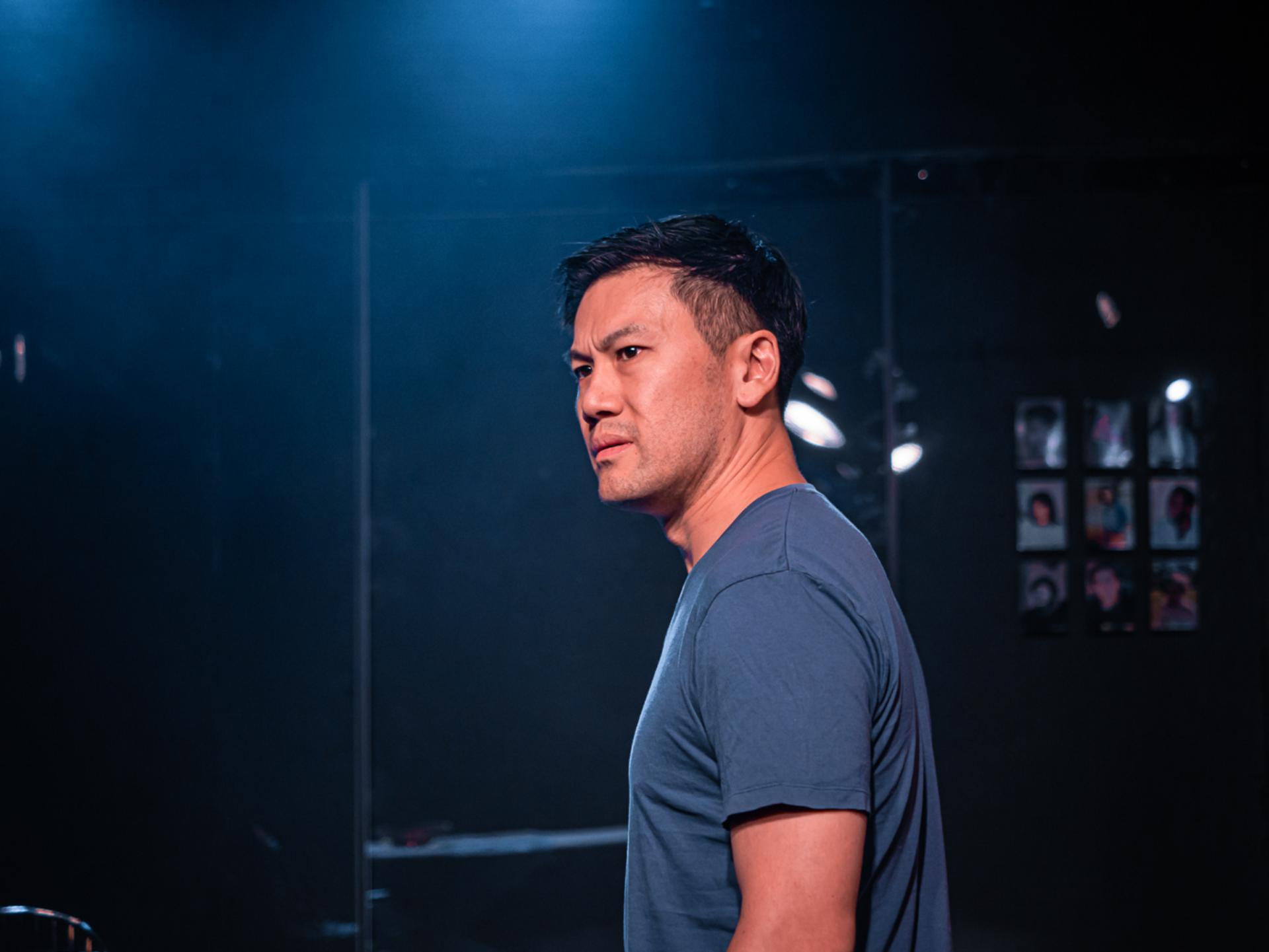
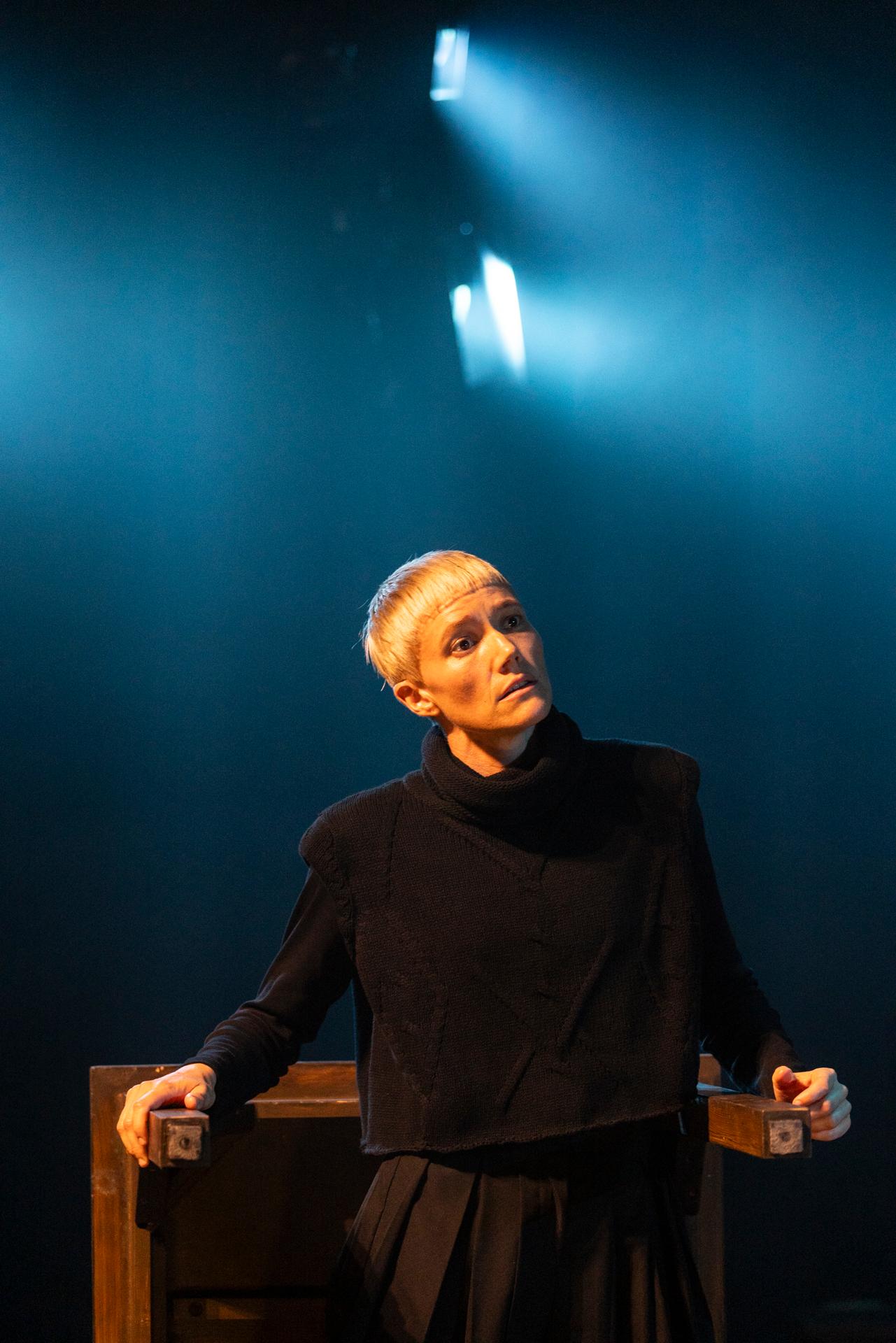
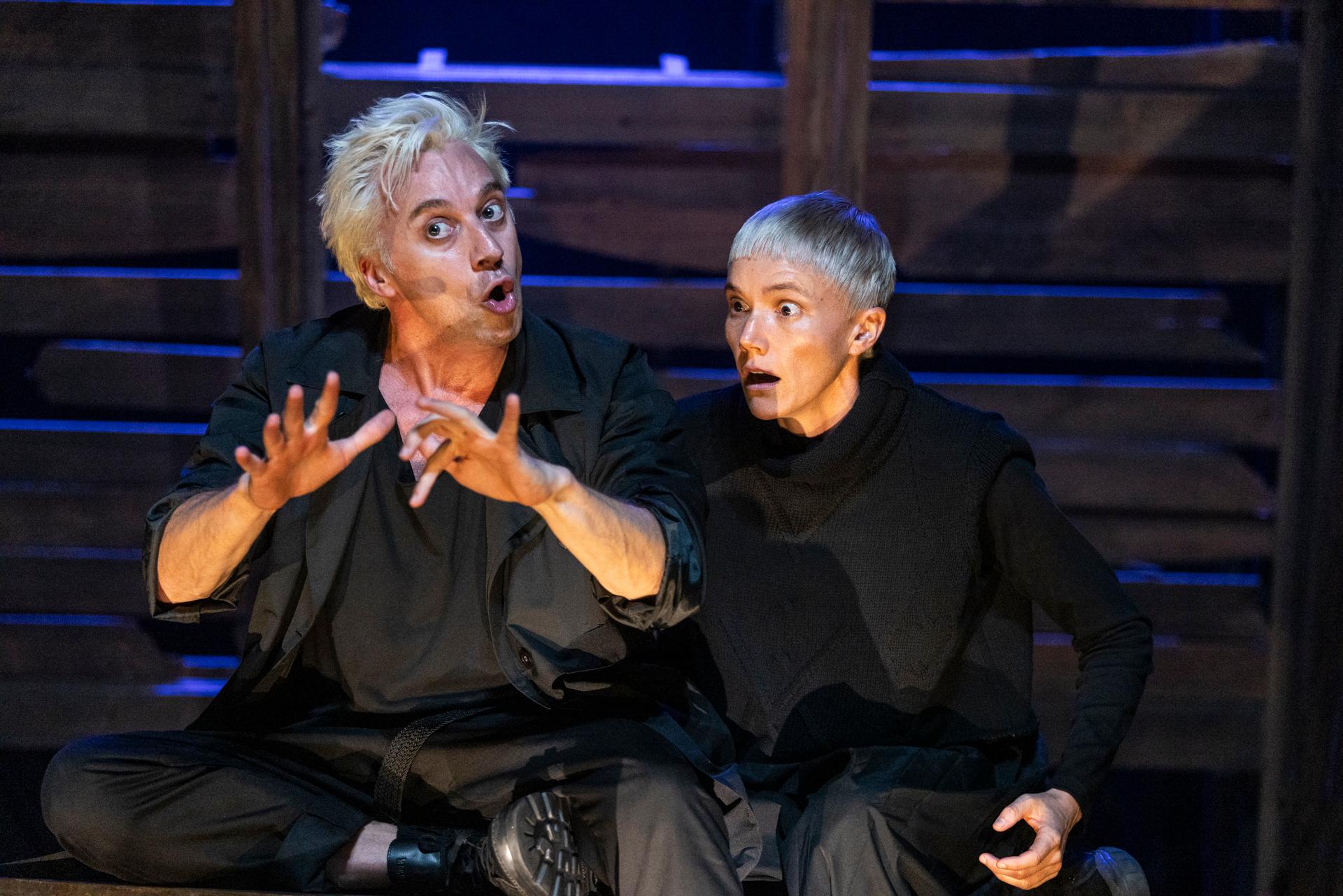
Sleep-Sick appears from the very beginning, as a ghost with his throat brutally slit, indicating that things do not end well. In the 1909 novel The Poison of Polygamy《多妻毒》by Wong Shee Ping 黃樹屏, our narrating protagonist tells his epic story, of journeys between Guangdong in China, and Victoria in Australia, during the goldrush era. We soon discover that it was Sleep-Sick’s opium habit that instigated this riveting chain of events, one that Wong had undoubtedly conceived as a moralistic tale. Involving sins of greed and debauchery, The Poison of Polygamy is typical of traditional Chinese attitudes, in a style that is not unlike many classics charting a man’s downfall, following his failure to abstain from depravity.

In Anchuli Felicia King’s stage adaptation however, the moral centre is shifted from personal foibles, to an emphasis on deficiencies that are cultural and systemic in nature. Sleep-Sick’s narrative now operates as allegory, in a play that demonstrates undeniable interest, in the nature of capitalism and the detrimental effects of colonialism. King’s reshaping of The Poison of Polygamy is thereby turned into something much more pertinent to our times, one that addresses our unmitigating concerns around the idea of a decline in this civilisation. All the amusing salaciousness that feature in the original is however gloriously retained. Money, sex, and murder are key ingredients, in a show that explores our most primal and unchanging desires.

The production satisfies on many levels, under the astute directorship of Courtney Stewart, who utilises fully the text’s numerous dimensions, to deliver a complex and thoroughly engrossing work of theatre. Highly innovative and wonderfully imaginative, Stewart transforms an empty stage into  exciting scenes, offering an experience that pulsates with a continual sense of anticipation as a result of its unpredictability, and disarming with its scintillating sardonic humour.

James Lew’s design is thankfully only elementally evocative of what might be considered a Chinese aesthetic, able to circumvent the cliché of chinoiserie, whilst creating imagery that look commensurate with how we believe this world to have been. Lights by Ben Hughes are rigorously conceived, agile in shifting us between distinct spaces, and powerful at manufacturing atmosphere. Music by Matt Hsu couches the action in an air of authenticity, and along with sound design by Guy Webster, engage our hearing for a consistent feeling of enrichment, subconsciously perhaps, that boosts our enjoyment.

Actor Shan-Ree Tan is an extraordinary leading man, totally captivating with his intricate depictions of and commentary on Sleep-Sick, successfully transforming a character with many flaws into a person we are desperate to know everything about. Kimie Tsukakoshi plays femme fatale Tsiu Hei with delicious aplomb, stunning in her unapologetically grand portrayal of the seductive villain, somehow never descending into caricature, and always able to provide psychological rationale for all the outrageous behaviour.

Sleep-Sick’s long suffering wife Ma is made dignified by Merlynn Tong’s mettle and spirit. Her capacity to represent both the hardest and softest aspects of the old-fashioned Chinese woman, conveys an admirable defiance alongside the inevitable victimisation that defines her narrative. The incredibly versatile Gareth Yuen shines not only as the poet Pan, but also in two smaller roles Ng and Song, unforgettable with his impeccable timing, and a meticulously calibrated physicality that draws us deep into the nuances of everything he wishes to say. It is a fantastic cast of eight, each performer contributing passion and diligence, in what feels like an unprecedented production about Asian-Australian identities.

Through a story about early Chinese settlers, we are invited to contemplate both the contributions of minority communities on this land, as well as our rarely interrogated complicity in colonialism. The dispossession of Indigenous peoples is our greatest sin, one that non-Indigenous people of colour have yet to sufficiently own up to. In The Poison of Polygamy we observe also the disturbing congruence between Asian and white values, especially in terms of how we regard money. We may be able to celebrate what might be thought of as an Asian proclivity for sharing and for society building, but there is no denying our tendencies for exploitation and pillage. Wrongdoers in the play eventually meet their punishment, but the ending is far from happy ever after. There is a lesson to be learned about how we rectify mistakes, not only of our own but also of our forebears, and one suspects a major paradigm shift is in order.

www.sydneytheatre.com.au | www.laboite.com.au

Review: Jellyfish (New Theatre)

Venue: New Theatre (Newtown NSW), Jun 6 – Jul 1, 2023
Playwright: Ben Weatherill
Director: Deborah Jones
Cast: Siobhan Lawless, Daniel Mackenzie, Audrey O’Connor, Joseph Tanti
Images by Bob Seary

Theatre review
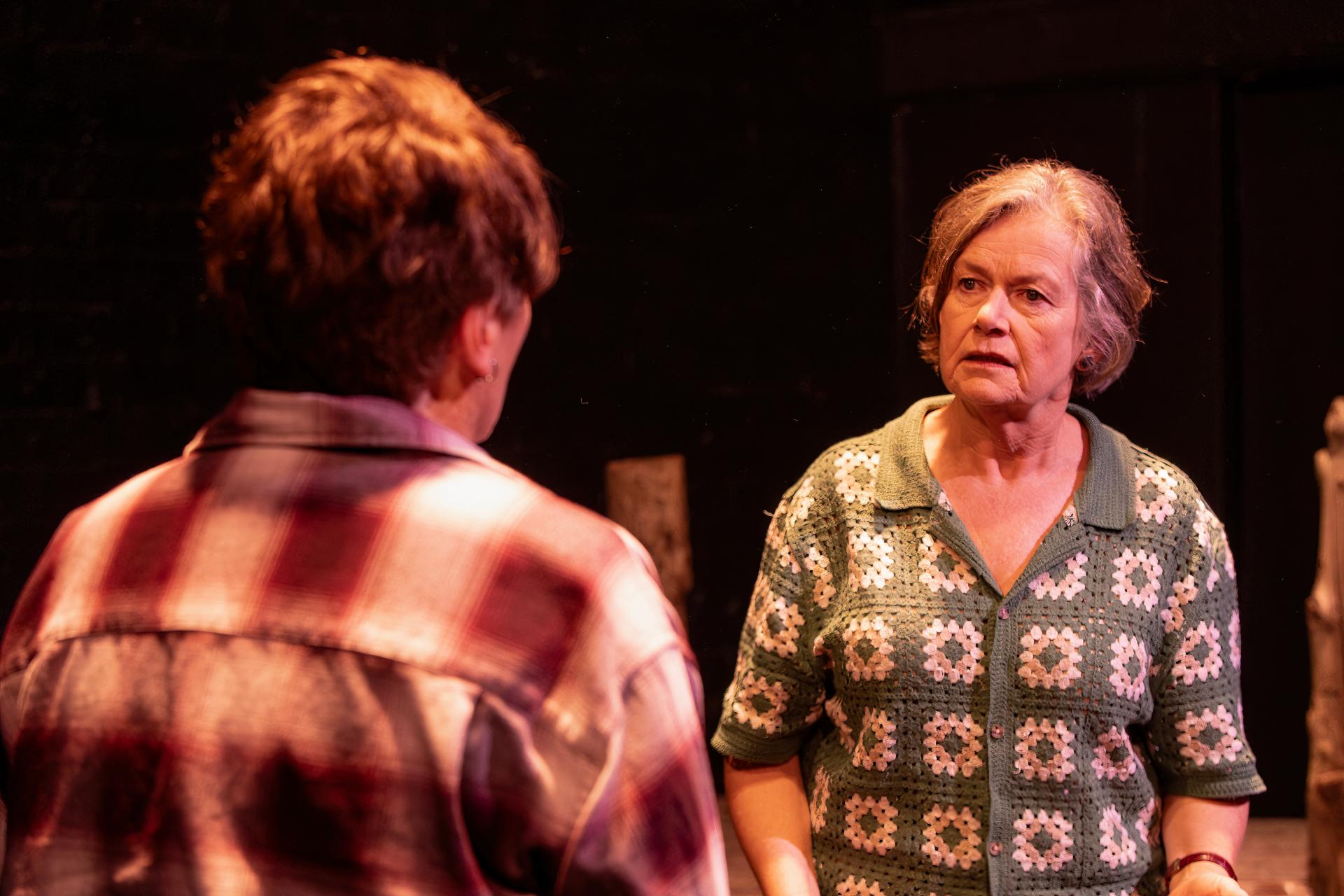
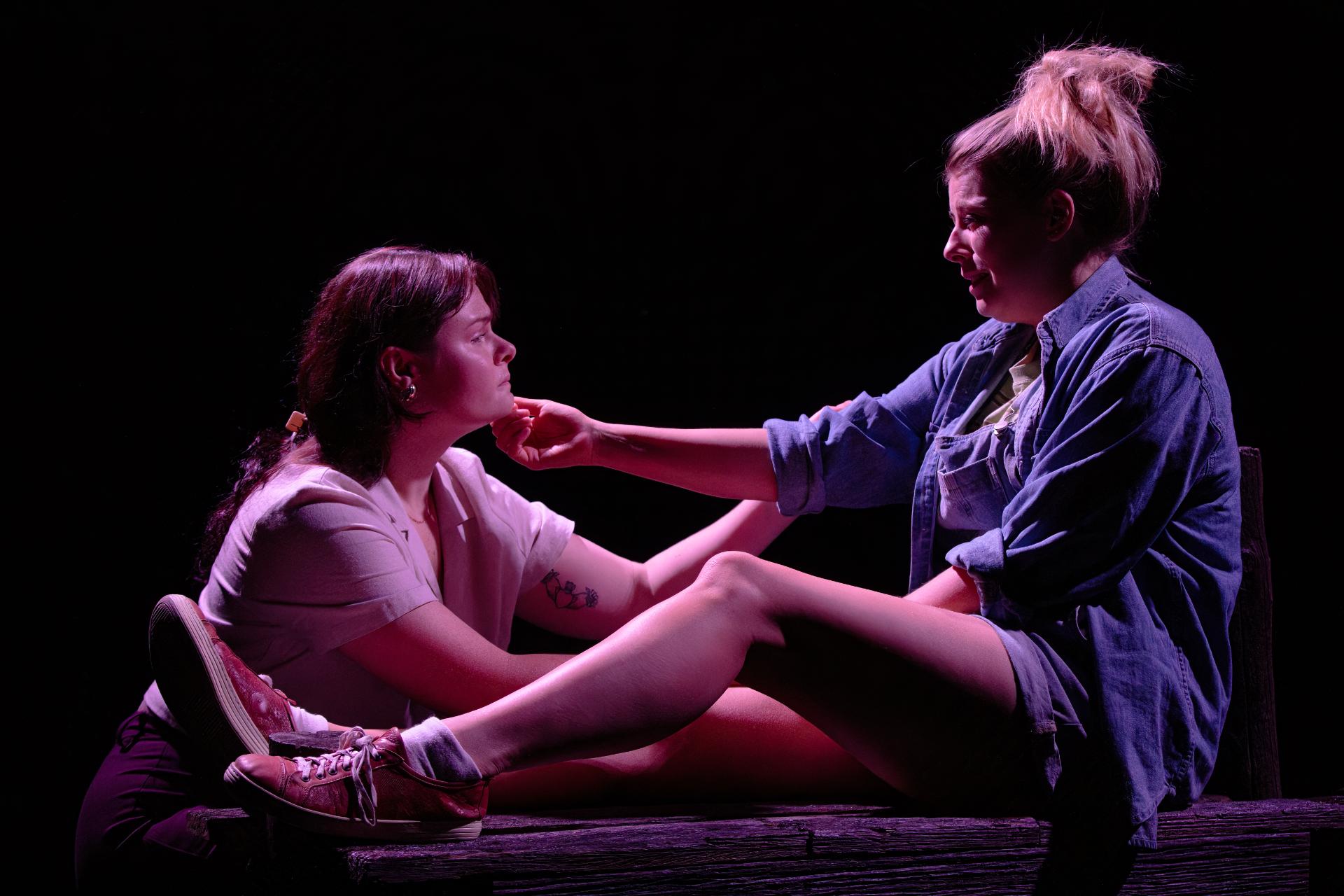
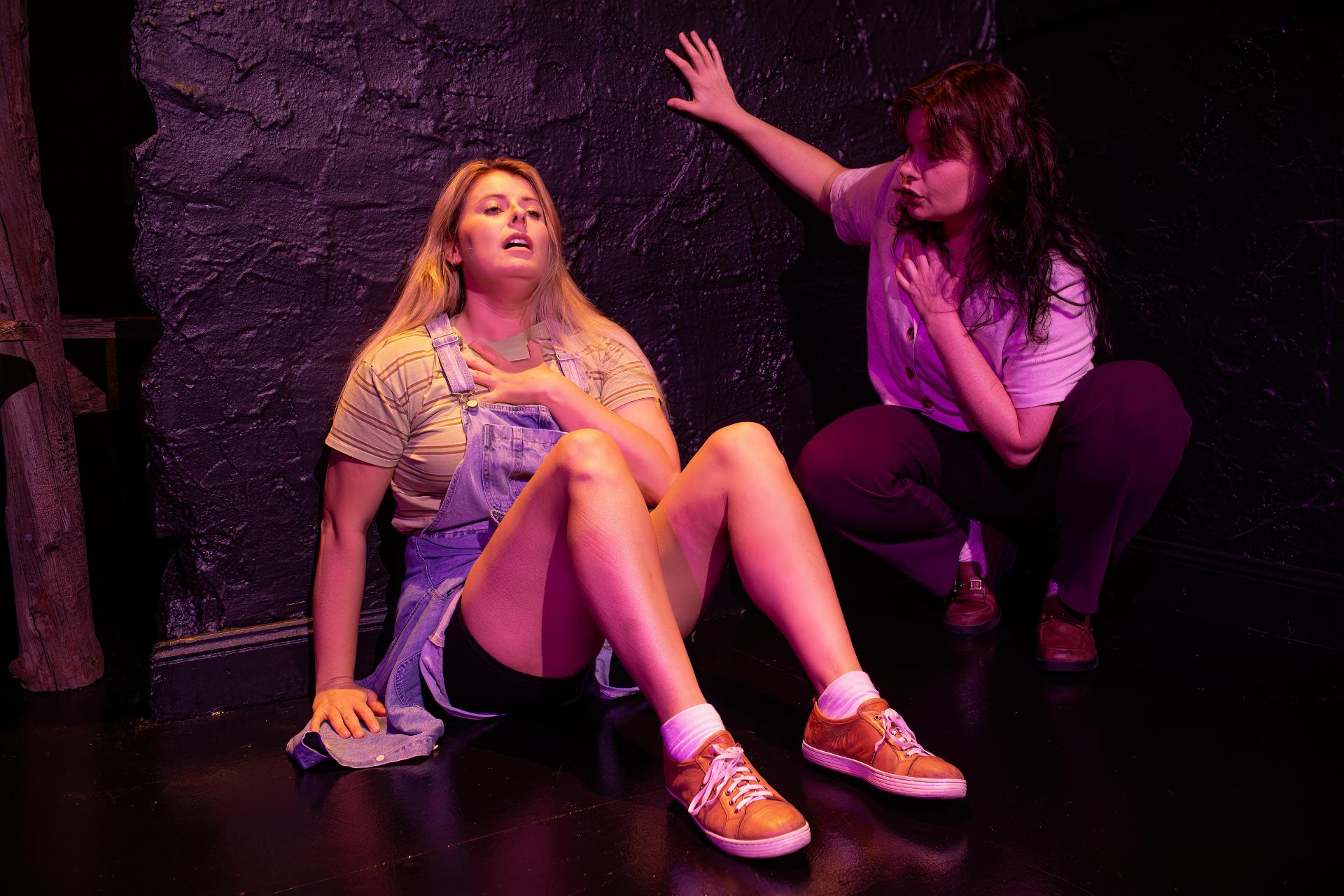
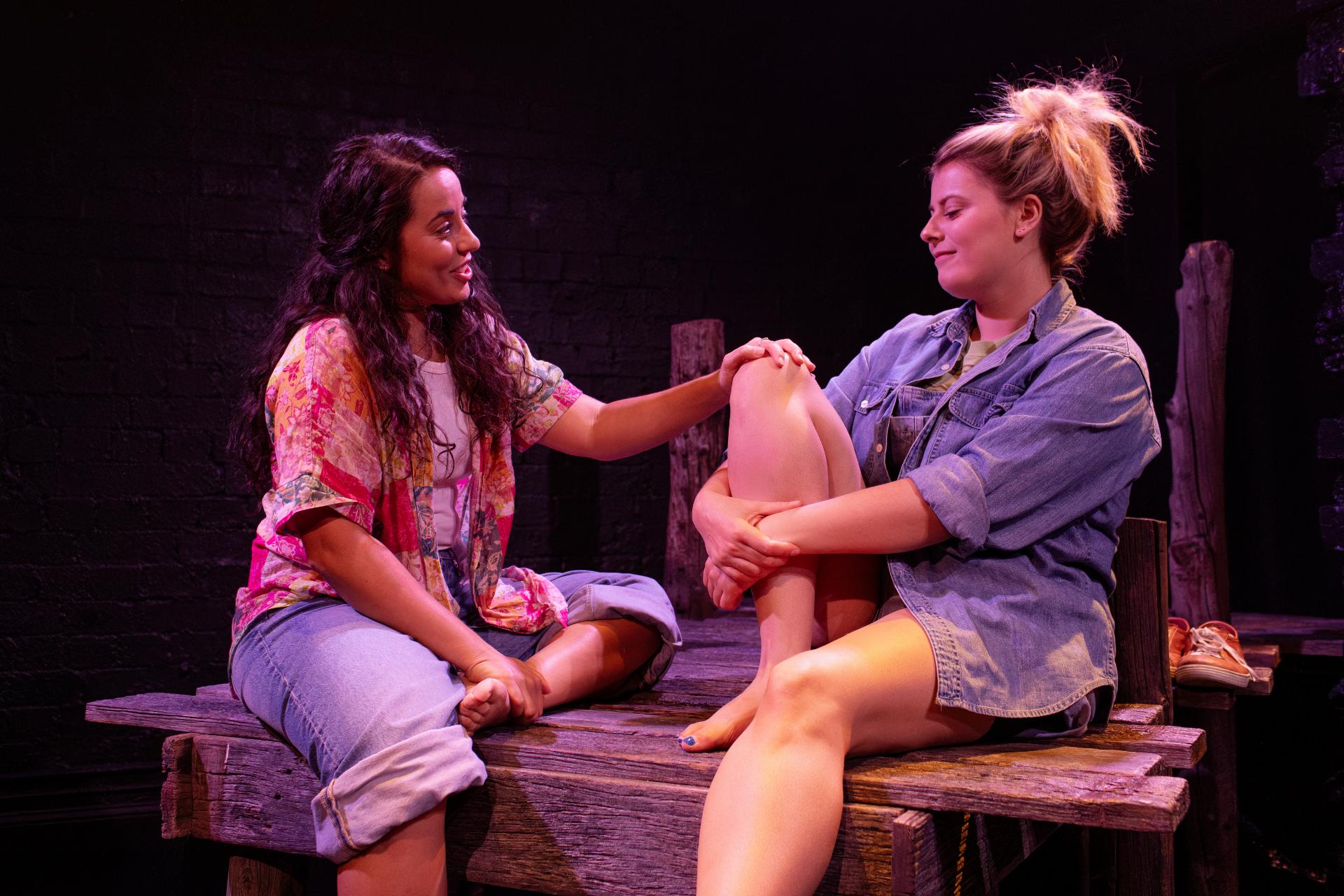
When we first meet Kelly, she is 27 and never been kissed. Life with her mother Agnes is pleasant enough, both women humorous and partial to a day at the beach in Skegness, on the Lincolnshire Coast in England. When Neil enters the picture however, Agnes’ protective instincts kick into high gear, which is understandable for a caregiver of a daughter with Down syndrome; the idea of a neurotypical stranger dating Kelly, is a genuine cause for concern.

Ben Weatherill’s Jellyfish explores challenges faced by people with disabilities, especially in early adulthood, as they navigate matters of the heart and contemplate starting families. The comedy is delicately written, allowing us an opportunity to delve sensitively, into some serious subjects that are rarely broached in the mainstream.

Directed by Deborah Jones, the show is engrossing, with a generosity that proves touching in key moments. Set design by James Smithers evokes an English shoreline with whimsical charm, and costumes by Louise Fischer help us identify instinctively, the personality types we encounter. Lights and music by Michael Schell offer gentle support, to the meaningful story being told.

In the role of Kelly is Audrey O’Connor, who brings great panache, along with admirable focus, to have us invest heavily into an enlightening narrative of young womanhood. Siobhan Lawless delivers for Agnes a valuable spiritedness, effectively depicting the strength required of single parents everywhere. As Neil, Joseph Tanti is compelling, and a likeable presence who earns our trust. Also delightful is Daniel Mackenzie who performs with an enjoyable idiosyncrasy, the part of Dominic, a thoughtful young man with Asperger’s syndrome.

Jellyfish brings attention to those who are routinely under-represented, and in the process initiates discussions on autonomy. Where there is discrimination, there often is ignorance; a lack of understanding not only generates hate, it may even deprive individuals of rights. Our capacity to dehumanise one another seems to be a perennial trait, but art is a force that prevails, and with it, our hearts learn to be bigger.

www.newtheatre.org.au

Review: A Streetcar Named Desire (Old Fitz Theatre)

Venue: Old Fitzroy Theatre (Woolloomooloo NSW), Jun 3 – Jul 1, 2023
Playwright: Tennessee Williams
Director: Alexander Berlage
Cast: Jessica Bentley, Sheridan Harbridge, Albert Mwangi, Ben O’Toole, Agustin Paz, Josh Price, Joshua Shediak, Angela Nica Sullen and Catherine Văn-Davies
Images by Phil Erbacher

Theatre review
When Blanche descends upon Stella and Stanley’s home, she is a woman at the end of her tether. We may not see characters caught up in reminiscence or nostalgia, but in Tennessee Williams’ A Streetcar Named Desire, it is the haunting presence of their faded glory days and the indelible trauma they have endured that lingers. The delicious melodrama, so characteristic of Williams, is derived from the manifestations of a past that proves too dazzling, for any future to live up to. It is survival but with only the dimmest of hope, and that conspicuous pain translates as masochistic theatrical exaltation, which proves a timeless treasure, 76 years after its 1947 Broadway premiere.

Directed by Alexander Berlage, Streetcar‘s grand scale of emotions is comprehensively loaded into the most intimate of auditoriums, providing a live experience as rich as anyone could wish for, and unrelentingly intense throughout its entire 3-hour duration. The classic text is left wholly intact, but Berlage introduces a sensibility that feels unequivocally contemporary, especially in terms of what the play says of gender politics. The relationship between Blanche and Stanley is distilled powerfully, so that we can understand the actual dynamics operating therein, far beyond the superficial lust that usually defines that connection. The cruelty of men, inflicted upon both Blanche and Stella, is an important focal point that never gets missed in this wonderfully contemplative production. Noteworthy too, is the nature of resilience as exemplified by the two women, whose lives in 1940s New Orleans, tell a remarkably accurate story of misogyny that sadly persists.

Emma White’s set design provides cleverly imagined spatial demarcations, valuable to the physical and psychological dimensions of the play. Aleisa Jelbart’s astute work on costumes depicts a time and place, remembered for its oppressively conformist climate. Extraordinary illumination by Phoebe Pilcher, seduces us into Blanche’s overwhelming yearning for poeticism and decadence, turning mundane domesticity into a realm becoming progressively escapist. Zac Saric’s music and sounds juxtapose a modern attitude with old jazz influences, offering a foreboding glamour that has us thoroughly beguiled.

Actor Sheridan Harbridge brings spectacularly to the stage, the iconic tortured soul of Blanche DuBois. Gloriously (and appropriately) flamboyant but resolutely authentic with the role’s mental and spiritual aspects, so that the performance never becomes caricature, no matter how escalated the emotions being portrayed. Blanche is a broken woman from the past, returning once again to devastate, this time by Harbridge who bridges the generations, and breaks our 21st century hearts, through her ability to locate in this irresistible tale, all that is eternal and therefore undeniably truthful about humanity.

Stella is played by Catherine Văn-Davies, who in a piece of supremely heightened drama, delivers marvellously a realistic personality, convincing and sympathetic, but informed by sensibilities that are absolutely of today. The parallels Văn-Davies draws between Stella and Blanche offer a refreshing perspective, demonstrating that the sisters’ lives have perhaps not deviated as significantly as previously thought. Ben O’Toole brings a strong presence, along with admirable integrity for the role of Stanley, combining belligerence and vulnerability to make a forceful statement about masculinity that seems to never lose resonance. Also interrogating traditional maleness is Josh Price, who as Mitch delivers a nuanced study of deceptive benignity, so that we may perceive the danger inherent in power imbalances, even if shrouded in politeness.

It is a wonder that more of us are not losing out minds, in a world that refuses so many our autonomy. It is a tragedy that Blanche is unable to attain her heart’s desire. It is also a tragedy, that her desires are shaped by forces that demand her continual supplication and acquiescence. Those who stand to benefit from our submission, will always seek to regulate our every inclination. There is no end to how much they seek to extract of us, and accordingly no depths they will not plunder, to ensure that all we would wish for, will forever be of their dominion.

www.redlineproductions.com.au

Review: Driftwood (Eternity Playhouse)

Venue: Eternity Playhouse (Darlinghurst NSW), Jun 7 – 18, 2023
Book: Gary Abrahams, Jane Bodie (based on Eva de Jong-Duldig’s memoir)
Music and Lyrics: Anthony Barnhill
Director: Gary Abrahams
Cast: Anton Berezin, Michaela Burger, Bridget Costello, Tania de Jong, Nelson Gardner
Images by James Terry

Theatre review
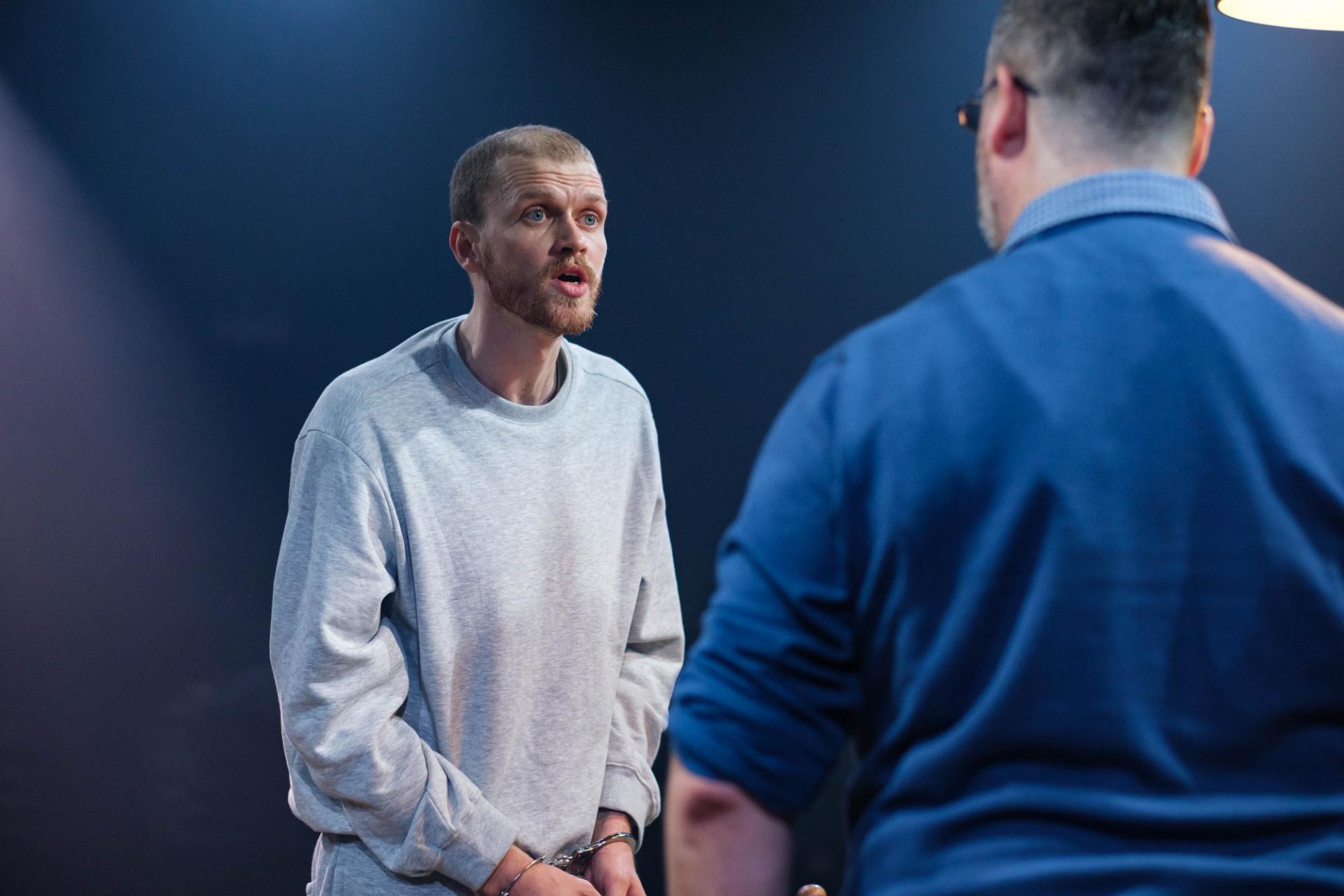
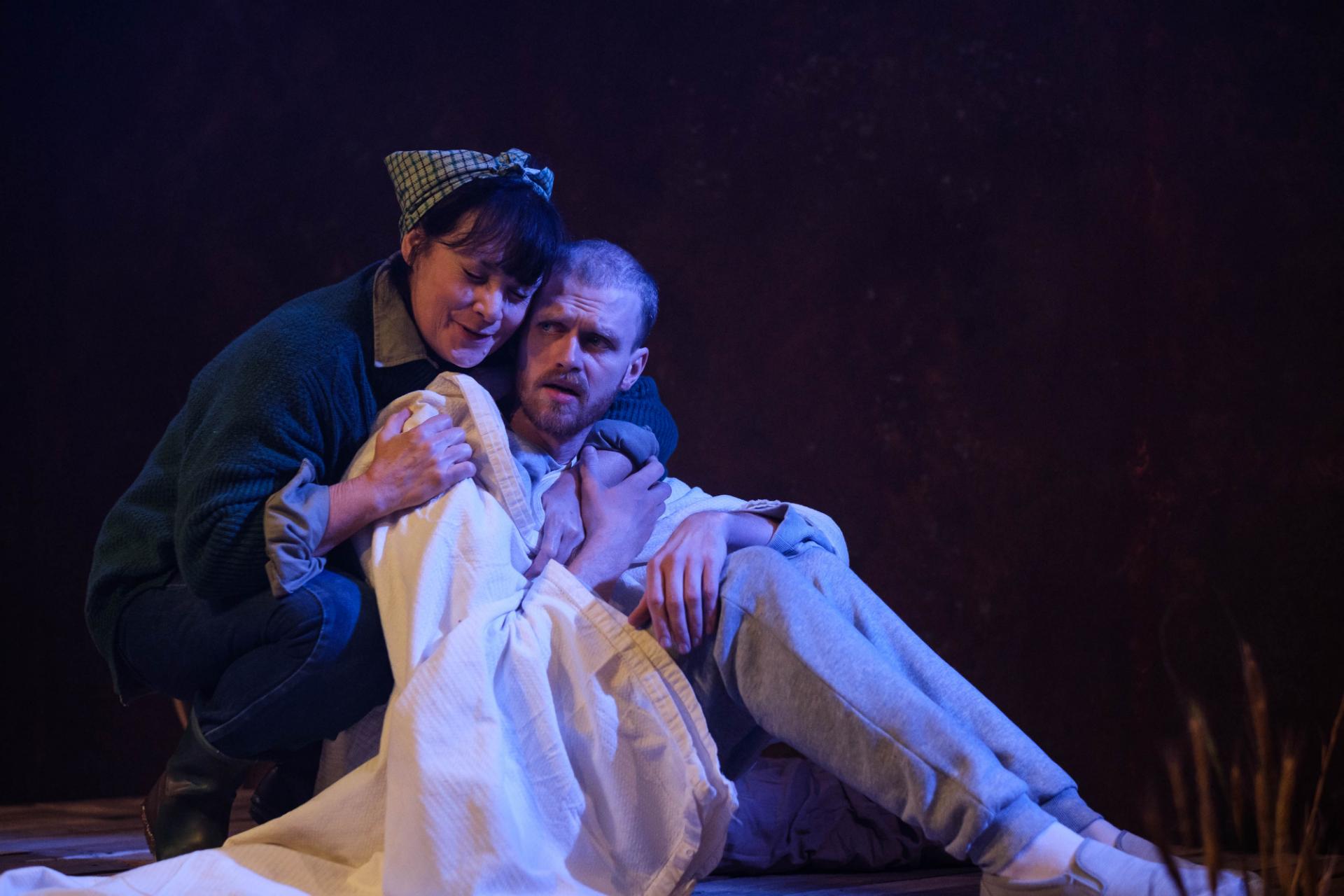
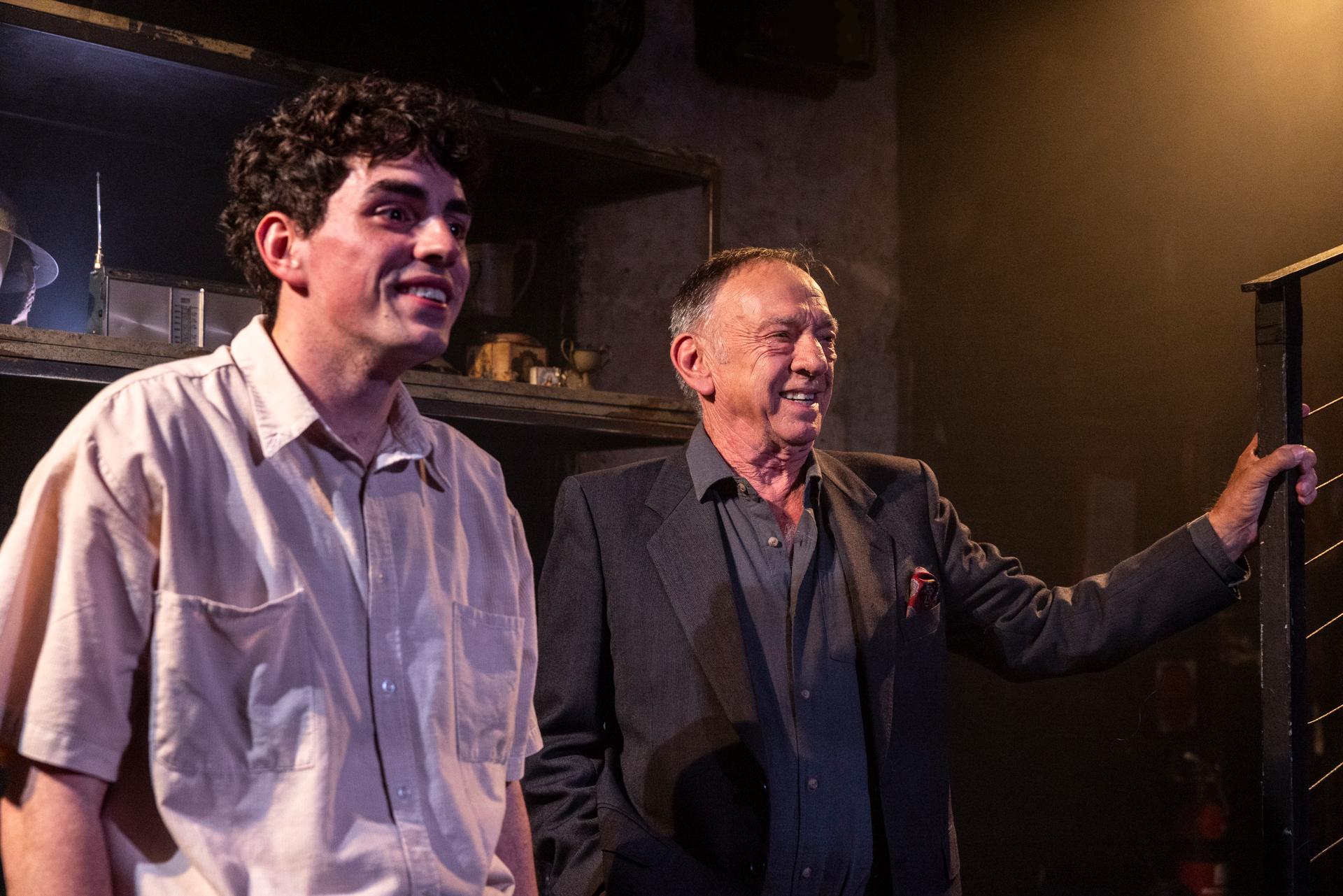
Not only did the artist Slava Horowitz-Duldig invent the foldable umbrella, she had recently given birth, when forced to flee Vienna. It was 1938, and because Slava and her husband Karl were Jewish, staying in their beloved city was no longer an option. After several years of travelling and uncertainty, they eventually became citizens of Australia, where both were able to resume their lives as artists.

The musical Driftwood is based on stories from their daughter Eva de Jong-Duldig’s memoir, with songs by Anthony Barnhill, and a book by Gary Abrahams and Jane Bodie. Thoroughly considered and delicately structured, it shares a refugee experience from the perspective of one family during that tumultuous period of persecution and portrays their healing in subsequent years. Directed by Abrahams, the work is consistently heartfelt, marked by an exquisite sensitivity. It has a tendency to feel somewhat staid and old-fashioned in style, but the authenticity it emanates is commendable. Choreography by Sophie Loughran too is traditional, but certainly skilfully accomplished.
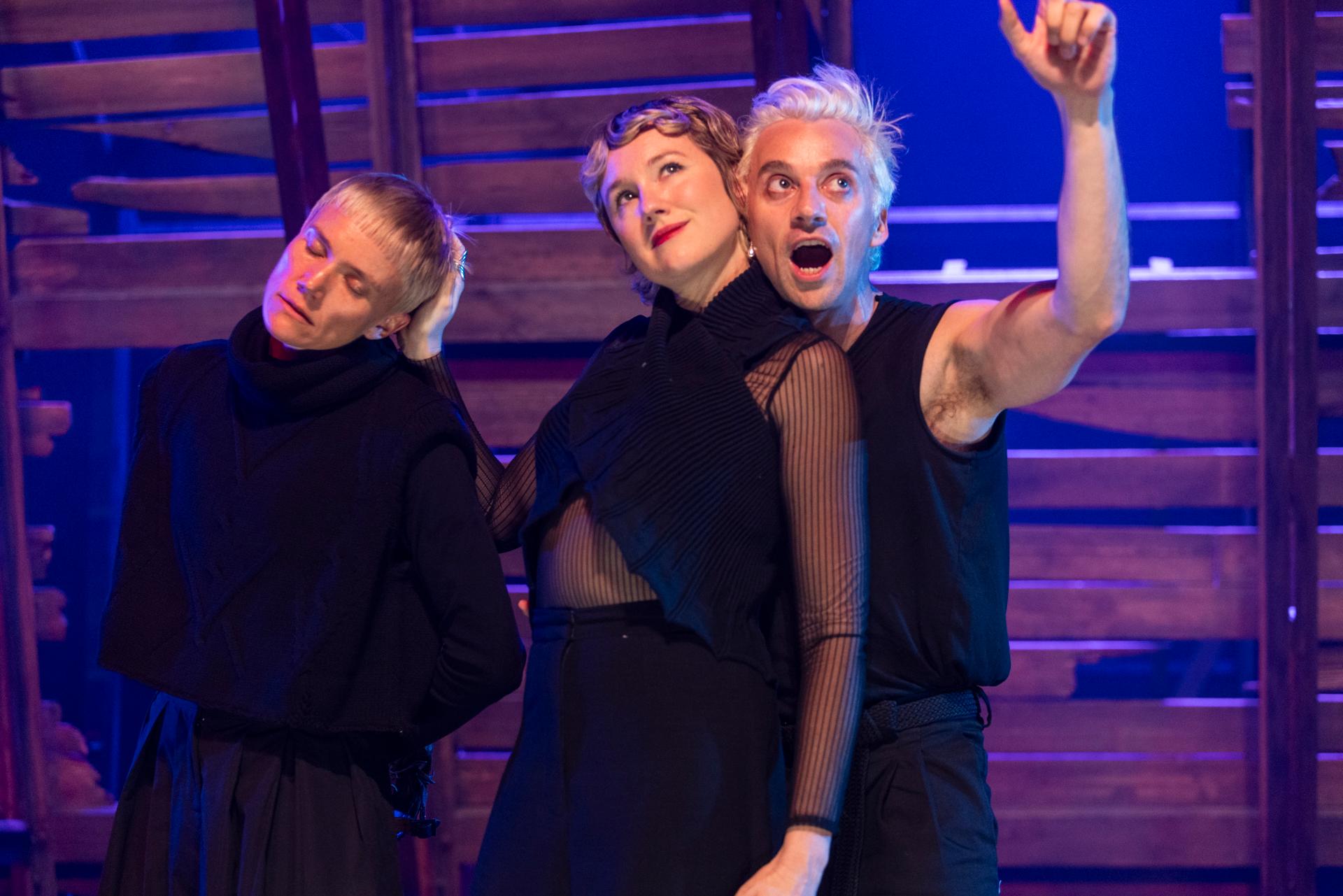
Set design by Jacob Battista is a charming representation of the Horowitz-Duldig home, with soft curves that provide a sense of intimacy to the story-telling. Costumes by Kim Bishop imbue the characters with vivacity and an essential dignity. The palette of Harrie Hogan’s lights are surprisingly simple, but consistently warm for a show that never strays far from the sensation of melancholy. Also noteworthy are video projections by Justin Gardam, judiciously rendered to help us navigate time and space with great ease.

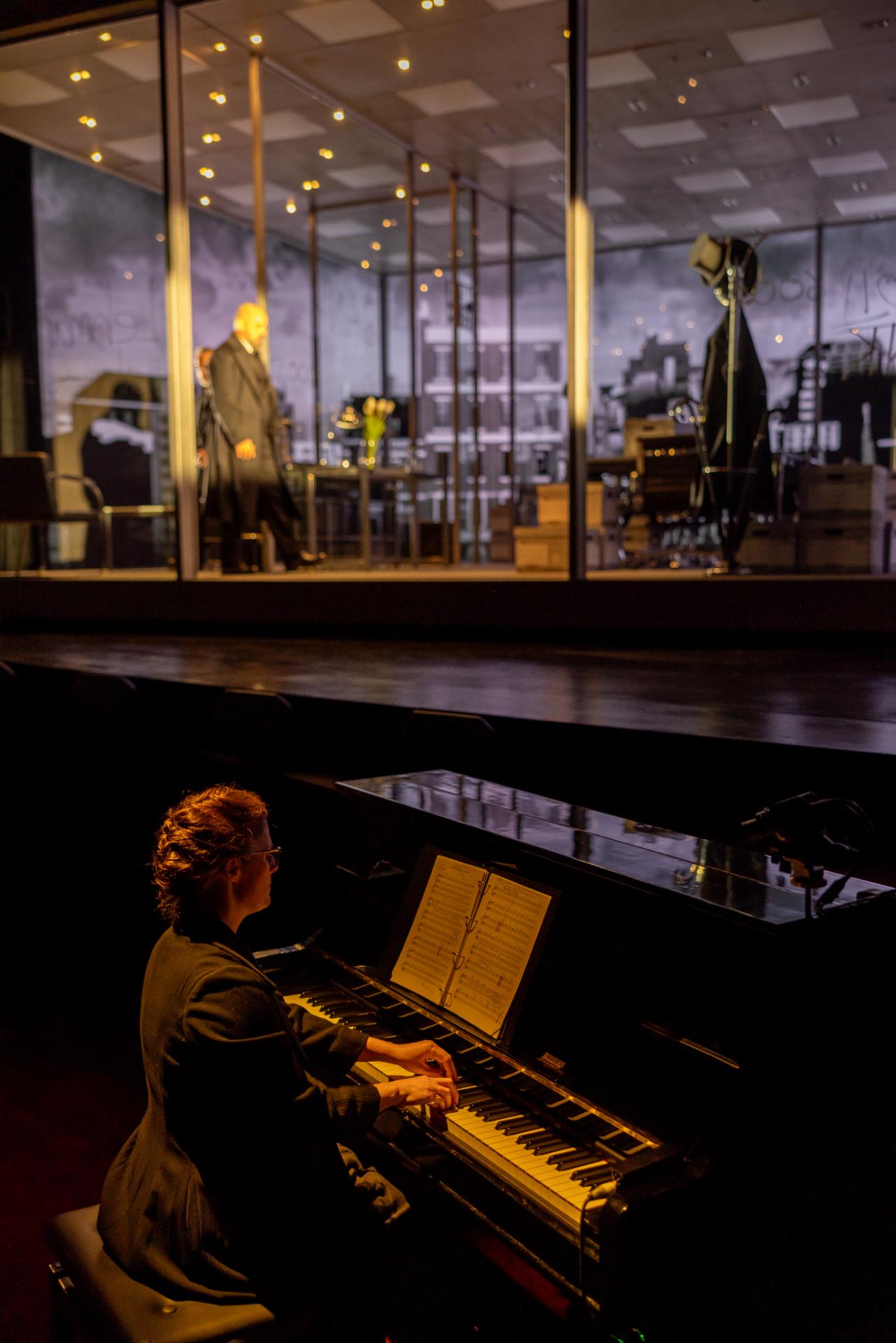
Performer Tania de Jong takes on the role of her real-life grandmother Slawa, with a conspicuous adoration for a generation that had to endure too much. Bridget Costello as daughter and narrator Eva is an animated presence, reliably energetic for the entirety. Michaela Burger as sister Rella, Anton Berezin as Karl, and Nelson Gardner in a variety of roles, offer excellent support adding a remarkable level of polish. Classical singing from the entire cast is a delight, with accompaniment by pianist David Gardos, violinist Michele O’Young and cellist Rachel Valentine introducing beautiful sentimentality to the staging.

It is incredible to think of the way this land has welcomed so many. It is imperative that we never forget how we came to have that privilege of making lives here, and must always honour those who are rightful custodians, and who are endlessly gracious in offering safe harbour. Great legacies often emerge from great hardship; those in need today, are likely to achieve greatness tomorrow, if only they can find a helping hand.

www.driftwoodthemusical.com.au

Review: Consent (Seymour Centre)

Venue: Seymour Centre (Chippendale NSW), Jun 1 – 24, 2023
Playwright: Nina Raine
Director: Craig Baldwin
Cast: Jessica Bell, Nic English, Sam O’Sullivan, Jennifer Rani, Anna Samson, Anna Skellern, Jeremy Waters
Images by Phil Erbacher

Theatre review

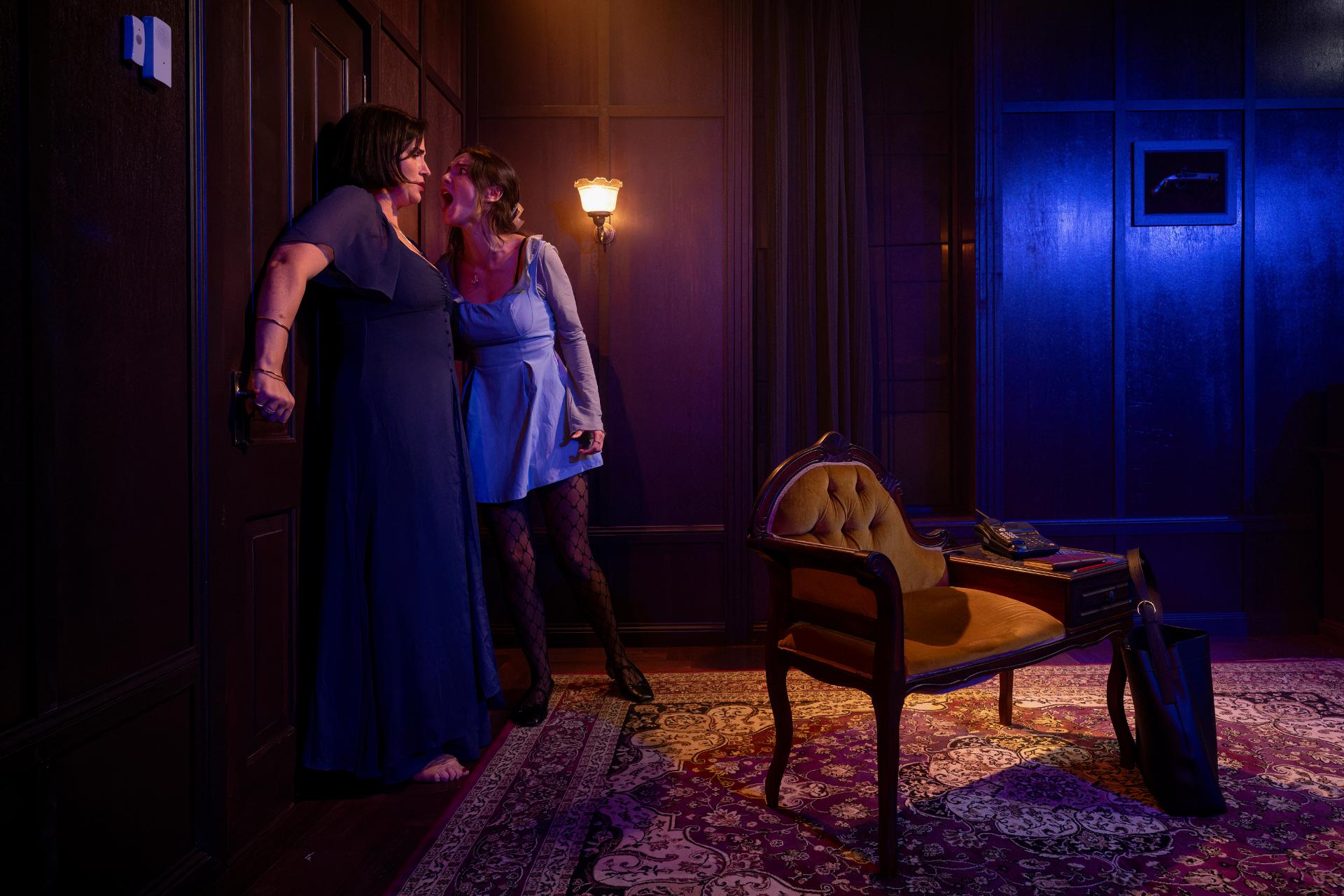
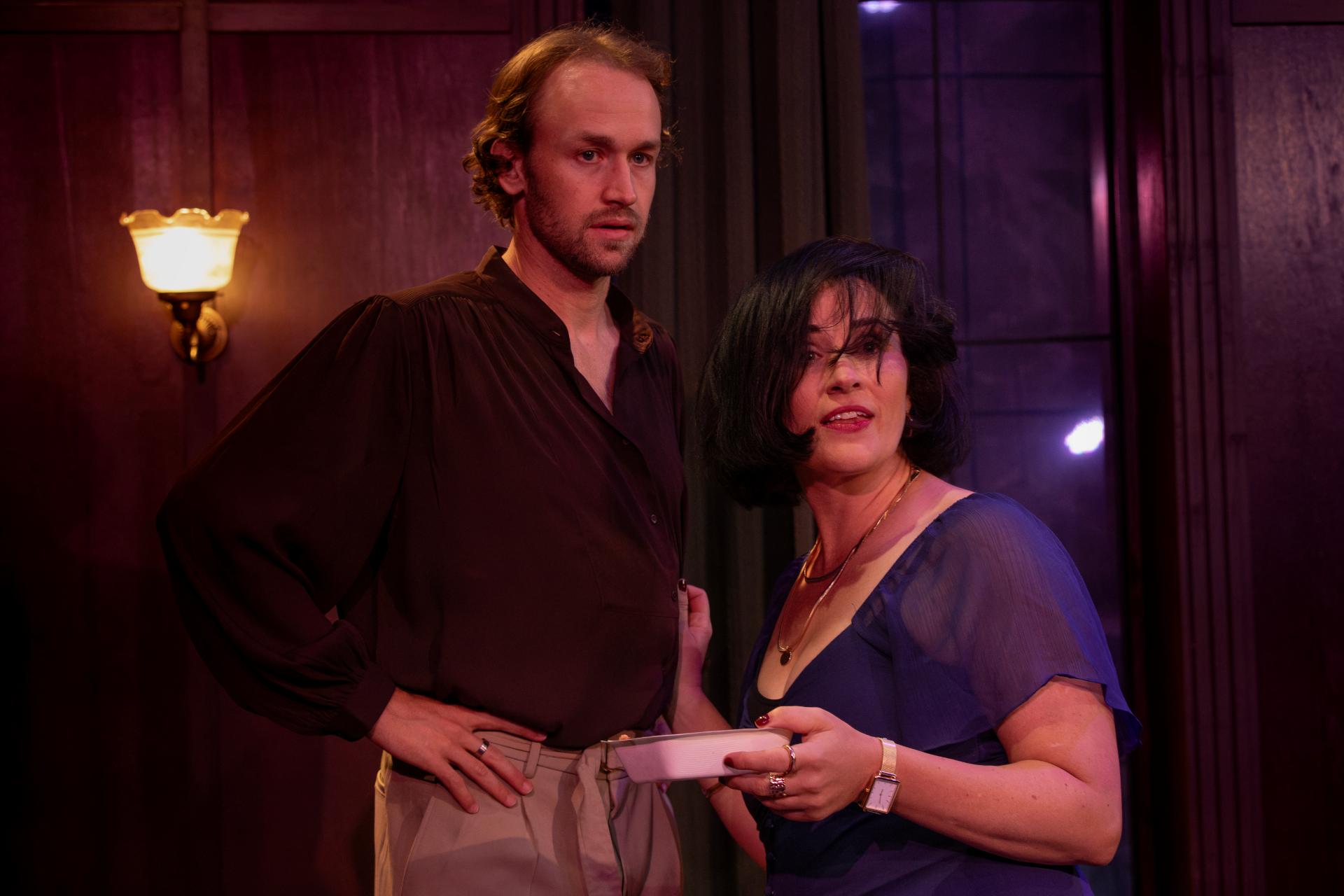
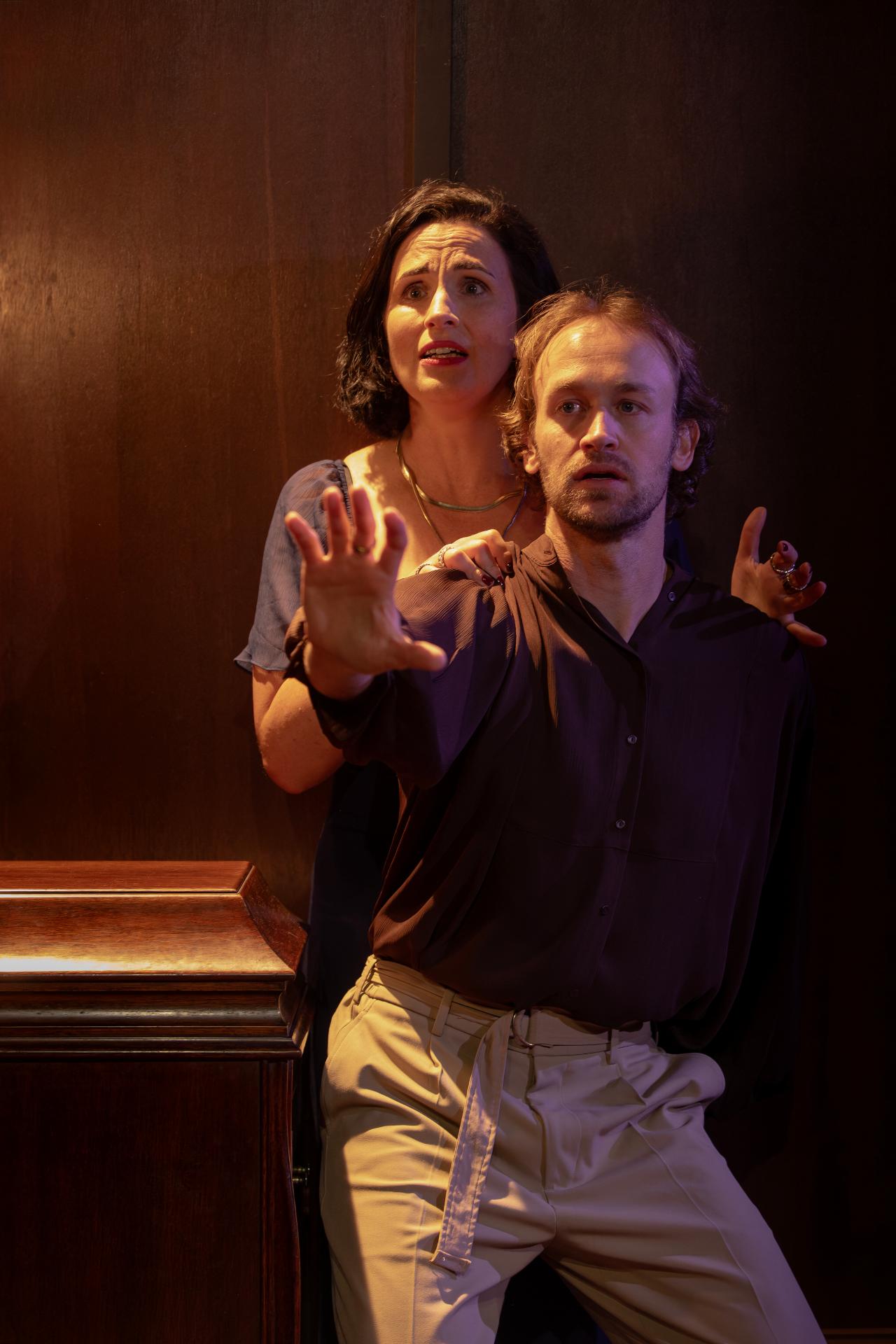
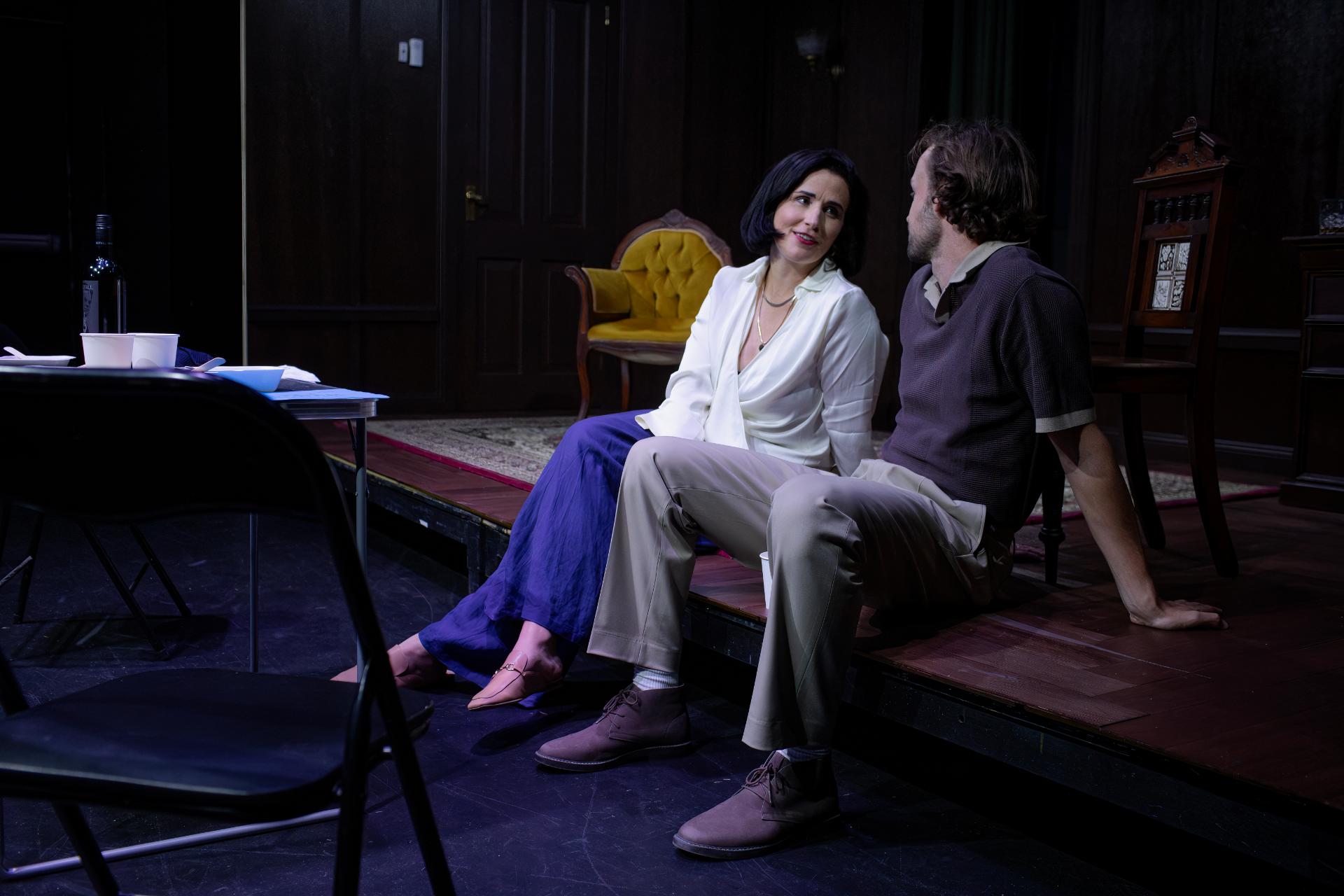
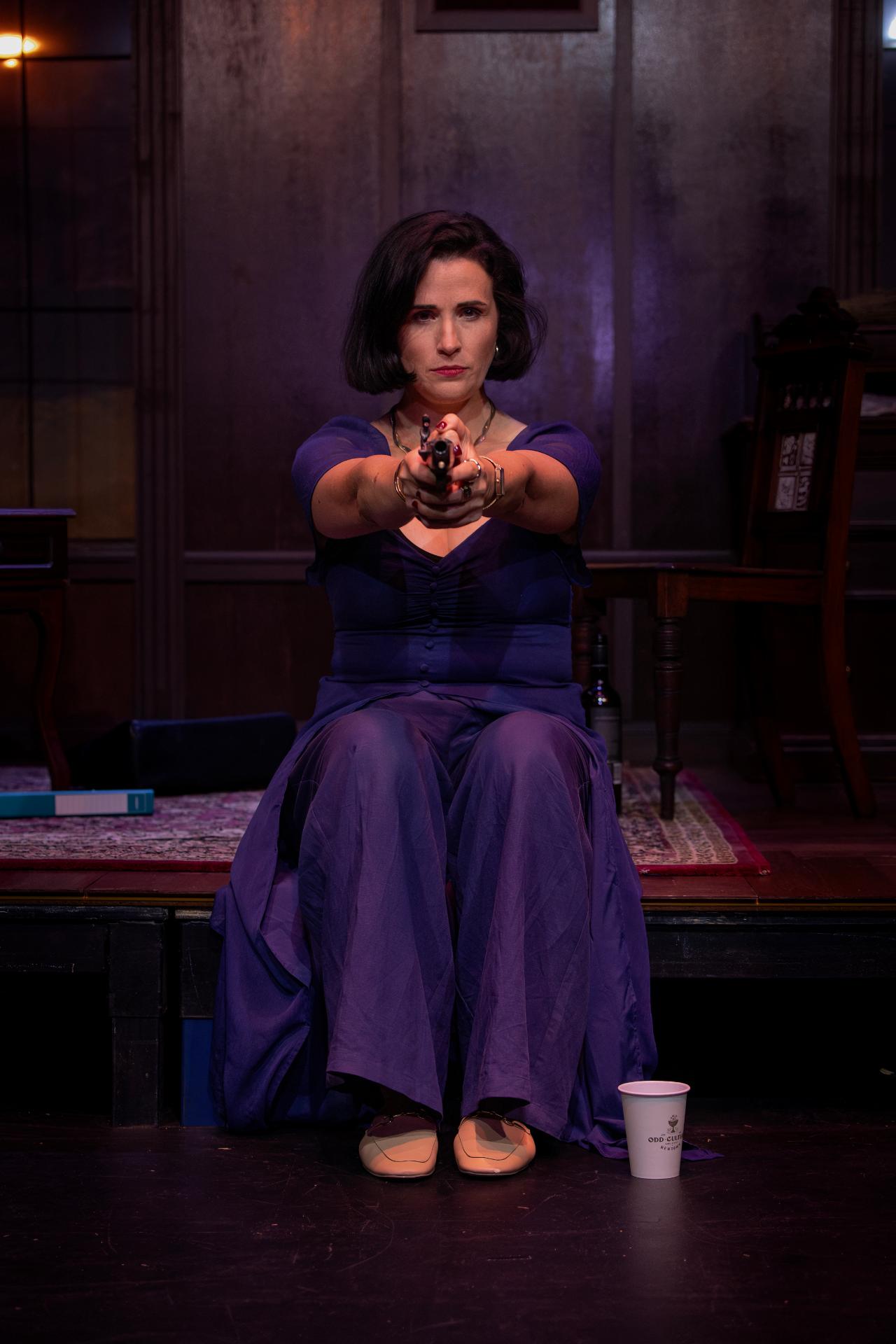
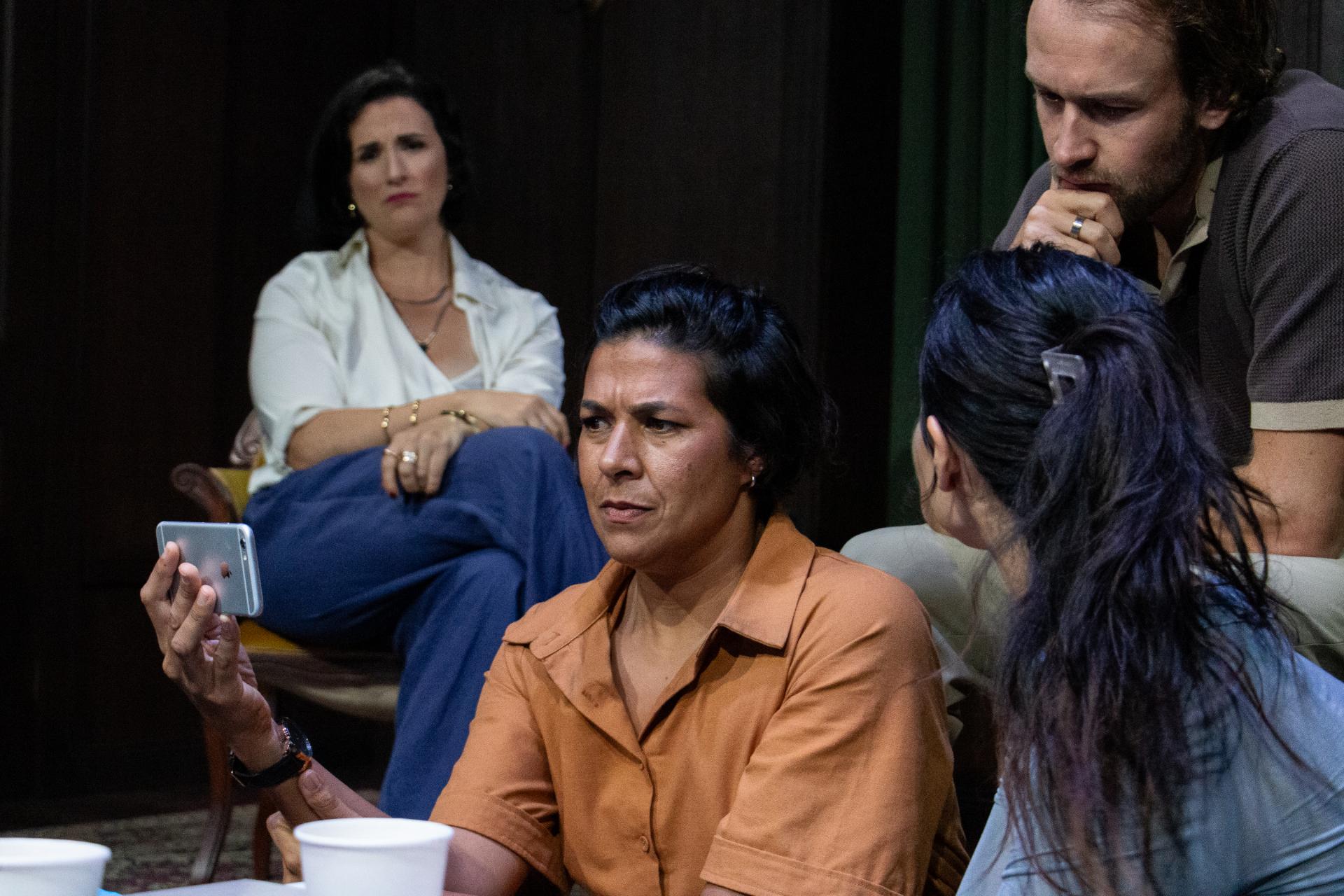
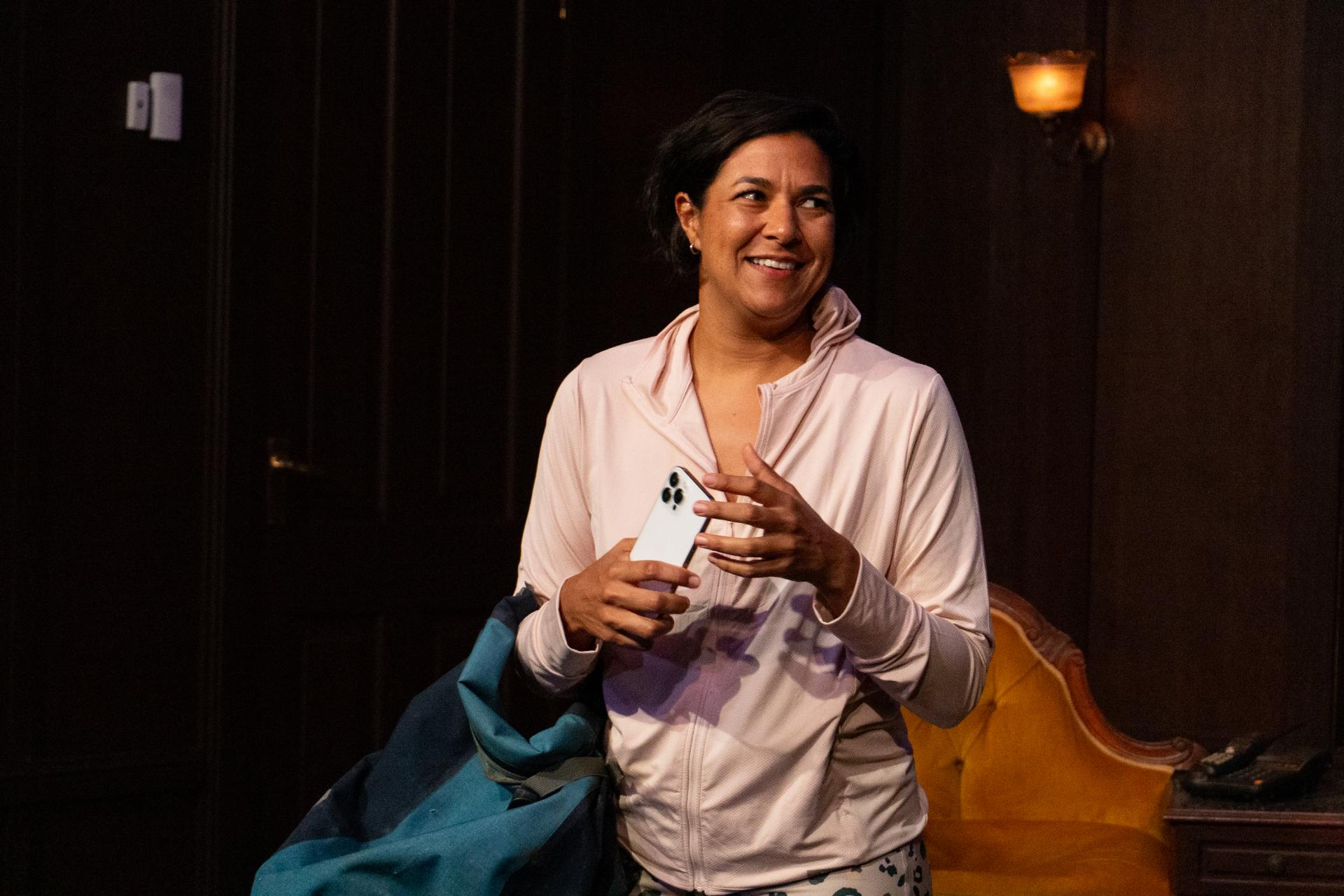
Kitty never forgave her husband Ed’s indiscretions from five years ago, so their marriage remains strained even with the arrival of a new baby. Meanwhile, Ed serves as a barrister prosecuting against rape allegations, in which we see the victim being treated with little compassion or fairness. Nina Raine’s Consent explores bodily transgressions within differing realms, stretching the notion of consent to cover issues from sexual assault to infidelity.

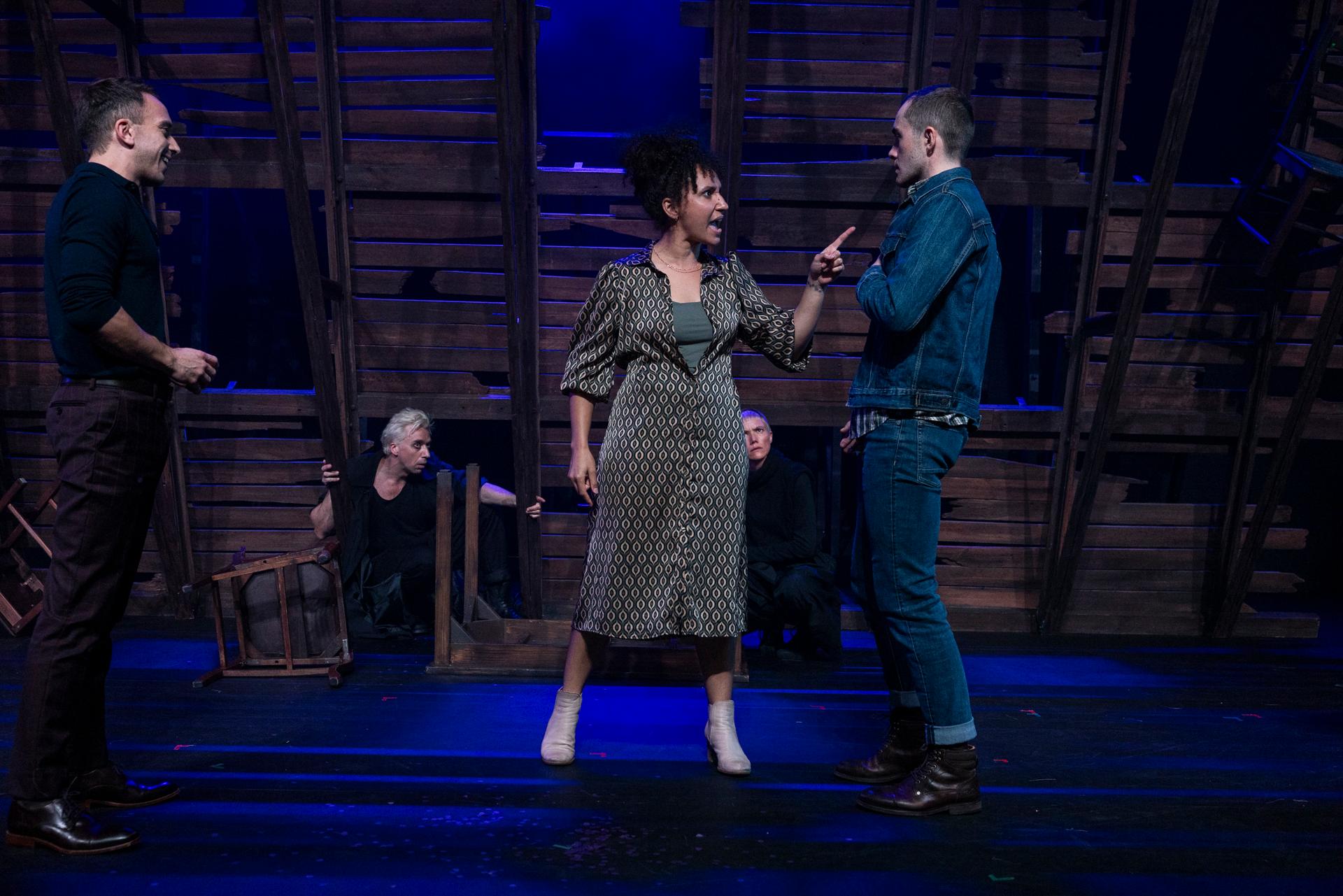
The play’s attempts to draw parallels can feel somewhat tenuous, and uncomfortable in its tendencies to diminish the severity of rape, in favour of a more intensive discussion about adultery. There is a sadistic pleasure in watching a group of affluent lawyers go through emotional turmoil, but it can prove challenging to evoke genuine empathy, for entitled personalities who only have themselves to blame for their strife.

The production is directed by Craig Baldwin, who emphasizes emotional authenticity in portraying the numerous arguments that characterize this play about bickering posh couples. Baldwin demonstrates admirable integrity by resisting excessive humiliation of the characters, although this approach can sometimes miss opportunities for bigger laughs. The staging honours the text’s central ideas about betrayal, but the unsavoury personalities of Consent prevent us from fully engaging in a sufficiently meaningful way.
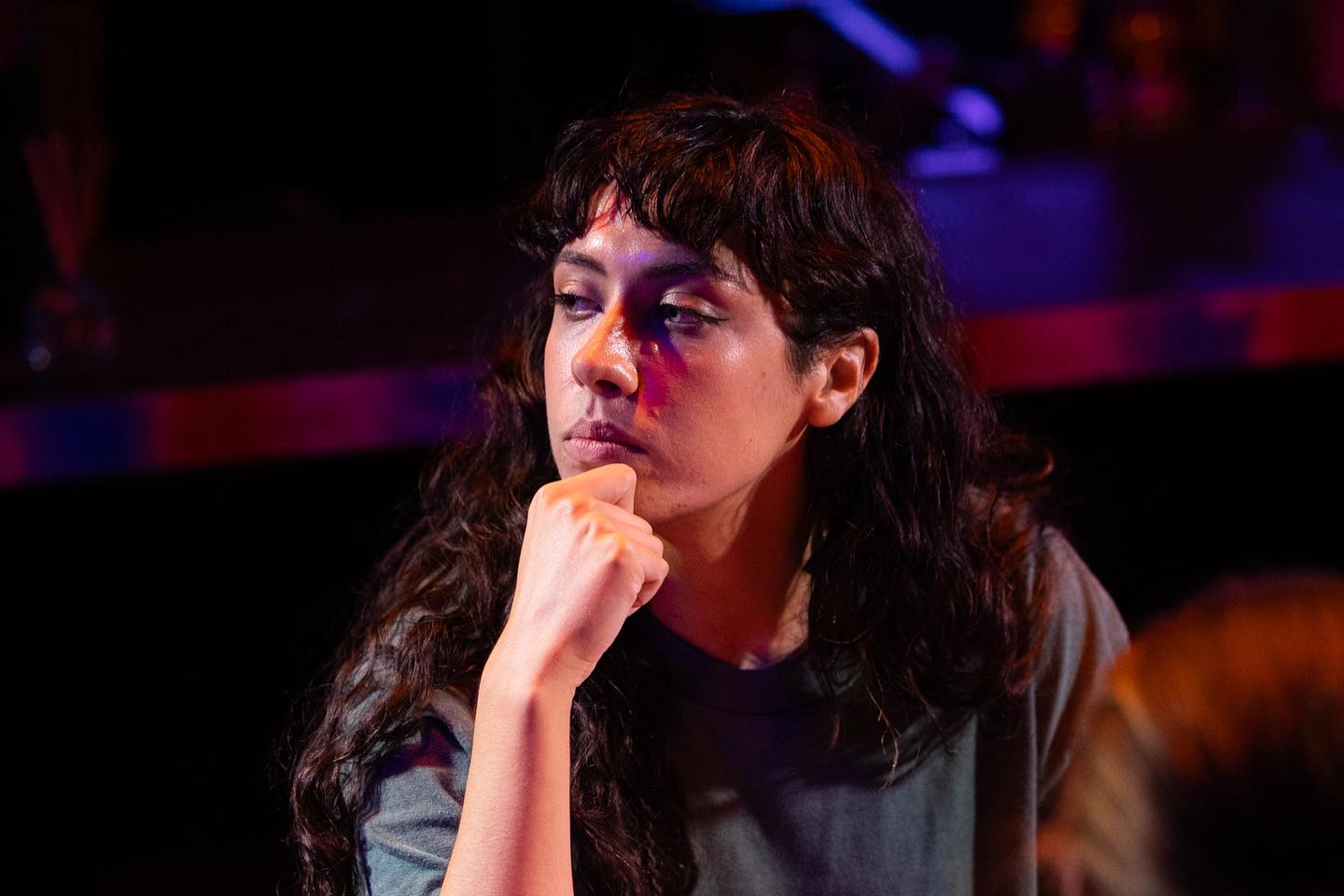
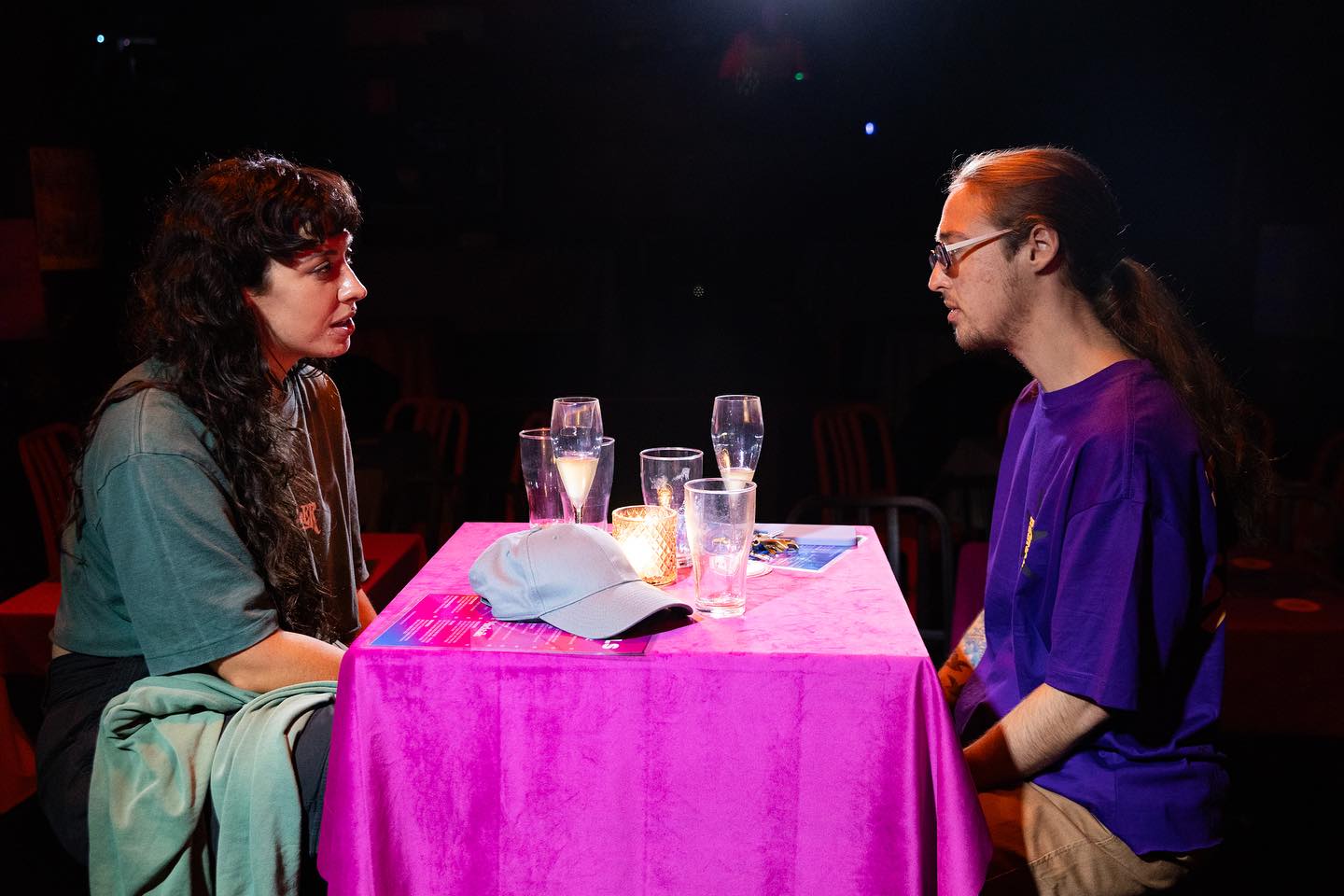
Design aspects are however accomplished effectively. Soham Apte’s sets and costumes are satisfyingly theatrical, yet bear a sense of accuracy in their depictions of a world inhabited by lawyers and their spouses. Lights by Ryan McDonald provide visual finesse, always aiming for polish without ever being obtrusive. Eliza Jean Scott’s segments of interstitial music are creatively rendered, offering us momentary reprieve from intense altercations, whilst manufacturing an air of refinement appropriate to the piece.

Anna Samson and Nic English play Kitty and Ed respectively, both highly believable in their execution of this domestic drama, with an intricacy in approach that encourages us to bring nuance to our interpretations of the story. Also bringing vim and vigour are Jessica Bell, Sam O’Sullivan, Jennifer Rani, Anna Skellern and Jeremy Waters, who conspire to bring energy to an experience that can very easily become overly cerebral.

It certainly feels awful to be cheated on, but it is audacious to say that it is in some ways similar, to having suffered sexual assault. We all understand human fallibility, yet we continue to hang on to old ways of thinking about monogamy and marriage. On one hand, we understand the nature of lust, including its inevitable superficiality, and on the other, we insist on defining the success of marital unions, on the ability of individuals to prevent themselves from committing these sins that ultimately mean little. Yes, rape and infidelity are forms of betrayal, but they are far from commensurate.

www.seymourcentre.com | www.outhousetheatre.org

Review: Porpoise Pool (25A Belvoir)

Venue: Belvoir St Theatre (Surry Hills NSW), Jun 1 – 18, 2023
Playwright: Jojo Zhou
Director: Eve Beck
Cast: Meg Clarke, Jane Mahady, Luke Leong-Tay, Loretta Kung, Carlos Sanson Jr
Images by Phil Erbacher

Theatre review

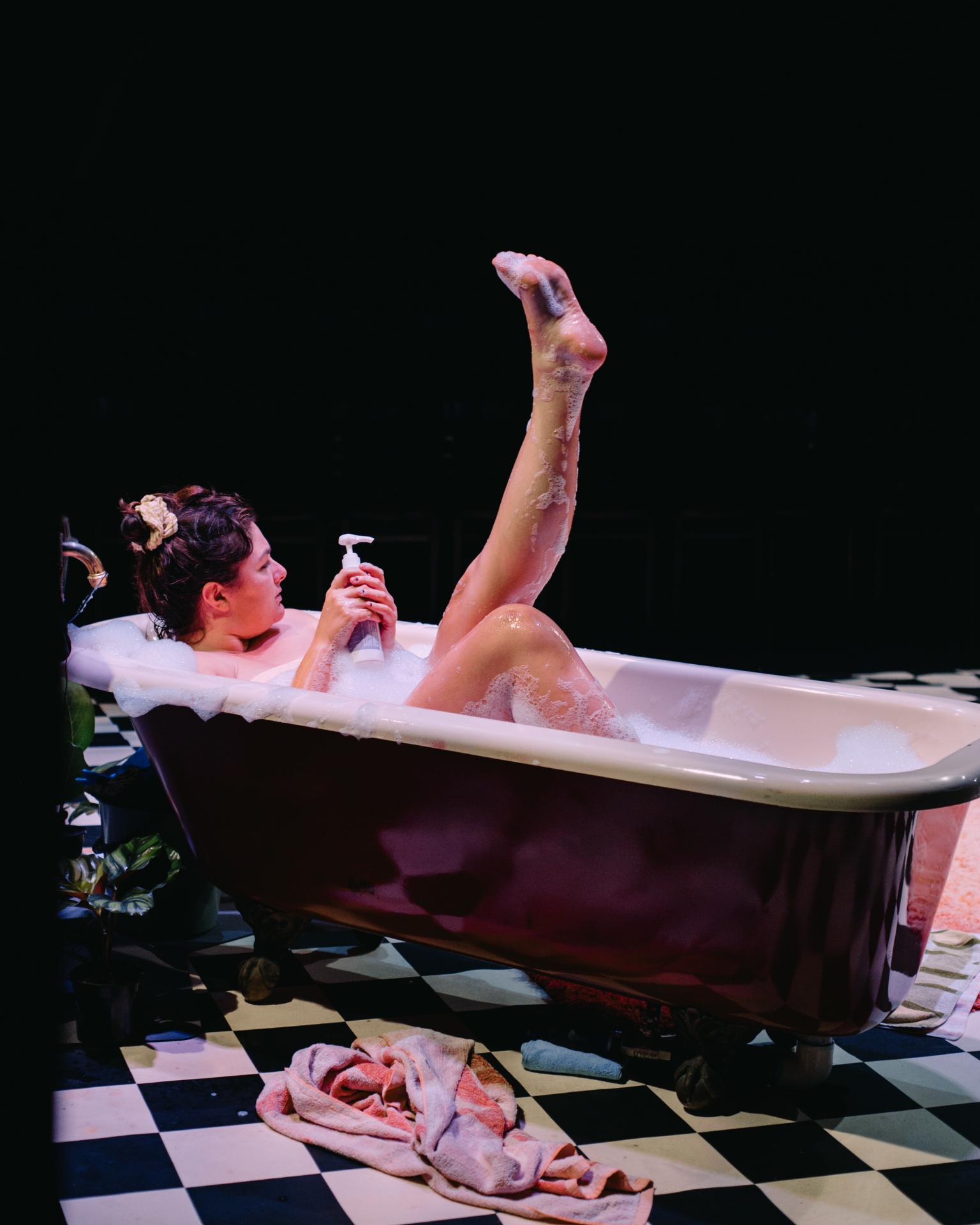
Lou is a mess, living in a rundown apartment and unable to keep a job. Granted she is only in her very early 20s and has lots of time to figure things out. However as a mother of a small child, the pressure is on for her to get her act together. Fortunately, or maybe unfortunately, Lou has an artificial intelligence assistant device at home, a device referred to as House, who zealously offers assistance with anything Lou might need, including its highly questionable form of psychotherapy.

Jojo Zhou’s Porpoise Pool is an idiosyncratic work, with quirky humour and surrealist elements that cleverly express its central anxieties. The play is consistently fascinating, full of charm and creativity, and it gradually elicits our investment in its imperfect hero, even though the text may require some editing to tighten the journey. Direction by Eve Beck places emphasis on the funny and bizarre dimensions of the show, to deliver something satisfying in its unconventionality.

A set by Soham Apte, along with costumes by Lily Mateljan, address the slightly off-kilter quality of Lou’s world, just theatrical enough to provide a sense of elevation, without ever being too on the nose. Tyler Fitzpatrick’s lights and Clare Hennesy’s sounds are impressive with the level of detail they deliver, to subtly shape our focus and our responses, to a show that switches gear regularly, and elegantly.

Actor Meg Clarke turns Lou’s deficiencies into great entertainment. She is completely believable, with an extraordinary instinct, effortless in her ability to make every line of dialogue and every gesture, seem meaningful and captivating. The supporting cast comprises Jane Mahady, Luke Leong-Tay, Loretta Kung and Carlos Sanson Jr, all of whom embrace the unique tone of Porpoise Pool, for a show that is simultaneously thoughtful and wonderfully weird.

Lou is never more aware of her faults, than when faced with her responsibilities as a parent. There is no question about her lack of readiness for motherhood, but it can certainly be considered true, that no person will ever be sufficiently prepared for that experience. It is fanciful to say that Lou should not have gone through with her unplanned pregnancy, because people every where every day, birth babies in imperfect situations, and will continue to do so. We want perfect parents to have perfect offspring, but the truth is that, we can only ever be human.

https://www.facebook.com/biteprod | www.belvoir.com.au

Review: The Lucky Country (Hayes Theatre)

Venue: Hayes Theatre Co (Potts Point NSW), May 26 – Jun 17, 2023
Music and Lyrics: Vidya Makan in collaboration with Sonya Suares
Director: Sonya Suares
Cast: Joseph Althouse, Dyagula, Milo Hartill, Jeffrey Liu, Vidya Makan, Billy Mcpherson, Karlis Zaid
Images by Philip Erbacher

Theatre review

It is perhaps the most important function of the theatre, to help us figure out, who we are as a community. A space of congregation where artistic expression is shared, so that issues can be discussed by those local to the area, and where hopefully some form of consensus can be reached. Theatre is at its best, a force for social cohesion. In these times of division, brought on by unprecedented technological disruptions, the myth of monolithic cultures can no longer prevail. Yet we have to find ways to uphold notions of unity, in a new climate determined to acknowledge and appreciate the irrefutable diversity that can no longer be subsumed by outmoded conceptions of a singular identity.

In The Lucky Country, a new musical written by Vidya Makan in collaboration with Sonya Suares, that diversity is displayed extensively on stage, but without a sense of fracture that has come to inform how we understand difference. Makan and Suares’ thorough search and depiction of ways to pay respect, for the many peoples that we are, allows The Lucky Country to offer a showcase of identities that feels accurate and aspirational. Each of its many delightfully melodious songs represents a different part of those on this land; they are distinctly rendered, more like an anthology than one narrative of experience, allowing each of us to have our own say, and demonstrating the ease of co-existence.

The work is incredibly moving with its deep excavations of marginalised lives, but it is also guided by a scintillating humour, for a show that is disarmingly funny from beginning to end. Directed by Suares, along with choreography by Amy Zhang, The Lucky Country is energetic and bustling with activity, holding our attention captive, always keeping us fulfilled and wanting more.

Instead of a set, the empty stage is adorned with a cyclorama, on which Justin Harrison’s witty and sensitive video compositions are projected, adding further emotional dimensions to the production. Lights by Rob Sowinski and costumes by Emily Collett are slightly under explored, but both provide satisfactory levels of embellishment. Heidi Maguire’s orchestrations are entertaining and lively, and along with Michael Tan’s sound design, deliver for the songs a beautiful simplicity that feel rich in resonance.

In spectacular form, a wonderful cast delivers these stories of diminished individuals to glorious light. Joseph Althouse, Dyagula, Milo Hartill, Jeffrey Liu, Vidya Makan, Billy Mcpherson and Karlis Zaid bring technical acuity, as well as exceptional soulfulness, to make The Lucky Country an unforgettable instance of transcendence, filled with love for all who have been welcomed to this country.

Colonialism aims to make so many of us feel small and devalued. It also wishes to drive wedges between us, so that we forget who the real enemies are. Its apparatus is hopelessness, wearing us down until we relent and allow them to exploit and pillage as they wish. Defiance however is a part of the human spirit that remains accessible, even during the hardest of times. In The Lucky Country, we see that the act of defiance can be joyful and unifying. An insistence on new ways to define ourselves beyond old ideas that privilege few, is an urgent need that begins with a defiance that can be summoned, from every dark depth of despair.

www.hayestheatre.com.au