Review: A Fool In Love (Sydney Theatre Company)

Venue: Wharf 1 Sydney Theatre Company (Walsh Bay NSW), Feb 6 – Mar 17, 2024
Playwright: Van Badham (after Lope de Vega)
Director: Kenneth Moraleda
Cast: Arkia Ashraf, Alfie Gledhill, Melissa Kahraman, Johnny Nasser, Contessa Treffone, Aaron Tsindos, Megan Wilding
Images by Daniel Boud

Theatre review
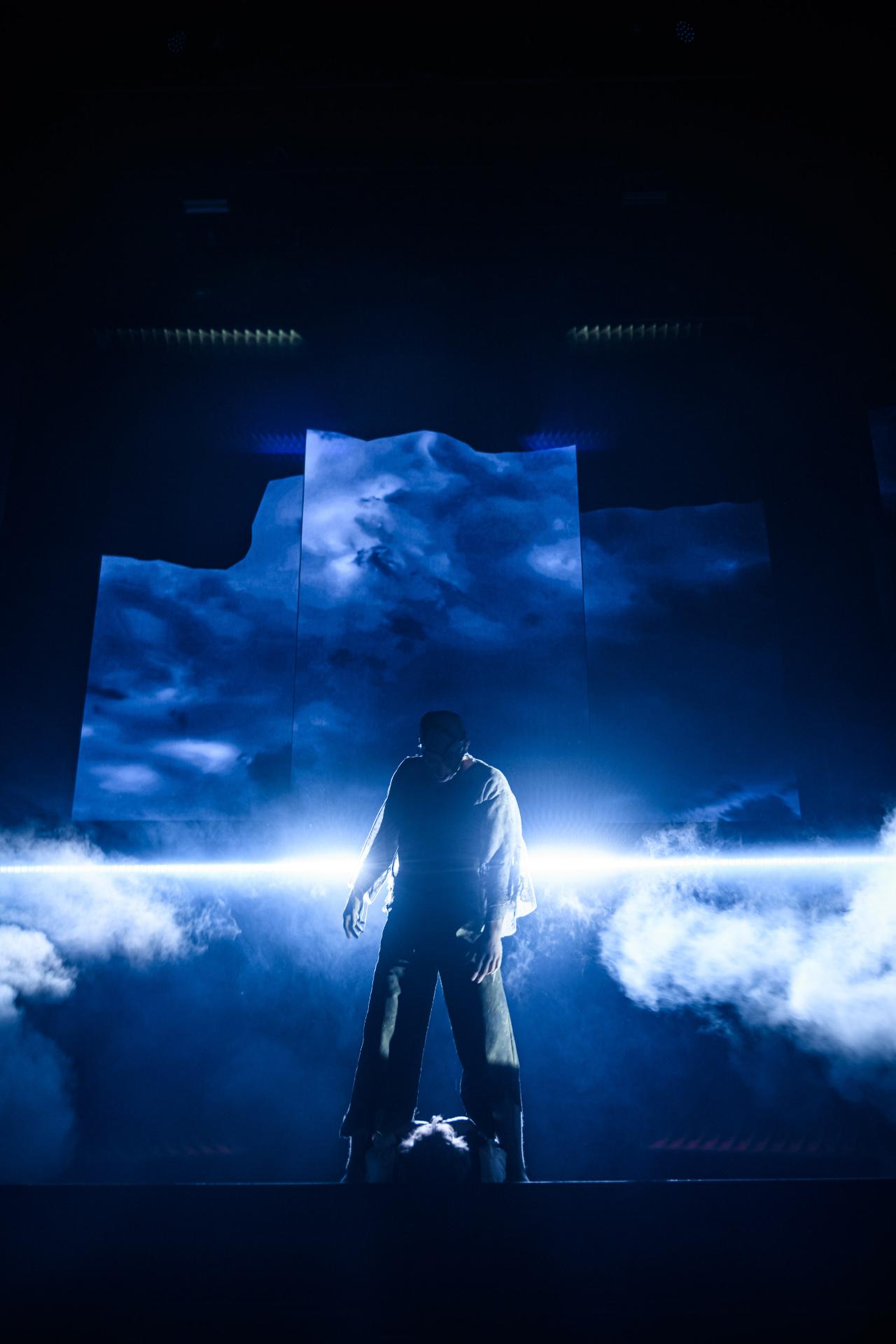
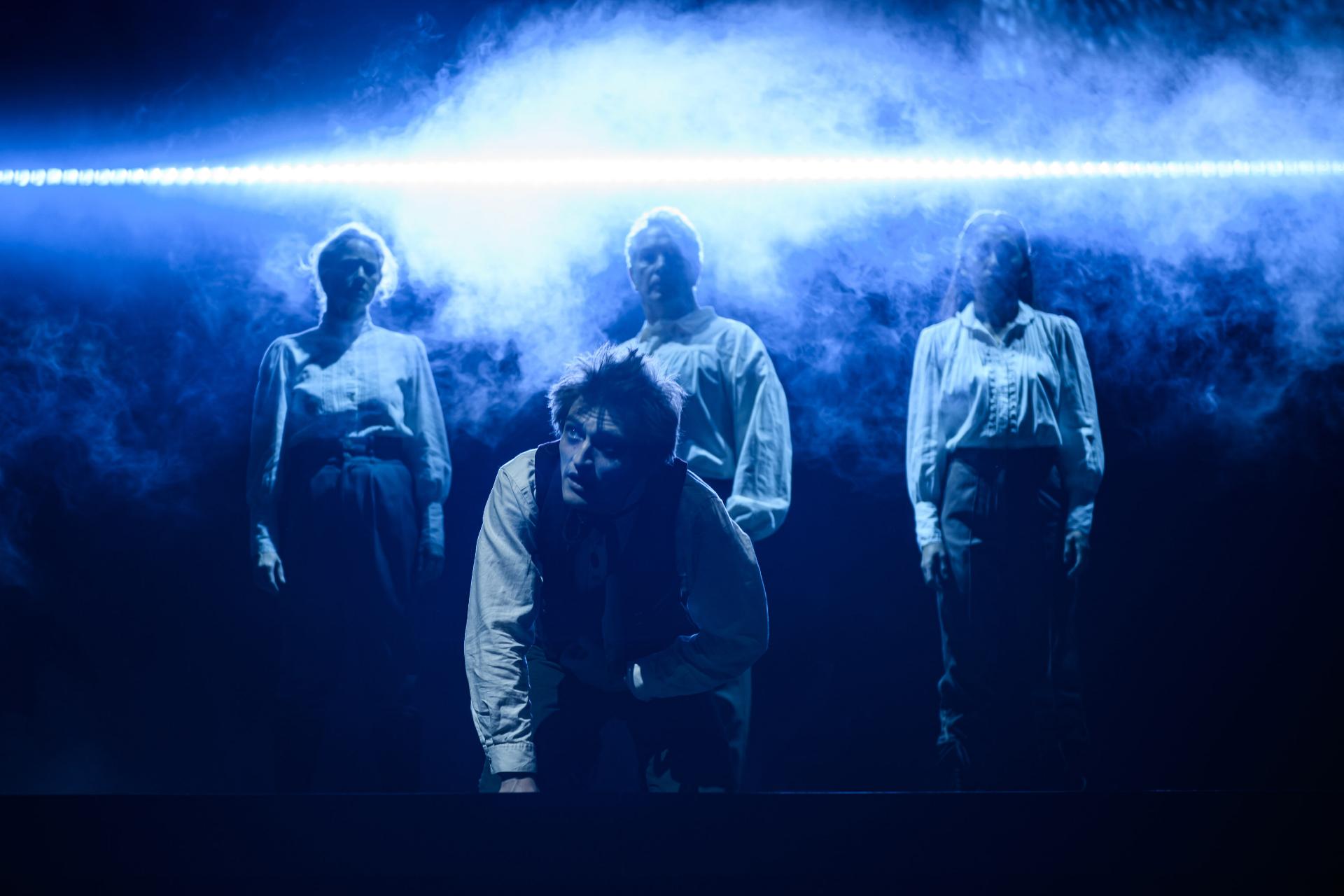
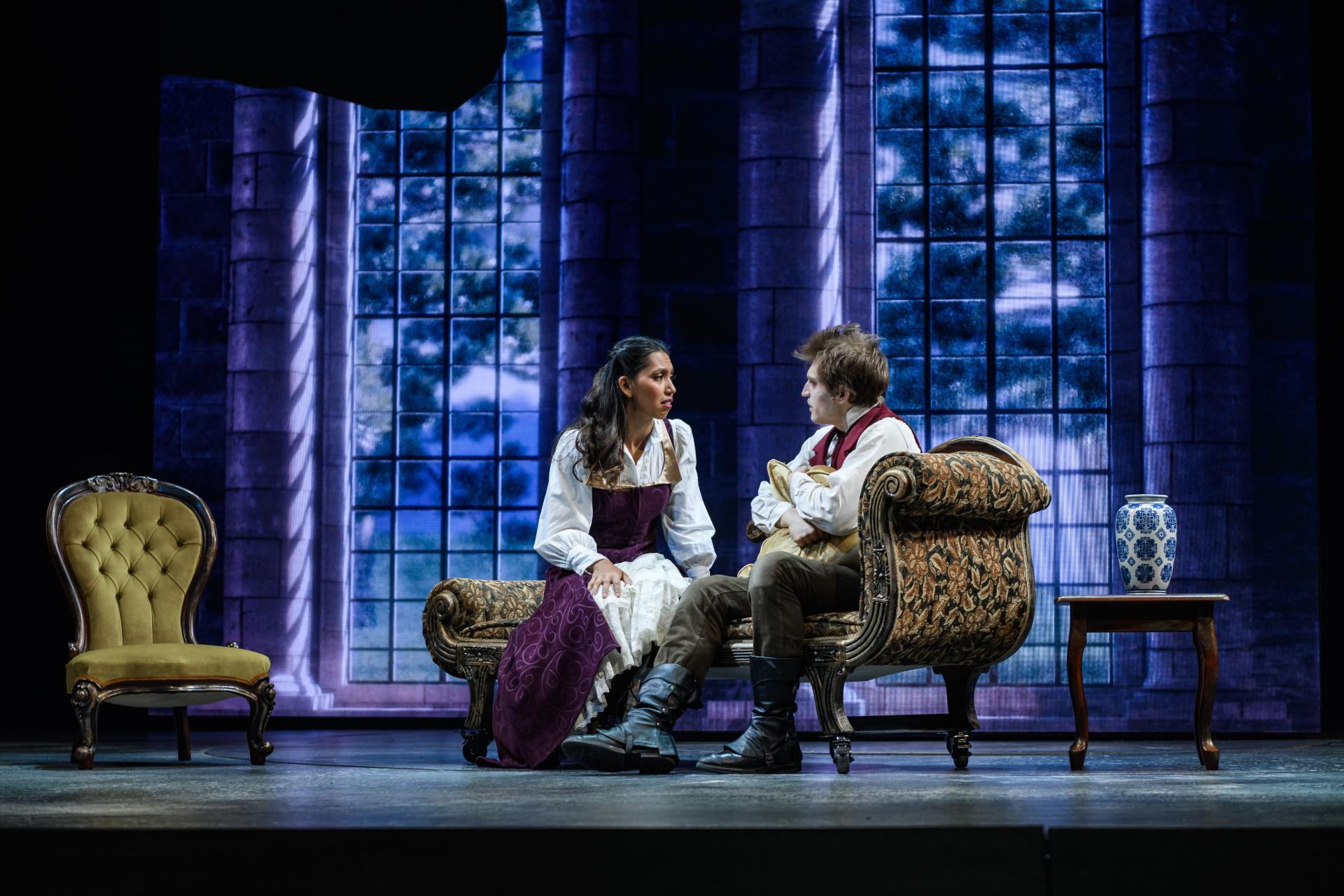
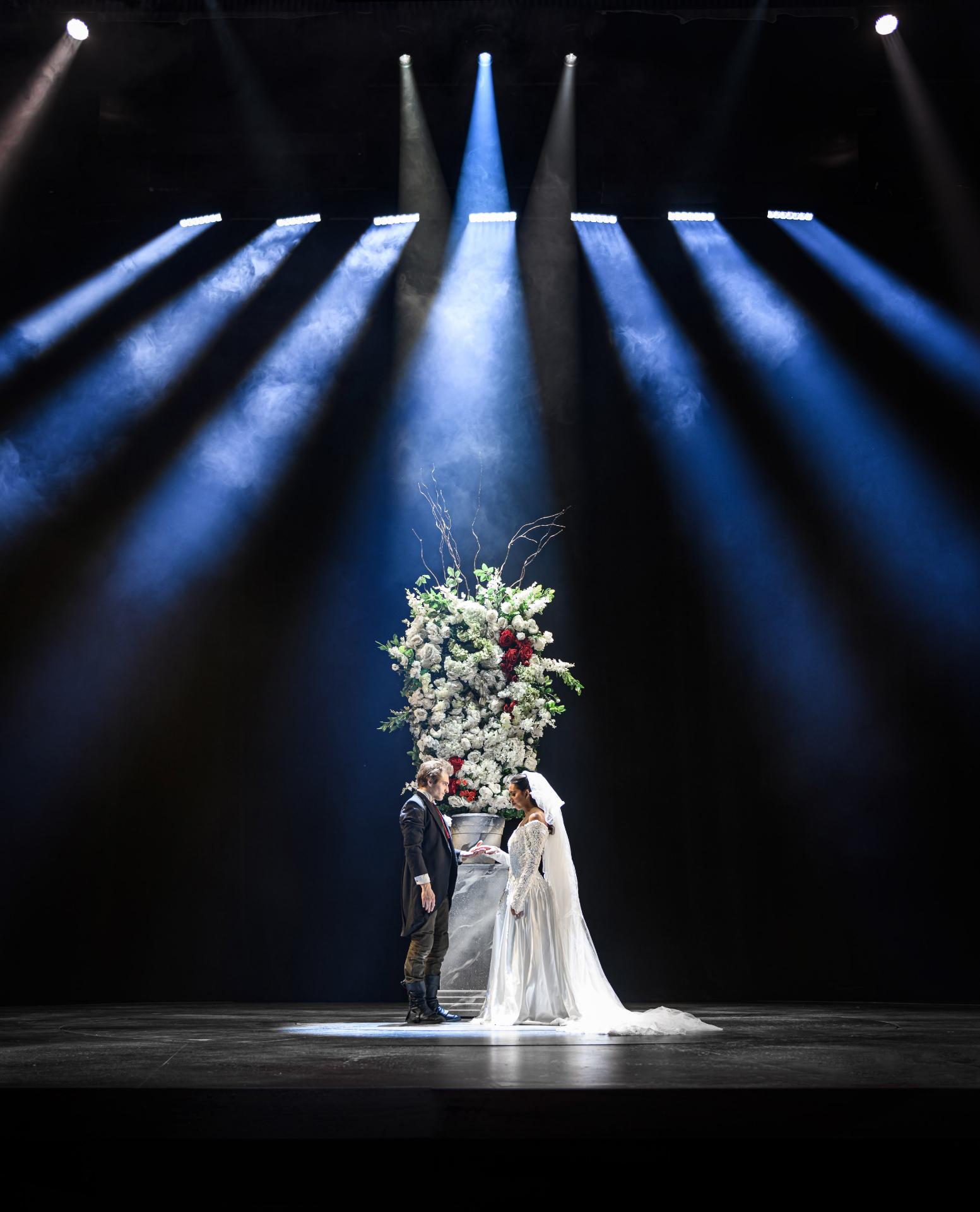
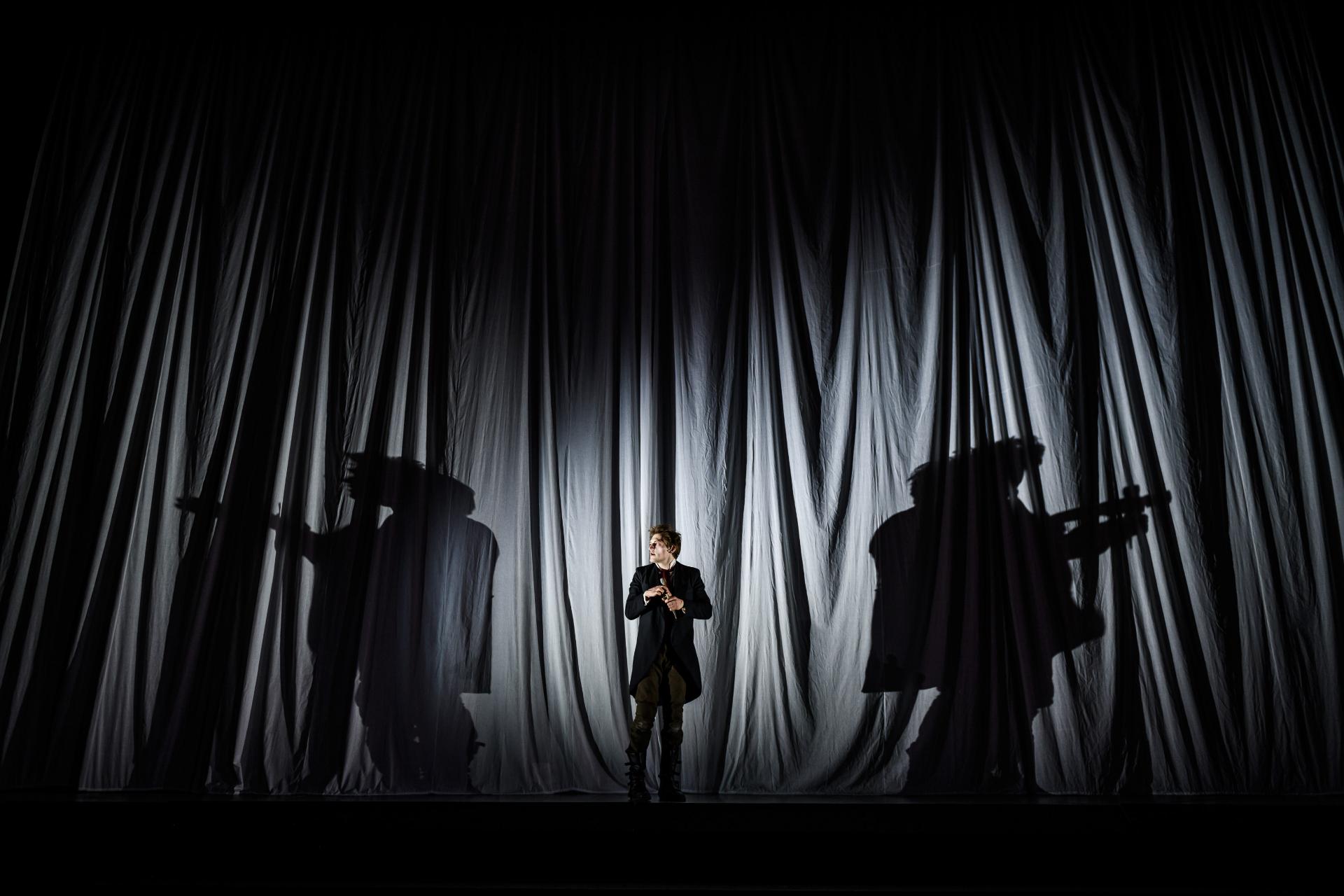
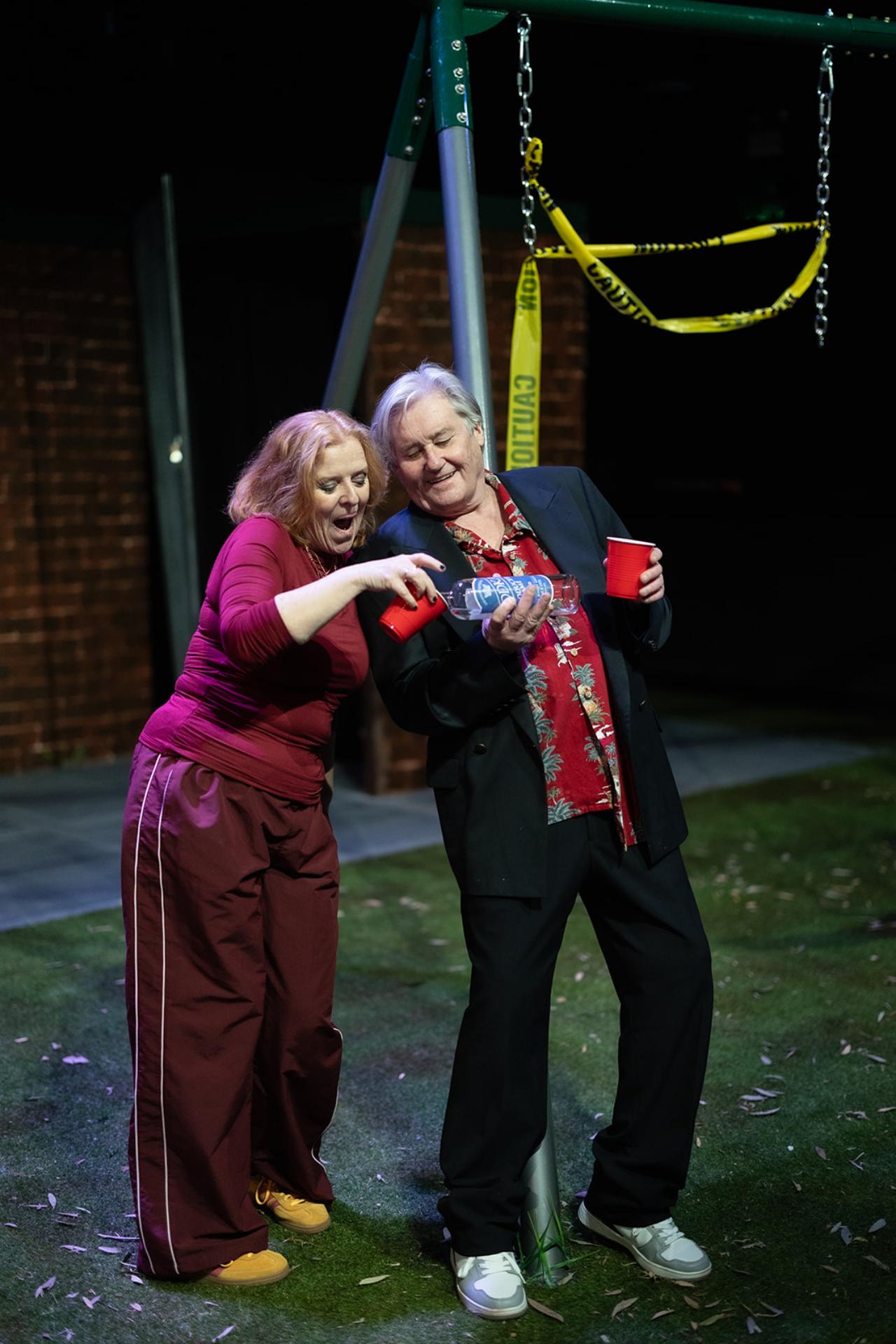
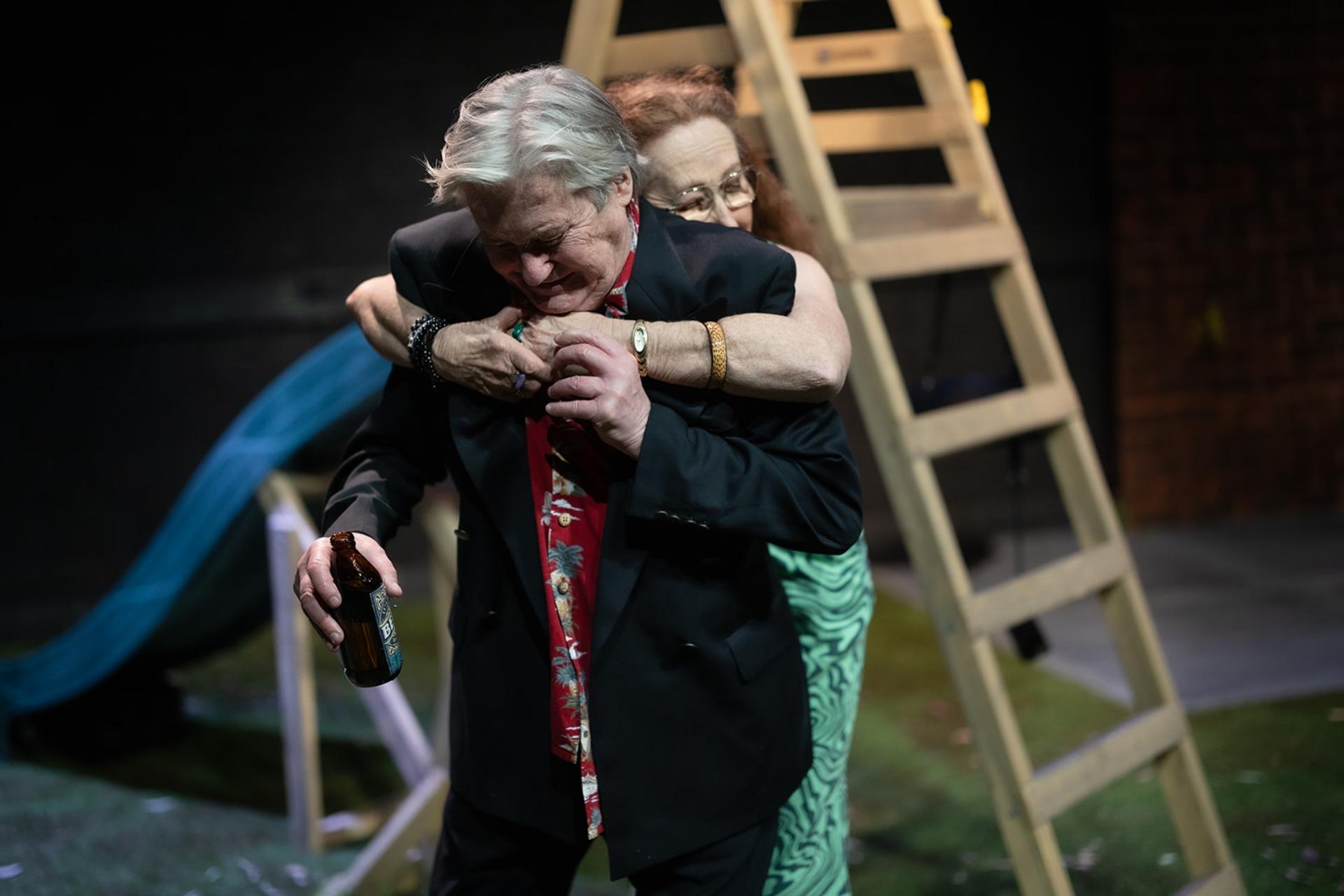
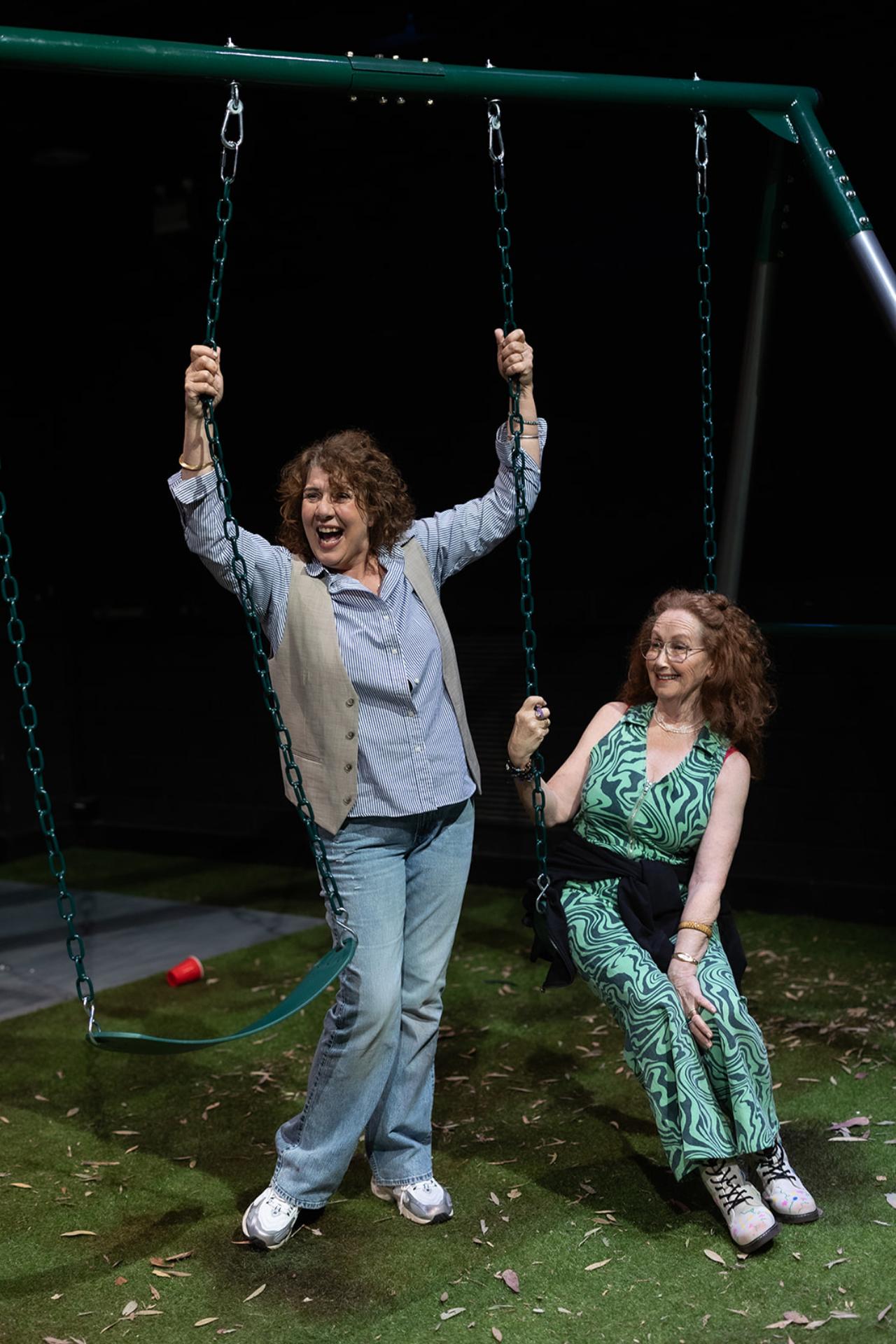
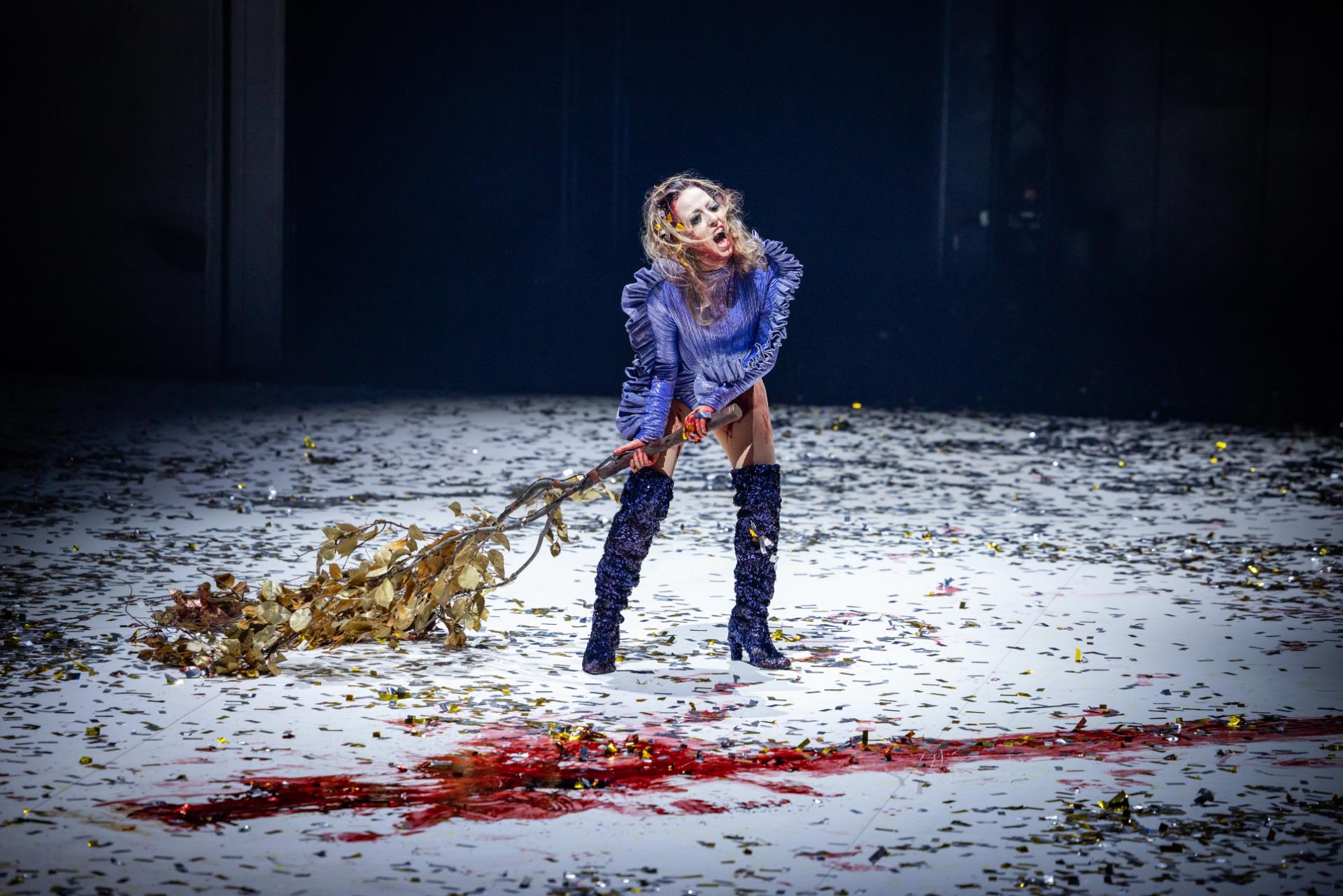
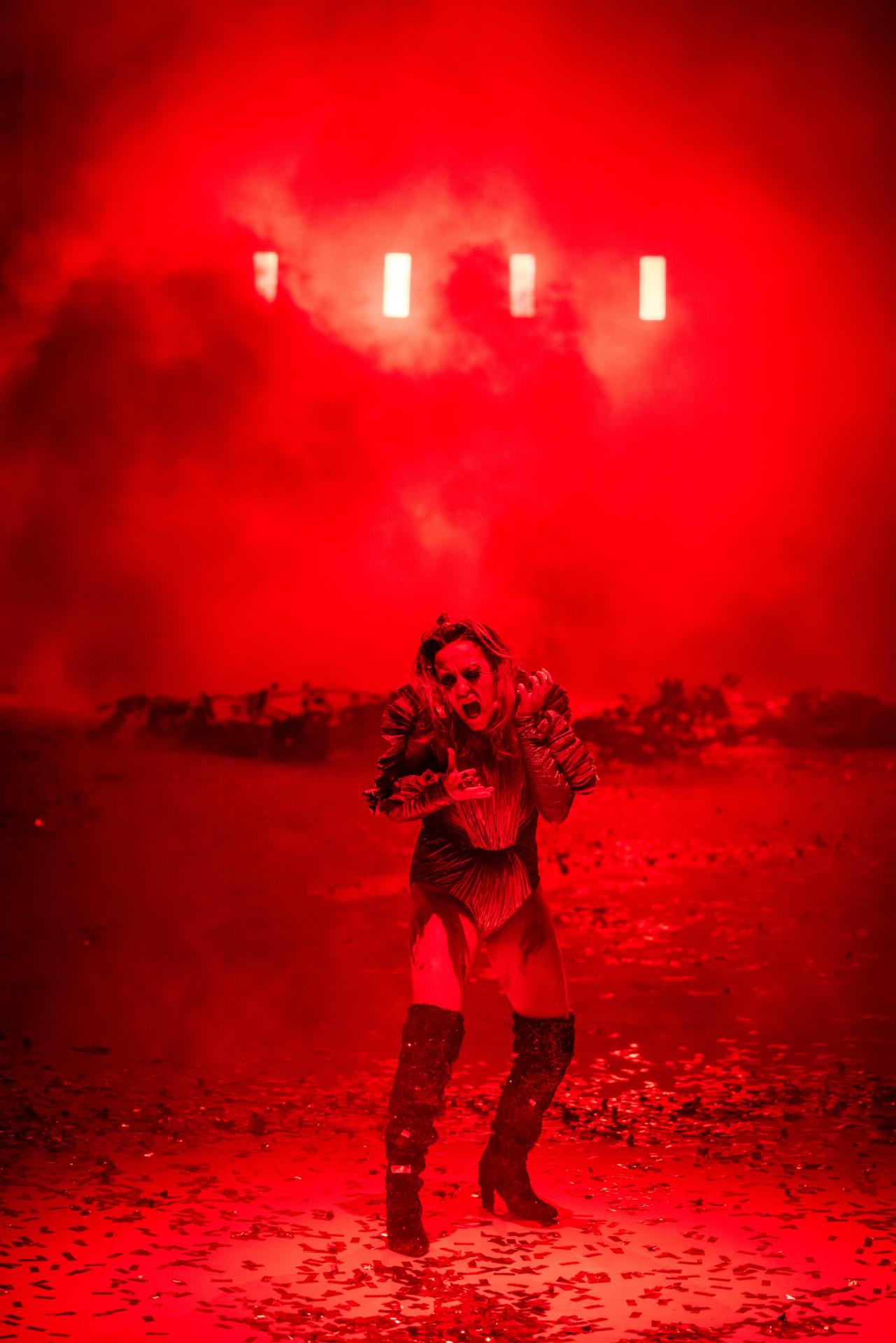
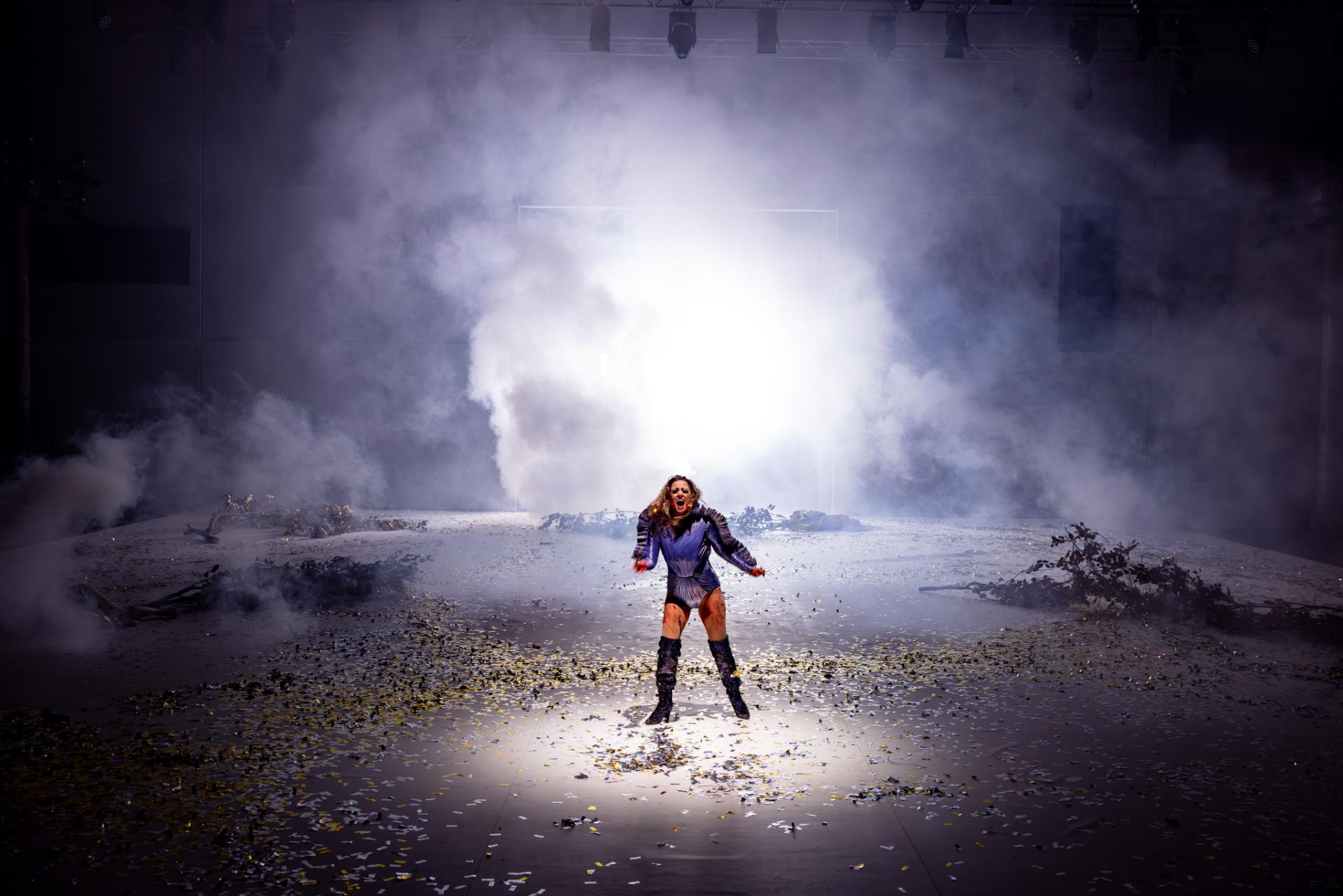
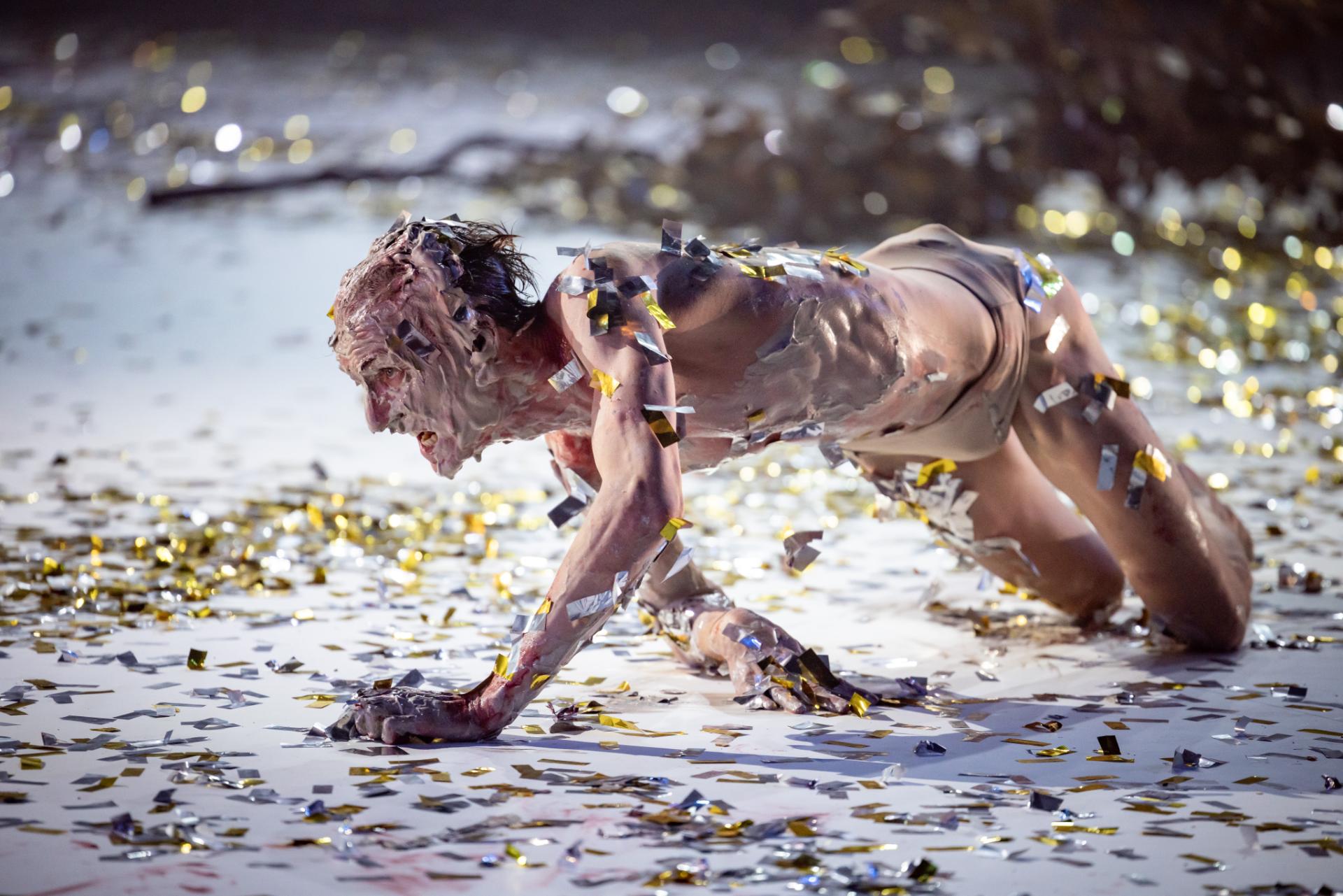
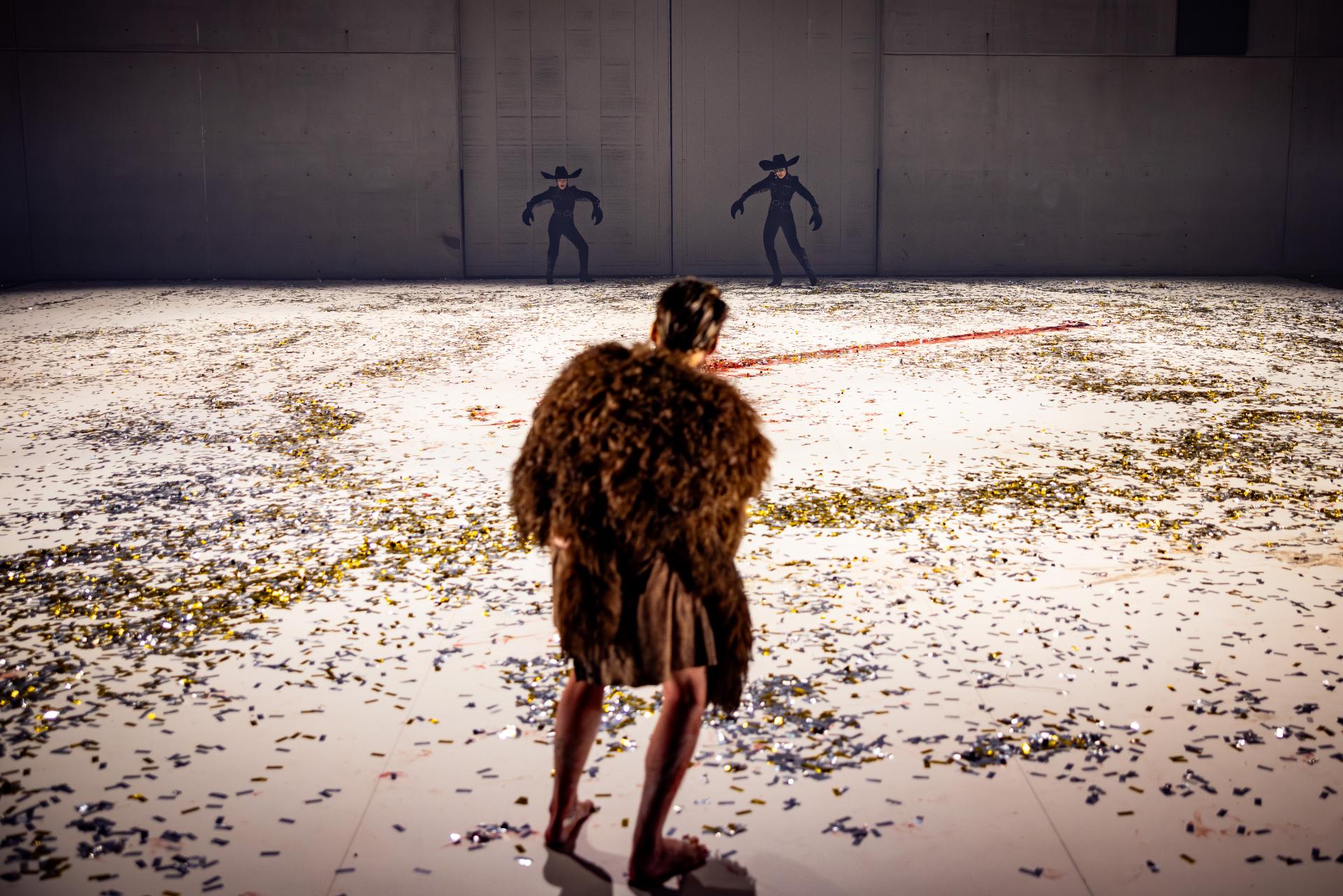
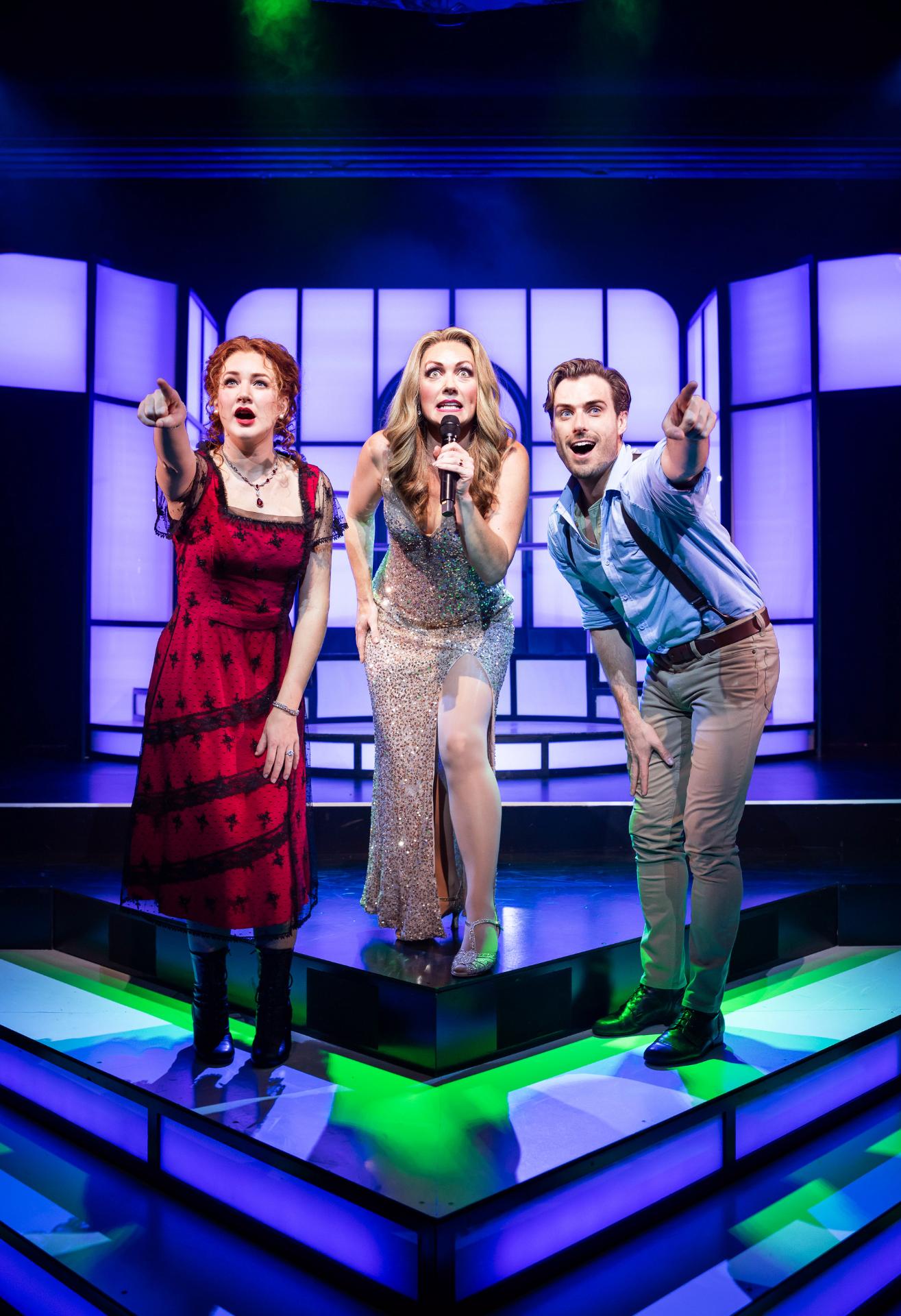
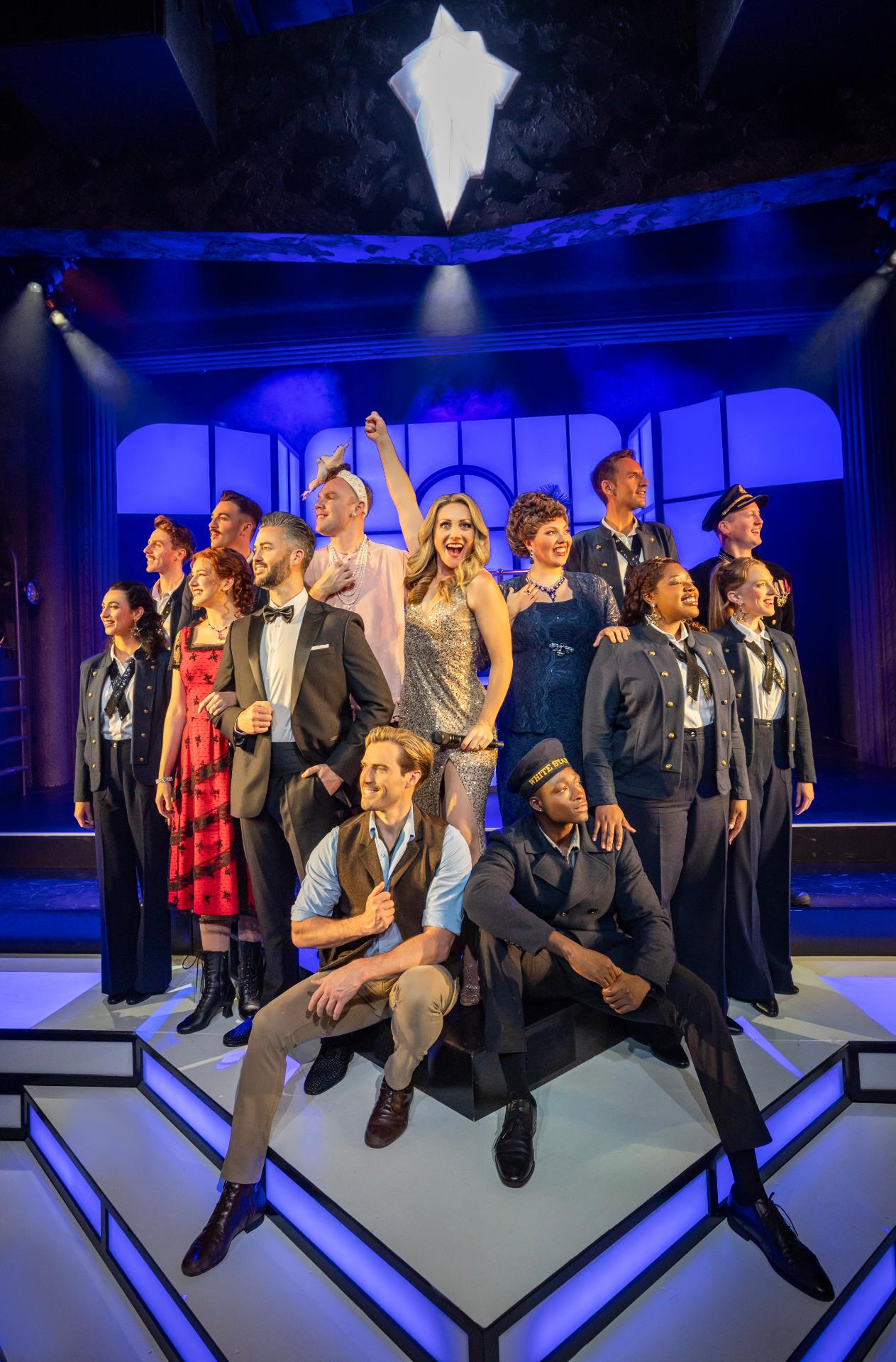
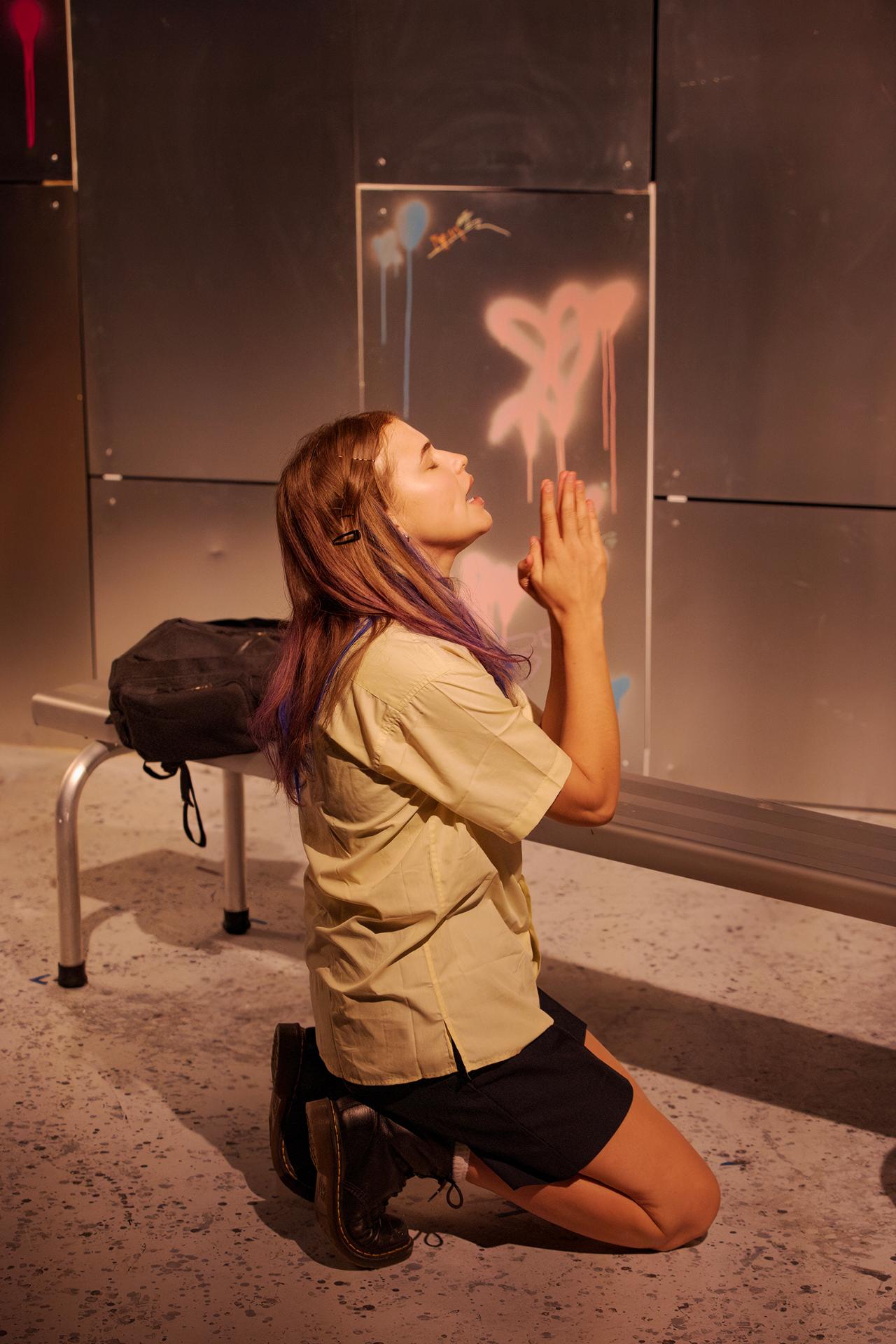
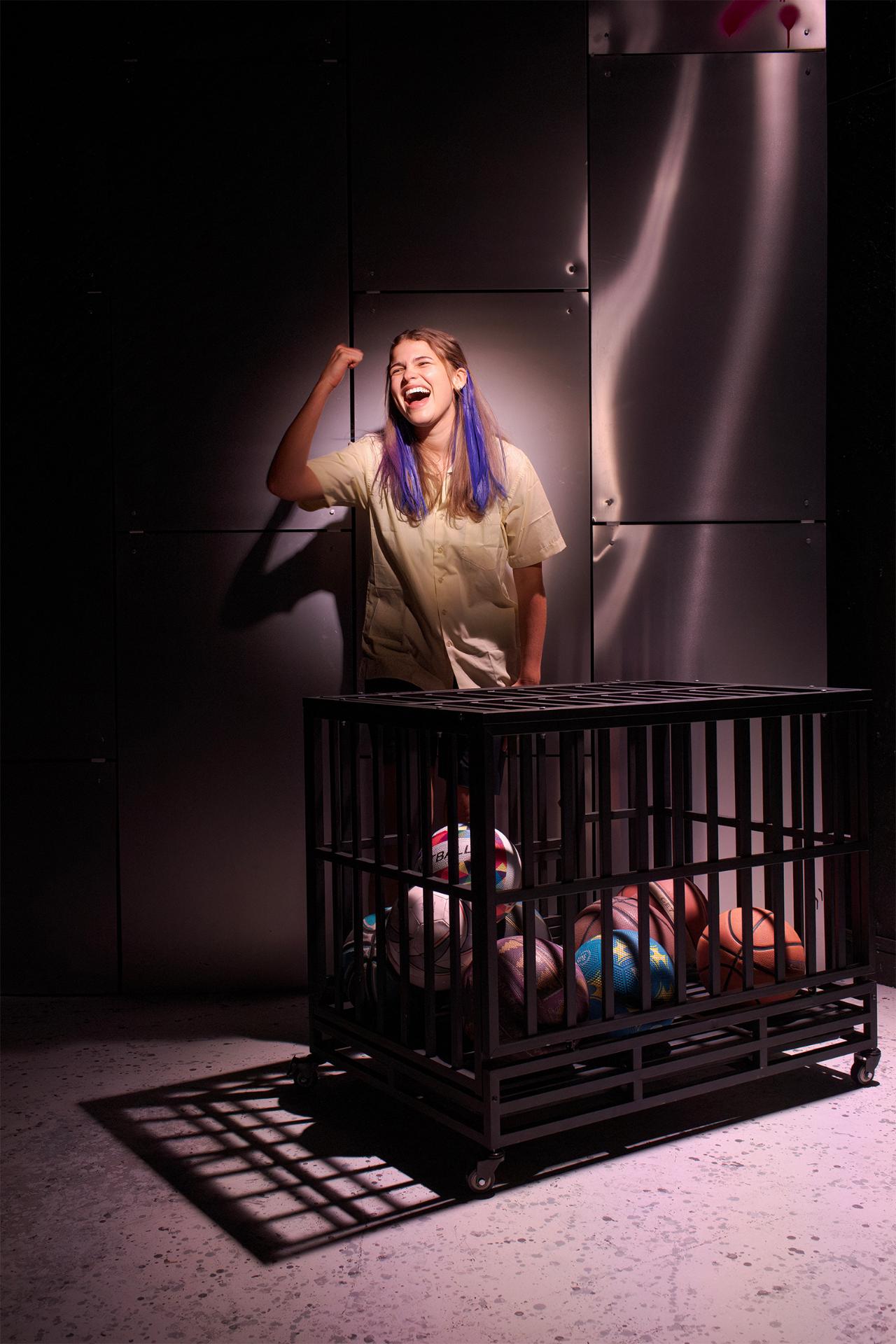
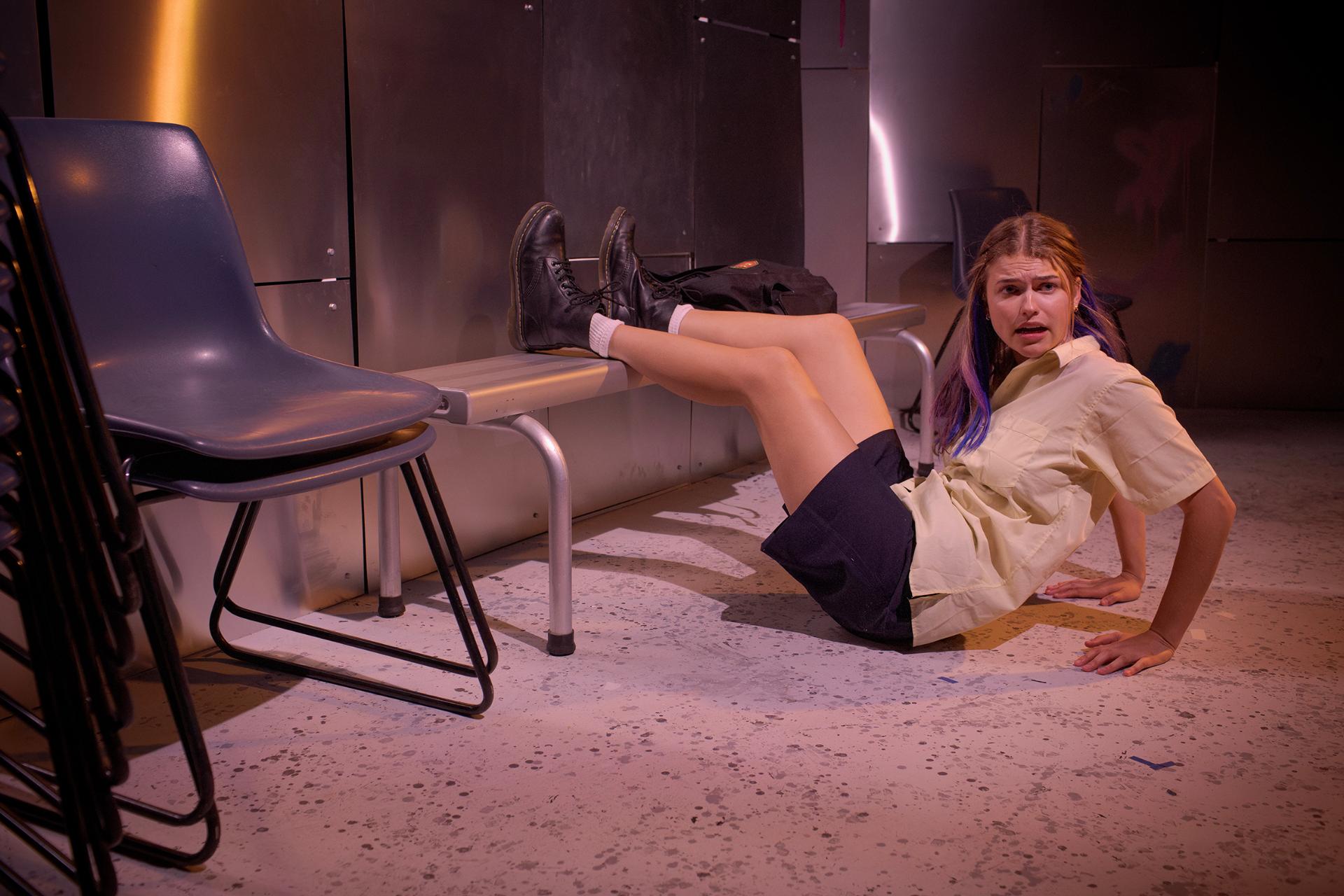
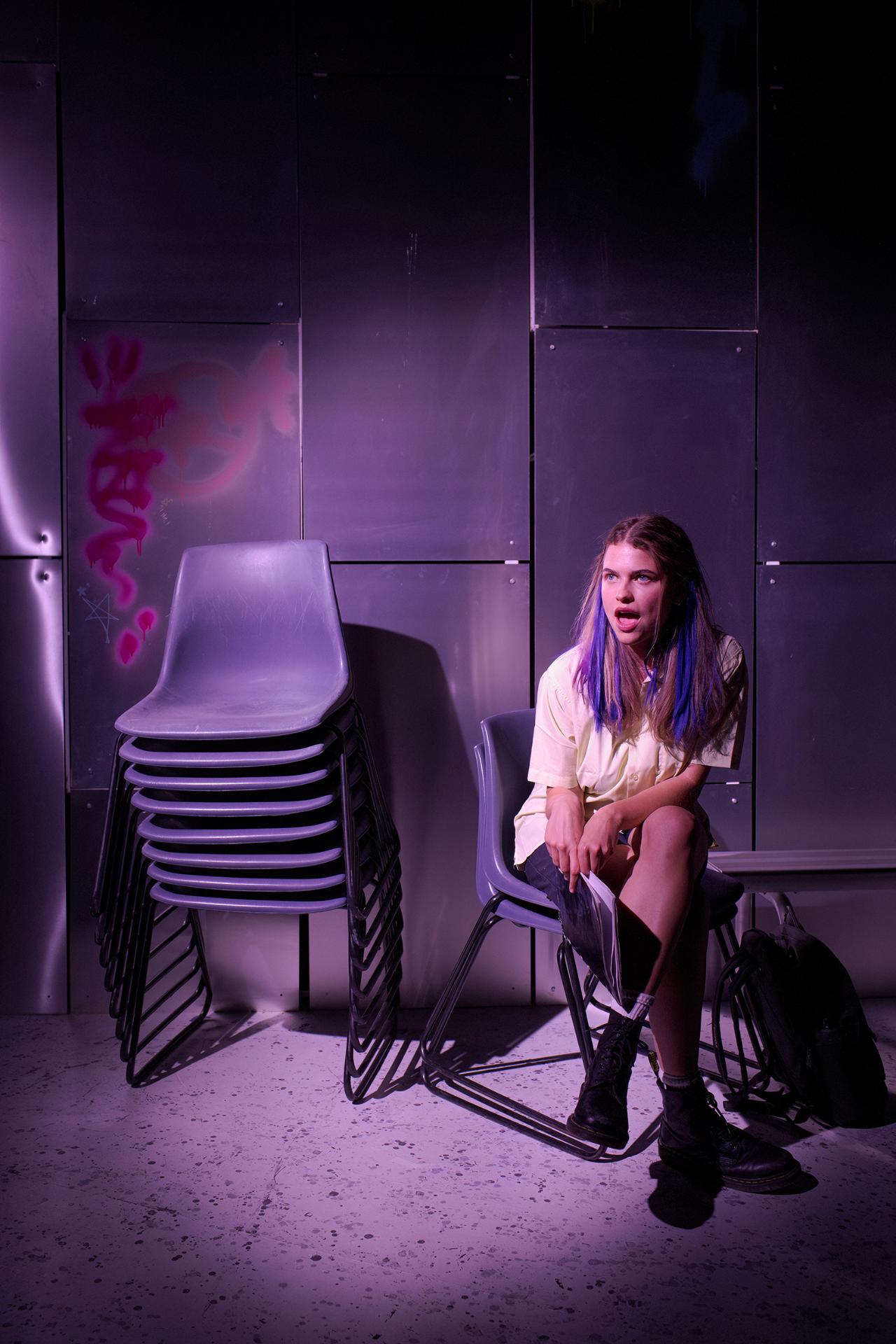
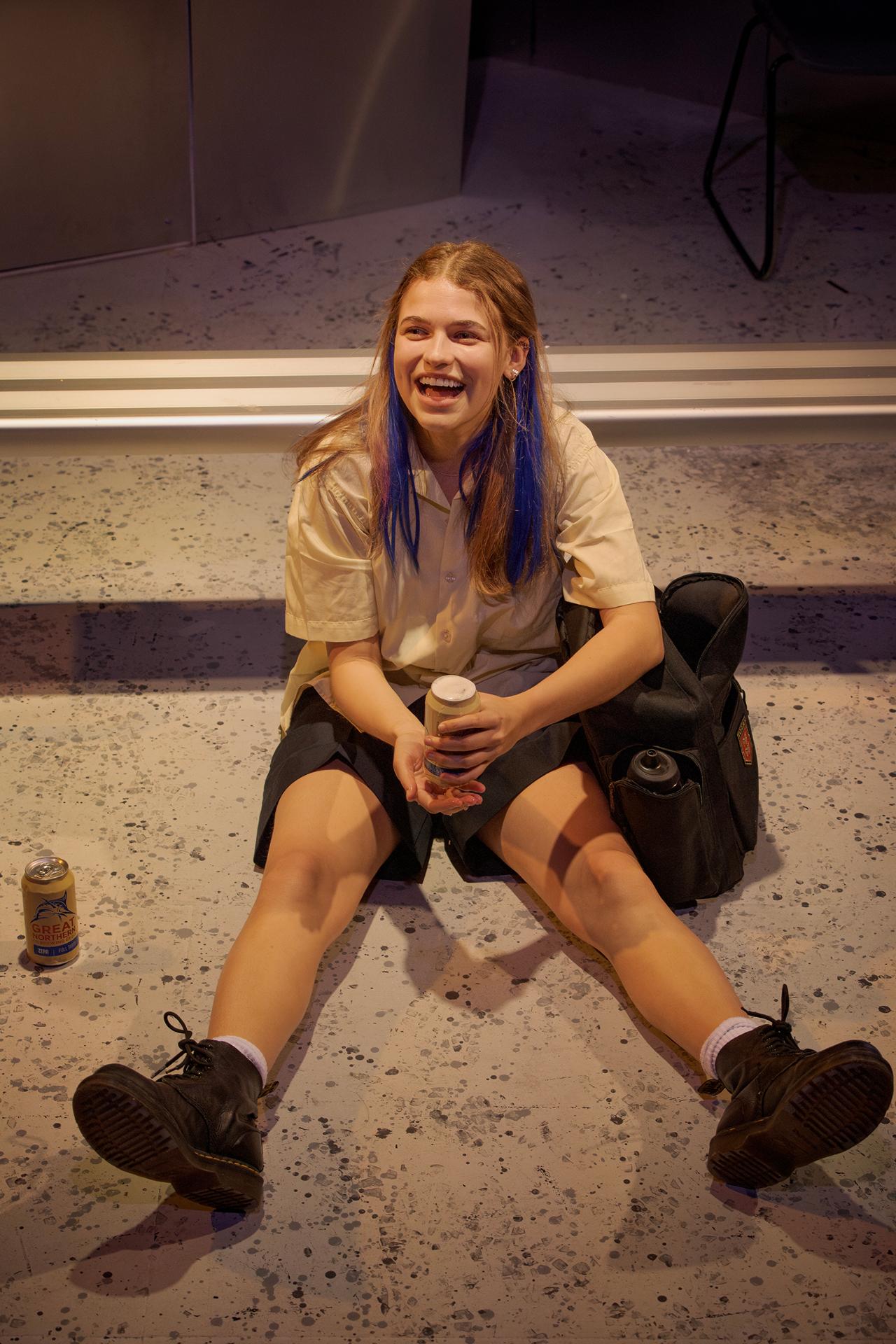
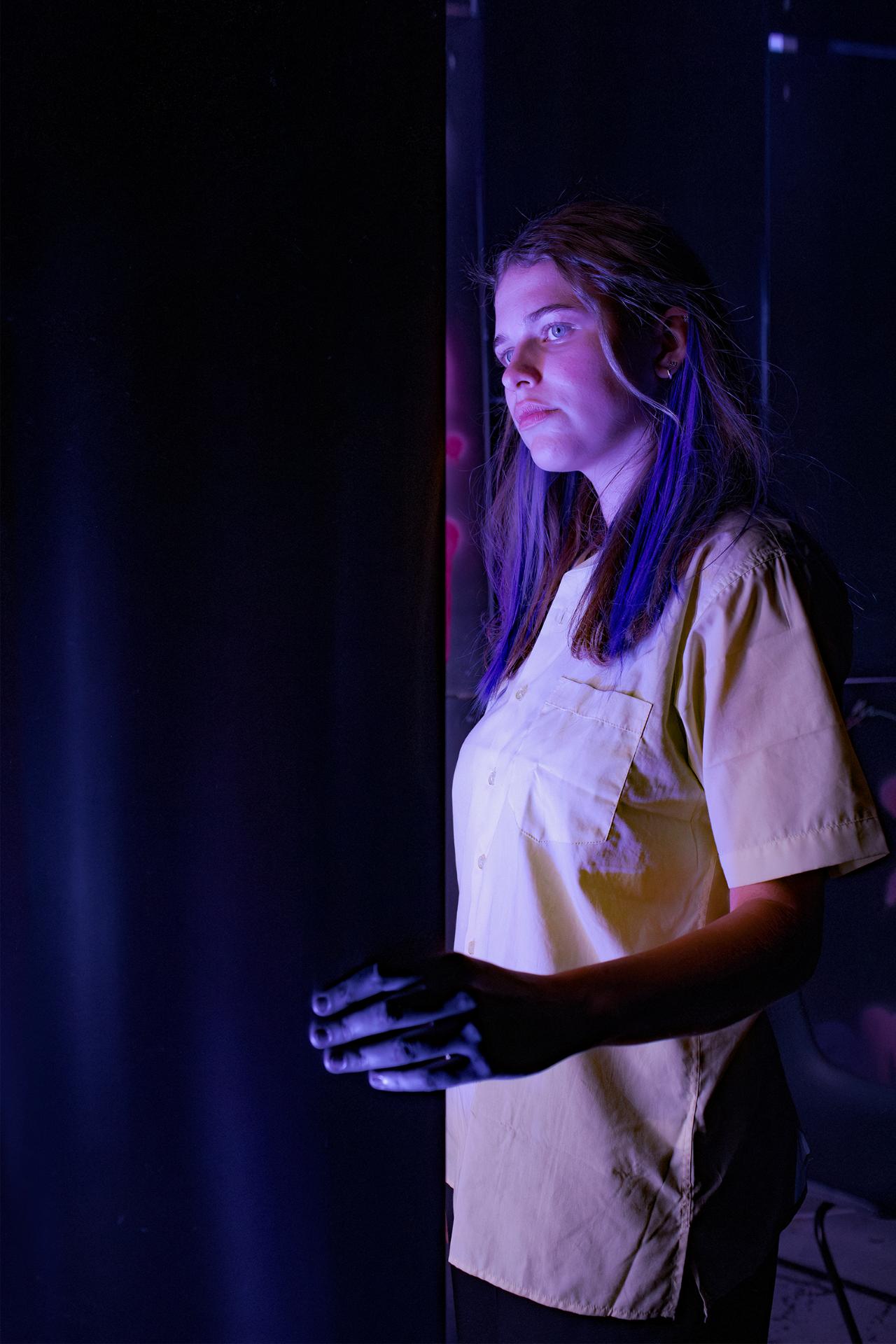
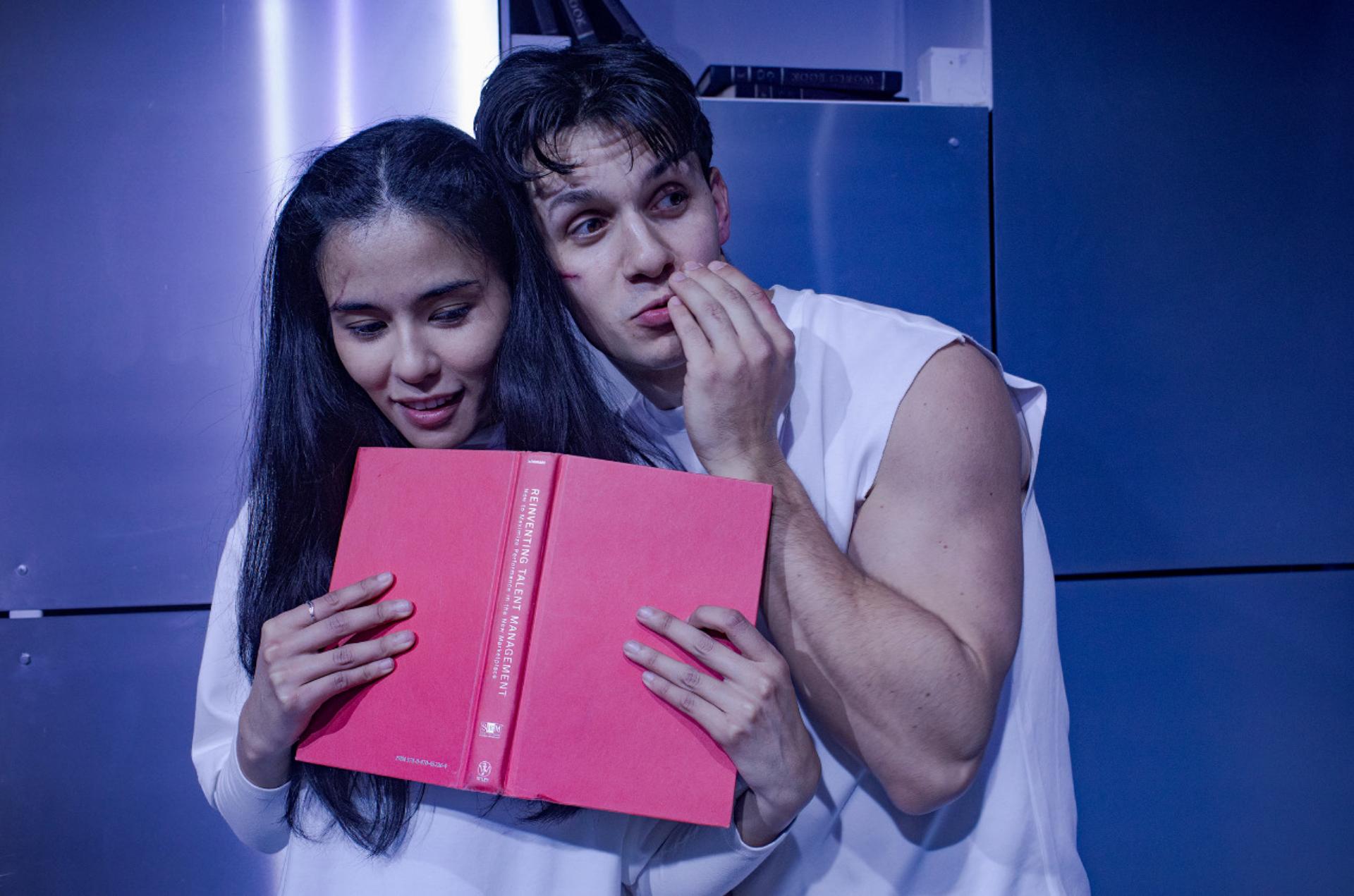
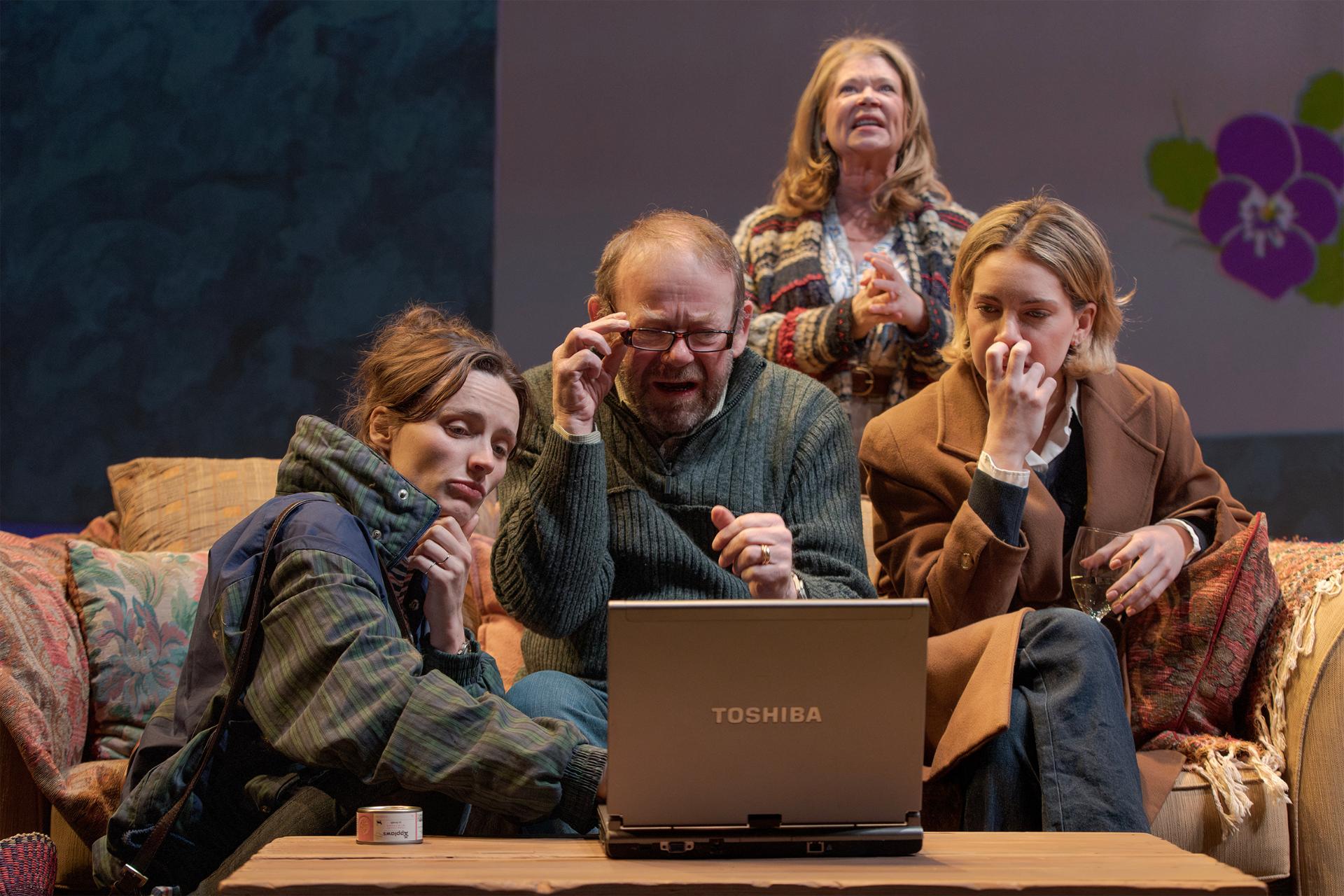
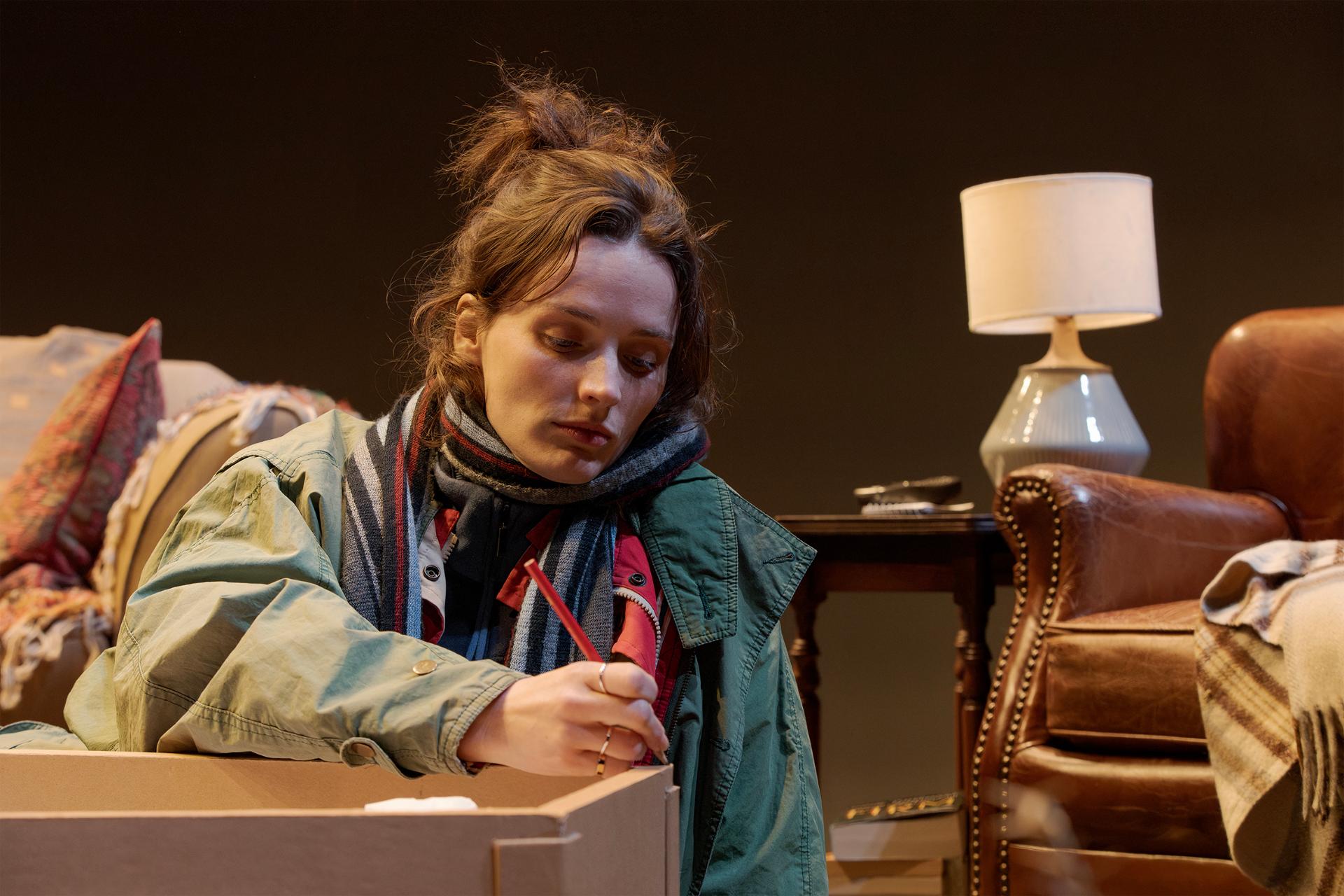
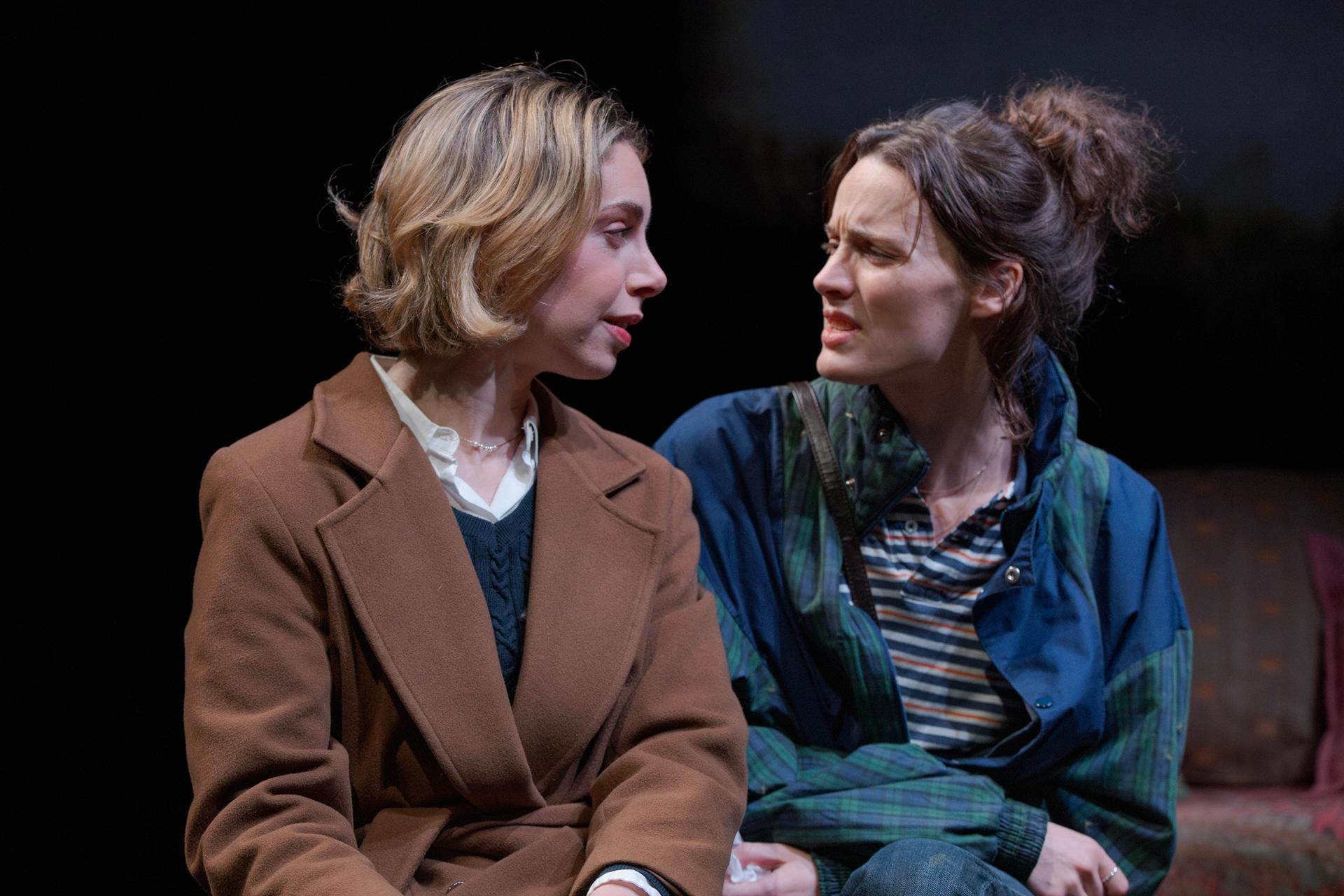
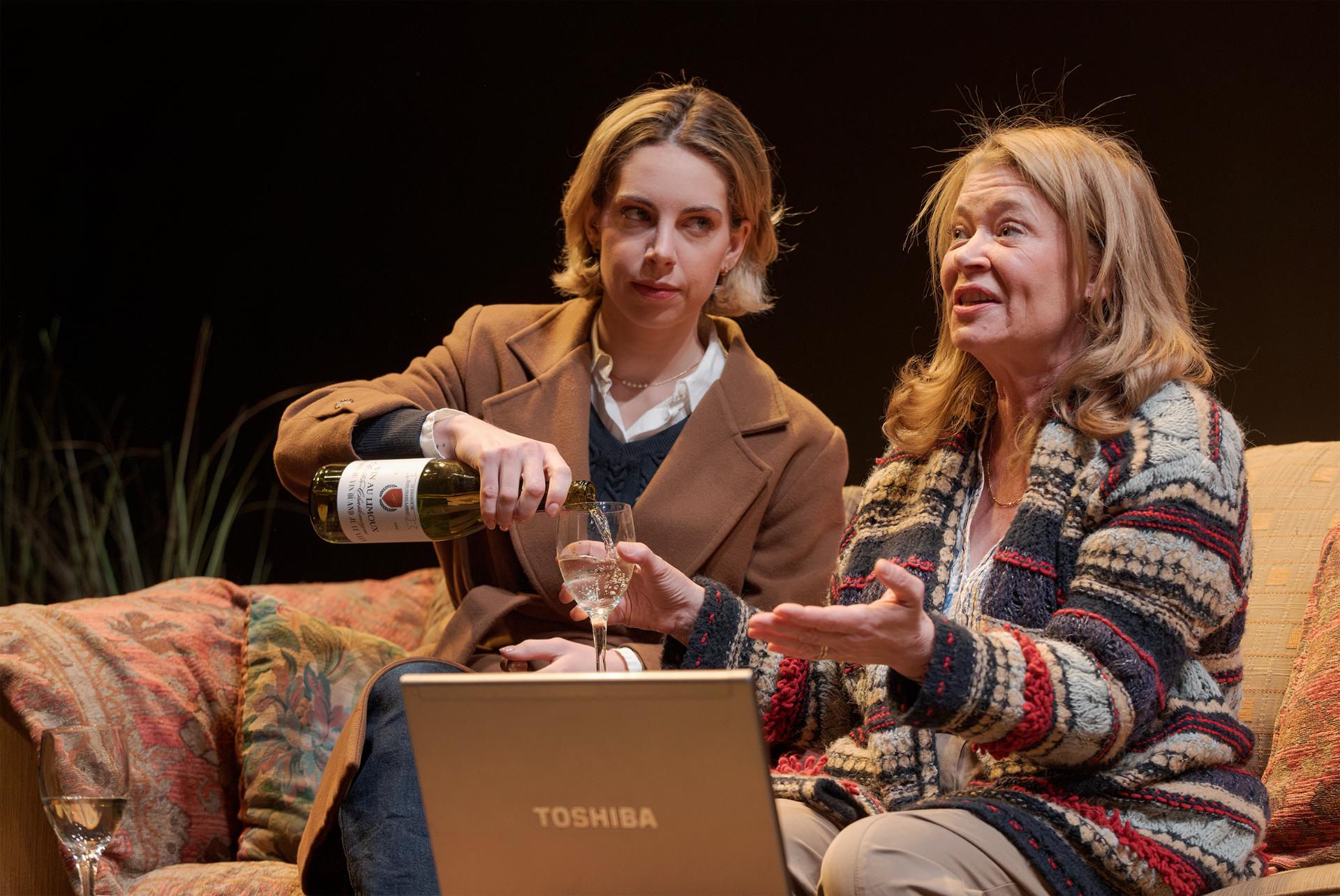
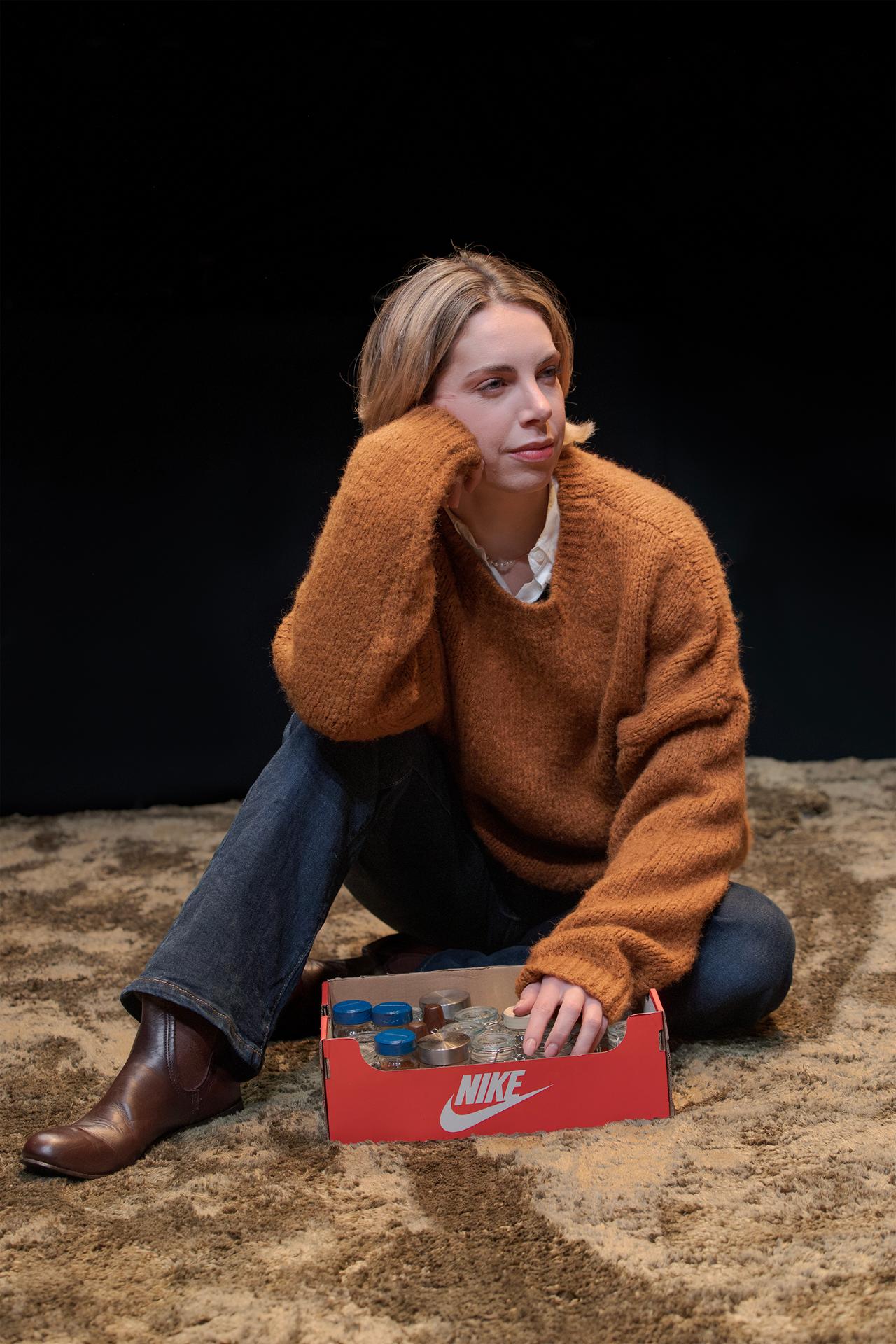
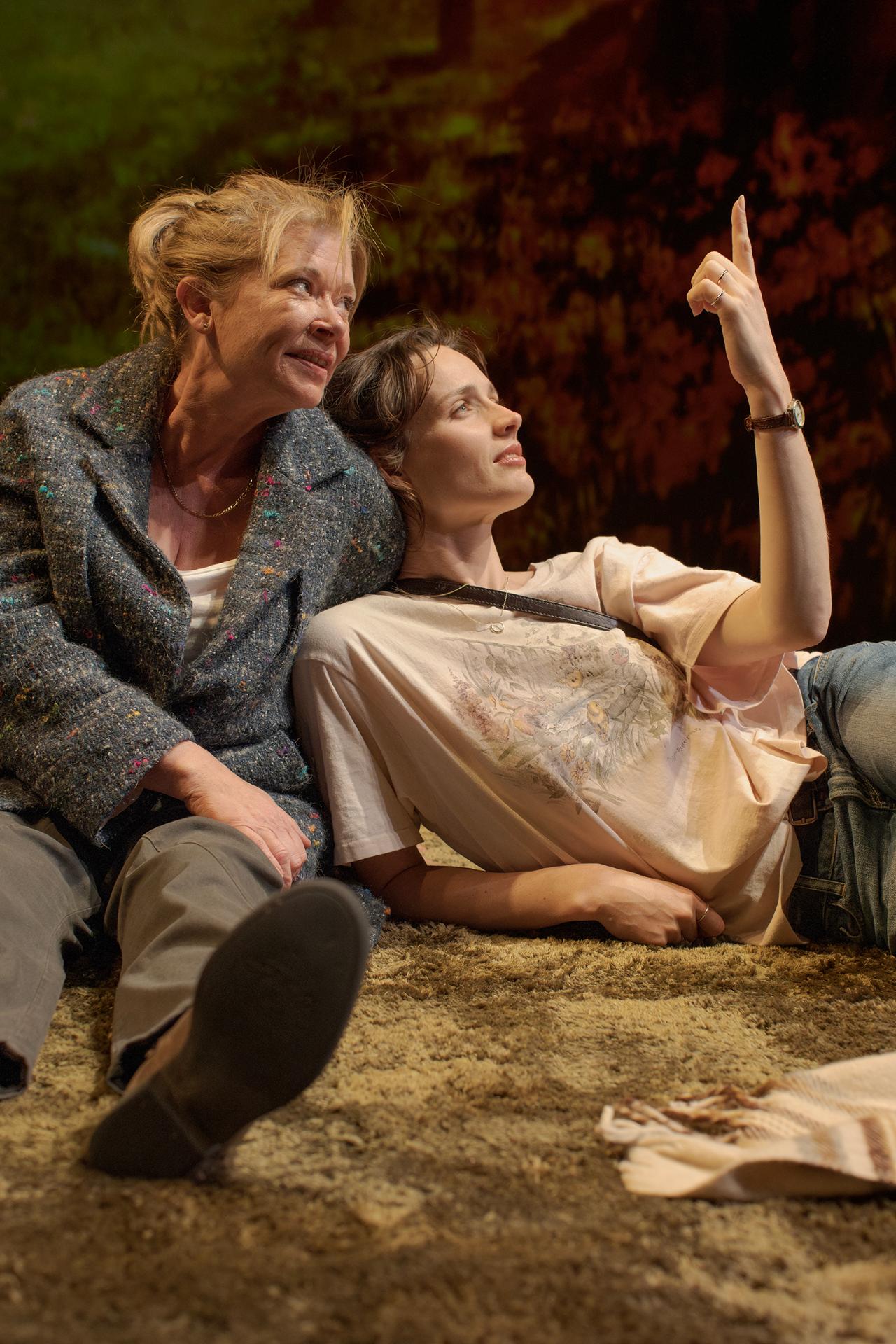
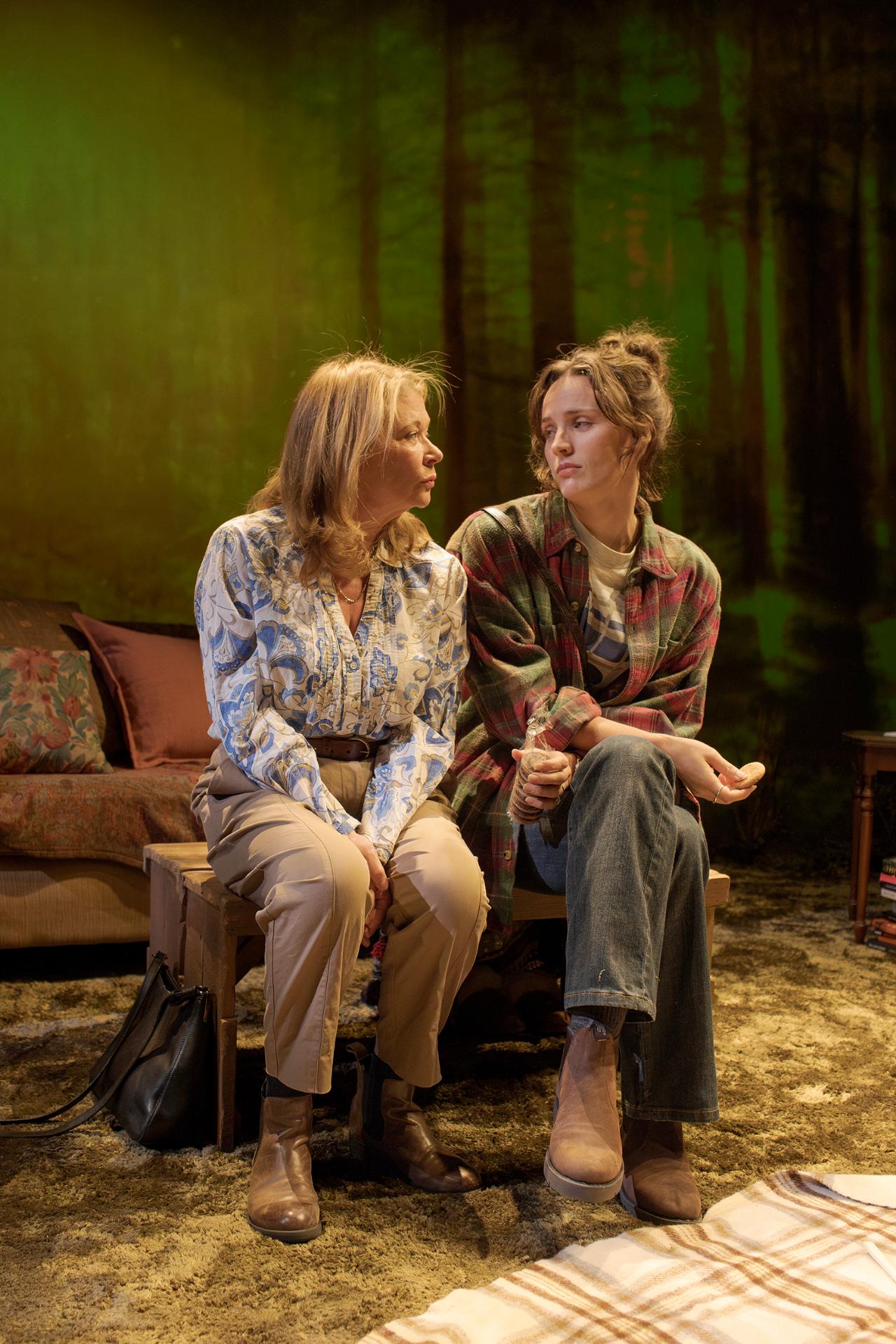
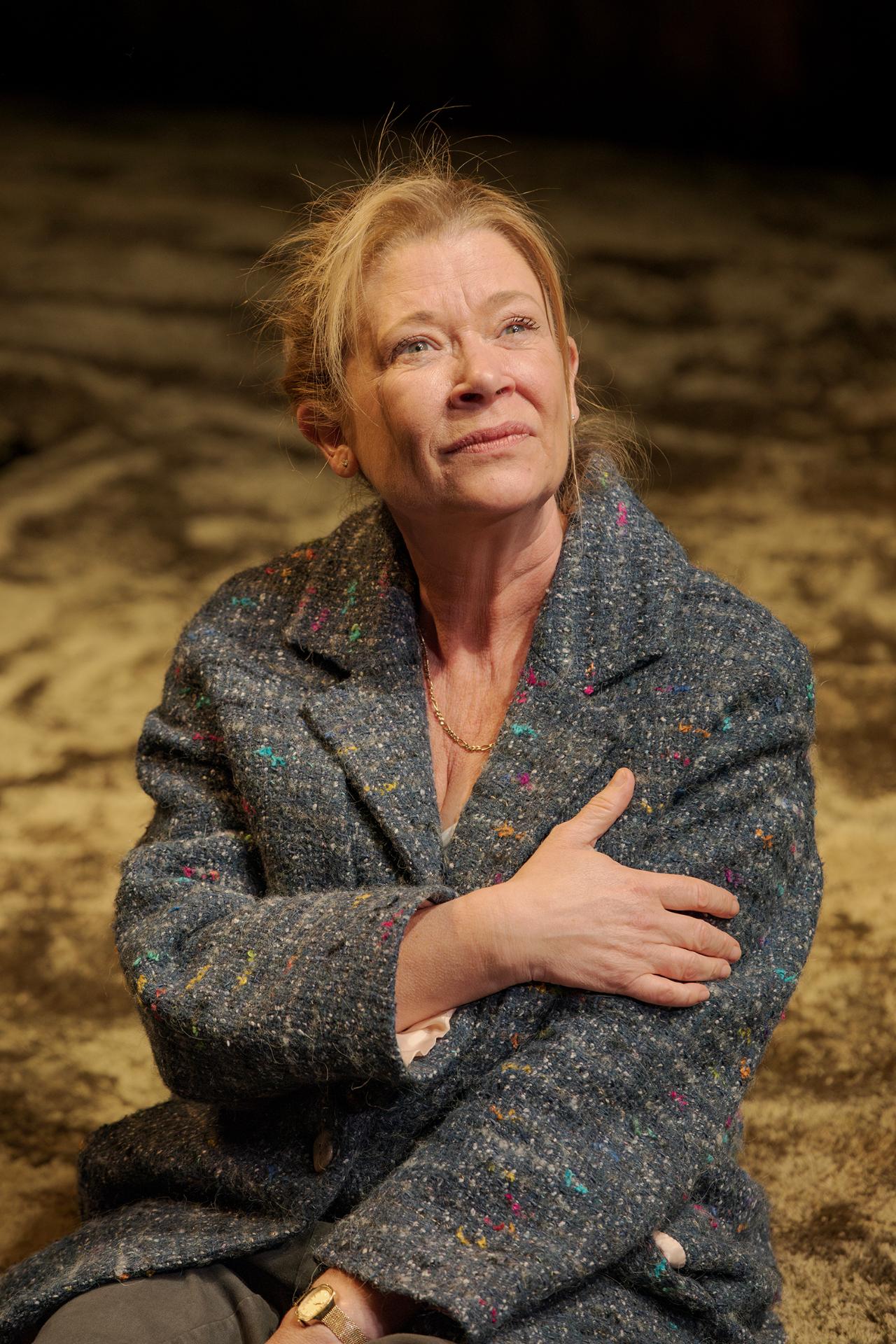
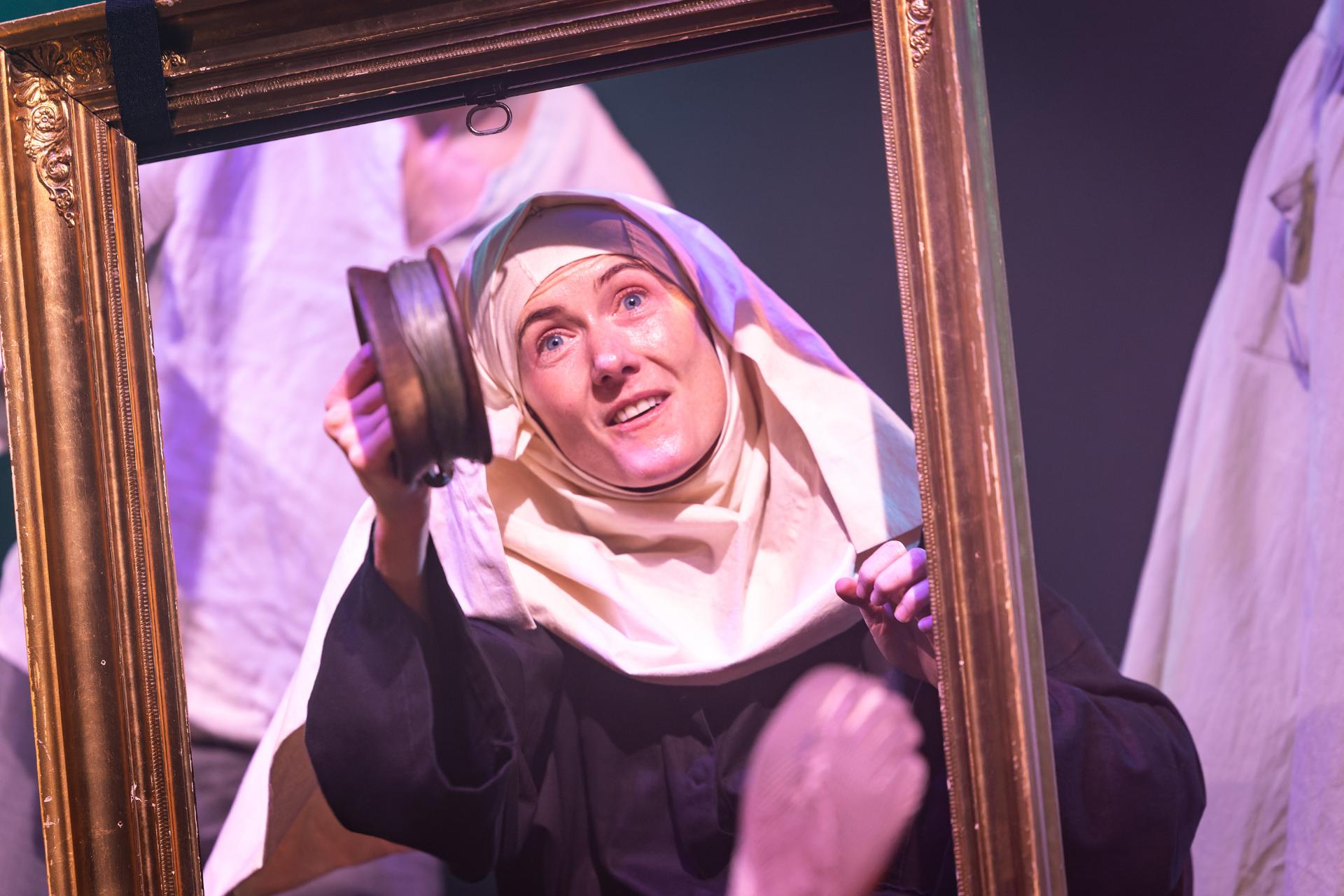
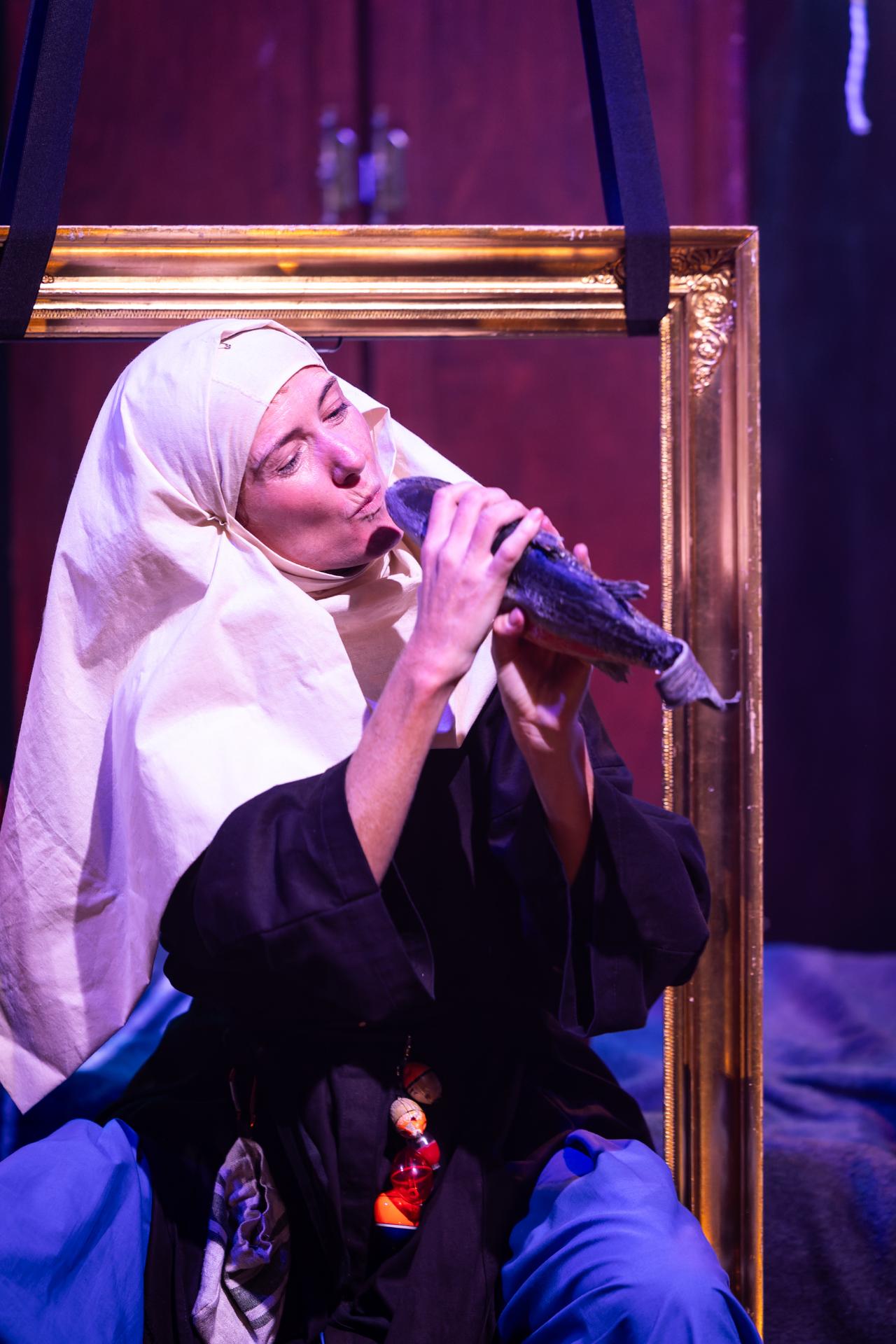
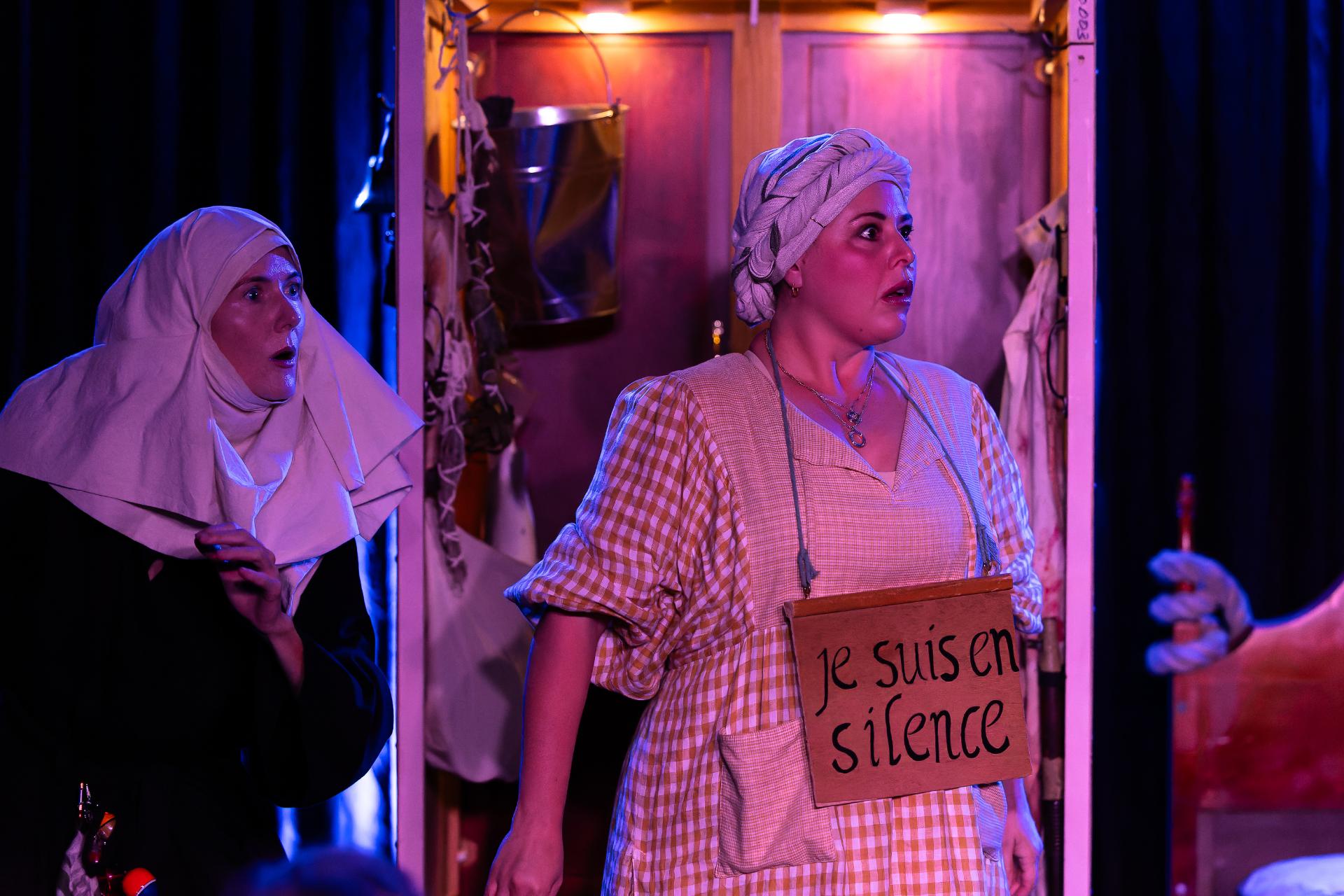
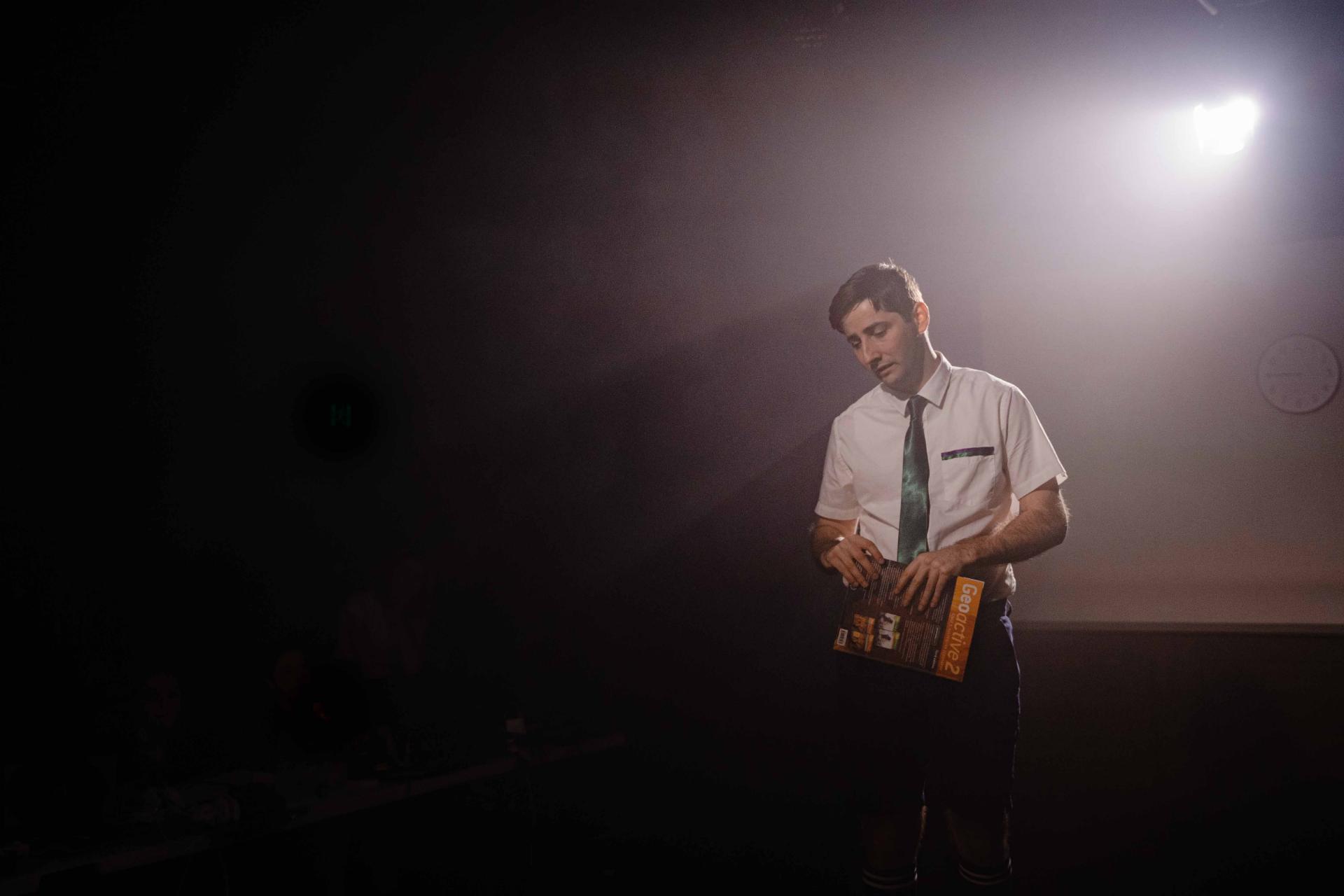
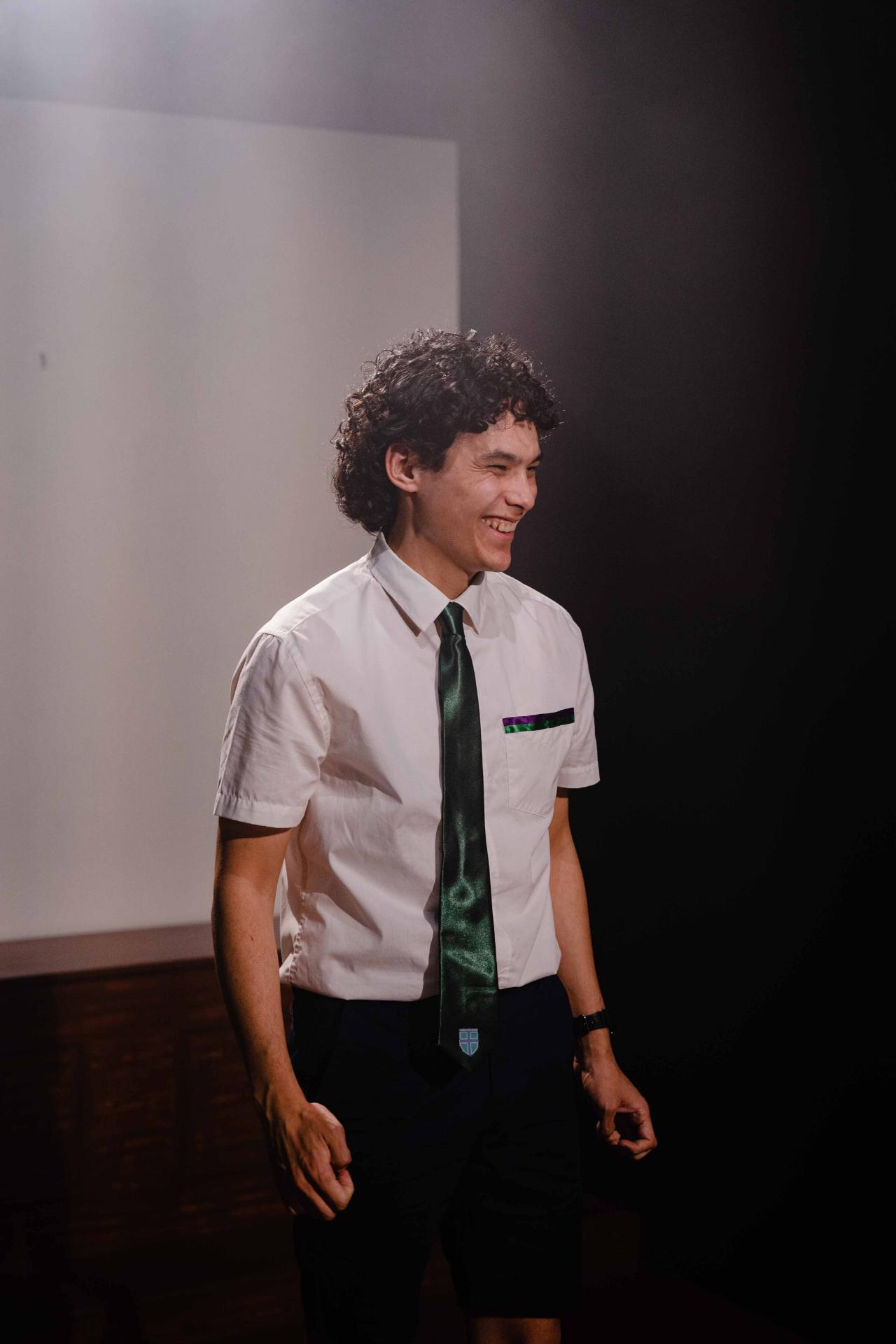
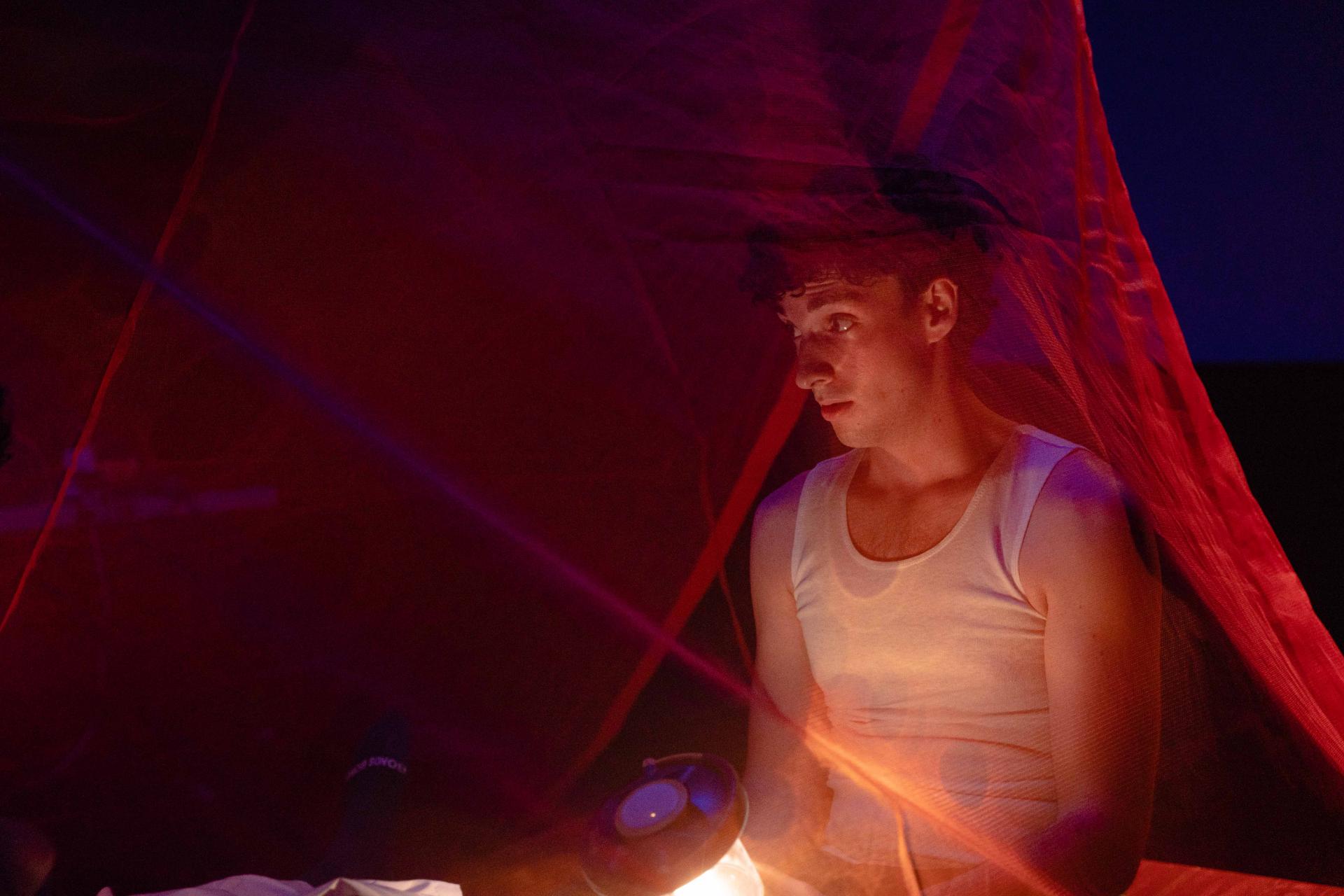
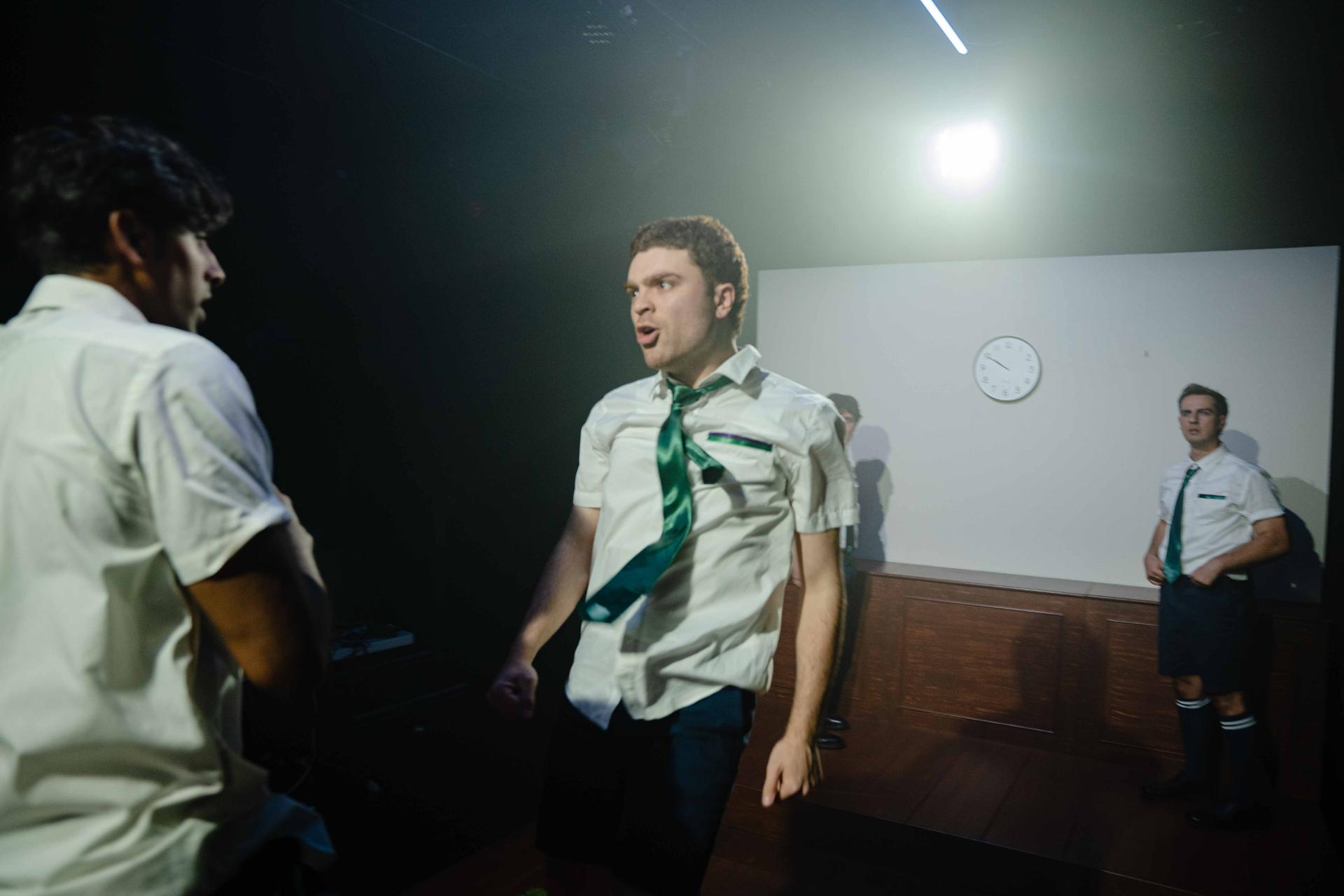
Phynayah is on the verge of turning 30, and unless she marries soon, a substantial inheritance will be forfeited. There is no shortage of suitors, but her serious lack of intellect means that the men are only in it for the money, and even Phynayah knows that love cannot be built solely on greed. Van Badham’s A Fool in Love, is an ultramodern adaptation of Lope de Vega’s 1613 play La dama boba, in which we explore matters of the heart and mind.

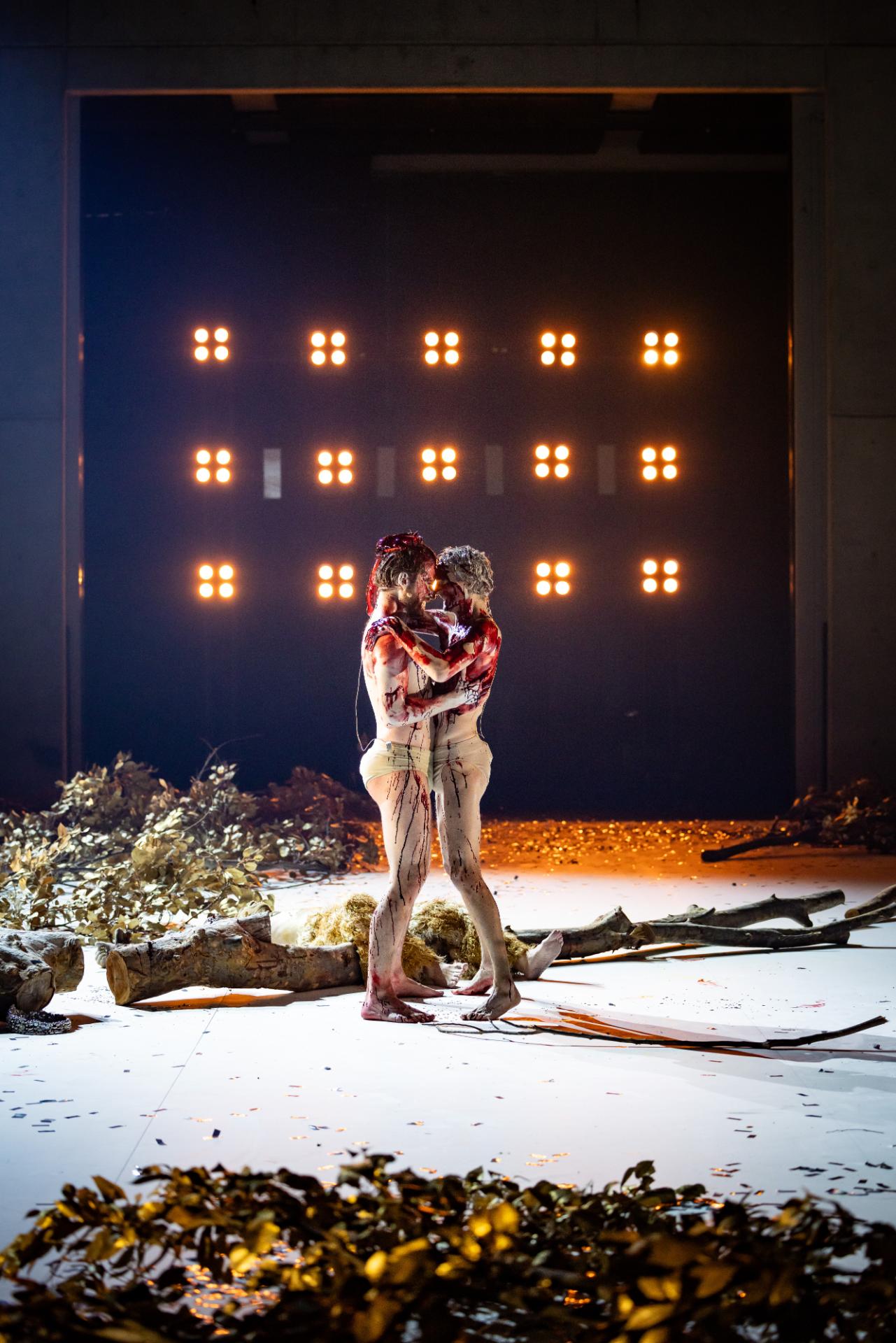
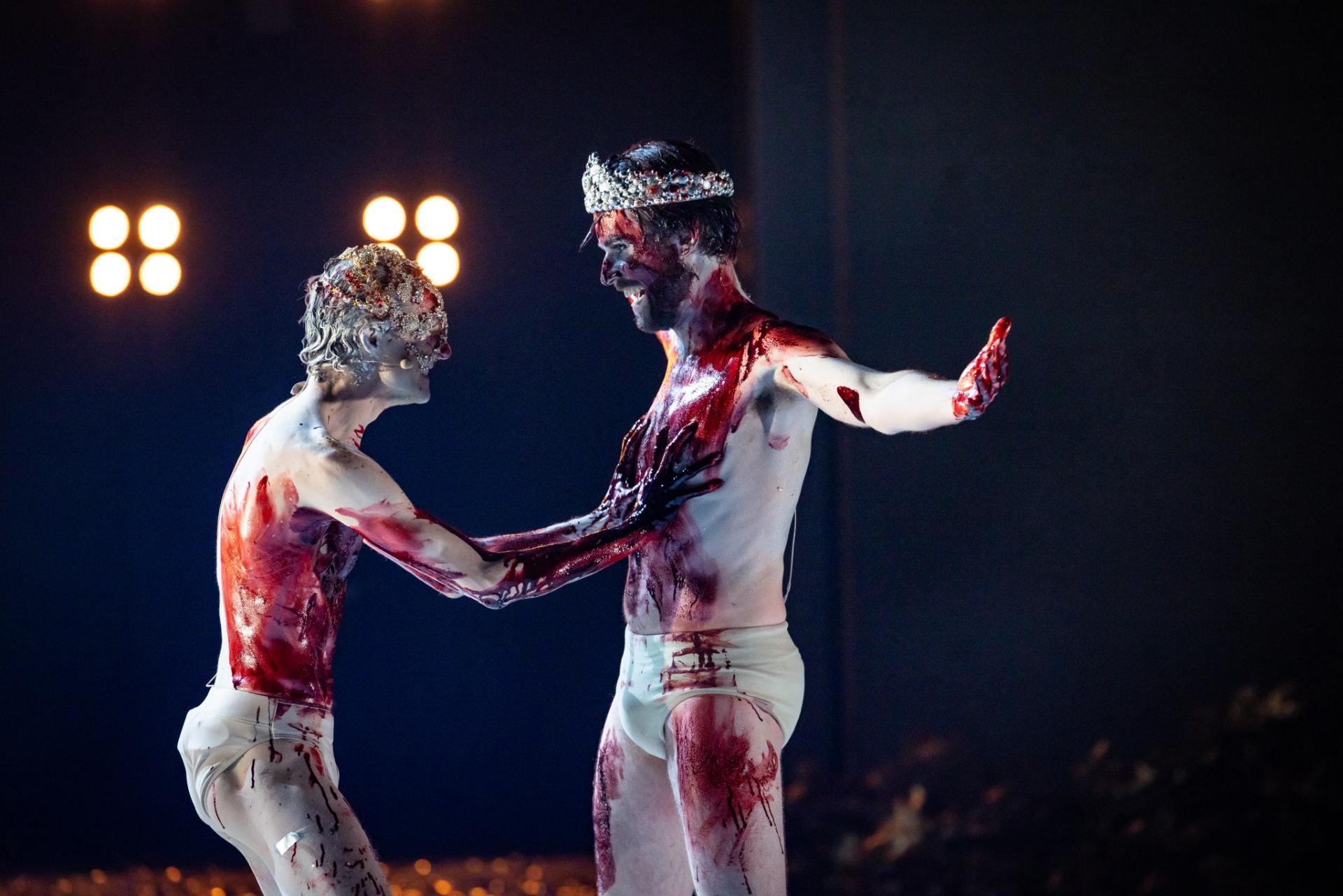
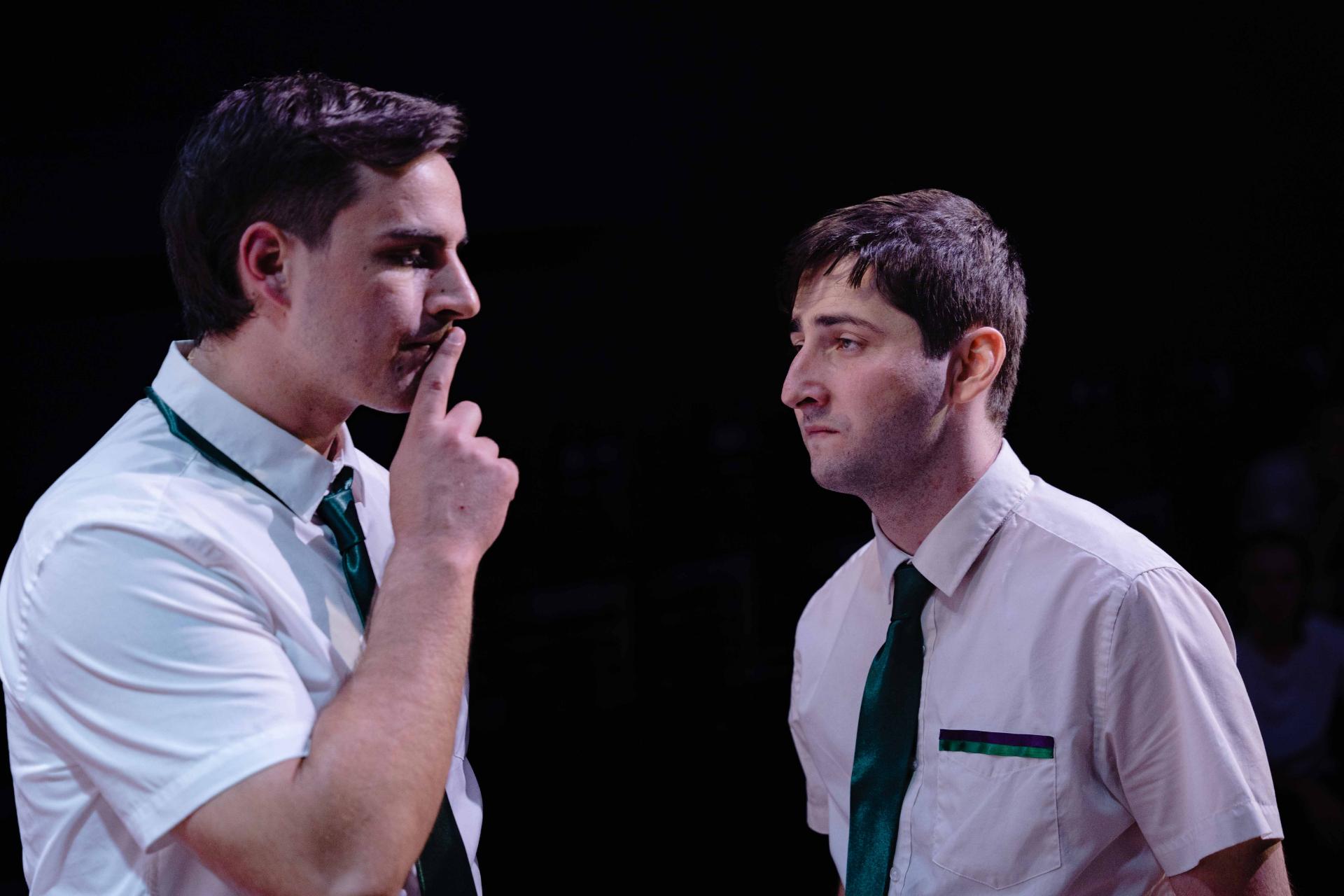
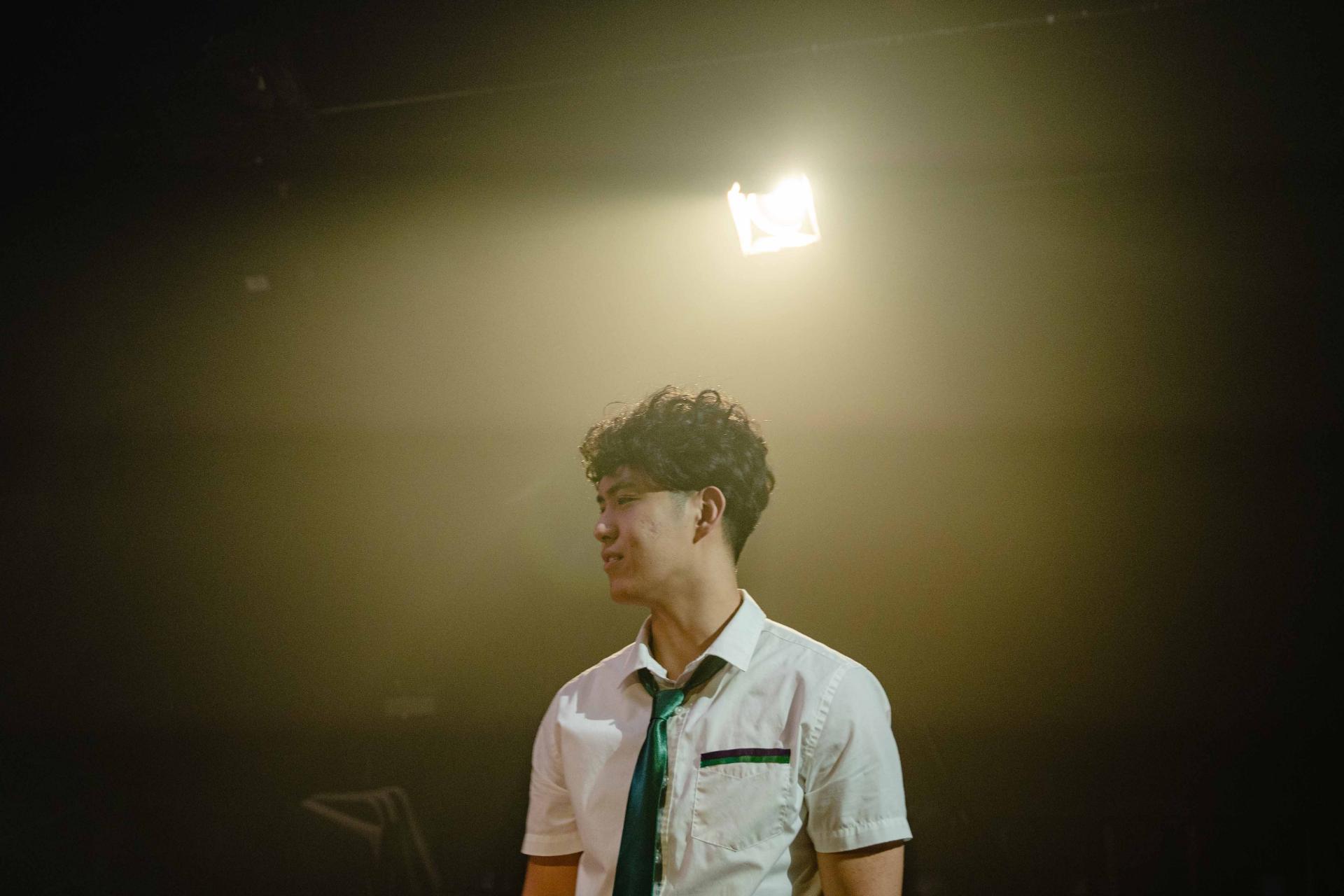
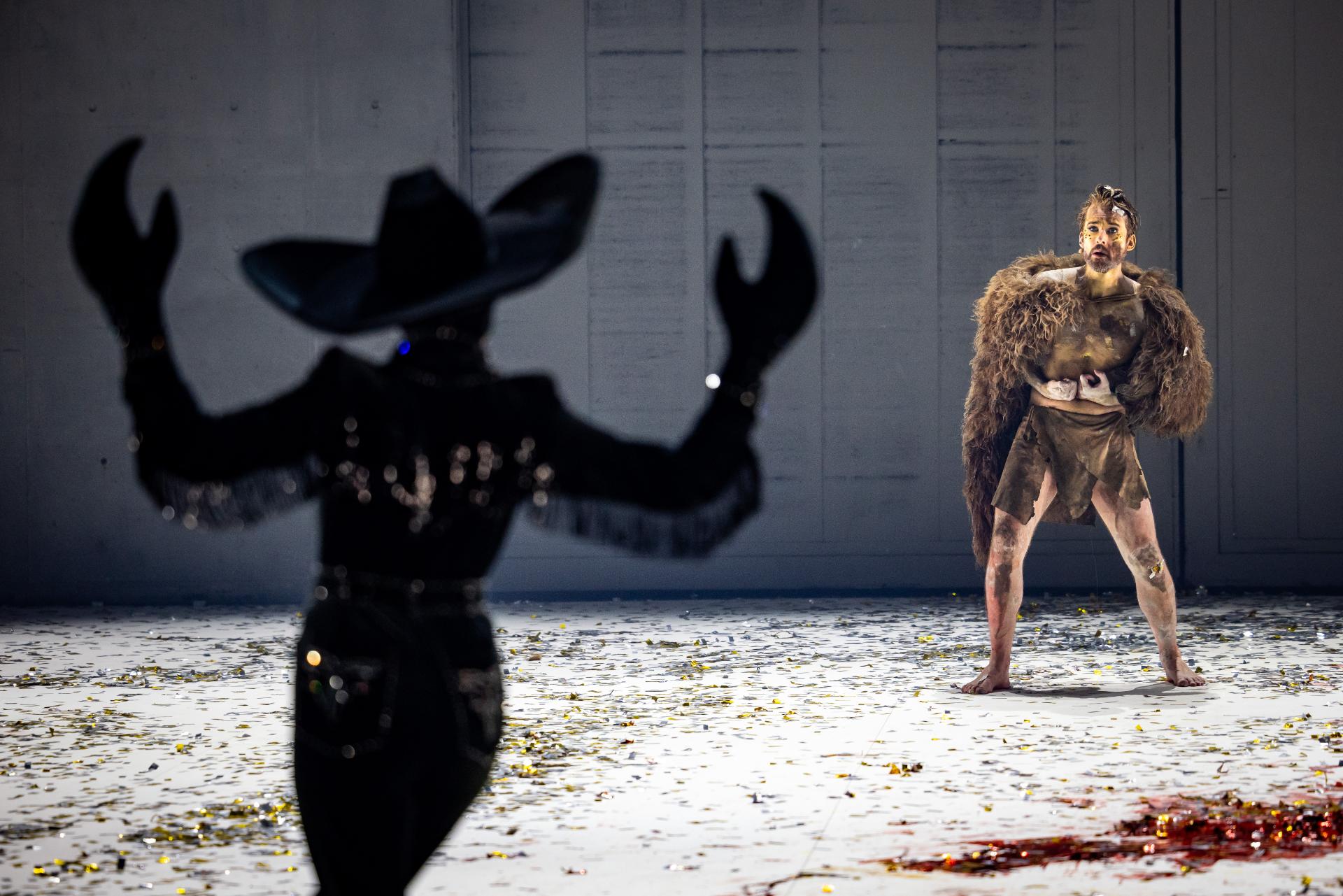
Badham’s work is further concerned with archetypal portrayals of women, and with Phynayah’s foolishness juxtaposed against her sister Vanessa’s book smarts, A Fool in Love wants us to consider the ways in which we are accustomed to talking about women, and the repercussions of those conventions. This is all done however, through a great deal of humour, in a production that labours too hard perhaps, to get the laughs.

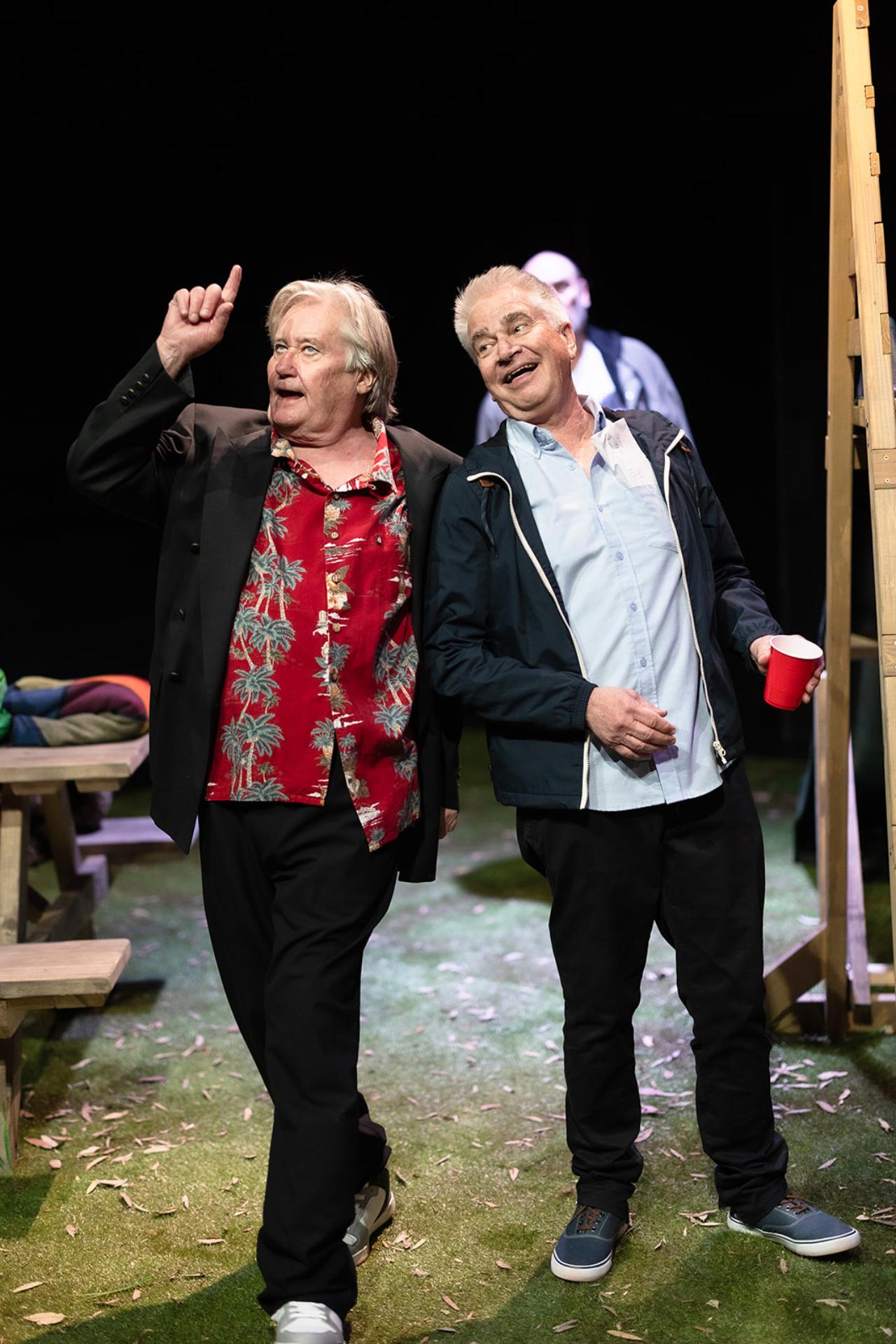
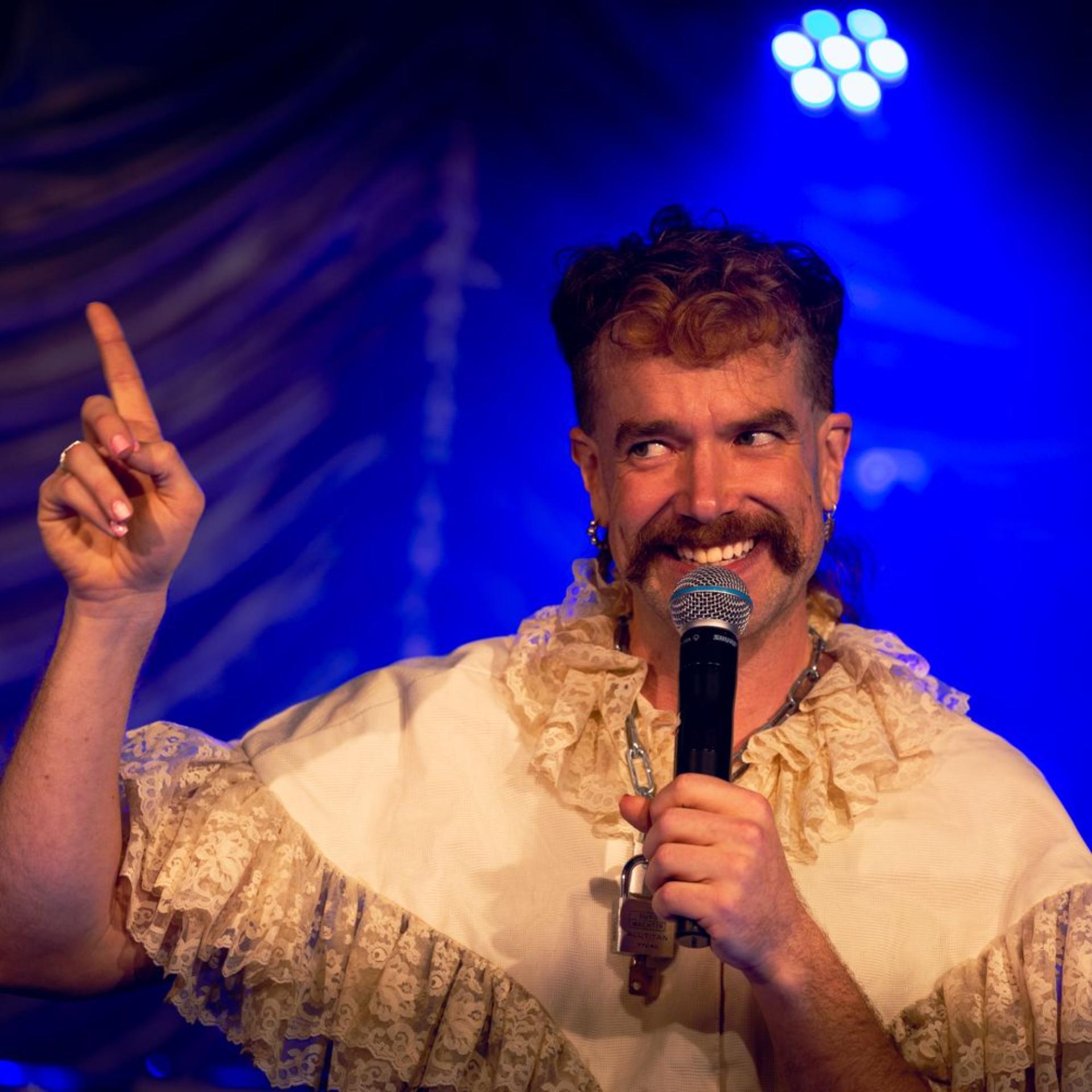
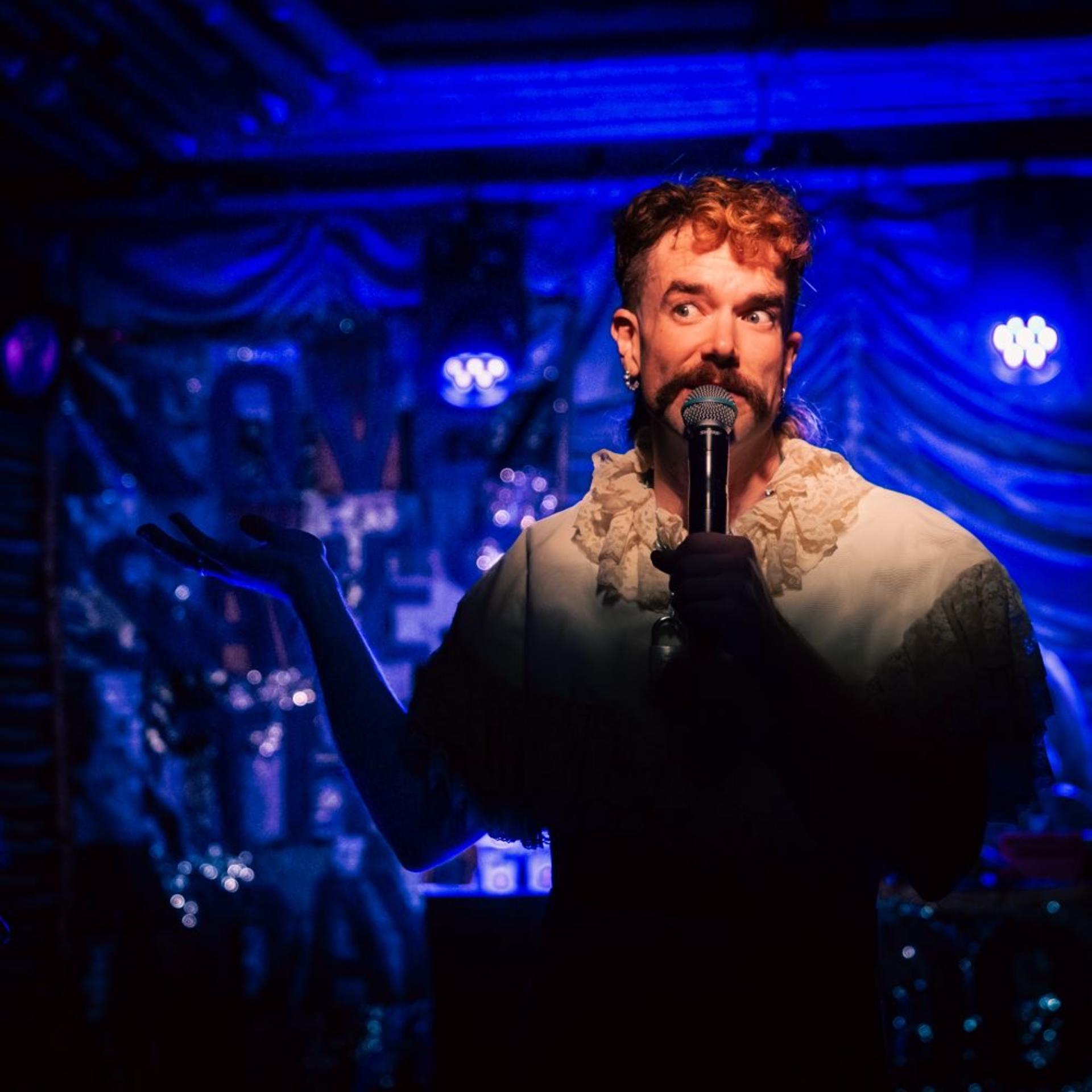
The story is thought-provoking, and even though Badham succeeds at earning our investment into Phynayah’s plight, there is an obscure quality to the dialogue, probably derived from the age of the original, that provides a conversational style that is slightly rigid. Direction by Kenneth Moraleda is wonderfully flamboyant, and even though overzealous with its comedy, delivers a show that deeply engages our senses.

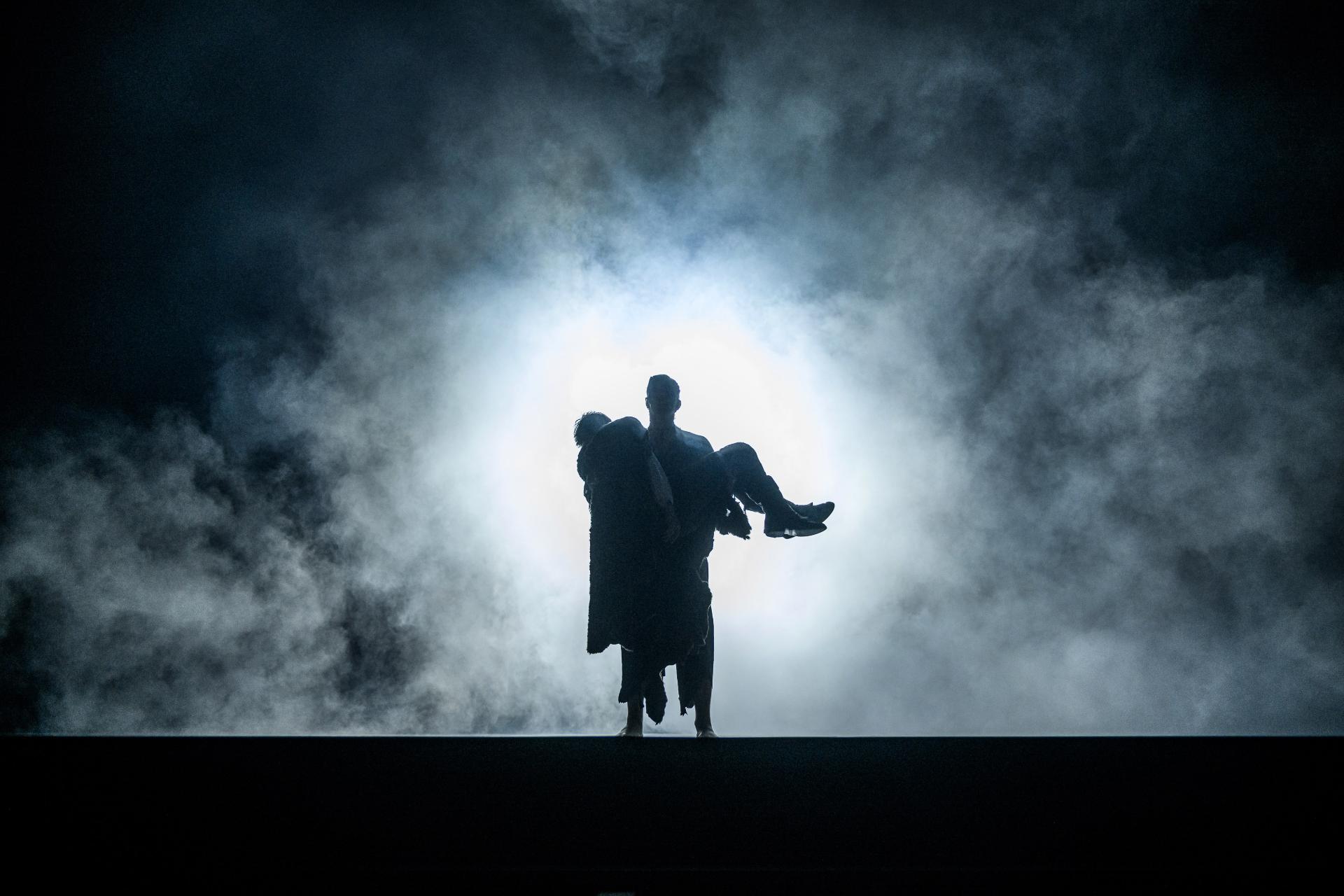
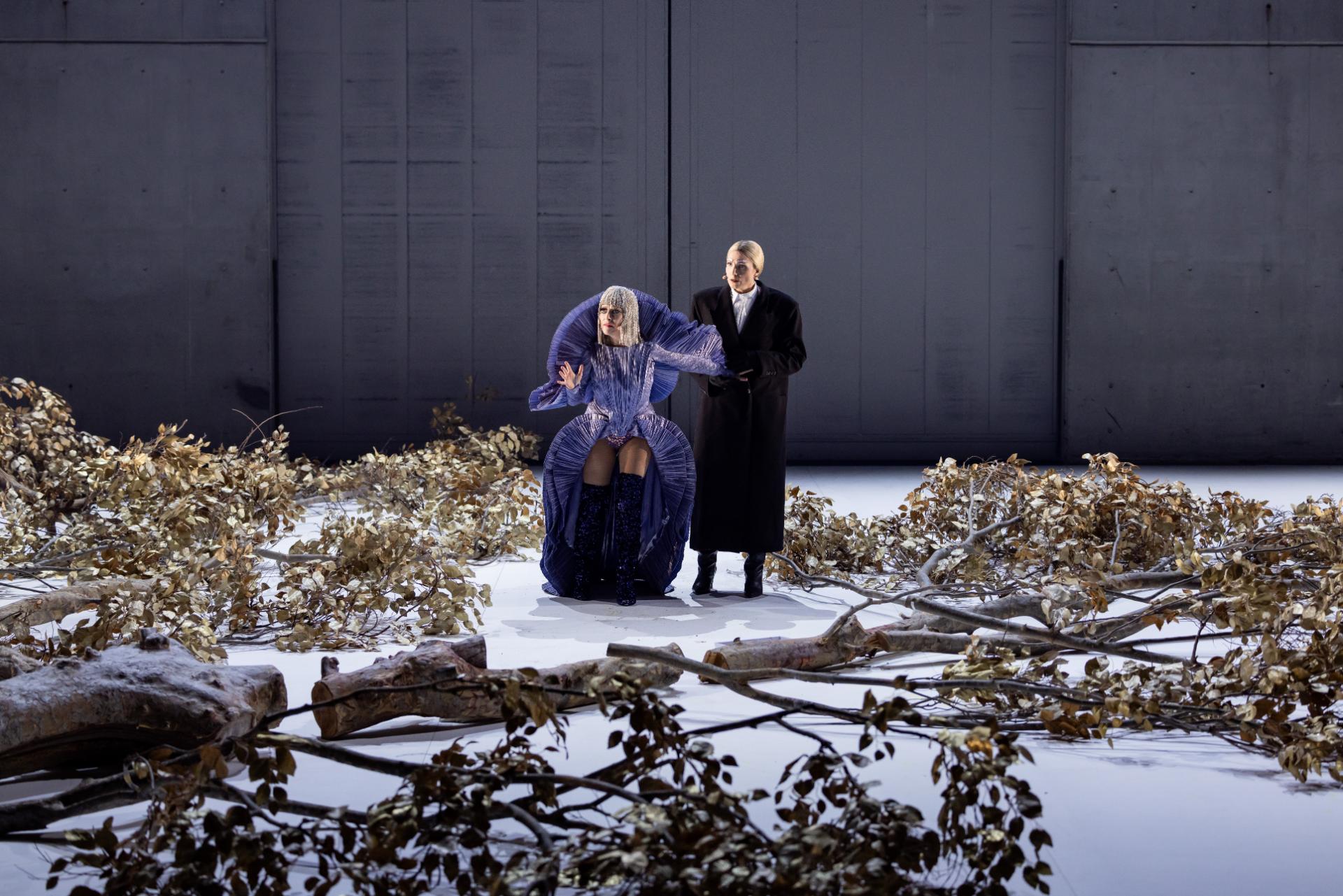
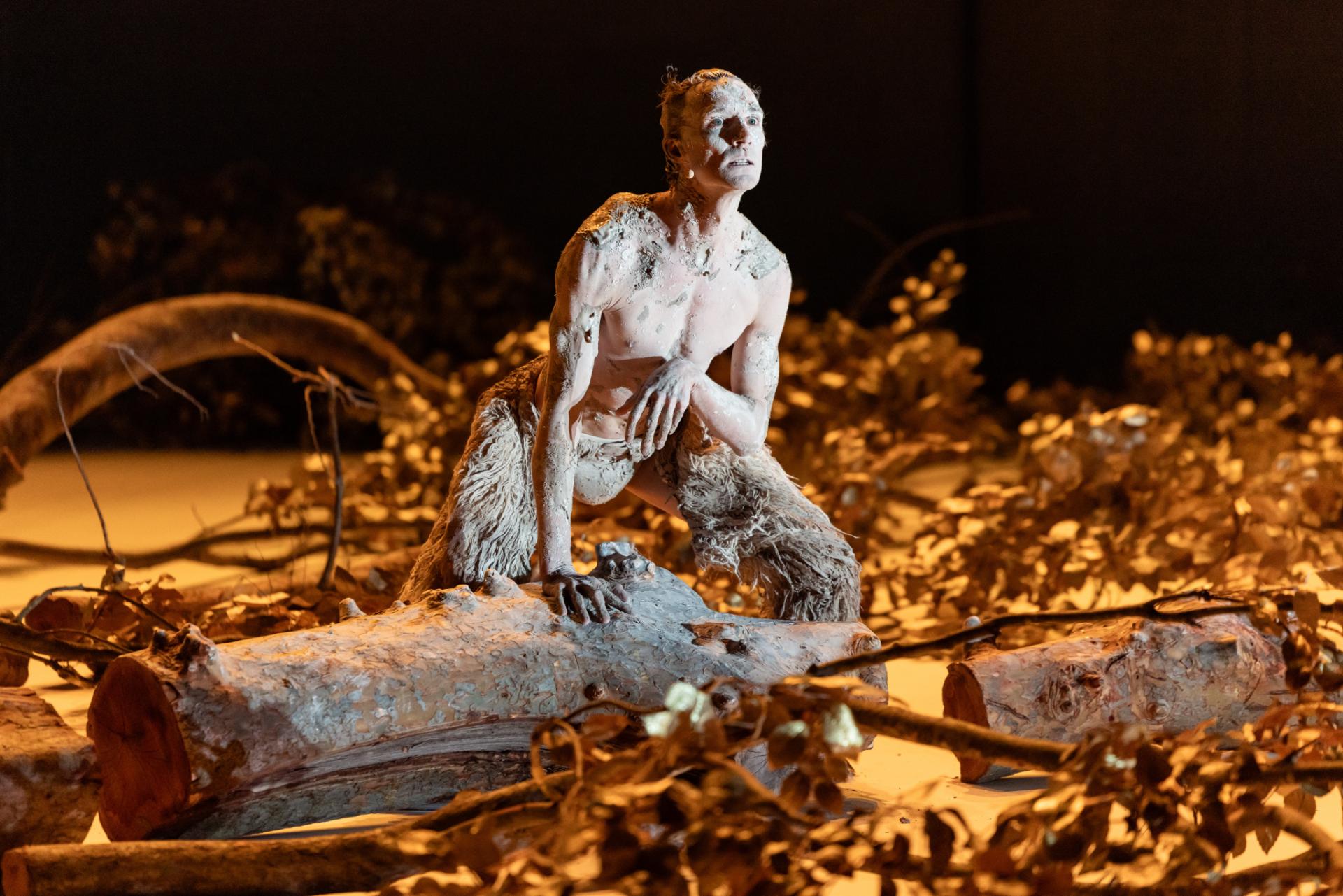
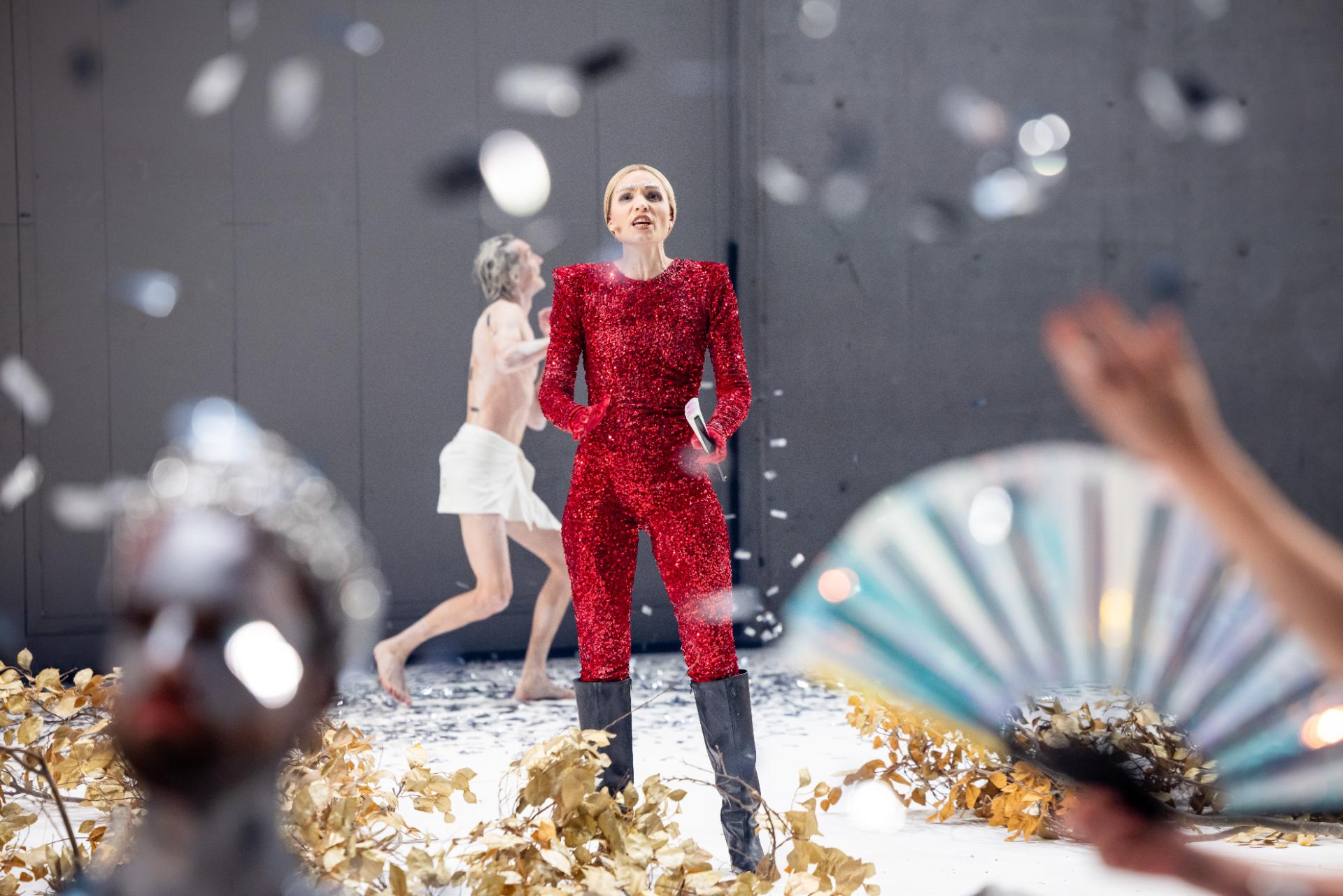
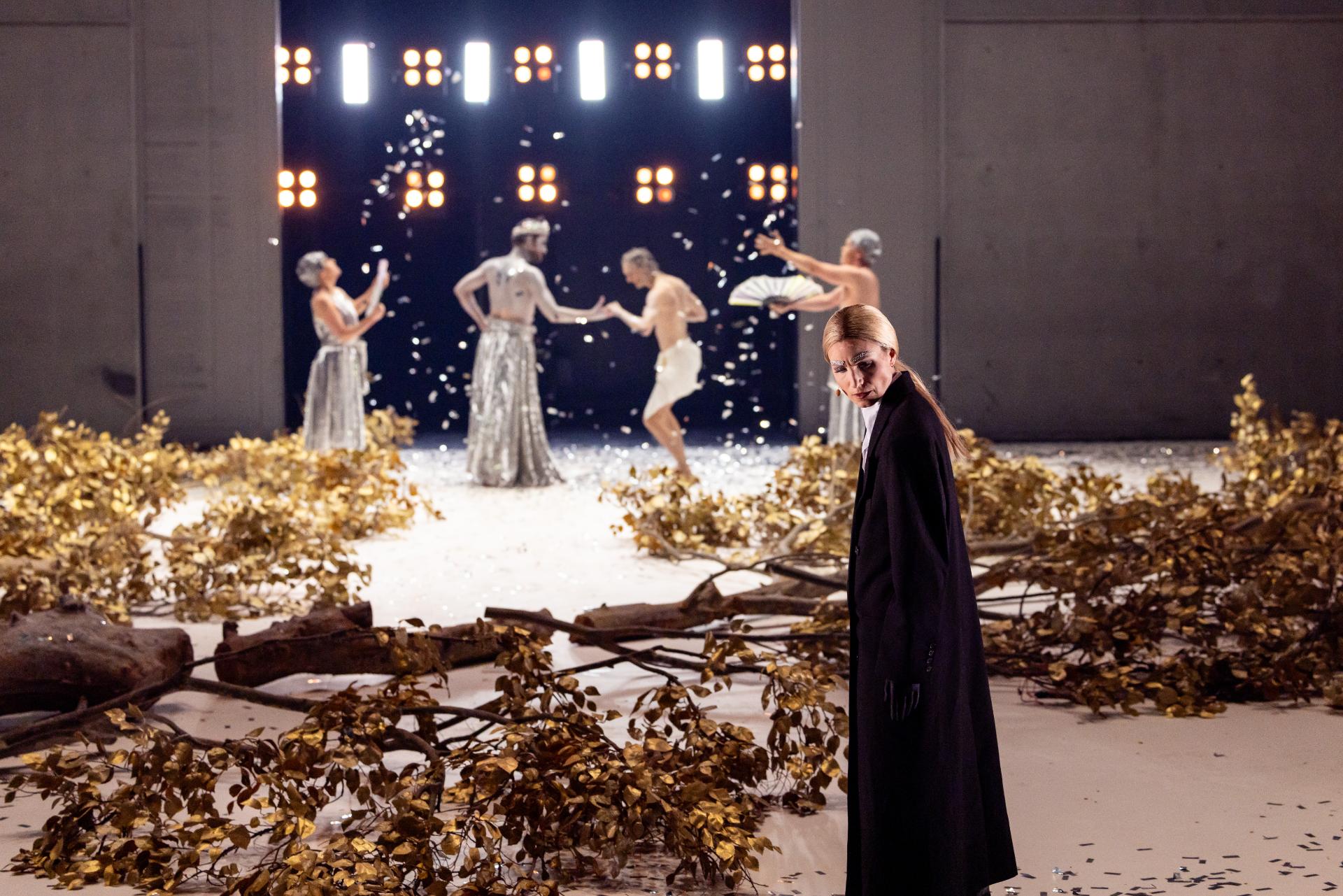
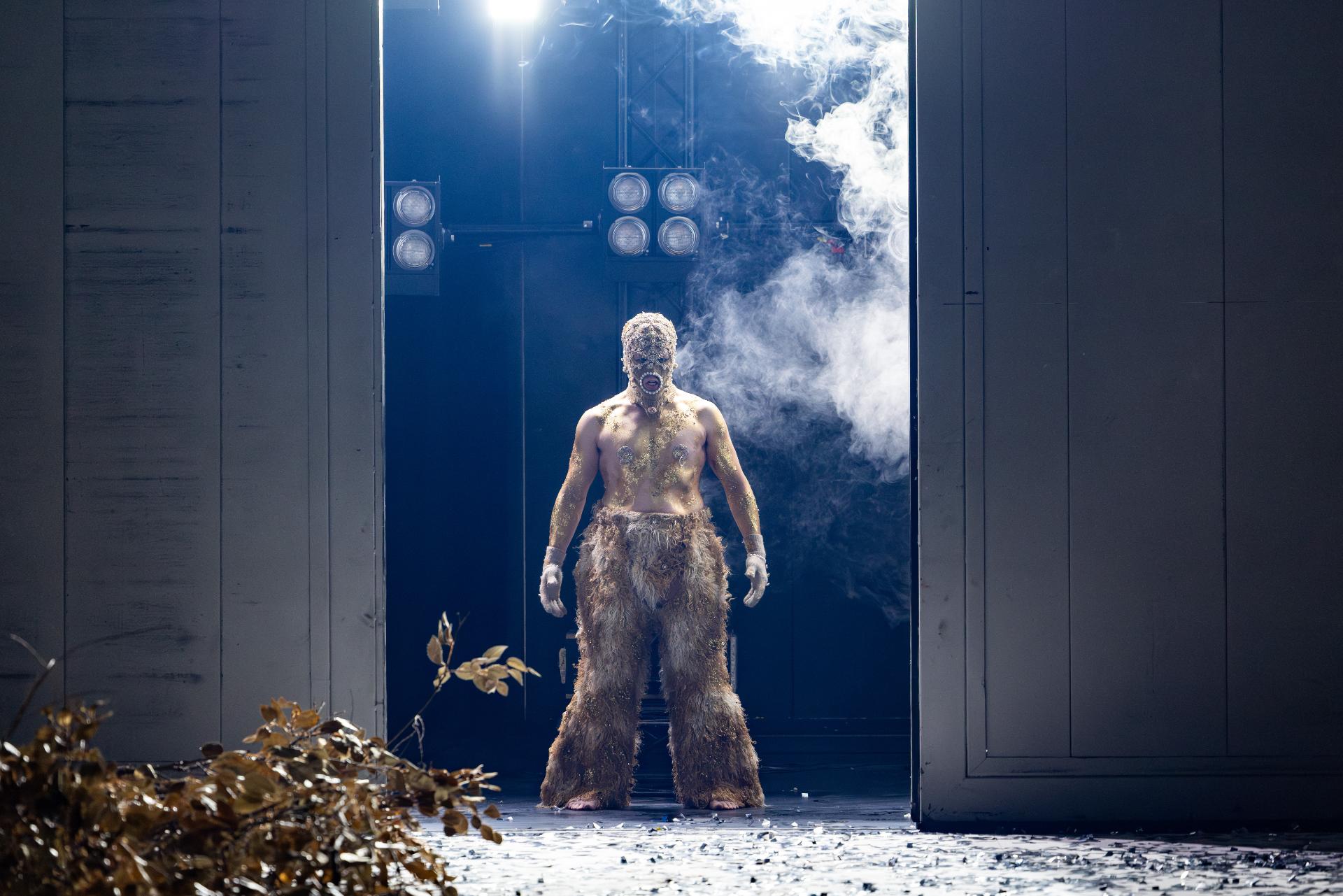
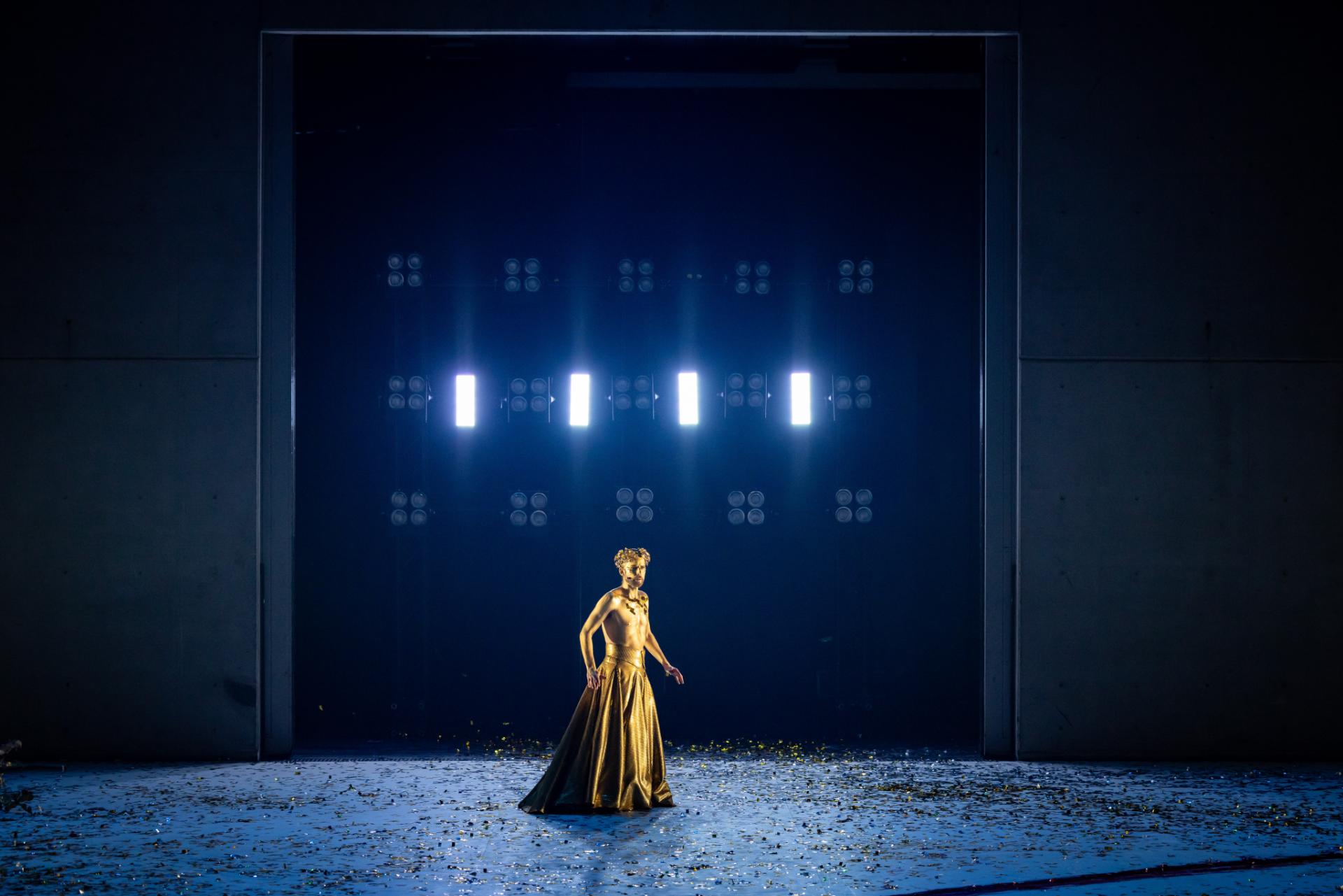
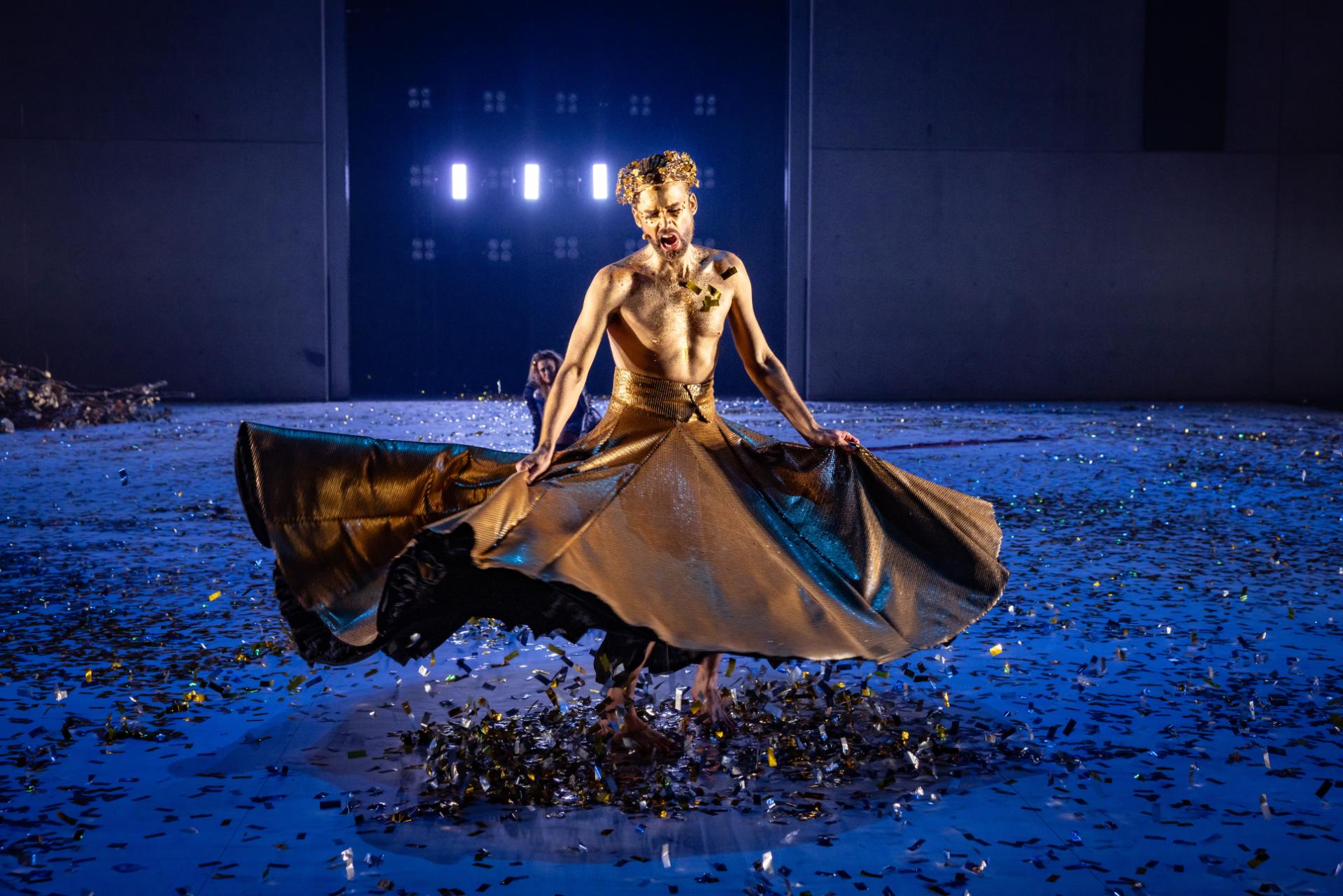
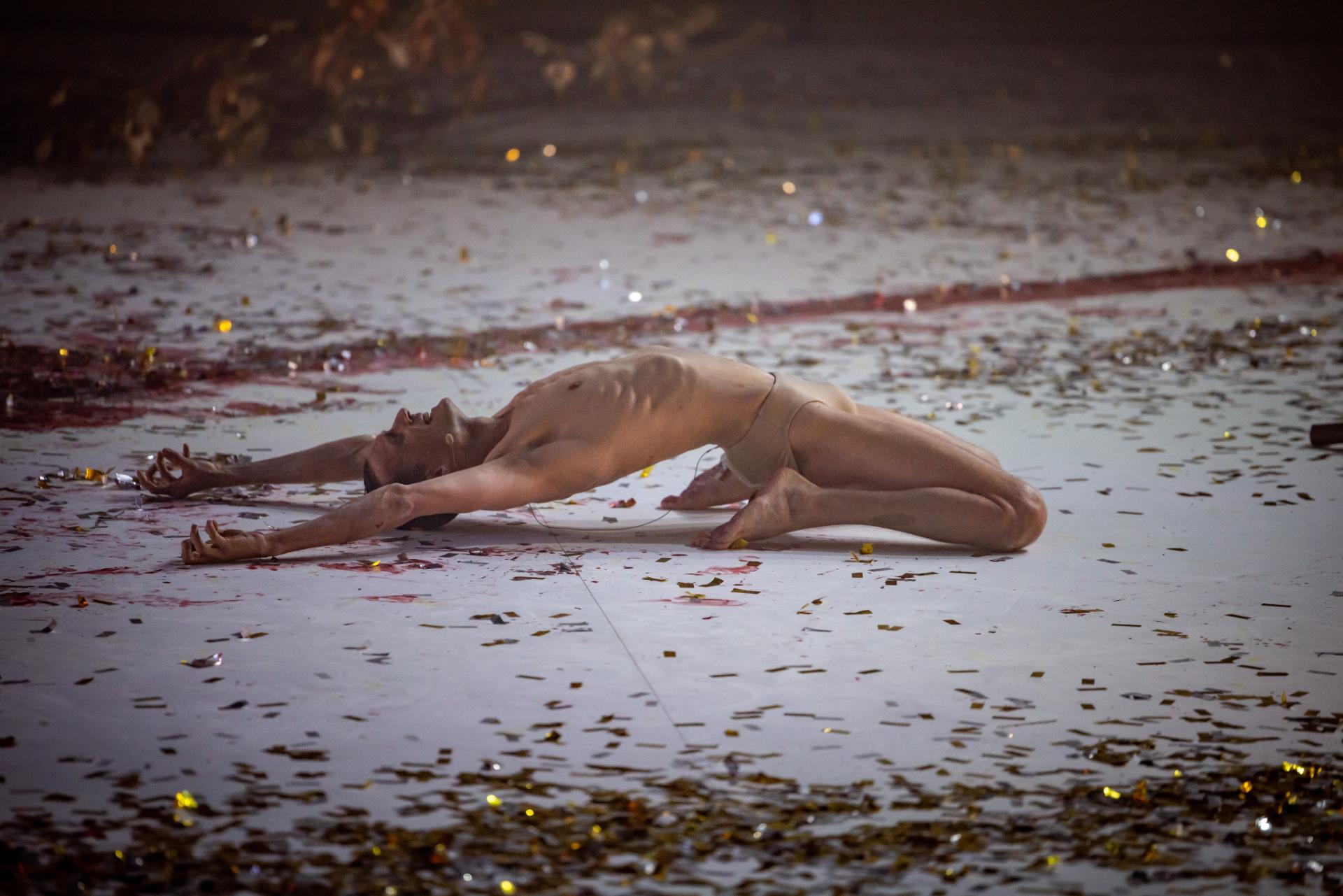
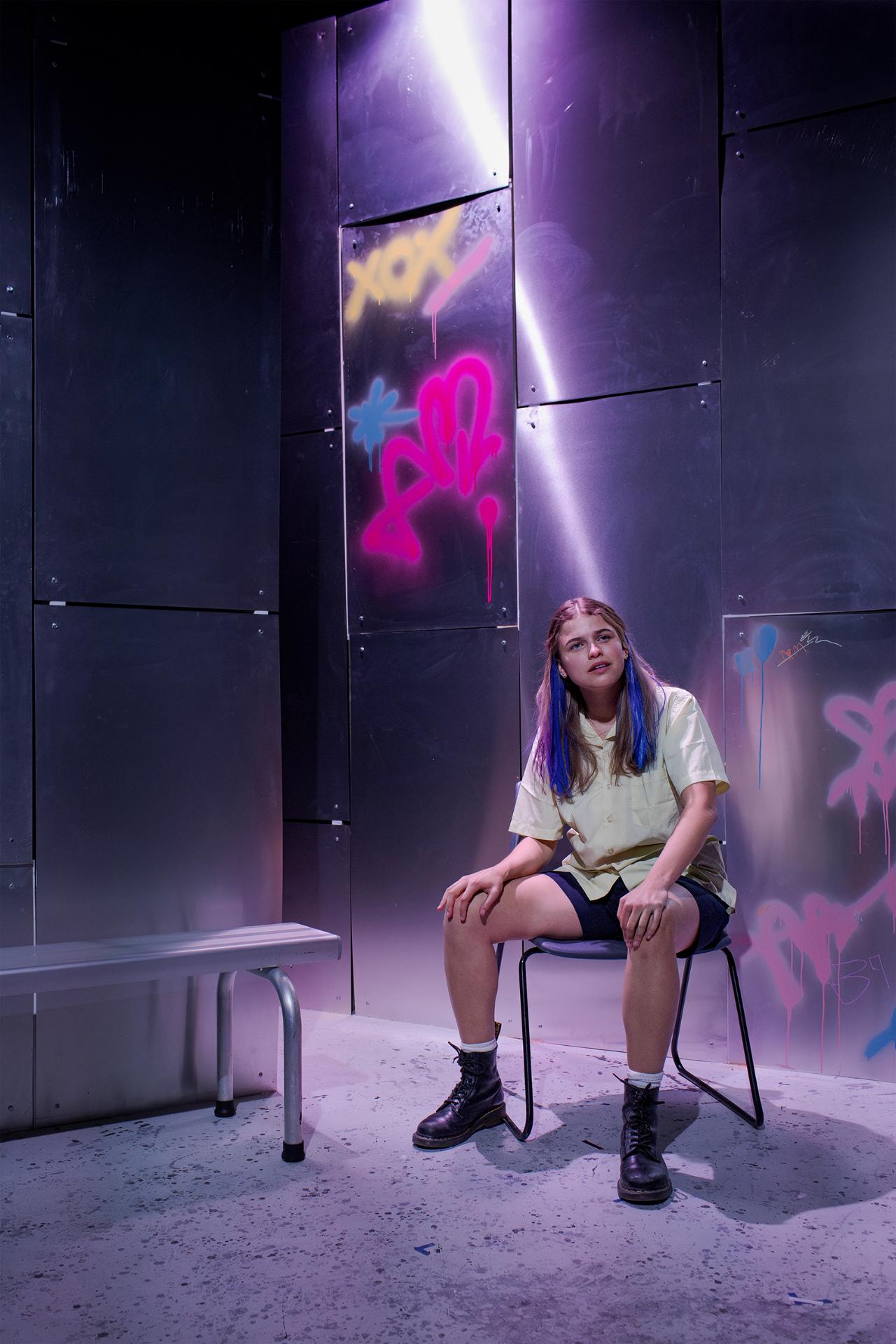
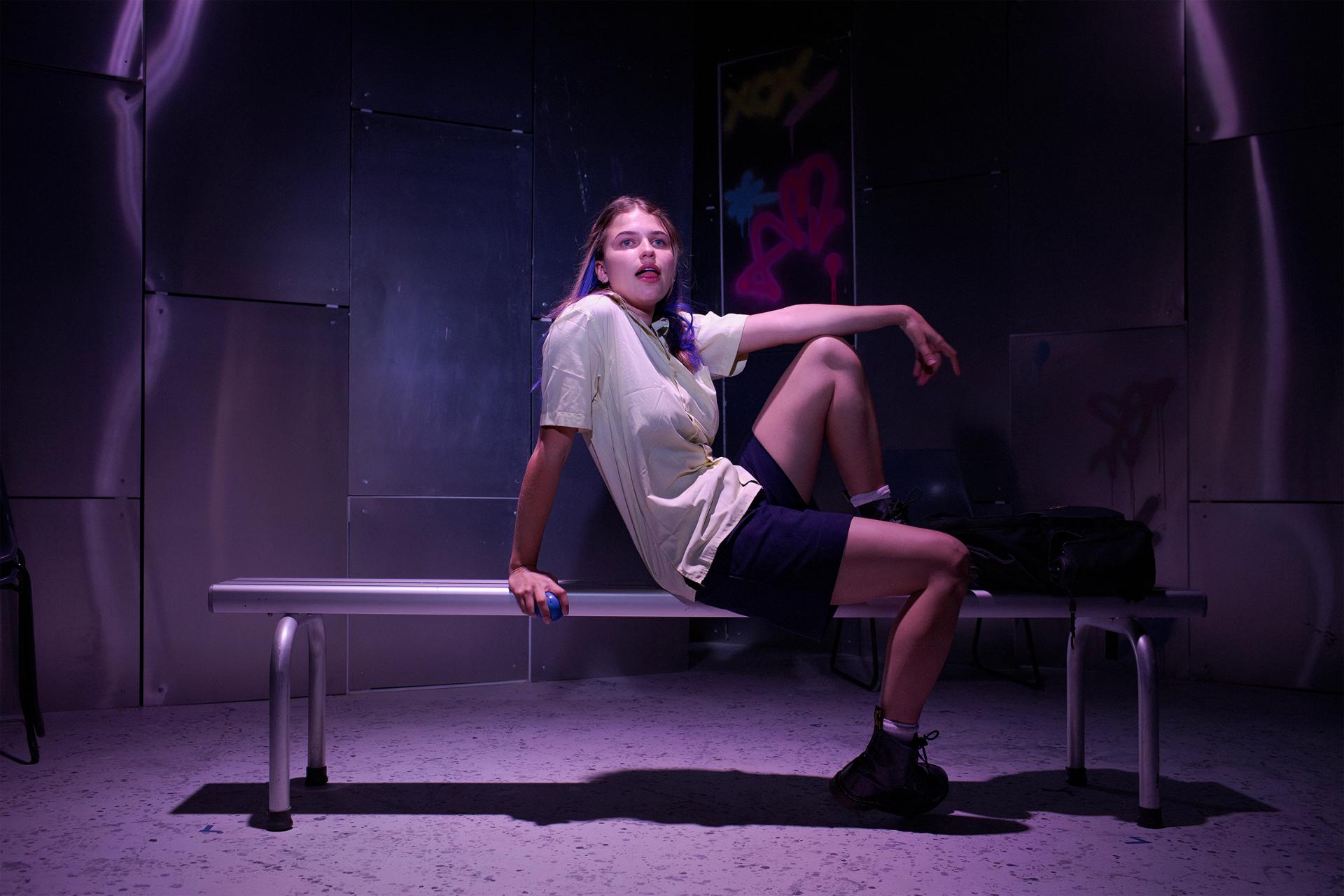
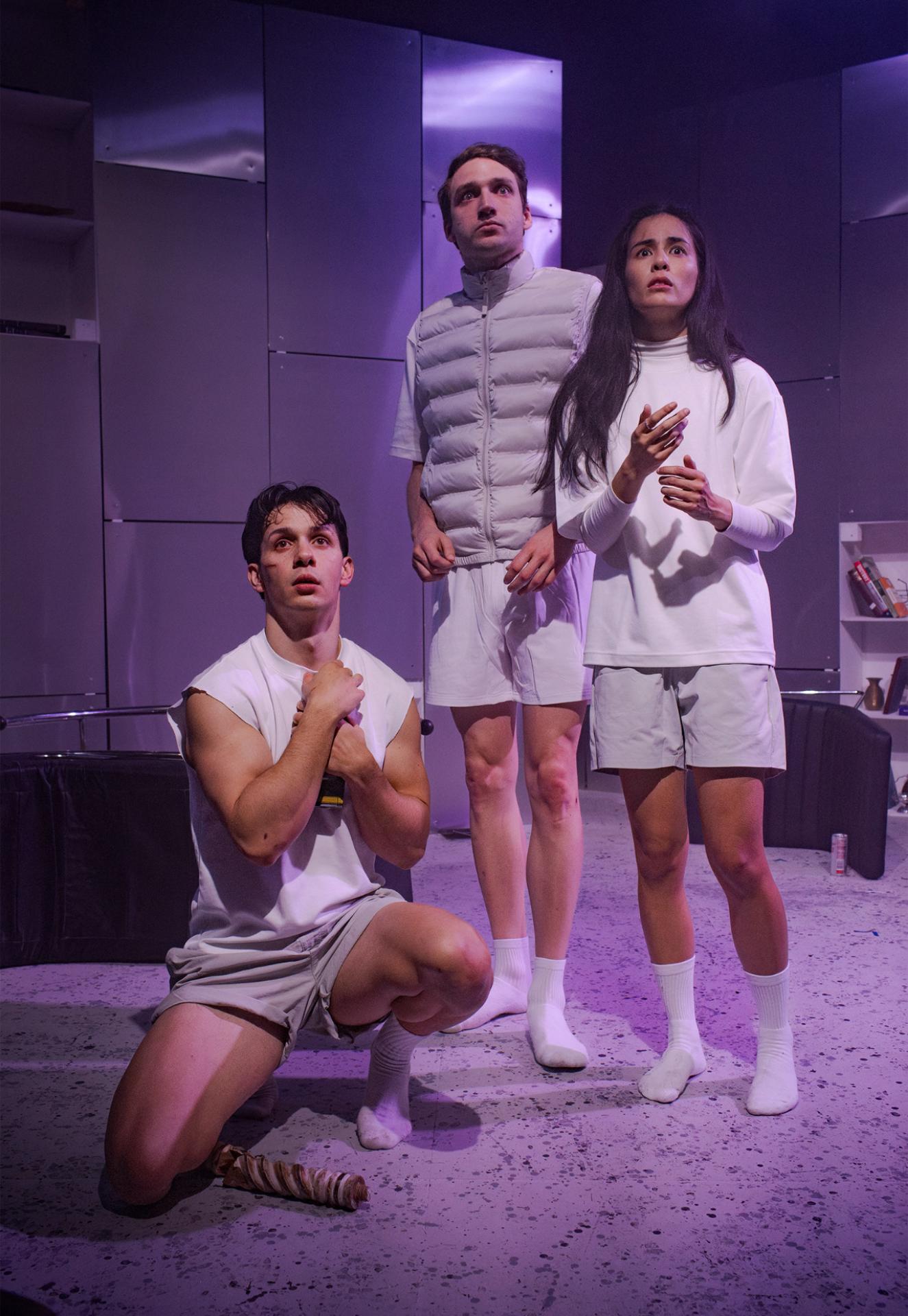
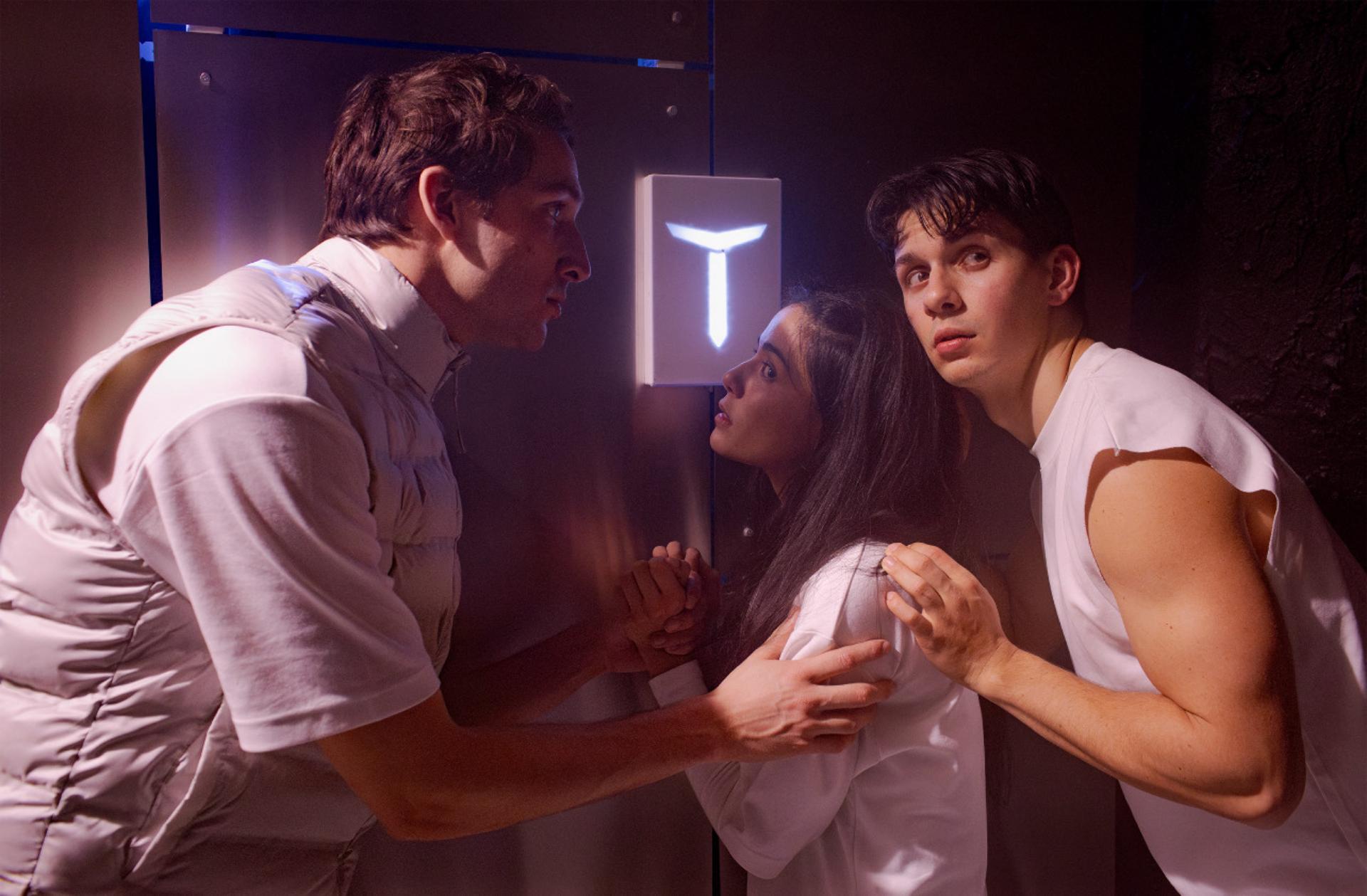
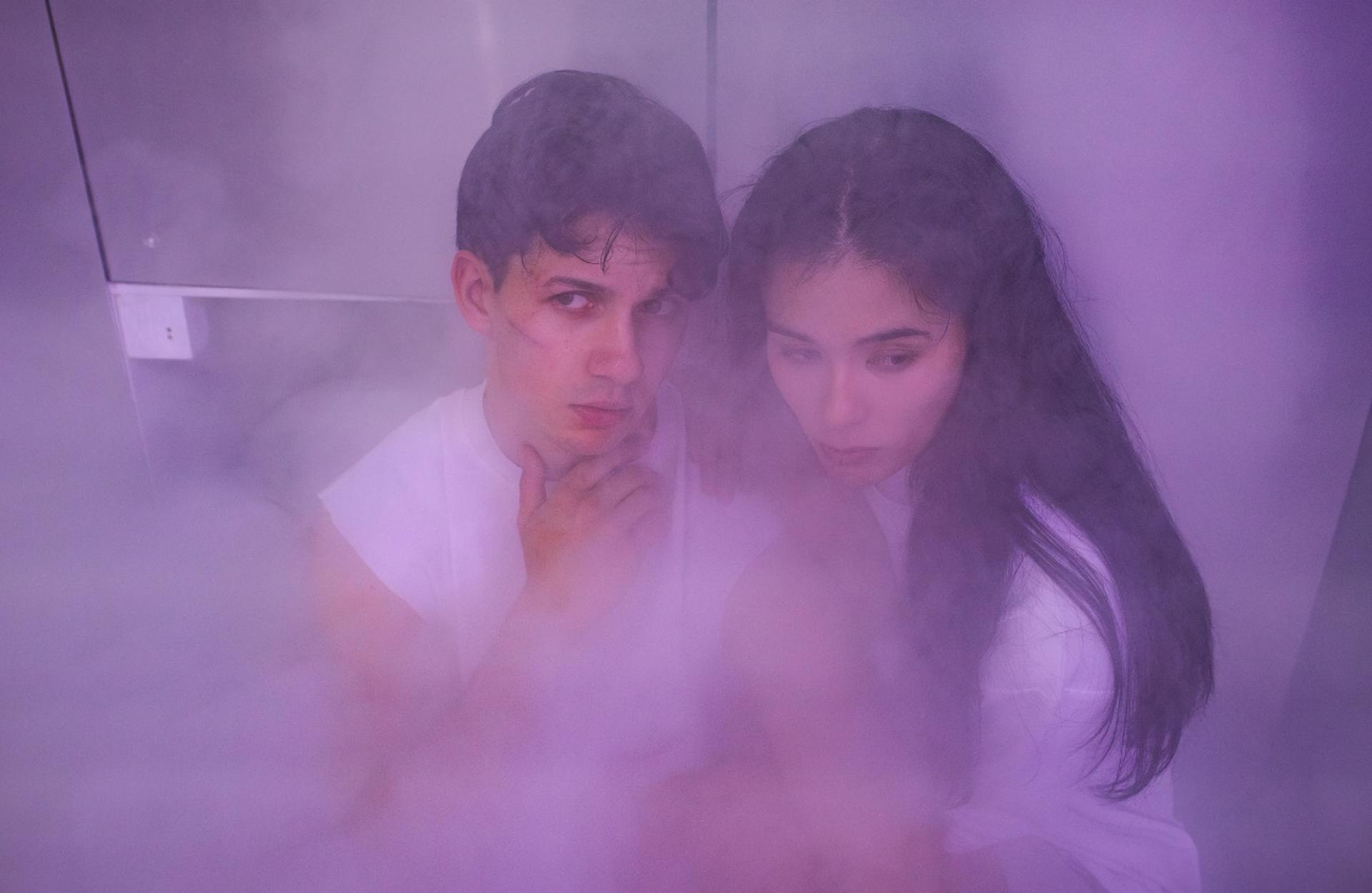
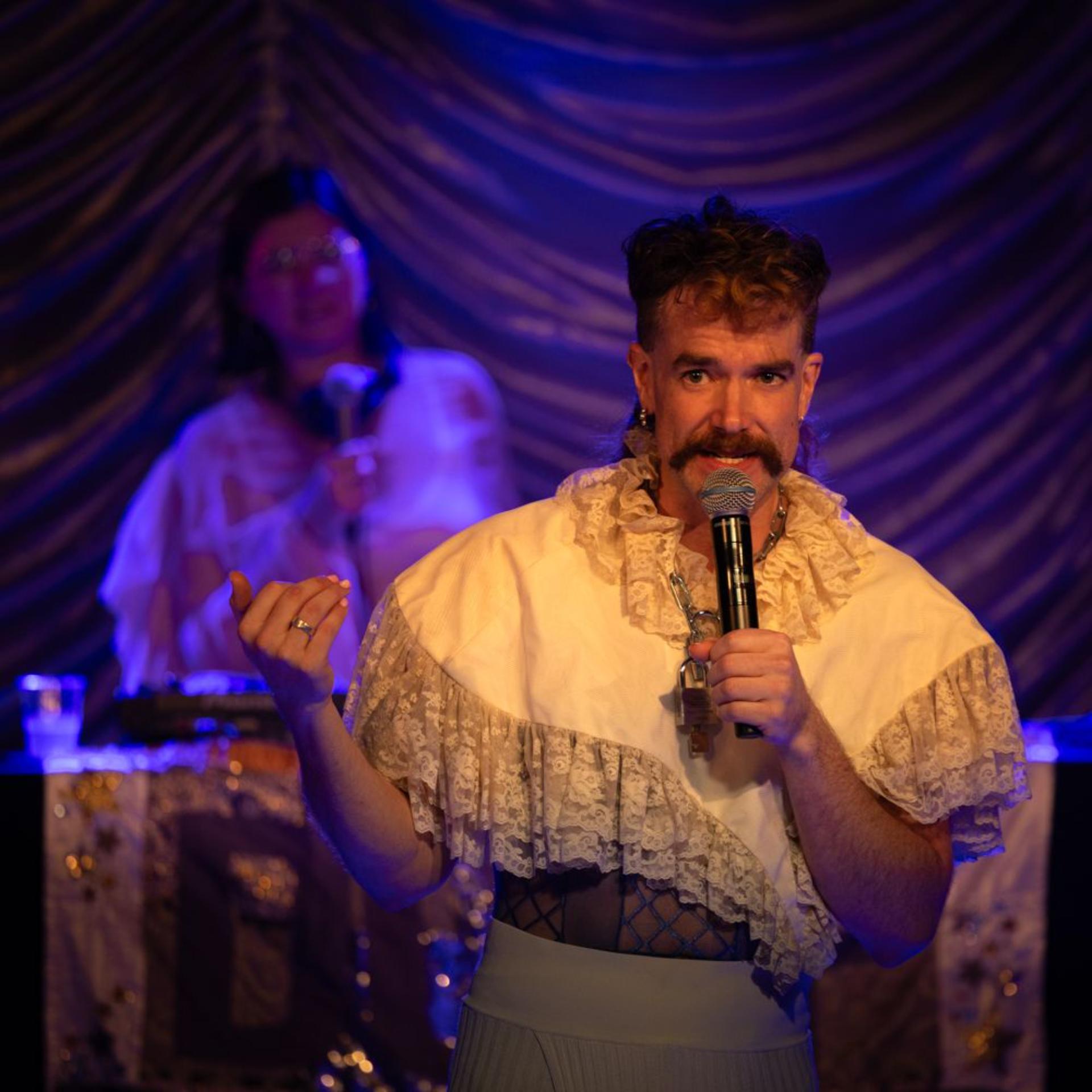
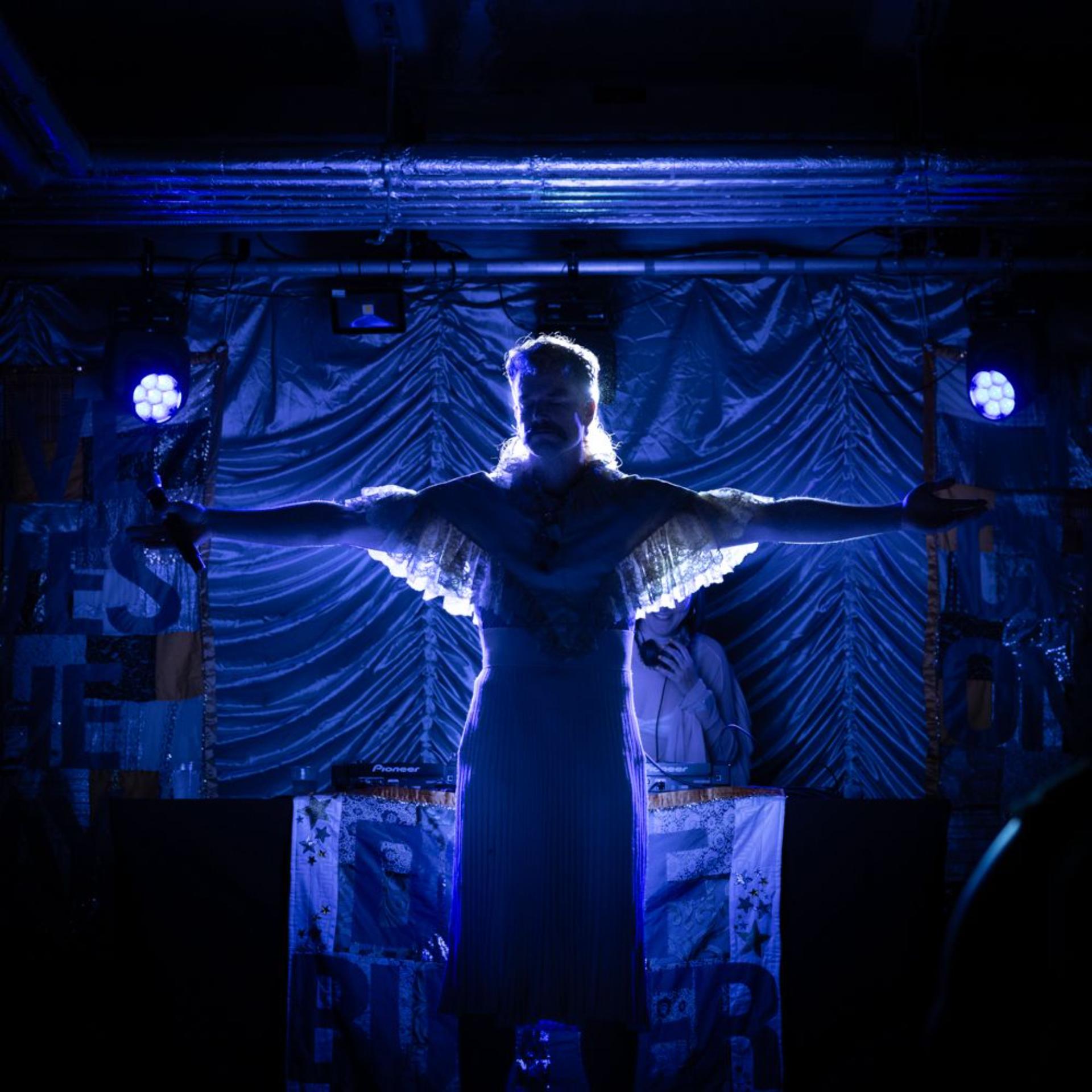
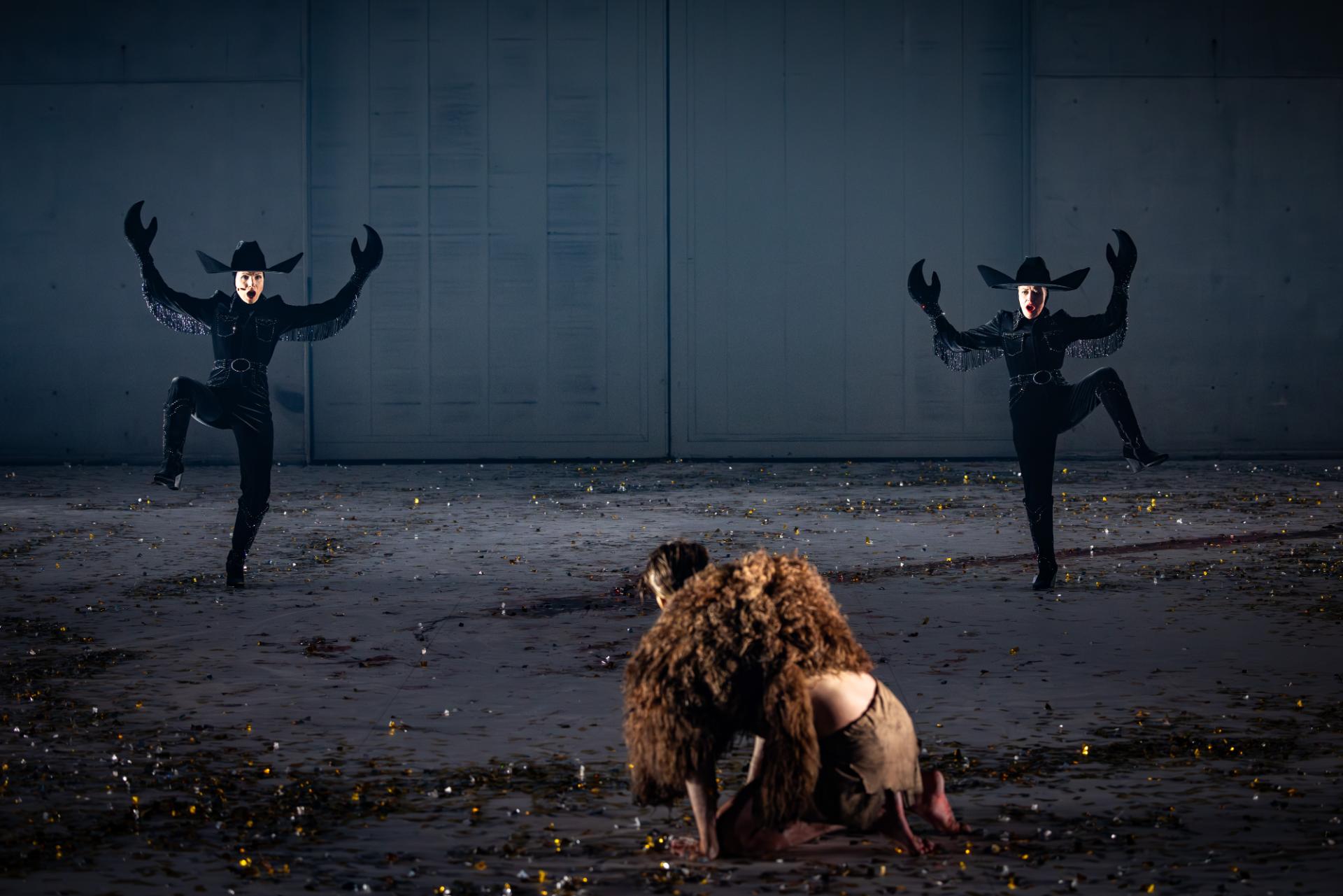
Set and costumes by Isabela Hudson revel in an unambiguous campness, as though indicating a queer attitude overlaying this feminist retelling of an old tale. Hudson too pokes fun wherever she can, especially in reference to how we perceive gender and class in the present moment. Benjamin Brockman’s lights add to the flamboyance, taking many opportunities to induce excitement in a production that is unafraid of being flashy. Sounds and music by Michael Toisuta could demonstrate greater sensitivity for the atmosphere being manufactured, but bears a dynamism nonetheless, that adds to the vibrancy of the piece.

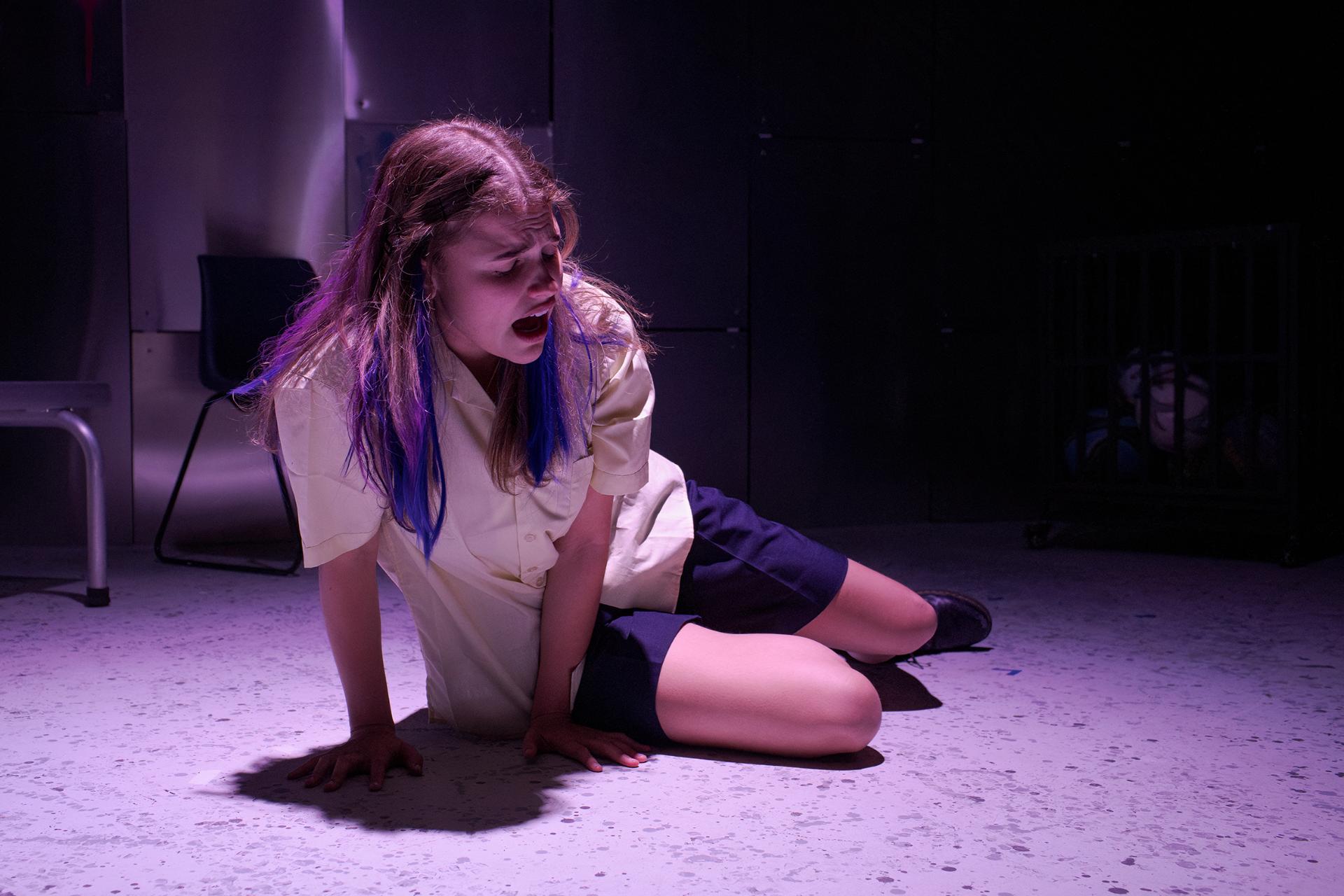
Actor Contessa Treffone is a splendid Phynayah, genuinely hilarious but also unequivocally poignant when we need her to dial up the tension. Also extremely comical is Aaron Tsindos who as Lee and Neeson, never misses a beat with his jokes, yet offering consistent clarity to the intentions of both his roles. Johnny Nasser and Megan Wilding are equally fabulous with their timing and sensibilities, able to keep things believable, whilst convincingly inhabiting very heightened spaces. Arkia Ashraf, Alfie Gledhill and Melissa Kahraman are manifestly committed to all their parts, in a staging that is never short of manic energy.

It could be true that no woman is truly stupid, that it could just be that some of us make poor choices. In a world that often restricts us to inferior options, and that keeps us in disagreeable situations, many women can appear to make bad decisions, when in fact we are simply disallowed to live out our full potential. There is so much of what we are capable of, that is deemed inappropriate, repugnant or ruinous, by systems that only thrive when we are subjugated. Whether Phynayah develops her intellect, grows in courage, or stays the very same, she is always already divine.
www.sydneytheatre.com.au

Review: Shitty (25A Belvoir)

Venue: Belvoir St Theatre (Surry Hills NSW), Feb 7 – 24, 2024
Playwright: Chris Edwards
Director: Zoë Hollyoak
Cast: Meg Hyeronimus, Roy Joseph, Levi Kenway, Mark Paguio, Ariadne Sgouros
Images by Phil Erbacher

Theatre review
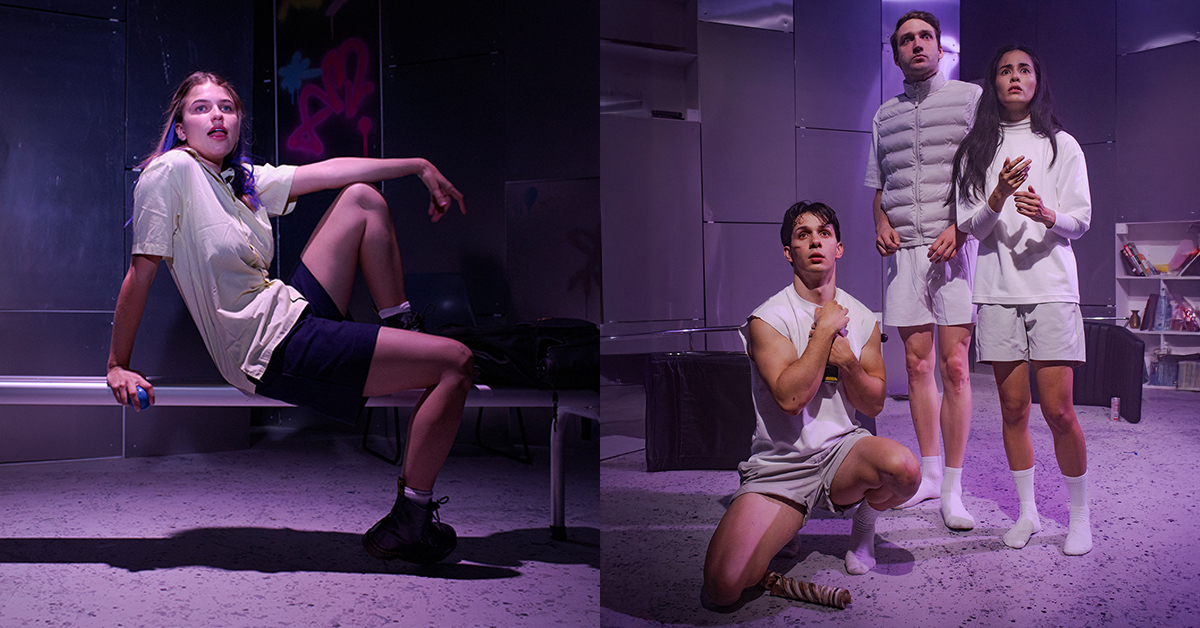
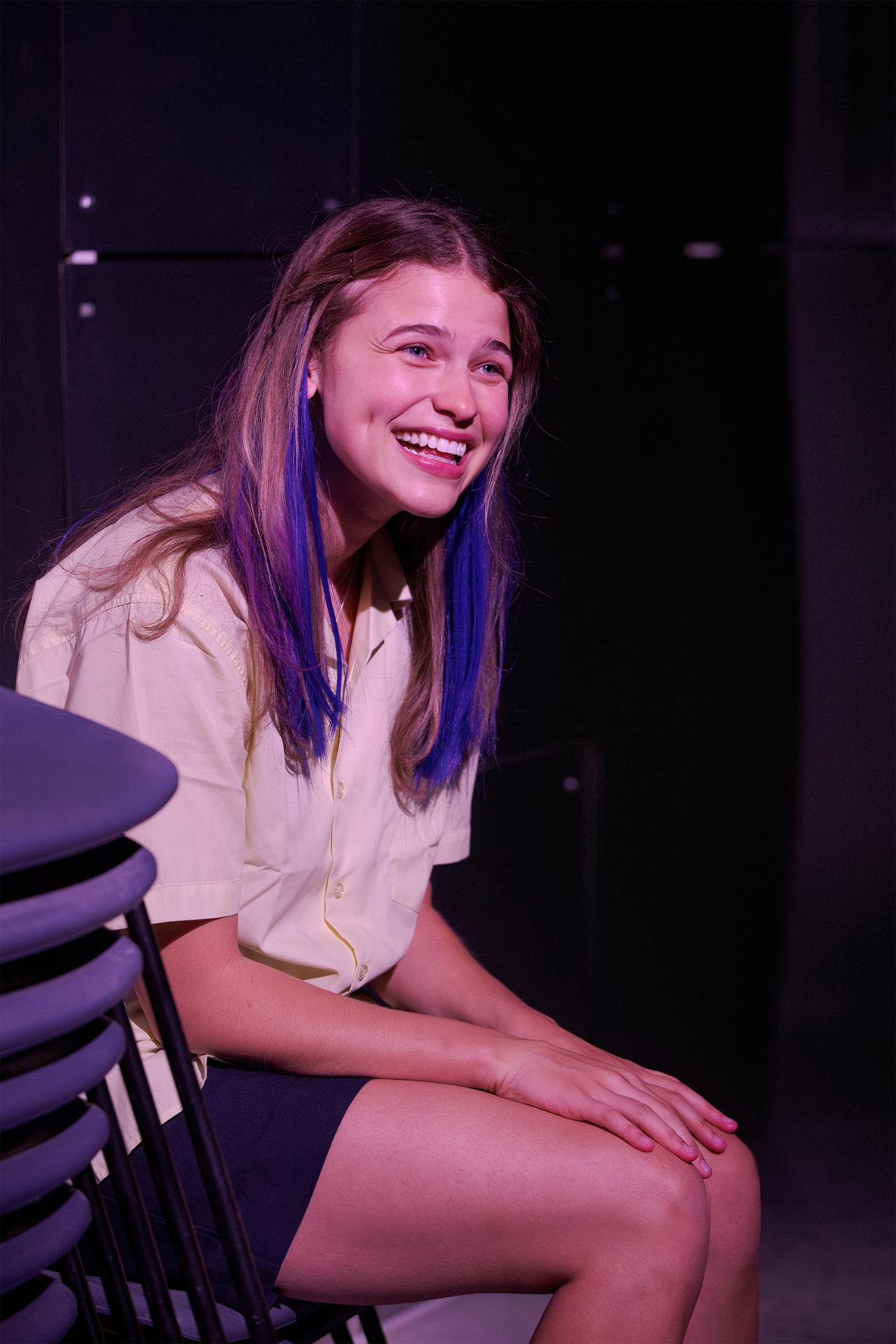
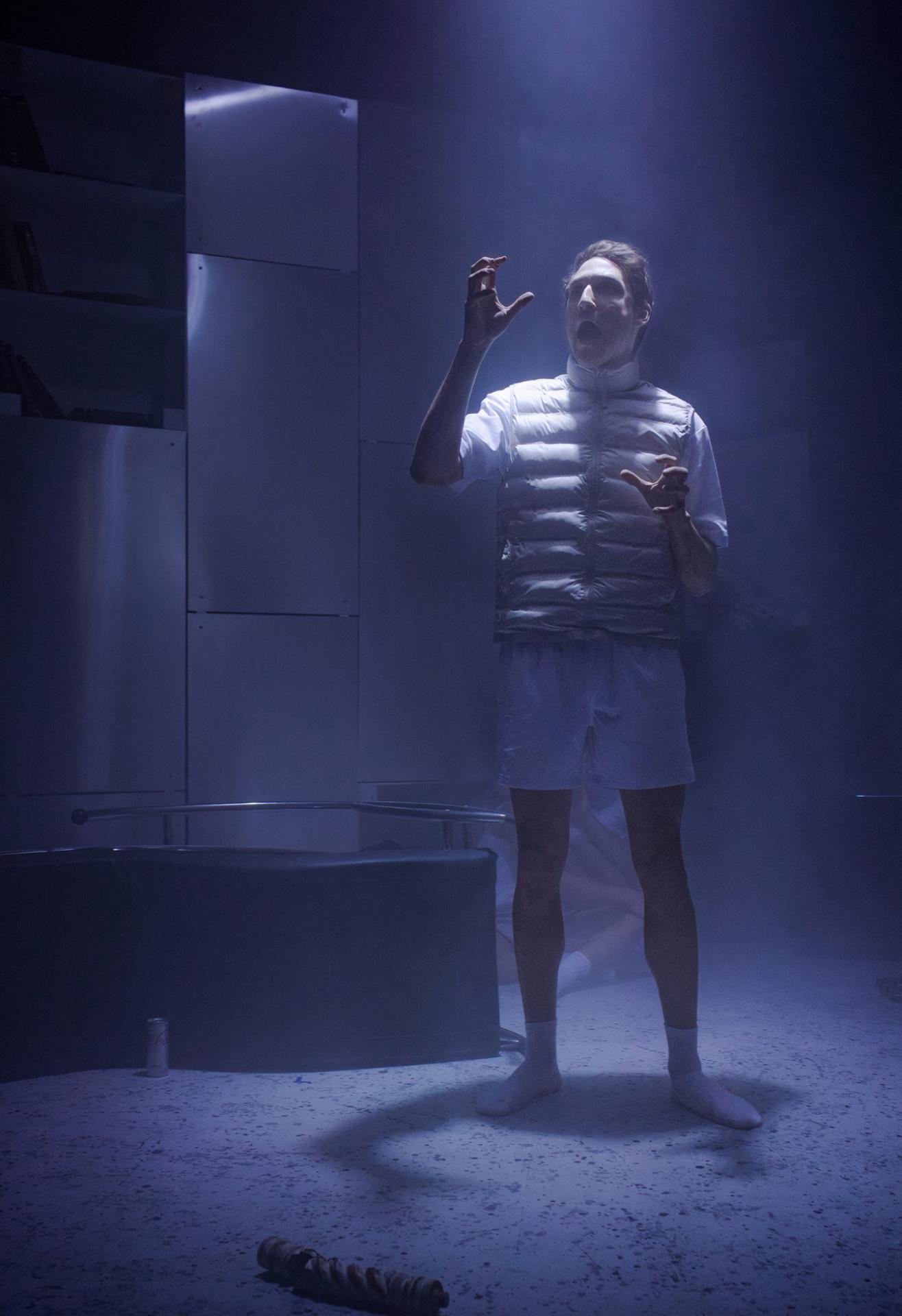
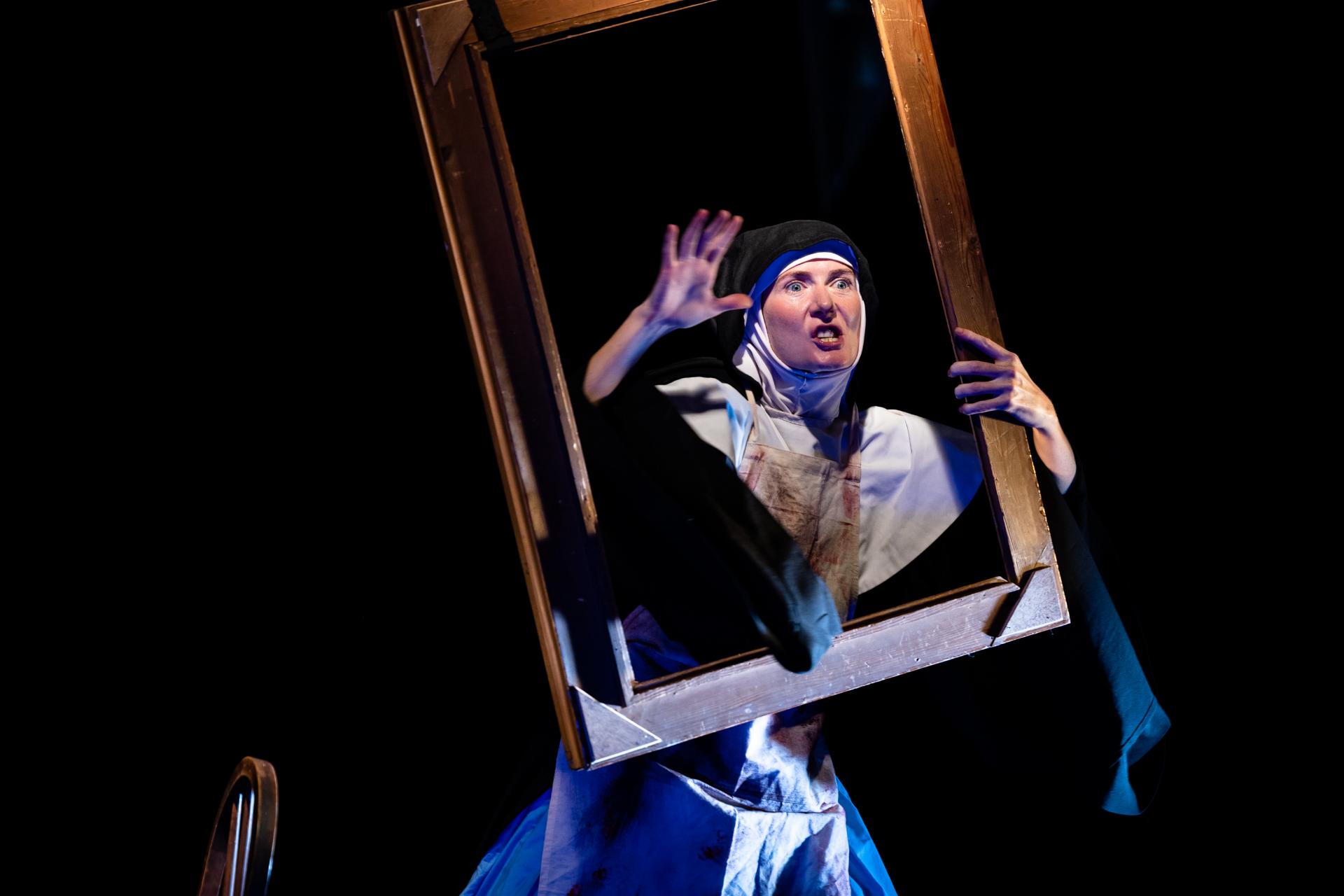
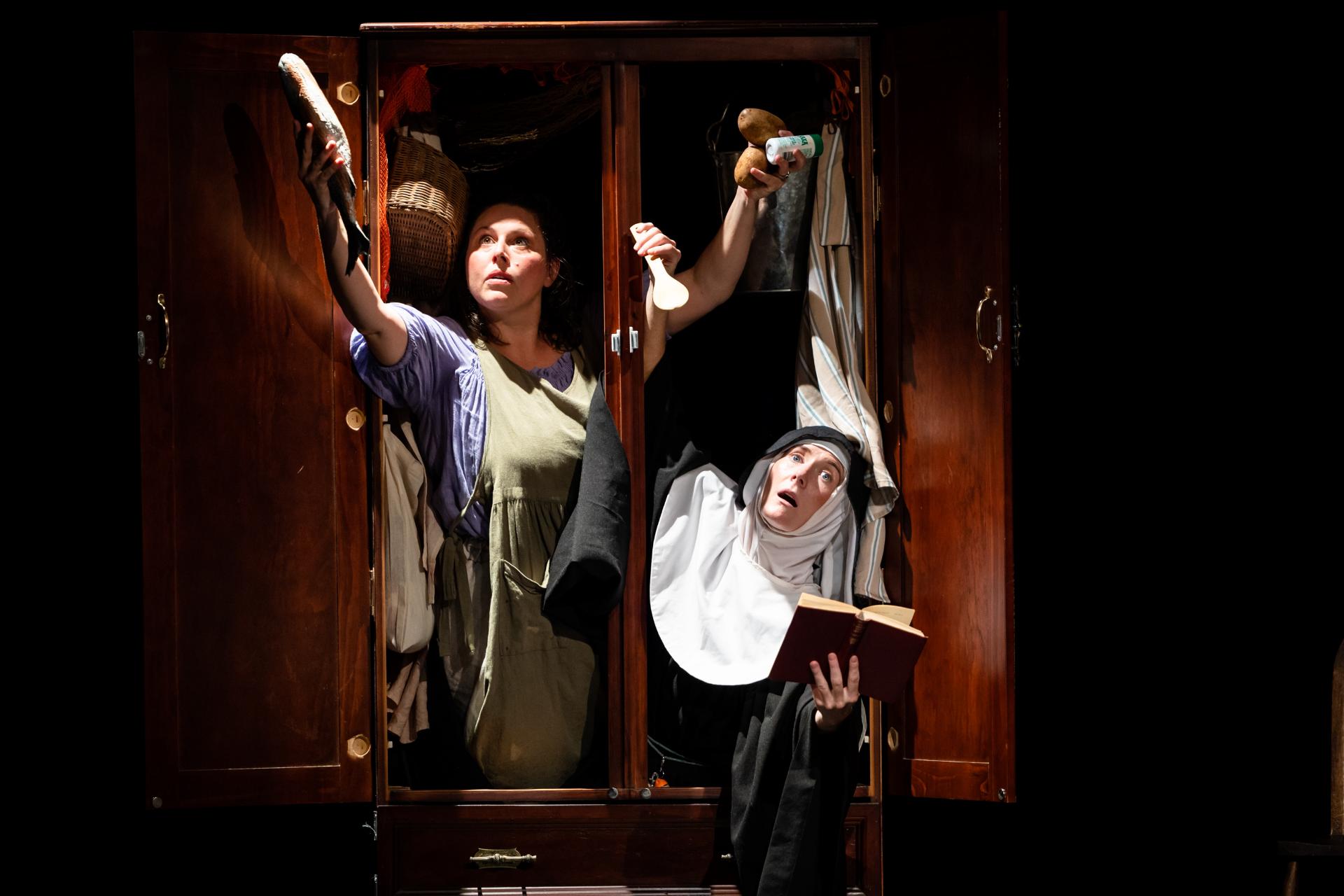
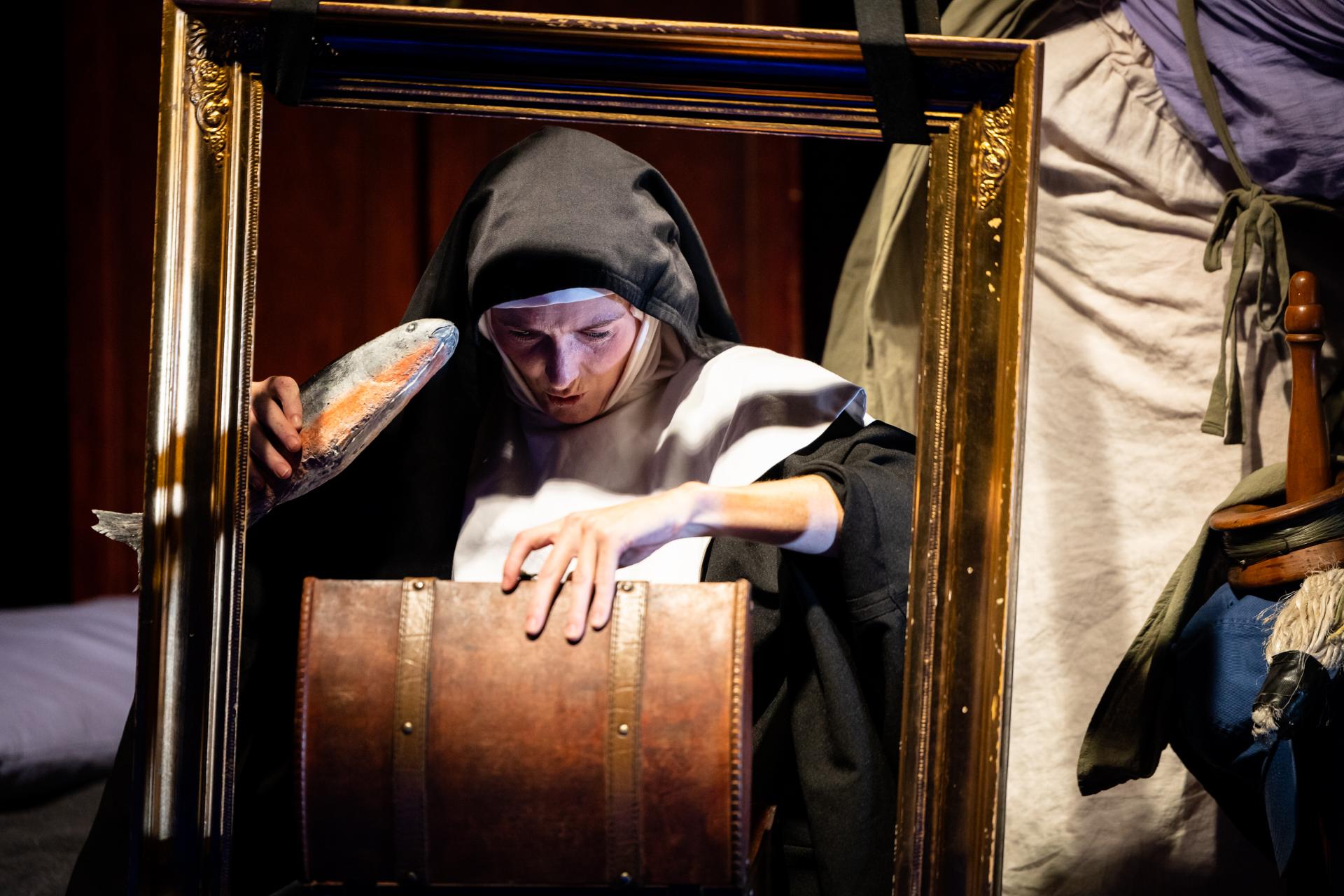
Three short plays involving the supernatural, and a lot of sparkling humour, all by Chris Edwards, make up the theatrical delight known as Shitty. The clever title refers to a series of regretful situations, where individuals meet with unforeseen and completely dreadful consequences. Edwards’ writing is highly imaginative, with an exceptional playfulness that pairs horror with comedy, for an unusual intermingling of genres, that proves an unexpectedly thrilling combination.

Direction by Zoë Hollyoak injects a formidable sense of excitement into each of the stories, relentlessly amusing for the entirety of Shitty‘s duration. Set and props by Hailley Hunt incorporate funny surprises that are truly memorable. Lighting design by Morgan Moroney impresses with its creativity, along with an admirable rigour that comprehensively elevates the staging. Sounds and music by Madeleine Picard too are rendered with a thoroughness, so that every moment feels rich and intricate, in this outlandish telling of creepy tales.

Actors Meg Hyeronimus and Levi Kenway start the show as illicit lovers, performing their parts with great polish and exquisite timing. Levi Kenway and Mark Paguio follow, both offering wonderful intrigue and passion, to their chapter on Grindr and Sydney’s clubland. Ariadne Sgouros is commanding in her concluding one-woman segment, precise and powerful as she goes through hell, in the deceptive serenity of the Blue Mountains.

Our arrogance makes us forget that there are others who inhabit this plane. We rely only on five senses to decide what to believe in, often unable to be attentive to what might be considered metaphysical. They could be ghosts, or simply emotions and intuitions, phenomena that seem immaterial and hence elusive, inappropriate for modern lives characterised by commodification and quantifiability. We want magic, but we seem only to know to refuse it.

www.facebook.com/es.wrkrs | www.belvoir.com.au

Review: Homos, Or Everyone In America (New Theatre)

Venue: New Theatre (Newtown NSW), Feb 6 – Mar 9, 2024
Playwright: Jordan Seavey
Director: Alex Kendall Robson
Cast: Axel Berecry, Sonya Kerr, Eddie O’Leary, Reuben Solomon
Images by Chris Lundie

Theatre review
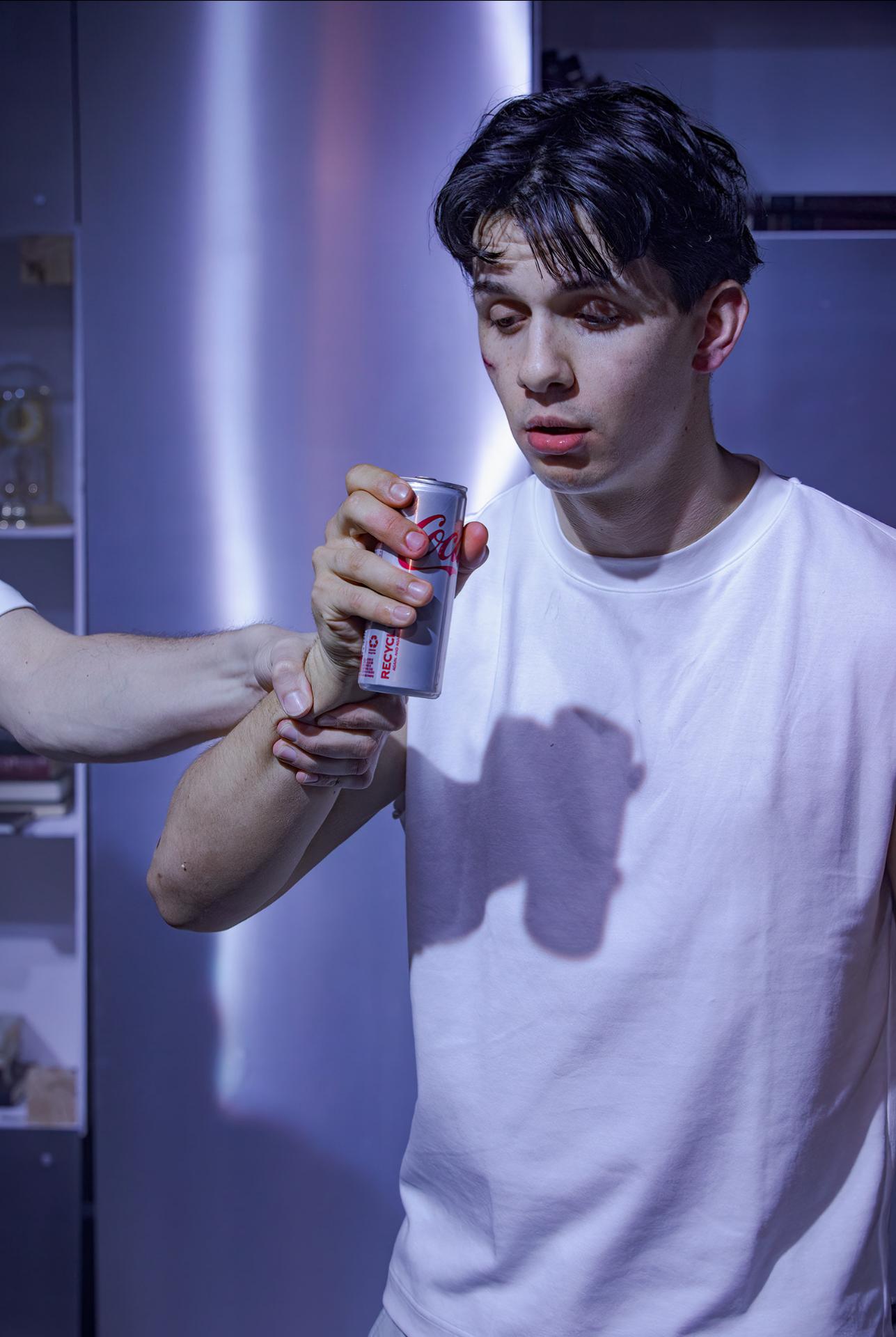
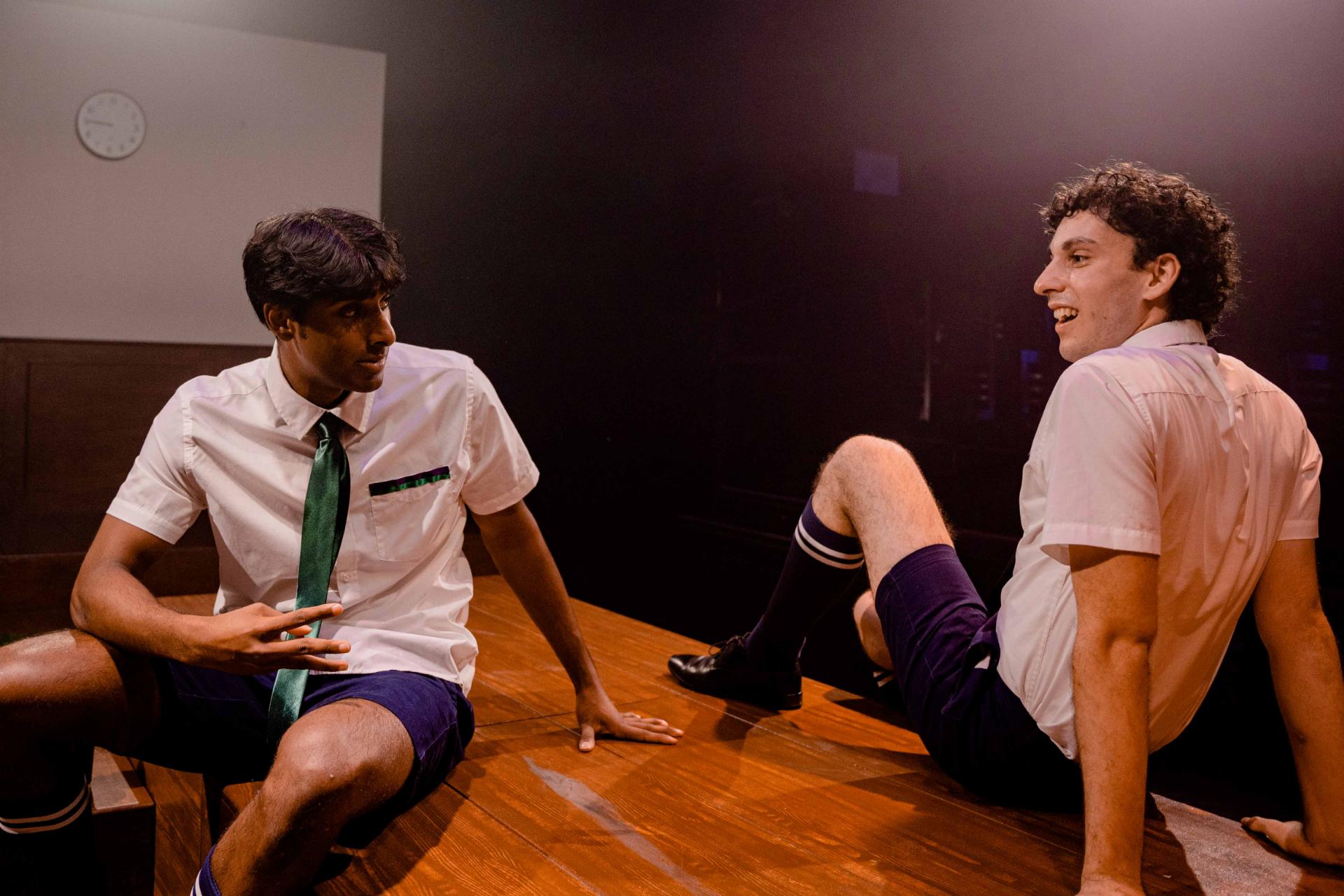
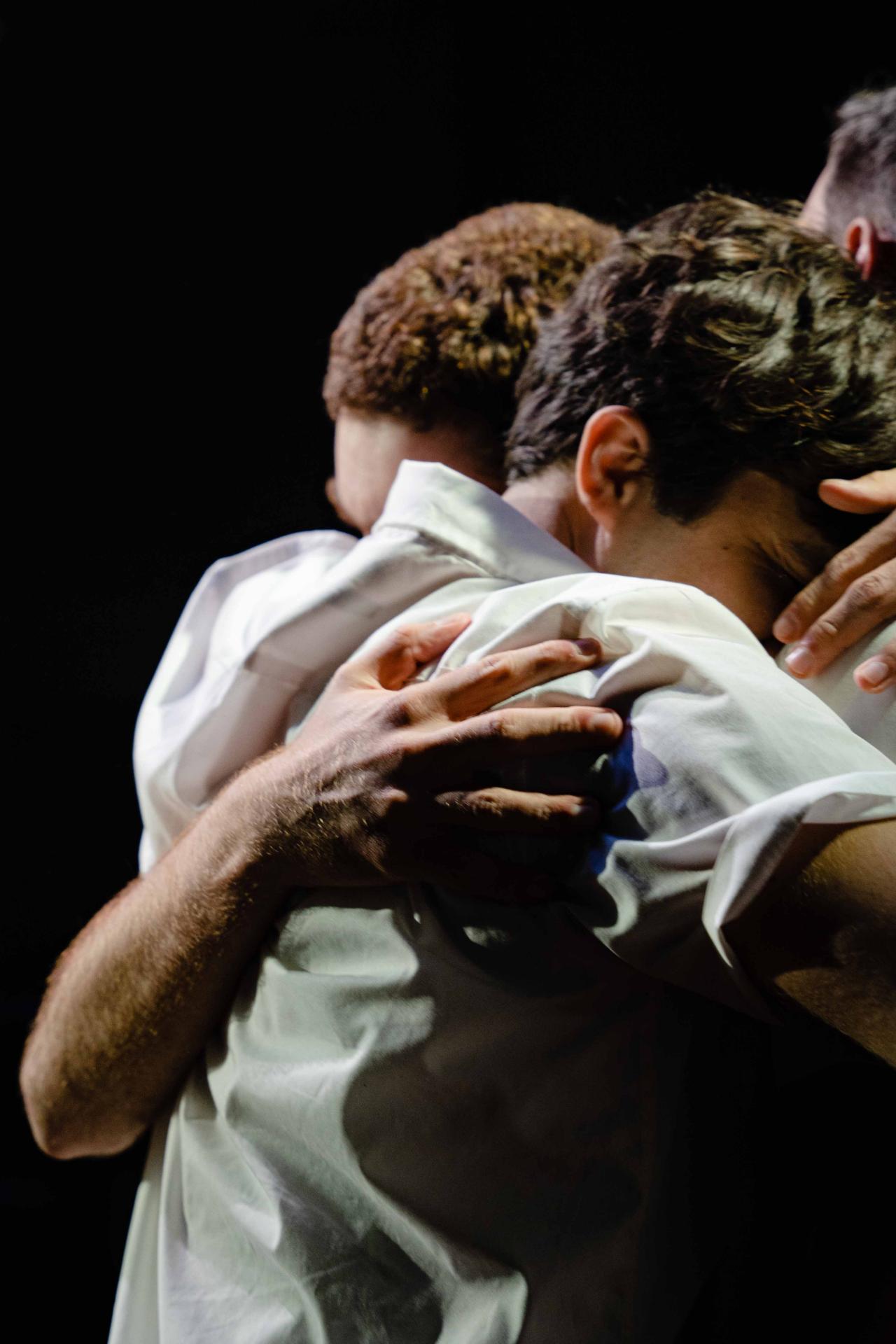
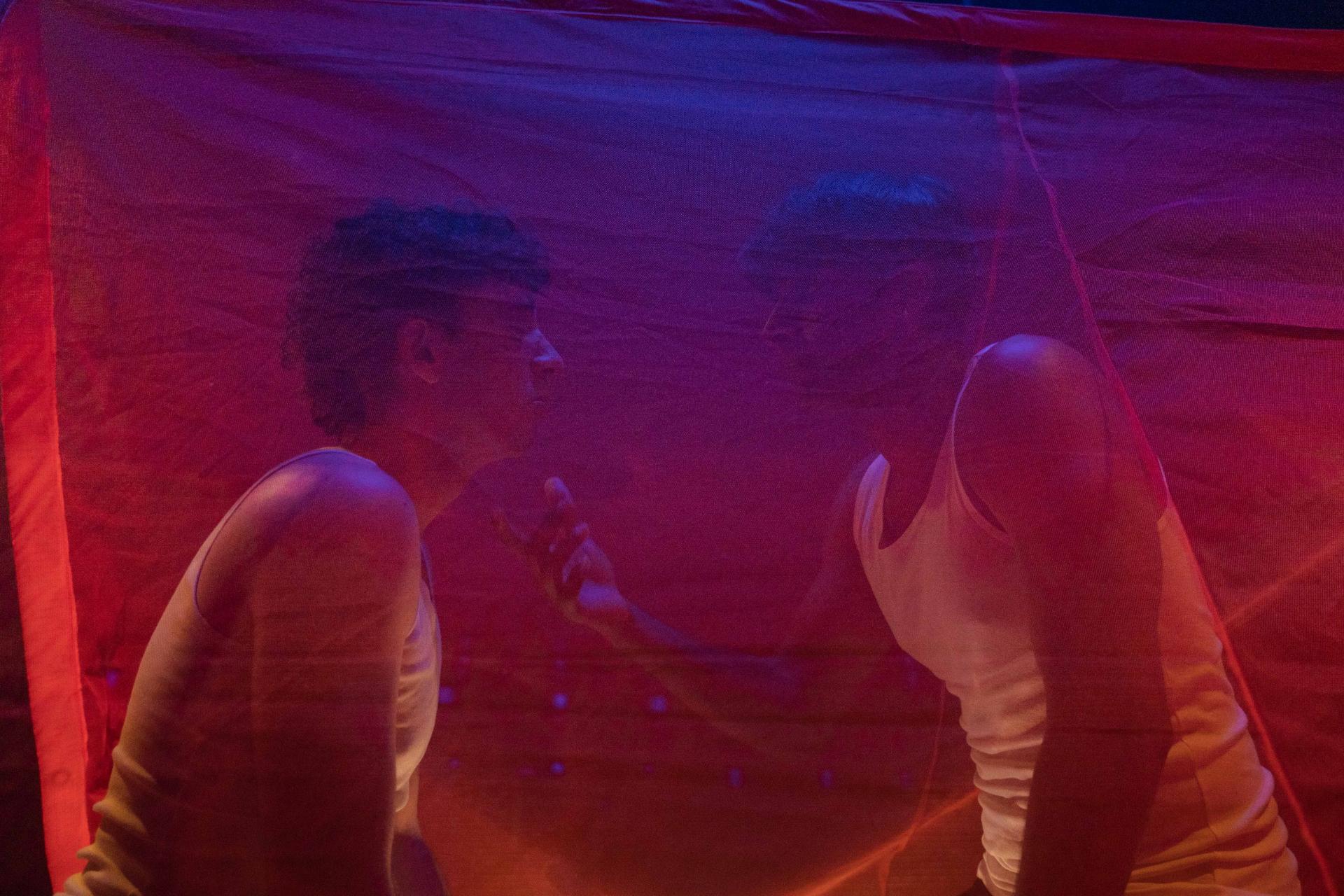
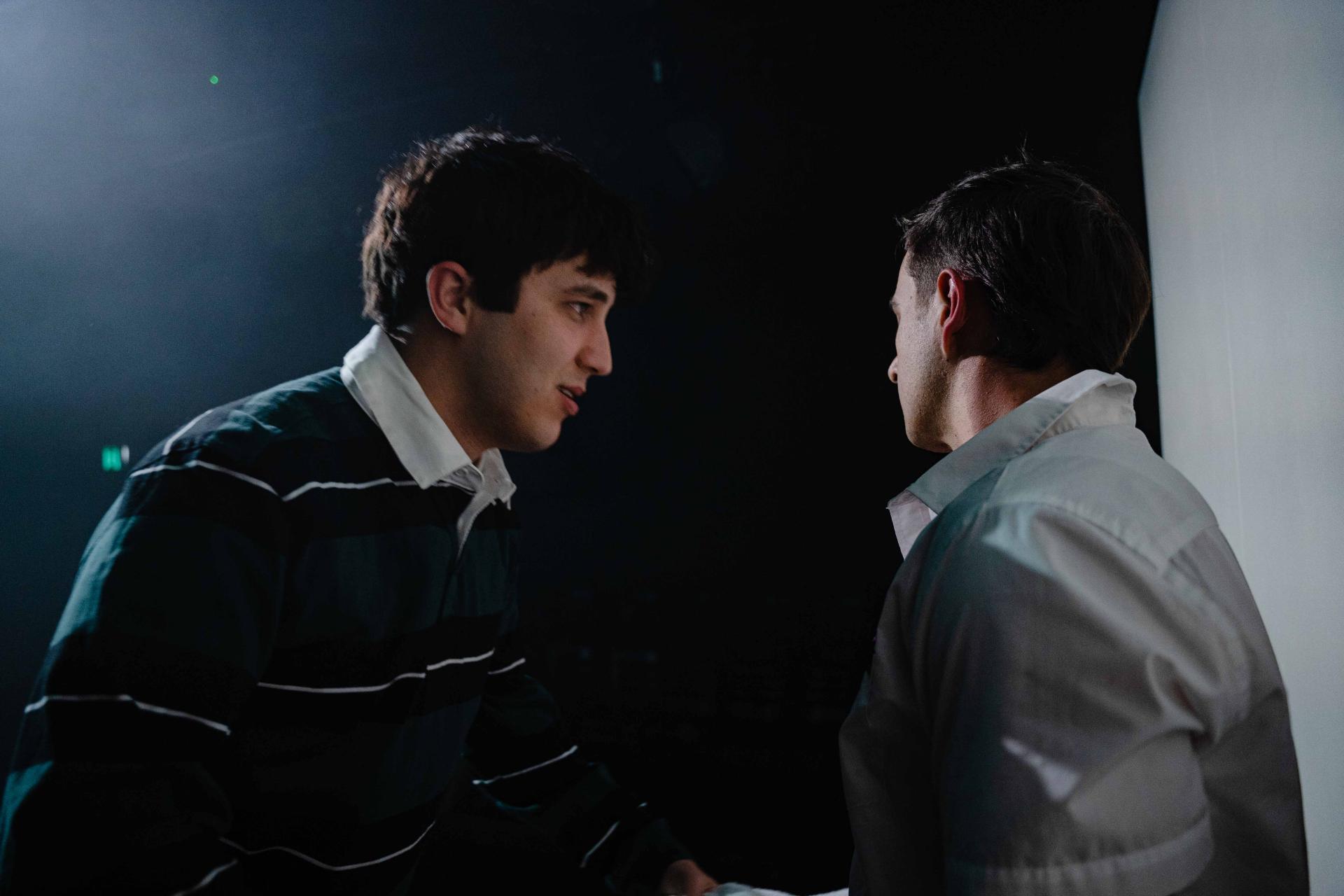
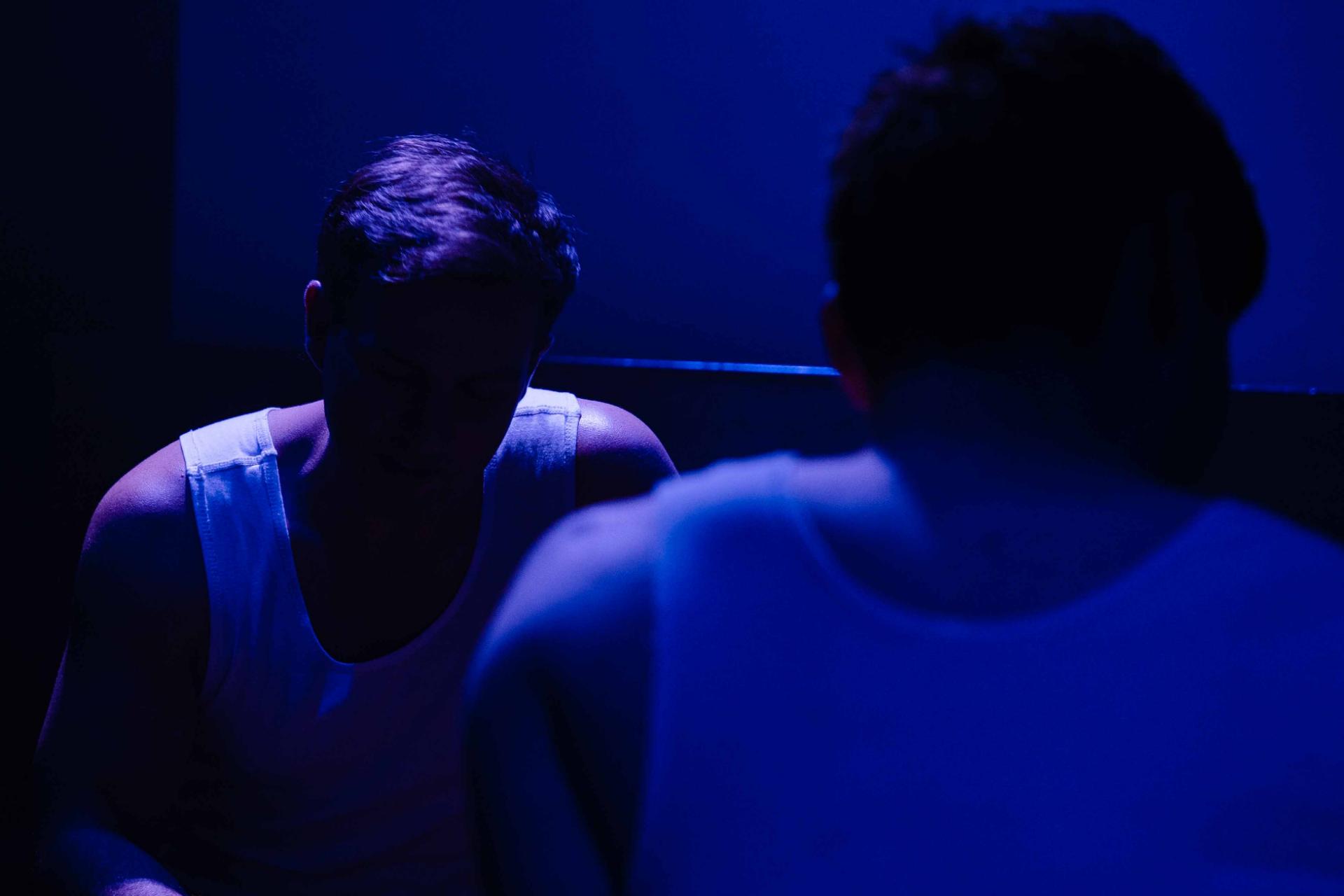
Jordan Seavey’s Homos, or Everyone in America takes place between 2006 and 2011, with the relationship between two unnamed Manhattanites as its central focus. New York and the United States provide the backdrop and political context, in which we examine modern gay life in Northern America.  The young men bicker and fight throughout the play, as we look at the more dramatic moments of their time together.

Direction by Alex Kendall Robson is correspondingly turbulent, as we witness the couple’s volatility at various points of their 5-year history. The narrative is presented anachronistically, resulting in a somewhat poetic, if slightly chaotic, theatrical presentation. Production design by Zara Pittioni creates effective visual spatial demarcations, but the lack of scenery walls requires performers to speak loudly, to overcome acoustic limitations. Lead actors Eddie O’Leary and Reuben Solomon are generally persuasive and very well-rehearsed, but the unmodulated volume of their speech can prove grating.

Supporting players are Sonya Kerr who brings an enjoyable precision, and Axel Berecry whose mischievous disposition leaves an impression. Also noteworthy are lighting design offering variety to the imagery being showcased, along with sound and music by David Wilson, assisting proficiently with tension and energy, in a show about the Big Apple.

The gays yell a lot in Homos, or Everyone in America, maybe because they have experienced little tenderness, in a world that has for far too long, regarded them only with contempt and disdain. Traditional modes of masculinity further prevents them from accessing softer aspects of being human, qualities necessary for making intimate relationships work. The damage done by homophobia and sexism, is extensive and exhaustive. Legislation can change things overnight, but what happens in the souls of the downtrodden, will take generations to heal.

www.newtheatre.org.au

Review: Tiny Beautiful Things  (Belvoir St Theatre)

Venue: Belvoir St Theatre (Surry Hills NSW), Feb 1 – Mar 2, 2024
Playwright: Nia Vardalos (from the book by Cheryl Strayed)
Directors: Lee Lewis
Cast: Stephen Geronimos, Mandy McElhinney, Nic Prior, Angela Nica Sullen
Images by Brett Boardman

Theatre review
Tiny Beautiful Thing was originally a book compiled of Cheryl Strayed’s essays, from her “Dear Sugar” anonymous advice column. Transposing her powerful words from an online literary magazine, to the stage is a real challenge. The author’s intentions are present not only in the content, but also in the form in which she had written, and turning into a play, something meant for reading on devices, proves a formidable task.

Without actual characters or real scenes of interaction, it is debatable whether this adaptation by Nia Vardalos, ever earns our meaningful investment into Tiny Beautiful Thing‘s endless range of strangers’ conundrums. Direction by Lee Lewis attempts to humanise the recitation of previously disembodied words, helping us form an affiliation especially with Strayed’s alter ego Sugar, who is central to every editorial piece. Actor Mandy McElhinney is certainly sympathetic in the role, becoming gradually poignant as we slowly warm to Sugar’s unusual vocation.

Set and costume design by Simone Romaniuk establishes a a context of domesticity, from which we can perceive an ordinariness, or universality perhaps, of Strayed’s life experiences. Lights by Bernie Tan-Hayes emphasise the inherent melancholy of all these people’s search for answers. Brady Watkins’ music and sound coax us into a state of tenderness, so that we may regard these vignettes with sensitivity.

Advice columns have existed for centuries, providing not only insight and solutions, but also reminding individuals that we are not alone. In this social media age, where all we see are varnished and filtered images, we often find ourselves isolated, with personal problems that feel unique and particular. It is no wonder that “Dear Sugar” and its many variations persist. There will never come a time when our humanity is void of struggle, but the more we are able to see in one another, the inevitability of our tumult and anxieties, the more we can, ironically, attain a sense of peace.

www.belvoir.com.au | www.queenslandtheatre.com.au

Review: Alone It Stands (Ensemble Theatre)

Venue: Ensemble Theatre (Kirribilli NSW), Jan 25 – Mar 2, 2024
Playwright: John Breen
Director: Janine Watson
Cast: Tristan Black, Ray Chong Nee, Briallen Clarke, Skyler Ellis, Alex King, Anthony Taufa
Images by Prudence Upton

Theatre review
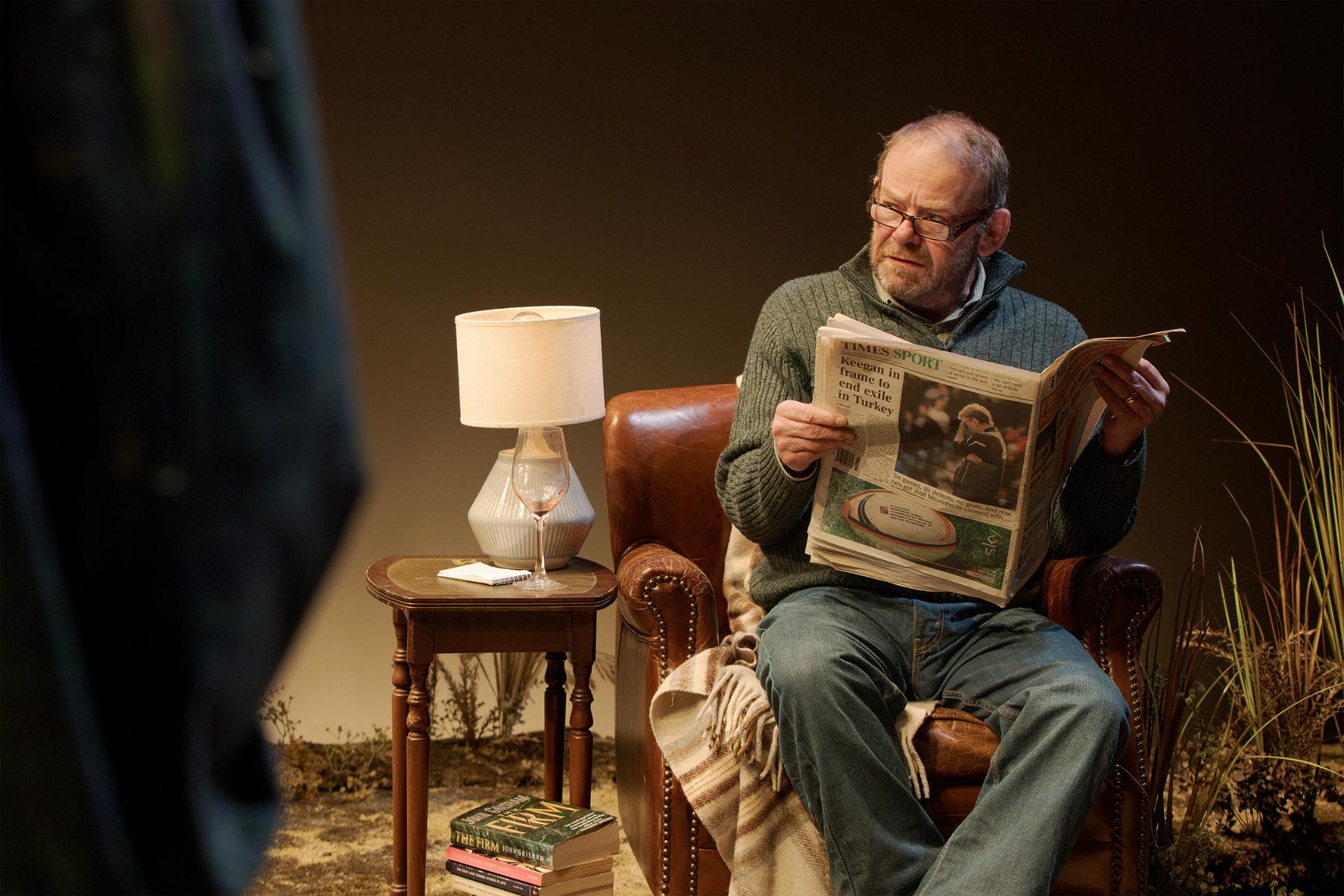
The impossible happened in 1978 when Irish provincial side the Munsters, met the almighty All Blacks. For many, it was an unforgettable event, not only in terms of the on-field activity, but also the innumerable surrounding stories, of ordinary people forever changed by the momentous occurrence. The nostalgia of John Breen’s 1999 play Alone it Stands has only become more poignant with time for fans of sport, who are certain to remain connected with the resonances of this uplifting piece.

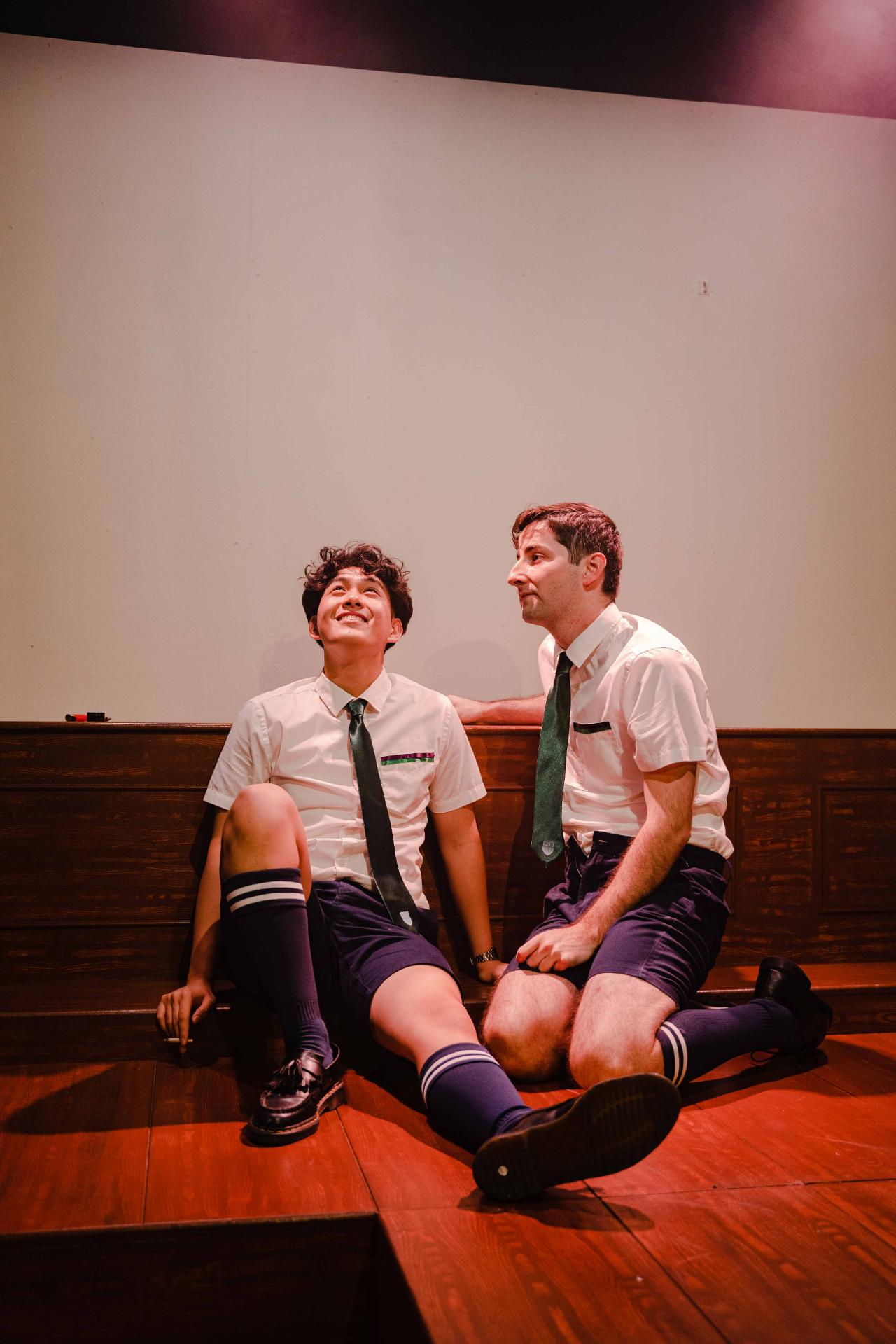
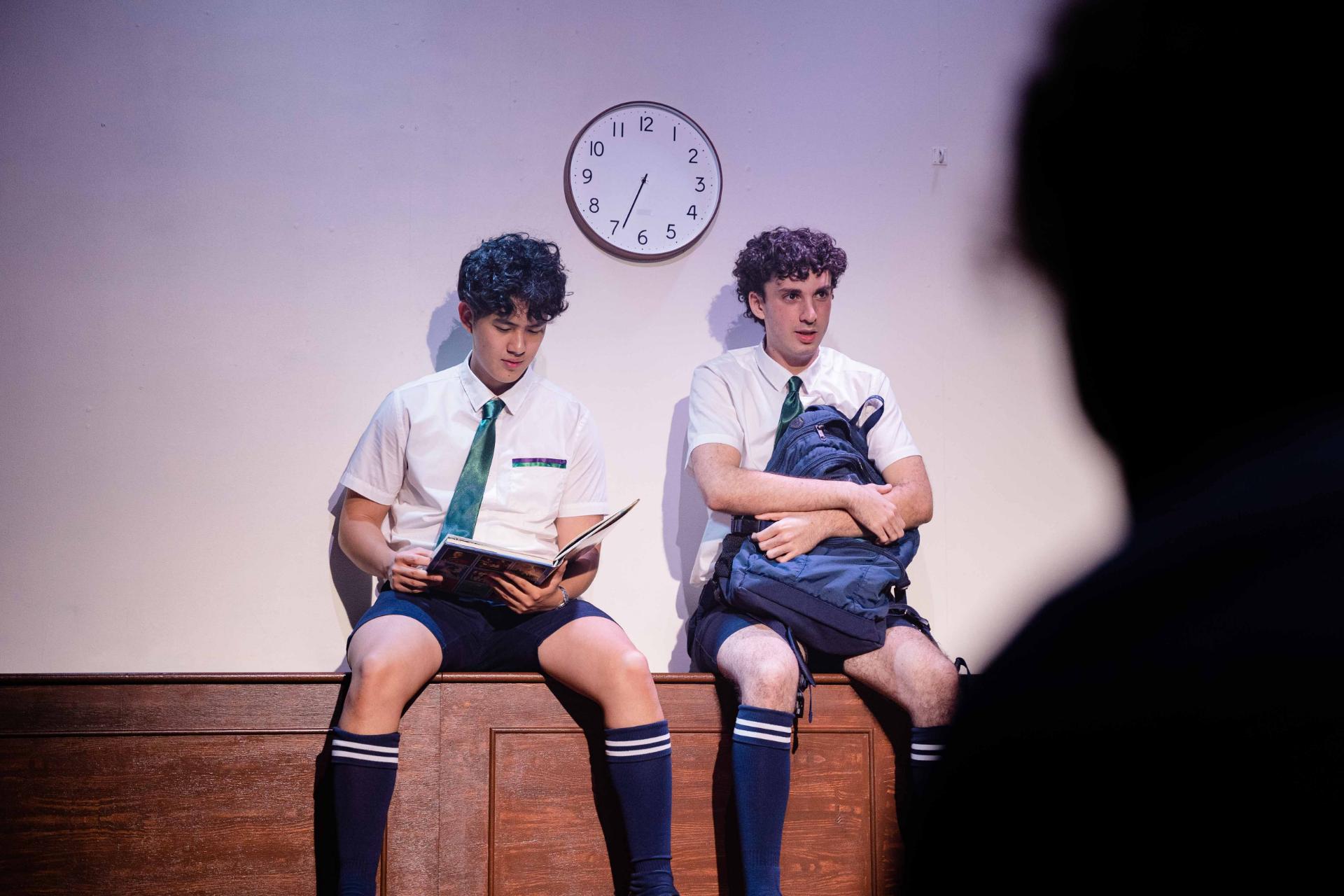
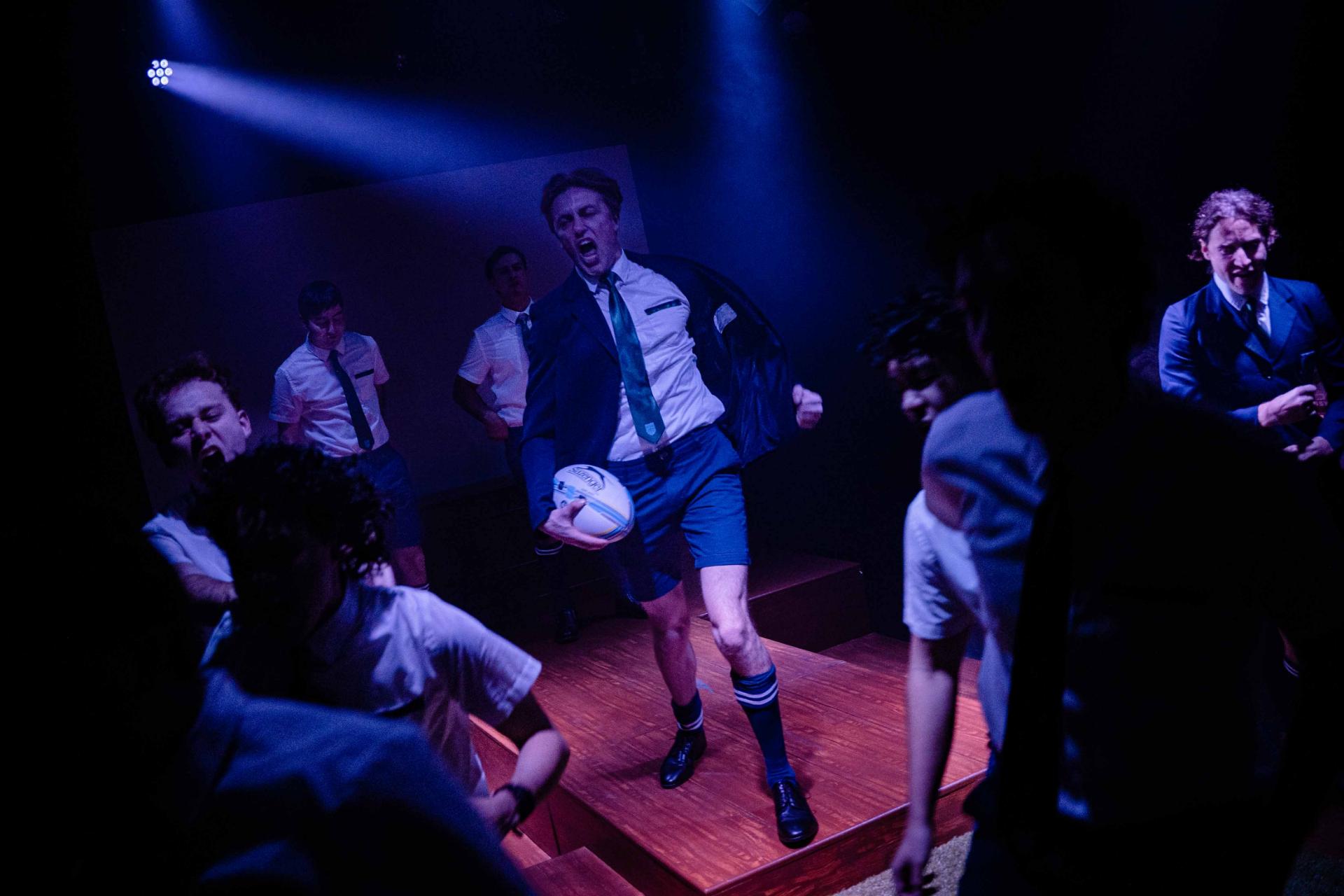
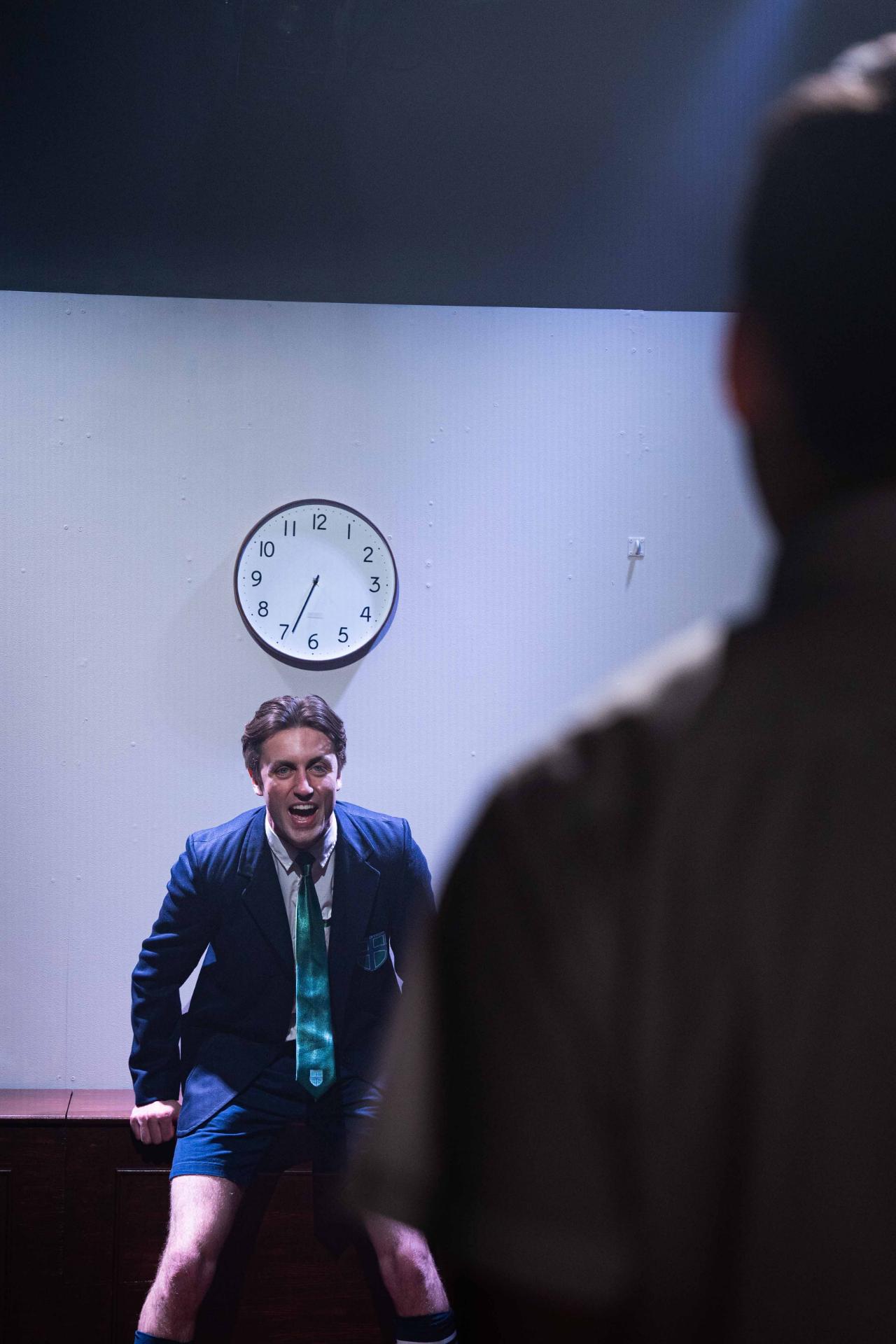
Direction by Janine Watson not only imbues Alone it Stands with appropriate emotional and comical dimensions, her work is memorable for its impressive physical and spatial aspects. A show about rugby calls for a considerable amount of kinetic animation, which Watson duly incorporates with flair and aplomb. The immensely likeable ensemble of six brings great charm and humour, to the 62 roles they ardently perform, on a stage relentless with its delightful effervescence.

Designer Emma White’s set and costumes offer simple but unequivocally effective solutions to the demands of a text that requires us to imagine a great number of personalities and locations. Lights by Matt Cox deftly calibrates for us, the many degrees of varying tension, as we traverse the highs and lows of an historic moment. Jessica Dunn’s music and sounds bring the drama, along with amusement, to something that is evidently more that “just a game”.

Myth making is integral to the formation of our collective identities. Theatre is a form of storytelling that involves a process of congregation that ultimately leads to consensus. It is a perpetual exercise in democracy perhaps, in a world that we now understand to be constantly in flux, but that never stops needing to define itself. What we wish to become, will forever be tied to how we remember origins; how we select, manufacture, prioritise and emphasise old narratives, is a reflection of who we are and a decisive factor of who we can be.

www.ensemble.com.au

Review: Saplings (ATYP)

Venue: The Rebel Theatre (Sydney NSW), Jan 24 – Feb , 2024
Playwright: Hannah Belanszky
Director: Abbie-lee Lewis
Cast: Maliyan Blair, Nyasha Ogden, Wesley Patten, Ioane Sa’ula
Images by Clare Hawley

Theatre review
Teenagers in Hannah Belanszky’s Saplings are in the habit of running foul of the law. The system goes after them, always threatening to enforce punishment, but nothing is in place to ameliorate or mediate situations. Belanszky’s compassion and grace for her characters, demonstrates clearly that something is not working, or maybe something in the system is built intentionally to go against these Blak and brown kids.

Saplings delivers the full humanity of those labelled “wayward youth” or “juvenile delinquents”, often with great humour, offering authentic insight that prevents any viewer from regarding them as contemptible. Directed by Abbie-lee Lewis, we find ourselves instinctively developing affection for these vibrant souls, able to connect with each of them, beyond every boundary, whether they pertain to age, class or race.

An endearing cast ensures our investment for every anecdote in the episodic presentation. Maliyan Blair’s effervescence is an immense joy, Nyasha Ogden’s sass is a gratifying representation of budding feminism, Wesley Patten’s unwitting tenderness melts our hearts, and Ioane Sa’ula’s precise dynamism gives real emphasis, to many of Saplings‘ meaningful resonances.

Lights by Morgan Moroney offer sensitive calibrations to atmosphere. Angela Doherty’s costumes contribute to the authenticity of the characters, though at times, the distinctions may not be entirely clear when actors assume multiple roles. The set, co-designed by Moroney and Doherty, establishes with an appealing minimalism, a certain presence for places and circumstances, along with useful tiers that help make the staging visually appealing. Music and sound by Michael Weir manipulate accurately our emotional responses, especially effective with the incorporation of rap and hip hop created by those in our youth justice system. Also noteworthy, is Tim Dashwood’s joltingly kinetic choreography for fight sequences, contributing to the zeal of a show about today’s youth.

It is evident in Saplings that Blak kids are not a problem to be solved. It is colonialism that needs to retreat, and for rightful custodians of these lands to have substantially greater control, over the values we hold, the ways we live, and the bridges we build. In the play, we see future elders being beaten down continually, but their glow never diminishes. What needs to be provided is fortifying nourishment, instead of the toxicity being deployed persistently over recent centuries. The resilience of our oppressed is certain to prevail; we just have to make way for them.

www.atyp.com.au

Review: The Strong Charmion (Flight Path Theatre)

Venue: Flight Path Theatre (Marrickville NSW), Jan 17 – 27, 2024
Playwright: Chloe Lethlean Higson
Director: Jess Ramsey
Cast: Gabrielle Bowen, Emily Crow, Niky Markovic, Alyssa Peters
Images by Clare Hawley

Theatre review
Chloe Lethlean Higson’s The Strong Charmion takes place 1921 in Sydney, where circus artist Rosalie Whitewood works a striptease trapeze act, delighting and titillating crowds with her exceptionally tall and muscular physique. Inspired by American strongwoman Charmion, Higson’s play is about the life and loves of a woman who dared, a century ago, to be different not only with her appearance, but also with her evolving desires.

Characters in the play are fascinating, with thoroughly modern depictions of people in a historical context, making this a meaningful exercise in nostalgia. Direction by Jess Ramsey demonstrates a distinct spiritedness, but greater attention to detail is required, for the storytelling to be more engaging. Actor Gabrielle Bowen brings an appropriate sense of authority to the eponymous role, leading a cast brimming with passionate dedication.

Bella Saltearn’s set and costume designs are memorable, richly imagined and implemented with exceptional taste, bringing considerable finesse to the production. Lights by Catherine Mai are sensual and inventive, effective at conveying the appropriate tone for each scene. Music and sounds by Andy Freeborn offer dynamic range to the staging, bringing both heightened drama and restrained melancholia, to help amplify emotional dimensions of The Strong Charmion.

It seems we are only now beginning to acknowledge, that some people’s sexualities do change with time. In The Strong Charmion there is admirable effort not only to demonstrate the naturalness with which a person’s sexual proclivities can transform, but also that each person’s relationship with their own body image is unique, and can therefore never really adhere to traditional modes of categorisation, including the gender binary. It is probable that humans are by nature queer, that the immovable cisgender-heterosexuality that has come to define our hegemony, is actually experienced only by a real minority.

www.flightpaththeatre.org

Review: Things Hidden Since The Foundation Of The World (Sydney Opera House)

Venue: Sydney Opera House (Sydney NSW), Jan 19 – 21, 2024
Playwright: Javaad Alipoor, Chris Thorpe
Director: Javaad Alipoor
Cast: Javaad Alipoor, Raam Emami, Asha Reid
Images by Chris Payne

Theatre review
It was 1992 when queer Iranian popstar Fereydoun Farrokhzad was found murdered in exile. To the English-speaking world, theatre maker Javaad Alipoor would describe Farrokhzad as Iran’s answer to Tom Jones, but that description is of course fraught with inaccuracies. Being Persian-English and child of an immigrant, Alipoor is sensitive to his existence as being simultaneously two things, and being in-between. It is a colonised experience of never really being whole, described by the term “subalternity”, which Alipoor introduces at the beginning of his show Things Hidden Since the Foundation of the World.

When in a position of subordination, one is keenly aware of the futility and impotence, of not just translations across boundaries, but also of the very phenomenon of meaning creation itself, especially in the current moment, when the availability of information seems to exist only as chains of replication on the internet. Alipoor talks a lot about Wikipedia, as a model of how we try to understand things in the modern age, and the rabbit holes that our venerated technologies engender. There is an inexhaustibility to the representation of facts, but truth is elusive. His concepts for Things Hidden are valuable, but they are expressed in complicated ways, which pose a real challenge for our minds, and one can be fairly certain that to attain a high level of concurrent comprehension for the wordy (and speedy) text, is probably an impracticable exercise.

Alipoor’s intricate and perplexing expressions are however, unquestionably theatrical. Things Hidden is an entrancing work. With stage, costume and lighting design by Benjamin Brockman, we observe a sophistication and confidence, that underpin the characteristic abstruseness of the show. Along with Limbic Cinema’s correspondingly complicated video projections, the overall visual effect is kaleidoscopic and quite beguiling. Music by Raam Emami, performed live by Me-Lee Hay (along with other members of cast), is consistently gripping, always on hand to manufacture an air of urgency. Sound design by Simon McCorry adds to the general flamboyance, for a production that insists on our attentiveness, even when we feel unable to absorb enough of the goings on.

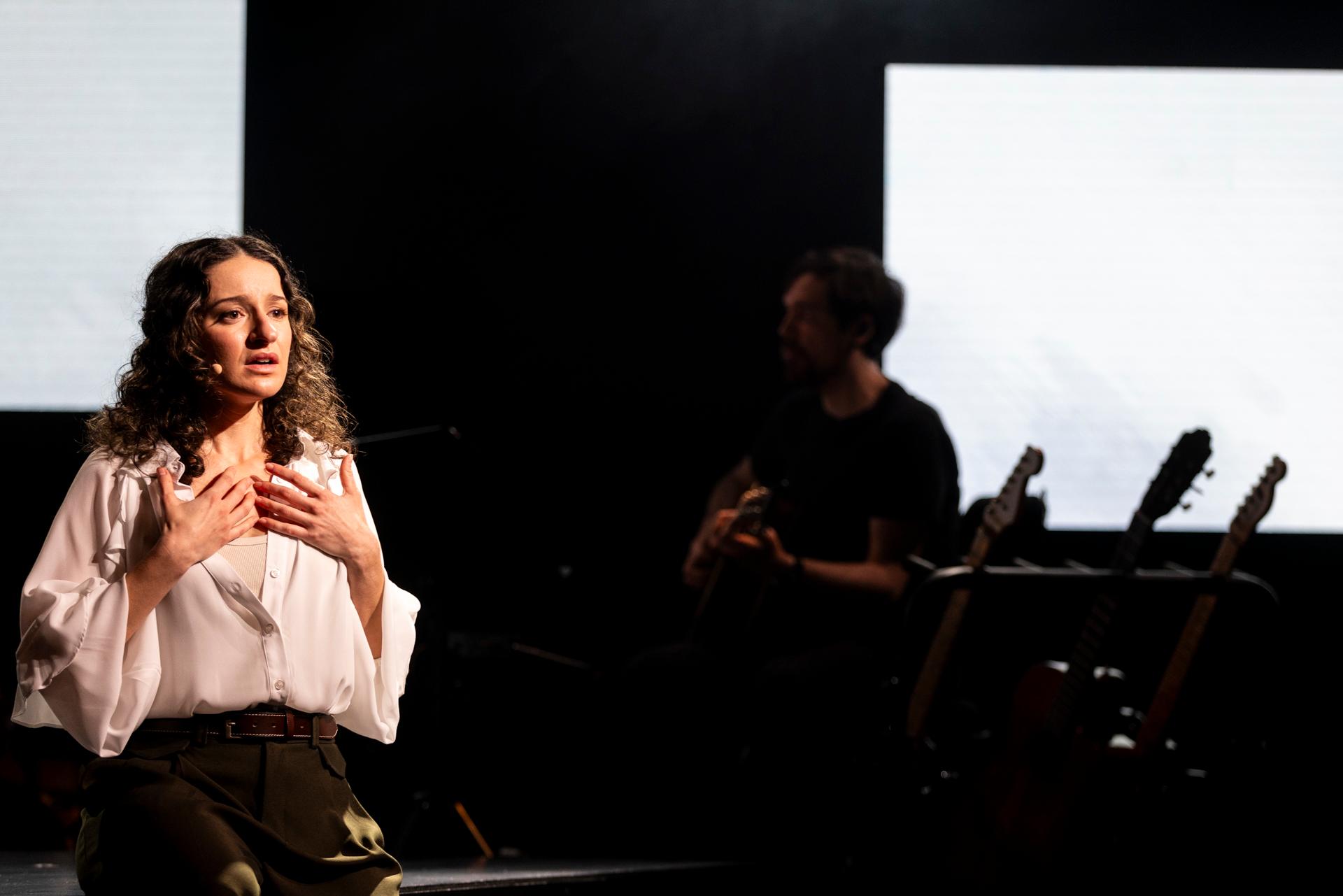
As performer, Alipoor’s august presence maintains a believability for his material, which he offers with great conviction, in a somewhat instructional style. The previously mentioned Emami charms the audience with his personal anecdotes, delivered with exceptional affability, in sections of the show that feel more accessible. Asha Reid, completely convincing in the role of a podcaster, impresses with the velocity and precision, with which she attacks the density of the text, written by Alipoor and Chris Thorpe.

In watching Things Hidden Since the Foundation of the World, one experiences something that can probably de described as the visceral effects of knowing. This happens with so much of art, when our brains feel like they might be drawing a blank, but other aspects of our corporeality go through their own processes of ingestion and interpretation. With time, we discover a certain growth, one that might appear much later than perhaps anticipated. The nature of knowledge might be deeply byzantine, but within this existence, there are few things more gratifying, than when we know.
www.nationaltheatreofparramatta.com.au | www.homemcr.org

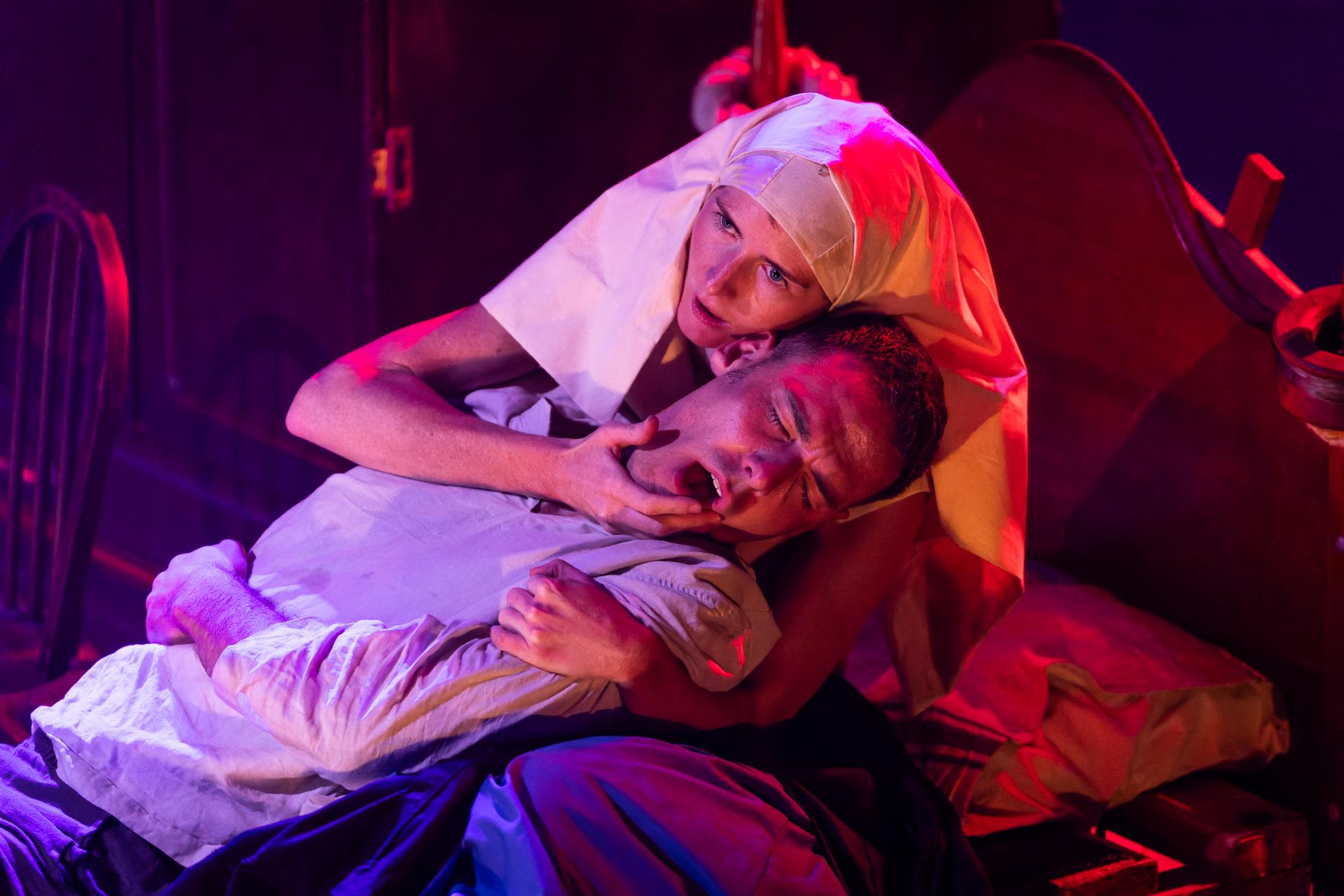
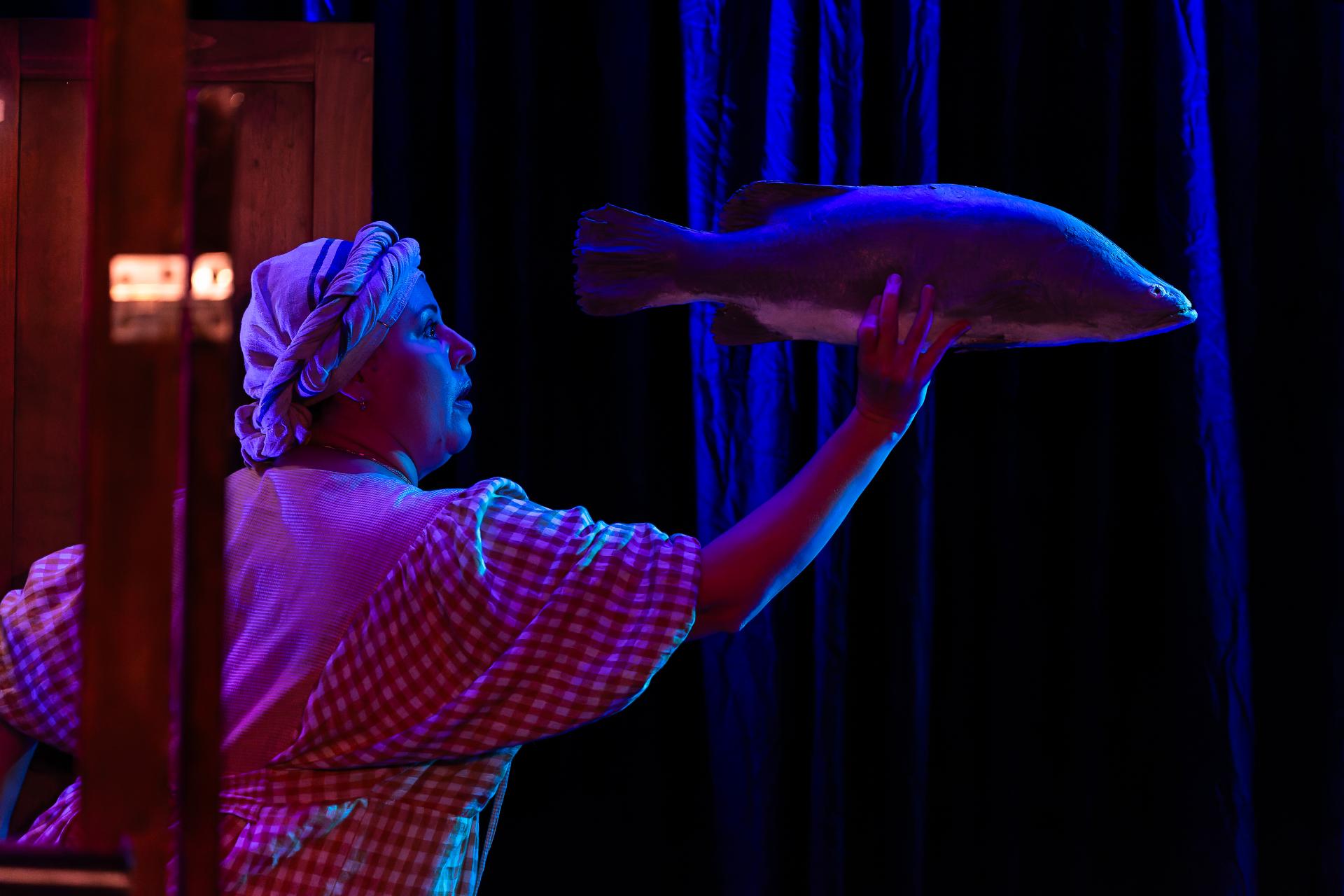
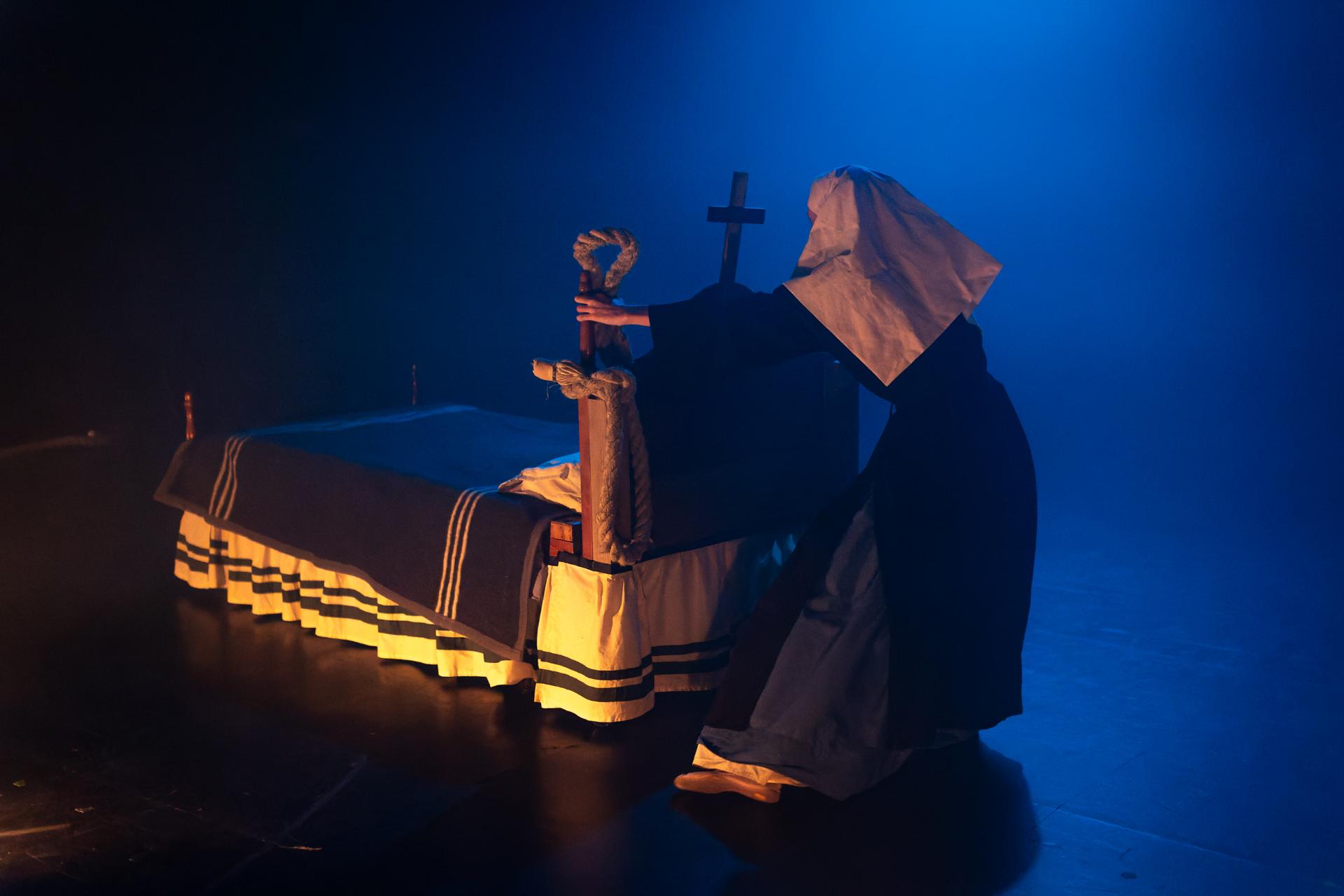
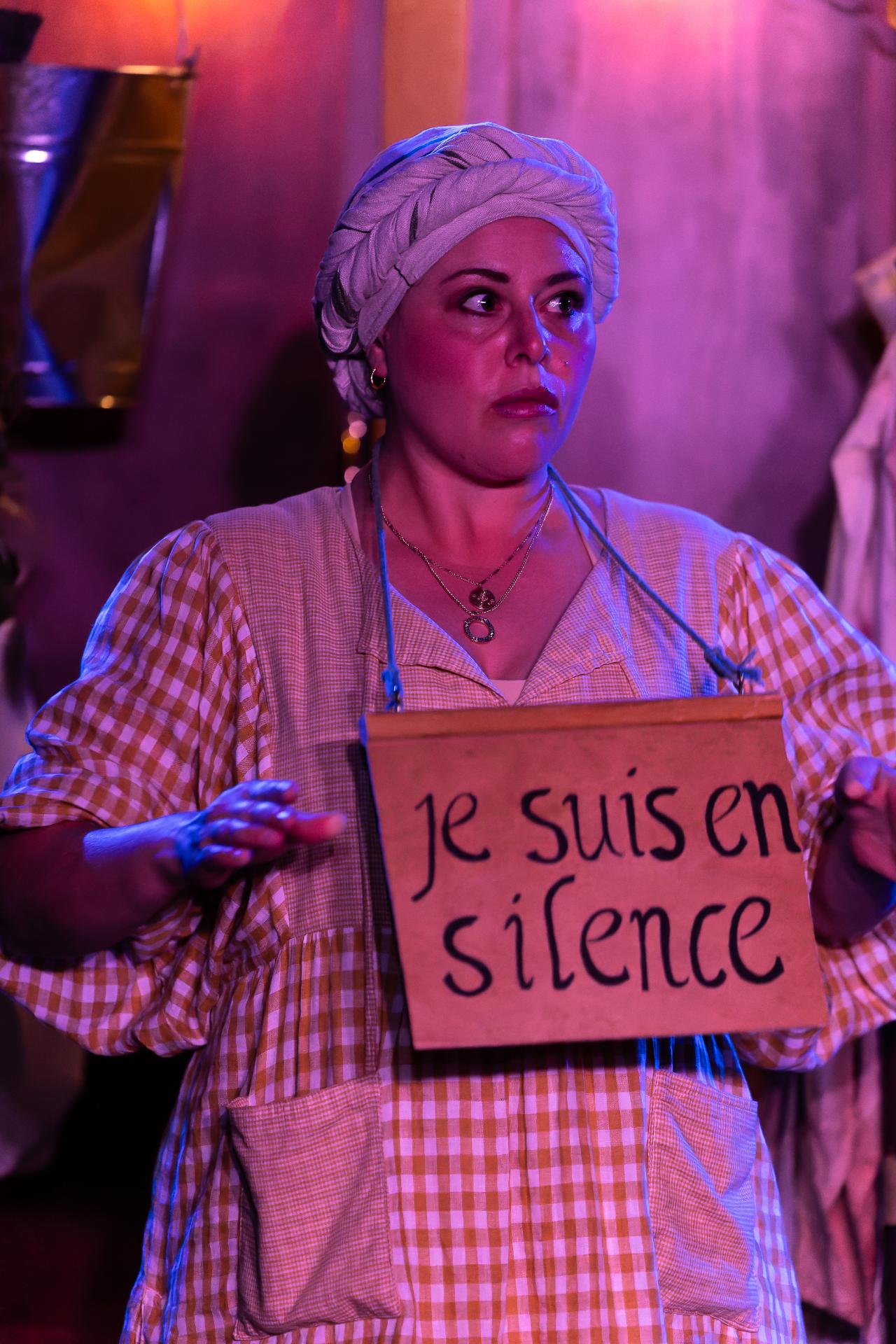
Review: The Lonesome West (Old Fitz Theatre)

Venue: Old Fitzroy Theatre (Woolloomooloo NSW), Jan 13 – Feb 10, 2024
Playwright: Martin McDonagh
Director: Anna Houston
Cast: Lee Beckhurst, Andre de Vanny, Ruby Henaway, Abe Mitchell
Images by Saz Watson

Theatre review
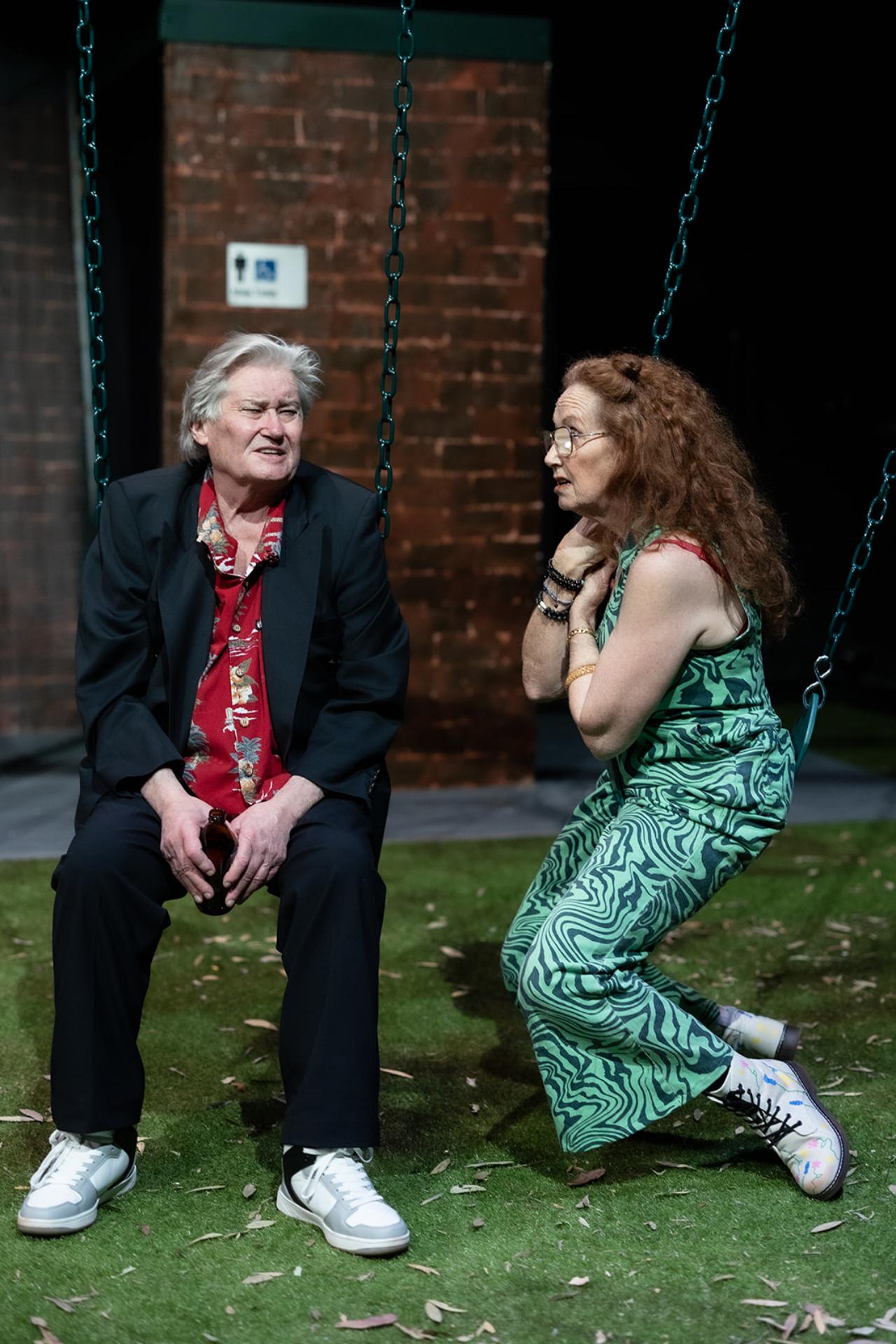
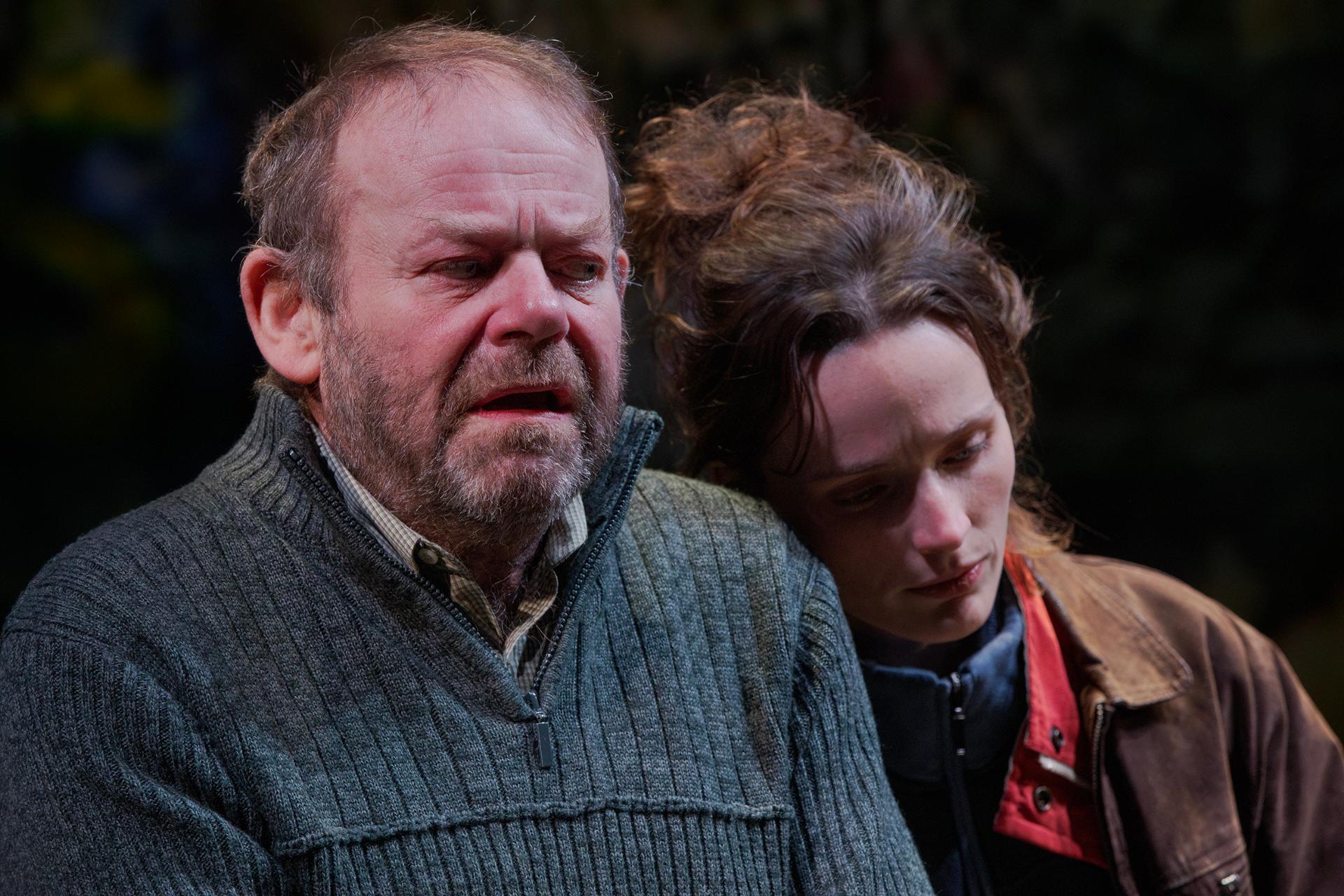
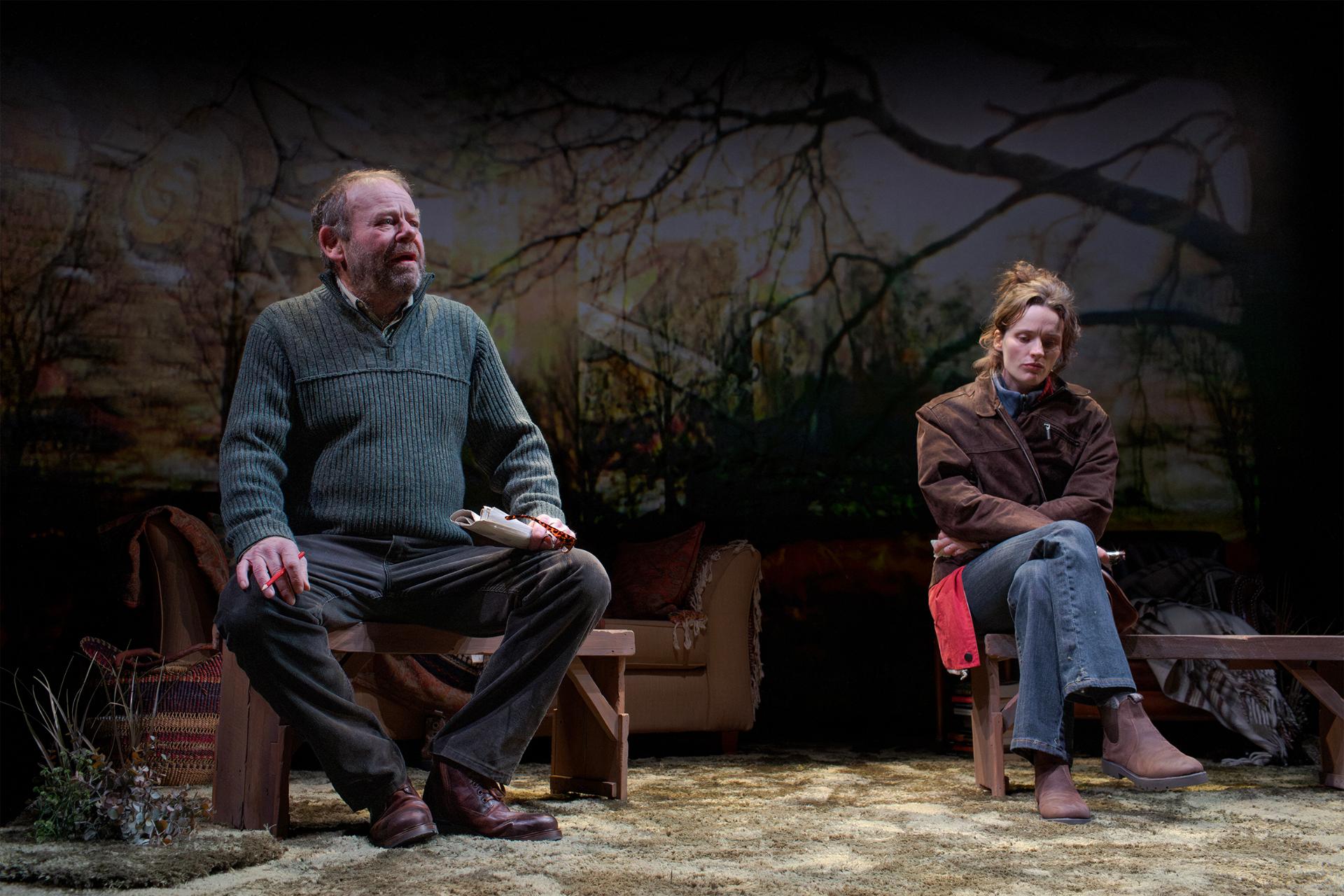
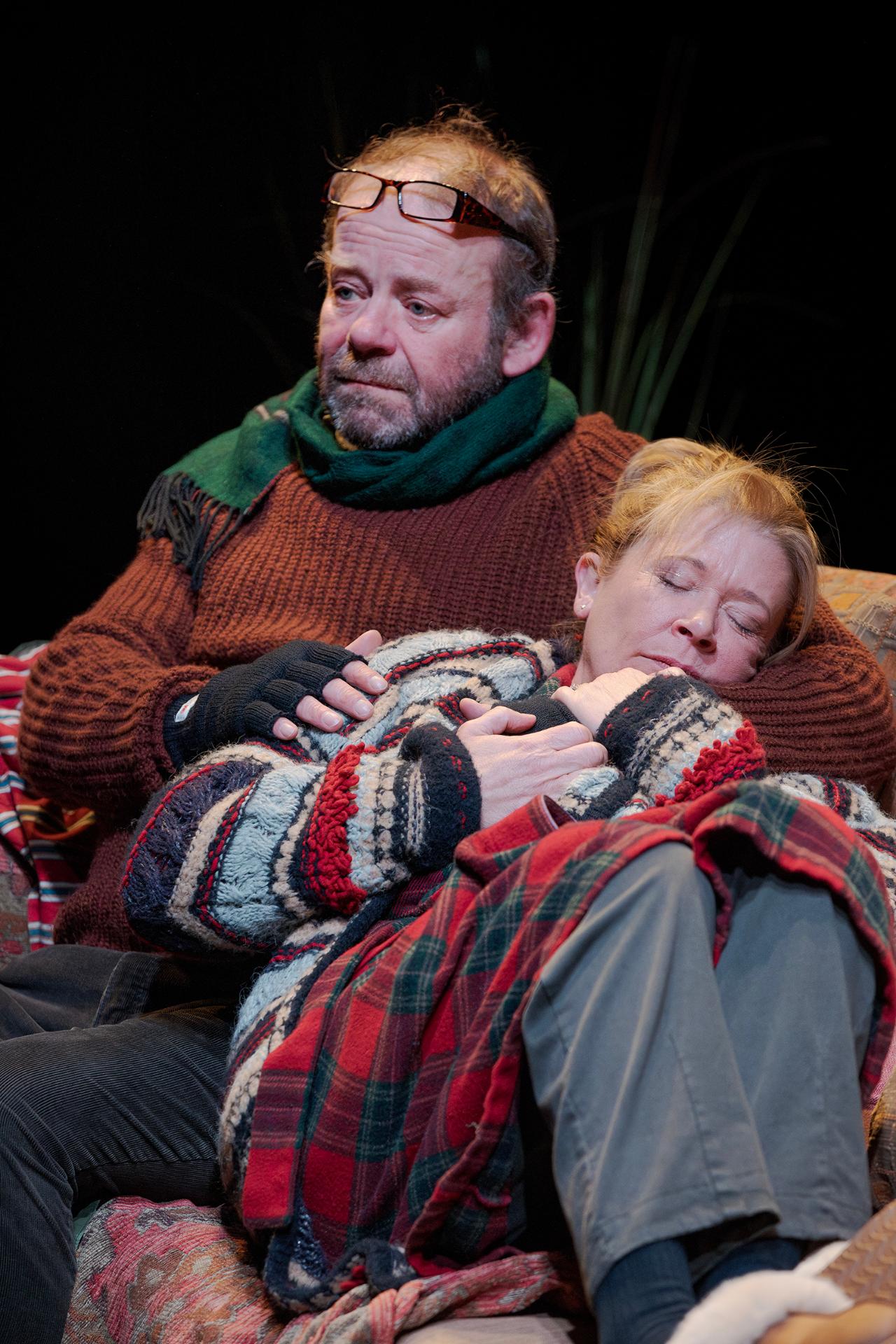
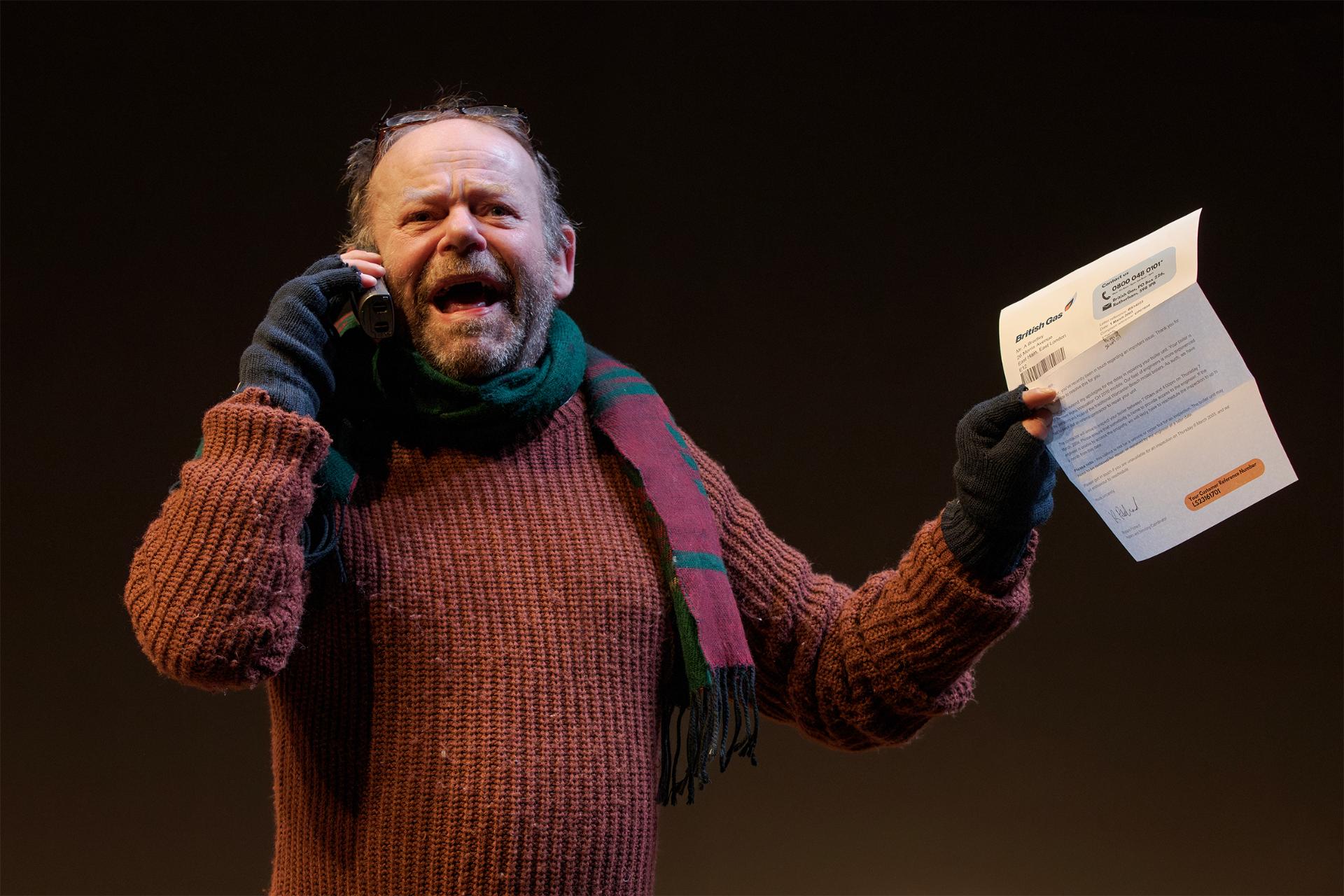
Coleman and Valene are brothers who fight all day, over the pettiest of things like crisps and religious figurines. Local priest Father Welsh is at the end of his wits, trying to be peacemaker, whilst fulfilling his duties for a parish that seems to be beyond redemption. Martin McDonagh’s 1997 play The Lonesome West is set in the western Irish town of Leenane, where resources are limited, and hope even more scarce. The humour is absurd and very dark, about a couple of ne’er-do-wells who never hesitate to use language that is misogynist, homophobic and racist. Contemporary audiences might find those instances quite jarring, but the fact remains, that we are not supposed to ever regard the men as anything but undesirables.

Directed by Anna Houston, the show is relentlessly hilarious, never missing a beat with its comedy. Whether broad or nuanced, Houston goes into remarkable detail, in order that the theatrical experience is persistently engrossing and rib-tickling. Her cast rises to every challenge, keeping us thoroughly enthralled for the surprisingly swift two-and-a-half hour duration.

Andre de Vanny is masterful in the role of Valene, delivering for the character every shade of human response, from naturalistic to bizarre, in his astonishing depictions of a parochial type. Coleman is played by Lee Beckhurst, whose acerbic approach makes for a thrilling rendition of a despicable yet charismatic personality. The pair’s ignitable chemistry and flawless timing, ensure that we are always amused, even if The Lonesome West takes place somewhere quite alien to where we are, in our here and now. Additional performers Ruby Henaway and Abe Mitchell demonstrate great dedication, as they each bring meaning, as well as amusement, to their respective parts.

Set and costumes by Kate Beere offer a sense of accuracy to whom and where we visit, giving further visual resonance to the storytelling. Lights by Spencer Heard, along with music by Zachary Saric, provide subtle enhancements to the staging, very measured and intentional with every gesture they introduce to the action.

The essence of how people battle, and how our hate manifests, points to the unyielding self destructiveness of our very nature. Coleman and Valene are kin, but they can never stop finding ways to identify every point of discord and division, unable to be content with any notion of harmony and unity that should come naturally by virtue of their familial bond. Much of the comedy in The Lonesome West relies on the obvious stupidity of their war. If only it is quite as easy to laugh in real life, as we agonise every day, about all the annihilation we seem mercilessly determined to inflict on ourselves.

www.oldfitztheatre.com.au | www.empresstheatre.com.au

Review: Tiddas  (Belvoir St Theatre)

Venue: Belvoir St Theatre (Surry Hills NSW), Jan 12 – 28, 2024
Playwright: Anita Heiss
Directors: Nadine McDonald-Dowd, Roxanne McDonald
Cast: Lara Croydon, Sean Dow, Jade Lomas-Ronan, Nadine McDonald-Dowd, Roxanne McDonald, Anna McMahon, Perry Mooney
Images by Stephen Wilson Barker

Theatre review
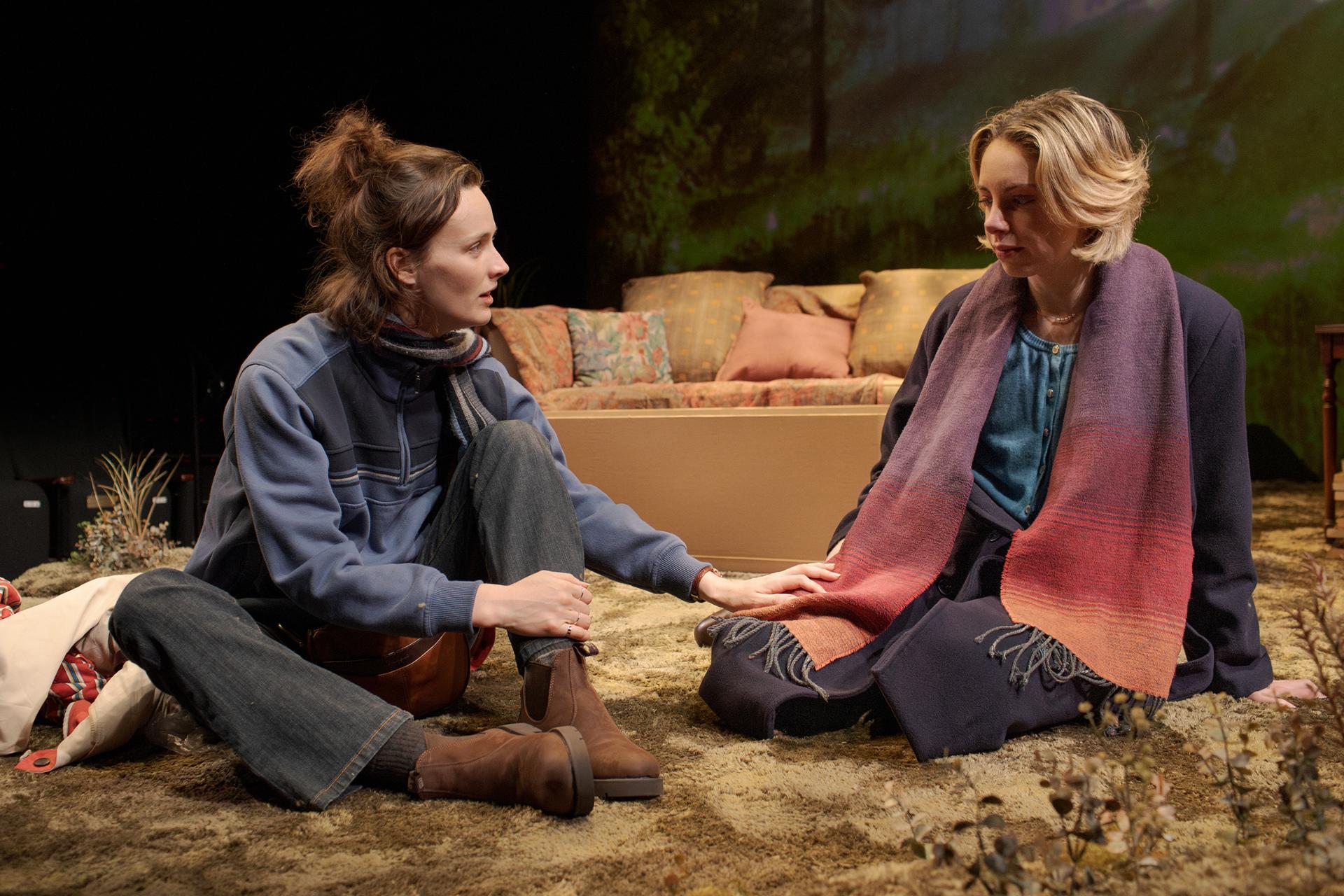
Having been childhood friends for thirty years, this group of five women has nothing to hide from one another. In Anita Heiss’ Tiddas, it is the frankness of these characters, that guide us to a meditation on some of the deeper aspects of life on this land. Most of the people we meet in the play are Aboriginal, and we benefit from their socially resonant discussions about identity and sovereignty. On more intimate levels, there are explorations into topics such as motherhood, romance and friendship; all dealt with in a fiercely authentic way, that enables us to examine some of the central elements of our shared humanity, with admirable clarity and honesty.

Directed by Nadine McDonald-Dowd and Roxanne McDonald, Tiddas is consistently engaging, always an entertaining watch, whilst keeping our minds attentive to the sensitive subjects being explored. There is a gentle beauty being rendered by aesthetical aspects of the show, a softness perhaps that is commensurate with the diversity of feminine qualities we encounter. Set and costumes by Zoe Rouse are vibrant, colourful and with a sense of sumptuousness that puts us at ease, so that we remain open to the ideas being studied. Lights by Jason Glenwright and sounds by Wil Hughes, are both intricately consistent with every ebb and flow of the drama and the comedy, ensuring that the atmosphere is in complete harmony with each stage of the storytelling.
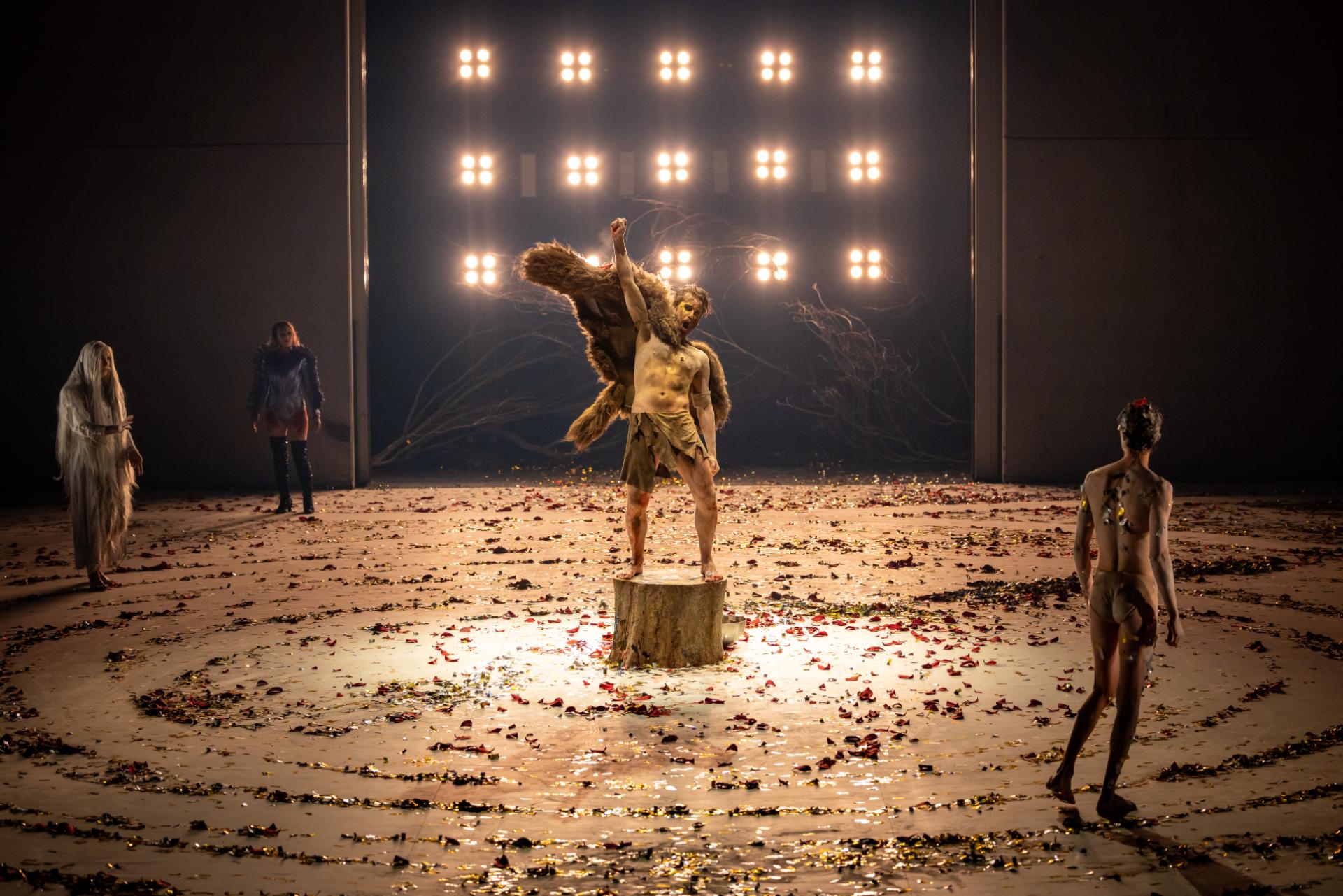
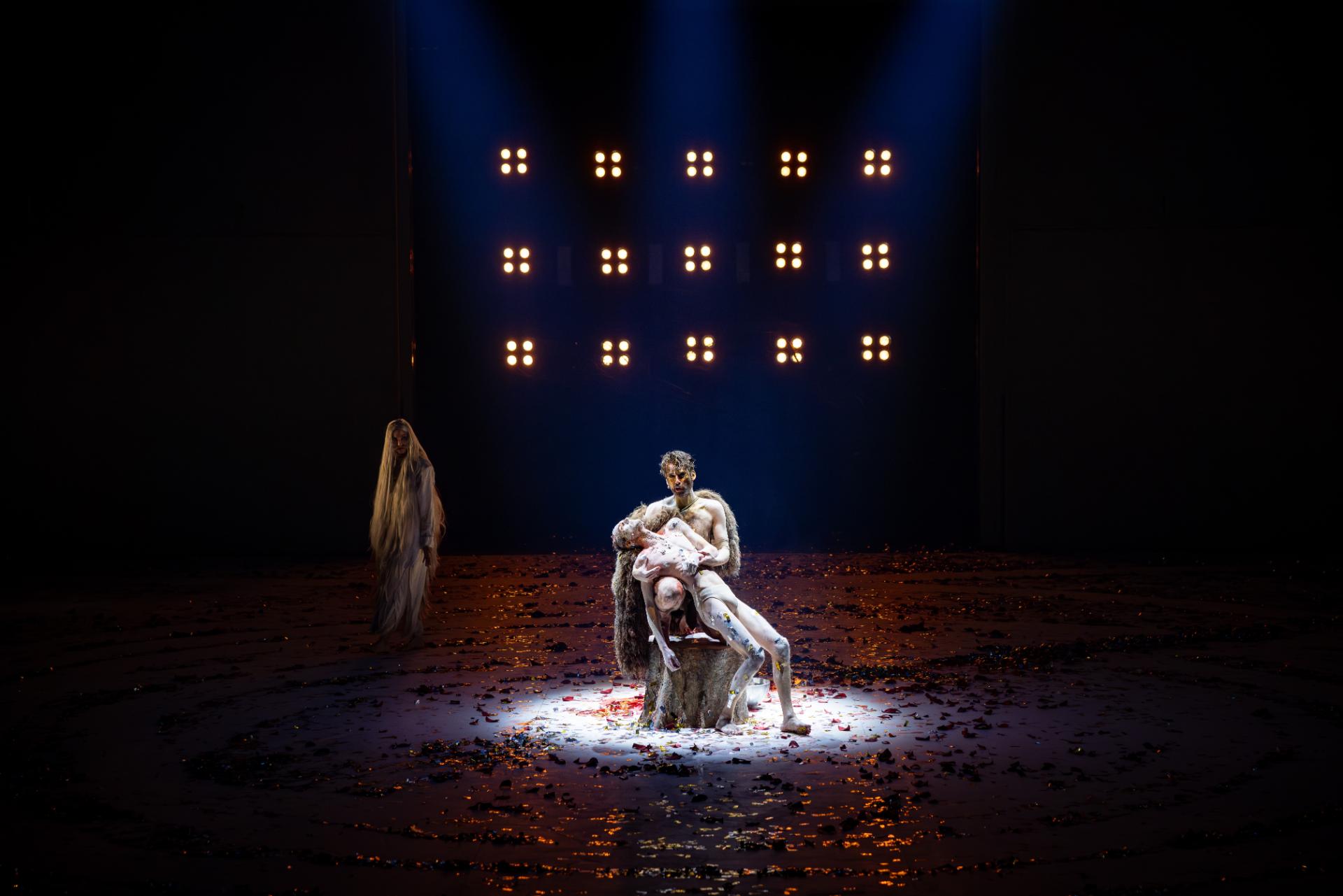
The cast of seven is exceptionally warm,  with a wonderful chemistry that makes every interchange believable. There are however moments in their performance that can be excessively declarative in style, in ways that move our involvement as an audience away from instinct and emotion, to somewhere a little too logical. It is when the personalities are convincingly natural, that we can really sink our teeth into all the richness that Tiddas intends. Roxanne McDonald (aforementioned as co-director) and Perry Mooney are particularly strong with the level of naturalism they introduce, allowing us to relate meaningfully, to the many worthy concerns of the show.
There is so much in modern life that prevents us from being real. It is only in the presence of close friends and family that we can be who we truly are. It is also in art, that we can be encouraged to peel away pretences and mendacities, to understand our truest natures. In Tiddas we can see what are most important to the five women, and decide for ourselves, how much in common we have with their bliss.

www.belvoir.com.au | www.laboite.com.au