Review: I & You (25A Belvoir)

Venue: Belvoir St Theatre (Surry Hills NSW), May 6 – 18, 2025
Playwright: Lauren Gunderson
Director: Claudia Barrie
Cast: Josh Hammond, Alyssa Peters
Images by Phil Erbacher

Theatre review
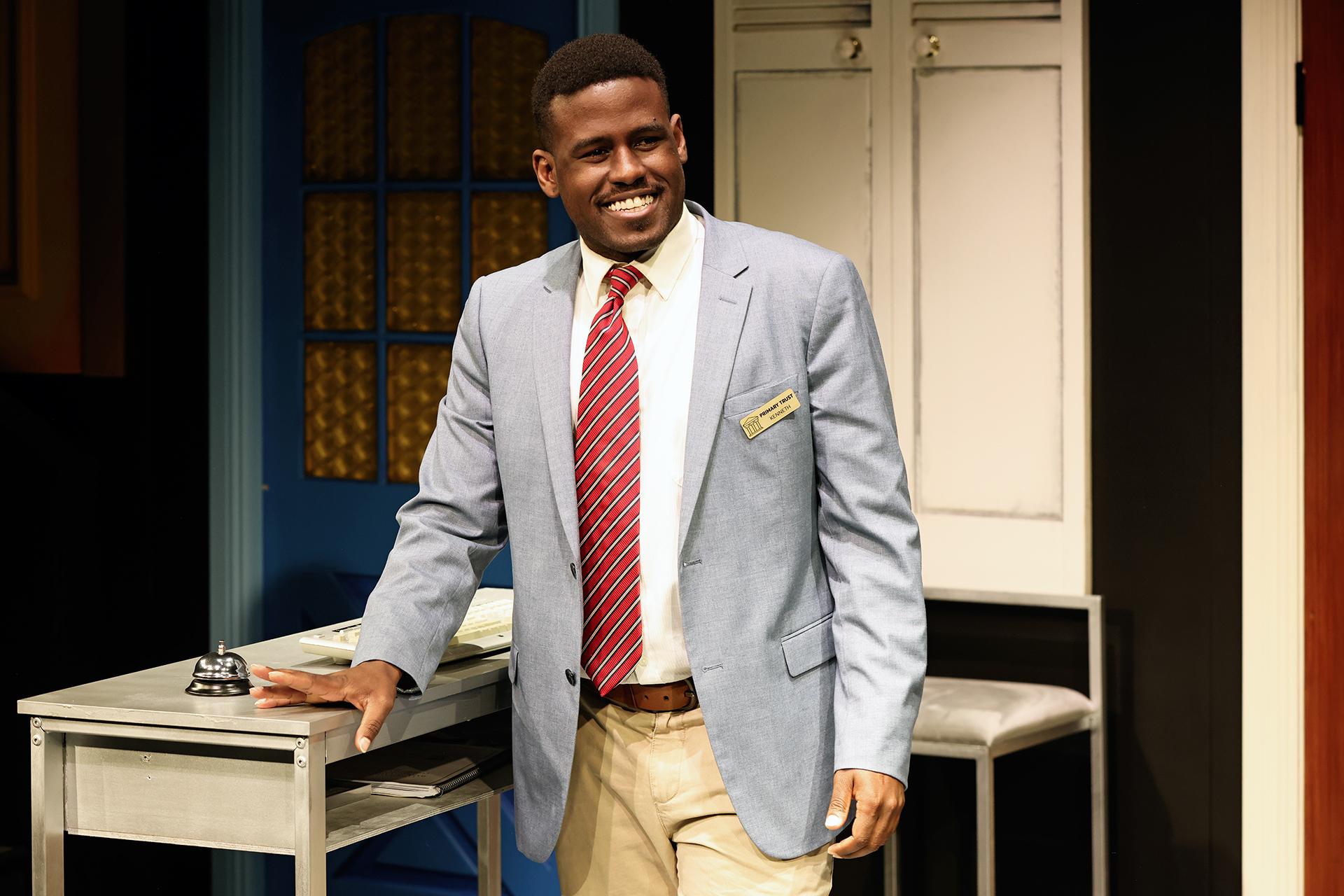
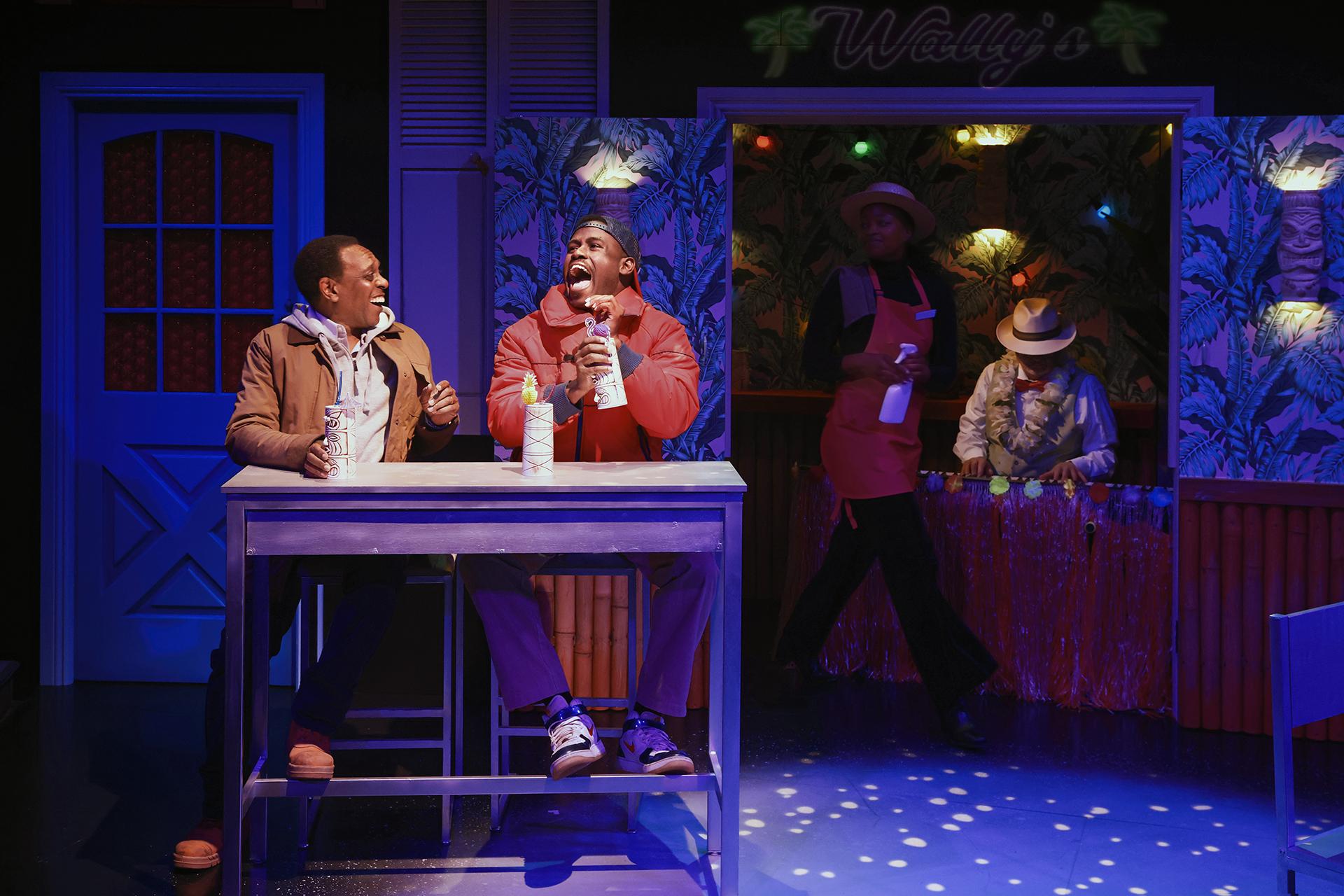
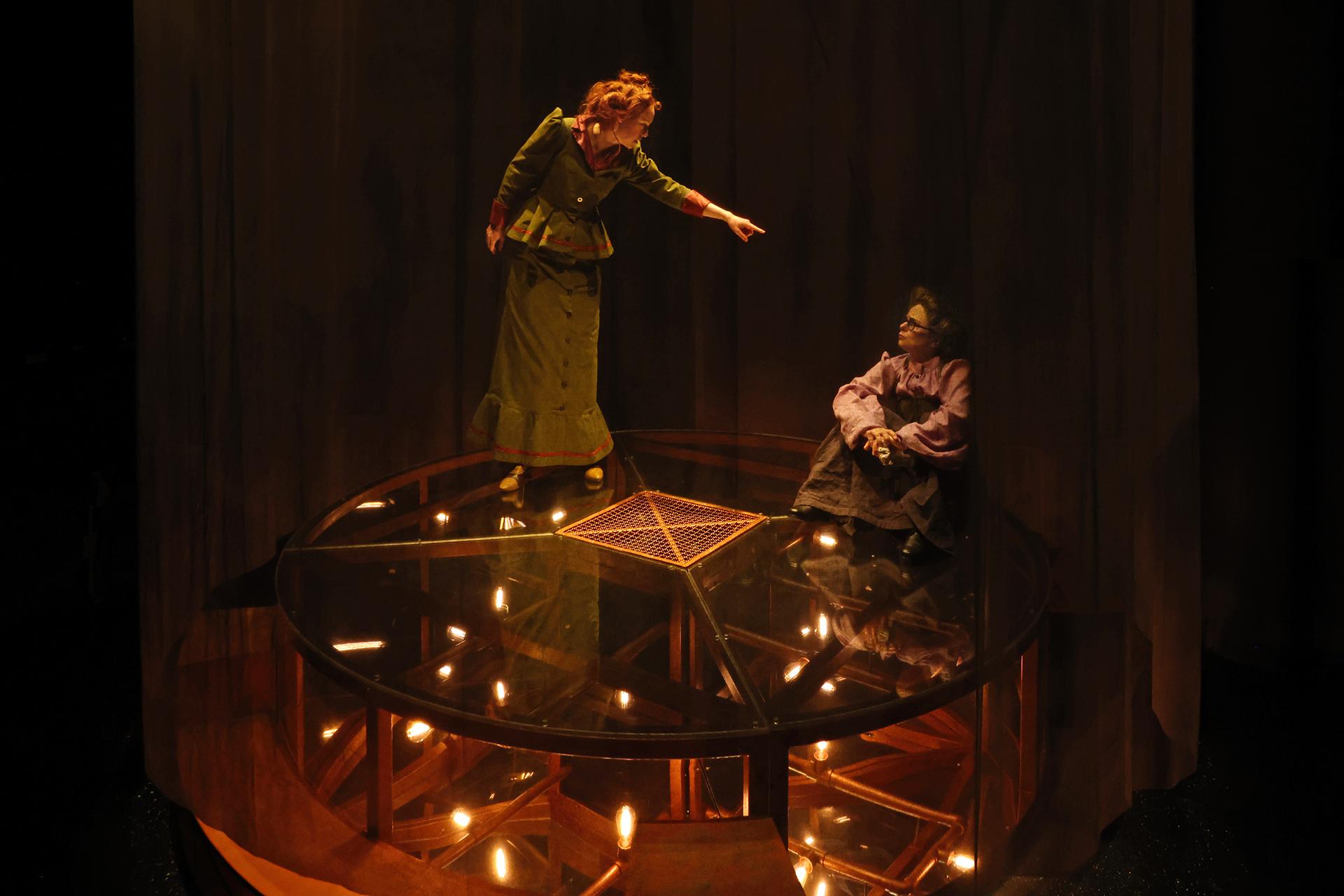
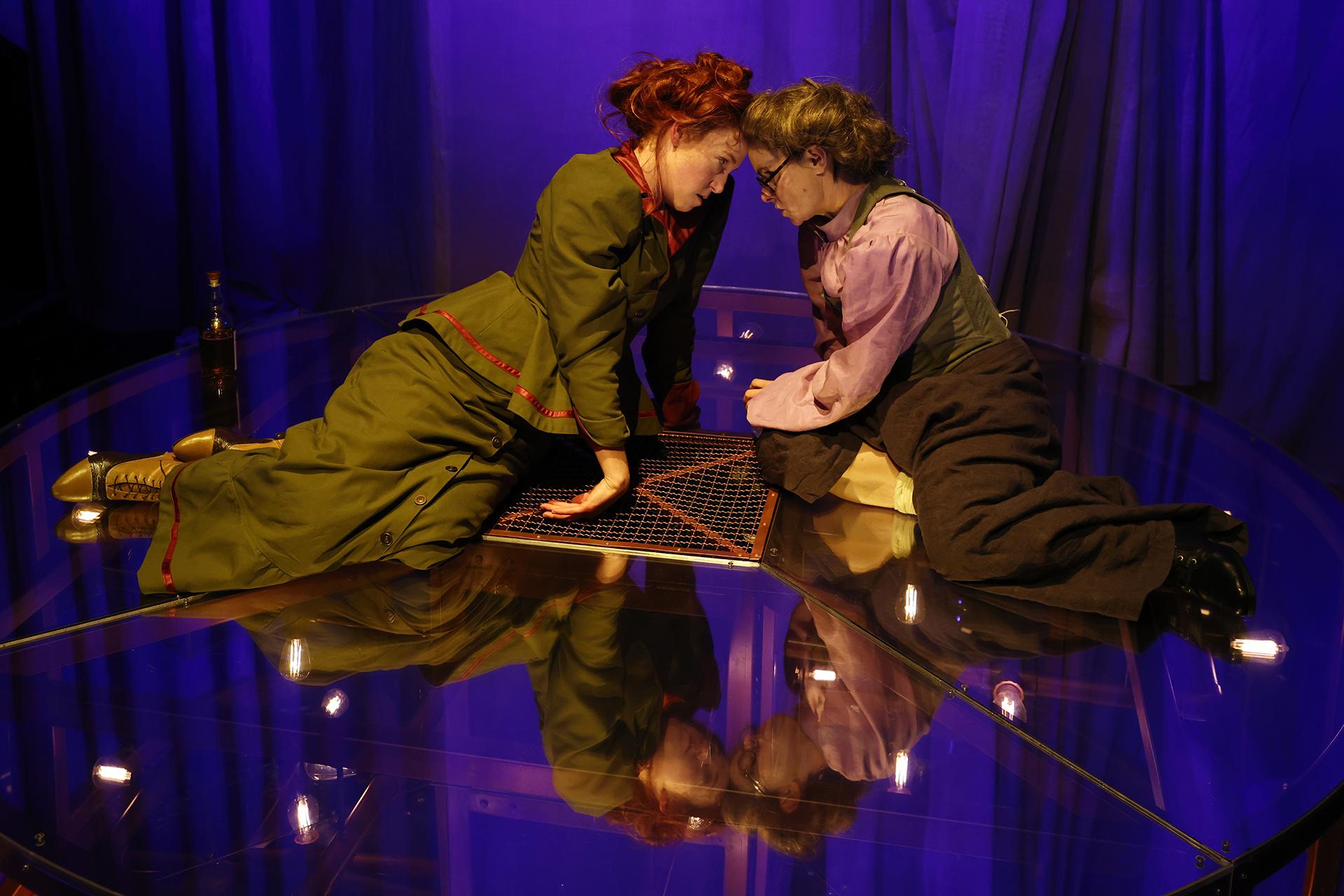
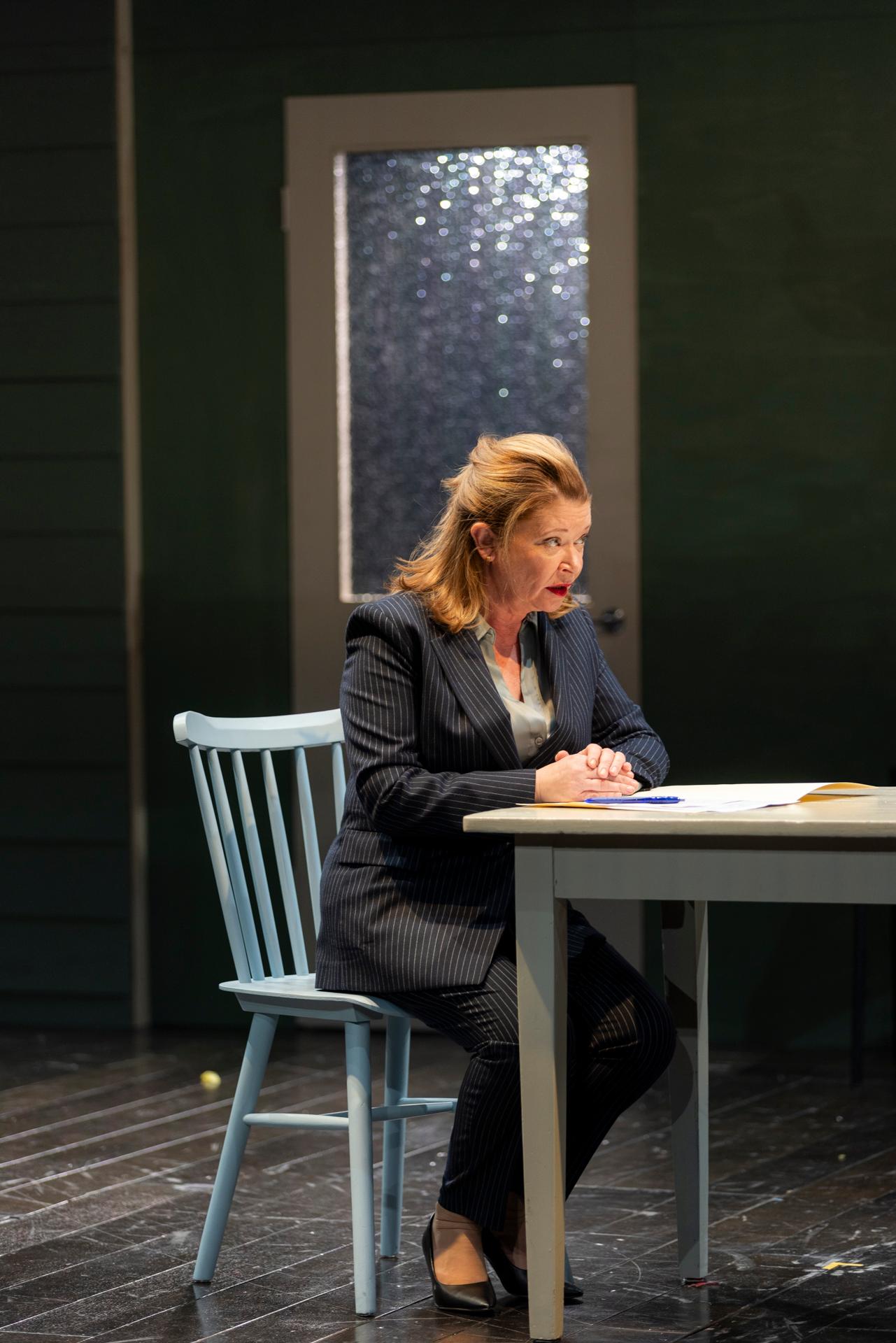
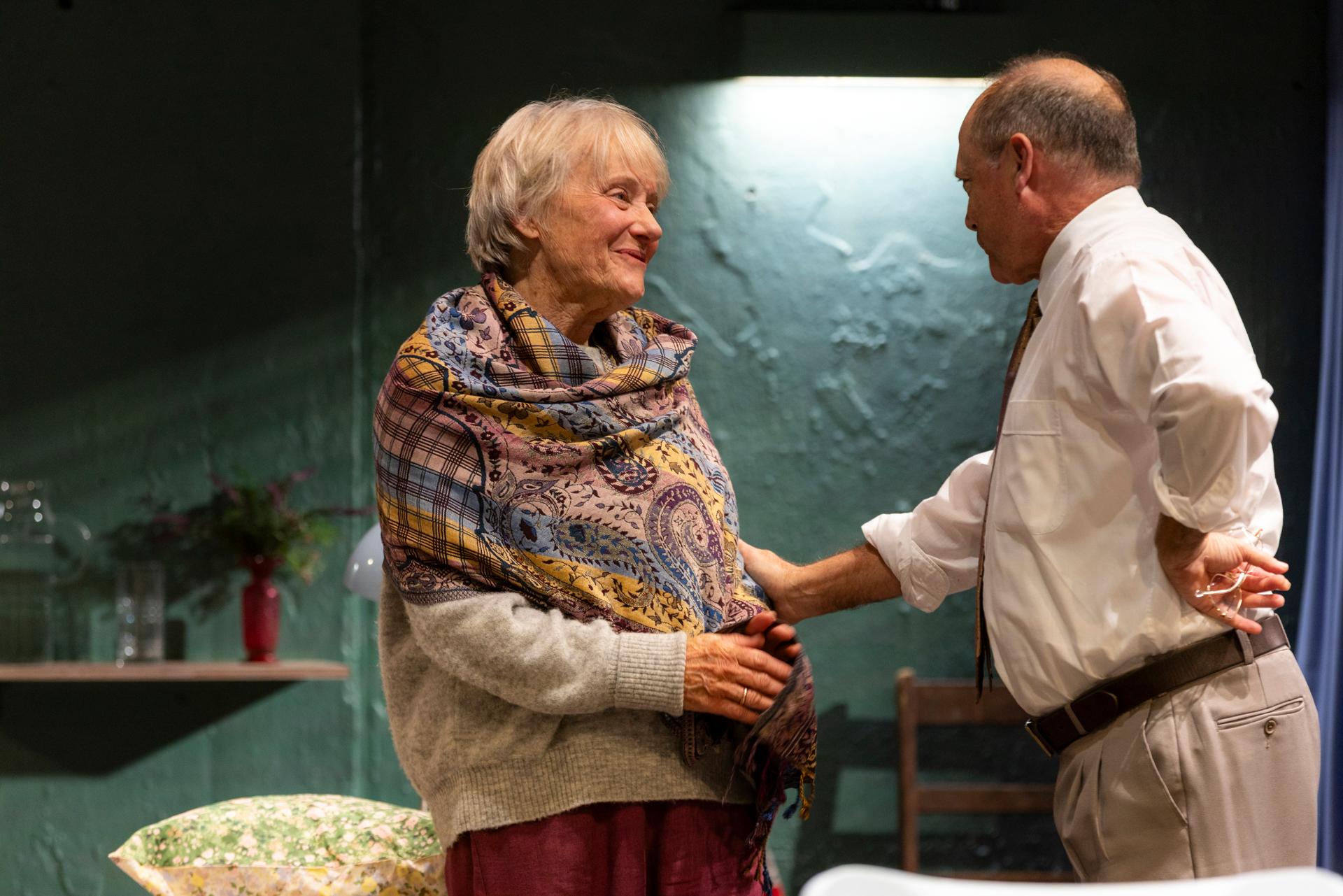
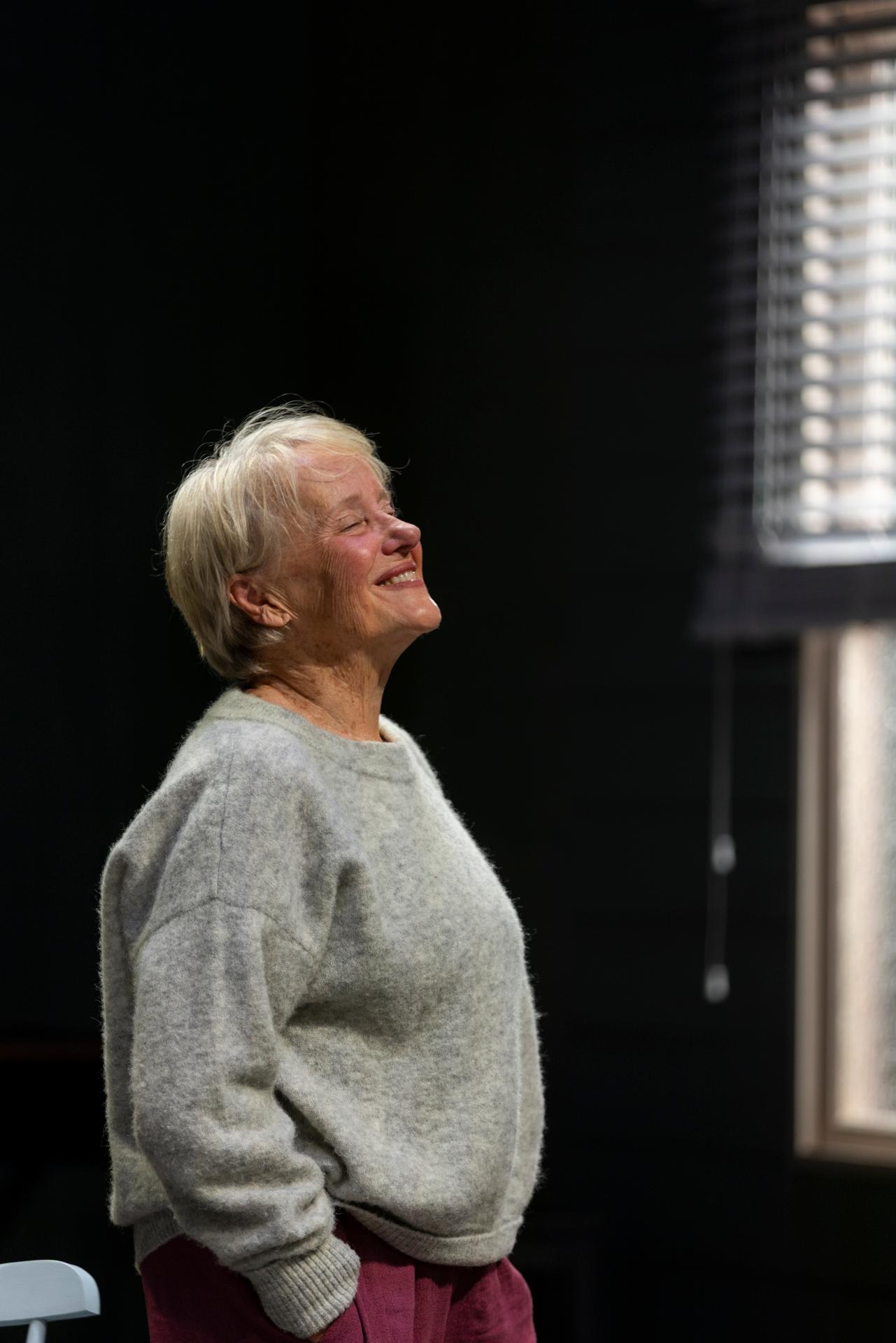
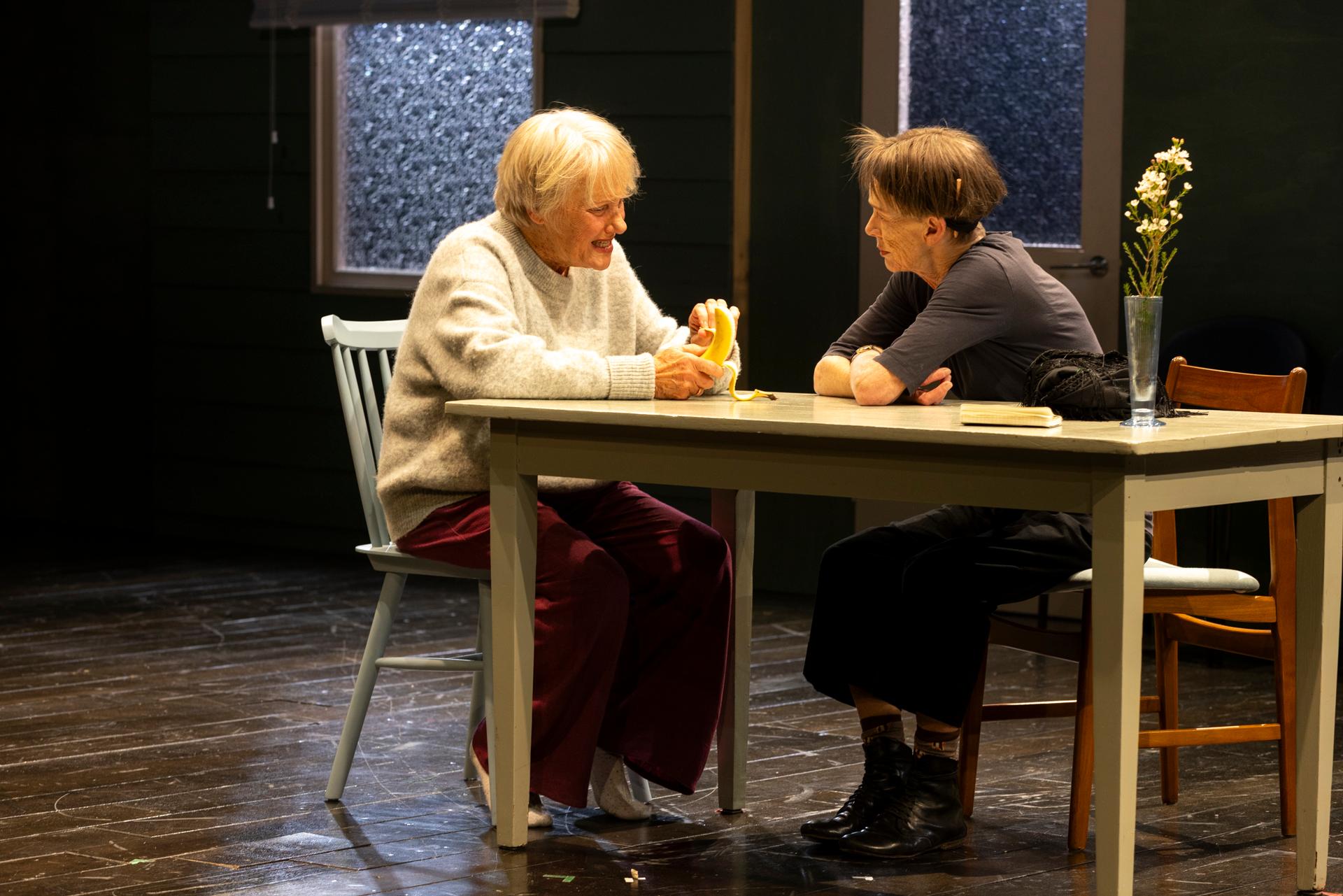
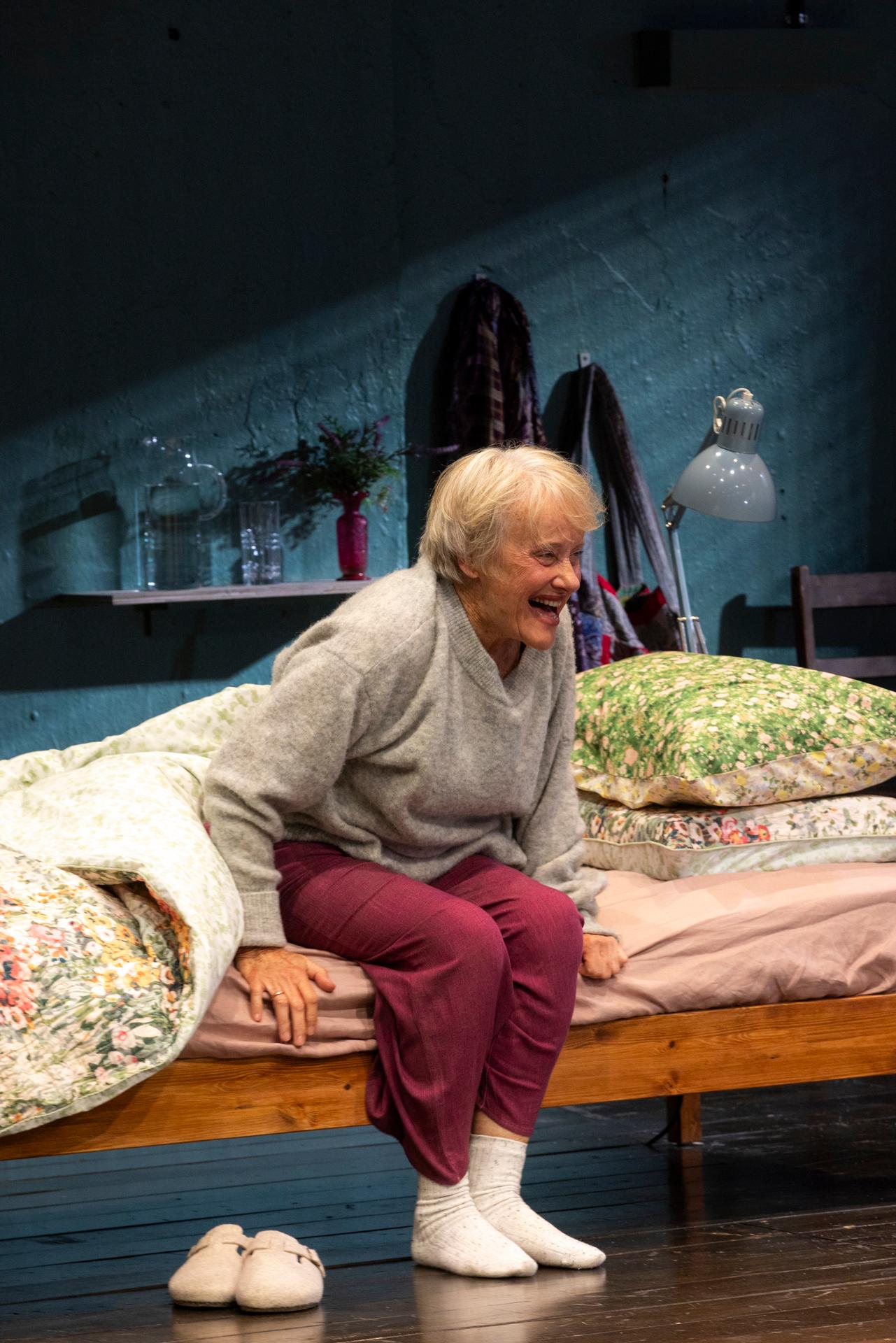
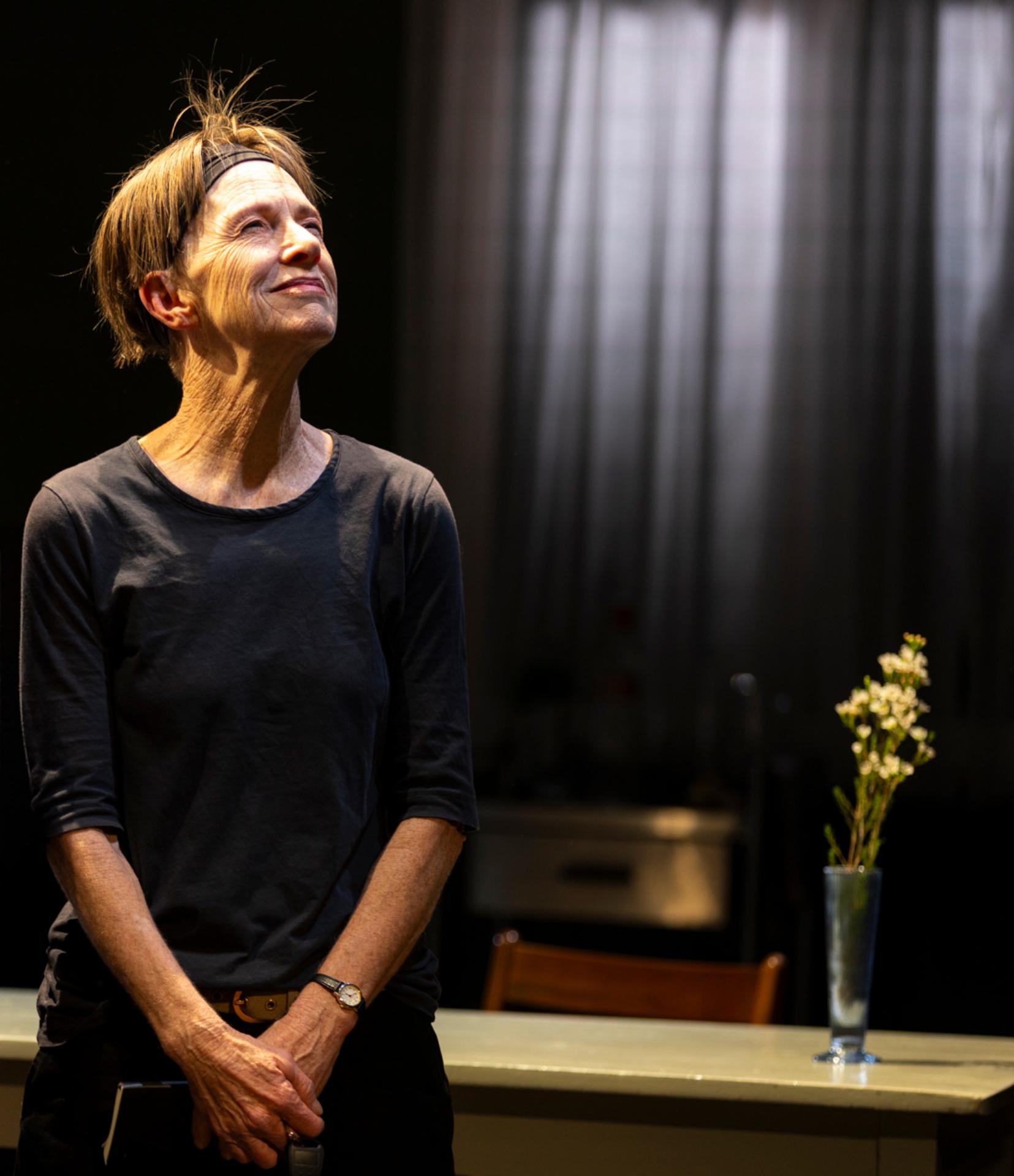
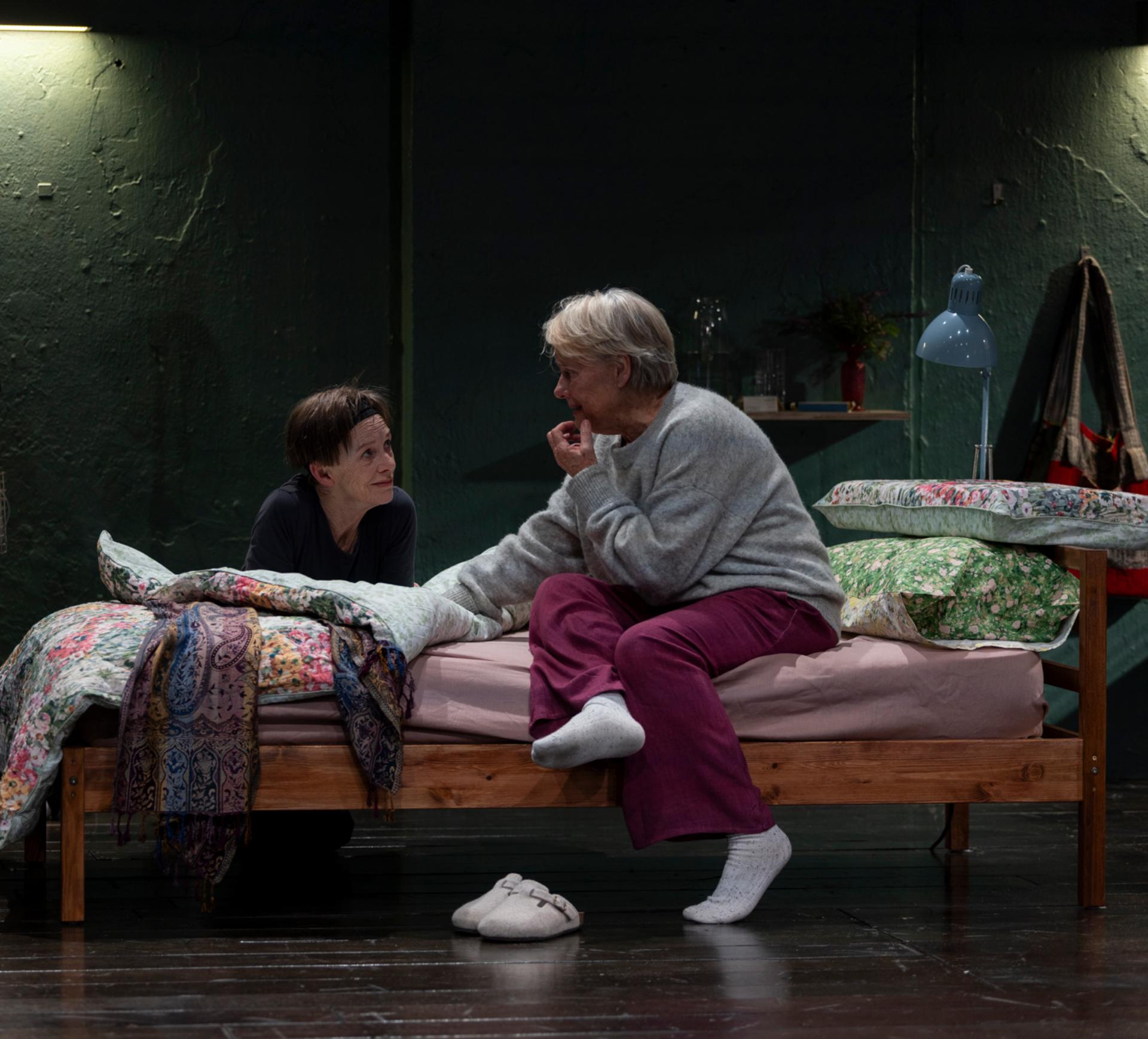
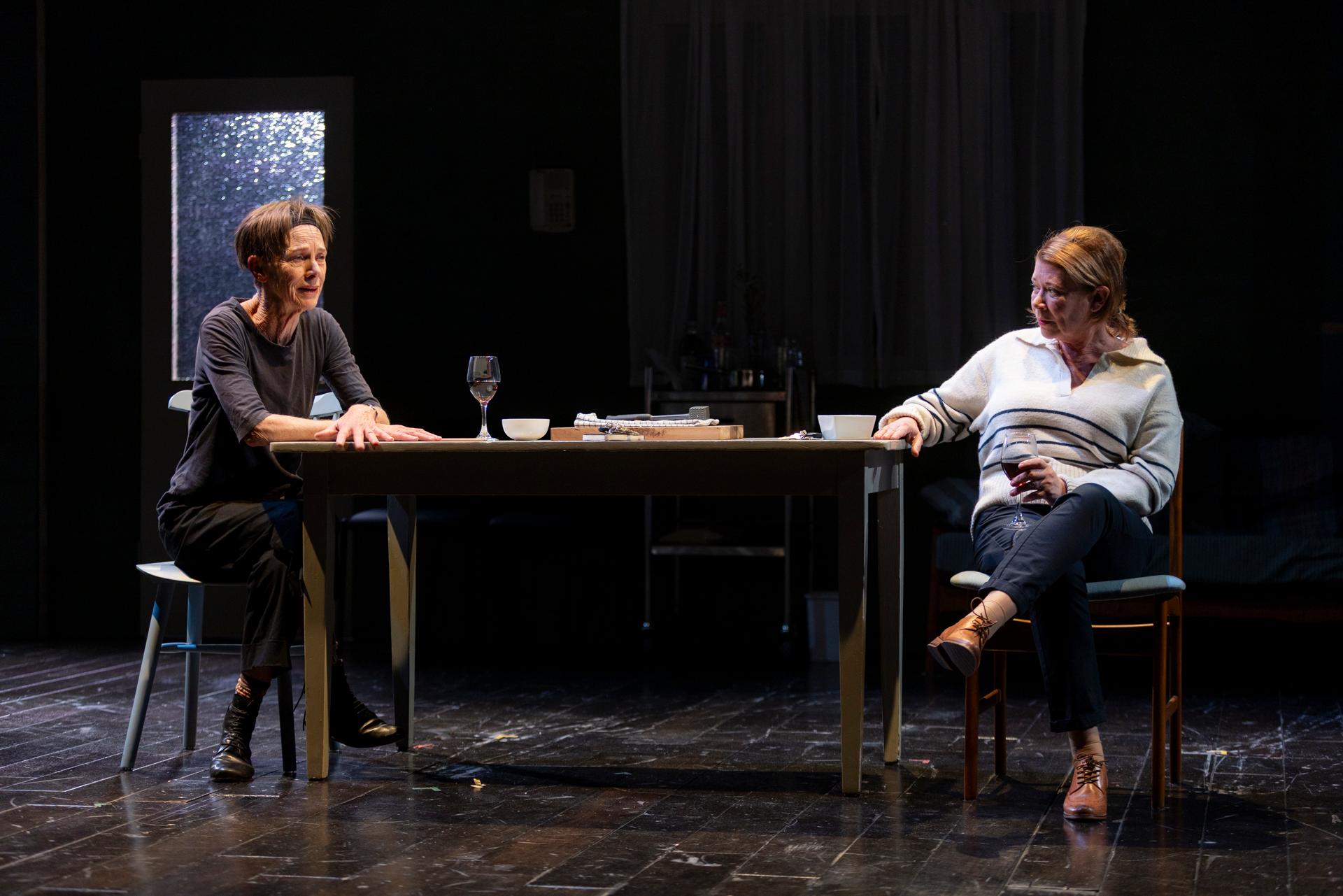
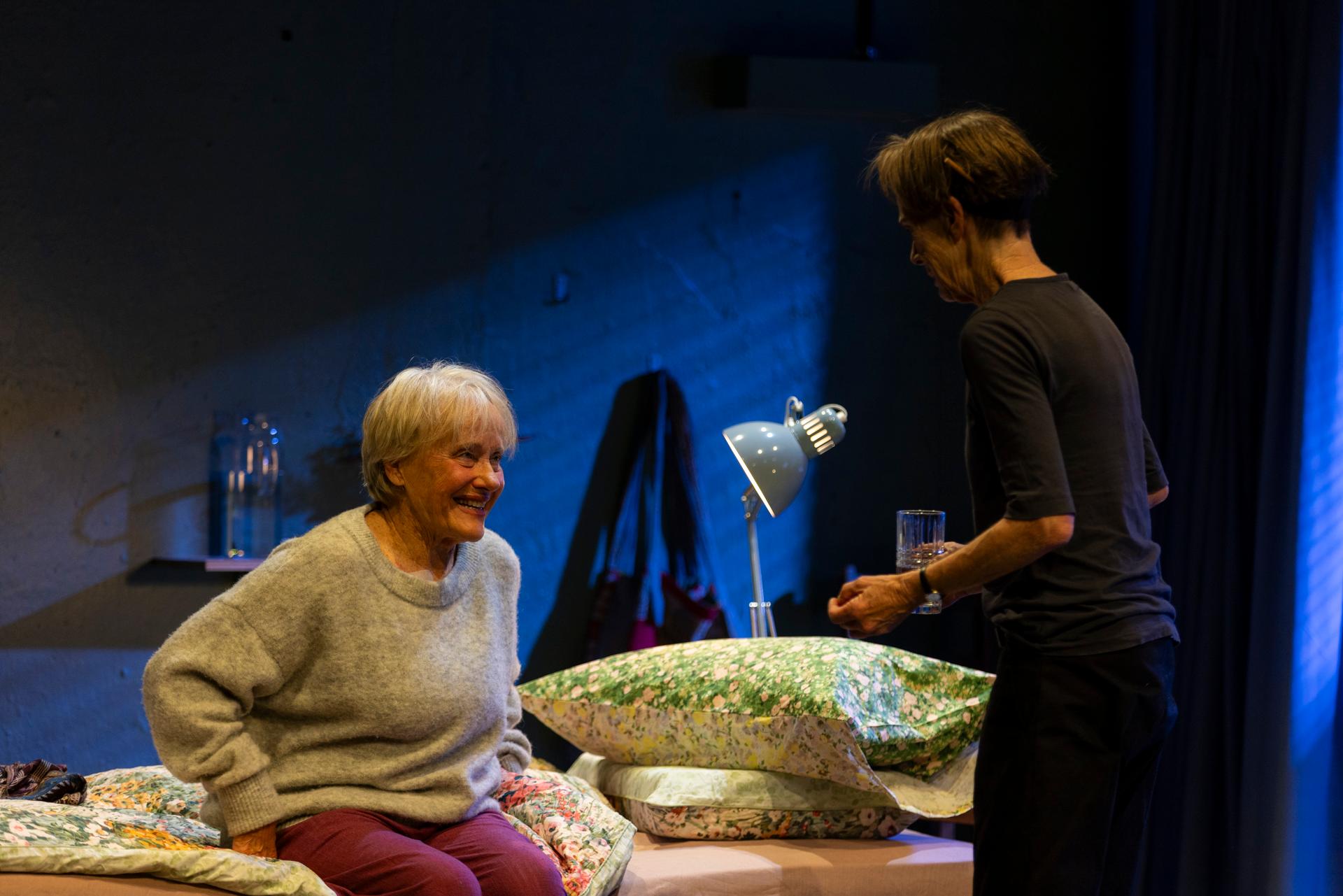
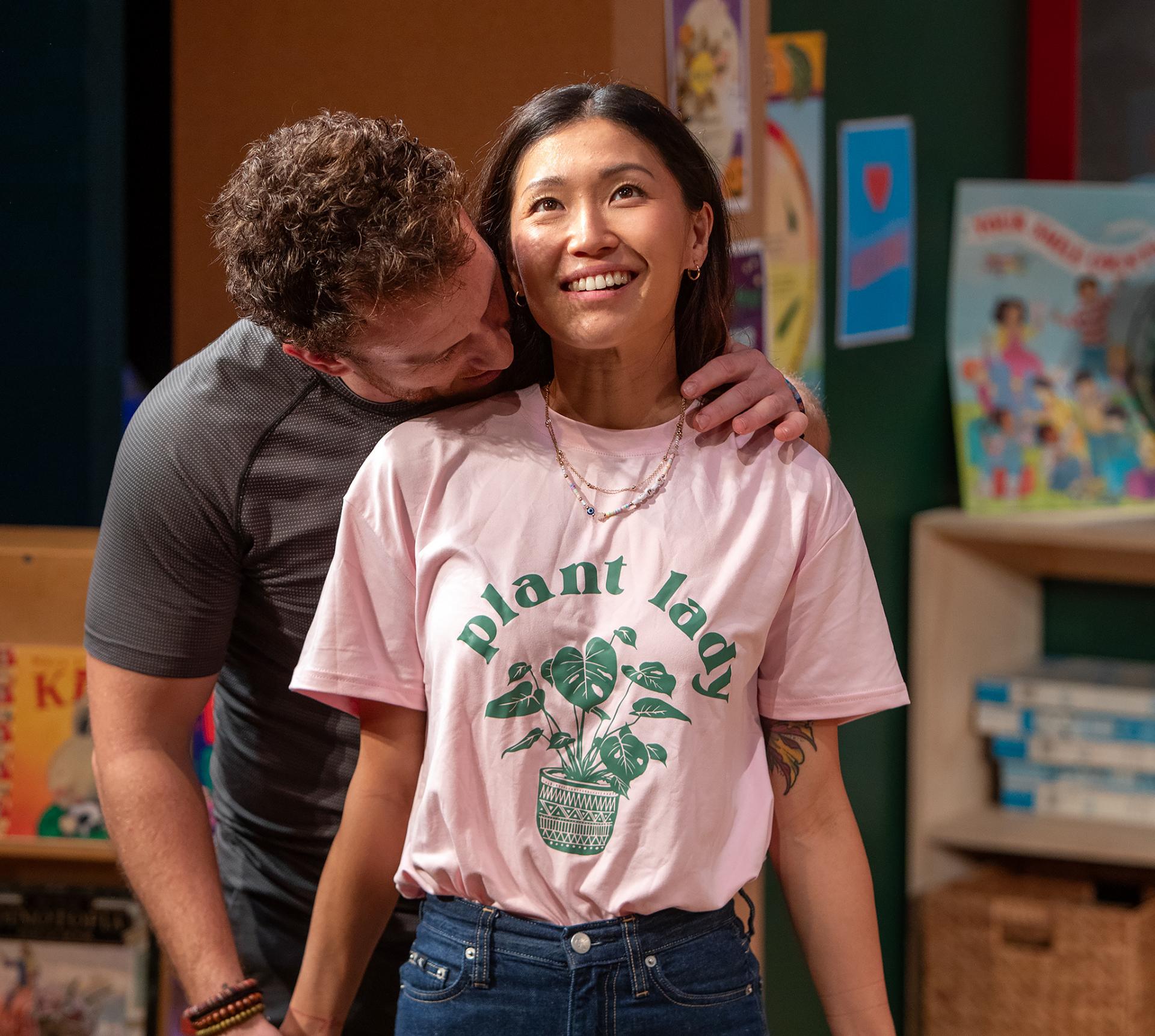
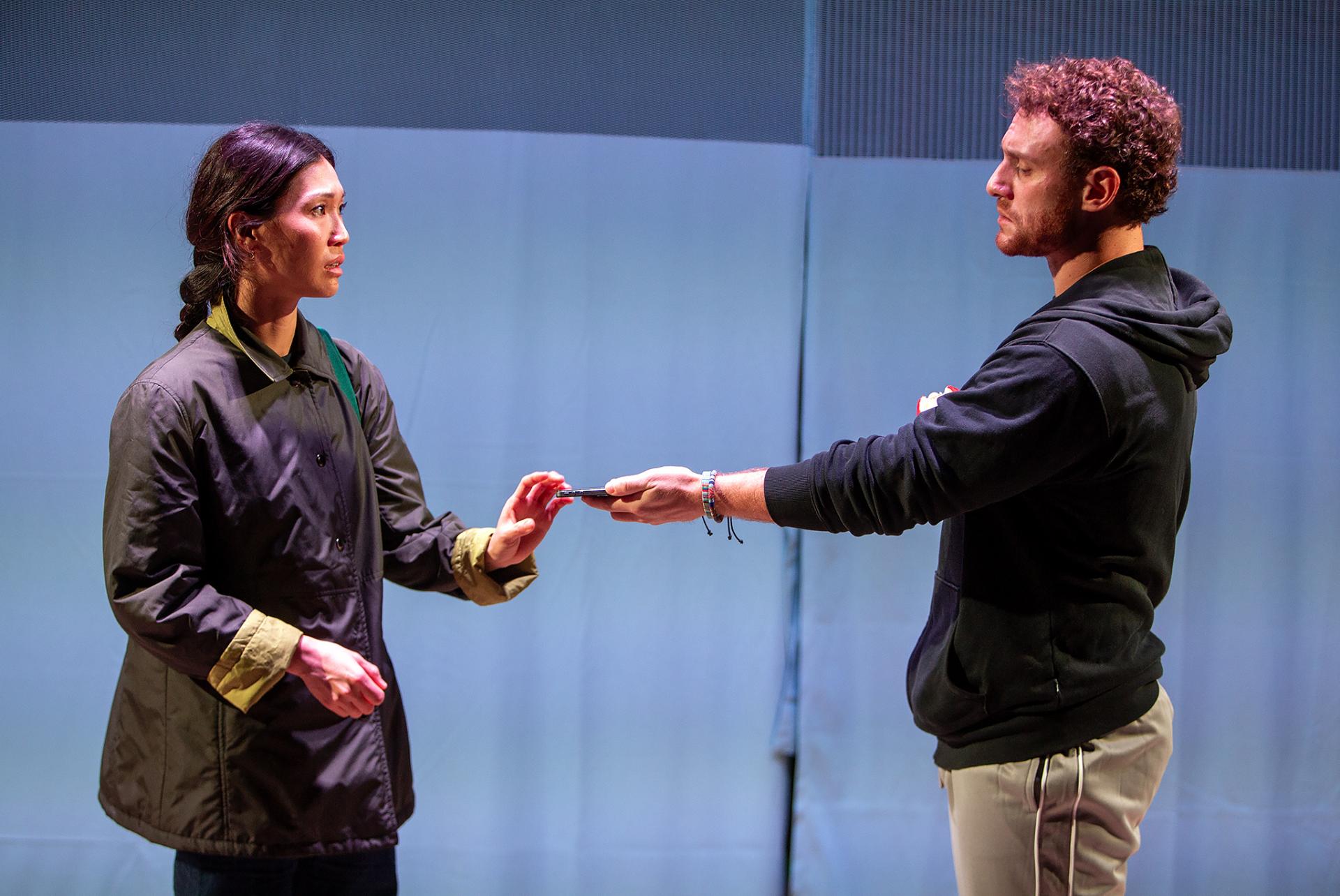
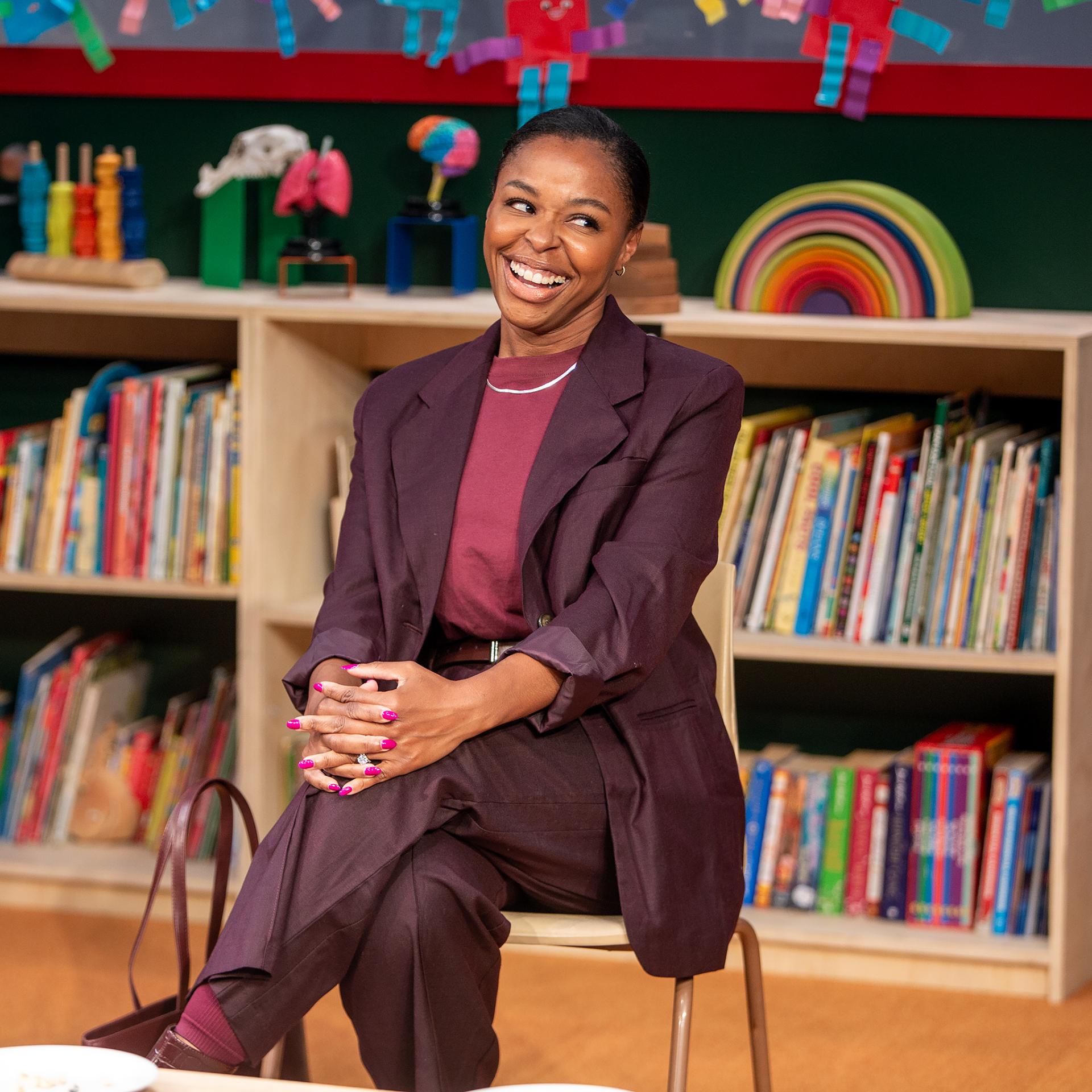
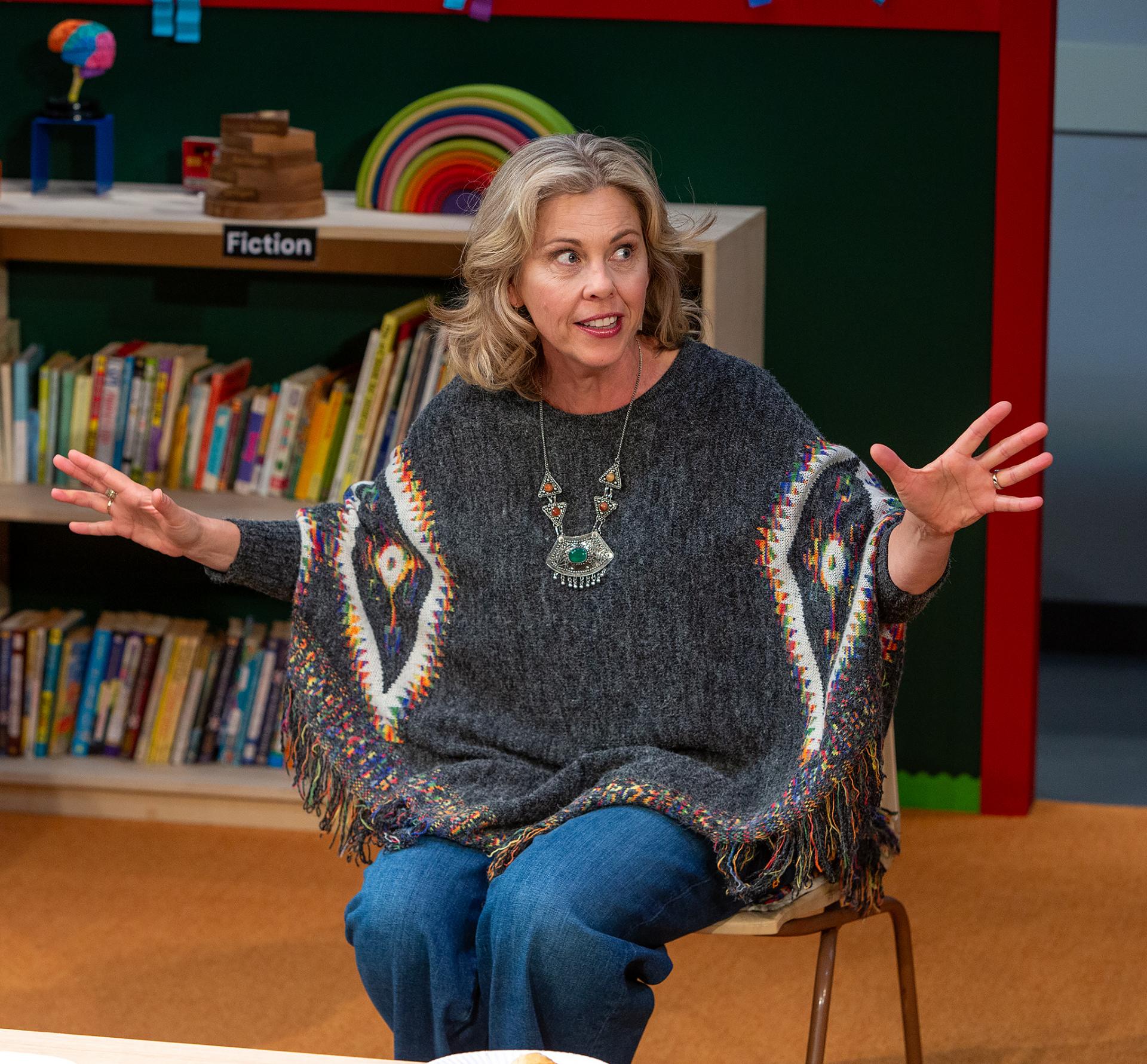
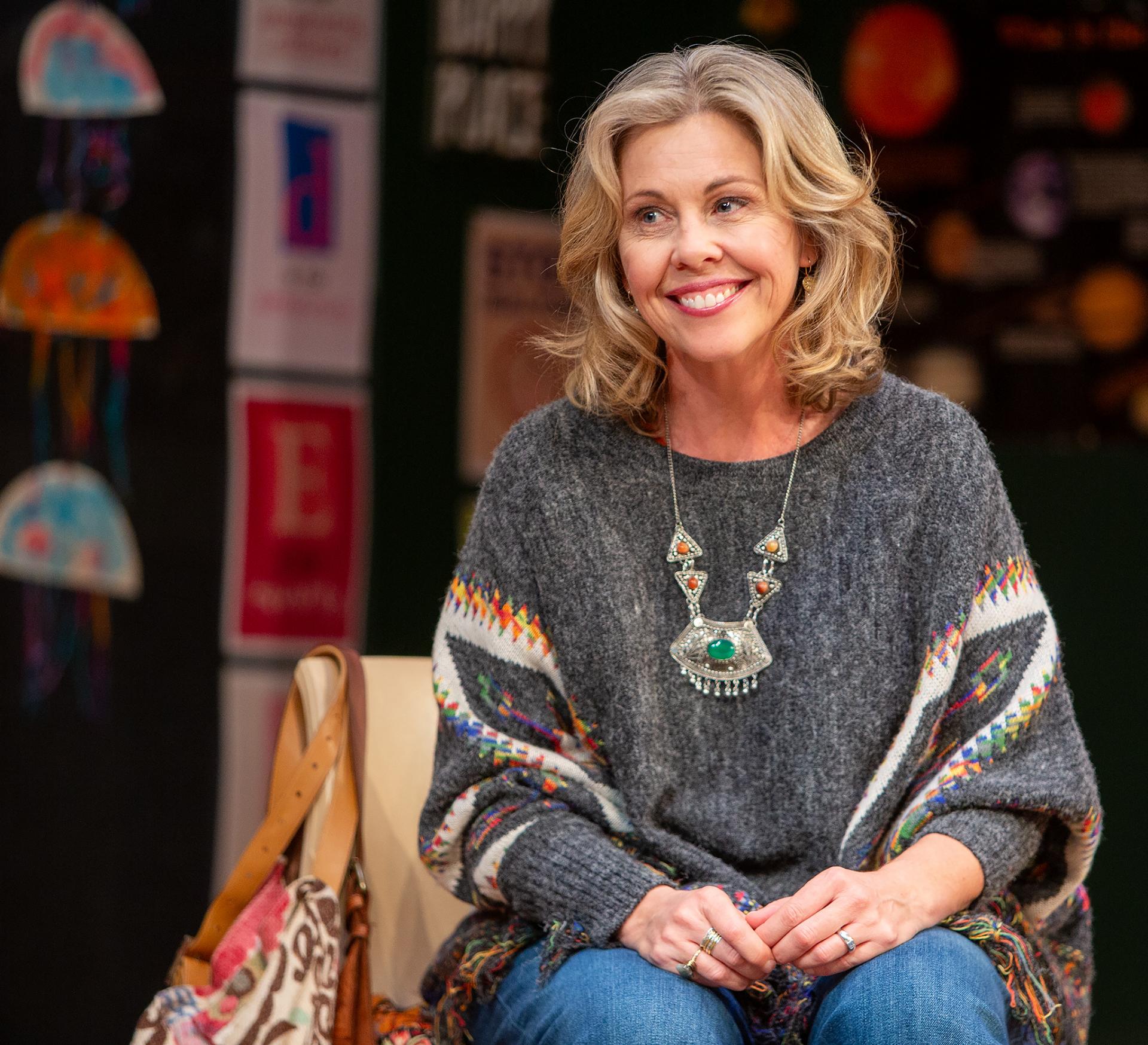
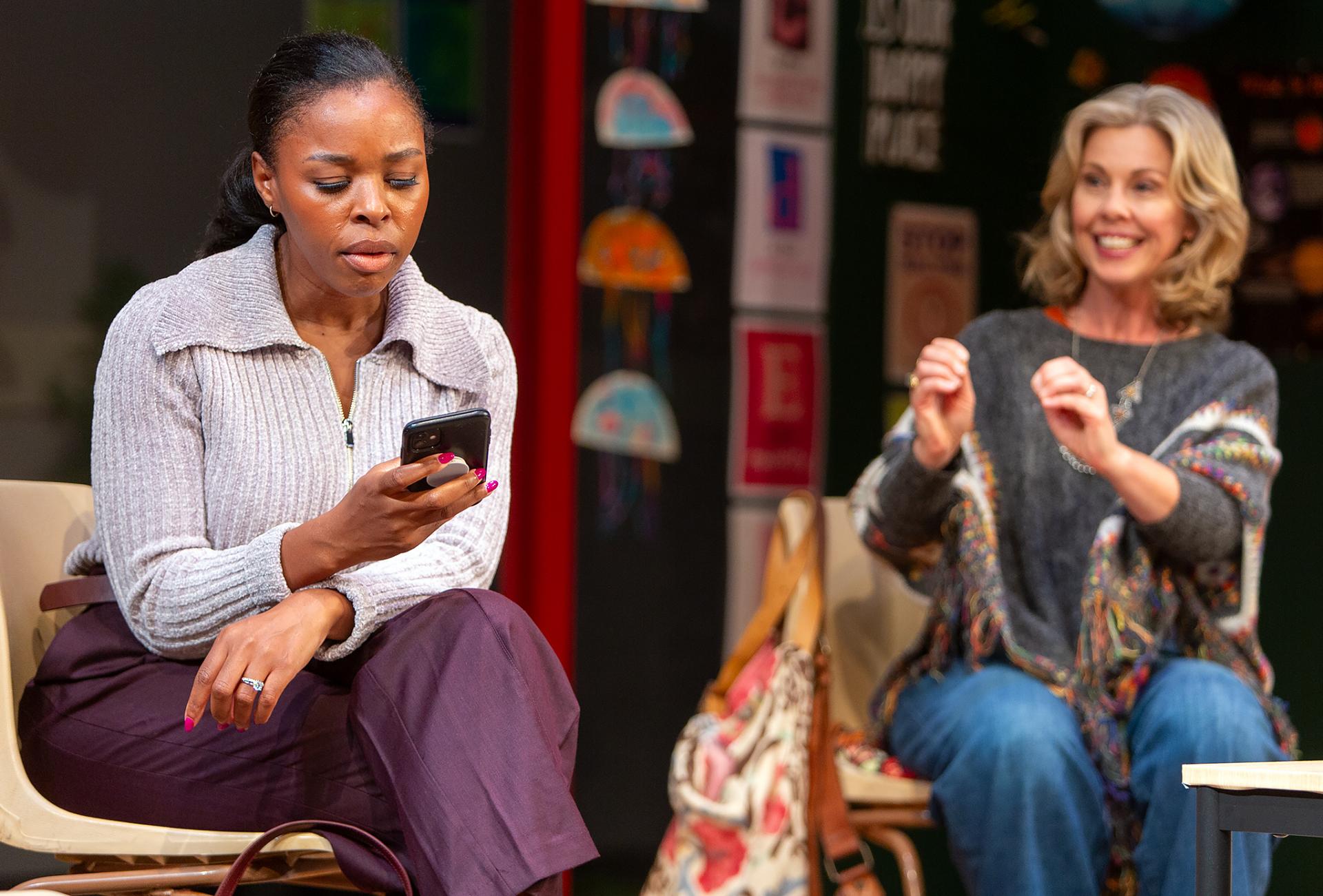
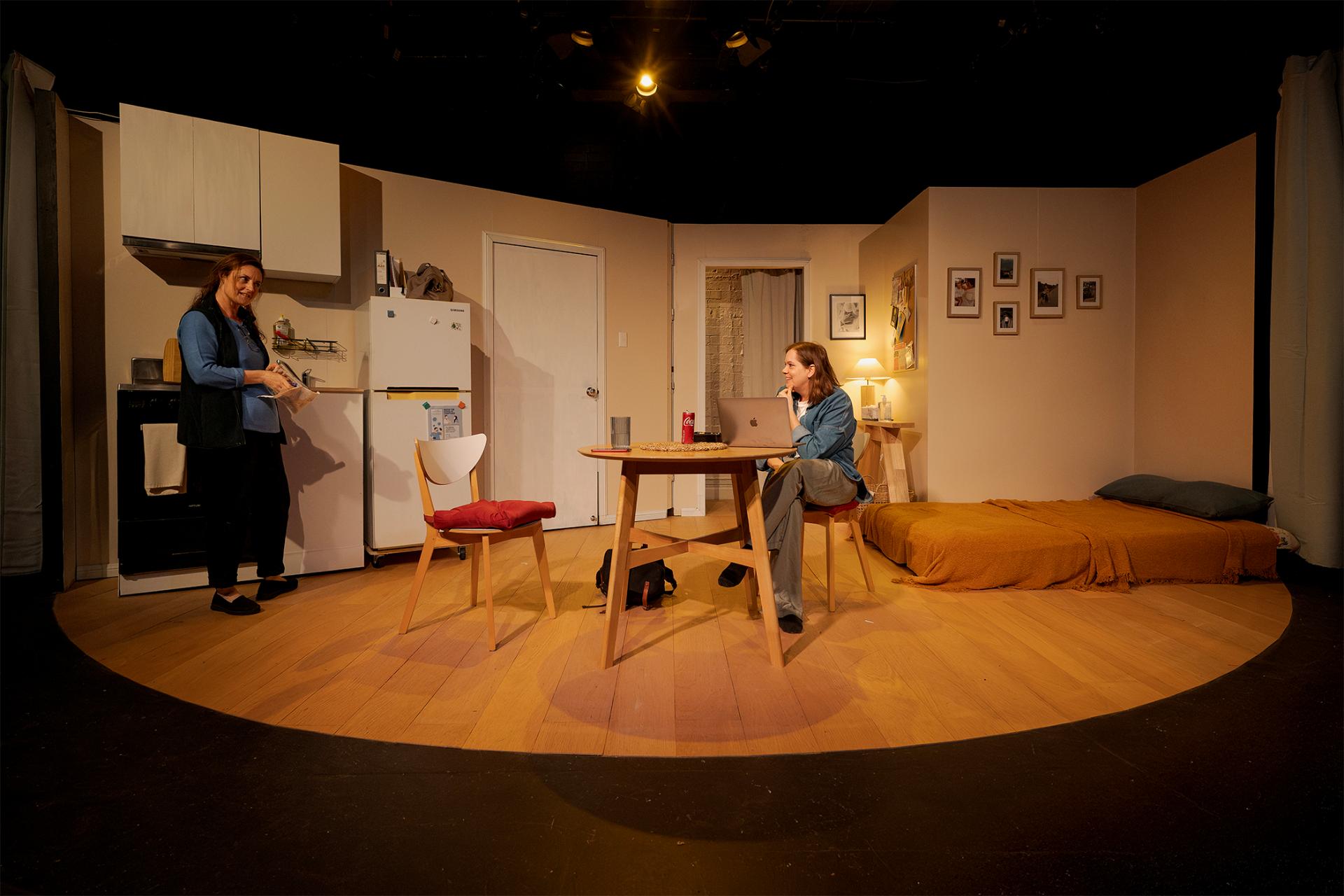
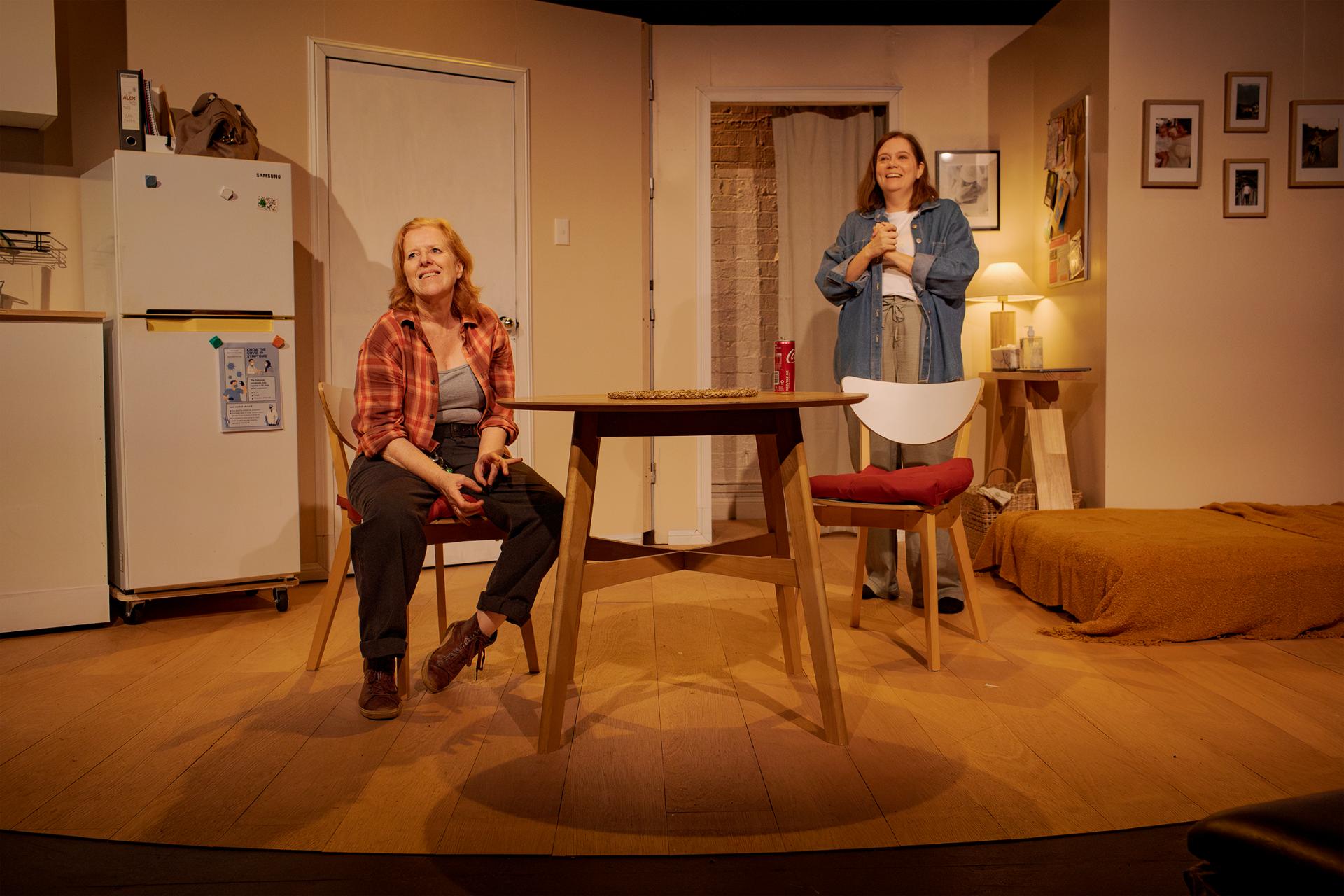
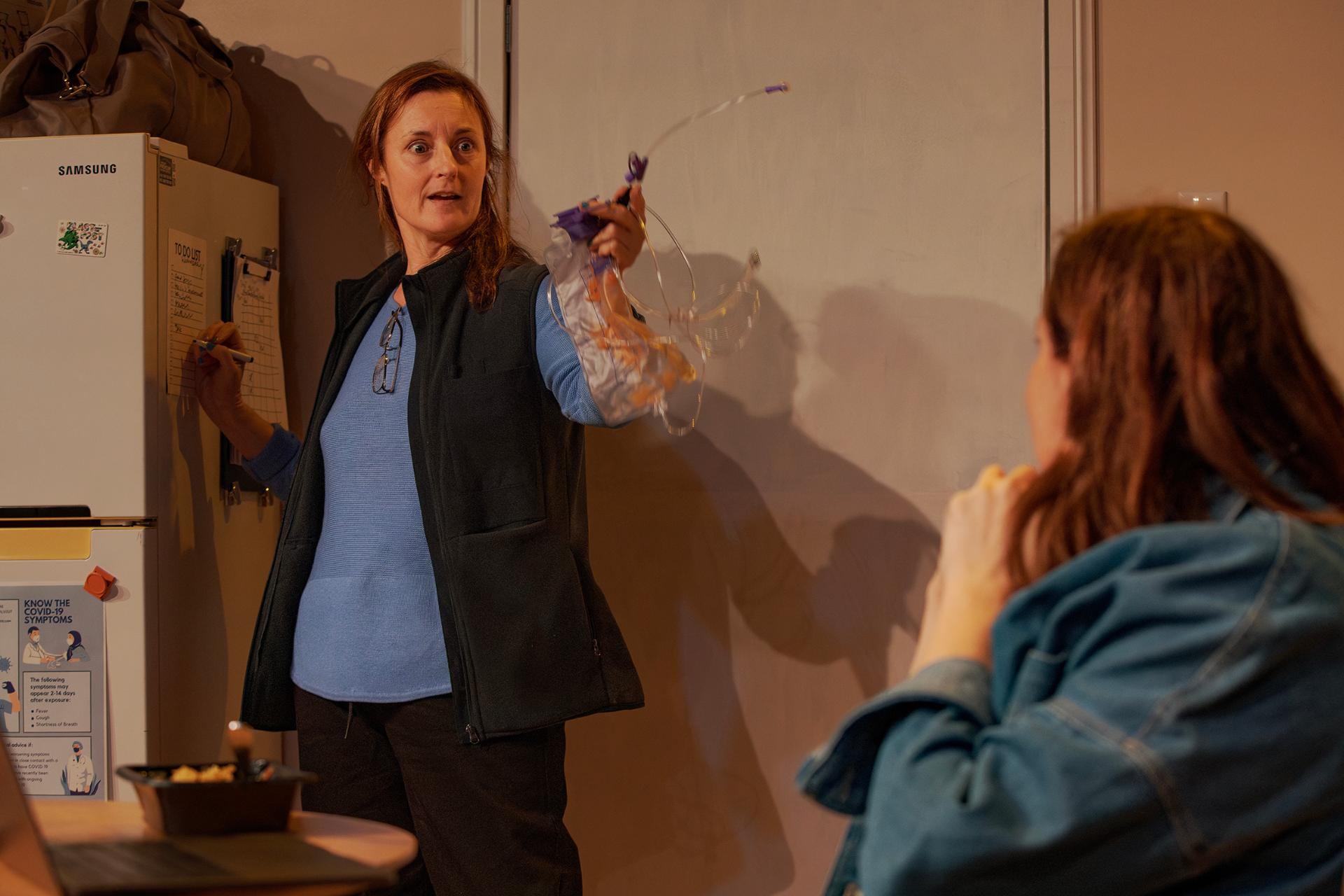
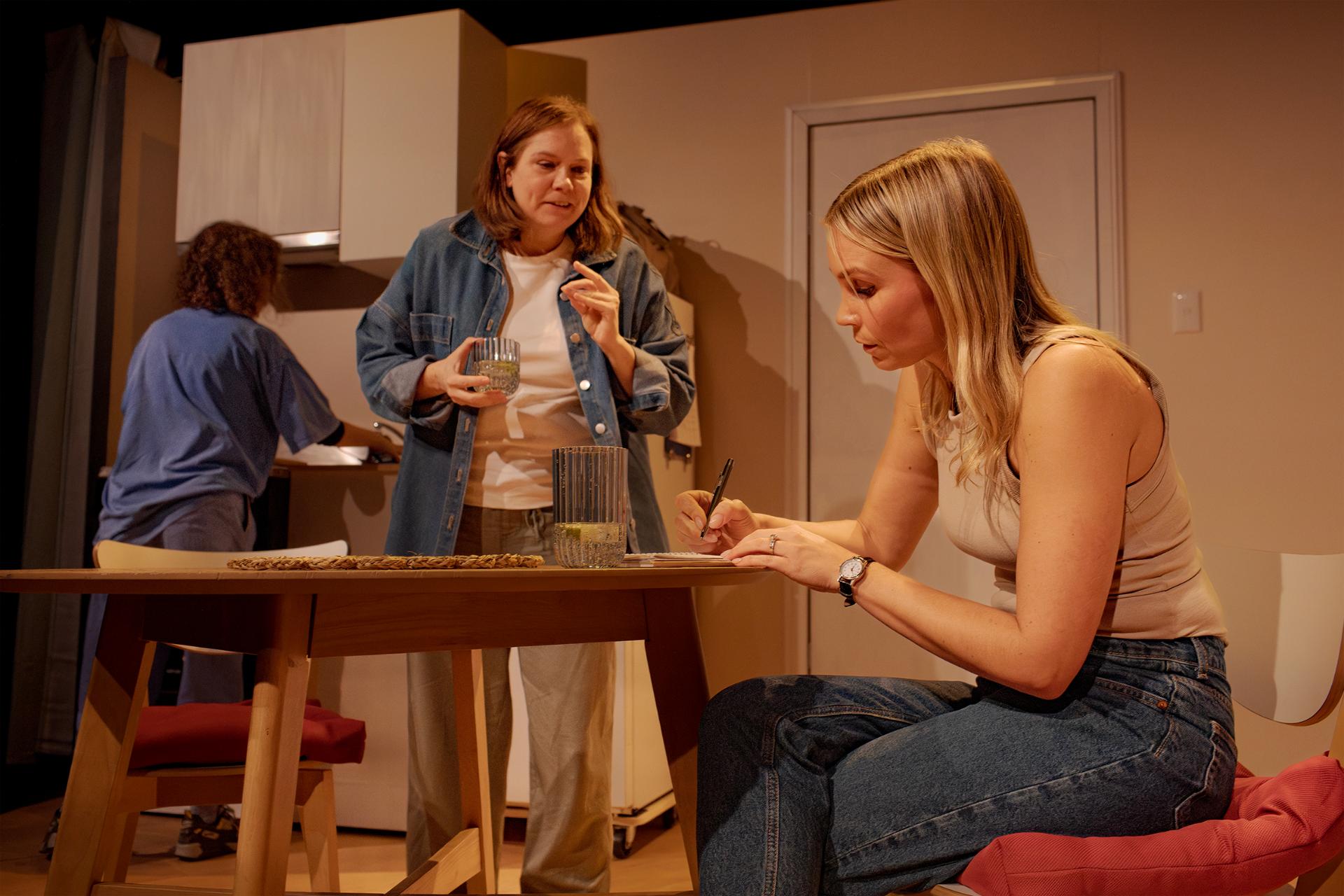
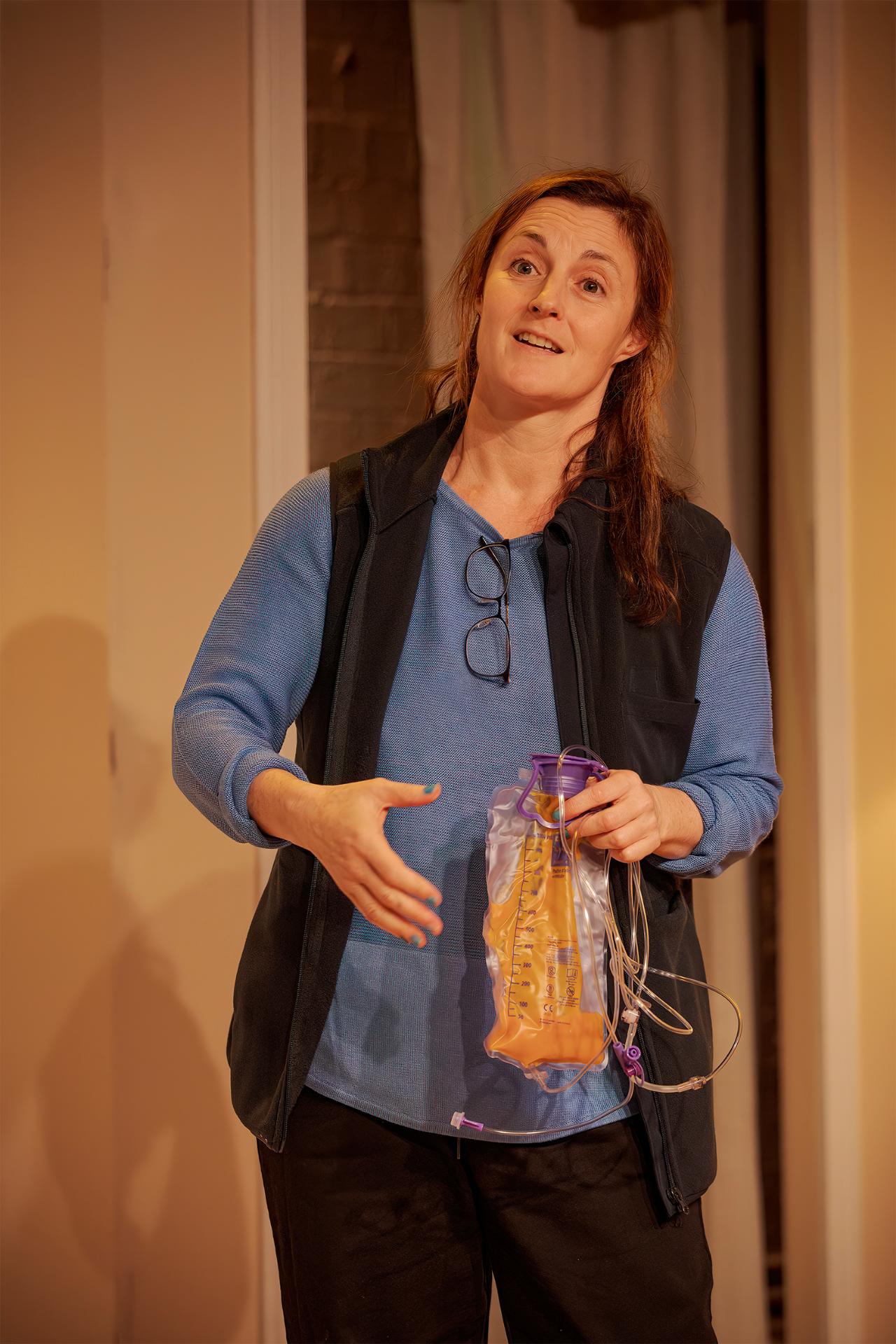
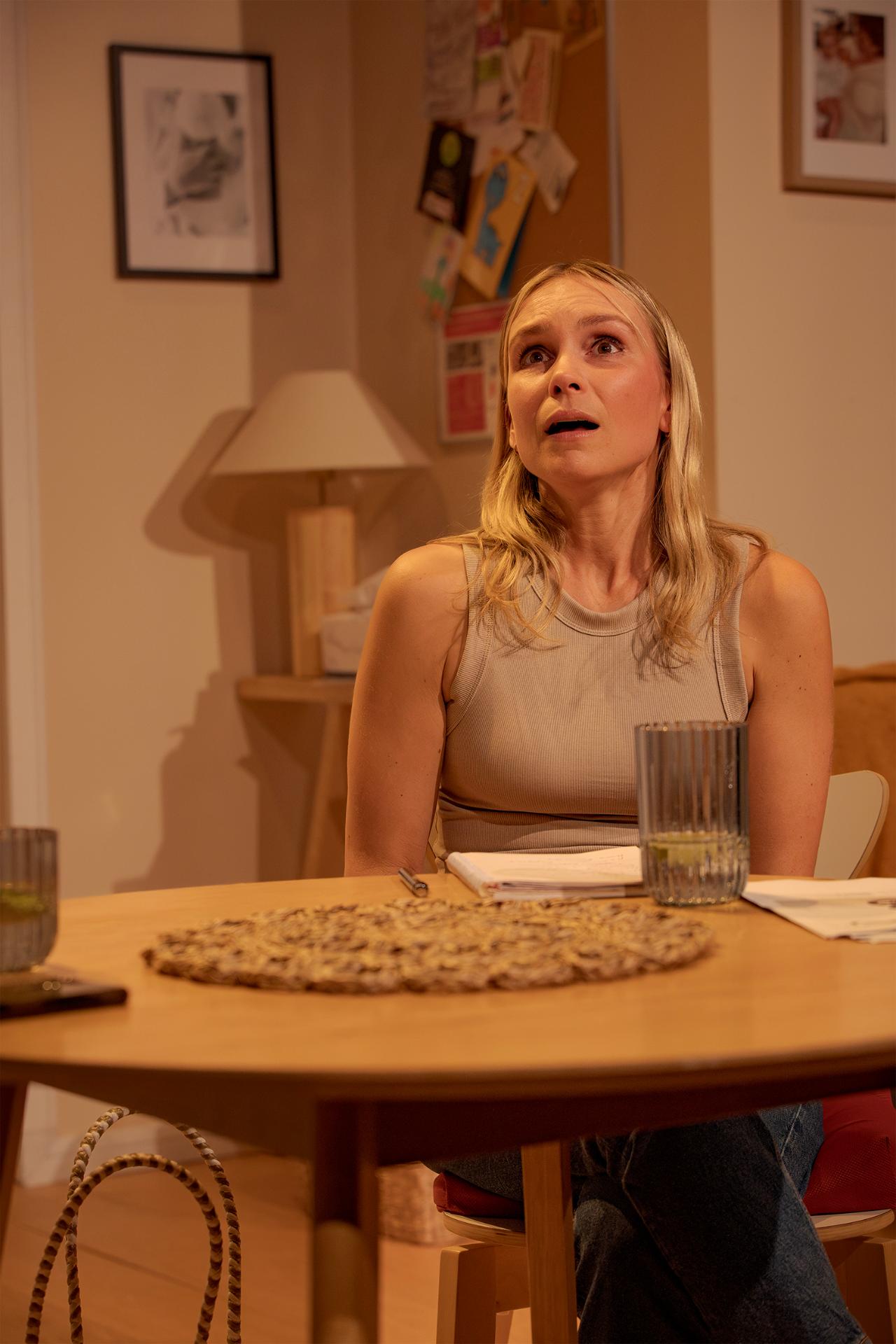
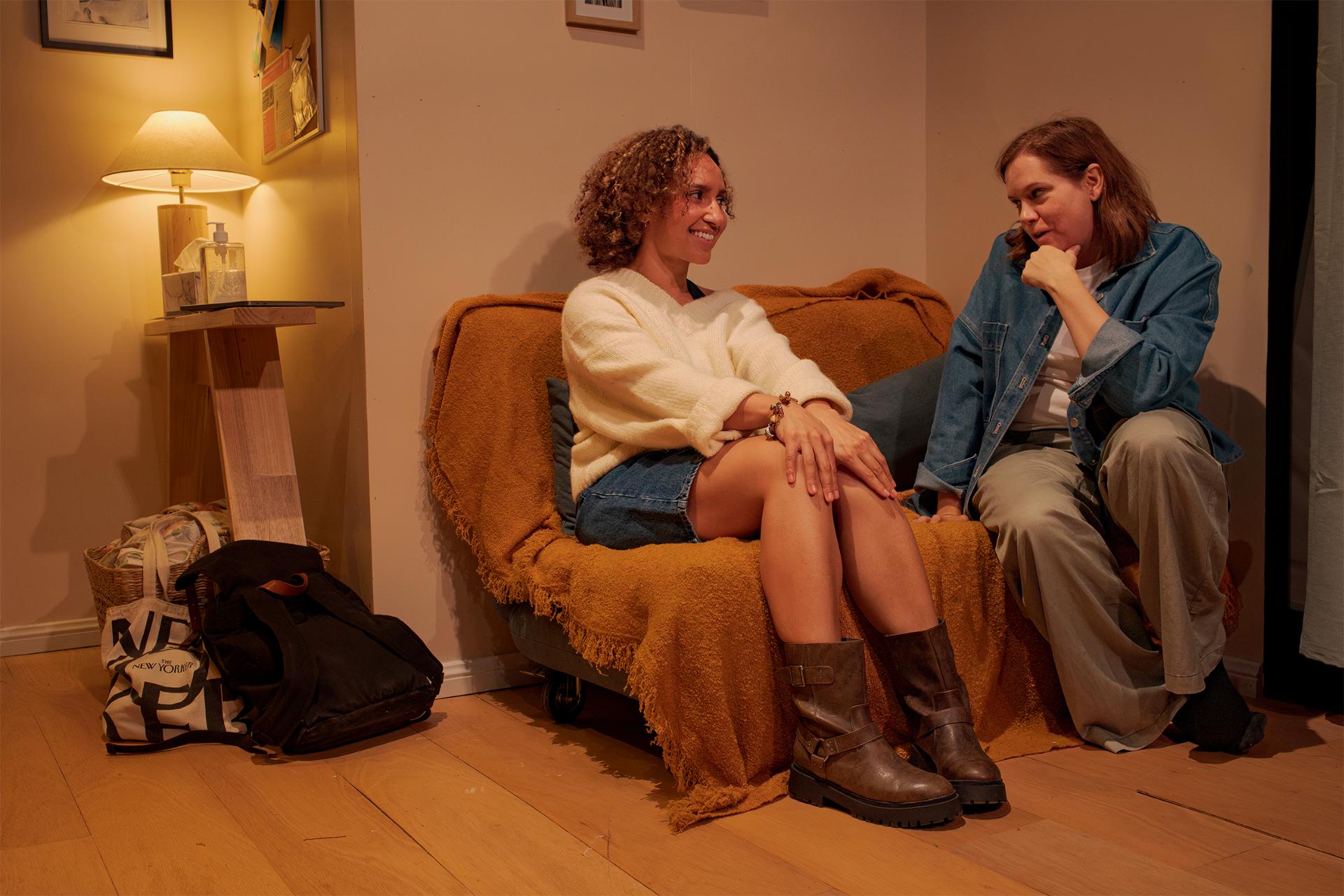
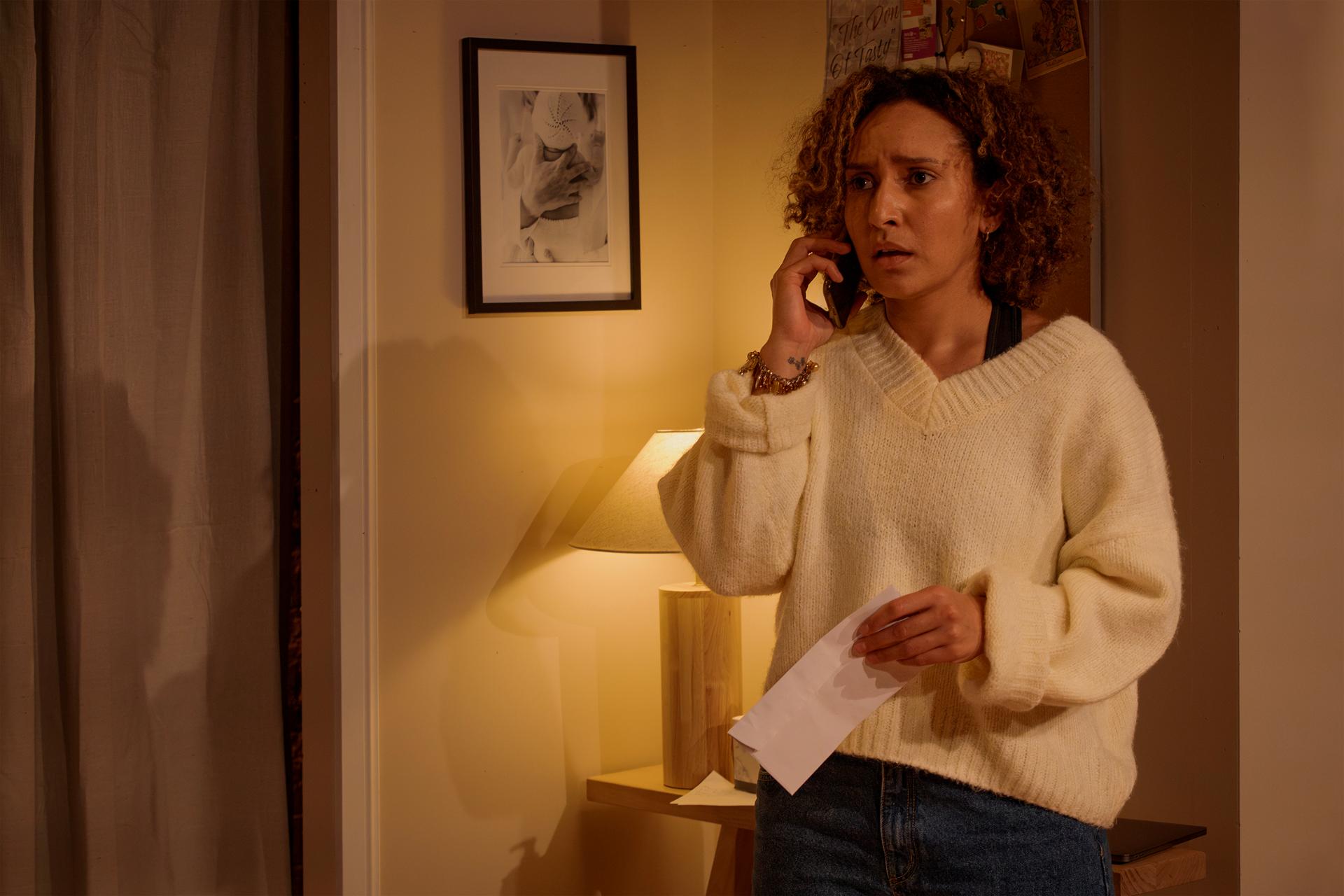
Caroline is confined to her home due to a chronic illness. When Anthony drops by from school to work on an assignment, they become fast friends, bonding over the artistic legacies of Walt Whitman, John Coltrane and Jerry Lee Lewis. In the play I & You by Lauren Gunderson, we not only observe the burgeoning relationship between two teens, but also meditate on the nature and meaning of death, in the presence of someone who has to grapple with mortality every day.

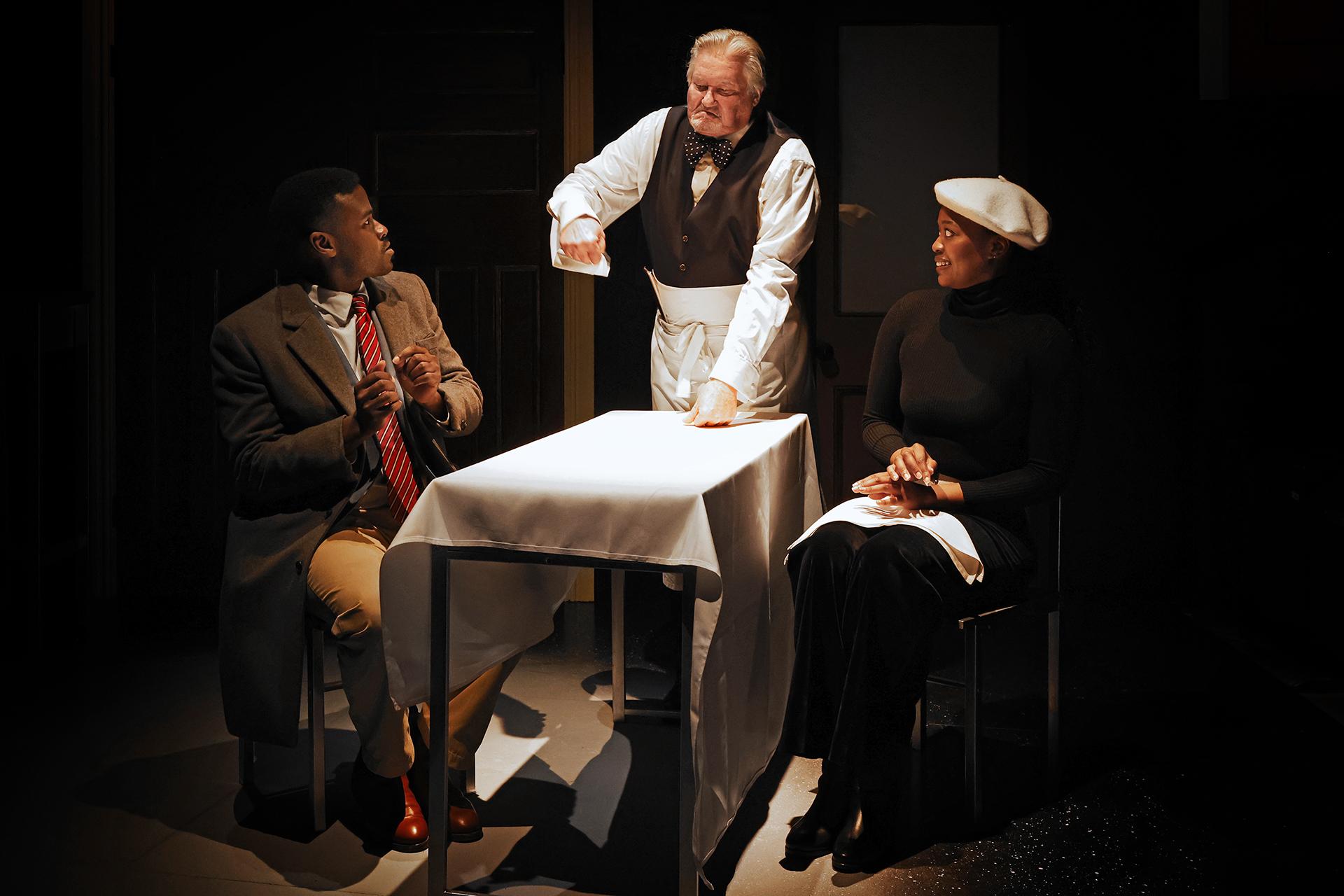
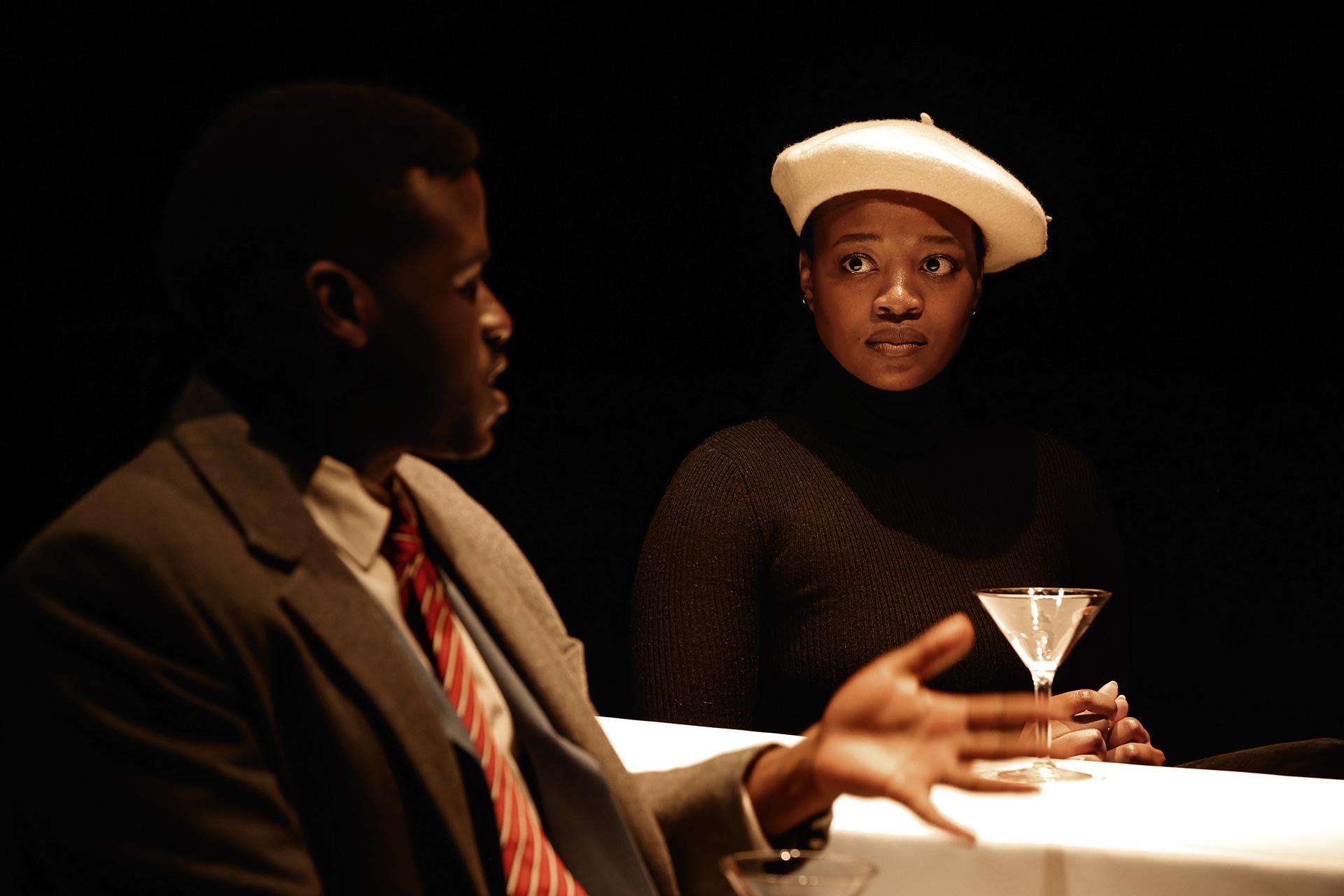
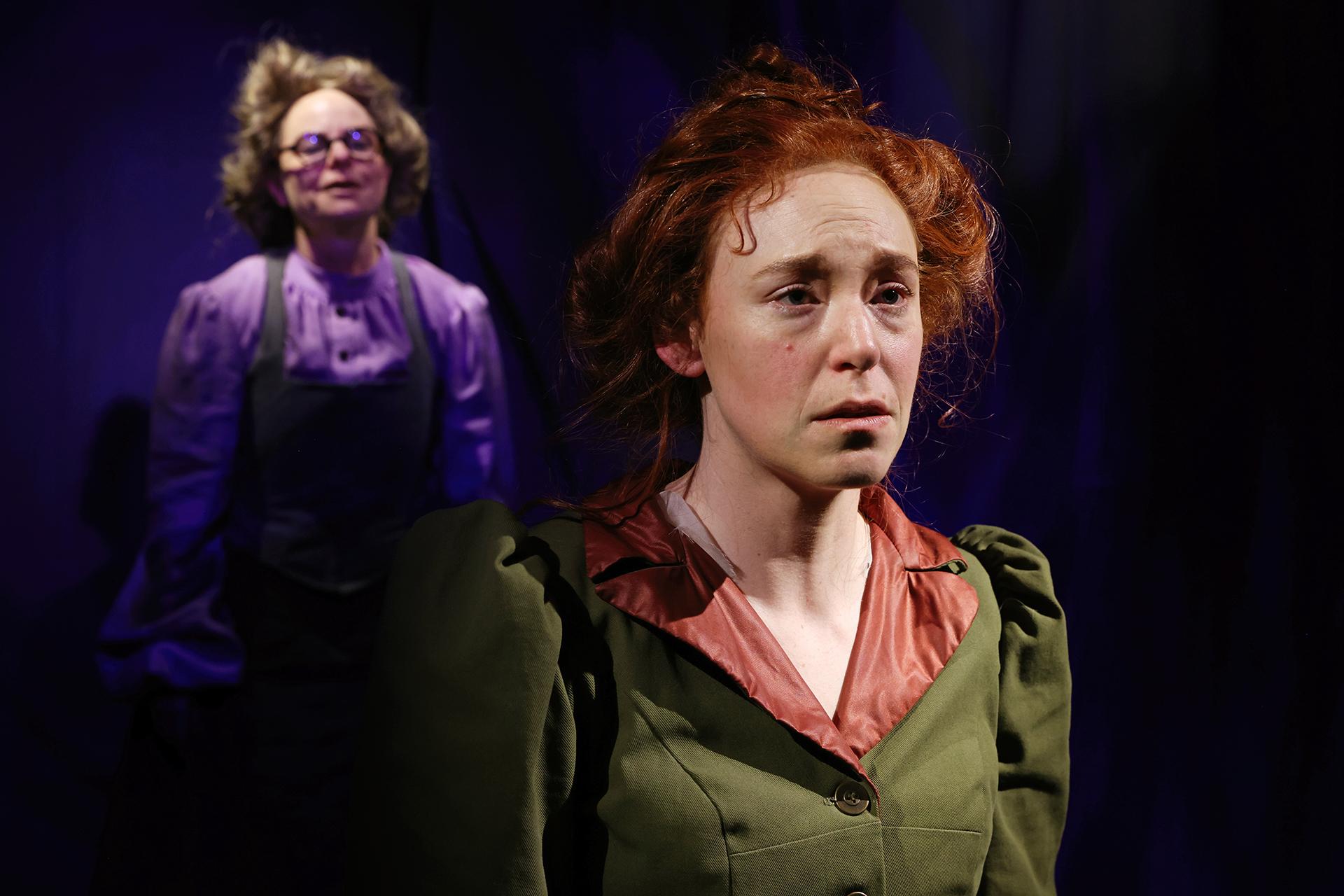
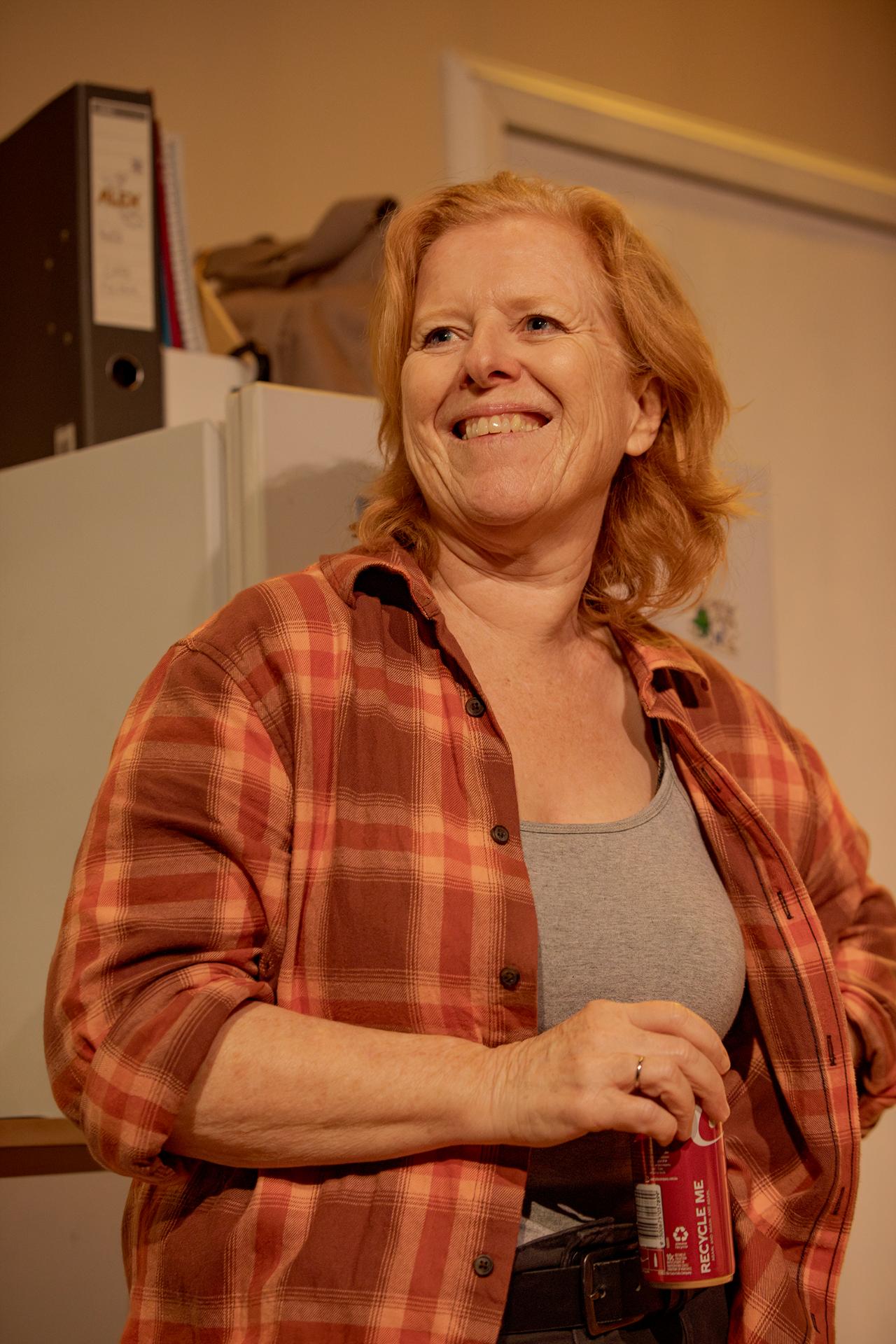
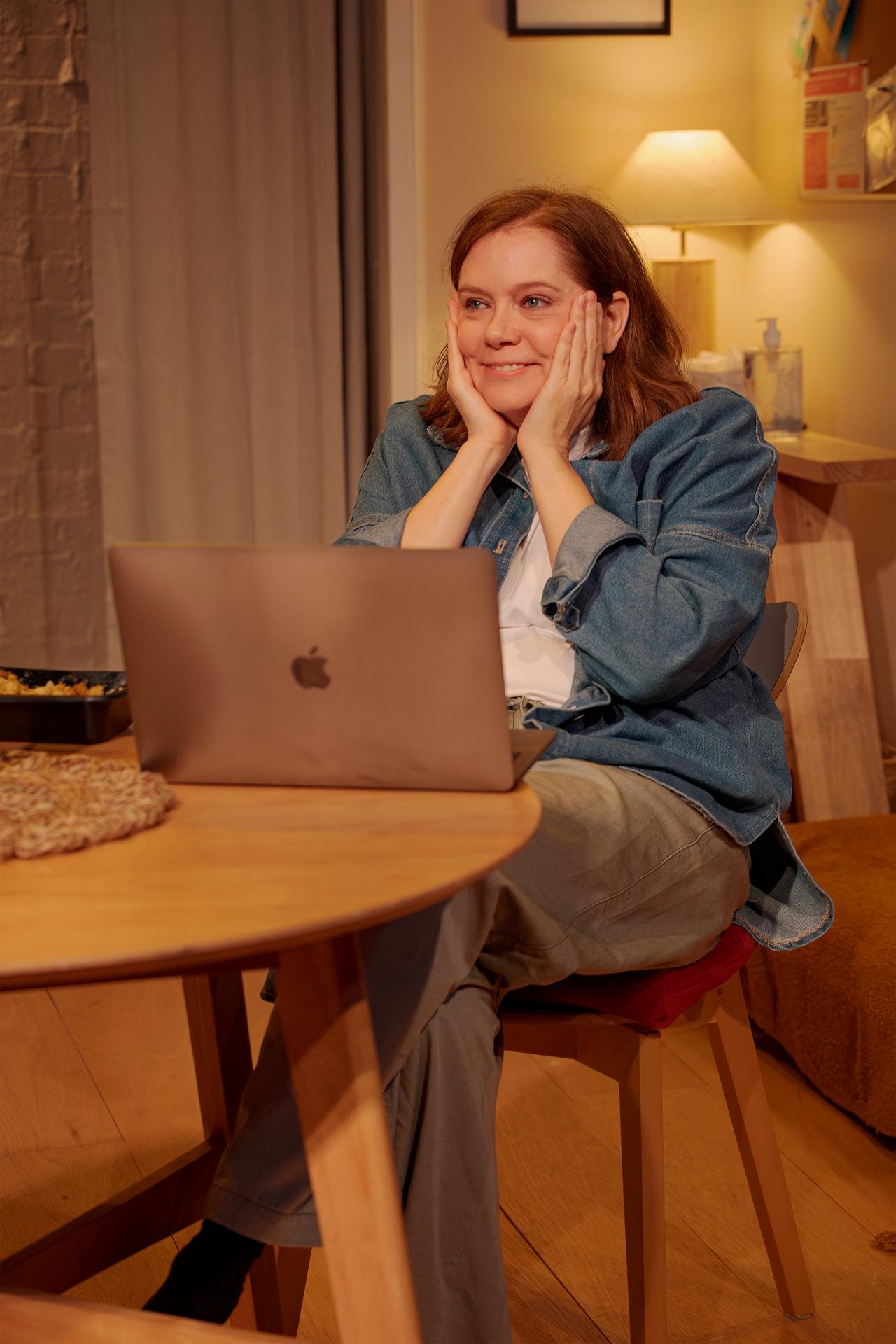
Gunderson’s writing is relentlessly optimistic, allowing director Claudia Barrie to place emphasis on comedic elements for an effervescent experience, that should prove particularly resonant for younger audiences. Performed by a highly endearing team of two, Josh Hammond and Alyssa Peters make their magical world sparkle with believability and tangibility. Their cohesiveness is a joy to witness, both actors keeping us completely at ease with the authenticity they so effortlessly bring to the stage.

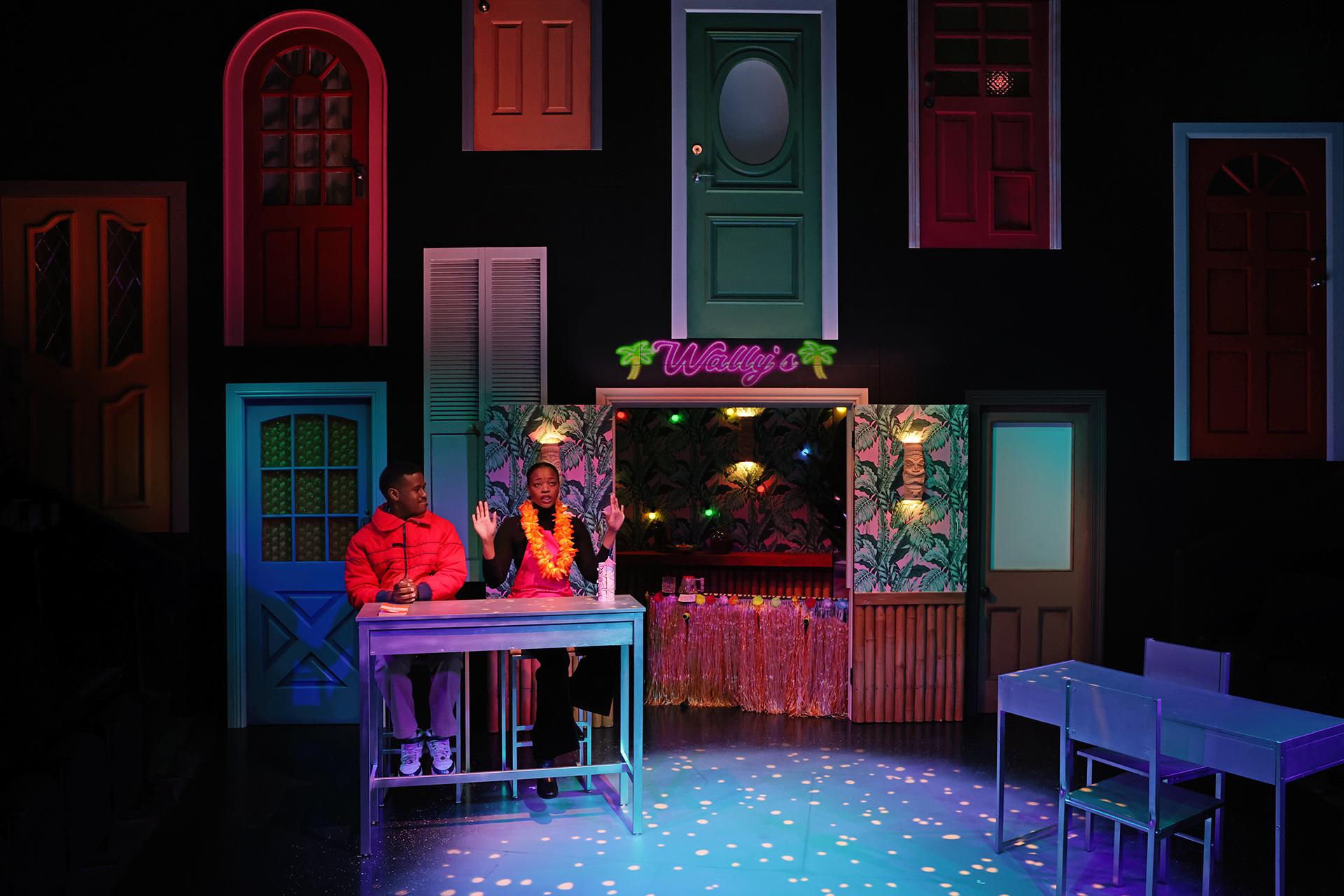
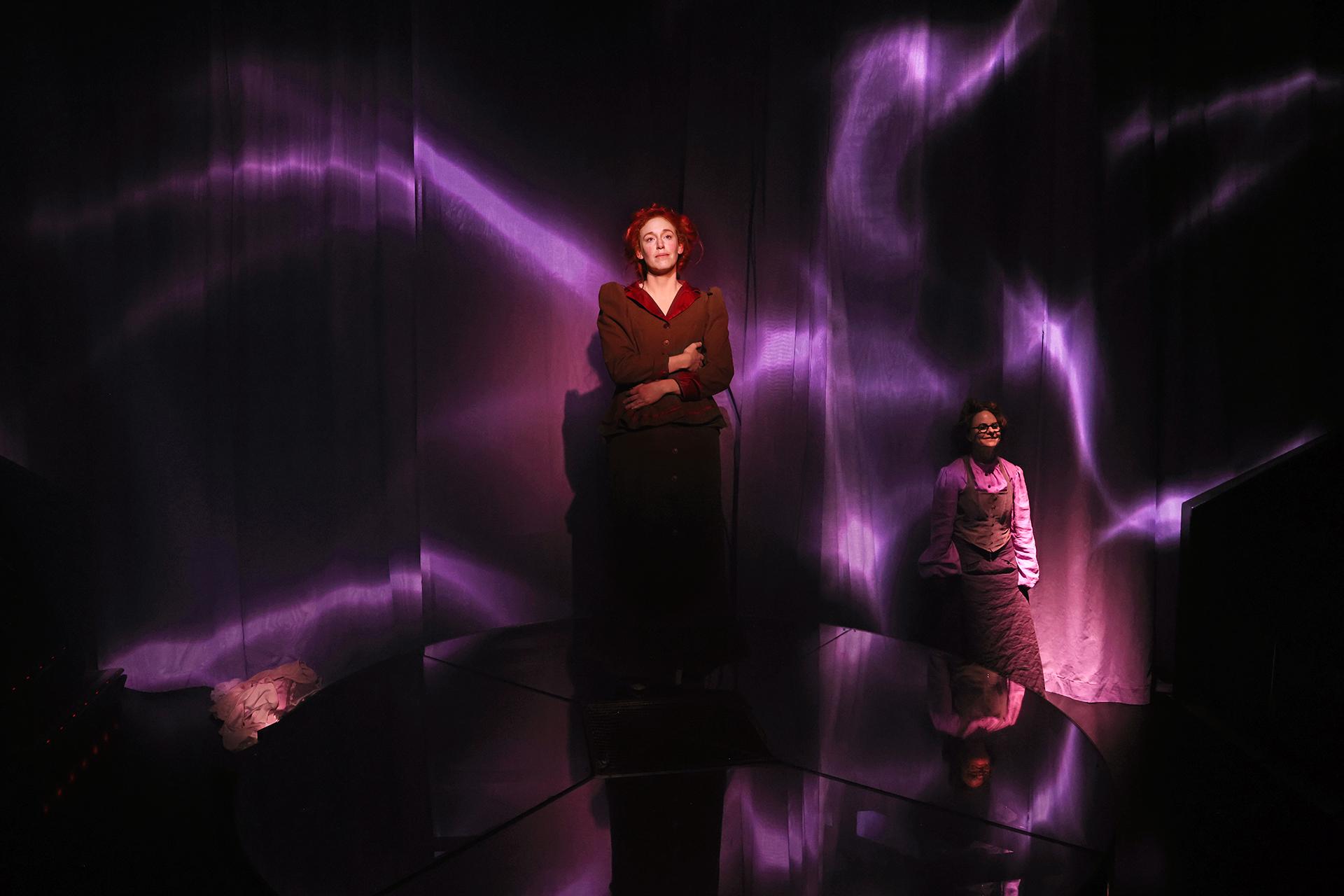
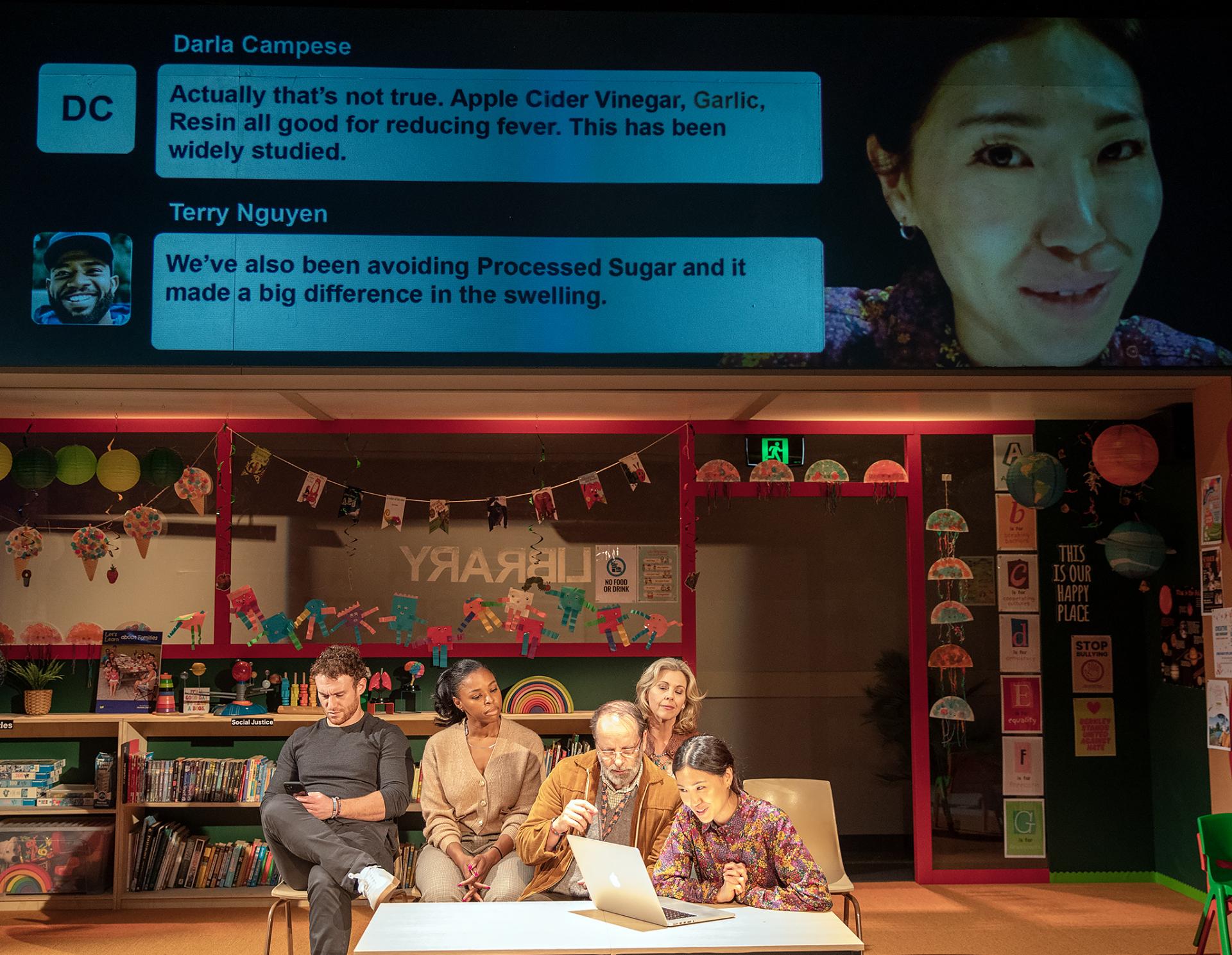
Also noteworthy are lights by Saint Clair, that always feel considered in their approach, whether subtly modulating or dramatically embellishing. The set is designed by Saint Clair along with Masone Browne, to provide an elegant solution for specific requirements of the text. Emily Brayshaw’s costumes portray with accuracy, the style of regular teens who could reside either in Australia or America, whilst maintaining a flattering appearance for the cast.

There is real beauty in the fundamental truth of death, yet we try so hard to deny its existence.  The fact that time is limited, from the perspective of each individual perishable organism, should mean that moments big and small must be cherished, but all humans seem to do, is to imagine new ways to defy the inevitable. Life is already eternal, we only need to be appreciative of the infinite tiny encounters that materialise, from simply being here.

www.belvoir.com.au | www.madmarchtheatreco.com

Review: The Lover & The Dumb Waiter (Ensemble Theatre)

Venue: Ensemble Theatre (Kirribilli NSW), May 2 – Jun 7, 2025
Playwright: Harold Pinter
Director: Mark Kilmurry
Cast: Nicole da Silva, Gareth Davies, Anthony Taufa
Images by Prudence Upton

Theatre review
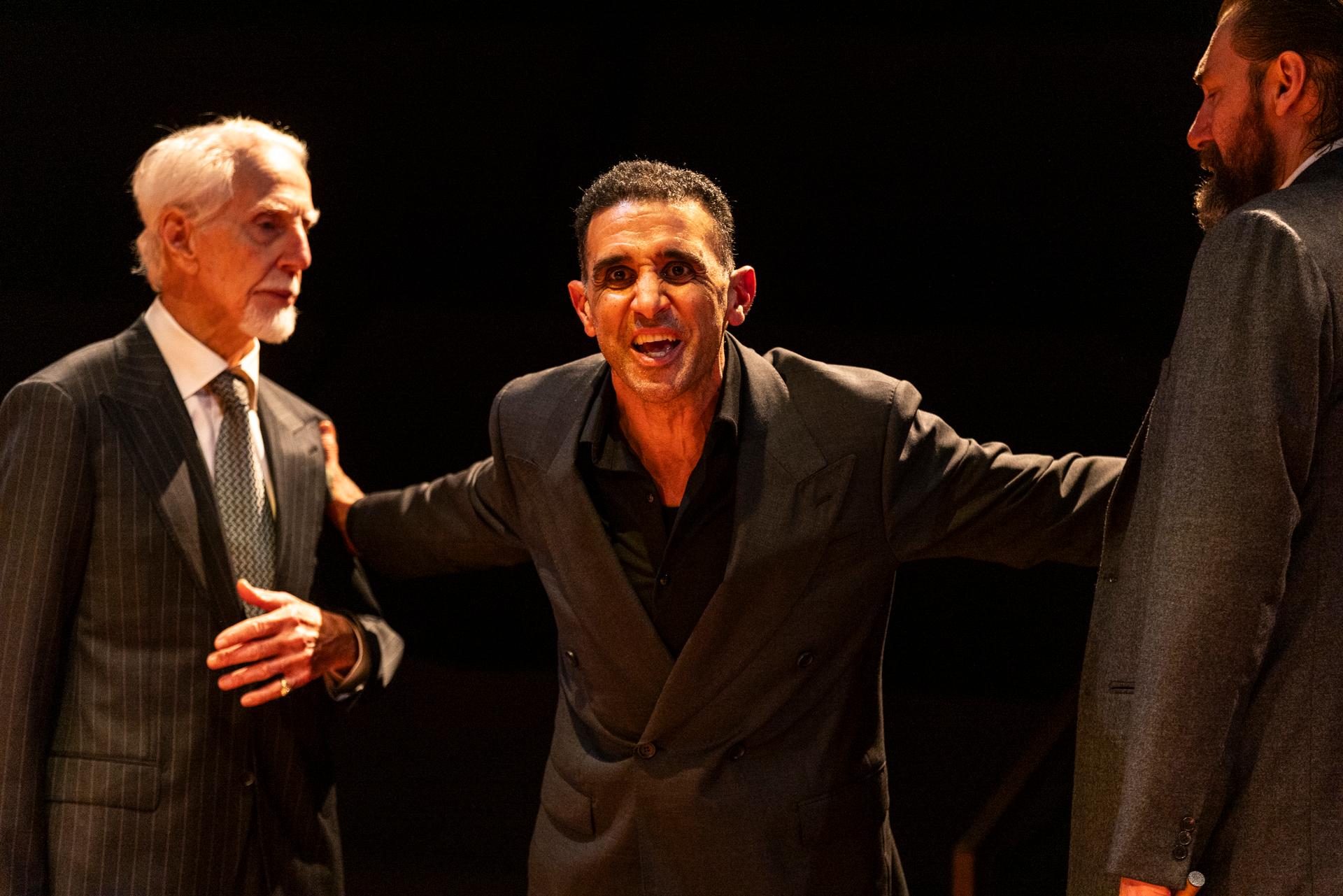
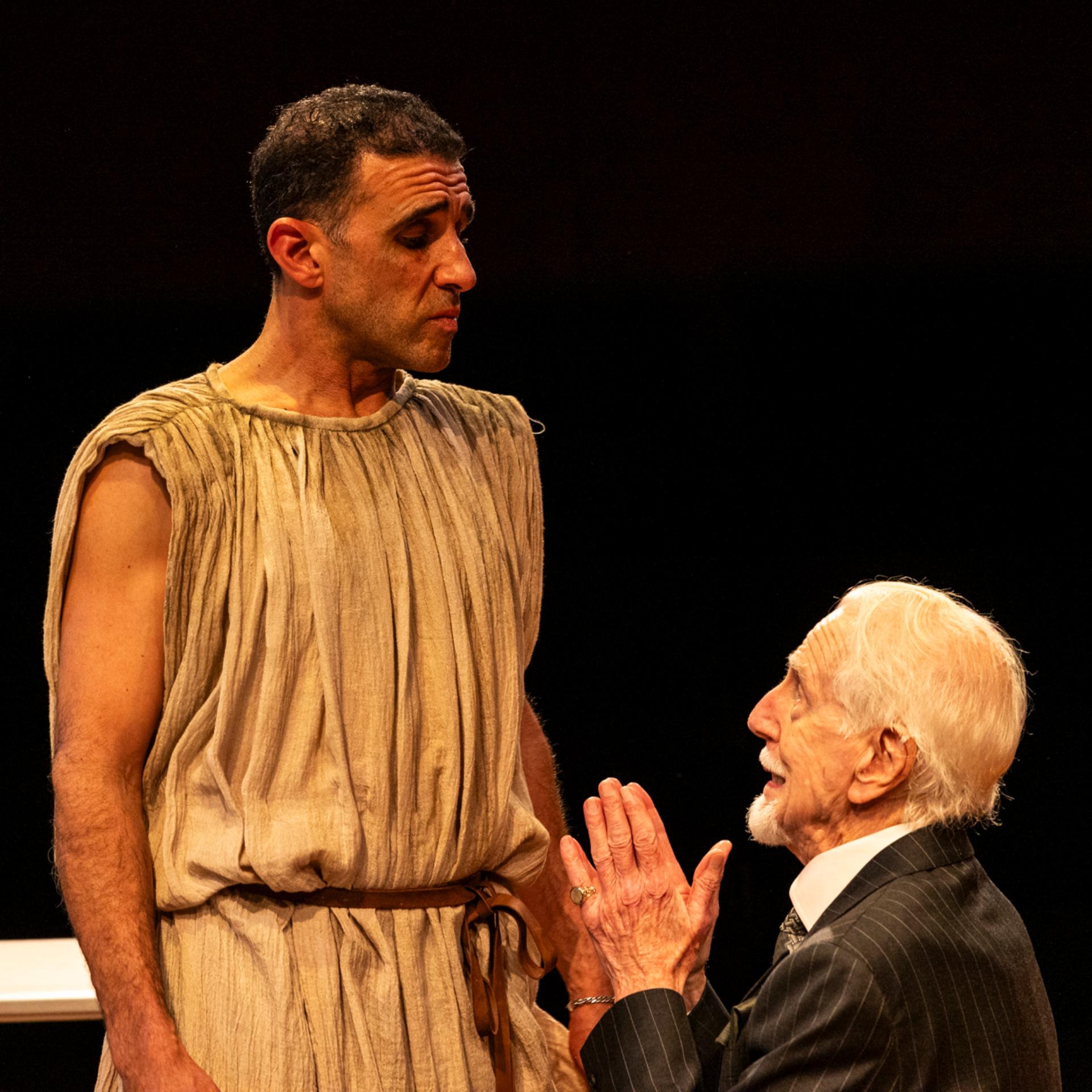
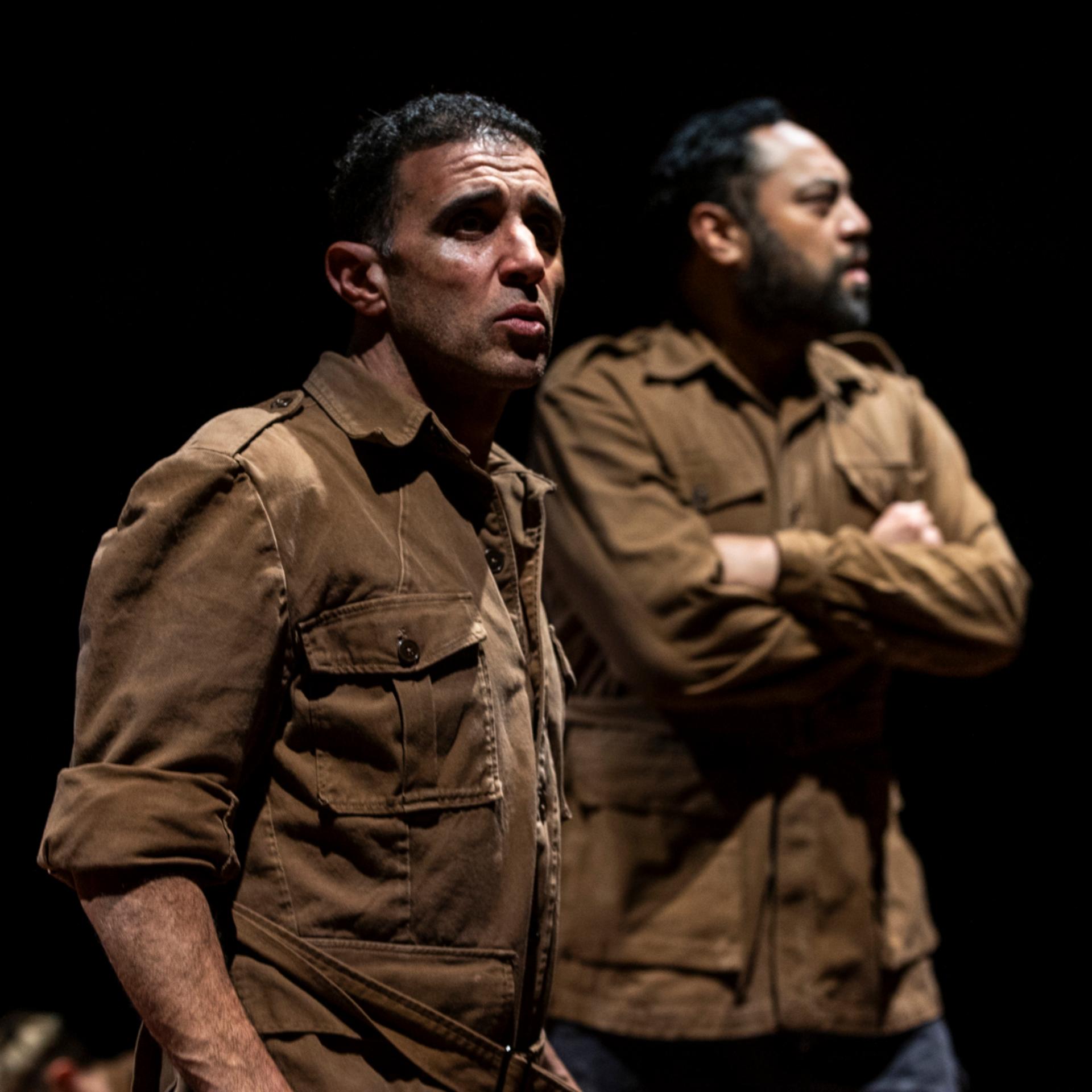
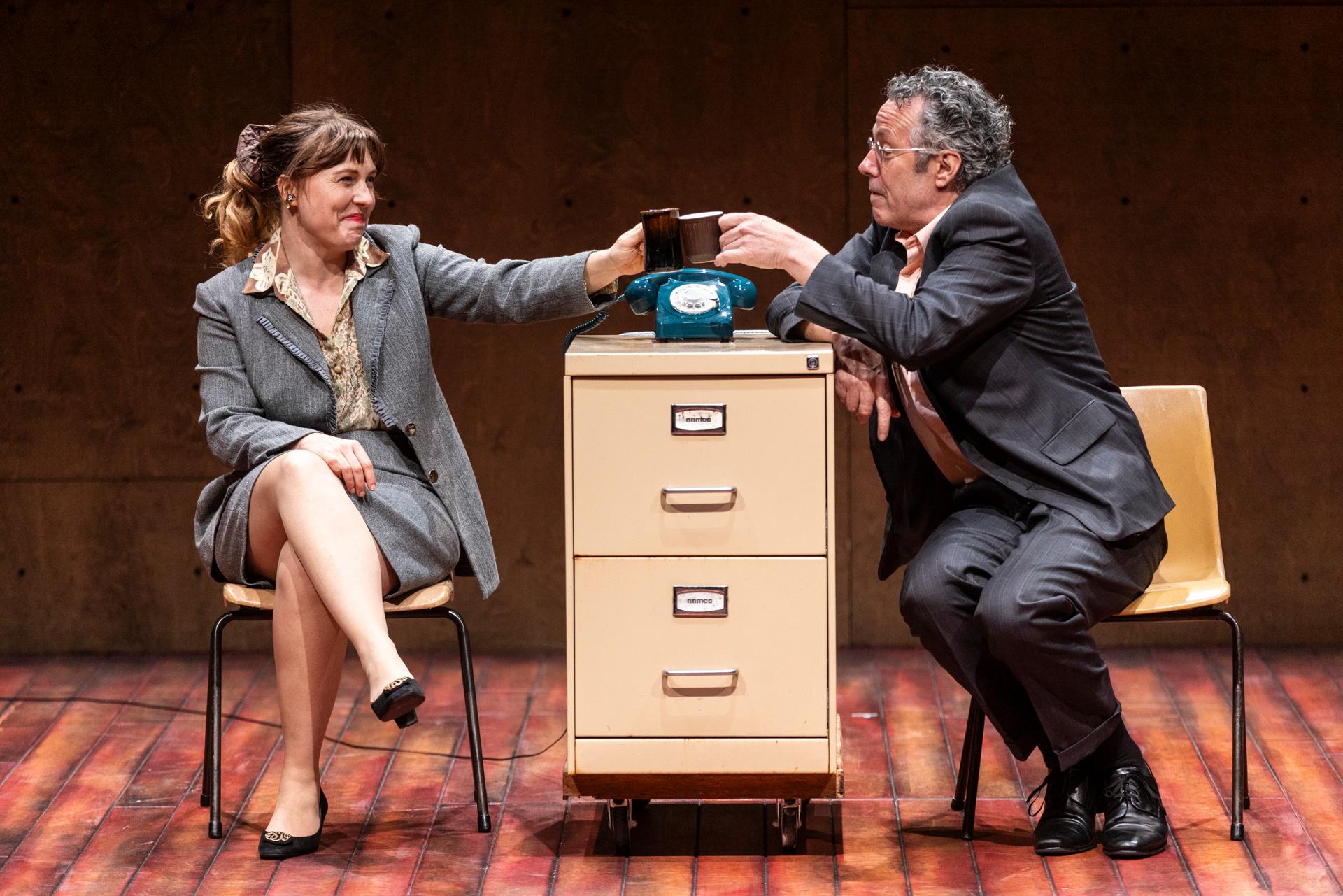
The Lover and The Dumb Waiter are one-act plays by Harold Pinter, currently being presented as a double bill. Both bear the dramatist’s characteristic absurdism, not only in their theatrical style but also in terms of what they say about the human experience. The former delves into the concept of monogamy, and the latter explores the idea of a person’s occupation. Pinter’s knack for making the ordinary appear strange, as can be seen in this pair of works, is perhaps one of his greatest contributions to art.

Direction by Mark Kilmurry locates for Pinter’s bizarre inclinations, a space of realism that allows us to see ourselves in characters who behave in unpredictable ways. The production tends to be excessively subdued in tone, which unfortunately diminishes its entertainment value. It is however a handsome staging, with Simone Romaniuk demonstrating commendable ingenuity and taste, in set and costume designs that are as transportive as they are appealing.

Actor Gareth Davies takes on key roles in both stories with a glint in his eye, charming us with the quiet mischievousness he brings to his interpretations. Nicole da Silva and Anthony Taufa are strong presences who keep us engaged, but can be somewhat understated in approach where bolder choices would be more effective. 

Questioning the very state of normalcy, is one of the biggest responsibilities of any artist. Even in abnormal times, when kleptocracy is taking hold in full view of populaces in previously democratic parts of the world, we need to be reminded of the differences between what is human, and what is manmade.

www.ensemble.com.au

Review: Happy Days (Sydney Theatre Company)

Venue: Wharf 1 Sydney Theatre Company (Walsh Bay NSW), May 5 – Jun 15, 2025
Playwright: Samuel Beckett
Director: Nick Schlieper, Pamela Rabe
Cast: Markus Hamilton, Pamela Rabe
Images by Brett Boardman

Theatre review
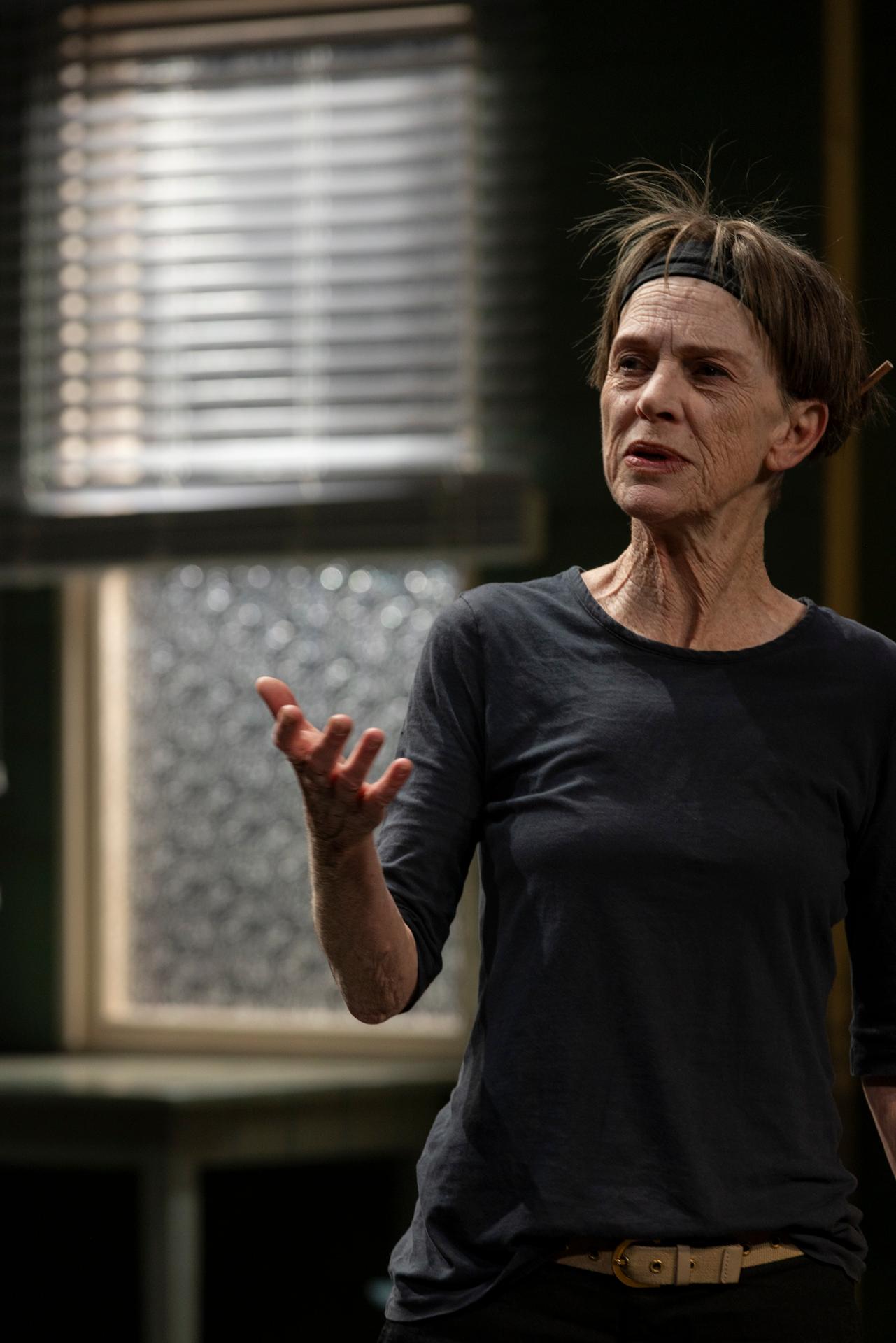
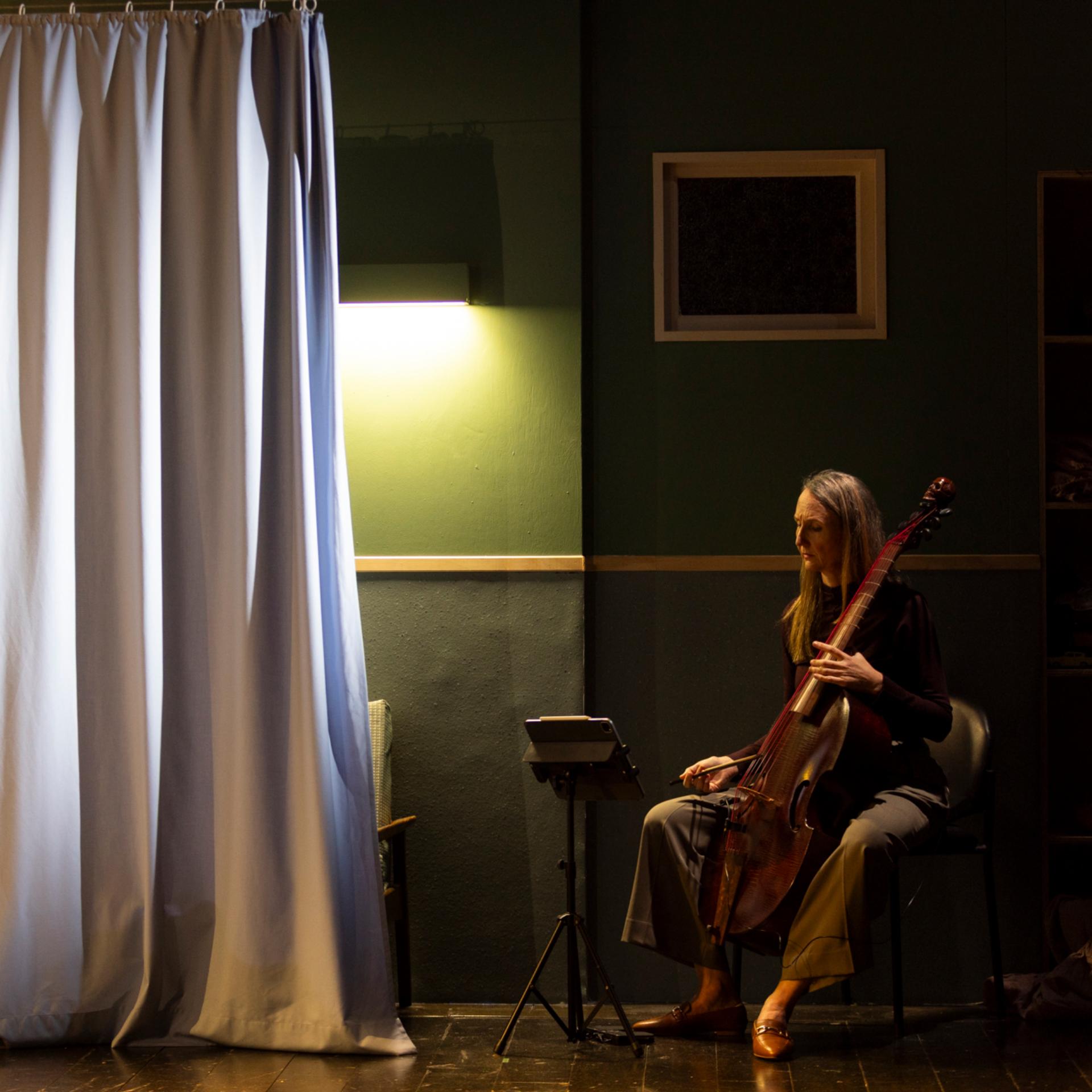
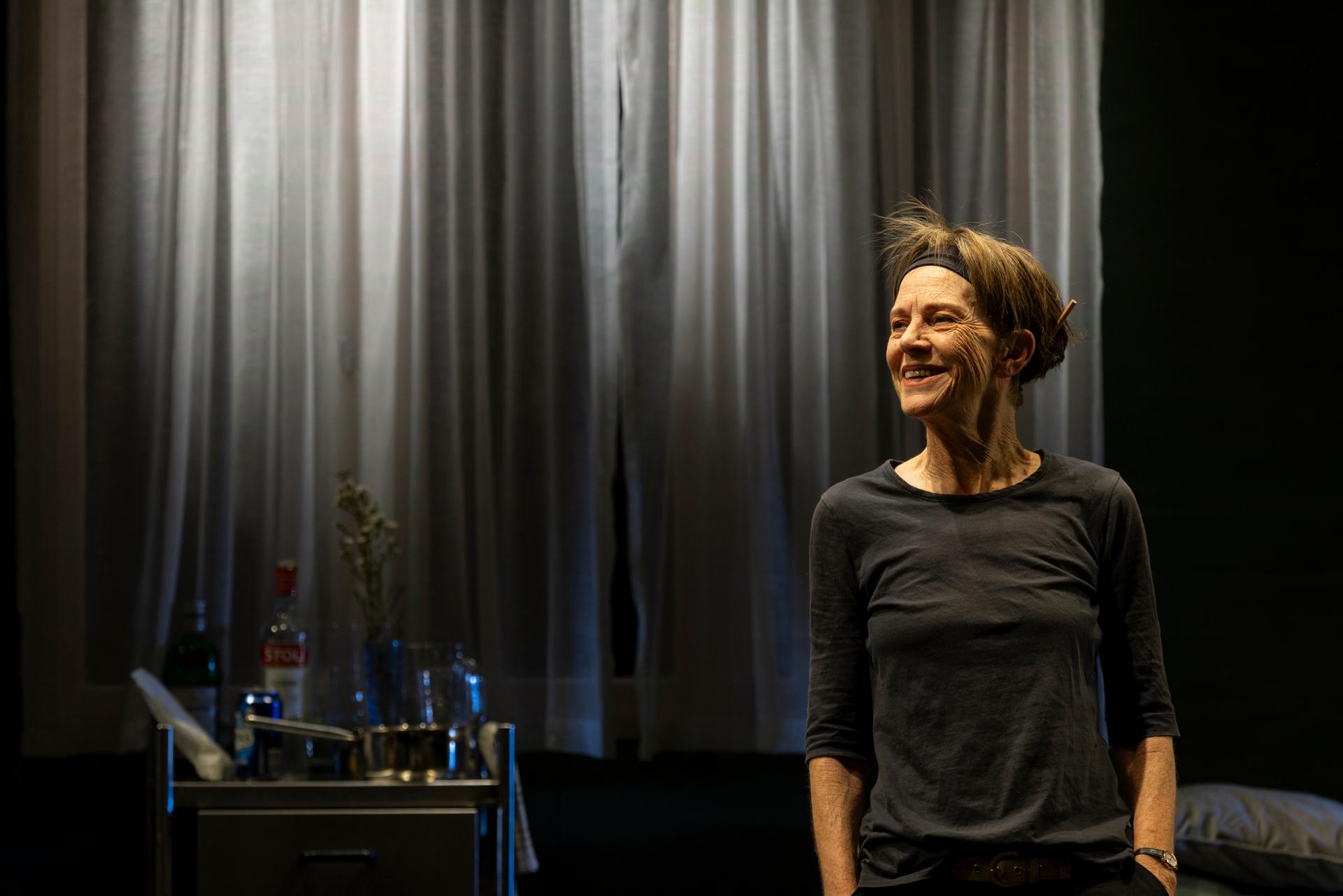
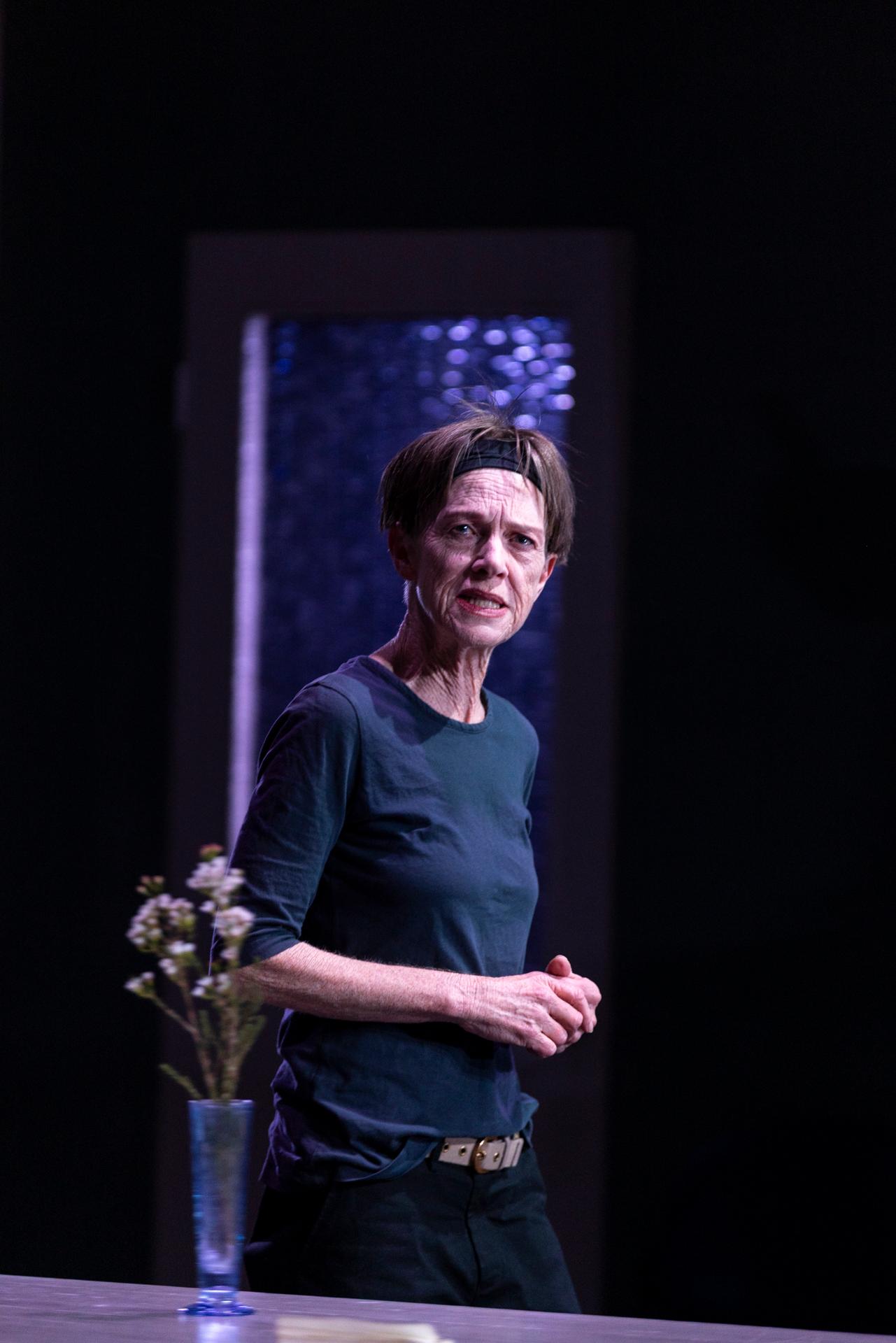
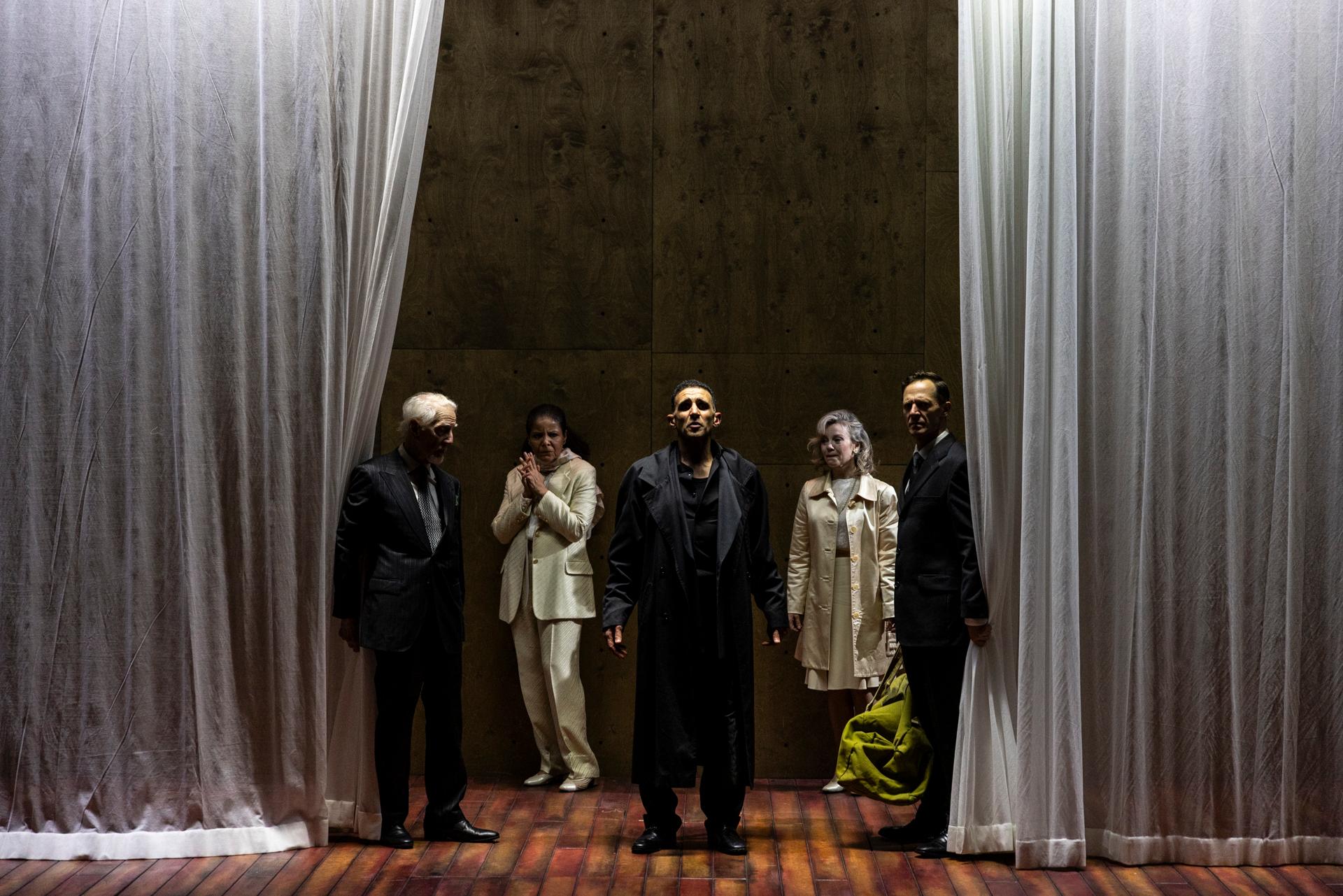
Winnie is submerged up to her waist, living in a state of constant suspension. The paralysis stems from circumstance, although it is never clear why or how Winnie finds herself thus. There appears nothing much to live for, yet she strives for optimism, in Samuel Beckett’s Happy Days, a work that could be considered allegorical for any number of things, although there is no mistaking its ruminations about the human condition.

Direction by Nick Schlieper and Pamela Rabe embraces wholeheartedly the central abstraction of the piece. Reluctant to make obvious gestures that would provide convenient indications about the meanings of Happy Days, the audience is left to its own devices. The experience is often confounding. The extent to which individuals can engage, or indeed feel alienated, likely depends on one’s own constitution and temperament. Even if it leaves us cold, there is no questioning the integrity of this interpretation of Beckett’s 1961 masterpiece.
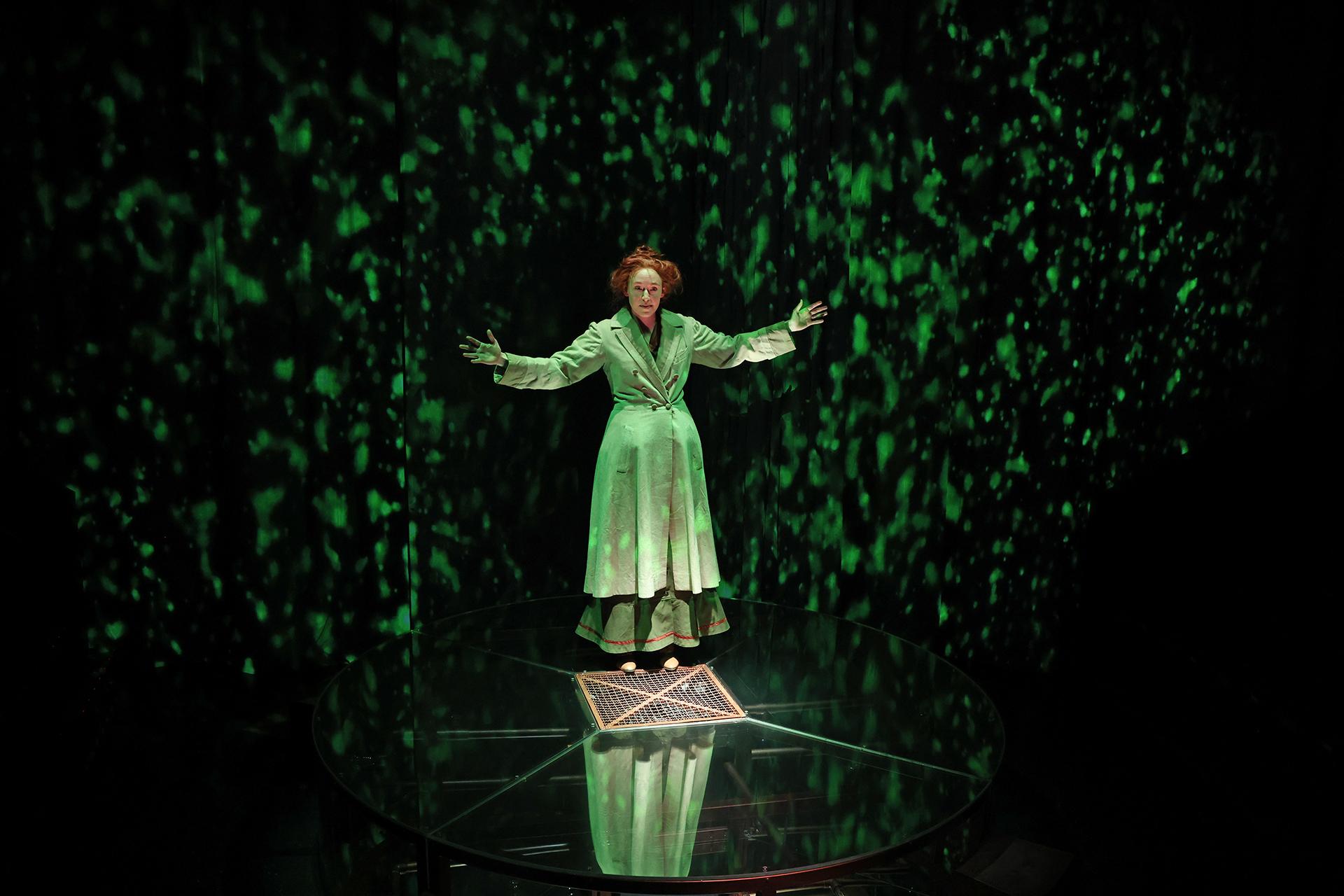
Schlieper’s set and lighting design for the production, although minimalist in approach, convey a certain grandeur. There is a stillness being rendered that is key to the very essence of Happy Days, but we are always cognisant of a much wider context. Although the play seems a lot to be about Winnie’s isolation, Schlieper reminds us of the greater world that exists, beyond the confines of her monologue. Costumes by Mel Page talk of a faded glory, and Stefan Gregory’s restrained sound design becomes prominent in conclusion moments, to imbue a dramatic crescendo to the piece.
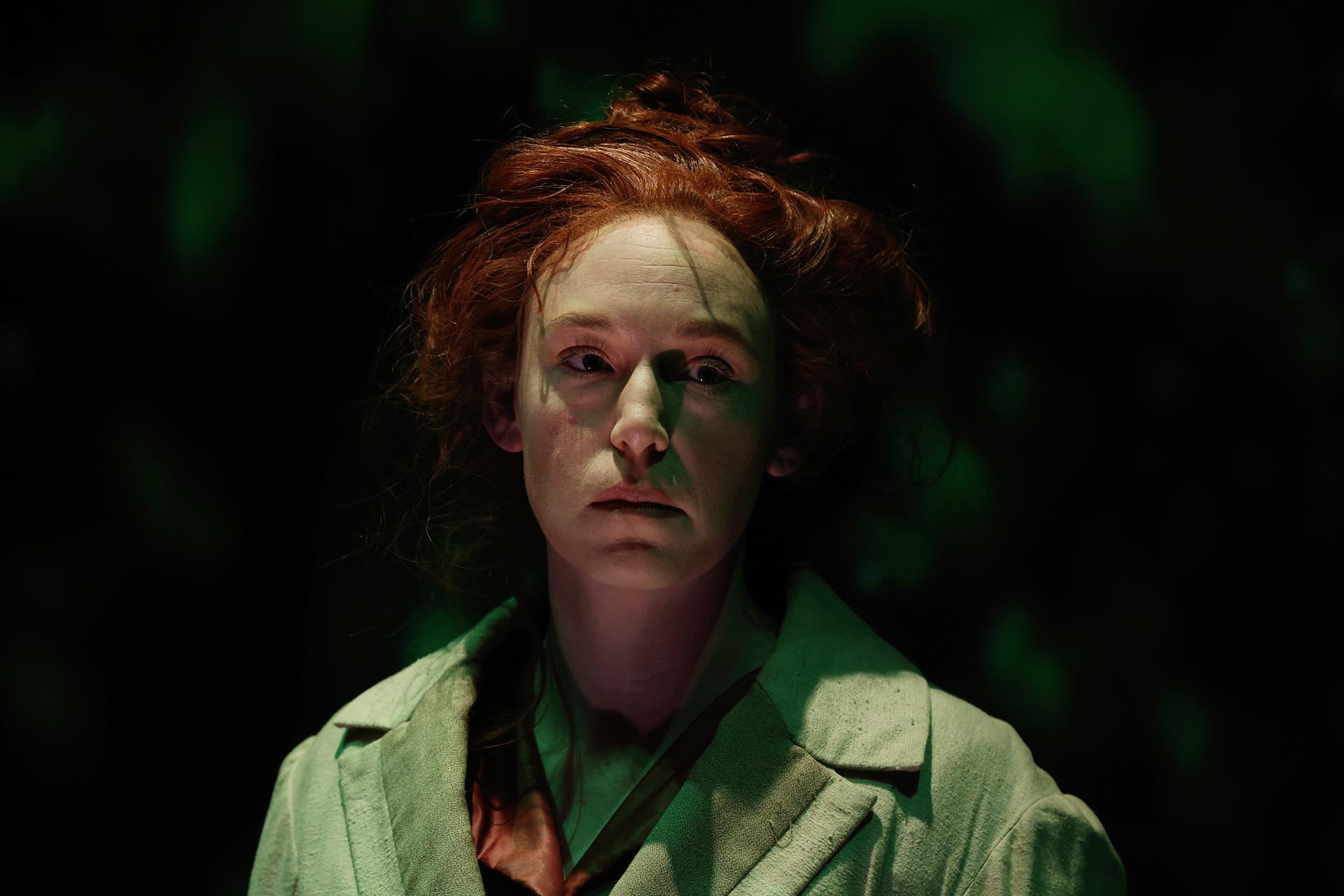
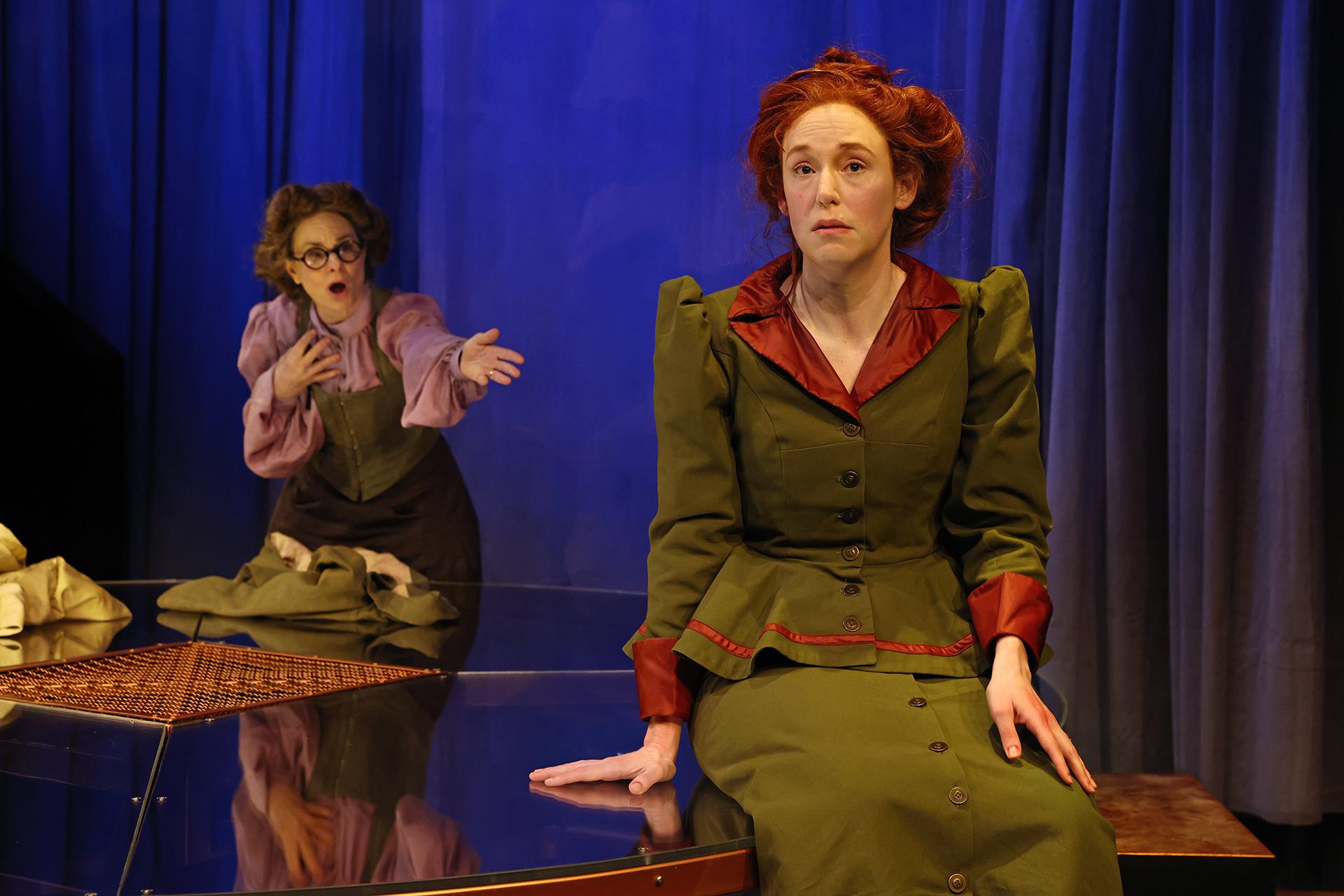
Rabe performs the part of Winnie with admirable gusto, impressive with the intricacy of her textual analysis. The laconic Willie is played by Markus Hamilton who brings a strong presence, to his depiction of a secondary character. The pair embody a mysterious world that is often impenetrable, but we never doubt the honesty they bring to their parts.

It is the stasis in Happy Days that should scare us. Death will surely come, and to deny it is foolish. To sit around waiting for the inevitable, is worse.

www.sydneytheatre.com.au

Review: And Then There Were None (Theatre Royal)

Venue: Theatre Royal (Sydney NSW), May 3 – Jun 1, 2025
Playwright: Agatha Christie
Director: Robyn Nevin
Cast: Jack Bannister, Eden Falk, Jennifer Flowers, Nicholas Hammond, Mia Morrissey, Peter O’Brien, Christen O’Leary, Chris Parker, Anthony Phelan, Grant Piro, Tom Stokes
Images by Jeff Busby

Theatre review
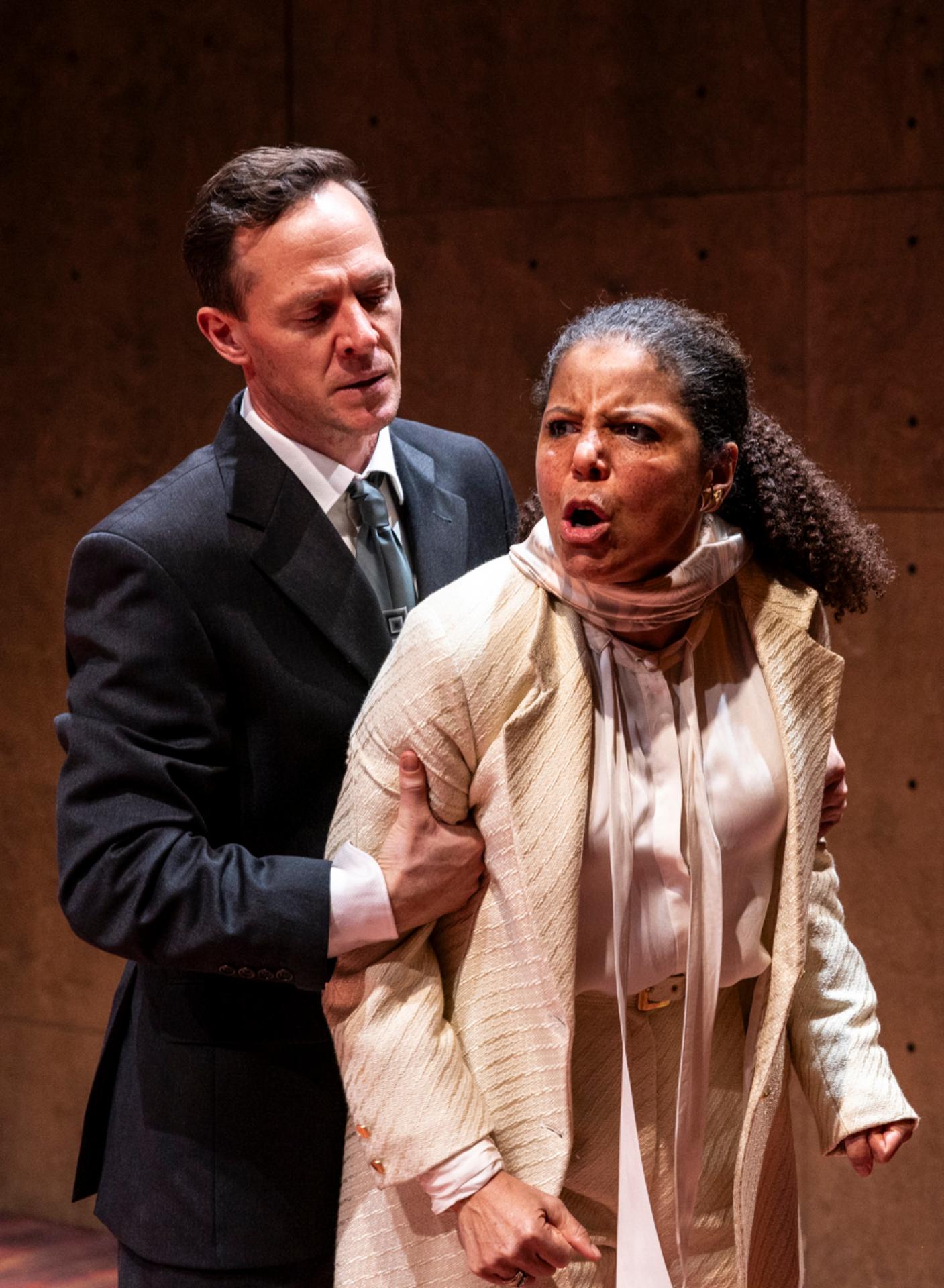
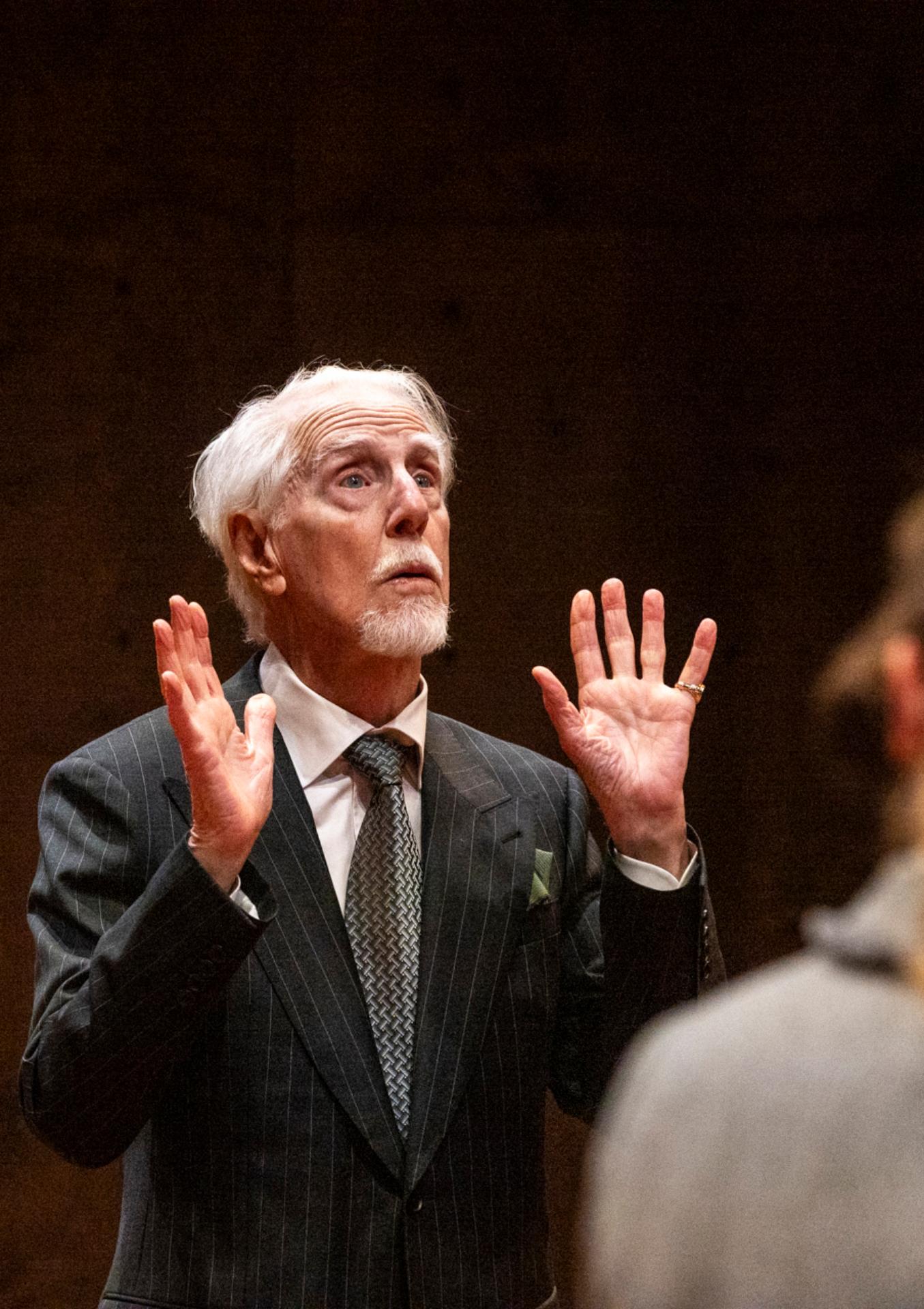
Agatha Christie’s And Then There Were None was, believe it or not, originally titled Ten Little N****rs at its time of publication in wartime 1939, but it is ten ostensibly white people who we witness to have descended upon an isolated island off the Devon coast, in South West England. The mysterious gathering proceeds to see its guests and staff killed off one by one, after the last boat has left.

The classic whodunit is given the most traditional of treatments by director Robyn Nevin, who brings polish to a tried-and-tested style of theatre presentation. Nothing is being reinvented, but the formula works well to have us involved in the crime-solving pleasure, that is characteristic of Christie’s oeuvre.

A lavish production design by Dale Ferguson transports us somewhere fabulously rich, with lights by Trudy Dalgleish adding to the glamorous imagery. Paul Charlier’s sound design helps to escalate tension, as the story moves along. The ensemble is cohesive and equally matched, although it may seem that performers are more effective rendering dramatic rather than comical aspects, of this Golden Age detective story.

Although approaching a century old, it is possible to perceive in And Then There Were None the perverse phenomenon of grievance by the wealthy, that is today so prominent a feature of our social ills. Like the victims invited to the Owens’ murderous mansion, we find ourselves subject to the absolutely unjustifiable vengeful actions of the wealthy, who very weirdly and perplexingly believe,  that their misery can be mended by inflicting all manner of punishment on us.

www.andthentherewerenone.com.au

Review: The Wrong Gods (Belvoir St Theatre)

Venue: Belvoir St Theatre (Surry Hills NSW), May 3 – Jun 1, 2025
Playwright: S. Shakthidharan
Director: Hannah Goodwin, S. Shakthidharan
Cast: Manali Datar, Nadie Kammallaweera, Radhika Mudaliyar, Vaishnavi Suryaprakash
Images by Brett Boardman

Theatre review
Isha is a schoolgirl exhibiting great promise, with a brilliant mind and a passion for science that have attracted attention, from American industry entering rural India. Her mother Nirmala wants the best for Isha, but making decisions about an uncertain future is difficult, even if the gods seem so resolute with what they stand for. Provocative ideas are presented in The Wrong Gods by S. Shakthidharan through scintillating conversations, between characters who are thoroughly authentic, and interminably sympathetic.

It explores notions of progress, technology, capitalism and colonisation, from perspectives realistic rather than ideological, based on interviews conducted with those of relevant lived experience. The tremendous poignancy of Shakthidharan’s writing may be derived from a specific story originating in an Indian village, but its resonances are universal. As an Australian work, The Wrong Gods seems often to reflect on Indigenous dispossession and displacement, allowing us to further relate to the themes and ethos of this deeply affecting creation.

Co-direction by Shakthidharan and Hannah Goodwin delivers emotional intensity, for a highly consequential examination of our very times and values. Complexities of thought are conveyed with astonishing salience, for a show that is as intellectually stimulating as it is moving. Music composition by Sabyasachi (Rahul) Bhattacharya, along with sound design by Steve Francis, are a marvellous concoction that proves stirring even if its expressions are always delicate.

Inspired by farmlands of South Asia, set design by Keerthi Subramanyam is a beautiful evocation of our relationship with nature, making a statement about human activity in conjunction with notions of the organic. Lights by Amelia Lever-Davidson are elegantly rendered, adding subtle enhancements to aid dramatic tension, for a tale that is consistently escalating.

Actor Nadie Kammallaweera as farmer Nirmala brings to the stage gravity and power, leaving a lasting impression with her exacting physicality and commanding voice. Isha is played by the charismatic Radhika Mudaliyar whose persuasive naturalism has us hopelessly invested in a narrative about the conundrum of modernisation. Vaishnavi Suryaprakash is a compelling presence, and wonderfully nuanced, as Lakshmi the local representative of foreign interests. Manali Datar is appropriately spirited as Devi, an activist working for the resistance against deleterious commercialisation.

We know progress to be inevitable, but it is imperative that its momentum is always kept in check. Having seen the many devastations that have resulted from greed in the guise of advancements, it is shocking that those who control technology should be allowed to act wantonly. We cannot stop time from moving forward, but we must always be able to raise caution, be able to slow things down, and not be deceived by those who characterise our collective gain, as a race.

www.belvoir.com.au

Review: IRL (KXT on Broadway)

Venue: KXT on Broadway (Ultimo NSW), Apr 25 – May 10, 2025
Playwright: Lewis Trestin
Director:
Eugene Lynch
Cast: Andrew Fraser, Bridget Haberecht, Dominic Lui, Leon Walshe
Images by Justin Cueno

Theatre review
Tumblr was still a thing, when teenage best friends Alexei and Taylor attended a pop culture convention in cosplay, asking big questions about identity and reality. IRL by Lewis Trestin explores that perennial search for truth, from the perspective of those born in the digital era. Immersed in facsimile representations of personalities through electronic devices, and absorbed in commercialised prescriptions of humanity, characters in IRL endure intense challenges as they try to find themselves, in Trestin’s reflective but thoroughly mischievous play.

Direction by Eugene Lynch is commensurately vibrant, with an infectious spiritedness that keeps us invested in its wildly-imagined coming-of-age narrative. Cassidy McDermott-Smith’s choreography is an unequivocal delight, for a highly animated show that never shies away from physical comedy. Set design by Lochie Odgers is somewhat subdued, but costumes by Lily Mateljan and lights by Topaz Marlay-Cole ensure that imagery is consistently colourful and vivacious. Sound by Daniel Herten too is an uplifting feature, making believable all the outlandish expressions of youthful angst.

The piece is performed brilliantly by an immensely dedicated cast. Andrew Fraser brings extravagance, relentless but deliberate with the campness he introduces to Alexei, a queer high schooler on the cusp of puppy love. Bridget Haberecht delivers with considerable power, speeches that address directly the political concerns of a new generation, whilst delivering some truly delicious theatricality with her embrace of Taylor’s surreal world. Leon Walshe is very likeable as Thaddeus, a role he plays with admirable precision and persuasive focus. Dominic Lui is a charming scene stealer, incredibly funny with his idiosyncratic and perfectly timed manoeuvres, in a variety of roles that he makes hilarious in surprising ways. 

It is easy to come to a conclusion that perhaps nothing is real, but in IRL we are once again reminded that for all the unpredictabilities, whims and fluctuations of existence, it is always connection that proves meaningful. We can spend all our lives in self-examination, but little compares to the instances of when people connect, when we discover in those moments of authentic resonance, that everything else falls readily into disintegration.

www.kingsxtheatre.com | www.theothertheatre.com.au

Review: Abigail Williams (Wharf 2 Theatre)

Venue: Wharf 2 Sydney Theatre Company (Walsh Bay NSW), Apr 23 – 26, 2025
Playwright: Rebecca McNamee
Director: Rebecca McNamee
Cast: Ebony Tucker
Images by Robert Miniter

Theatre review
It is mainly young women who are the key accusers in Arthur Miller’s The Crucible, but we never seem to know them very well. In Abigail Williams by Rebecca McNamee, we are given an opportunity to speculate on what might have caused the eponymous ringleader to inflict such ruthless damage. The work is an exploration of the rage that results from misogyny, and how it manifests in unexpected ways.

McNamee’s writing is thoughtful and creative, but her direction of the work is strangely placid, even if there is an undeniable elegance that guides her storytelling. Costuming by Angelina Daniel is astutely fitted and assembled, along with a set design that is commensurately graceful. Chris Milburn’s lights deliver finesse, but lack the necessary energy to satisfactorily address the core themes of the play. More impressive is sound design by Keelan Ellis, memorable for its intricacy and rigour.

Performer Ebony Tucker brings strength and detail to her portrayal of the 17th century villain, highly persuasive in bringing a new perspective to the narrative. The production is perhaps overly reliant on Tucker’s efforts to provoke our emotional response, but she is unquestionably up to the task.

So much of how we believe the world to be, is shaped by archaic ways of seeing. We hold in high regard the words of so many who have come before, often unable to discern good from bad, inevitably inheriting toxic values, and accepting what they represent to be truthful or natural, even when they are perniciously self-defeating. Our old masters wrote things that harm us, but little is ever done to take them down.

www.herstoryfestival.com

Review: Posh (Old Fitz Theatre)

Venue: Old Fitzroy Theatre (Woolloomooloo NSW), Apr 19 – May 17, 2025
Playwright: Laura Wade
Director: Margaret Thanos
Cast: Tristan Black, Toby Blome, Mike Booth, Christian Byers, Max Cattana, Roman Delo, AJ Evans, Ryan Hodson, Charles Mayer, Dylan O’Connor, Dominique Purdue, Jack Richardson, Scarlett Waters, Anthony Yangoyan
Images by Robert Catto

Theatre review
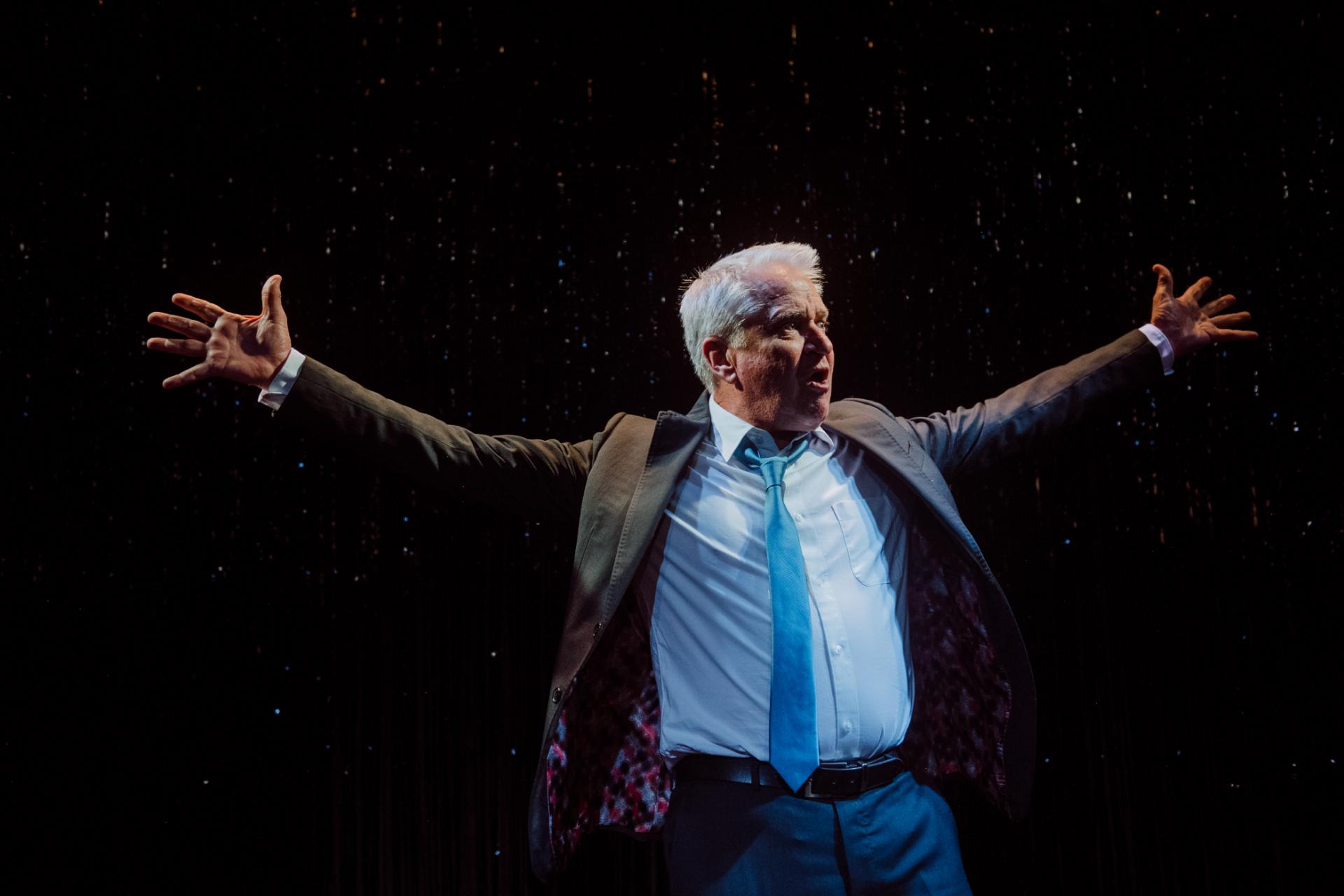
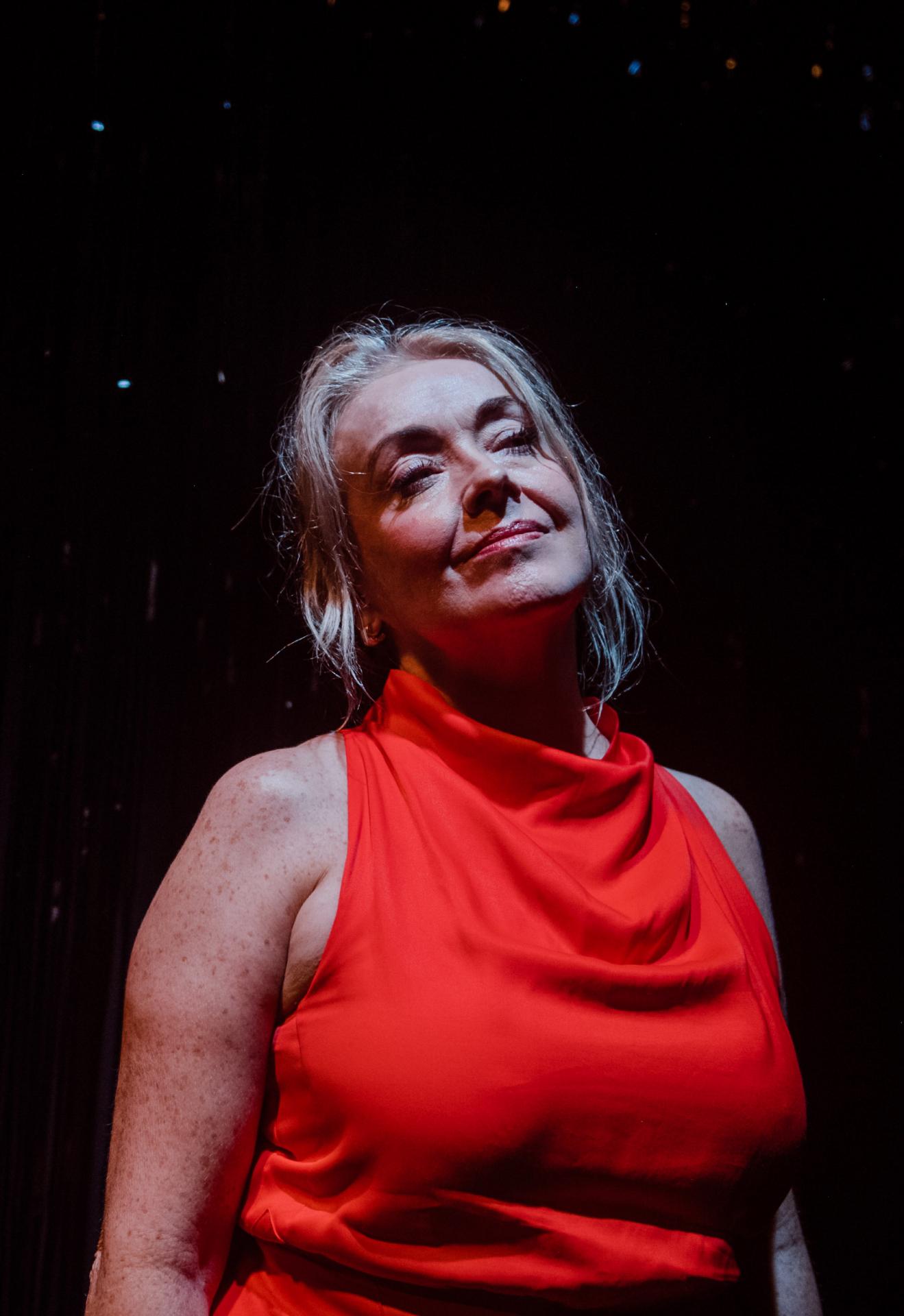
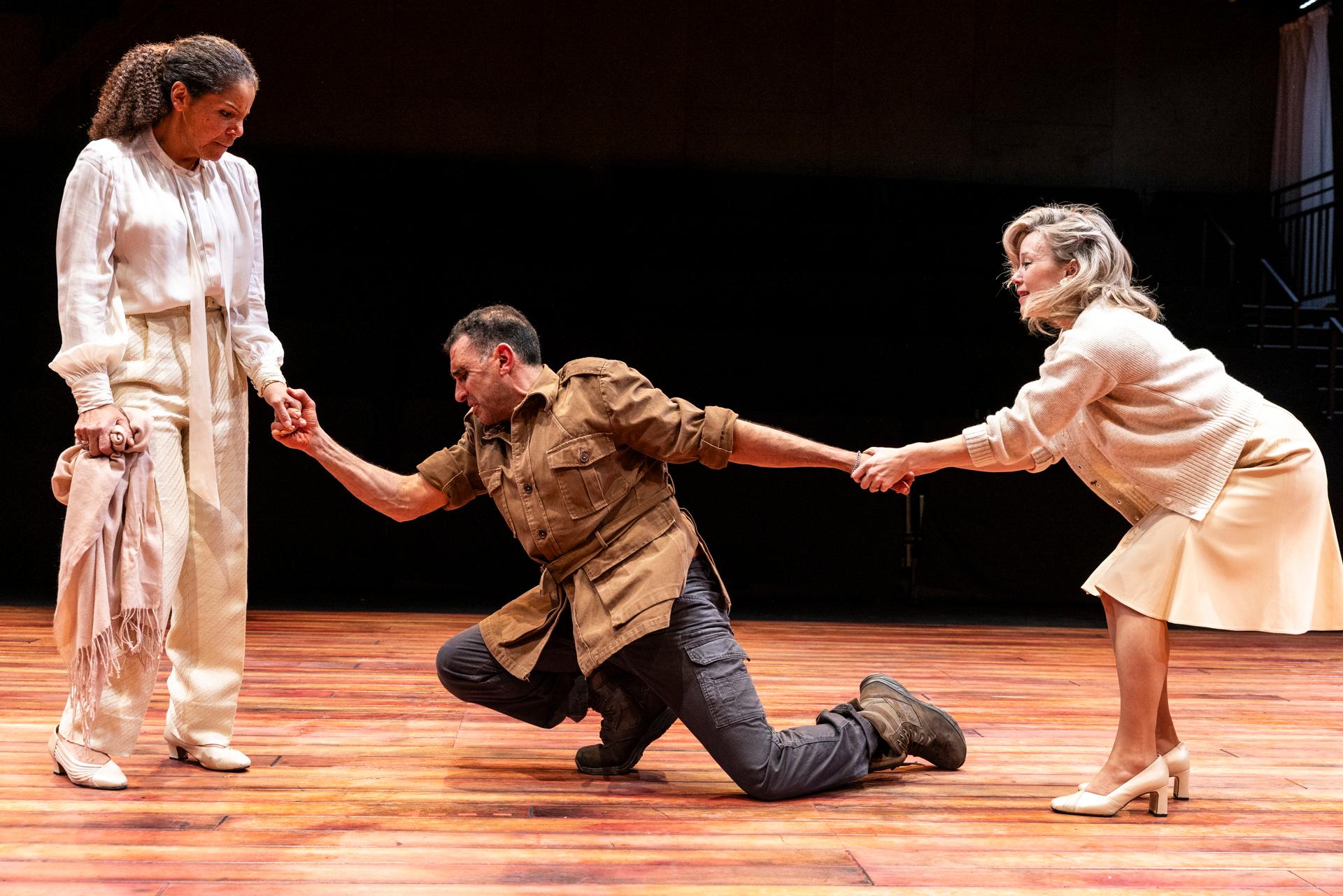
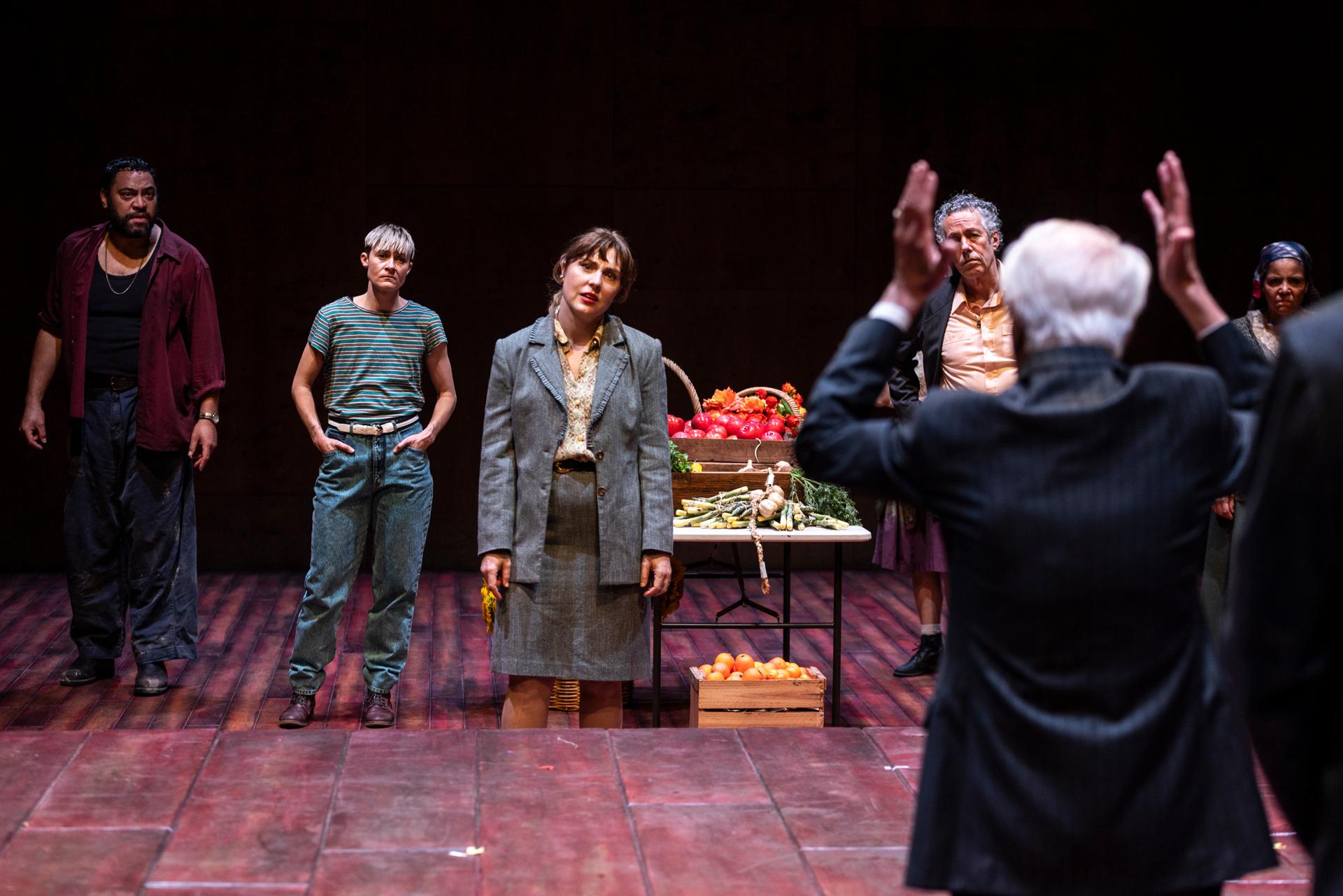
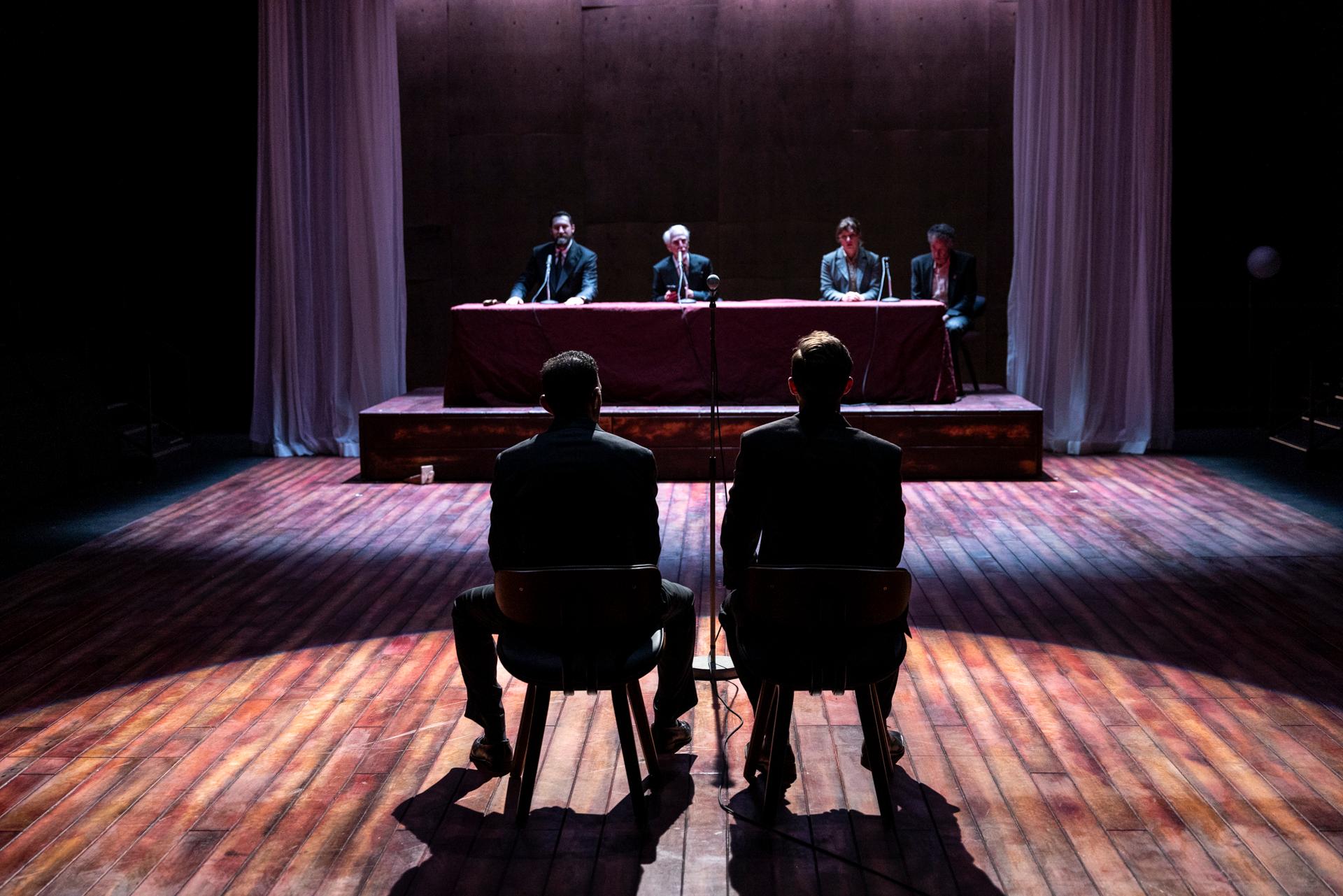
The aristocracy may no longer be what it once was, but members of the secret Riot Club are certainly not giving up on their old beliefs. Posh by Laura Wade interrogates the British class system, with a specific focus on privileged young men, who are brought up to believe that their heritage makes them rightful leaders of the future. A scathing commentary on this particular segment of the elite, Wade’s play is an entertaining creation, if slightly simplistic and deficient in nuance.

Direction by Margaret Thanos imbues an intensity that has us captivated. Where there is a lack of complexity in terms of narrative and characters, Thanos provides extensive atmospheric enrichment, so that we may experience a consistent exhilaration, in the mischief and danger of what unfolds. An electrifying cast delivers a polished production, impressive with the cohesiveness and precision so evident in their work. Each actor is delightful, in a production memorable for its quality of performance.

Set design by Soham Apte is remarkable for its naturalism, leaving no doubt as to where the action is meant to occur. Aloma Barnes Siraswar’s costuming offers idiosyncratic and meaningful variations, to the patrician uniform that the men wear with revolting arrogance. Lights by Sophie Pekbilimli and sounds by Cameron Smith are not always imaginative and rigorous, but they rise to the challenge when the play veers momentarily into surreal territory. 

There is a sanctimonious pleasure in watching Posh, even if the truth points to power only ever working in one direction. It may feel like we are exploring the world of The Riot Club and its members in a superficial way, that the show only cares to depict caricatures, but there is no denying that the patriarchy’s persistent dominion is accurately conveyed. They no longer own everything, but it seems that nothing can quench their desire to exert influence over all of our lives.

www.oldfitztheatre.com.au | www.queenhades.com

Review: Snakeface (25A Belvoir)

Venue: Belvoir St Theatre (Surry Hills NSW), Apr 8 – 27, 2025
Playwright: Aliyah Knight
Director: Bernadette Fam
Cast: Aliyah Knight
Images by Abraham de Souza

Theatre review
Inspired by the legend of Medusa, Aliyah Knight’s Snakeface deals with themes of abuse and assault, through a modern feminist lens. The writing is unrelentingly poetic and sometimes obtuse, with an undeniable beauty to its language that leaves an impression. Within a theatrical context, work of this nature can feel disorienting, but the resolve of its vision and ambition helps sustain our attention.

Rigorous direction by Bernadette Fam creates distinct and imaginative segmentations at every step of the show’s progression, for a staging that fascinates our senses, even when we share in the discombobulation of its central figure. Bold choreography by Fetu Taku adds meaningfully to the visceral power of the solo piece, which Knight performs with admirable focus and confidence.

Set design by Keerthi Subramanyam is intricately considered, with the inclusion of a clay slab proving an evocative touch. Similarly entrancing are Wendy Yu’s video projections, that fuse seamlessly with the overall visual scheme.

Costuming by Wanyika Mshila bridges the gap with the past, whilst allowing us to perceive the character’s full sexual agency. Rachel Lee’s lights tell a sensual yet violent tale, and alongside stirring sound design by Marco Cher-Gibard, the production is an unequivocal sensorial delight.

www.belvoir.com.au | www.fruitboxtheatre.com.au

Review: Glass Child (Seymour Centre)

Venue: Seymour Centre, Reginald Theatre (Chippendale NSW), Apr 9 – 16, 2025
Creators: Kayah and Maitreyah Guenther, Kate Harman, Gavin Webber
Directors: Kate Harman, Gavin Webber
Cast: Kayah and Maitreyah Guenther
Images by Kate Holmes

Theatre review
There is an enviable closeness to Kayah and Maitreyah, a pair of siblings who seem to connect at the deepest levels, and in Glass Child, we see that it makes perfect sense that they should work together on a piece of theatre. Kayah lives with down syndrome, and through his partnership with Maitreyah, is able to bring expression to a form of experience that is rarely explored in our performing arts.

Kayah is always depicted as an autonomous individual, and there is no denying the immense value, of witnessing the representation of a person living with a disability, from one so determined and unambiguous about how he wishes to be perceived. Maitreyah is on hand for the entirety to ensure that her brother has everything he needs, to make every statement he desires.

The dynamic duo is directed by Kate Harman and Gavin Webber, who deliver a considerable amount of entertainment, along with many moments of epiphanies. For those of us who are ignorant of the challenges faced by those disadvantaged by an ableist world, Glass Child is especially meaningful.

Music and sounds by Anna Whittaker are a noteworthy feature of the production, highly evocative with their often pulsative rhythms, in a staging that communicates more effectively with percussive beats than with words. Lights by Chloe Ogilvie offer heightened drama at key moments, adding visual texture to an uncomplicated space.

Kayah reveals both dark and light aspects of his personality, in Glass Child. Those who feel misunderstood, tend to be overly cheerful with our public persona, always wishing to present an approachable image. This opportunity to see a person with down syndrome at his most joyous and most anguished, is in some ways a demystification; a wonderful invitation to a somewhat unusual perspective of life.

www.seymourcentre.com | www.thefarm.company