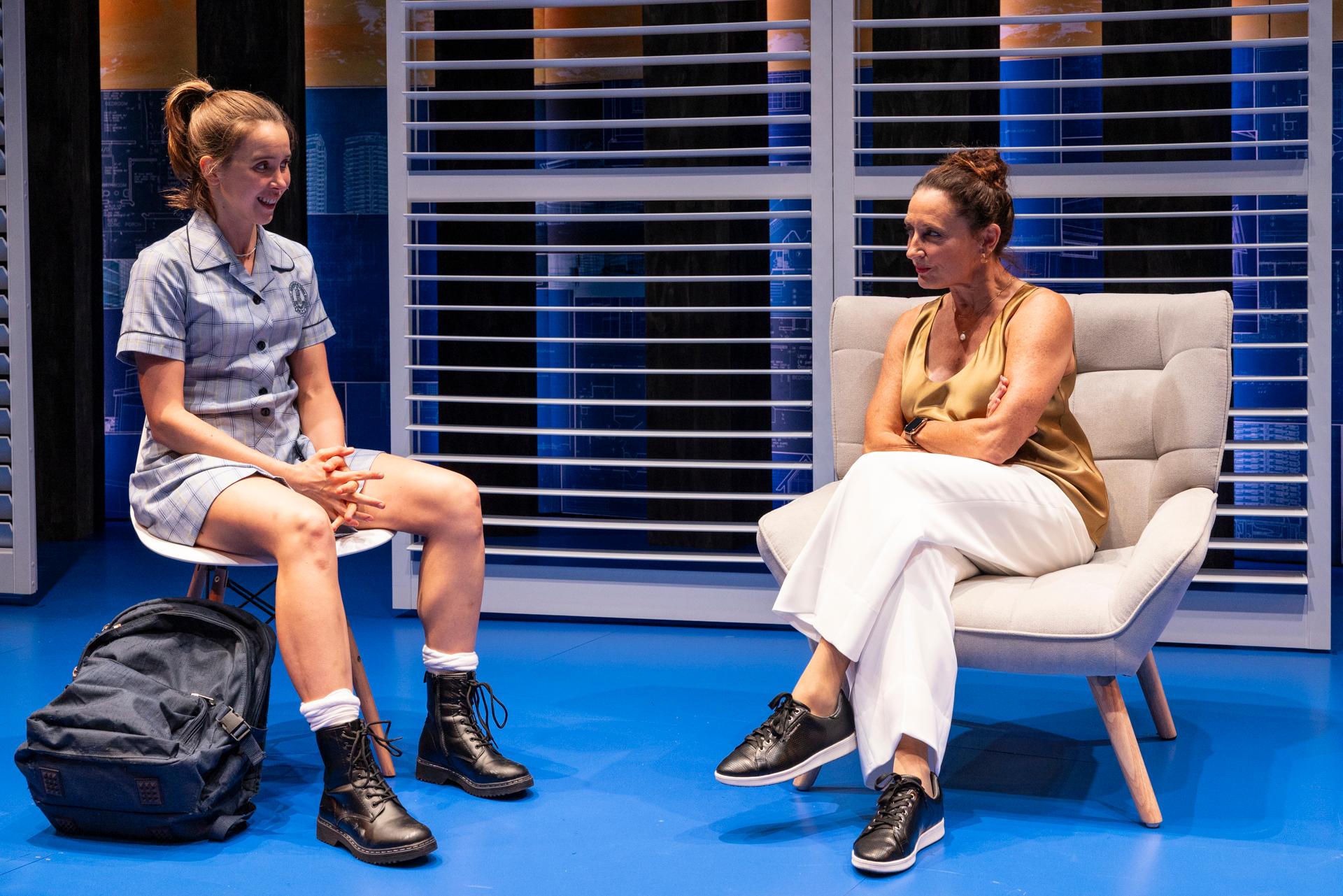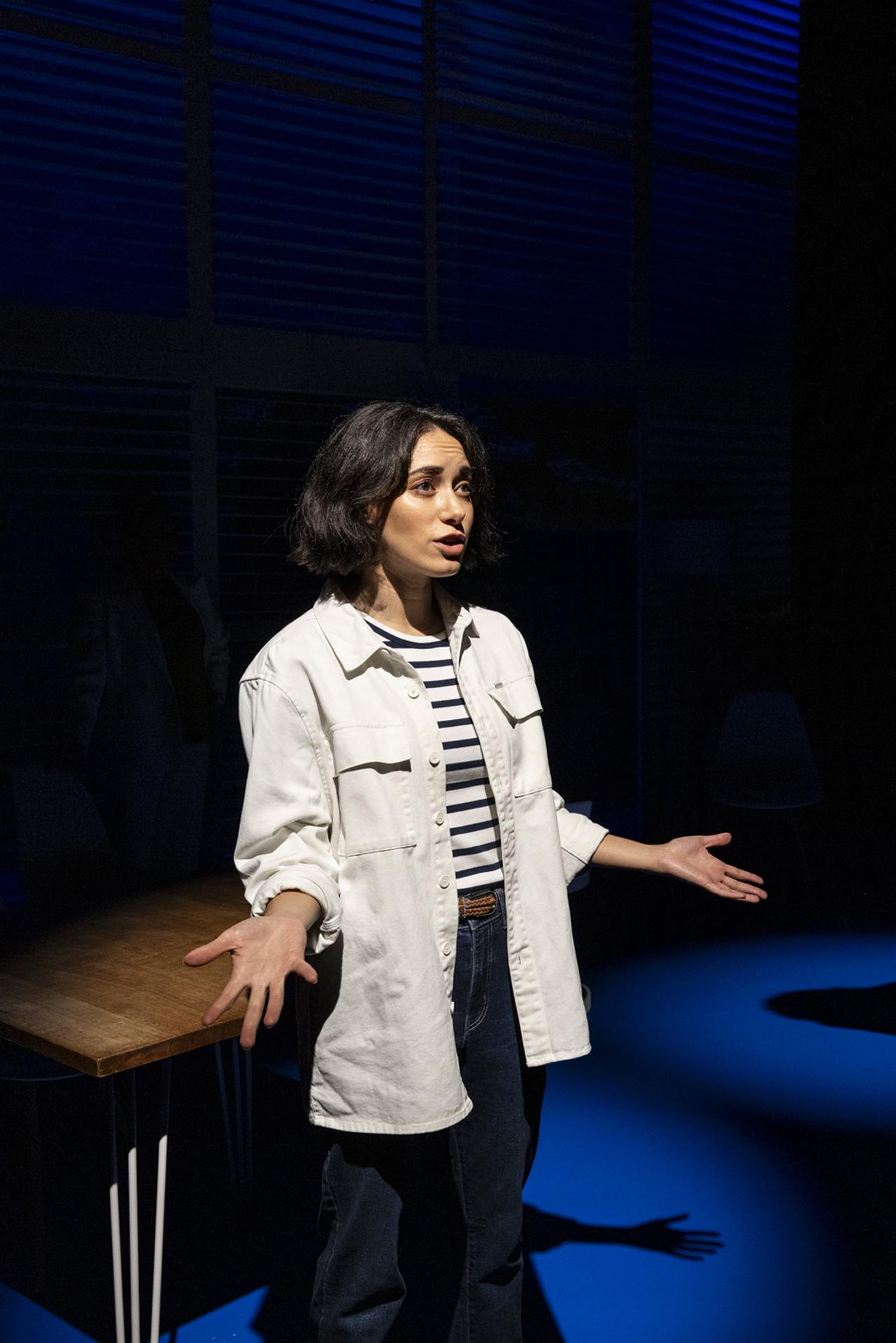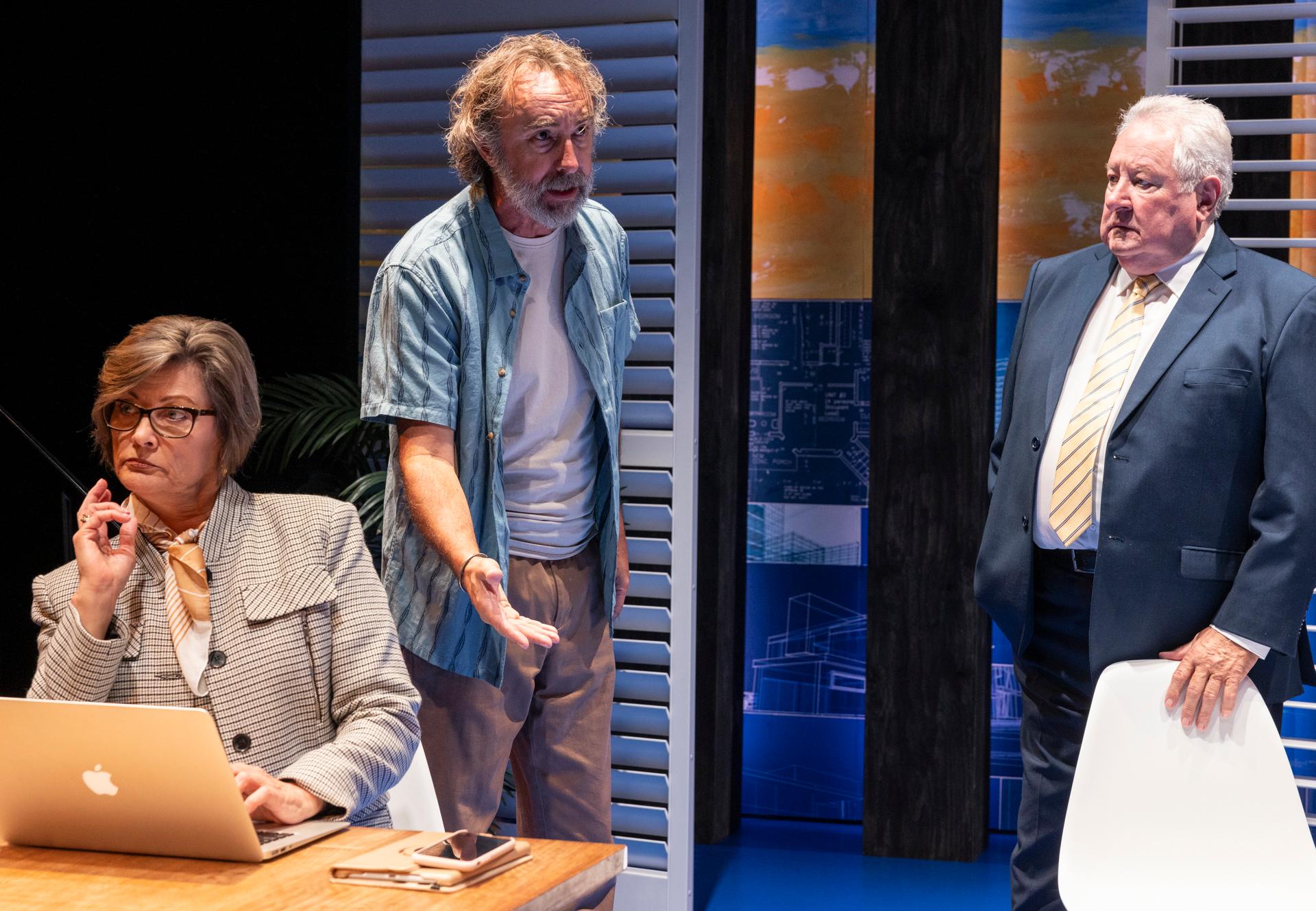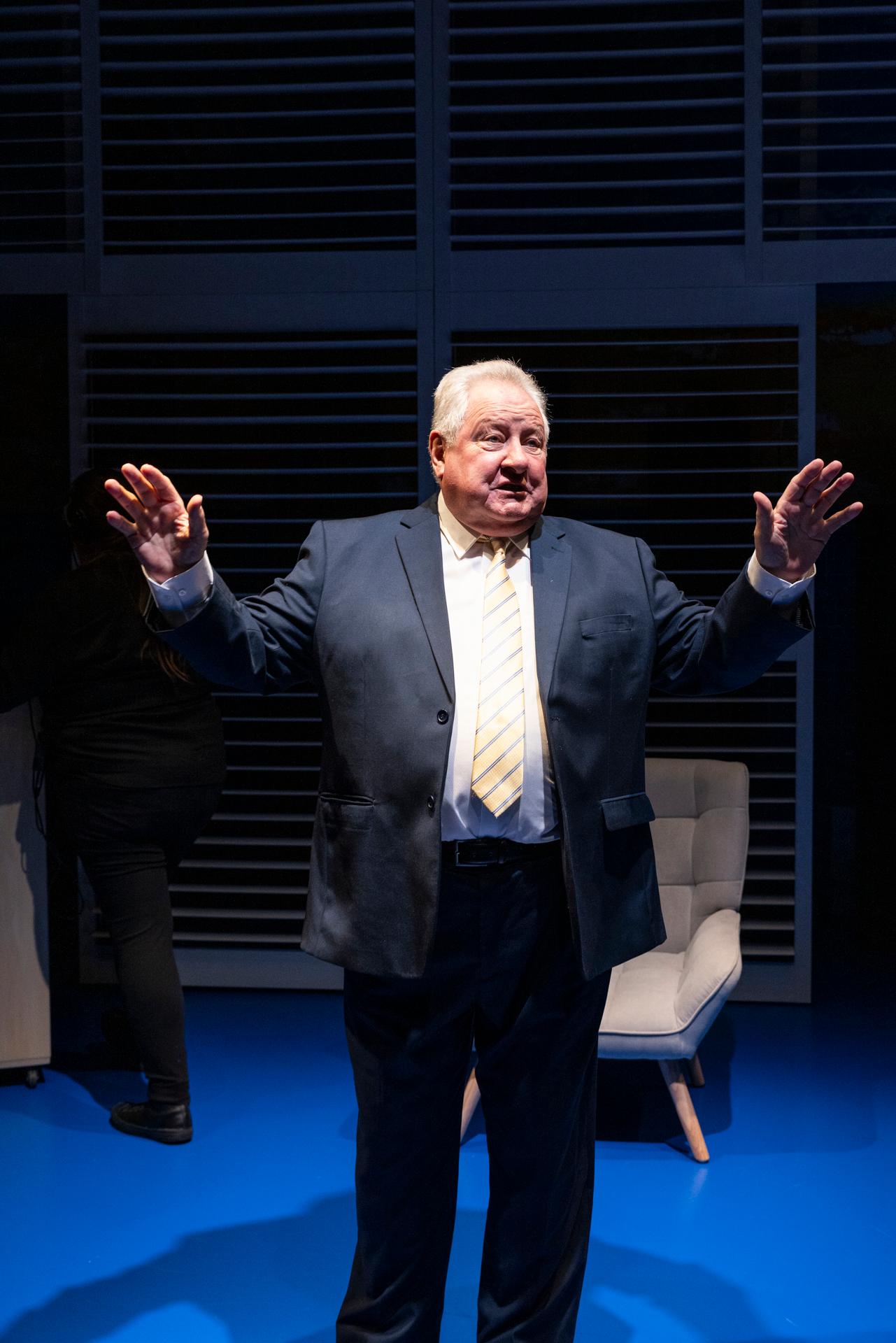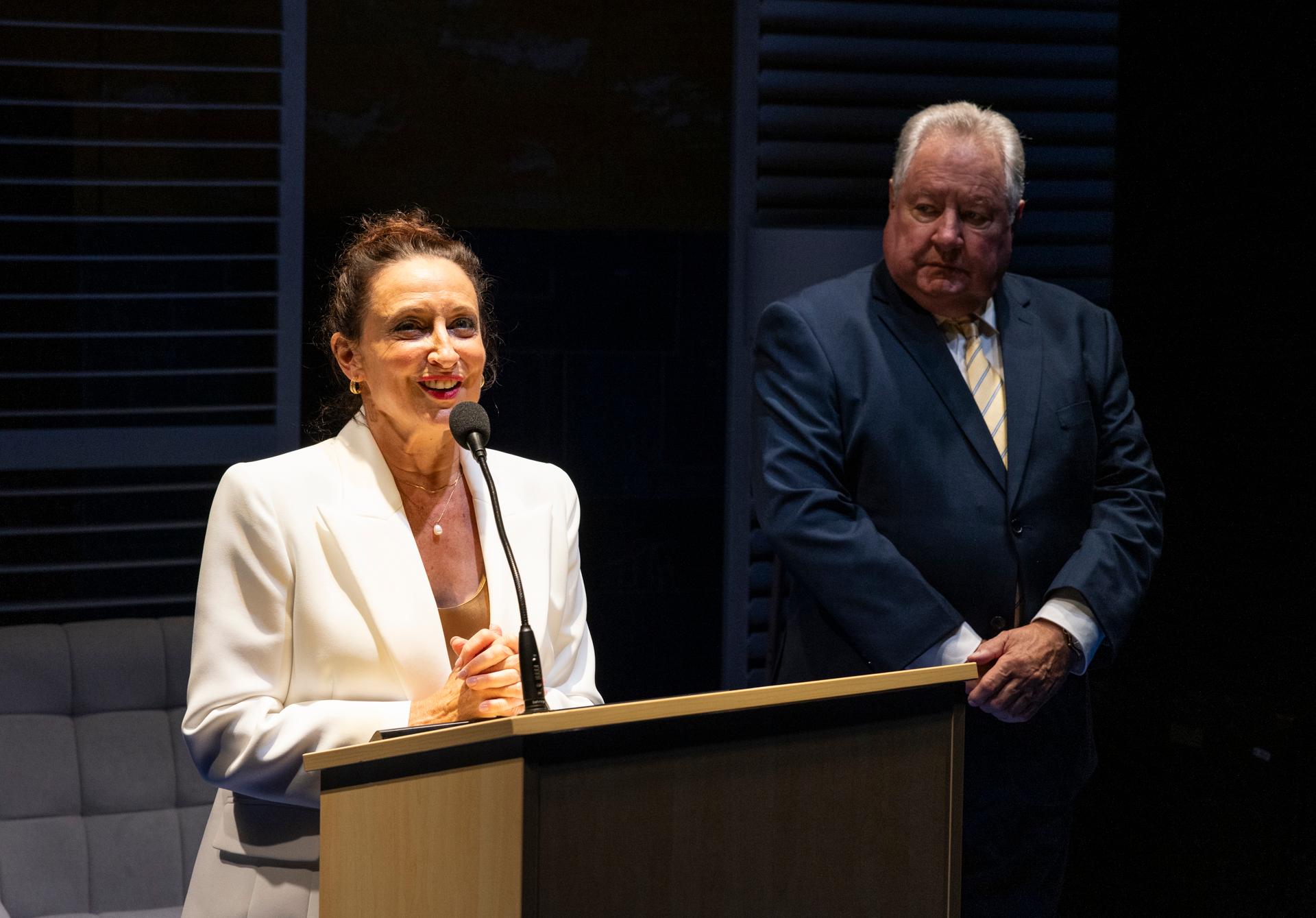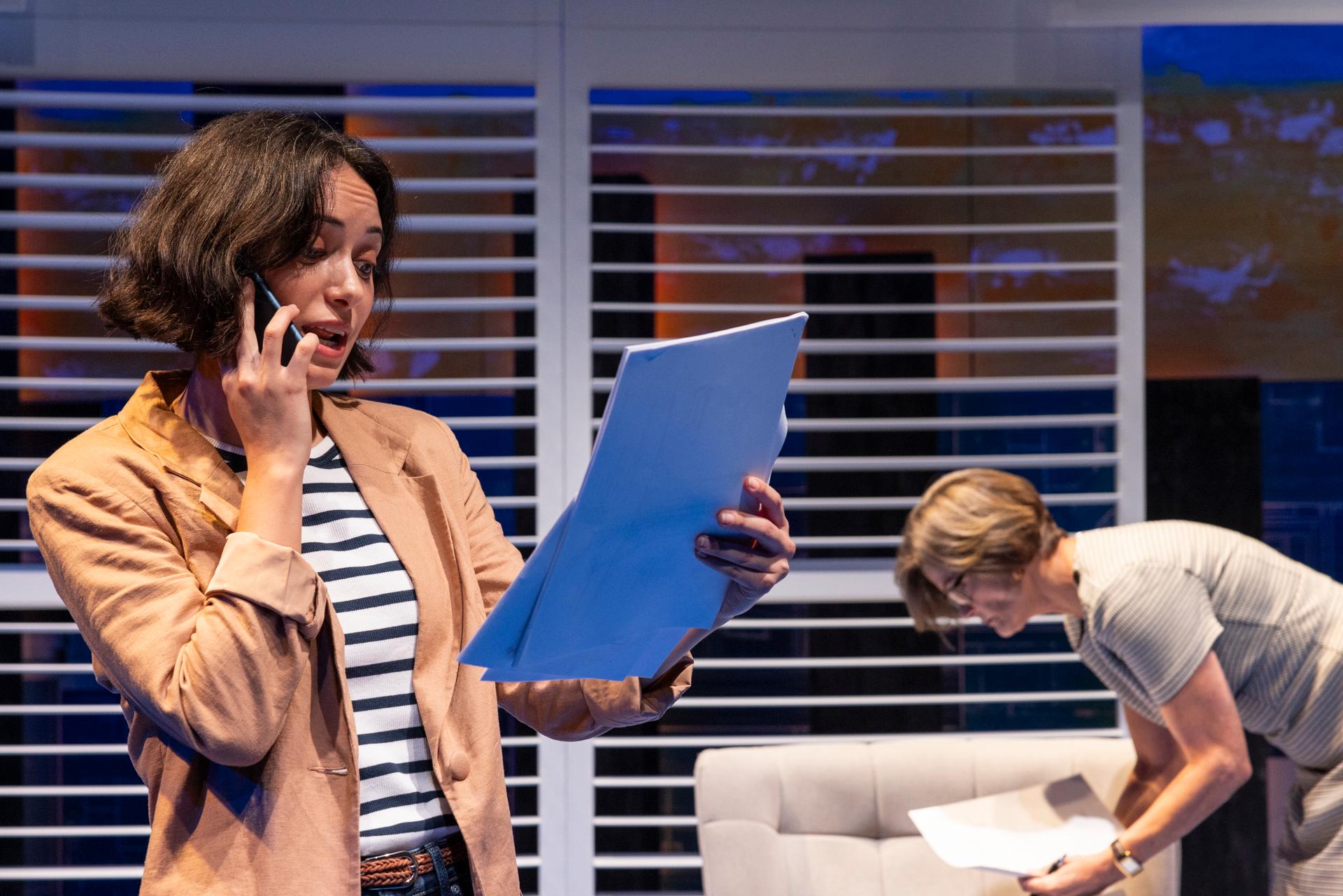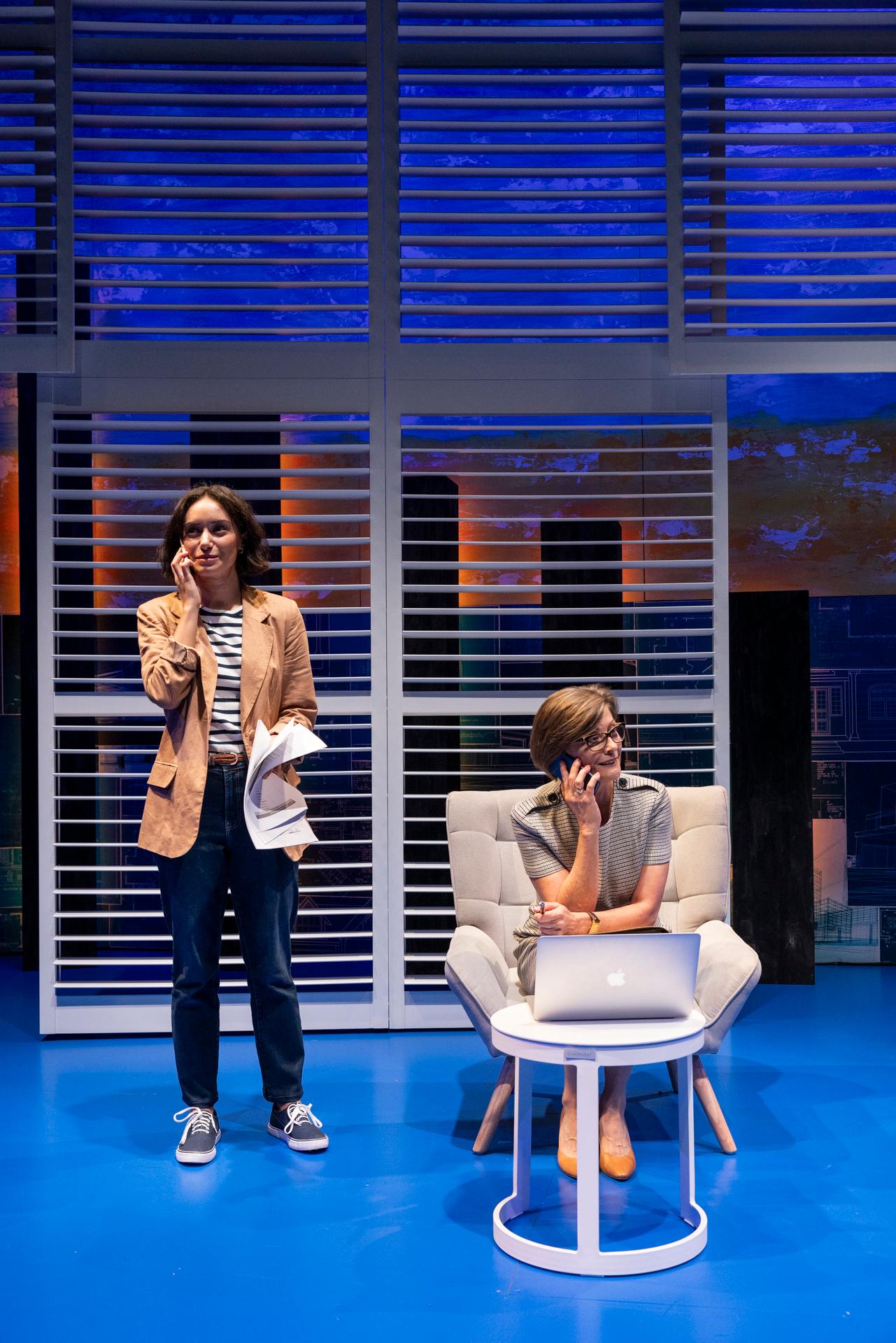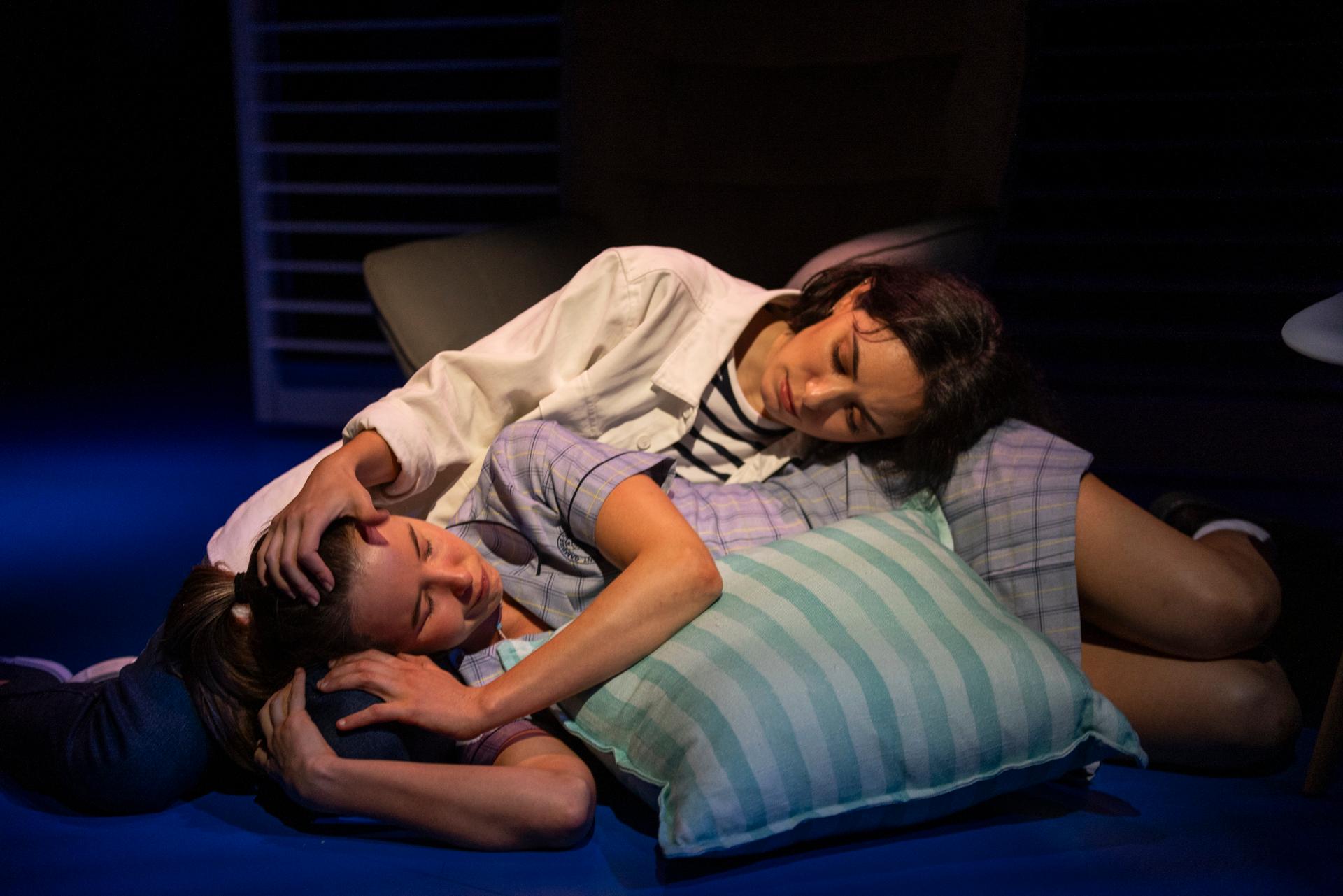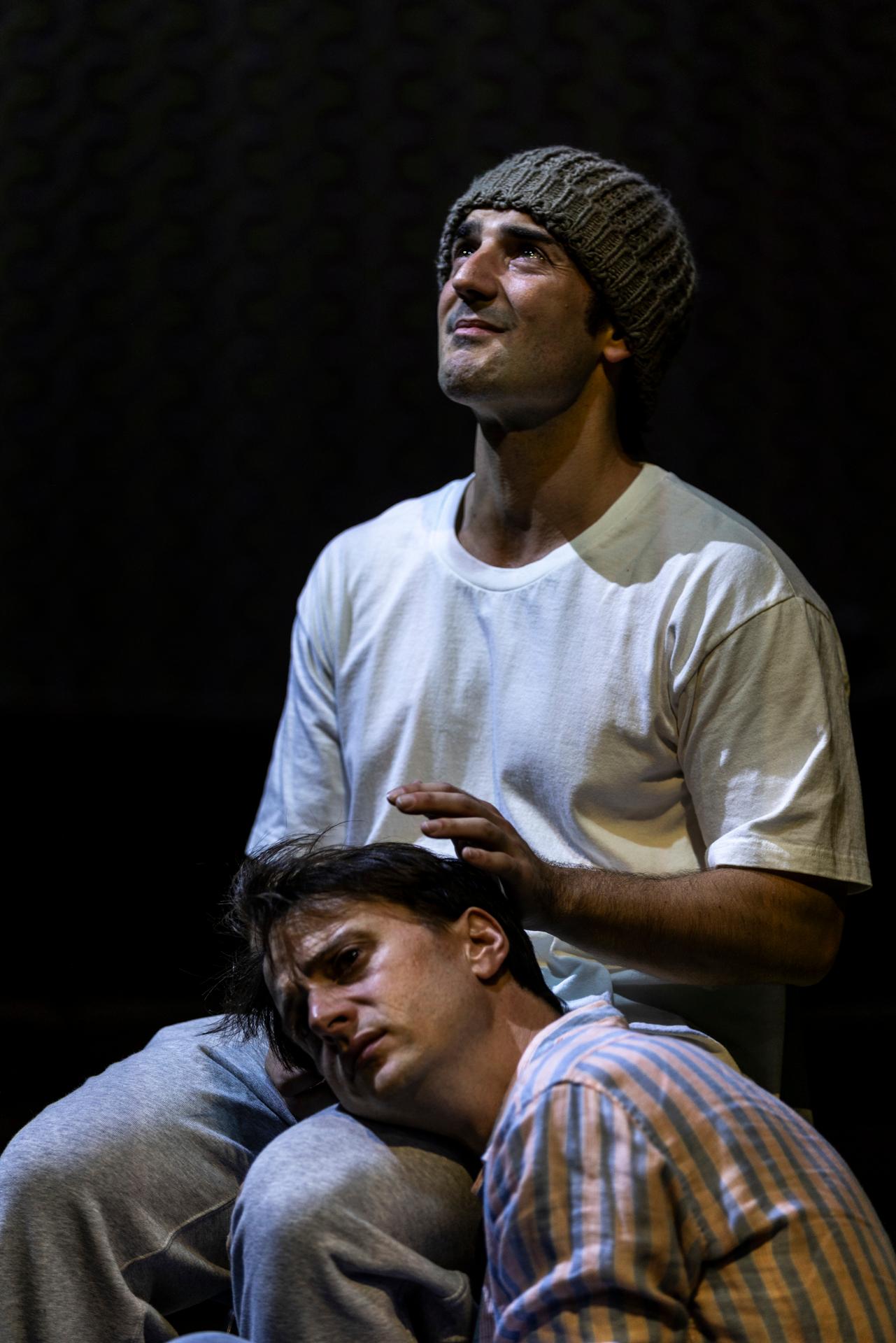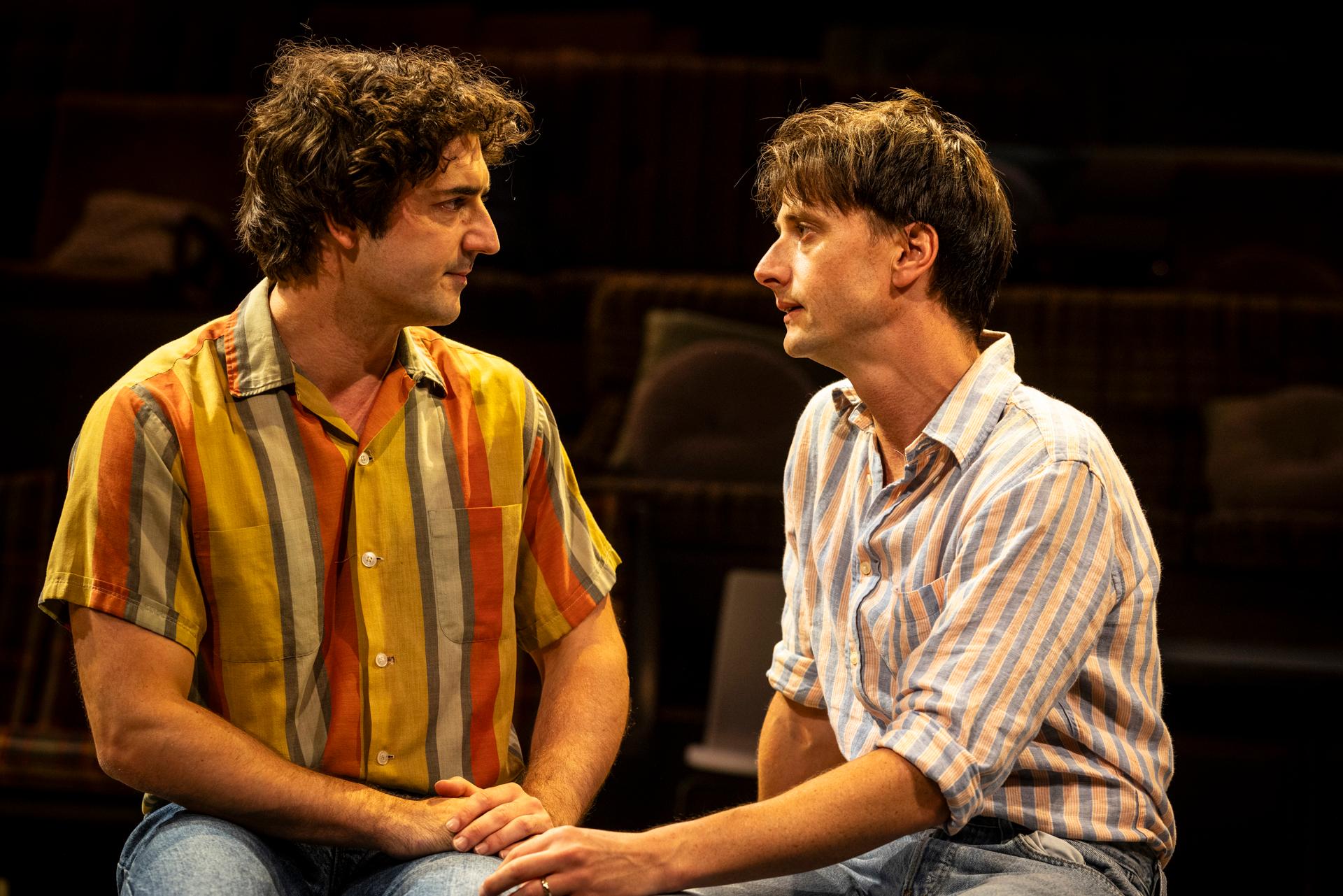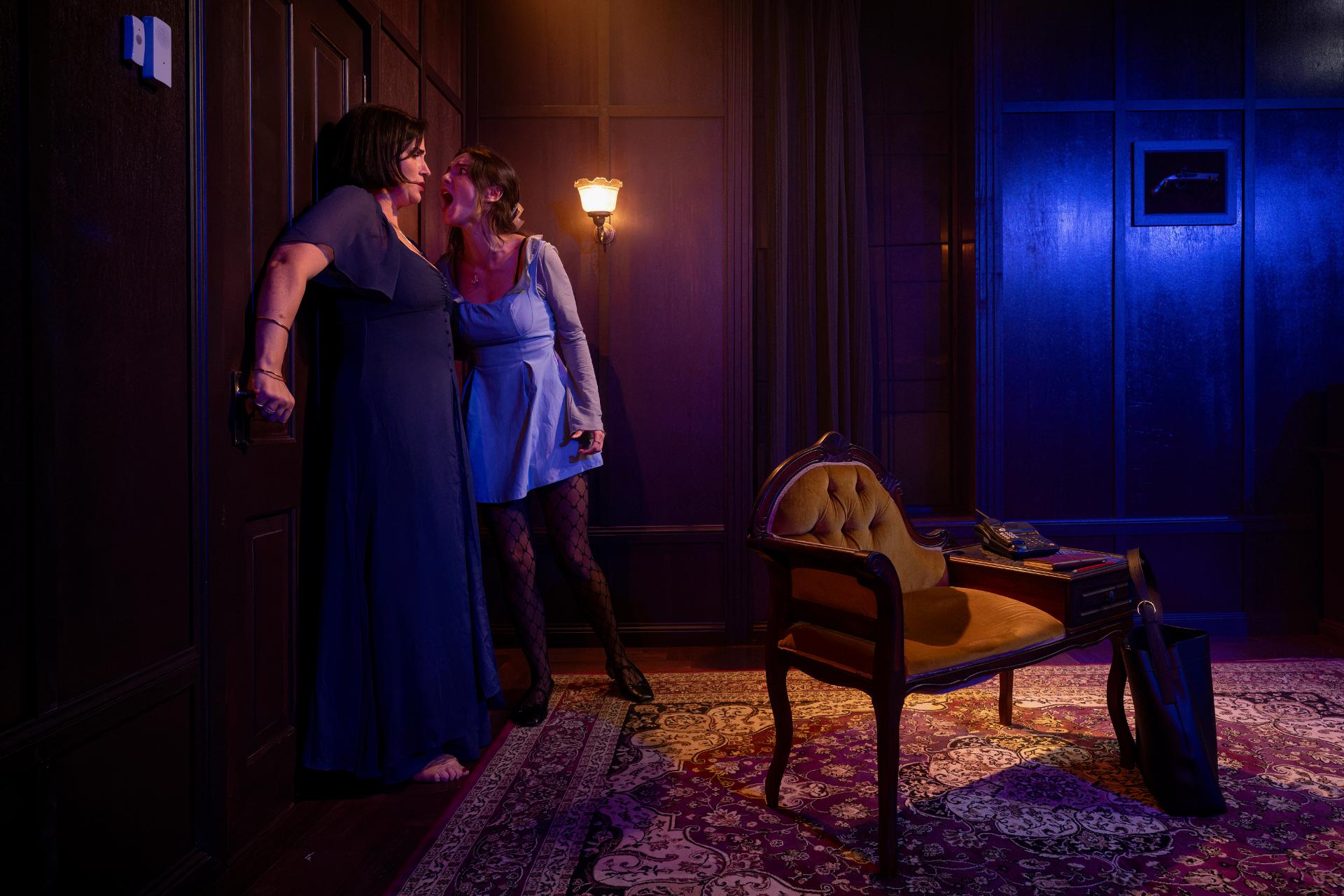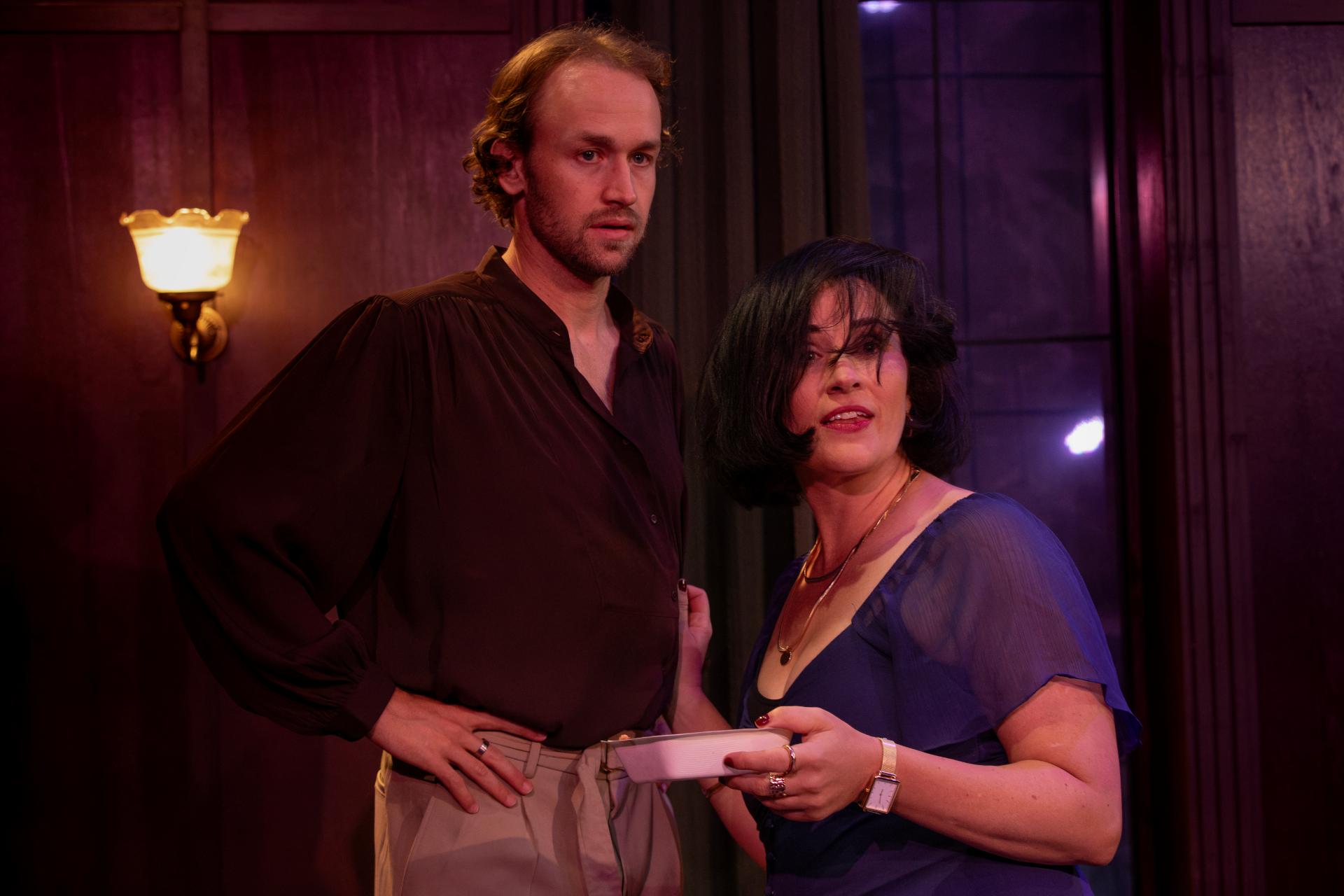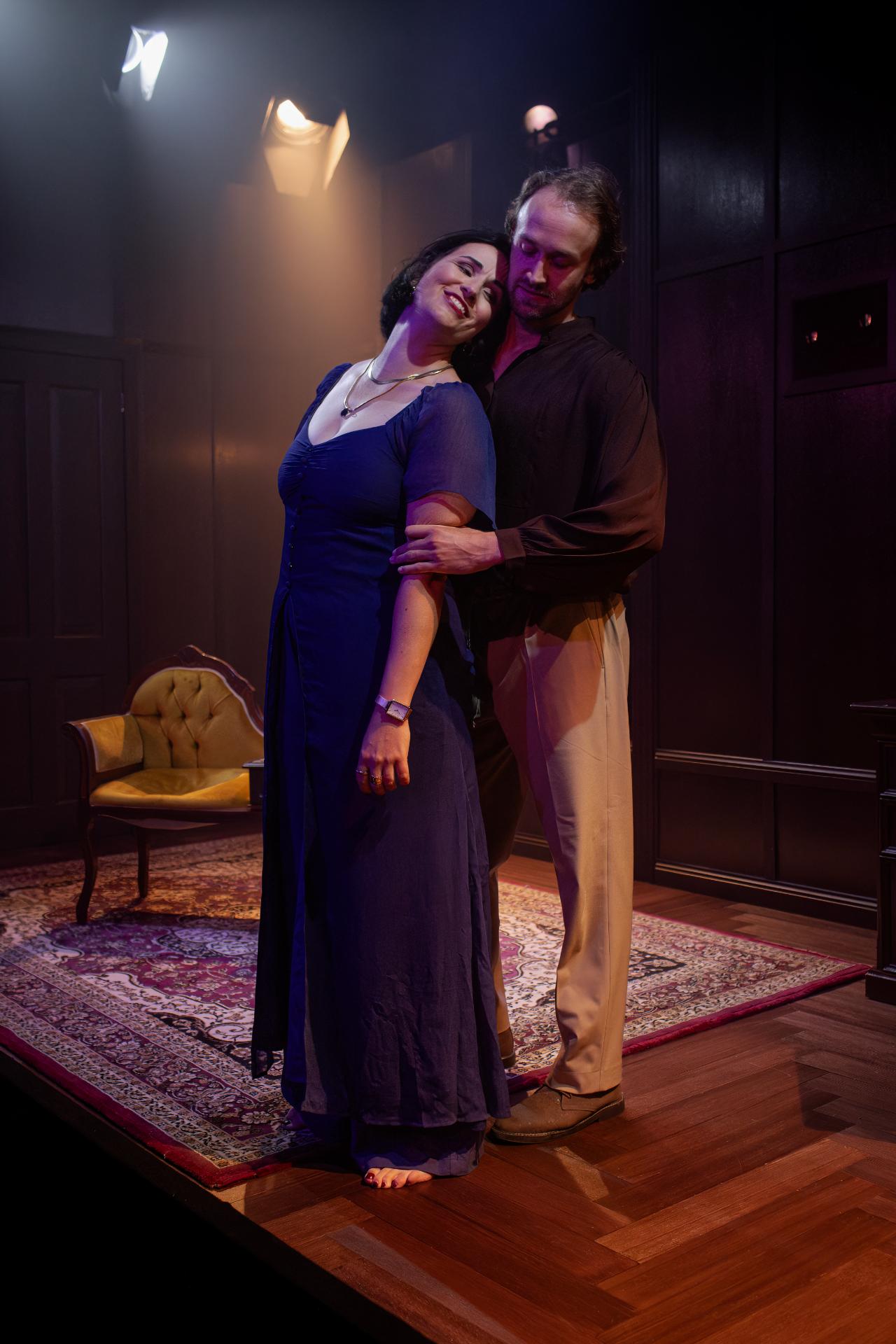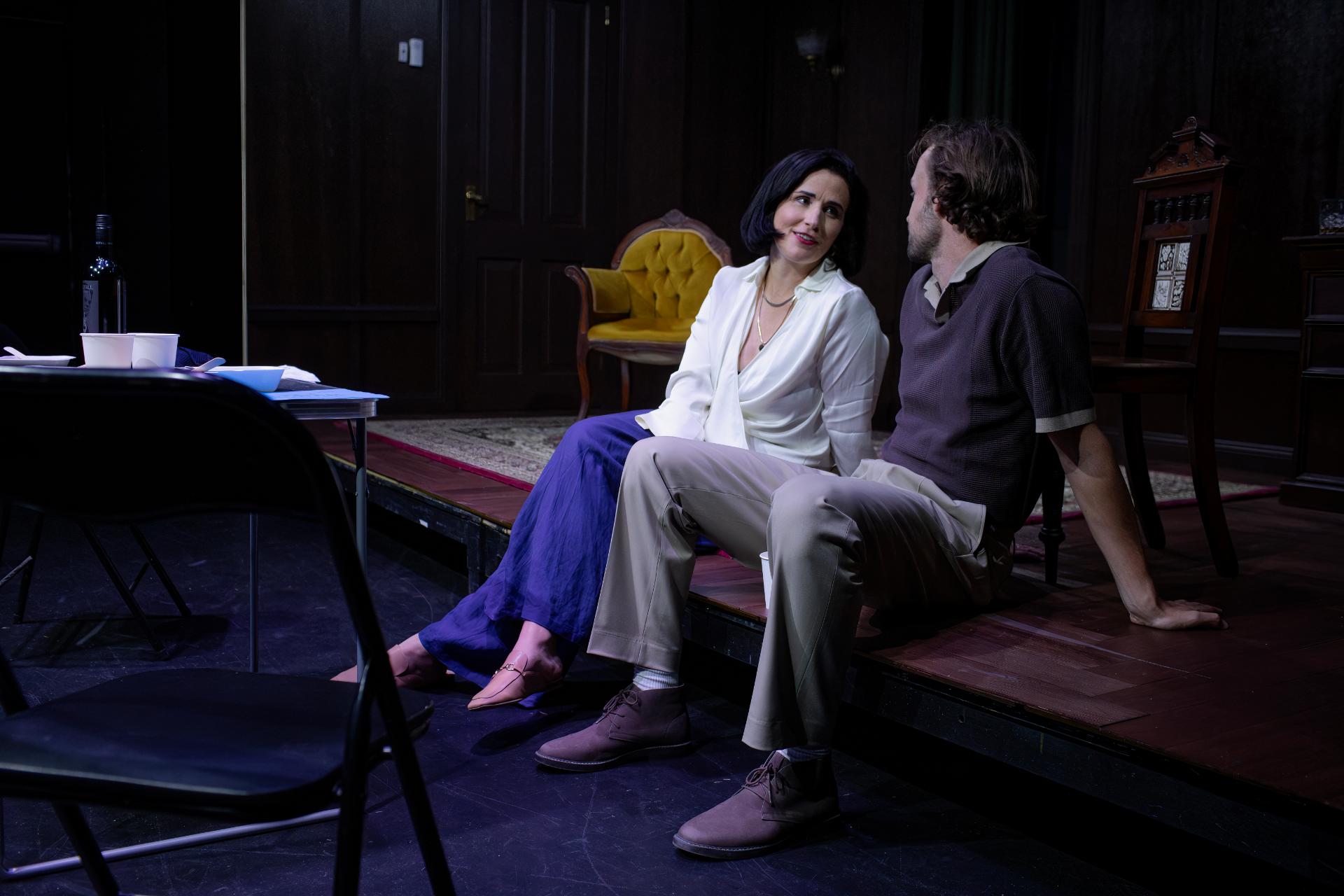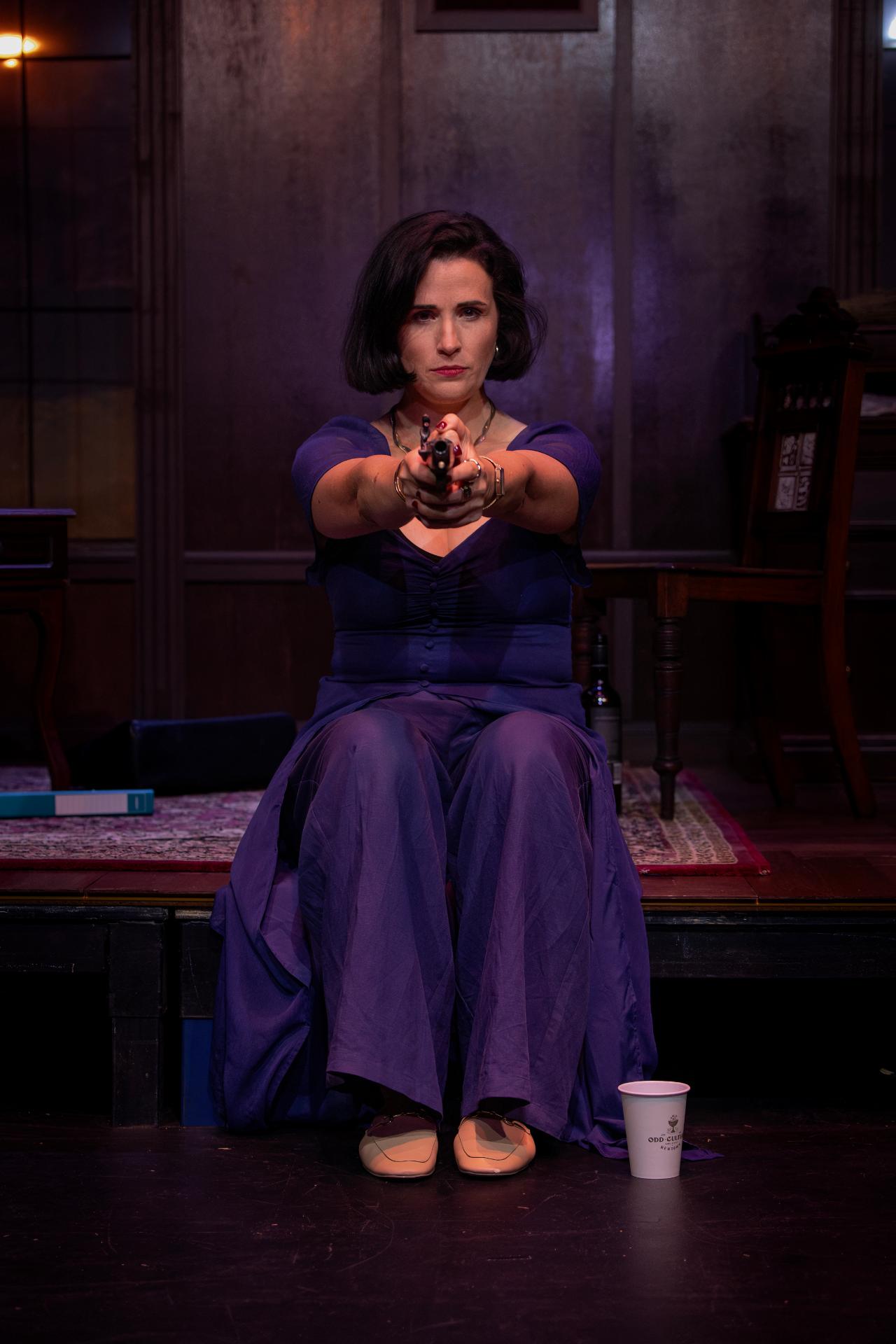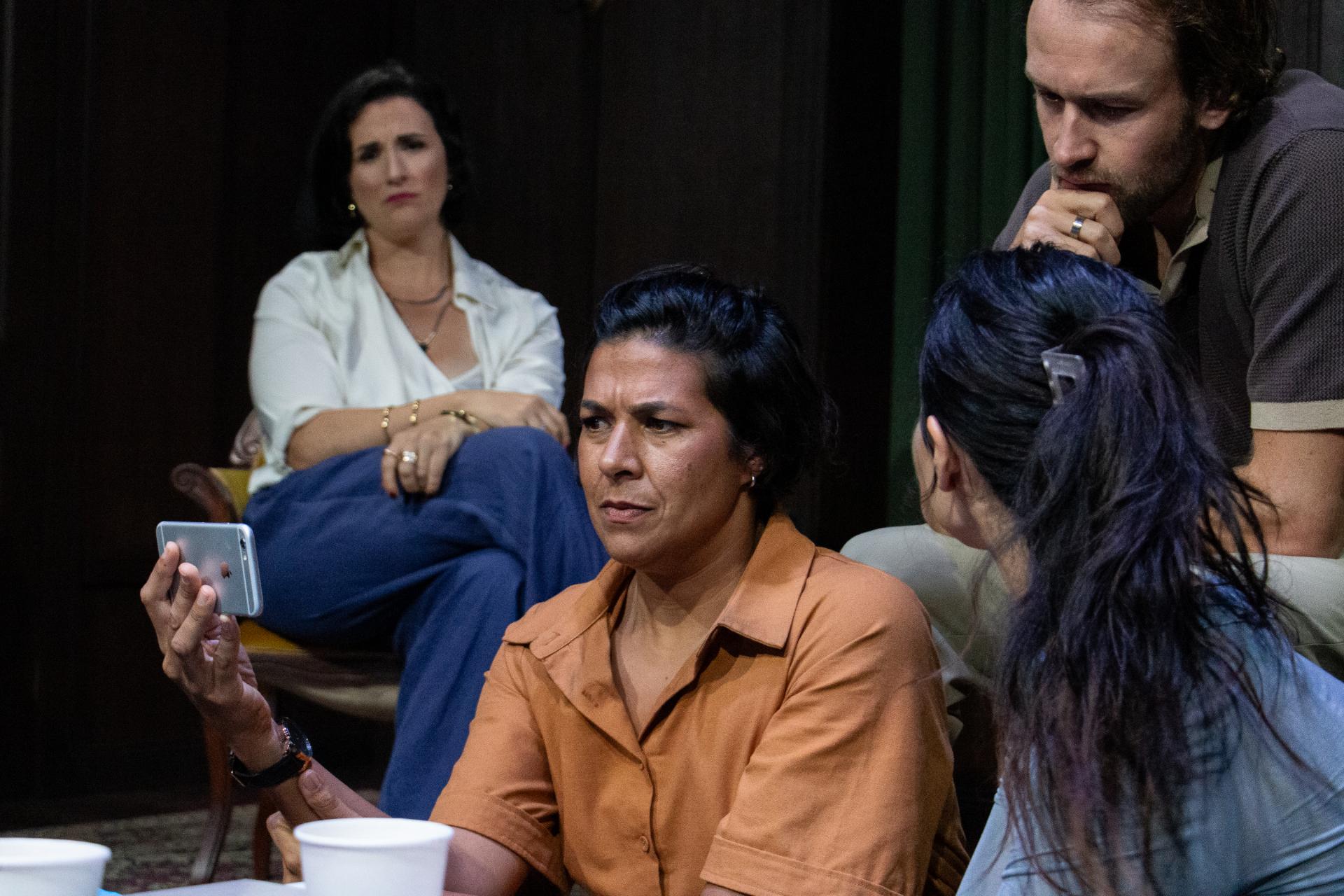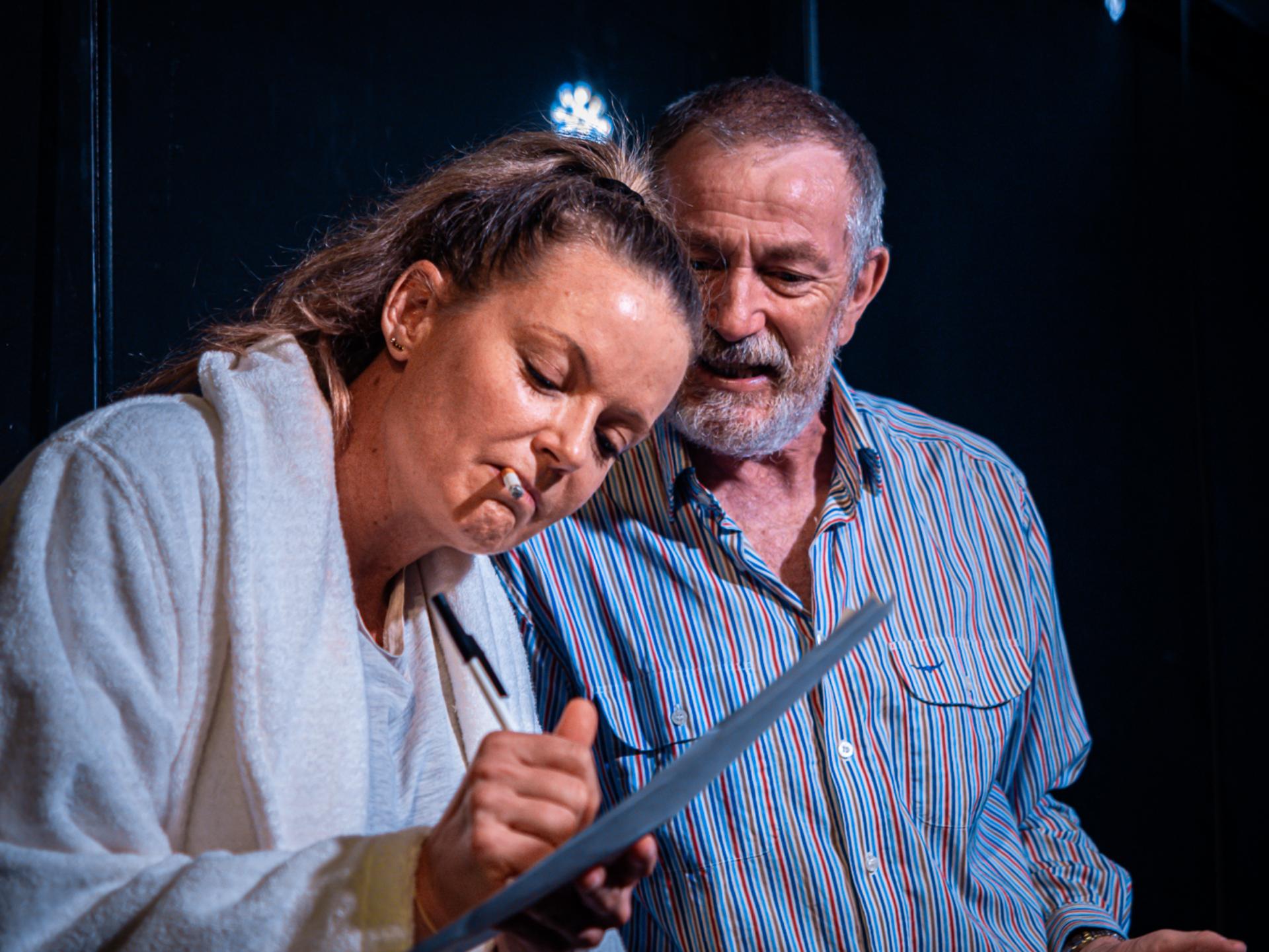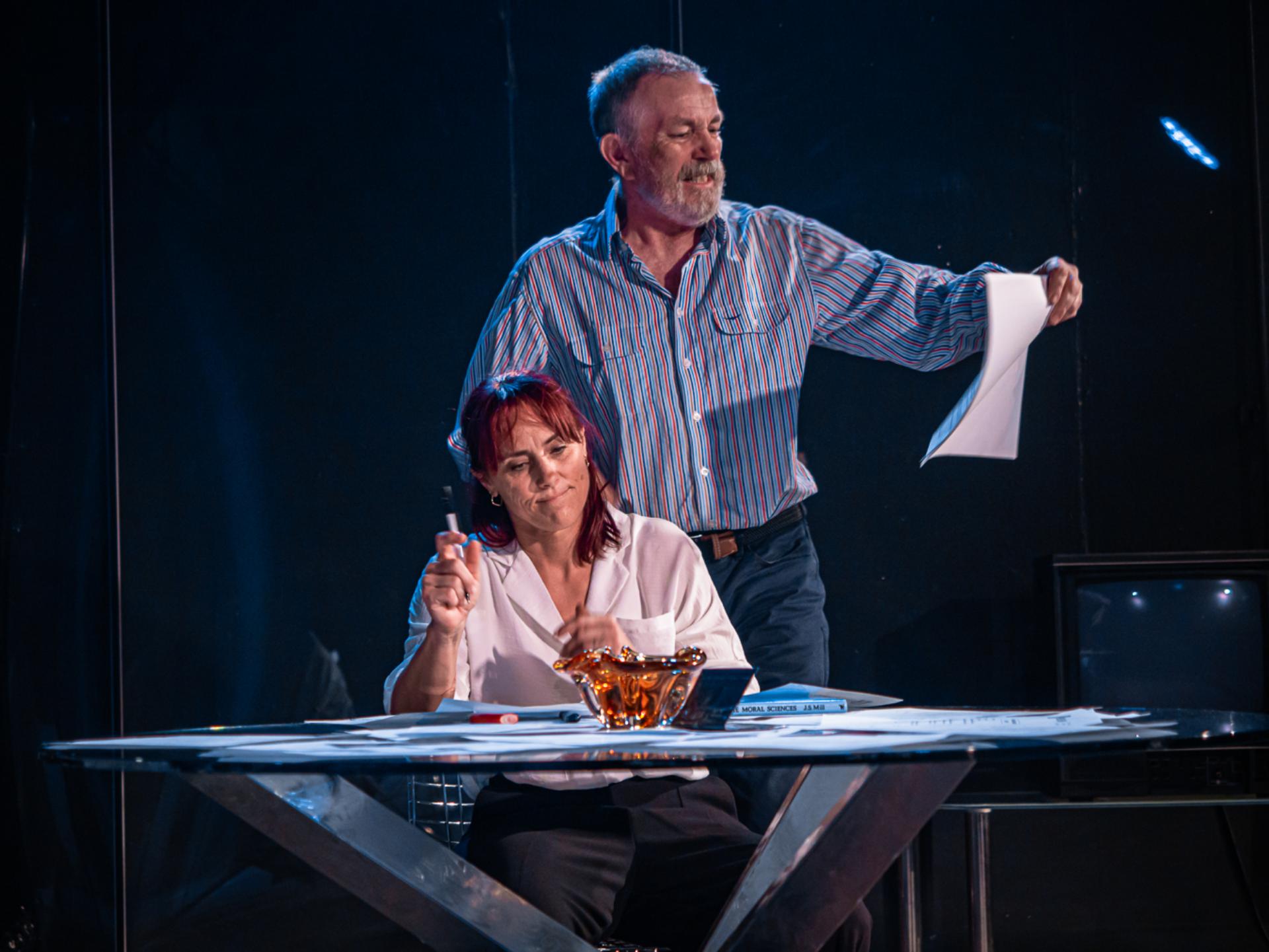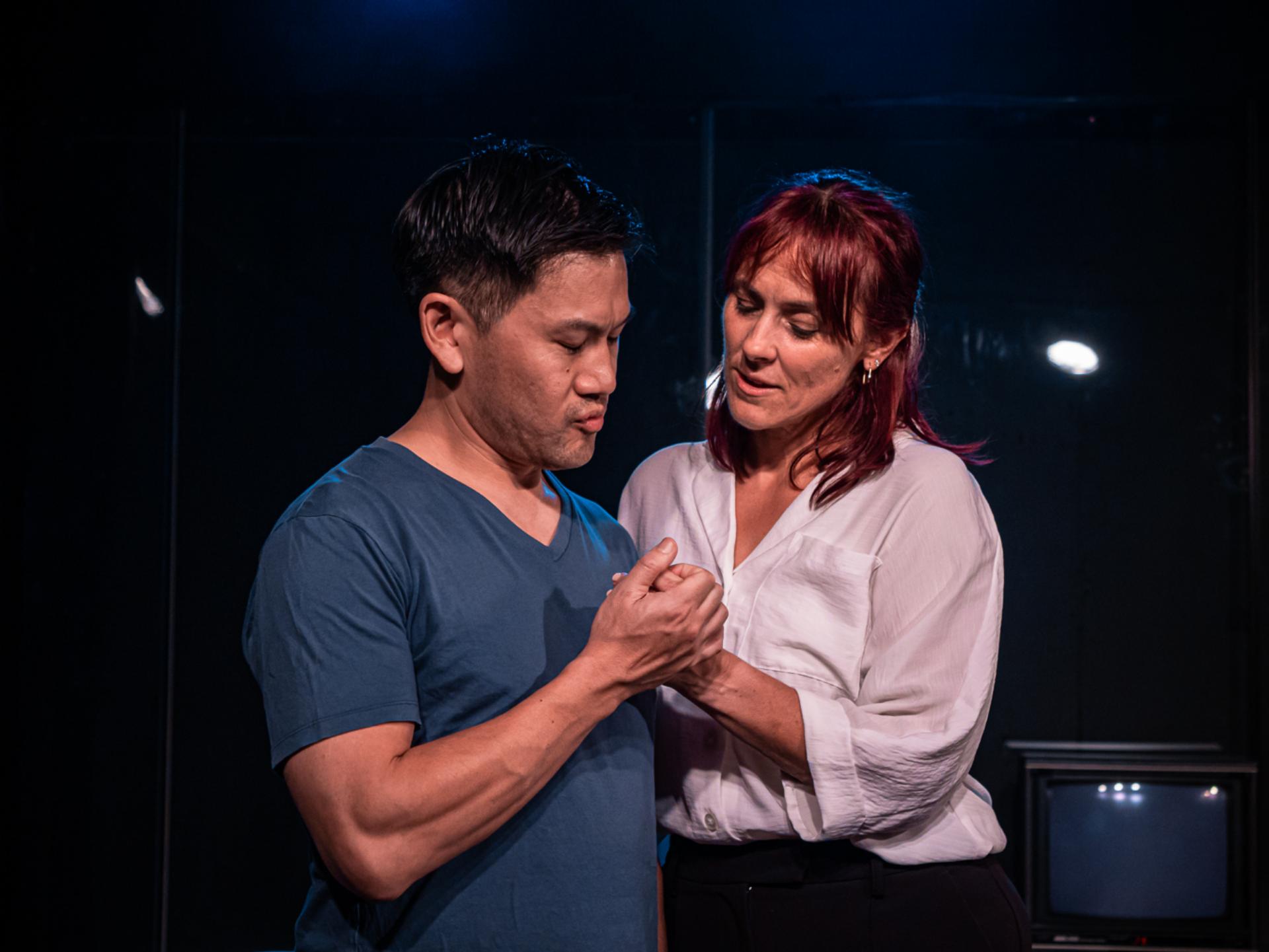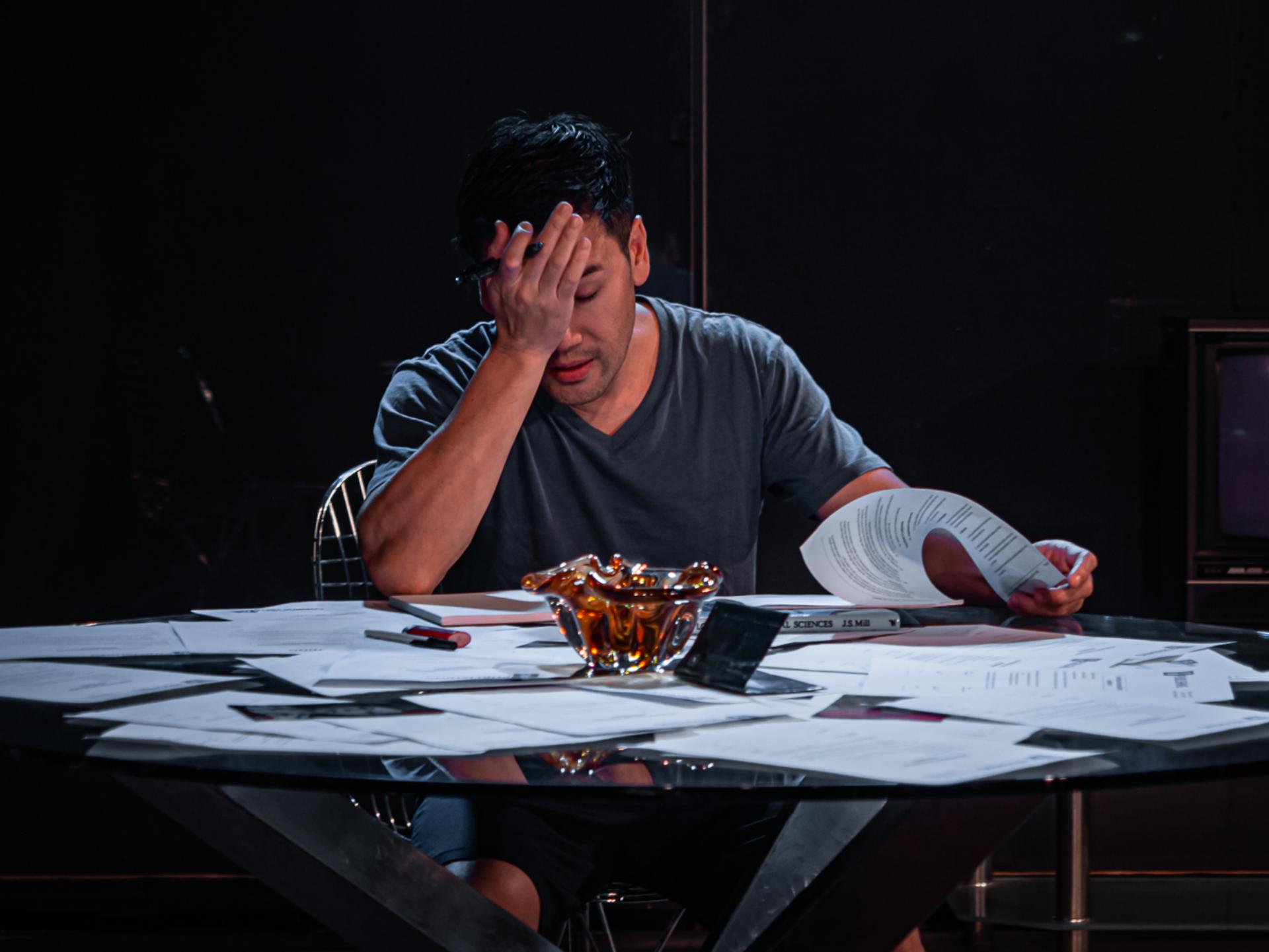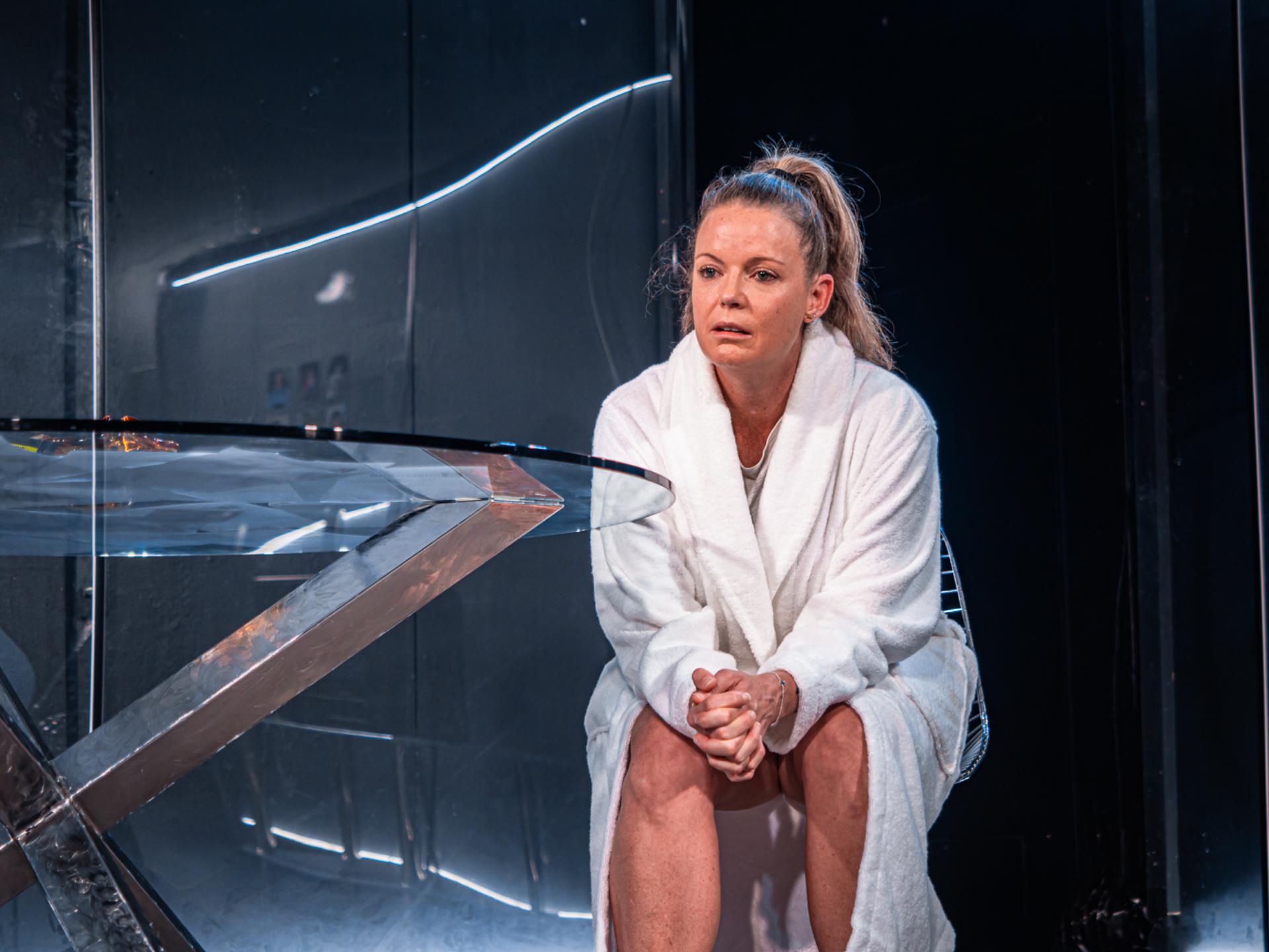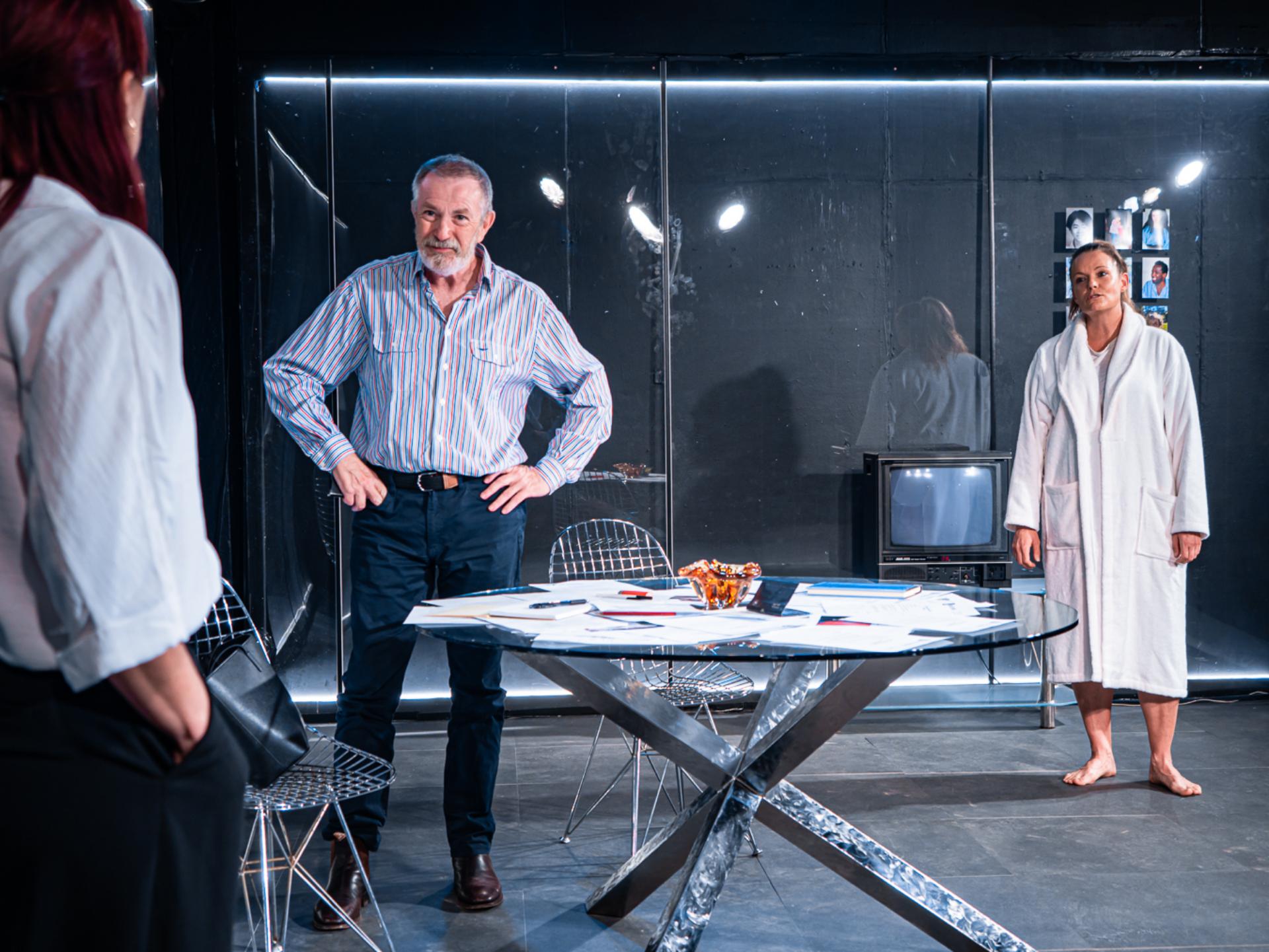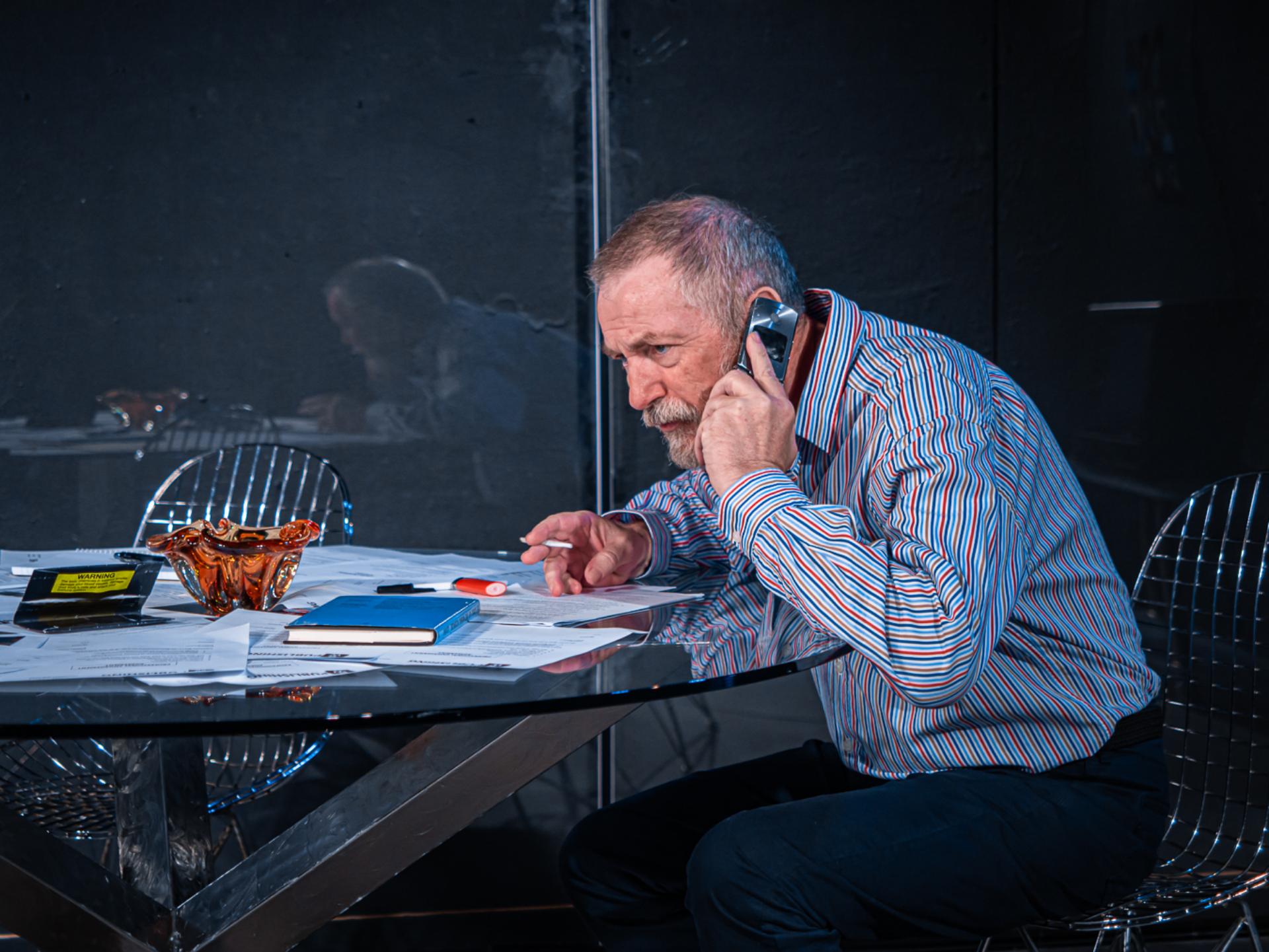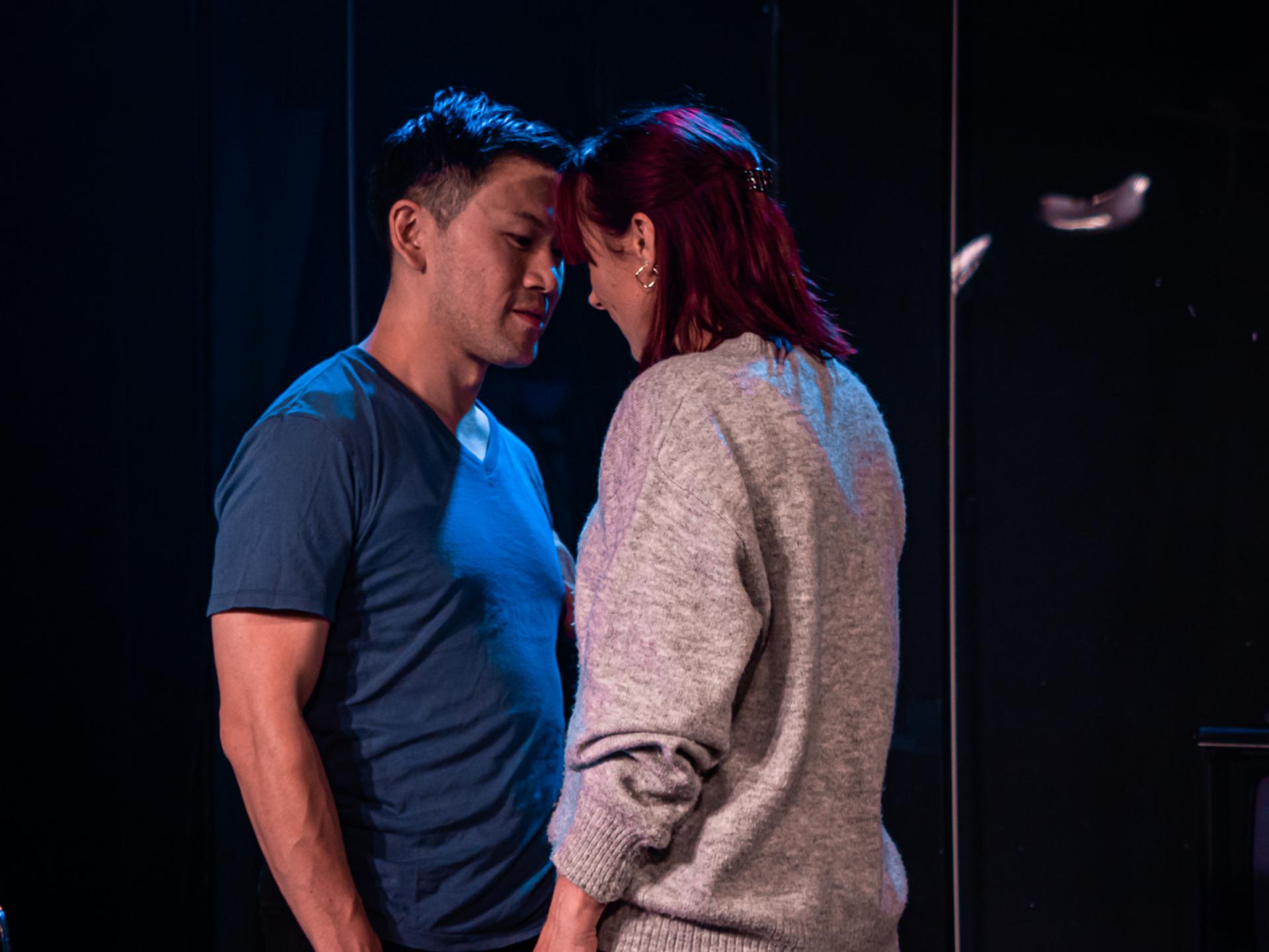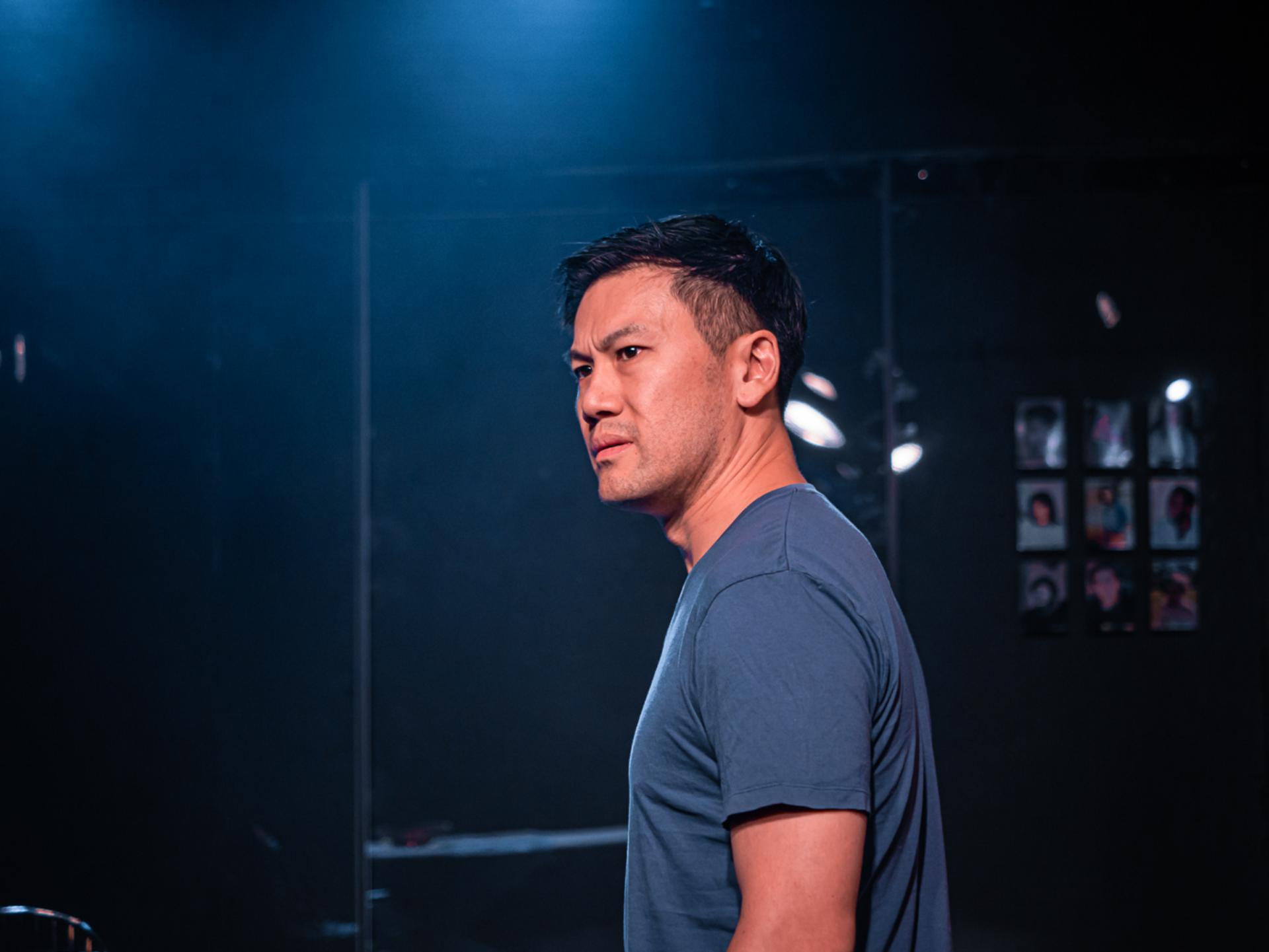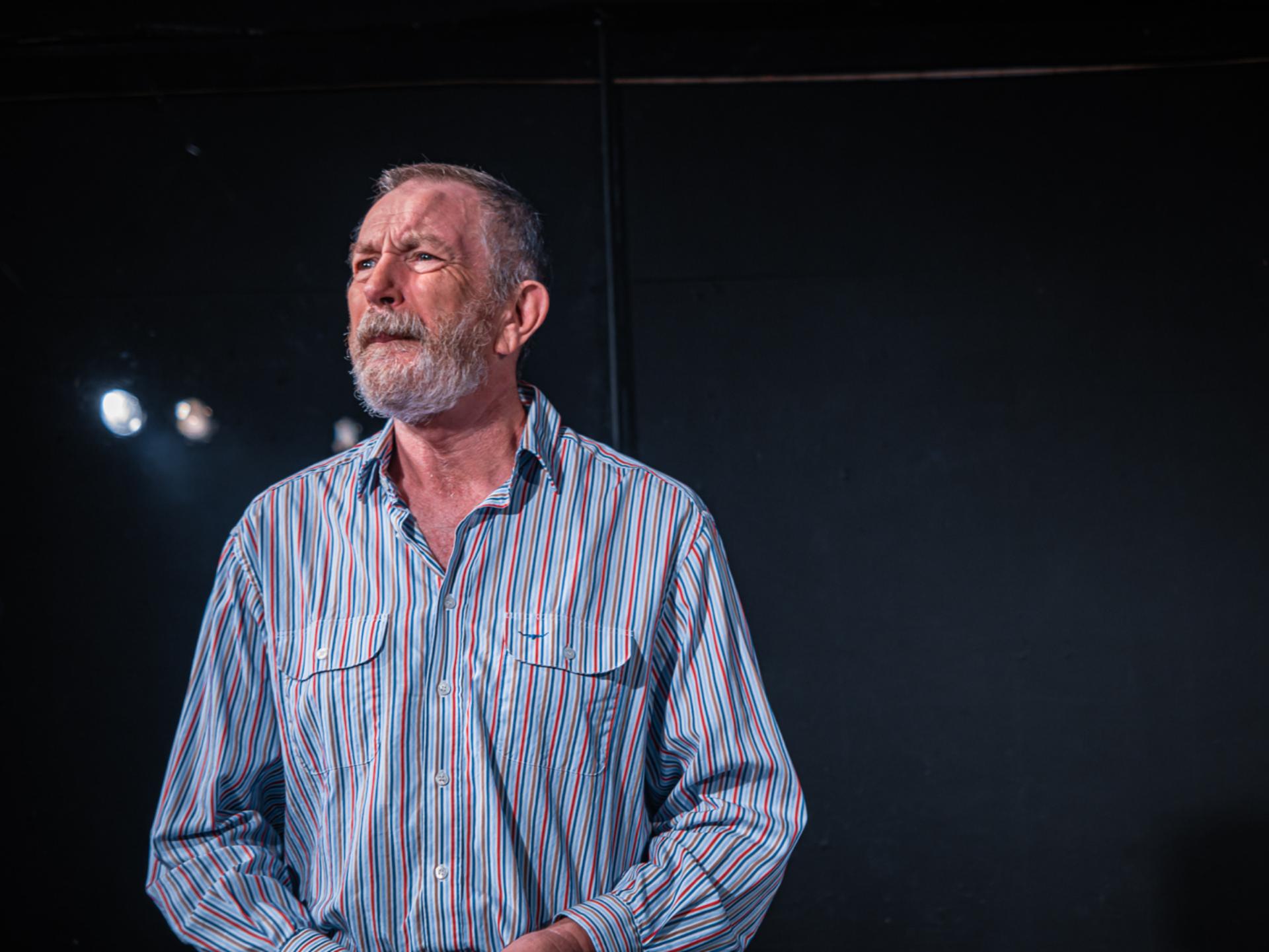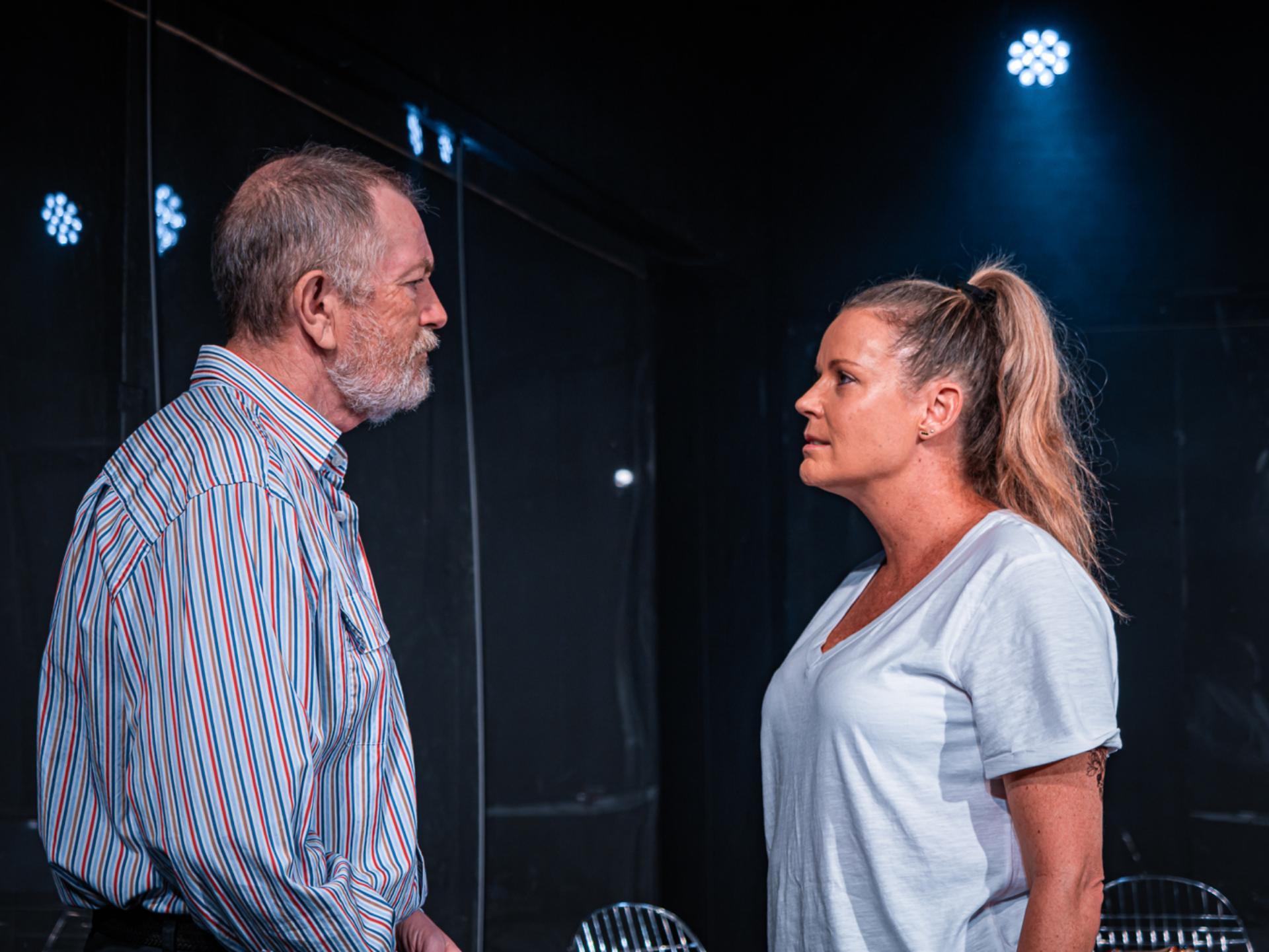
Review: Things Hidden Since The Foundation Of The World (Sydney Opera House)

Venue: Sydney Opera House (Sydney NSW), Jan 19 – 21, 2024
Playwright: Javaad Alipoor, Chris Thorpe
Director: Javaad Alipoor
Cast: Javaad Alipoor, Raam Emami, Asha Reid
Images by Chris Payne

Theatre review
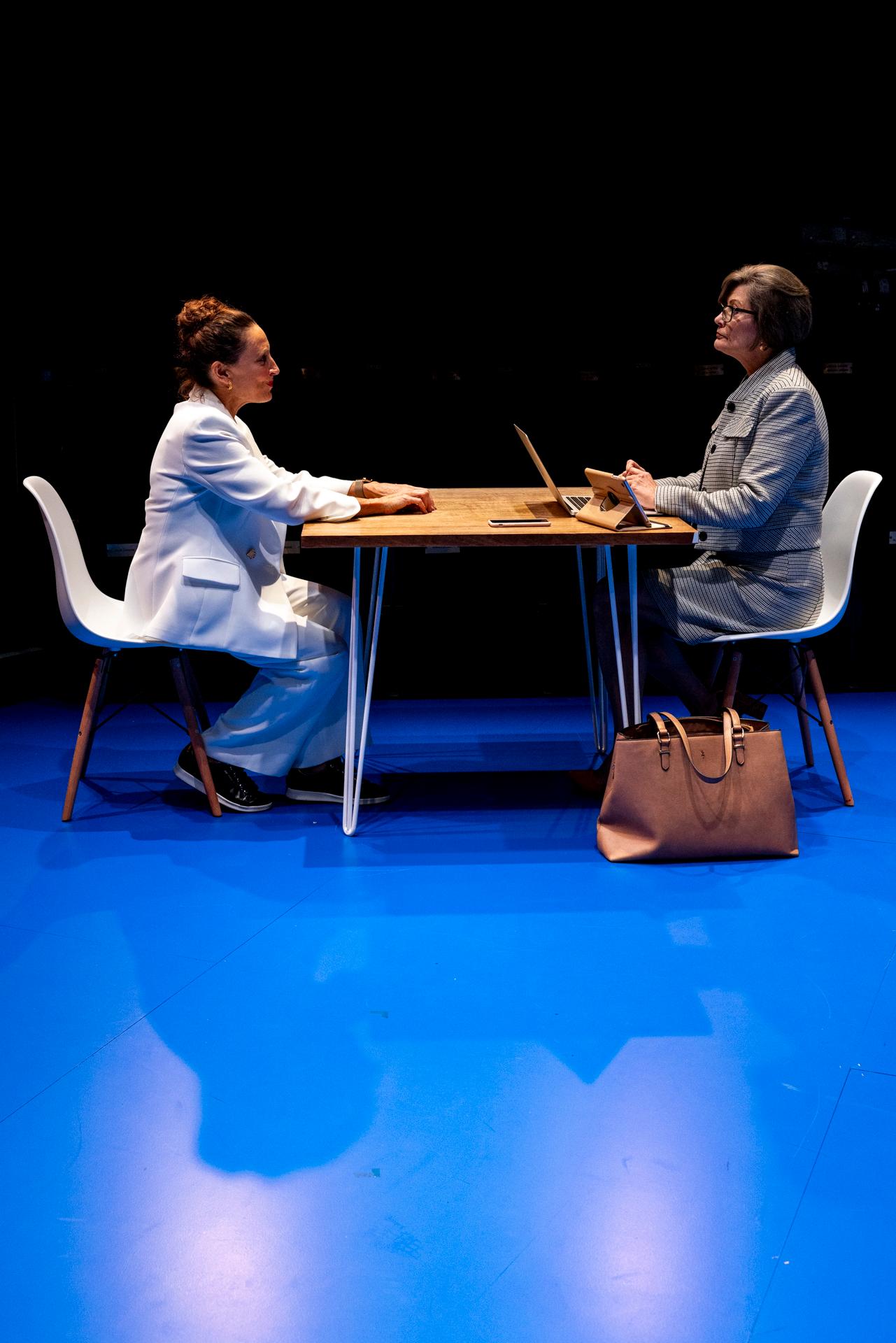
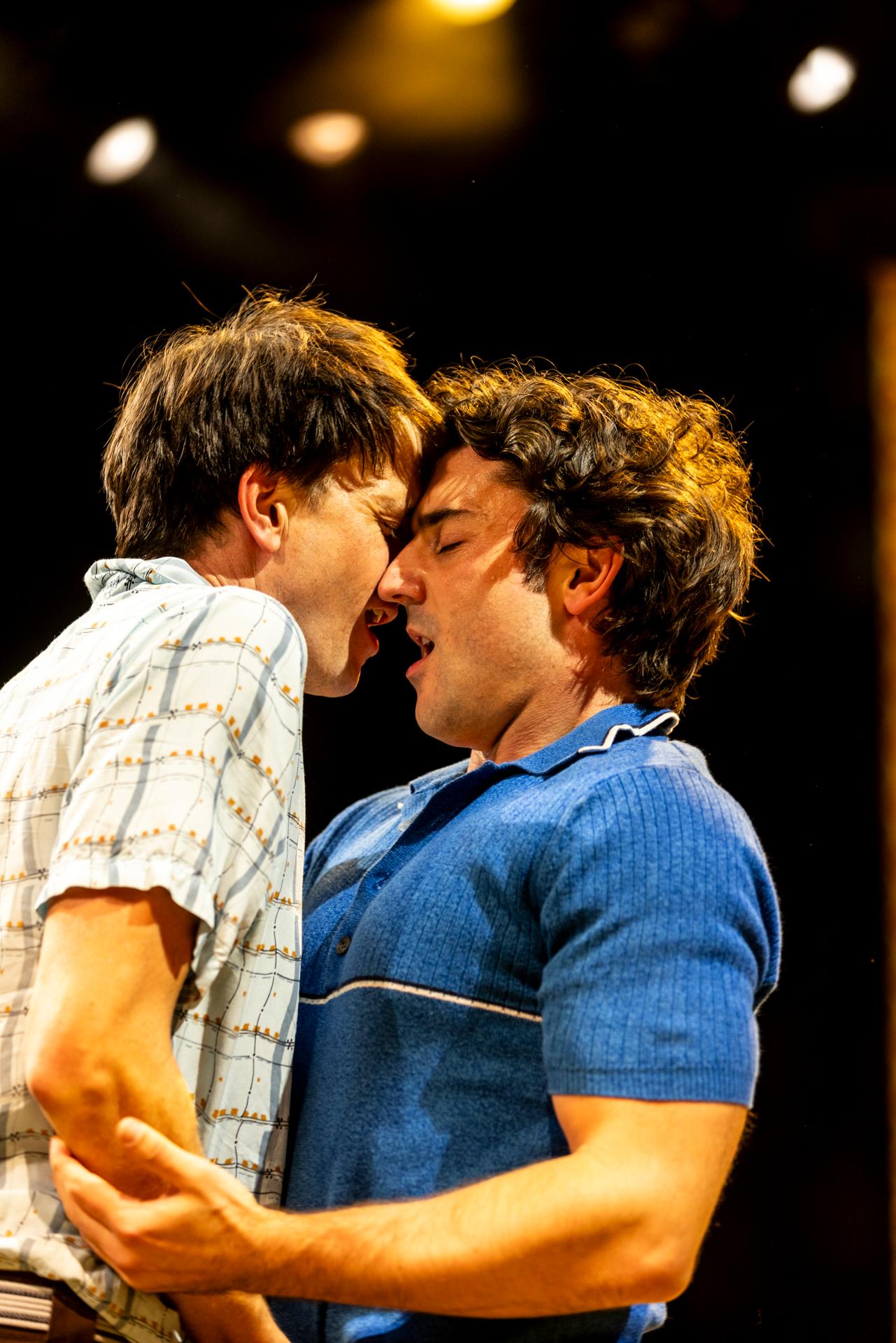
It was 1992 when queer Iranian popstar Fereydoun Farrokhzad was found murdered in exile. To the English-speaking world, theatre maker Javaad Alipoor would describe Farrokhzad as Iran’s answer to Tom Jones, but that description is of course fraught with inaccuracies. Being Persian-English and child of an immigrant, Alipoor is sensitive to his existence as being simultaneously two things, and being in-between. It is a colonised experience of never really being whole, described by the term “subalternity”, which Alipoor introduces at the beginning of his show Things Hidden Since the Foundation of the World.

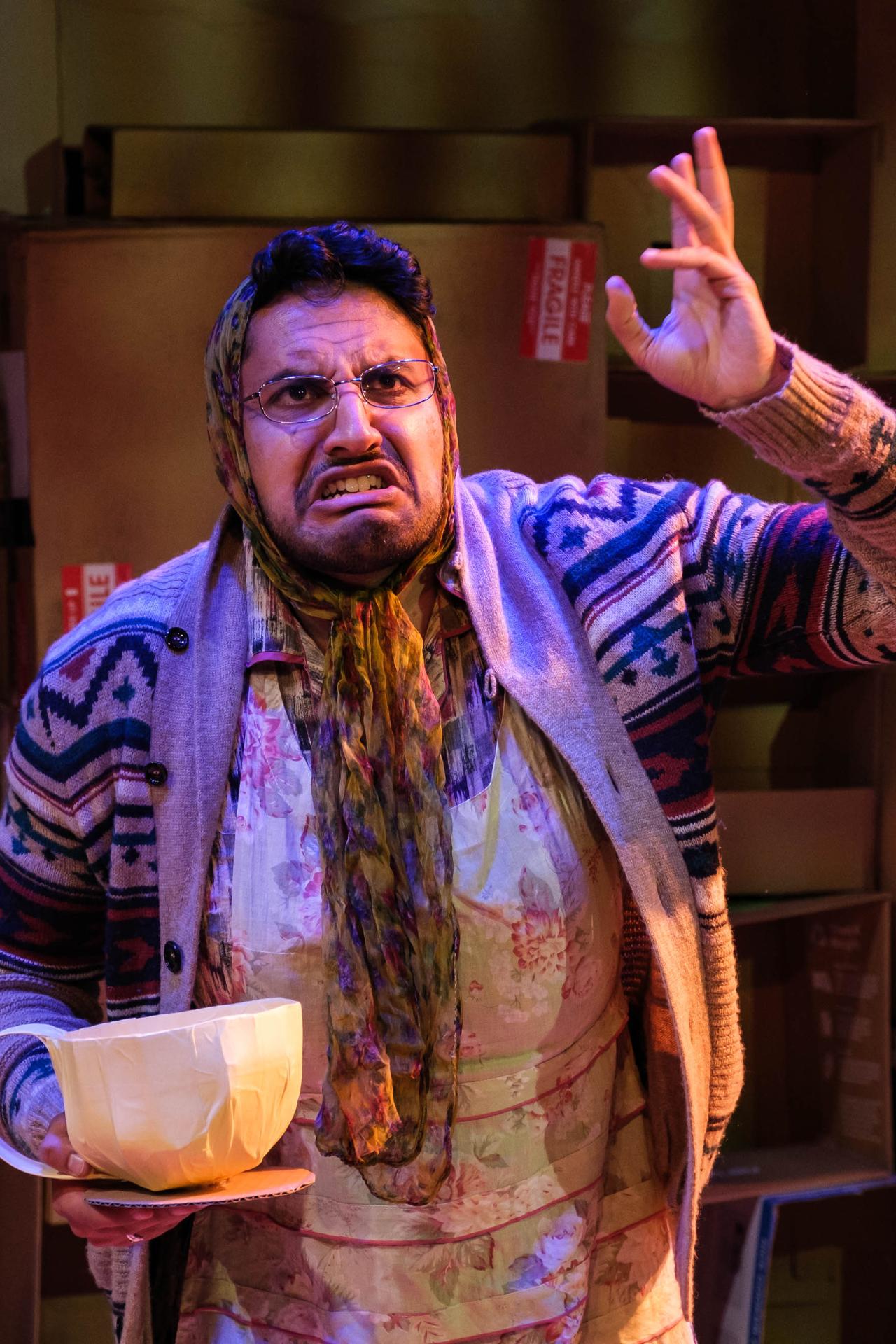
When in a position of subordination, one is keenly aware of the futility and impotence, of not just translations across boundaries, but also of the very phenomenon of meaning creation itself, especially in the current moment, when the availability of information seems to exist only as chains of replication on the internet. Alipoor talks a lot about Wikipedia, as a model of how we try to understand things in the modern age, and the rabbit holes that our venerated technologies engender. There is an inexhaustibility to the representation of facts, but truth is elusive. His concepts for Things Hidden are valuable, but they are expressed in complicated ways, which pose a real challenge for our minds, and one can be fairly certain that to attain a high level of concurrent comprehension for the wordy (and speedy) text, is probably an impracticable exercise.

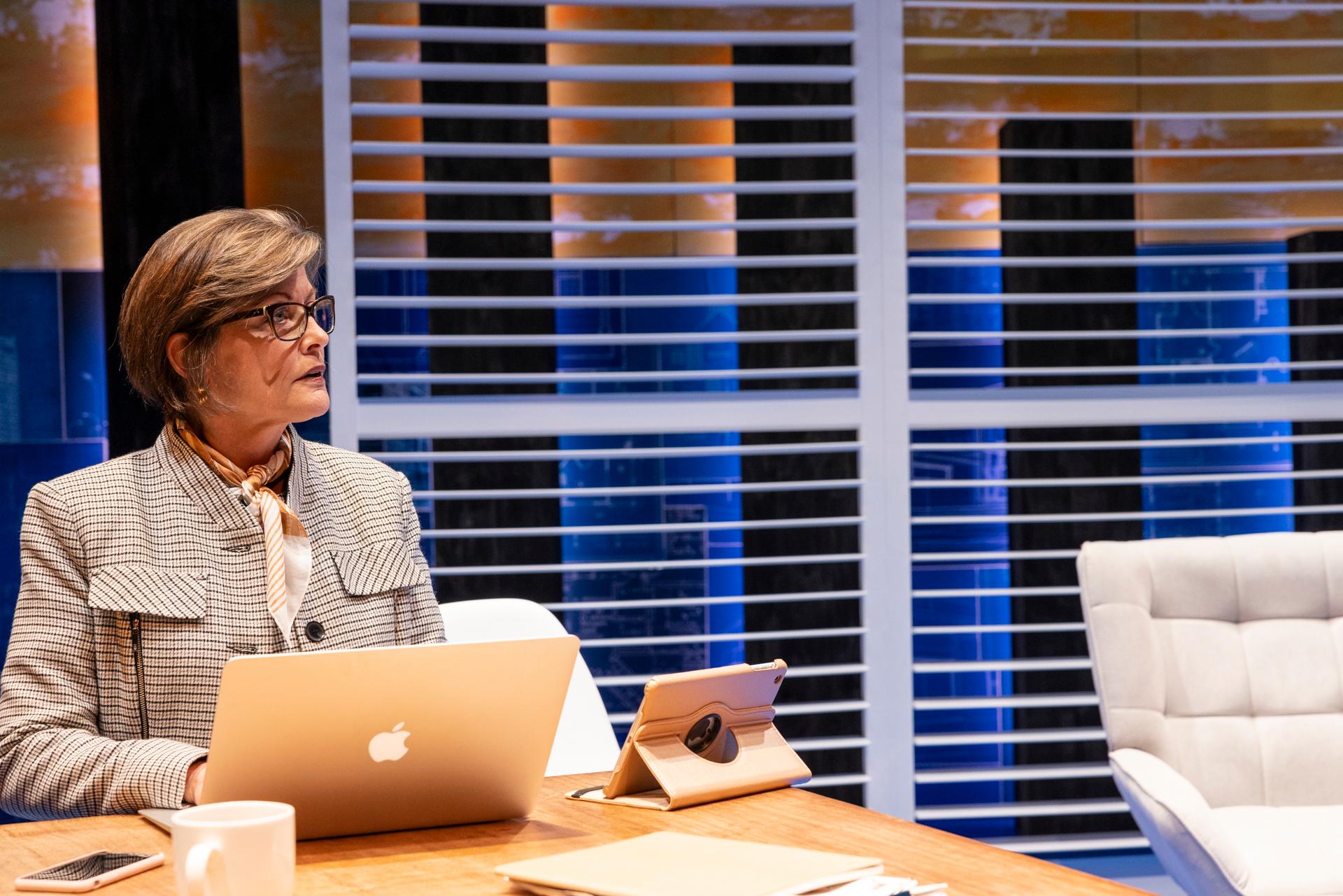
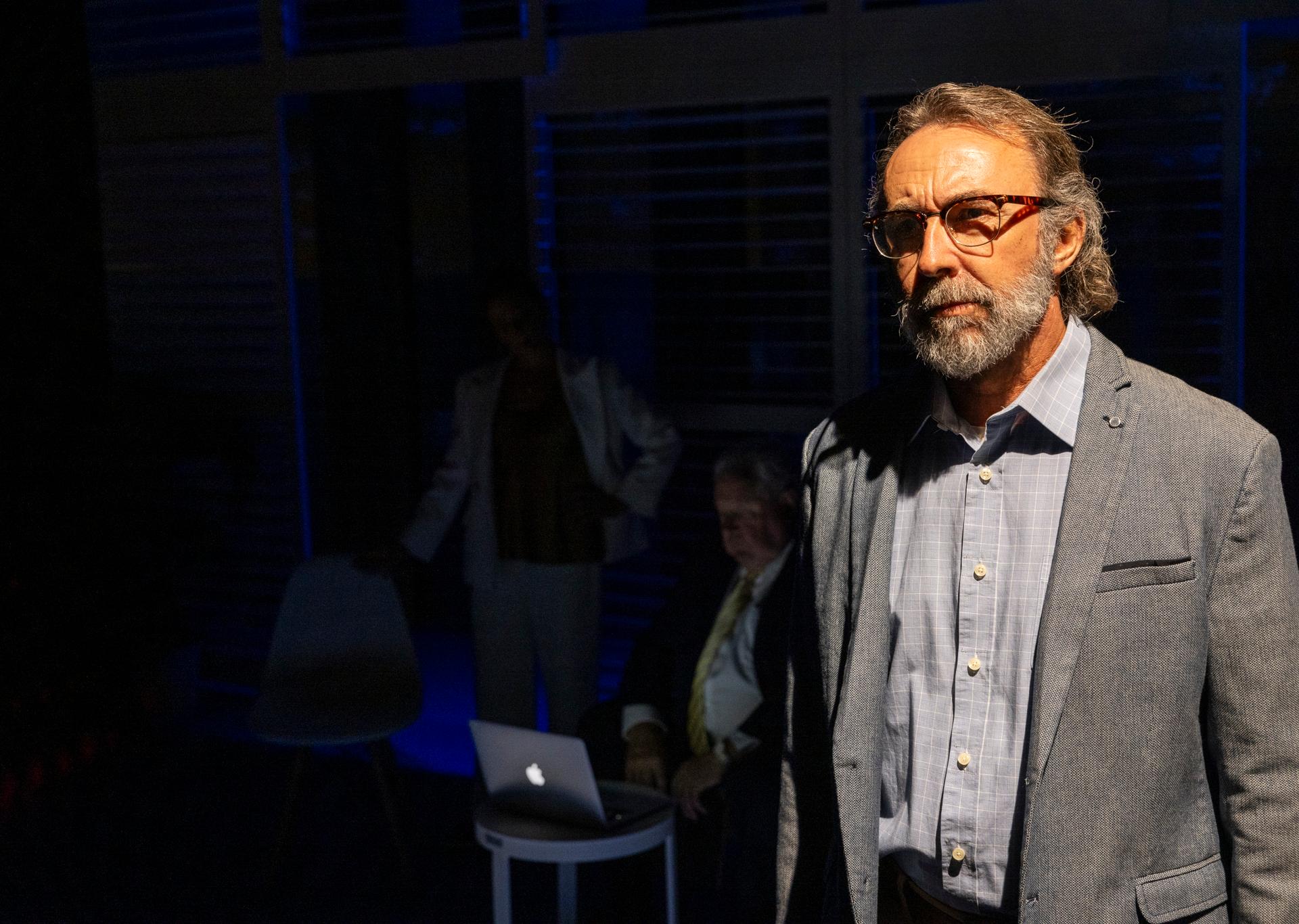
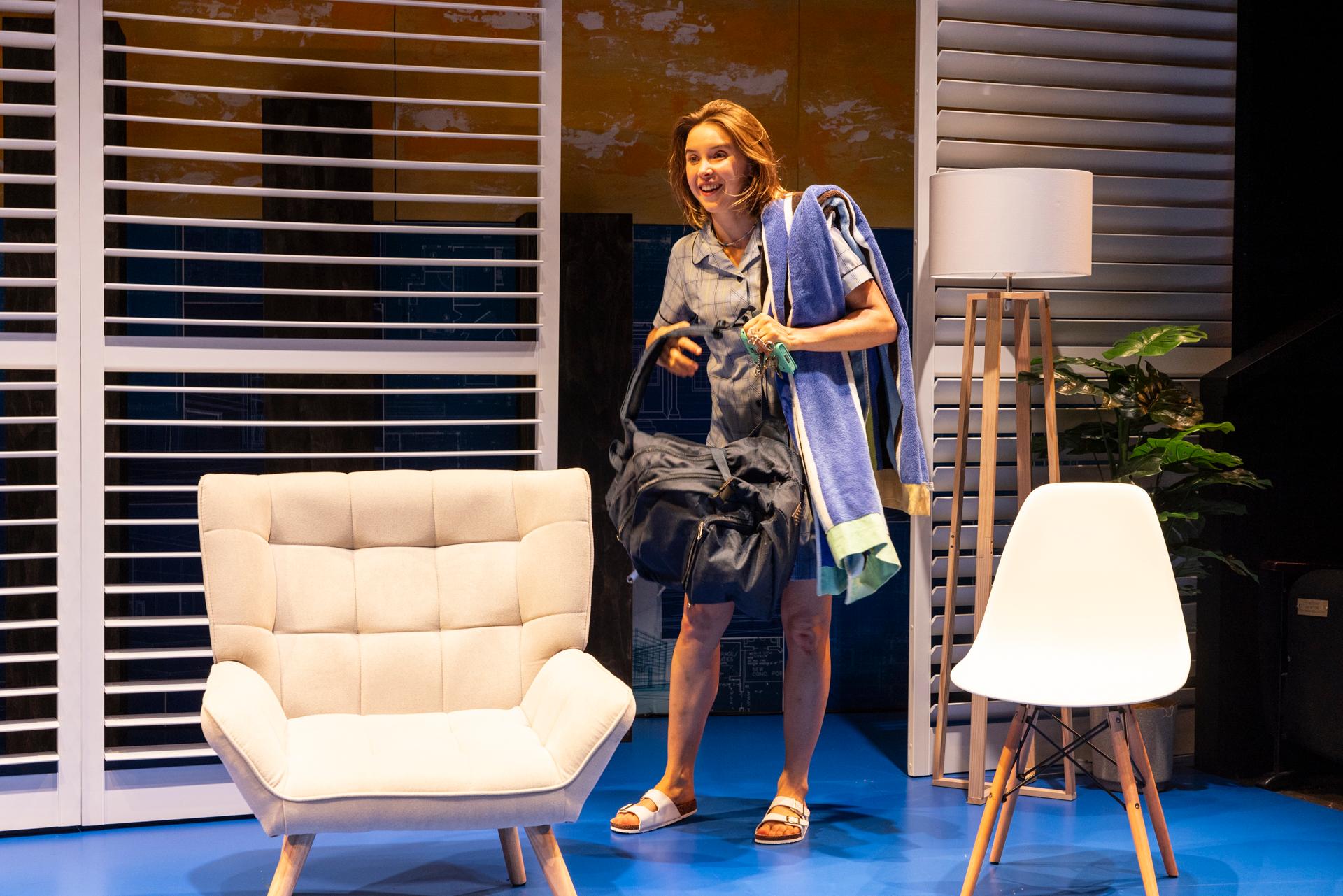
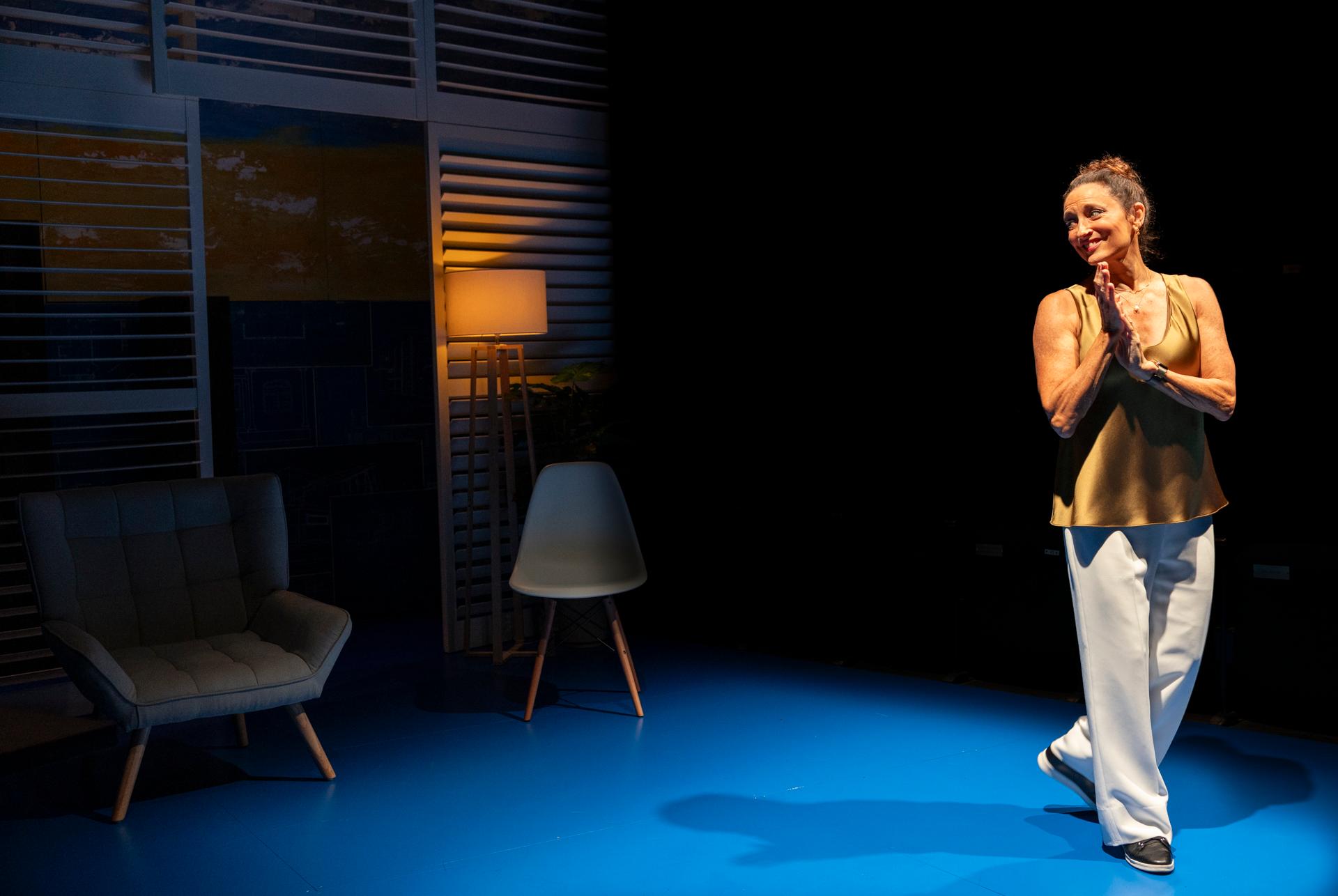
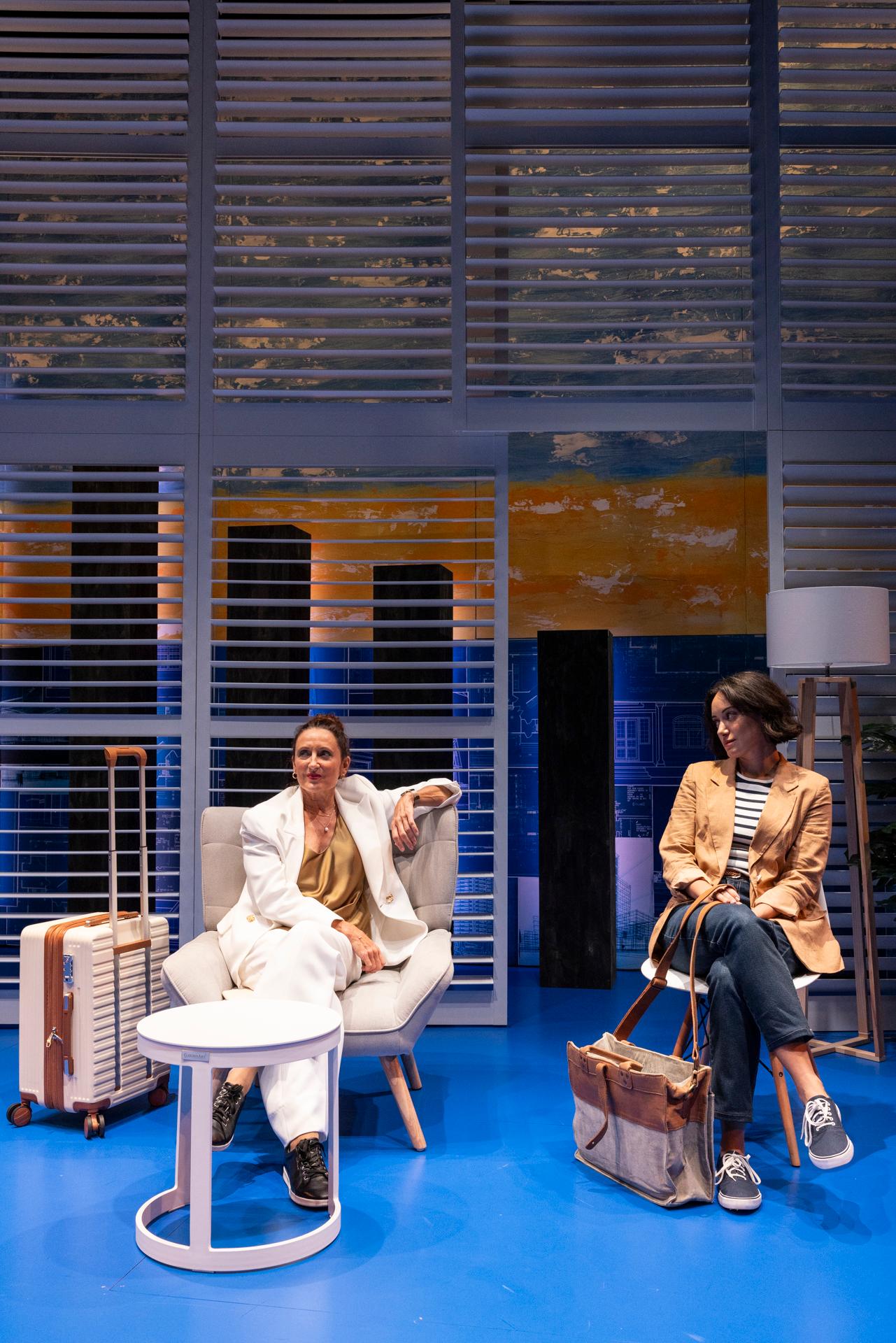
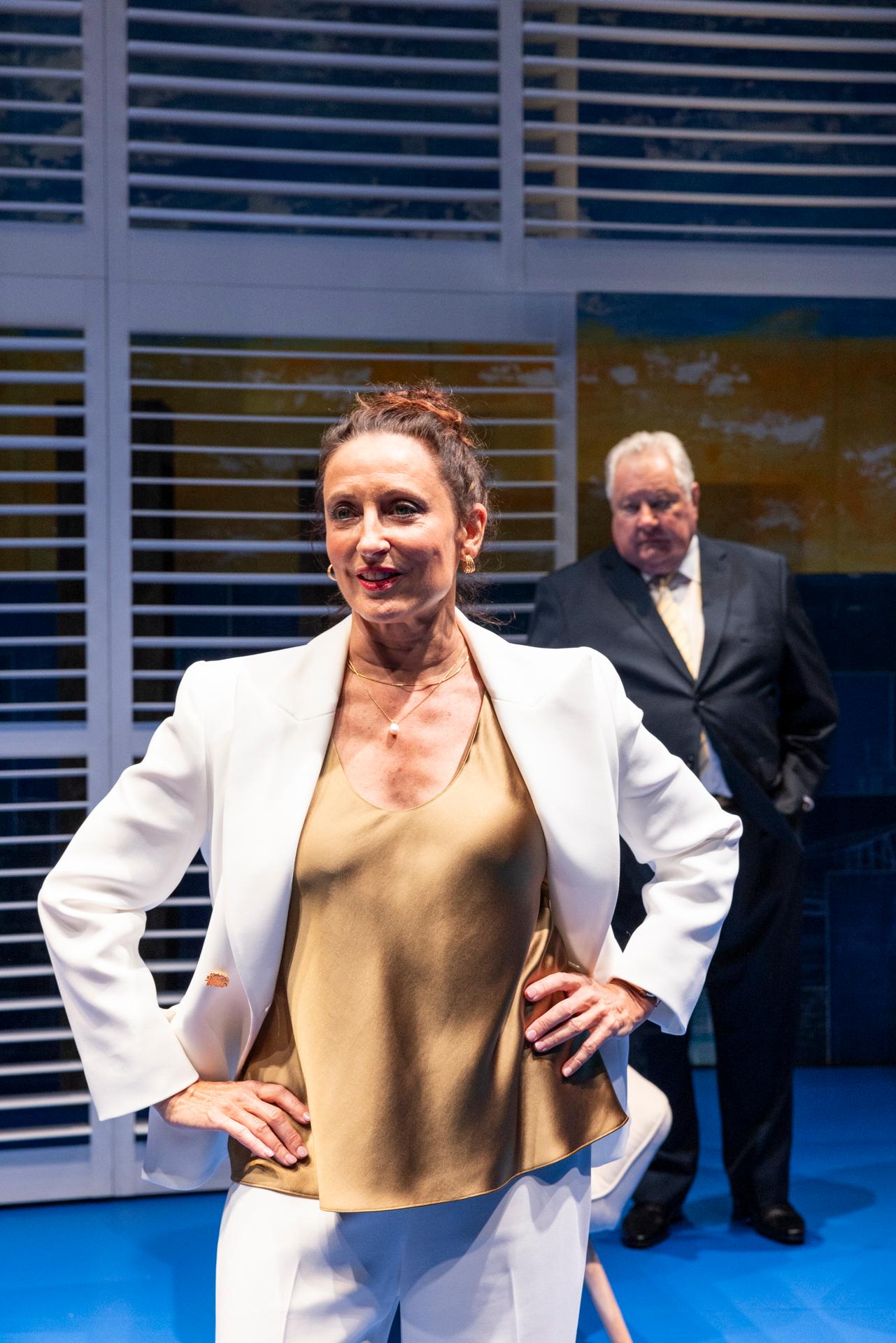
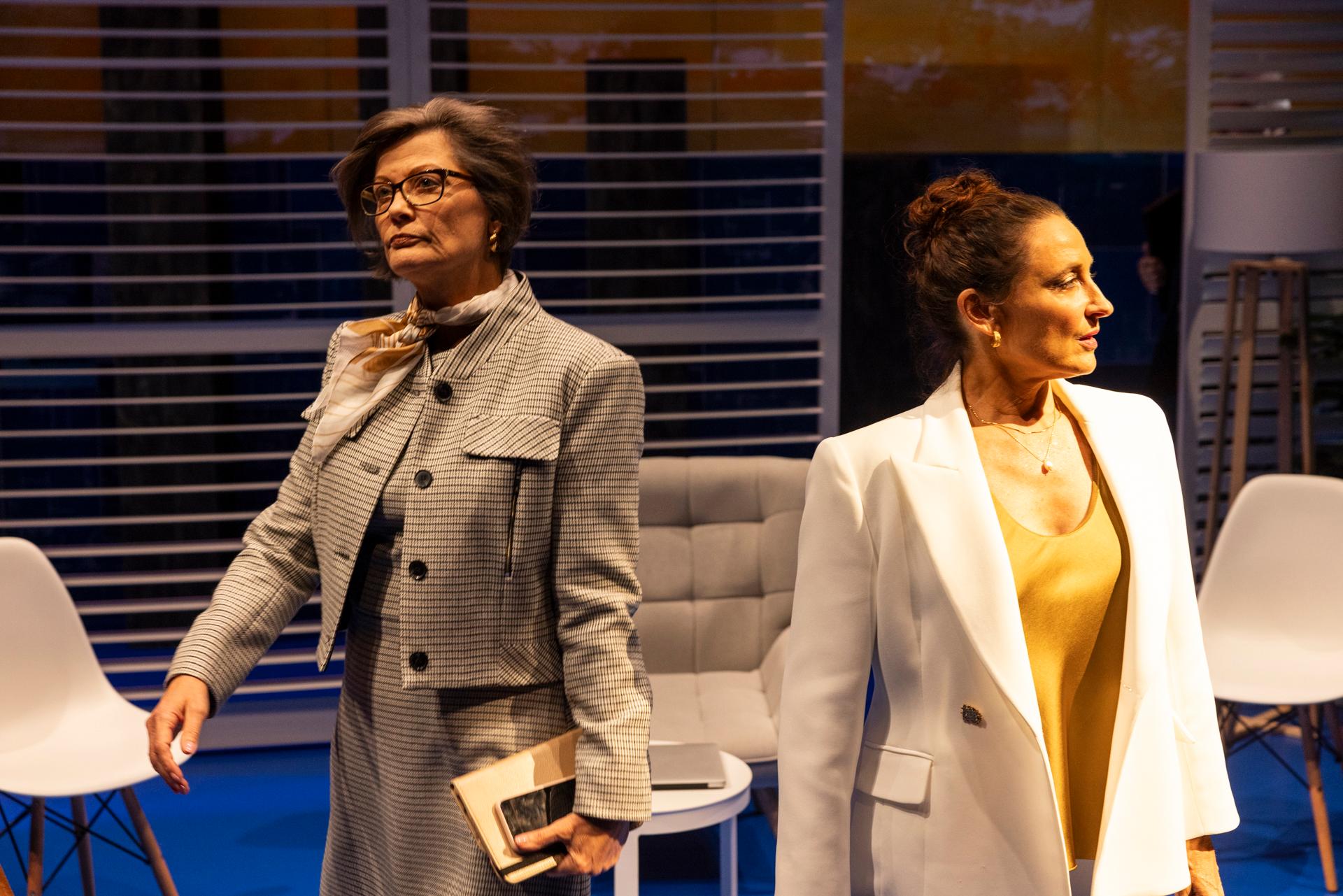
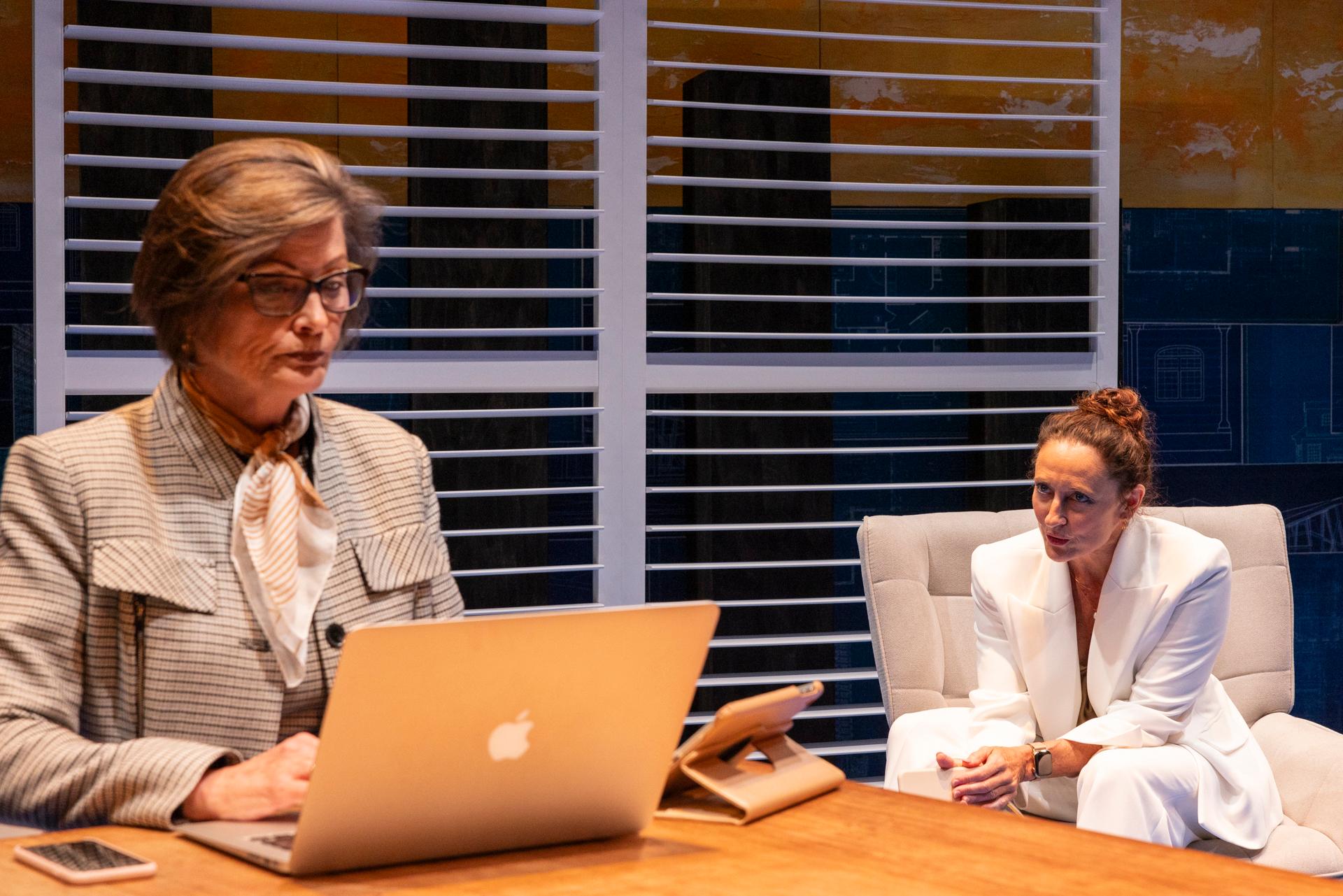
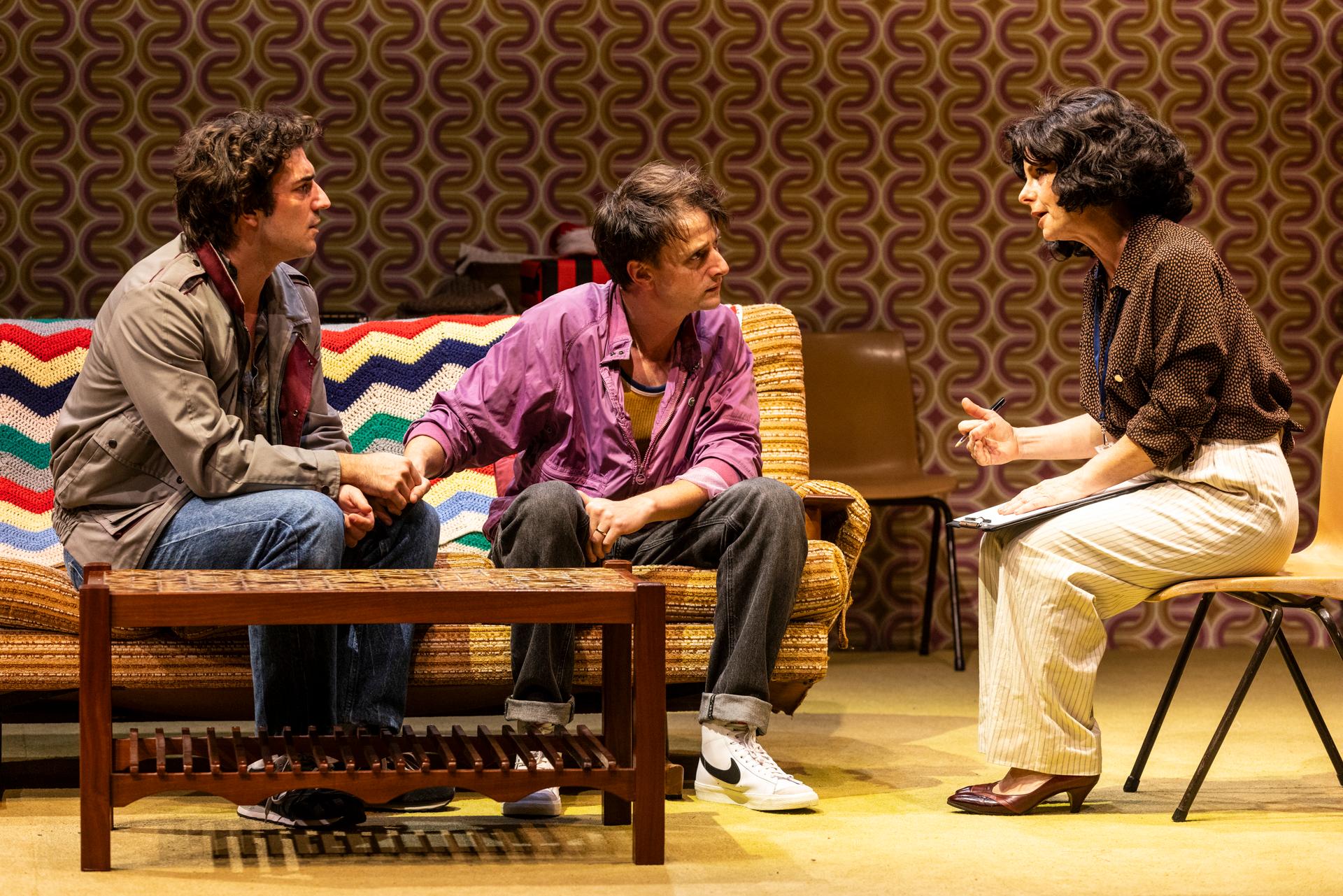
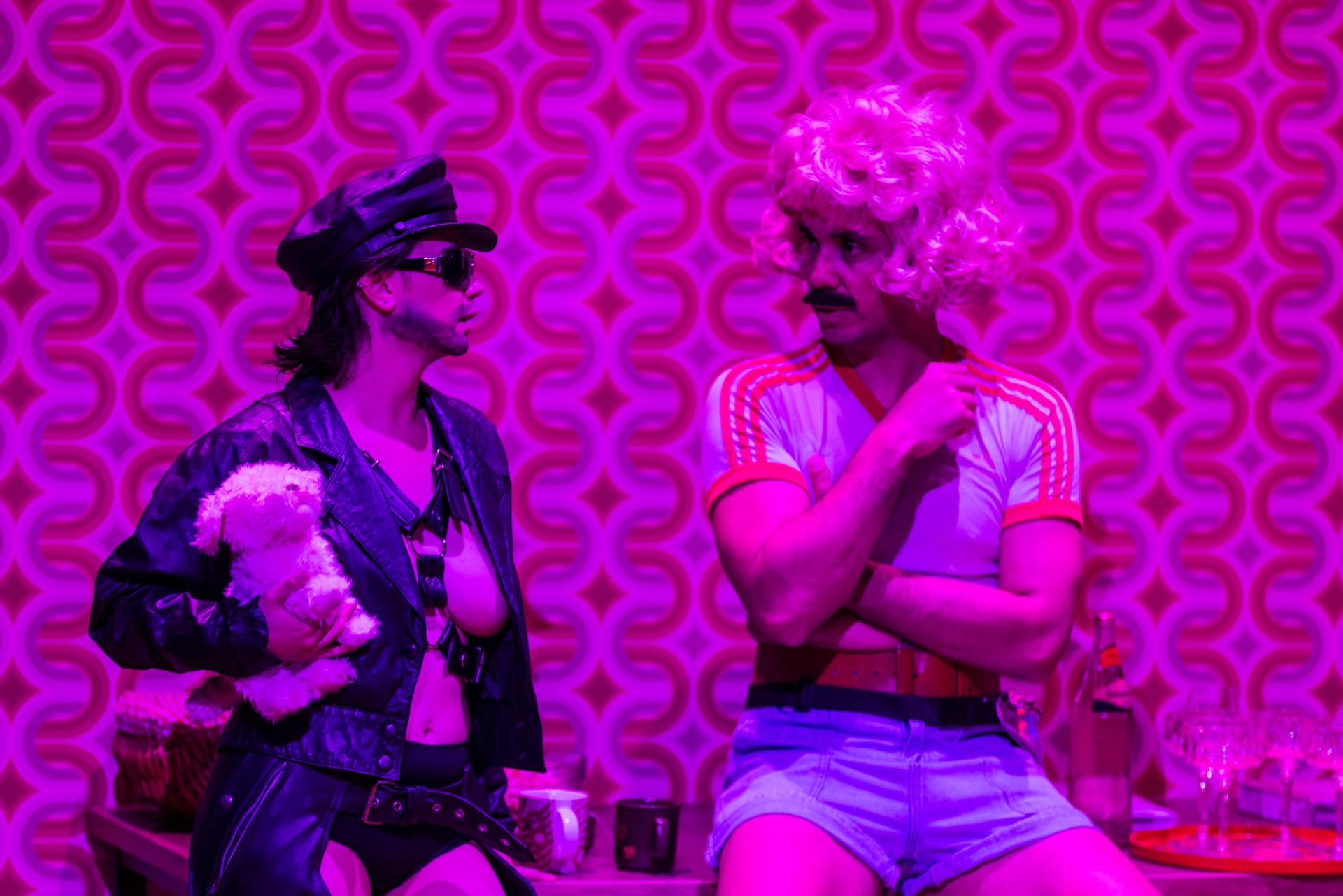
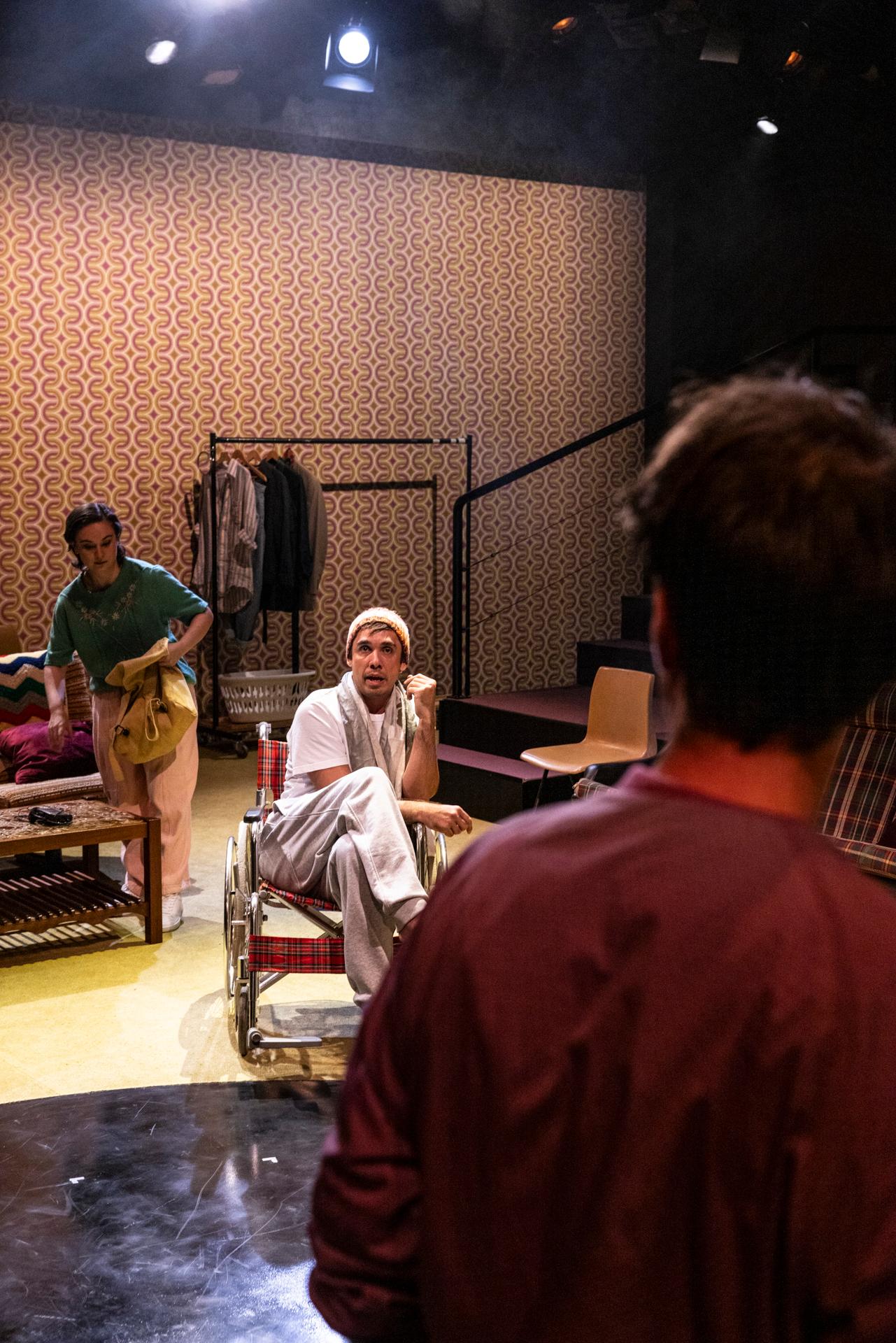
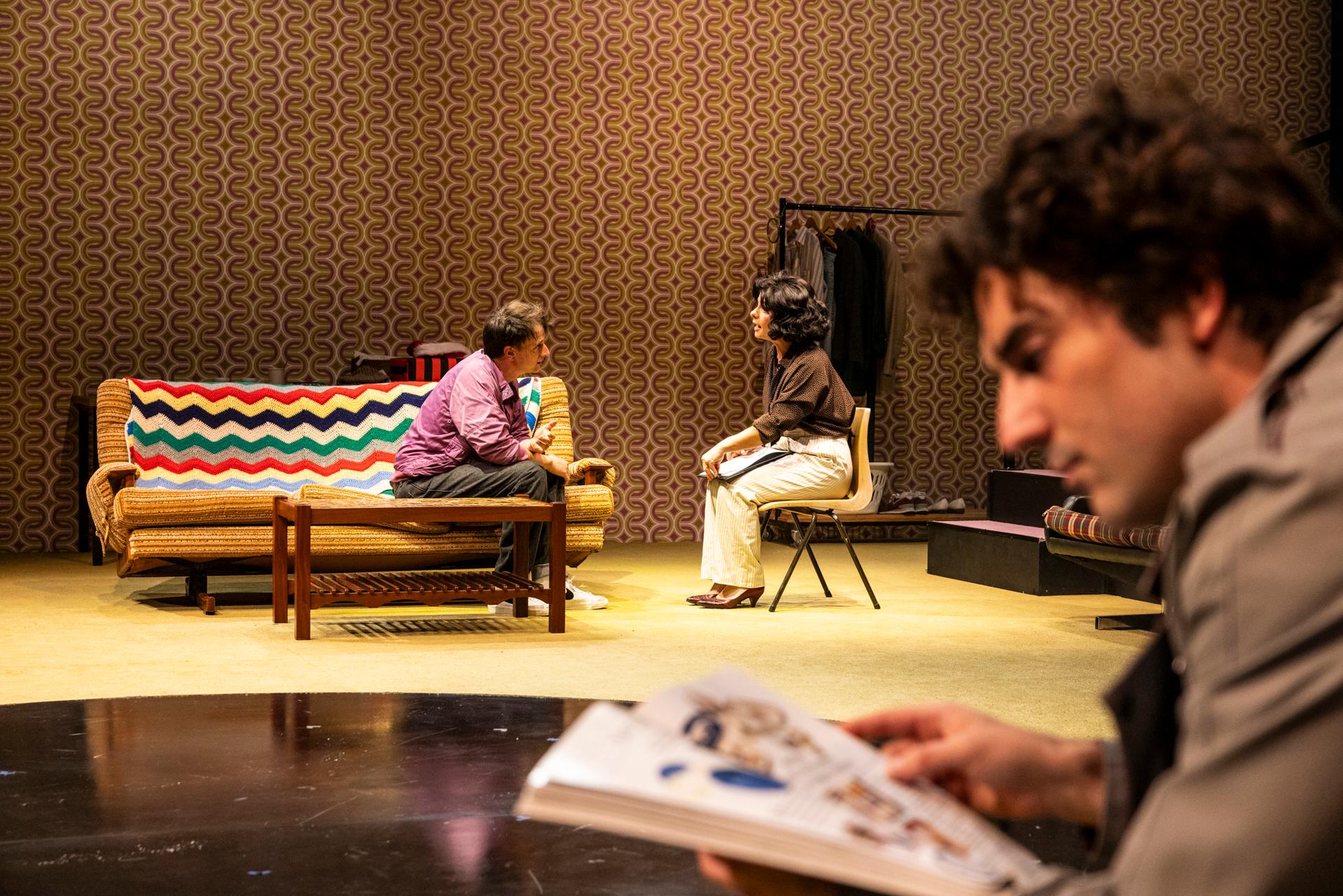
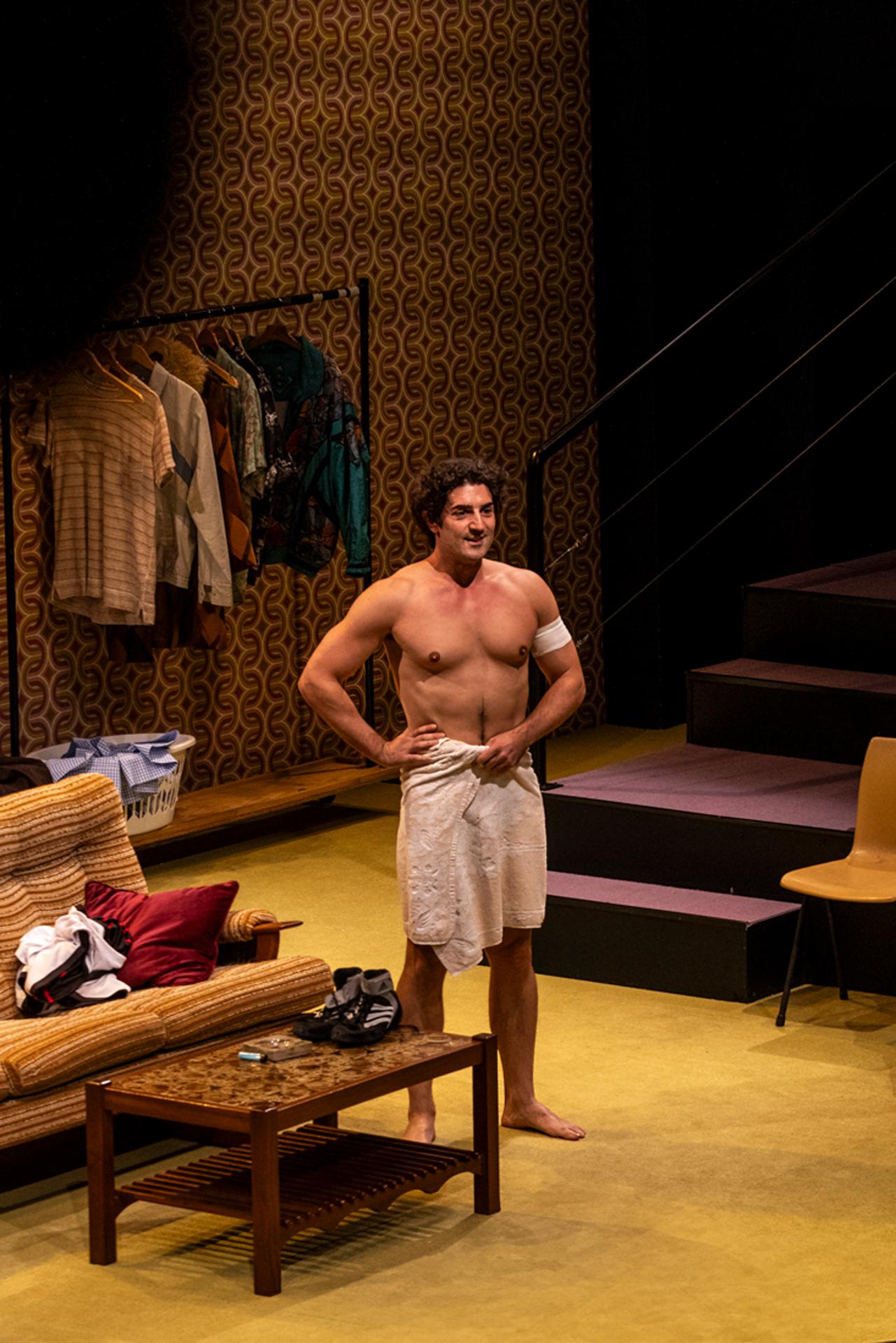
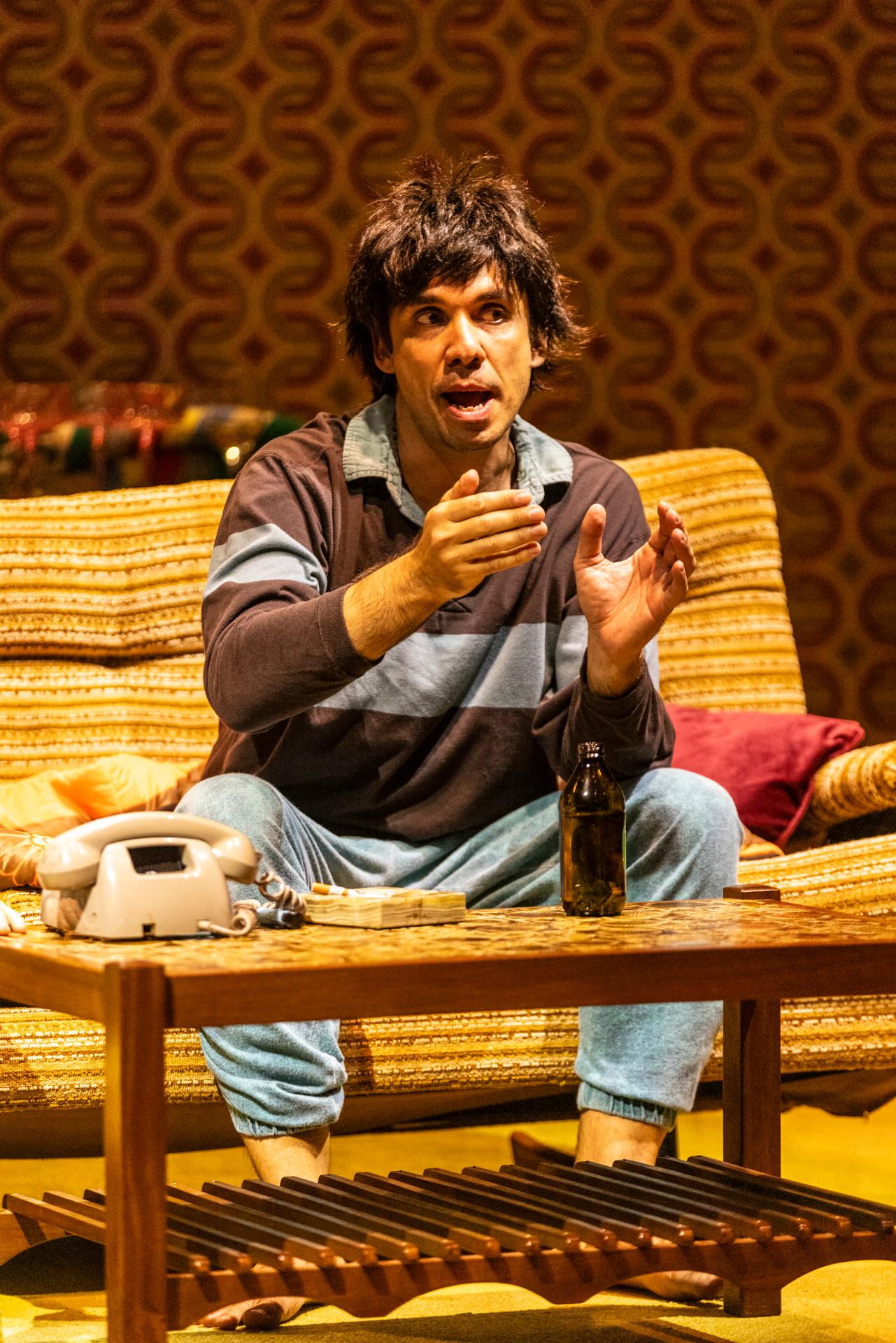
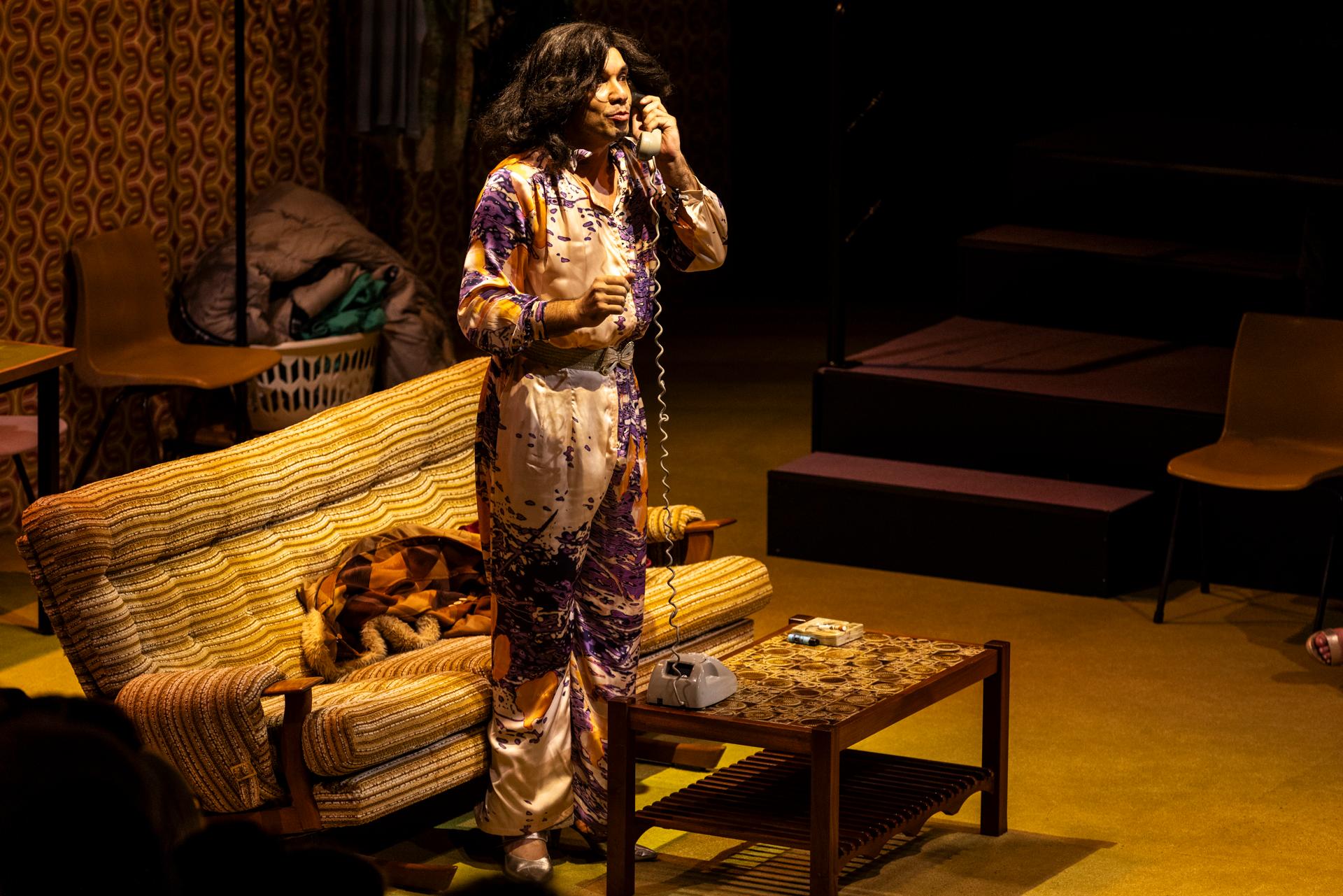
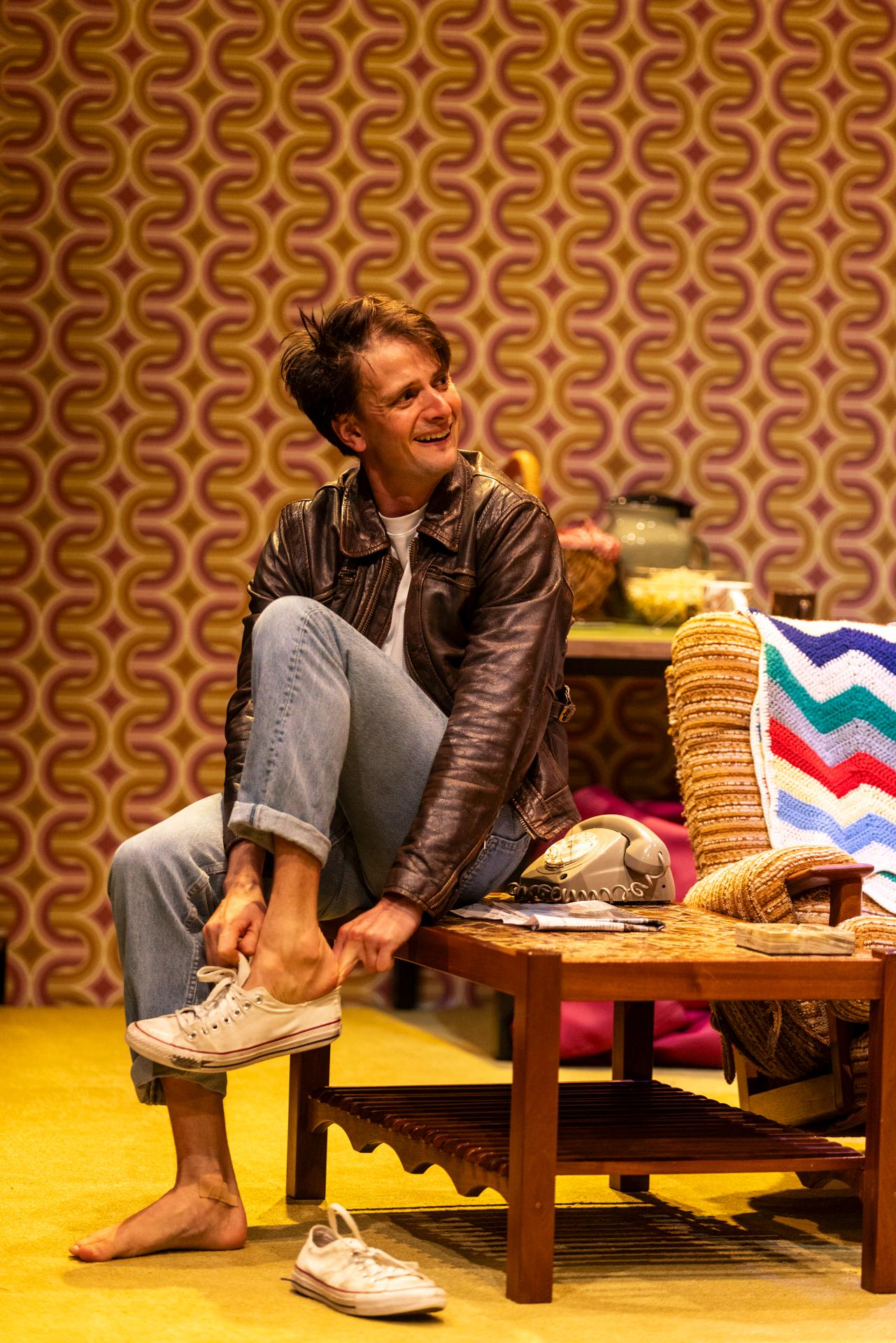
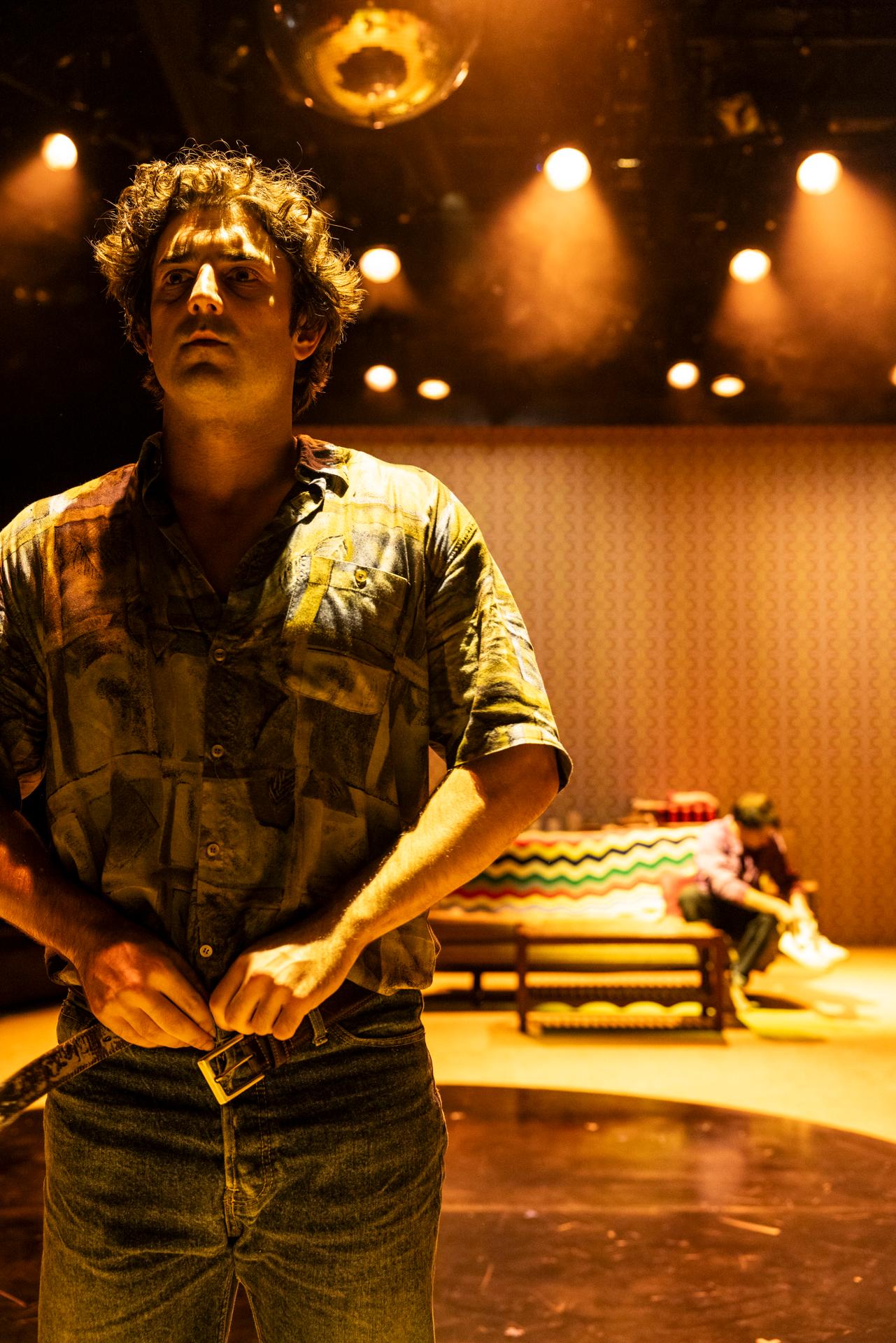
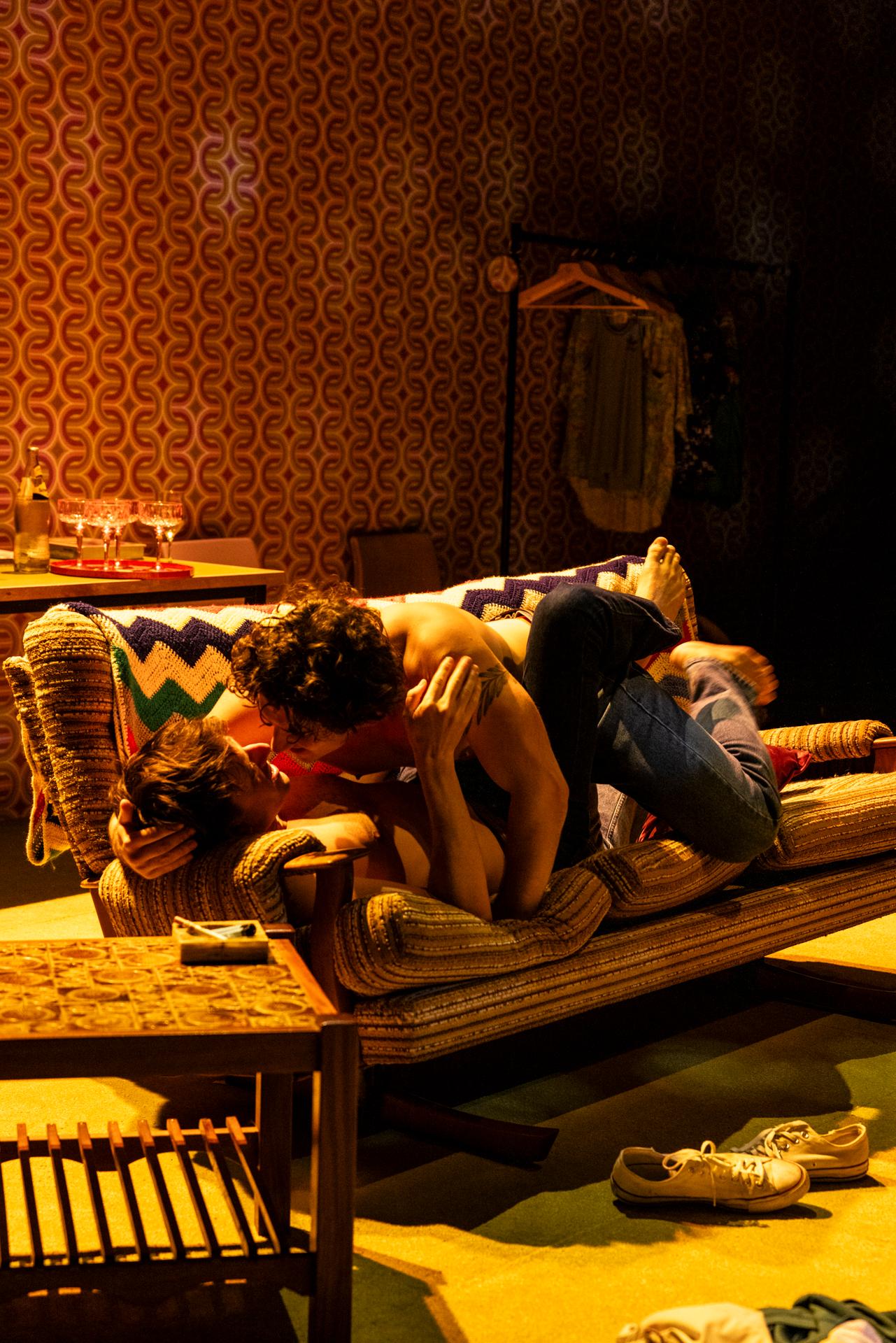
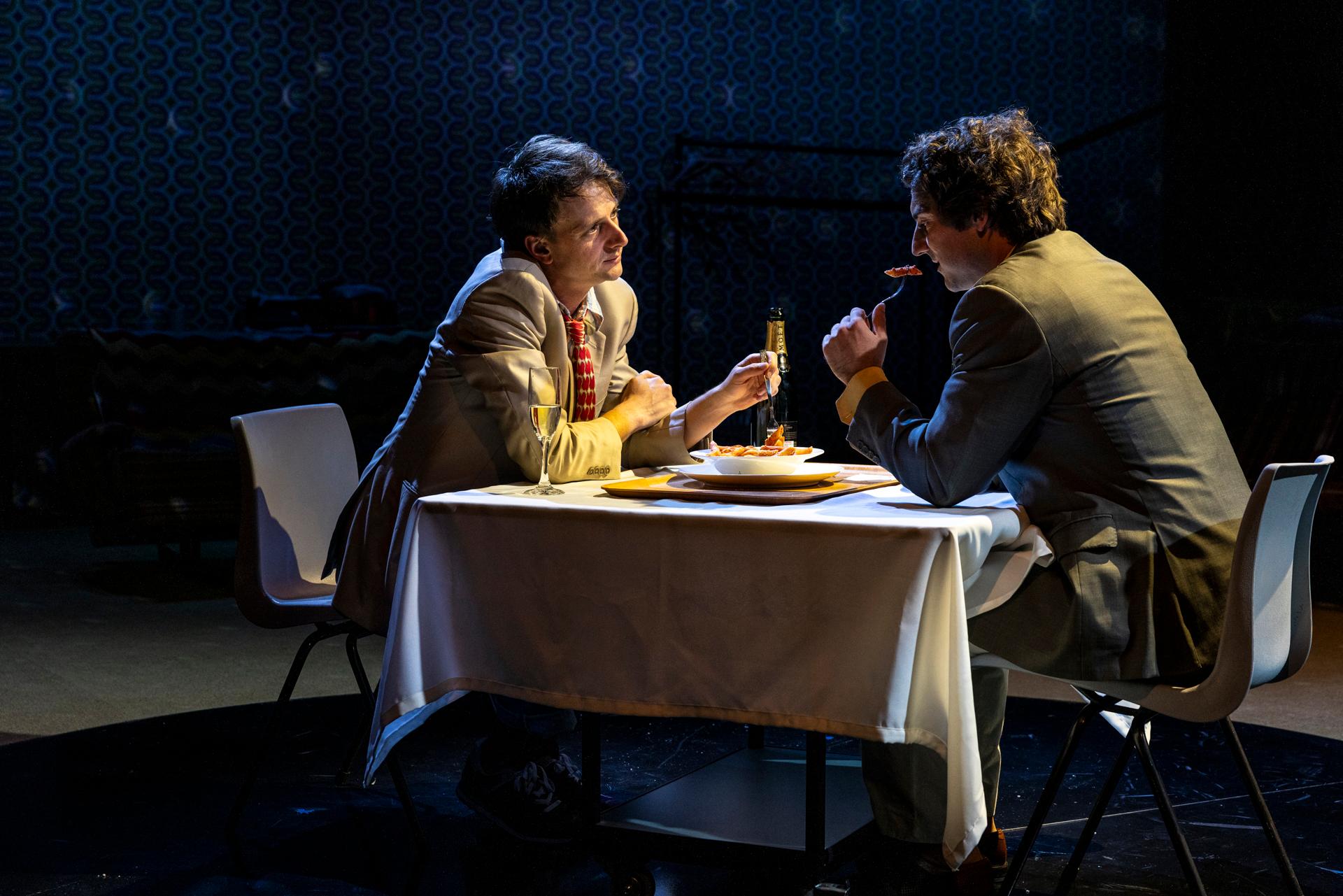
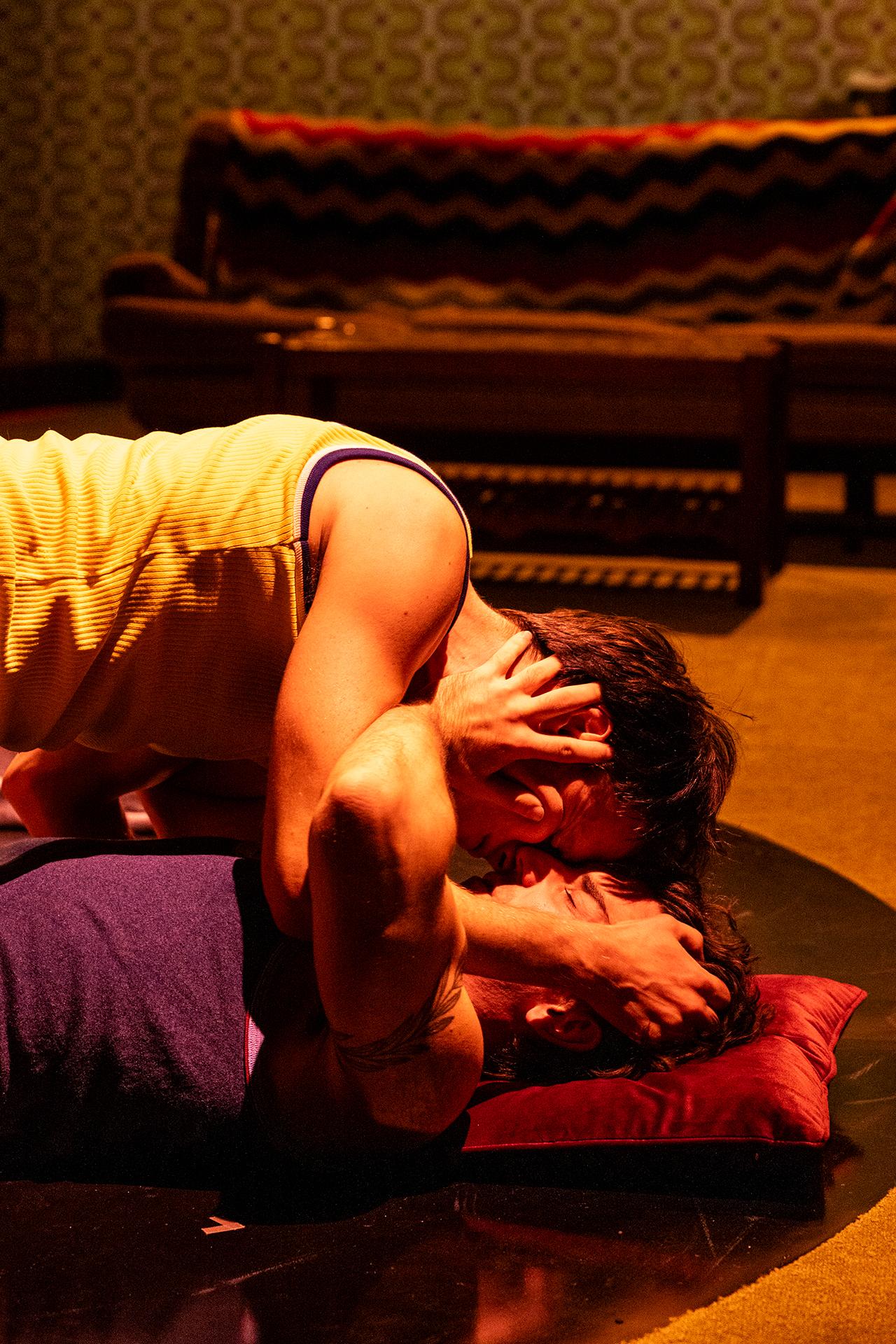
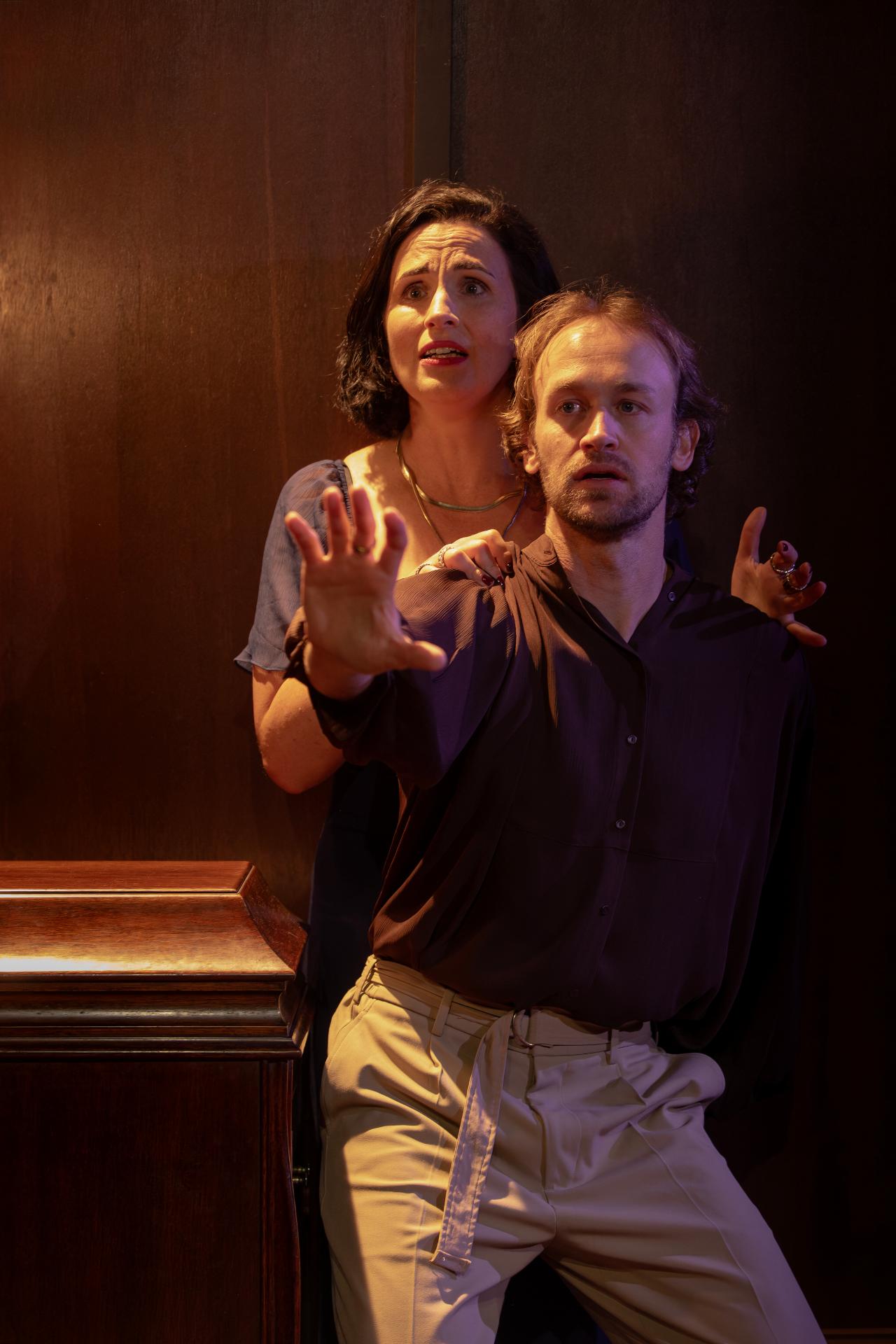
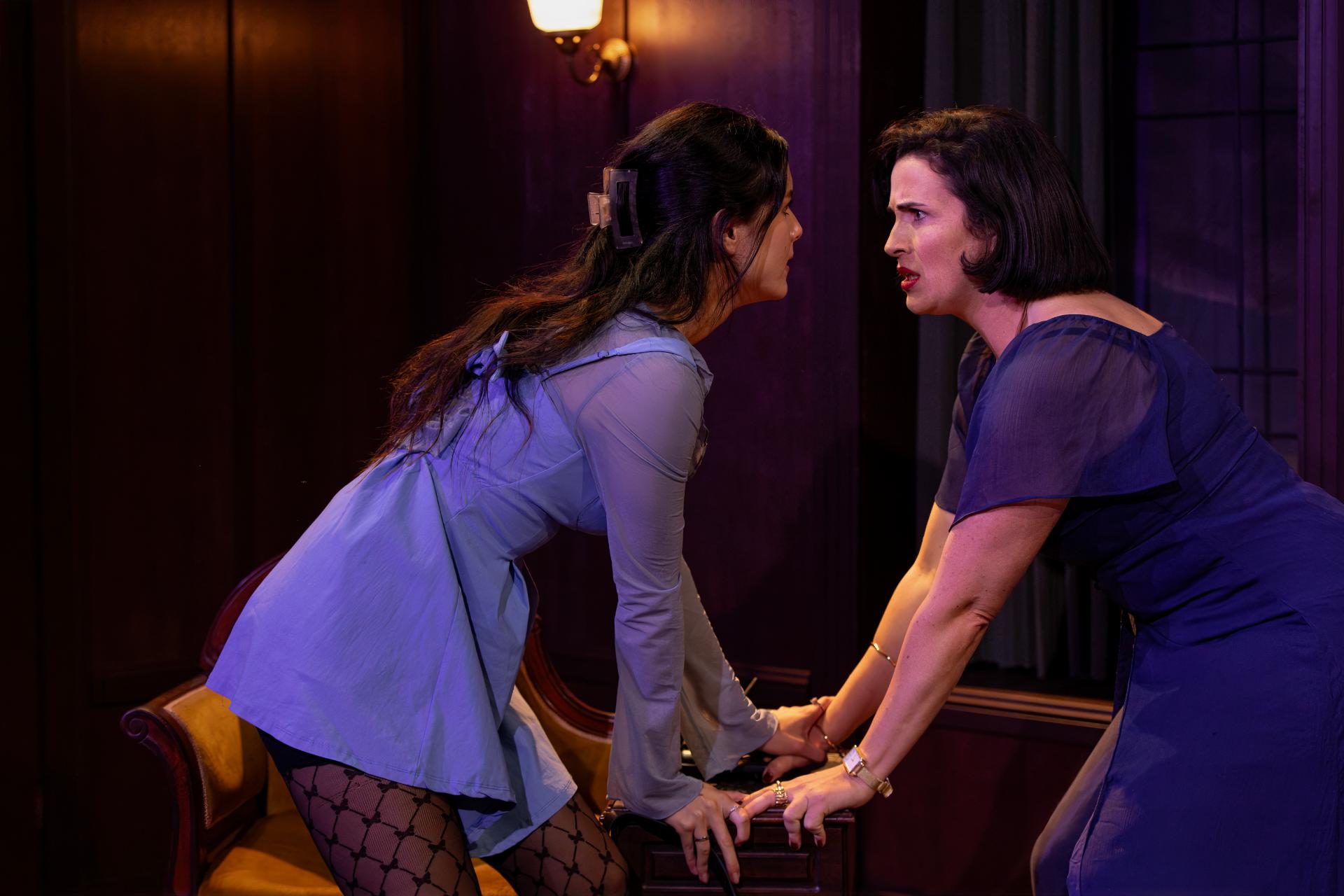
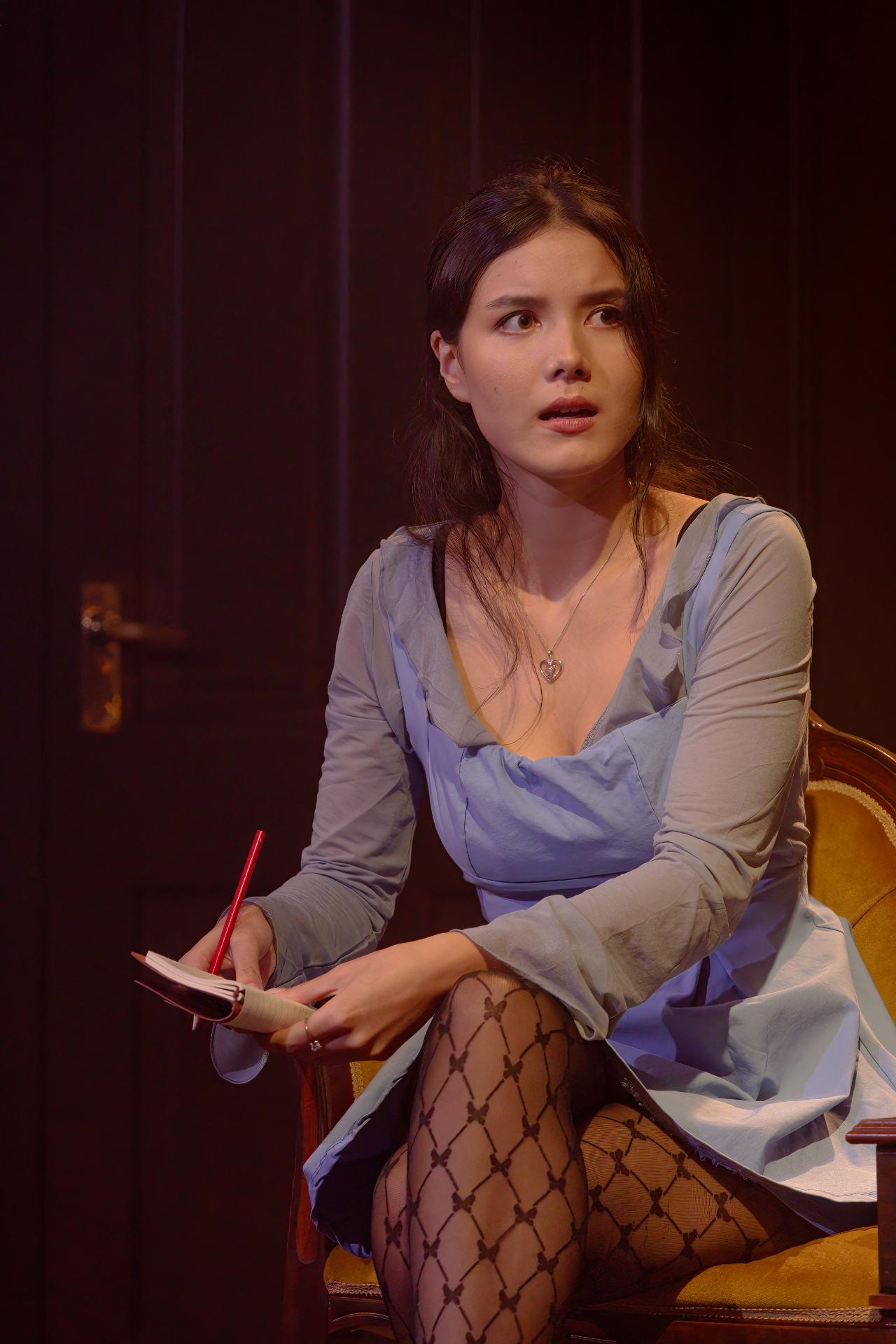
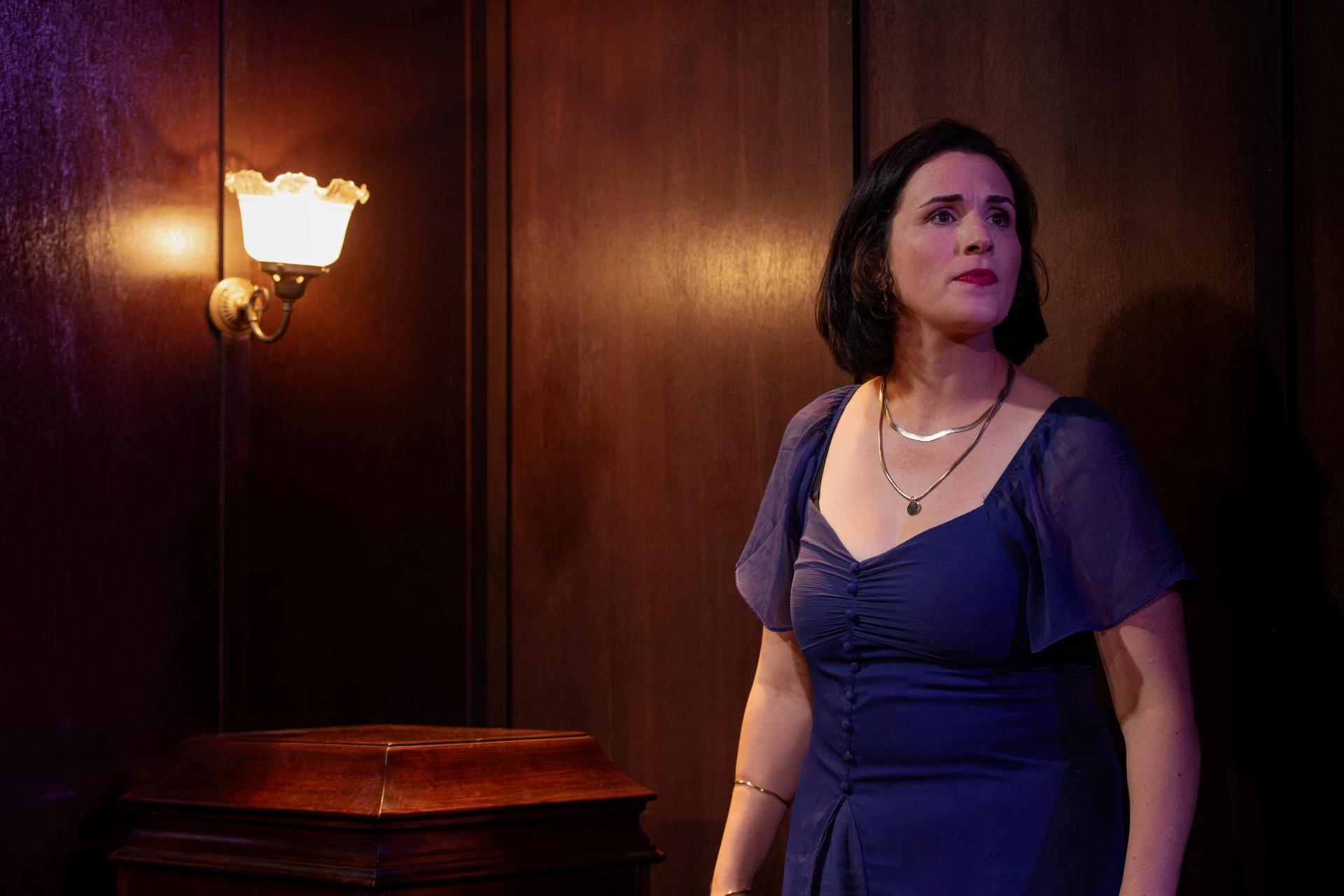
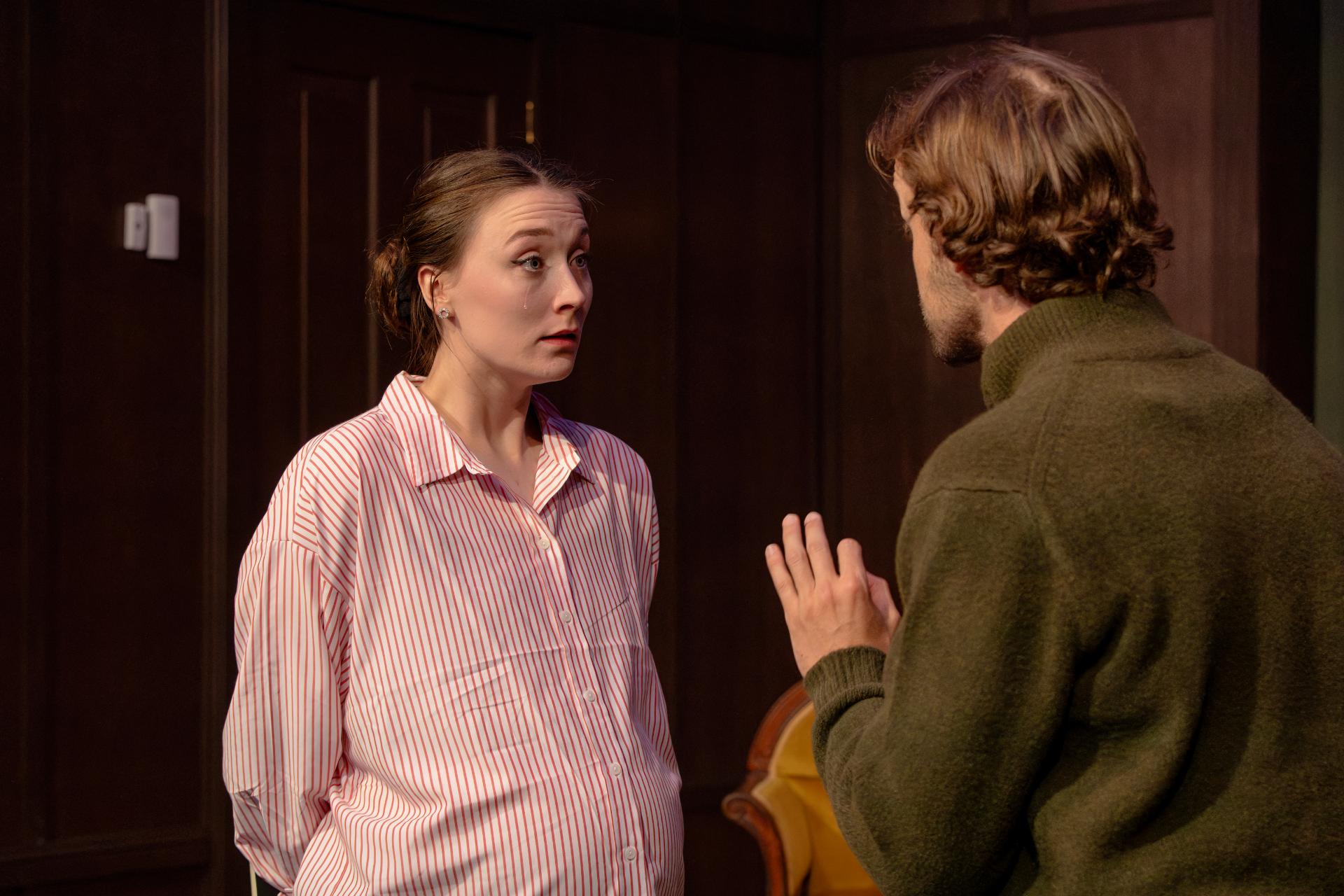
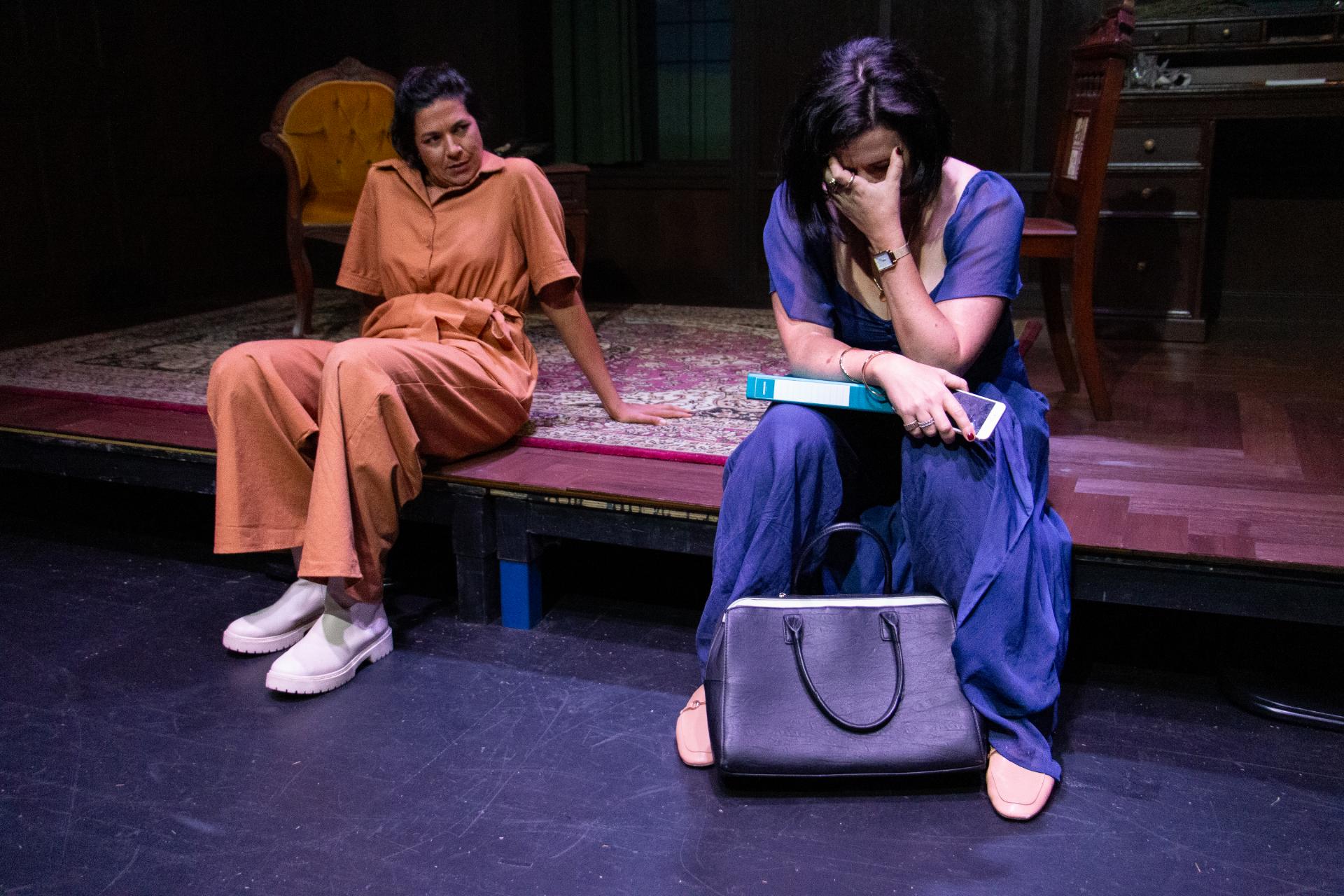
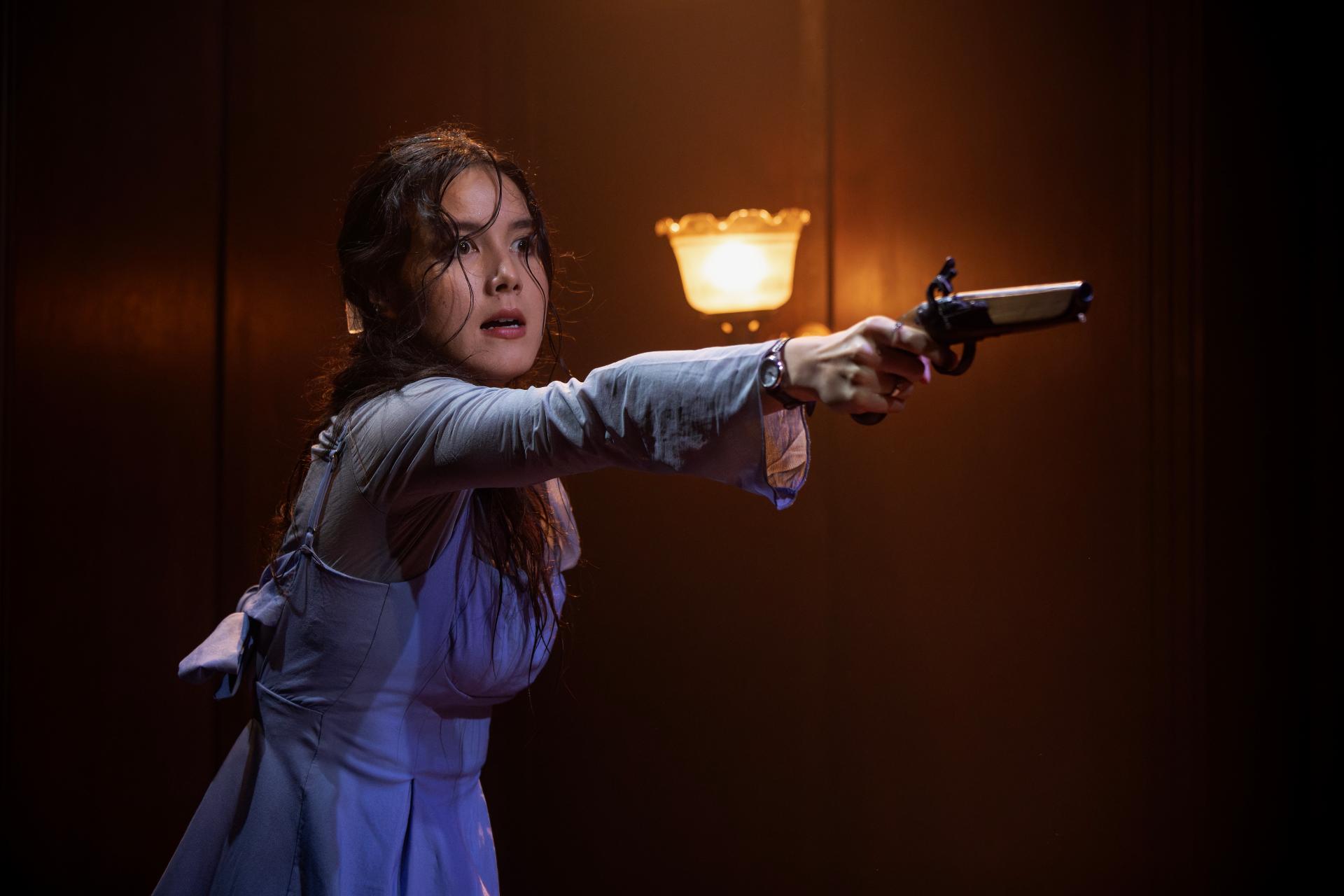
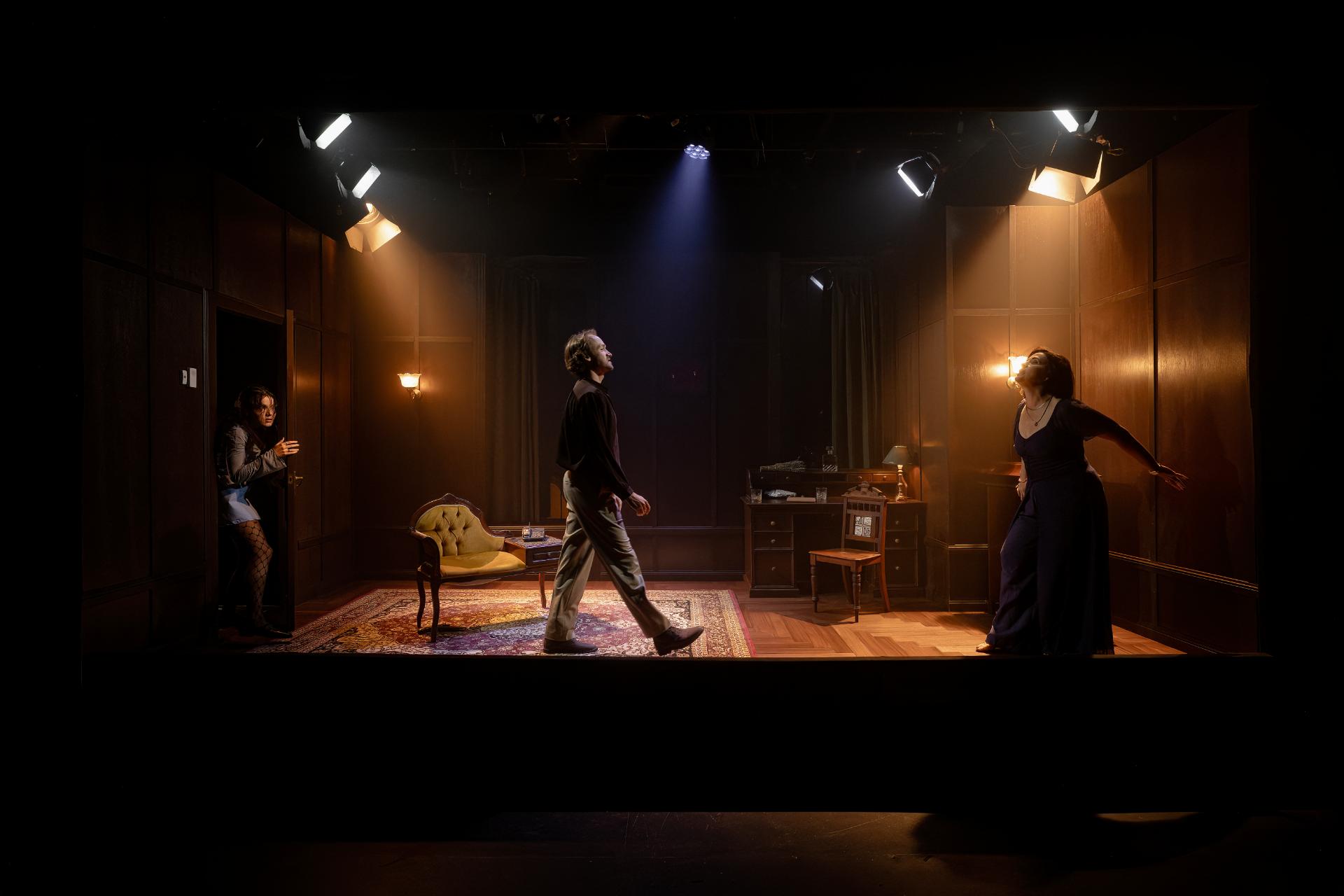
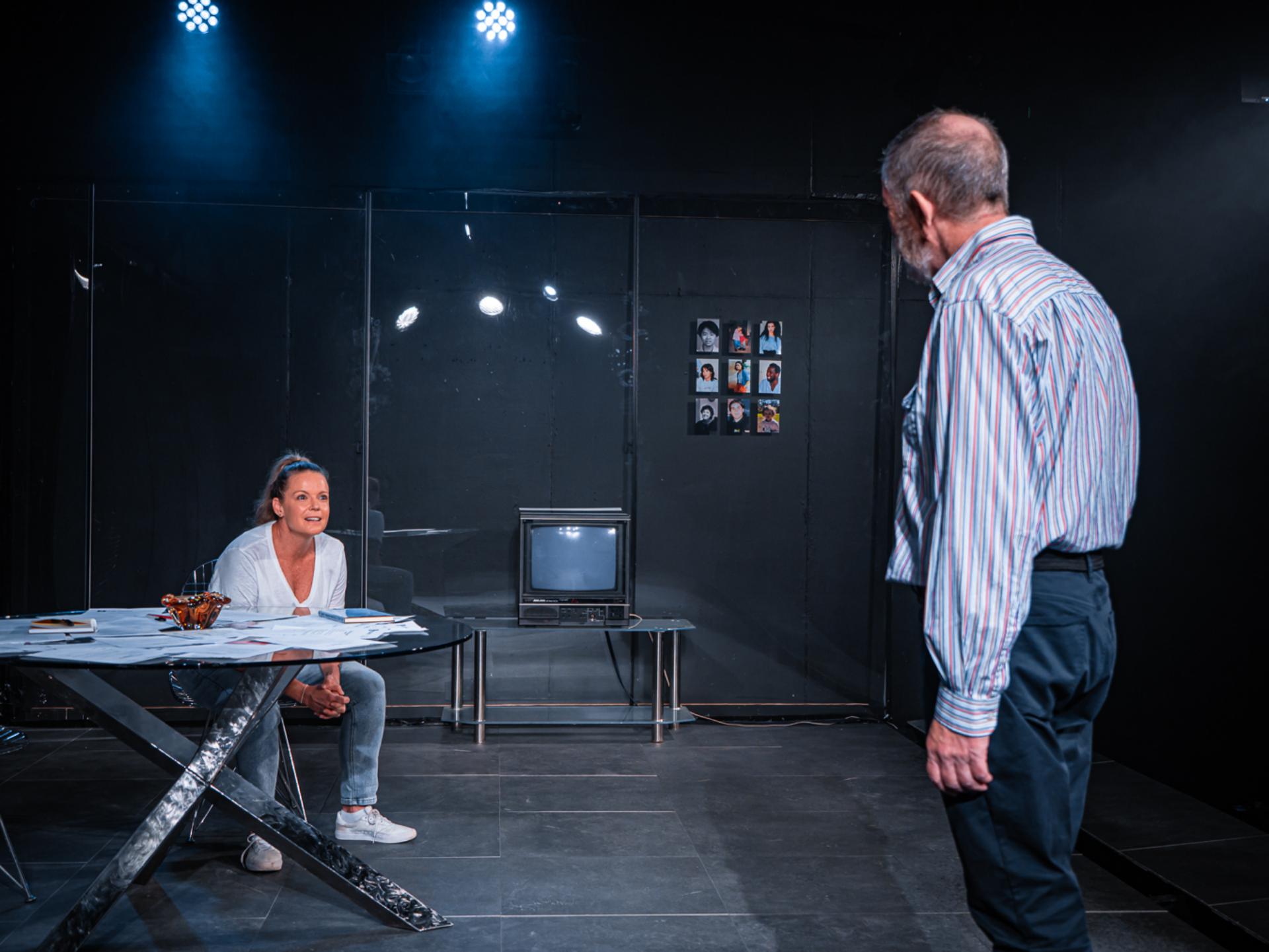
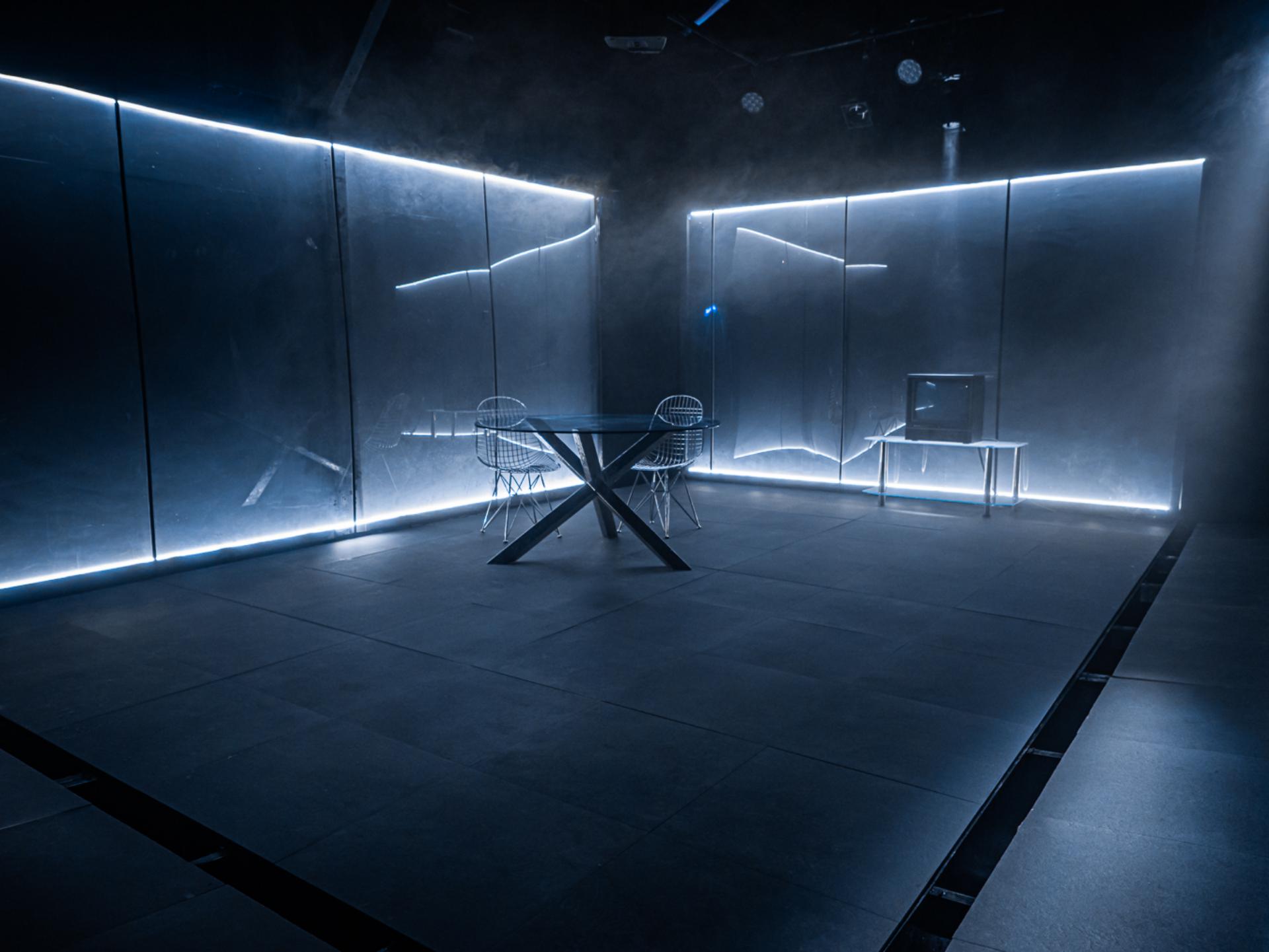
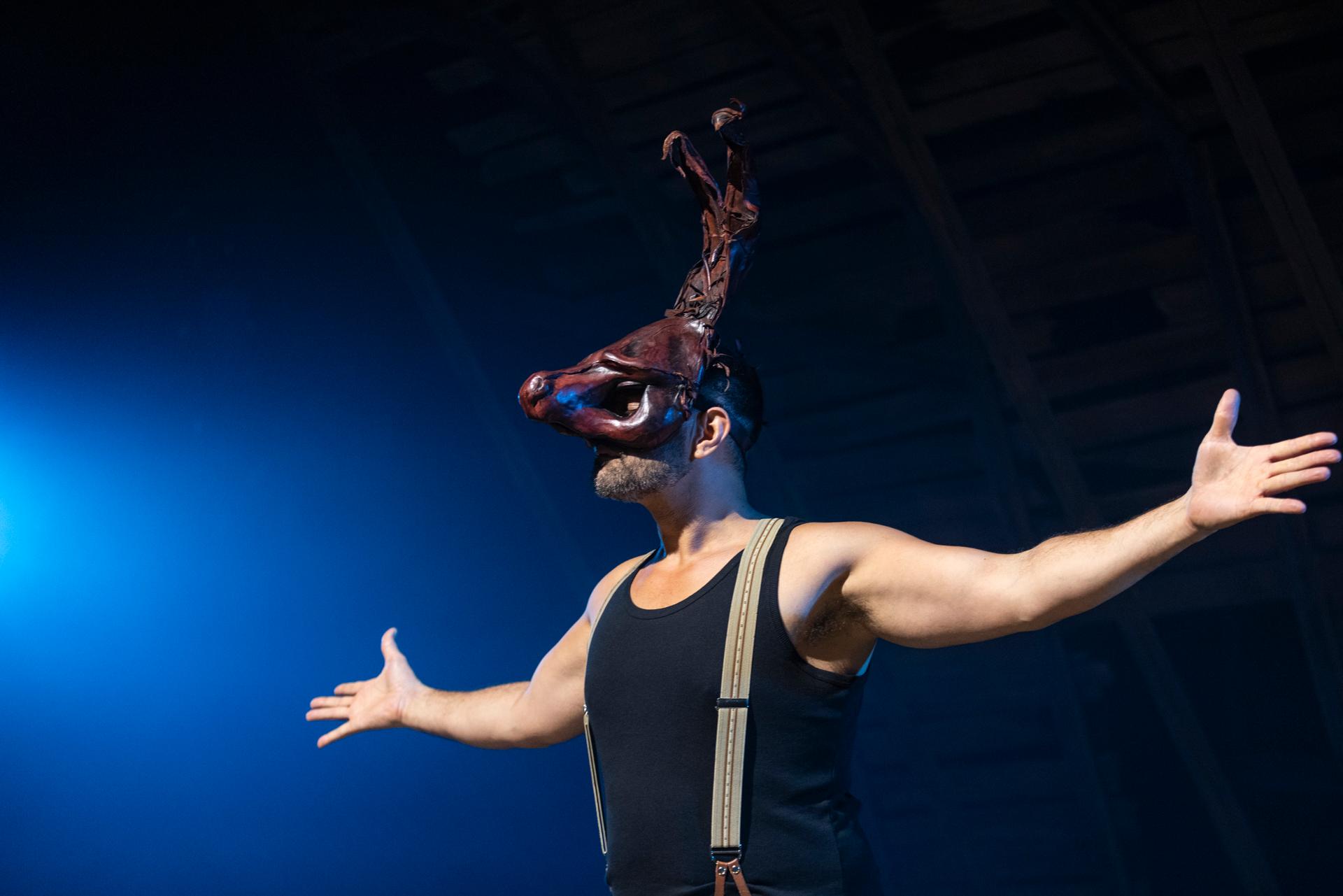
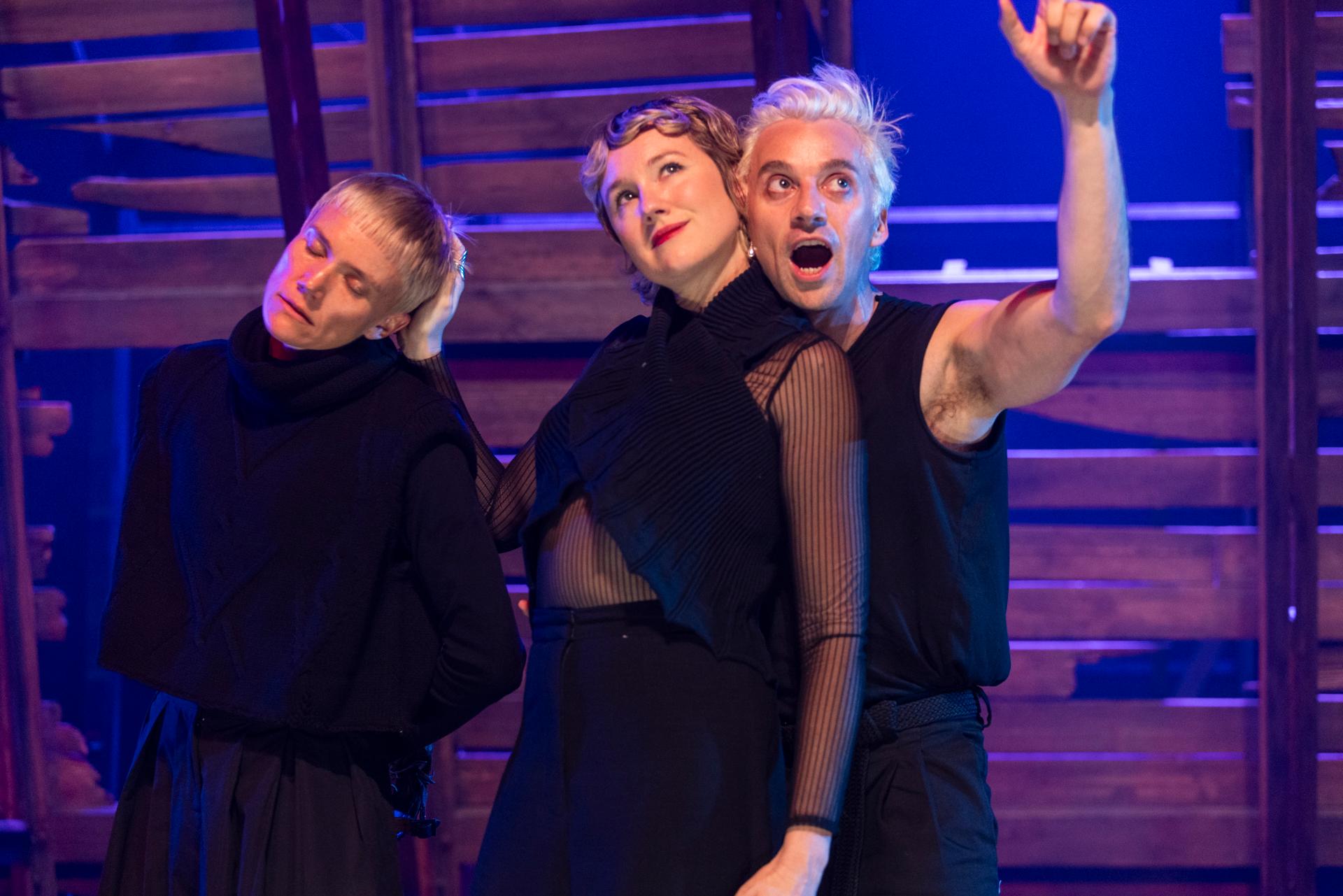
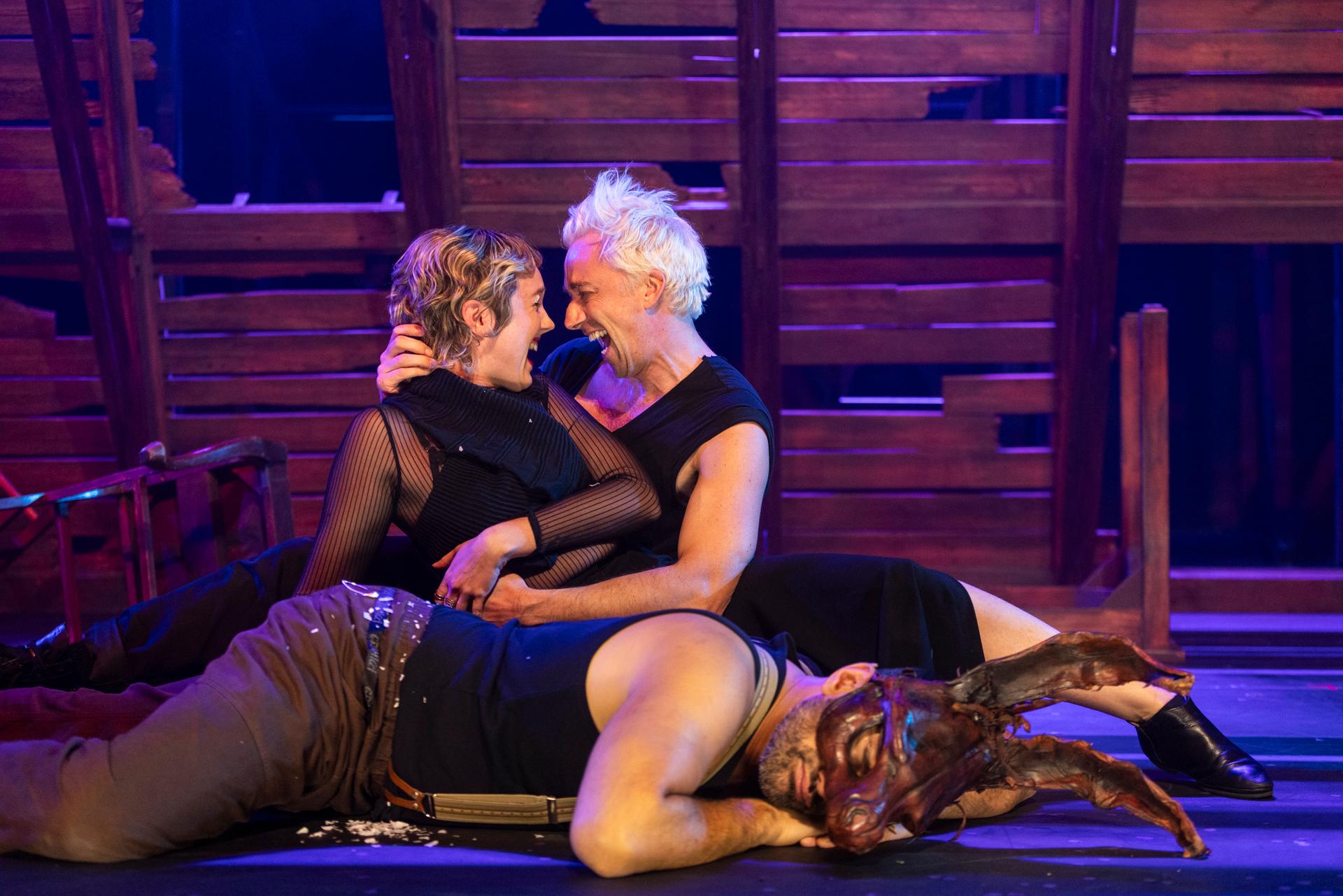
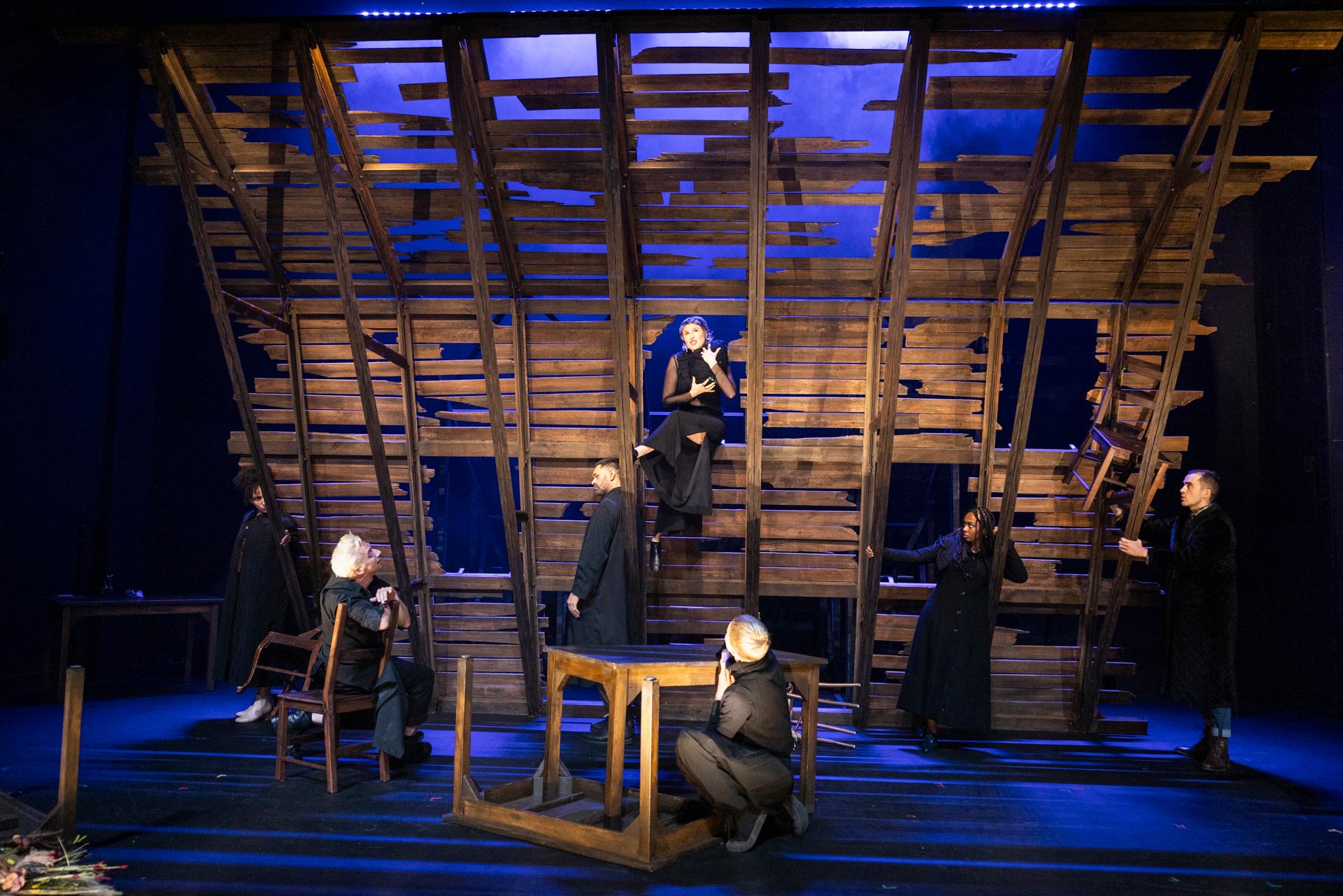
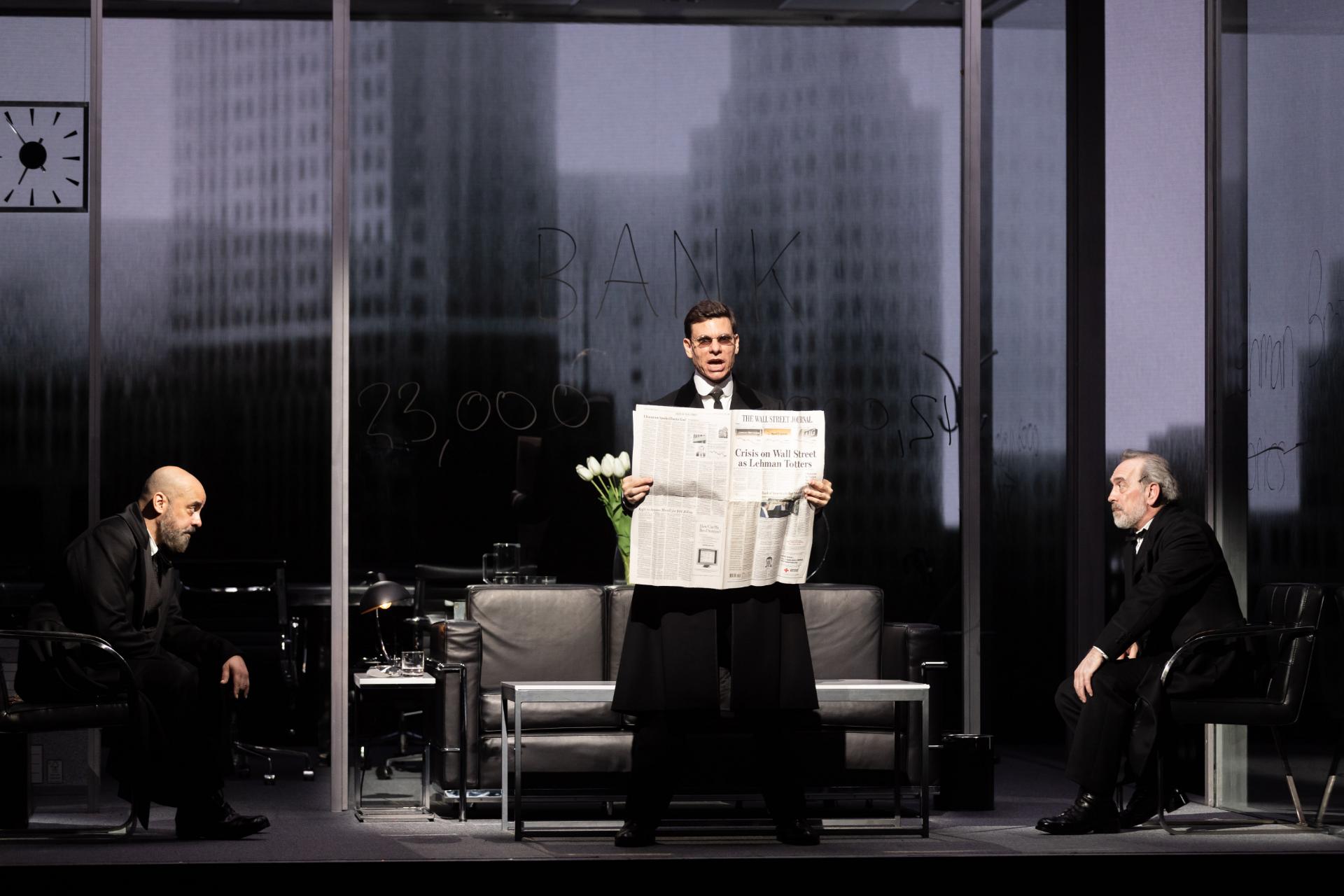
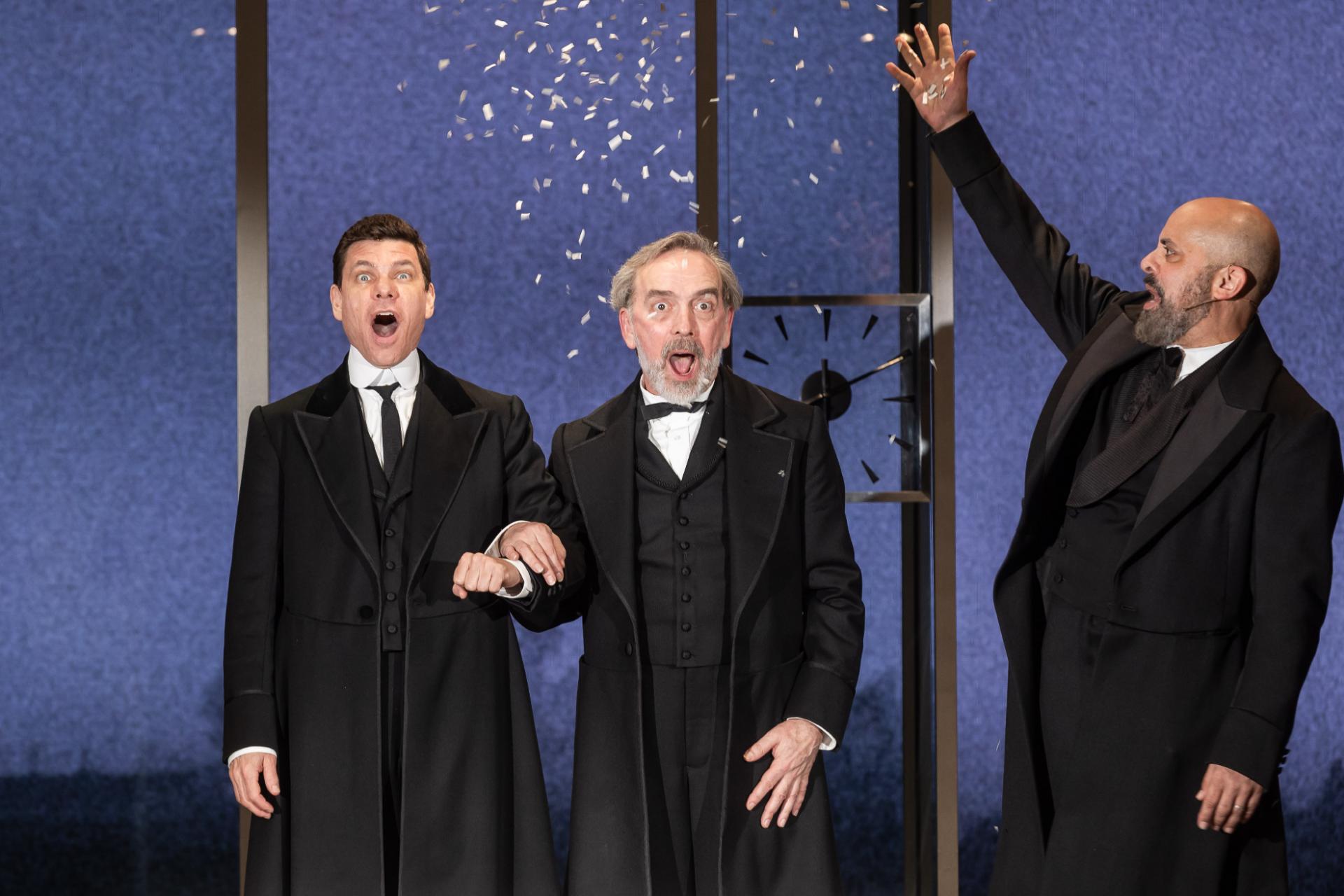
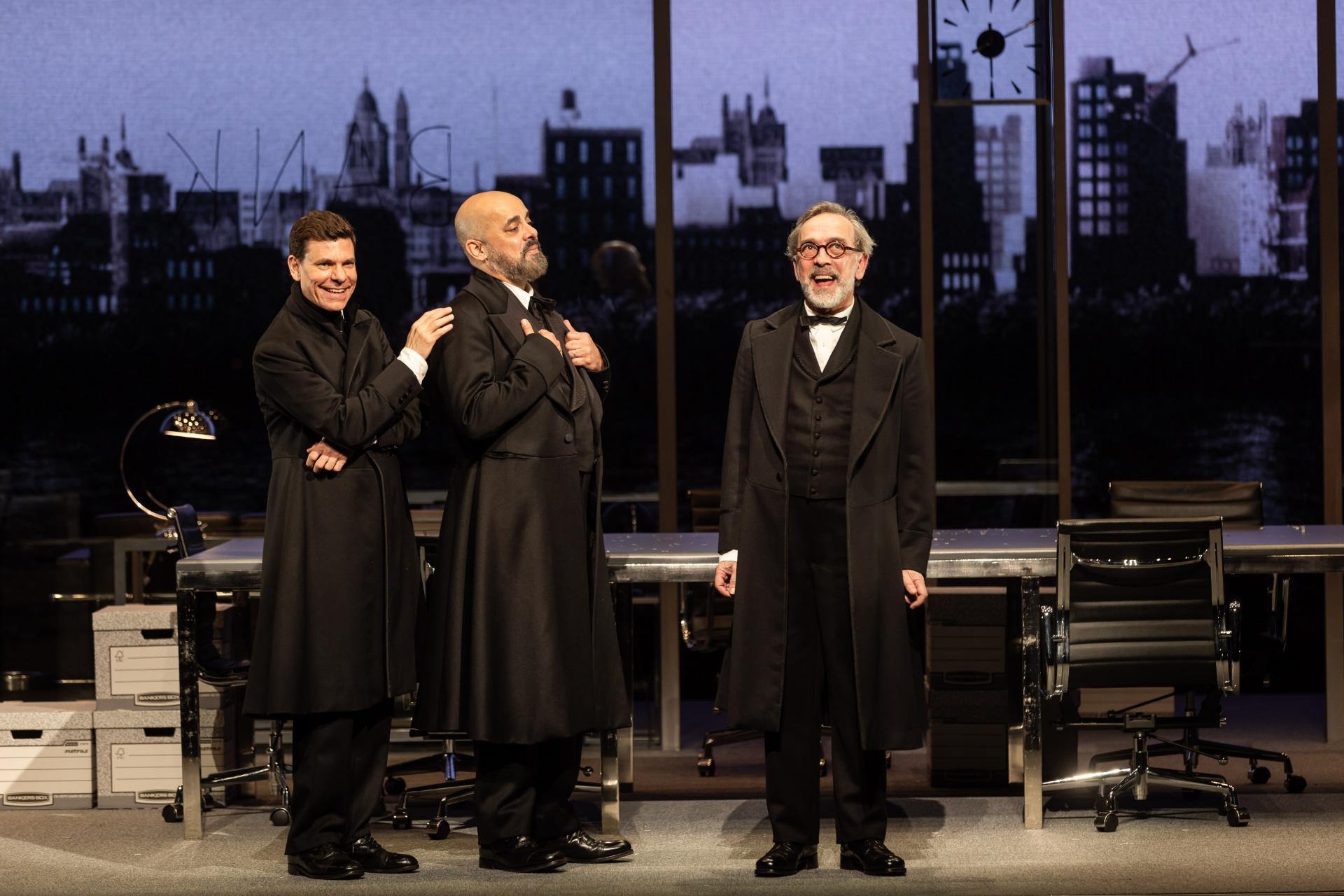
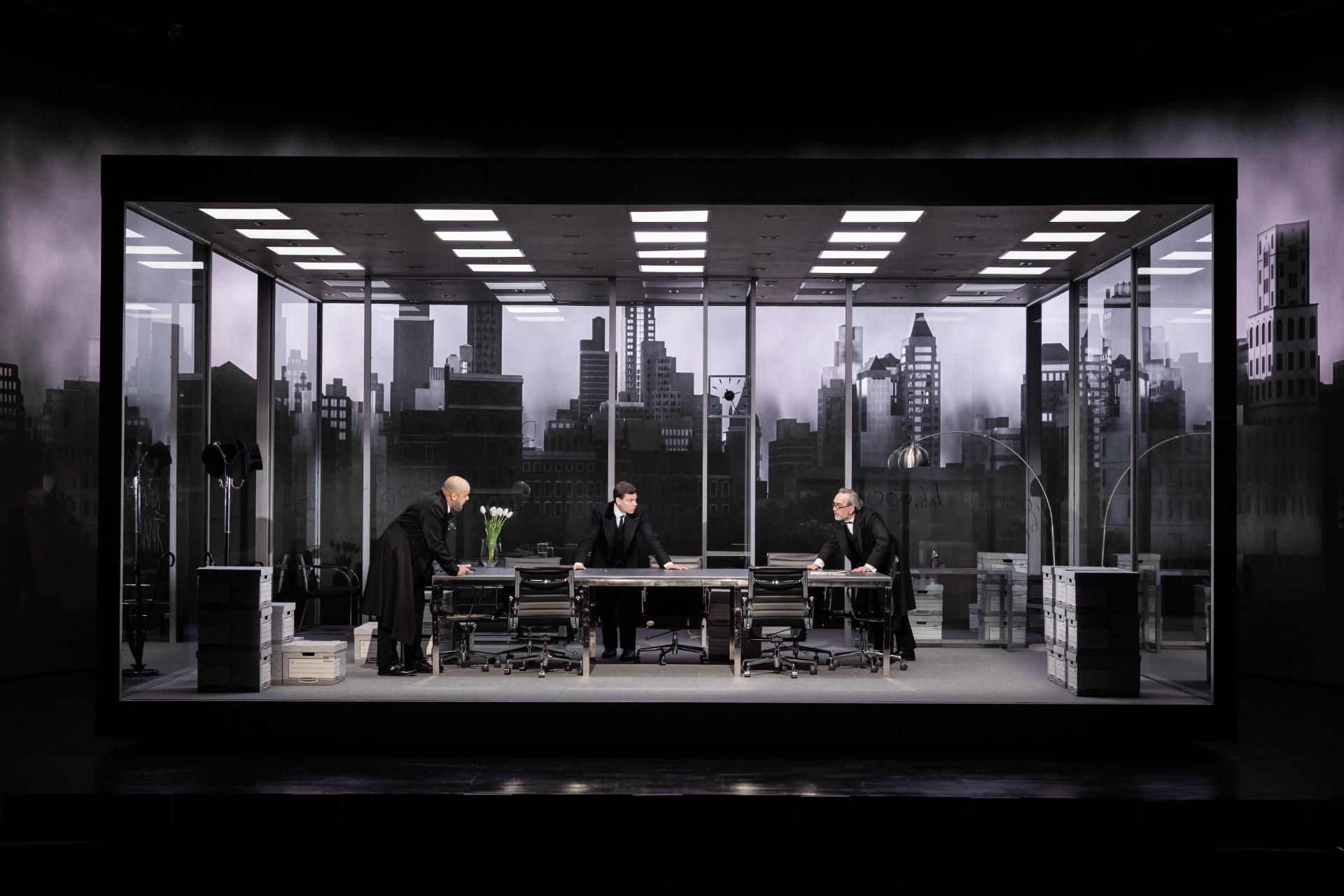
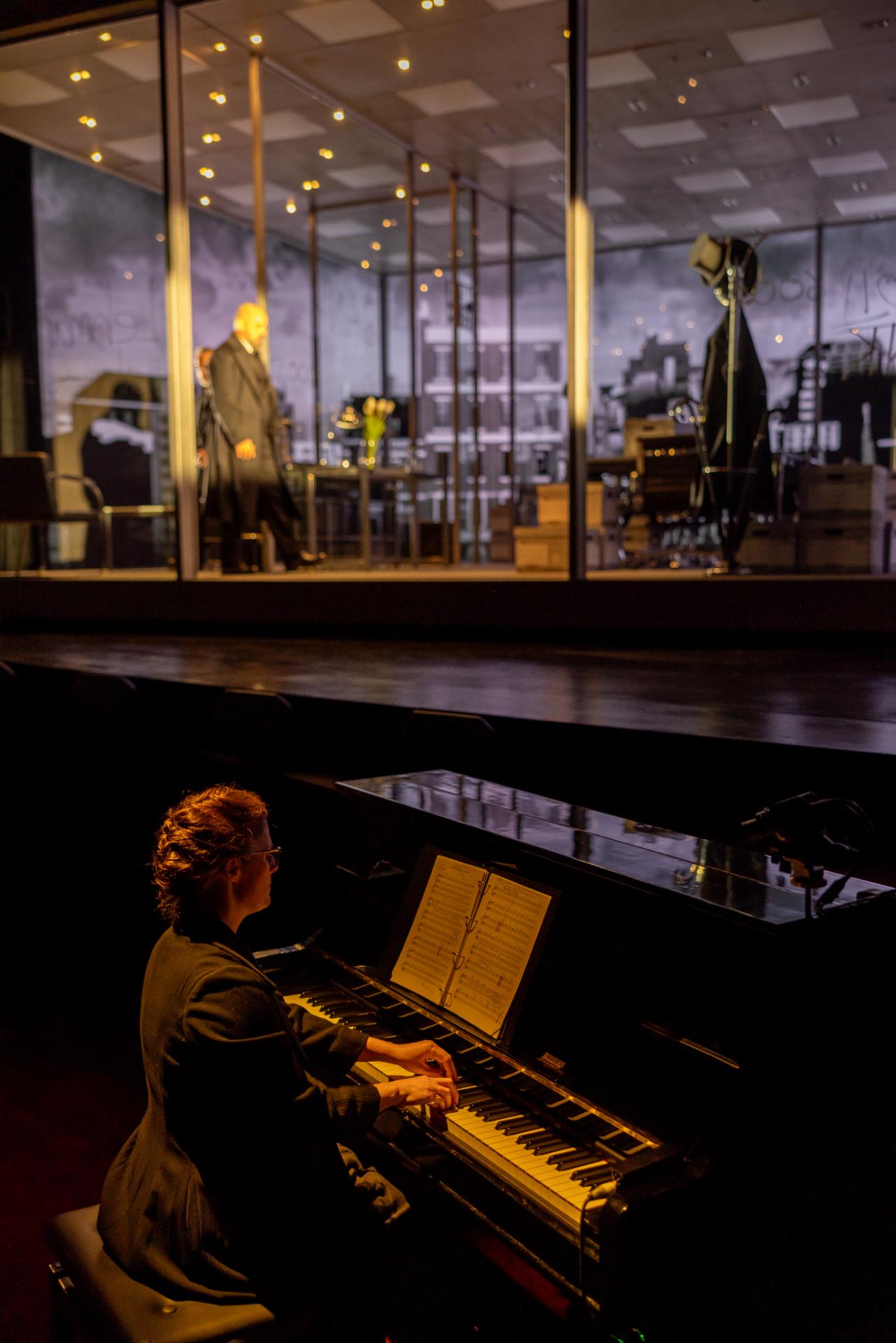
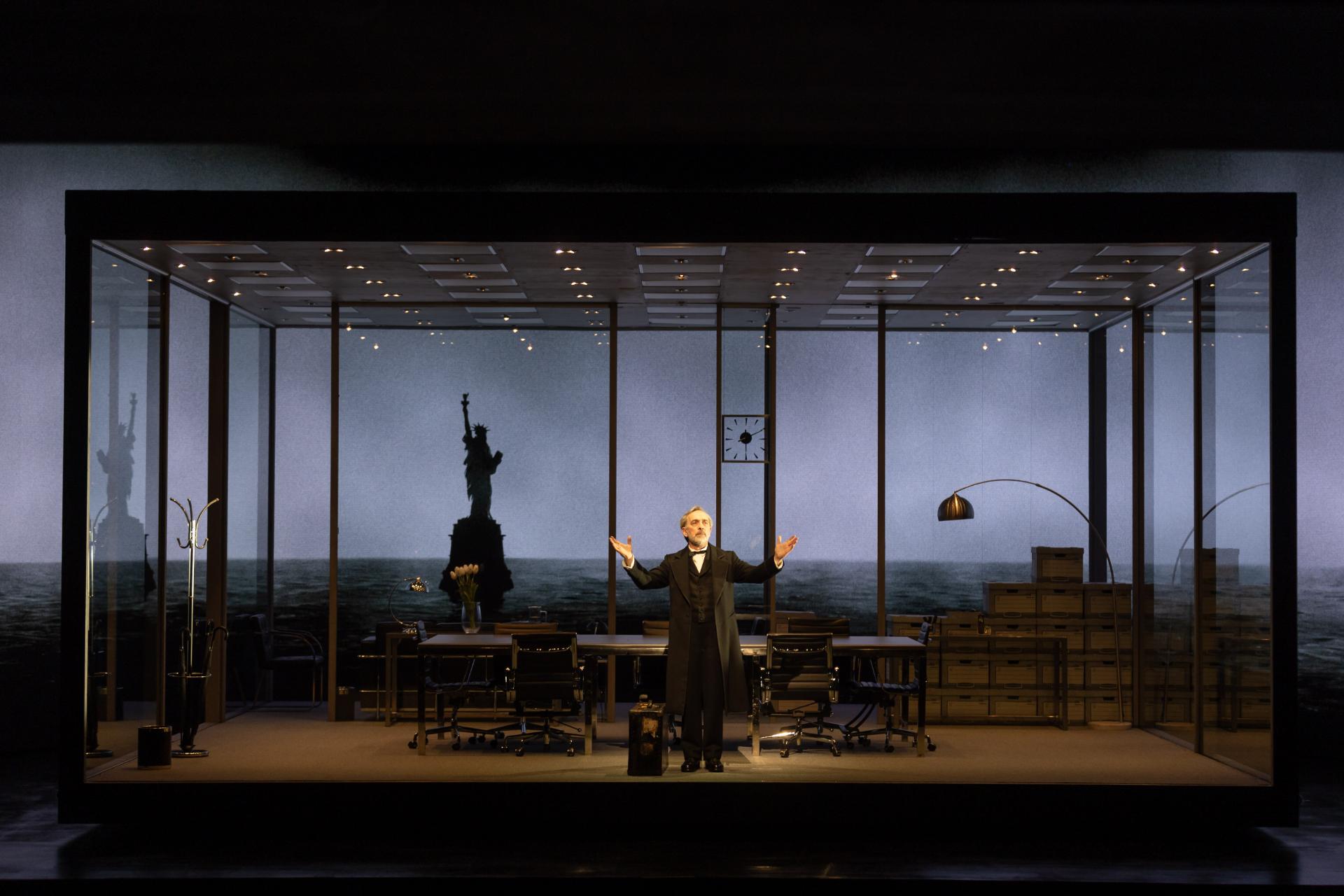
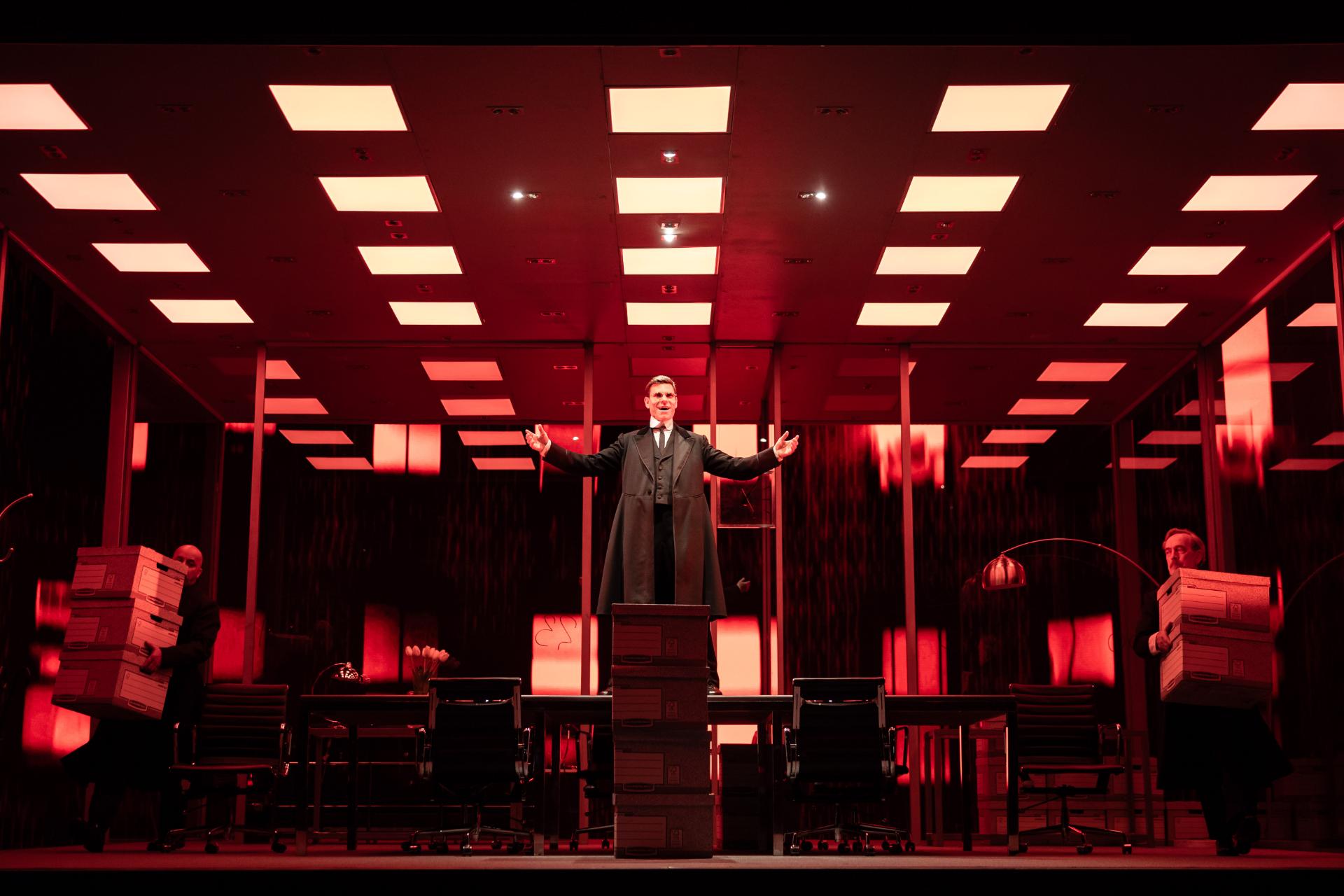
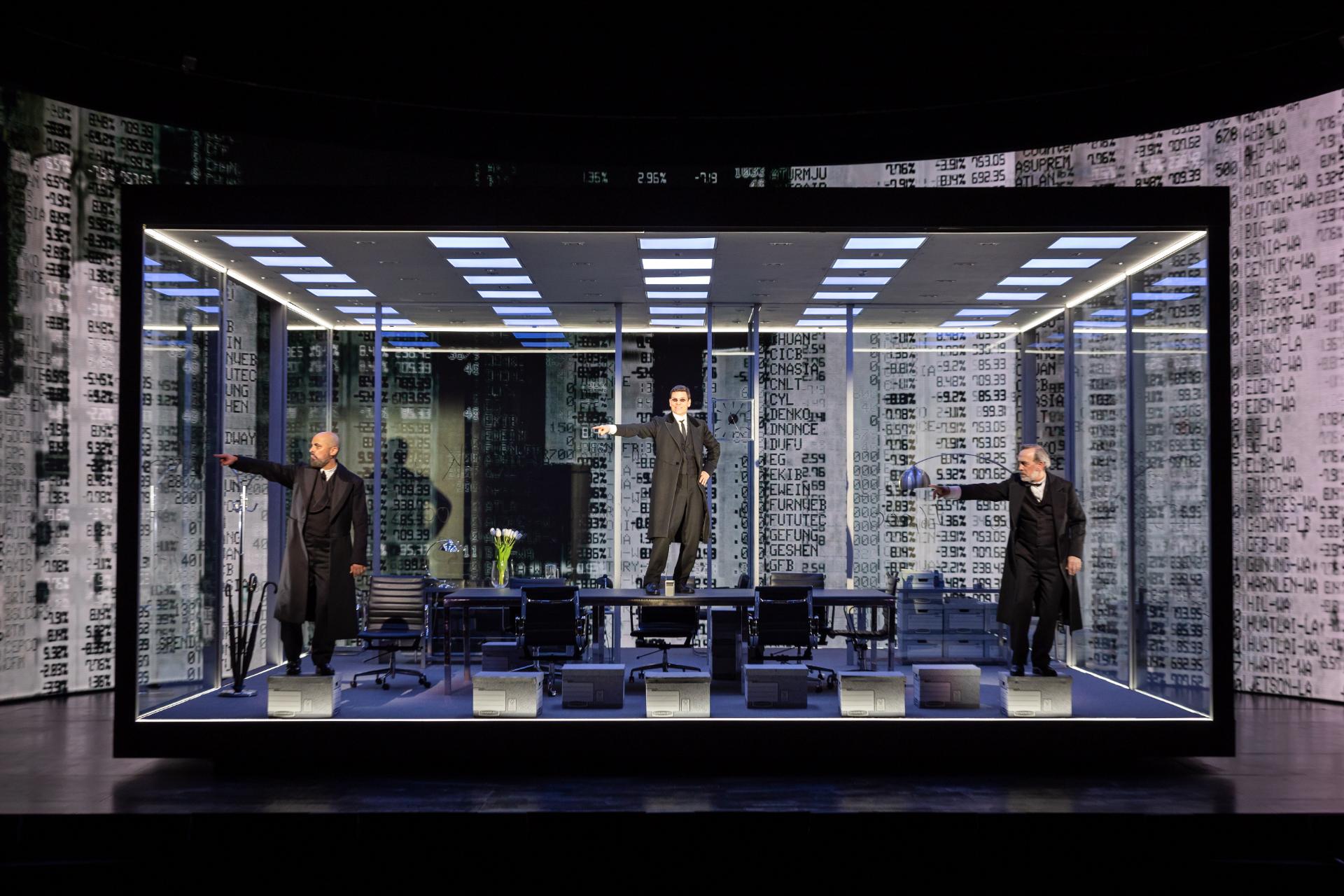
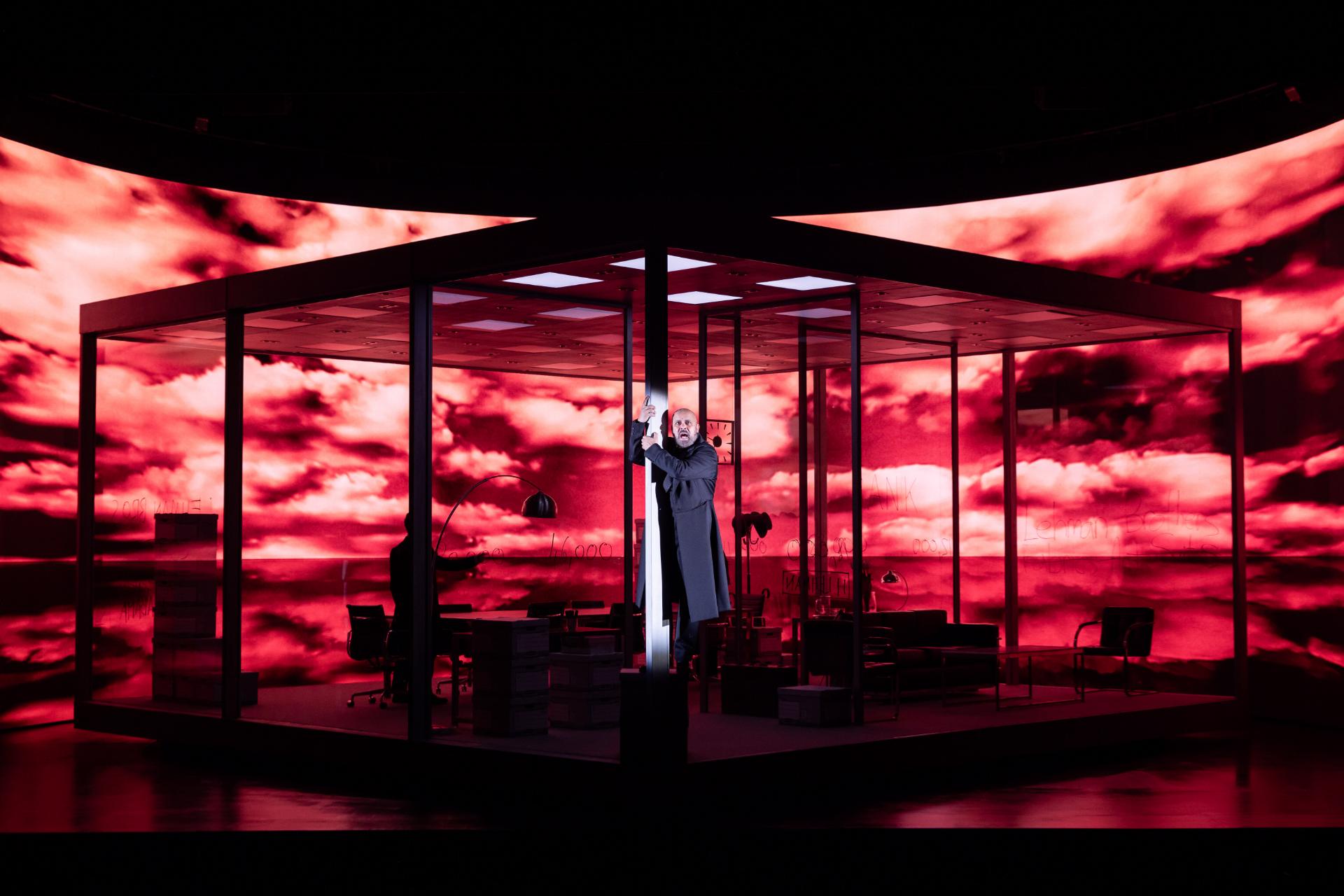
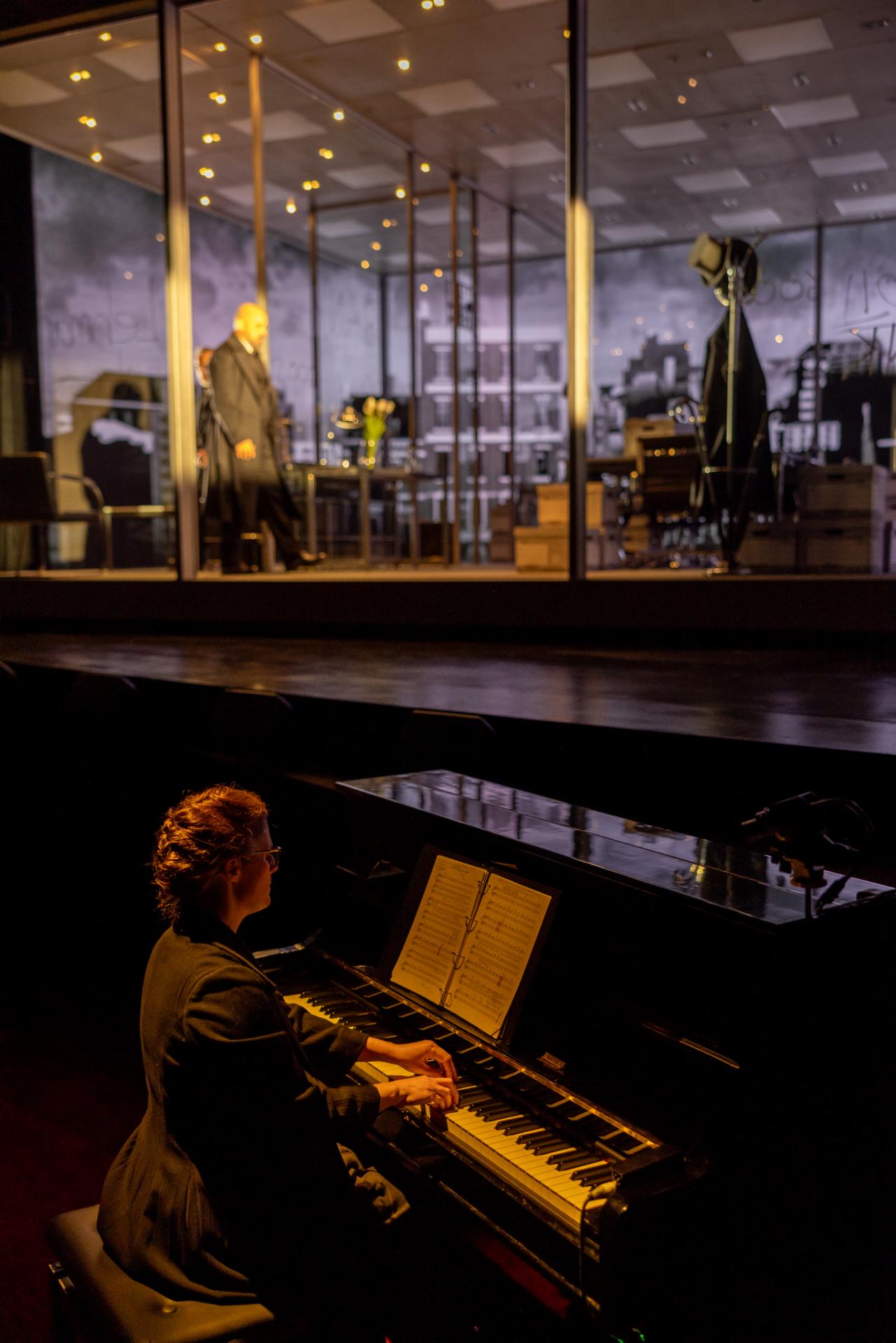
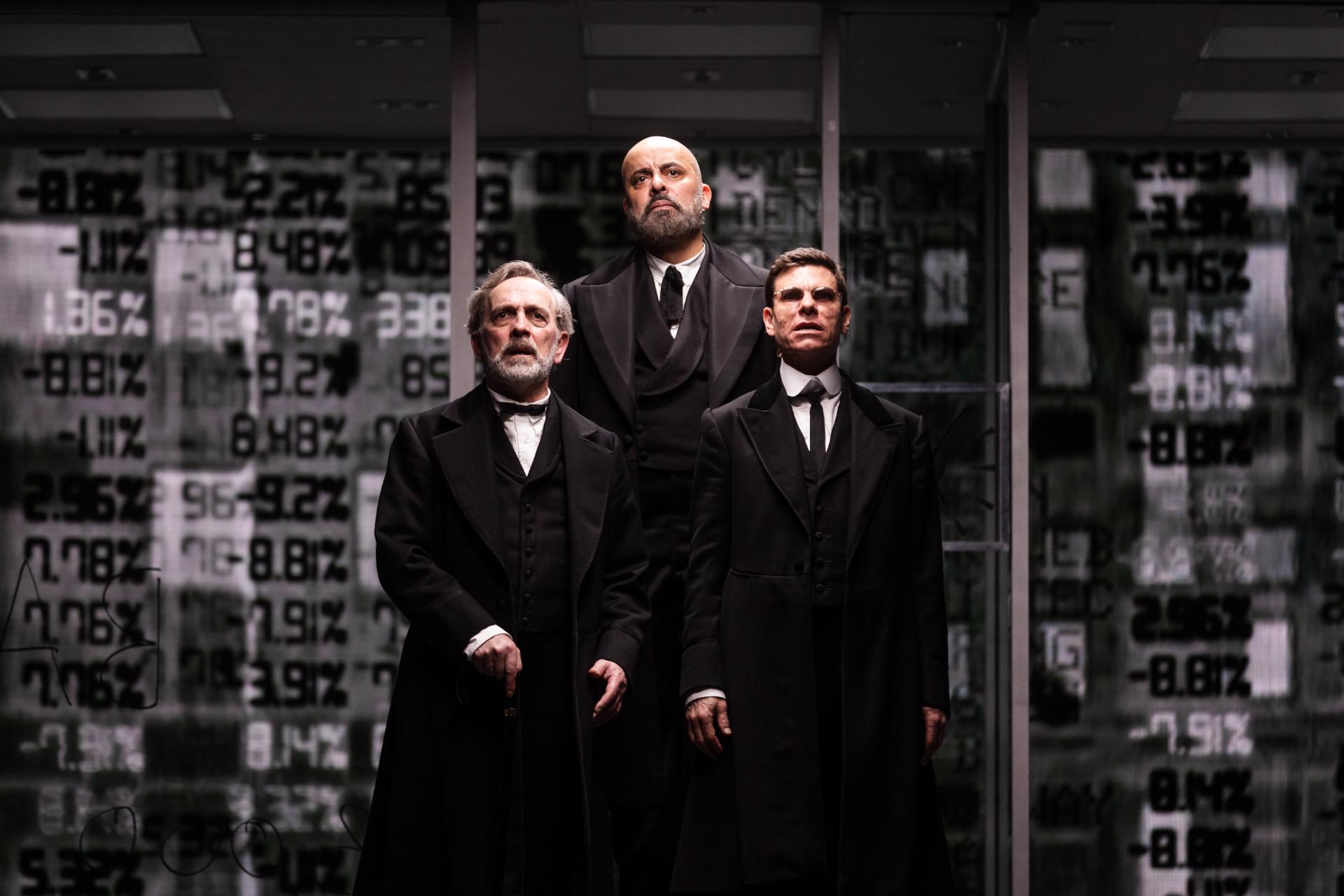
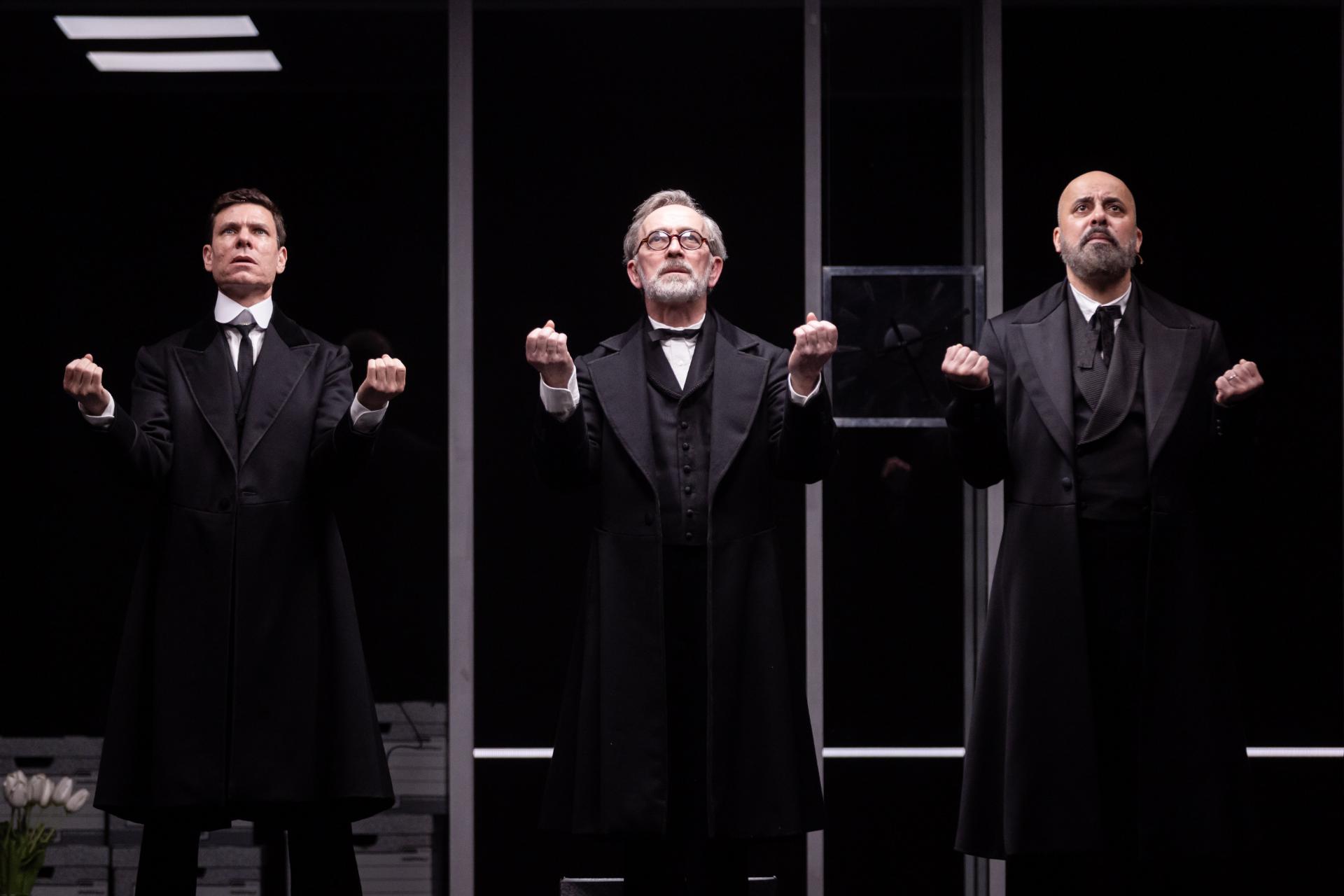
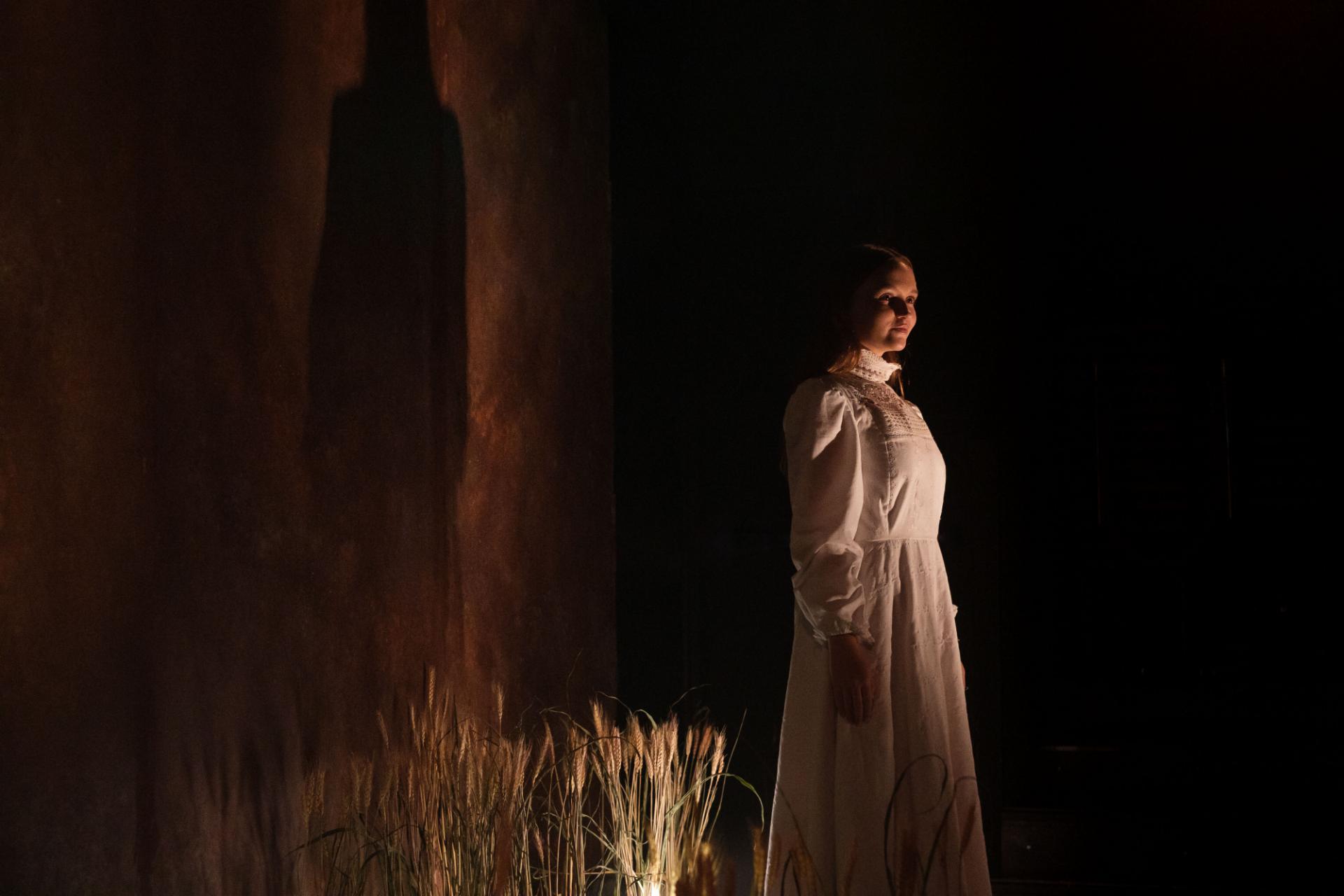
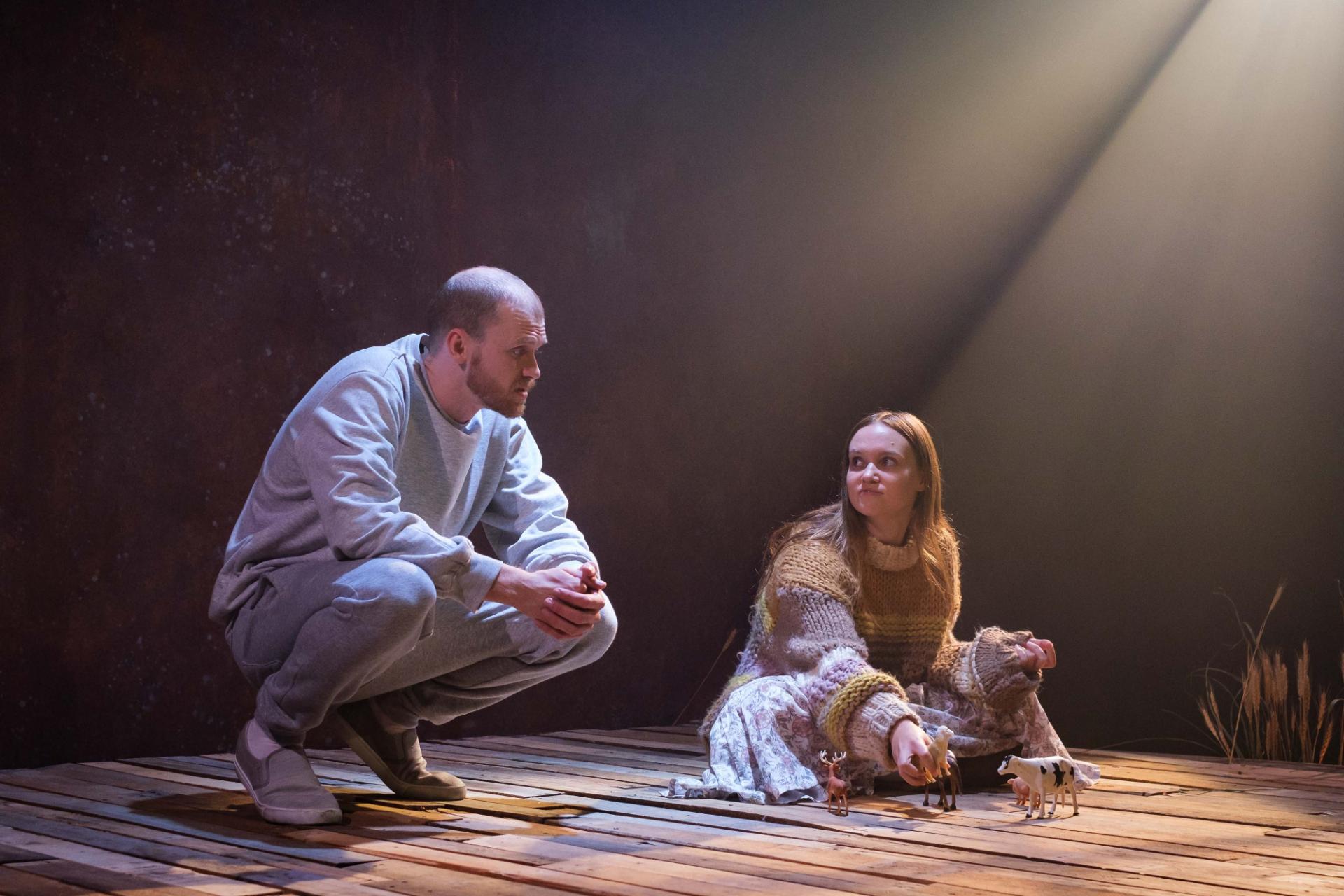
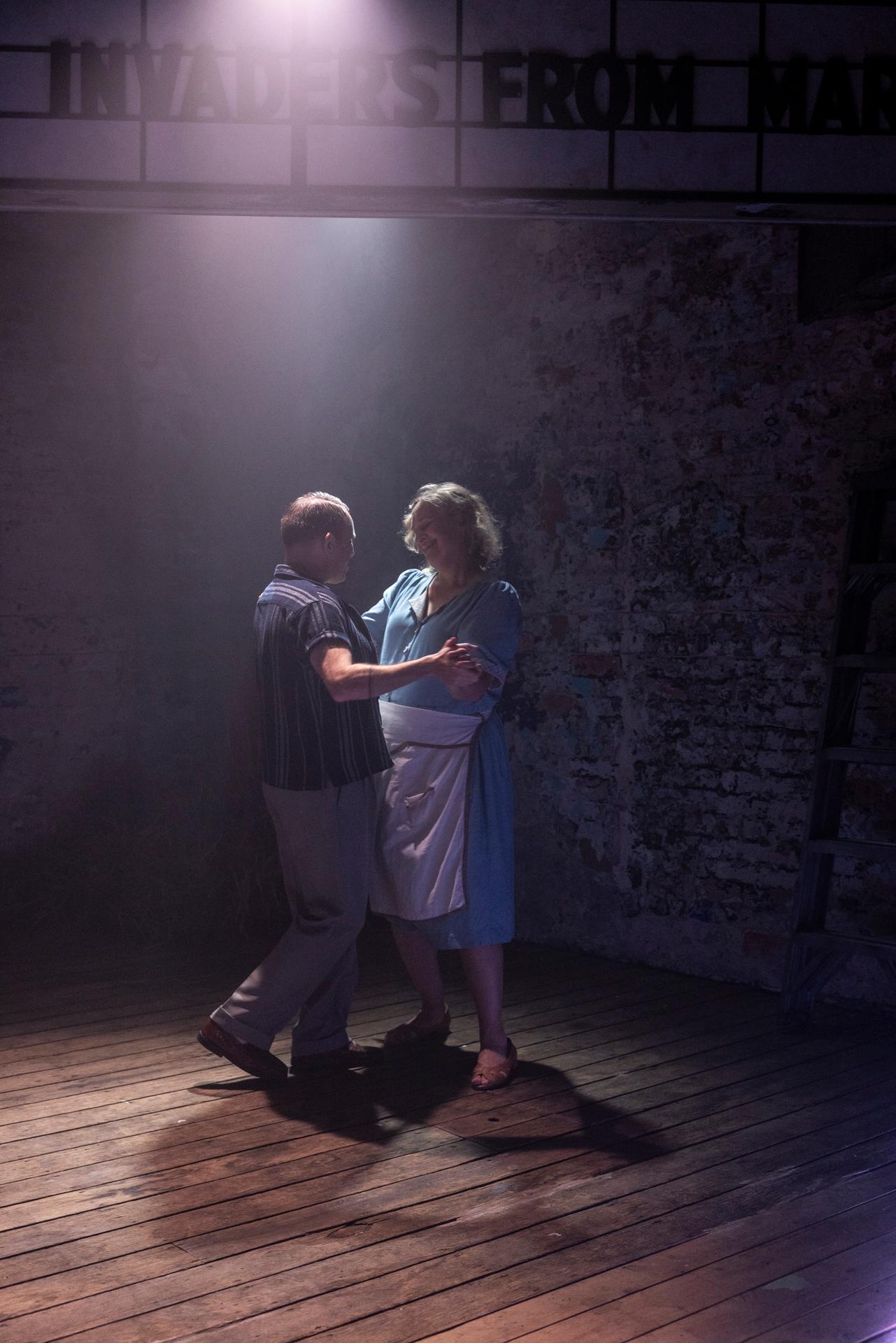
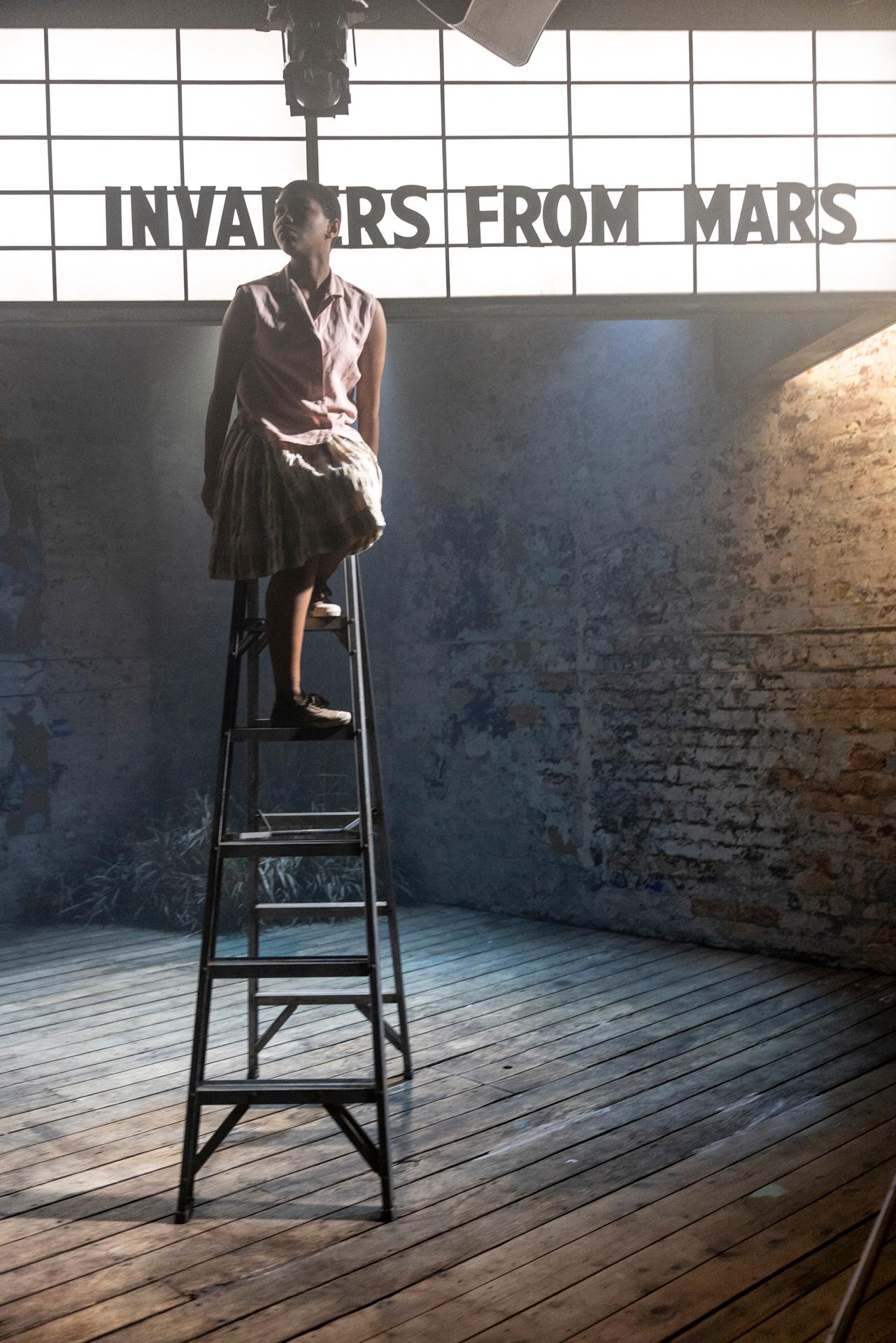
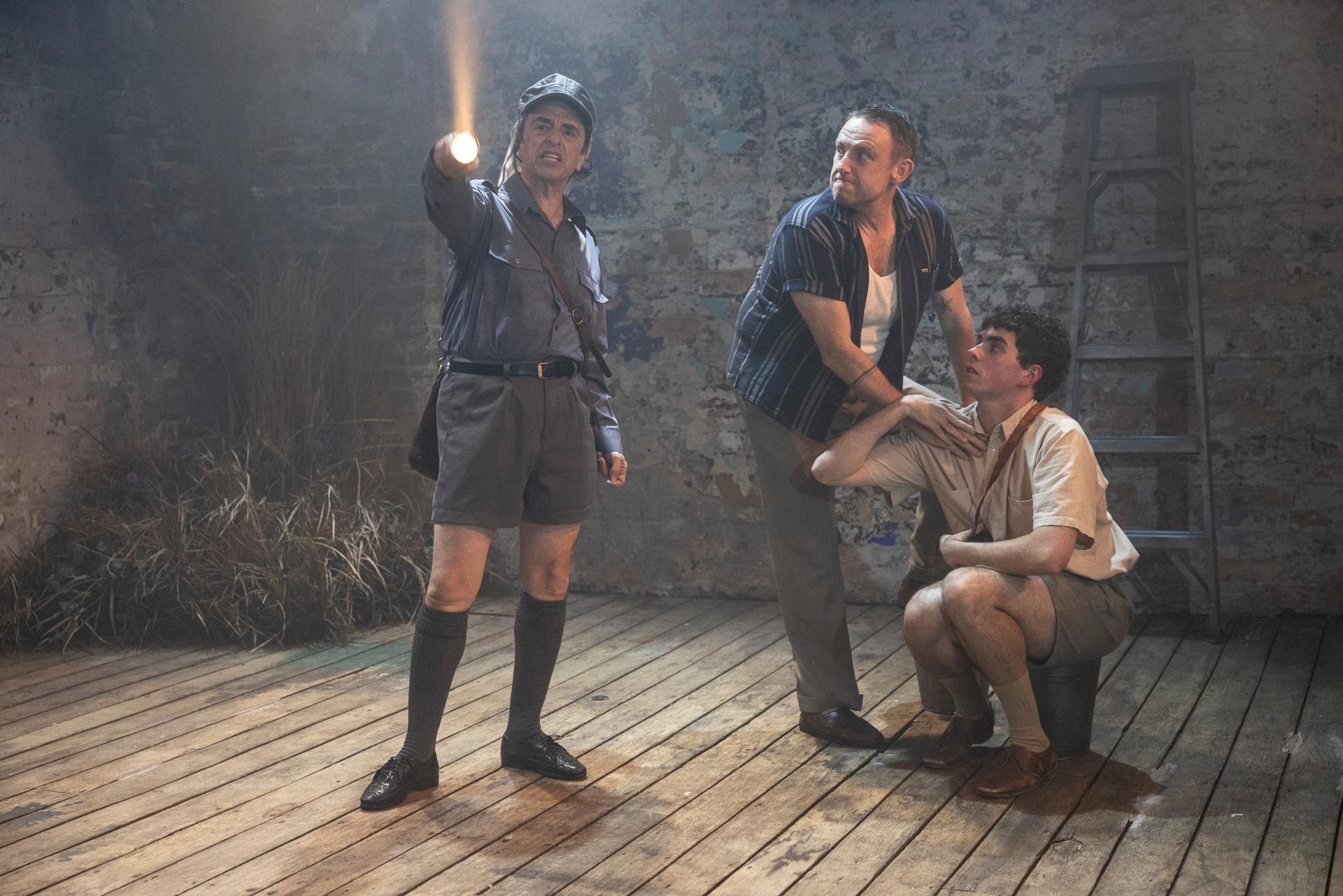
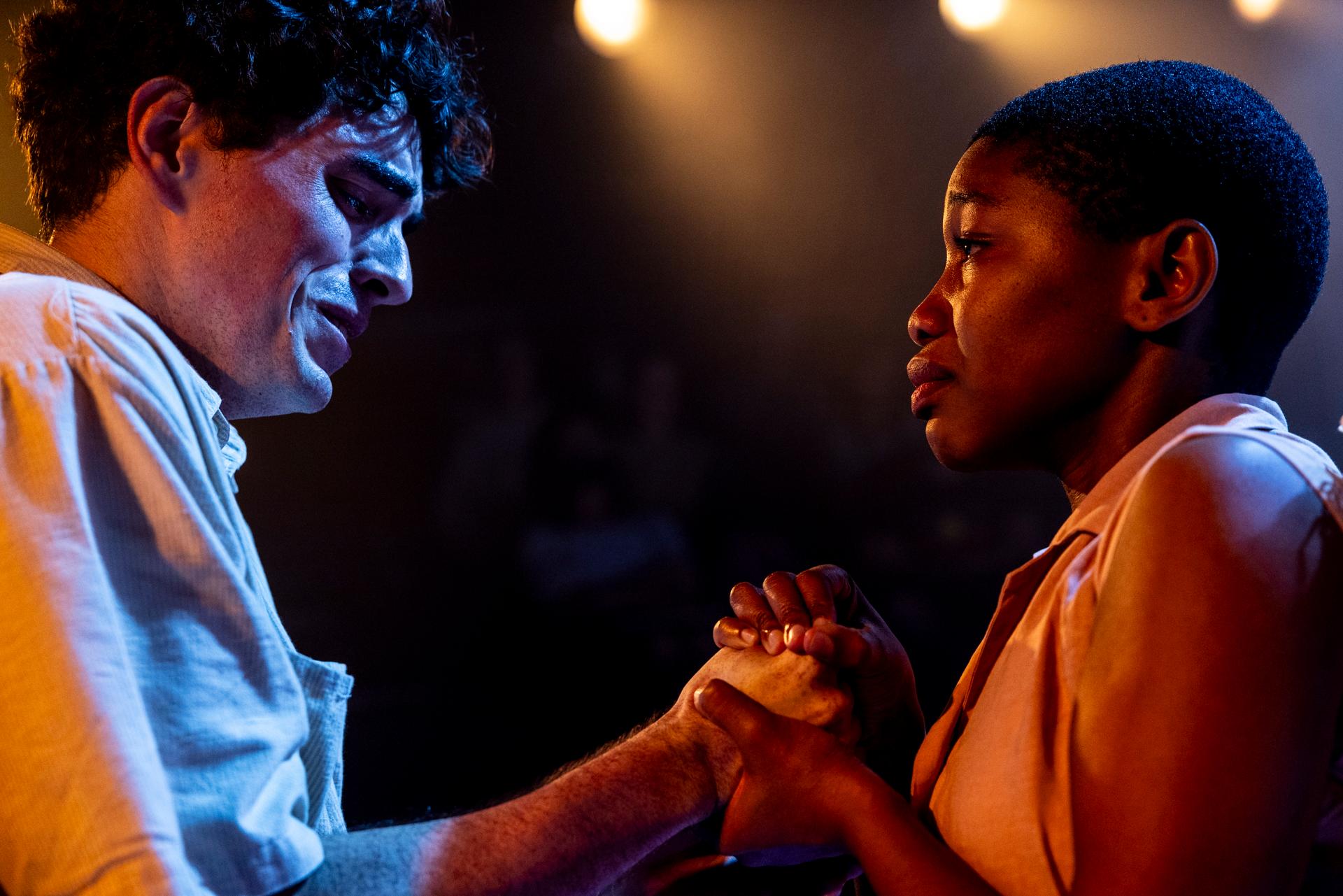
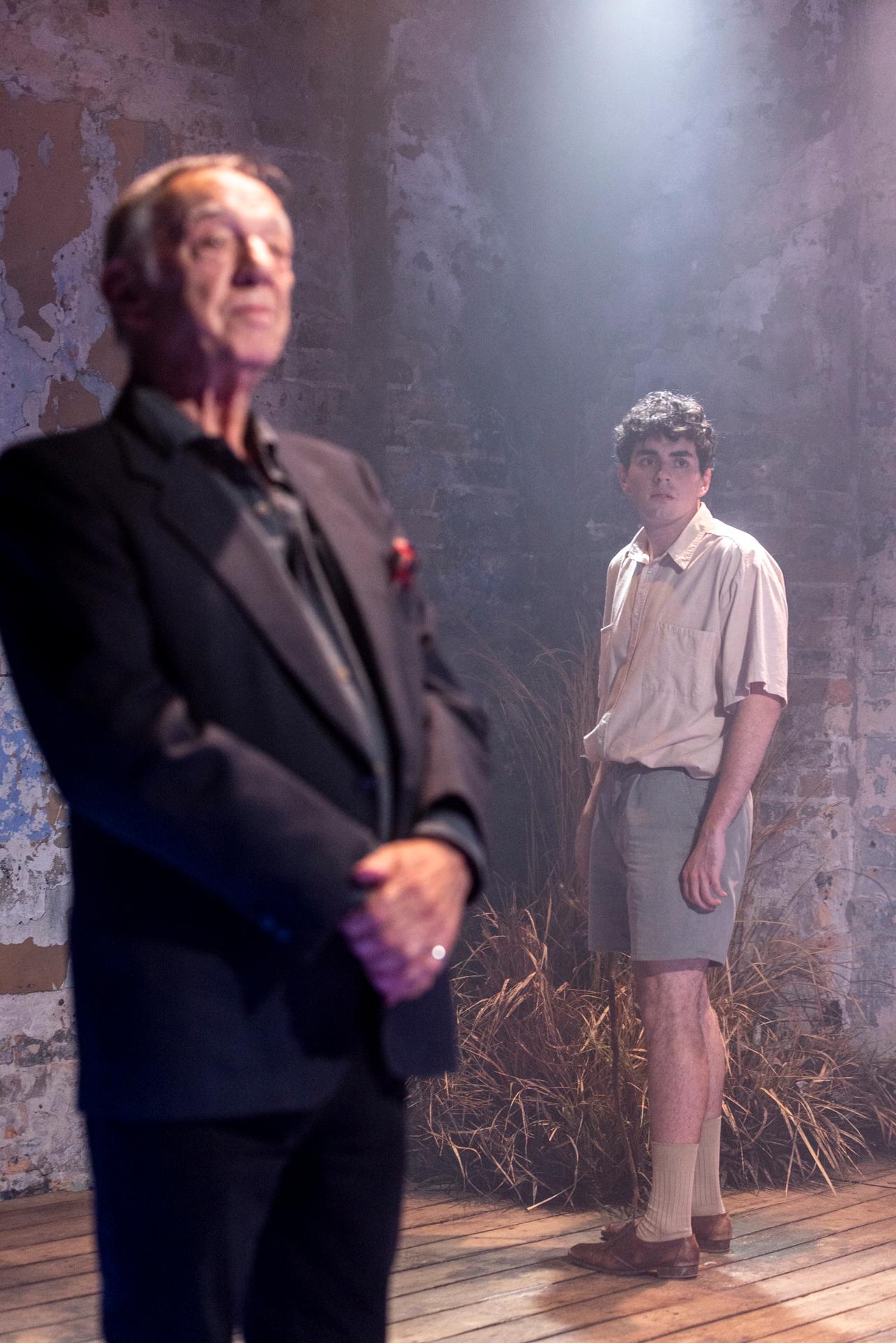
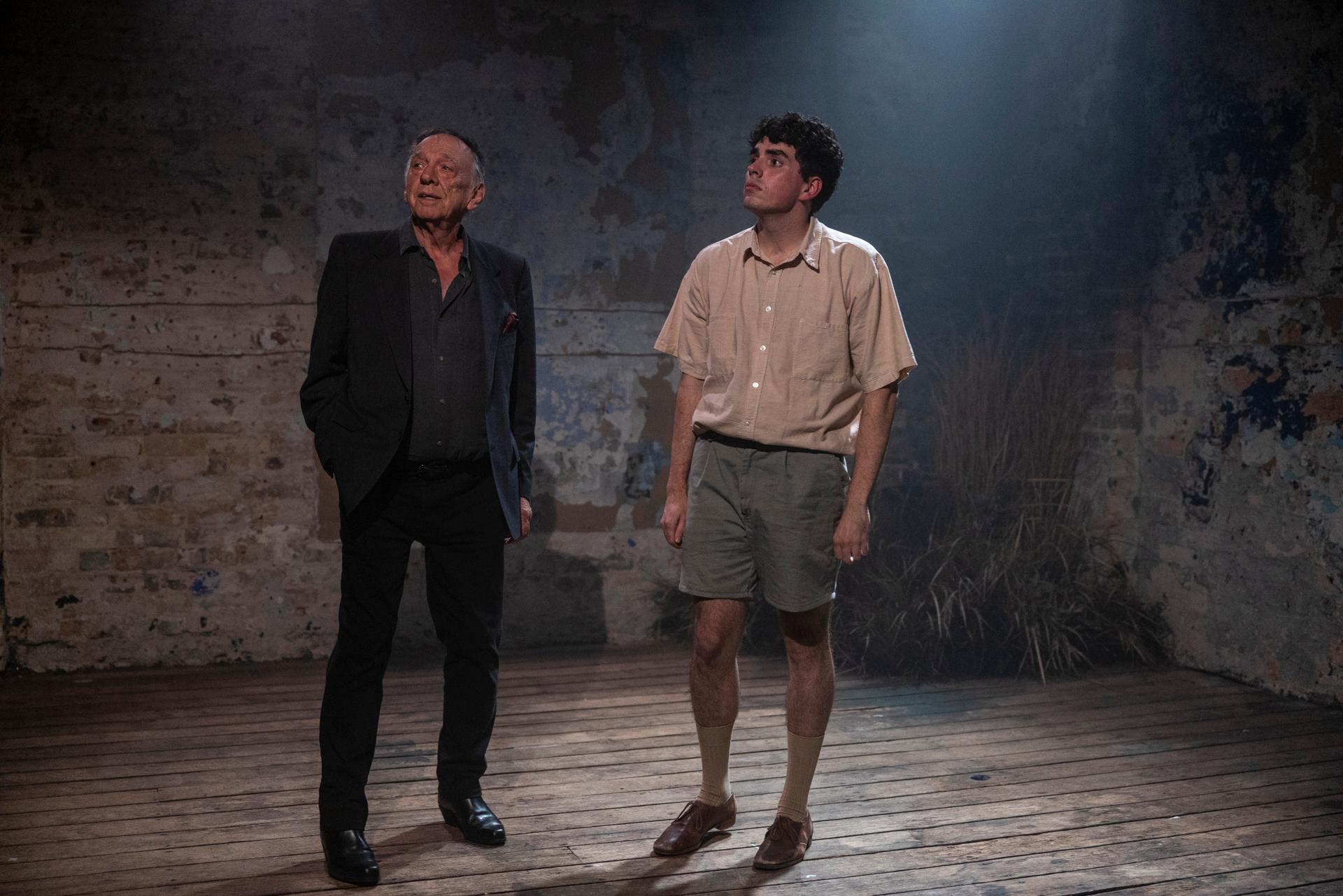
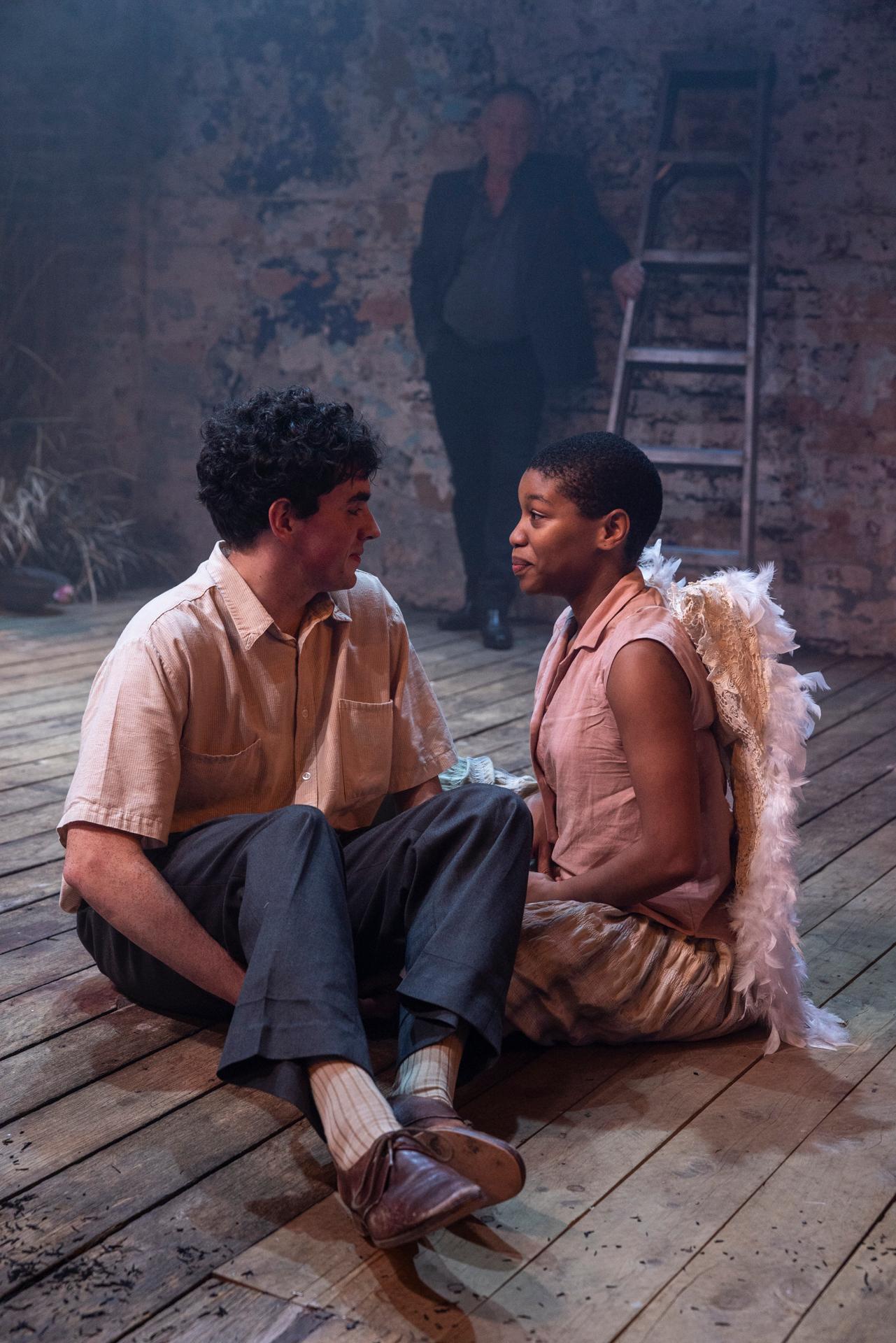
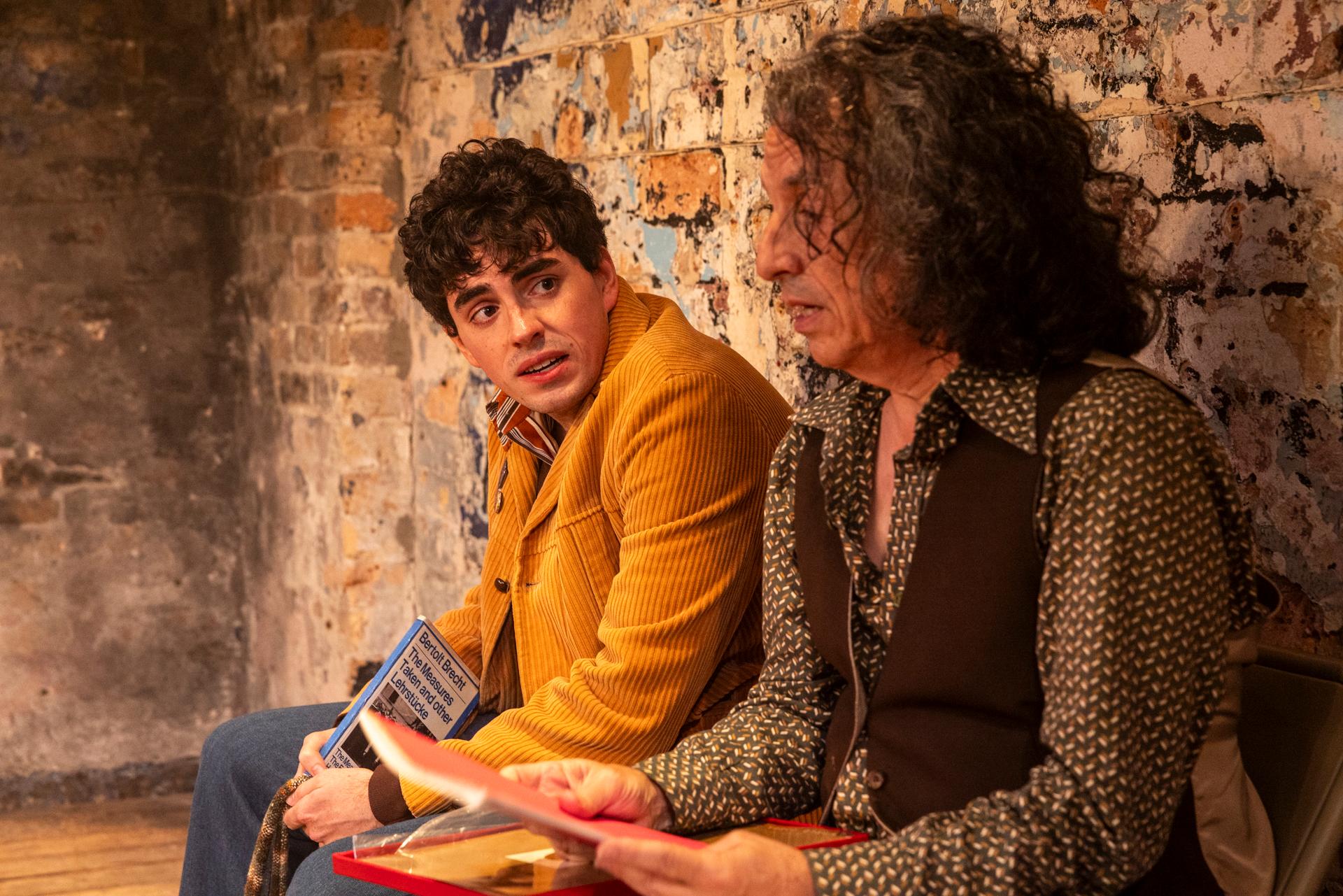
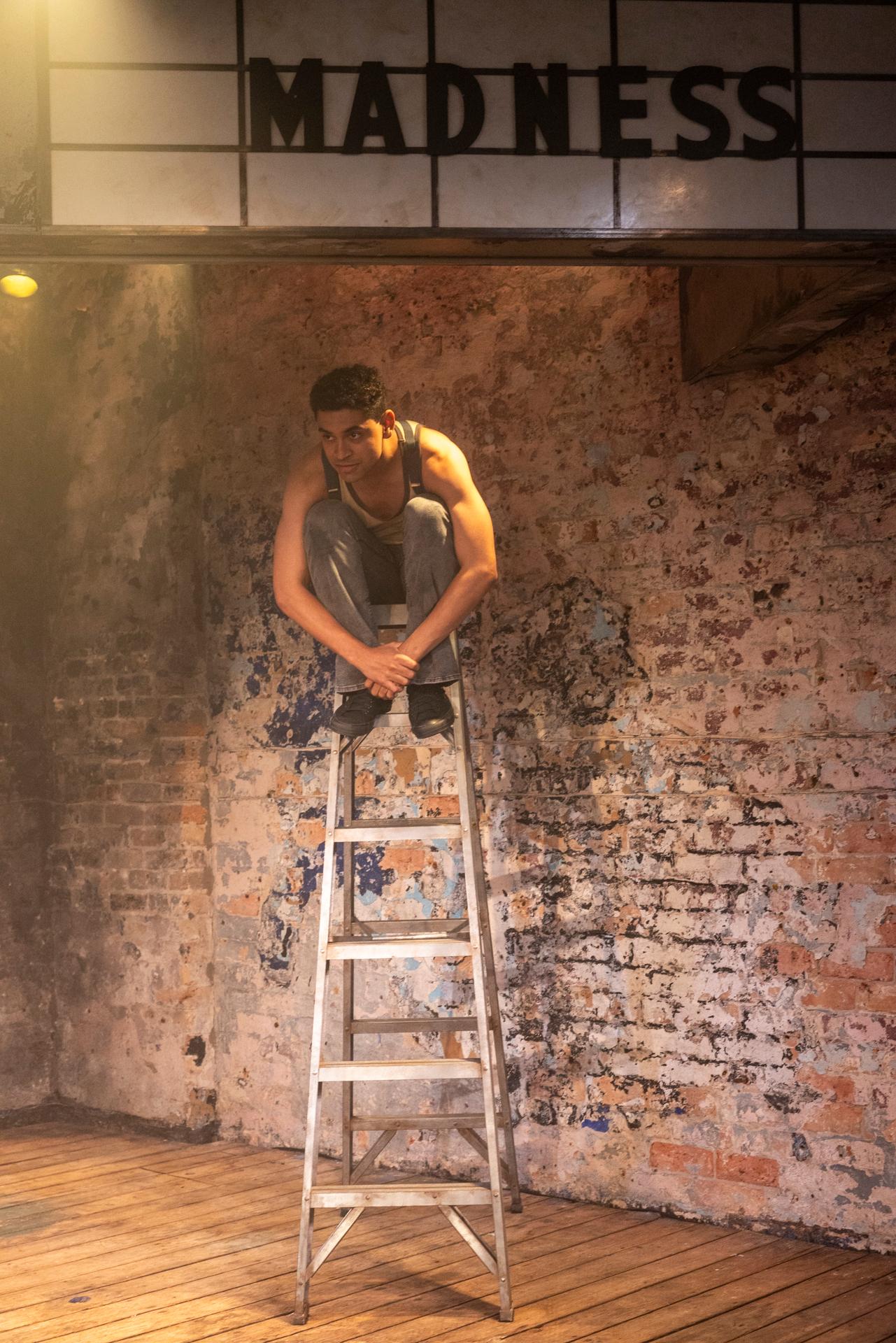
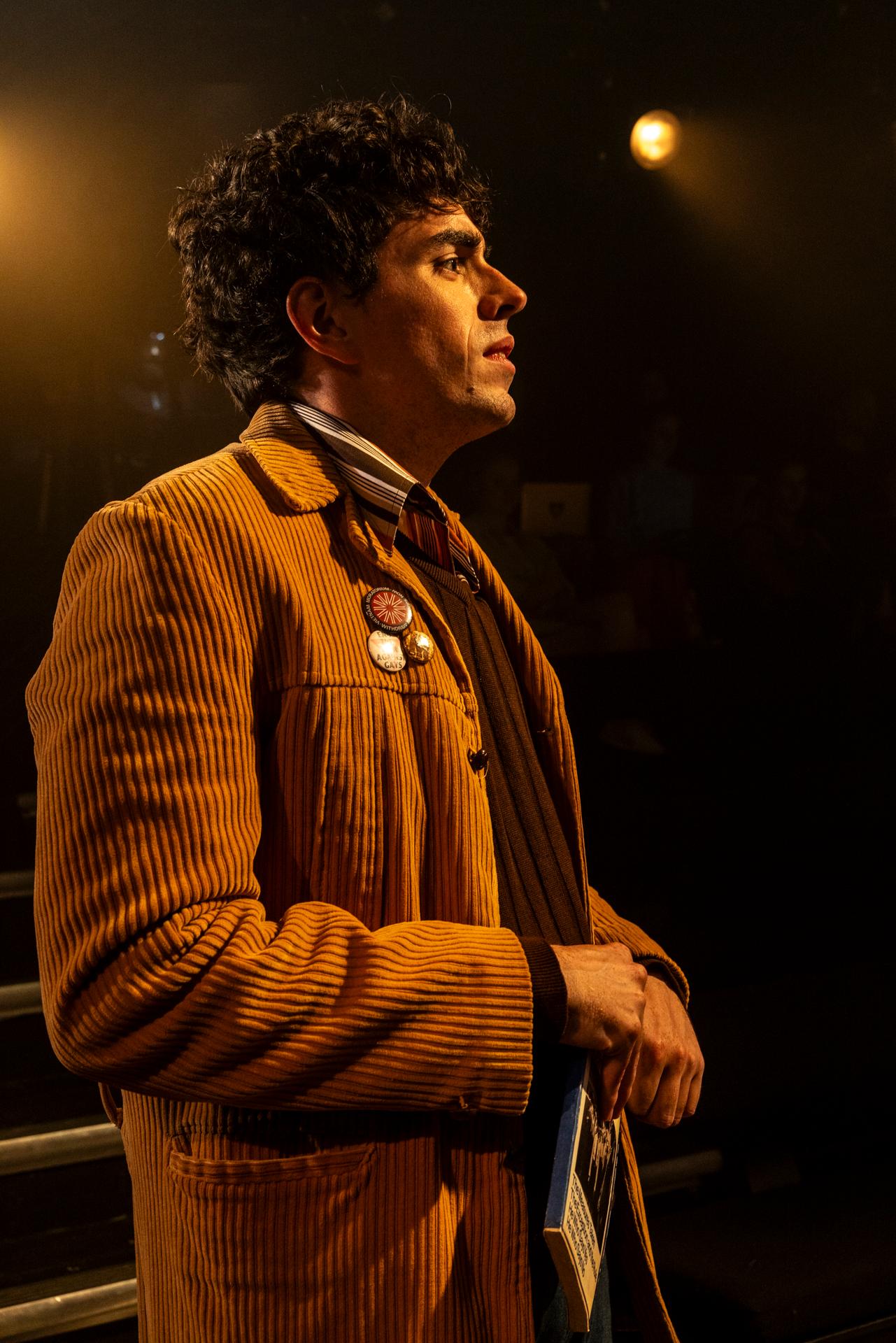
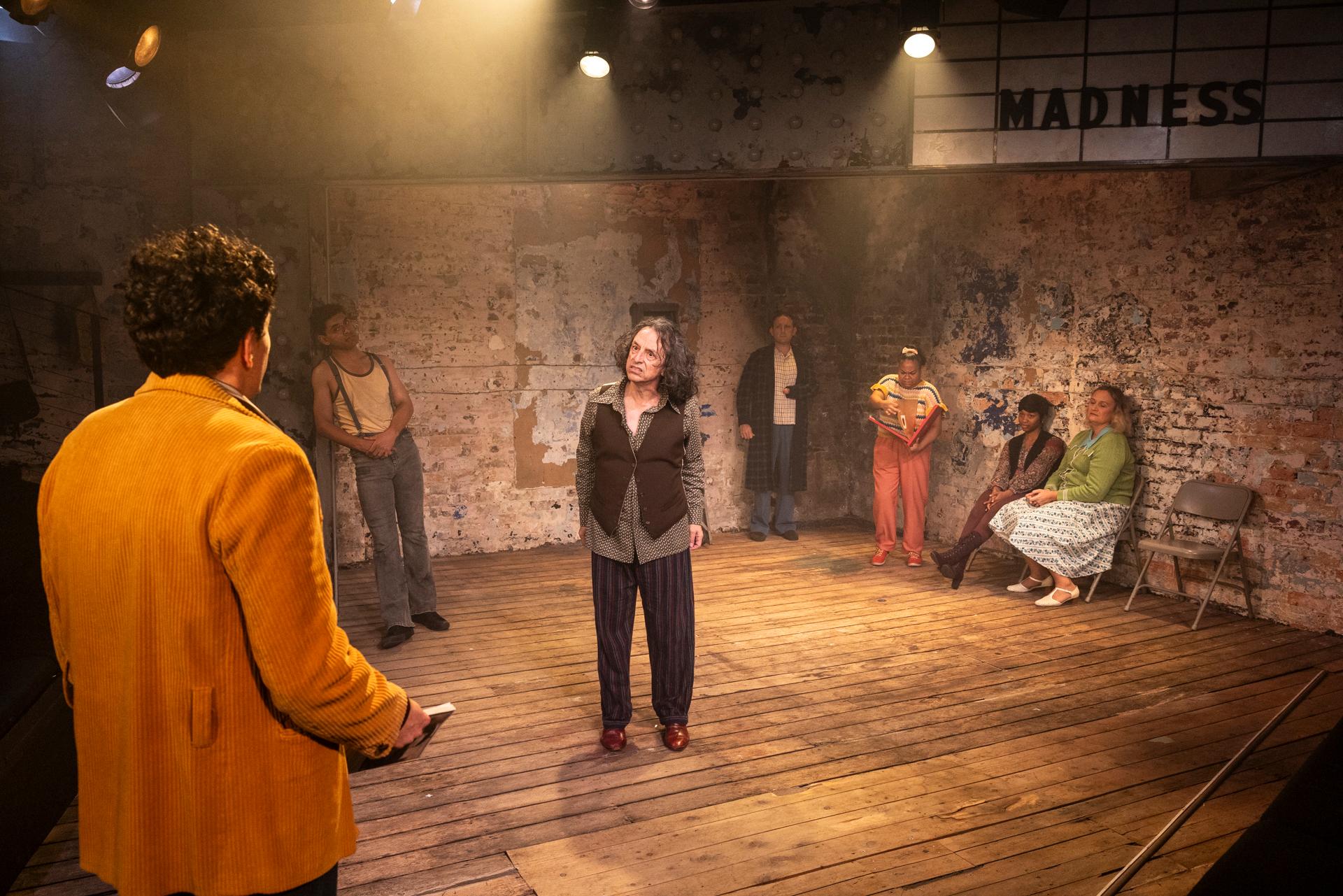
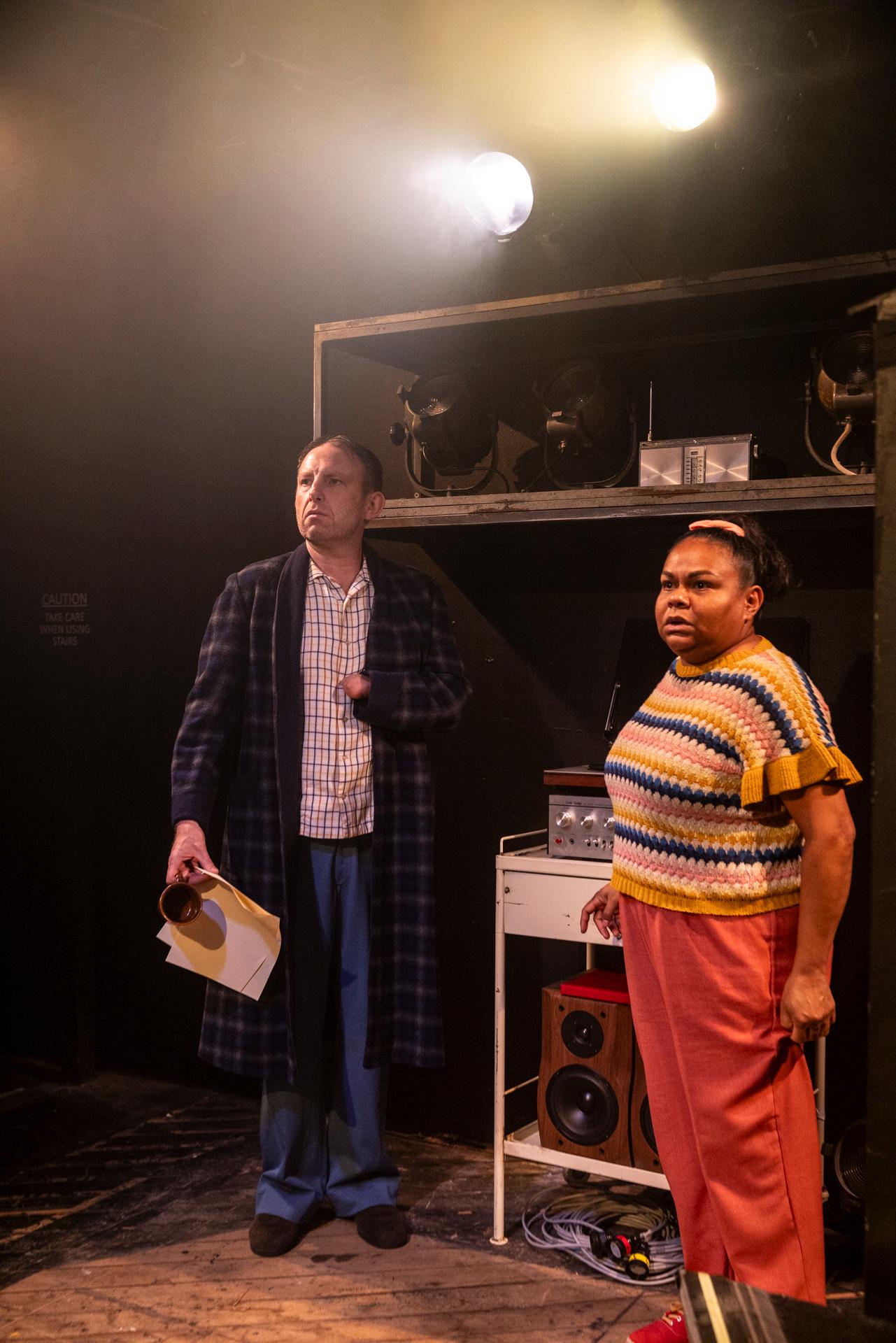
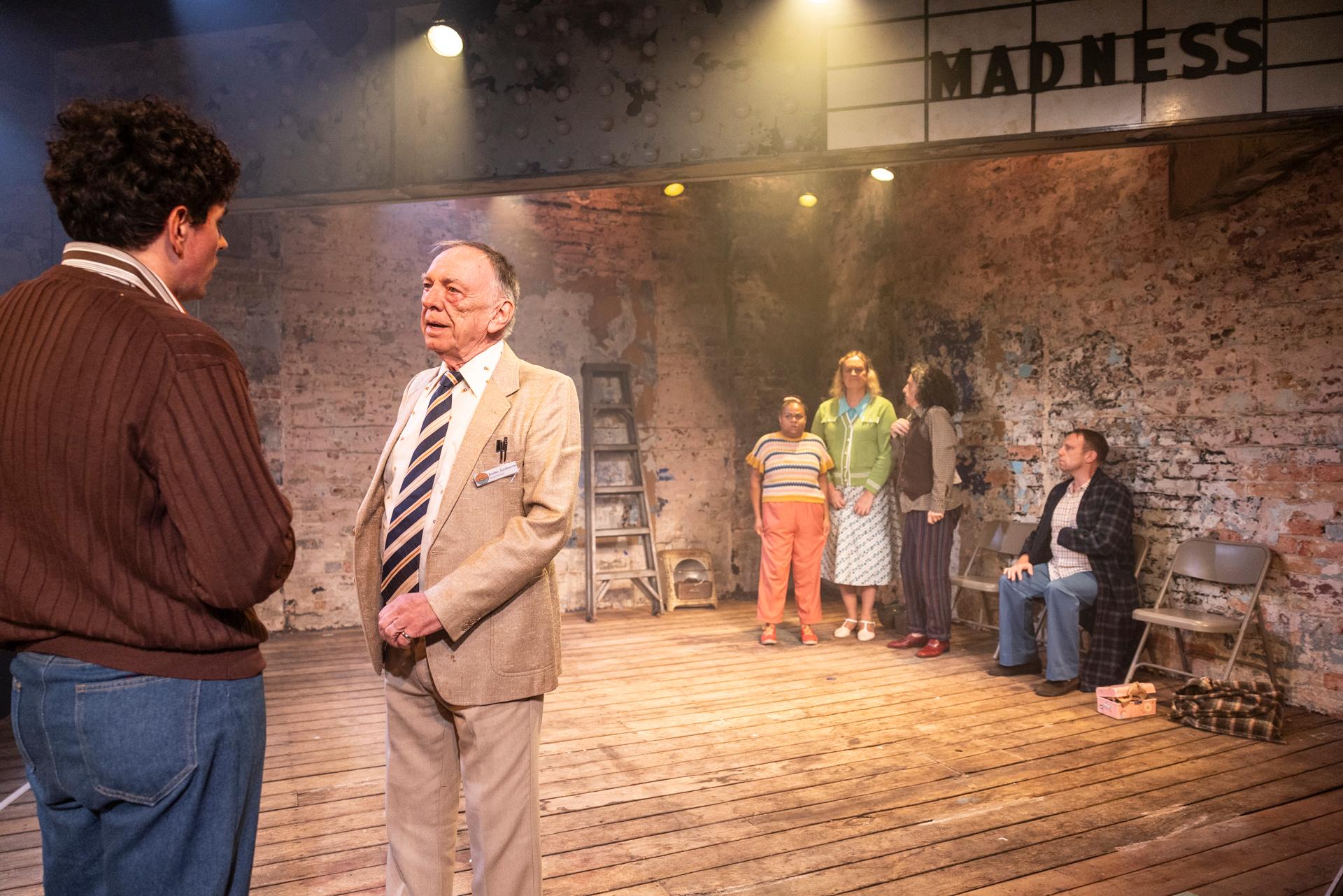
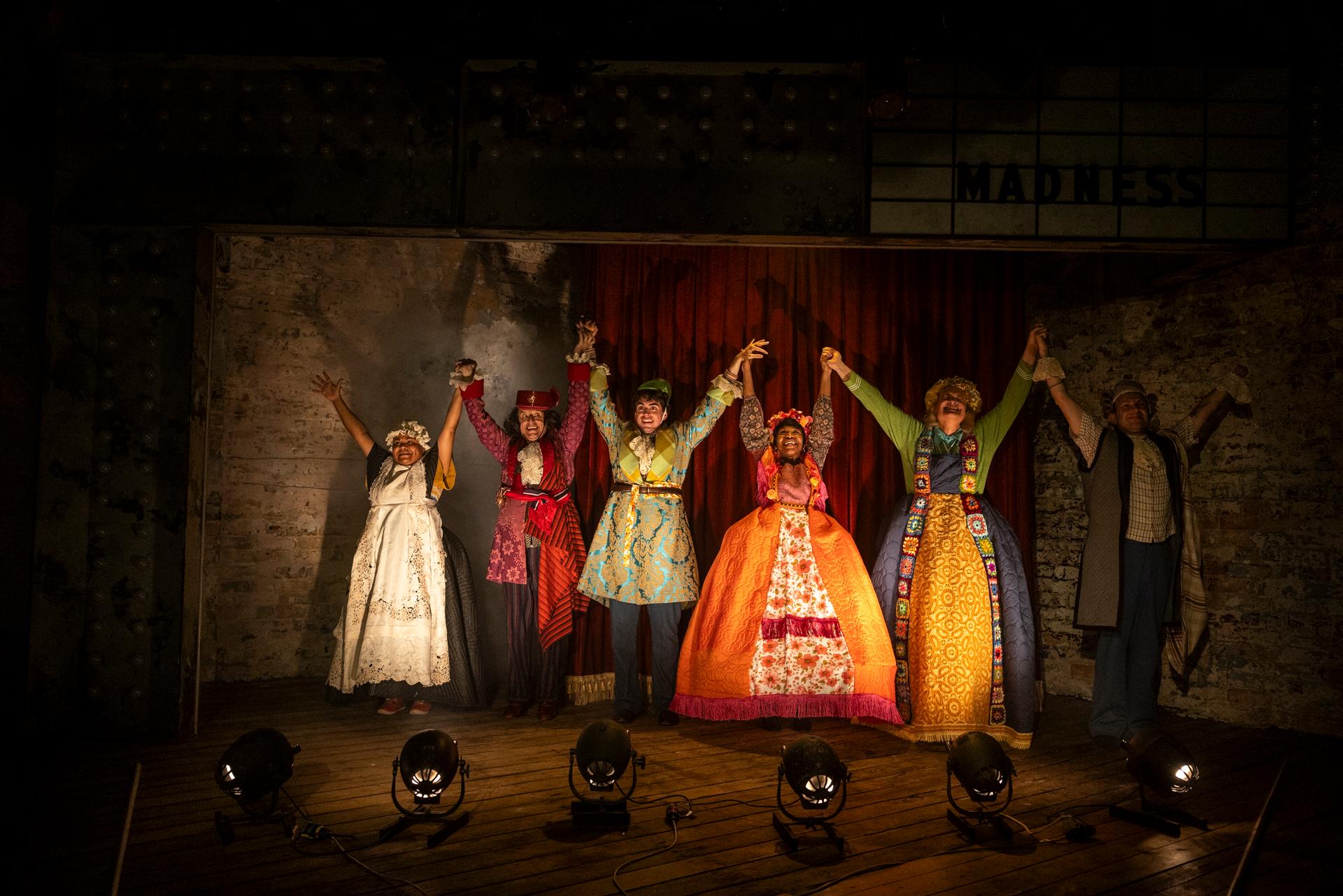
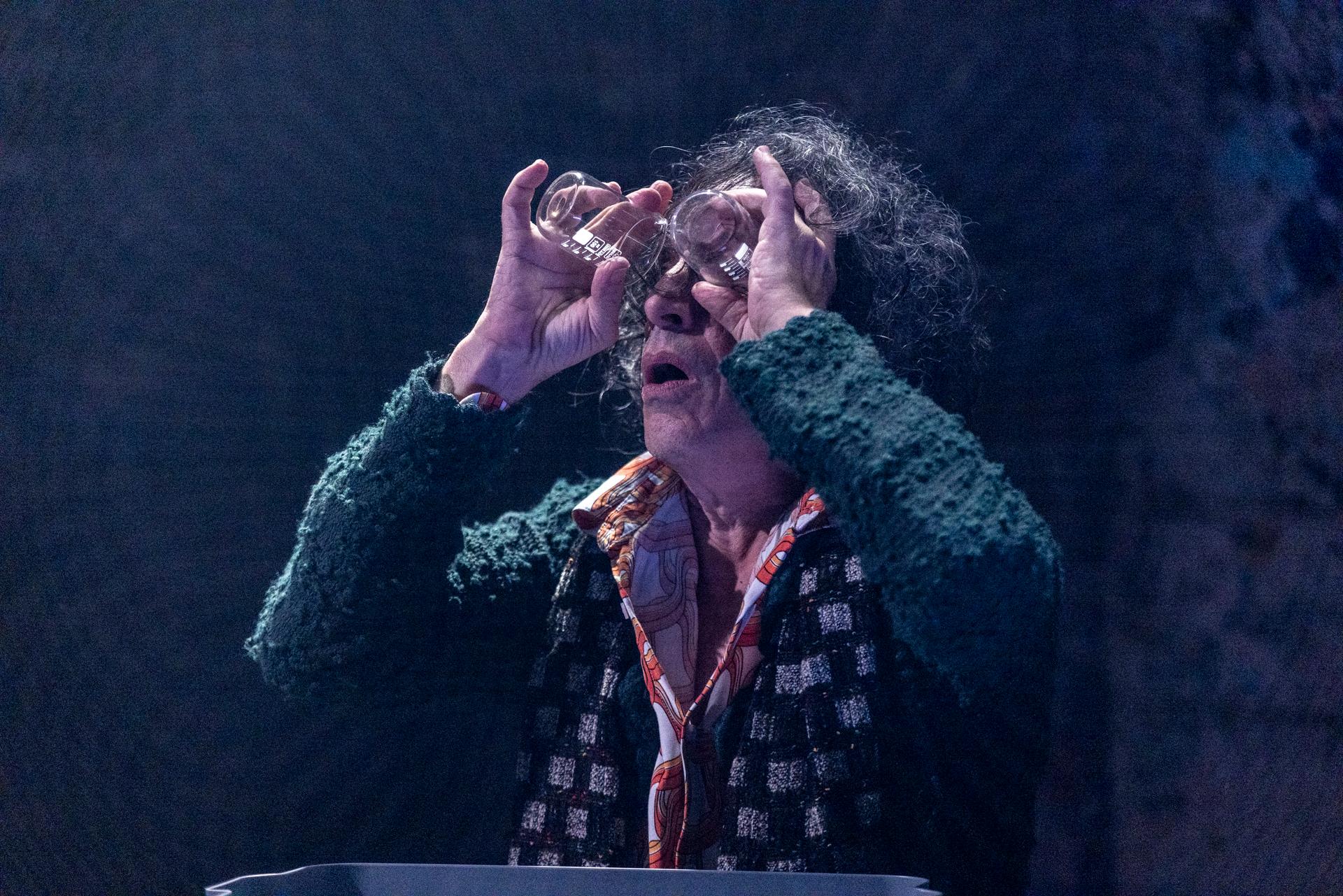
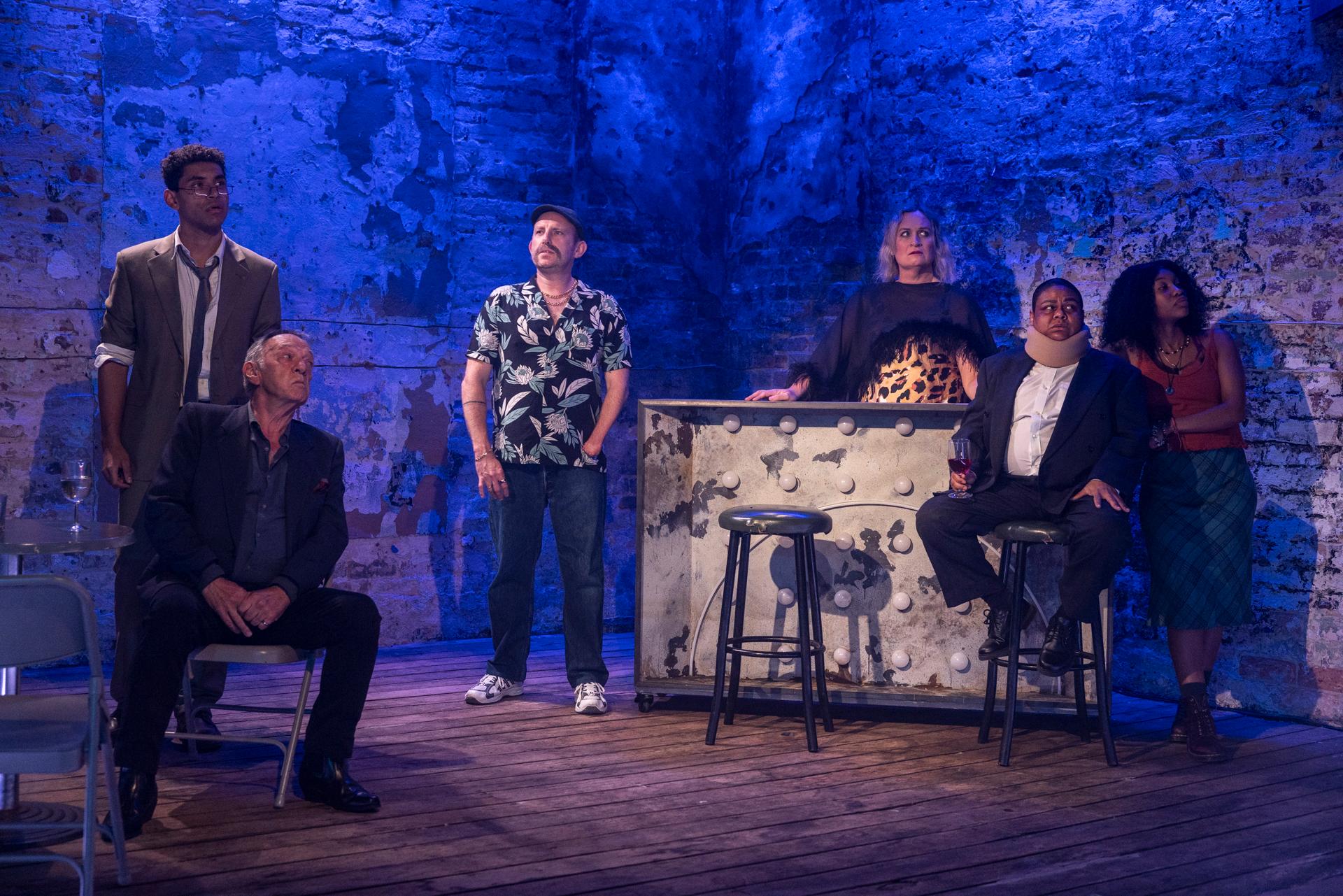
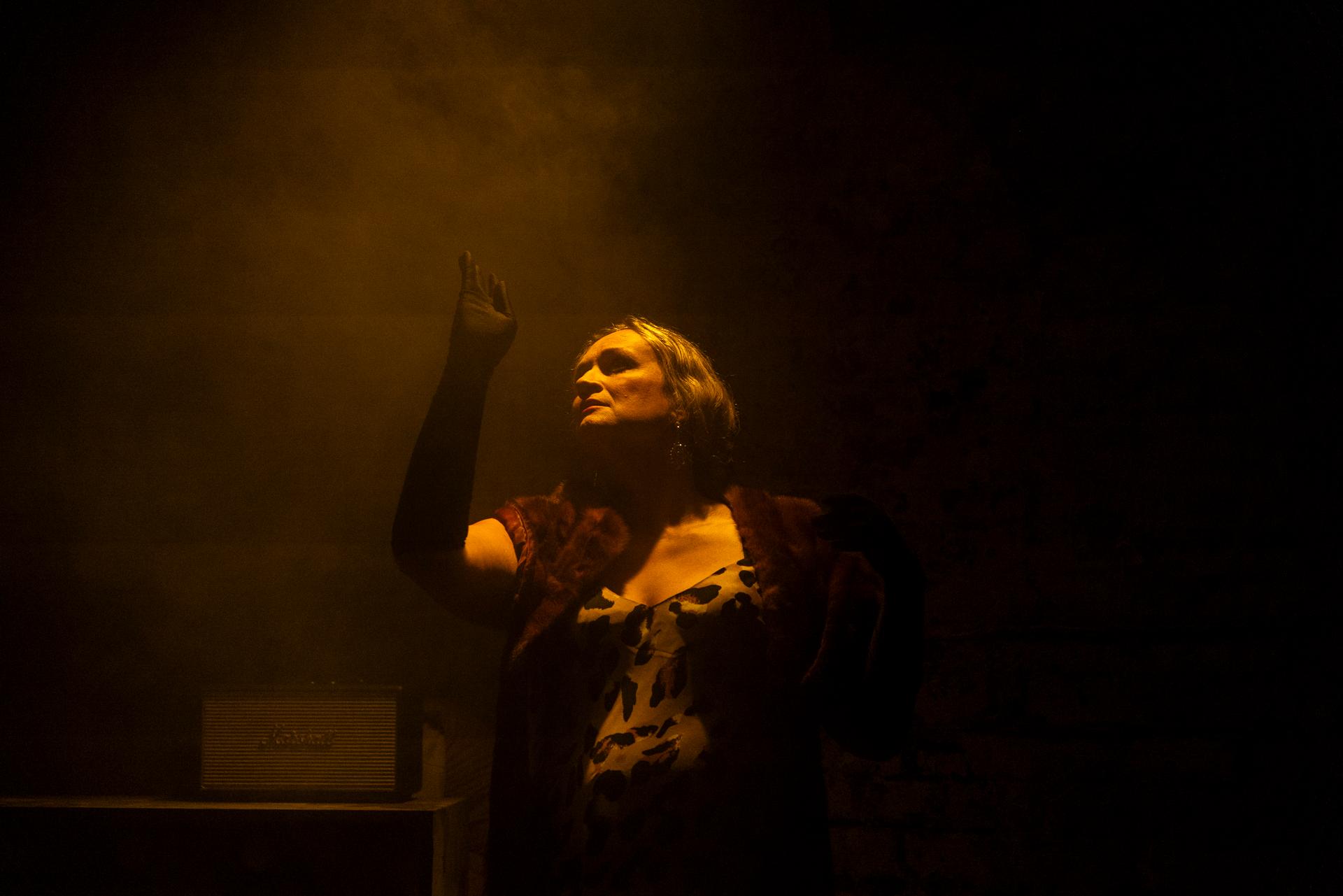
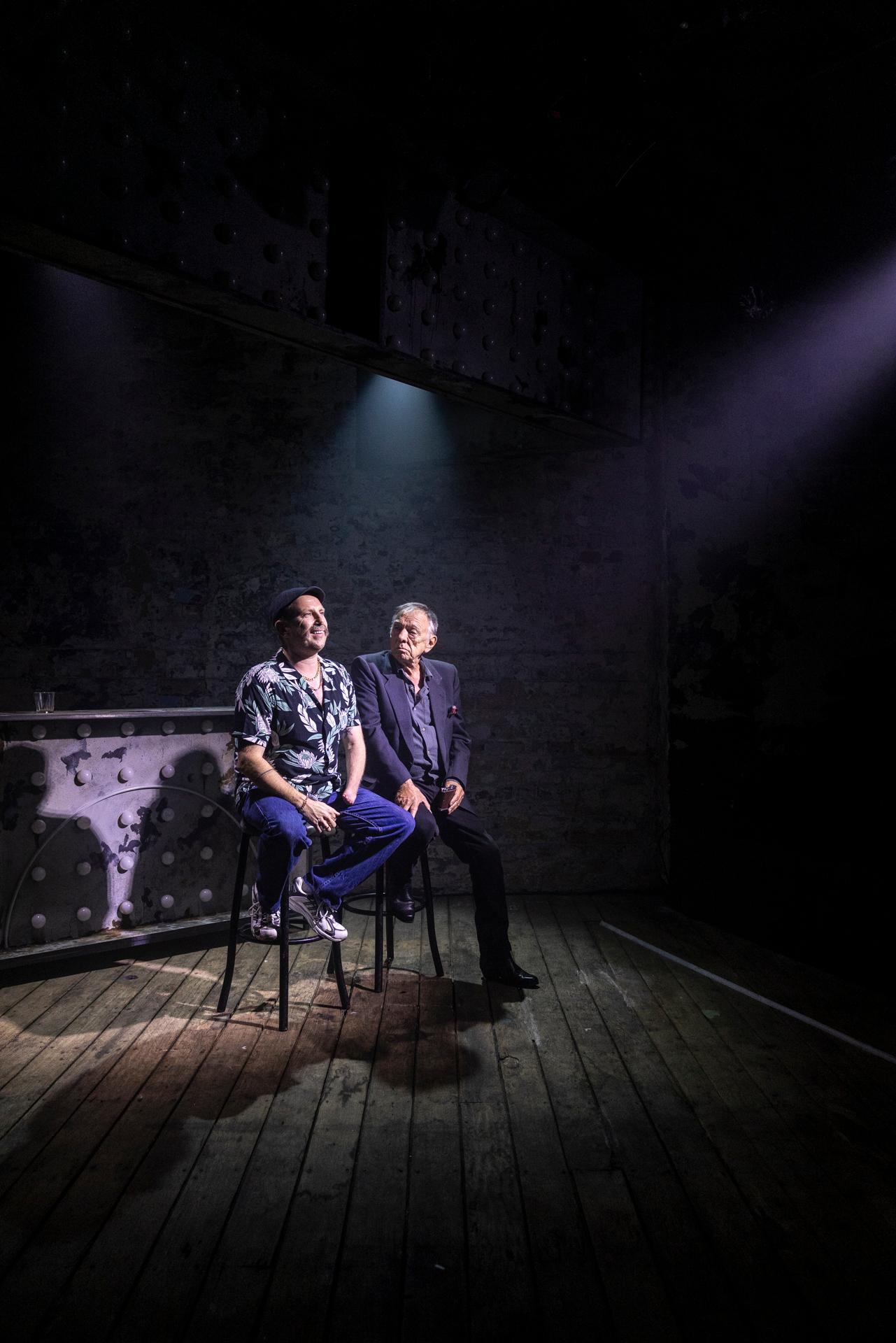
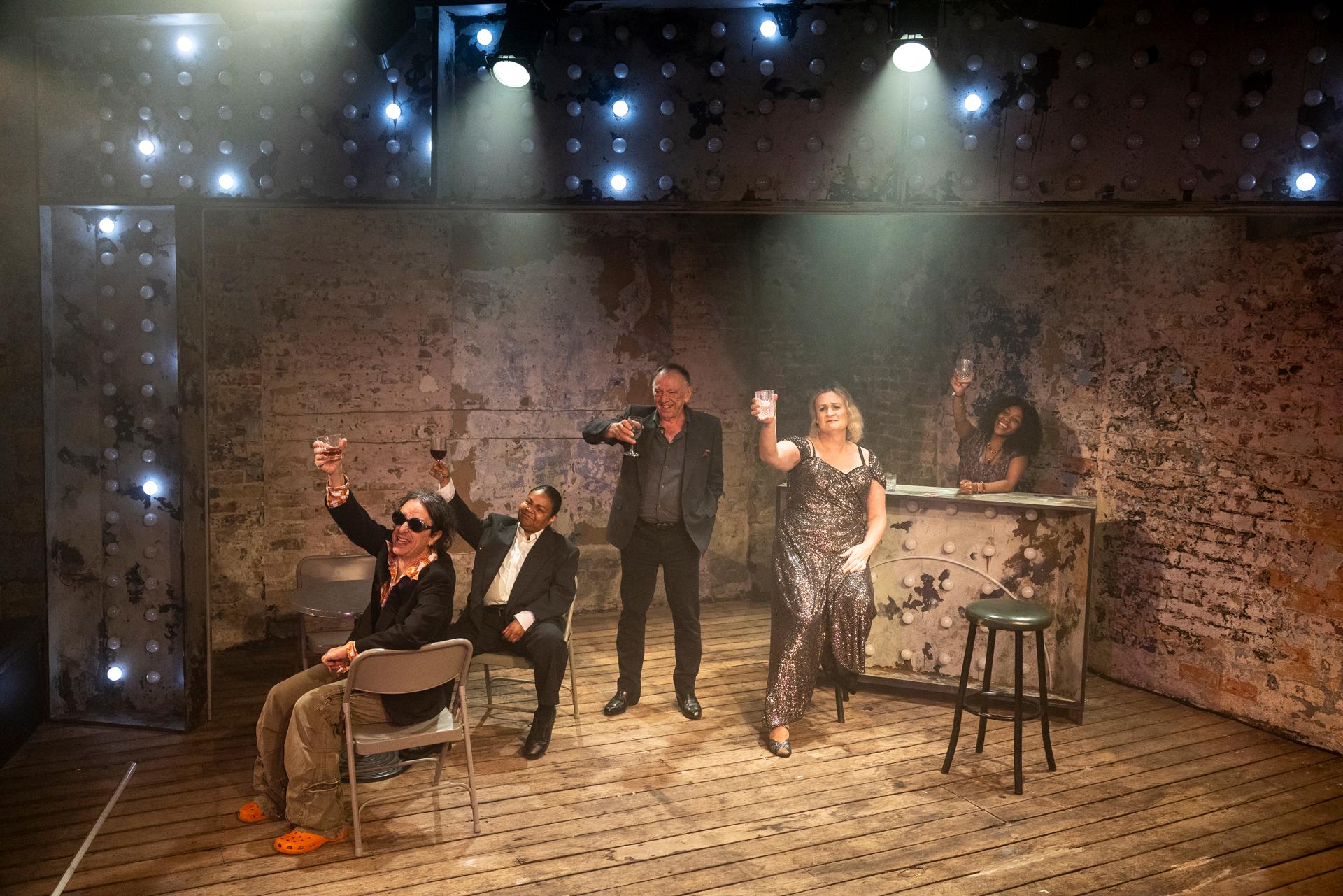
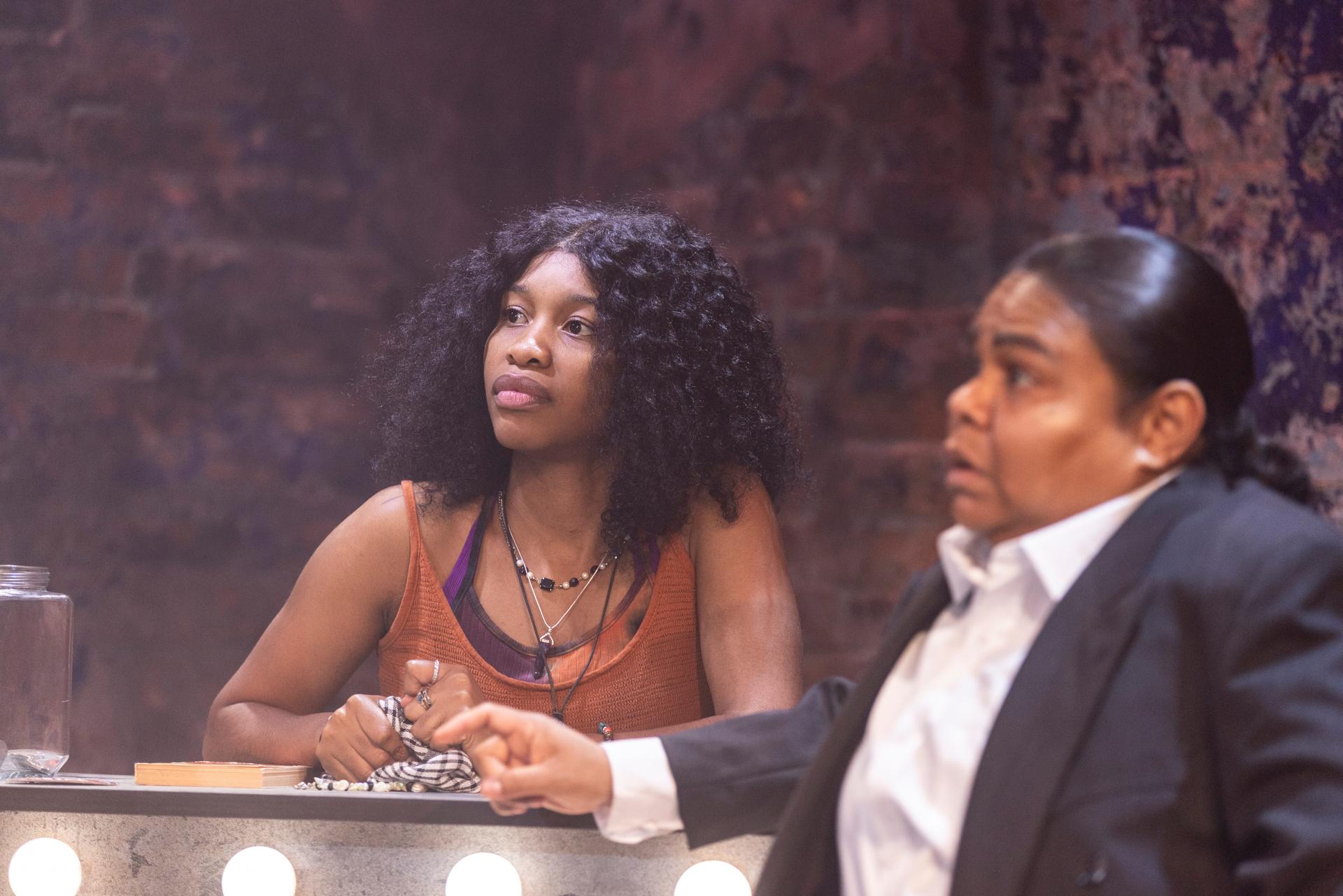
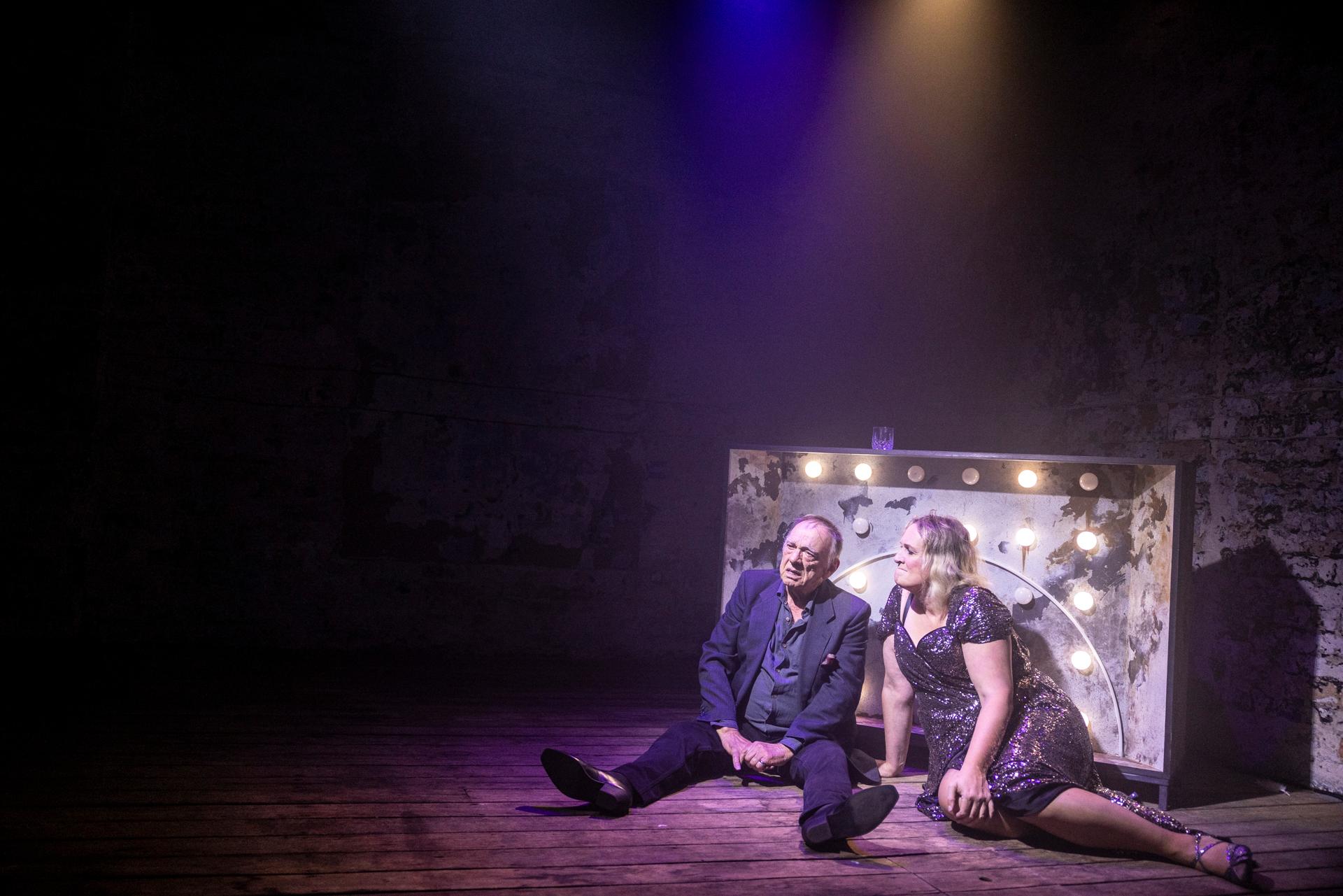
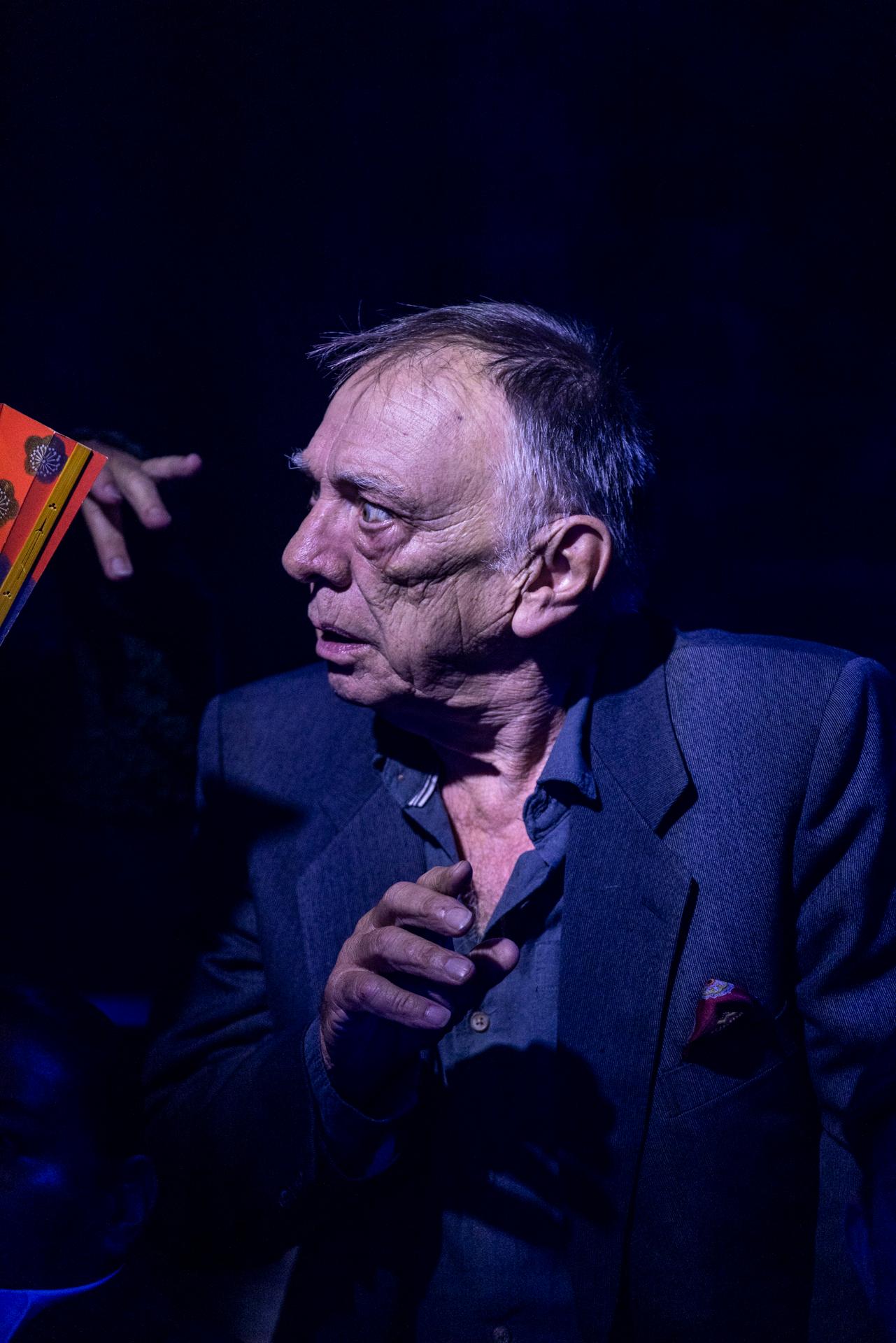
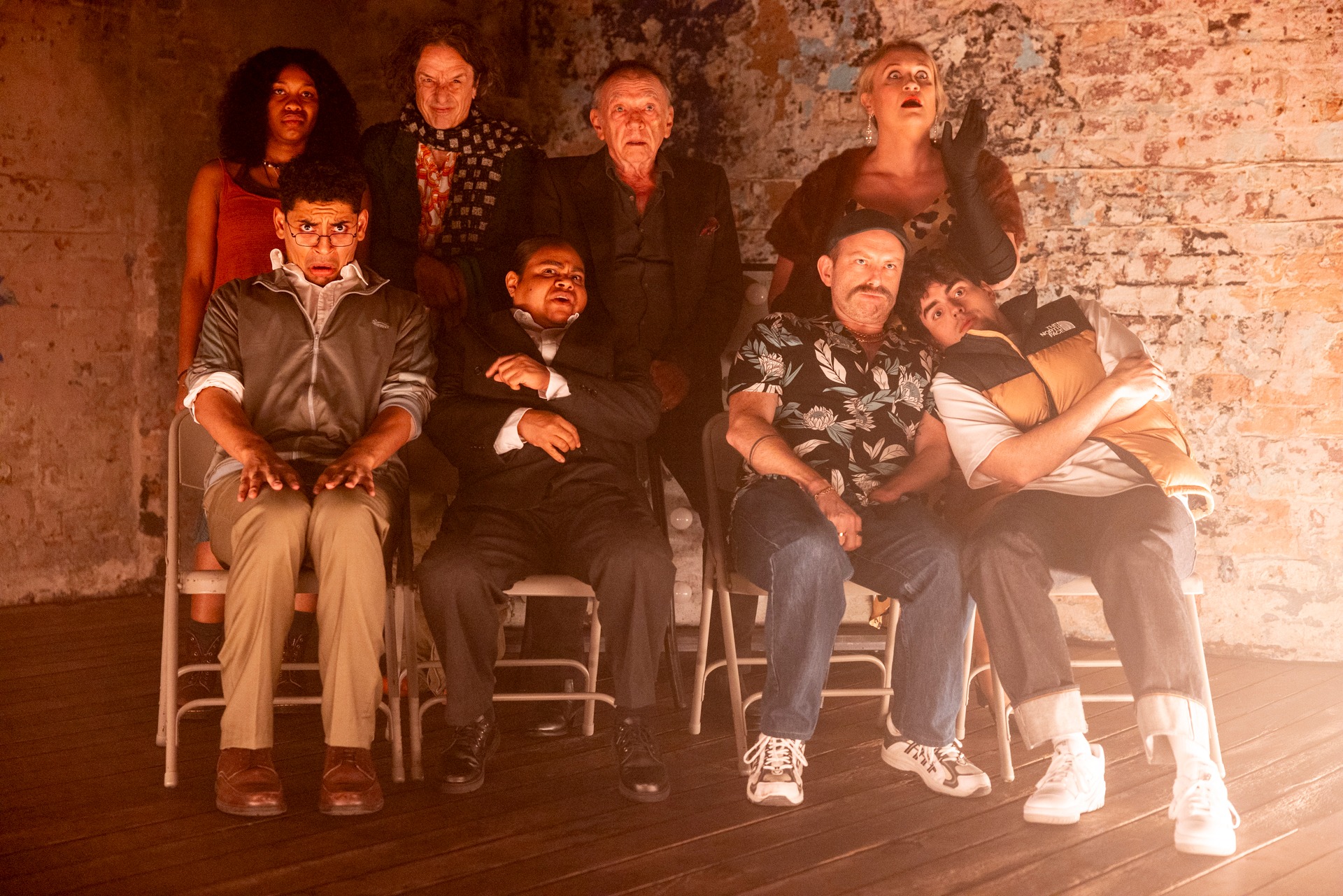
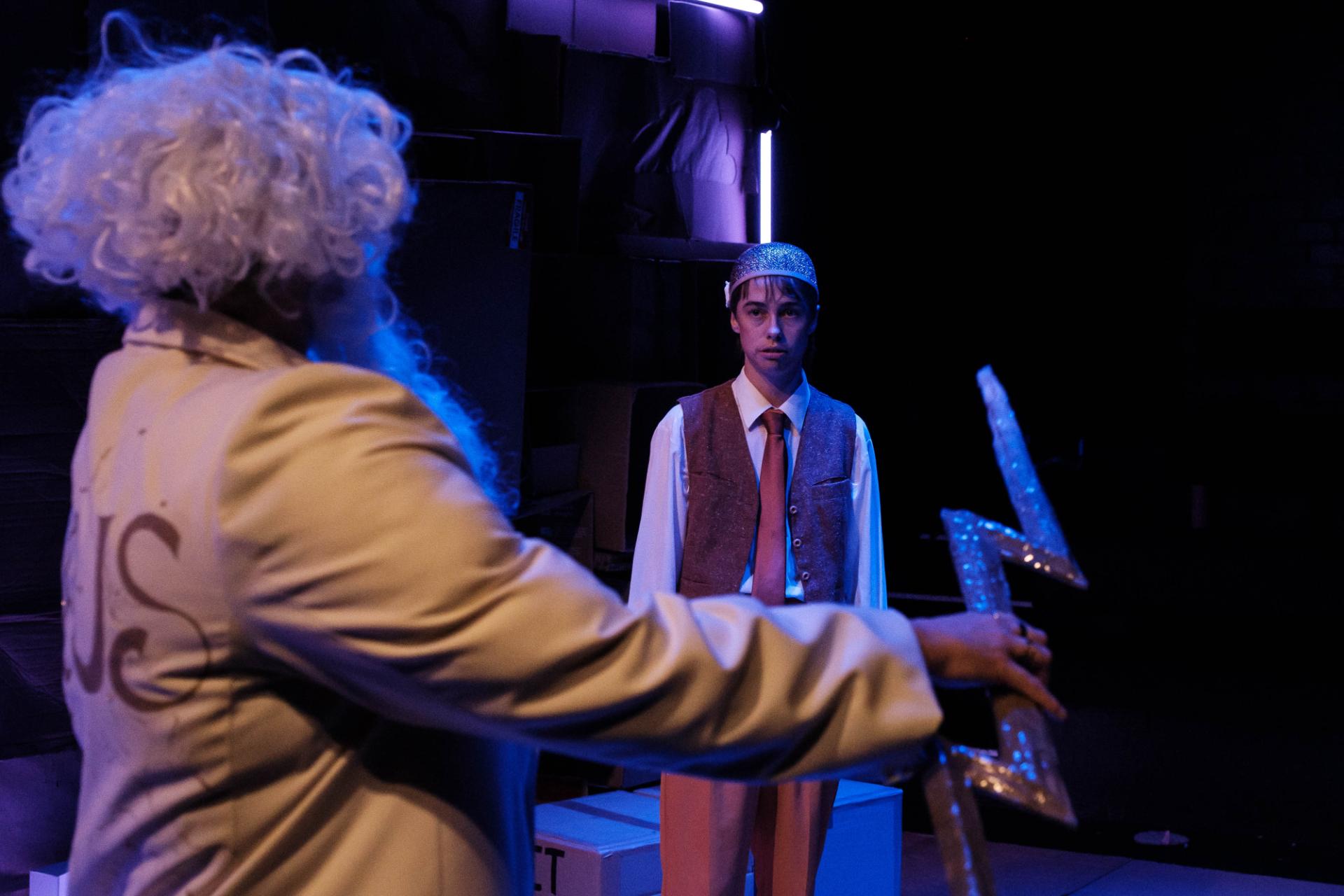
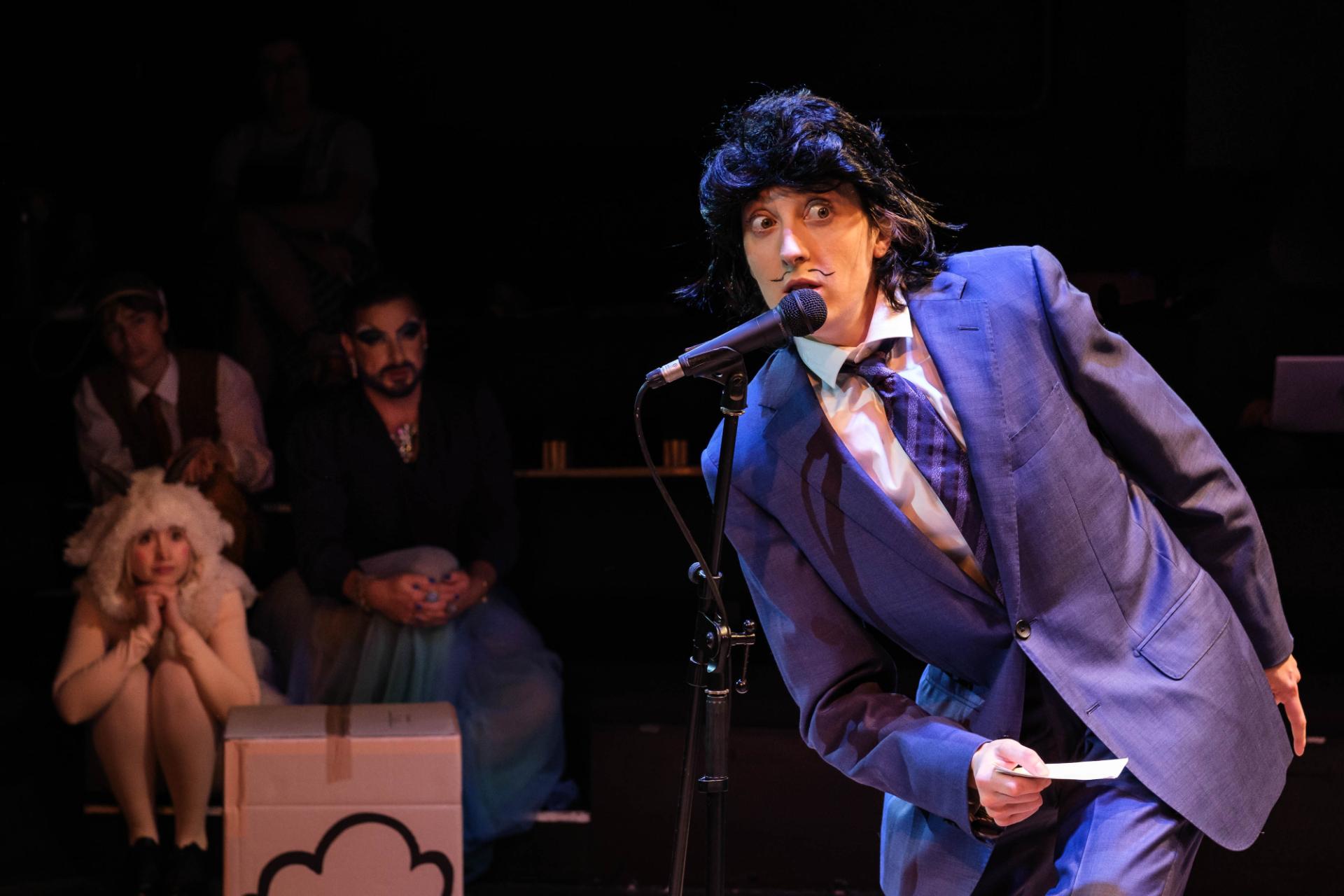
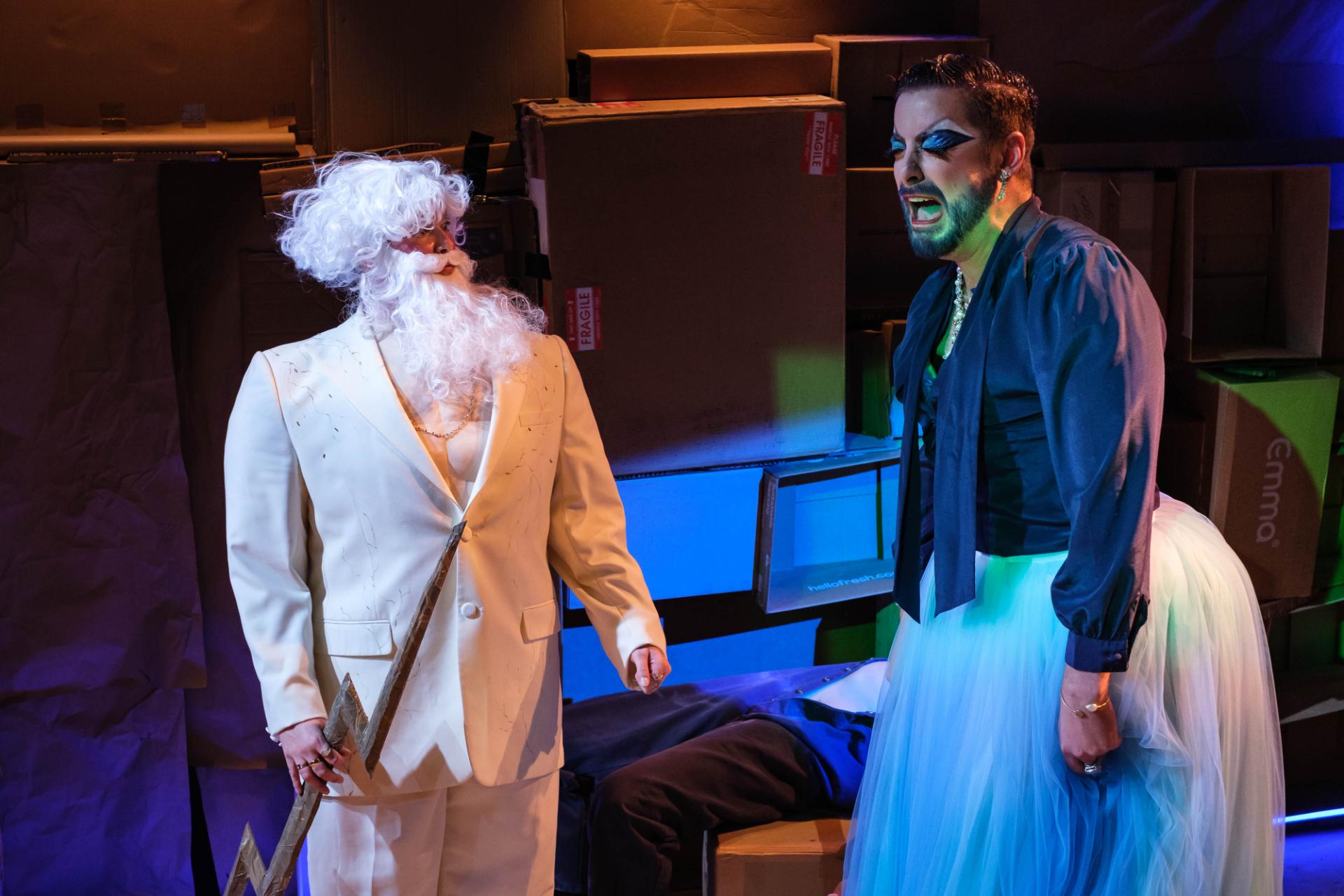
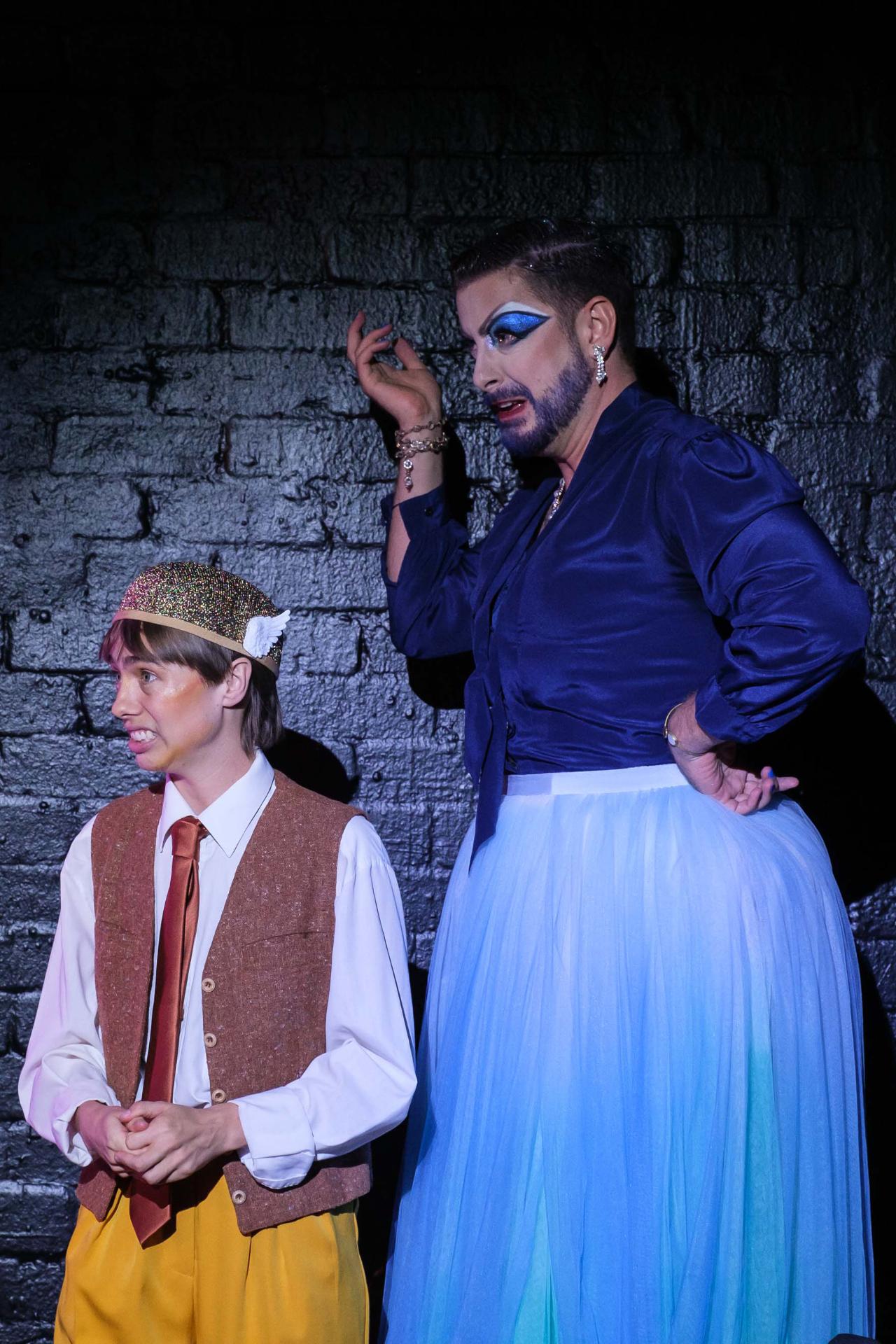
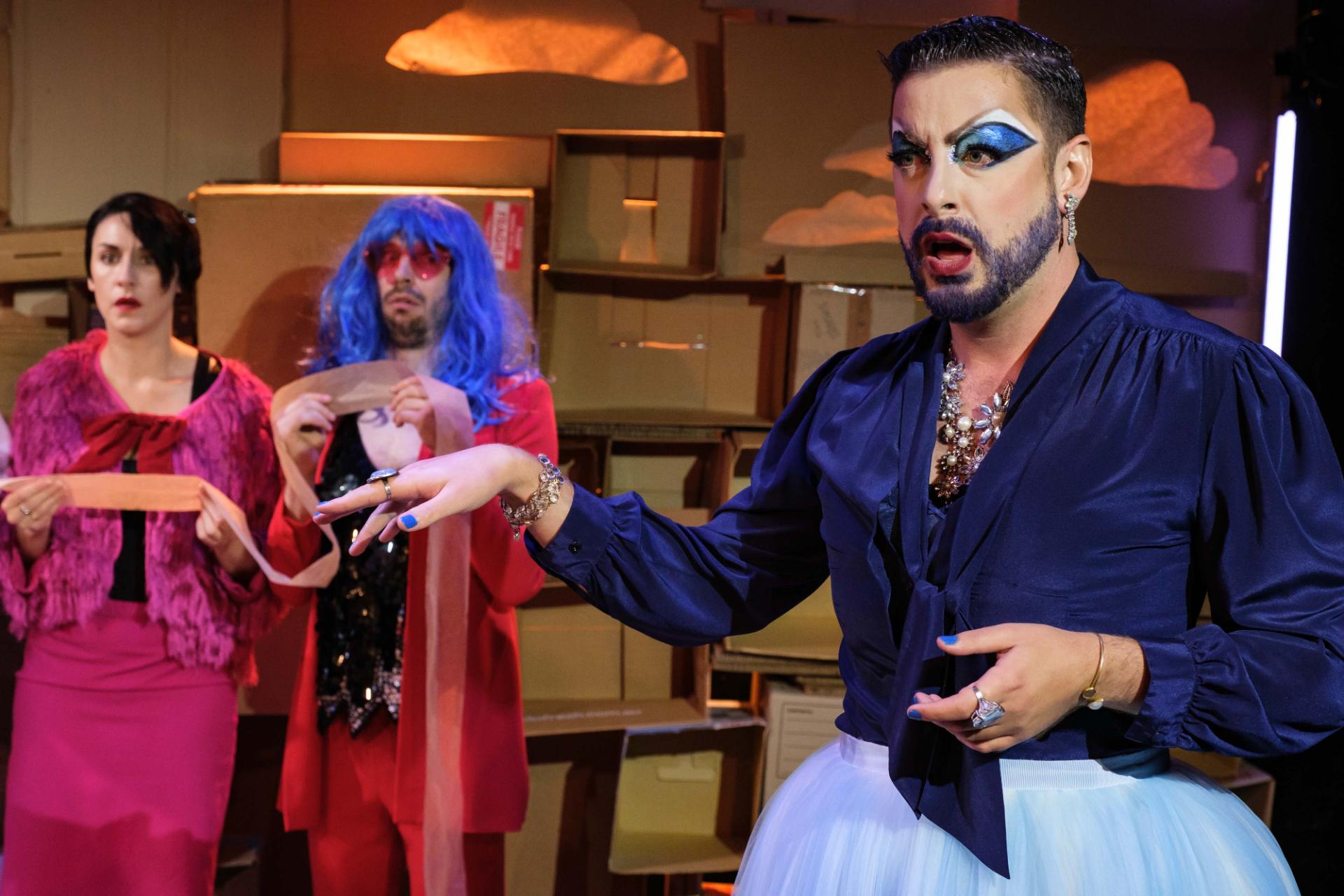
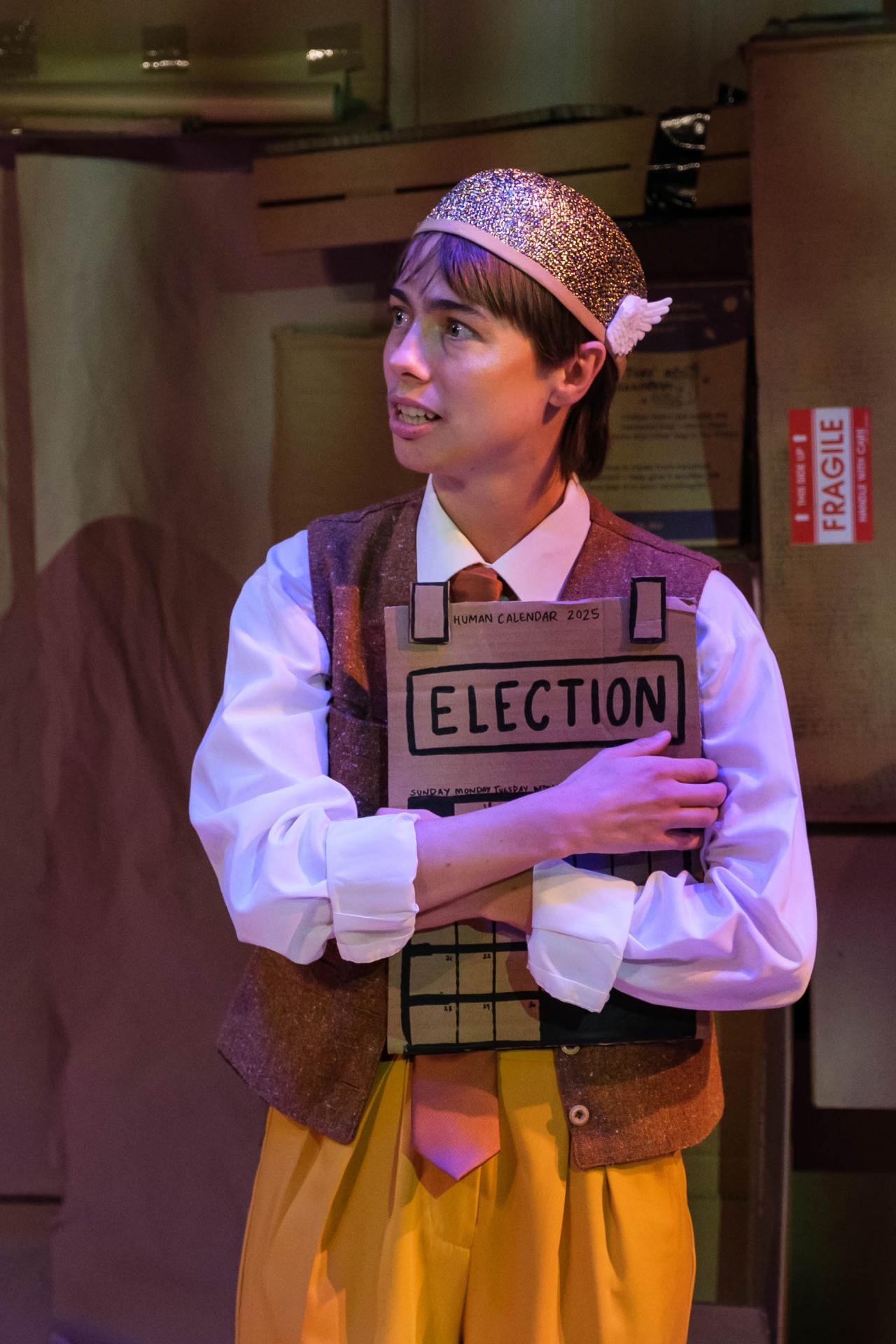
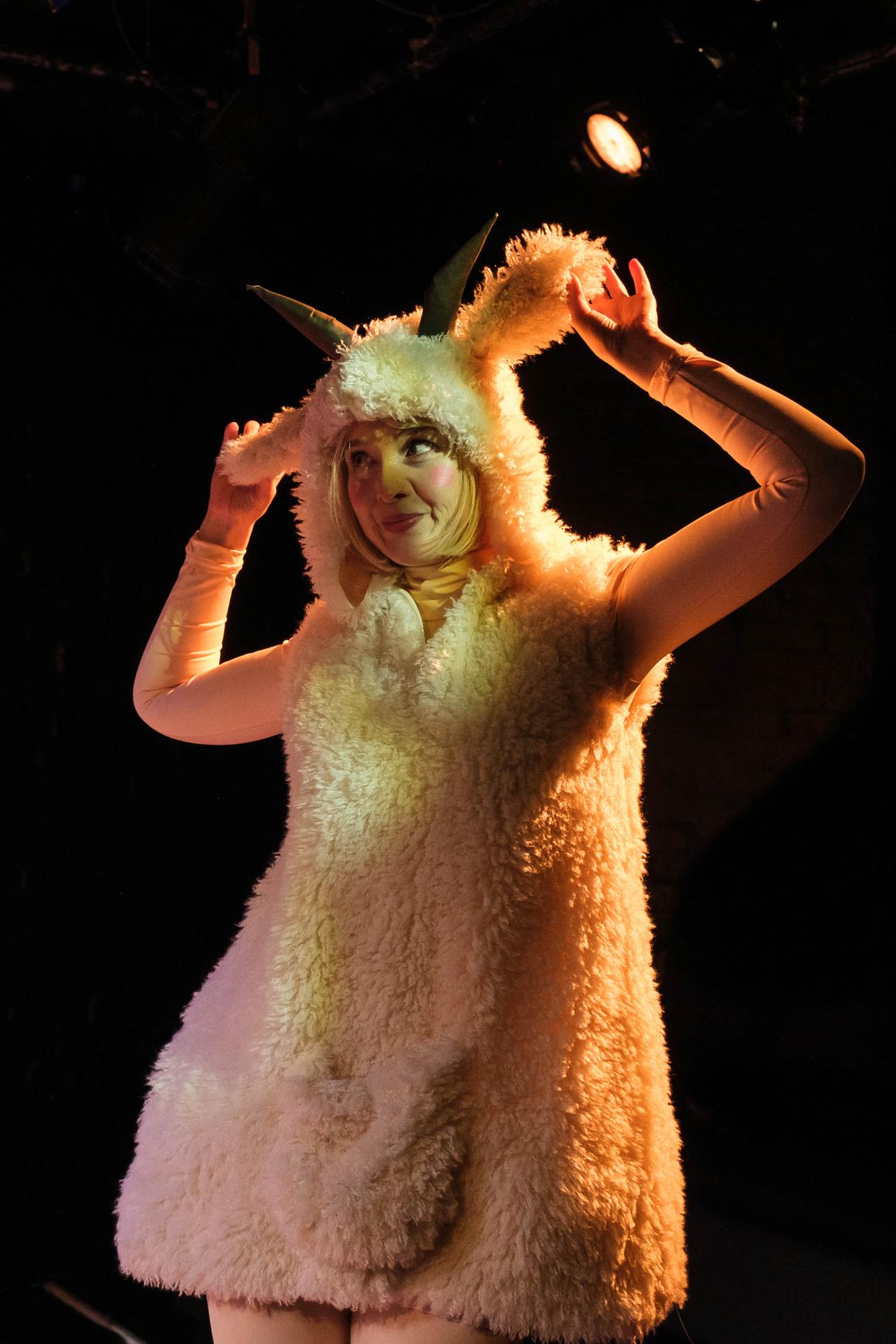
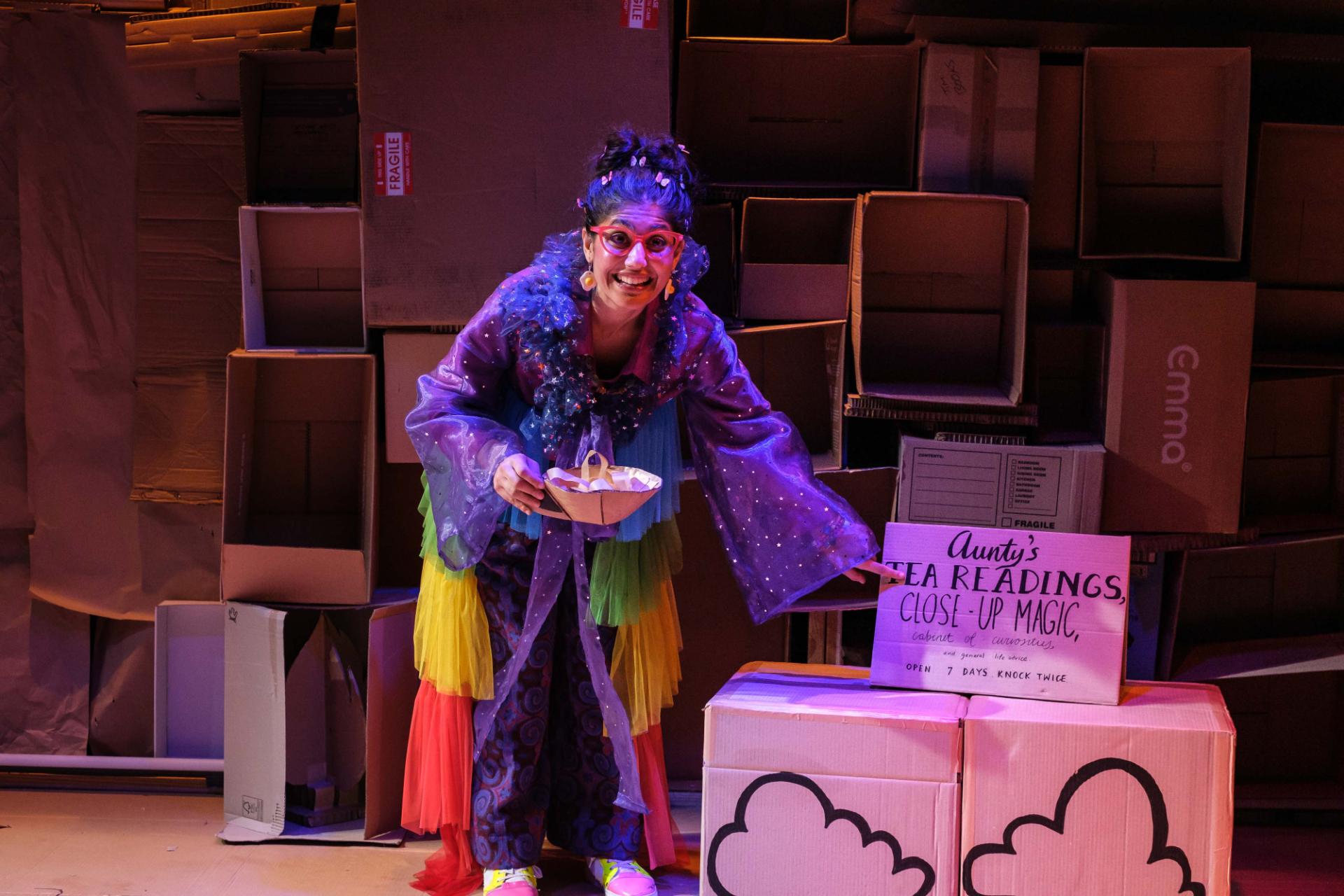
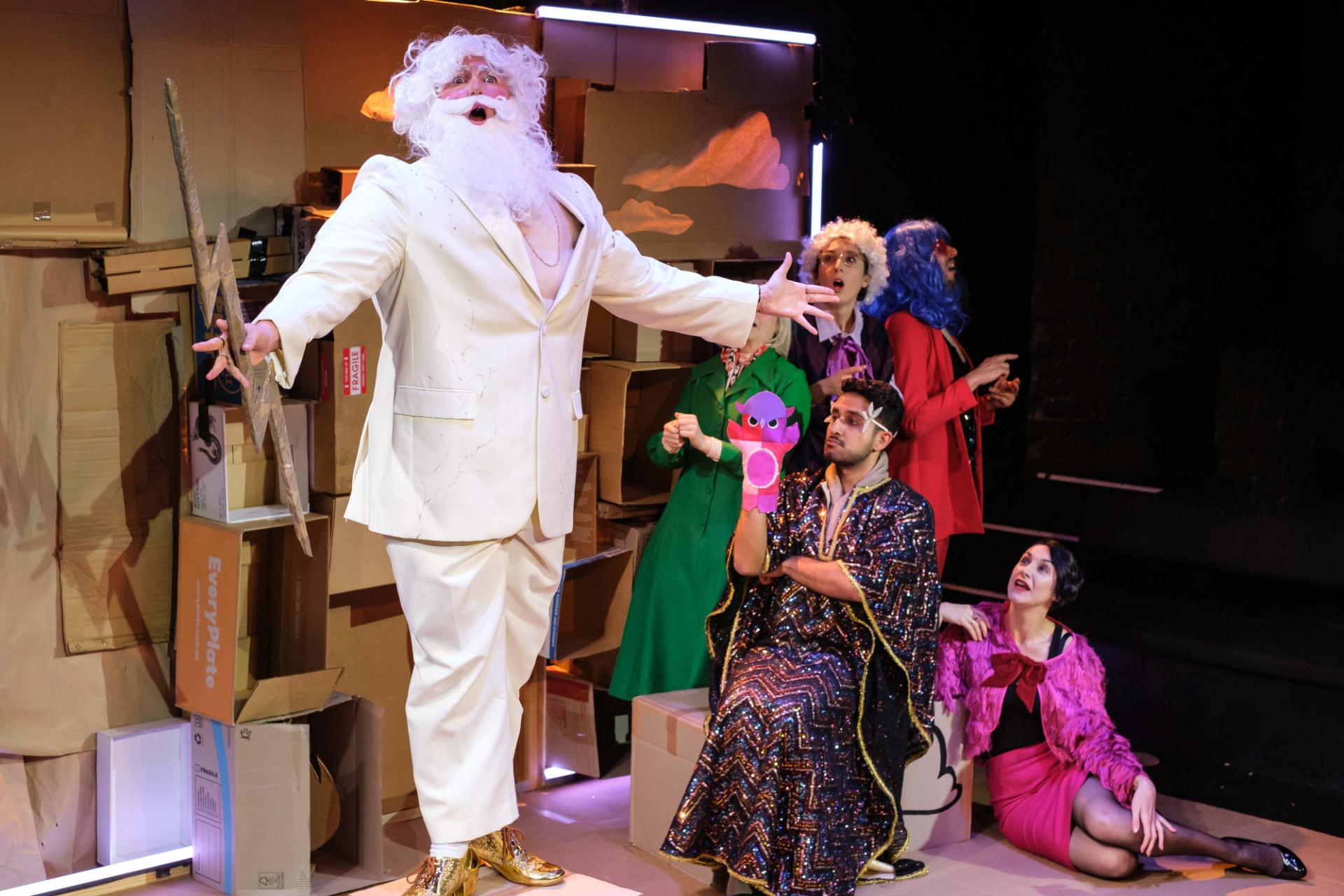
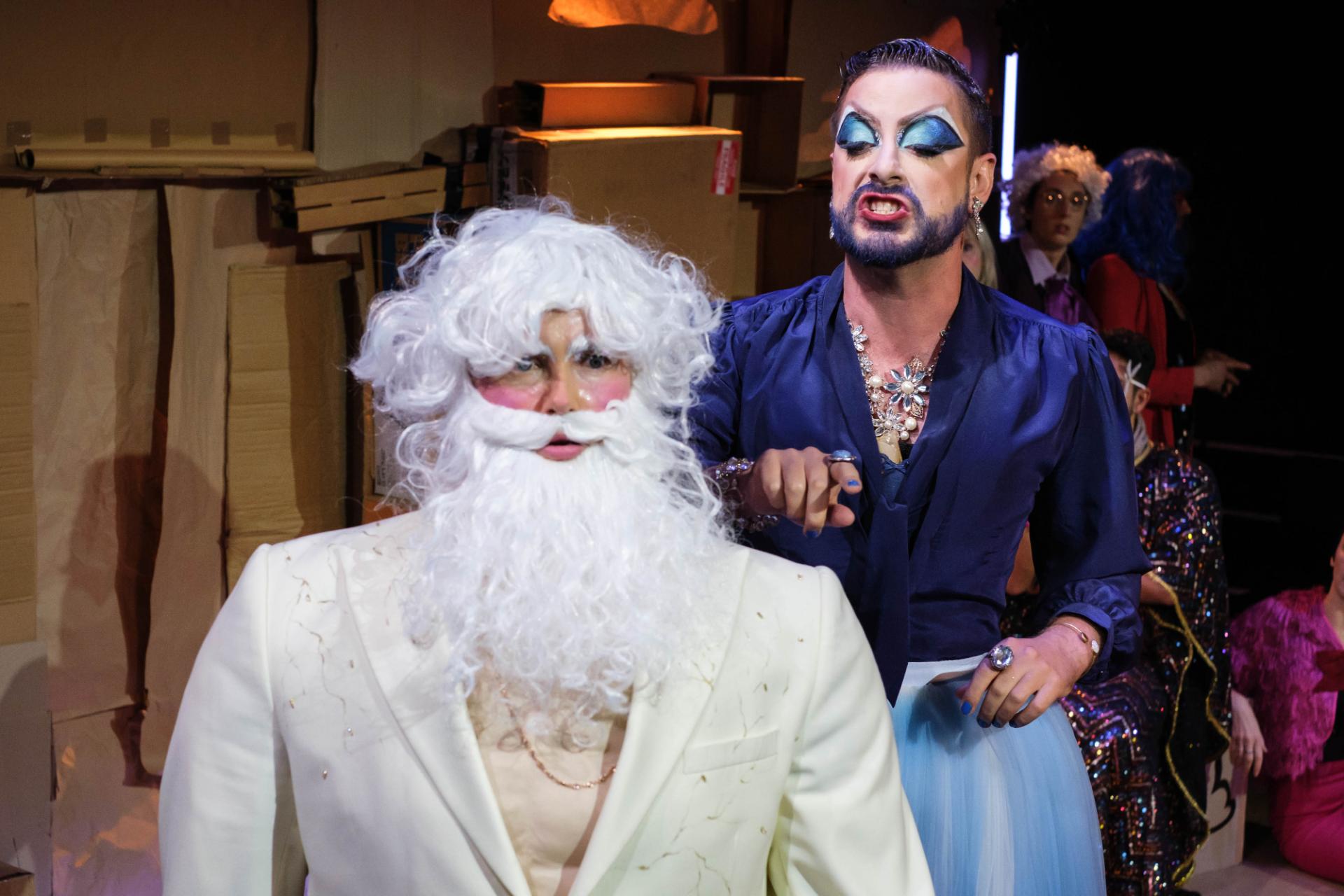
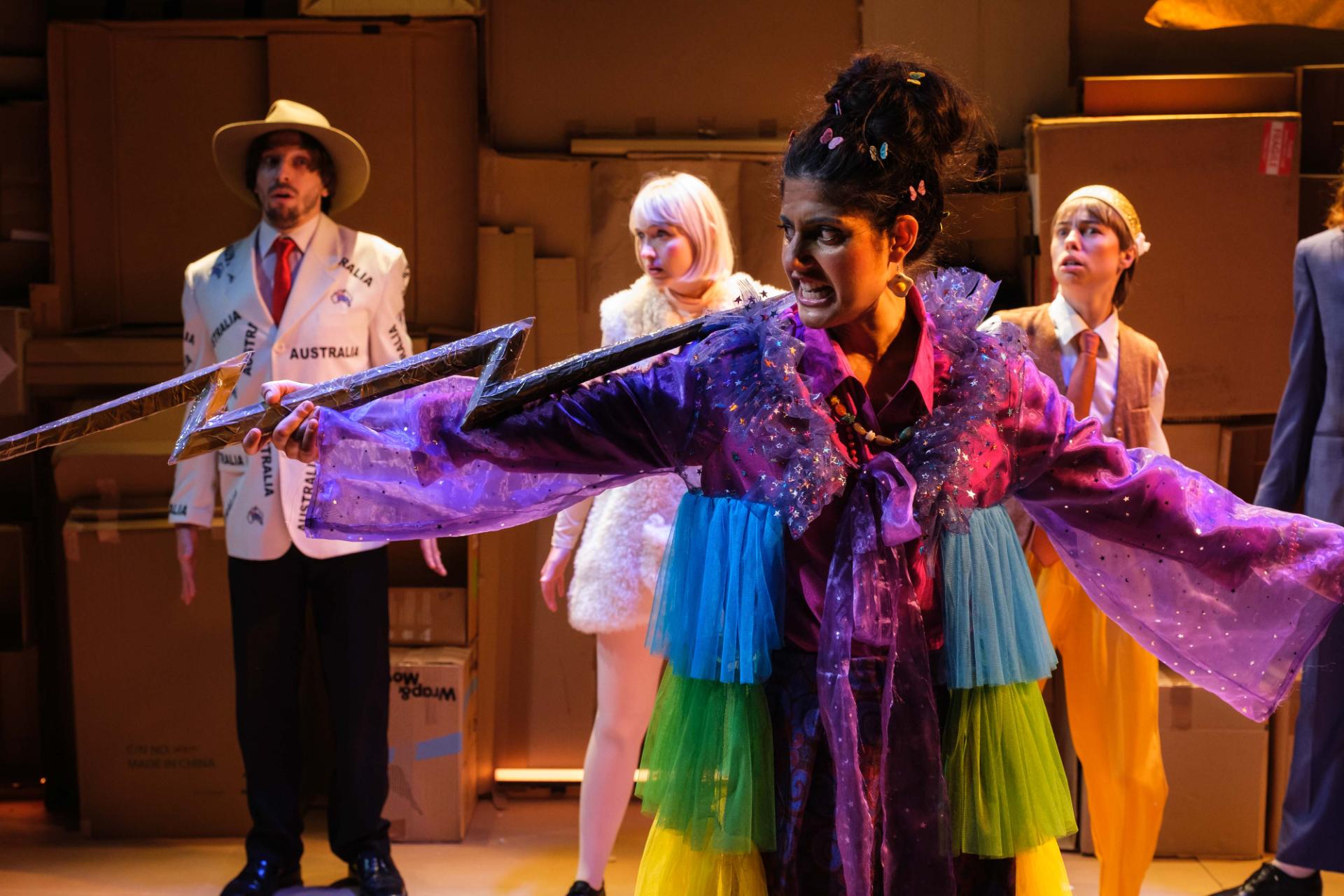
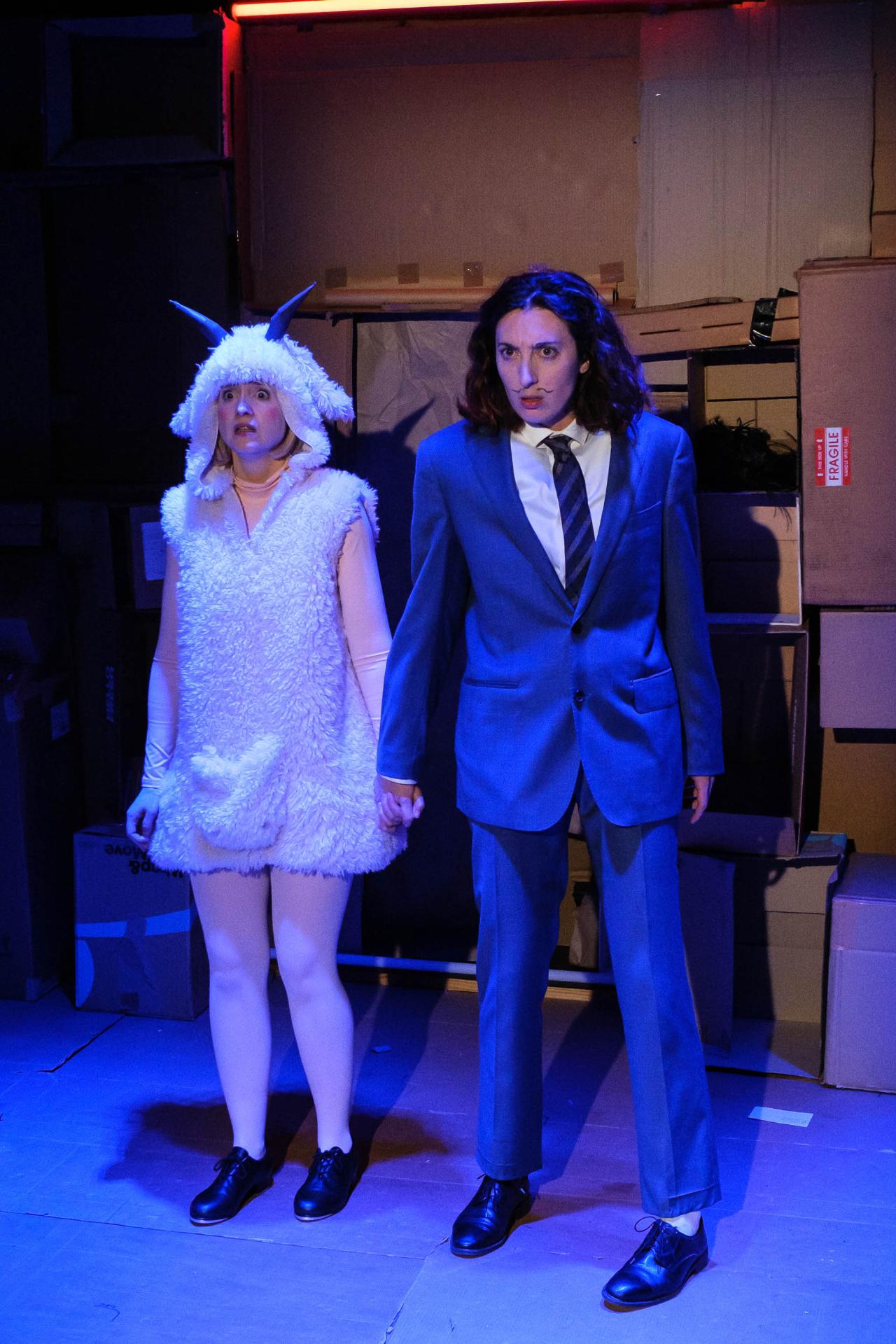
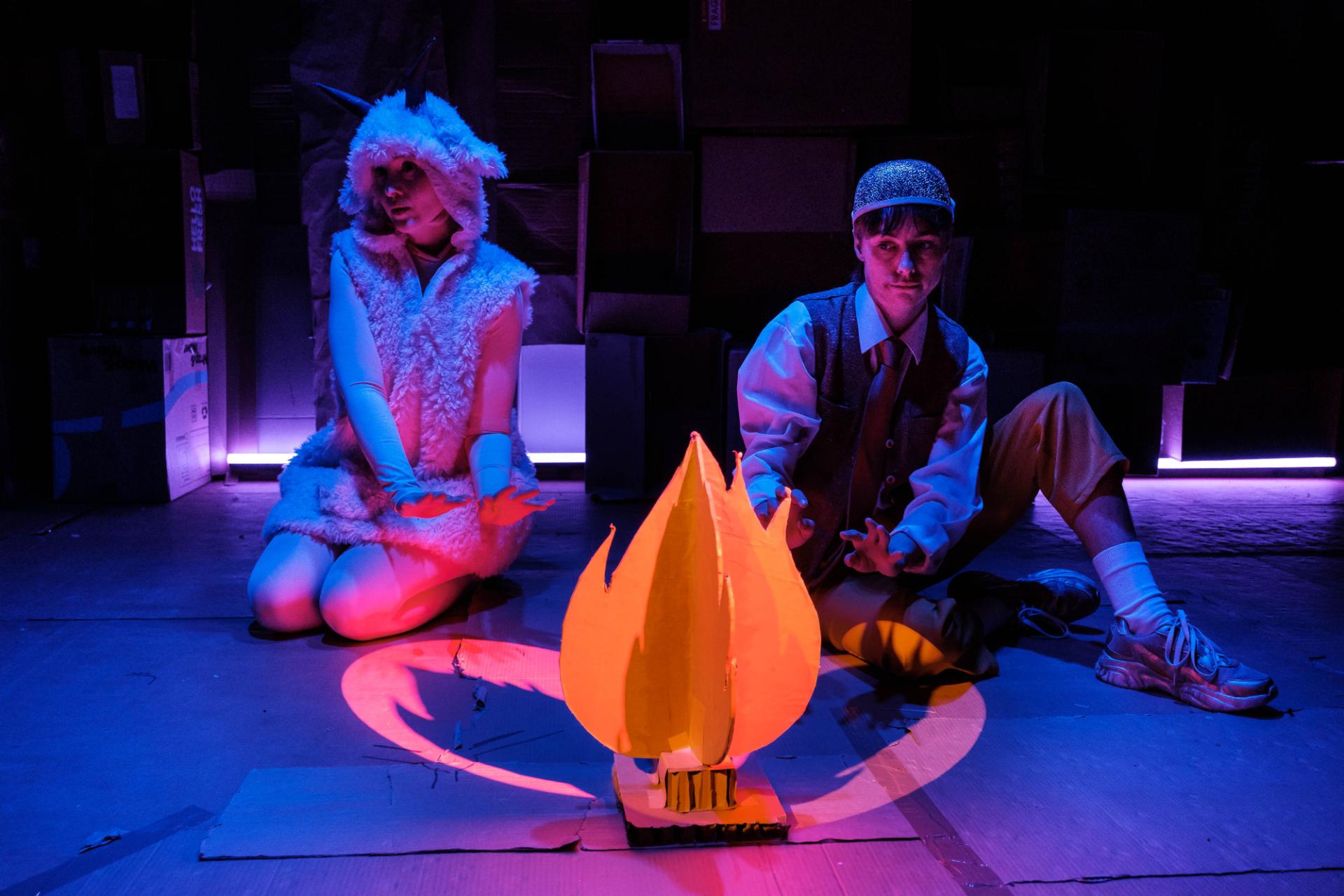
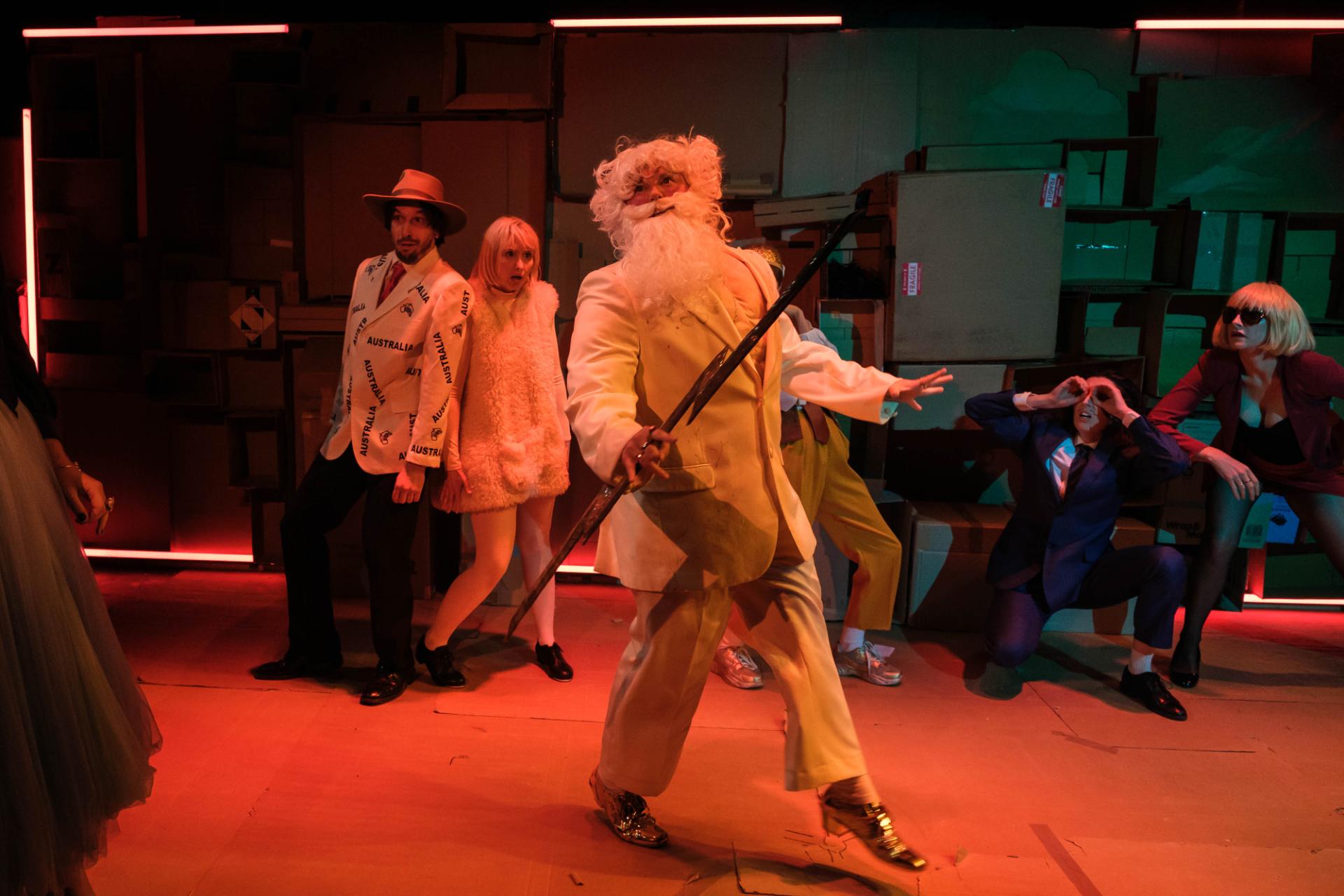
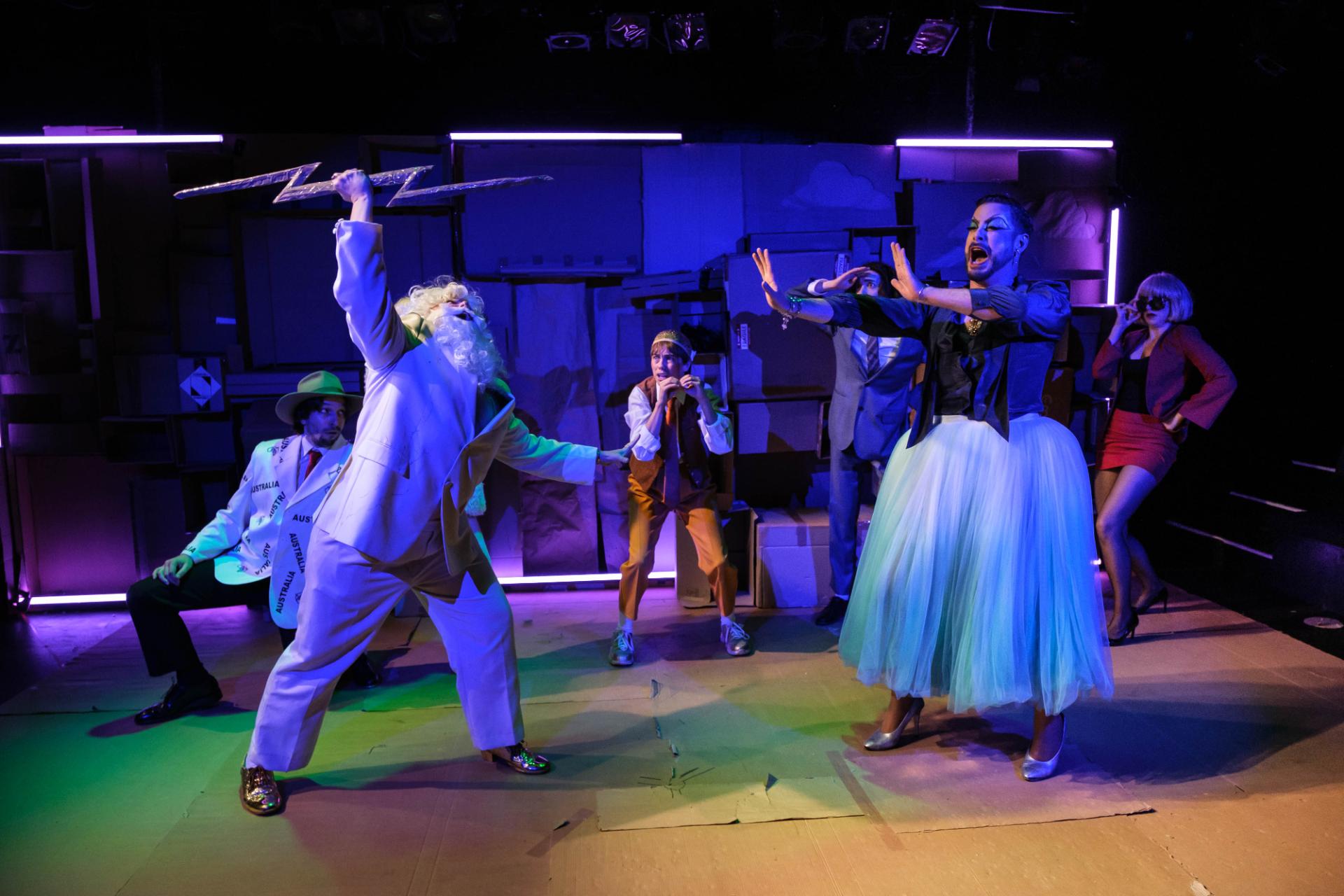
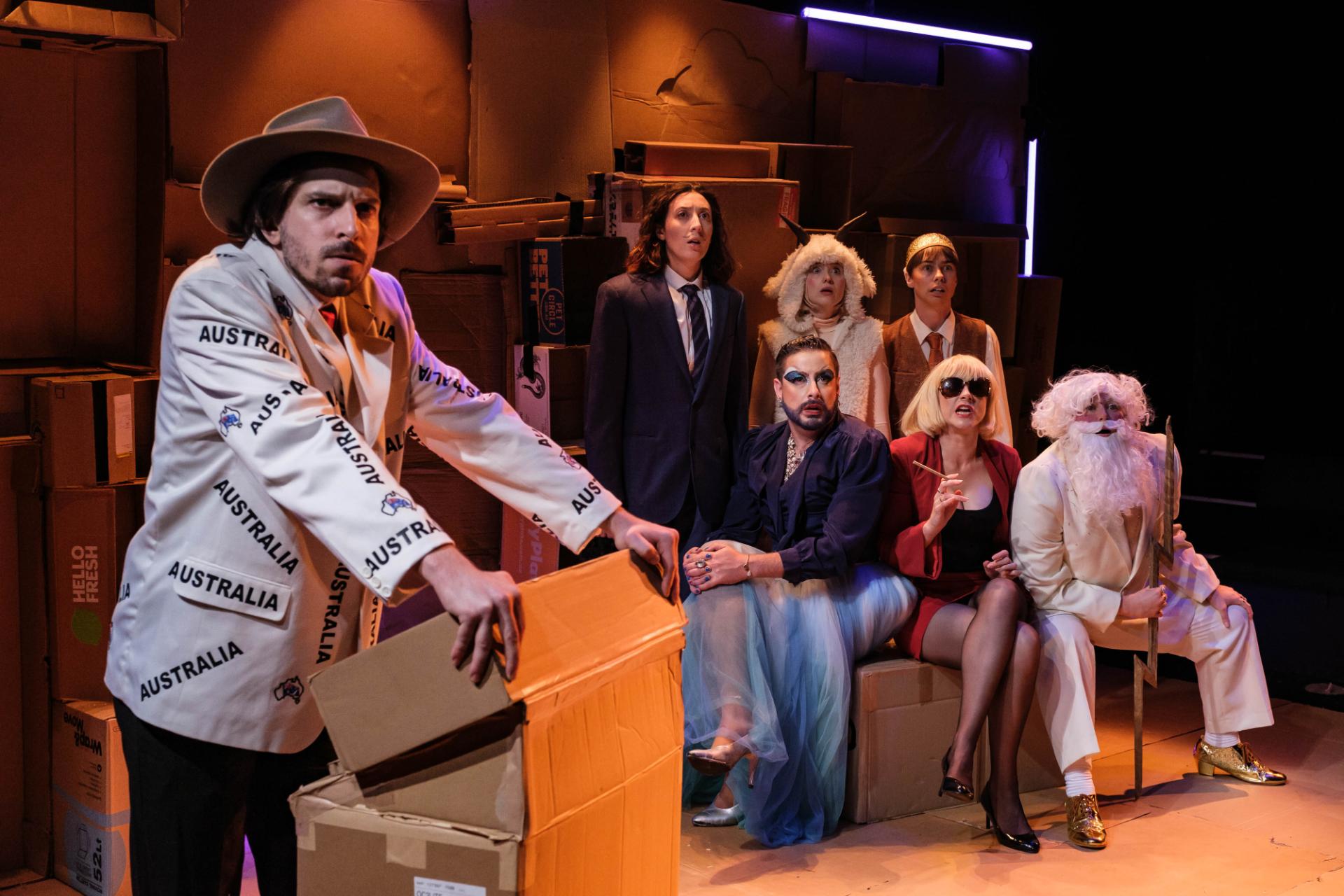
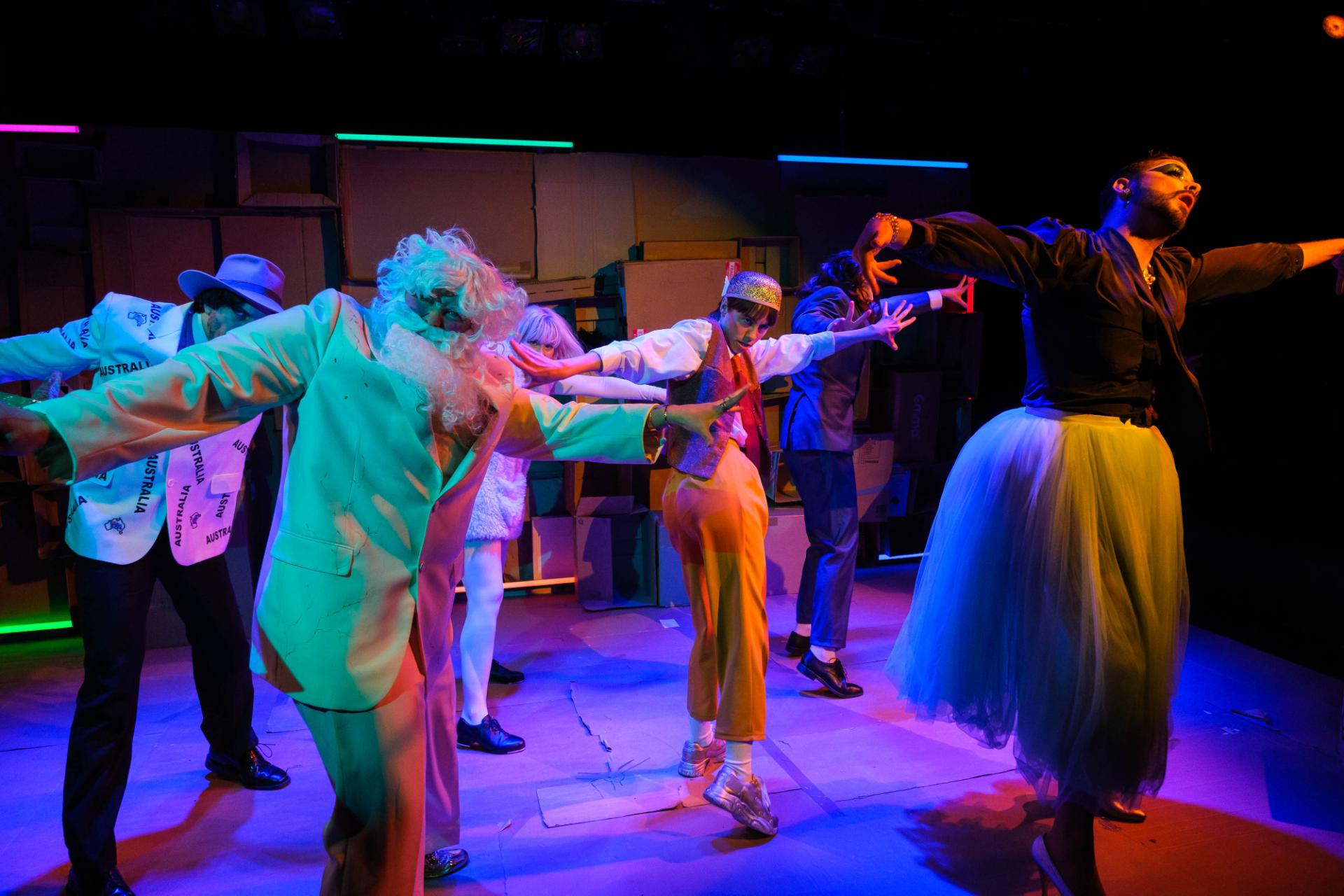
Alipoor’s intricate and perplexing expressions are however, unquestionably theatrical. Things Hidden is an entrancing work. With stage, costume and lighting design by Benjamin Brockman, we observe a sophistication and confidence, that underpin the characteristic abstruseness of the show. Along with Limbic Cinema’s correspondingly complicated video projections, the overall visual effect is kaleidoscopic and quite beguiling. Music by Raam Emami, performed live by Me-Lee Hay (along with other members of cast), is consistently gripping, always on hand to manufacture an air of urgency. Sound design by Simon McCorry adds to the general flamboyance, for a production that insists on our attentiveness, even when we feel unable to absorb enough of the goings on.

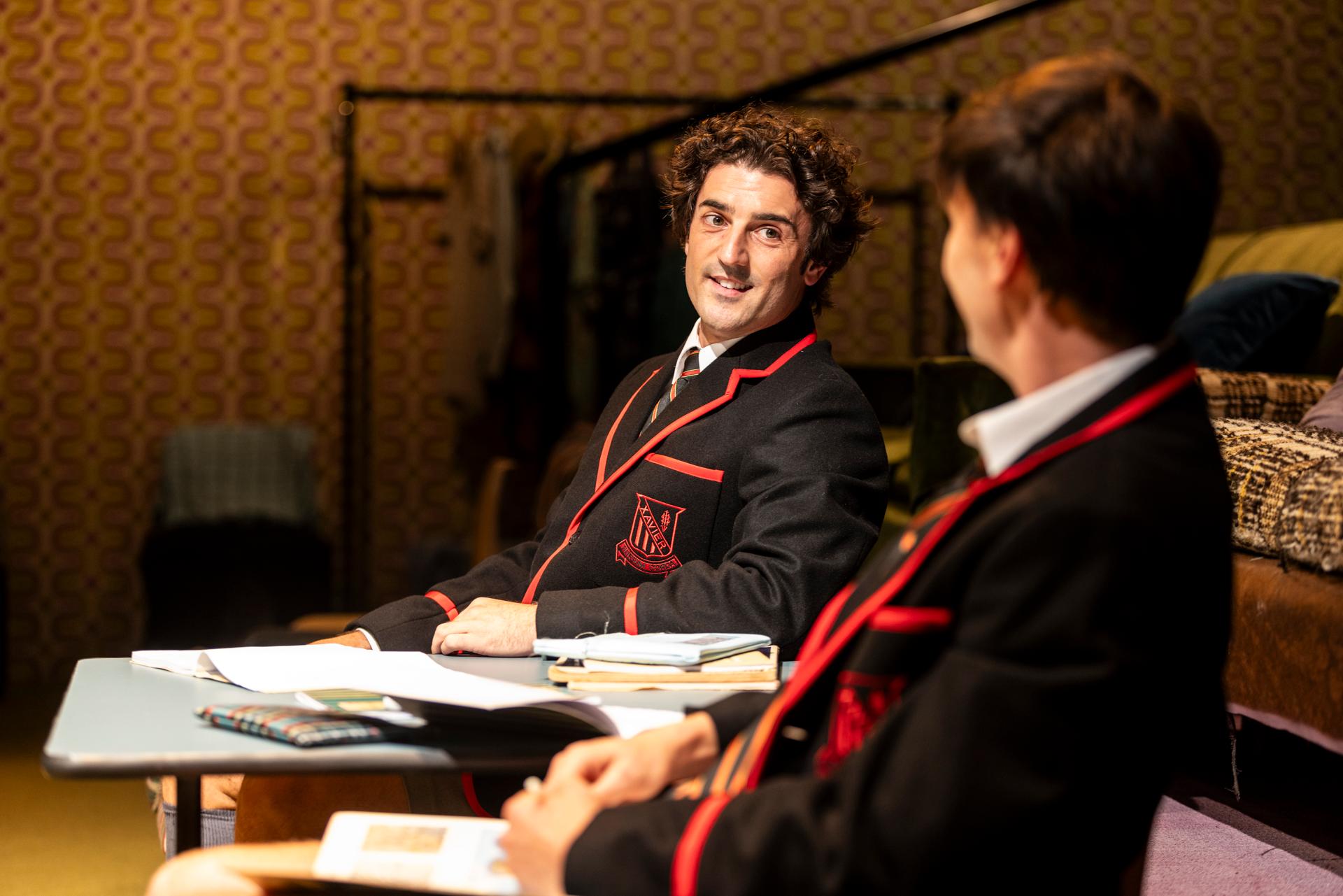
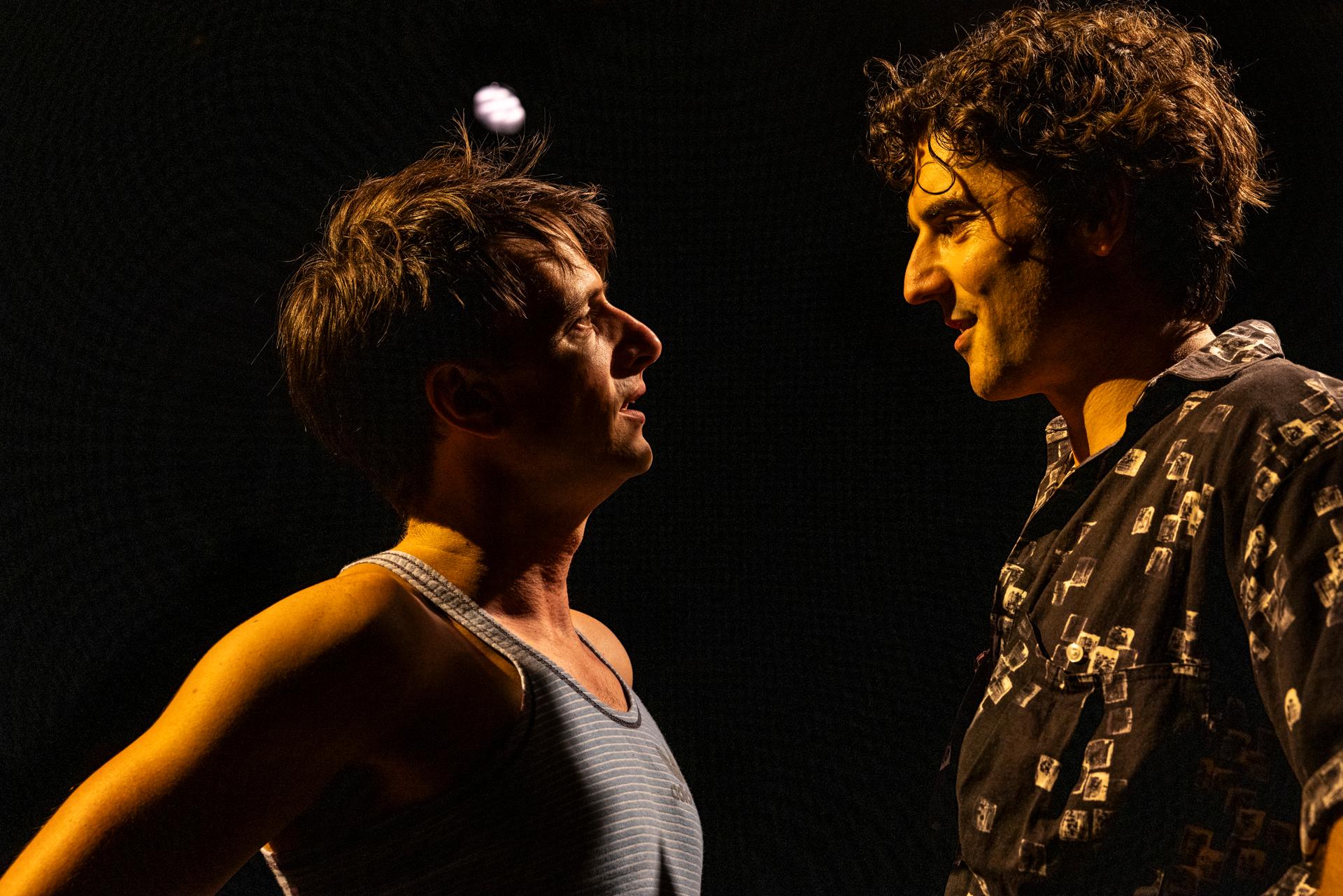
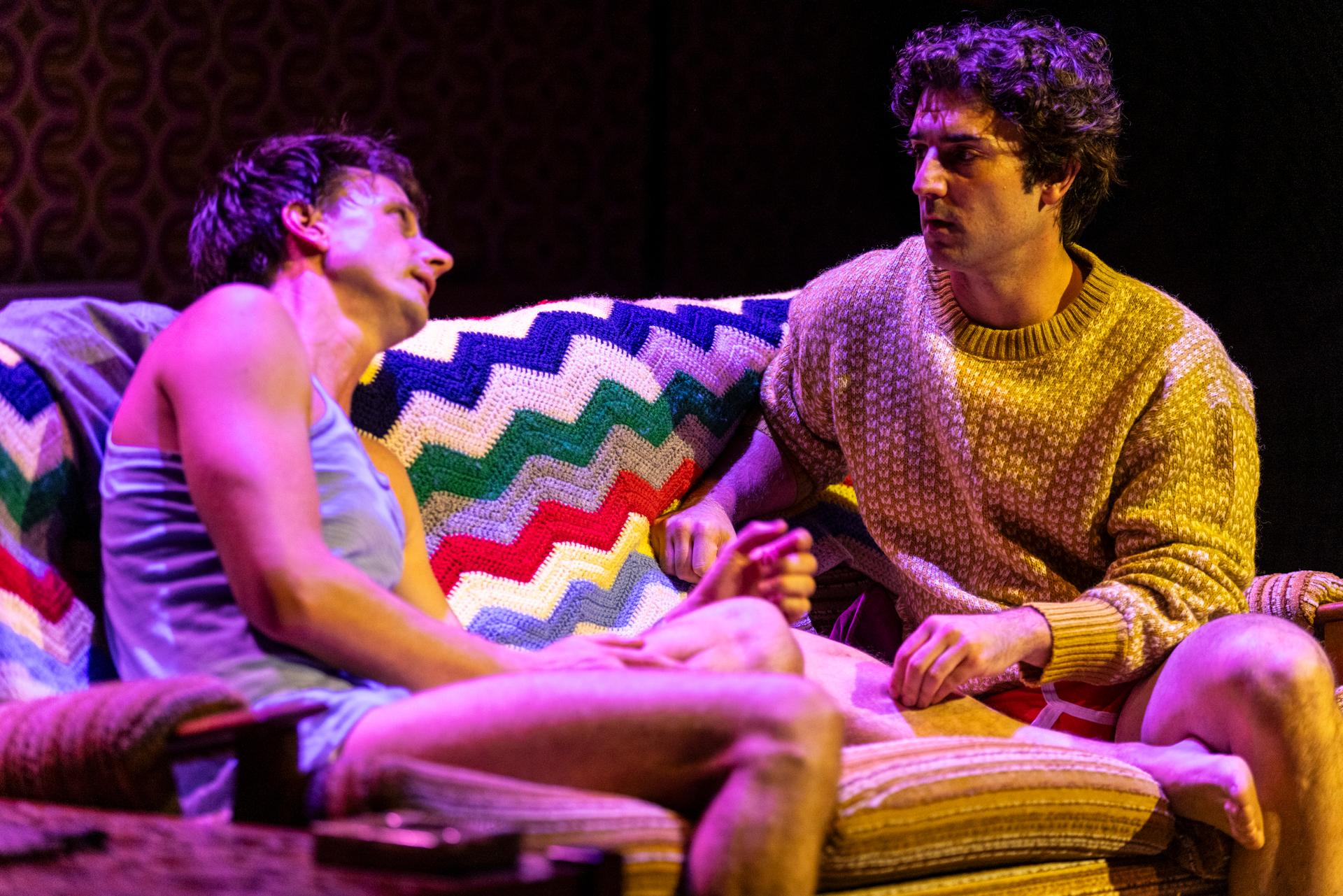
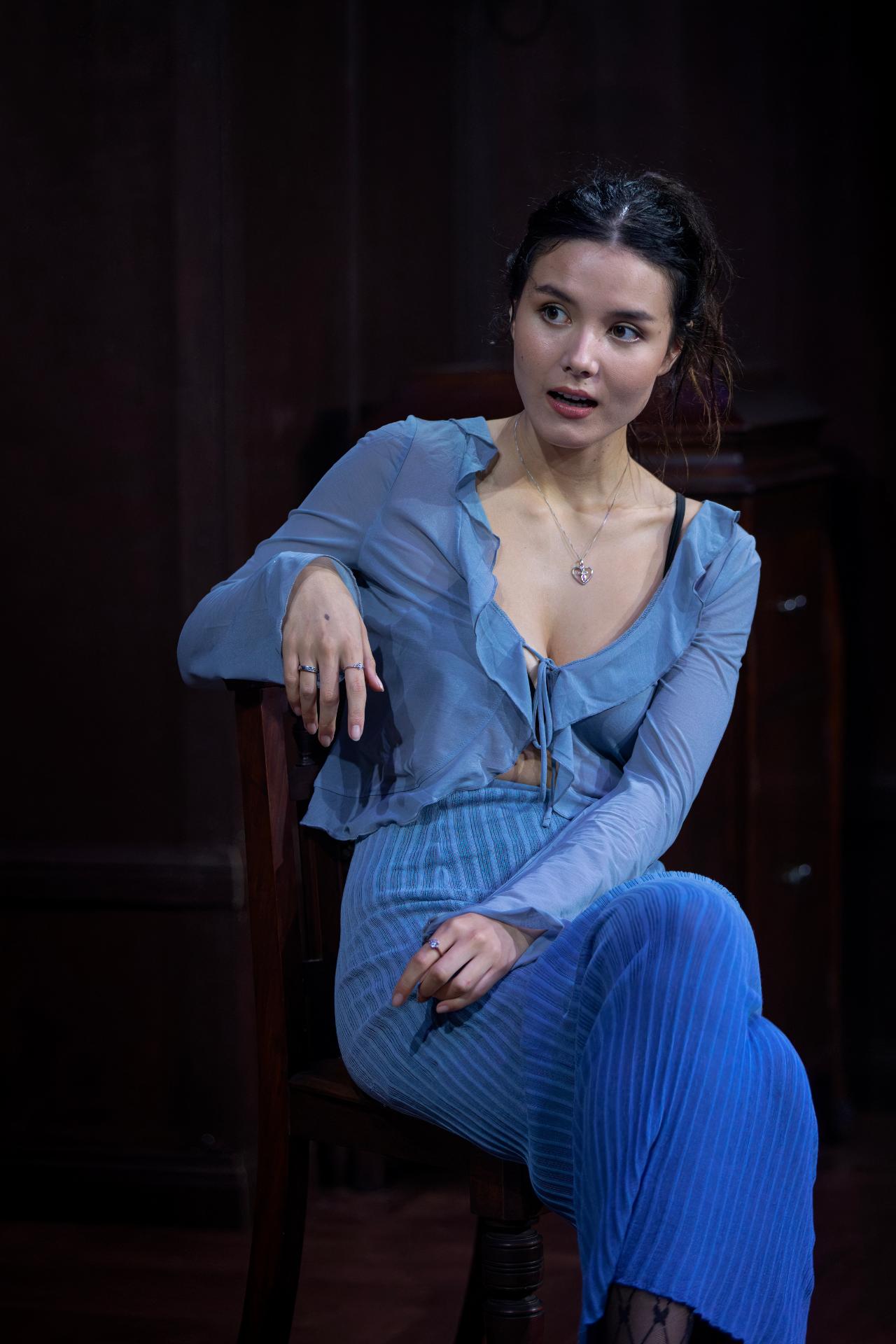
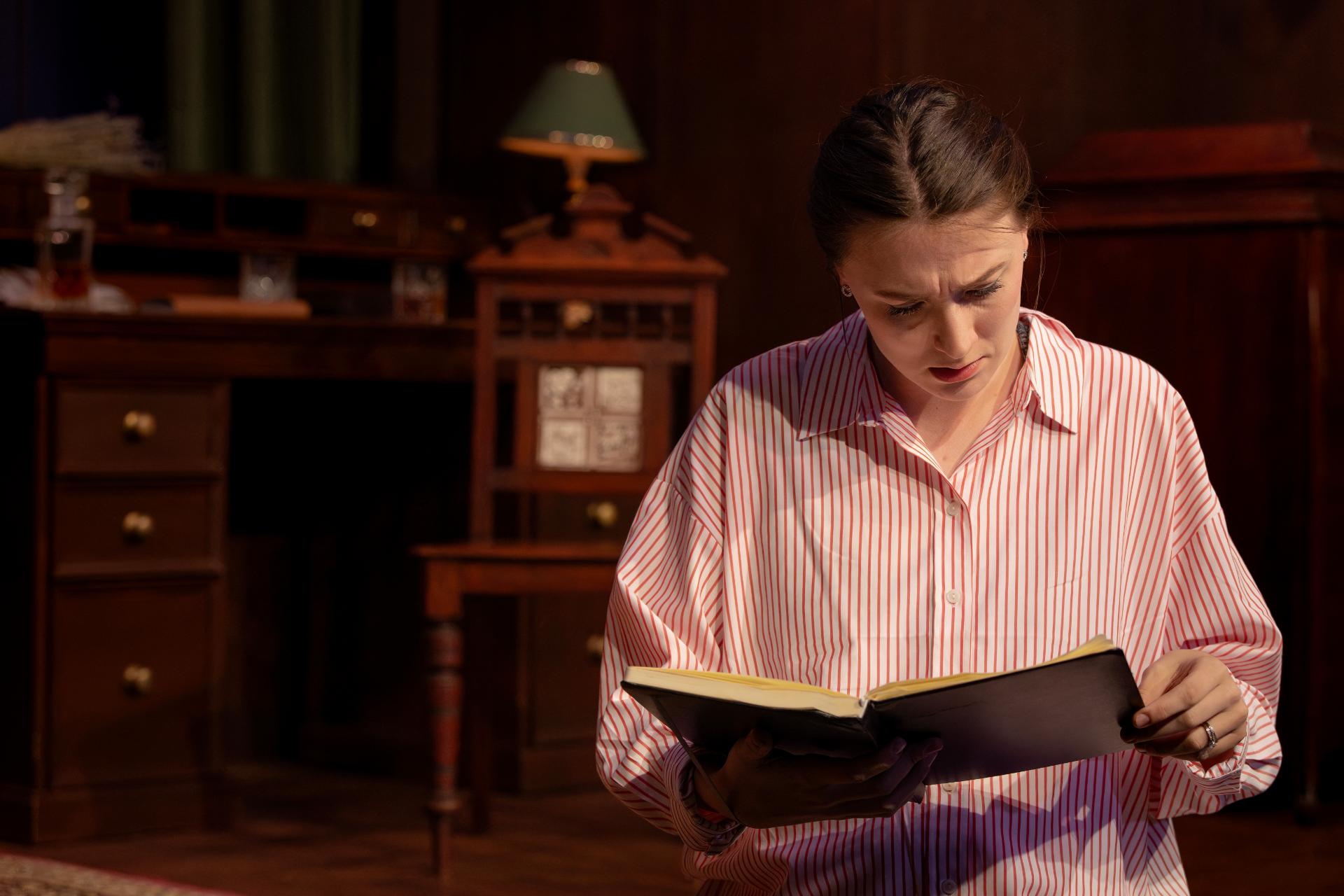
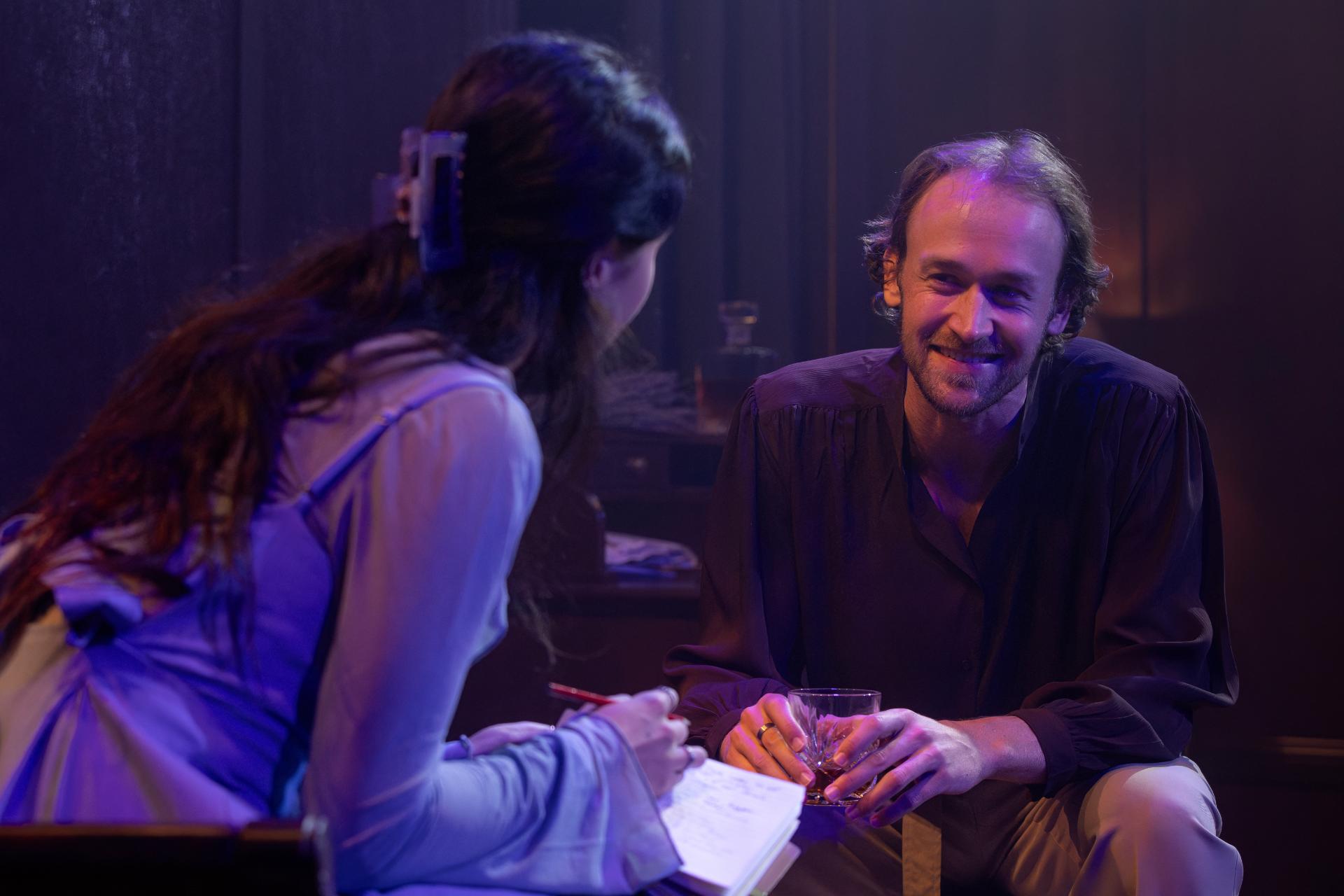
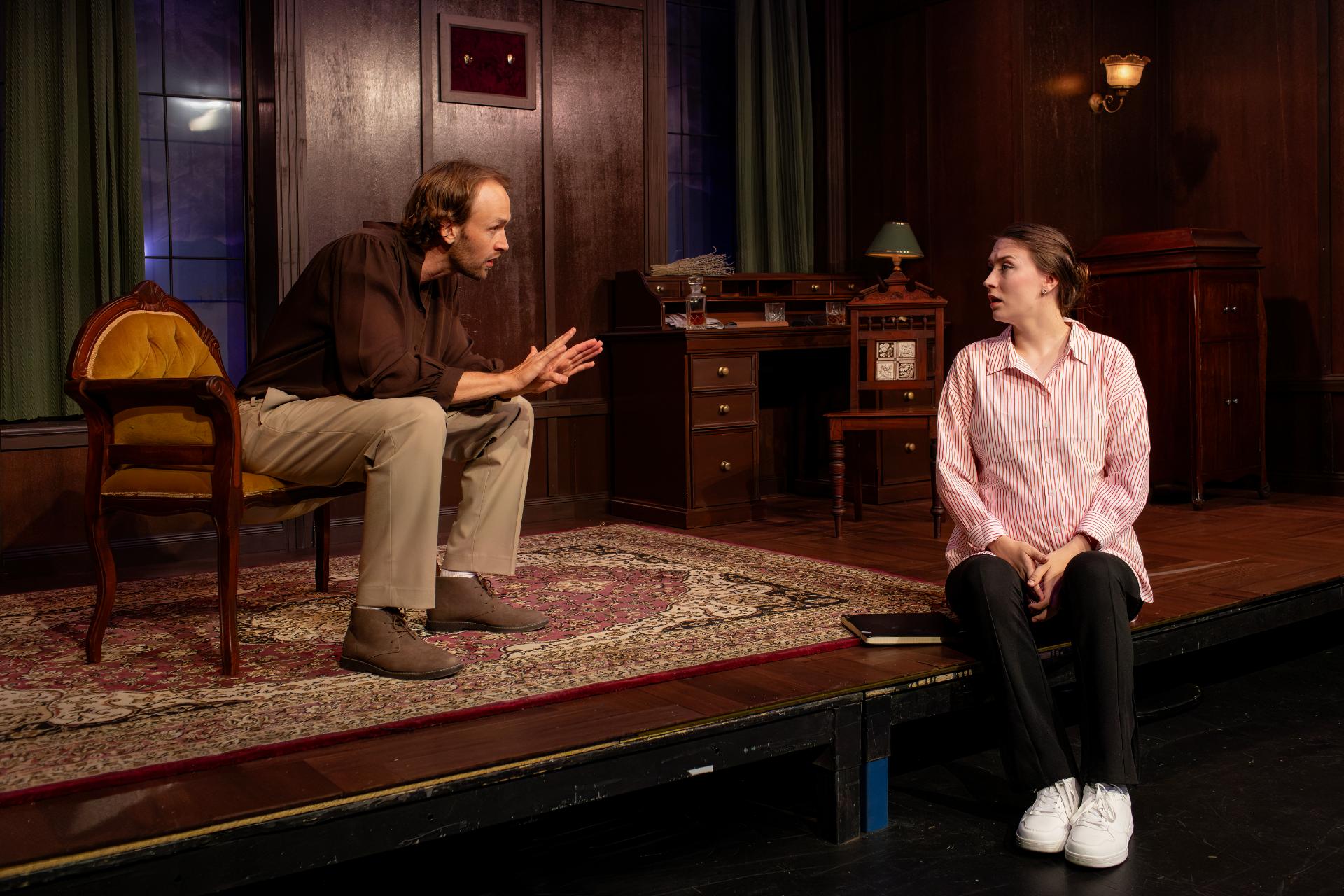
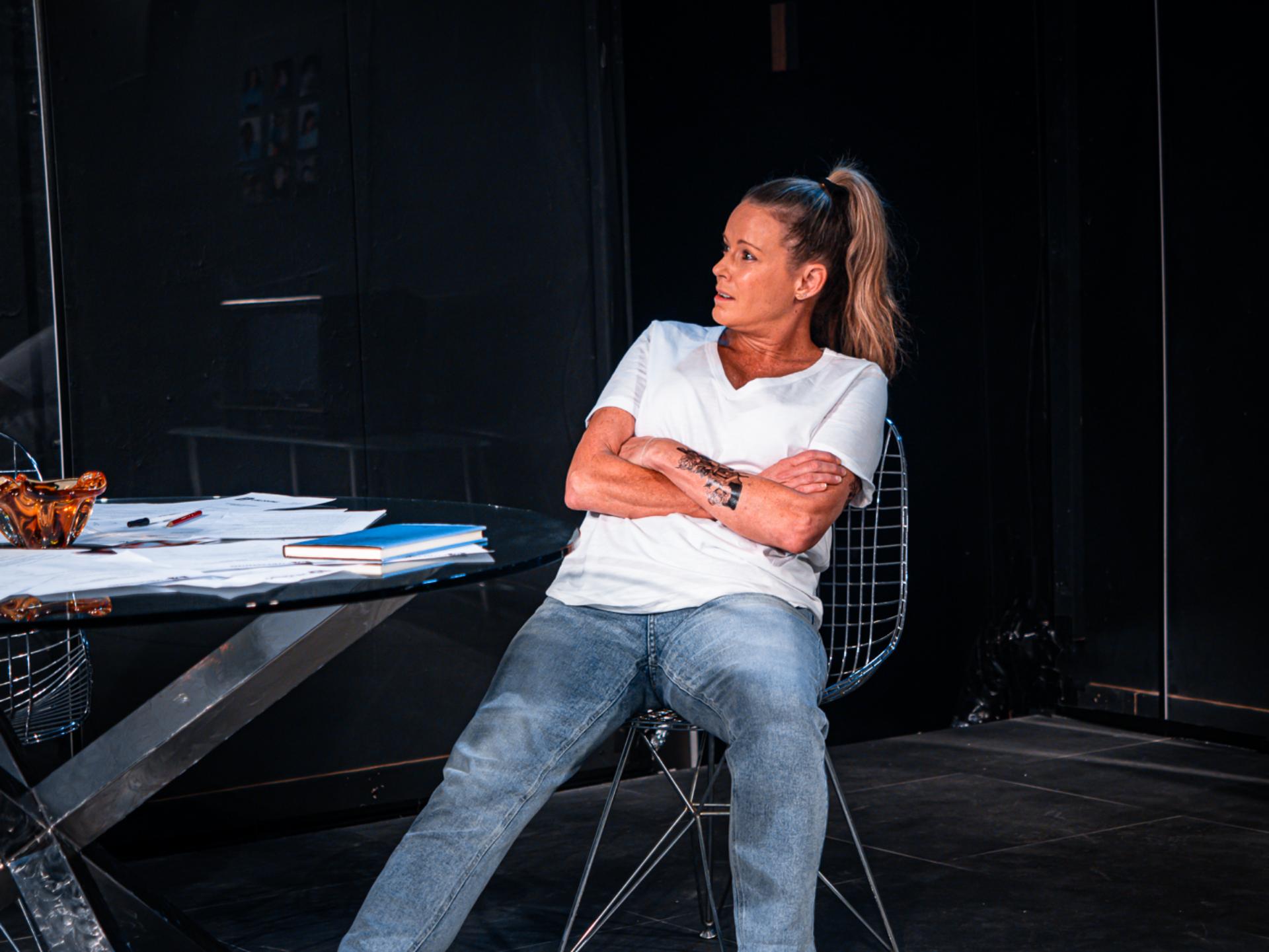
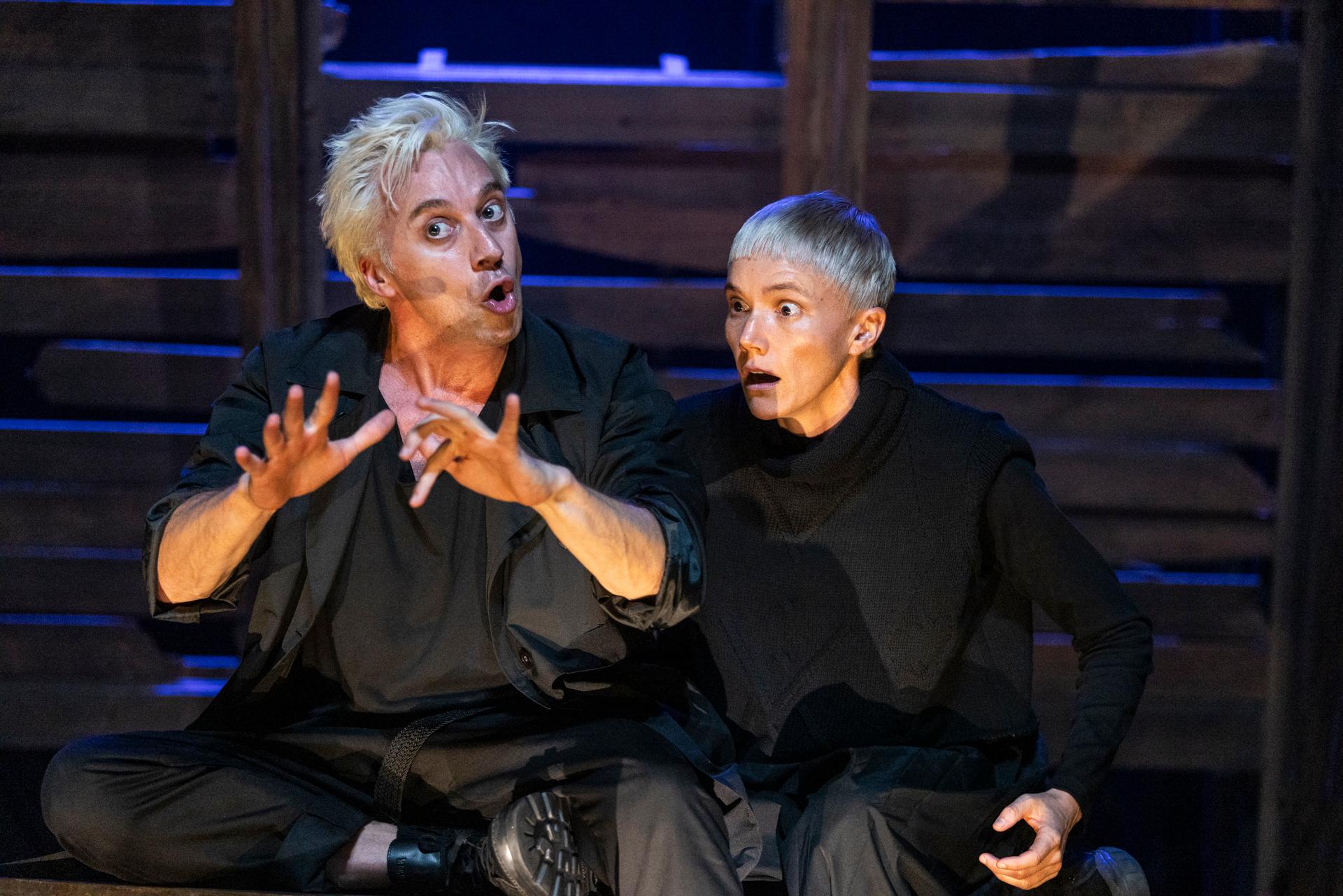
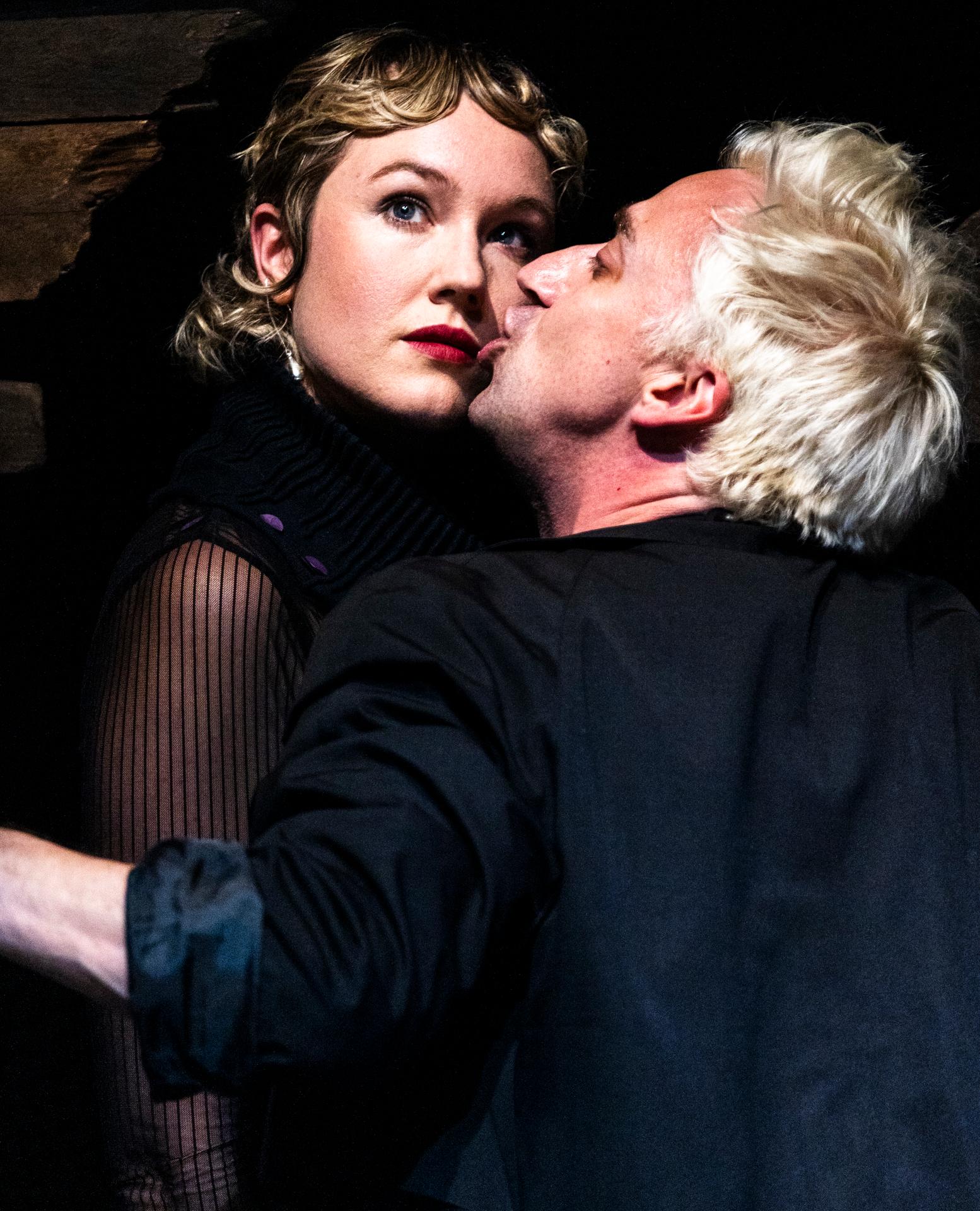
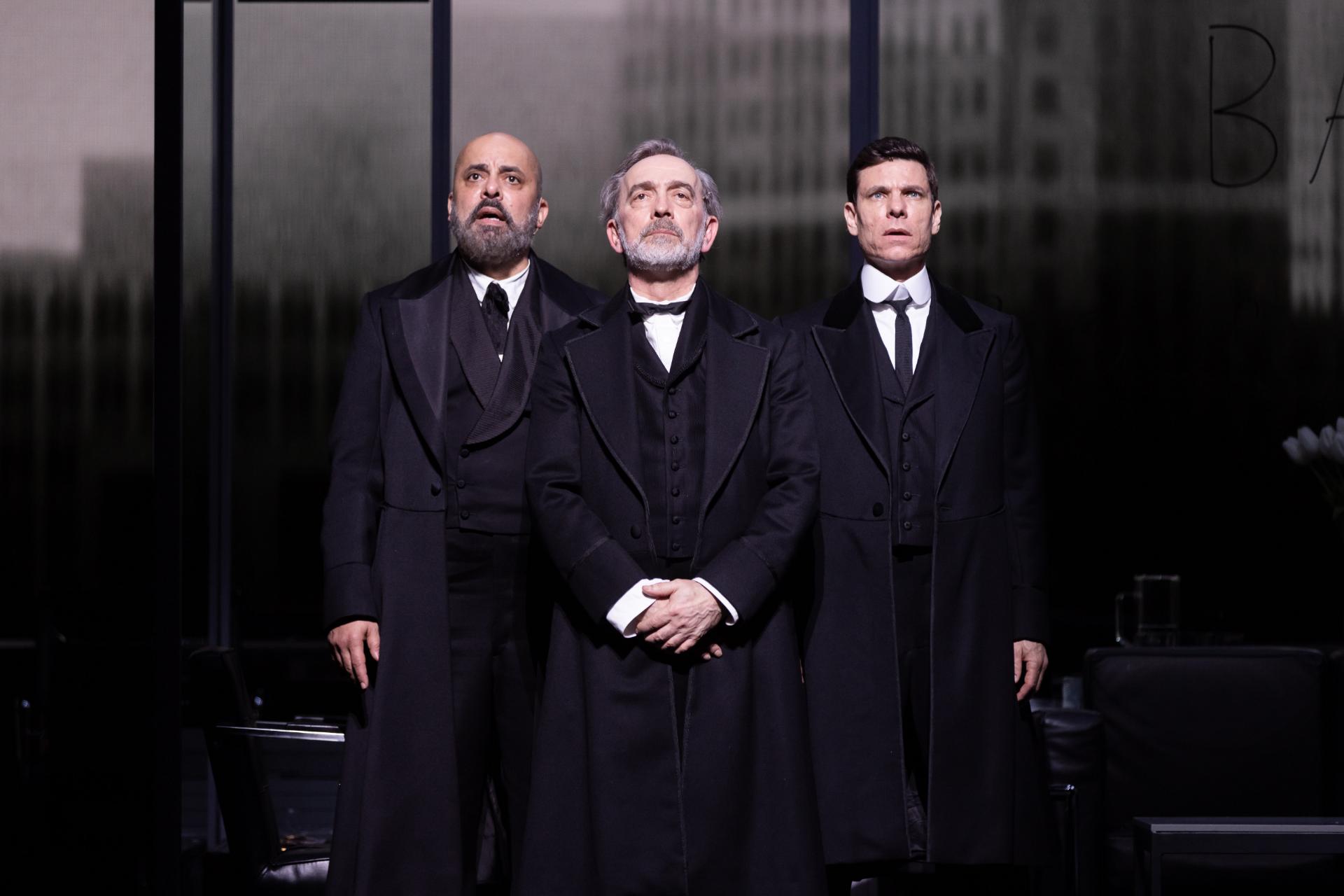
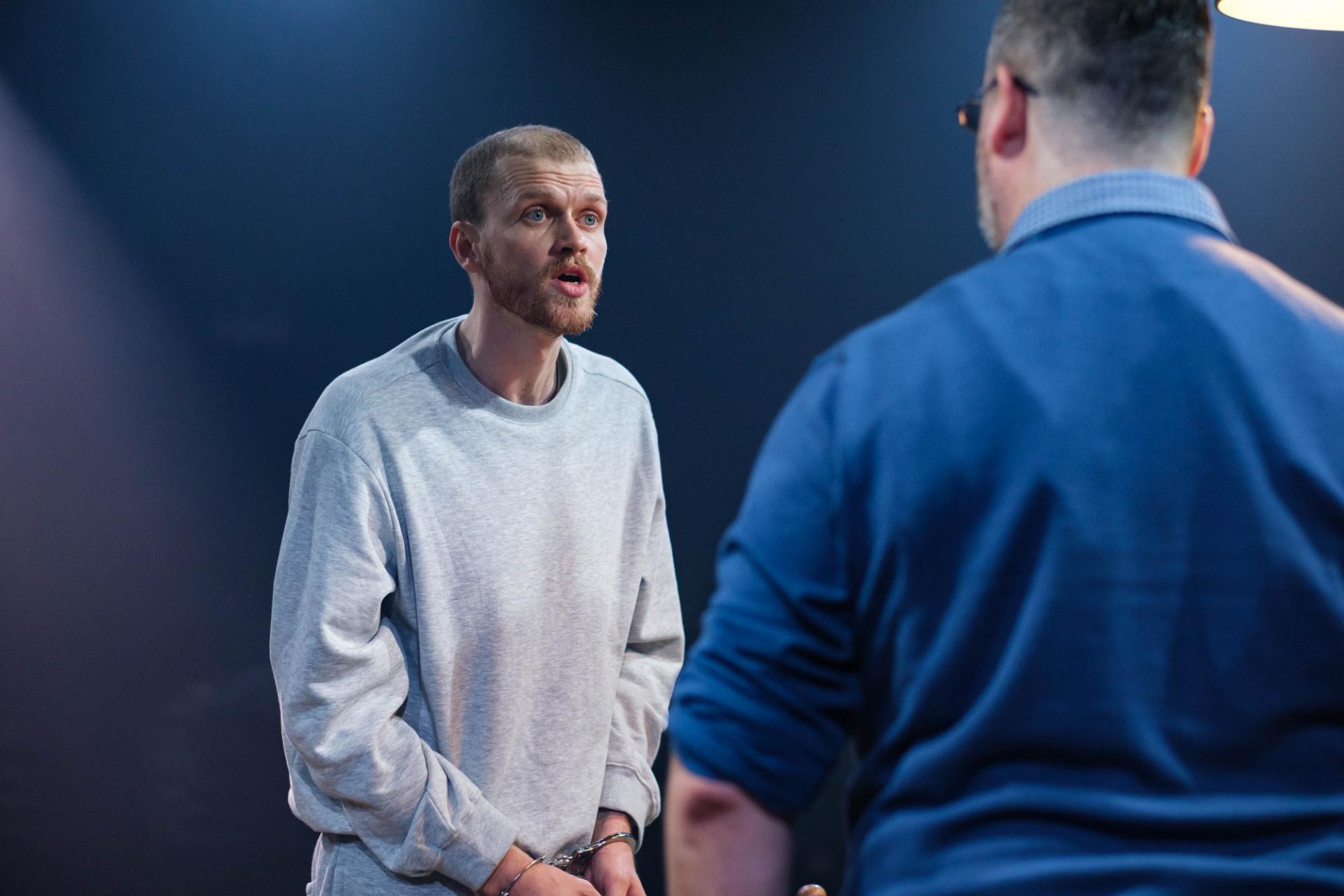
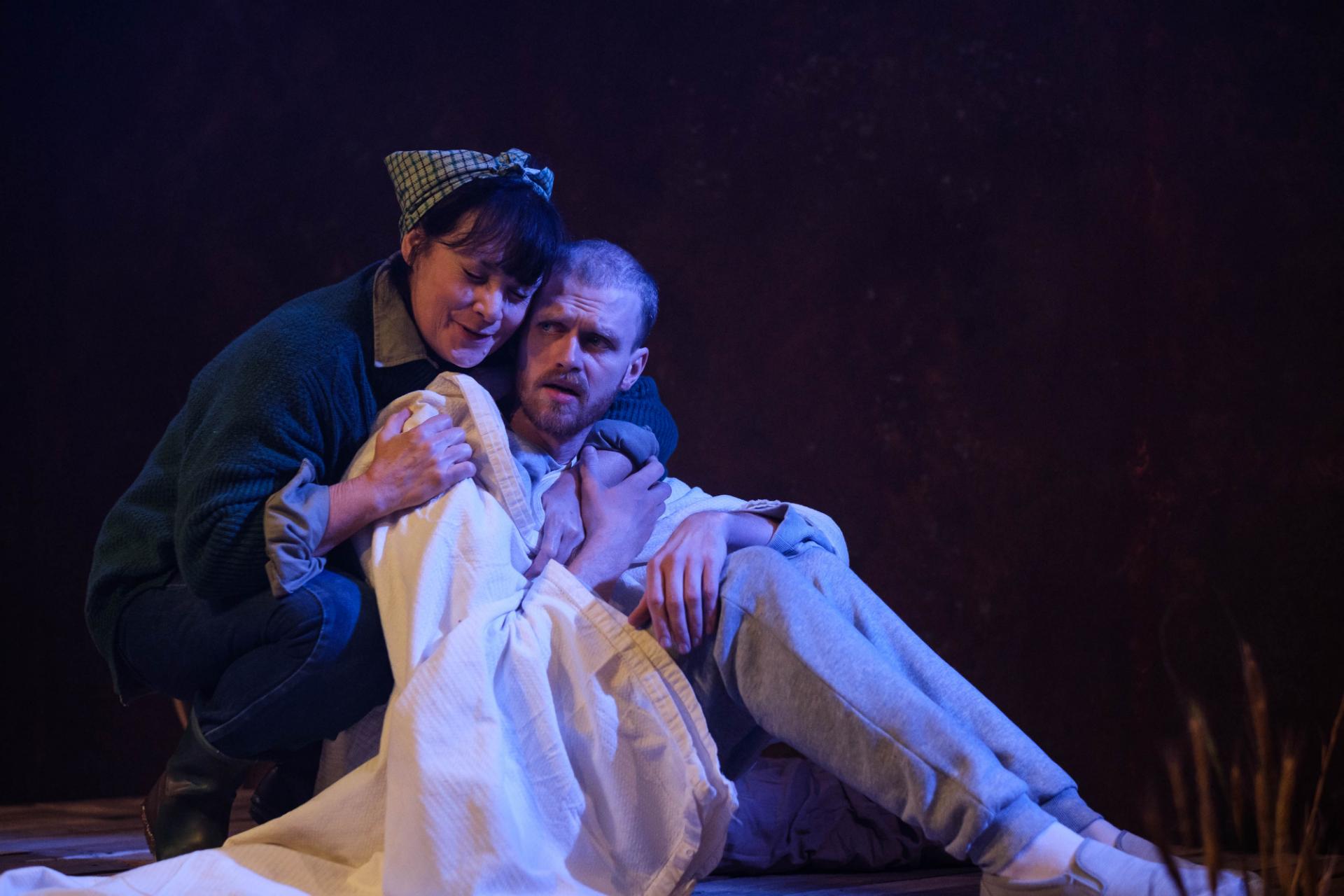
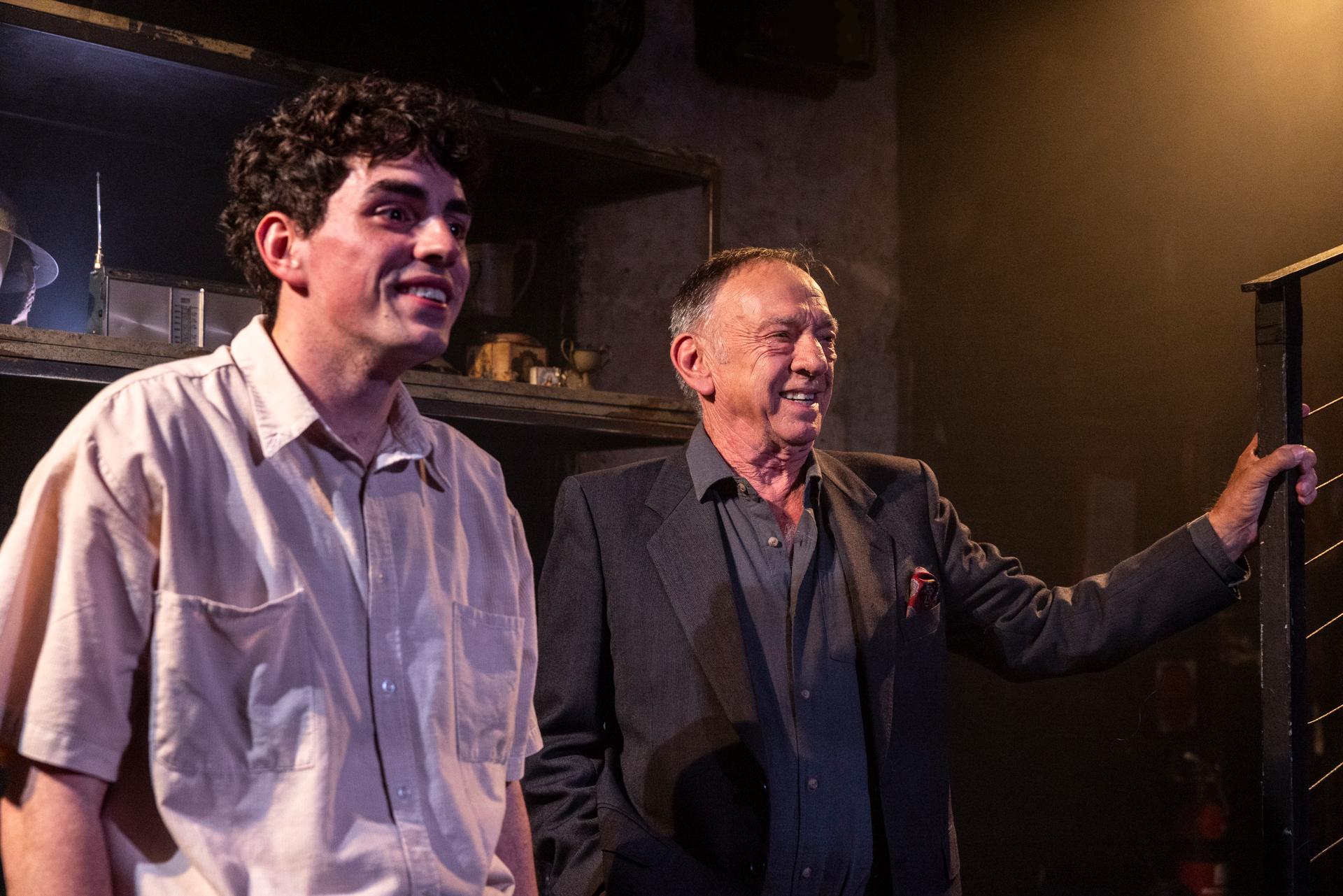
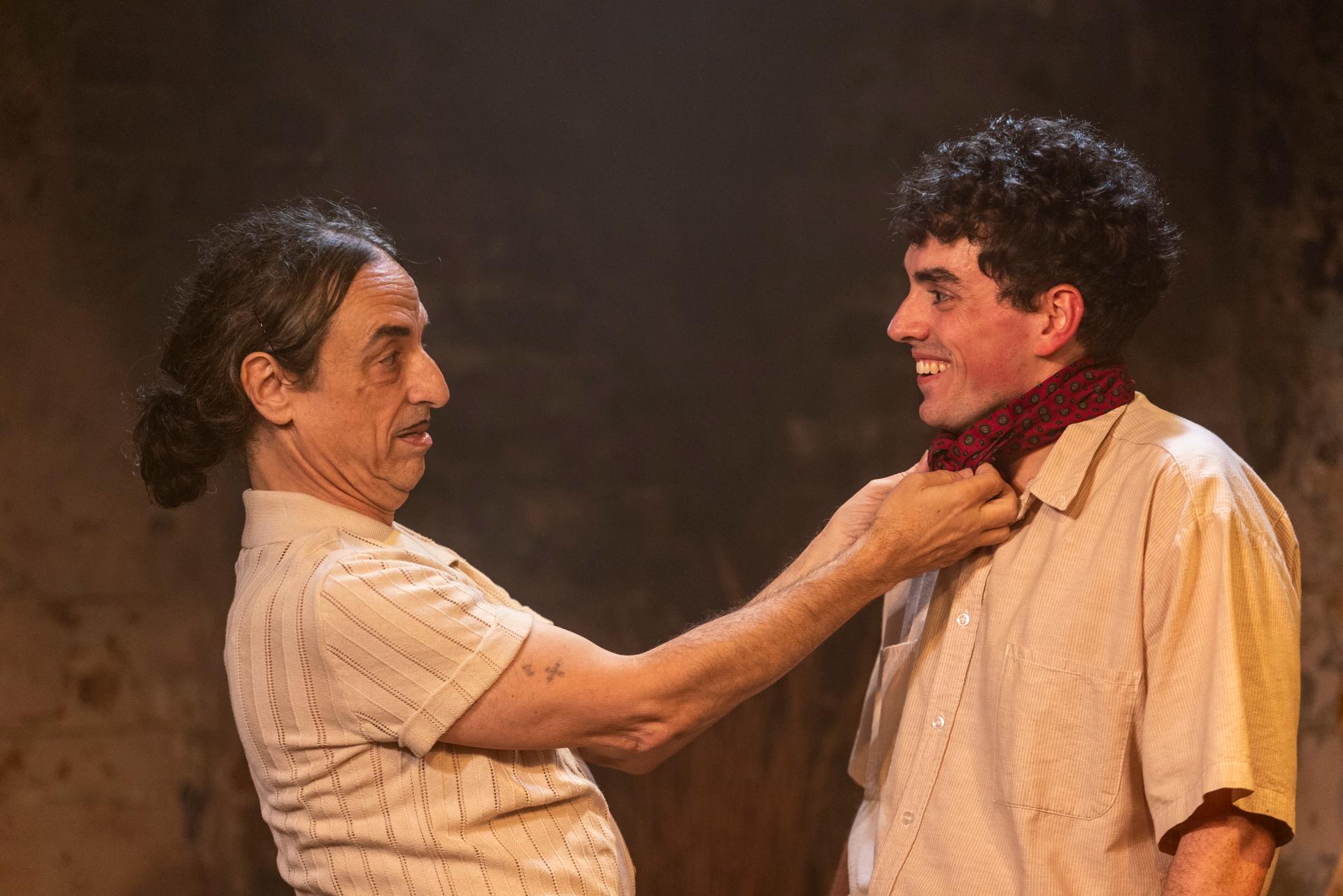
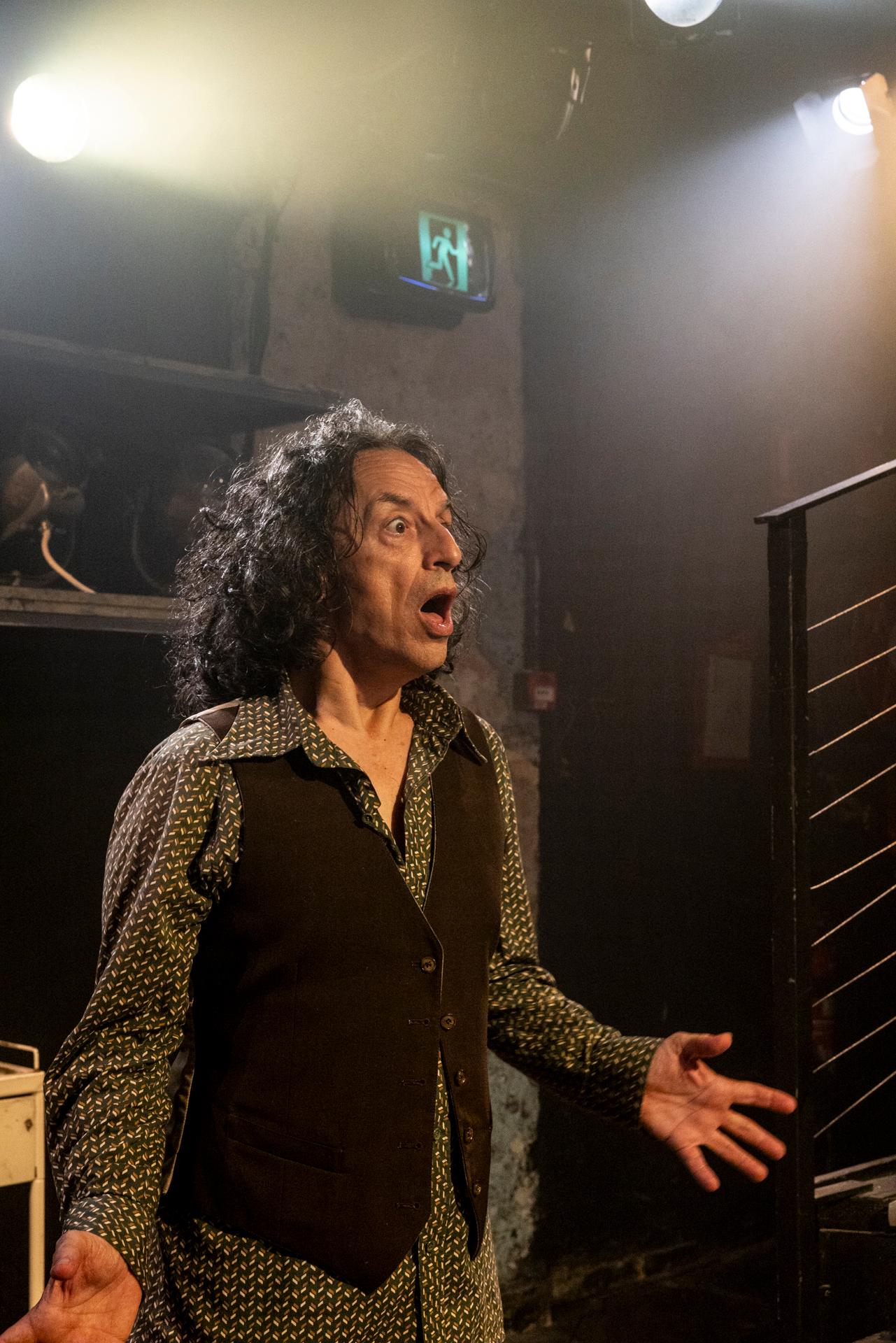
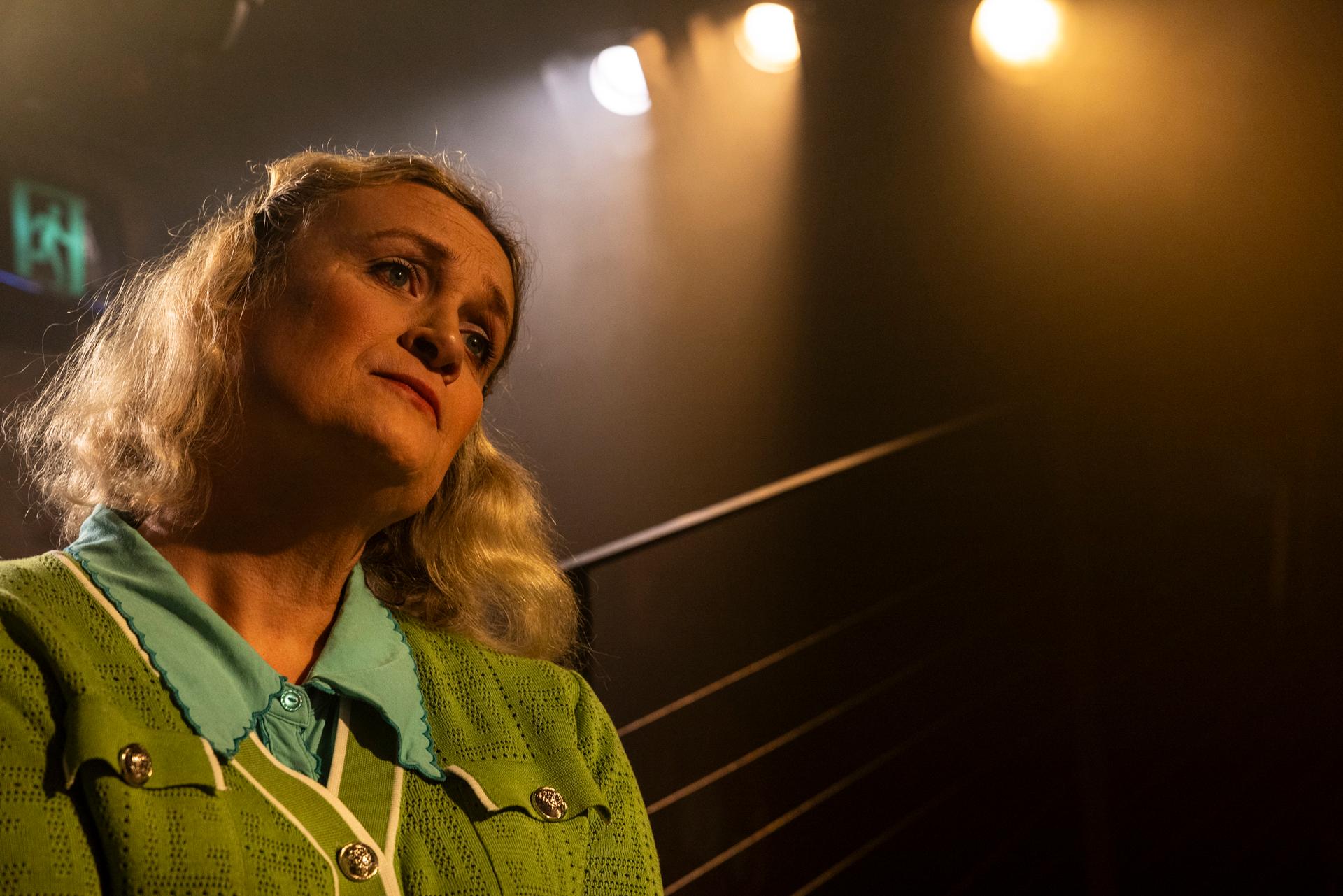
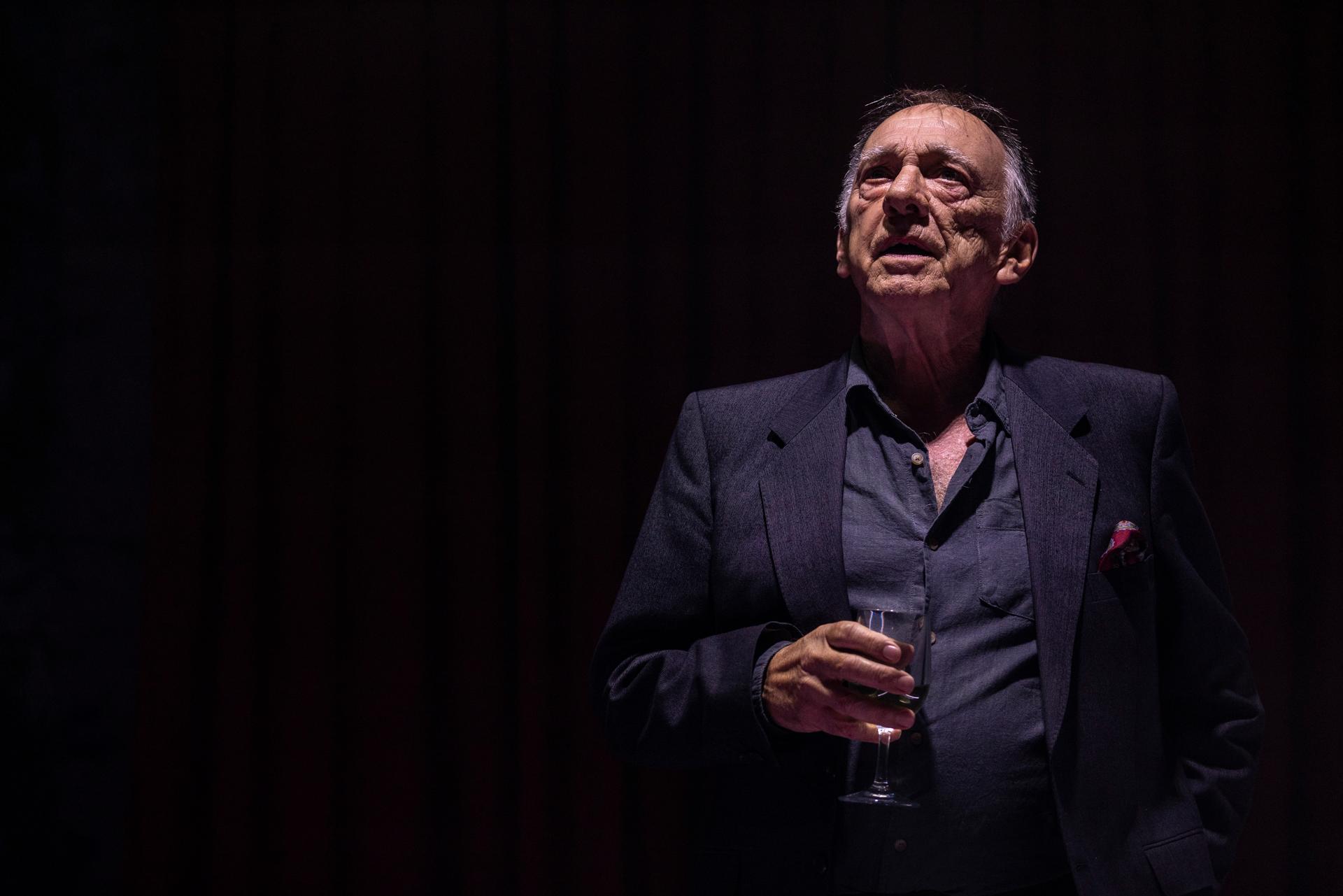
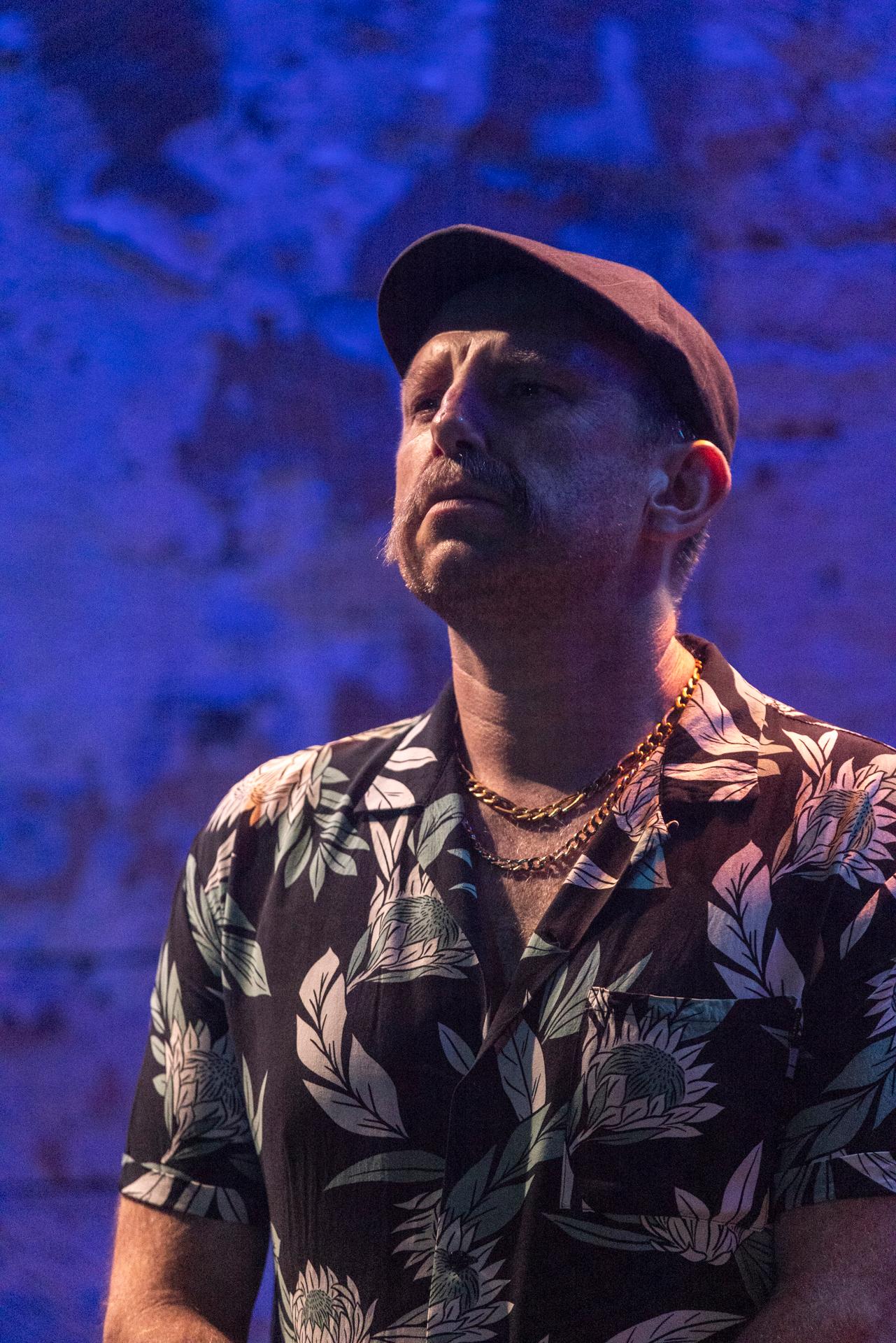
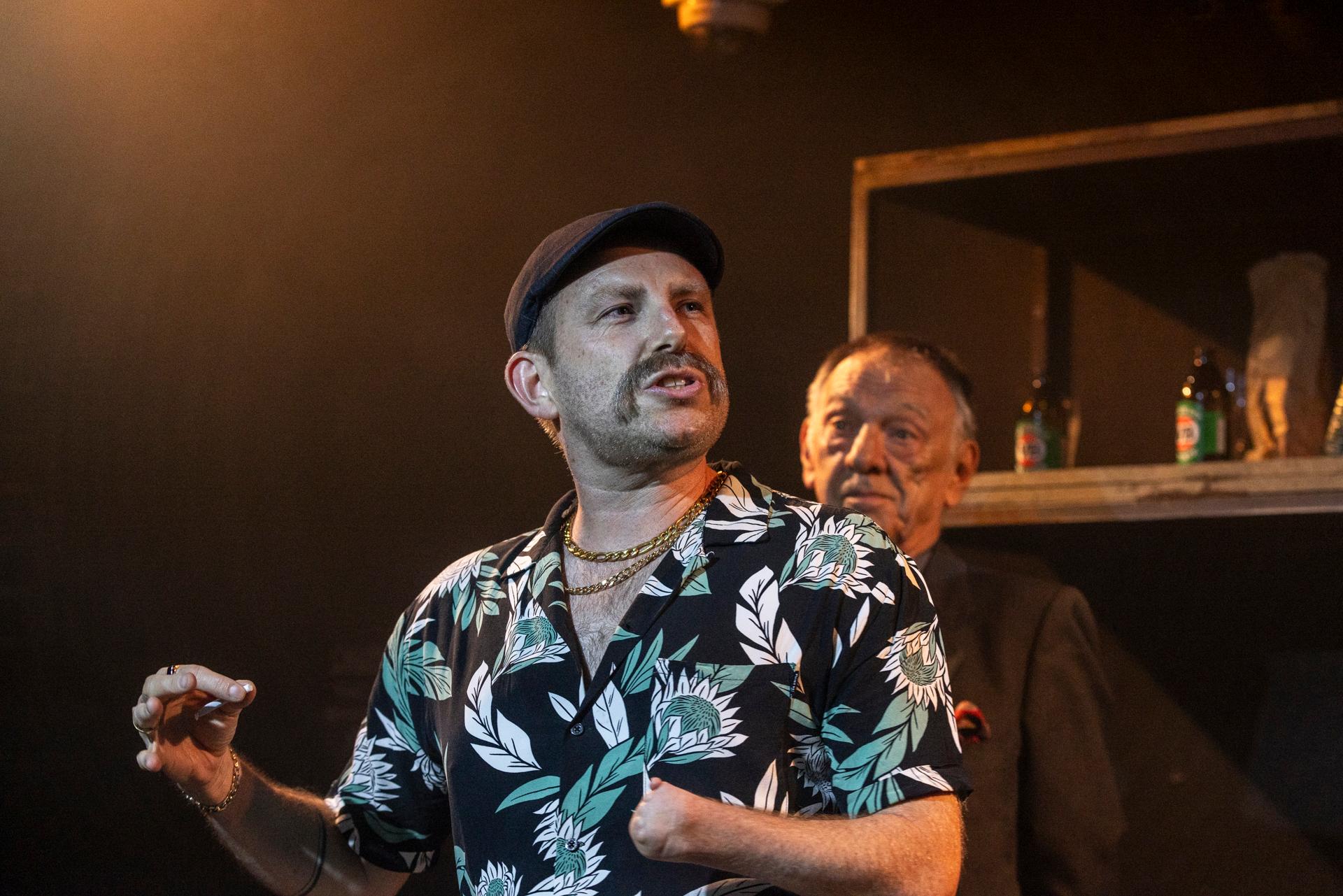
As performer, Alipoor’s august presence maintains a believability for his material, which he offers with great conviction, in a somewhat instructional style. The previously mentioned Emami charms the audience with his personal anecdotes, delivered with exceptional affability, in sections of the show that feel more accessible. Asha Reid, completely convincing in the role of a podcaster, impresses with the velocity and precision, with which she attacks the density of the text, written by Alipoor and Chris Thorpe.

In watching Things Hidden Since the Foundation of the World, one experiences something that can probably de described as the visceral effects of knowing. This happens with so much of art, when our brains feel like they might be drawing a blank, but other aspects of our corporeality go through their own processes of ingestion and interpretation. With time, we discover a certain growth, one that might appear much later than perhaps anticipated. The nature of knowledge might be deeply byzantine, but within this existence, there are few things more gratifying, than when we know.
www.nationaltheatreofparramatta.com.au | www.homemcr.org

Review: The Lonesome West (Old Fitz Theatre)

Venue: Old Fitzroy Theatre (Woolloomooloo NSW), Jan 13 – Feb 10, 2024
Playwright: Martin McDonagh
Director: Anna Houston
Cast: Lee Beckhurst, Andre de Vanny, Ruby Henaway, Abe Mitchell
Images by Saz Watson

Theatre review
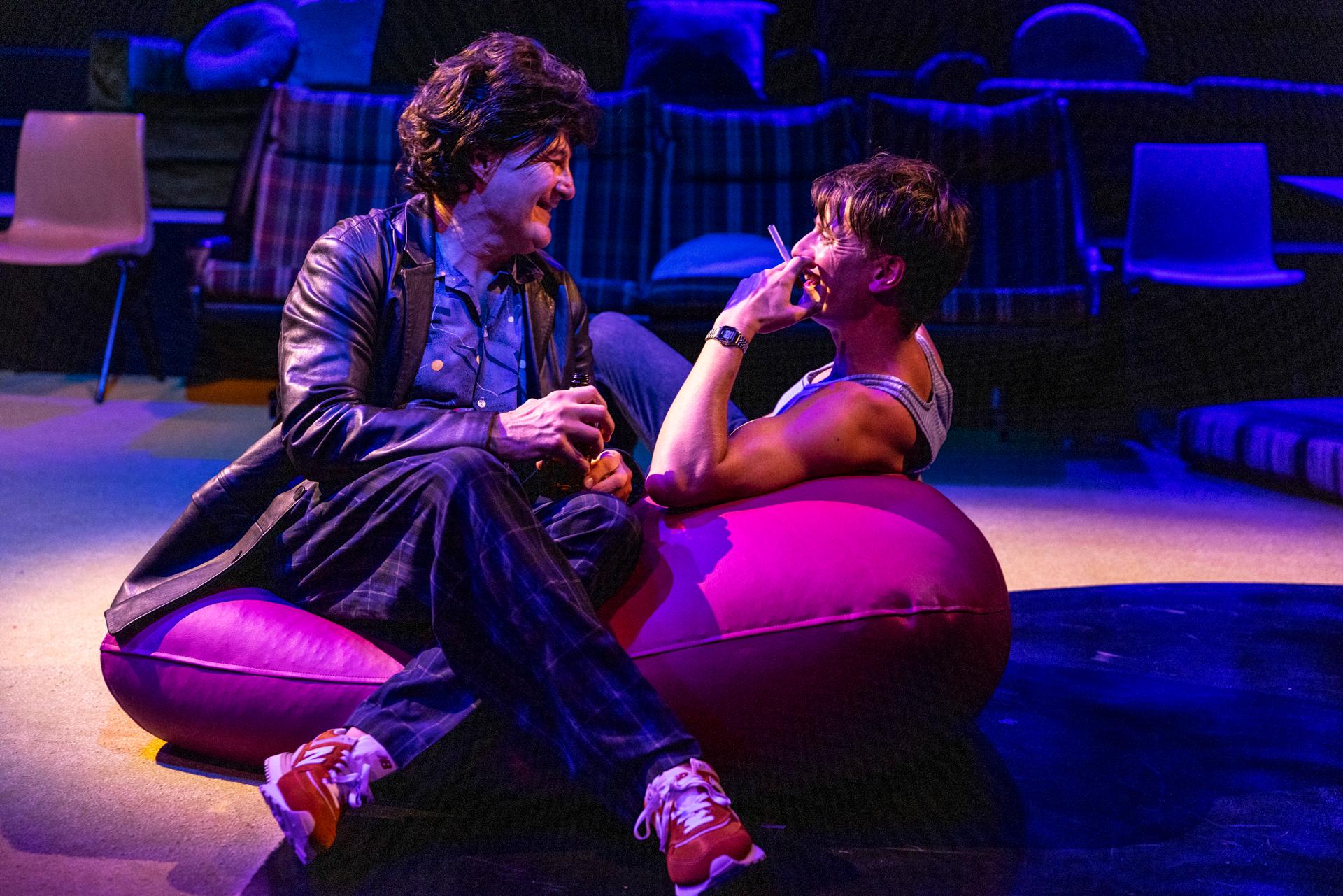
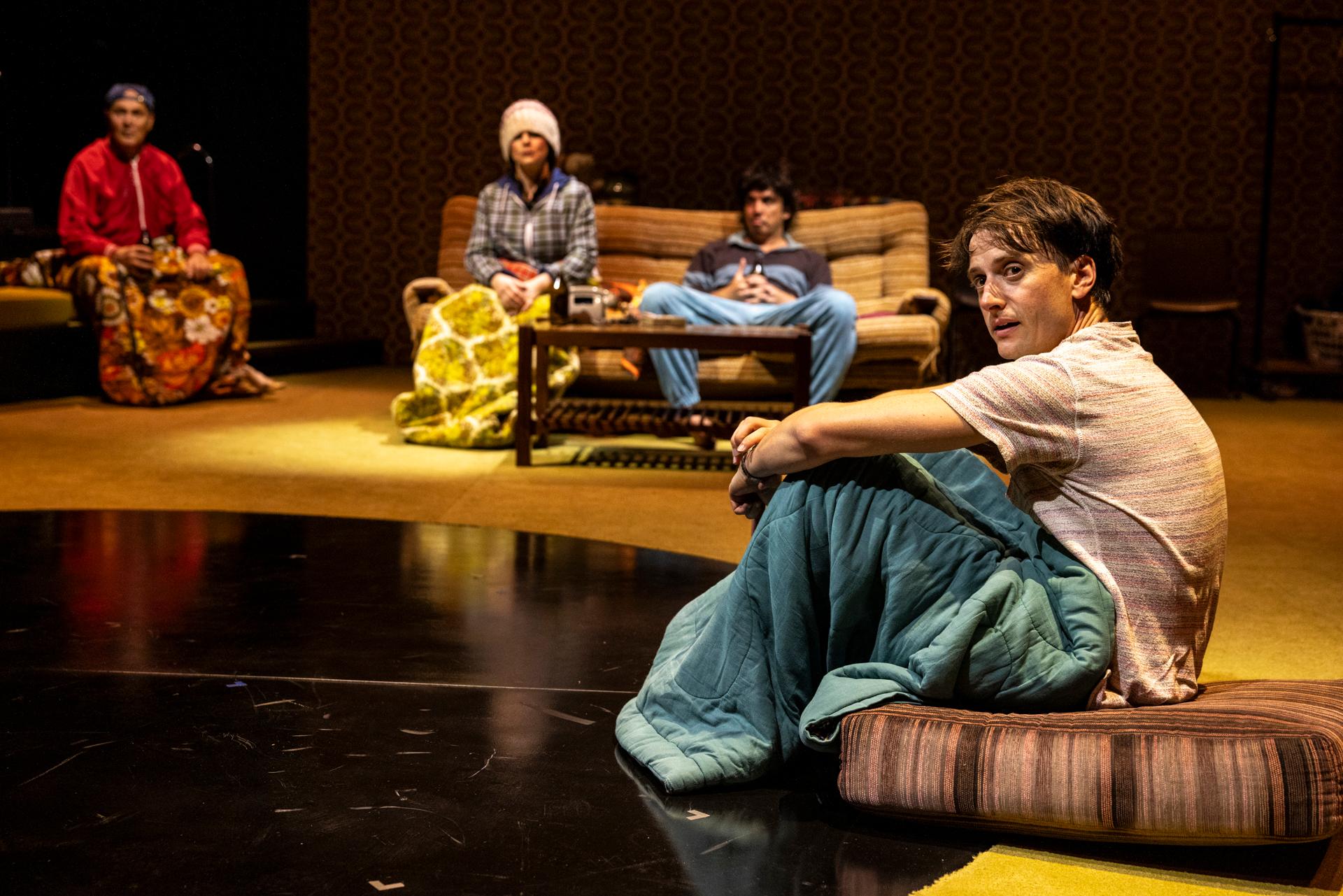
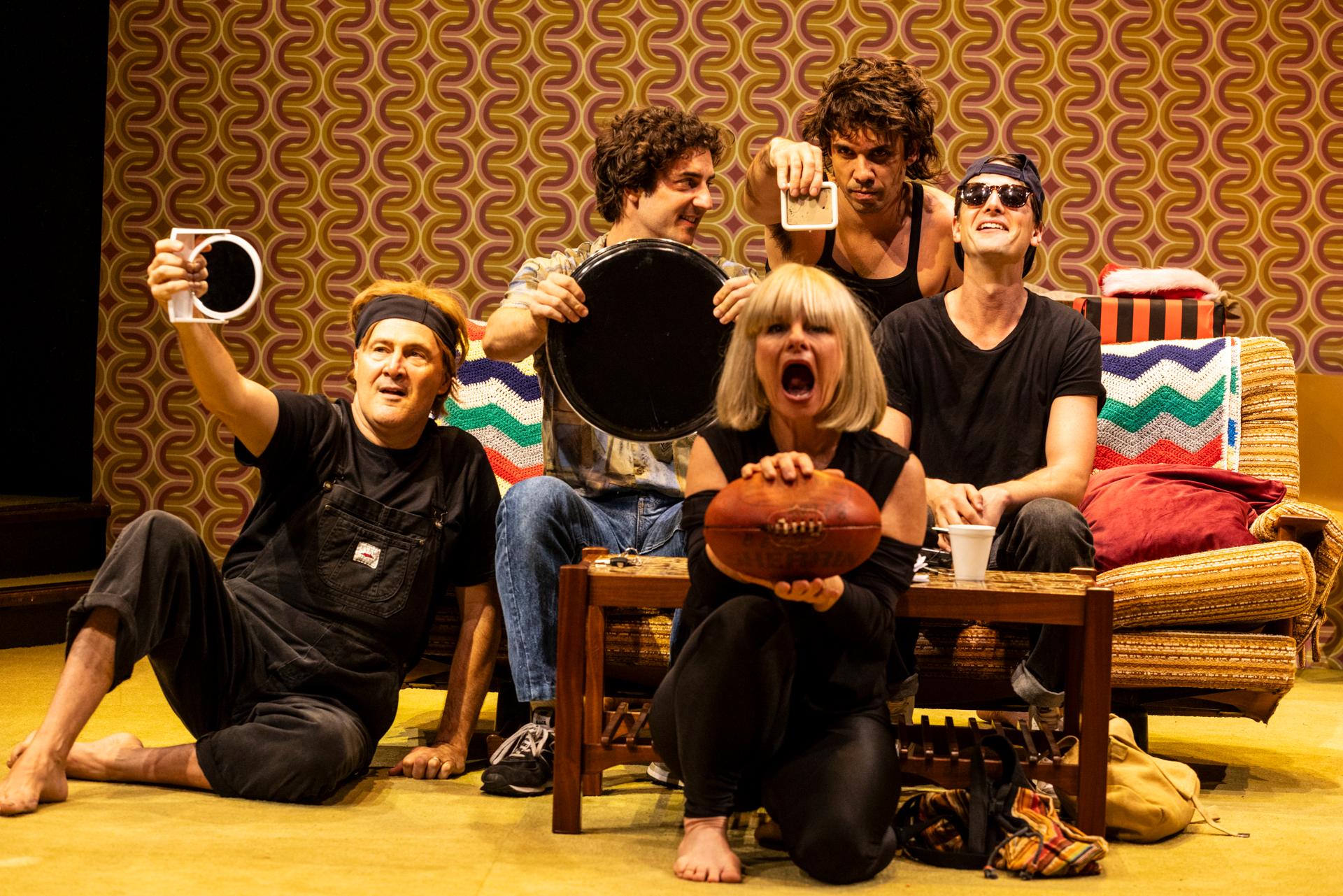
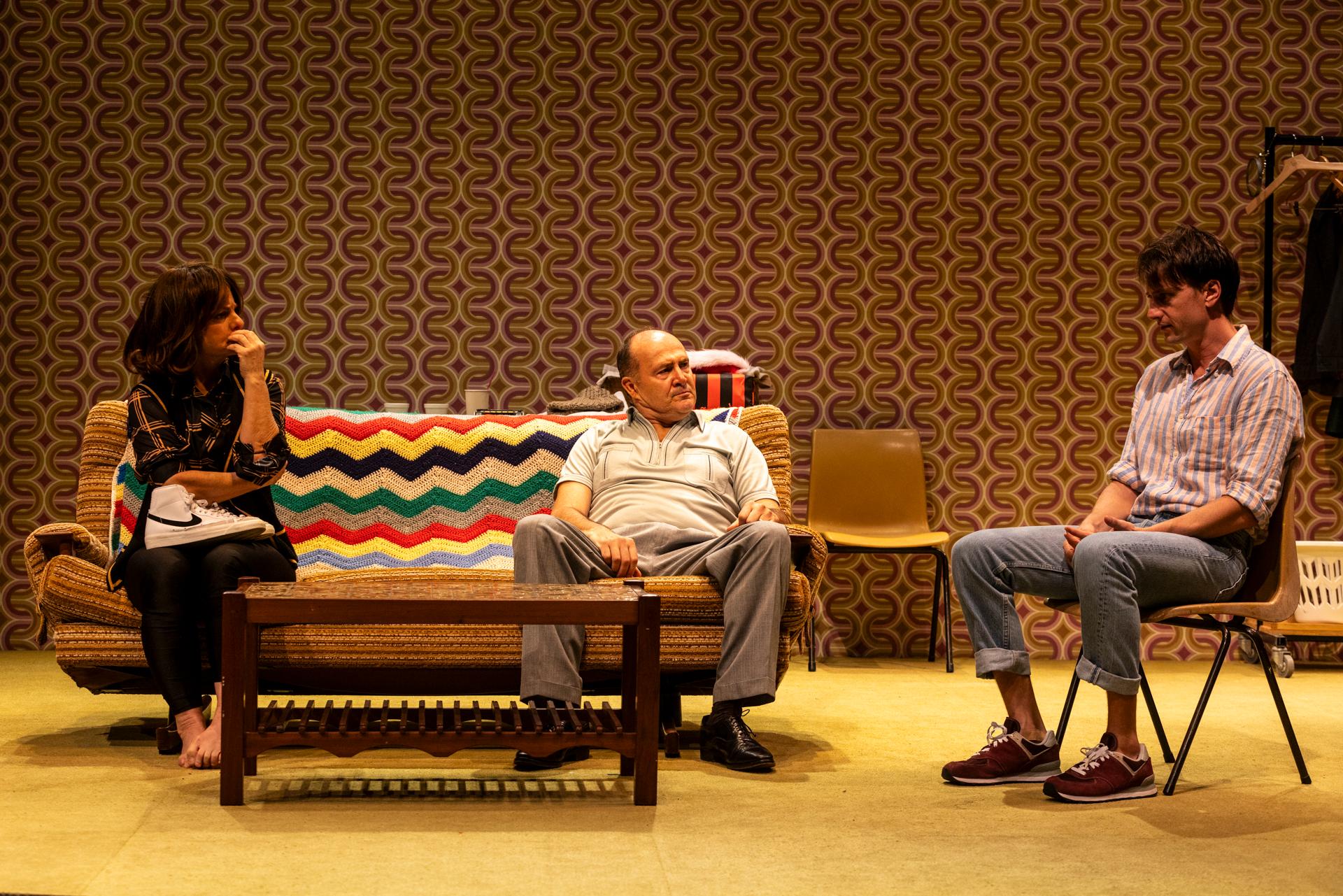
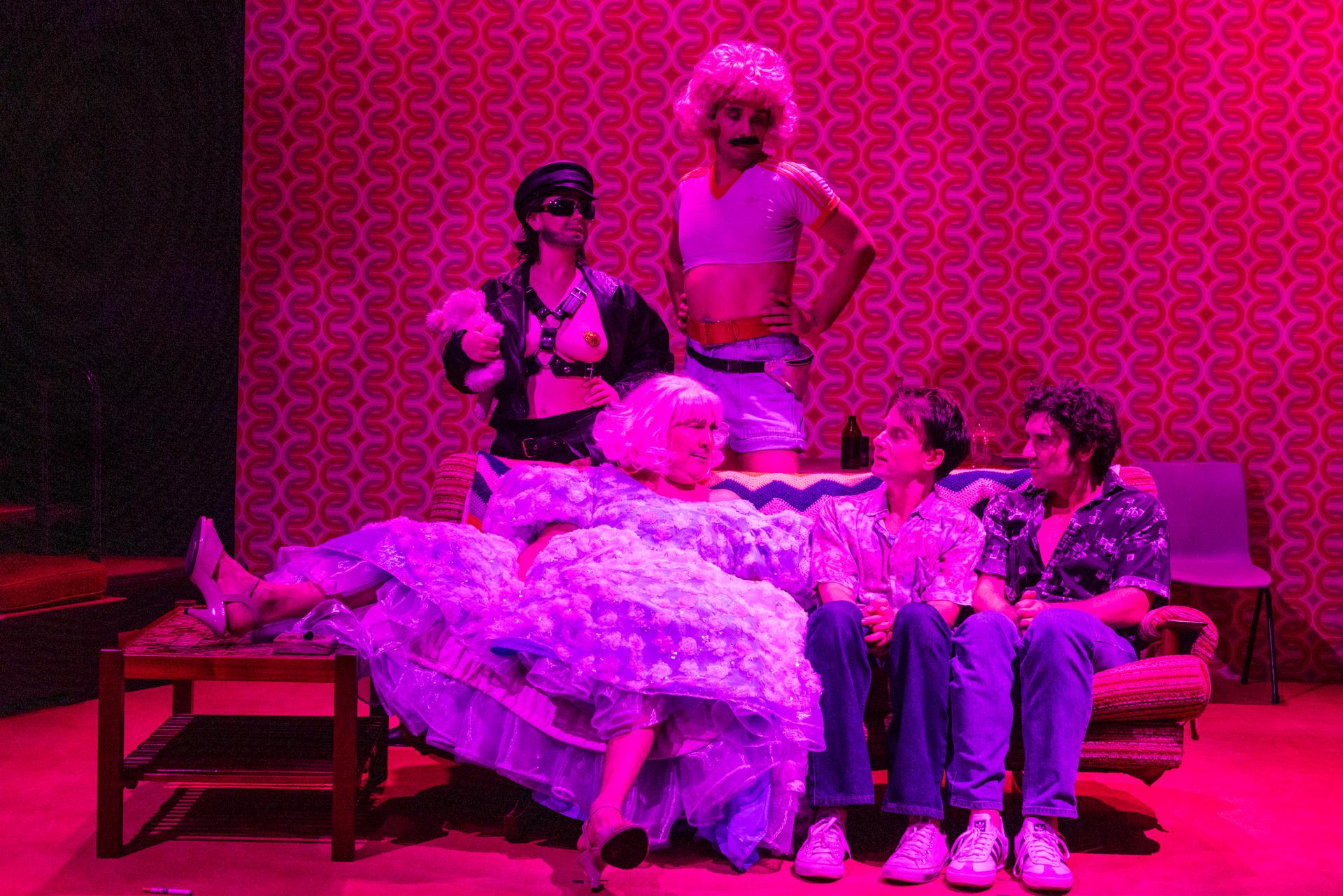
Coleman and Valene are brothers who fight all day, over the pettiest of things like crisps and religious figurines. Local priest Father Welsh is at the end of his wits, trying to be peacemaker, whilst fulfilling his duties for a parish that seems to be beyond redemption. Martin McDonagh’s 1997 play The Lonesome West is set in the western Irish town of Leenane, where resources are limited, and hope even more scarce. The humour is absurd and very dark, about a couple of ne’er-do-wells who never hesitate to use language that is misogynist, homophobic and racist. Contemporary audiences might find those instances quite jarring, but the fact remains, that we are not supposed to ever regard the men as anything but undesirables.
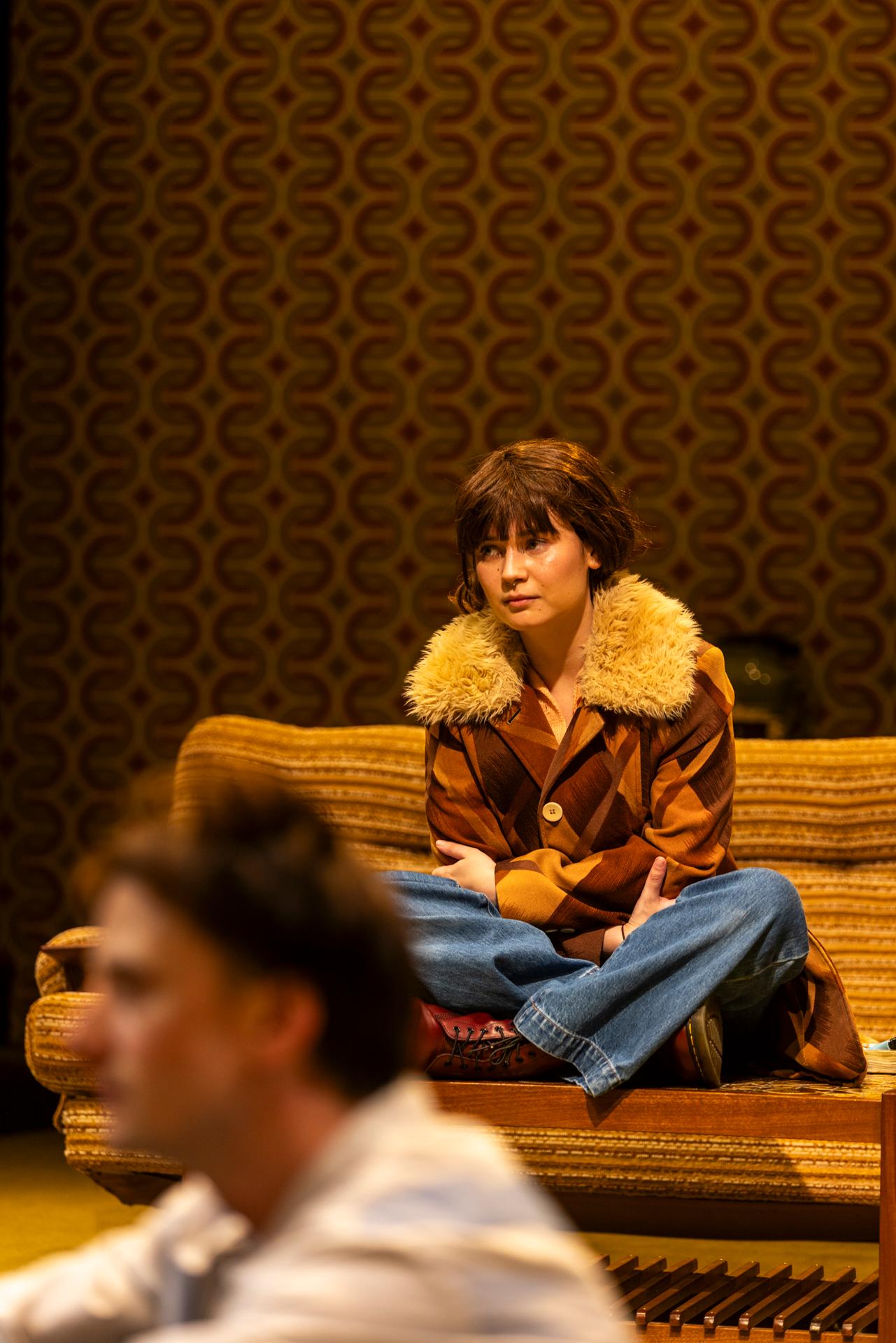
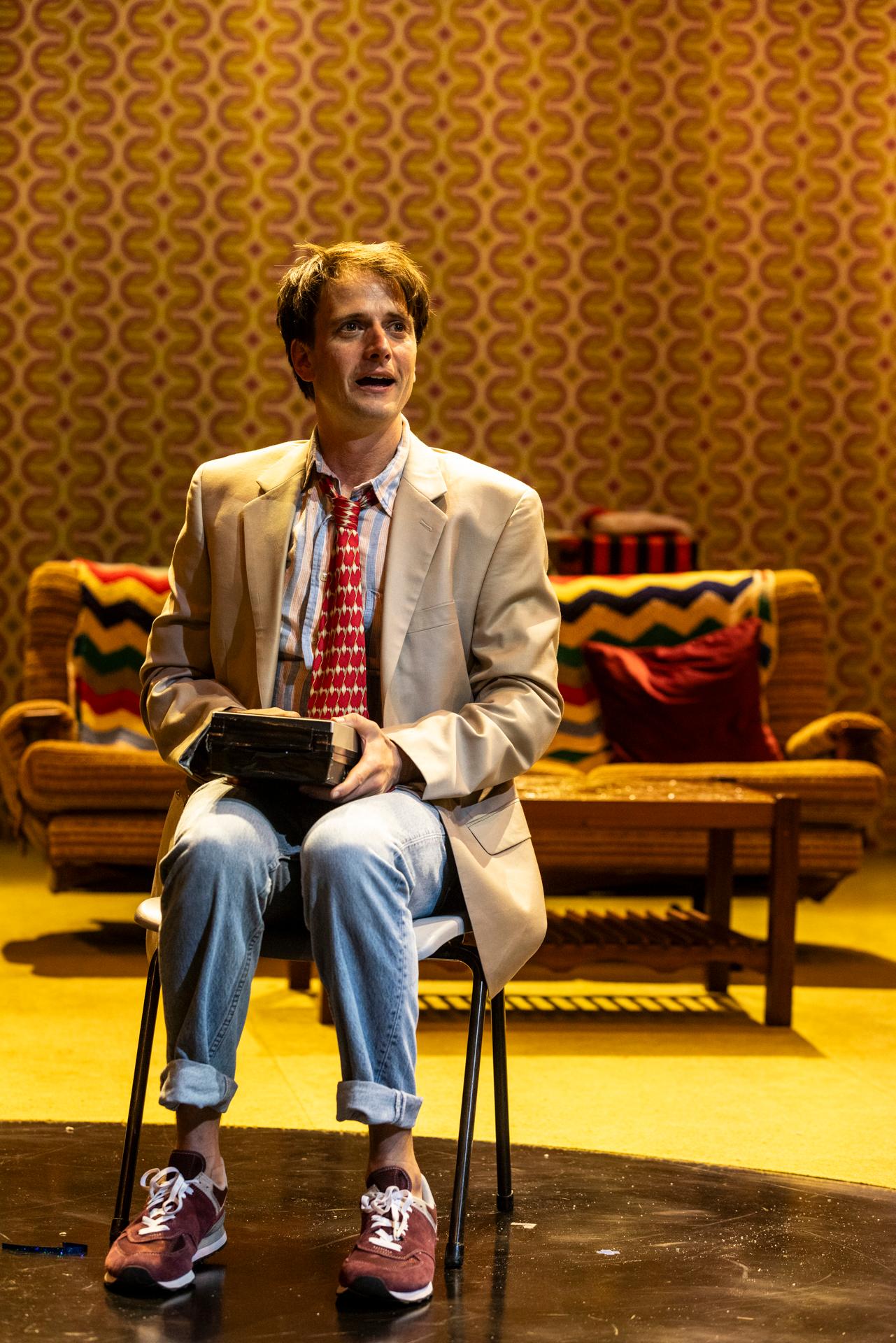
Directed by Anna Houston, the show is relentlessly hilarious, never missing a beat with its comedy. Whether broad or nuanced, Houston goes into remarkable detail, in order that the theatrical experience is persistently engrossing and rib-tickling. Her cast rises to every challenge, keeping us thoroughly enthralled for the surprisingly swift two-and-a-half hour duration.
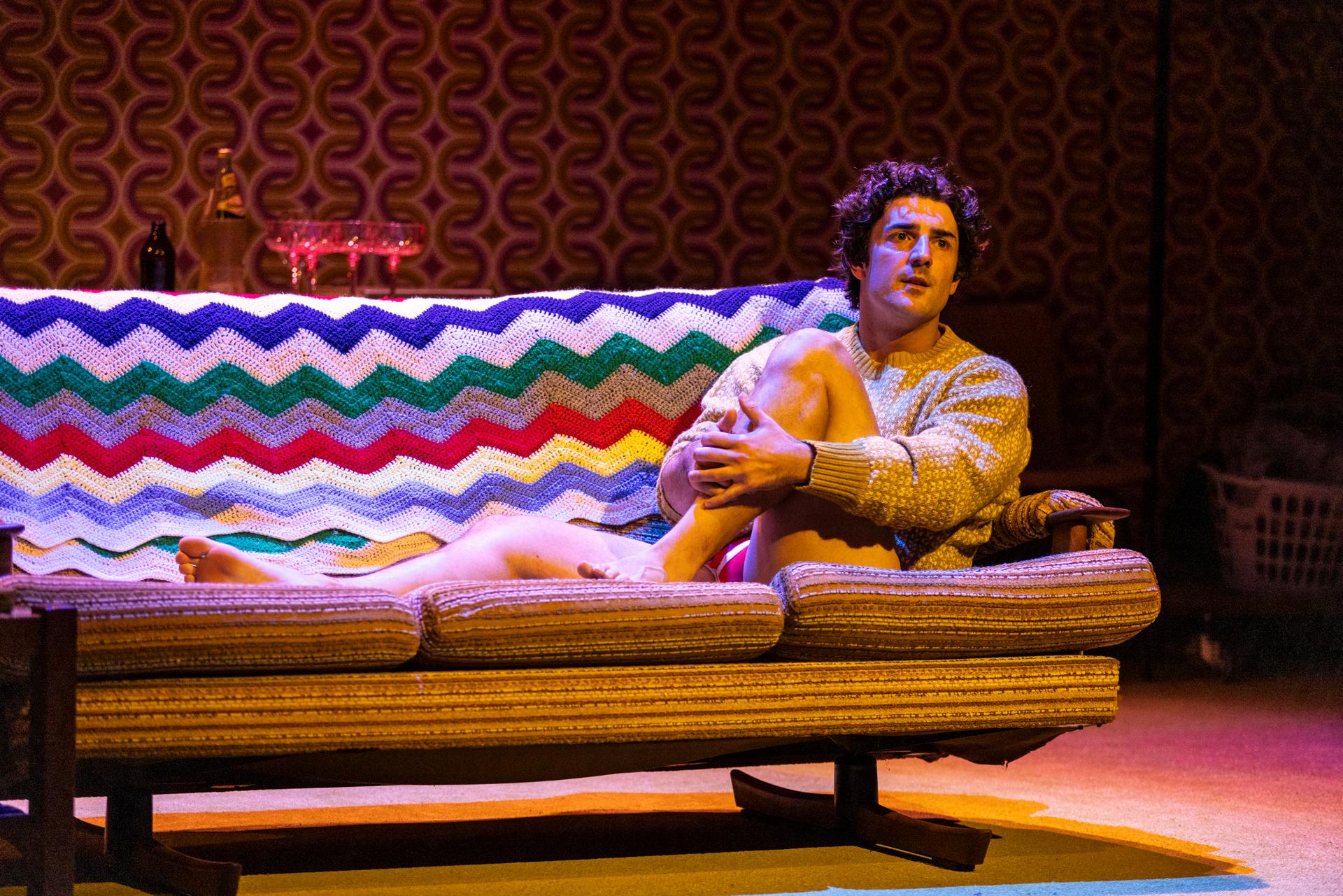
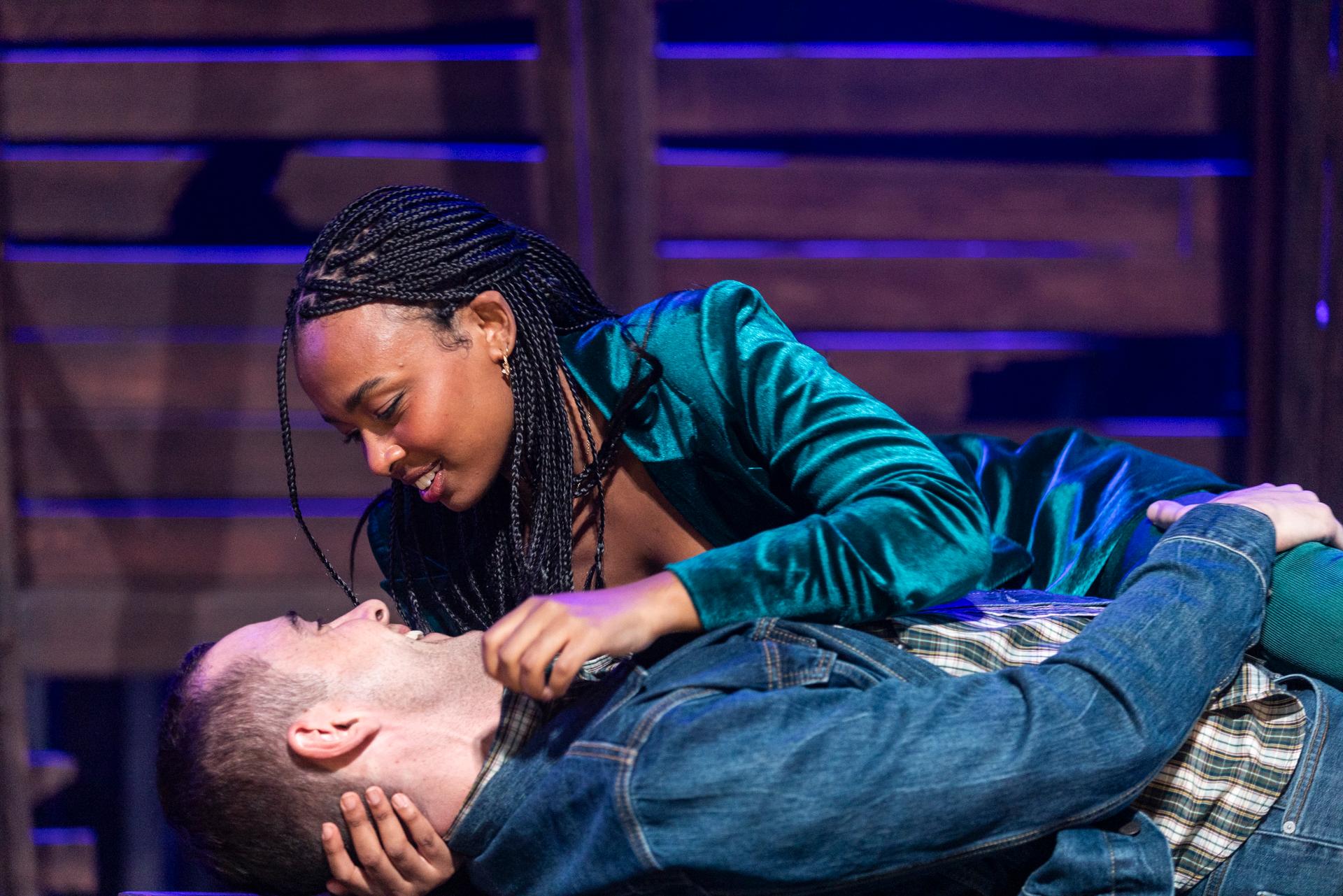
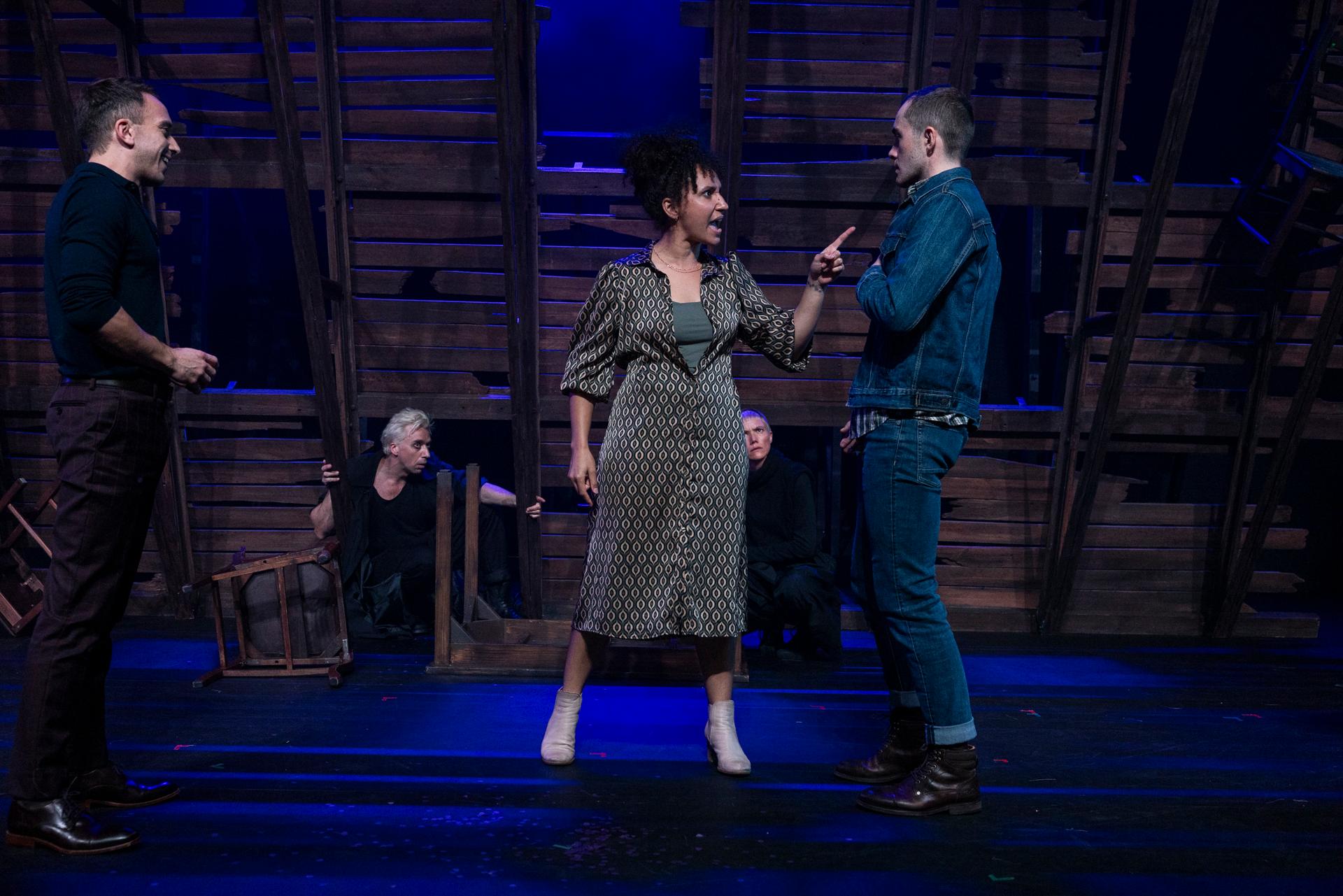
Andre de Vanny is masterful in the role of Valene, delivering for the character every shade of human response, from naturalistic to bizarre, in his astonishing depictions of a parochial type. Coleman is played by Lee Beckhurst, whose acerbic approach makes for a thrilling rendition of a despicable yet charismatic personality. The pair’s ignitable chemistry and flawless timing, ensure that we are always amused, even if The Lonesome West takes place somewhere quite alien to where we are, in our here and now. Additional performers Ruby Henaway and Abe Mitchell demonstrate great dedication, as they each bring meaning, as well as amusement, to their respective parts.

Set and costumes by Kate Beere offer a sense of accuracy to whom and where we visit, giving further visual resonance to the storytelling. Lights by Spencer Heard, along with music by Zachary Saric, provide subtle enhancements to the staging, very measured and intentional with every gesture they introduce to the action.
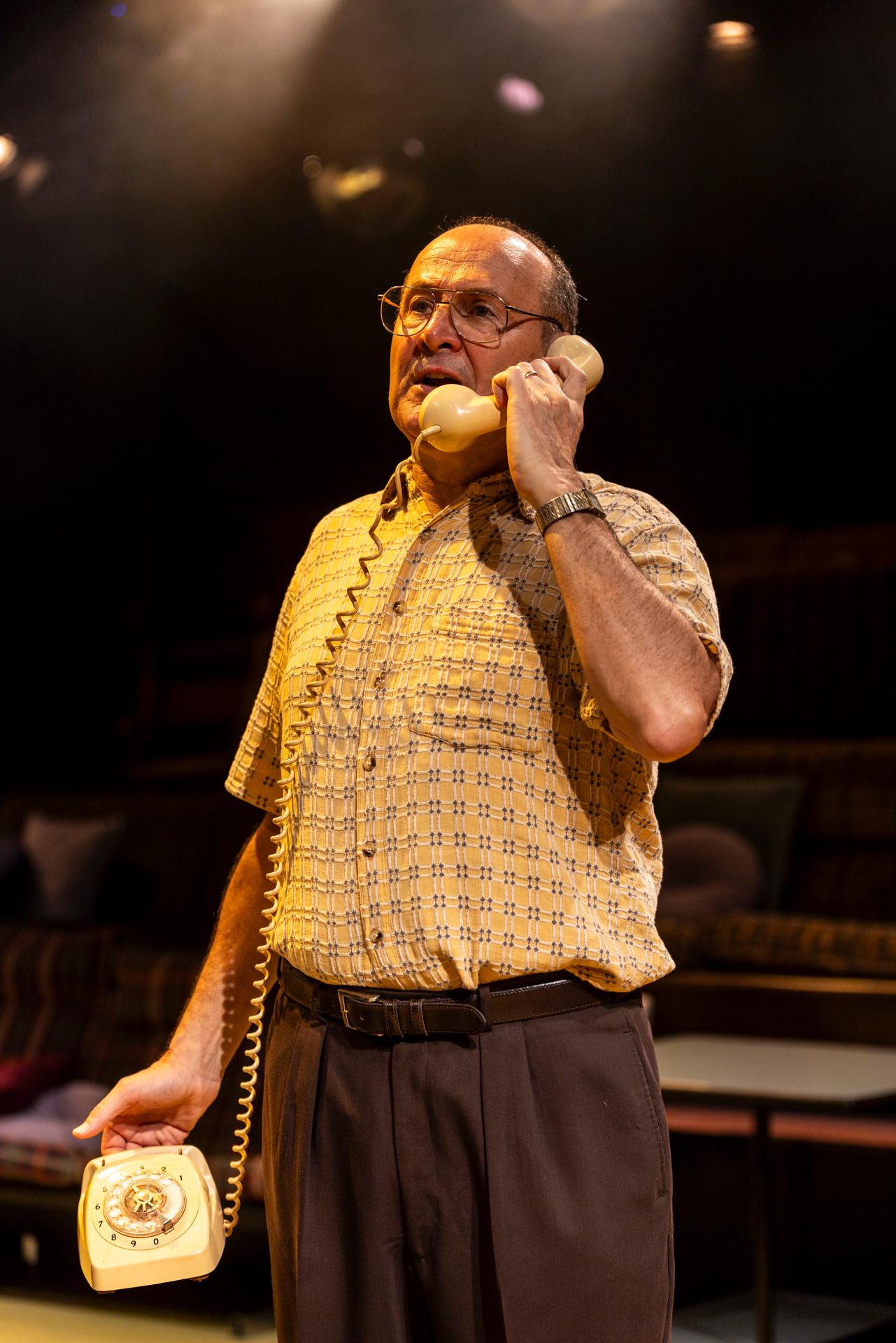
The essence of how people battle, and how our hate manifests, points to the unyielding self destructiveness of our very nature. Coleman and Valene are kin, but they can never stop finding ways to identify every point of discord and division, unable to be content with any notion of harmony and unity that should come naturally by virtue of their familial bond. Much of the comedy in The Lonesome West relies on the obvious stupidity of their war. If only it is quite as easy to laugh in real life, as we agonise every day, about all the annihilation we seem mercilessly determined to inflict on ourselves.

www.oldfitztheatre.com.au | www.empresstheatre.com.au

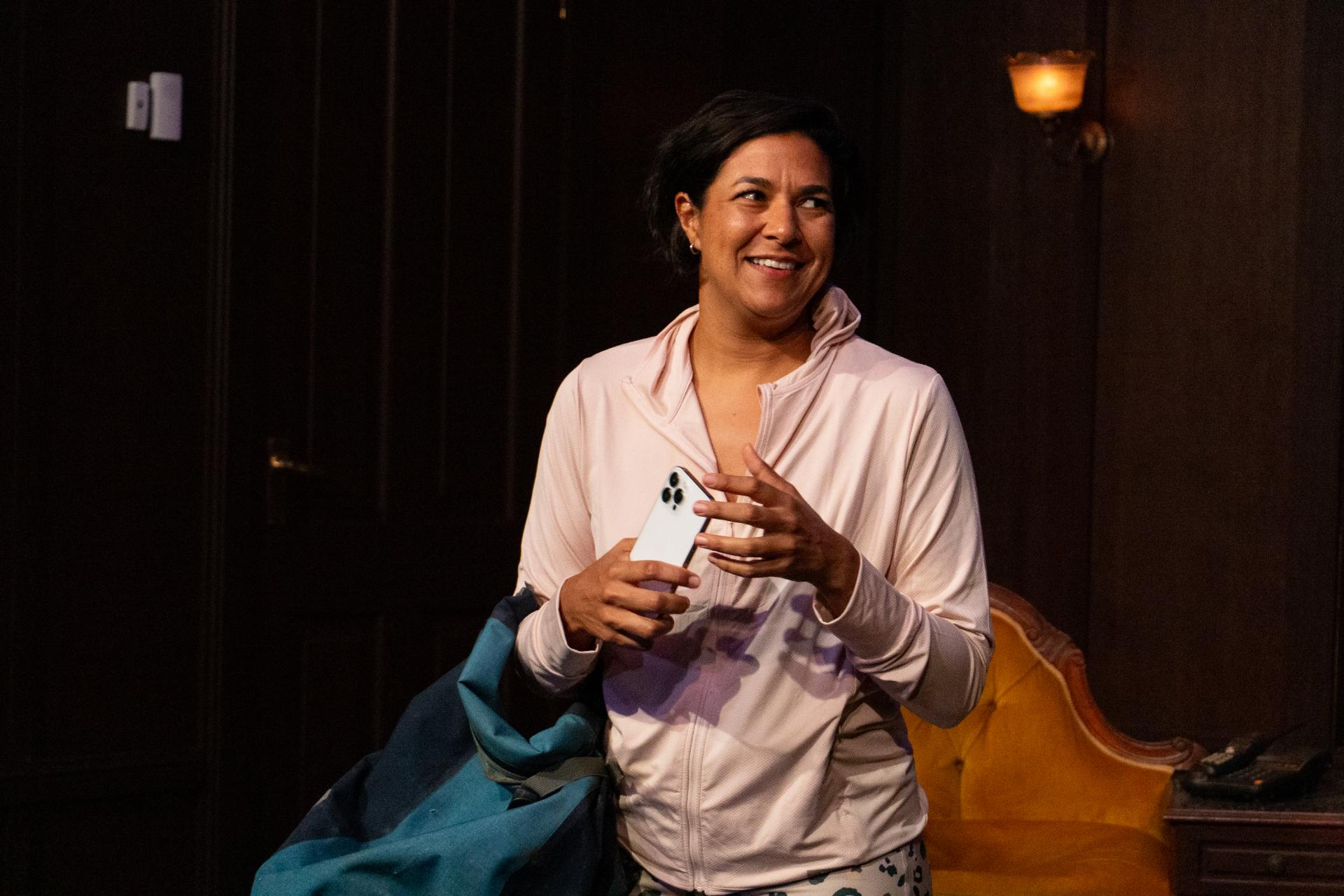
Review: Tiddas  (Belvoir St Theatre)

Venue: Belvoir St Theatre (Surry Hills NSW), Jan 12 – 28, 2024
Playwright: Anita Heiss
Directors: Nadine McDonald-Dowd, Roxanne McDonald
Cast: Lara Croydon, Sean Dow, Jade Lomas-Ronan, Nadine McDonald-Dowd, Roxanne McDonald, Anna McMahon, Perry Mooney
Images by Stephen Wilson Barker

Theatre review
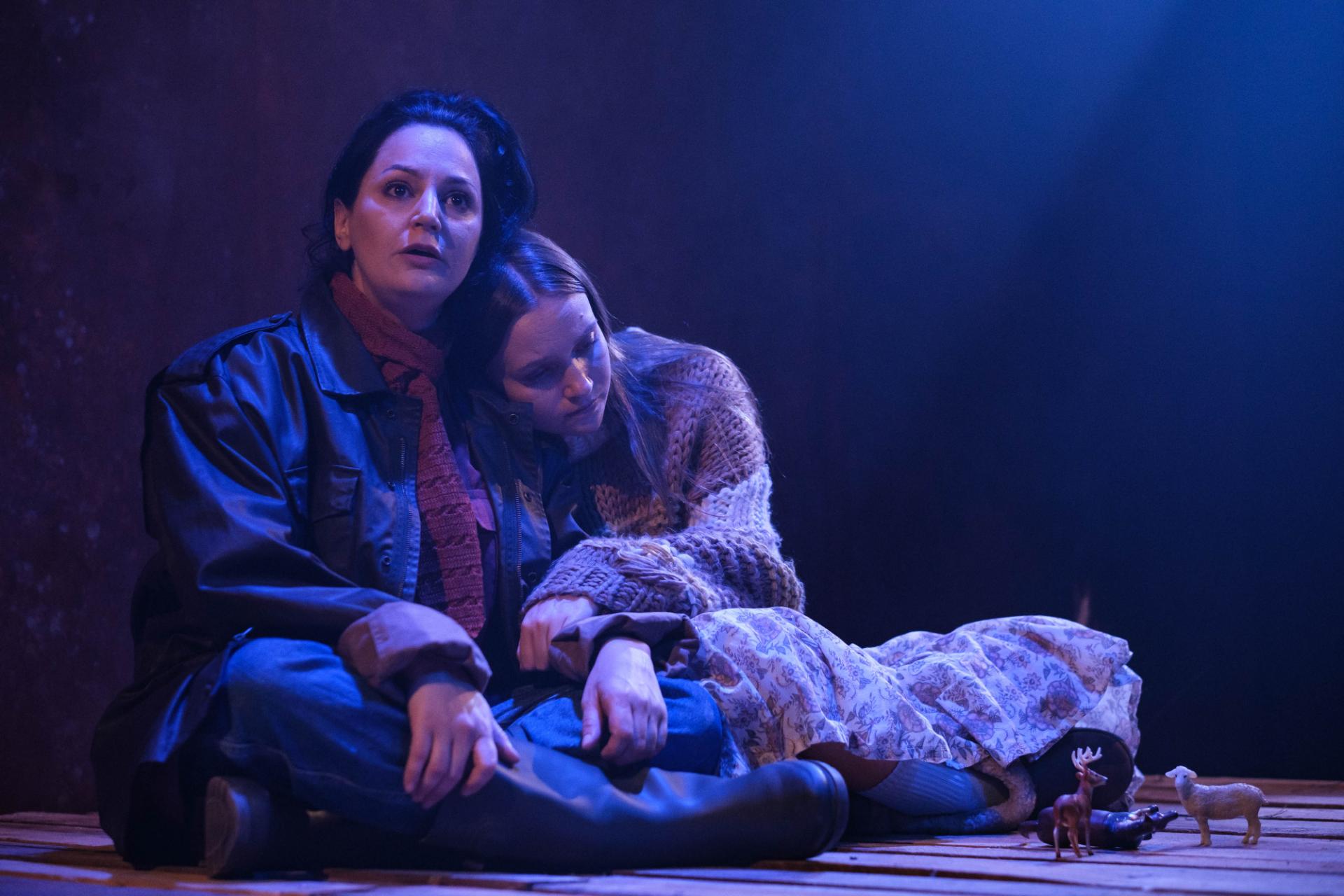
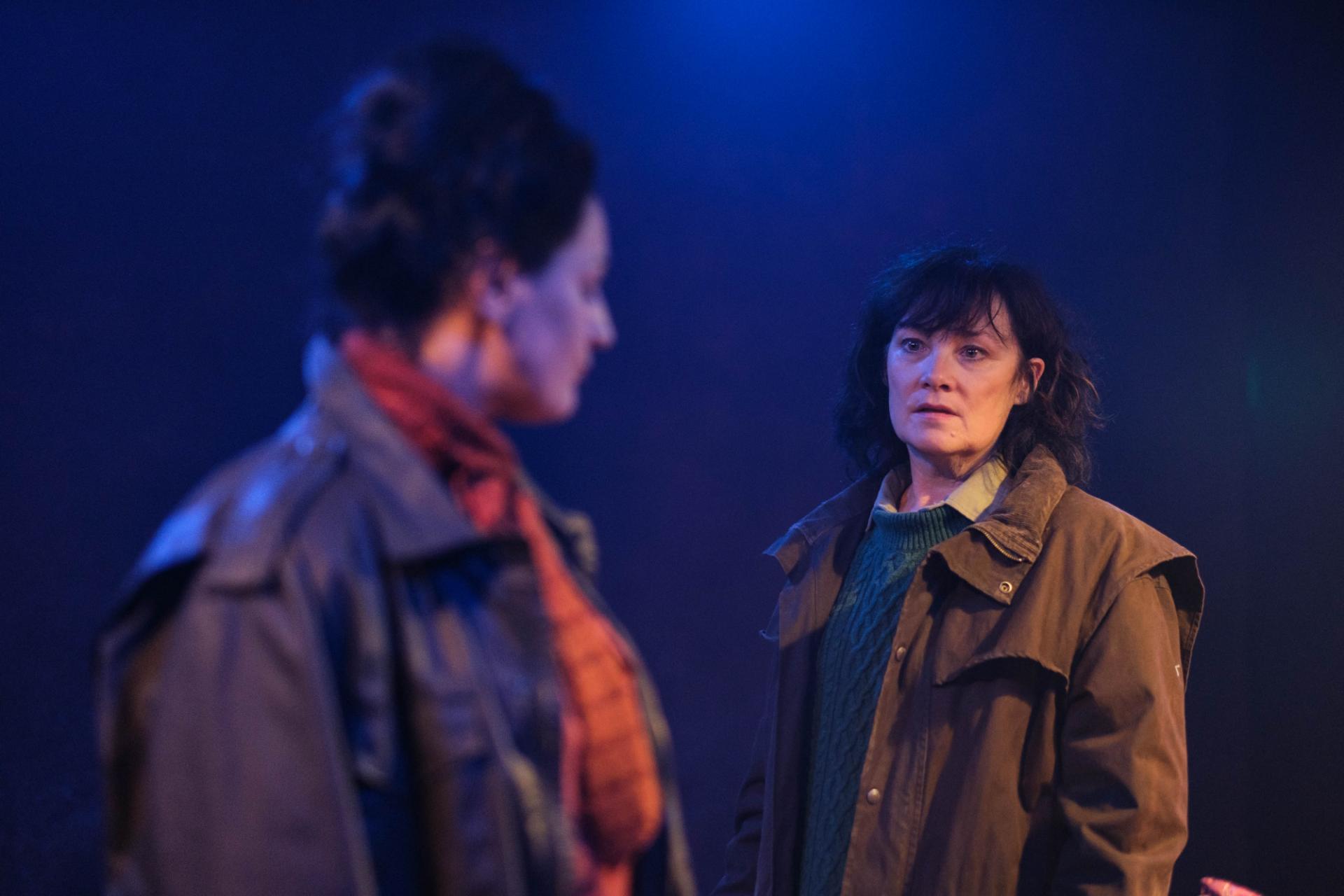
Having been childhood friends for thirty years, this group of five women has nothing to hide from one another. In Anita Heiss’ Tiddas, it is the frankness of these characters, that guide us to a meditation on some of the deeper aspects of life on this land. Most of the people we meet in the play are Aboriginal, and we benefit from their socially resonant discussions about identity and sovereignty. On more intimate levels, there are explorations into topics such as motherhood, romance and friendship; all dealt with in a fiercely authentic way, that enables us to examine some of the central elements of our shared humanity, with admirable clarity and honesty.

Directed by Nadine McDonald-Dowd and Roxanne McDonald, Tiddas is consistently engaging, always an entertaining watch, whilst keeping our minds attentive to the sensitive subjects being explored. There is a gentle beauty being rendered by aesthetical aspects of the show, a softness perhaps that is commensurate with the diversity of feminine qualities we encounter. Set and costumes by Zoe Rouse are vibrant, colourful and with a sense of sumptuousness that puts us at ease, so that we remain open to the ideas being studied. Lights by Jason Glenwright and sounds by Wil Hughes, are both intricately consistent with every ebb and flow of the drama and the comedy, ensuring that the atmosphere is in complete harmony with each stage of the storytelling.

The cast of seven is exceptionally warm,  with a wonderful chemistry that makes every interchange believable. There are however moments in their performance that can be excessively declarative in style, in ways that move our involvement as an audience away from instinct and emotion, to somewhere a little too logical. It is when the personalities are convincingly natural, that we can really sink our teeth into all the richness that Tiddas intends. Roxanne McDonald (aforementioned as co-director) and Perry Mooney are particularly strong with the level of naturalism they introduce, allowing us to relate meaningfully, to the many worthy concerns of the show.

There is so much in modern life that prevents us from being real. It is only in the presence of close friends and family that we can be who we truly are. It is also in art, that we can be encouraged to peel away pretences and mendacities, to understand our truest natures. In Tiddas we can see what are most important to the five women, and decide for ourselves, how much in common we have with their bliss.

www.belvoir.com.au | www.laboite.com.au

Review: Send For Nellie (Wharf 1 Theatre)

Venue: Wharf 1 Sydney Theatre Company (Walsh Bay NSW), Jan 10 – 14, 2024, with further performances at Art House Wyong (January 19–20) and Merrigong Theatre Company in Wollongong (February 14–17)
Playwright: Alana Valentine
Director: Liesel Badorrek
Cast: Elenoa Rokobaro, Eleanor Stankiewicz
Images by Wendell Teodoro

Theatre review
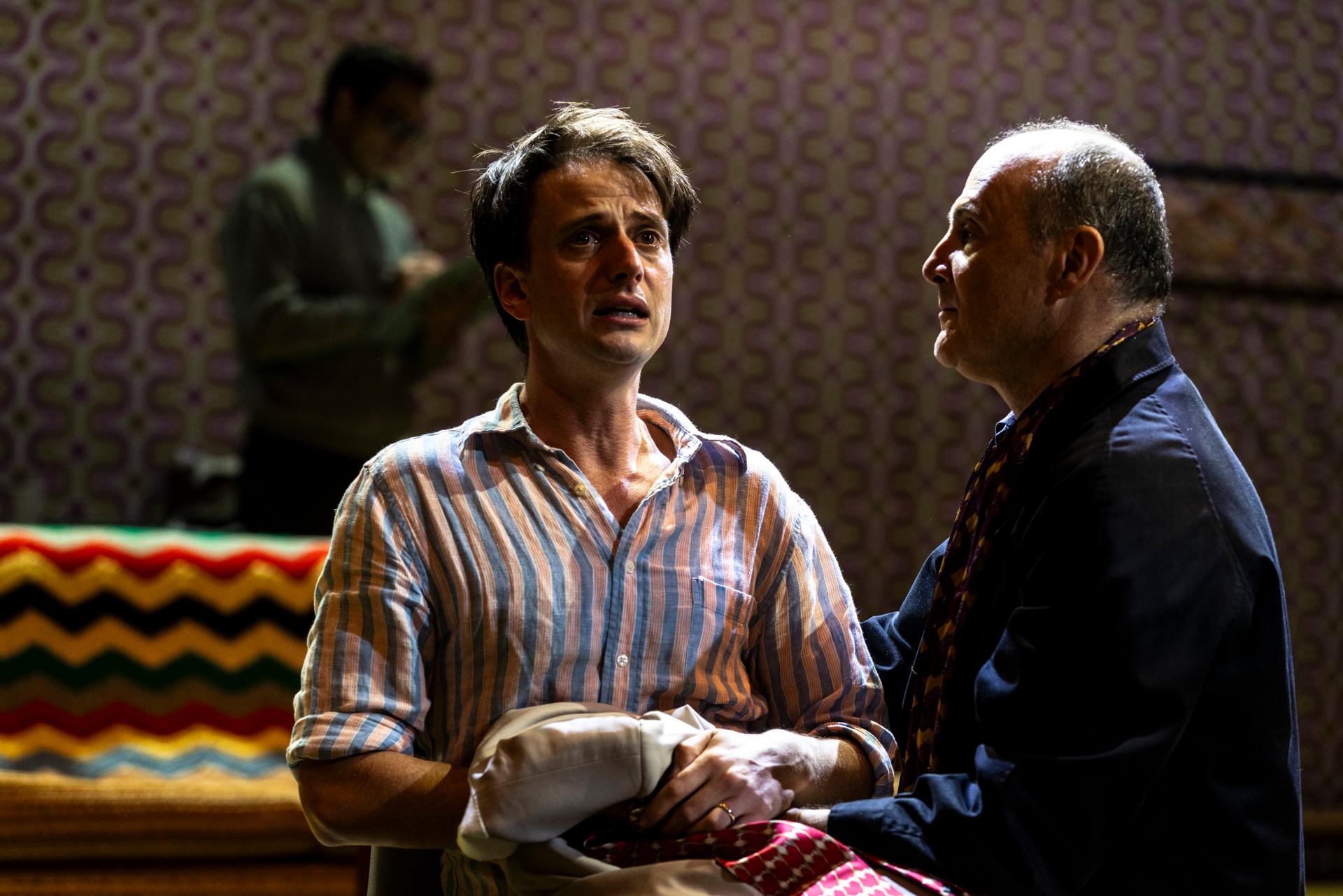
Born 1900 in Sydney, Nellie Small worked many of her adult years as an entertainer, eventually establishing a career as a male impersonator in the 1930s. As a gender non-conformist, and a prominent person of colour living in Australia a century ago, Small remains an important figure in our queer history. Alana Valentine’s play in a cabaret style Send for Nellie, is an admirable attempt at immortalising the memory of Small. It is a respectful tribute, albeit offering a somewhat sanitized impression of Sydney nightlife.

At just an hour’s duration, with an abundance of song-and-dance incorporated into the staging, Send for Nellie is an excellent showcase for a performer like leading lady Elenoa Rokobaro, whose powerful vocals and precise execution of choreography, elevates the presentation with her exceptional polish. There is however an absence of a certain queer sensibility, that we know instinctively to be a crucial element in any recounting of Small’s life. Eleanor Stankiewicz plays several supporting characters, each one more vibrant than the last, but none of whom distract from the main attraction. Also a delight is the three-piece band of women musicians with Zara Stanton as Musical Director, although it is worth pointing out, that acoustics are a major sore point in this production.
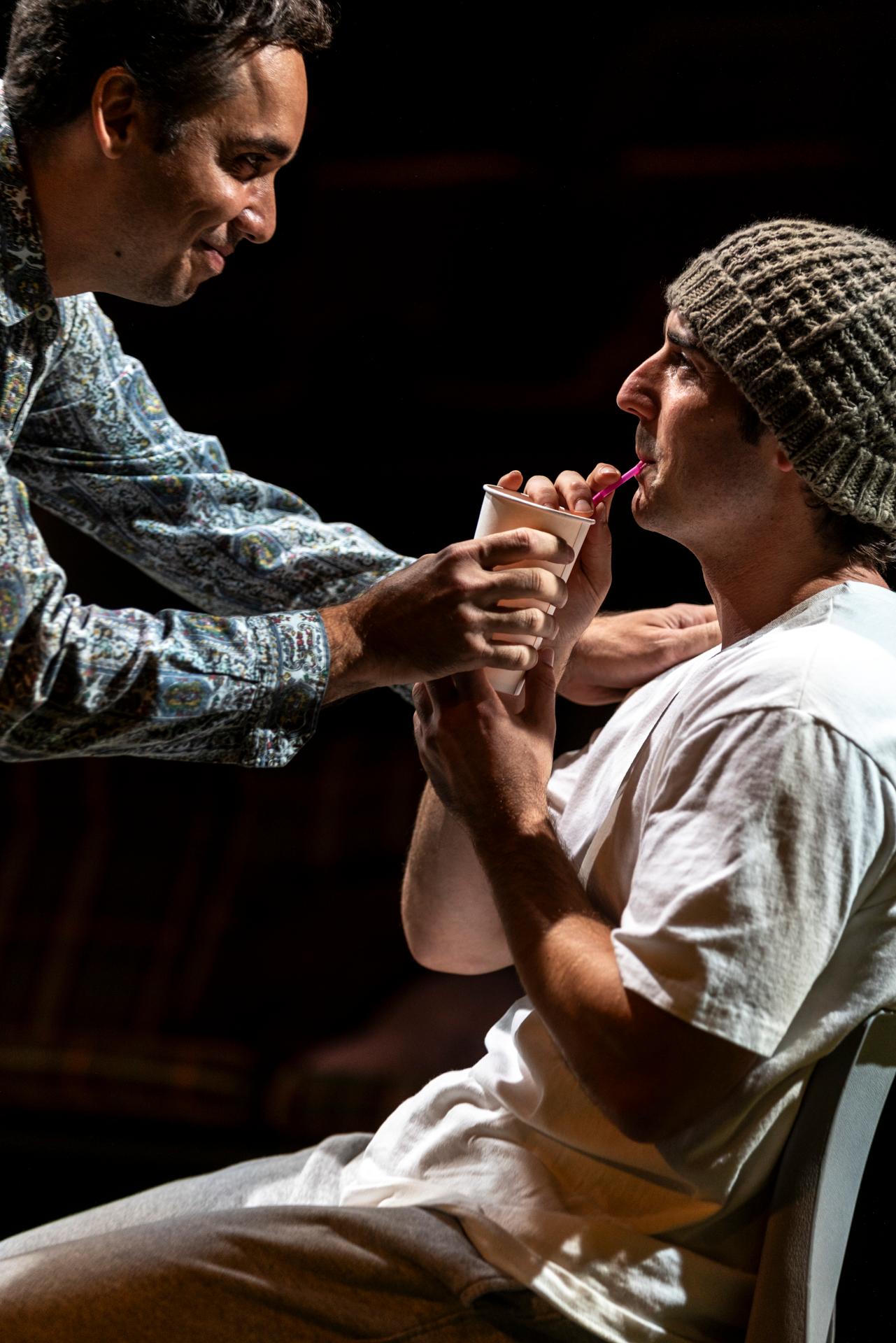
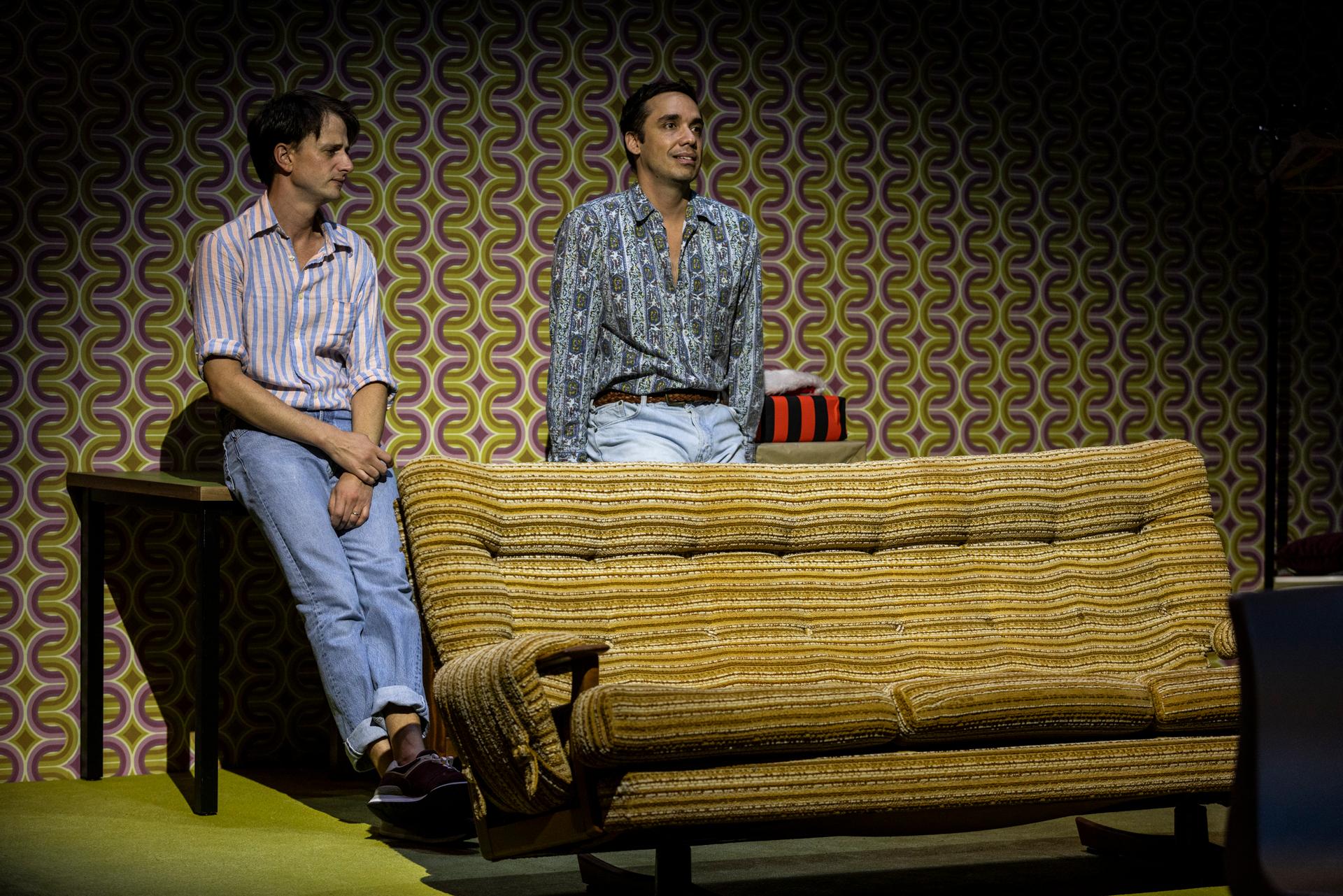
Direction by Liesel Badorrek gives Send for Nellie an abundance of variation and movement, but the show never really connects. We feel as though the soul is missing, from a person we want to know better. On a positive note, visual design is generally of a high standard, for a work as handsome as the person it wishes to memorialise.

For the benefit of every person in queer communities, we must continue to tell stories about our forebears, in order that we may be inspired by their resilience, their resourcefulness and their innumerable achievements. We need always to see how as a people, we continually prove them wrong, that we are of great worth, that what they have construed of us for generations, is reprehensible and must always be met with resistance. To have survived her times as a queer person of colour, Nellie Small was unequivocally a warrior. It would not have been easy, but it does mean that greatness is absolutely within our grasp.

www.thearthousewyong.com.au

Review: Big Name, No Blankets (Ilbijerri Theatre Company)

Venue: Roslyn Packer Theatre (Sydney NSW), Jan 10 – 14, 2024
Playwright: Andrea James
Directors: Dr Rachael Maza AM and Anyupa Butcher
Cast: Baykali Ganambarr, Googoorewon Knox, Teangi Knox, Aaron McGrath, Jackson Peele, Cassandra Williams, Tibian Wyles
Images by Brett Boardman

Theatre review
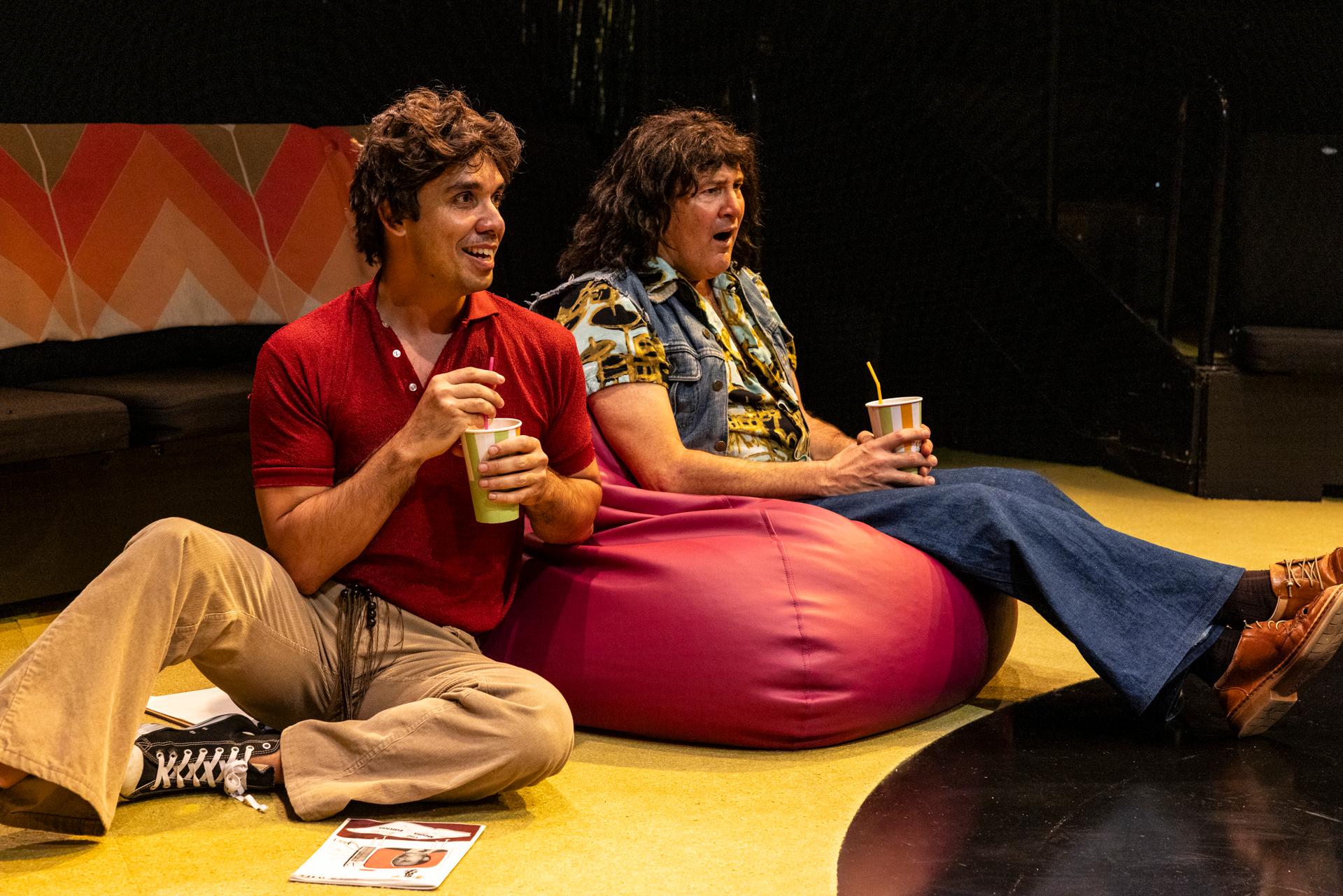
It was 1980 when the Butcher brothers from Papunya in the Northern Territory, along with some great friends, formed the iconic Warumpi Band. Bringing their act all over Australia, and to Europe, the group cemented themselves as an integral part of our national and Indigenous cultural histories. The new play with music Big Name, No Blankets by Andrea James, offers an opportunity to acquire a deeper knowledge of the band, juxtaposing anecdotes of their formation and stories from the road, with legendary songs that prove to stand the test of time.

Co-directed by Dr Rachael Maza AM and Anyupa Butcher, the show shifts seamlessly between its dramatic portions and its musical sections, perfectly blending both aspects for a wonderfully cohesive telling of a captivating tale. Performer Baykali Ganambarr leads the charismatic cast, playing the role of Sammy Butcher Tjapanangka and serving as narrator, with a humorously tender approach that engenders a consistent simpatico connection with the audience.

Also noteworthy is Googoorewon Knox, who as the band’s lead singer George Burarrwanga brings glamour and energy, completely electrifying when performing Warumpi Band’s many rock numbers. Music direction by Gary Watling, together with arrangements by Crystal Butcher, are an unequivocal joy, presented powerfully by live musicians who demonstrate beautifully the genius of the source material. Sound design by James Henry create further auditory embellishments, to keep us engaged and invested.

Set design by Emily Barrie addresses sensitively the various spatial requirements of the storytelling. Lights by Jenny Hector fill the atmosphere with warmth, but switch effortlessly to alluring vivacity when characters are in rock star mode. Video projections by Sean Bacon, Patricia McKean and Guck help us contextualise times and places, as we delve into different pockets of the past. Costumes by Heidi Brooks provide a sense of authenticity for the personalities we encounter, and for an era that most do still remember.

Members of Warumpu Band followed their hearts, and created a legacy out of passion and bliss. Big Name, No Blankets represents and exemplifies the integrity that we should all seek in how we make our decisions, and in how we live our lives. In the show, we see people being their true selves, and are reminded that trying to be anything else, is always a futile, and often harmful, exercise.

www.ilbijerri.com.au

Review: The Hello Girls (Hayes Theatre)

Venue: Hayes Theatre Co (Potts Point NSW), Jan 10 – Feb 4, 2024
Music and Lyrics: Peter Mills
Book: Peter Mills, Cara Reichel
Director: Jason Langley
Cast: Rhianna McCourt, Kira Leiva, Kaori Maeda-Judge, Nikola Gucciardo, Kaitlin Nihill, Joel Hutchings, Matthew Hearne, David Hooley, Lincoln Elliot, Zachary Selmes, Jessy Heath, Alexis van Maanen, James Frampton
Images by Philip Erbacher

Theatre review
It was 1917 when Grace Banker was enlisted to lead a USA corps of thirty-three women switchboard operators in World War I. Although formally termed the Signal Corps Female Telephone Operators Unit, they became popularly known as the Hello Girls, a moniker after which Peter Mills and Cara Reichel named their entertaining and informative 2018 musical. It is a comparatively small yet ultimately consequential wartime story that the pair has identified and deftly written about, accompanied by a notable collection of catchy tunes to keep us firmly engaged.

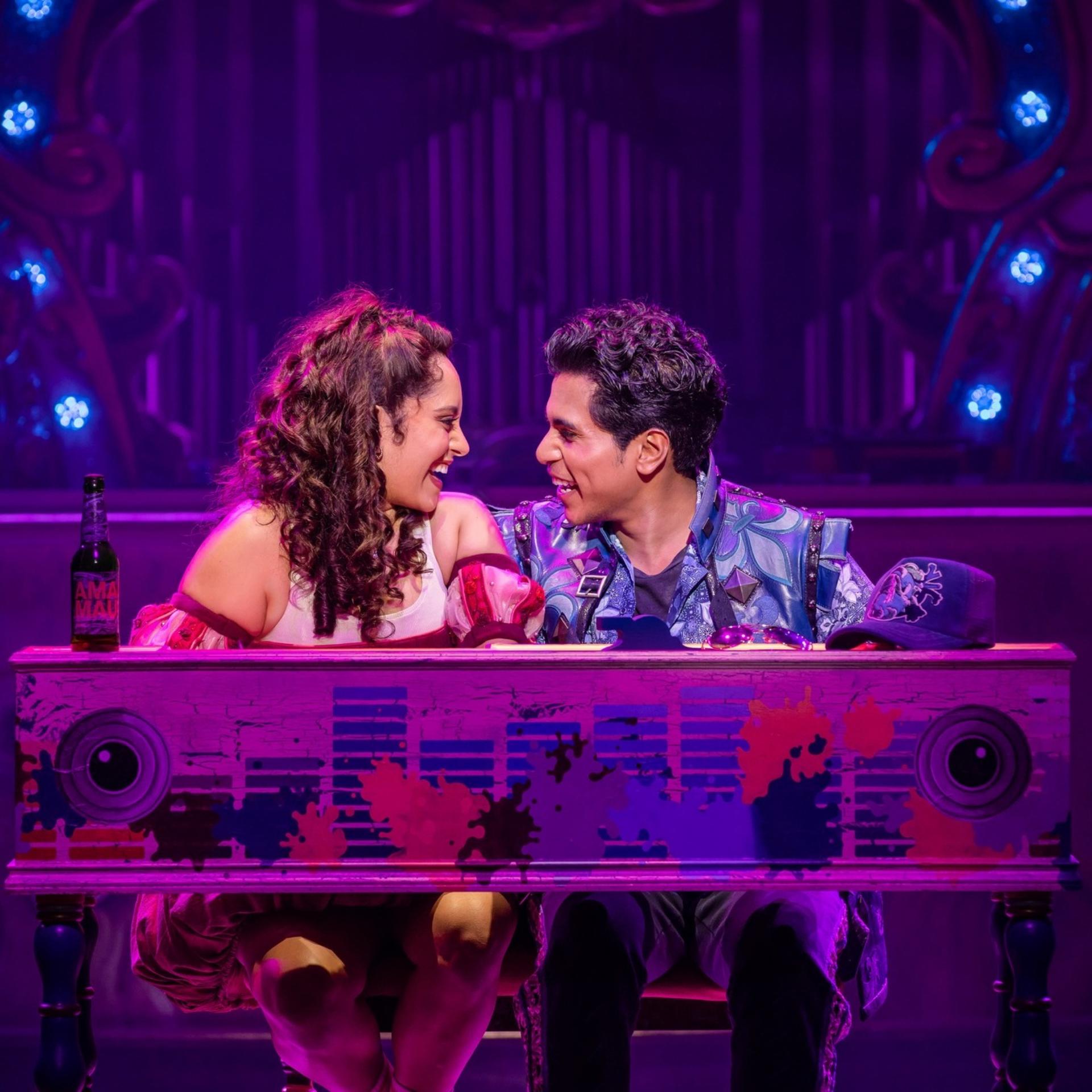
Exquisitely sung by a cast of ten, with Rhianna McCourt as their effervescent leading lady, the quality of vocal performances in The Hello Girls leaves a remarkable impression. Also exceptional, is the spirited band under Natalya Aynsley’s meticulous musical direction, delivering songs that are as tightly propulsive as they are imaginatively transportative. Sound design by Kyle Sheedy too is effective, especially when called upon to help illustrate the more chilling aspects of the women’s experiences.

Directed by Jason Langley, along with choreography by Amy Orman, the narrative is conveyed with a theatrical exuberance and an appropriate sense of urgency. Not all of the story is applicable to how we think of the wars that are currently being fought in foreign lands, but portions of the show certainly resonate in meaningful and contemporaneously relevant ways.

The staging suffers however, from an overall lack of visual flamboyance. Set design offers a functional space, but one that appears increasingly rigid over the two-and-a-half-hour duration. Lights are fairly rudimentary, although dynamic within its limited technical capacities. Sarah Hordern’s costumes are perhaps too accurate in emulating apparel from the era, with representations of characters that look excessively pragmatic and frugal.
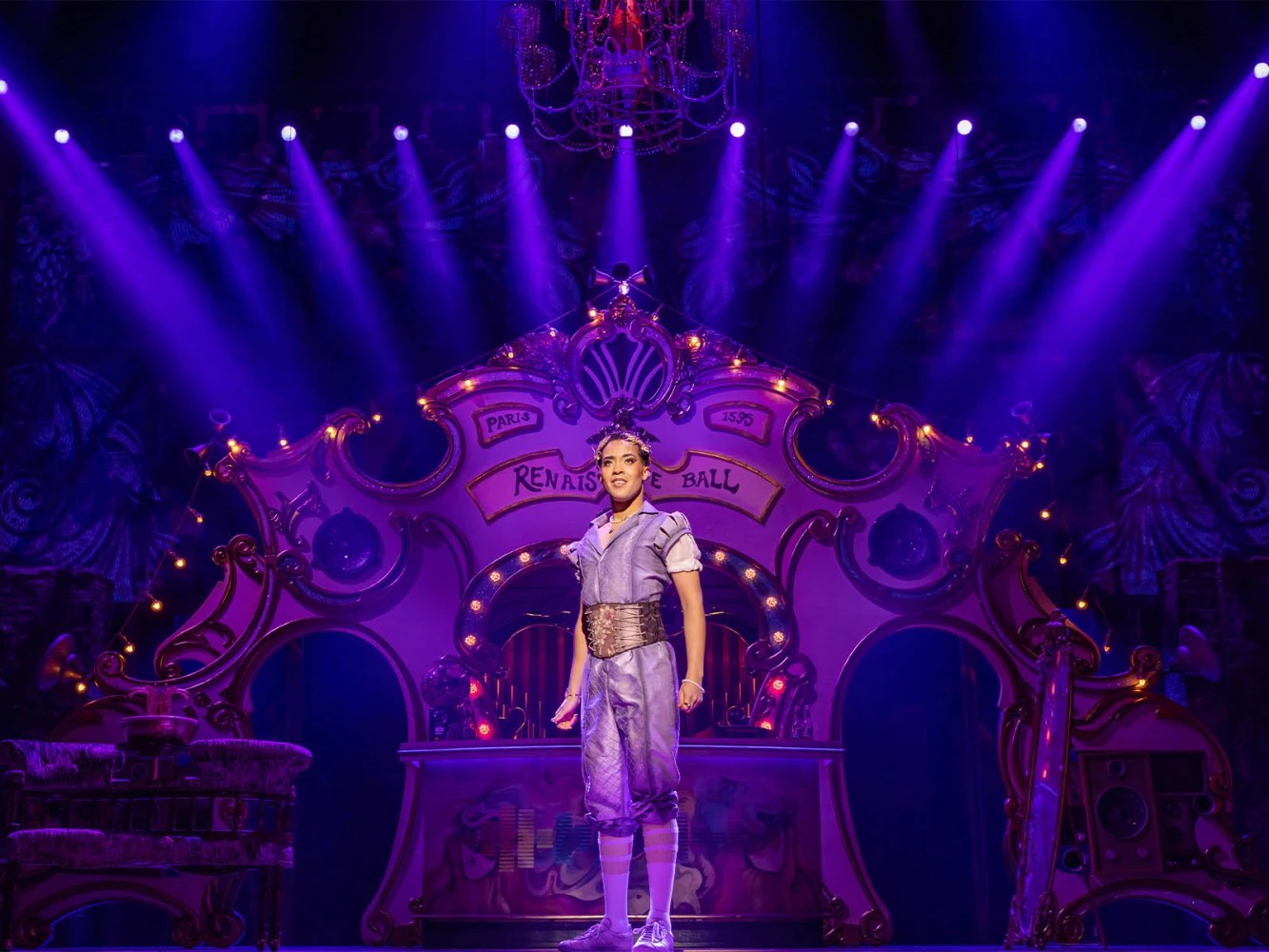
We discover in The Hello Girls, that it had taken 60 years after the war before the American Congress approved Veteran Status/Honorable discharges for the remaining military women. This prolonged denial that women were a crucial part of the war effort, exposes the ease with which our venerated systems are able to accommodate injustices of all kinds. The Hello Girls also shows that there is nothing broken about those systems, that it is precisely the way they were always meant to operate, that we need to interrogate and transform.

www.hayestheatre.com.au | www.facebook.com/heartstringstheatreco

Review: The Wind In The Willows (KXT on Broadway)

Venue: KXT on Broadway (Ultimo NSW), Dec 8 – 23, 2023
Playwright: Alan Bennett (from the novel by Kenneth Grahame)
Director:
James Raggatt
Cast: Georgia Blizzard, Michael Cecere, Miranda Daughtry, Michael Doris, Elyse Phelan, James Raggatt, Joseph Raggatt, Jack Richardson, Lachlan Stevenson, Harlee Timms, Ross Walker
Images by Brittany Santariga

Theatre review

In Alan Bennett’s adaptation of The Wind in the Willows by Kenneth Grahame, the reckless and irresponsible Toad steals a car, and finds himself imprisoned. It is unequivocal that there are life lessons he needs to learn, and luckily friends are on hand to guide and support. The whimsical work is written with great charm, involving anthropomorphised characters that give Grahame’s 1908 creation a sense of timelessness, able to dissolve psychological barriers and allow an old English tale to speak to wider audiences.

Direction for this staging is provided by James Raggatt, who brings a commensurately quirky approach to how the story is told. On a bare stage, Raggatt demonstrates considerable inventiveness, in his depictions of these deeply fanciful scenarios. There is admirable detail in performances by an accomplished cast, including Michael Doris who is simply delightful as Toad. Although not always cohesive or sufficiently focused, the show is consistently energetic, with a joyful quality that sustains our attention.
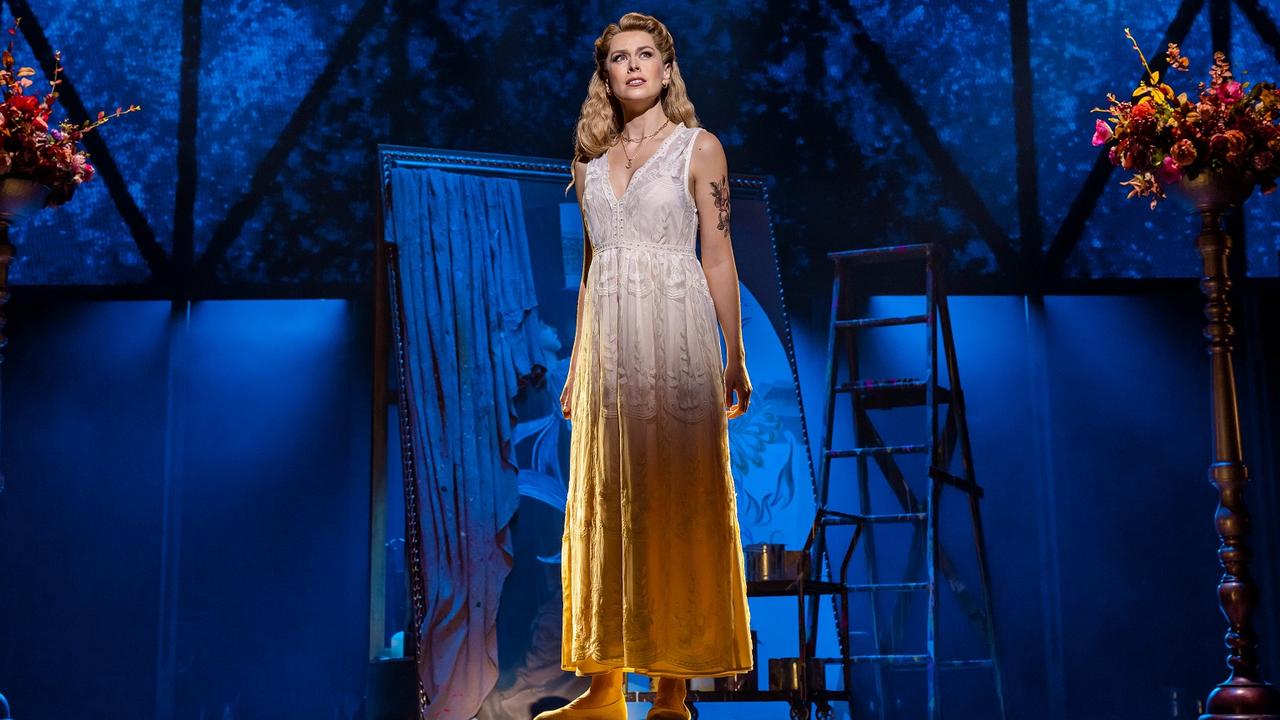
Costumes by Isabella Holder help with the ways in which we imagine these animal characters, but could afford to include more extravagance and eccentricity in building a visual style. Lights by Saint Clair are a dynamic element, intricately transforming imagery from scene to scene, guiding us through this realm of theatrical fantasy. Songs by Jeremy Sams are a valuable addition, but the absence of a more intentional sound design diminishes the impact, of all that is being so passionately rendered. 

People and stories can easily be forgotten with the passage of time, but the lessons left behind could very well linger until the very end. A wise man once said, “careful the things you say, children will listen.” There are important things to deduce from The Wind in the Willows, not just from what is being told, but also in how we gather, to listen to one another.

www.kingsxtheatre.com | www.facebook.com/stacksontheatre

Review: Midnight Murder At Hamlington Hall (Ensemble Theatre)

Venue: Ensemble Theatre (Kirribilli NSW), Dec 1, 2023 – Jan 14, 2024
Playwright: Mark Kilmurry, Jamie Oxenbould 
Director: Mark Kilmurry
Cast: Sam O’Sullivan, Jamie Oxenbould, Ariadne Sgouros, Eloise Snape
Images by Prudence Upton

Theatre review
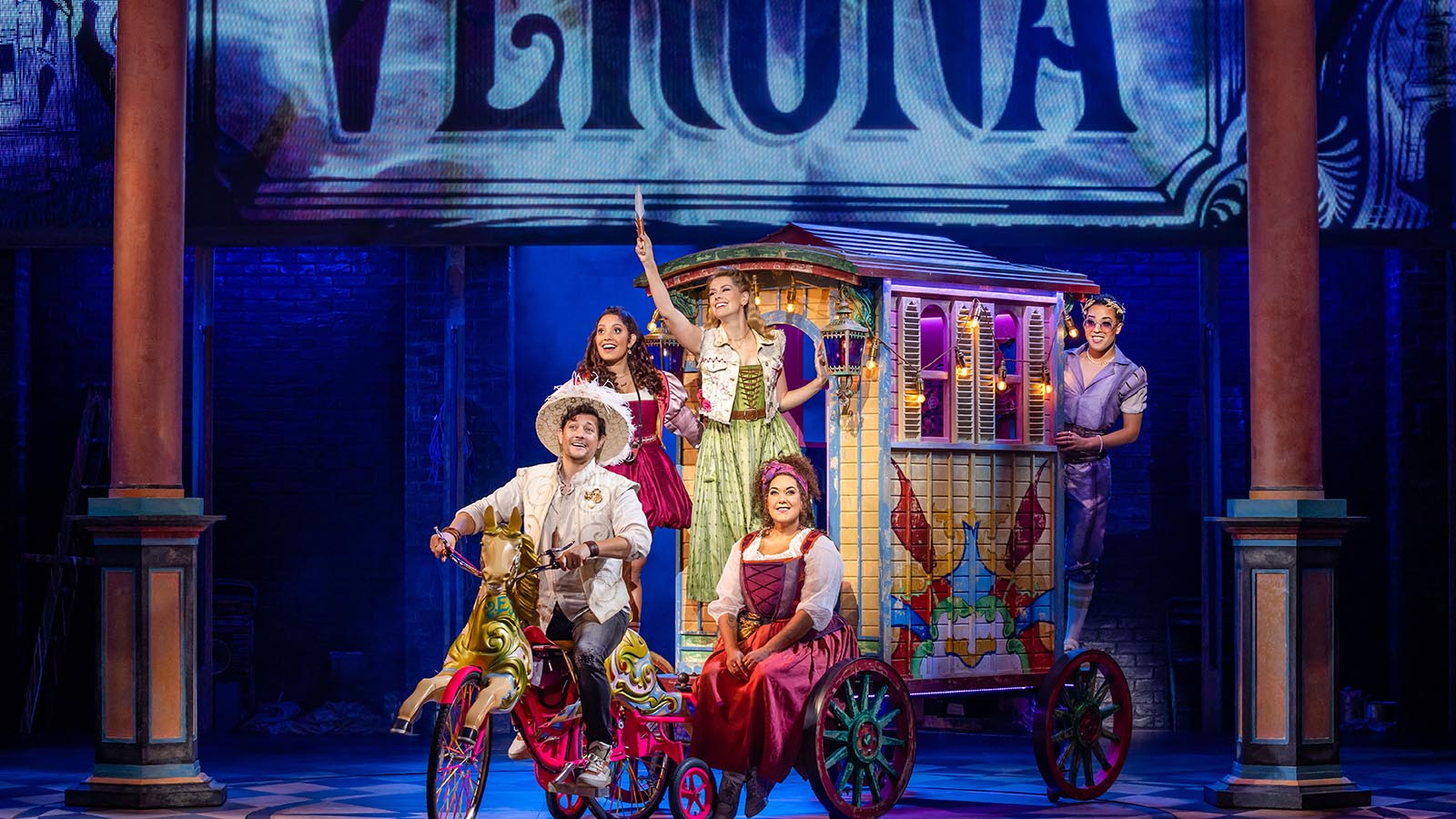
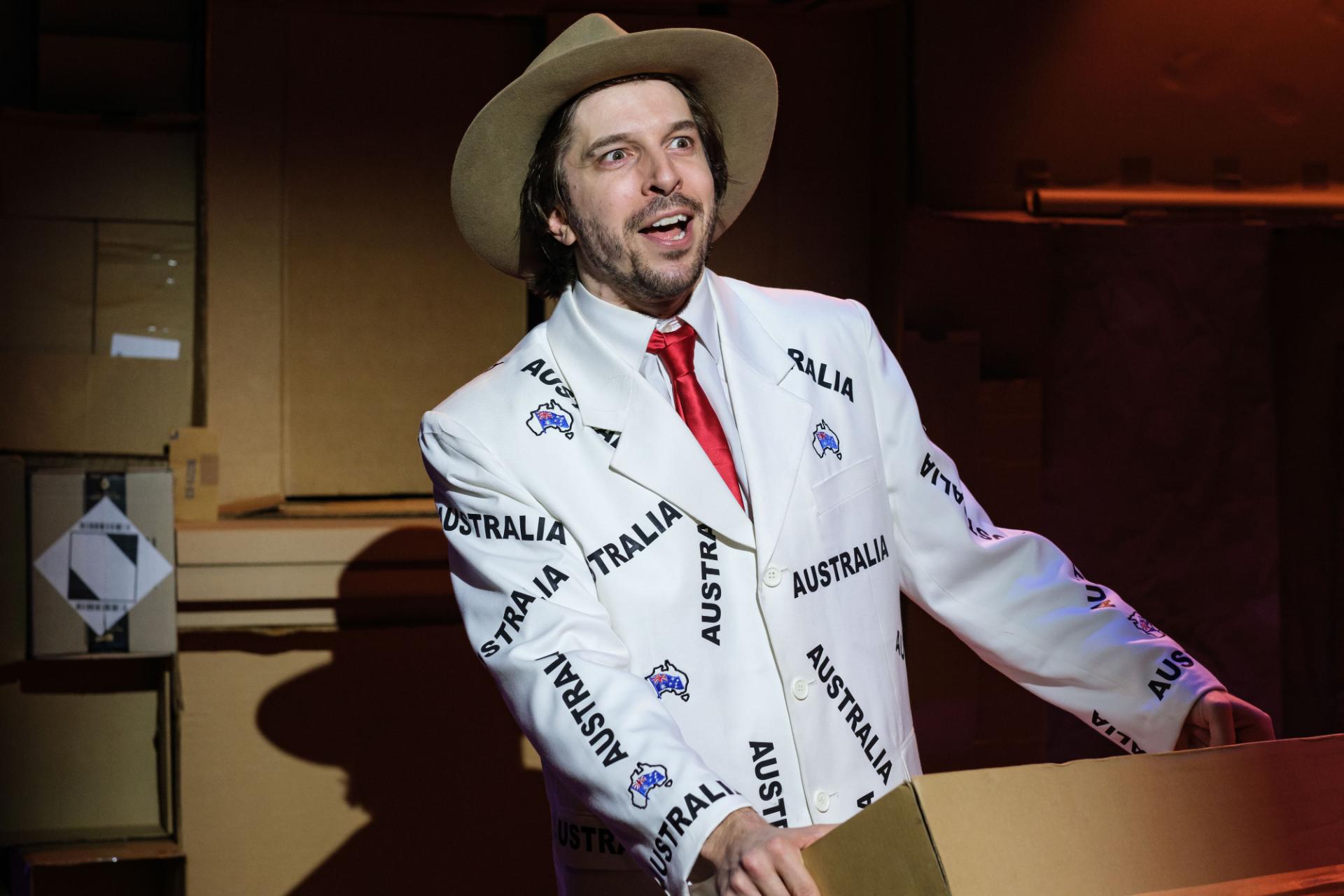
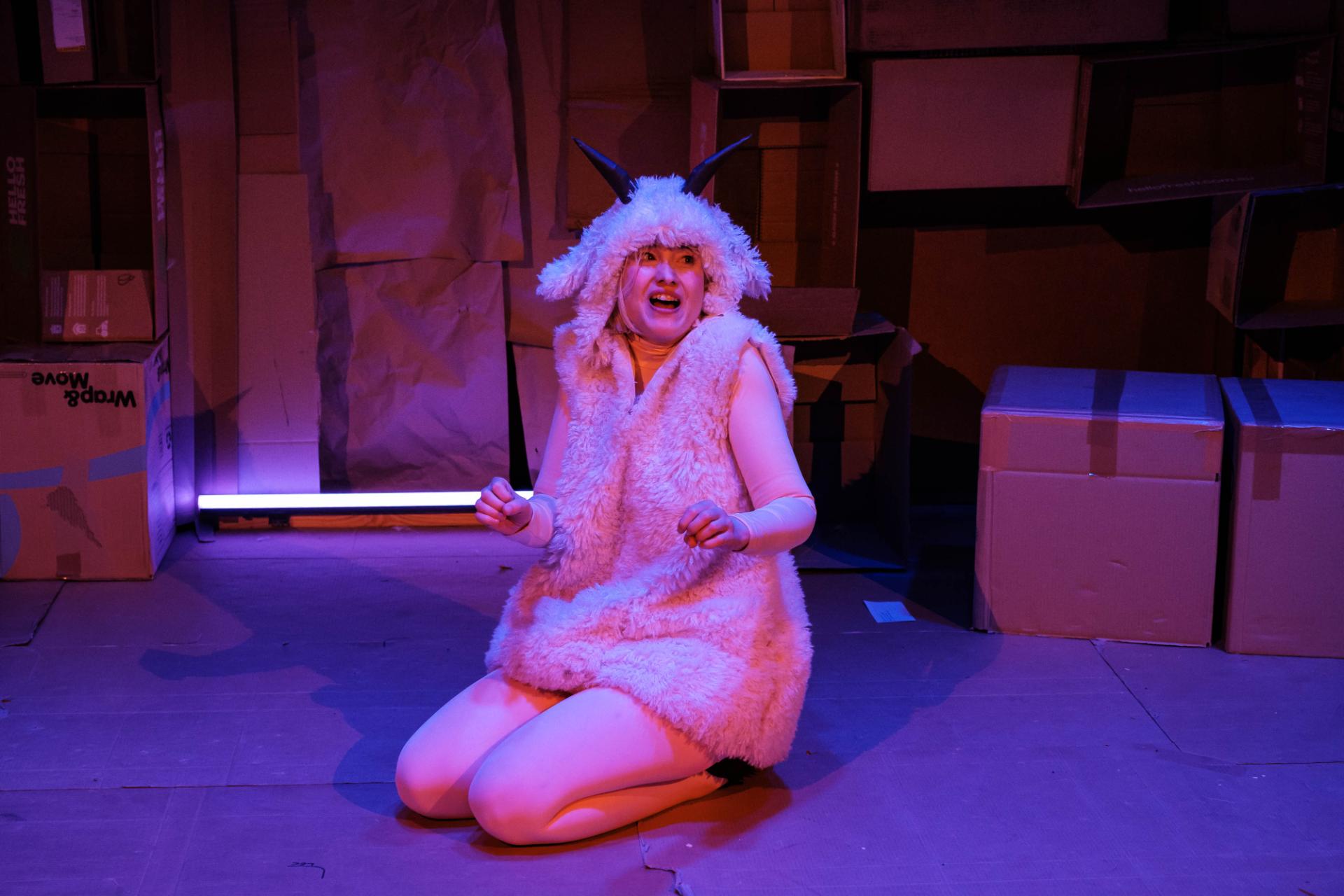
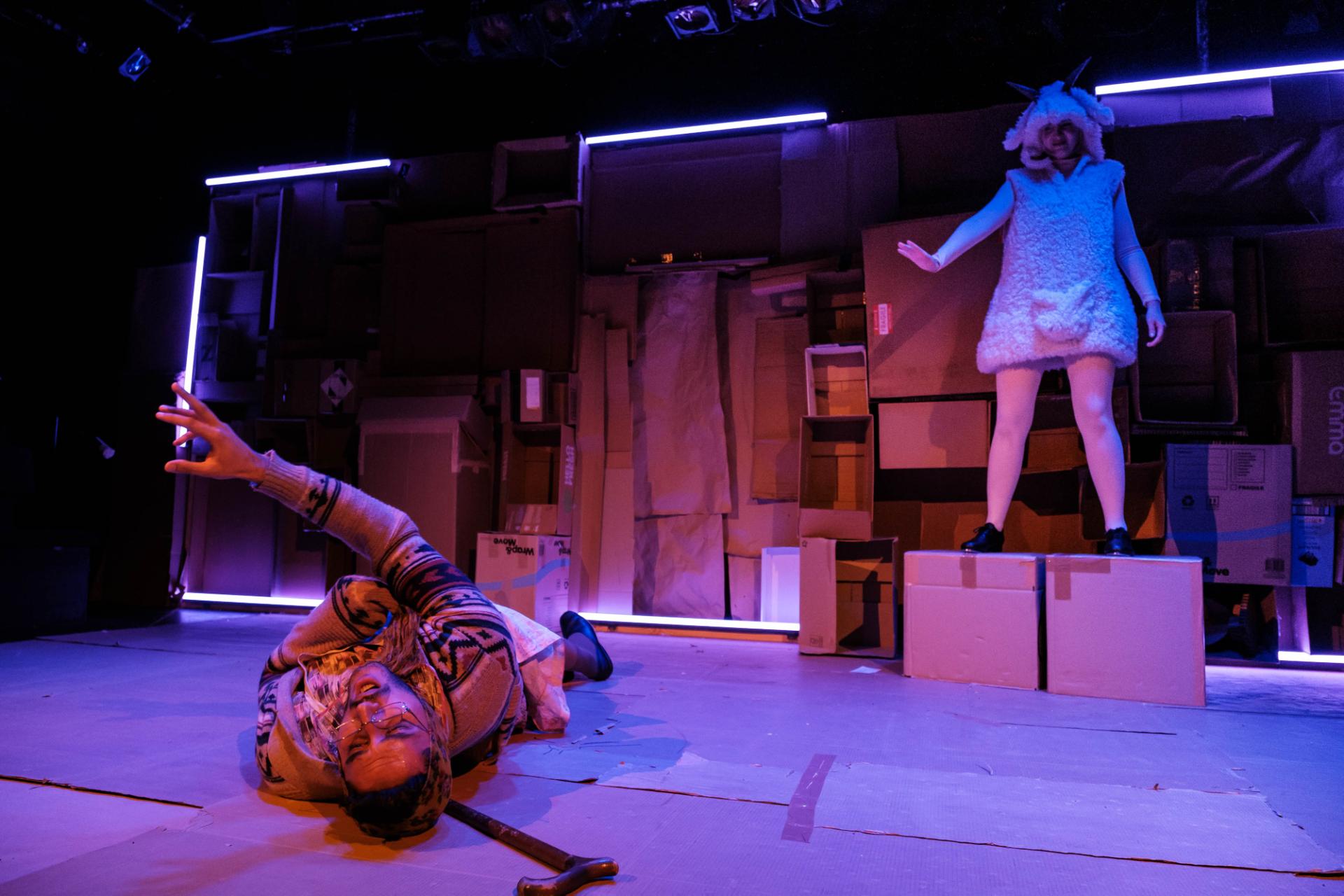
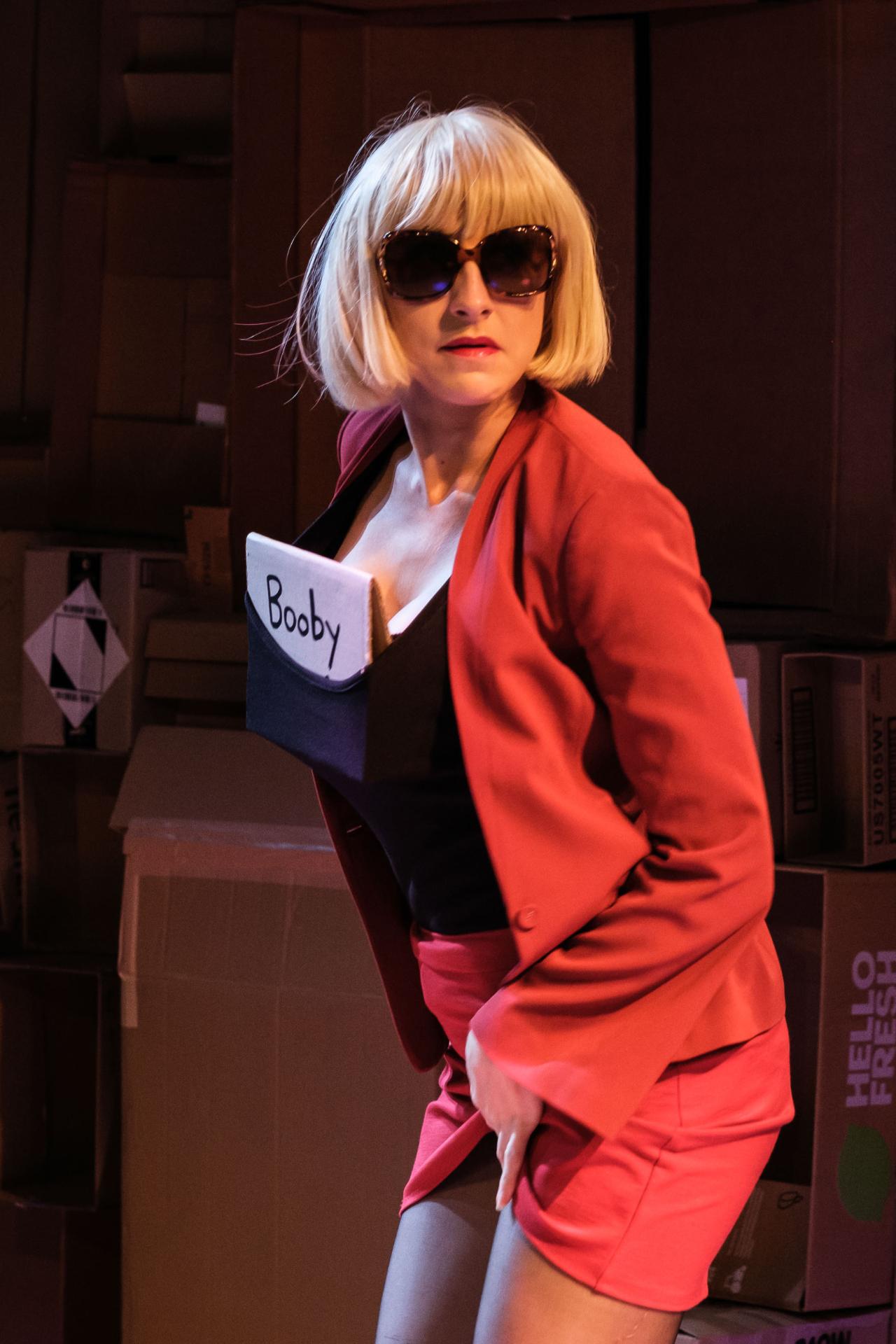
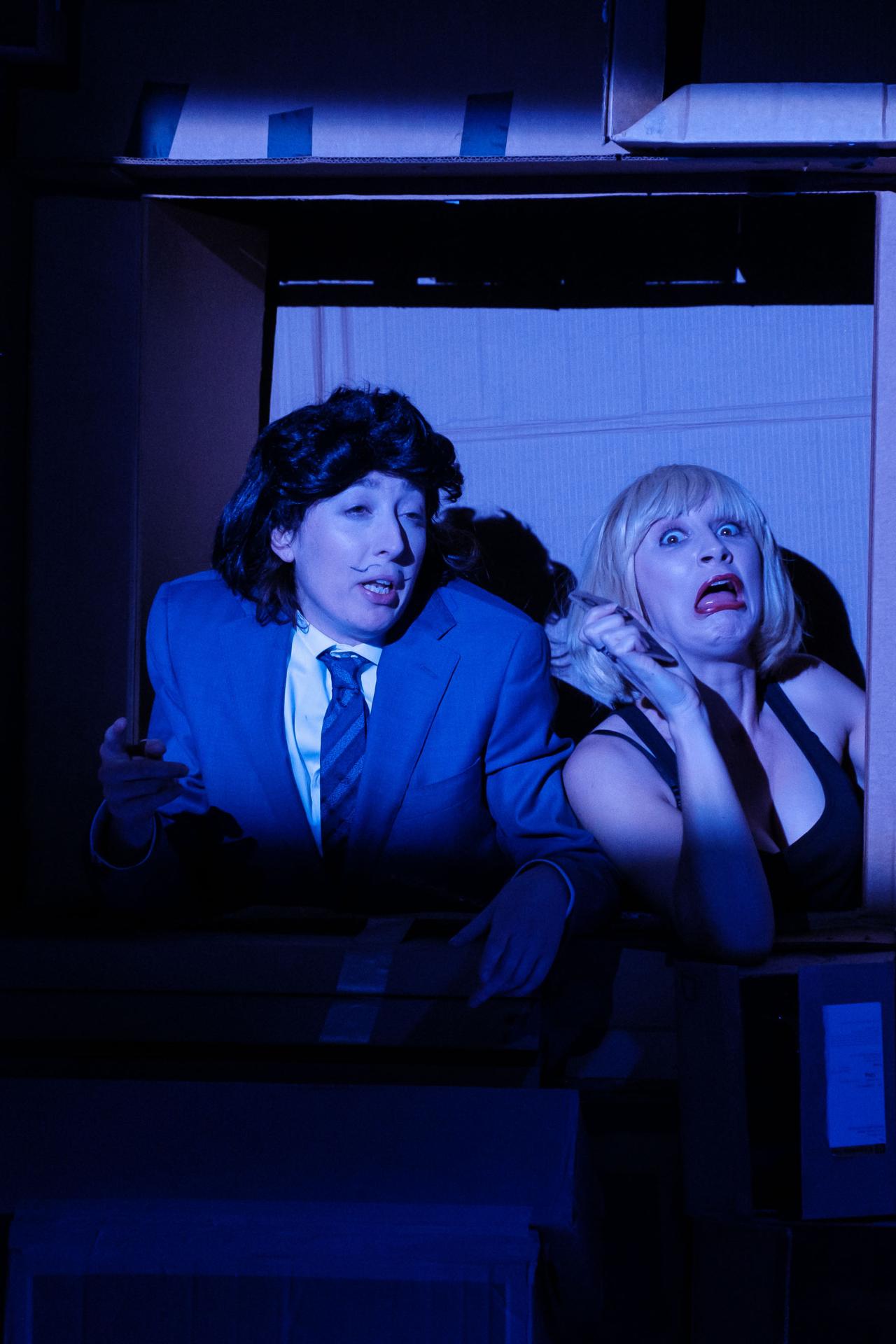
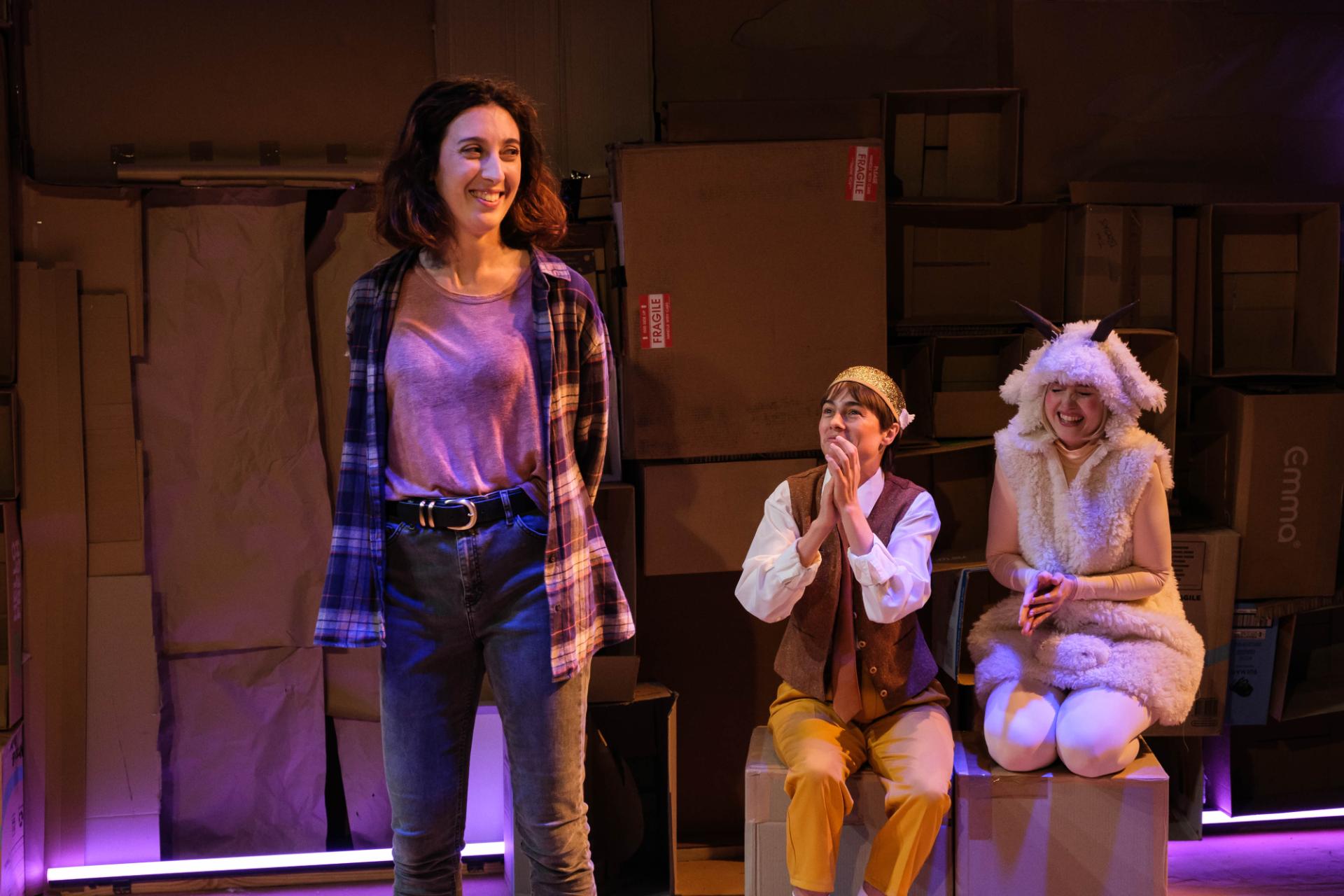
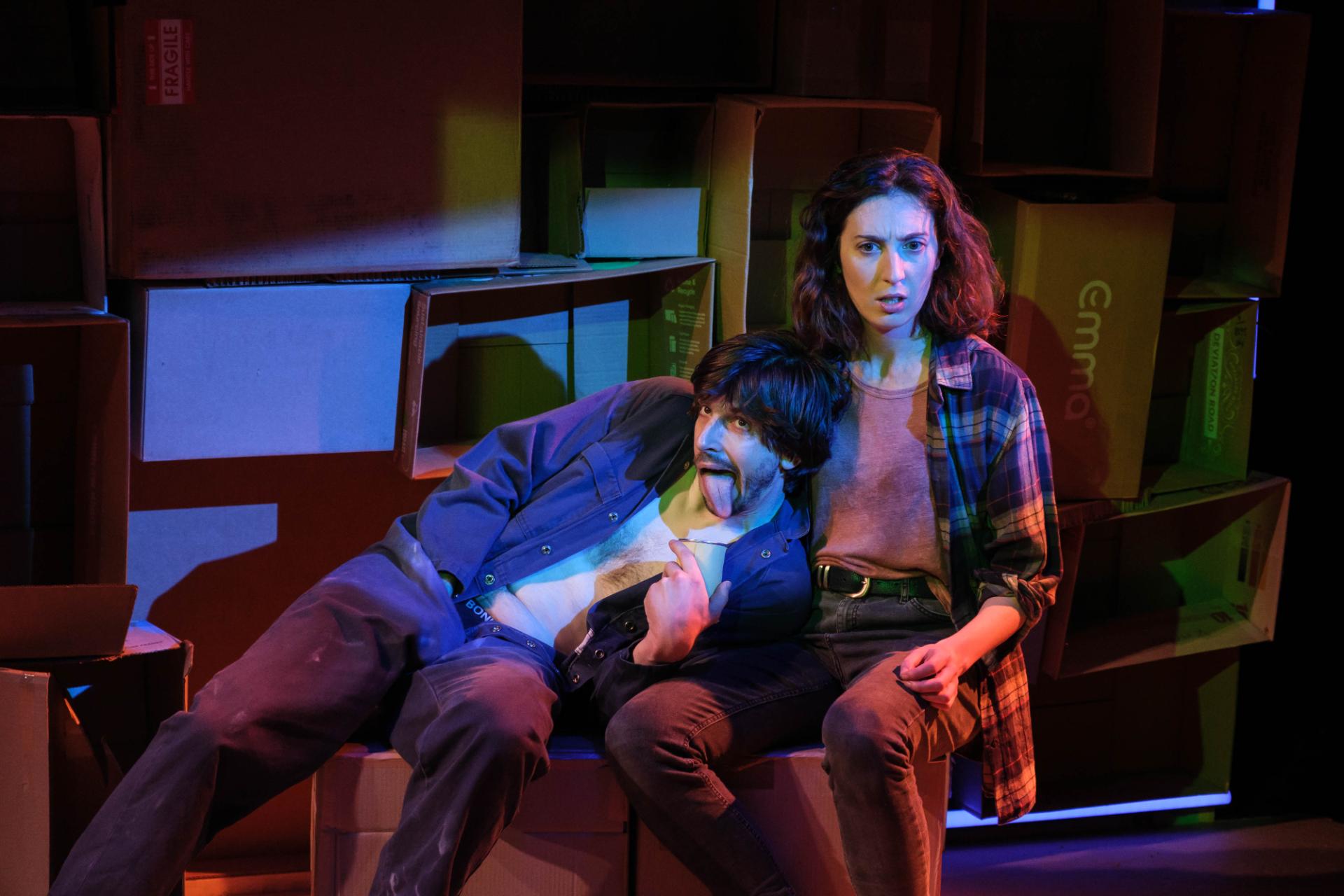
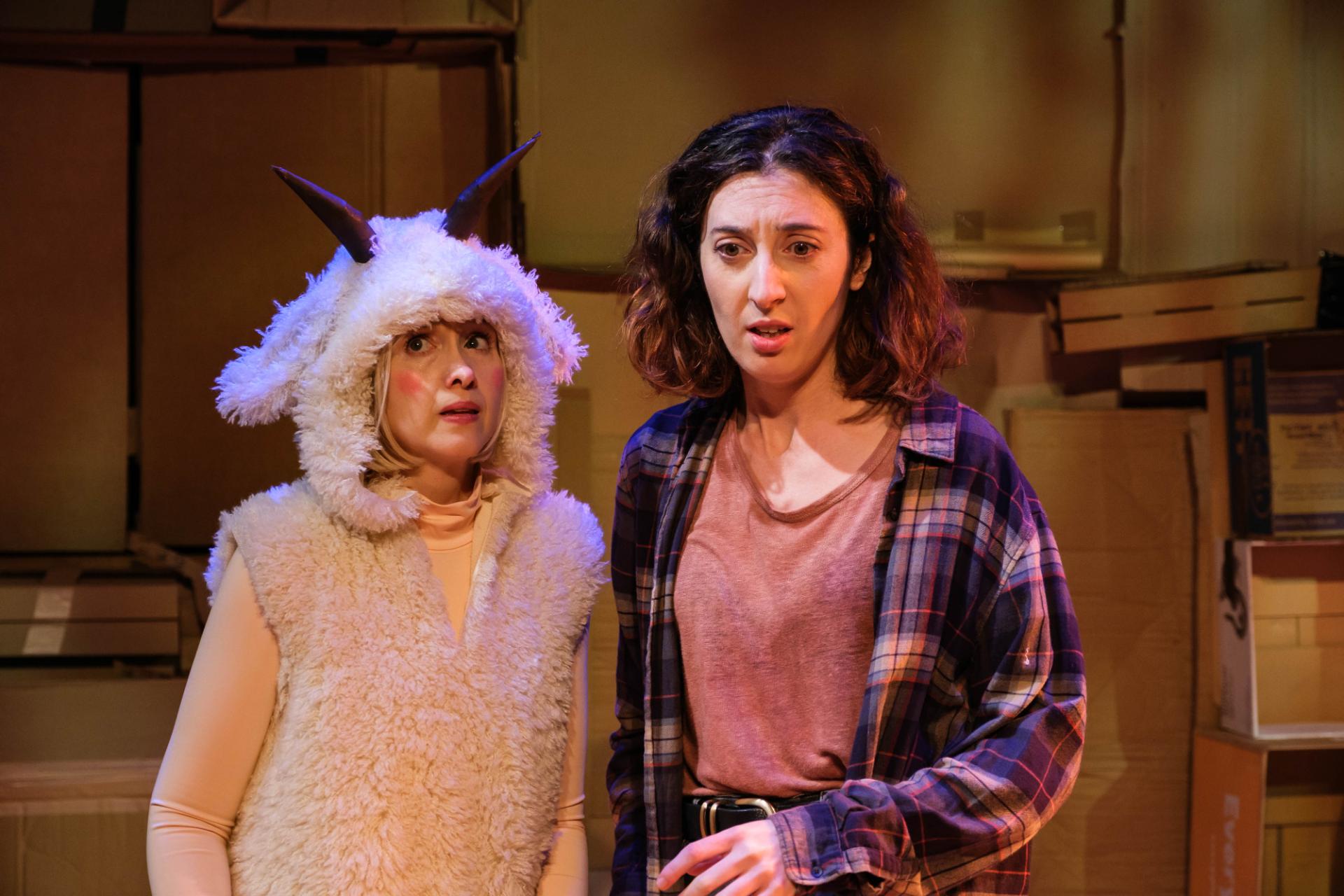
Amateur theatre group The Middling Cove Players are about to open a new show, but seven of the cast have been struck with covid, and only three actors and their stage manager are left to play all the characters. Everything falls to pieces but they persist, such is the tenacity of show people. Midnight Murder at Hamlington Hall by Mark Kilmurry and Jamie Oxenbould is a classic farce, in the same vein as 2012’s The Play that Goes Wrong by Mischief Theatre in London. The jokes flood in unremittingly, many of them very broad, in a work that is sure to delight audiences from all walks.
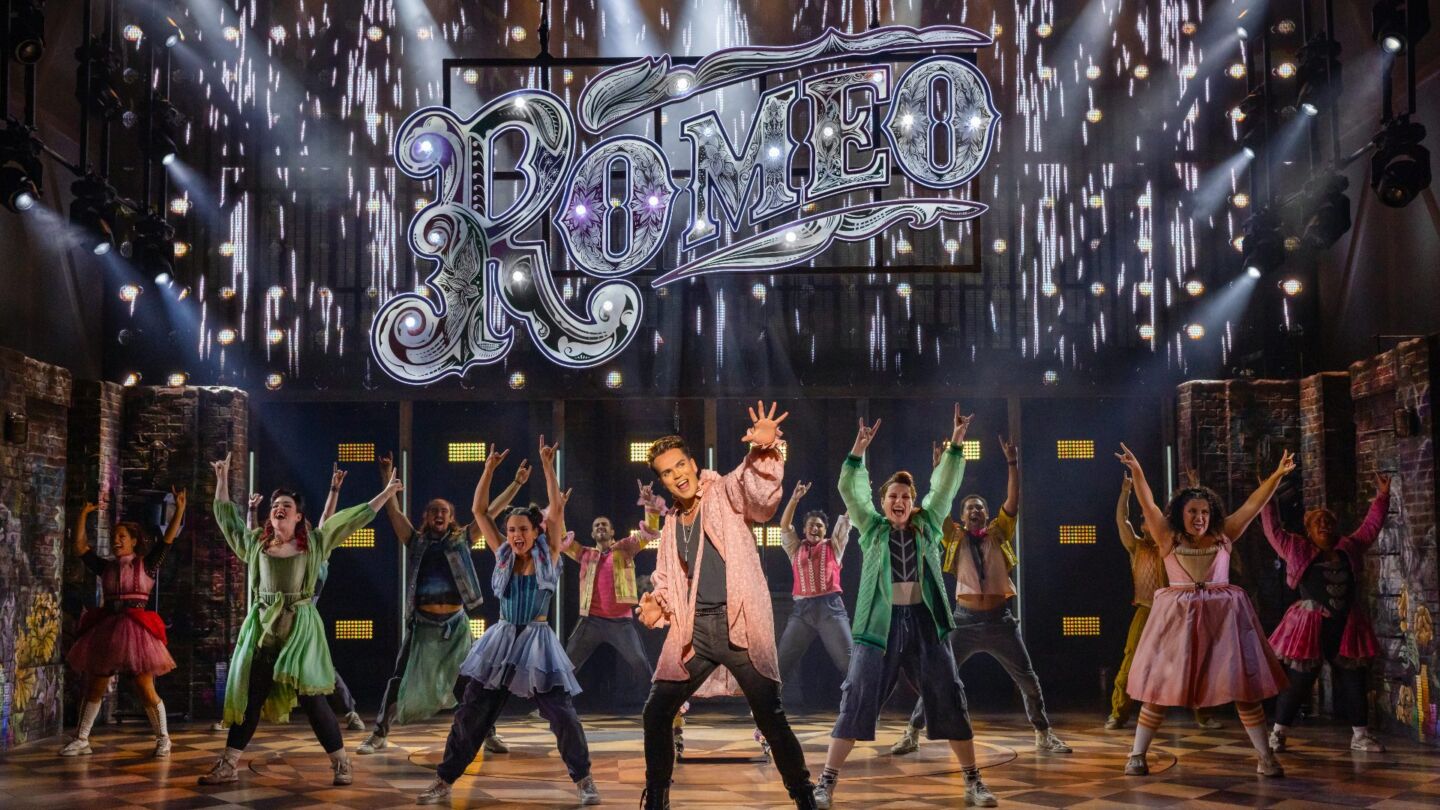
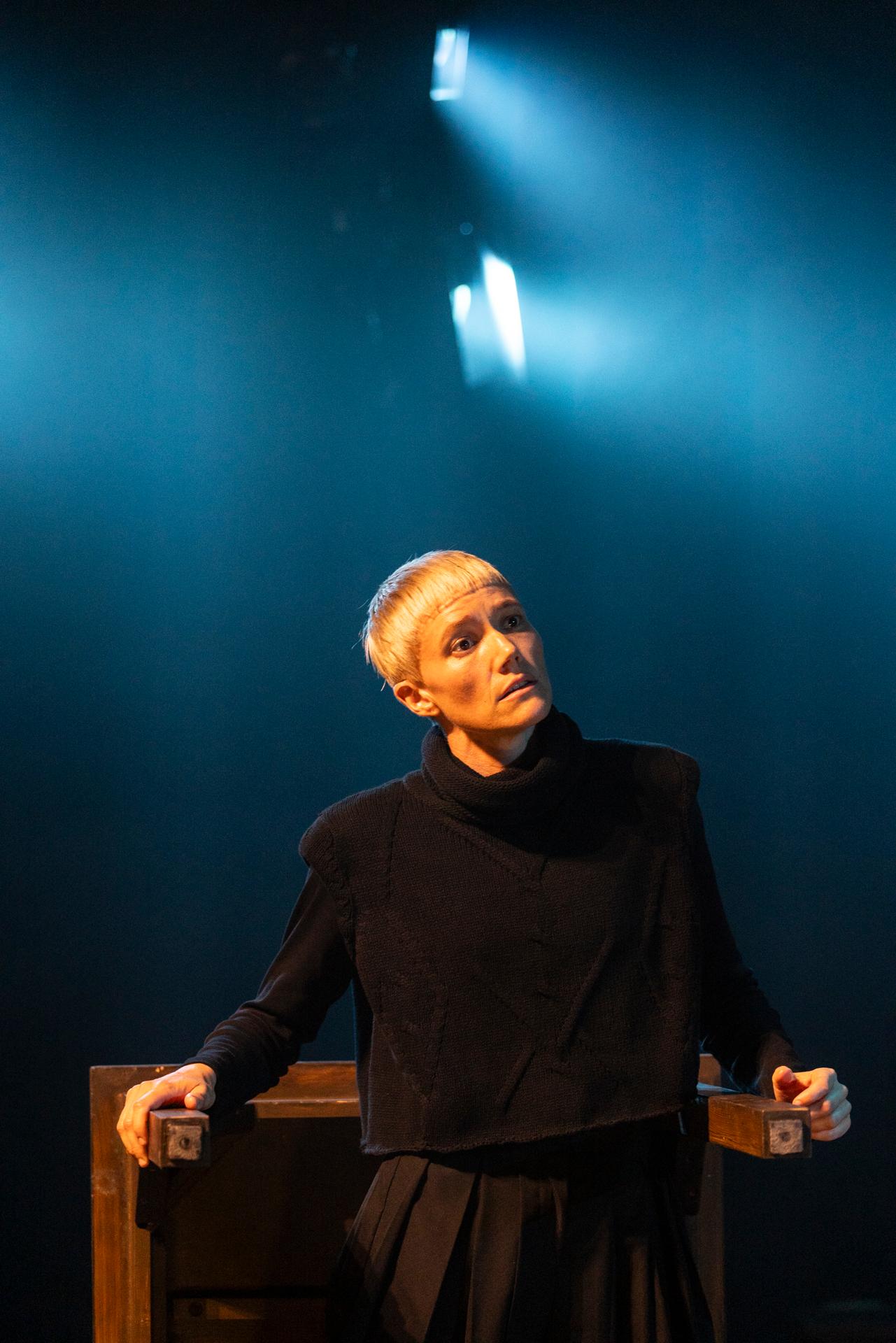
Rigorous direction by Kilmurry fills every moment with a playful zeal. Although stylistically derivative, the production is filled with whimsical creativity, informed by a joyous abandonment that many will find infectious and inexorably hilarious. With the sole purpose of entertainment, Midnight Murder delivers in spades. 

Set and costume designer Simon Greer offers vibrancy, along with an unmistakable irony, keeping the entire staging in a spirit of blitheness. Lights by Verity Hampson and sounds by Daryl Wallis are commensurately mirthful, adding to the convivial atmosphere.

Oxenbould performs the role of Barney with gusto, and with exceptional confidence. Sam O’Sullivan, Ariadne Sgouros and Eloise Snape play Shane, Karen and Philippa respectively, individually amusing and energetic, but as a team, the ensemble grips with their chemistry, thoroughly enjoyable with all the hijinks they concoct. Diversions of this nature are necessary, if only to help retain some sanity in a world determined to go mad.

www.ensemble.com.au

Review: A Midsummer Night’s Cream (Old Fitz Theatre)

Venue: Old Fitzroy Theatre (Woolloomooloo NSW), Dec 1 – 10, 2023
Creators: Charlotte Farrell, Emma Maye Gibson

Theatre review
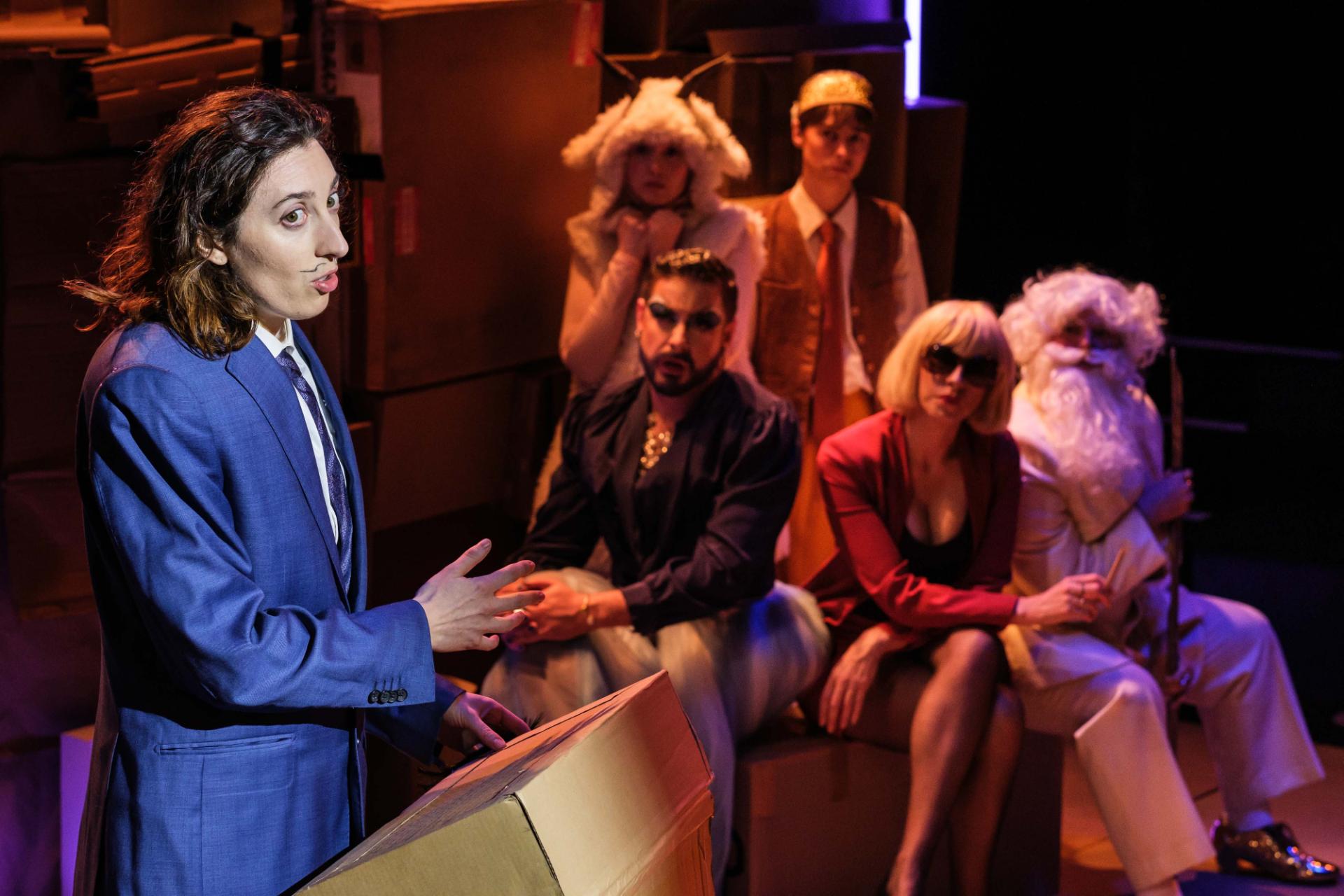
Feminists are not usually fans of Shakespeare’s oeuvre; his representations of women are often nauseating, if not completely despicable. Charlotte Farrell and Emma Maye Gibson seem to have a love-hate relationship with The Bard. A Midsummer Night’s Cream is a devised work that is both inspired by, and critical of Shakespeare. Early portions of the show are heavily centred around deconstructions of Shakespeare’s writing, reflecting perhaps a frustration derived from making theatre in a milieu that regards him to be foundational and epochal, even centuries later.

The show then swirls gradually away from that point of departure, and ventures somewhere more intimate, with Farrell and Gibson discussing motherhood. An intensification of atmosphere, luminated with a palpable sensuality by Cheryn Frost, almost indicates the true purpose of the exercise, as the two women engage in exchanges that explore those meanings that pertain to the young cisgender female body. Like Shakespeare being so intrinsically linked to how he conceive of the theatrical arts, pregnancy is to many women, inextricable and integral to their understanding of existence.

None of this is ever made explicit however, in a presentation that is as whimsical as it is poetic. Political but never pugnacious, A Midsummer Night’s Cream asserts itself with only the smallest affront to what it wishes to abolish, choosing instead to establish on stage, a new order that, unlike its predecessor, is characterised by inclusiveness and grace. Empowered to make change, with a humility informed by past deficiencies, Farrell and Gibson are careful not to inflict the same egregiousness it tries to replace.

This is a feminism that does not merely substitute one thing for another, preserving old structures while temporarily and superficially transforming them. What the artists deliver, looks like disruptive chaos, but that probably says more about our attachment to obsolete values, than it does the essential qualities of their work. Real change is uncomfortable, and good art is never afraid to challenge.

www.redlineproductions.com.au

Review: Solace (ARA Darling Quarter Theatre)

Venue: ARA Darling Quarter Theatre (Sydney NSW), Nov 29 – Dec 2, 2023
Directors: David Clarkson, Margot Politis
Cast: Kerry Bashford, Lana Filies, Matthias Nudl, Alana Pienkosz, Darlene Proberts, Nick Vagne
Images by Robert Catto

Theatre review
Sometimes the place we find ourselves, proves inadequate at containing the full beings we are. It is a feeling of displacement and incongruity, where things struggle to fit or cohere. Solace is a devised work that explores personal quests for a sense of comfort, often dealing with a state of dissociation, as individuals retreat into deep introspection, withdrawing into somewhere ephemeral yet fundamentally authentic.

Directed by David Clarkson and Margot Politis, the 35-minute work is confidently poetic, and unapologetic with its rendering of a theatrical language that is consistently esoteric in quality, unafraid of obscure expressions, with a view to providing an experience that sings truthfully.

Video projections by Matt Hughes are a key feature of the staging, magically incorporating live action into the imagery we see on screens. Operating harmoniously with Mike Smith’s lights, the results are consistently beautiful, delivering visuals that connect meaningfully on a visceral level. Music by Prema Yin coaxes us persuasively into a cosmic realm, away from mundane realities, yet tethered to the inevitable wordliness of all our existences.

Six devisors for Solace appear onstage to present their own creative musings. They form a sincere cast, memorable for a distinctly delicate approach to storytelling. Having given themselves the permission to  indulge in an art characterised by sensitivity and fragility, we are reminded of the care and support that artists, and everyone else, require to flourish. To be vulnerable is to be honest about humanity, but it is how are able to hold each other, with grace and generosity, that makes all the difference.

www.milkcratetheatre.com | www.boxofbirds.net