Venue: Sydney Opera House (Sydney NSW), 19 – 29 Dec, 2024
Book: Bob Martin, Thomas Meehan
Music: Matthew Sklar
Lyrics: Chad Beguelin
Director: Eric Giancola
Cast: Brianna Bishop, Oscar Bridges, Simon Burke, Andrew Dunne, Gareth Isaac, Madeleine Mackenzie, Lara Mulcahy, Katrina Retallick
Images by Daniel Boud
Theatre review
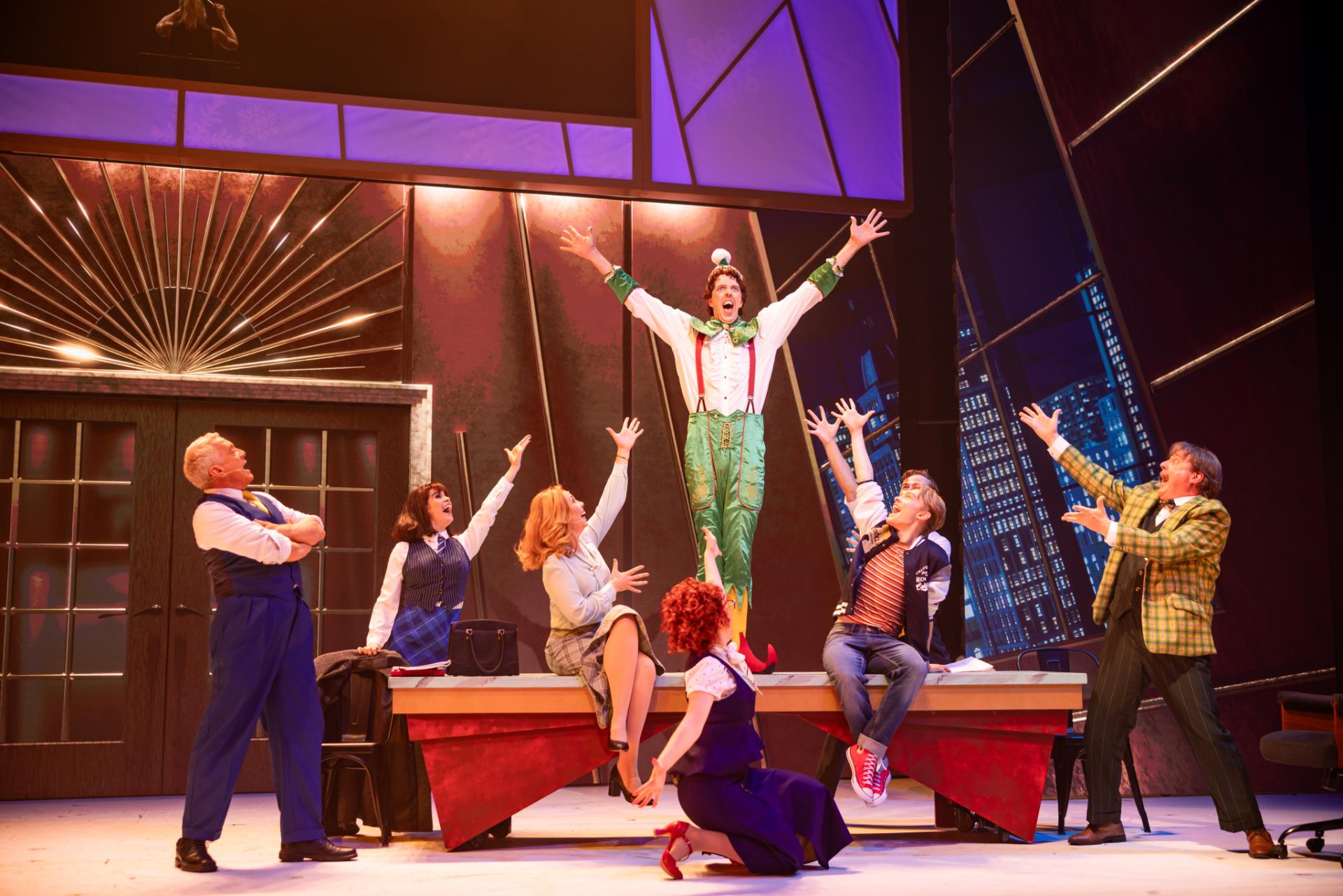
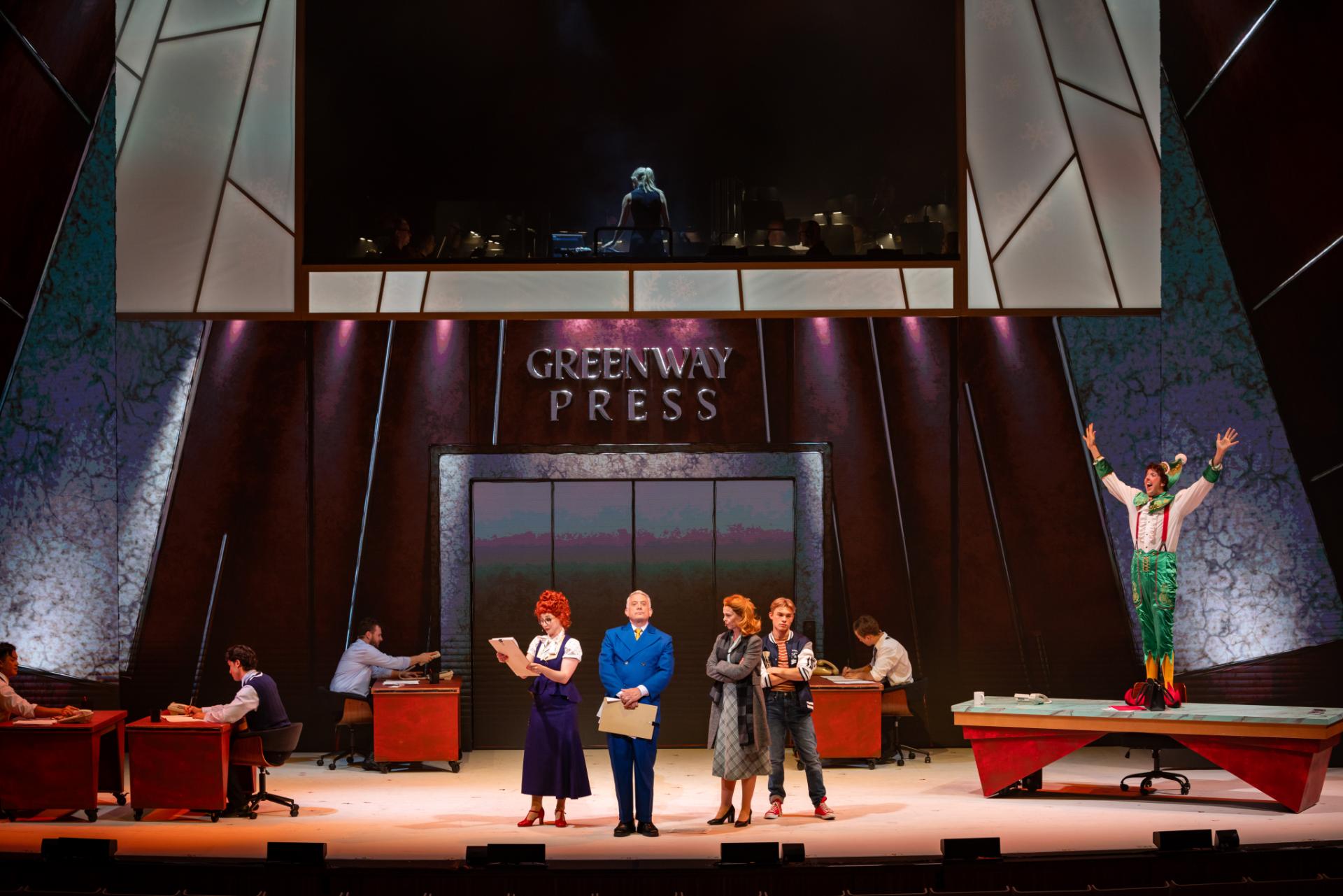
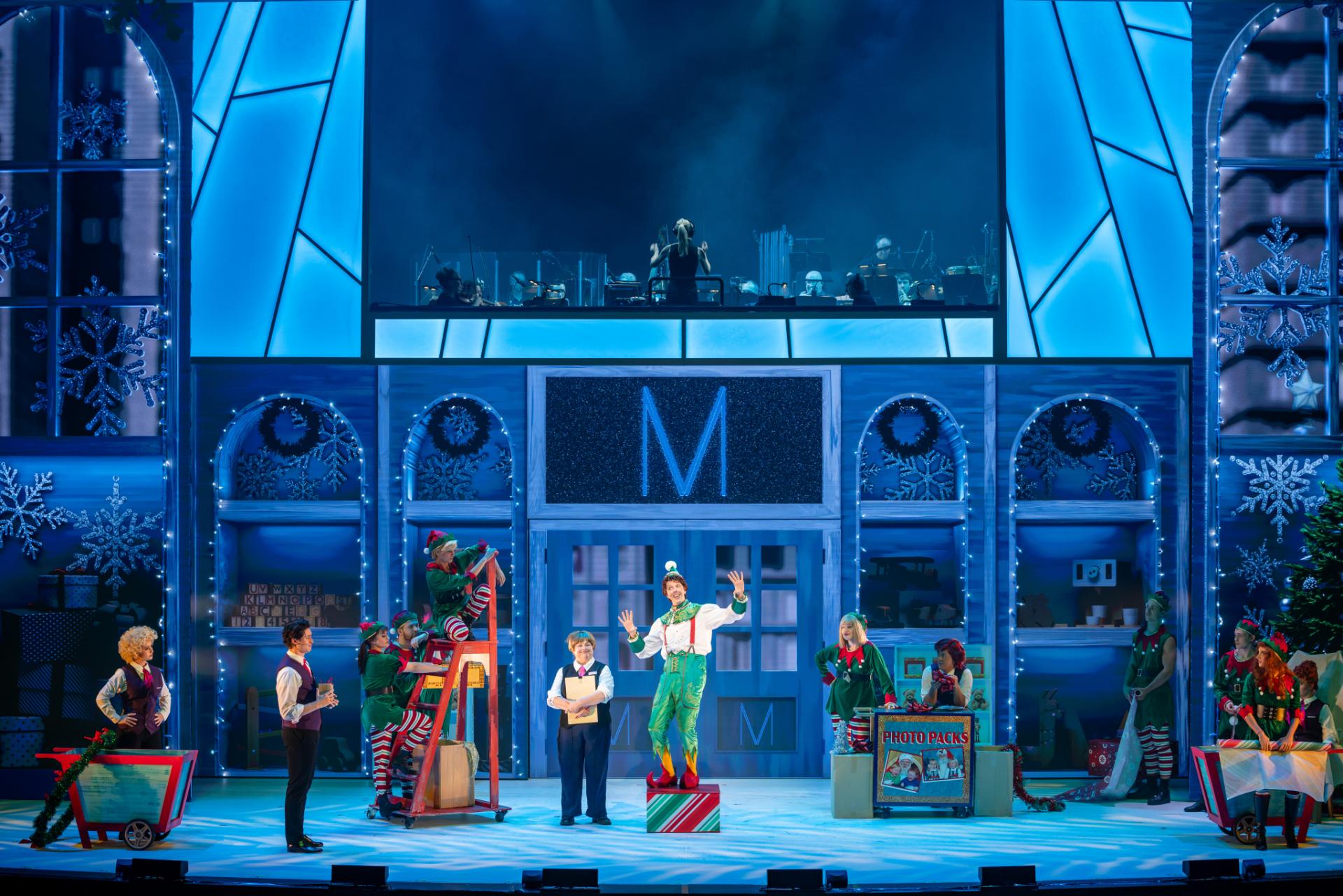
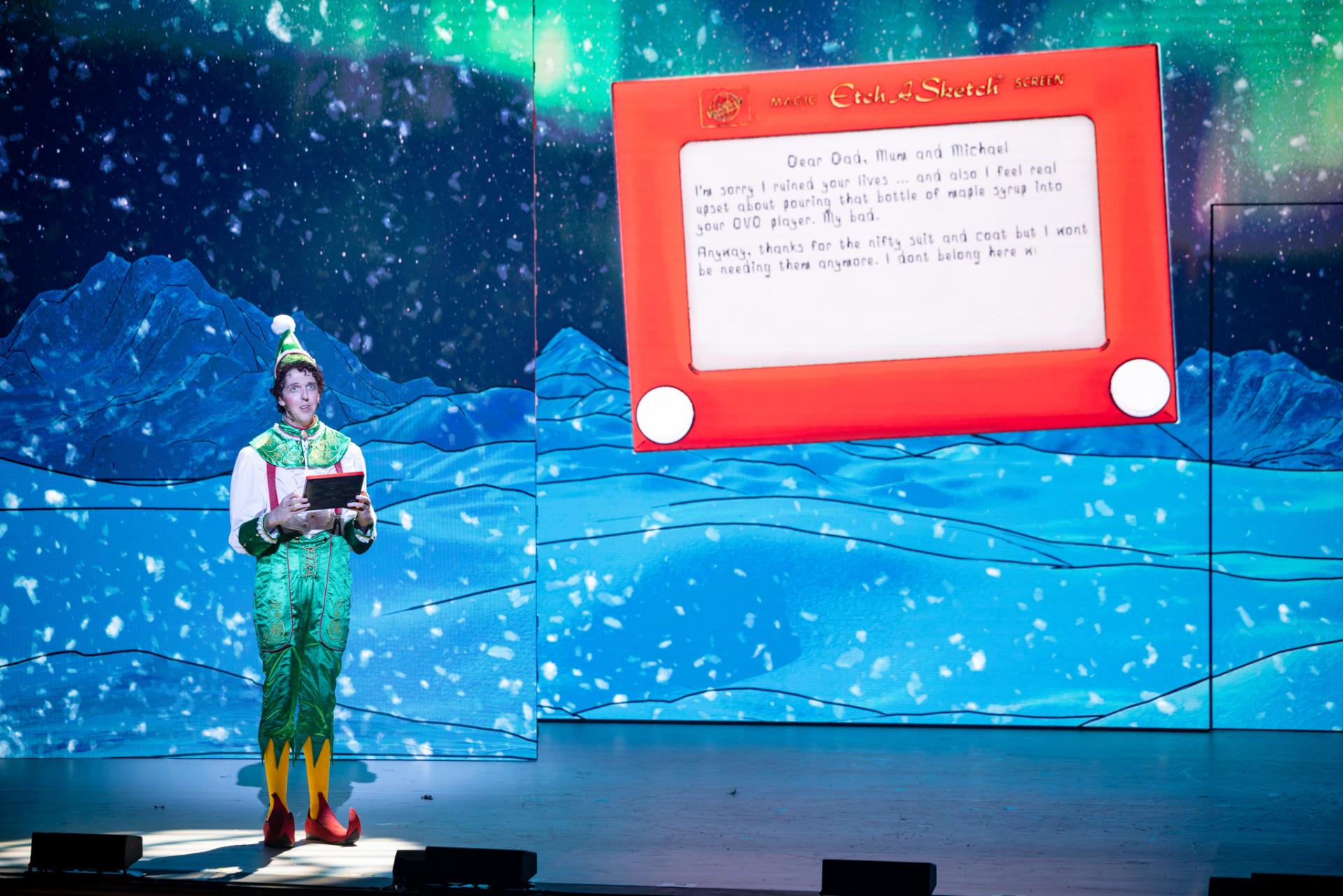
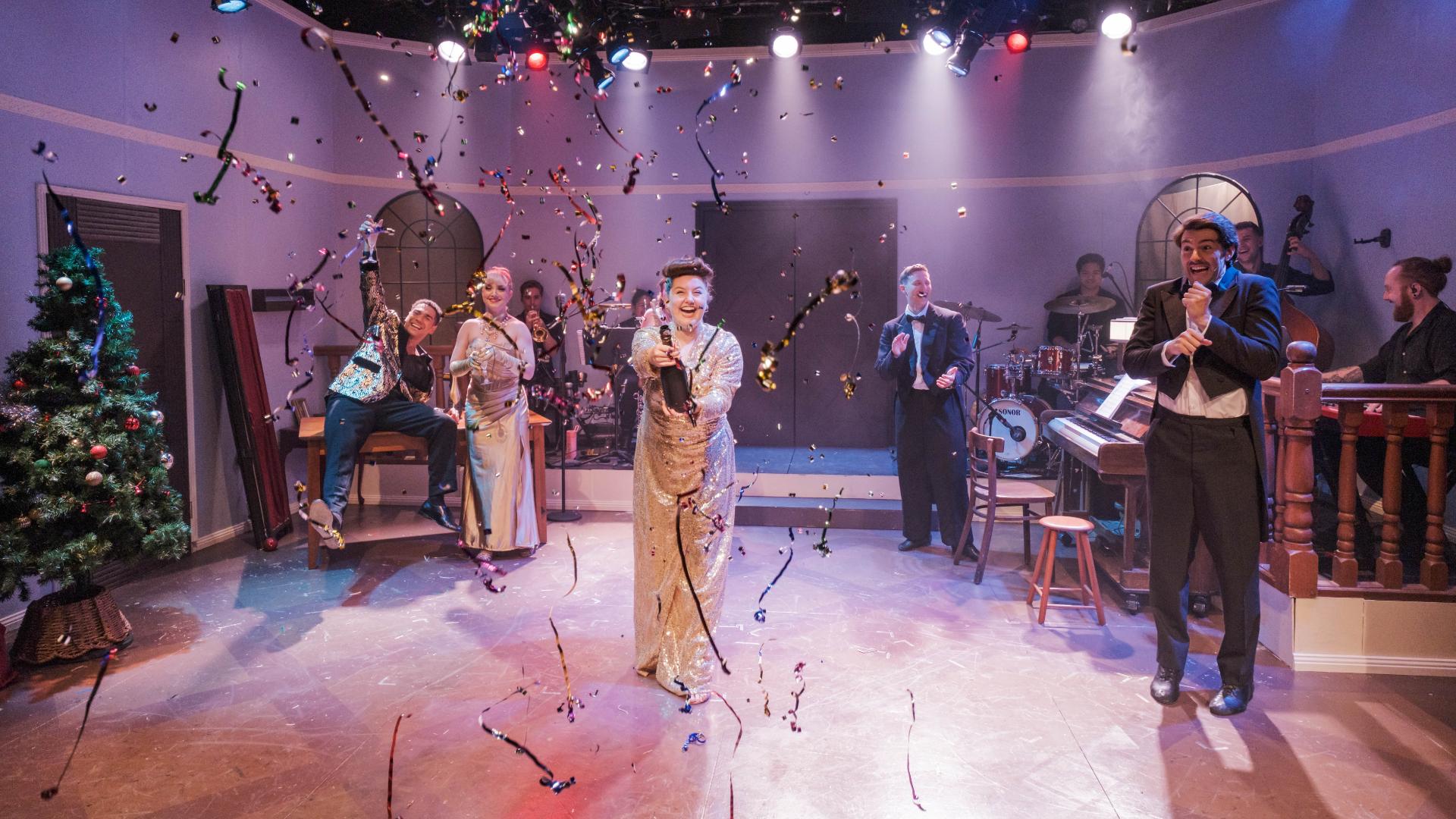
Buddy embarks on a journey to New York to find his biological father, having recently learned that he is not a natural-born elf. Elf: The Musical was created several years after the success of the 2003 motion picture on which it is based, bringing further joy to the holiday season for audiences of all ages.
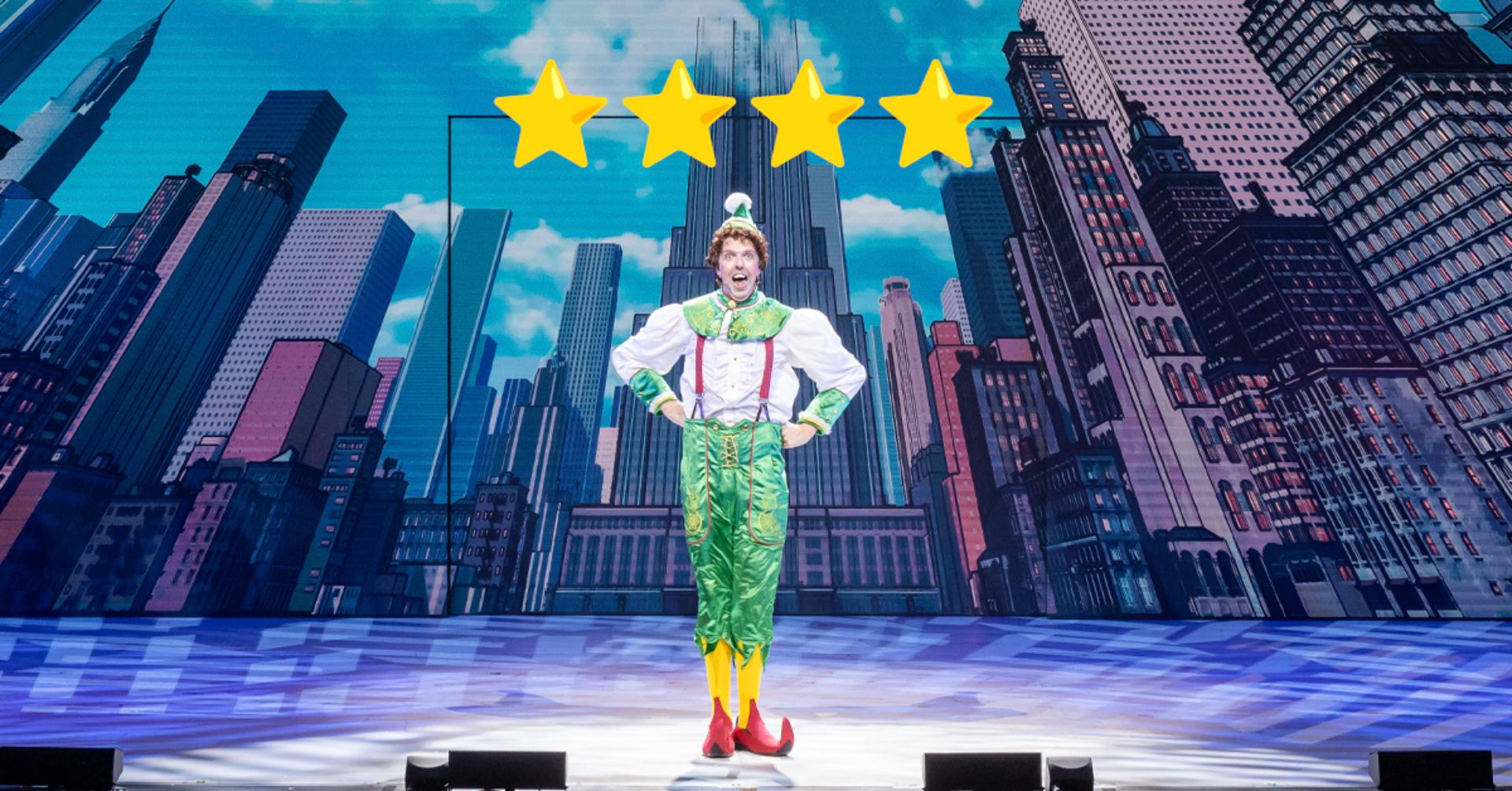
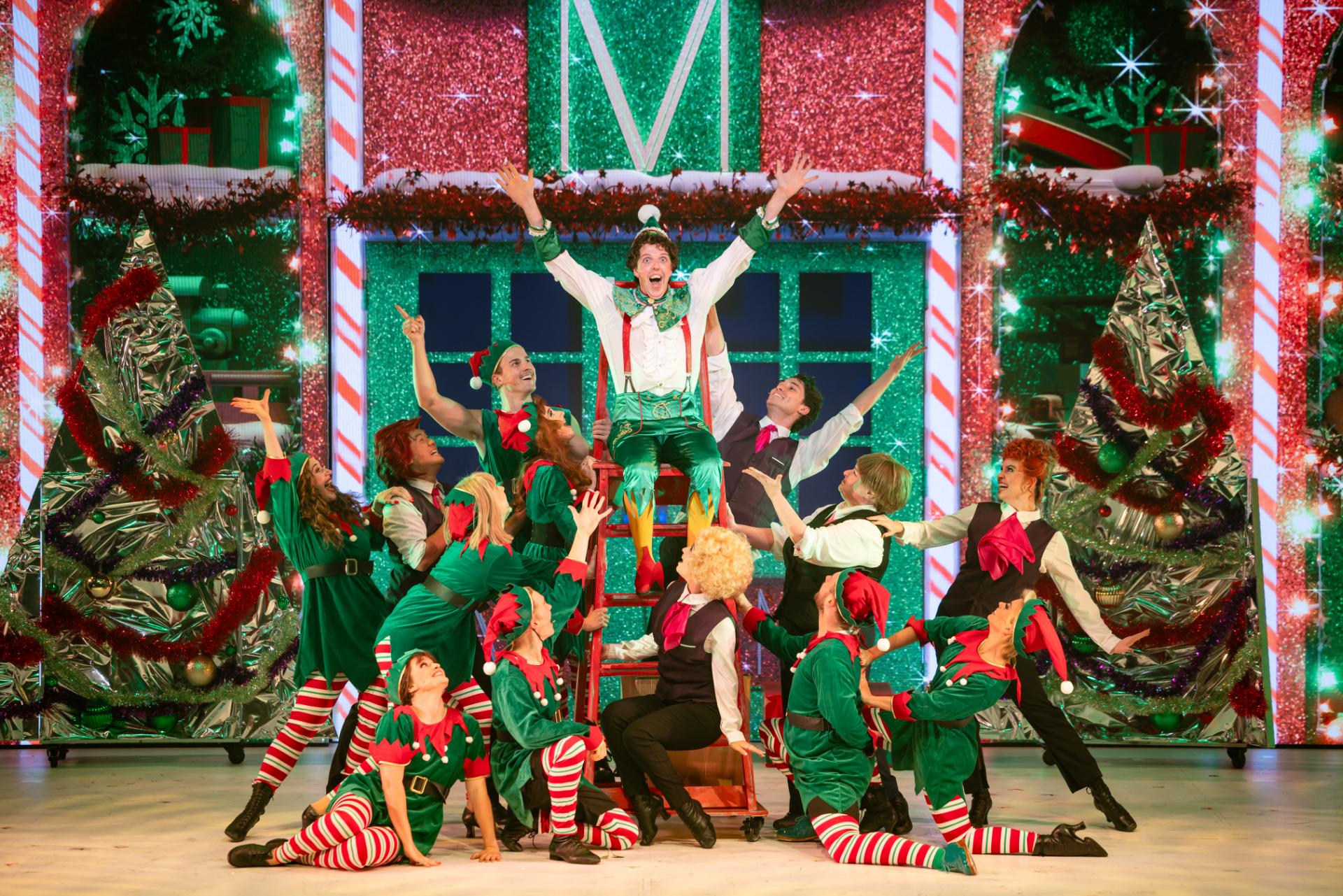
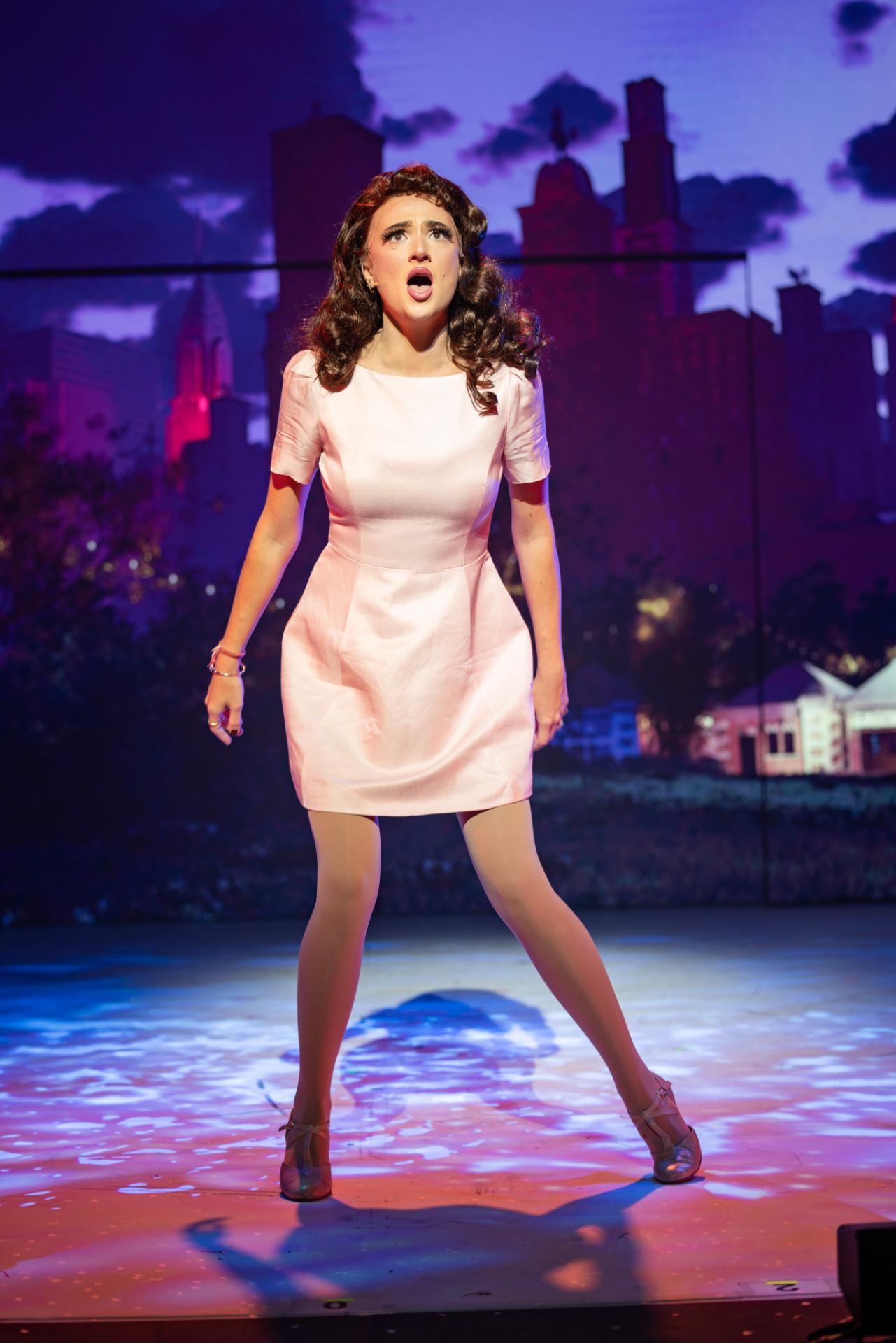
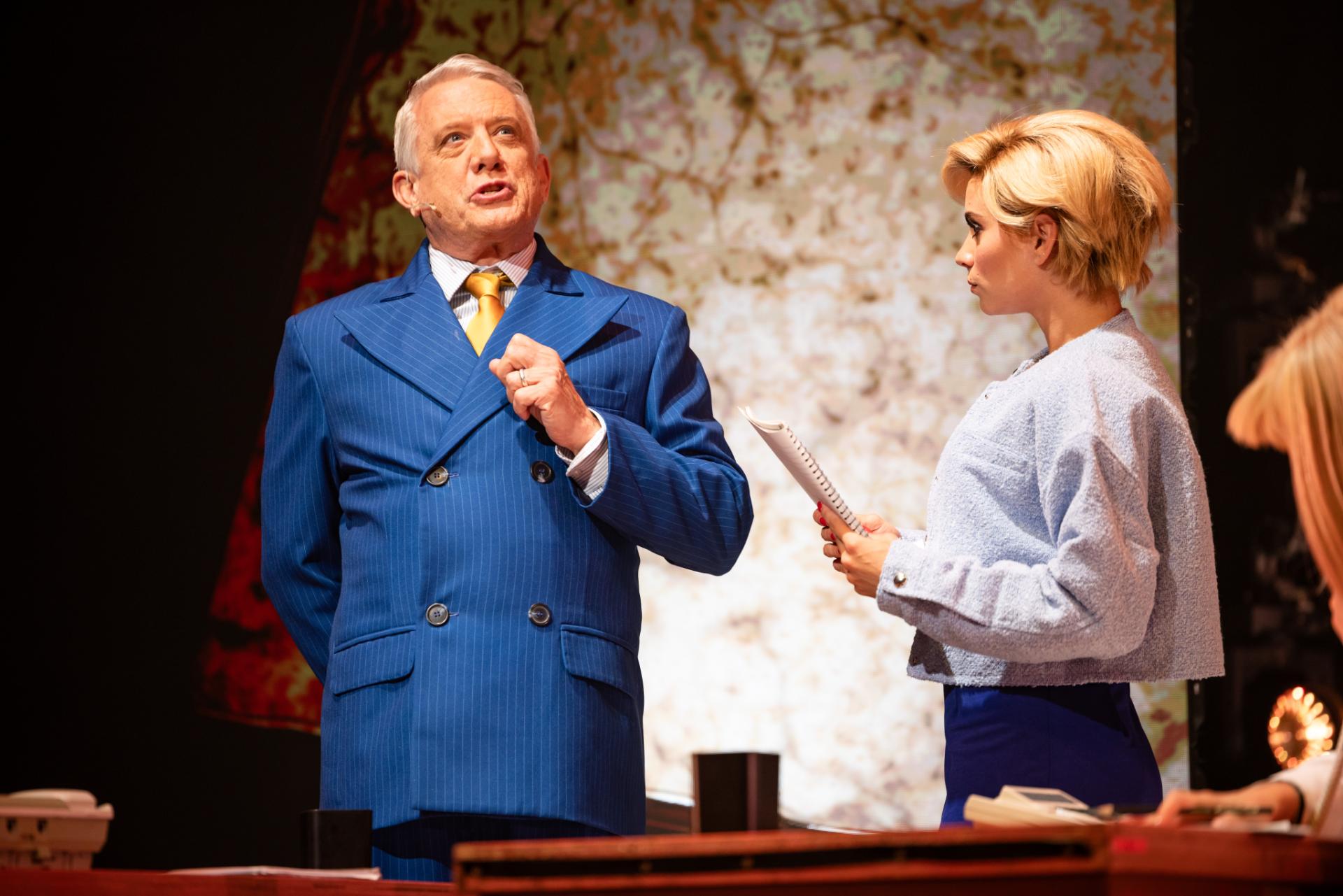
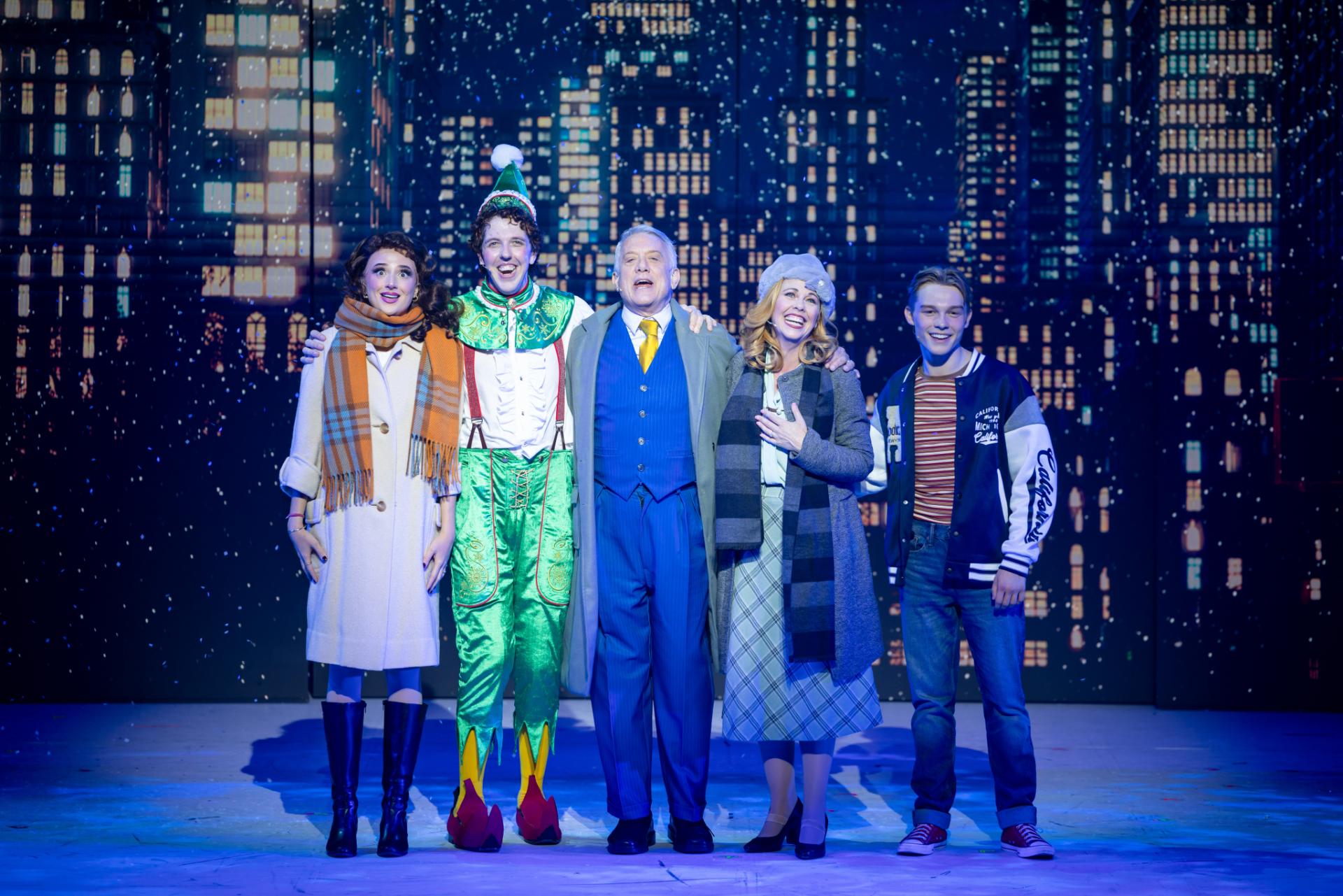
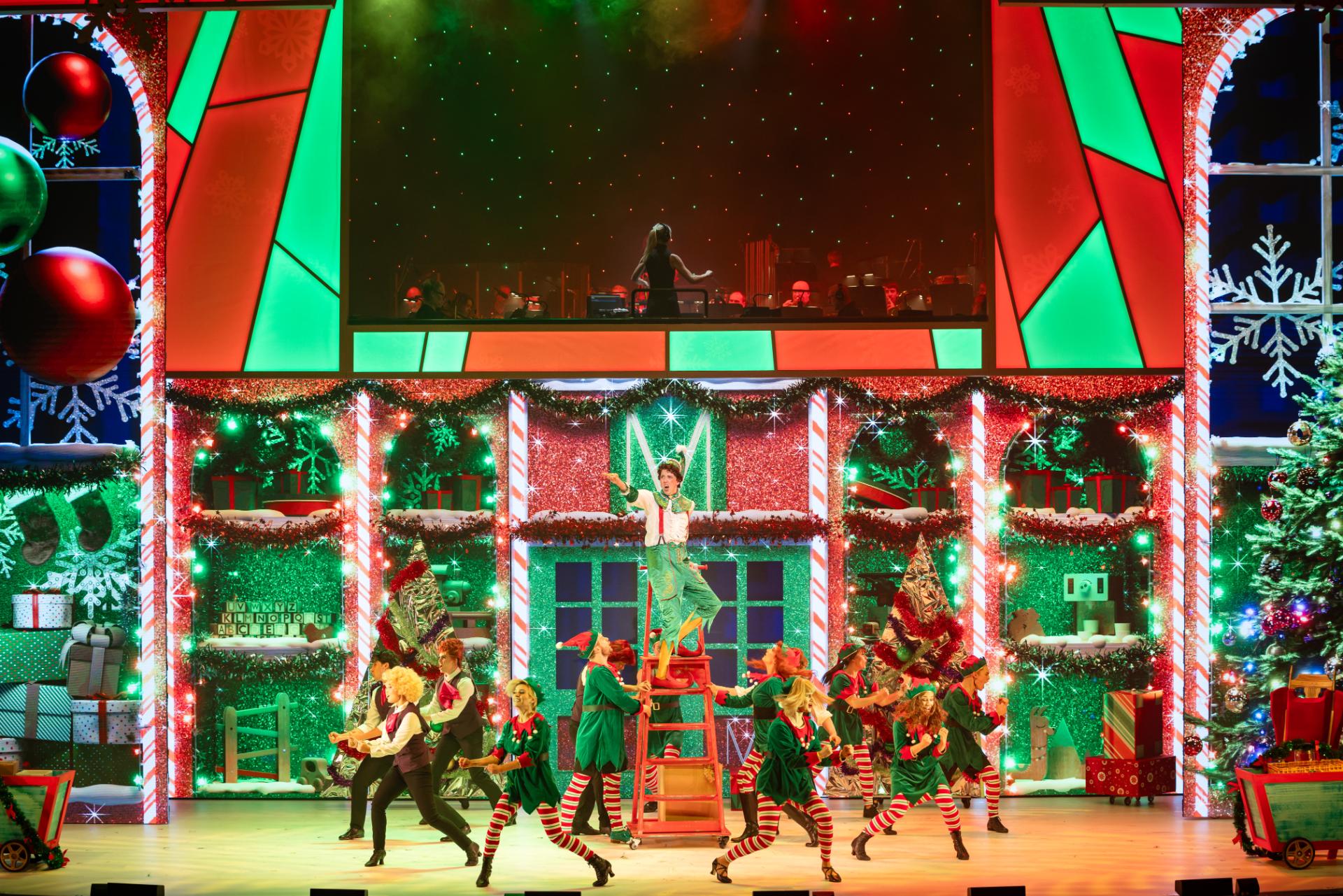
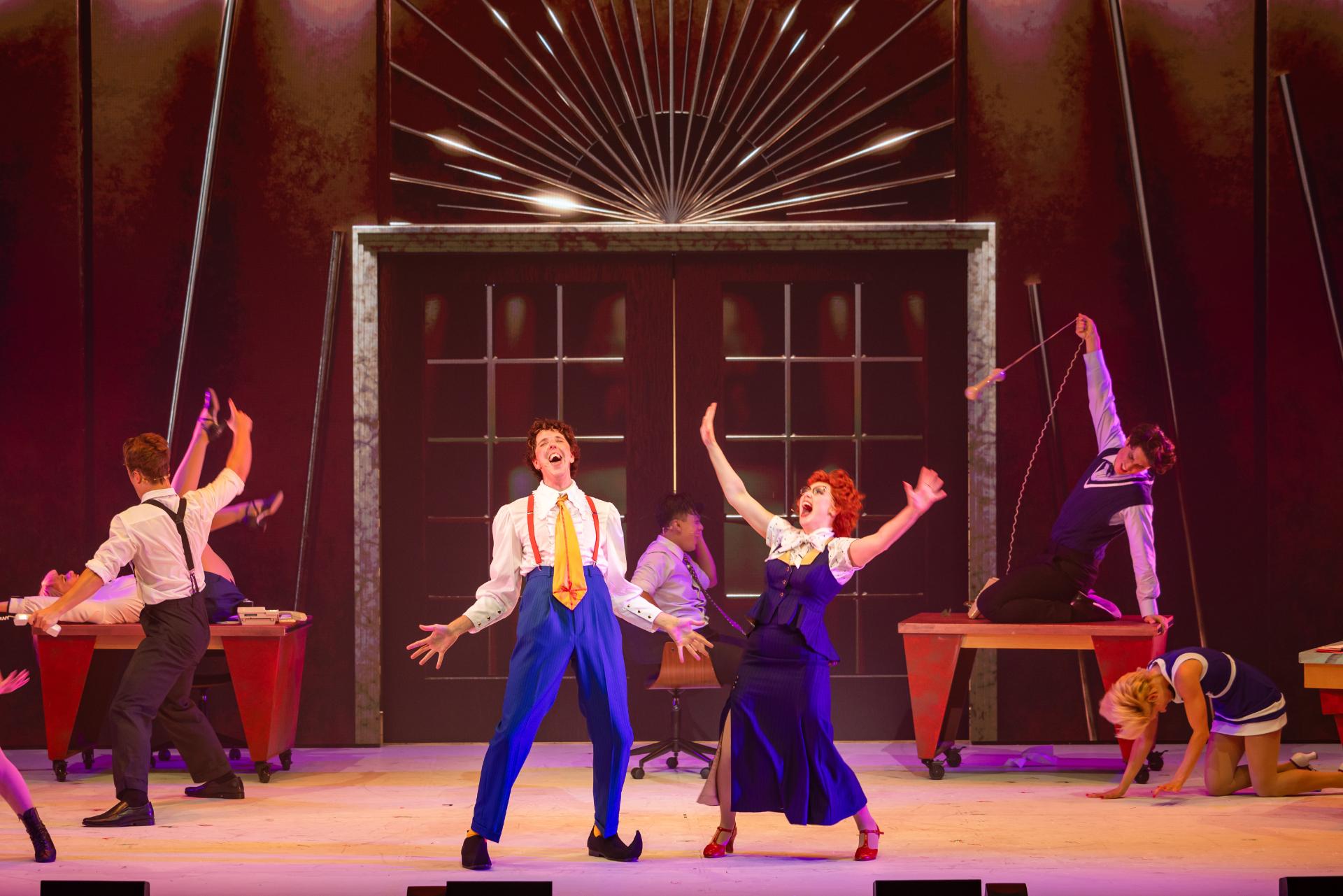
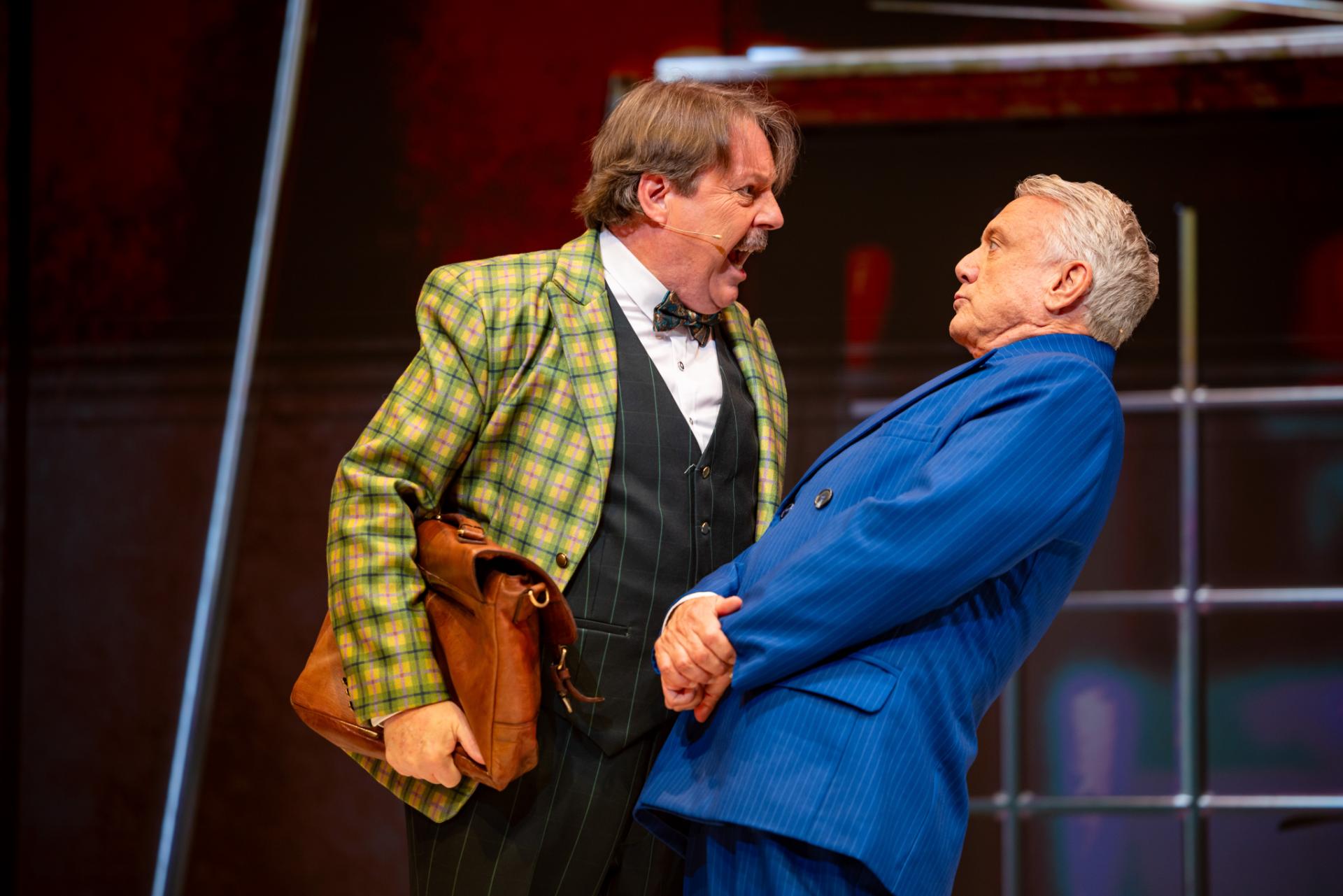
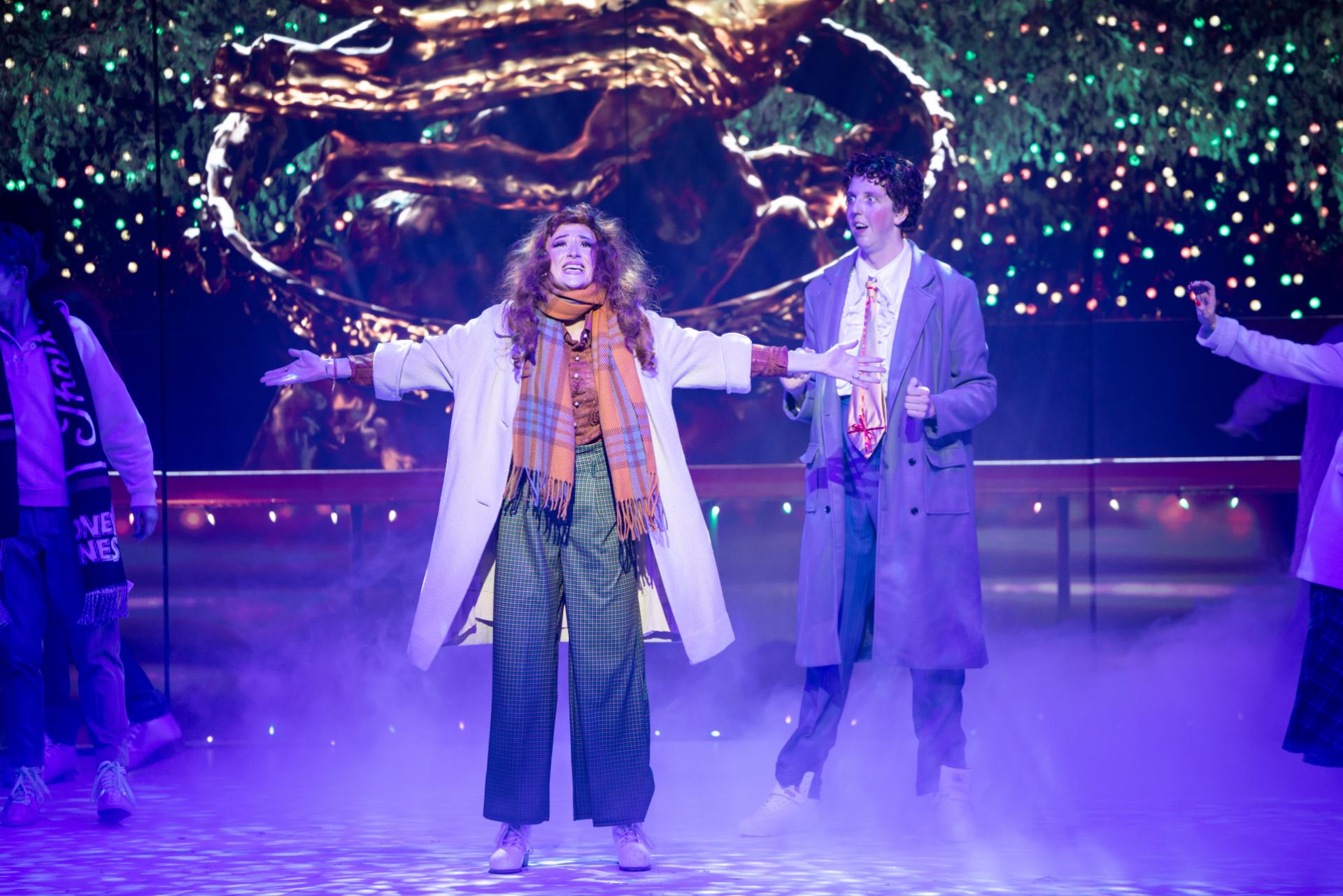
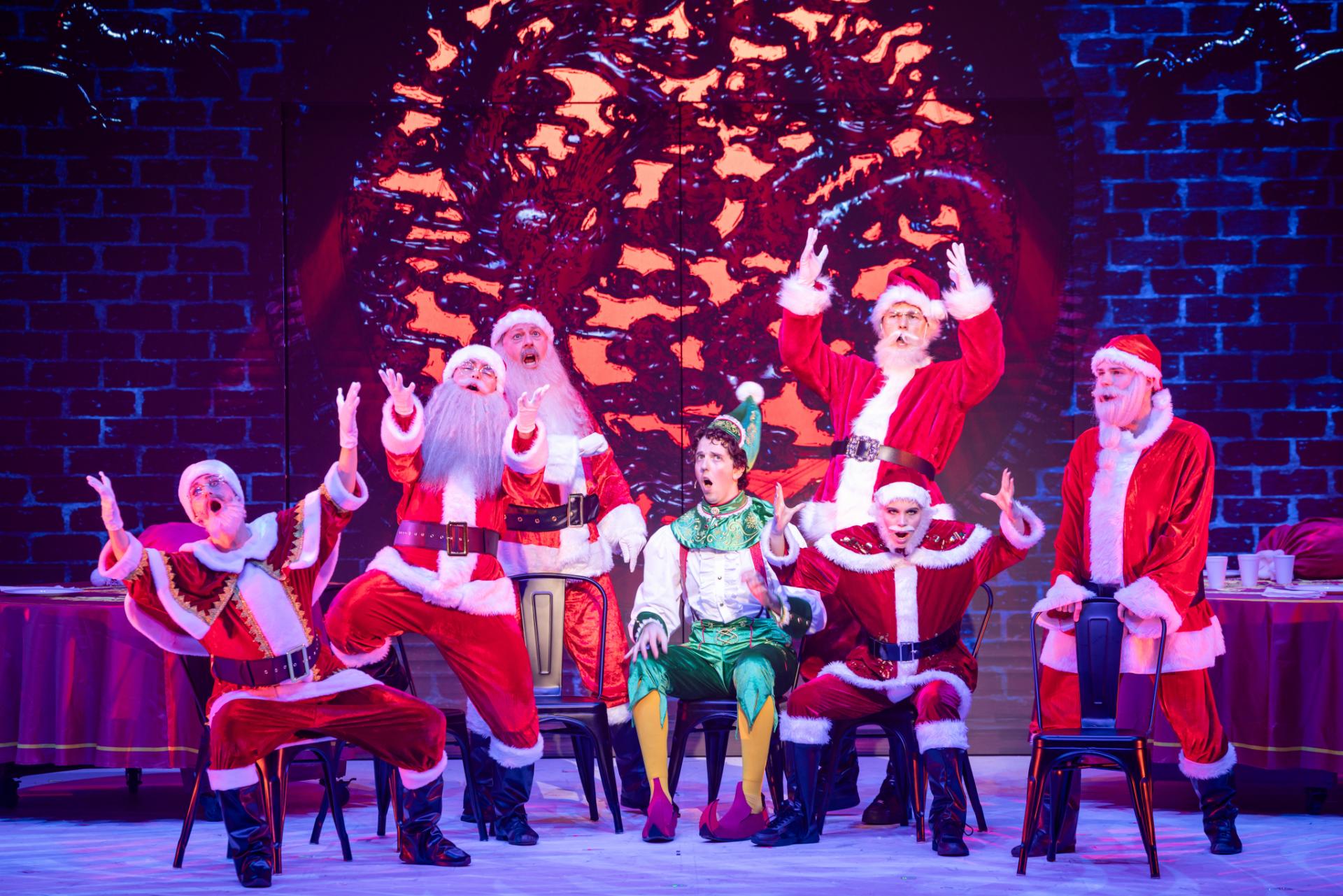
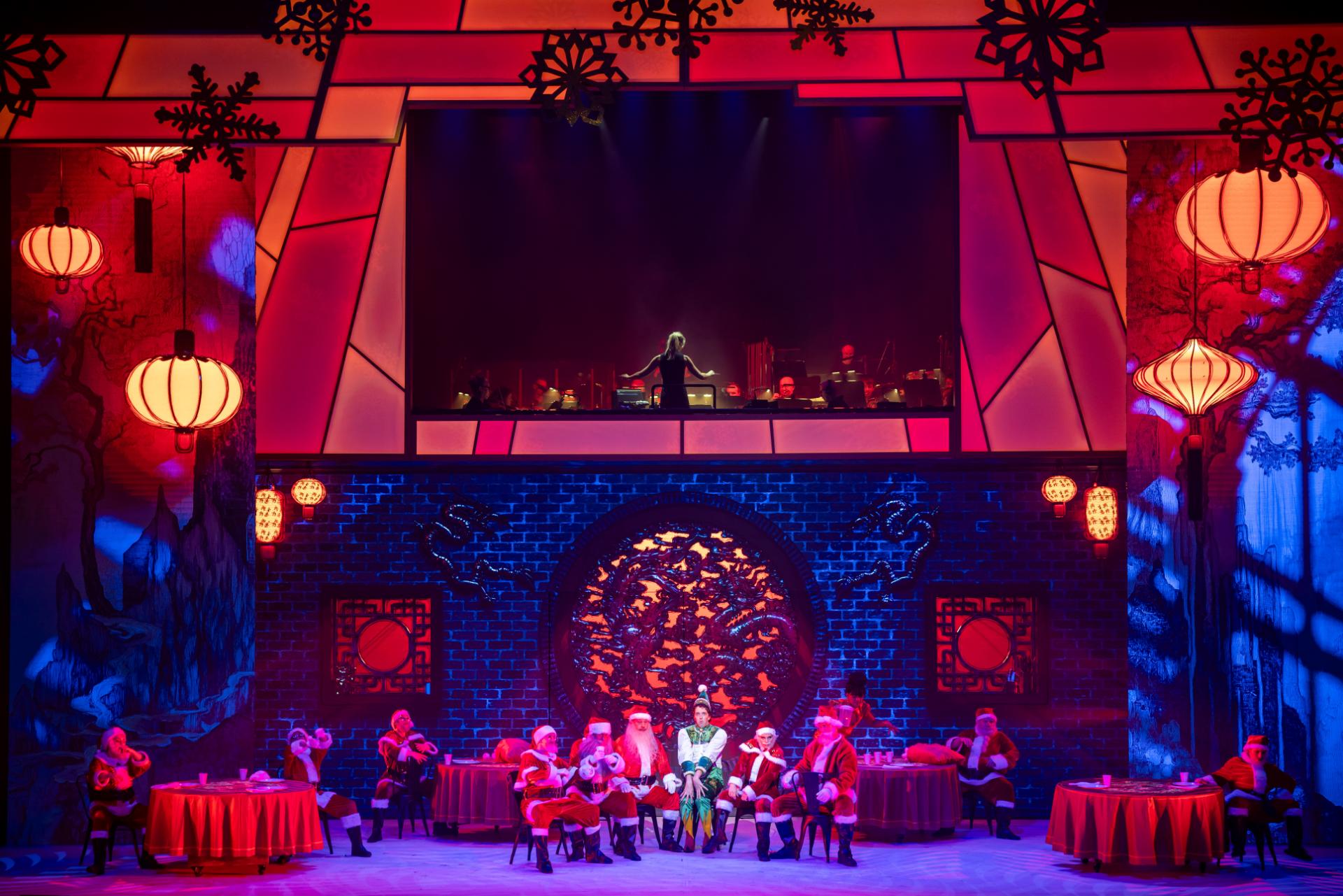
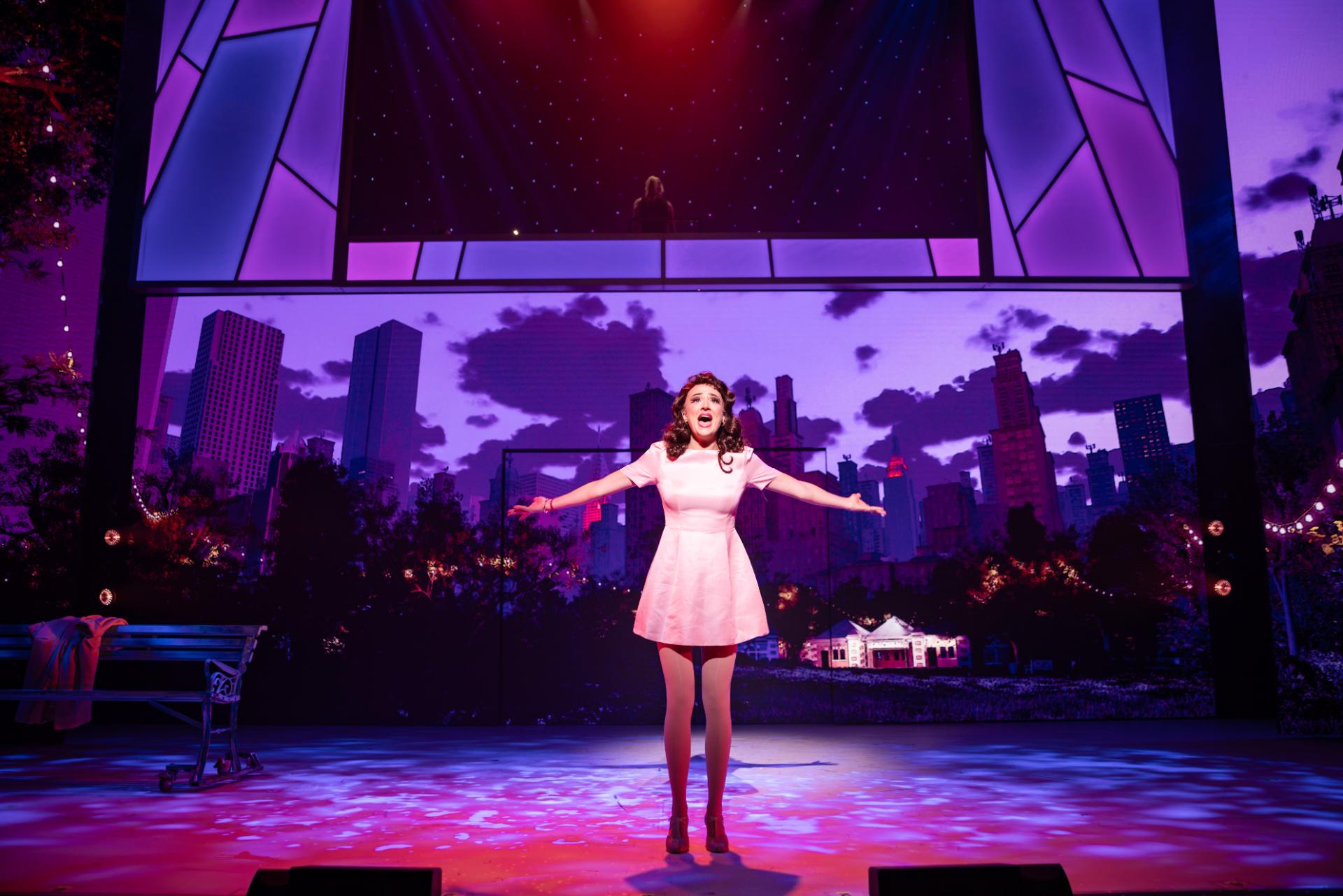
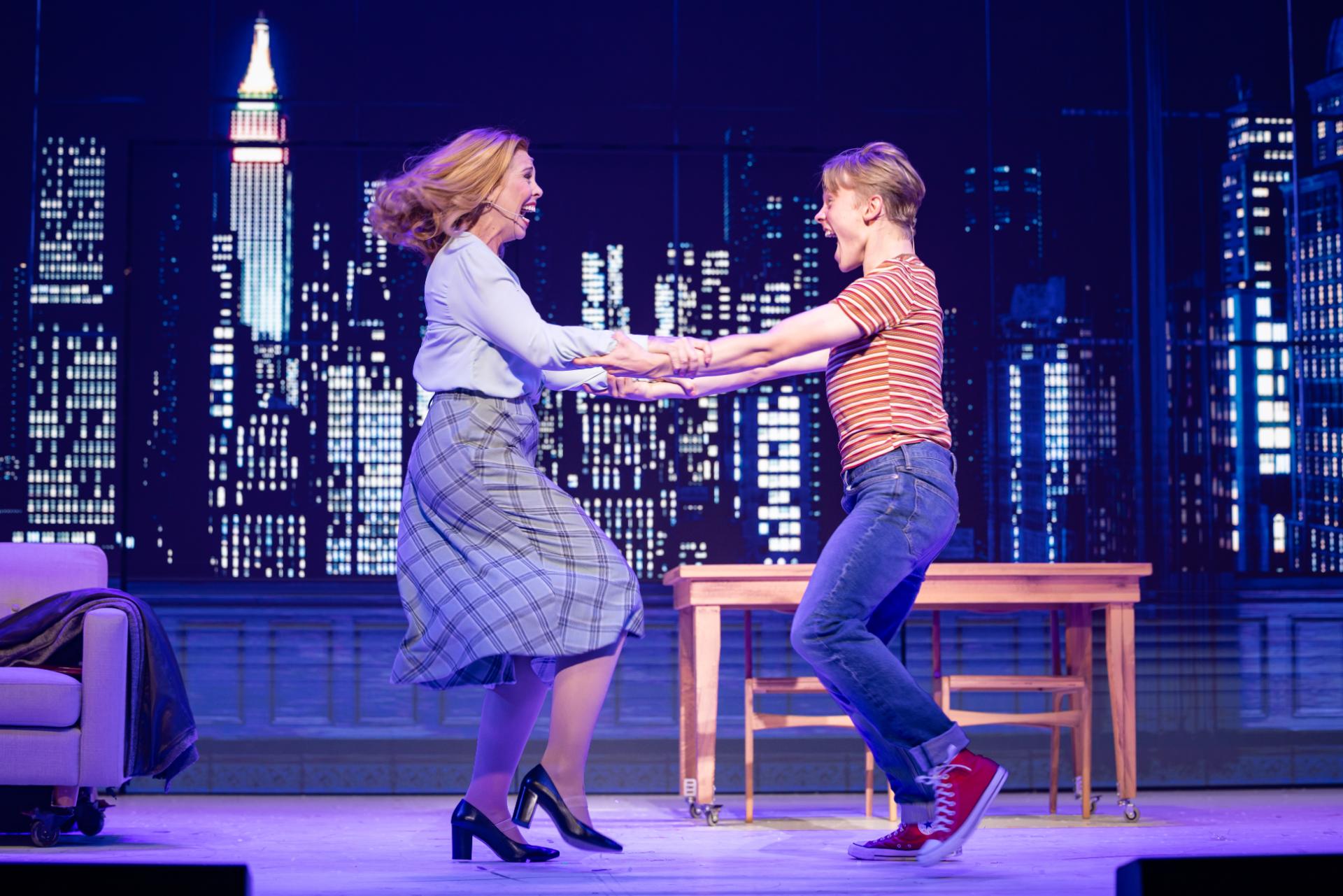
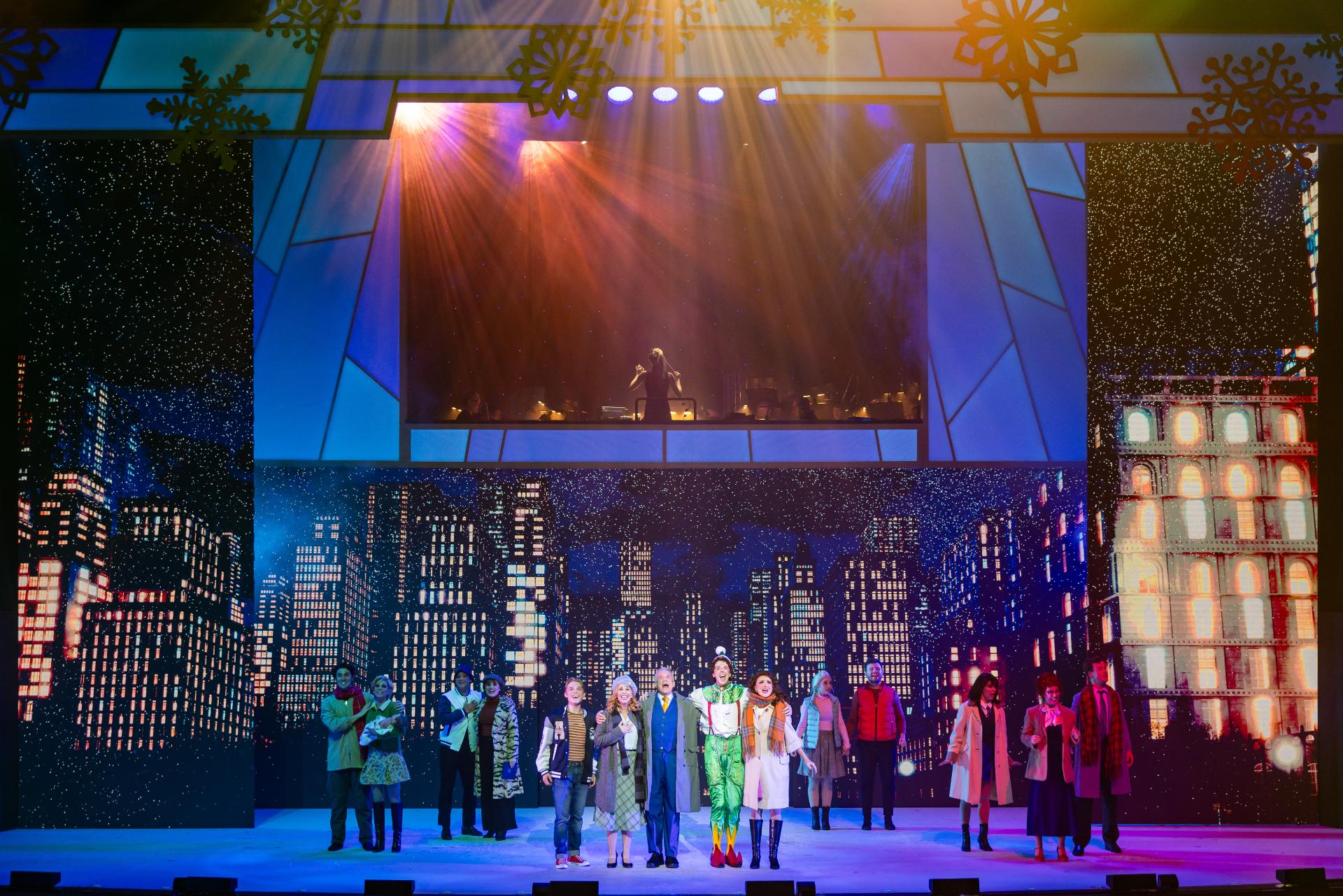
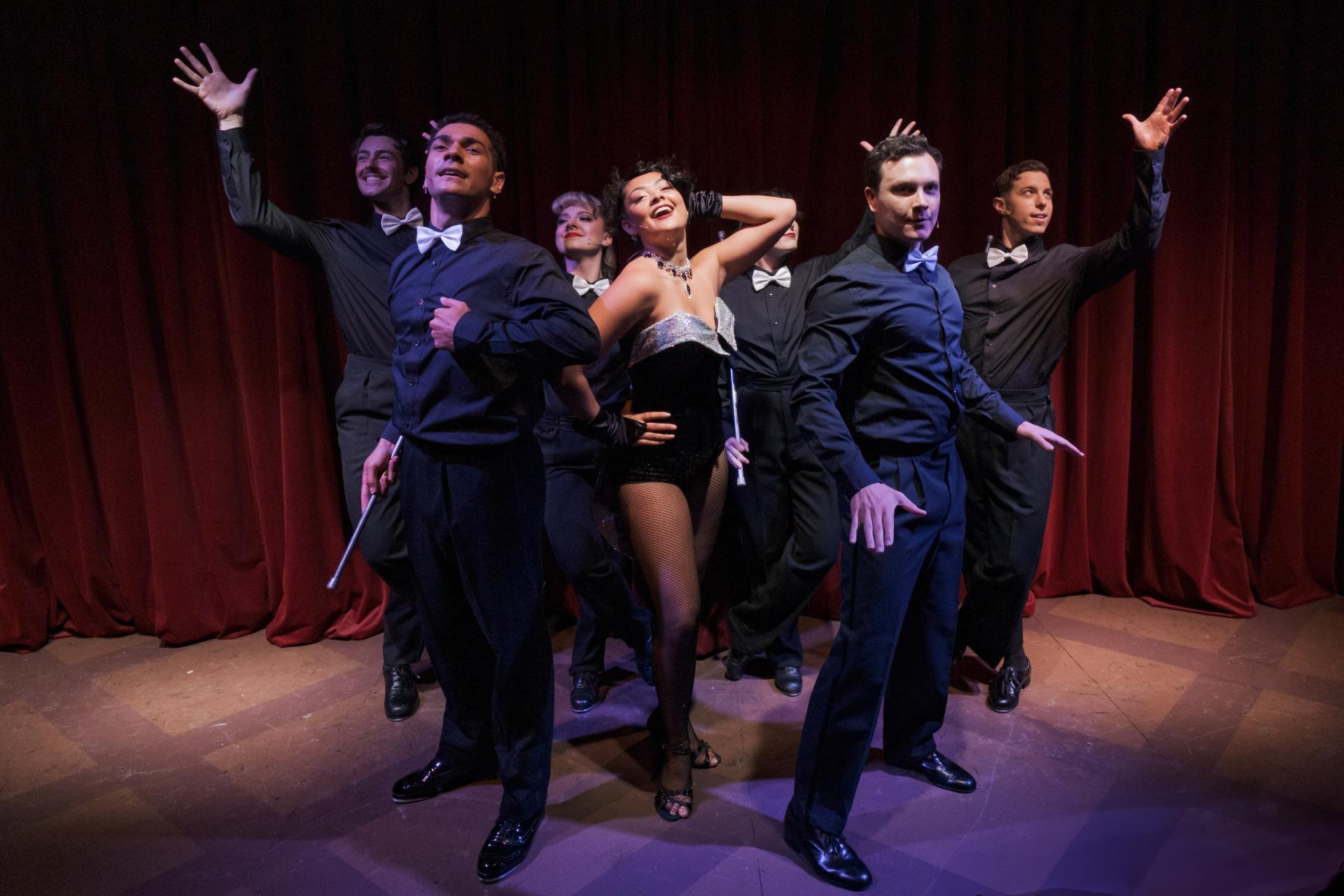
Under Eric Giancola’s effervescent direction, this stage version emerges as a comedic delight determined to leave crowds beaming with pleasure. Charming choreography by Mitchel Woodcock is a memorable feature, adding richness and dynamism to the narrative’s inherent momentum. Splendid video design by David Bergman increases the kineticism of the experience, working with our imagination to render believable a wide range of locations, as it delivers irrepressible colour and movement to have us mesmerised.
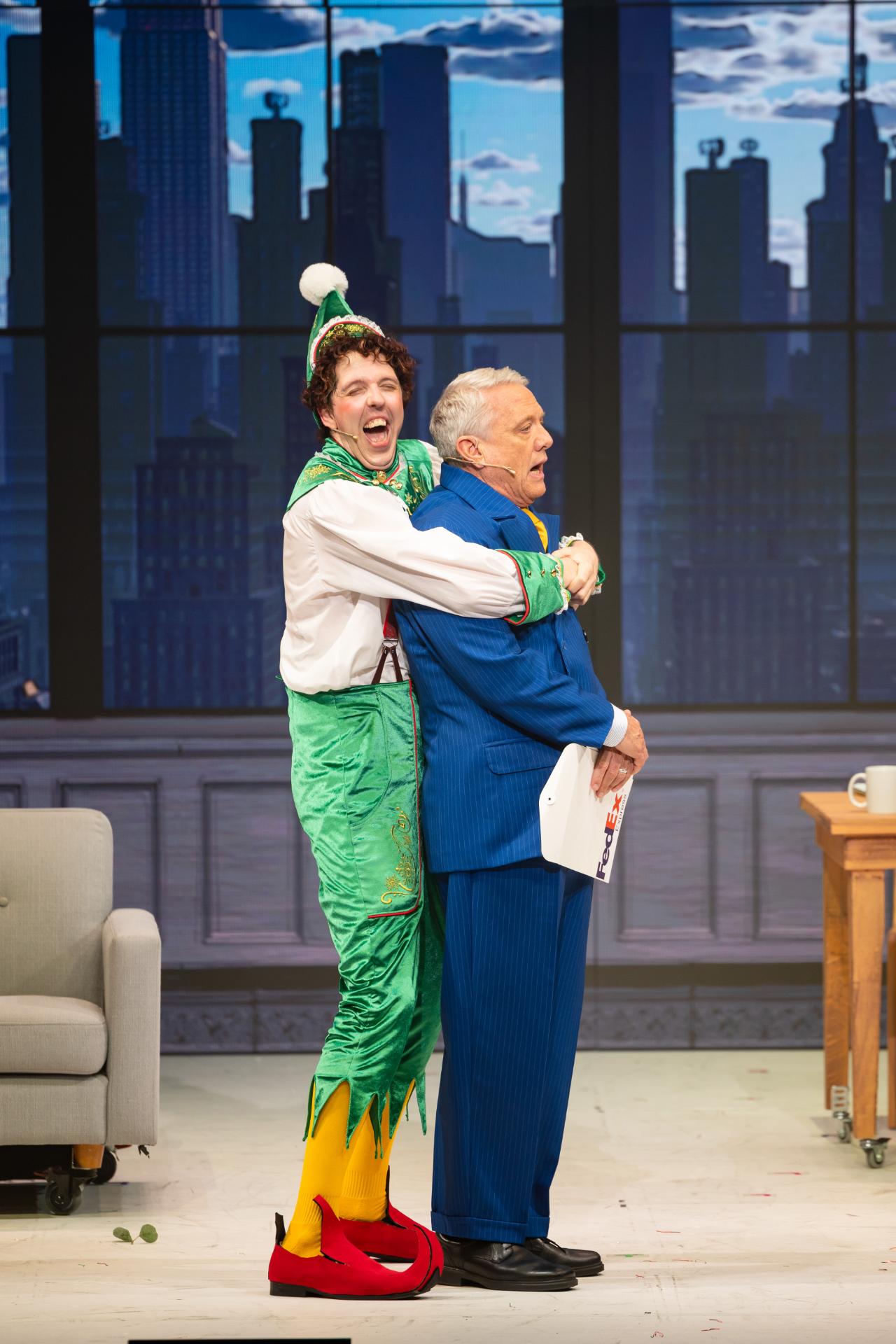
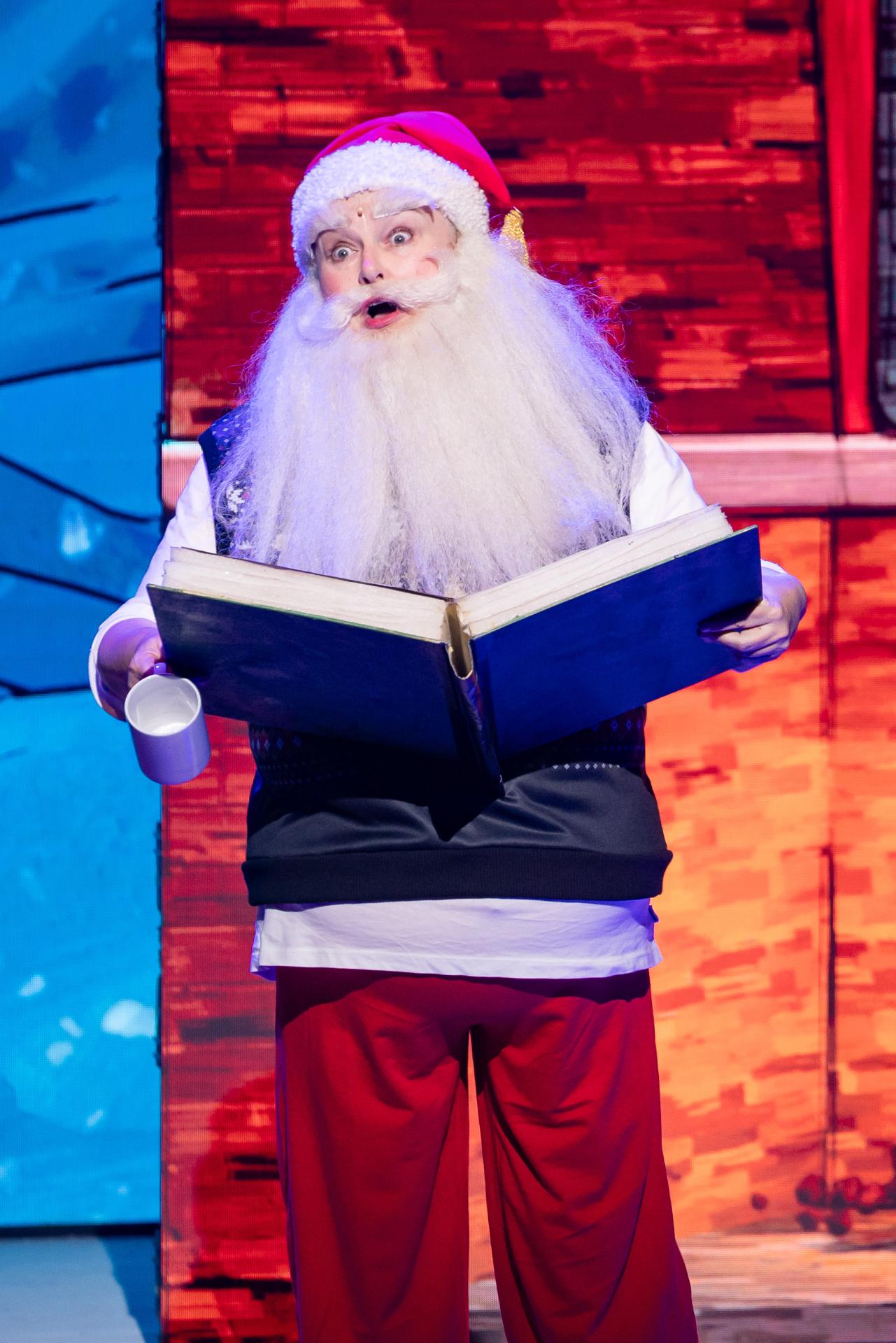
Performer Gareth Isaac plays Buddy with an appealing naivety, and along with his vibrant ebullience, convinces us to invest in this story about an oversized Santa’s helper. As Santa, Laura Mulcahy’s natural charisma shines to great effect, completely enchanting with the confidence and humour she introduces. Simon Burke and Katrina Retallick are notable for their magnetism in the roles of Mr and Mrs Hobbs, both effortlessly captivating, as parental figures in Buddy’s search for belonging.
Christmas may always be first and foremost about the birth of a deity, but increasingly we regard it to simply be a time for togetherness and harmony. No matter our beliefs, it becomes a greater possibility during these festivities to lay down the arms, and to hold sacred a moment, if only for remembering to hope for peace on earth, and mercy mild.







 Suzy Goes See