
Venue: Ensemble Theatre (Kirribilli NSW), Jan 23 – Mar 14, 2026
Playwright: David Williamson
Director: Janine Watson
Cast:Mandy Bishop, Sarah Chadwick, Jo Downing, Andrew McFarlane, Matt Minto, Johnny Nasser
Images by Phil Erbacher
Theatre review
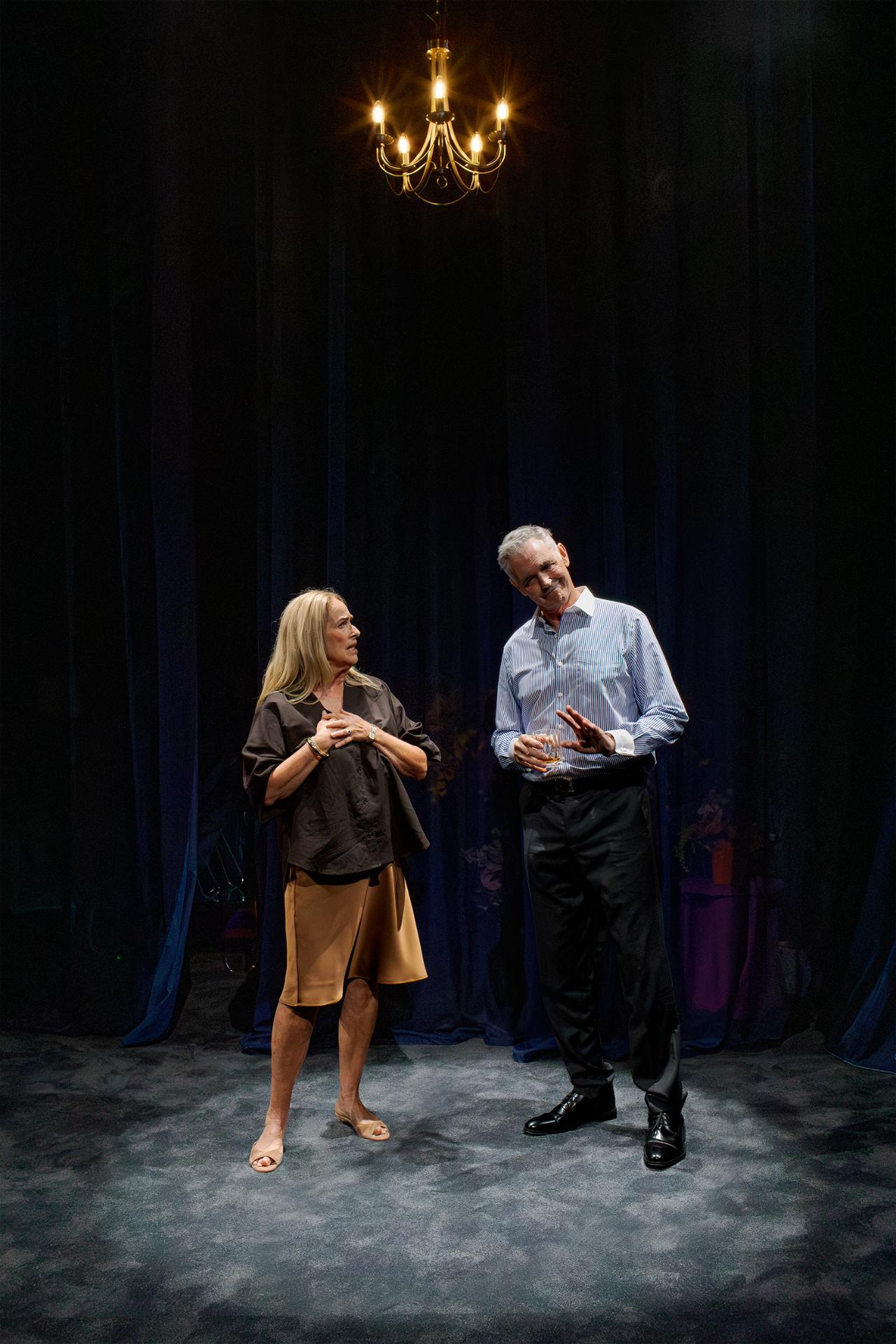
Six people, occupying different rungs of social privilege, gather for a dinner party where envy, resentment and competitiveness simmer just beneath the surface. As the evening unravels, these tensions erupt into a series of heated exchanges, before everyone departs fundamentally unchanged. David Williamson’s The Social Ladder begins with the familiar and fertile promise of drama born from class conflict, but soon slips into a sequence of uneven debates that feel less like interrogation than indulgence—an airing of the wealthy’s grievances in which working-class voices are conspicuously denied wit, agency, or meaningful rebuttal.
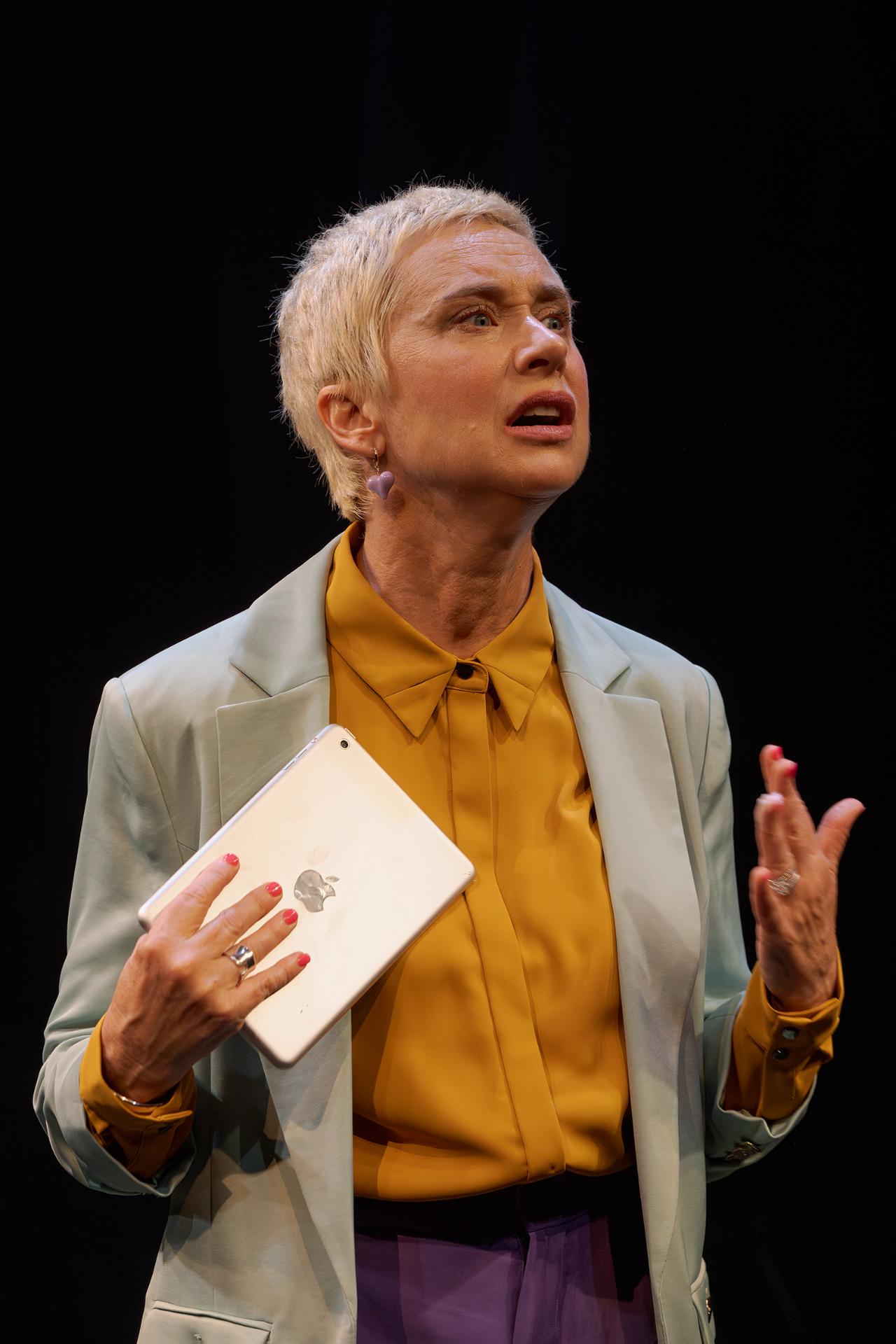
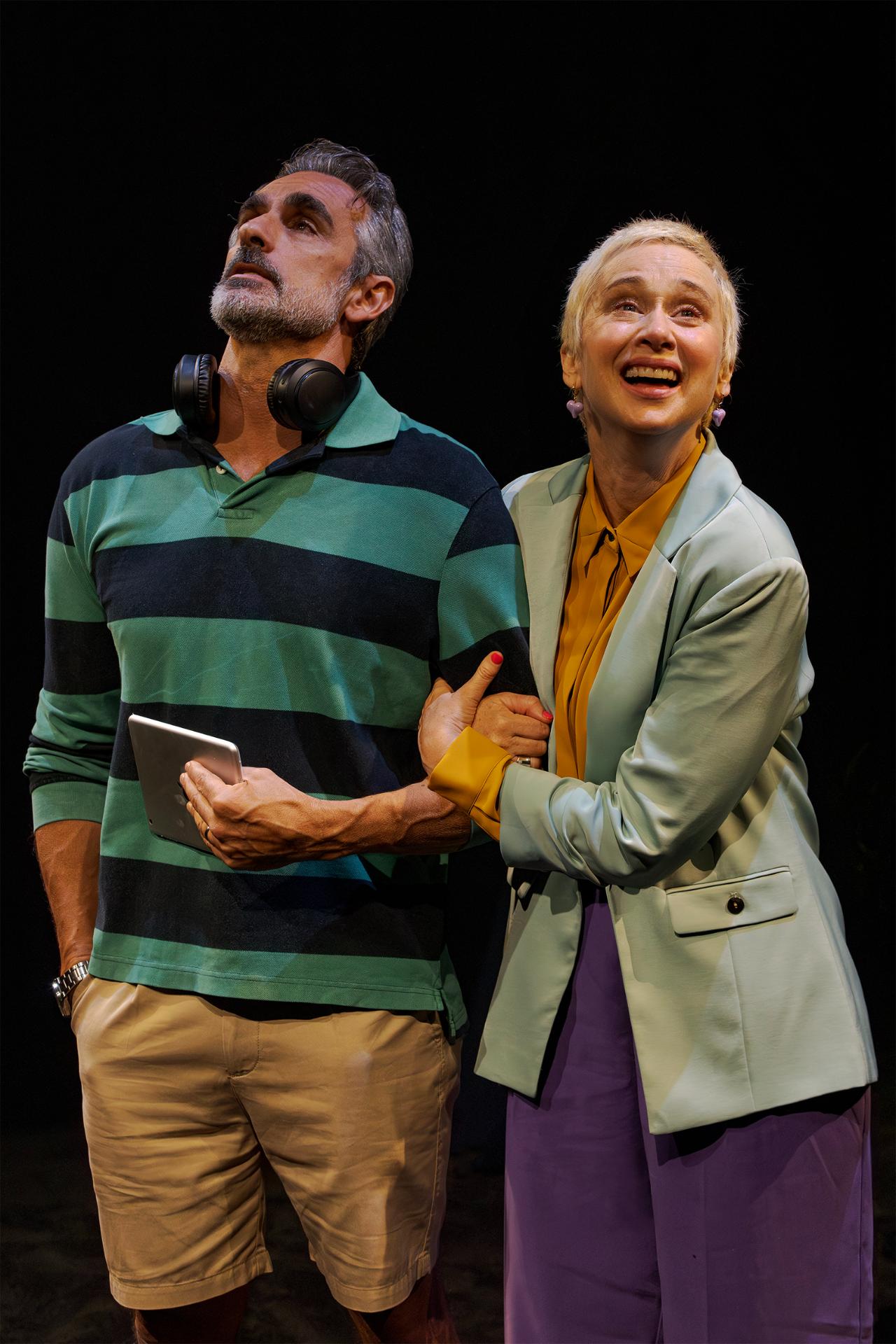
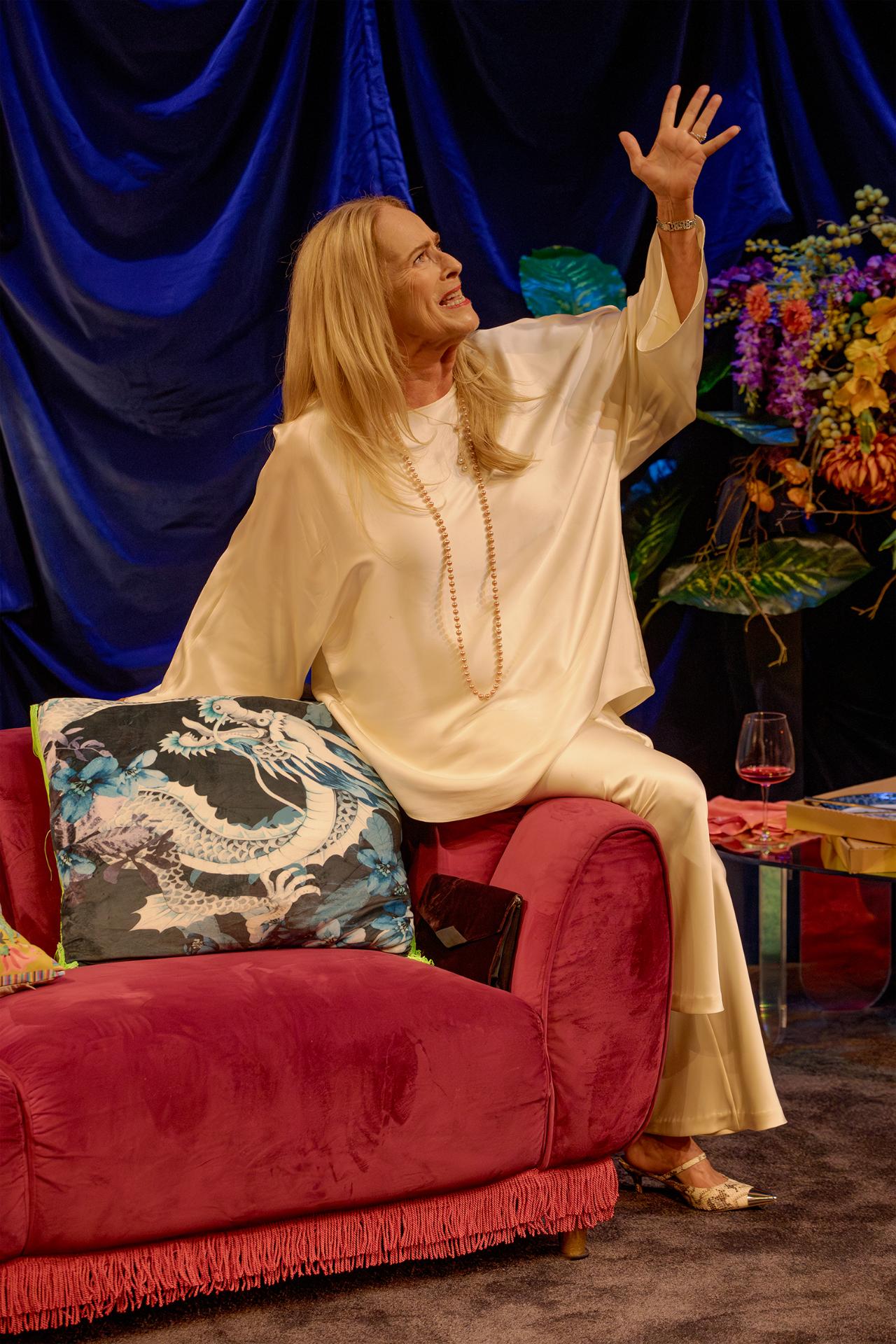
Janine Watson’s direction, however, succeeds in generating genuine mirth and momentum, creating a theatrical experience that, while offering little in the way of intellectual satisfaction, nonetheless delivers a buoyant sense of jovial humour. The cast is admirable for a level of commitment that can only stem from a deep dedication to the craft of acting, particularly given the thinness of the material at hand. Their ability to forge a convincing ensemble chemistry is, in this context, quite remarkable. Mandy Bishop, as Katie, the party’s host, is especially commendable, deftly balancing wonderfully heightened comedy with an emotional interior that remains consistently believable.
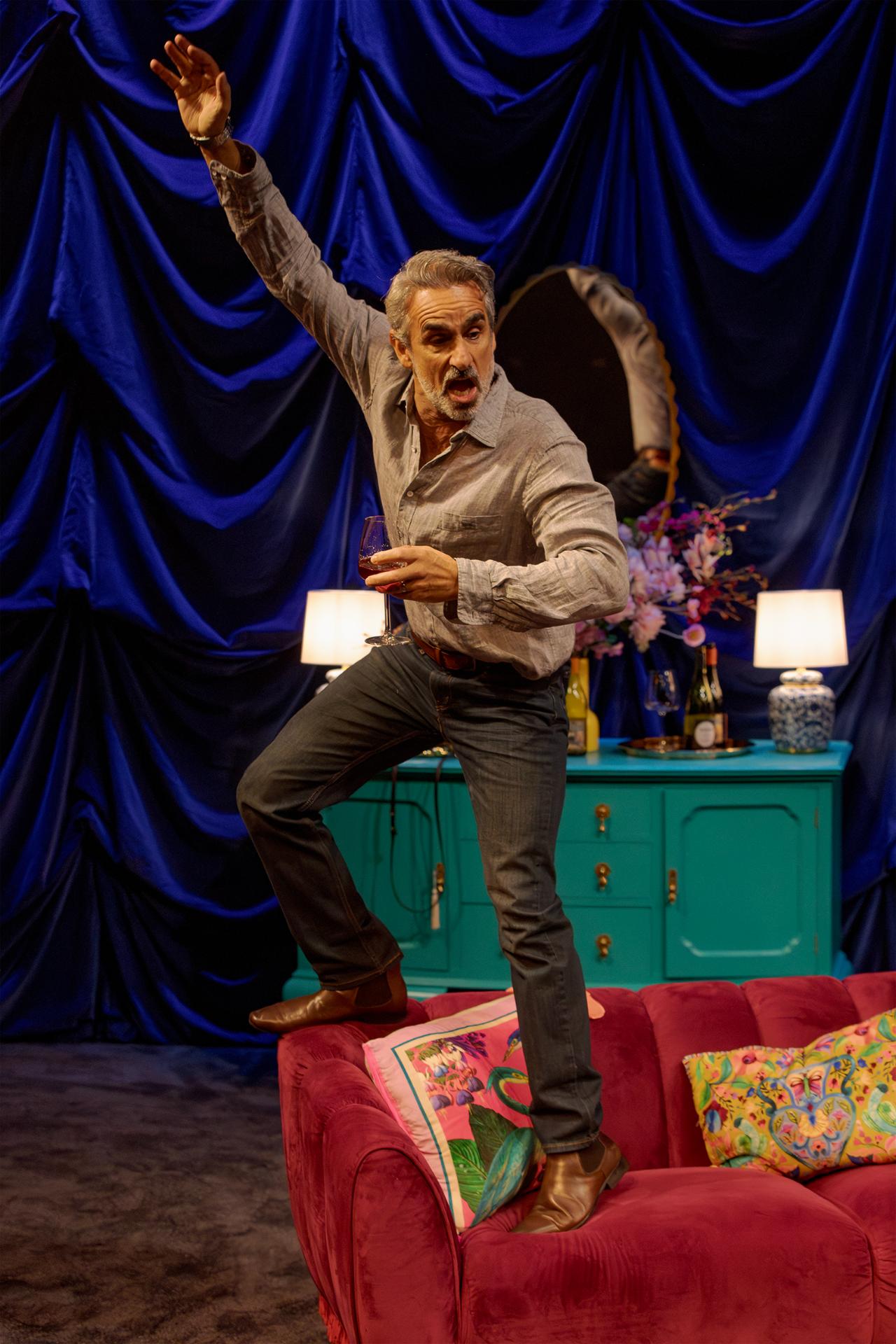
Veronique Benett’s production design is a visual pleasure, using the trappings of an affluent home to create a staging that captivates through its considered sense of extravagance. Lighting by Matt Cox and music by Clare Hennessy are employed with welcome restraint, functioning as subtle embellishments rather than distractions, and mercifully avoiding the addition of further clutter to an already laboured affair.
The play concludes with a series of awkward, self-satisfied declarations from its wealthiest characters, who promise increased charitable donations in the coming year—as though philanthropy might serve as a redemptive gloss for their deeply unappealing conduct. Yet the gesture rings hollow. A society structured around fairness should not depend on the benevolence of the rich; it should simply require them to pay their taxes. As wealth inequality continues to widen unchecked after decades of escalation, such last-minute moral concessions feel less like insight than evasion.





 Suzy Goes See