Venue: Old Fitzroy Theatre (Woolloomooloo NSW), Nov 11 – 16, 2025
Creator: Kit Spencer
Director: Tyler Diaz
Cast: Kit Spencer
Images by Patrick Phillips
Theatre review
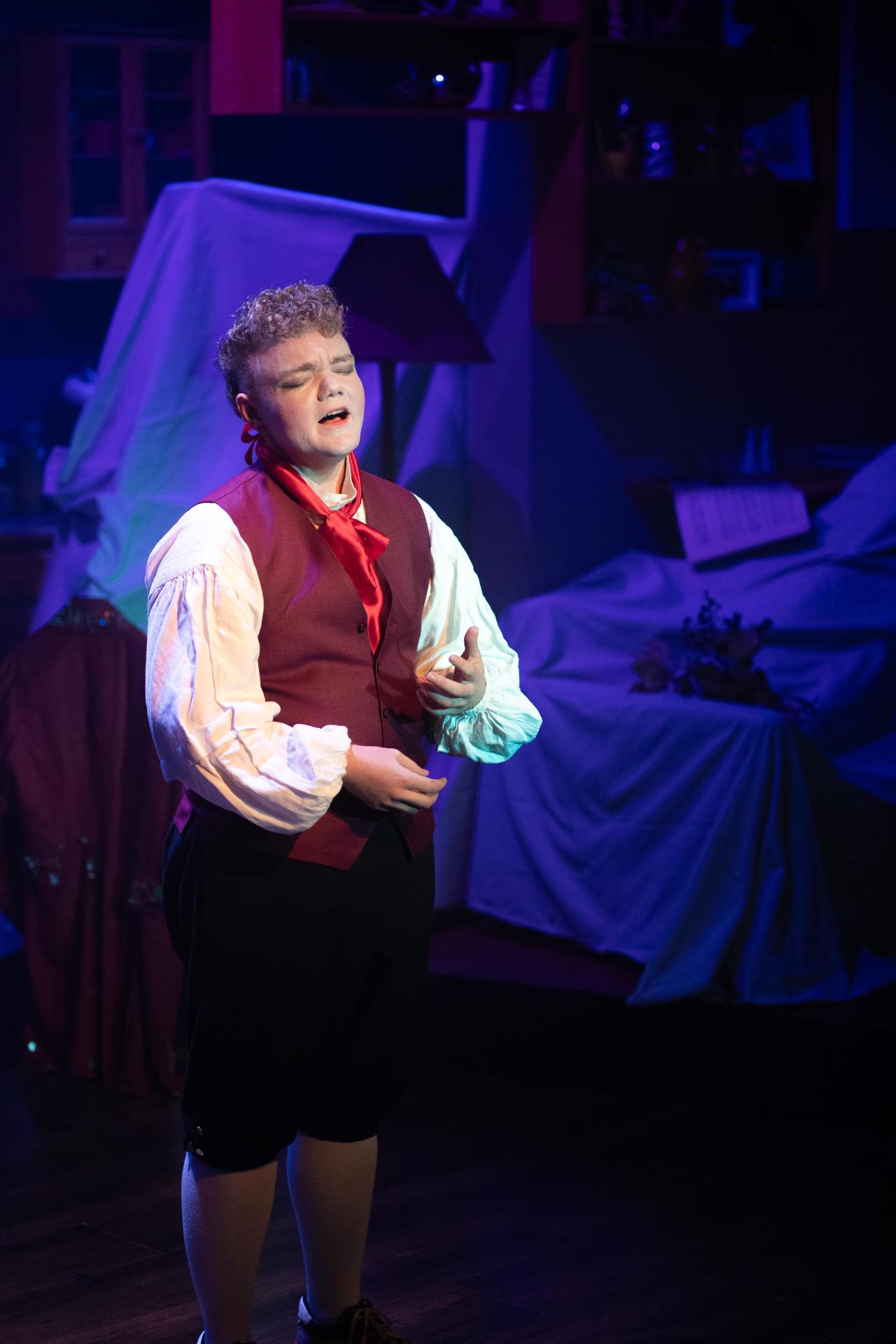
Kit Spencer’s Castrati examines the three-hundred-year phenomenon of Italy’s castrati, originating in the 16th century, while placing it in dialogue with his own trajectory as transgender and a singer. What first appears as a shared limitation—the absence of lower notes—opens into a richer field of correspondences: bodies reshaped by necessity or desire, and masculinities continually reimagined at their edges. It is within these echoing transformations that Spencer locates the wellspring of his fascination.
Spencer’s writing is genuinely captivating, blending deeply honest introspection with carefully reasoned analysis. Presented with an ease of coherence yet enriched by striking complexity, Castrati proves as informative as it is engaging. Under Tyler Dias’s direction, the production channels its emotions with fervour while maintaining meticulous attention to the wealth of historical and cultural detail it brings to light.
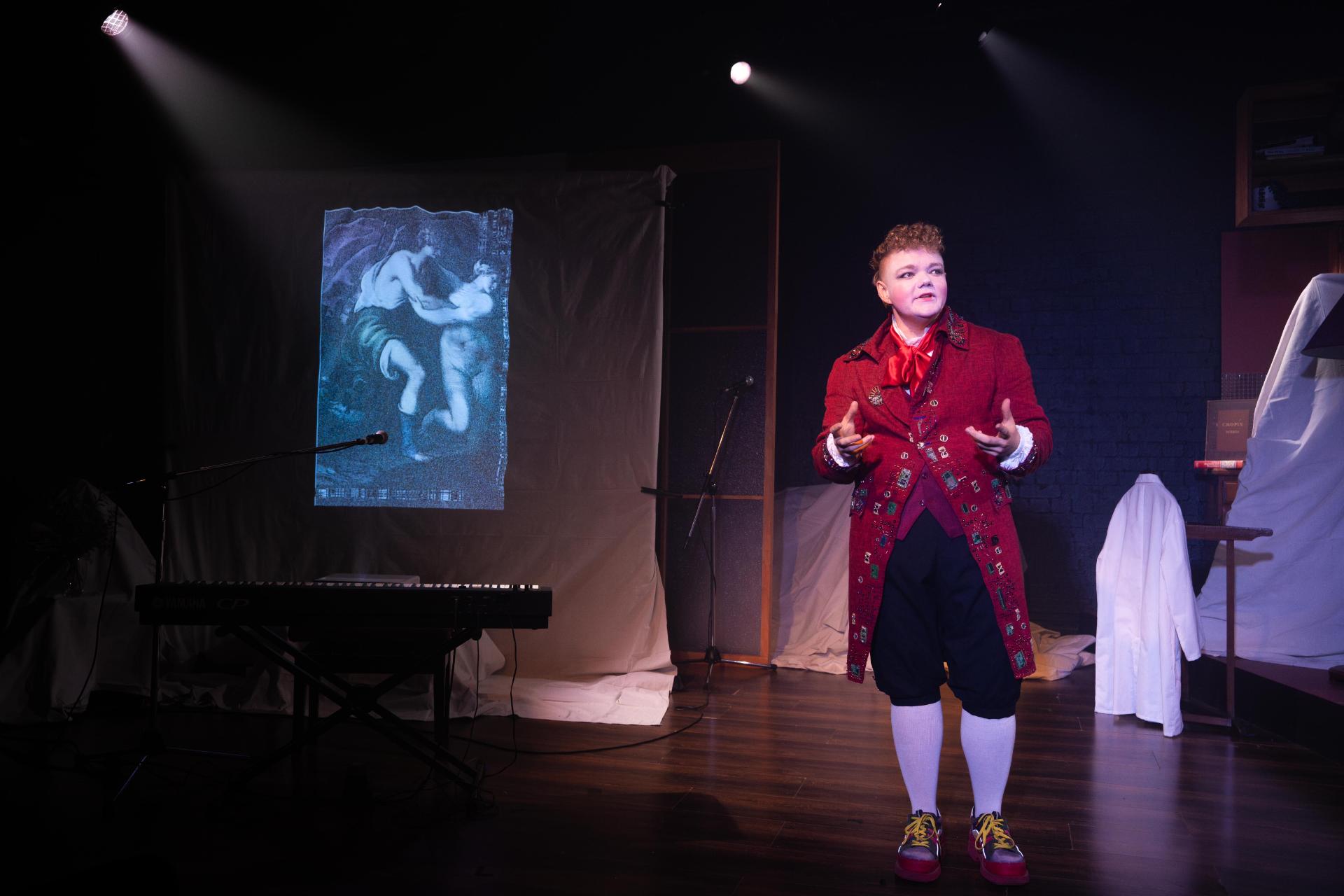
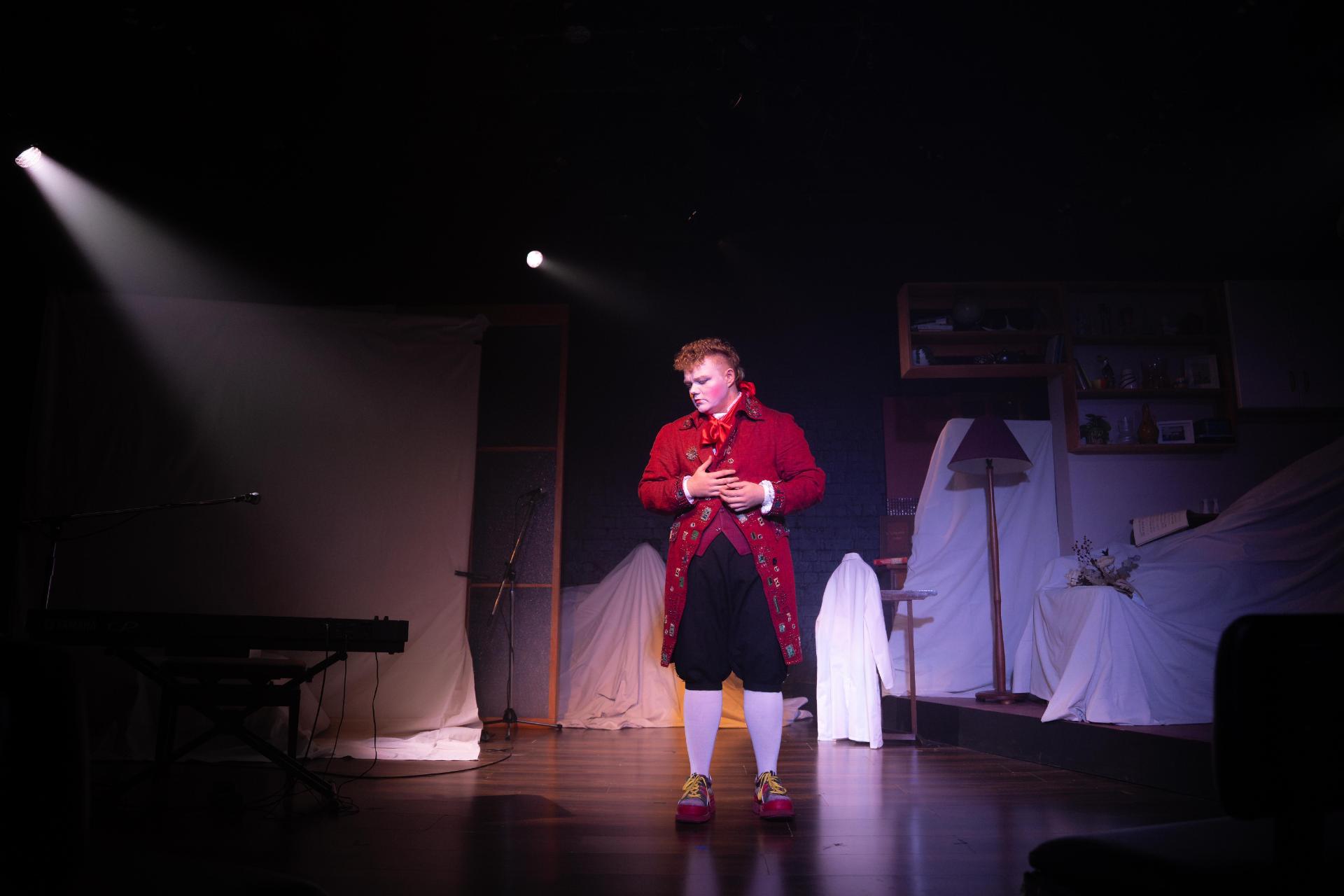
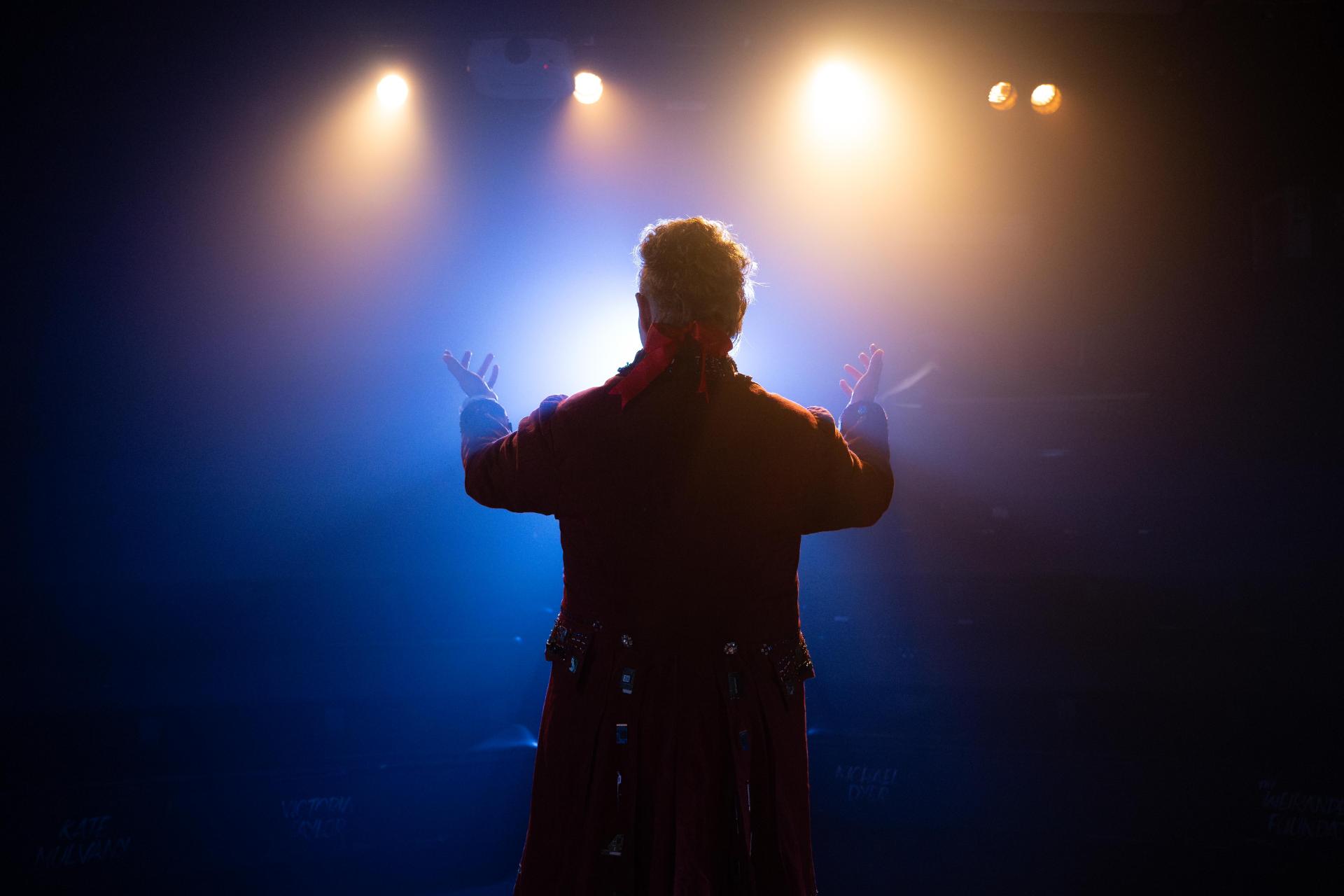
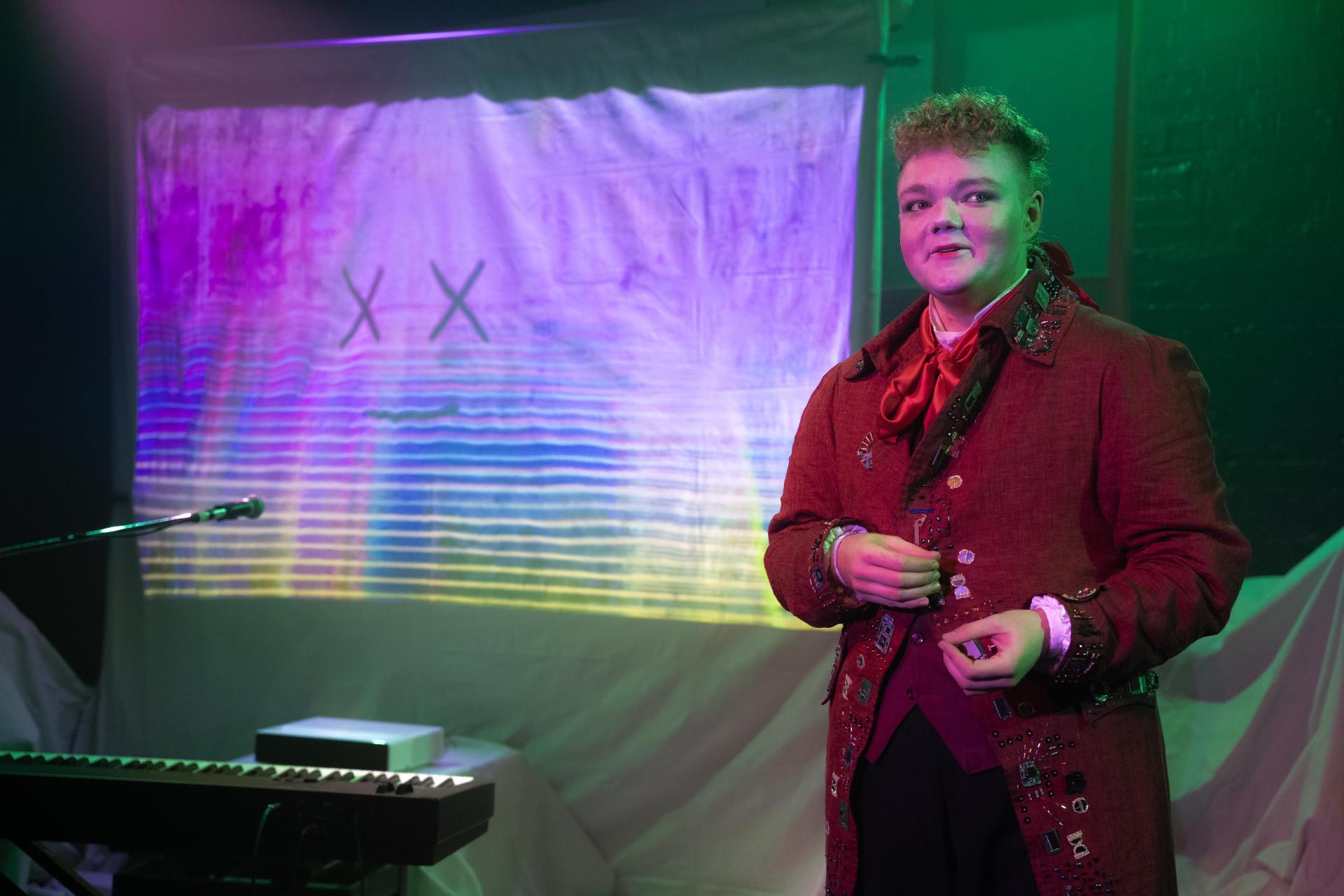
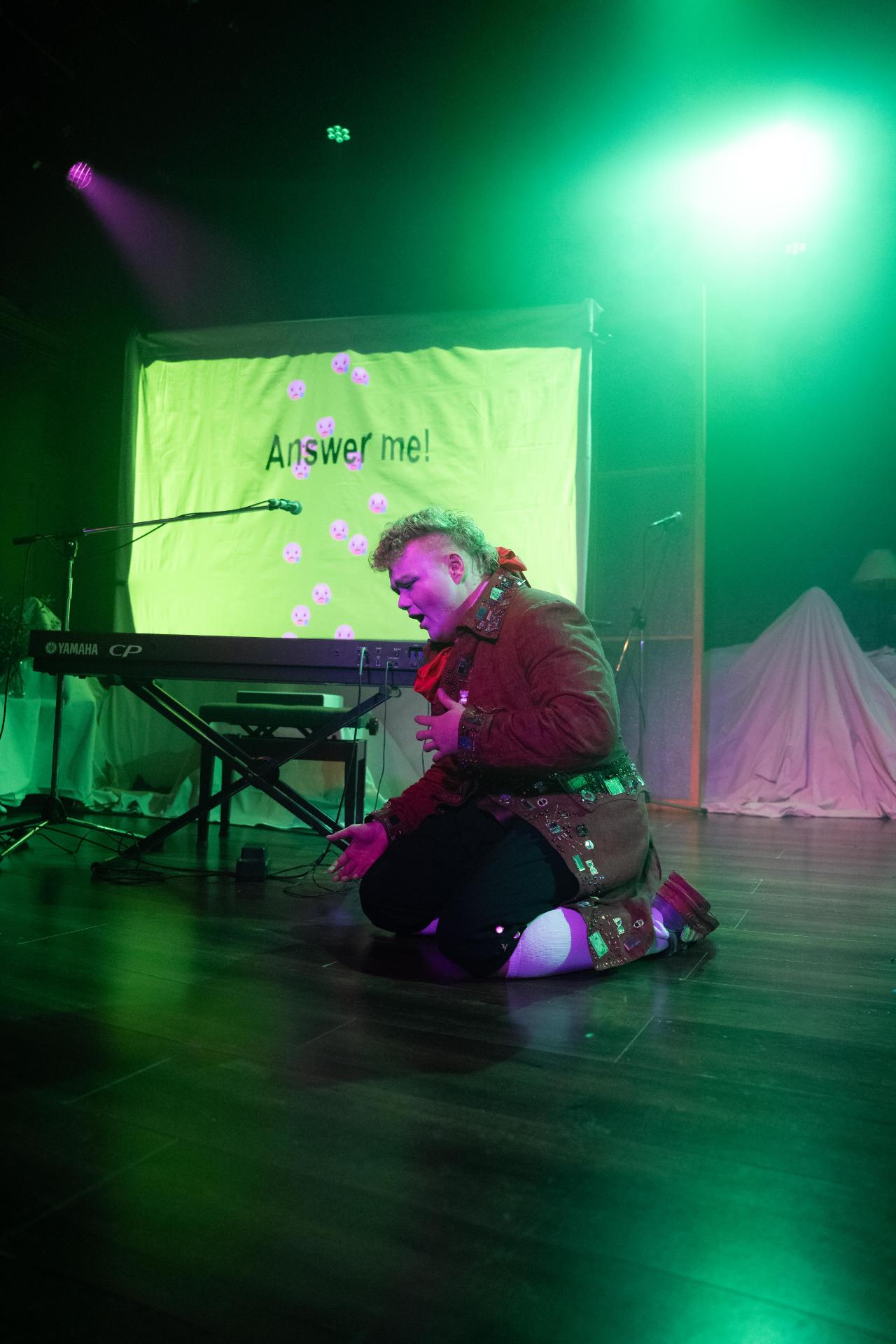
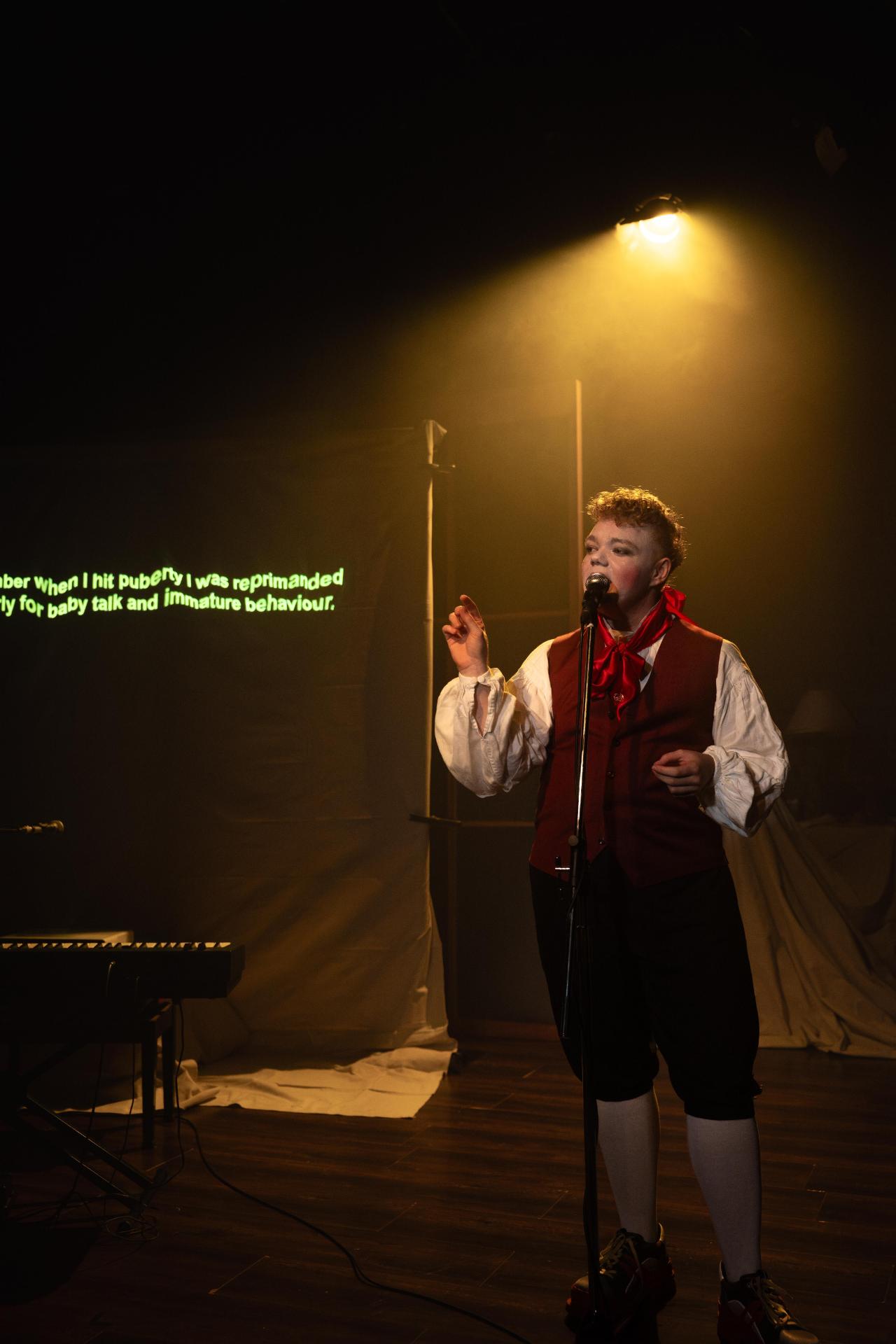
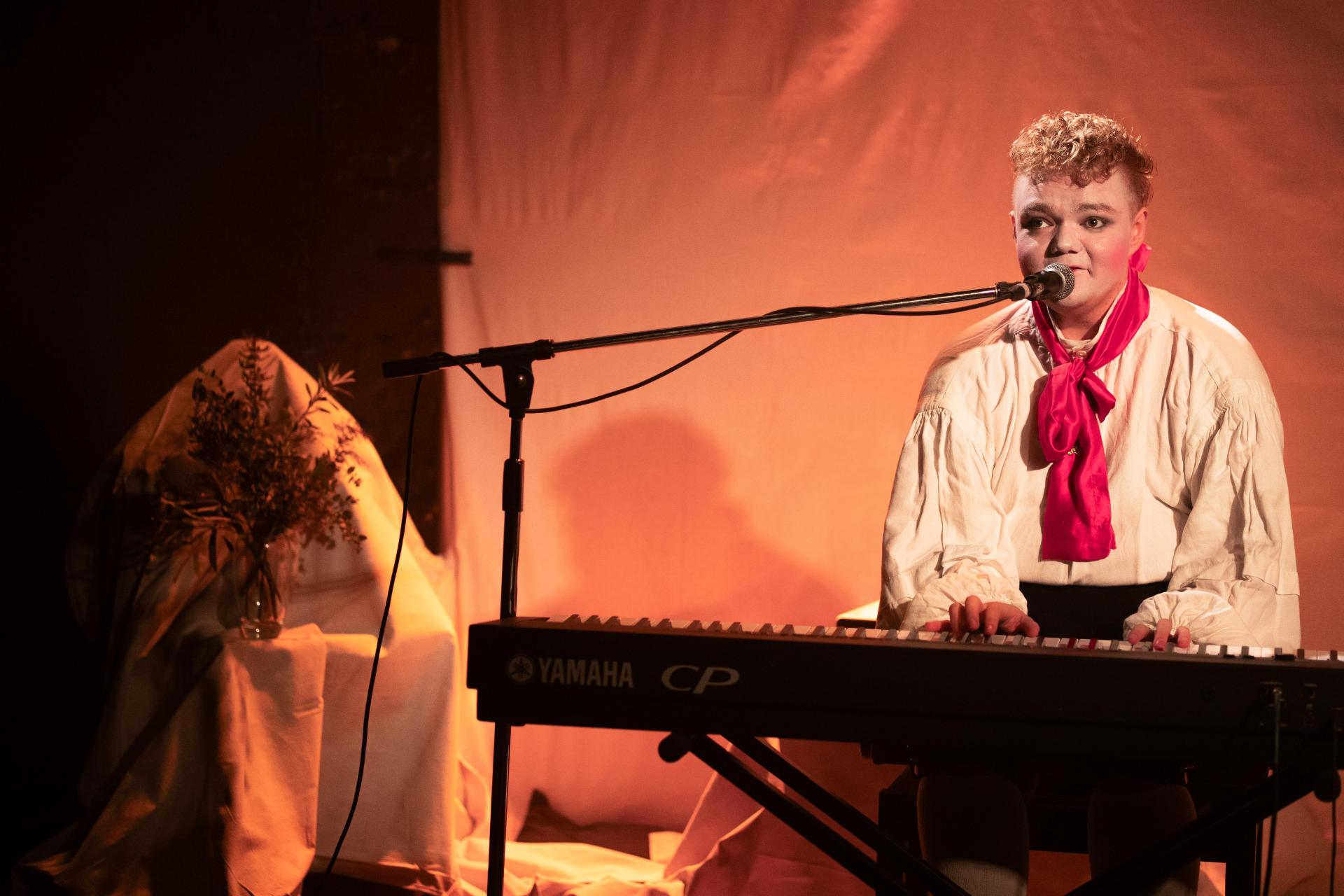
The experience is further enriched by the formidable talents of music producer Lunar Martins, who seamlessly fuses electronic textures with traditional forms in her reinterpretations of arias by composers such as Vivaldi and Handel. Jas Borsovsky’s lighting design heightens the drama while infusing the stage with a sense of transcendent beauty, and Annika Victoria’s video projections contribute a playful exuberance through their cleverly orchestrated digital tableaux.
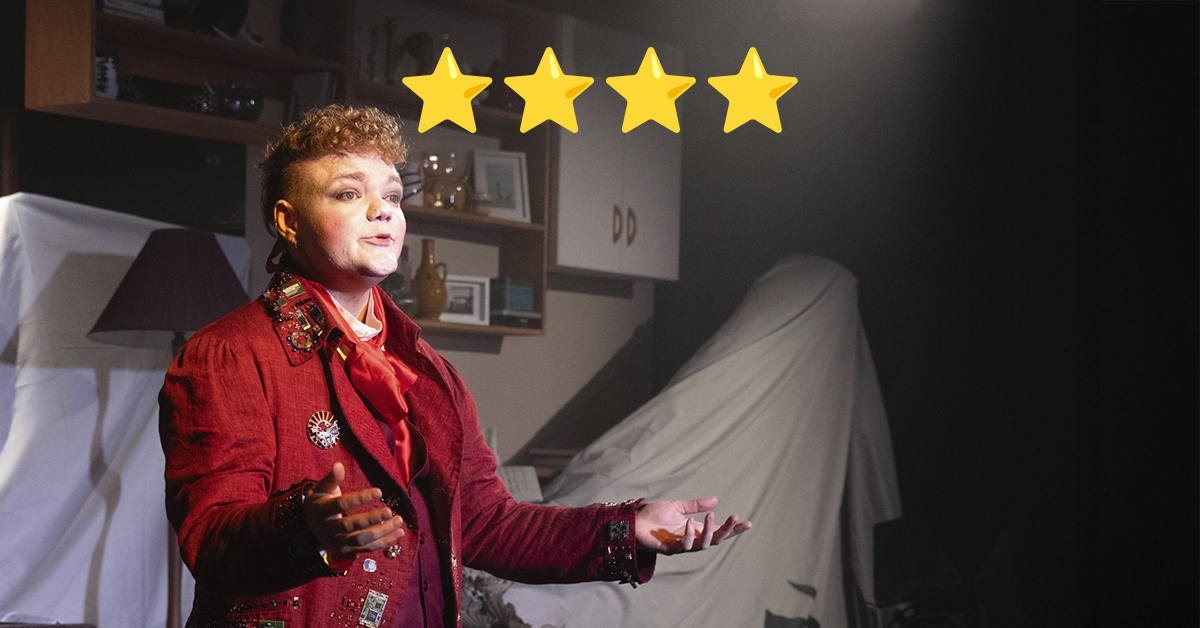
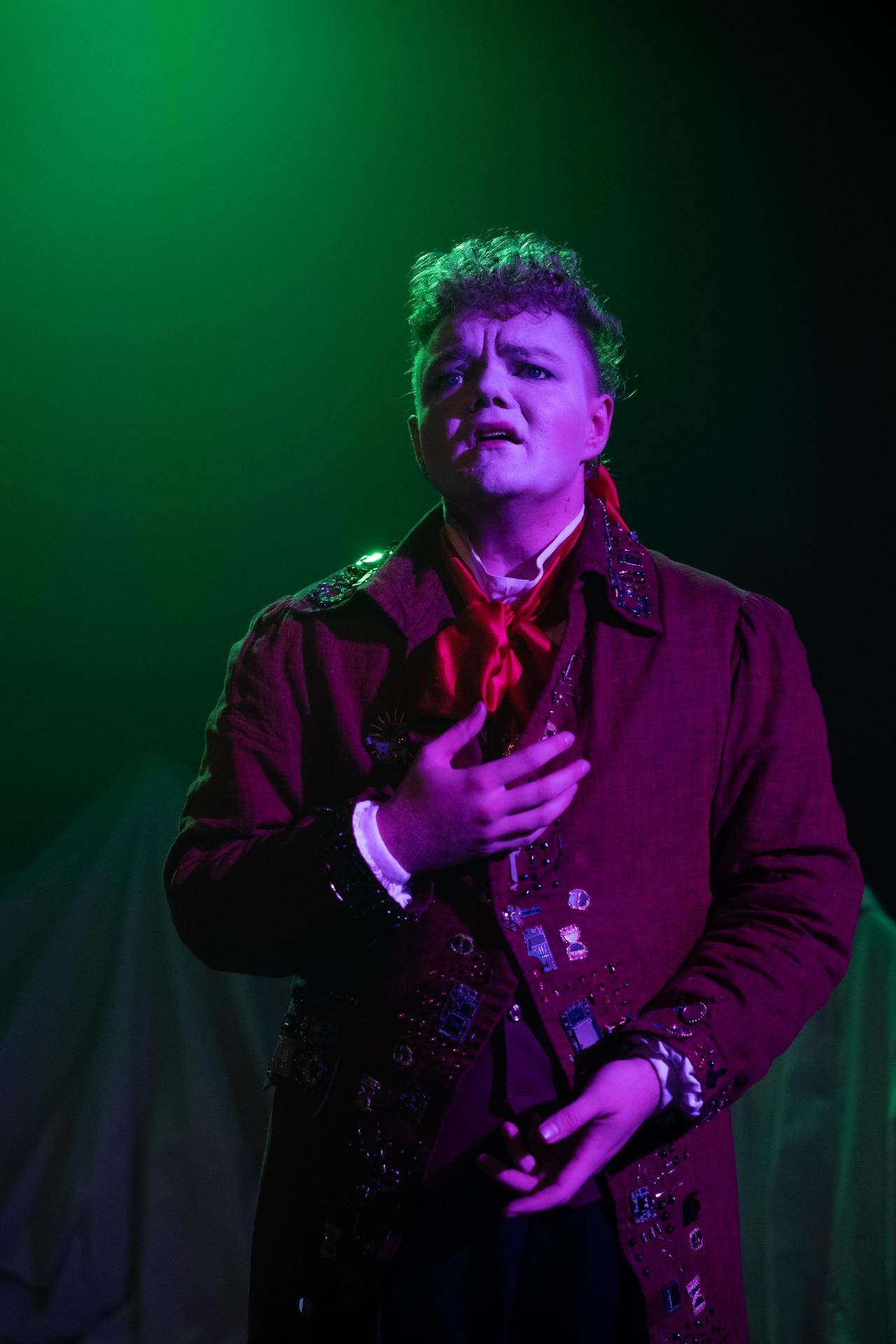
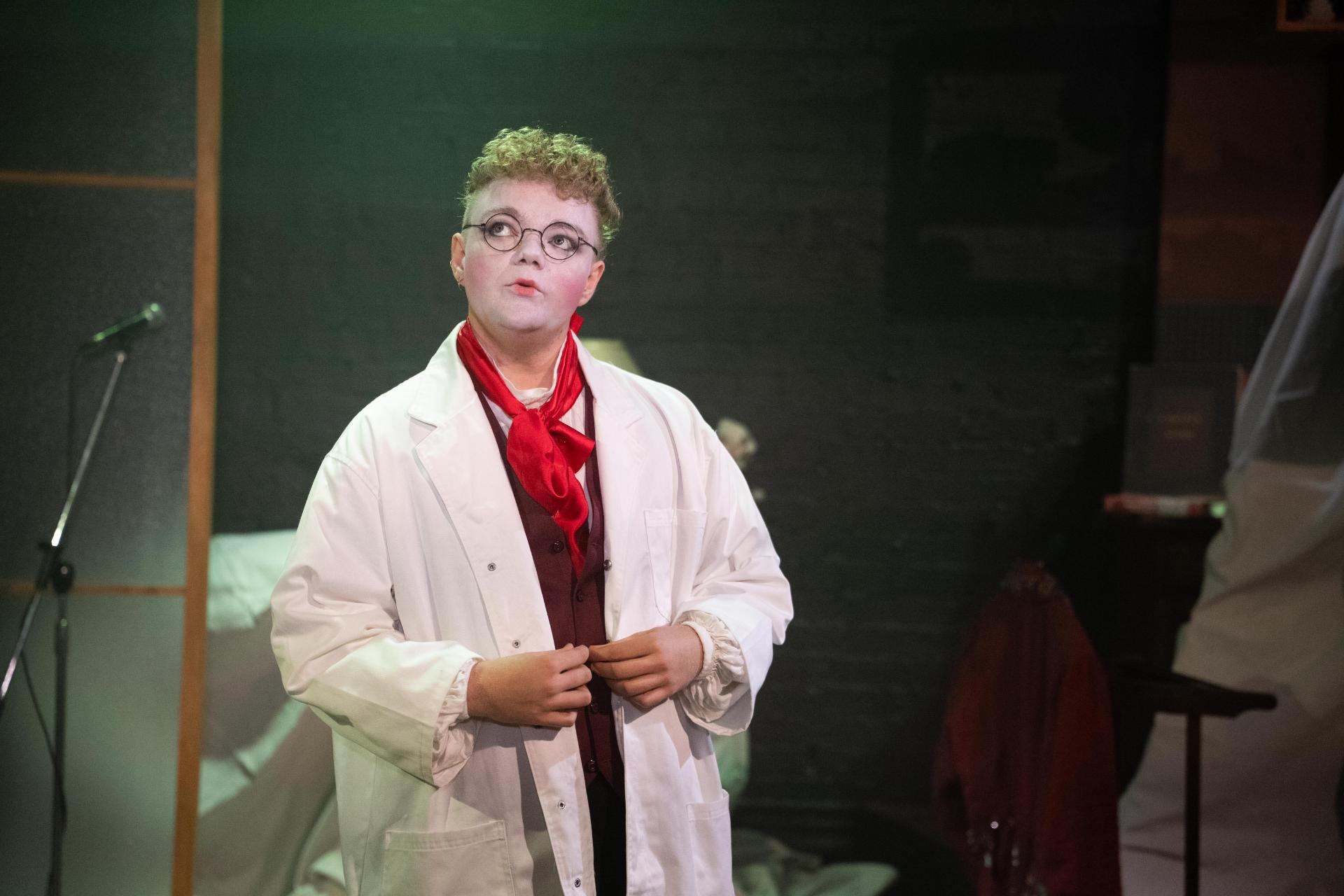
As performer, Spencer is raw yet remarkably sincere and endearing, bringing both vulnerability and conviction to the stage in a manner that secures our investment from the outset. The ideas he introduces span a wide terrain, as though enacting a deliberate resistance to having his thoughts reduced to anything simple or neatly contained.
Together with Spencer, we mourn the reality that boys as young as seven were compelled to sacrifice so profoundly in service of an aesthetic ideal imposed by the culture that claimed to cherish them. We are then invited to consider the men they became, and the unending challenges that must have accompanied lives shaped so drastically by those physical modifications. Although the castrato has been outlawed for more than a century, our bodies and identities continue to be pressured into conformity. For trans people, especially, the grind of enduring other people’s rigid notions of gender remains a persistent and often exhausting struggle. In the end, history reminds us that the highest notes often come from the deepest wounds.
www.oldfitztheatre.com.au
 Suzy Goes See