
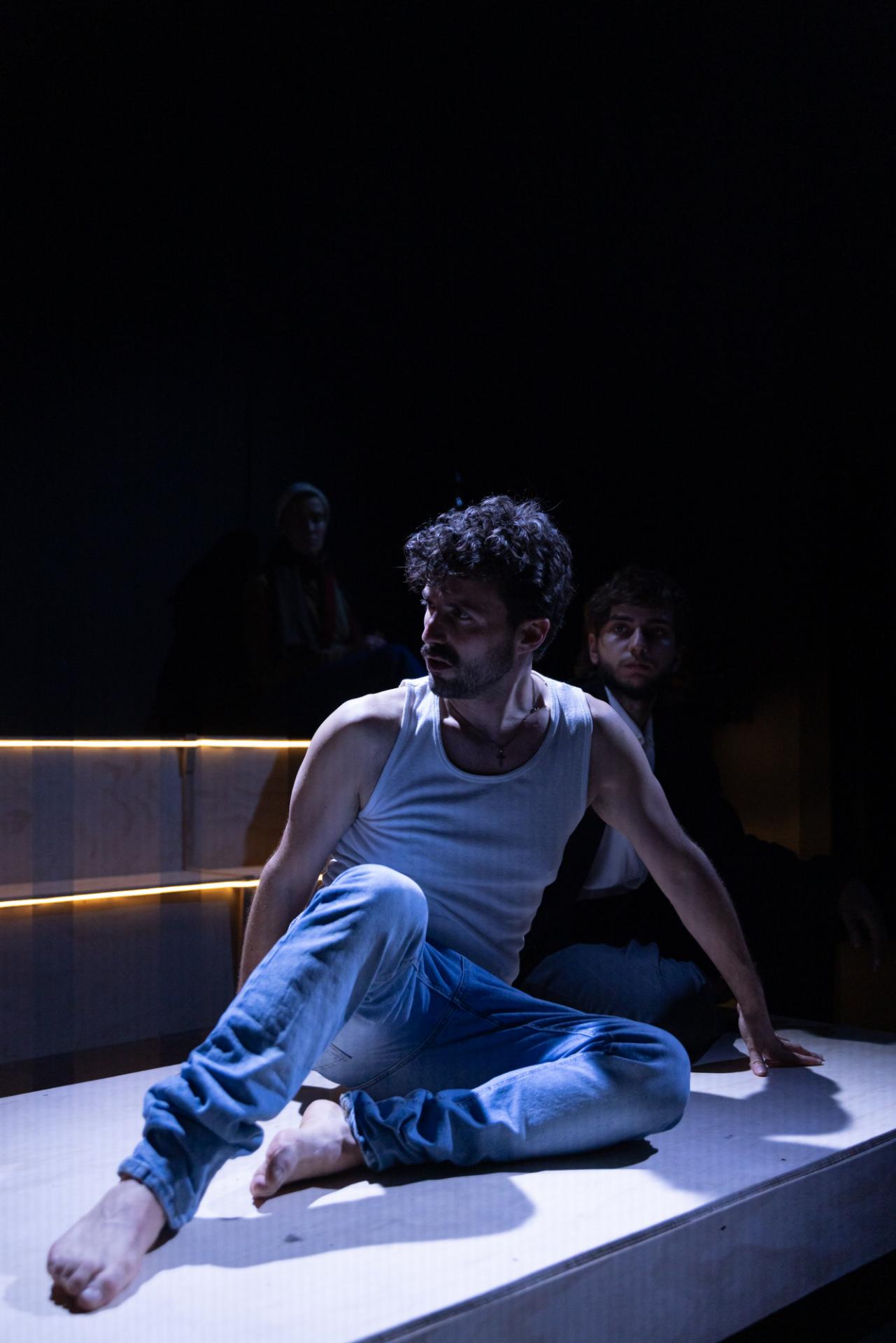
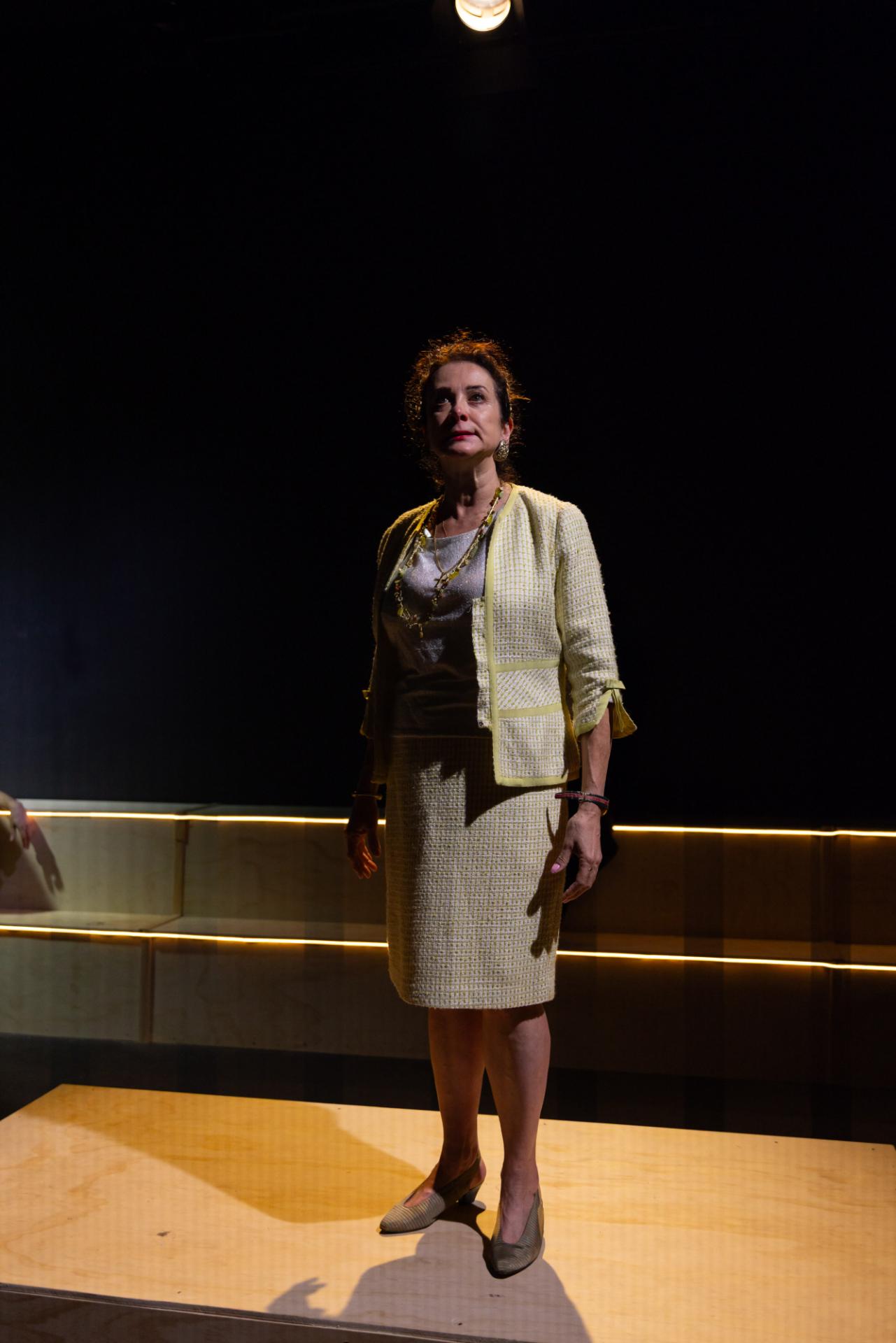
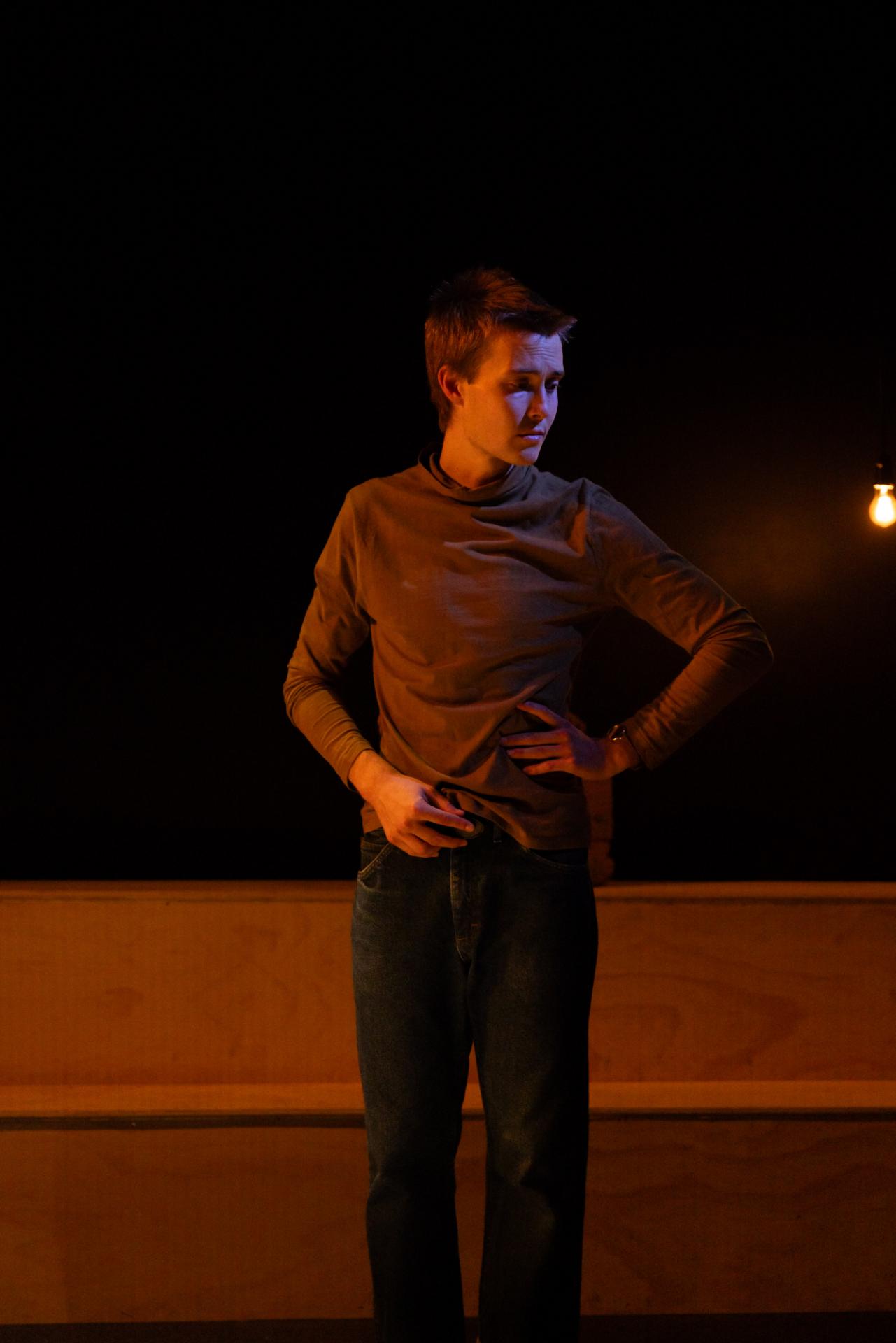
Venue: Qtopia (Darlinghurst NSW), Mar 19 – Apr 5, 2025
Playwright: James Elazzi
Director: Anthony Skuse
Cast: Max Cattana, Nicole Chamoun, Deborah Galanos, Saro Lepejian, Antony Makhlouf
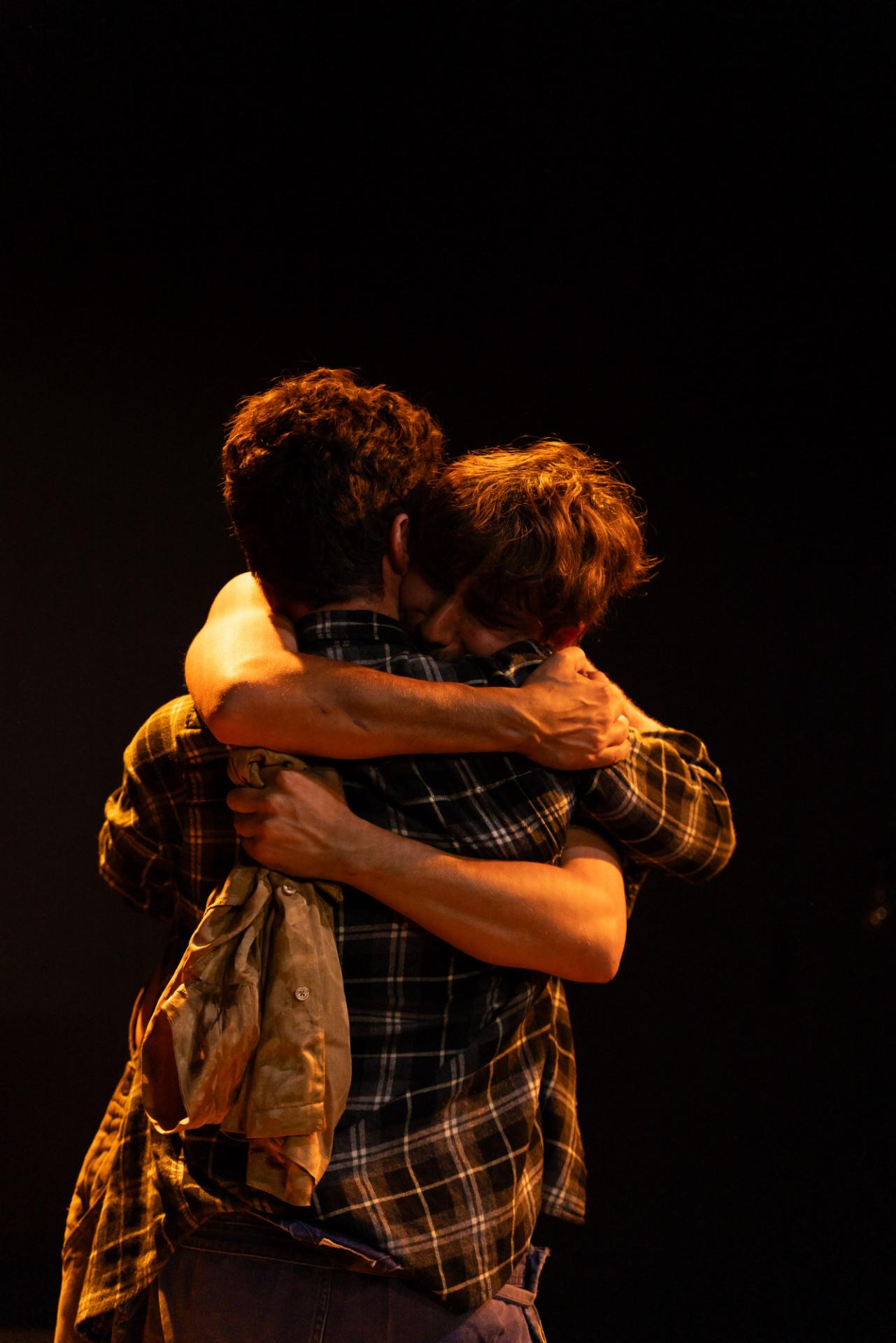
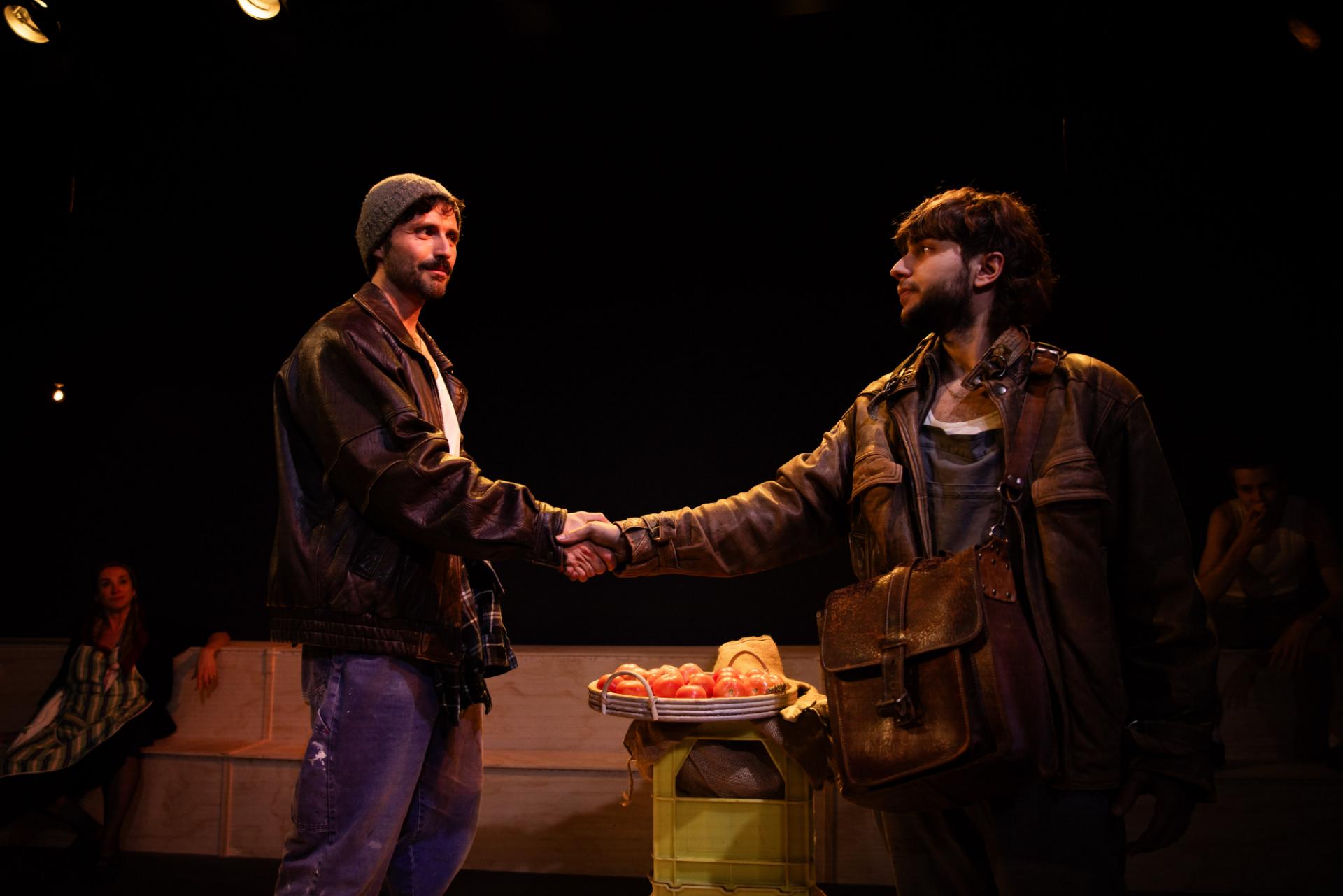
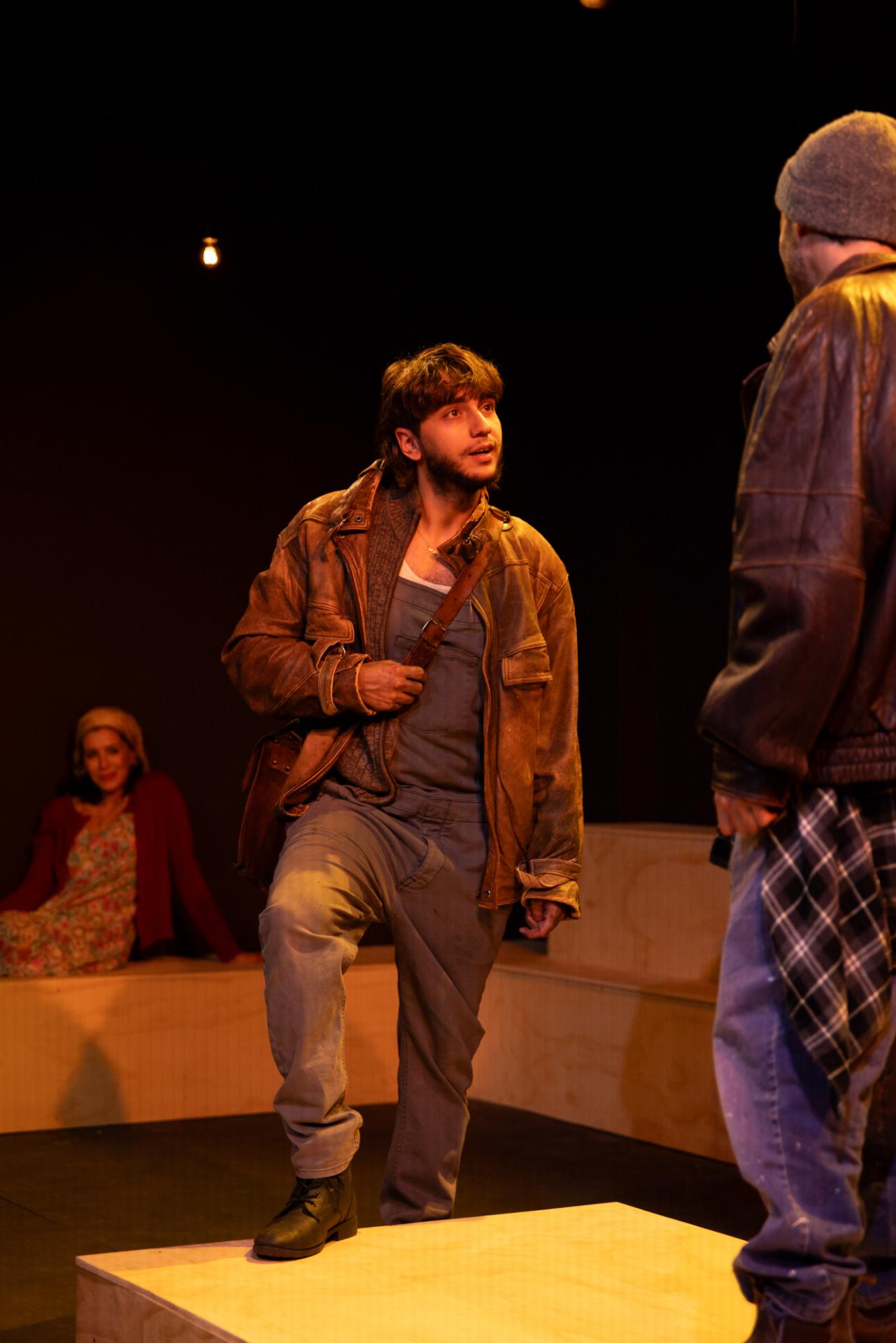
Images by Emma Elias
Theatre review
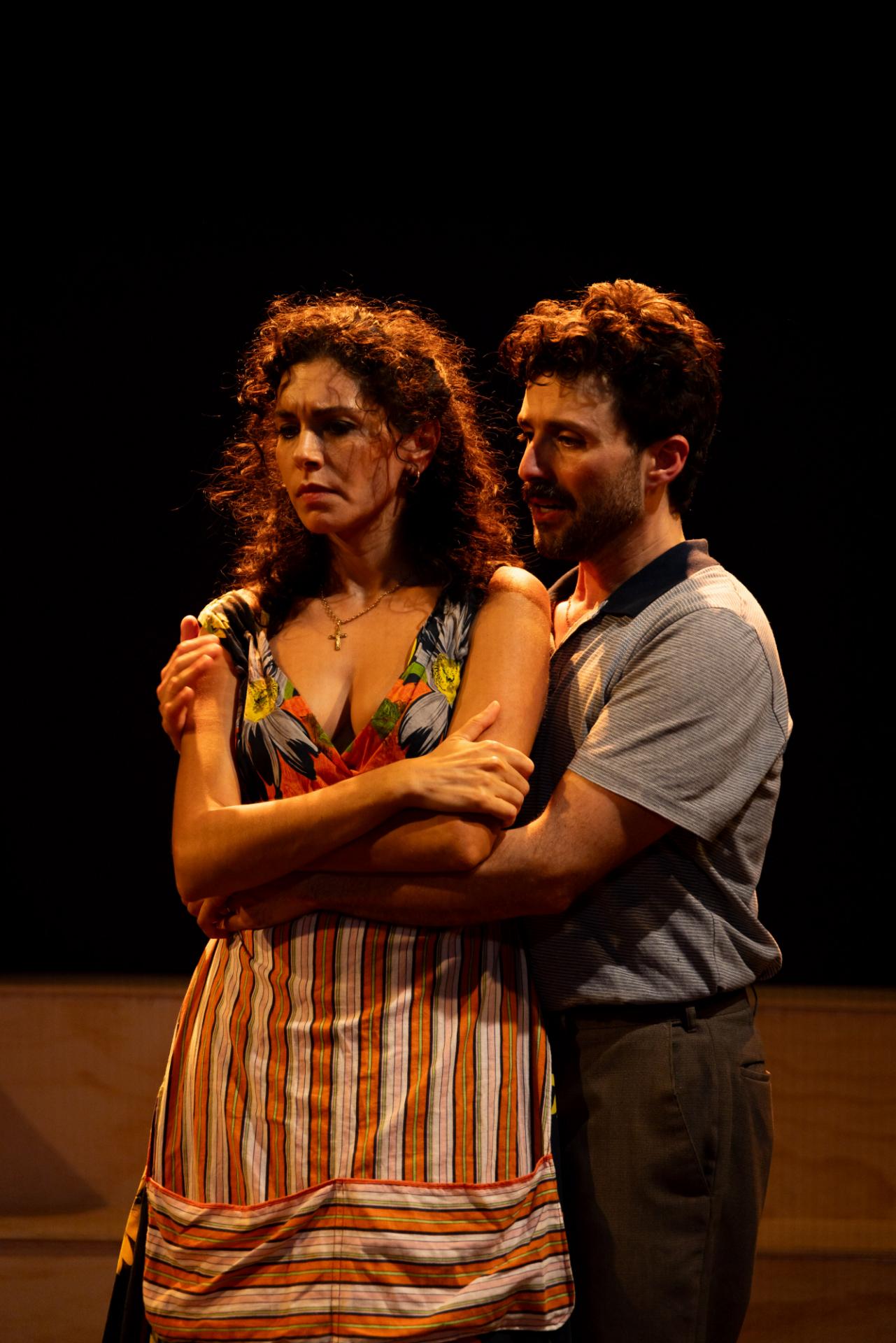
Pierre left Damour in Lebanon during the unrest of the 1970s. Making the trip alongside were his wife Layla and his mother Zienab, leaving behind secret male lover Samir. As they make new lives in Goondiwindi of rural Queensland, conditions improve quickly but Pierre’s longing for his true paramour never fades.
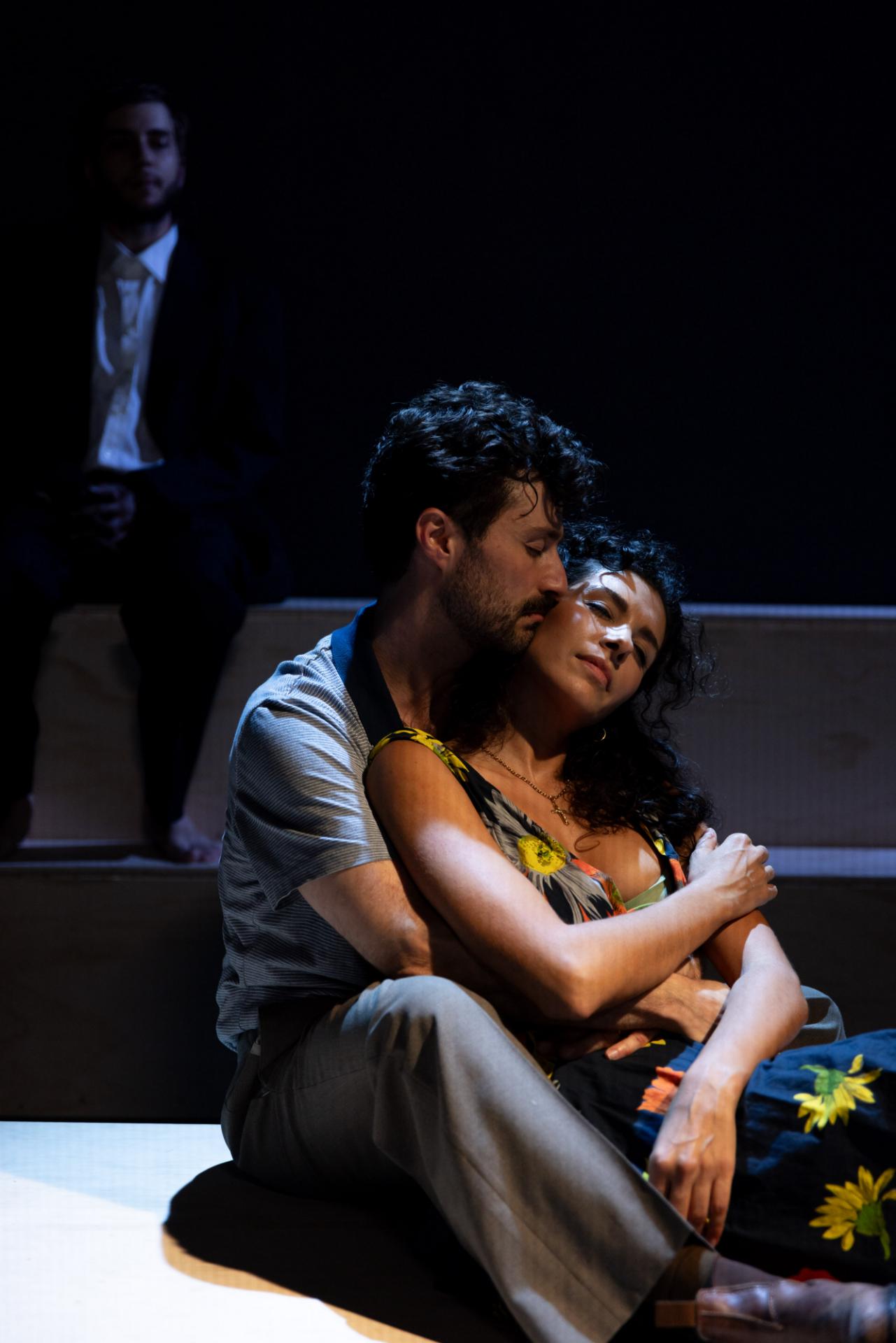
James Elazzi’s Saints of Damour is a tender tale of forbidden romance, incorporating a narrative of Middle Eastern migration and an interrogation of Australian identities. Its heightened drama is built on an irrefutable authenticity, with characters that are empathetic, genuine and multidimensional. A gentle humour peppers the work, to further draw us into an important exploration into legacies of queer immigrants.
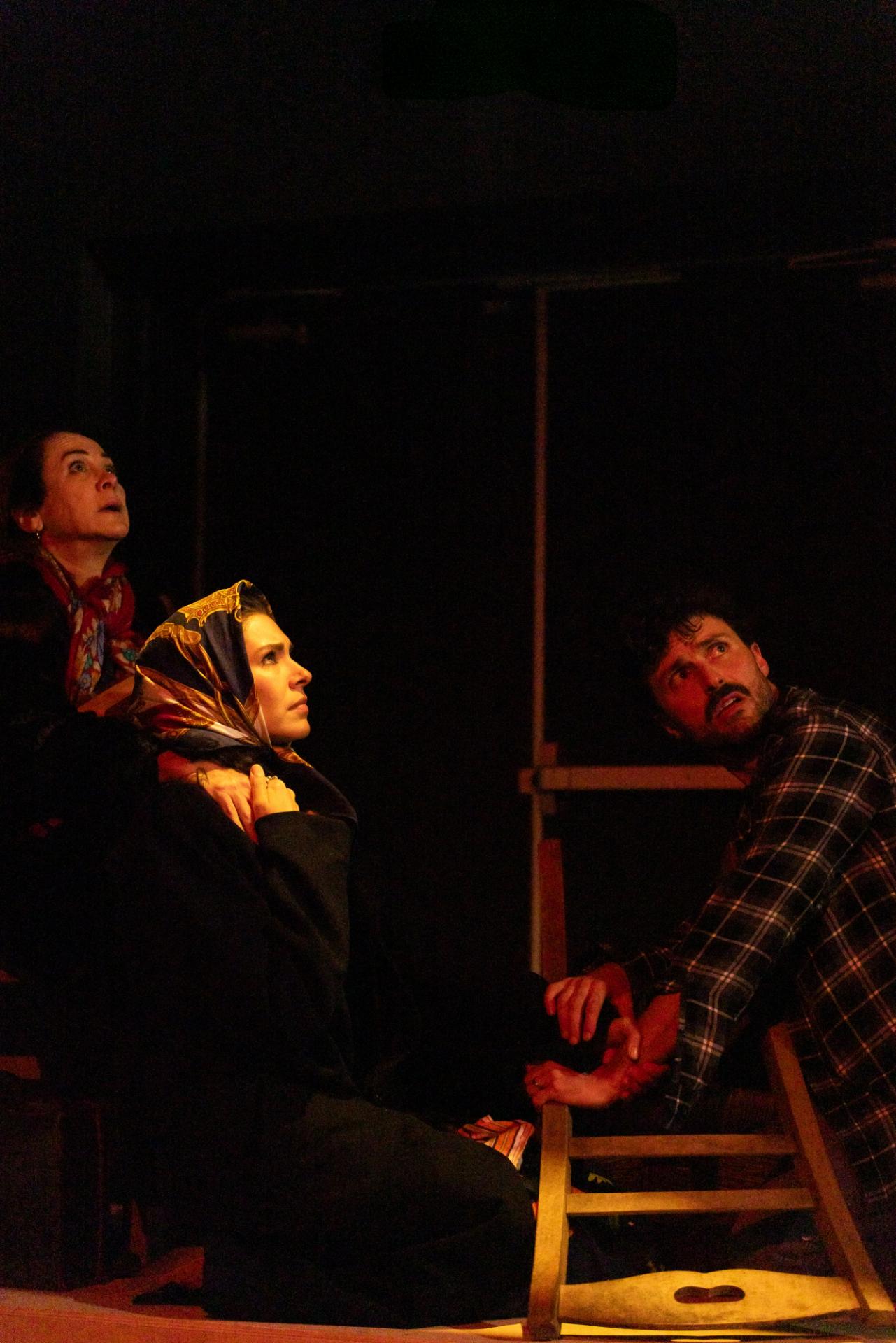
Direction by Anthony Skuse elicits highly accomplished performances from the entire cast. The complex psychologies involved are thoroughly deciphered, so that dynamics between every character are able to resonate with a sense of palpable intimacy and accuracy.
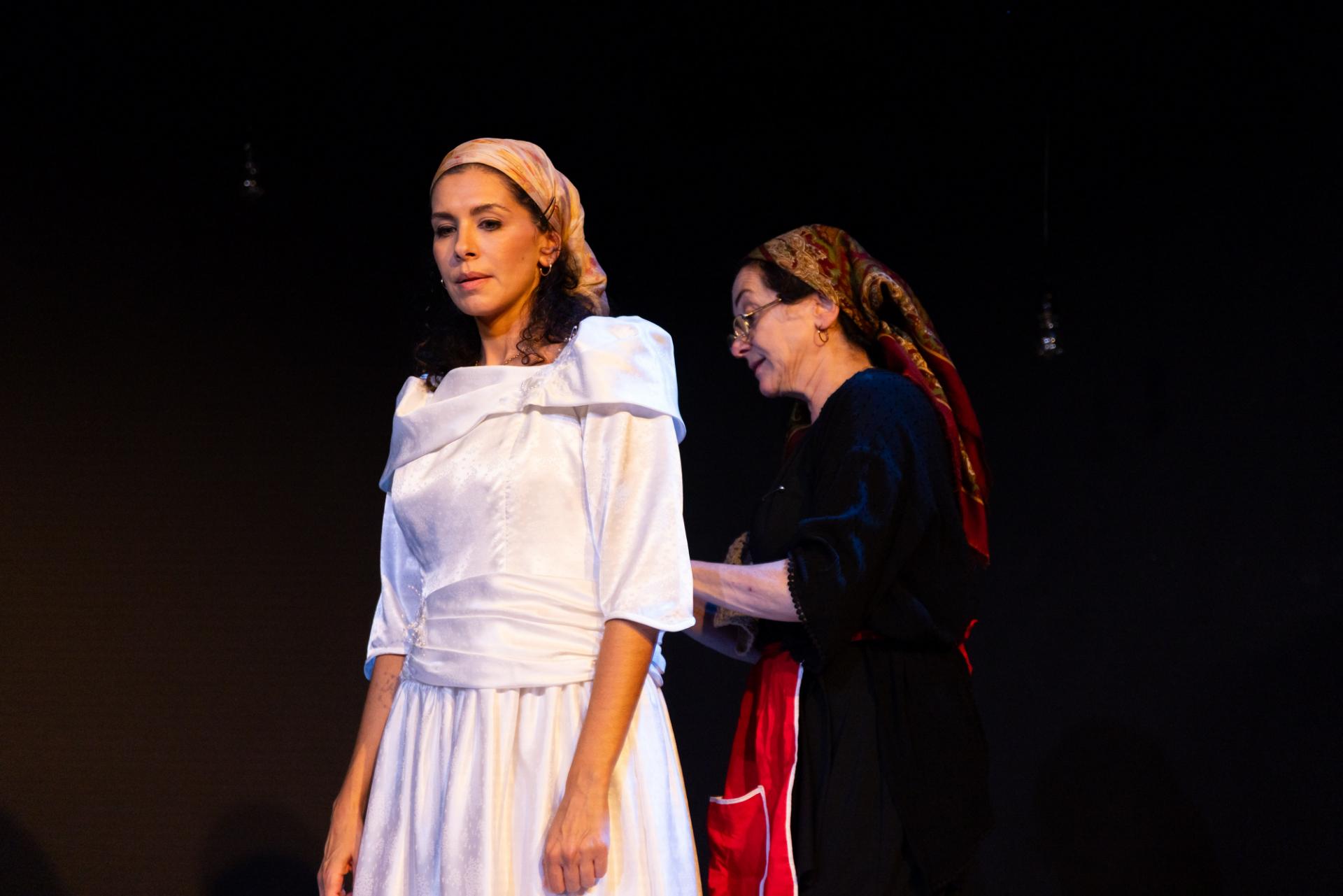
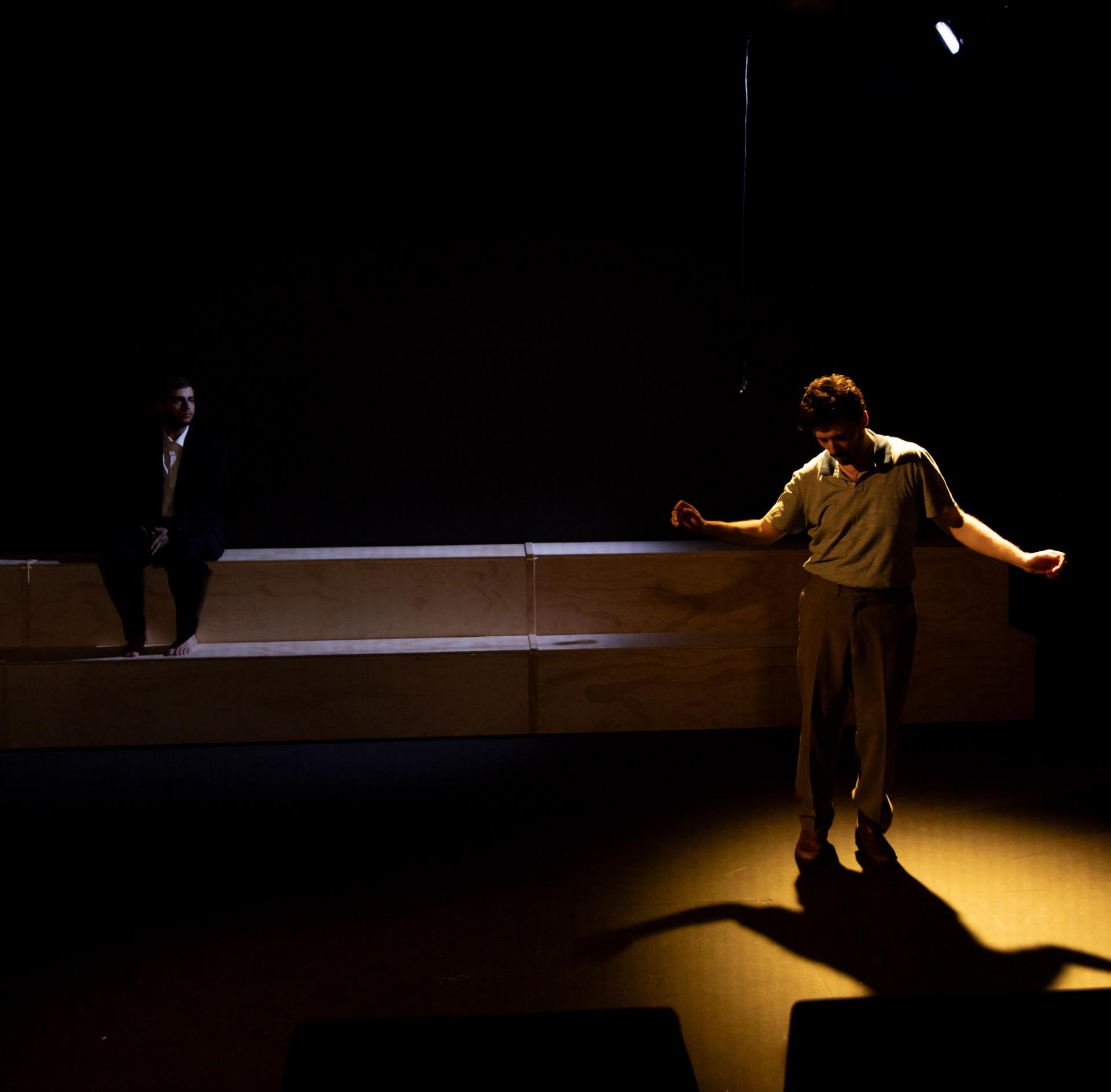
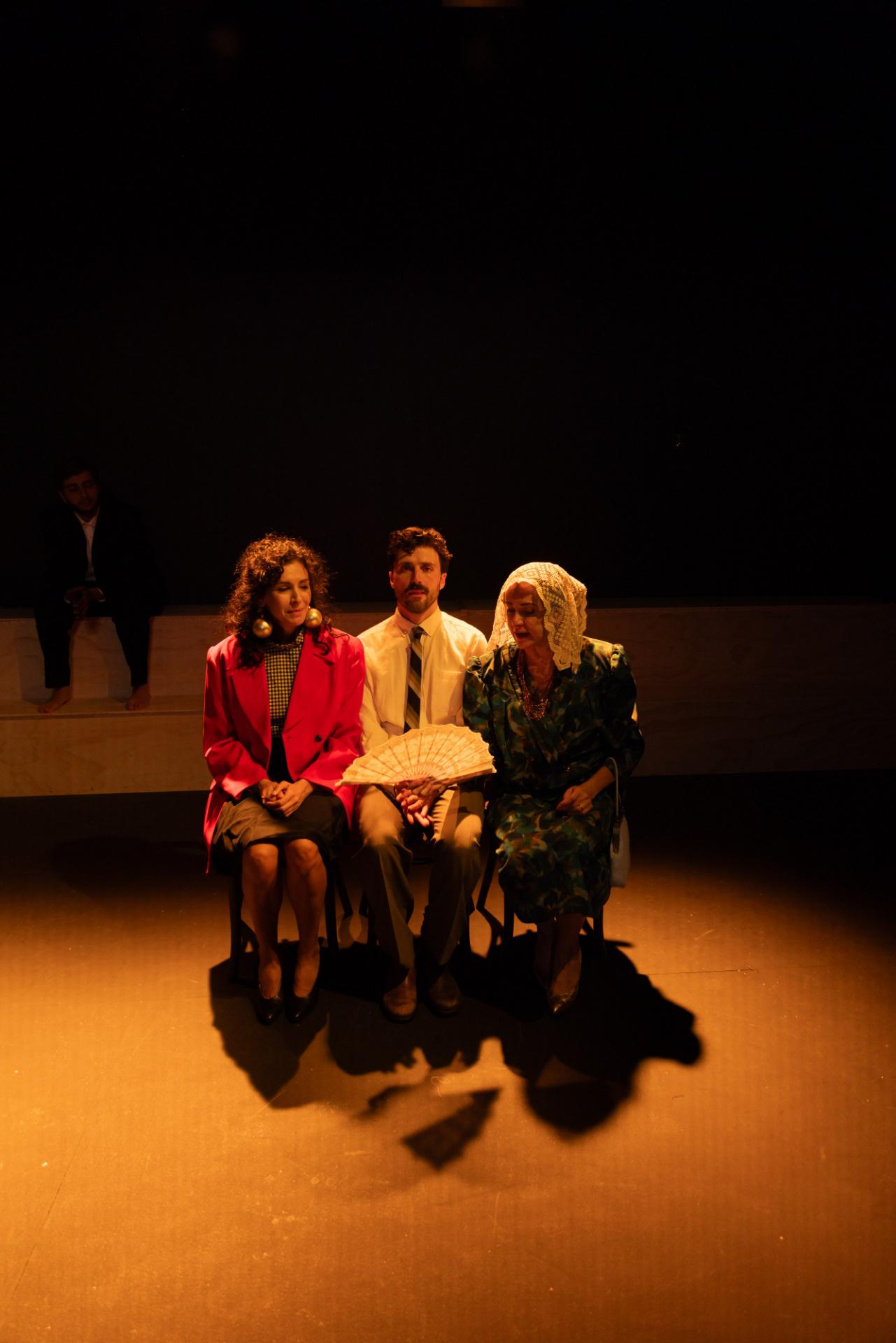
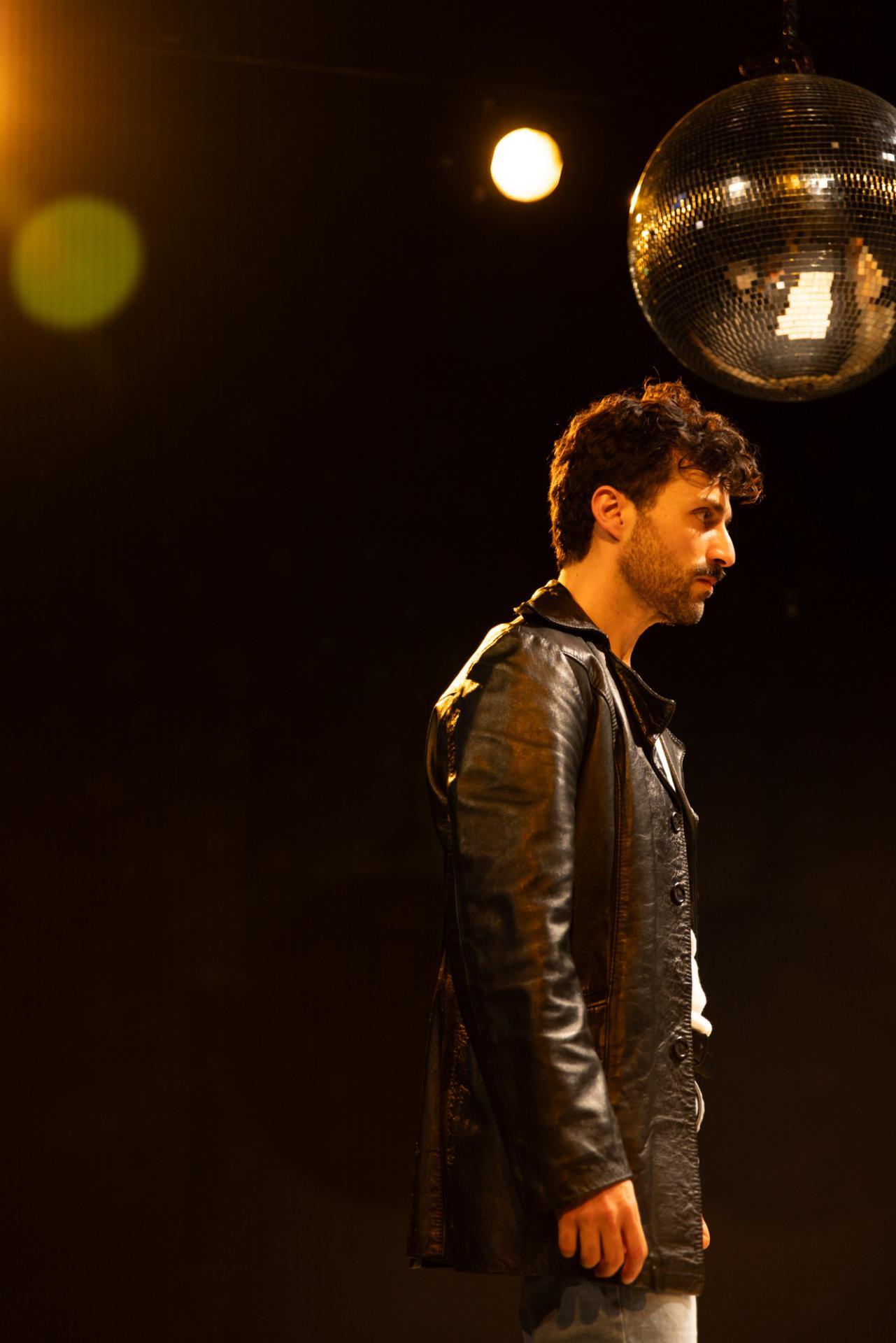
Production design by James Smithers includes a set that could benefit from some cosmetic refinement, but costumes are wonderfully assembled, to help us situate the personalities in the play’s transforming milieu. Sam Wylie’s lights are appropriately sentimental, as are sounds by Akesiu Poitaha that leave a remarkable impression with how they deliver poignancy for this melancholic presentation.
Actor Antony Makhlouf brings intellectual rigour to his portrayal of Pierre, facilitating a deep understanding of the challenging circumstances faced by someone many should regard as a community forebear. Samir is played by Saro Lepejian whose natural presence injects a valuable soulful quality that makes the whole dilemma a believable and engaging one.
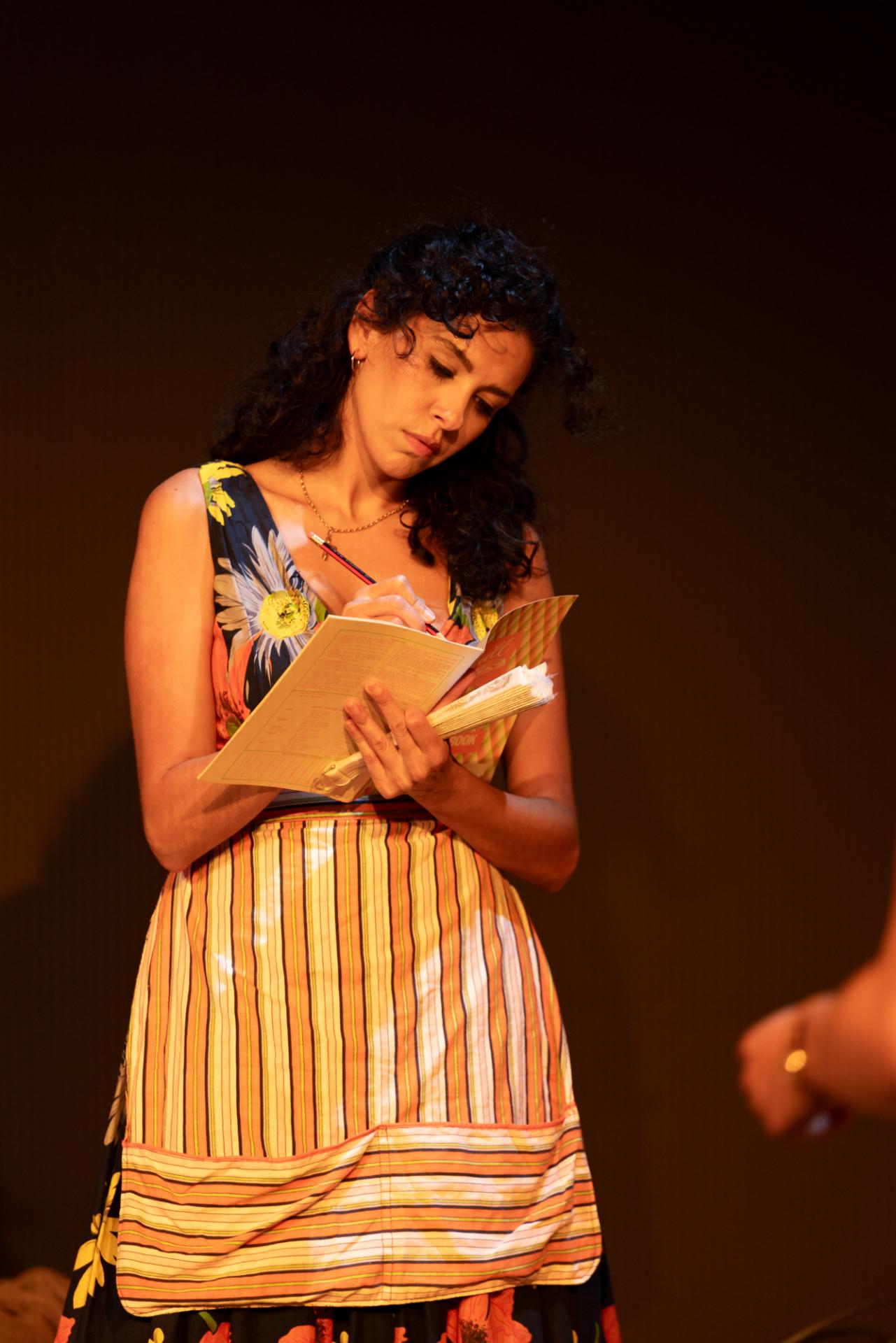
Deborah Galanos as Zienab brings wonderful timing, to both the comedy and pathos of the piece. Nicole Chamoun is exceptionally organic in her flawless depiction of Layla, amazing with the realism she renders. Other significant supporting parts are brought to life by an assiduous Max Catana, who proves convincing in wildly contrasting roles.
Many from faraway have arrived on these lands that although disputed, have been more welcoming than virtually everywhere else. We have had to leave homes that struggle to contain differences, and seek refuge here, in hopes that a greater capacity for human diversity means greater chances of survival. There is no question however, that the more we disrupt the sense of cultural hegemony, the more this place becomes unwilling to embrace the broadness of our spectrum as inhabitants. Our acceptance as newcomers is contingent on the smallness of our numbers, and the smallness of our characteristics. We are perceived as threats when we grow in demographic and in vigour. At a time when assimilation is no longer de rigeur, what it means to belong is undergoing redefinition.
 Suzy Goes See