
Venue: KXT on Broadway (Ultimo NSW), Mar 14 – 29, 2025
Playwright: Jean Betts and W Shakespeare
Director: Alex Kendall Robson
Cast: Zachary Aleksander, Julie Bettens, Eleni Cassimatis, Shaw Cameron, Richard Hilliar, Brea Macey, Pat Mandziy, Lucy Miller, Finley Penrose, Hannah Raven
Images by Phil Erbacher
Theatre review
Written in 1993, Jean Betts’ Ophelia Thinks Harder seems today almost desperate in its need to demonstrate, that Shakespeare’s women are no fools, even if Shakespeare had intended them to be portrayed as such. How we perceive of the Bard’s oeuvre has changed in recent years, thanks to efforts of those just like Betts, who have had enough of the gendered denigration inherent in his ubiquitous writing.
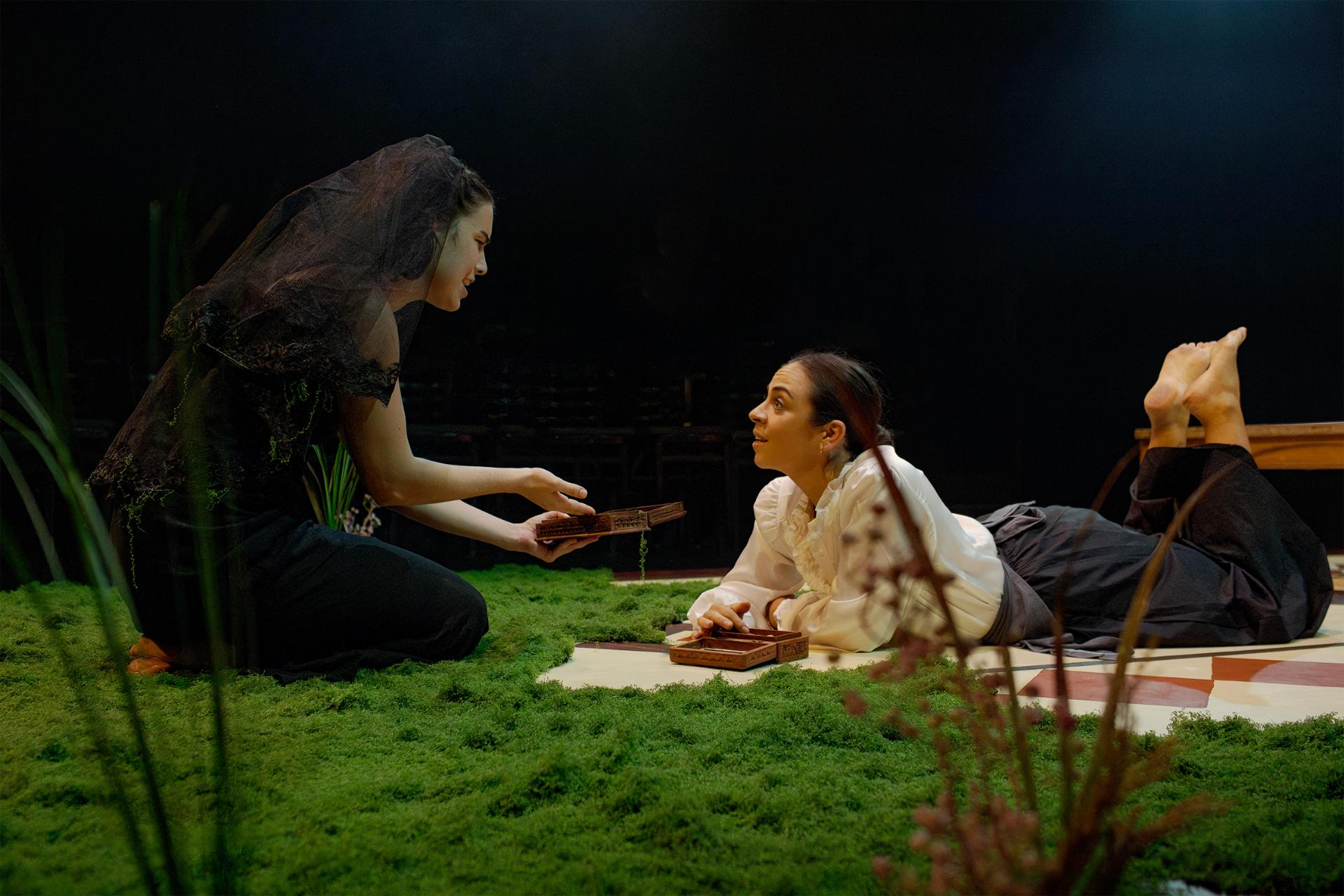
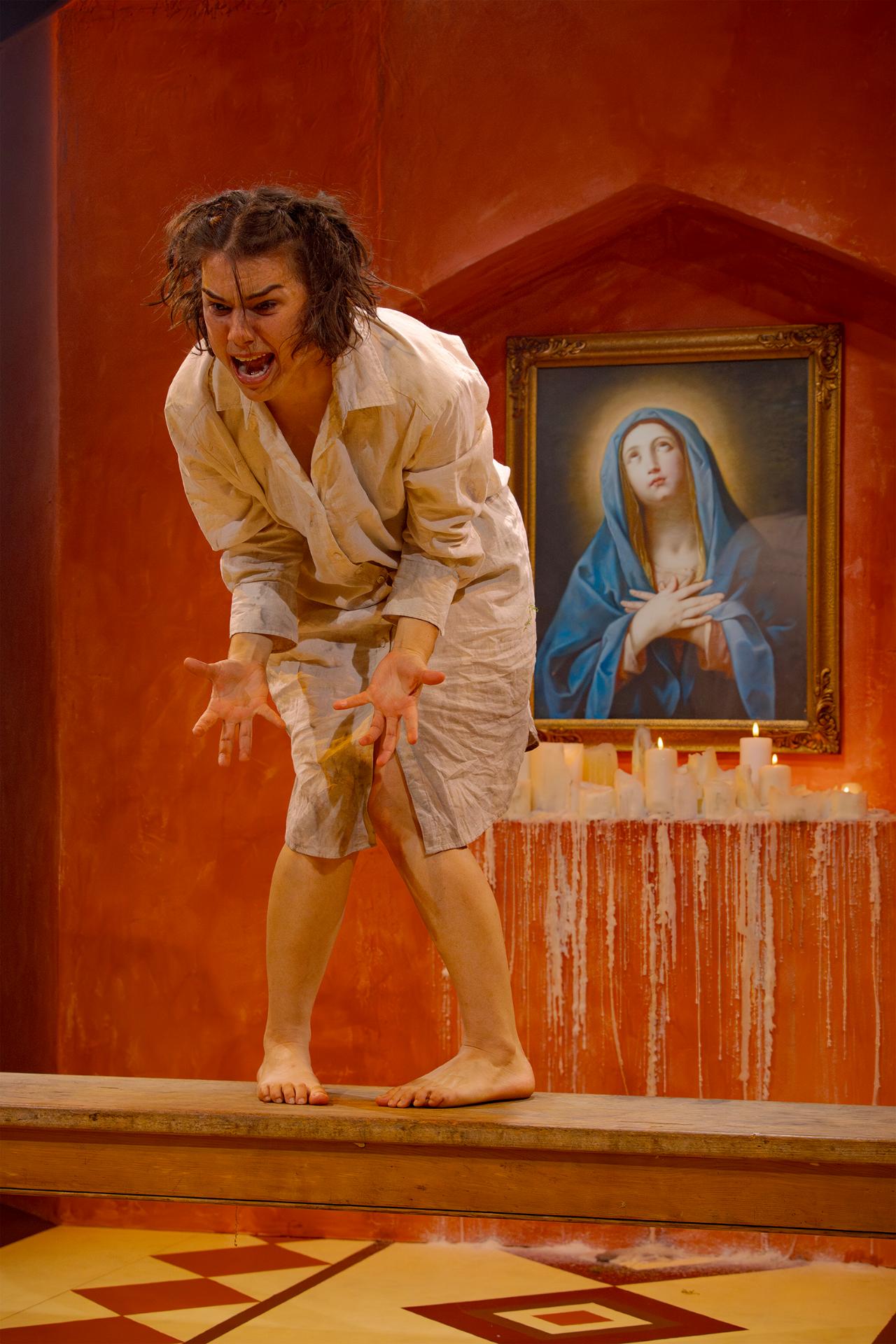
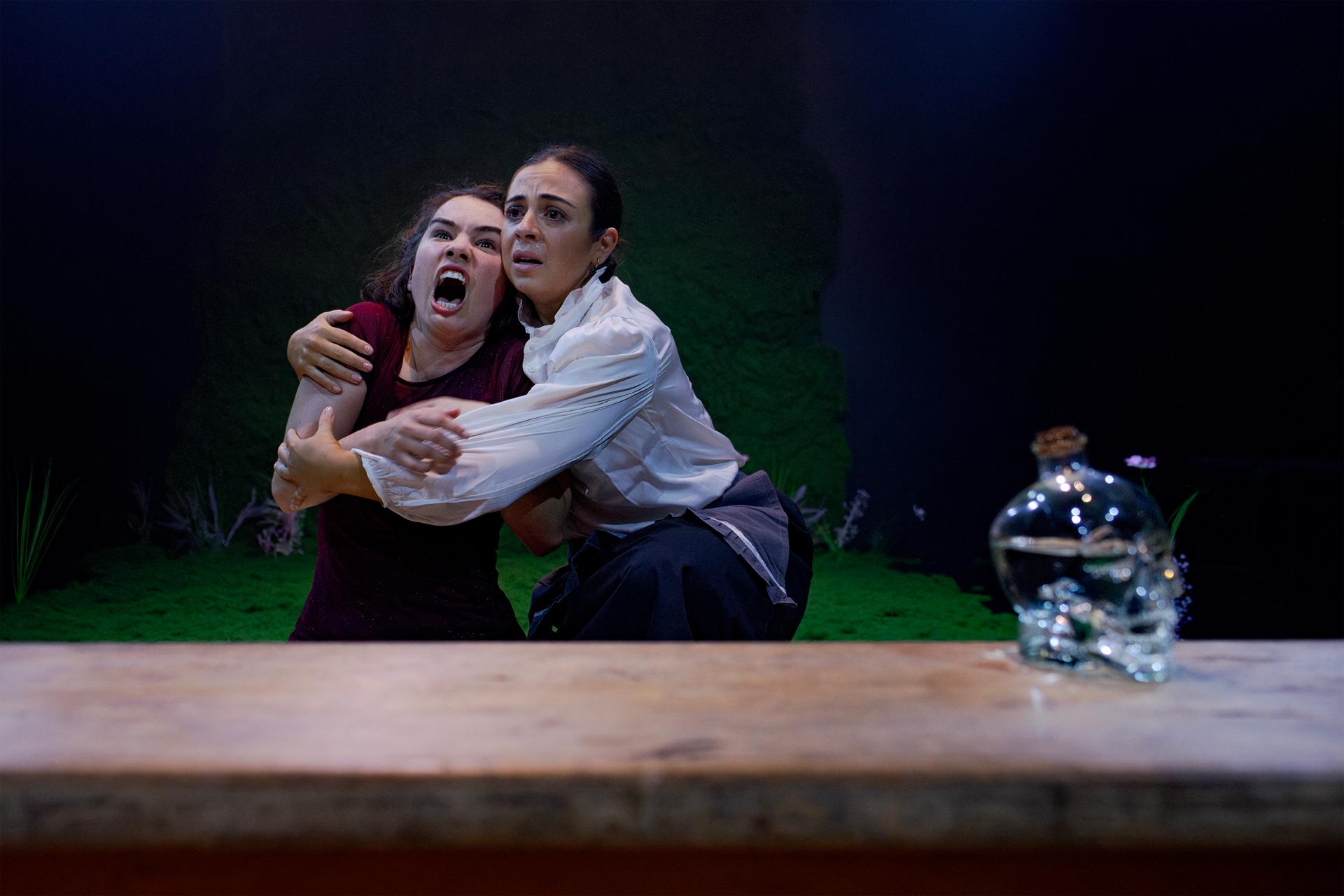
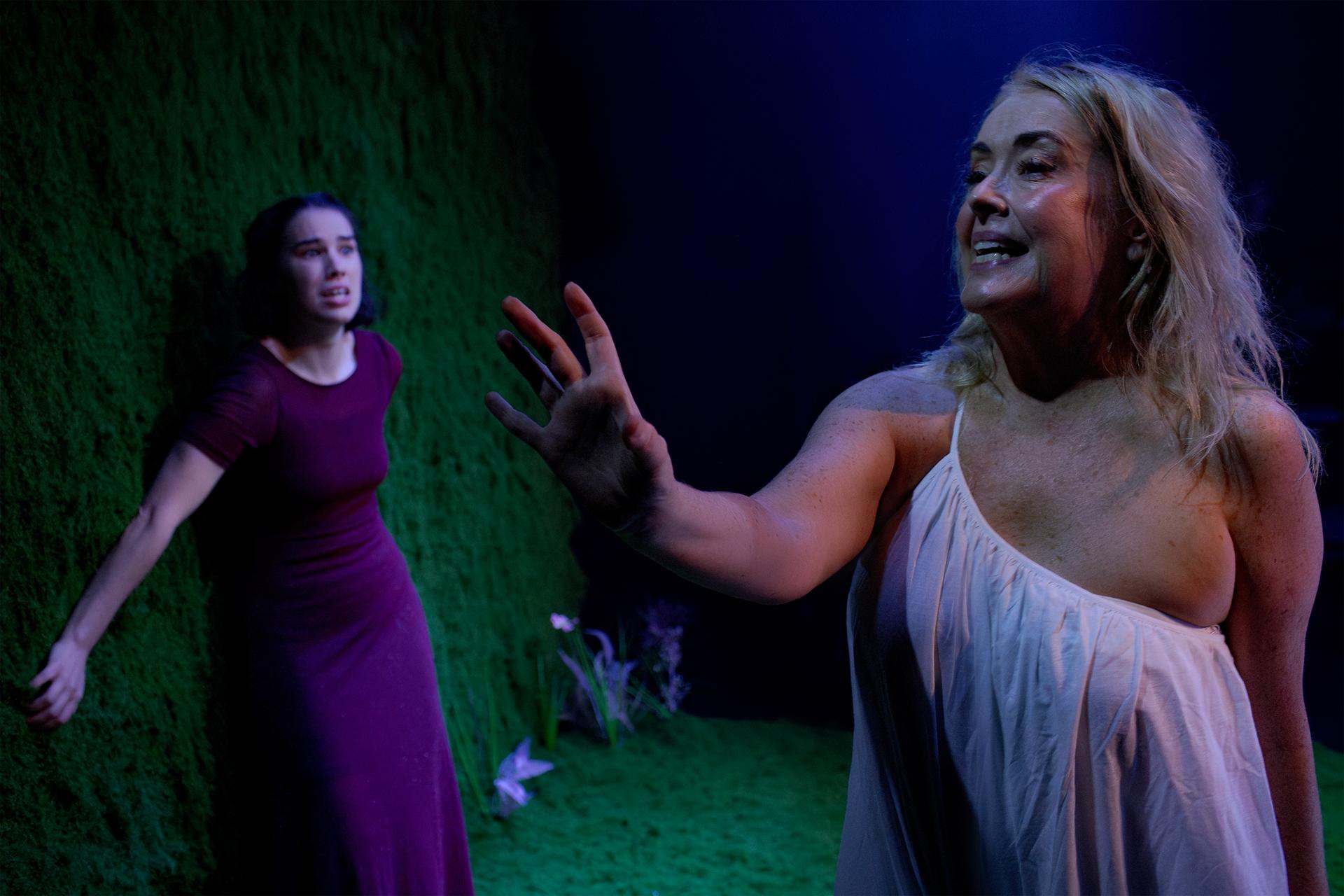
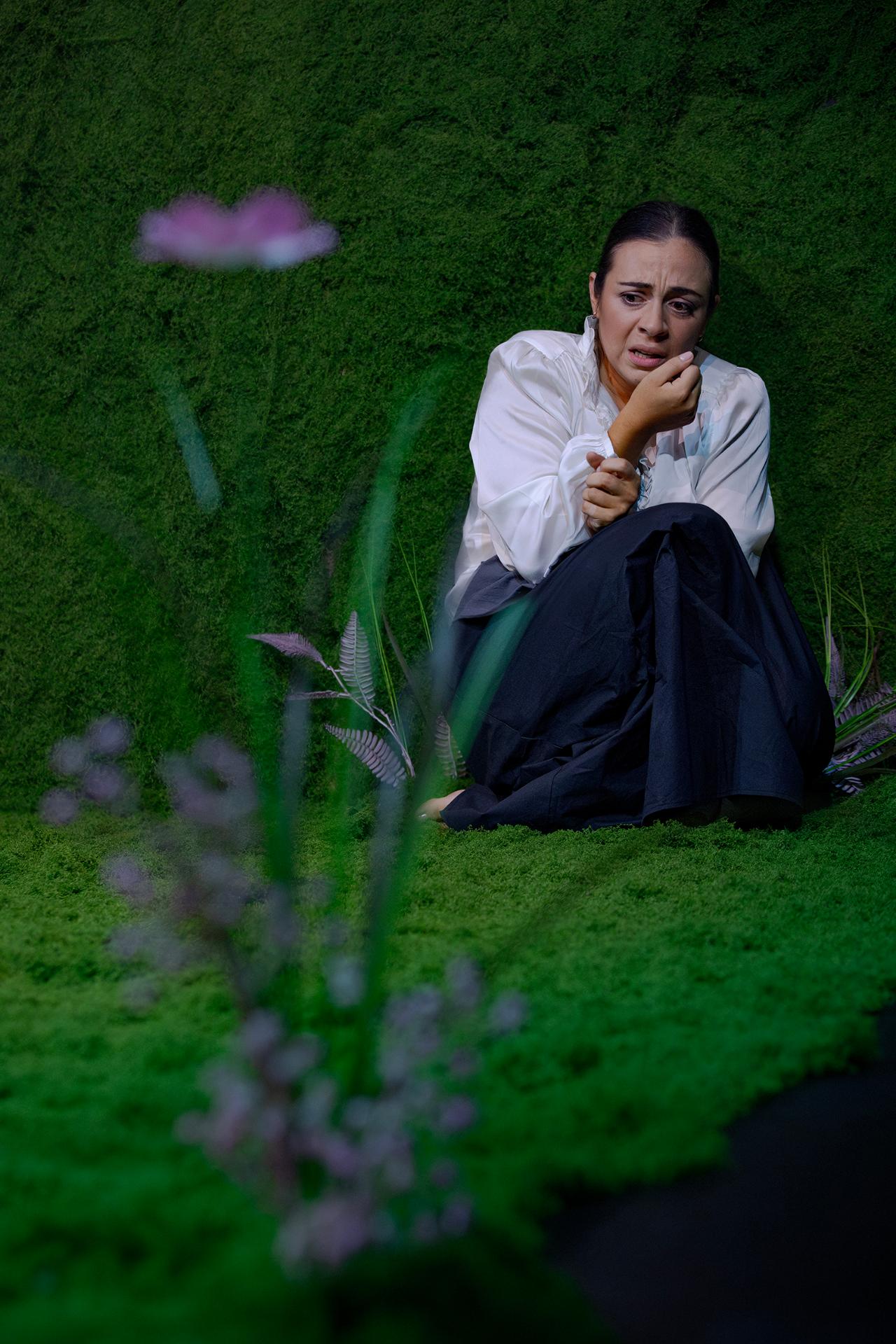
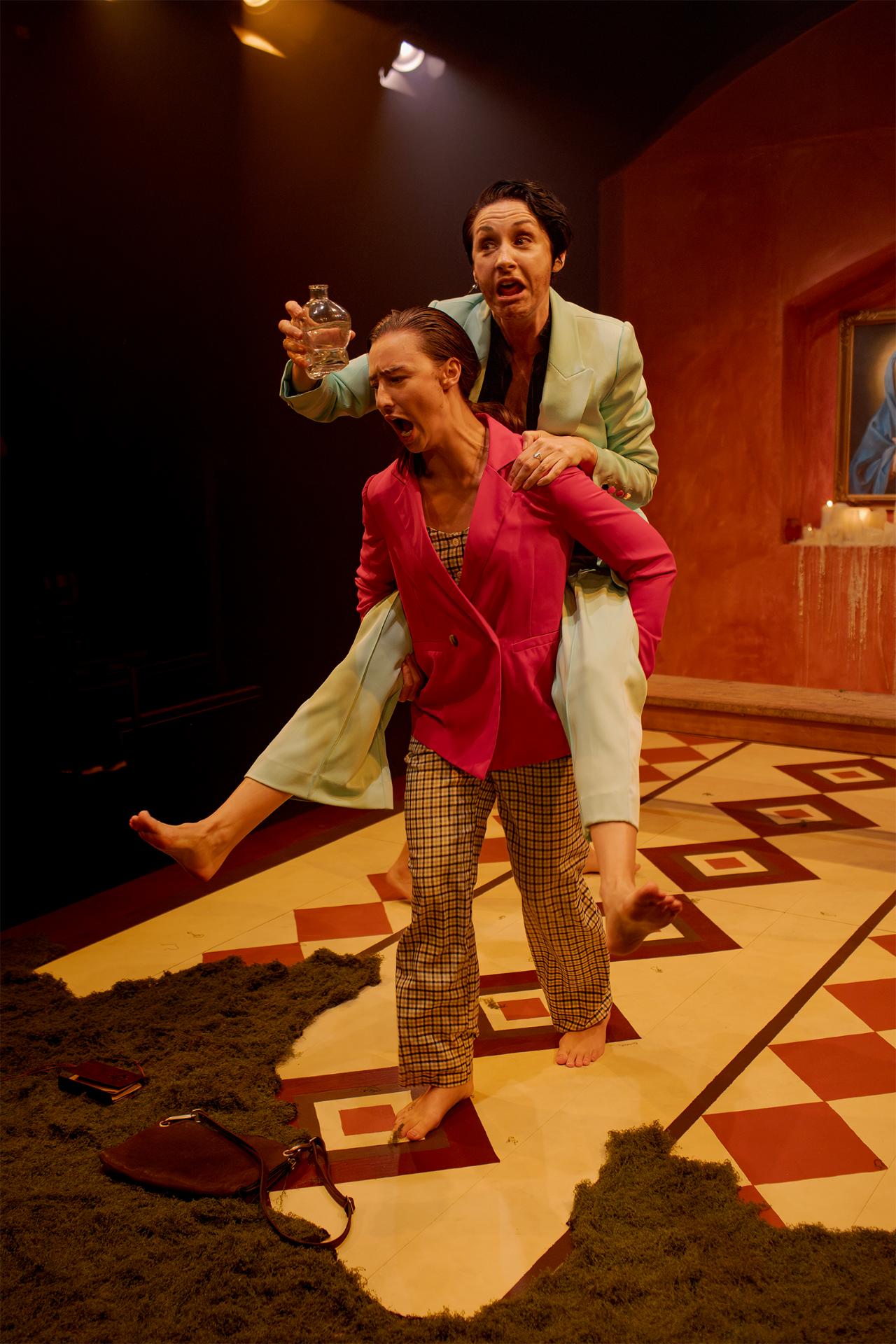
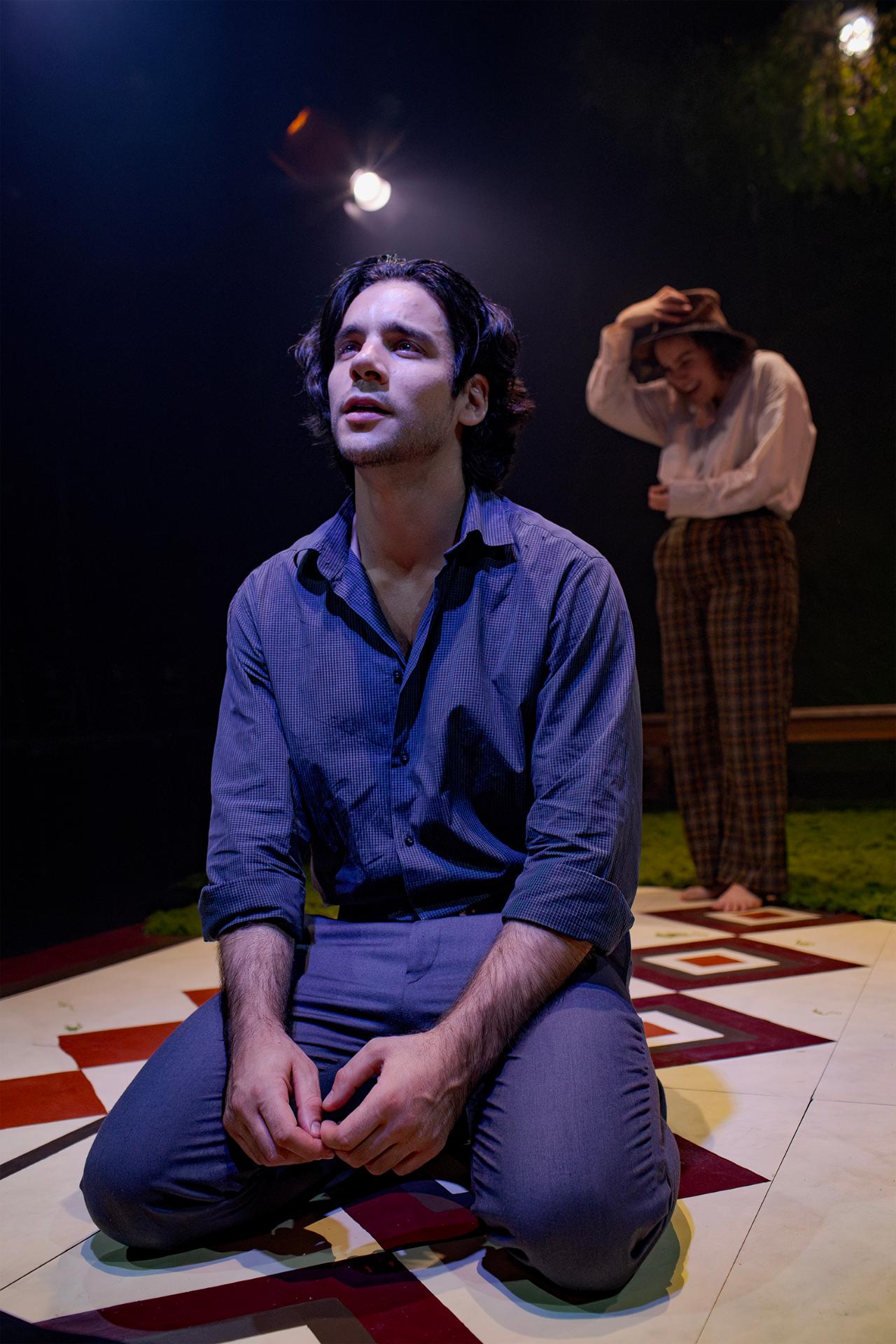
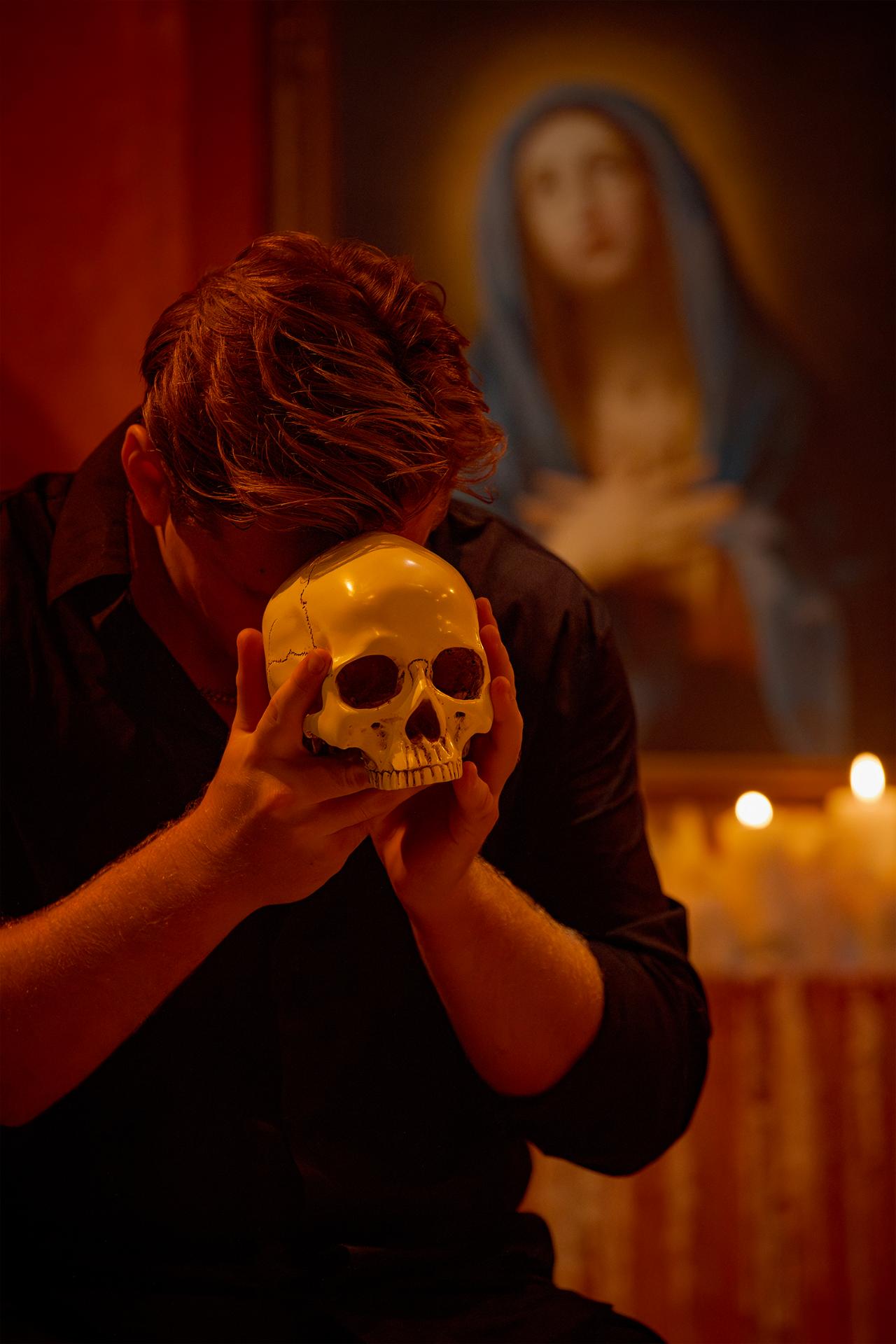
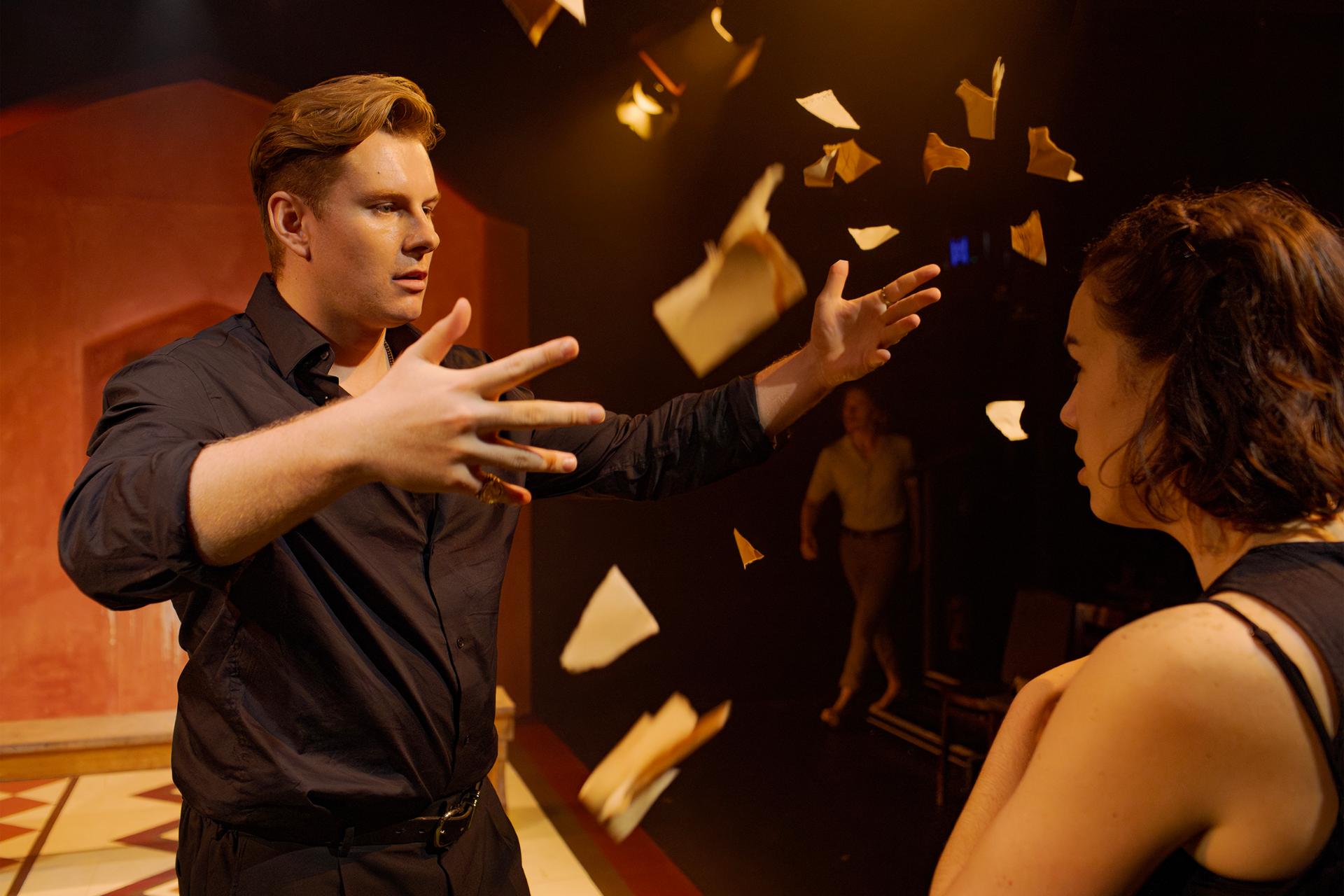
Even though strong and considered, Ophelia Thinks Harder does feel superseded in its attitude. Direction by Alex Kendall Robson offers little that could provide an update, to a style of feminist theatre that seems very much of the previous wave. Performer Brea Macey is convincing as a disturbed Ophelia, intense in her portrayal of a young woman awaking to the injustice that she is destined for. Shaw Cameron impresses as a comical but despicable Hamlet, as does Lucy Miller who brings a valuable irony to her measured depictions of the play’s maternal characters.
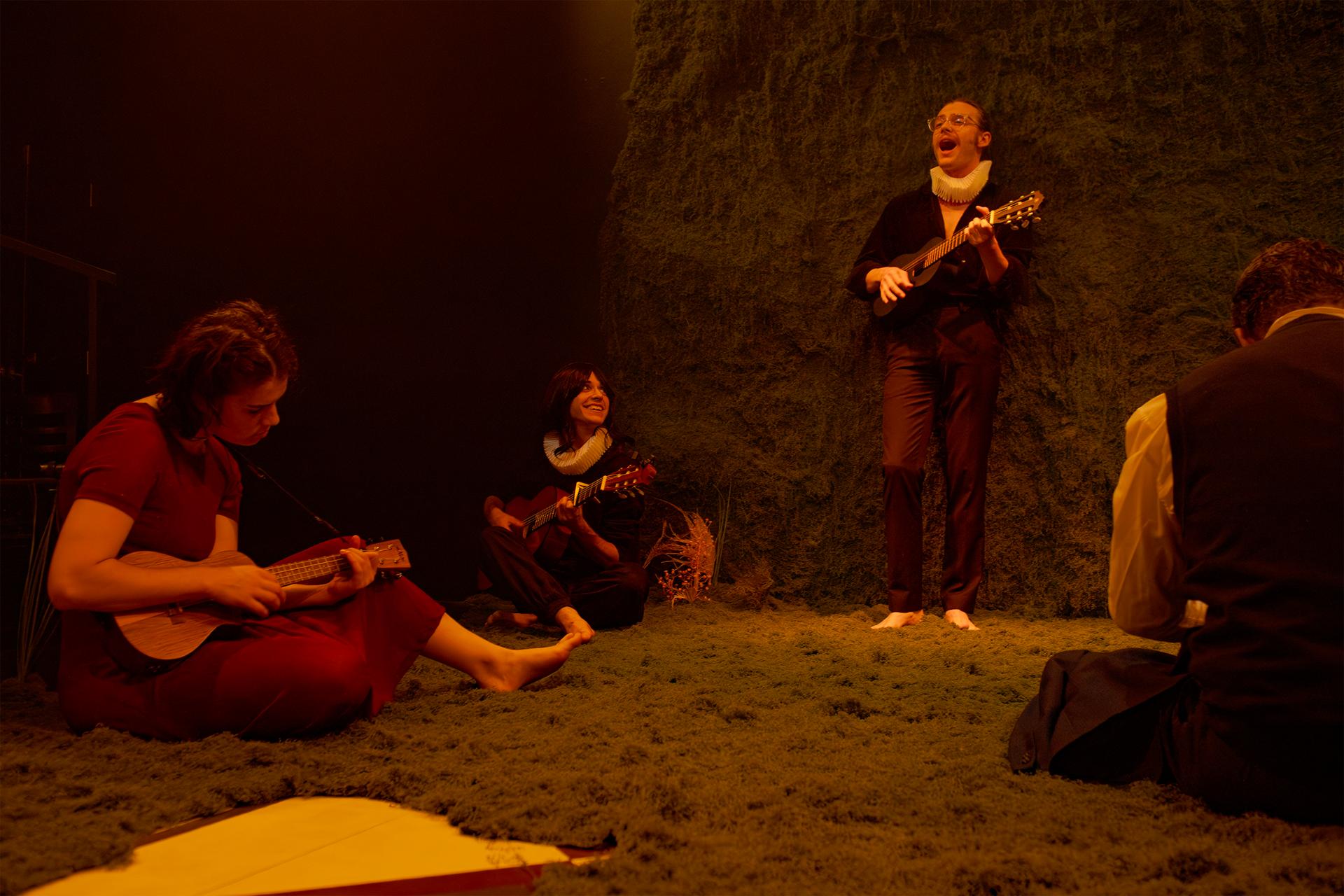
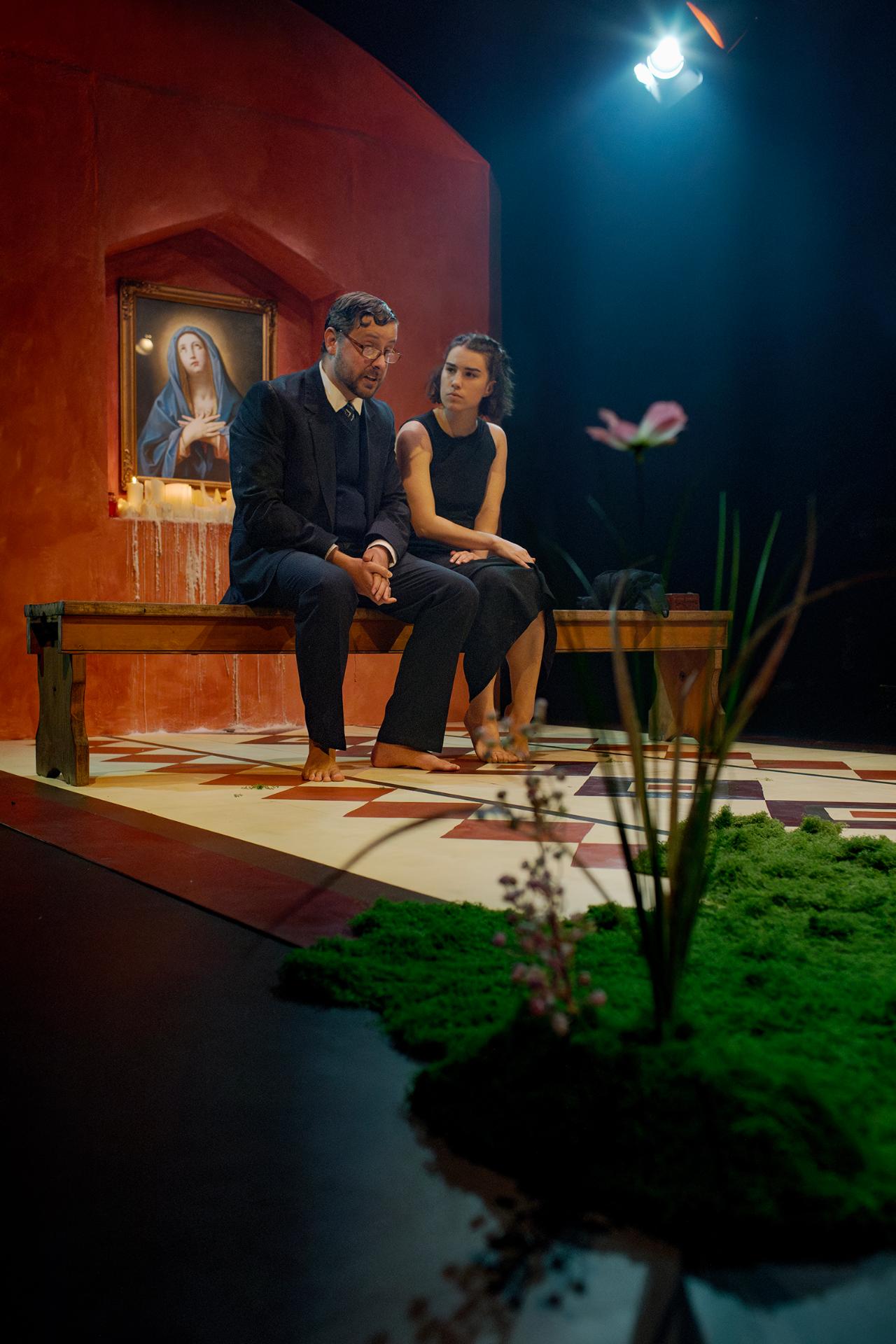
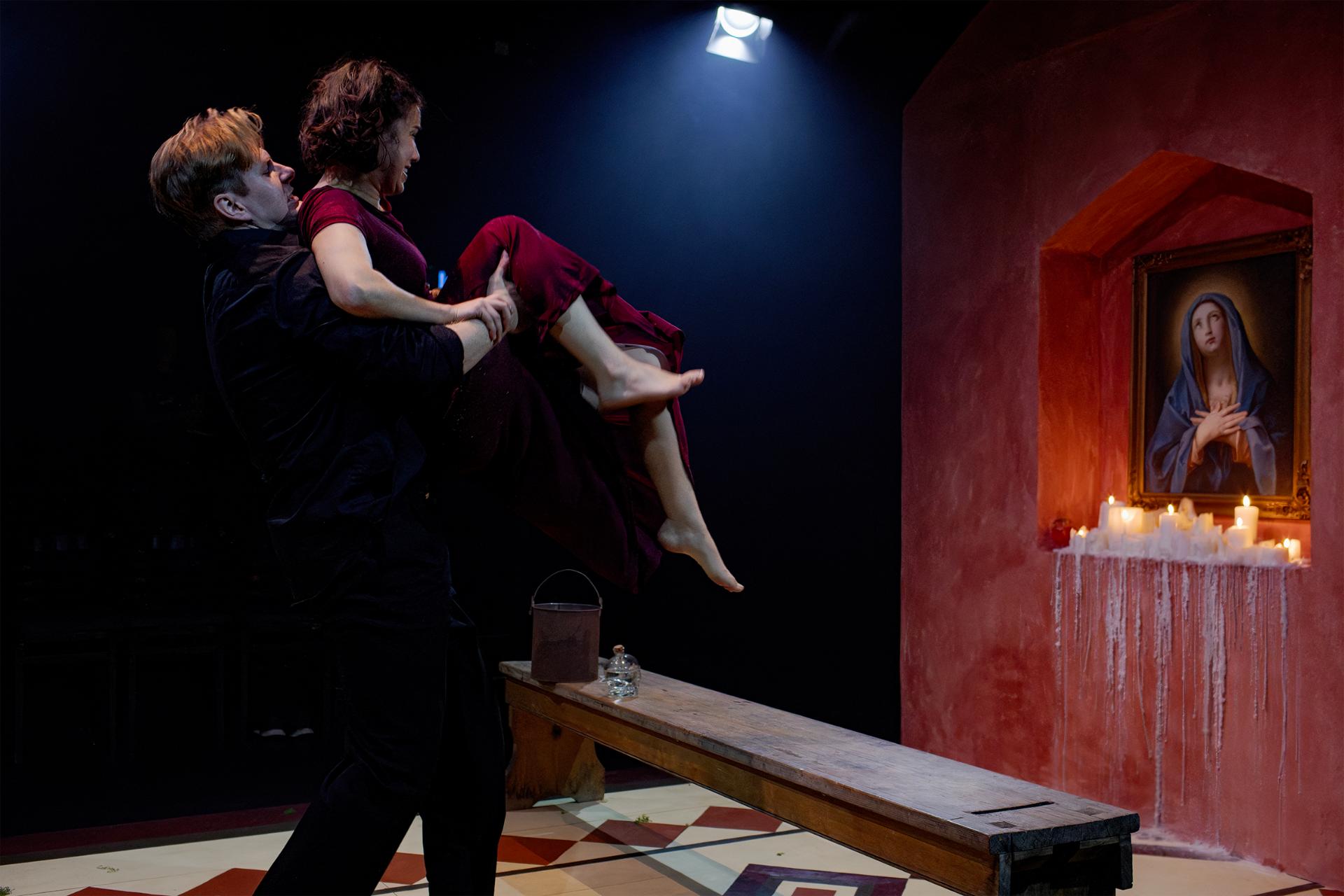
A visually pleasing set design by Hannah Yardley and Jimi Rawlings proves effective in addressing various scenic requirements. Costumes by Robson are inconsistently rendered, with some pieces more imaginatively assembled than others. Lighting by Sophie Parker can be more detailed in approach, but is nonetheless skilled in calibrating atmospheric transformations. Sounds by David Wilson too can be more rigorous in their enhancements, but are successful in implementing a sense of drama at key moments.
For some, all this debate about Shakespeare is tired to say the least, but his omnipresence in the West remains undeniable. We can see the extent to which his legacy is fundamental to the ways we regard the arts, and how pervasive his influence has been, in our assessments of merit in theatre. Feminism should want to make him irrelevant, to make all that he stands for no longer central to how we experience the world, but the patriarchy’s obstinance is one of its main features. A thorn in the side insists on wearing a person down, but it also functions as a reminder of the bigger harms it is always poised to reinstate.
 Suzy Goes See