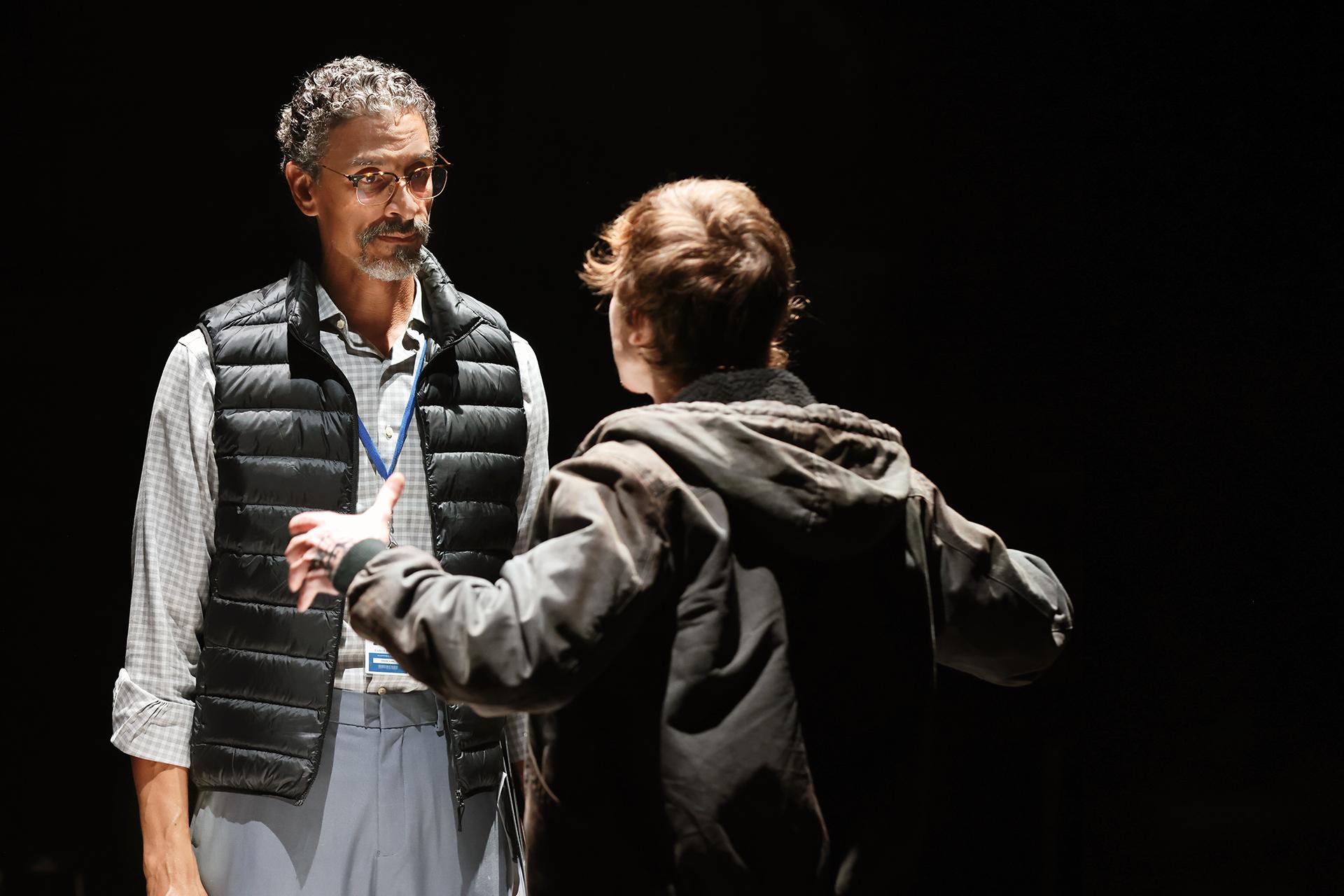
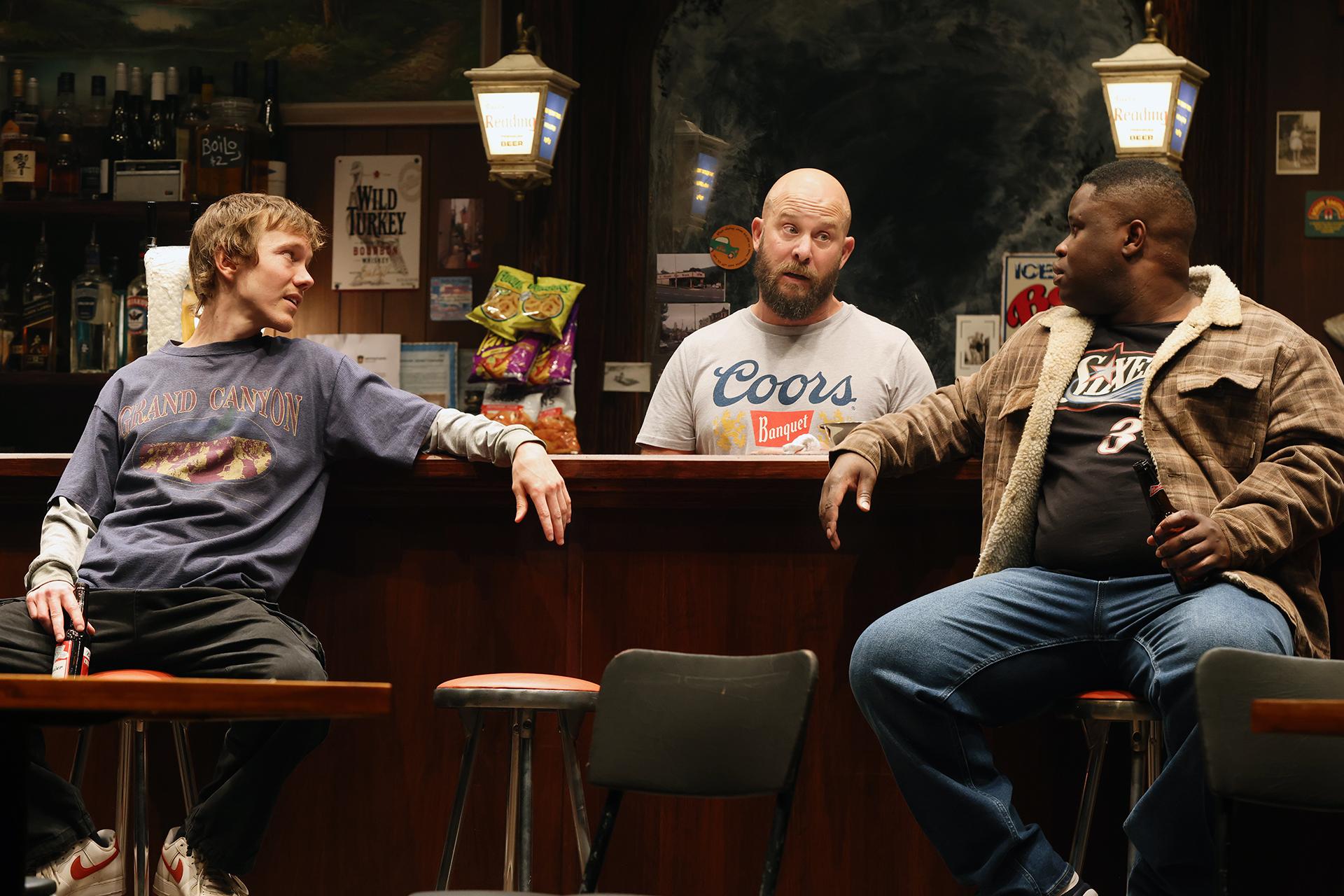
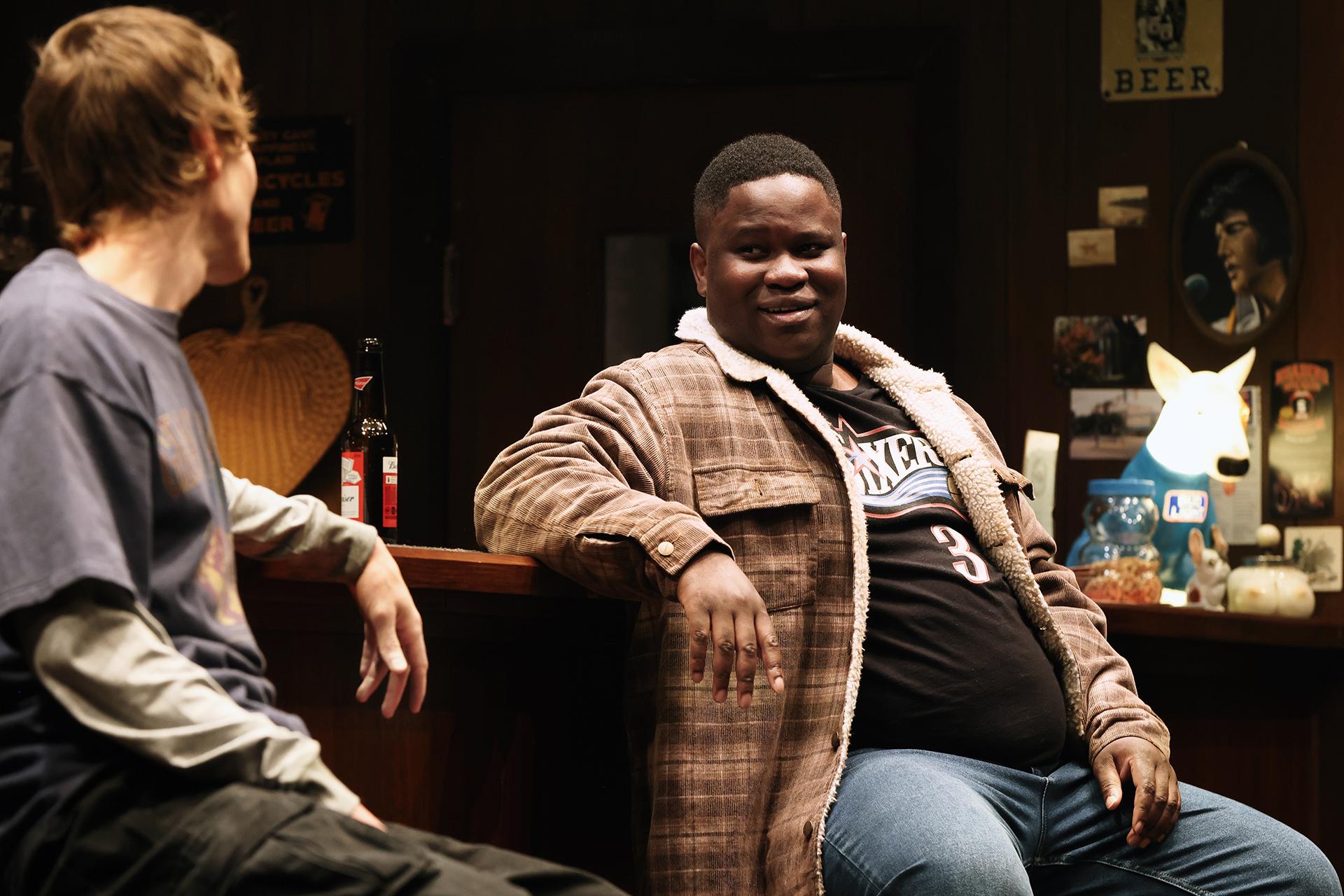
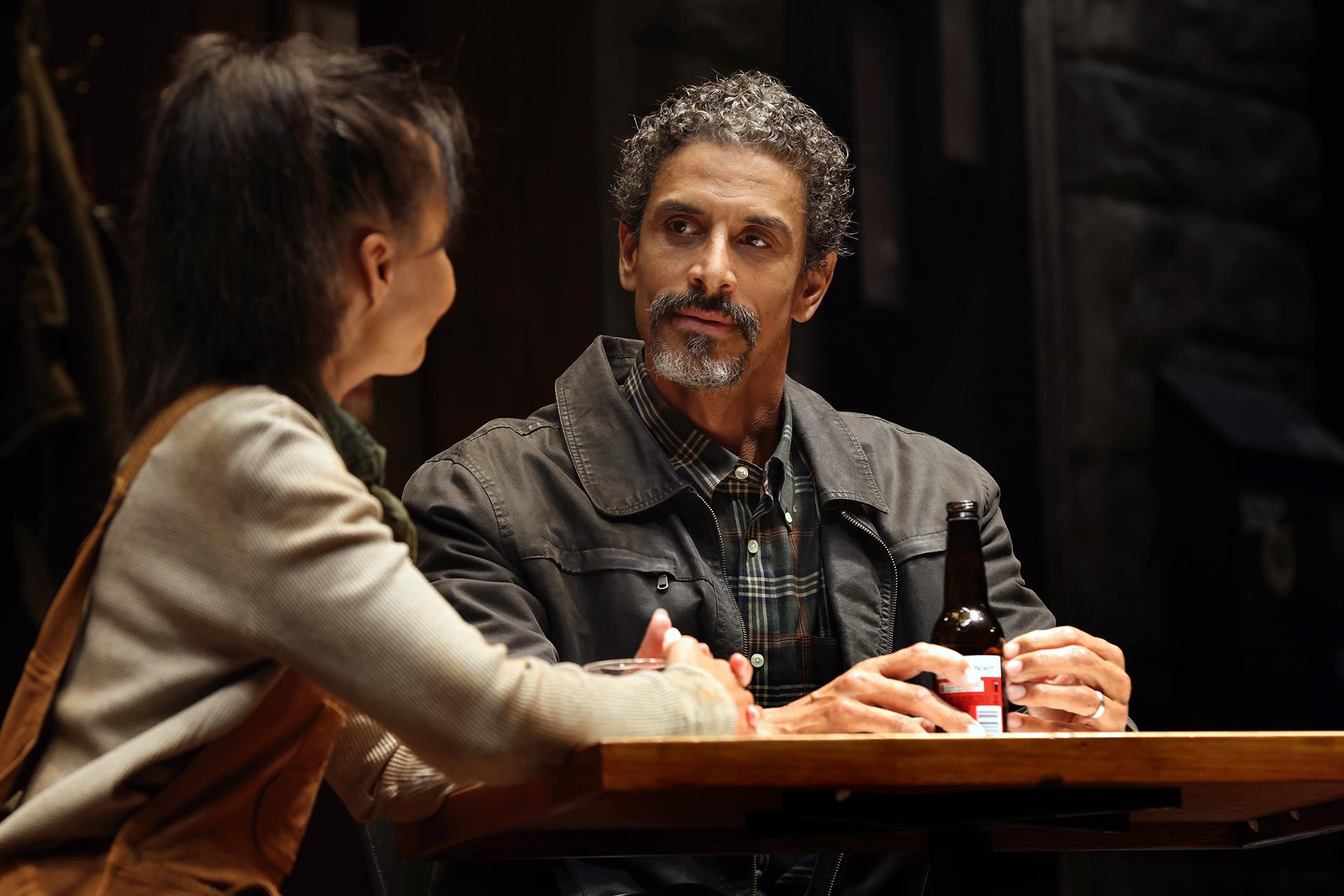

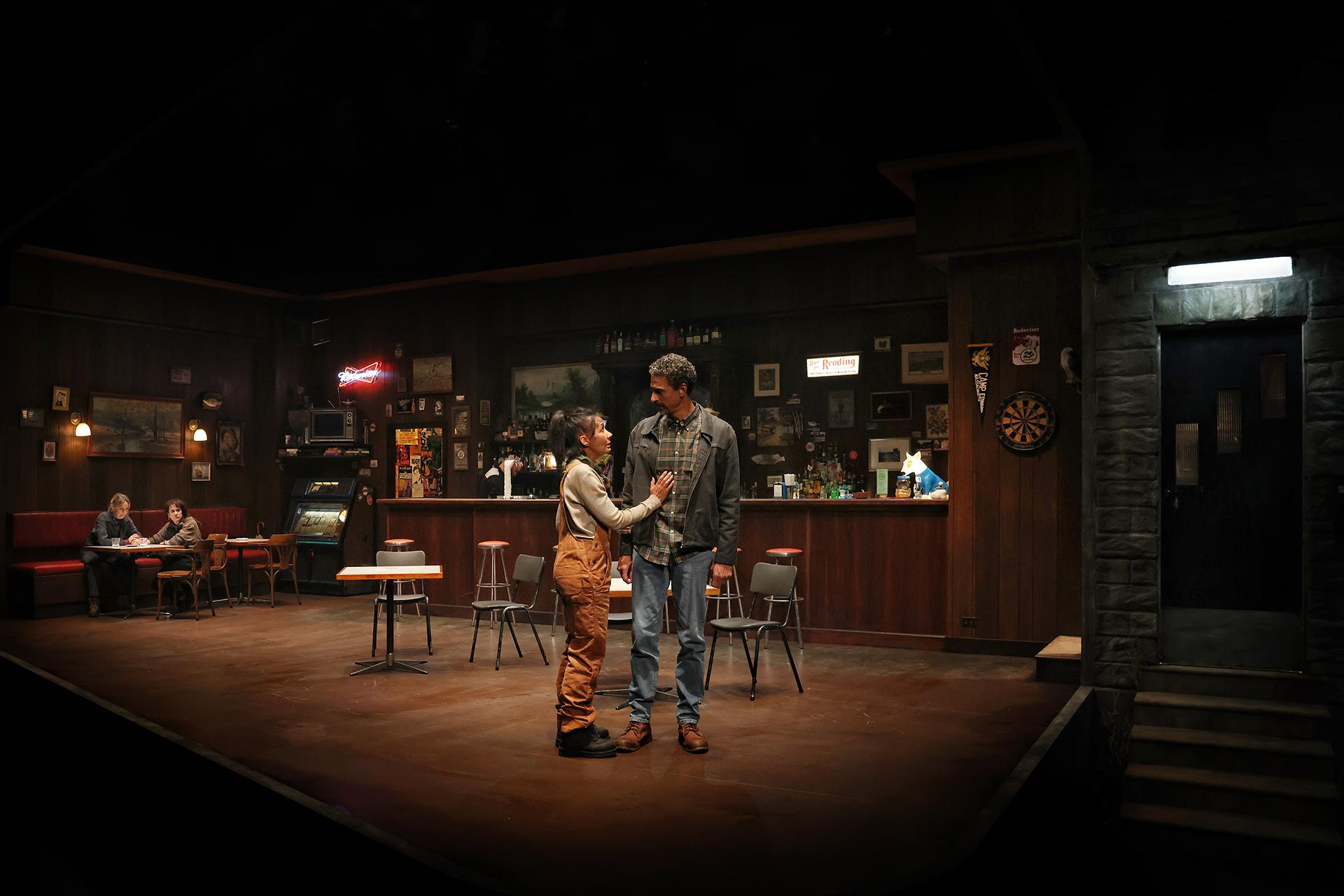
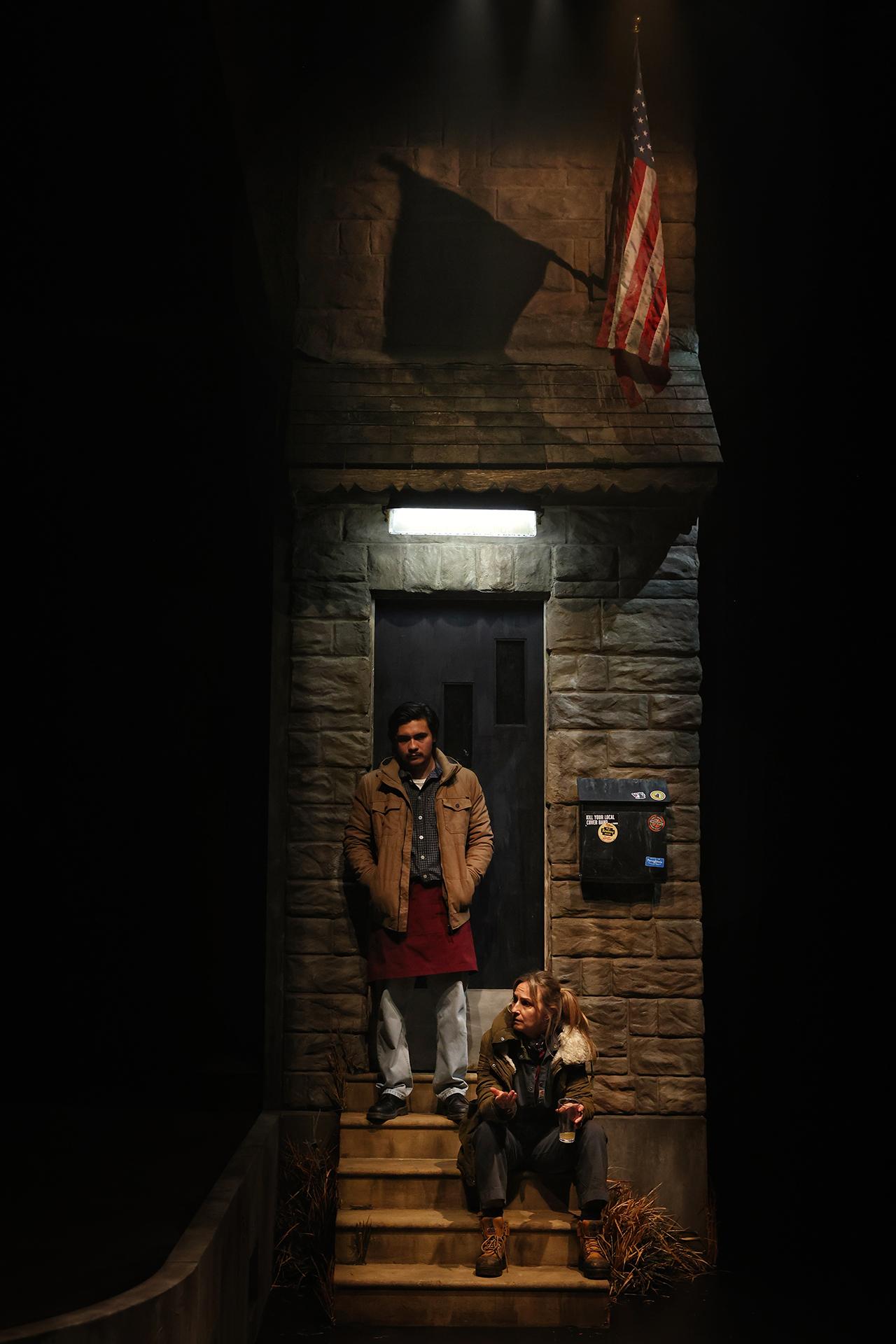
Venue: Wharf 1 Sydney Theatre Company (Walsh Bay NSW), 11 Nov – 22 Dec, 2024
Playwright: Lynn Nottage
Director: Zindzi Okenyo
Cast: Gabriel Alvarado, Paula Arundell, Yure Covich, James Fraser, Deborah Galanos, Markus Hamilton, Tinashe Mangwana, Lisa McCune
Images by Prudence Upton
Theatre review
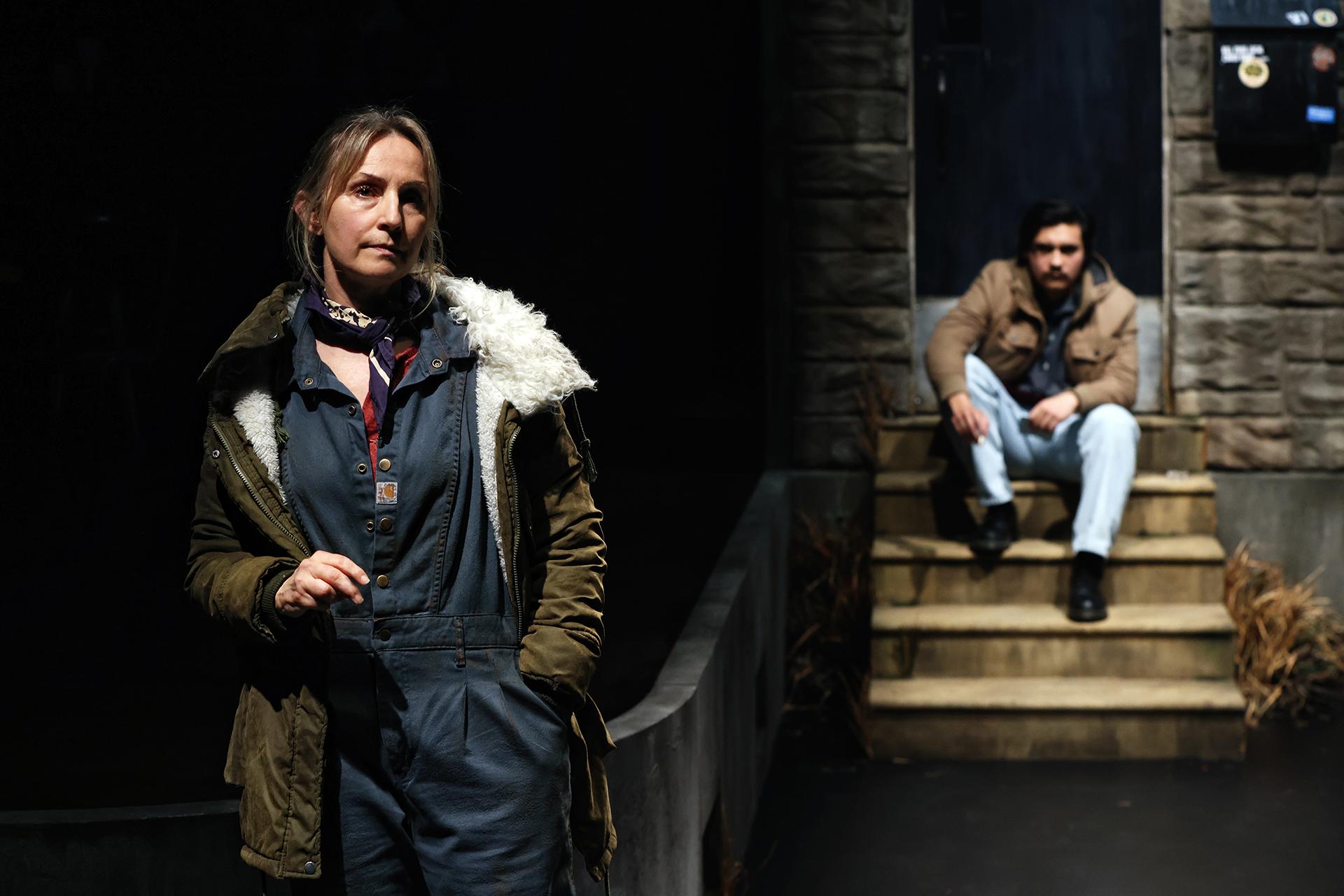
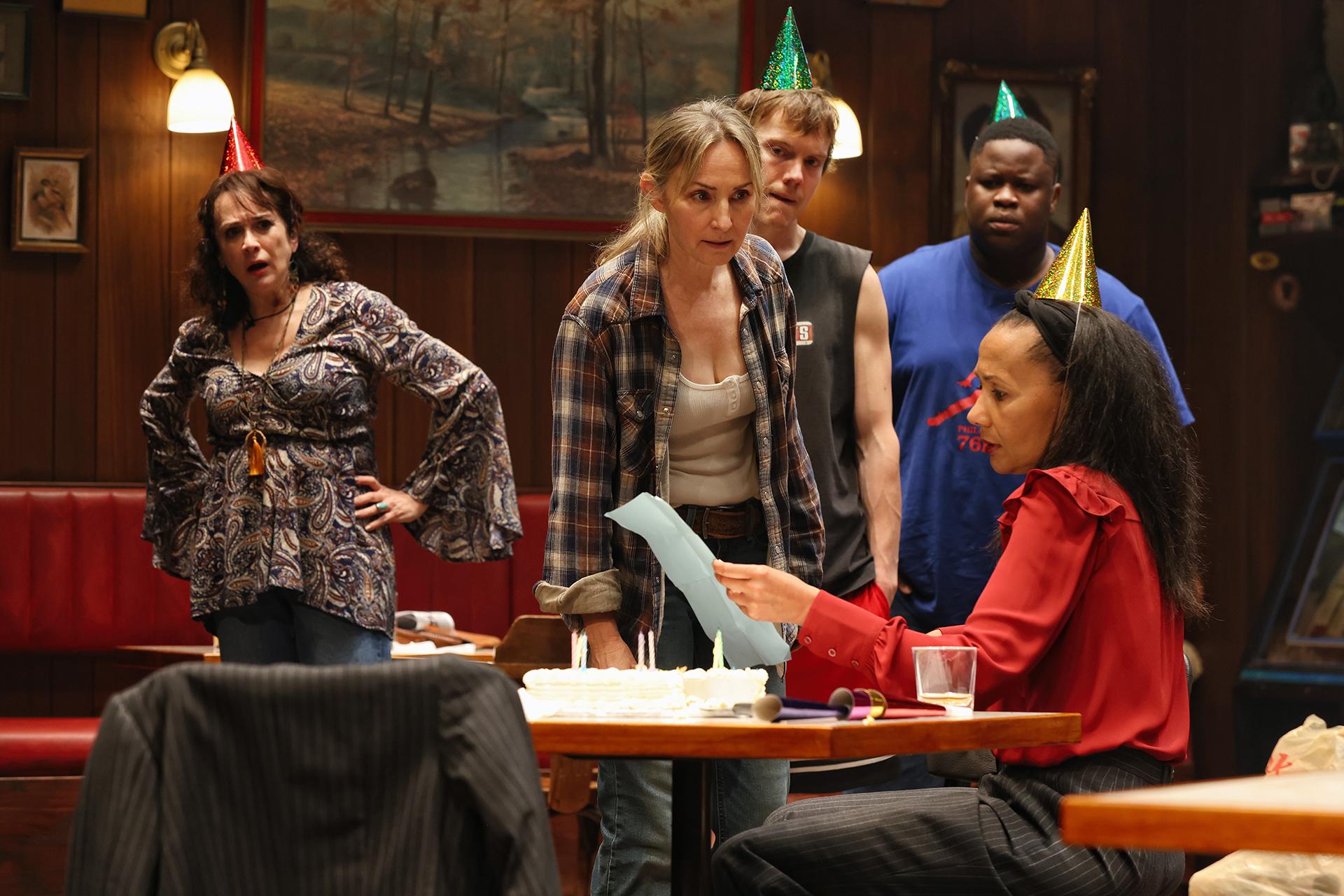
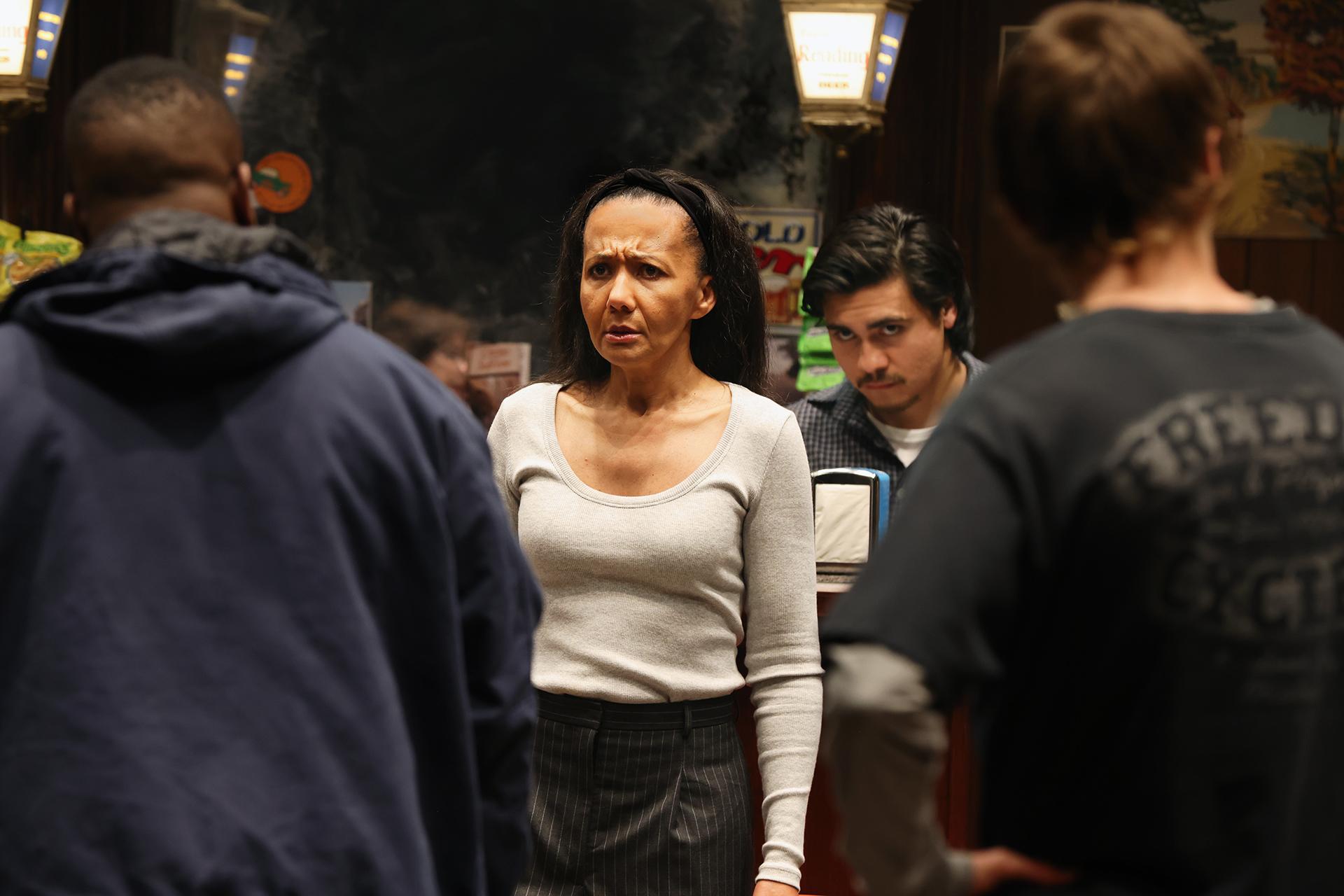
The story takes place in Pennsylvania at the turn of the century, when its economy is experiencing a severe downturn. A steel factory that has employed several generations of residents in the town of Reading, is laying off workers in large numbers, causing great unrest among the populace. Lynn Nottage’s Sweat looks at the disconnect between lives of workers and decisions of resource owners. It examines the phenomenon of humans being regarded as nothing more than means of production, and how our day-to-day suffers as a result.
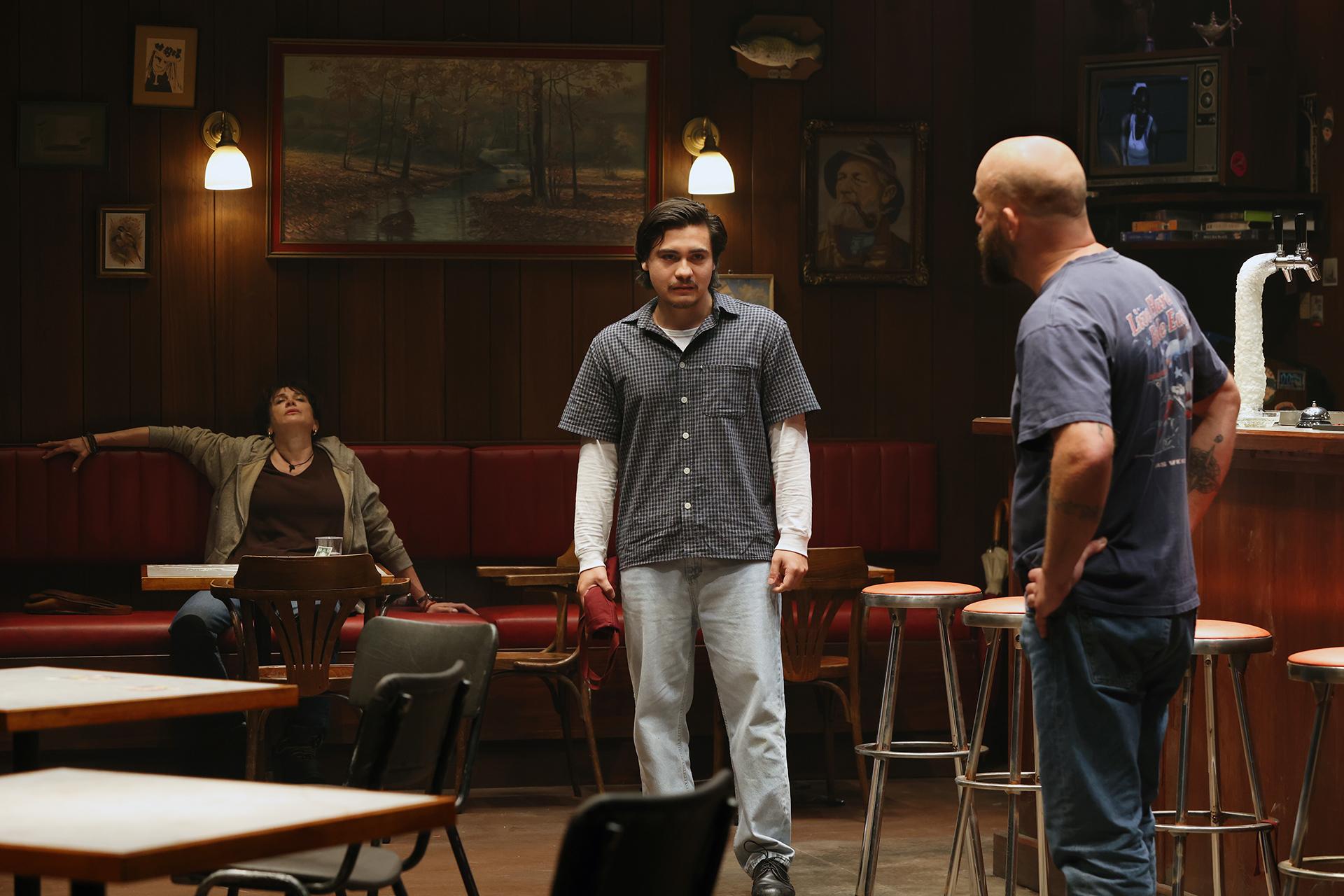
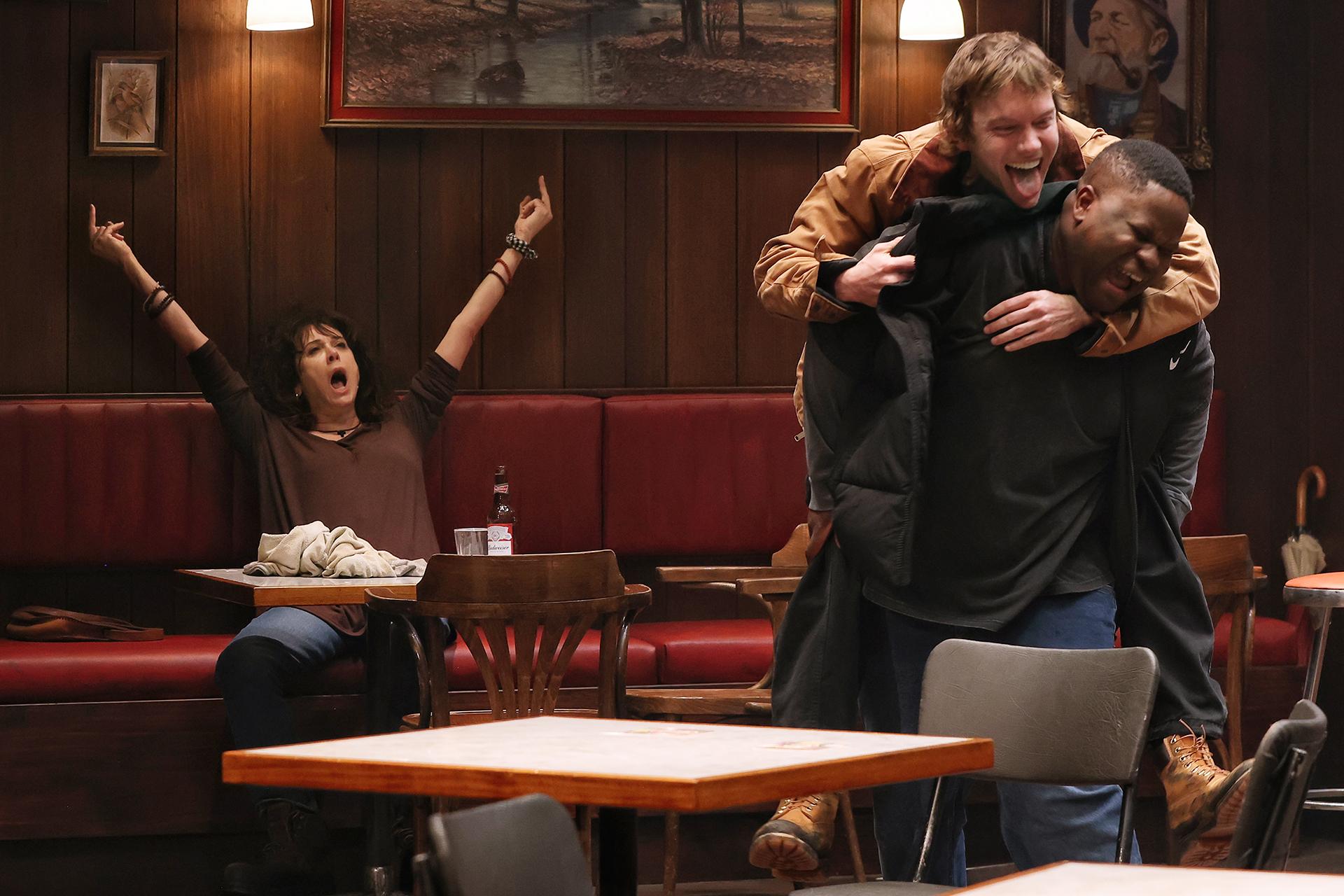
A strong cast of eight takes on the responsibility of storytelling, and their commitment to advocating for the underclass is evident in the level of focus each player brings to the piece. As a collective though, the ensemble never really finds an effective chemistry and their show, although believable, does not bear an authentic immediacy required to earn our instinctual empathy. Direction by Zindzi Okenyo demonstrates no shortage of earnestness, and we invest intellectually as a response, but how we feel for the situations being discussed, never really turns impassioned.
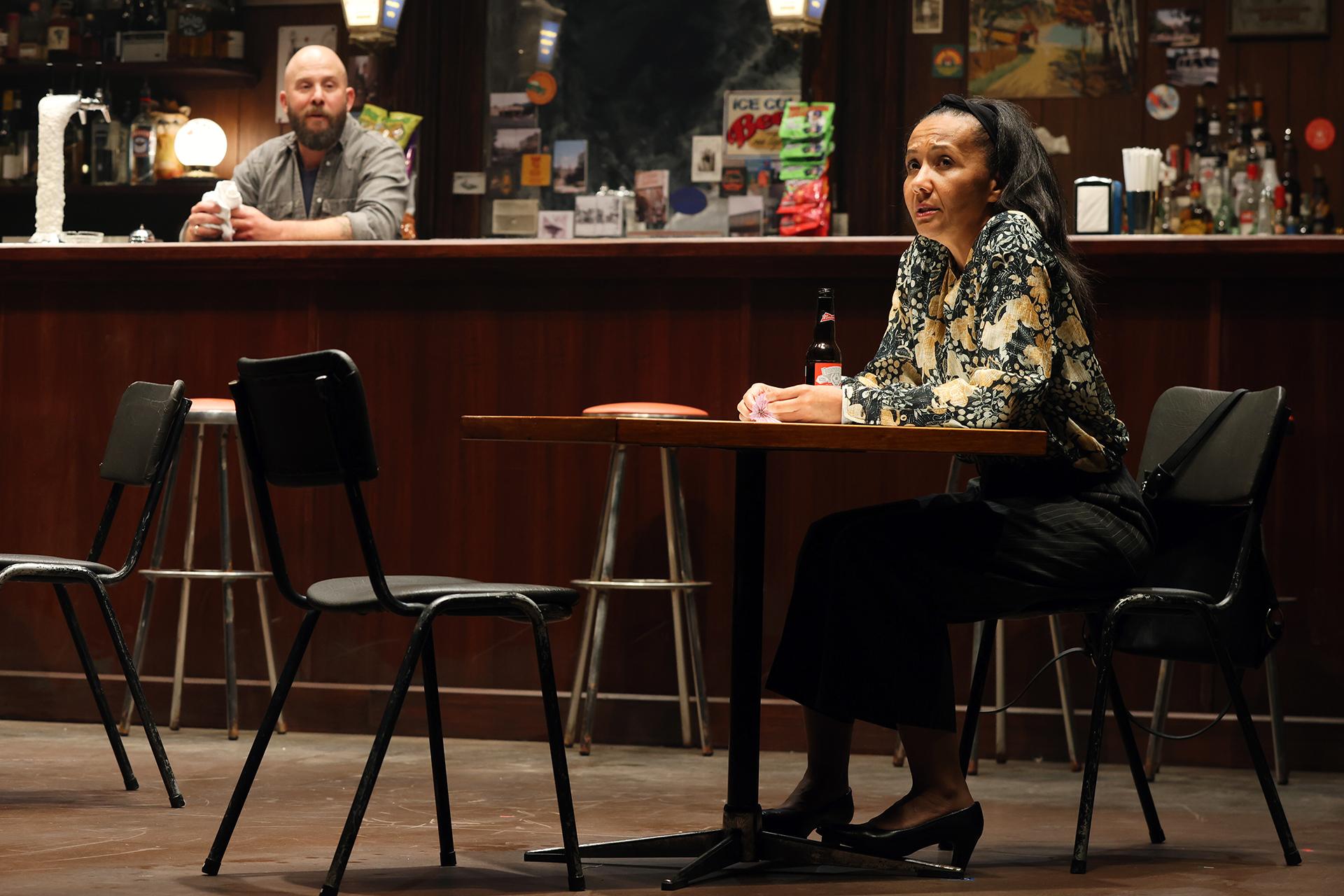
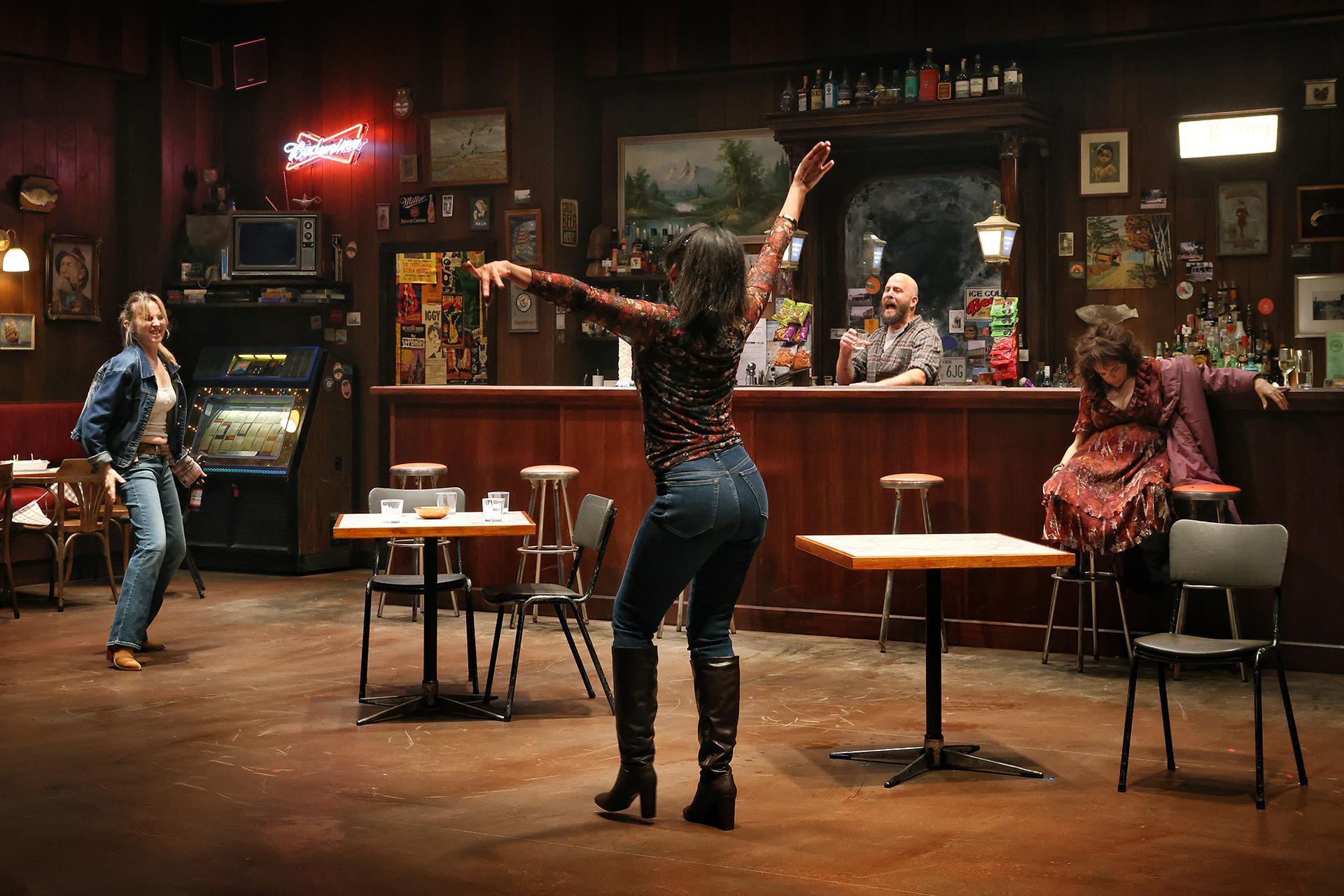
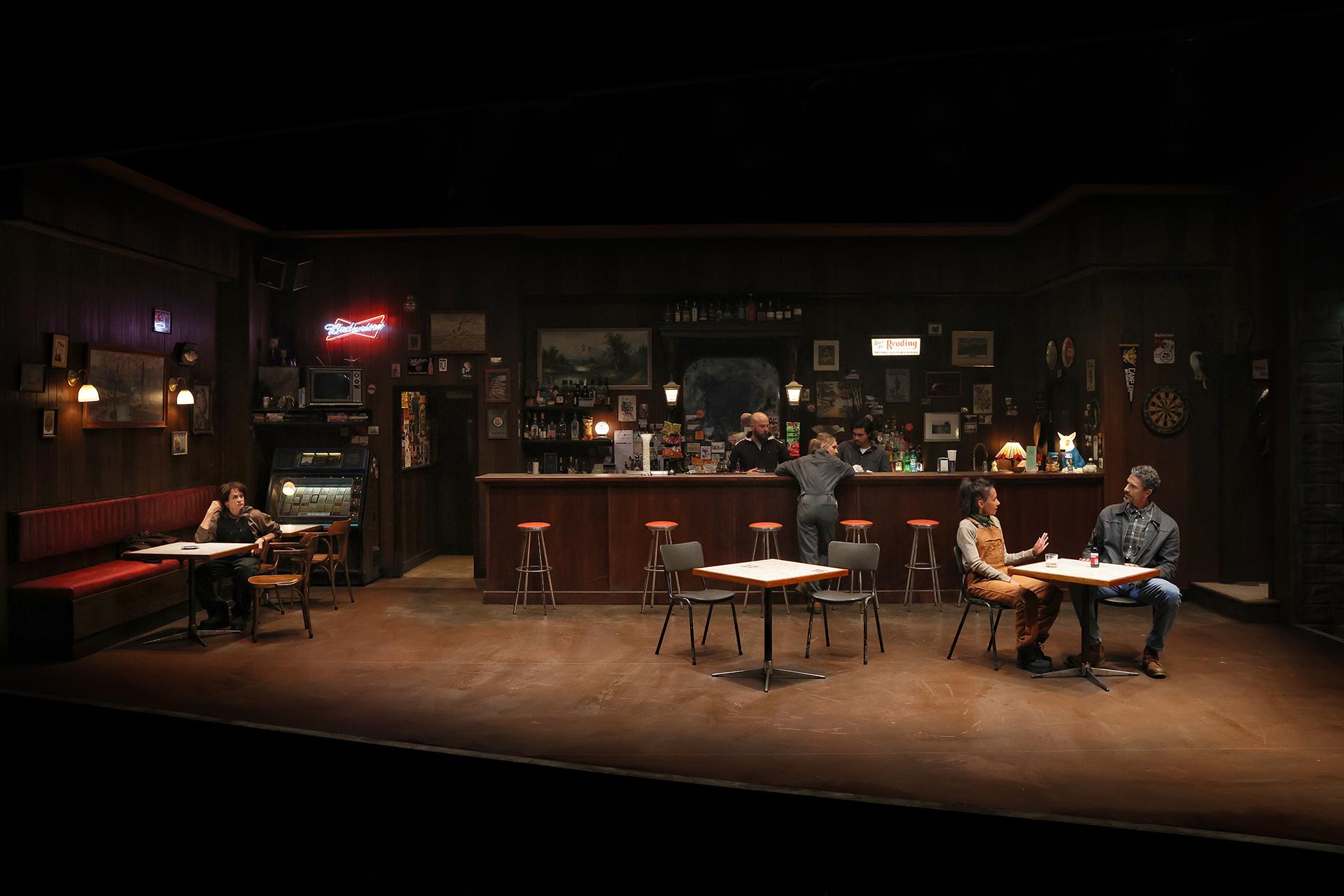
Jeremy Allen’s set design is aesthetically pleasing but its spaciousness conveys a corresponding emptiness that seems to struggle at harnessing dramatic intensity. Lights by Verity Hampson are often excessively languid in tone, although its realism does help us gain an appreciation for the environment being explored. Music by Brendon Boney delivers an appropriate nostalgia in this flash back to the year 2000, even if it does little to rouse our sentiments.
In all the trauma and hardship of Sweat, we can deduce that income inequality renders a powerlessness, both perceived and real, amongst those we might call the proletariat. Characters in the play turn on one another, instead of fighting the real enemy at the top. An incapacitation occurs that dissuades the disadvantaged from confronting those that can improve conditions, shifting attention to scapegoats, often at the encouragement of those who shirk their social and moral duty. It is understandable that those at the bottom should adhere to the language and mechanisms of power, but finding alternatives seems to be the only way we can hope to help ourselves.
 Suzy Goes See