Review: People Will Think You Don’t Love Me (KXT on Broadway)

Venue: KXT on Broadway (Ultimo NSW), Nov 15 – 30, 2024
Playwright: Joanna Erskine
Director:
Jules Billington
Cast: Ruby Maishman, Tom Matthews, Grace Naoum
Images by Phil Erbacher

Theatre review
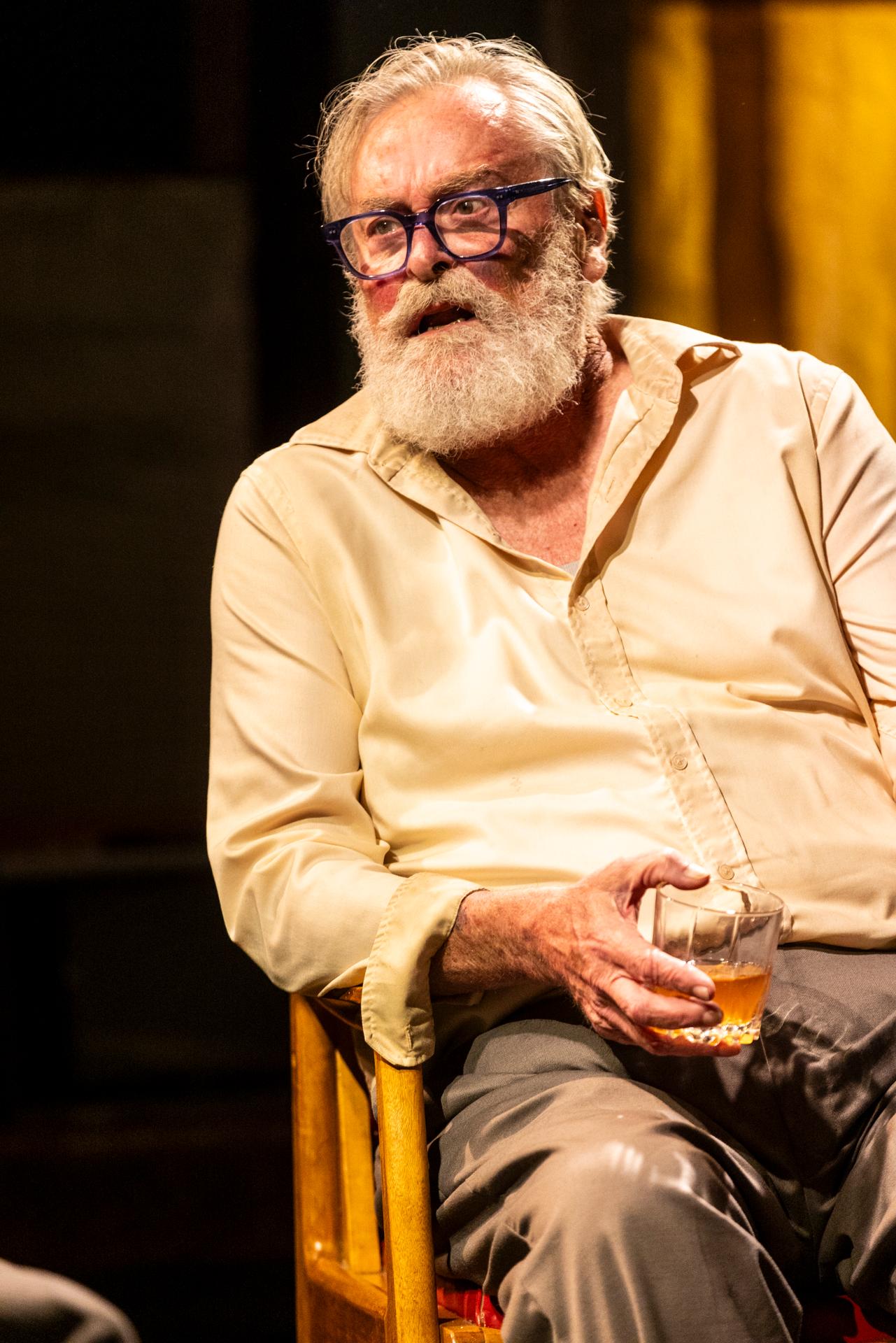
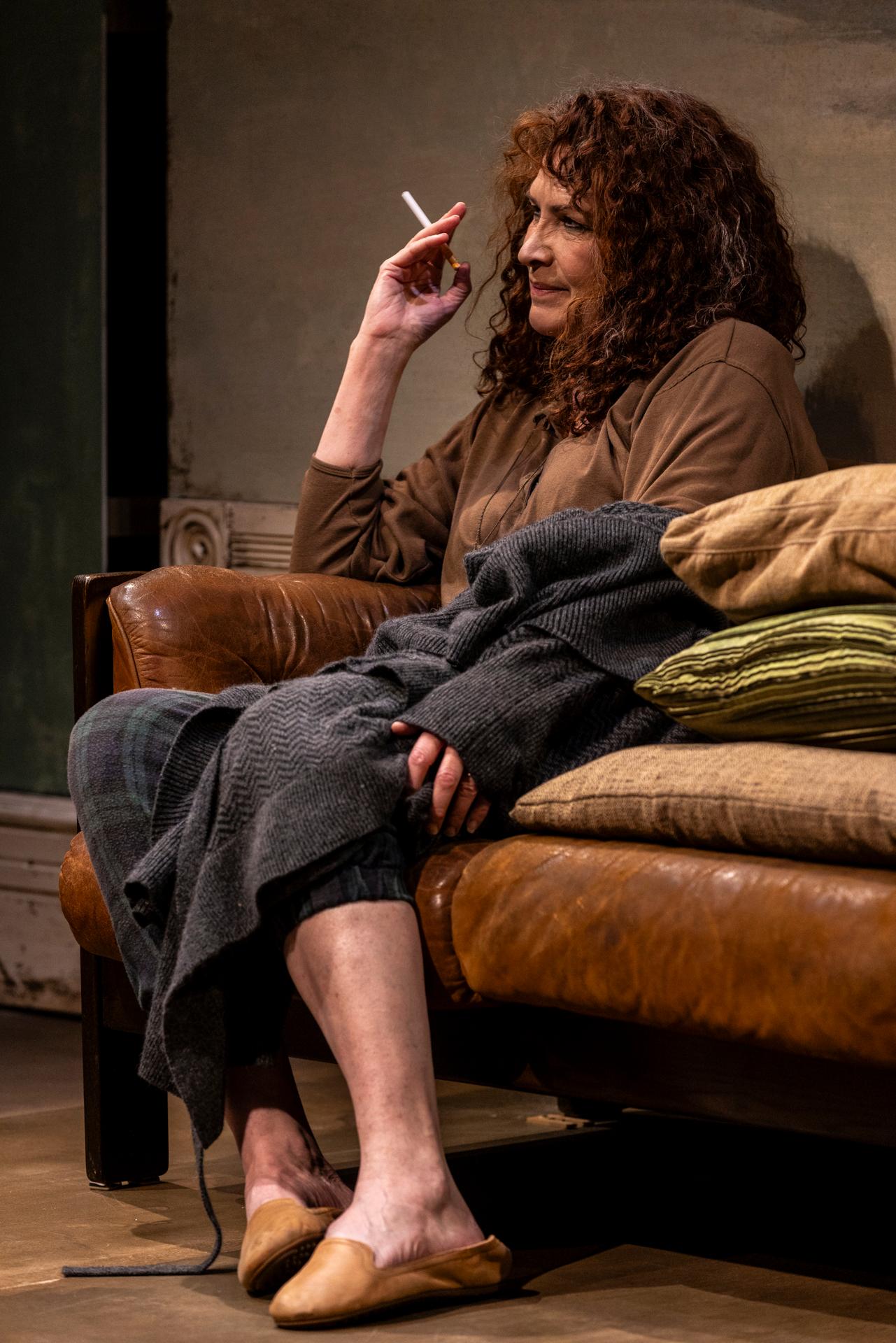
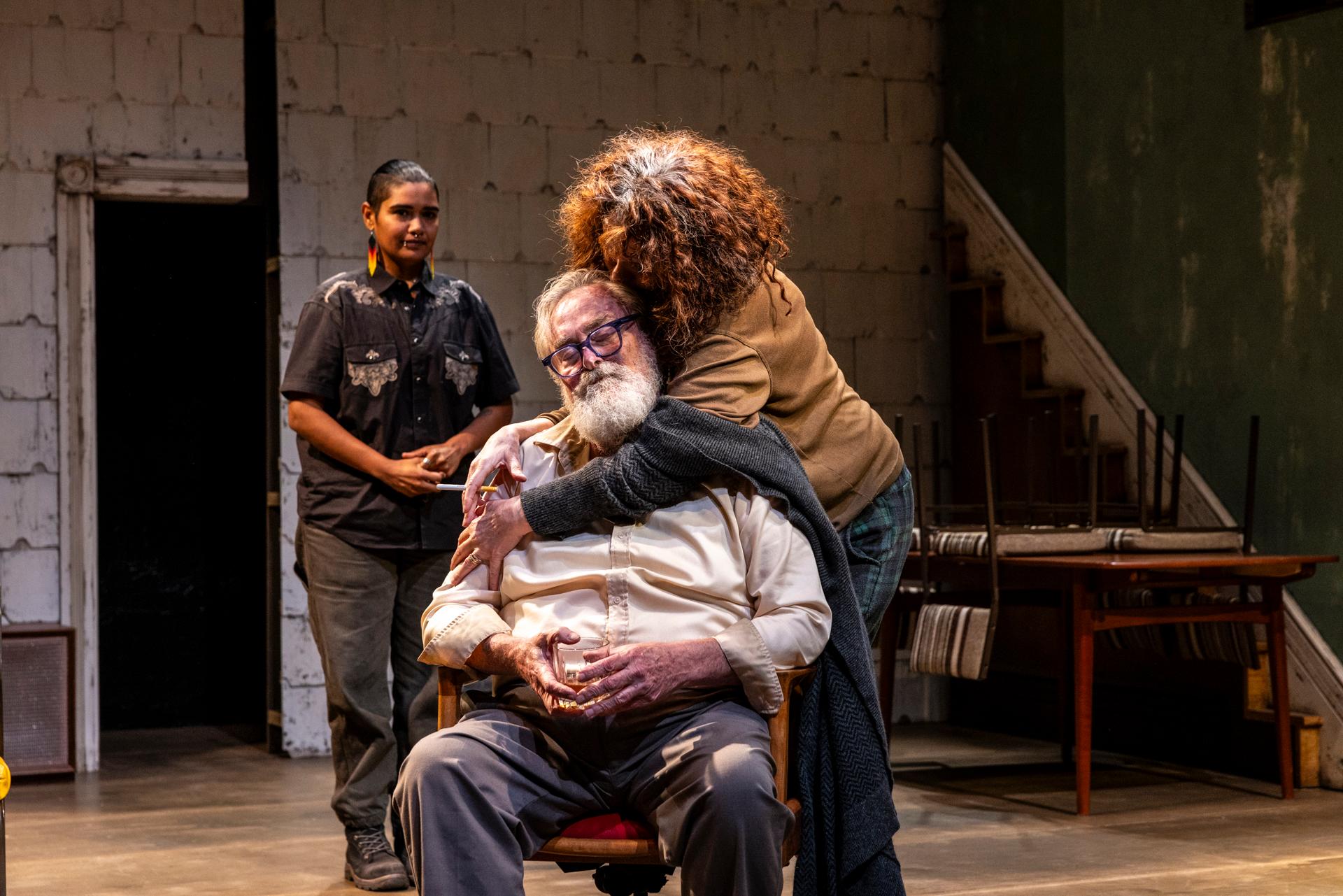
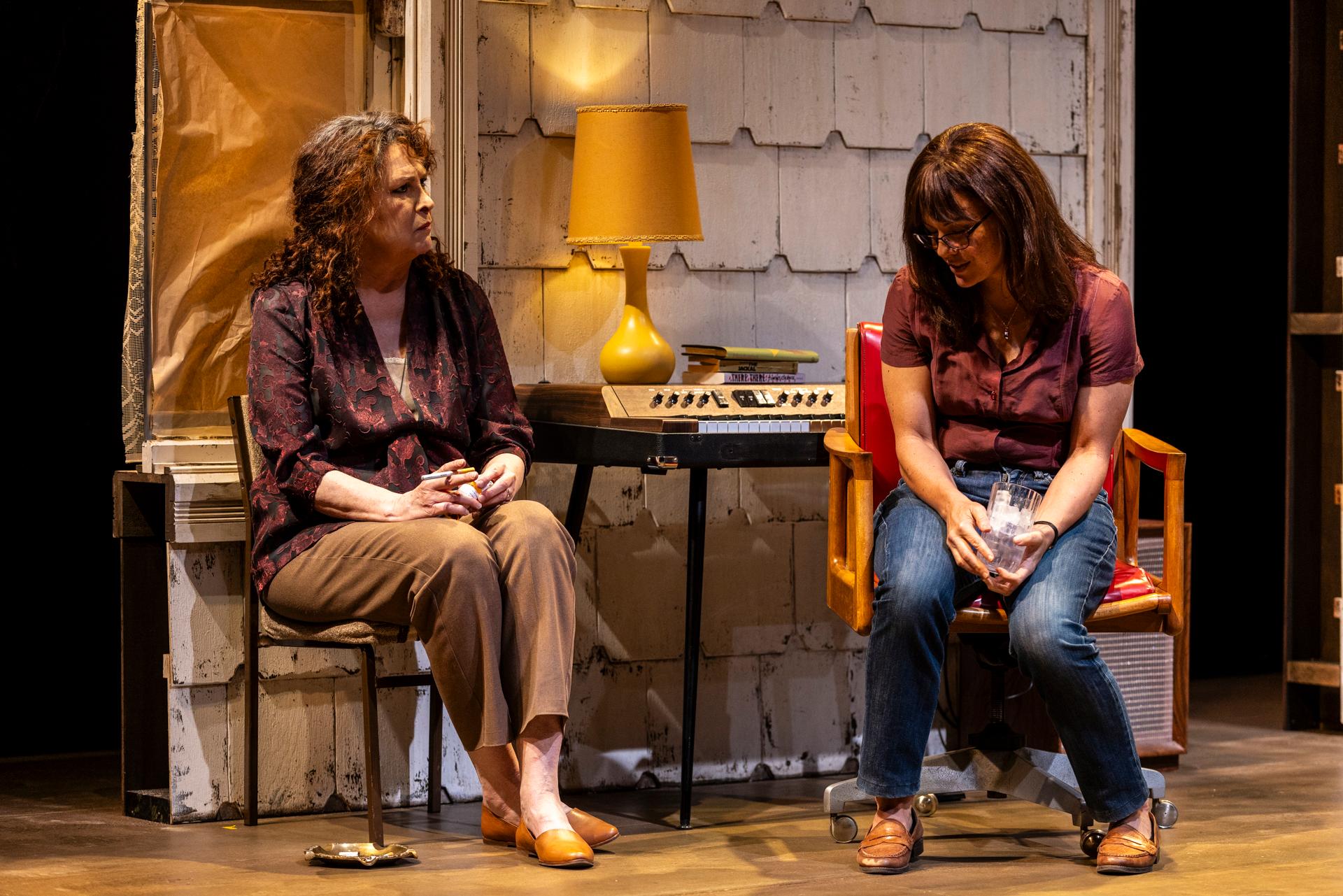
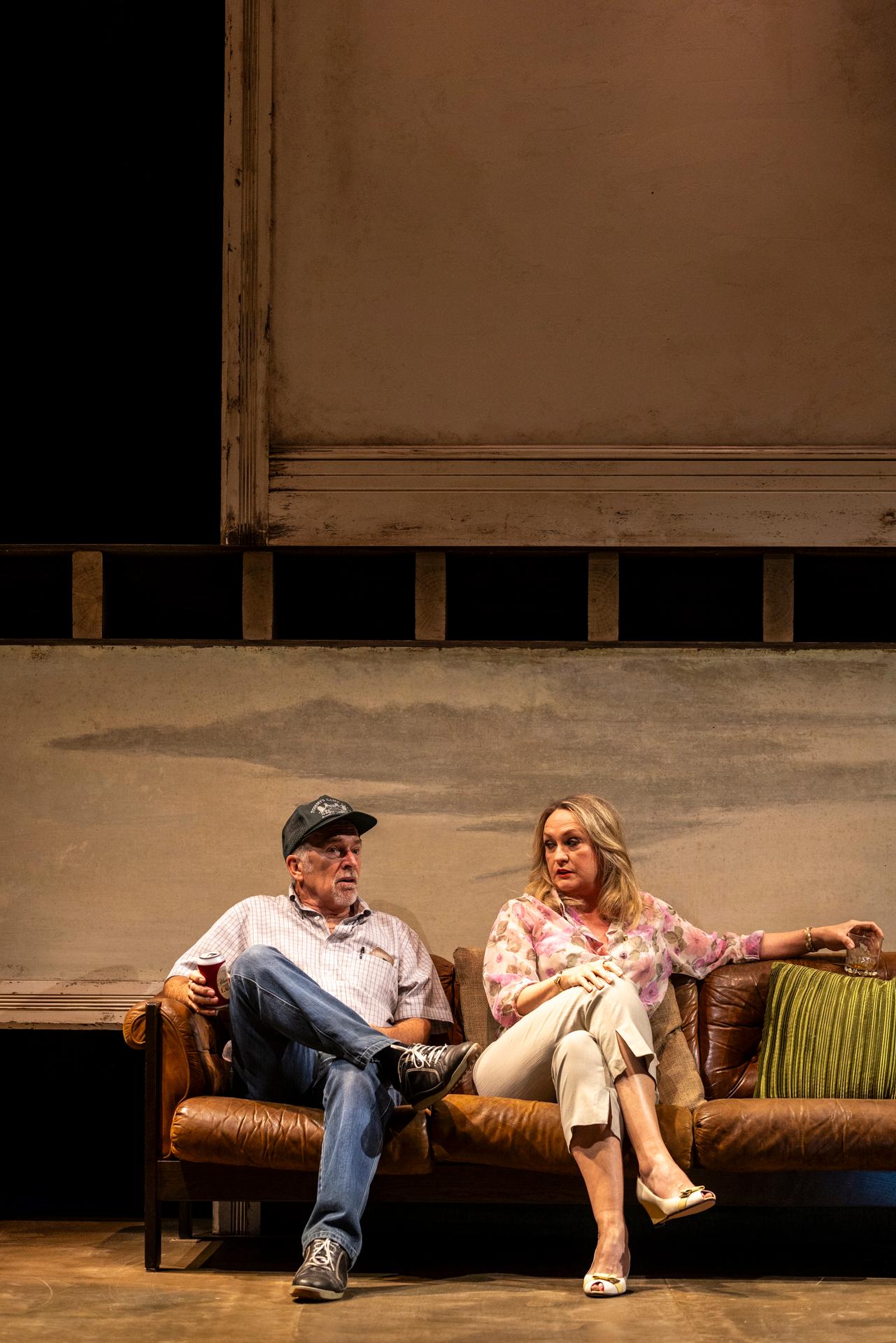
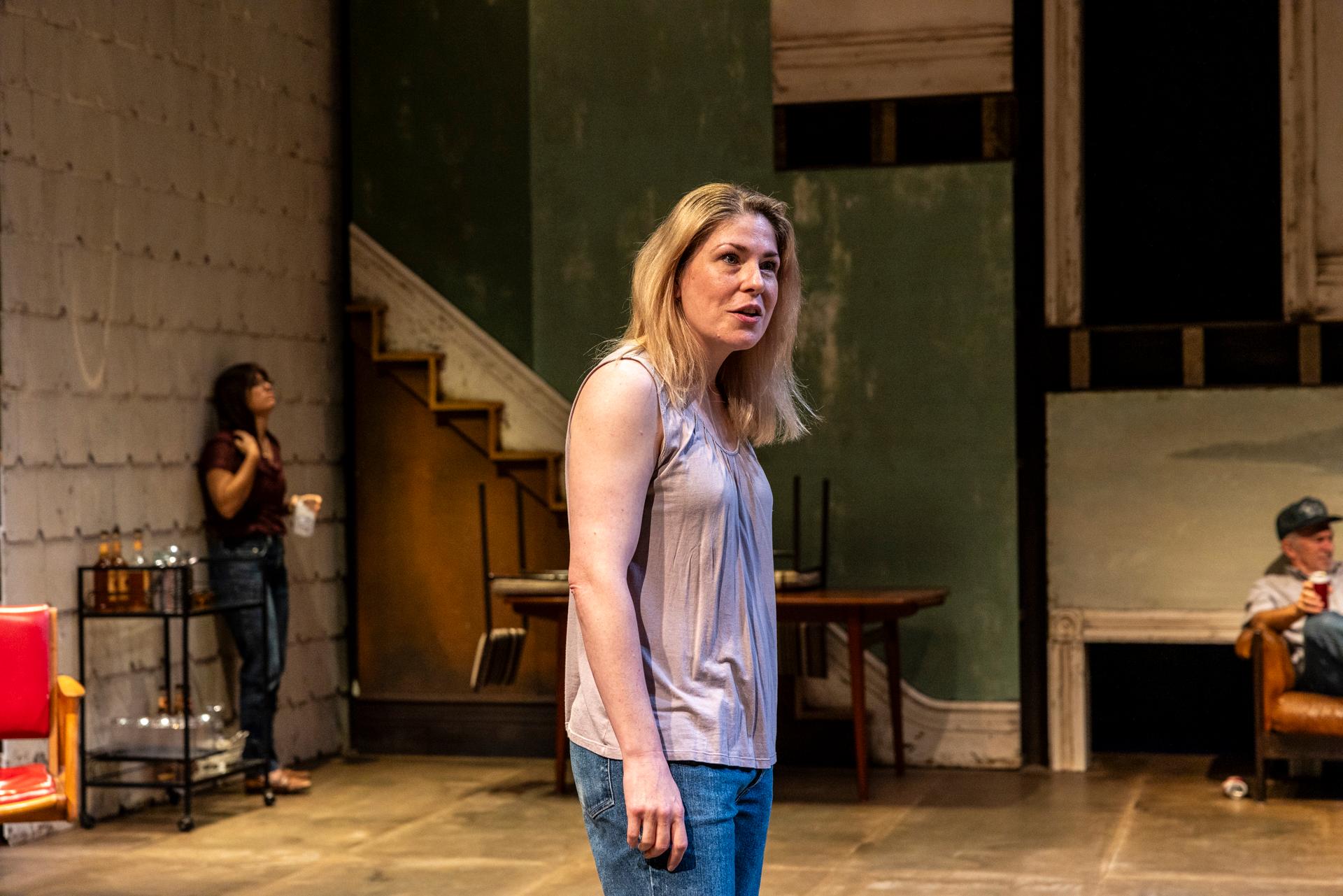
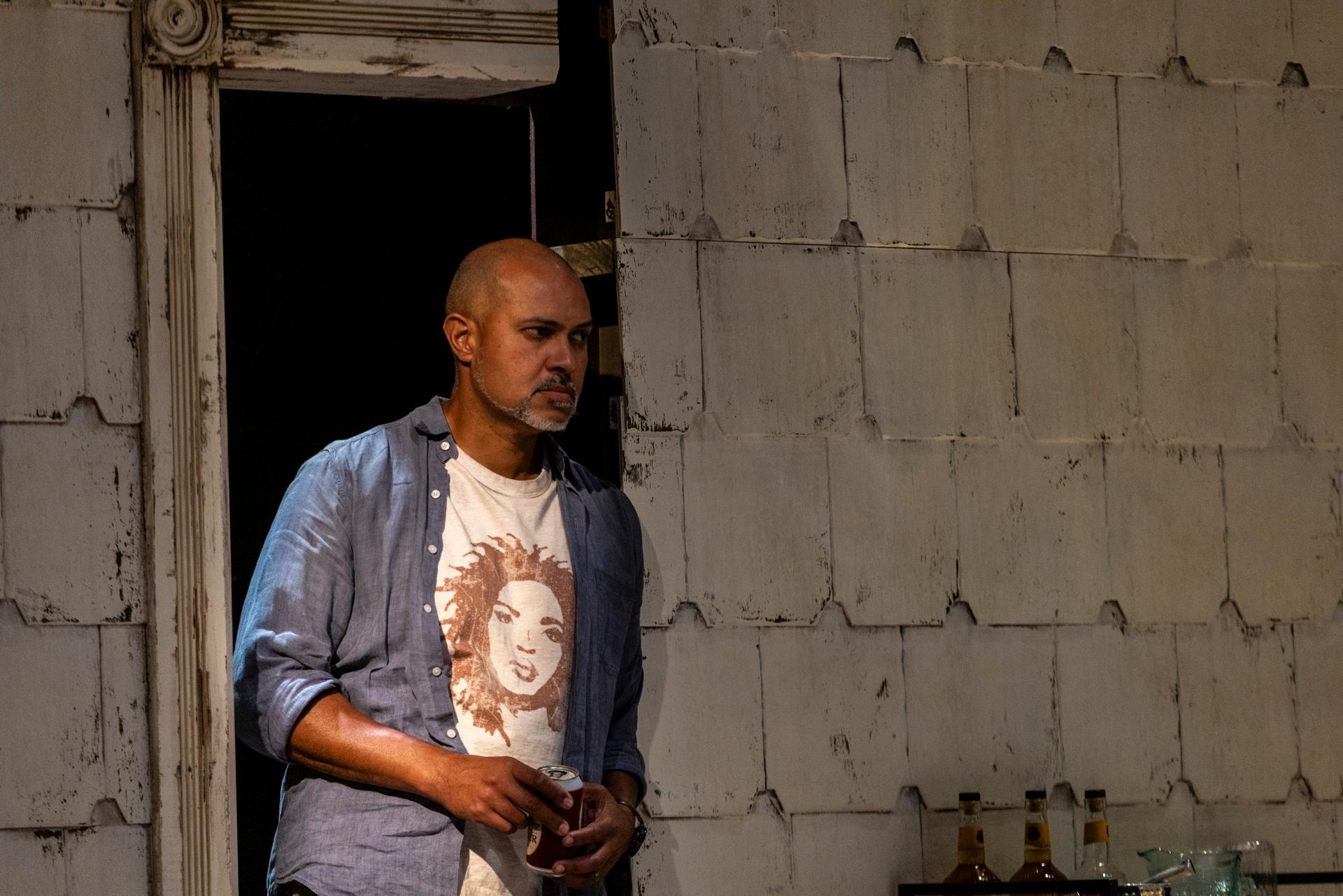
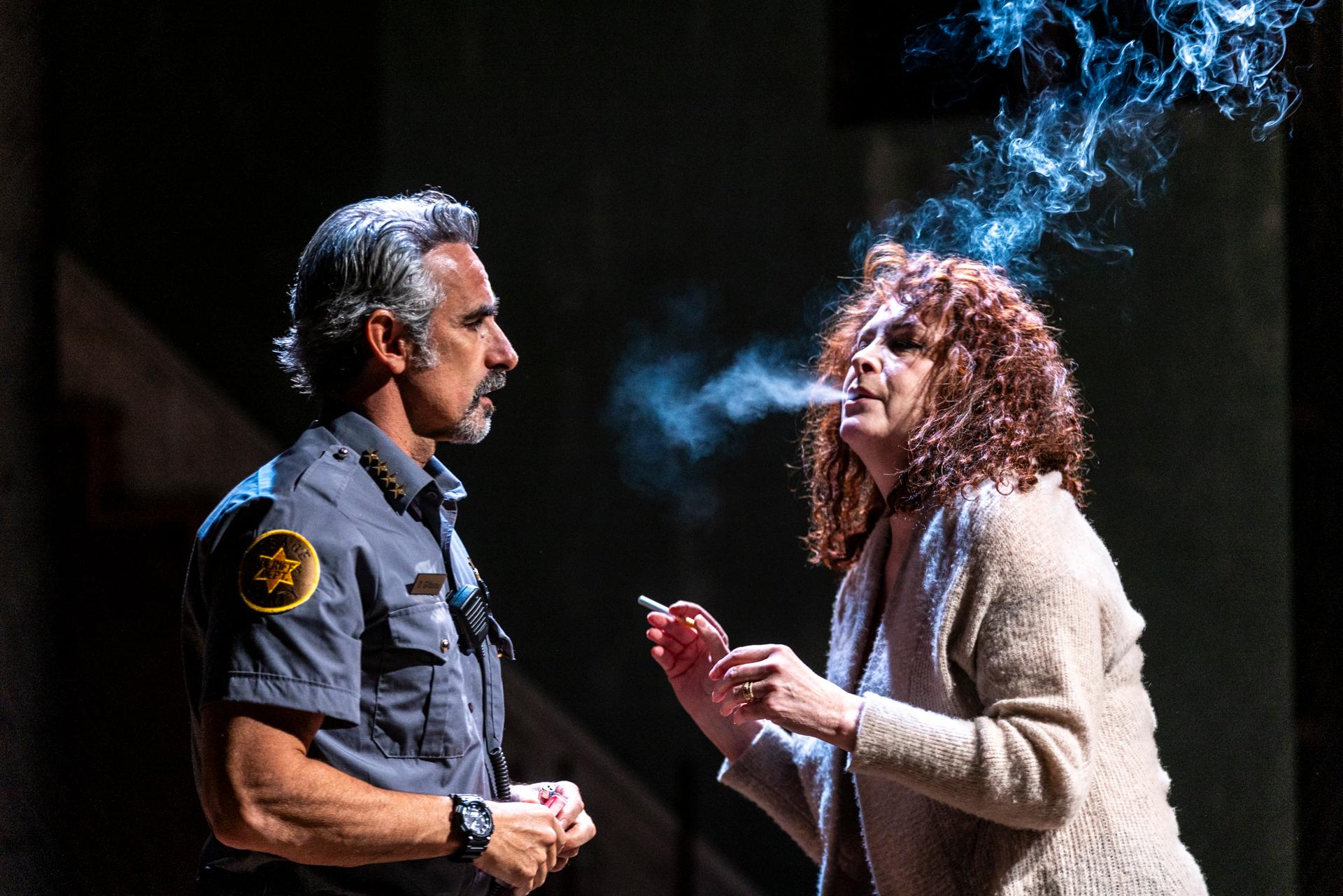
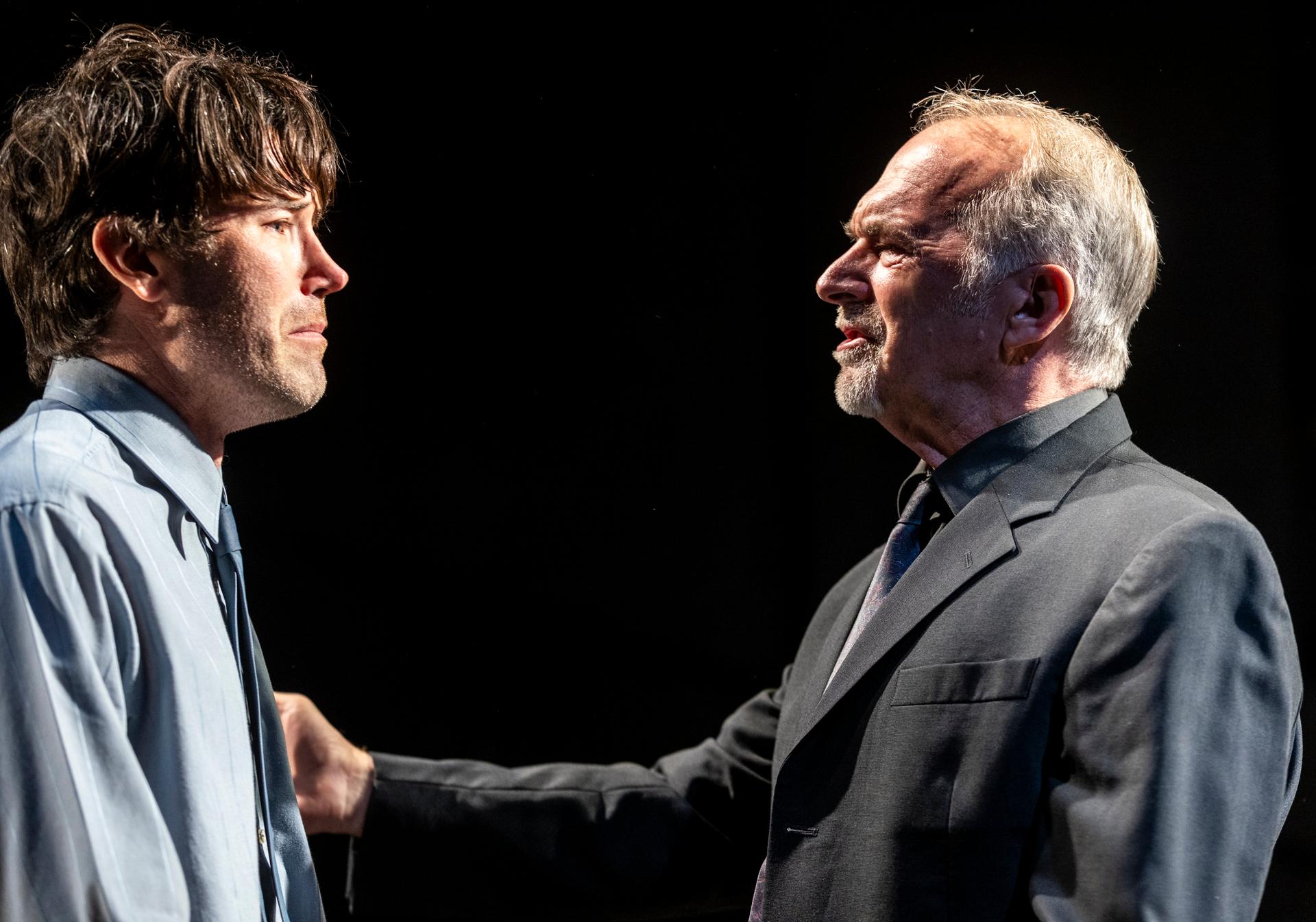
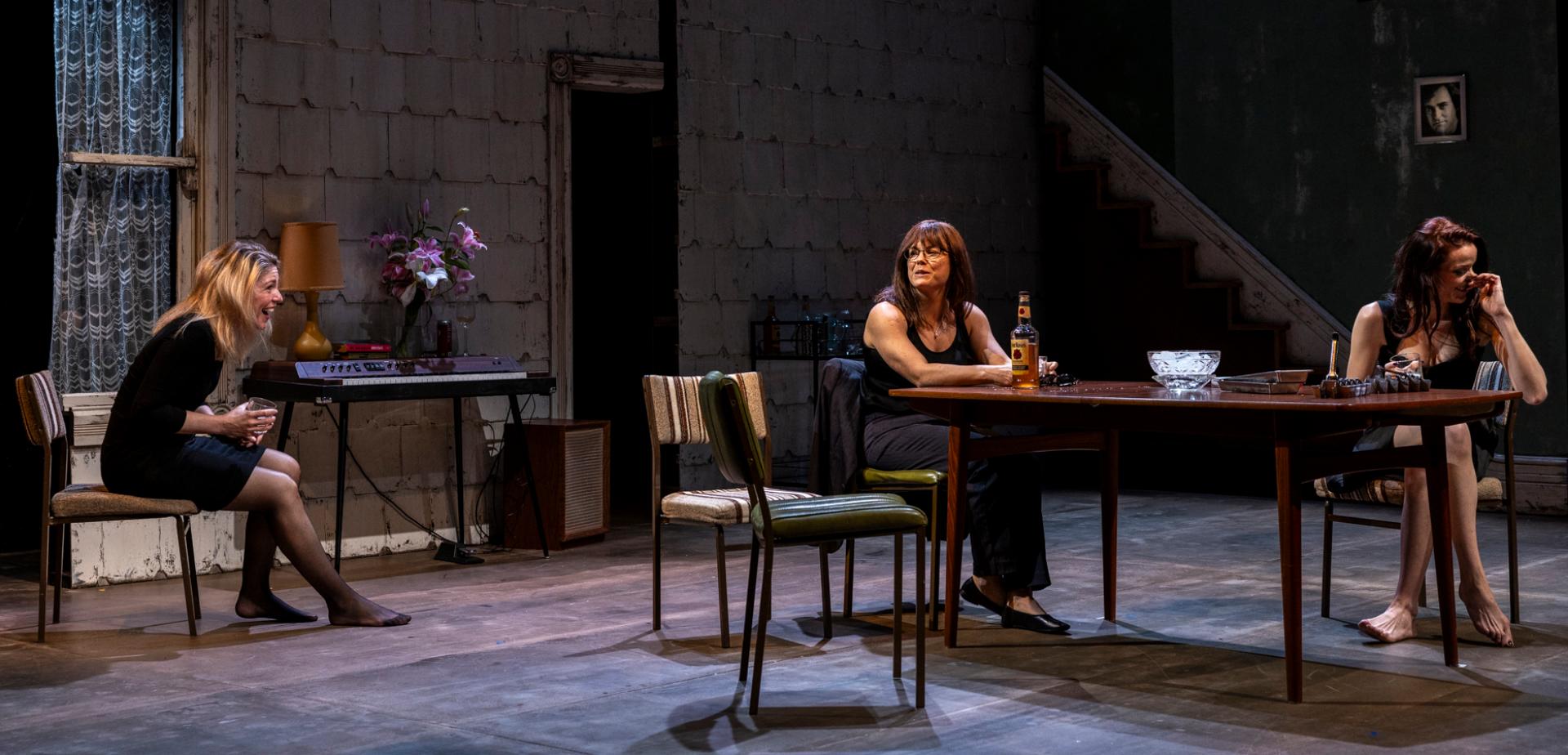
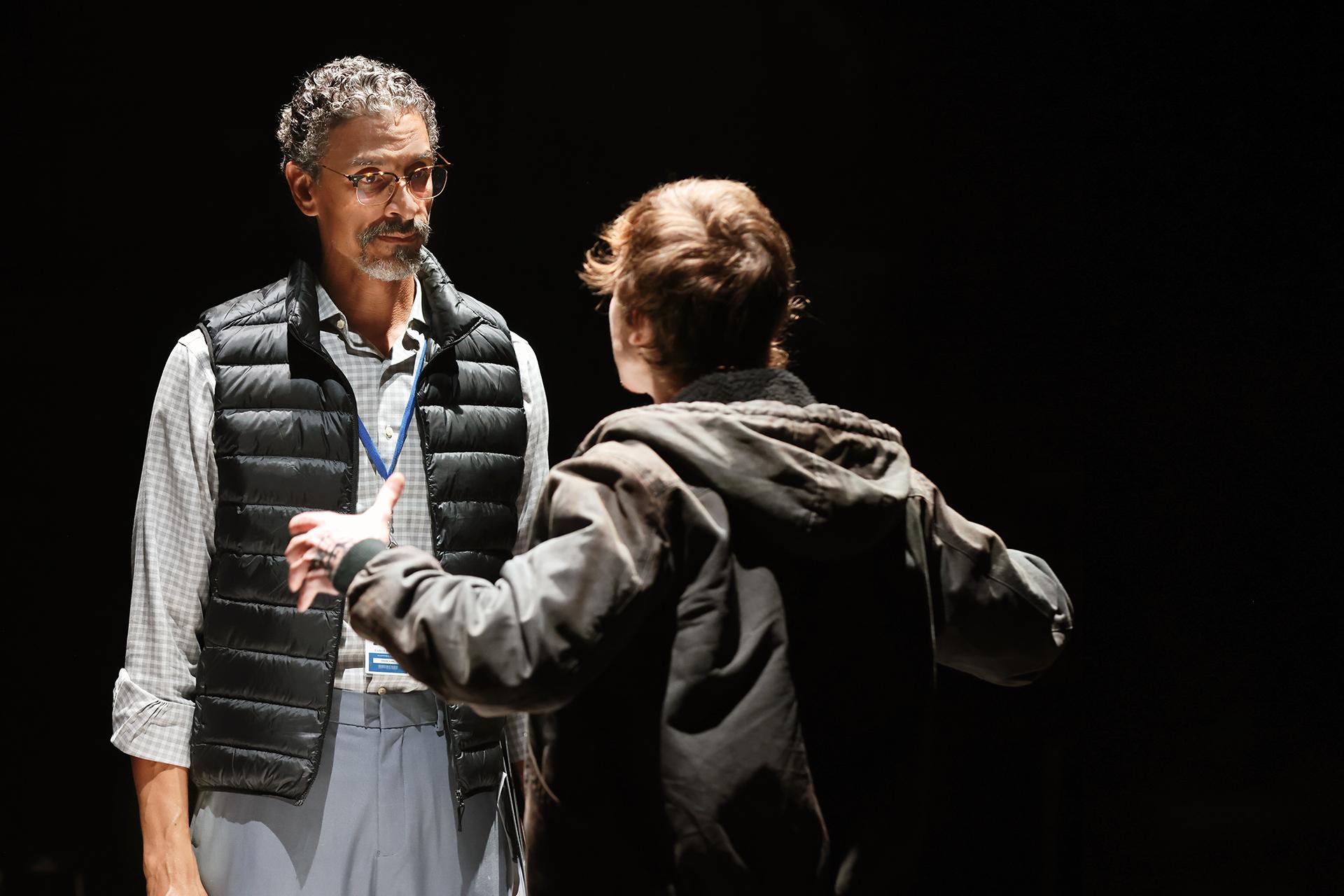
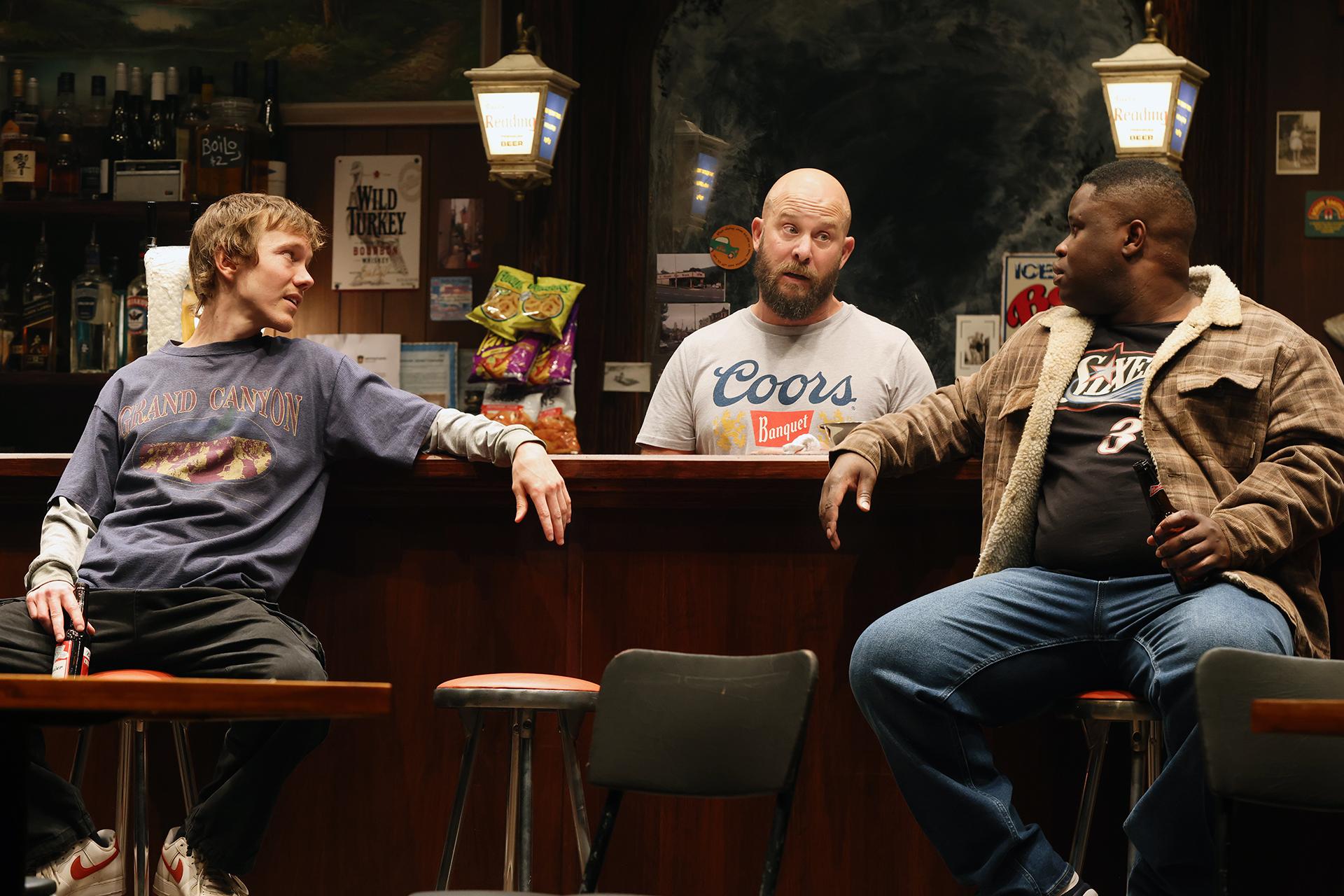
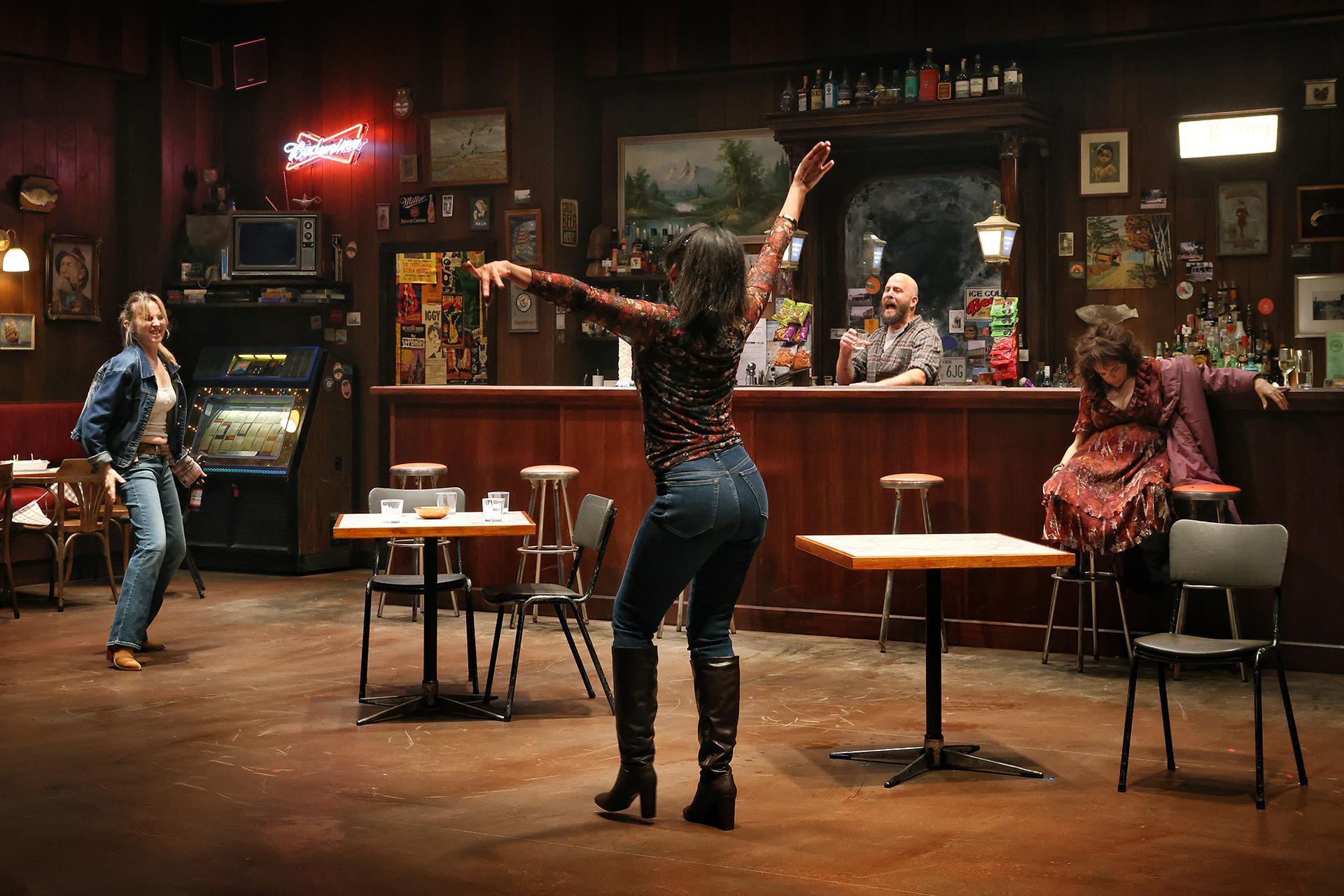
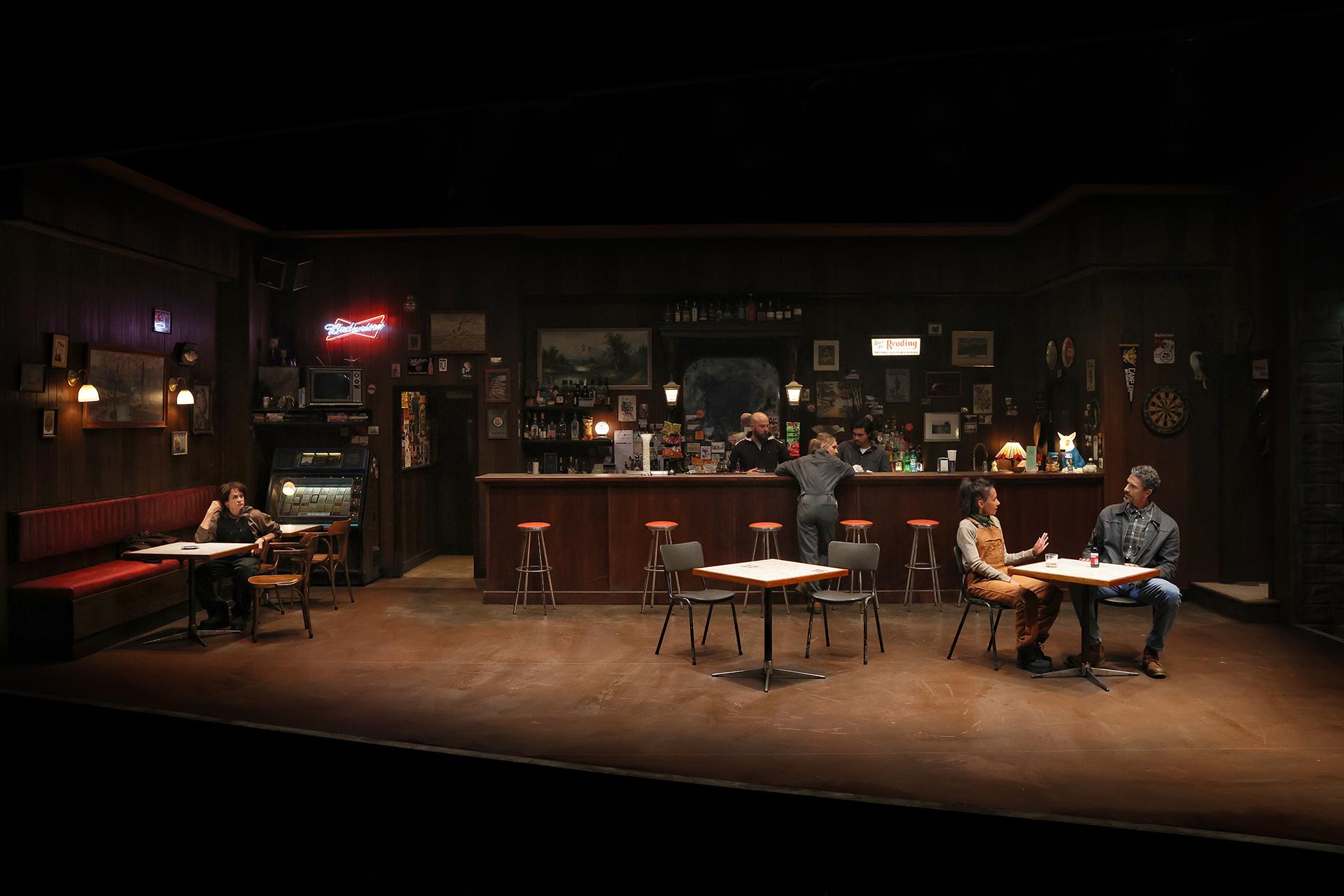
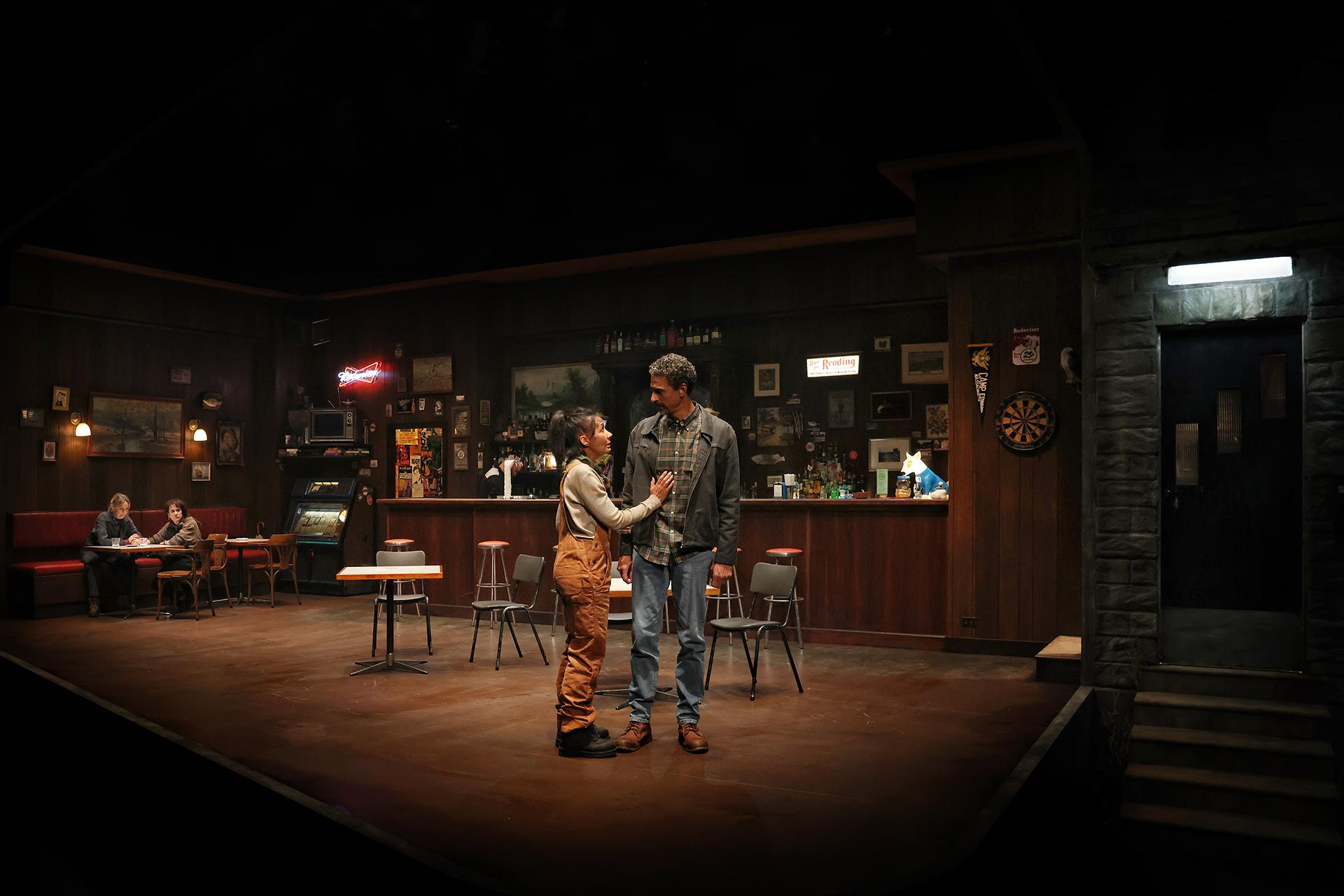
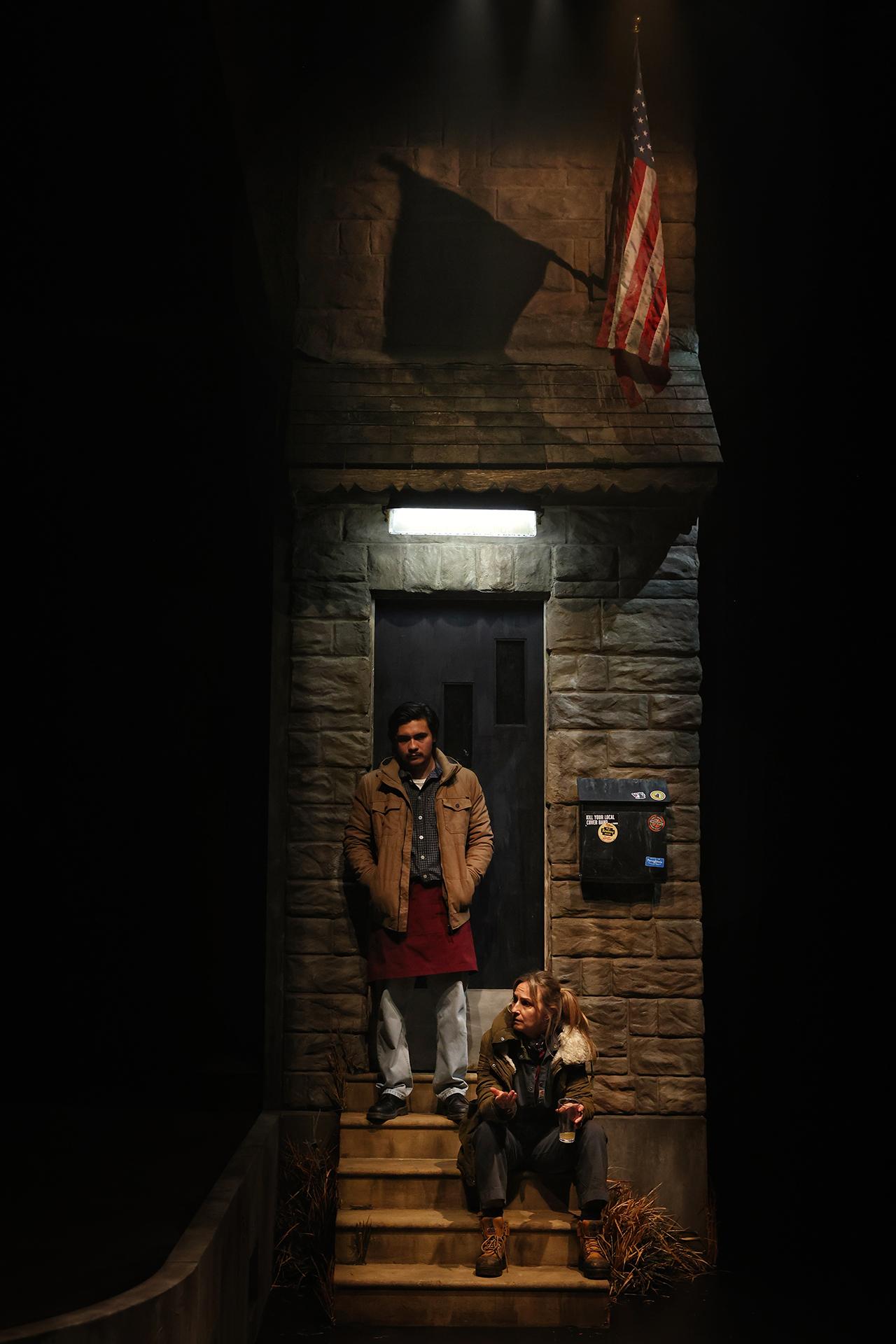
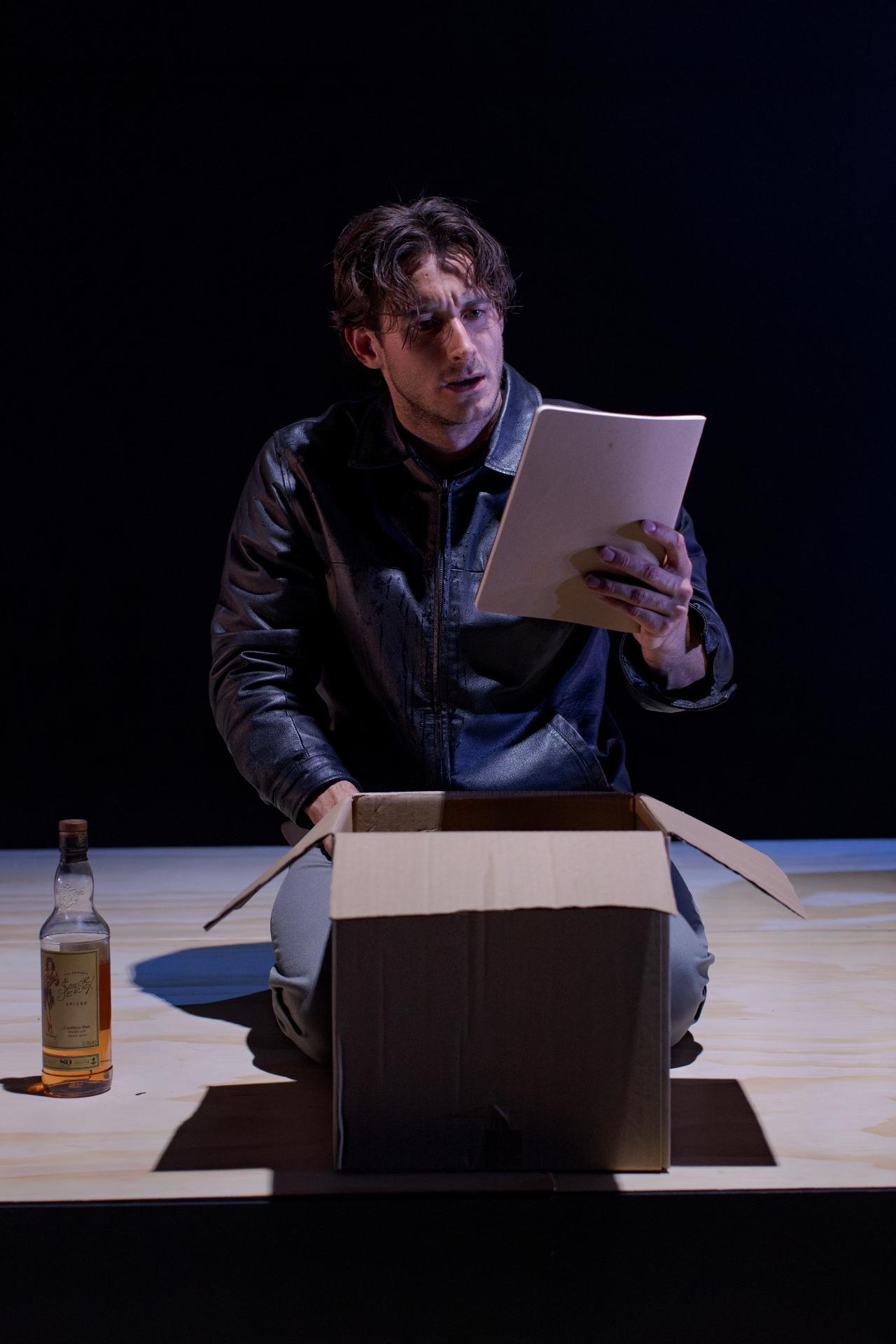
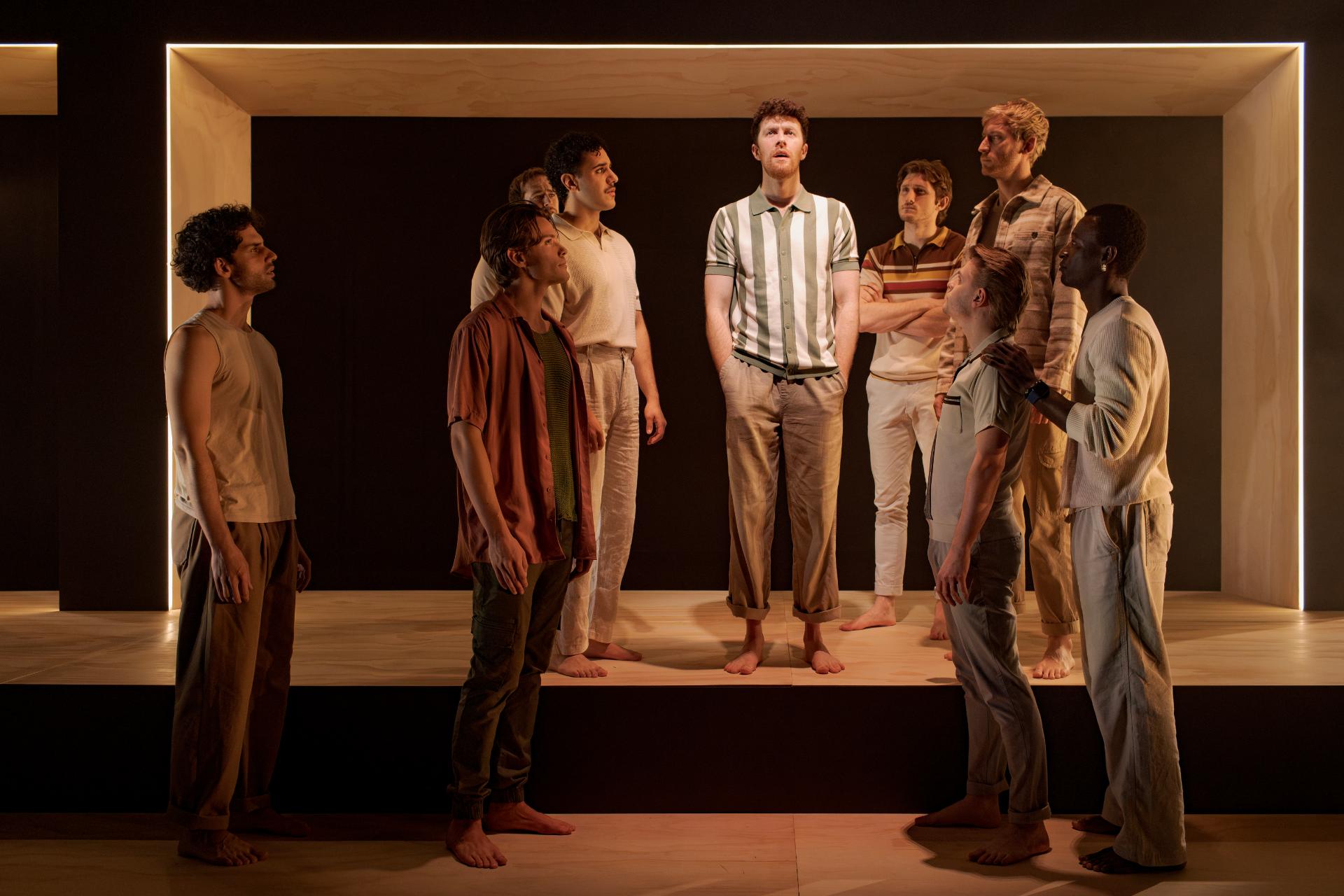
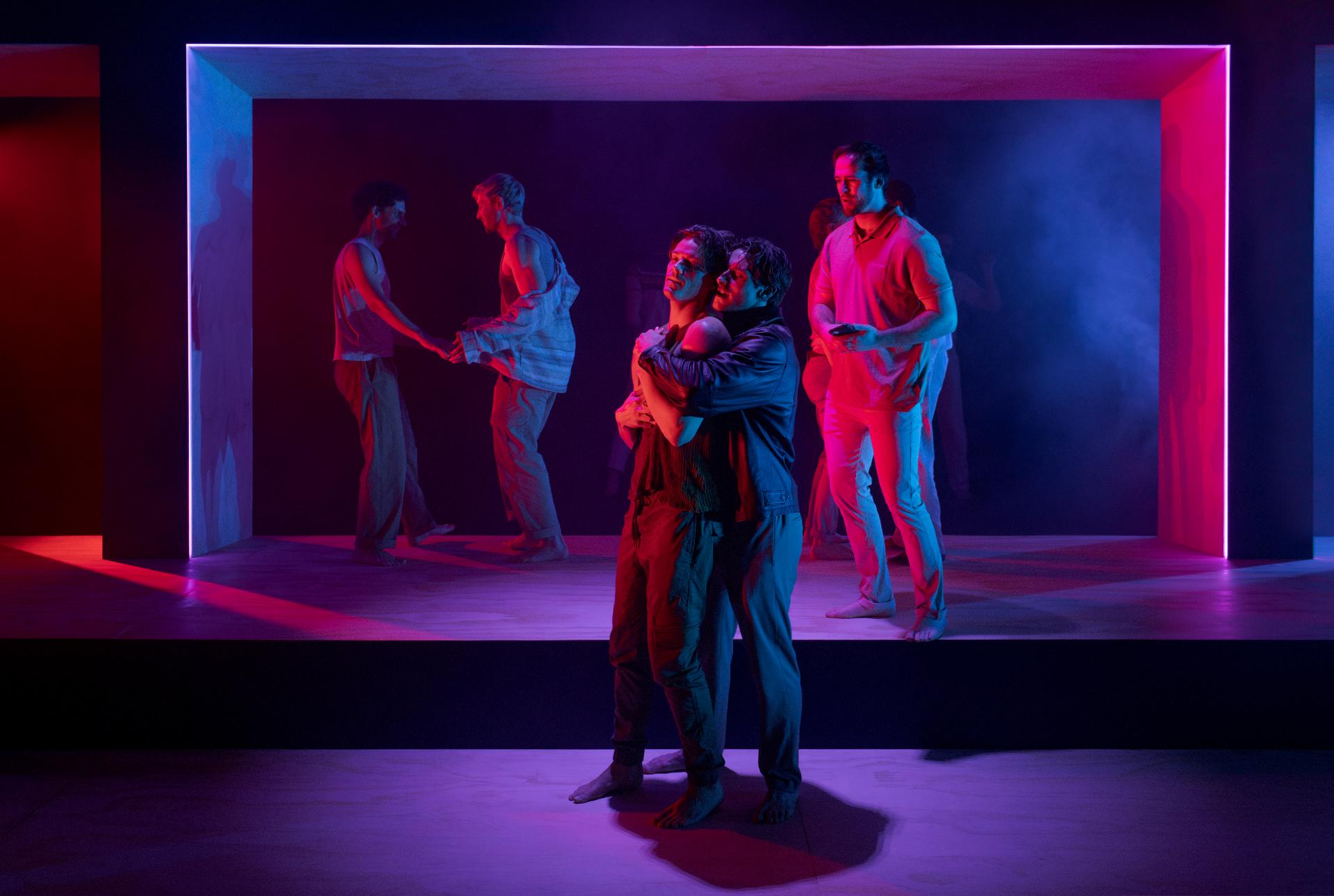
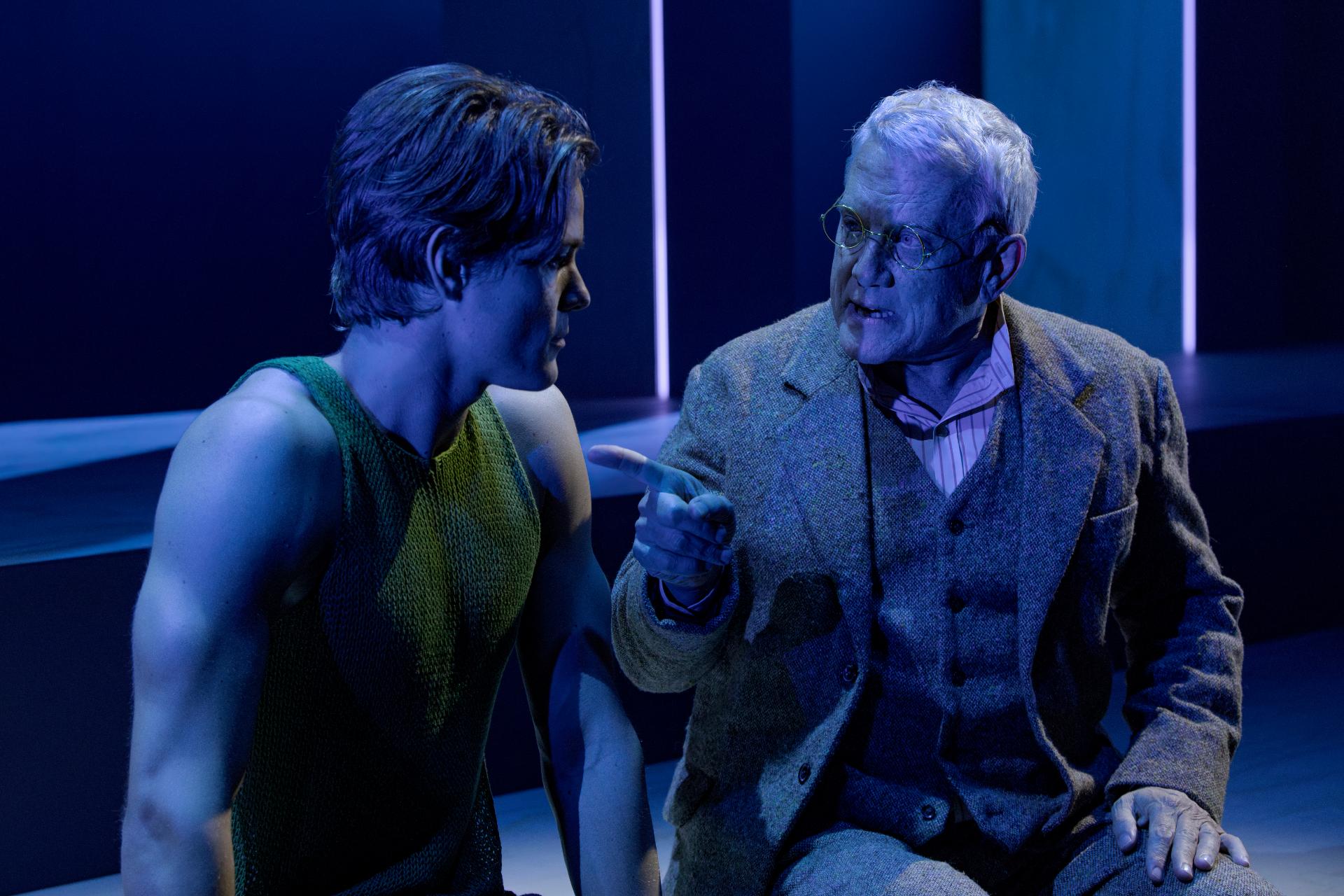
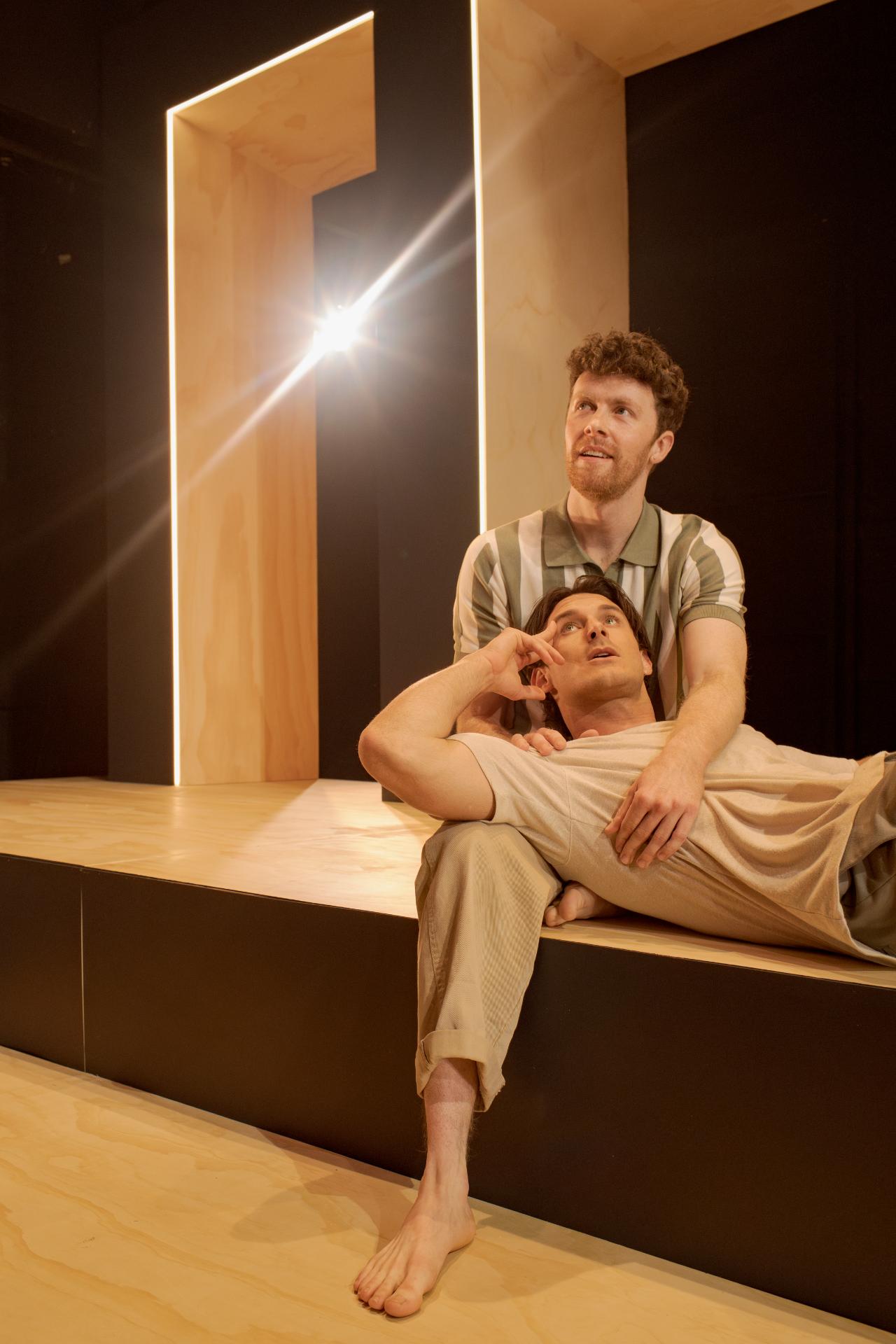
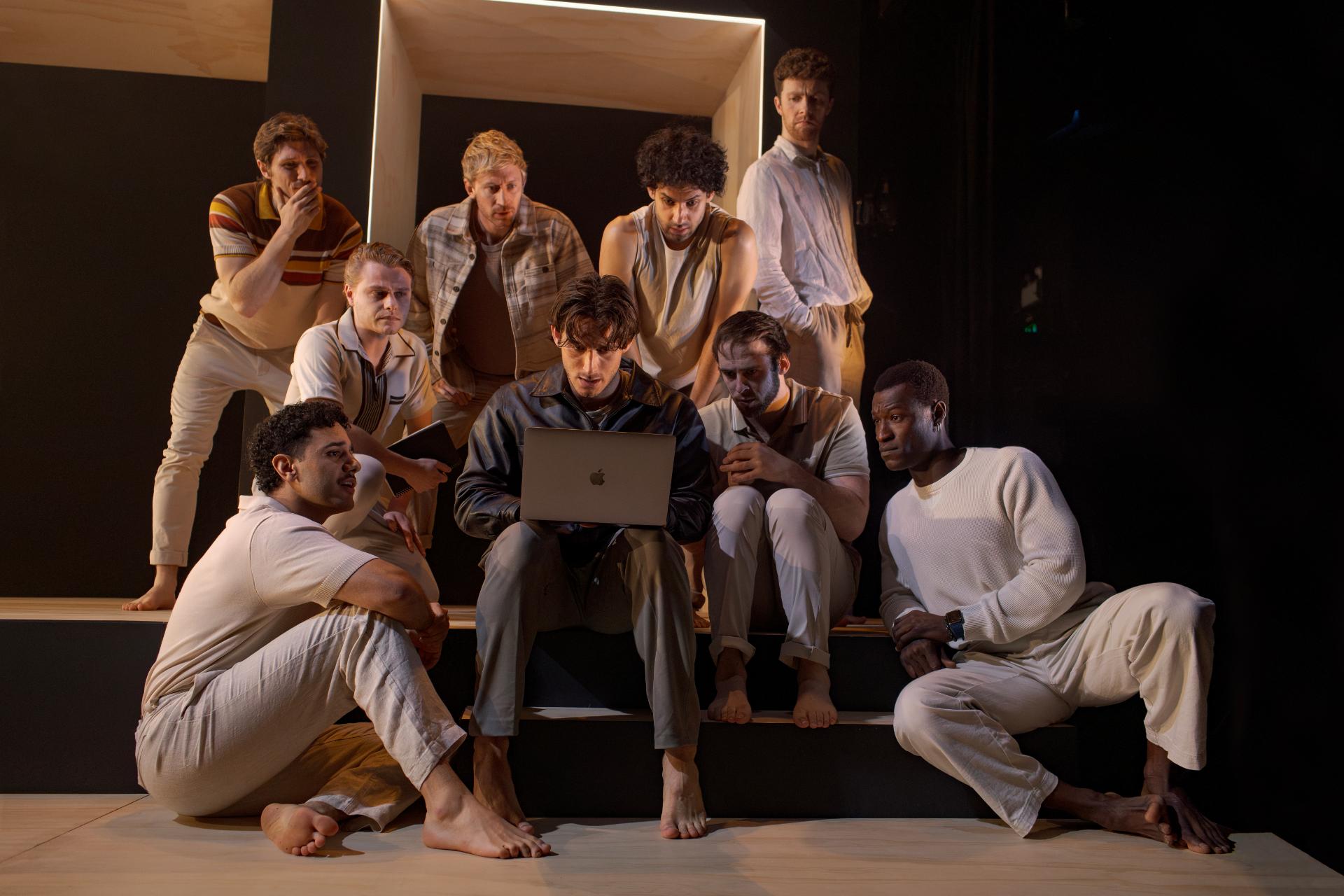
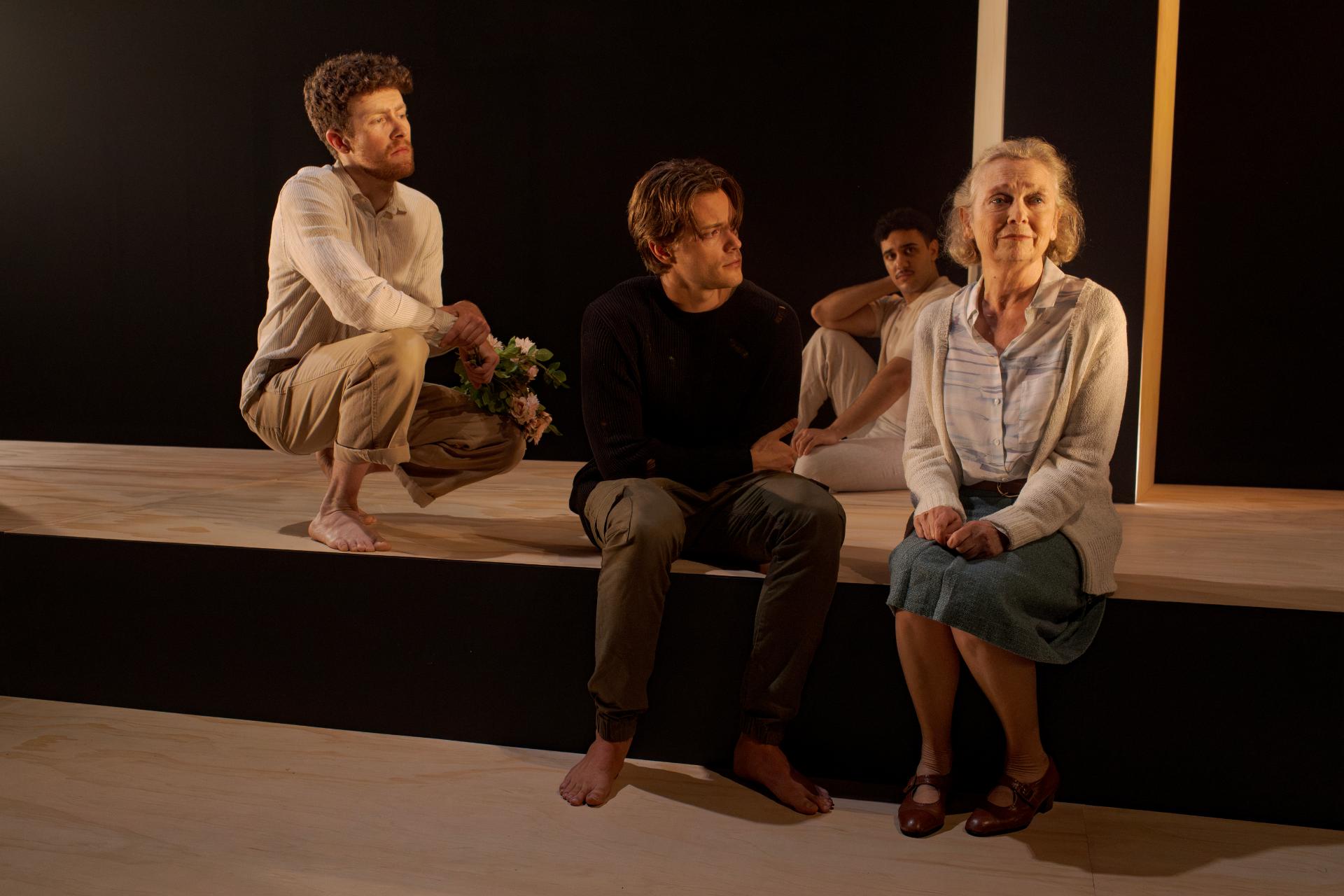
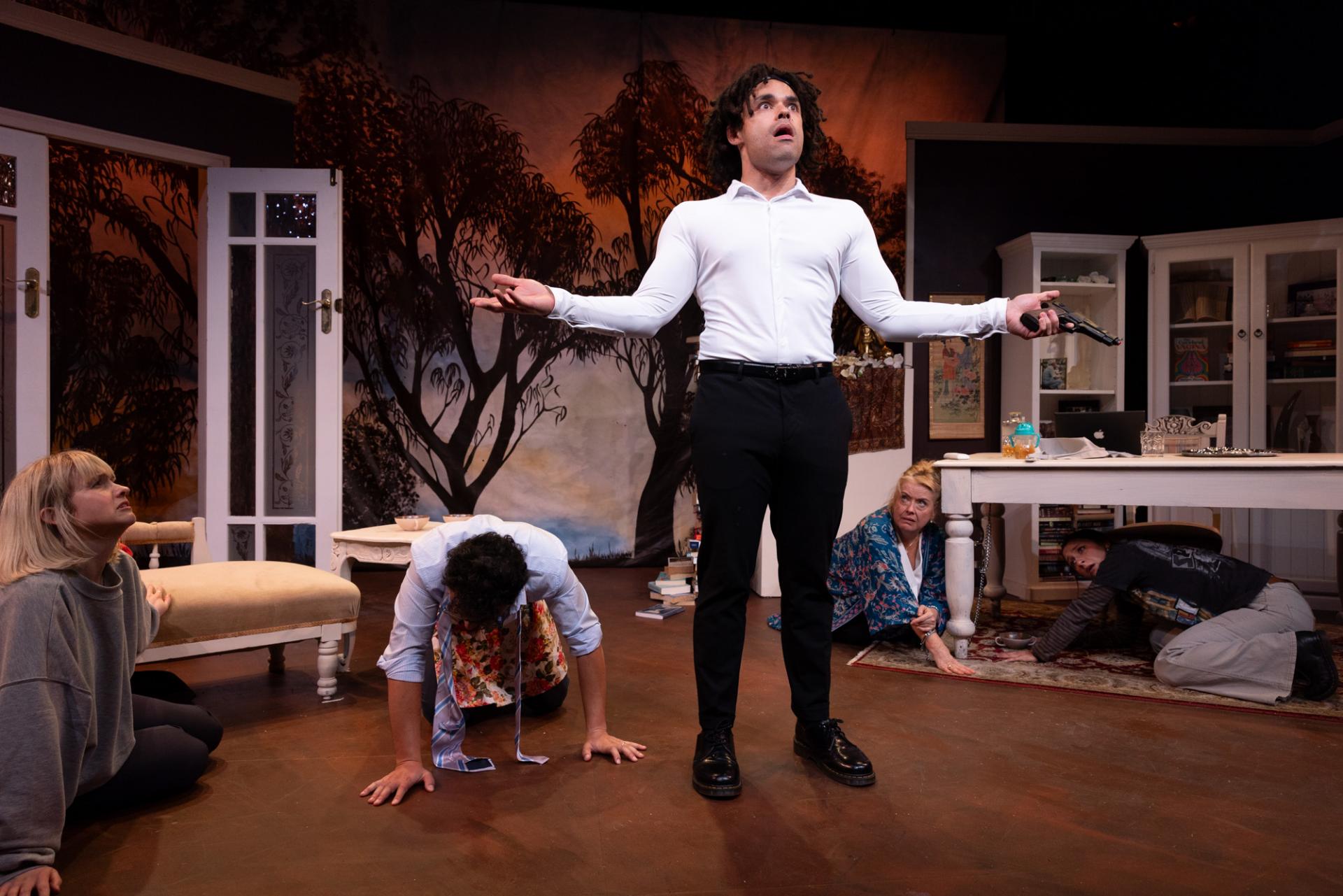
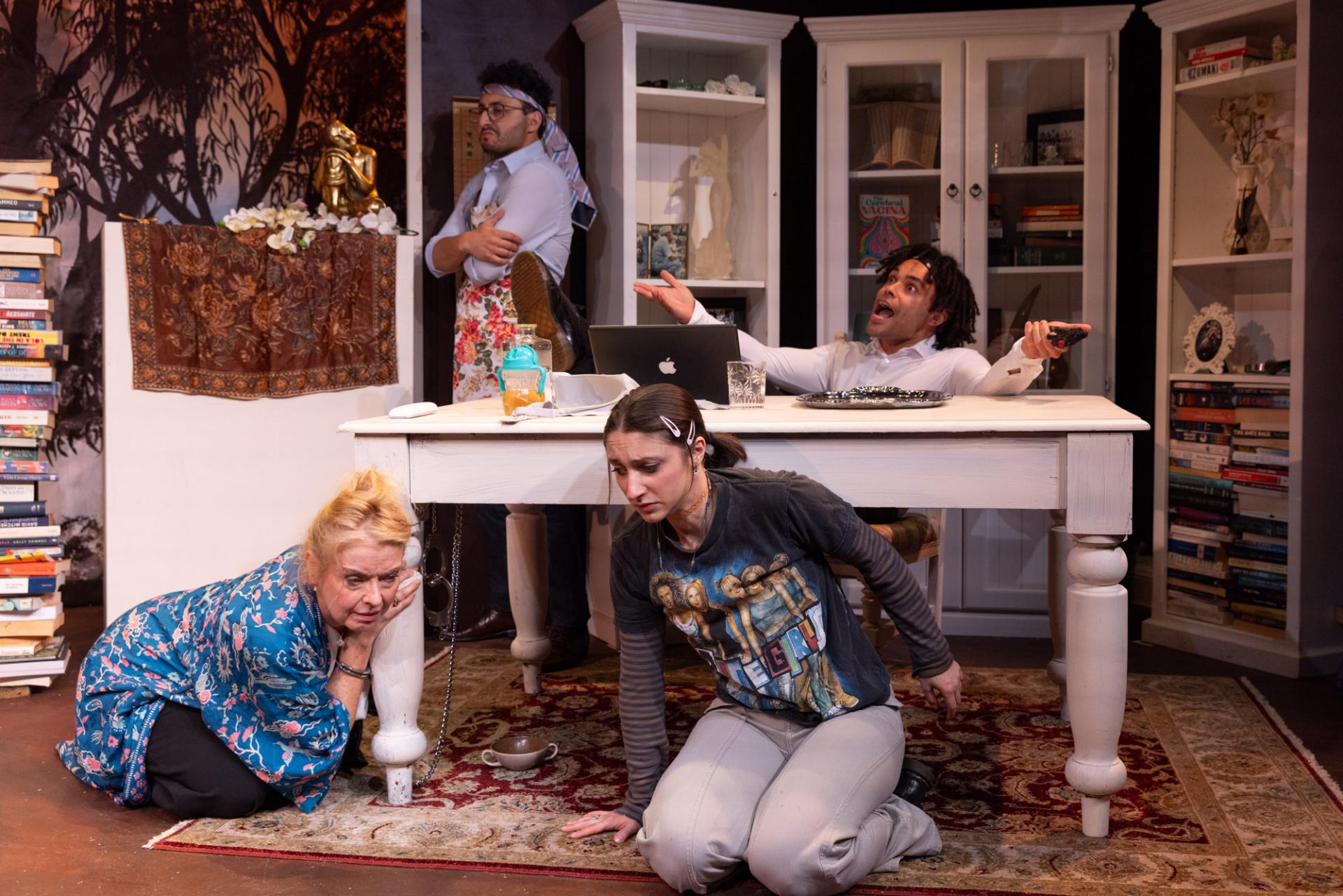
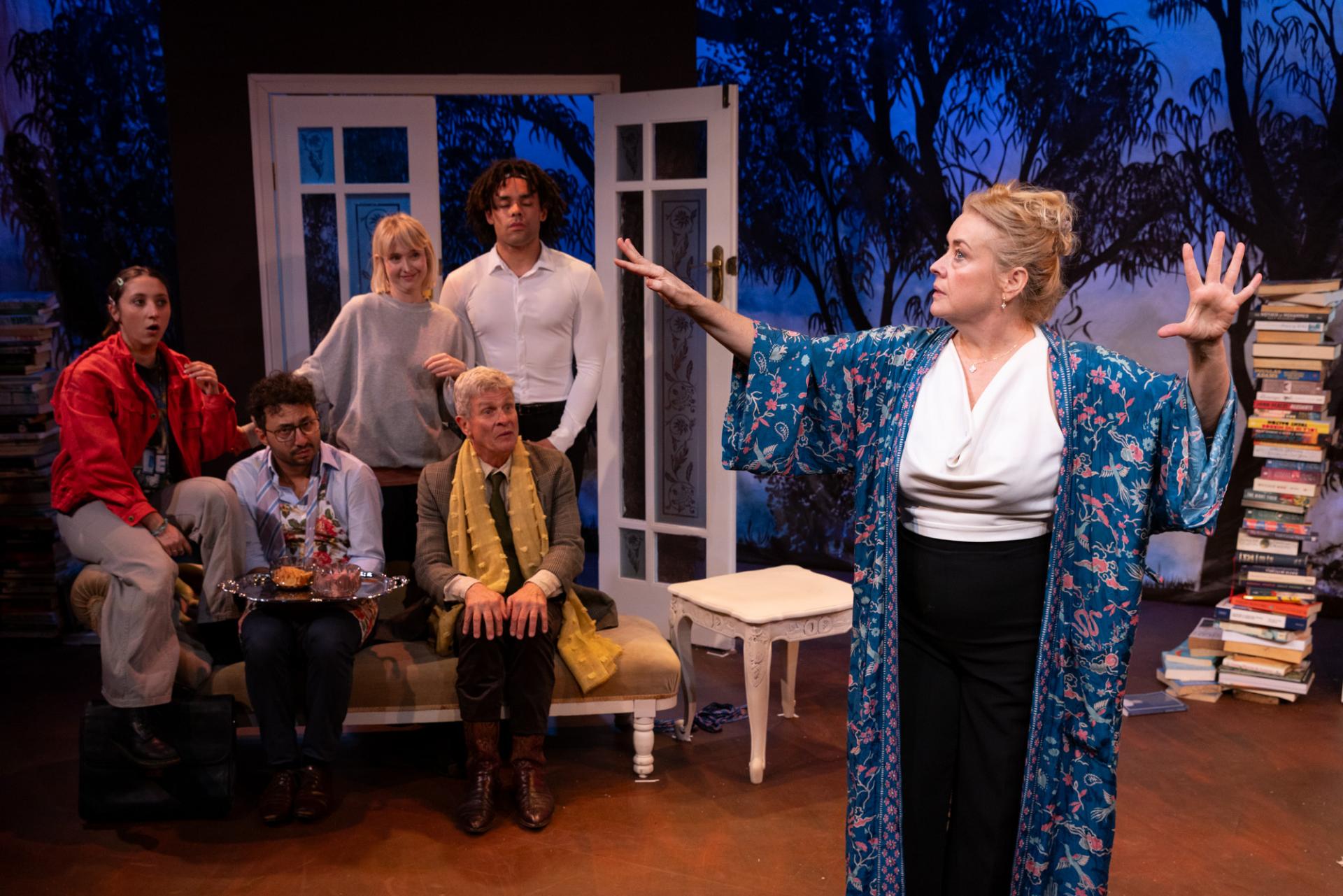
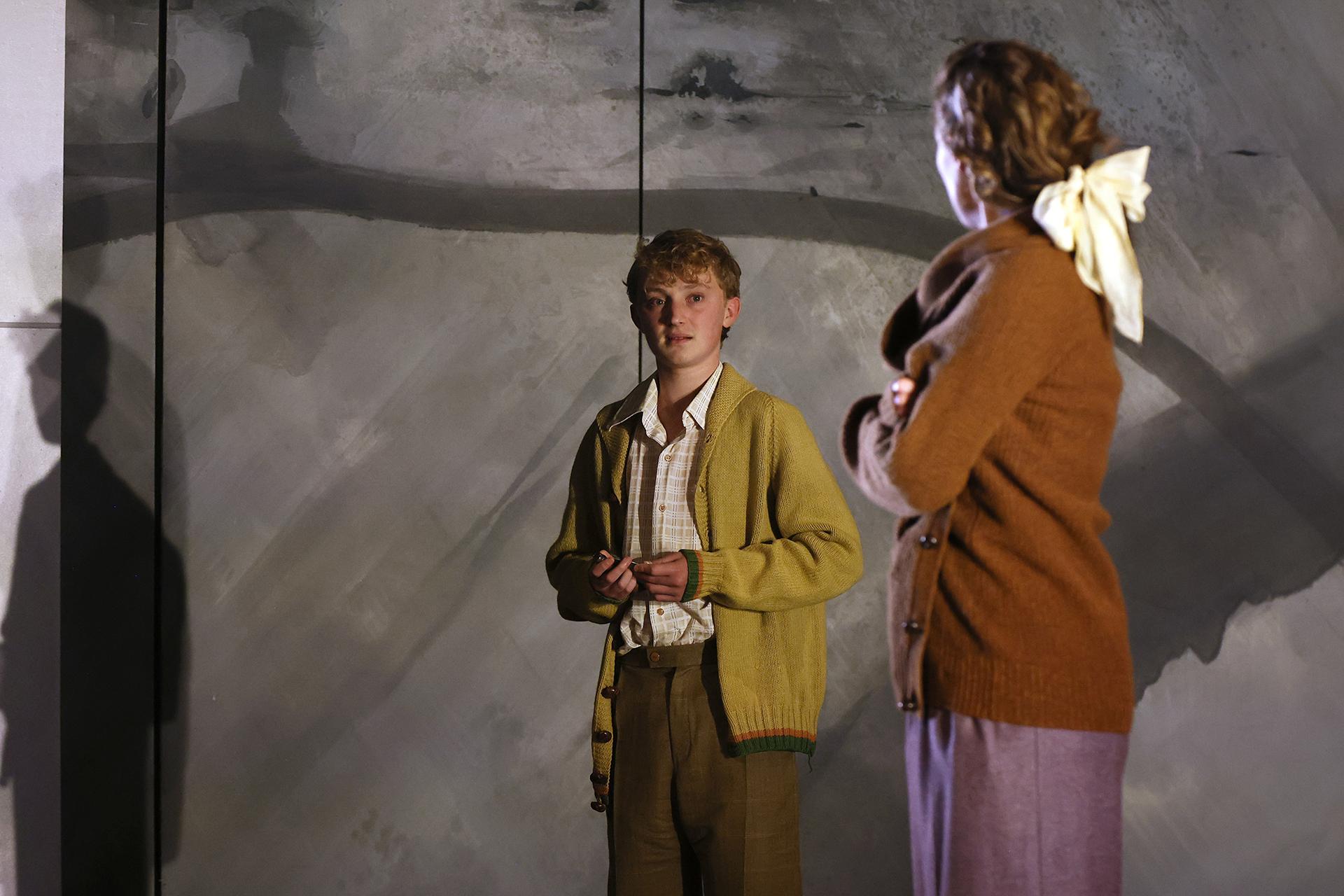
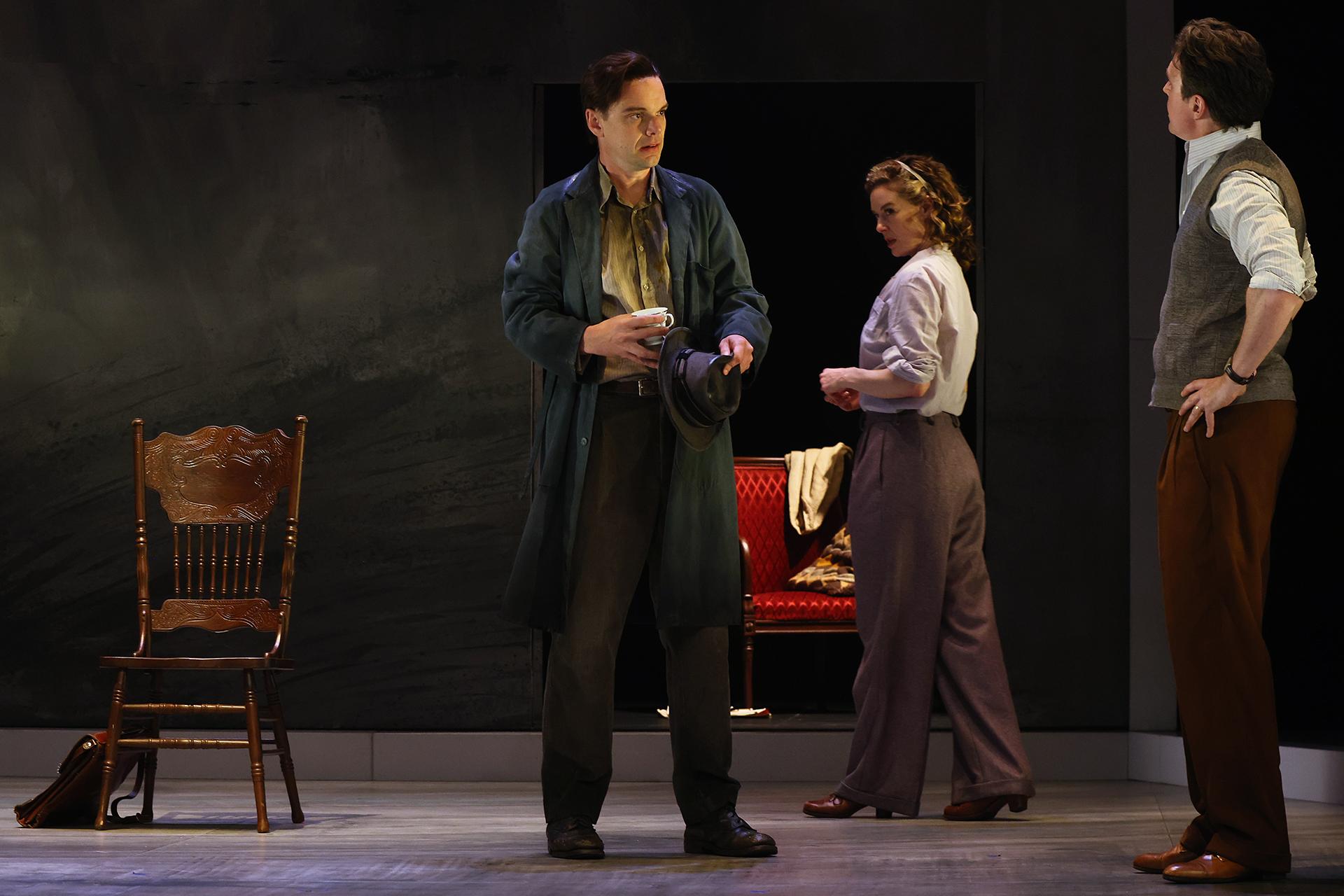
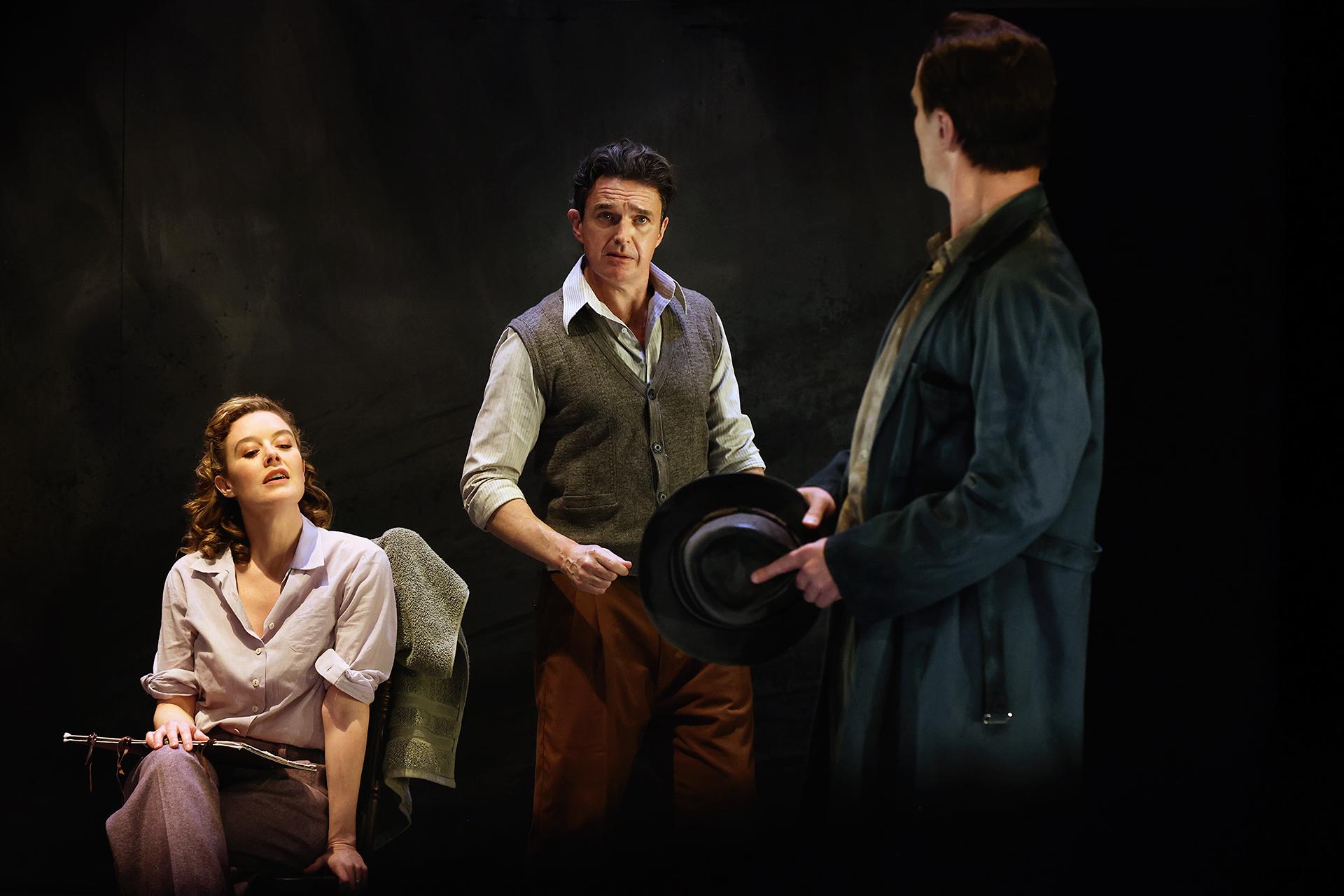
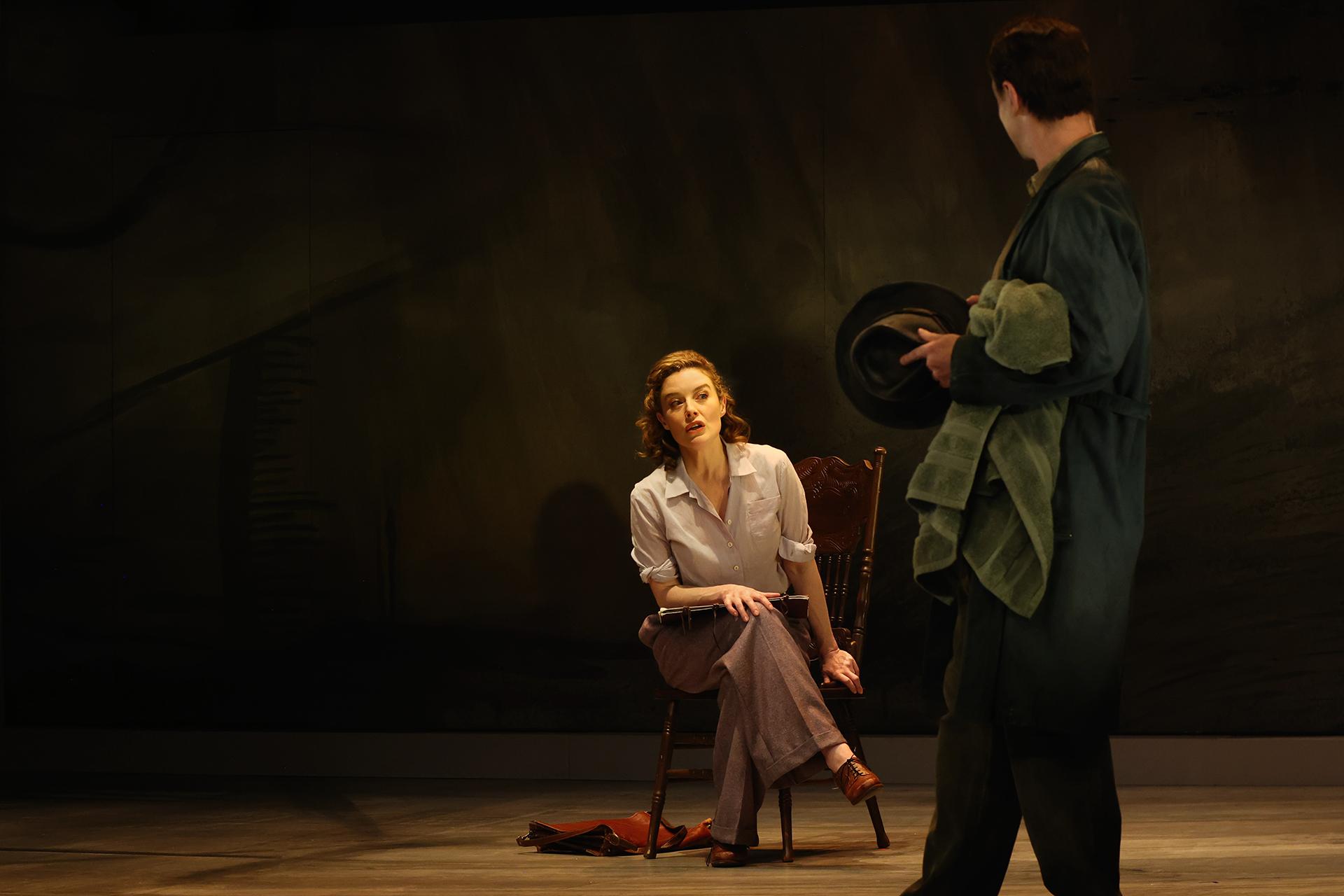
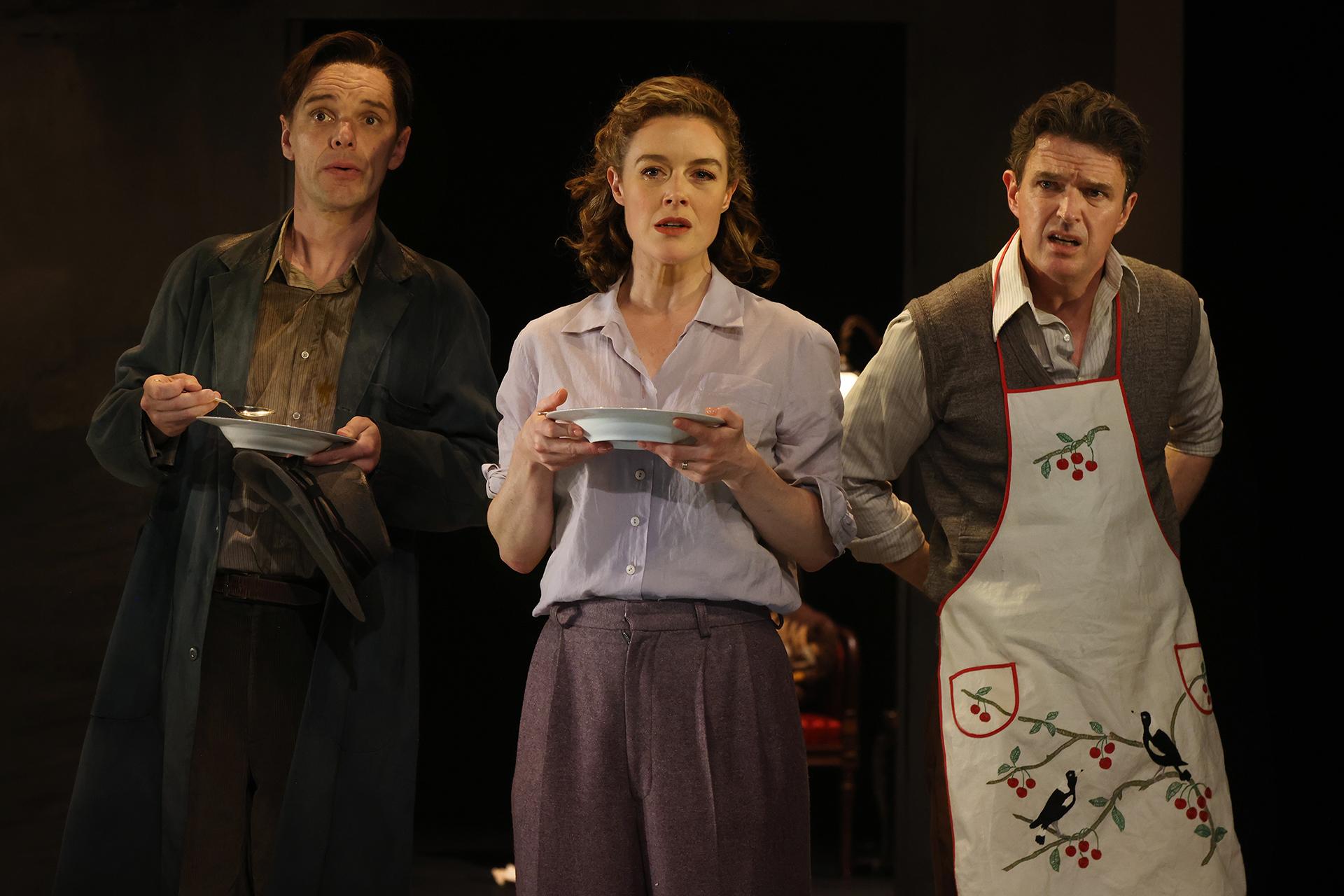
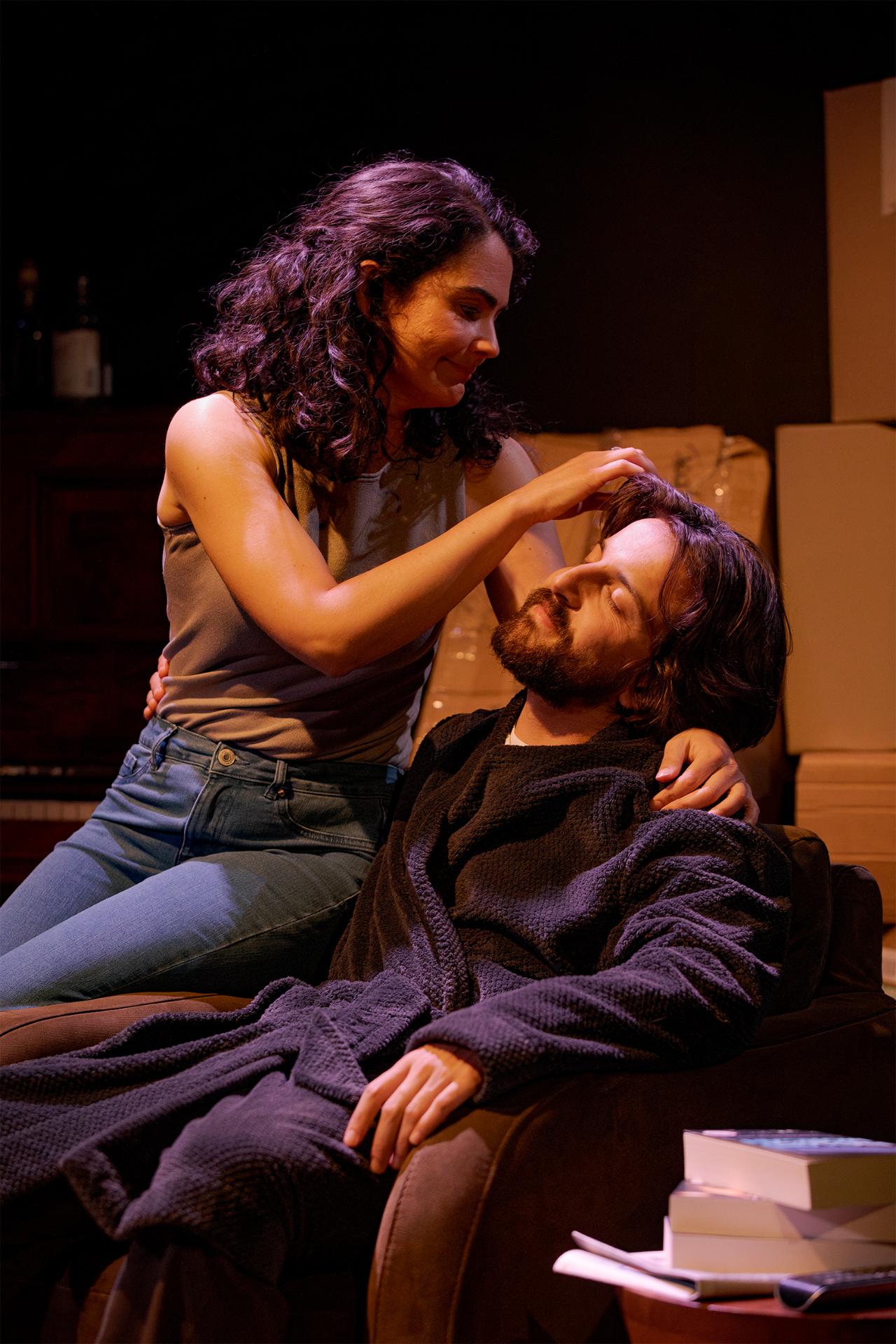
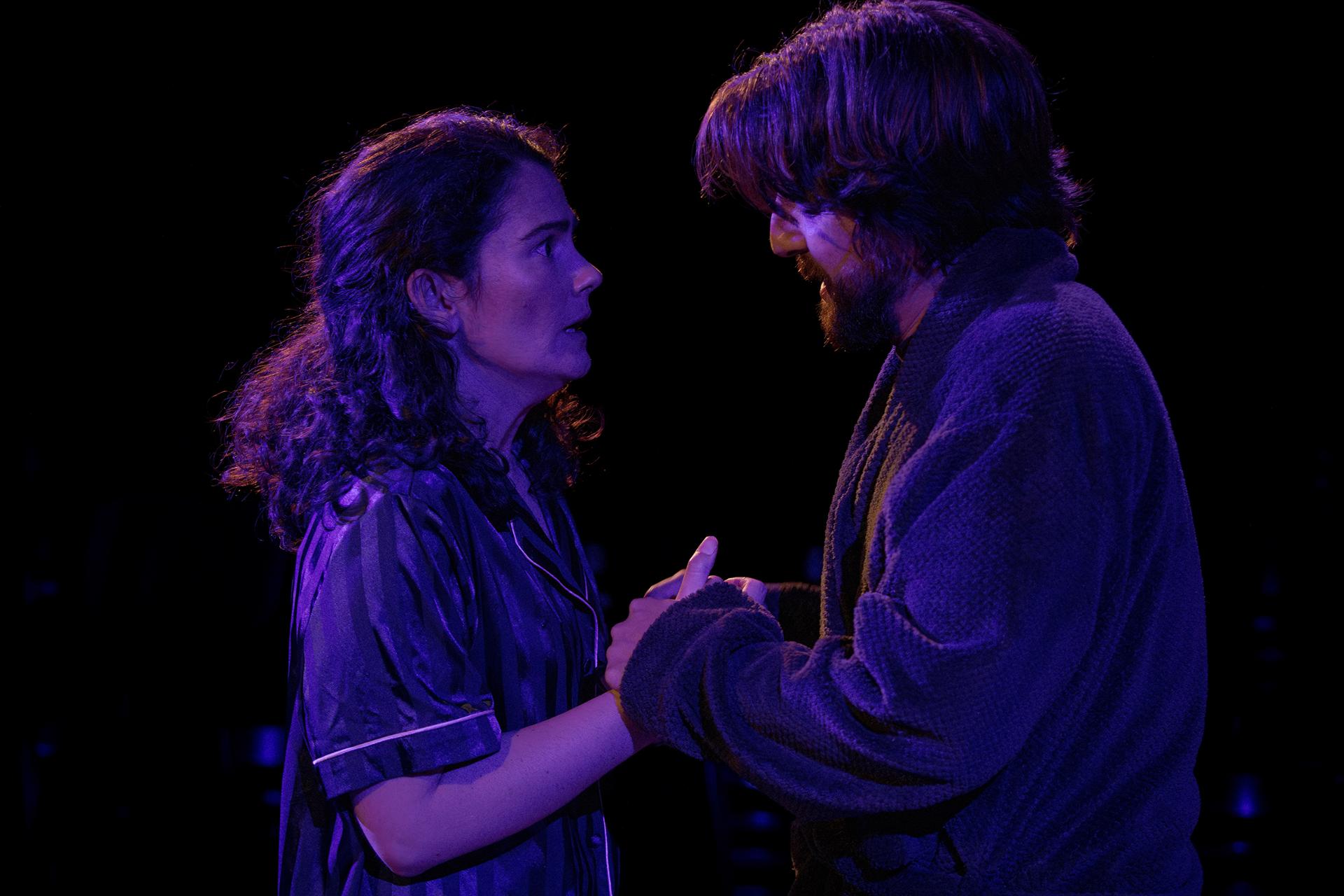
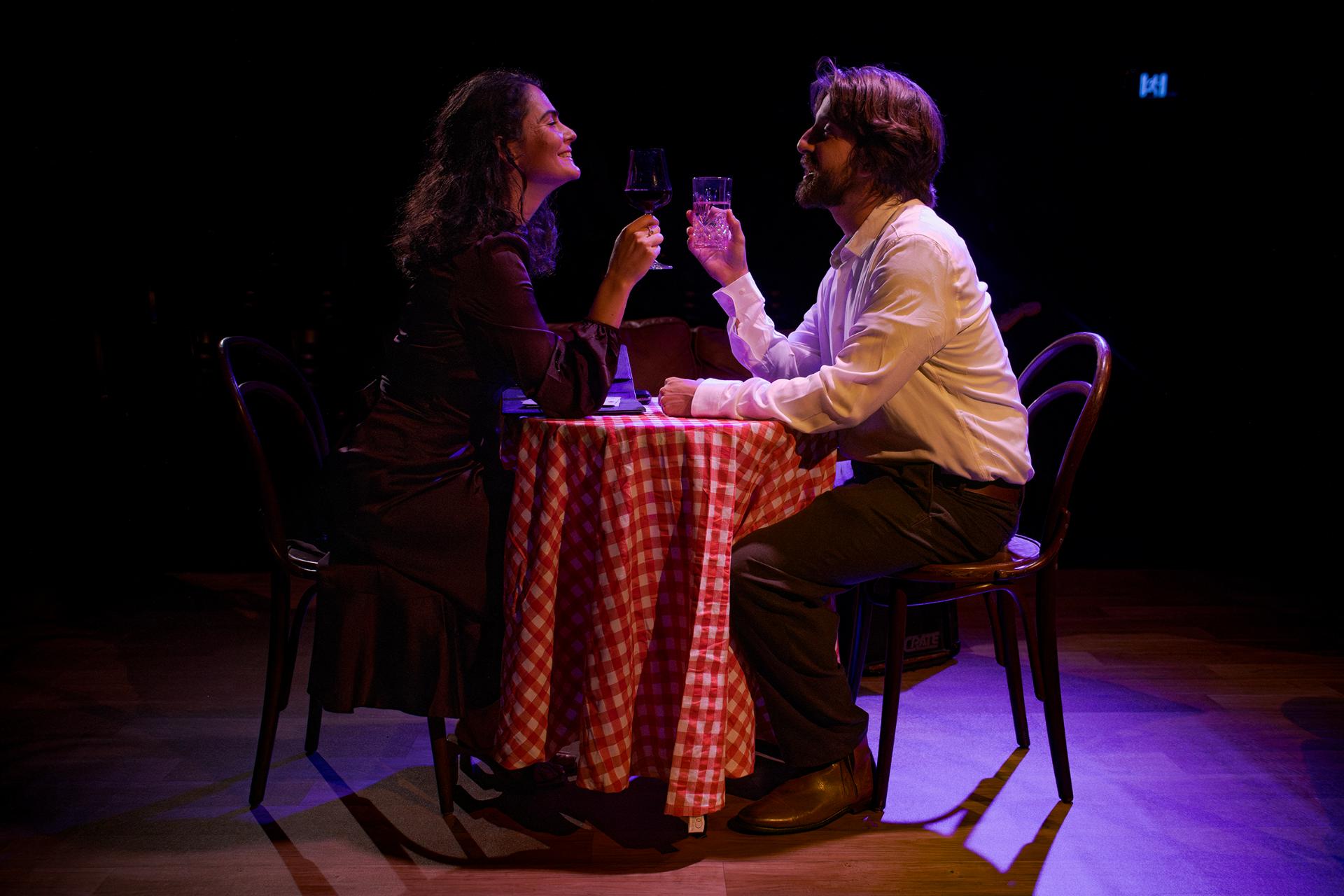
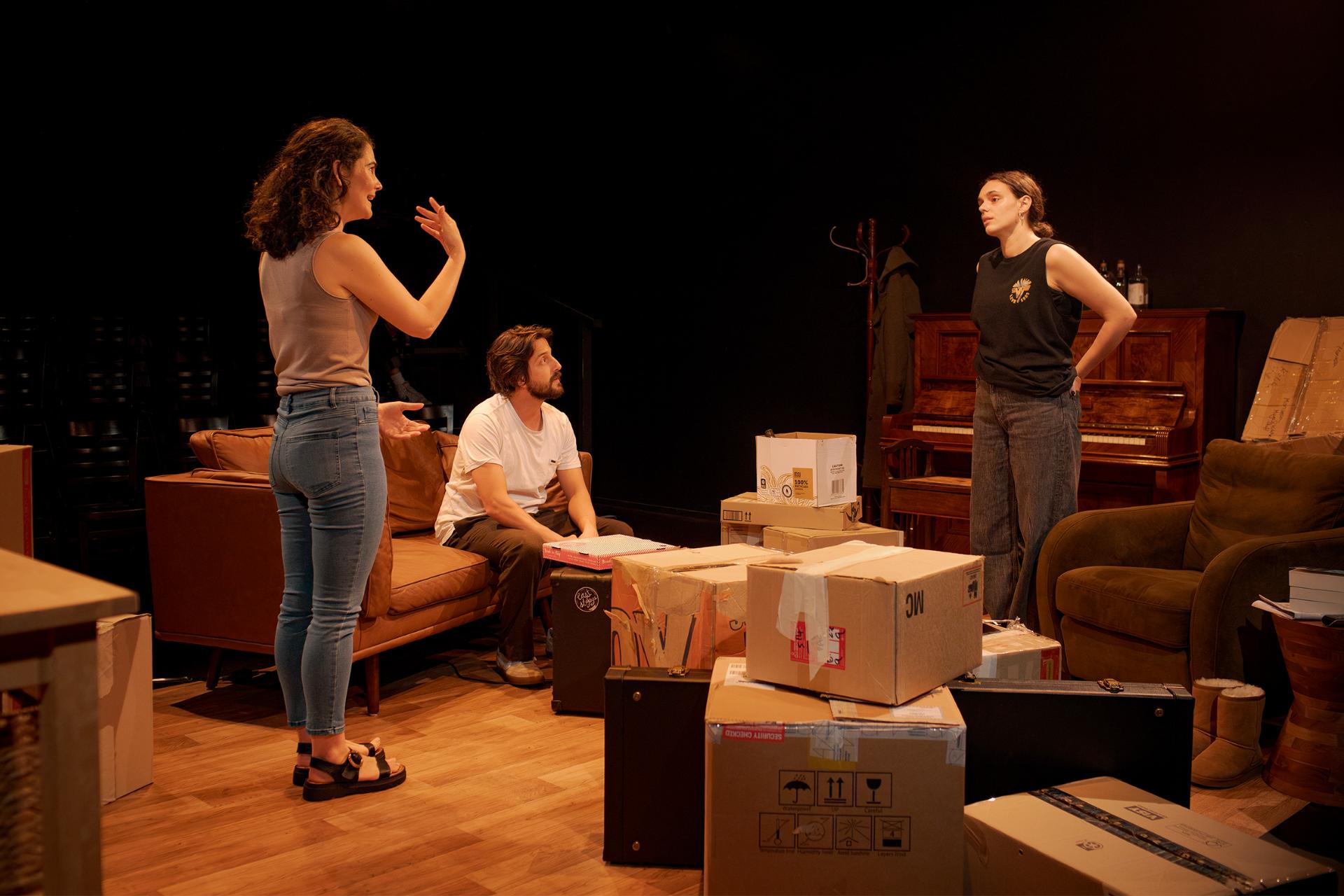
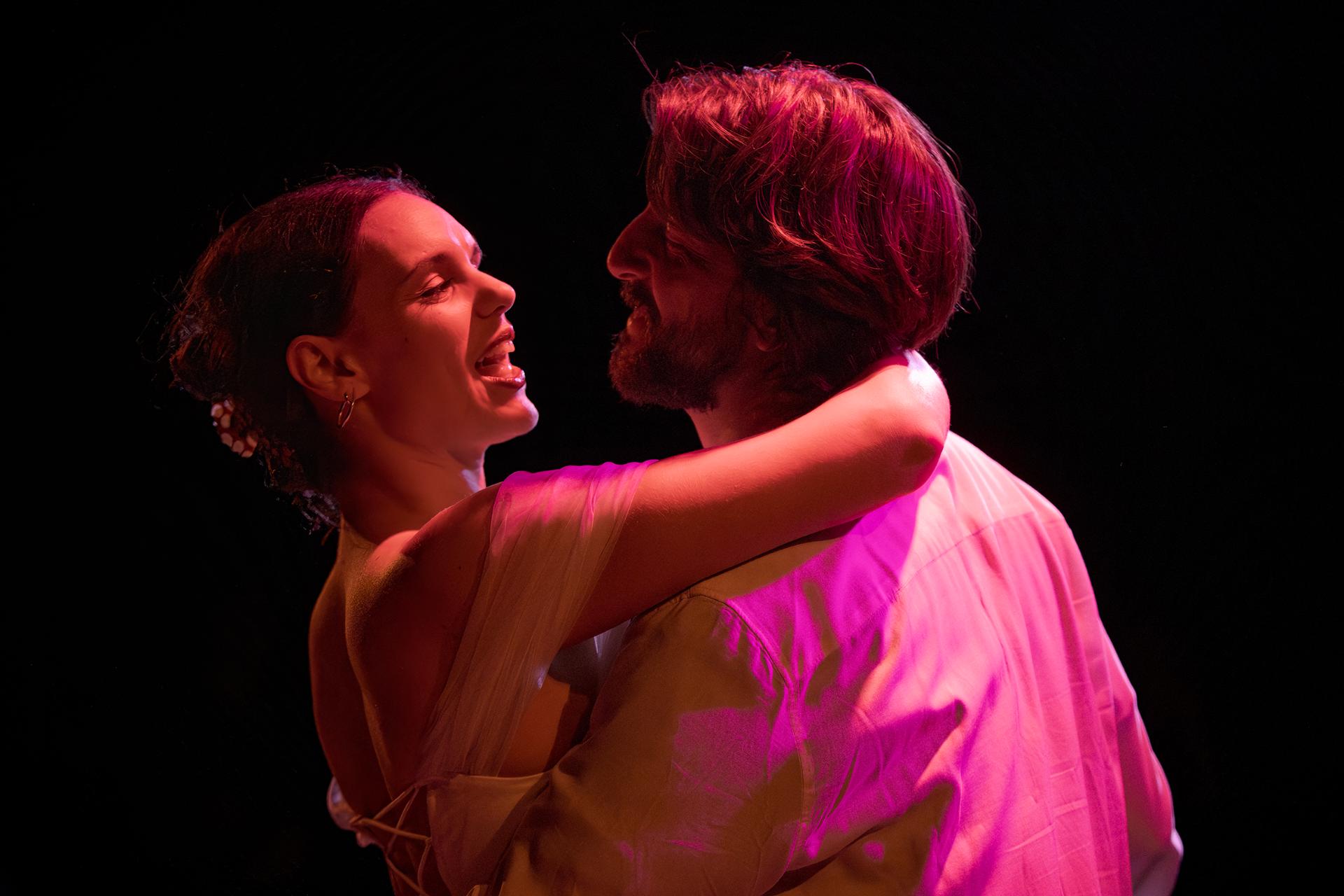
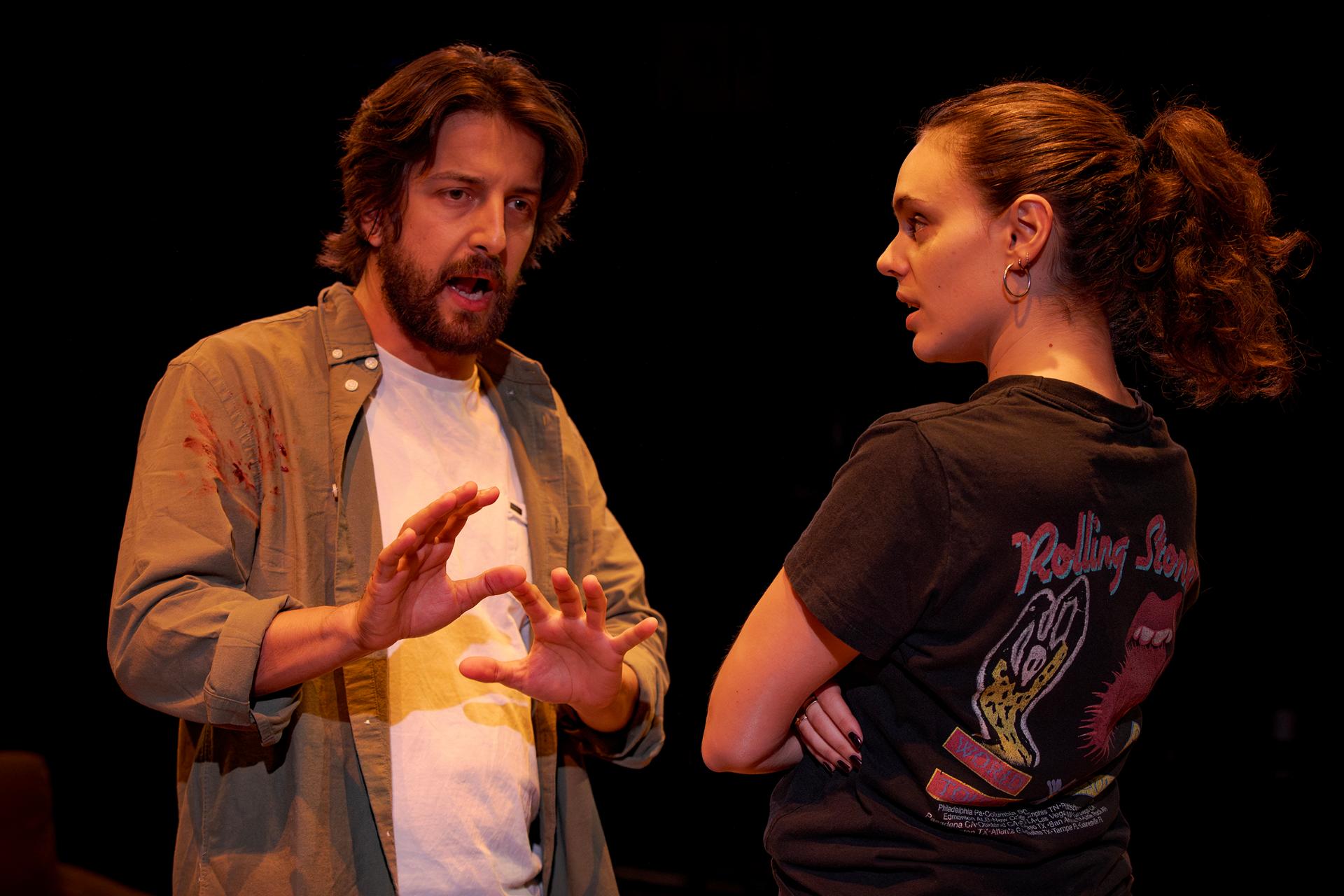
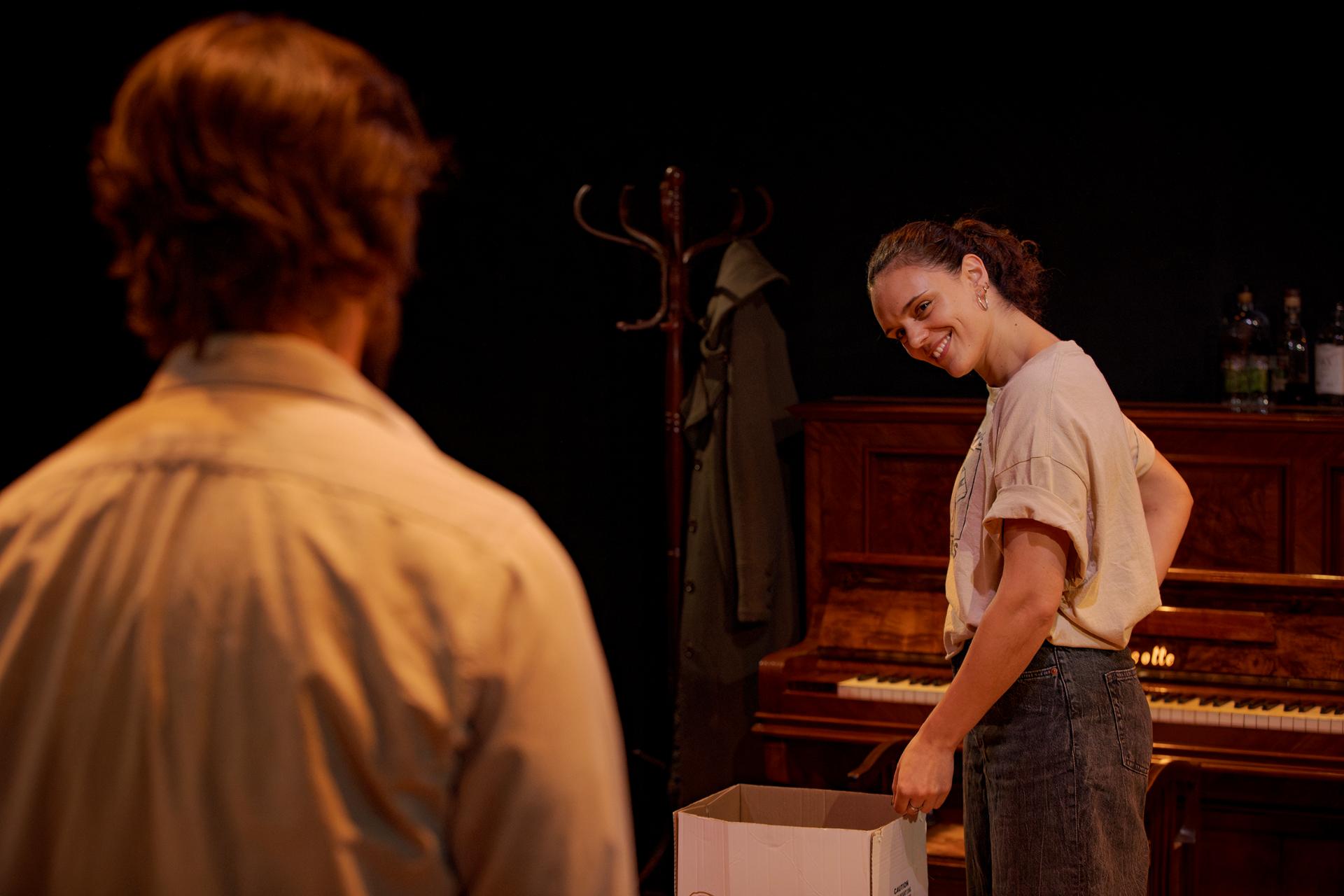
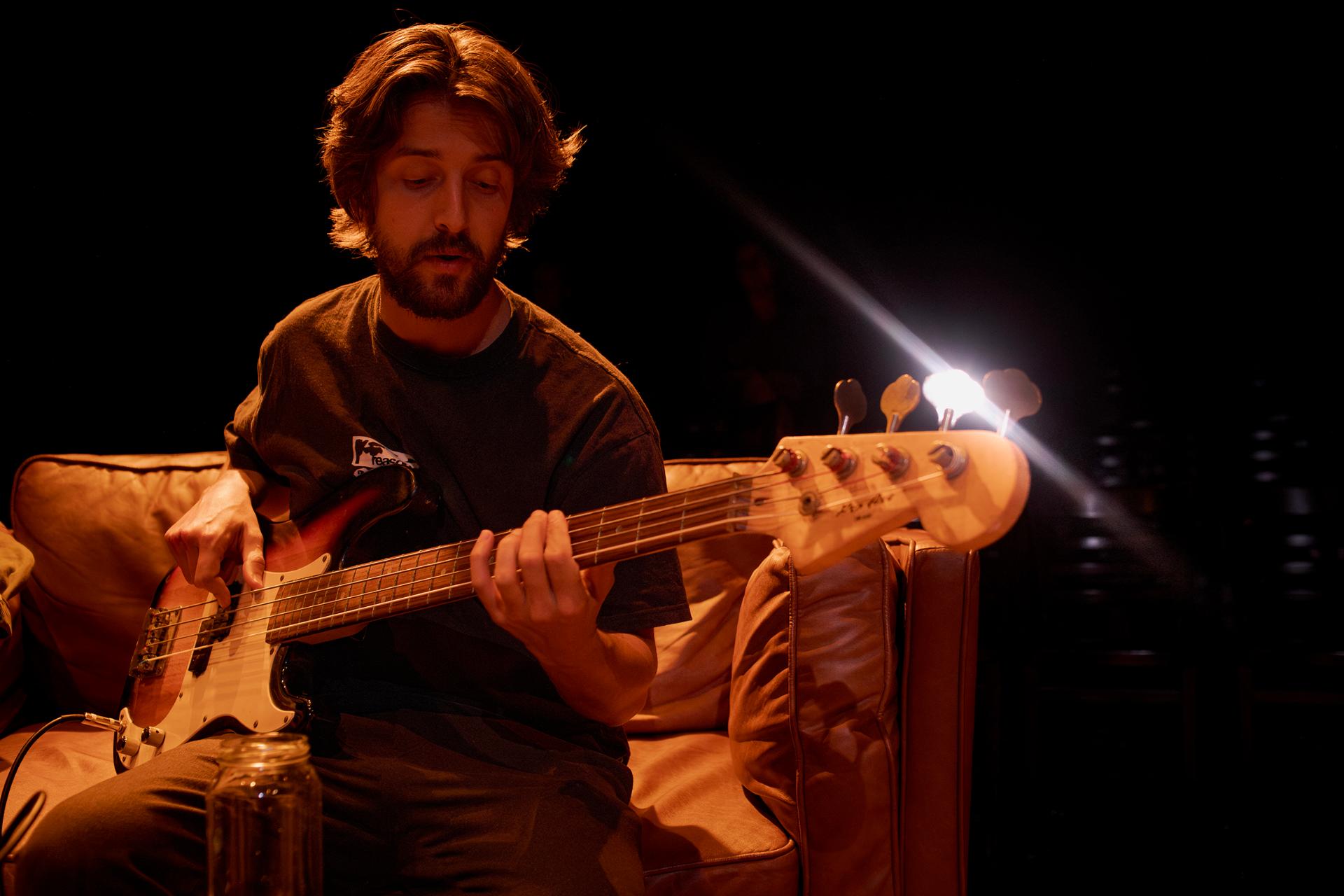
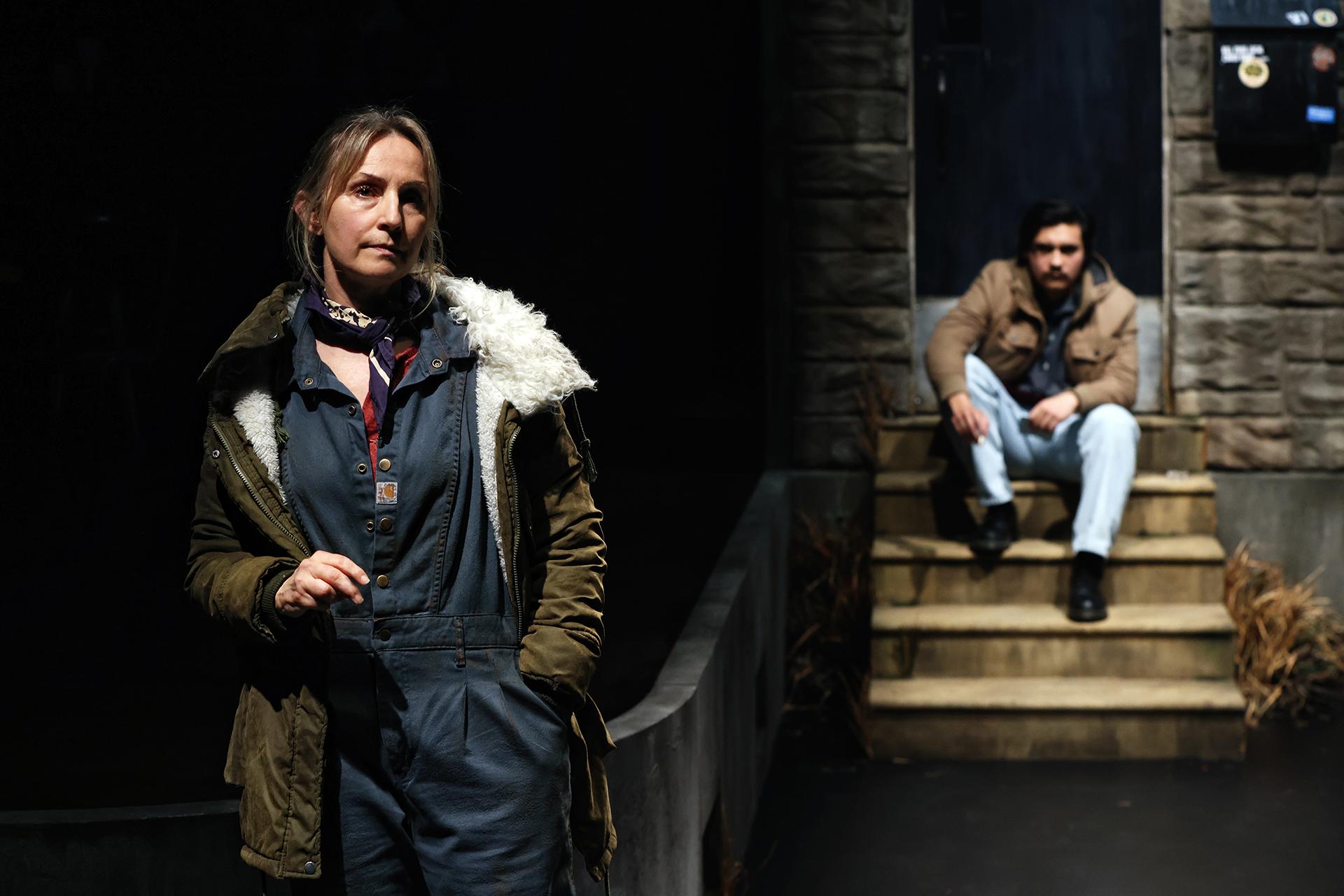
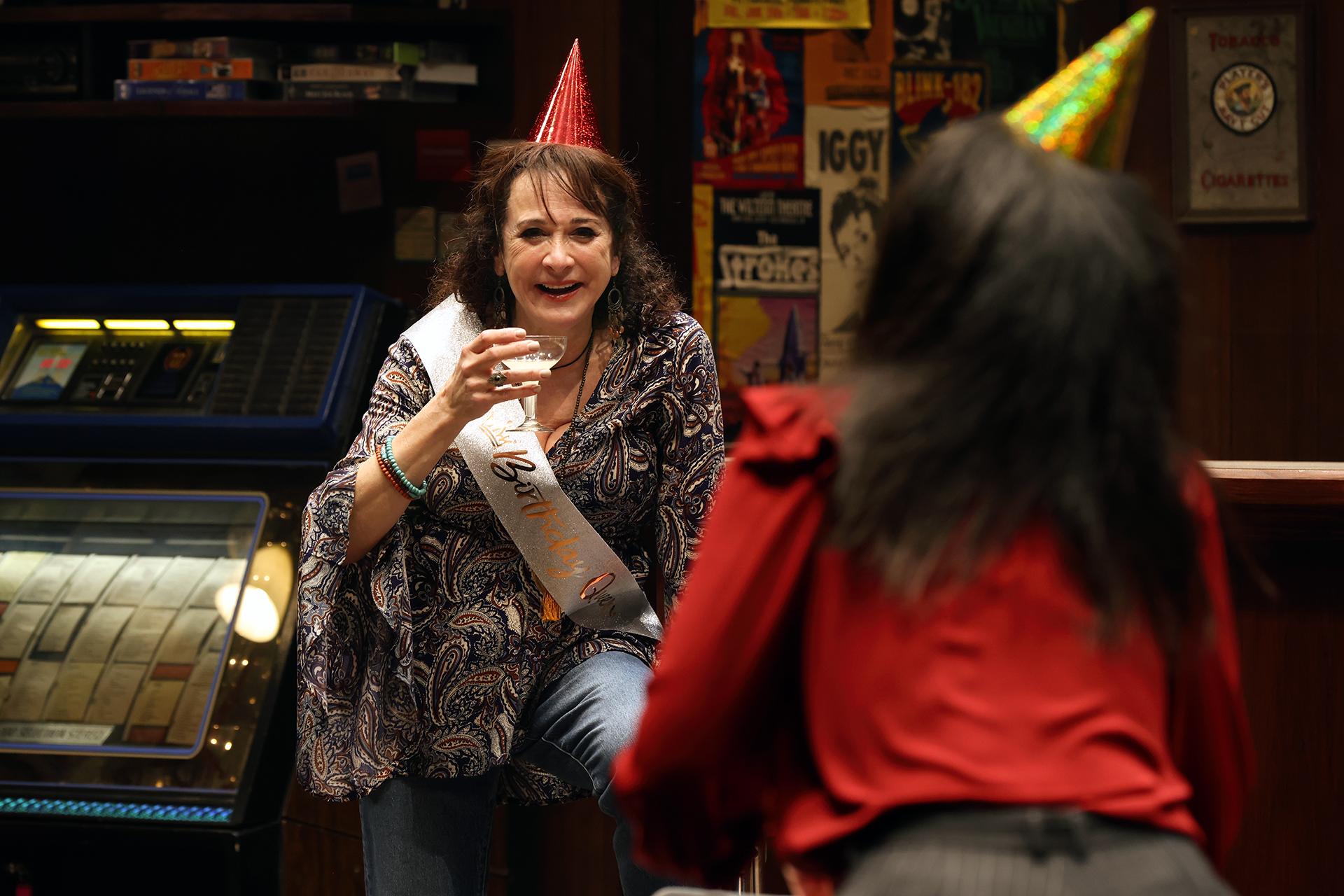
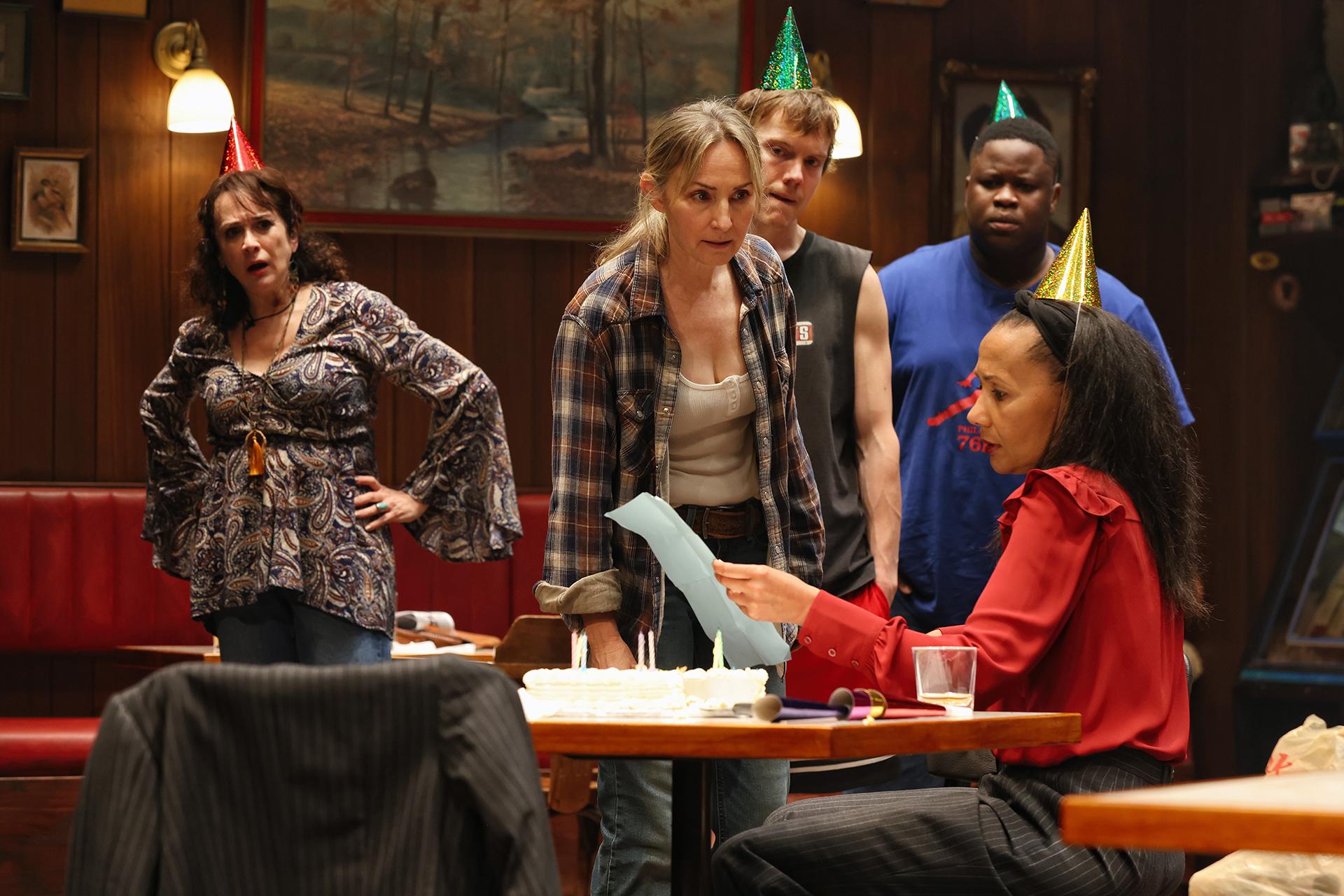
Michael has had a heart transplant, but it seems that he may have inherited more than just Rick’s organ. People Will Think You Don’t Love Me by Joanna Erskine is an intriguing work about consciousness and sentience, particularly how they intersect with human biology. Full of fascinating speculations, Erskine’s play brings into the domestic realm, some of the biggest questions about the mind — where it resides, and how it can transform. 

Direction by Jules Billington brings great focus to these intimate explorations, highly compelling with their ability to make believable, these often outlandish conjectures. There is however a diminishment of dramatic intensity, in concluding portions of the show where we are poised in expectation of an escalation. Its cerebral quality though, does fortunately persist to the end, for a satisfying experience that is likely to remain with viewers long after the curtain call.

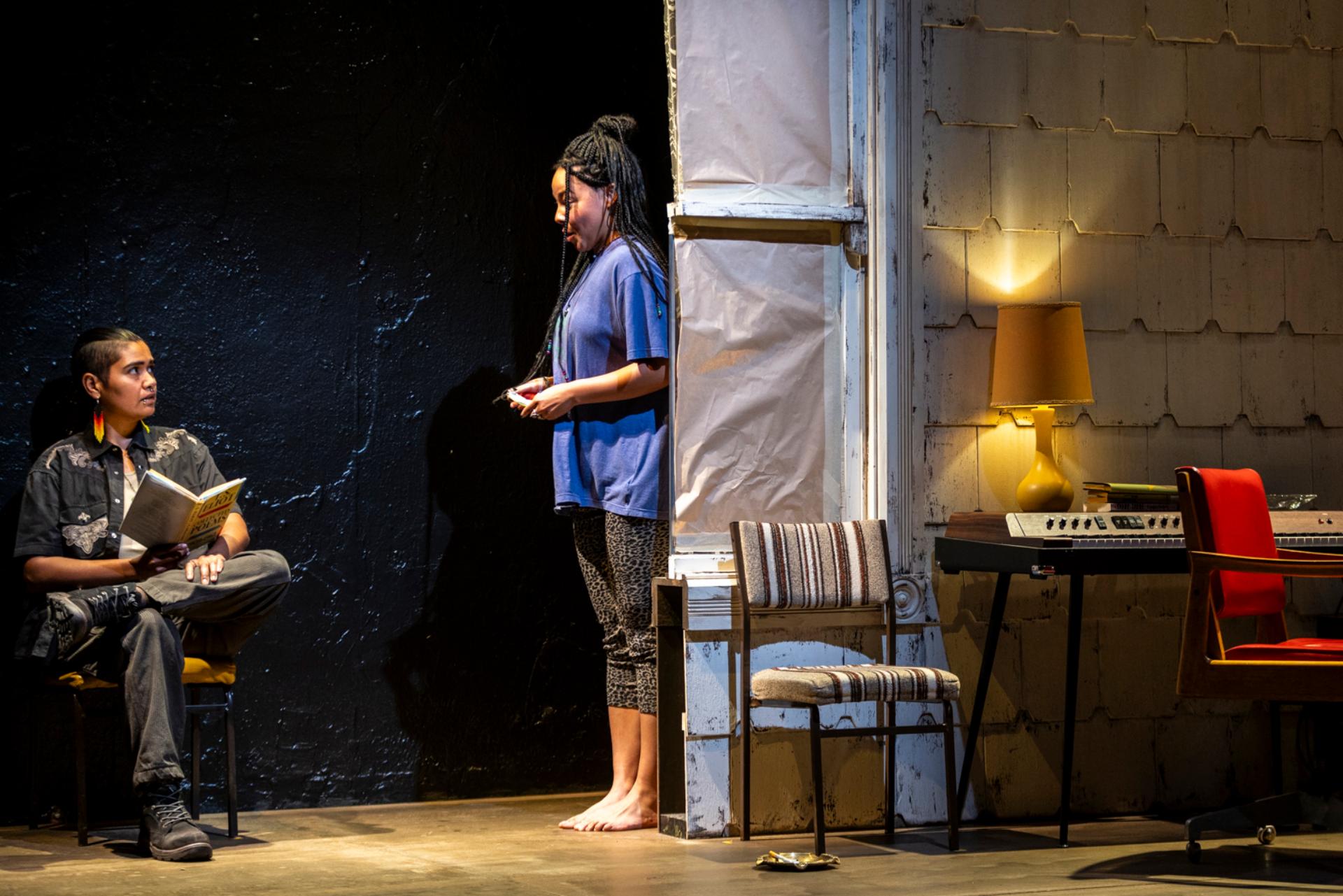
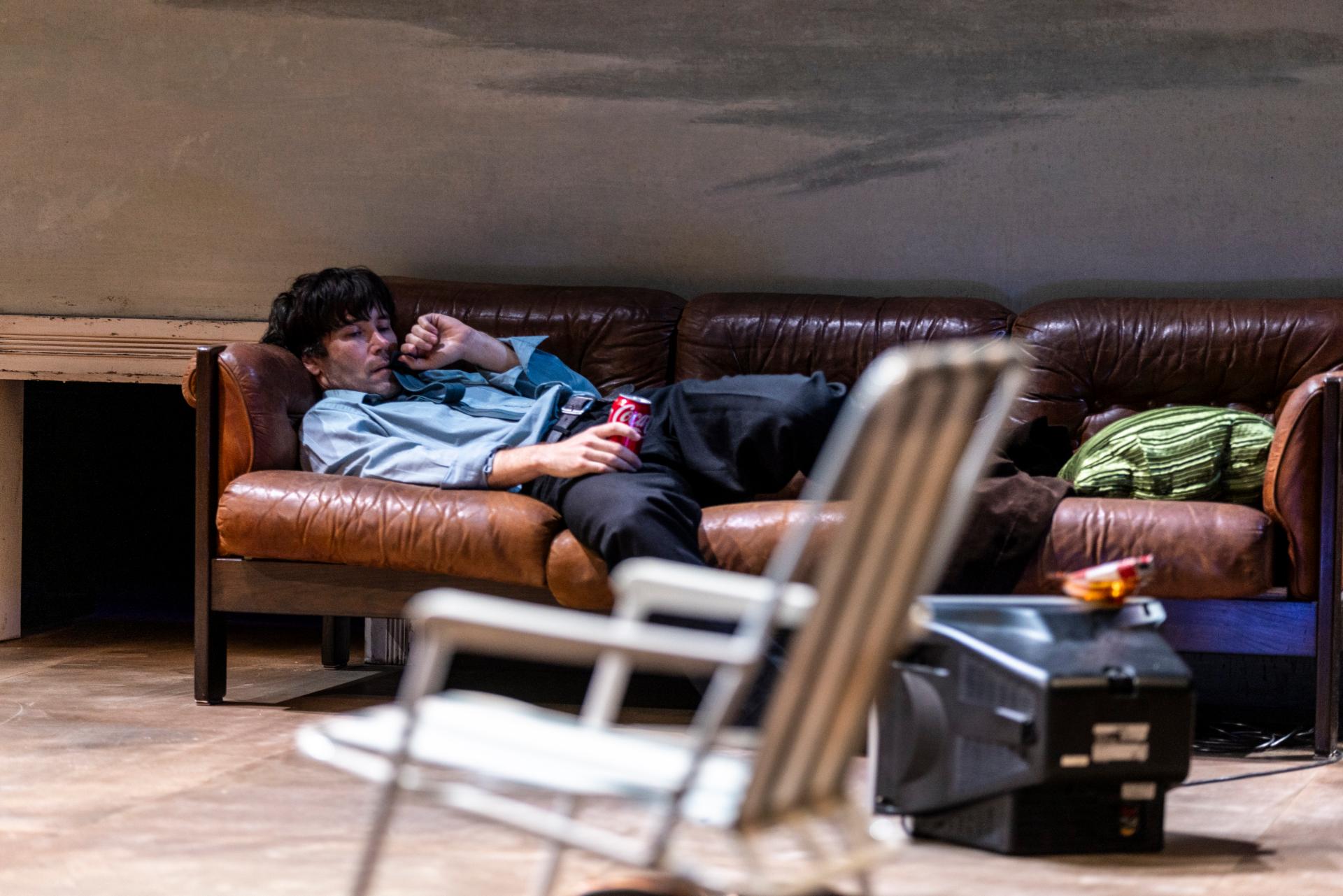
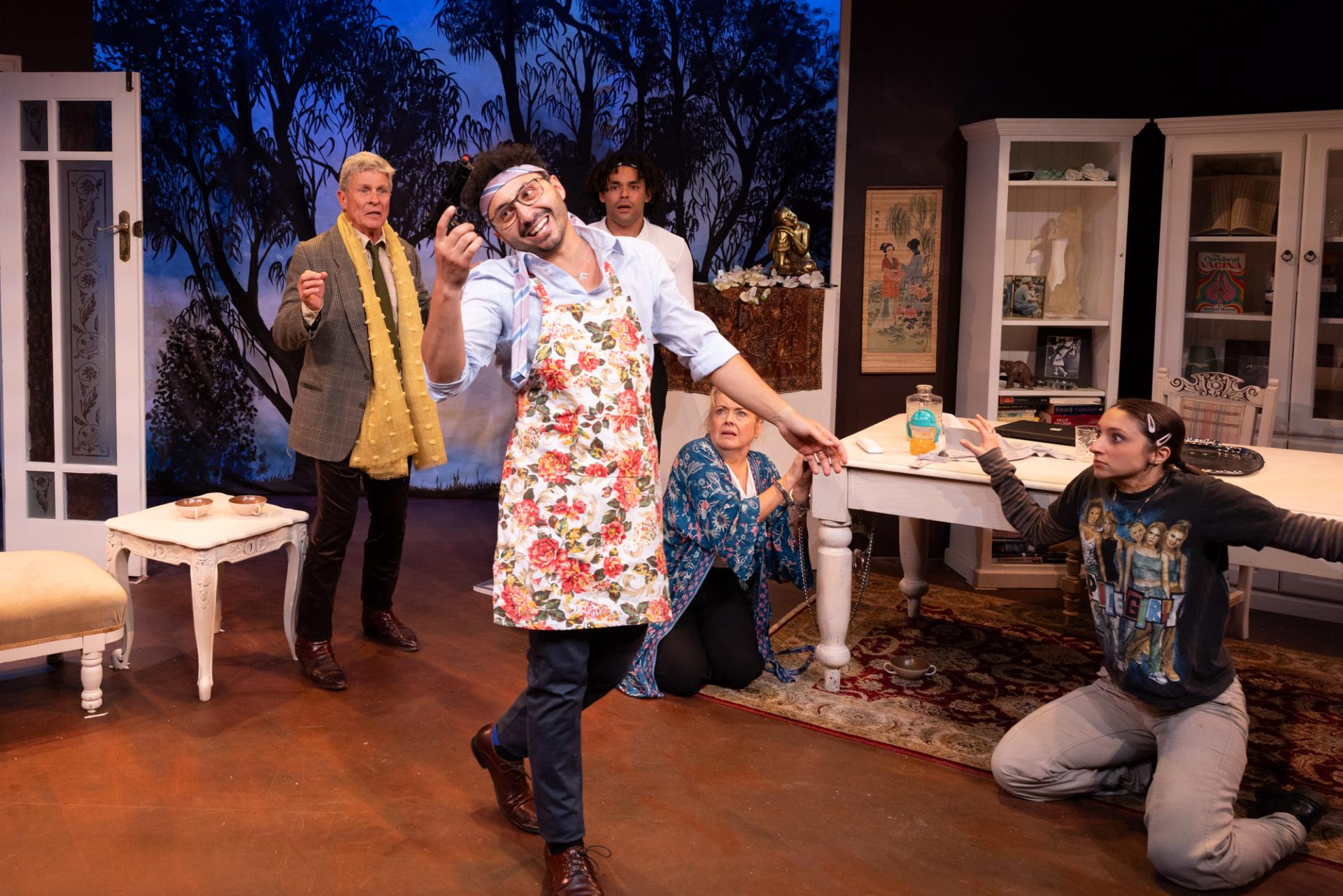
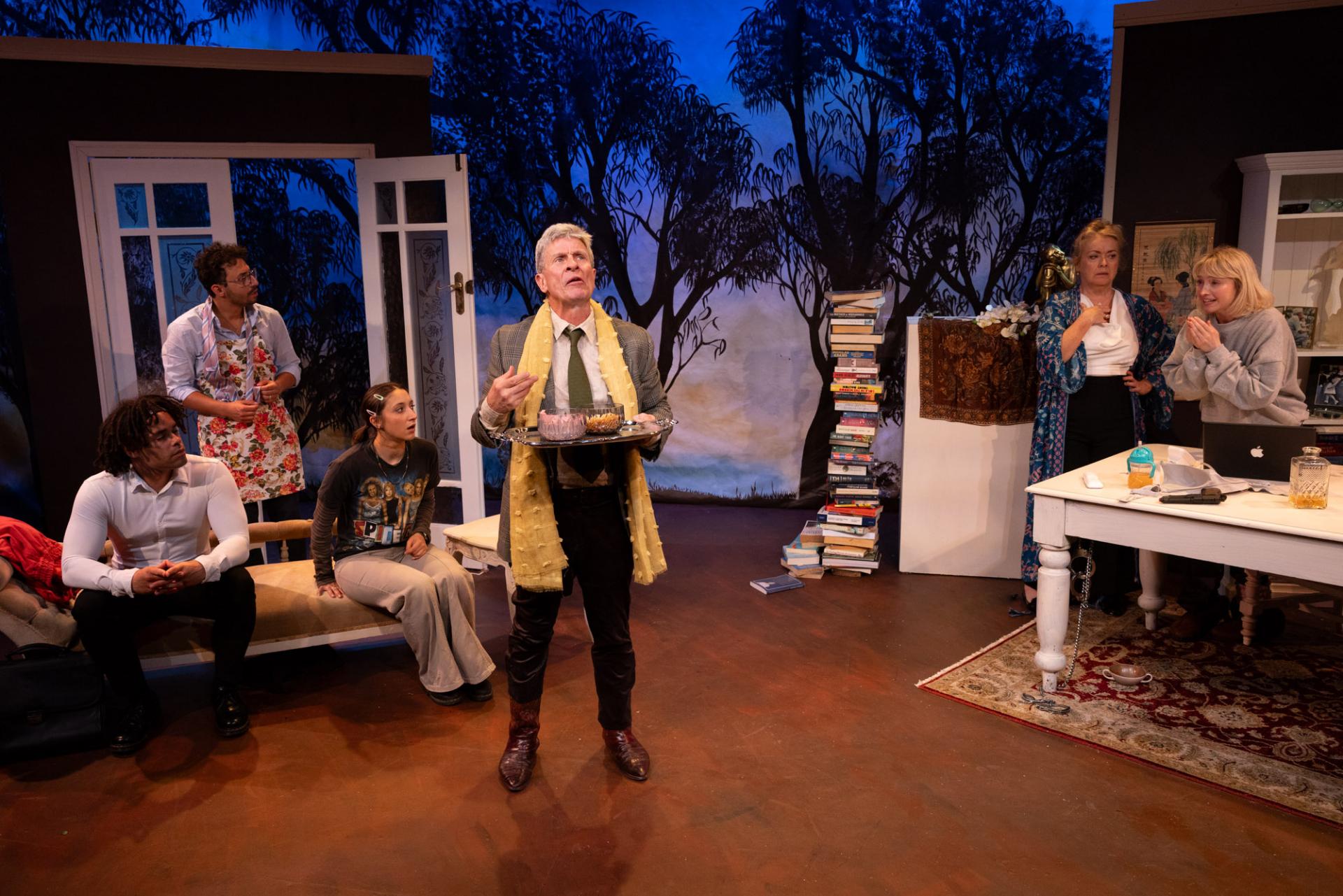
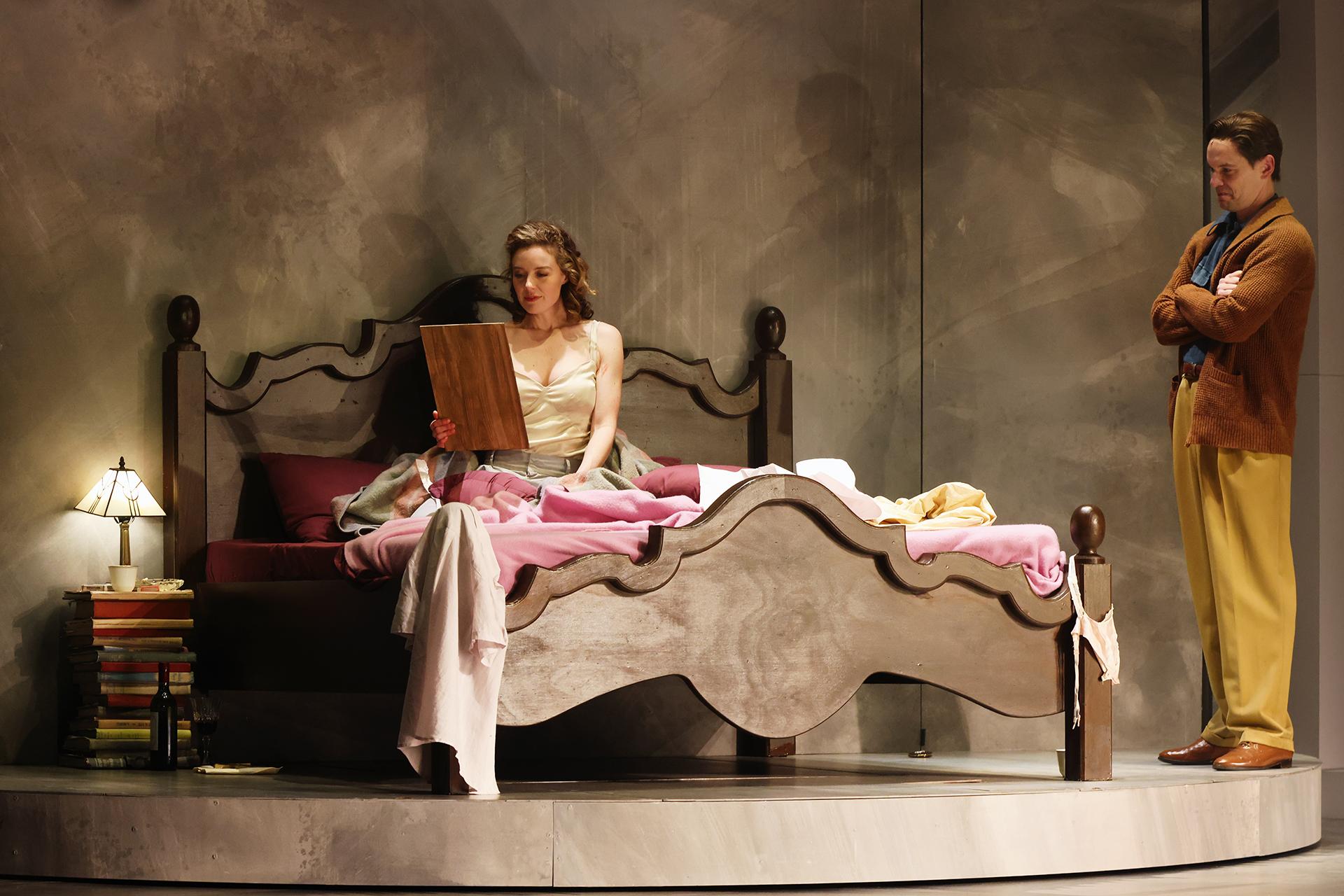
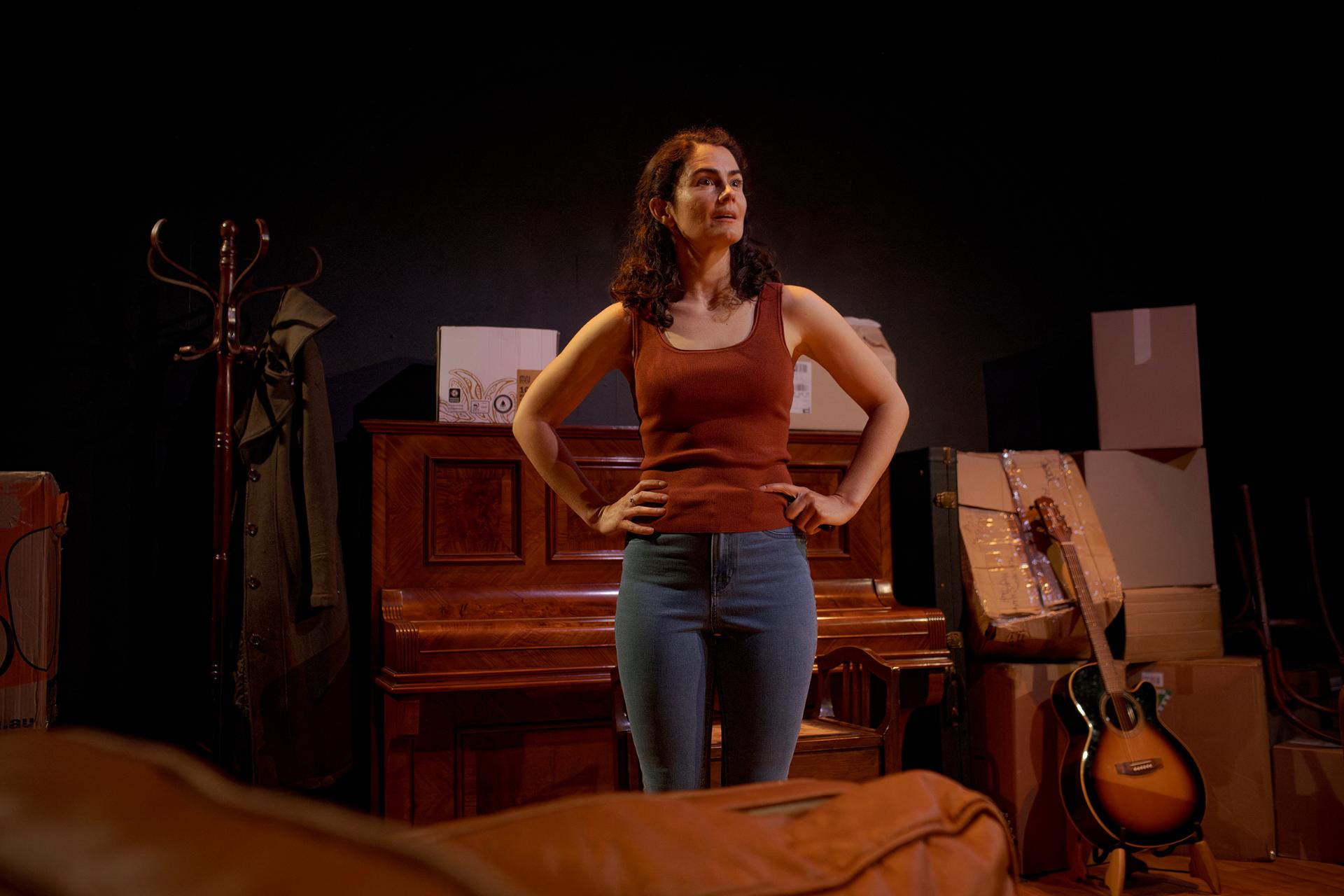
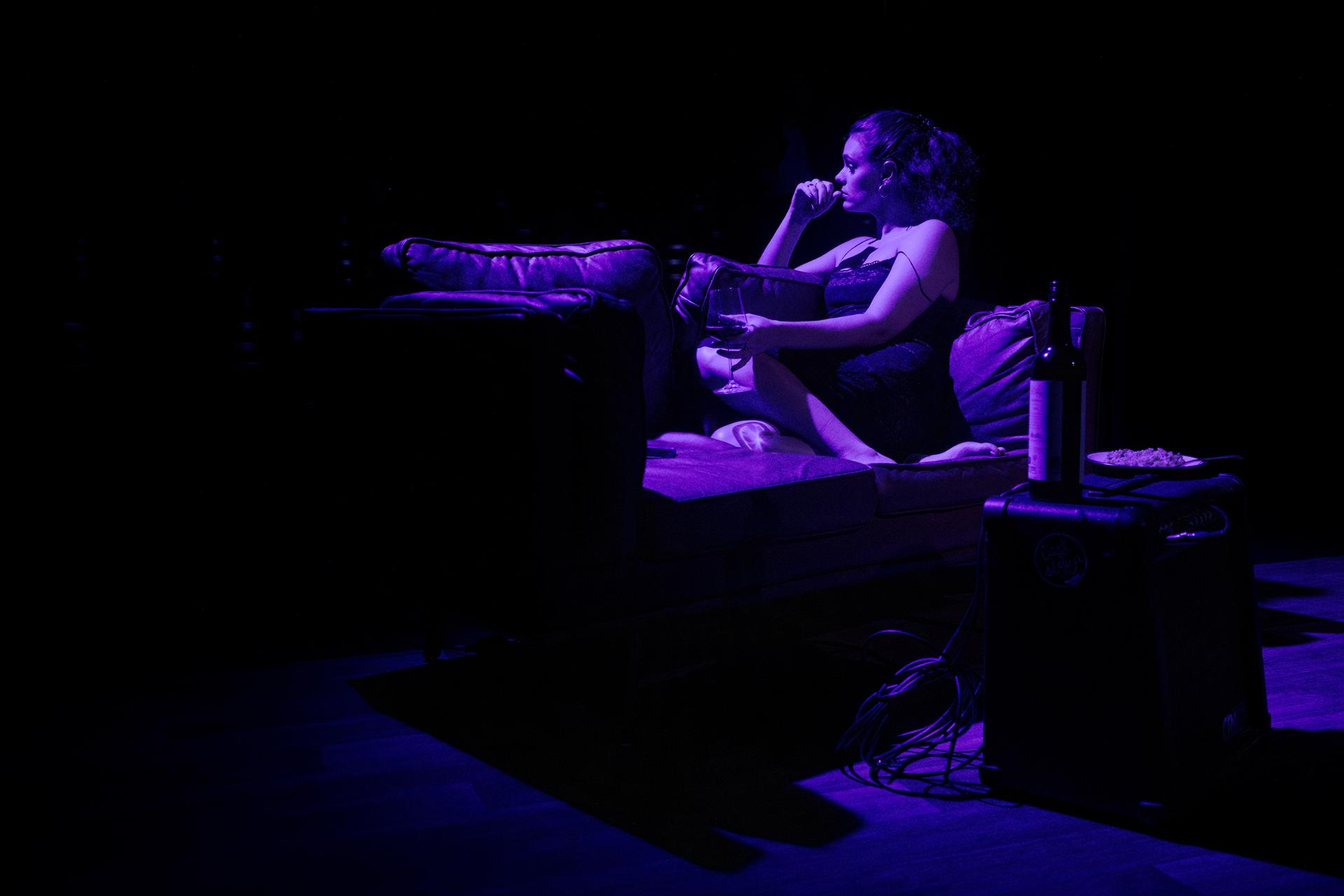
Sam Wylie’s production design is a visually pleasing amalgamation of locations, successful at representing the various settings, and accurate with costuming that illustrates the regular Sydney folk we encounter in the story. Wylie’s lights operate well to encourage our sentimental responses, but can afford to be more ambitious in segments that veer into surreal territory. Sounds and music by Clare Hennessy are extremely delicate, memorable for their efficacy at bringing subtle tension, to these scenes of mounting discord.

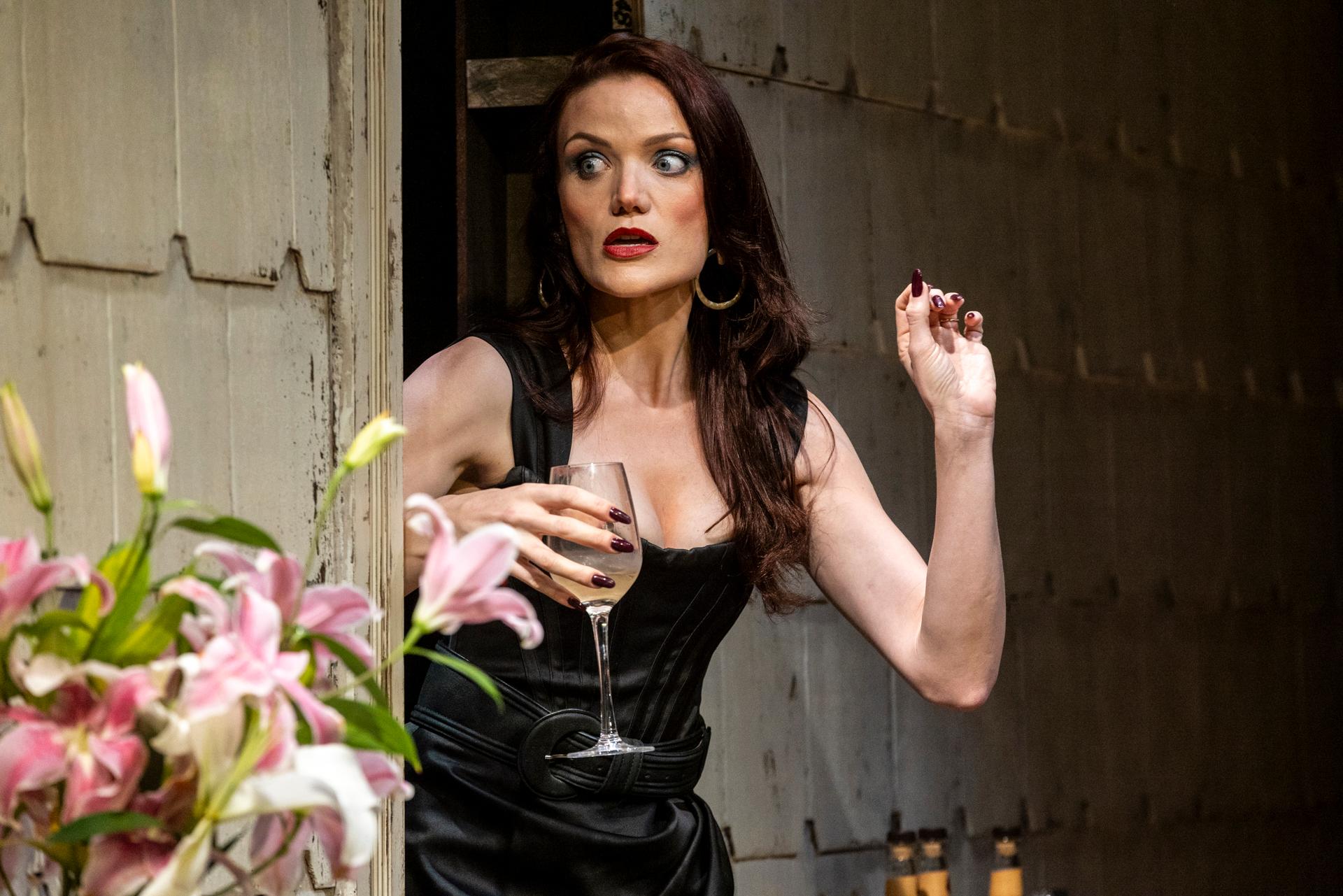
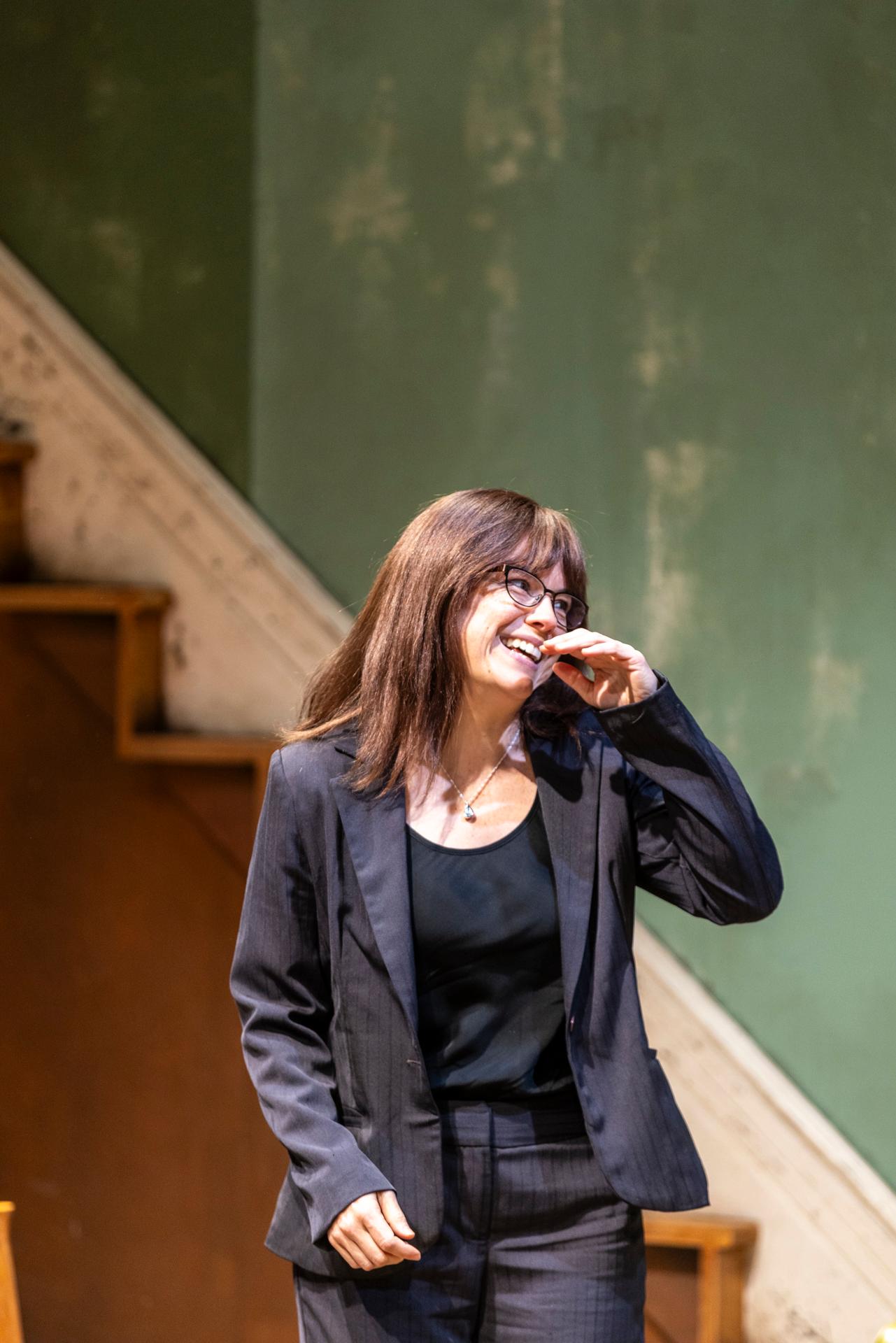
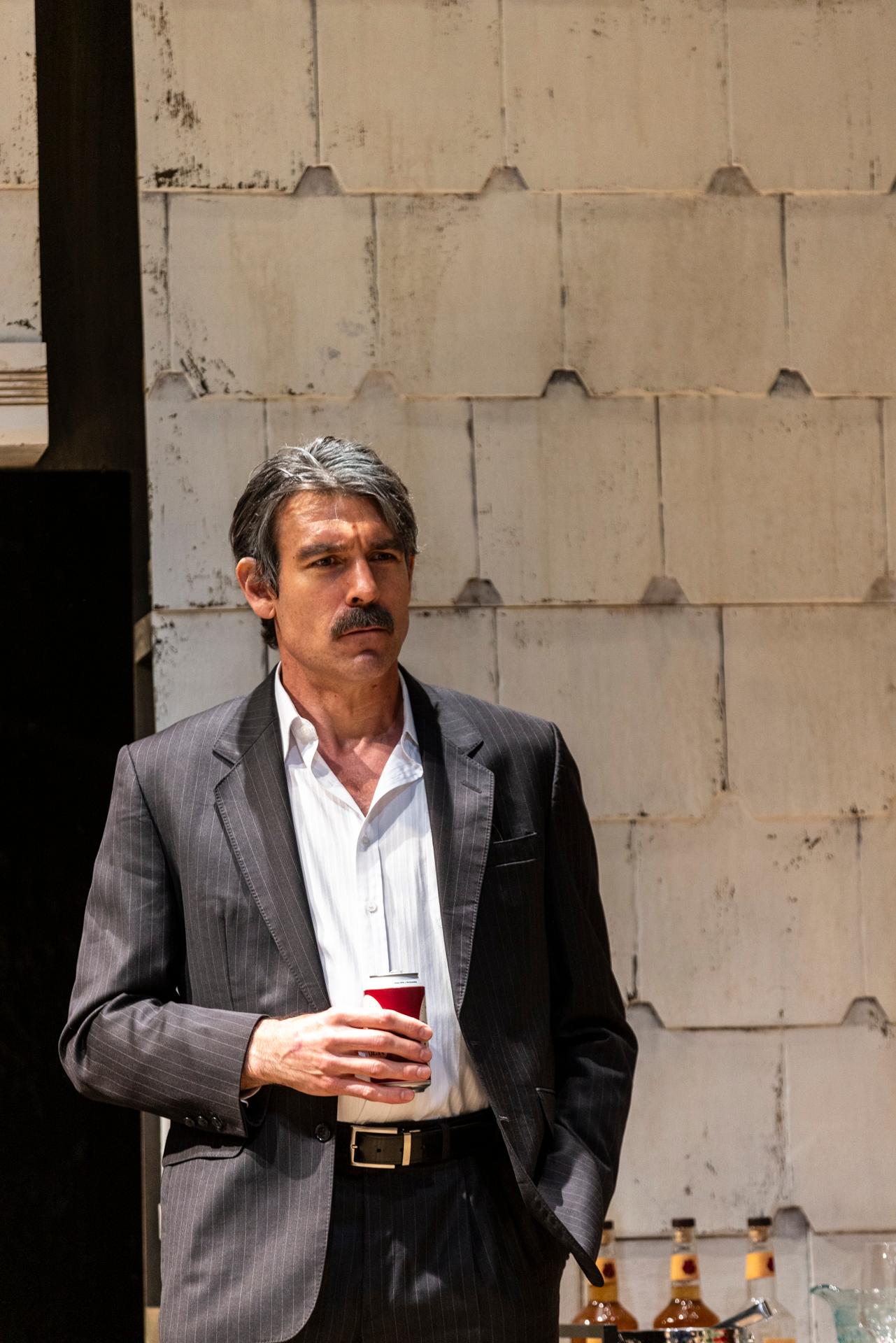
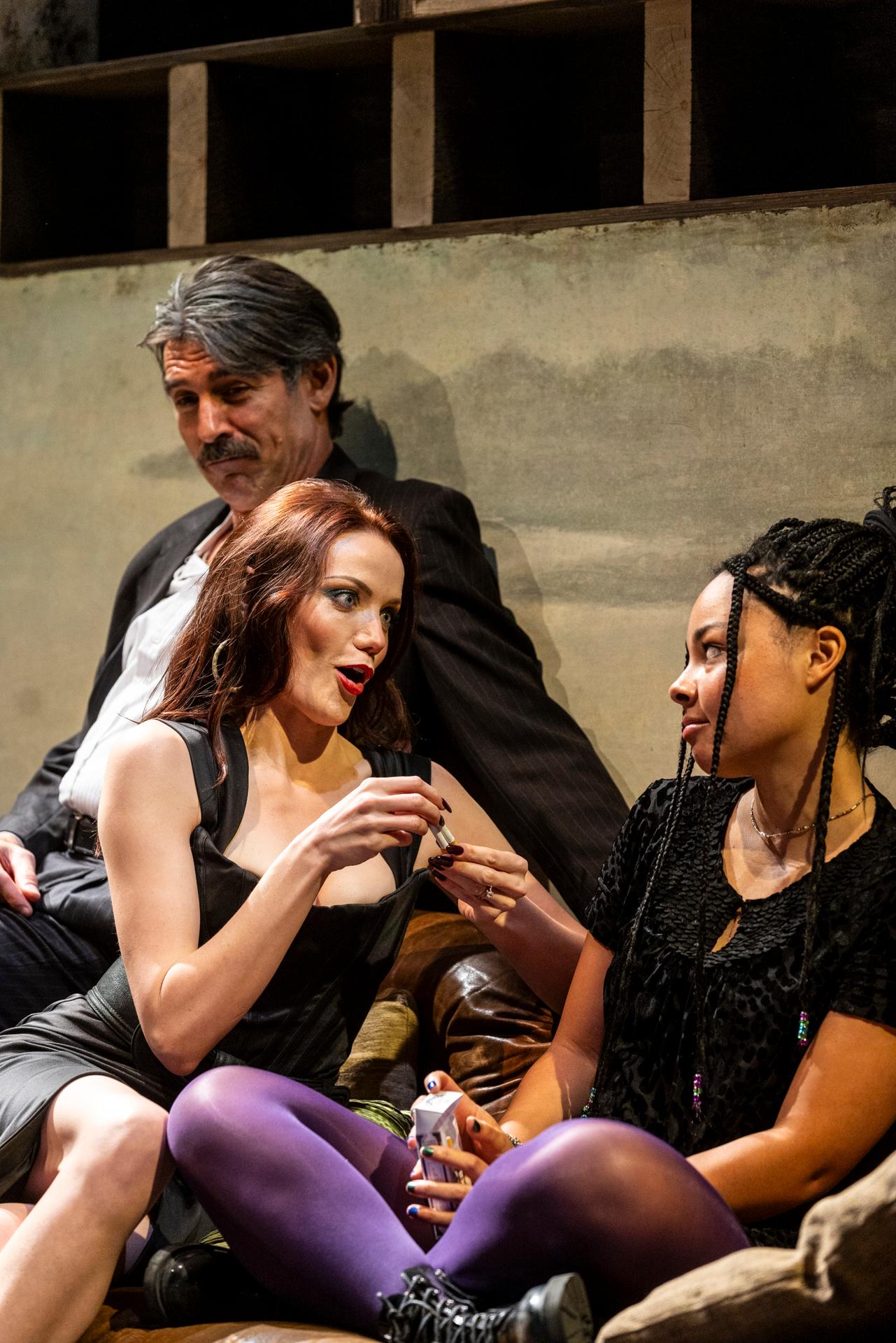
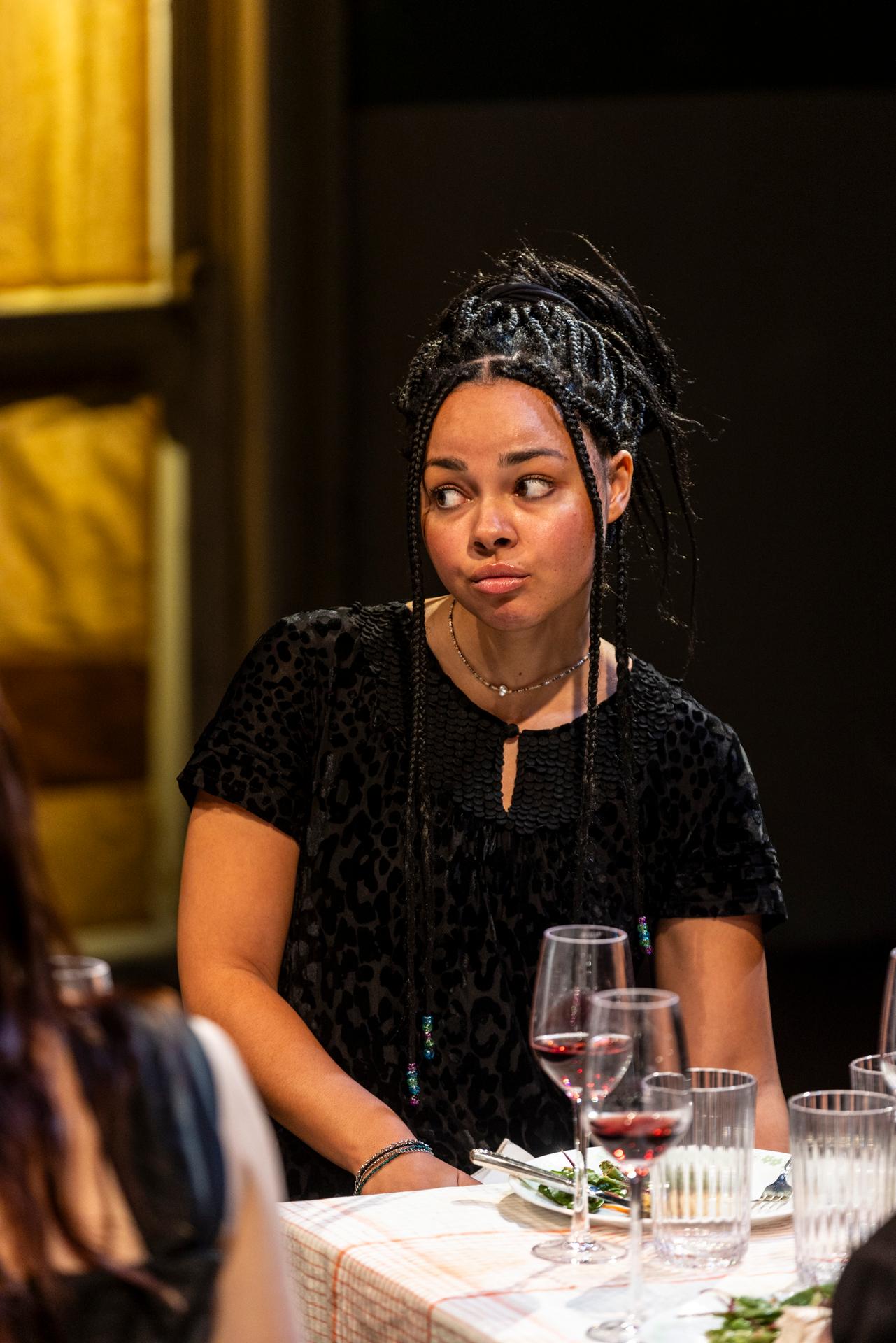
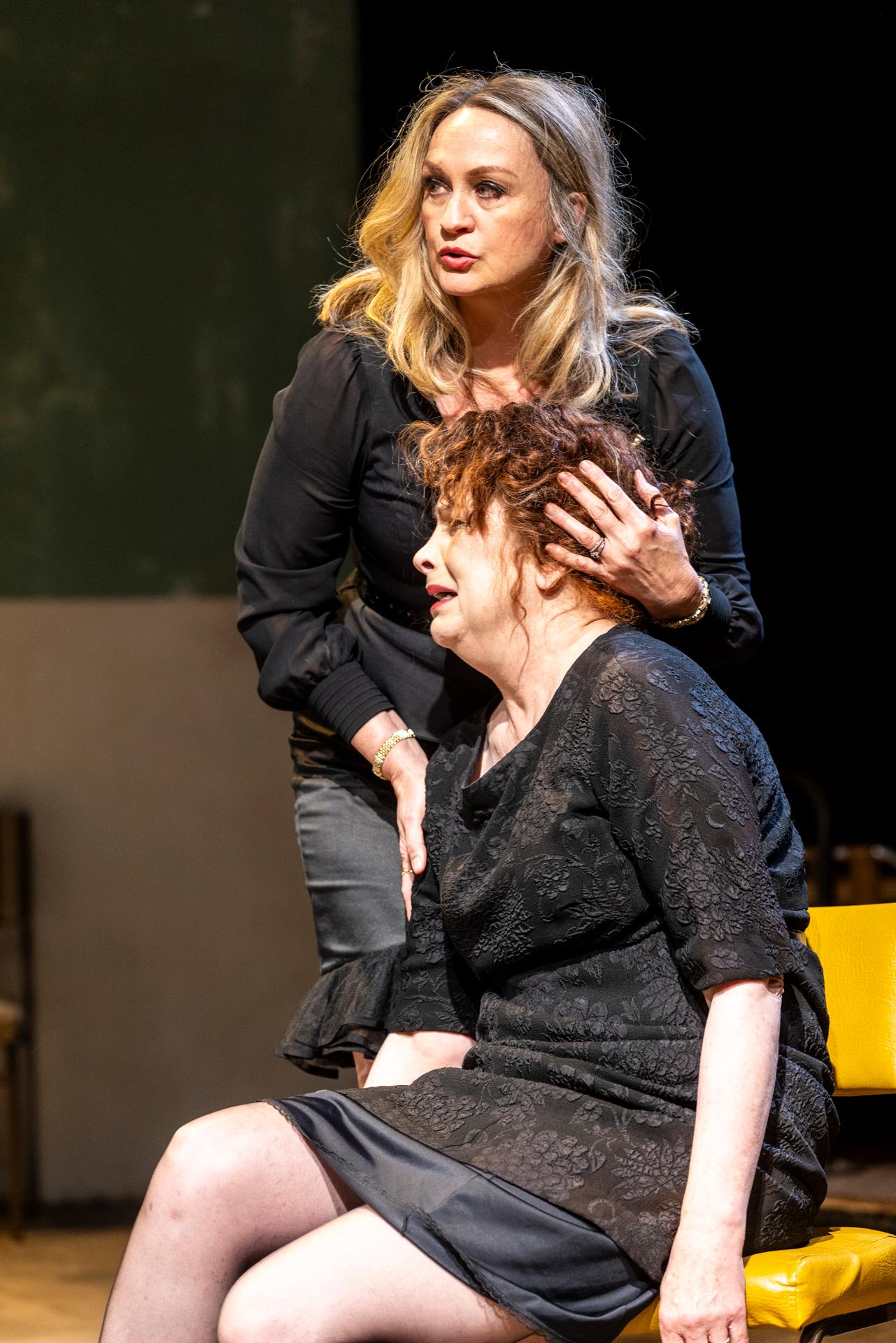
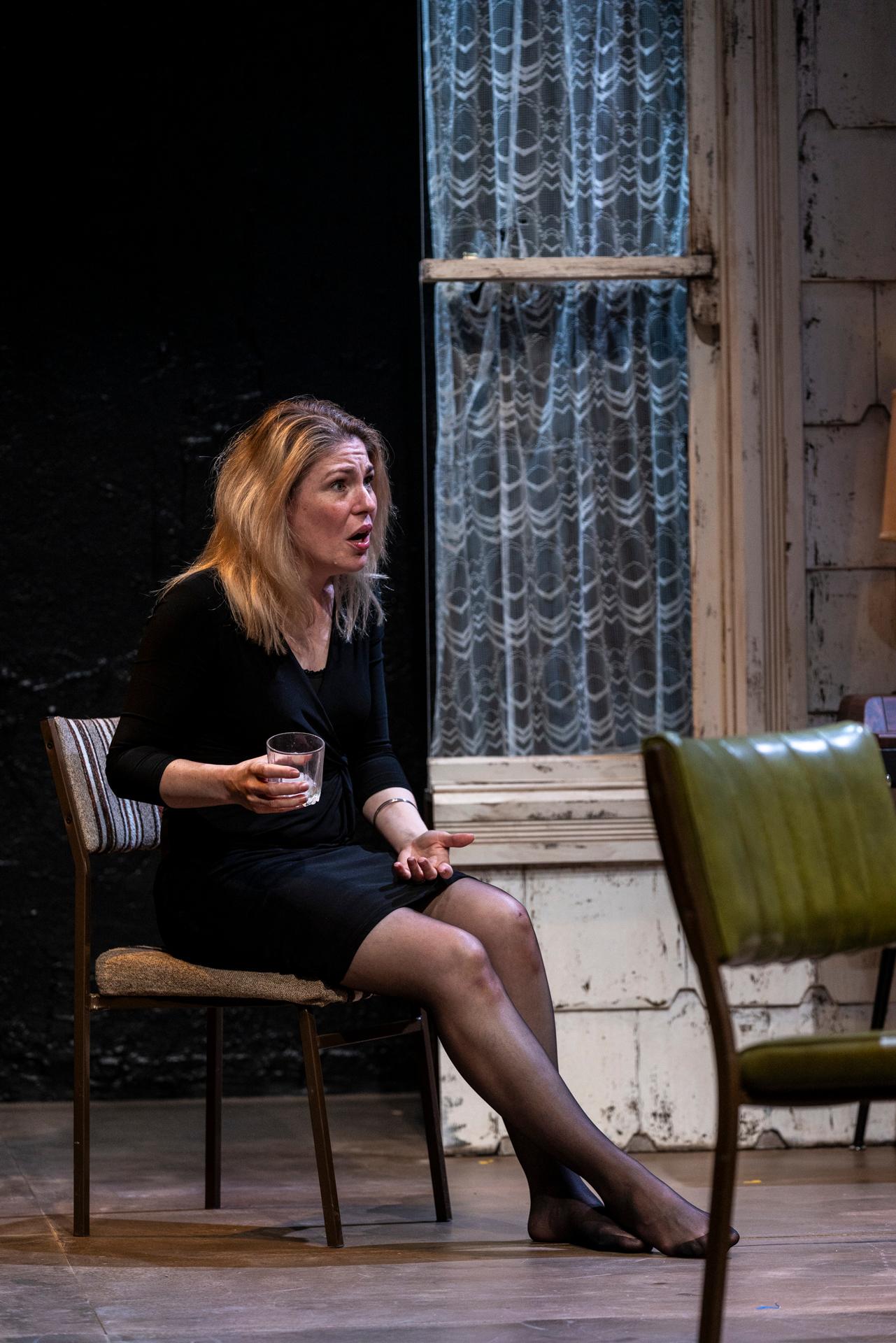
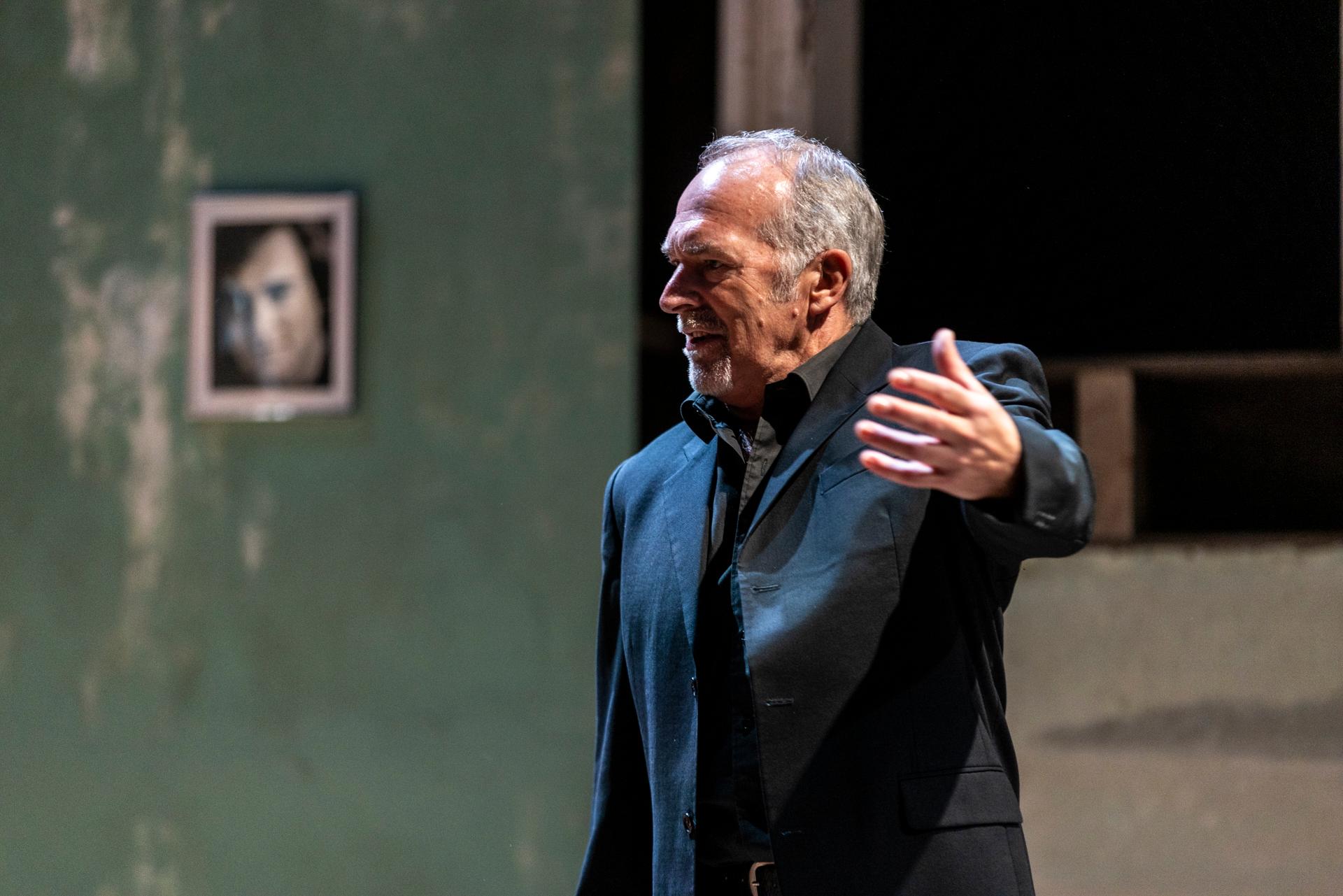
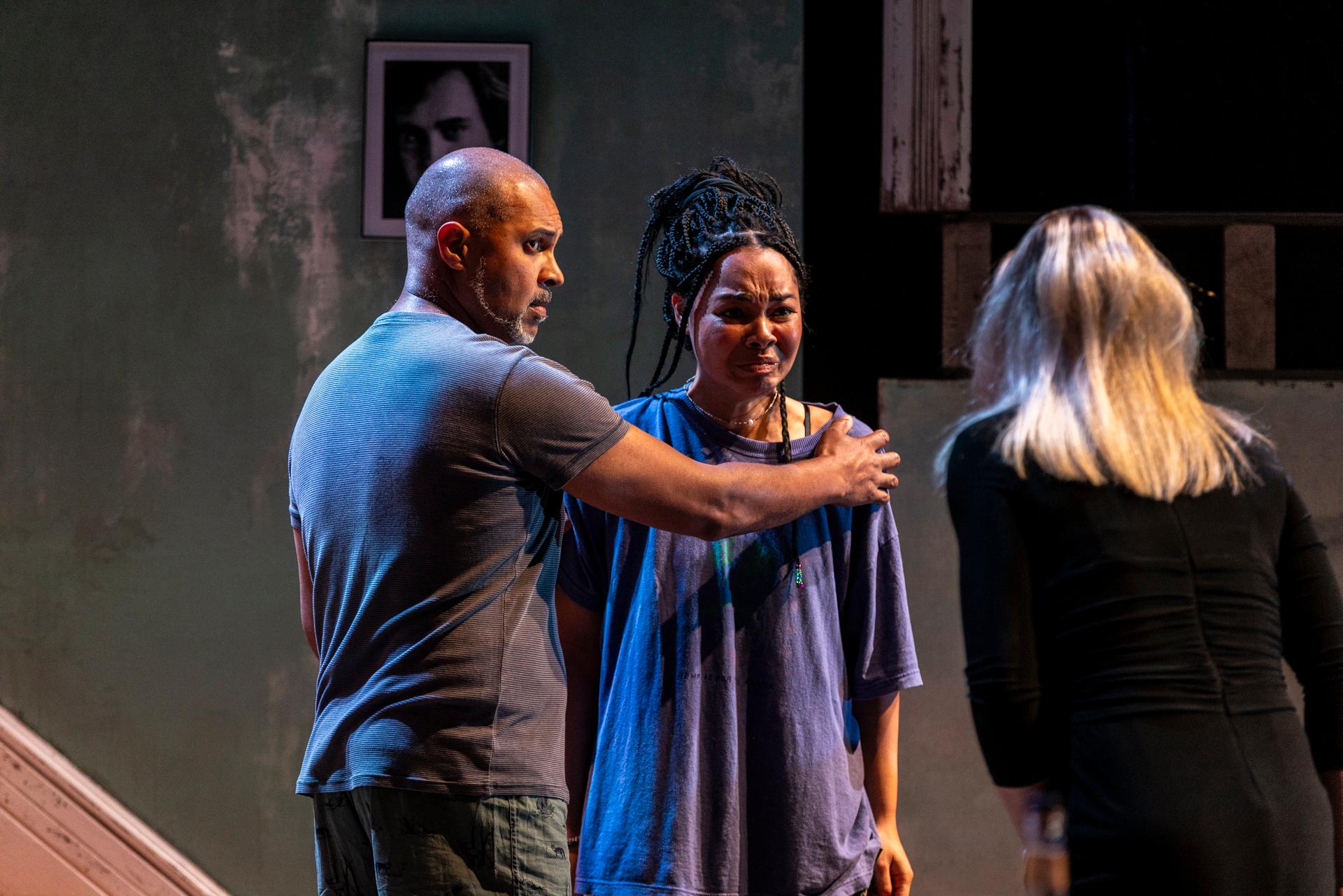
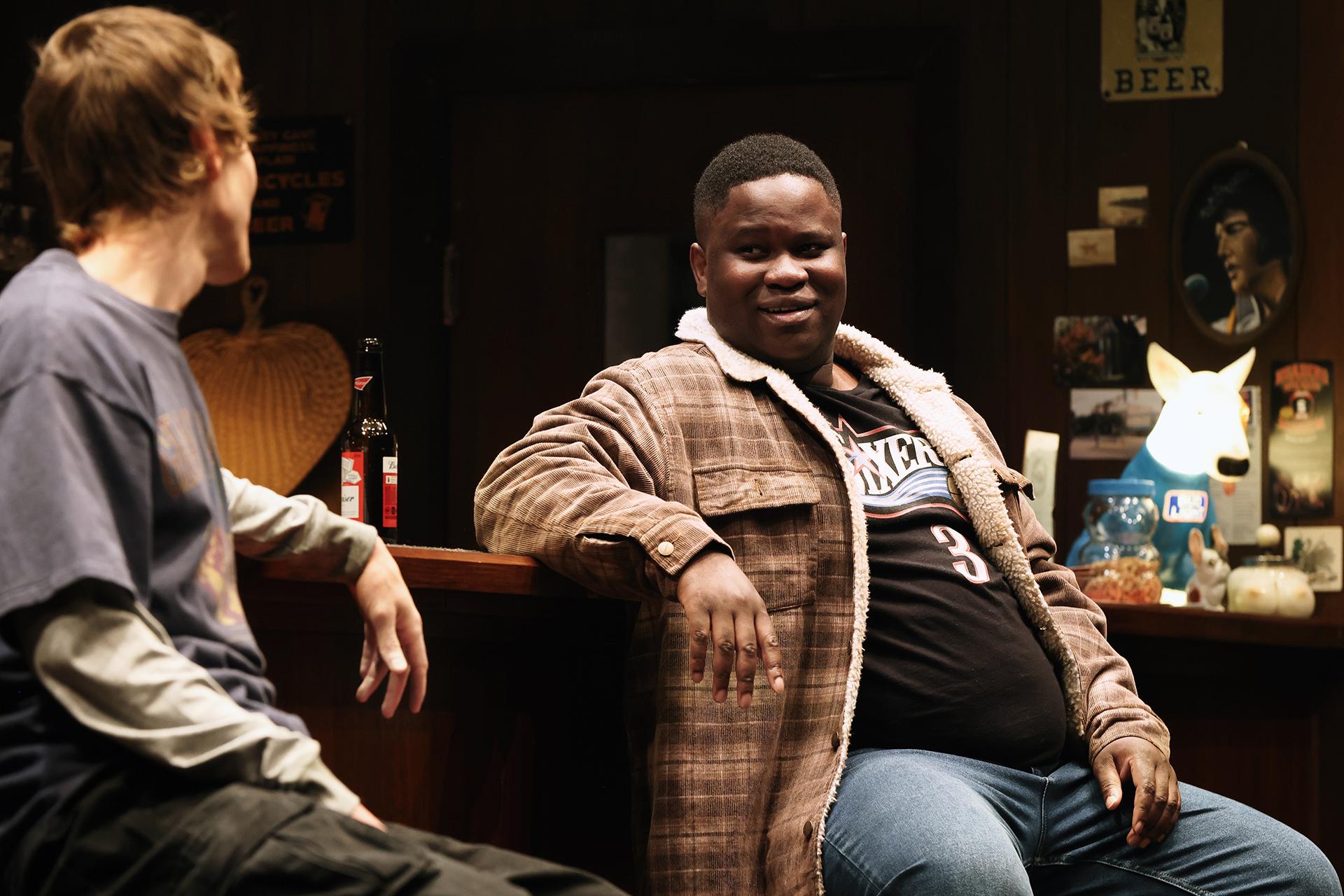
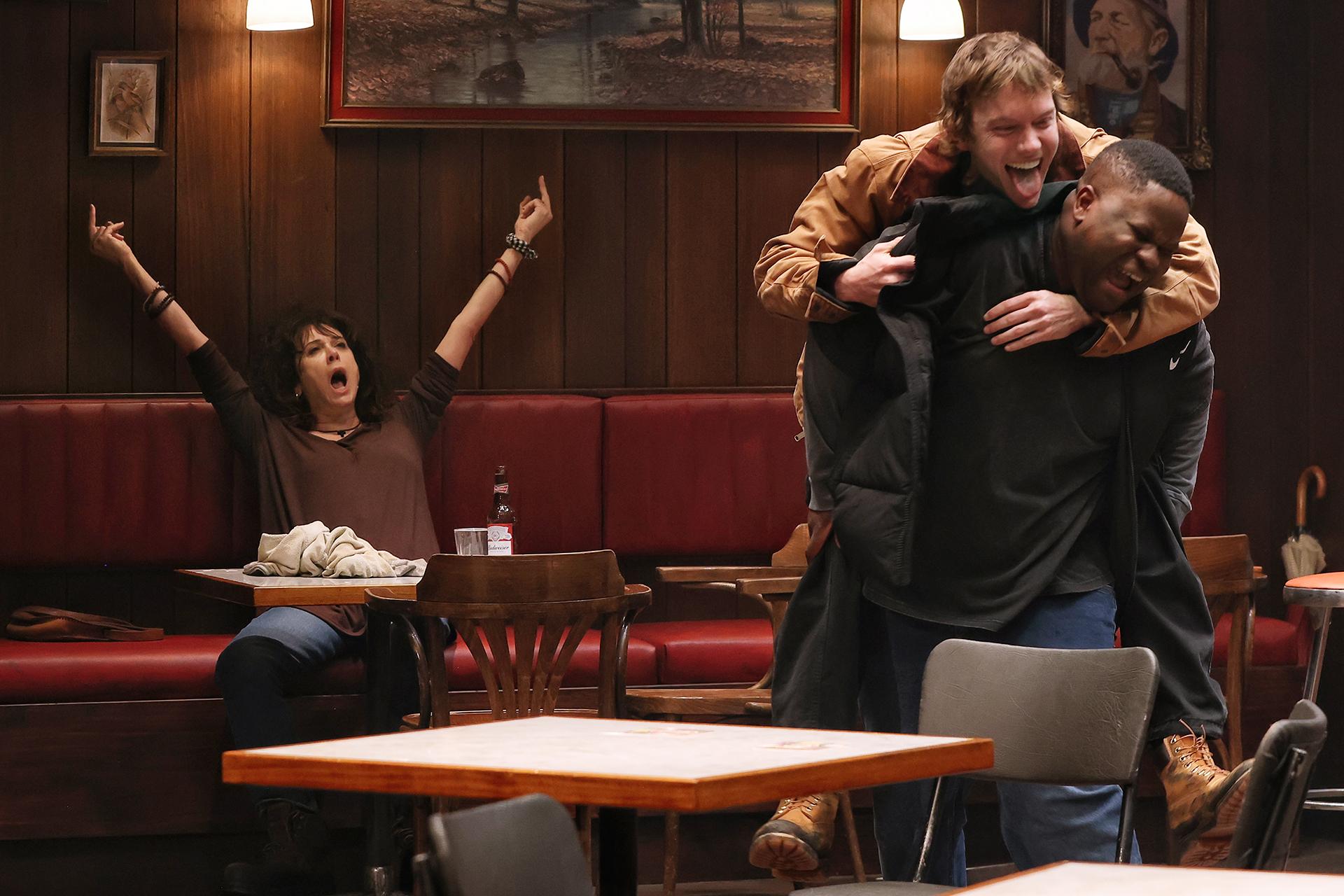
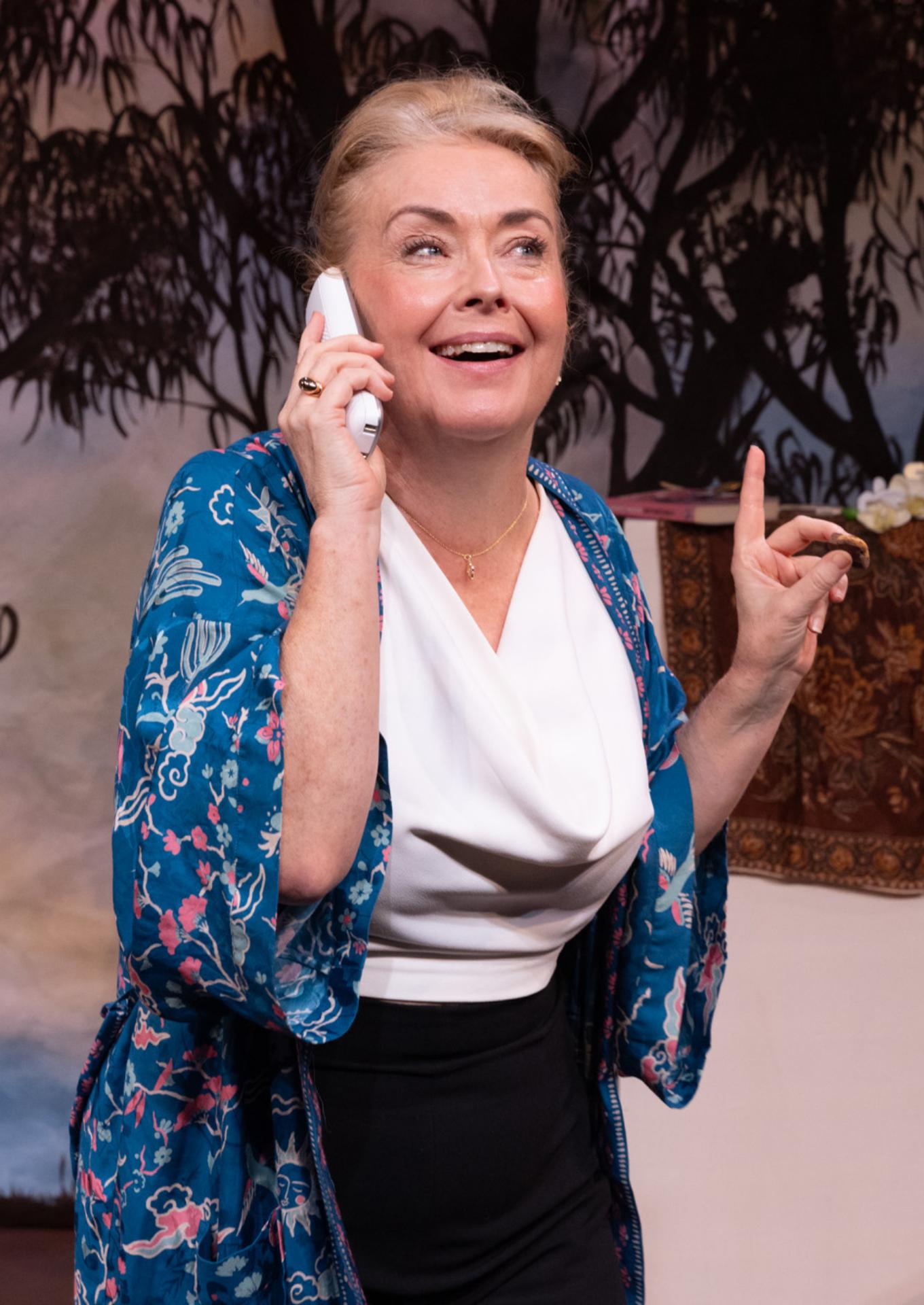
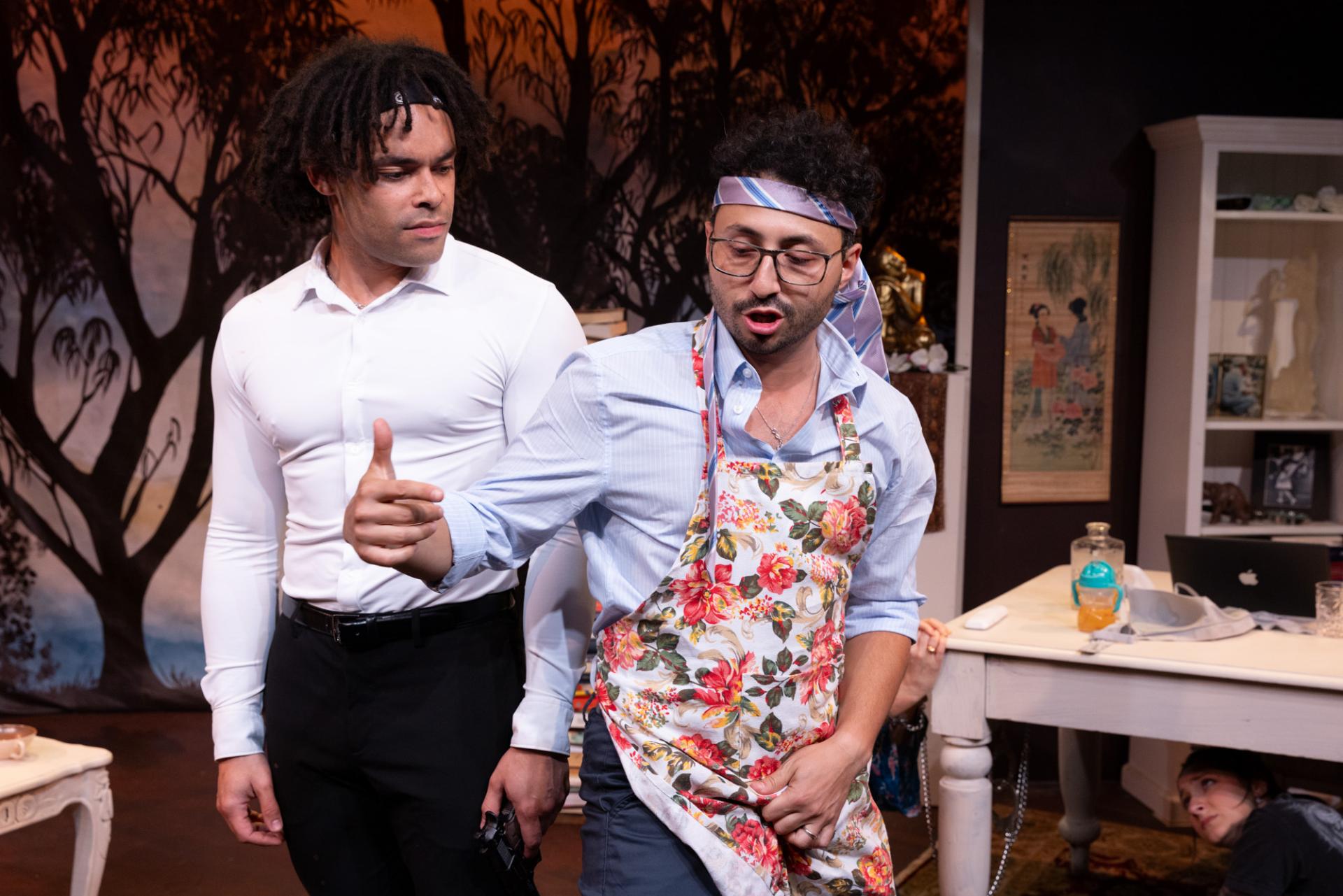
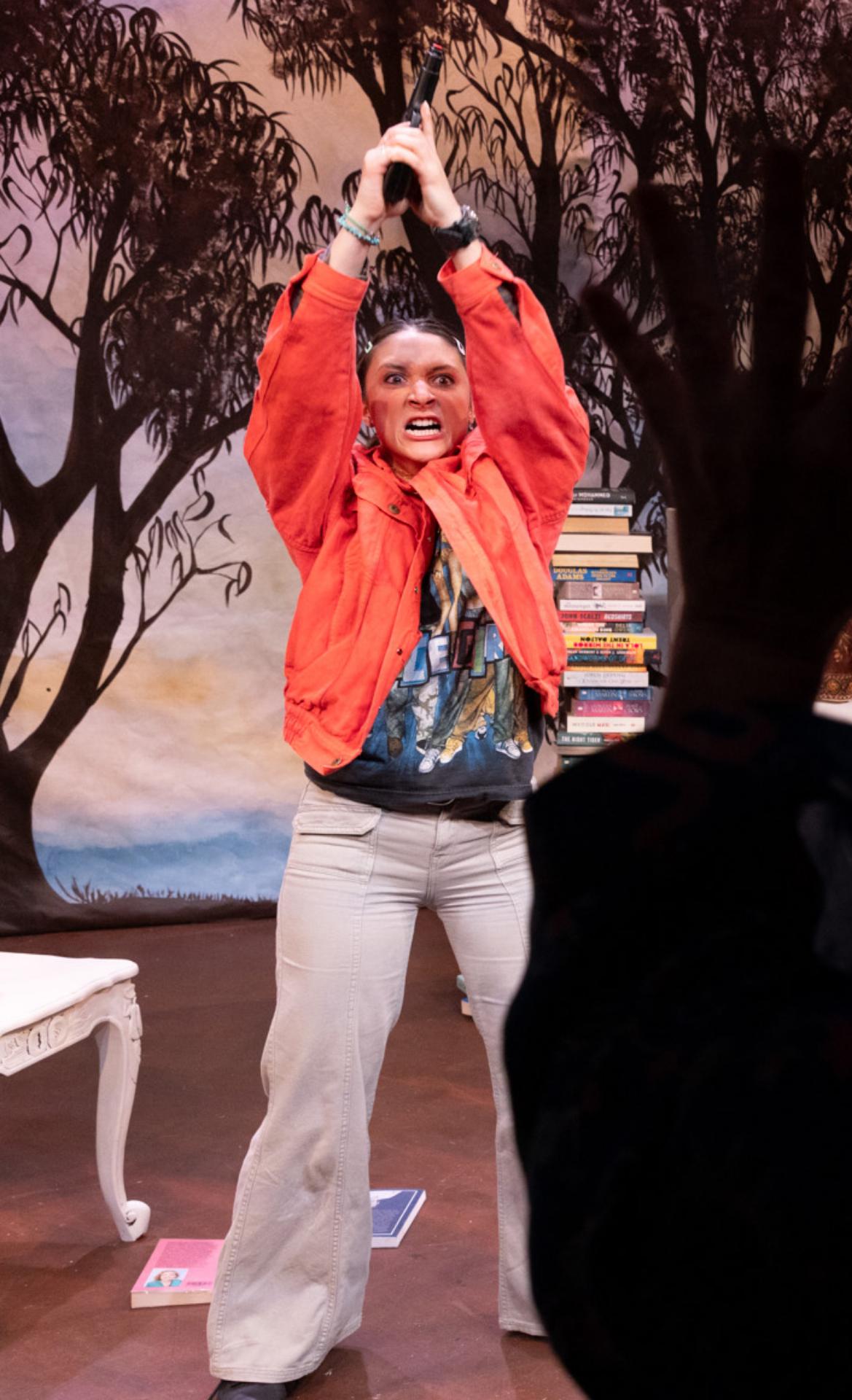
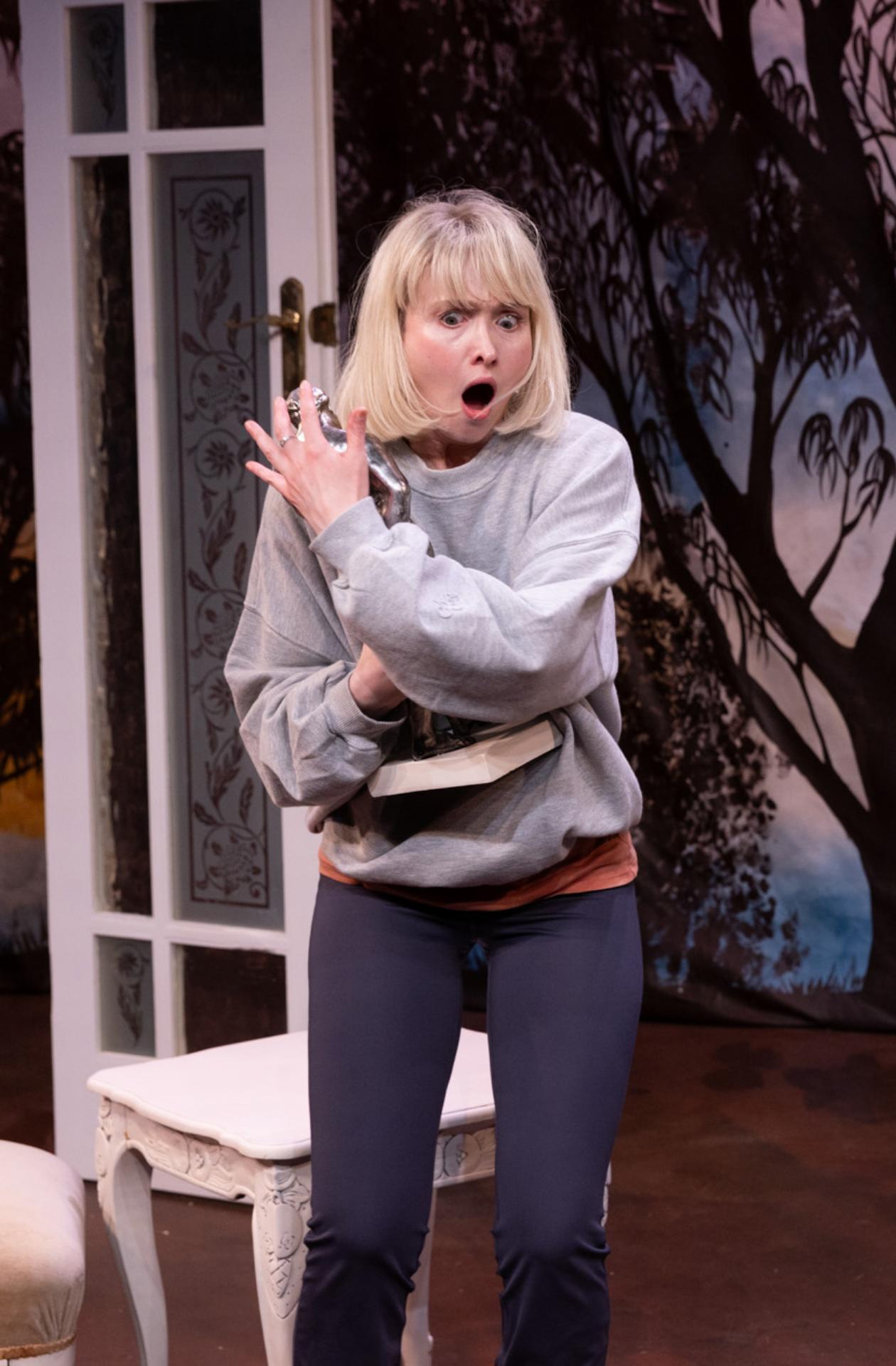
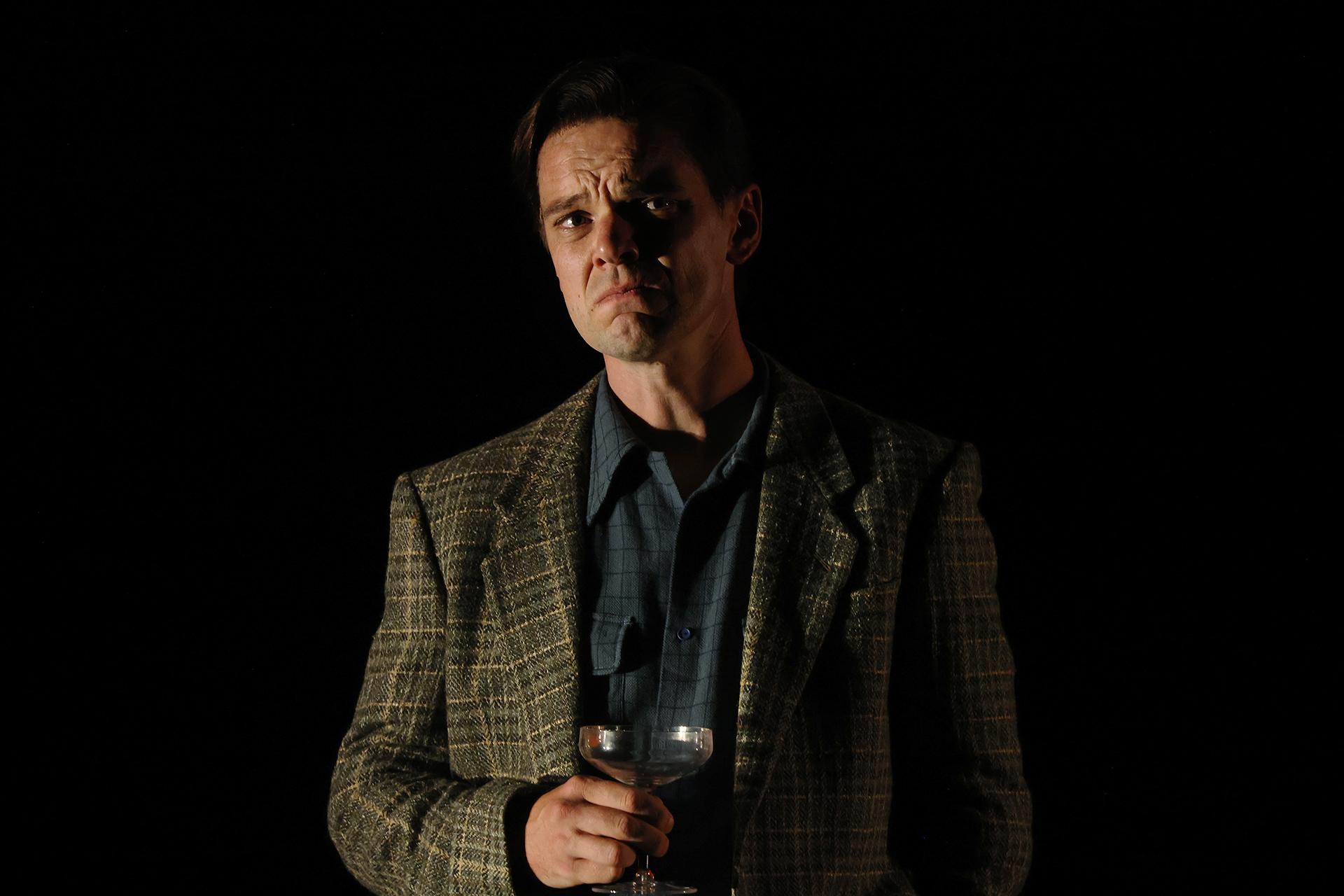
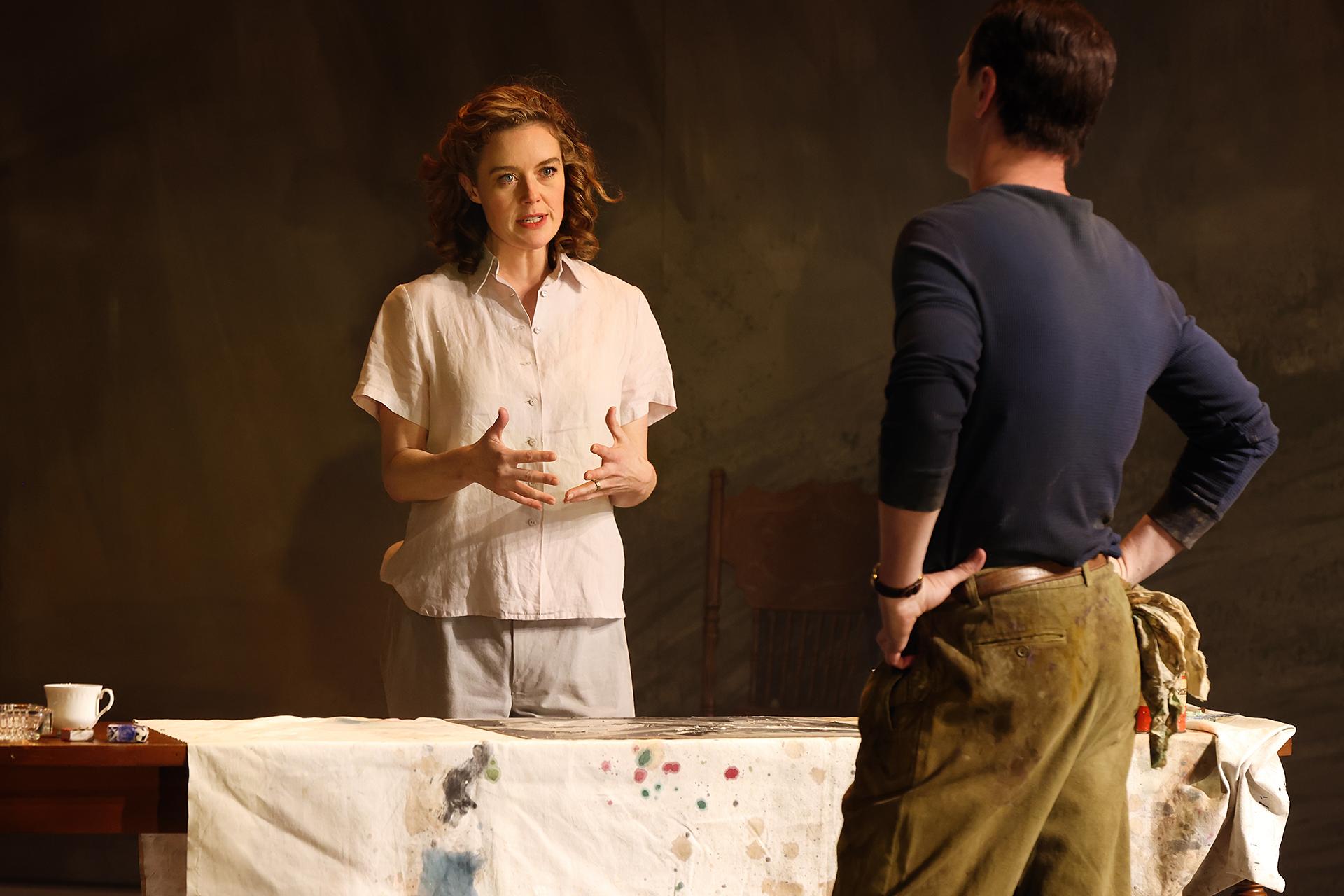
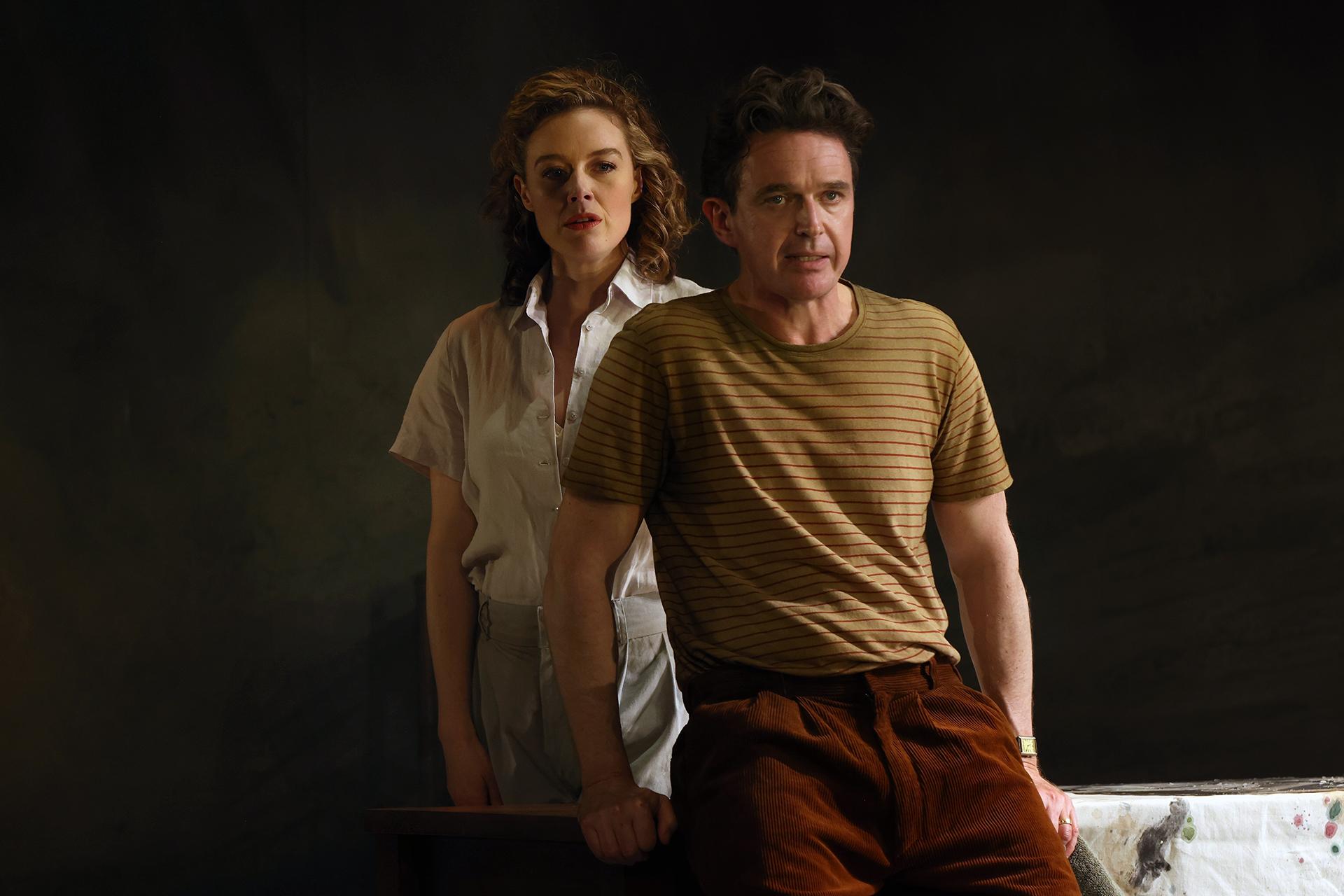
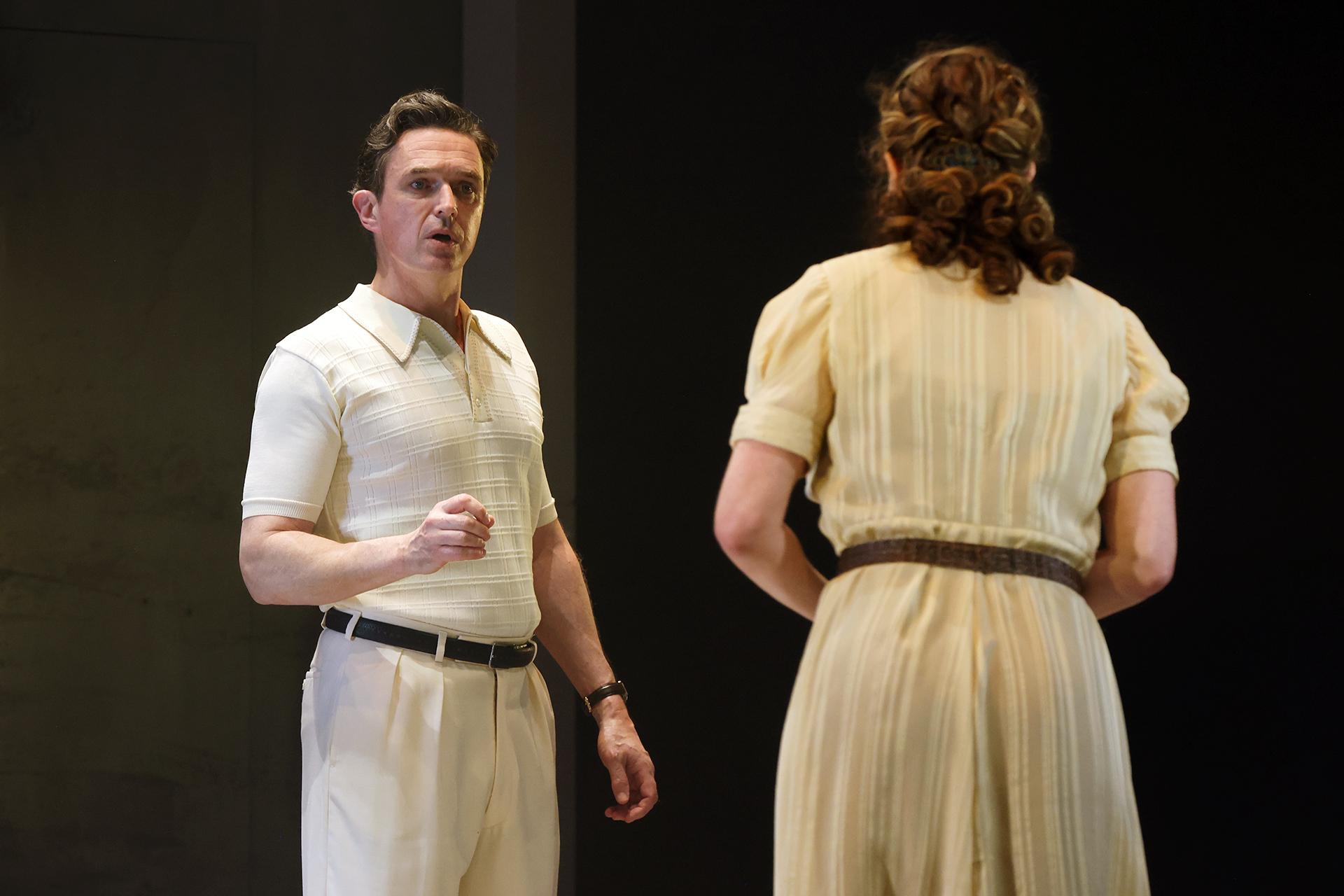
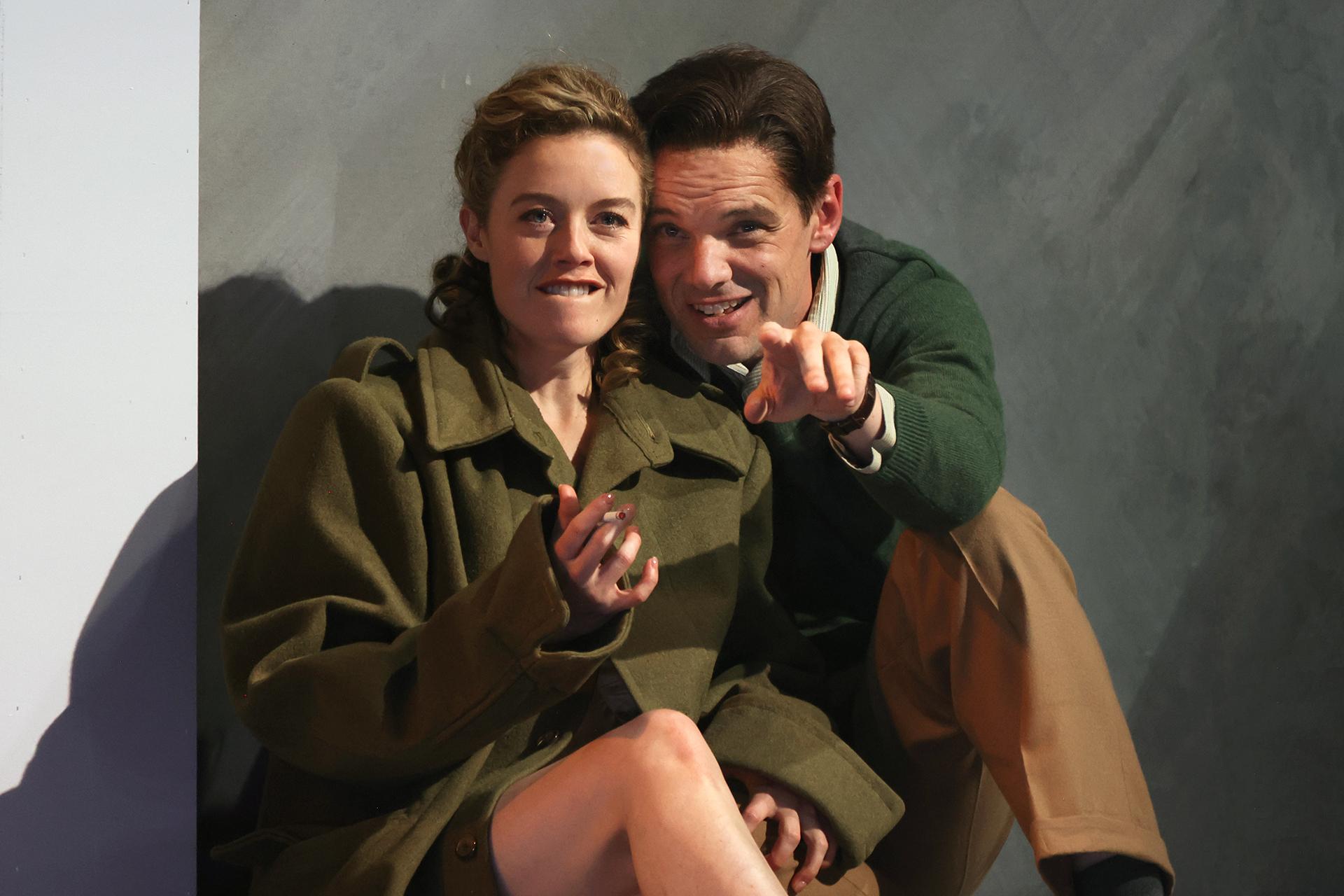
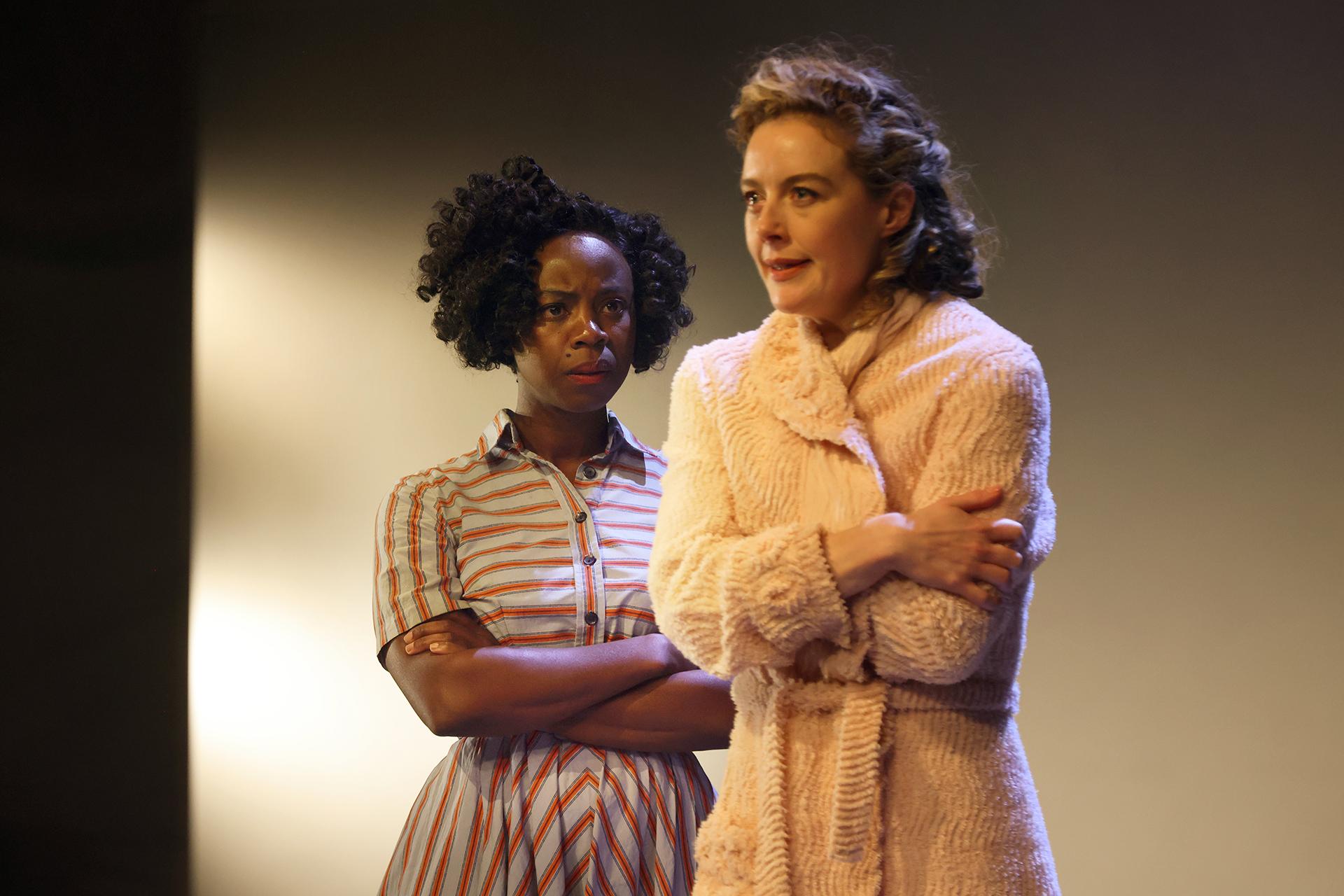
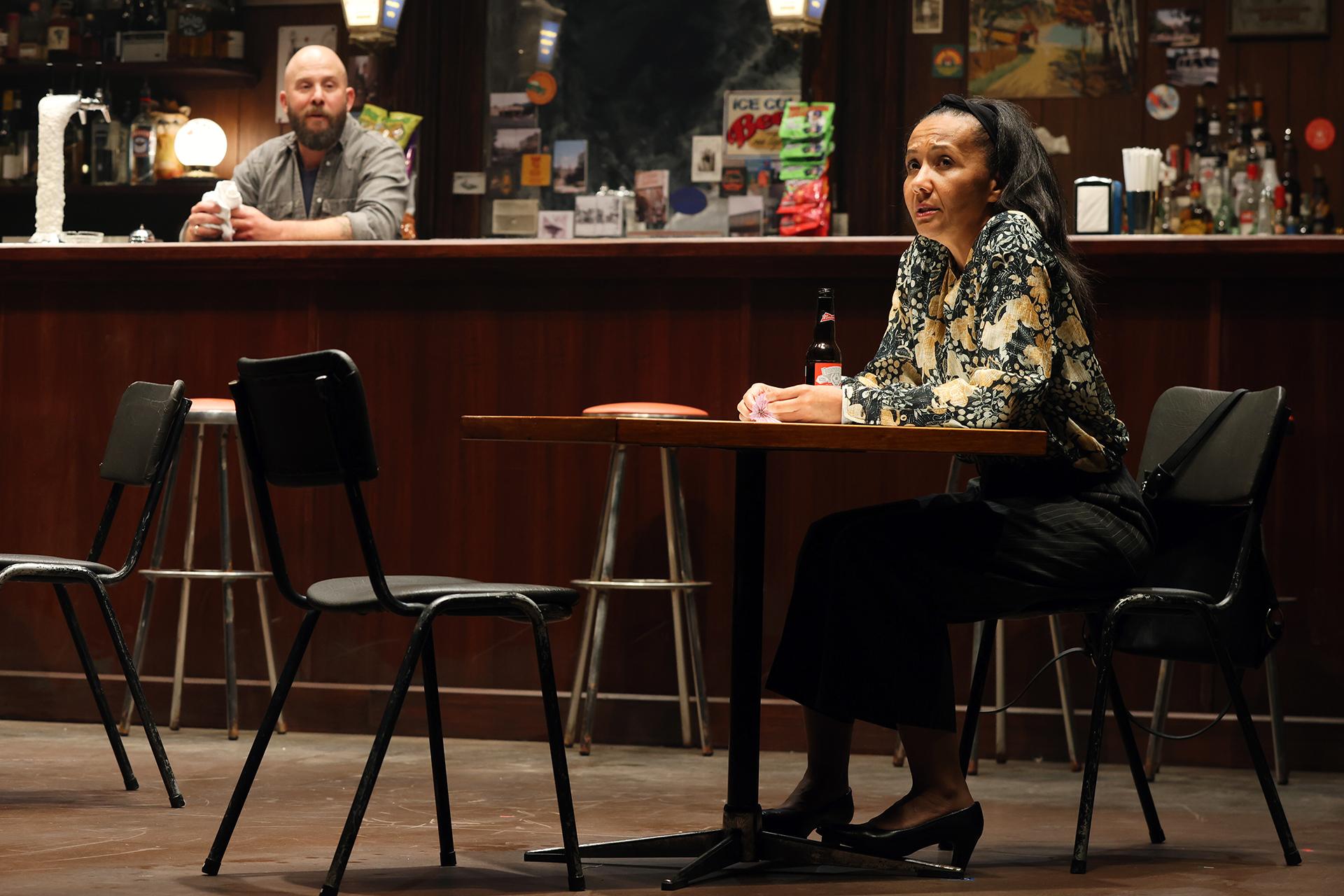
A strong cast of three presents People Will Think You Don’t Love Me with admirable deliberation and detail. Tom Matthews brings a valuable naturalism to the role of Michael, to keep us invested and persuaded of the play’s extravagant musings. Playing Michael’s wife Elizabeth, is Grace Naoum who introduces urgency whenever required, and is always convincing when portraying the anxiety navigated by someone under constant stress. The organ donor’s partner Tomasina is depicted by Ruby Maishman with a wonderful idiosyncrasy that makes her character feel familiar and realistic. The compelling chemistry between actors is a marvellous feature, especially when unexpected humour arises, in this otherwise quite sombre staging.

In the enactment of our capitalistic lives, there is often insufficient care and respect for the bodies we inhabit. The heart, soul and mind are often relegated to something almost abstract, even though we know them to be absolutely central. We often fall into thinking ourselves as somewhat ephemeral, whilst simultaneously mistreating our corporeality, endlessly making bodies serve their capitalistic purposes of productivity, and ignoring their more esoteric capacities. Love and the human spirit are real, and they could very well be living not in the ether, but in all of our blood, skin, flesh and bones.

www.kingsxtheatre.com | www.facebook.com/littletrojantheatre
Review: Irving Berlin’s Holiday Inn (Hayes Theatre)

Venue: Hayes Theatre Co (Potts Point NSW), Nov 22 – Dec 22, 2024
Music and Lyrics: Irving Berlin
Book: Gordon Greenberg, Chad Hodge
Director: Sally Dashwood
Cast: Zohra Bednarz, Emma Feliciano, Paige Fallu, Matt Hourigan, Nigel Huckle, Niky Markovic, Chloë Marshall, Mary McCorry, Jamie Reisin, Jacob Steen
Images by Robert Catto

Theatre review
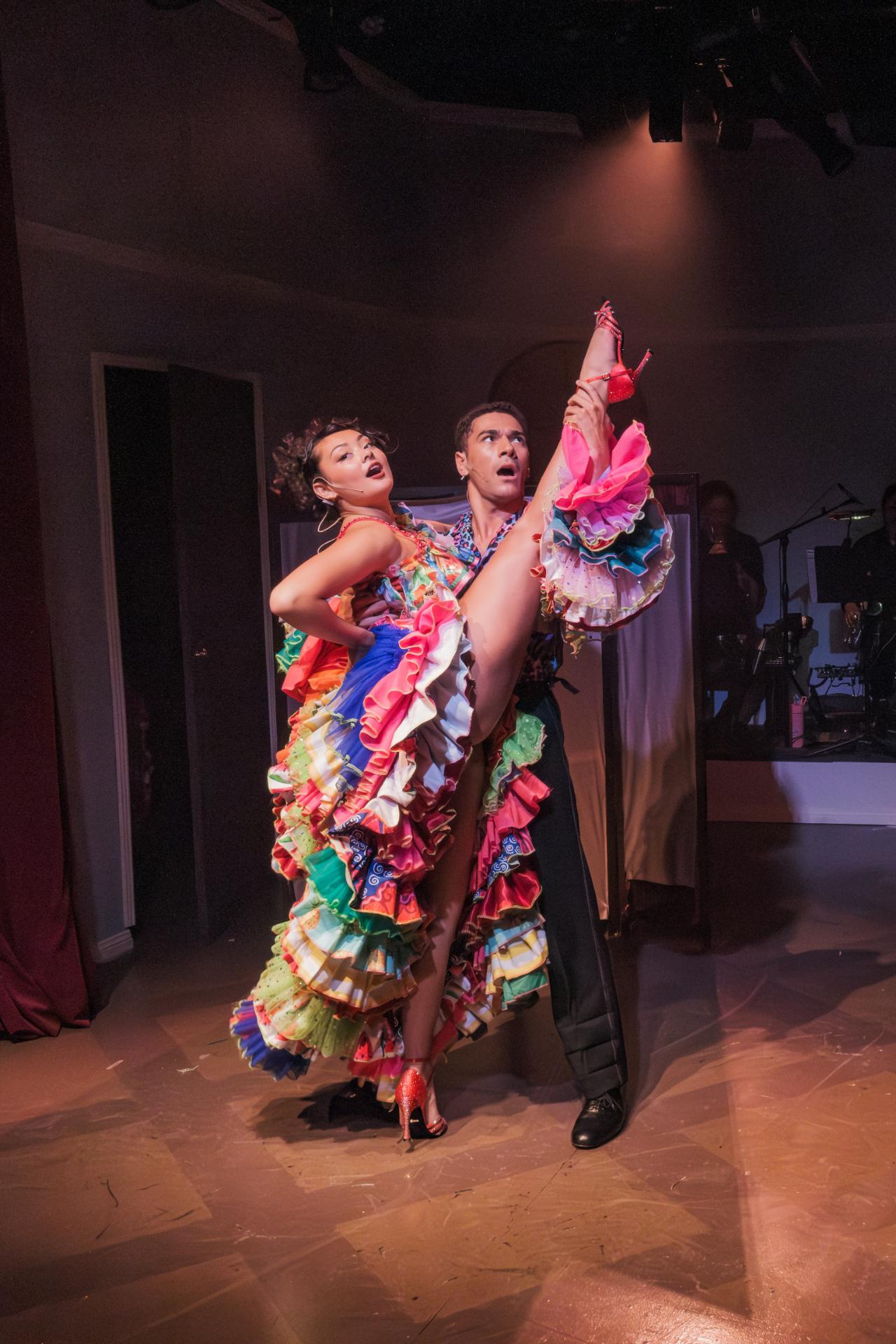
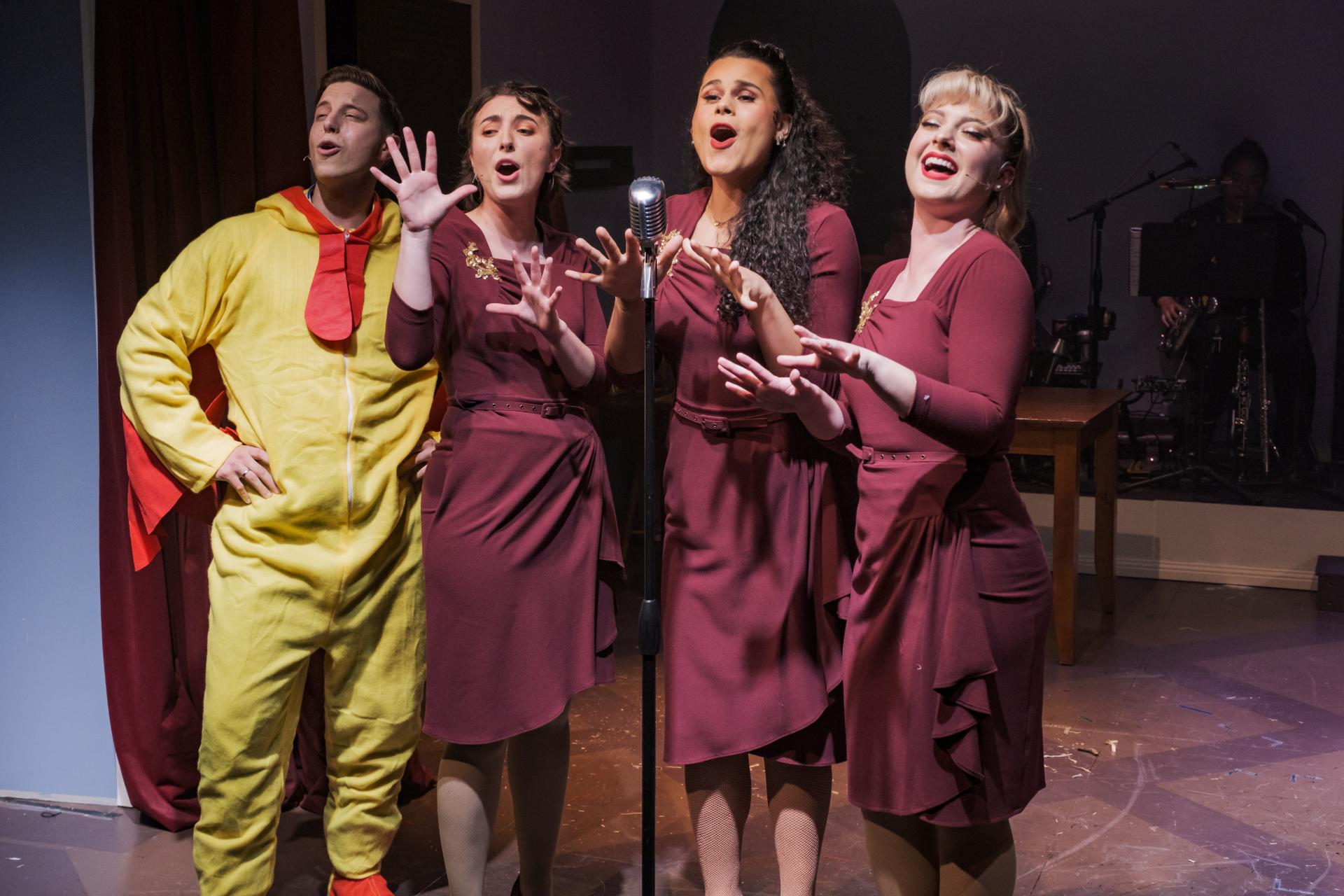
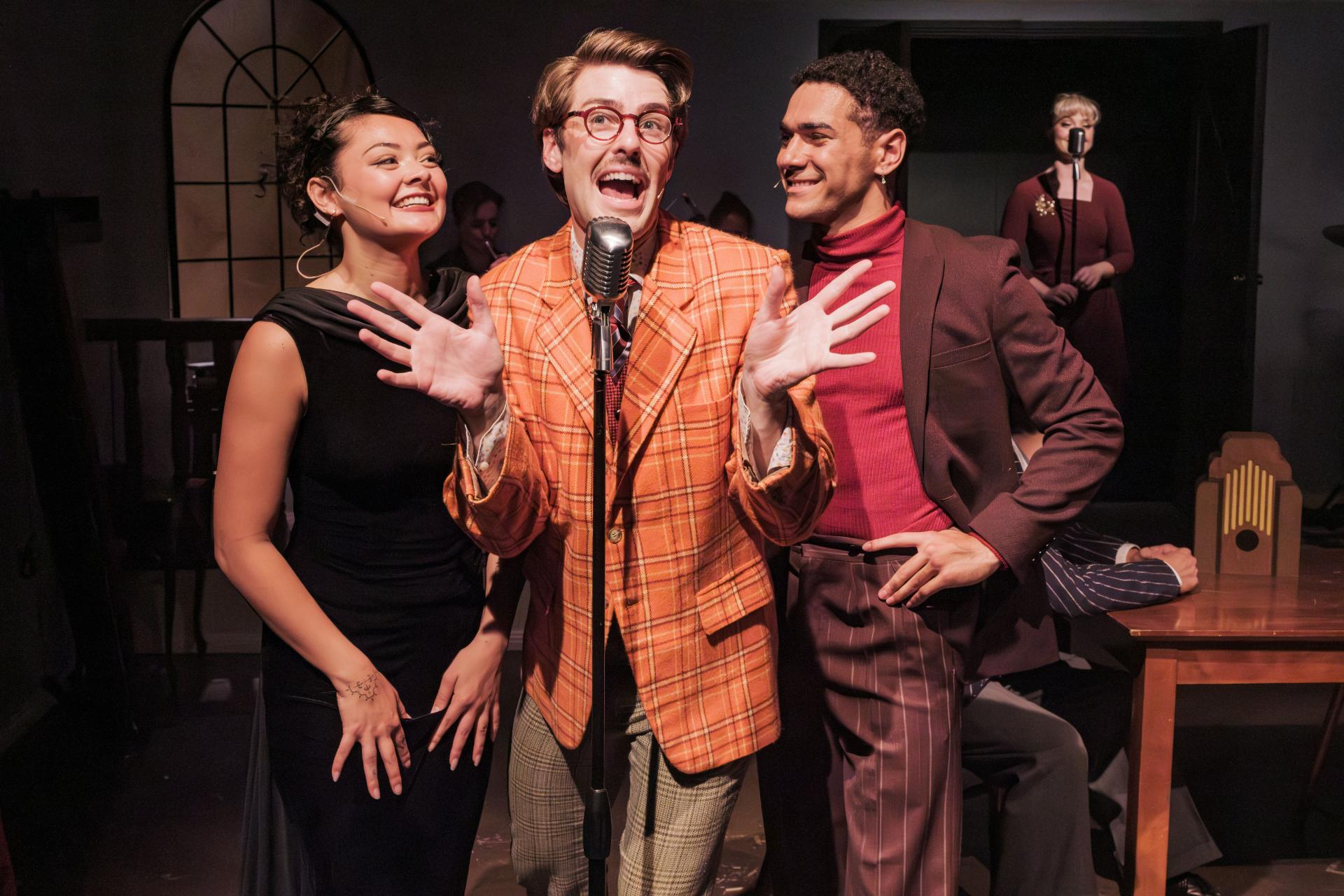
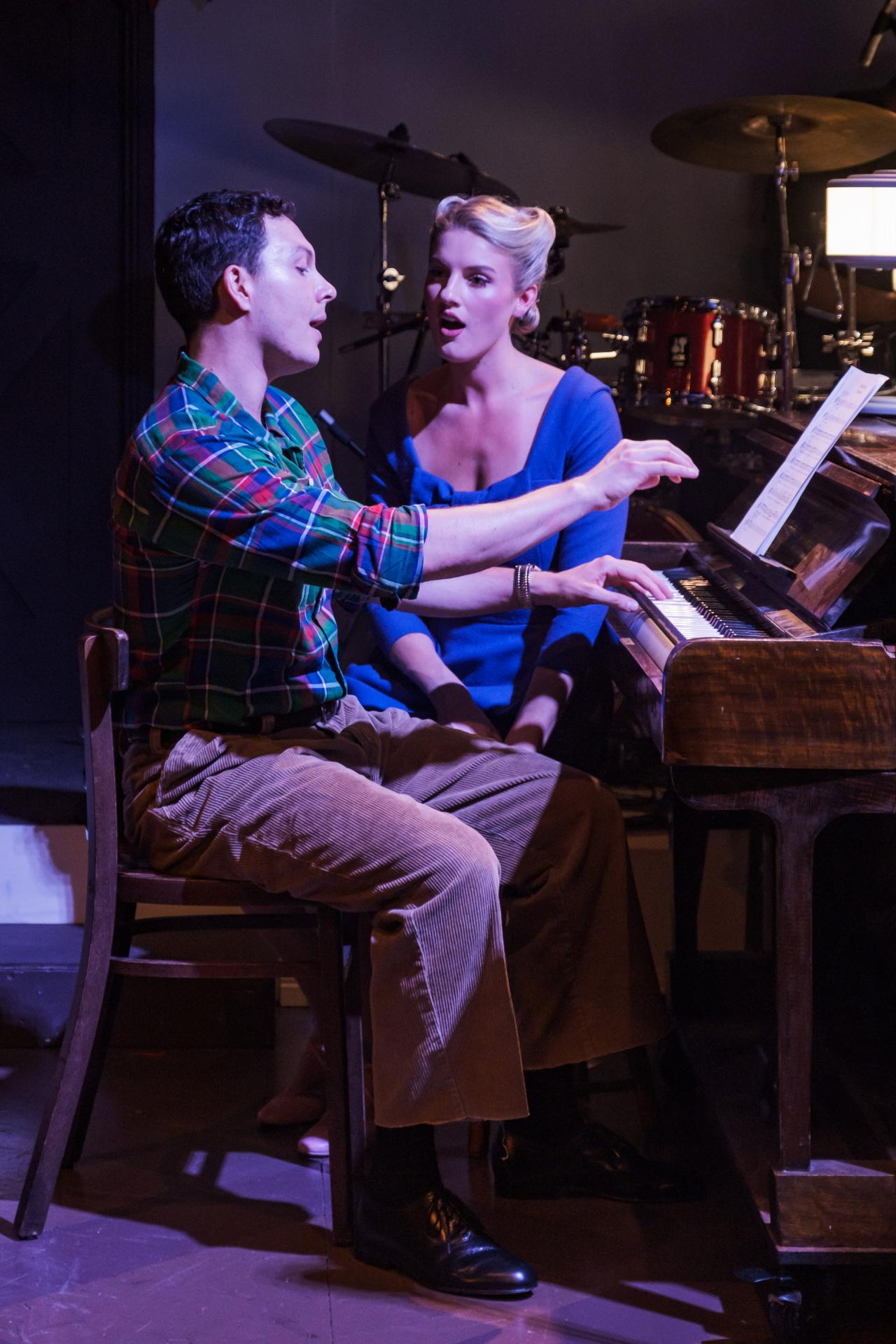
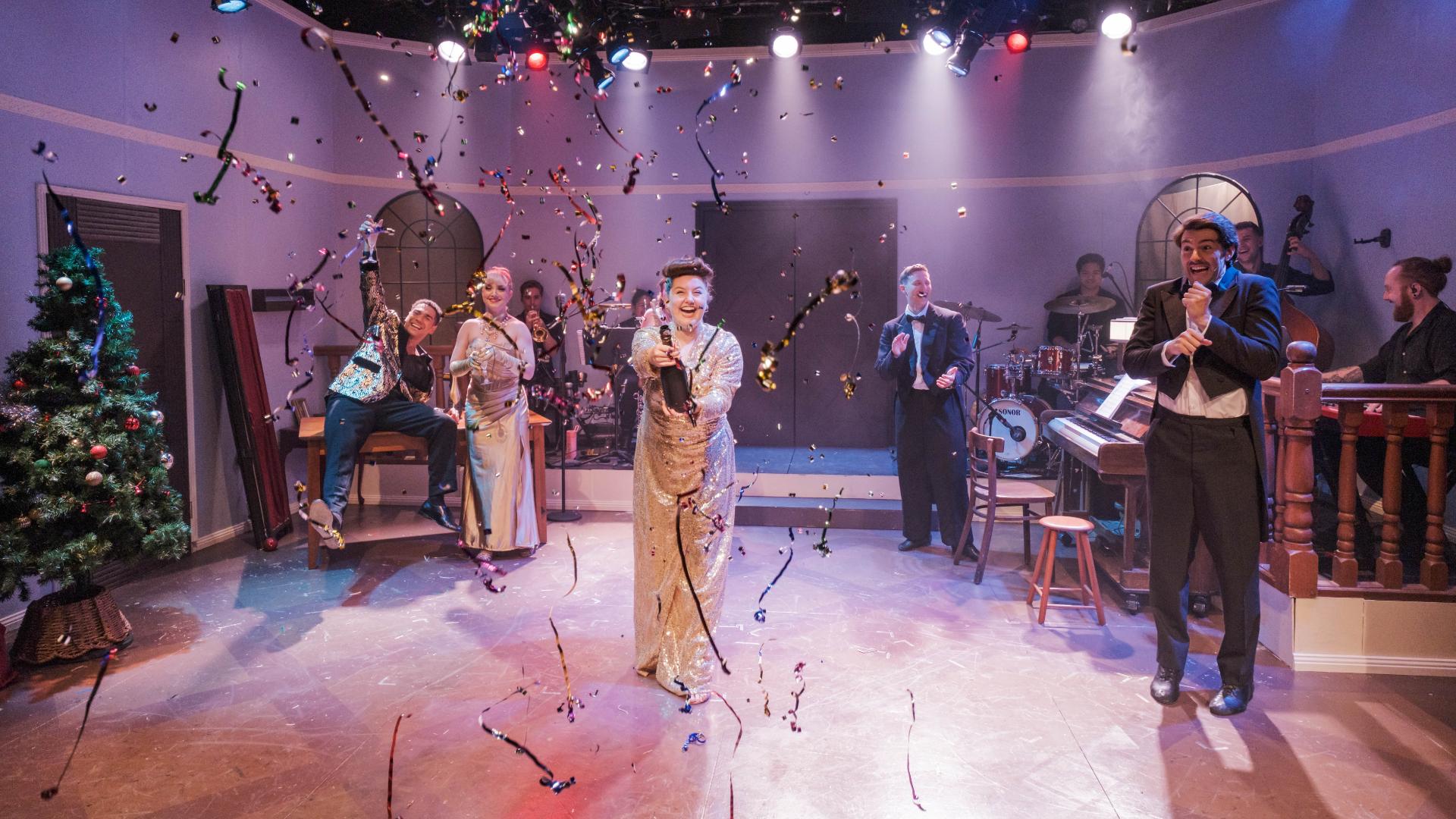
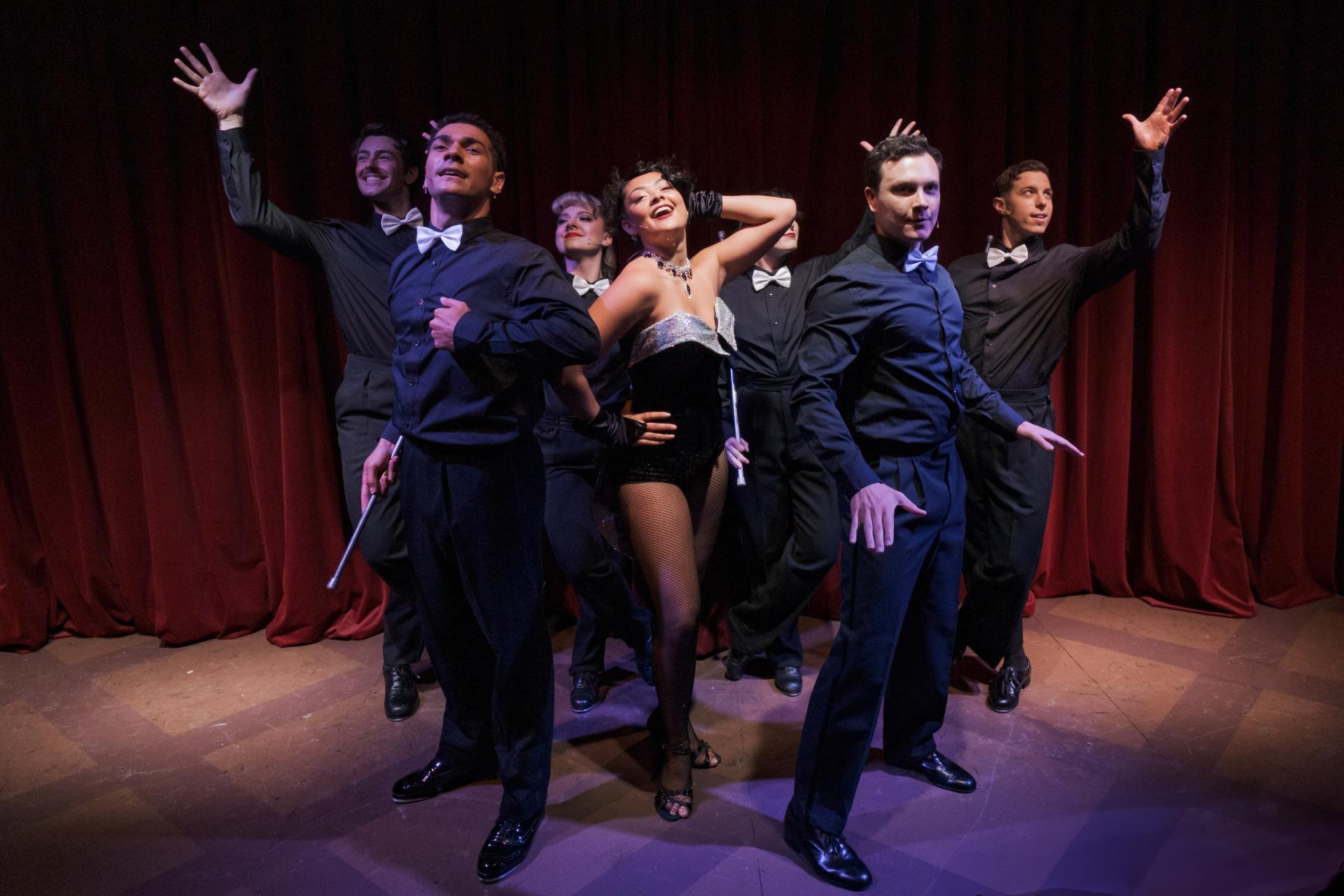
All Jim wants is an idyllic life of marriage in rural Connecticut, but when Lila discovers that the farmhouse is not quite to her taste, Jim quickly finds a new love interest in Linda. Based on a film from 1942, it is perhaps not a surprise to find in Holiday Inn, that women are but interchangeable and disposable. The book by Gordon Greenberg and Chad Hodge for this 2014 musical version, preserves what some might term an old-fashioned charm, but for others it is probably only the interpolated songs from the Irving Berlin oeuvre that holds any appeal.

Direction by Sally Dashwood is correspondingly nostalgic in style, with an approach that is perhaps overly sterile and conservative. Zealous choreography by Veronica Beattie George is highly animated, but a restrictive set design by Bell Rose Saltearn hinders the cast from performing freely. Lights by Véronique Benett introduce dynamism to the staging, but it is the extensive wardrobe by costumier Brendan de la Hay that provides some visual splendour.

Music direction by Abi McCunn is faithful to the relevant era, ensuring that Berlin’s hits remain enchanting. Leading the cast are Nigel Huckle and Mary McCorry who both impress with their singing abilities as Jim and Linda, although chemistry is nowhere to be found on this occasion. More captivating is Jacob Steen who plays Jim’s partner and friend Ted, demonstrating exceptional flair and a knack for harnessing dramatic authenticity, even for a story that is completely absurd. There is something about the Christmas season that feels ridiculous, but we participate anyway, understanding that so much of the joy comes from a willingness to indulge in a collective delusion, about this portion of the calendar holding so much more meaning, than the rest of the year.

www.hayestheatre.com.au

Review: August: Osage County (Belvoir St Theatre)

Venue: Belvoir St Theatre (Surry Hills NSW), Nov 9 – Dec 22, 2024
Playwright: Tracy Letts
Director: Eamon Flack
Cast: Tamsin Carroll, Bee Cruse, John Howard, Bert LaBonté, Amy Mathews, Johnny Nasser, Rohan Nichol, Will O’Mahony, Pamela Rabe, Anna Samson, Greg Stone, Helen Thomson, Esther Williams
Images by Brett Boardman

Theatre review
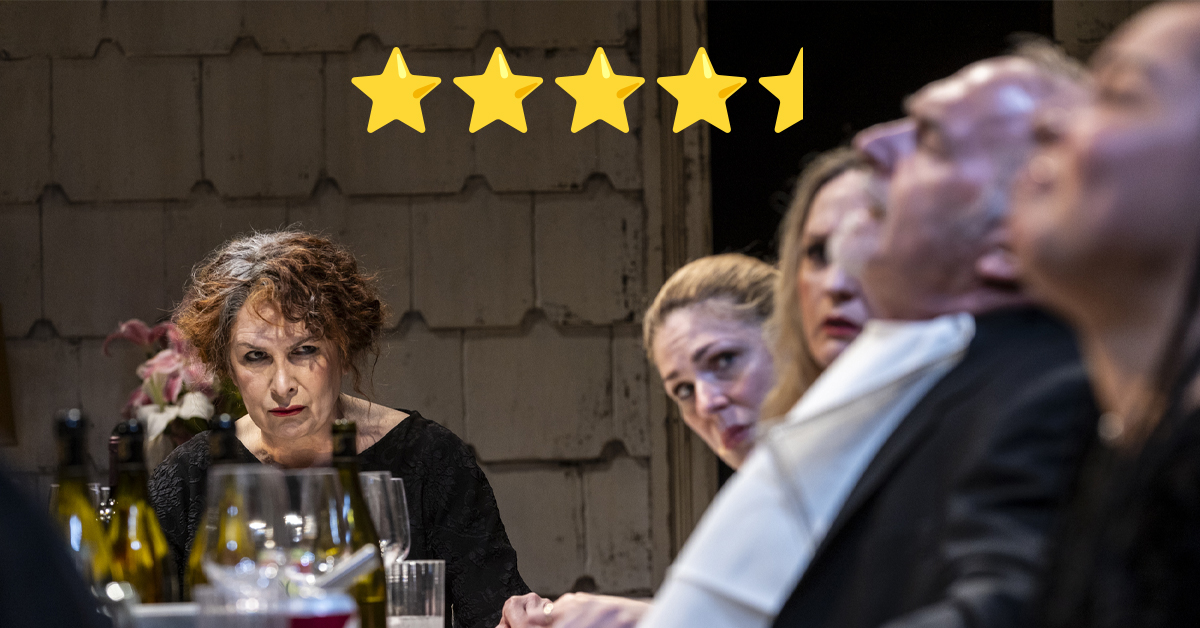
After hiring Johnna as caretaker, Beverly vanishes, leaving his wife Violet and their three daughters in a state of chaos. August: Osage County by Tracy Letts takes the form of a family drama, with outrageous dialogue and plot points delivering both excitement and hilarity. It is a work of theatre that not only indulges our sentimentality with its extravagant storytelling but also prompts contemplation on the origins of our modern discontents.
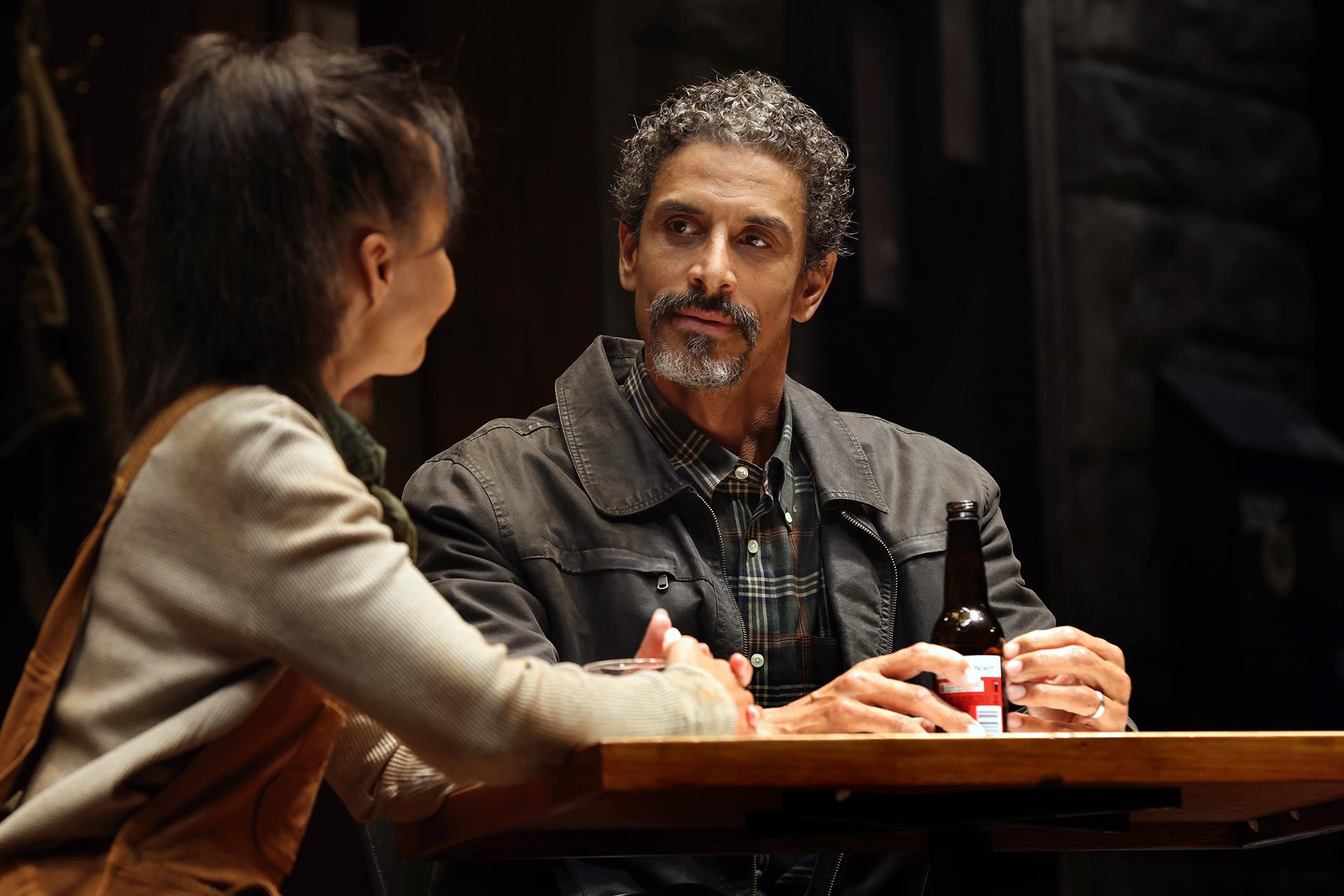
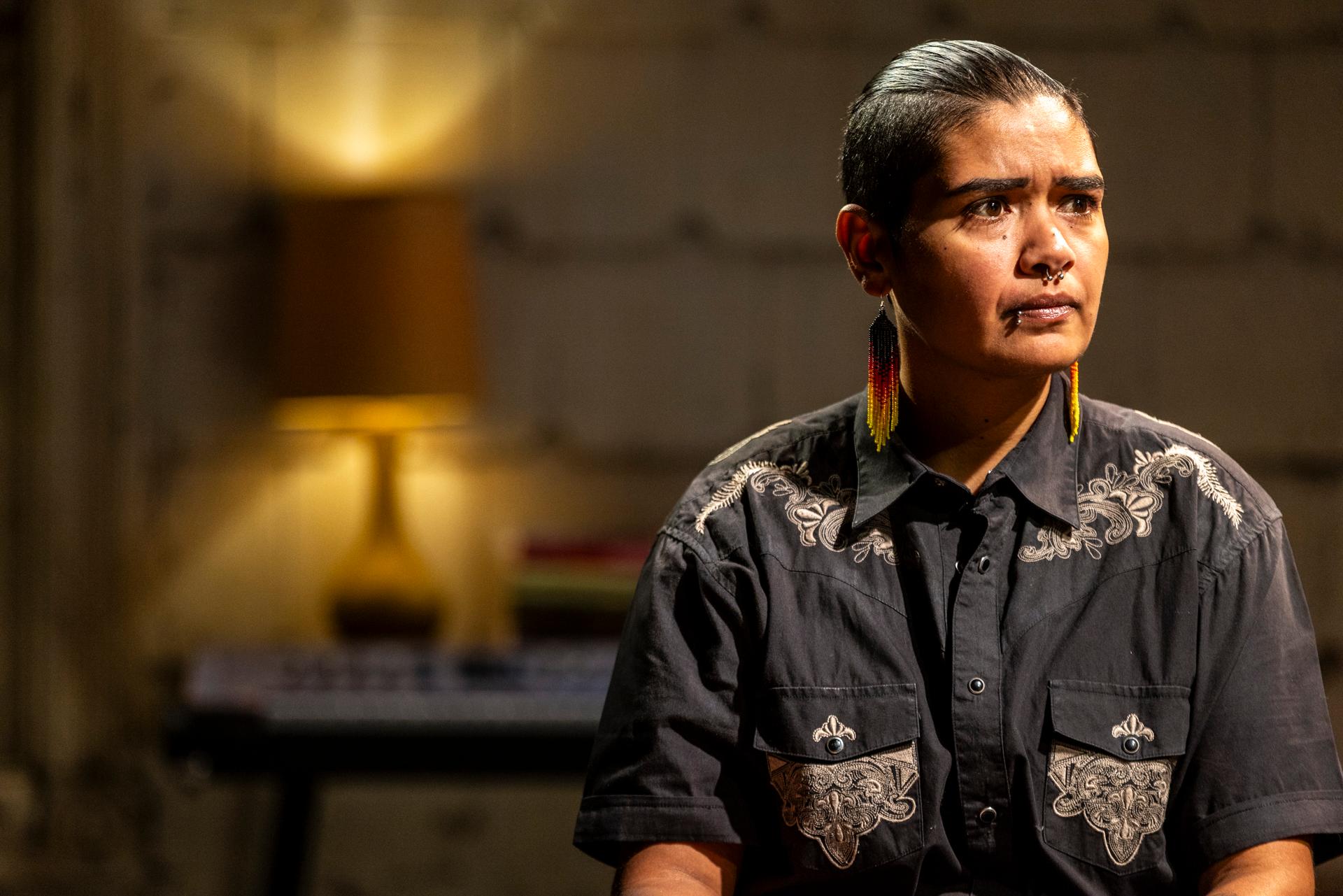
There is an aggression that feels intrinsic to the Weston household, rendered with confident surety by director Eamon Flack. Flack’s thoughtful juxtapositions of Johnna’s indigeneity against the Weston family’s whiteness, elicits persuasive deductions relating to colonisation, and the legacy of violence that forms the very foundation of Western civilisations. Furthermore there is a sense of being unmoored, at the centre of their very existence, that the Westons struggle with. Unlike Johnna who exemplifies a certain serenity in the midst of relentless upheaval, the Westons can never arrive at peace. Even as Violet fervently reaches for words to express multitudes of truths, or when her daughters try endlessly to settle in romance, their bitterness refuses to be assuaged. It is a generational curse that plays out in August: Osage County, an inheritance from the forefathers of yore.

Delectable performances from the 13-strong cast keep our intellect and our emotions firing on all cylinders. Pamela Rabe’s wild manifestations of Violet as an unhinged addict sets us agog, having us intrigued with the endless pit of toxicity that a person can contain. Tamsin Carroll brings marvellous complexity to Barbara’s narrative of interminable desperation, along with splendid timing that provokes both thought and laughter. Johnna is played by Bee Cruse, whose silent but strong presence speaks volumes for the entire duration, using elegant restraint as a philosophical instrument in this deep examination of existential angst. 

Set design by Bob Cousins evokes dilapidation, in relation to the family and to the nation in question. Costumes by Ella Butler represent effectively the middle class, if slightly austere in tone. Lights by Morgan Moroney are similarly unassuming, but are certainly encouraging of our attentiveness, for a plot that can travel in surprising directions. Music by Rachael Dease is subtle and sparse, but commendable for its perfect encapsulation of the tragic melancholy that undergirds all the action.

Talking psychology for individual characters in August: Osage County can only go so far. A meaningful diagnosis of their disorders must include much wider contexts than what transpires within the Weston household. Contemporary paradigms have a strong tendency to explain experiences in terms of personal pathologies, but a substantial part of how we understand our worlds, need a much greater appreciation of that which has been handed down, and that affects more than our immediate kin.

www.belvoir.com.au

Review: Sweat (Sydney Theatre Company)
Venue: Wharf 1 Sydney Theatre Company (Walsh Bay NSW), 11 Nov – 22 Dec, 2024
Playwright: Lynn Nottage
Director: Zindzi Okenyo
Cast: Gabriel Alvarado, Paula Arundell, Yure Covich, James Fraser, Deborah Galanos, Markus Hamilton, Tinashe Mangwana, Lisa McCune
Images by Prudence Upton

Theatre review
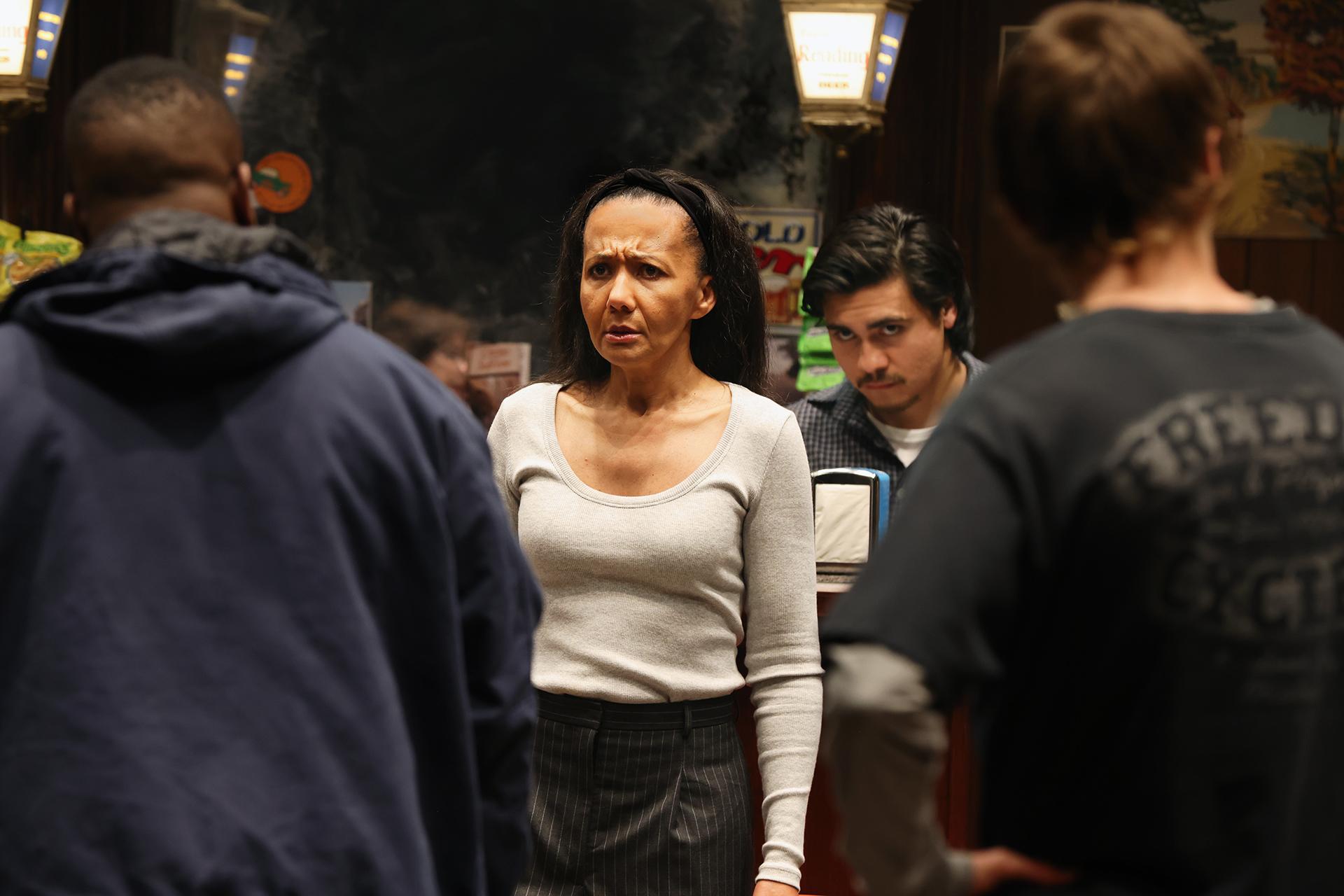
The story takes place in Pennsylvania at the turn of the century, when its economy is experiencing a severe downturn. A steel factory that has employed several generations of residents in the town of Reading, is laying off workers in large numbers, causing great unrest among the populace. Lynn Nottage’s Sweat looks at the disconnect between lives of workers and decisions of resource owners. It examines the phenomenon of humans being regarded as nothing more than means of production, and how our day-to-day suffers as a result.

A strong cast of eight takes on the responsibility of storytelling, and their commitment to advocating for the underclass is evident in the level of focus each player brings to the piece. As a collective though, the ensemble never really finds an effective chemistry and their show, although believable, does not bear an authentic immediacy required to earn our instinctual empathy. Direction by Zindzi Okenyo demonstrates no shortage of earnestness, and we invest intellectually as a response, but how we feel for the situations being discussed, never really turns impassioned. 

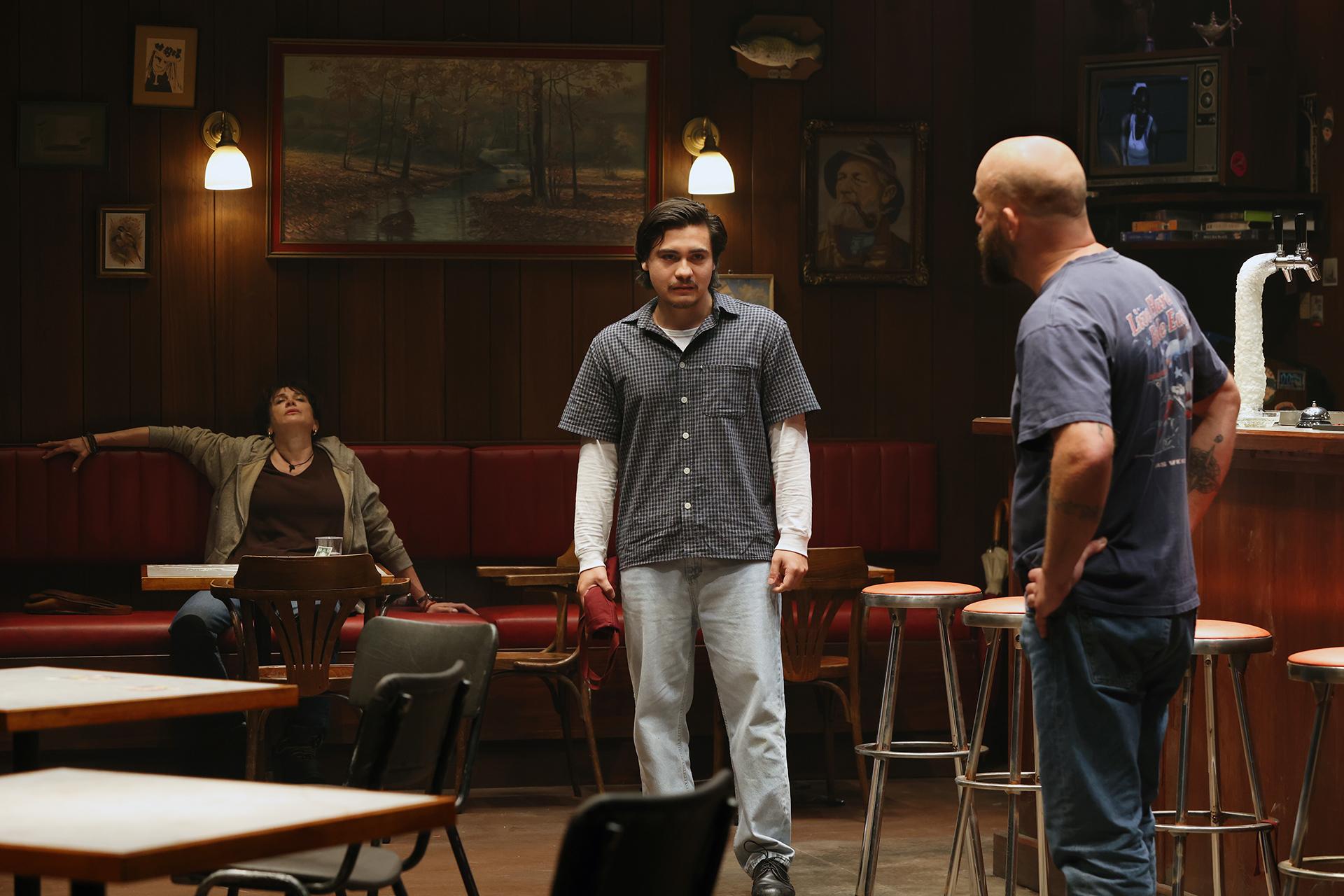
Jeremy Allen’s set design is aesthetically pleasing but its spaciousness conveys a corresponding emptiness that seems to struggle at harnessing dramatic intensity. Lights by Verity Hampson are often excessively languid in tone, although its realism does help us gain an appreciation for the environment being explored. Music by Brendon Boney delivers an appropriate nostalgia in this flash back to the year 2000, even if it does little to rouse our sentiments.

In all the trauma and hardship of Sweat, we can deduce that income inequality renders a powerlessness, both perceived and real, amongst those we might call the proletariat. Characters in the play turn on one another, instead of fighting the real enemy at the top. An incapacitation occurs that dissuades the disadvantaged from confronting those that can improve conditions, shifting attention to scapegoats, often at the encouragement of those who shirk their social and moral duty. It is understandable that those at the bottom should adhere to the language and mechanisms of power, but finding alternatives seems to be the only way we can hope to help ourselves.

www.sydneytheatre.com.au

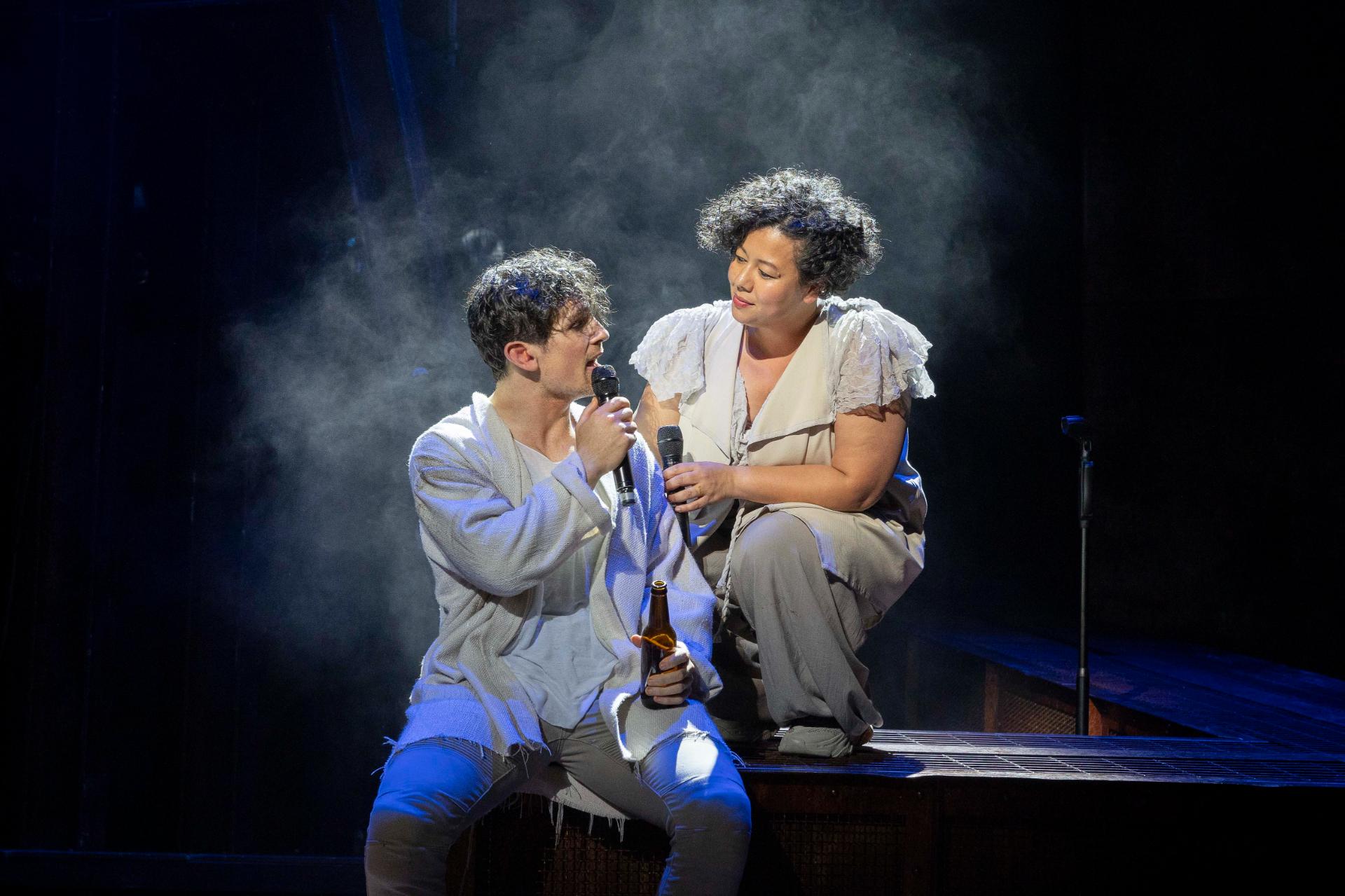
Review: Jesus Christ Superstar (Capitol Theatre)

Venue: Capitol Theatre (Sydney NSW), from Nov 6, 2024 – Jan 26, 2025
Music: Andrew Lloyd Webber
Lyrics: Tim Rice
Director: Timothy Sheader
Cast: Elliott Baker, Mahalia Barnes, Reuben Kaye, Javon King, Peter Murphy, John O’Hara, Michael Paynter
Images by Jeff Busby

Theatre review
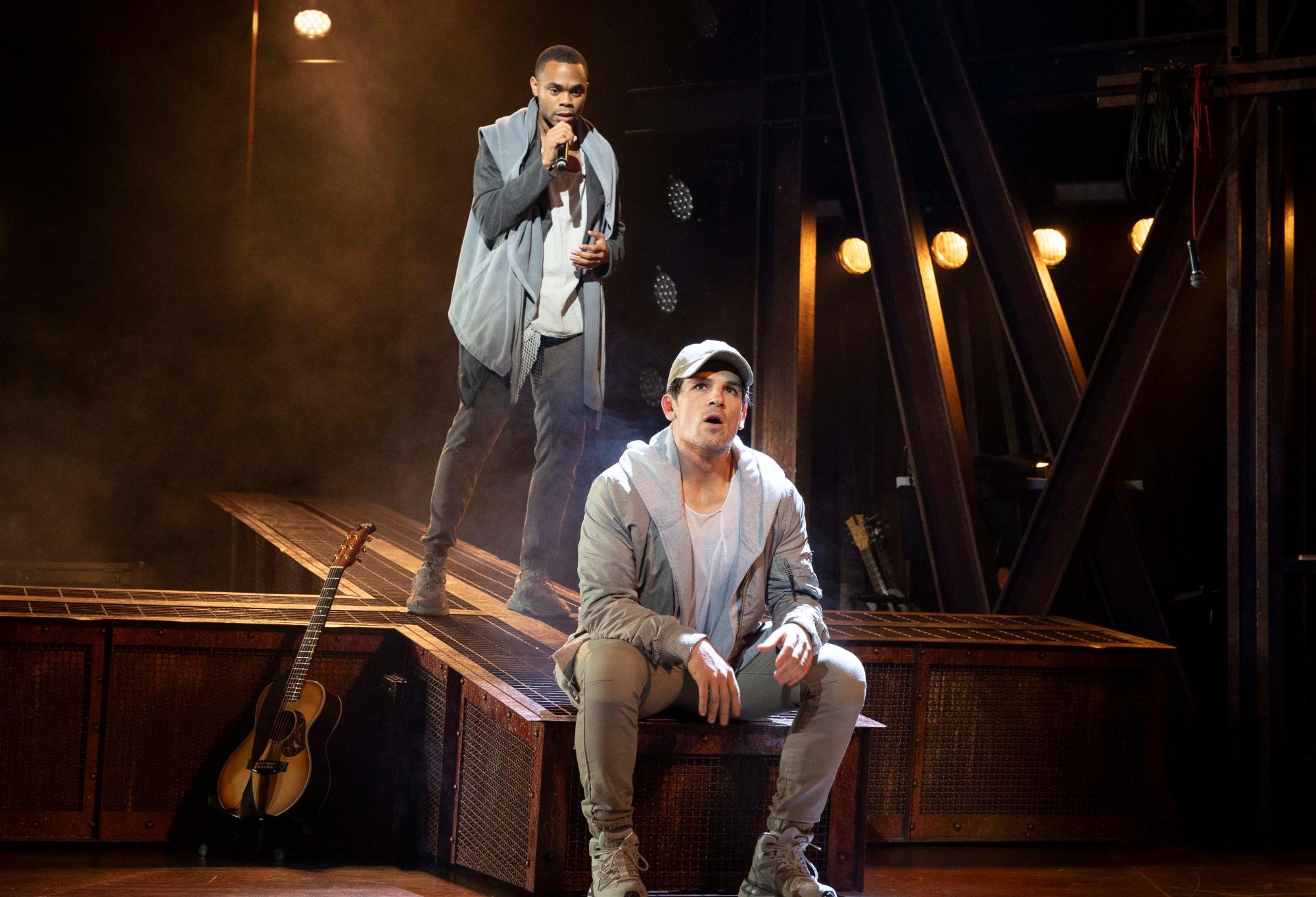
Originally an album of songs about the Passion, and one of the first rock operas to be written, Jesus Christ Superstar by Andrew Lloyd Webber and Tim Rice has travelled a long way from its conception in 1970. What had been deemed irreligious and controversial, has become unremarkable, due mainly to the steady rise of secularism over the decades. 
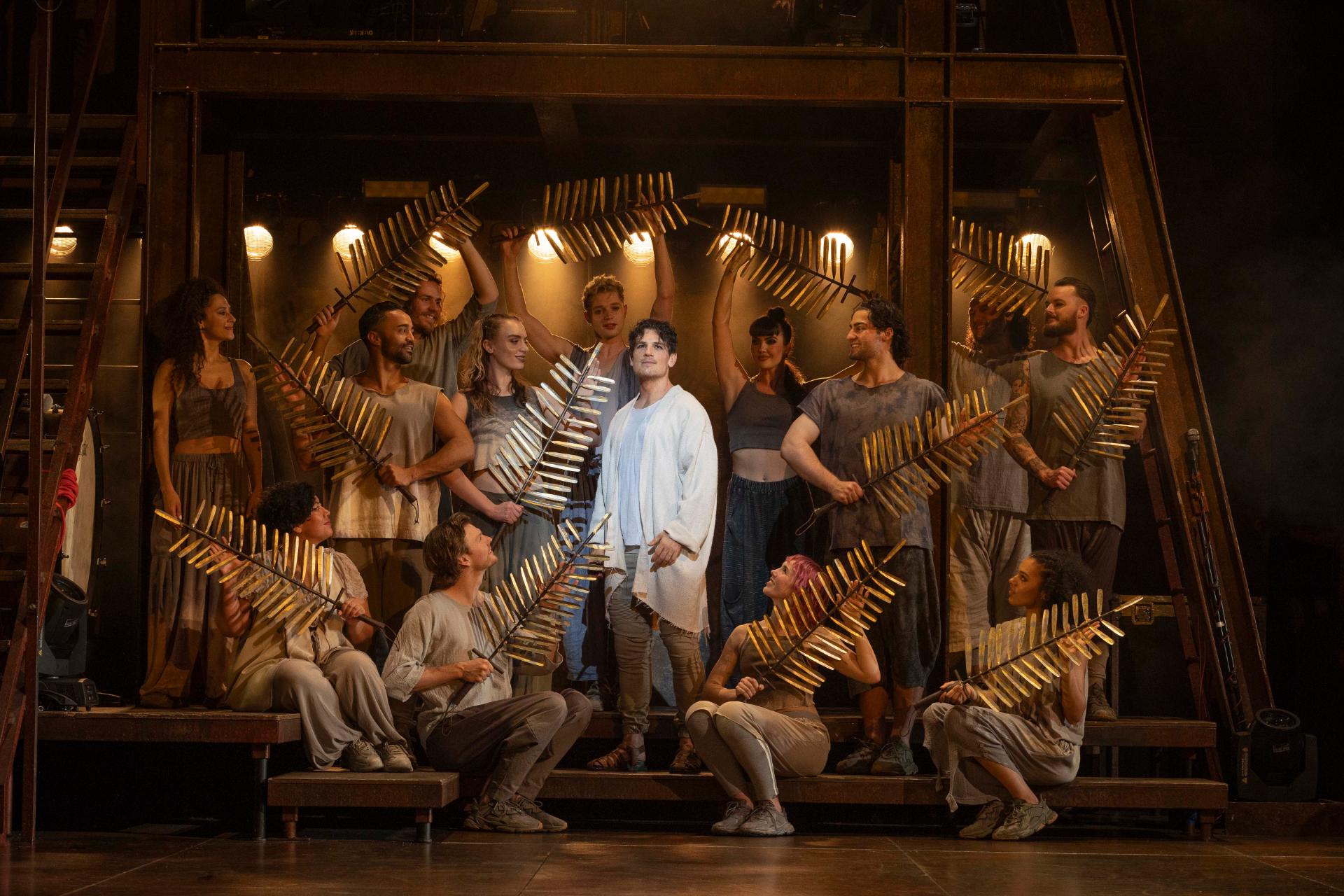
The performative intensity and drama of God’s only son being killed by crucifixion, seems almost quaint in today’s climate. This iteration fuses the musical and concert formats, for a compact showcase of Lloyd Webber and Rice’s songs, as directed by Timothy Sheader, whose rendition feels entirely faithful to the work’s initial spirit. There may be nothing surprising about the production, but the lustre of its song writing seems to have persisted, especially with extraordinary musical direction by Laura Tipoki imbuing a timeless soul edge, that connects wonderfully our contemporary sensibilities to these half-century old tunes.

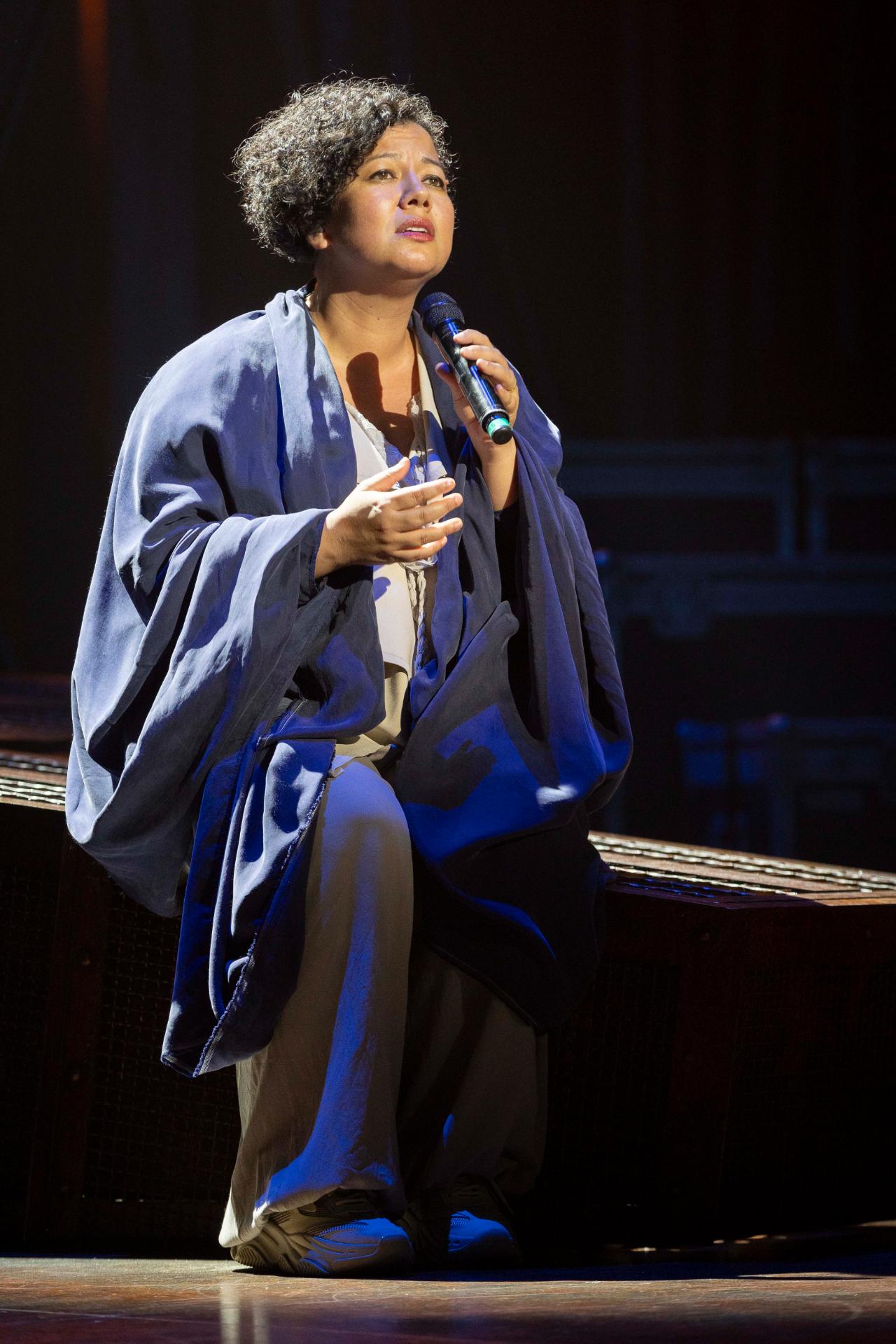
Performer Michael Paynter’s vocals prove a sensation for the role of Jesus, but it is Javon King as Judas who leaves the best impression, with both acting and singing abilities being a source of constant astonishment. Mahalia Barnes and Peter Murphy sing perfectly their respective parts for Mary and Pilate, but characterisations are lacking. Reuben Kaye appears as Herod for a single number, introducing a moment of camp that is certainly a highlight.

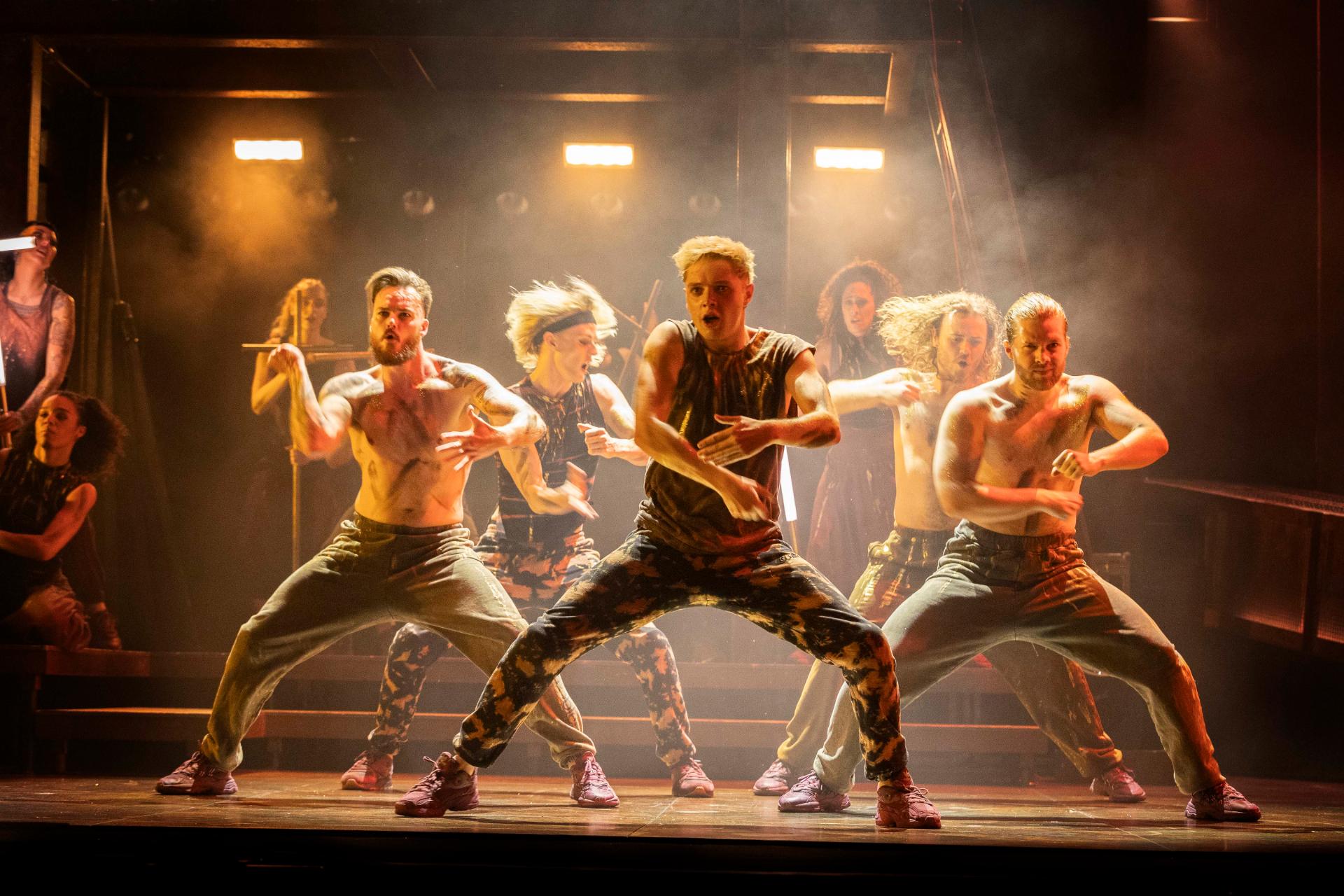
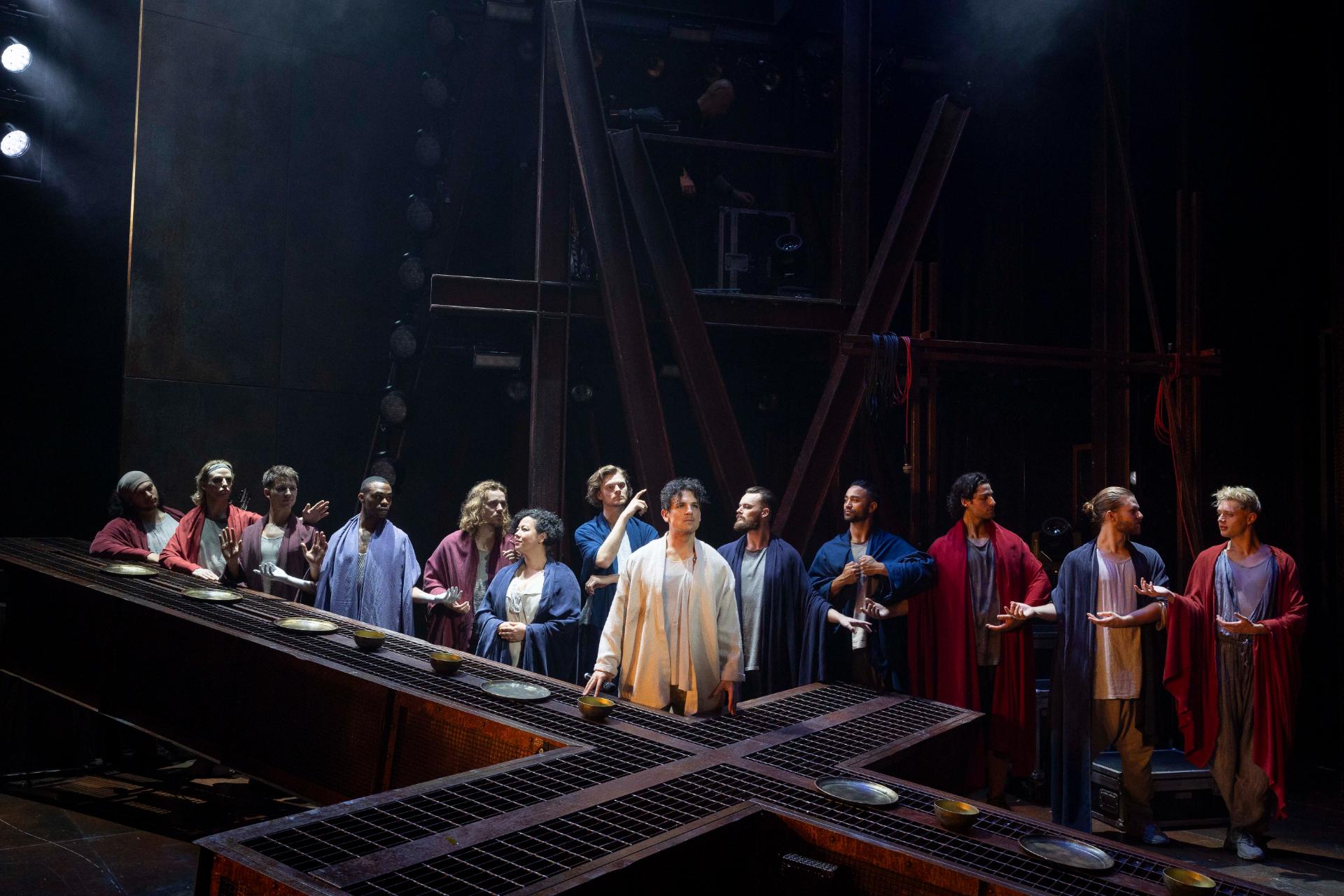
Aside from Herod’s costume which is unequivocally spectacular, production design by Tom Scutt is somewhat underwhelming, with a setting that creates awkwardly inconvenient divisions of space for the ensemble. Choreography by Drew McOnie too is often inelegant and overzealous, in a show we learn to be one that sounds much better than it looks. There is perhaps a satisfaction in discovering that the songs of Jesus Christ Superstar have, by and large, stood the test of time, but it is unclear whether any staging could live up to the power of its heyday.

www.jesuschristsuperstarmusical.com.au

Review: The Inheritance (Seymour Centre)

Venue: Seymour Centre, Reginald Theatre (Chippendale NSW), Nov 7 – Dec 8, 2024
Playwright: Matthew López (inspired by the novel Howards End by E.M. Forster)
Director: Shane Anthony
Cast: John Adam, Simon Burke, Vanessa Downing, Teale Howie, Ryan Panizza, Tom Rodgers, Zoran Jevtic, Quinton Rofail Rich, Matthew McDonald, Elijah Williams, Jack Mitsch, Bayley Prendergast, Jack Richardson
Images by Phil Erbacher

Theatre review
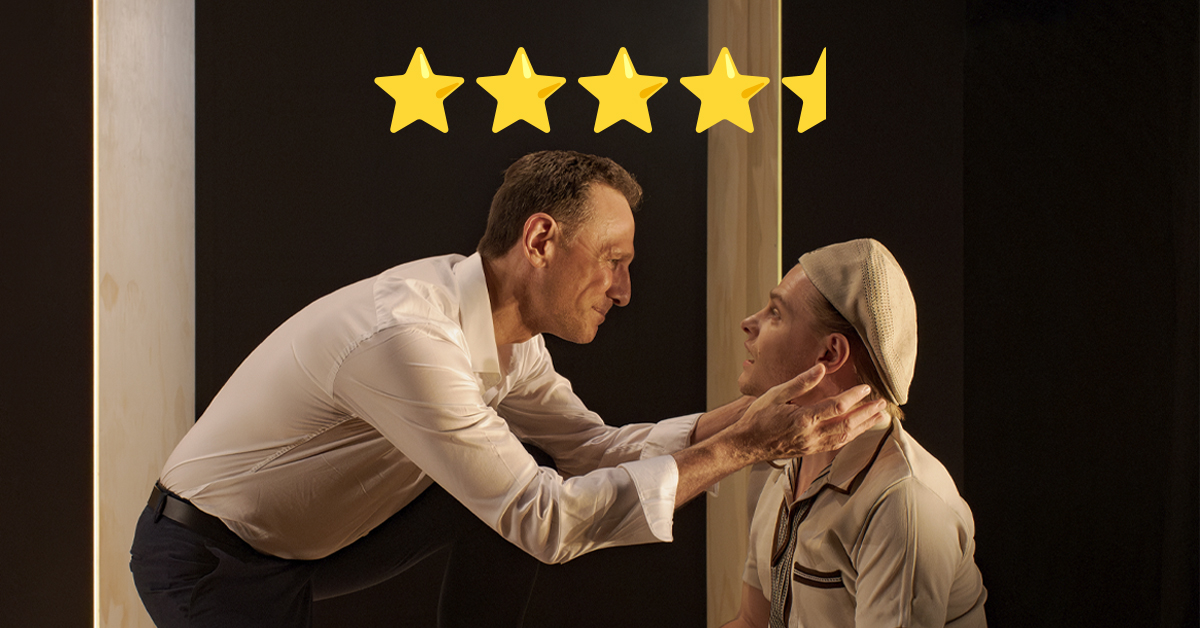
Walter has bequeathed his house in upstate New York, to Eric. They had been neighbours in Manhattan who had connected on a deep level, with both being of a similar giving nature, and both in relationships with troubled men. The Inheritance by Matthew López talks about the legacy that exists between generations of gay men, and the struggles that bind them. In part a tribute to E.M. Forster and his novel Howards End, López’s creation is a grand, sprawling tale with ambitions to encapsulate the experiences of gay men as individuals and as collectives. It has a tendency to veer into didacticism, but its characters and narratives are gripping, with an abundance of brilliantly crafted humour and pathos to have us invested, for its lengthy duration of over six hours.

Striking a fine balance between earnestness and levity, direction by Shane Anthony is as enjoyable as it is provocative, always able to have us intellectually stimulated, even as it lulls us into its underscoring romanticism. Replete with passion, The Inheritance bears a seductive power that never lets up, persistent with its need to say something important, about community and about humanity, to an audience that may be queer or straight, liberal or conservative.

Actor Teale Howie is deeply affecting with his restrained but nonetheless deliberative interpretation of Eric, wonderful at establishing a soulful centre for the structurally complex storytelling that we find ourselves relishing in. Toby is Eric’s prideful boyfriend, played by Ryan Panizza with persuasive vulnerability, and with irresistible charm, to earn our sympathetic understanding of the damage that has come to define his personality.

Simon Burke takes on dual roles, compelling as both Walter and E.M. Forster, offering sensitive representations of gay elders, past and present. Walter’s longtime companion Henry is depicted by an intense John Adam, who brings scintillating drama with every appearance. Also noteworthy is Tom Rodgers, whose fragile presence as younger characters Adam and Leo demands that we regard The Inheritance with an open heart, reminding us that life is delicate, and that some may require more care than others, even if the brutality of homophobia may appear indiscriminate. The show can occasionally feel slightly under-rehearsed, but the ensemble impresses with a wonderful sincerity and tenderness, completely believable with all that they wish to impart.

It is a stylish production, with elegant set design by Kate Beere making effective demarcations of space that convince us of the story’s many locations with minimal fuss. Its beauty is enhanced by Alex Berlage’s exquisite lights, rigorous in their explorations of atmosphere, as they deliver calibrations of hue and luminosity that delight at every turn. Costumes by Tim Chappell may not be consistently flattering, but they certainly demonstrate a distinct aesthetic that reflects clarity of perspective. Music by Damien Lane, along with sounds by Jessica Pizzinga, are sensitively rendered, and deeply enchanting, although greater finesse is required for their implementation.

The staging may have its imperfections, but the way it touches the spirit, is quite extraordinary. Henry cannot bear the painful past, and has cultivated a mechanism of only looking ahead, and pretends that history can be discarded, along with all the hurt that he wishes to leave behind. He represents a kind of survival that seems not to be truly fulfilling, as we see a certain contradiction and betrayal, as he goes against his nature, in order to attain something idealistic, rather than something honest. Gay men need to know their histories, so that they can remember to value their advancements, and in turn be able to elevate the positions of those who are still left behind.

www.seymourcentre.com | www.sugaryrumproductions.com

Review: Female Of The Species (Old Fitz Theatre)

Venue: Old Fitzroy Theatre (Woolloomooloo NSW), Nov 1 – 23, 2024
Playwright: Joanna Murray-Smith
Director: Erica Lovell
Cast: Lib Campbell, Doron Chester, Jade Fuda, Joe Kalou, Mark Lee, Lucy Miller
Images by Noni Carroll

Theatre review
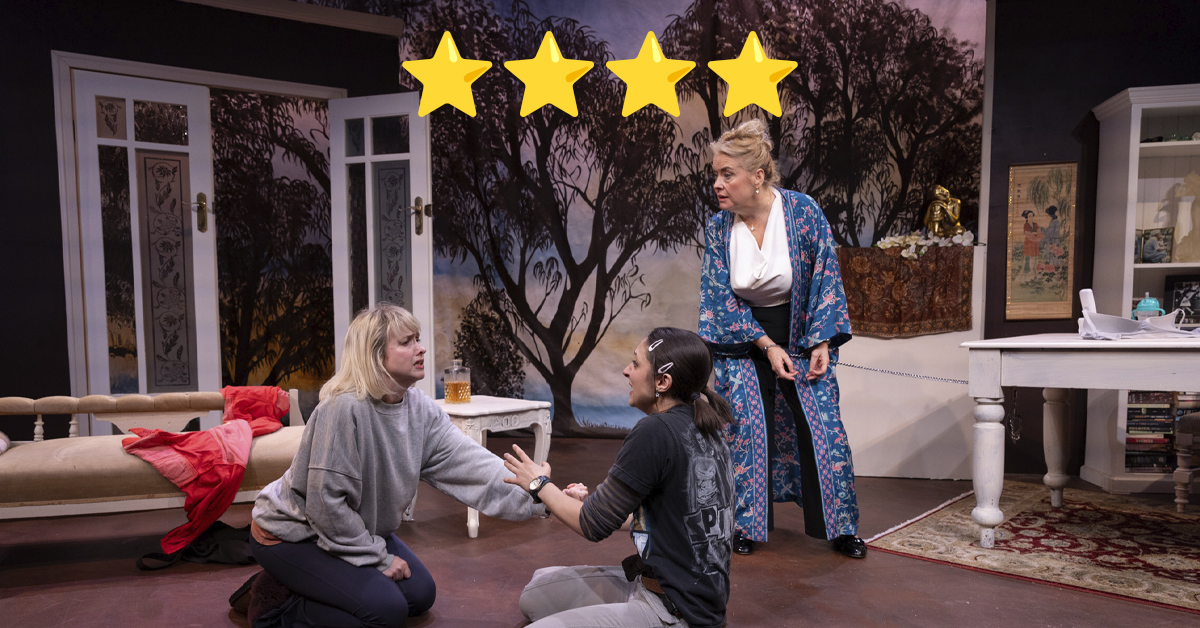
Margot is struggling with her latest book. A star of feminism’s second wave, she seems to have run out of things to say, after publishing a raft of titles over thirty or so years. The 2006 play Female of the Species by Joanna Murray-Smith is itself too, not altogether relevant in today’s climate of progressive politics, but the work is thankfully sound with fundamental principles that continue to prove credible. More important perhaps, is the endurance of its comedy, which we discover to be quite hilarious, while it expounds on the eternally contentious subject of gender inequity.

Intricate direction by Erica Lovell ensures no stone unturned, for a show determined to deliver the laughs. A warm exuberance takes hold from its first moments and never lets up, making it a delightful experience for its entirety. Production design by Paris Burrowes depicts with accuracy the epoch that we slightly revert to, and lighting design by James Wallis is understandably restrained in a production that requires no need for bells and whistles.

It is all about the performances in Female of the Species, and the cast delivers in spades. Lucy Miller provides rich intellectual fodder with her complex portrayal of Margot. Her daughter Tess is relentlessly funny, as depicted by an inventive Lib Campbell. The intruder Molly is imbued thoughtful intensity by Jade Fuda. Male characters appear later in the piece, with Doron Chester, Joe Kalou and Mark Lee all bringing exceptional buoyancy to the presentation.

With each generation of activism, we seem to get closer to a meaningful unravelling, if not dismantlement, of the structures that inhibit and subjugate. With this revisit of Female of the Species, it appears we have discovered a bigger truth in the current fourth wave, demonstrating that an understanding of previous cycles only means that greater discoveries will surely expose further machinations of the patriarchy. It is perhaps unfathomable today that the dual and conflated projects of feminism and decolonisation can ever be completed, but having them as a central purpose for being, or simply as guiding principles, is in itself, a key to fulfilment.

www.oldfitztheatre.com.au | www.rogueprojects.com.au

Review: Sunday (Sydney Theatre Company/Melbourne Theatre Company)

Venue: Sydney Opera House (Sydney NSW), Nov 28 – Dec 7, 2024
Playwright: Anthony Weigh
Director: Sarah Goodes
Cast: Matt Day, Jude Hyland, Ratidzo Mambo, James O’Connell, Nikki Shiels
Images by Prudence Upton

Theatre review
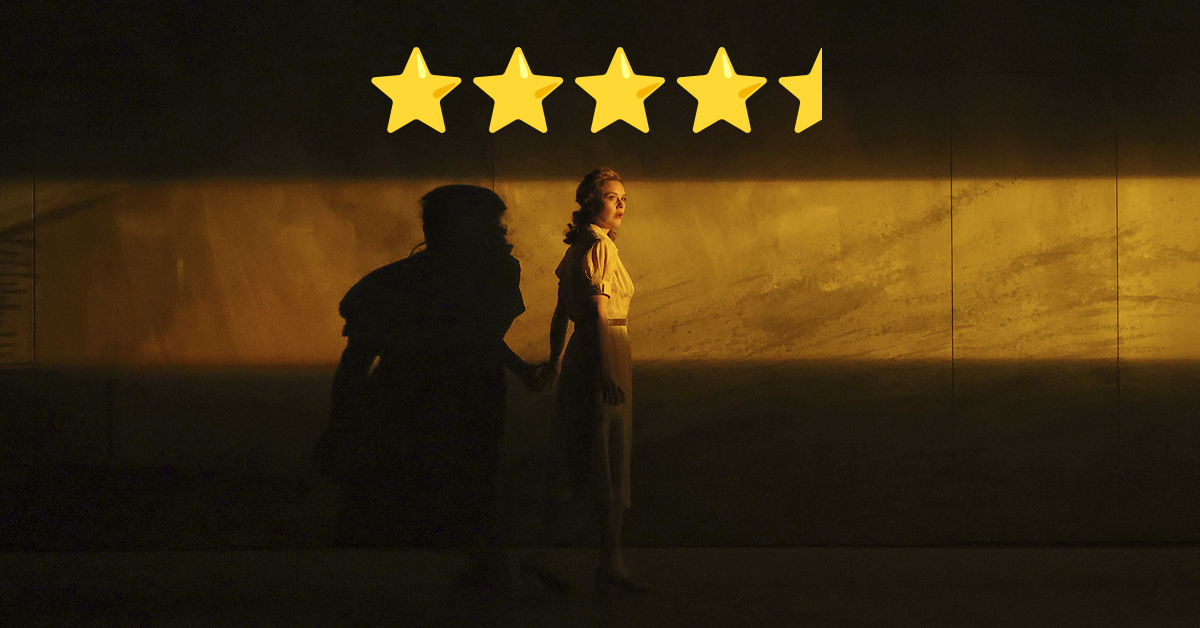
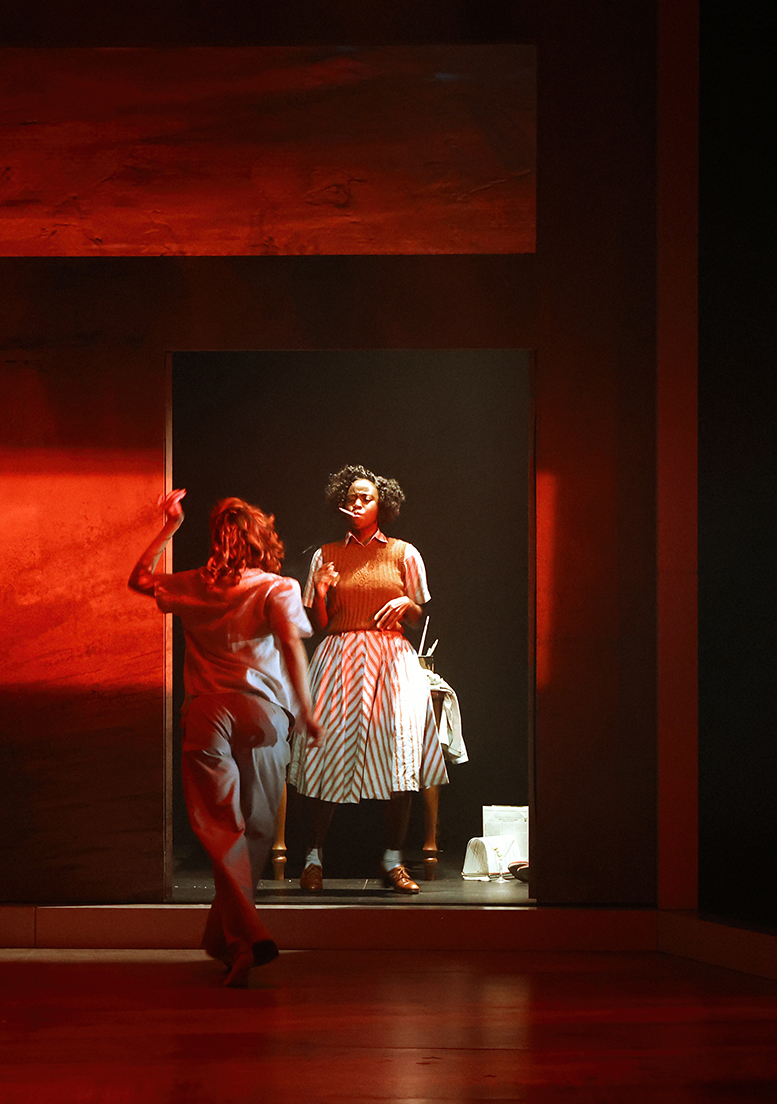
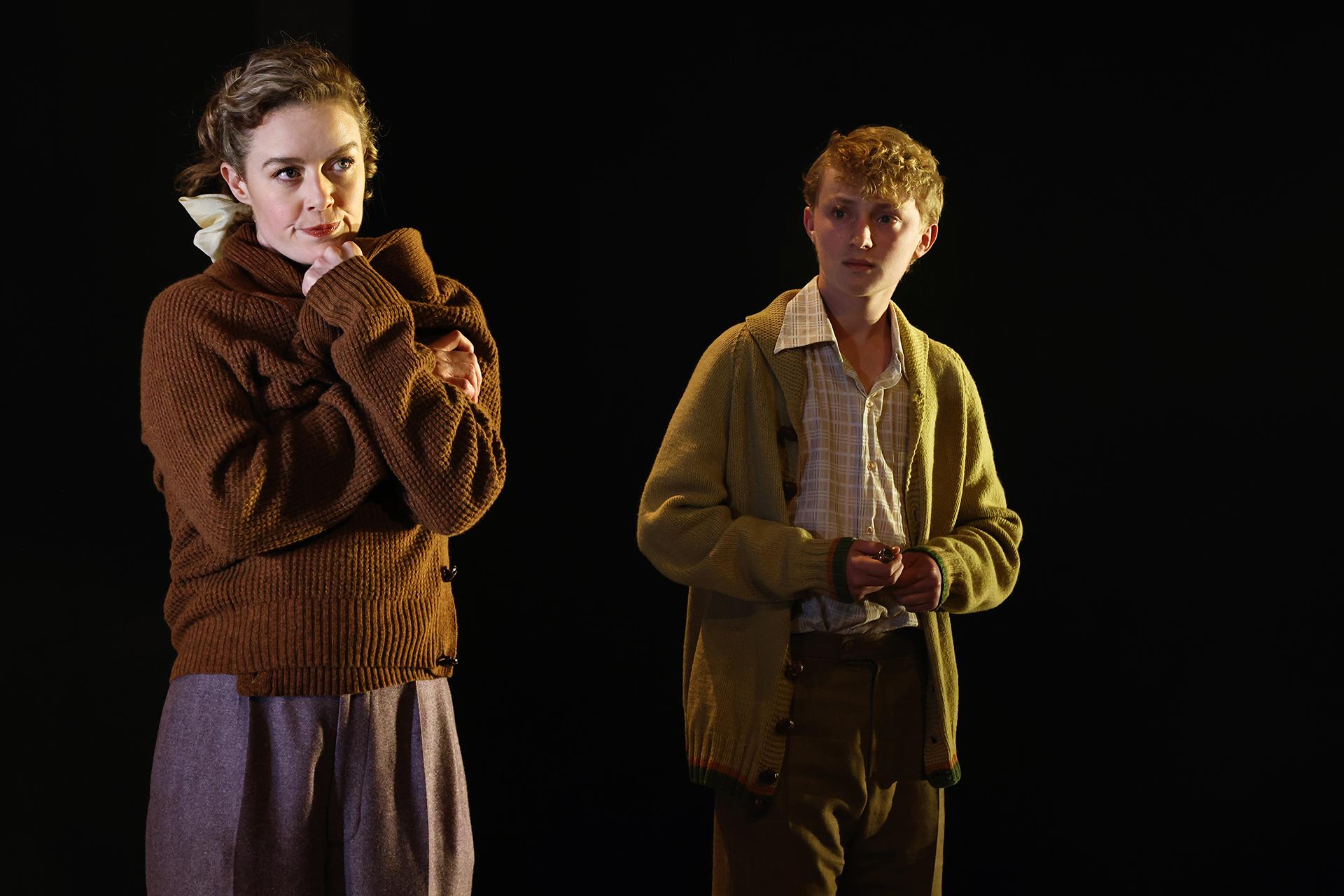
It was the 1930s and Sunday Reed wore trousers. Obviously unafraid of controversy, she had courted a life of affluent bohemia, at a time when being a patron of the arts did not preclude one from more unconventional or perhaps, scandalous pursuits. No doubt her ménage à trois with husband John Reed and now legendary painter Sidney Nolan would have raised more than a few eyebrows, the Reeds were nonetheless celebrated for supporting the careers of prominent artists through their establishment of the Heide Circle.

Anthony Weigh’s Sunday offers a glimpse into the heady days of our heroine’s life as philanthropist and muse, paying particular attention to the years during which Nolan had played a significant part. Weigh’s writing is passionate and incisive, for a sprawling tale spanning more than two decades. Sections venture into the granularity of art philosophy that may not appeal to wider audiences, but Sunday‘s explorations of an unorthodox romance is certainly fascinating.

Directed by Sarah Goodes, the staging is a spirited showcase of a woman’s experience of privilege and autonomy, at a time when gender roles remained strictly prescribed. It is in many ways an inspiring portrait, not only of the daring choices made by a woman, but also of the tacit acceptance of her radical approach to life, by the men around her. Sunday Reed is presented as brilliant, but also flawed, which somewhat perversely makes her story all the more intriguing.

Nikki Shiels is our marvellous leading lady, authoritative and robust in her depictions of a complex personality, rigorously persuasive with all that she manifests. Highly dramatic but also irreproachably detailed, it is a performance that is as provocative as it is captivating, demanding both our focus and intellect. Matt Day brings relentless charm to the part of John Reed, memorable for a lightness of touch that conveys a great deal of sophistication, in a play that communicates with gratifying maturity. In the role of Sidney Nolan is James O’Connell, whose journey from naivety to self-assuredness is charted with evident diligence alongside an admirable grace. Jude Hyland and Ratidzo Mambo as Sweeney Reed and Joy Hester respectively, surprise with the gravity they introduce, notwithstanding the brevity of their appearances.

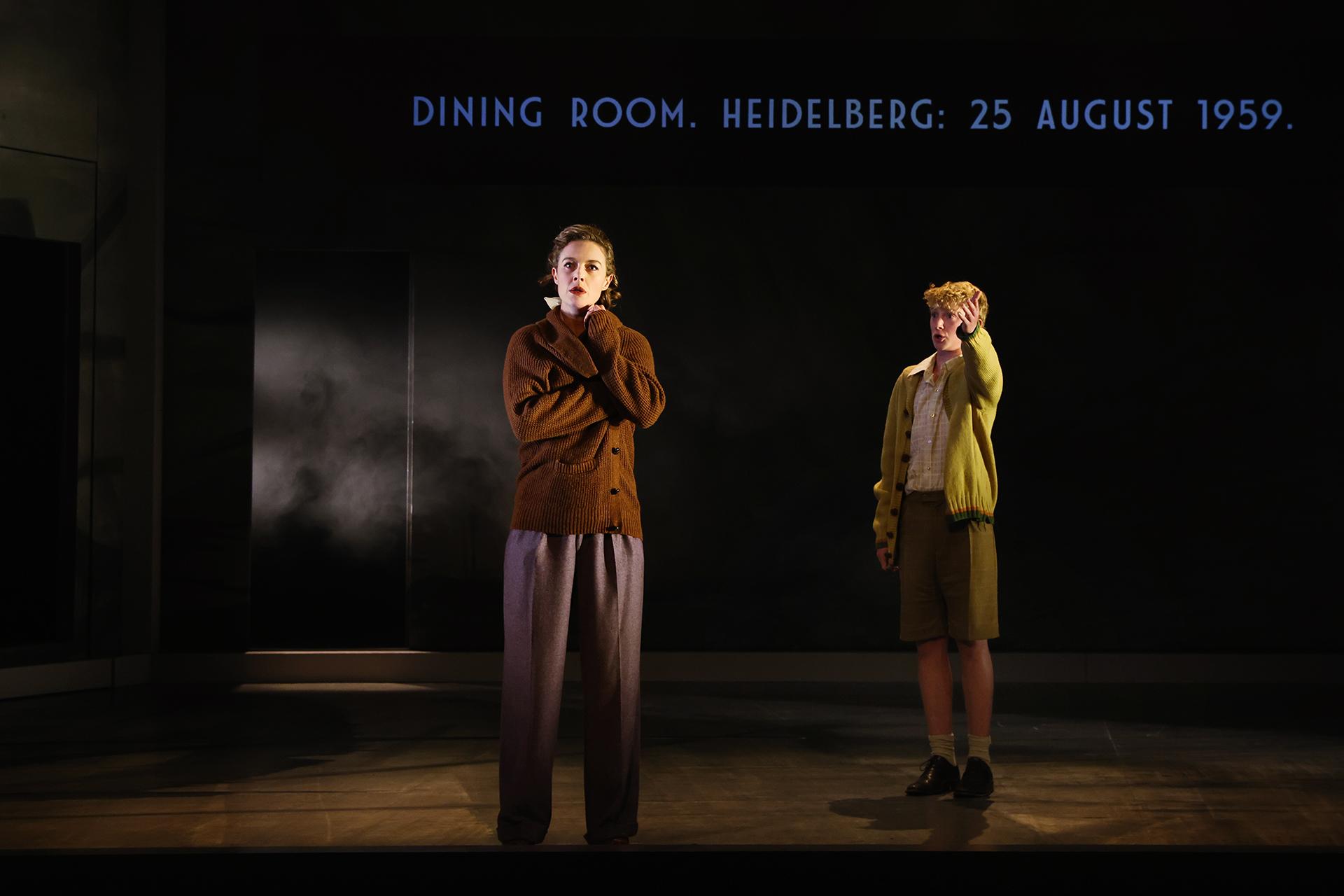
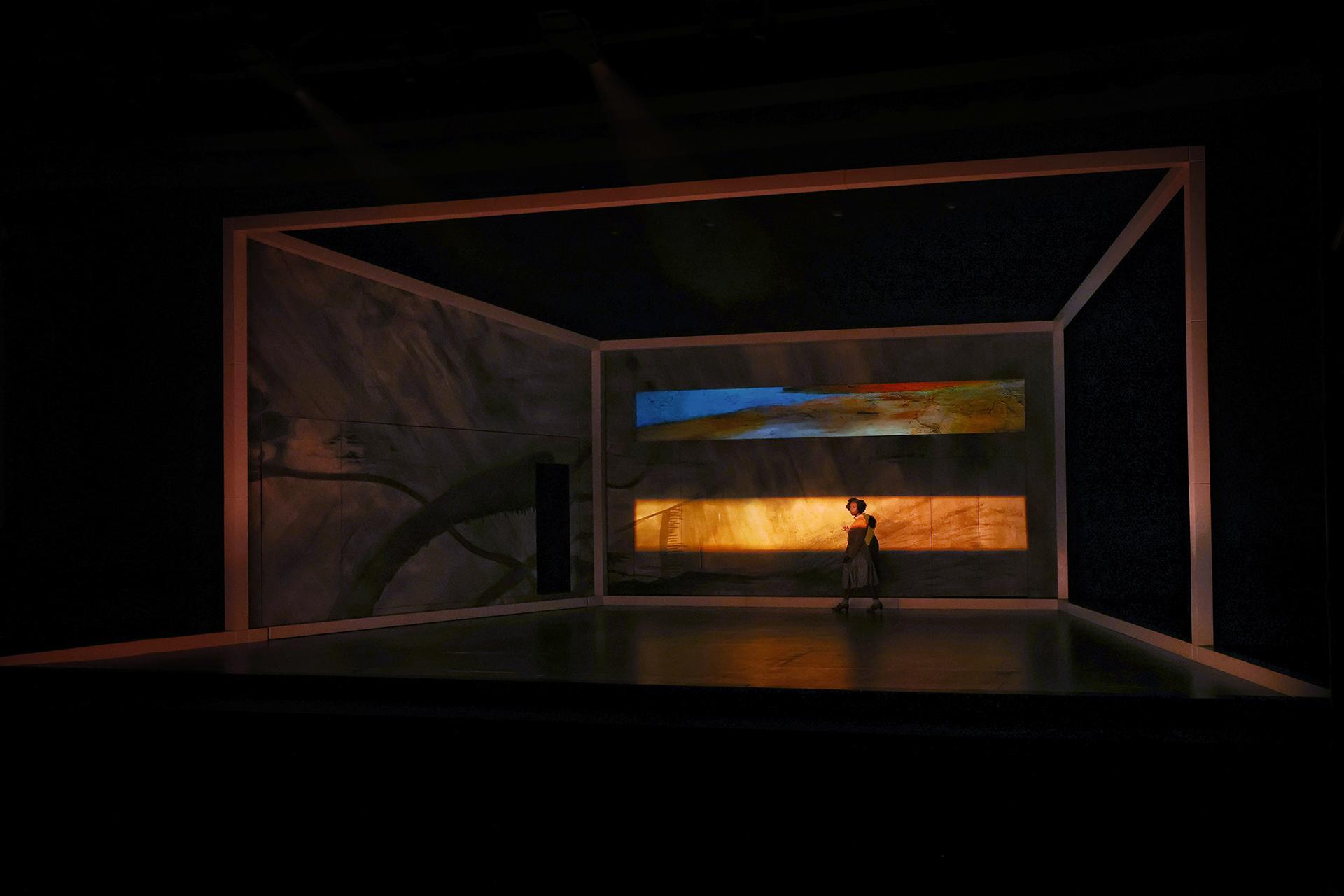
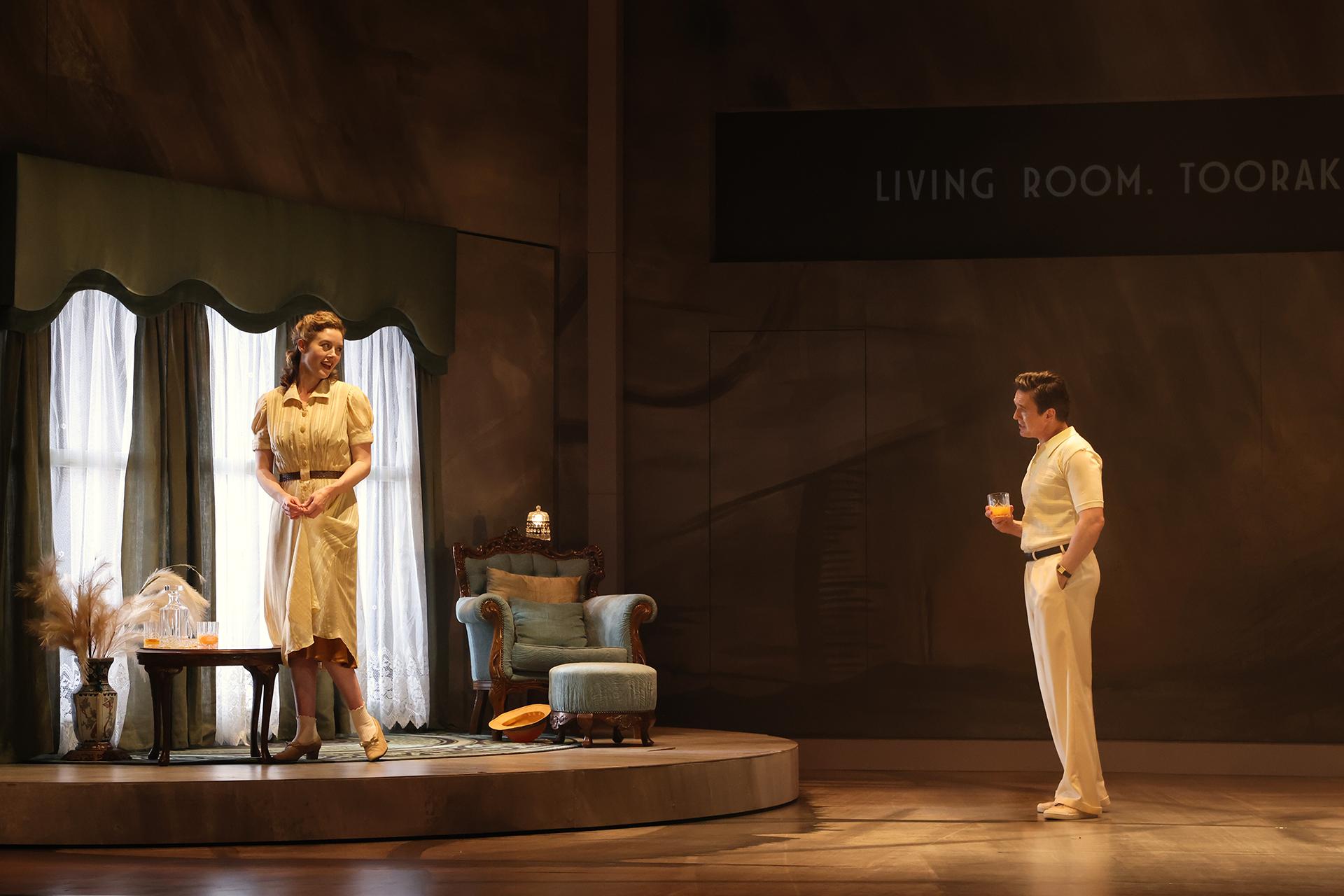
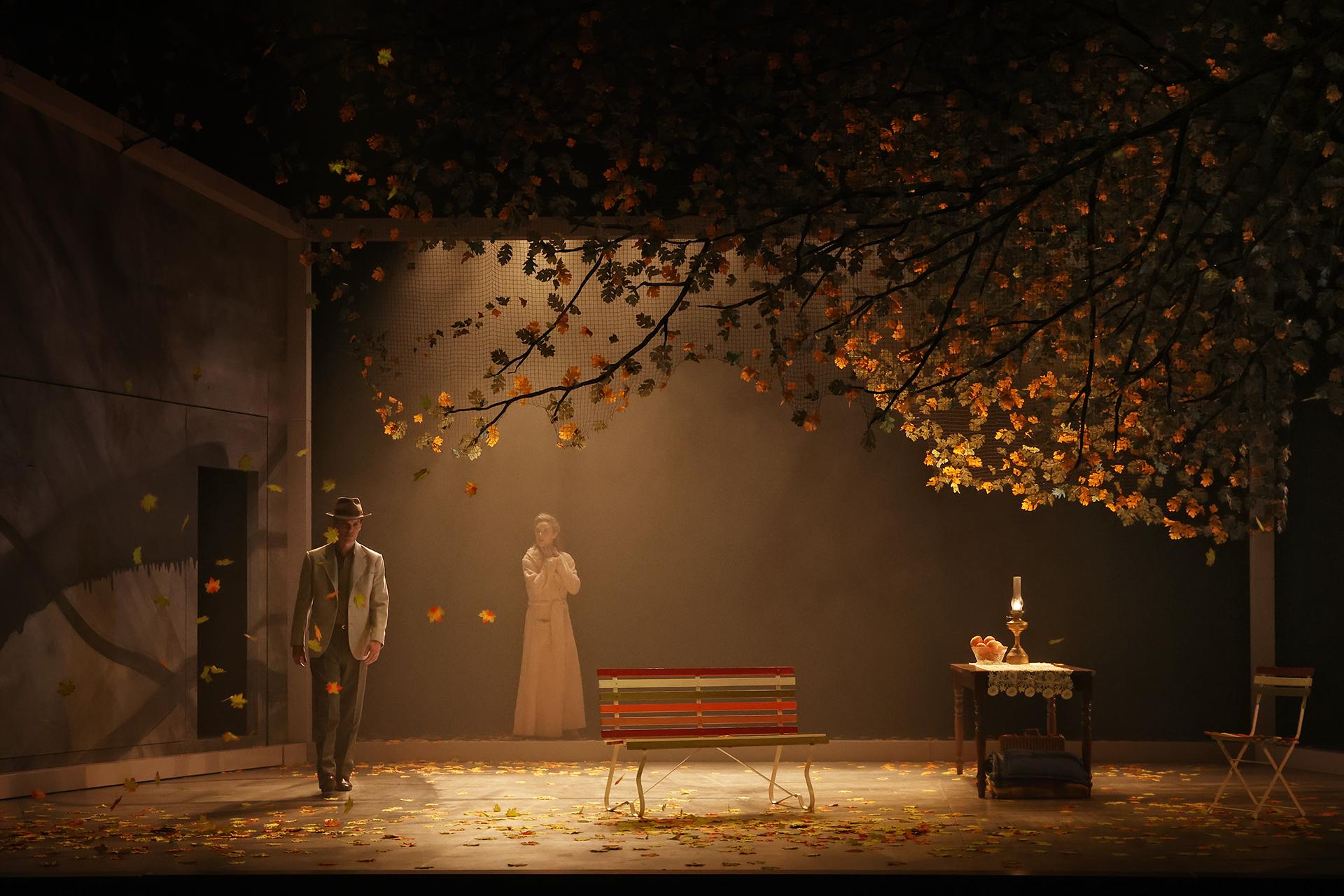
Set design by Anna Cordingley is appropriately painterly with the textures it incorporates, and paired with lights by Paul Jackson, there is an unmistakeable delicacy to the beauty being harnessed, for a tale that often talks about aesthetics as a central value defining our ways of being. Impressively detailed costumes by Harriet Oxley transports us in time and in sensibility, to invite contemplation on our recent history, especially in terms of class and gender. Sublime work by composer Jethro Woodward includes unforgettable moments in the most exquisite of jazz forms, as well as some truly entrancing sound effects that get us completely invested in all the delicious tumult of Sunday.

The wealthy will always have inordinate influence on the architecture of our collective lives. The Reeds were a dominant force in our artistic landscape in a modern and colonised Australia, not only making decisions about who to foreground, but also on what the agenda looks like. Along with the ability to circumvent societal norms, it is that insidious impact on others, that defines power. One imagines that rich white women can do anything, and Sunday Reed certainly dared to reach for the stars.

www.sydneytheatre.com.au