Review: Uncle Vanya (Ensemble Theatre)

Venue: Ensemble Theatre (Kirribilli NSW), 26 Jul – 31 Aug, 2024
Playwright: Anton Chekhov (adapted by Joanna Murray-Smith)
Director: Mark Kilmurry
Cast: Vanessa Downing, John Gaden AO, Chantelle Jamieson, David Lynch, Abbey Morgan, Yalin Ozucelik, Tim Walter
Images by Prudence Upton

Theatre review
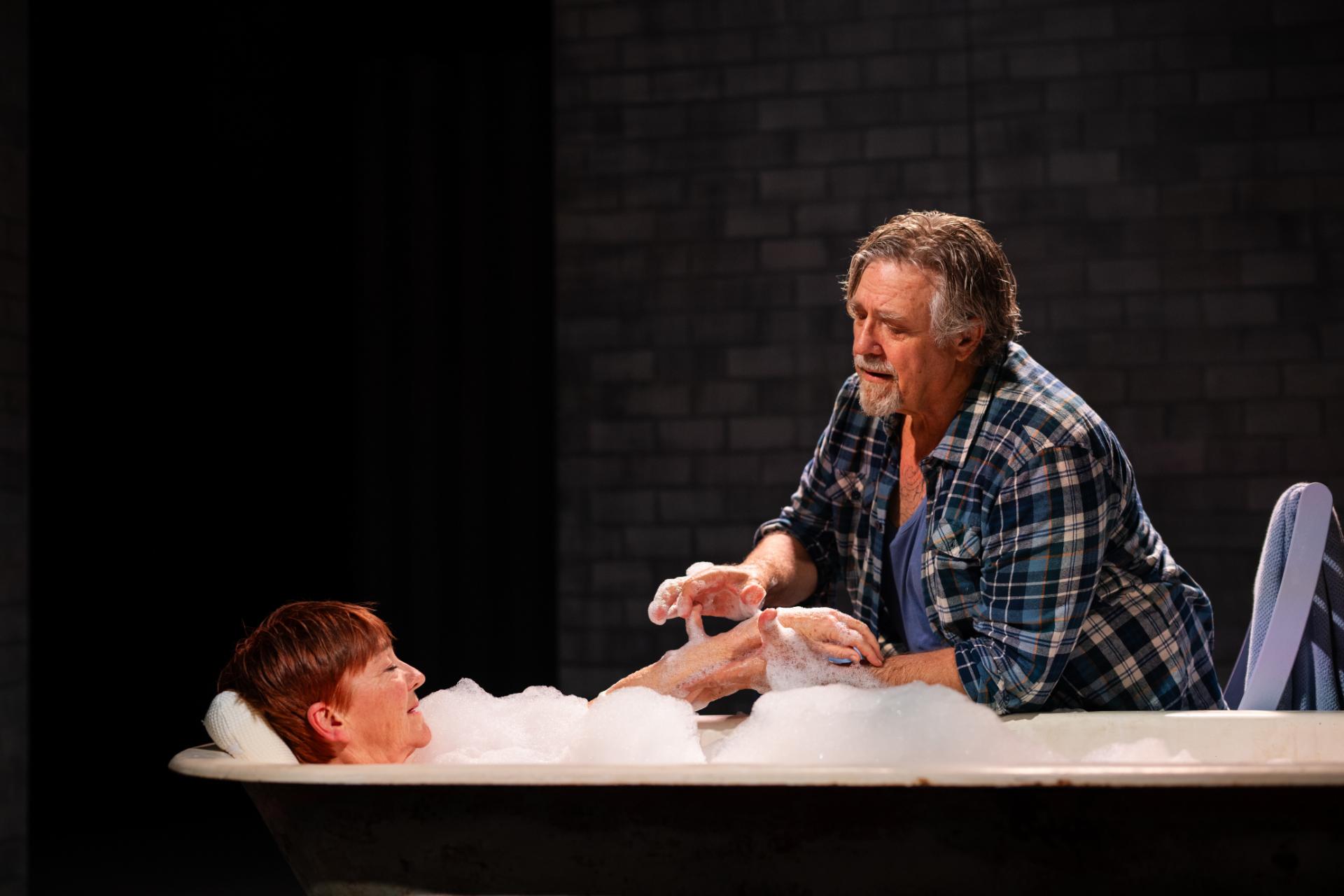
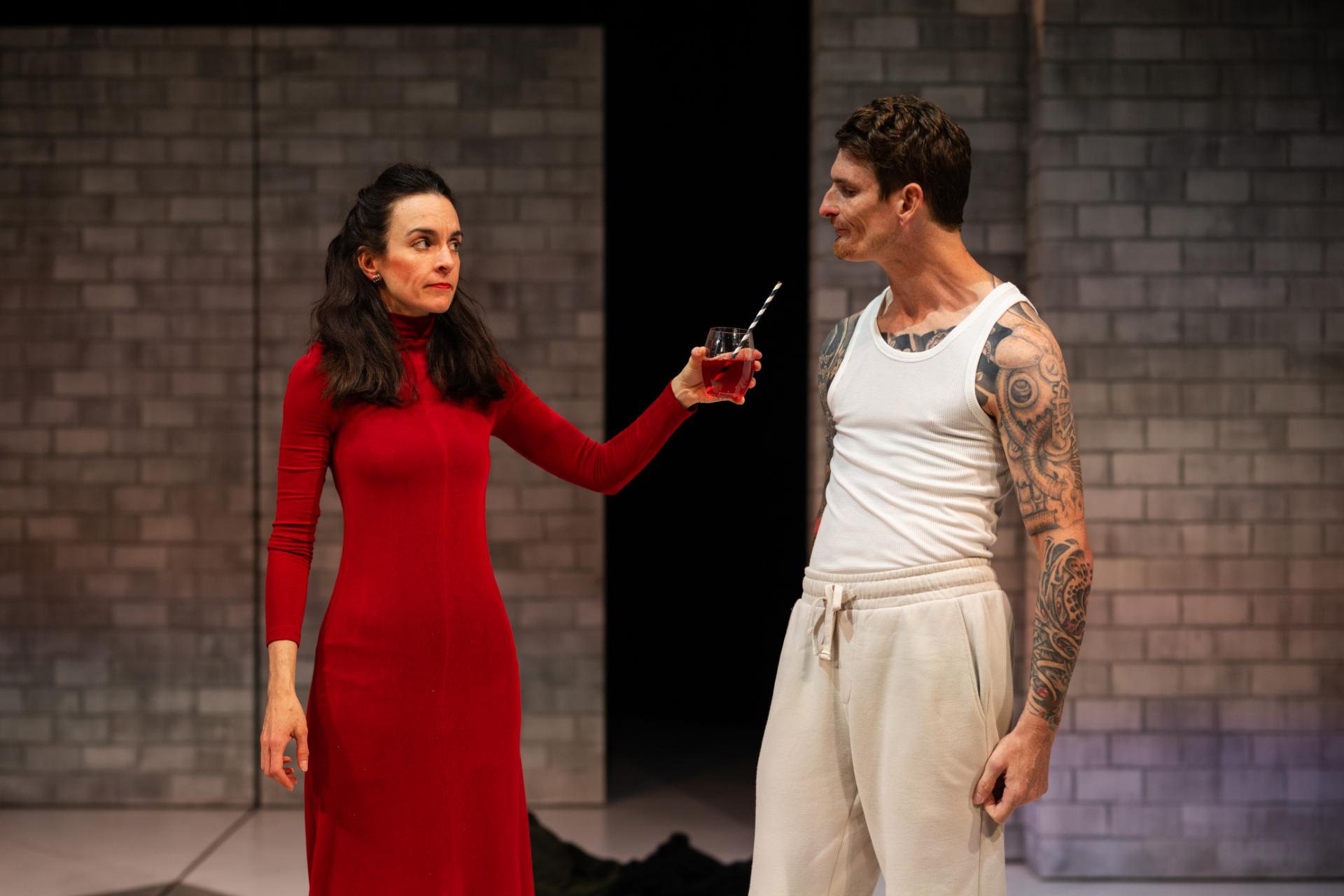
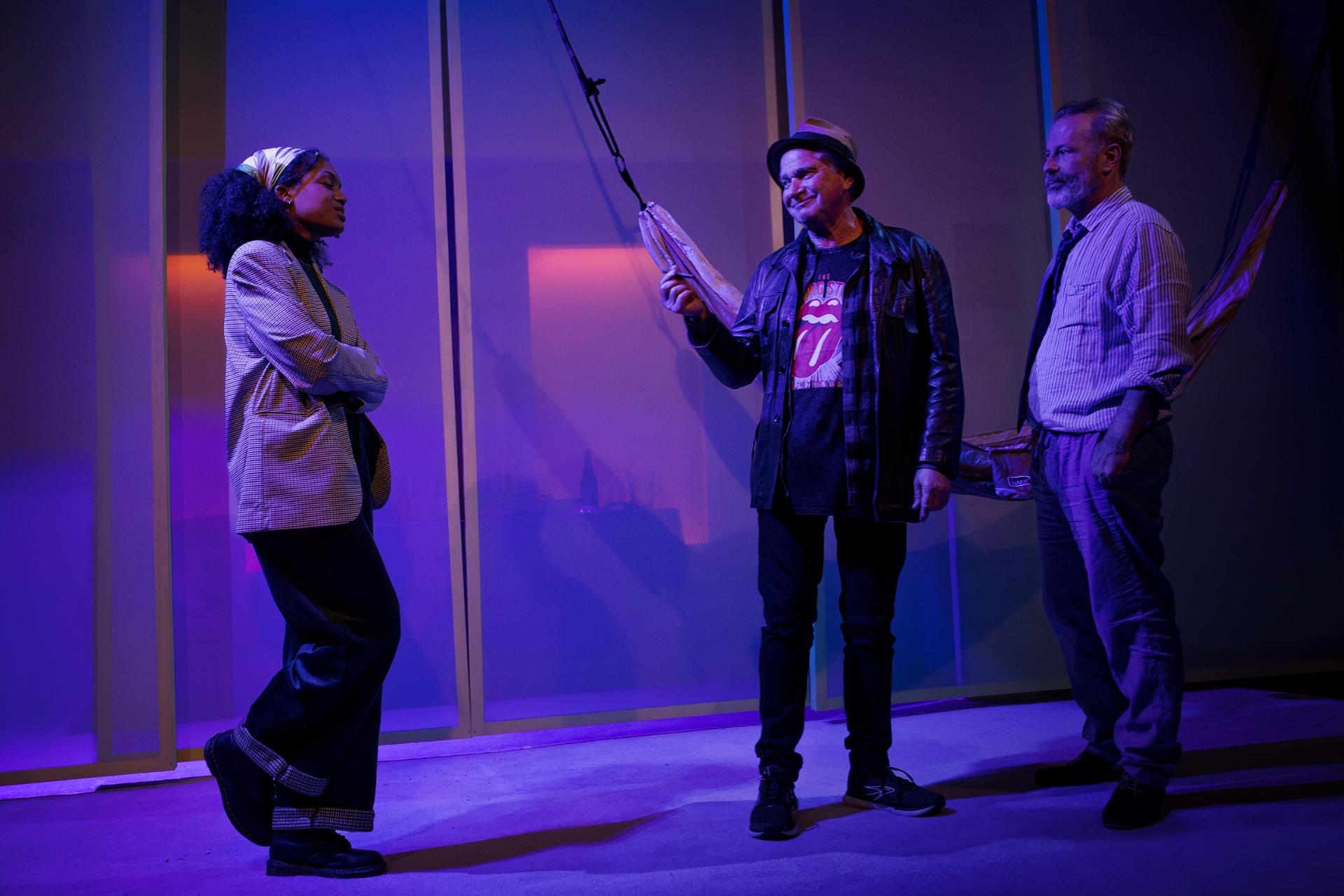
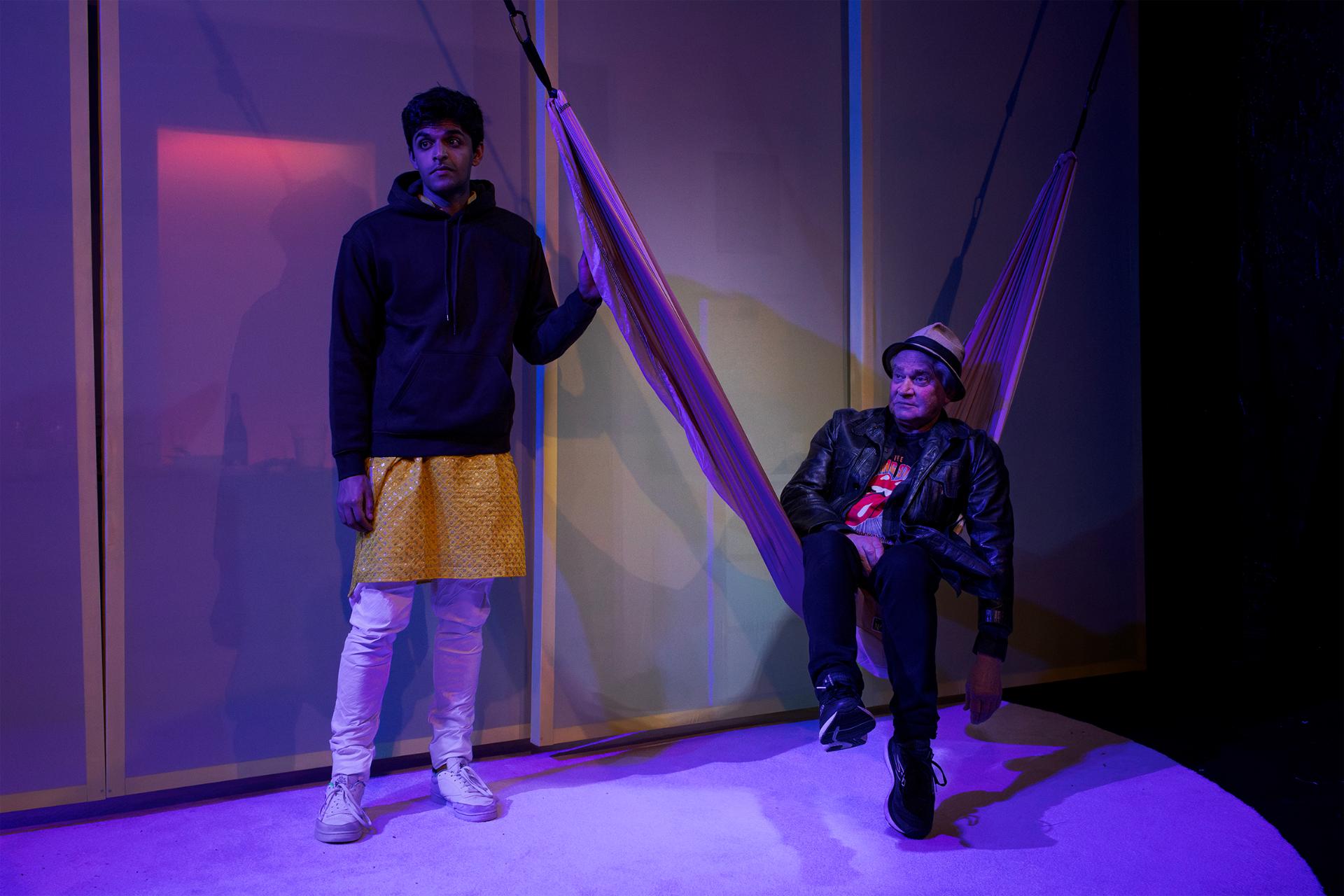
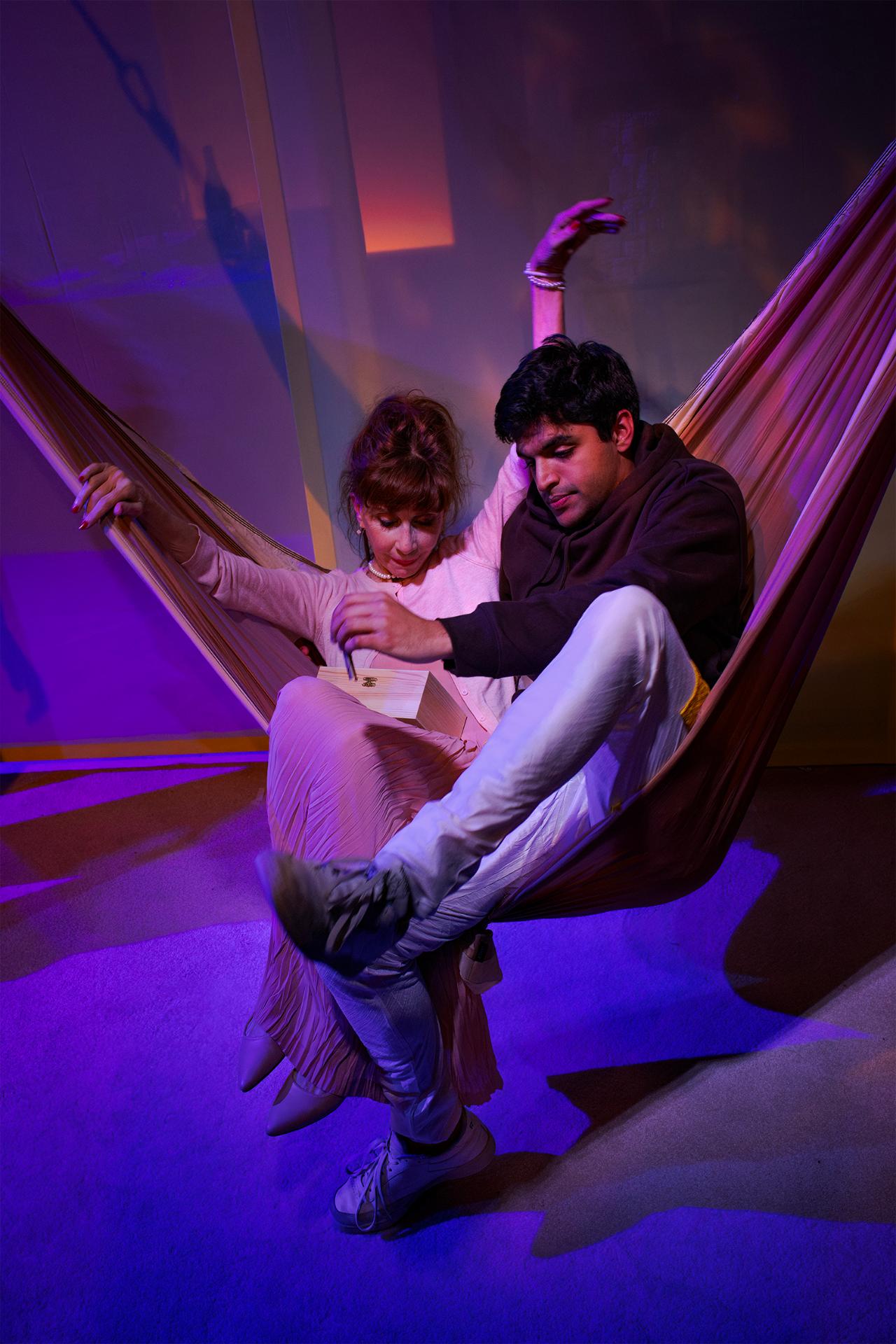
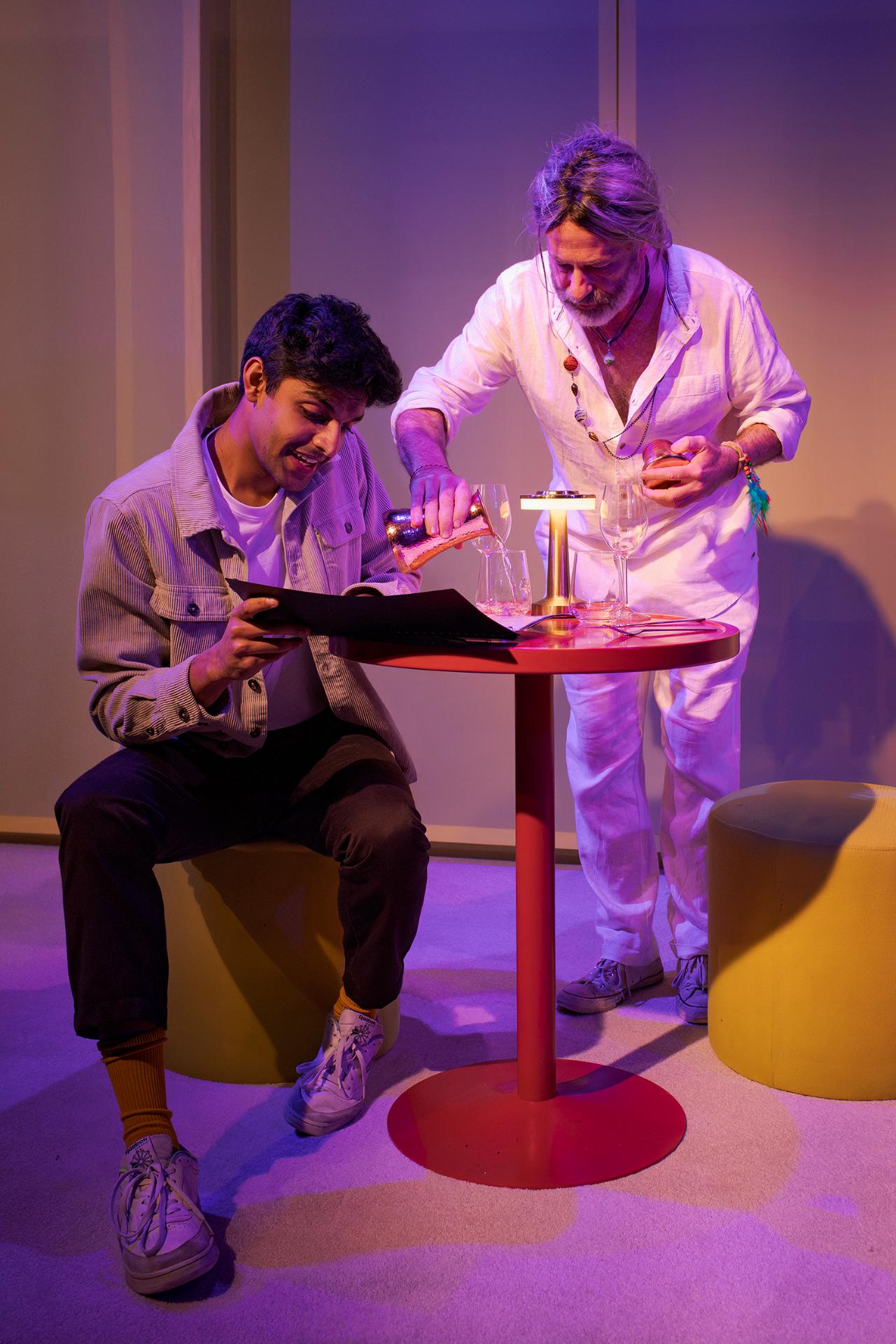
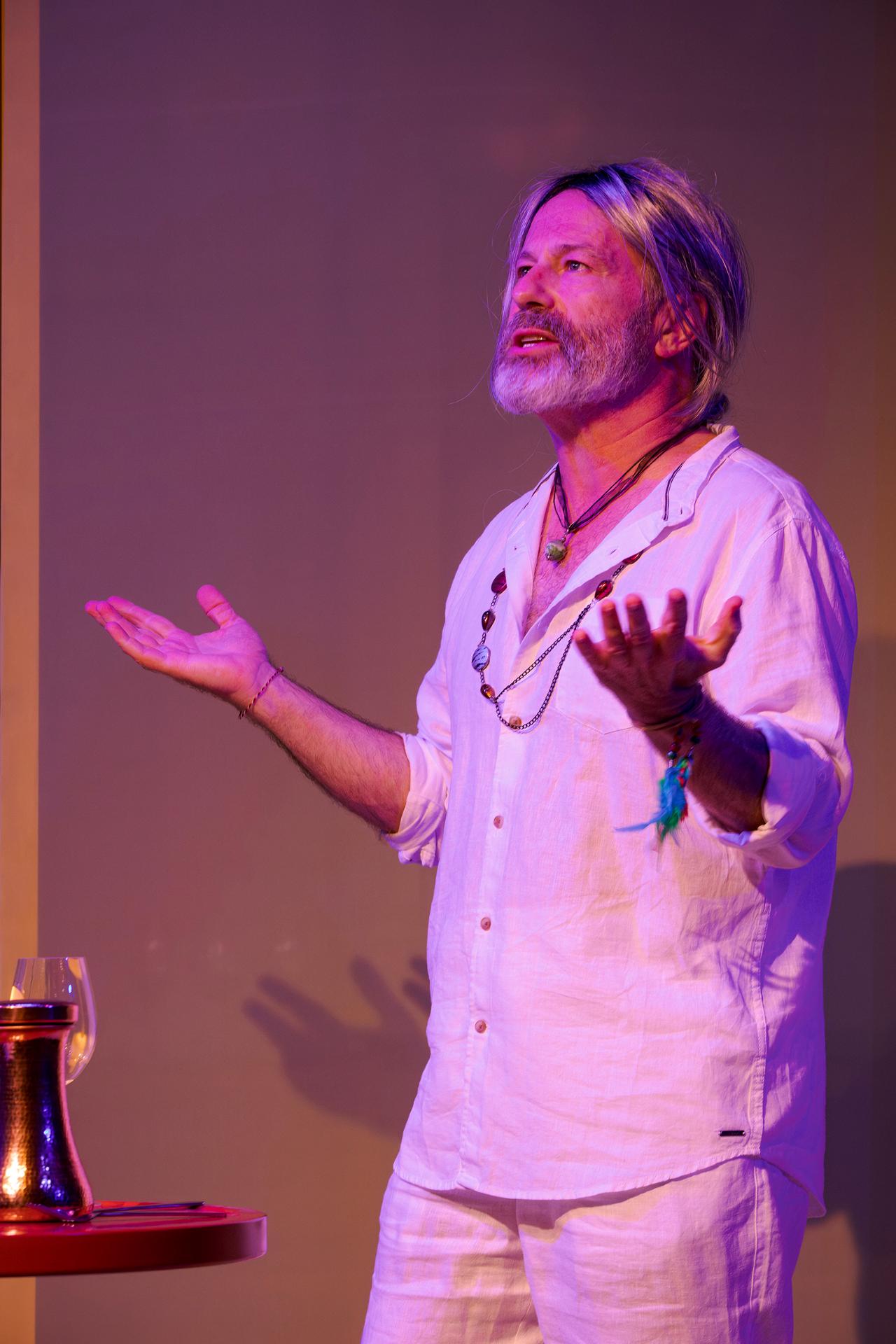
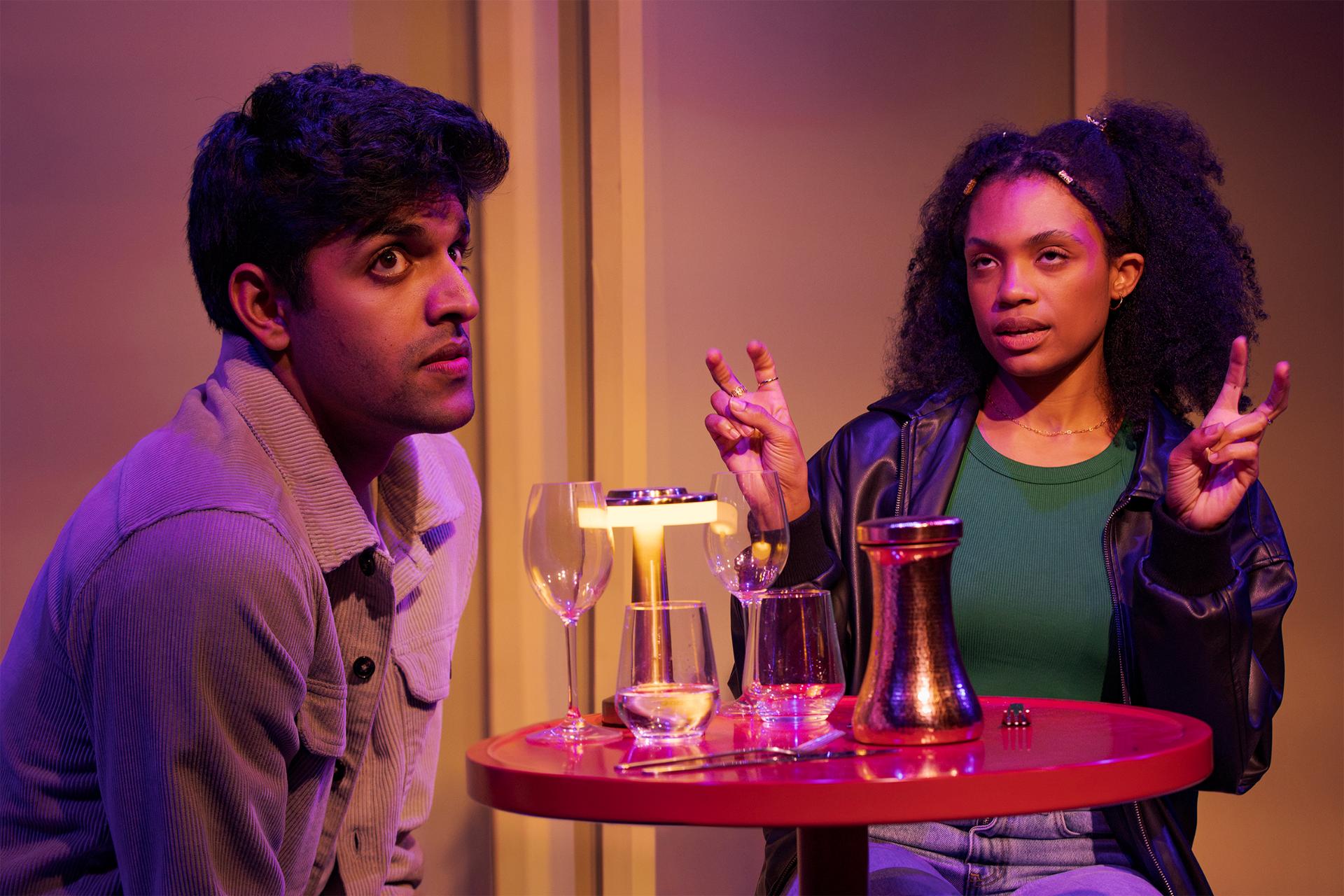
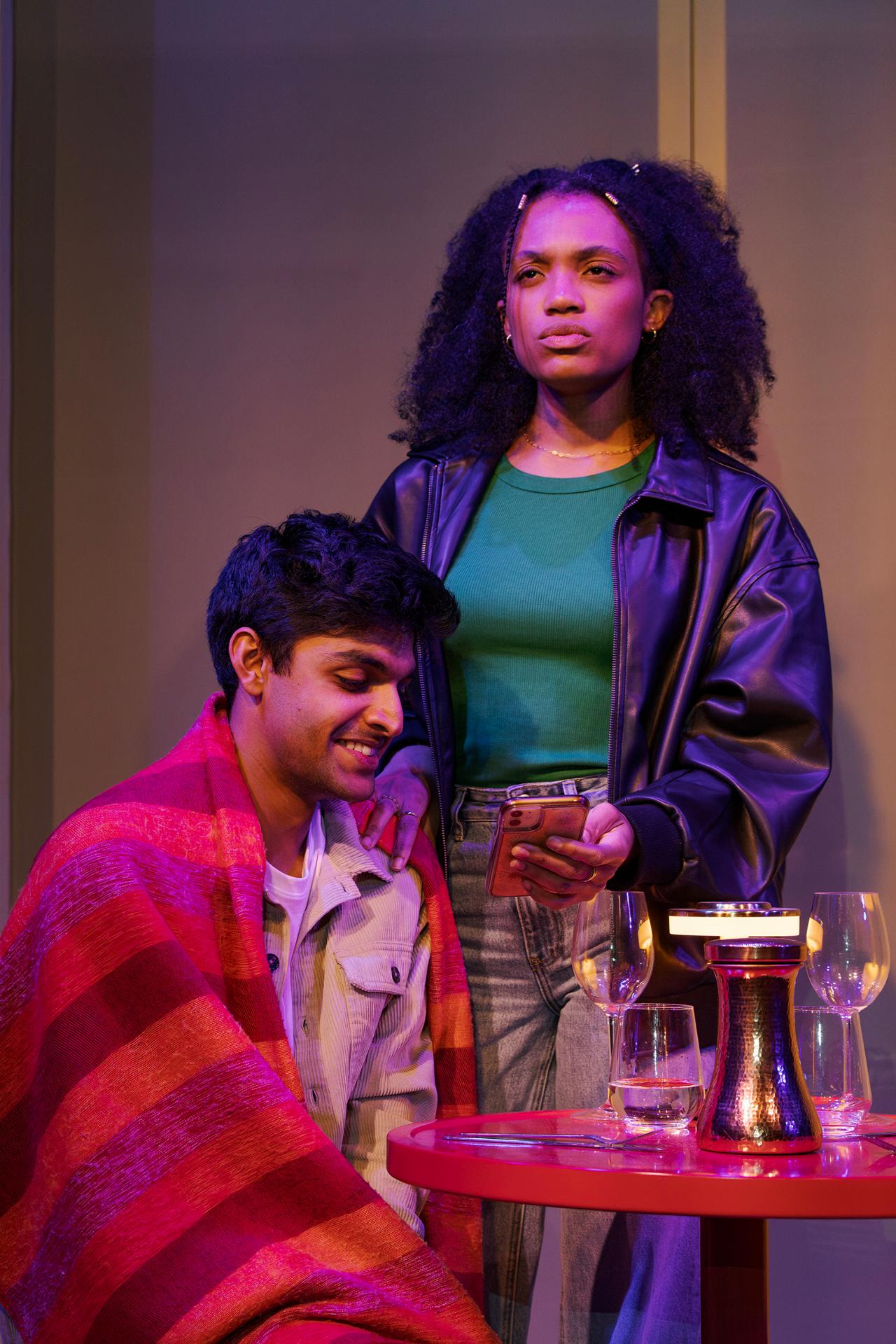
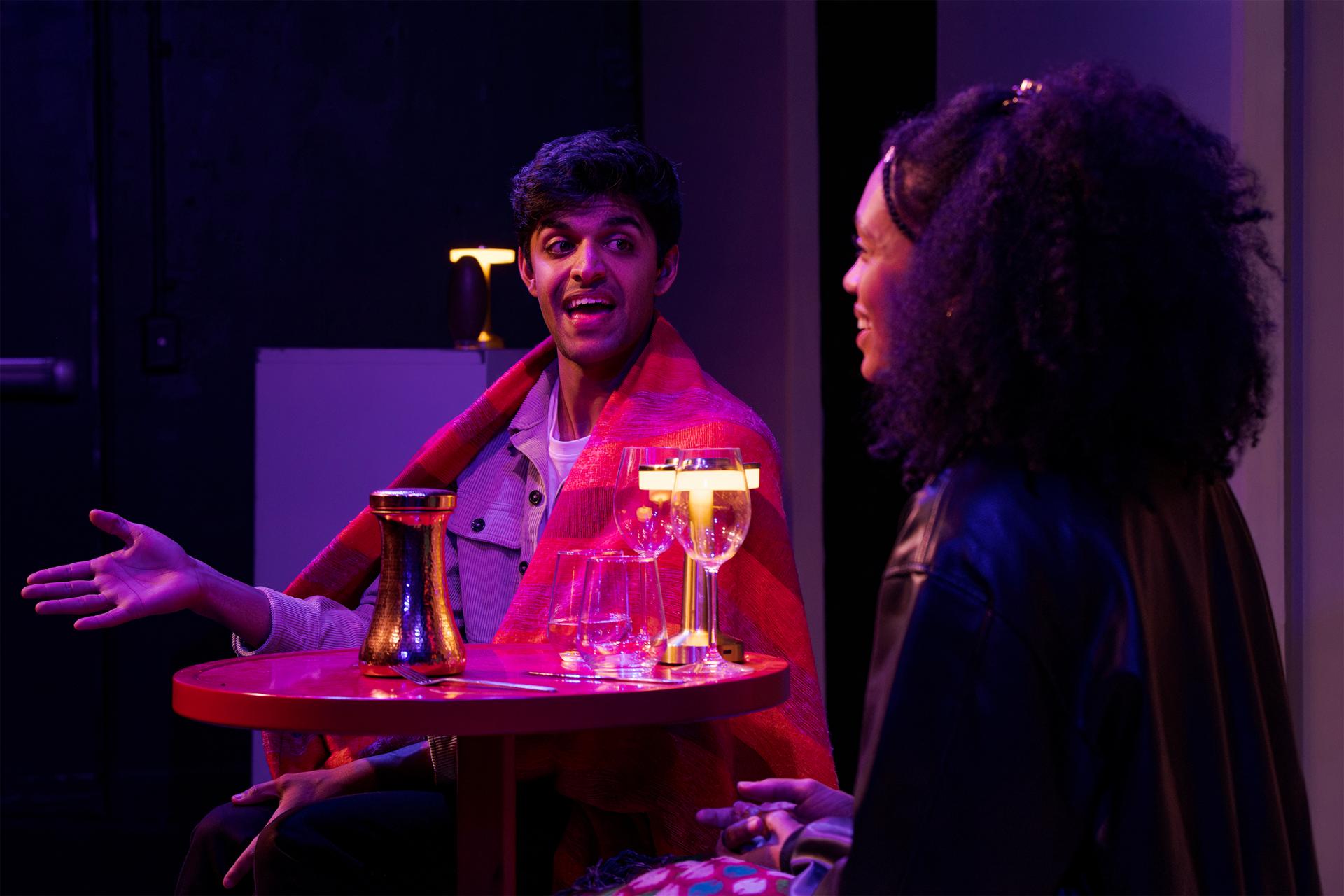
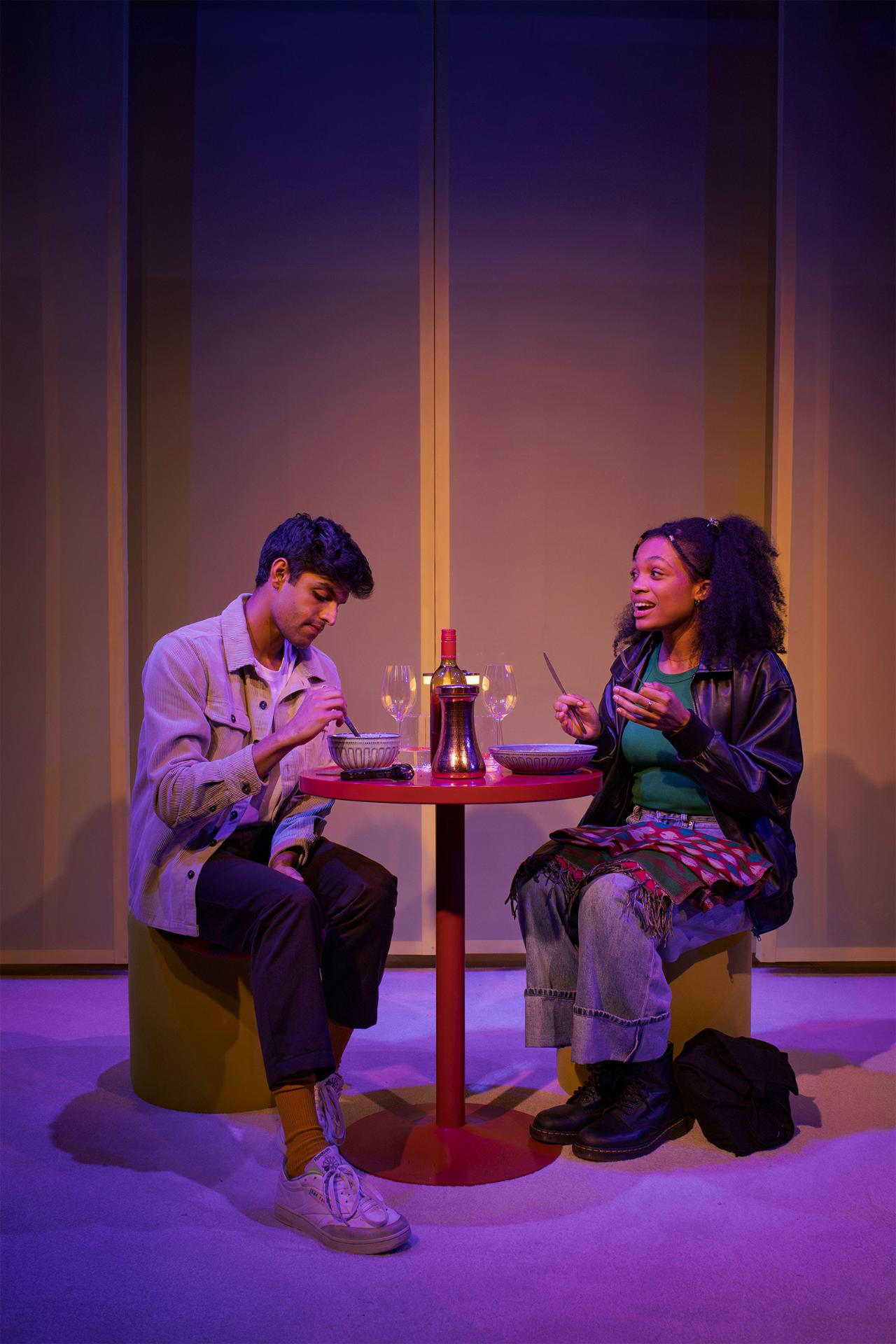
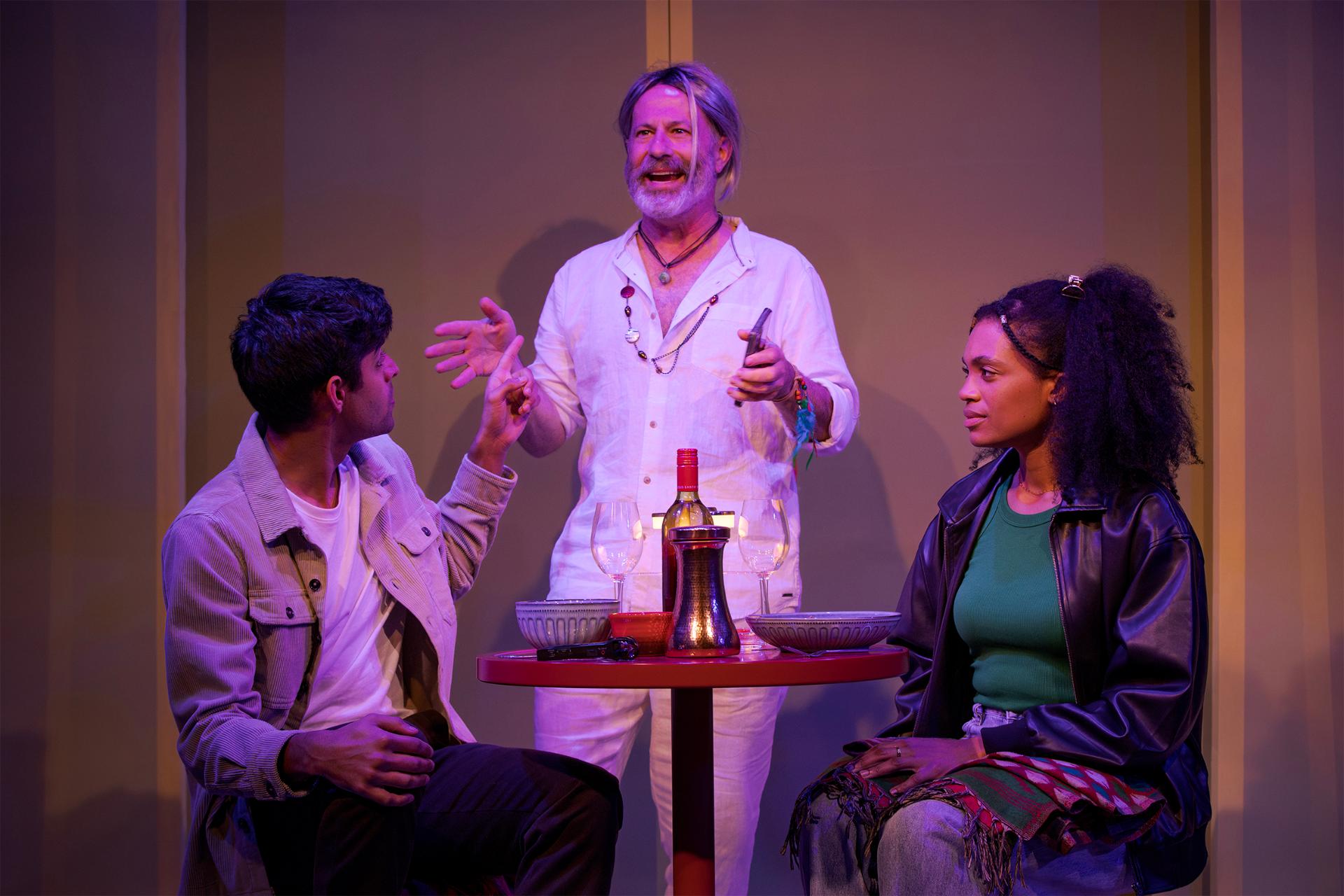
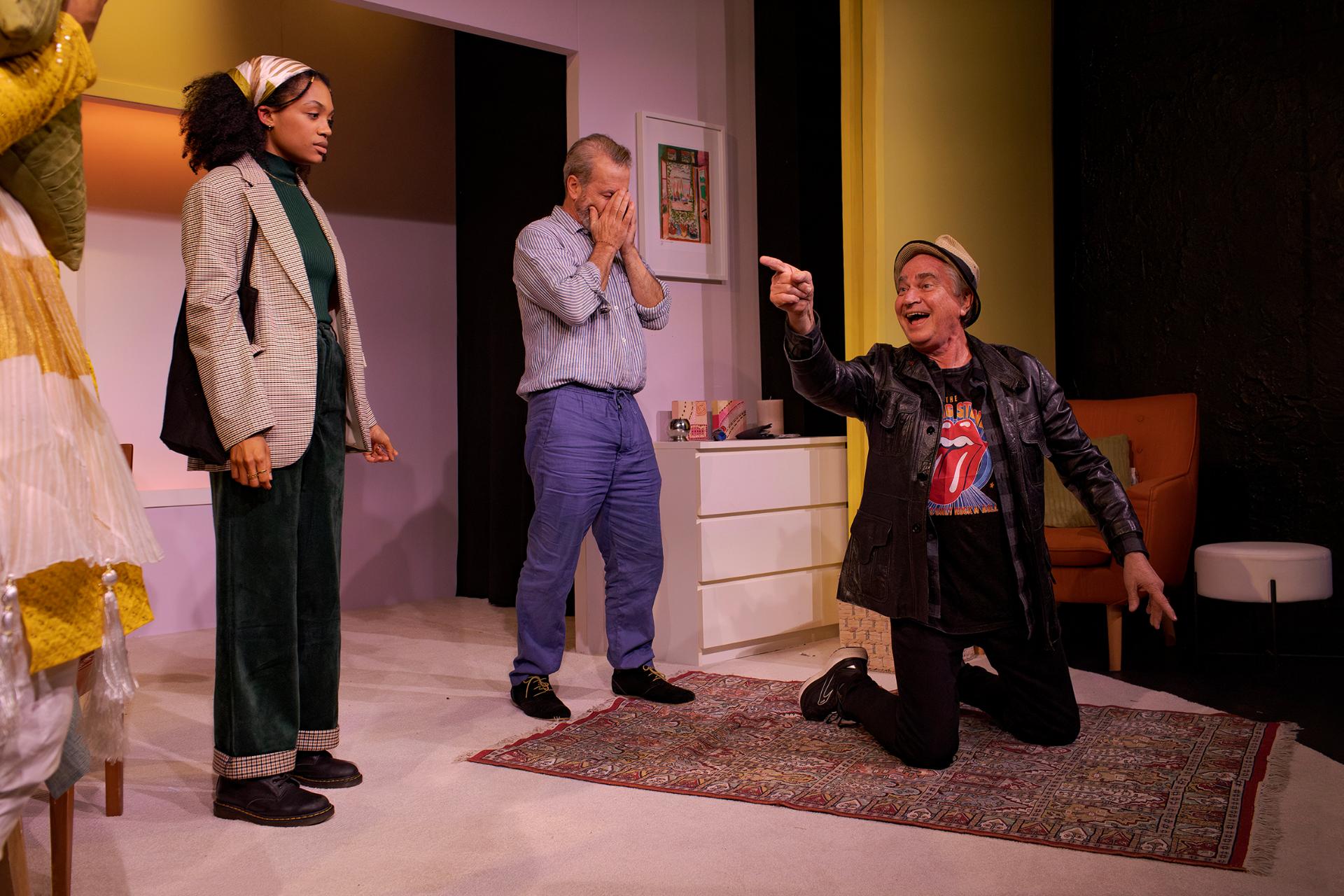
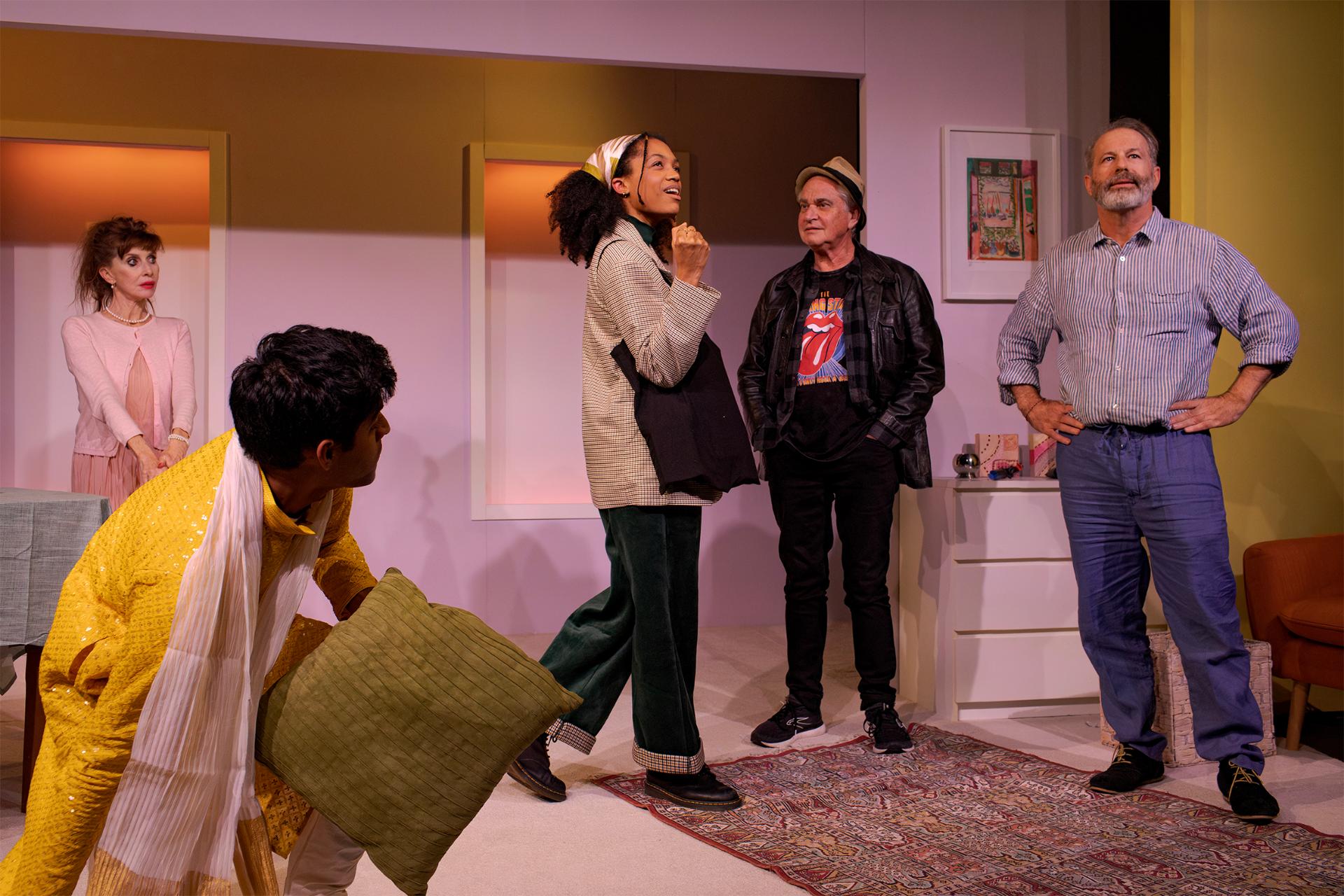
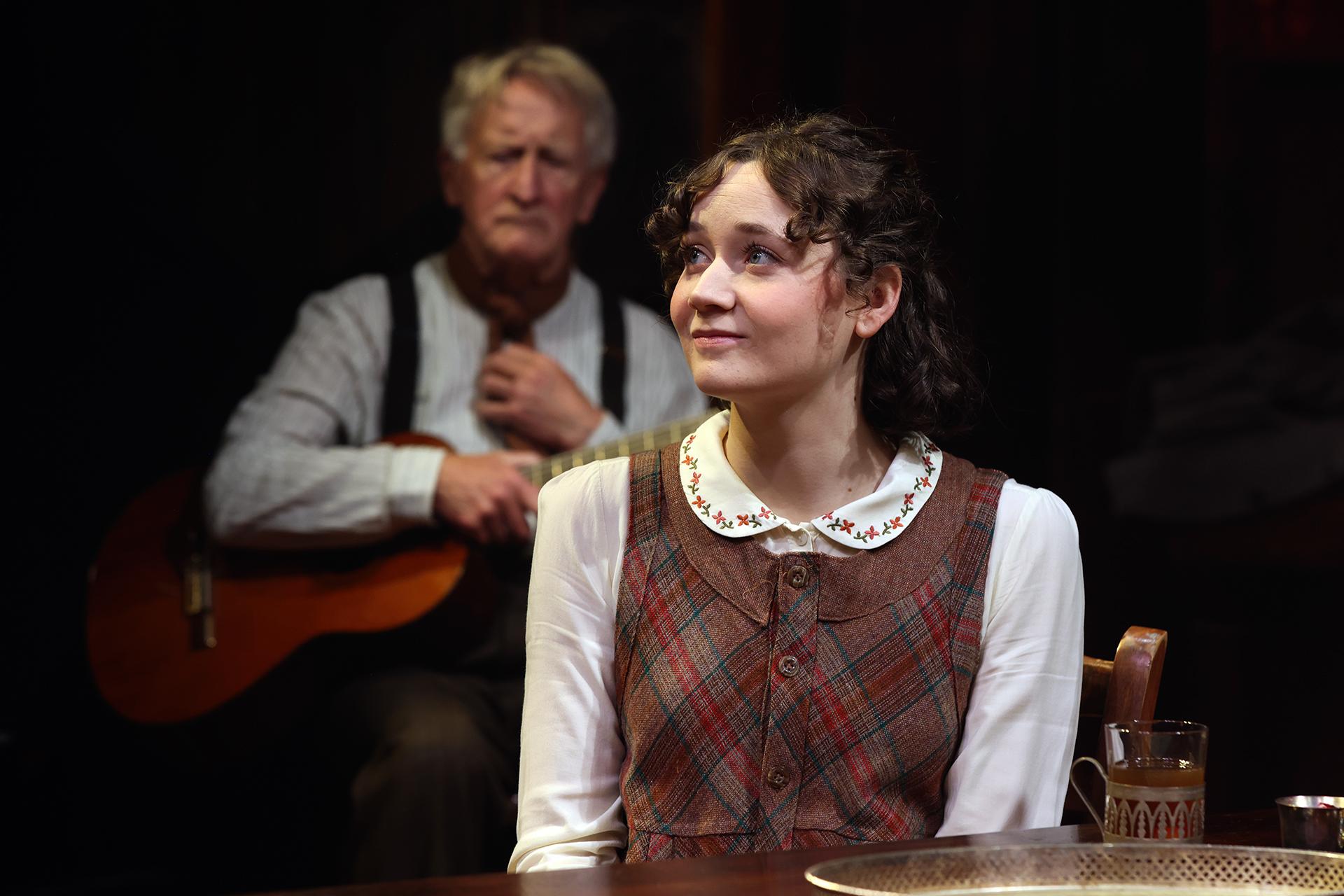
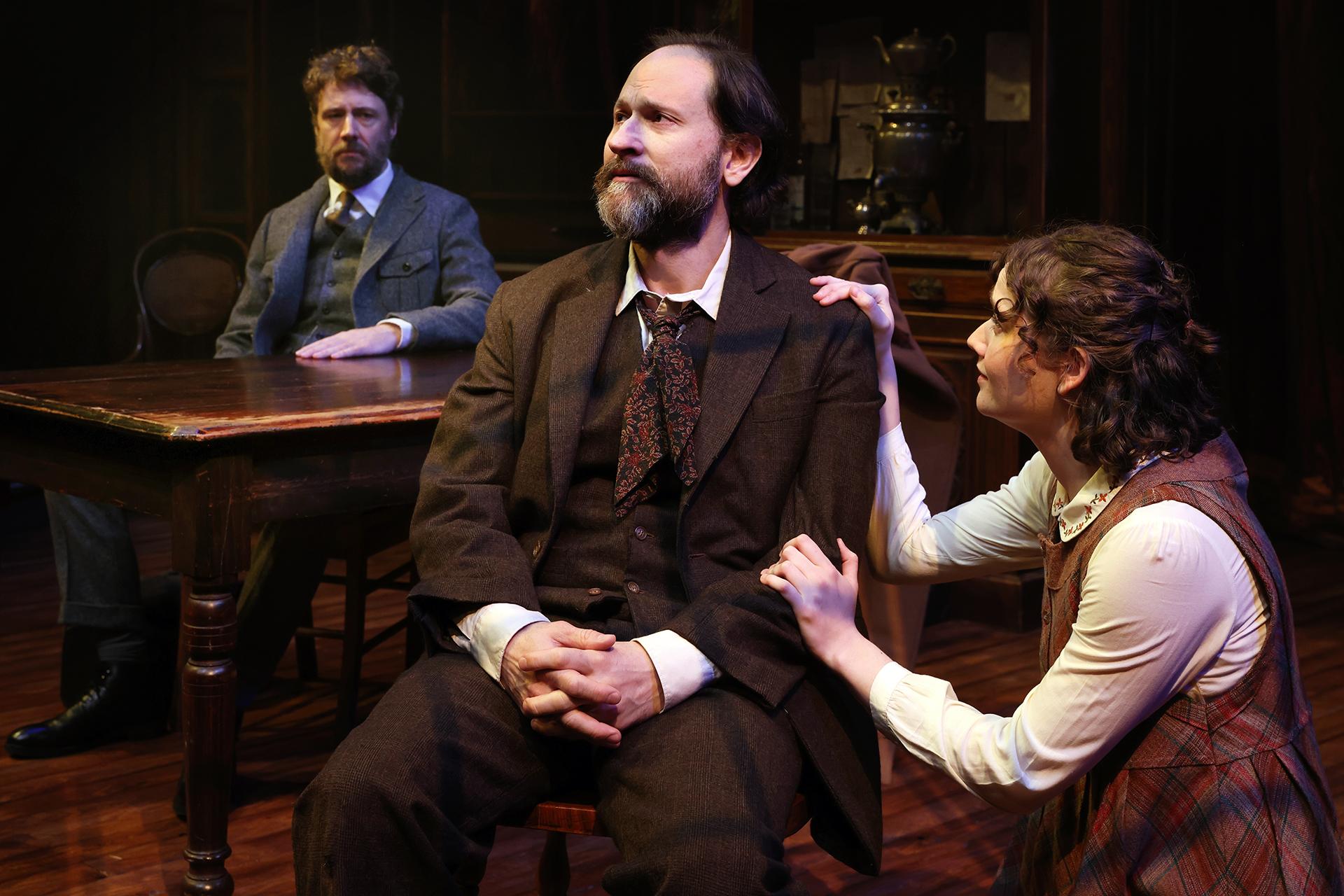
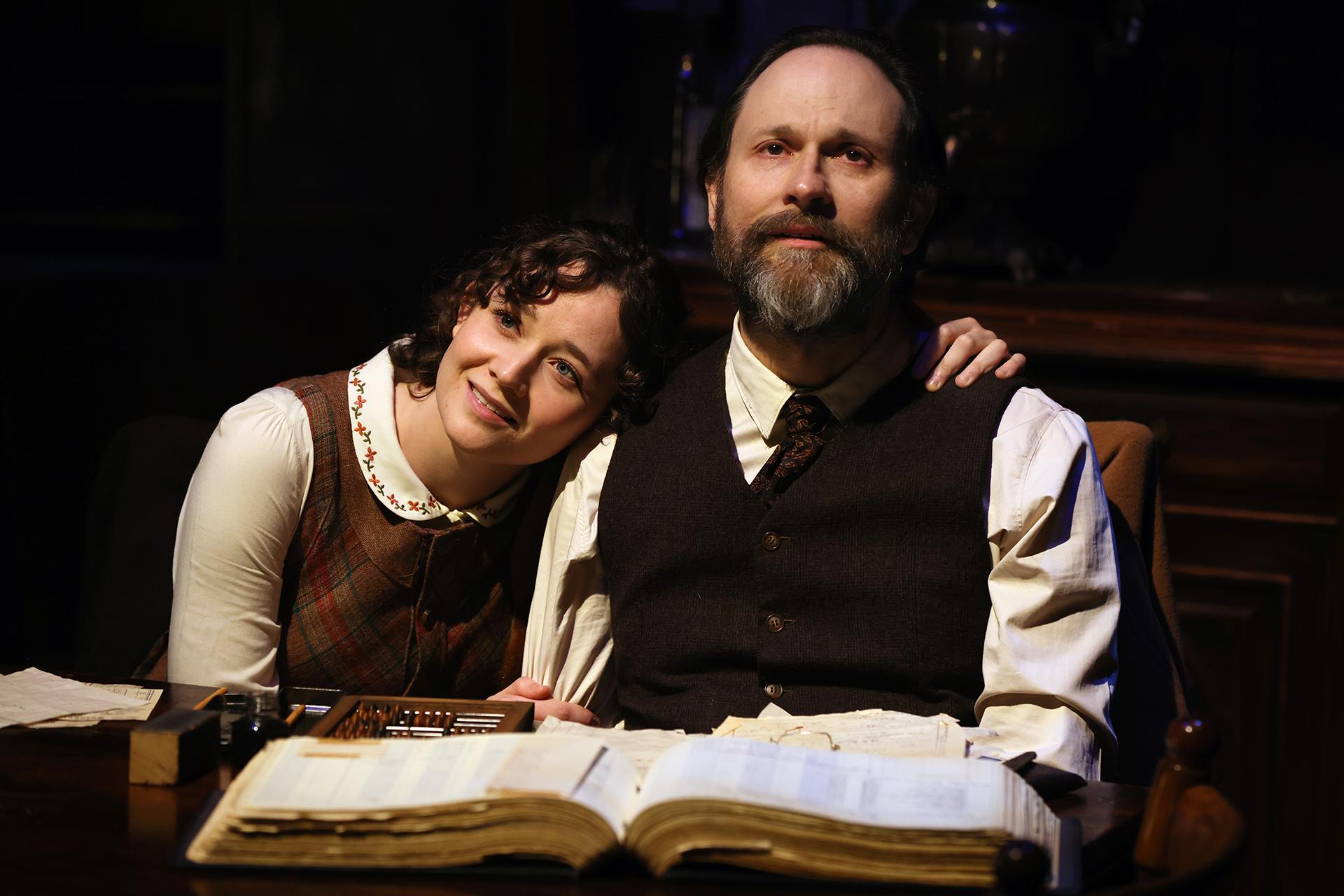
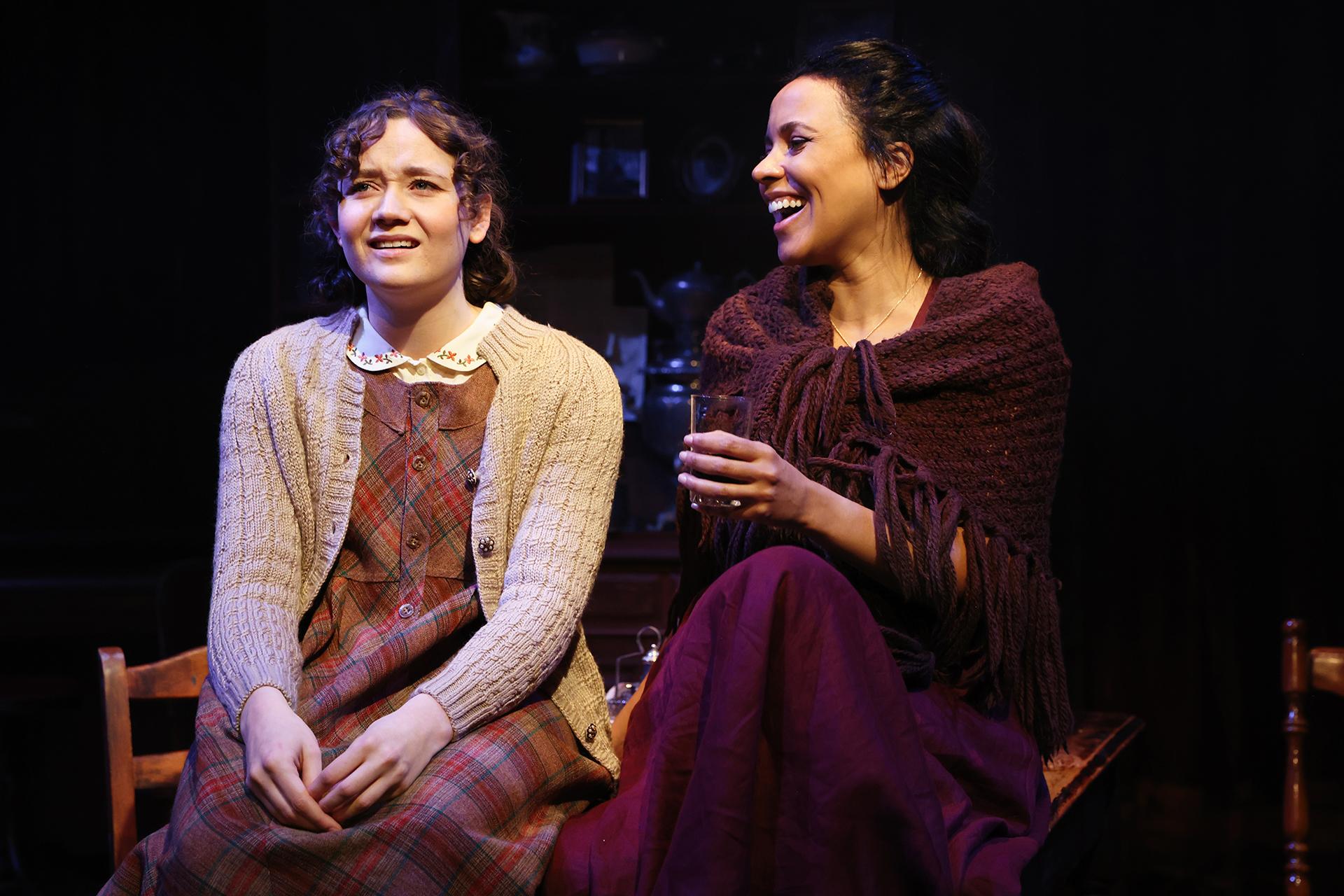
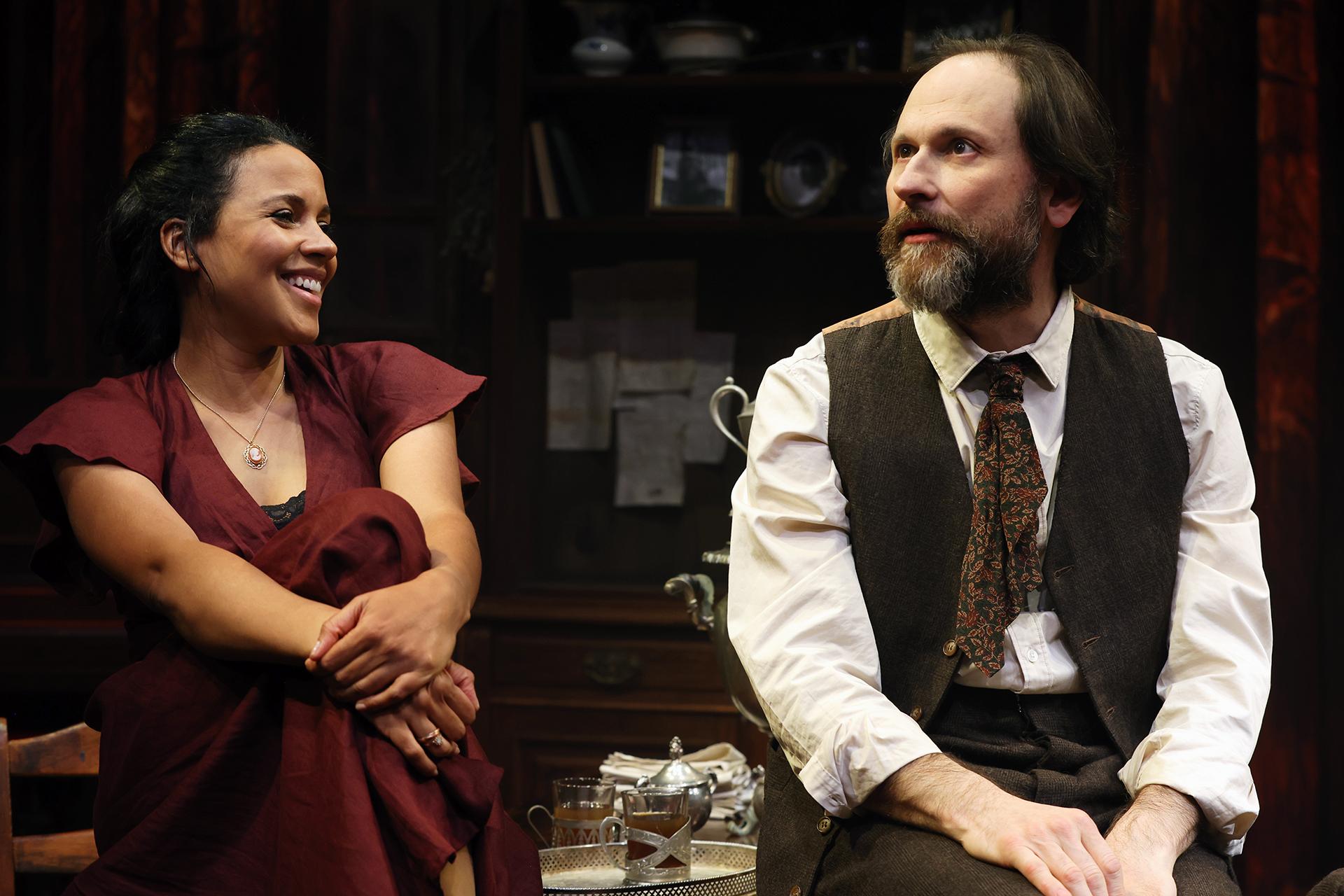
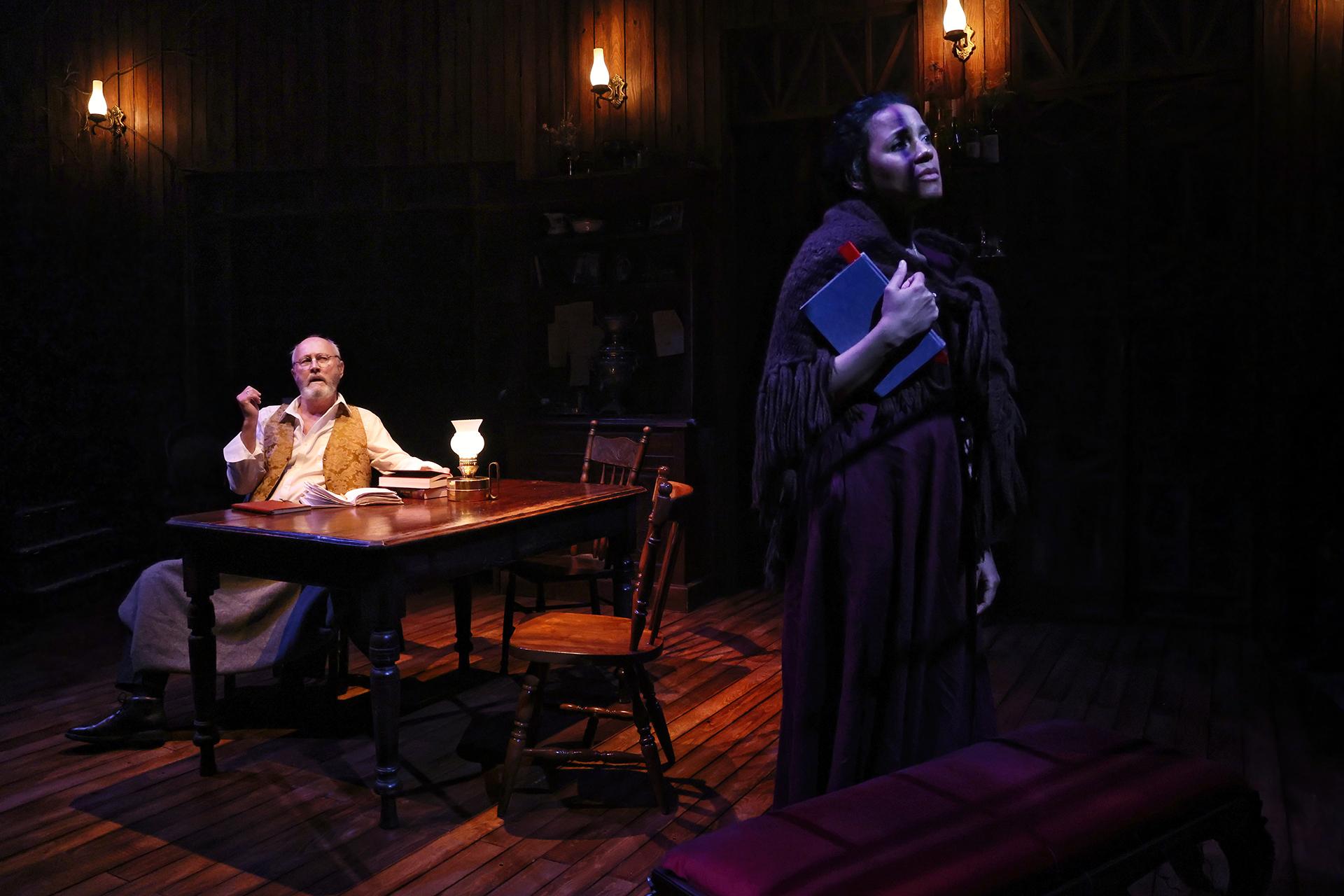
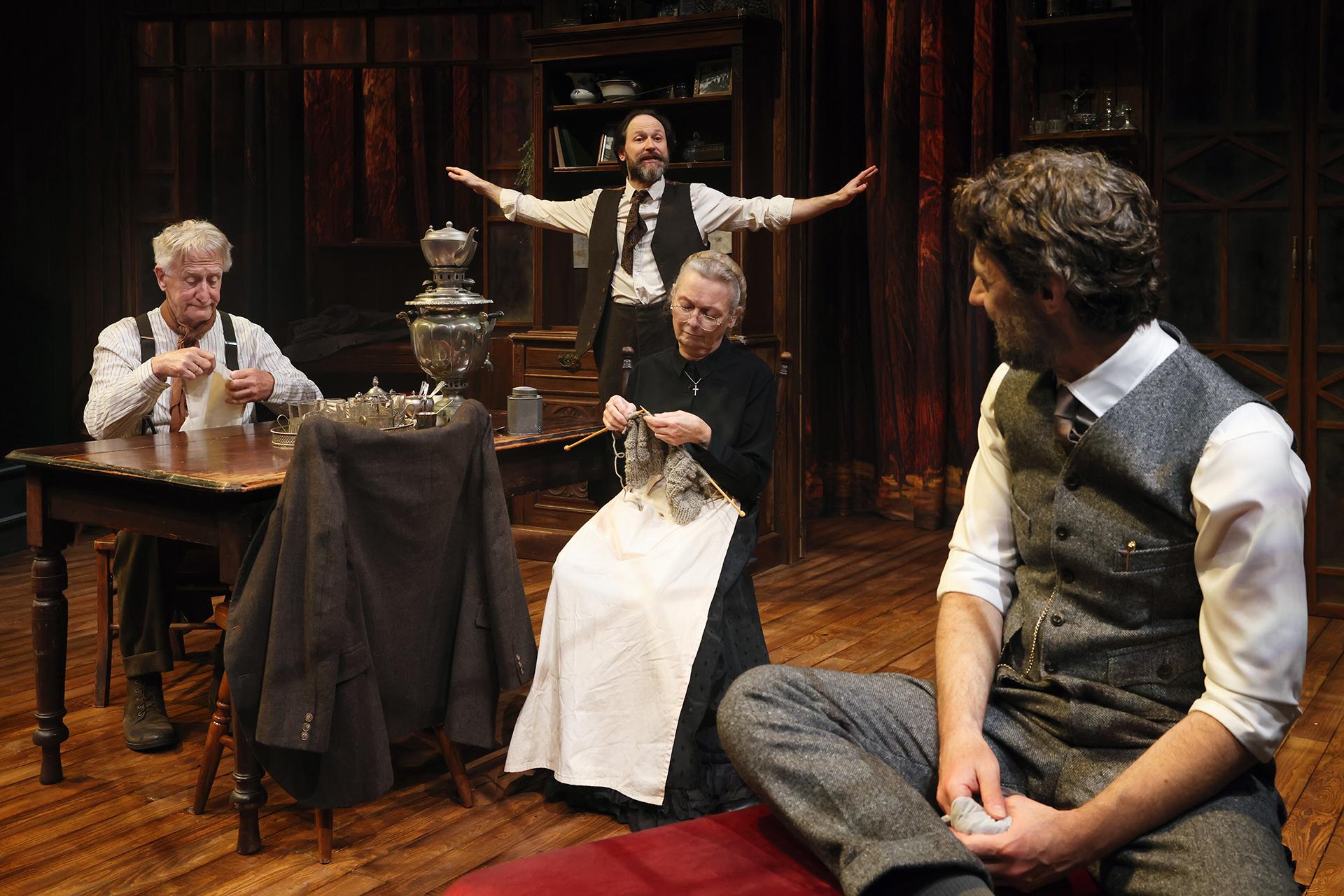
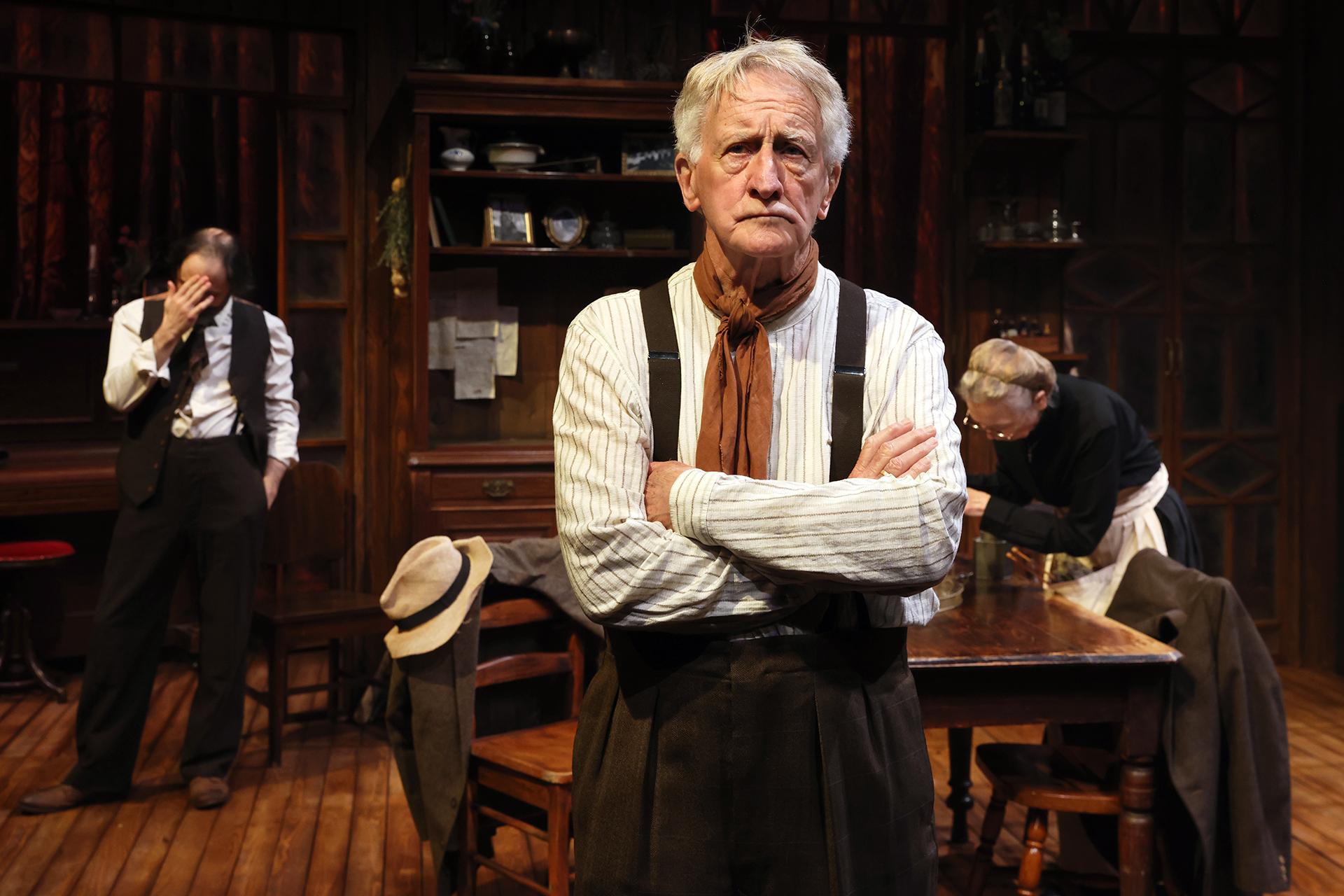
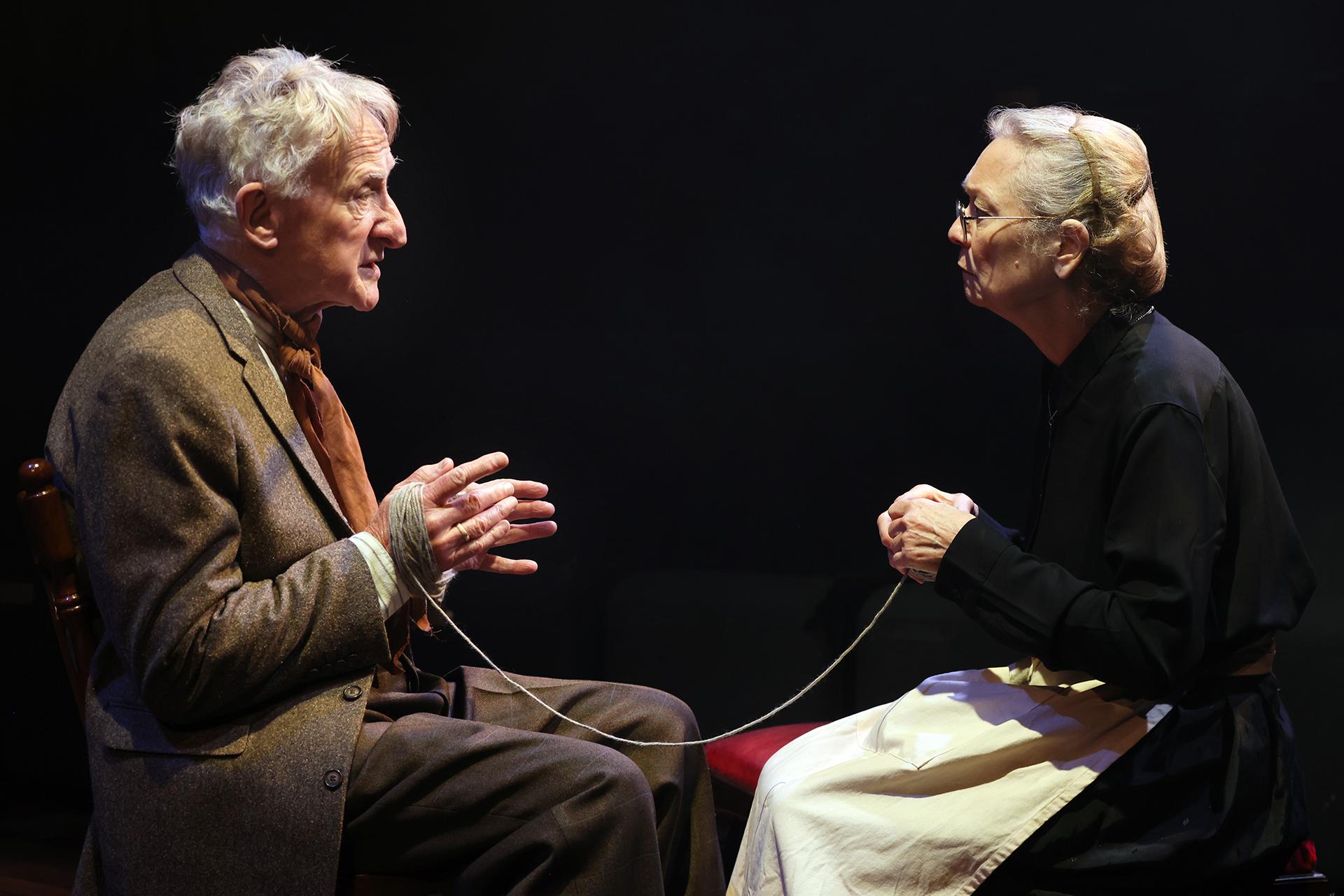
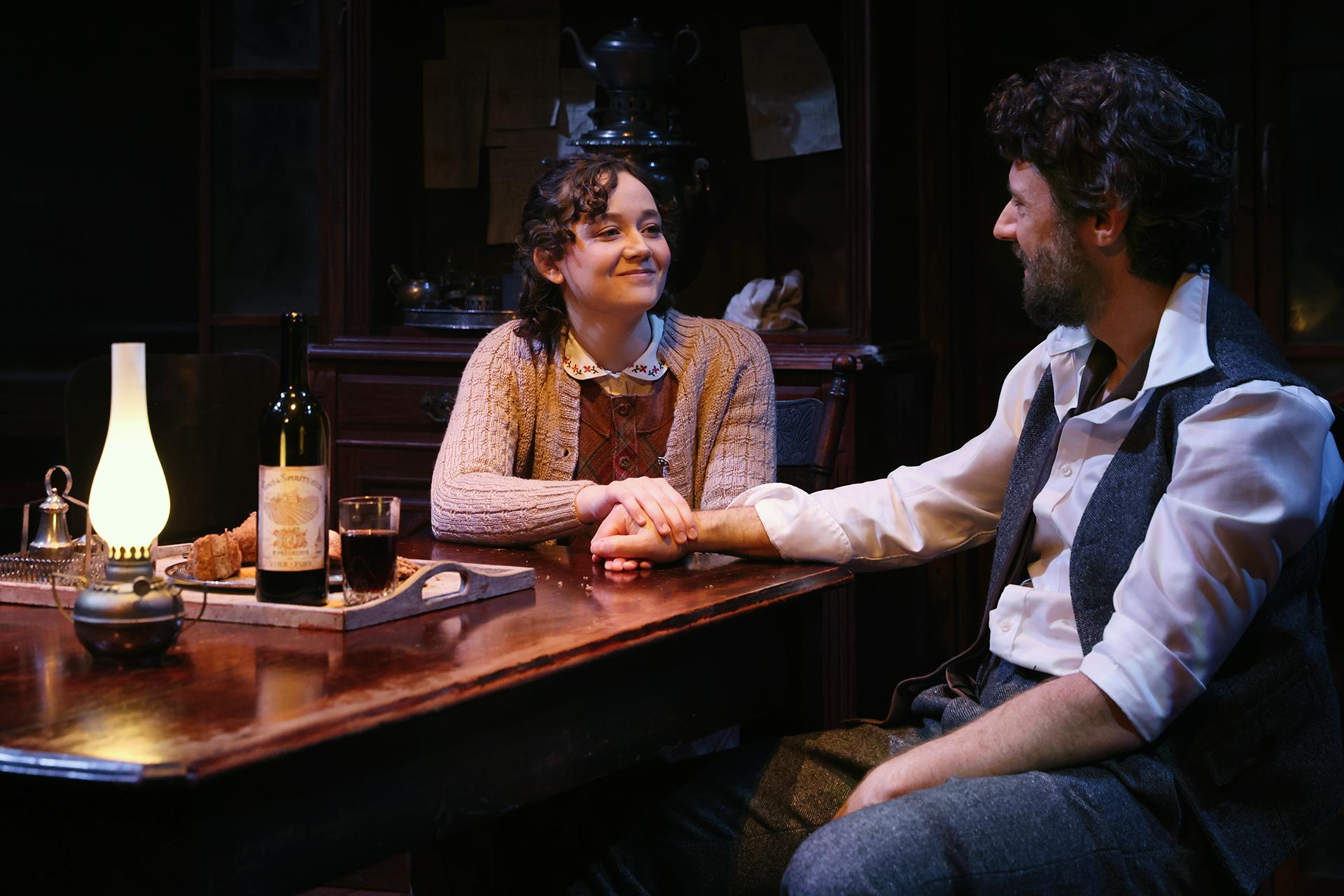
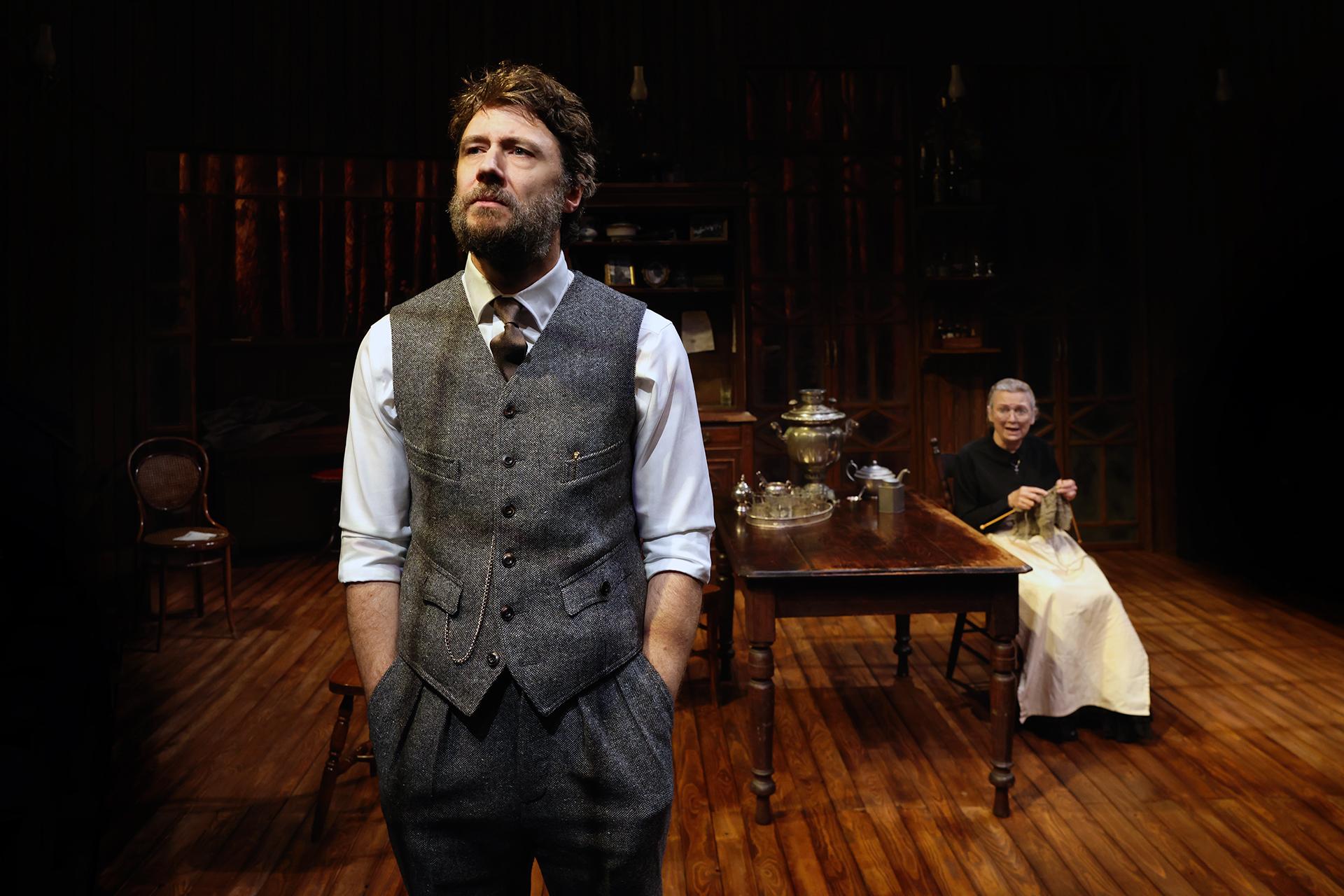
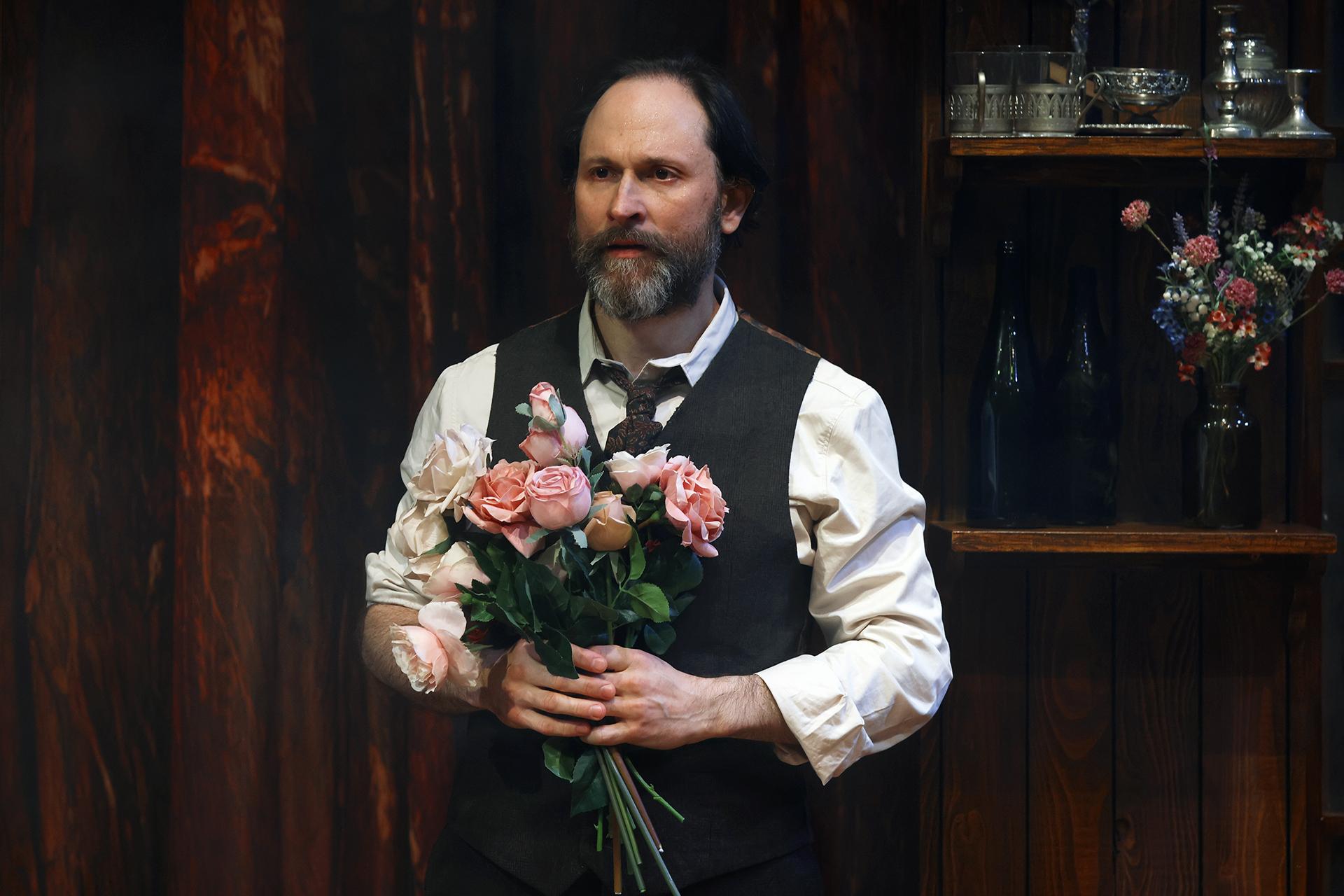
The story may have taken place in Russia over a century ago, but it appears that the human condition still persists with its indomitable longing, to be anywhere but here. Characters in Anton Chekhov’s Uncle Vanya are listless and angsty, but are never quite able to articulate what is actually wrong, only knowing that they wish to arrive at some place, somewhere else. In this adaptation by Joanna Murray-Smith, we encounter refreshing moments of modernity, although it is clear that Chekhov’s essence remains, and like the people he had conjured, we never embark on a radical departure.

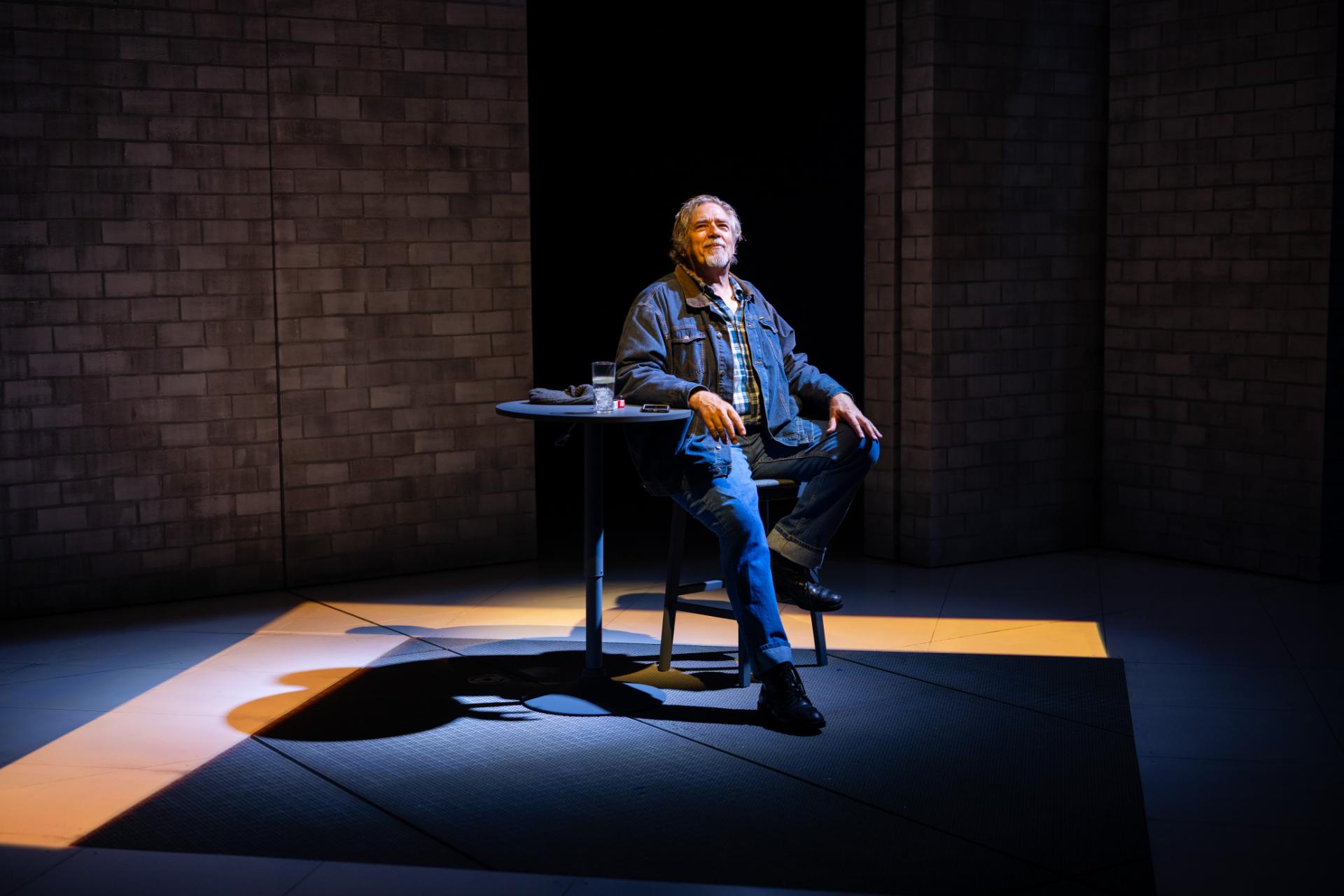
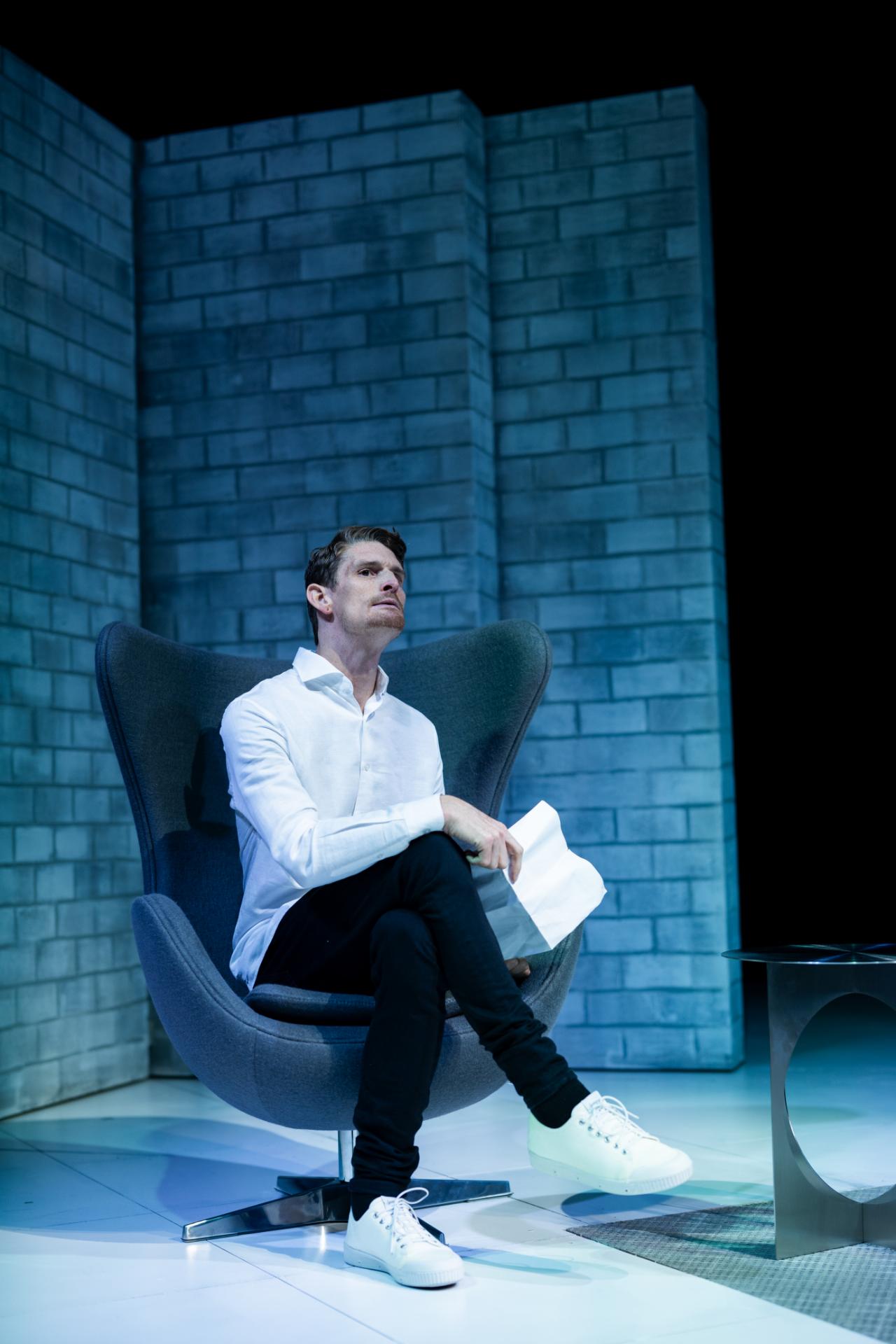
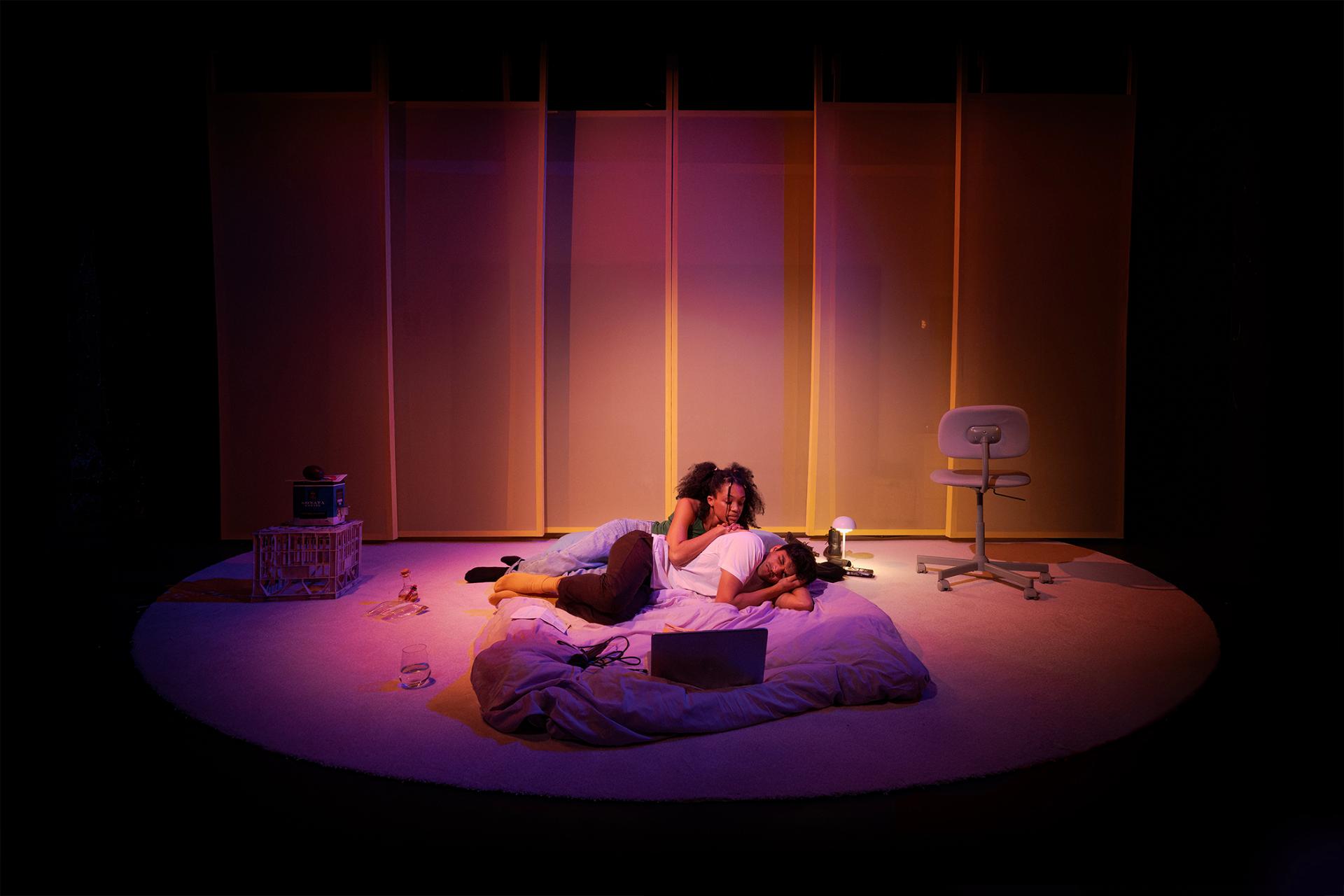
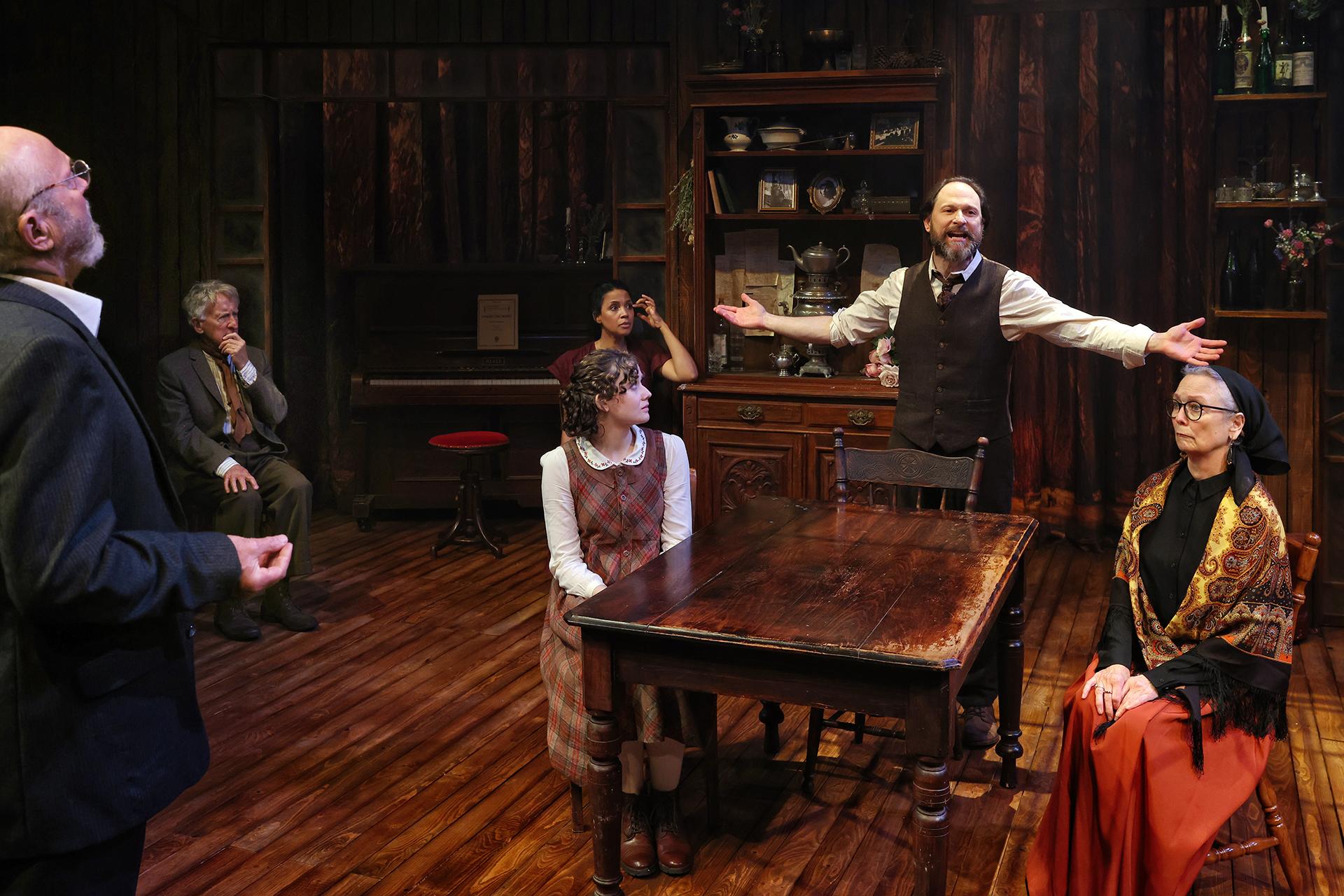
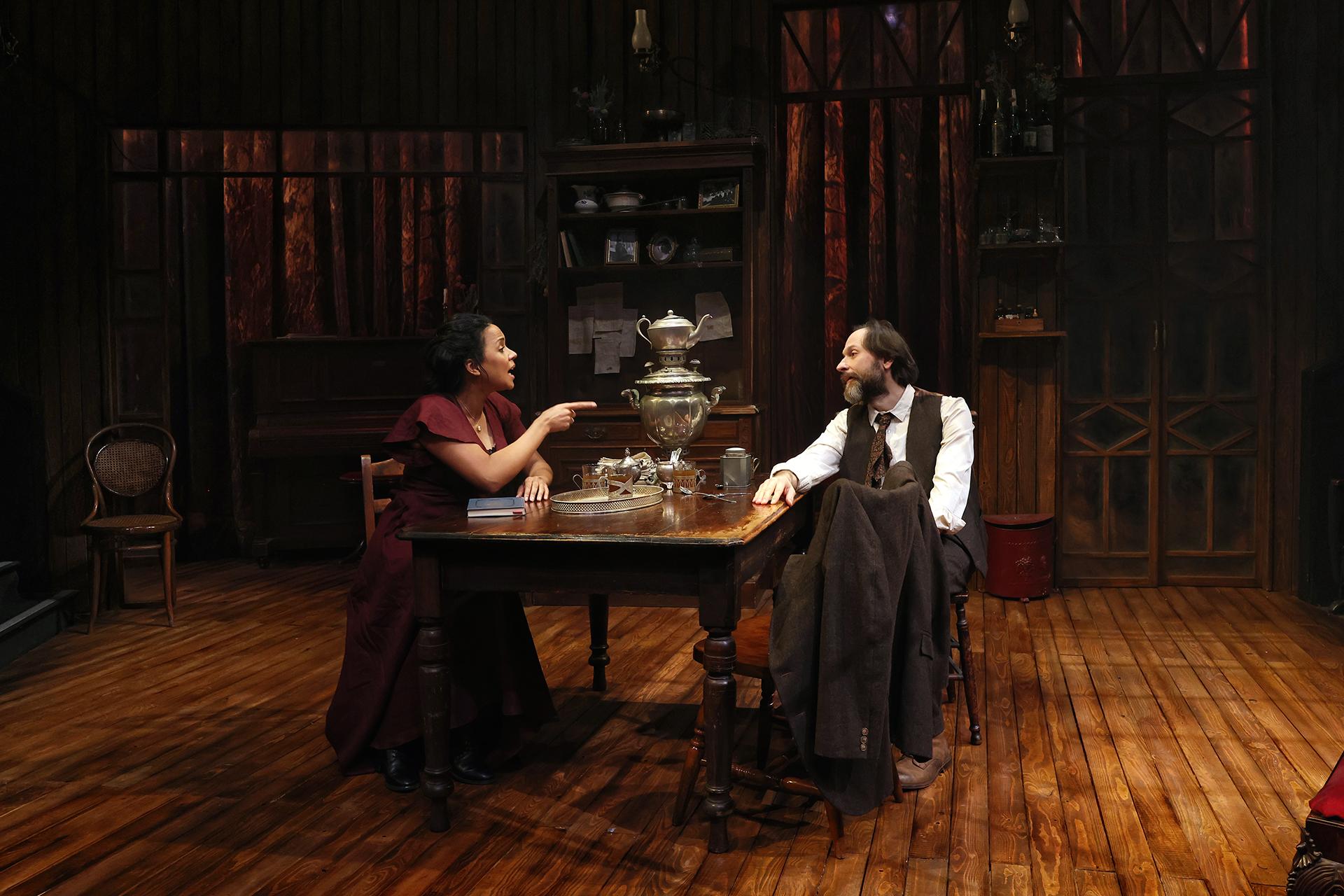
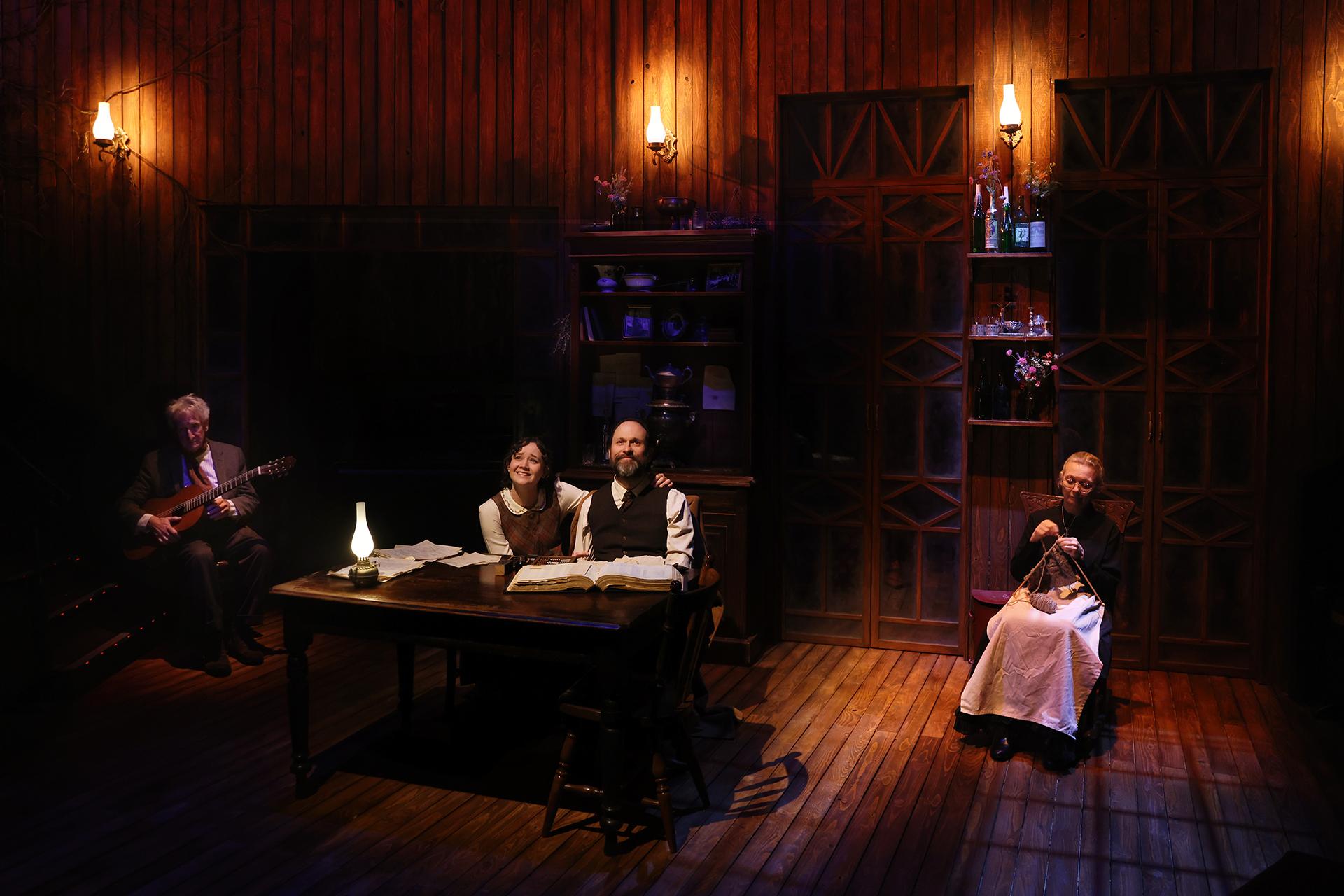
Direction by Mark Kilmurry renders a sense of accuracy, in terms of tone and sensibilities, so that we discover a certain milieu that we trust to be authentic, or at least emblematic, of what is being represented. Production design by Nick Fry leaves no ambiguity about the epoch we visit, with a set notable for the kineticism it encourages, through its clever demarcations of space. Lights by Matt Cox are warm and tender, to provide our empathy a boost, so that we may regard the play with greater openness. Sounds and music by Steve Francis are judiciously measured, always subtle but unquestionably effective.

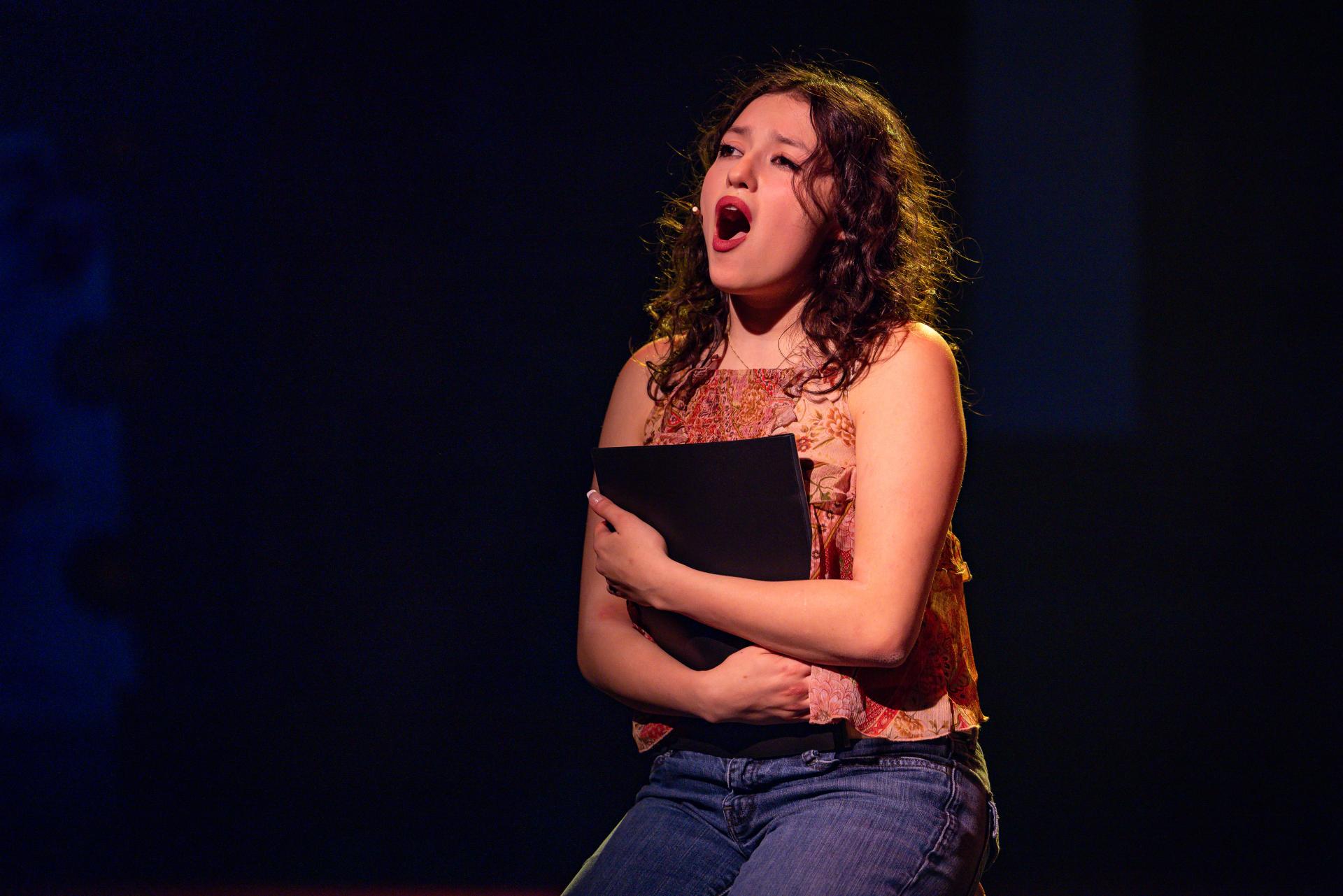
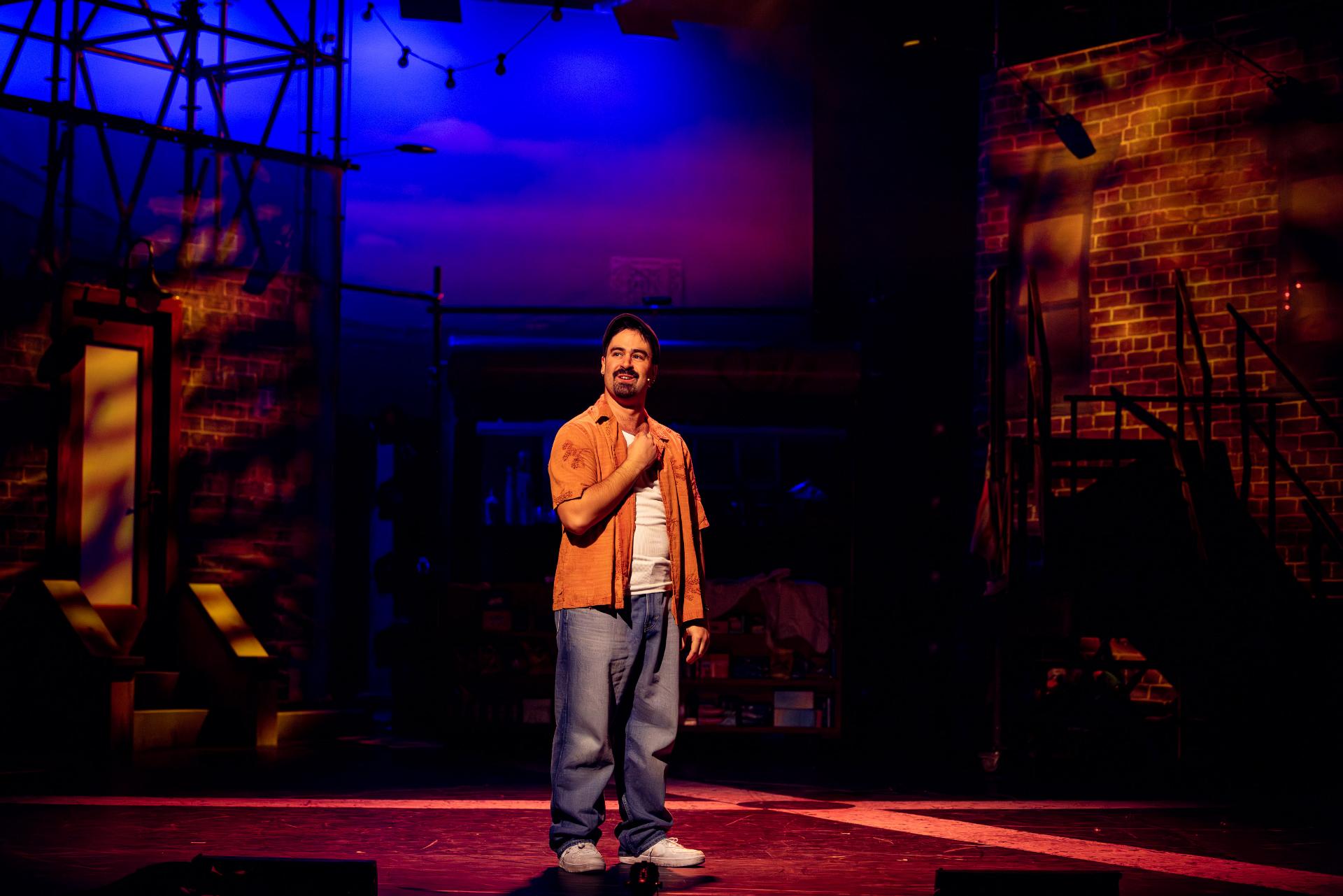
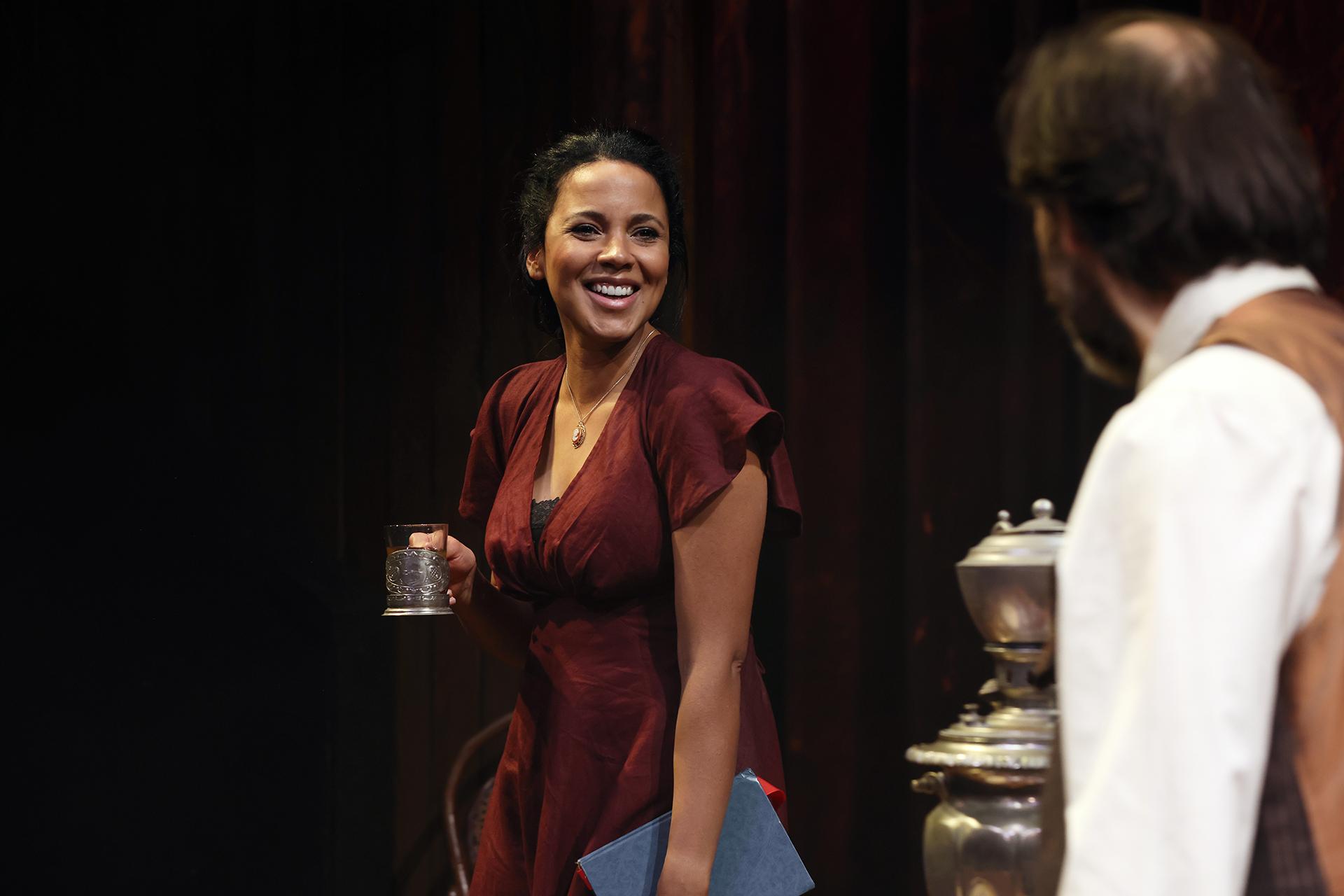
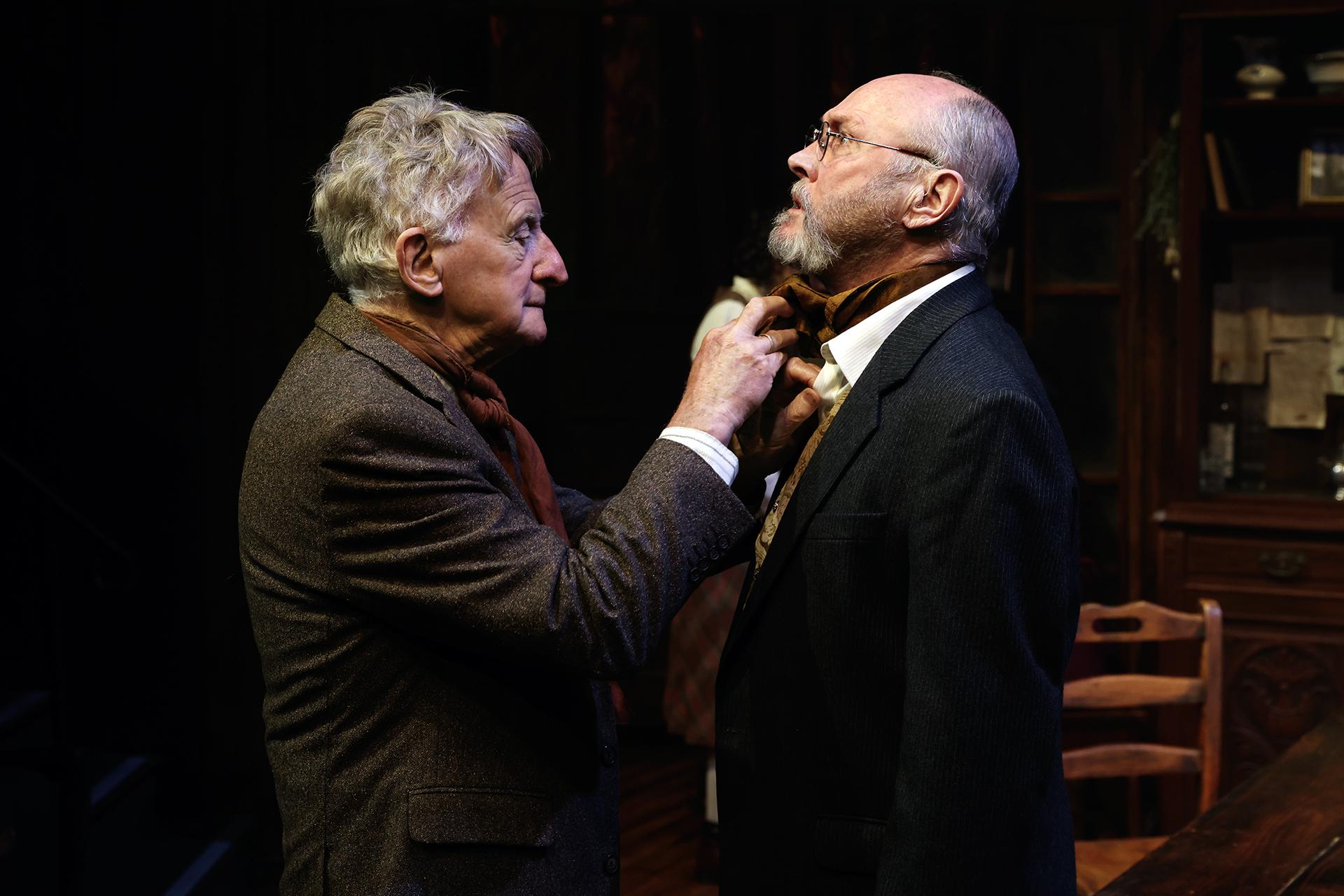
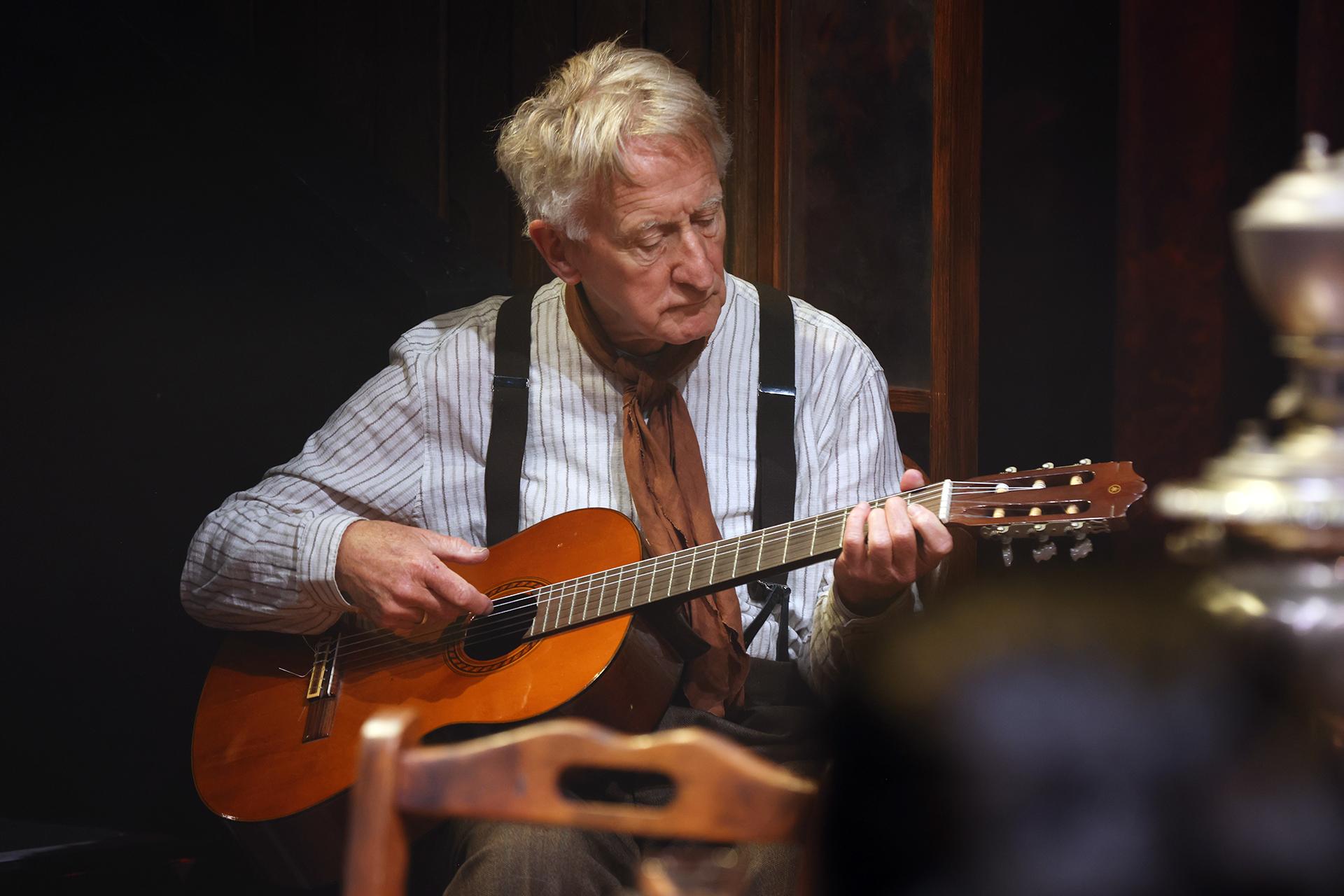
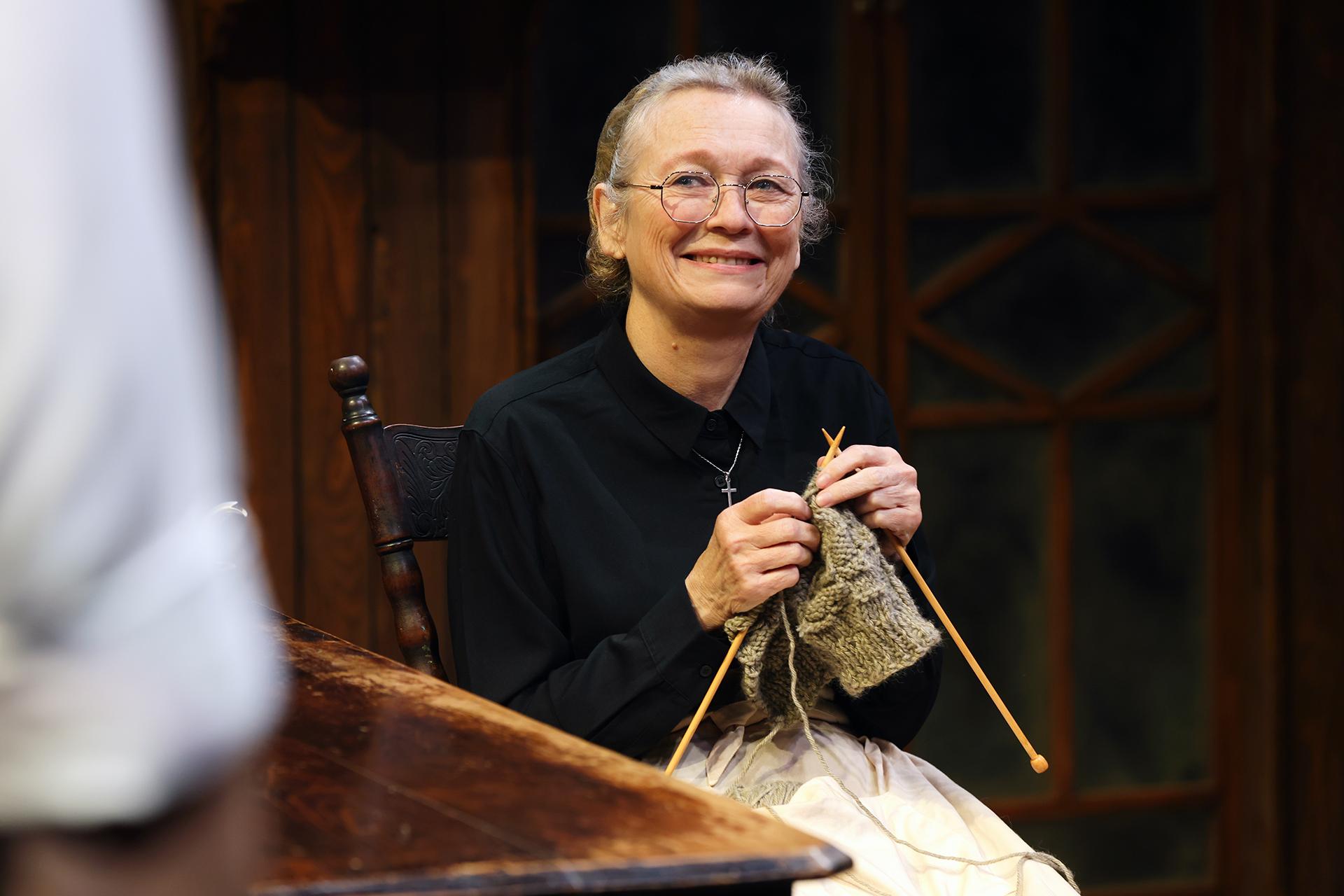
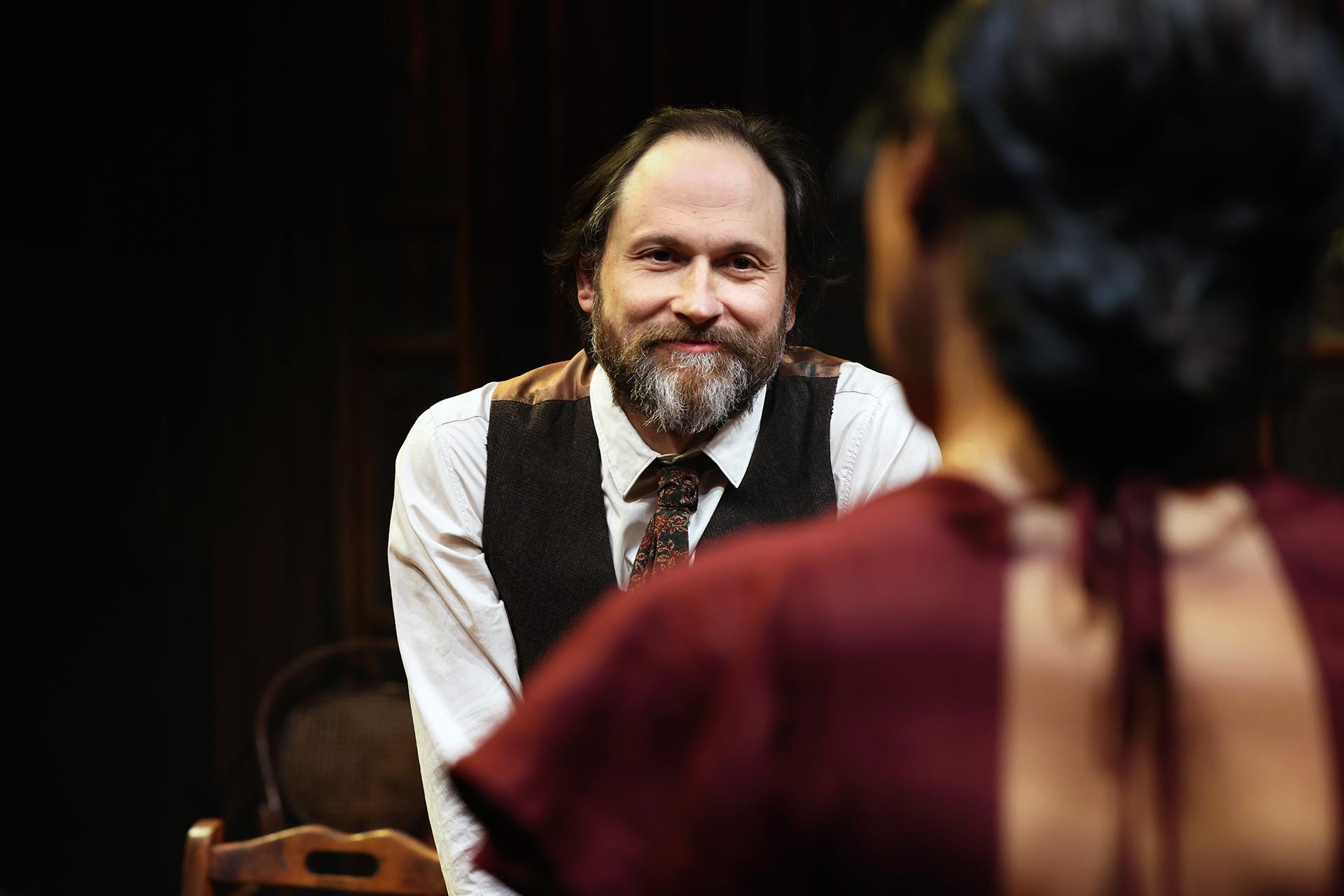
The cast is mostly charming, although not always resonant or persuasive, in a show that can on occasion feel somewhat under rehearsed. In the titular role is Yalin Ozucelik, laudable for his unwavering exuberance, and commitment to finding chemistry for all these scenes of interpersonal disconnectedness.

In Uncle Vanya we observe individuals who want the same thing, but all in different ways. The tragedy is that they all suffer a perturbation, yet are unable to locate meaningful ways to sufficiently see and hear one another. Disharmony becomes par for the course, when people can only look inward, and fail to recognise the endless similarities in between.
www.ensemble.com.au

Review: In The Heights (Sydney Opera House)

Venue: Sydney Opera House (Sydney NSW), 20 Jul – 25 Aug, 2024
Music & Lyrics: Lin-Manuel Miranda
Book: Quiara Alegria Hudes
Director: Luke Joslin
Cast: Barry Conrad, Steve Costi, Lena Cruz, Janet Dacal, Olivia Dacal, Tamara Foglia Castañeda, Ryan Gonzalez, Jervis Livelo, Alexander Palacio, Angela Rosero, Olivia Vásquez,  Richard Valdez
Images by Daniel Boud

Theatre review
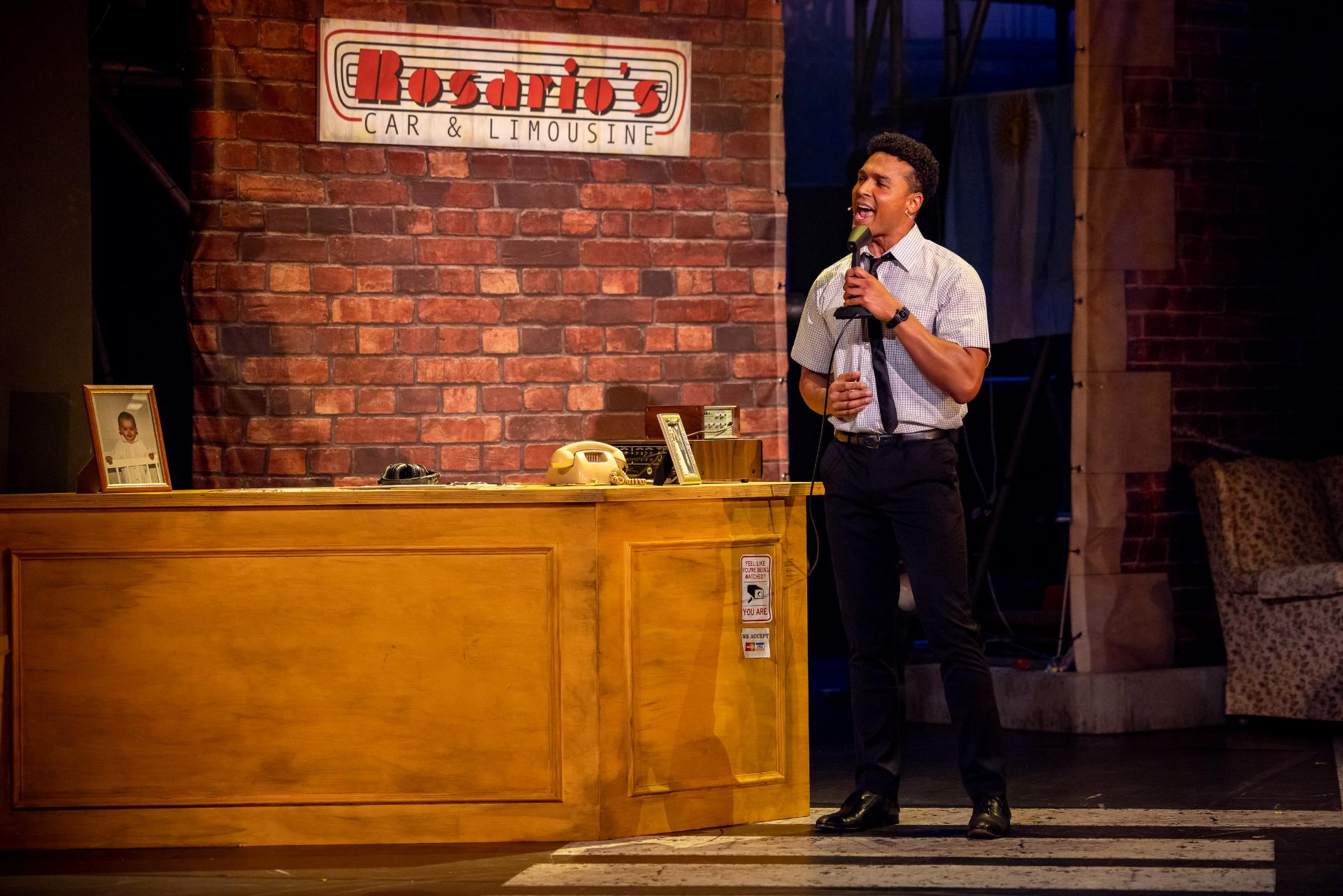
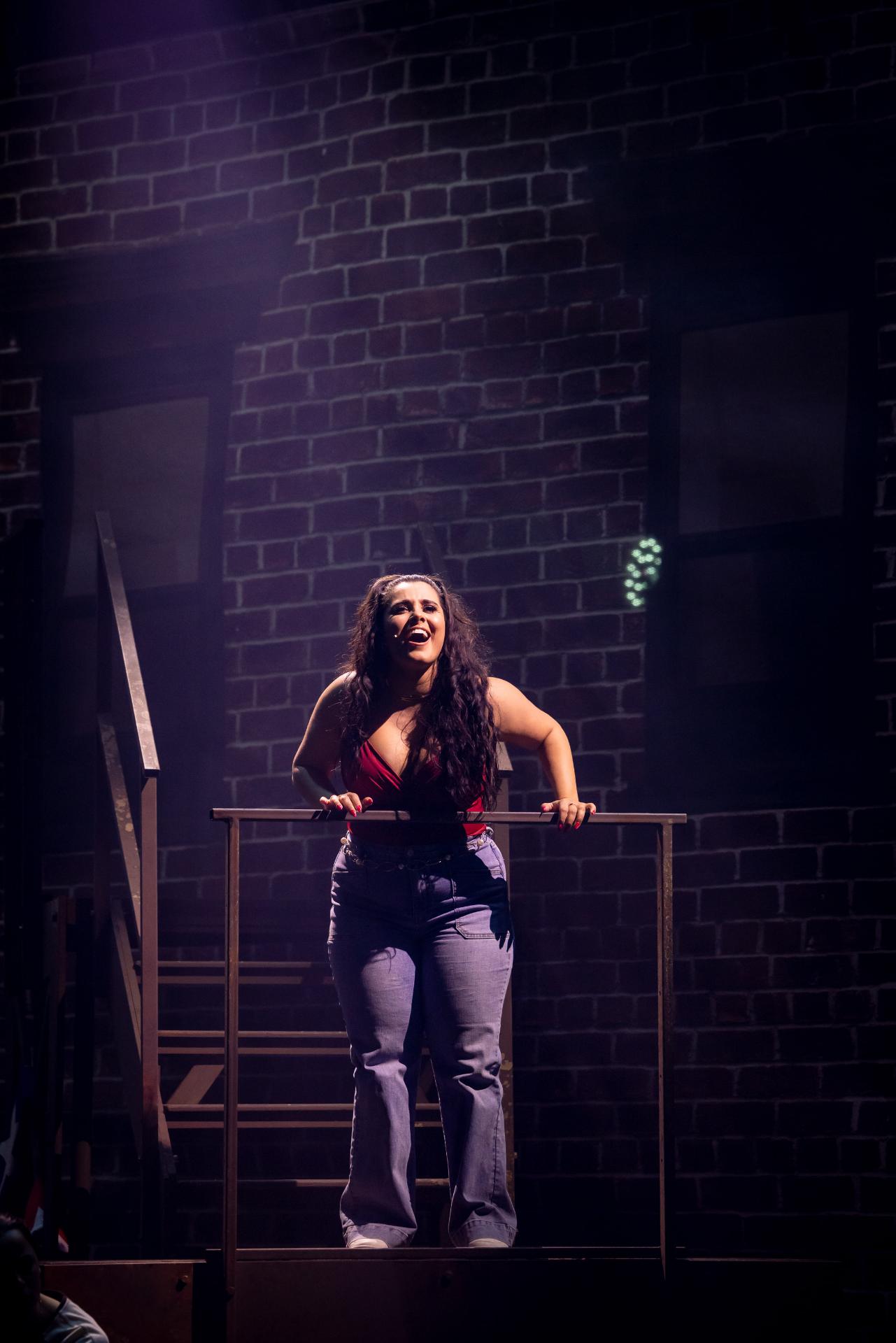
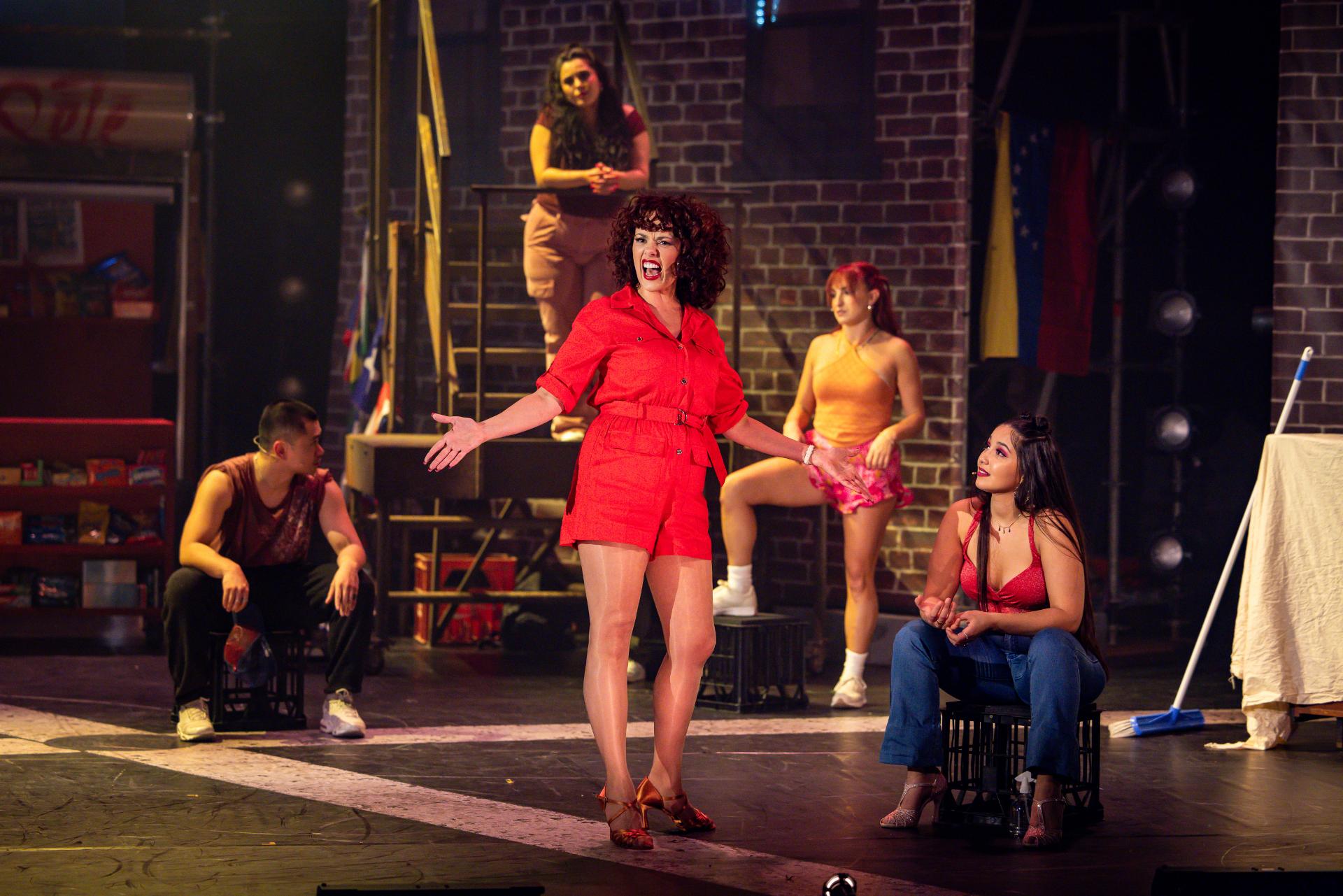
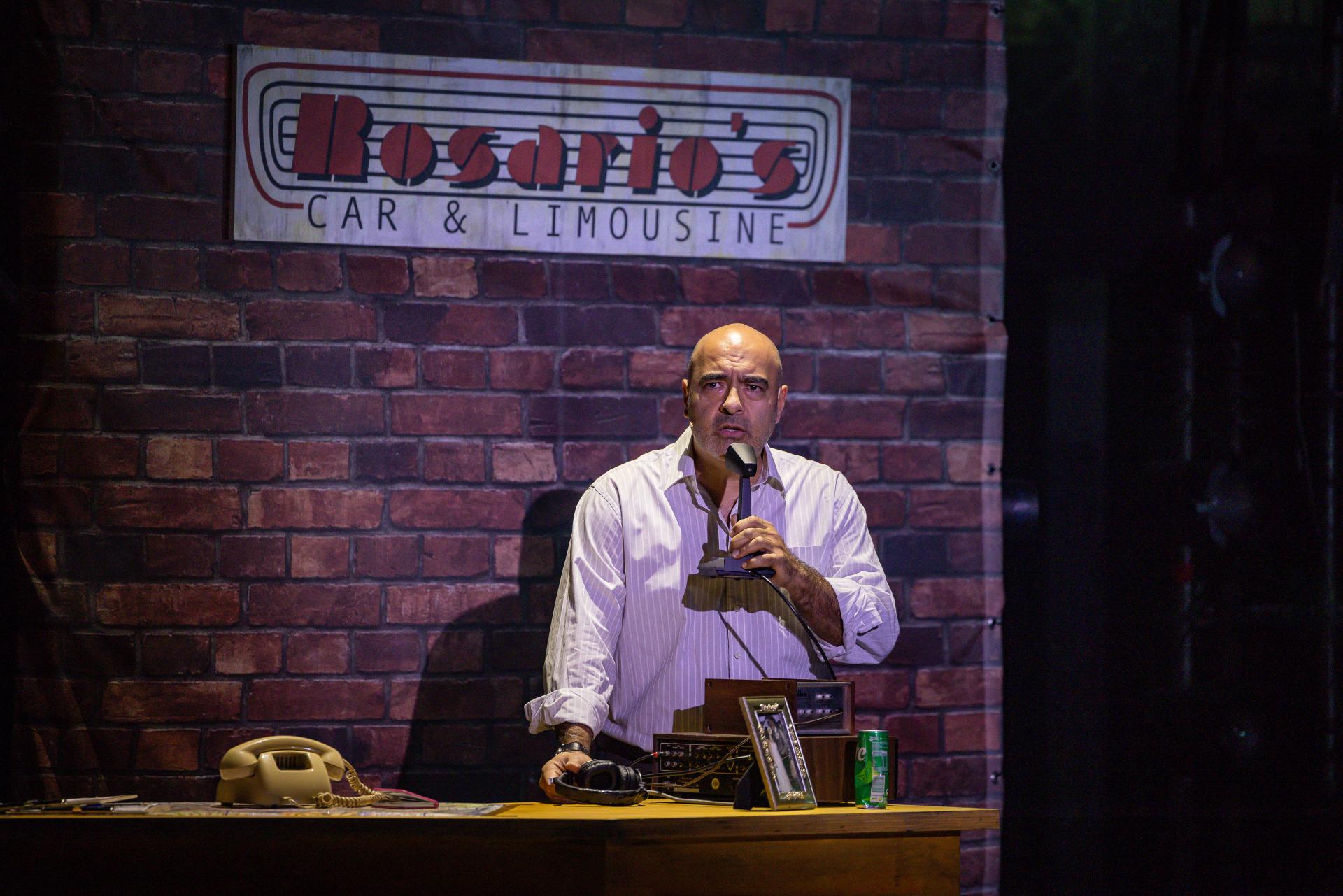
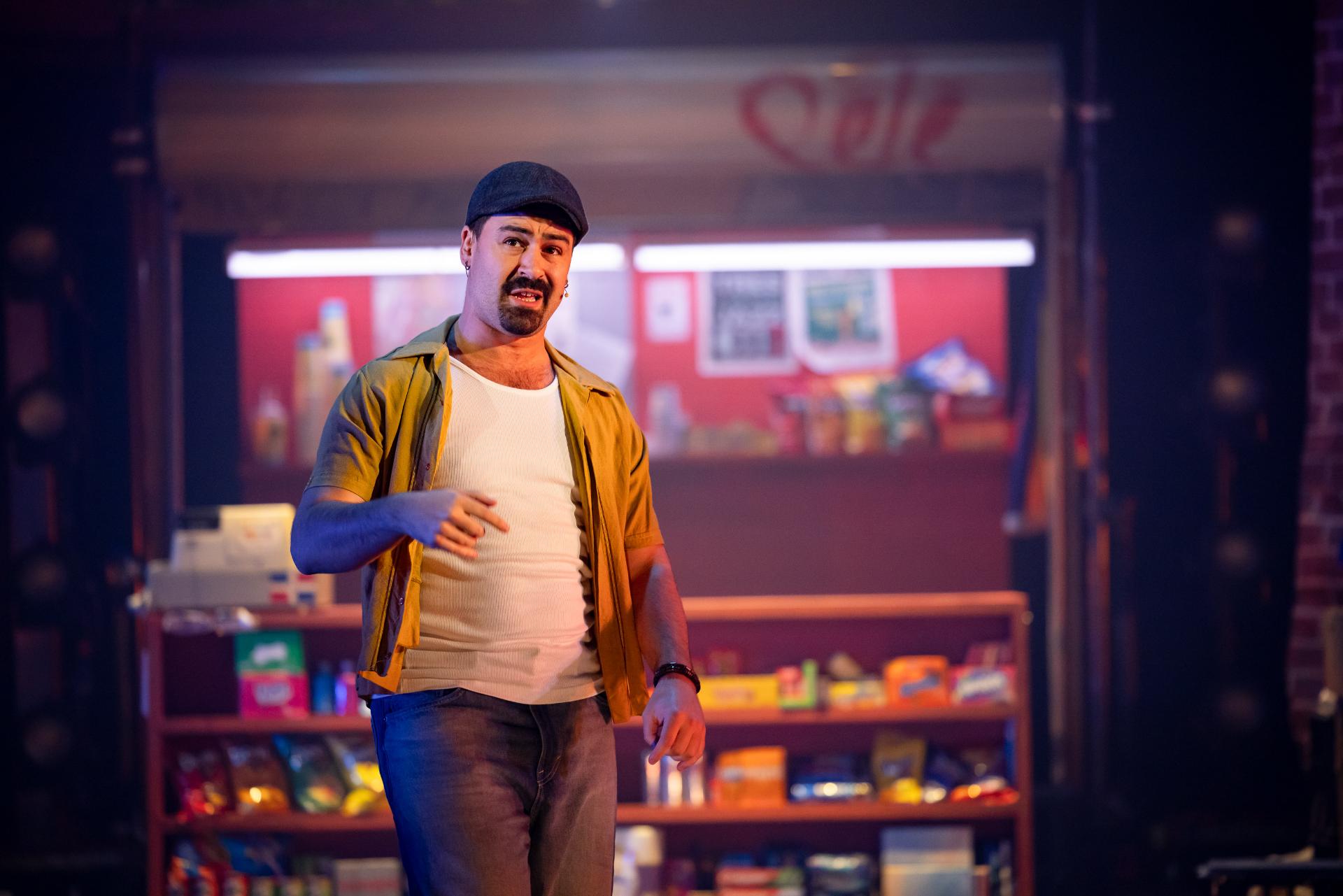
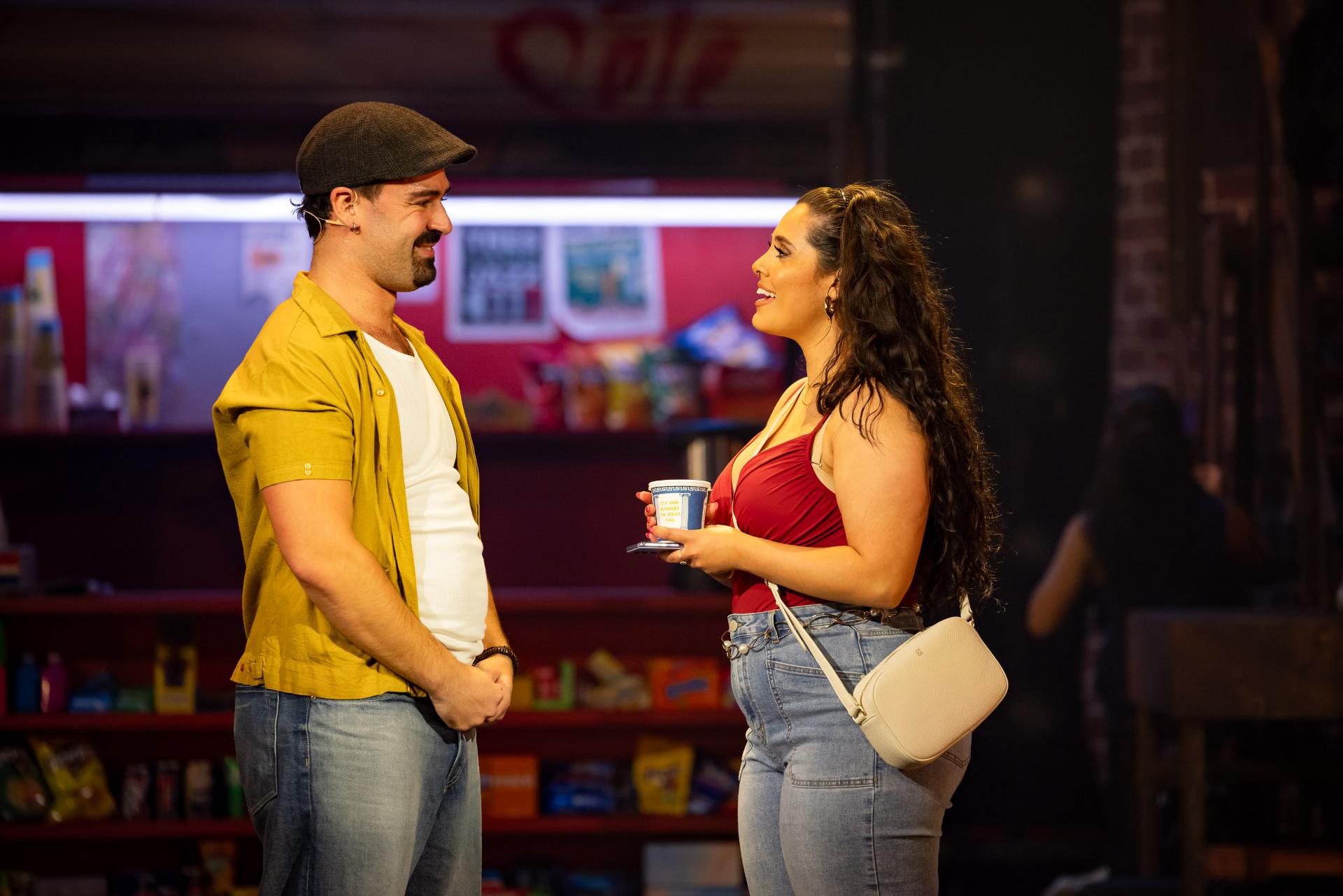
Washington Heights in Upper Manhattan, is home to a Latin American community full of stories that speak specifically to the migrant experience of diasporas everywhere. In The Heights by Lin-Manuel Miranda and Quiara Alegria Hudes is approaching twenty years old, but the musical remains resonant with potent accuracy, in its depictions of our struggles and aspirations, as people trying to thrive in places that may not be completely accepting or hospitable.

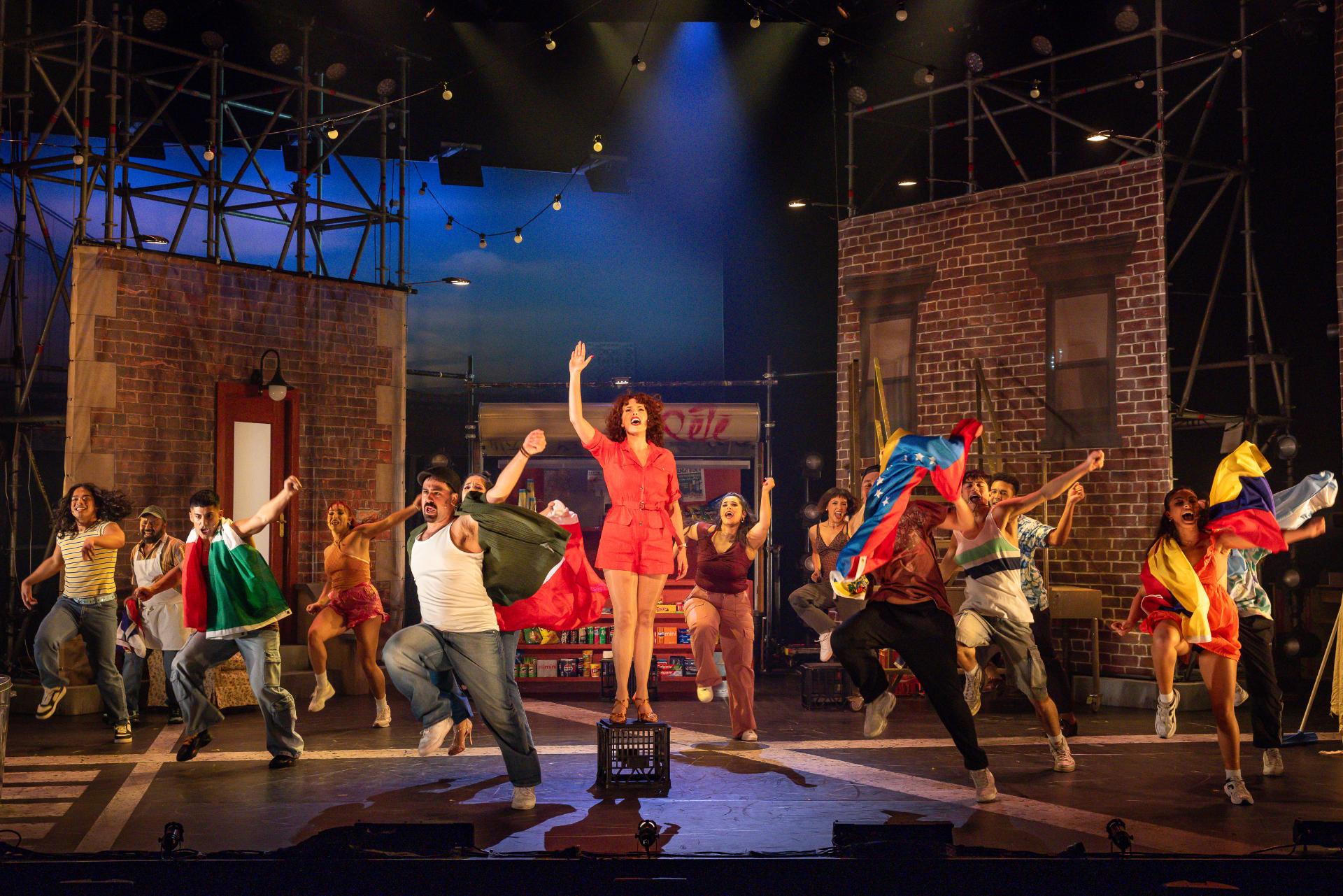
Miranda’s music is an unequivocal pleasure, laden with Latinx rhythms that have us engrossed and uplifted. With exuberant musical direction by Victoria Falconer, each number grabs us with its scintillating percussion and sensual bassline, to deliver sensations that are celebratory and life-affirming.

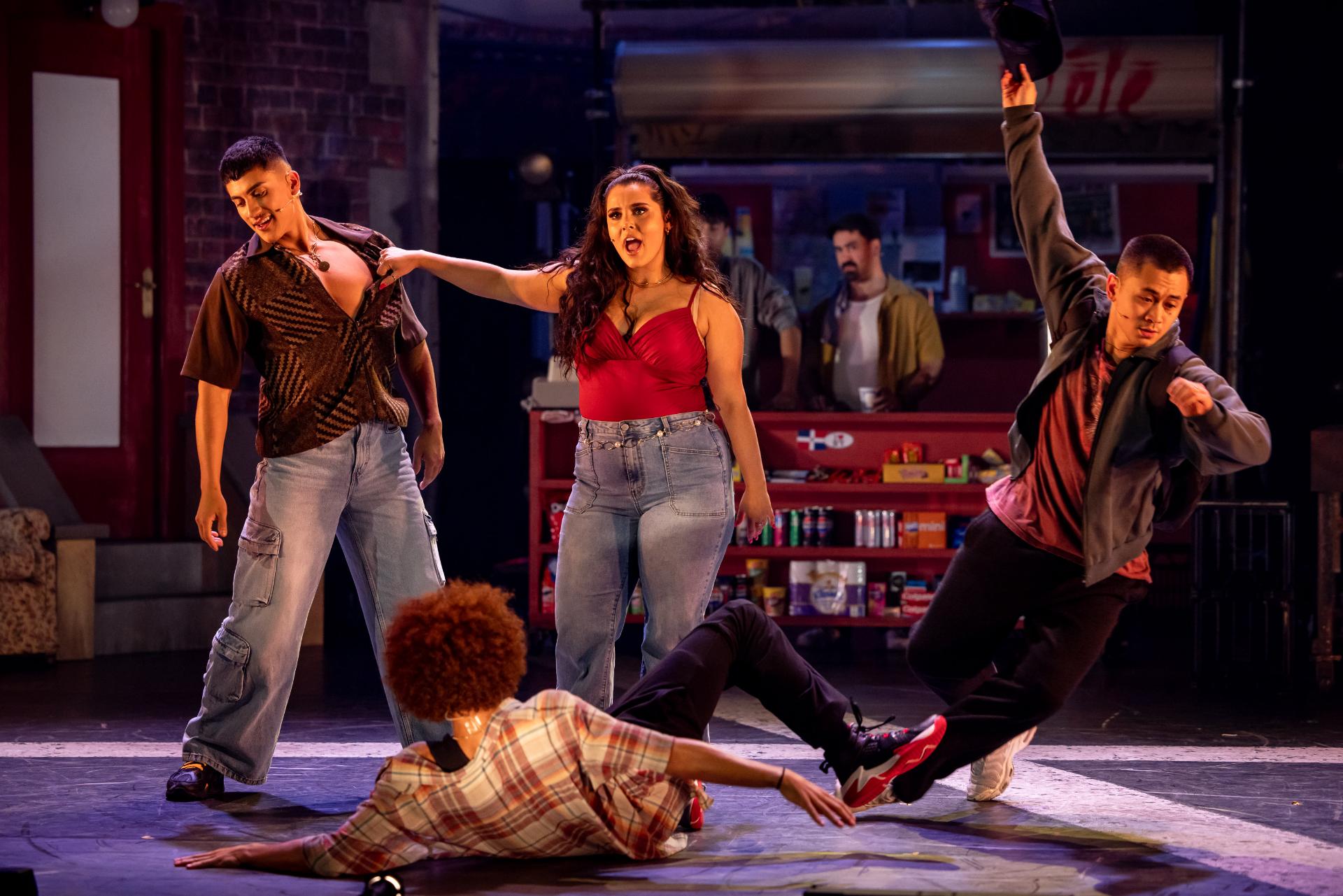
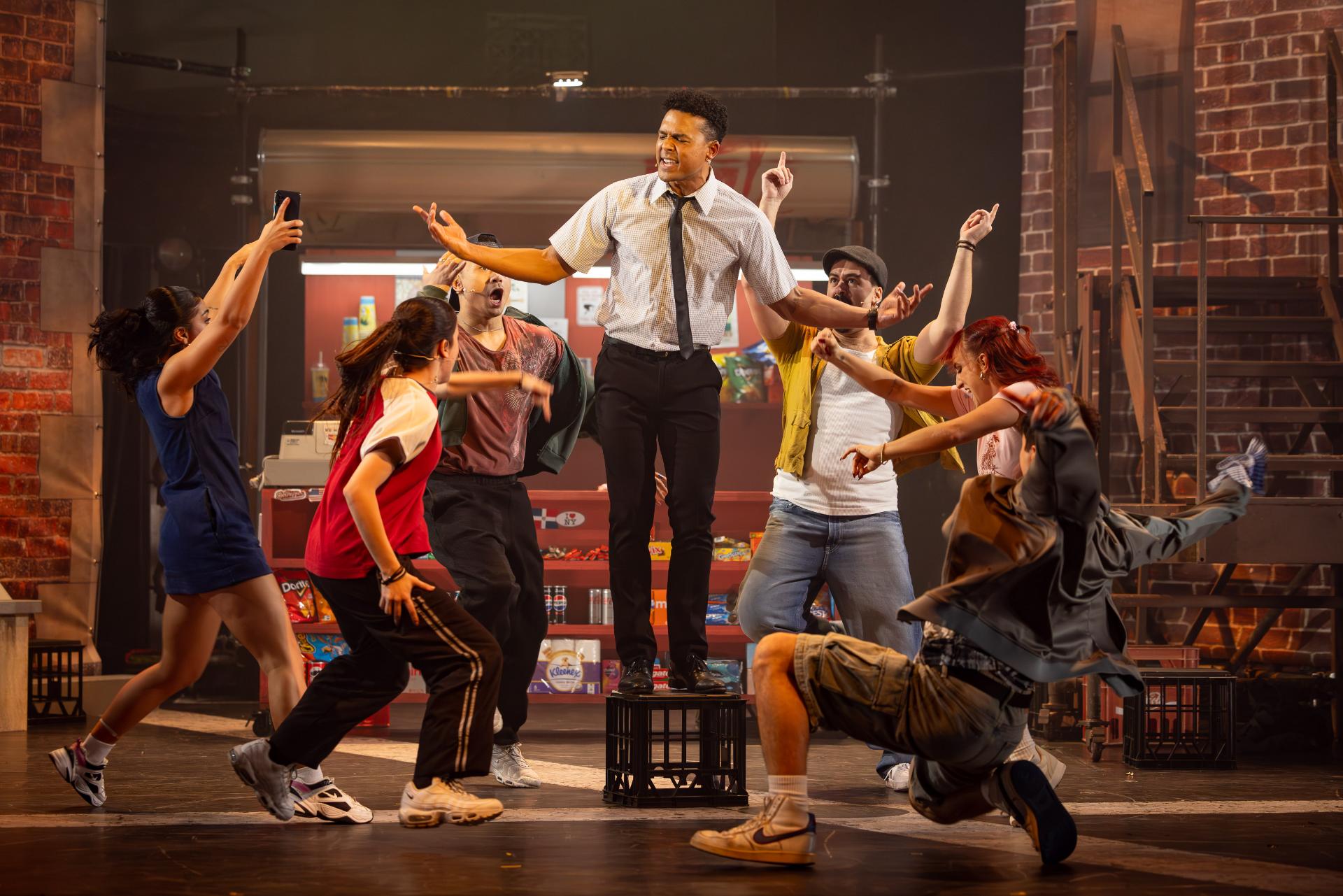
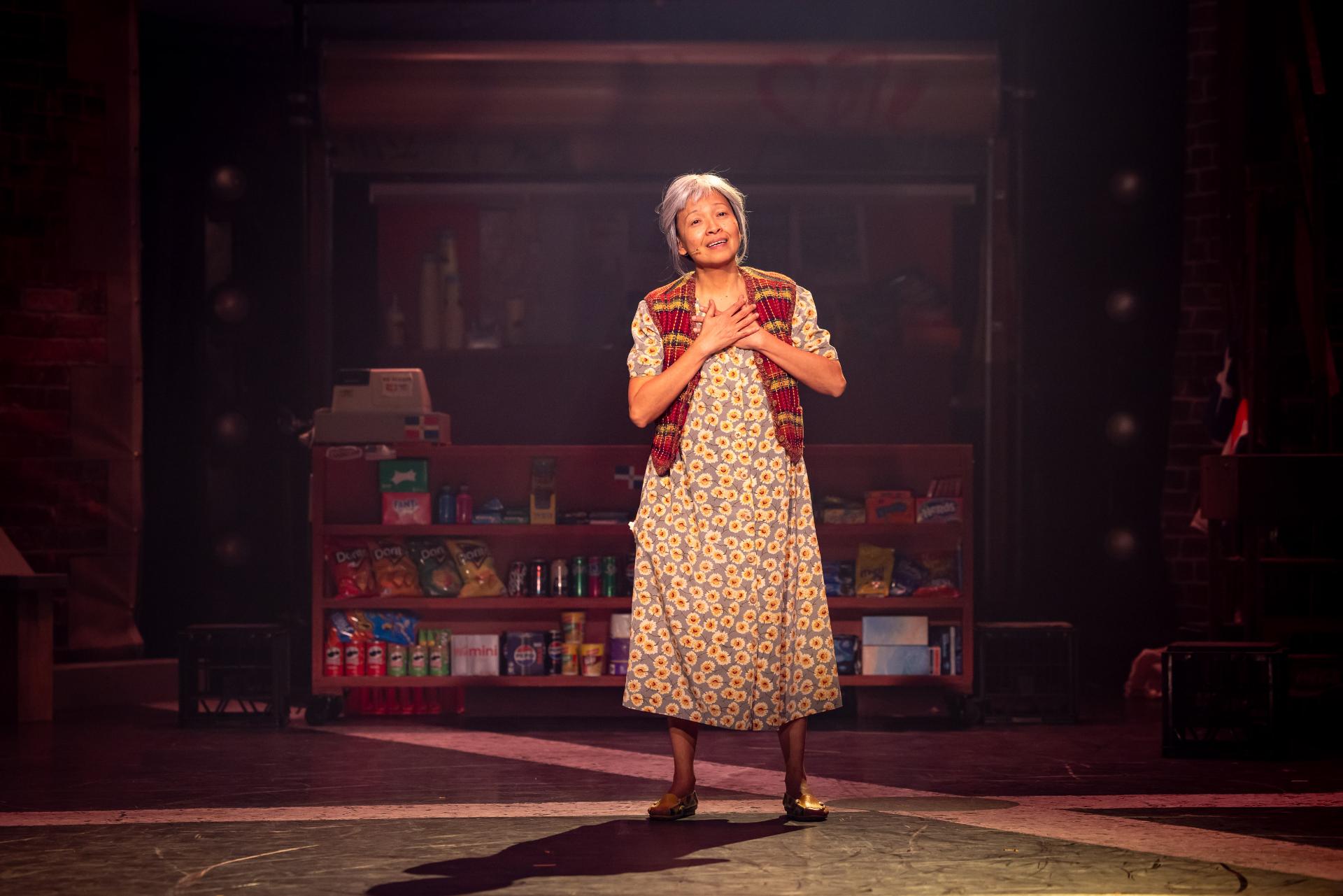
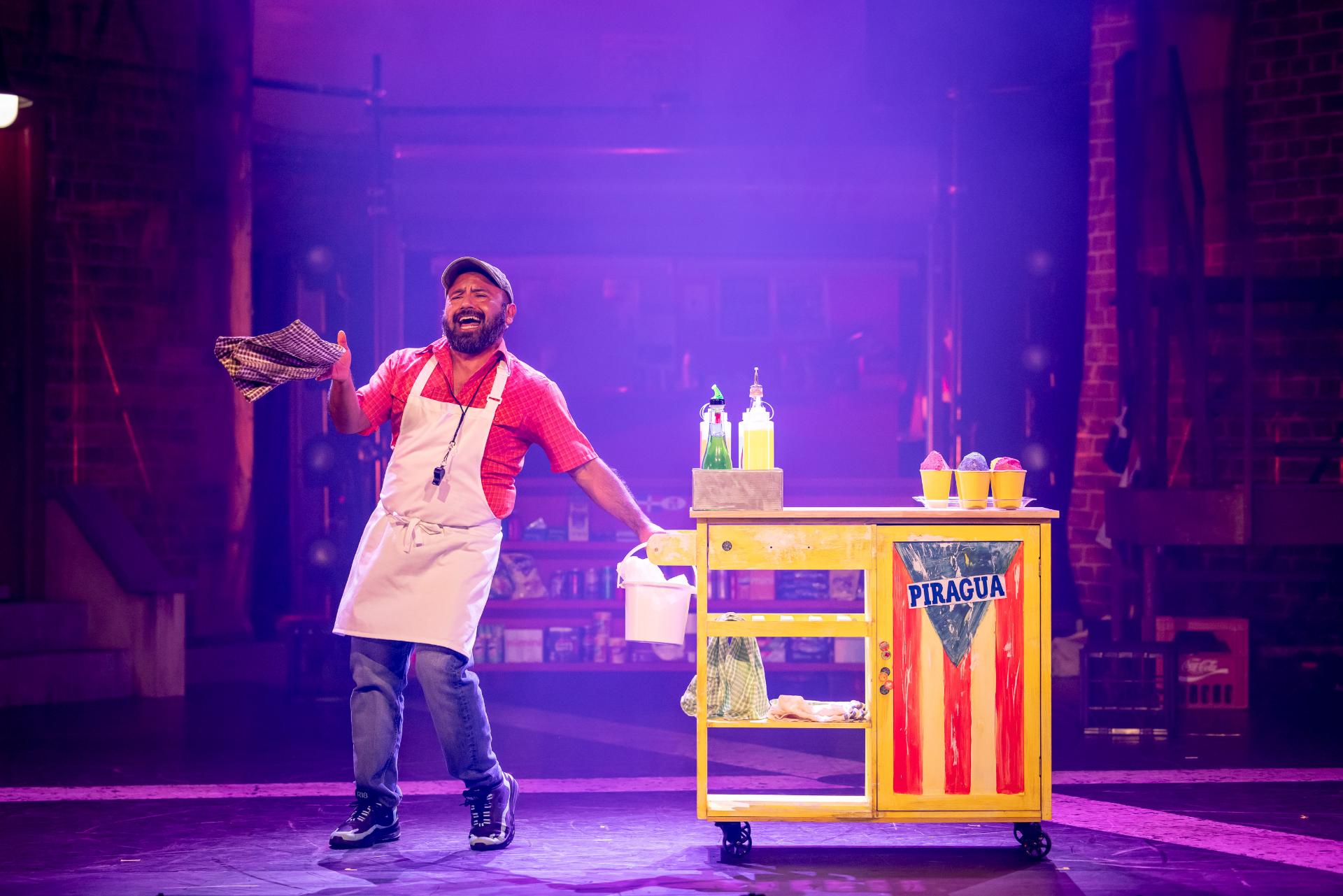
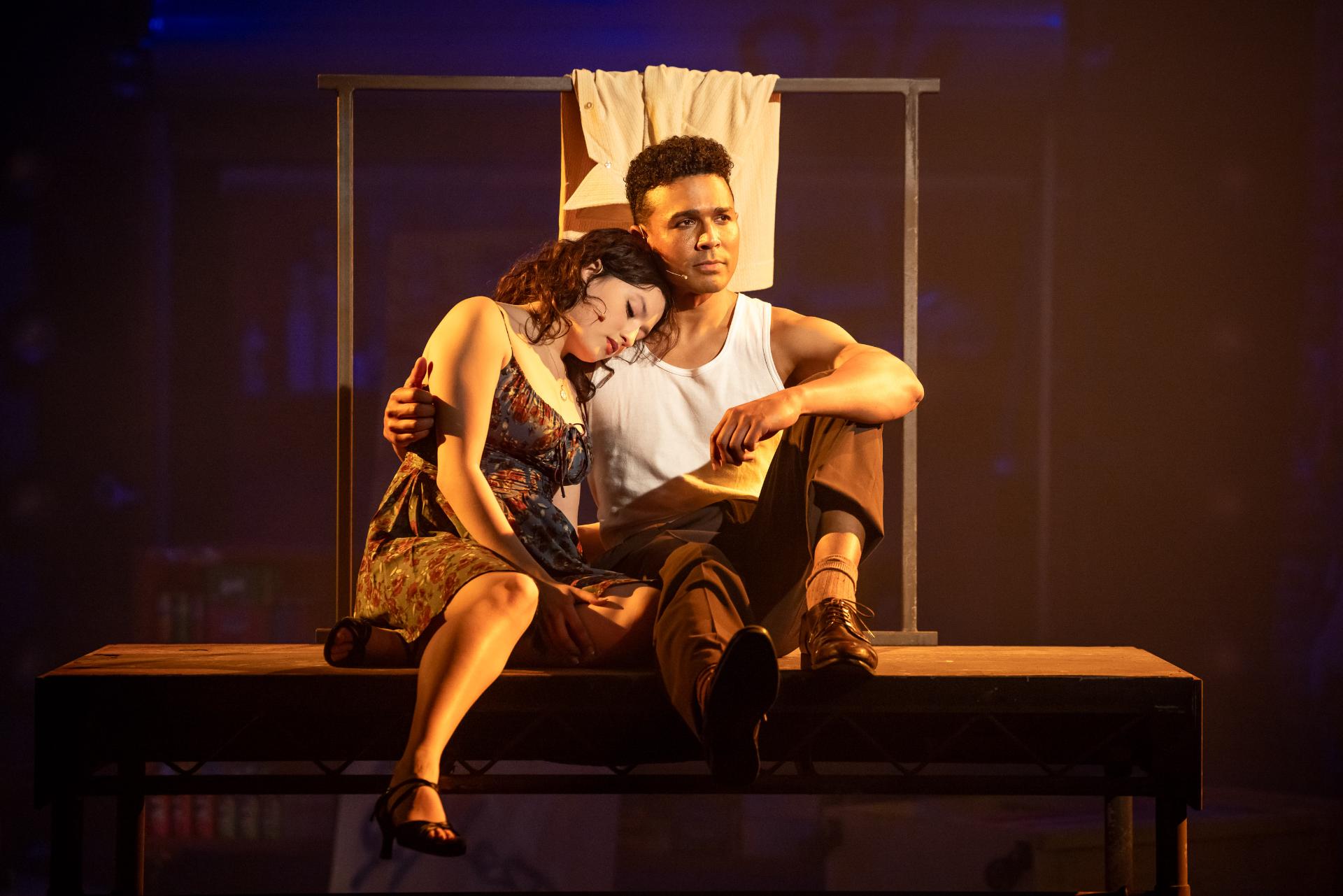
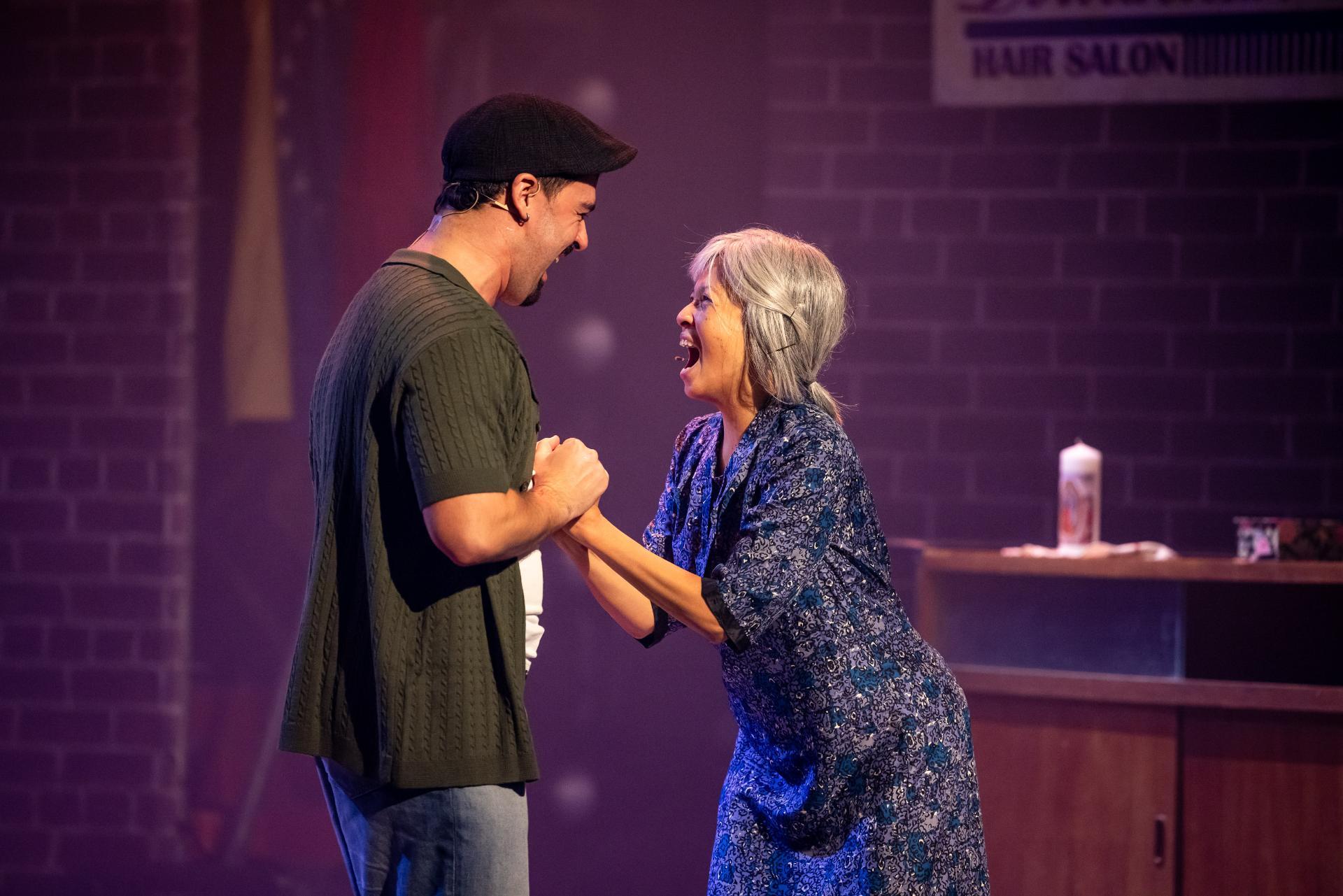
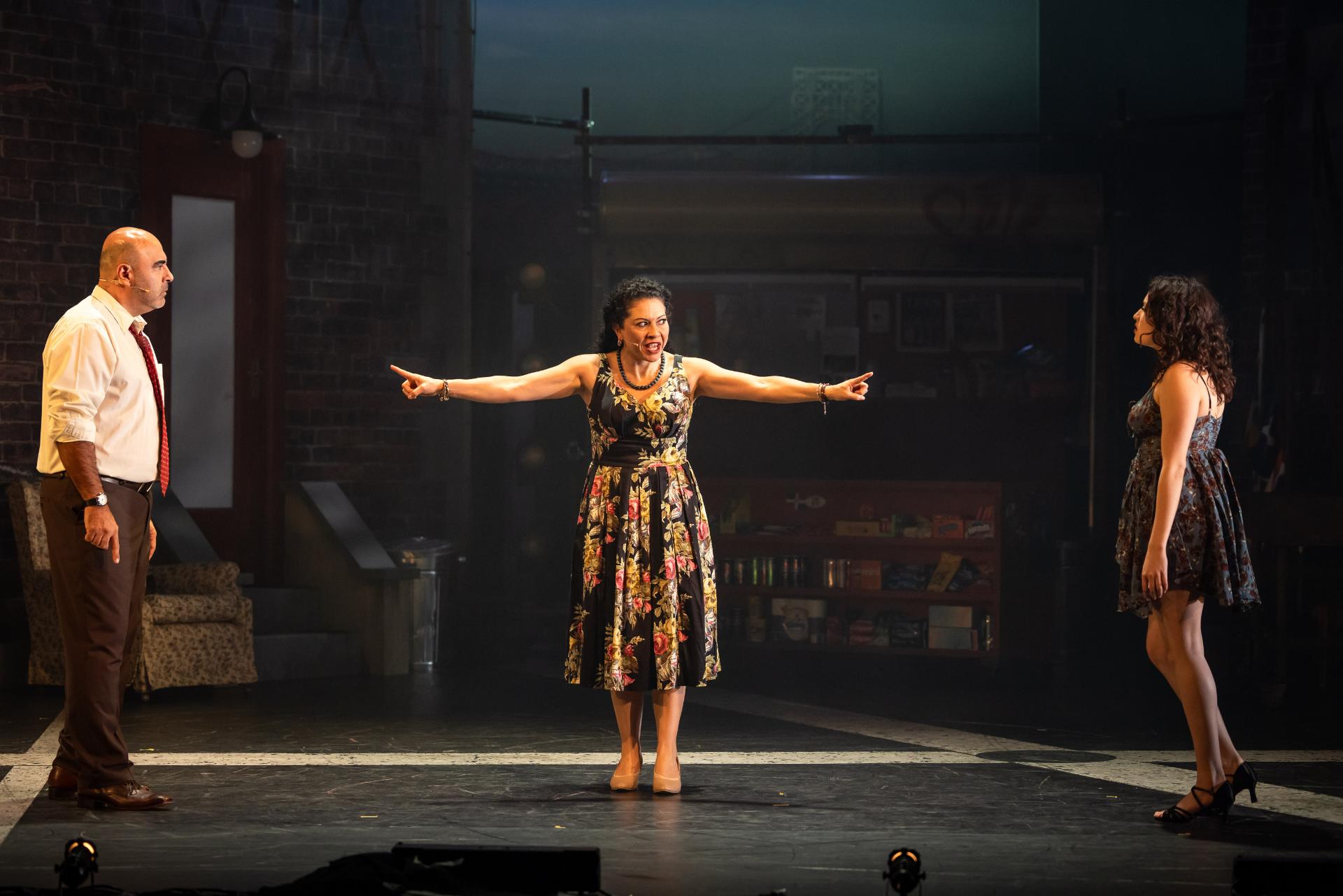
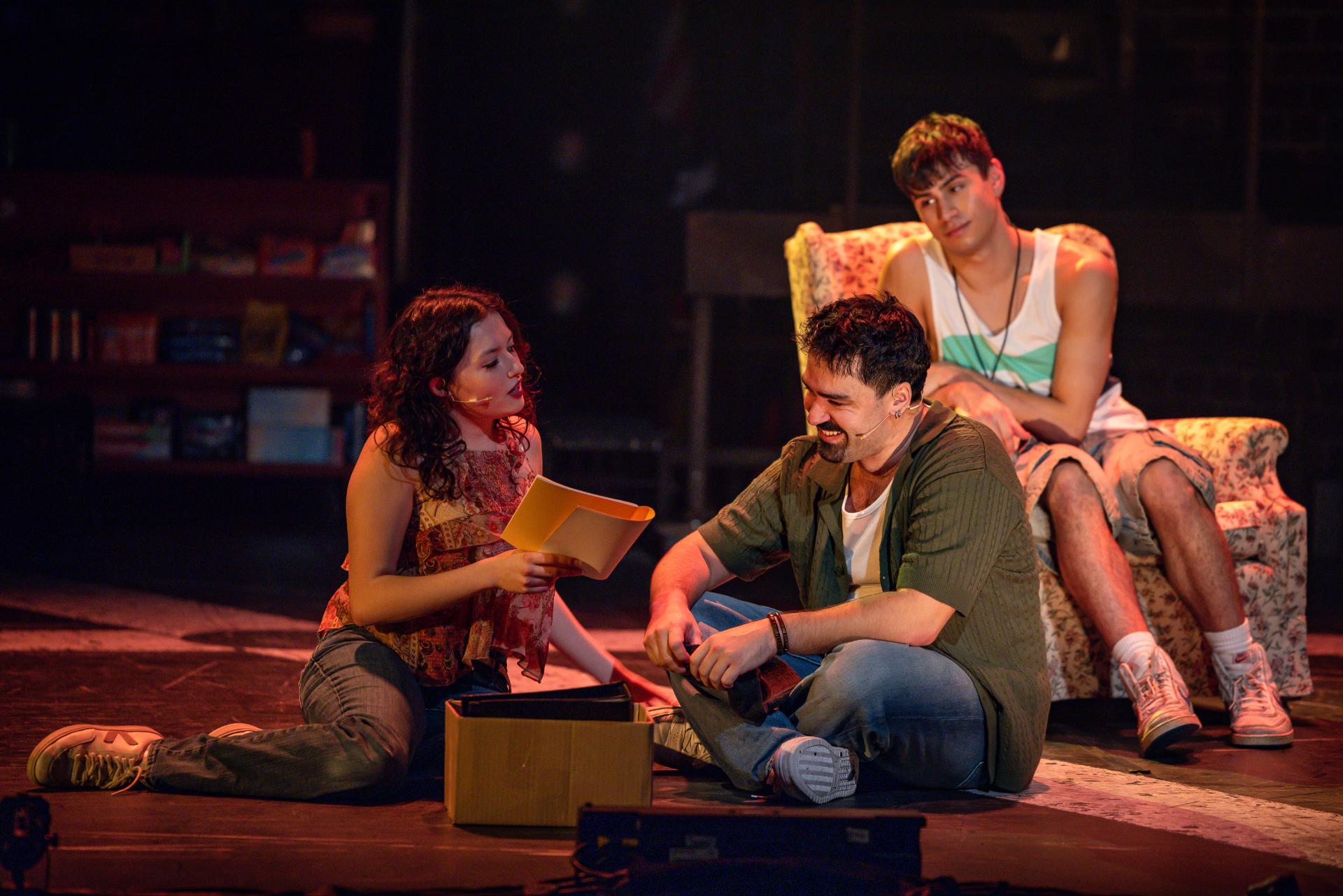
Singing is of an excellent standard across the board, but characters are not always charismatic or indeed convincing. Memorable performers who save the show include Ryan Gonzalez, Janet Dacal and Richard Valdez who impress with their vocals as well as their acting, in addition to the magnetism they seem to wield so naturally.

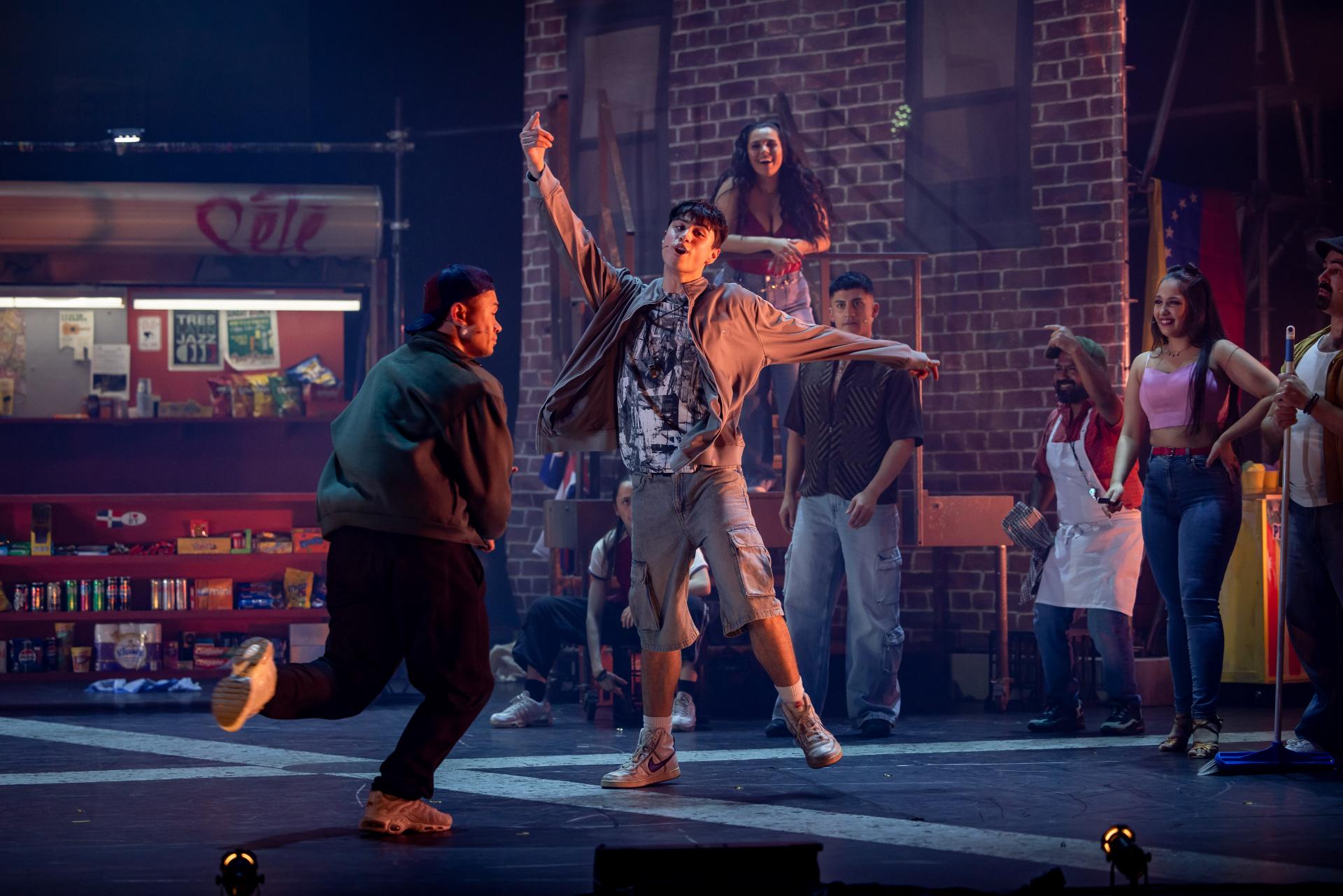
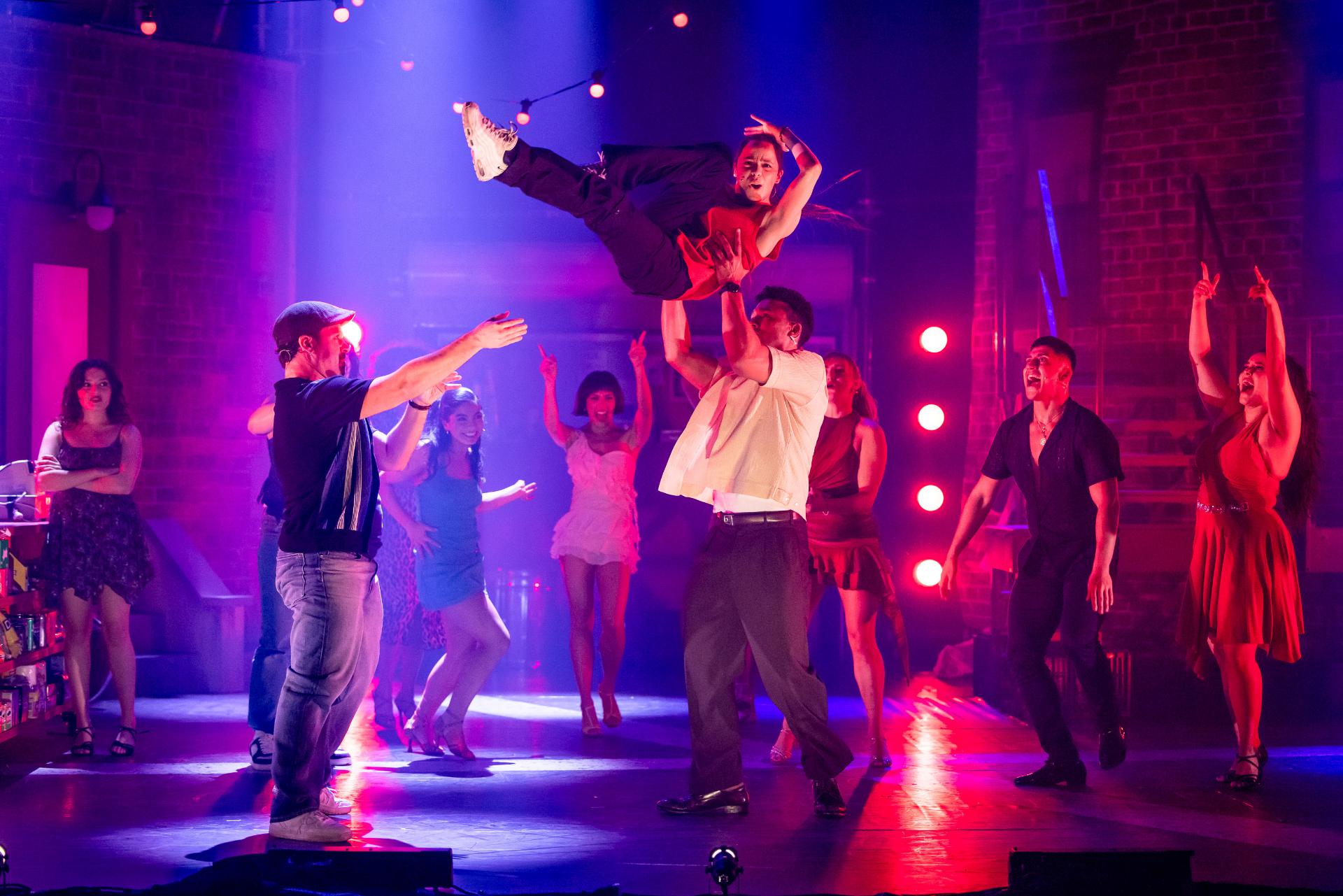
Direction by Luke Joslin keeps proceedings at a stirring pace, and along with dazzling choreography by Amy Campbell, the audience is kept attentive and fascinated, but this iteration of In The Heights unfortunately lacks an emotional intensity, that can leave us feeling empty in moments where we expect poignancy.

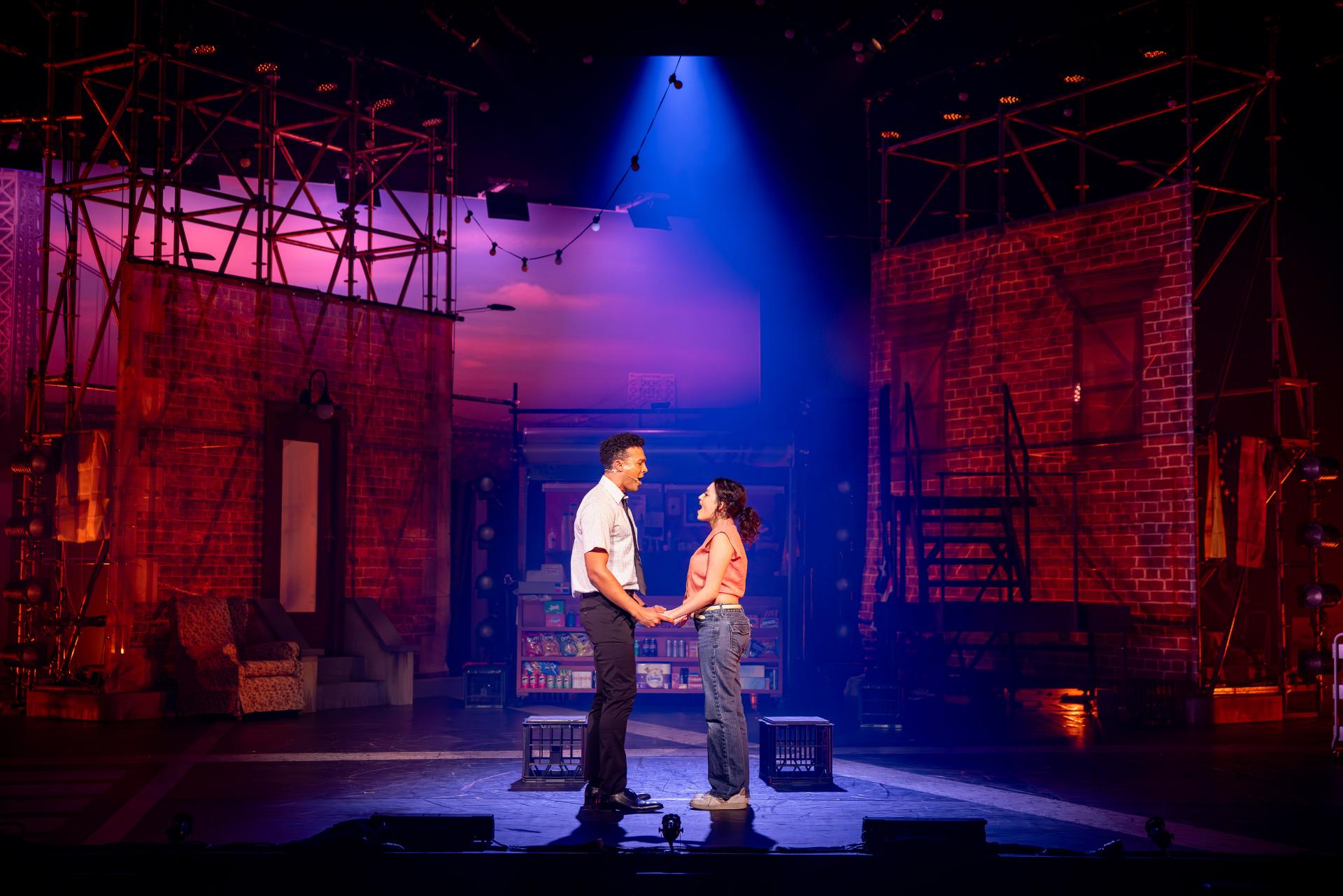
The production is however visually appealing, with a colourful set design by Mason Browne creating dimensionality and depth that help us effortlessly imagine the different locations at which action takes place. Costumes by Keerthi Subramanyam convey authenticity, along with being flattering, to draw us into these personal tales of resilience and triumph. Lights by Jasmine Rizk are not always sufficiently energetic, but are remarkable for bringing surprising variety to the imagery being presented.

In The Heights can be thought of as a work about the American Dream, or simply about survival, of those who have had to overcome unusual hardship. The circumstances around people having to leave their homelands, are almost always difficult, and what they encounter at their various destinations, is certain to never be an easy ride. The intentional fostering of community then becomes a necessary part of life as migrants, if only for the benefit of those who come later.

www.hayestheatre.com.au | www.jrpaustralia.com

Review: Cost Of Living (Sydney Theatre Company/Queensland Theatre)

Venue: Wharf 1 Sydney Theatre Company (Walsh Bay NSW), 18 Jul – 18 Aug, 2024
Playwright: Martyna Majok
Director: Dan Daw, Priscilla Jackman
Cast: Dan Daw, Kate Hood, Zoe de Plevitz, Philip Quast
Images by Morgan Roberts

Theatre review
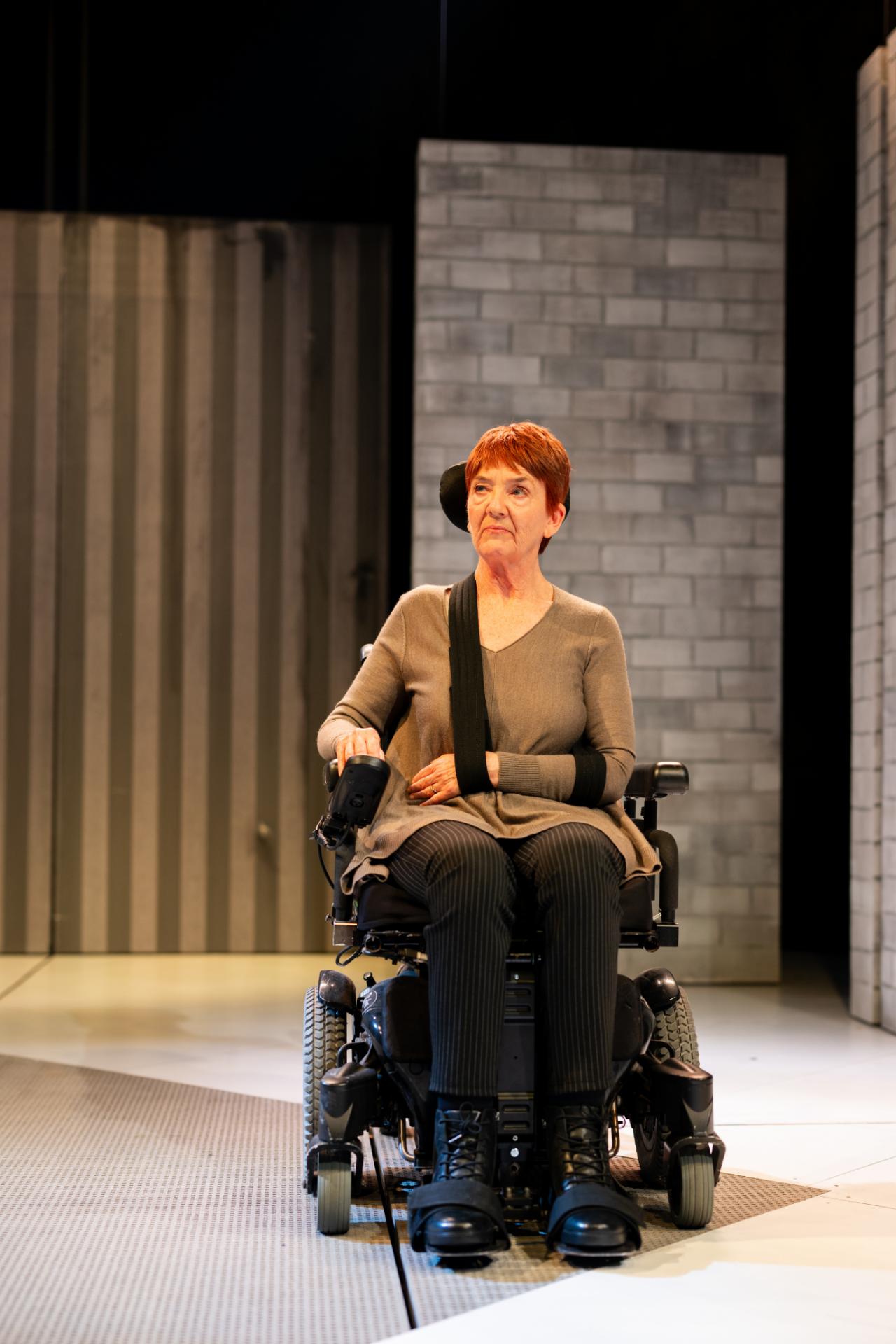
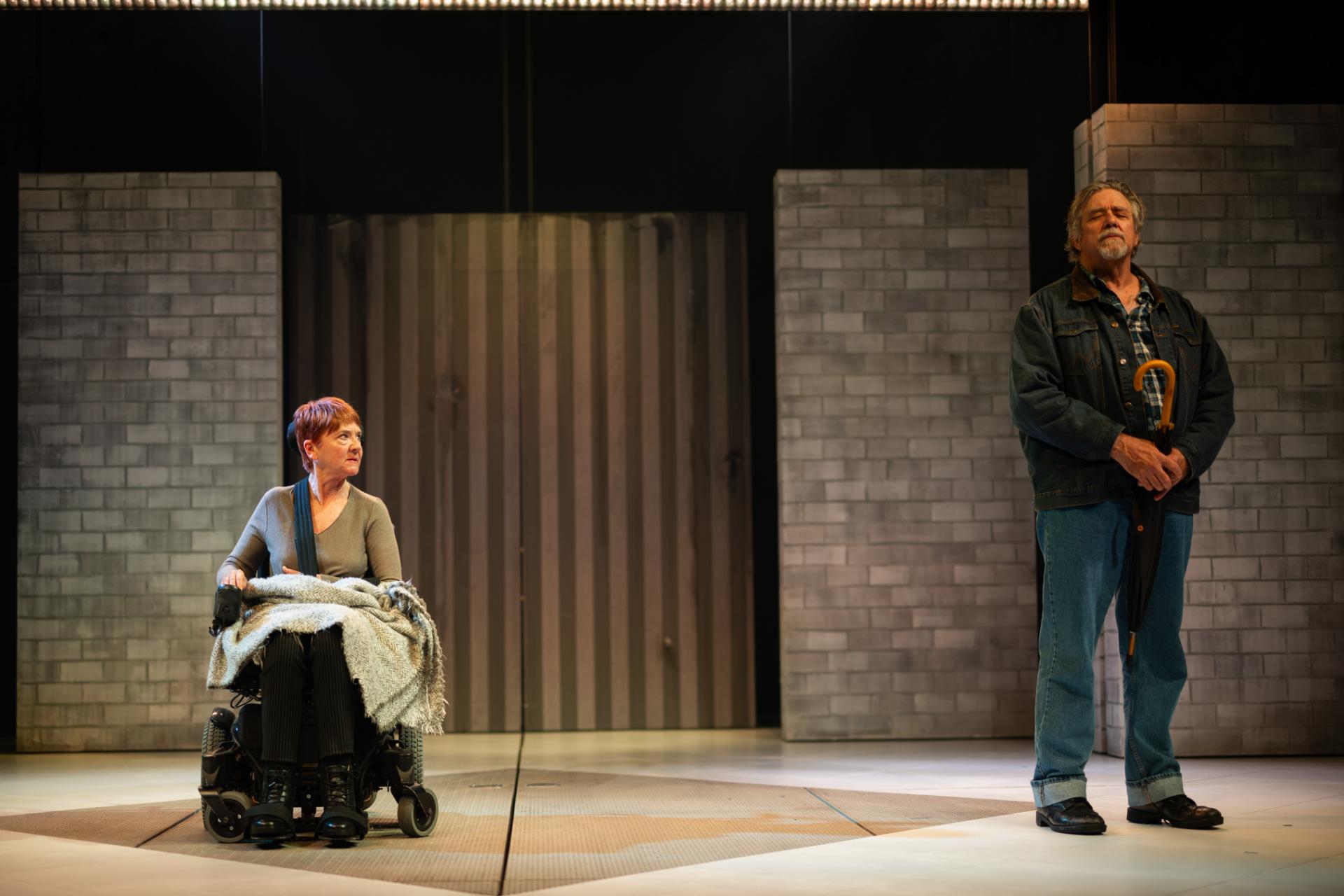
Ani and John have physical disabilities that require assistance. Edie and Jess are their respective carers, who grow to become emotionally reliant on their clients. Martyna Majok’s Cost of Living takes a look at the dependency we have for one another, as humans who fundamentally need other humans. The characters we encounter are indubitably fascinating, in this play about the vulnerabilities we share, although its plot can feel somewhat lacking.

Direction by Dan Daw and Priscilla Jackman create a compelling intimacy for a show comprised of two-hander scenes. It may not reach a point of emotional intensity that is sufficiently satisfying, but we find ourselves kept intellectually engaged throughout the piece. Production design by Michael Scott-Mitchell is perhaps too sparse, in a staging that could benefit from a greater sense of visual allure. Lights by John Rayment help to facilitate storytelling, as do sounds by Guy Webster, both elements offering appropriate enhancements to the drama that unfolds.

Daw performs one of the roles, and along with Kate Hood, Zoe de Plevitz and Philip Quast, form a cast that delivers something that is truly thought-provoking. There is a distinct passion in their advocacy for people living with disabilities, and they certainly inspire us to consider better integrating all our diverse capacities into what could be considered normative. Not all of us understands what it is to be disabled, but most will know the experience of being excluded. Unfortunately that sensation of ostracism is often forgotten, when we negotiate daily life, and we leave compassion behind, in trying to keep up with standards that serve only a minuscule minority.

www.sydneytheatre.com.au | www.queenslandtheatre.com.au

Review: Little Women (Hayes Theatre)

Venue: Hayes Theatre Co (Potts Point NSW), Jul 12 – Aug 11, 2024
Book: Allan Knee
Music: Jason Howland
Lyrics: Mindi Dickstein
Director: Amy Campbell
Cast: Cameron Bajraktarevic-Hayward, Maddy Betts, Molly Bugeja, Peter Carroll, Emily Cascarino, Lawrence Hawkins, Vitoria Hronopoulos, Tisha Kelemen,  Kaori Maeda-Judge, Shannen Alyce Quan, Kurt Russo, Tyran Stig
Images by Grant Leslie

Theatre review
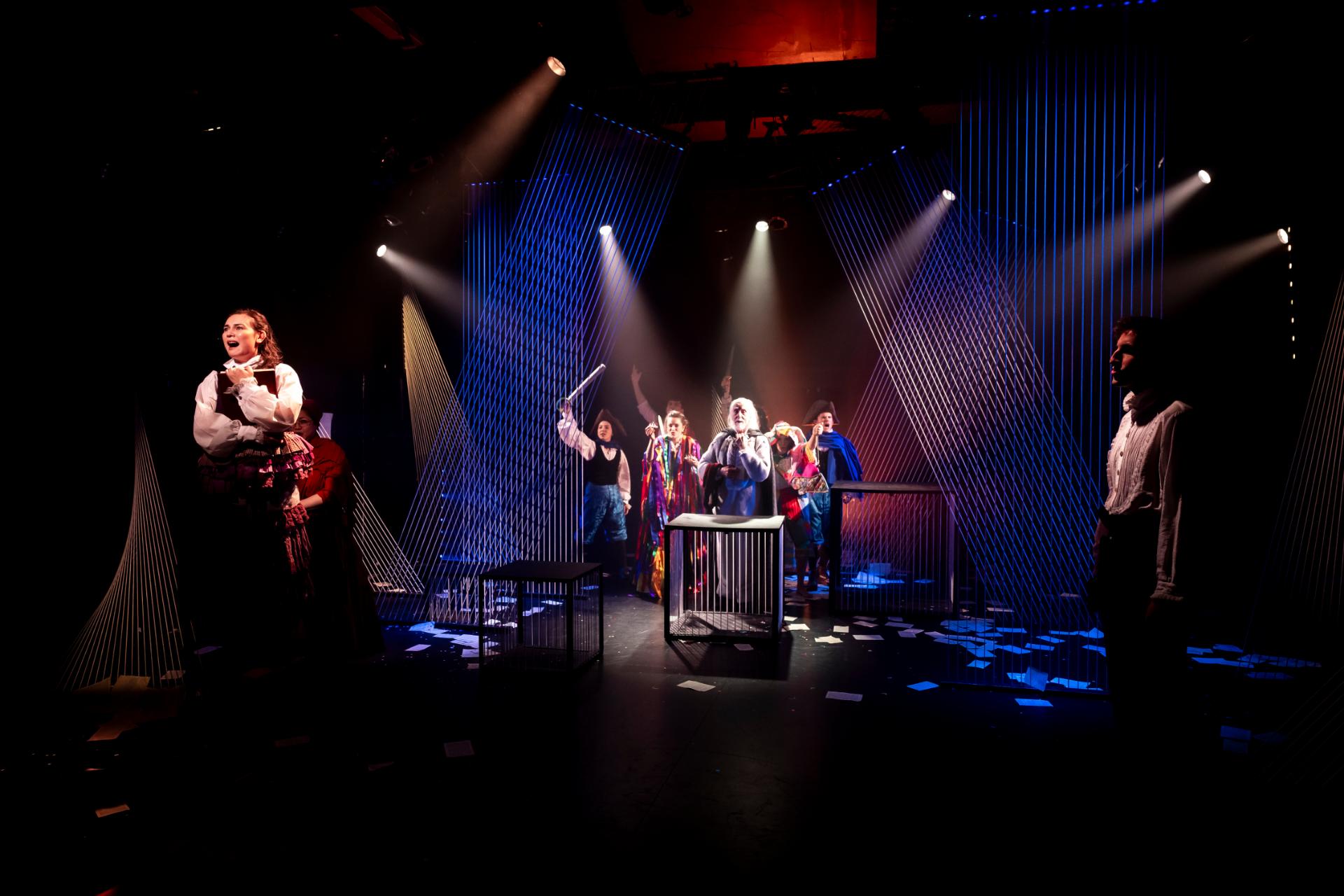
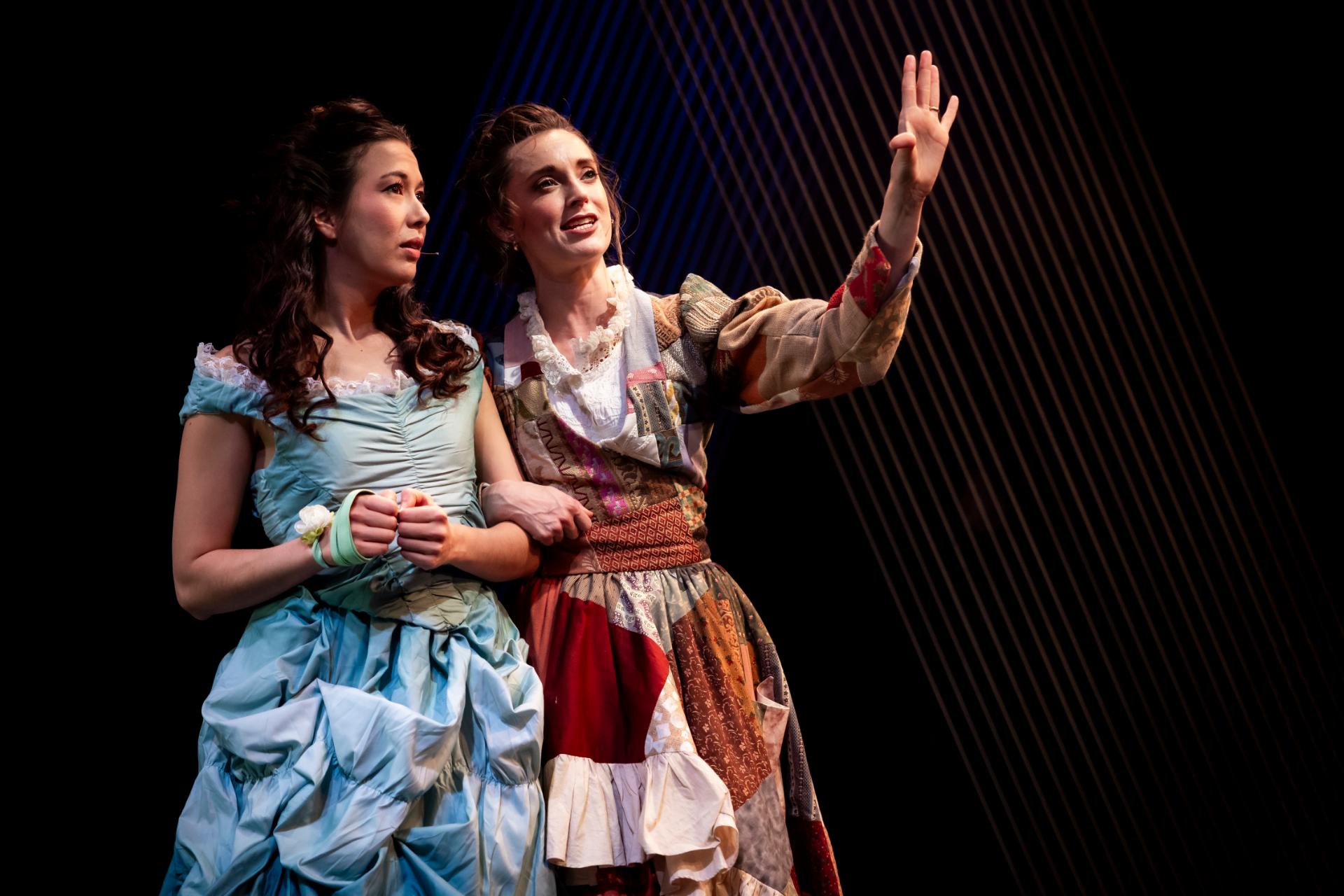
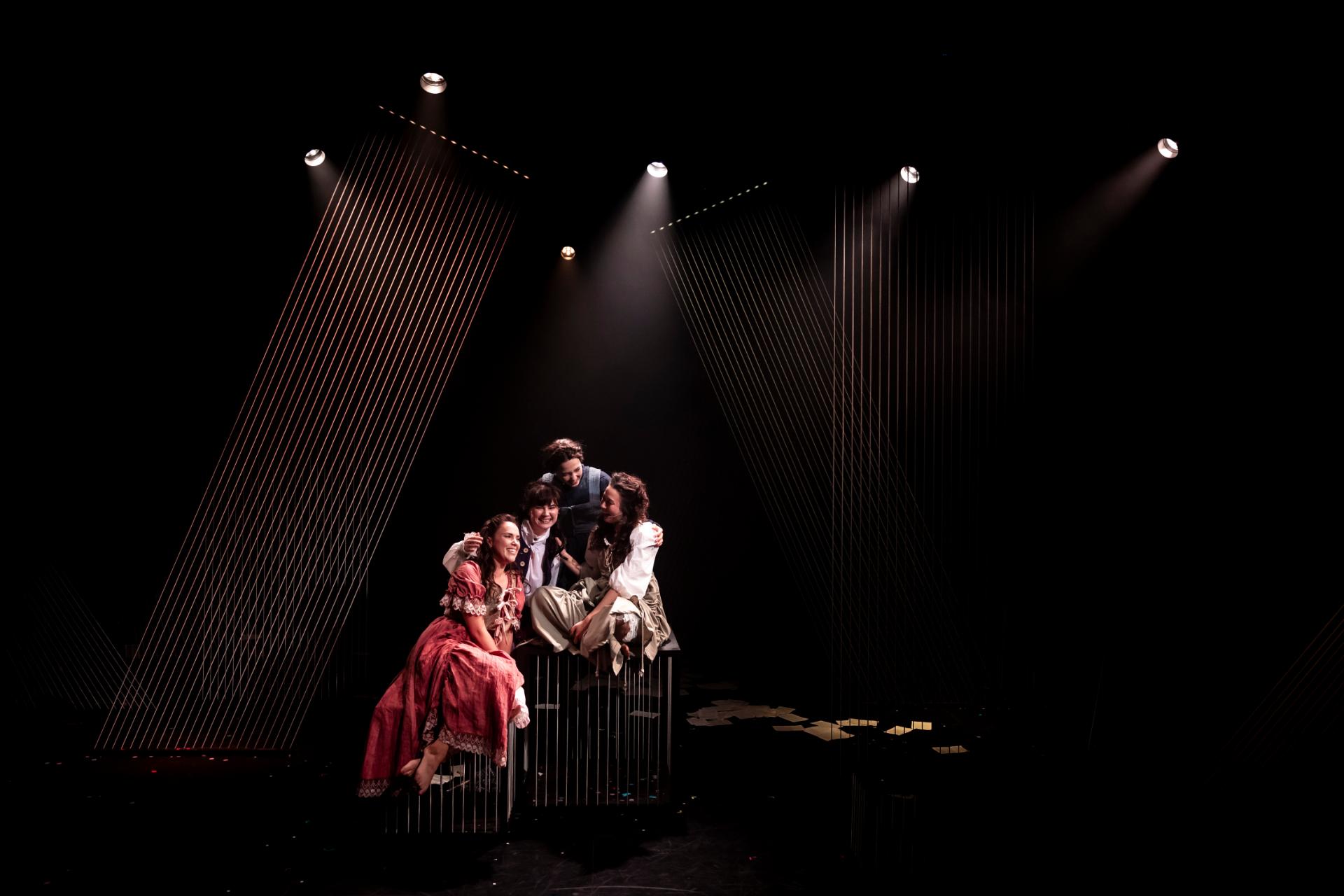
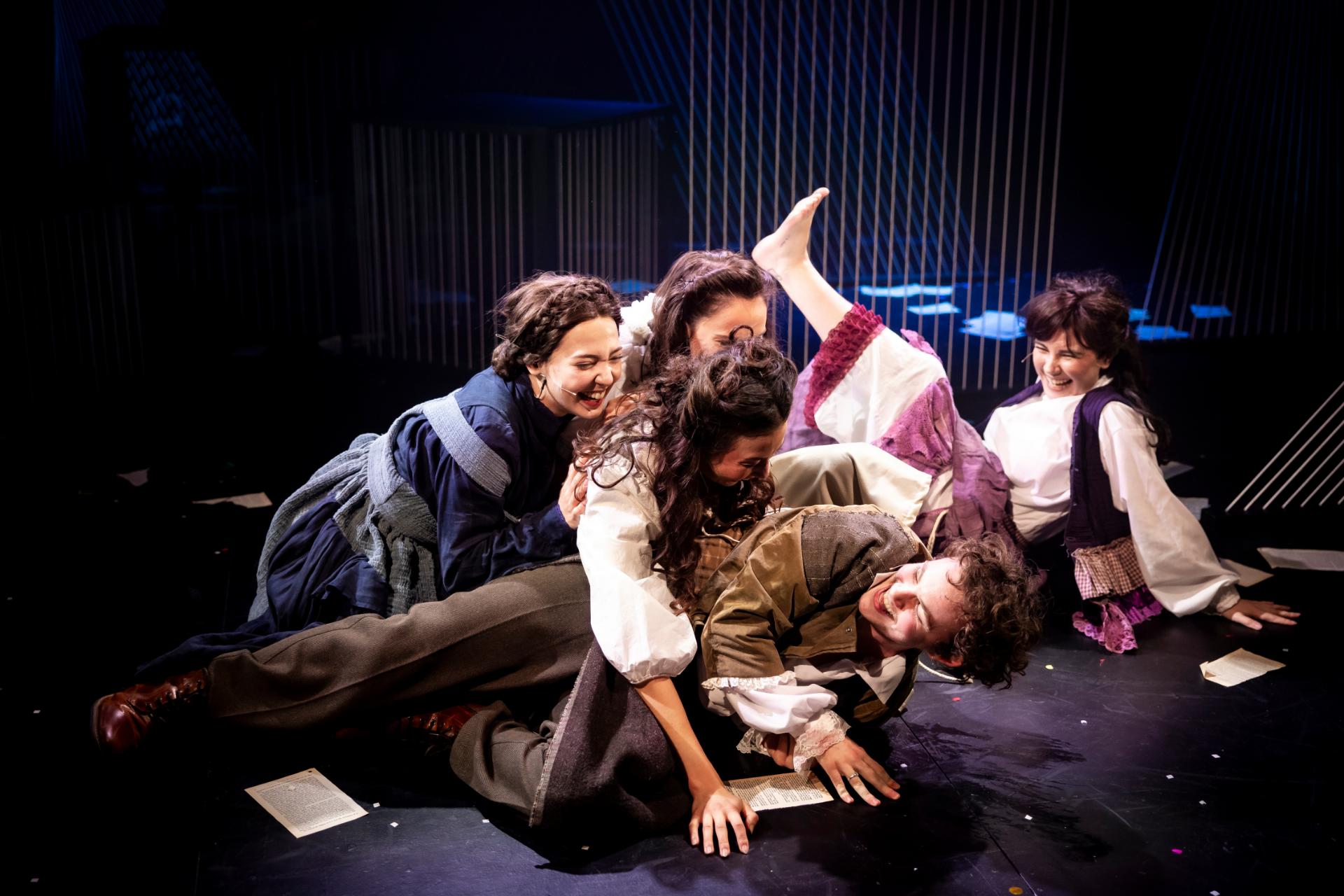
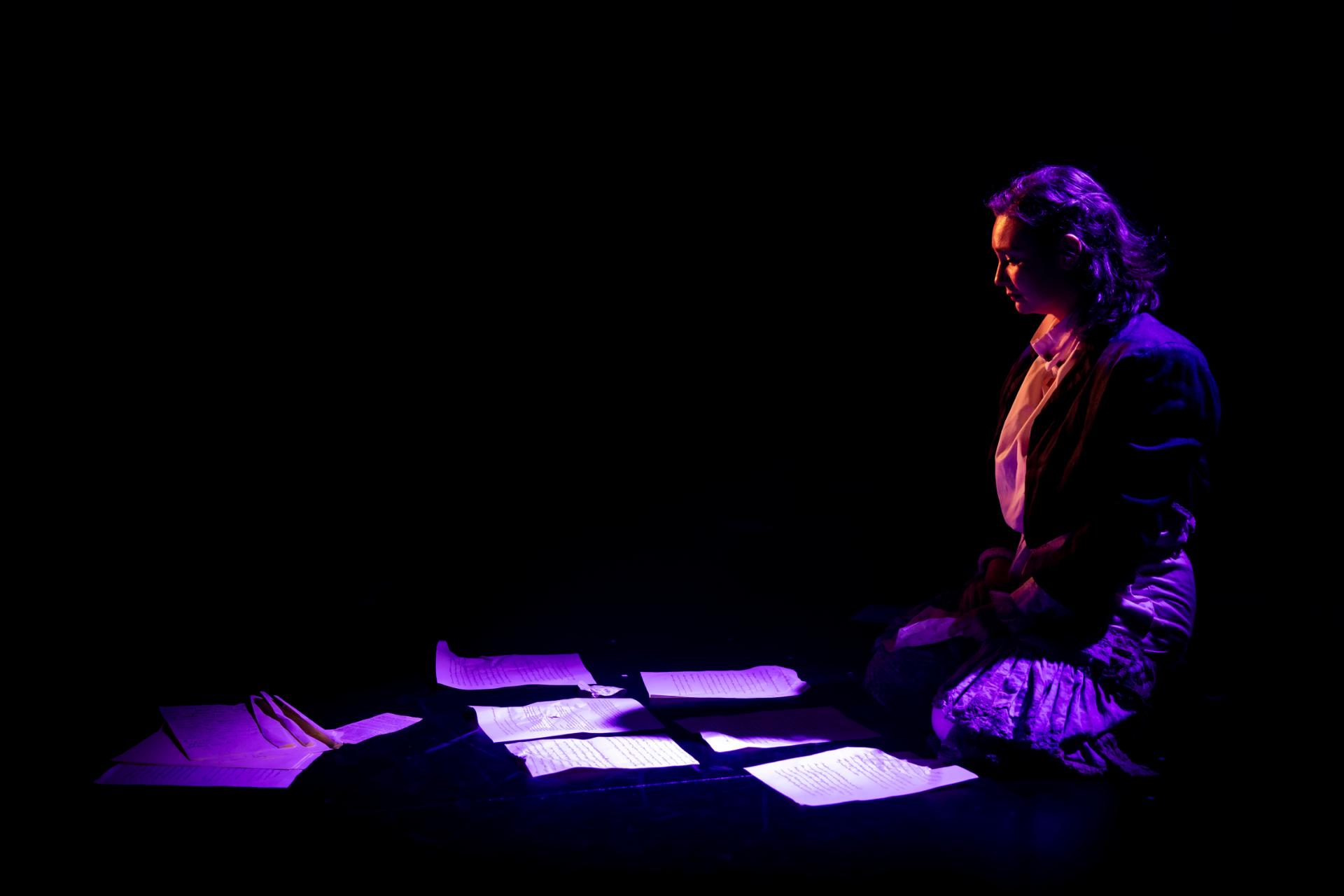
Jo is an aspiring writer in 1868 Massachussets, facing challenges due to her gender and class. It is decades before women obtain the right to vote, so to have career ambitions, and indeed to imagine herself as anything more than a wife and mother, is quite remarkable. Family, however, remains central to Jo’s concerns, as we see in this musical adaptation of Louisa May Alcott much-loved novel, Little Women. Her mother and sisters form important threads in the narrative, of a young woman who has no qualms about deserving it all.
In a book by Allan Knee, we discover a slightly lacklustre plot assembled from a condensation of key events from Alcott’s story. Songs by Jason Howland and Mindi Dickstein are generic in style, although theatrically effective, and on occasion capable of being deeply moving. Direction by Amy Campbell excels at creating believable characters, and at making every scene engaging, for a show that many will find enjoyable. Visual aspects are less accomplished. Set design by Tanwee Shresta demonstrates admirable creativity, but struggles to evoke relevant time and place. Costumes by Lily Matelian too are imaginatively rendered, although not always flattering. Lights by Peter Rubie are mostly pragmatic in approach, only taking the opportunity to be conspicuous at the right moments.

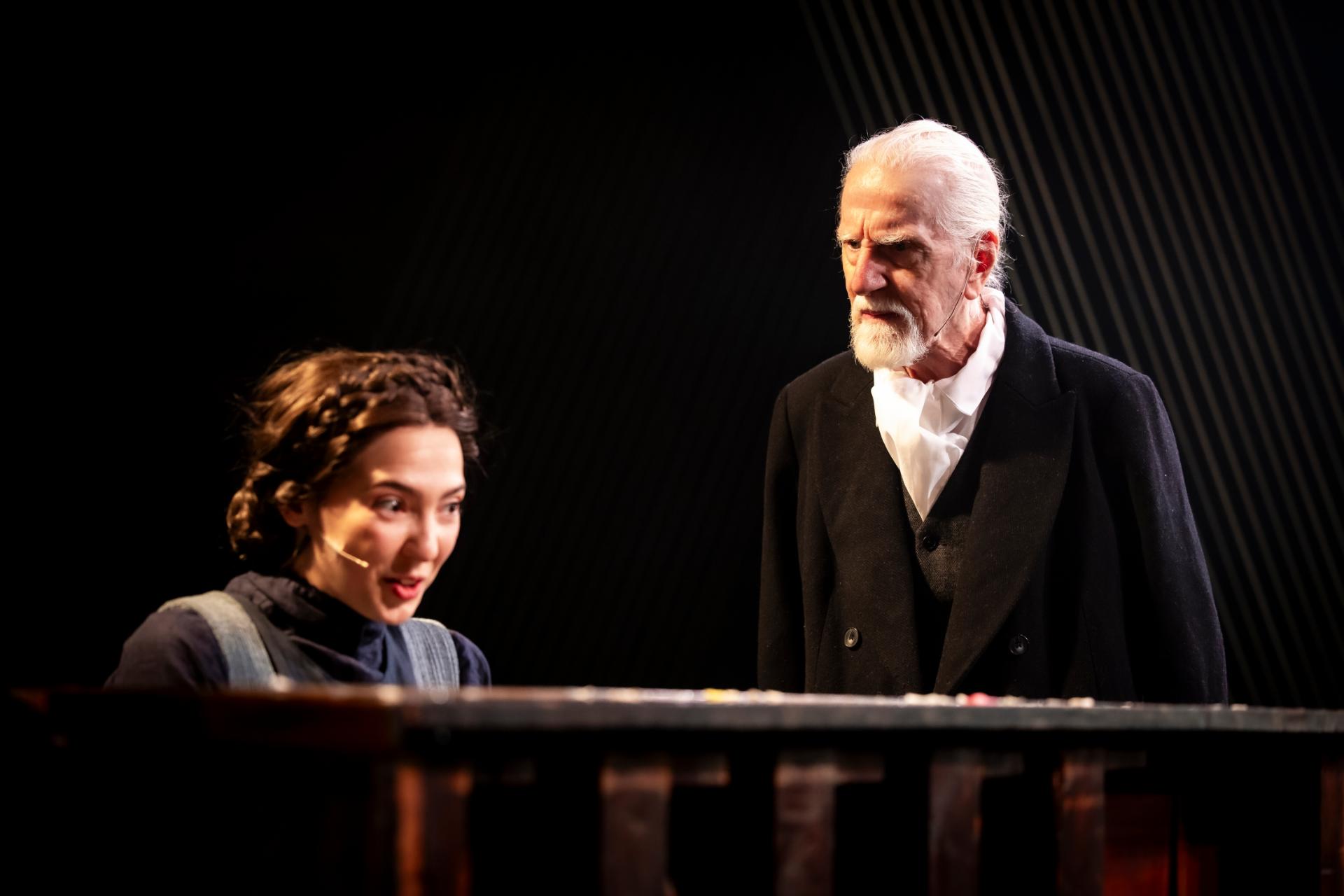
In the lead role is the sensational Shannen Alyce Quan, powerful not only with their vocal abilities, but also with their depictions of Jo’s emotional dimensions, making a gregarious personality feel wonderfully vibrant and spirited, whilst remaining convincing as a woman from a bygone era. It is a strong cast that delivers Little Women, each performer dedicated and considered in their respective parts, and harmonious as an ensemble. The strong quality of singing is a highlight of the show, and along with music direction by Gianna Cheung, Little Women is a work of theatre that proves enjoyable, if not sufficiently poignant.

We love telling children, that they can be anything they wish when they grow up, but subliminal messages often convey something different. Girls especially, are indoctrinated all manner of restrictions that pertain especially to how we conceive of gender as a defining element in a person’s being. Not only do we continue to believe that men and women have different capacities, we insist on perpetuating the subjugation of one beneath the other. Even if Jo is able in her own mind to escape all that conditioning, there is only so much she can achieve, in 19th century USA where the sustenance of prevailing systems require that very imbalance of power. Jo would certainly have gone further in today’s improved circumstances, but disparities persist and many of her sisters will continue to not be able to shine.

www.hayestheatre.com.au | www.jrpaustralia.com

Review: Swim (Griffin Theatre Company)

Venue: Carriageworks (Eveleigh NSW), Jul 10 – 27, 2024
Playwright: Ellen van Neerven
Director: Andrea James
Cast: Sandy Greenwood, Dani Sib
Images by Brett Boardman

Theatre review
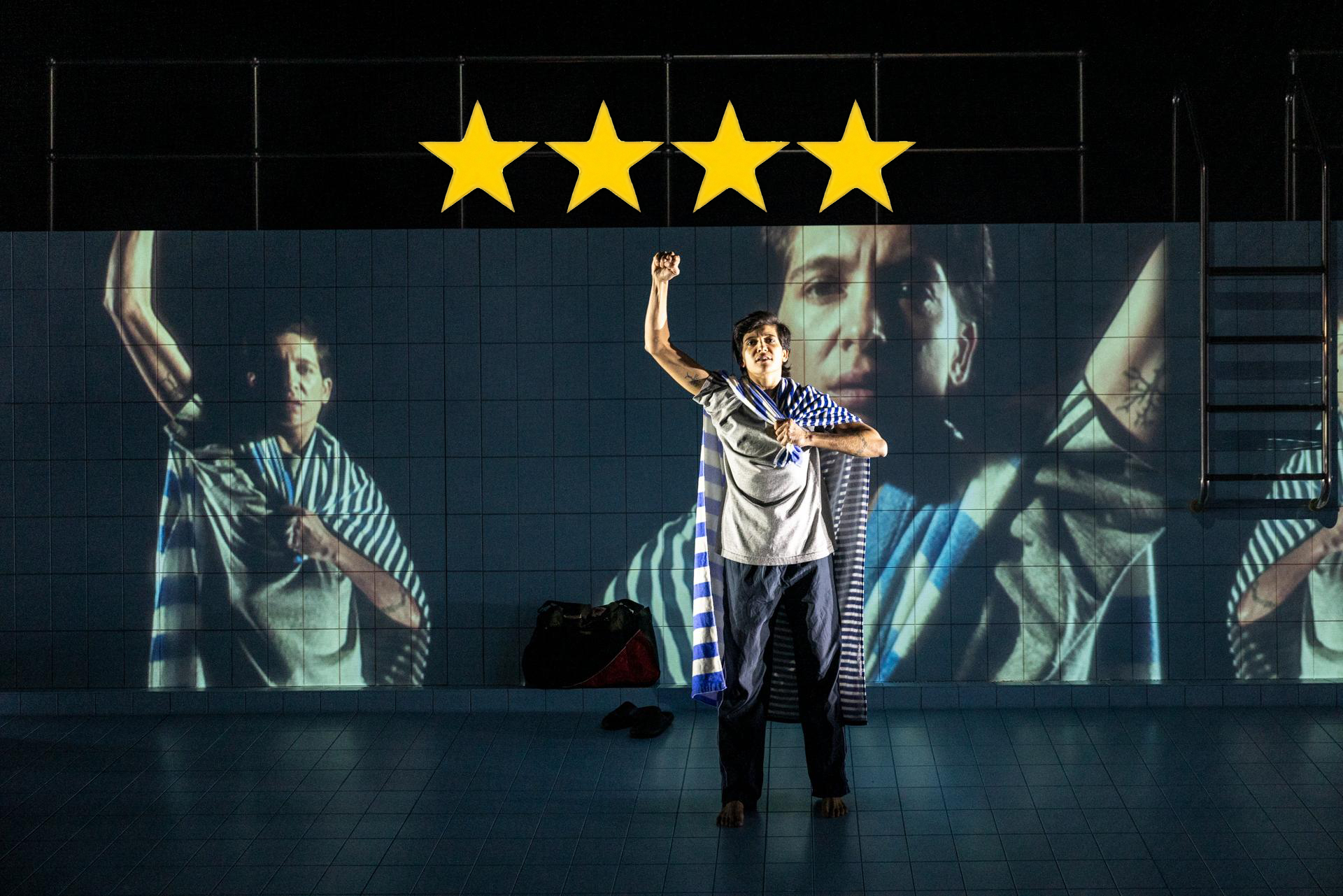
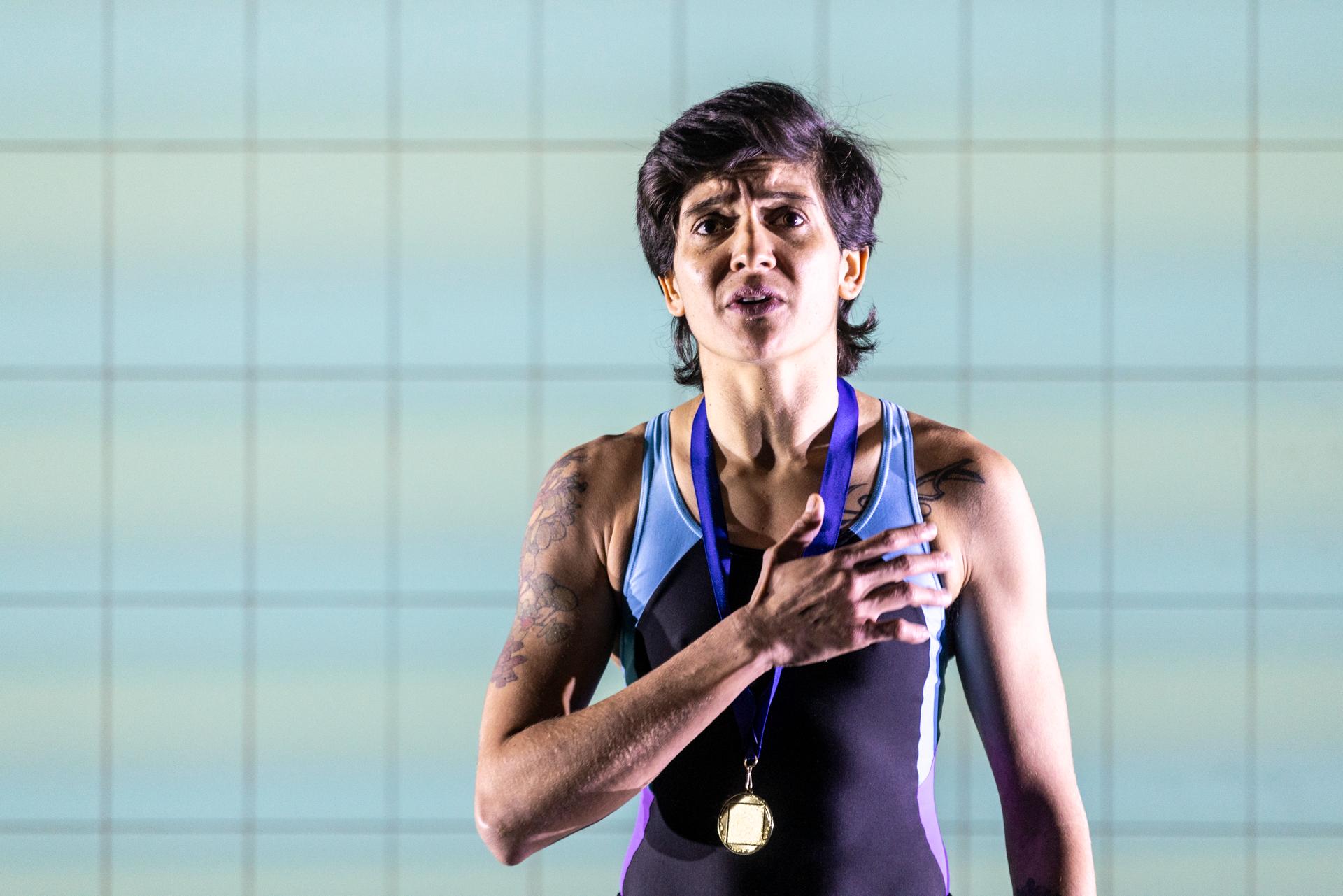
At the play’s commencement, a character named E enters a public pool changing room tentatively. Without much explanation, we understand that their ambiguous gender expression is a factor in that apprehension. Soon, it is revealed that their Indigeneity is another reason for E’s unease, when negotiating institutions of colonisation. Ellen van Neerven’s Swim describes how a person’s favourite place can turn into a locus for which their most painful memories can coalesce, and how a great love can become the thing that hurts you the most.
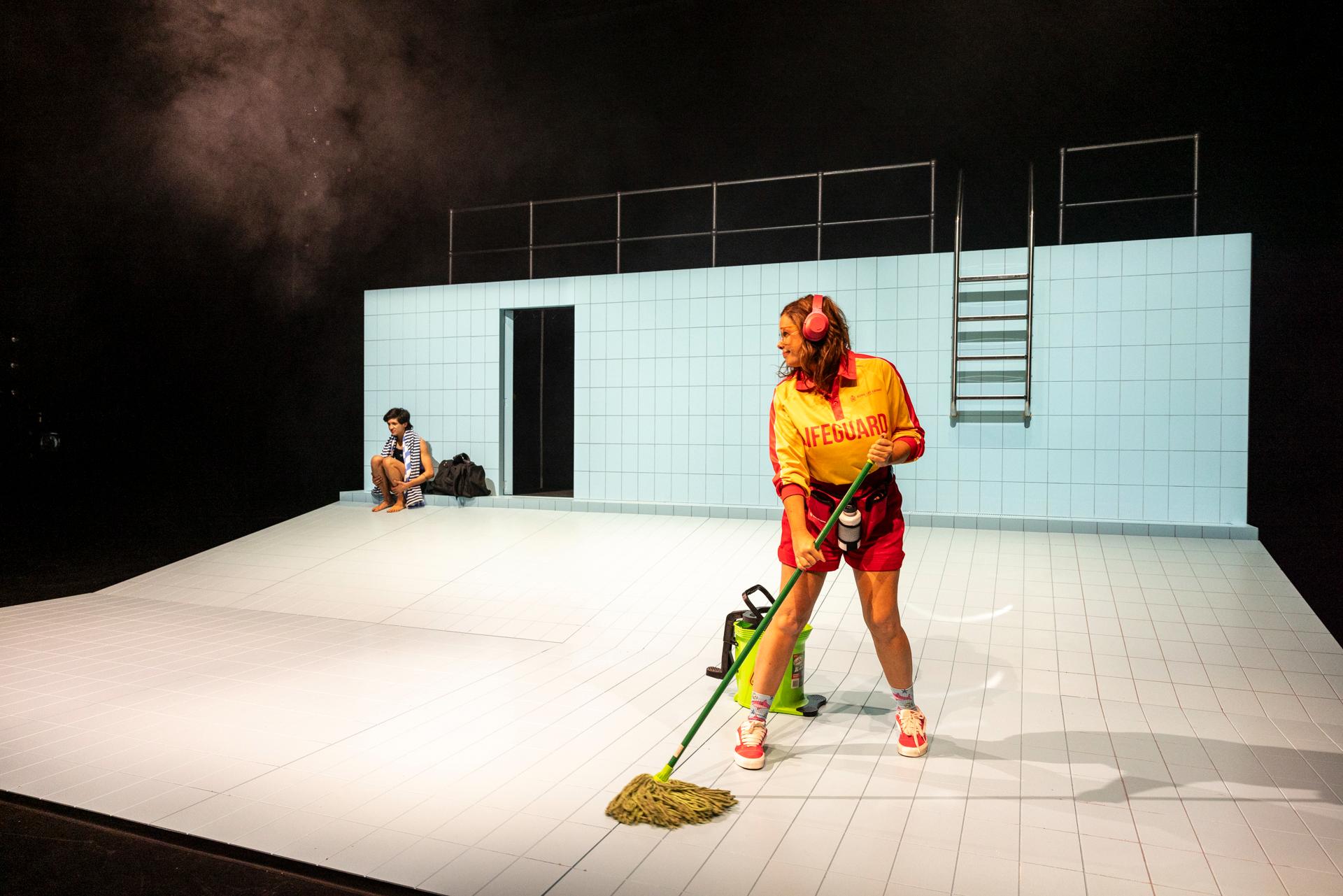
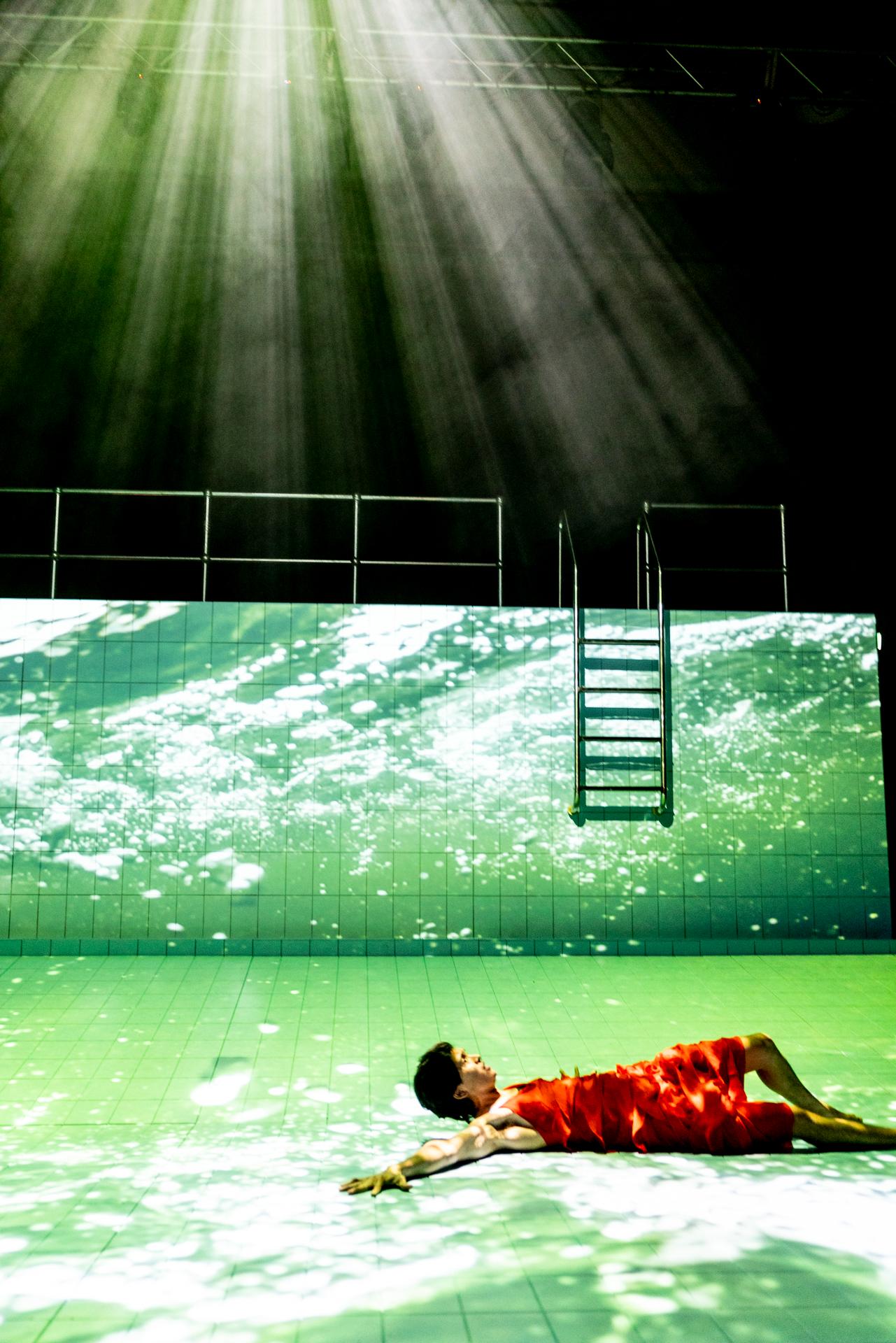
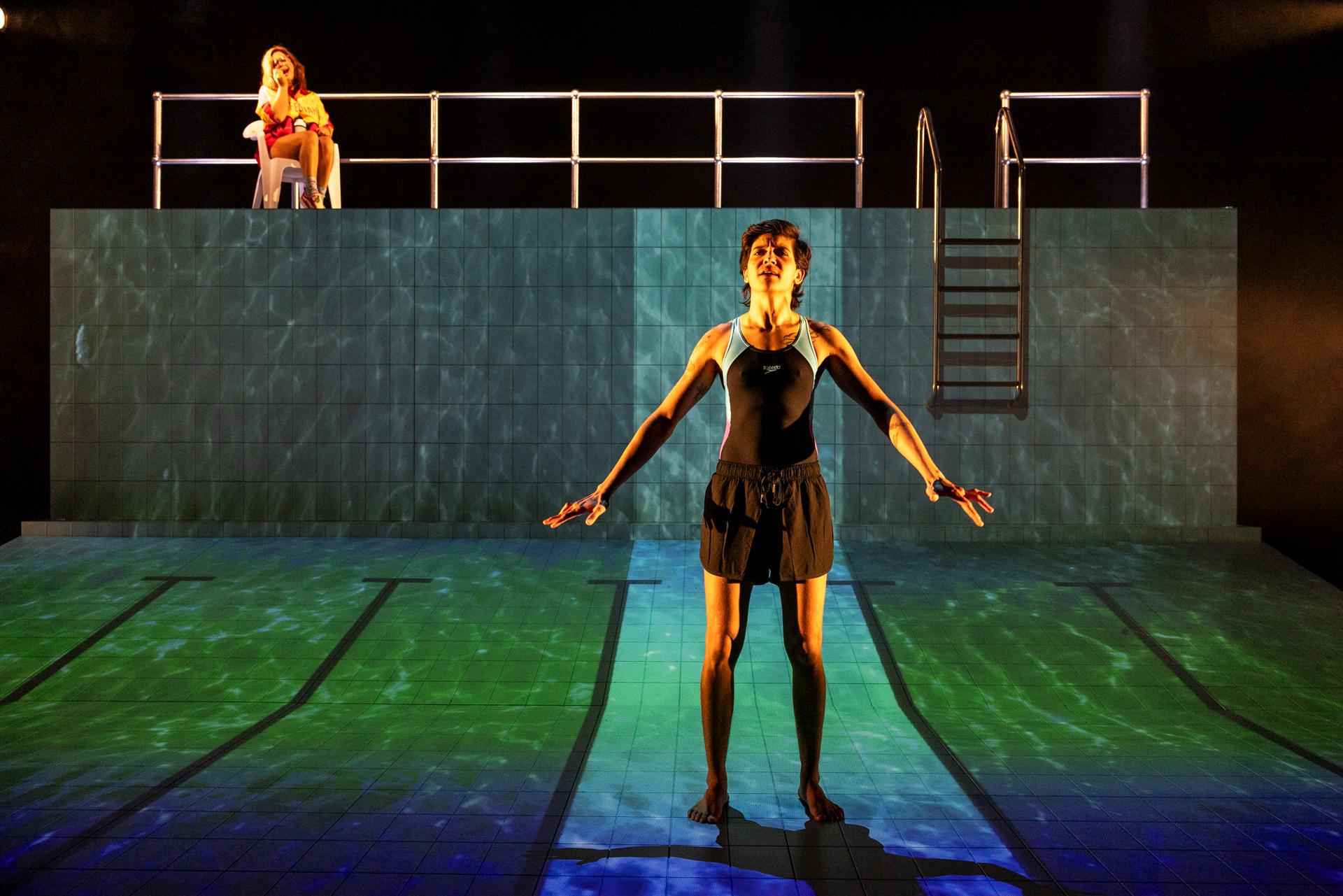
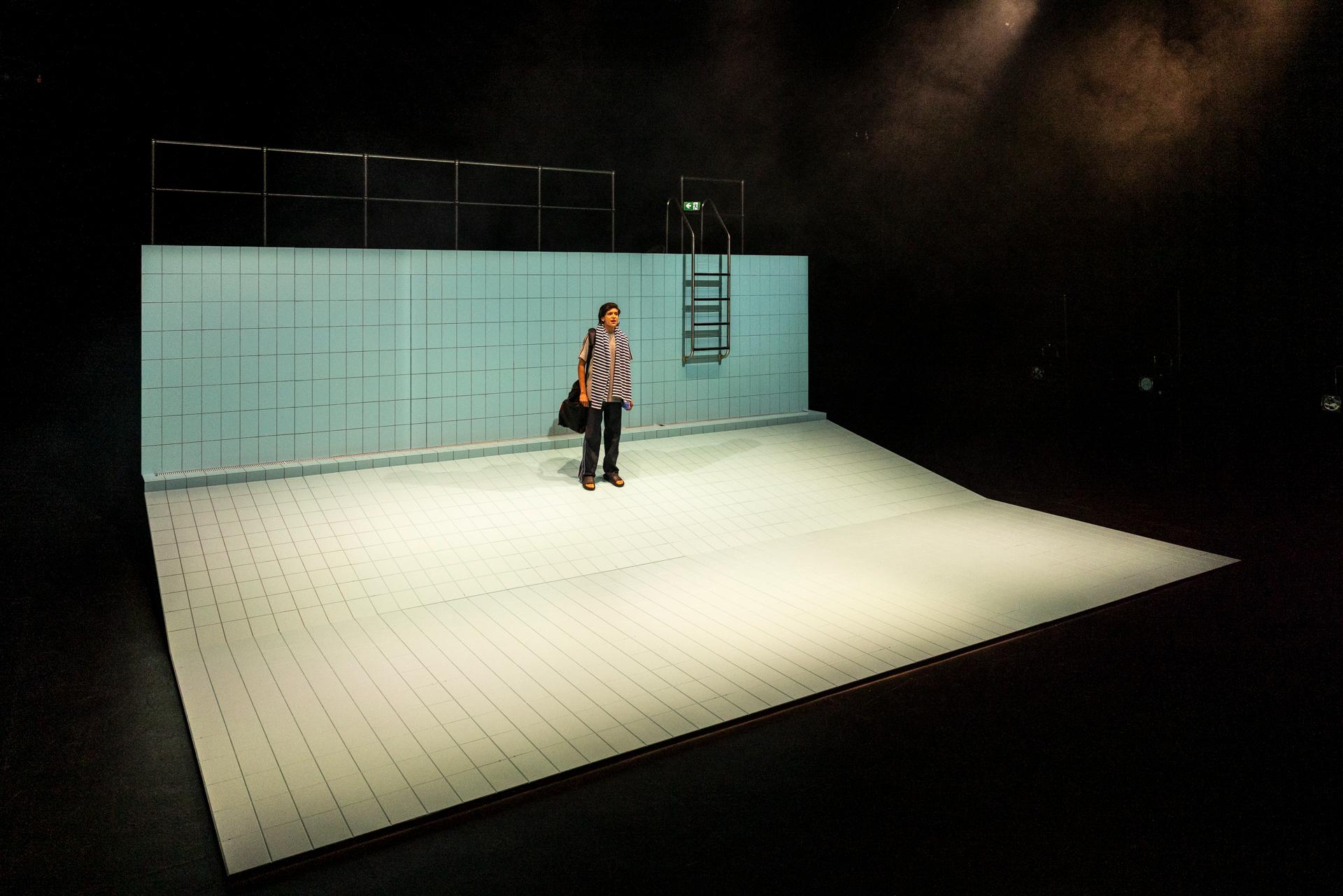
The poetic writing is imbued bittersweet melancholy by Andrea James’ inventive direction. Swim is a work about the challenges faced by someone marginalised in different ways, and even though it ventures inevitably into spaces of trauma, the show is often spirited in its representations of defiance, survival and resilience. A versatile set design by Romanie Harper greets us with a visual grandeur that almost conveys a certain reverence that our protagonist holds for the swimming pool. Projected onto tiled surfaces is a sublime video design by Samuel James, who uses arrayed imagery of water to evoke sensations of spiritual transcendence. Operating in tandem are exquisite lights by Karen Norris, accurate with the gamut of emotions it conjures, and making every second of the presentation look unequivocally beautiful. Music and sounds by Brendon Boney are remarkably moving, helping us to connect with the depths and complexities of what E is feeling in every scene.
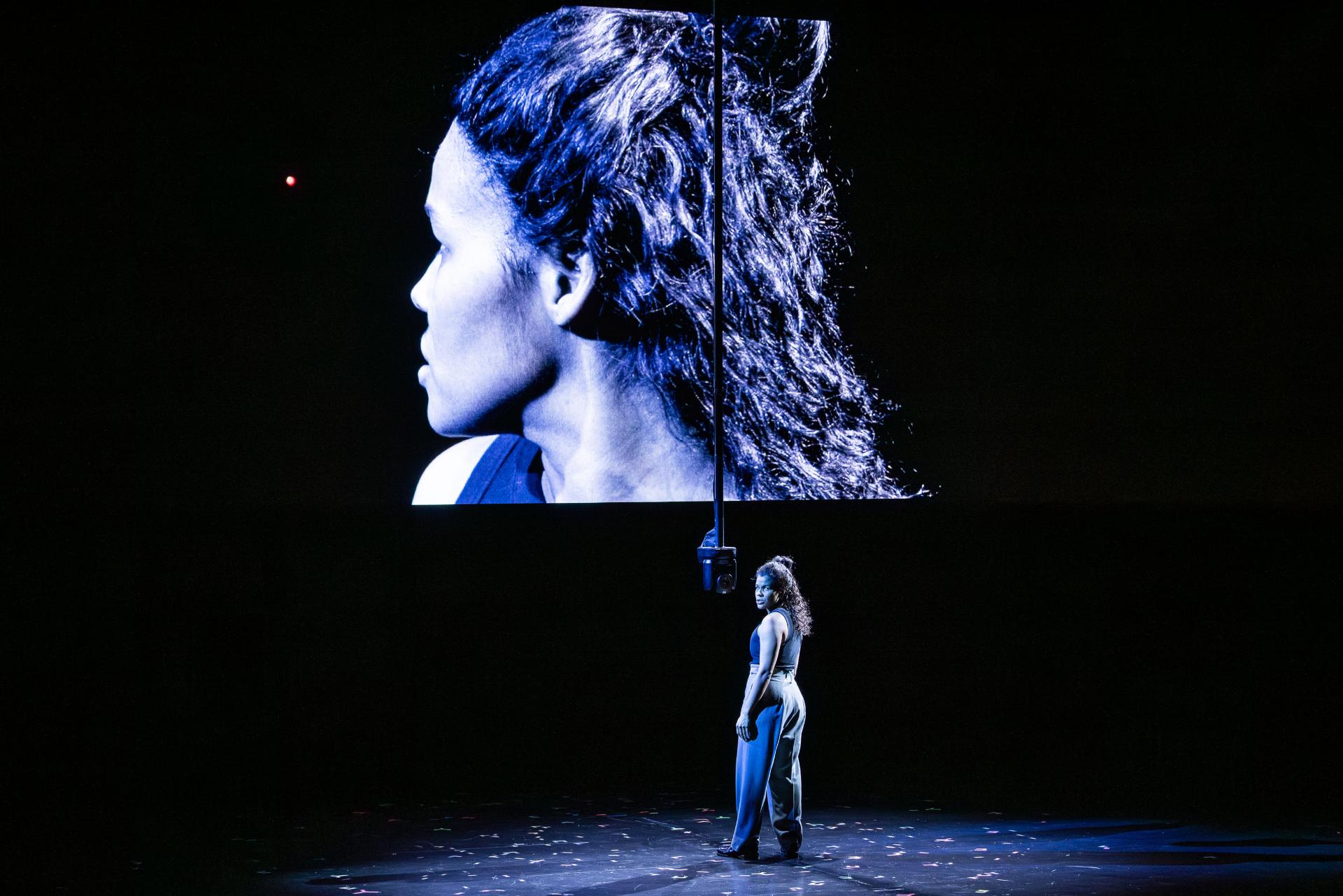
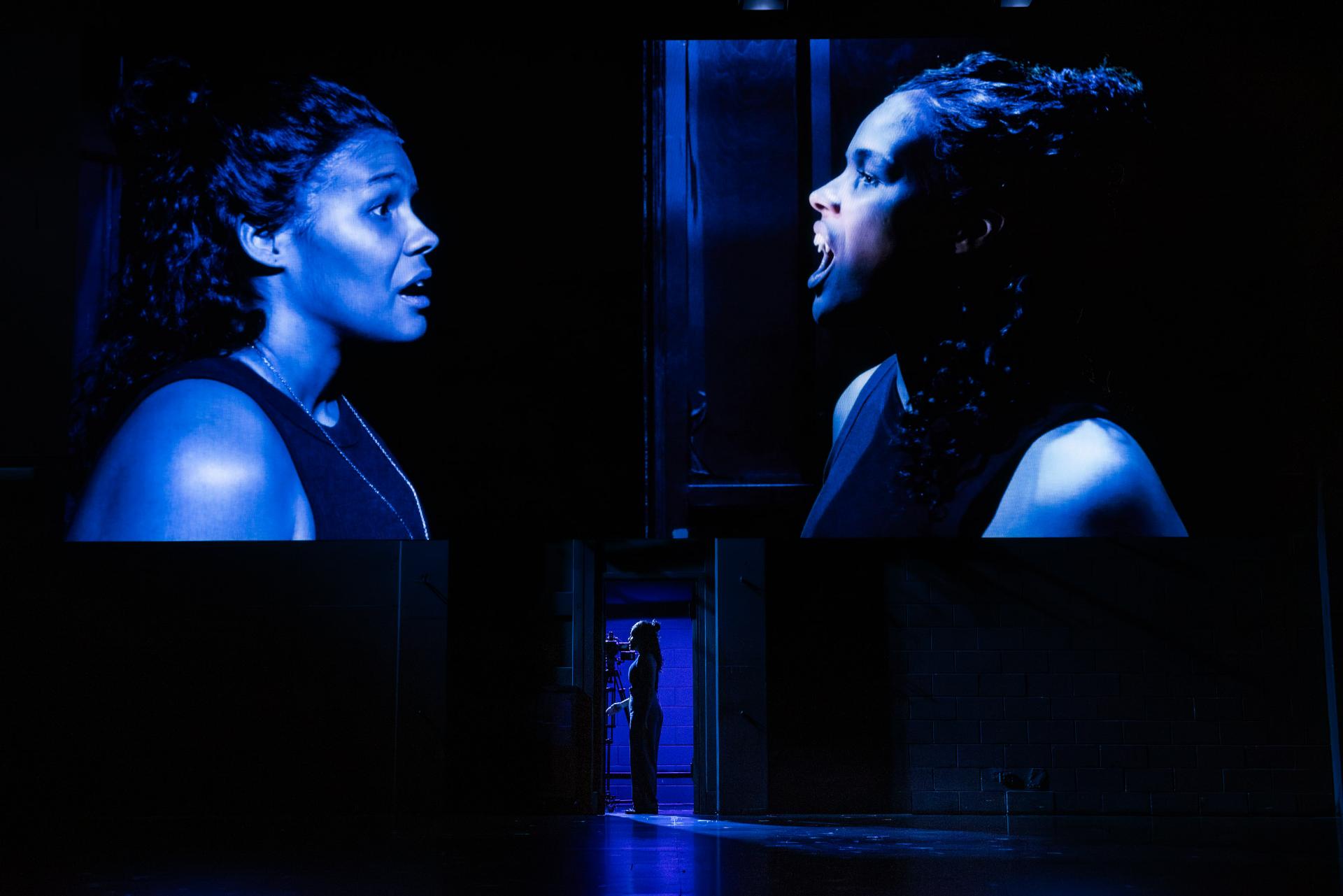
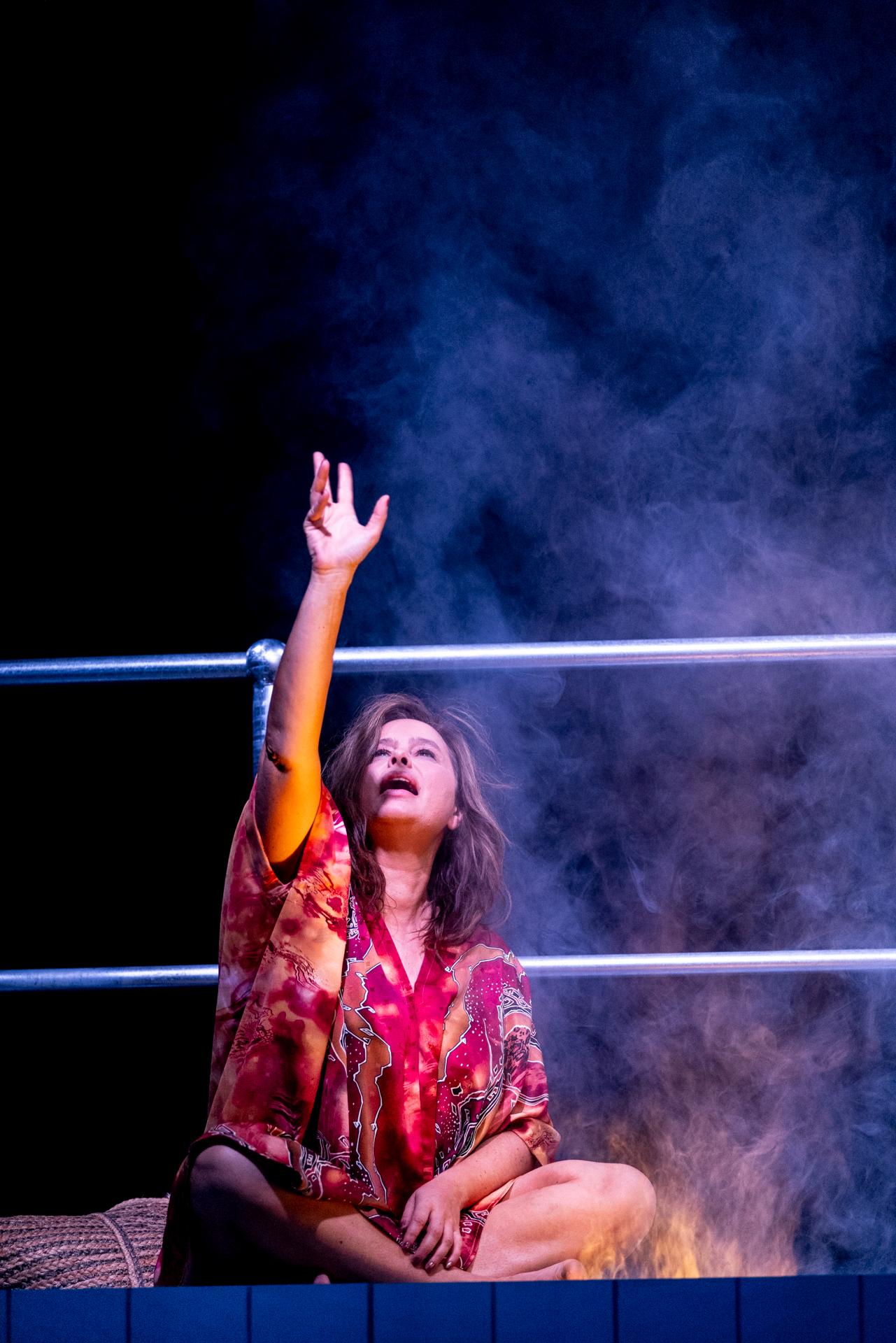
Actor Dani Sib brings incredible focus to the lead role, delivering unassailable authenticity whilst having us absolutely captivated, as they explore a multitude of tangential reflections, about a life that refuses to be encapsulated in a convenient narrative. Sandy Greenwood’s exceptional charisma comes to good use, as they embody several supporting parts to excellent effect, giving us a reassuring warmth that makes this experience feel accessible and real. Also noteworthy are costumes by the aforementioned Harper, convincing in their rendering of personality types, and wonderfully theatrical at pivotal moments.

Few things can claim to be new, in our artistic expressions and more generally in the ways we conduct social discourse. The emergence of non-binary identities however, is a contemporary phenomenon that elicits new ways of thinking, and indeed new ways of understanding aspects of our nature. It is a revolutionary movement that urges us to see a deeper truth about who we are, and what we are capable of. It is indicative of a future that can fundamentally erase notions of difference, so that we can regard each other with greater equity. Non-binary rejects stratifications, and it will instigate a dismantlement of instruments used for domination, beyond concepts of gender.

www.griffintheatre.com.au

Review: The Past Is A Wild Party (Qtopia / Siren Theatre Company)

Venue: Qtopia (Darlinghurst NSW), Jul 10 – 27, 2024
Playwright: Noëlle Janaczewska
Director: Kate Gaul
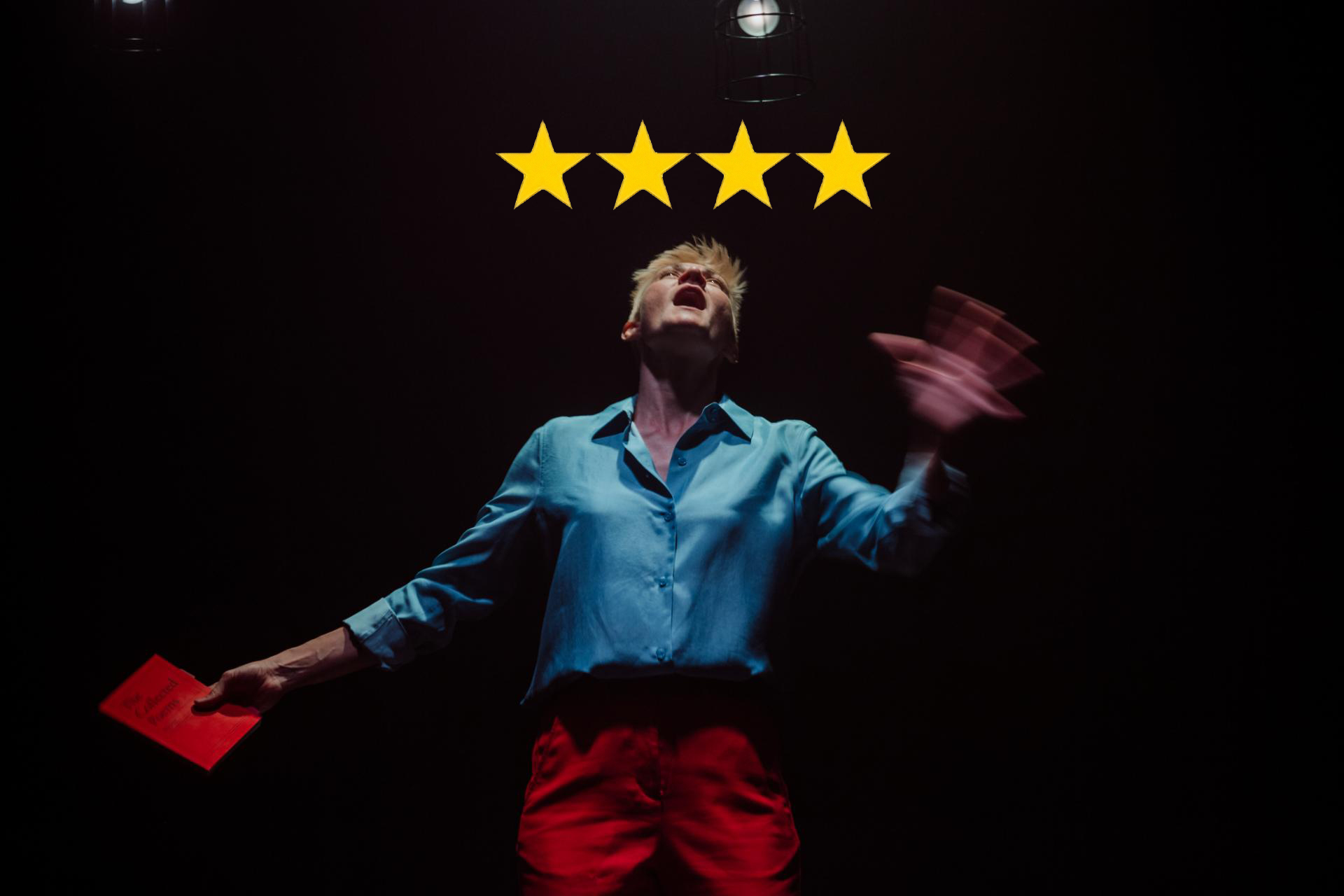
Cast: Jules Billington
Images by Alex Vaughan

Theatre review
In The Past is a Wild Party, Noëlle Janaczewska looks back at her “chosen family history” by examining queer literature through the years, focusing on the often eclipsed experiences of women in the LGBTQ+ community. As she travels through libraries in Australia and in Europe, looking at works both legendary and obscure, Janaczewska reflects on her own life and loves, in what appears to be an exercise in healing, for the writer and for audiences of a similar persuasion.

It is an enchanting one-person show, directed with great passion by Kate Gaul, who brings wonderful elucidation to the meaningful complexions of the text. Performer Jules Billington is extraordinarily precise with each physical gesture and verbal inflection, making sure that we detect all the nuances of this soulful meditation on a collective phenomena that encompasses tribulation, trauma and triumph. There is a memorable and immense benevolence to Billington’s approach that thoroughly captivates, and that keeps us attentive with open hearts and minds.

An unexpectedly rich lighting design by Benjamin Brockman elevates the solo format, by introducing a compelling visuality to the production, with consistent vacillations to its emotional textures, but always beautiful in its depictions. Music by Madeleine Picard guides us on this sentimental journey, hypnotic with its melancholy, and perfectly attuned with the bittersweet musings of a person with wisdom to share.

It is within sapphic spaces that we can perceive especially clearly, an existence outside of the patriarchy. Power and its machinations may not entirely cease to exist in something like The Past is a Wild Party, but a certain disintegration of inequity can certainly be observed. No longer is there an obsession with domination over people, but a sense of togetherness in opposition to systematic oppression. We encounter something specific yet welcoming, with a capacity for the vastness of humanity, much like motherhood, that should come so natural, yet we know to be so rare.

www.qtopiasydney.com.au | www.sirentheatreco.com

Review: Too Human (KXT on Broadway)

Venue: KXT on Broadway (Ultimo NSW), Jul 5 – 20, 2024
Playwright: Michael McStay
Director:
Sammy Jing
Cast: Luisa Galloway, Jasper Lee-Lindsay, Rhiaan Marquez, Mason Phoumirath, Lachie Pringle, Rachel Seeto
Images by Phil Erbacher

Theatre review
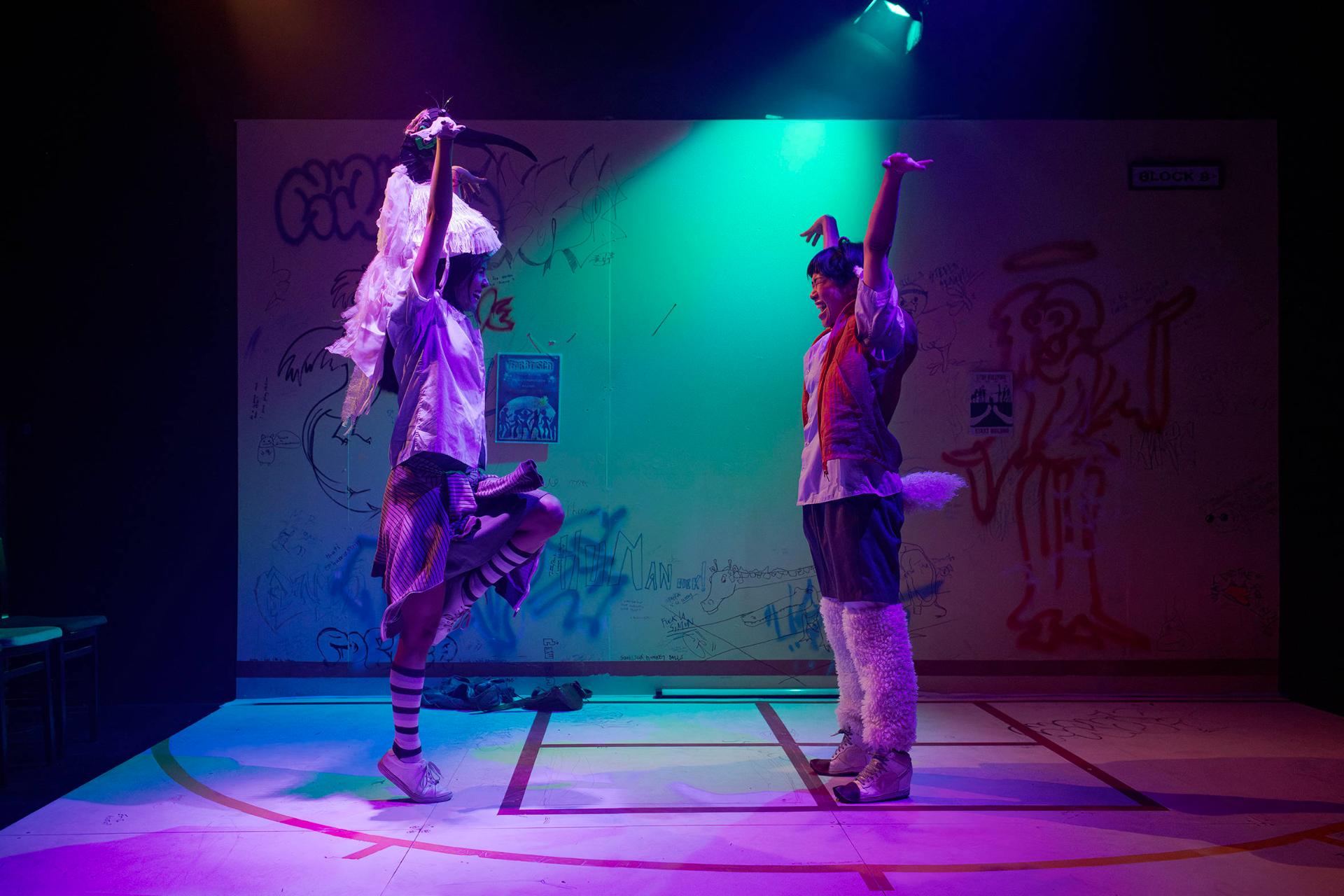
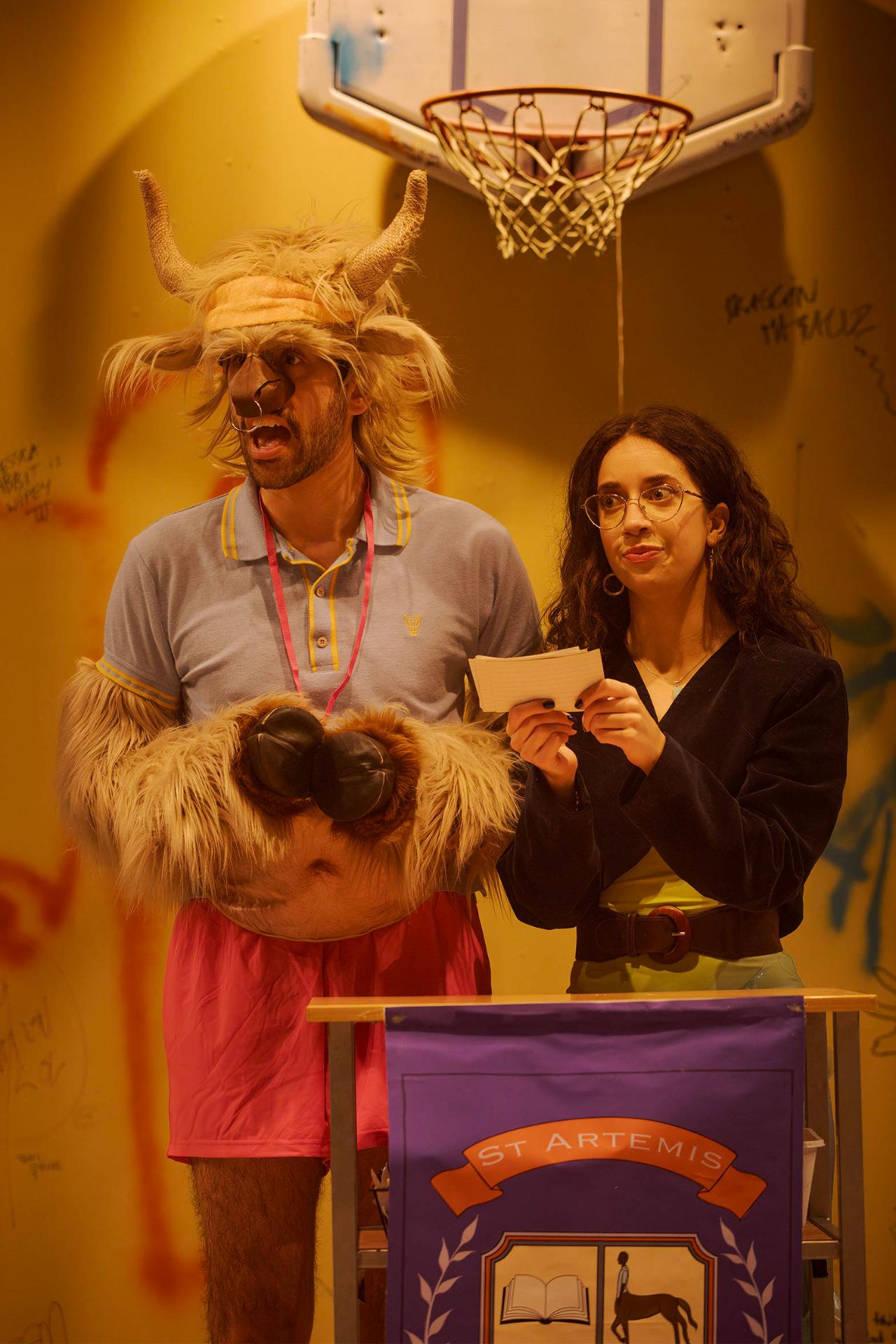
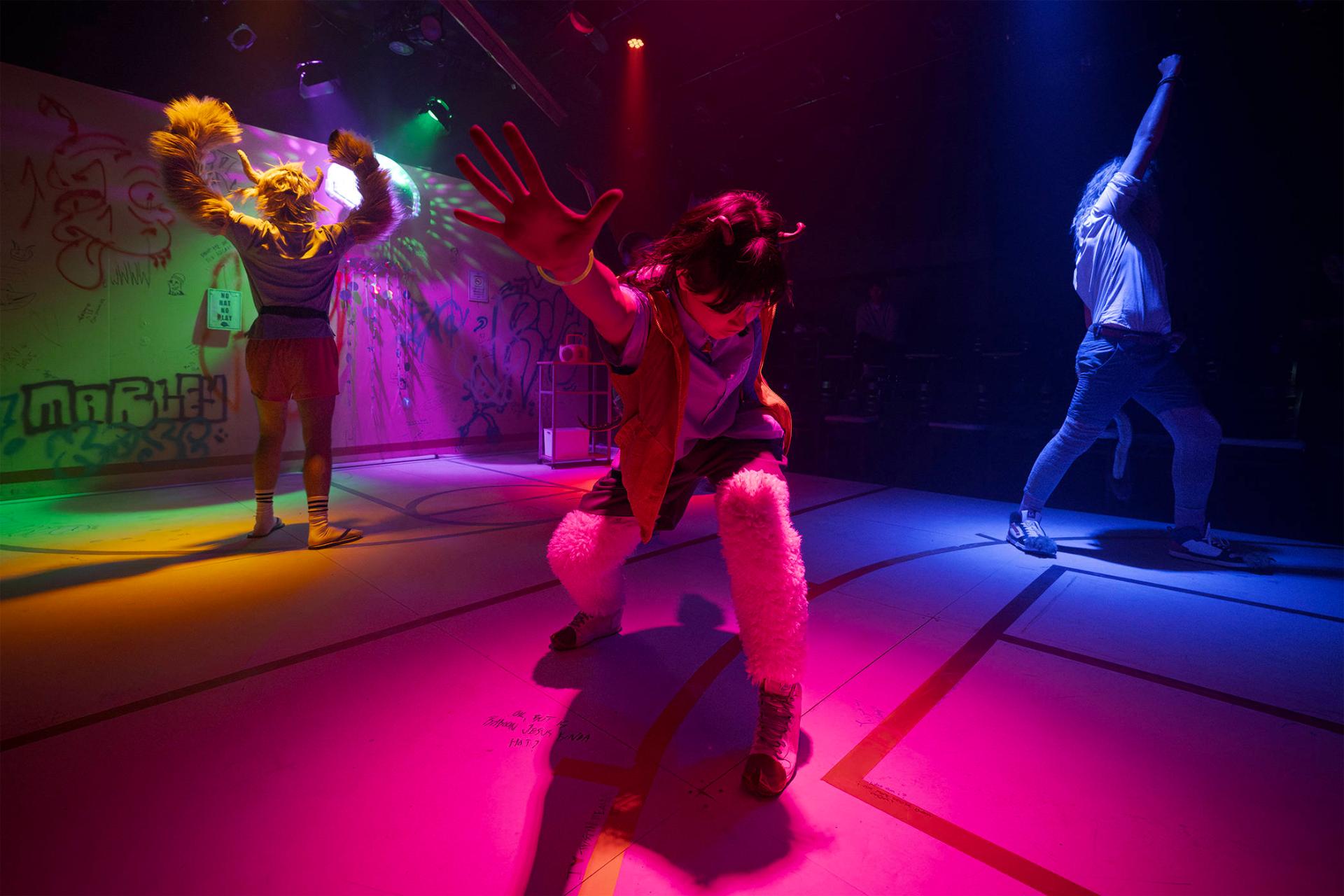
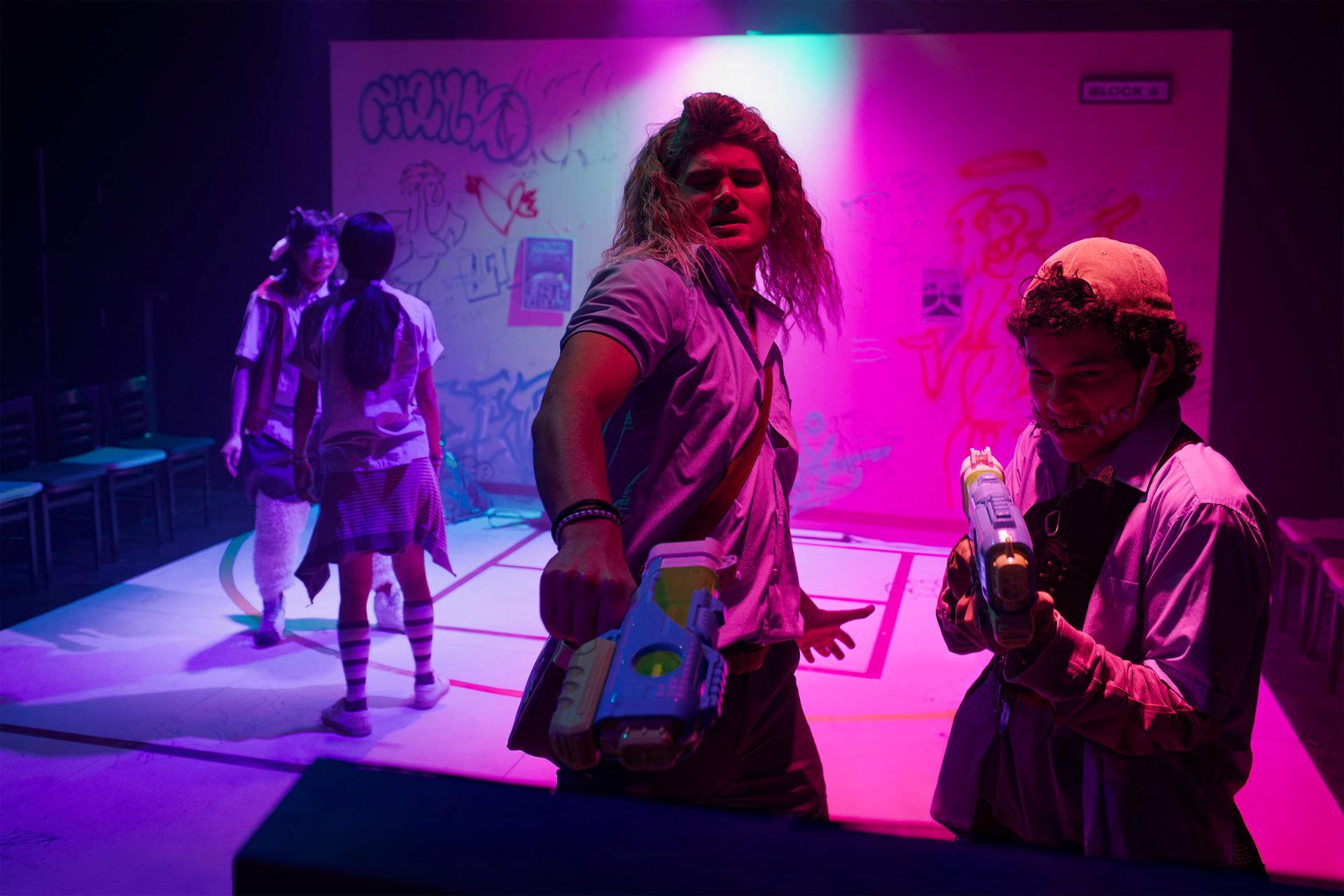
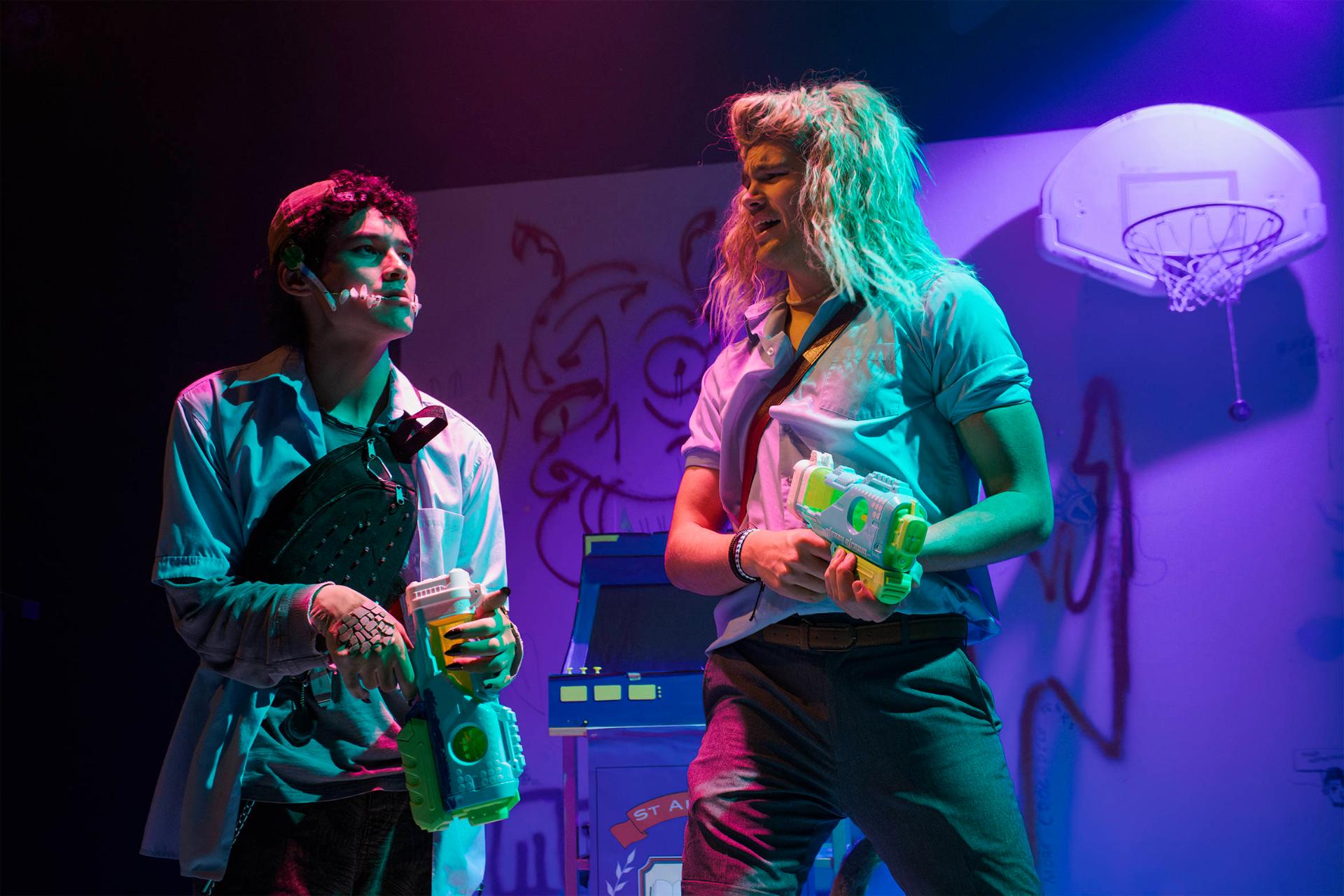
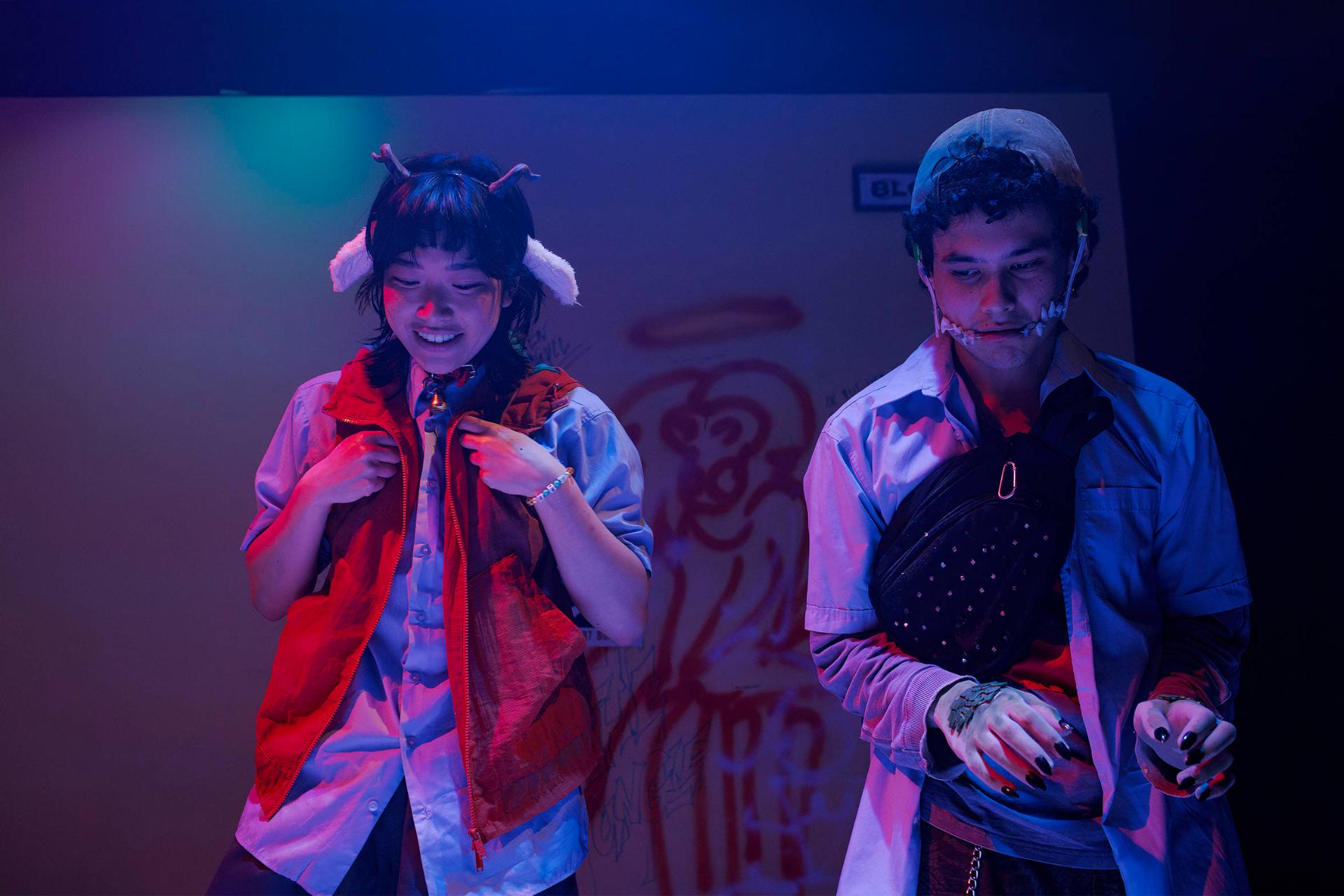
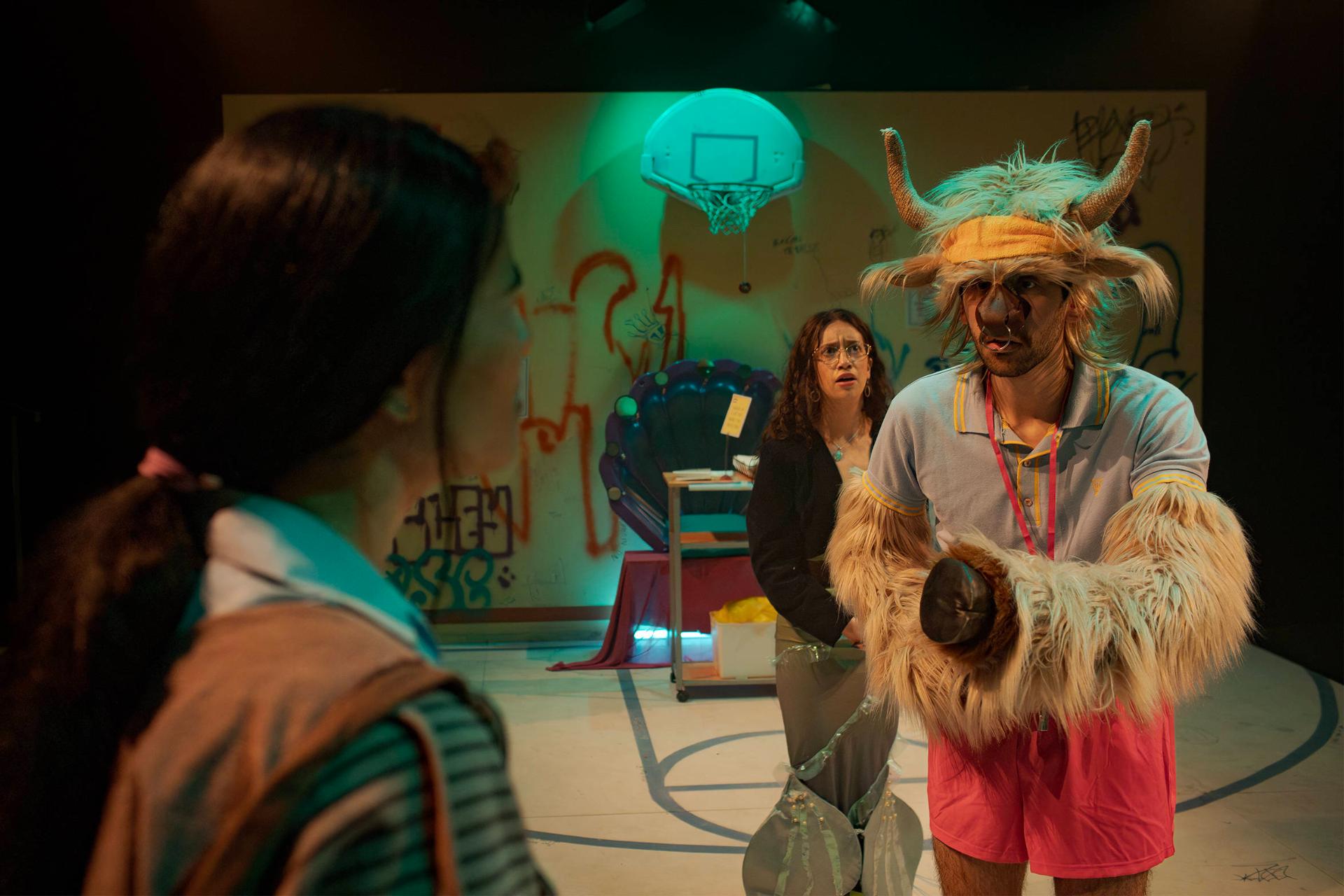
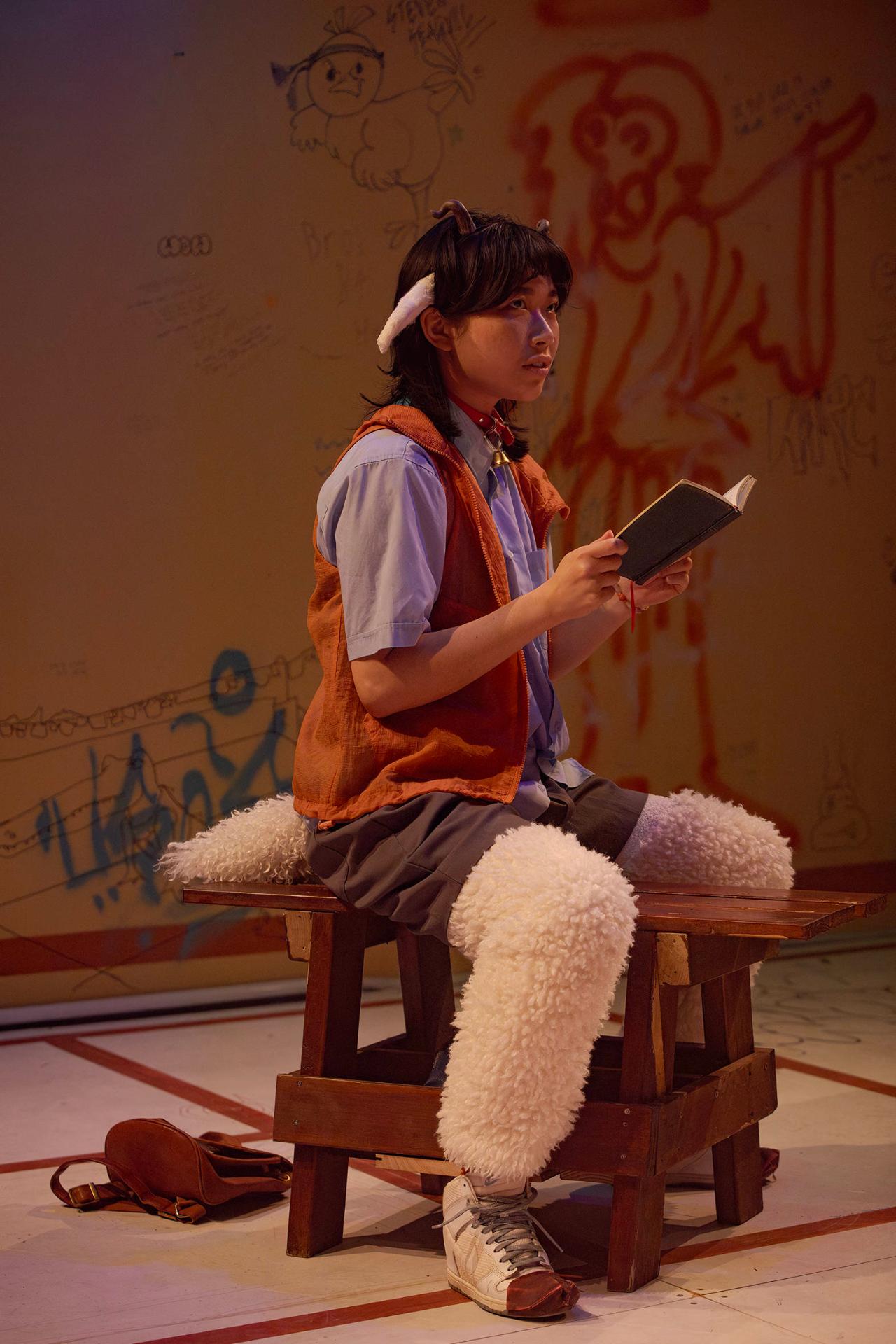
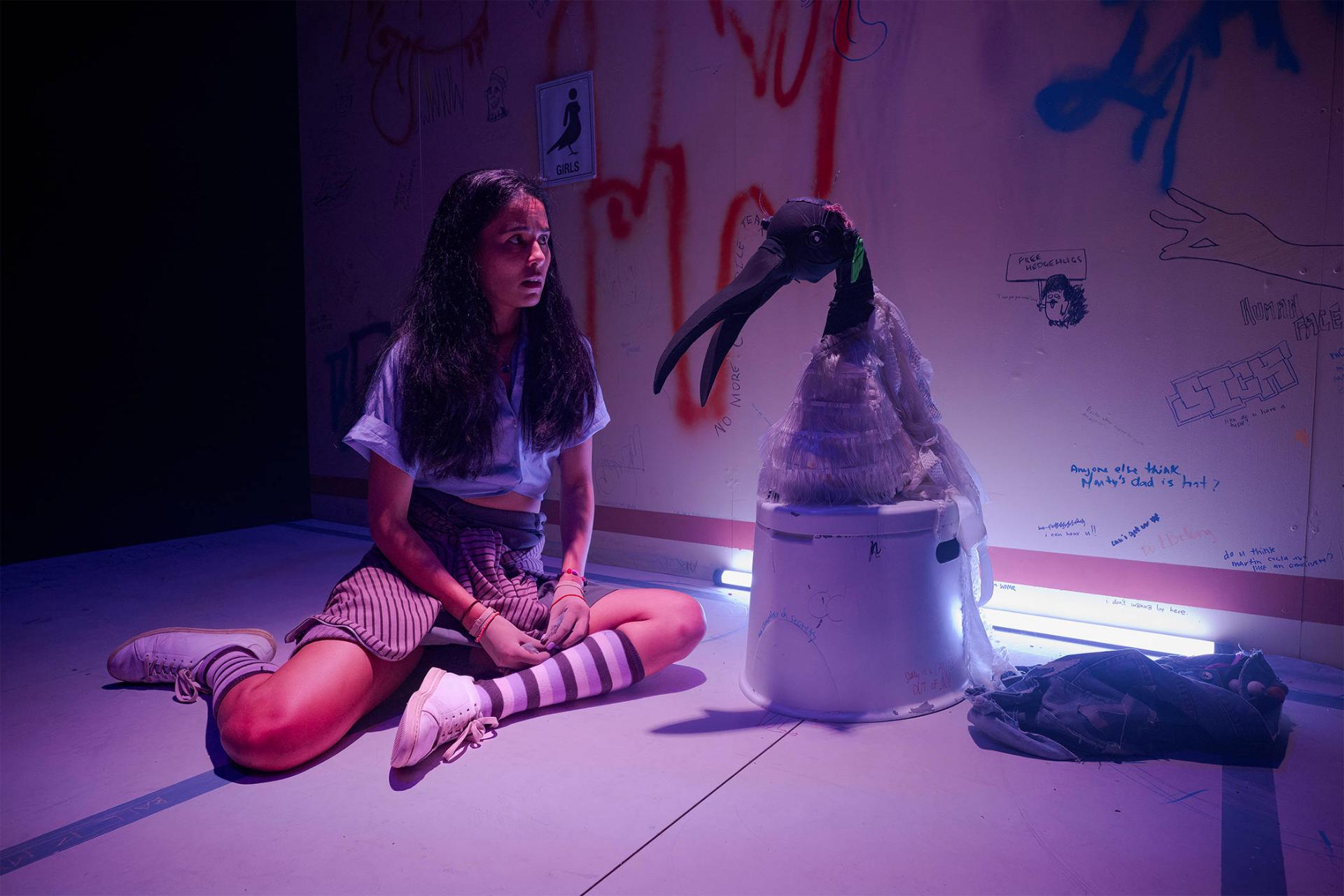
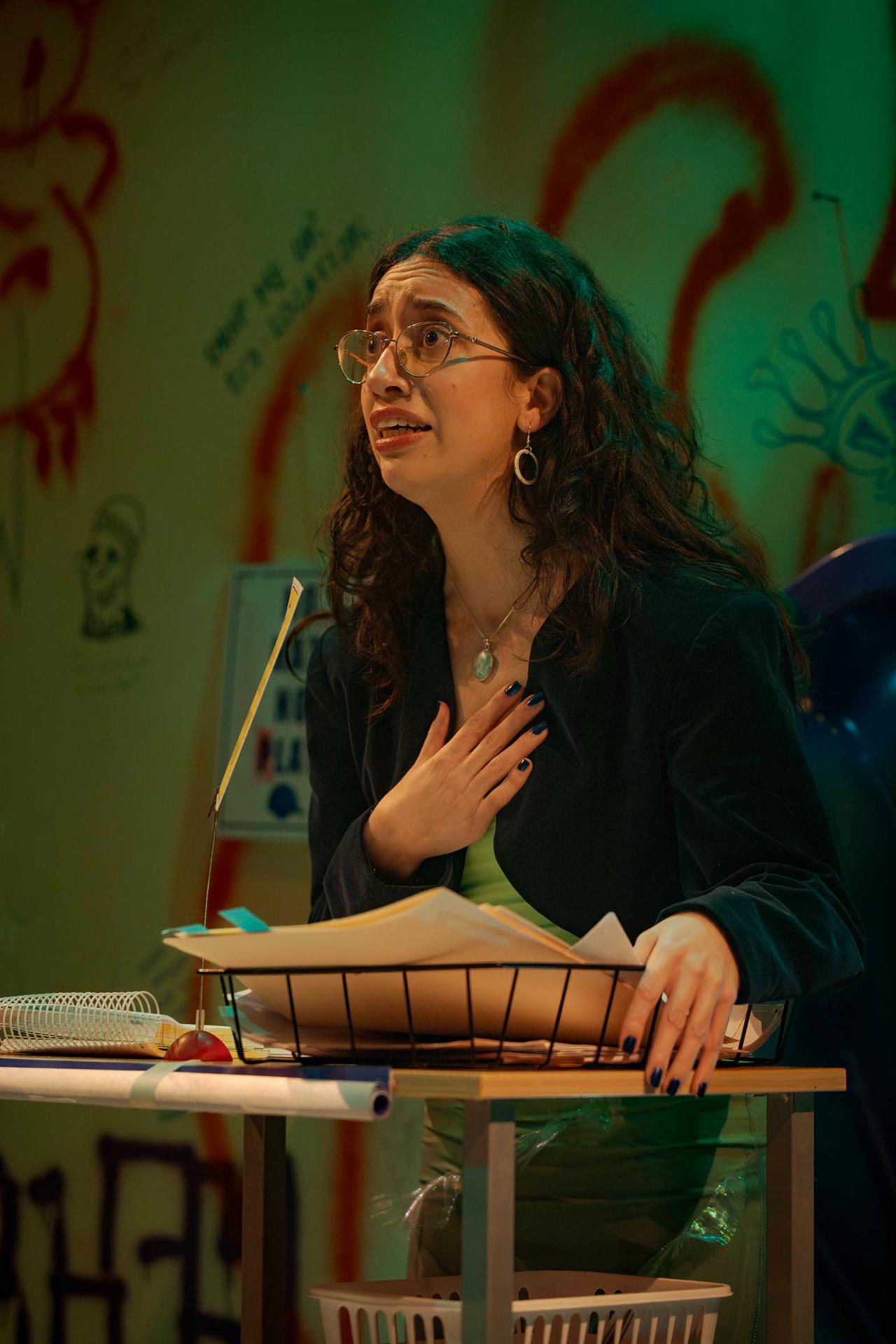
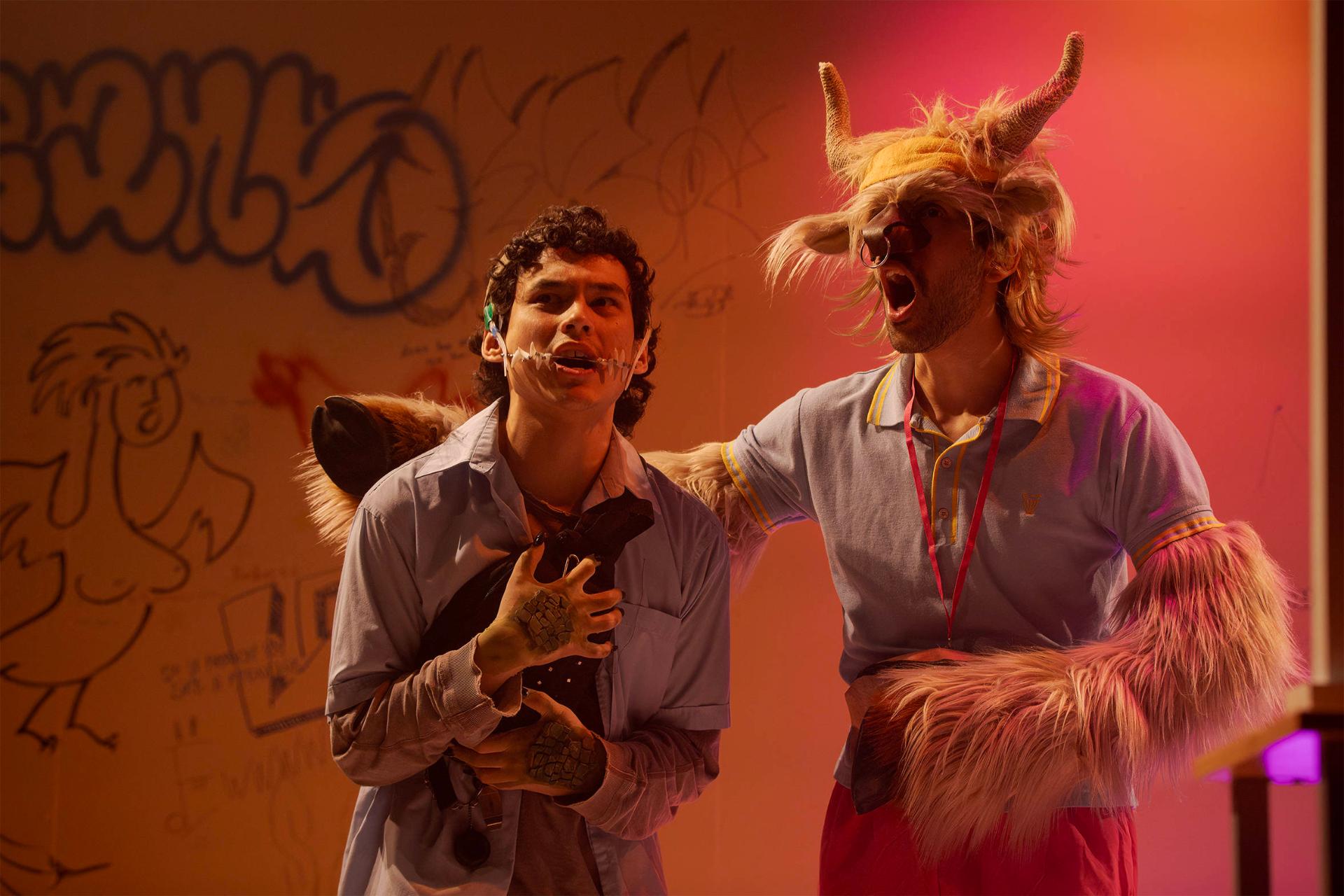
Monty is in Year 8, and because she looks different from others at school, is having an inordinately hard time trying to fit in. Michael McStay’s Too Human is a witty return to the classic teen comedy, dealing with themes of acceptance and emancipation. With a narrative that might be considered intentionally trite, it is the sparkling dialogue and kooky characters that really leave an impression. We know exactly where the story is to conclude, but the journey is nonetheless enjoyable, and often thoroughly amusing.

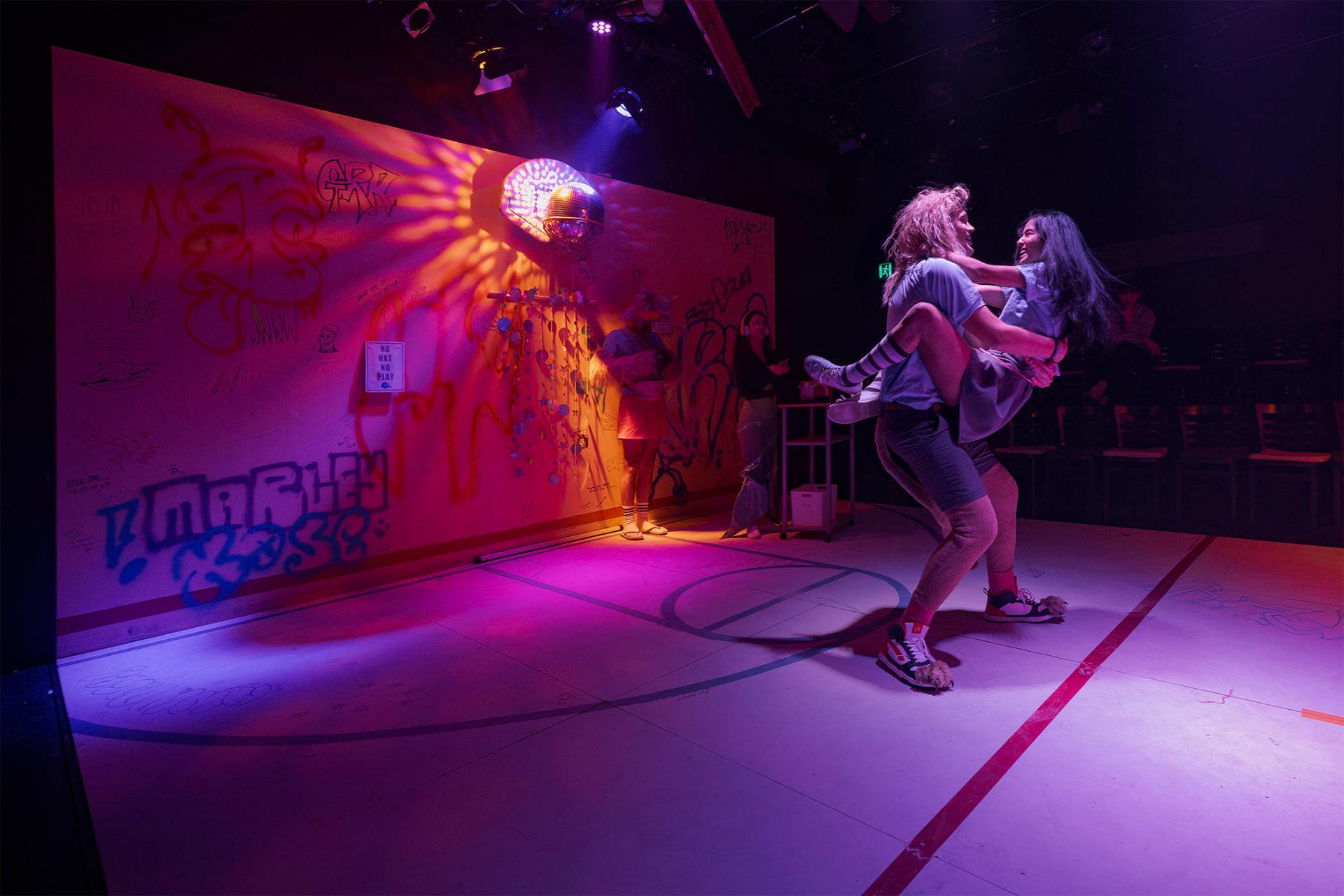
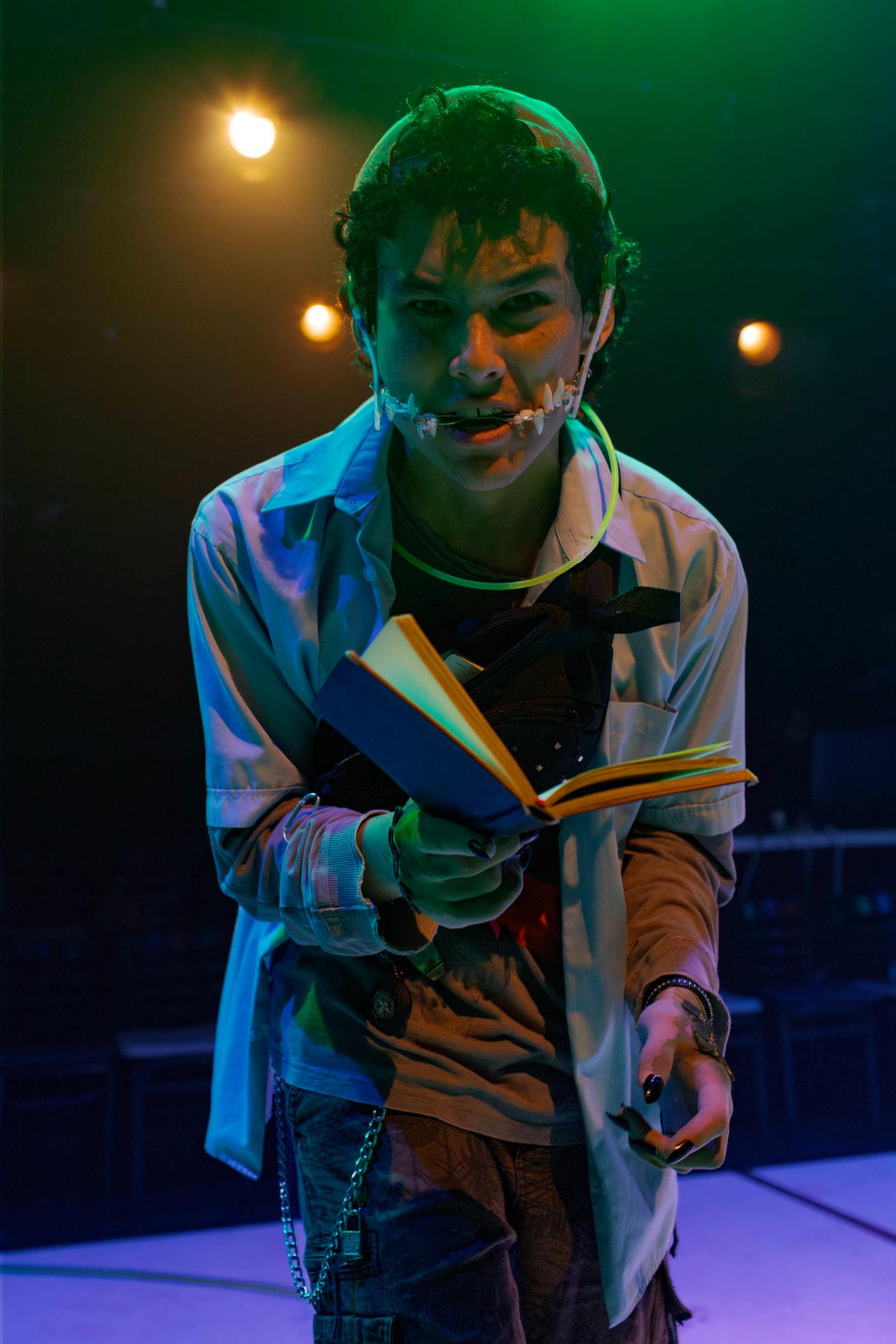
Inventive direction by Sammy Jing keeps us fascinated, in a show that proves inexhaustibly mischievous and fun. Monty is played by Rhiaan Marquez, who convinces with her depictions of desperation amidst social ostracism. Jasper Lee-Lindsay and Rachel Seeto steal the show as Andy and Lewis respectively, both actors expertly balancing comedy with pathos, in portrayals of teenage angst that surprise with their poignancy. Other members of the likeable cast are Luisa Galloway, Mason Phoumirath and Lachie Pringle, all wonderfully humorous and equally committed to the cause.

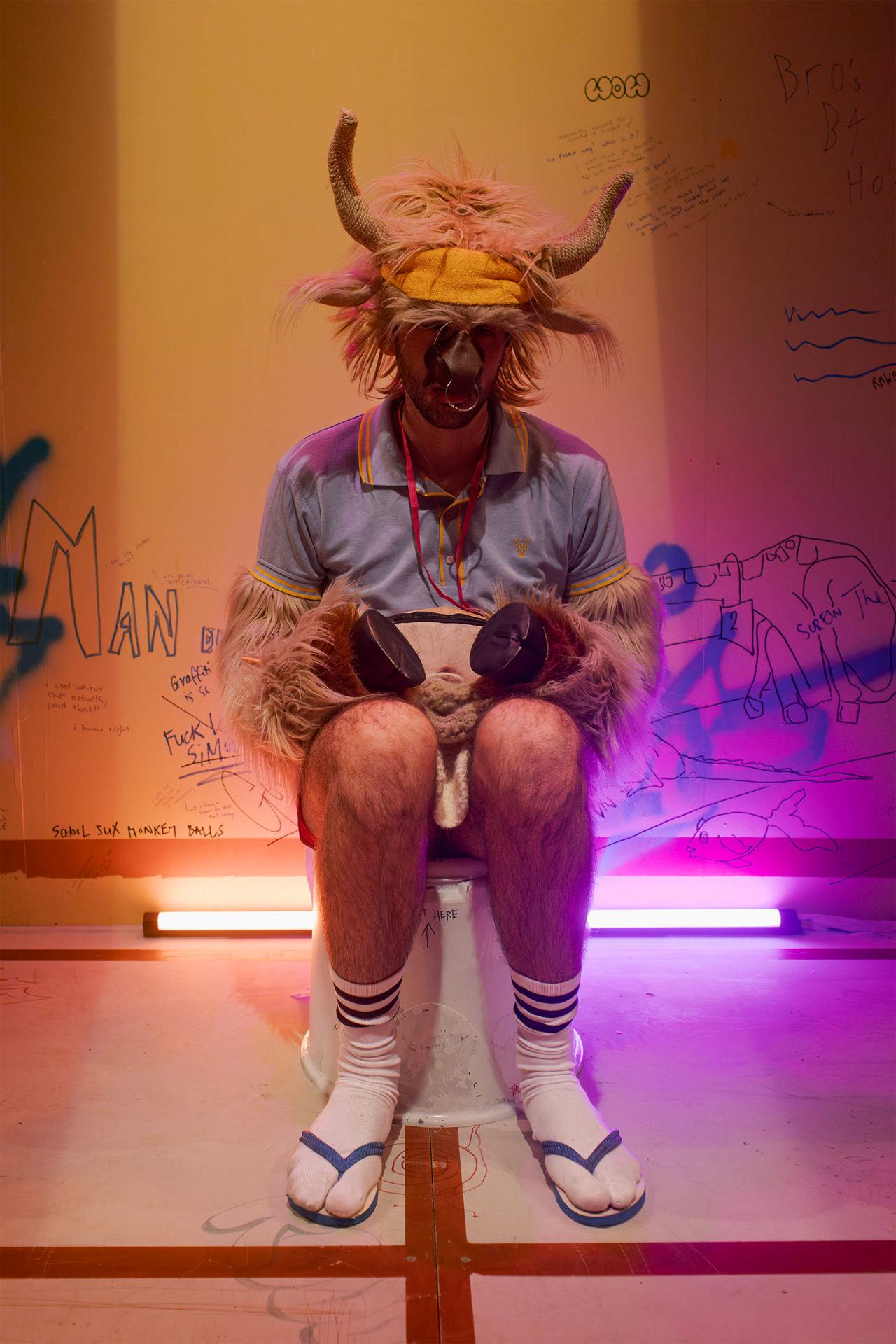
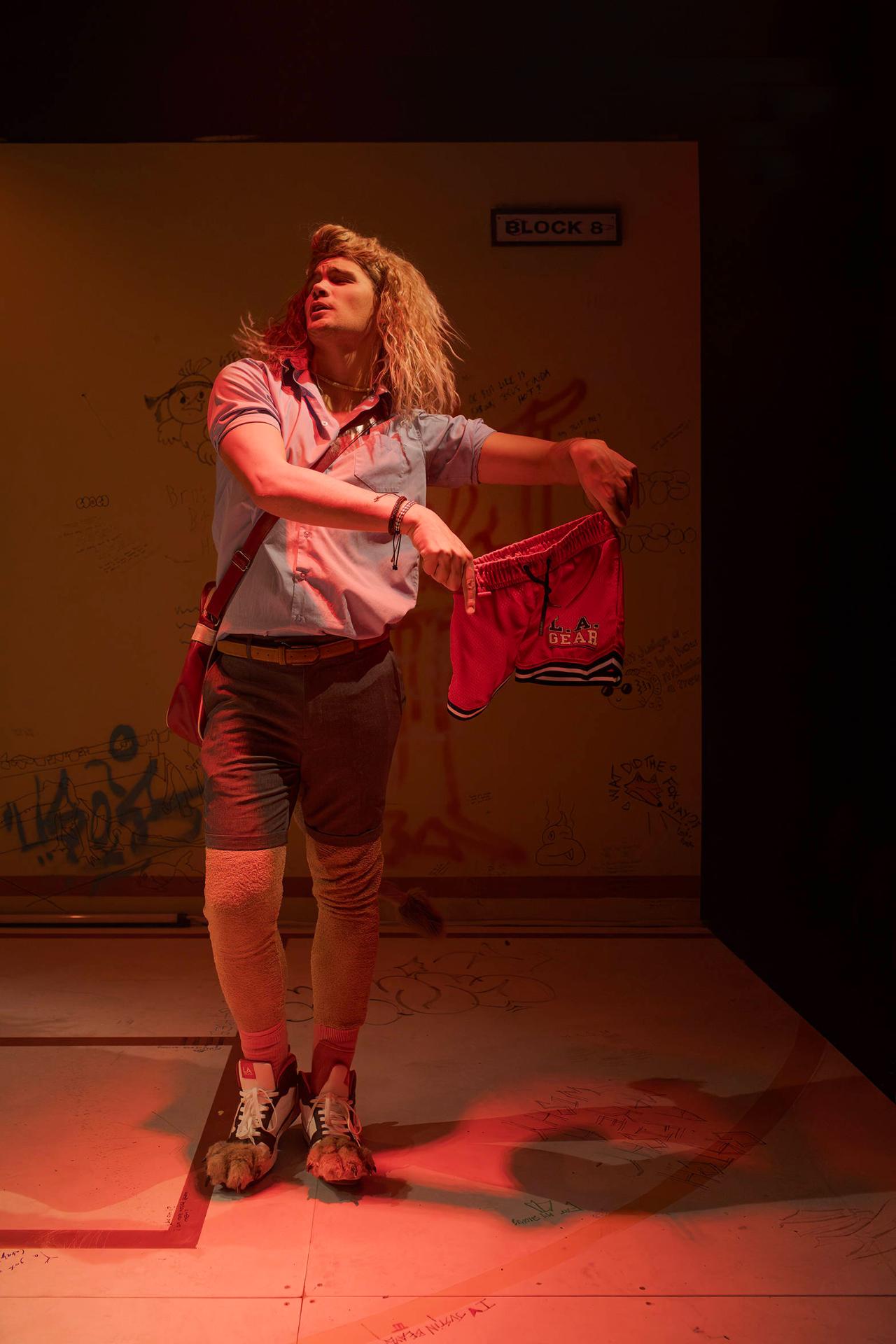
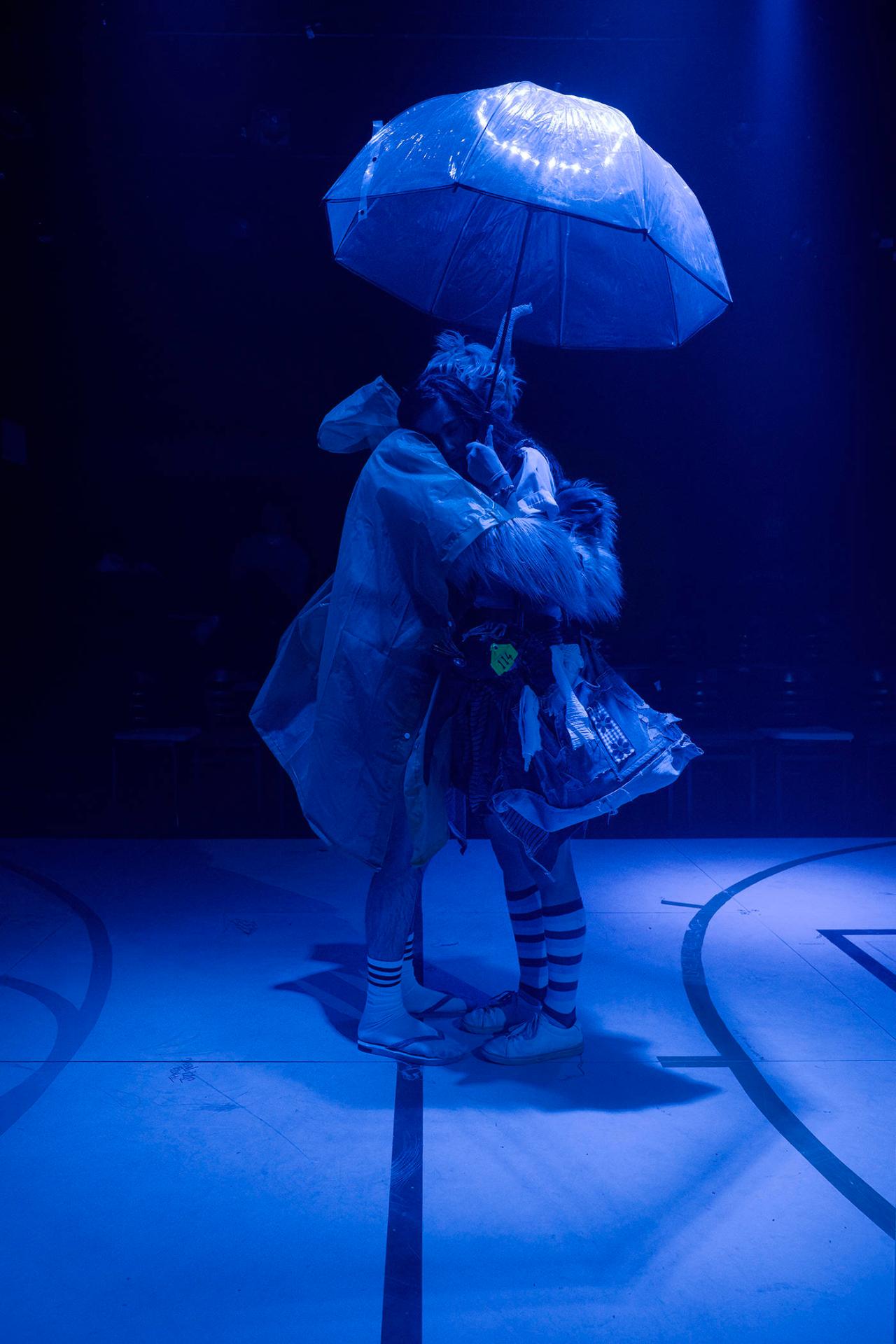
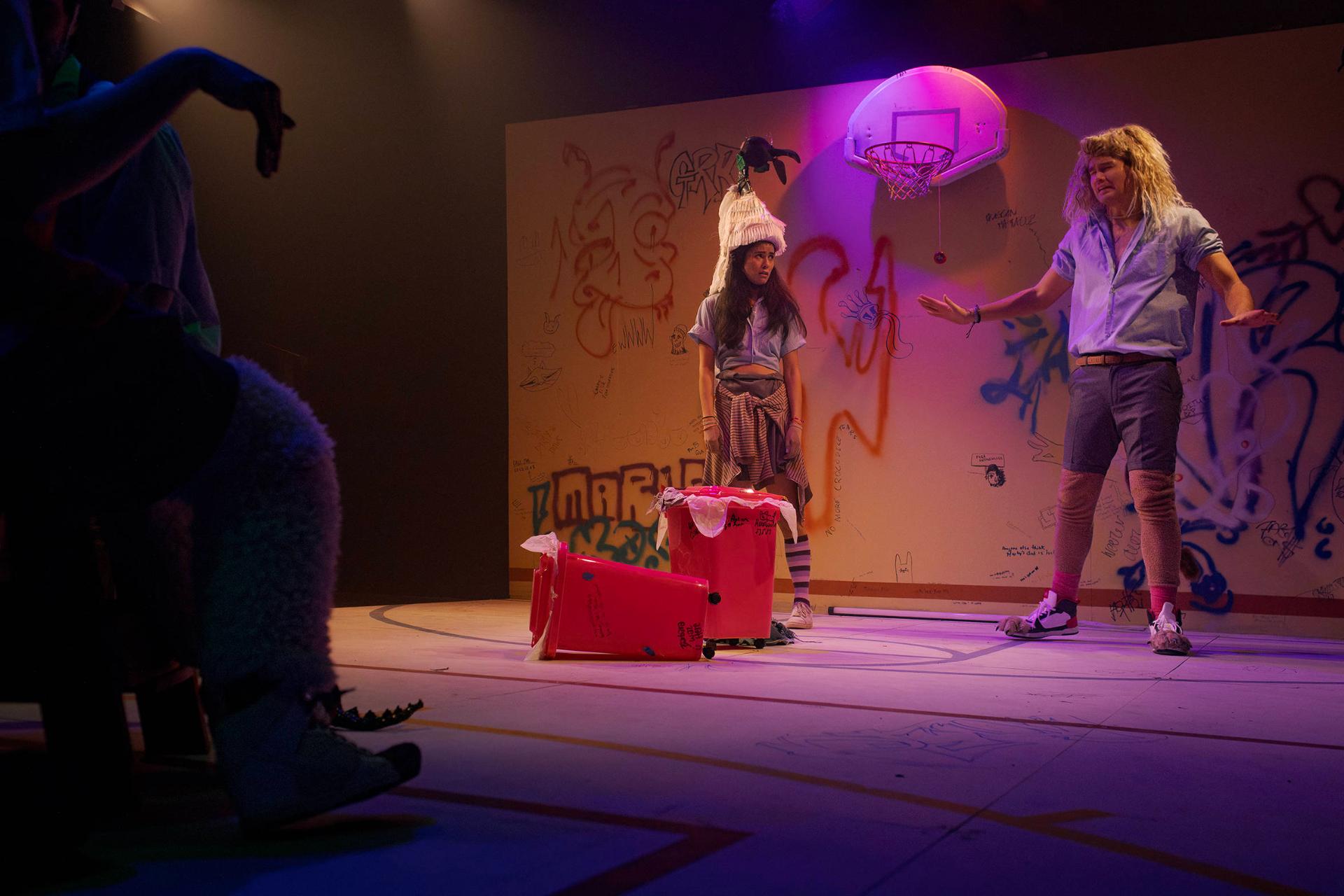
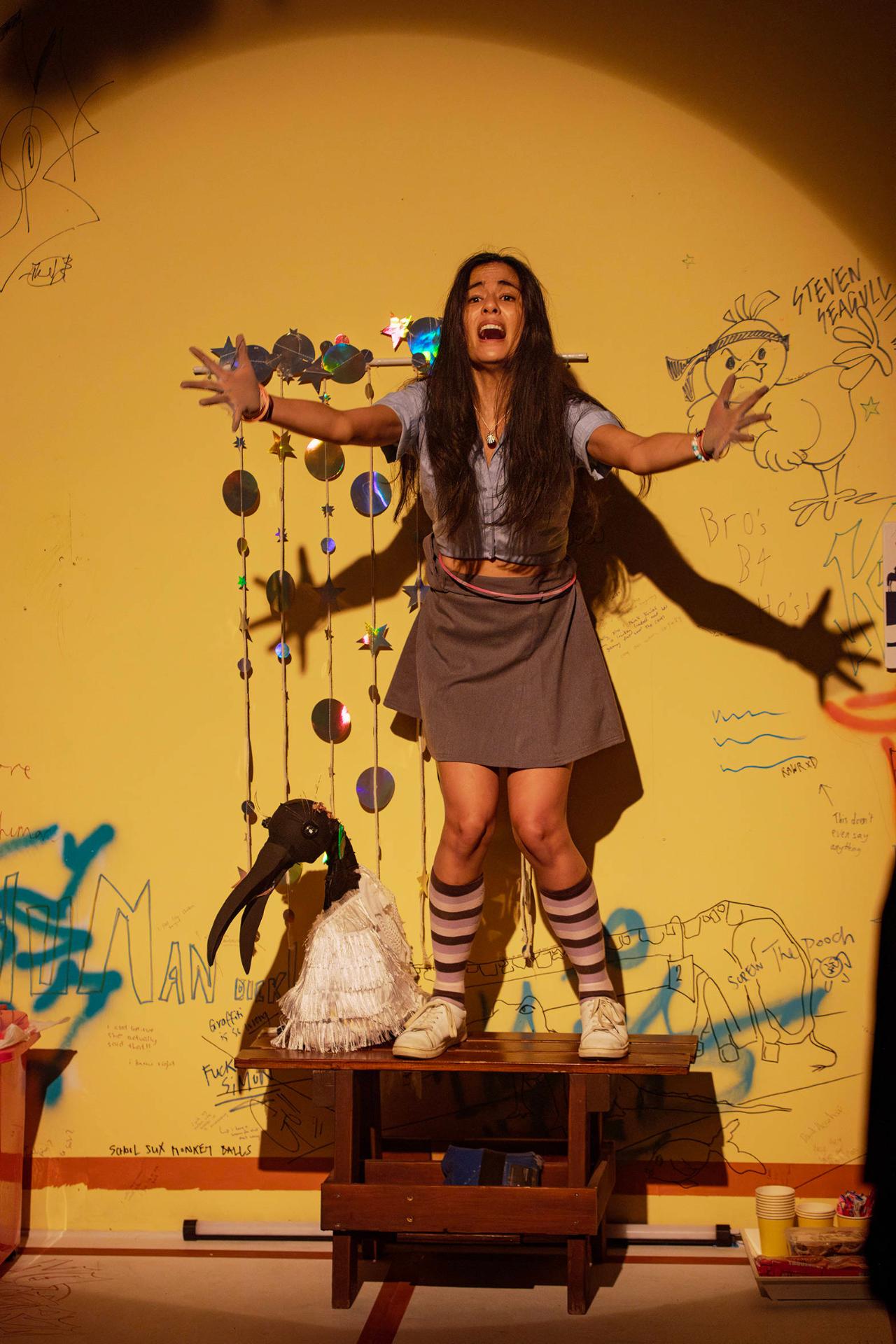
Production design by Hannah Tayler comprises an archetypal interpretation of life on the schoolyard, with clever costumes full of idiosyncratic personality and a marvellous sense of fantasy. Lights by Emma van Veen and Paris Bell are wonderful in their colourfulness, commendable for the exuberance they bring to proceedings. Ambitious sounds by Felix Partos, with zany songs by Gabbi Bolt, too are effective in creating aural dynamism that keeps the atmosphere consistently buoyant and energetic.

The young ones in Too Human are talked about as half-human and half-animal, which seems to be terminology that engenders notions of incompleteness, rather than multitude. They are in fact of double species, and have the potential to be twice as interesting, if not twice as resourceful. How we name ourselves run the risk of attributing deficiency and inferiority, to beings who are perfect and whole. It may be an exaggeration to say that language means everything, but it is hard to imagine any phenomenon being defined without words, whether careless or impeccable.

www.kingsxtheatre.com | www.liminalproductions.au

Review: Cut Chilli (Old Fitz Theatre)

Venue: Old Fitzroy Theatre (Woolloomooloo NSW), Jul 5 – 27, 2024
Playwright: Chenturan Aran
Director: David Burrowes
Cast: Noel Hodda, Kelsey Jeanell, Susie Lindeman, Brendan Miles, Nikki Sekar, Ariyan Sharma
Images by Phil Erbacher

Theatre review
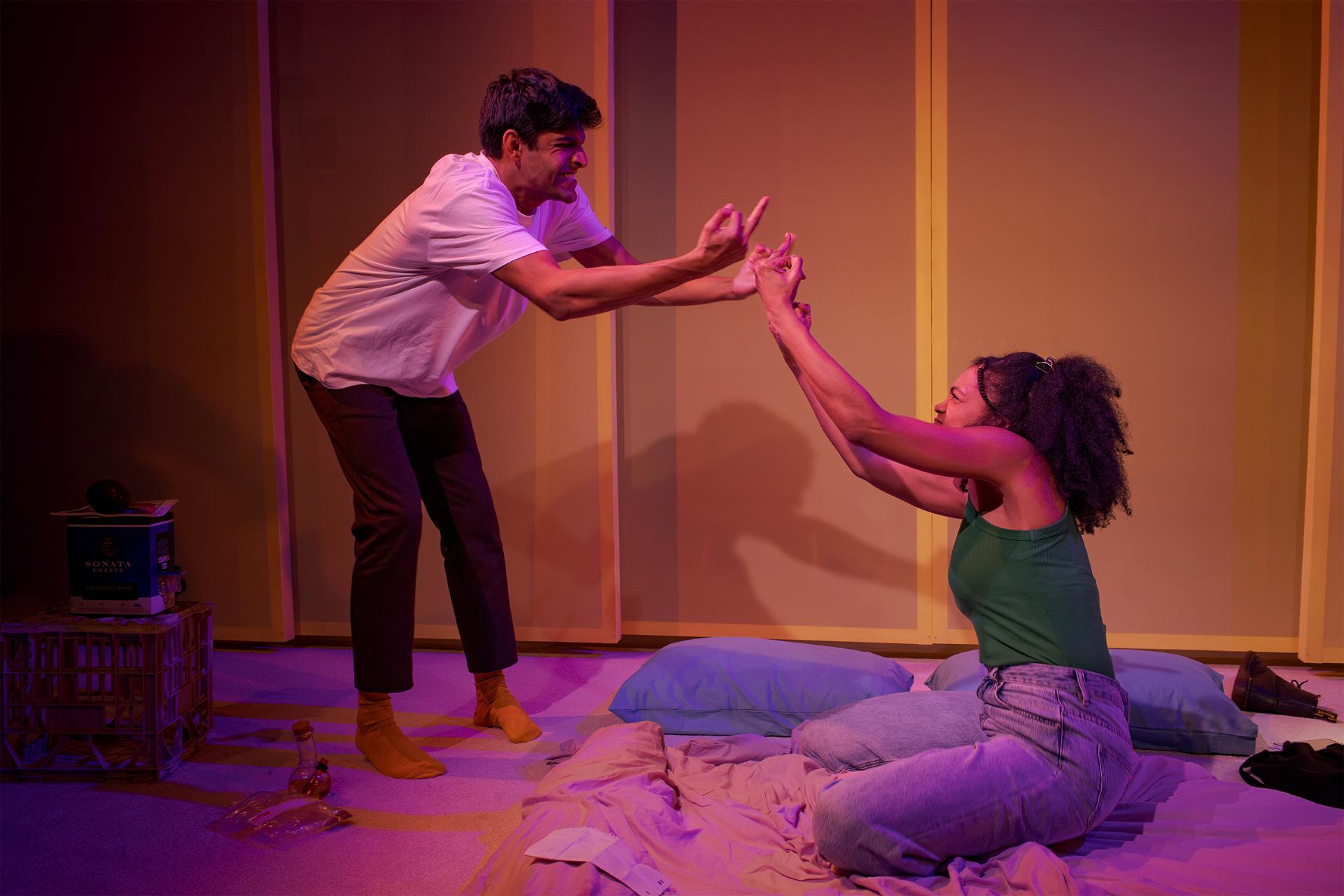
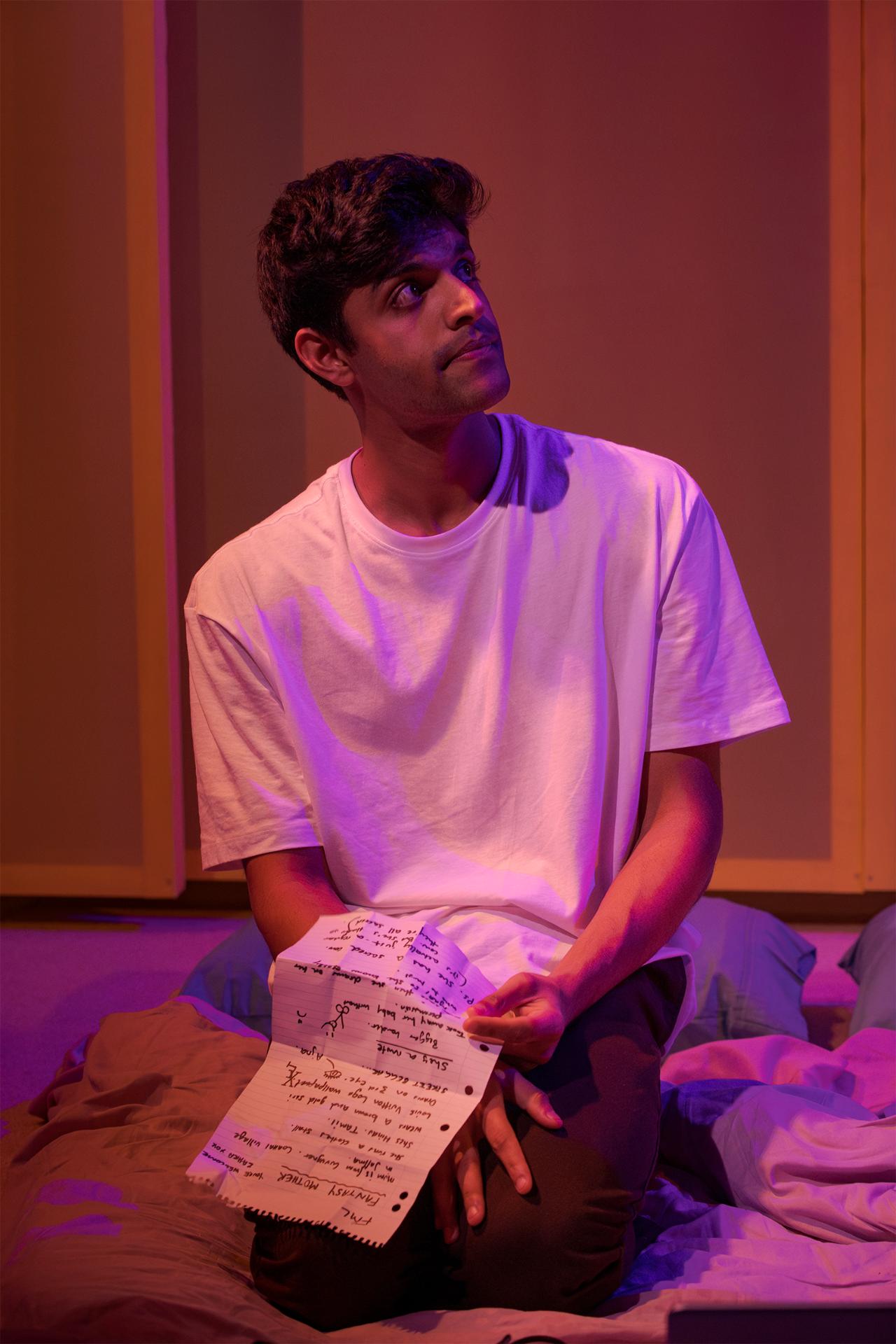
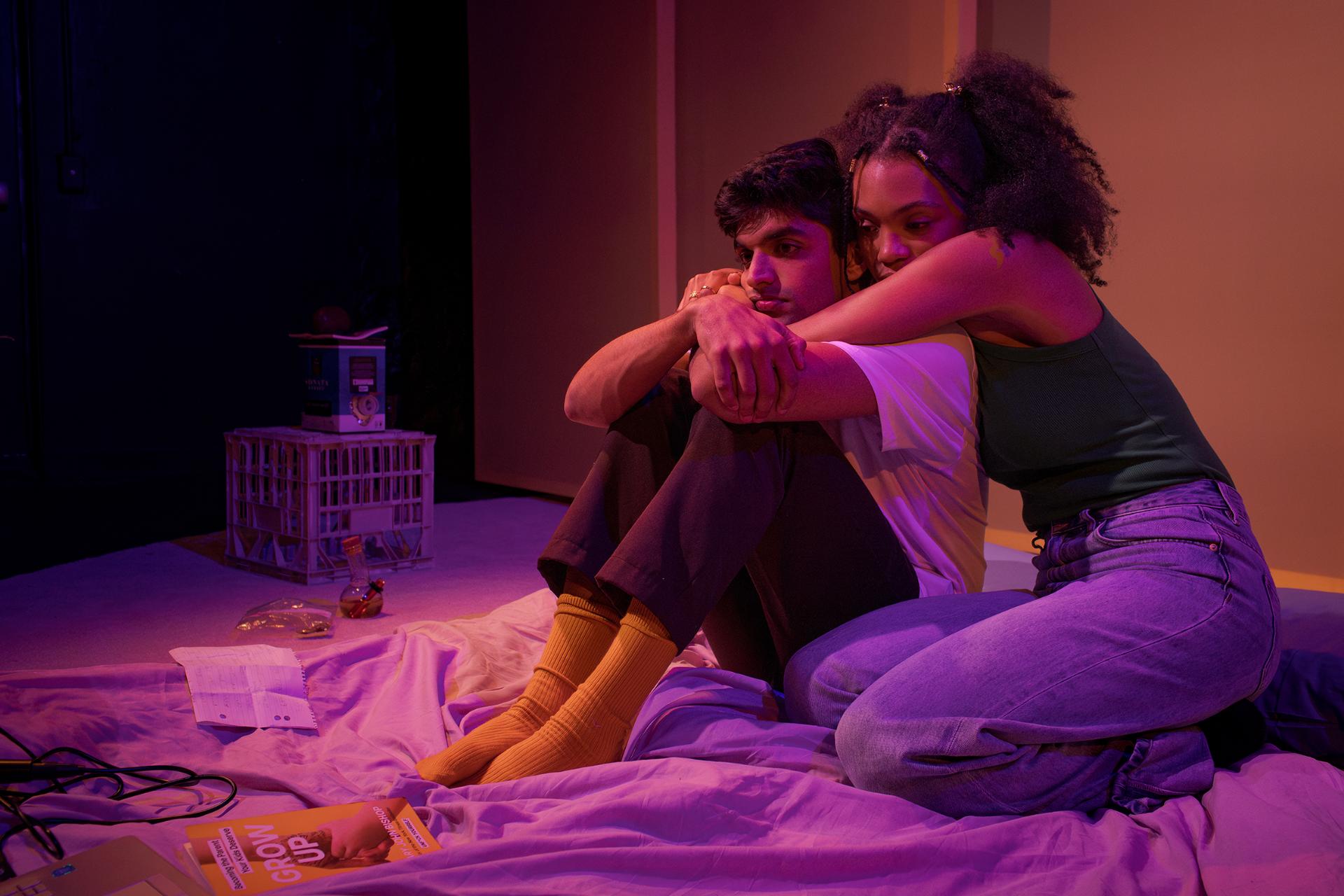
Jamie has started thinking a lot about his birth mother in Sri Lanka, which is proving to be a great annoyance for his white Australian adoptive parents. In the beautifully observed Cut Chilli by Chenturan Aran, transracial adoption is the main subject that spurs discussions about racial identity, and about the current state of Western discourse that pertains to our political lives. Conflicting values, represented by a generational divide and along racial lines, are examined with incisiveness and great humour by Aran, whose clever dialogue helps soften the blow of his many provocative but manifestly meaningful expressions.

Direction by David Burrowes brings an excellent vibrancy to the play’s politics, but its comedy is perhaps less finely honed. Chemistry between cast members is inconsistent, although markedly captivating in moments when the actors do find a sense of connectedness. Leading man Ariyan Sharma introduces an authenticity to the show that translates as complexity and credibility, allowing us to engage with its ideas in a sophisticated manner.

Set design by Soham Apte demonstrates considerable resourcefulness and creativity, with proficient demarcations of space that make good sense of the locations being depicted. Costumes by Rita Naidu enhance the realism of Cut Chilli, whilst maintaining visual balance and a quiet elegance. Lights by Isobel Morrissey and sounds by Sam Cheng are fairly minimal in approach, but appropriately so. Also noteworthy is the video content in the show’s prologue and epilogue, as gracefully captured by cinematographer Jamie Gray.

Within these scene of intimacy involving Jamie’s loving family, we cannot help but regard the behaviour of our political adversaries with a certain generosity. Contemporary “rules of engagement” have provided little room for tolerance, with good reason, but in Cut Chilli we are reminded that perhaps kindness does count for something, even if it is attached to ignorance. The road to hell may be paved with good intentions, but without any desire to do better, nothing worthwhile could ever be achieved.

www.oldfitztheatre.com.au | www.newghoststheatre.com

Review: Dracula (Sydney Theatre Company)

Venue: Roslyn Packer Theatre (Sydney NSW), Jul 2 – Aug 4, 2024
Writer: Bram Stoker (adapted by Kip Williams)
Director: Kip Williams
Cast: Zahra Newman
Images by Daniel Boud

Theatre review
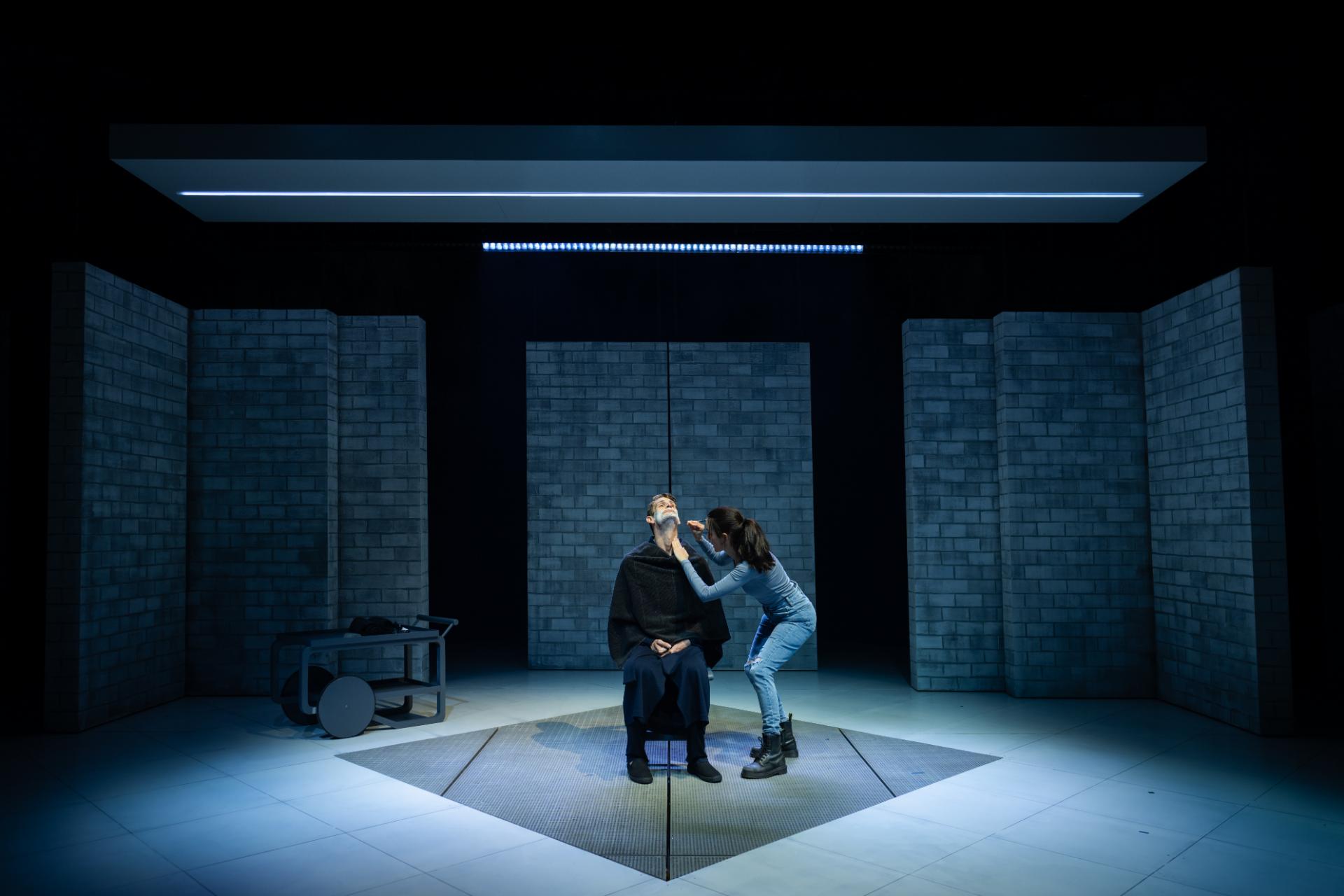
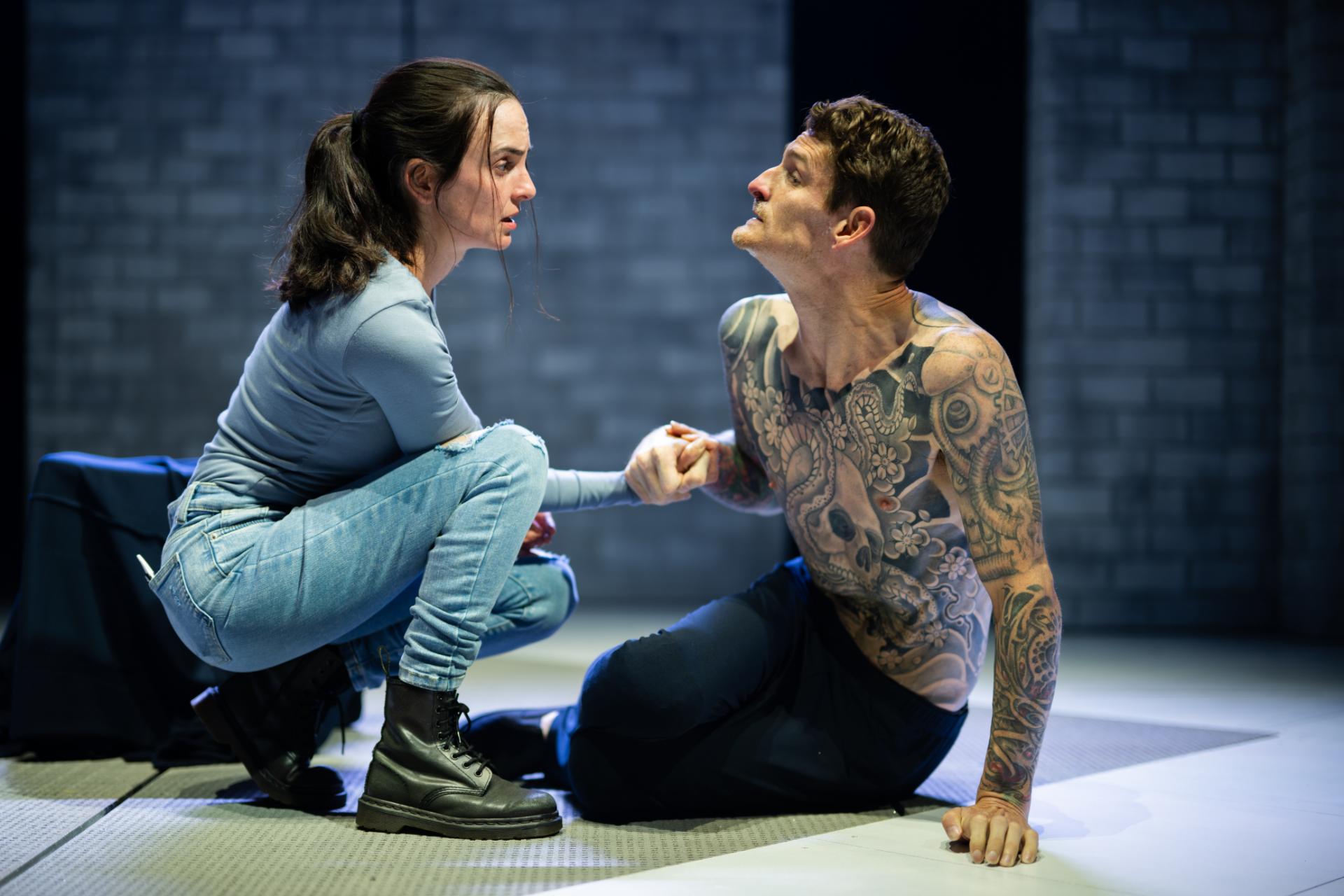
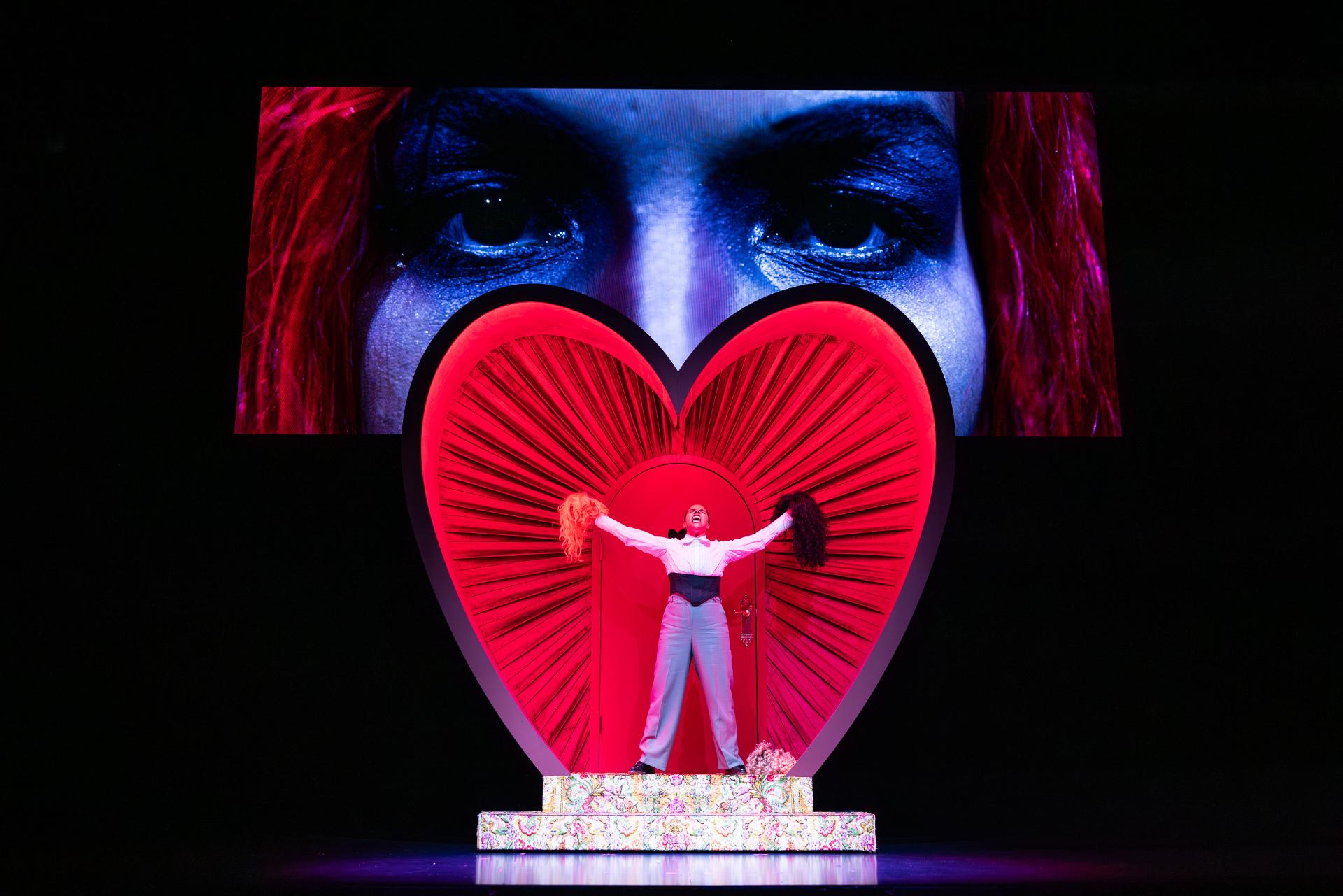
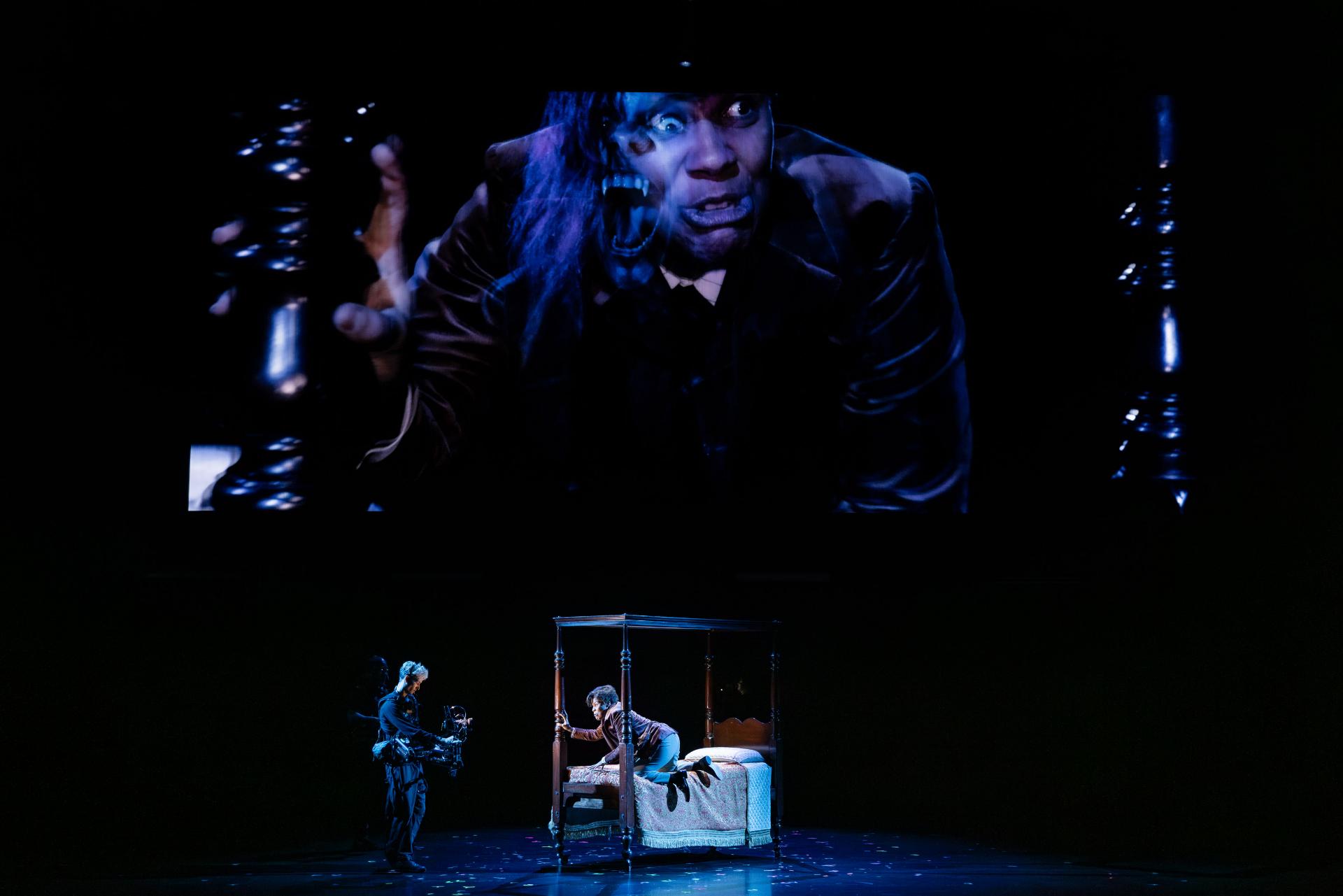
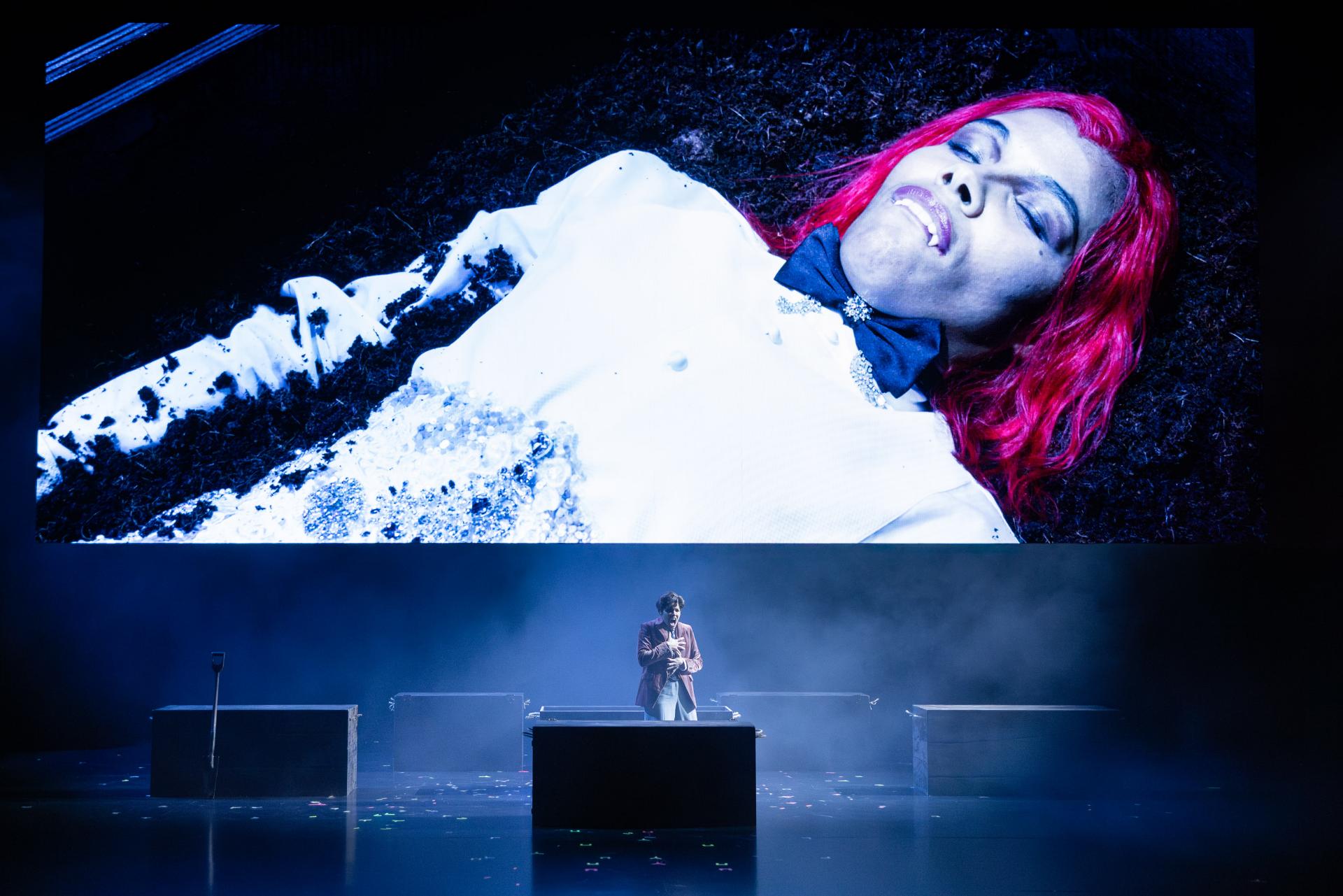
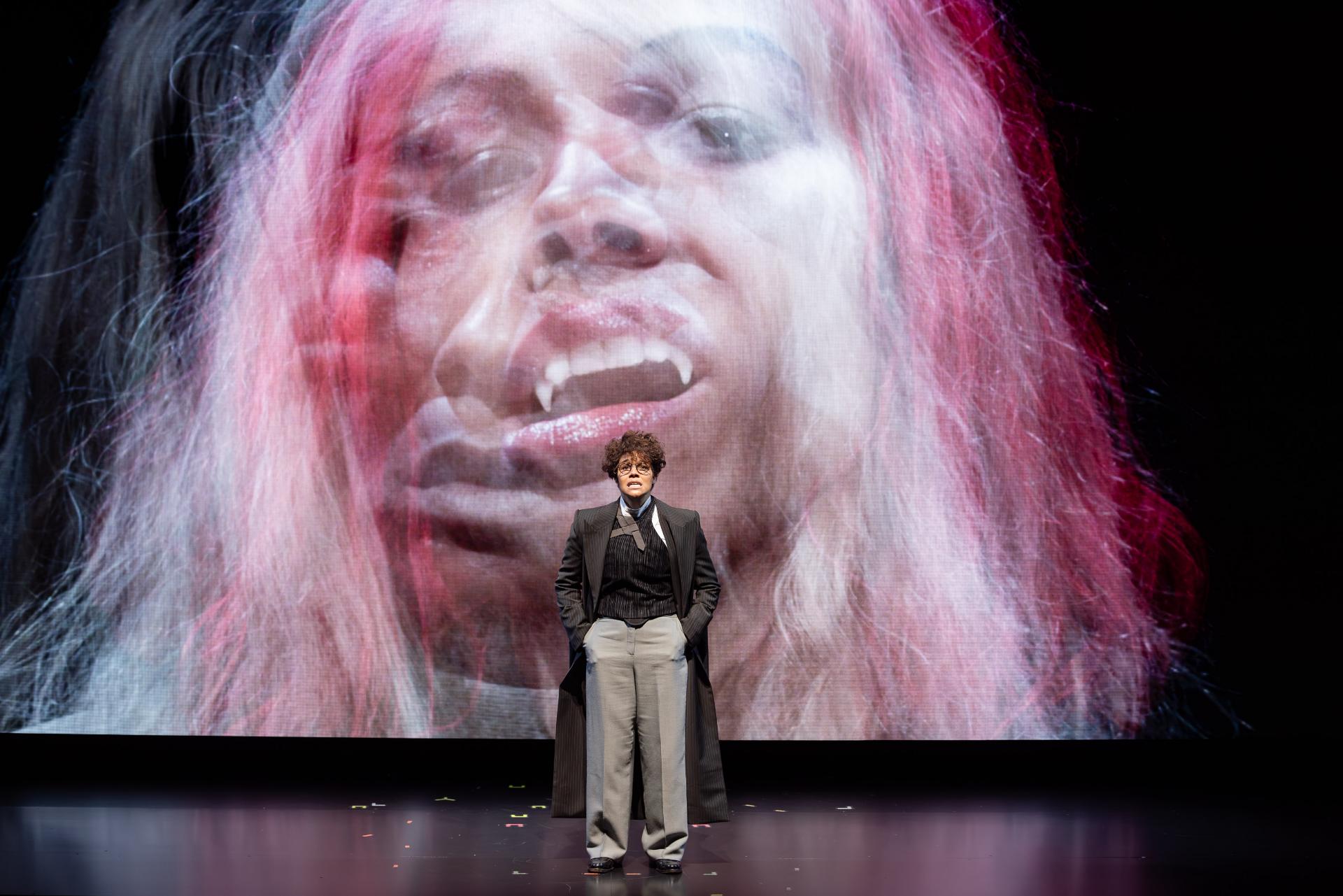
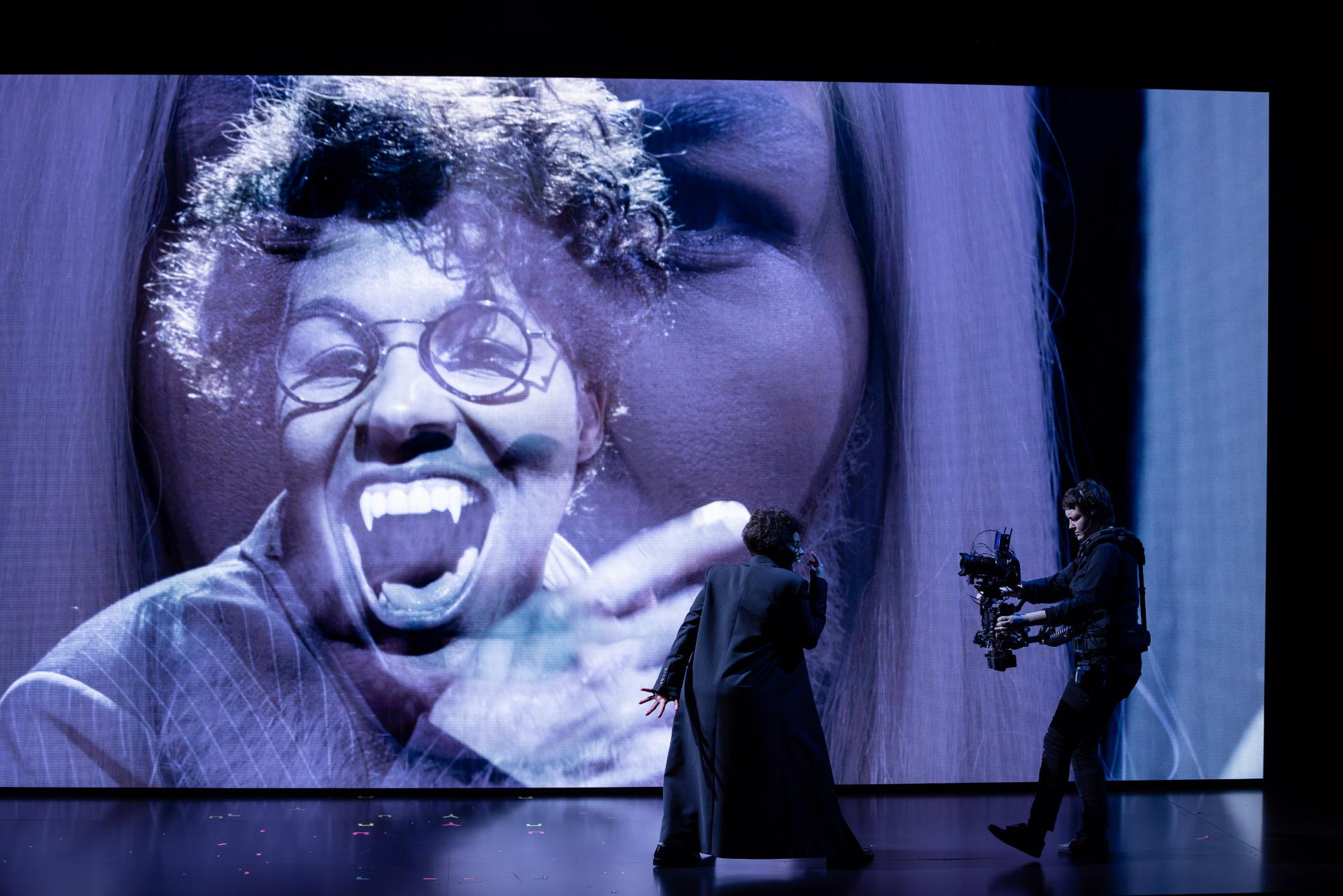
In Bram Stoker’s Dracula, mortality is under constant threat, by its central immortal figure. Fear is represented entirely by deathlessness, the very phenomenon we desire the most. In Kip Williams’ single-performer stage adaptation, we see that all this struggle and terror, exists completely within one’s mind. In a story about petrifying phantoms and alarming apparitions, otherness is presented as being utterly heinous, yet only located on the inside.

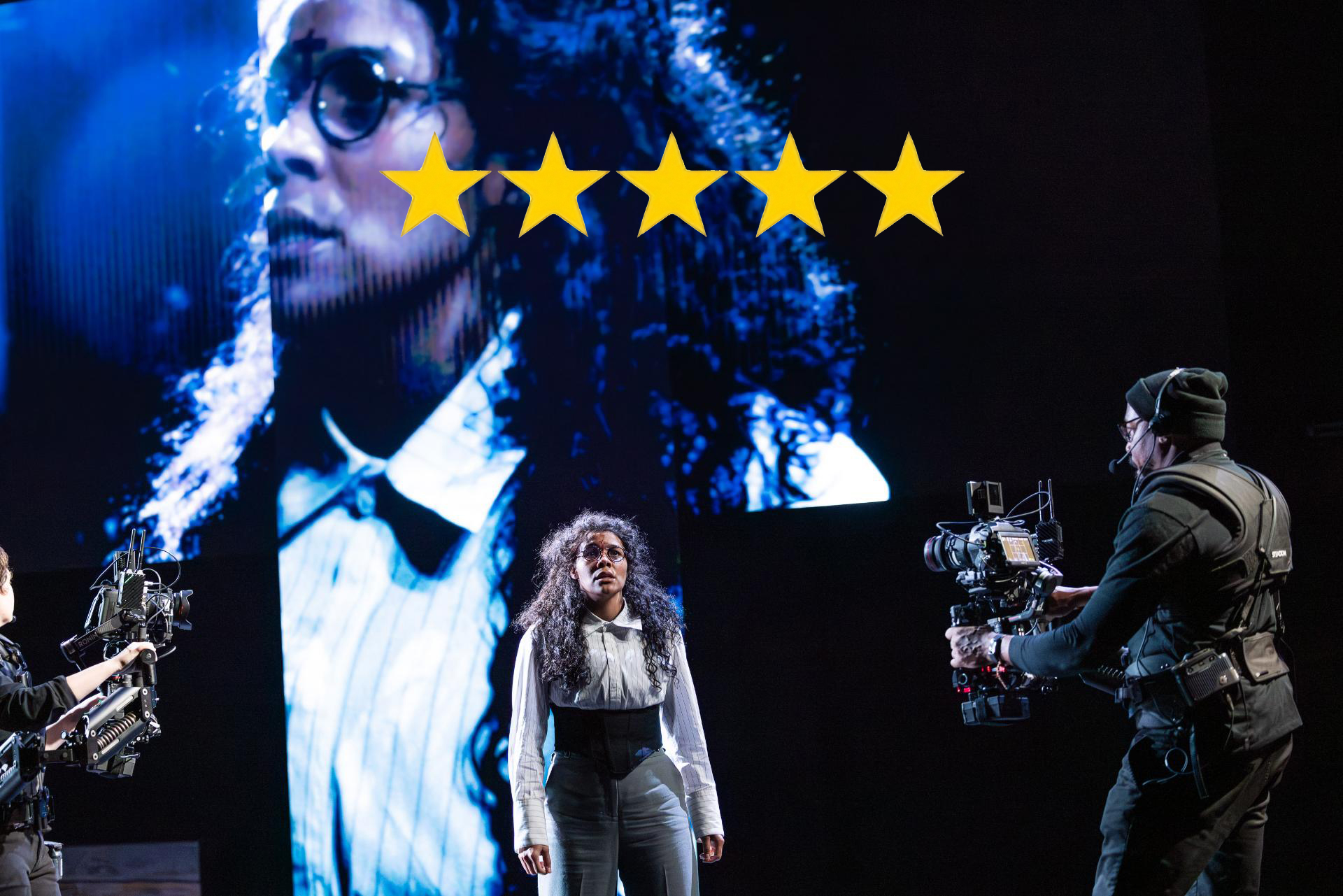
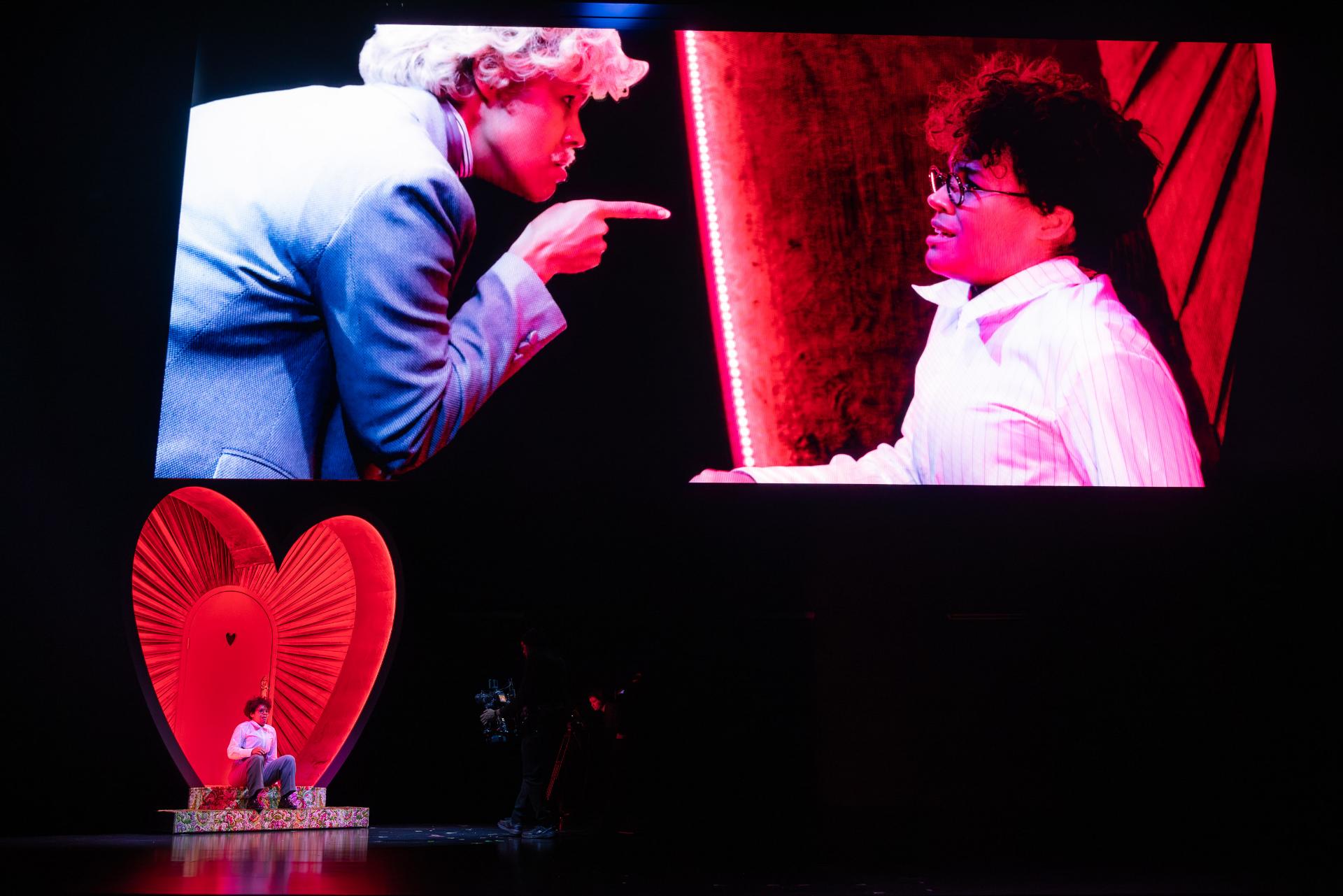
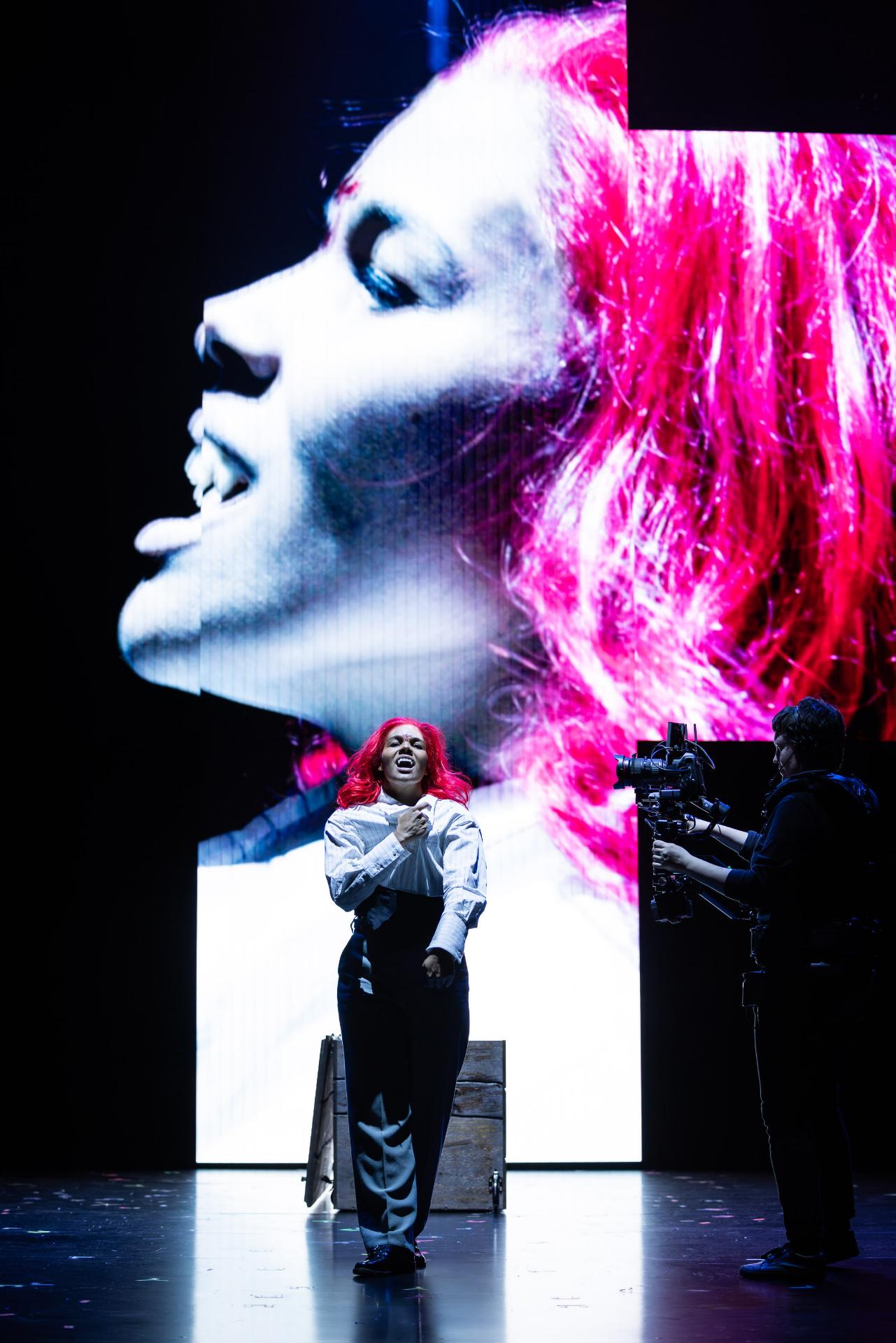
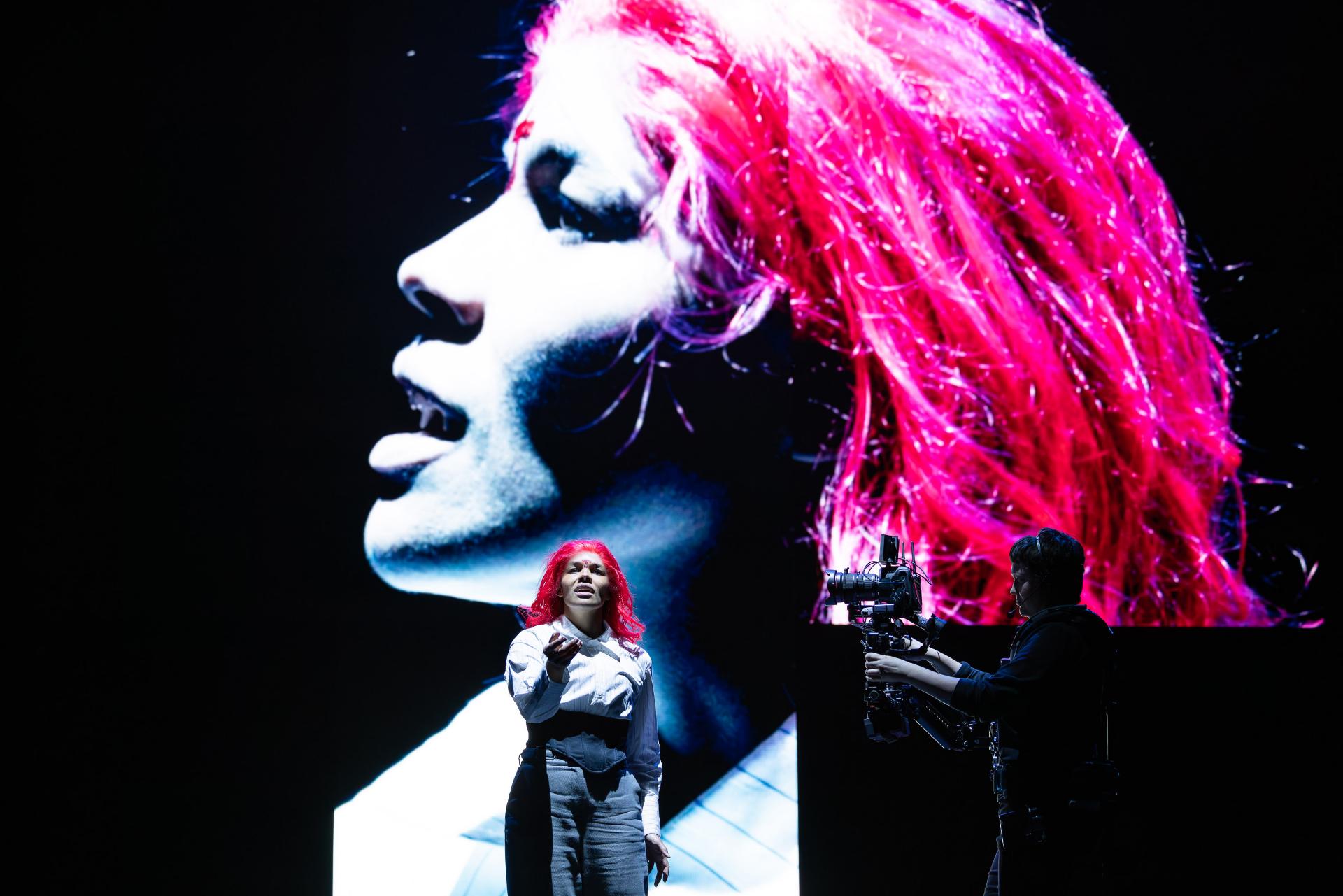
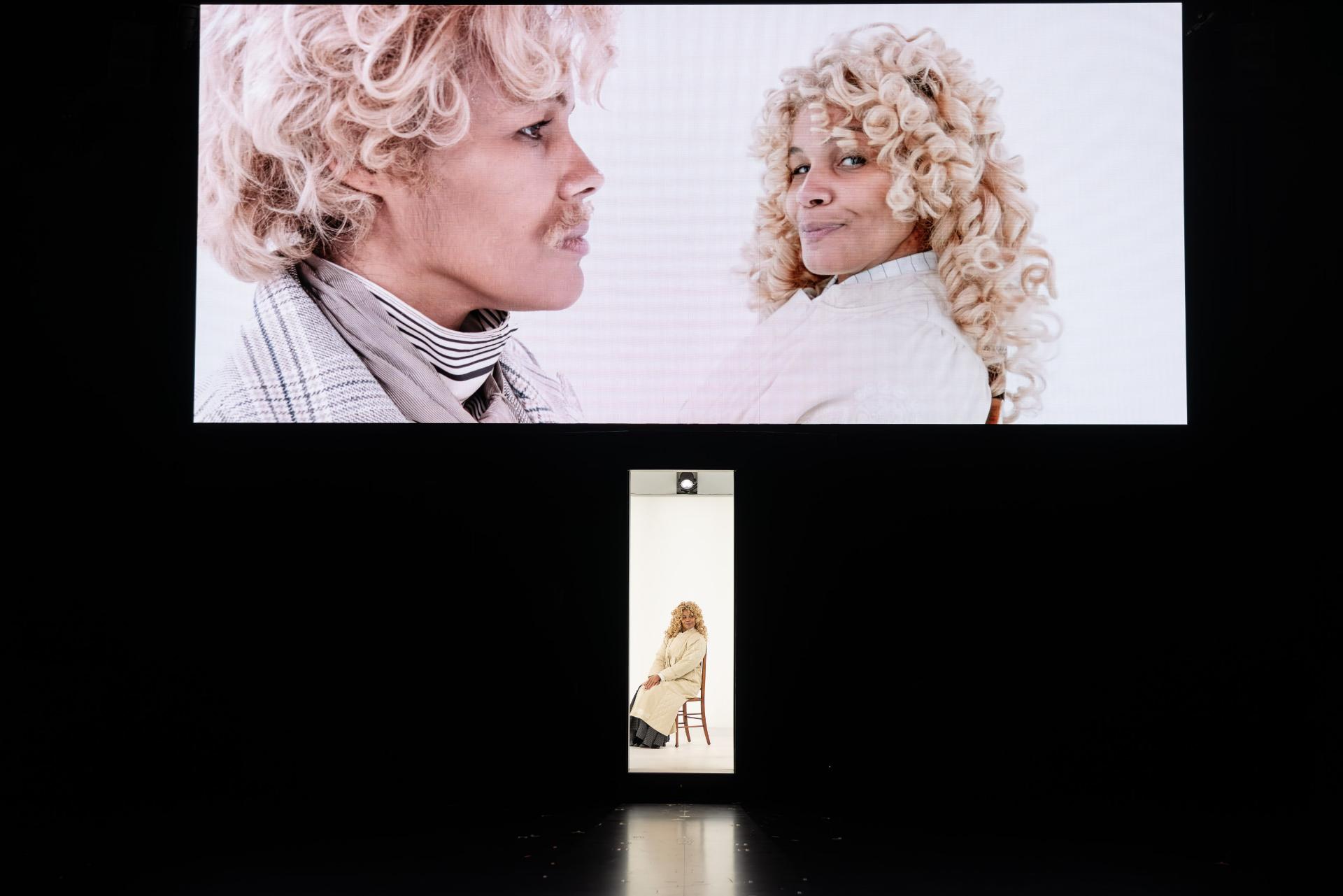
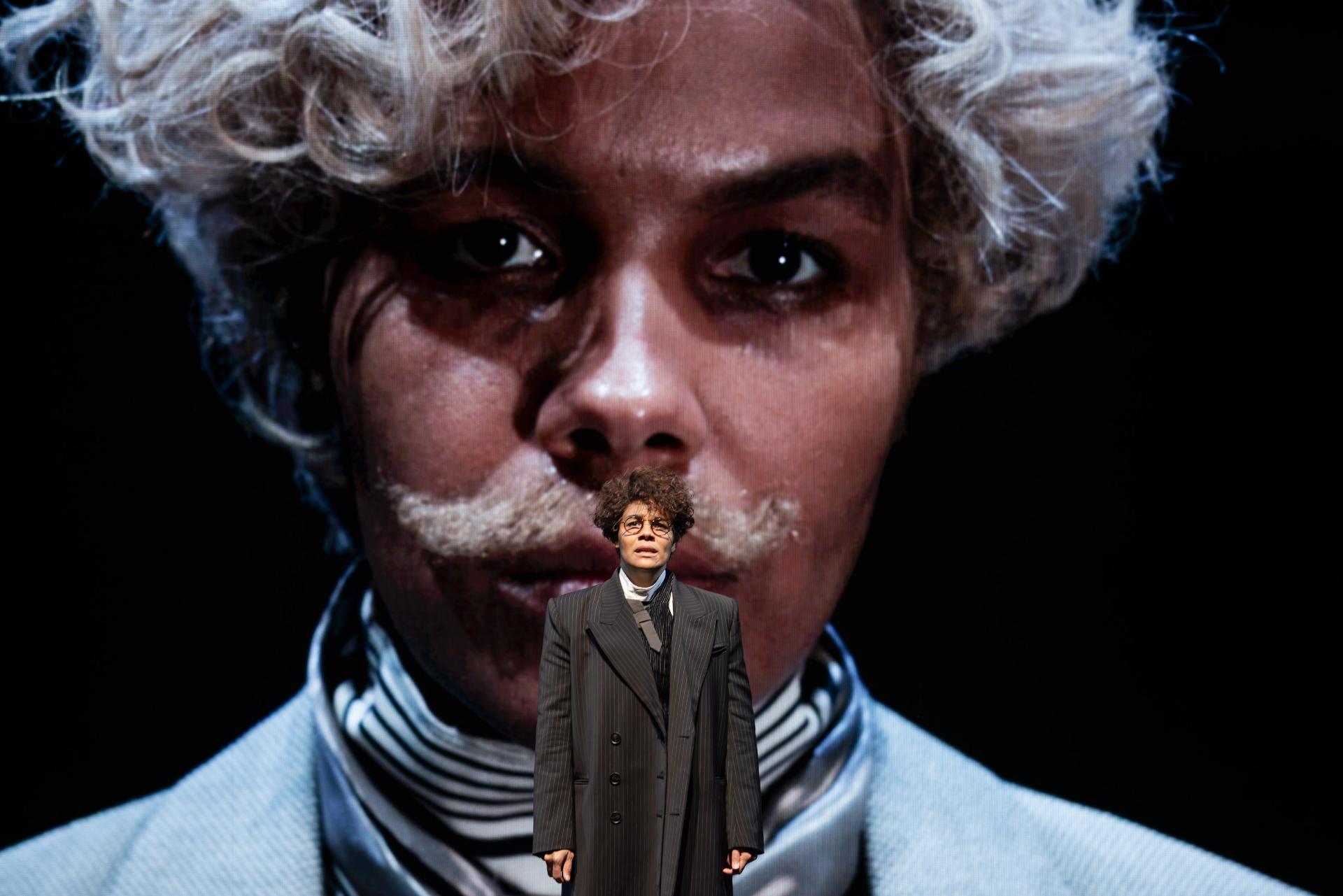
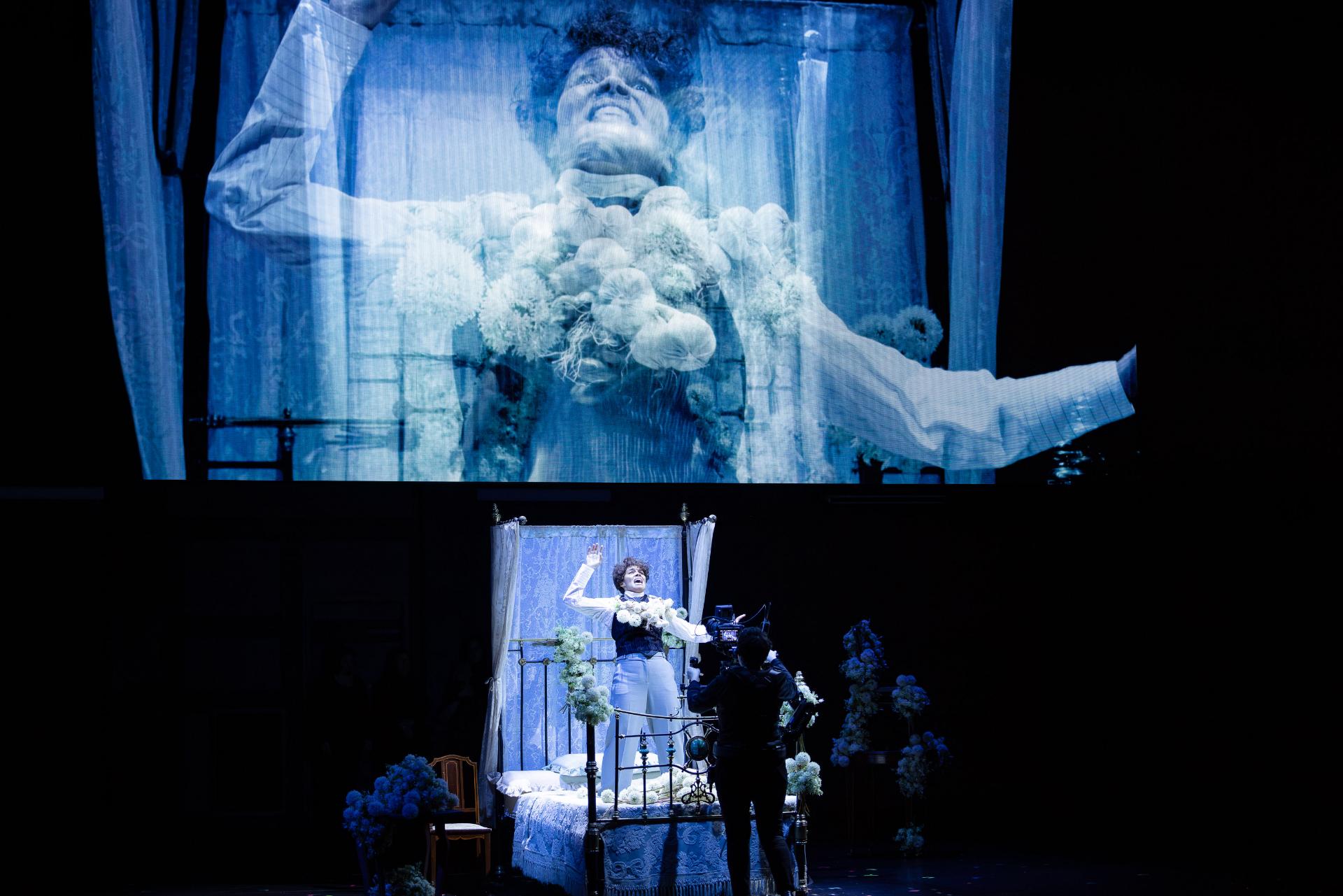
It may be the old adage, “the only thing to fear is fear itself”, that we so clearly see in actor Zahra Newman’s sublimely rhapsodic performance, as her body and mind masterfully transform before our eyes, into 23 different characters from Stoker’s legendary work. We observe the astonishing courage of a person undertaking a manifestly herculean task, making a persuasive argument in this tour de force about horror and paranoia, demonstrating that what may be only a figment of a person’s imagination, can lead to absolutely devastating consequences.

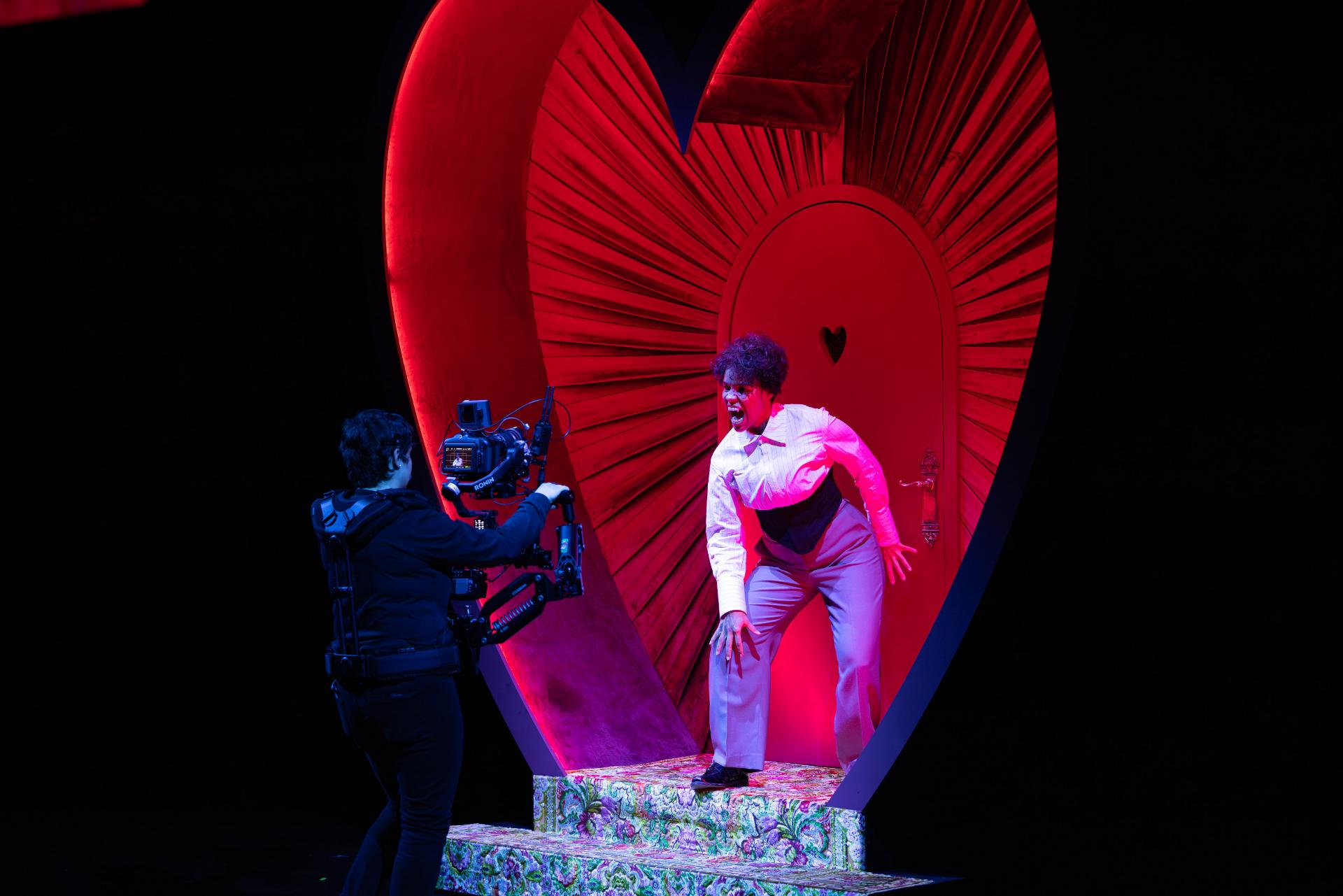
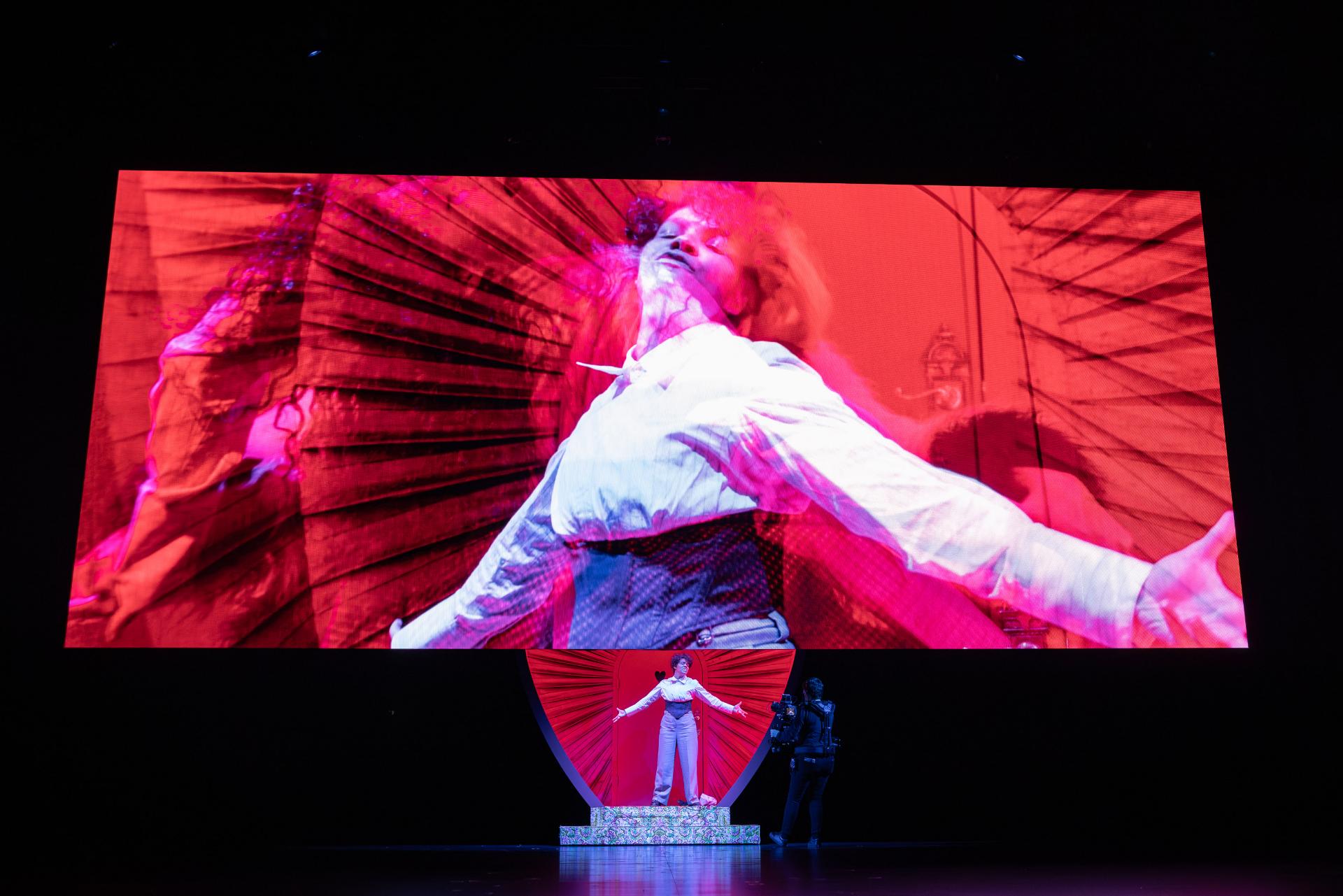
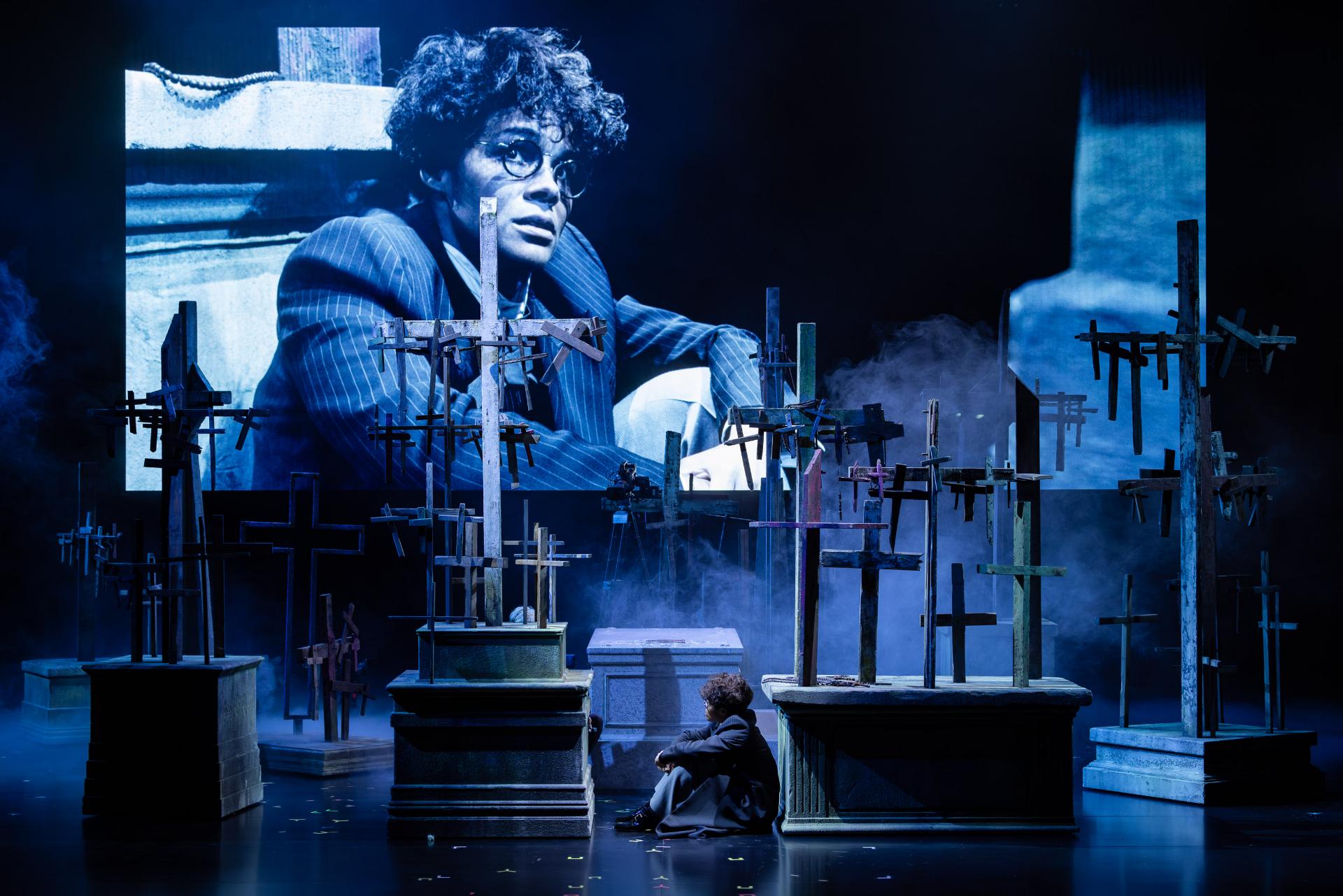
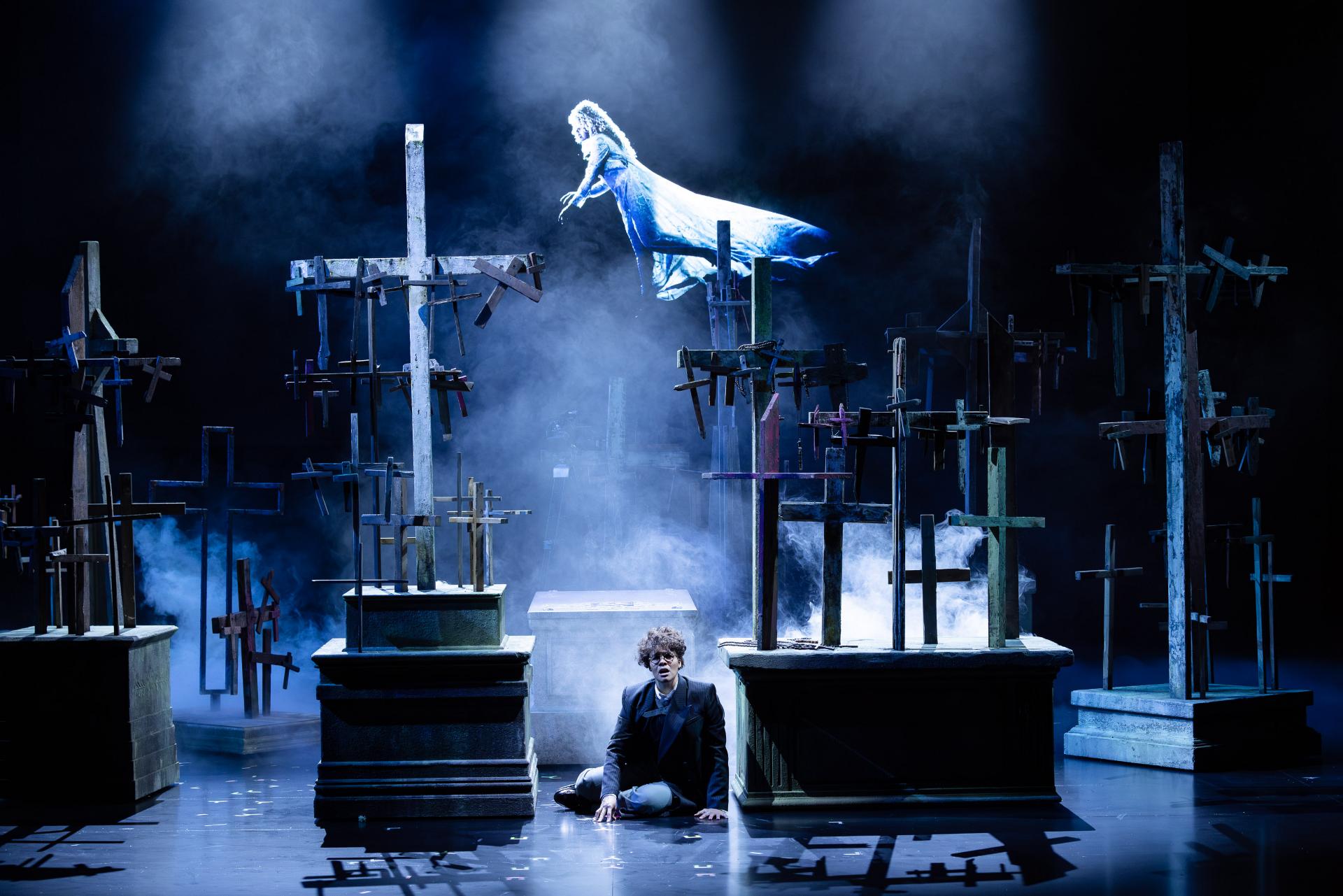
Combining stage and screen, Williams’ cine-theatre approach deals perfectly with competing concepts of reality and delusion. On film, all manner of fantastical imagery can be shown, and the audience easily invests in its fiction, no matter how extravagant. By contrast, the materiality of the live format is used simultaneously to expose the truth, and we find ourselves in a constant state of discombobulation, experiencing both aspects, virtually at the same time. Williams’ ability to deliver that delightfully bizarre sensation, of being immersed in circumstances that are at once congruent and divergent, is theatrical magic at its most sensational. In Dracula, we learn that art and technology can coalesce to deliver a psychological effect that could perhaps neve be encountered otherwise, and reveal something quite fundamental about how we are.

The immense video work is designed by Craig Wilkinson, whose inventiveness leaves us breathless time and again. Marg Howell’s costumes and sets are consistently surprising, and marvellous in the sense of cohesiveness they manufacture for a show that dares to be thoroughly unhinged. Lights by Nick Schlieper give us seamless and balanced visuals, every which way we choose to position our eyes. Music by Clemence Williams and sounds by Jessica Dunn, are relentlessly gripping, and memorable for being unabashedly dramatic, in their delicious interpretations of Stoker and his essential flamboyance.

The human imagination is unequivocally powerful. It can twist material realities into infinite different meanings, that in turn spur us onto wildly varying trajectories. Our mind has great capacities, yet we can never claim to have real control over it. Count Dracula may or may not be who they think he is, but there is certainly no doubting their dismal failure at ever hoping to resist his allure.

www.sydneytheatre.com.au