Review: Aurat Raj عورت راج औरत राज (25A Belvoir)

Venue: Belvoir St Theatre (Surry Hills NSW), May 2 – 19, 2024
Playwright: Pratha Nagpal
Director: Pratha Nagpal
Cast: Vinaya Elijala, Nikki Sekar, Anusha Thomas, Kirthihaa Veluppillai
Images by Phil Erbacher

Theatre review
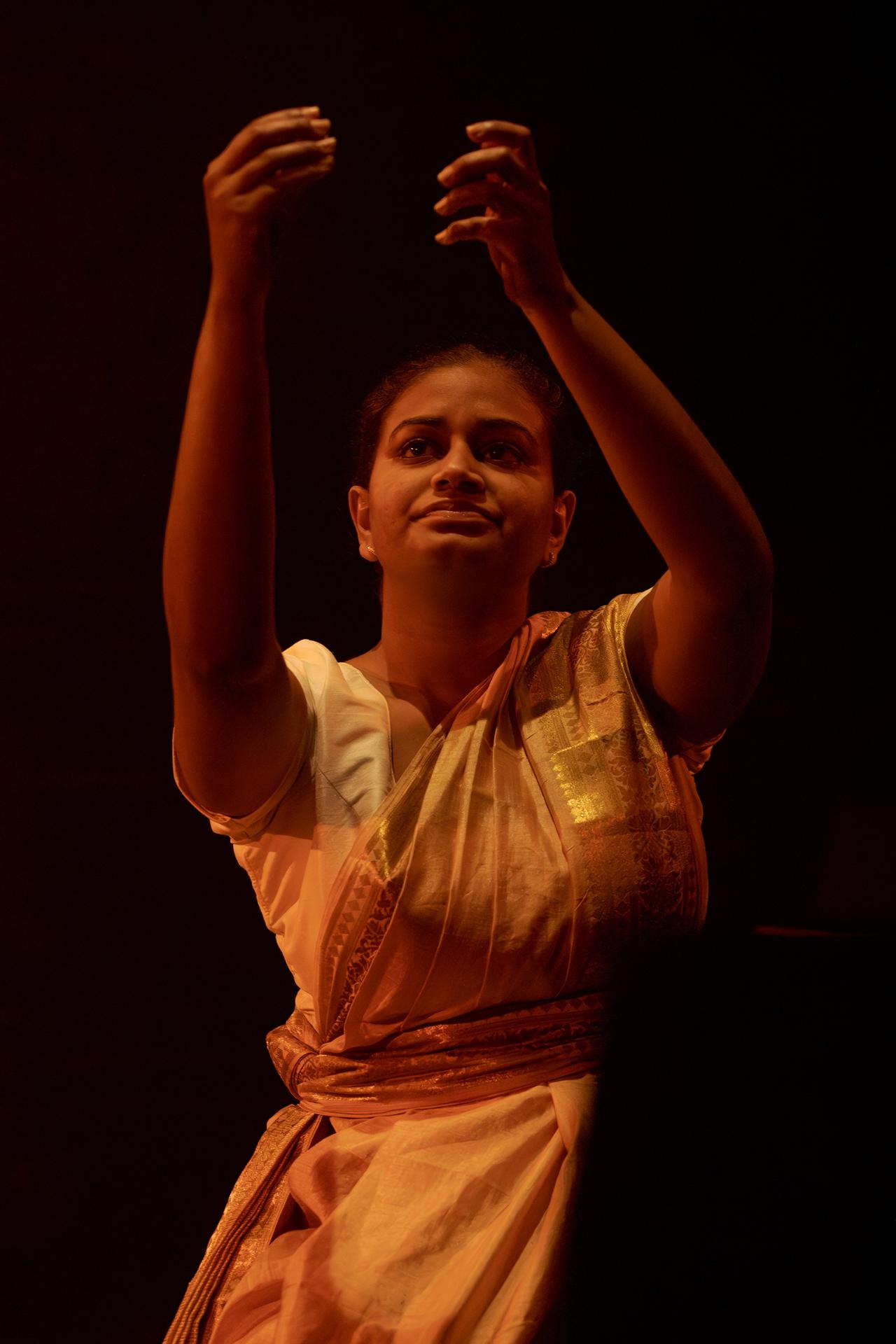
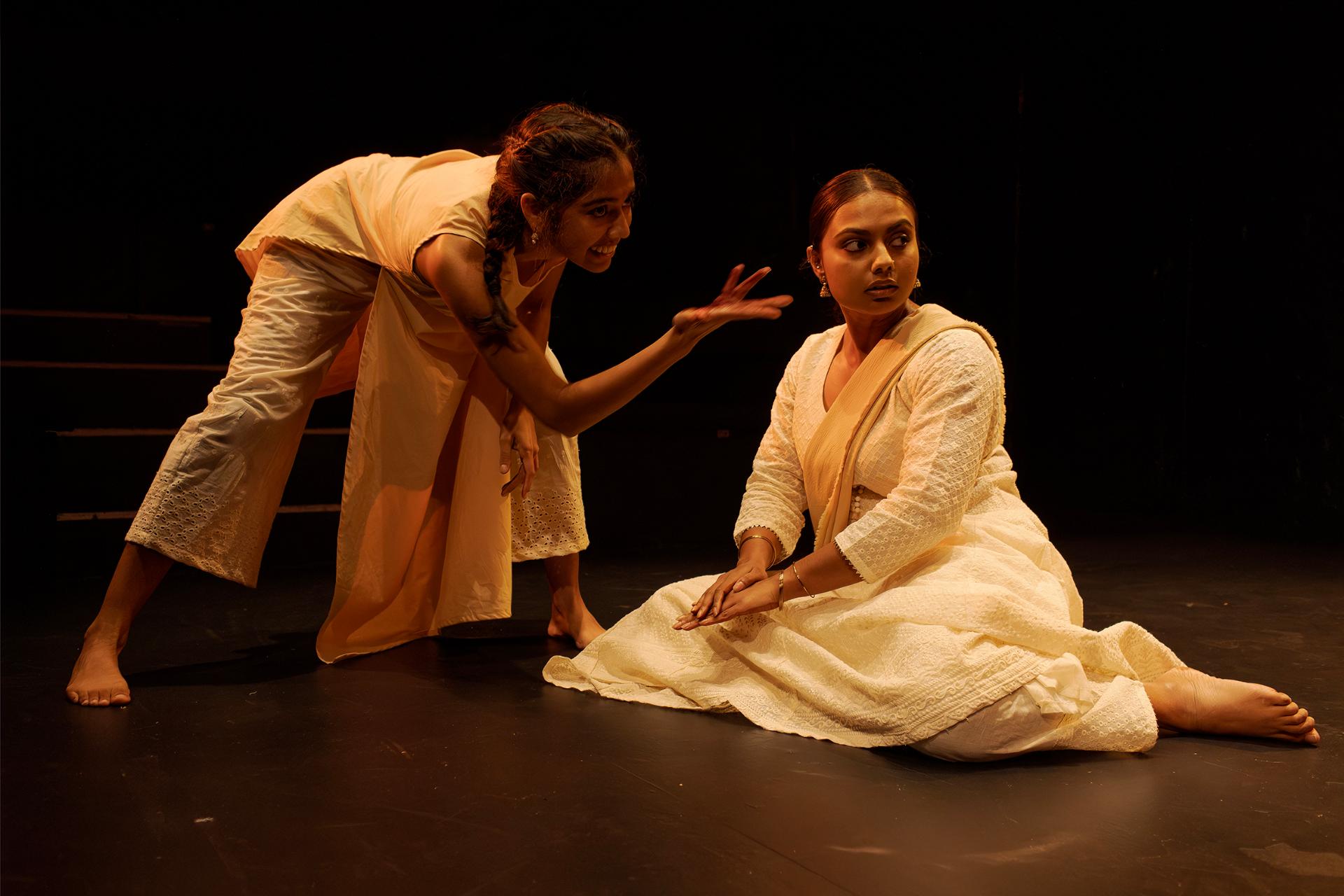
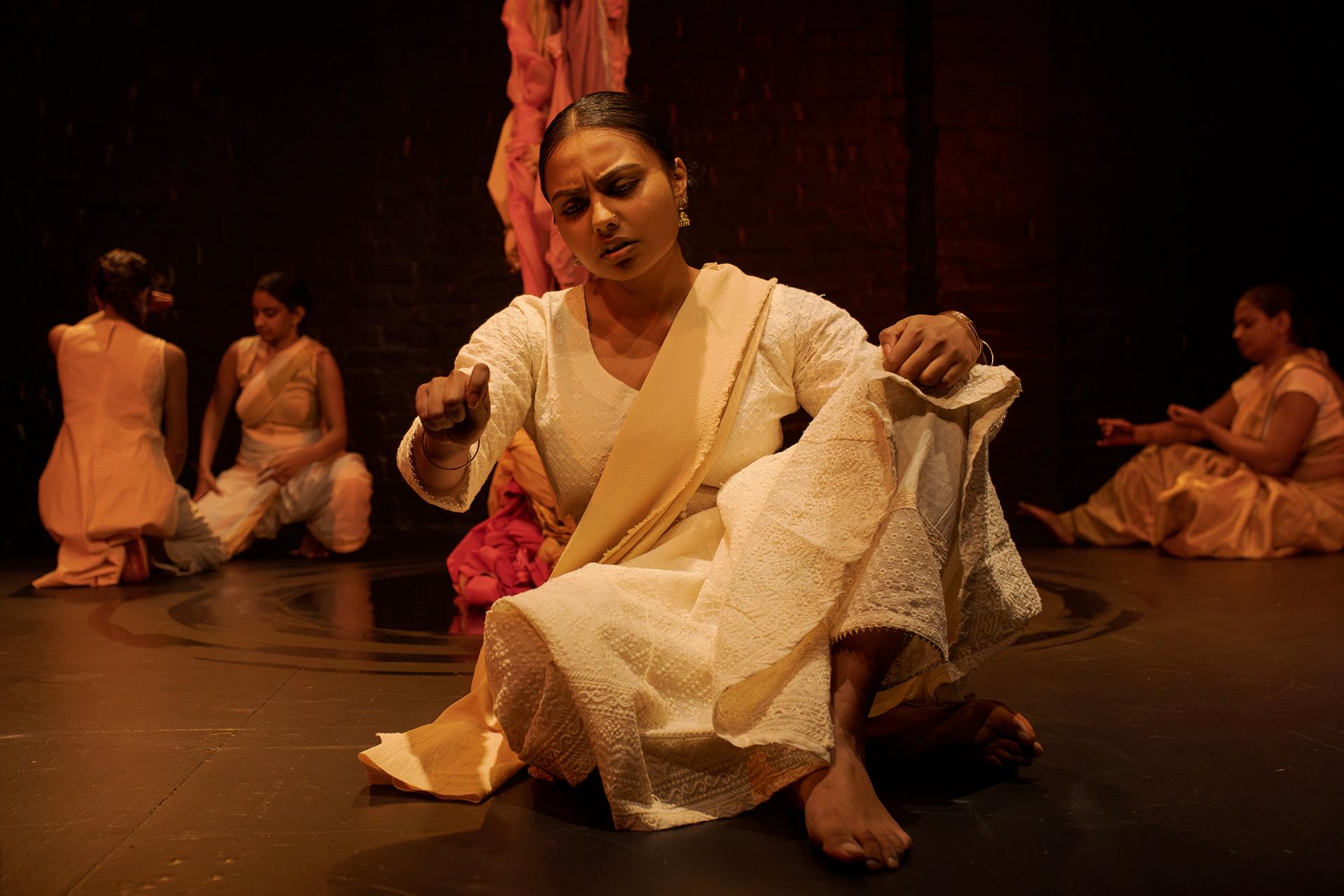
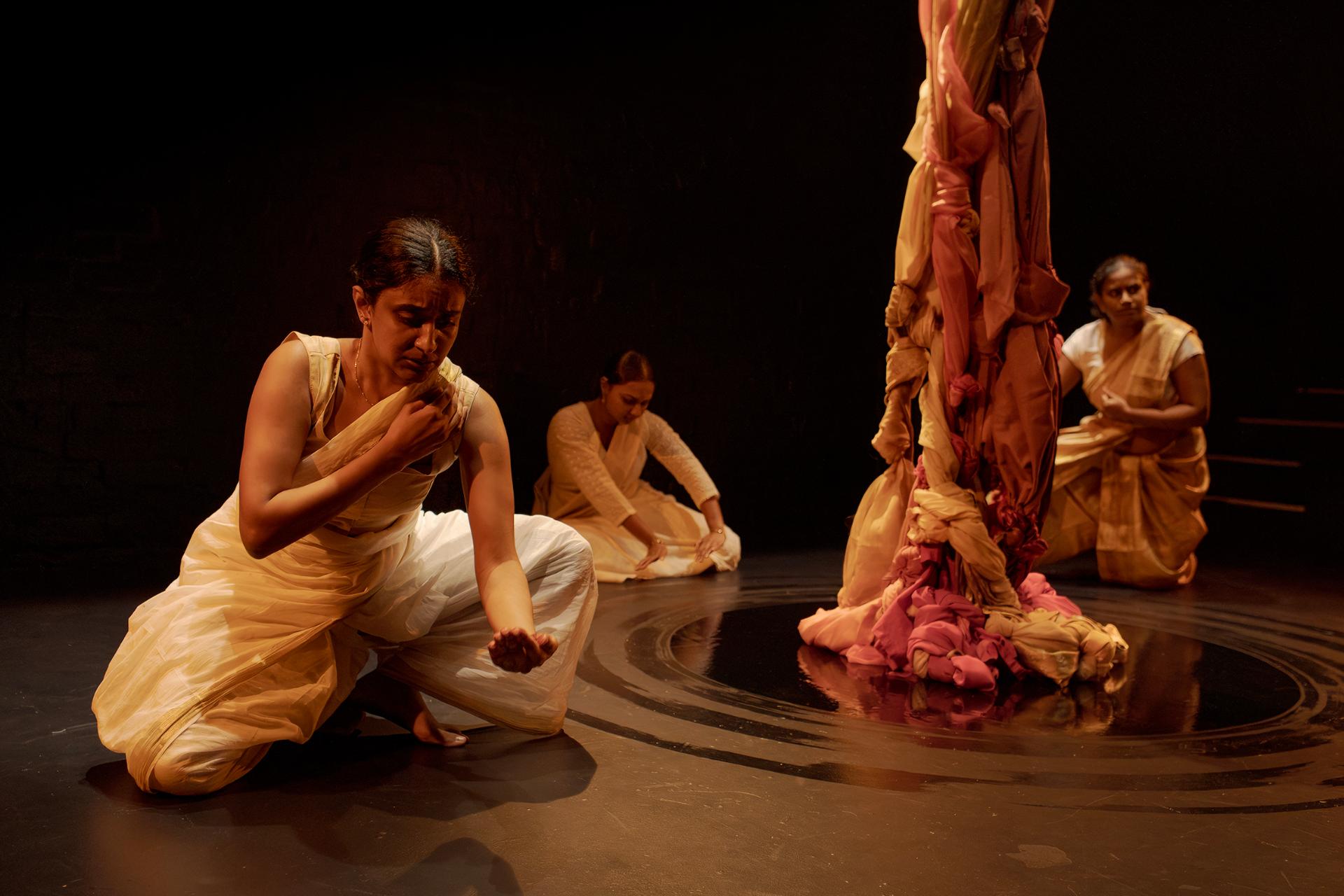
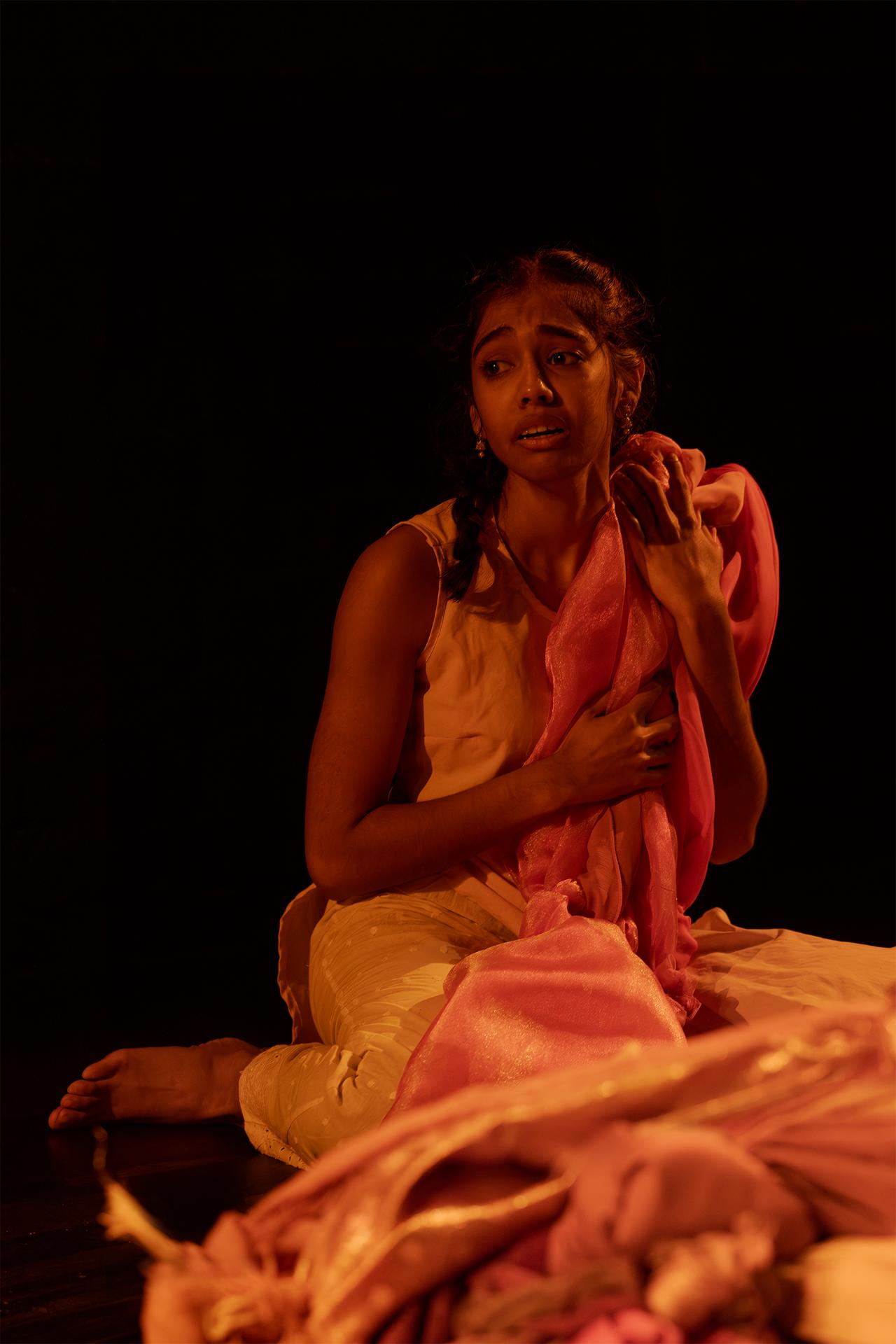
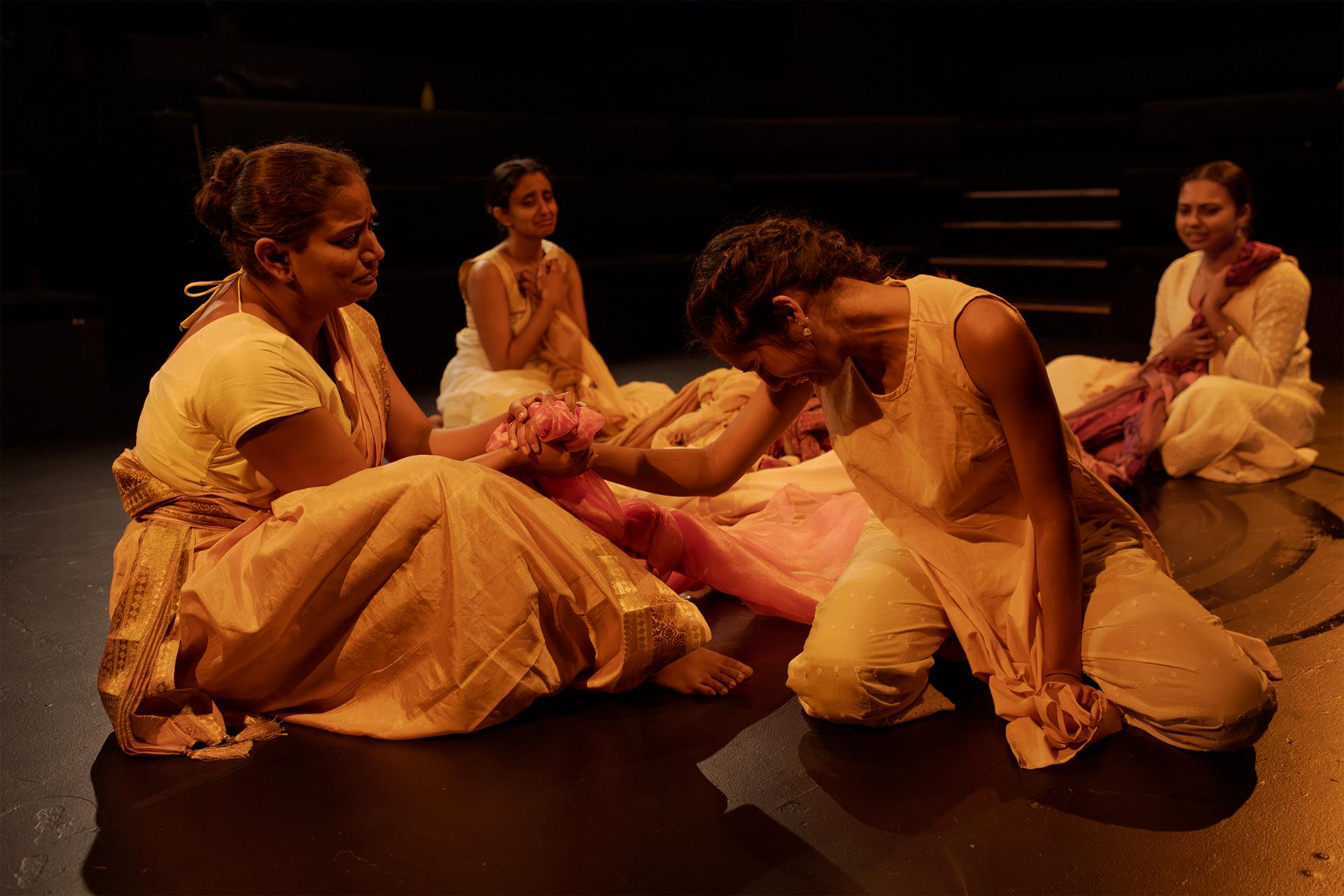
Four women are hard at work. Their tasks appear menial and repetitive, but there is a level of dedication that cannot be denied, except for the youngest of the group. She questions the ritualistic practices, but being the factory’s only rebel, faces only repudiation and castigation. Pratha Nagpal’s wonderful Aurat Raj, named after a 1979 Pakistani feminist film, interrogates the meanings of labour and womanhood, within structures that rely on women yet keep us simultaneously subjugated. The absence of male characters further explores the ways in which we enforce instruments of control, on behalf of those who have little concern for our interests.

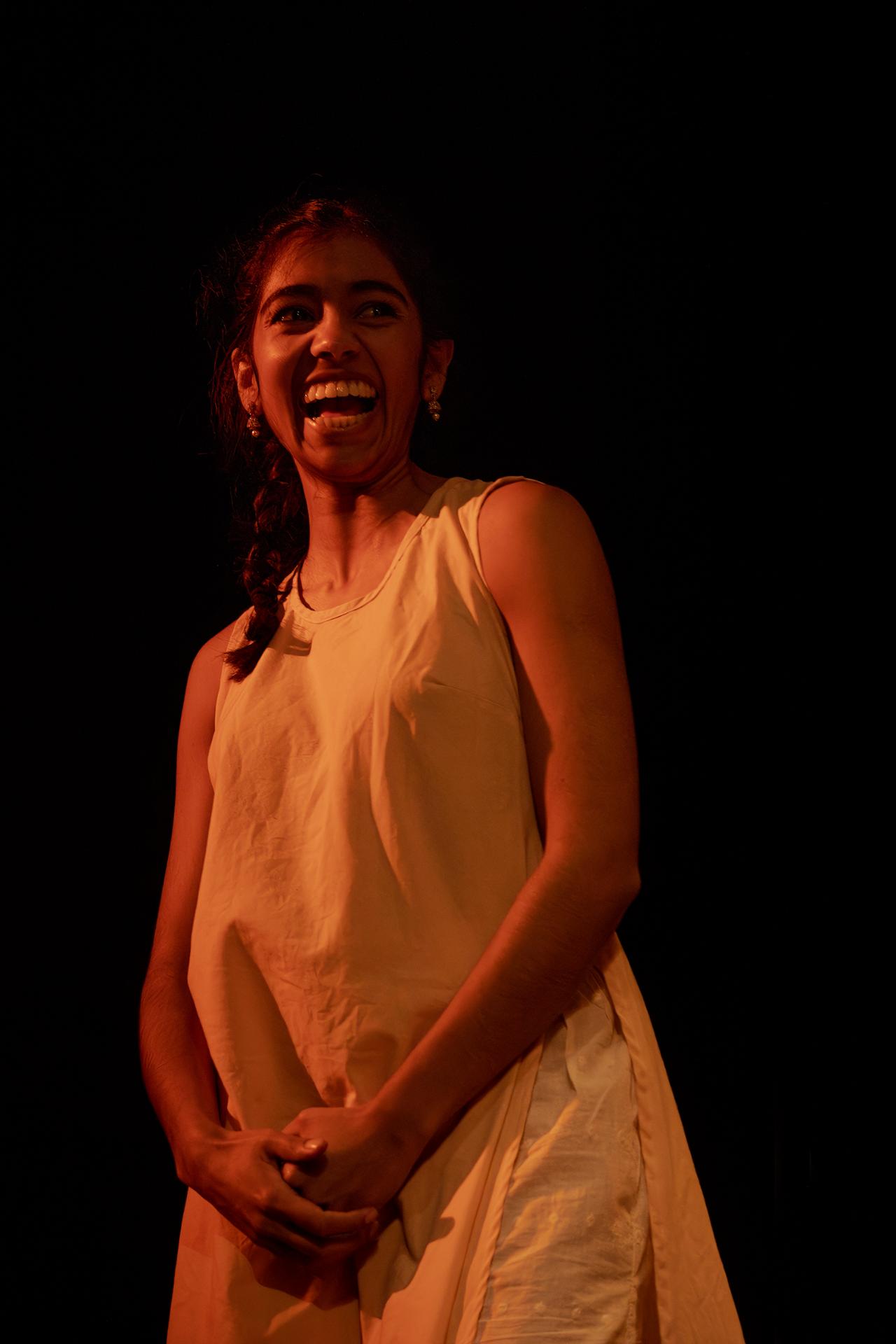
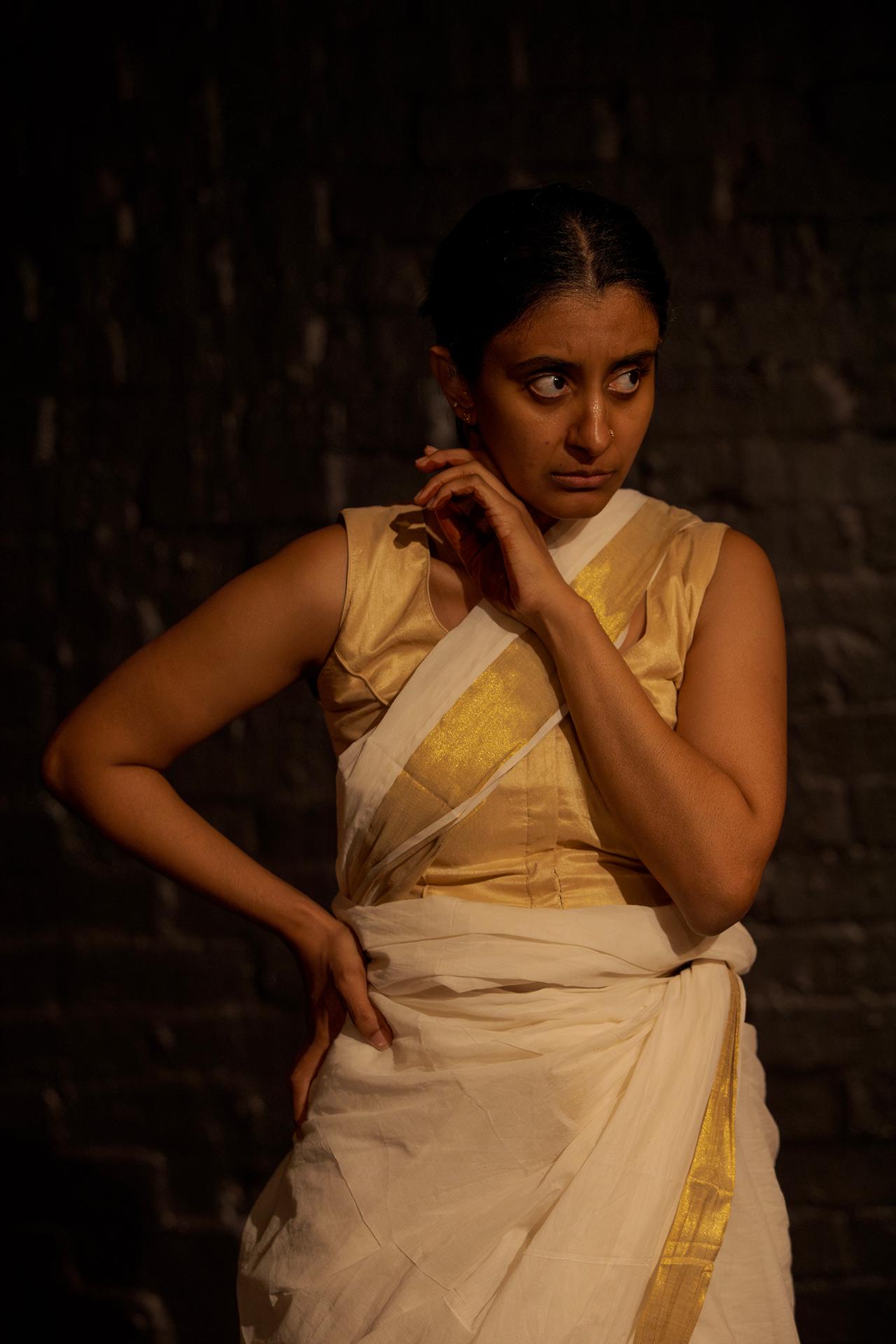
Aurat Raj might be considered a presentation in the form of physical theatre, but it is unequivocal that the splendid ensemble offers expressions far beyond western conceptions of dance. Vinaya Elijala, Nikki Sekar, Anusha Thomas and Kirthihaa Veluppillai bring a sentimental quality that relay the emotional and psychological complications, of being cogs in systems, whether or not we understand those systems to be functioning to our disadvantage. Movement direction by Sekar is full of grace, with a simplicity for the piece that ensures its symbolism resonates effectively.

Production design by Hailley Hunt introduces a sense of ethereal beauty to the production, along with lights by Tyler Fitzpatrick that deliver remarkable sensuality, to this portrait of woman as both heroic and tragic. Sounds and music by Christine Pan are exquisitely rendered, to offer something transcendental that connects us with the people on stage, and with the larger implications of their earnest, if slightly timid, storytelling.

We understand that the machine will exert punishment, when it detects disobedience. Some of us cannot help but adhere to its every whim and fancy, but there will always be a few who take a more risky approach, even if it means suffering ramifications. It is to those who are fearless and self-sacrificial that we owe gratitude, for it is their incremental efforts that has moved us progressively forward, as we await the next big revolution.

www.belvoir.com.au

Review: Working Class Clown (Biennale of Sydney)

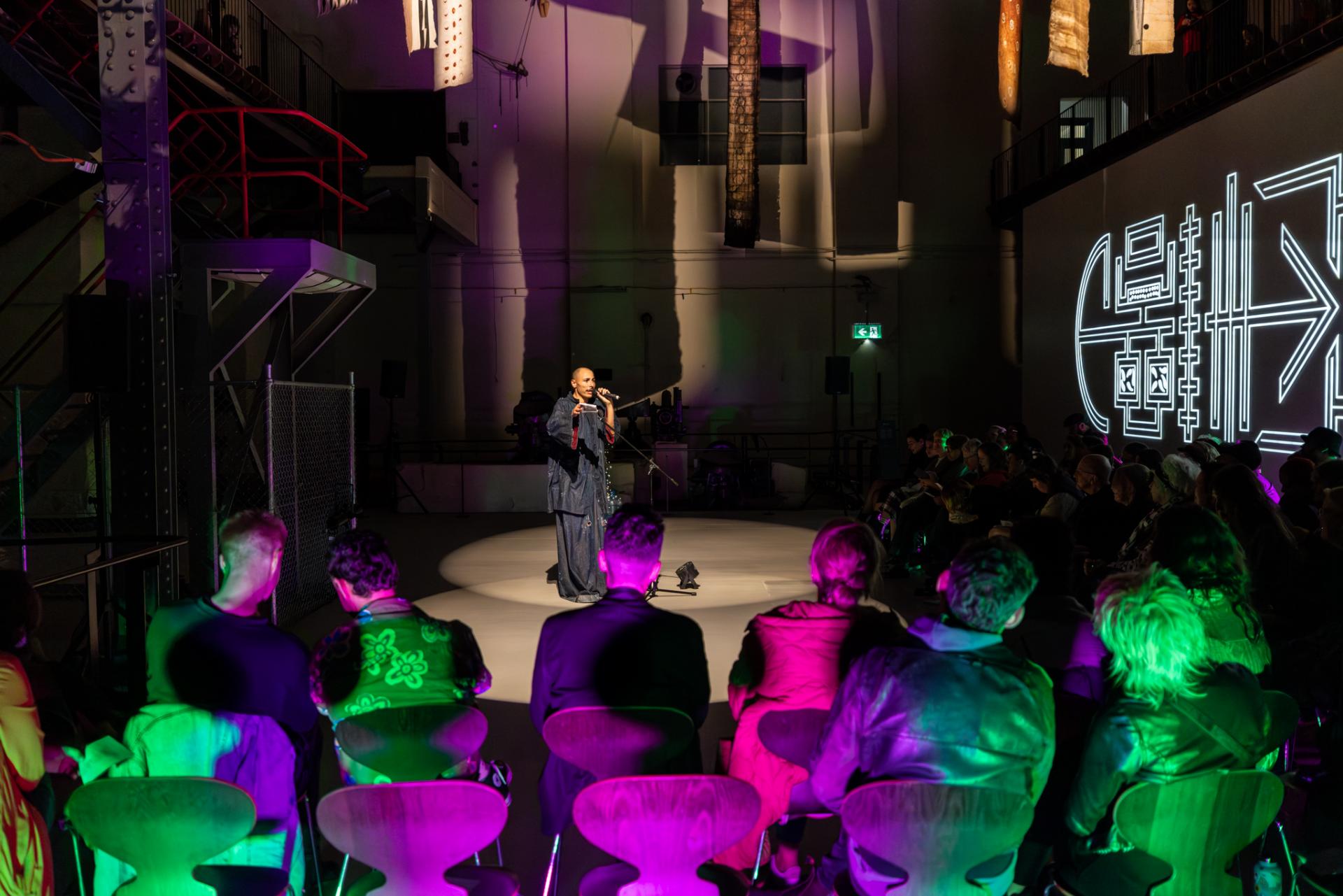
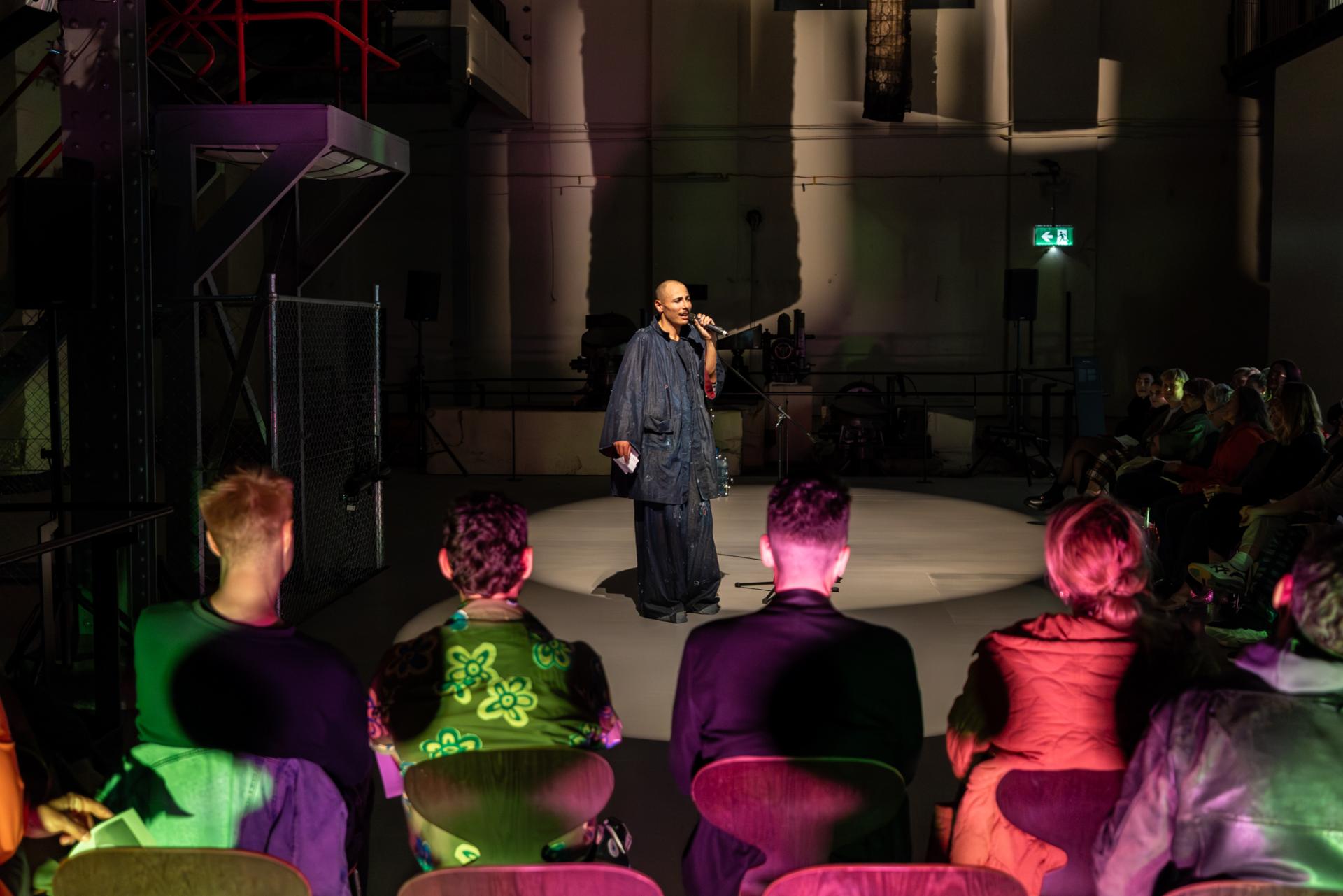
Venue: White Bay Power Station (Rozelle NSW), May 1 – 3, 2024
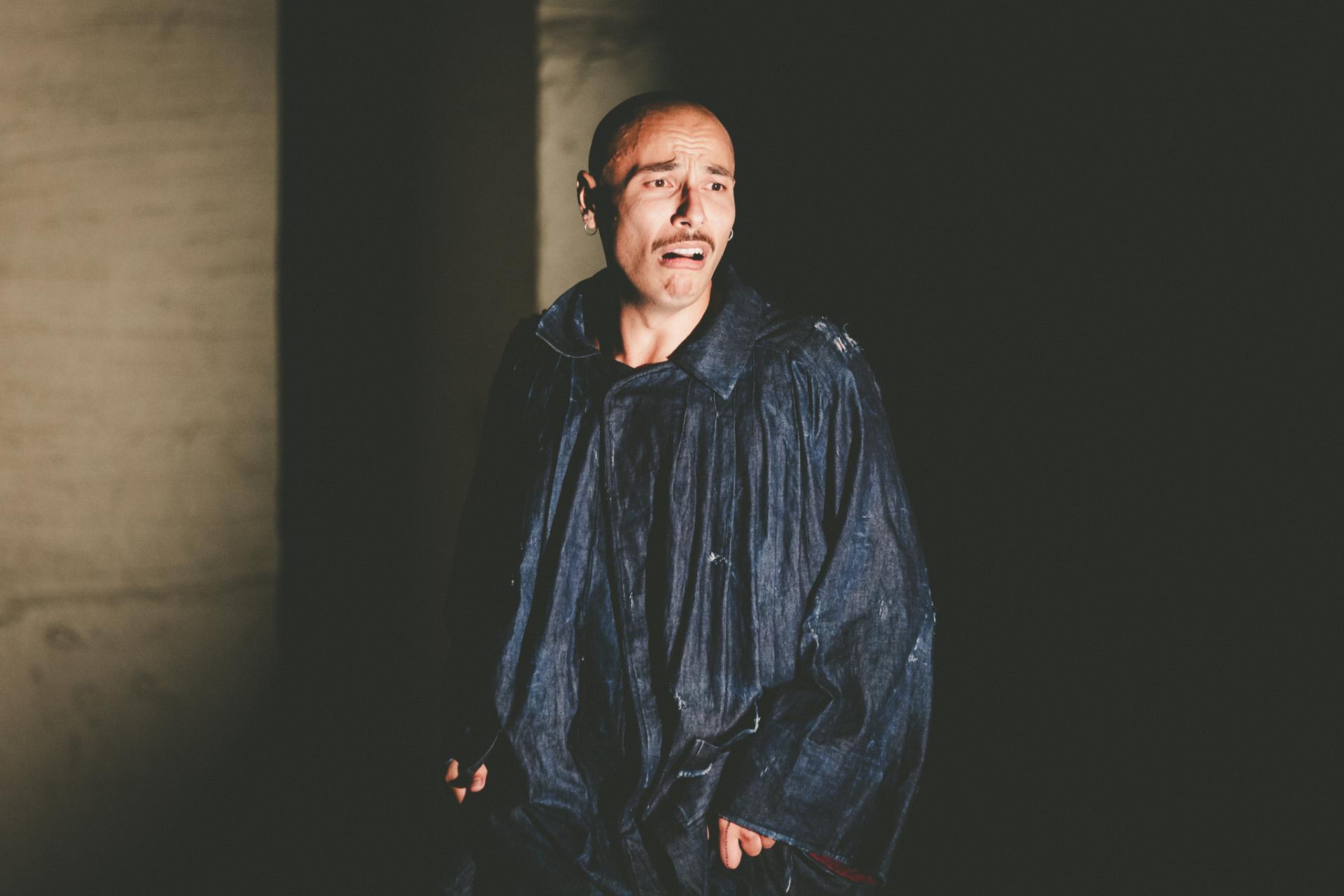
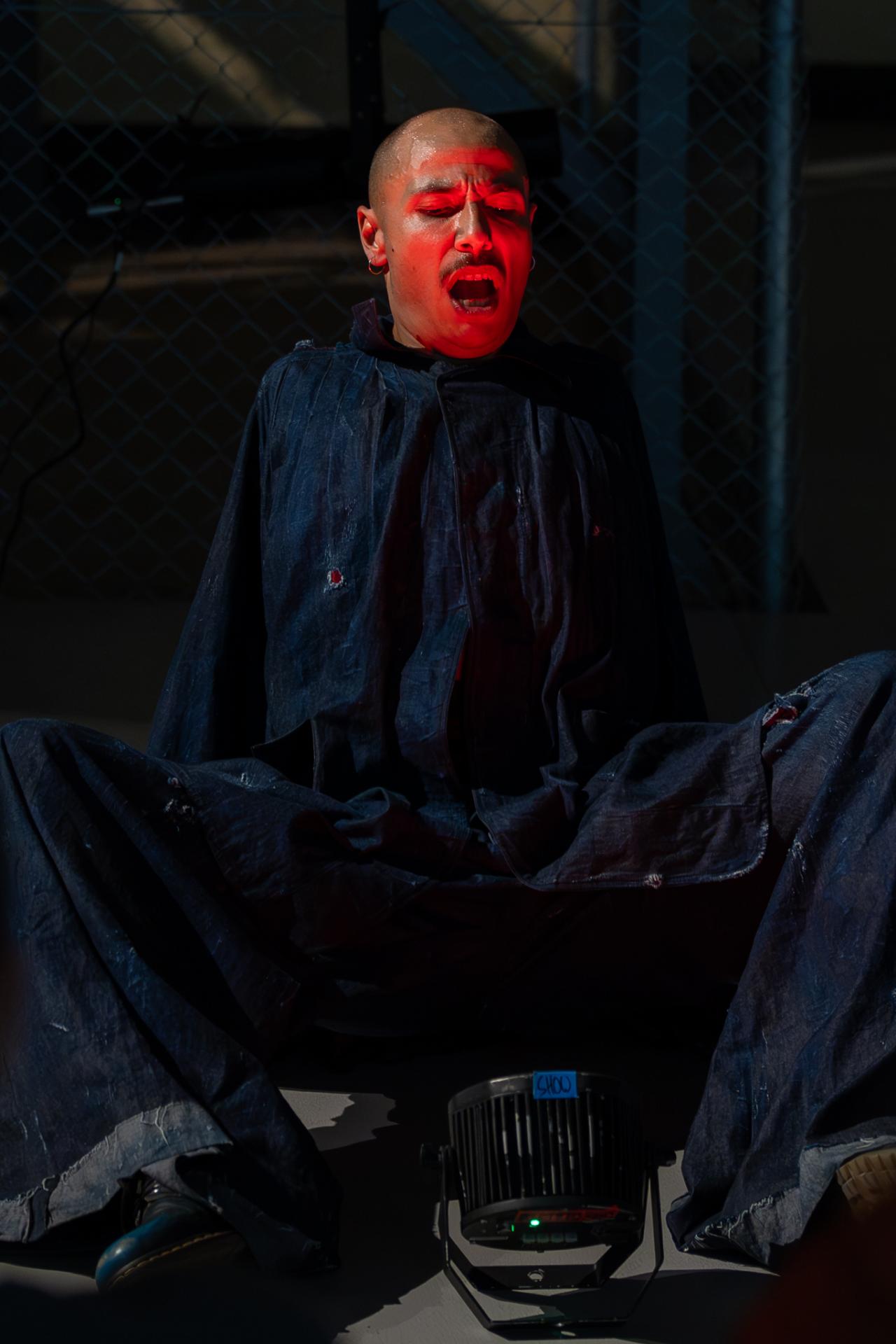
Writer/Performer: Tommy Misa
Performance Guide: Emma Maye Gibson
Images by Joseph Mayers

Theatre review
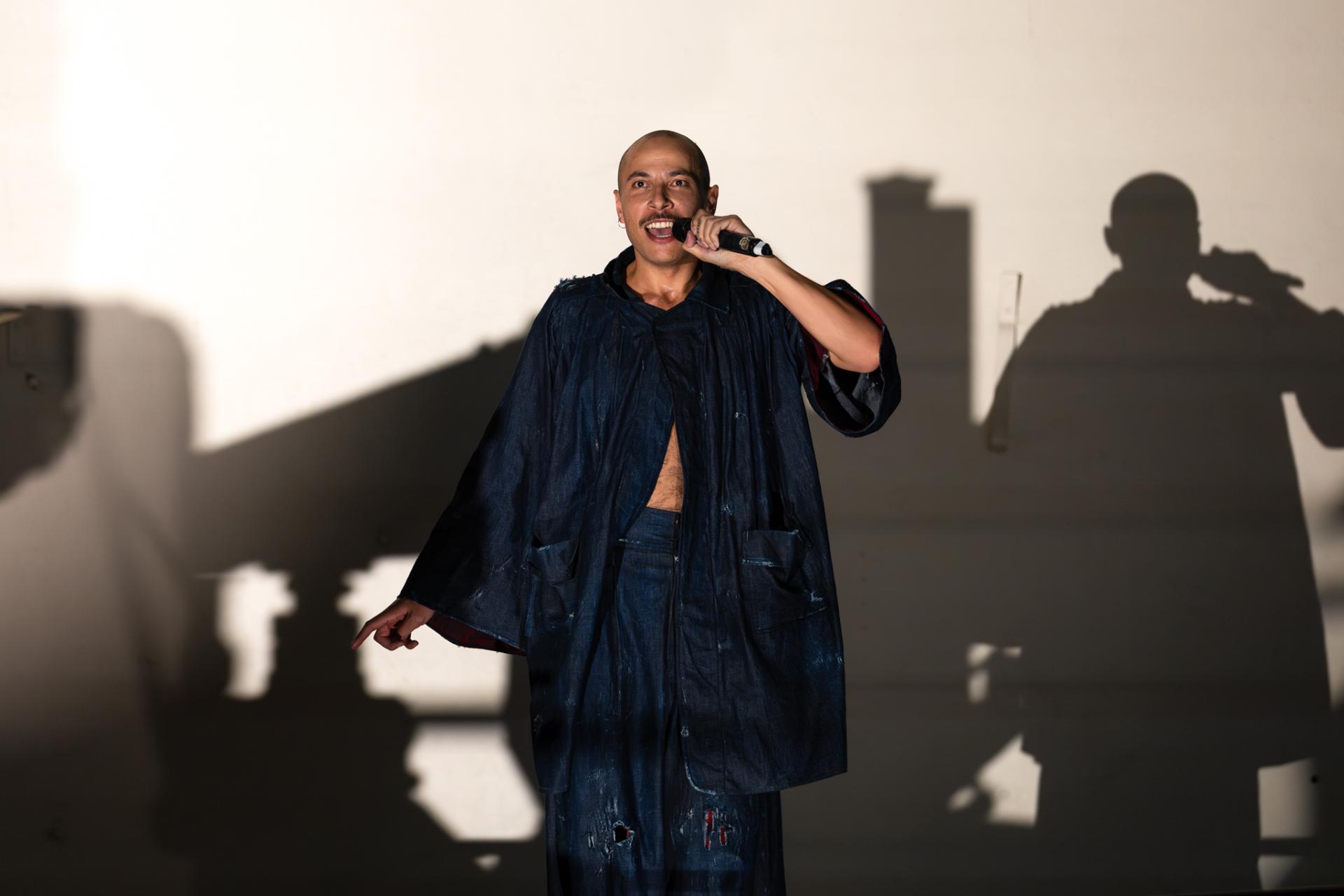
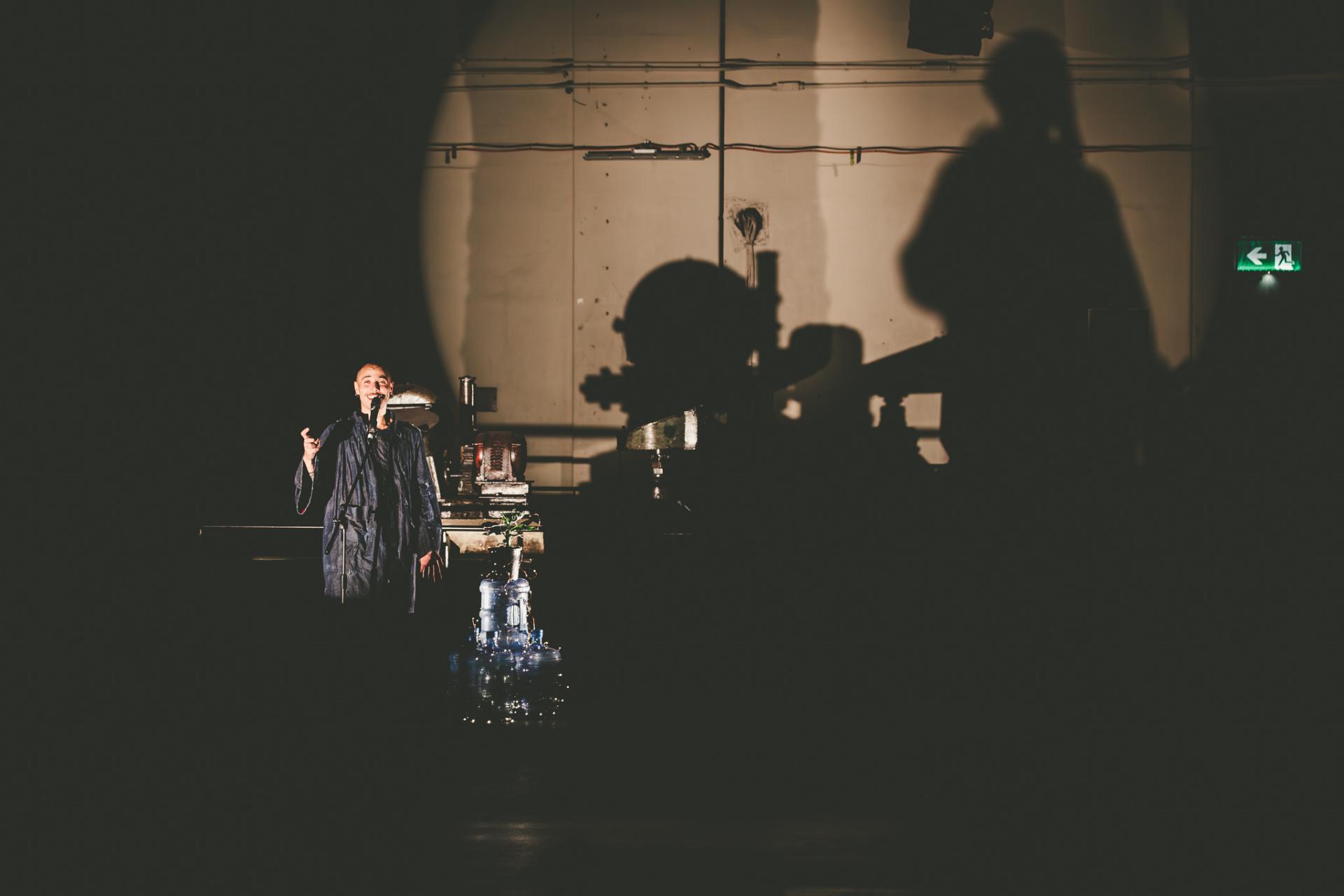
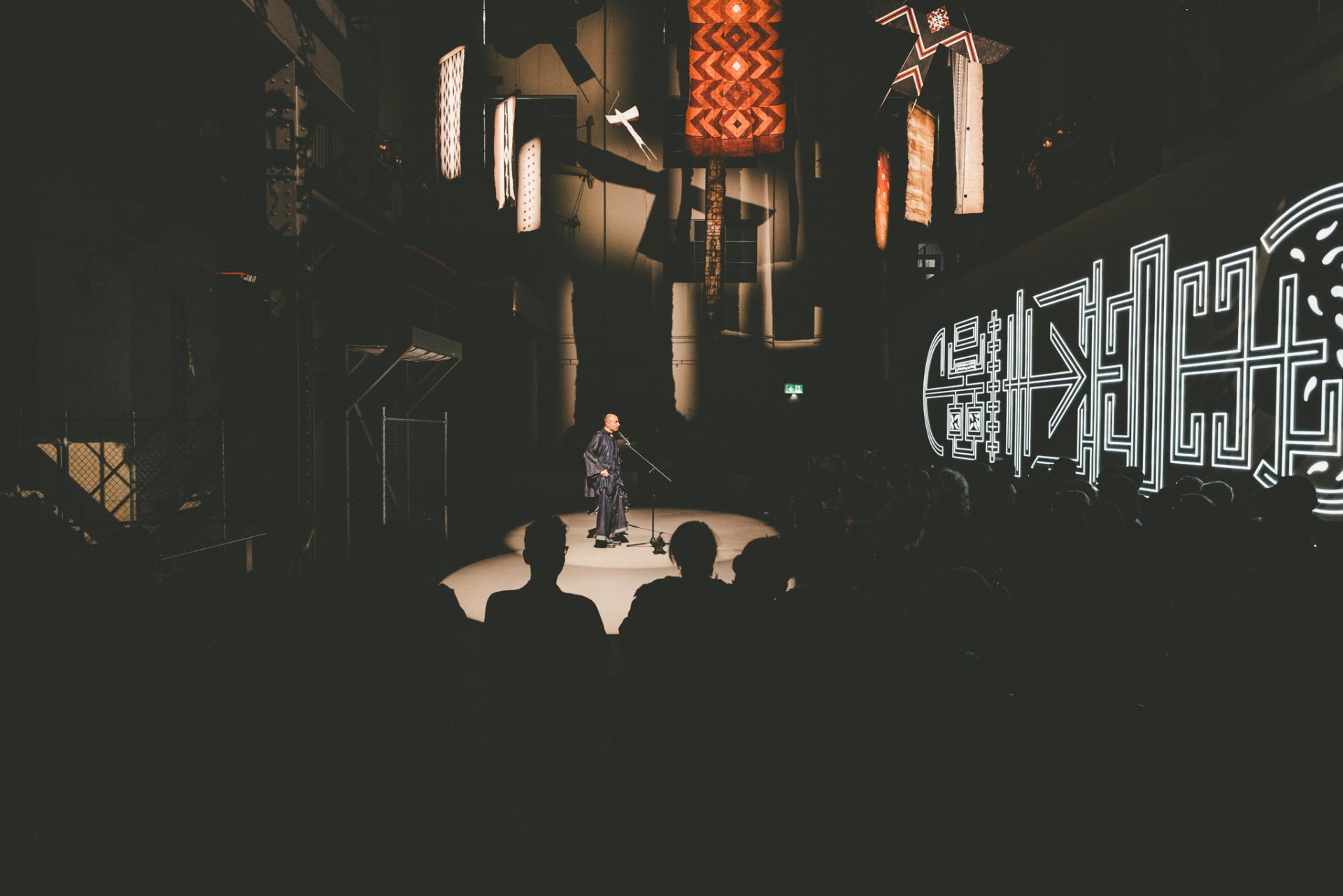
The show begins with Tommy Misa describing a bittersweet moment, soon after their father’s death. Misa’s one person show Working Class Clown can be considered a commemorative piece, although most of it seems to be autobiographical, or perhaps the lines are intentionally blurred, for when we are told these stories about parent and child. Much to our chagrin, we all turn into our mothers and fathers eventually, but thankfully only to a certain degree.

Misa is proud of the similarities in their personalities, and it is with a deep appreciation of what has been inherited, that they present a showcase emphasising the humour of the dearly departed, for a work about the process of mourning, that always moves us from dark to light. Misa’s charm as performer is undeniable, and in all of these 45 minutes, we feel secure in the palm of their hand.

The writing can however feel unfocussed and somewhat mundane. We want the storytelling to bear a greater poignancy, but it seems to shy away from a more conventional articulation of what is usually a sorrowful process. As director, Emma Maye Gibson smooths out the bumps, and renders a sense of cohesion, so that we are able to invest attentionally, if not emotionally.

A glorious costume by Nicol & Ford takes inspiration from clownery, but combines it with traditions of queerness and of proletarianism, for a marvellous and unexpected denim creation that gives meaningful elevation to this theatrical experience. Sounds by Jonny Seymour provide an etherealness that connects us to the spiritual qualities, of this exploration between the present realm and the thereafter.

The decisiveness of death means that we regard it with a distinct permanence, but it is also incomprehensible to our mortal minds, how our current transience is so minuscule in comparison to that perpetuity. We struggle to perceive a bigger picture that can satisfactorily encompass a reality that understands our living days to be only the tiniest of instances.  We always want what we currently are, to be the main thing, and in many cases, the only thing. Magical moments do occur however, when heaven seems to be right here, and we see the eternal taking place in the now. Those are unbearably fleeting, just as it is unbearable to be anything other than human.

www.performancespace.com.au