
Venue: Capitol Theatre (Sydney NSW), from Mar 24 – Jun 1, 2024
Book, Music & Lyrics: Jim Jacobs, Warren Casey
Director: Luke Joslin
Cast: Brianna Bishop, Cristina D’agostino, Tom Davis, Mackenzie Dunn, Keanu Gonzalez, Annelise Hall, Catty Hamilton, Marcia Hines, Jay Laga’aia, Patti Newton, Andy Seymour, Joseph Spanti, Caitlin Spears, Harry Targett
Images by Jeff Busby
Theatre review
It is more than 50 years, since the original premiere of the musical Grease, and even though its songs remain as delightful as ever, its story could not be more antiquated. Nonetheless, the show is a much-loved classic, and can always be considered ripe for reinvention. It is therefore disappointing that this new iteration under the direction of Luke Joslin, chooses to be faithful, in both stylistic and ideological terms, to the Grease of the 1970s. Through no fault of Sandy’s own, she is again required to go through an awkward, and completely inauthentic transformation, in order to attain happily ever after.
Of course, the narrative was always absurd, which is probably why the musical genre feels appropriate for farcical stories of this nature. The current production however lacks a campness that could have ameliorated many of it deficiencies. There is a sterile quality to the presentation, also noticeable in music direction by Dave Skelton, which sounds frankly soulless, for a work famed for its humorous expressions of teenage rebellion.
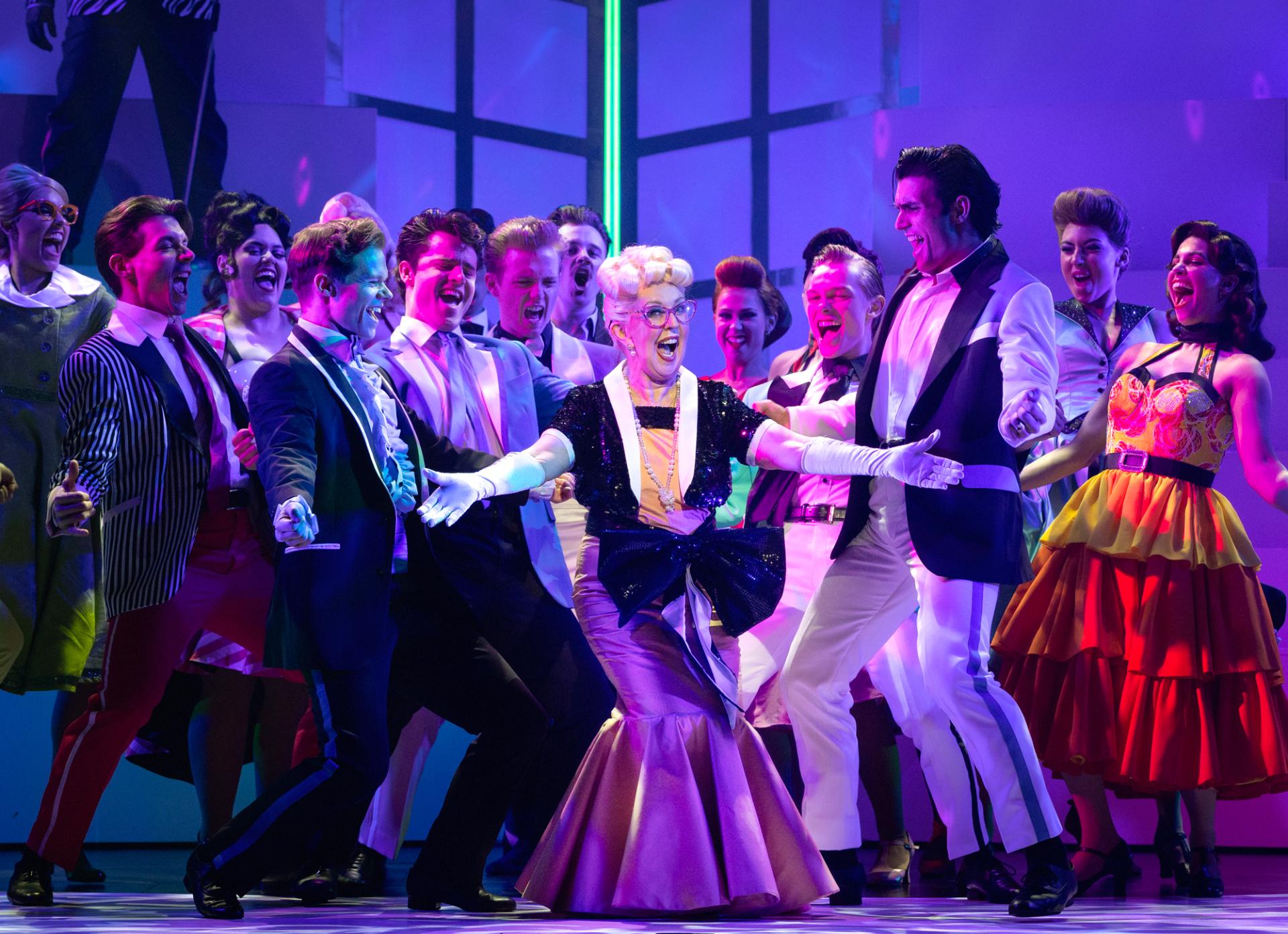
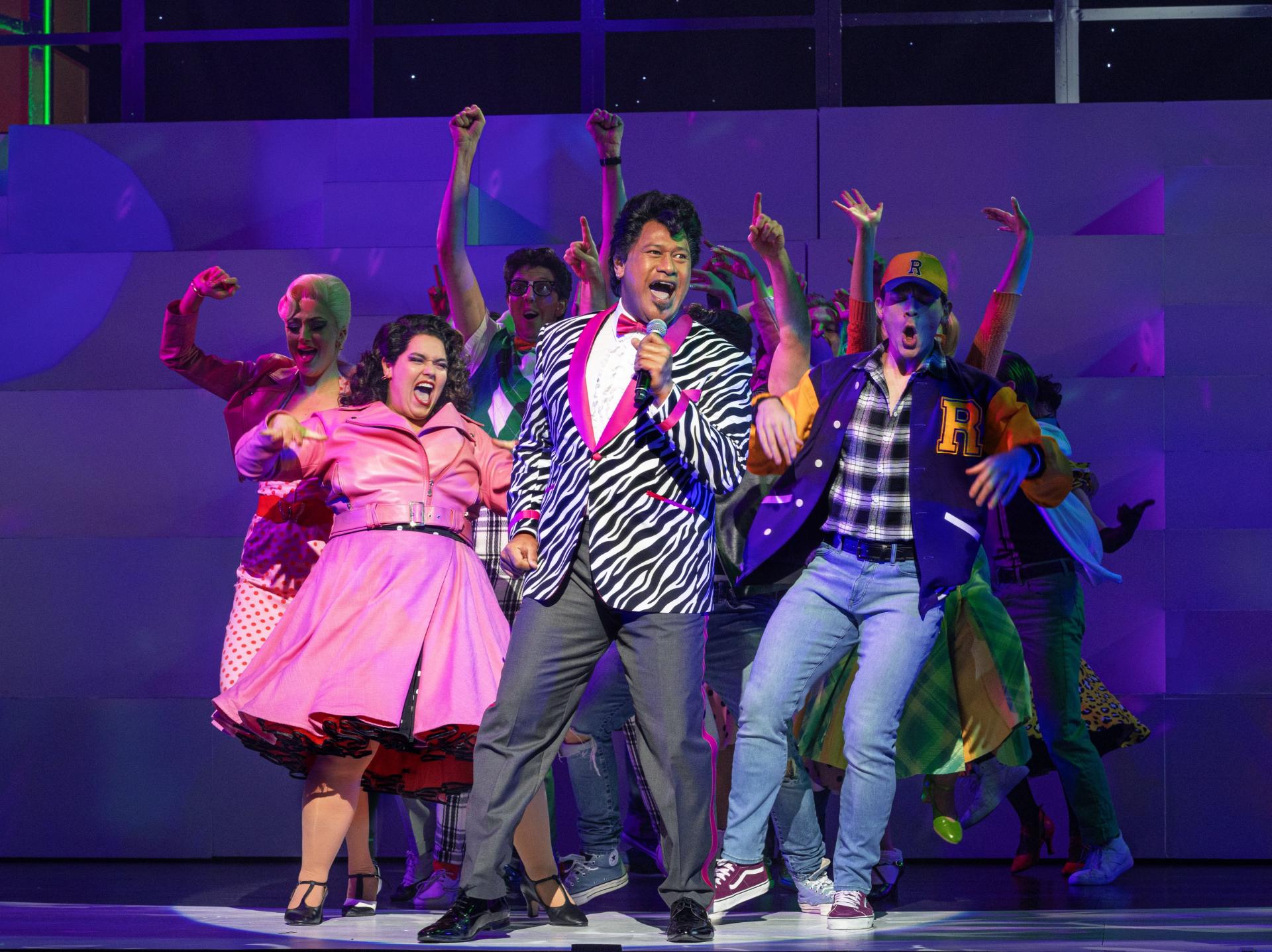
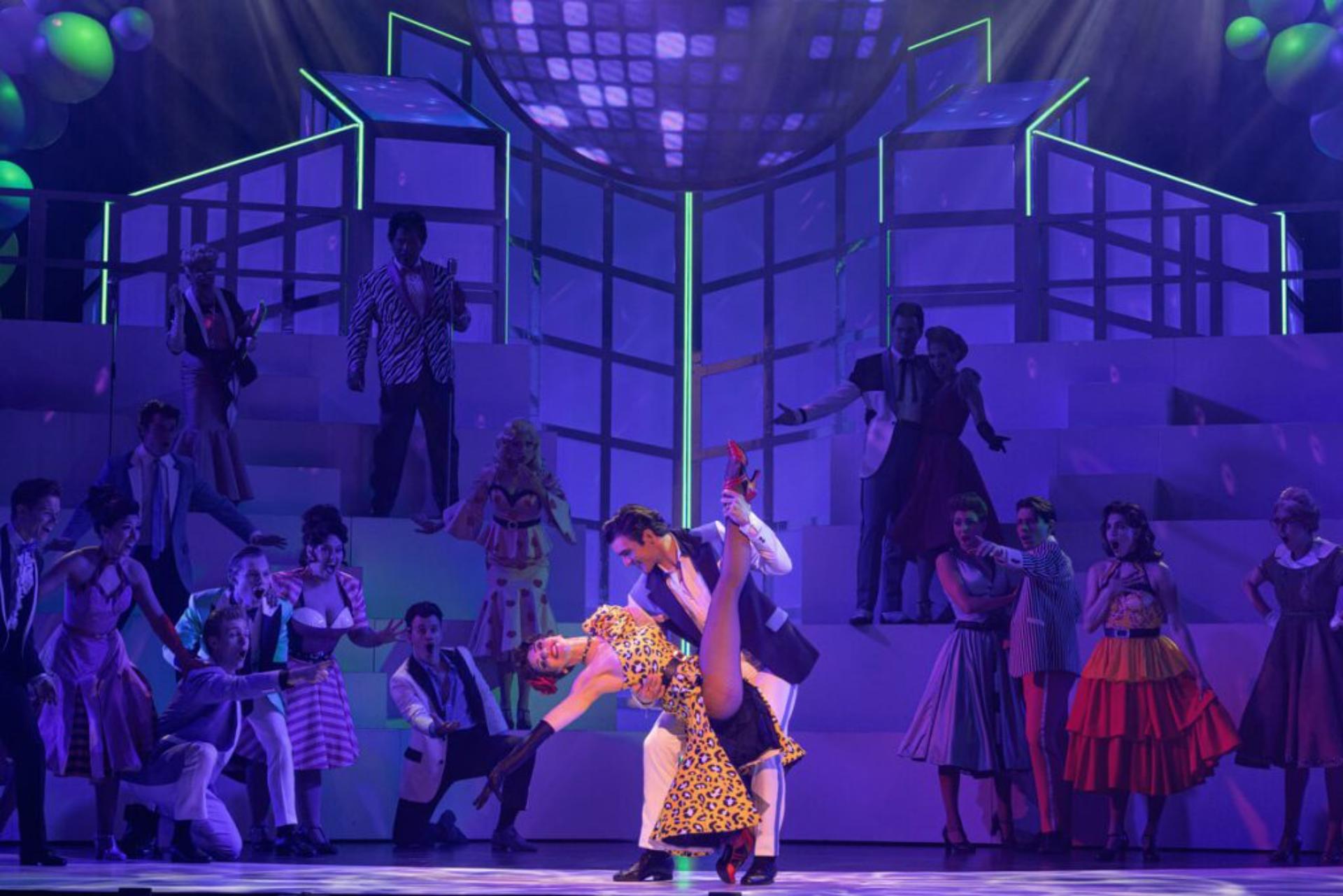
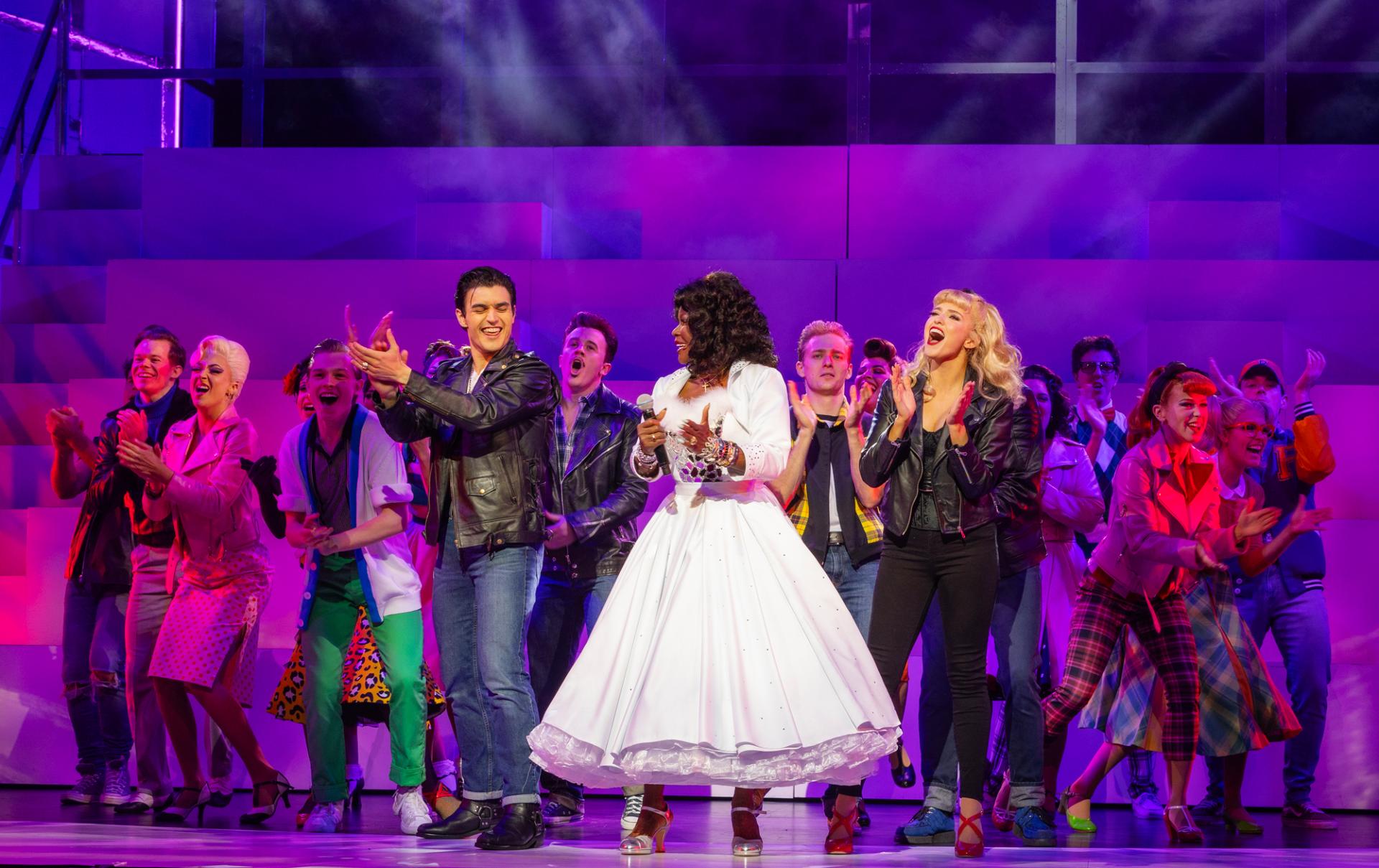
There is no doubt that the cast works hard to bring ebullience, but comic timing proves not to be their strong suit. Singing and dancing are of a high standard though, with nostalgic choreography by Eric Giancola contributing much needed pizzazz. Annelise Hall and Joseph Spanti play the leads, both delivering commendable vocals, and are physically attractive as Sandy and Danny, although unable to compensate for the general shortage of charisma on this stage.
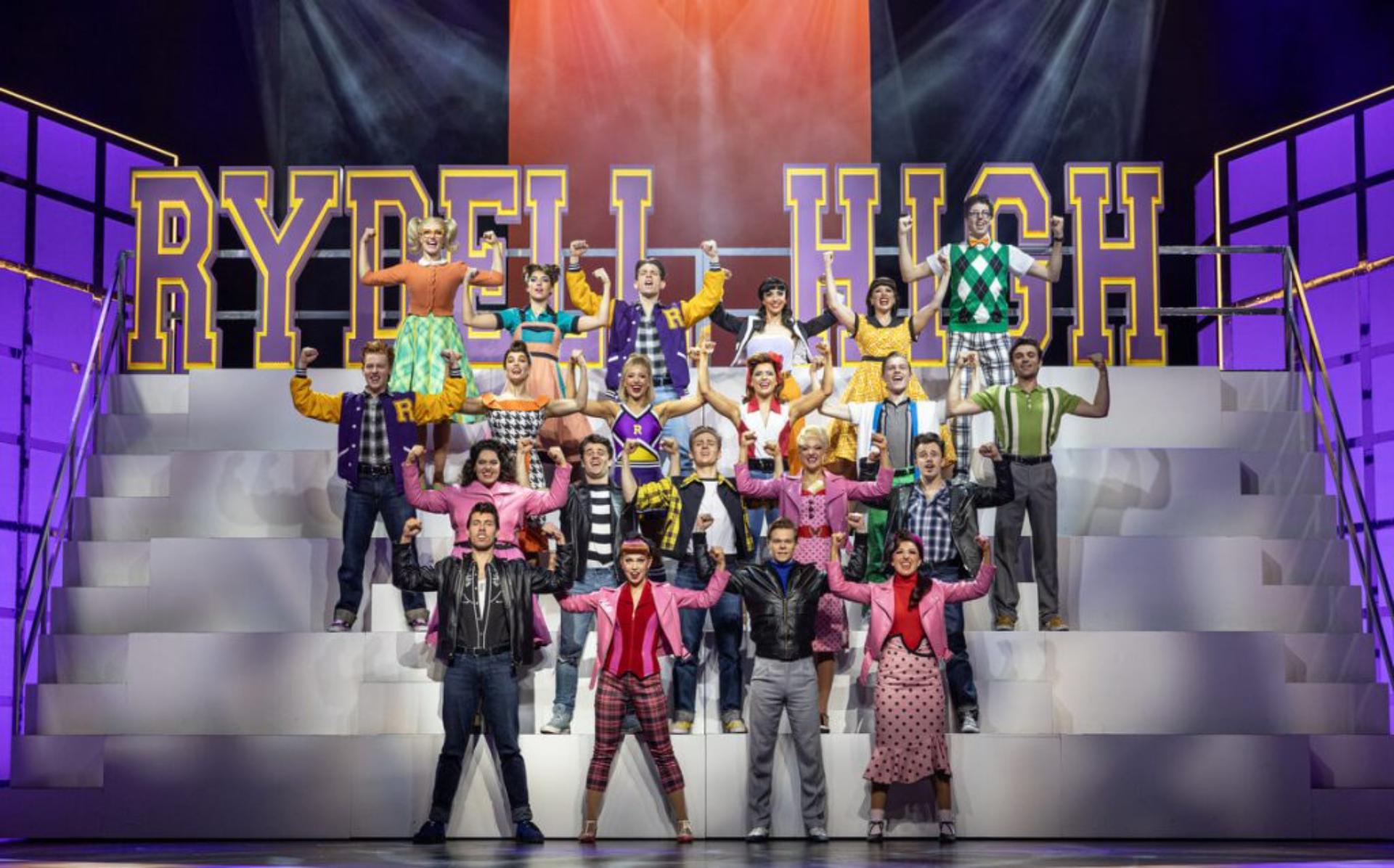
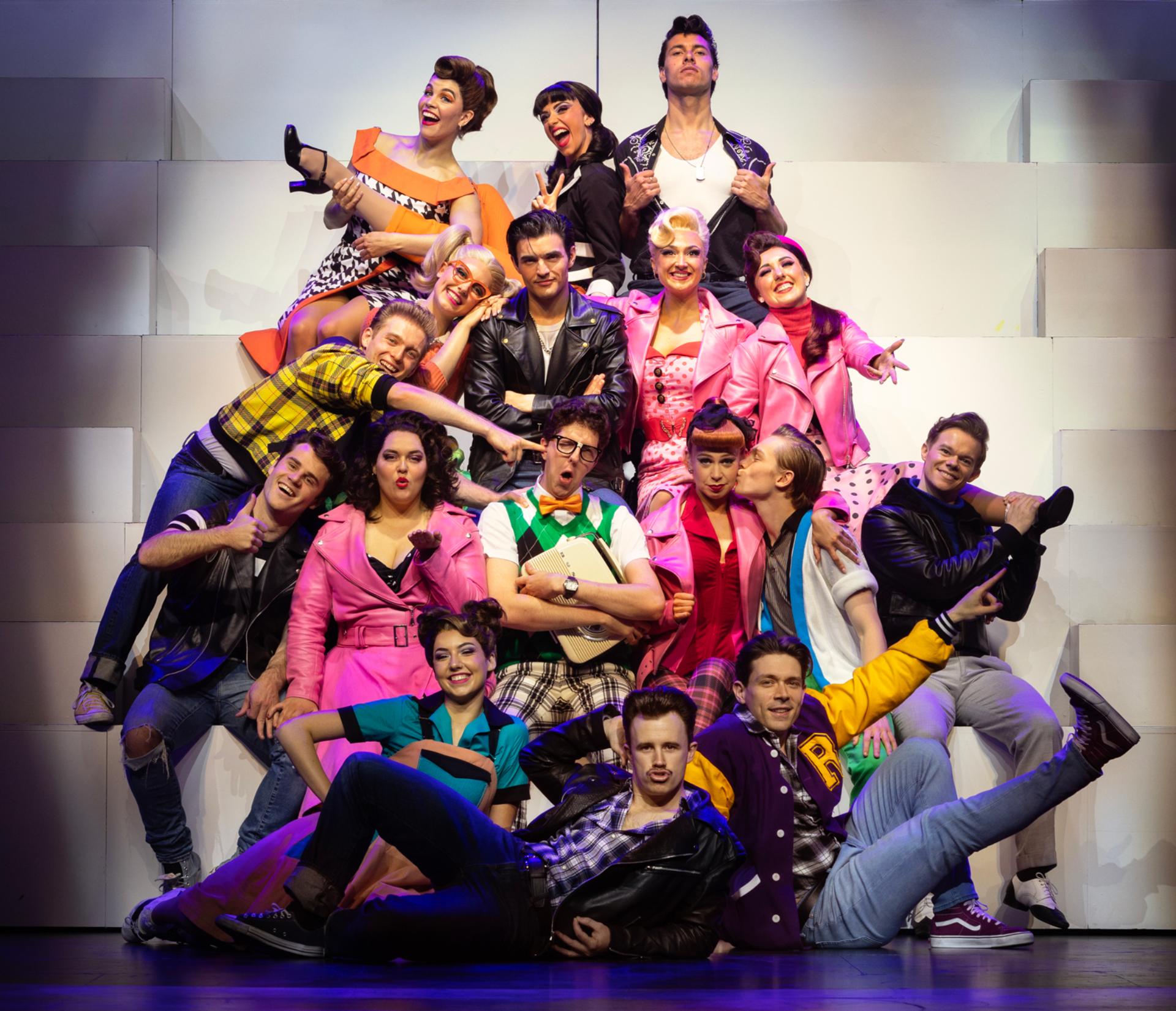
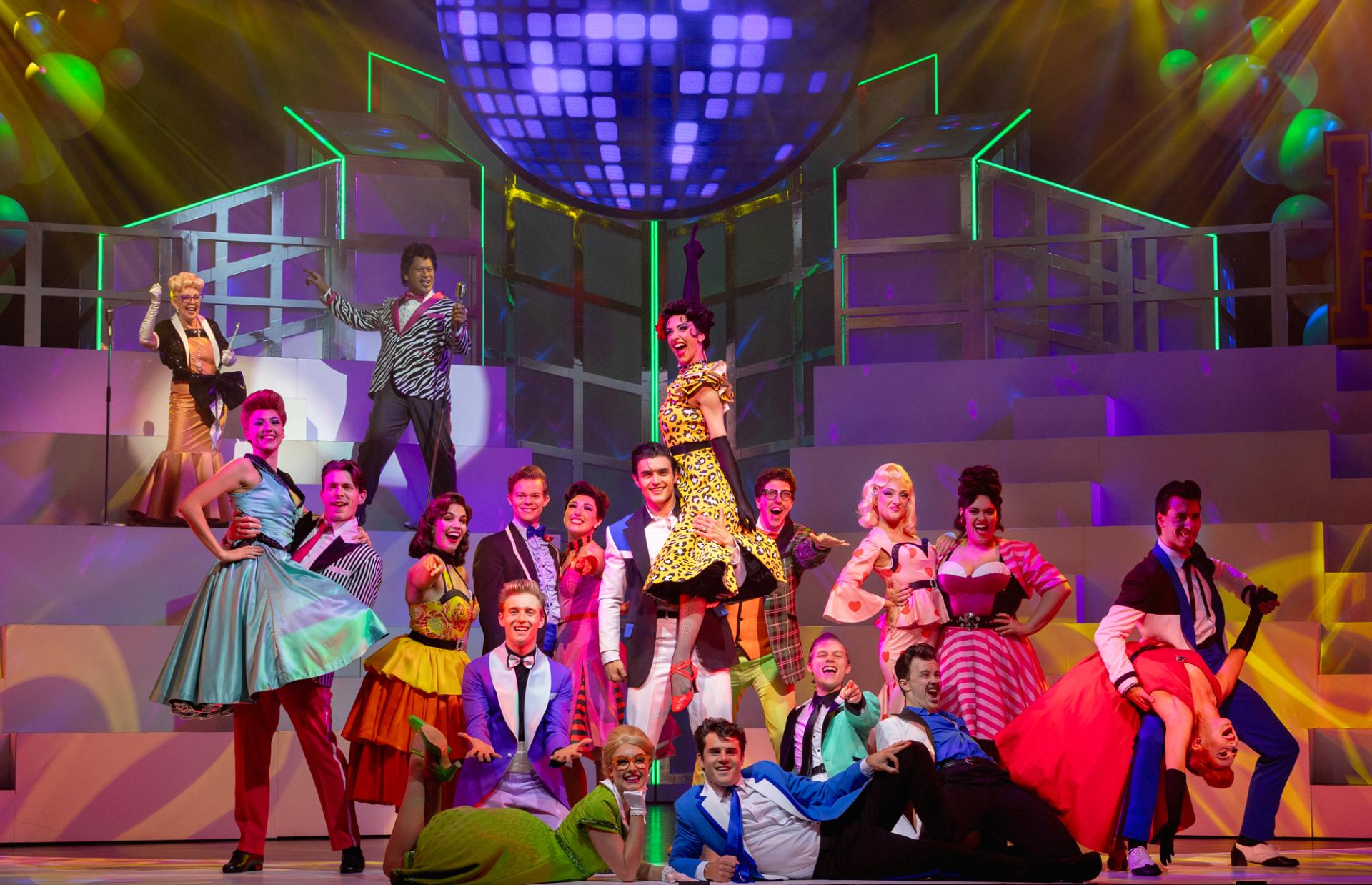
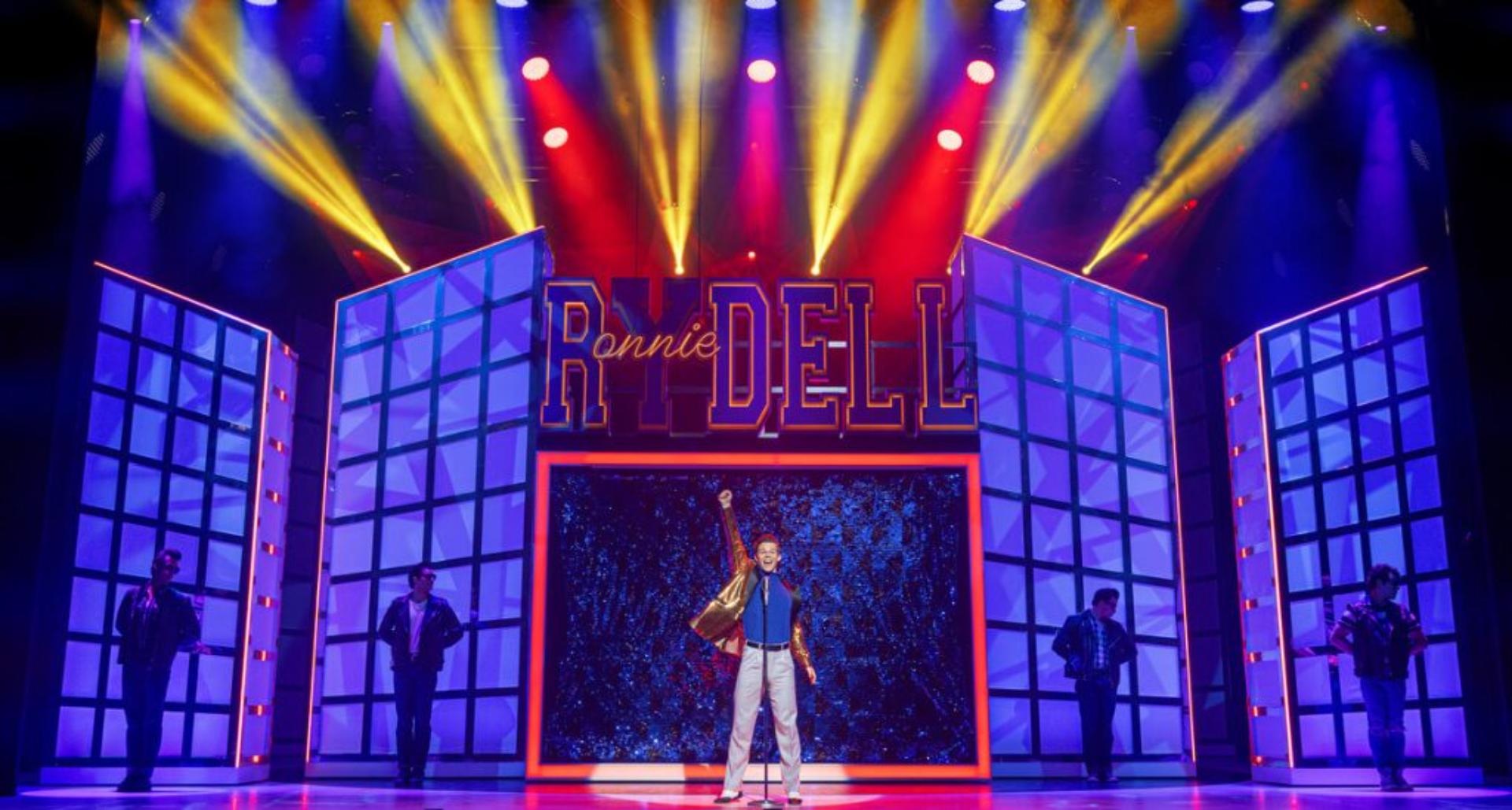
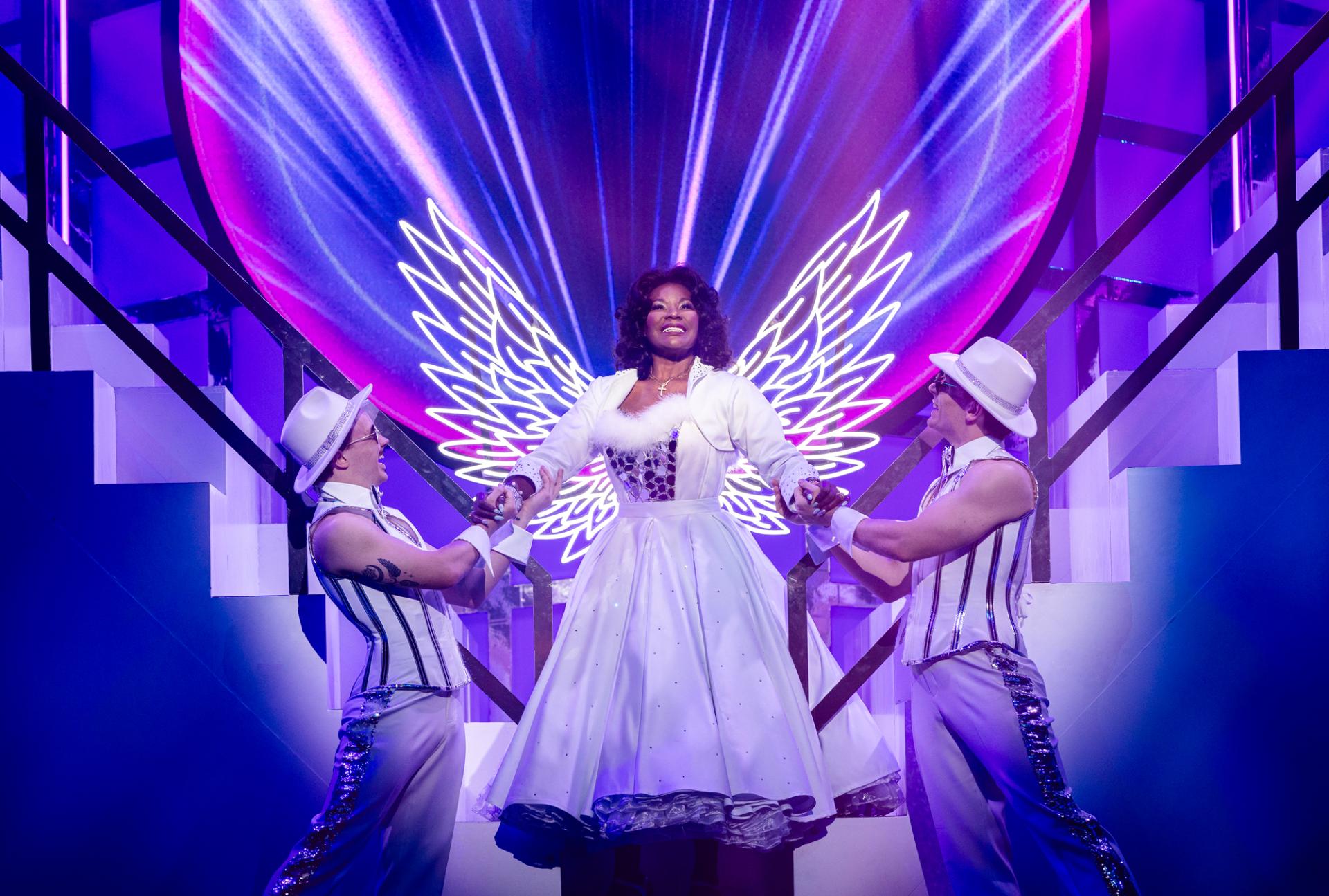
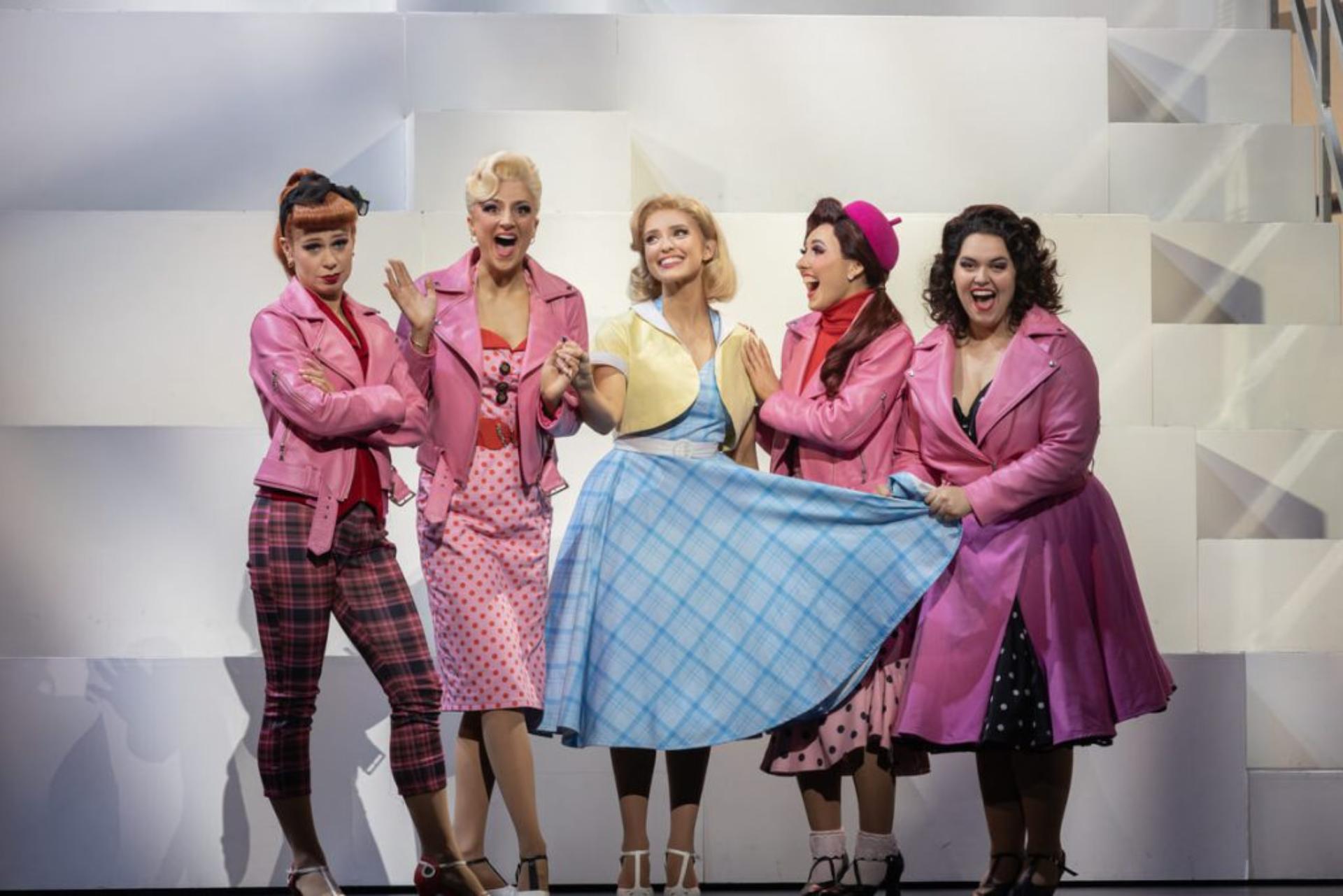
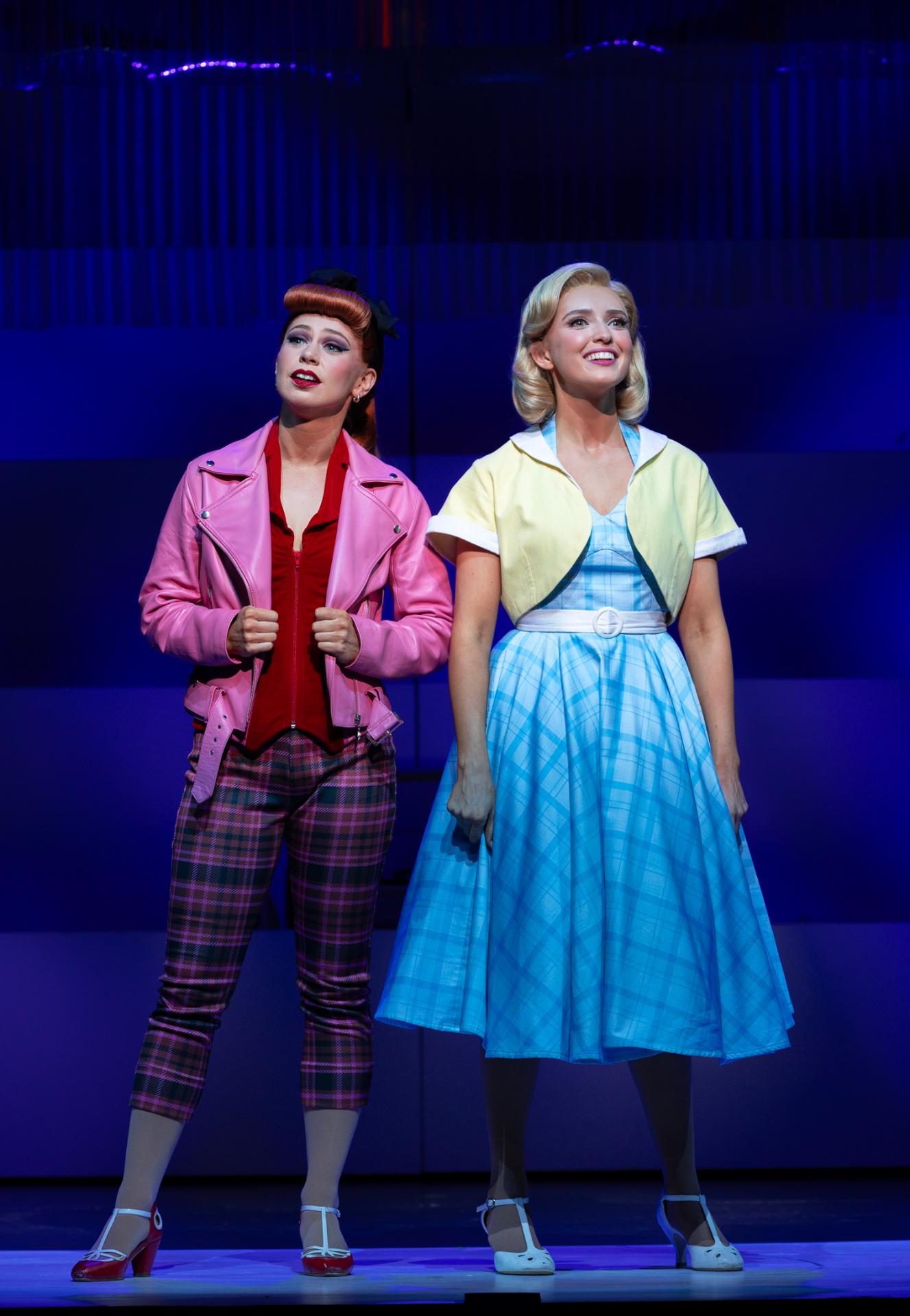
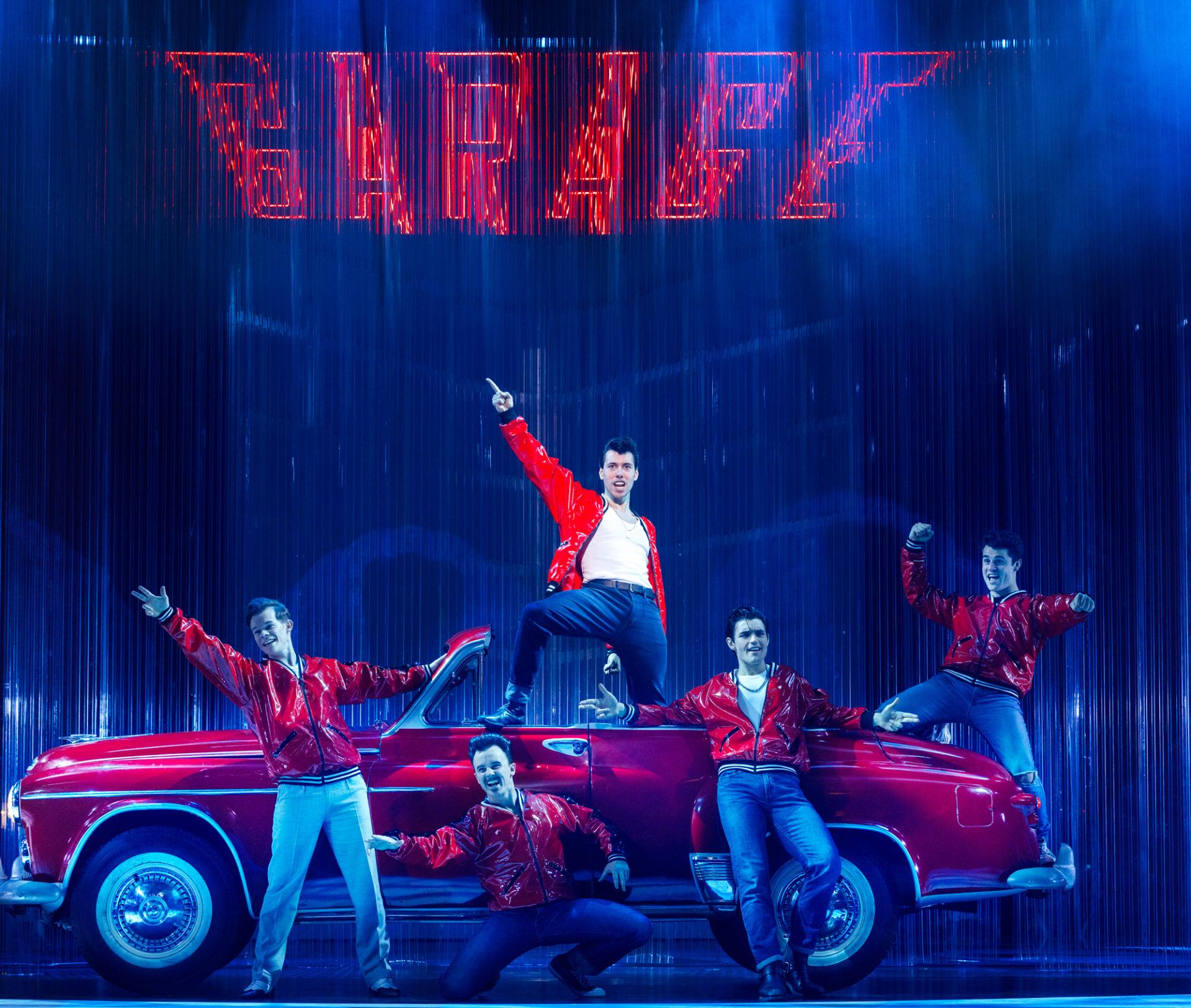
Set design by James Browne is ambitious, and even though not sufficiently refined, does manufacture a satisfying grandeur. Browne’s costumes add colour and a charming whimsy, and along with dynamic lights by Trudy Dunn, imagery is consistently captivating, for an otherwise lacklustre experience.
Sandy was always fine as she was. Furthermore, Danny had adored her whether she presented innocent or provocative. In 50s America though, they both had to acquiesce to standards of behaviour that were far too oppressive and invasive, unable to escape peer pressure of high school, which served as a microcosmic representation of the wider world. Things feel different now, but it is hard to be sure if changes are true and fundamental, or if it is only the way we talk that has altered.
 Suzy Goes See