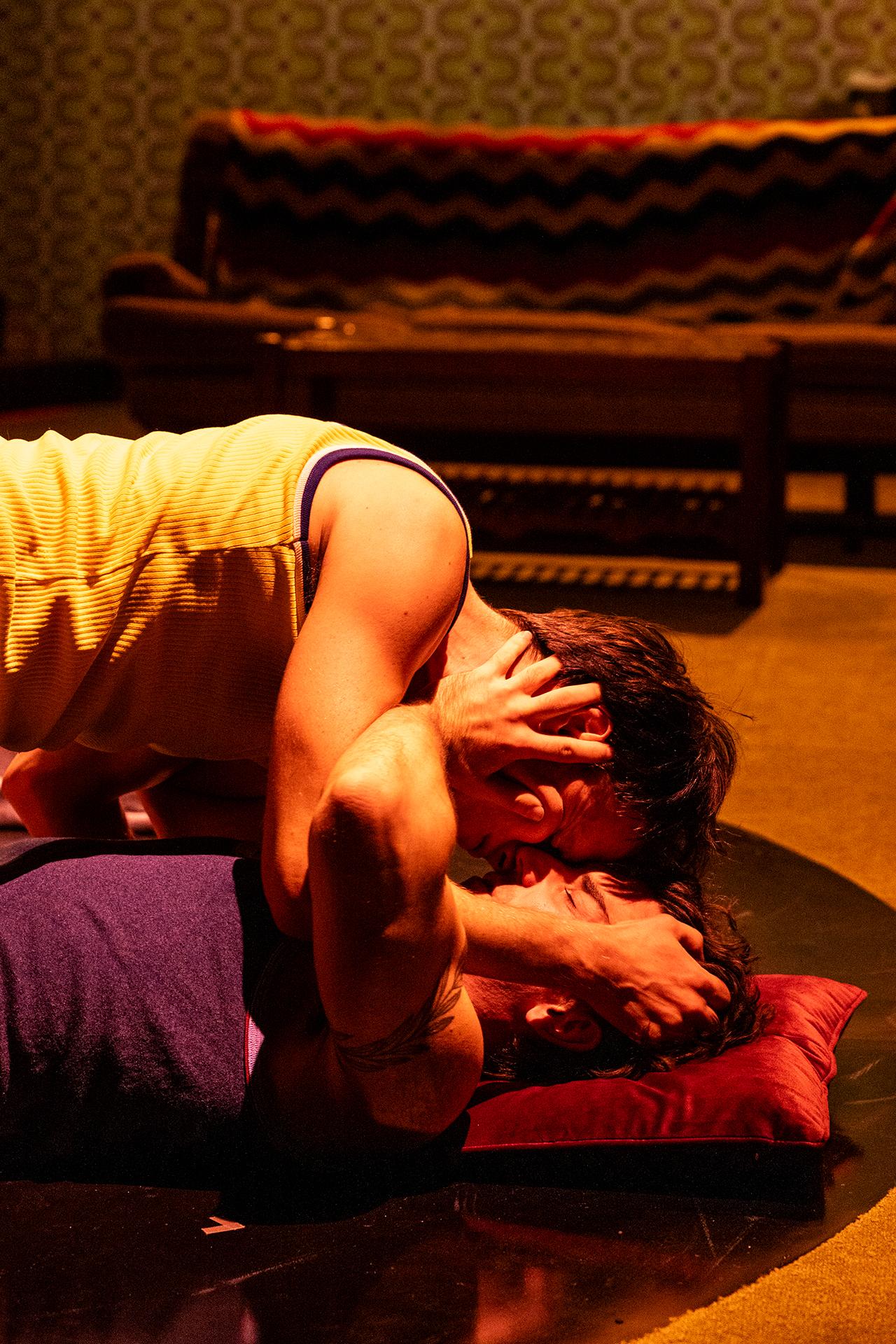
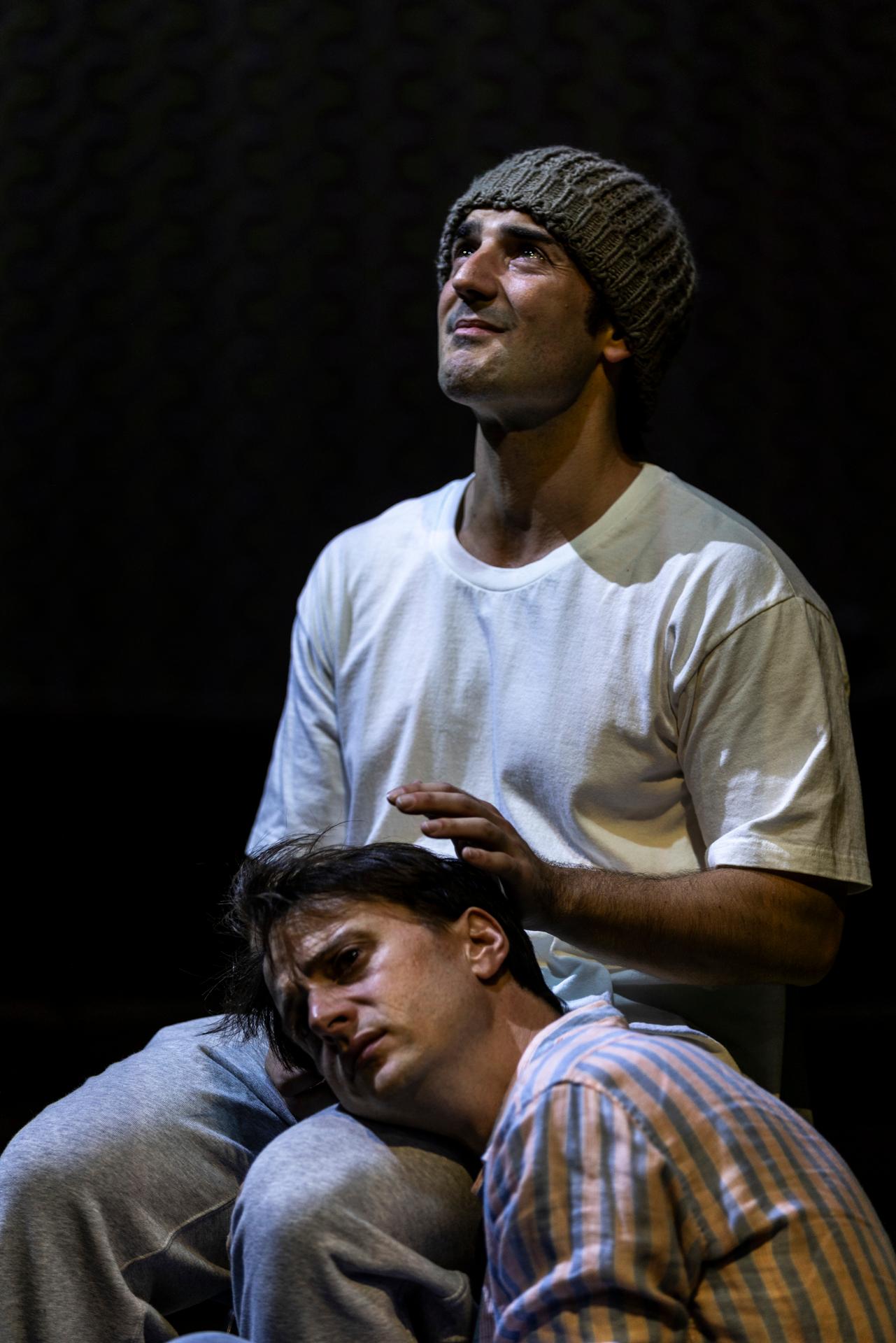
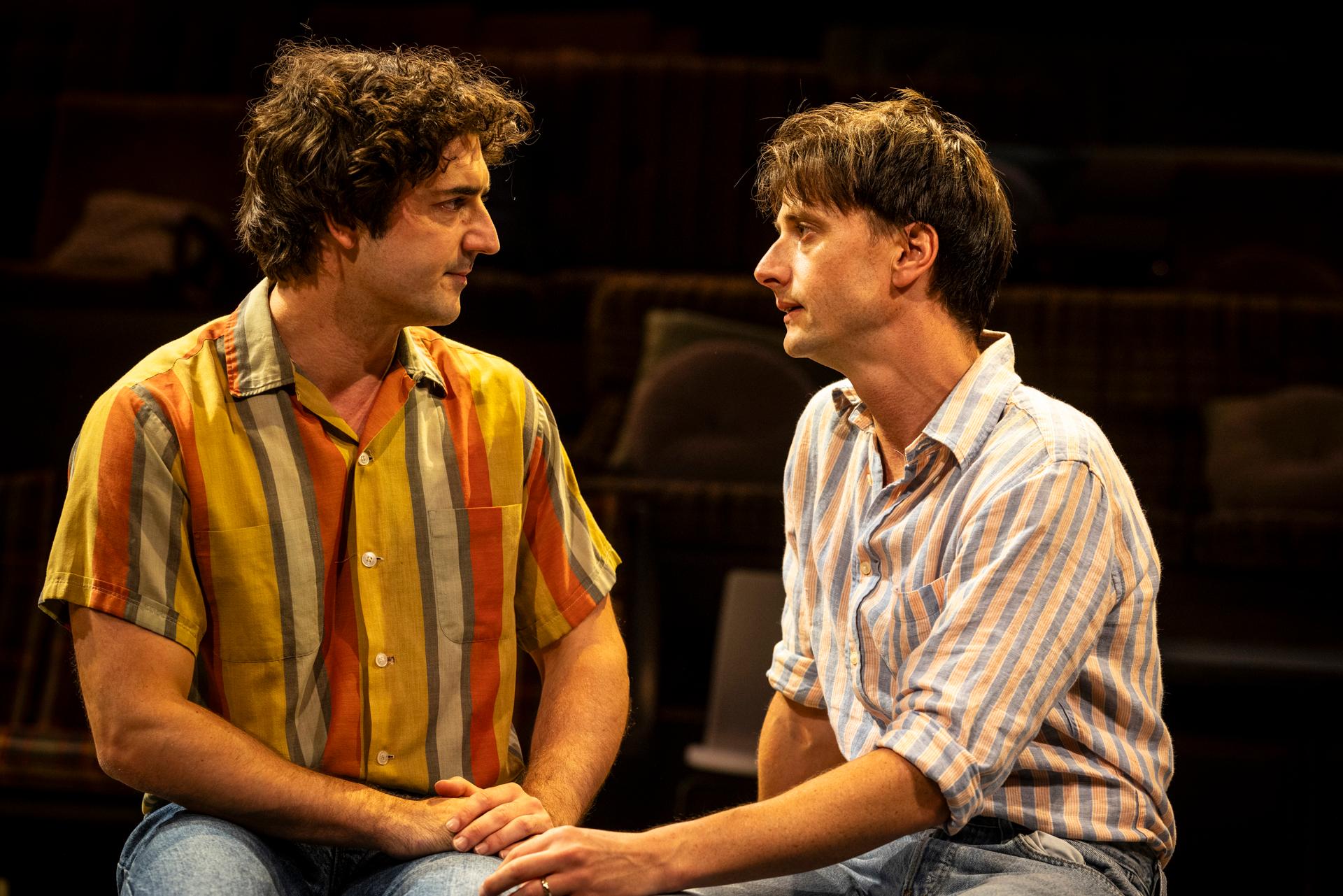
Venue: Belvoir St Theatre (Surry Hills NSW), Mar 9 – Apr 14, 2024
Playwright: Tommy Murphy (from the book by Timothy Conigrave)
Director: Eamon Flack
Cast: Danny Ball, Tom Conroy, Russell Dykstra, Rebecca Massey, Shannen Alyce Quan, Guy Simon
Images by Brett Boardman
Theatre review
Timothy Conigrave’s 1995 memoir Holding the Man remains one of the most important Australian books in the queer canon. It details Conigrave’s love story with his high school sweetheart John Caleo, and their struggles with AIDS, at a time when infection by the HIV virus meant all but a death sentence. Playwright Tommy Murphy’s stage adaptation first appeared in 2006, reformatting the writing for Conigrave’s other love, the theatre, and bringing it to a wider audience.
This update of Murphy’s play, comes at a time when HIV no longer poses a threat to our lives, as it had done those decades before. Director Eamon Flack is keenly aware of this transformation in climate, presenting a show that understands our renewed relationship with the AIDS crisis, and the psychological distance we currently require, as we try to heal and move on, from the devastating period of queer history, that figures so centrally in Holding the Man.
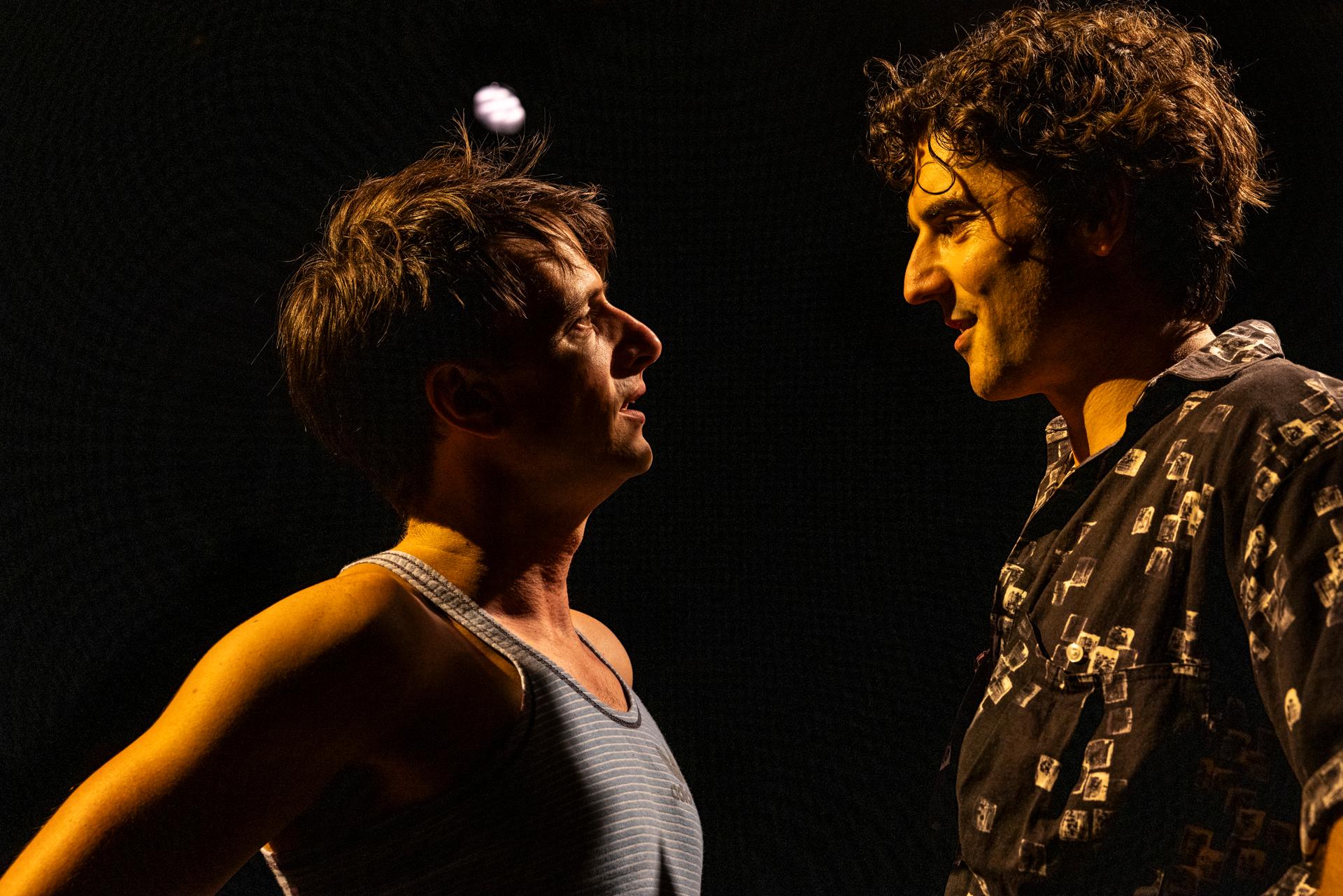
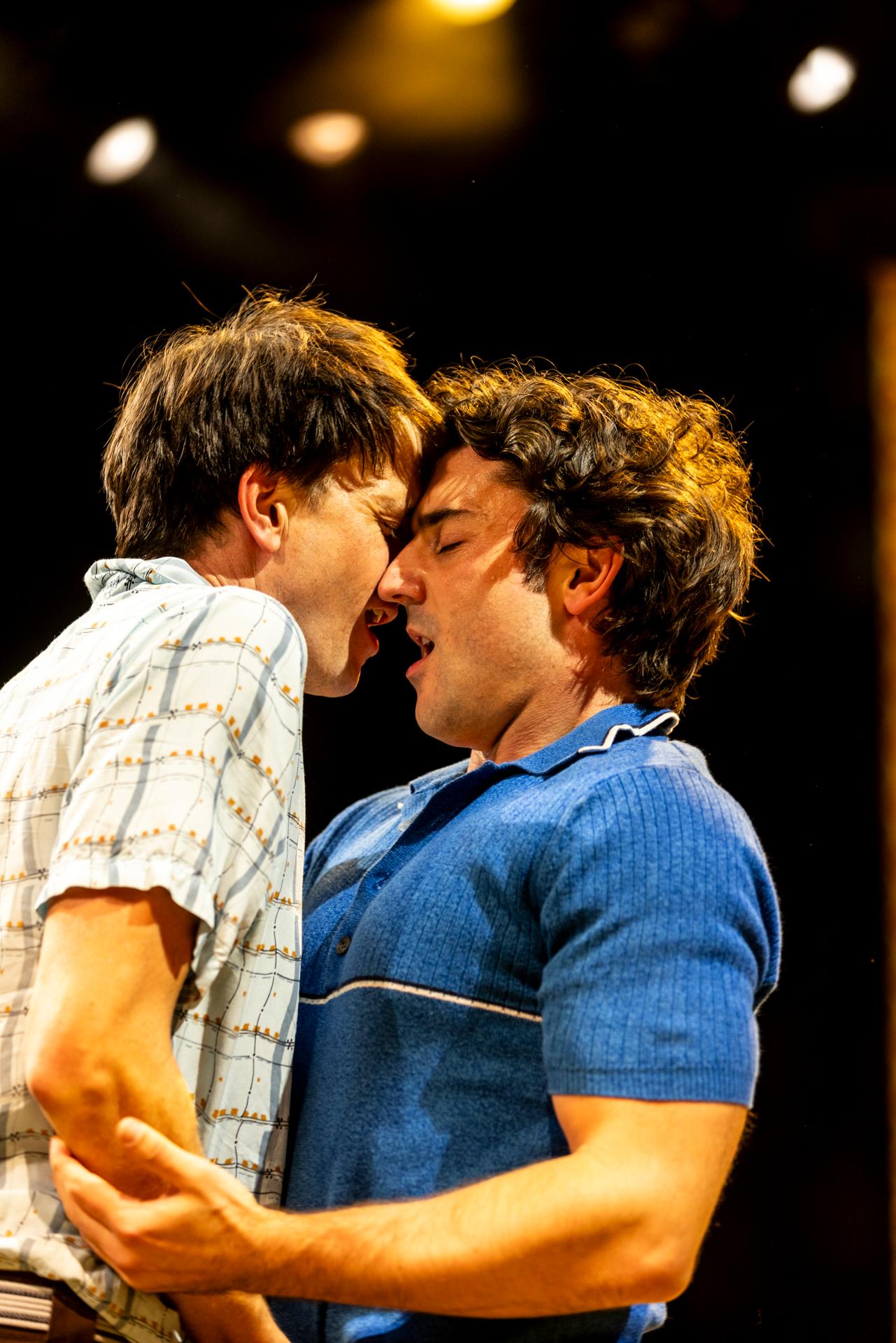
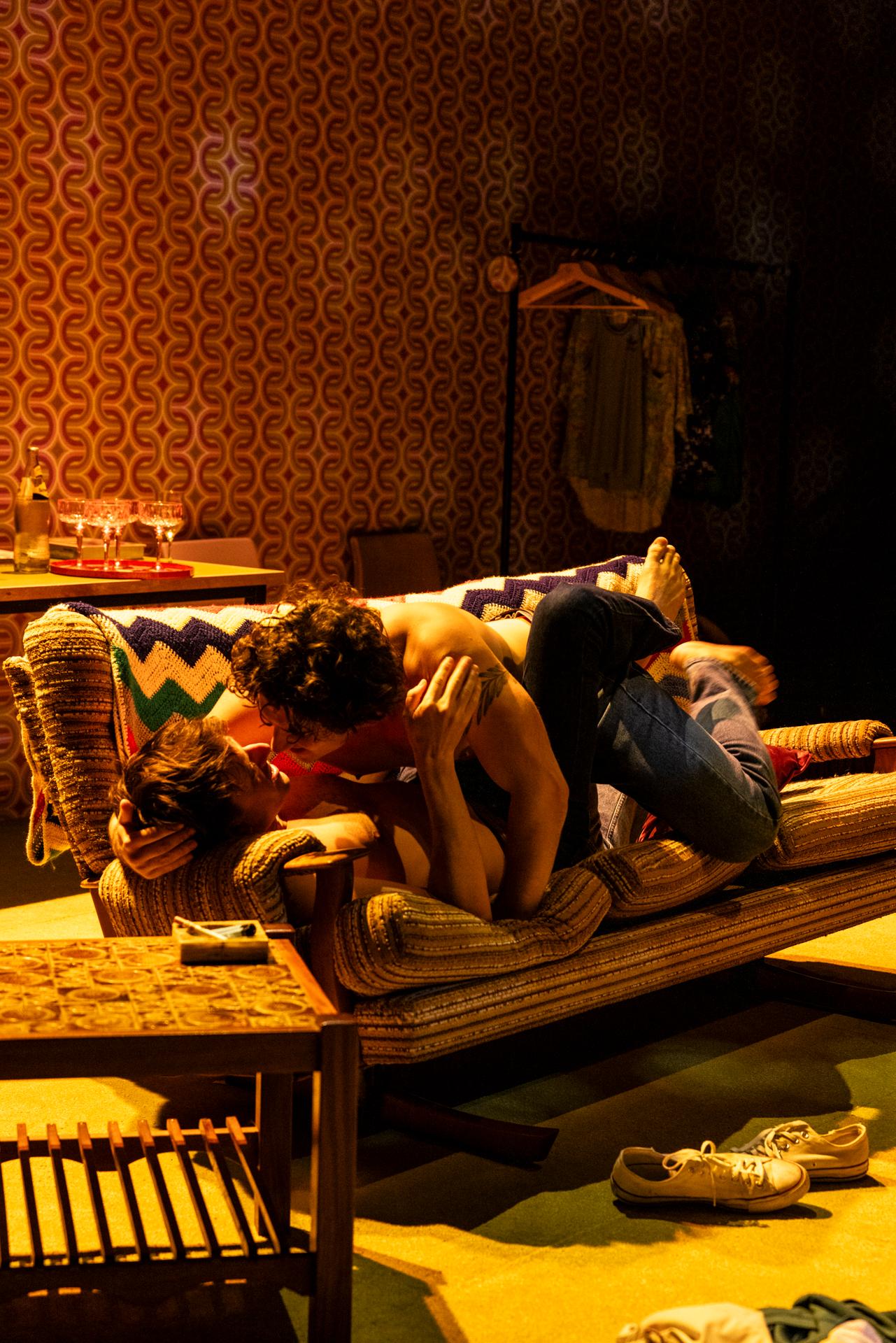
Flack’s portrayals of nostalgia are mercifully light-hearted, allowing us to regard the recent tragic past from a new vantage point; reminding us that that was then, and we now need to learn to sit with that trauma in a more objective manner. The romance between Tim and John, released from that previously foreboding darkness, becomes sweeter, less grief-stricken. Flack facilitates a perception of the couple’s early years together as joyful and winsome, celebrating the fact that these two gay men had found love at a time when homophobia was rampant and severe.
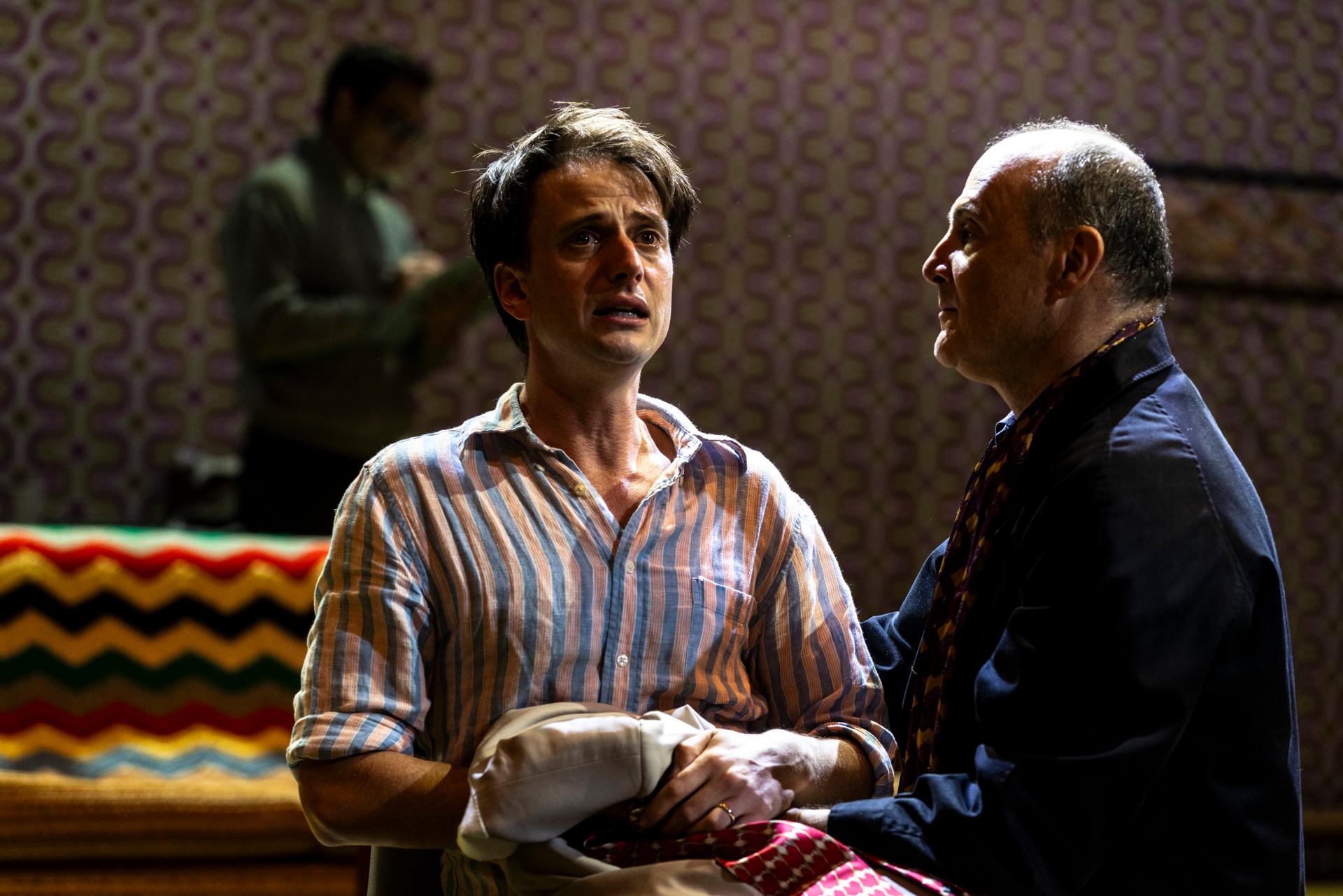
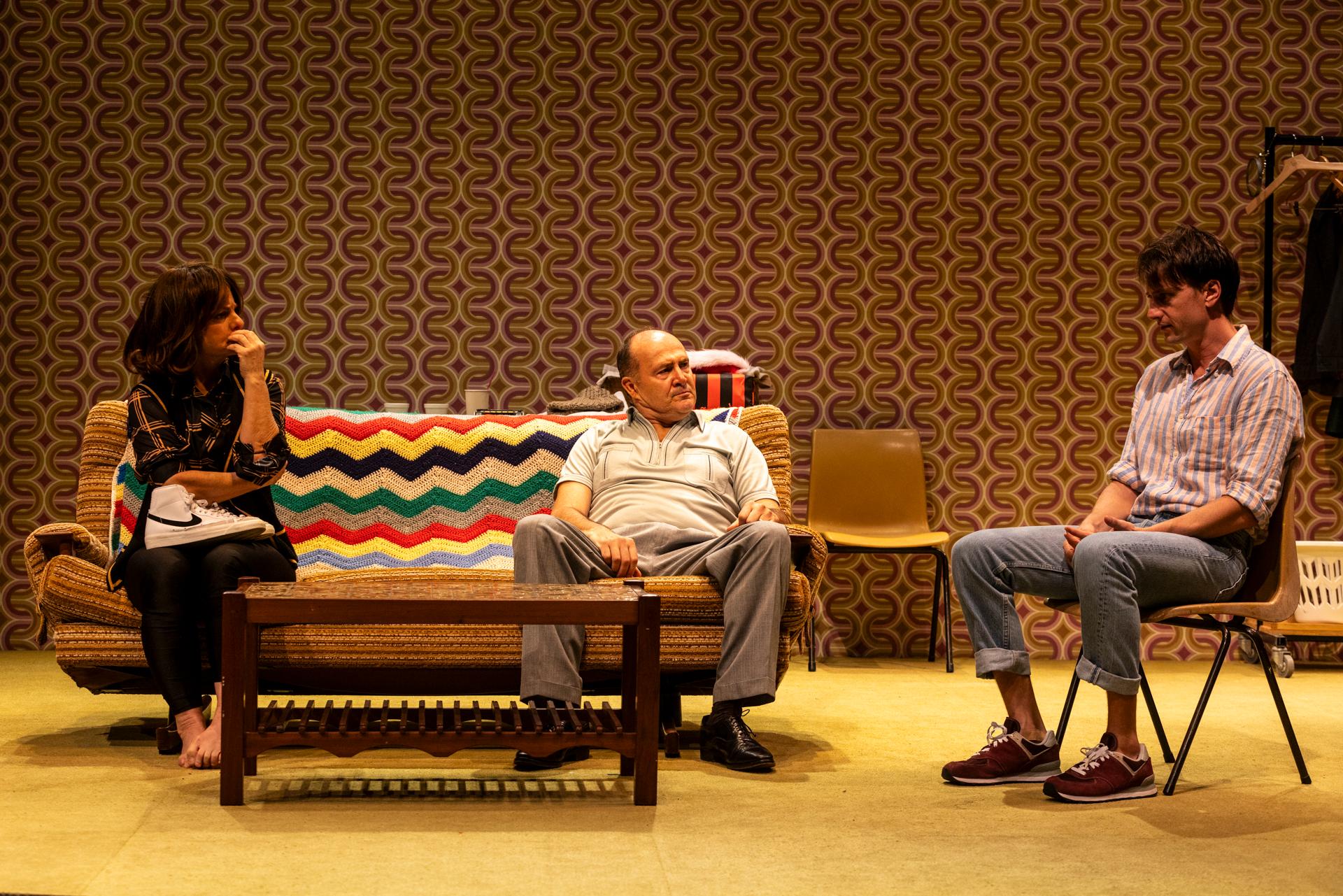
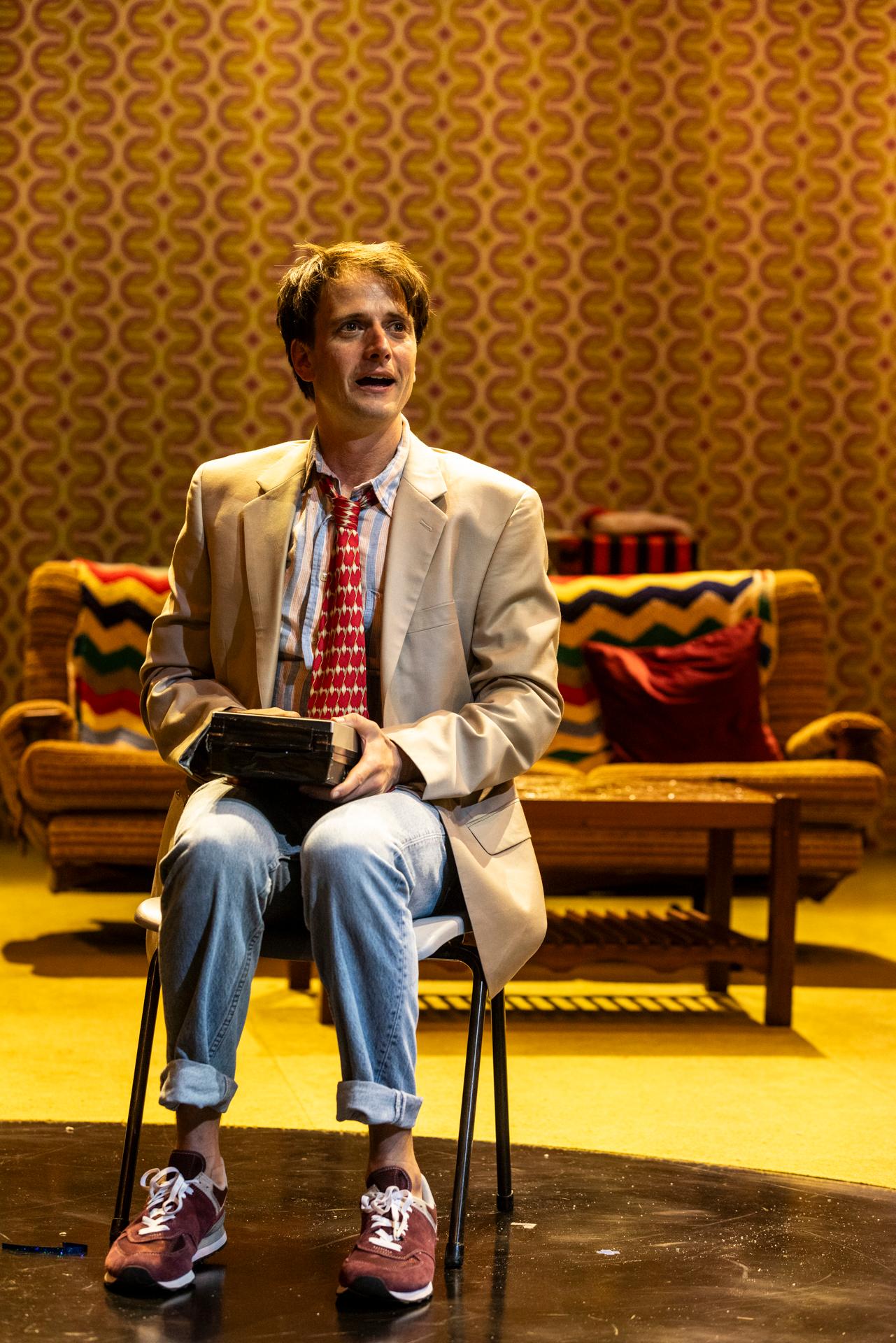
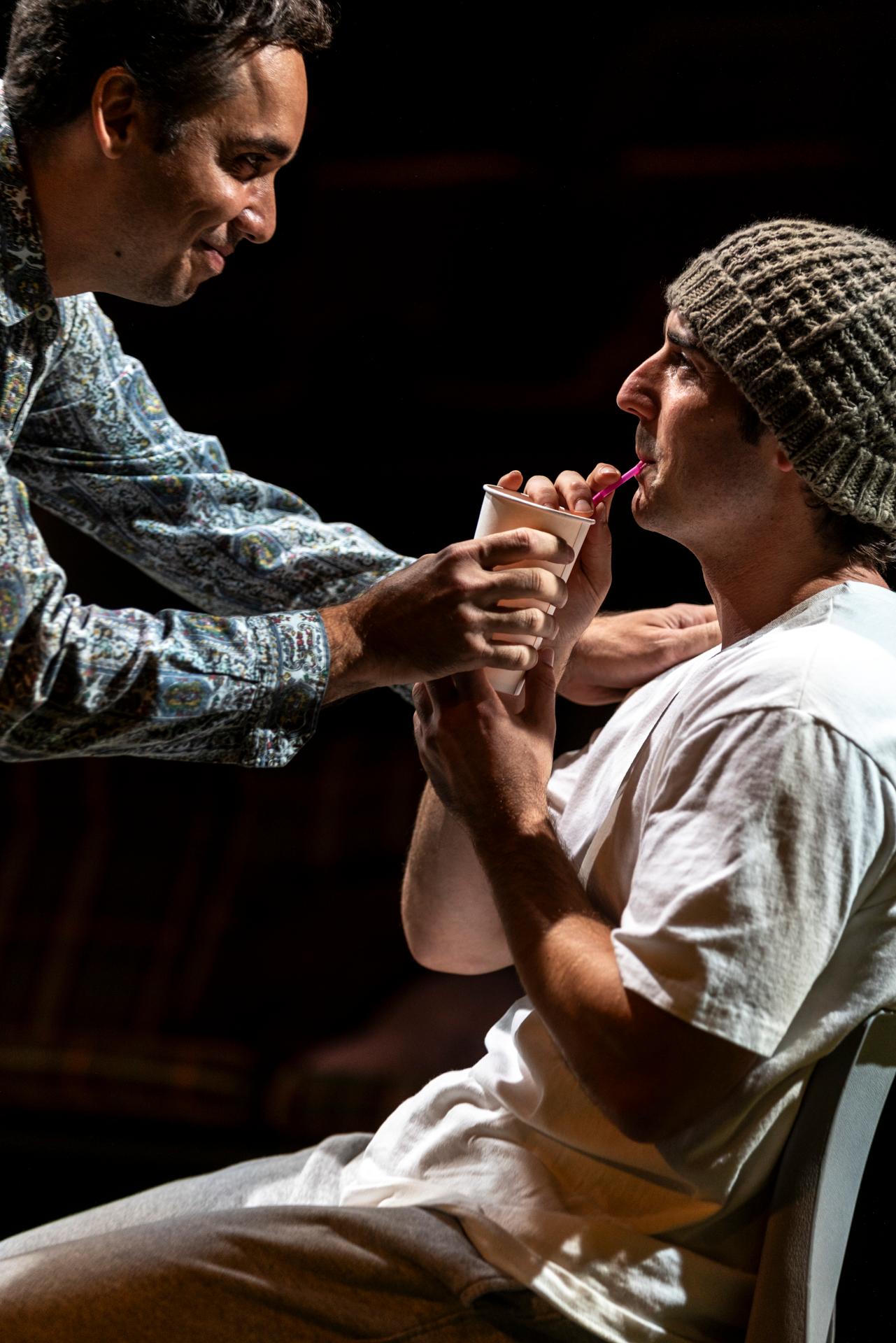
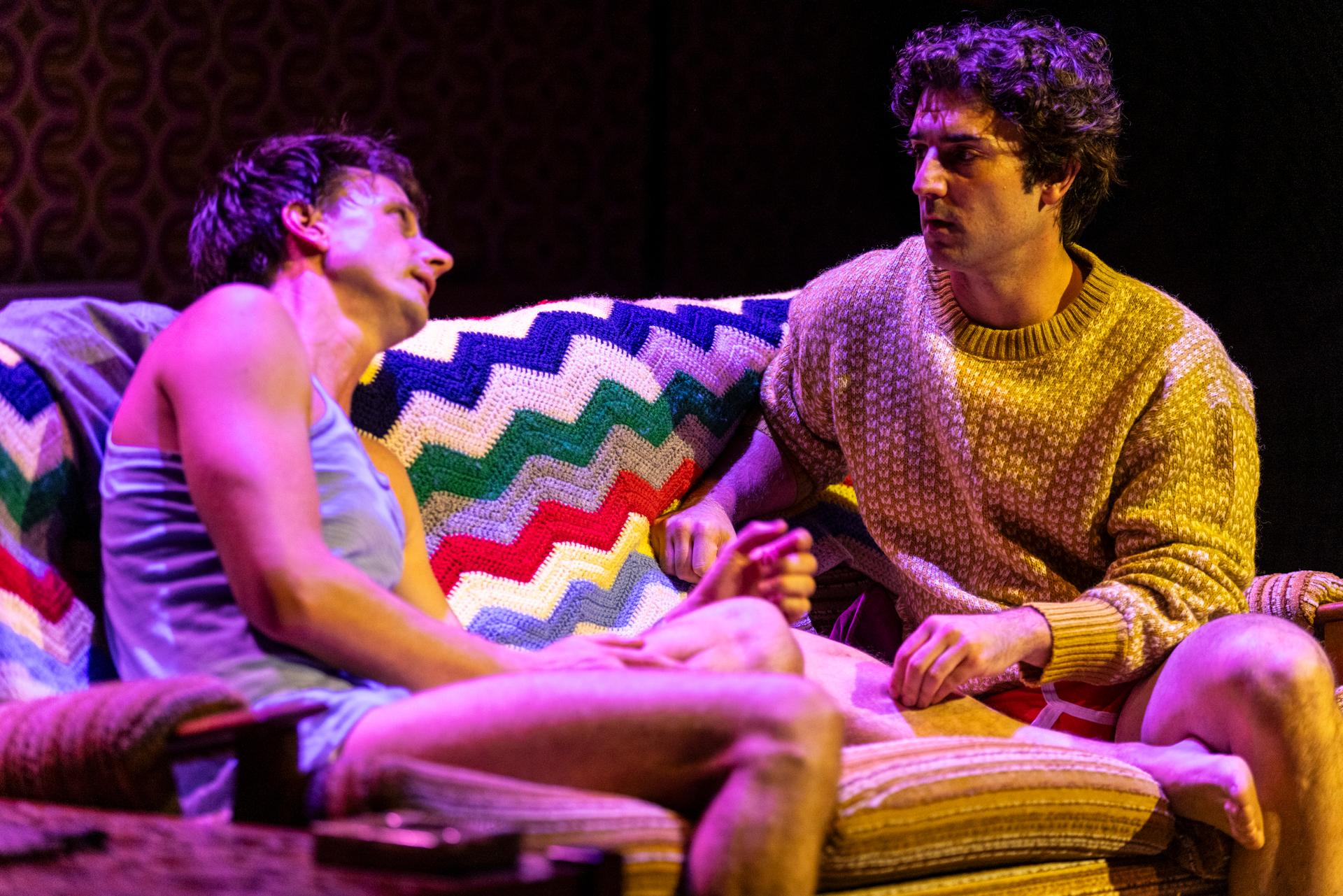
Tim is played by actor Tom Conroy, whose compelling vulnerability endears us to the lead role, making us invest unreservedly and effortlessly in this iteration of Holding the Man. There is a tender innocence in Conroy’s passionate work, ensuring we remember that not a single person deserved the suffering brought on by the epidemic, and certainly that gayness deserves no punishment, especially at a time when queers were persistently villainised and scapegoated.
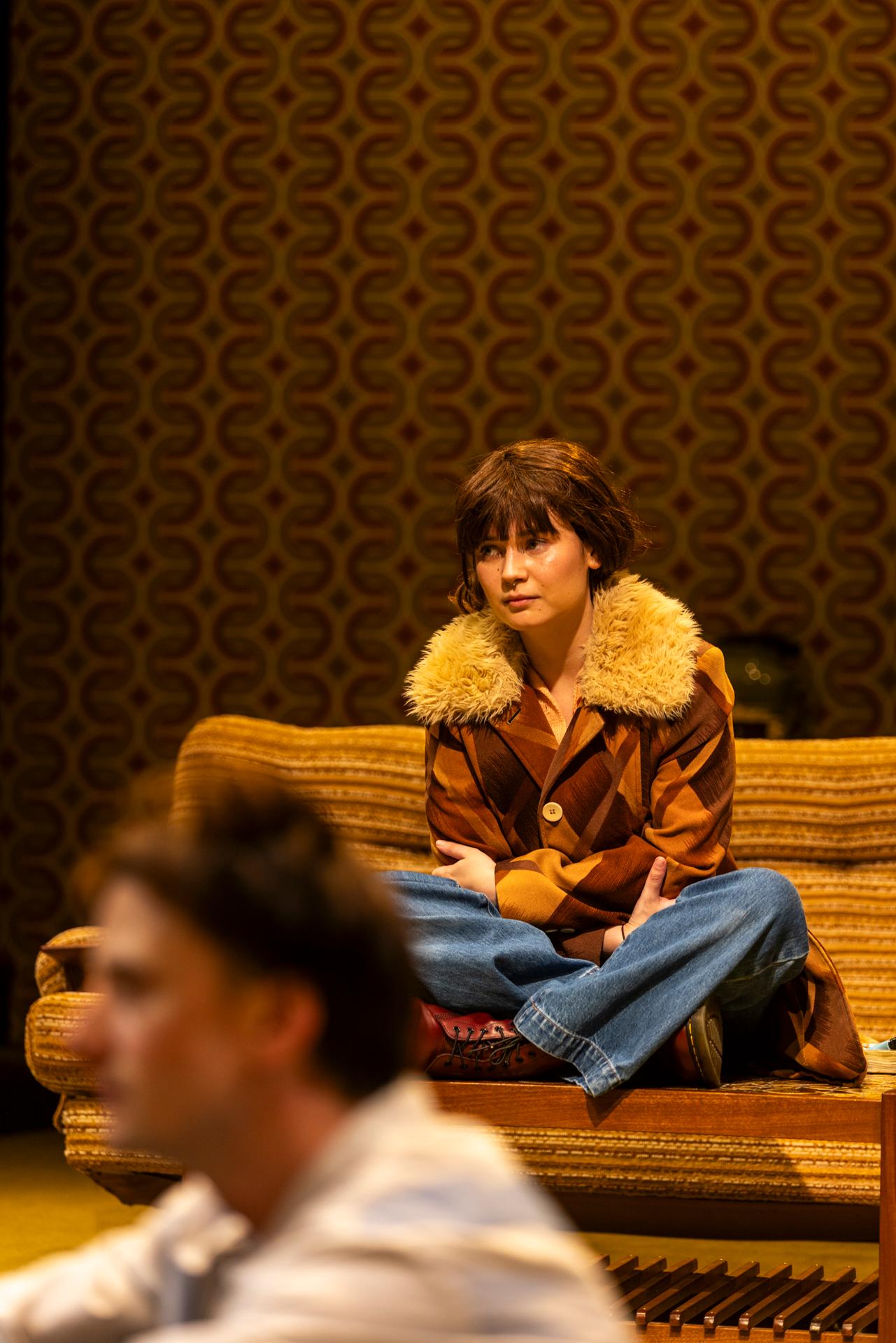
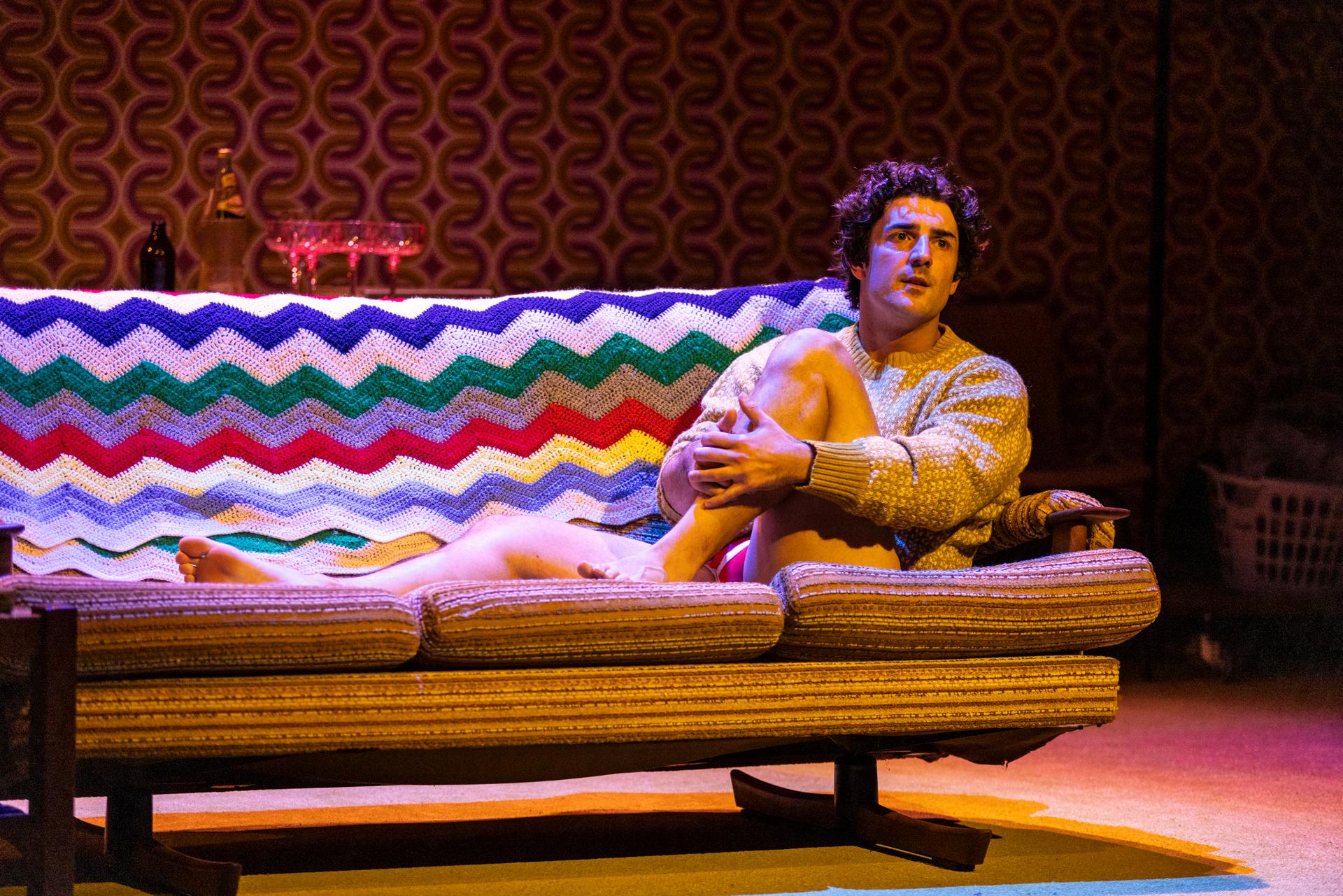
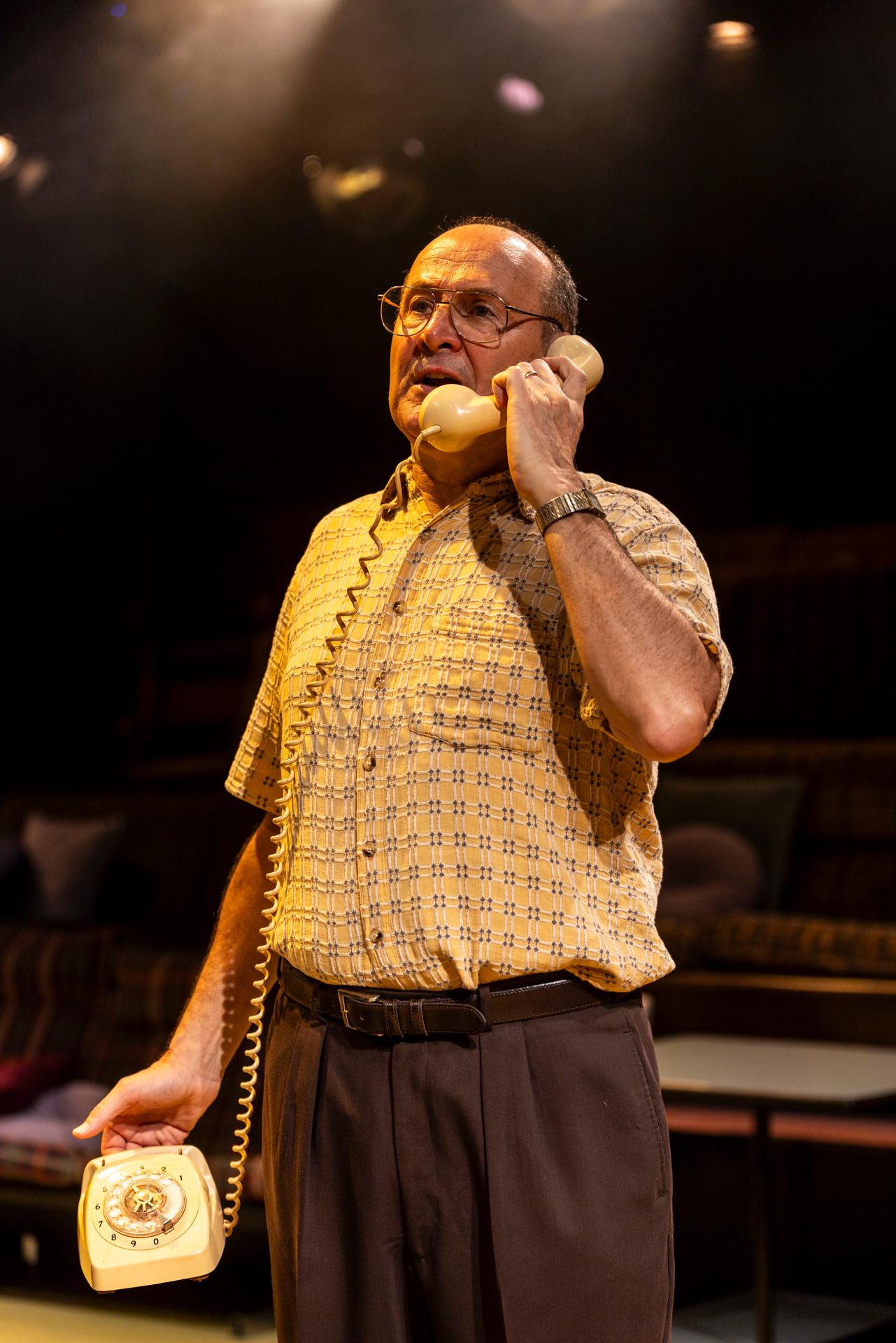
Danny Ball is captivating as John, commendable for bringing a stillness to his depictions, inviting us to connect with an authenticity that exists so resolutely at the core of this production. There is an abundance of enjoyable theatricality surrounding Ball’s performance, but it is his commitment to a deeper honesty, that gives this event its soul. The supporting cast comprises Russell Dykstra, Rebecca Massey, Shannen Alyce Quan and Guy Simon, who bring great warmth and exuberance, along with remarkable creativity, to every thoroughly considered scene.
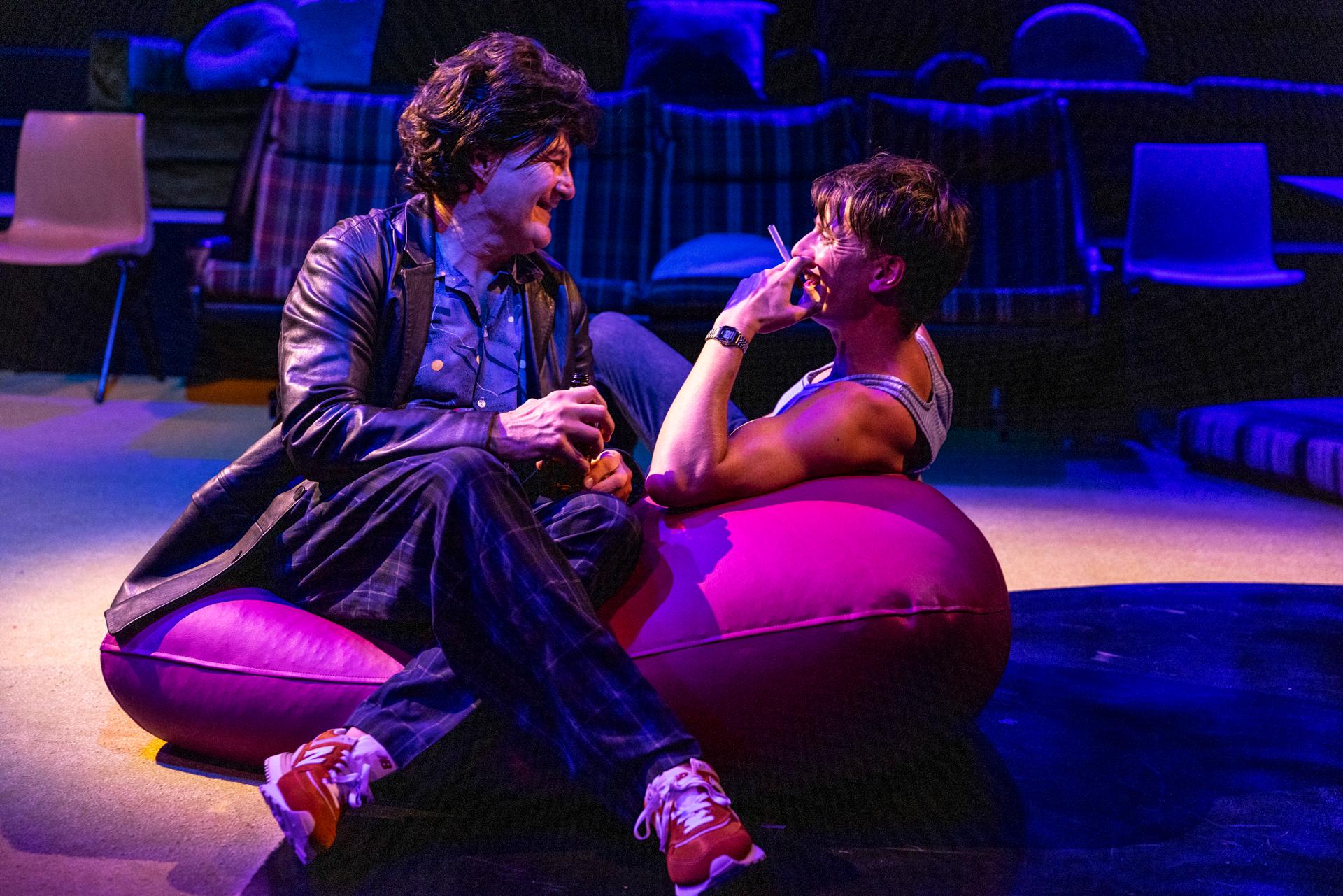
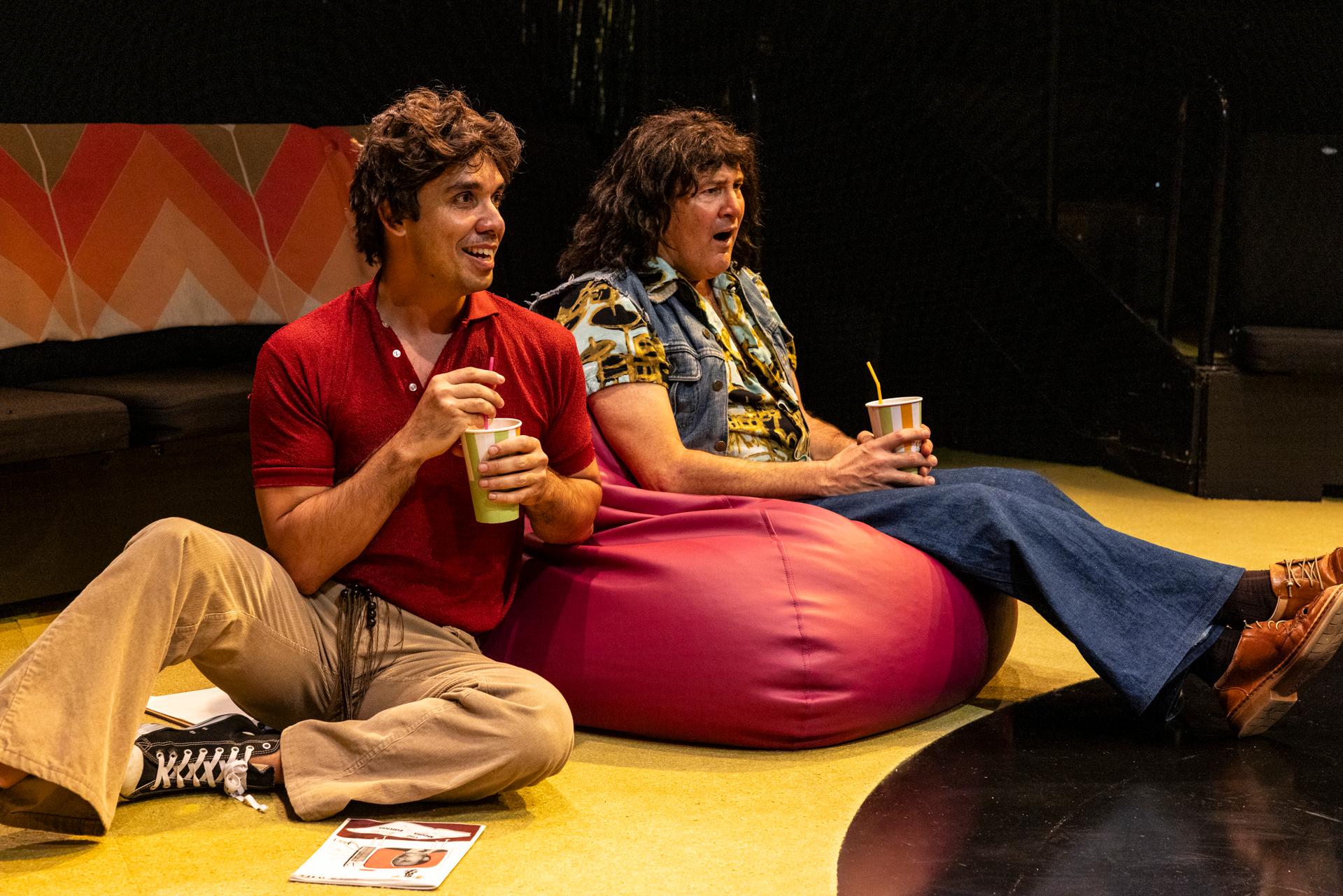
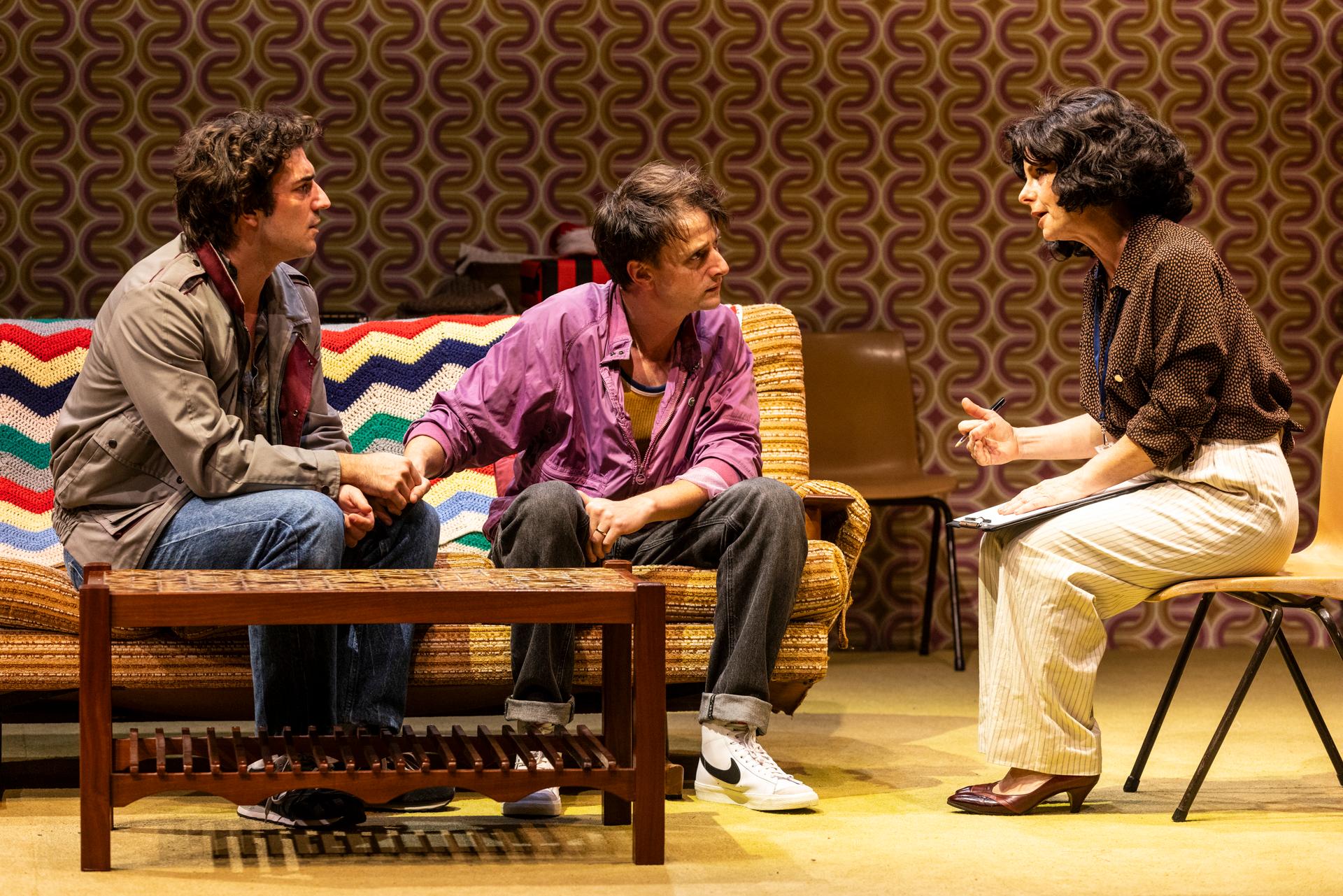
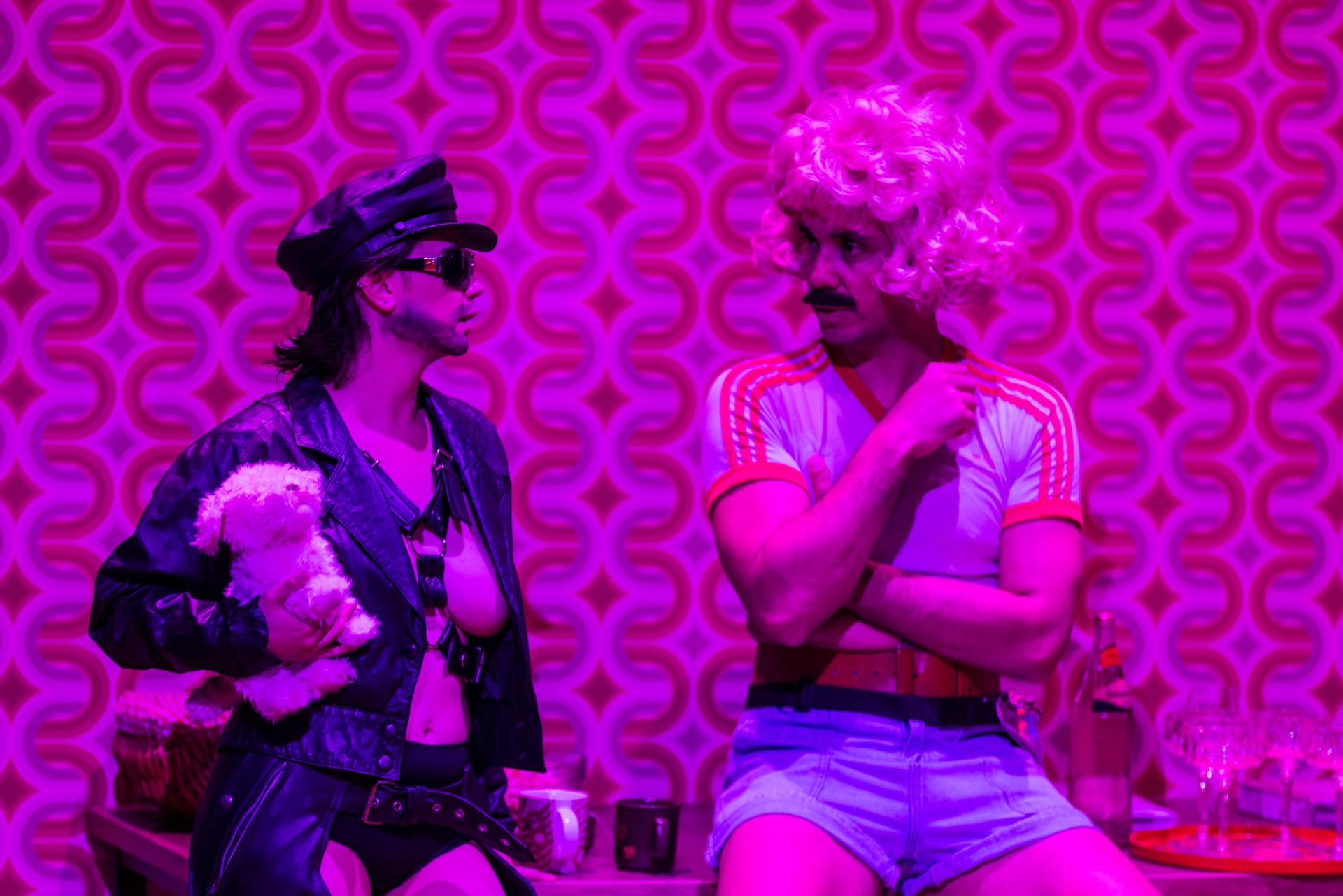
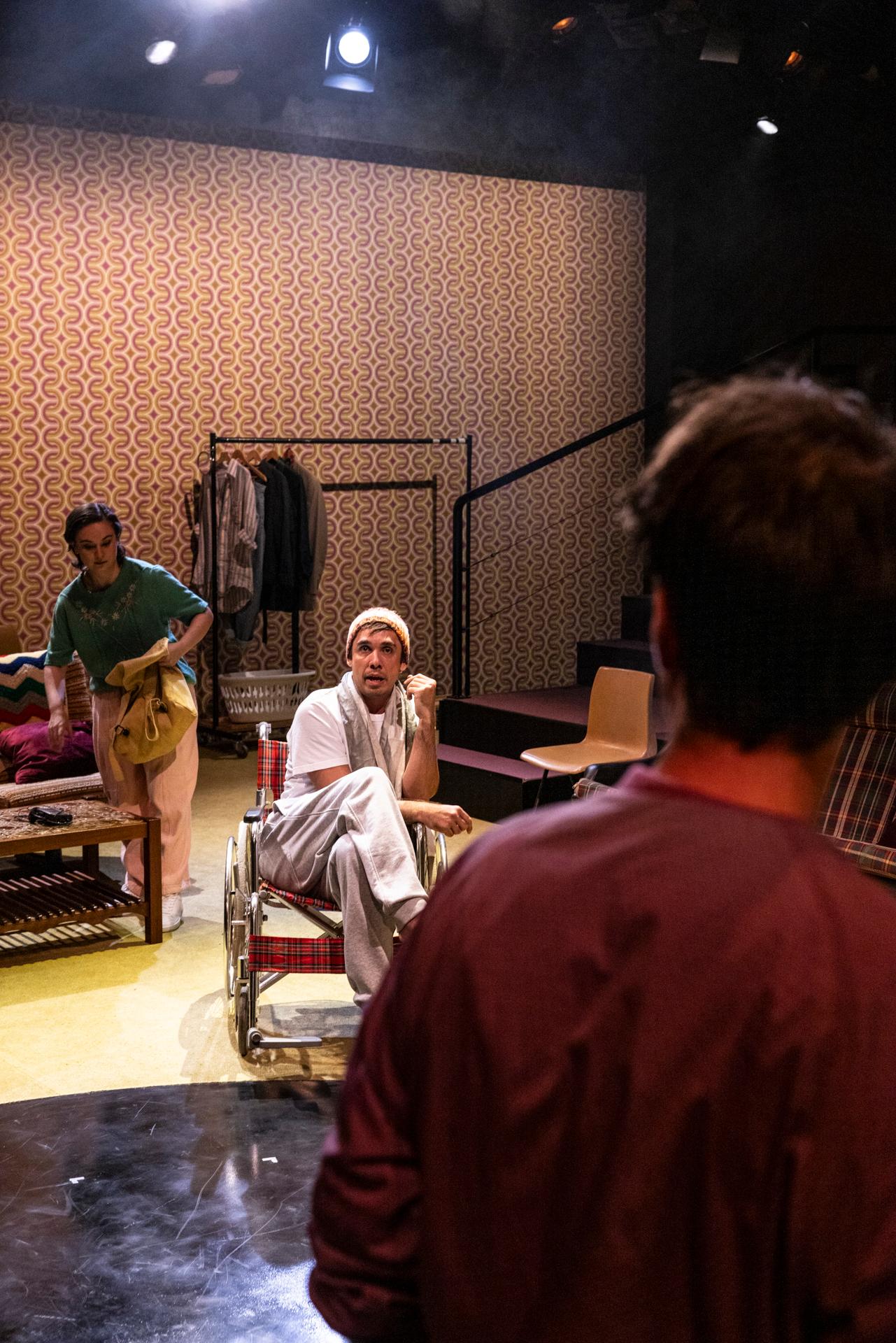
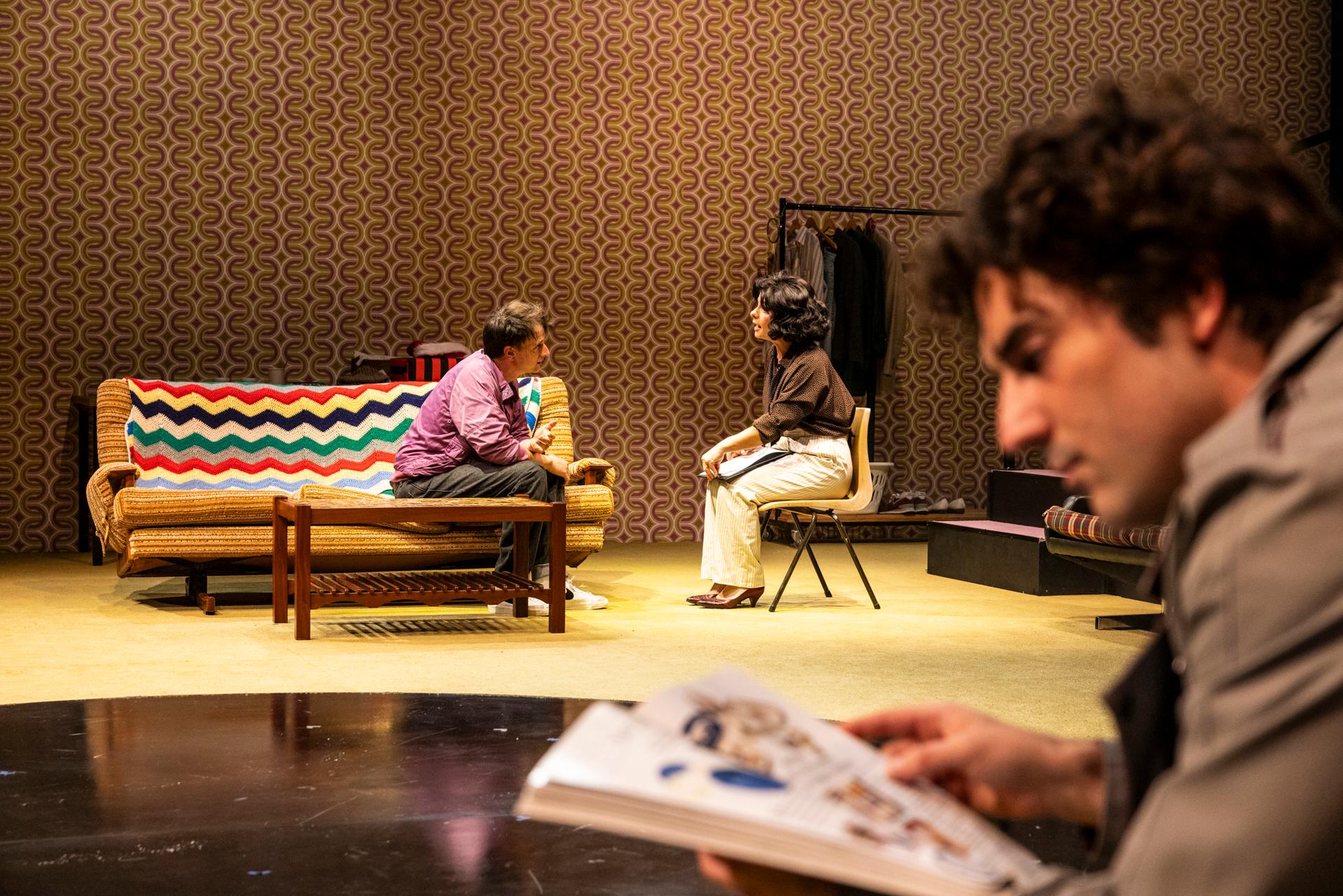
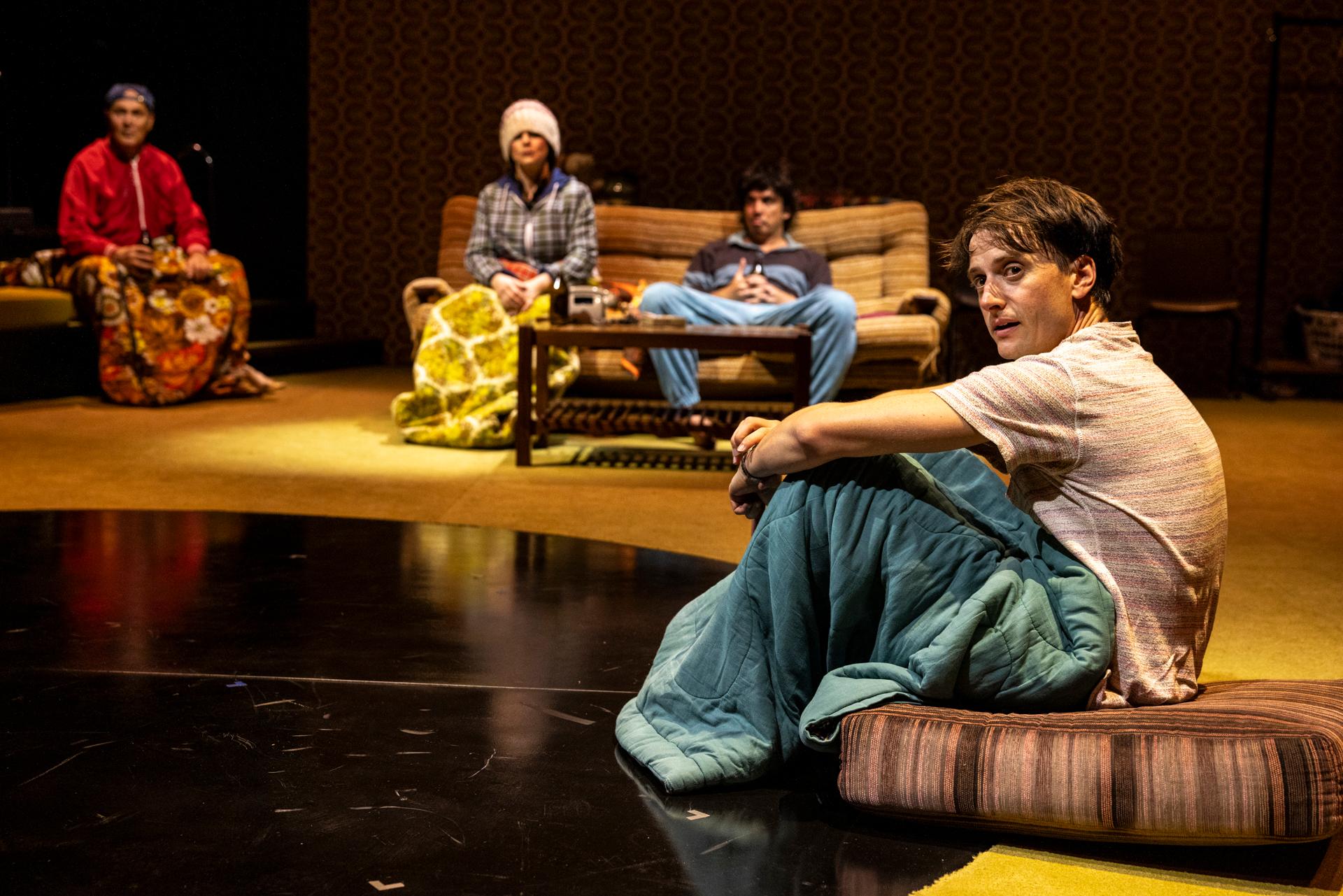
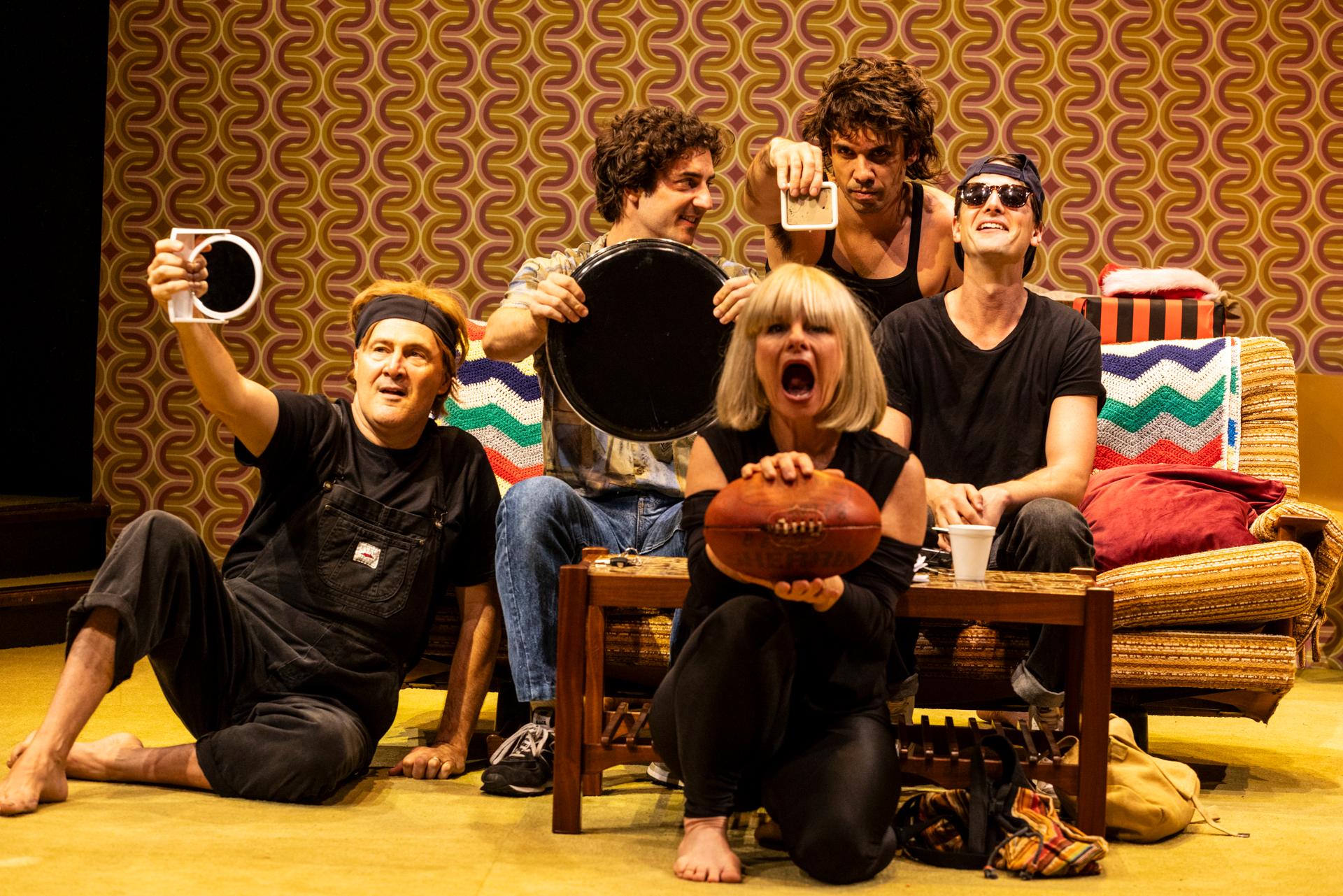
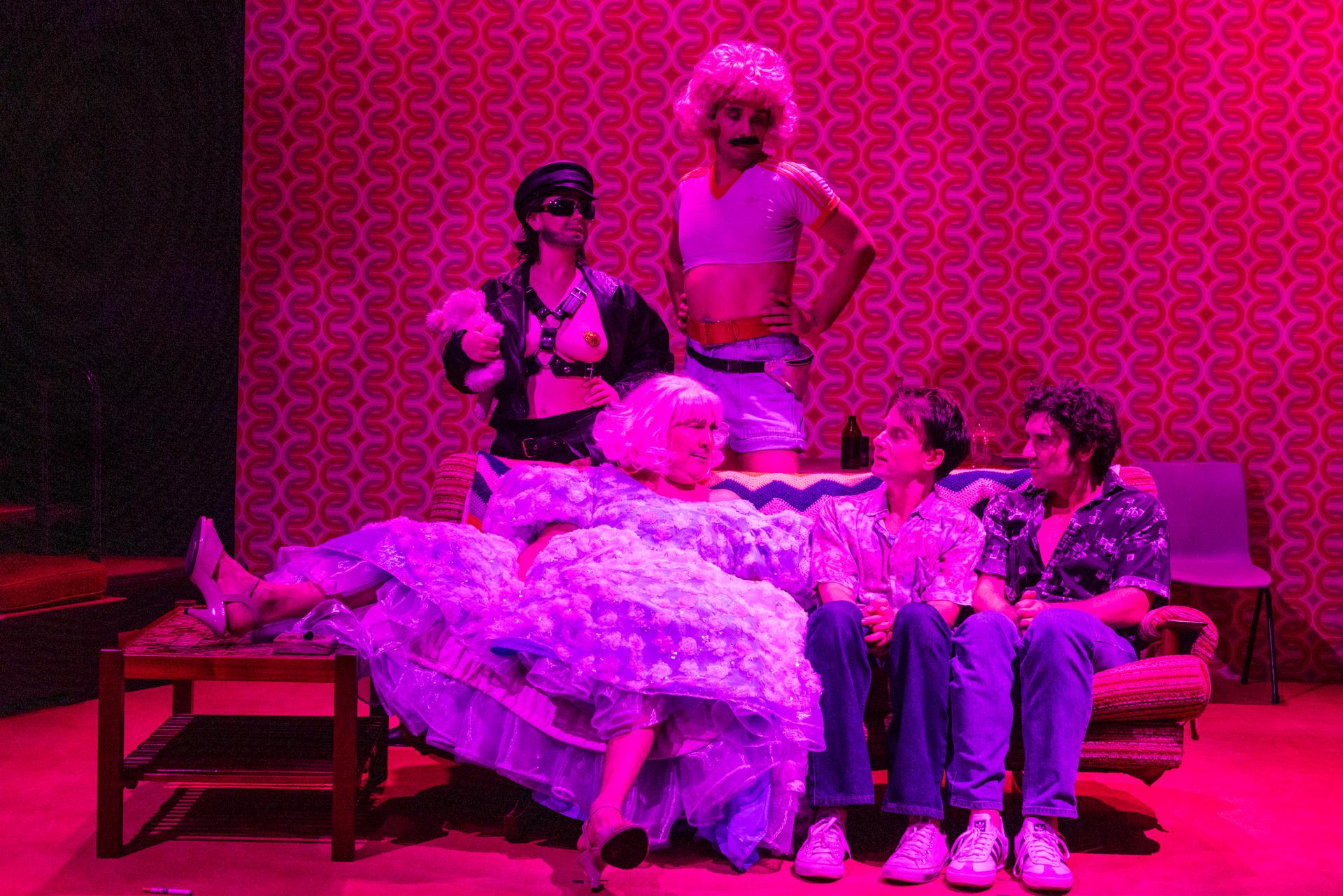
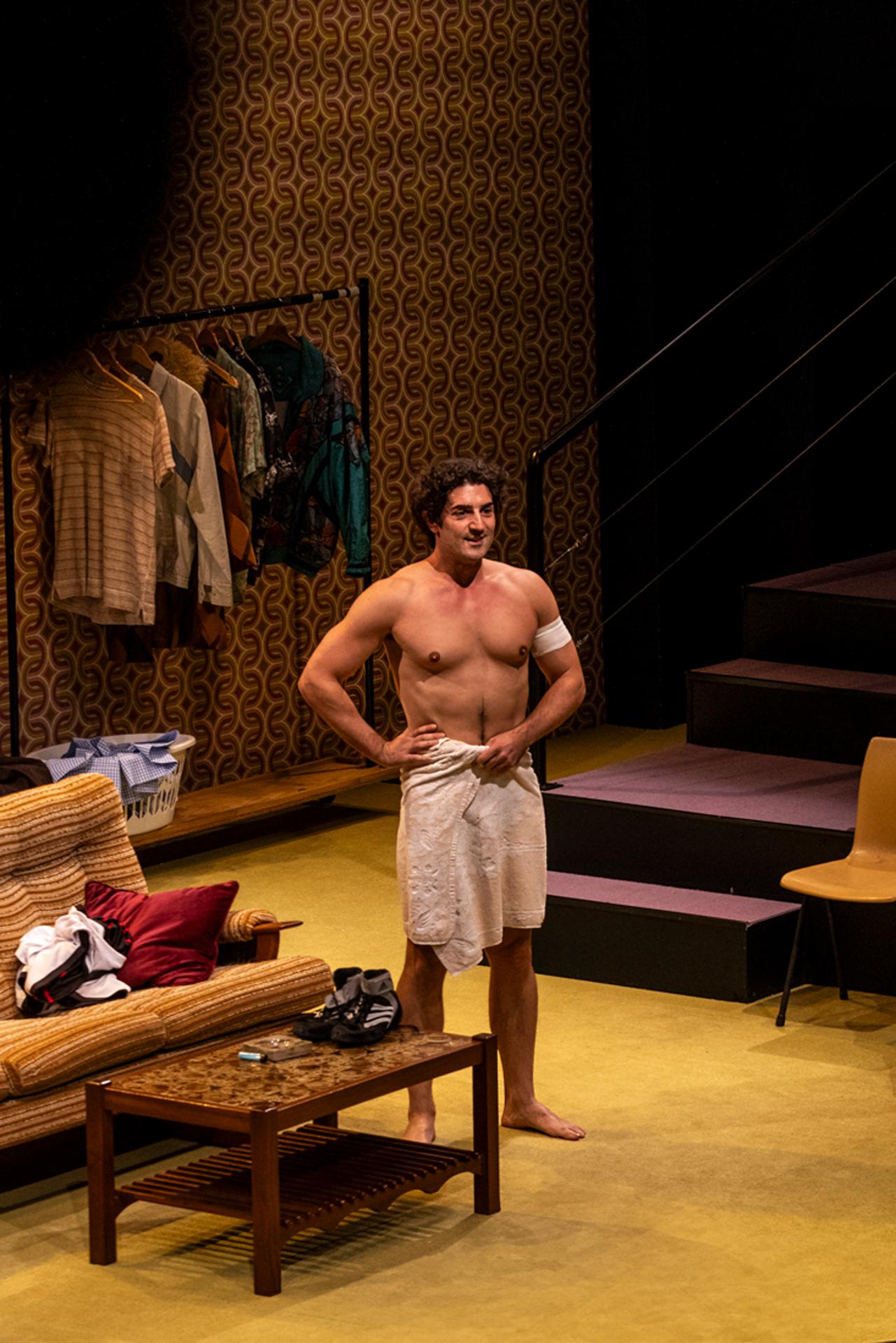
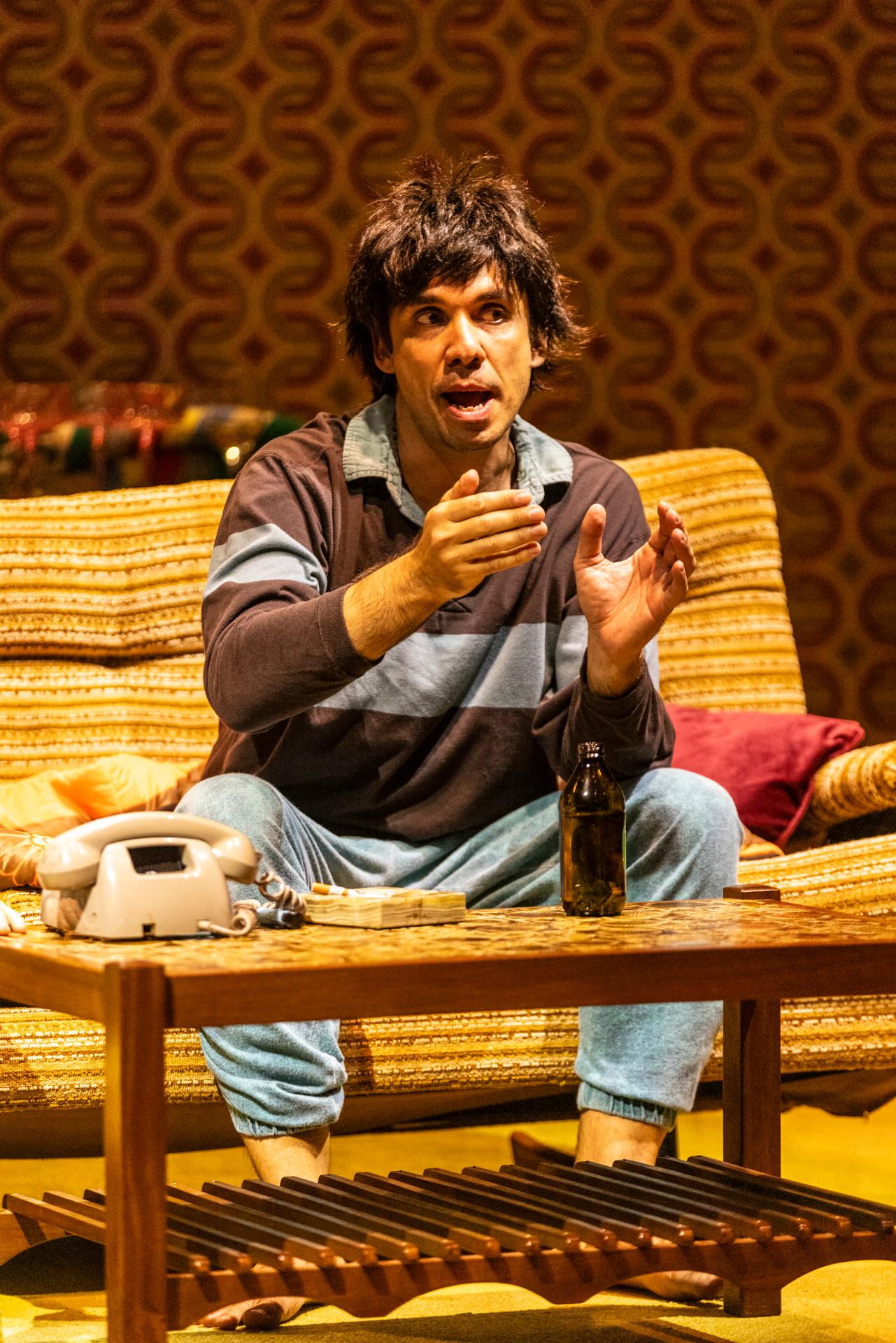
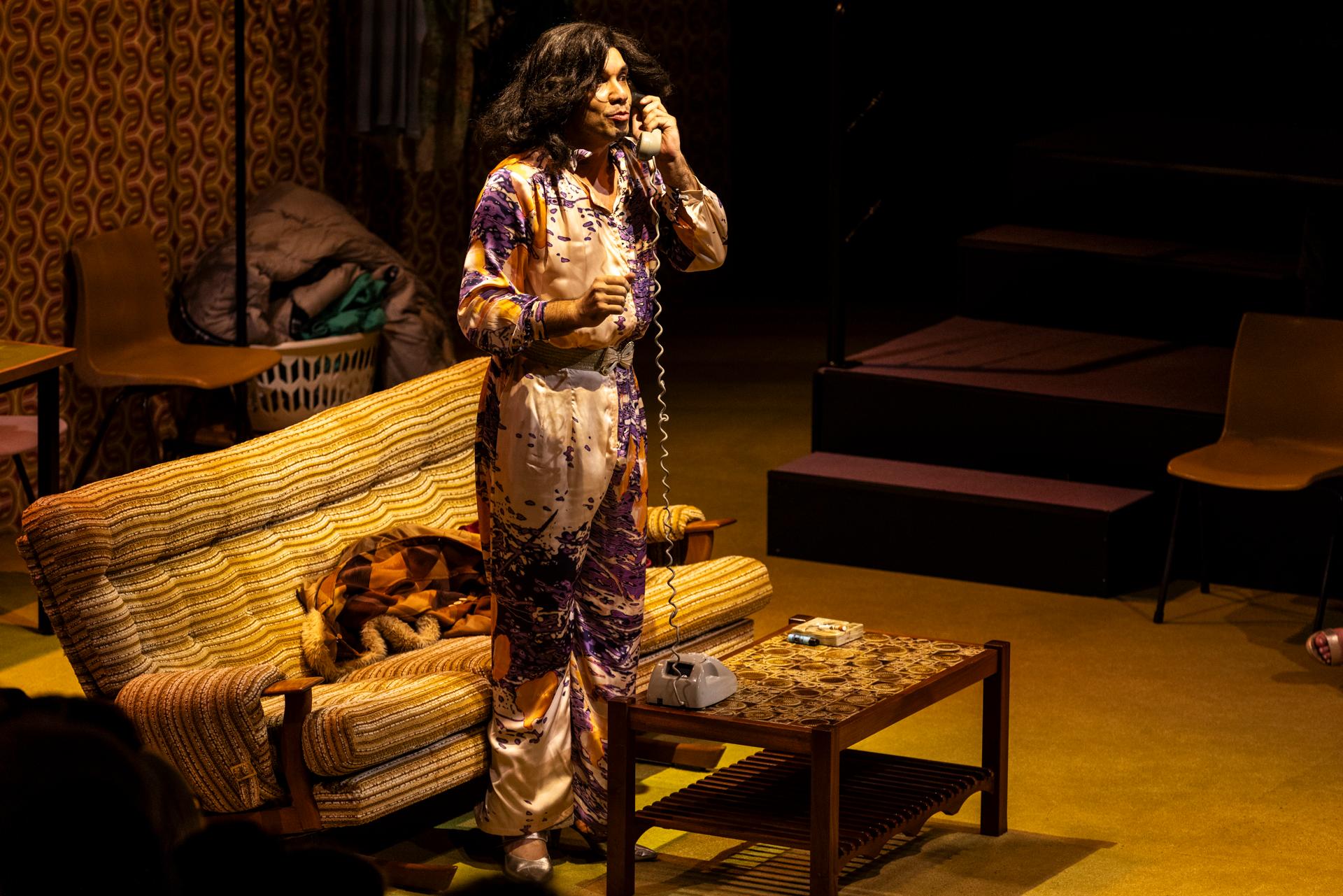
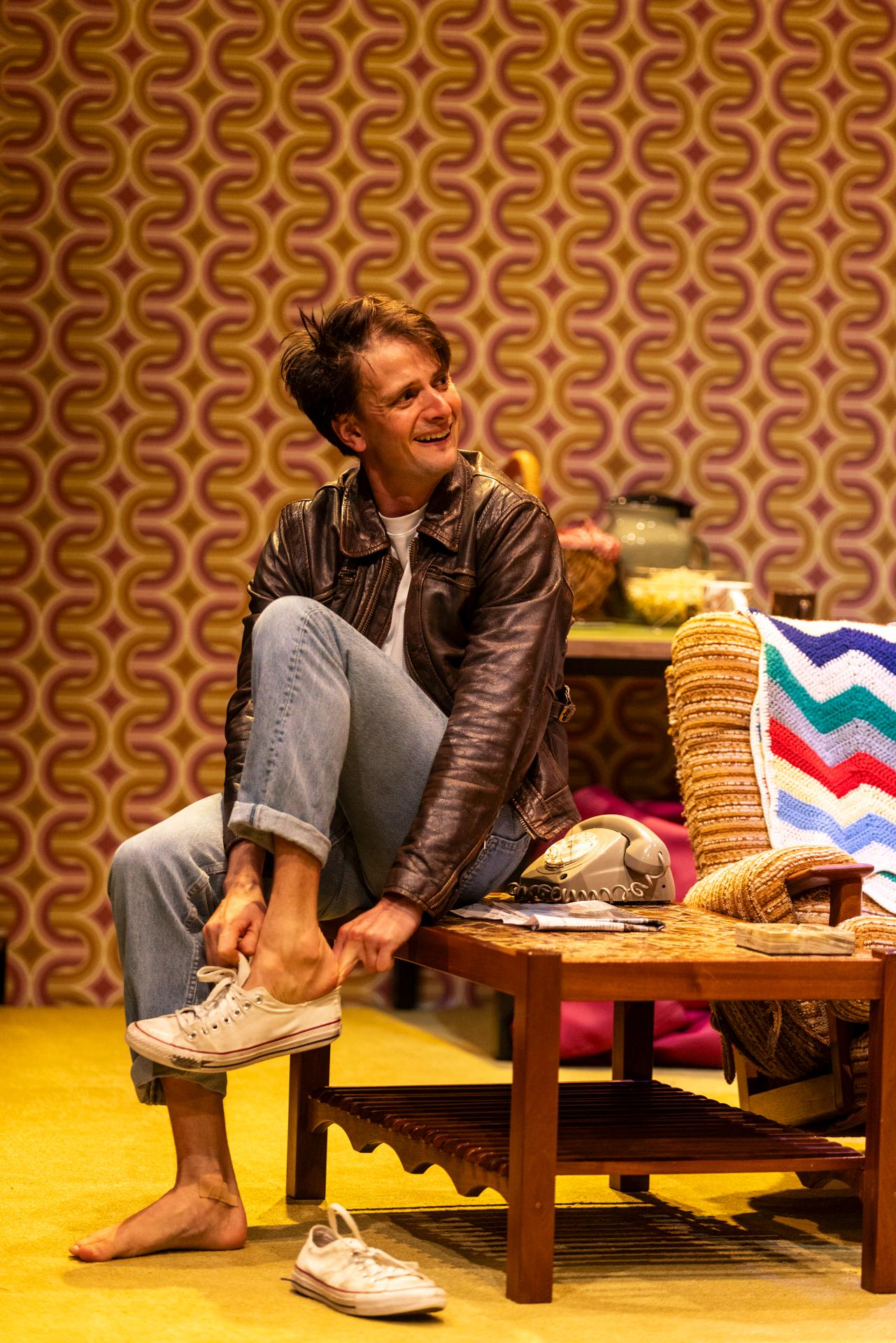
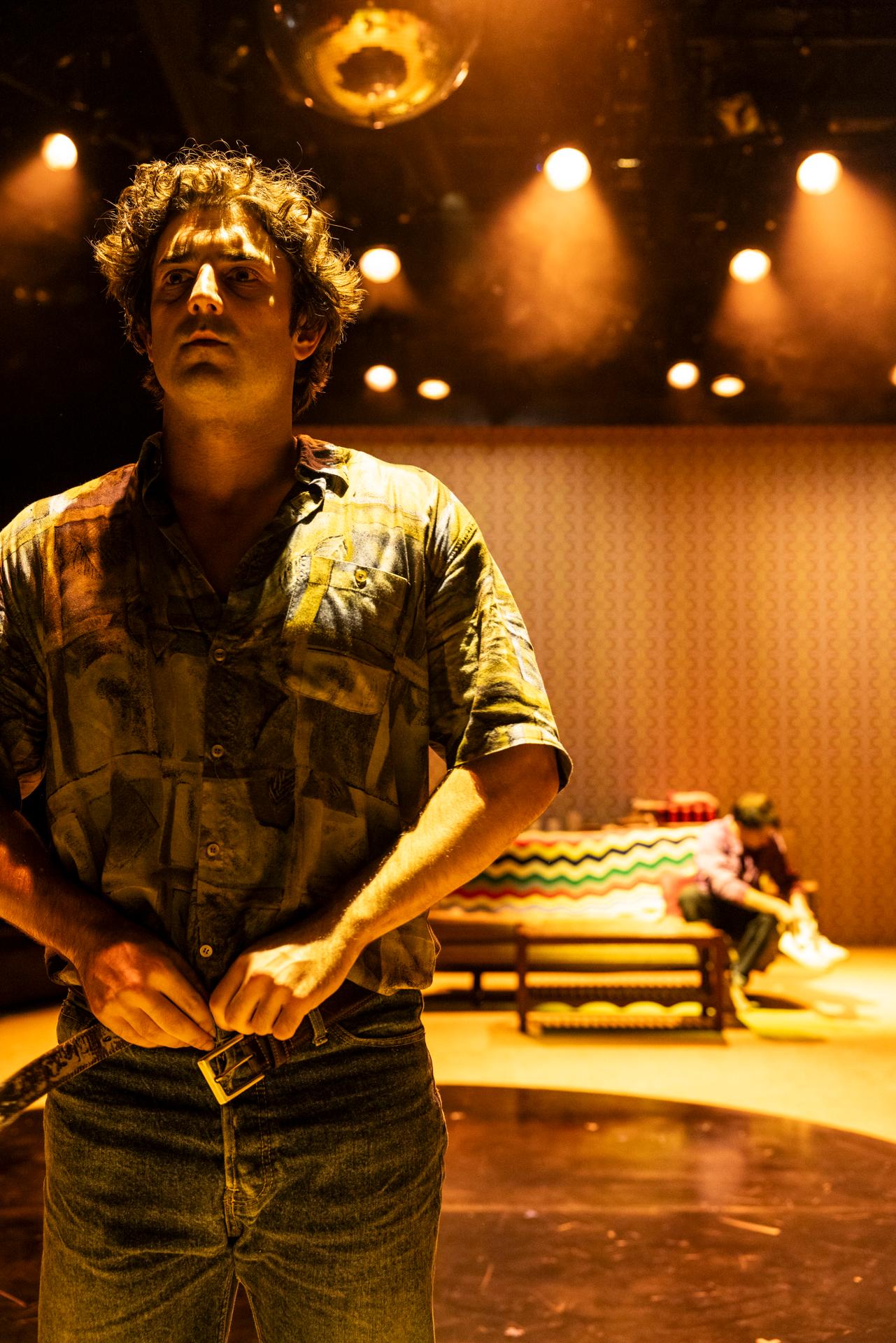
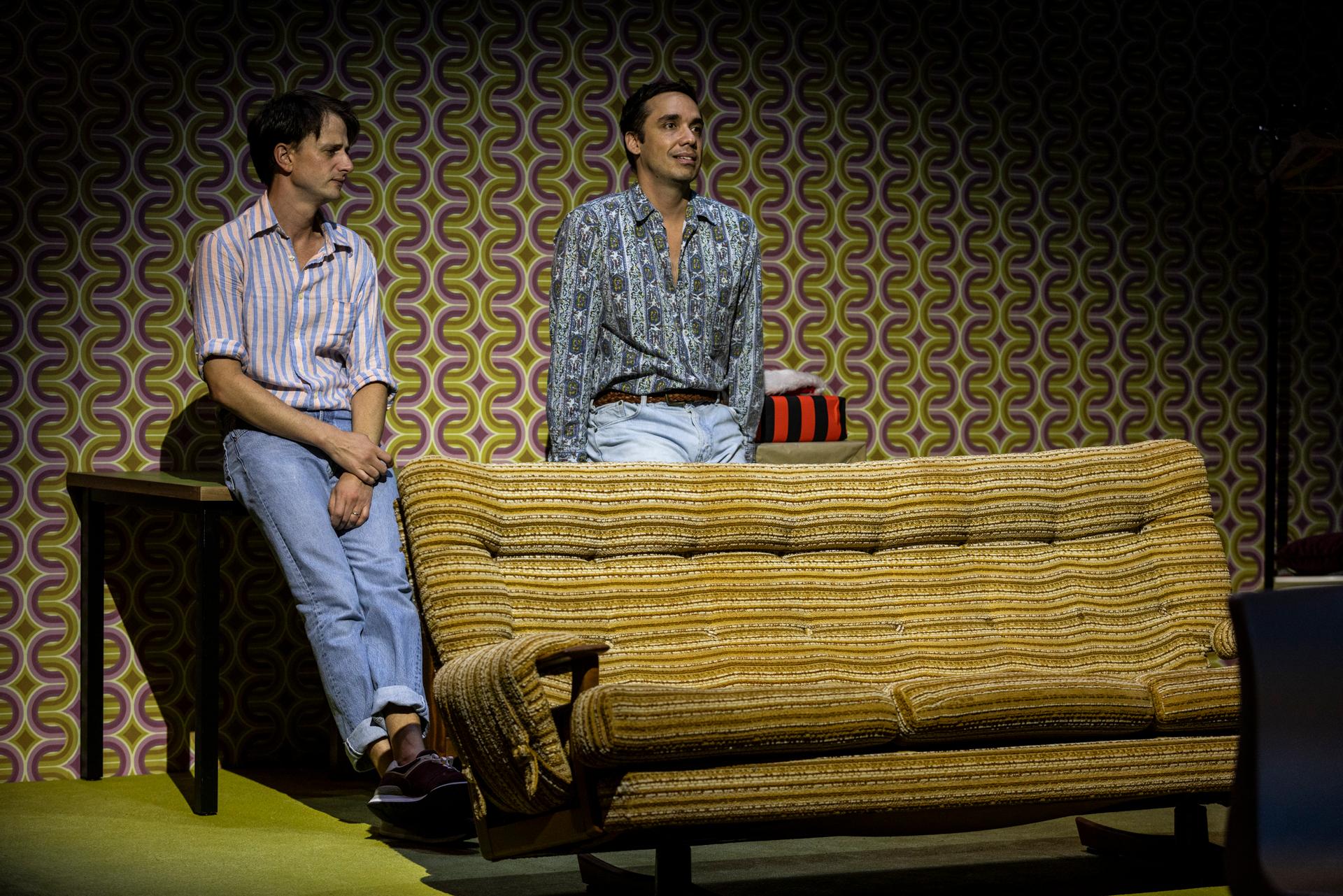
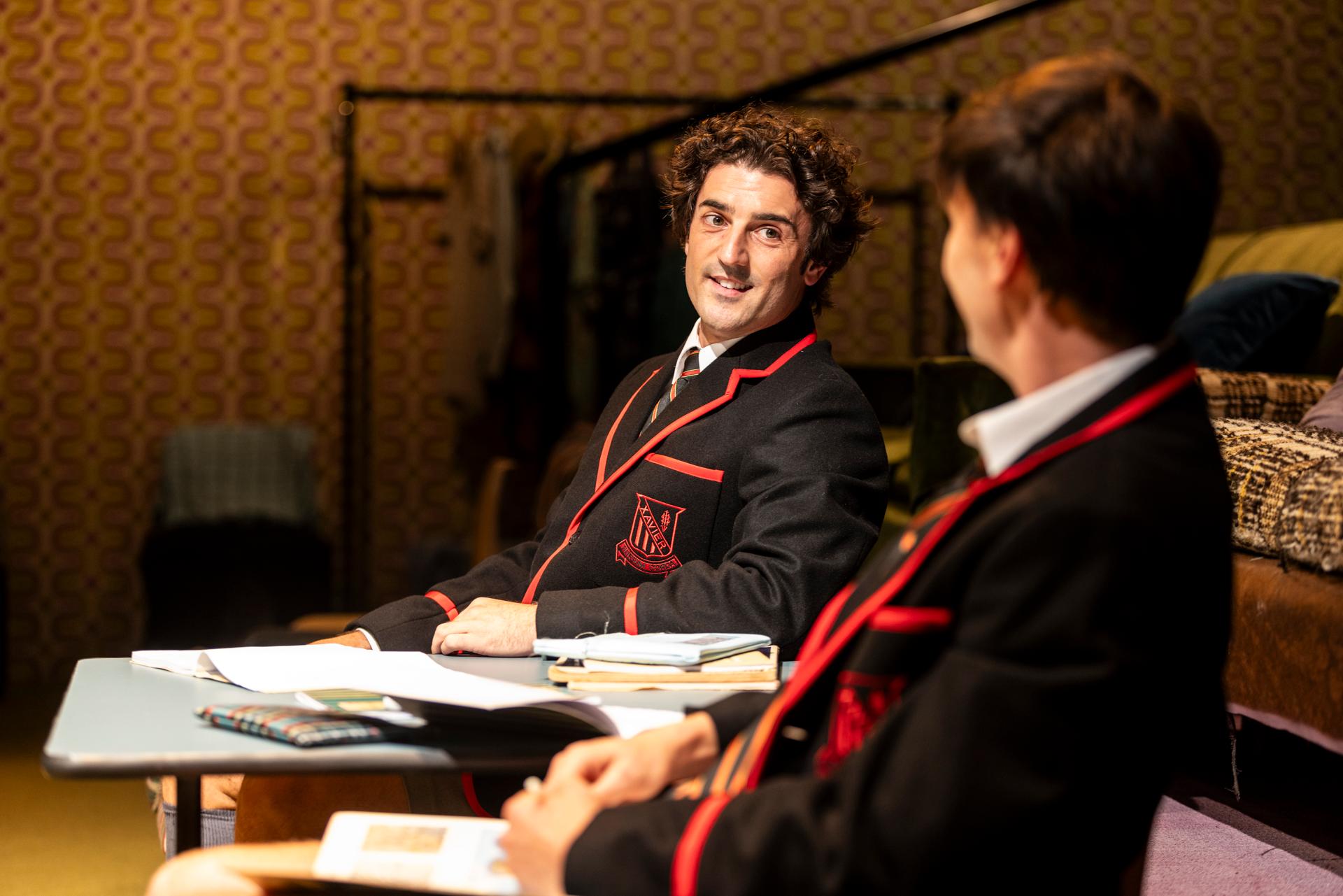
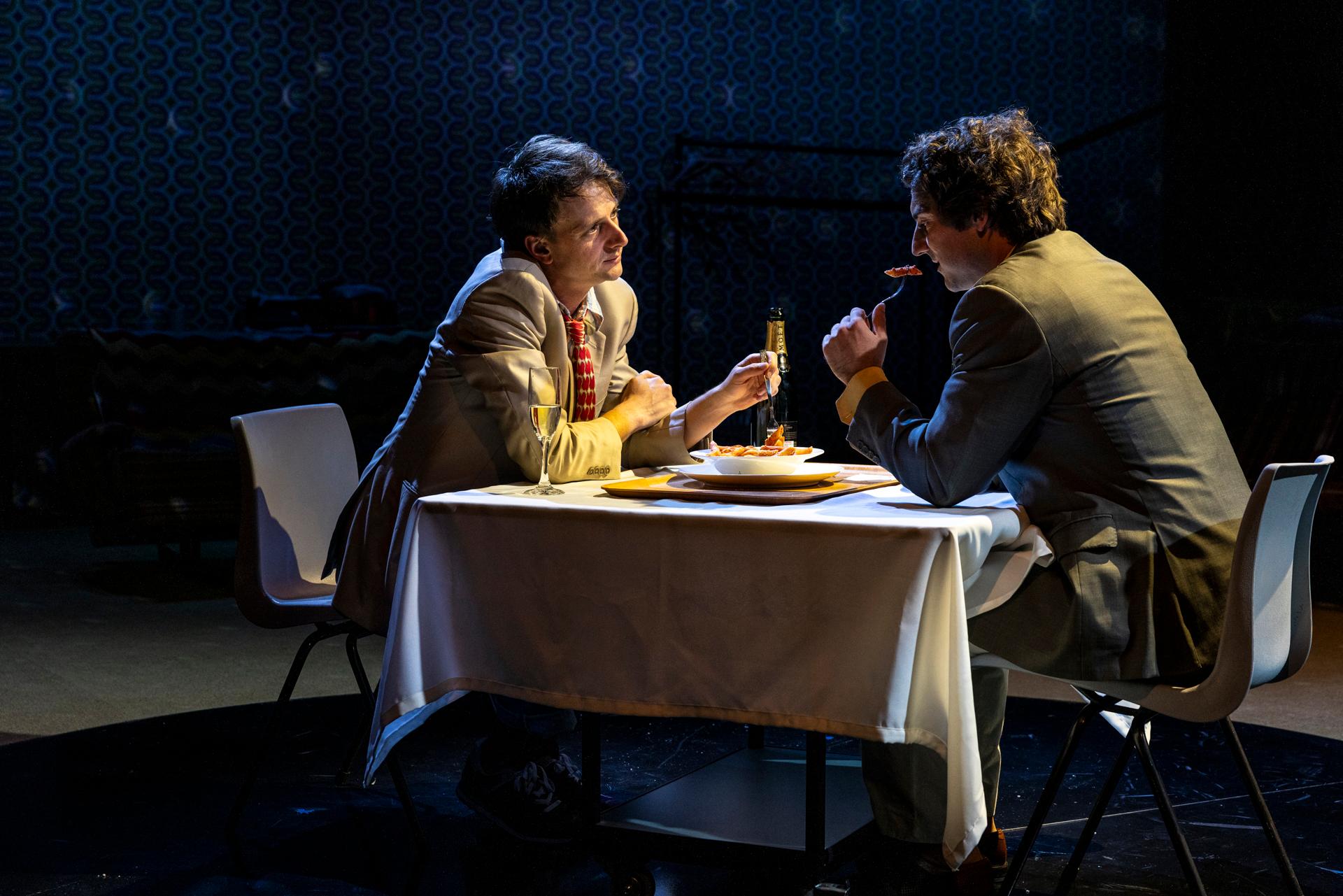
Set design by Stephen Curtis introduces visual motifs emblematic of seventies and eighties Australia, with a homely theatre-in-the-round configuration that emphasises the communal aspect of an experience many of us had gone through together. Costumes by Mel Page are similarly evocative of the period, with the addition of eccentric touches that liven up the vista. Phoebe Pilcher’s lights are meticulously calibrated, successfully guiding us through the innumerable spaces we visit, in both physical and psychic terms. Music and sound by Alyx Dennison are boldly rendered to accompany the big emotions involved, memorable for helping to deliver many of the show’s stirring moments. It is worth nothing however that the lack of microphones is on occasion a detraction, for a play that we have fallen for, and want to hear every word of.
Things have changed so much since the days of Tim and John, but one thing that remains true, is that queer people will be left behind, if we ever abate from insisting on our inclusion. The AIDS crisis revealed that our solidarity, and our ability to organise, are how we can overcome marginalisation. We can find spaces that deliver justice and equality, but they will never come without a fight.
 Suzy Goes See