Venue: Old Fitzroy Theatre (Woolloomooloo NSW), Mar 8 – 30, 2024
Playwright: Emily Sheehan
Director: Lucy Clements
Cast: Madeline Li, Megan O’Connell, Jennifer Rani, Charles Upton, Emma Wright
Images by Phil Erbacher and HollyMae Steane Price
Theatre review
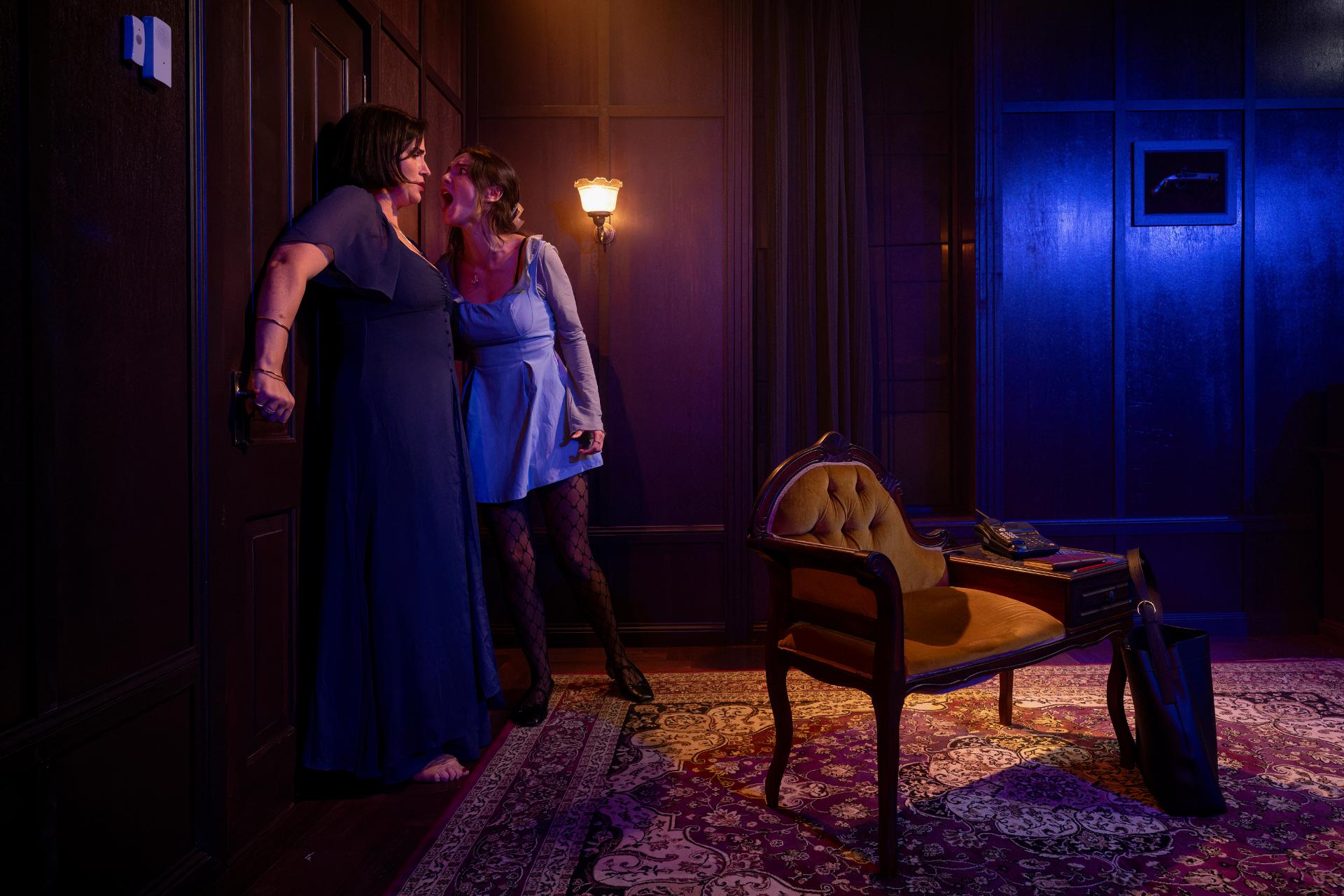
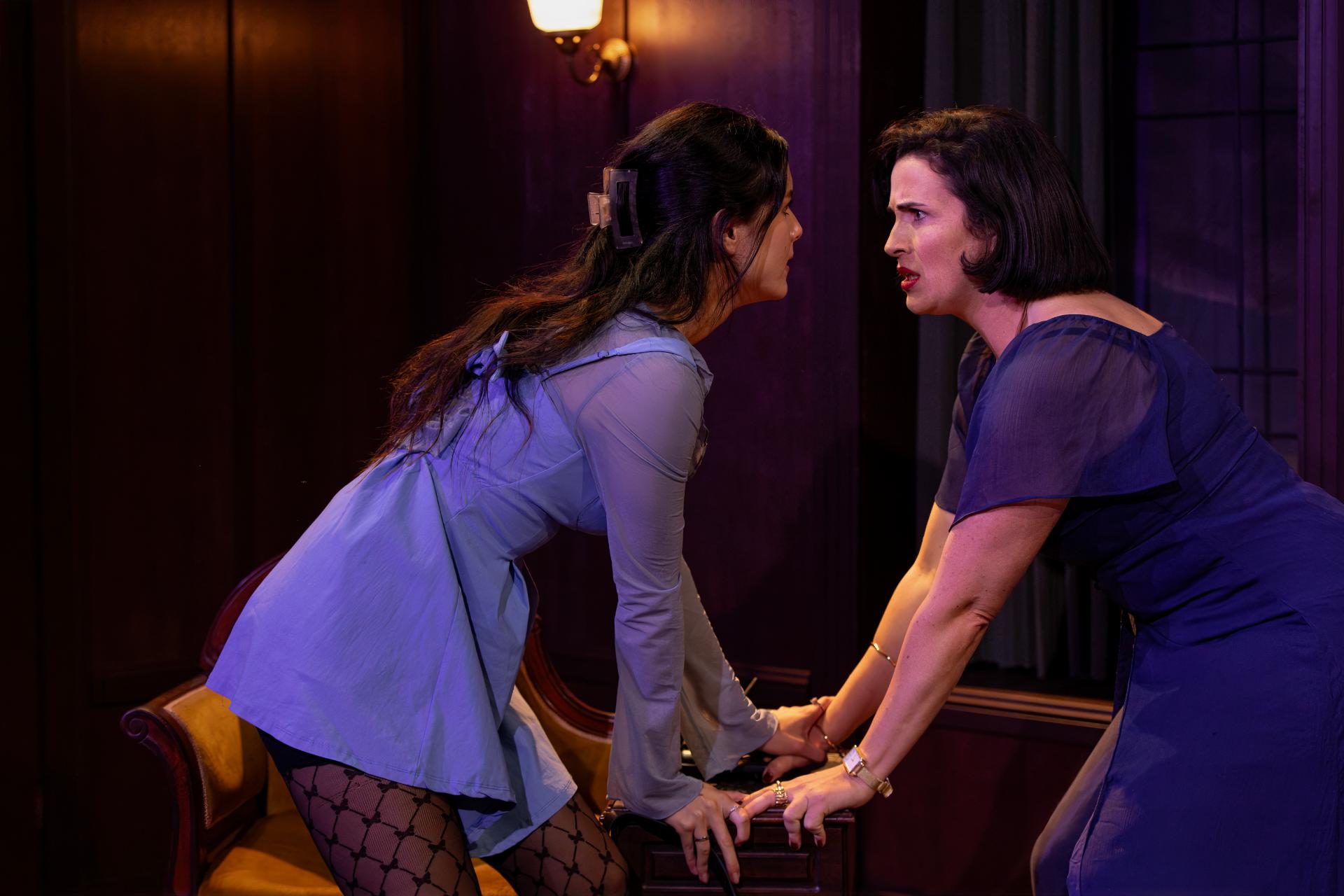
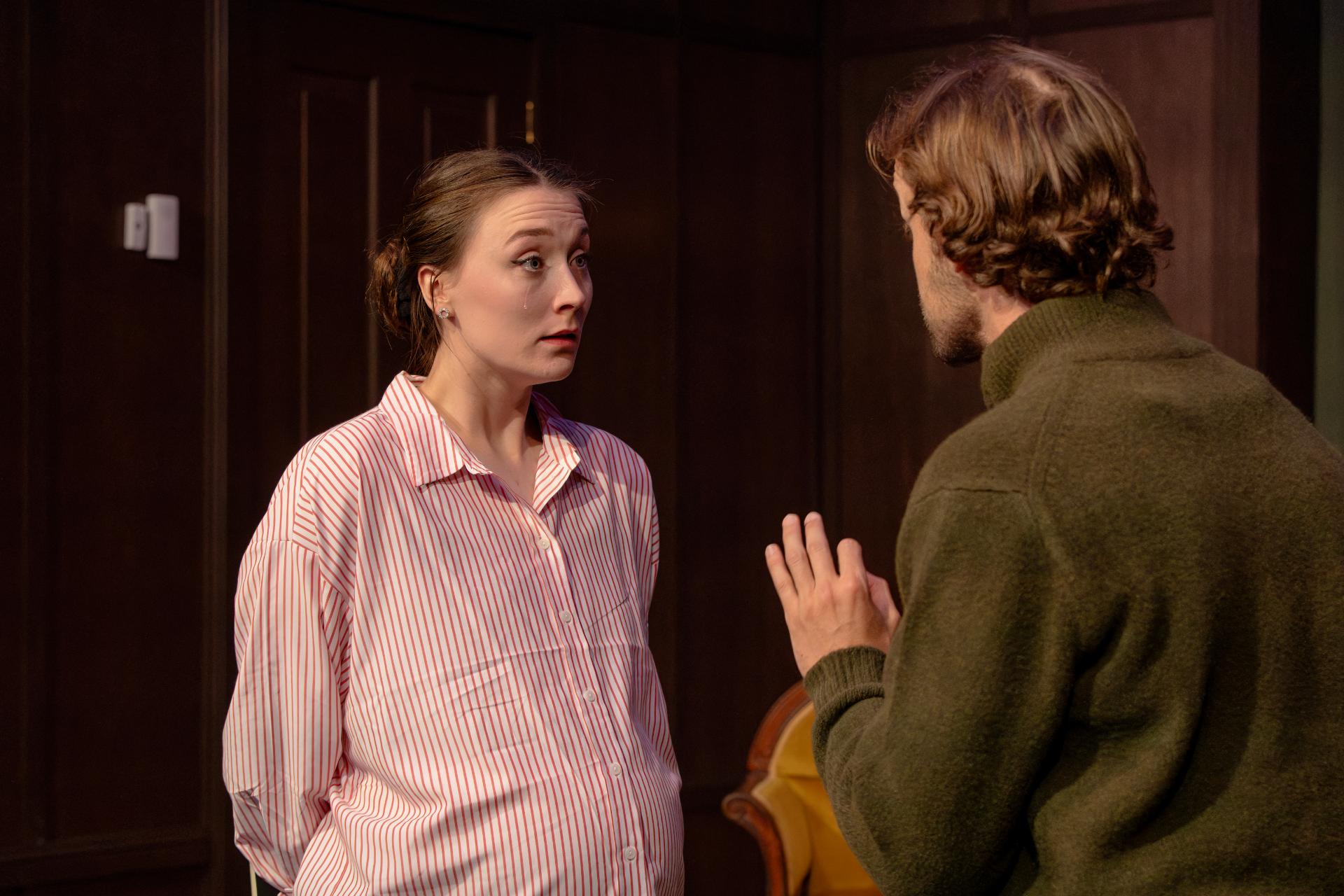
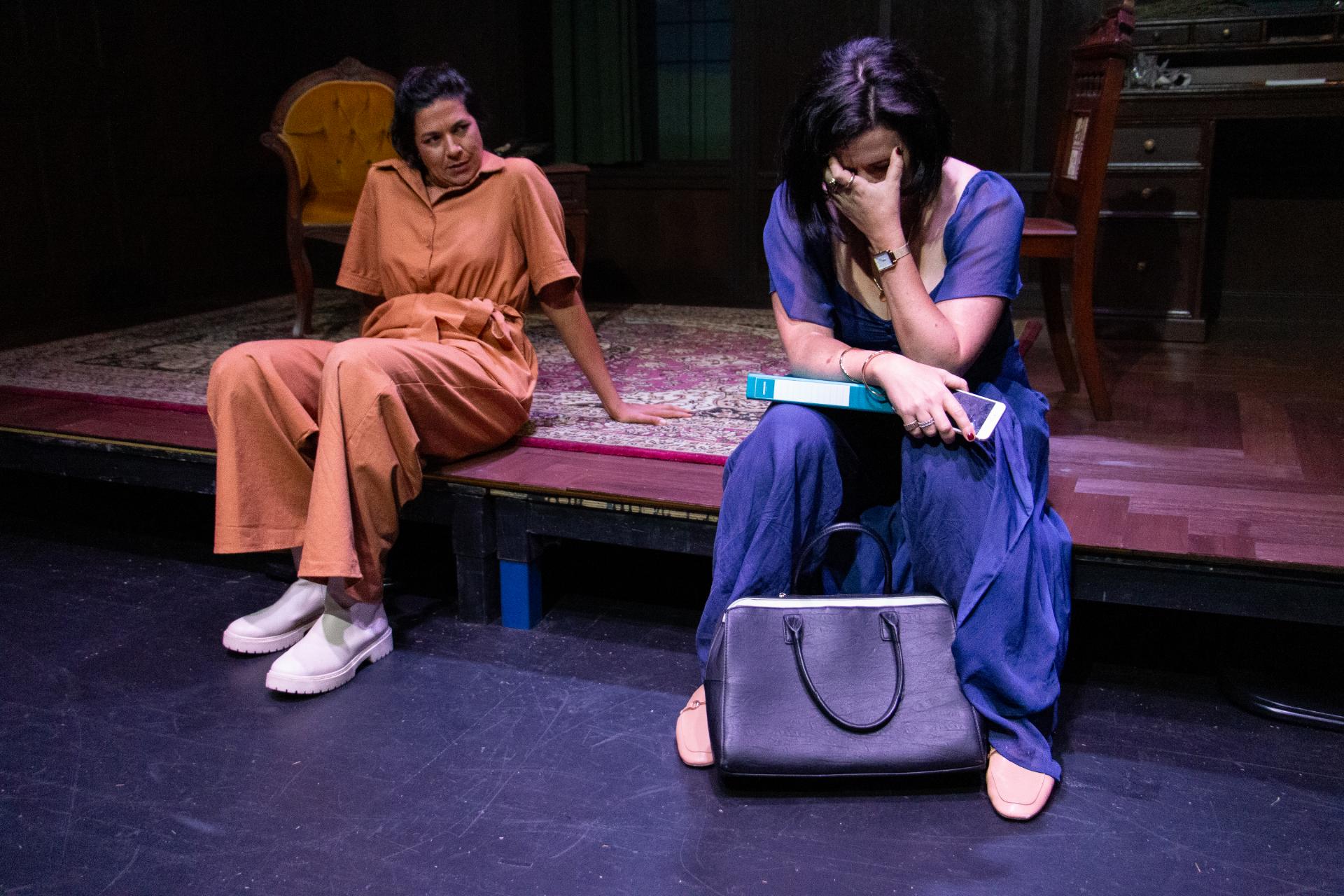
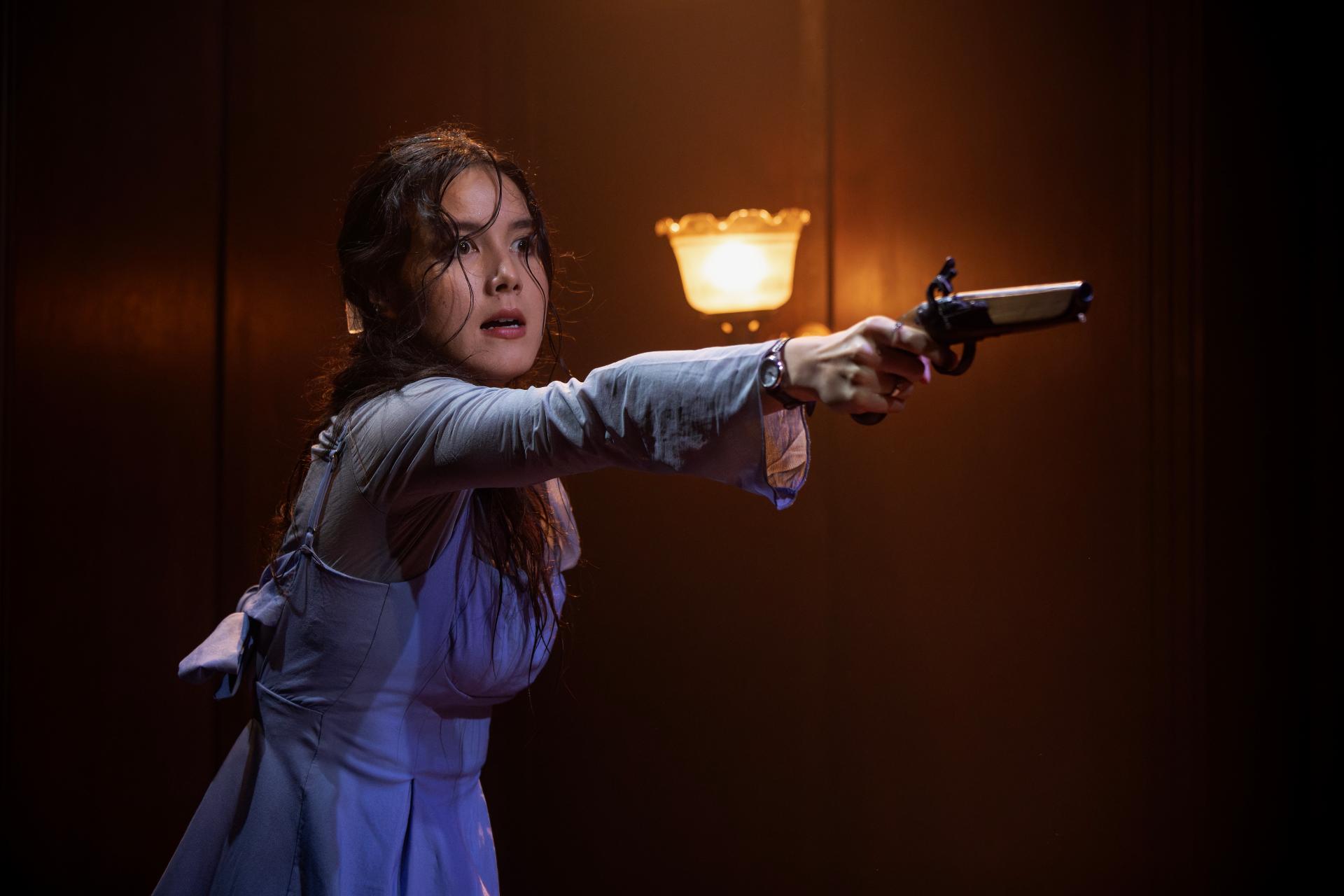
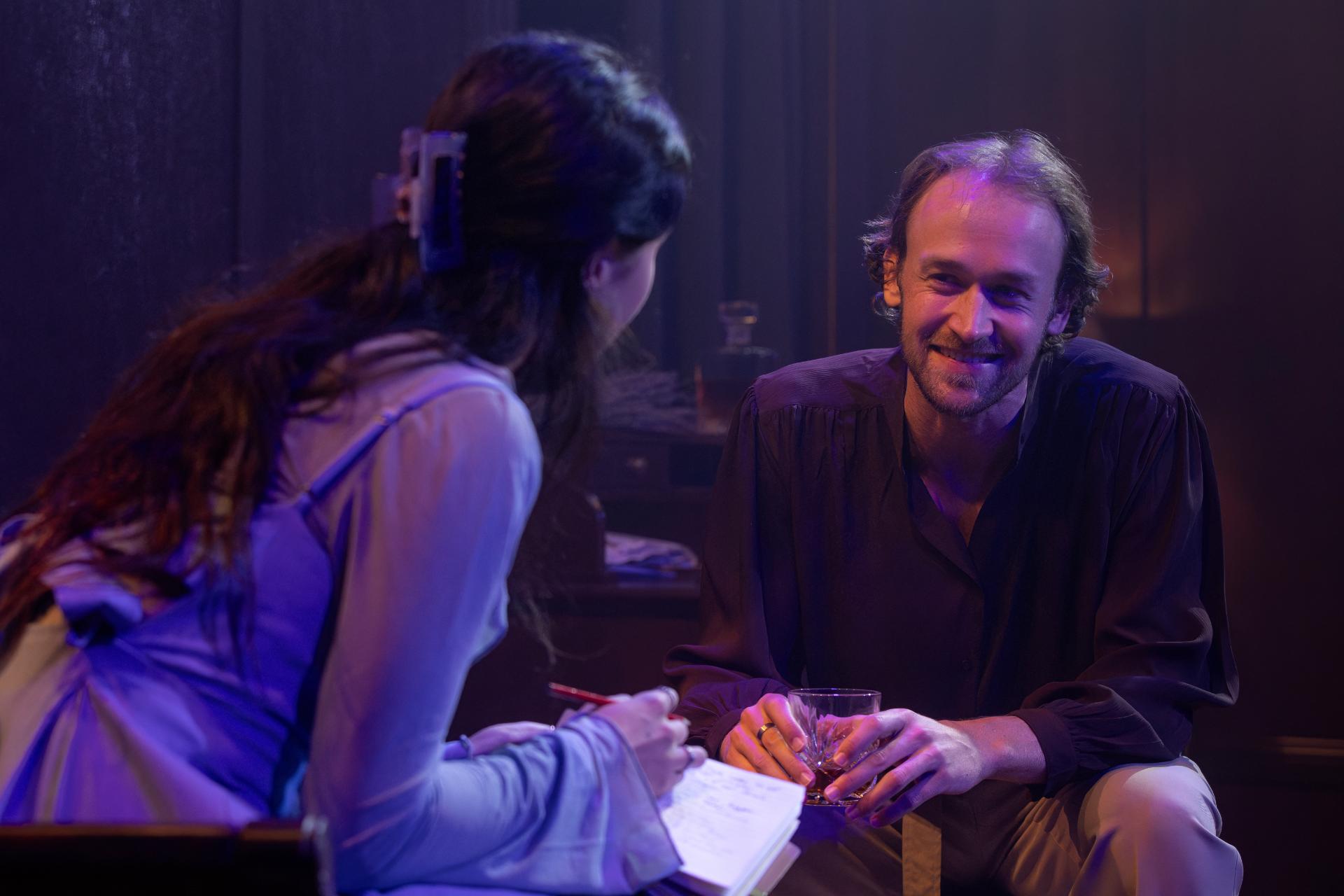
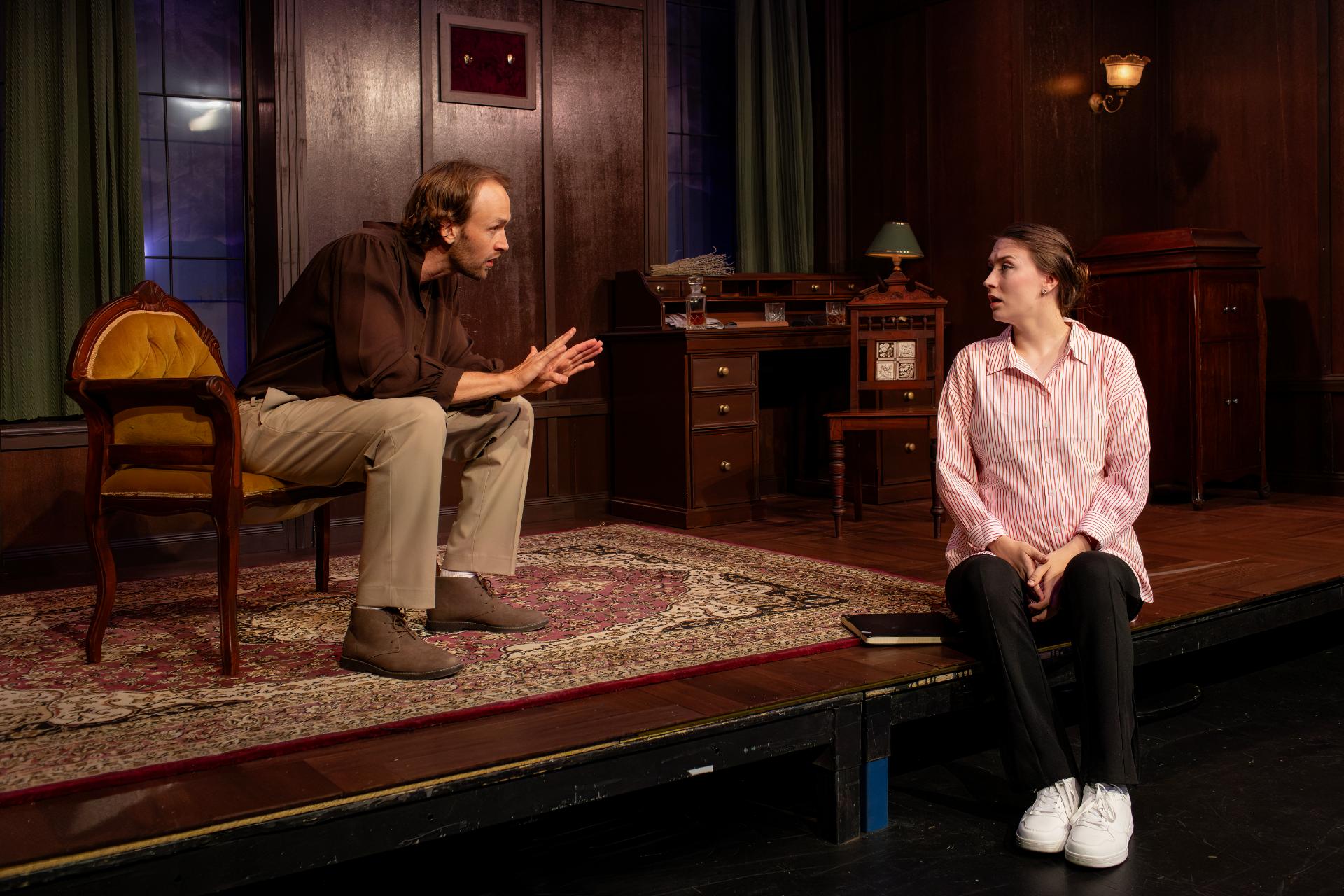
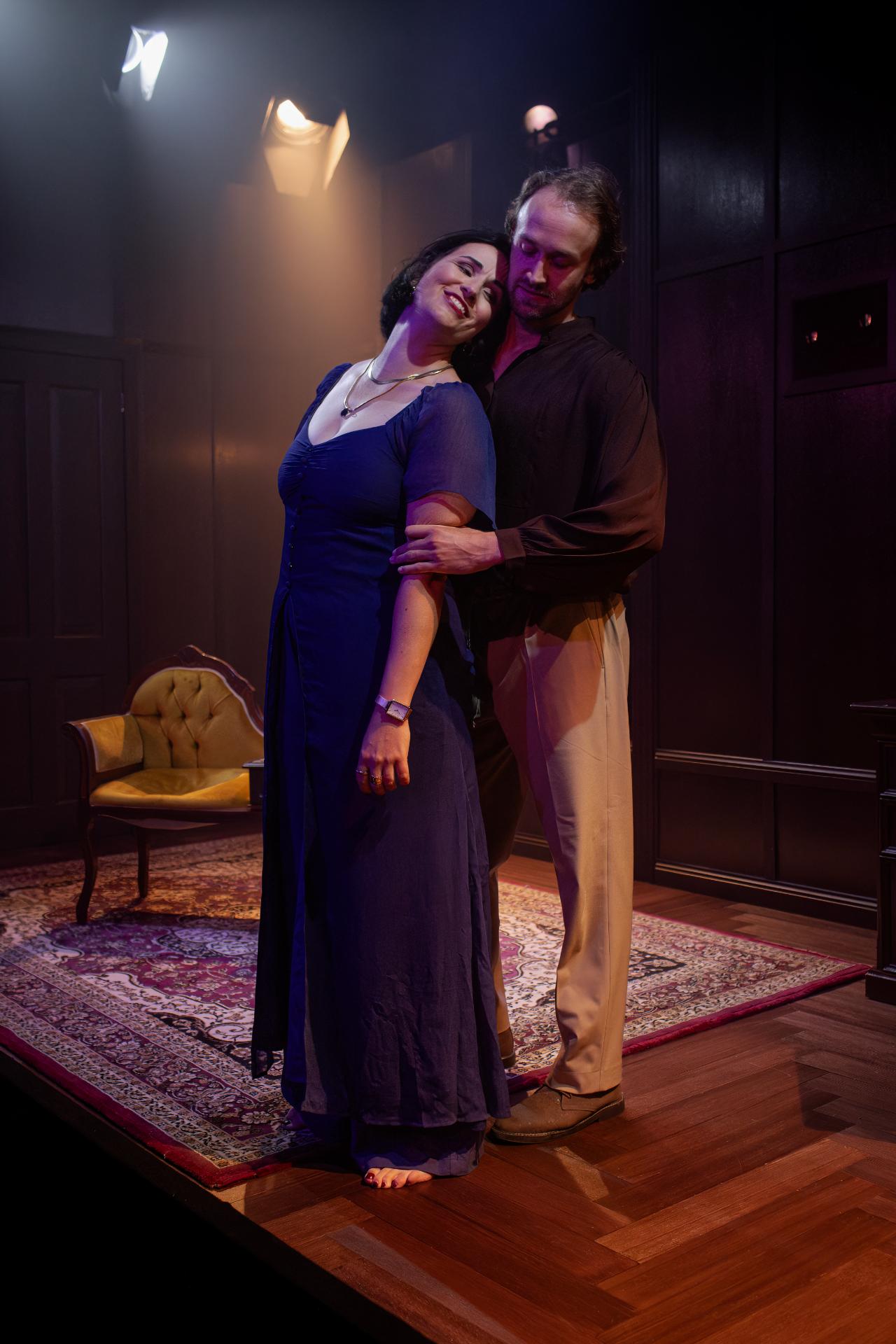
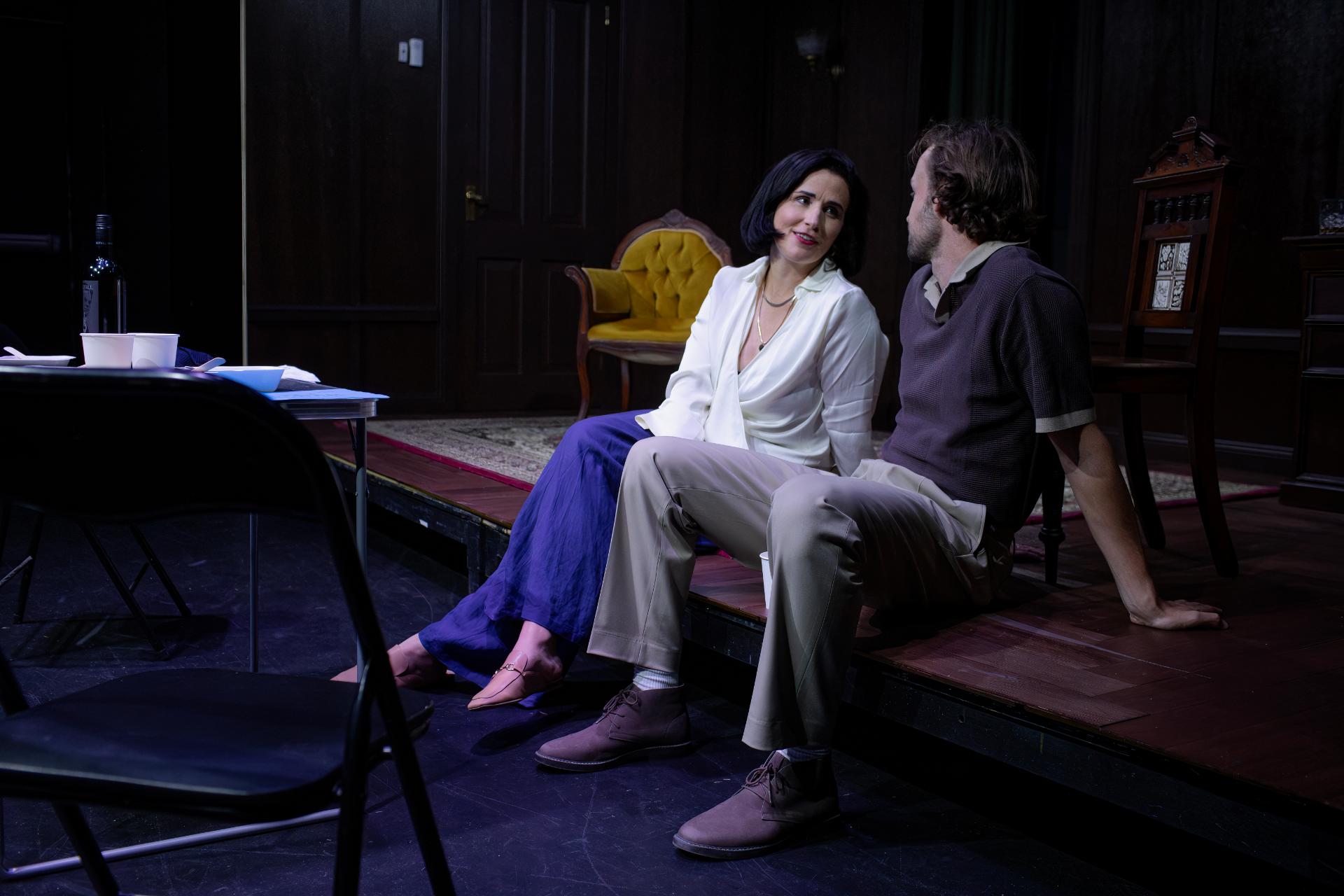
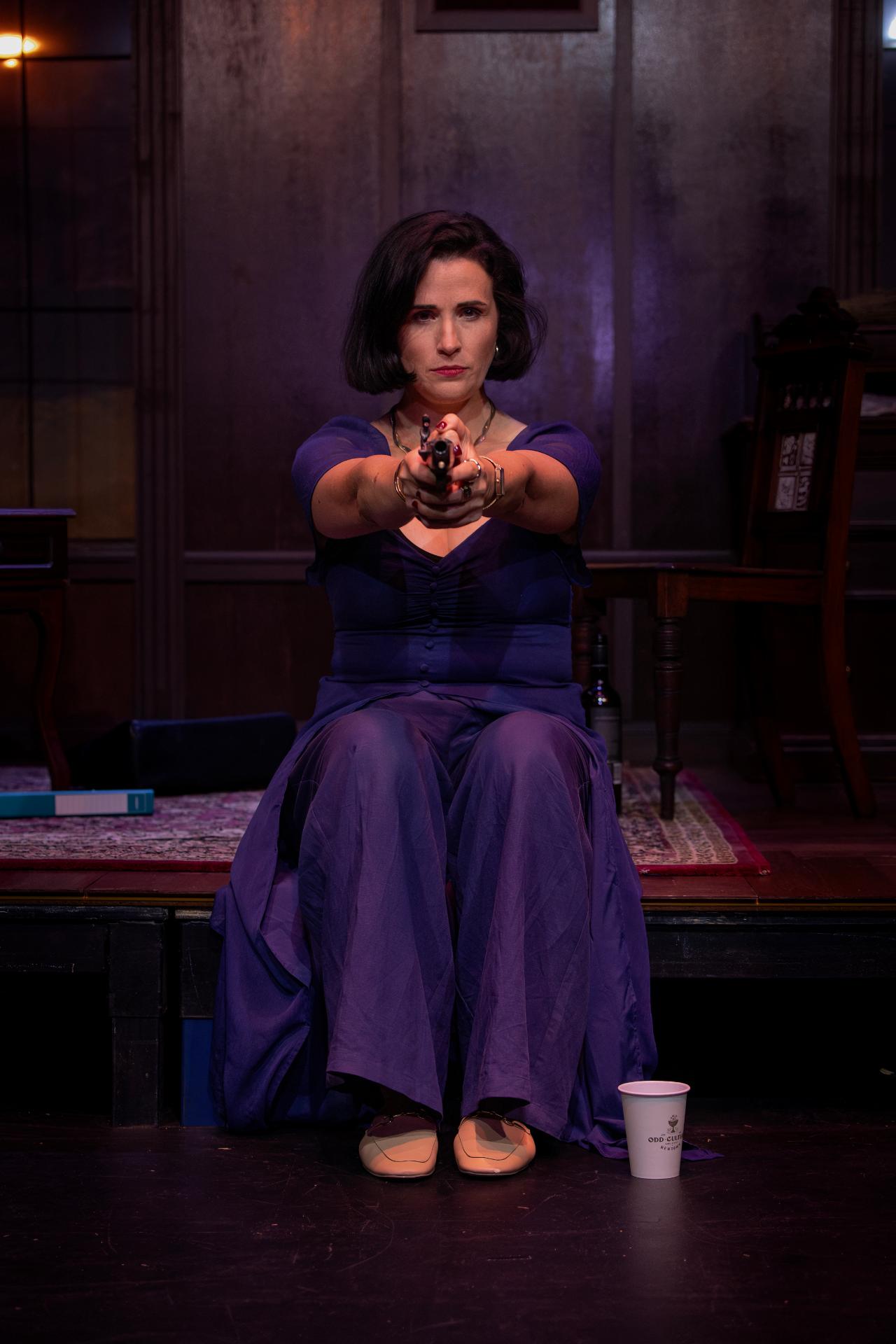
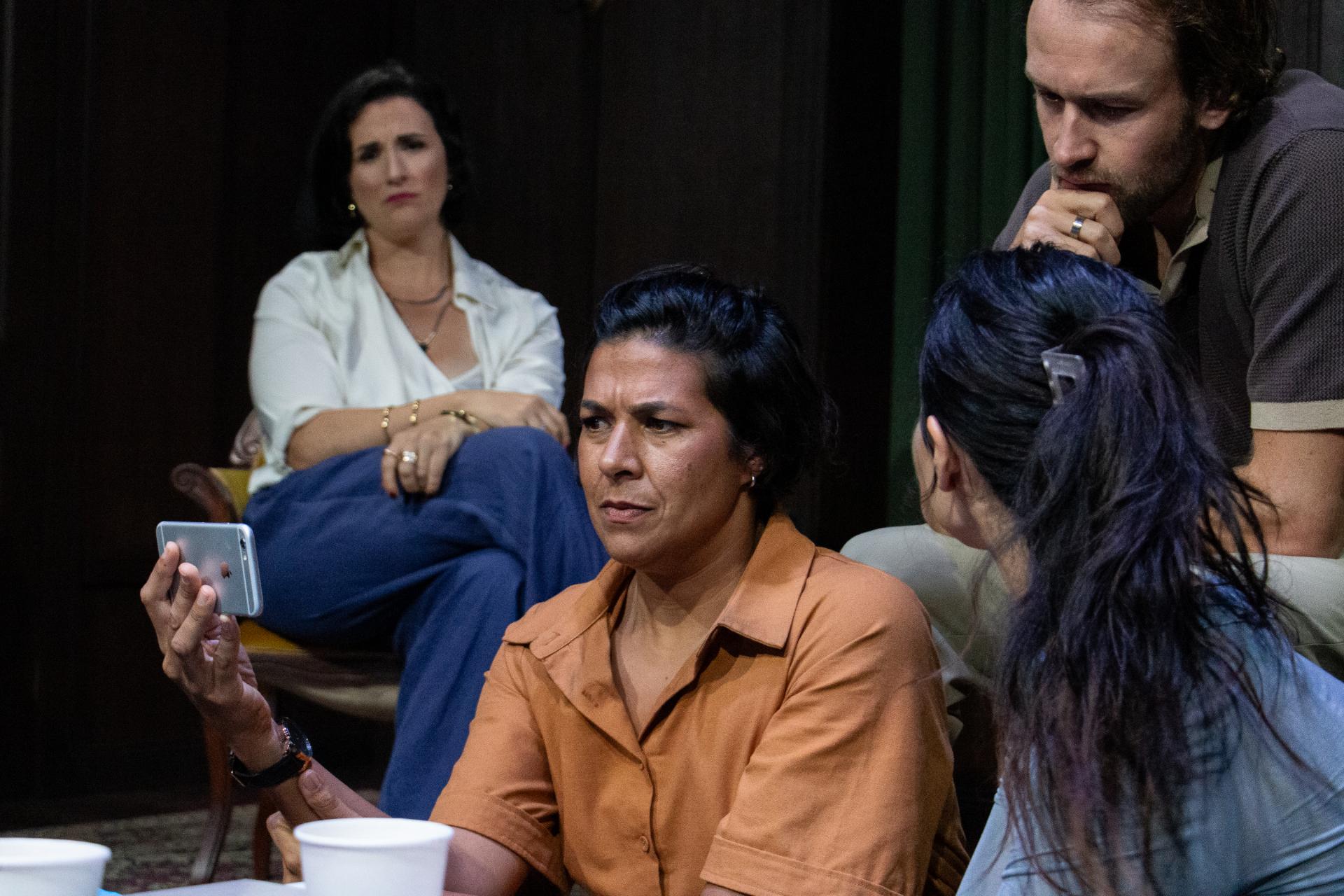
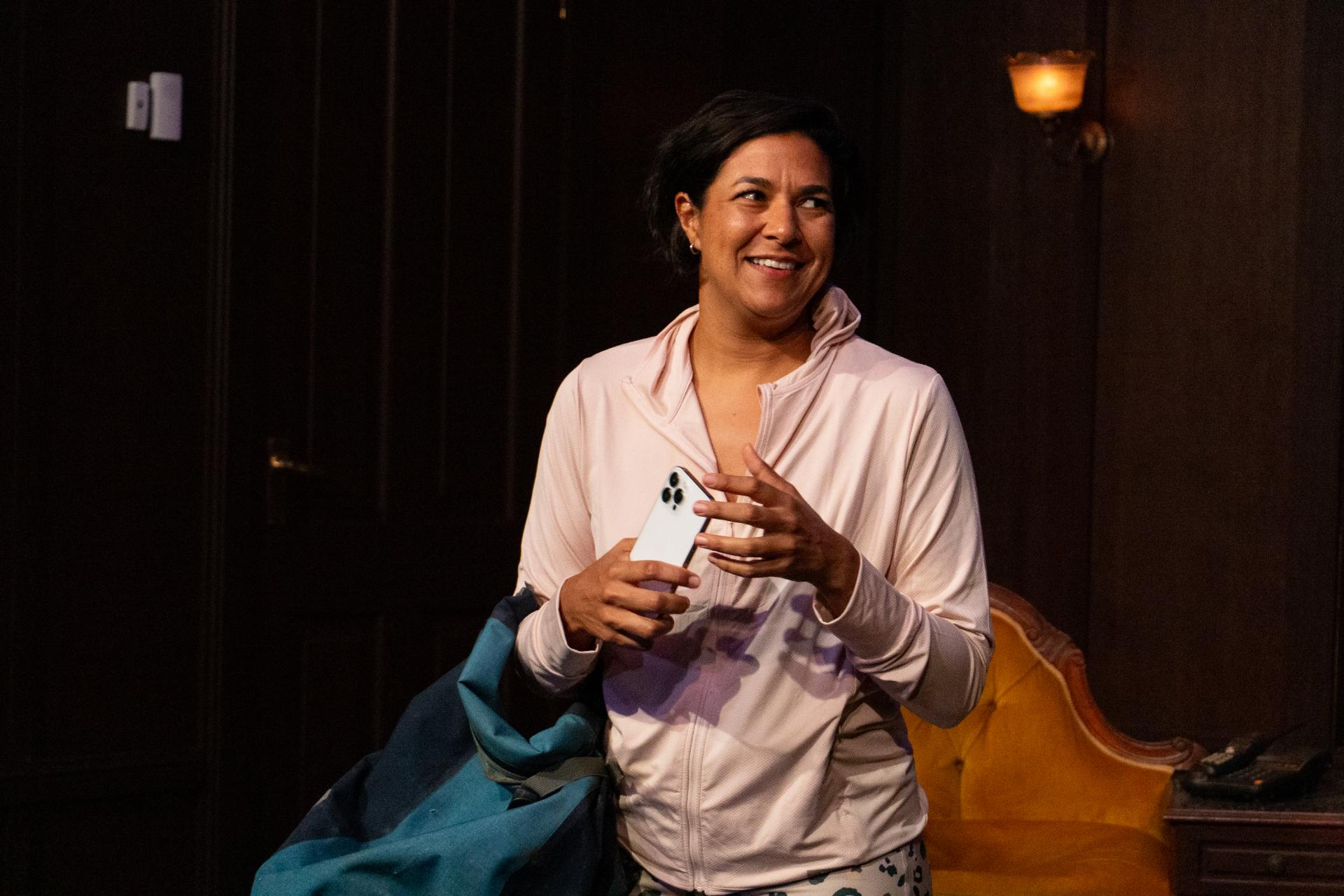
Movie star Angelica is making a comeback, after taking time off to raise her child. Filming however, is not going at all smoothly, with constant personality clashes on set making the project a painful ordeal. In Emily Sheehan’s Frame Narrative, people get in the way of art; whether a result of self-sabotage or interpersonal discord, we see artists unable to focus on the real matter at hand, forever transferring their energies away onto the wrong drama.
Often very funny, and with a clever plot structure, Sheehan’s play delights with its constant supply of surprises. Its moralistic ambiguities however, resists our emotional investment in its characters, who we always distrust. Direction by Lucy Clements does not attempt to hide the deficiencies inherent in these humans, portraying them truthfully as flawed beings. Her show bears an enjoyable theatricality, fuelled by the text’s explorations of artistic form, along with an investigation into the nature of reality.
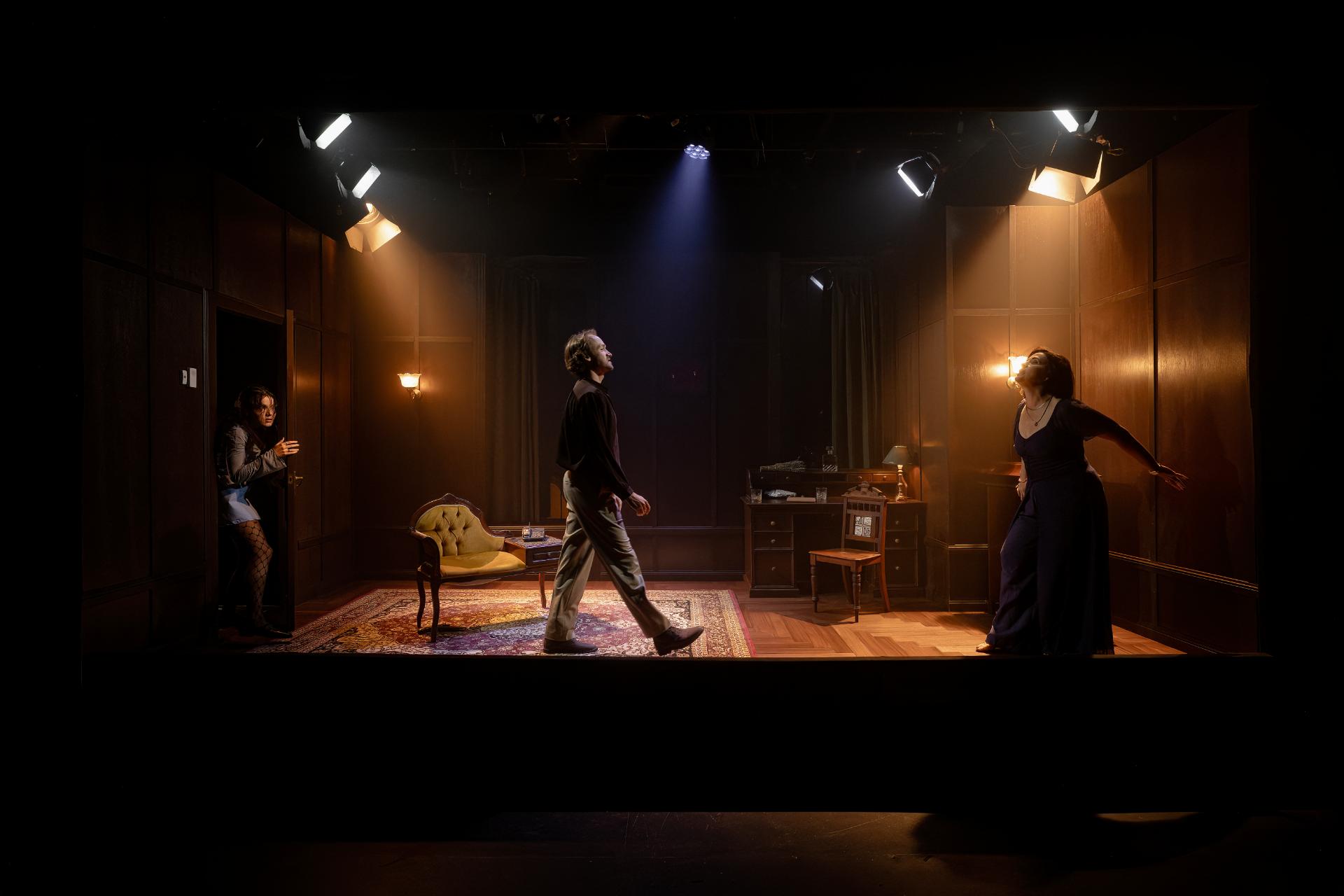
An ambitious set design by Soham Apte helps us imagine a place much like Hollywood, where artifice reigns supreme. Costumes by Rita Naidu provides definition to personality types, but requires finessing to better represent the extraordinary wealth of this cohort. Spencer Herd’s lights are intricately conceived, to convey the many different spaces, both physical and conceptual, that we traverse in Frame Narrative. Sound design by Sam Cheng is rendered with a quiet sophistication, surreptitious but highly effective in its calibrations of atmosphere and temperaments.
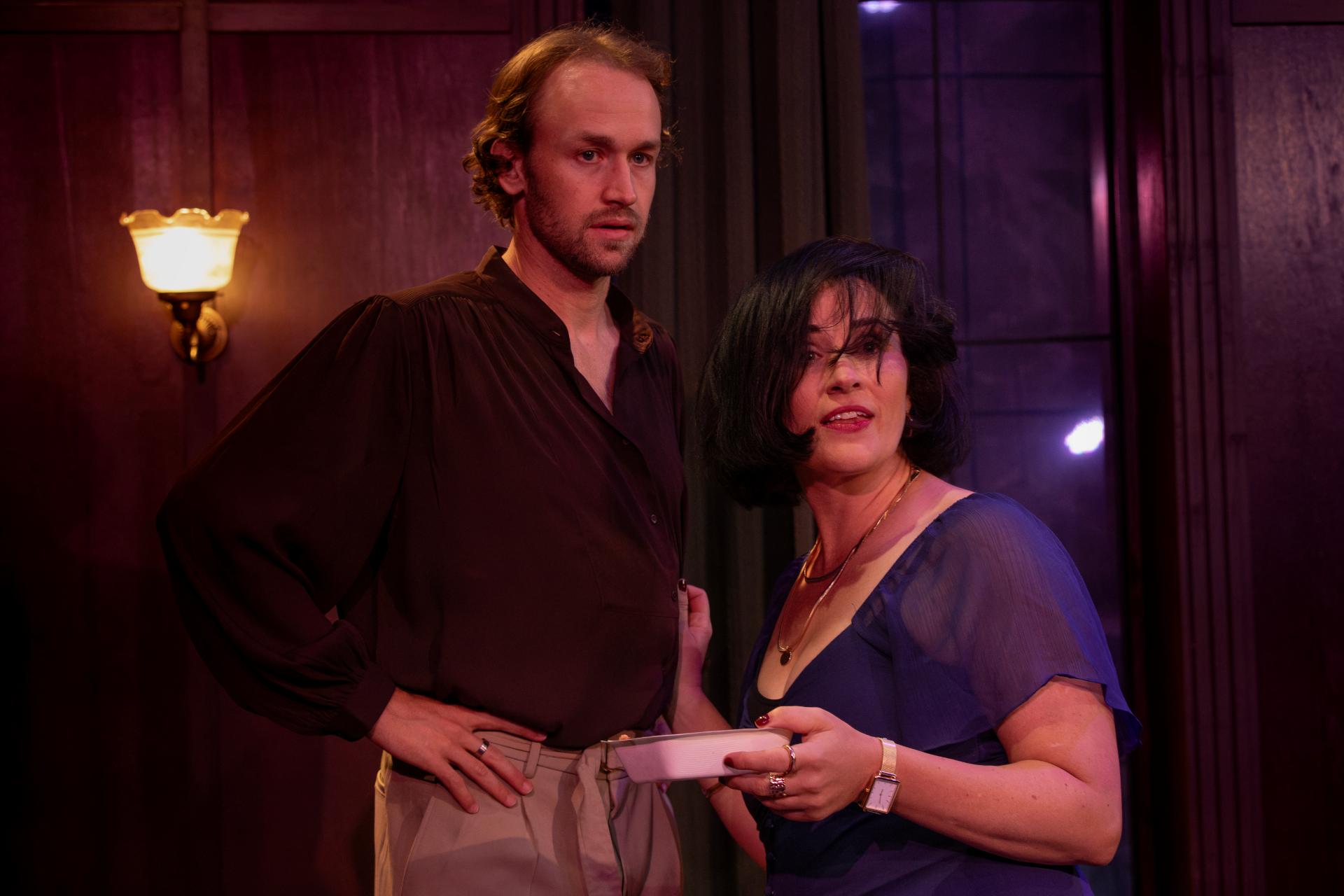
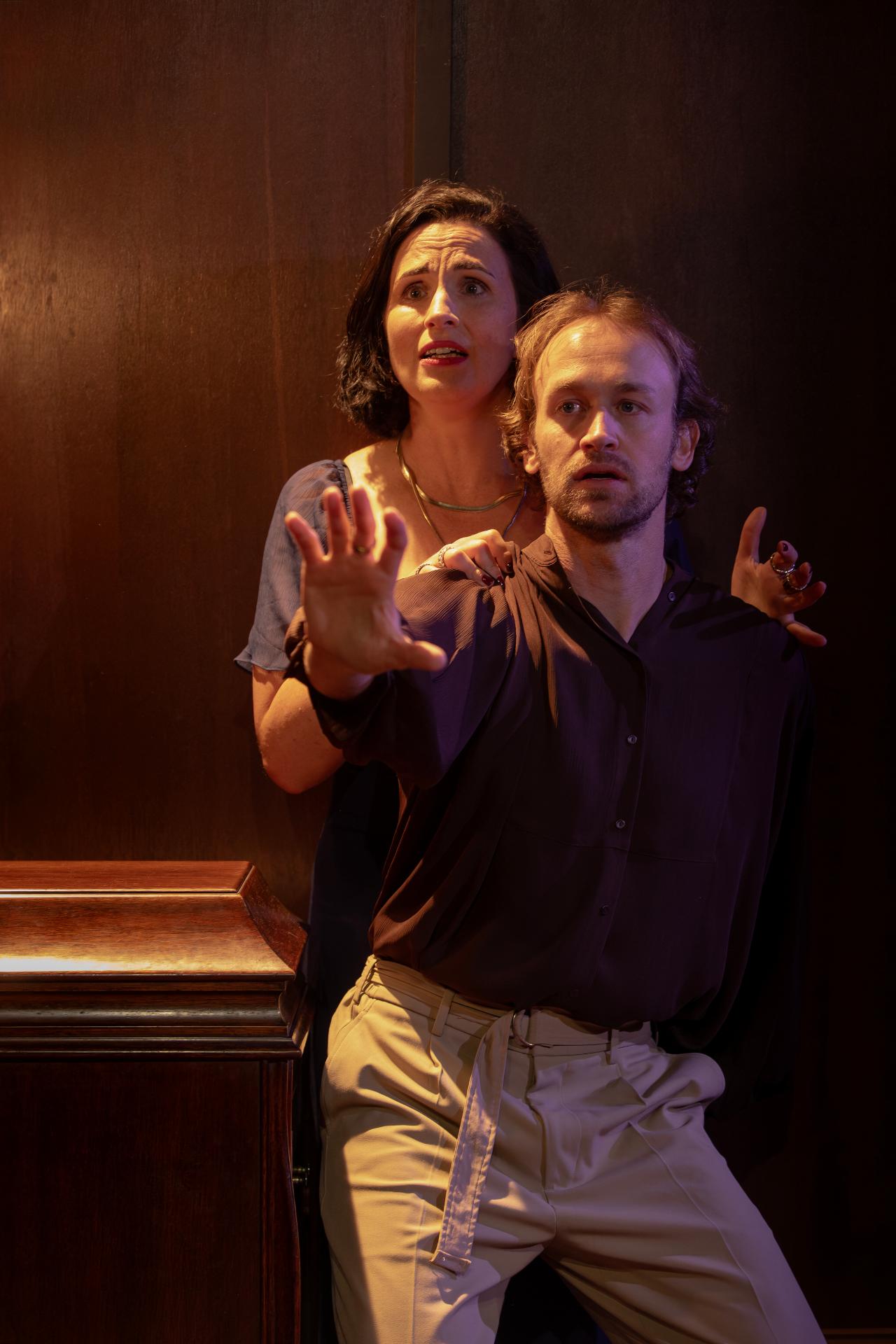
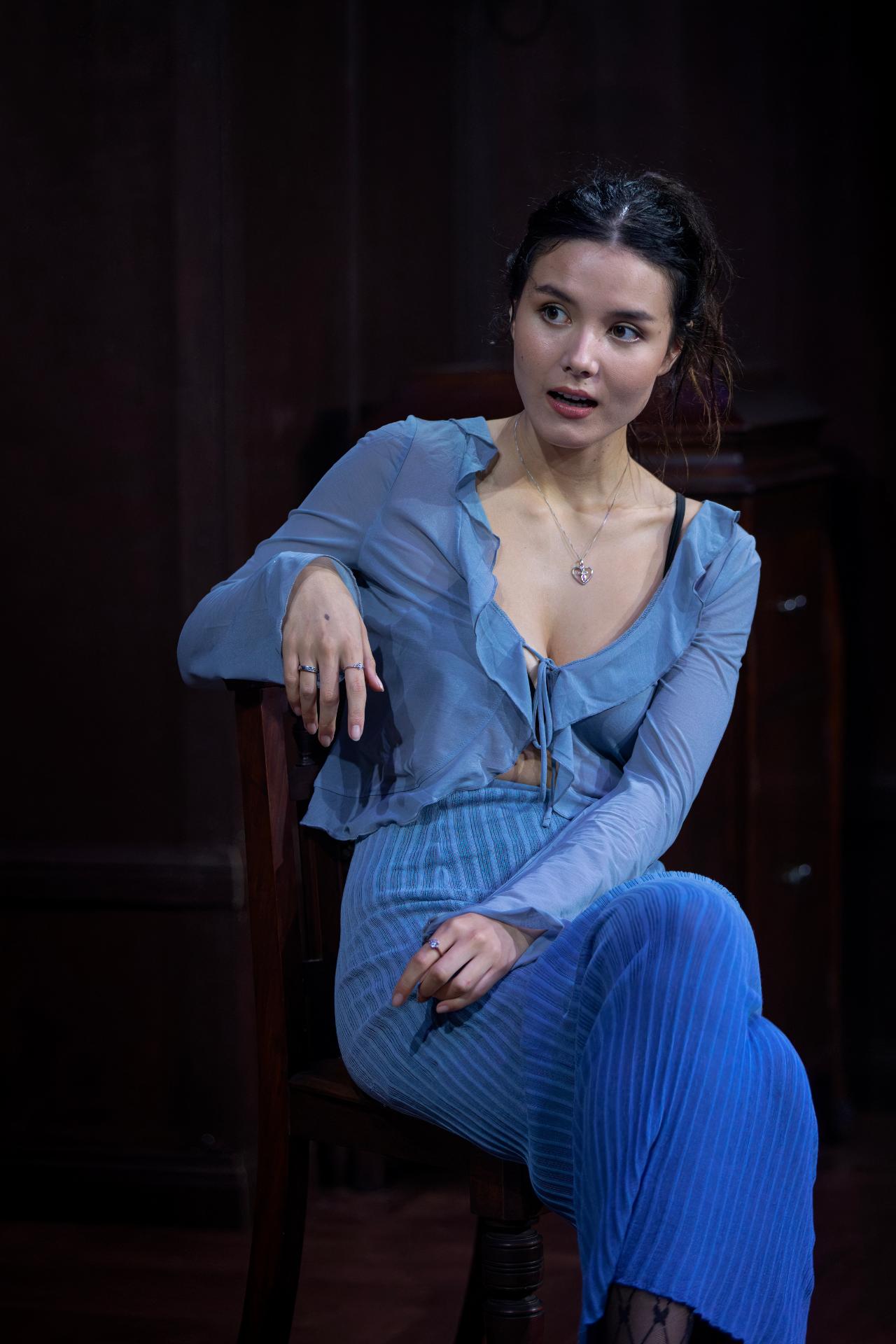
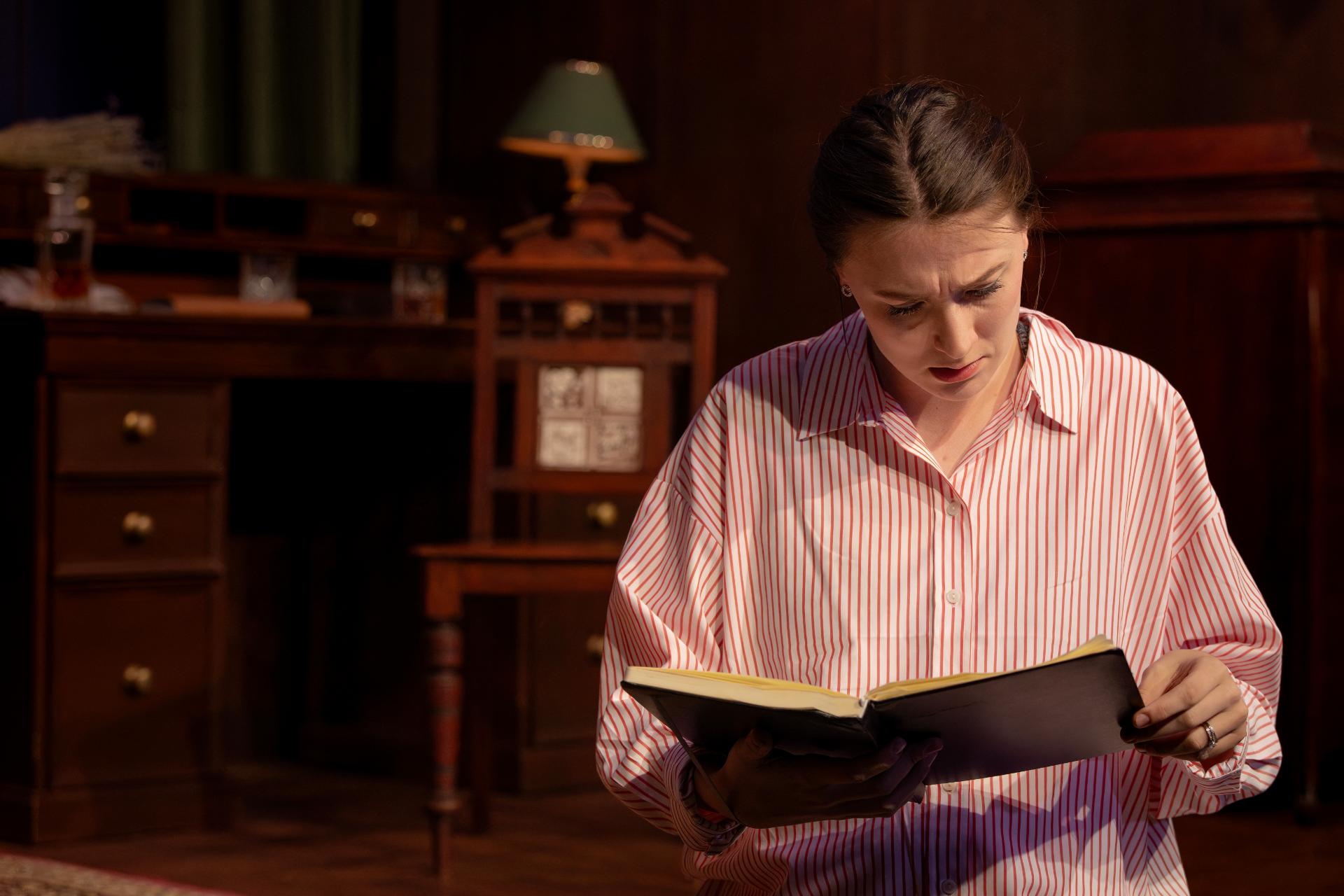
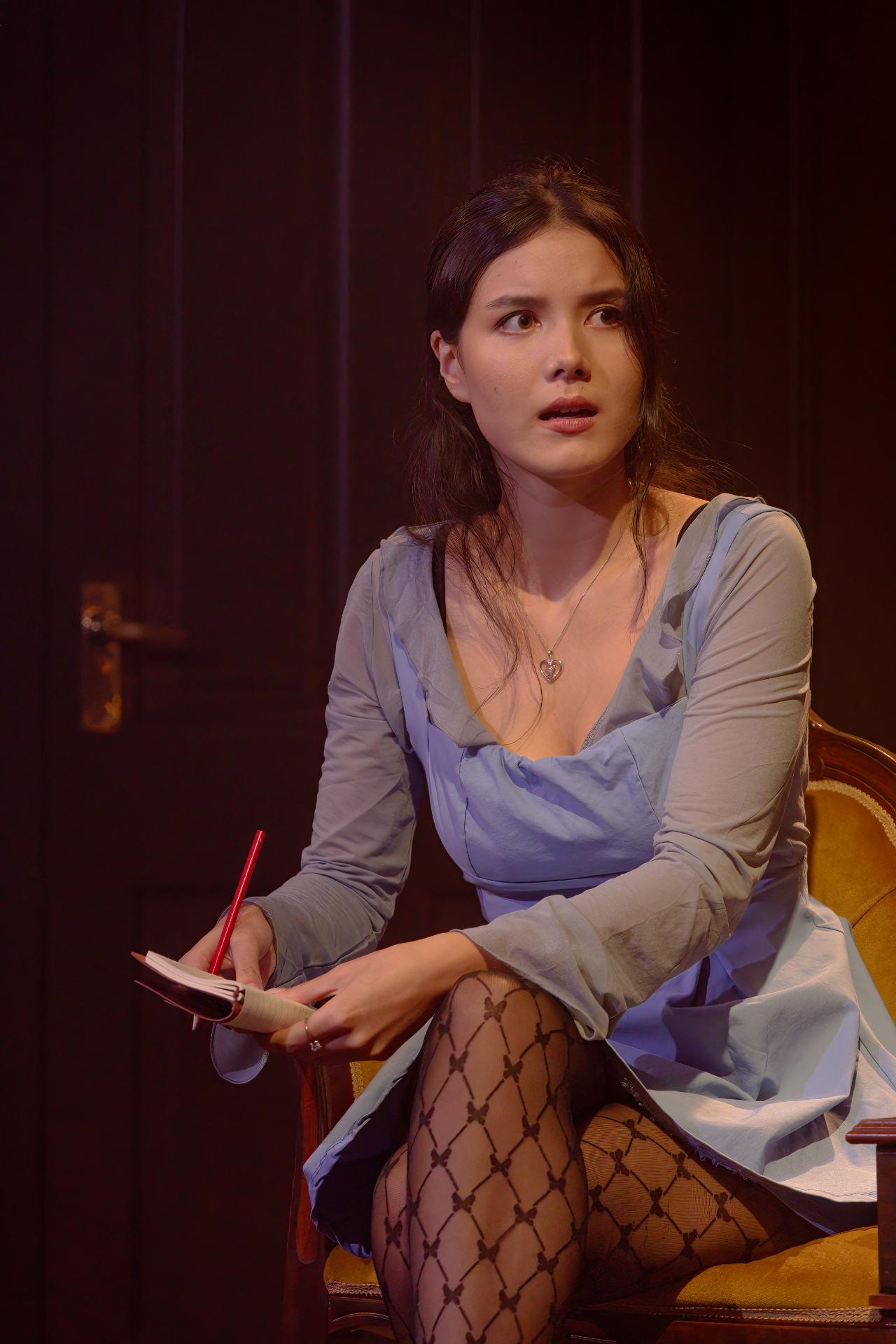
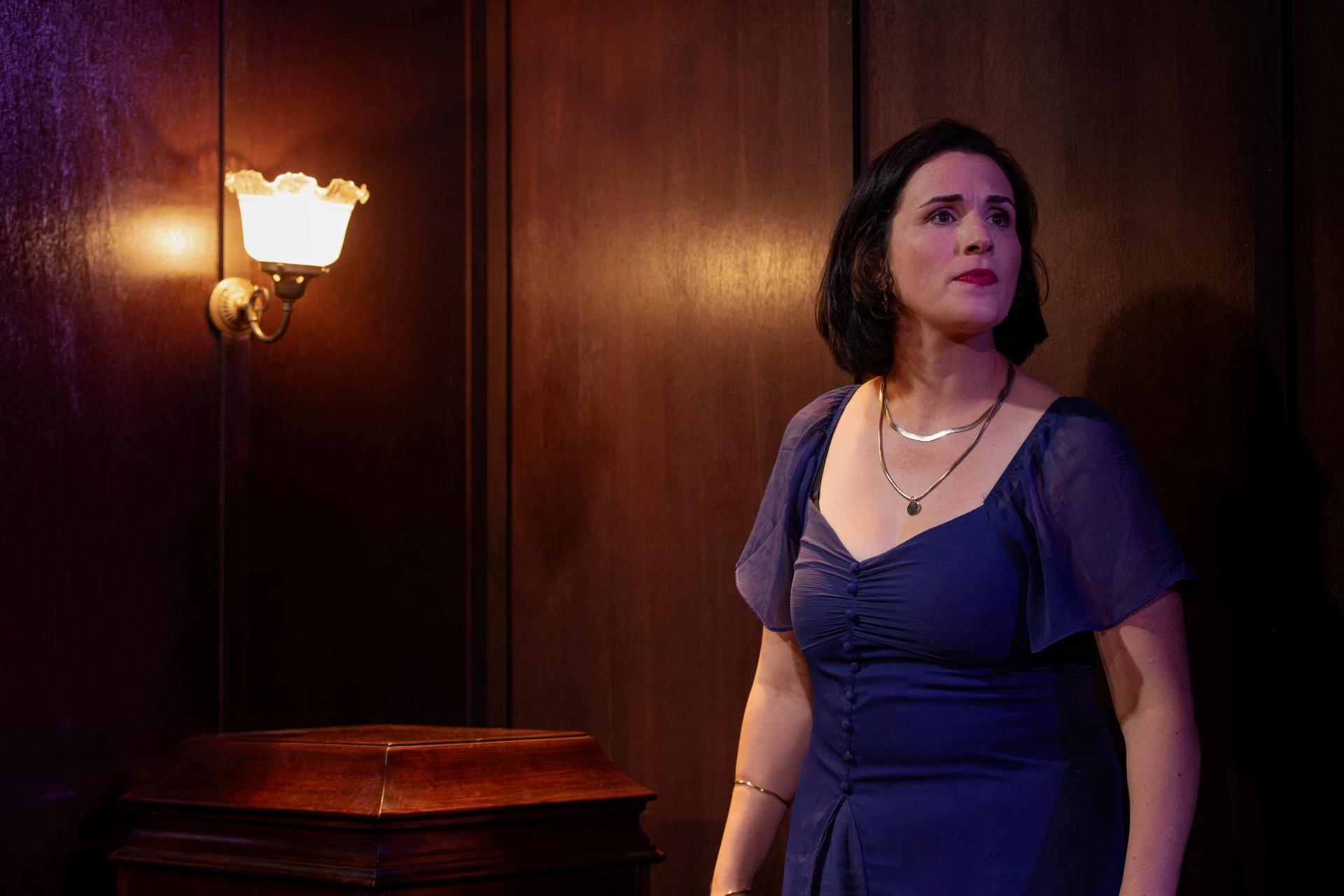
Actor Megan O’Connell brings vigour and integrity to the complex role of Angelica. Charles Upton too is unwavering in his commitment to playing Hendrick, completely believable whether being decent or despicable. Madeline Li introduces great tension to the experience, through her embrace of Elsa’s precarious unpredictability. Jennifer Rani’s intensity as Margot demands our attentiveness, and Emma Wright’s vulnerability as an unnamed writer, attunes us to a sense of depth for the play, at its closing scenes.
Human destructiveness usually looks like a force that exerts outwards, but its reverberations always seem to come back around. In Frame Narrative, colleagues inflict toxicity at one another, never noticing the harm that inevitably descends upon the work they try so hard to create. We all have unhealthy impulses, but how we choose to act on them, is what truly matters.
 Suzy Goes See