
Venue: Sydney Opera House (Sydney NSW), Oct 24 – Nov 19, 2023
Playwright: William Shakespeare
Director: Heather Fairbairn
Cast: Keith Agius, Isabel Burton, Alfie Gledhill, Amy Hack, Garth Holcombe, Mike Howlett, Tomáš Kantor, Chrissy Mae, Ursula Mills, Jane Montgomery Griffiths
Images by Brett Boardman
Theatre review
In Twelfth Night, William Shakespeare’s comedy is based largely on the absurd and abhorrent idea of love and sex between people of the same gender. We are meant to laugh at Olivia being in love with Viola, and Orsino with Cesario, but many of us today no longer wish to participate in that cruel charade, of ridiculing something we know should be cherished and honoured. Director Heather Fairbairn too rejects that obsolete perspective, and in her rendition subverts Shakespeare’s tired tropes to make a statement about queer autonomy and acceptance.
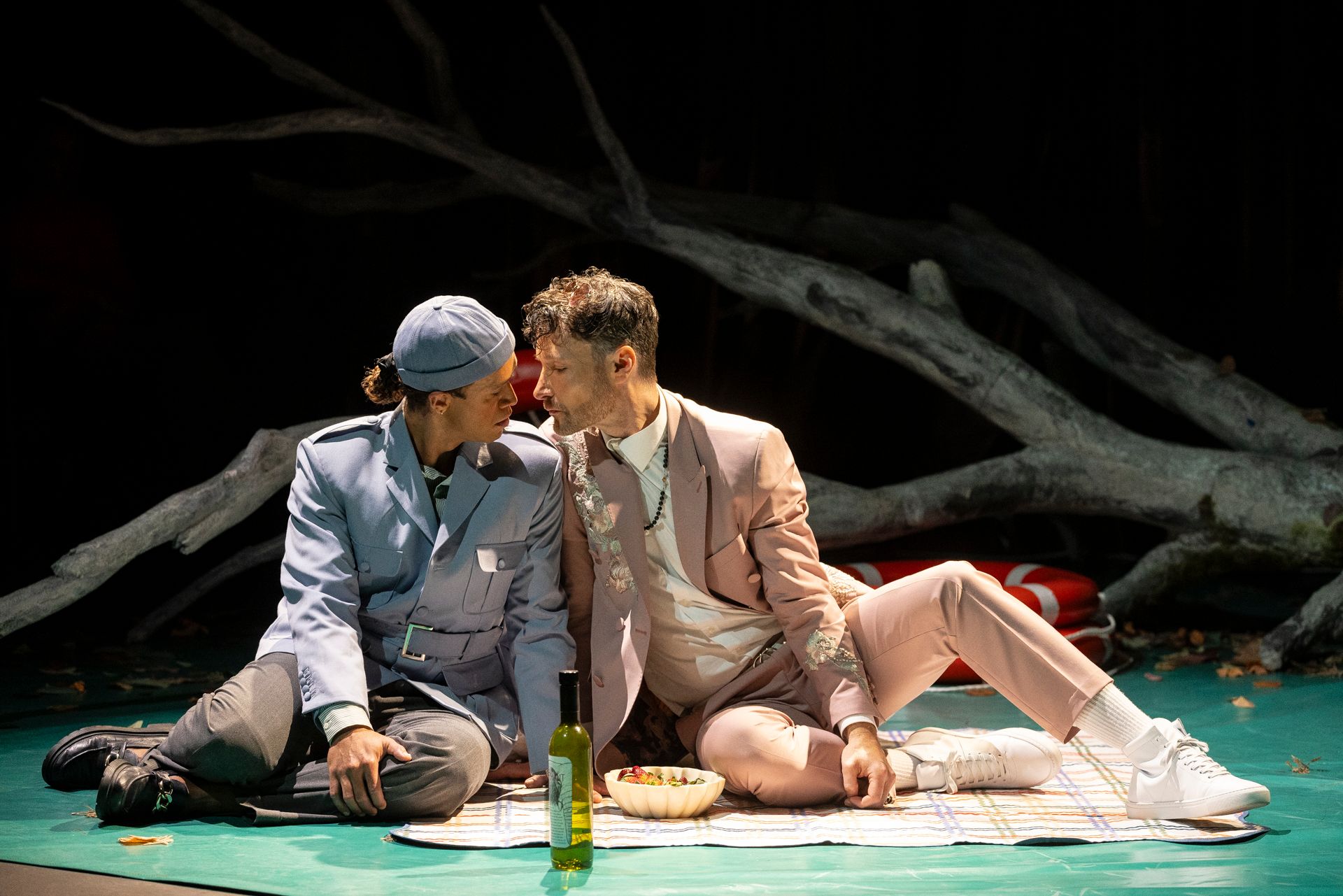
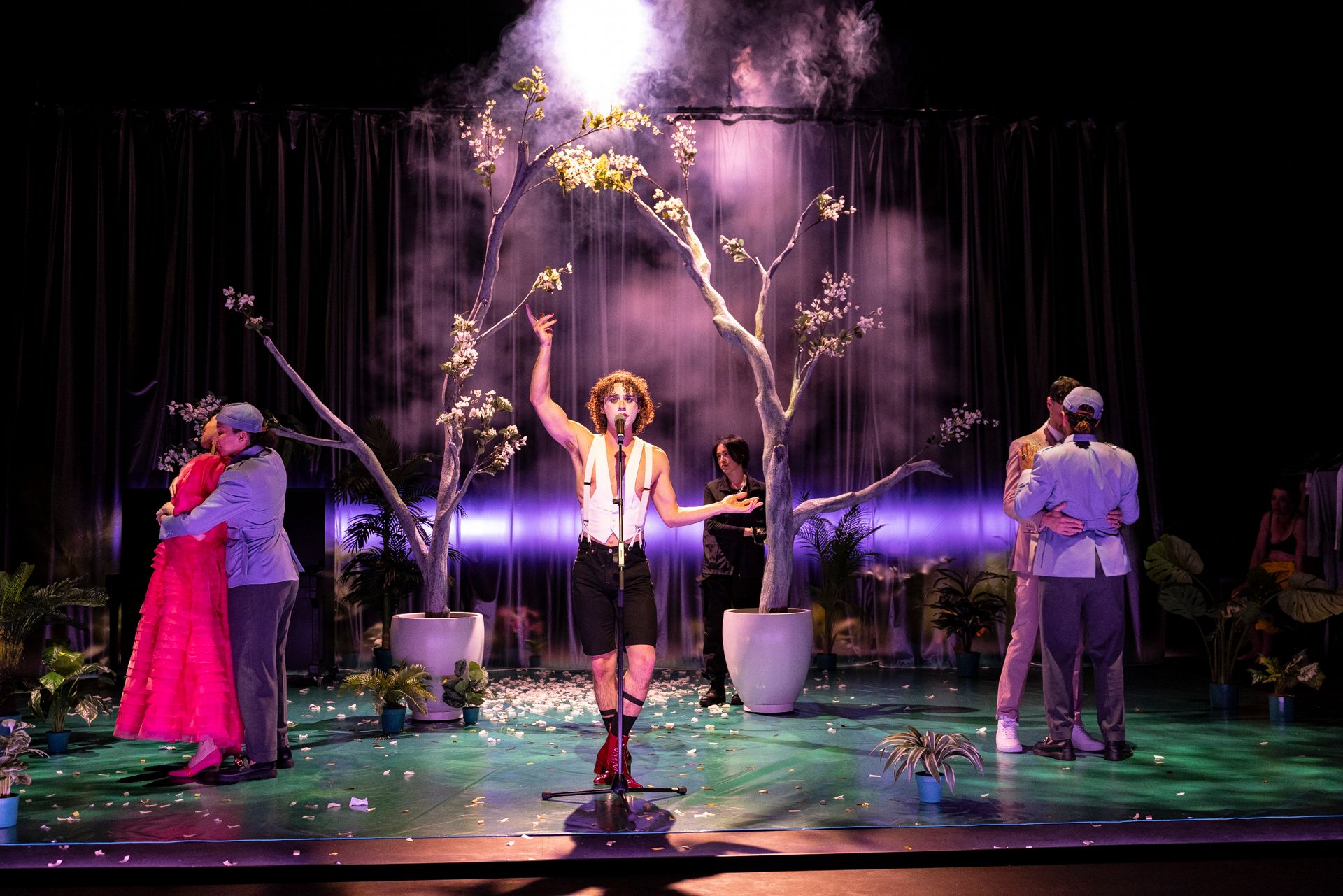
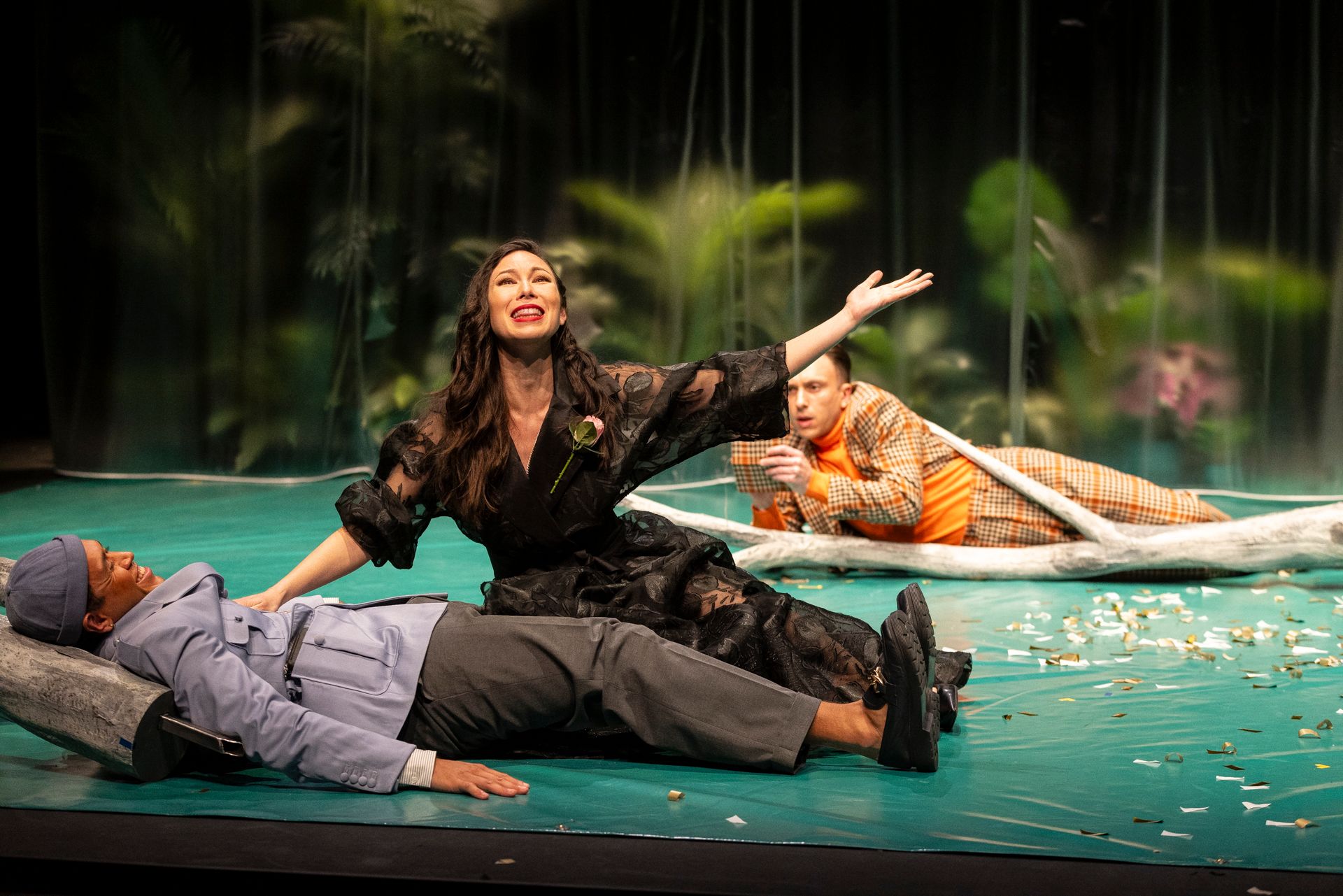
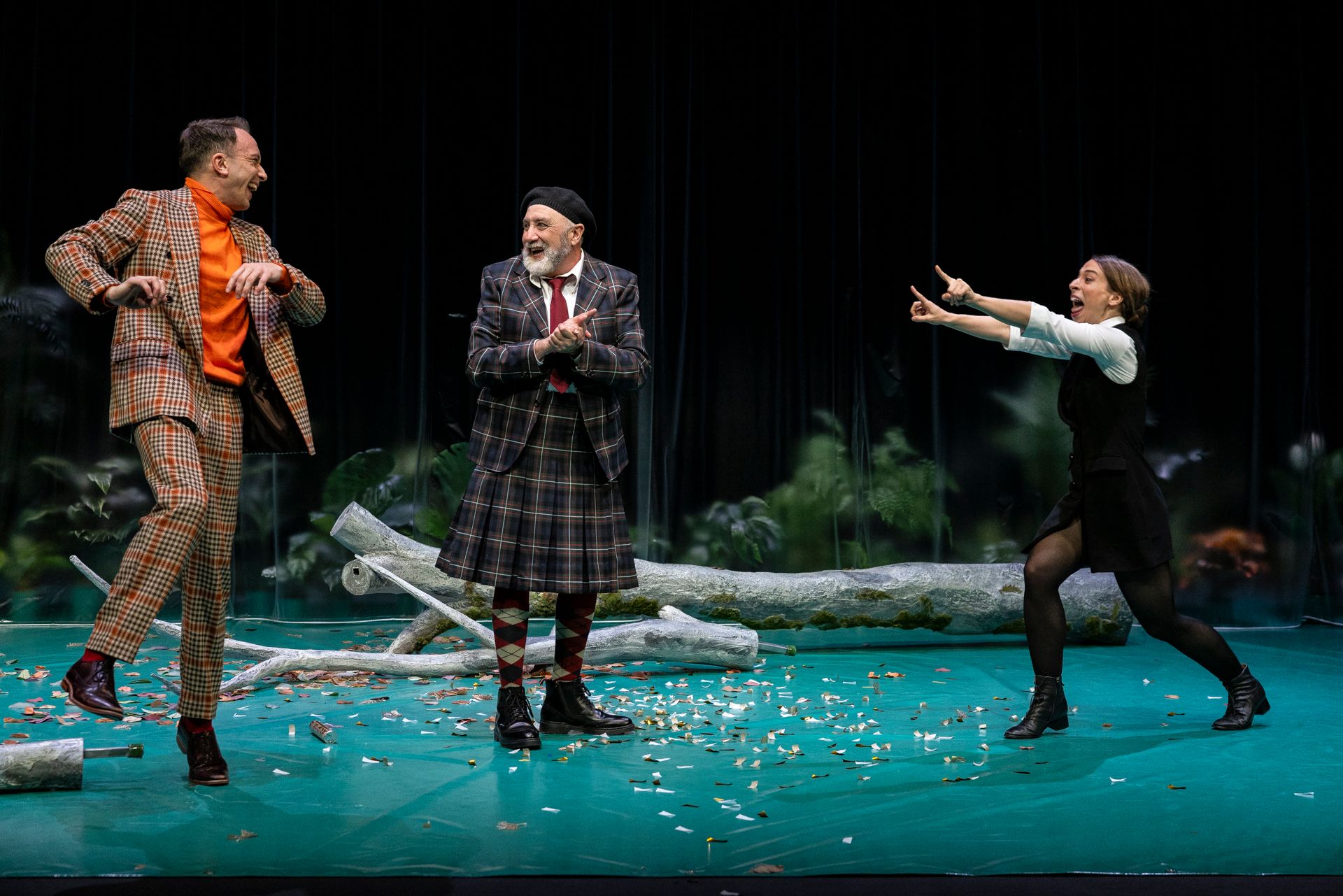
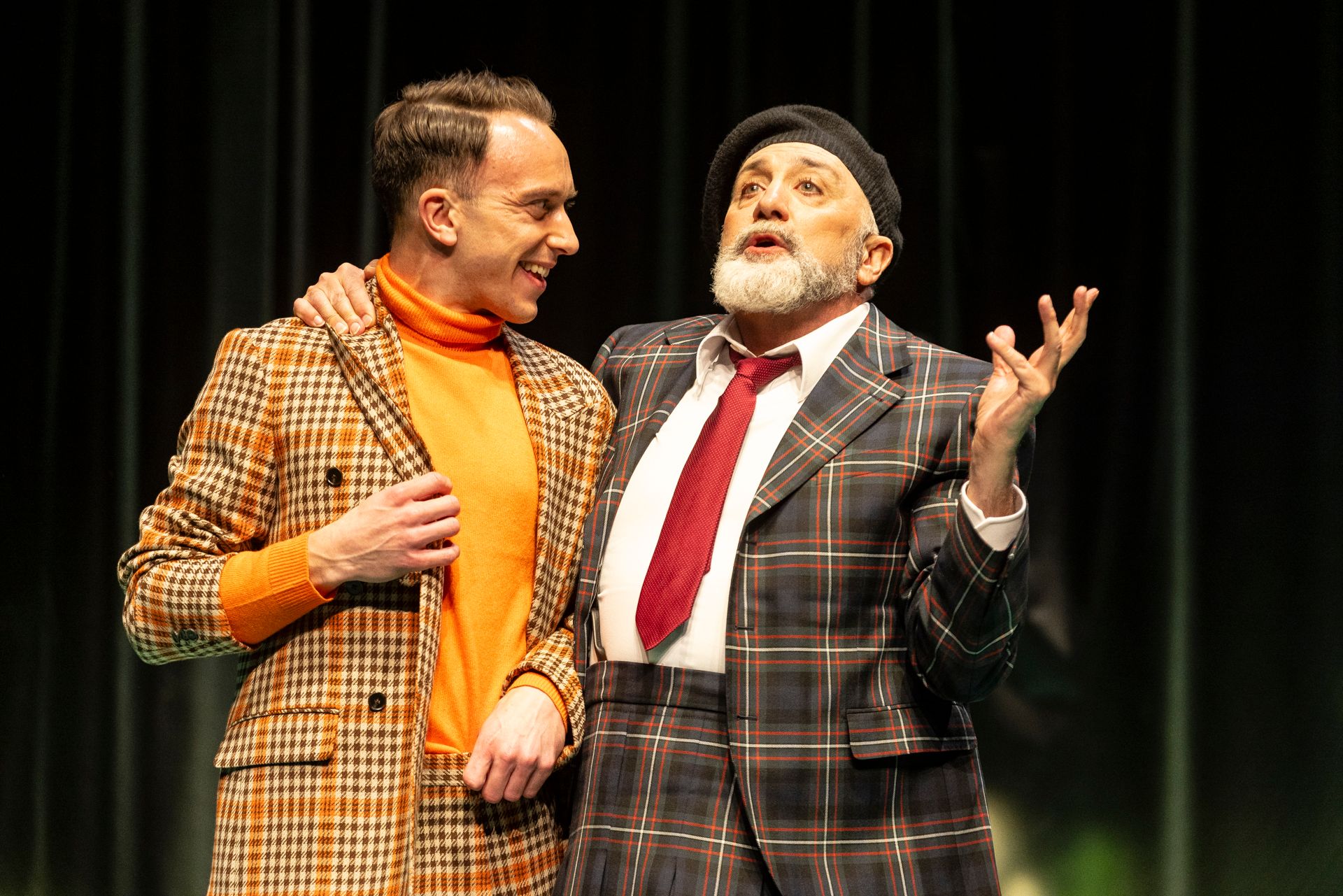
Fairbairn’s production is endlessly vivacious and amusing, marvelously playful and imaginative with its characters and their hijinks. Each scene is rigorously explored, to ensure that we are kept entertained, even when the text proves tedious. A set design by Charles Davis cleverly concentrates the action into the stage’s middle, where along with Verity Hampson’s lights, great energy is channeled, creating a dynamic focal point. Davis’ fashionable costumes are a delight, as are Hampson’s illumination, especially at moments of heightened drama. David Bergman’s sounds are sophisticated and rich, particularly enjoyable when they nudge us into surreality. Songs by Sarah Blasko are an unequivocal highlight, extraordinarily beautiful with what they add to the presentation.
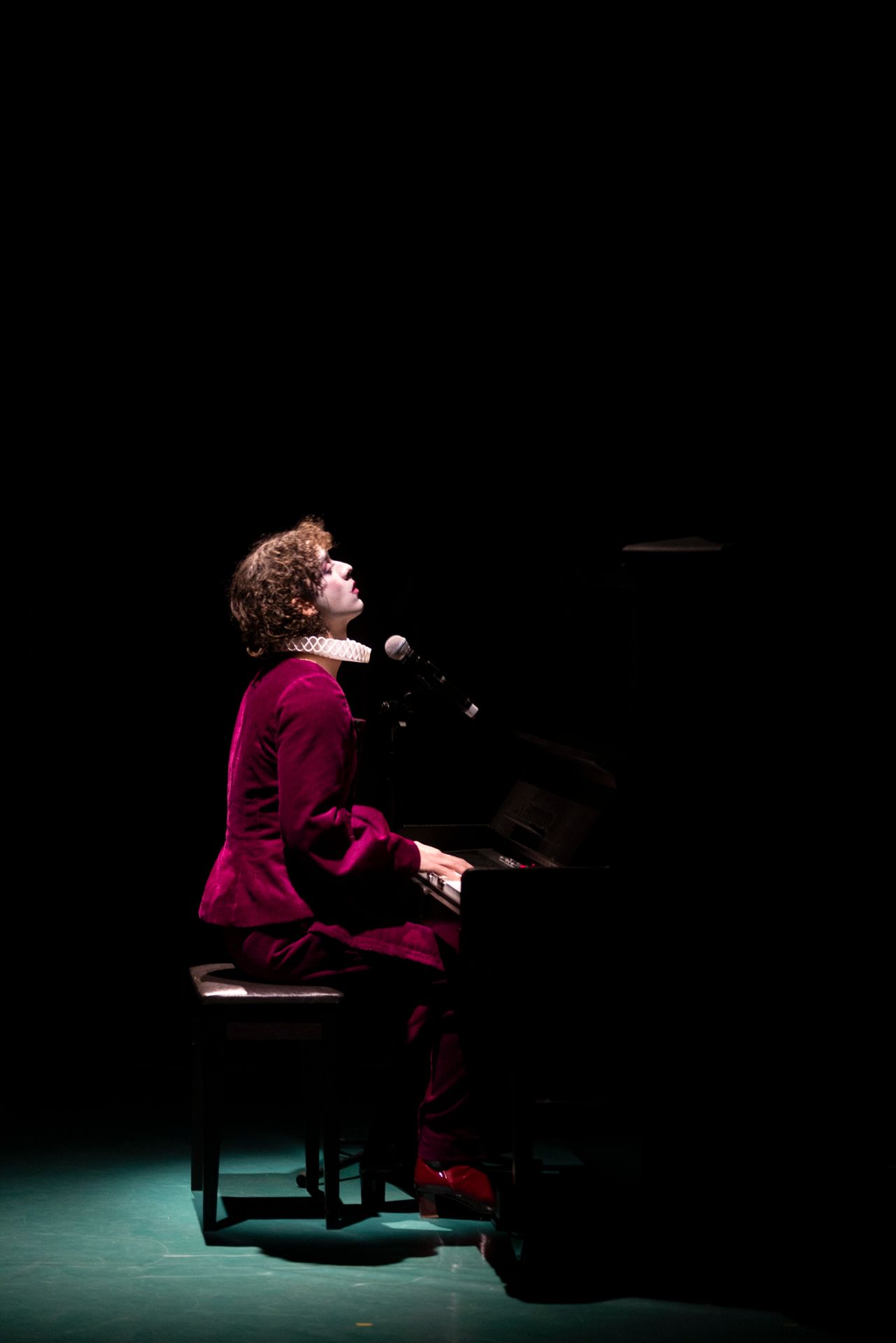
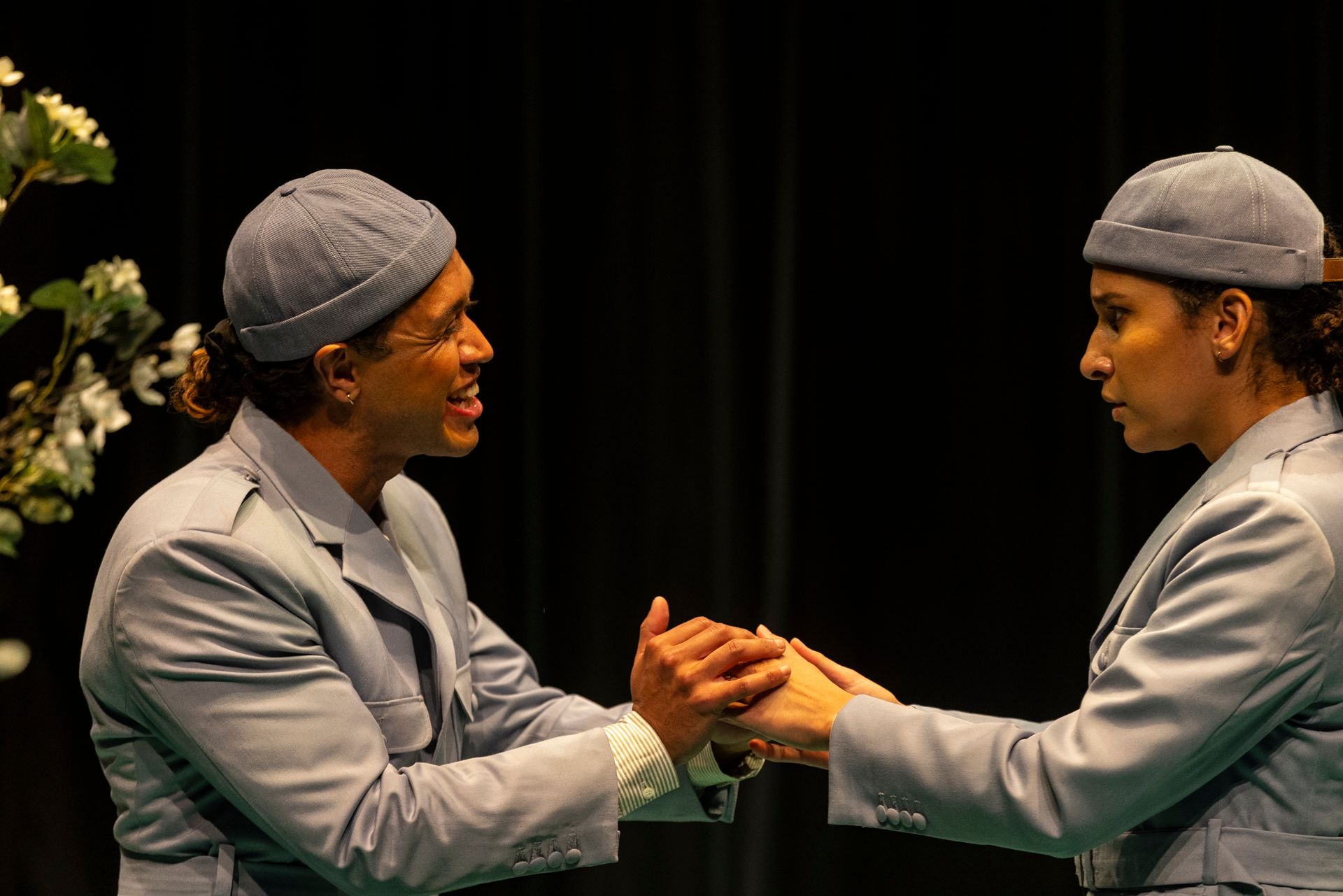
Sung mostly by Tomáš Kantor, who impresses not only with their remarkable vocal talents, but also with their physical agility and mischievous humour. Isabel Burton and Alfie Gledhill play the twins at the centre of all the shenanigans, intriguing with the meanings they inspire in terms of the performance and experience of gender. Duke Orsino and Countess Olivia are portrayed by Garth Holcombe and Ursula Mills respectively, both alluring and admirable with their commitment to elevating some of the more inane elements of the writing.
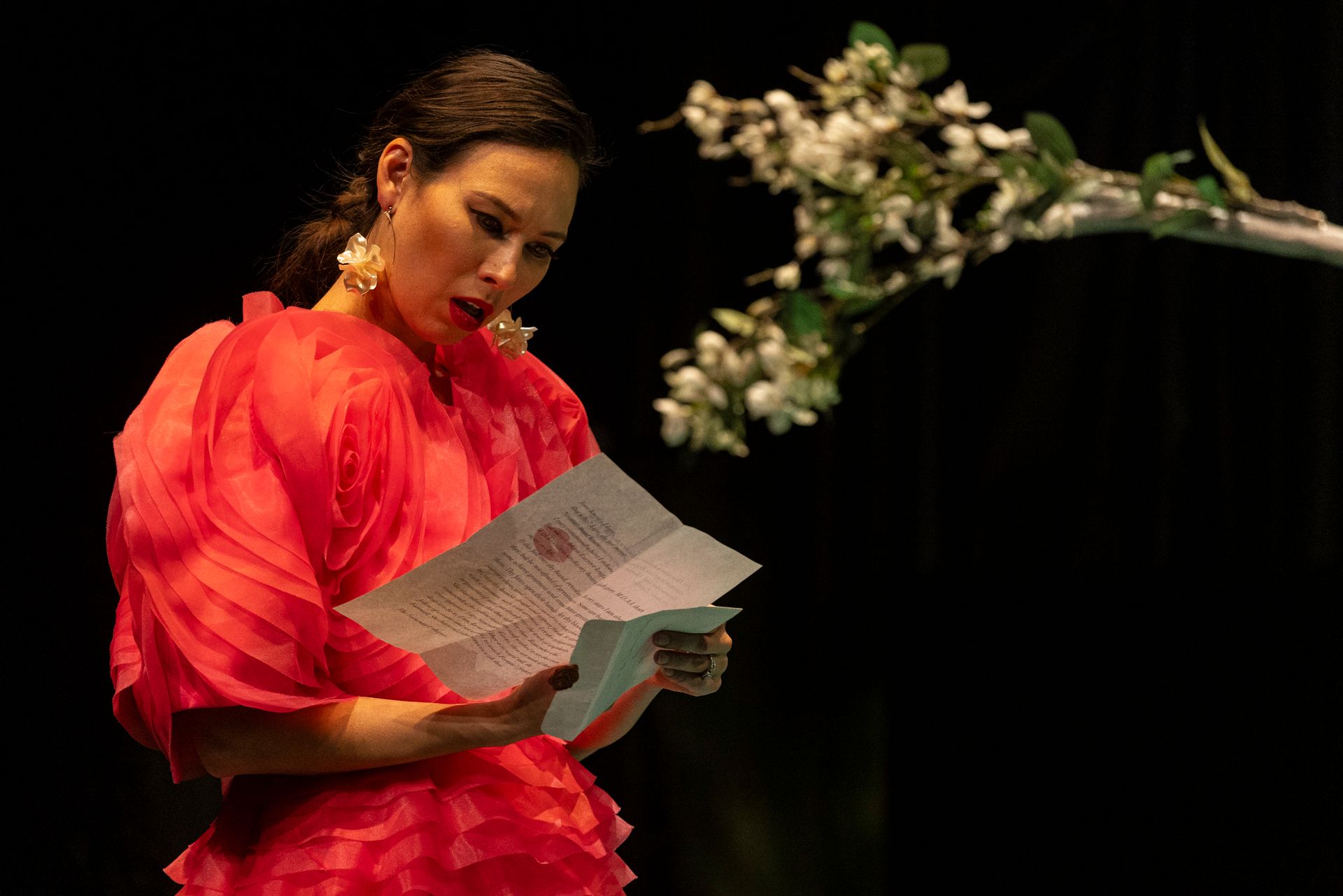
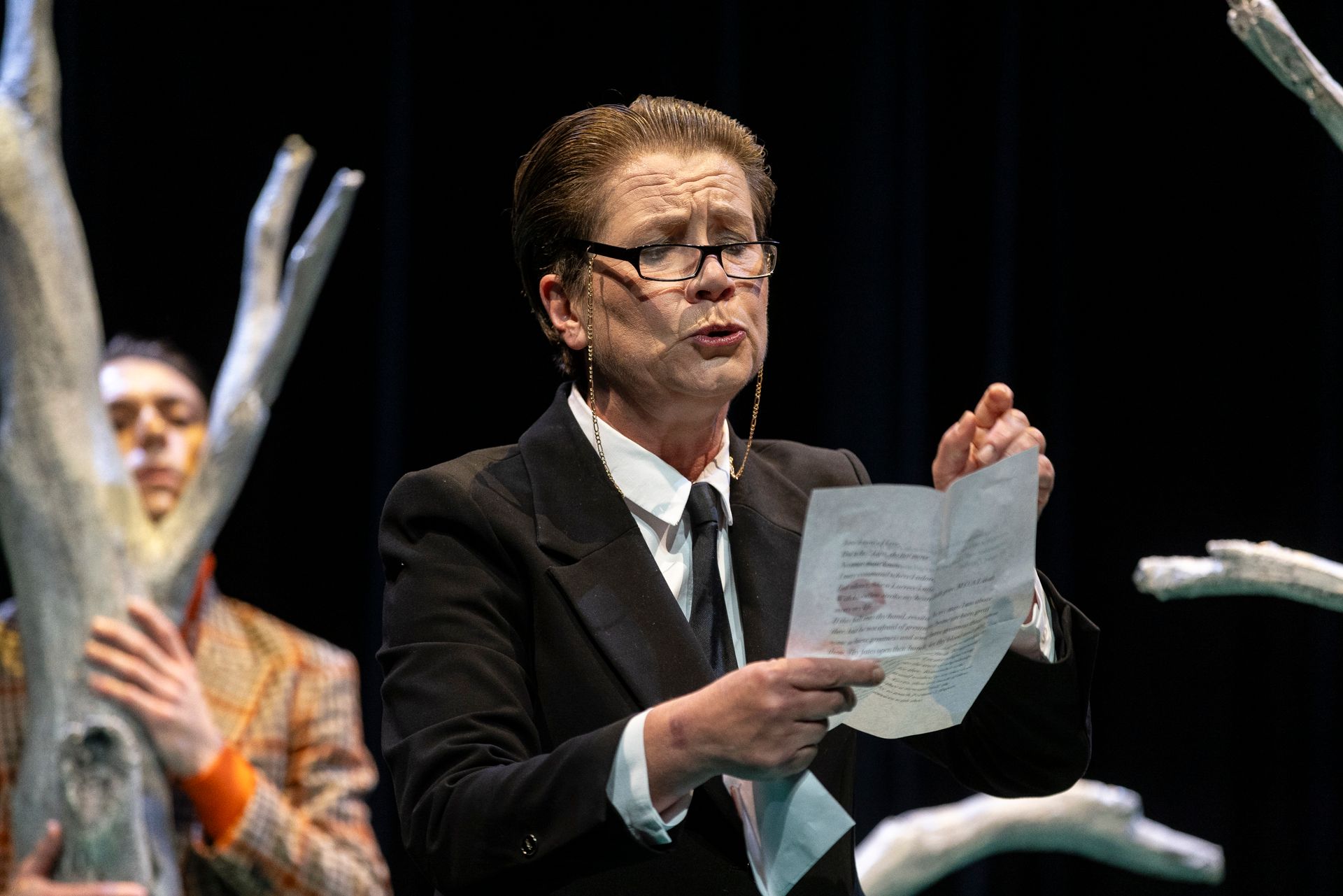
Undeniable star of the show however, is Jane Montgomery Griffiths, who as a female Malvolia brings immense amplification to both the comedic and tragic aspects of the lovelorn steward’s narrative. The humiliation she suffers under Shakespeare’s pen is given significant magnification, so powerfully depicted at a key moment of chastisement, that we almost feel as if she embodies the vengeance due to every queer and every woman degraded in his hallowed oeuvre. Griffiths’ turn as Malvolia is breathtaking, if only her castigations could become a reckoning truly monumental, beyond the confines of this singular instance of theatrical pleasure.
 Suzy Goes See