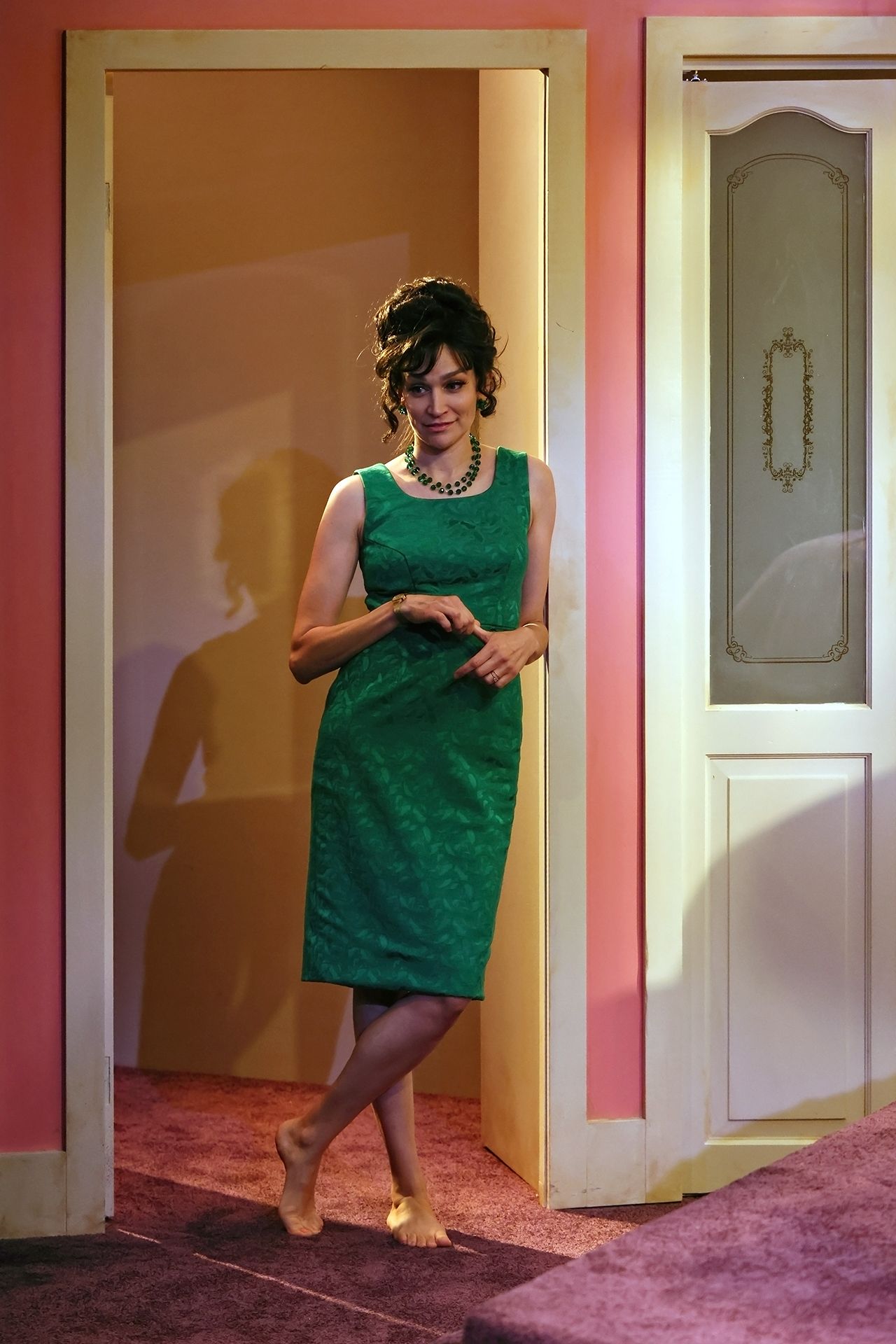
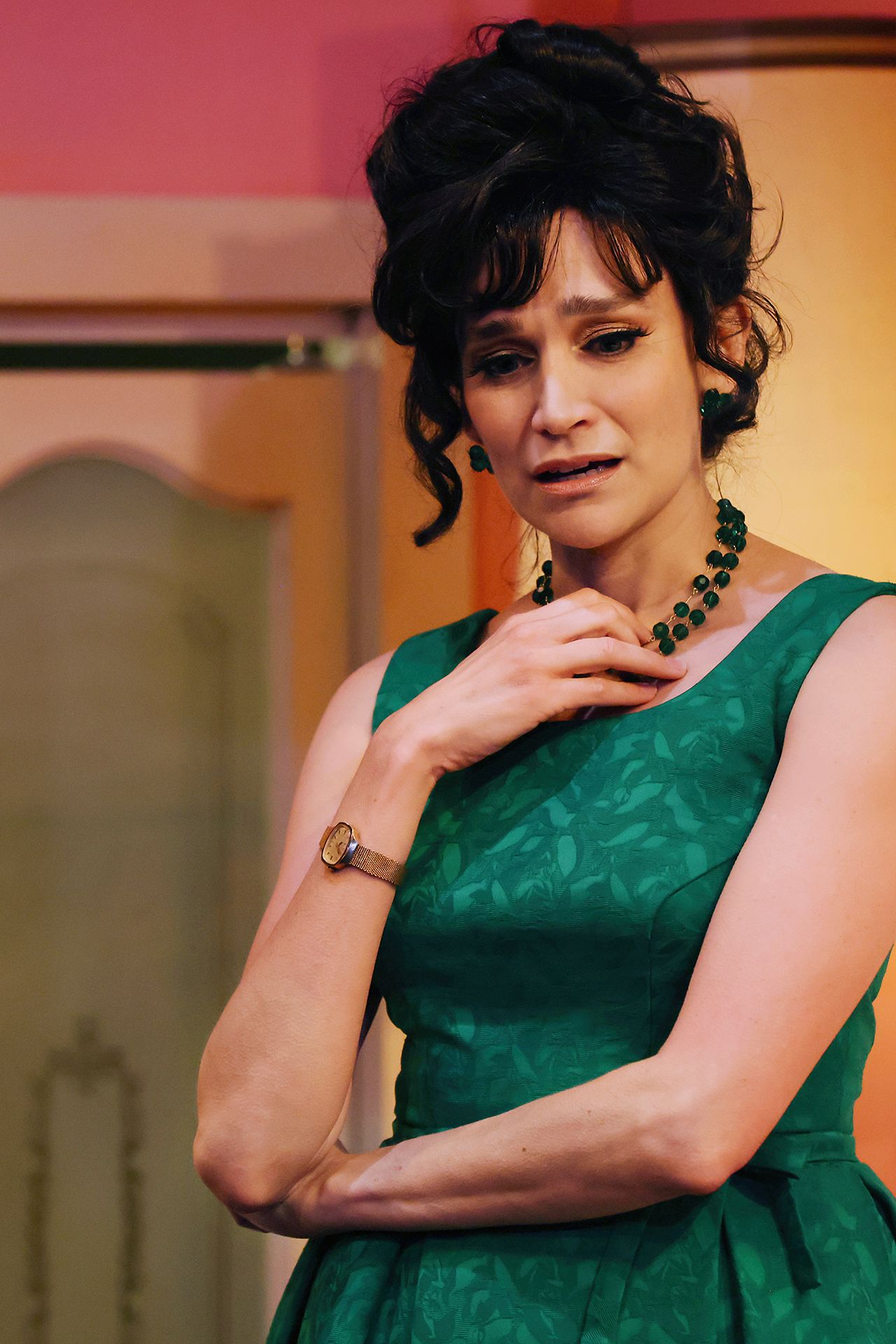
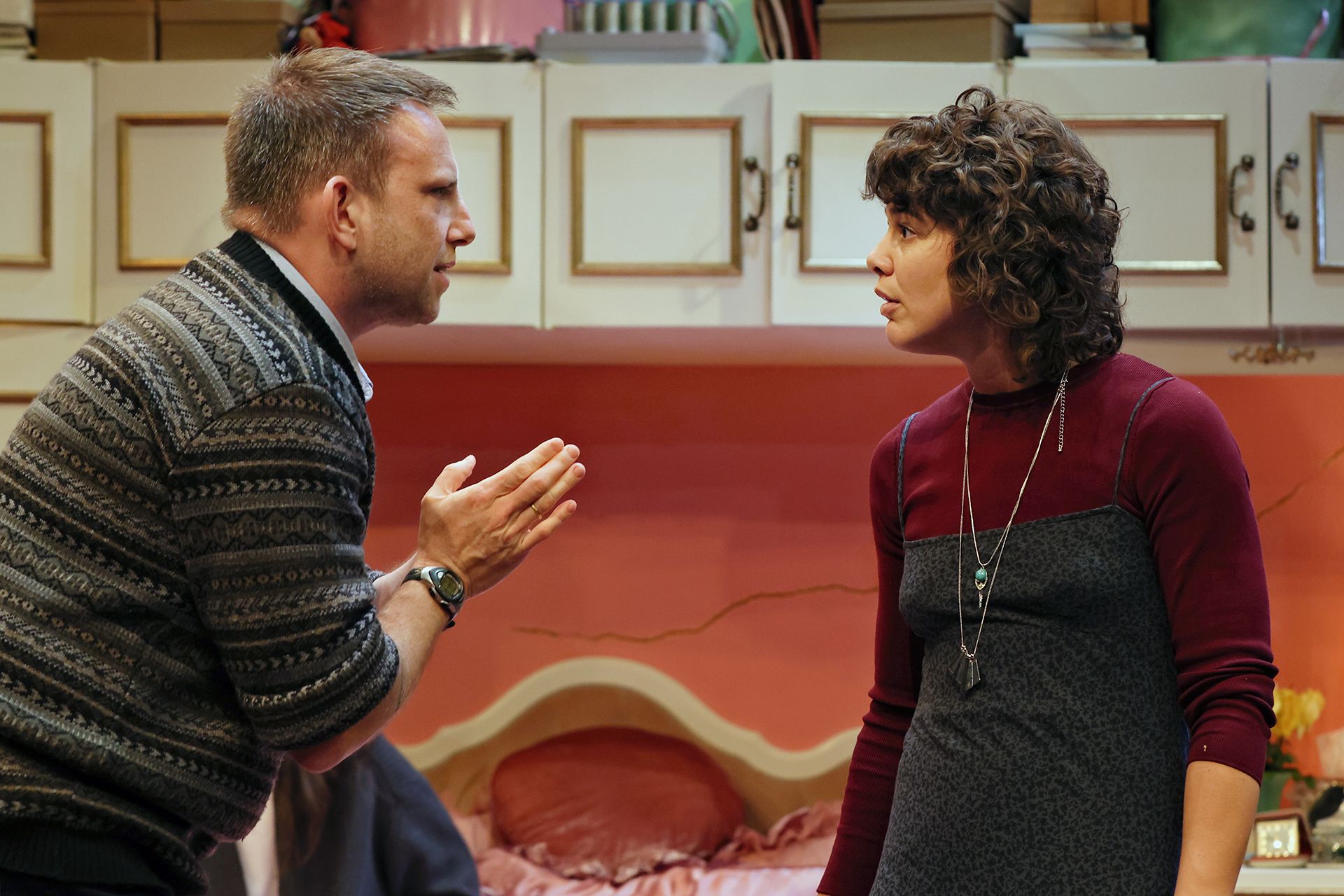
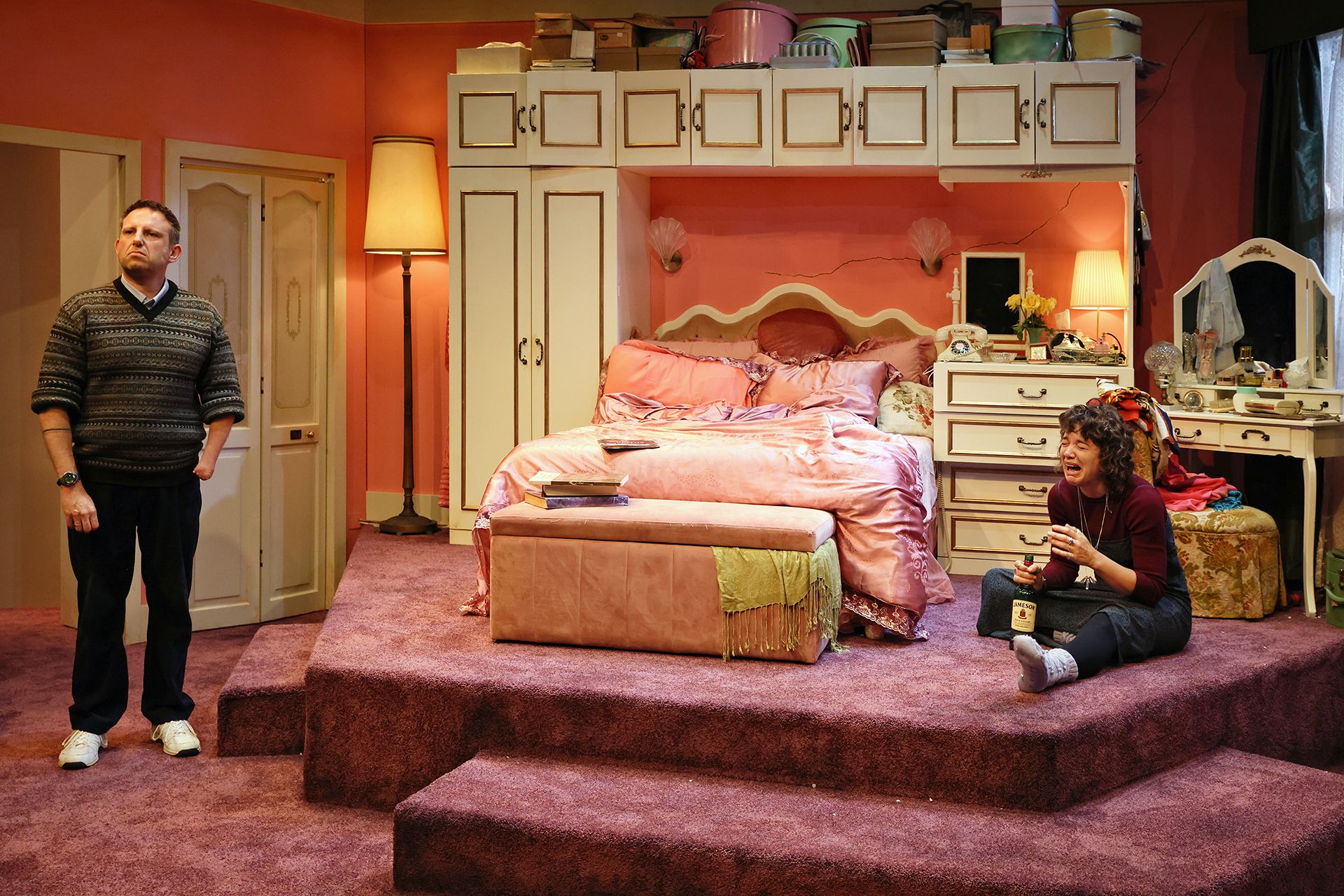
Venue: Ensemble Theatre (Kirribilli NSW), Oct 20 – Nov 25, 2023
Playwright: Shelagh Stephenson
Director: Rachel Chant
Cast: Michala Banas, Thomas Campbell, Nicole Da Silva, Jo Downing, Madeleine Jones, Johnny Nasser
Images by Prudence Upton
Theatre review
Violet has died, and we find her three daughters at their family home getting ready for the funeral. Their emotions are understandably in a state of disarray, and as they go through a process of unravelment, we discover the challenges and inadequacies each woman experiences as they navigate life in 1996 England. Shelagh Stephenson’s now 27-year-old comedy The Memory of Water, is an amusing work that showcases the various idiosyncrasies of Western feminine archetypes, at a time that can be regarded as having freshly emerged from the third wave of feminism.
With the passage of time, the play feels excessively concerned with the granular individuality of its characters. More contemporary tastes tend to favour sociality over particularity in our storytelling, and The Memory of Water struggles in the current climate to speak with sufficient relevancy and urgency, even though there is undeniable authenticity in all of its depictions.
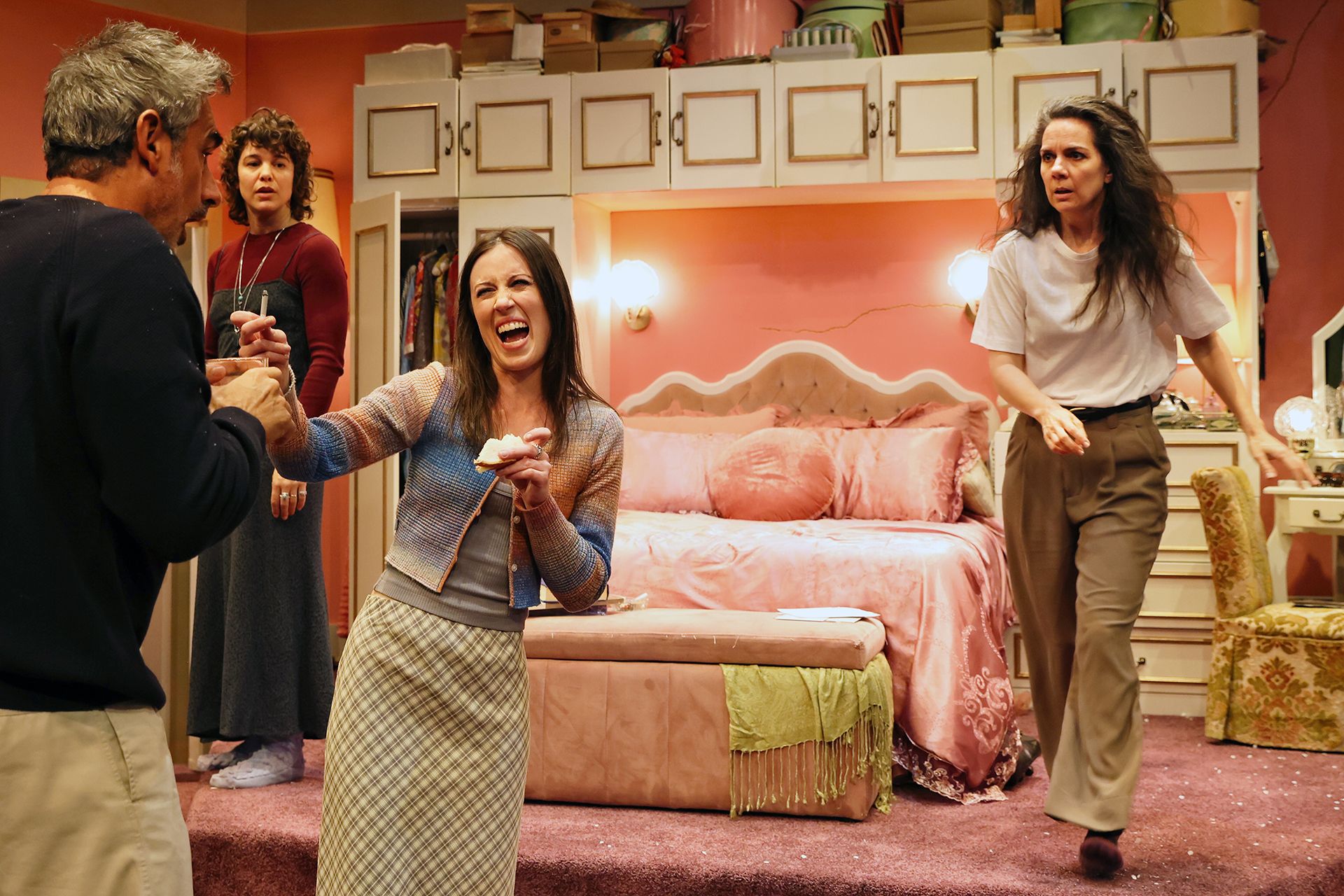
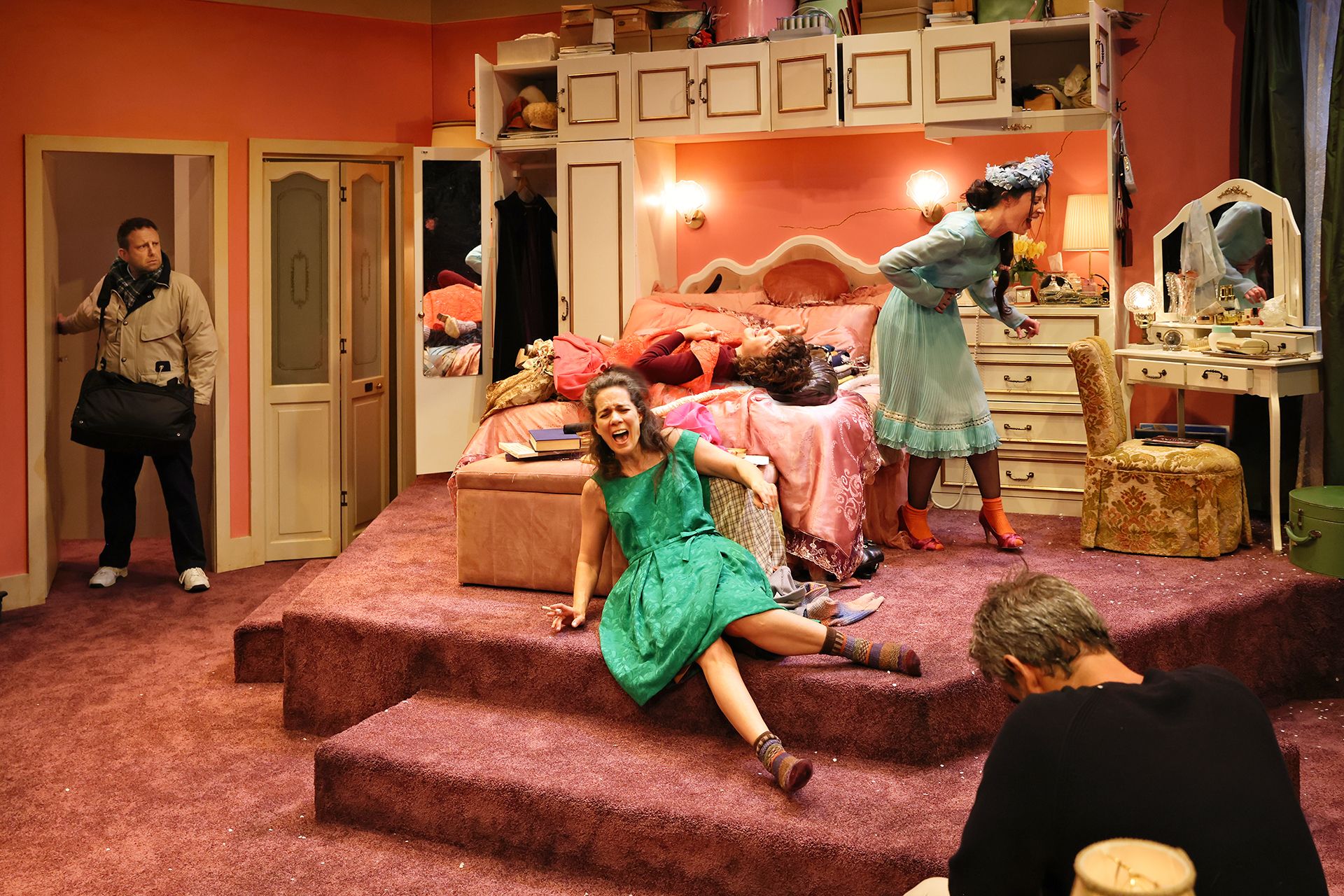
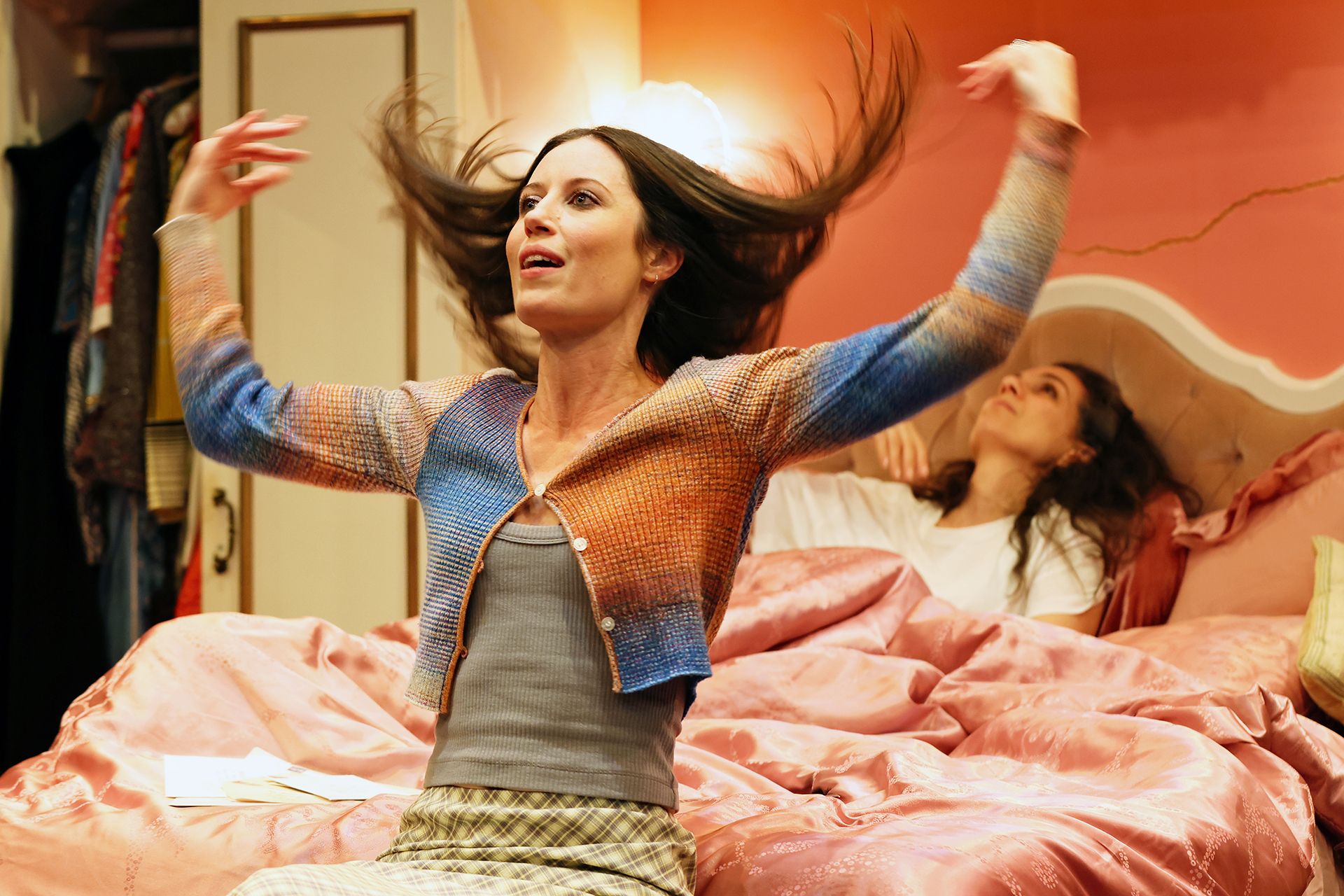
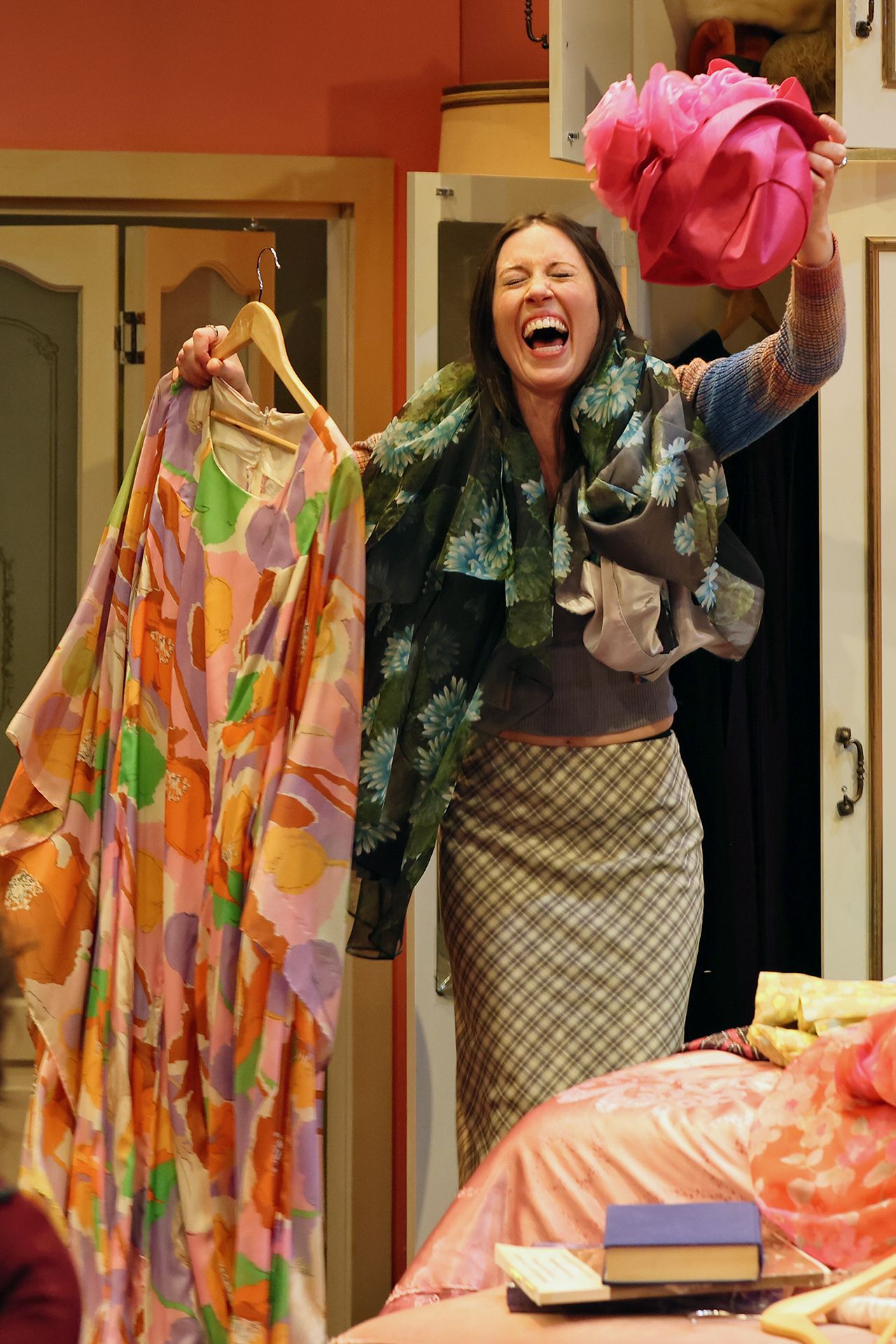
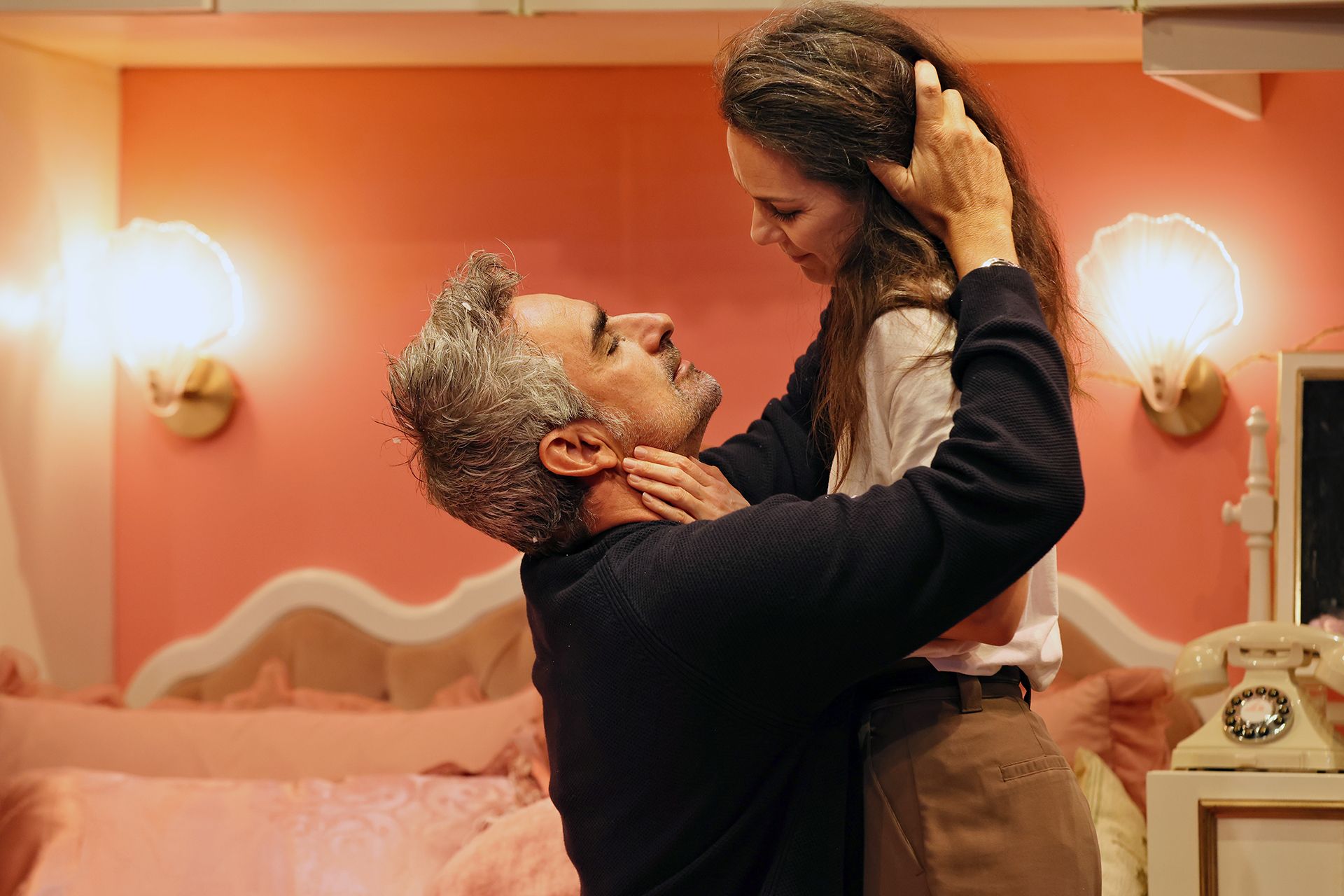
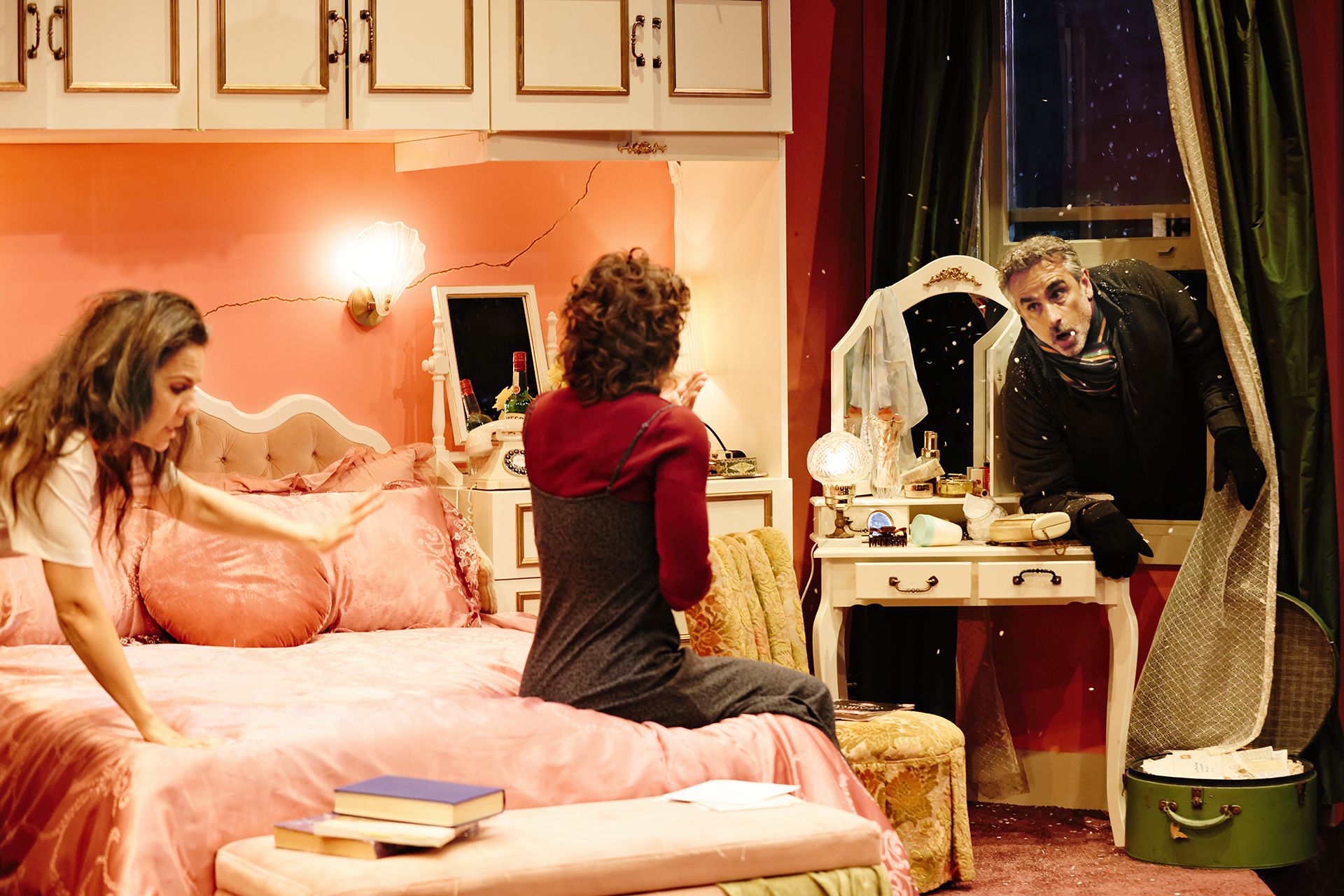
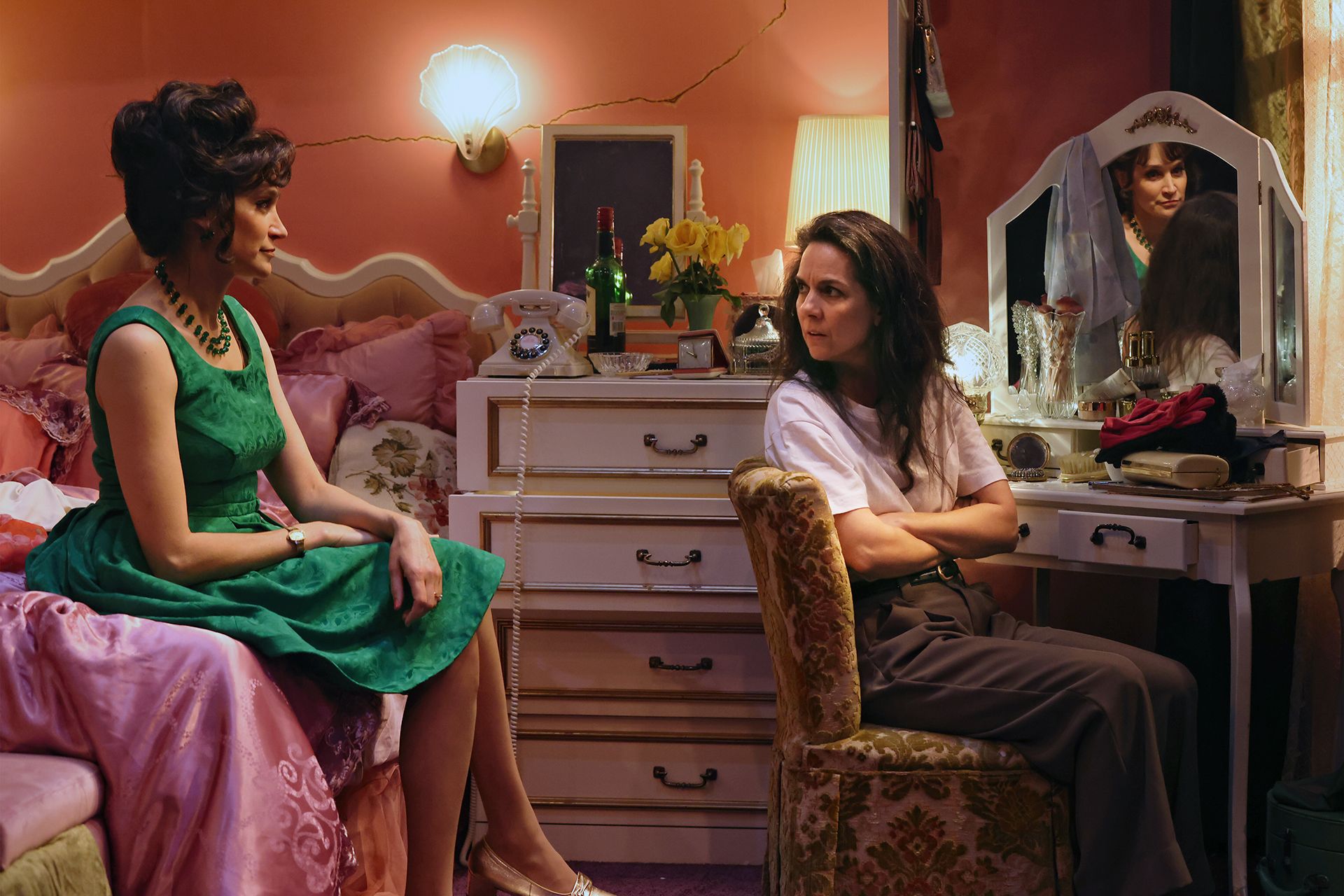
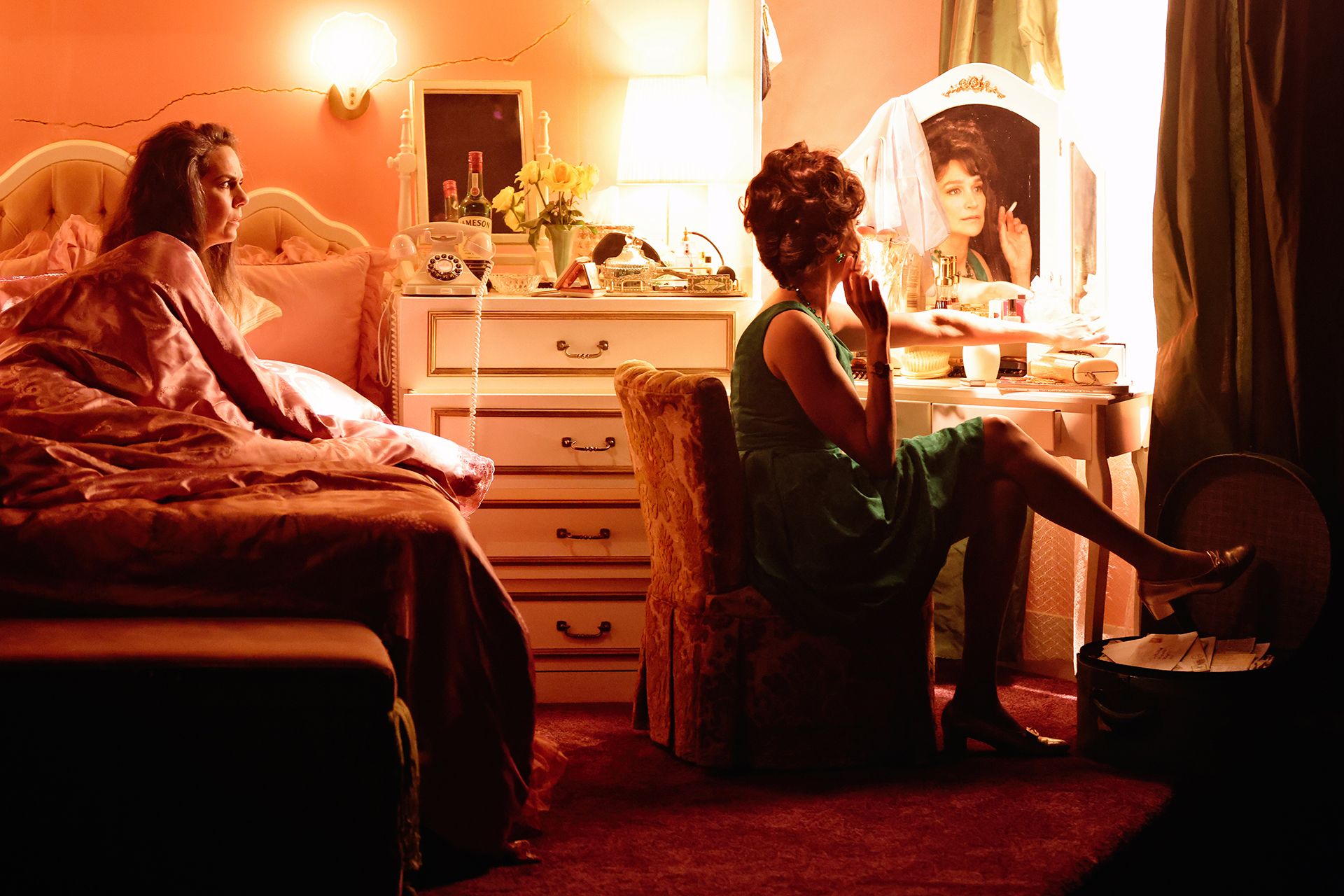
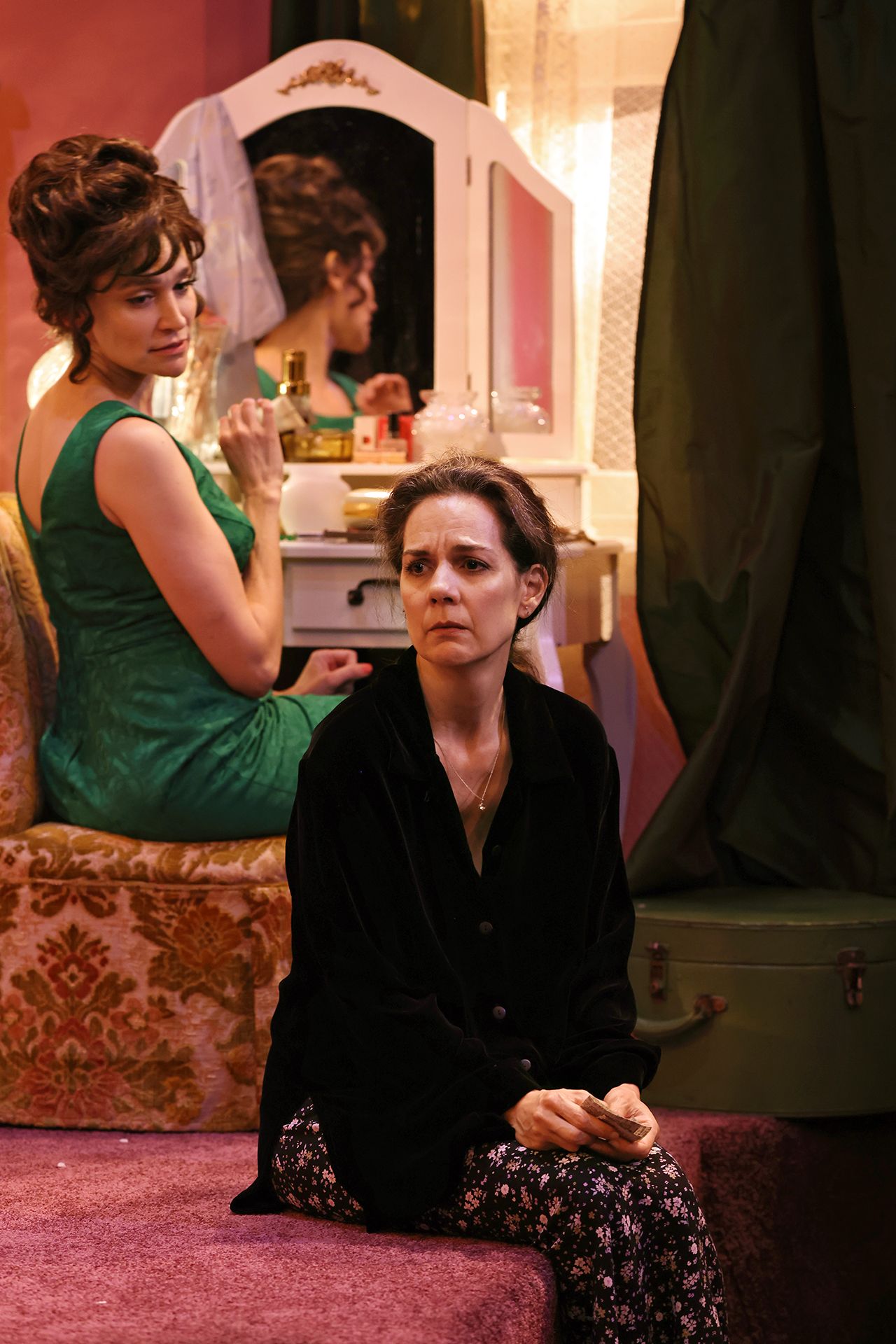
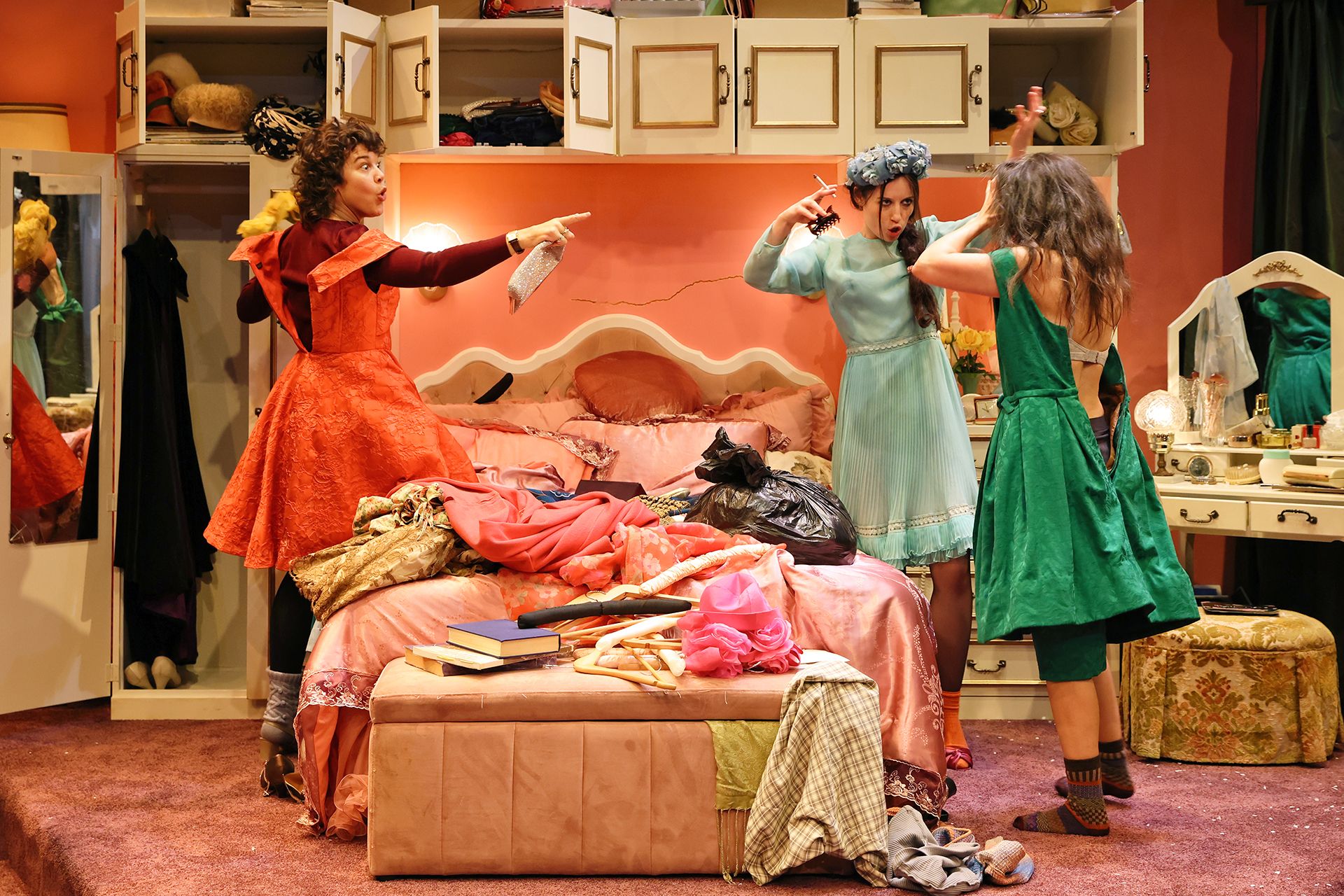
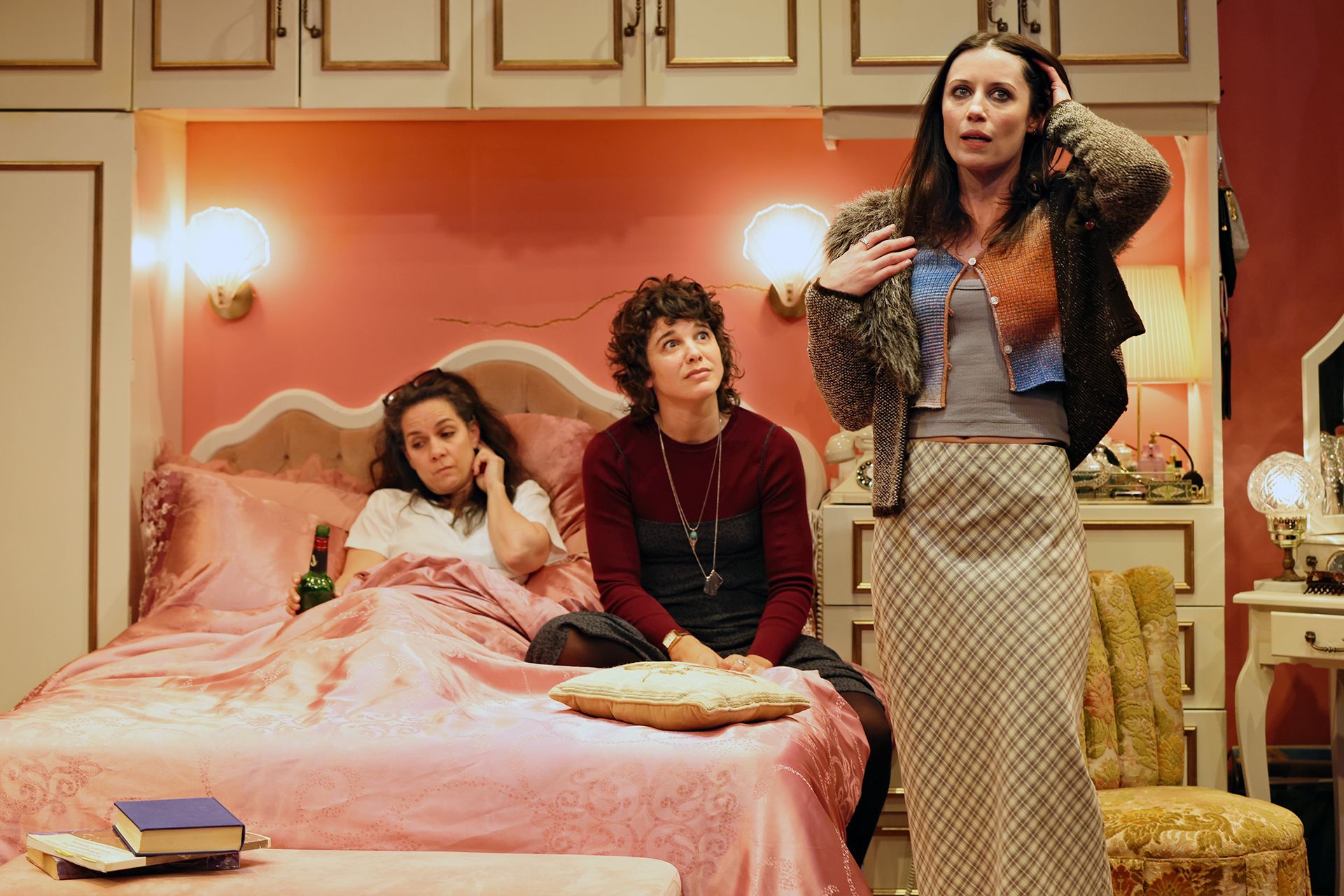
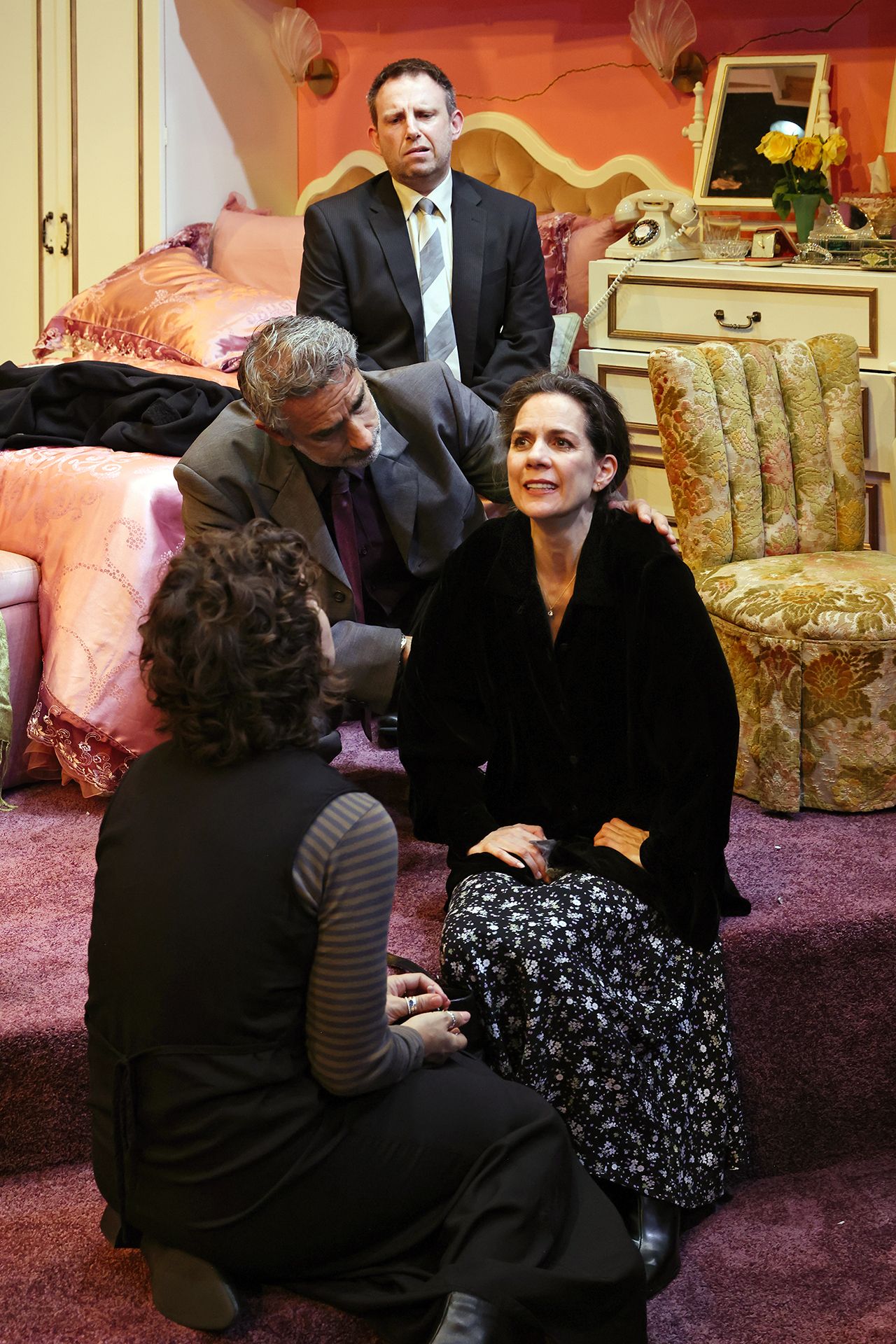
Direction by Rachel Chant honours that sense of truth, and delivers a production admirable for its integrity. With its excellent cast, the show proves consistently engrossing, even if we never really find moments of significant resonance. Michala Banas, Jo Downing and Madeleine Jones play the sisters, colourful and dynamic, full of surprises in their unpredictable portrayals of erratic personalities. Other performers include Thomas Campbell, Nicole Da Silva and Jonny Nasser, all highly persuasive in their respective roles, in a staging many will find entertaining.
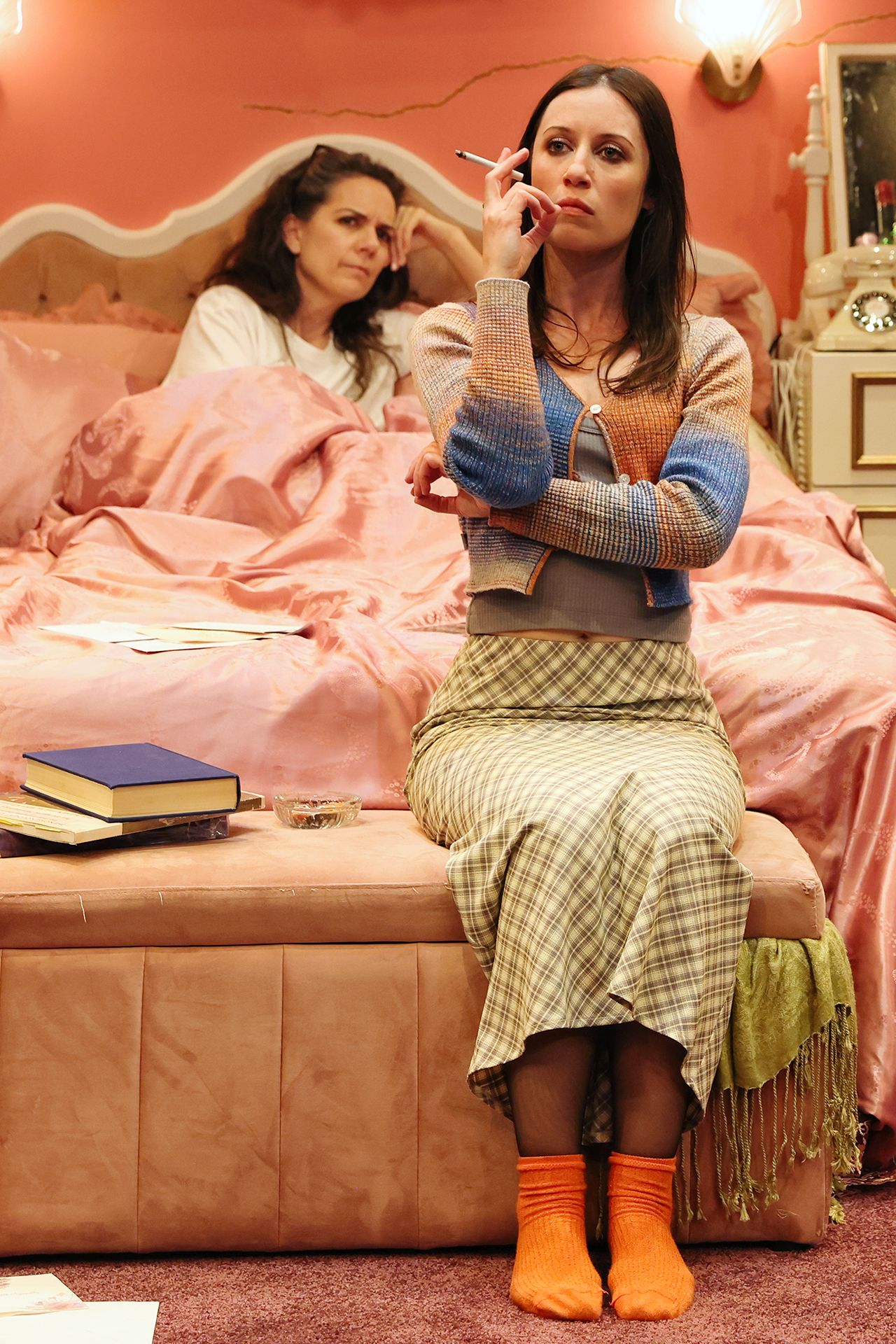
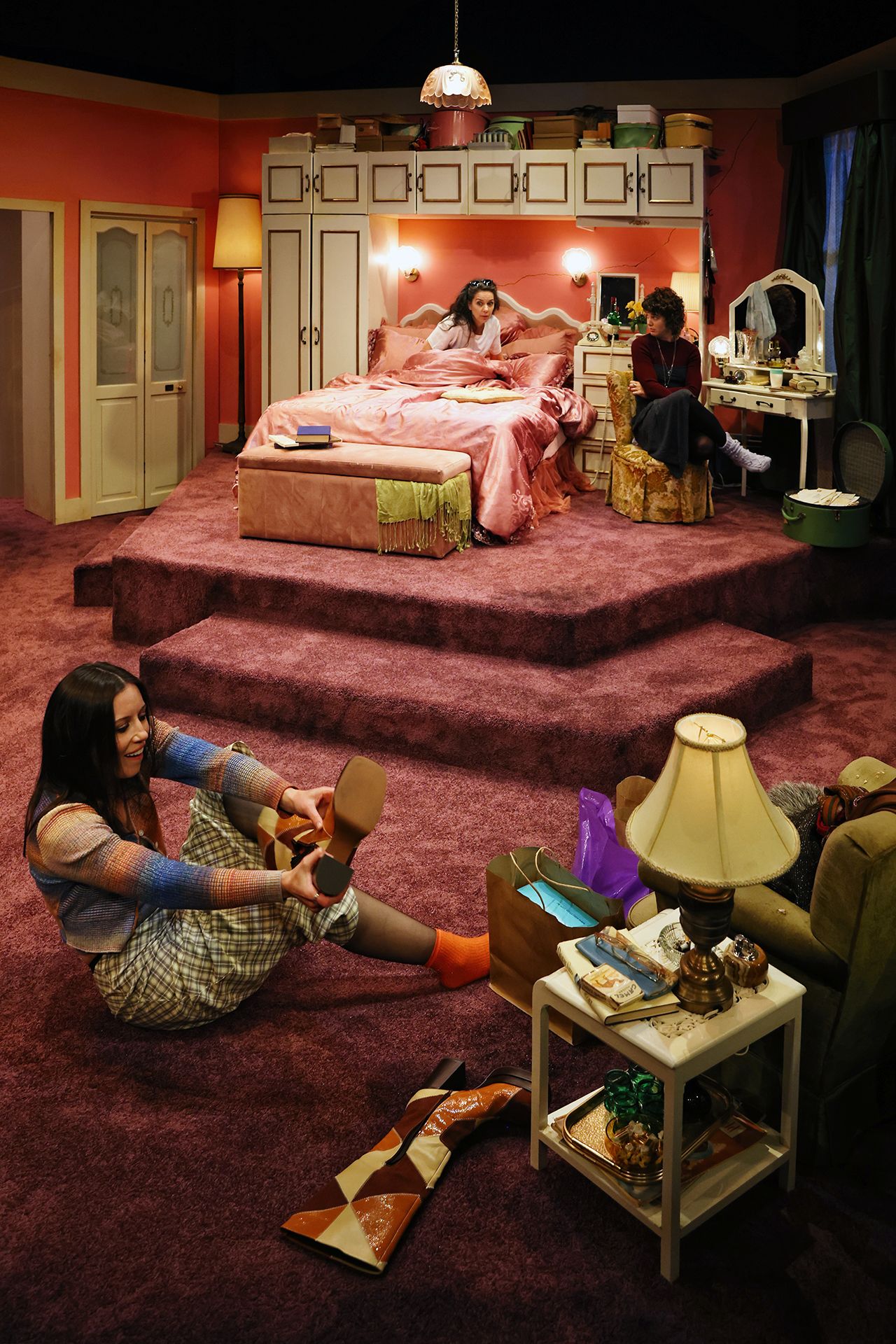
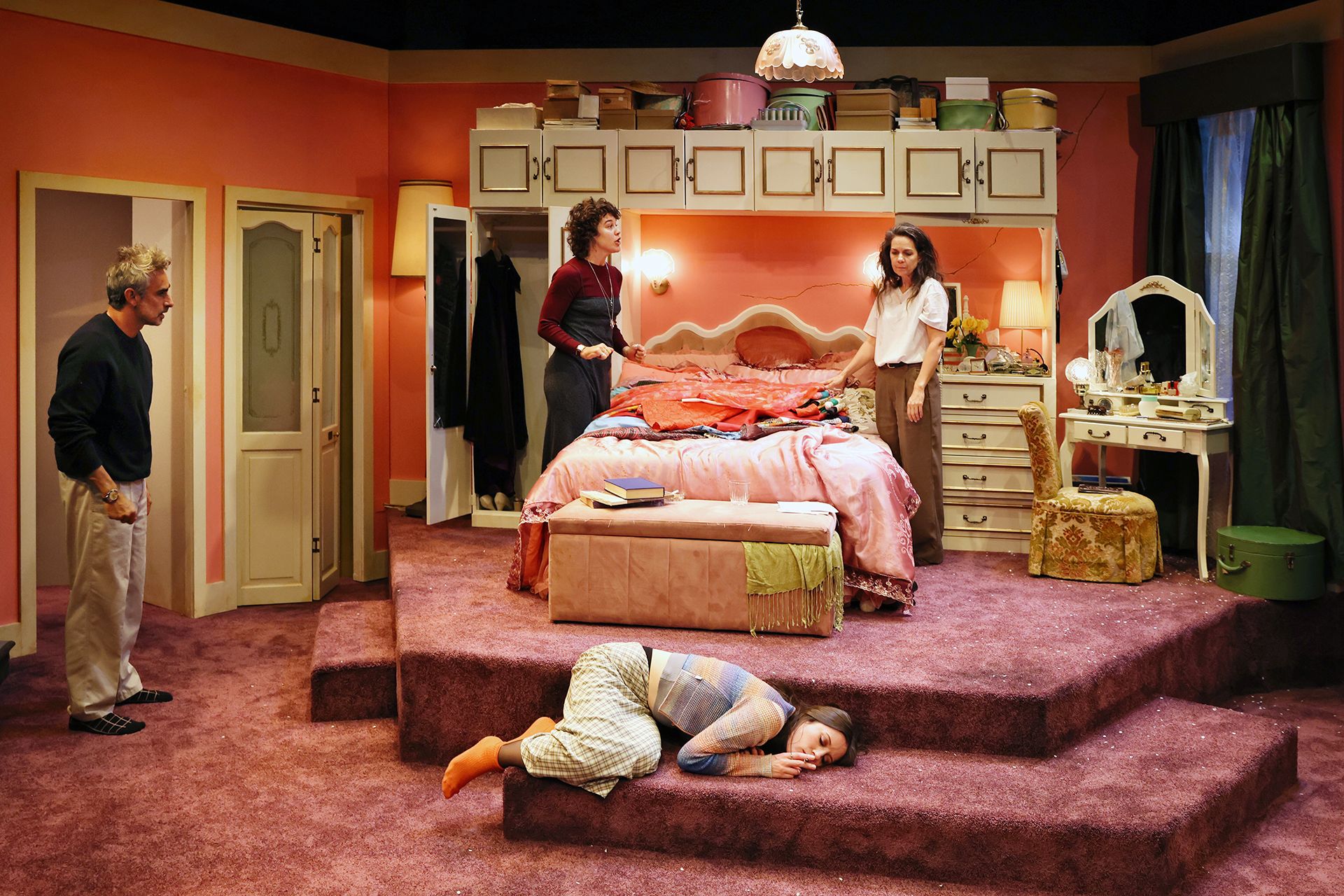
Set design by Veronique Benett features Violet’s flamboyant bedroom from the decadent seventies, impressive with its detail and finesse, and although dripping with irony, is simultaneously alluring with its sensual colour palette. Lights by Kelsey Lee and music by David Bergman are mostly subdued, in service of the intricate humour being manufactured, but are both noteworthy for their efficacy when given the opportunity to convey a greater sentimentality, especially during scenes later in the piece.
It is easy to begrudge parents their deficiencies; we never really come to terms with their human fallibilities. As women however, we can never deny that with each generation, our place in the world has improved, and looking back at what our mothers and grandmothers had had to endure, is always sobering. Violet’s daughters can certainly blame her for whatever they think is impairing their lives, but none will want to take her place, at a time when things were unequivocally worse.
 Suzy Goes See