Review: The Importance Of Being Earnest (Sydney Theatre Company)

Venue: Roslyn Packer Theatre (Sydney NSW), Sep 5 – Oct 14, 2023
Playwright: Oscar Wilde
Director: Sarah Giles
Cast: Gareth Davies, Melissa Kahraman, Lucia Mastrantone, Brandon McClelland, Sean O’Shea, Emma O’Sullivan, Bruce Spence, Helen Thomson, Megan Wilding, Charles Wu
Images by Daniel Boud

Theatre review
Gwendolen and Cecily have waited all their lives to marry a man, any man, named Earnest. That peculiar requirement for a beau is taken very seriously by both young women in Oscar Wilde’s The Importance of Being Earnest, not only for the absurd comedy that ensues, but also for the ways in which heteronormativity is exposed for the preposterous standards it imposes on a person’s worth, and the irrational priorities it proliferates for how people are supposed to conduct their affairs. It attacks the very notion of marriage as the foundation of family and of society, from a queer perspective, at a time when queer voices could only be heard when disguised as harmless fun.

Indeed, the politics of Wilde are surreptitiously concealed in his work, not quite able to chastise or subvert in overt ways, the values of a culture that cause immeasurable harm to those it marginalizes, but certainly successful at ridiculing beneficiaries of inequitable power structures, who insist on presenting benign or even benevolent fronts. Director Sarah Giles takes inspiration from the furtive implications of Wilde’s writing, and gives meaningful amplification to the subtext that underscores Earnest, thereby imbuing the production with unexpected substantiveness. It seems Earnest always did contain consequential depth, but it takes someone of Giles’ calibre to help us perceive it.

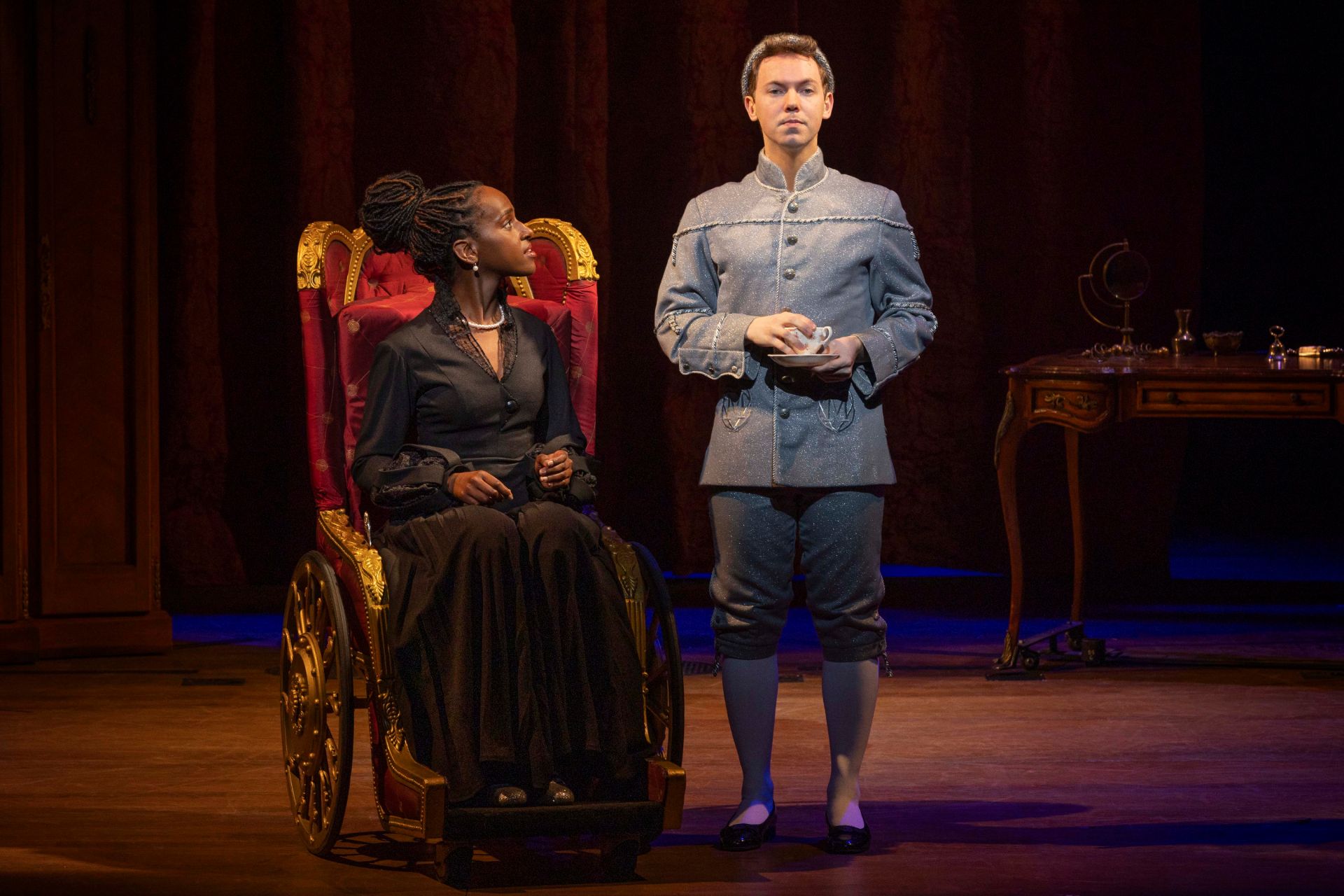
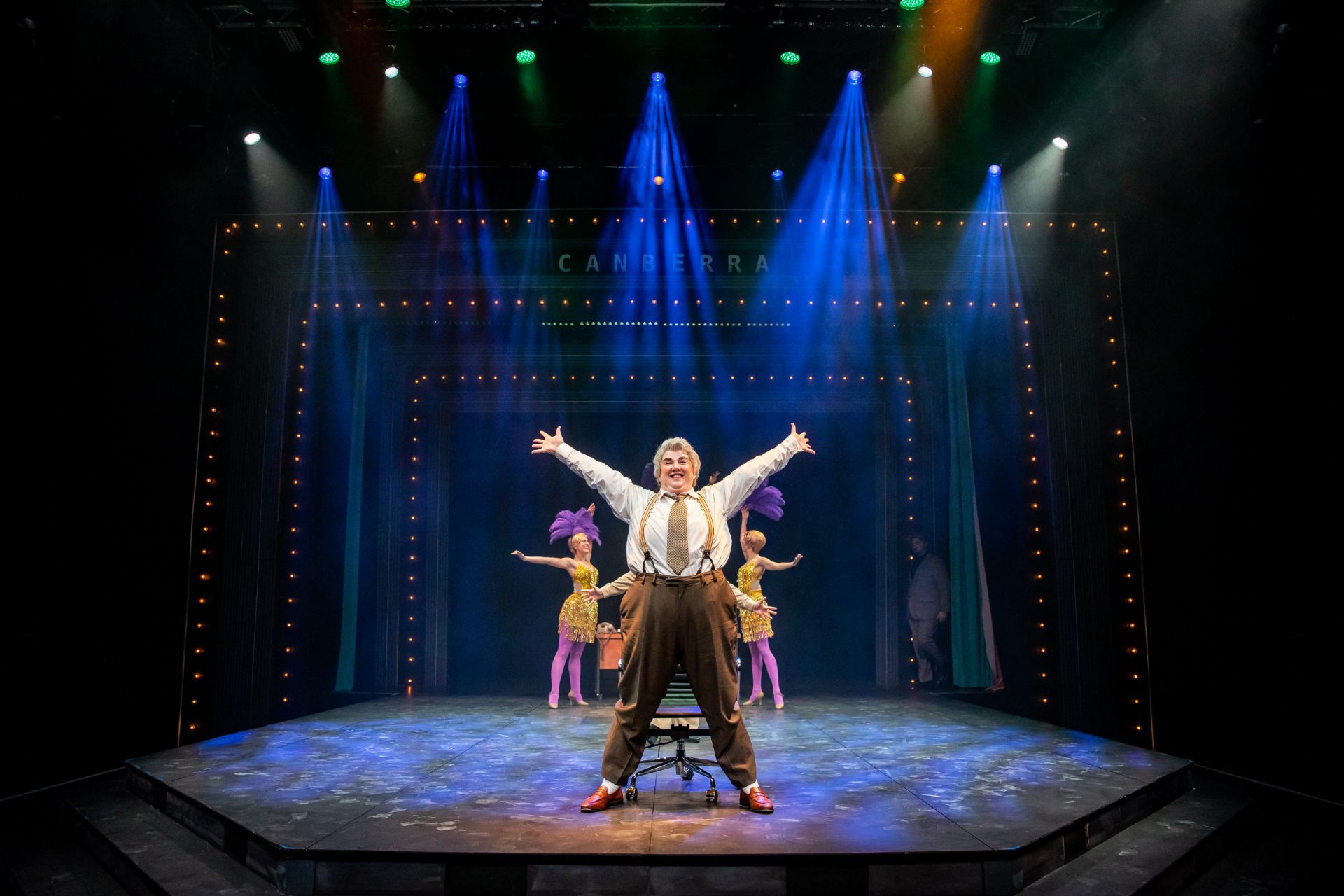
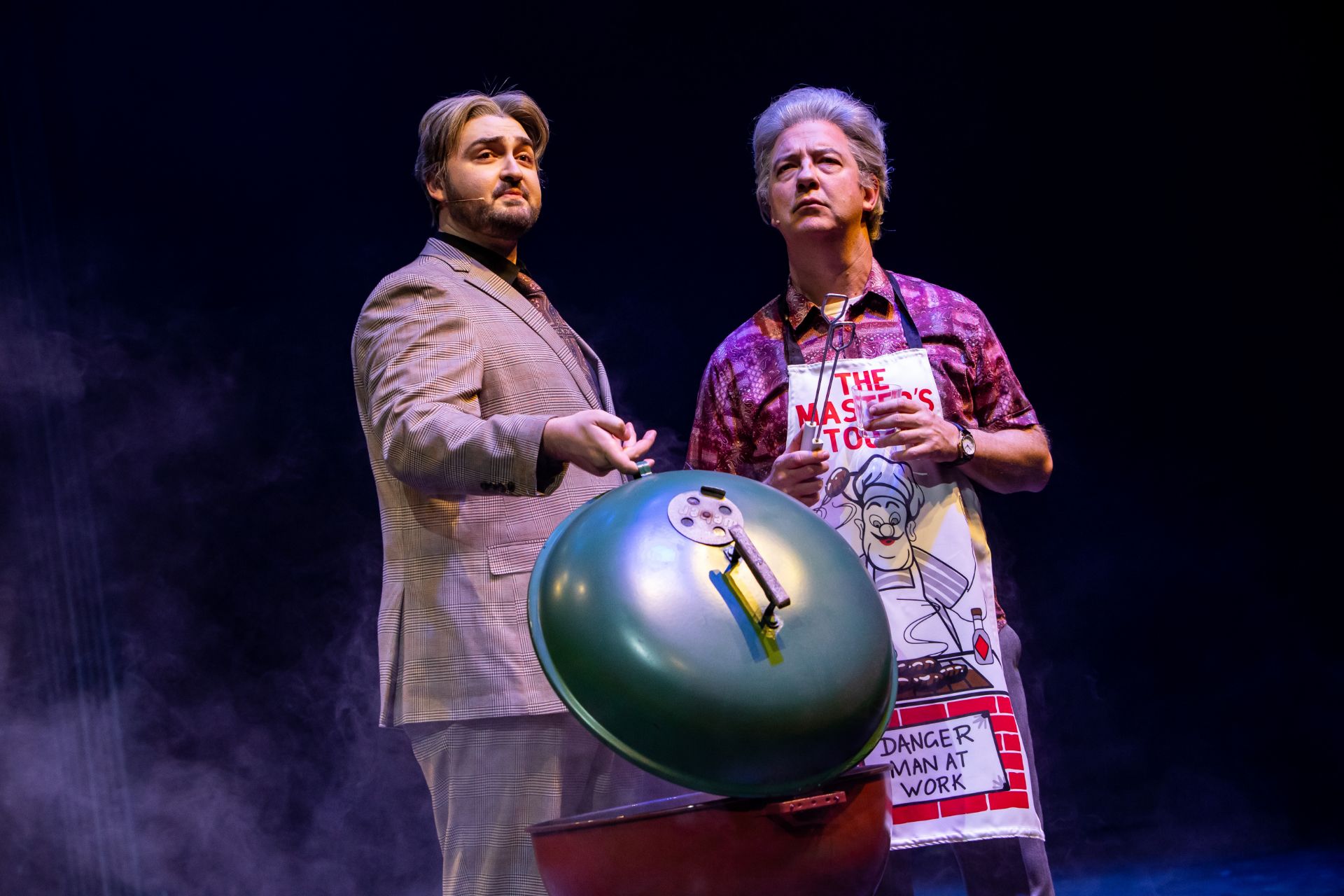
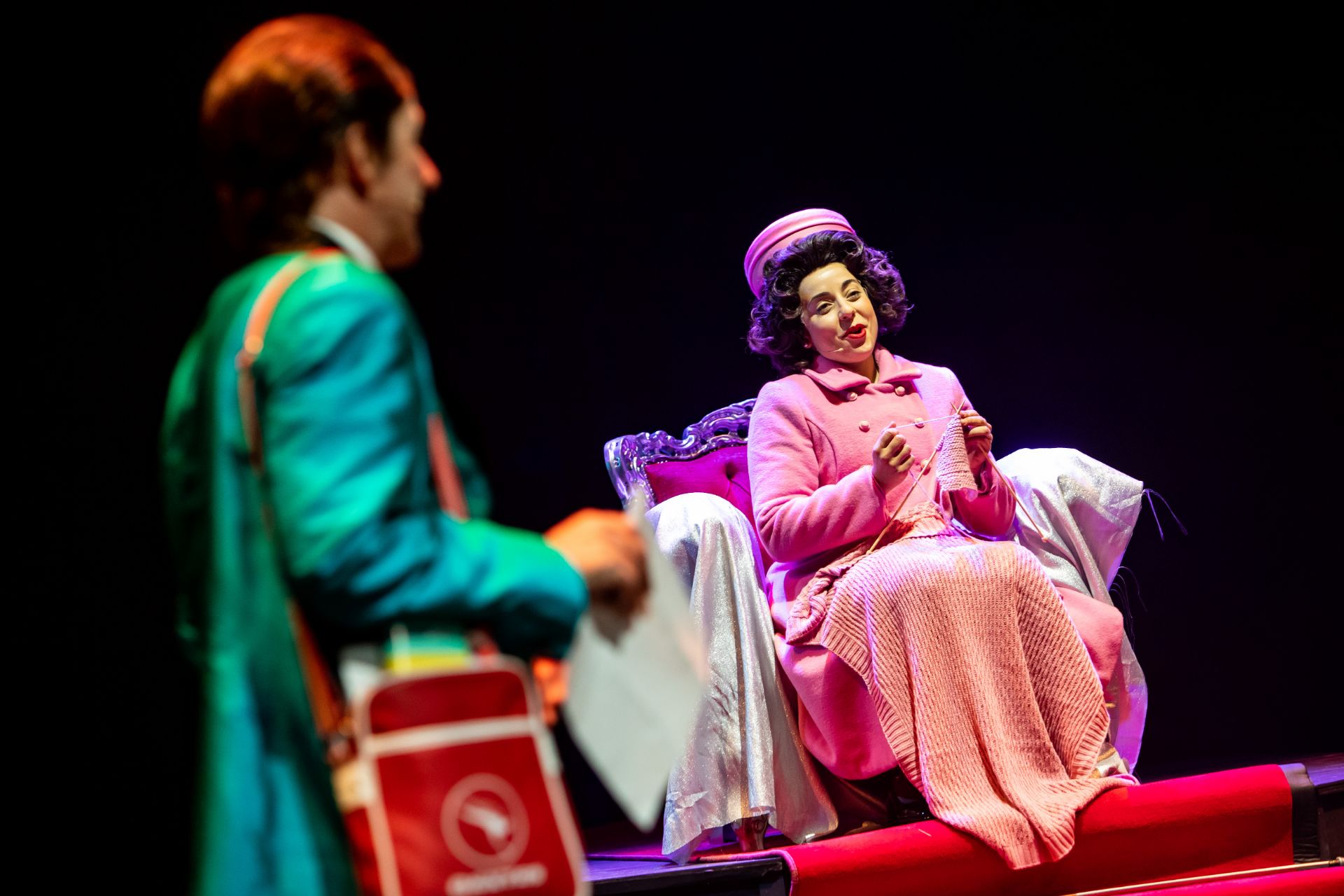
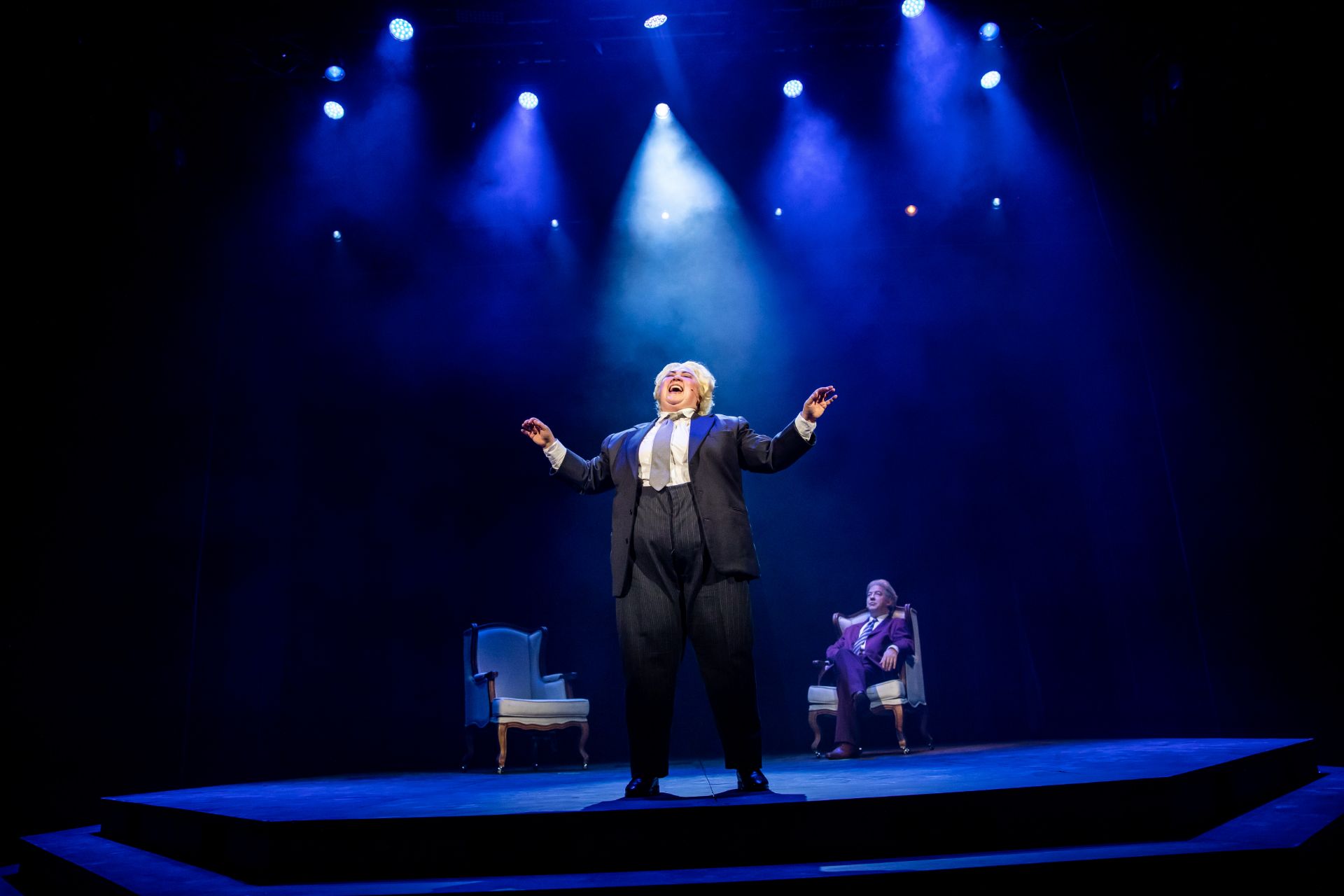
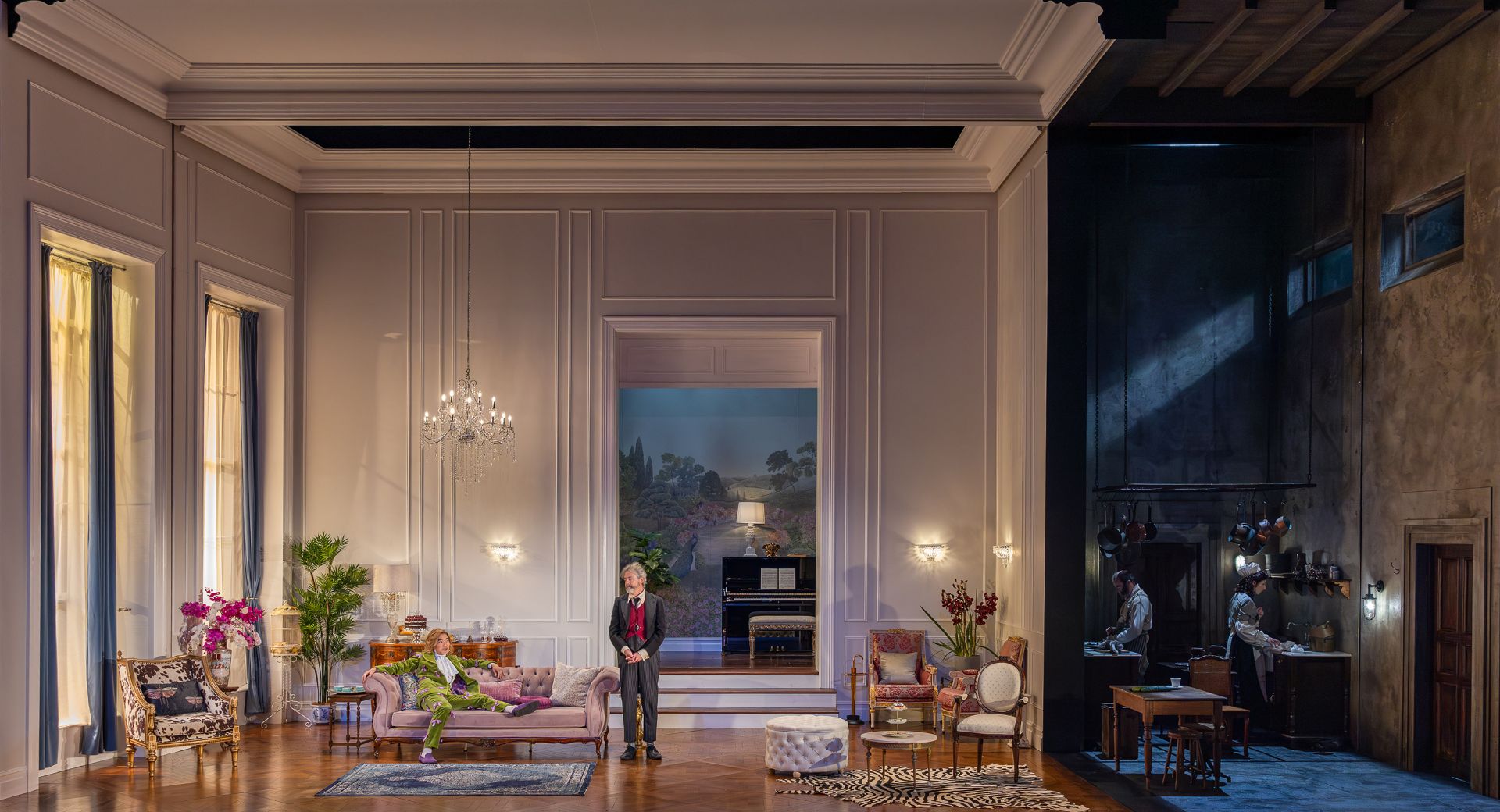
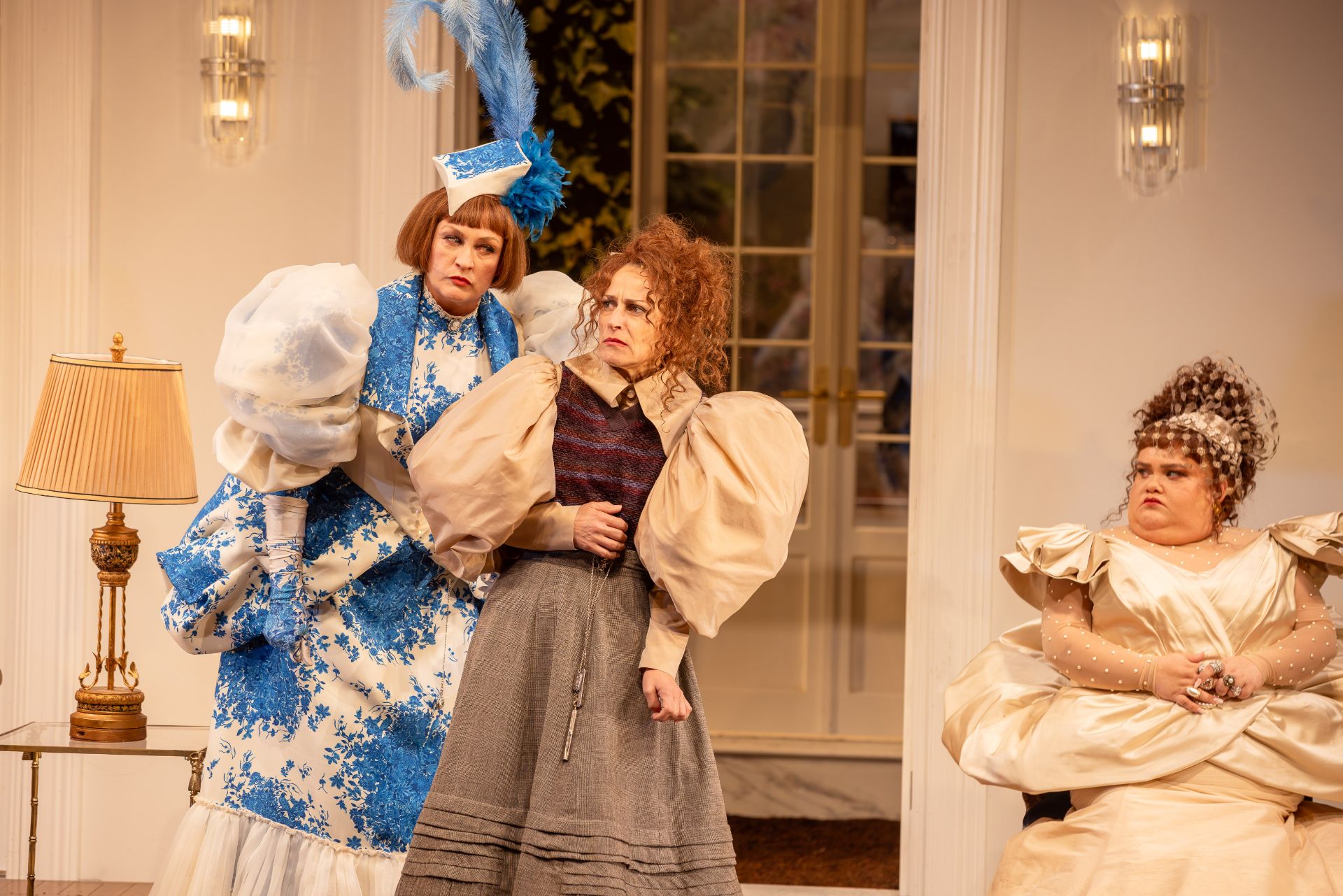
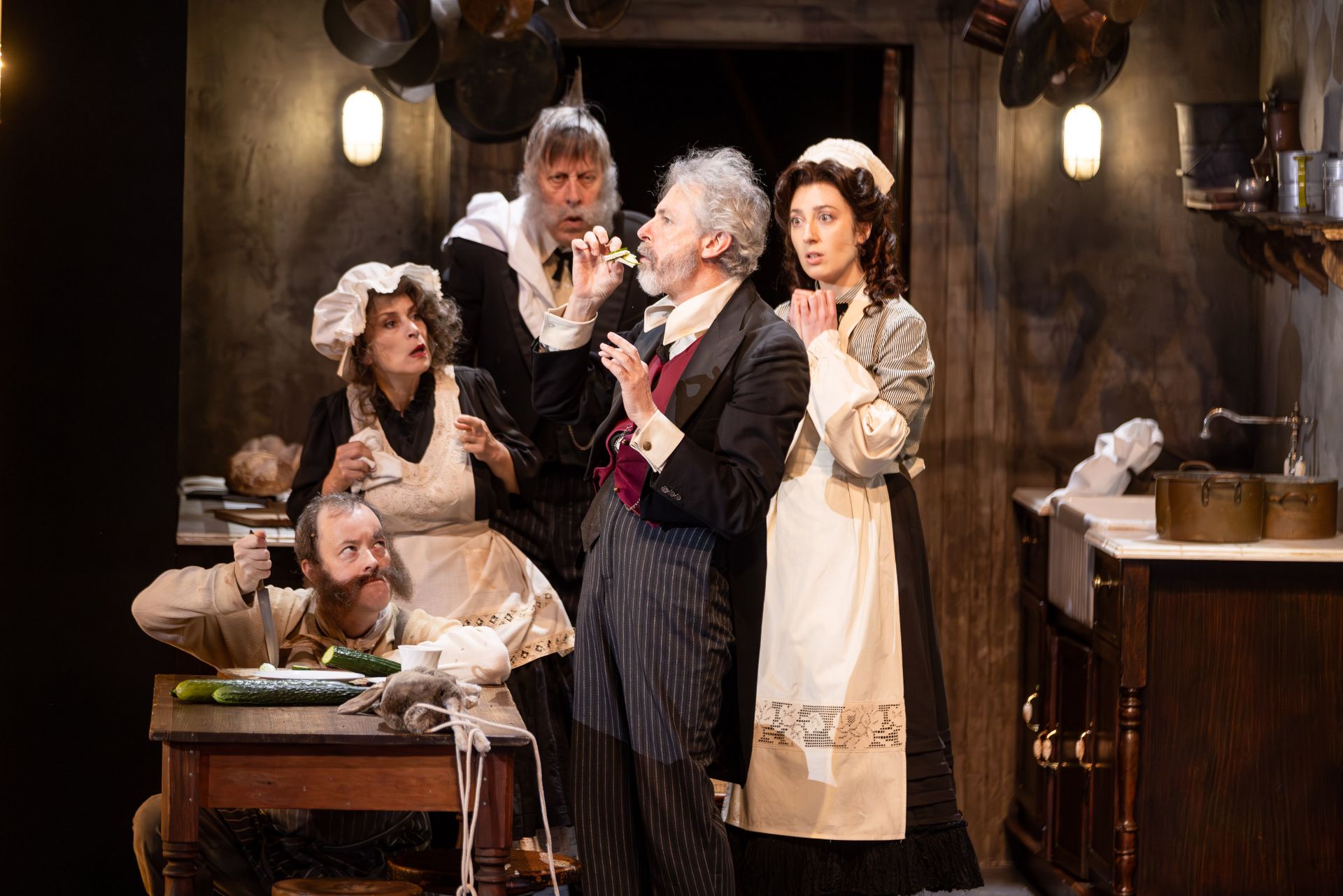
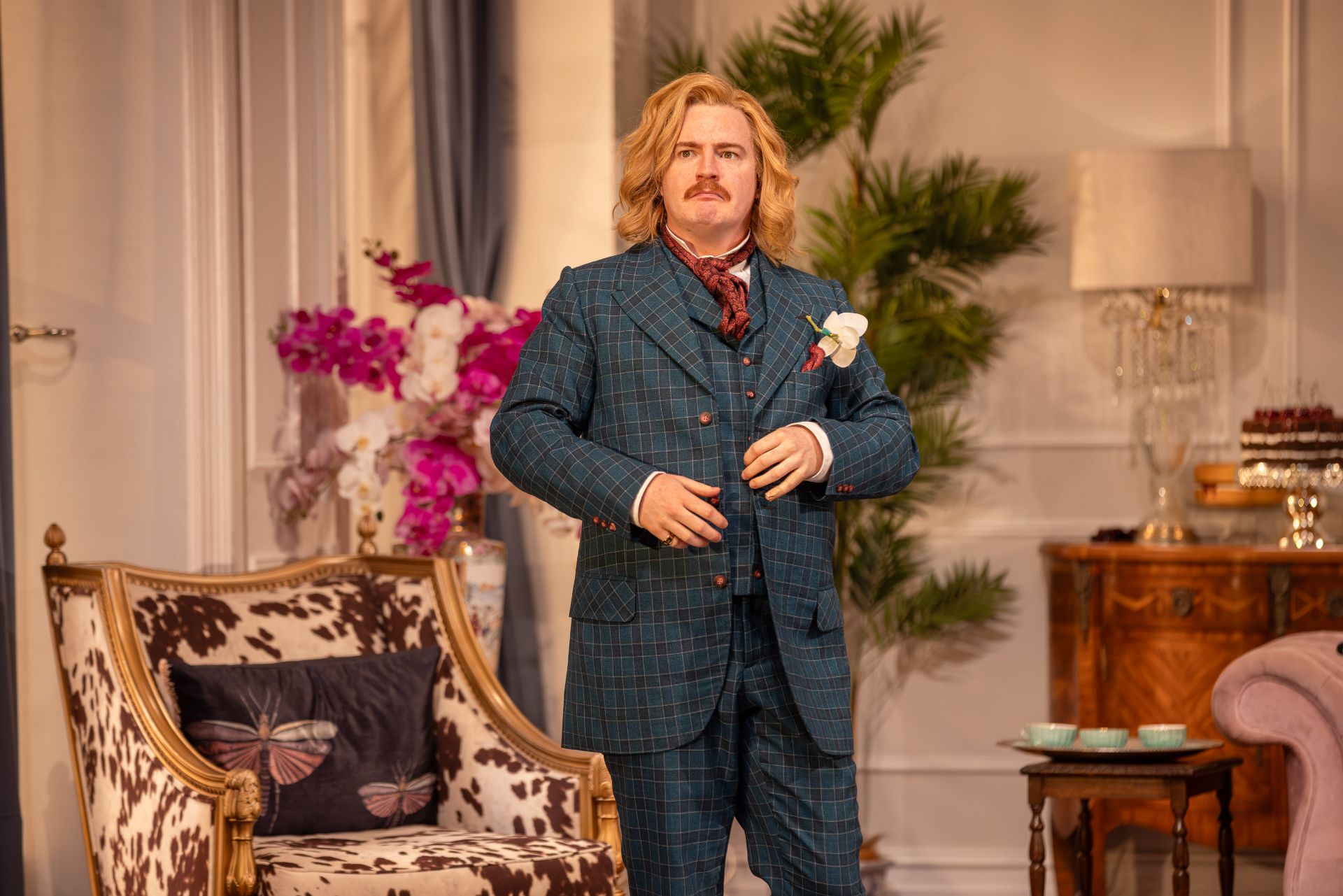
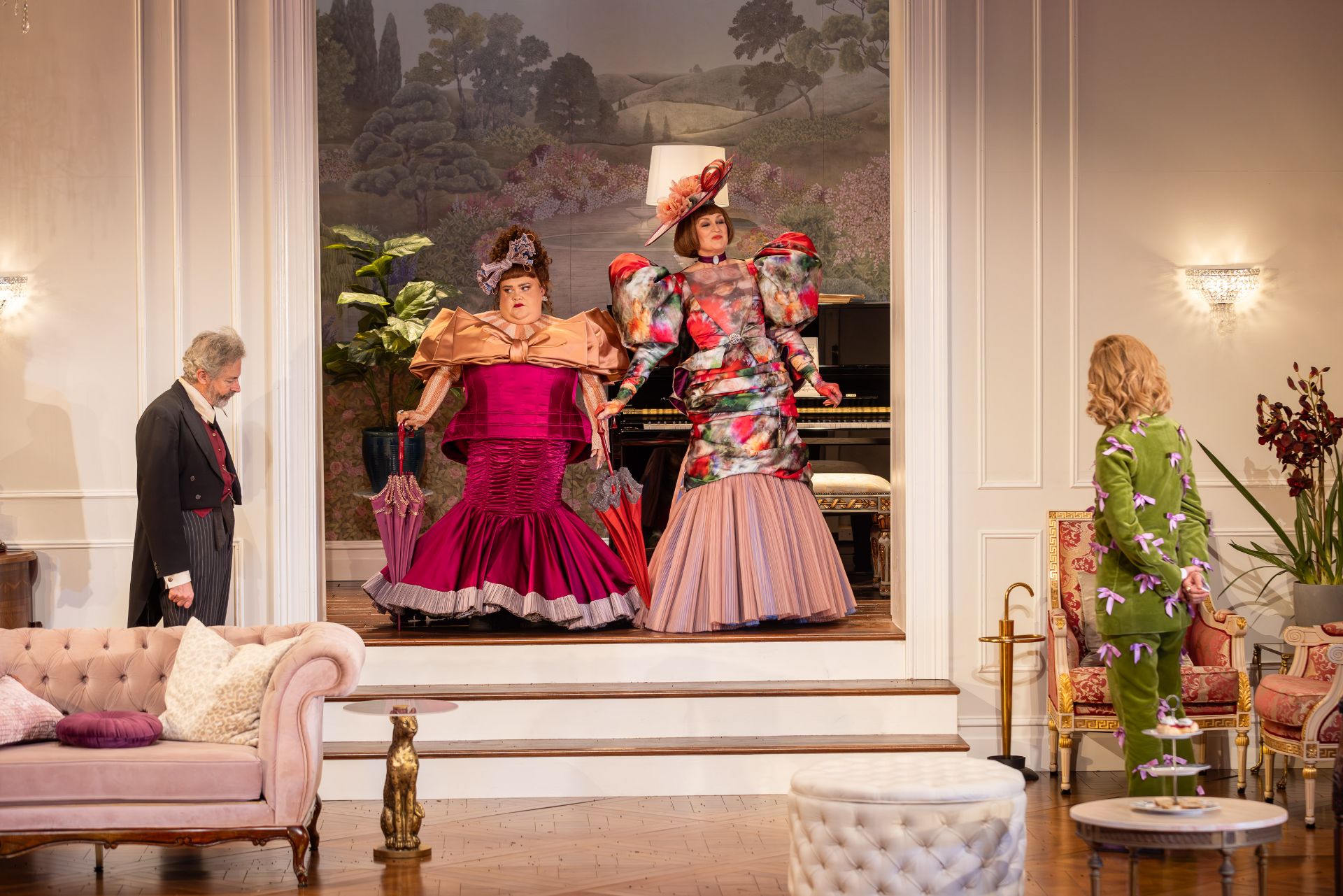
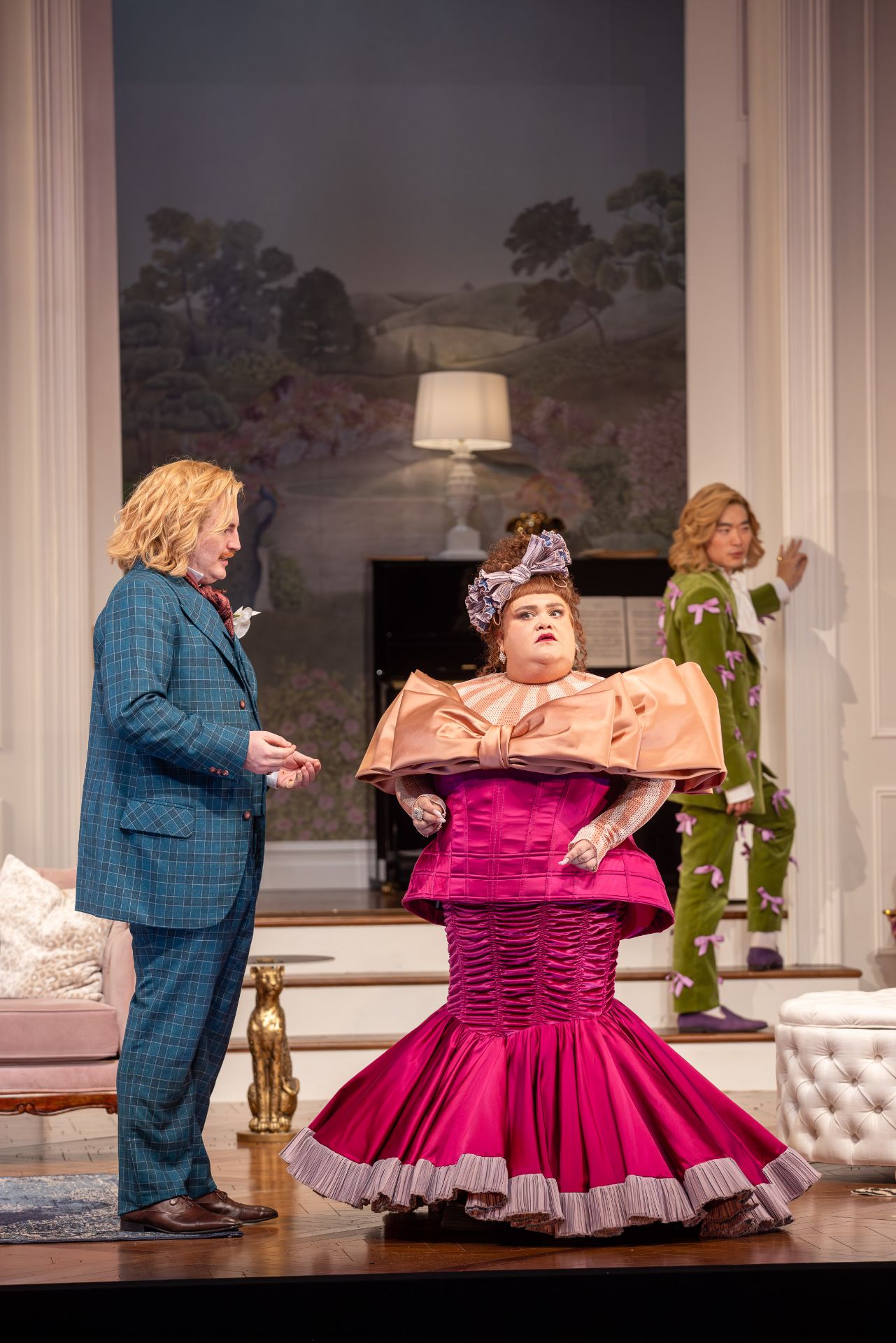
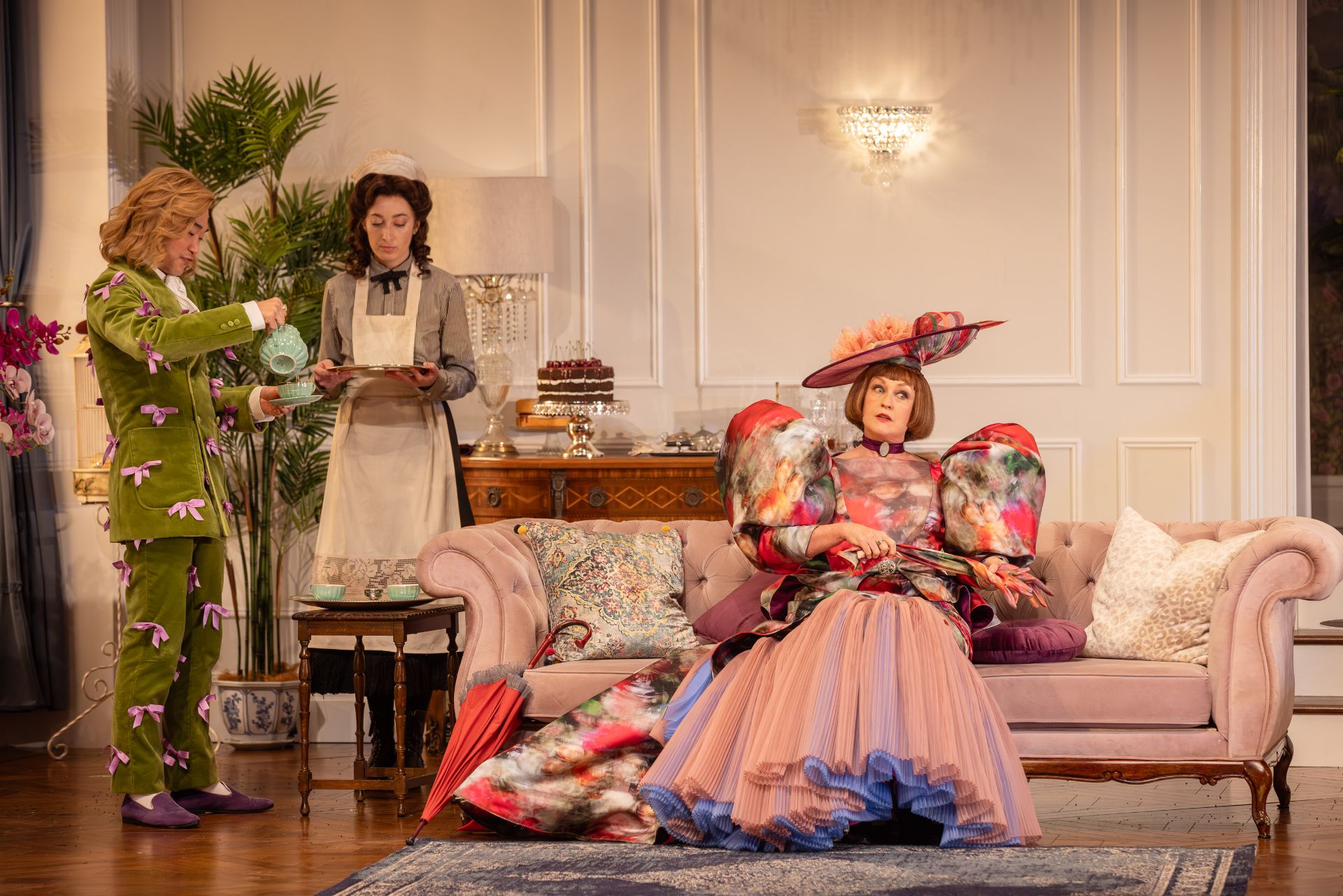
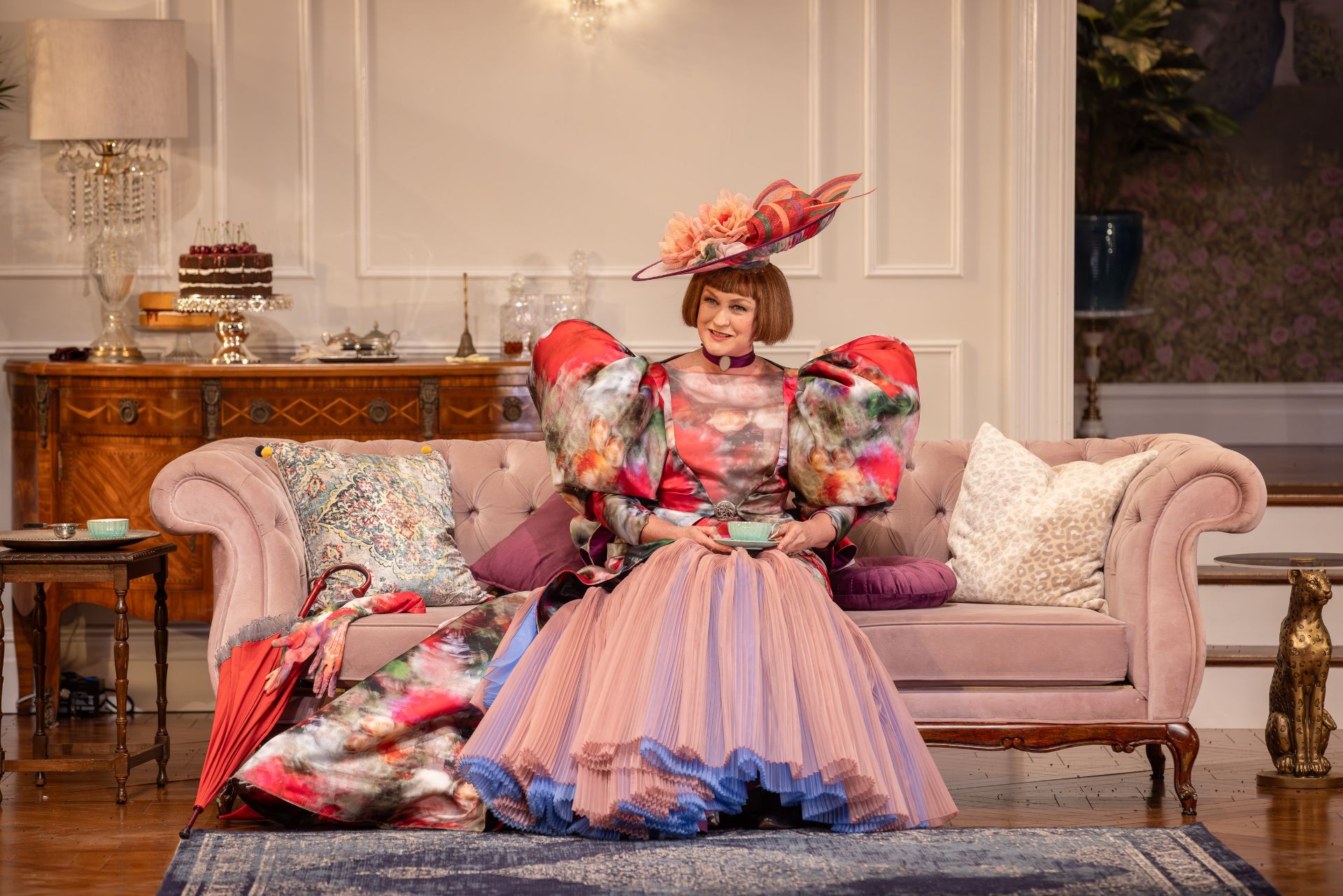
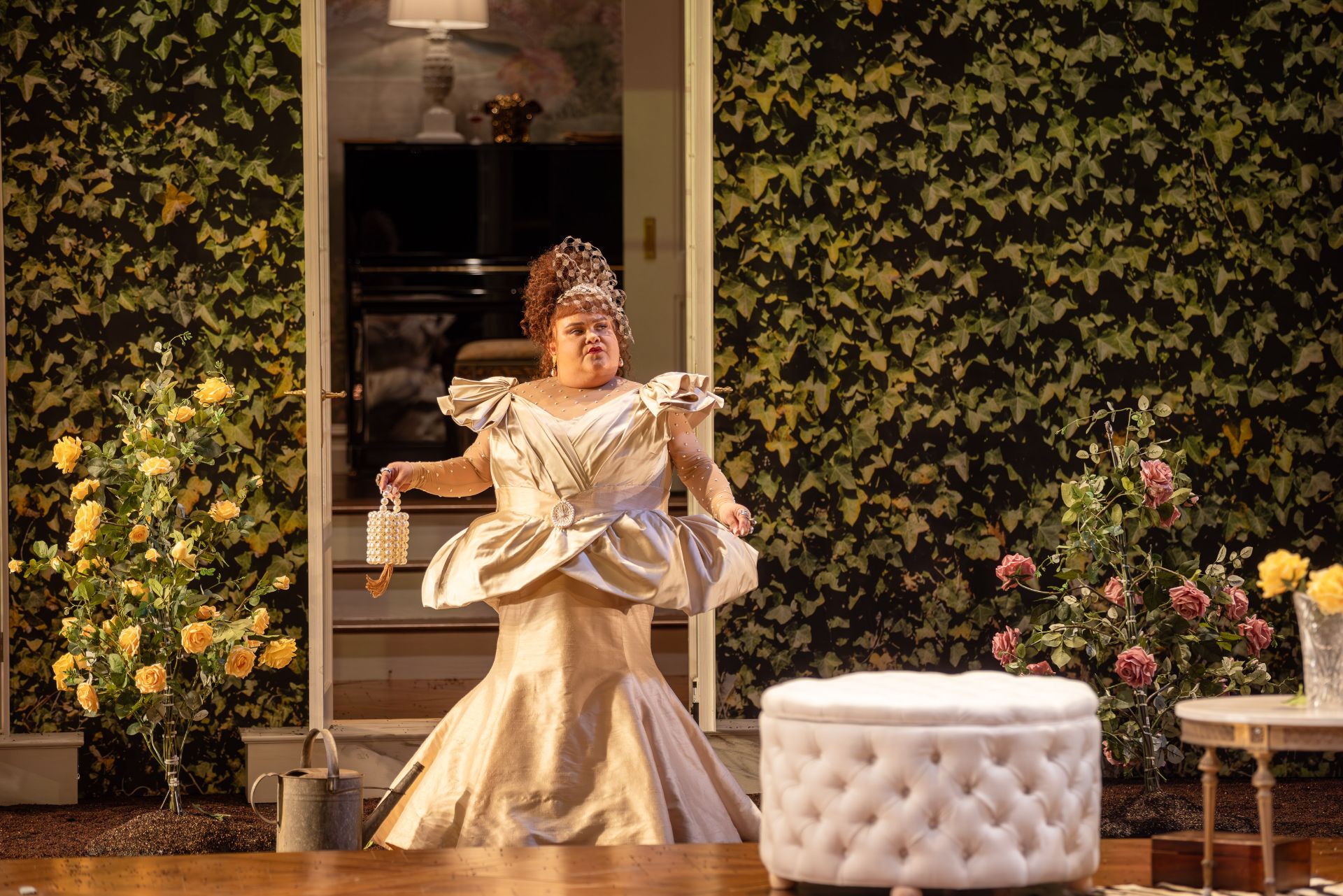
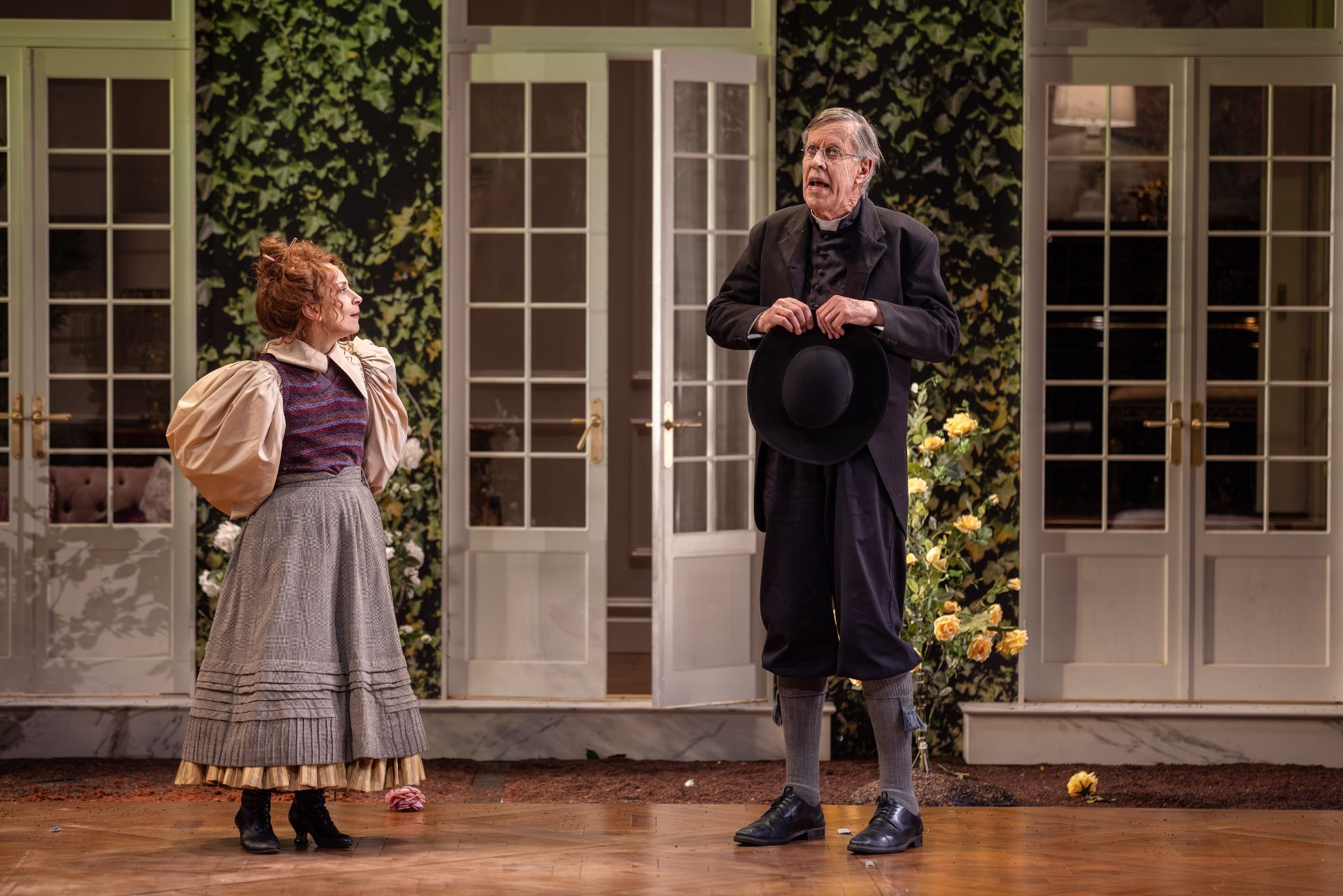
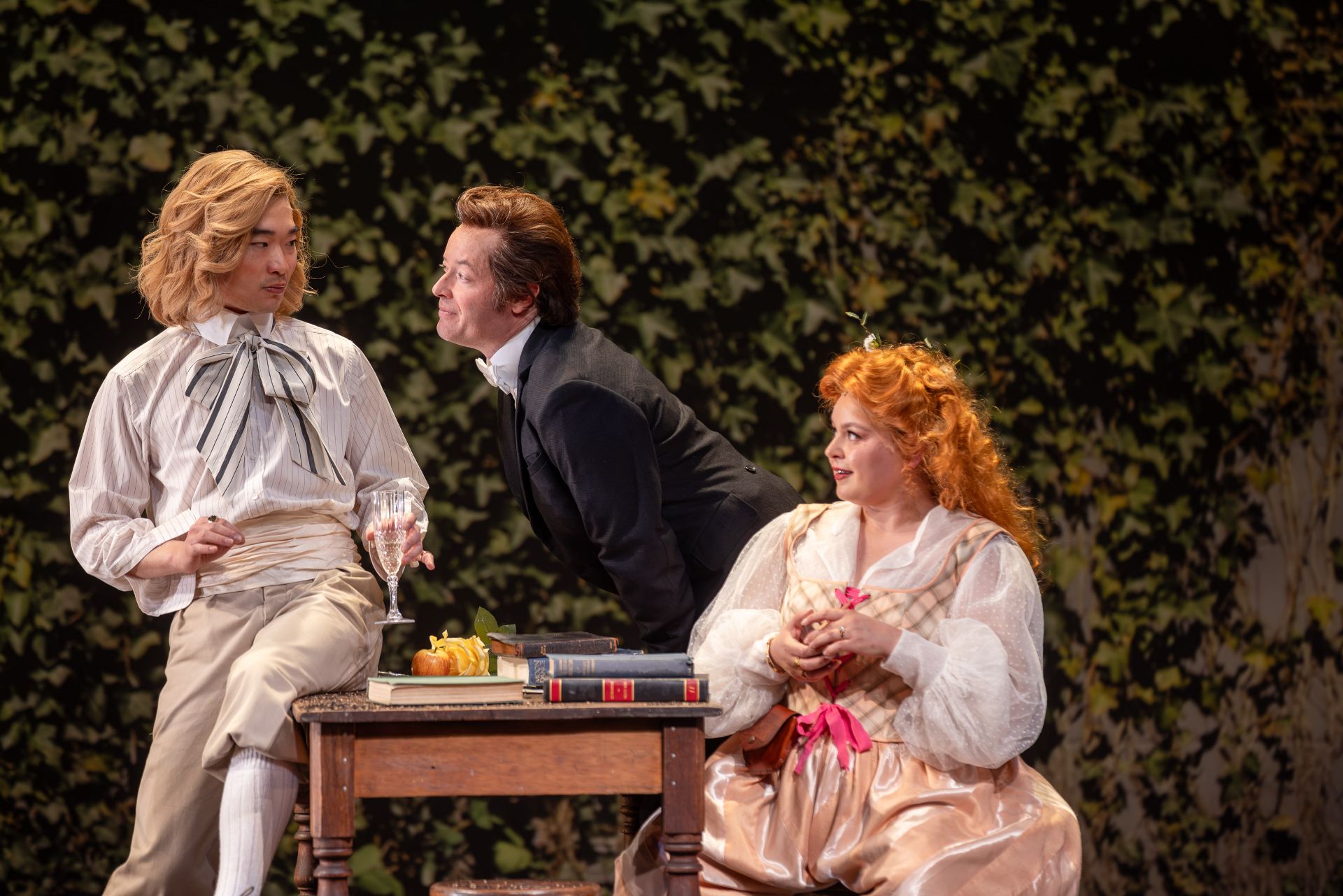
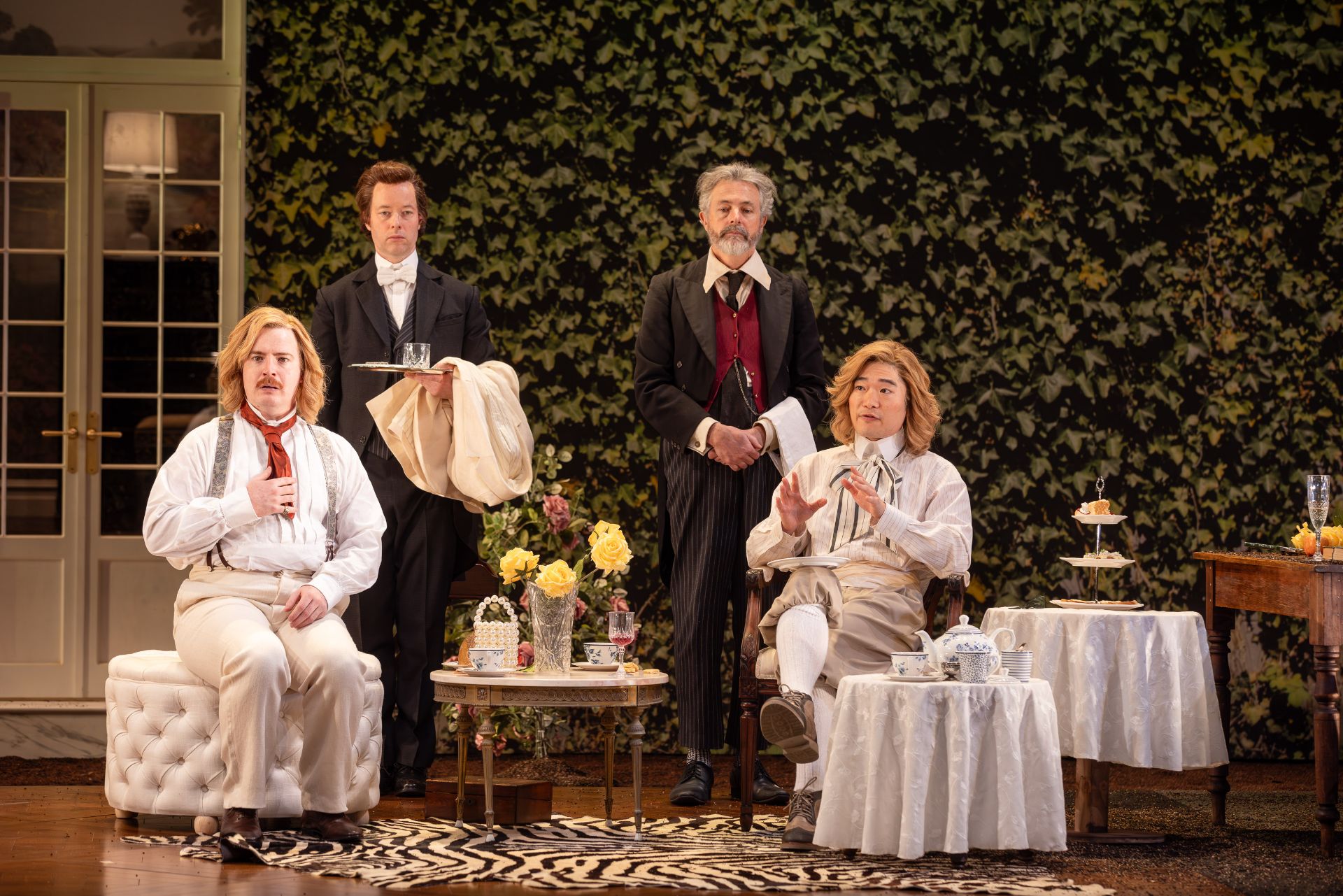
Set design by Charles Davis incorporates the “downstairs” of Victorian stately homes, boldly revealing that which is traditionally and routinely suppressed. There is a grandeur to the imagery Davis has created that is quite breathtaking, with a memorable transition from town house to country estate, that proves absolutely spellbinding. Costumes by Renée Mulder too are unforgettable, extreme in their indulgence with visual flamboyance to deliver simultaneously, the theatrical joys of humour and of glamour, giving further expression to the fundamental queer sensibility that informs Earnest. Lights by Alexander Berlage and sounds by Stefan Gregory are more restrained, but no less measured, in a production that scores top marks with its design elements.

Actor Megan Wilding is a sensation as Gwendolen, infinitely creative and unequivocally hilarious with all the meticulous considerations she brings to the stage. Every inflection of voice and every perfectly timed gesture, not only induce fits of laughter, they serve to illustrate marvellously the personality being portrayed, and to ensure our engagement with the overall narrative. Lady Bracknell is played by Helen Thomson whose awe-inspiring sense of grandiosity is both comical and convincing, in order that we may stay firmly within the story, whilst we relish in her effortless manipulations of allure, sass and wit. The eponymous Earnest is appropriately sincere and passionate, as performed by an eminently compelling Brandon McClelland, who is as adept at making the role believable, as he is at giving us a funny character. There is however a glaring discrepancy in levels of hilarity being rendered, between members of this ten-player cast; all are undoubtedly accomplished, but some are clearly disproportionately persuasive, in a presentation that seems to turn into a competition for amusement.

Camp, as a style and as a political symbol, takes centre stage in this version of Earnest. It is not merely a device that emerges in opportune moments. It is pivotal to how we experience the show, and how we make sense of the same machinations undergirding the personalities on stage, that also rule our real lives. The illogicality of Wilde’s characters is heightened, and camp is thereby used to force an unmasking of the many things representing esteem and privilege, that are truly hollow. We are made to perceive concurrently that which is bad, along with how it is perversely favoured, in so much of how we live. In campness we can pretend to adhere and obey, as though we are laughing with, but in fact some of us in the gutter, are laughing at.
www.sydneytheatre.com.au

Review: The Chairs (Old Fitz Theatre)

Venue: Old Fitzroy Theatre (Woolloomooloo NSW), Sep 5 – Oct 15, 2023
Playwright: Eugène Ionesco
Director: Gale Edwards
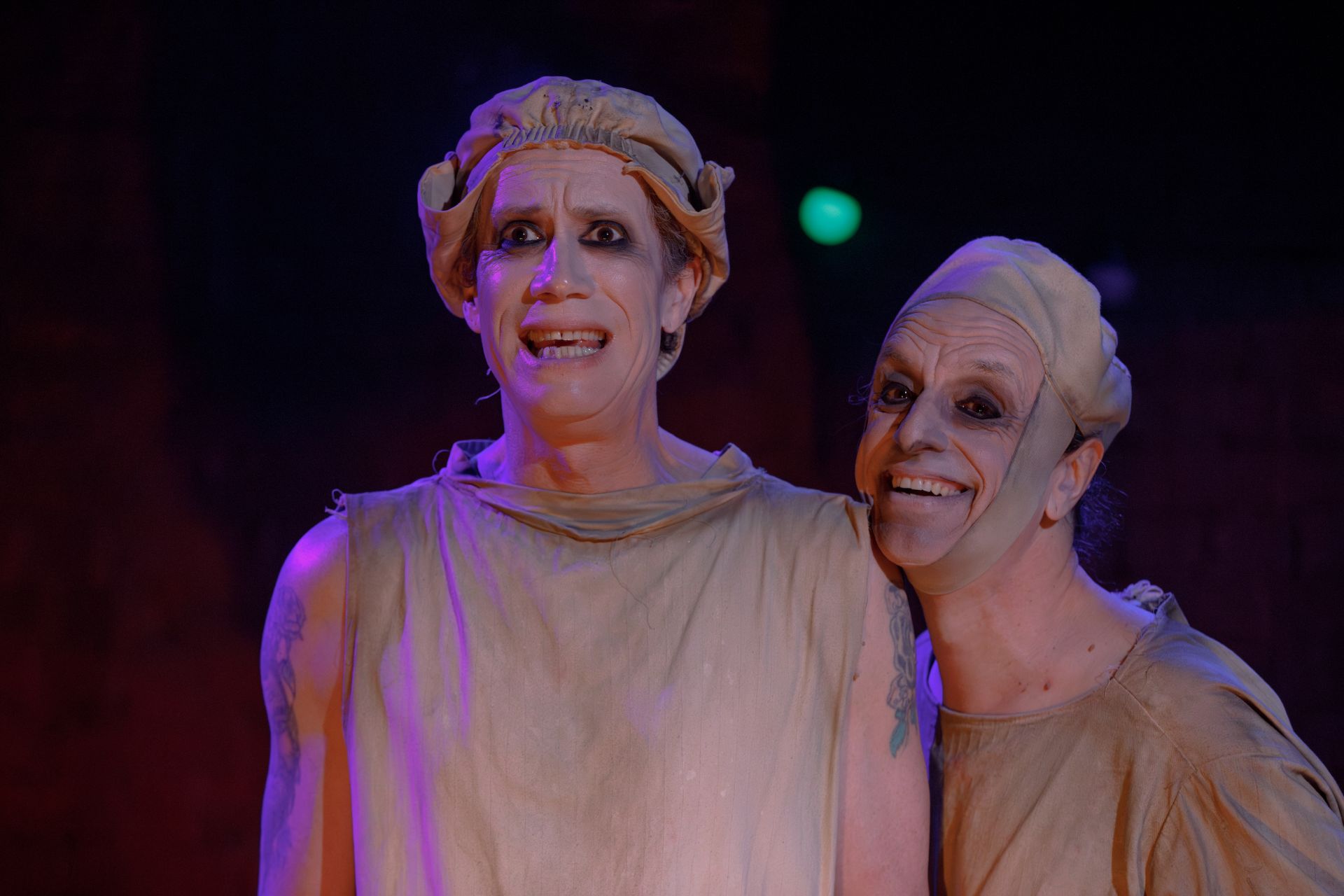
Cast: Paul Capsis, iOTA
Images by Phil Erbacher

Theatre review
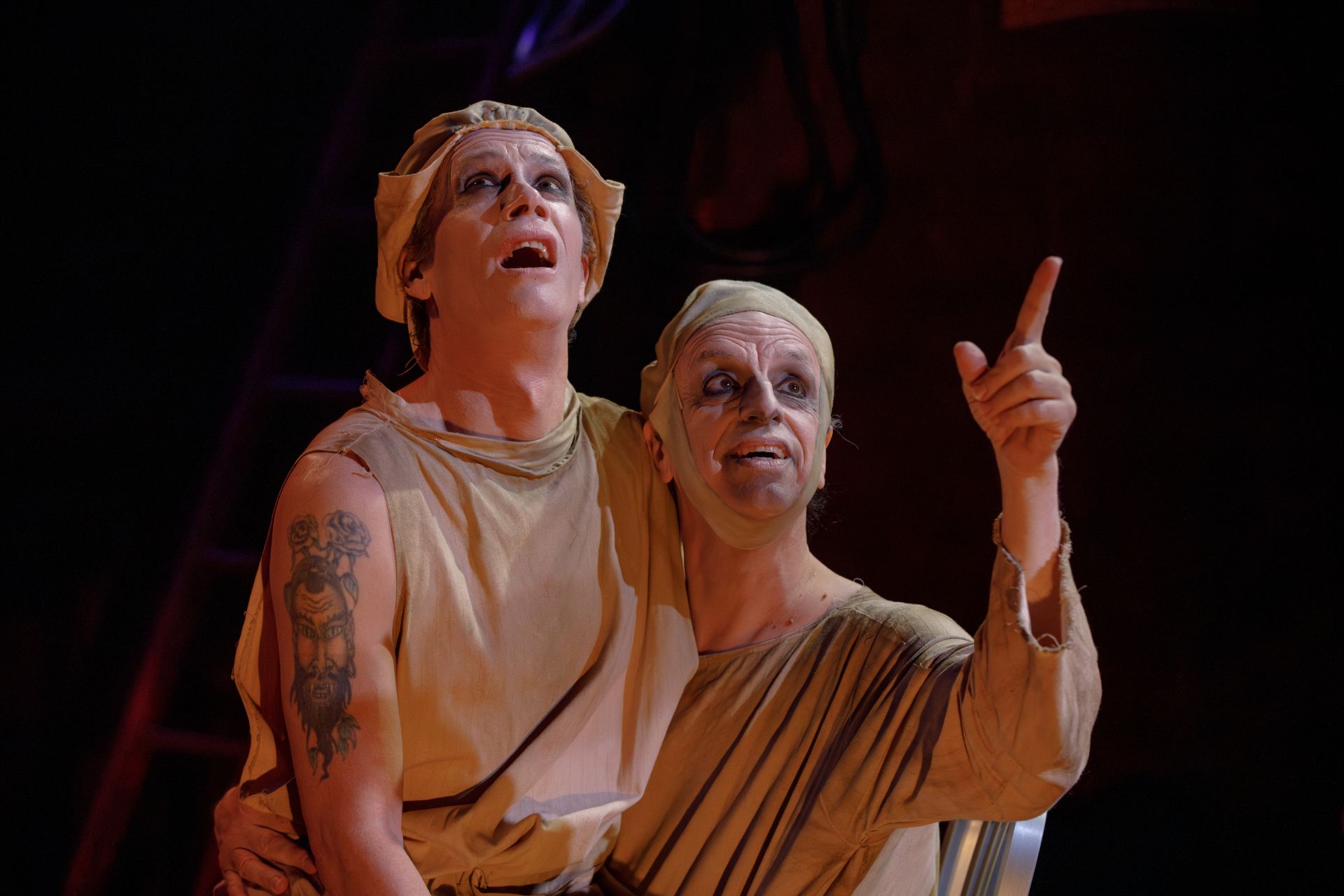
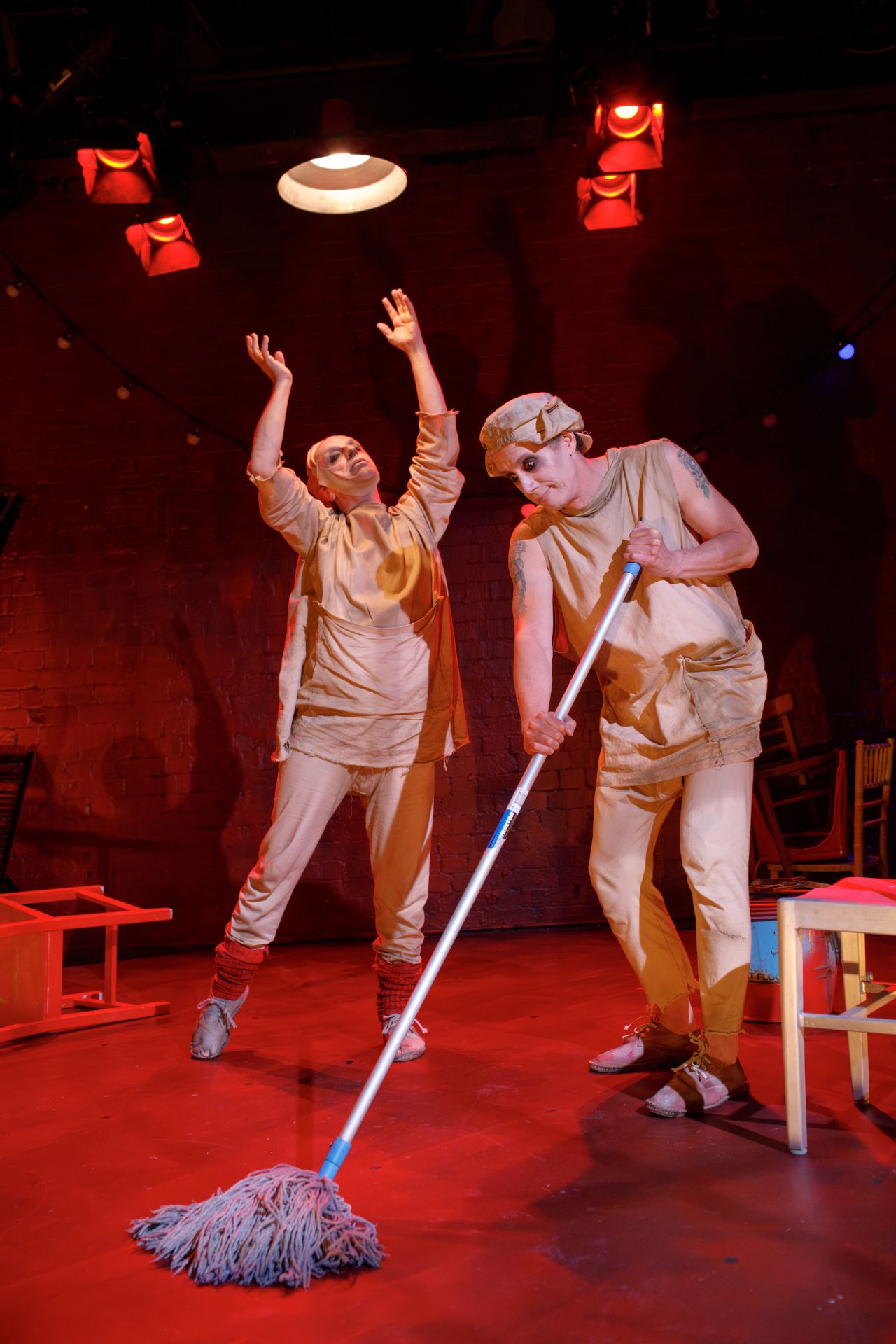
Stuck in a room for a lifetime, after an environmental disaster many decades ago rendered them helpless, an old couple can only while the days away by talking to each other, in highly imaginative ways. Their isolation leads them to play out a scenario involving guests arriving to keep them company, determined to listen to their many thoughts on what might have been. Eugène Ionesco’s The Chairs is characteristically absurd, in thoughtful and profound ways commensurate with the playwright’s reputation.

What the play says, is as much about what the viewer wishes to decipher, as it is about the author’s intentions. Under the direction of a sensitive and astute Gale Edwards, the possibilities for resonance are many. It is a production that reaches for the sublime, wishing to communicate something transcendent with all of its abstractions, yet capable of feeling simultaneously concrete through the sense of reality being offered. Something truthful is being manifested, and we perceive it as such, even though there is a definite freedom in how our personal interpretations are encouraged.

Set design by Brian Thomson evokes a fantastical space, somewhere ephemeral perhaps or timeless, allowing us to have a taste both of 1952 when The Chairs was first staged, and the distant future in which the story happens. Costumes are wonderfully theatrical, with excellent consideration for colours and textures by Angela Doherty providing a certain tactility to how we access the characters. Lights by Benjamin Brockman and sounds by Zac Saric create useful demarcations in the text, so that our intellect can feel elastic and activated, lively in our introspections, from being provoked by what we see and hear.

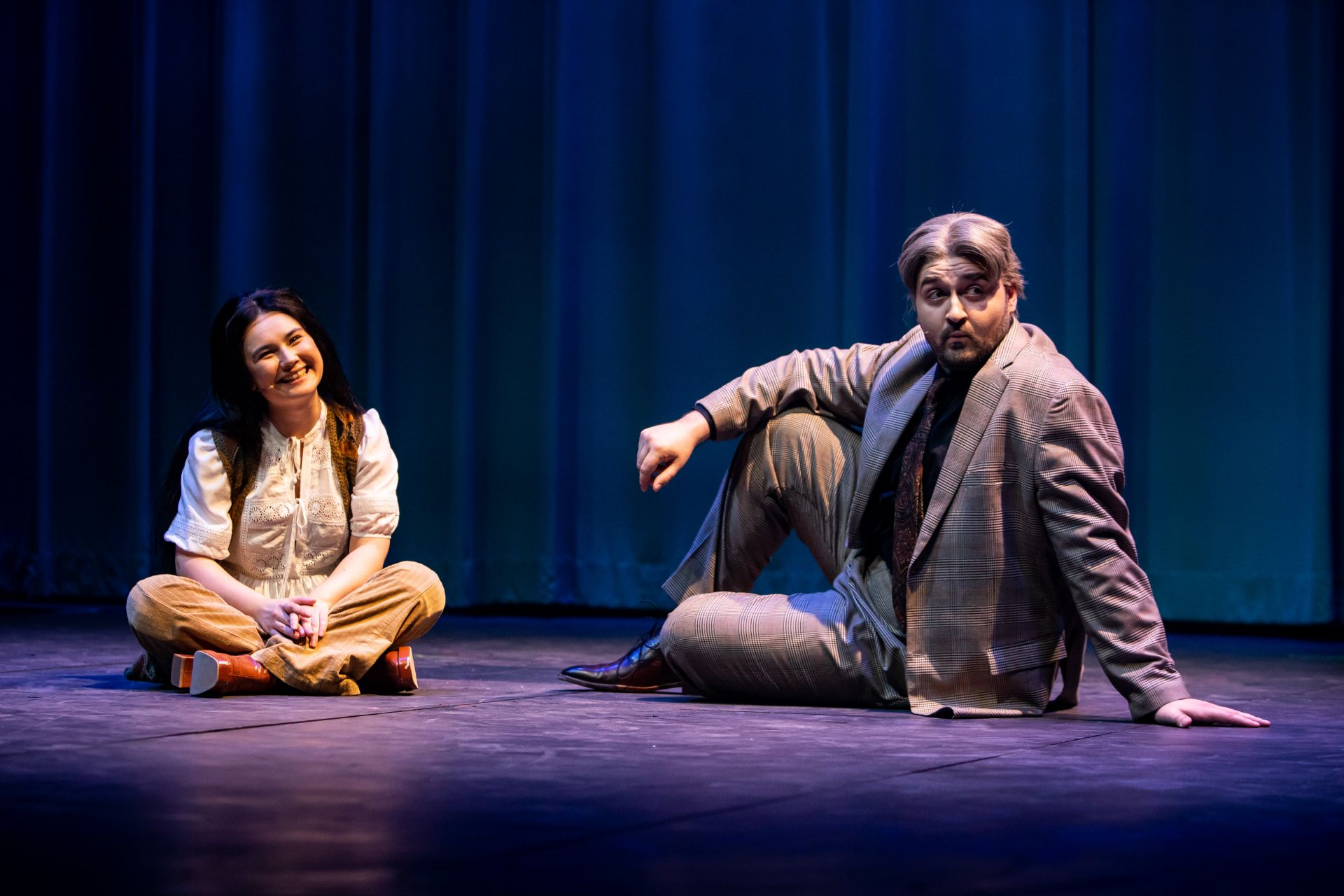
The exquisite iOTA takes on one of the geriatric roles, delivering nuanced intensity as we are held captive to all the passion and the melancholy being rendered in the most mesmeric ways. The performer’s undeniable presence brings to the piece a soulful quality that invites us to regard the work with sentimentality, and therefore elicits our emotional investment in a story that could easily have been left entirely a cerebral experience. Also glorious is Paul Capsis whose natural whimsy imbues the surreality of The Chair with a poetic beauty, turning our inevitable disintegration into a strange decadence, almost romantic in a depiction of longing, whatever the pining may be for. Chemistry and timing between the two are flawless, reflecting a level of artistry that can only come from exceptional talent and finely honed skill.

Things may be futile, but humans will continue being humans. Our lives mean little in the absence of hope, so we can only carry on doing what we know, even if much of it can seem delusory. It is true however, that humans can make choices that we believe to be constructive or destructive, and the tragedy is that we are capable of doing bad, not only unintentionally, but often completely consciously. The old couple in The Chairs live in a France that has become submerged in water. That is not the entirety of the play, but a detail that screams loud. Yet, turning a blind eye feels utterly easy.

www.redlineproductions.com.au

Review: Wicked (Sydney Lyric Theatre)

Venue: Sydney Lyric Theatre (Sydney NSW), from Aug 25, 2023
Book: Winnie Holzman
Music and Lyrics: Stephen Schwartz
Director: Joe Mantello
Cast: Sheridan Adams, Shewit Belay, Zoe Coppinger, Liam Head, Courtney Monsma, Todd McKenney, Adam Murphy, Robyn Nevin, Kurtis Papadinis
Images by Jeff Busby

Theatre review

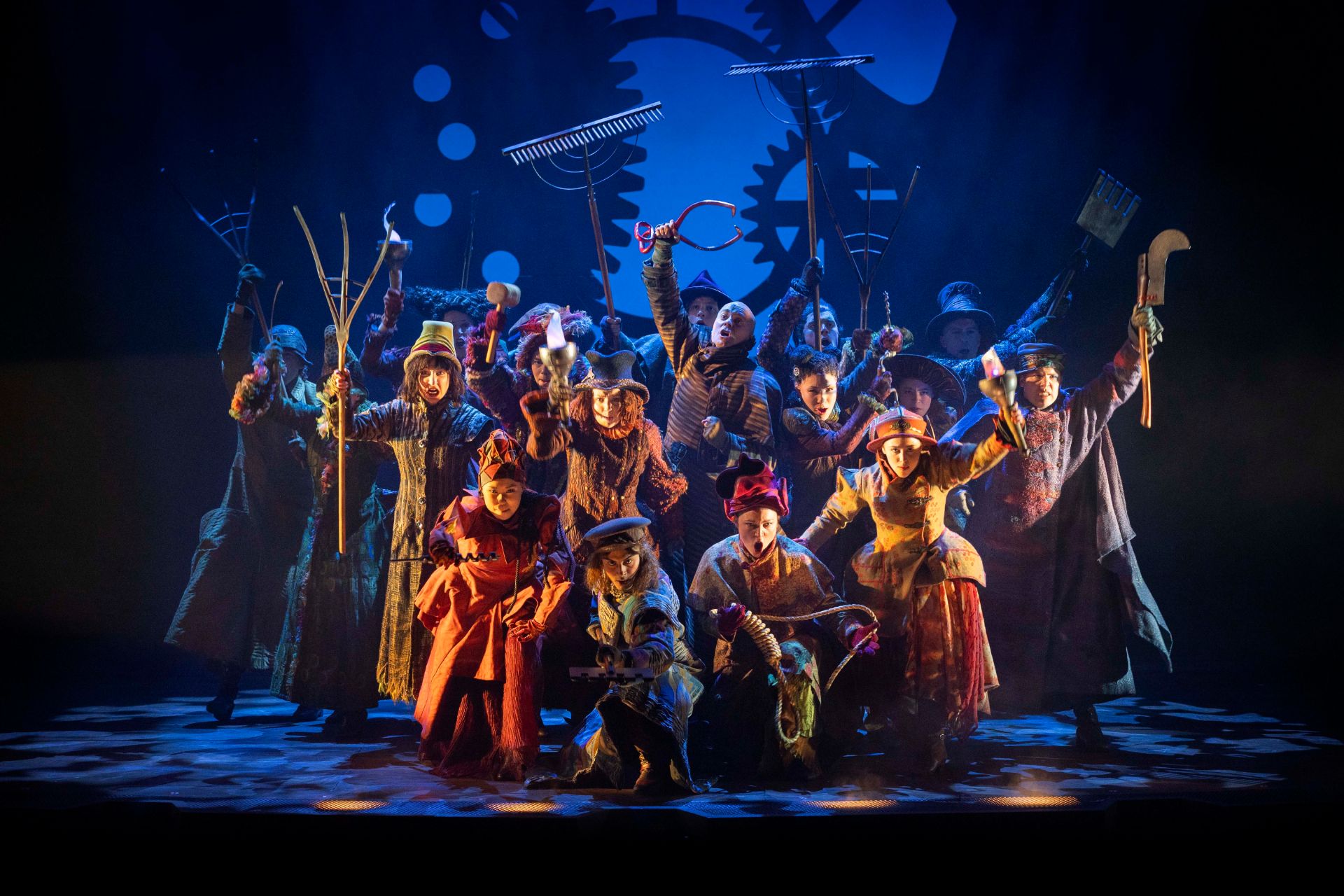
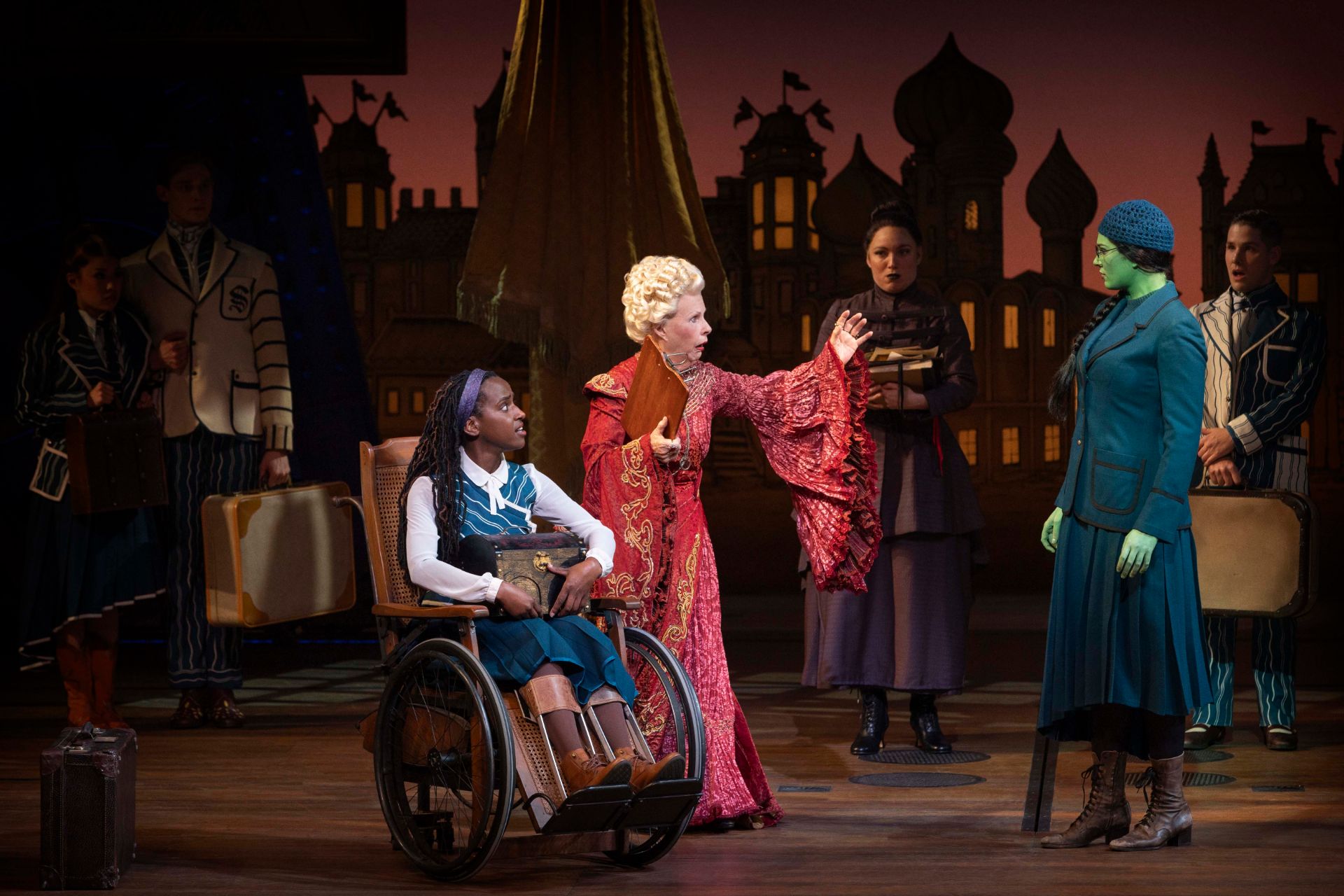
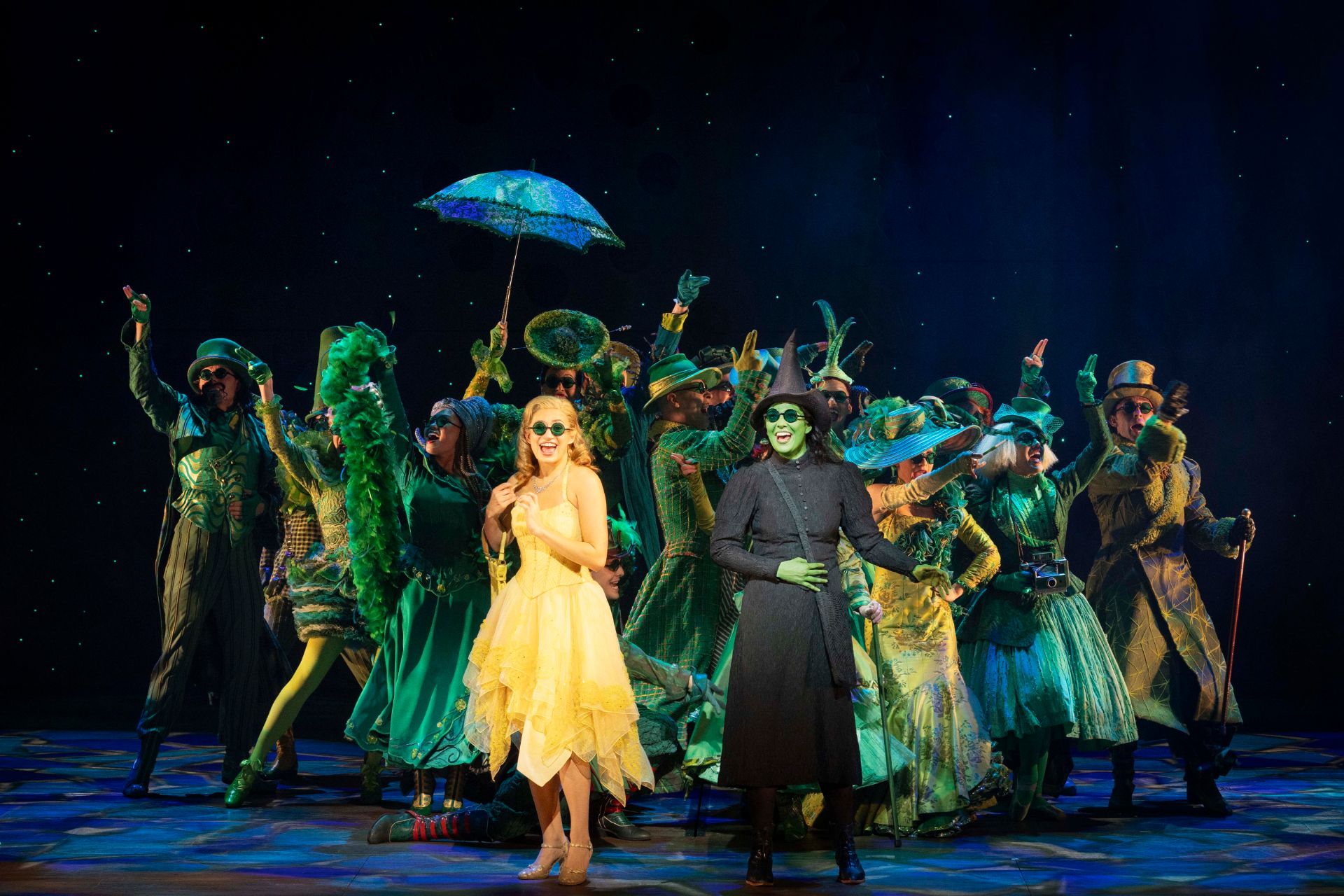
A wave of fascism is sweeping across the Land of Oz, turning friends and family against each other, as entities are identified at random to be villains, so that a select few can hold power in a climate of fear and hatred. It may seem that the central ideas of Wicked retain their pertinence, as the masterpiece turns twenty years old. We see how easy it is for people to loathe one another, that ostracism is almost natural in how humans construct societies. There is something very depraved about our tendency to create scapegoats, as though our desperate need to feel like we are good, is contingent on fabricating subjects that can be identified as bad.

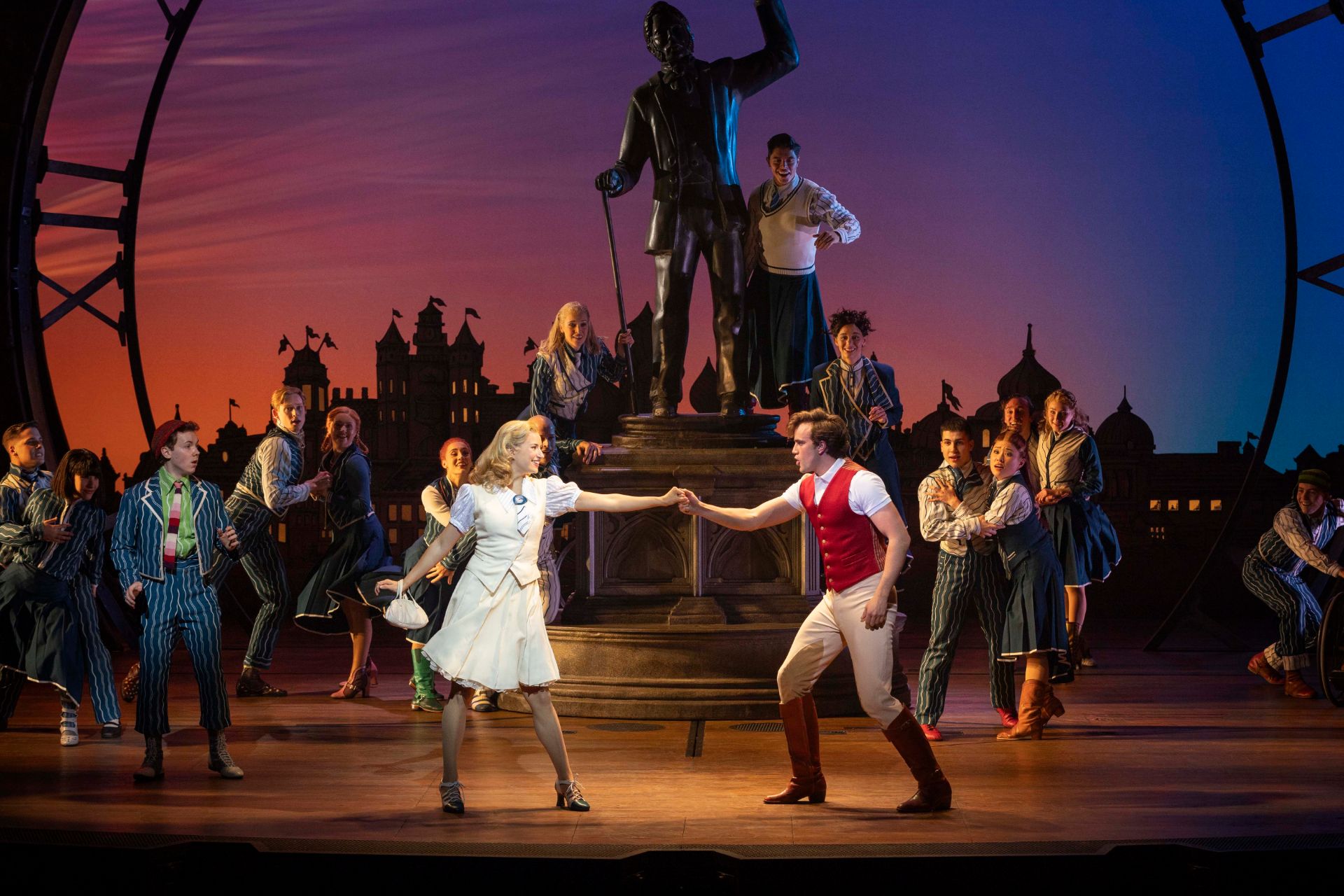
With inevitable evolutions in taste for styles of music and humour, the show probably does not feel as fresh as it did those two decades ago, but Wicked is still compelling and deeply enjoyable, with its somewhat modern narrative involving two women leads, neither of whom are insulted or vilified. It may no longer be a new work, but there is still something surprising about seeing two women on a stage together, not pitted against each other, in a culture that is only slowly learning that there is space for different kinds of women, and that we can all be winners in self-determined lives shaped to our own liking.

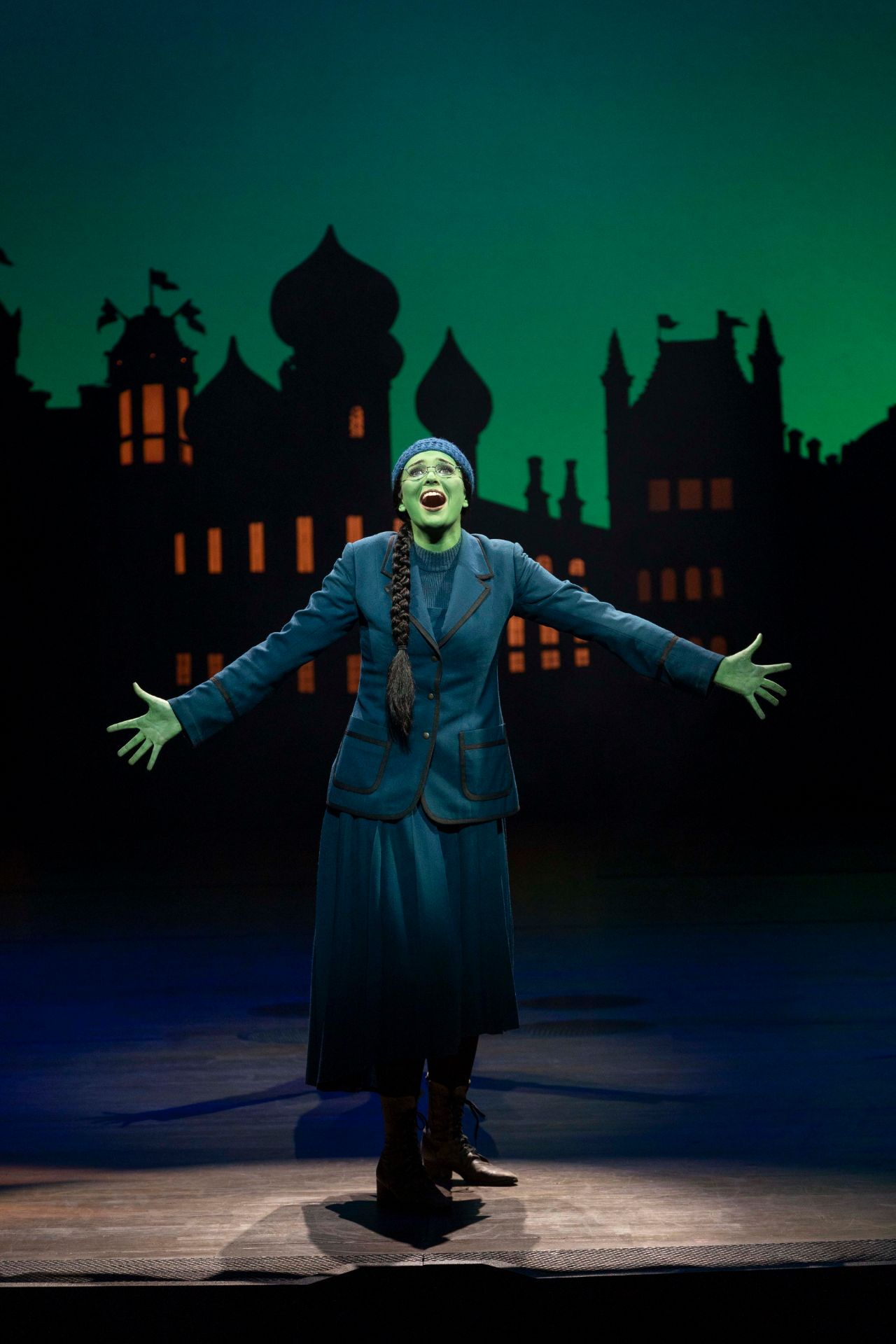
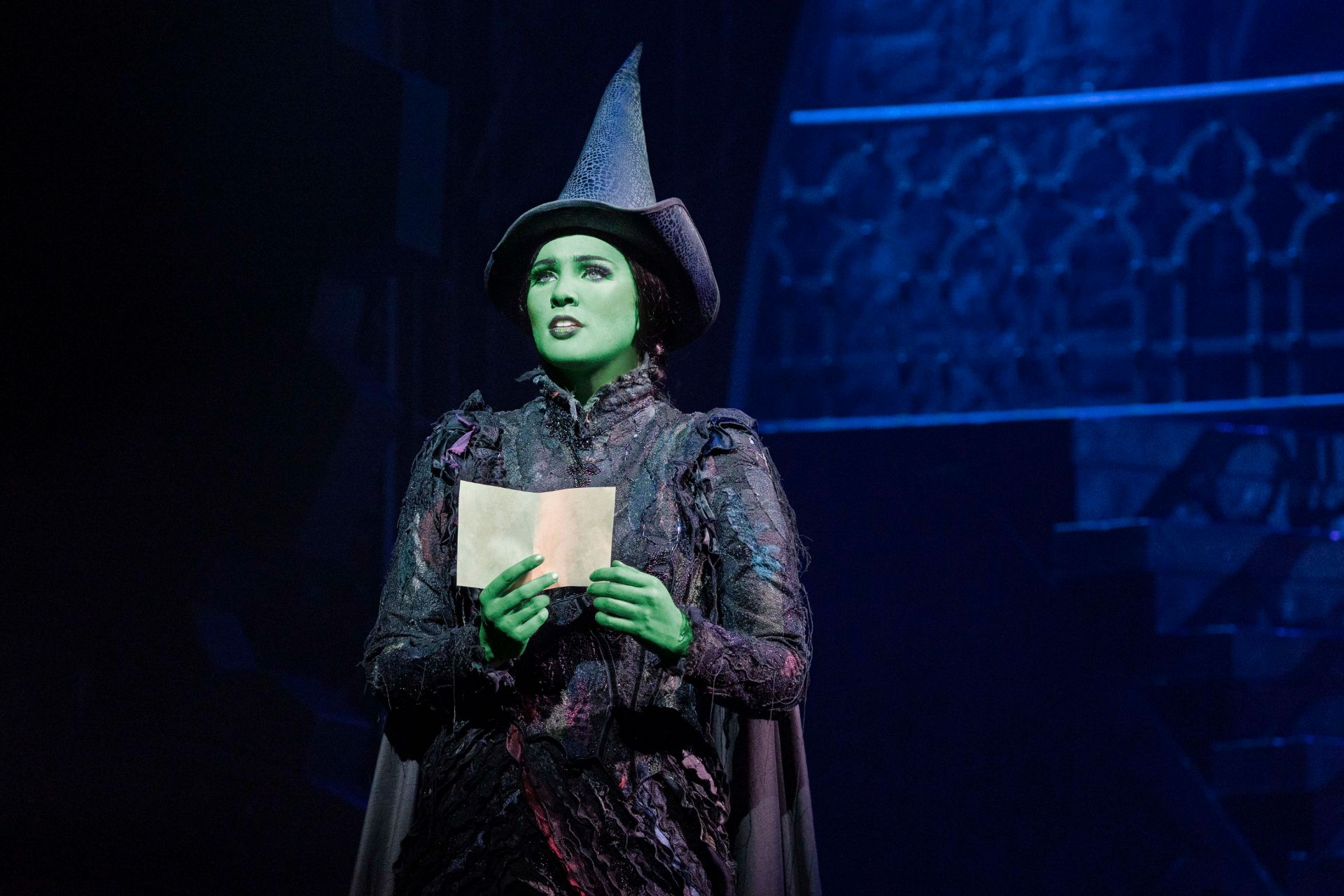
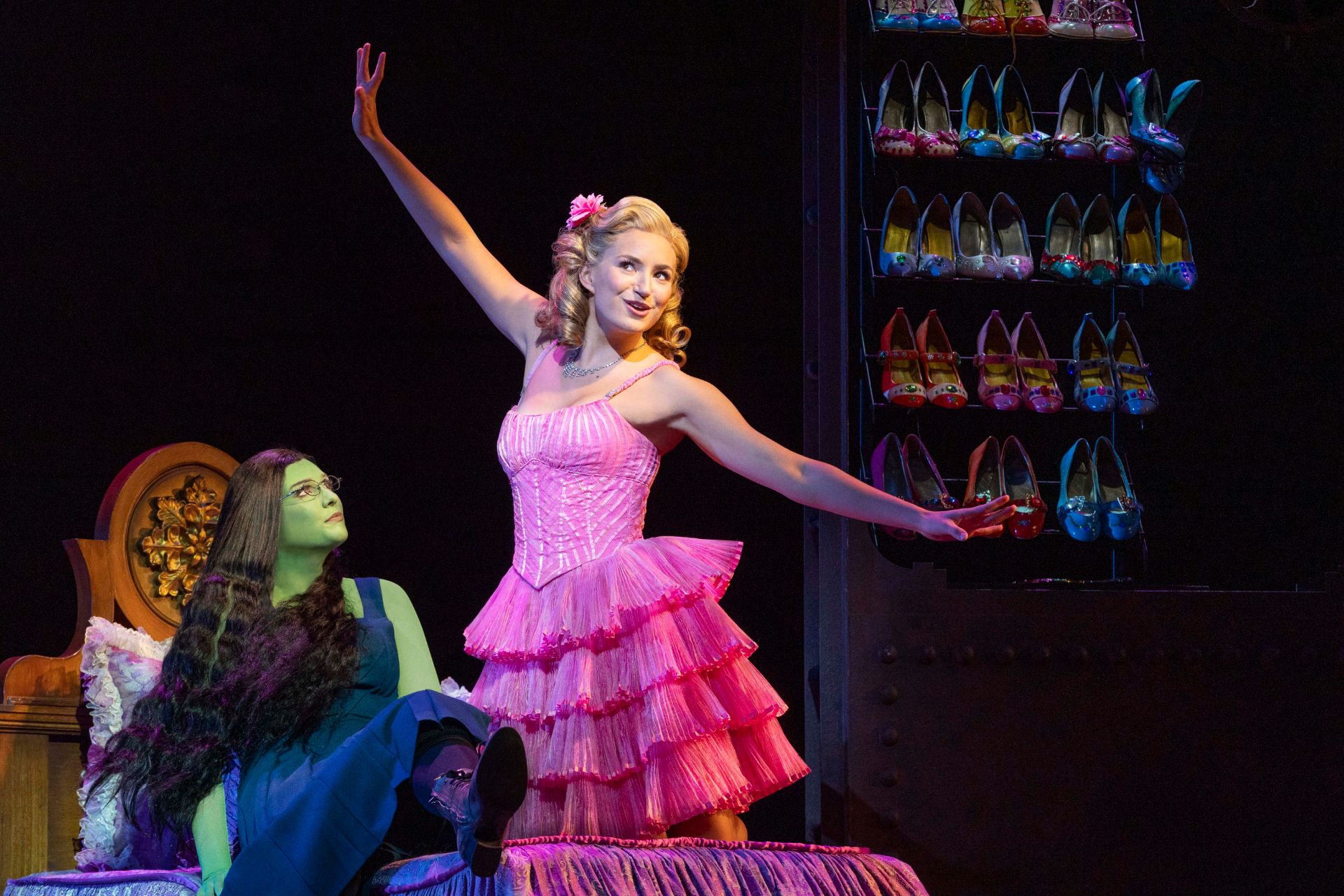
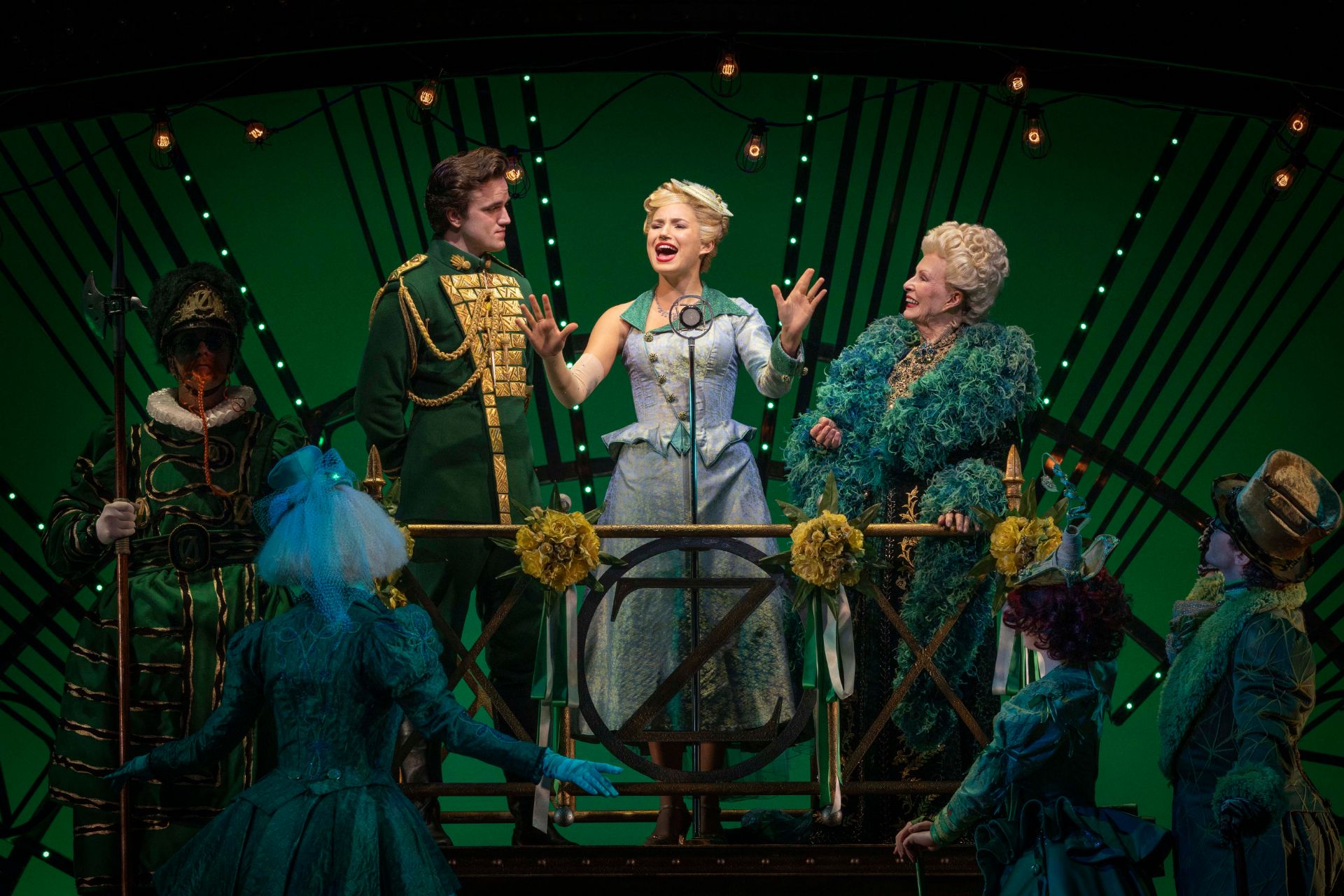
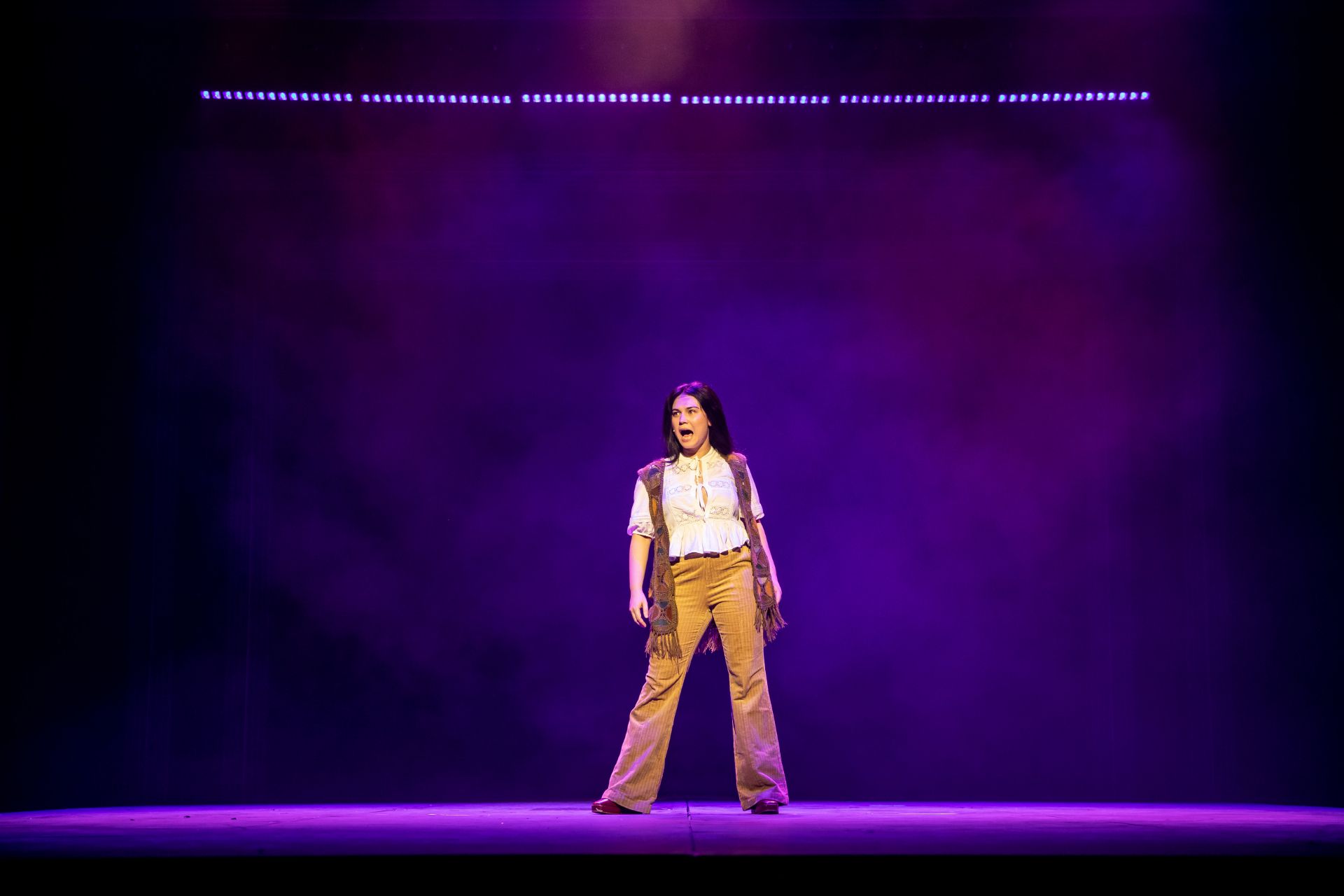
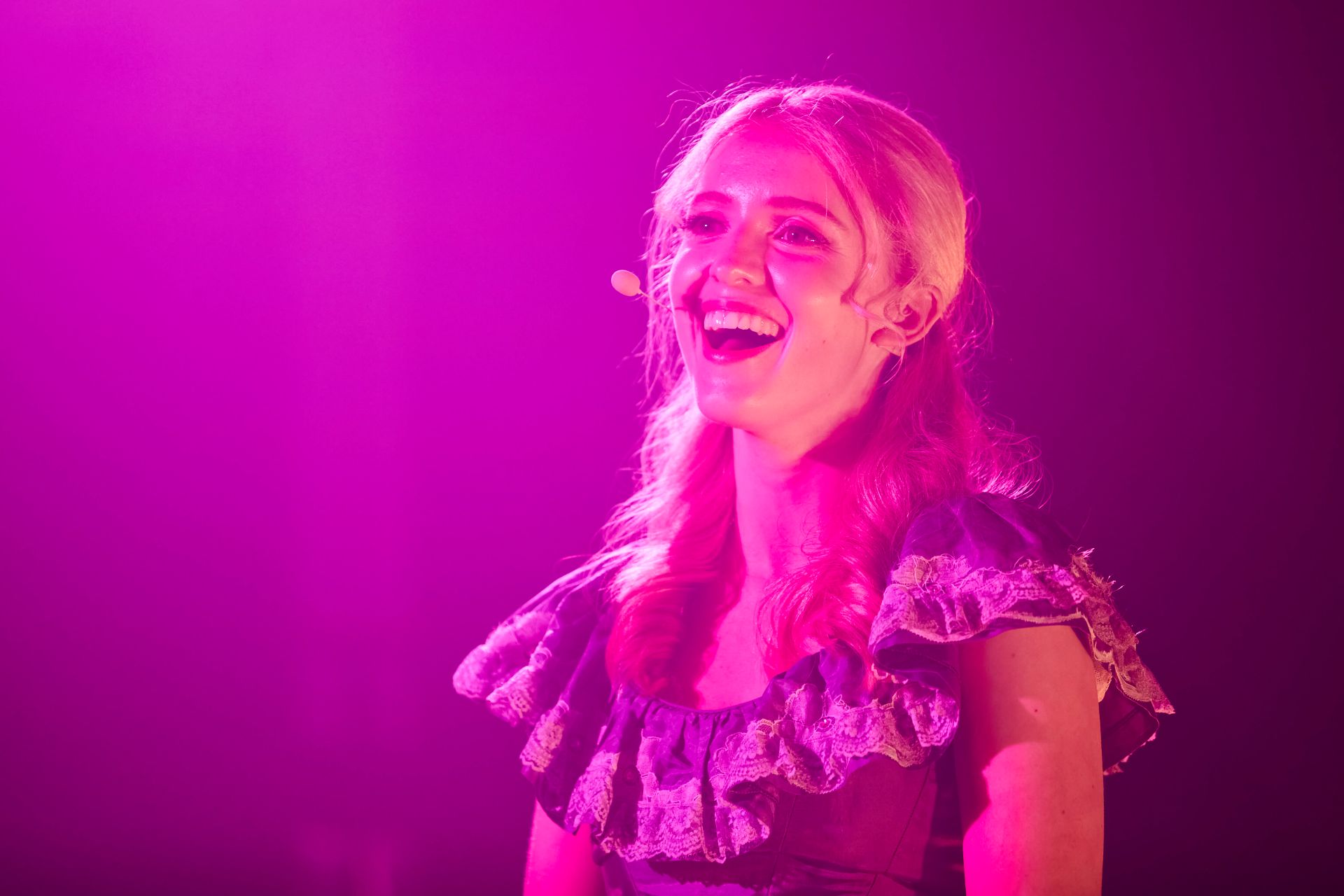
Performer Sheridan Adams effortlessly makes Elphaba an endearing character, in a glorious performance that has us completely riveted. The luminous and gritty spirit she brings, along with her flawless singing, ensures that this production of Wicked is one not to be missed. Playing Glinda is Courtney Monsma, who amazes with the depth of emotion she is able to introduce when it truly matters, so that we leave the show with much more than a memory of glittering smoke and mirrors. Also noteworthy is the enchanting Shewit Belay as Nessarose, very touching in her depictions of the outsider. Veterans Robyn Nevin and Todd McKenney as Madame Morrible and The Wizard respectively, demonstrate their competency as they offer additional moments of lustre, on an opulent stage never short of talent and splendour.

Wicked is essentially a story about girls against the patriarchy, one that helps us imagine the ways we can subvert power structures, so that none are left behind. It draws attention to the faceless powers that be, pulling strings behind the scenes, to privilege some and disadvantage many. Well-behaved women rarely make history, as Laurel Thatcher Ulrich first penned several decades ago. As new generations of girls learn to defy, to disobey and to reject the old rules of their fathers, we can look forward to new ways of doing things, that will no longer be about exclusion, but be about honouring every soul with the appropriate grace that has been missing from too many of our lives.

www.wickedthemusical.com.au

Review: The Dismissal (Seymour Centre)

Venue: Seymour Centre (Chippendale NSW), Aug 31 – Oct 21, 2023
Book: Blake Erickson, Jay James-Moody
Music and Lyrics:
Laura Murphy
Director: Jay James-Moody
Cast: Octavia Barron Martin, Georgie Bolton, Peter Carroll, Andrew Cutcliffe, Lincoln Elliott, Joe Kosky, Kaori Maeda-Judge, Shannen Alyce Quan, Quinton Rofail Rich, Monique Sallé, Brittanie Shipway, Anusha Thomas
Images by David Hooley

Theatre review
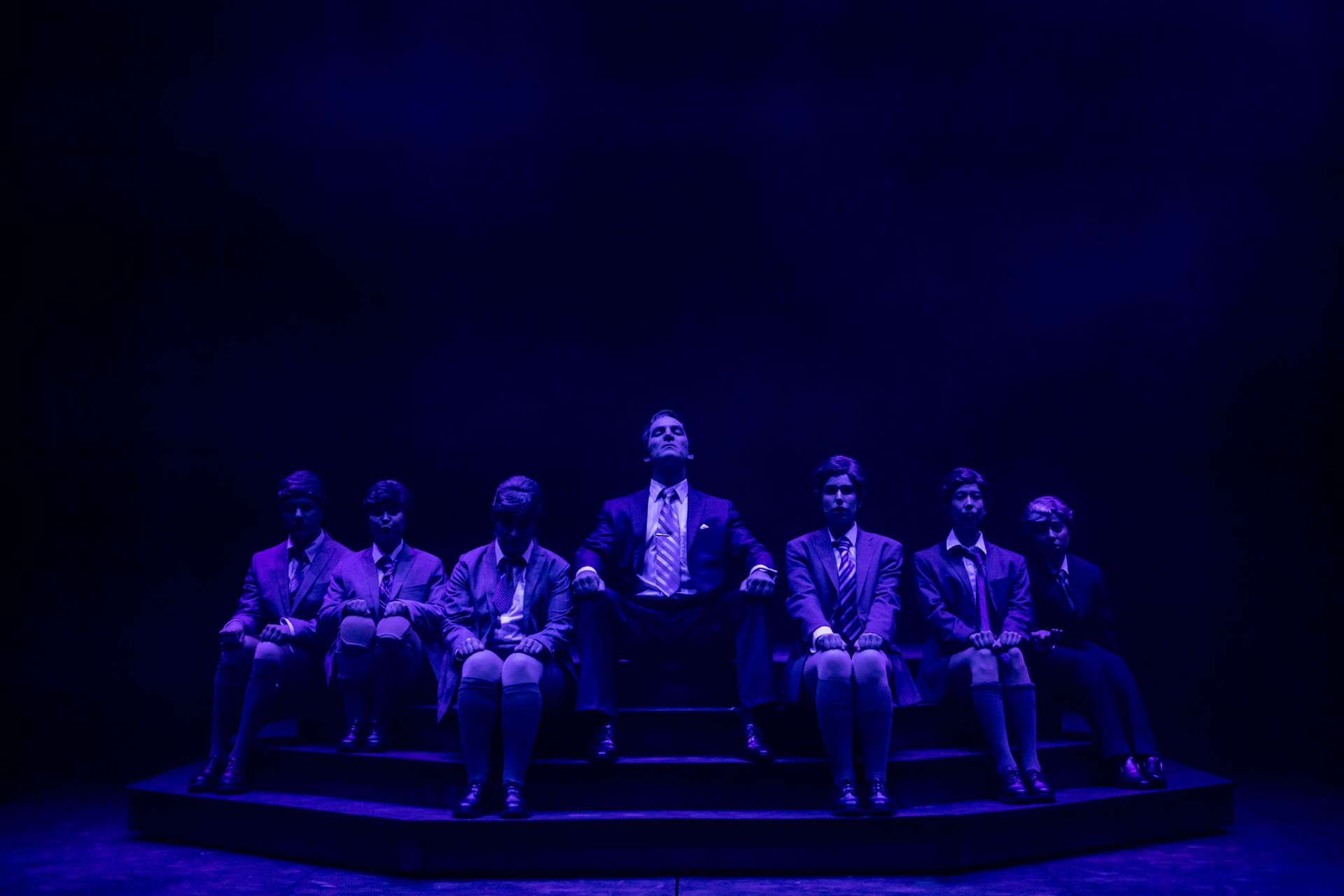
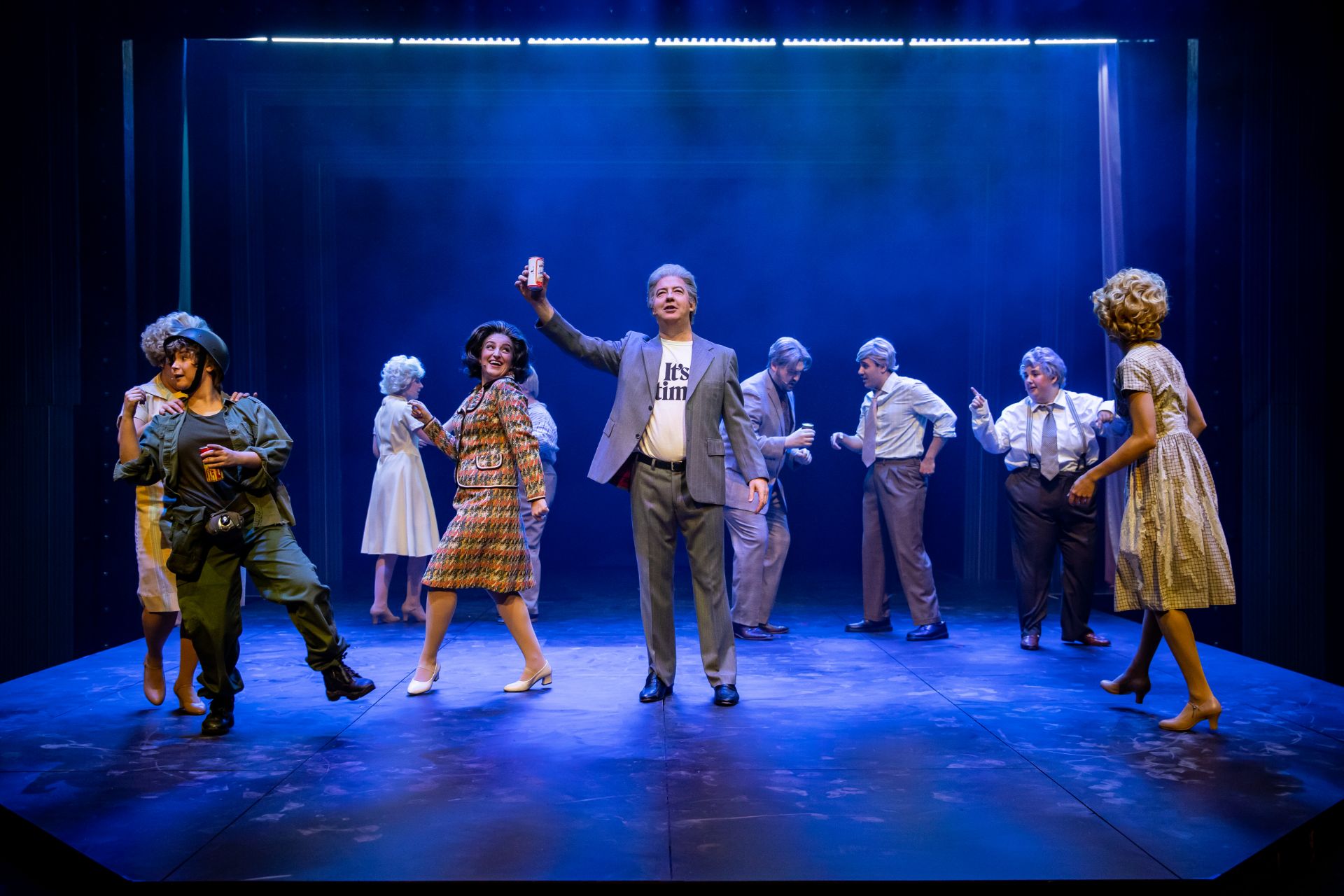
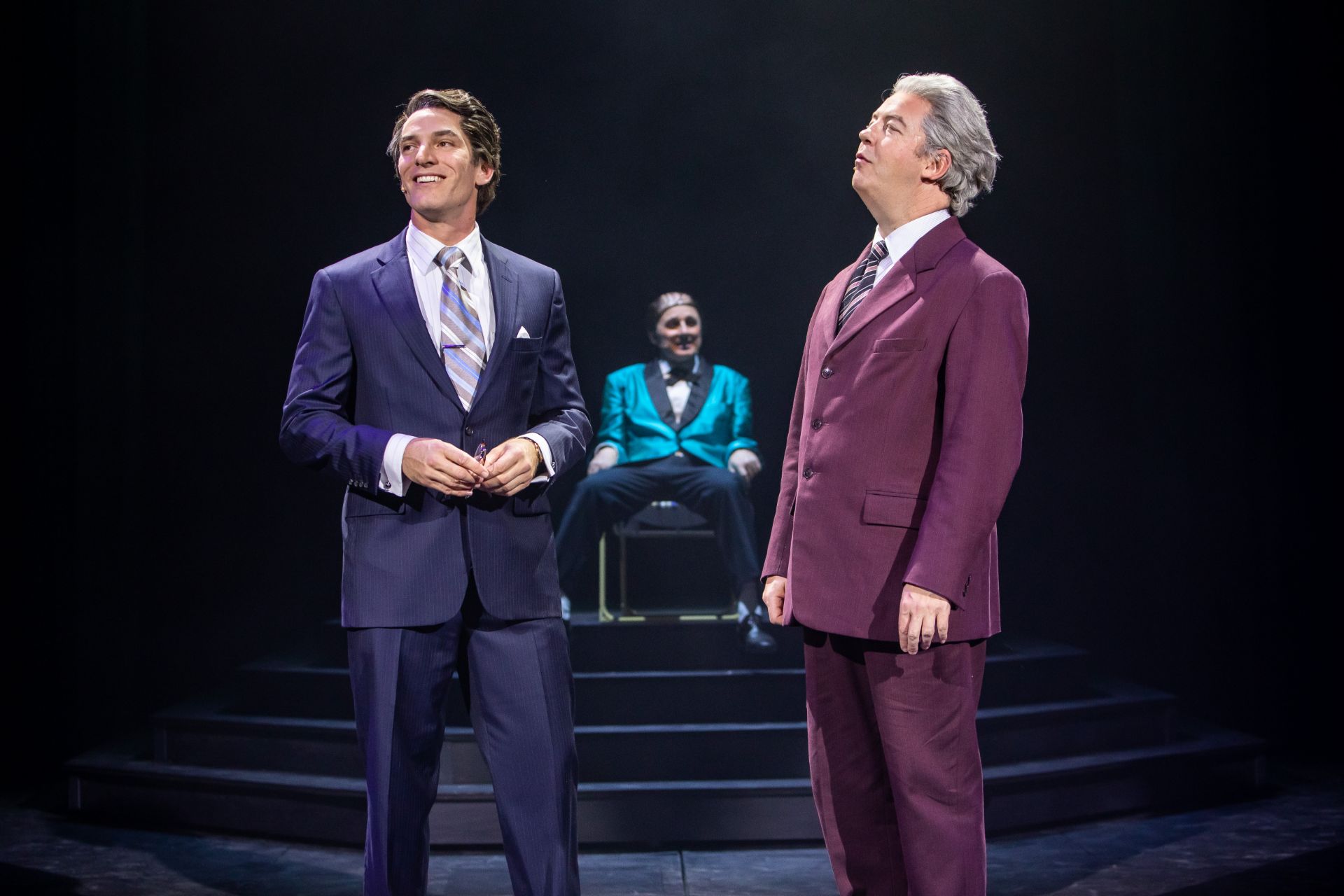
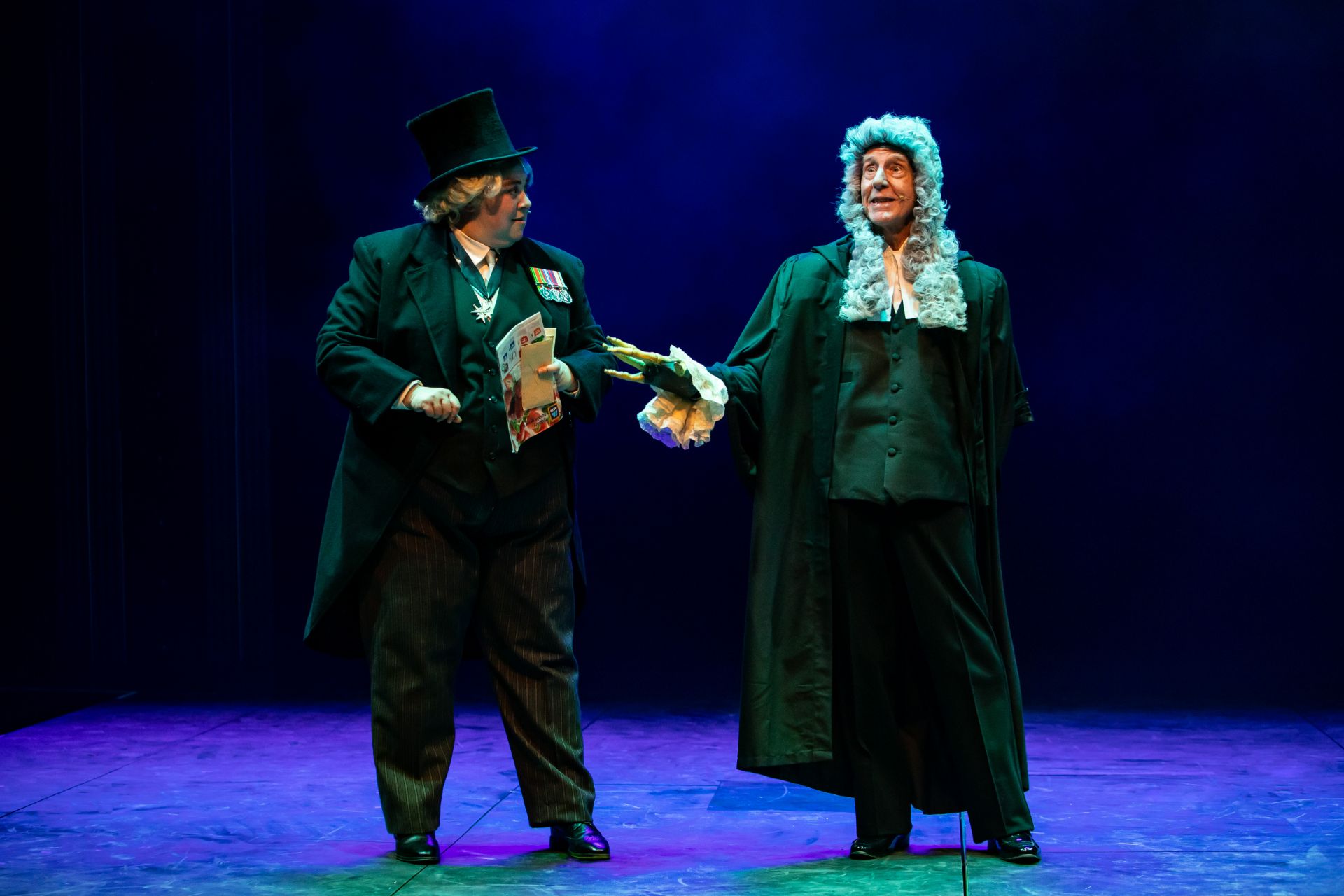
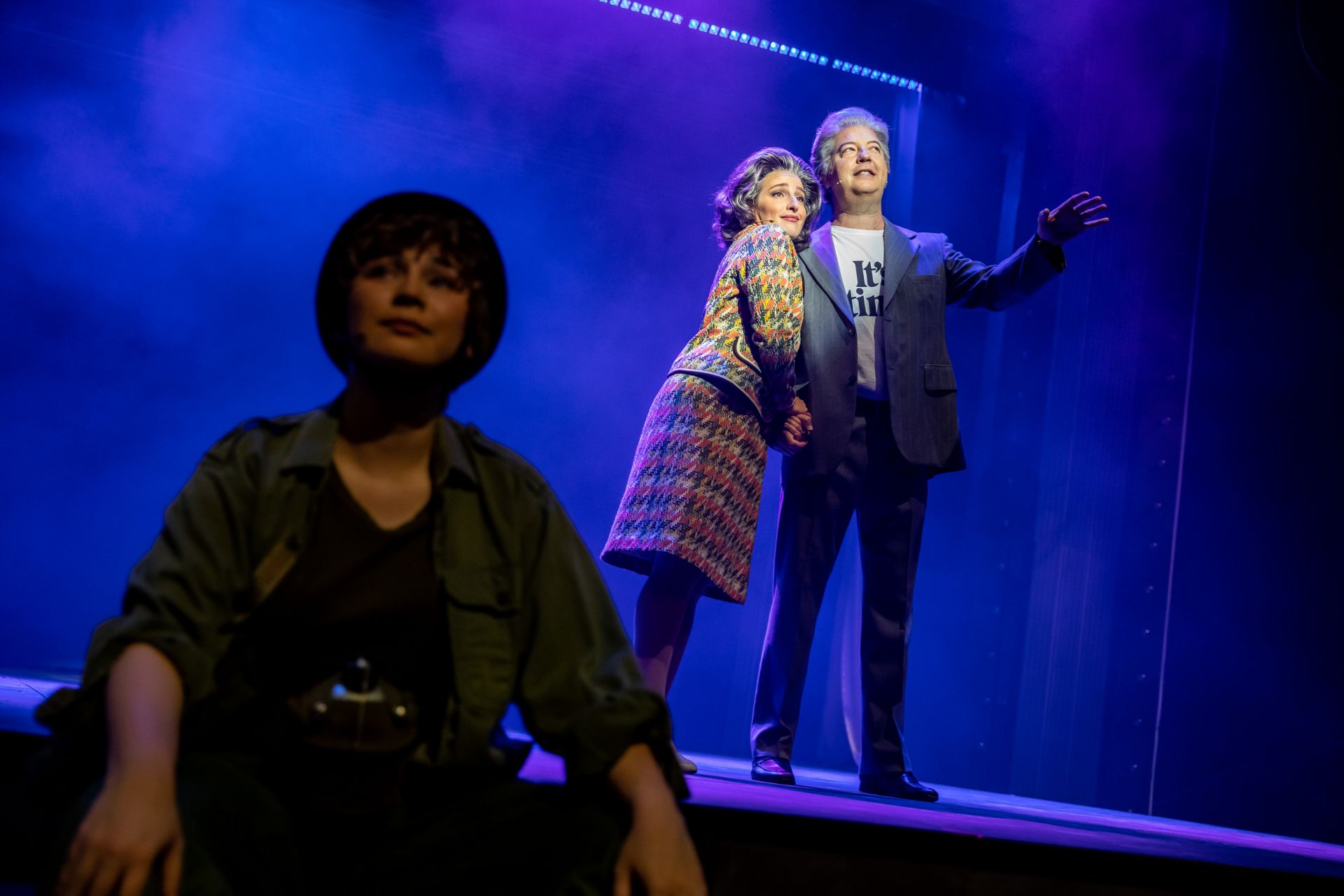
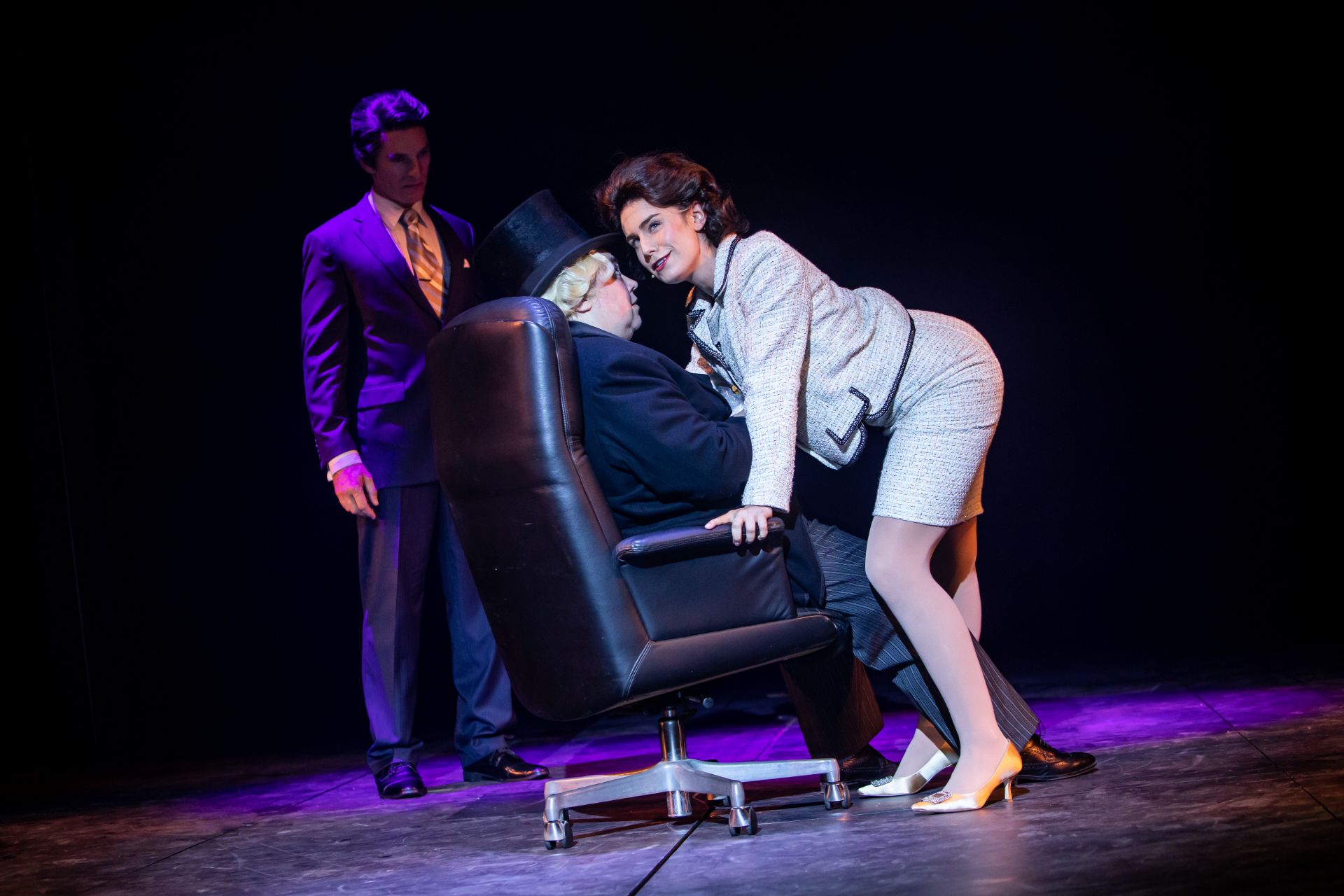
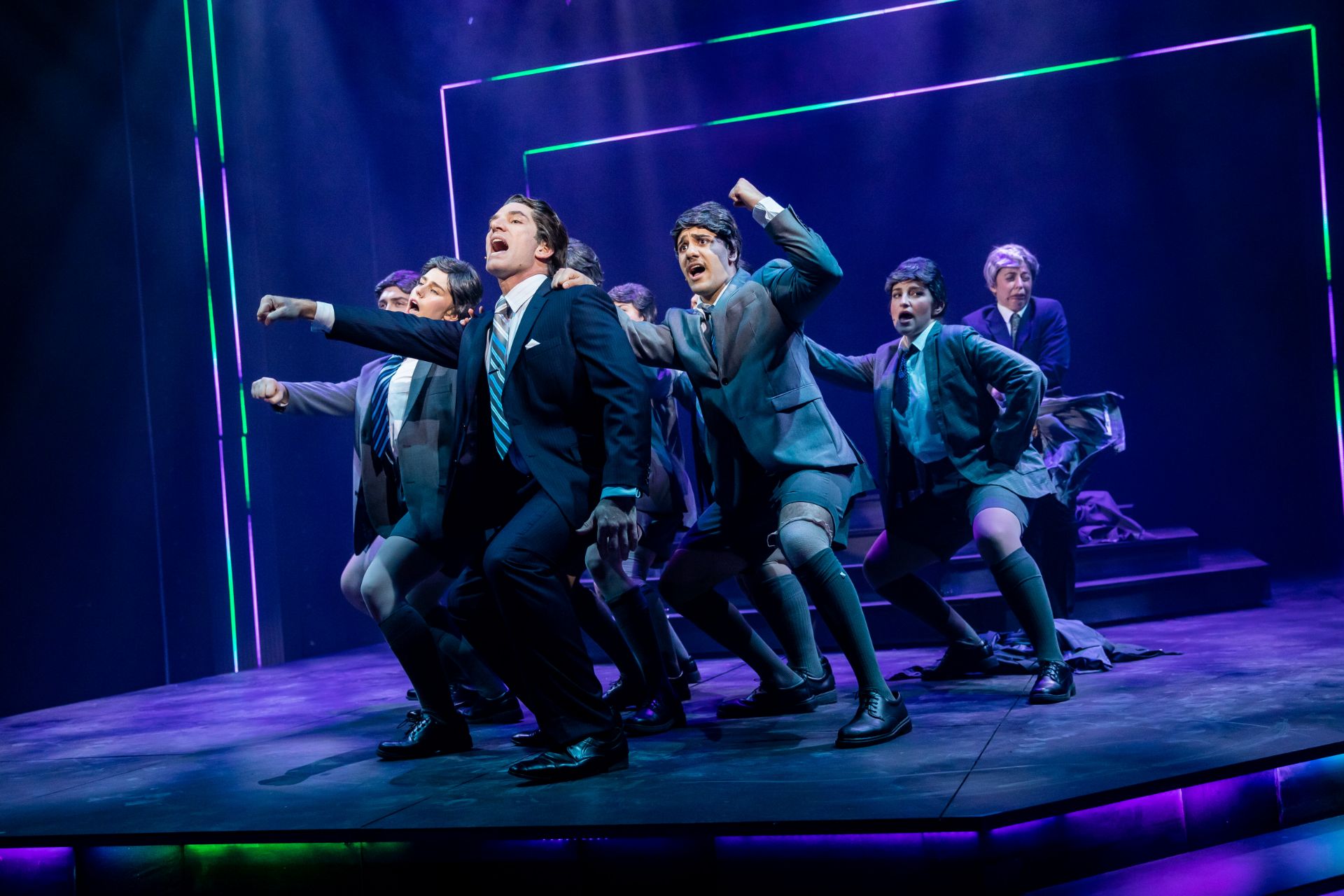
When the Whitlam government was deposed in 1975, it became clear that the Governor-General possessed much more power, than being the mere figurehead most had thought. In The Dismissal, we are reminded not only of the insidious implications of our constitutional monarchy, but also of the class segregations that exist in how the Australian government runs this country. With a provocative book by Blake Erickson and Jay-James Moody, along with cleverly concocted songs by Laura Murphy, this work of musical theatre is however not a resolutely dark piece of political commentary, but one brilliant with ironic humour.

At almost three hours, The Dismissal can feel too detailed, although its thorough explorations of nepotism and malfeasance in our high offices, are unequivocally valuable. Half a century on, many of us will benefit from a refresher of that most significant of cultural milestones, if only to cause momentary disruption to our characteristic apathy and ignorance on matters of a bureaucratic nature. This is important stuff, and under the direction of creator and aforementioned co-writer Moody, the show is effective at turning amusing all the events leading up to the unceremonious ousting, of a democratically elected leader.

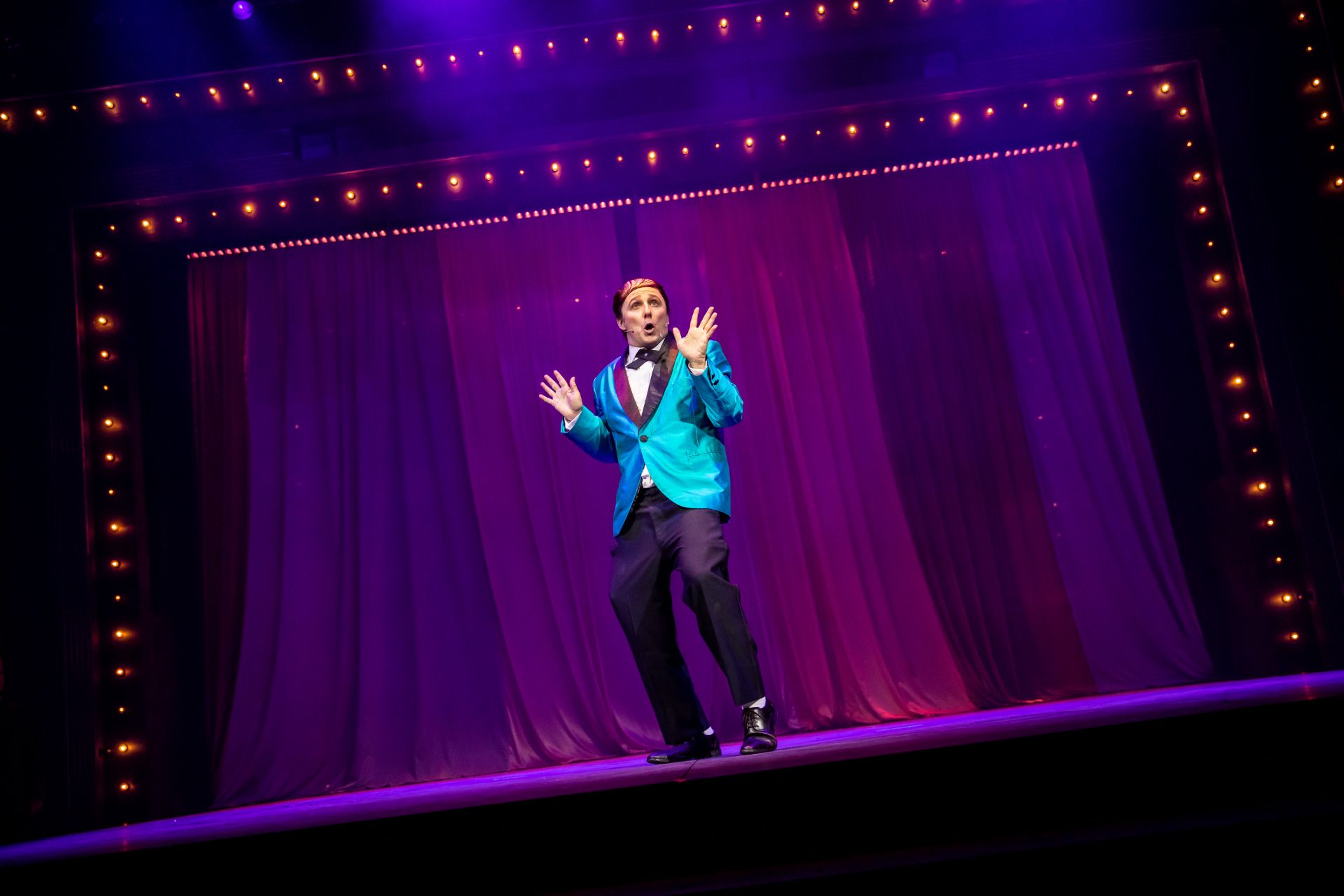
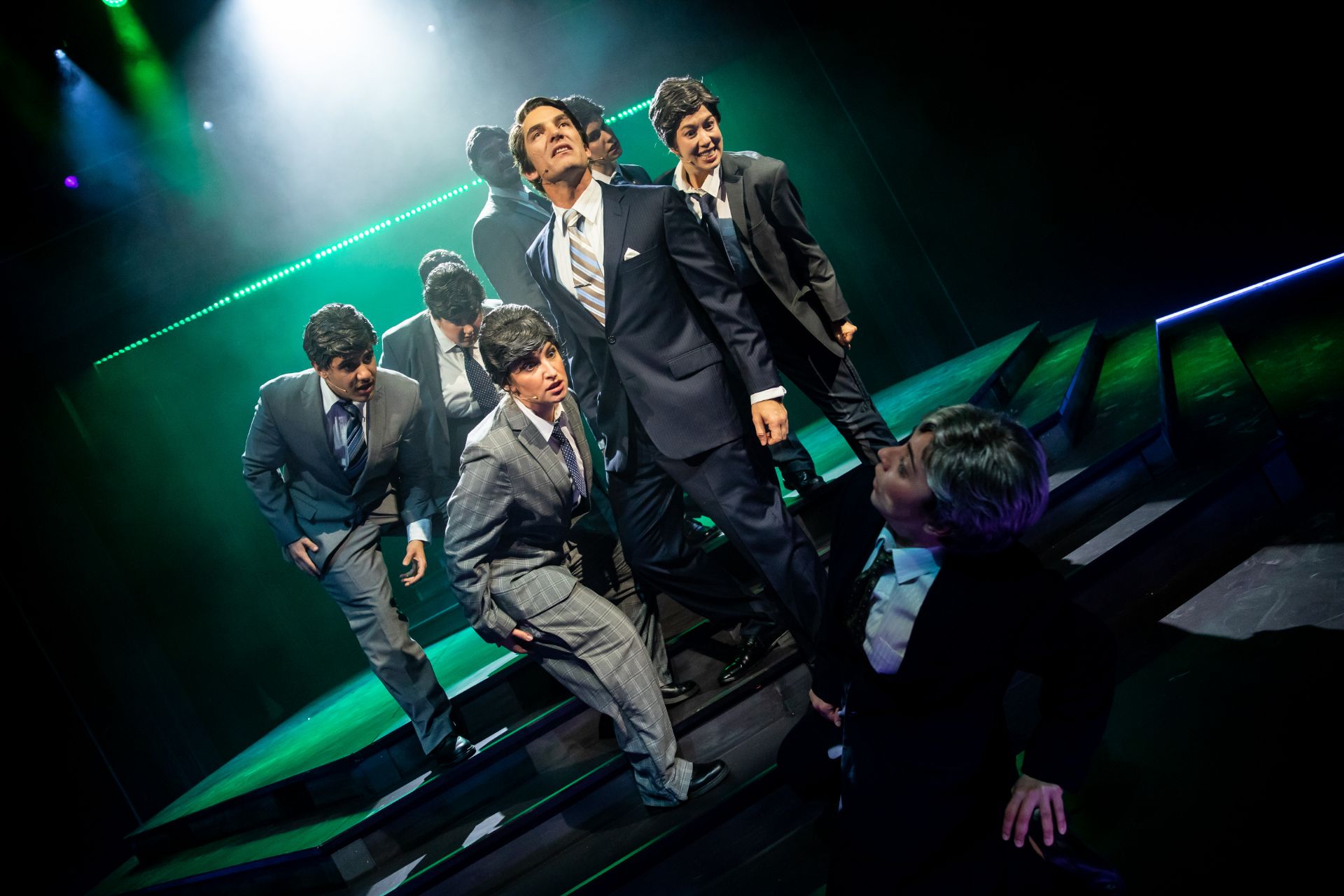
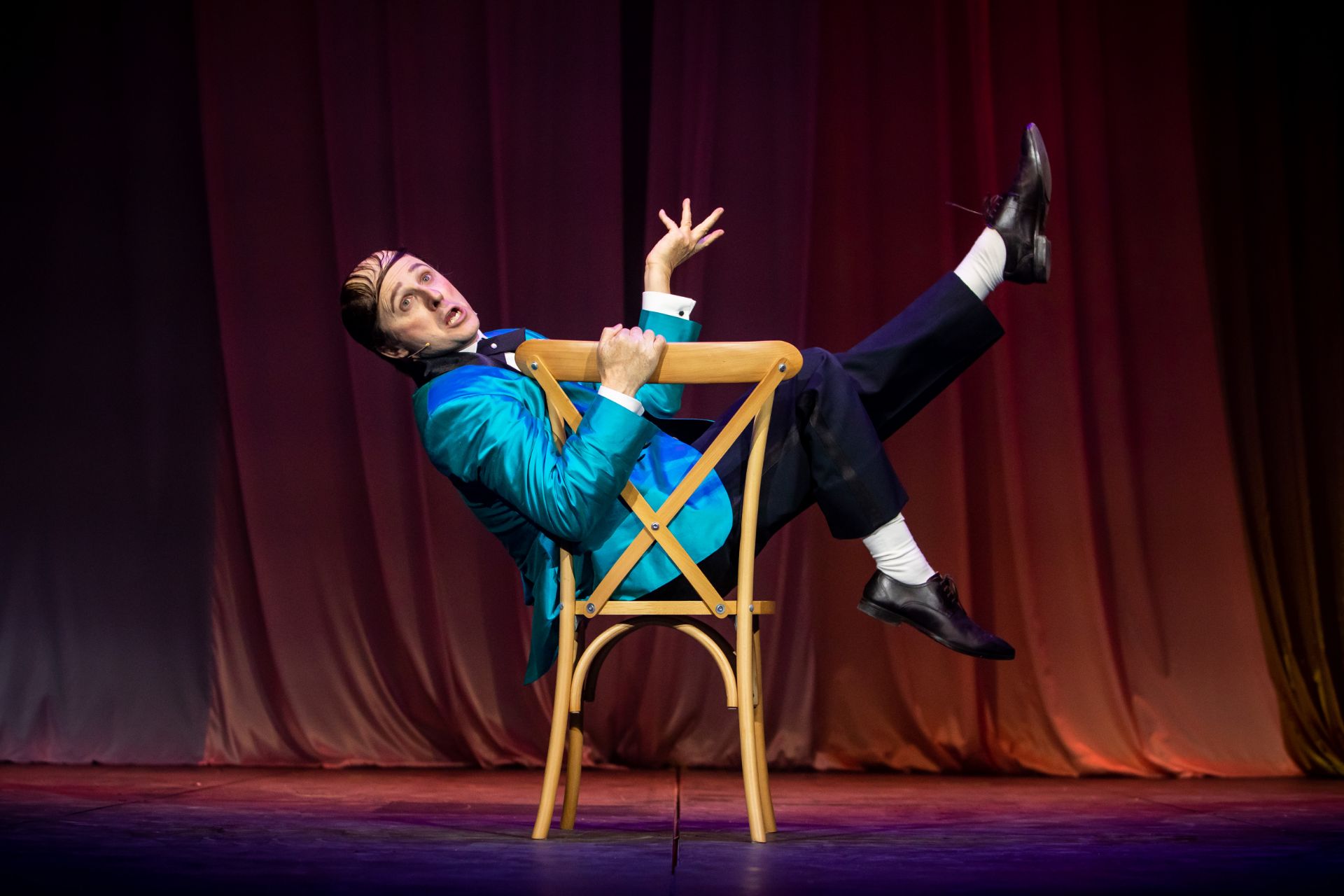
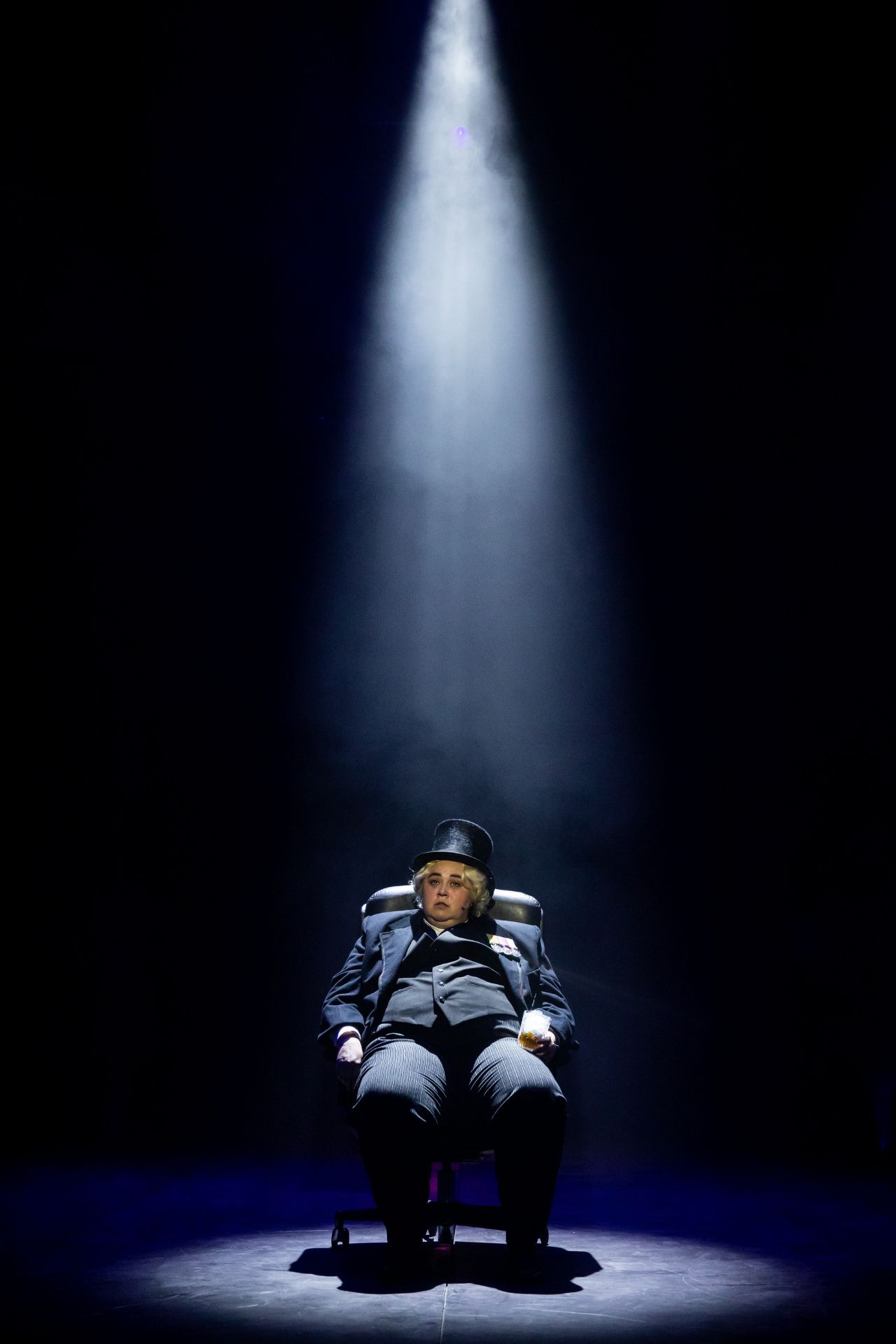
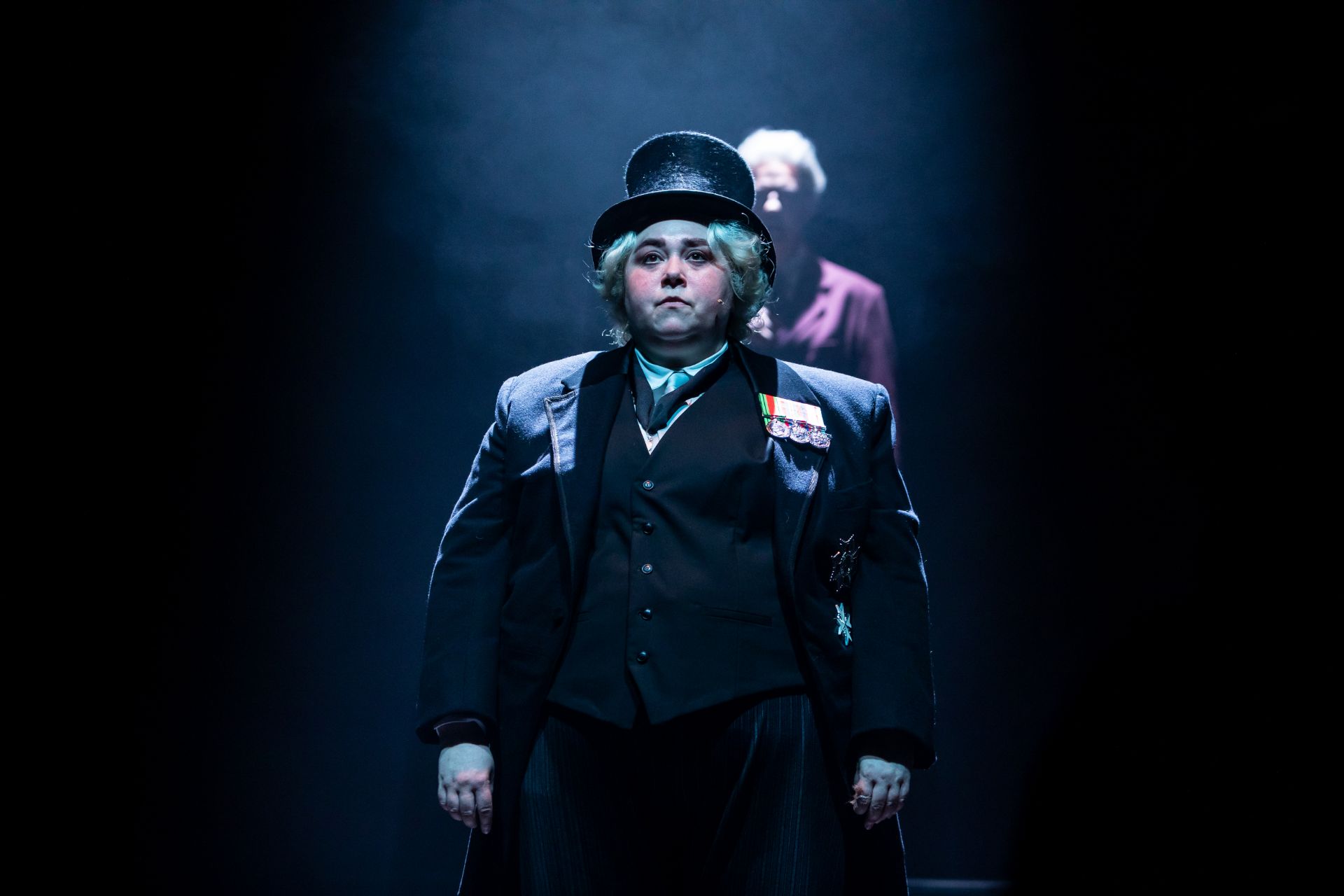
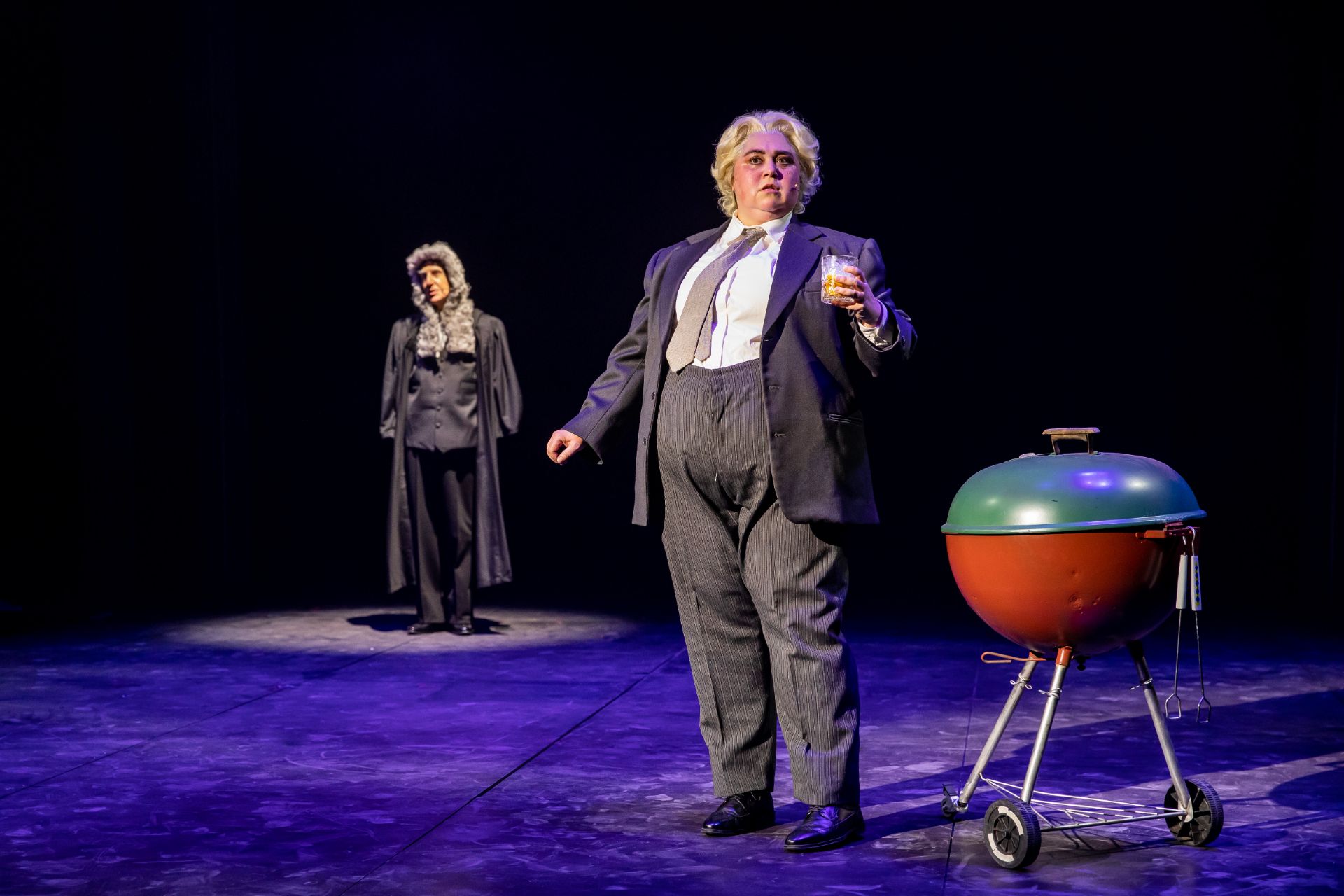
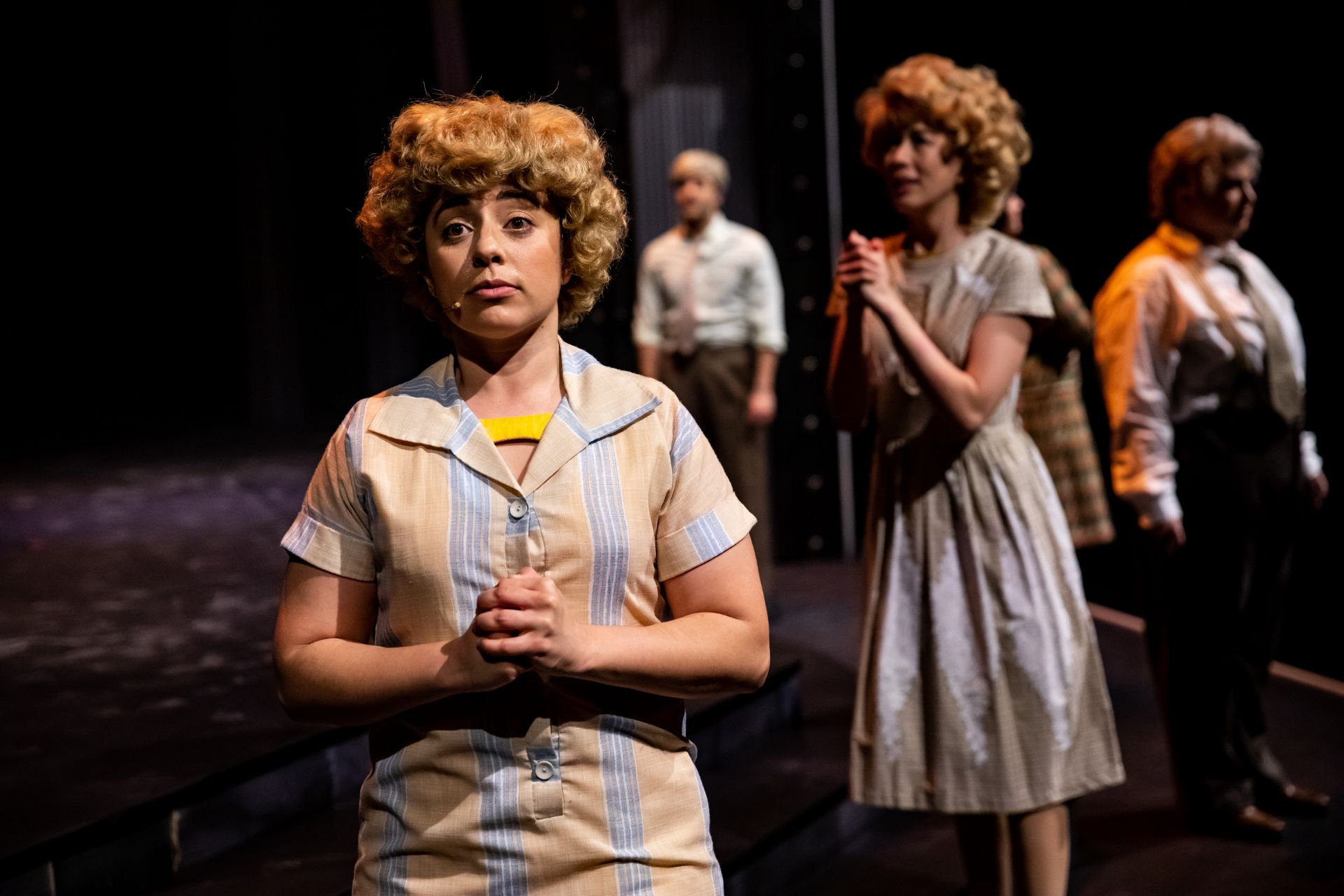
The Dismissal is remarkably witty, and much of it is wonderfully entertaining. Strong performances by the likes of Justin Smith and Andrew Cutcliffe who play Prime Ministers Whitlam and Fraser respectively, sustain our emotional investment in the story. Both performers are highly convincing as the historical figures, with a precision to their delivery that help us identify nuances to make the narrative speak with resonance. In the role of Governor-General John Kerr is the unforgettable Octavia Barron Martin who impresses with an uncanny ability to convey both vulnerability and cunning, for an impactful portrayal of corruption in our system. The satirical icon Norman Gunston is played by Matthew Whittet with marvellous physicality and timing, operating as narrator to provide a sense of elevation to the style of how the story is told.

Choreography by Amy Campbell can appear awkward when trying to convey naturalistic dimensions of the musical, but when depicting the many comical scenarios in The Dismissal, she accomplishes them with great aplomb. The stage is uncomfortably bare, with an overwhelming amount of plain surfaces that look persistently lifeless. Designers Charles Davis and Emma White achieve higher standards with costumes, especially in an instance of heightened theatricality, although a general overreliance on realism does make visual aspects of the production unremarkable. Lights by James Wallis help to improve a sense of dimension, allowing us to perceive spaces in ways that exceed the ordinary.

There may be much that can be enhanced cosmetically about the show, but there is no denying the strength of its core material. It may seem the converse is true about our governments. Politics have become so much about the surface, that we are never sure if any integrity resides therein. What we can rely on, are our observations of real world consequences. We never really know what happens in those hidden realms of influence and control, but we can see the effects on our lives. To regard our rulers with scepticism is healthy, and to doggedly hold them accountable, is indicative of a virtuous citizenry to which we should all aspire.

www.seymourcentre.com | www.thedismissal.com

Review: The Marvellous Elephant Man (The Sydney Spiegeltent)

Venue: Sydney Opera House (Sydney NSW), Sep 1 – Oct 1, 2023
Music, book and lyrics: Marc Lucchesi, Jayan Nandagopan, Sarah Nandagopan
Directors: Guy Masterson, Chris HF Mitchell
Cast: Lachlan Bartlett, Kanen Breen, Ben Clark, Annelishe Hall, Sam Harmon, Gavin James, Marc Lucchesi, Eleanor MacIntyre, Jayan Nandagopan, Rebecca Rolle
Images by Paul Scott

Theatre review
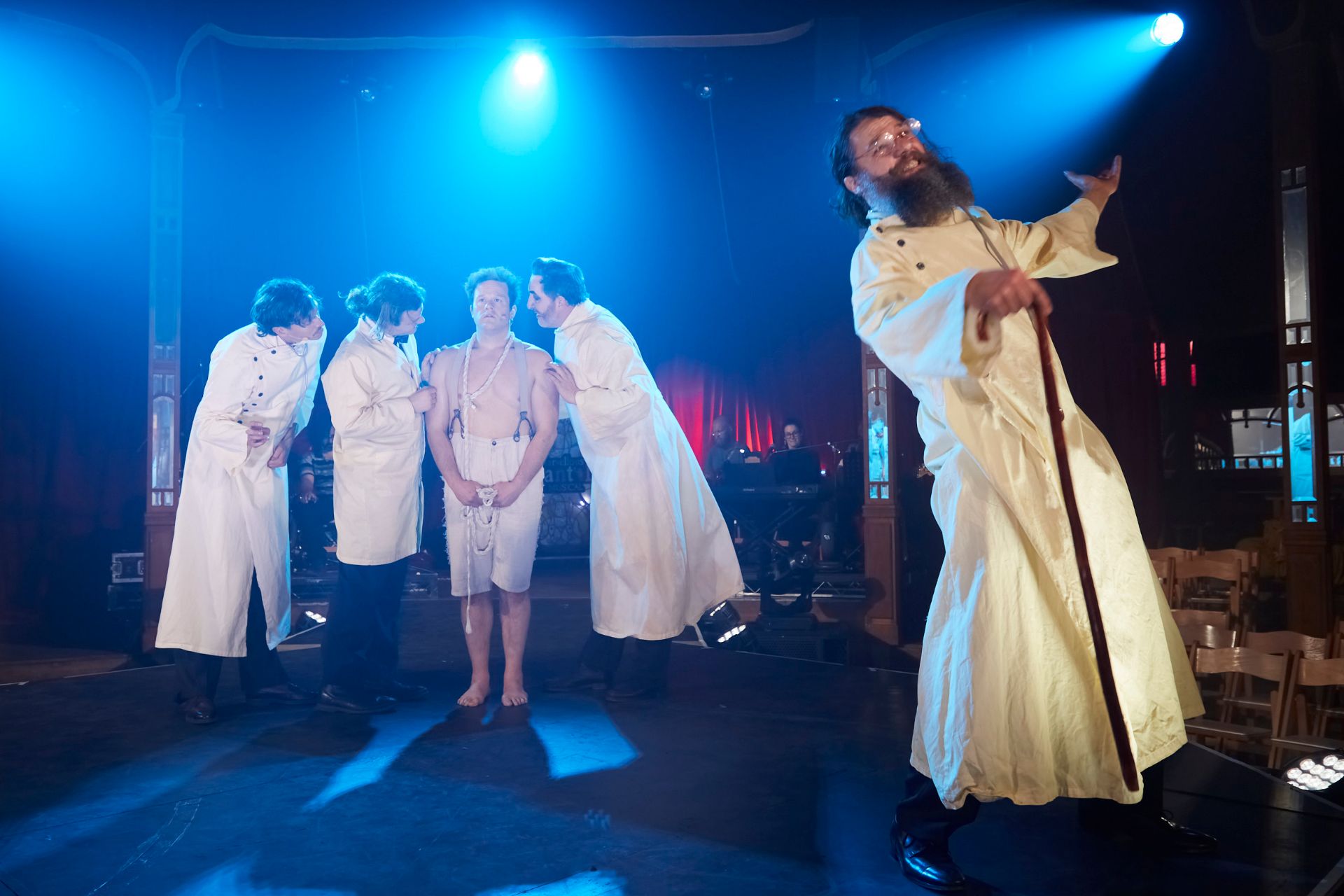
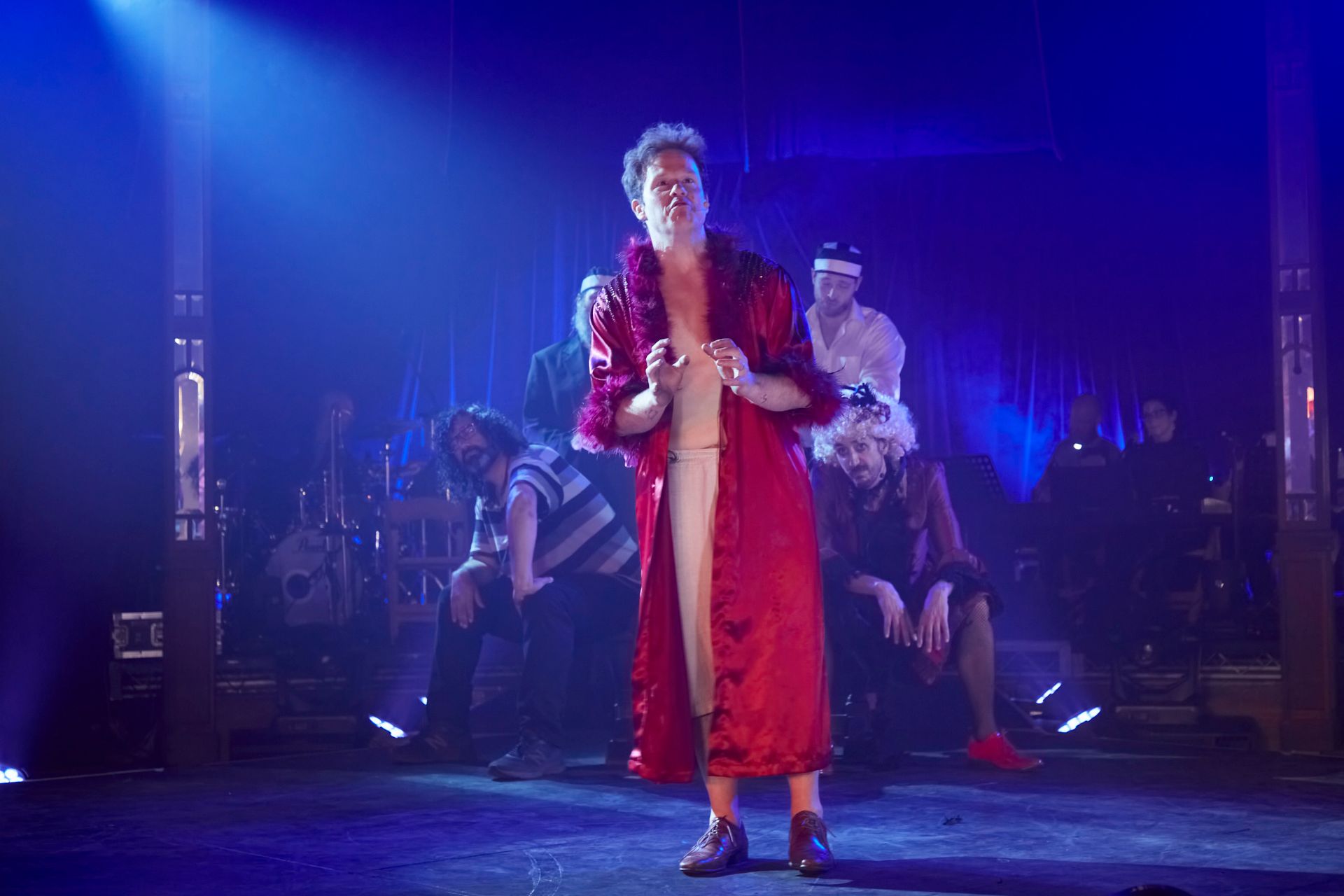
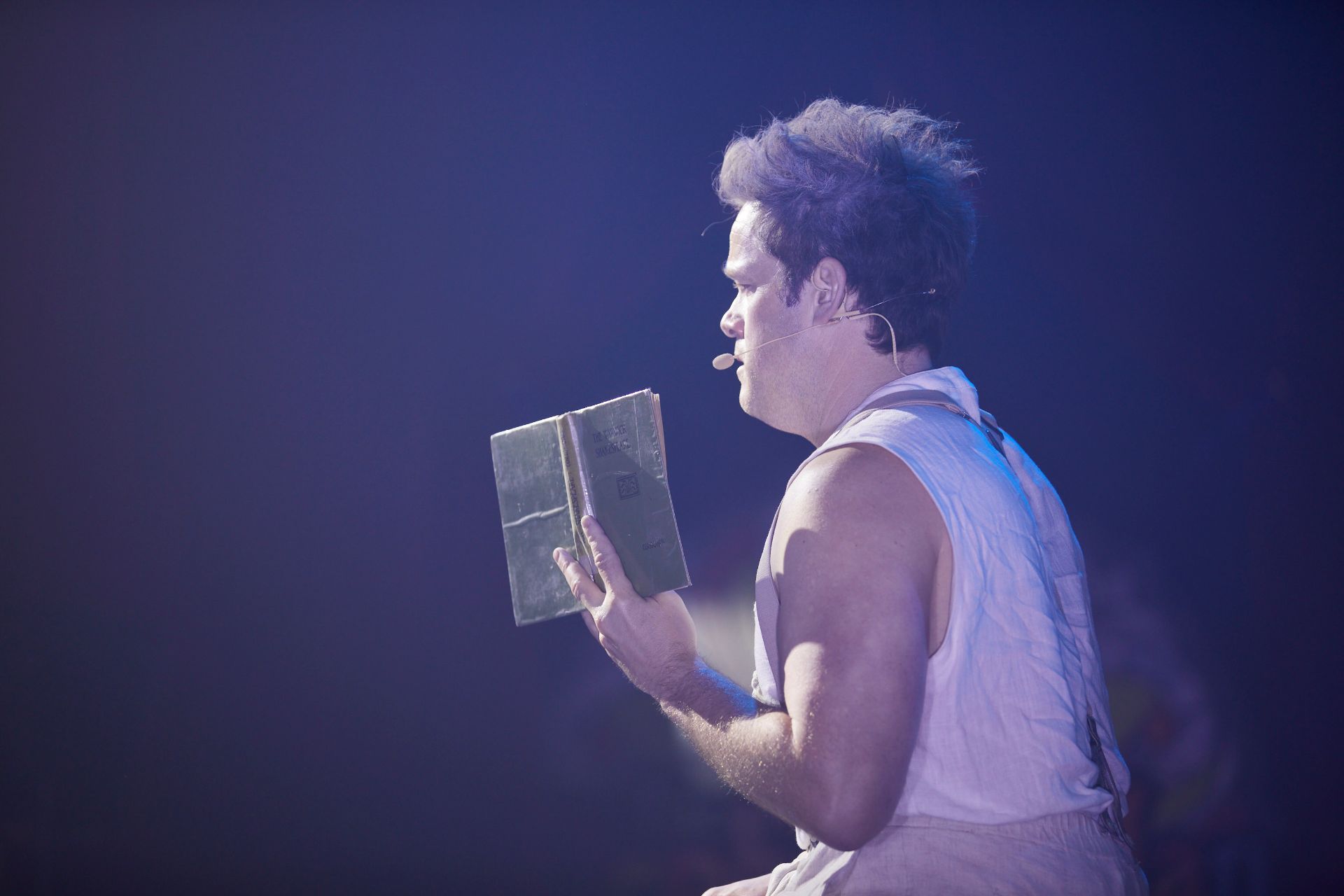
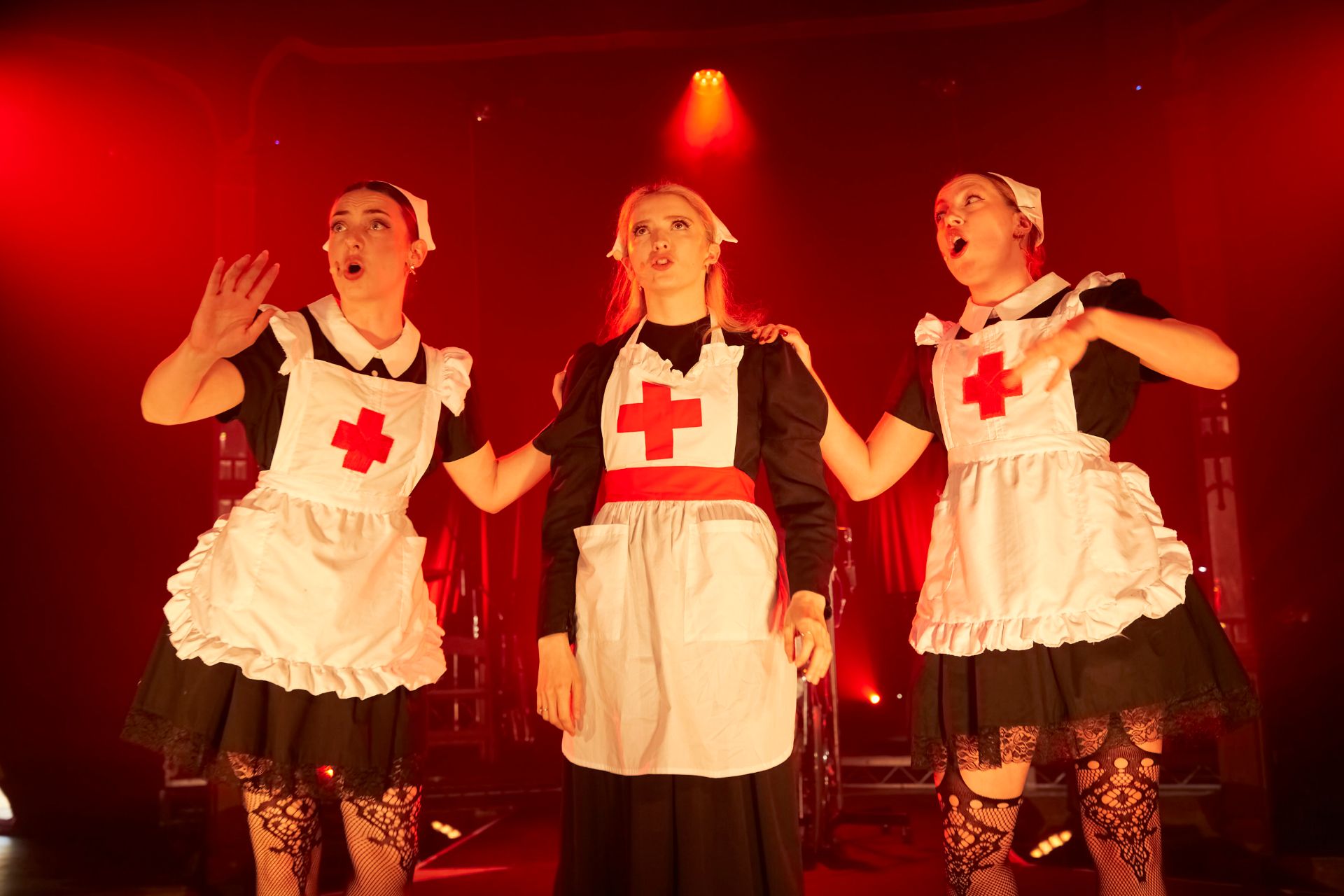
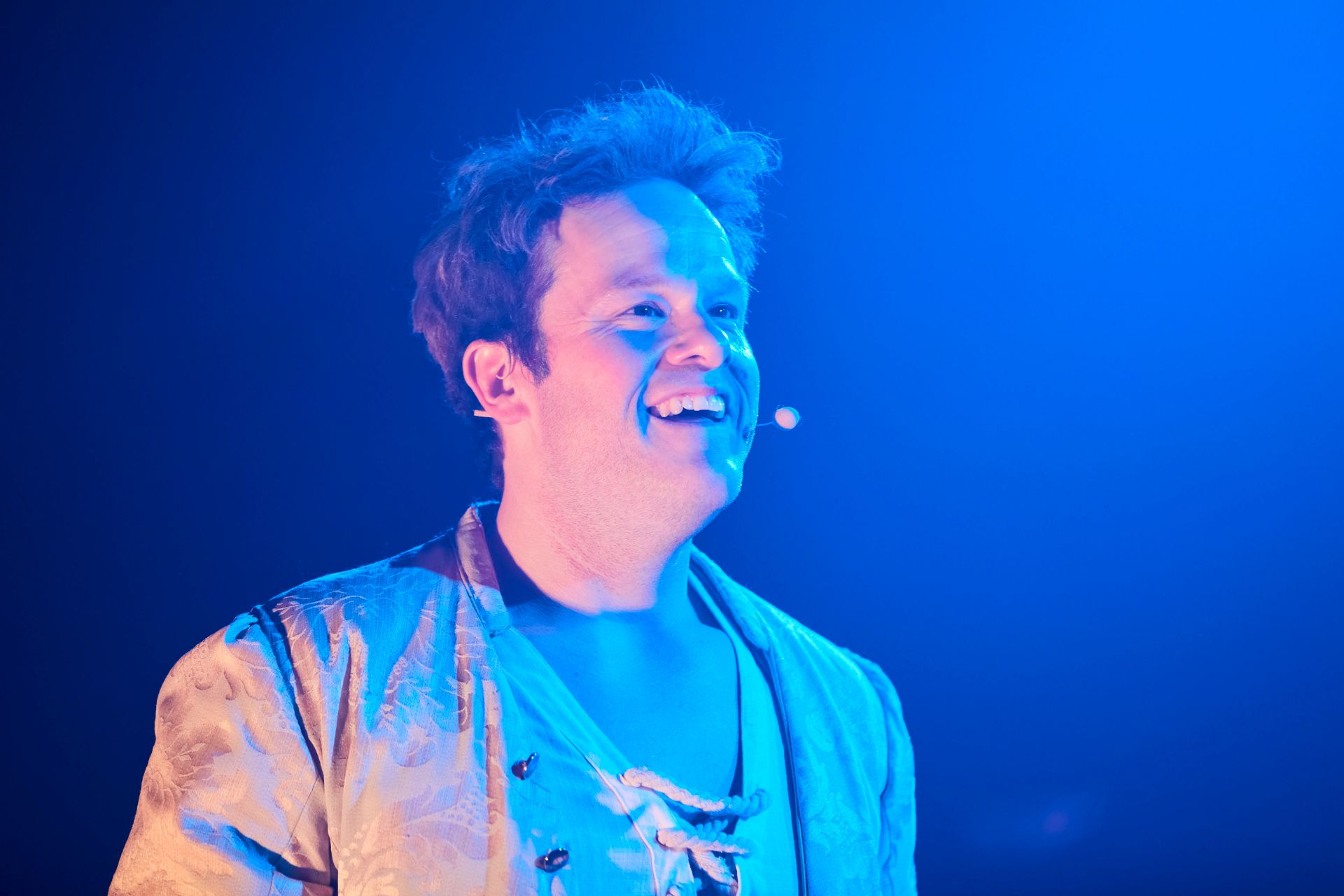
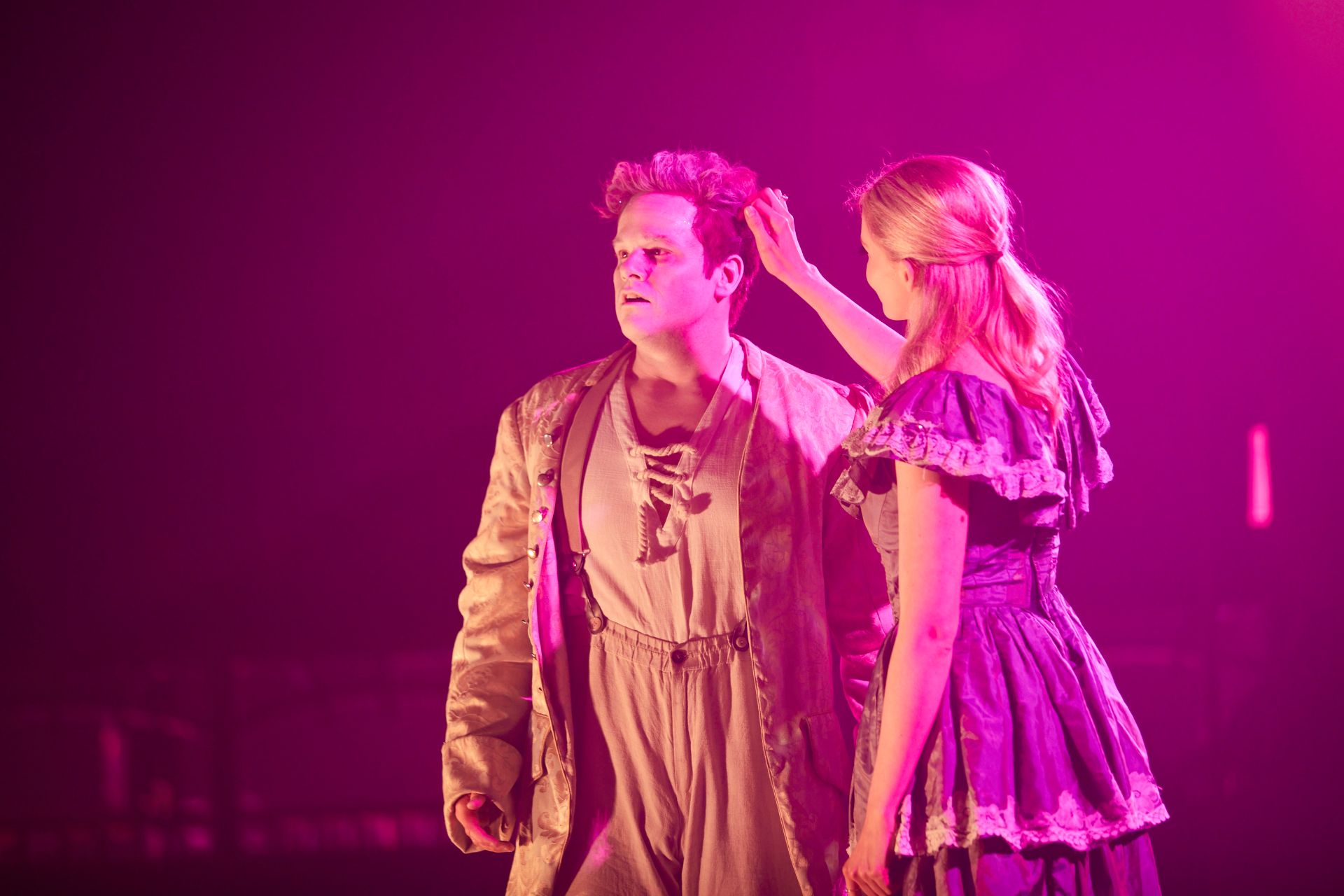
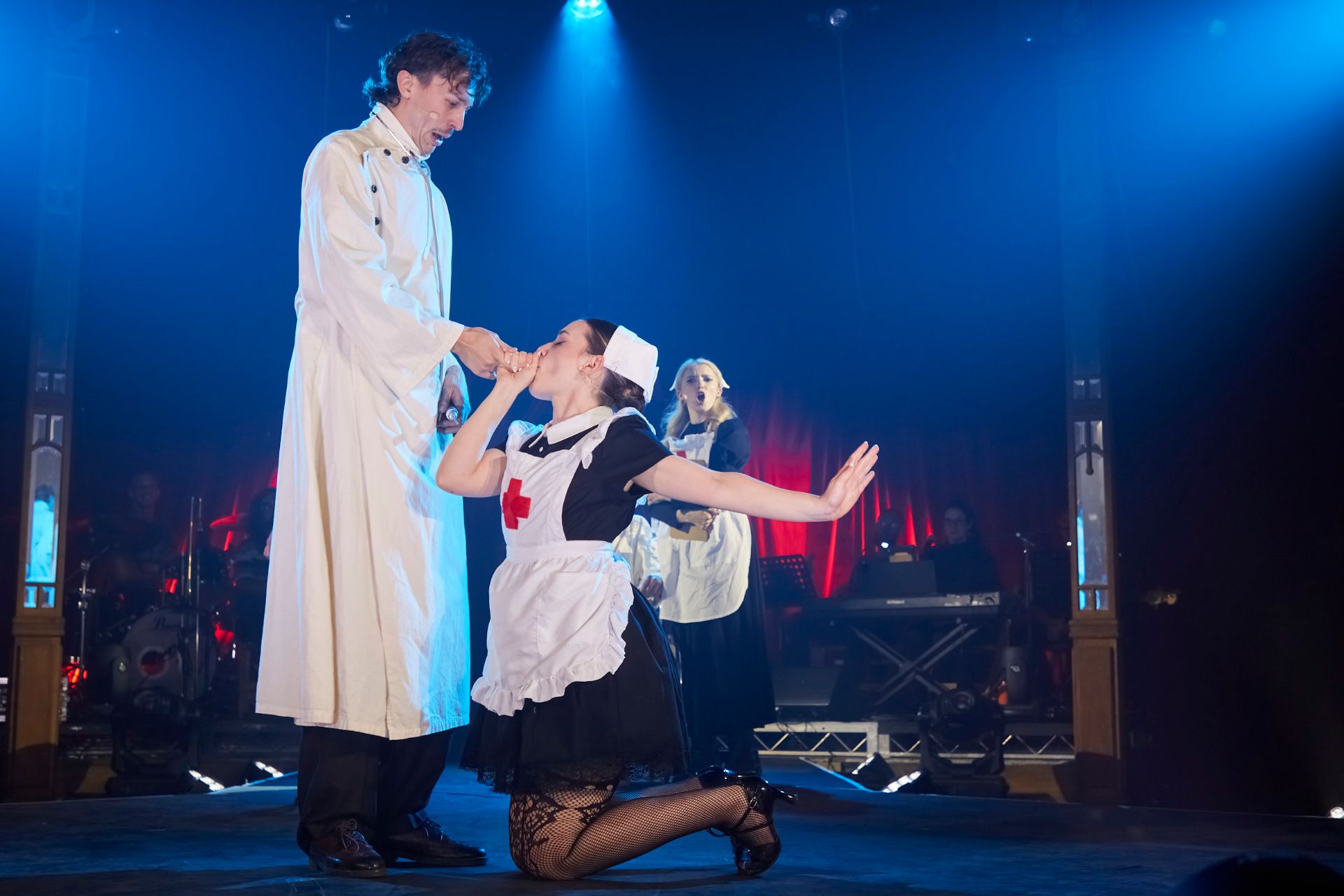
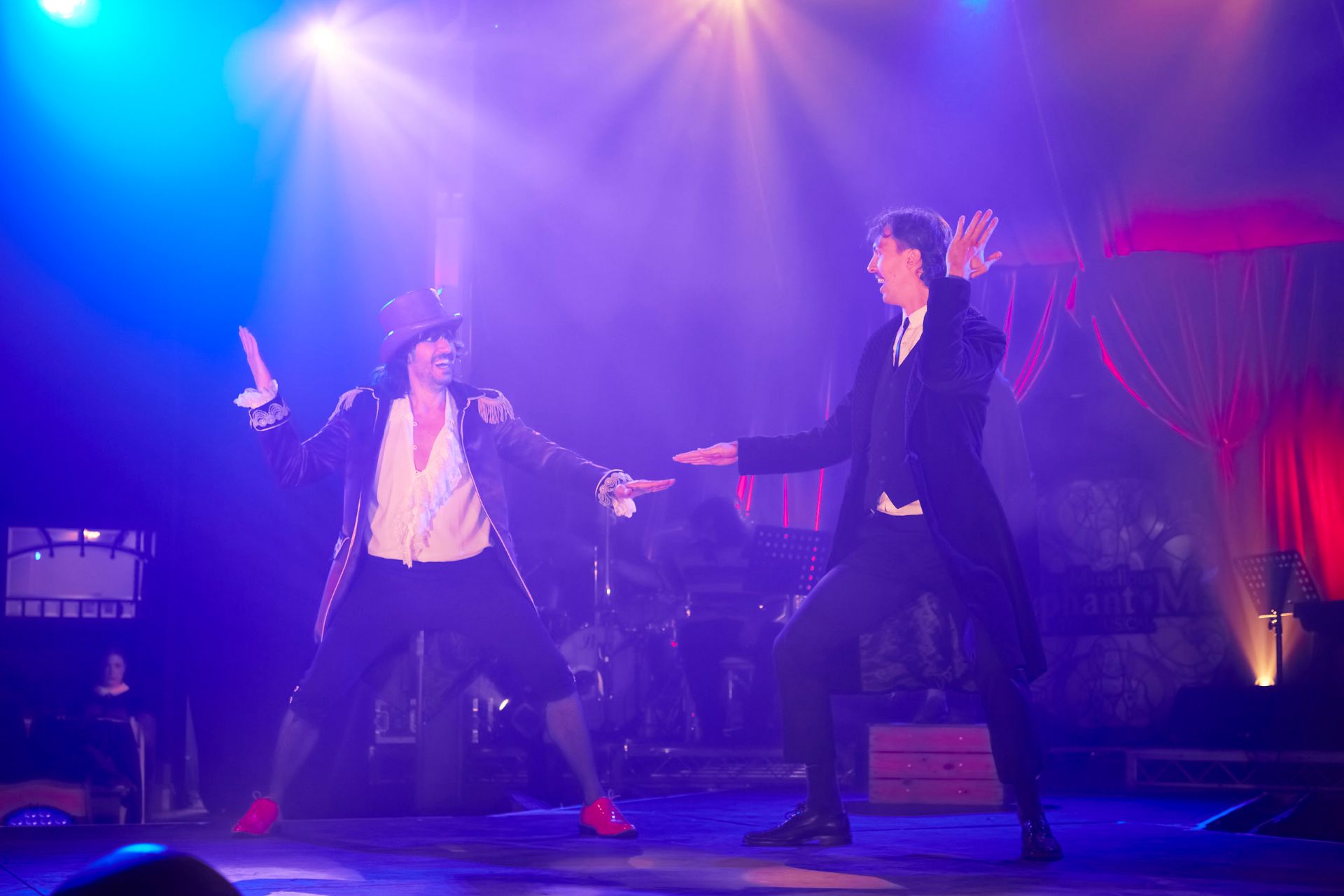
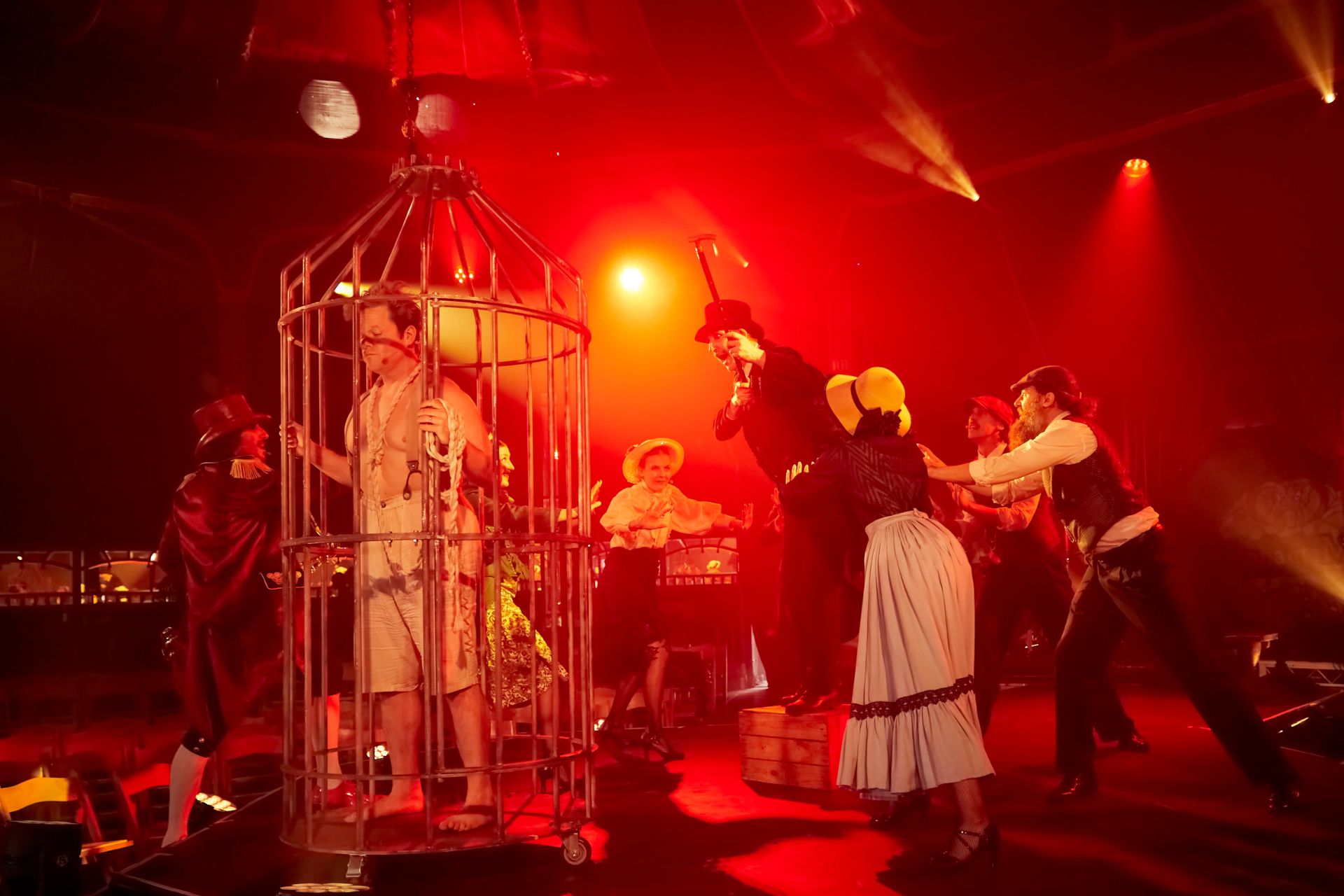
There indeed lived a Joseph Merrick in 19th century England, so badly deformed he was called the Elephant Man. The Marvellous Elephant Man by Marc Lucchesi, Jayan Nandagopan and Sarah Nandagopan, re-imagines Merrick’s life as a musical comedy, in a style reminiscent of the period, that we may categorise today as being in the vaudeville or burlesque genres. Currently performing inside a spiegeltent in Sydney, it offers atmosphere that simply cannot be any more appropriate. The songs are pleasantly melodious, but its book and lyrics are perhaps too conventional, with nothing surprising in its telling of an old story.

The jokes are not quite bawdy enough, with inconsistent direction by Guy Masterson and Chris HF Mitchell, delivering humour that vacillates excessively in tone. Furthermore the show never succeeds at making any of its personalities endearing, so it can feel a struggle to engage. Lighting design by Matthew Marshal is dynamic, as are costumes by Roberto Surace, although both can benefit from being more imaginative and indulgent, in conception as well as implementation.

It is an energetic cast that presents the show, insufficiently charismatic but committed and lively nonetheless. Leading man Ben Clark impresses with some very powerful high notes, while Annelise Hall attempts to bring integrity to Nurse Hope, an absurd and regressive fabrication, at a time when we have learnt to be intolerant of seeing ornamental women characters on our stages.

There is a vibrant spirit at the core of The Marvellous Elephant Man, one that is eccentric and wild, but what has resulted is something suppressed by notions of orthodoxy and commerciality. Much as Merrick may have wished for a life of normalcy, the truth is that his legacy is one of uniqueness and frankly, grotesqueness. As the saying goes, “let your freak flag fly,” and if one should choose to pursue the arts, then surely any tendency for conformity is best relinquished.

www.marvellouselephantman.com