Review: Mama Does Derby (Sydney Festival)


Venue: Sydney Town Hall (Sydney NSW), Jan 15 – 22, 2026
Playwright: Virginia Gay
Director: Clare Watson
Cast: Benjamin Hancock, Calliope Jackson, Antoine Jelk, Aud Mason-Hyde, Annabel Matheson, Amber McMahon, Dylan Miller, Elvy-Lee Quici (with the Sydney Roller Derby League)
Images by 

Theatre review
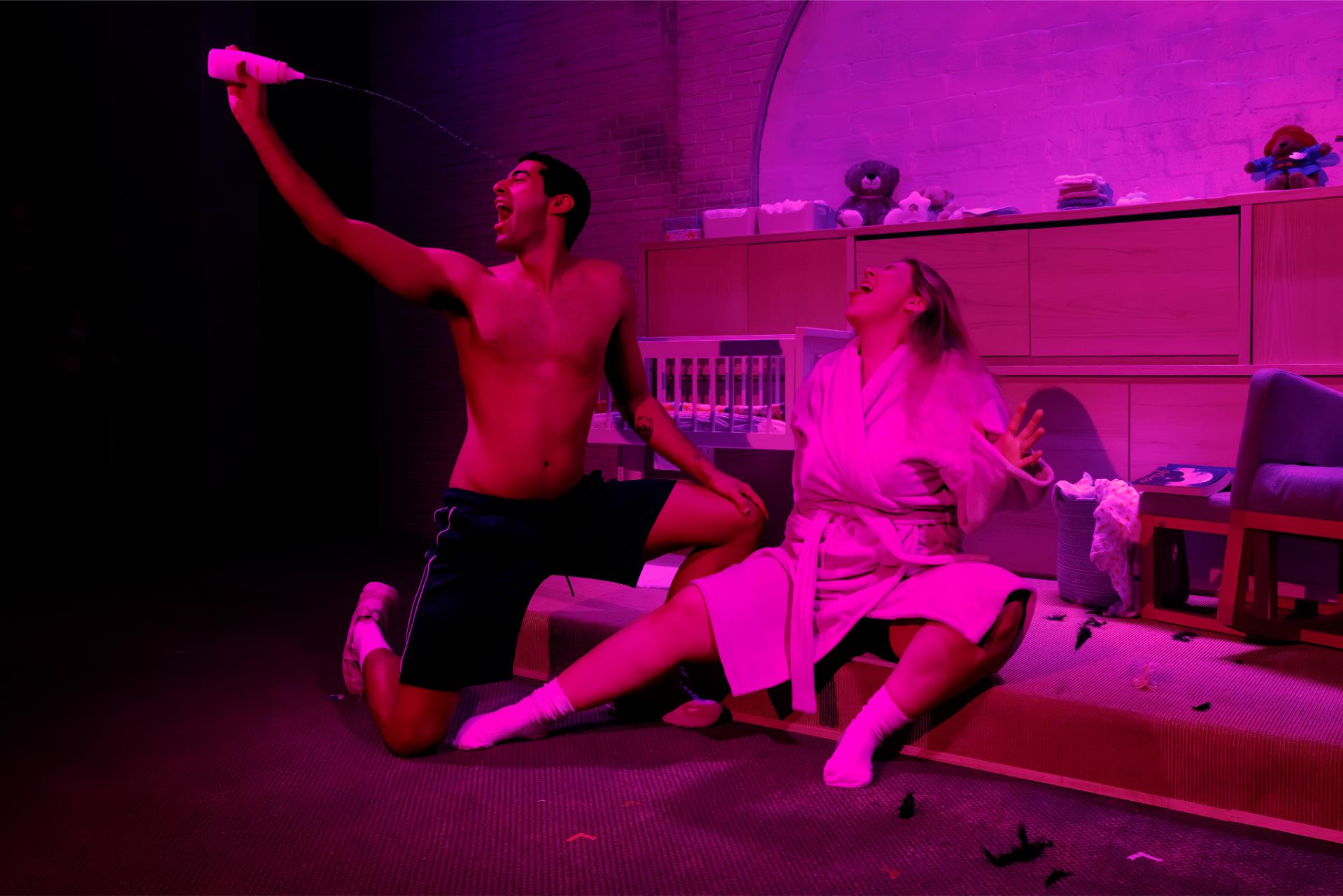
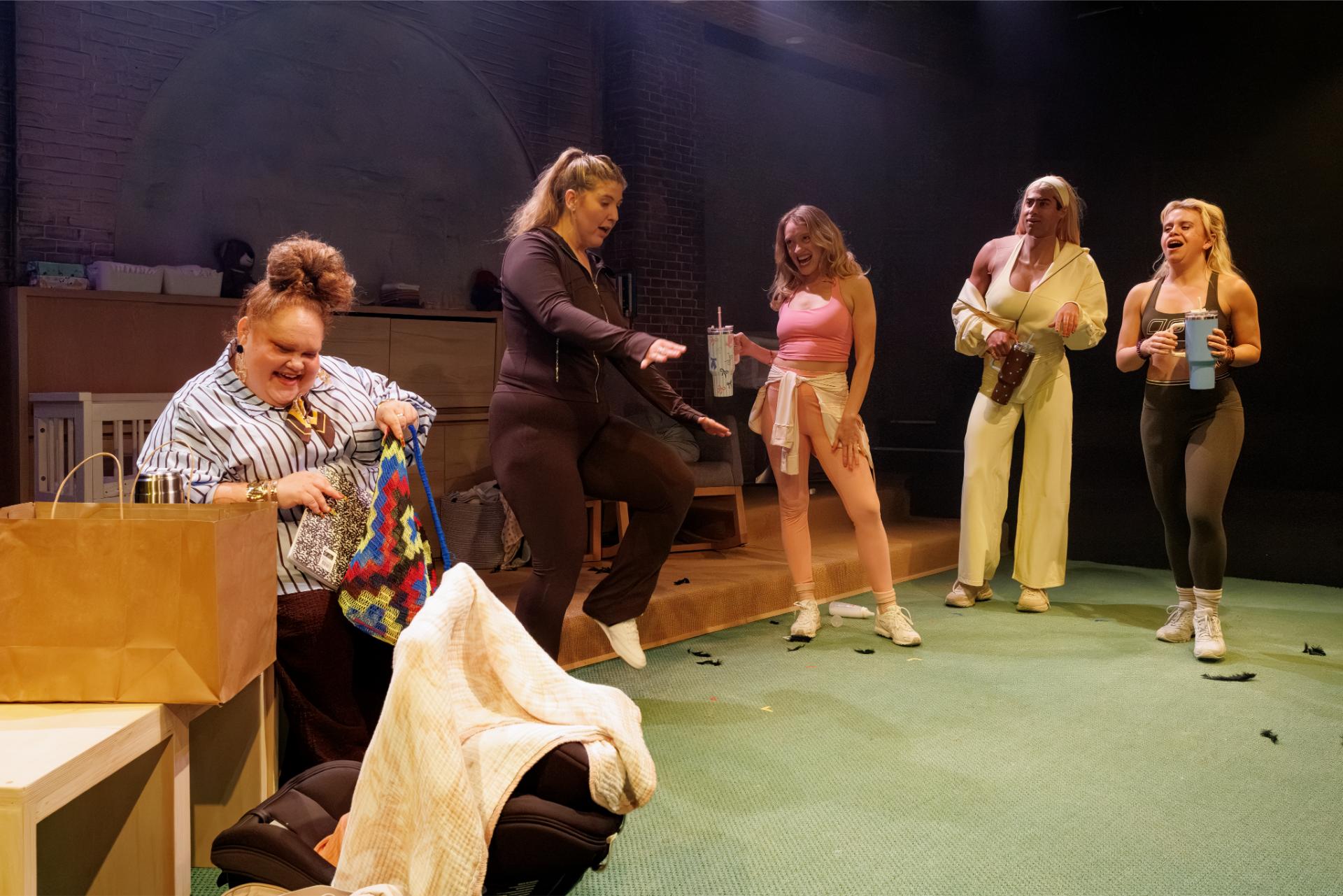
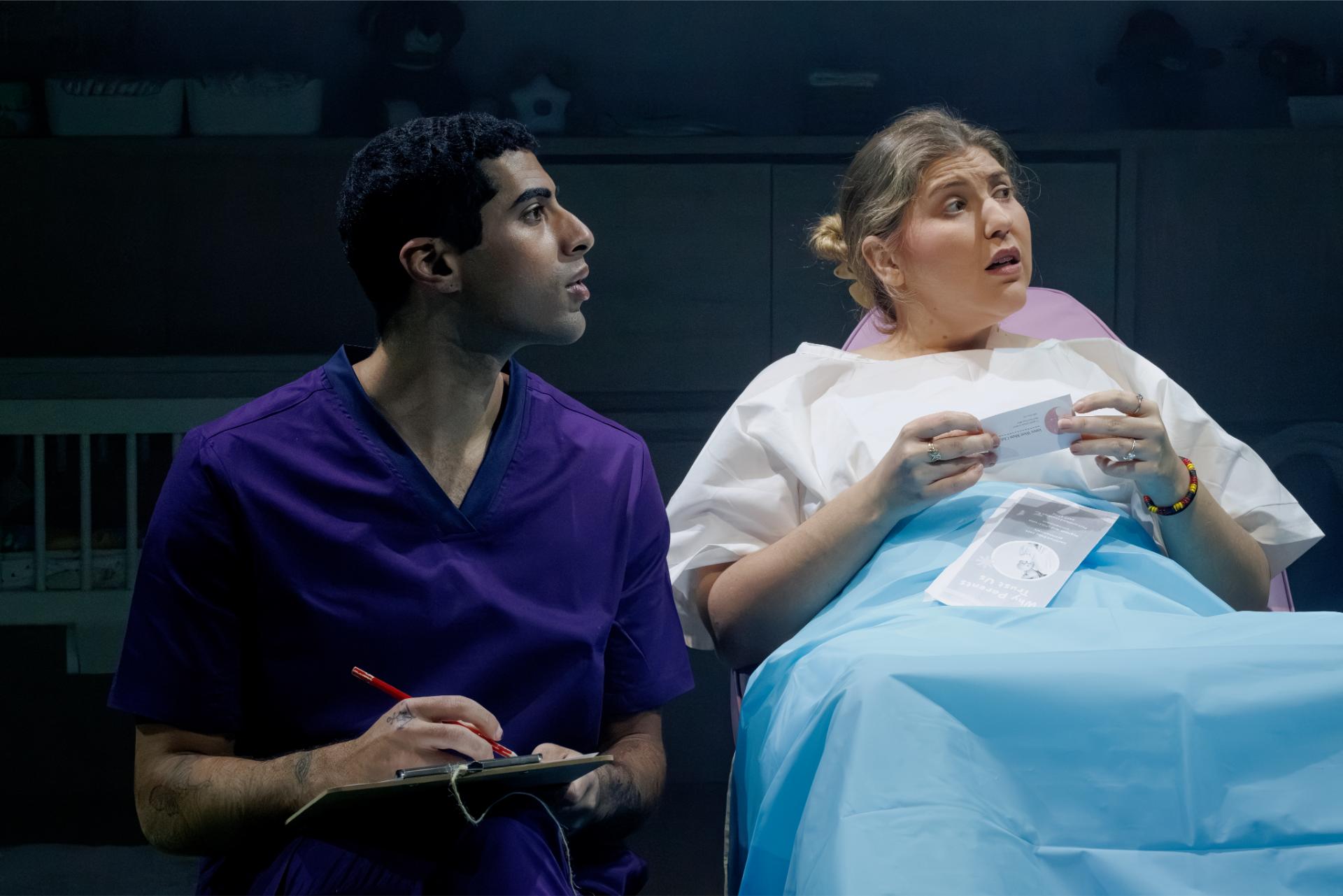
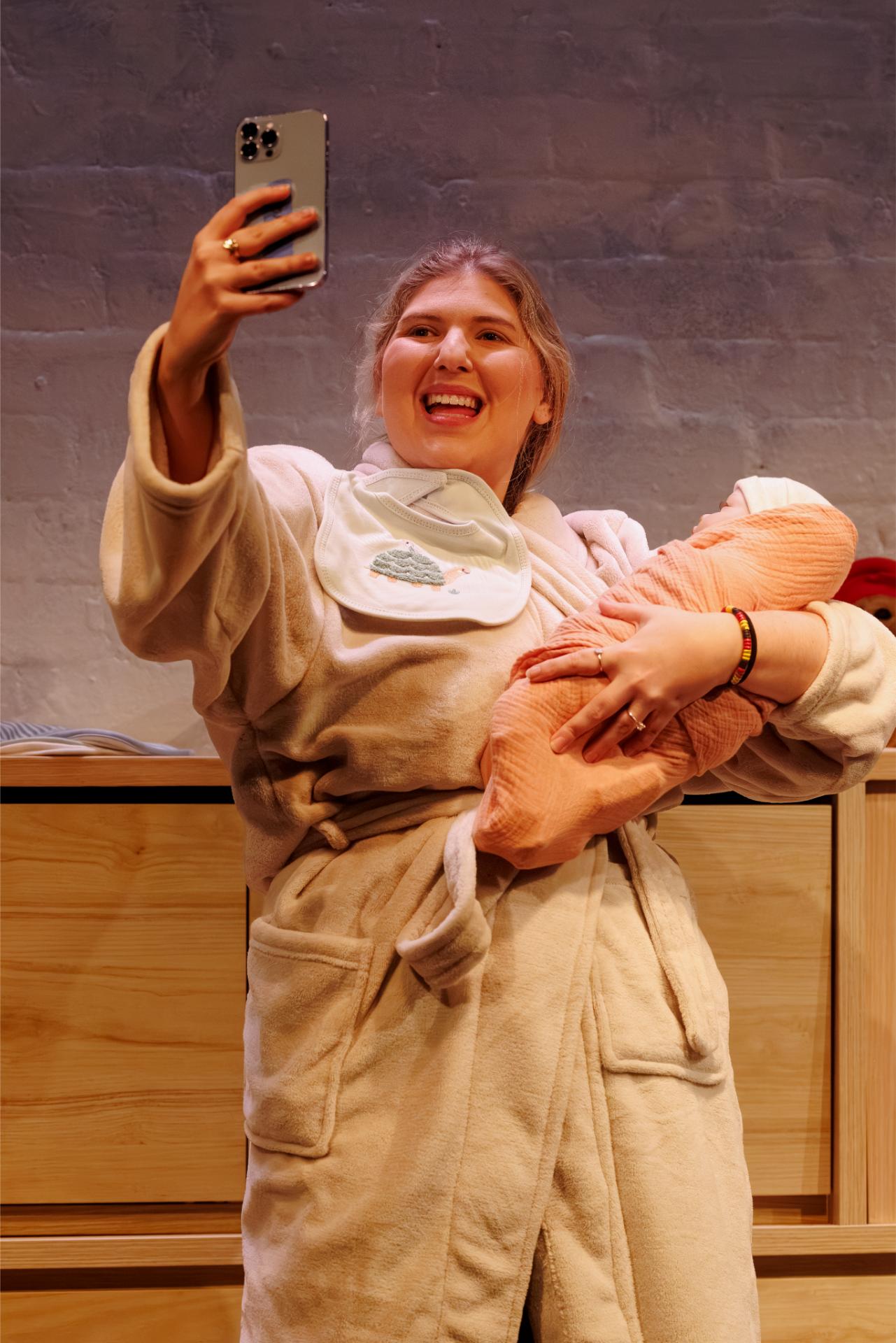
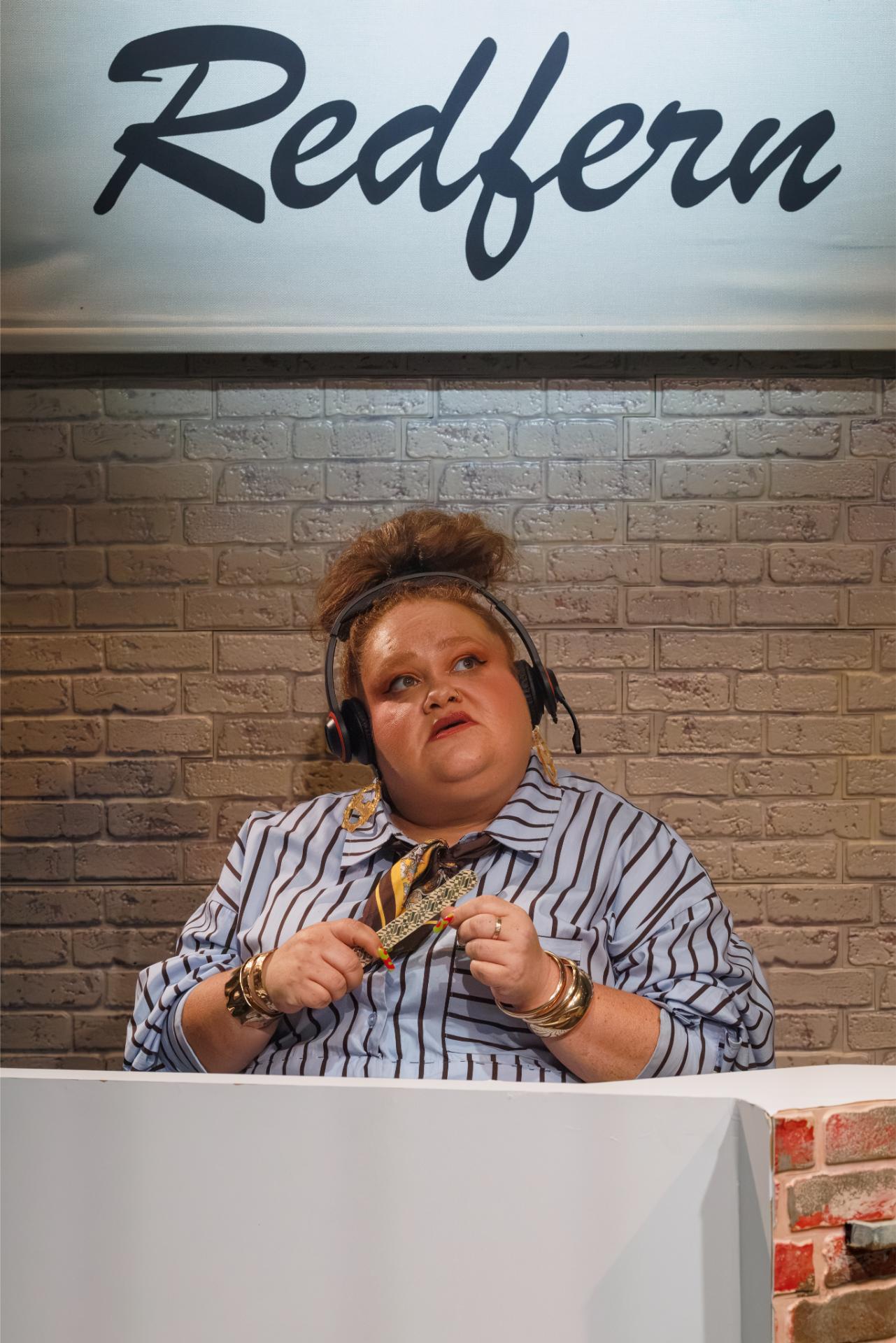
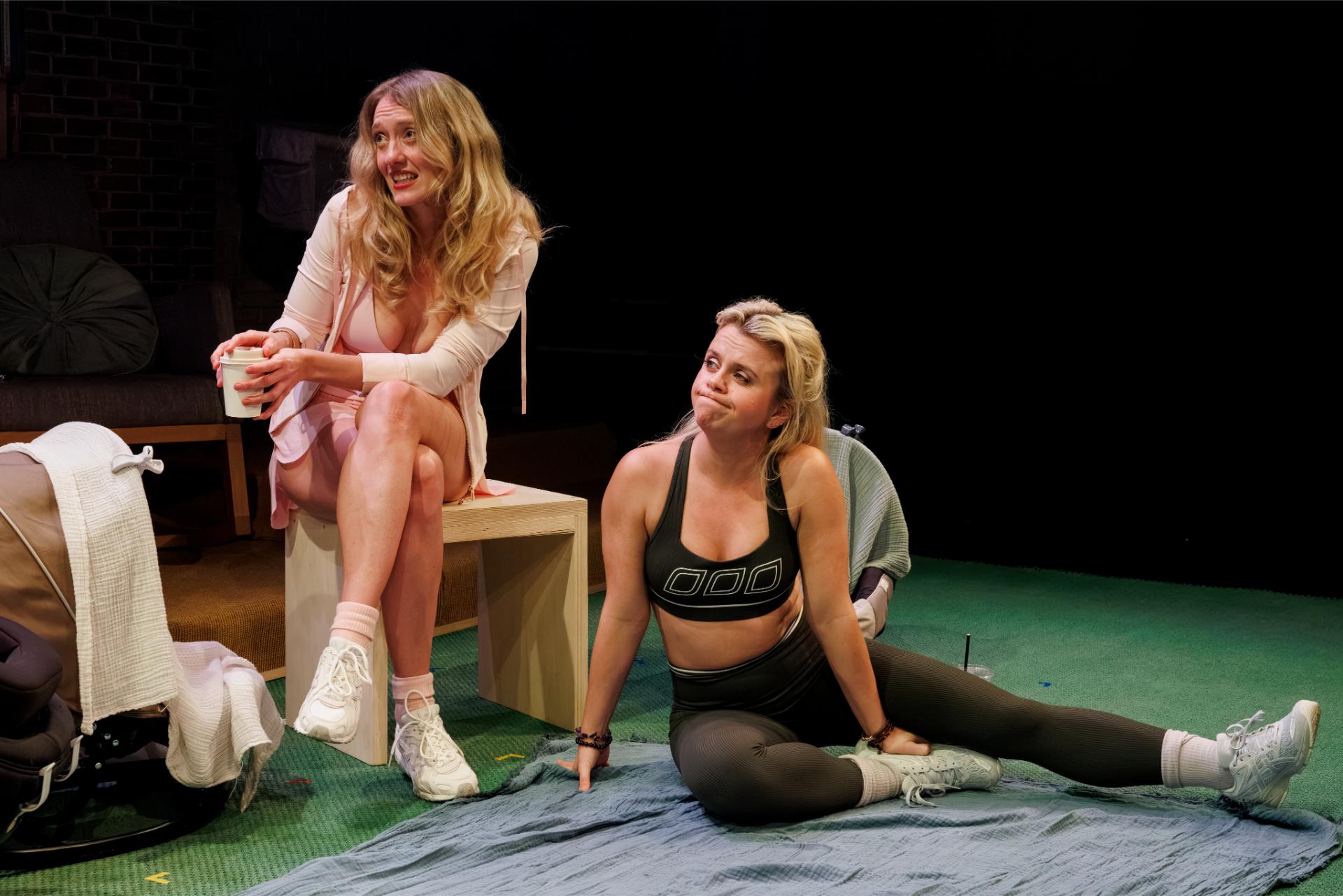
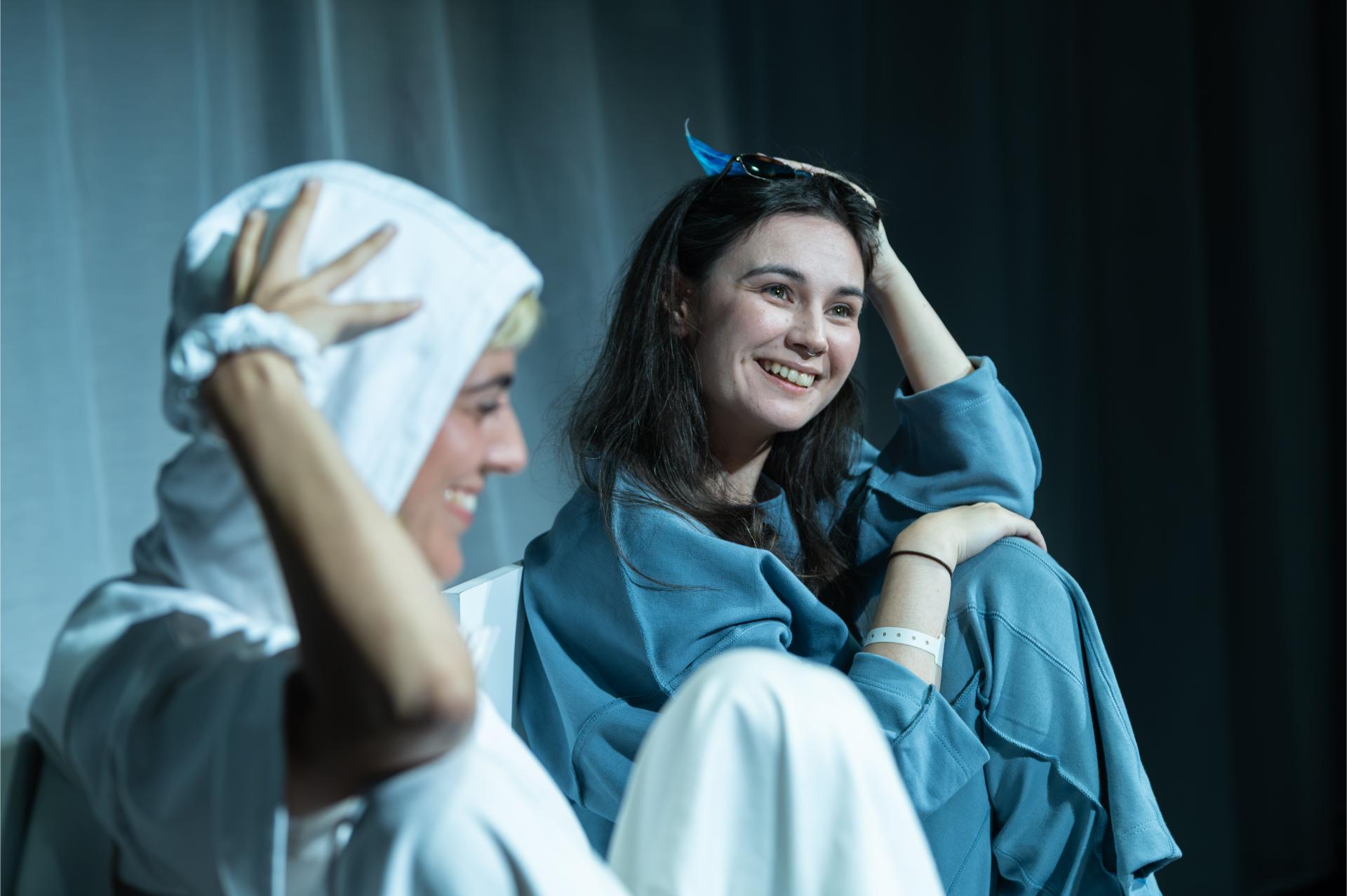
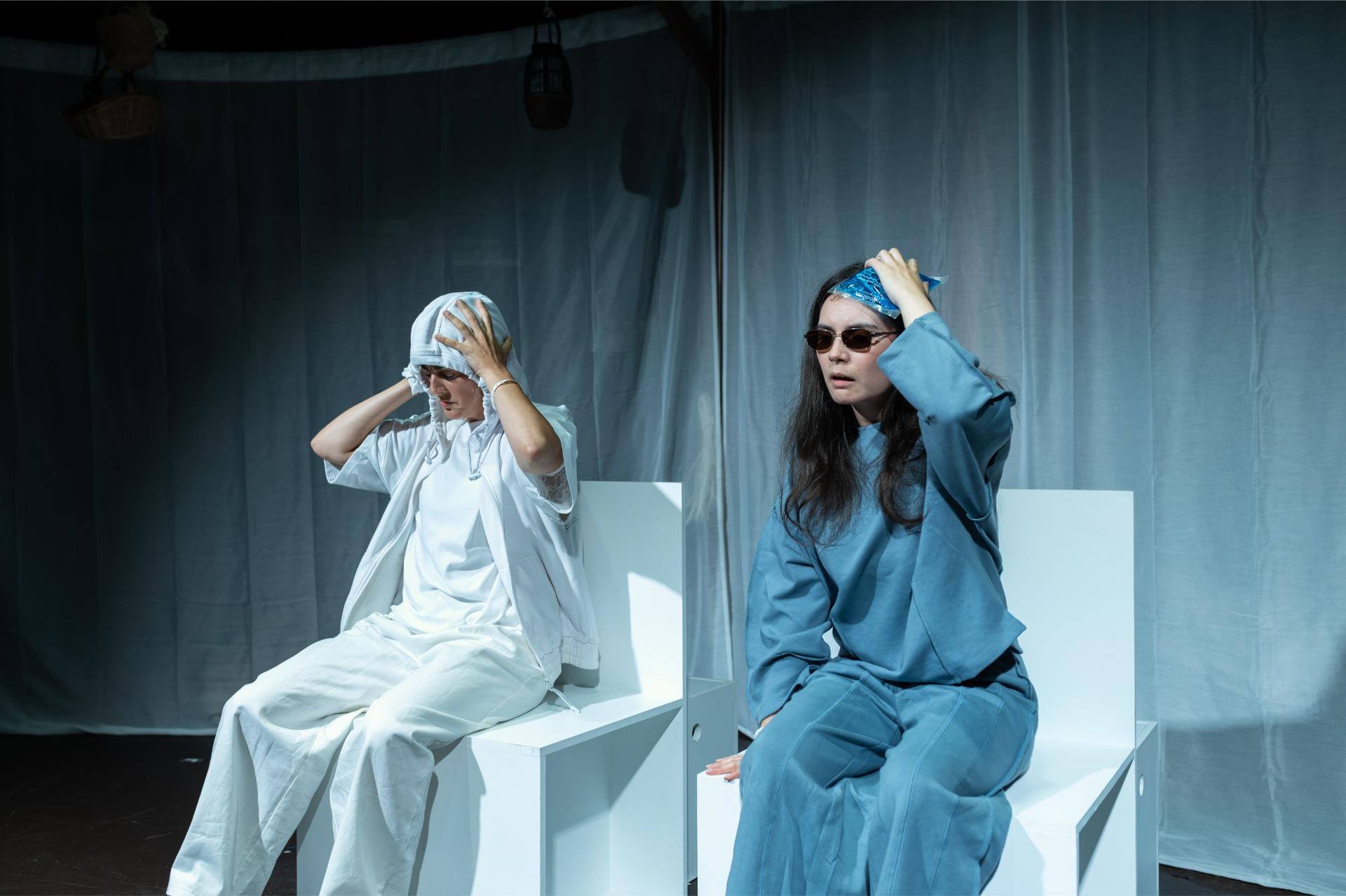
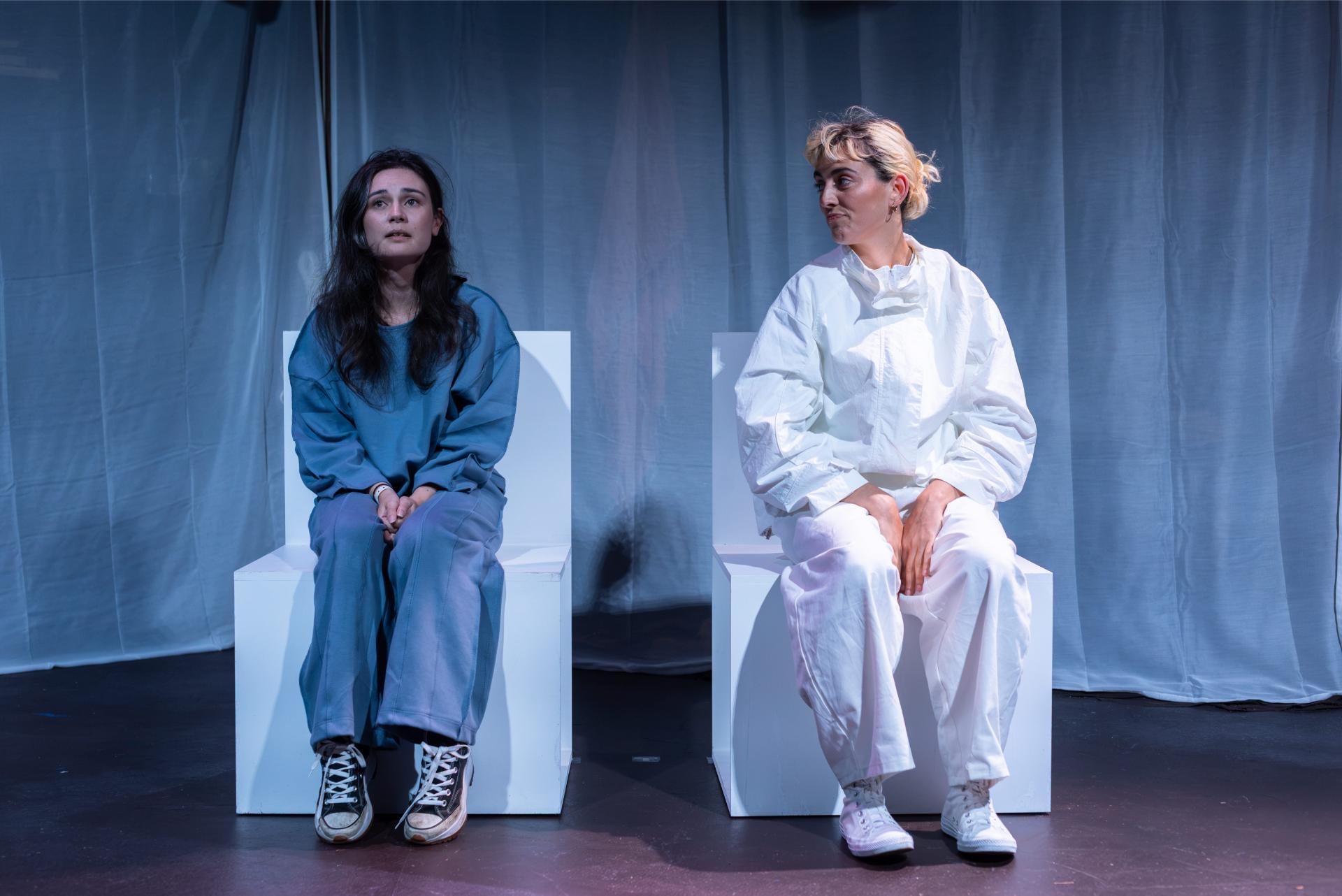
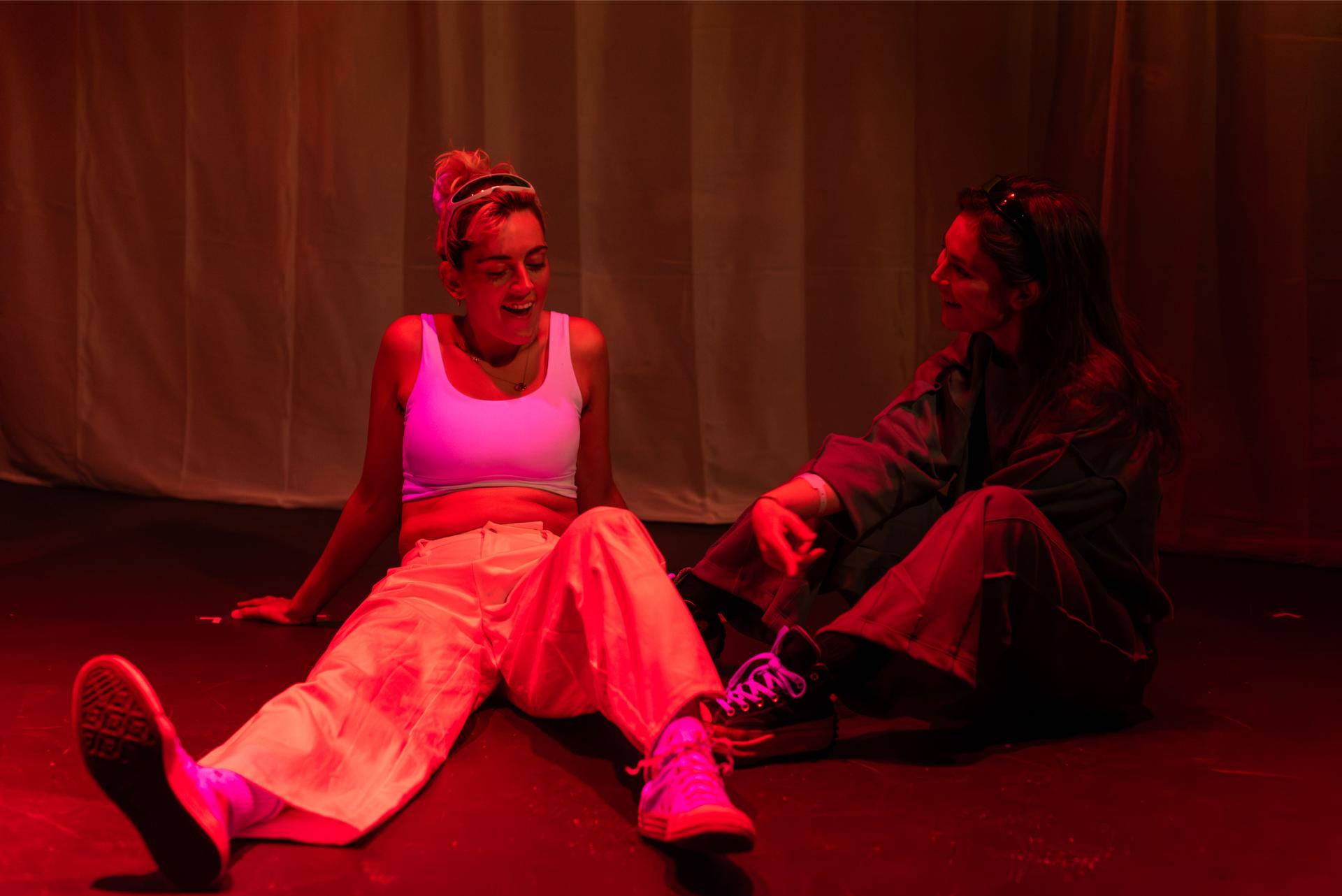
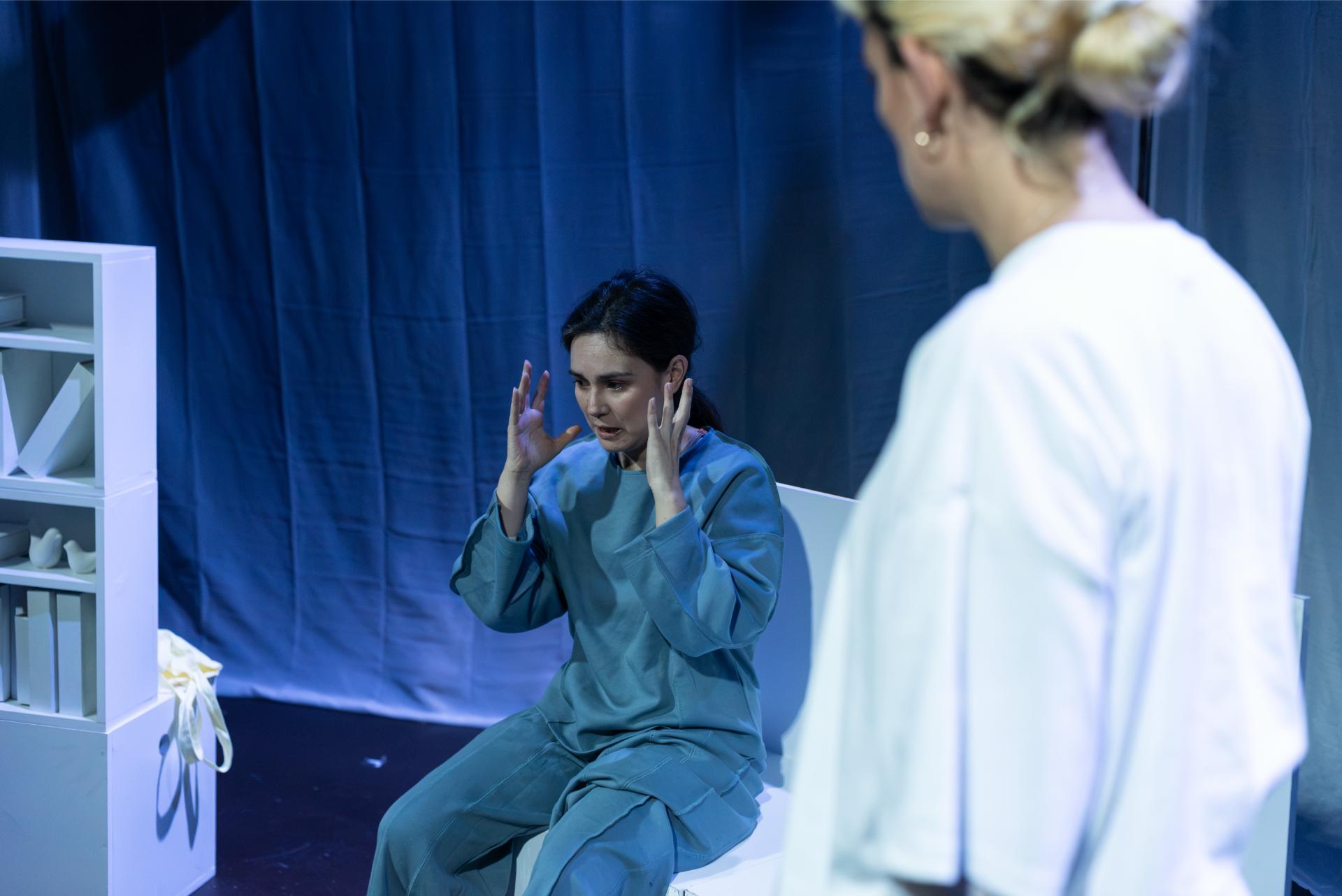
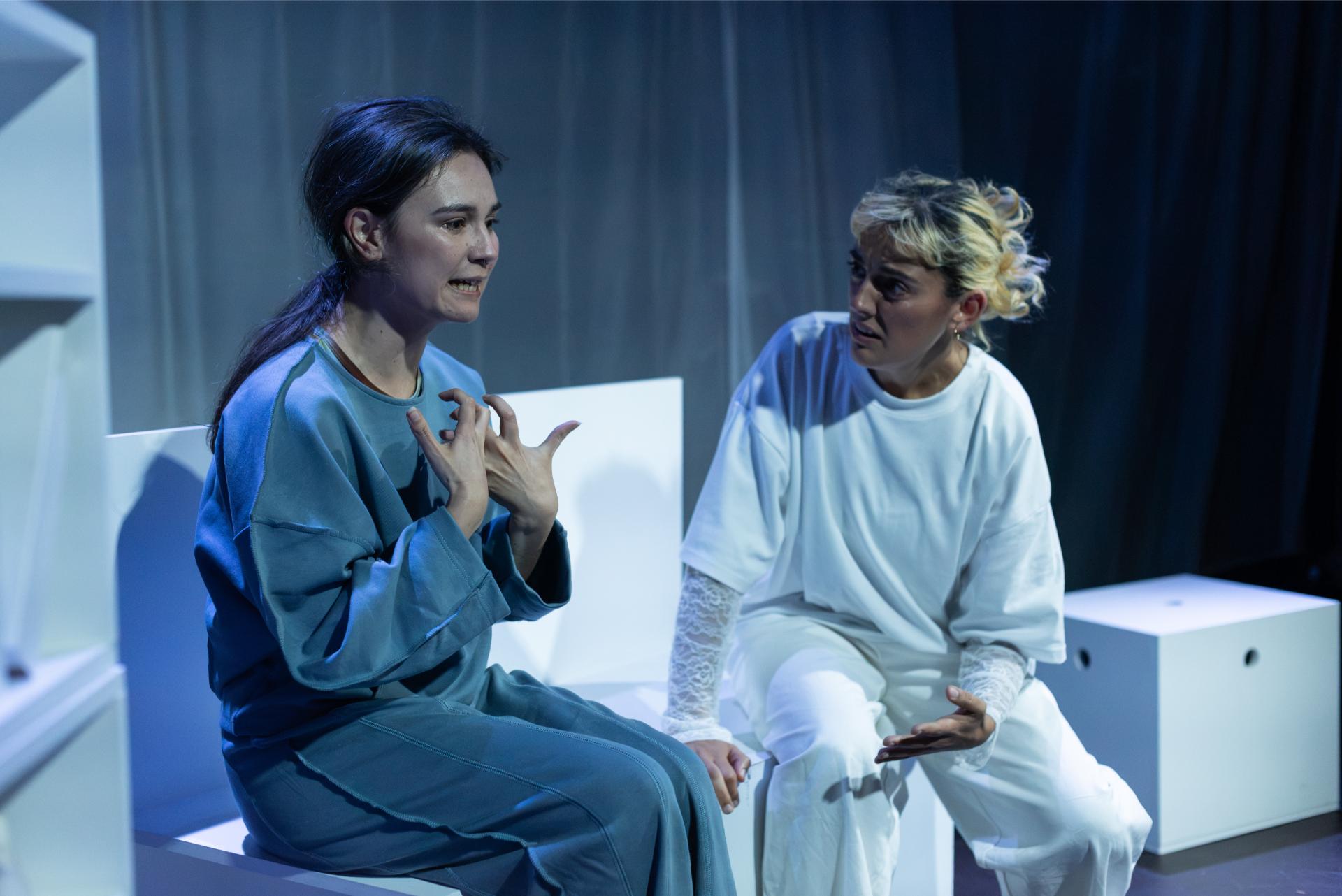
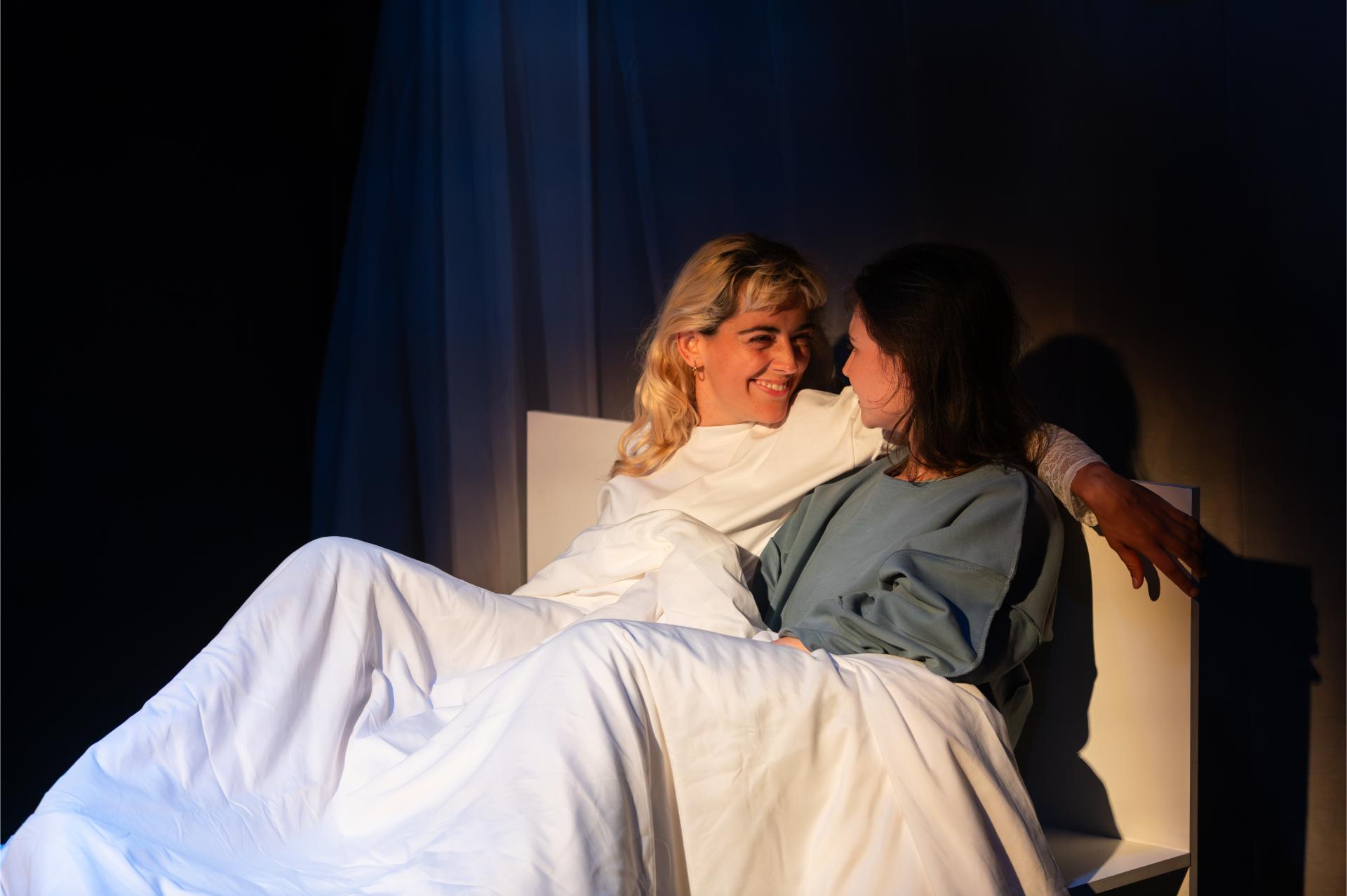
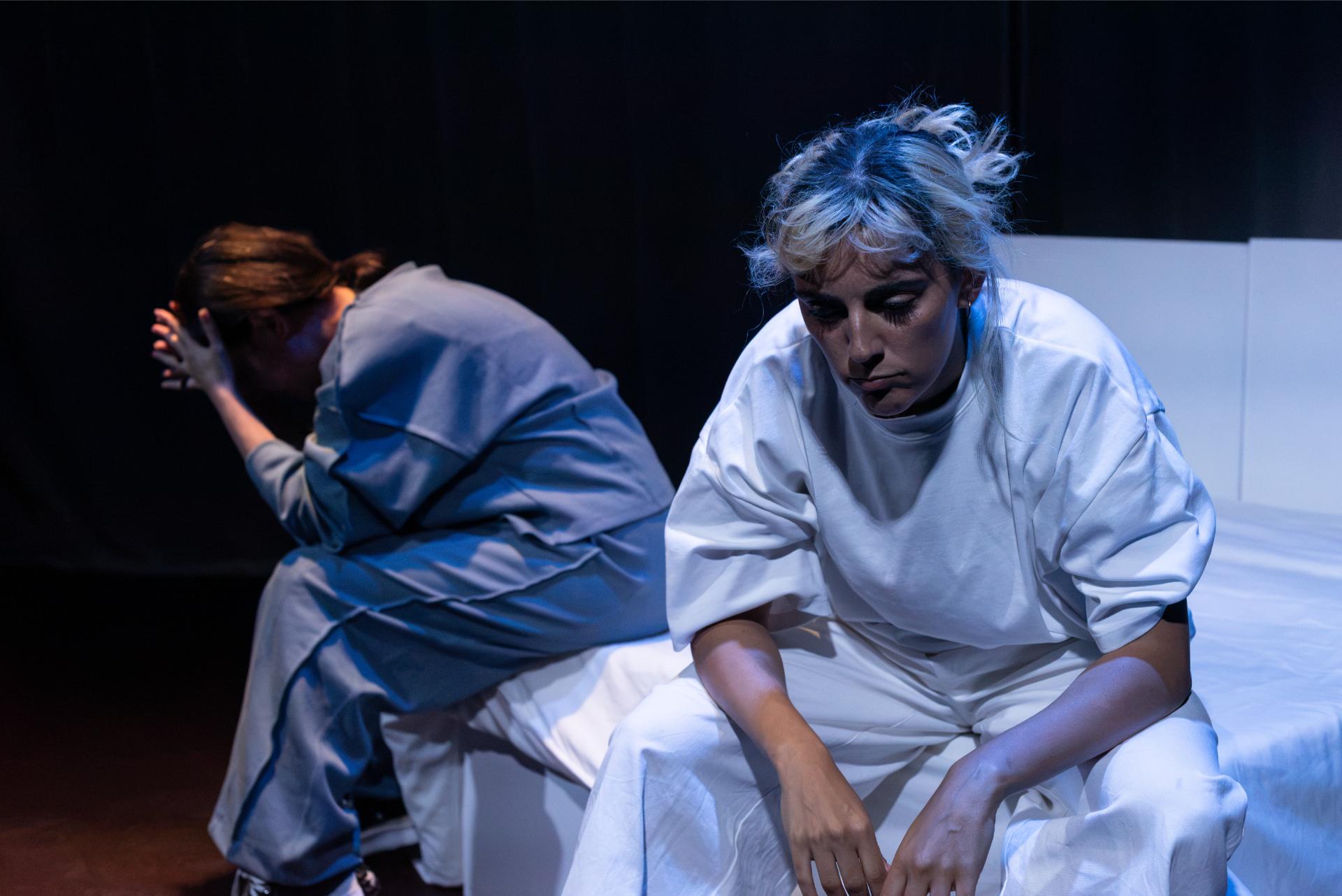
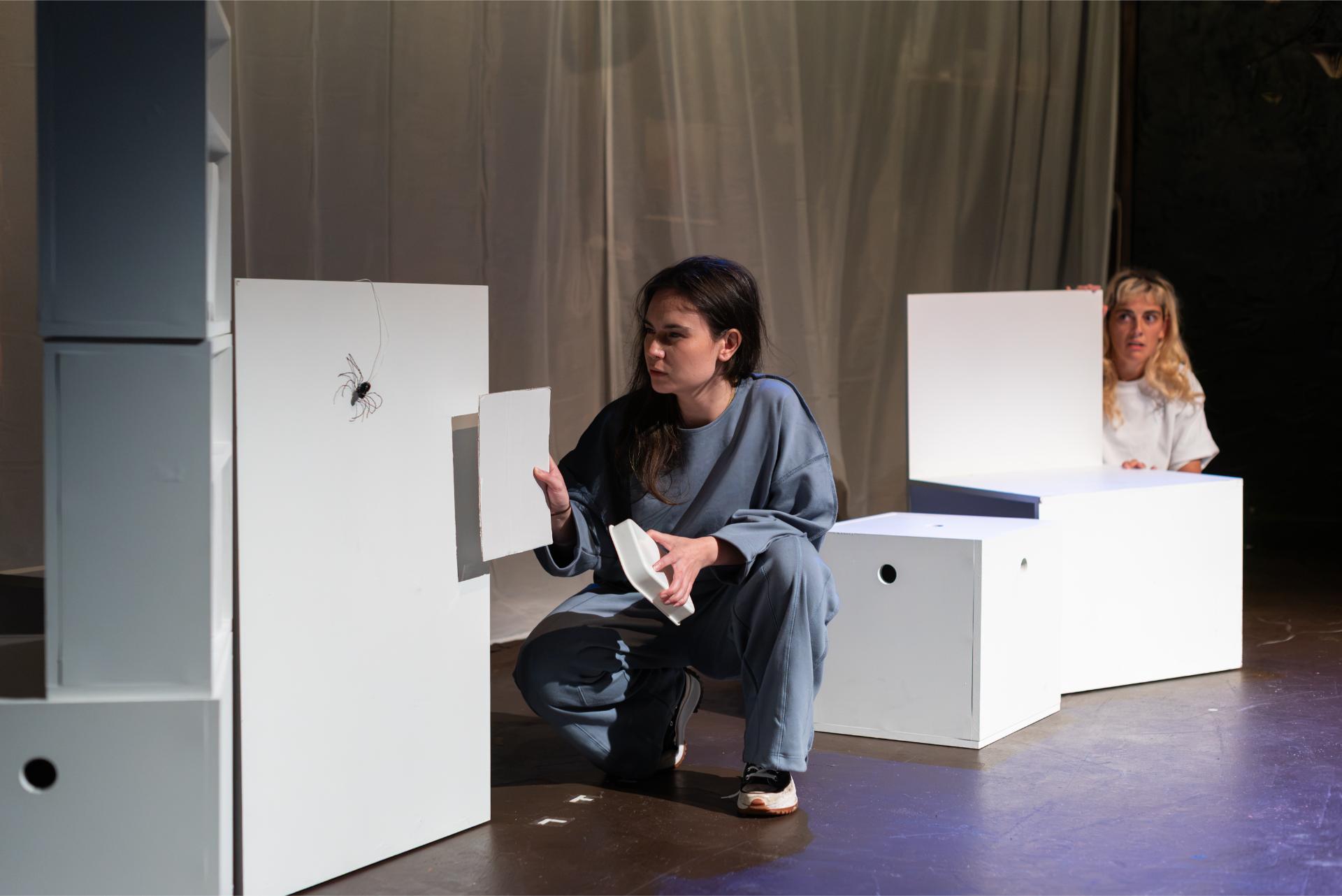
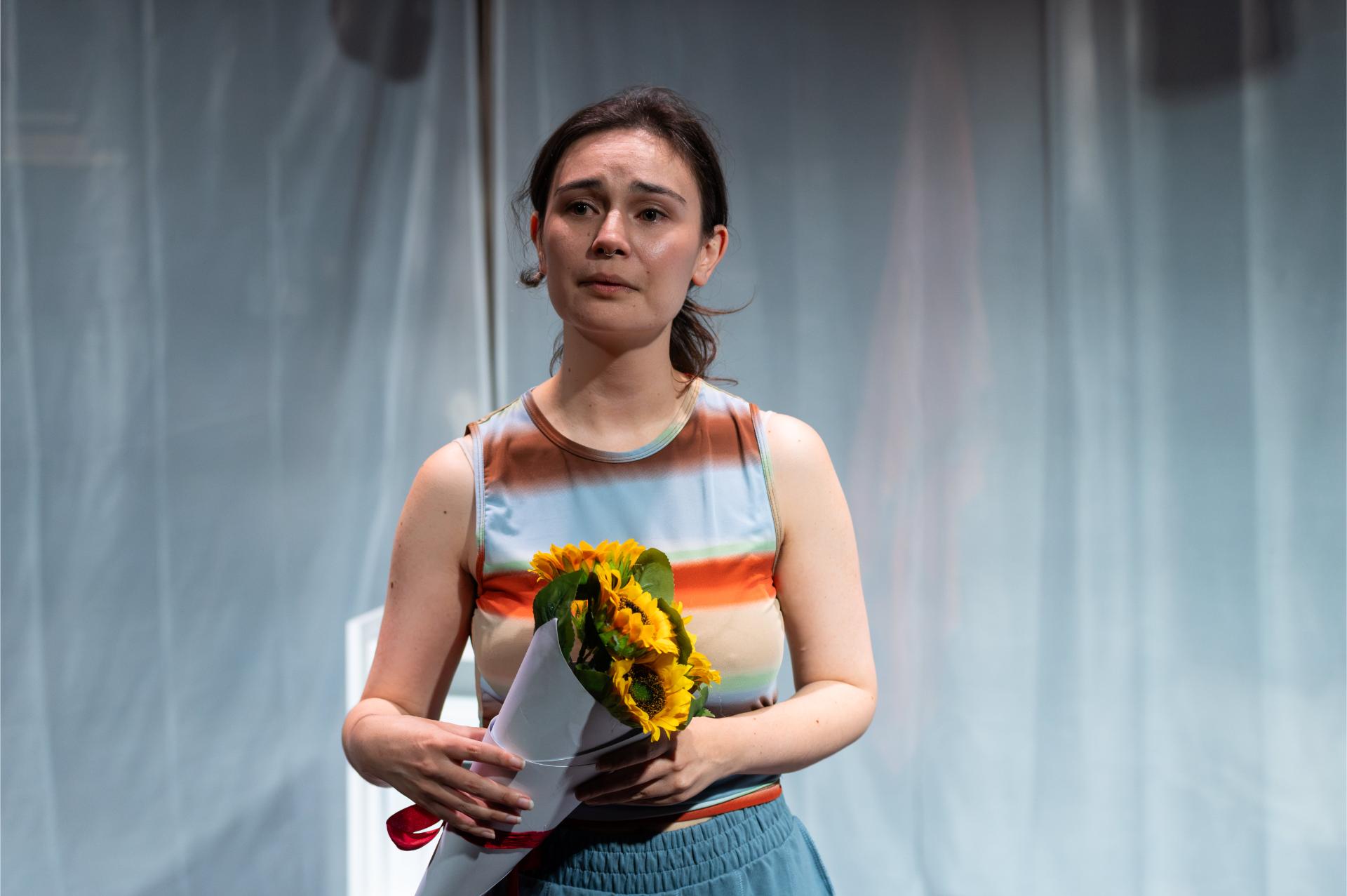
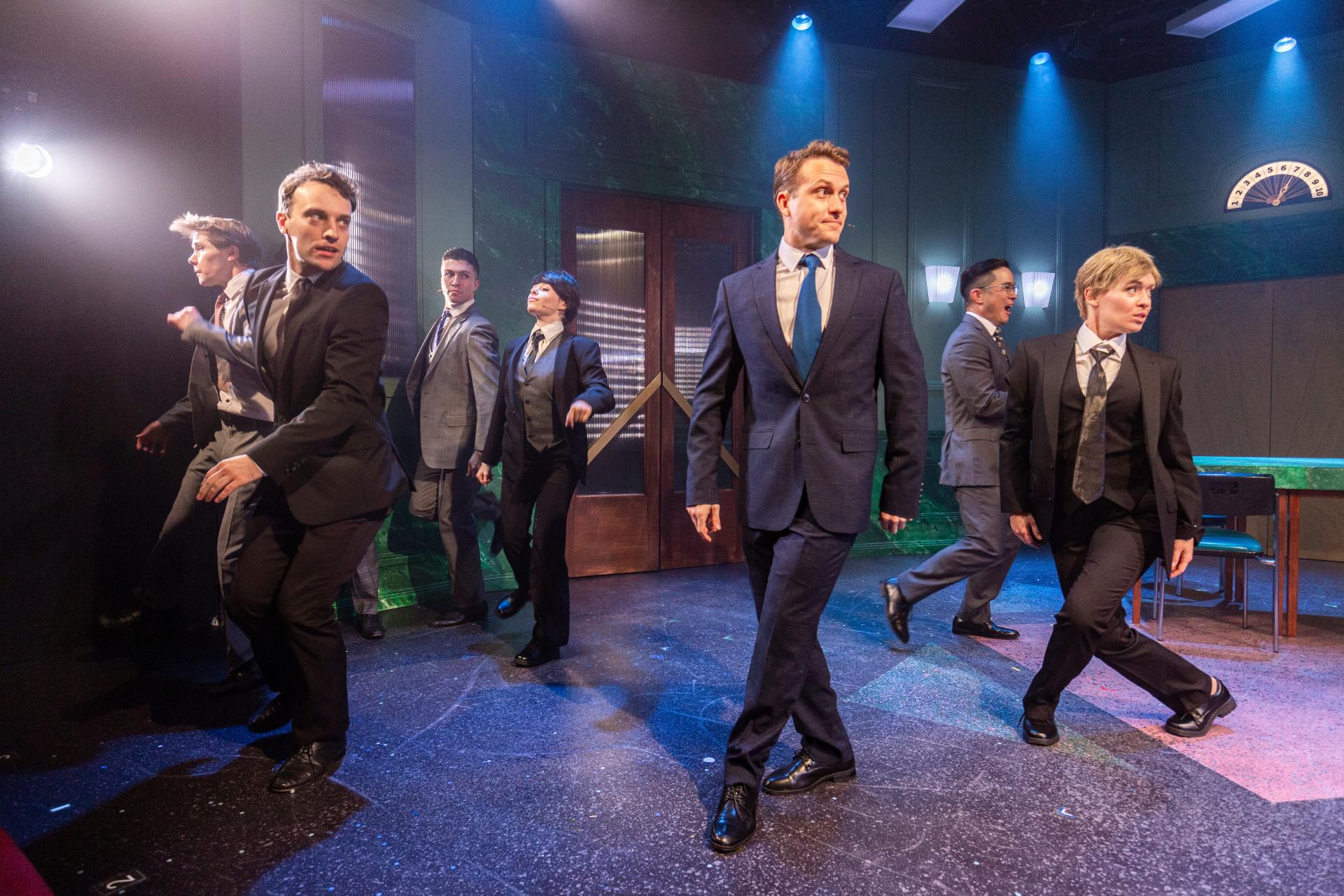
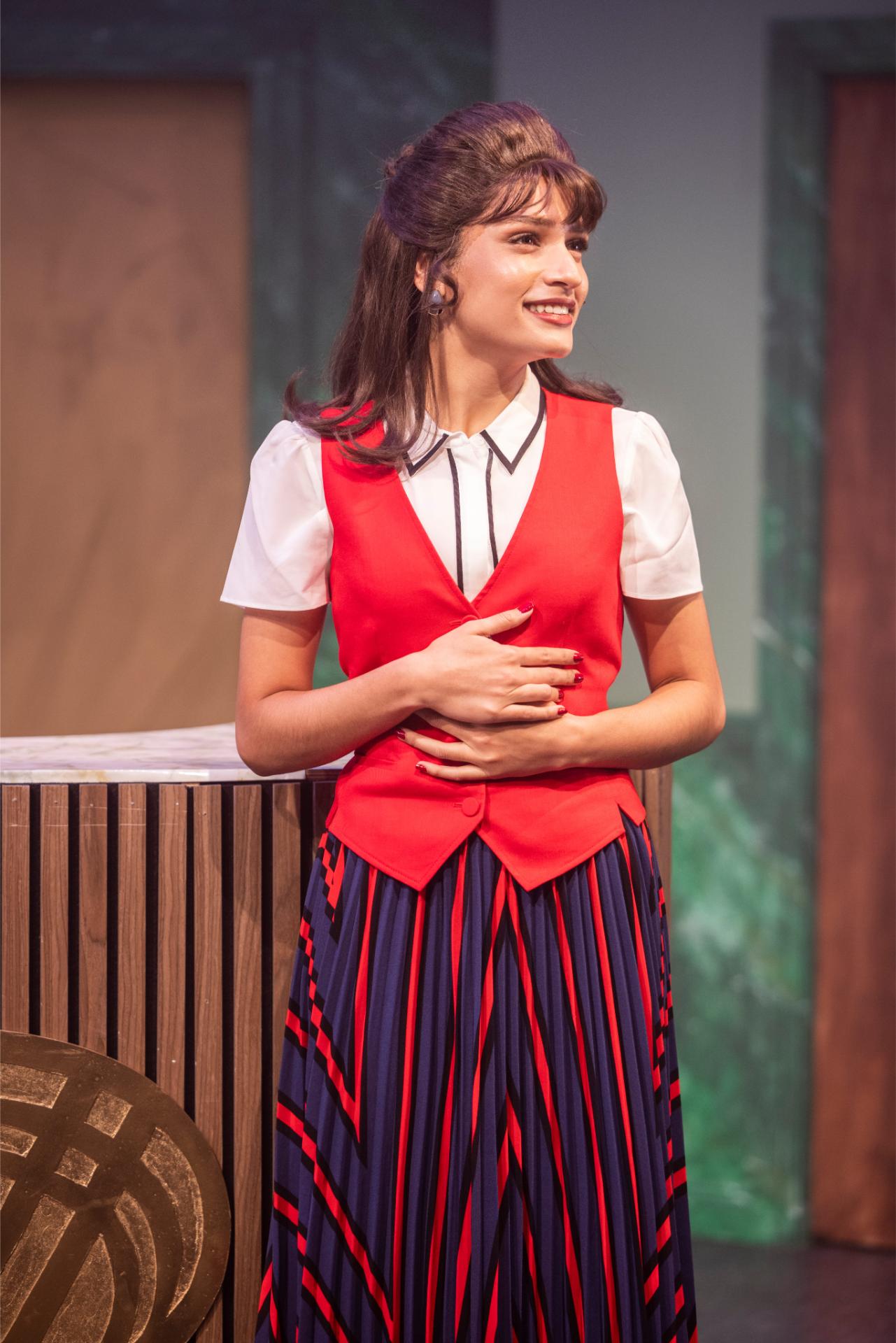
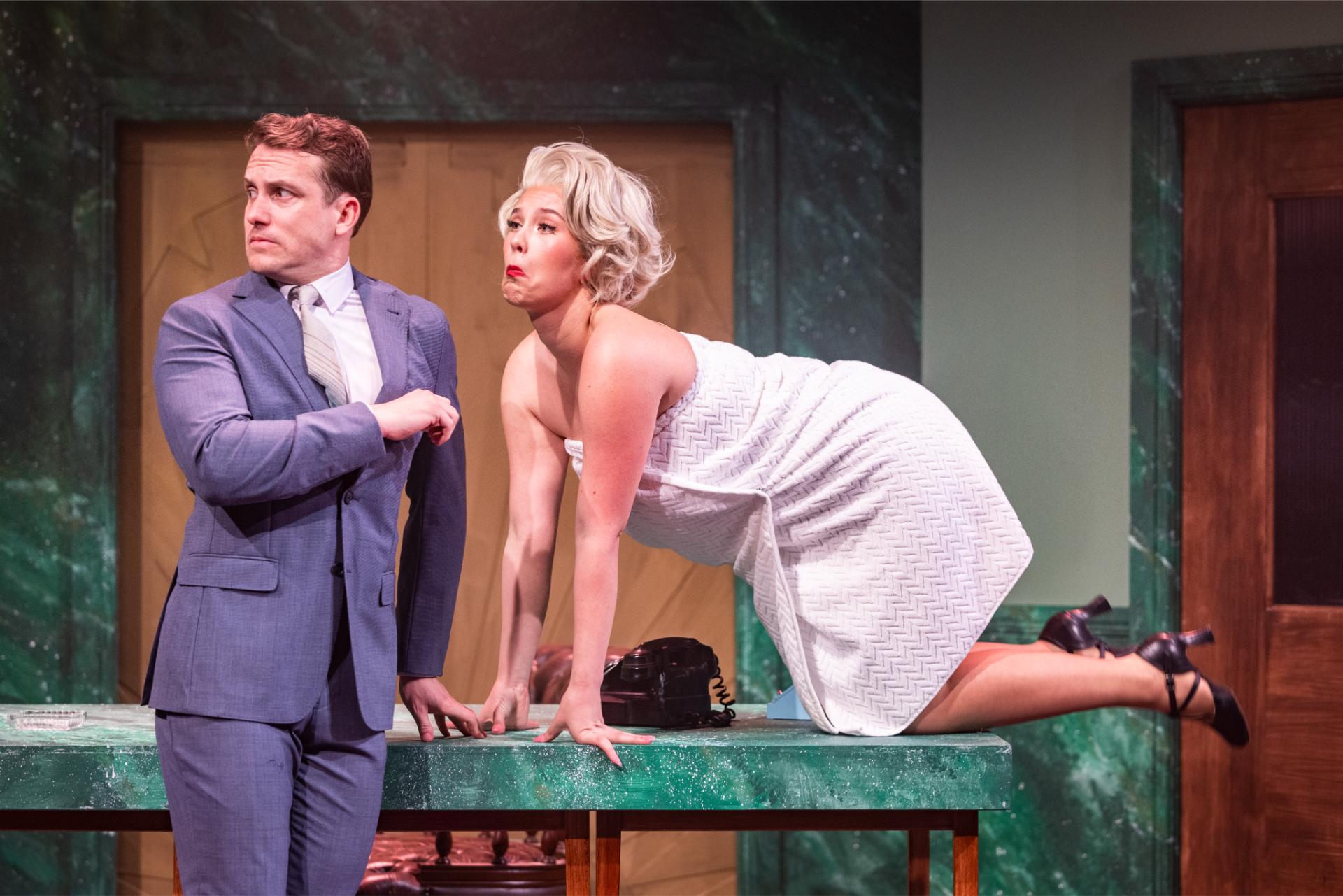
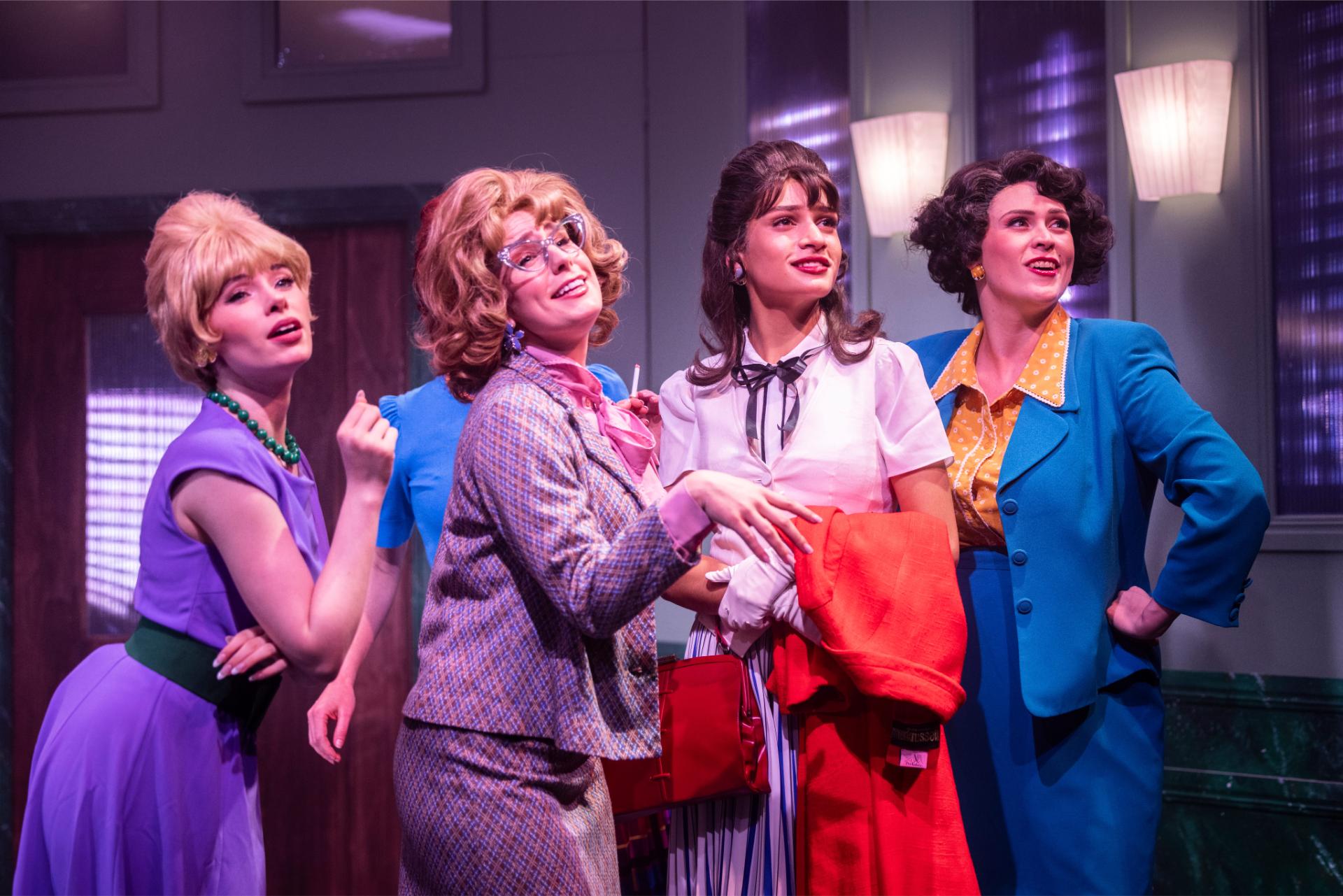
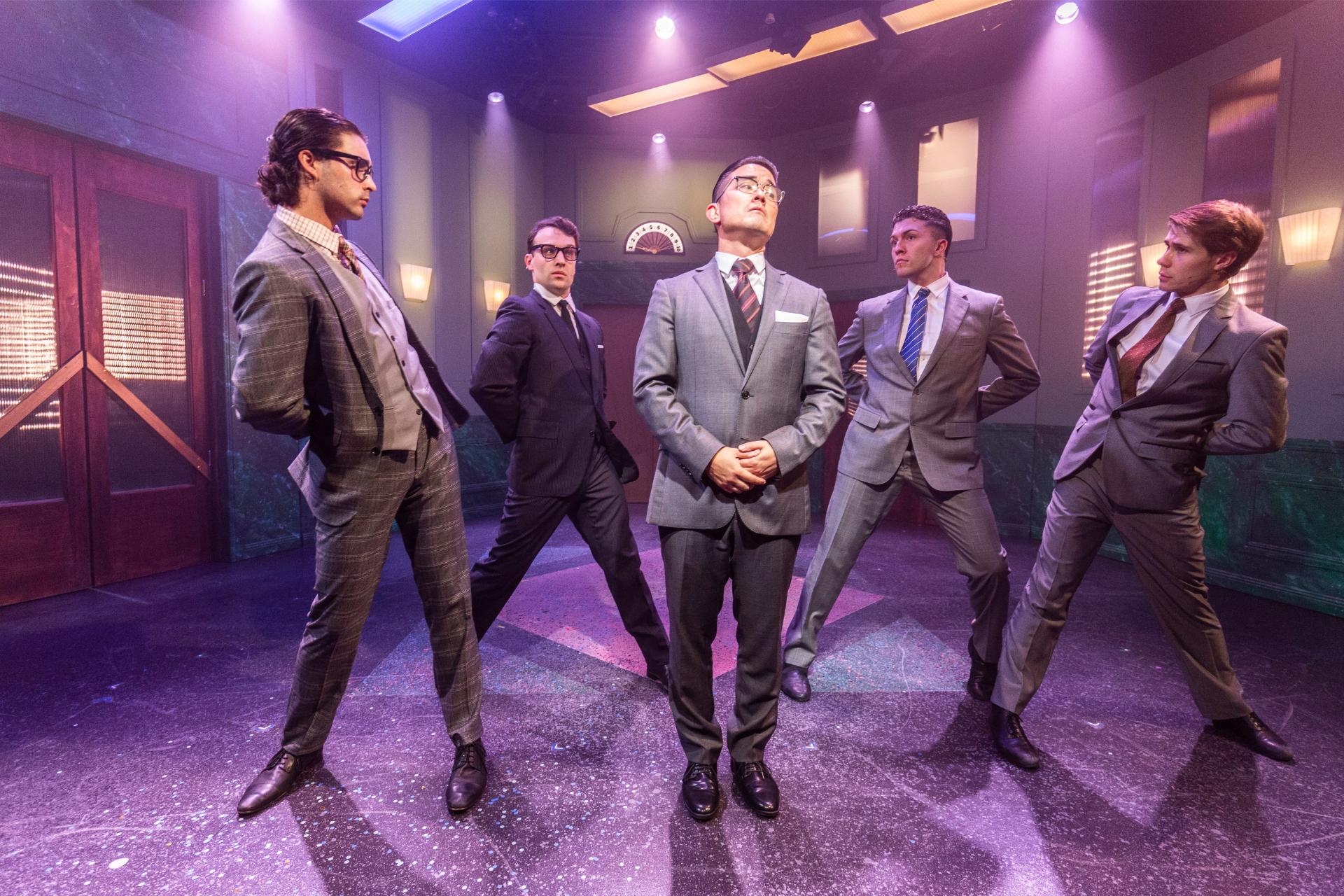
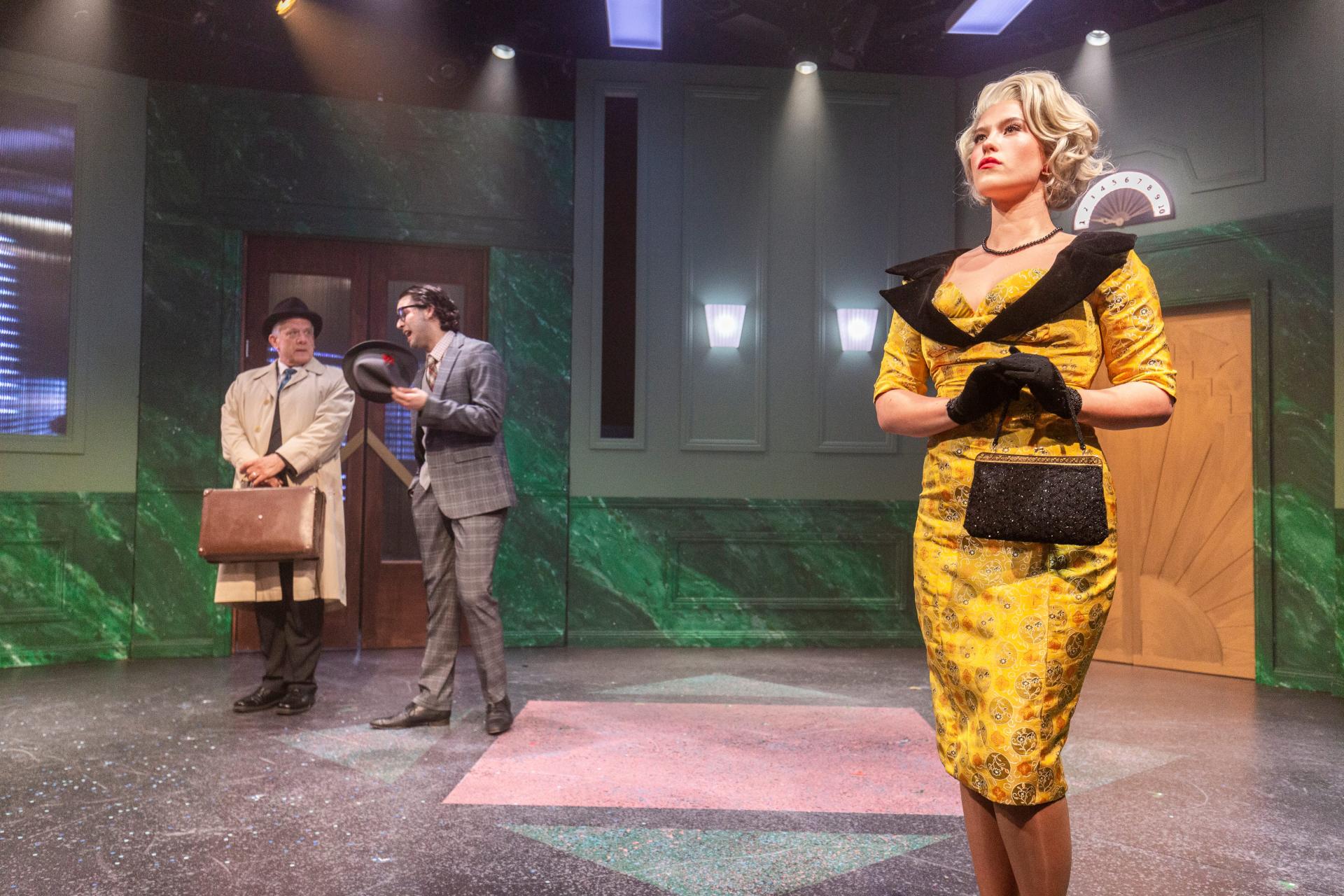
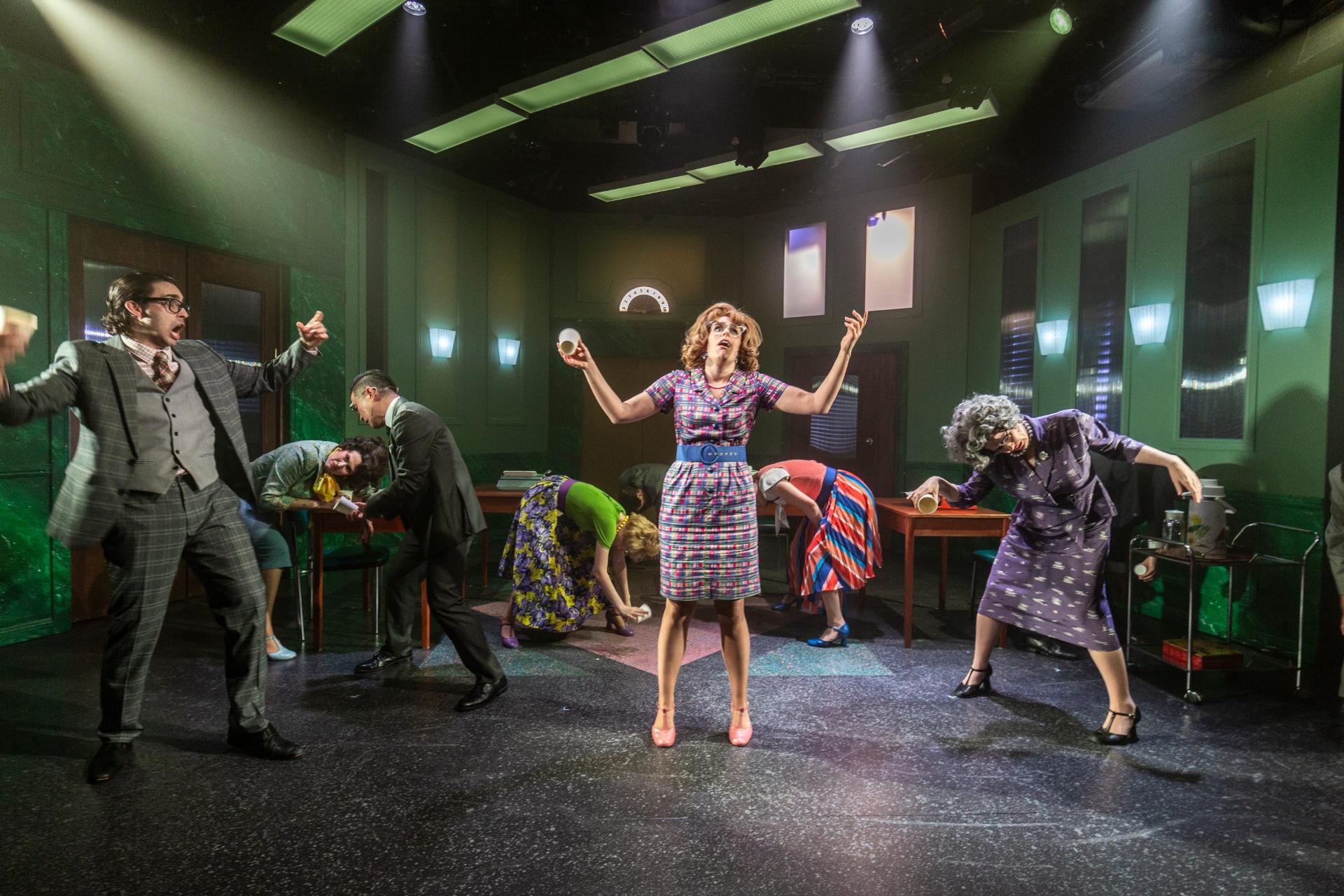
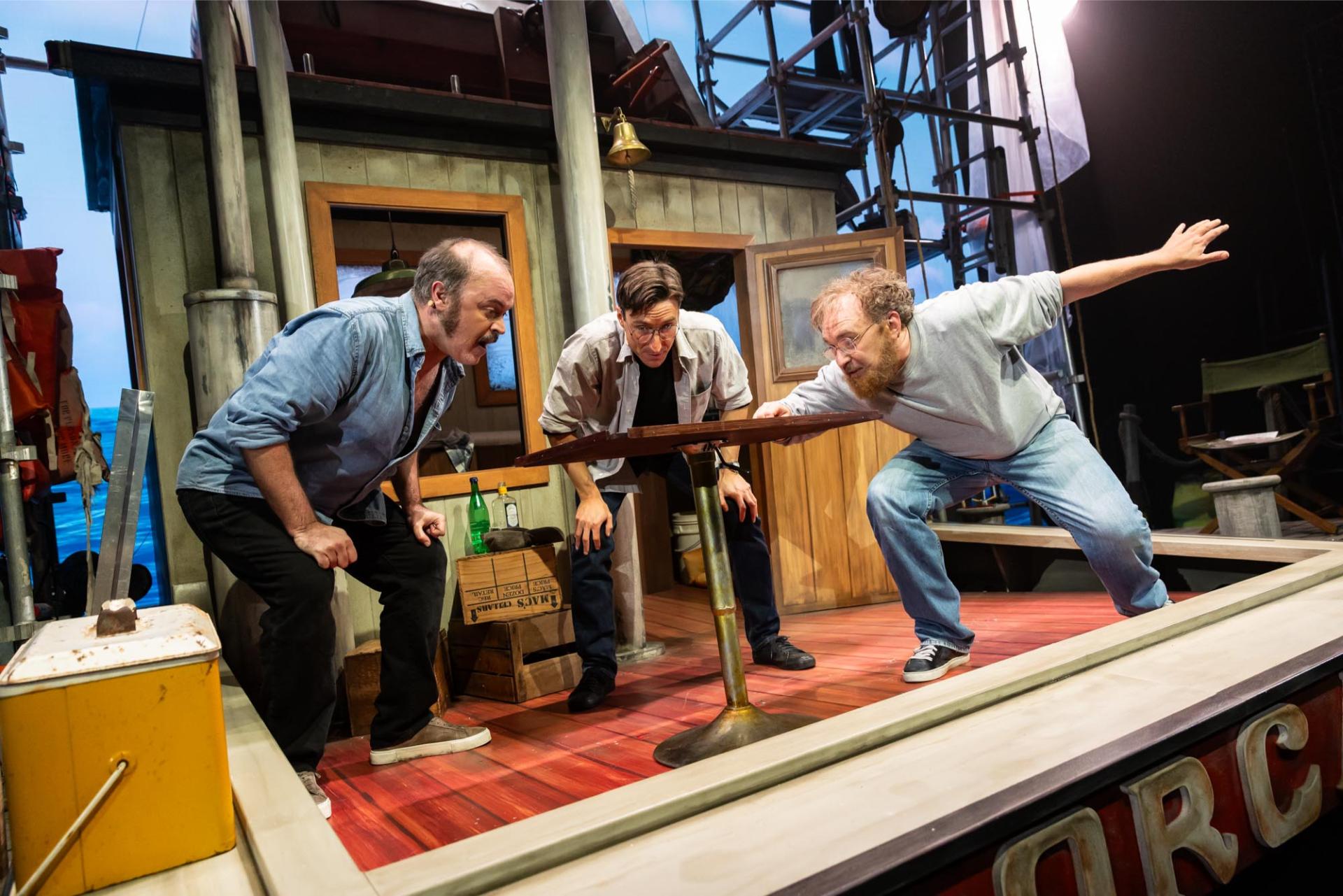
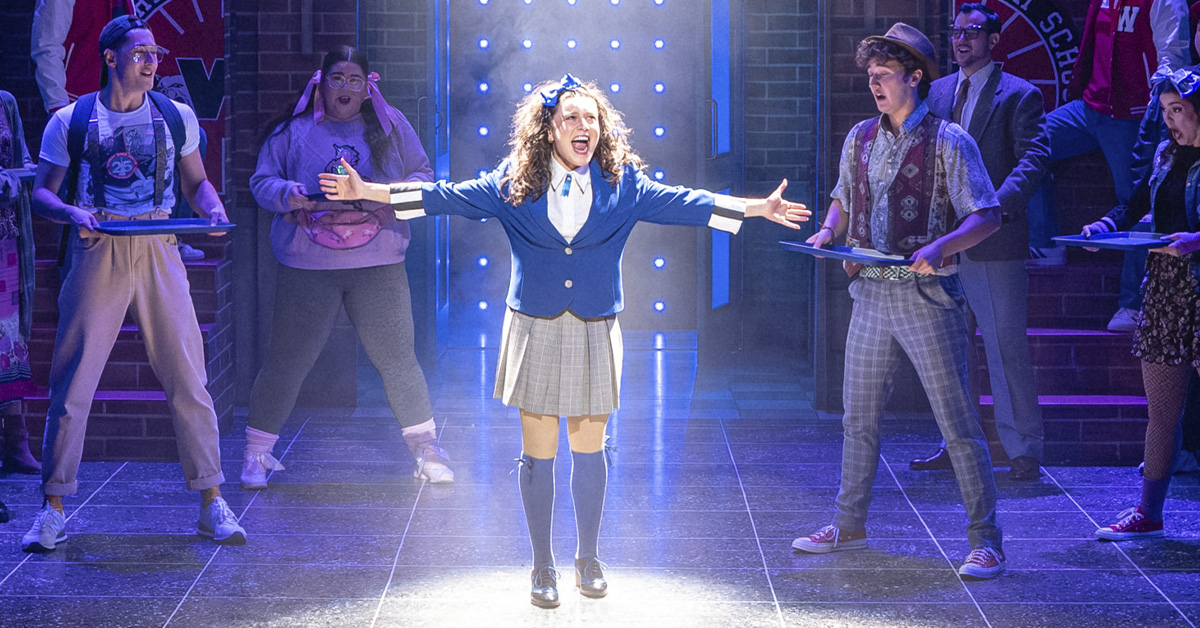
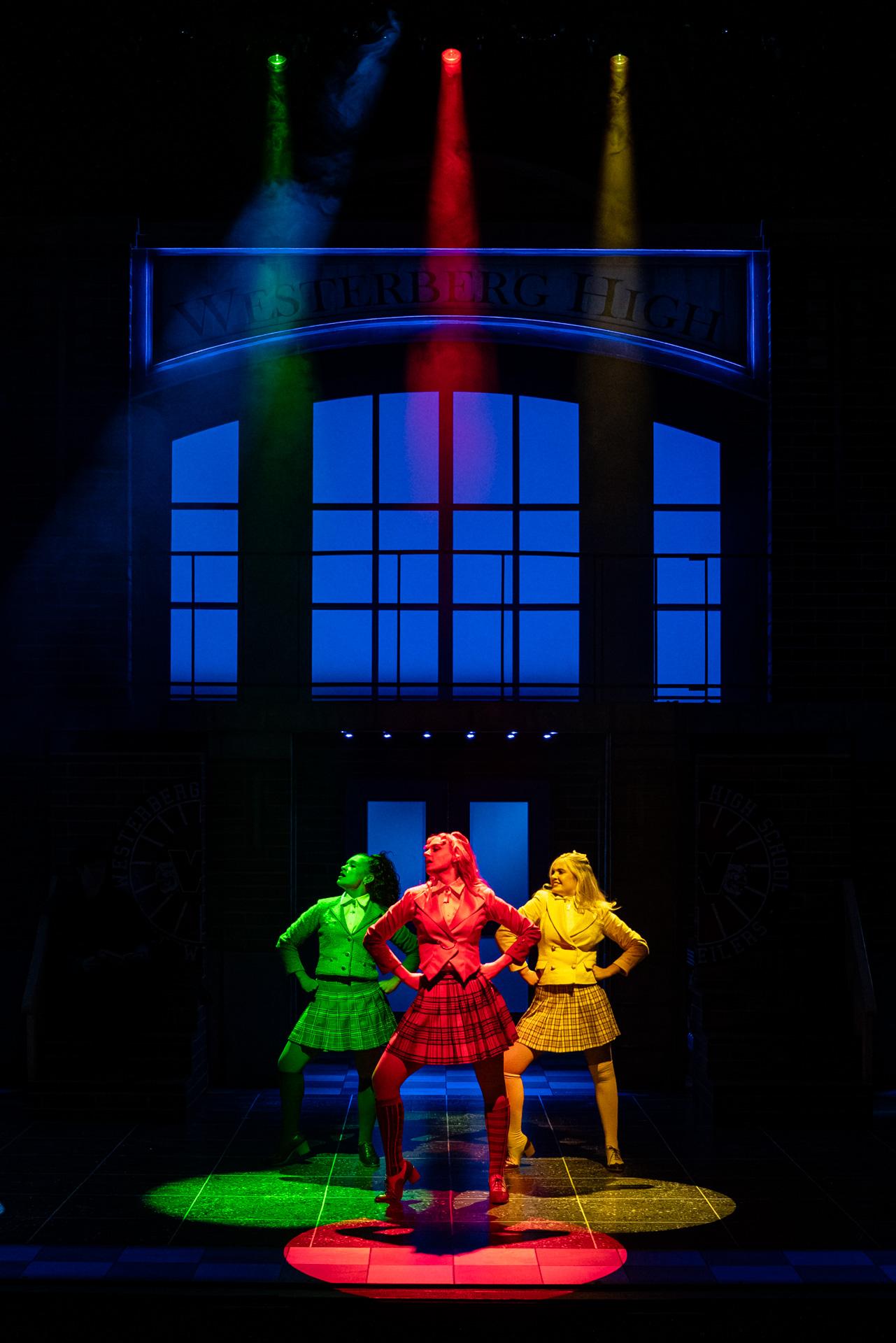
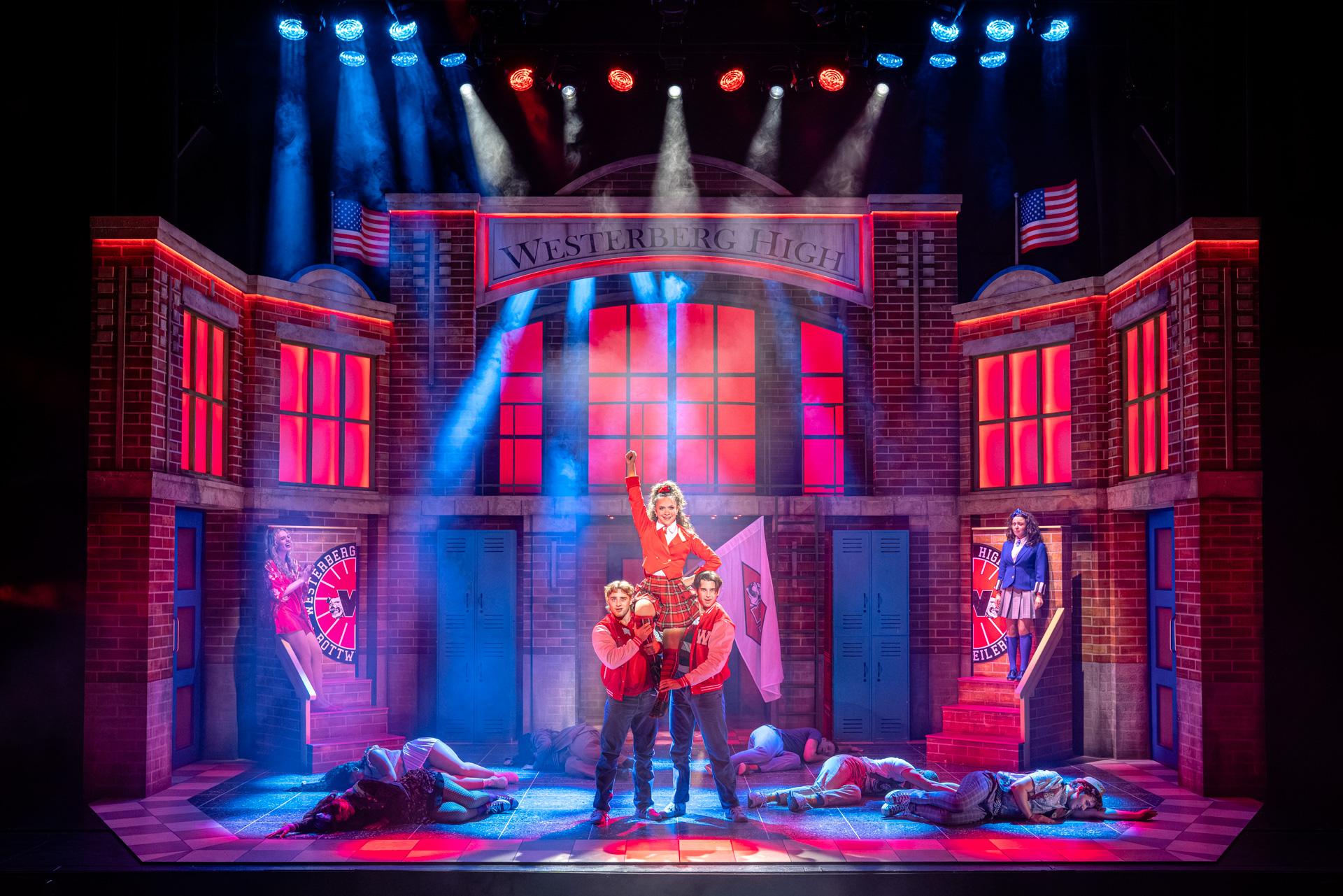
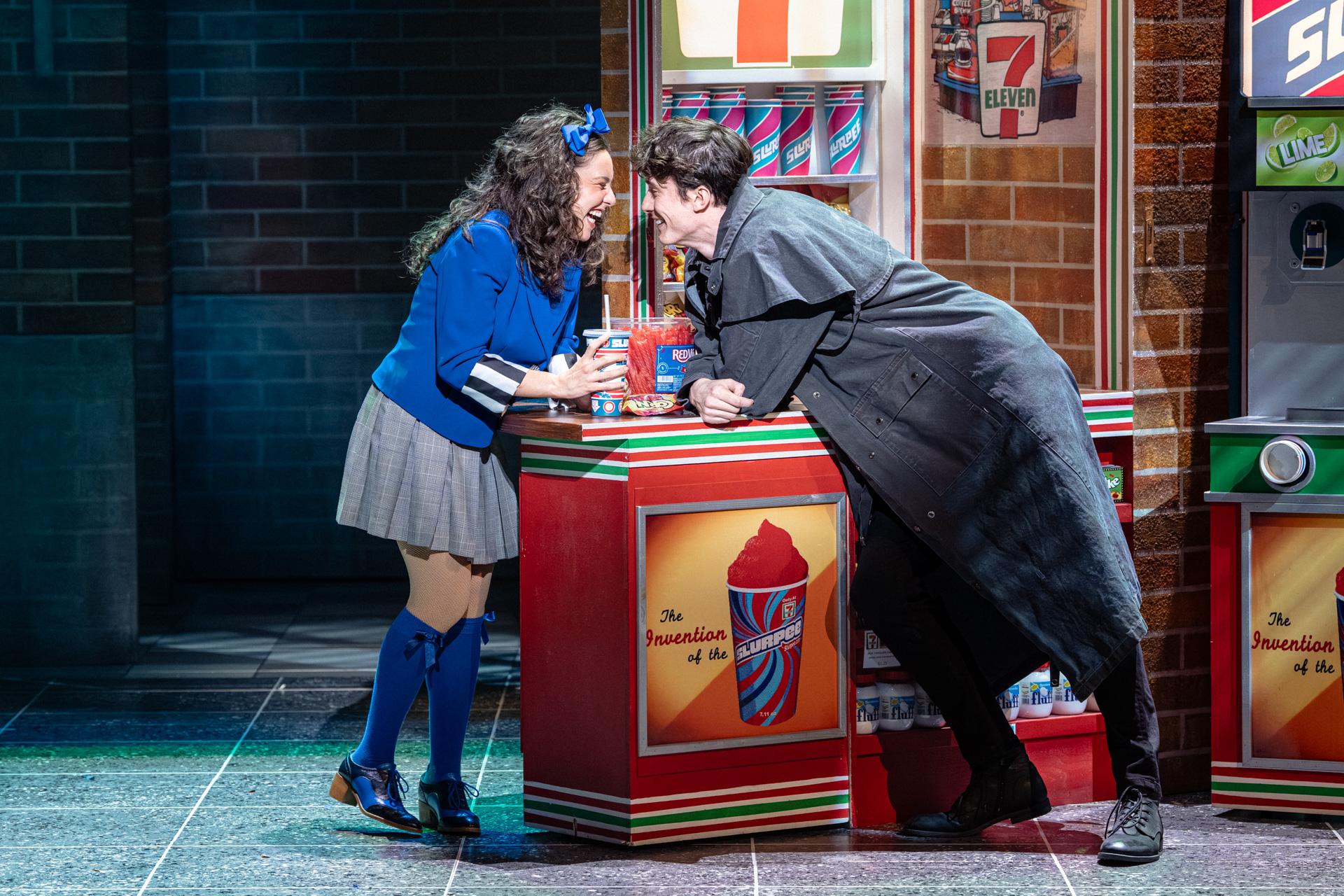
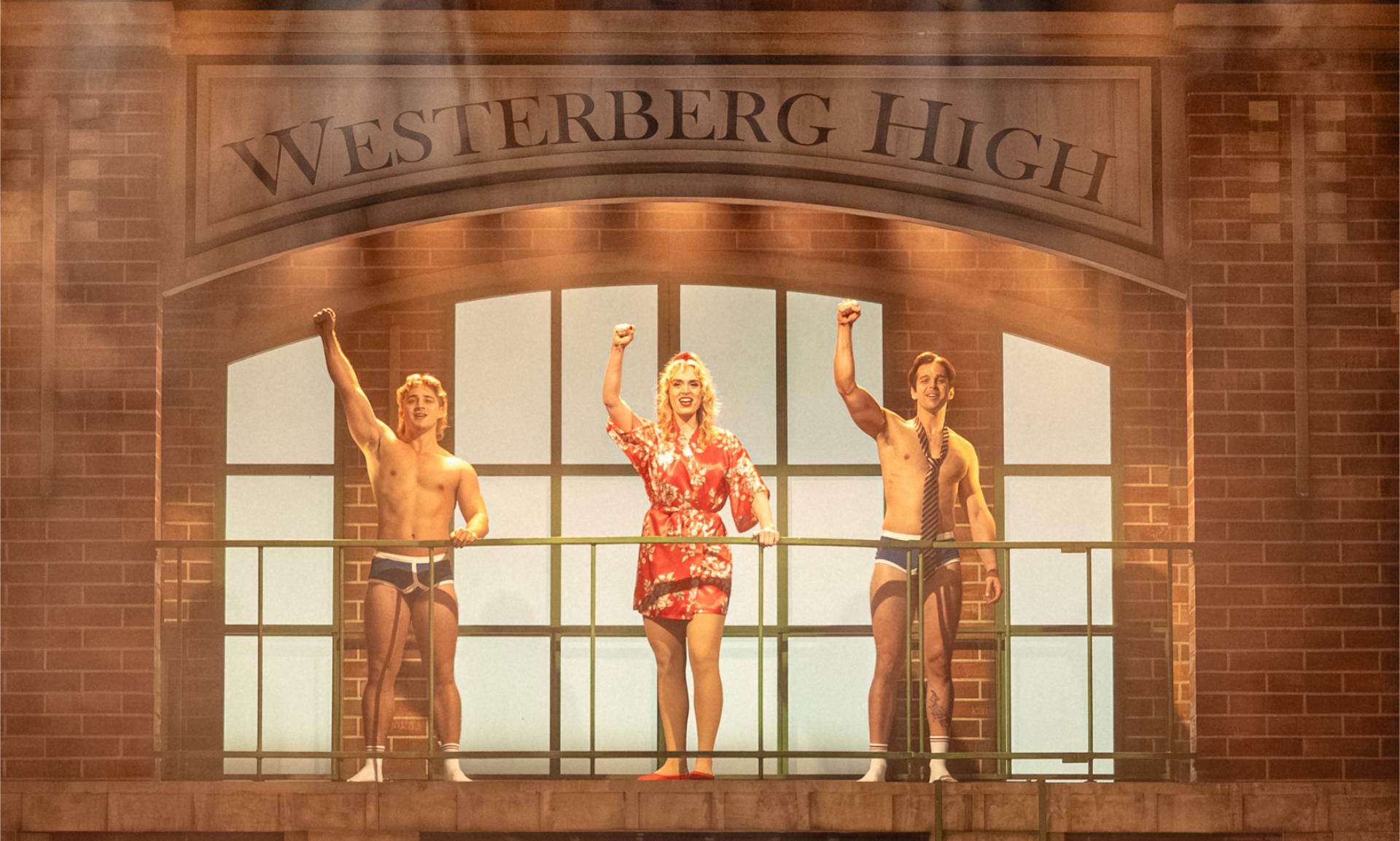
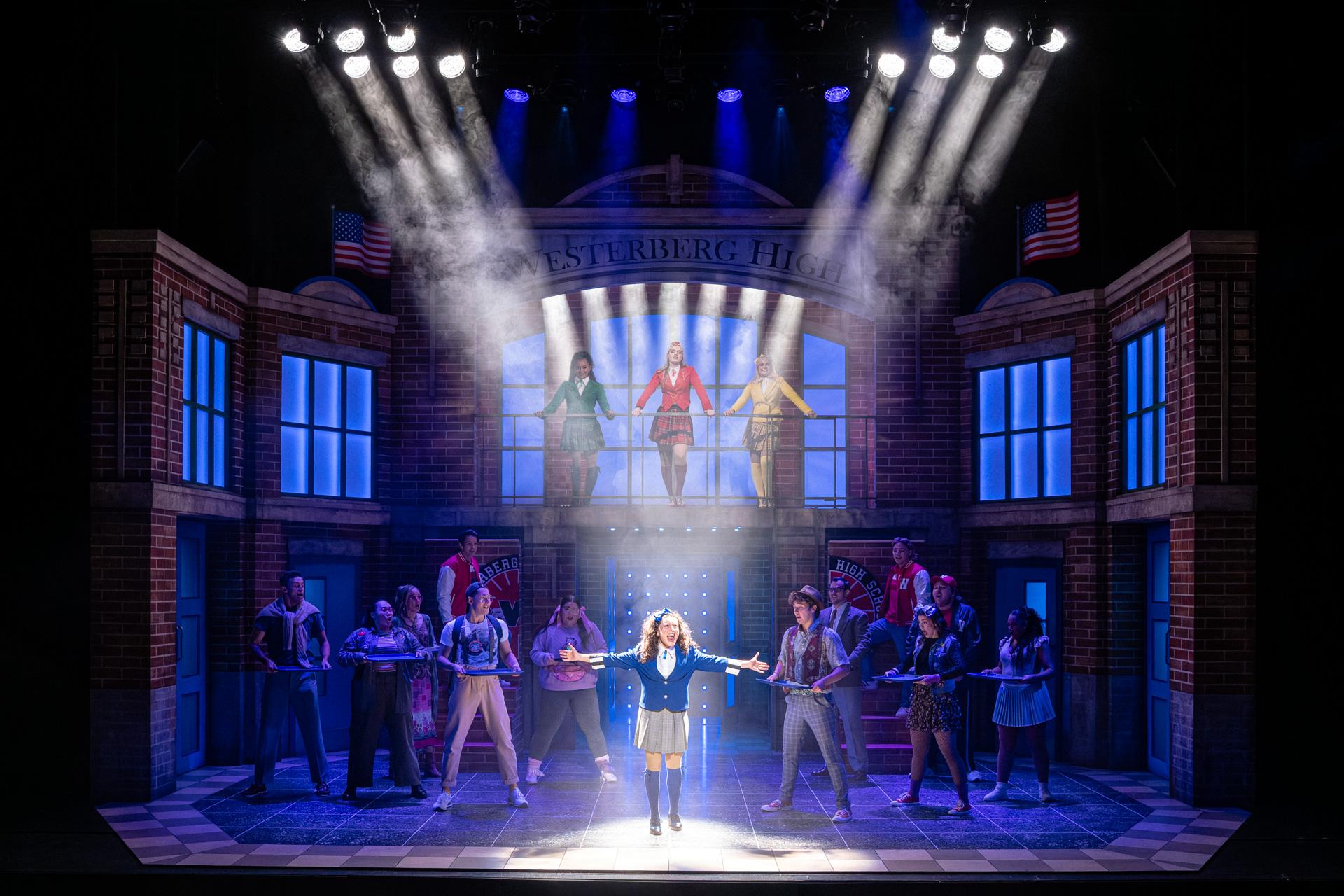
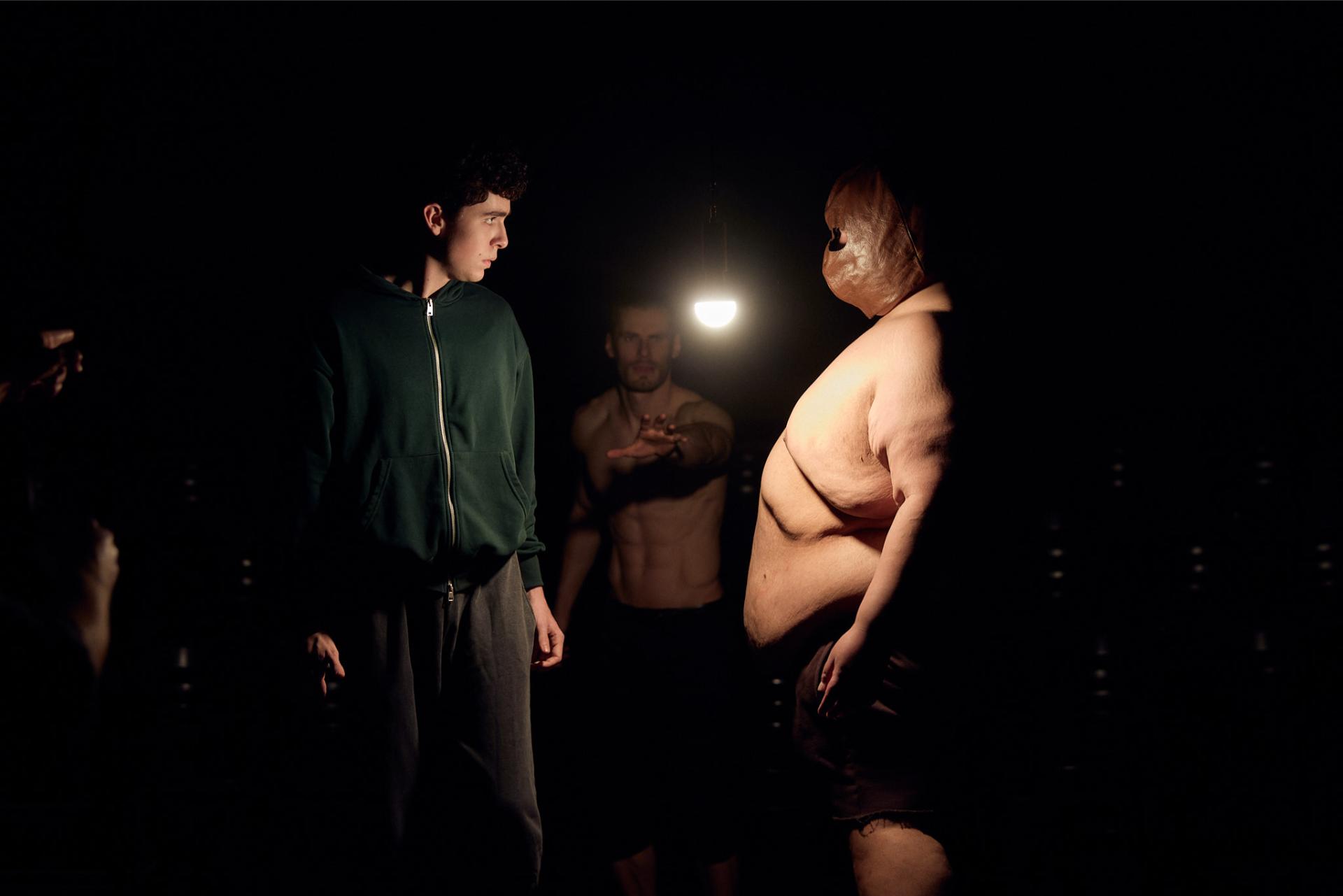
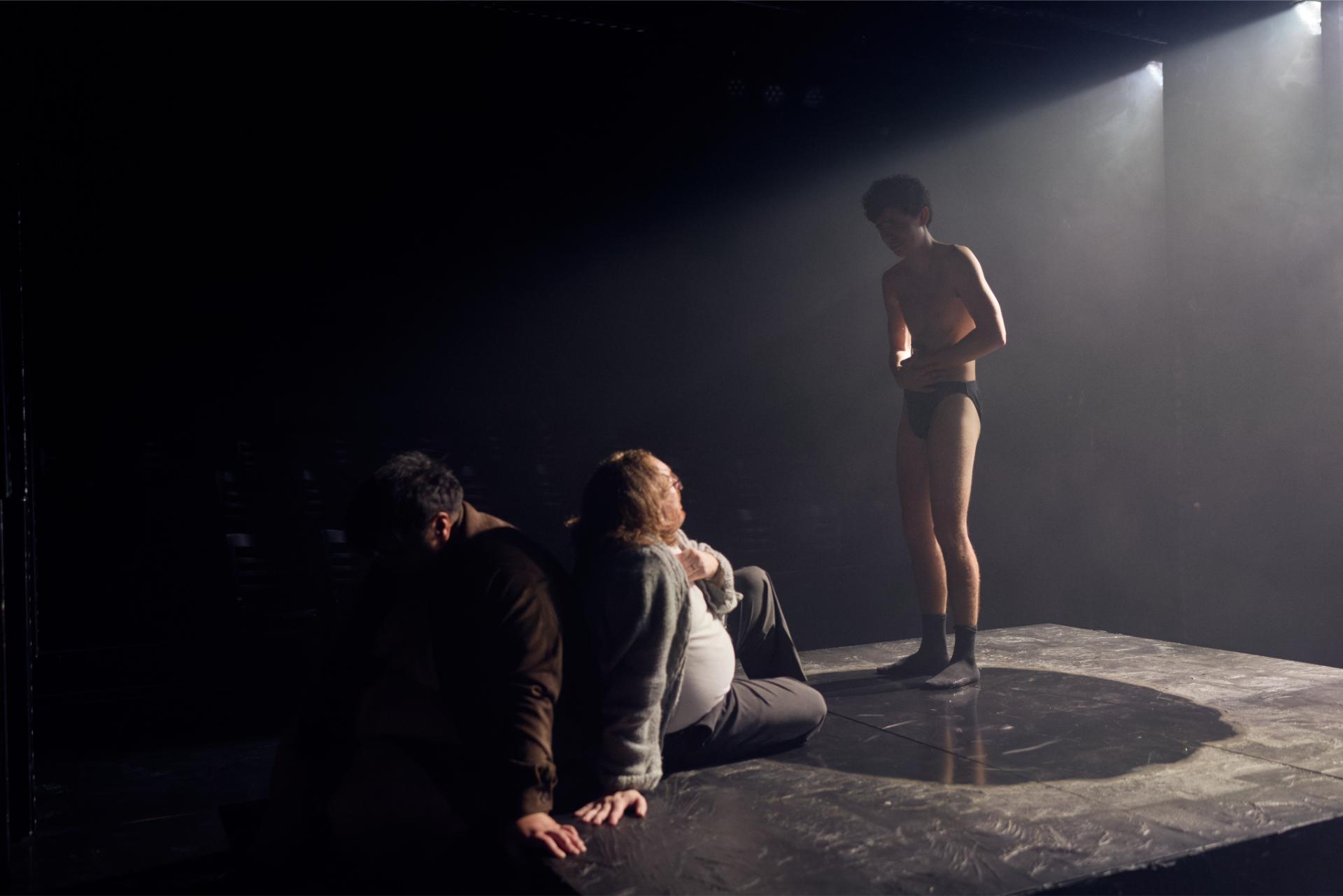
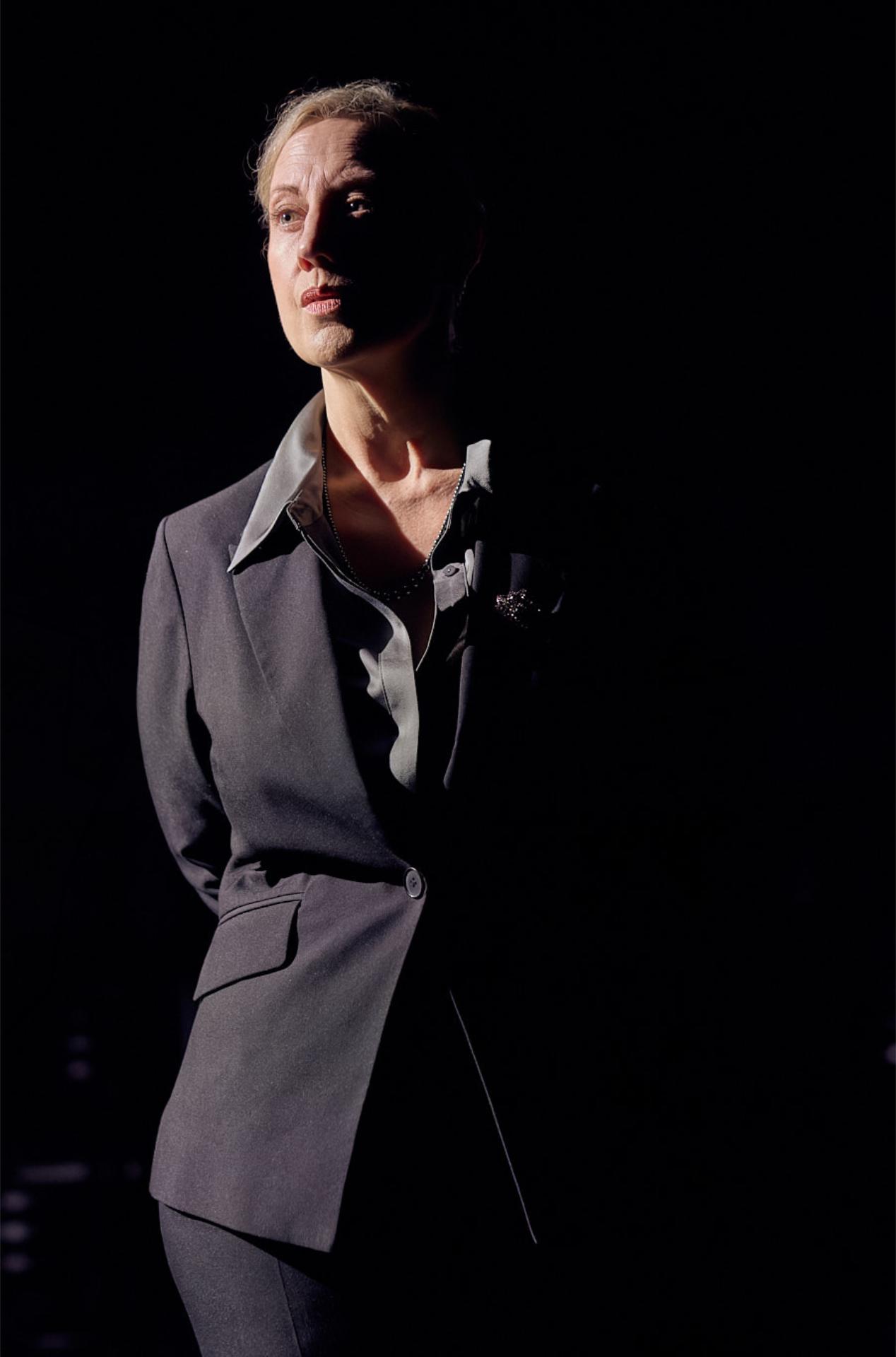
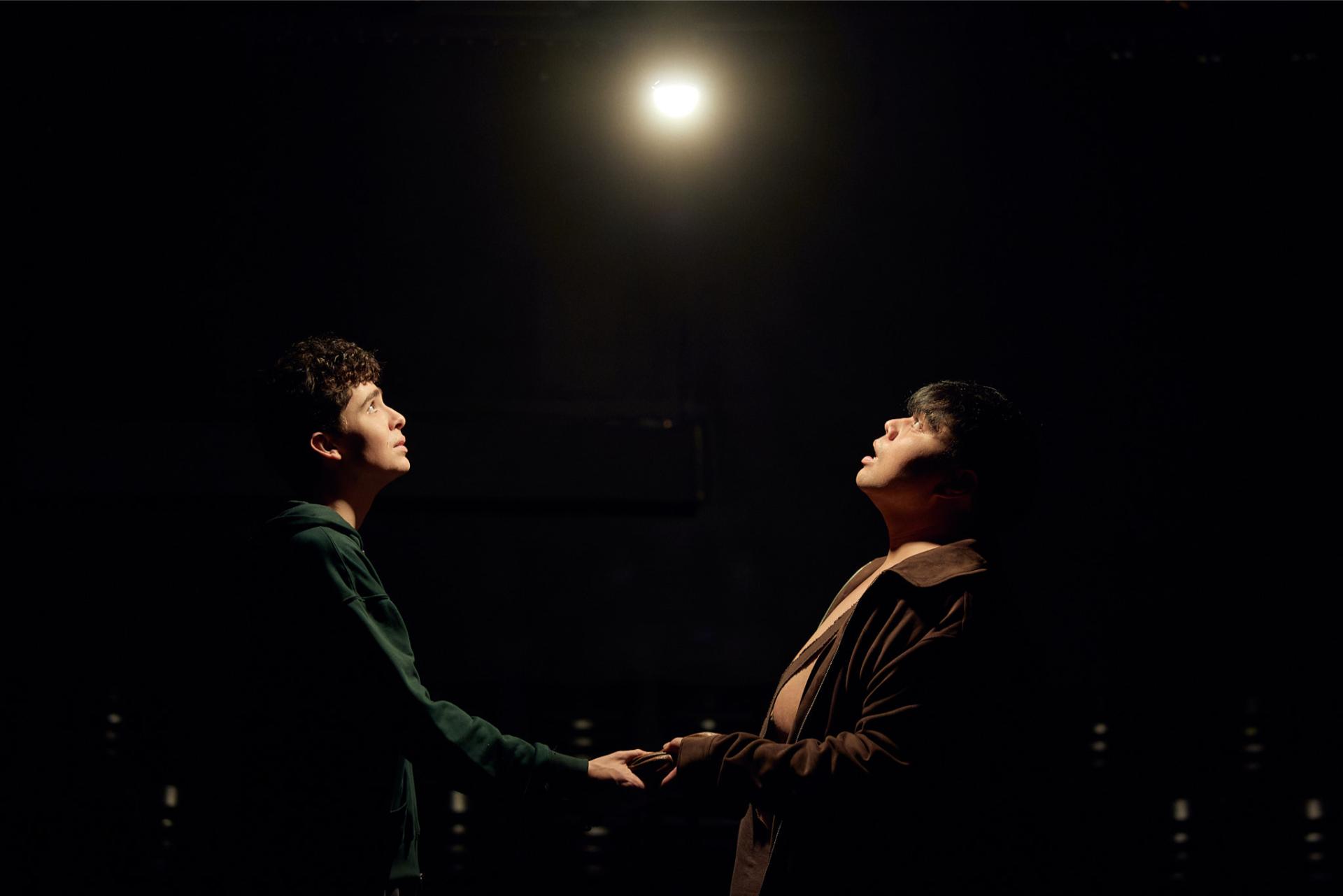
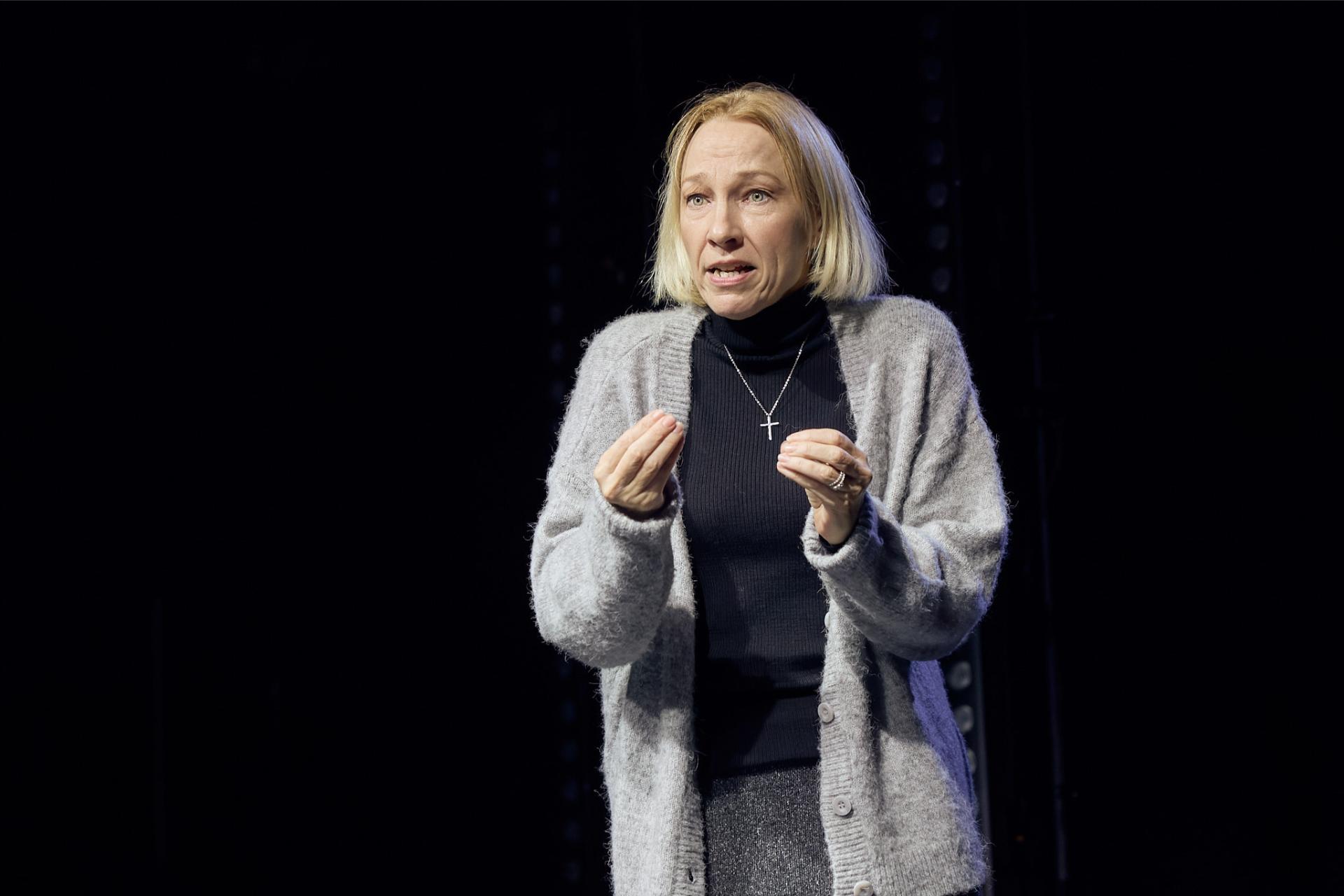
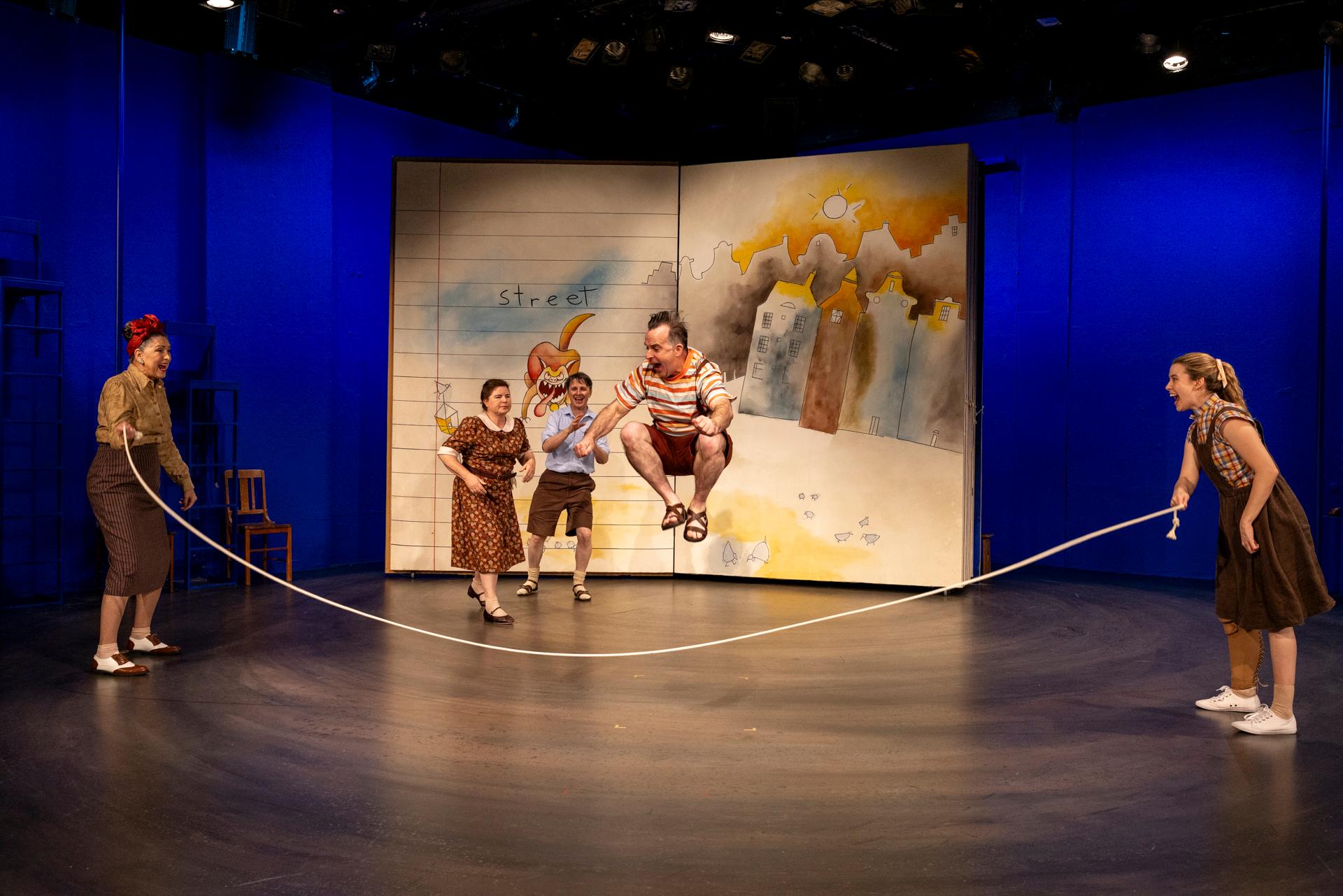
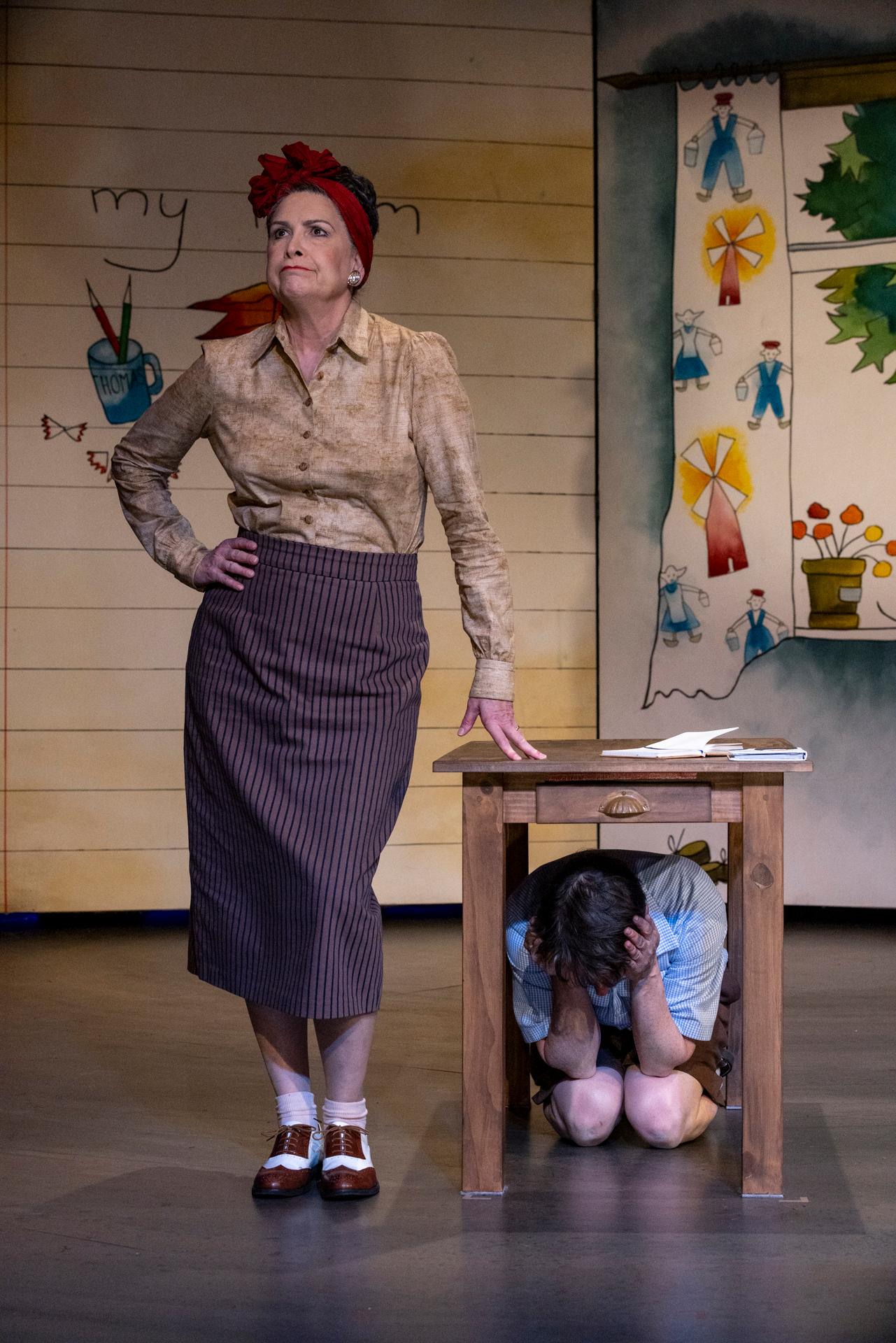
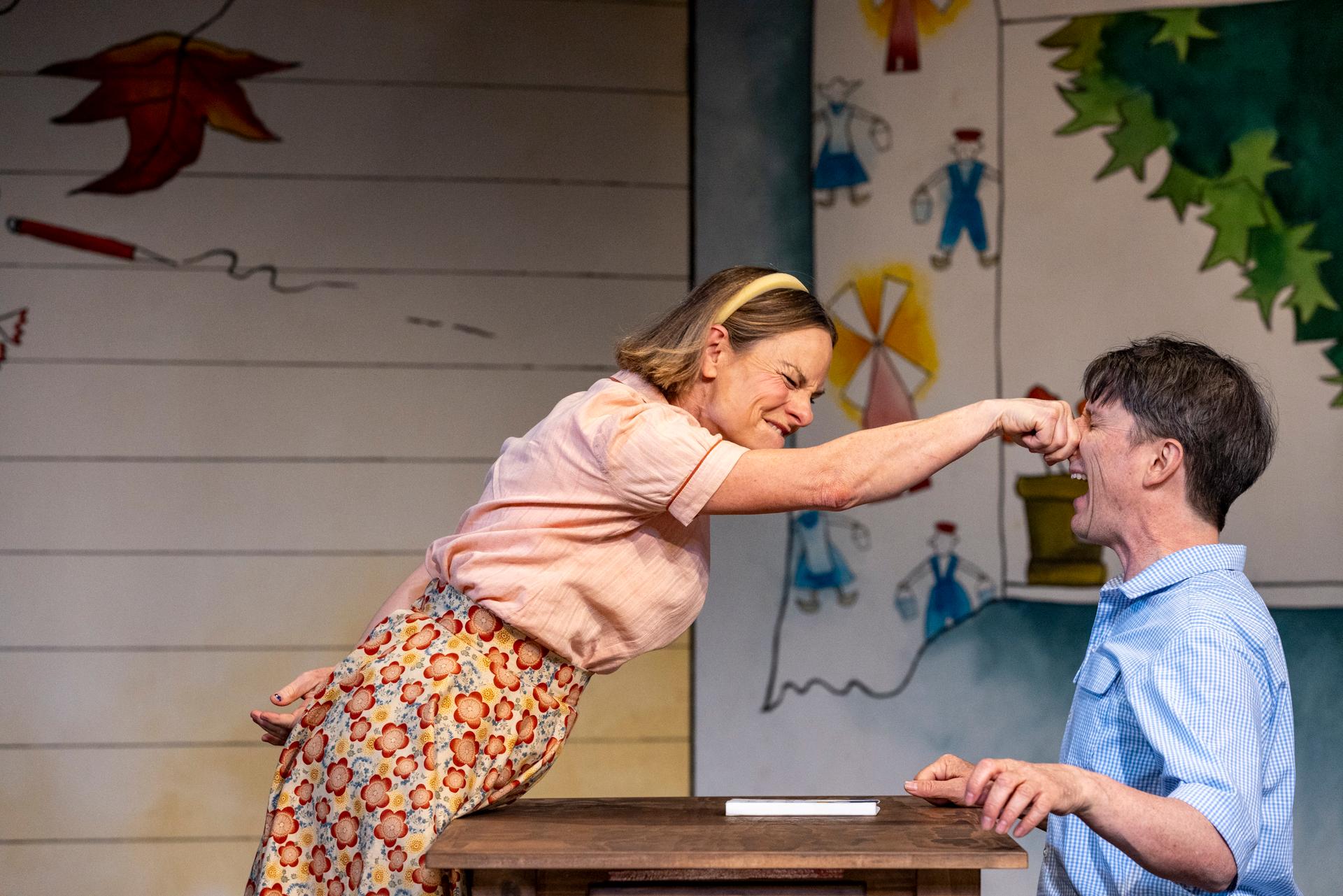
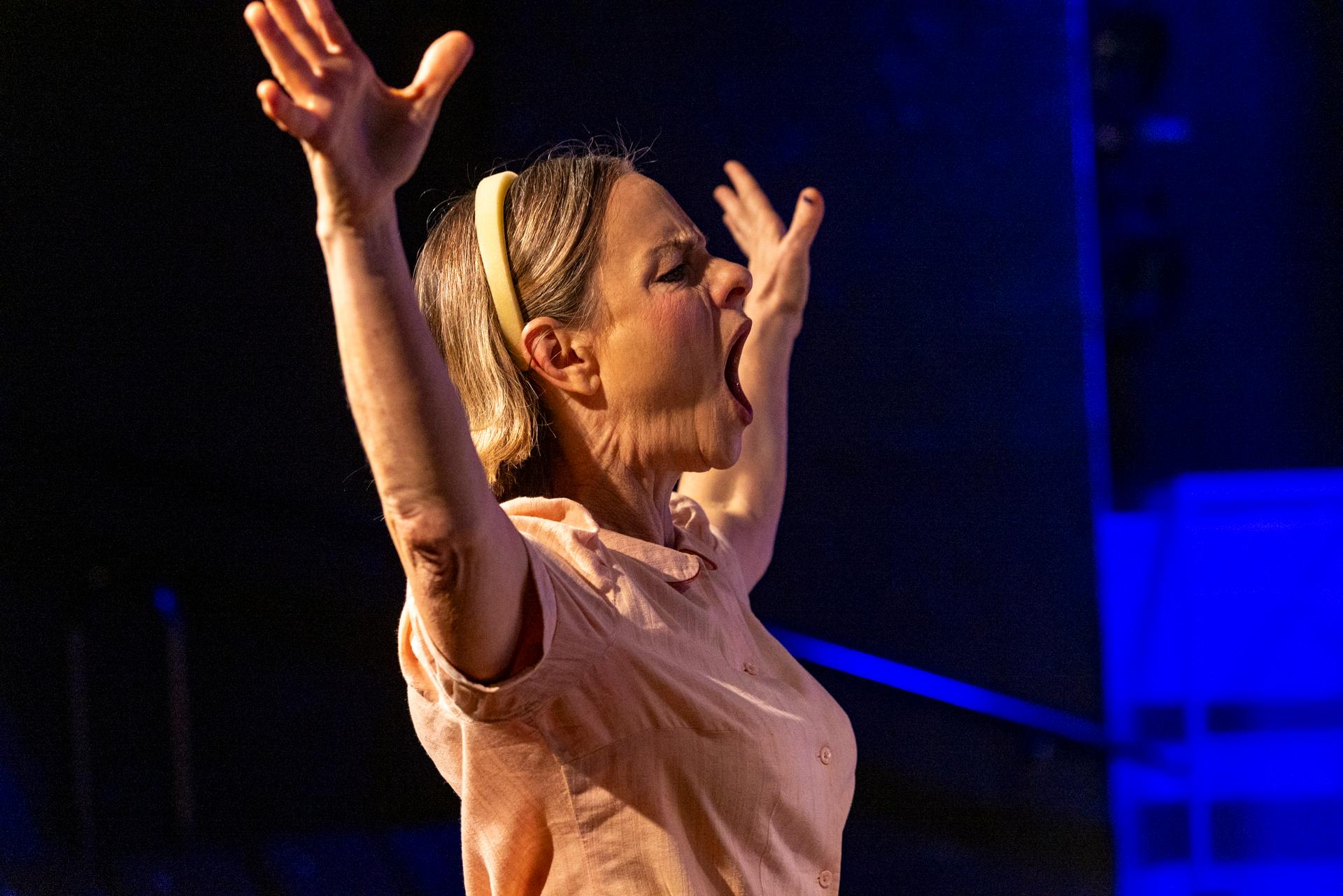
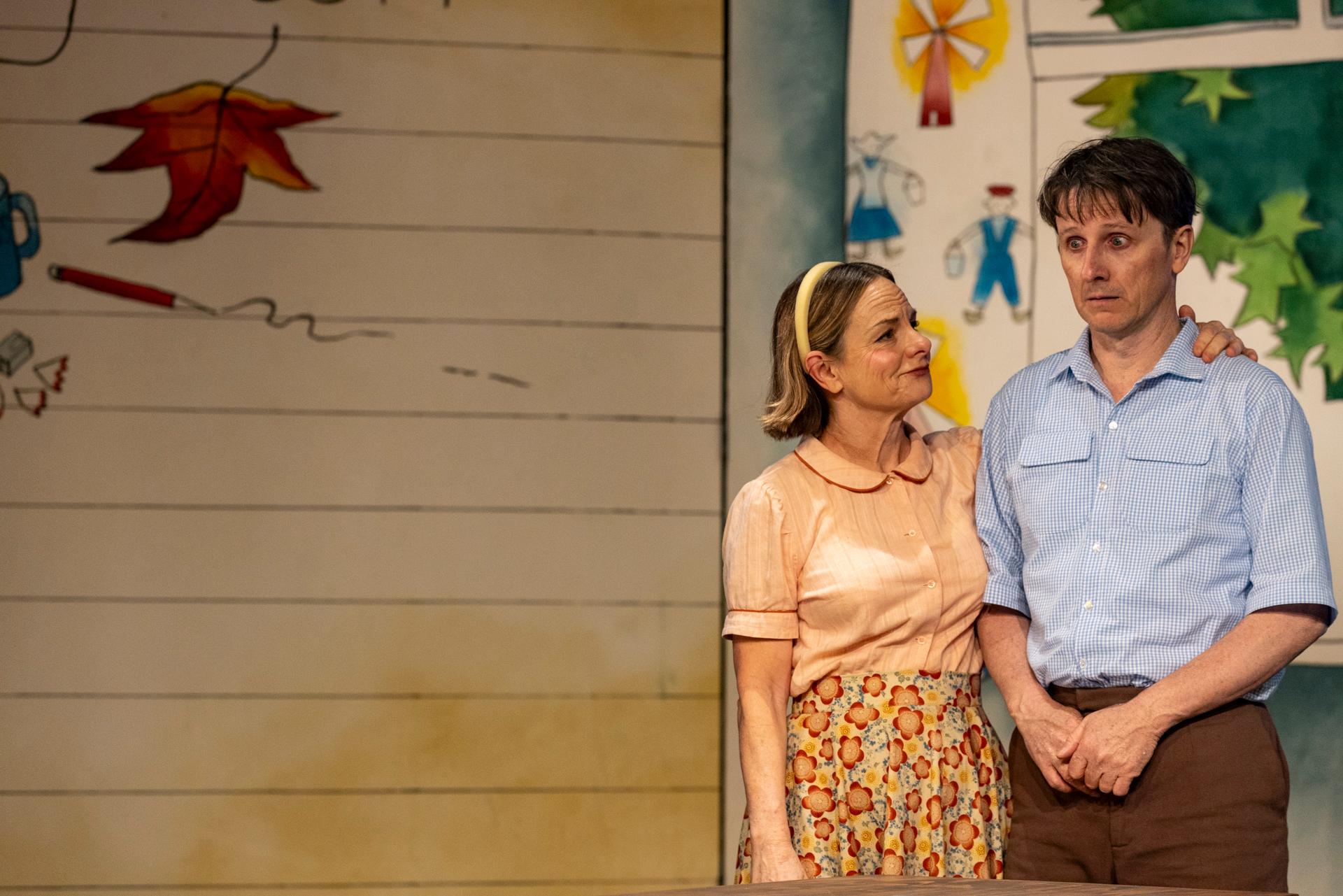
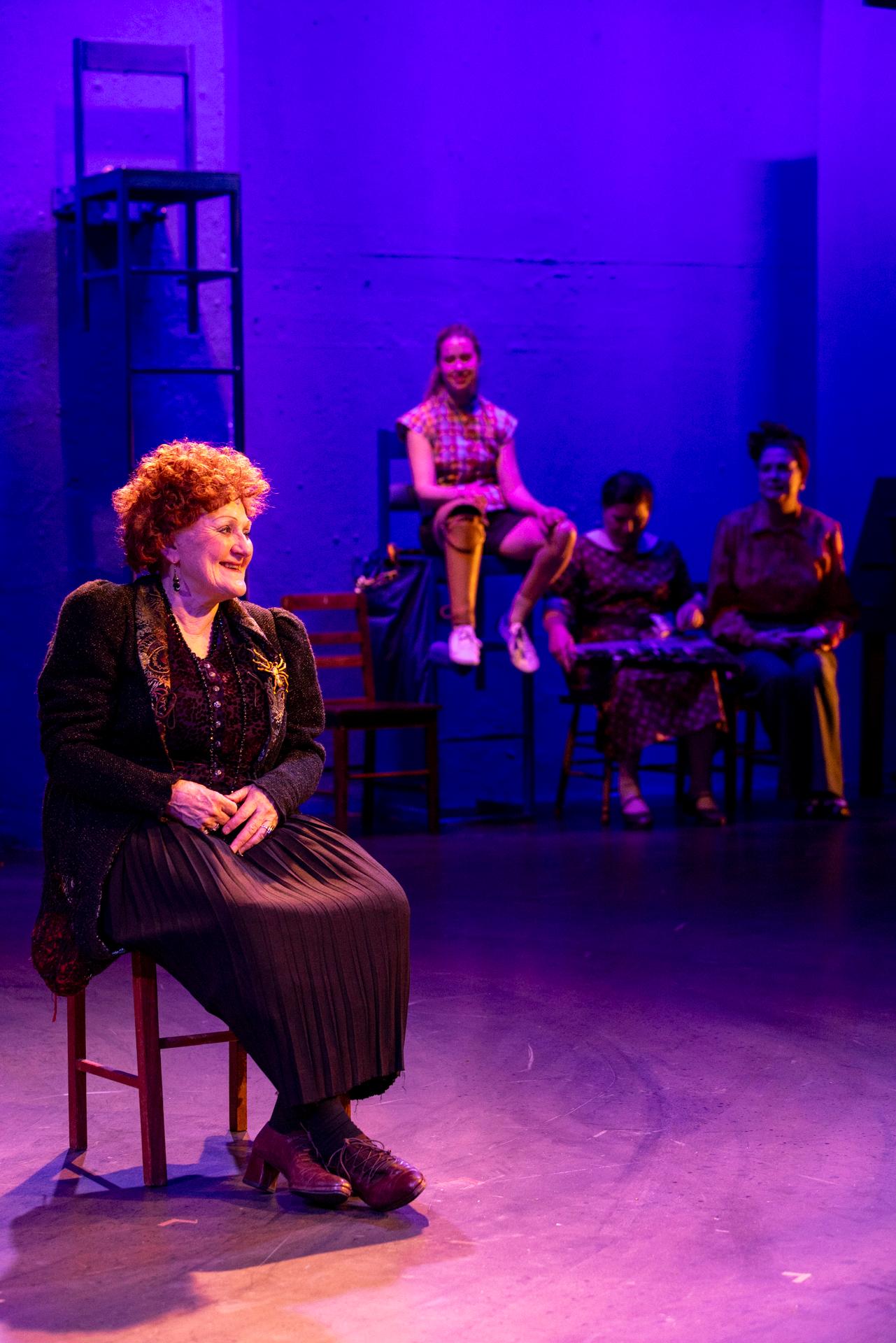
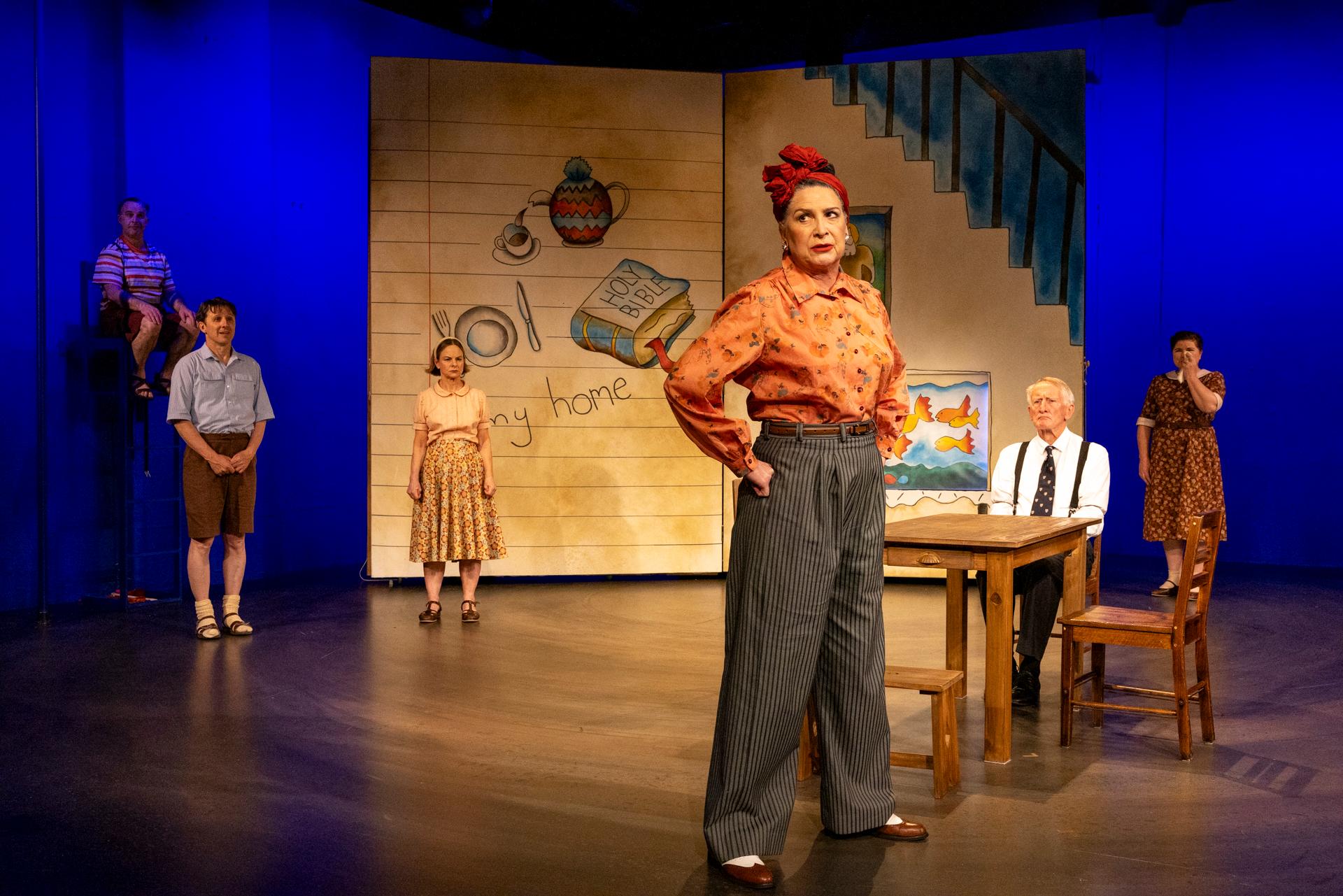
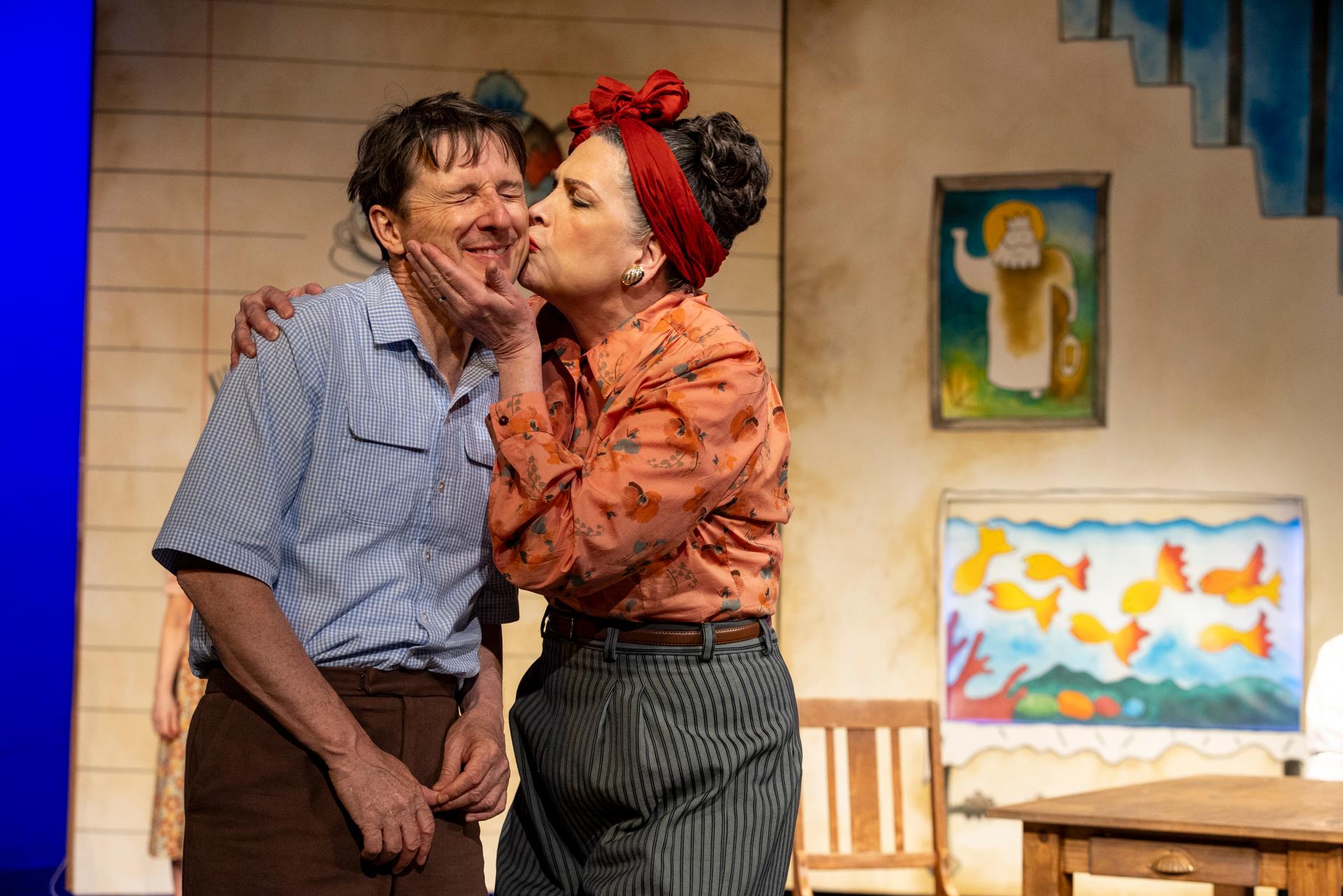
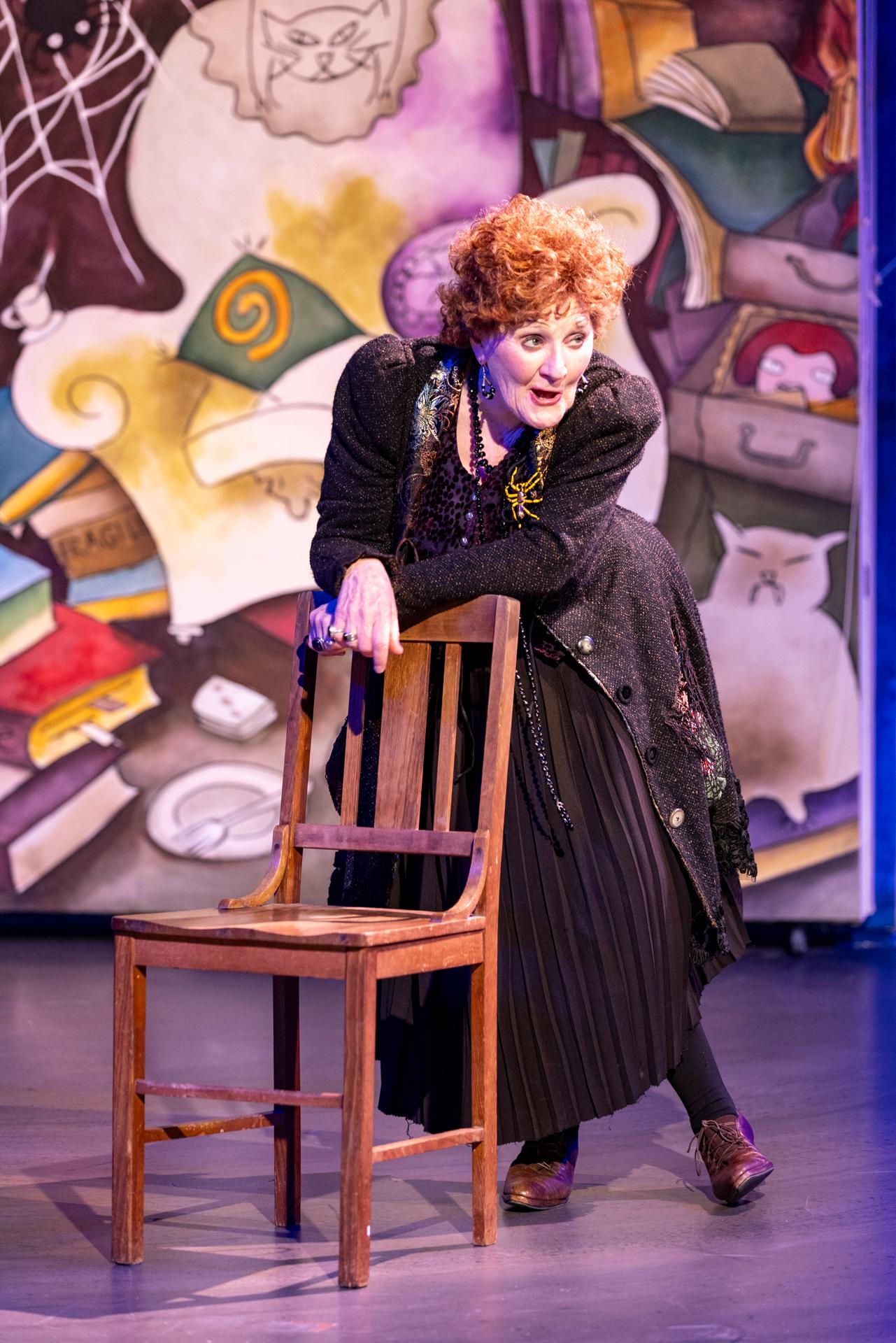
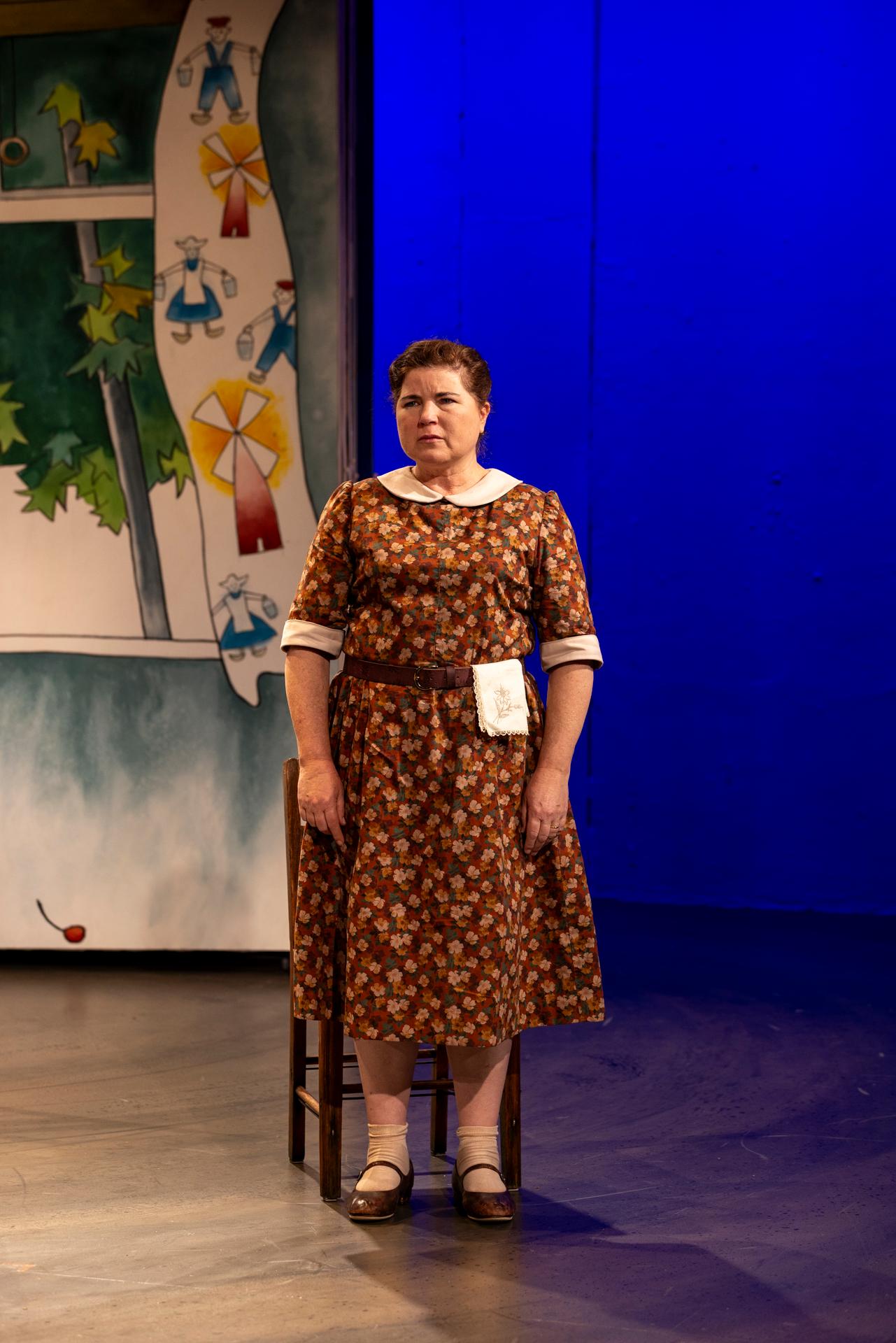
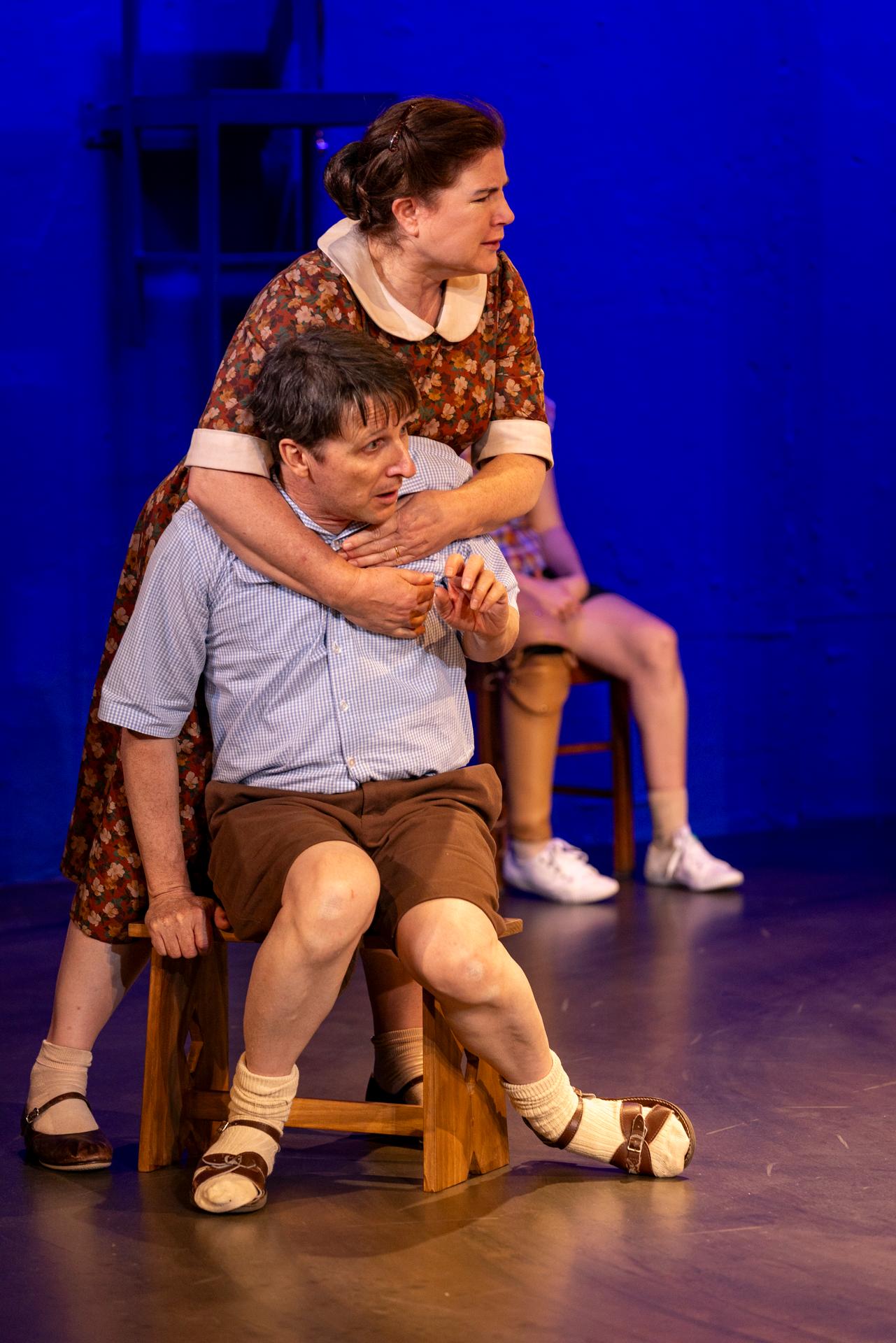
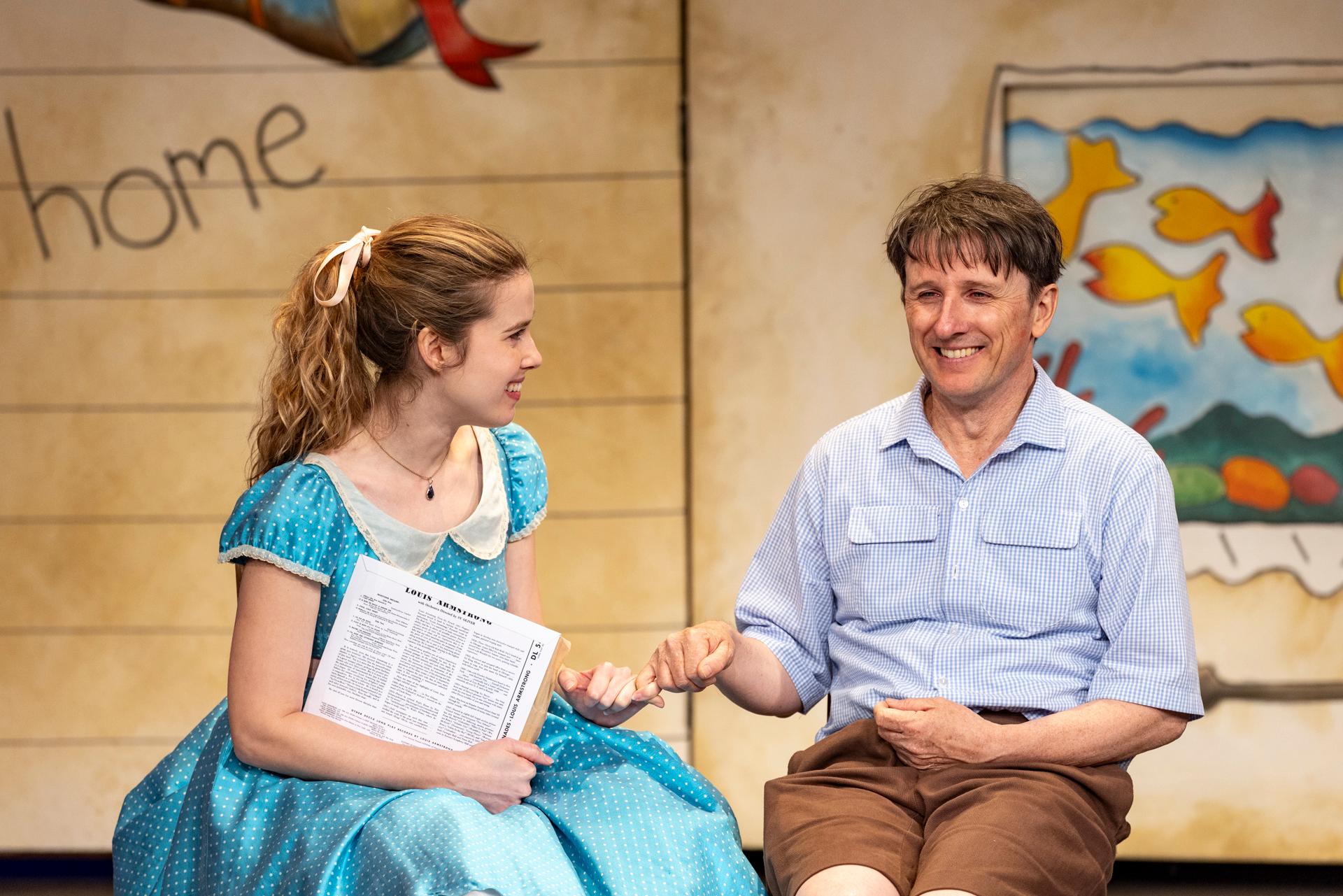
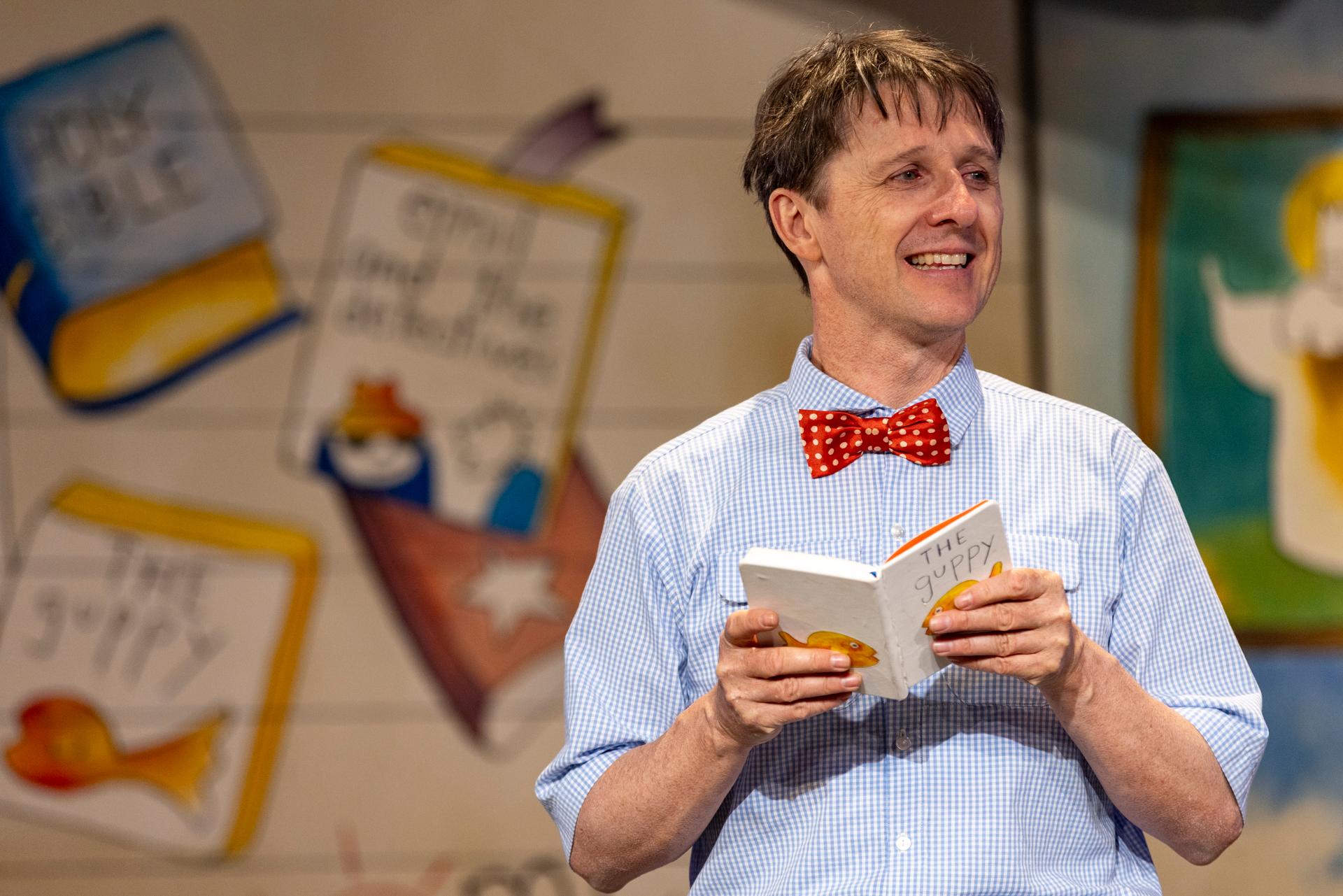
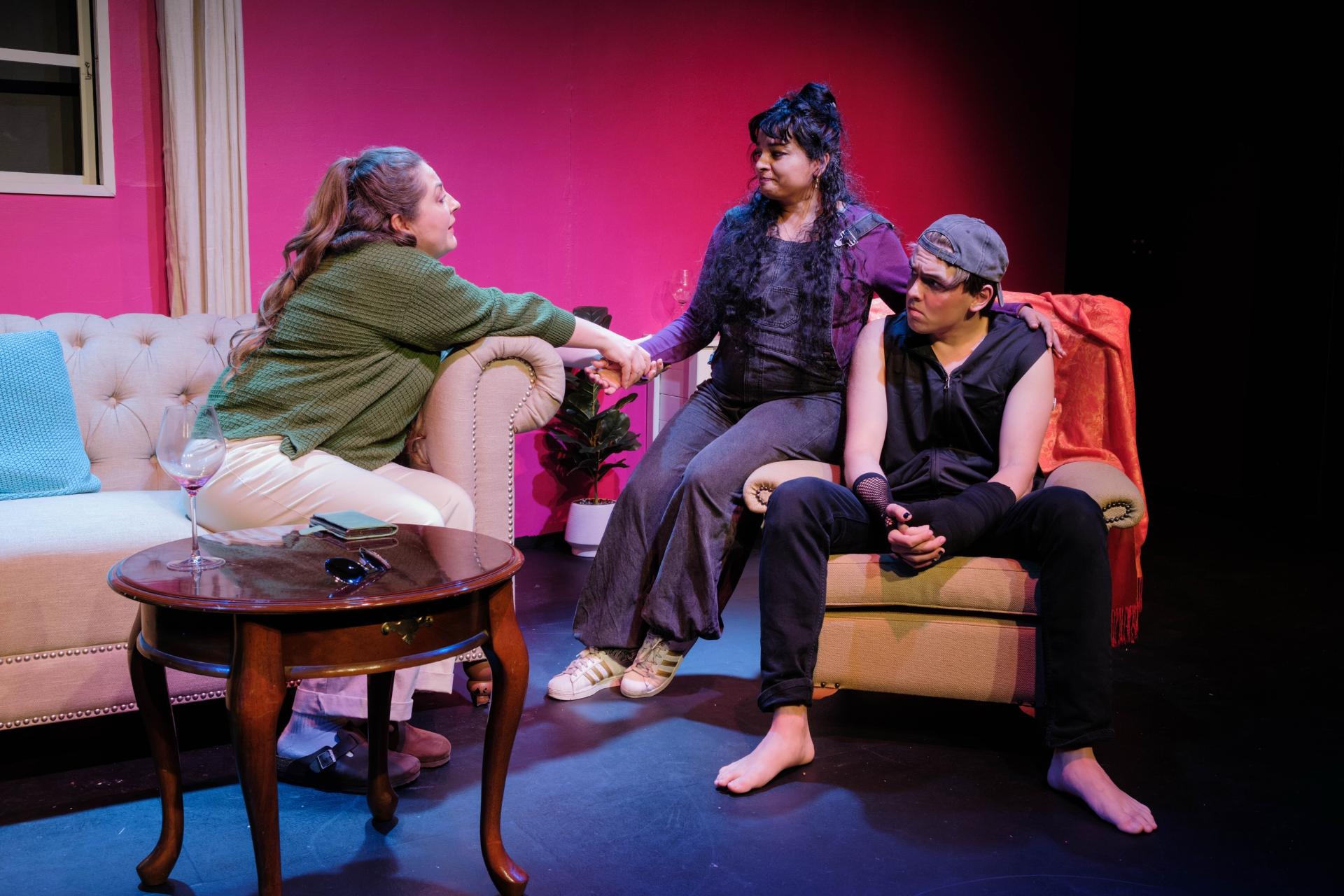
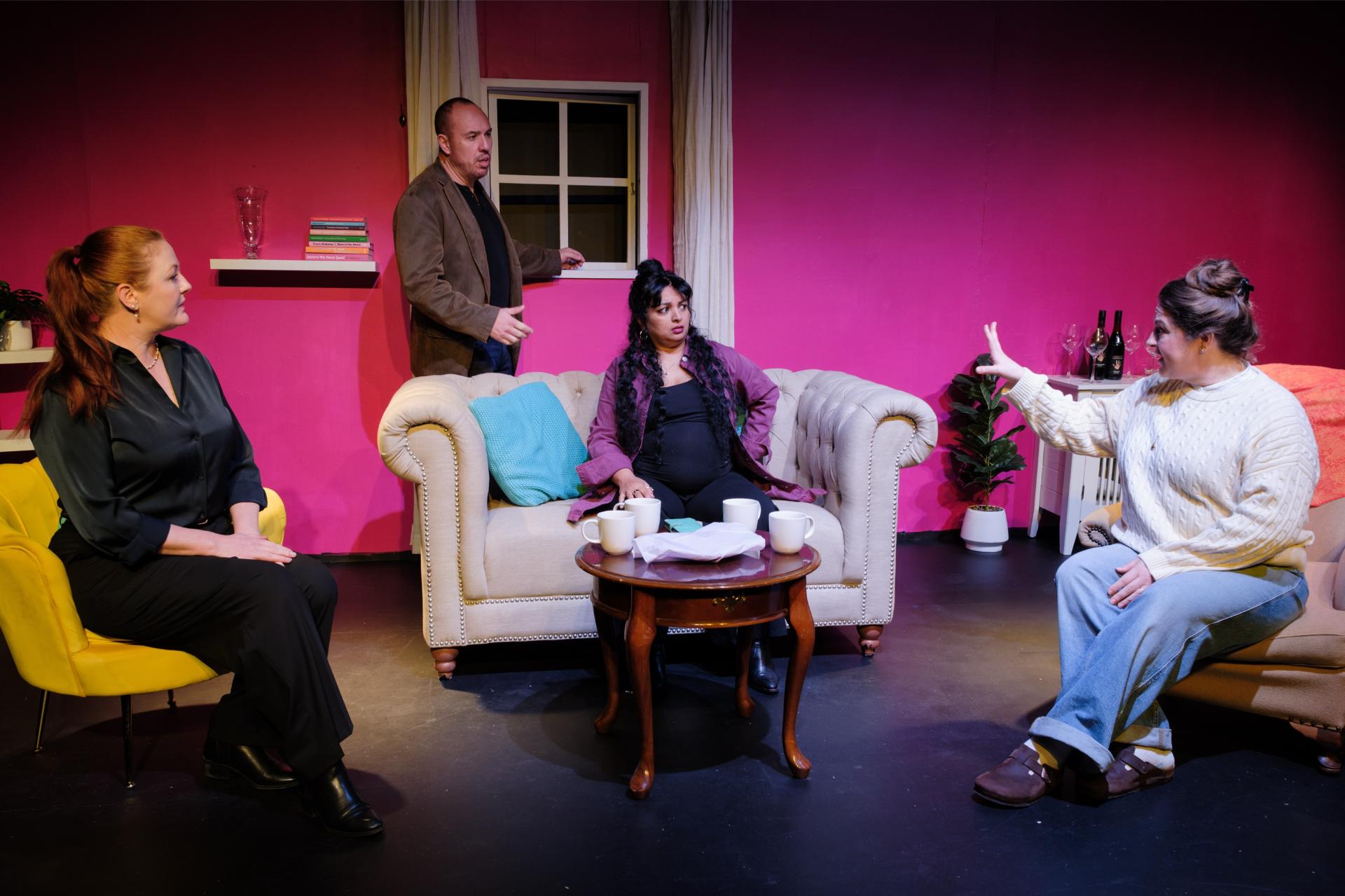
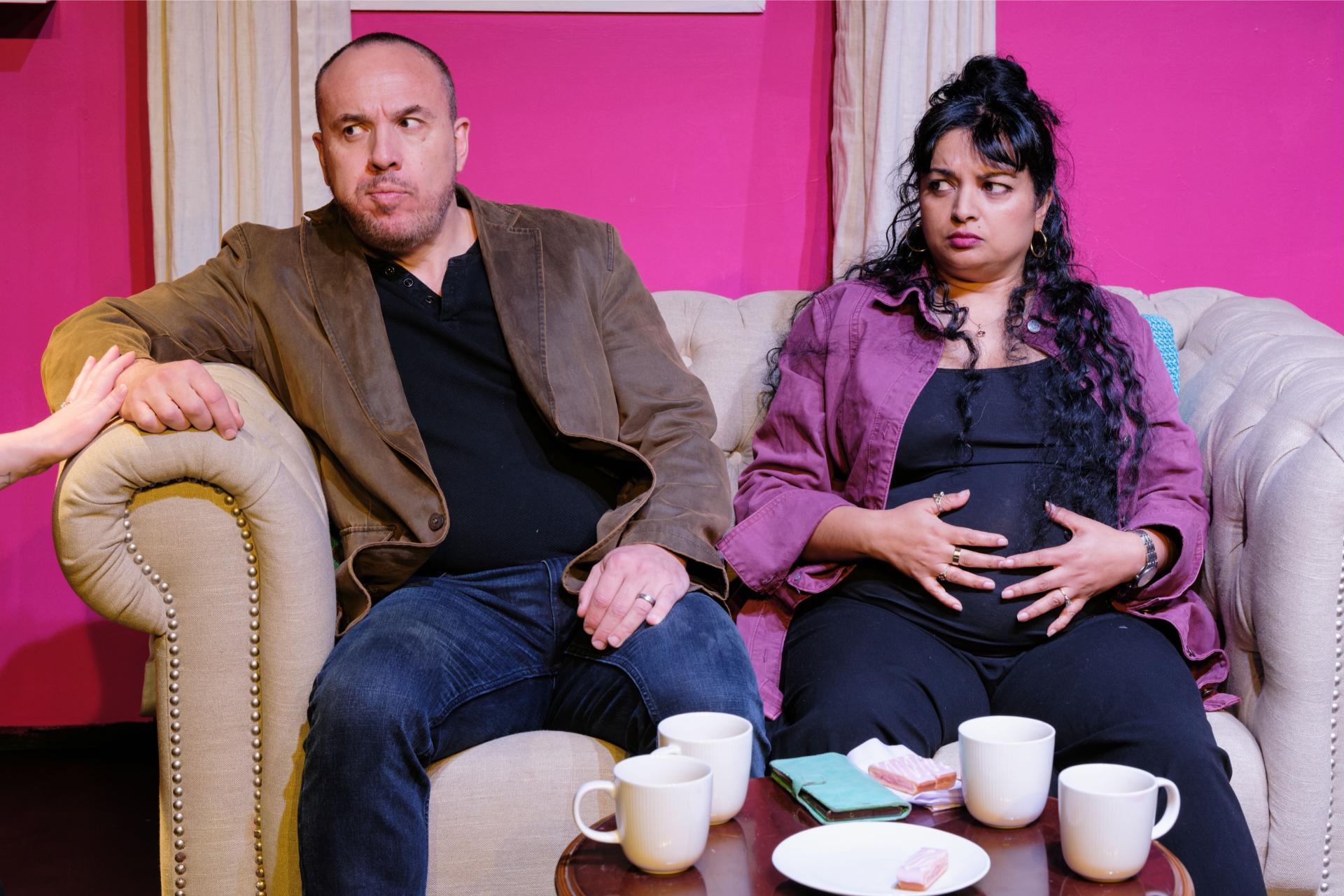
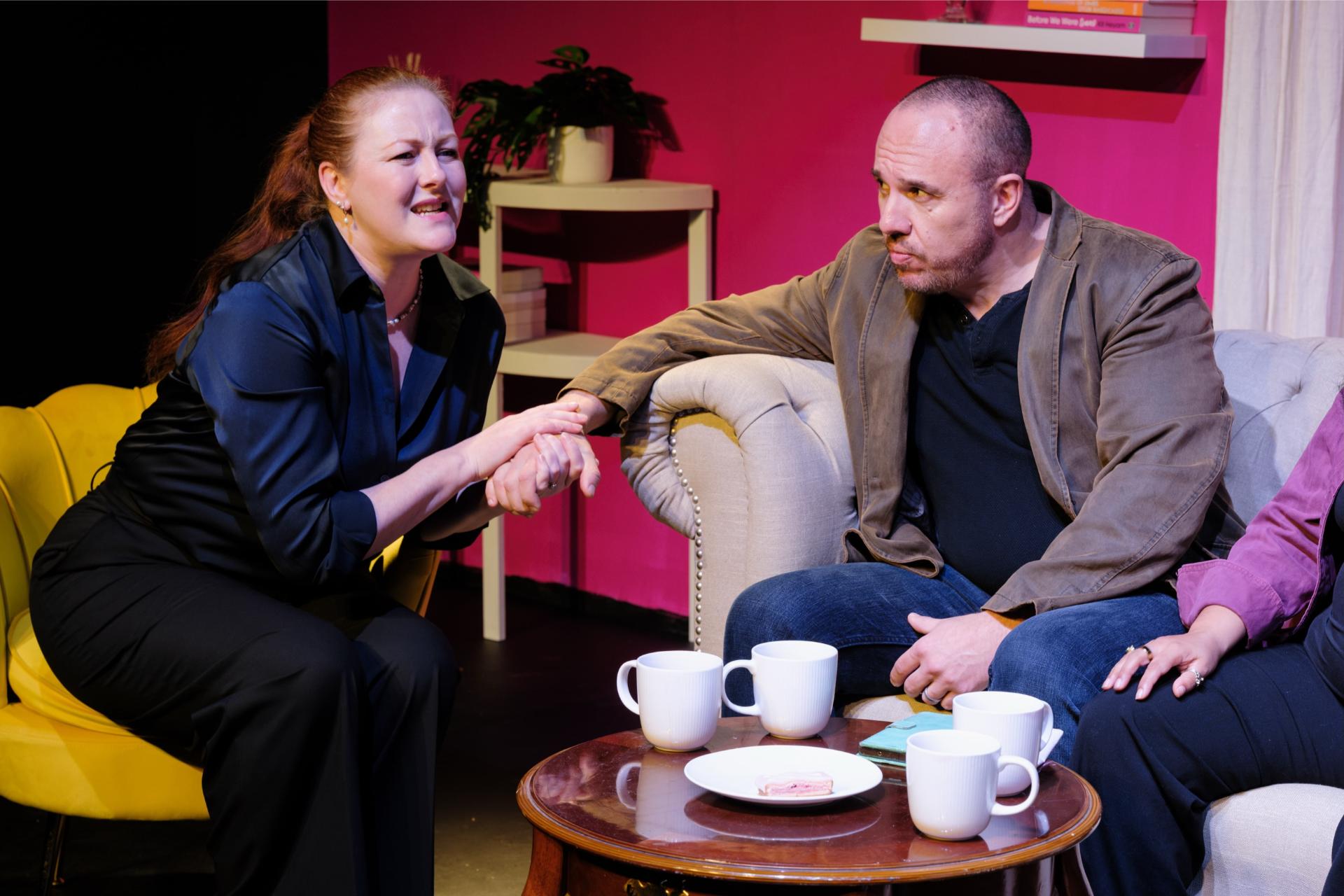
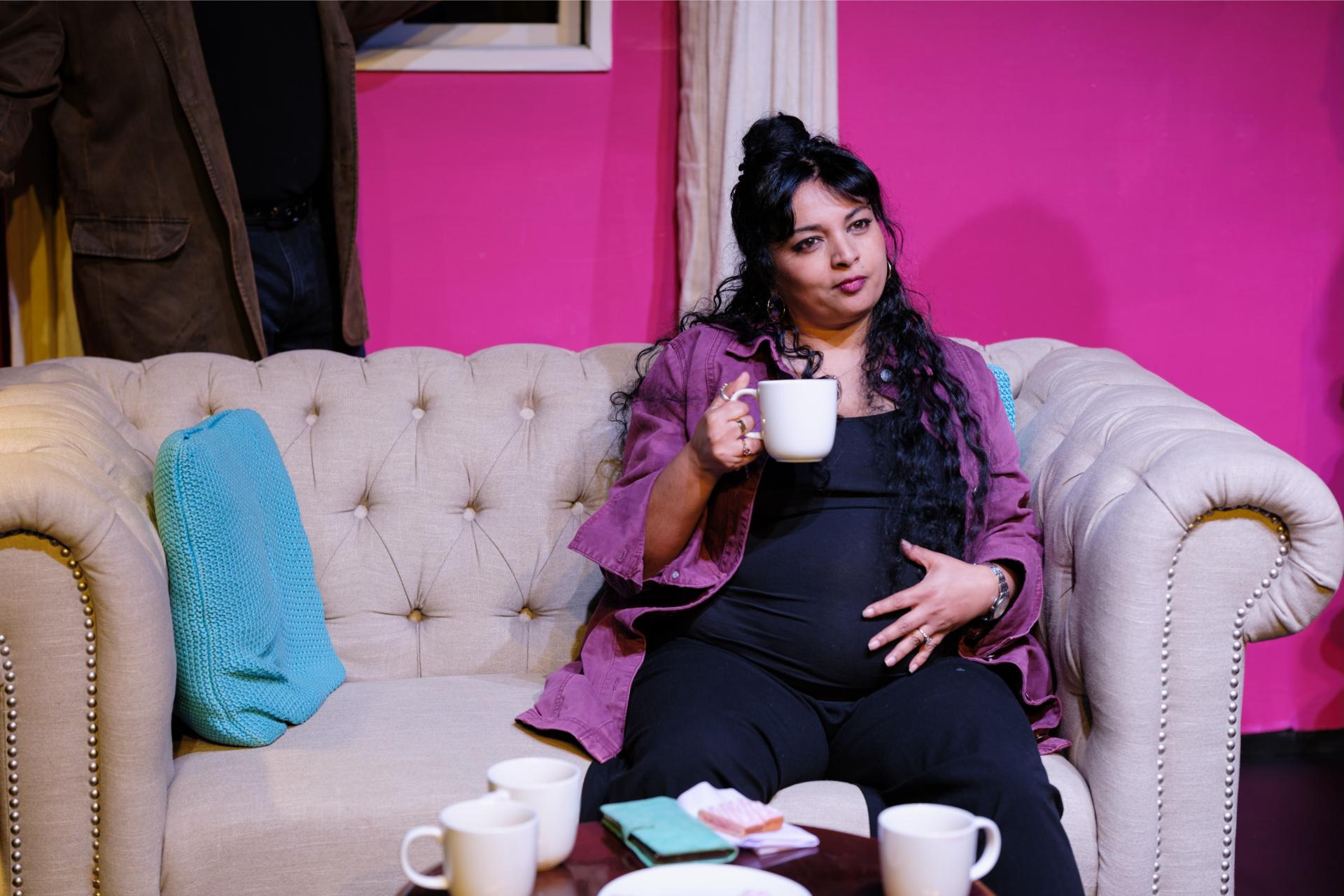
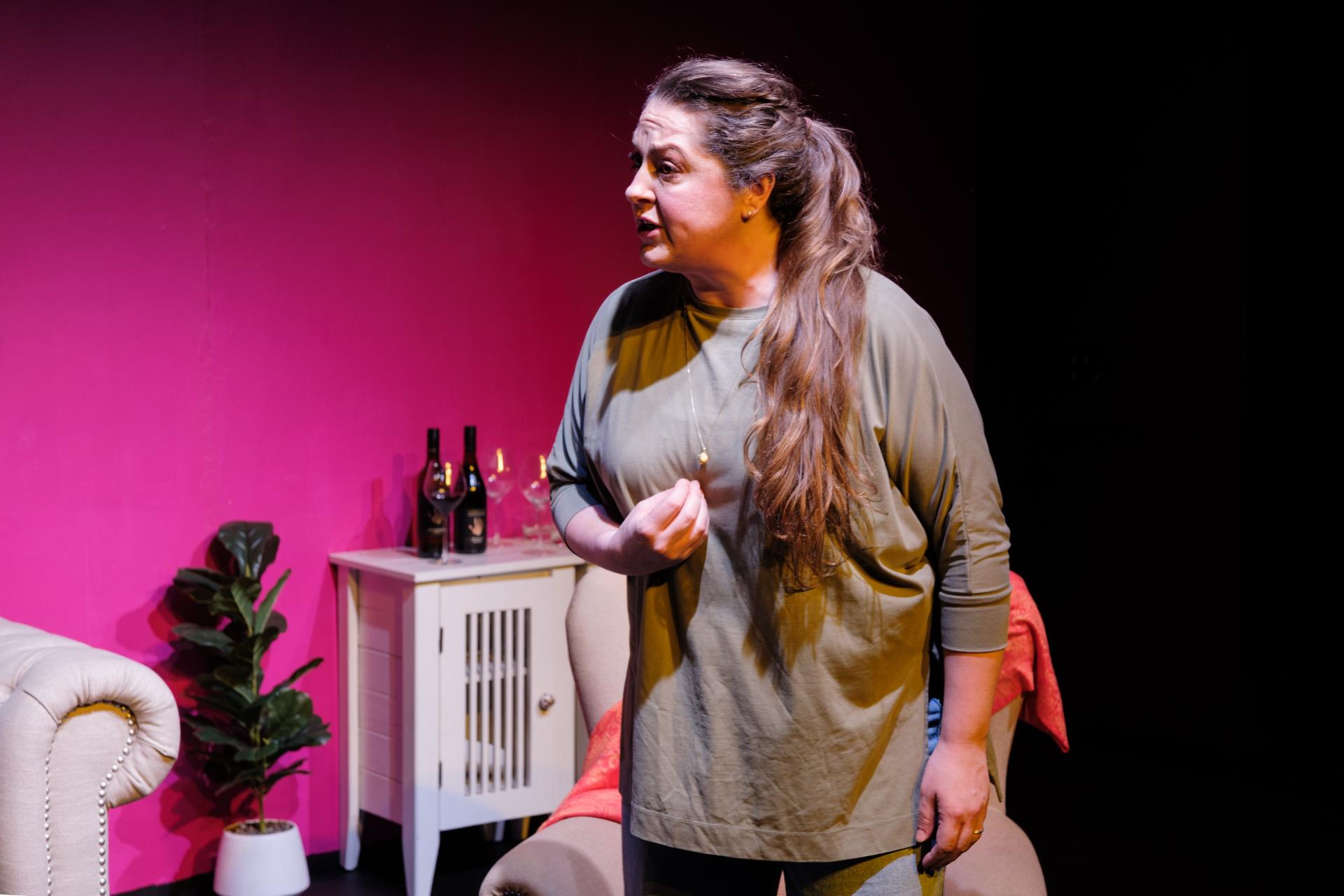
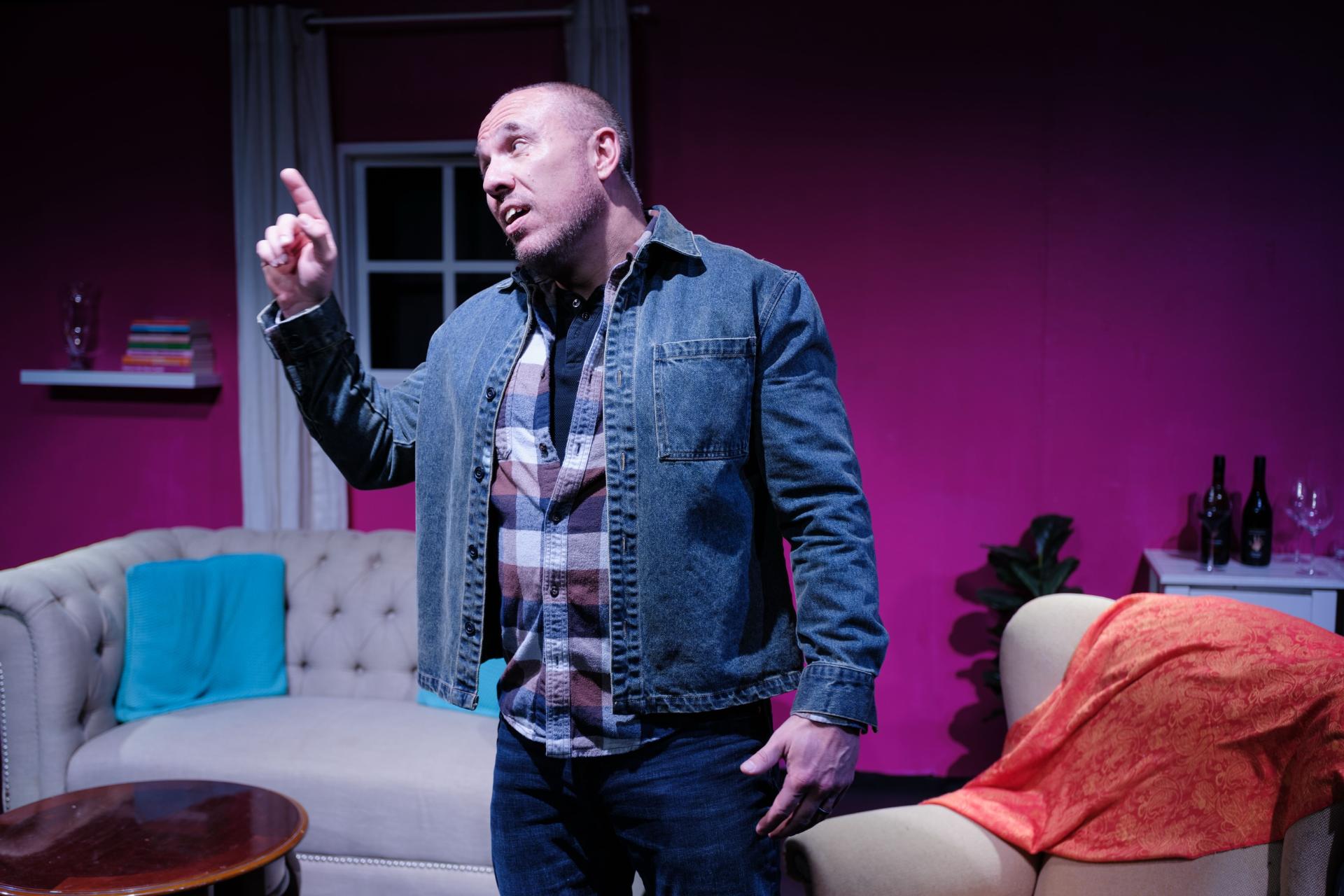
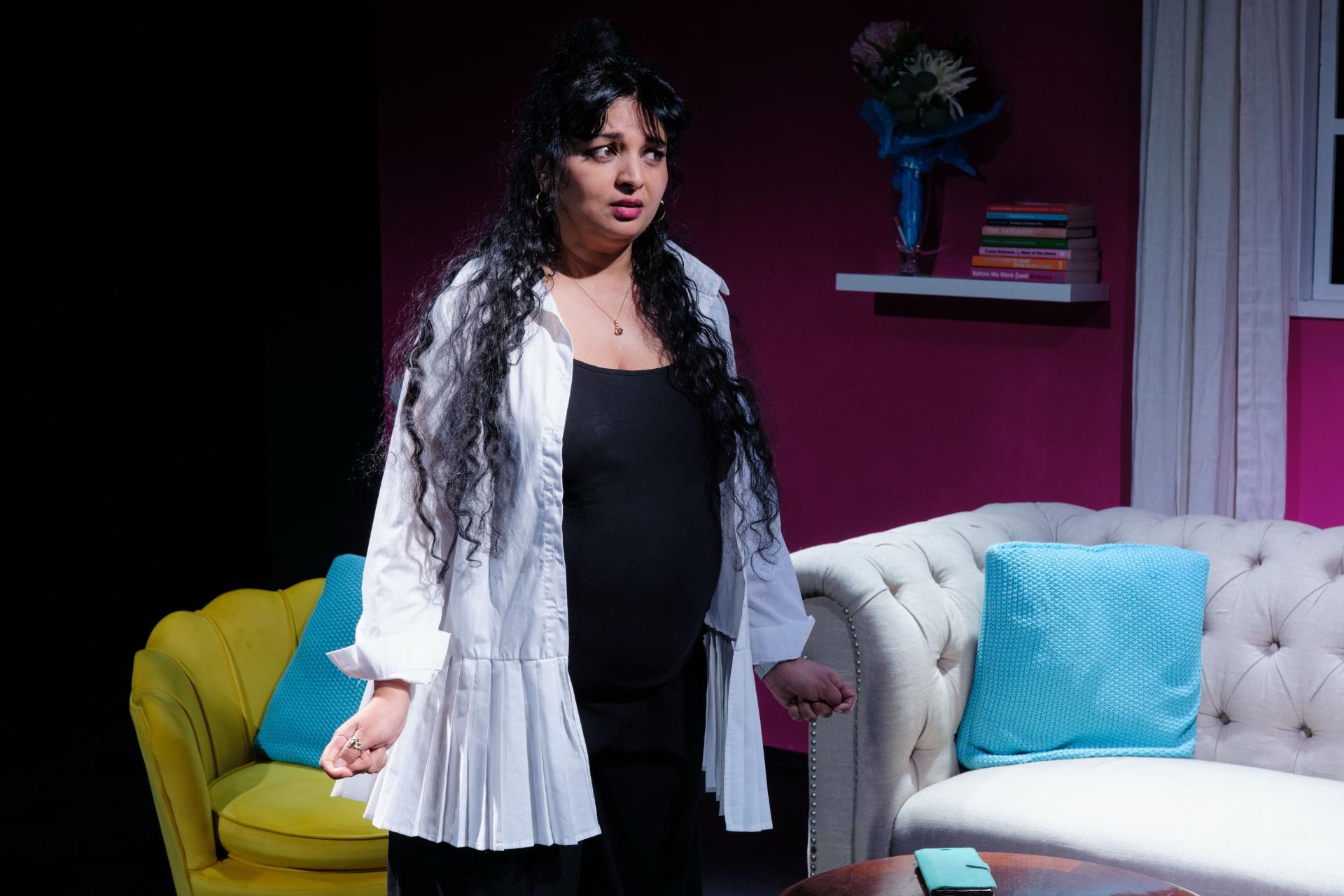
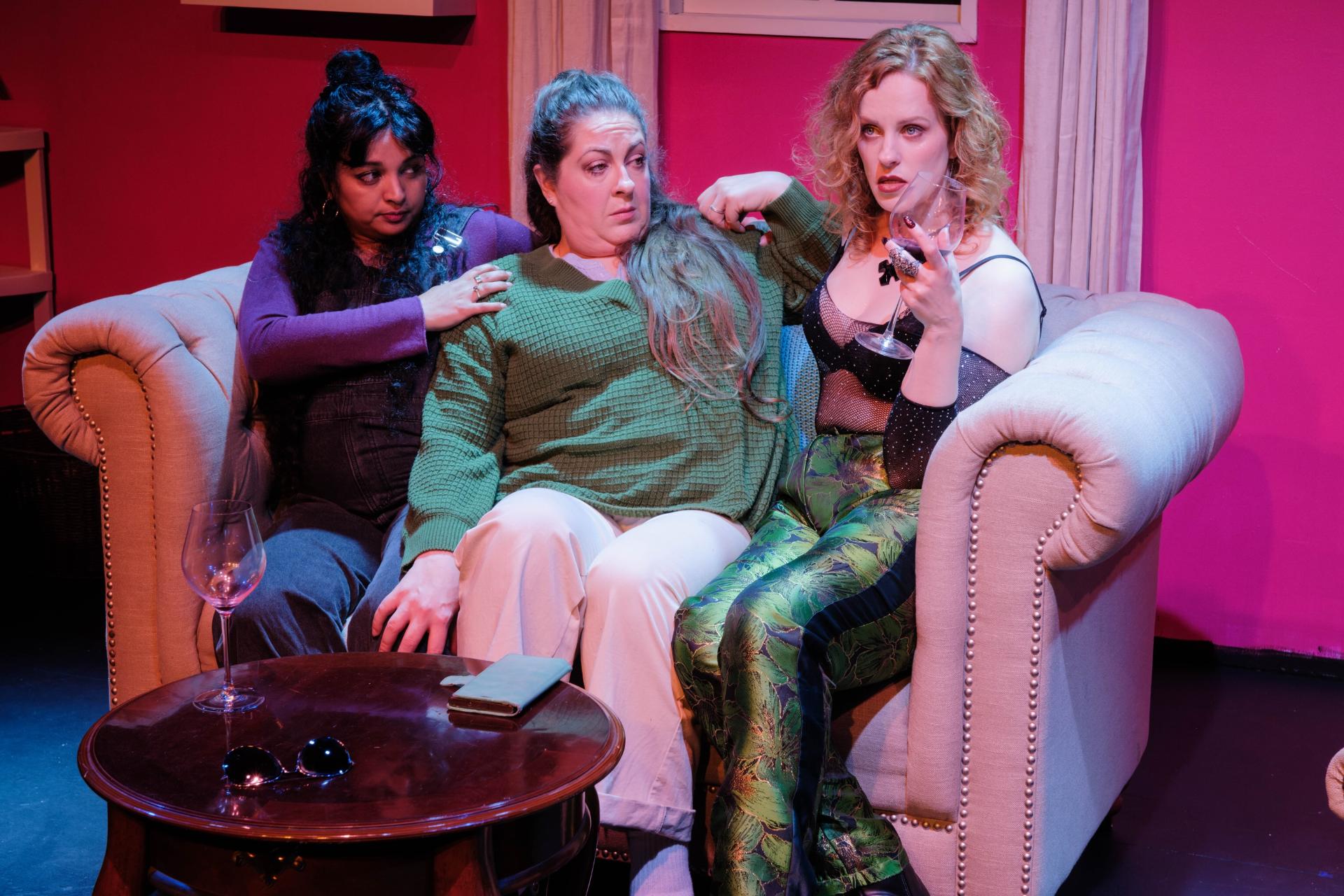
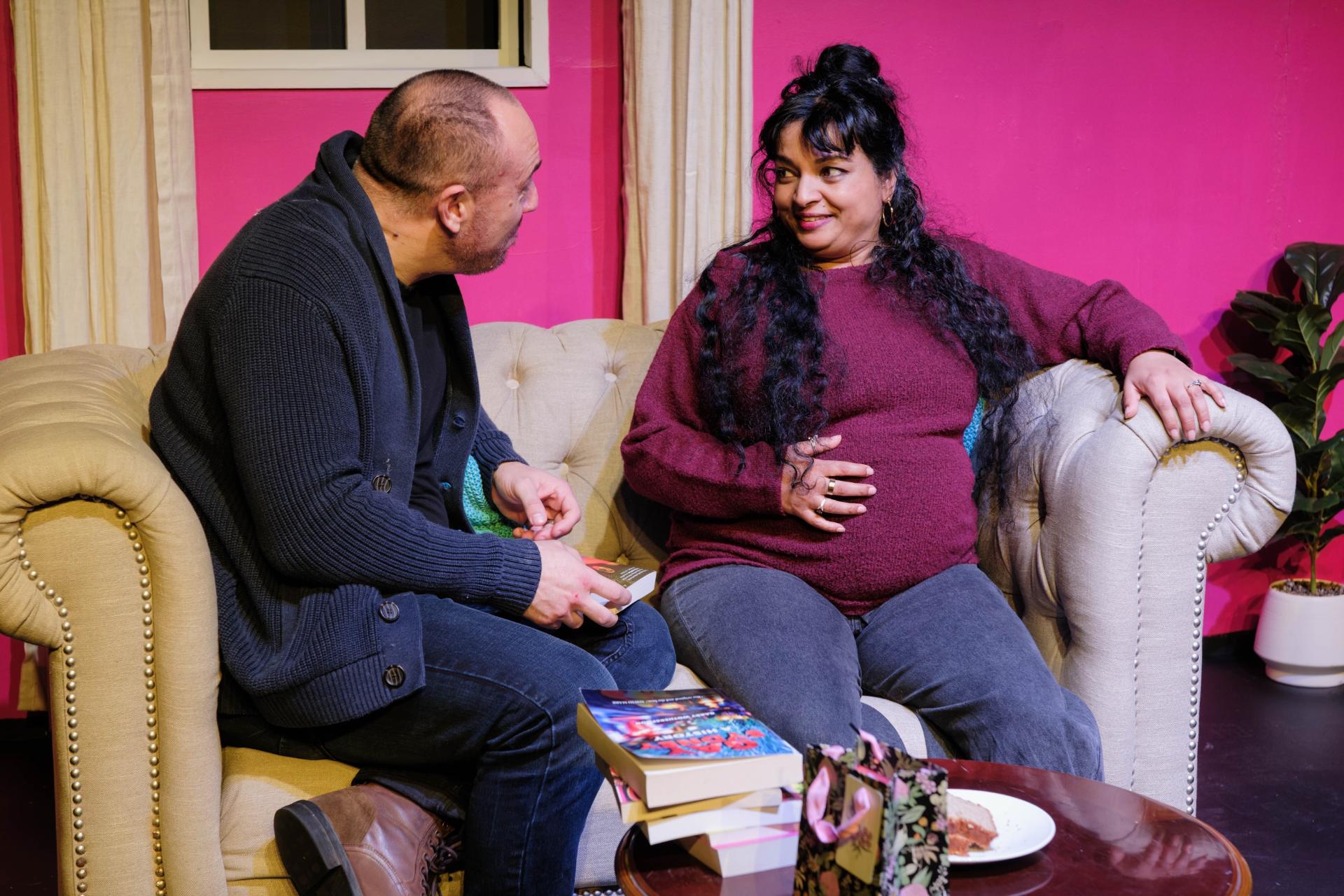
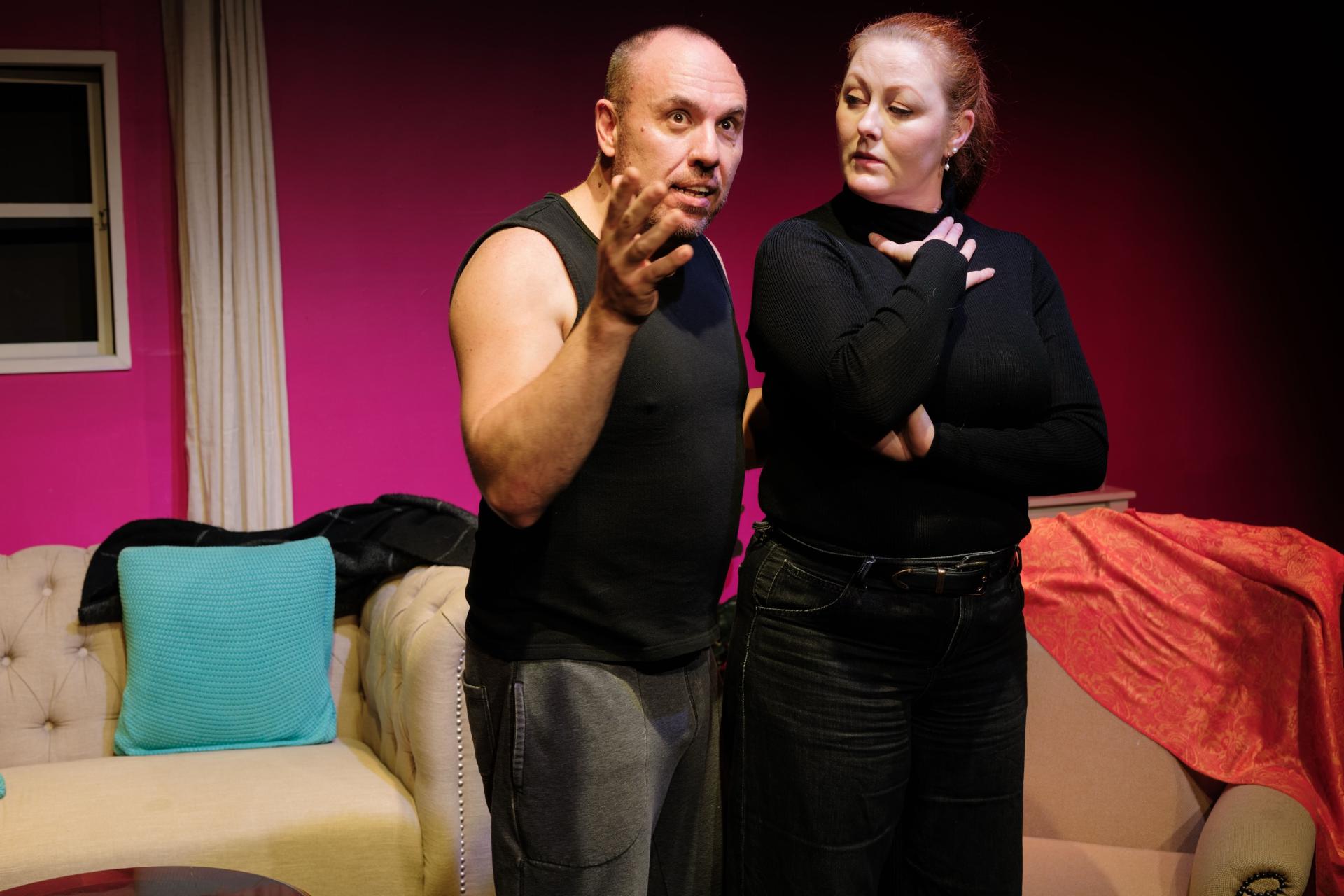
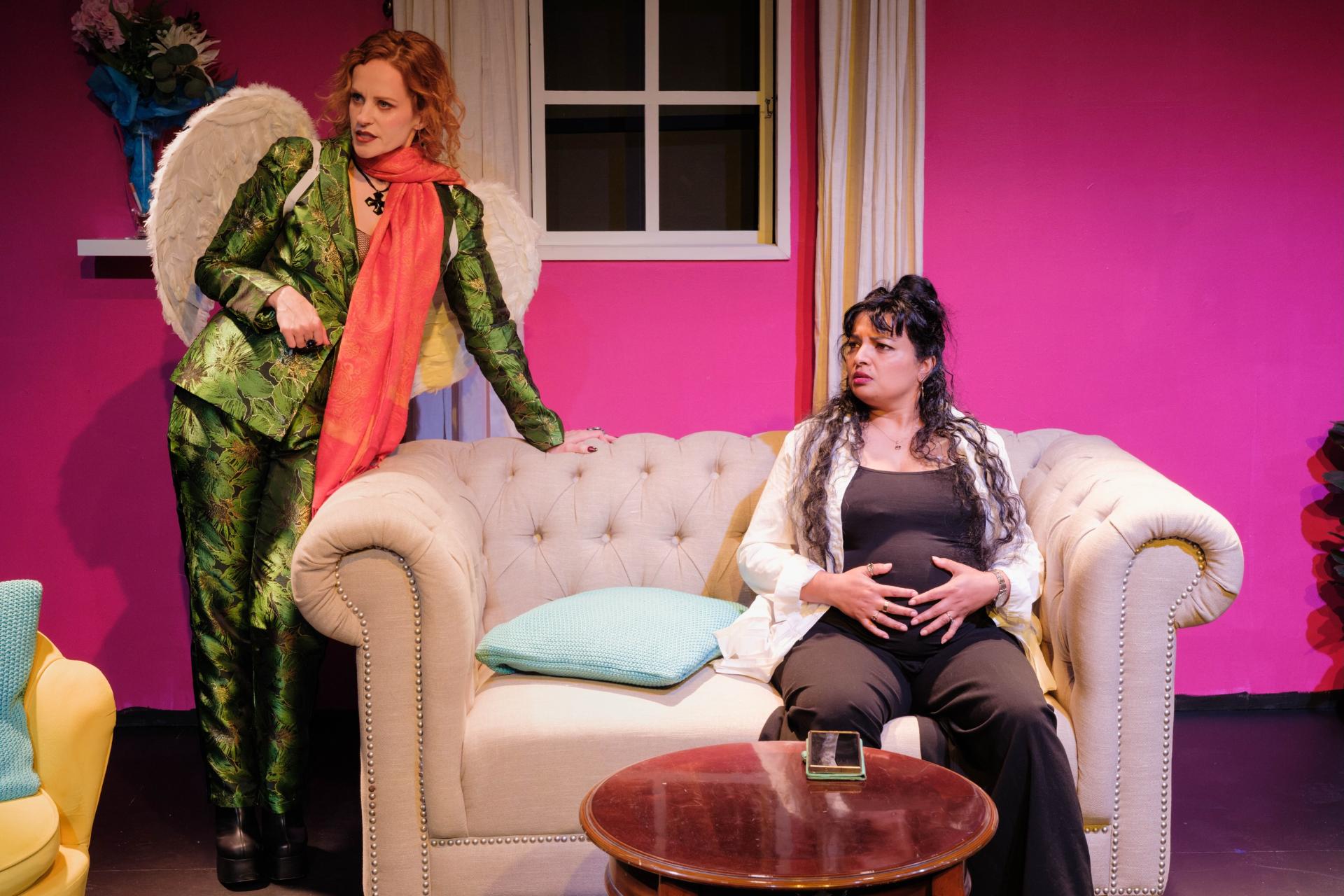
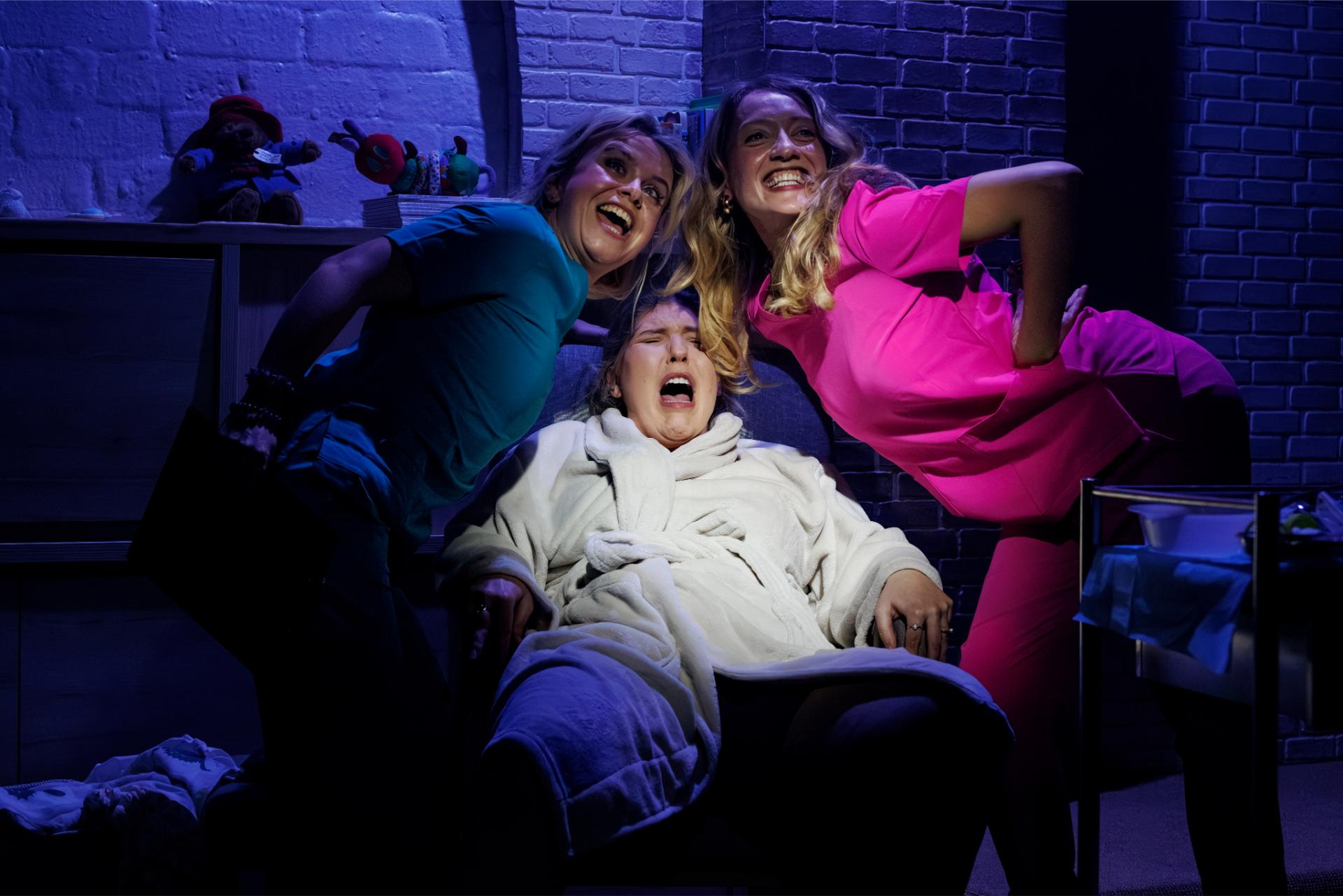
Billie is only sixteen, yet she is already grappling with significant mental health challenges, including night terrors. Much of her distress stems from her mother Maxine who, despite her good intentions, has struggled to provide stability, never quite finding her footing as an adult. This changes when she stumbles upon the world of roller derby. Mama Does Derby, co-created by Virginia Gay and Clare Watson, unfolds with an engaging premise and a thoughtfully constructed plot populated by well-defined characters, though much of its early humour feels strained and overly explicit. Thankfully, the compulsion to elicit laughter recedes in the later sequences, allowing the work to settle into its emotional core and to land with greater resonance when it matters most. 

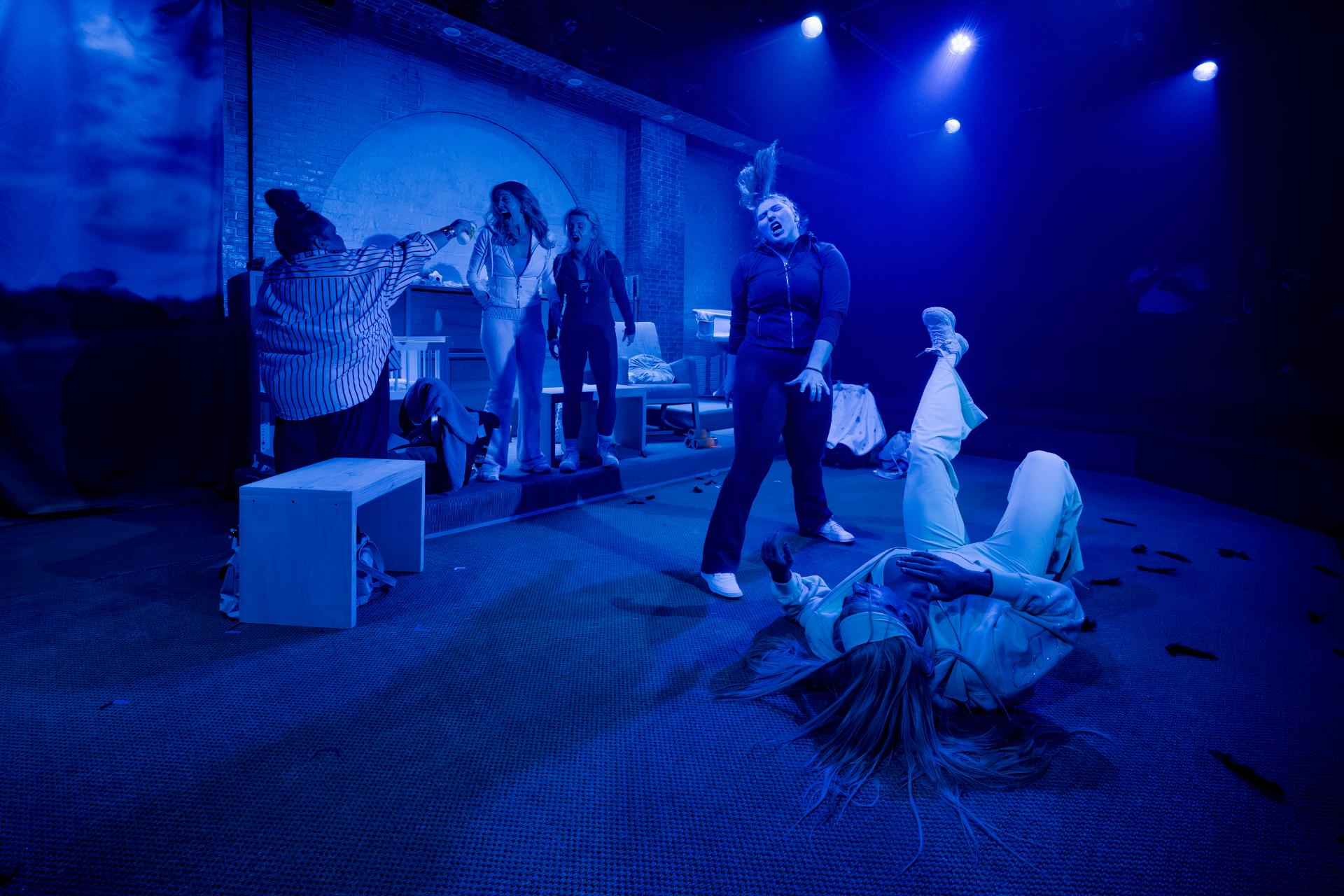
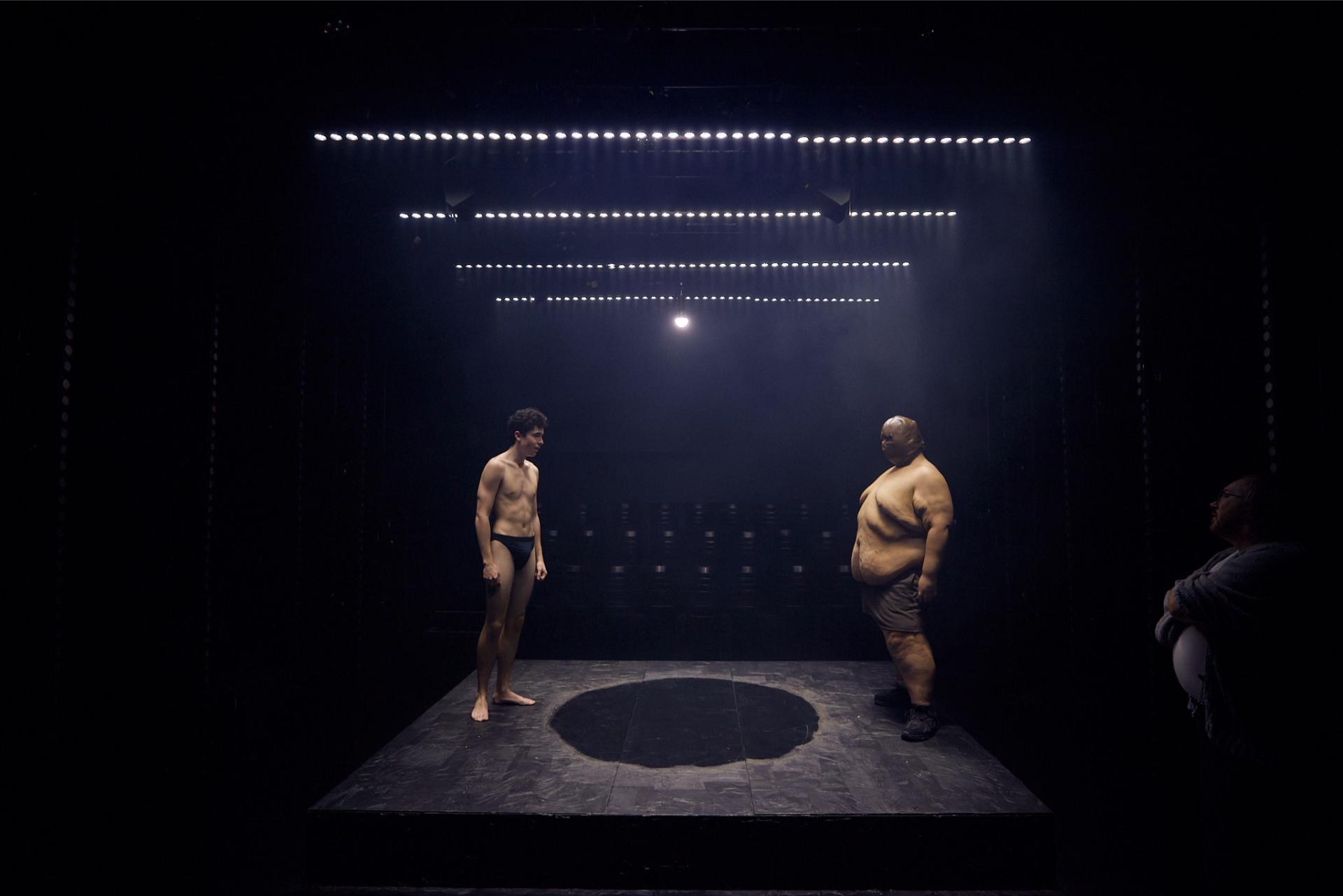
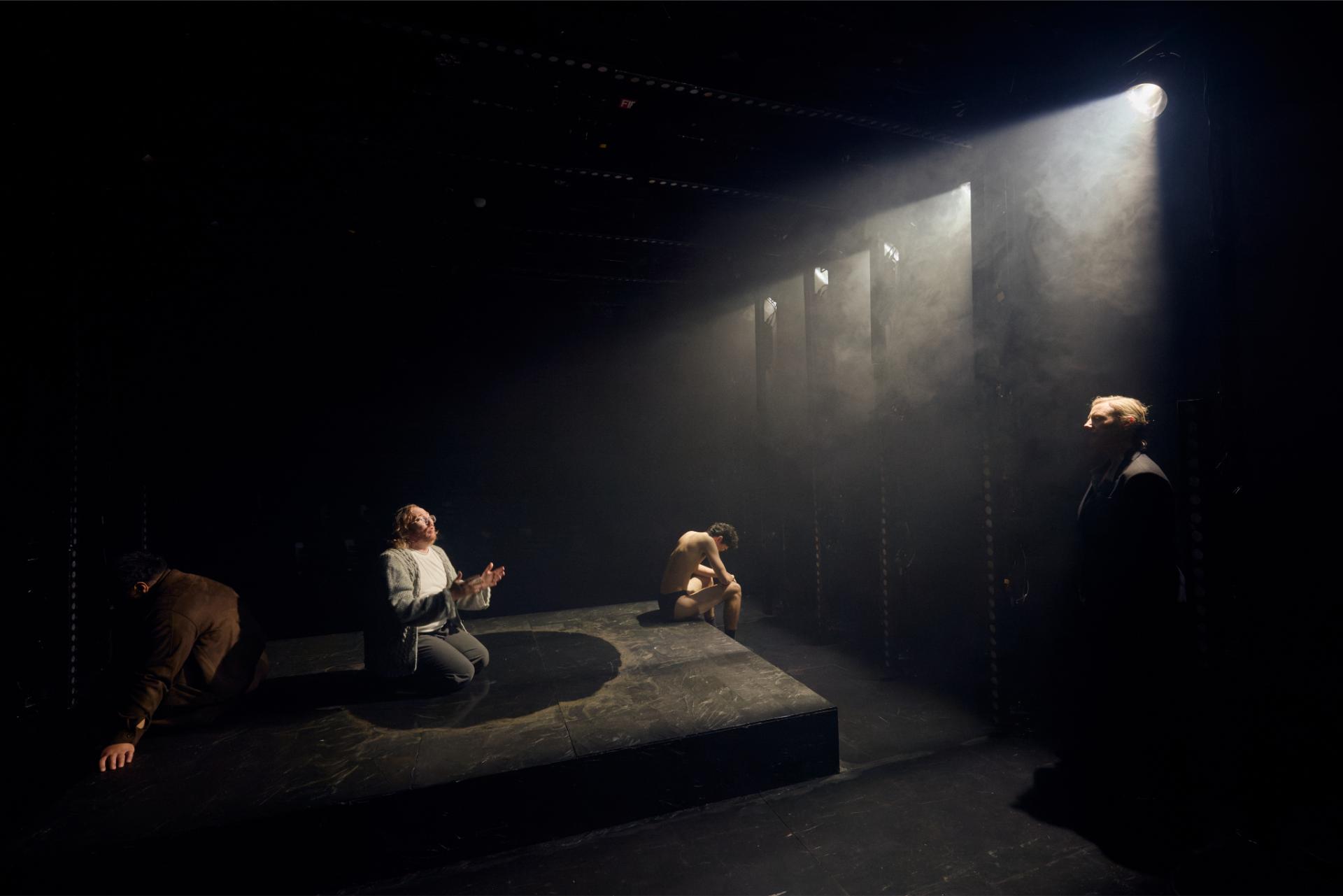
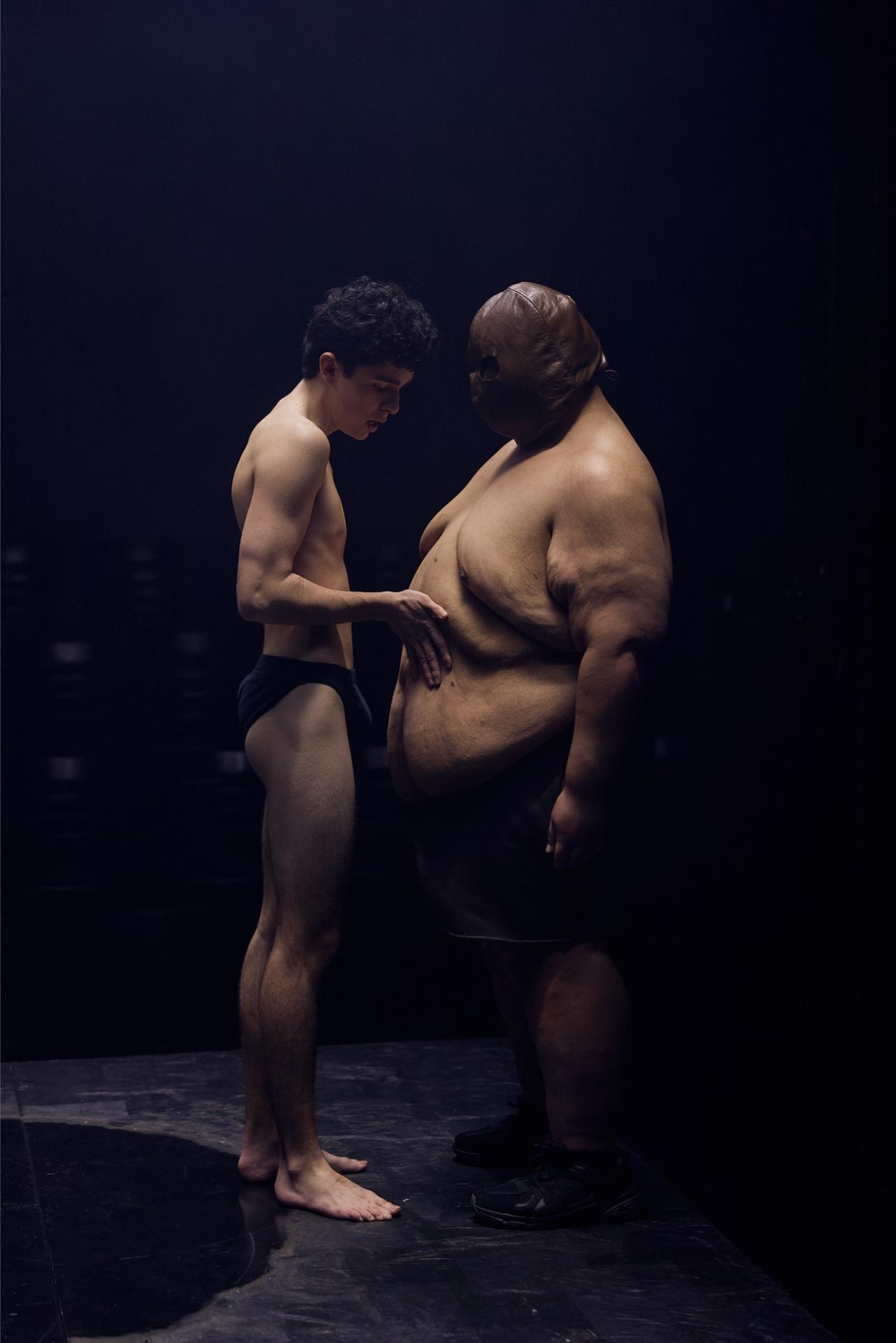
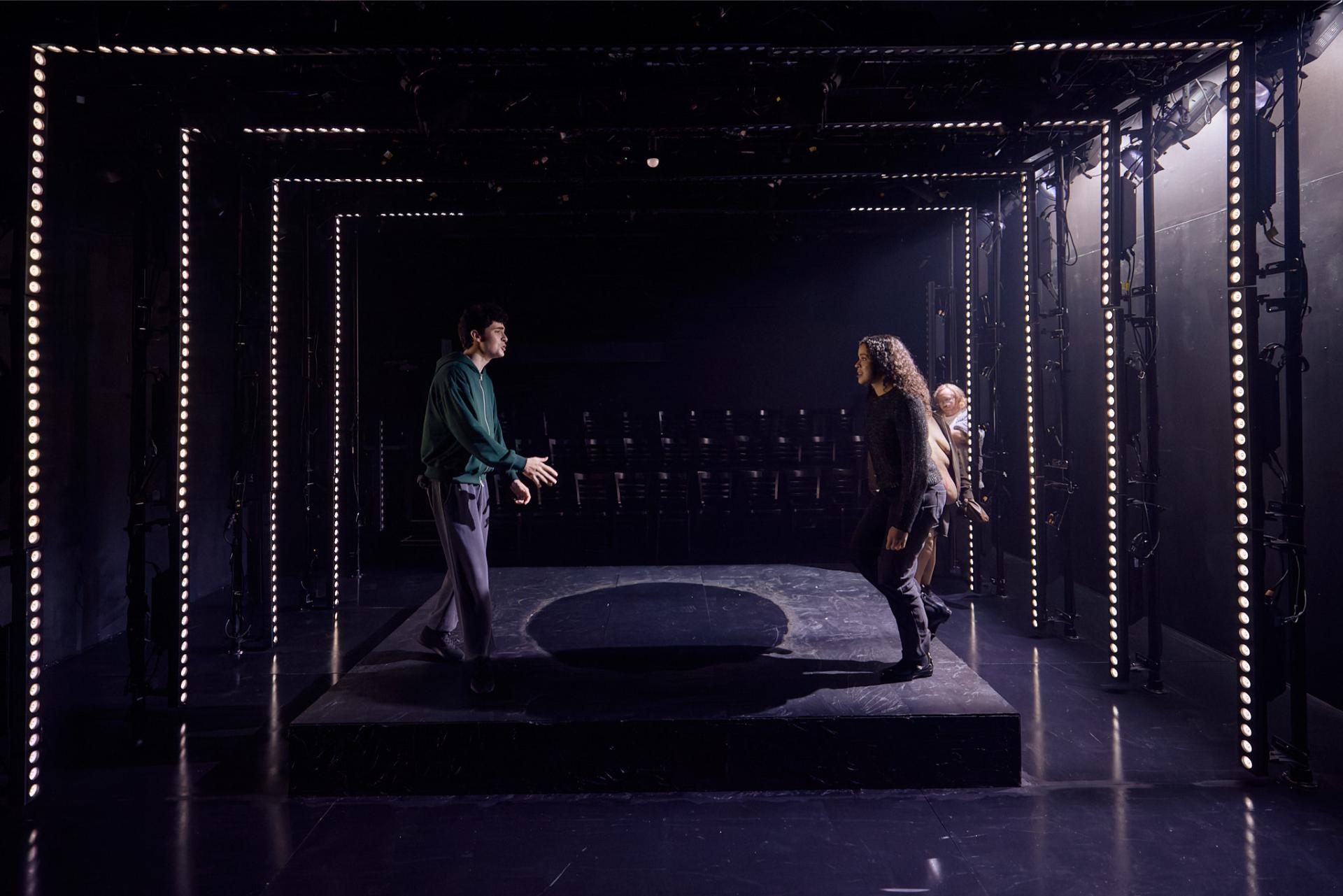
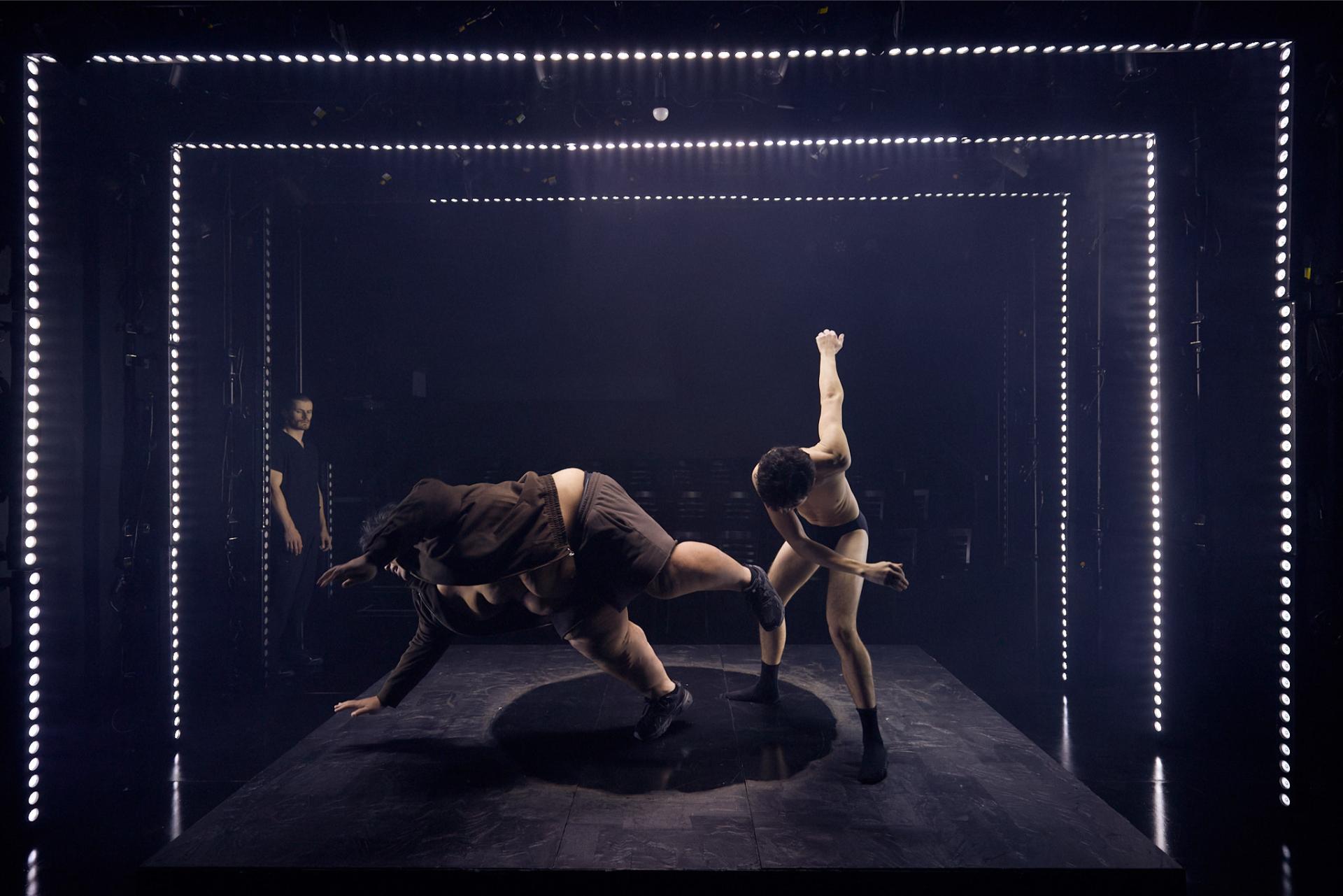
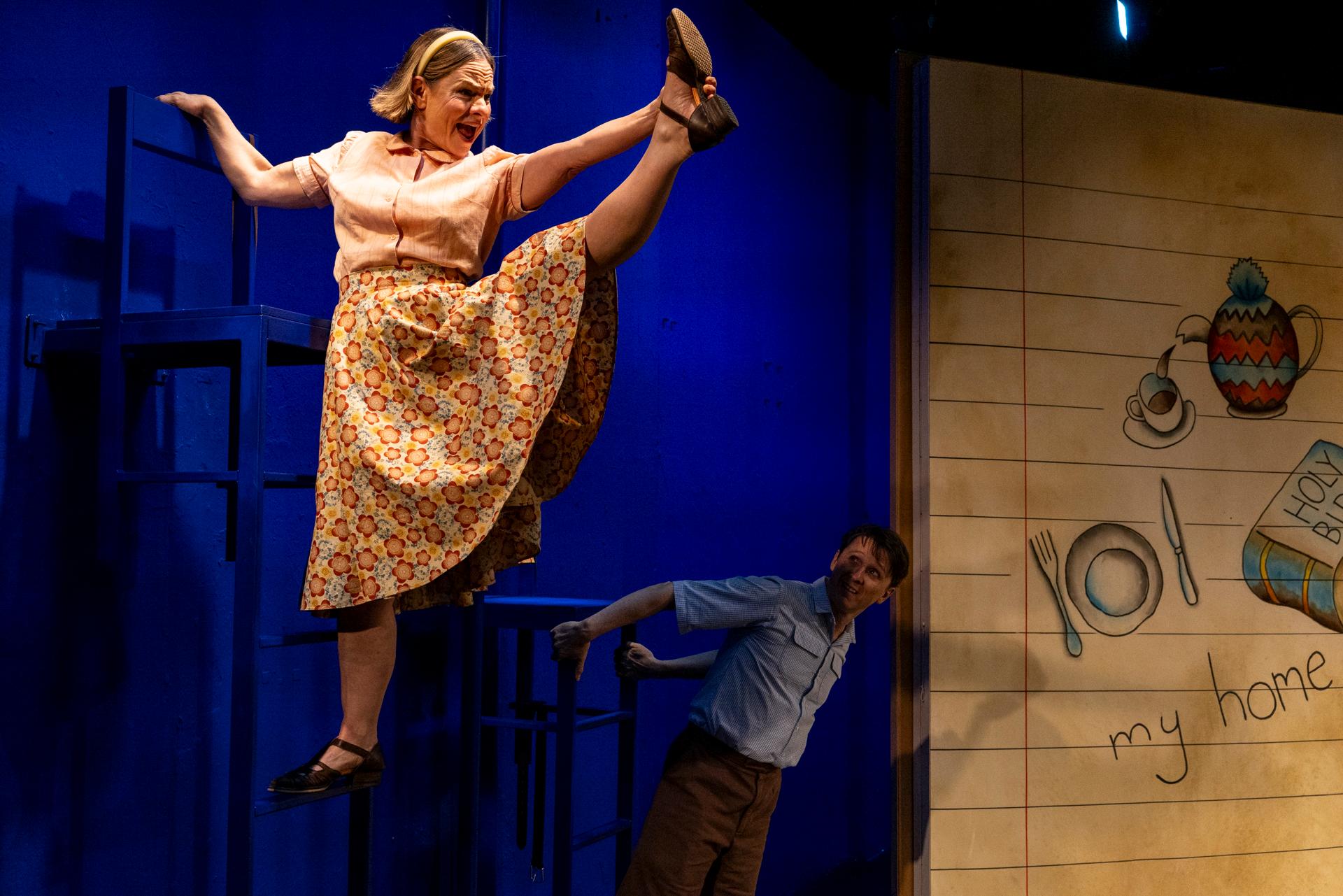
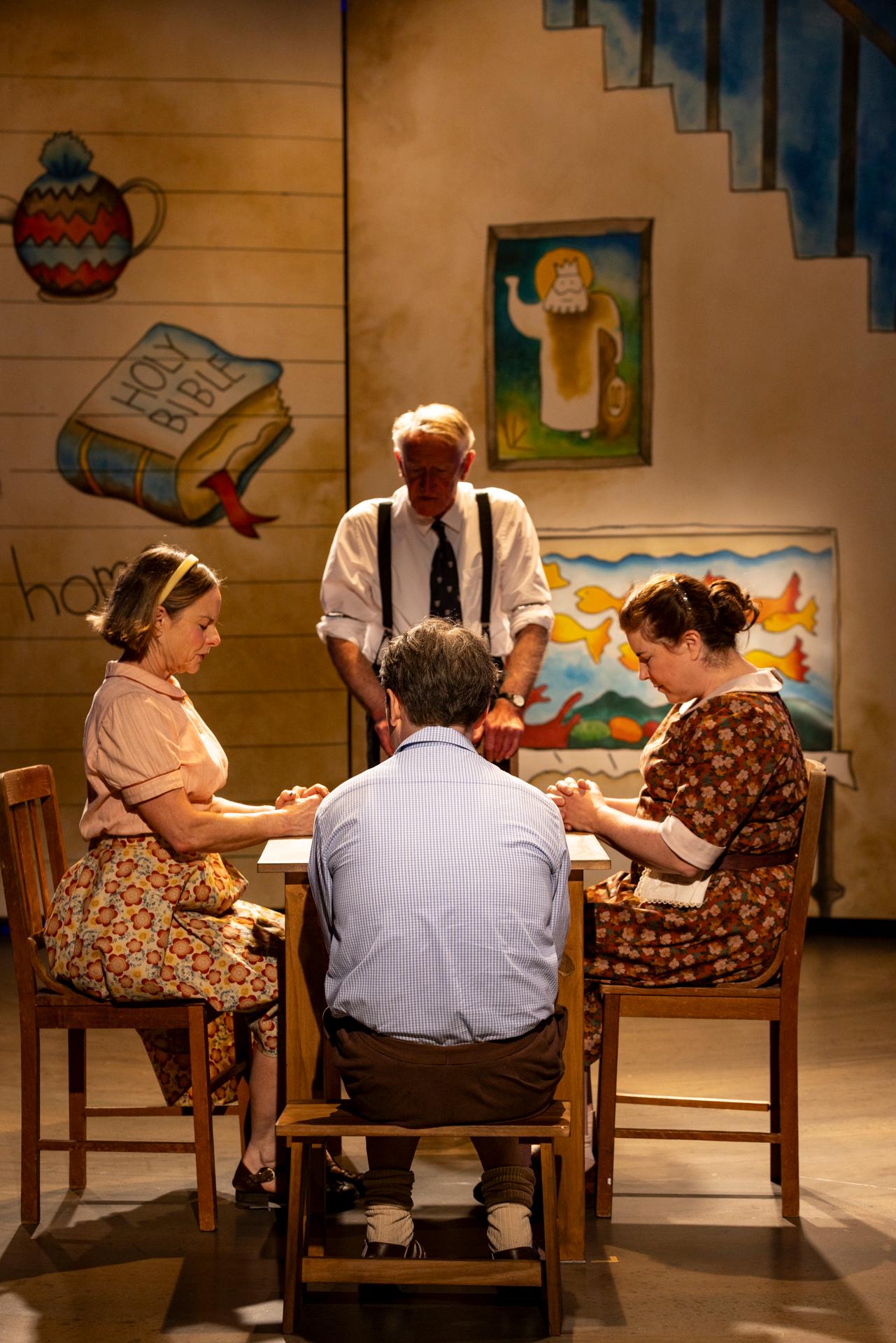
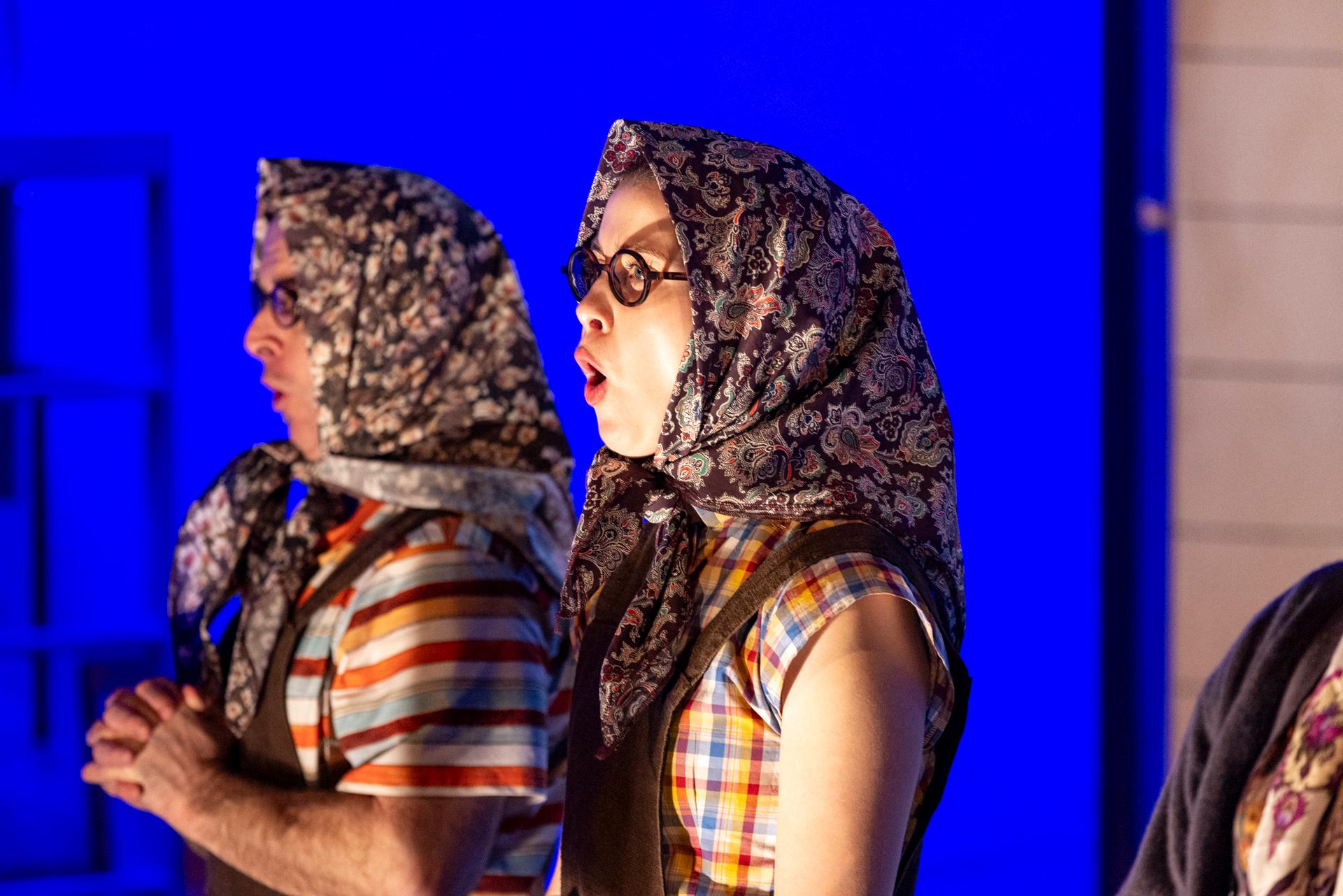
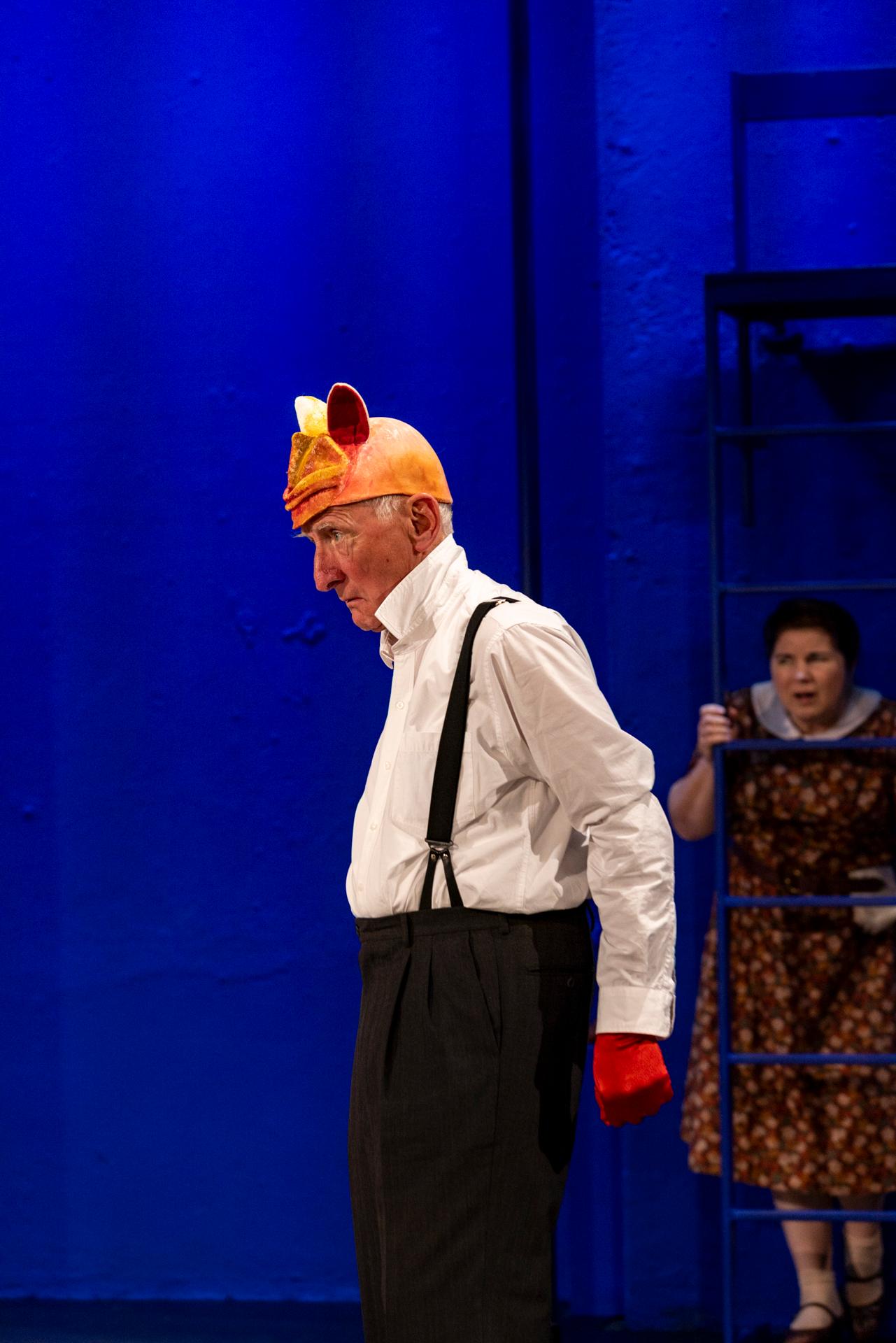
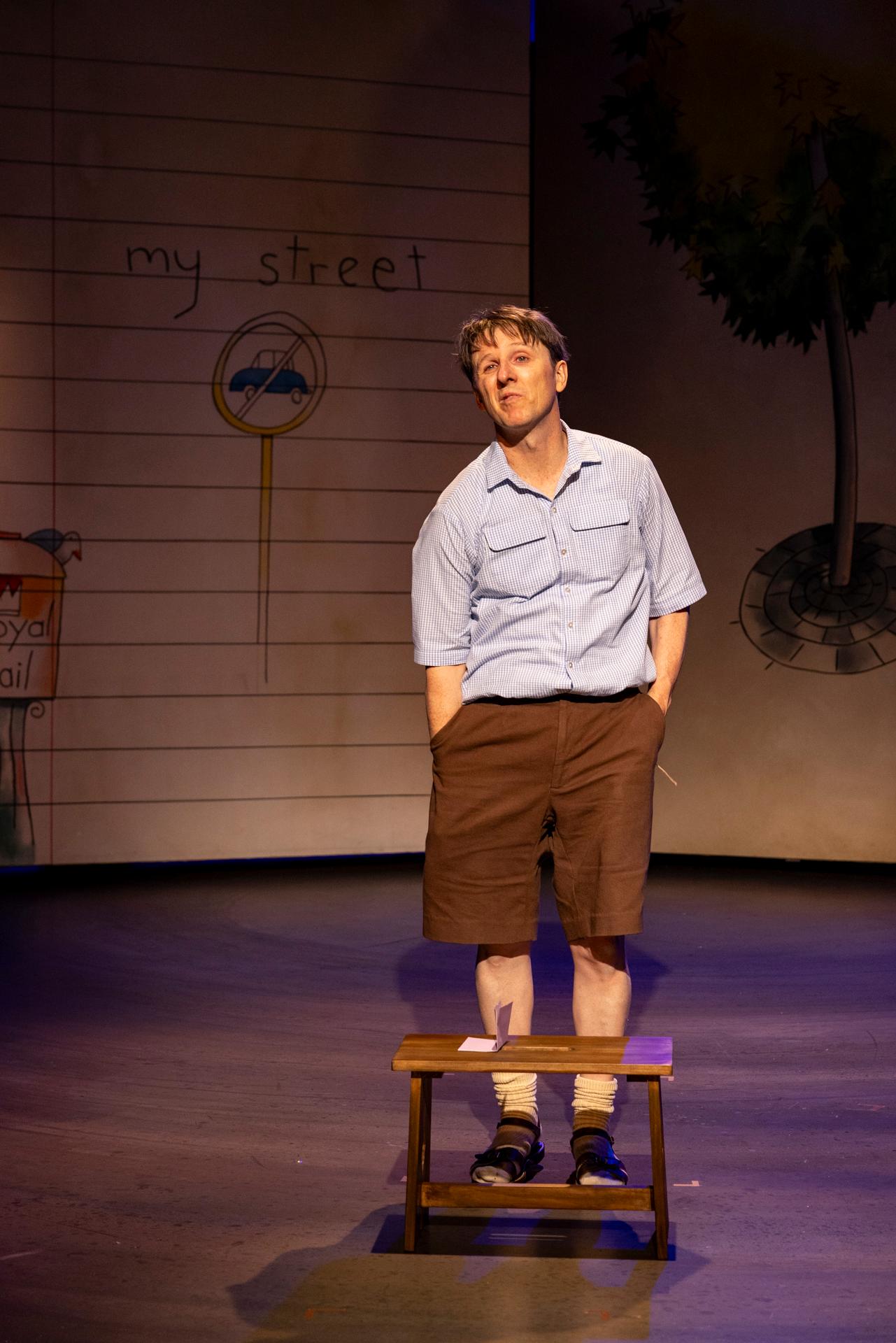
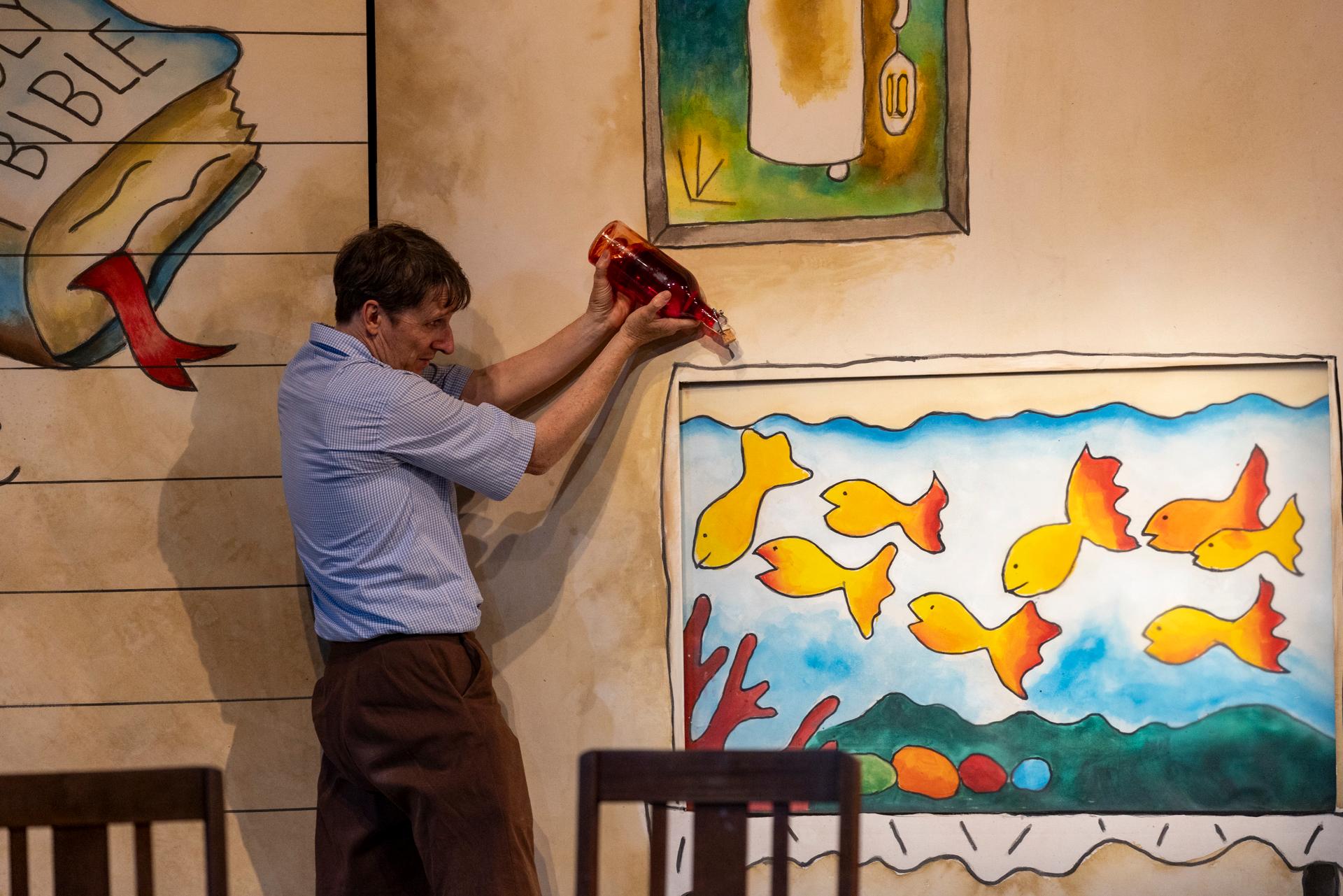
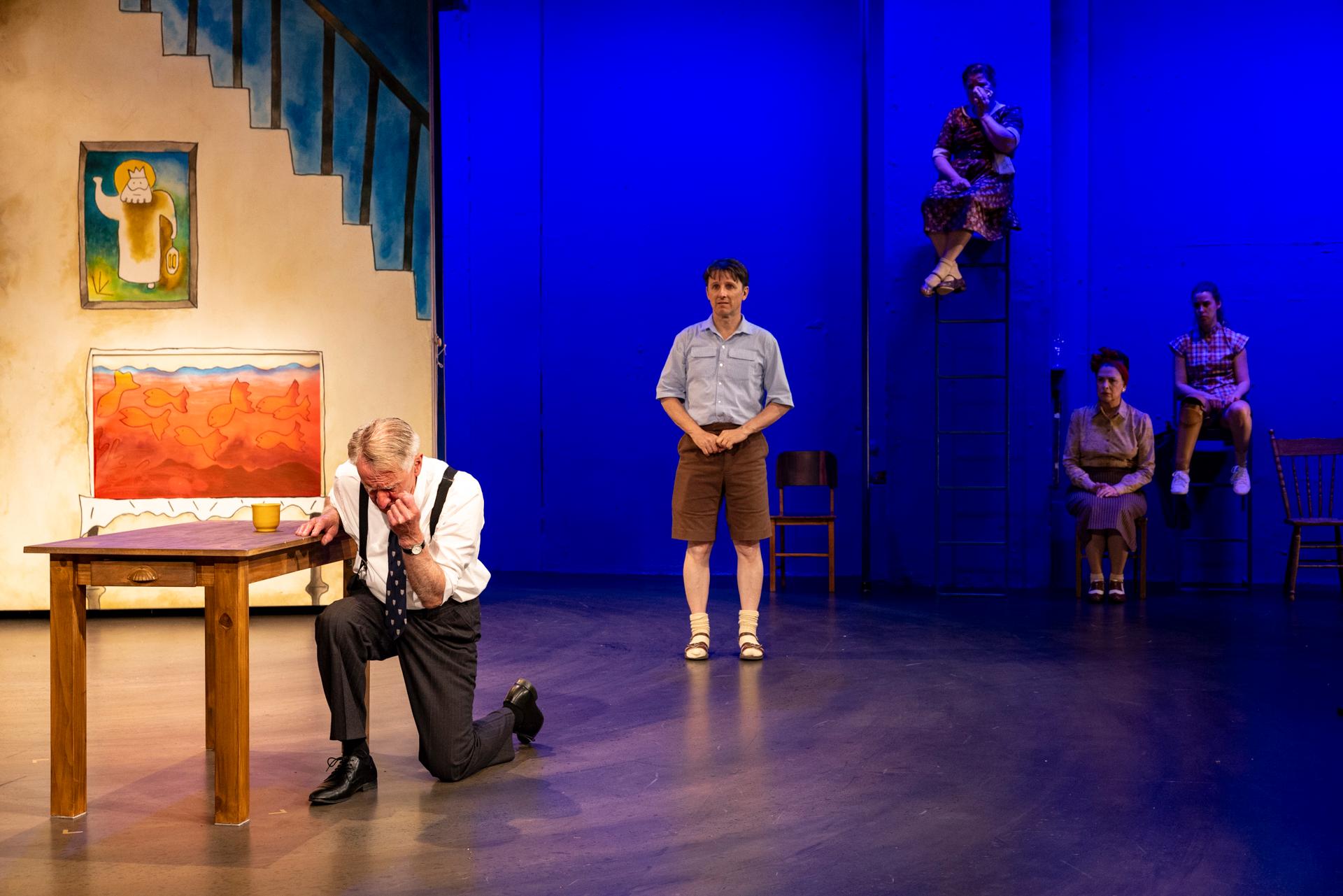
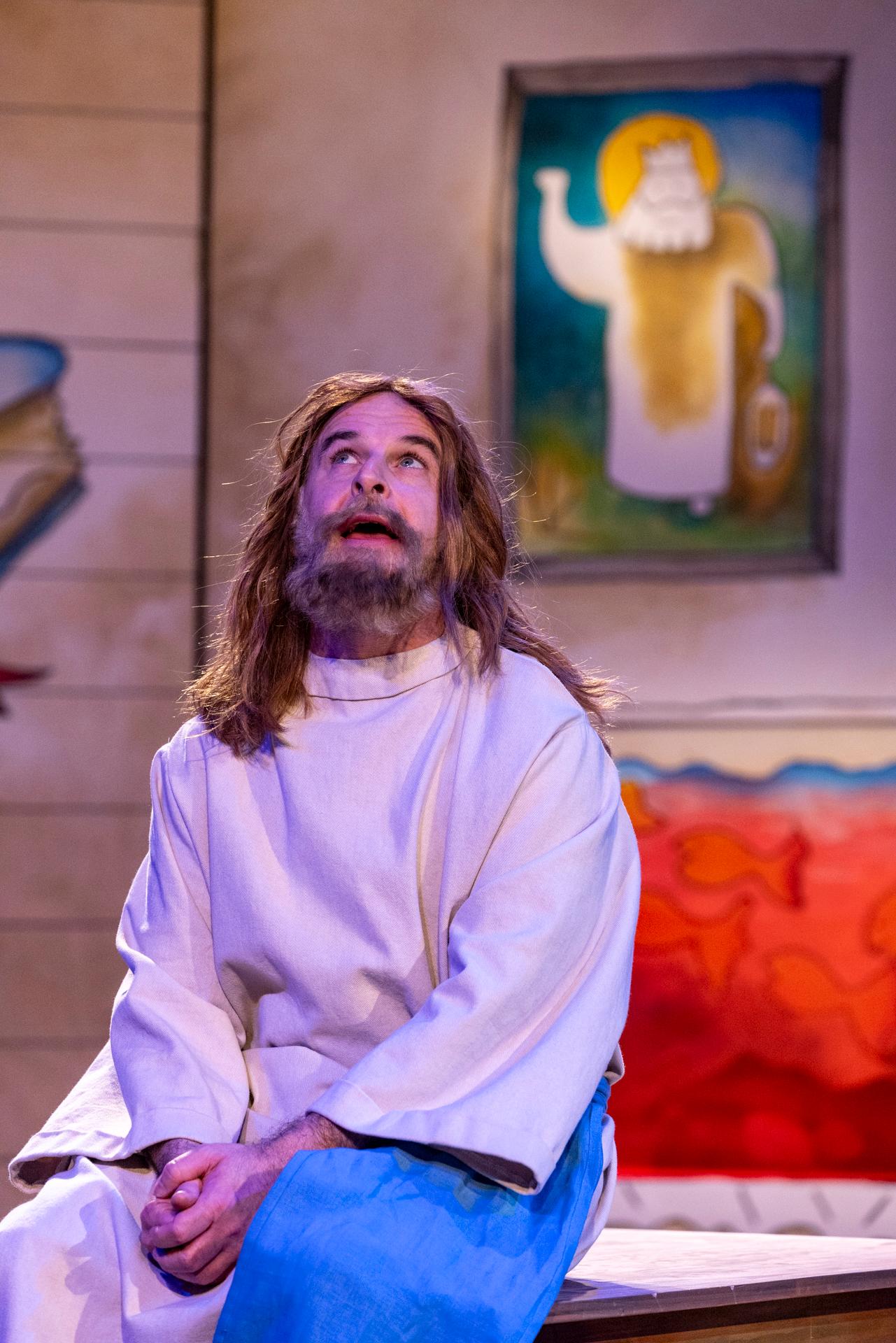
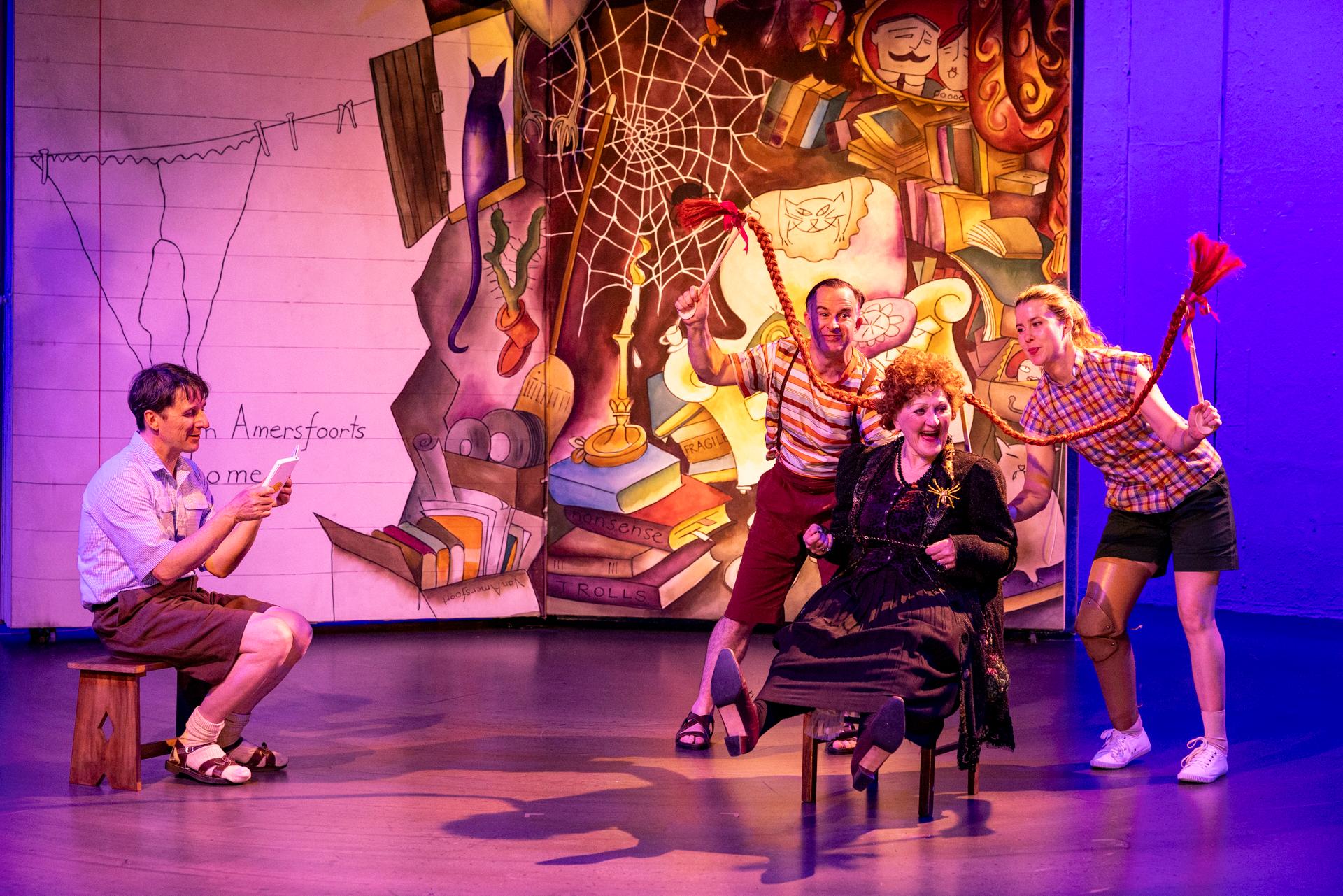
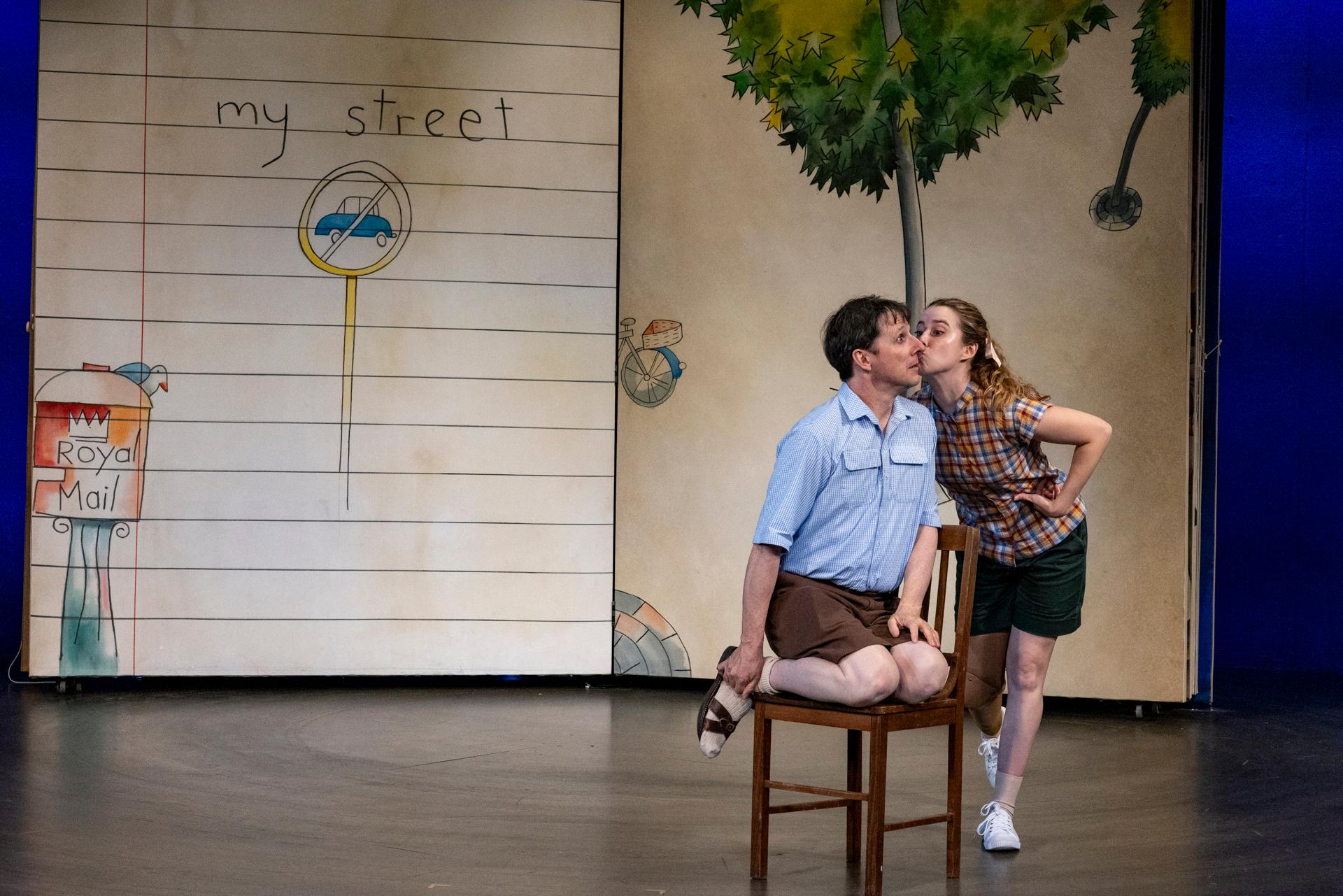
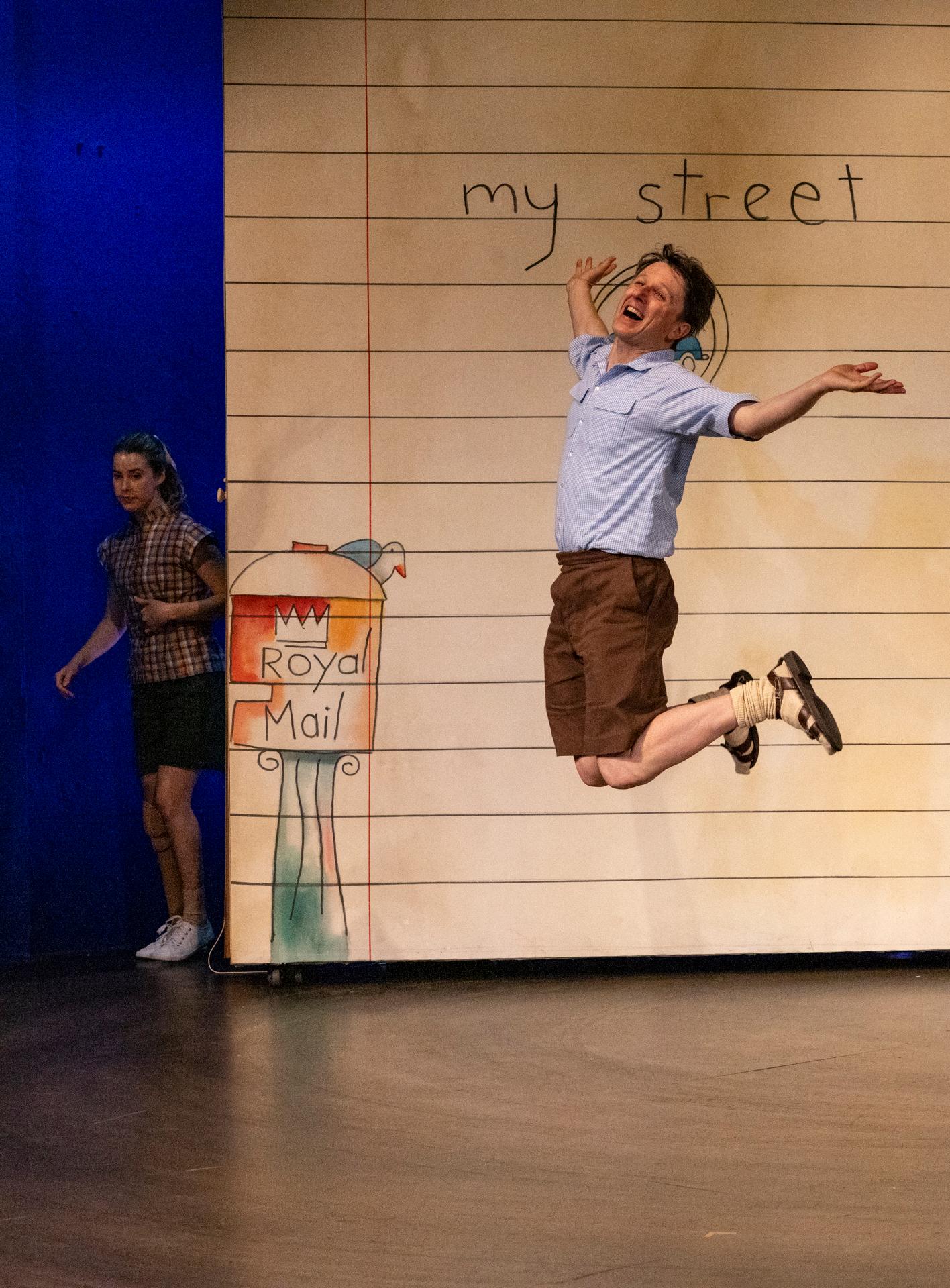
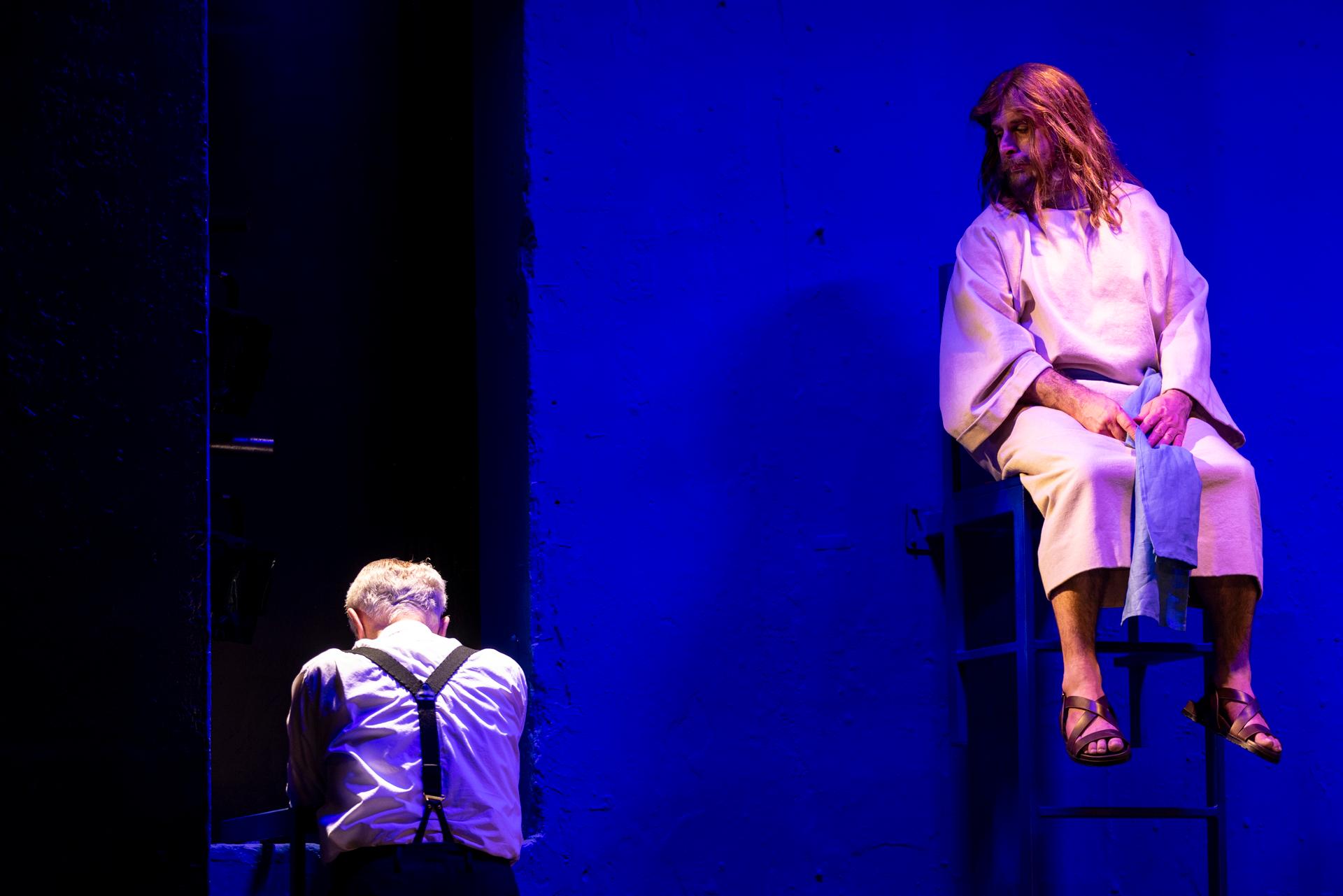
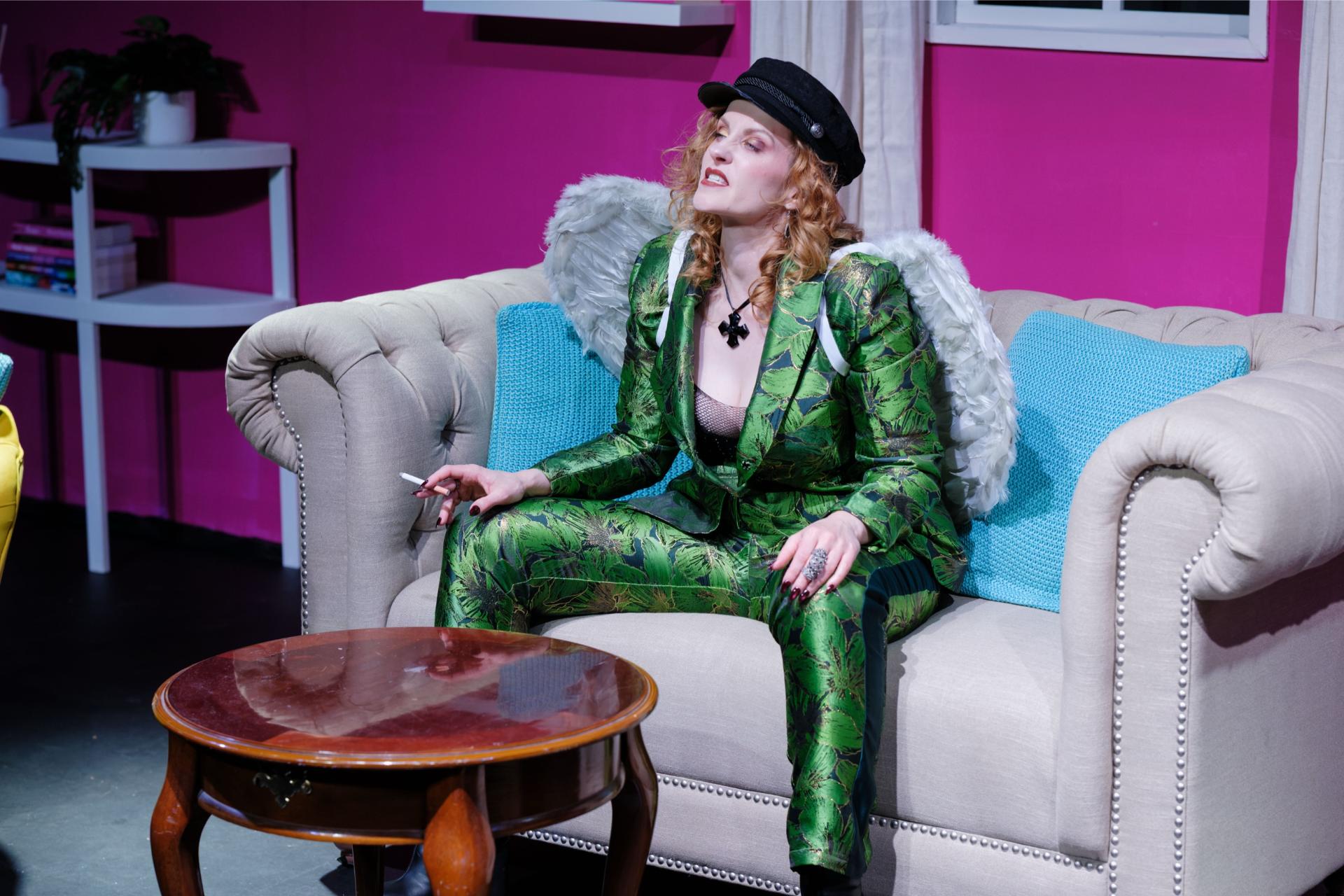
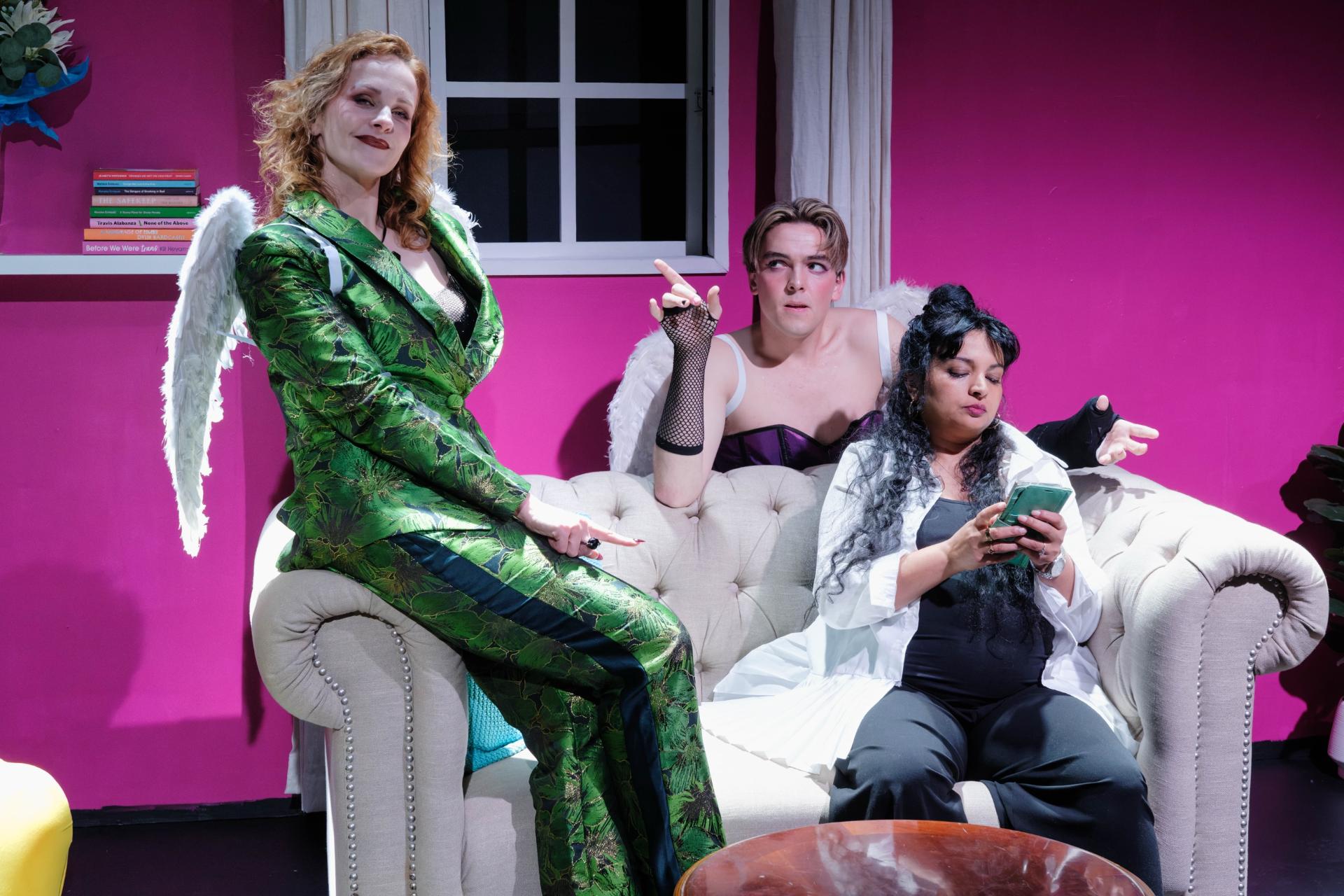
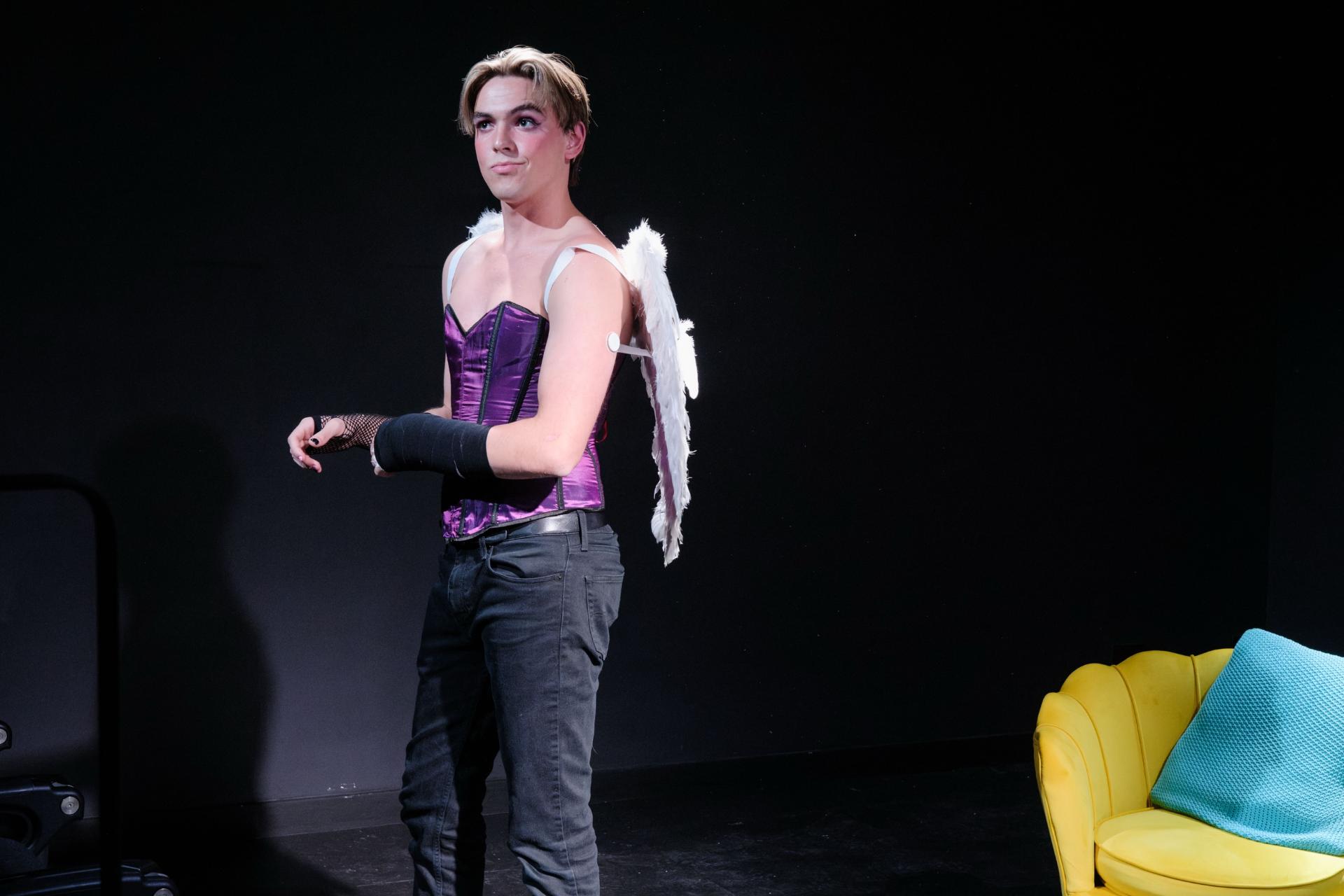
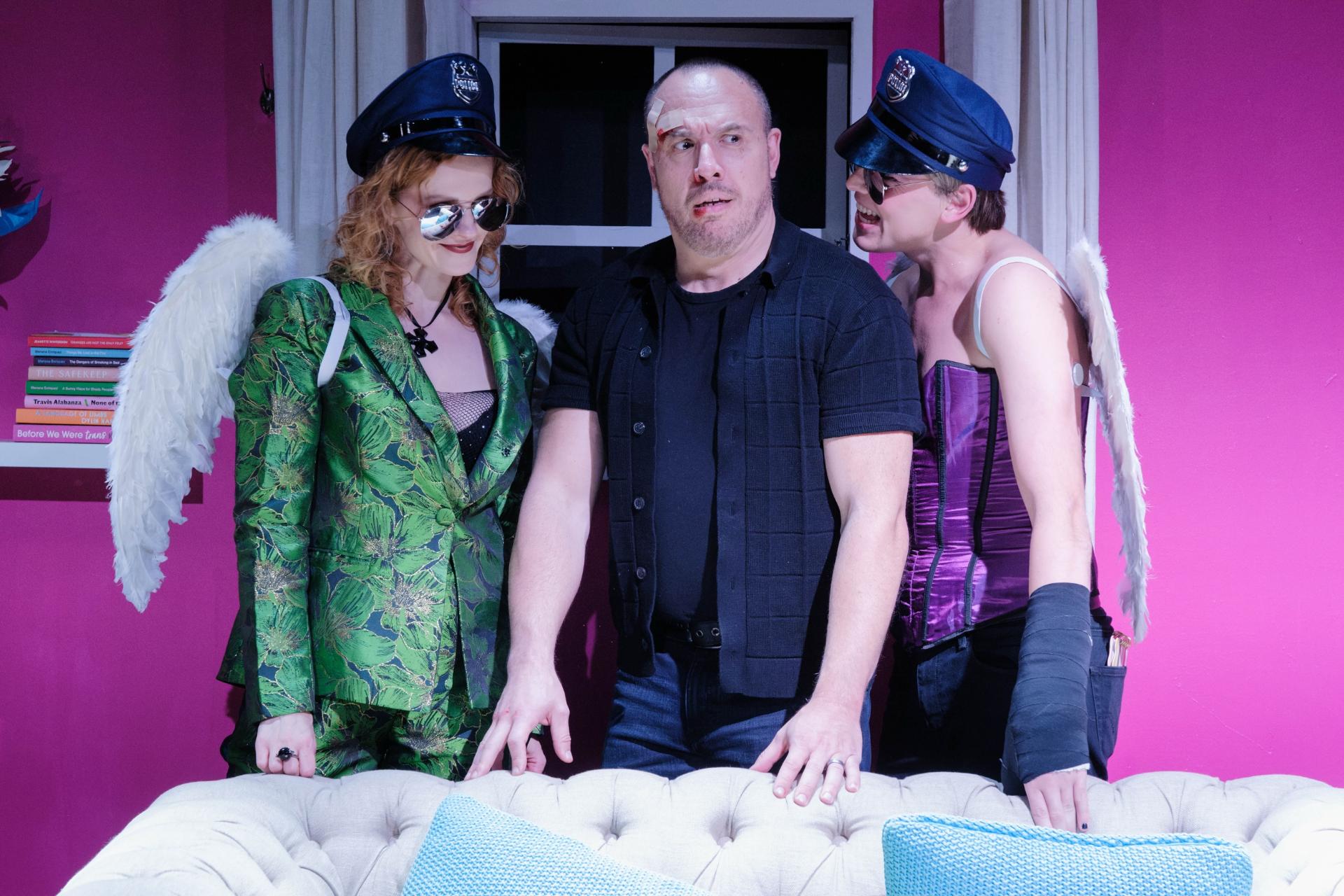
Watson’s direction makes imaginative and dynamic use of space, generating a sense of theatrical play that enlivens a story which might otherwise risk feeling overly static or confined to the domestic. Jonathan Oxlade’s production design cleverly draws on the world of roller derby, introducing wheeled elements that allow the set to transform fluidly and with considerable visual pleasure. His costume design for Nathan—the corporeal manifestation of Billie’s night terrors—is, moreover, a striking and memorable creation. Lucy Birkinshaw’s lighting is richly textured, further engaging the eye, and while Luke Smiles’s sound design at times feels overwrought and unduly intrusive, Joe Lui’s music direction—realised through a live three-piece punk band—proves an unequivocal delight and a standout feature of the production.

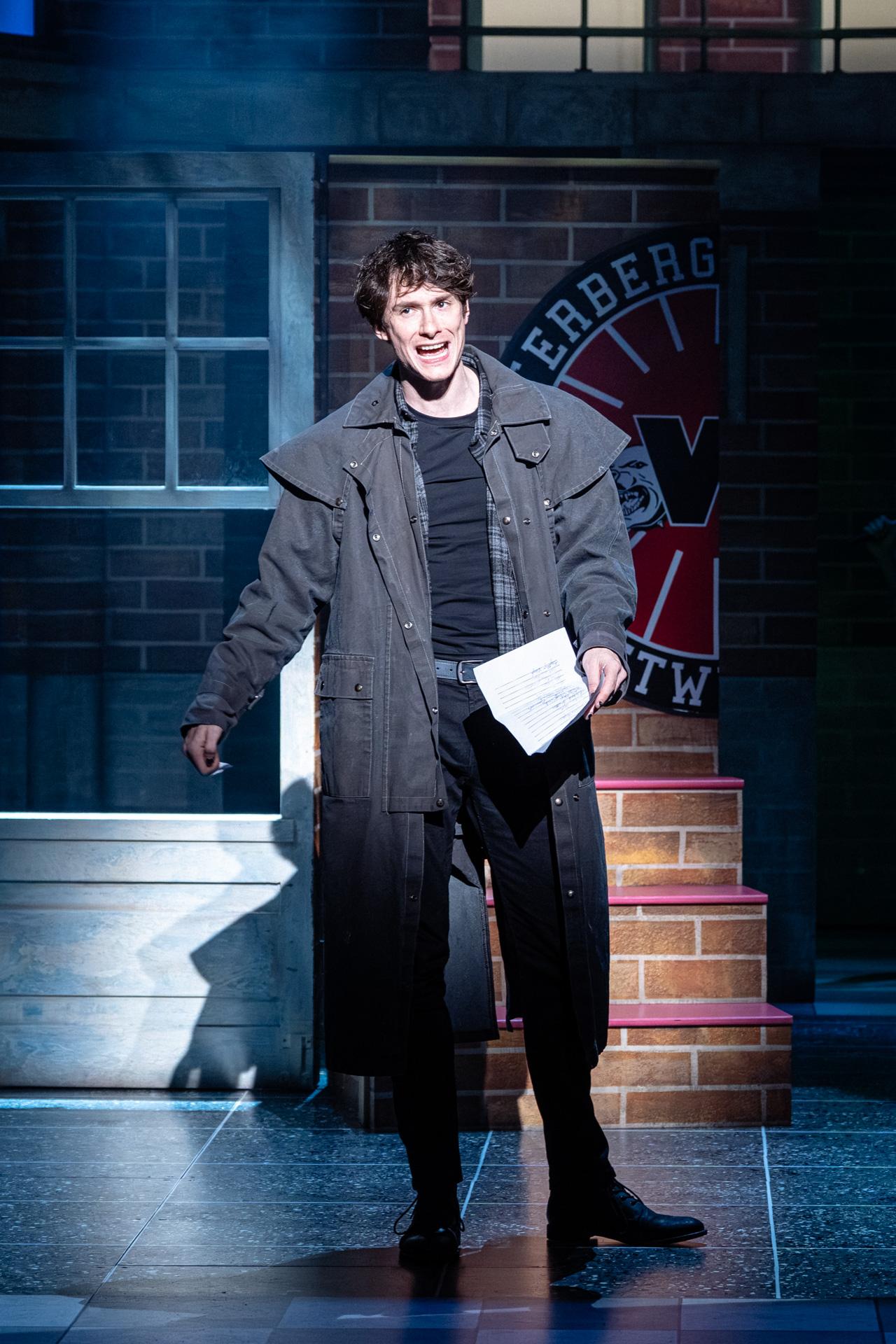
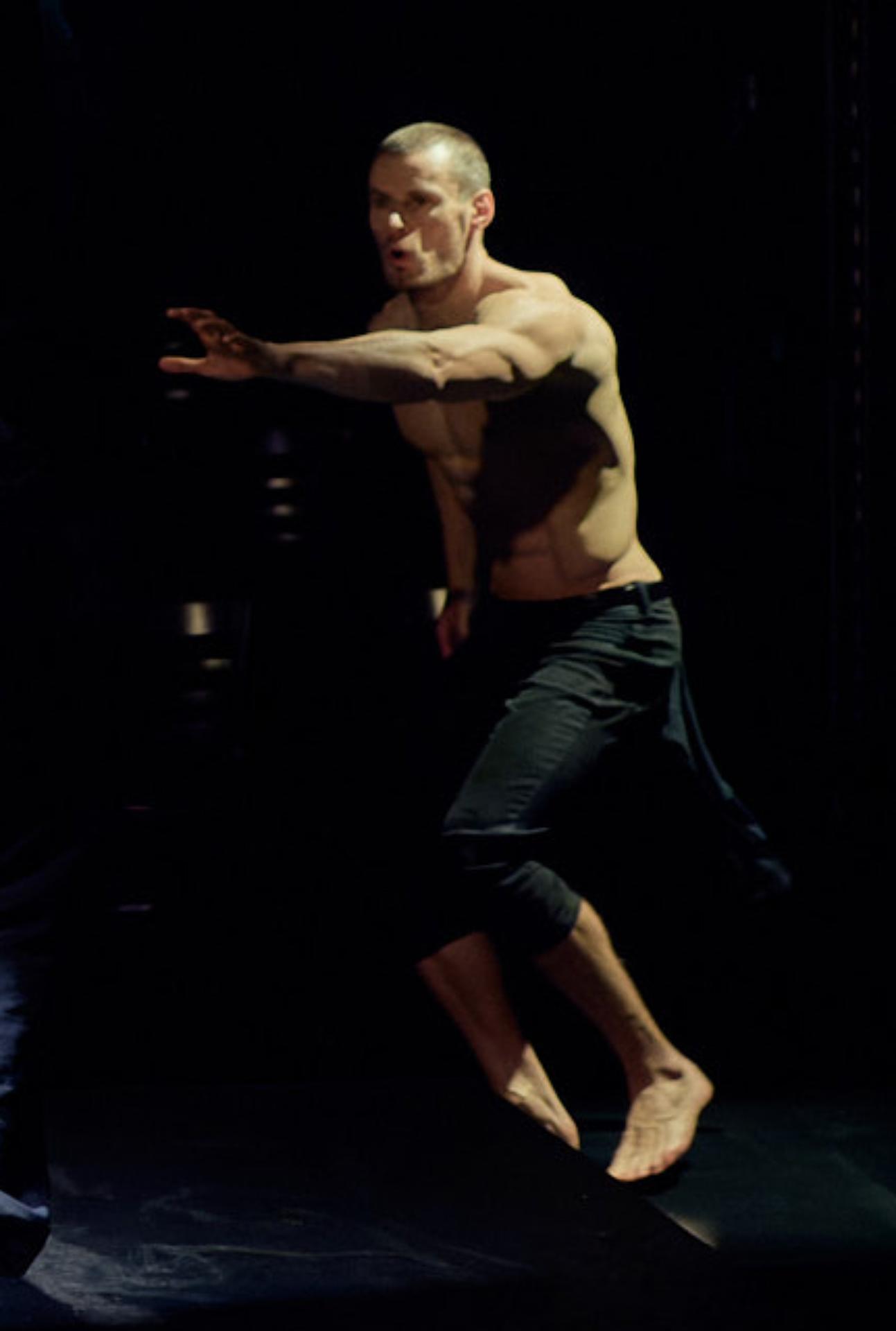
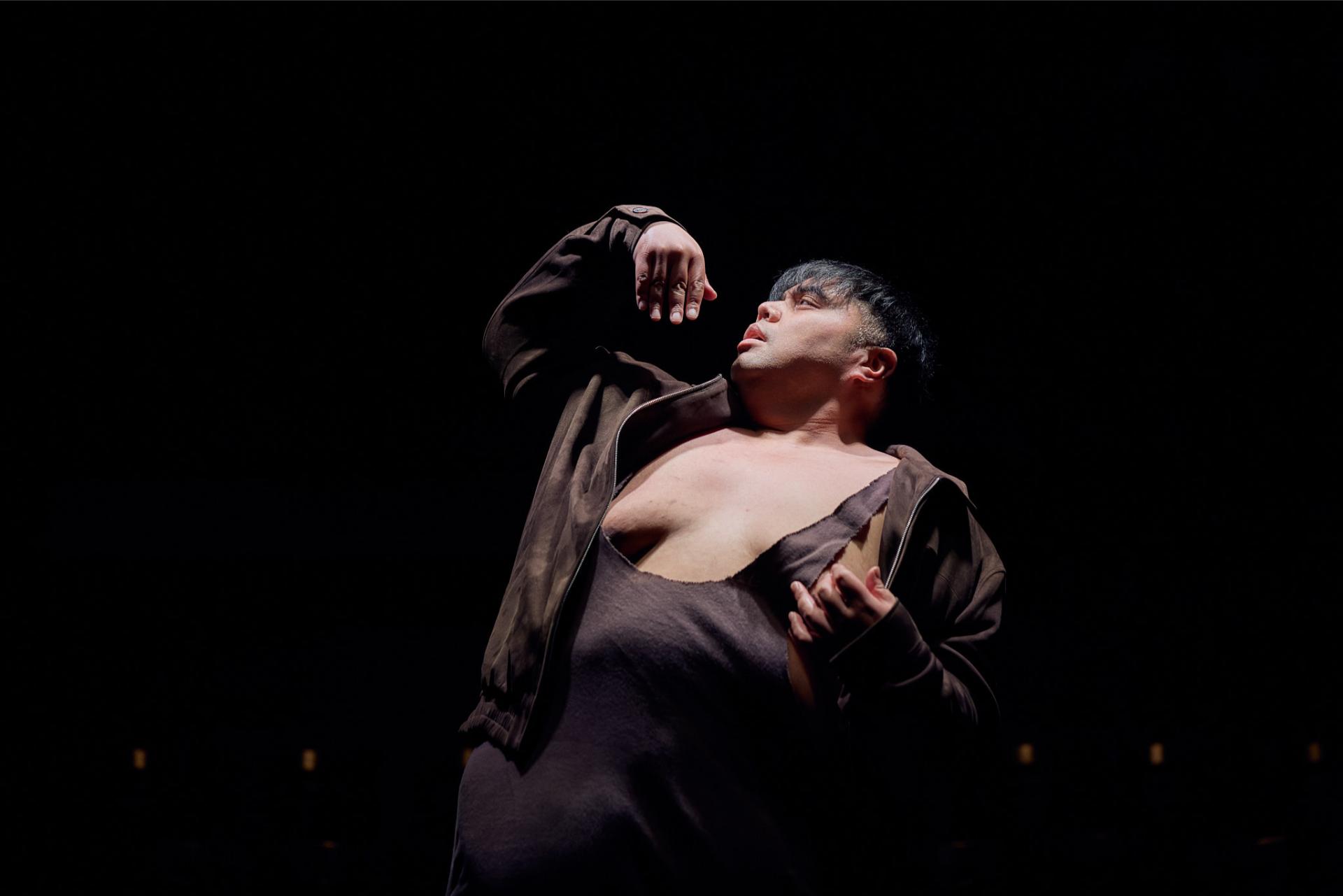
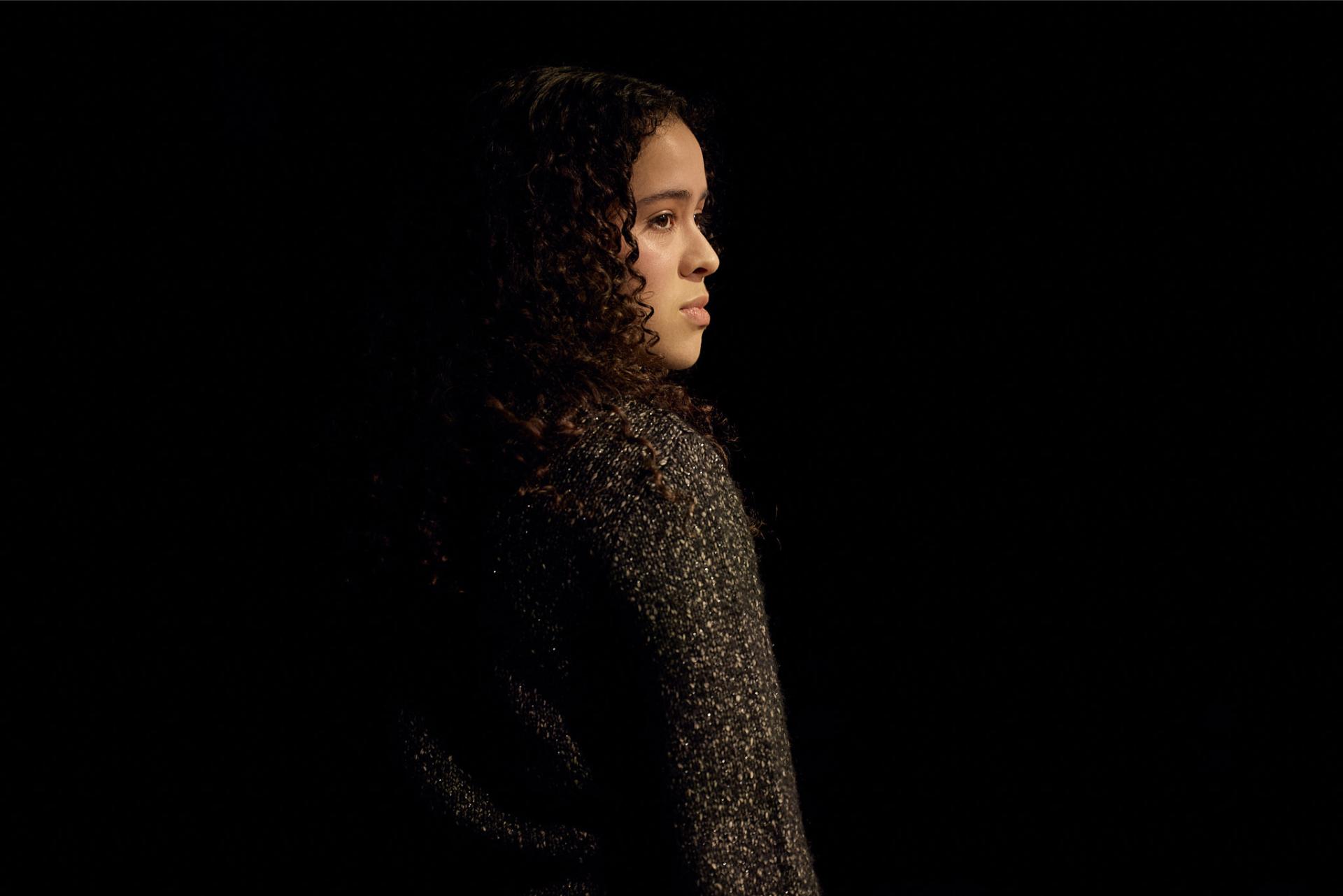
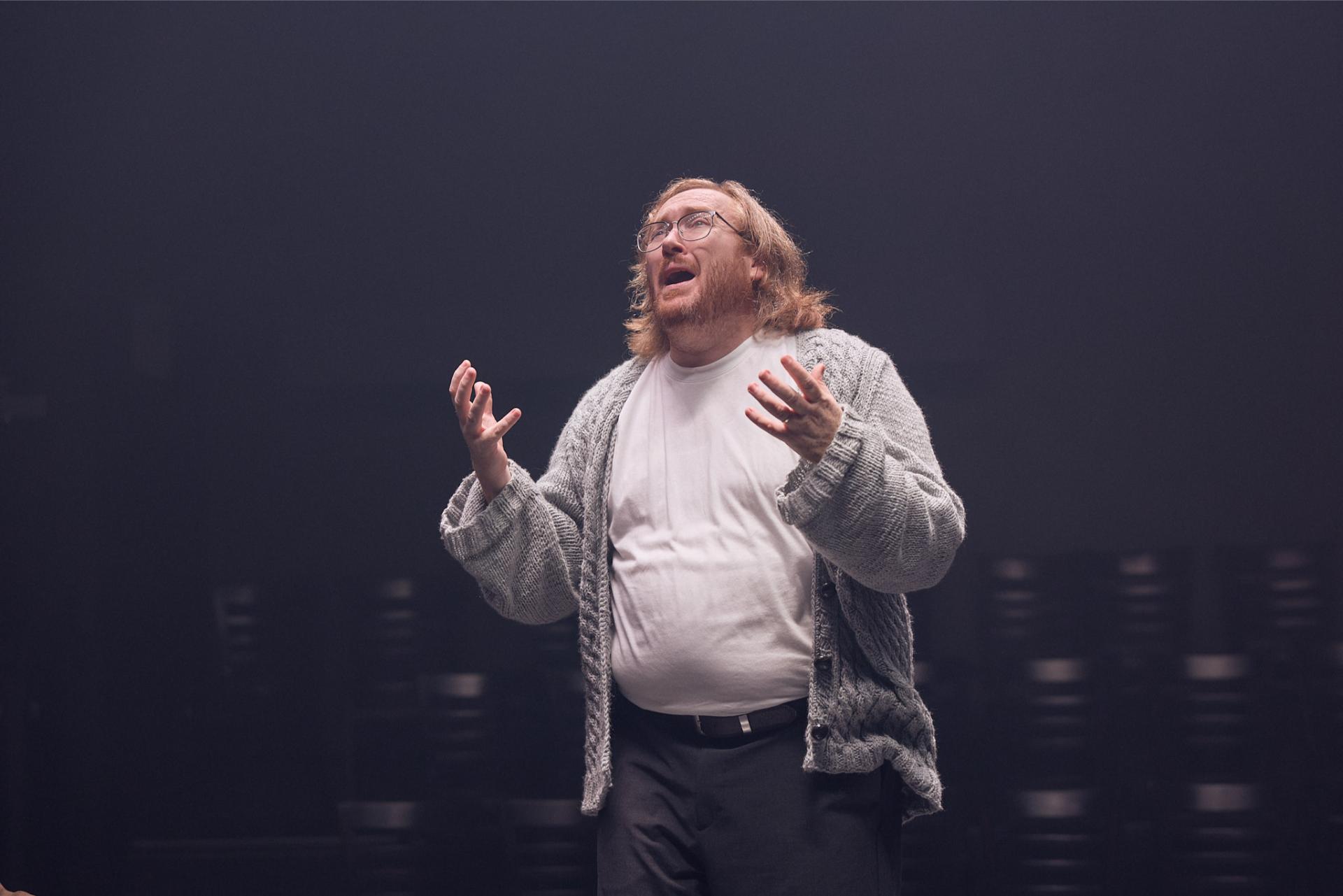
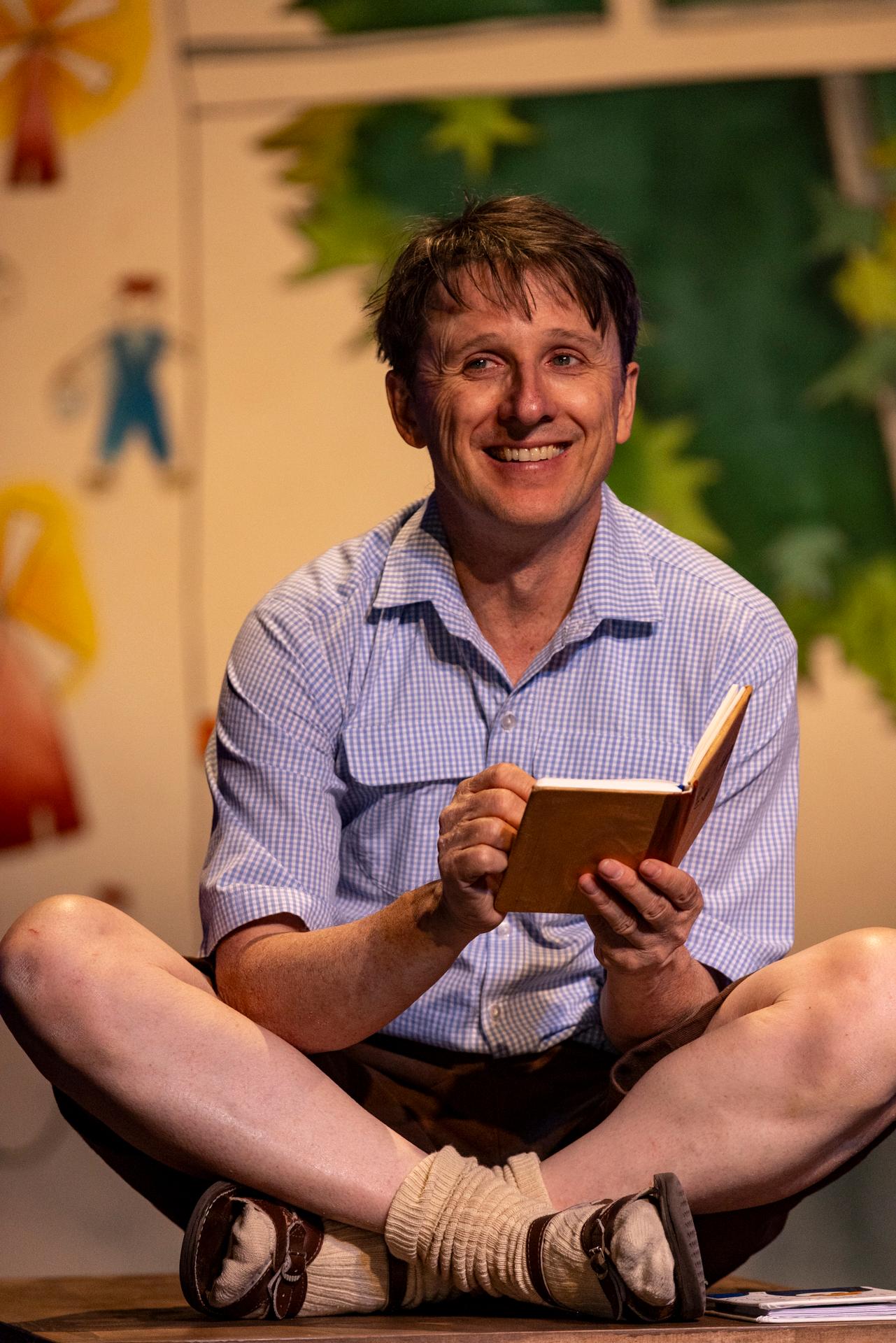
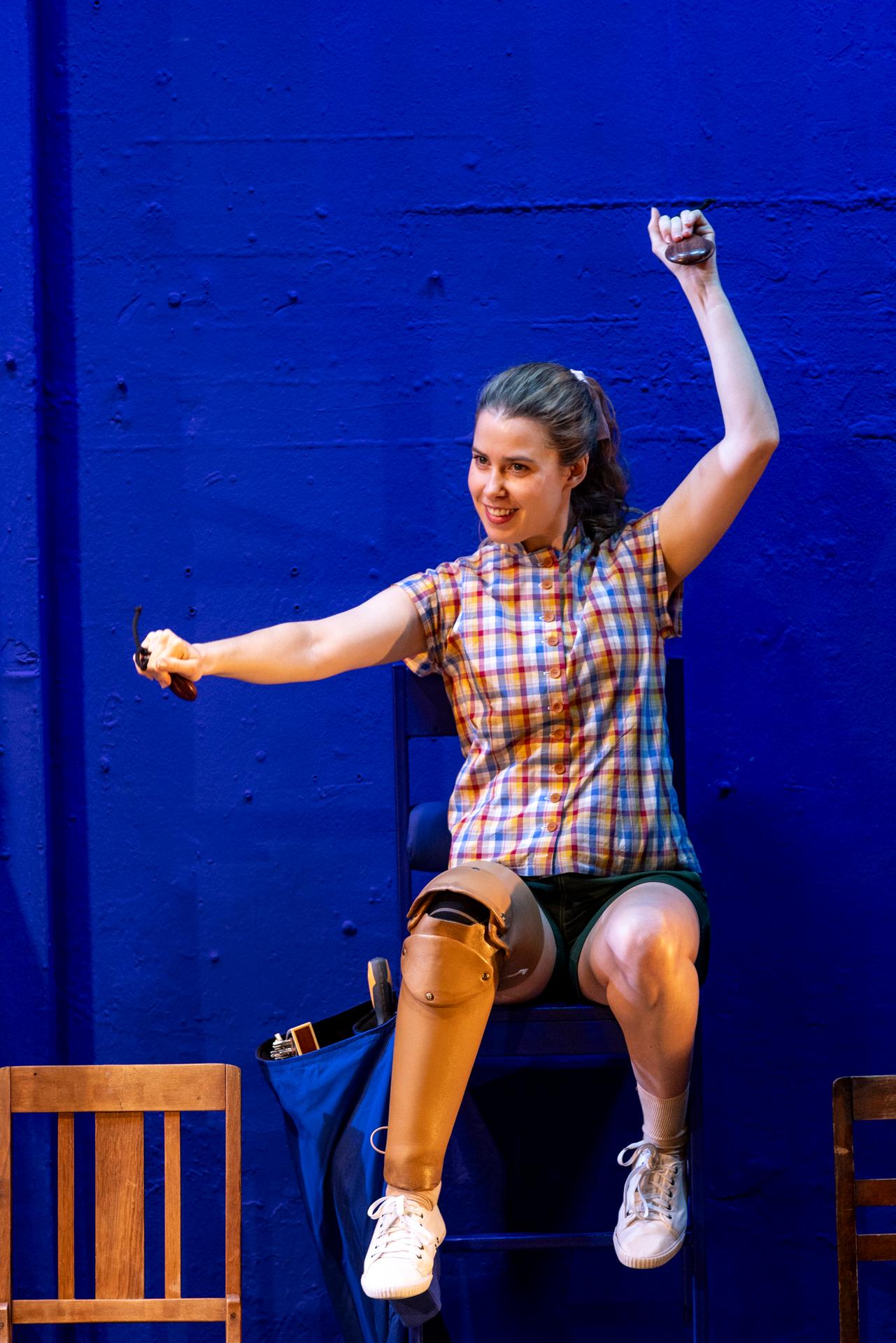
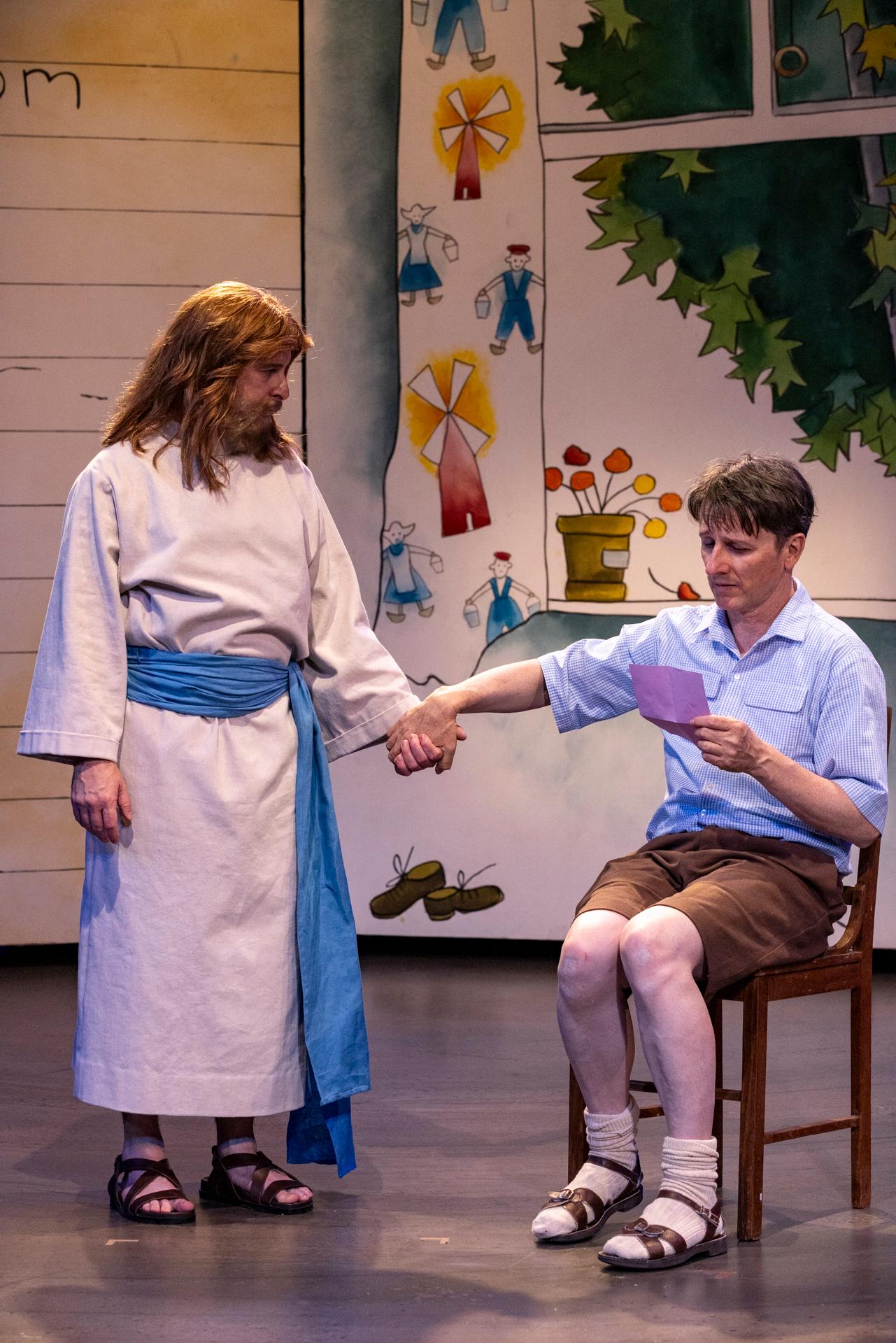
Elvy-Lee Quici, as Billie, is surprisingly convincing in capturing the rhythms of adolescence, but it is the emotional authenticity she brings to moments of heightened feeling that proves most impressive. As Maxine, Amber McMahon crafts a compelling portrait of a flawed mother, never inviting judgement, but instead allowing compassion for a woman who requires time to find her way. Benjamin Hancock is unforgettable as Nathan, imbuing his athletic embodiment of a metaphysical presence with theatrical extravagance and an exquisite measure of camp, adding a vivid and memorable dimension to the production. Crucially, the inclusion of a ten-strong derby team drawn from the Sydney Roller Derby League is, in itself, a meaningful and impactful presence within the work.

In Mama Does Derby, lives are depicted as complex and challenging, yet persistently threaded with joy. Billie and Maxine may continue to strive for better circumstances, and while a measure of harmony feels attainable, life is never presented as an unbroken state of perfection. As a coming-of-age story, the work reminds us that it is the capacity to navigate obstacles—and to locate humour within moments of setback—that gradually lightens the passage of time, making each successive year more bearable, and more delightful.

www.windmill.org.au

Review: Opera for the Dead 祭歌 (Sydney Festival)

Venue: The Neilson Nutshell (Sydney NSW), Jan 15 – 18, 2026
Creators: Monica Lim, Mindy Meng Wang
Images by Jacquie Manning

Theatre review
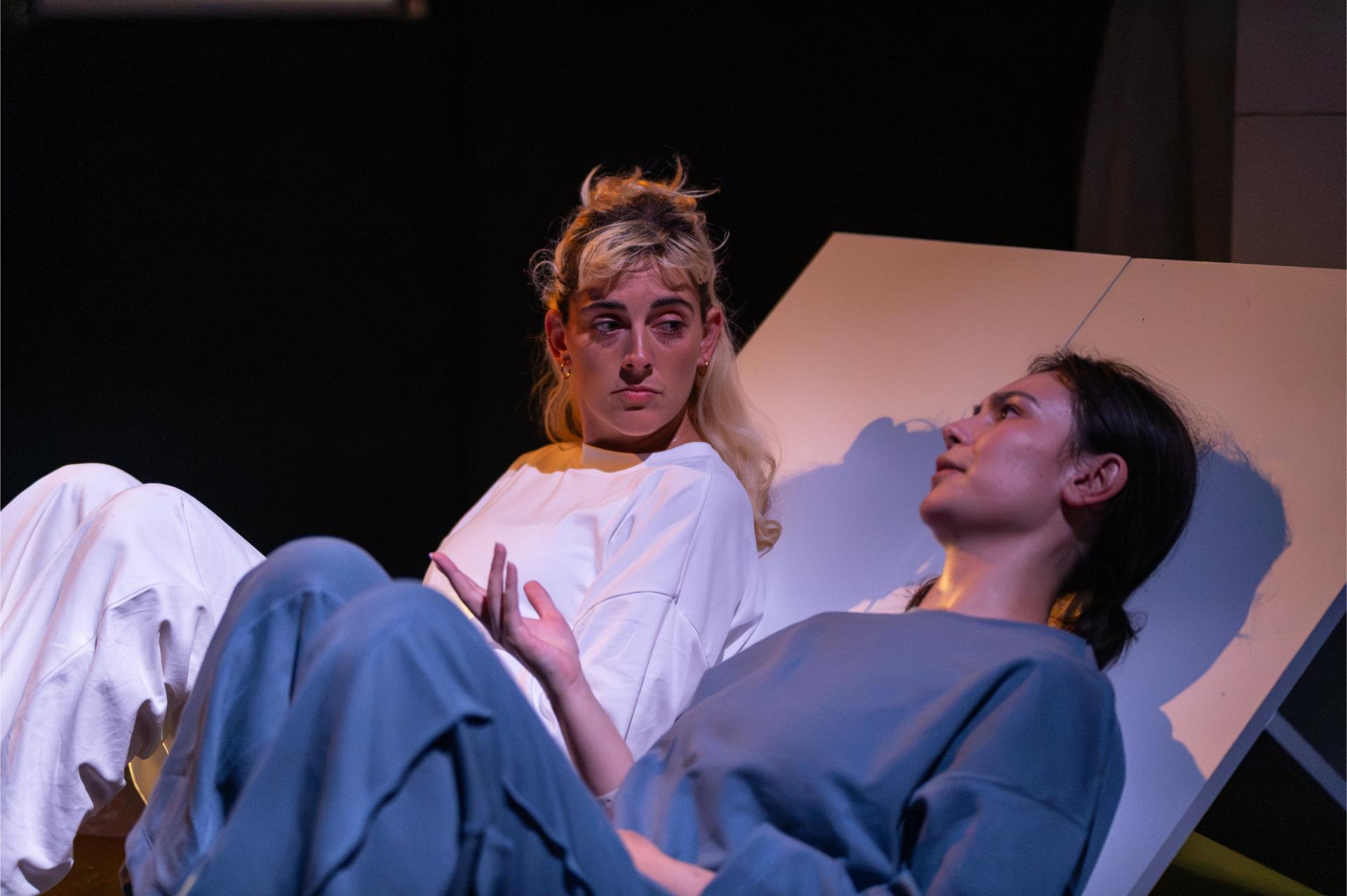
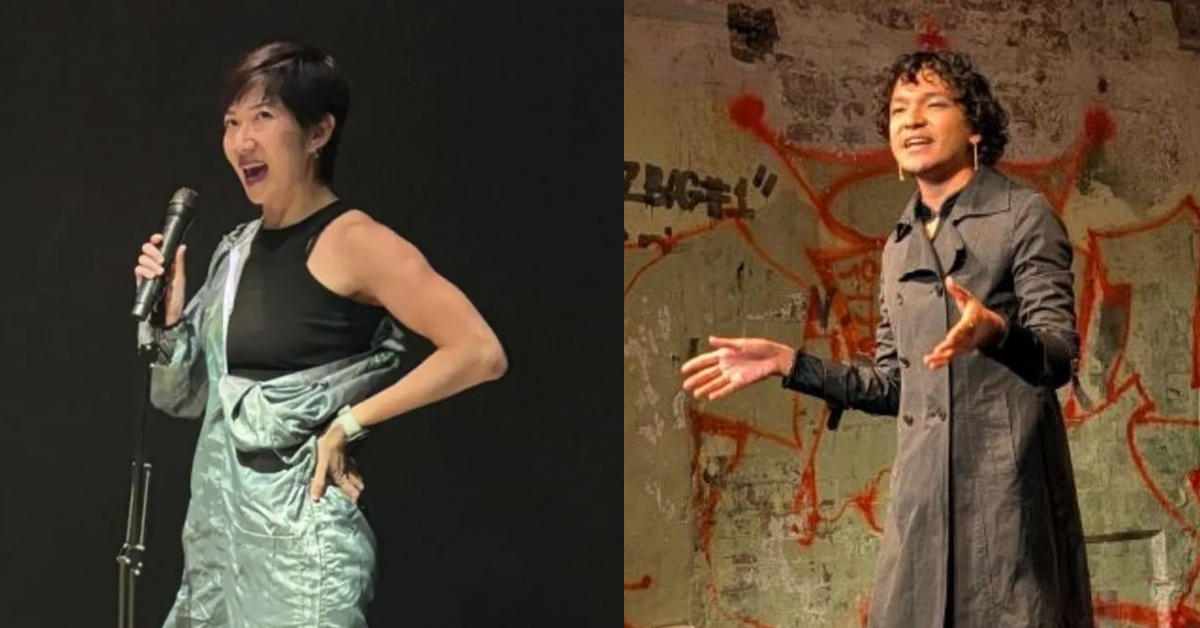
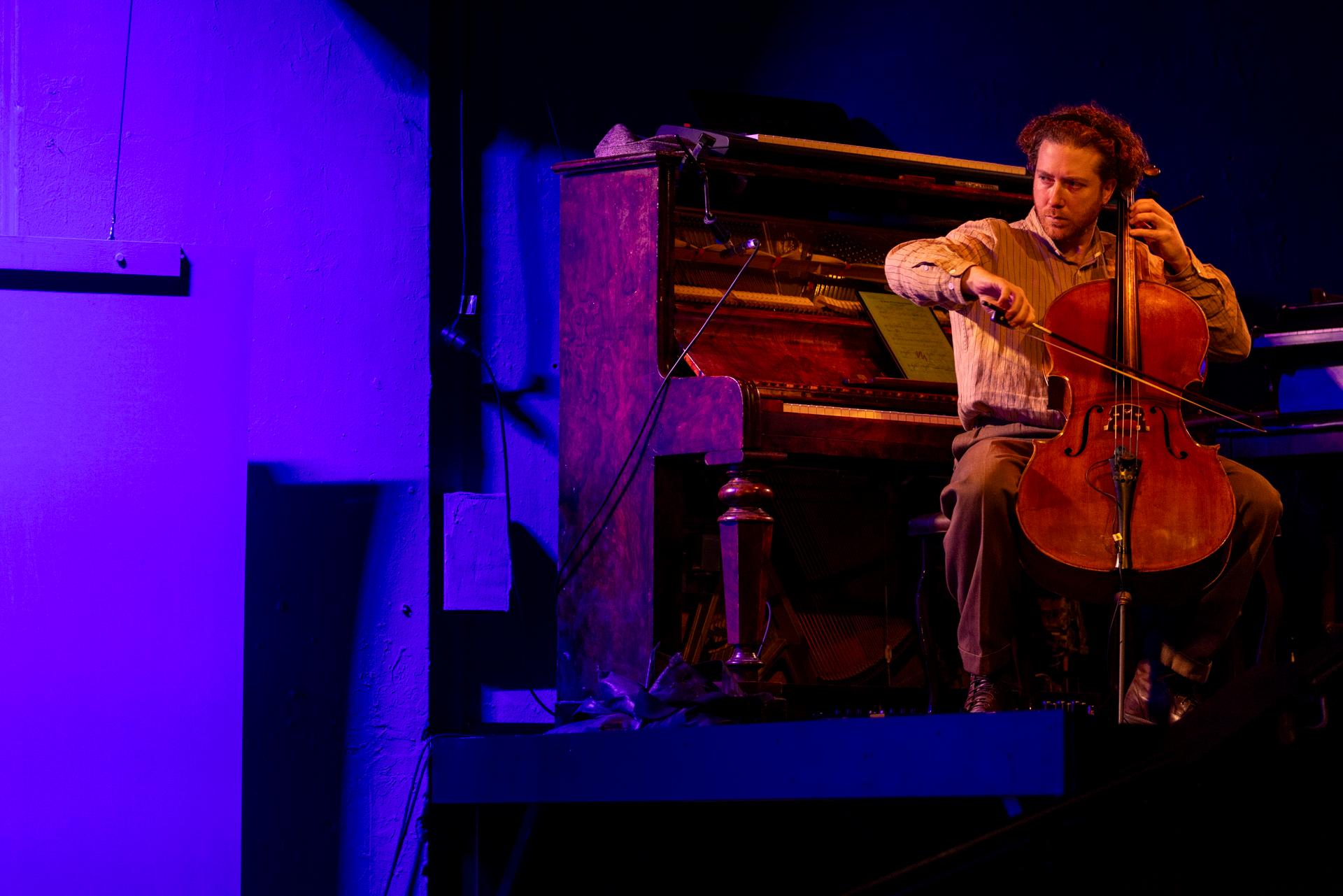
The show opens with a disembodied voice recounting a daily ritual: waking each morning, drinking tea, smoking a cigarette, and encountering the apparition of someone lost. Fittingly, Opera for the Dead 祭歌 by Mindy Meng Wang and Monica Lim unfolds as a work of abstraction—an exploration of mourning and remembrance grounded in Chinese conceptions of death and ancestral veneration. Rather than advancing a conventional plot or narrative, the piece offers a theatrical meditation shaped by resplendent music and carefully wrought visual elements, which together seek not to explain grief but to summon it, to evoke and to resonate.

Singer Yu-Tien Lin leaves an indelible impression, commanding the stage with formidable vocals that move effortlessly between traditional and contemporary idioms. Lin’s extraordinary ability to inhabit the score’s gender-fluid demands—both in technical execution and in spirit, whether 小生 or 花旦—is nothing short of mesmerising, at times genuinely jaw-dropping. Leonas Panjaitan’s costuming lends the work a stately grandeur, ingeniously repurposing operatic and mourning attire drawn from Chinese traditions. Meanwhile, Nick Roux’s video design and Jenny Hector’s lighting permit themselves moments of greater extravagance; what they deliver, however, remains unequivocally captivating.

The music of Wang and Lim is anchored in something unmistakably ancient, yet it never feels ossified; instead, it emerges as modern, invigorating and alive. For those shaped by diasporic experience, relationships to cultural origins are often fraught. We cling to memories of a homeland as though these points of origin were immutable, even as we negotiate new lives and attempt to reconcile identities that perpetually straddle two or more paradigms. Opera for the Dead 祭歌 approaches tradition not as a binary between past and present, but as a circular continuum—one that speaks not only to those with ties to China, but to anyone bound, inevitably and universally, to the condition of death.

www.insitearts.com.au

Review: Takatāpui (Trans Theatre Festival)

Venue: Carriageworks (Eveleigh NSW), Jan 10 – 15, 2026
Playwright: Daley Rangi
Cast: Daley Rangi
Image by Alec Council

Theatre review
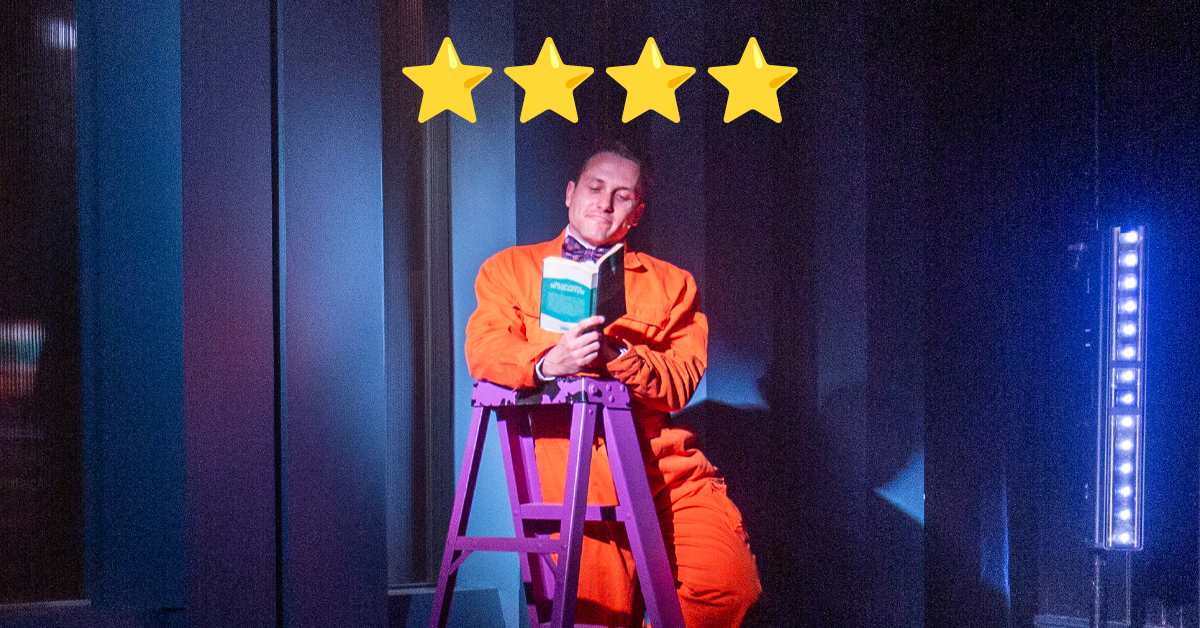
The show opens with the artist preparing to head out for a date. Poised before a mirror and confronted by his own reflection, it becomes clear that what is being rehearsed is less a social ritual than a state of psychological readiness—an attempt to negotiate self-doubt as much as appearance. Daley Rangi’s Takatāpui is a one-person work that interrogates otherness and marginalisation. Rangi occupies multiple positions of difference: Māori within a predominantly white world, and visibly queer within a milieu structured by heteronormativity. Almost inevitably, the work unfolds as a meditation on isolation and loneliness, tracing the quiet distances that emerge when identity is continually rendered peripheral.

Takatāpui is threaded with humour, though its gravity is never in doubt. Rangi’s magnetism holds the audience in effortless thrall across the hour-long duration, his lucid embodiment of complex emotional states lending a visceral clarity to the poetic language he deploys with such quiet authority. What emerges is a portrait of profound vulnerability tempered by considerable strength: in his reflections on being brown and trans, Rangi articulates a narrative of injustice that resonates deeply, not as abstraction but as lived experience, felt and shared in the room.

It is striking that, despite being staged within the starkest of settings—an empty stage anchored only by a microphone stand outfitted with small electronic contraptions—the production’s lighting and sound design are intricately conceived and exuberantly realised. These elements do far more than support the action: they actively extend and enrich the storytelling. The resulting sensorial depth comes as a welcome surprise, amplifying the work’s theatricality and lending a layered, immersive quality to what might otherwise read as austere minimalism.

Takatāpui is written from a place of profound personal intimacy, offering perspectives and experiences that are singular and unrepeatable. That human beings possess a means by which such interiority can be shared at all is something to be cherished and fiercely defended. Art may be intrinsic to our species, yet it remains fragile—perpetually vulnerable to being sidelined, muted, or censored. In the present moment, artists have become increasingly rare, and alarmingly, this scarcity is met with a troubling complacency: an acceptance that human endeavour should be reduced to the bare logic of economic survival. To relegate art to the realm of the rarefied, to treat it as a luxury rather than a necessity, is both a disgrace and a danger. In doing so, we risk forfeiting our capacity to apprehend meaning, complexity, and truth itself.

www.greendoortheatrecompany.com

Review: Dear Son (Belvoir St Theatre)

Venue: Belvoir St Theatre (Surry Hills NSW), Jan 8 – 25, 2026
Playwrights: Isaac Drandic, John Harvey (adapted from the anthology by Thomas Mayo)
Director: Isaac Drandic
Cast: Jimi Bani, Waangenga Blanco, Isaac Drandic, Kirk Page, Tibian Wyles
Images by Stephen Wilson Barker

Theatre review
Based on Thomas Mayo’s 2021 book of the same name, this stage adaptation of Dear Son brings to life twelve letters written by Indigenous men to their sons and fathers. Adapted by Isaac Drandic and John Harvey, the work translates Mayo’s exploration of love and vulnerability into theatrical form, extending his interrogation of modern masculinity beyond the page. In doing so, it reimagines how men on these lands might speak to one another—seeking to dismantle the harmful and toxic norms that have too often underpinned traditional models of male behaviour.

Framed as a men’s group gathered around a campfire, with the letters spoken into lived, embodied presence, Drandic’s direction of Dear Son foregrounds the intimacy that can exist between men. The production reveals the depth of emotional support made possible when fear, shame, and embarrassment are set aside, allowing connection and care to take their place.

Kevin O’Brien’s set design anchors the production in an earthy, grounded sensibility, while Delvene Cockatoo-Collins’s costumes lend each character a sense of everyday authenticity. David Walters’s lighting is emotionally resonant throughout, shaping each moment with care, and Wil Hughes’s sound design infuses the work with a quiet tenderness that gently guides and deepens our empathetic response.

Jimi Bani, Waangenga Blanco, Isaac Drandic, Kirk Page and Tibian Wyles comprise an ensemble representing First Nations men from across the continent. Each performer brings dignity and clarity of intention, and together their easy chemistry renders these portrayals of aspirational masculinity wholly convincing—models grounded in care, accountability, and a shared commitment to healing, both personal and communal. In their hands, healing is not an abstract ideal but a lived, generous practice—one that reaches outward, inviting audiences to imagine its possibilities for themselves.

www.belvoir.com.au

Review: Putting It Together (Foundry Theatre)

Venue: Foundry Theatre (Pyrmont NSW), Jan 6 – Feb 15, 2026
Words and Music: Stephen Sondheim
Director: Cameron Mitchell
Cast: Stefanie Caccamo, Michael Cormick, Nigel Huckle, Bert LaBonté, Caroline O’Connor
Images by Daniel Boud

Theatre review
Titled Putting It Together: A Musical Review, devised by Stephen Sondheim and Julia McKenzie, the revue offers an ostensibly eclectic yet undeniably compelling survey of Sondheim’s oeuvre. The work unfolds as a loosely assembled showcase of songs—each brilliant in its own right—exploring intricate ideas and psychologically complex characters. Admirers of the Broadway master will find much to savour, and while the piece dispenses with a conventional narrative arc, the sheer intelligence and craft of Sondheim’s songwriting ensure its appeal to even the most discerning music lovers.

Under Cameron Mitchell’s direction, the production is polished, if overly restrained and polite, with choreography that renders each movement fluid and visually harmonious. Nick Fry’s set design deftly evokes the glamour of twentieth-century America, while Trudy Dalgleish’s lighting lends a complementary sheen that further elevates the scenic palette. Nigel Shaw’s costumes, though understated, are nonetheless elegant and flattering, contributing quietly but effectively to the overall aesthetic.
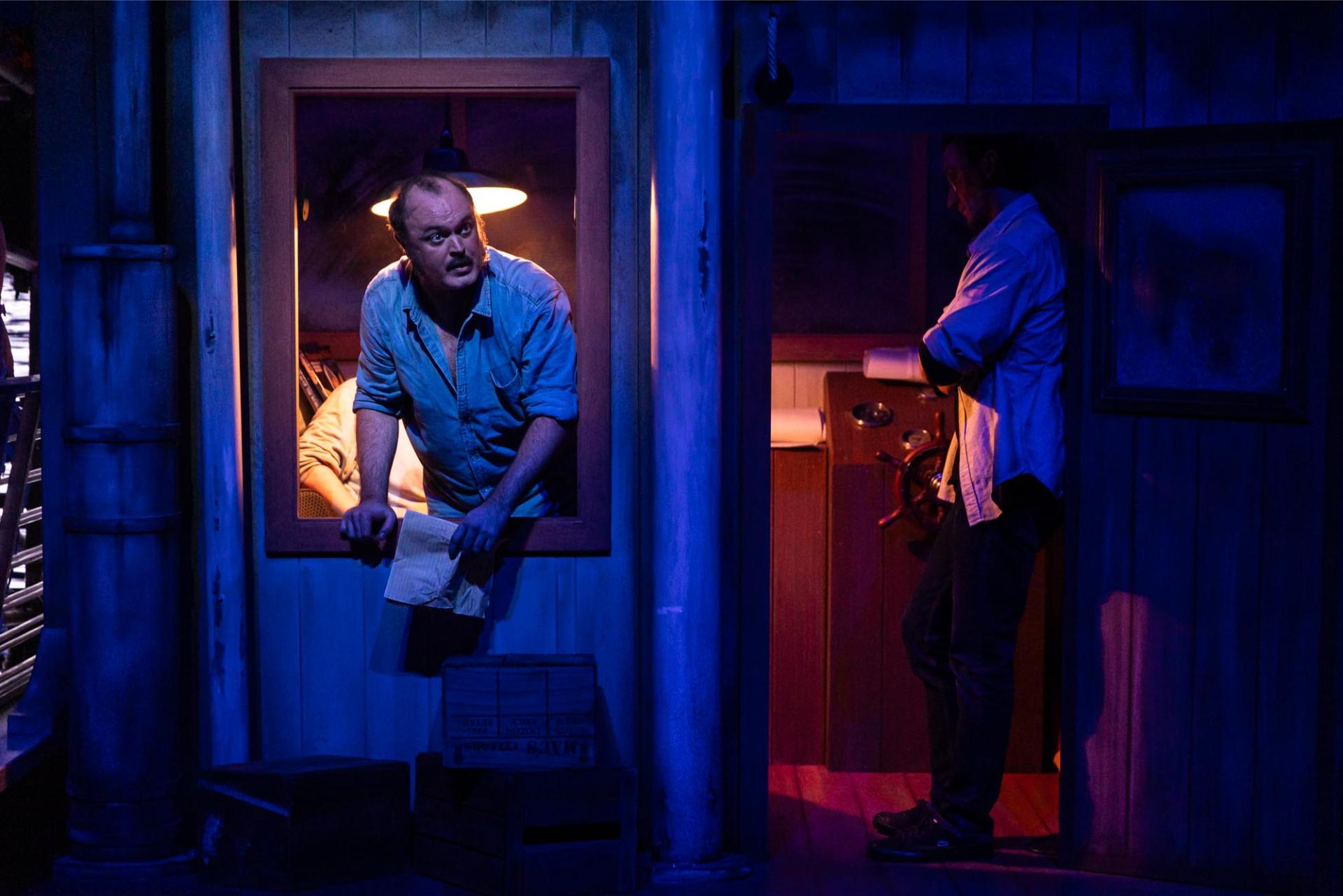
A highly accomplished cast anchors the production, led by Bert LaBonté, whose charisma and warmth cut through the material, ensuring the evening never lapses into stasis. Stefanie Caccamo’s relentlessly dynamic vocals are a particular delight, each phrase delivered with astonishing precision and expressive control. Michael Cormick, Nigel Huckle, and Caroline O’Connor likewise register strongly, each enjoying moments of distinction within a staging notable for its consummate professionalism.
Completing the picture, Kevin Wang’s musical direction proves a standout, drawing remarkable richness and depth from a pared-back ensemble of two pianos and rhythm section. Sondheim’s songs remain incontestably magnificent, and this iteration of Putting It Together demonstrates how even the lightest touch of theatrical framing can unlock a remarkable degree of magic.

www.foundrytheatre.com.au

Review: Burgerz (Trans Theatre Festival)

Venue: Carriageworks (Eveleigh NSW), Jan 7 – 18, 2026
Playwright: Travis Alabanza
Director: Sam Curtis Lindsay
Cast: Travis Alabanza
Images by Dorothea Tuch

Theatre review
Travis Alabanza embarks on the deceptively simple task of making their first burger, a venture that is daunting from its very inception. Expectations loom large: rules to be followed, standards to be met, and a destination already mapped out for a journey that has barely begun. Conscious of the weight of these prescriptions, Alabanza invites a volunteer to join them on stage—specifically a straight white man. The choice is pointed rather than incidental, reflecting the reality that so many of the rules governing our lives, both in the UK where the work originated and here in Australia, are institutionalised by those who fit precisely that description.

A work that confronts both trans identity and lived experience as a person of colour, Burgerz is scintillating theatre that embeds danger at its very core. The volunteer does not appear briefly for light-hearted audience interaction; instead, he remains on stage alongside Alabanza for a substantial duration of the performance. This sustained presence heightens a palpable sense that “anything could happen”—a tension that lies at the heart of compelling theatre. More crucially, it mirrors the lived precarity of navigating heteronormative spaces as a trans person of colour, where the possibility of violence is never abstract, but ever-present, hovering in the background of even the most mundane encounters.

The risks Alabanza takes pay off emphatically. Immersed in an unrelenting atmosphere of vulnerability, the audience is held rapt, invested from the opening moments to the final beat. Alabanza’s exquisite wit and disarming charm ensure an unwavering alignment with them, while their intimate command of the material allows each unrehearsed moment of spontaneity—prompted by the surprise presence of a volunteer—to be met with razor-sharp sass and impeccable comic timing. Their capacity to generate genuine chemistry with a stranger is unequivocally extraordinary, resulting in a performance that is both singular and indelibly memorable.

Under Sam Curtis Lindsay’s direction, the work unfolds with instinctive precision, shaping a journey of unexpected texture and continual surprise, one that proves quietly and deeply emotional. The production remains consistently delightful while keeping audiences alert to its shifting rhythms and tonal turns. Soutra Gilmour’s production design embraces a pop-inflected sensibility that complements Alabanza’s signature, calculated flippancy. Lighting by Lee Curran and Lauren Woodhead, together with sound design by XANA, steers the staging through finely calibrated transitions of mood and atmosphere, reinforcing the work’s emotional and theatrical dexterity.

A man once hurled a burger at Alabanza in a public space, an act intended as humiliation and degradation. Alabanza can do everything within their power to reclaim and reframe the incident and its significance, yet a harder truth remains: it is not personal reckoning alone that must shift, but the conditions that permit such acts to occur. We watch Alabanza sink into deep contemplation, meticulously interrogating and dismantling the forces that render the world both resolutely and insidiously exclusionary.

What ultimately comes into focus is an irrefutable understanding that meaningful change requires collective responsibility. We are bound together by the inevitability of shared existence, and the work of recognising—let alone sustaining—one another’s humanity remains the most profound challenge of simply being here.

www.greendoortheatrecompany.com

Review: A Chinese Christmas 给我婆婆的情书 (KXT on Broadway)

Venue: KXT on Broadway (Ultimo NSW), Dec 10 – 20, 2025
Playwright: Trent Foo
Director:
Monica Sayers
Cast: Trent Foo, Jolin Jiang, Tiang Lim
Images by Robert Miniter

Theatre review
It is Christmastime, and Heeba finds himself tasked with hosting the family’s annual celebration. In an effort to imbue the occasion with meaning beyond ritual and excess, he summons his Chinese ancestors—less as a supernatural flourish than as a means of interrogating what might truly make the season resonate, and of reflecting on his own sense of self at a moment when the holiday’s frivolity threatens to overwhelm its substance.

Trent Foo’s Dickens-inspired A Chinese Christmas is a vulnerable and tender offering, the work of a young artist searching for cultural anchorage within a milieu still stubbornly centred on whiteness. While the piece would benefit from a more cohesive and dynamically structured narrative, its gentle ruminations on heritage, belonging, and identity possess an undeniable charm, one that lingers well beyond the festive trappings.

Monica Sayers’ assured direction offers much to engage with, shaping a production that approaches its subject with striking honesty and humour. The work articulates, with sensitivity and clarity, the experience of existing in-between worlds, while reanimating traditional concepts in ways that feel newly resonant rather than merely inherited.

Amy Lane’s inventive set design situates the audience within a liminal realm, almost purgatorial in its effect, while Cat Mai’s lighting deepens the atmosphere, heightening the production’s ghostly, otherworldly qualities with deft theatricality. Equally accomplished is Jolin Jiang’s music and sound design, which balances the ethereal with a distinct sense of Chineseness with notable finesse, enriching the experience through textures and tones too often flattened or dismissed as simply “foreign.”

Jiang performs a substantial portion of her score live on stage, embodying the ethereal presence of Lady Dai with striking precision and interpretive acuity. Foo is abundantly charismatic and energetic, infusing the central role with a valuable soulfulness that imparts to it a keen sense of purpose. As Heeba’s grandmother, Tiang Lim is quietly memorable, her graceful presence serving as an evocative embodiment of ancestral lineage and inherited memory.

In an increasingly secular world, Christmas persists as a day of collective observance—less a commemoration of a deity’s birth than an occasion for connection, with kin both biological and chosen. It becomes a moment to engage with tradition, to acknowledge the journeys that have unfolded, and to situate oneself more consciously within the present.

In this hallucinatory episode, Heepa encounters the past, the present, and that which is yet to come, not through the moralistic scaffolding of Dickensian redemption, but via a framework shaped by intersecting destinies. These convergences render tangible and meaningful the ways in which one might navigate an existence that honours those to whom one remains, forever, inextricably bound. Here, remembrance itself becomes an act of love, and for Heepa, moving forward with resolve means carrying them gently—at once inheritance and solace.

www.kingsxtheatre.com | www.instagram.com/fooframeproductions

Review: Beautiful Thing (Qtopia)

Venue: Qtopia (Darlinghurst NSW), Dec 3 – 13, 2025
Playwright: Jonathan Harvey
Director: Finn Stannard
Cast: Poppy Cozens, Max Dÿkstra, Michael Hogg, Willa King, Jake Walker
Images by Alexandra Tiernan, Yingying Zhang

Theatre review

It is challenging enough for two teenage boys to fall in love, but the lower-socioeconomic circumstances into which Jamie and Ste are born make the prospect exponentially more fraught. Jonathan Harvey’s seminal Beautiful Thing may be more than thirty years old, yet not a moment of it feels antiquated. Still resonant and urgent, the play continues to illuminate a vital social discourse while remaining every bit as entertaining and affecting as it ever was.

Under the direction of Finn Stannard, this production proves a genuine delight, distinguished by its keen focus on the intimacies between characters and its palpable tenderness toward individuals navigating their own distinct hardships. The set, designed by Laila McCarthy and Zoe Young, is both convincing and versatile, while Raphael Gennusa’s unadorned lighting design shifts quietly, guiding us gently through the changing moods of each scene.

Jake Walker engenders genuine empathy as Jamie, delivering a persuasive portrait of youthful innocence edged with quiet longing. Max Dÿkstra may veer toward understatement as Ste, yet his restraint never obscures the depth of the young man’s turmoil, which remains palpable throughout. Their mutual friend Leah is vivaciously inhabited by Poppy Cozens, whose irrepressible sass and streak of mischief punctuate the play with welcome irreverence. Equally playful is Willa King as Jamie’s mother, Sandra; she injects the production with invaluable verve and humour, while capturing with striking precision the realities of a single mother navigating the precarity of the lower working class. Her boyfriend Tony, portrayed by Michael Hogg, may not always land the comedic beats, but he compensates with a deft sensitivity that emerges at precisely the moments the drama most requires.

In 1993, few could have imagined that same-sex marriage would become a lived reality within a single generation, yet history has a way of revealing humanity’s capacity for radical progress. For many queer youth, particularly those in the West, growing up beyond the strictures of heteronormativity has grown markedly less daunting with each passing decade. Living in poverty, however, remains a far more stubborn barrier to liberation, especially in an era marked by worsening wealth disparities that entrench disadvantage as swiftly as social attitudes evolve. It is a sobering reminder that equality in law does not instantly translate to equality in life — and that love, though triumphant, still has to fight for its footing.

Review: Pretty Woman (Theatre Royal)

Venue: Theatre Royal (Sydney NSW), Nov 30, 2025 – Mar 1, 2026
Book: Garry Marshall, J.F. Lawton
Music & Lyrics: Bryan Adams, Jim Vallance
Director: Jerry Mitchell
Cast: Michelle Brasier, Ben Hall, Doug Hansell, Samantha Jade, Tim Omaji
Images by Daniel Boud

Theatre review
Vivian is a sex worker hired for a week by Edward, a corporate high-flyer briefly in town for business. The two appear to share almost nothing in common, save for an unspoken desire to abandon the very careers that have come to define them. Yet they spark instantly, and against all expectations, find themselves tumbling into a romance neither had anticipated. The musical adaptation of the 1990 blockbuster Pretty Woman retains all the swooning charm of the original, with a score by Bryan Adams and Jim Vallance that lands comfortably within the Broadway tradition—perhaps not as indelibly memorable as the genre’s greatest hits, but melodic and satisfying all the same.

The production, directed by Jerry Mitchell, makes no attempt to reinvent the wheel, yet offers ample pleasures for those drawn to theatrical verve and straightforward sentimentality. Samantha Jade is an endearing Vivian, imbuing the role with a touch of soulfulness that helps counterbalance the show’s unmistakably sanitised veneer. As Edward, Ben Hall may be short on effortless charisma, but he delivers each vocal line with precision and grace. And where the central couple falls short in chemistry, Tim Omaji steps in with exuberance to spare; in his dual turns as Happy Man and Mr Thompson, he injects the evening with irresistible pizazz and a buoyant joie de vivre.

At its heart, Pretty Woman is a story about people who have stopped expecting anything good to come their way, and who suddenly find themselves confronted with the possibility of something better. Both Vivian and Edward begin from places of quiet resignation, navigating lives that feel predetermined and constrained. Their unlikely romance becomes a small but potent reminder that even in moments coloured by hopelessness, human connection can open a path toward renewal. The show’s enduring appeal lies in this simple promise: that love, however improbable, can interrupt despair and, just briefly, allow two lost souls to imagine a different future.

www.prettywomanthemusical.com.au

Review: Dial M For Murder (Ensemble Theatre)

Venue: Ensemble Theatre (Kirribilli NSW), Nov 28, 2025 – Jan 11, 2026
Playwright: Jeffrey Hatcher (from the original by Frederick Knott)
Director: Mark Kilmurry
Cast: Garth Holcombe, Madeleine Jones, Kenneth Moraleda, Anna Samson, David Soncin
Images by Phil Erbacher

Theatre review
Margot is conducting an affair, unaware that her husband Tony is quietly engineering her murder. Yet in Dial M for Murder, even the most meticulous schemes refuse to unfold as intended, giving rise to a cascade of unforeseen twists. Jeffrey Hatcher’s adaptation of Frederick Knott’s seminal play and film may not conform to the conventions of a traditional whodunnit, but it possesses all the hallmarks of an investigative classic—suspenseful, cunningly constructed, and keeping us on tenterhooks as we strain to anticipate its final reckoning.

Marvellously taut direction from Mark Kilmurry, laced with a gentle, sly humour, yields a thoroughly engaging night at the theatre. While Kilmurry’s treatment of this 1952 tale is not especially inventive, it has no difficulty holding us captive throughout. Each plot revelation is unveiled with delectable finesse, delivering the kind of satisfaction that reminds us why this genre endures so effortlessly.

Nick Fry’s handsome set design allows for fluid, elegant movement, while presenting a sophisticated colour palette that evokes the period yet remains visually appealing. His costumes, impeccably realised, convincingly embody the refinement of the English upper class. Matt Cox’s lighting, with its warm amber glow, flatters the stage picture and injects a quietly simmering dramatic tension. Madeleine Picard’s music, lush and evocative of mid-century cinema, proves sumptuous throughout, ever attuned to deepening the atmosphere of intrigue.

Anna Samson and Garth Holcombe embody, with remarkable acuity, a couple burdened by secrets. Both deliver finely detailed performances that steer the narrative through its dizzying succession of twists, offering a delectable touch of extravagance that never tips into excess. Madeleine Jones and David Soncin provide compelling support, but it is Kenneth Moraleda’s turn as Inspector Hubbard that proves especially irresistible. He infuses the role with a distinctive quirkiness, lending the production an added spark that elevates its overall charm. At the end, the production is an excellent reminder of how perversely delightful it can be to revel in a story woven from such unabashedly heinous acts.

www.ensemble.com.au